ARABELLA HEALTH & WELLNESS OF MOBILE
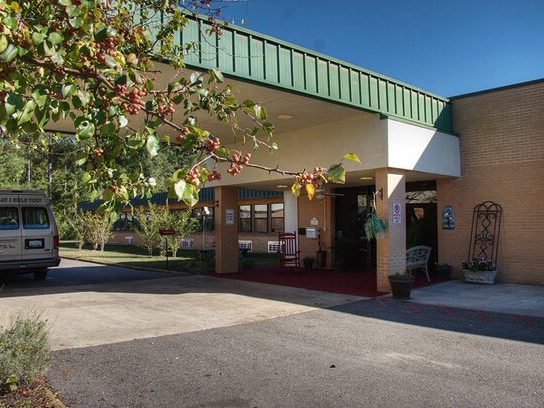

1758 SPRINGHILL AVE, MOBILE, AL 36607 (251) 479-0551
For profit - Limited Liability company 170 Beds ARABELLA HEALTHCARE MANAGEMENT Data: November 2025
Trust Grade
65/100
#83 of 223 in AL
Last Inspection: January 2022

Over 2 years since last inspection. Current conditions may differ from available data.

Overview

Arabella Health & Wellness of Mobile has a Trust Grade of C+, which means it is considered decent and slightly above average. It ranks #83 out of 223 nursing homes in Alabama, placing it in the top half, but it is #10 out of 16 in Mobile County, indicating there are better local options. The facility's performance has been stable over recent years, with two issues identified in both 2019 and 2022. Staffing is a mixed bag; although the RN coverage is better than 86% of Alabama facilities, the staff turnover rate is concerning at 62%, significantly higher than the state average of 48%. On the positive side, there have been no fines, which suggests compliance is generally good. However, there are some noteworthy incidents, such as staff not properly wearing N95 masks during the COVID-19 pandemic, which could have affected all residents. Additionally, one resident on antipsychotic and antidepressant medications was not monitored for side effects as required, and there were issues with timely communication of care plans to residents' representatives. Overall, while there are strengths, these concerns highlight areas that families should carefully consider when researching this facility.

Trust Score
C+
65/100
In Alabama
#83/223
Top 37%
Safety Record
Low Risk
No red flags
Inspections
Holding Steady
2 → 2 violations
Staff Stability
⚠ Watch
62% turnover. Above average. Higher turnover means staff may not know residents' routines.
Penalties
✓ Good
No fines on record. Clean compliance history, better than most Alabama facilities.
Skilled Nurses
✓ Good
Each resident gets 47 minutes of Registered Nurse (RN) attention daily — more than average for Alabama. RNs are trained to catch health problems early.
Violations
○ Average
6 deficiencies on record. Average for a facility this size. Mostly minor or procedural issues.
★★★☆☆
3.0
Overall Rating
★★★☆☆
3.0
Staff Levels
★★★★☆
4.0
Care Quality
★★★☆☆
3.0
Inspection Score
Stable
2019: 2 issues
2022: 2 issues

The Good

  • 4-Star Quality Measures · Strong clinical quality outcomes
  • Full Sprinkler Coverage · Fire safety systems throughout facility
  • No fines on record

Facility shows strength in quality measures, fire safety.

The Bad

3-Star Overall Rating

Near Alabama average (2.9)

Meets federal standards, typical of most facilities

Staff Turnover: 62%

16pts above Alabama avg (46%)

Frequent staff changes - ask about care continuity

Chain: ARABELLA HEALTHCARE MANAGEMENT

Part of a multi-facility chain

Ask about local staffing decisions and management

Staff turnover is elevated (62%)

14 points above Alabama average of 48%

The Ugly 6 deficiencies on record

Jan 2022 2 deficiencies
CONCERN (D)

Potential for Harm - no one hurt, but risky conditions existed

Medication Errors (Tag F0758)

Could have caused harm · This affected 1 resident

**NOTE- TERMS IN BRACKETS HAVE BEEN EDITED TO PROTECT CONFIDENTIALITY** Based on record review, interview, and review of facility policies titled Depression - Clinical Protocol, Behavioral Assessment,...

Read full inspector narrative →
**NOTE- TERMS IN BRACKETS HAVE BEEN EDITED TO PROTECT CONFIDENTIALITY** Based on record review, interview, and review of facility policies titled Depression - Clinical Protocol, Behavioral Assessment, Intervention, and Monitoring and Antipsychotic Medication Use, the facility failed to ensure Resident Identifier (RI) #51, who received antipsychotic and antidepressant medications, was monitored for behaviors and/or side effects of precribed medications. This affected RI #51, one of four sampled residents receiving an antipsychotic medication and one of two sampled residents receiving an antidepressant medication. Findings include: Review of the facility's Depression - Clinical Protocol policy and procedure, revised in November of 2018, revealed: .Monitoring and Follow-Up .The staff and physician will monitor the resident/patient carefully for side effects of any medications used to treat a mood disorder as well as interactions between antidepressants and other classes of medications . Review of the facility's Behavioral Assessment, Intervention and Monitoring policy and procedure, revised in December of 2016, revealed: .Management .10. When medications are prescribed for behavioral symptoms, documentation will include .h. Monitoring for efficacy and adverse consequences . Monitoring . 4. The nursing staff and the physician will monitor for side effects and complications related to psychoactive medications . 5. If antipsychotic medications are used to treat behavioral symptoms, the IDT [interdisciplinary team] will monitor their indication . a. The IDT will monitor for side effects and complications related to psychoactive medications; for example, lethargy, abnormal involuntary movements, anorexia, or recurrent falling. Review of the facility's Antipsychotic Medication Use policy and procedure, revised in December of 2016, revealed: .Policy Interpreation and Implementation . 16. The staff will observe, document, and report to the Attending Physician information regarding the effectiveness of any interventions, including antipsychotic medications . RI #51 was admitted to the facility on [DATE]. RI #51's diagnoses included Vascular Dementia With Behavioral Disturbance, Bipolar Disorder, Psychosis, and Major Depressive Disorder. RI #51's admission Minimum Data Set (MDS), with an Assessment Reference Date (ARD) of 10/25/2021, revealed RI #51 had a Brief Interview for Mental Status (BIMS) score of 13, which indicated the resident was cognitively intact. The MDS revealed the resident had exhibited no indicators of psychosis and had exhibited no behaviors. Per the MDS, RI #51 required extensive assistance or was dependent upon staff for most Activities of Daily Living (ADLs). The MDS indicated RI #51 had received antipsychotic and antidepressant medication during seven of seven days prior to the ARD and received antipsychotic medication on a routine basis. A review of RI #51's January 2022 Physician Orders, revealed the following orders with an order date of 10/15/2021: olanzapine (Zyprexa; antipsychotic) 2.5 milligrams (mg) in the evening for bipolar disorder and duloxetine hydrochloride (Cymbalta; antidepressant) Delayed Release 30 mg by mouth daily for depression. The Care Plan regarding RI #51's psychotropic medication use, dated 11/22/2021, indicated behavior monitoring per facility protocol and observation for signs and symptoms of drug toxicity, adverse effects, intolerance, or drug interaction would be conducted by staff. The Care Plan regarding RI #51's potential for altered thought processes related to Vascular Dementia With Behavioral Disturbance, Bipolar Disorder, Psychosis, and Major Depressive Disorder, dated 10/14/2021, indicated the resident would be monitored for effects of the medications administered. There was no documentation in RI #51's electronic or paper health record indicating staff monitored RI #51 for target behaviors and/or monitored for side effects of the antipsychotic and antidepressant medications. On 01/06/2022 at 5:19 PM, the Director of Nursing was interviewed. She stated RI #51 had not been monitored for behaviors and/or side effects of the antipsychotic or antidepressant medications since admission. She stated behavior and side effect monitoring should be documented on RI #51's Medication Administration Record (MAR) but no physician orders had been written for such monitoring, which would have resulted in the monitoring being added to the MAR.
CONCERN (F)

Potential for Harm - no one hurt, but risky conditions existed

Infection Control (Tag F0880)

Could have caused harm · This affected most or all residents

**NOTE- TERMS IN BRACKETS HAVE BEEN EDITED TO PROTECT CONFIDENTIALITY** Based on observations, interviews, and review of facility policies titled Respiratory Program Policy and Procedure and N95 Respi...

Read full inspector narrative →
**NOTE- TERMS IN BRACKETS HAVE BEEN EDITED TO PROTECT CONFIDENTIALITY** Based on observations, interviews, and review of facility policies titled Respiratory Program Policy and Procedure and N95 Respirator Mask, the facility failed to ensure staff properly wore source control throughout the facility. Specifically, facility staff were observed wearing N95 respirators (masks) with the mask straps cut and tied to be worn behind the ears instead of around the head; N95 mask straps were observed hanging loosely instead of around the head; and N95 masks were observed not covering the nose and mouth. This had the potential to affect all residents and occurred during the COVID-19 pandemic. Findings include: A review of the facility policy titled, Respiratory Program Policy and Procedure, dated 05/11/2020, revealed, .Training: All required employees will receive training on the following topics .3. Capabilities and limitations of respiratory mask. 4. How to put on and remove the respiratory mask correctly. 5. How to inspect and check the seals of the respiratory mask .8. Users should understand that improper use, maintenance, and storage of respiratory masks may result in exposure that may lead to exposure to airborne disease . A review of the facility policy titled, N95 Respirator Mask, with no date, revealed, .The top strap (on single or double strap respirators) goes over and rests at the top back of your head. The bottom strap is positioned around the neck and below the ears . During an observation and interview on 01/04/2022 at 8:50 AM, the Certified Dietary Manager (CDM) was wearing an N95 mask with the straps cut, tied, and worn around the ears instead of over and around the head. The CDM indicated they were test fitted for the mask and they cut the straps for a better fit around the ears. During an observation and interview on 01/04/2022 at 8:55 AM, the Kitchen Manager was wearing an N95 mask with the straps cut, tied, and worn around the ears instead of over and around the head. The Kitchen Manager indicated they were test fitted for the mask and cut the straps for a more comfortable fit around the ears. During an observation and interview on 01/04/2022 at 8:58 AM, Employee Identifier (EI) #2, a Cook, was wearing an N95 mask with the straps cut, tied, and worn around the ears instead of over and around the head. EI #2 indicated she cut the straps because she could not get it over her head and the mask bruised her face. During an observation and interview on 01/04/2022 at 2:42 PM, the Maintenance Director was observed on the first floor wearing an N95 mask with the loops cut and tied behind their ears. The Maintenance Director indicated he cut and tied the straps around his ears because it was faster to put on and take off since he moved around the building. During an observation and interview on 01/05/2022 at 4:16 PM, EI #3, a Licensed Practical Nurse (LPN), was observed wearing an N95 mask with one strap around the back of the head and the other strap hanging below the chin, creating an improper fit and seal. EI #3 indicated she had been trained in N95 use and wore the mask in the way observed because, otherwise, it was too tight, and she could barely breathe. During an observation and interview on 01/06/2022 at 10:59 AM, the Kitchen Manager was wearing an N95 mask with the straps cut, tied, and worn around the ears instead of over the head. During an observation and interview on 01/06/2022 at 11:05 AM, EI #2 was wearing an N95 mask with the straps cut, tied, and worn around the ears instead of over the head. During an observation and interview on 01/06/2022 11:39 AM, EI #4, a Certified Nurse Aide (CNA), was standing in the dining room on the 3rd floor near Resident Identifier (RI) #70, RI #56, and RI #35, who were seated at a dining table. EI #4 wore an N95 mask pulled below the nose and then proceeded to walk into a hallway. EI #4 was also observed walking out of room [ROOM NUMBER], a resident's room, with the N95 mask pulled below the nose and walking into the hall. EI #4 identified she had been trained regarding how to properly wear the N95 mask and knew she was wearing the N95 mask improperly, but stated it hurt her ears bad to wear it properly. During an interview on 01/07/2022 at 8:16 AM, the Administrator indicated the correct way to wear the N95 mask involved putting one strap around the head at the base of the neck and the other strap around the head by the ears. The Administrator stated staff were not allowed to cut and/or tie the straps around the ears or pull the mask below the nose. The Administrator further indicated staff had been trained on how to properly wear N95 masks, noting the potential negative outcome of altering an N95 mask or not having a proper fit was potentially spreading COVID-19. Per the Administrator, four or five staff had tested positive for COVID-19 in the prior 14 days. During an interview on 01/07/2022 at 9:02 AM, the Maintenance Director indicated he was trained on how to wear an N95 mask. The Maintenance Director stated he knew the mask did not seal properly around his face, and the mask was not as effective when the head straps were altered. During an interview on 01/07/2022 at 9:13 AM, the CDM indicated she cut the straps of her N95 mask and was trained on how to properly wear the N95 mask. The CDM was unable to recall when the training was received. During an interview on 01/07/2022 at 9:14 AM, the Kitchen Manager indicated she received training on how to properly wear the N95 mask. During an interview on 01/07/2022 at 9:16 AM, EI #2 indicated she received training on how to properly wear the N95 mask. During an interview on 01/07/2022 at 9:43 AM, the Infection Preventionist (IP) indicated the correct way to wear the N95 mask was to put the straps over and behind the ears and neck and cover the nose and mouth. The IP further indicated staff had been trained on how to wear an N95 mask and that staff were not allowed to cut the straps on the N95 mask or wear the mask hanging down. Per the IP, the potential negative outcome of improperly wearing an N95 mask included the spread of infectious disease. During an interview on 01/07/2022 at 1:36 PM, the IP indicated unit managers and all department heads were to monitor for infection control practices. The unit managers and department heads conducted quality assurance rounds for everything and looked for proper mask use, observed staff entering and exiting rooms, and observed glove use and anything else related to infection control. The IP further indicated that it was the IP who was ultimately responsible for ensuring compliance, noting she was in training but had an Infection Preventionist certificate and completed daily audits when rounds were made. The IP was asked why staff were improperly wearing the N95 masks, and the IP stated, Staff choosing to do just what they want to do. During an interview on 01/07/2022 at 1:49 PM, the Administrator indicated that she and the Director of Nursing (DON) were ultimately responsible for ensuring compliance with infection control practices, but she tried to empower the department heads to enforce rules and relied on the department heads to correct issues because she could not be everywhere. The Administrator further indicated audits were completed during walking rounds and delegated to department heads to ensure compliance so that any issue was reported, up the ladder. The Administrator was asked why she thought staff were improperly wearing the N95 mask and she stated, Lack of concern.
May 2019 2 deficiencies
CONCERN (D)

Potential for Harm - no one hurt, but risky conditions existed

Deficiency F0655 (Tag F0655)

Could have caused harm · This affected 1 resident

**NOTE- TERMS IN BRACKETS HAVE BEEN EDITED TO PROTECT CONFIDENTIALITY** Based on interviews, record review and review of a facility policy titled Baseline Care Plan, the facility failed to ensure: 1) ...

Read full inspector narrative →
**NOTE- TERMS IN BRACKETS HAVE BEEN EDITED TO PROTECT CONFIDENTIALITY** Based on interviews, record review and review of a facility policy titled Baseline Care Plan, the facility failed to ensure: 1) Resident Identifier (RI) #143's resident representative received a copy of RI #143's Baseline Careplan Summary within 48 hours when the resident was admitted to the facility on [DATE]; and 2) a baseline care plan was completed for RI #145 when the resident was admitted to the facility on [DATE]. These deficient practices affected RI #s 143 and 145, two of 22 sampled residents whose plans of care were reviewed. Findings Include: Review of an undated facility policy titled Baseline Care Plan, revealed the following: . Policy Explanation and Compliance Guidelines: . 4. A written summary of the baseline care plan shall be provided to the resident and representative in a language that the resident/representative can understand. The summary shall include, at a minimum, the following: a. The initial goals of the resident. b. A summary of the resident's medications . 1) RI #143 was admitted to the facility on [DATE], and readmitted on [DATE] with a diagnosis of Heart Disease. A review of RI #143's admission Physician Orders dated 08/23/18, revealed RI #143 was admitted on the medication Aspirin 325 mg (milligrams) to be taken daily. A review of RI #143's medical records revealed a Baseline Careplan Summary was completed for RI #143 on 08/24/18, but the area for the resident/representative signature was blank. There was no documentation indicating RI #143 or the resident/representative had been given a copy of the Baseline Care Summary. On 05/02/19 at 10:14 a.m., the surveyor conducted a telephone interview with RI #143's resident representative. The resident representative said she was never told RI #143 was receiving Aspirin. When asked was RI #143 admitted on Aspirin, the resident representative said if RI #143 was, she was never told this and the facility should have. The surveyor asked the resident representative when RI #143 was first admitted to the nursing home, did anyone give her any written information about RI #143's plan of care. The resident representative said no. On 05/03/19 at 12:30 p.m., the surveyor conducted an interview with Employee Identifier (EI) #1, the Director of Nursing (DON). The surveyor asked EI #1 was RI #143 admitted on the medication Aspirin. EI #1 said yes. The surveyor asked EI #1 was a baseline care plan completed for RI #143. EI #1 said yes. When asked was RI #143's resident representative given a copy of the base line care plan within 48 hours of RI #143's admission, EI #1 said not that she was aware of. The surveyor asked EI #143 where would there be evidence that the resident representative was given a copy of the baseline care plan. EI #1 said there would be a signature on the baseline care plan summary. The surveyor asked EI #1 did she see the resident representative's signature on RI #143's baseline care plan summary. EI #1 said no. 2) RI #145 was admitted to the facility on [DATE]. A review of RI #145's medical records revealed there had been no baseline care plans completed for RI #145. On 05/02/19 at 11:12 a.m., the surveyor conducted an interview with EI #2, the Licensed Practical Nurse (LPN)/MDS (Minimum Data Set) Coordinator. The surveyor asked EI #2 if RI #145 should have had a baseline care plan completed when he/she was admitted . EI #2 said yes. The surveyor asked EI #2 could she show the surveyor RI #145's baseline care plans. EI #1 said RI #145 did not have any, and she (EI #2) would have to create them. When asked what was the purpose for the resident having a baseline care plan done on admission, EI #2 said the baseline care plan was to inform all staff of any needs of the resident so continuity of care could be provided.
CONCERN (D)

Potential for Harm - no one hurt, but risky conditions existed

Infection Control (Tag F0880)

Could have caused harm · This affected 1 resident

**NOTE- TERMS IN BRACKETS HAVE BEEN EDITED TO PROTECT CONFIDENTIALITY** Based on observations, interview, record review and review of a facility policy titled Infection Prevention and Control Program,...

Read full inspector narrative →
**NOTE- TERMS IN BRACKETS HAVE BEEN EDITED TO PROTECT CONFIDENTIALITY** Based on observations, interview, record review and review of a facility policy titled Infection Prevention and Control Program, the facility failed to ensure Resident Identifier (RI) #52 had an isolation sign posted on his/her door to alert staff, family members, and/or visitors of isolation precautions. This deficient practice affected RI #52, one of two residents sampled for isolation precautions, and was observed on three of three days of the survey. Findings Include: Review of an undated facility policy titled Infection Prevention and Control Program, revealed the following: Policy: It is a policy of this facility to establish and maintain an infection prevention and control program designed to provide a safe, sanitary, and comfortable environment and to help prevent the development and transmission of communicable disease and infections. Policy Explanation and Compliance Guidelines: . 11. Resident/Family/Visitor Education: c. Isolation signs are used to alert staff, family members, and visitors of isolation precautions . RI #52 was admitted to the facility on [DATE], and readmitted on [DATE], with a diagnosis of Acquired Absence of Left and Right Toe (s). A review of RI #52's May 2019 Physician Orders revealed RI #52 had an order dated 04/29/19, for Contact Isolation related to MRSA (Methicillin-Resistant Staphylococcus Aureus) to his/her right foot. On 04/30/19 at 3:30 p.m., the surveyor did not observe a sign on RI #52's door alerting staff, family members, and visitors of any isolation precautions. On 05/01/19 at 8:45 a.m., RI #52's door remained without a sign. On 05/02/19 at 08:07 a.m., RI #52's door remained without a sign. On 05/02/19 at 08:32 a.m., the surveyor conducted an interview with Employee Identifier (EI) #3, the LPN (Licensed Practical Nurse) assigned to care for RI #52 on the 7-3 shift on 5/02/19. The surveyor asked EI #3 what type isolation was RI #52 on. EI #3 said RI #52 had MRSA and had recently had his/her toes removed. EI #3 said the type isolation would be contact isolation. When asked if there should be a sign on RI #52's door directing individuals on what to do before entering the room, EI #3 said yes. The surveyor asked EI #3 if she saw a sign on RI #52's door. EI #3 said no.
Apr 2018 2 deficiencies
CONCERN (D)

Potential for Harm - no one hurt, but risky conditions existed

Assessment Accuracy (Tag F0641)

Could have caused harm · This affected 1 resident

**NOTE- TERMS IN BRACKETS HAVE BEEN EDITED TO PROTECT CONFIDENTIALITY** Based on interviews, a review of CMS' (Centers for Medicare and Medicaid)Long-Term Care Facility Resident Assessment Instrument ...

Read full inspector narrative →
**NOTE- TERMS IN BRACKETS HAVE BEEN EDITED TO PROTECT CONFIDENTIALITY** Based on interviews, a review of CMS' (Centers for Medicare and Medicaid)Long-Term Care Facility Resident Assessment Instrument Manual (RAI), and record reviews, the facility failed to ensure a Quarterly MDS (Minimum Data Set)was coded accurately for transfer assistance required by staff for RI (Resident Identifier) #32. This affected RI #32, one of twenty residents sampled for MDS review. Findings Include: A review of CMS' Long-Term Care Facility Resident Assessment Instrument Manual, Version 3.0, dated October 2017, revealed: DEFINITION ADL (Activities of Daily Living) SUPPORT PROVIDED Measures the most support provided by staff over the last 7 days, even if that level of support only occurred once. Steps for Assessment 1. Review the documentation in the medical record for the 7-day look-back period. 2. Talk with direct care staff from each shift that has cared for the resident to learn what the resident does for himself during each episode of each ADL activity definition as well as the type and level of staff assistance provided. Remind staff that the focus is on the 7-day lookback period only. 3. When reviewing records, interviewing staff, and observing the resident, be specific in evaluating each component as listed in the ADL activity definition . Coding Instructions For each ADL activity: · Consider all episodes of the activity that occur over a 24-hour period during each day of the 7-day look-back period, as a resident's ADL self-performance and the support required may vary from day to day, shift to shift, or within shifts. There are many possible reasons for these variations to occur, including but not limited to, mood, medical condition, relationship issues (e.g. (example given), willing to perform for a nursing assistant that he or she likes), and medications. The responsibility of the person completing the assessment, therefore, is to capture the total picture of the resident's ADL self-performance over the 7-day period, 24 hours a day (i.e. (in example), not only how the evaluating clinician sees the resident, but how the resident performs on other shifts as well). G0110: Activities of Daily Living (ADL) Assistance Coding Instructions for G0110 Column 2, ADL Support Code for the most support provided over all shifts. Code regardless of how Column 1 ADL Self-Performance is coded A review of RI #32's medical record revealed the resident was re-admitted to the facility on [DATE] with diagnoses including Hypertension, Alzheimer's Disease, Osteoarthritis, and Congestive Heart Failure. A review of RI #32's Quarterly MDS, with an ARD (Assessment Reference Date) of 1/22/18, revealed the resident required extensive assistance of two people for transferring. A review of RI #32's care plan revealed, .Problem Onset: 08/11/2016 SELF CARE DEFICIT R/T (Related To) GENERALIZED WEAKNESS, DEBILITY, HX (History) CHF (Congestive Heart Failure), COGNITIVE IMPAIRMENT, REQUIRES EXTENSIVE TO TOTAL ASSISTANCE TO COMPLETE ADL'S DAILY . Approaches .TRANSFERS ONE PERSON ASSISTANCE . A review of RI #32's LATE LOSS ADL FLOW SHEET for January 2018, revealed the lookback period for the 1/22/18 Quarterly MDS was 1/16/18 through 1/22/18. The lookback period of 1/16/18 through 1/22/18 revealed the transfer staff assistance for day and evening shifts was documented as one person assist with no occurrence of the activity on night shift. On 4/11/18 at 2:30 p.m., an interview was conducted with EI (Employee Identifier) #1, a CNA (Certified Nursing Assistant). EI #1 was asked how often she cared for RI #32 and she stated a lot. EI #1 was asked how many staff were required to transfer RI #32 and she stated one person. EI #1 was asked if RI #32 ever became a two person assist with transfer and EI #1 stated, no, RI #32 had always been a one person assist since she had started working at the facility in March 2017. On 4/11/18 at 3:14 p.m., EI #2, a CNA, was interviewed. EI #2 was asked how often she cared for RI #32 and she stated she was a floater and she also worked other floors. EI #2 was asked how many staff were required to transfer RI #32 and she stated one person. EI #2 was asked if RI #32 ever became a two person assist with transfer. EI #2 stated RI #32 had not been a two person since she had been there. EI #2 started working at the facility in July 2017. On 4/12/18 at 8:13 a.m., EI #3, a LPN (Licensed Practical Nurse), was interviewed. EI #3 was asked if RI #32 was a one person or two person assist with transfers and she stated one person assist. On 4/12/18 at 8:43 a.m., EI #4, Long Term Care MDS Coordinator, was interviewed. EI #4 was asked how many staff were required to transfer RI #32 and she stated one person. EI #4 was asked what did RI #32's care plan indicate regarding how many staff were to assist the resident during transfer. EI #4 stated one person. EI #4 was asked to review RI #32's Annual MDS dated [DATE], 14-Day MDS dated [DATE], and Quarterly MDS dated [DATE]. EI #4 was asked what did the three MDS' reveal in regards to staff support with transfers. EI #4 stated the Annual MDS indicated one person assist, the 14 Day MDS indicated two person assist, and the Quarterly MDS indicated two person assist. EI #4 was asked when did RI #32 become a two person assist for transfers and she stated she did not know. EI #4 was asked who completed Section G of the MDS and she stated EI #5 completed it for the October MDS and she (EI #4)completed it for January MDS. EI #4 was asked if the care plan and MDS matched and she stated the last one, no. EI #4 stated January was a one person assist based on the ADL Flow sheets. EI #4 was asked why did the January MDS indicate a two person assist and she stated it was an error, it was marked in error. EI #4 was asked which was correct, the care plan or MDS for transfer assistance and she stated the care plan was correct. EI #4 was asked who was responsible for ensuring the care plan was correct and she stated she was. EI #4 was asked how was this information gathered to complete the MDS. EI #4 stated she pulled the ADL sheets, saw the resident, and did an assessment. EI #4 was asked if RI #32 was ever a two person assist with transferring. EI #4 stated not on her lookback, she did not complete the previous MDS (October). EI #4 stated they review the CNAs ADL Flow Sheets to see how many staff provided the care to the resident. On 4/12/18 at 9:13 a.m., EI #5, Medicare MDS Coordinator, was interviewed. EI #5 was asked how many staff were required to transfer RI #32 and she stated typically one. EI #5 was asked what did RI #32's care plan indicate regarding how many staff were to assist with transfers and she stated one person. EI #5 was asked what did RI #32's Annual, 14 Day, and Quarterly MDS indicate regarding staff support provided for transferring. EI #5 reviewed the MDS' and stated the Annual indicated extensive assistance with one person assist, 14 Day MDS indicated extensive assistance with two person assist. EI #5 stated she completed the 14 Day MDS. EI #5 further stated the Quarterly MDS indicated extensive with two person assist. EI #5 was asked when did RI #32 become a two person assist with transfers and she stated she was not sure. EI #5 stated she was not sure RI #32 was consistently a two person assist based on the performance. EI #5 was asked if the care plan and MDS matched and she stated not exactly. EI #5 further stated by the code of the January MDS and the care plan, they do not match. If there was any instance where two people assist, she had to code it for two person assist. EI #5 stated during her assessment, RI #32 had two person assist on 10/17 and 10/21, the time of her MDS assessment which was seven days. EI #5 was asked how was this information gathered and she stated they use ADL sheets and speak to the aides. EI #5 stated they also make observations and her observations of RI #32 were of one person assist. EI #5 was asked why was RI #32 coded for two person assist in October and she stated because there was an instance with two person assist that occurred. A second interview was conducted with EI #5 on 4/12/18 at 2:18 p.m EI #5 was asked if the rule of 3 applied from CMS' RAI manual and she stated it did not apply to column 2. EI #5 explained they follow the code for column 2, ADL Support on the instructions from CMS RAI Manual. EI #5 stated it indicated they must code for the most support provided over all shifts and code regardless of what column 1 (self-performance) was coded. If the resident had a two person assist during the seven day lookback period, then the resident will be coded for two person assist on the MDS. EI #5 was informed that during the interview with EI #4, EI #4 stated RI #32's 1/22/18 MDS was coded in error for transfer. EI #5 stated the ADL Flow Sheets were reviewed in a seven day period. This period was 1/16/18 through 1/22/18 and did not indicate any instances where two person assist with transfers occurred so it was coded incorrectly. EI #5 explained it should have been coded for one person assist since during the seven day assessment, RI #32 did not have two people transfer him/her. EI #5 stated the ADL Flow Sheets were used to complete the MDS, it tells them what care level was provided to the resident by the CNAs.
MINOR (C)

Minor Issue - procedural, no safety impact

Staffing Information (Tag F0732)

Minor procedural issue · This affected most or all residents

Based on observations, interviews, and a facility policy titled, Nurse Staffing and Posting Information, the facility failed to ensure that staffing posting included the actual number of licensed staf...

Read full inspector narrative →
Based on observations, interviews, and a facility policy titled, Nurse Staffing and Posting Information, the facility failed to ensure that staffing posting included the actual number of licensed staff working on each shift. This was observed on three of four days of the survey and had the potential to affect all residents in the facility. Findings Include: A review of an undated policy titled, Nurse Staffing Posting Information, revealed, Policy: It is the policy of this facility to have sufficient staff to provide nursing services to attain or maintain the highest practicable physical, mental and psychosocial well-being of each resident. Policy Explanation and Compliance Guidelines: 1. The nurse staffing information will contain the following information: a. Facility name b. The current date c. Facility's current census d. The total number and actual hours worked by the following staff: i. Registered Nurses ii. Licensed Practical Nurses/Licensed Vocational Nurses iii. Certified Nurse Aides . On 04/10/2018 at 10:38 AM, an observation was made of the staffing posting and was found completed for the day without the actual number of staff working for each shift. The number of hours were posted but not the actual number of staff. On 04/11/18 at 9:45 AM, an observation was made of the staff posting and was reviewed and found completed for the day without the actual number of staff working for each shift. The number of hours were posted but not the actual number of staff. On 4/12/2018 at 10:54 AM, an observation was made of the staffing posting and was found completed for the day without the actual number of staff working for each shift. The number of hours were posted but not the actual number of staff. On 04/12/2018 at 10:54 AM, an interview was conducted with EI (Employee Identifier) #6, CNA(Certified Nursing Assistant)/Team Leader. EI #6 was asked what was posted on the Census PPD(Preposted Daily Schedule Sheet). EI #6 stated projected hours and hours required daily were on the PPD. EI #6 also said, the actual hours scheduled on the breakdown and it showed one RN(Registered Nurse) working on the floor. EI #6 stated the projected hours showed how many staff were in house and the actual hours showed how many were in the building. EI #6 stated the number of hours were divided by 8 hours for RNs, LPNs(Licensed Practical Nurses) and CNAs. EI #6 said the 8 hours showed one RN was working. EI #6 was asked if the PPD for the facility was easy for people outside of the facility to understand. EI #6 stated the facility staff would be glad to explain it to them but it did not actually show the number, just the hours worked. On 04/12/2018 at 3:57 PM, a second interview was conducted with EI #6. EI #6 was asked if the facility PPD had posted the actual number of staff(not hours) and staff members working on each day 4/10/2018, 4/11/2018, and 4/12/2018 by position or title. EI #6 stated no numbers of staff were posted, just hours. EI #6 was asked if all of the facility hours were accurately being reflected on the PPD form for each titled staff. EI #6 stated the hours were not accurately reflected on the PPD posting. EI #6 was asked if she felt a visitor or family member could understand the PPD form. EI #6 stated no, they could not. EI #6 was asked who created the PPD form. EI #6 stated that the facility Corporate office generated the form. EI #6 was asked who completed the PPD form. EI #6 stated that corporate filled in the information under projected hours and she completed the actual hours. EI #6 was asked how she received the actual hours for each licensed/certified staff. EI #6 stated she used the breakdown schedule sheet and counted the number of people in those positions. On 04/12/2018 at 5:12 PM, an interview was conducted with EI #7, the DON(Director of Nursing). EI #7 was asked if the PPD form had the actual number of staff(not hours) posted with staff members working on 4/10/2018, 4/11/2018, and 4/12/2018 by position or title. EI #7 stated no. EI #7 was asked what did the facility policy say should be included on the PPD form. EI #7 stated the name of the facility, total hours, census, date, the facility total number staff, and actual hours. EI #7 was asked if the PPD for the facility showed all of the areas that were listed in the policy. EI #7 replied, no. EI #7 was asked if she felt a visitor or family member could understand the PPD form. EI #7 stated no not without assistance. EI #7 was asked who completed the PPD form. EI #7 stated that Corporate filled in the projected hours and EI #6 filled out actual hours. EI #7 was asked how the facility determined the actual hours for each licensed/certified staff. EI #7 stated from the facility schedule.
Understanding Severity Codes (click to expand)
Life-Threatening (Immediate Jeopardy)
J - Isolated K - Pattern L - Widespread
Actual Harm
G - Isolated H - Pattern I - Widespread
Potential for Harm
D - Isolated E - Pattern F - Widespread
No Harm (Minor)
A - Isolated B - Pattern C - Widespread

Questions to Ask on Your Visit

  • "Why is there high staff turnover? How do you retain staff?"
  • "Can I speak with families of current residents?"
  • "What's your RN coverage like on weekends and overnight?"

Our Honest Assessment

Strengths
  • • No major safety red flags. No abuse findings, life-threatening violations, or SFF status.
  • • No fines on record. Clean compliance history, better than most Alabama facilities.
Concerns
  • • 62% turnover. Above average. Higher turnover means staff may not know residents' routines.
Bottom line: Mixed indicators with Trust Score of 65/100. Visit in person and ask pointed questions.

About This Facility

What is Arabella Health & Wellness Of Mobile's CMS Rating?

CMS assigns ARABELLA HEALTH & WELLNESS OF MOBILE an overall rating of 3 out of 5 stars, which is considered average nationally. Within Alabama, this rating places the facility higher than 99% of the state's 100 nursing homes. This mid-range rating indicates the facility meets federal standards but may have areas for improvement.
How is Arabella Health & Wellness Of Mobile Staffed?

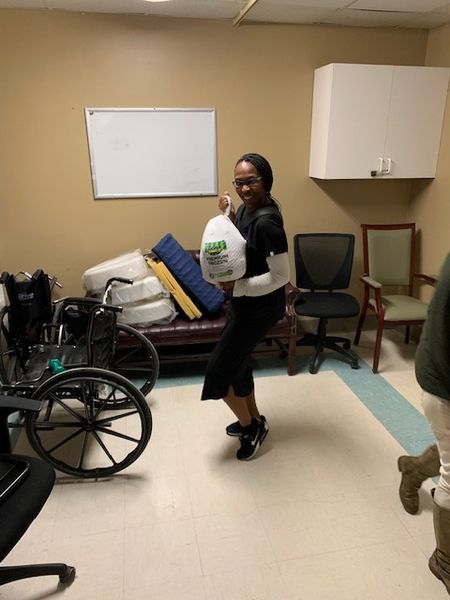
CMS rates ARABELLA HEALTH & WELLNESS OF MOBILE's staffing level at 3 out of 5 stars, which is average compared to other nursing homes. Staff turnover is 62%, which is 16 percentage points above the Alabama average of 46%. High turnover can affect care consistency as new staff learn residents' individual needs. RN turnover specifically is 72%, which is notably high. RNs provide skilled clinical oversight, so turnover in this role can affect medical care quality.

What Have Inspectors Found at Arabella Health & Wellness Of Mobile?

State health inspectors documented 6 deficiencies at ARABELLA HEALTH & WELLNESS OF MOBILE during 2018 to 2022. These included: 5 with potential for harm and 1 minor or isolated issues.
Who Owns and Operates Arabella Health & Wellness Of Mobile?

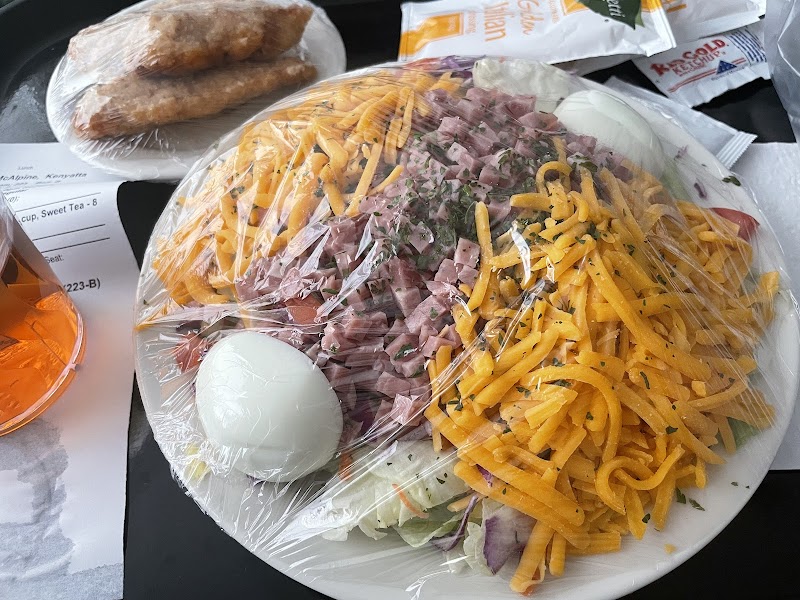
ARABELLA HEALTH & WELLNESS OF MOBILE is owned by a for-profit company. For-profit facilities operate as businesses with obligations to shareholders or private owners. The facility is operated by ARABELLA HEALTHCARE MANAGEMENT, a chain that manages multiple nursing homes. With 170 certified beds and approximately 92 residents (about 54% occupancy), it is a mid-sized facility located in MOBILE, Alabama.
How Does Arabella Health & Wellness Of Mobile Compare to Other Alabama Nursing Homes?

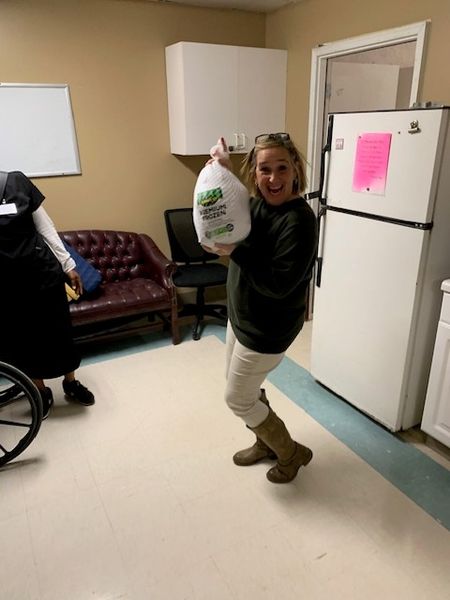
Compared to the 100 nursing homes in Alabama, ARABELLA HEALTH & WELLNESS OF MOBILE's overall rating (3 stars) is above the state average of 2.9, staff turnover (62%) is significantly higher than the state average of 46%, and health inspection rating (3 stars) is at the national benchmark.

What Should Families Ask When Visiting Arabella Health & Wellness Of Mobile?

Based on this facility's data, families visiting should ask: "How do you ensure continuity of care given staff turnover, and what is your staff retention strategy?" "Can I visit during a mealtime to observe dining assistance and food quality?" "How do you handle medical emergencies, and what is your hospital transfer rate?" "Can I speak with family members of current residents about their experience?" These questions are particularly relevant given the facility's high staff turnover rate.

Is Arabella Health & Wellness Of Mobile Safe?

Based on CMS inspection data, ARABELLA HEALTH & WELLNESS OF MOBILE has a clean safety record: no substantiated abuse findings (meaning no confirmed cases of resident harm), no Immediate Jeopardy citations (the most serious violation level indicating risk of serious injury or death), and is not on the Special Focus Facility watch list (a federal program monitoring the lowest-performing 1% of nursing homes). The facility has a 3-star overall rating and ranks #1 of 100 nursing homes in Alabama. While no facility is perfect, families should still ask about staff-to-resident ratios and recent inspection results during their visit.

Do Nurses at Arabella Health & Wellness Of Mobile Stick Around?

Staff turnover at ARABELLA HEALTH & WELLNESS OF MOBILE is high. At 62%, the facility is 16 percentage points above the Alabama average of 46%. Registered Nurse turnover is particularly concerning at 72%. RNs handle complex medical decisions and coordinate care — frequent RN changes can directly impact care quality. High turnover means new staff may not know residents' individual needs, medications, or preferences. It can also be disorienting for residents, especially those with dementia who rely on familiar faces. Families should ask: What is causing the turnover? What retention programs are in place? How do you ensure care continuity during staff transitions?

Was Arabella Health & Wellness Of Mobile Ever Fined?

ARABELLA HEALTH & WELLNESS OF MOBILE has no federal fines on record. CMS issues fines when nursing homes fail to meet care standards or don't correct problems found during inspections. The absence of fines suggests the facility has either maintained compliance or corrected any issues before penalties were assessed. This is a positive indicator, though families should still review recent inspection reports for the full picture.

Is Arabella Health & Wellness Of Mobile on Any Federal Watch List?

ARABELLA HEALTH & WELLNESS OF MOBILE is not on any federal watch list. The most significant is the Special Focus Facility (SFF) program, which identifies the bottom 1% of nursing homes nationally based on persistent, serious quality problems. Not being on this list means the facility has avoided the pattern of deficiencies that triggers enhanced federal oversight. This is a positive indicator, though families should still review the facility's inspection history directly.