ASHLAND PLACE HEALTH AND REHABILITATION, LLC
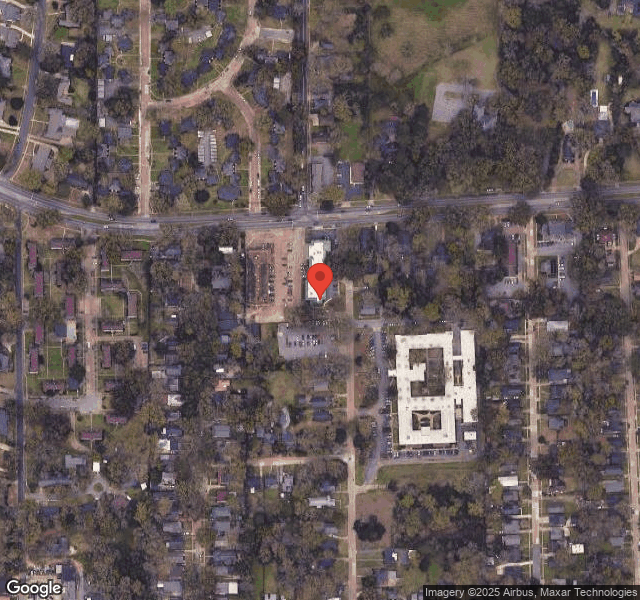
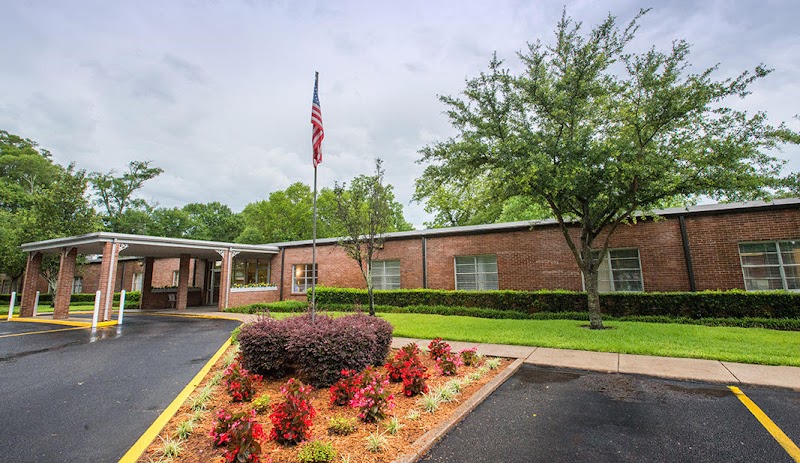
148 TUSCALOOSA ST, MOBILE, AL 36607 (251) 471-5431
For profit - Corporation 164 Beds NHS MANAGEMENT Data: November 2025
Trust Grade
65/100
#89 of 223 in AL
Last Inspection: January 2020

Over 2 years since last inspection. Current conditions may differ from available data.

Overview

Ashland Place Health and Rehabilitation has a Trust Grade of C+, which means it is slightly above average but not exceptional. It ranks #89 out of 223 facilities in Alabama, placing it in the top half, but only #11 out of 16 in Mobile County, indicating that there are better local options available. The facility is improving; it reduced its issues from four in 2018 to two in 2020. Staffing is a strong point, with a rating of 4 out of 5 stars, although the turnover rate of 67% is concerning, significantly higher than the state average. While the facility has not faced any fines, there have been notable incidents, such as expired yogurt found in the kitchen that posed a potential health risk and a staff member failing to wash their hands properly after handling dirty dishes, which could lead to contamination. Overall, Ashland Place has strengths in staffing and no fines, but there are areas that need attention, especially regarding food safety and adherence to resident care protocols.

Trust Score
C+
65/100
In Alabama
#89/223
Top 39%
Safety Record
Low Risk
No red flags
Inspections
Getting Better
4 → 2 violations
Staff Stability
⚠ Watch
67% turnover. Above average. Higher turnover means staff may not know residents' routines.
Penalties
✓ Good
No fines on record. Clean compliance history, better than most Alabama facilities.
Skilled Nurses
✓ Good
Each resident gets 42 minutes of Registered Nurse (RN) attention daily — more than average for Alabama. RNs are trained to catch health problems early.
Violations
⚠ Watch
11 deficiencies on record. Higher than average. Multiple issues found across inspections.
★★★☆☆
3.0
Overall Rating
★★★★☆
4.0
Staff Levels
★★★☆☆
3.0
Care Quality
★★★☆☆
3.0
Inspection Score
Stable
2018: 4 issues
2020: 2 issues

The Good

  • 4-Star Staffing Rating · Above-average nurse staffing levels
  • Full Sprinkler Coverage · Fire safety systems throughout facility
  • No fines on record

Facility shows strength in staffing levels, fire safety.

The Bad

3-Star Overall Rating

Near Alabama average (2.9)

Meets federal standards, typical of most facilities

Staff Turnover: 67%

21pts above Alabama avg (46%)

Frequent staff changes - ask about care continuity

Chain: NHS MANAGEMENT

Part of a multi-facility chain

Ask about local staffing decisions and management

Staff turnover is elevated (67%)

19 points above Alabama average of 48%

The Ugly 11 deficiencies on record

Jan 2020 2 deficiencies
CONCERN (D)

Potential for Harm - no one hurt, but risky conditions existed

Resident Rights (Tag F0550)

Could have caused harm · This affected 1 resident

Based on observation, interviews, and a review of the facility's Resident Rights, the facility failed to ensure staff did not stand to feed Resident Identifier (RI) #77 the supper meal on 1/21/20. Th...

Read full inspector narrative →
Based on observation, interviews, and a review of the facility's Resident Rights, the facility failed to ensure staff did not stand to feed Resident Identifier (RI) #77 the supper meal on 1/21/20. This affected one of three residents observed being fed by staff. Findings Include: A review of the facility's Resident Rights revealed . Resident Rights (a) Resident Rights. The resident has the right to a dignified existence, self determination, and communication with and access to persons and services inside and outside the facility. (e) Respect and dignity. The resident has a right to be treated with respect and dignity, . RI #77 admitted to facility on 12/2/19 with a diagnosis to include Dementia with behavioral disturbance. A review of RI #77's Admitting Minimal Data Set (MDS) with an Assessment Reference Date of 12/8/19, revealed a (BIMS) Brief Interview for Mental Status score of 99, indicating severely impaired cognitive abilities. The MDS further revealed RI #77 required extensive assistance of one person for feeding. On 1/21/20 at 5:20 PM, the Certified Nursing Assistant (CNA) began feeding RI #77. The CNA was observed standing beside RI #77's chair feeding RI #77 ice cream. On 1/21/20 at 5:22 PM, the surveyor observed the CNA continued to stand while feeding RI #77 the fruit cocktail. On 1/21/20 at 5:26 PM, the surveyor observed the CNA continued to stand while feeding RI #77 the chicken patty. On 1/21/20 at 5:30 PM, the surveyor observed the CNA remained standing while she finished feeding RI #77; she then exited the resident's room. On 1/23/20 at 3:05 PM an interview was conducted with Employee Identifier (EI) #4, CNA. EI #4 was asked what was the usual practice for feeding a resident. EI #4 replied, sitting beside them and communicating. EI #4 was asked if she was standing to feed RI #77. EI #4 replied, yes. EI #4 was asked why did she stand to feed RI #77. EI #4 replied, because RI #77 slides and will try to get up so she stood to the side of RI #77. EI #4 was asked how often RI #77 had tried to get up. EI #4 replied, about a month, once. EI #4 was asked if RI #77 could make any needs known. EI #4 replied, not usually, RI #77 will wave his/her hand. EI #4 was asked how would her standing to feed RI #77 affect RI #77's resident rights. EI #4 replied, it could make them feeling like being forced to do something, but she was thinking she was being safe. EI #4 was asked, what would the harm be in her standing to feed a resident. EI #4 replied, it could be a dignity issue. On 1/23/20 at 3:15 PM, an interview was conducted with EI #3, Social Service Director. EI #3 was asked, what was the practice for staff feeding a resident in the resident's room. EI #3 replied, take the tray in, prepare the resident, prepare the tray then sit down next to the resident and feed them. EI #3 was asked, when should a staff person stand to feed a resident. EI #3 replied, they probably should never stand, they should be sitting next to them. EI #3 was asked what was the problem if the staff was standing to feed a resident. EI #3 replied, it could seem like that staff person does not have patience to help the resident; it would be not treating with them with dignity. EI #3 was asked, what was the potential harm in the staff standing while feeding a resident. EI #3 replied, dignity and the staff was not taking time or patience in feeding that resident.
CONCERN (F)

Potential for Harm - no one hurt, but risky conditions existed

Food Safety (Tag F0812)

Could have caused harm · This affected most or all residents

**NOTE- TERMS IN BRACKETS HAVE BEEN EDITED TO PROTECT CONFIDENTIALITY** Based on observation and interview the facility failed to ensure 21 cups of expired yogurt were not left in the cooler. This ha...

Read full inspector narrative →
**NOTE- TERMS IN BRACKETS HAVE BEEN EDITED TO PROTECT CONFIDENTIALITY** Based on observation and interview the facility failed to ensure 21 cups of expired yogurt were not left in the cooler. This had the potential to affect 21 of 21 residents to receive the yogurt. Findings Include: On 1/21/20 at 1:37 PM, during the initial tour of the kitchen the surveyor observed in the walk in cooler 21 cups of yogurt which had expired on [DATE]. On 1/23/20 at 8:36 AM, an interview was conducted with Employer Identifier (EI) #5 Dietary Manager. EI #5, was asked, what did they see on 1/21/20 that had expired. EI #5 replied, the yogurt was expired. EI #5 was asked, how often were the dates checked on foods items. EI #5 replied, daily in the am and pm. EI #5 was asked, was the date on the yogurt expired, EI #5 replied, yes. EI #5 was asked, what was the facility policy on expired foods. EI #5 replied, report it to dietary manger and throw it away immediately. EI #5 was asked, what was the potential harm in having expired food. EI#5 replied, it was highly a potential for food born illness in making the resident ill.
Nov 2018 4 deficiencies
CONCERN (F)

Potential for Harm - no one hurt, but risky conditions existed

Food Safety (Tag F0812)

Could have caused harm · This affected most or all residents

Based on observations, interviews, and a review of the facility's policies titled, Food Receipt and Storage and Hand-washing Guidelines, the facility failed to ensure honey thickened milks were discar...

Read full inspector narrative →
Based on observations, interviews, and a review of the facility's policies titled, Food Receipt and Storage and Hand-washing Guidelines, the facility failed to ensure honey thickened milks were discarded before the expiration date. The facility also failed to ensure (Employee Identifier) EI #4, a Dietary Aide, washed her hands to prevent cross contamination after putting her hands in her pocket, touching her jacket and picking up a dirty dish off the floor prior to handling the clean dishes. This deficient practice had the potential to affect 122 of 122 residents who received meals from the kitchen. Findings Include: A review of a facility policy titled, Food Receipt and Storage with an effective date of August 23, 2017, revealed: .PURPOSE: Foods should be received and stored properly to prevent food borne illnesses .PROCESS .II. Storage of Foods .e. New items should be placed on the back of shelves, with labels in view, with older items pulled to the front of the shelves for use. The First in First Out (FIFO) system should be use to rotate stock routinely . On 11/27/18 at 3:36 p.m., during the initial kitchen tour, accompanied by EI #3, DM( Dietary Manager), the surveyor observed seven honey thickened milks in the dry storage area with an expiration date of 9/11/18. EI #3 said the facility policy for rotating stock was first in, first out and staff should have rotated stock. EI #3 was asked what did the expiration date mean. EI #3 said they were supposed to dispose of it and not use it. EI #3 was asked why the seven containers of honey thickened milk were not discarded. EI #3 replied it was an oversight. EI #3 was asked what was the potential for harm. EI #3 replied, potential for food borne illness. A review of a facility policy titled, Hand-washing Guidelines, with an effective date of February 1, 2002 revealed: .PURPOSE: To prevent the spread of bacteria that may cause food borne illnesses PROCESS: .I. Frequency of Hand-washing: Hands should be washed in the following situations: .after hands have touched anything unsanitary, . On 11/28/18 at 9:23 a.m., the surveyor observed EI #4 touch her jacket, put her hands in her pockets and handle the clean dishes. EI #4 also picked up a dish off the dirty floor and then continued touching clean dishes without washing her hands. An interview was conducted on 11/28/18 at 10:50 a.m. with EI #4. EI #4 was asked if she was supposed to put her hands in her pocket and then touch the clean dishes. EI #4 replied no. EI #4 was asked if she was supposed to pick up dishes off the floor and then handle the clean dishes. EI #4 replied no, she just learned today that day she was not, but it was common sense. EI #4 was asked what was the concern with touching her jacket, picking up dirty dishes off the floor and not washing her hands prior to handling clean dishes. EI #4 said contamination.
MINOR (C)

Minor Issue - procedural, no safety impact

Deficiency F0577 (Tag F0577)

Minor procedural issue · This affected most or all residents

Based on observation, group interview, staff interview and a review of the Resident Handbook, the facility failed to ensure residents in the group meeting held on 11/28/18 were aware of the survey res...

Read full inspector narrative →
Based on observation, group interview, staff interview and a review of the Resident Handbook, the facility failed to ensure residents in the group meeting held on 11/28/18 were aware of the survey results and where they were located in the facility. The facility further failed to ensure there were signs posted in the facility indicating the location of the survey results. This deficient practice affected all 10 residents in the group meeting and had the potential to affect all 134 residents who resided in the facility. Findings Include: A review of the Resident Handbook, pages 8-11 documented: .Resident Rights .(g)(1) Information and communication .(g)(10) The resident has a right to .Examine the results of the most recent survey of the facility conducted by Federal or State surveyors and any plan of correction in effect with respect to the facility; . During the group meeting conducted on 11/28/18 at 10:45 a.m., all ten residents who attended stated they did not know where the survey results were located. On 11/28/18 at 11:35 a.m., the surveyor observed a white notebook in the lobby on a table labeled, State Notebook, but no sign was posted indicating where the survey results were located. On 11/29/18 at 8:22 a.m., the surveyor observed a white notebook in the lobby on a table labeled, State Notebook, but no sign was posted indicating where the survey results were located. On 11/29/18 at 9:01 a.m., there were no signs posted throughout the facility indicating where to find the survey results. On 11/29/18 at 9:52 a.m., an interview was conducted with EI(Employee Identifier) #5, Social Work Director. EI #5 was asked how were residents made aware of the survey results and where they were located in the facility. EI #5 said residents were made aware of the survey results if they requested to see them and where they were located. EI #5 was asked who was responsible for ensuring residents were aware of the survey results and where they were located. EI #5 said, Our (Social Work Department) responsibility. EI #5 was asked if there were signs posted throughout the facility indicating where the survey results were located. EI #5 said, No, not that I am aware of. EI #5 was asked why was it important for residents to be aware of the survey results and where they were located. EI #5 said, They (residents) want to know we (facility) are up to standard and in compliance.
MINOR (C)

Minor Issue - procedural, no safety impact

Safe Environment (Tag F0584)

Minor procedural issue · This affected most or all residents

Based on observations, interviews and a review of a facility policy titled, Federal Rights of Resident/Guest(s) and a form titled, .JOB DESCRIPTION, the facility failed to ensure residents' rooms and ...

Read full inspector narrative →
Based on observations, interviews and a review of a facility policy titled, Federal Rights of Resident/Guest(s) and a form titled, .JOB DESCRIPTION, the facility failed to ensure residents' rooms and common areas were maintained to provide a safe, clean, comfortable homelike environment. The deficient practice affected Room Locator (RL) #'s 1-24, on three of four units and two resident common areas in the facility and had the potential to affect all 134 residents residing in the facility. Findings Include: A review of a facility policy titled, Federal Rights of Resident/Guest(s), with an effective date of November 28, 2016, revealed: .PURPOSE: All resident/guest(s) in long term care facilities have rights guaranteed to them under Federal and State law. STANDARD: .(i) Safe environment. The resident/guest has a right to a safe, clean, comfortable and Homelike environment, . A review of a facility document titled, .JOB DESCRIPTION JOB TITLE: Housekeeping Technician, with an effective date of 01/01/93 revealed the following: .GENERAL PURPOSE Under the direction of the Director of Housekeeping is responsible for cleaning and maintaining the floors . cleaning of resident's room and common areas . STANDARD REQUIREMENTS .4 .report and/or correct unsafe .conditions, equipment repair and maintenance needs .ESSENTIAL JOB FUNCTIONS .3. Check equipment for proper functioning and reports any defective equipment .11 . Report to the supervisor any furniture, fixtures, etc. (and so on) that are in need of repair . During the initial tour of the facility on 11/27/18 at 4:42 p.m., the following observations were made: RL#19 - toilet bowl lid was broken in half. RL#20 - three broken slates and a 4th one had a chip missing out of it (blinds broken). RL#21 - one broken slate (at end of blind). RL#22 - two holes in the closet on the left and right side of the door. On 11/28/18 at 11:40 a.m., observations were made on the 200 hall of the following: RL #1 - chipped floor tile, ring of rust around the drain and on the faucet. RL #2 - closet door did not move, it was off track; faucet in bathroom under left handle had a crack in the metal with crumbling edges. RL#3 - closet door did not open, it was off track. RL#4 - faucet in the bathroom under the left handle had broken edges. RL#5 - the left closet door did not work. EI (Employee Identifier) #6, LPN (Licensed Practical Nurse), could not close the closet door and reported she would put in a work order. RL #6 - rust around the bathroom sink drain and faucet, broken pieces of missing tile were in the doorway and in front of the drawers under the television, there was a buildup of debris in the corner. RL #7 - buildup of debris was in the corner under the television, in front of the drawers, at the doorway and at the adjoining wall. RL#8 - rusted bathroom sink drain. RL#9 - rusted bathroom sink drain. RL#10 - rusted bathroom sink drain, missing piece of broken tile was in the doorway and the bottom of the right drawer had the front panel missing. On 11/28/18 at 12:12 p.m., the following observation was made: RL #23 - a door to the smoking area was found to have approximately 1.5 inches of rust exposed through the metal portion of the bottom of door. On 11/28/18 at 12:15 p.m., the following observation was made: RL #23 - the metal frame around the door used by residents to access the courtyard was found with pieces of flaking rust approximately 12 inches above the ground level. On 11/29/18 at 8:08 a.m., a tour of the facility was made EI #2, the Maintenance and Housekeeping Director. EI #2 was asked to describe what he observed. RL #3 - a piece missing from the bottom of the door; a piece of weather stripping was rusted. RL #1 - chipped floor tile, ring of rust around the drain and on the faucet. RL #2 under the faucet handle was corroded and cracked; closet door did not move, off track; faucet in the bathroom under the left handle had broken edges that were crumbling. RL #6- chipped floor tile was in the doorway, corner floor molding was missing, stains that appeared to be rust around the drain and two spots of what appeared to be rust under the faucet. In the corner, on floor beneath the television, appeared to be a wax buildup. EI #2 described this as surface wax that had dirt in it and was pushed up in the corner. RL #7- appeared to be the same buildup as in RL #6. RL #8- appeared to be rust stain in the bathroom sink. RL #9- the bathroom sink had a rust stain that needed to be cleaned RI #10- the same type of stain as RL #9 . RI #12- chipped tile in the doorway. EI #2 reported when the new floors were put down, the man evidently chipped it and that was about a year ago. EI #2 added the front of the drawer was missing and the corner molding was missing RI #11- there was what appeared to be rust at the caulk joint above the sink. RL #13- It definitely needs cleaning around the base of the walls and floors need cleaning. The wall needs to be wiped off. RL #14- the base of the walls and the caulk joint around the tube need to be cleaned. On 11/29/18 1:16 p.m. the surveyor continued observations with EI #2. The following observations were made: RL #15 -EI #2 reported a rusted door casing at the bathroom door. Some soft substance looked like gum on the wall. Paint flaking by the window; old finish material at bottom of the tub. RL #17 -EI #2 reported rust in the window seal, wax buildup in some corners and the bathroom paint was flaky/chalky. RL#18- EI #2 reported the corner molding was missing, the tub had old finish residue in bottom of the tub close to the drain. Wax buildup in some of the corners. The bed had rubbed the paint behind the headboard. The footboard of the first bed had exposed wood that was smooth because the finish was gone. RL#16 -EI #2 reported there was a rusted door casing and wax buildup in some of the corners. There was old finish material in the bottom of the tub. On 11/29/18 at 1:42 p.m., an interview was conducted with EI #2. EI #2 was asked what was the concern of doorway tiles being broken, missing pieces of tile and tile being unleveled and he answered a potential fall. EI #2 was asked what was the concern of persistent wax build. EI #2 answered it looked bad. EI #2 was asked if he was aware of the wax buildup in the corners of resident rooms before the survey started and he answered in some areas but not in the amount of rooms pointed out during the tour. EI #2 was asked what was the concern of old finish residue discoloring the bottom of tubs and he answered it looked bad and it did not look clean. EI #2 was asked what was the concern of the closet doors not being in working order. EI #2 answered there was a slim possibility that they could come off of the track and fall on someone. EI #2 was asked should the closet doors be in working order even if falling on a resident was not a possibility and he answered it was. EI #2 was asked what was the concern of rooms with sinks that had rust stains on the drain and/or the faucet. EI #2 answered it looked bad and was a potential for a skin tear. EI #2 was asked what was the concern with flaky, peeling paint in resident rooms and he answered it looked bad. EI #2 was asked what he saw at the door casing of two of five doors in the courtyard and he answered peeling rust. EI #2 was asked what was the concern of the peeling rust on the door casings and he answered the potential for a skin tear. EI #2 was asked what was the concern of a toilet tank lid being broken in half, with a broken half of the lid being left on the tank where a resident used the restroom unsupervised. EI #2 answered a potential for a skin tear. An interview was conducted on 11/29/18 at 3:02 p.m. with EI #1, the Administrator. EI #1 was asked what was his expectations of housekeeping staff in providing a clean environment. EI #1 answered he expected them to keep it clean like they would at their house. EI #1 was asked what was his expectations of maintenance to keep the environment safe and homelike. EI #1 answered if they see it or if they are notified about it, to fix it as soon as possible. This citation was written as a result of the investigation of complaint/report #AL00035945.
MINOR (C)

Minor Issue - procedural, no safety impact

Deficiency F0838 (Tag F0838)

Minor procedural issue · This affected most or all residents

Based on interview and a review of a facility document titled, Facility Assessment, the facility failed to evaluate and identify areas of the environment needing to be maintained. This deficient prac...

Read full inspector narrative →
Based on interview and a review of a facility document titled, Facility Assessment, the facility failed to evaluate and identify areas of the environment needing to be maintained. This deficient practice had the potential to affect all 134 residents residing in the facility. Findings Include: Cross Reference F584. A review of a document titled, Facility Assessment, dated 11/19/18, revealed the following: .The following criteria were examined and evaluated by our team . Physical environment .considerations necessary for resident population. Equipment necessary for resident population . During the recertification the survey team identified multiple environmental concerns including: missing floors tiles, rusted doorframes, rusted bathroom sinks, broken bathroom fixtures, peeling paint, dirty and wax build up on floors, broken closet doors, broken furniture and other environmental concerns. On 11/29/18 at 4:56 PM, an interview was conducted with Employee Identifier (EI)#1 Administrator. EI #1 was asked if EI #2, Maintenance Supervisor, was involved as a participant with the facility assessment. EI #1 said Yes . EI #1 was asked when was the facility assessment updated. EI #1 said, Last week . EI #1 was asked why did the facility assessment not reflect the needed maintenance repairs. EI #1 said, I don't have an answer for that. EI #1 was asked was anything (a plan) put in place to take care of the environment/maintenance concerns. EI #1 said, No. This citation was written as a result of the investigation of complaint/report #AL00035945.
Nov 2017 5 deficiencies
CONCERN (D)

Potential for Harm - no one hurt, but risky conditions existed

Deficiency F0164 (Tag F0164)

Could have caused harm · This affected 1 resident

**NOTE- TERMS IN BRACKETS HAVE BEEN EDITED TO PROTECT CONFIDENTIALITY** Based on interviews, record reviews, and a review of a facility policy titled, Federal Rights of Resident/Guest(s), the facility...

Read full inspector narrative →
**NOTE- TERMS IN BRACKETS HAVE BEEN EDITED TO PROTECT CONFIDENTIALITY** Based on interviews, record reviews, and a review of a facility policy titled, Federal Rights of Resident/Guest(s), the facility failed to ensure privacy was provided while a resident used the phone. This affected RI (Resident Identifier) #1, one of five residents that were individually interviewed. Findings Include: A review of the Facility's Policy & Procedure titled Federal Rights of Resident/Guest(s) with an effective date of November 28, 2016 revealed: .PURPOSE: . (g)(1) Information and communication . All resident/guest(s) in long term care facilities have rights guaranteed to them under Federal and State law. (g)(6) The resident/guest has the right to have reasonable access to the use of a telephone ., and a place in the facility where calls can be made without being overheard. This includes the right to retain and use a cellular phone at the resident/guest(s) own expense. A review of RI #1's medical record revealed the resident was re-admitted to the facility on [DATE] with diagnoses including Parkinson's Disease, Diabetes Mellitus Type II, and Unspecified Dementia with Behavioral Disturbance. A review of a quarterly Minimum Data Set assessment dated [DATE], revealed RI #1 had a Brief Interview for Mental Status score of 11 out of a possible 15. This score indicated RI #1 was moderately impaired for cognitive skills for daily decision making. During an interview with RI #1 at 4:55 p.m. on 11/14/17, RI #1 was asked where he/she made personal phone calls. RI #1 answered at the Nurse's station. RI #1 was asked if privacy was provided when they used the phone to make personal calls. RI #1 answered no. RI #1 was asked if not having privacy during phone calls mattered. RI #1 answered, Well certainly. During an interview with EI (Employee Identifier) #9, the Registered Nurse/Unit Manager, at 10:21 a.m. on 11/15/17, she was asked how privacy was provided for residents when they made phone calls at the Nurse's station. EI #9 answered staff members step away after the call was started. EI #9 was asked if the Nurse's station was a private area. EI #9 answered, It is not. EI #9 was asked if privacy should be afforded to residents during phone calls and she answered, Yes. EI #9 was asked what was the facility policy regarding resident privacy. EI #9 answered, They have the right to privacy. During an interview with EI #13, the Director of Nursing Services, at 10:56 a.m. on 11/16/17, she was asked what was the concern of residents not having privacy while on the phone. EI #13 answered, If they wish not to be overheard, there is a potential they could be overheard. EI #13 was asked what was the facility's policy regarding resident privacy. EI #13 answered, My expectation is that they receive as much privacy as possible, as much as they would receive at their own home.
CONCERN (D)

Potential for Harm - no one hurt, but risky conditions existed

Deficiency F0241 (Tag F0241)

Could have caused harm · This affected 1 resident

**NOTE- TERMS IN BRACKETS HAVE BEEN EDITED TO PROTECT CONFIDENTIALITY** Based on observations, interviews, record review, and a review of a facility policy titled, Privacy Upon Entering Resident's Roo...

Read full inspector narrative →
**NOTE- TERMS IN BRACKETS HAVE BEEN EDITED TO PROTECT CONFIDENTIALITY** Based on observations, interviews, record review, and a review of a facility policy titled, Privacy Upon Entering Resident's Room, the facility failed to ensure staff knocked on residents' door prior to entering the room. This affected RI (Resident Identifier) #s 3, 17, and 19, three of 127 residents residing in the facility. Findings Include: A review of the facility's Policy and Procedure titled Privacy Upon Entering Resident's Room with an effective date of November 6, 2014 revealed: . PURPOSE: The resident has the right to privacy and confidentiality. STANDARD: Resident right to privacy will be honored. PROCESS: 1. Prior to entering Resident's room, knock on door and ask permission to enter. 2. If resident able to respond, await permission to enter. 3. If resident unable to respond, announce entrance. RI #3 was re-admitted to the facility on [DATE] with diagnoses including Hemiplegia, Cerebrovascular Disease, Pressure Ulcer of right buttock, and Vascular Dementia with Behavioral Disturbance. RI #3's most recent full MDS (Minimum Data Set), assessment dated [DATE], indicated the BIMS (Brief Interview for Mental Status) score of 0 out of a possible 15. This indicated RI #3's cognition was severely impaired. RI #3 required extensive to total assistance with all ADLs (Activities of Daily Living). RI #17 was admitted to the facility on [DATE] with diagonoses including, Seizures and Dementia. RI #17's most recent Quaterly MDS, dated [DATE], revealed the BIMS score of 0 out of a possible 15. This score indicated RI #17's cognition was severely impaired. RI #19 was admitted to the facility on [DATE], with a diagnoses including Heart Failure, Alzheimers's Disease, and Dementia. RI #19's most recent quarterly MDS assessment dated [DATE], revealed the BIMS assessment was completed by staff due to RI # 19's cognition was severely impaired and rarely or never understood. RI #19 scored 0 out of 15. This indicated RI #19's cognition was severely impaired. During the initial tour of the facility on 11/13/17 EI (Employee Identifier) #12, a CNA (Certified Nursing Assistant), was observed at 1:35 p.m. entering RI #19's room without knocking or announcing her entrance. An observation was made on 11/13/17 at 5:38 p.m. of EI #15, a CNA, entering RI #17's room without knocking. An observation was made on 11/13/17 at 5:39 p.m. of EI #16, a CNA, entering RI #19's room without knocking. An observation was made on 11/13/17 at 6:06 p.m. of EI #11, a CNA, entering RI #17's room without knocking. On 11/15/17 at 10:18 a.m., EI #1, a CNA, EI #2, a CNA, and EI #3, a CNA, entered RI #3's room. EI #1 was heard by the surveyor telling EI #3 to knock on the resident's door but EI #1 nor EI #3 knocked on the resident's door prior to entering the room. EI #2 entered RI #3's room shortly thereafter and did not knock on the door. All three staff walked straight into RI #3's room without knocking and began to start care. During an interview with EI #15 (CNA) on 11/13/17 at 6:24 p.m., EI #15 was asked what she was supposed to do before entering a resident's room and she answered to knock. EI #15 was asked why and she answered respect and dignity. During an interview with EI #11 (CNA) on 11/13/17 at 6:25 p.m., EI #11 was asked what she should do prior to entering a resident's room. EI #11 answered to wash hands, knock on the door, introduce yourself, let the resident know what you are going to do, and wash hands again. EI #11 was asked why it was important to knock on the door prior to entering a room. EI #11 answered for privacy. EI #11 was asked by not knocking on the door before entering, how could that make the resident feel. EI #11 answered it could make them feel violated, like you don't respect their privacy. EI #11 was asked how she knew to knock prior to entering resident rooms. EI #11 answered she was taught in class and in orientation. During an interview with EI #16 (CNA) on 11/13/17 at 6:30 p.m., EI #16 was asked what she was supposed to do before entering a resident's room and she answered to knock first. EI #15 was asked why and she answered it was their home. During an interview with EI #1 (CNA) on 11/16/17 at 9:54 a.m., EI #1 was asked what should she do prior to entering a resident's room and she stated knock on the door. When asked why should she knock on the resident's door prior to entering, EI #1 stated, That's their privacy and home. It's a dignity issue. EI #1 was asked how could this affect the resident and she stated could make them feel upset and violated. During an interview with EI #12 (CNA) on 11/16/17 at 10:05 a.m., EI #12 was asked what she should do prior to entering a resident's room. EI #1 answered, You should knock on the door. EI #12 was asked why it was important to knock on the door prior to entering a resident's room. EI #12 answered, For the patient's dignity and it's their right. EI #12 was asked by not knocking on the door before entering how could that make a resident feel. EI #12 answered, Very uncomfortable, because it's like their house. They could feel like someone is barging in and invading their privacy. During an interview with EI #2 (CNA) at 10:15 a.m. on 11/16/17, EI #2 was asked what should she do prior to entering a resident's room. EI #2 stated knock, tell the resident their (staff) name, what they (staff) were going to do to the resident, provide privacy, and make sure the resident was covered. When asked why should she knock before entering a resident's room, EI #2 stated they never know who's in the room, provide privacy and let them know someone was coming in. EI #2 was asked how could this affect the resident and EI #2 stated the resident could feel like it was intrusion, it's their residence. During an interview with EI #8, an RN (Registered Nurse) on 11/16/17 at 10:27 a.m., EI #8 was asked what staff members were trained to do prior to entering a resident's room. EI #8 answered they should knock at the door because that is their place of residence. EI #8 was asked how could not knocking before entering make a resident feel. EI #8 answered, That is intrusion. EI #8 was asked how not knocking before entering could make a cognitively impaired resident feel. EI #8 answered, That's embarassment. During an interview with EI #13, the Director of Nursing Services, on 11/16/17 at 10:56 a.m., EI #13 what was the facility's policy regarding knocking on doors before entering a resident's room. EI #13 answered staff should knock on the door and receive permission to enter before entering from verbal residents. Staff should knock on the door and announce entrance to non-verbal residents. EI #13 was asked how it could make residents feel if staff did not knock prior to entering a resident's room. EI #13 answered, It could make them uncomfortable. EI #13 was asked about the cognitively impaired residents and she answered, It could startle them.
CONCERN (D)

Potential for Harm - no one hurt, but risky conditions existed

Deficiency F0281 (Tag F0281)

Could have caused harm · This affected 1 resident

**NOTE- TERMS IN BRACKETS HAVE BEEN EDITED TO PROTECT CONFIDENTIALITY** Based on an observation, interviews, record reviews, and a review of the facility policy titled, Diet Orders, the facility faile...

Read full inspector narrative →
**NOTE- TERMS IN BRACKETS HAVE BEEN EDITED TO PROTECT CONFIDENTIALITY** Based on an observation, interviews, record reviews, and a review of the facility policy titled, Diet Orders, the facility failed to ensure the Physician's diet order was followed. No meat was served at a breakfast meal for RI (Resident Identifier) #2. This affected RI #2, one of twelve residents whose meals were observed. Findings Include: A review of the facility's Policy and Procedure titled, Diet Orders, with an effective date of August 23, 2017, revealed: . PURPOSE: To provide a standardized method for the preparation of foods to resident/guests, consistent with the resident/guests' individual needs and recommended dietary allowances (RDA). STANDARD: The physician's order should specify the appropriate diet for each resident/guest to assure that the resident/guest receives and consumes foods in the appropriate form and/or the appropriate nutrition content. A review of the medical record revealed RI #2 was re-admitted to the facility on [DATE] with diagnoses to include Chronic Kidney Disease, Alzheimer's Disease, and Major Depressive Disorder. A review of the Annual Minimum Data Set, assessment dated [DATE], indicated RI #2 required assistance of one person for eating. A review of the November Physician's orders for RI #2 indicated RI #2 was to receive a Regular pureed diet. A review of the meal card with a list of what RI #2 was to receive for breakfast on 11/14/17 revealed: . DOUBLE PORTIONS ALL MEALS . Pureed Sliced Turkey . An observation was made at 7:48 a.m. on 11/14/17 of RI #2's breakfast meal served without the double portion of pureed turkey as indicated on the meal card. During an interview with EI (Employee Identifier) #14, a CNA (Certified Nursing Assistant), at 7:48 a.m. on 11/14/17 during the initial observation, EI #14 was asked why the pureed turkey was not on RI #2's plate. EI #14 answered, I don't know, the people in the kitchen do that. EI #14 was asked what she did when something was missing from a resident's tray and she answered, Nothing. During an interview with EI #5, a Dietary Aide, at 12:54 p.m. on 11/14/17, EI #5 was asked why RI #2 did not receive turkey with his/her breakfast. EI #5 answered, We are waiting on a truck to come in. EI #5 was asked what was indicated to be served on the meal card. EI #5 responded pureed turkey, pureed biscuits, cream of wheat, and applesauce. EI #5 was asked if it was followed and she answered, No. EI #5 was asked what was the facility's policy regarding following a resident's diet. EI #5 answered, Look at the card and make sure they get what they are supposed to have. EI #5 was asked what she should do if plating food for residents and she didn't have something they were supposed to get. EI #5 answered to find a substitute that the resident would like. EI #5 was asked who she notified that the resident did not get a double portion of meat. EI #5 named the cook, EI #6. During an interview with EI #6, the Cook, at 9:00 a.m. on 11/15/17, EI #6 was asked why RI #2 did not receive turkey with his/her breakfast. EI #6 answered, We ran out. We were waiting on the truck. EI #6 was asked if the meal card was followed for RI #2 and she answered, No. EI #6 was asked what was the facility's policy regarding following a resident's diet. EI #6 answered, All of it is supposed to be followed. EI #6 was asked what should be done if something a resident was supposed to be served was not available. EI #6 answered, Try to substitute. EI #6 was asked why that was not done for RI #2 at breakfast on 11/14/17. EI #6 answered, I just didn't know what to do. EI #6 was asked who she told about not having turkey. EI #6 answered she did not tell anyone and she was just waiting for the truck that usually arrived at 5:30 a.m. on Tuesdays. During an interview with EI #7, the Dietary Manager, at 9:33 a.m. on 11/15/17, EI #7 was asked why RI #2 did not receive turkey with his/her breakfast. EI #7 answered, We ran out, the truck was scheduled to come in. EI #7 was asked what she did and she answered, I told the cook when the truck came in to take it to (named the resident). EI #7 was asked if that happened and she answered no. EI #7 was asked if the tray card was followed for RI #2 at breakfast on 11/14/17. EI #7 answered, Except for the turkey. EI #7 was asked the importance of RI #2 getting their double portion of turkey and she answered his/her meal would be imbalanced. EI #7 was asked what was the facility's policy regarding a resident's diet order being followed. EI #7 answered, They should follow it. EI #7 was asked what should be done if something was not available that a resident was supposed to be served. EI #7 answered, Notify the Manager and we are supposed to substitute. During an interview with EI #10, the Registered Dietitian, at 10:15 a.m. on 11/16/17, EI #10 was asked what was the concern of RI #2 not getting their double portion of turkey with breakfast. EI #10 answered not getting enough protein. EI #10 was asked if the turkey was not available, what should have been done. EI #10 answered an alternate should have been offered.
CONCERN (D)

Potential for Harm - no one hurt, but risky conditions existed

Deficiency F0282 (Tag F0282)

Could have caused harm · This affected 1 resident

**NOTE- TERMS IN BRACKETS HAVE BEEN EDITED TO PROTECT CONFIDENTIALITY** Based on observations, interviews, record reviews, and a review of [NAME] and Perry's FUNDAMENTALS OF NURSING, the facility fail...

Read full inspector narrative →
**NOTE- TERMS IN BRACKETS HAVE BEEN EDITED TO PROTECT CONFIDENTIALITY** Based on observations, interviews, record reviews, and a review of [NAME] and Perry's FUNDAMENTALS OF NURSING, the facility failed to ensure the plan of care was followed regarding meals served with items missing for RI (Resident Identifier) #1 and RI #2. This affected RI #1 and RI #2, two of fourteen residents whose care plans were reviewed. Findings Include: A review of [NAME] and Perry's Fundamentals of Nursing, Ninth Edition, with a Copyright date of 2017, Chapter 18 titled, Planning Nursing Care, page 248 revealed: . In any health care setting a nurse is responsible for providing a nursing plan of care for all patients. A nursing care plan includes diagnoses, goals and/or expected outcomes, specific nursing interventions, and a section for evaluations findings so any nurse is able to quickly identify a patient's clinical needs and situation. The plan gives all nurses a central document that outlines a patient's diagnoses/problems, the plan of care for each diagnoses/problem, and the outcomes for monitoring and evaluating patient progress. A well-planned, comprehensive nursing care plan reduces the risk for incomplete, incorrect, or inaccurate care. A review of RI #1's medical record revealed the resident was re-admitted to the facility on [DATE] with diagnoses including, Parkinson's Disease, Diabetes Mellitus Type II, and Dementia. A review of a quarterly MDS (Minimum Data Set), assessment dated of 8/13/17, revealed RI #1 had a BIMS (Brief Interview for Mental Status) score of 11 out of a possible 15. This score indicated RI #1 was moderately impaired for cognitive skills of daily decision making. A review of the plan of care for RI #1, with a next review date of 2/7/18, revealed a care plan goal of: I WILL NOT HAVE SIGNIFICANT WEIGHT LOSS X (times) 90 DAYS . Intervention PROVIDE WITH FOOD/BEVERAGE PREFERENCES . A review of the meal card with a list of what RI #1 was to receive for dinner on 11/13/17 revealed: . Chicken & (and) Dumplings . Sliced Tomatoes . Fruit Cocktail . Iced tea - 8 oz (ounces) . An observation was made at 5:35 p.m. on 11/13/17 of RI #1's dinner meal served without any iced tea (or other beverage) as indicated on the meal card. At 6:02 p.m., the meal was completed without any staff offering the resident the tea or a substitute. During an interview on 11/13/17 at 6:15 p.m., with EI (Employee Identifier) #14, a CNA (Certified Nursing Assistant), was asked what fluids RI #1 was supposed to have been served with the evening meal. EI #14 answered she had asked the Nurse (EI #17). EI #14 reported the Nurse had looked at the meal card and said to take the tray like it was (without any fluids) because the resident was on a fluid restriction. During an interview on 11/13/17 at 6:36 p.m., EI #17 a RN (Registered Nurse) was asked what fluids RI #1 was supposed to receive with the evening meal. EI #17 answered the resident was on a fluid restriction and that dietary was supposed serve what the resident was to get. A review of the medical record revealed RI #2 was re-admitted to the facility on [DATE] with diagnoses to include Chronic Kidney Disease, Alzheimer's Disease, and Major Depressive Disorder. A review of the Annual Minimum Data Set, assessment dated [DATE], indicated RI #2 required assistance of one person for eating. A review of the plan of care for RI #2, with a next review date of 2/6/18, revealed a care plan goal of: I WILL NOT HAVE SIGNIFICANT WEIGHT LOSS X (times) 90 DAYS . Intervention DIET AS ORDERED PER MD (Medical Doctor) . A review of the meal card with a list of what RI #2 was to receive for breakfast on 11/14/17 revealed: .DOUBLE PORTIONS ALL MEALS . Pureed Sliced Turkey . An observation was made at 7:48 a.m. on 11/14/17 of RI #2's breakfast meal served without the double portion of pureed turkey as indicated on the meal card. During an interview with EI #8, an LPN (Licensed Practical Nurse), at 10:27 a.m. on 11/16/17, EI #8 was asked what was the concern of not following the plan of care. EI #8 answered, If the plan of care is not followed, we fall short of getting the results which were intended when the plan of care was put in place. EI #8 was asked what was the facility policy regarding following the plan of care. EI #8 answered, To implement to the letter. During an interview with EI #13, the Director of Nursing Services, at 10:56 a.m. on 11/16/17, EI #13 was asked what was the concern of not following the plan of care. EI #13 answered, The plan of care has been set up by the Interdisciplinary team to meet the resident's needs. EI #13 was asked what staff members were trained to do with the plan of care. EI #13 responded to follow the plan of care and if it was inappropriate for the resident's needs, it should be amended.
CONCERN (D)

Potential for Harm - no one hurt, but risky conditions existed

Deficiency F0312 (Tag F0312)

Could have caused harm · This affected 1 resident

**NOTE- TERMS IN BRACKETS HAVE BEEN EDITED TO PROTECT CONFIDENTIALITY** Based on observations, interviews, and record review, including [NAME] and Perry's Fundamentals of Nursing, the facility failed...

Read full inspector narrative →
**NOTE- TERMS IN BRACKETS HAVE BEEN EDITED TO PROTECT CONFIDENTIALITY** Based on observations, interviews, and record review, including [NAME] and Perry's Fundamentals of Nursing, the facility failed to ensure staff provided incontinence care to RI (Resident Identifier) #3 in a manner to prevent cross-contamination on a resident with a pressure ulcer. This affected RI #3, one of five residents observed for incontinence care. Findings Include: A review of [NAME] and Perry's Fundamentals of Nursing, Ninth Edition, with a Copyright date of 2017, Chapter 40 titled Hygiene, page 858 and 859, SKILL 40-1 BATHING AND PERINEAL CARE . revealed: . r. Wash back. (This follows both female and male perineal care.) . (3) Next move from back to buttocks and anus. Have patient remain in prone or side-lying position and keep covered to avoid chilling. Clean anus and buttocks area. (4) If fecal material is present, enclose in fold of underpad or toilet tissue and remove with disposable wipes. (5) Clean buttocks and anus, washing front to back . Clean, rinse, and dry area thoroughly. If needed, place a clean absorbent pad under patient's buttocks. RI #3 was re-admitted to the facility on [DATE] with diagnoses including Hemiplegia, Cerebrovascular Disease, Pressure Ulcer of right buttock, and Vascular Dementia. RI #3's most recent full MDS (Minimum Data Set), assessment dated [DATE], indicated a BIMS (Brief Interview for Mental Status) score of 0 out of a possible 15. This indicated RI #3's cognition was severely impaired. RI #3 required extensive to total assistance with all ADLs (Activities of Daily Living) and was totally incontinent of bowel and bladder. A review of RI #3's care plans revealed: Care Plan Description . TOTALLY INCONTINENT OF BOWEL AND BLADDER, Care Plan Goal I WILL NOT HAVE COMPLICATIONS R/T (Related To) INCONTINENCE OF BLADDER AND BOWEL AEB (As Evidenced By) NO SKIN BREAKDOWN AND NO UTI (Urinary Tract Infection) X (times) 90 DAYS AEB NO FEVER, NO CLOUDY URINE. Intervention: DISPOSABLE BRIEF PROGRAM, Intervention: PERICARE AFTER EACH INCONTINENT EPISODE . On 11/15/17 at 10:25 a.m., EI (Employee Identifier) #1, a CNA (Certified Nursing Assistant), with the assistance of EI #2, a CNA, provided incontinence care to RI #3. After cleaning the front peri (perineal) area of RI #3, EI #2 rolled RI #3 onto his/her left side. EI #1 began cleaning the resident's rectal area when RI #3 had a bowel movement during the cleaning. EI #1 removed the stool from the rectal area and cleaned the rectal area but did not clean the buttocks. EI #1 removed her gloves, washed her hands, and put on new gloves. RI #3 was rolled onto his/her back and EI #1 began recleaning the front area. EI #2 rolled RI #3 his/her onto left side. After removing her gloves and washing her hands, EI #1 put on clean gloves and began cleaning the rectal area again. The buttocks of RI #3 were not cleaned. At 10:44 a.m. on 11/15/17, the wound treatment nurse began providing pressure ulcer treatment to RI #3. During the wound treatment, RI #3 had a bowel movement. After wound treatment, EI #2 (CNA) provided incontinence care to RI #3. EI #2 removed the stool with disposable wipes and cleaned the rectal area. The buttocks of RI #3 were not cleaned. During an interview with EI #1 (CNA) on 11/16/17 at 9:56 a.m., EI #1 was asked what was the process for incontinence care. EI #1 stated after cleaning the front peri area, wipe the butt cheek and then the other butt (buttock) cheek using different wipes then wipe the rectal area. EI #1 stated if the resident had a bowel movement to stop, wash hands, clean the resident then re-clean the front, then the backside again. EI #1 was asked what was the concern of not cleaning the buttocks, especially after a bowel movement, and EI #1 stated break down and odors. During an interview with EI #2 (CNA) on 11/16/17 at 10:18 a.m., EI #2 was asked what was the process for incontinence care. EI #2 stated after cleaning the front peri area, wash hands and put on gloves. EI #2 stated wipe the side of the butt cheeks from top to bottom and do both sides. EI #2 was asked what was the concern of not cleaning the buttocks, especially after a bowel movement, and EI #2 stated germs, make them have bedsores, odor, make the resident itch and chaffed. During an interview with EI #4, ADON (Assistant Director of Nursing)/Infection Control Nurse, on 11/16/17 at 11:43 a.m., EI #4, was asked if the buttocks should be cleaned during incontinence care and she stated yes. EI #4 was asked what was the concern if a resident had a bowel movement, the rectal area was cleaned but the buttocks were not. EI #4 stated skin irritation, breakdown, deterioration of the skin, and infection could possibly increase. EI #4 was asked what was the concern of a resident with a pressure ulcer on the sacrum and buttock area and the buttocks were not cleaned during incontinence care. EI #4 stated it will increase contamination of the wound and increase the chance for infection of the wound.
Understanding Severity Codes (click to expand)
Life-Threatening (Immediate Jeopardy)
J - Isolated K - Pattern L - Widespread
Actual Harm
G - Isolated H - Pattern I - Widespread
Potential for Harm
D - Isolated E - Pattern F - Widespread
No Harm (Minor)
A - Isolated B - Pattern C - Widespread

Questions to Ask on Your Visit

  • "Why is there high staff turnover? How do you retain staff?"
  • "Can I speak with families of current residents?"
  • "What's your RN coverage like on weekends and overnight?"

Our Honest Assessment

Strengths
  • • No major safety red flags. No abuse findings, life-threatening violations, or SFF status.
  • • No fines on record. Clean compliance history, better than most Alabama facilities.
Concerns
  • • 11 deficiencies on record. Higher than average. Multiple issues found across inspections.
  • • 67% turnover. Above average. Higher turnover means staff may not know residents' routines.
Bottom line: Mixed indicators with Trust Score of 65/100. Visit in person and ask pointed questions.

About This Facility

What is Ashland Place, Llc's CMS Rating?

CMS assigns ASHLAND PLACE HEALTH AND REHABILITATION, LLC an overall rating of 3 out of 5 stars, which is considered average nationally. Within Alabama, this rating places the facility higher than 99% of the state's 100 nursing homes. This mid-range rating indicates the facility meets federal standards but may have areas for improvement.

How is Ashland Place, Llc Staffed?

CMS rates ASHLAND PLACE HEALTH AND REHABILITATION, LLC's staffing level at 4 out of 5 stars, which is above average compared to other nursing homes. Staff turnover is 67%, which is 21 percentage points above the Alabama average of 46%. High turnover can affect care consistency as new staff learn residents' individual needs.

What Have Inspectors Found at Ashland Place, Llc?

State health inspectors documented 11 deficiencies at ASHLAND PLACE HEALTH AND REHABILITATION, LLC during 2017 to 2020. These included: 8 with potential for harm and 3 minor or isolated issues.
Who Owns and Operates Ashland Place, Llc?

ASHLAND PLACE HEALTH AND REHABILITATION, LLC is owned by a for-profit company. For-profit facilities operate as businesses with obligations to shareholders or private owners. The facility is operated by NHS MANAGEMENT, a chain that manages multiple nursing homes. With 164 certified beds and approximately 143 residents (about 87% occupancy), it is a mid-sized facility located in MOBILE, Alabama.
How Does Ashland Place, Llc Compare to Other Alabama Nursing Homes?

Compared to the 100 nursing homes in Alabama, ASHLAND PLACE HEALTH AND REHABILITATION, LLC's overall rating (3 stars) is above the state average of 2.9, staff turnover (67%) is significantly higher than the state average of 46%, and health inspection rating (3 stars) is at the national benchmark.

What Should Families Ask When Visiting Ashland Place, Llc?

Based on this facility's data, families visiting should ask: "How do you ensure continuity of care given staff turnover, and what is your staff retention strategy?" "Can I visit during a mealtime to observe dining assistance and food quality?" "How do you handle medical emergencies, and what is your hospital transfer rate?" "Can I speak with family members of current residents about their experience?" These questions are particularly relevant given the facility's high staff turnover rate.

Is Ashland Place, Llc Safe?

Based on CMS inspection data, ASHLAND PLACE HEALTH AND REHABILITATION, LLC has a clean safety record: no substantiated abuse findings (meaning no confirmed cases of resident harm), no Immediate Jeopardy citations (the most serious violation level indicating risk of serious injury or death), and is not on the Special Focus Facility watch list (a federal program monitoring the lowest-performing 1% of nursing homes). The facility has a 3-star overall rating and ranks #1 of 100 nursing homes in Alabama. While no facility is perfect, families should still ask about staff-to-resident ratios and recent inspection results during their visit.

Do Nurses at Ashland Place, Llc Stick Around?

Staff turnover at ASHLAND PLACE HEALTH AND REHABILITATION, LLC is high. At 67%, the facility is 21 percentage points above the Alabama average of 46%. High turnover means new staff may not know residents' individual needs, medications, or preferences. It can also be disorienting for residents, especially those with dementia who rely on familiar faces. Families should ask: What is causing the turnover? What retention programs are in place? How do you ensure care continuity during staff transitions?

Was Ashland Place, Llc Ever Fined?

ASHLAND PLACE HEALTH AND REHABILITATION, LLC has no federal fines on record. CMS issues fines when nursing homes fail to meet care standards or don't correct problems found during inspections. The absence of fines suggests the facility has either maintained compliance or corrected any issues before penalties were assessed. This is a positive indicator, though families should still review recent inspection reports for the full picture.

Is Ashland Place, Llc on Any Federal Watch List?

ASHLAND PLACE HEALTH AND REHABILITATION, LLC is not on any federal watch list. The most significant is the Special Focus Facility (SFF) program, which identifies the bottom 1% of nursing homes nationally based on persistent, serious quality problems. Not being on this list means the facility has avoided the pattern of deficiencies that triggers enhanced federal oversight. This is a positive indicator, though families should still review the facility's inspection history directly.