GULF COAST HEALTH AND REHABILITATION, LLC
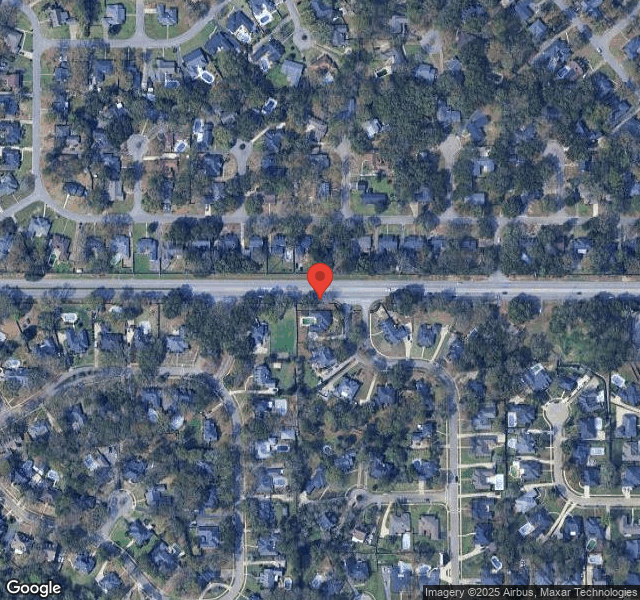

8002 GRELOT ROAD, MOBILE, AL 36695 (251) 634-8002
For profit - Corporation 100 Beds NHS MANAGEMENT Data: November 2025
Trust Grade
60/100
#161 of 223 in AL
Last Inspection: January 2020

Over 2 years since last inspection. Current conditions may differ from available data.

Overview

Gulf Coast Health and Rehabilitation has a Trust Grade of C+, which means it is slightly above average but not exceptional. It ranks #161 out of 223 nursing homes in Alabama, placing it in the bottom half, and #13 of 16 in Mobile County, indicating limited local options that are better. The facility is improving, having reduced the number of issues from 6 in 2018 to 5 in 2020. Staffing is a strength, with a rating of 4 out of 5 stars and a turnover rate of 46%, which is below the state average, suggesting that staff are familiar with the residents. While there are no fines recorded, there have been several concerning incidents, including staff failing to thaw frozen meat properly and not maintaining proper hygiene practices when handling food, which could potentially affect all residents. Overall, while there are some strengths in staffing and improvement trends, families should be aware of the facility's ongoing concerns regarding food safety and cleanliness.

Trust Score
C+
60/100
In Alabama
#161/223
Bottom 28%
Safety Record
Low Risk
No red flags
Inspections
Getting Better
6 → 5 violations
Staff Stability
⚠ Watch
46% turnover. Above average. Higher turnover means staff may not know residents' routines.
Penalties
✓ Good
No fines on record. Clean compliance history, better than most Alabama facilities.
Skilled Nurses
○ Average
Each resident gets 32 minutes of Registered Nurse (RN) attention daily — about average for Alabama. RNs are the most trained staff who monitor for health changes.
Violations
⚠ Watch
11 deficiencies on record. Higher than average. Multiple issues found across inspections.
★★☆☆☆
2.0
Overall Rating
★★★★☆
4.0
Staff Levels
★★★★☆
4.0
Care Quality
★★☆☆☆
2.0
Inspection Score
Stable
2018: 6 issues
2020: 5 issues

The Good

  • 4-Star Staffing Rating · Above-average nurse staffing levels
  • 4-Star Quality Measures · Strong clinical quality outcomes
  • Full Sprinkler Coverage · Fire safety systems throughout facility
  • No fines on record

Facility shows strength in staffing levels, quality measures, fire safety.

The Bad

2-Star Overall Rating

Below Alabama average (2.9)

Below average - review inspection findings carefully

Staff Turnover: 46%

Near Alabama avg (46%)

Higher turnover may affect care consistency

Chain: NHS MANAGEMENT

Part of a multi-facility chain

Ask about local staffing decisions and management

The Ugly 11 deficiencies on record

Jan 2020 5 deficiencies
CONCERN (D)

Potential for Harm - no one hurt, but risky conditions existed

Pressure Ulcer Prevention (Tag F0686)

Could have caused harm · This affected 1 resident

**NOTE- TERMS IN BRACKETS HAVE BEEN EDITED TO PROTECT CONFIDENTIALITY** Based on observations, interviews, record review and review of a facility policy titled, INFECTION PREVENTION & (and) CONTROL MA...

Read full inspector narrative →
**NOTE- TERMS IN BRACKETS HAVE BEEN EDITED TO PROTECT CONFIDENTIALITY** Based on observations, interviews, record review and review of a facility policy titled, INFECTION PREVENTION & (and) CONTROL MANUAL, the facility failed to ensure the treatment nurse, Employer Identifier (EI) #10, removed her gloves, sanitized her hands, and applied new gloves after cleaning Resident Identifier (RI) #17's right heel and sacrum pressure ulcers, and before applying the treatments and clean dressings to the pressure ulcers when providing wound care for RI #17 on 01/09/20. This deficient practice affected RI #17, one of one sampled resident observed for wound care. Findings Include: Review of a facility policy titled, INFECTION PREVENTION & (and) CONTROL MANUAL, dated 09/01/17, revealed the following: . Policy title: Hand Hygiene . PURPOSE: To provide guidelines to employees for proper and appropriate hand washing techniques that will aide in the prevention of the transmission of infections. STANDARD: Hand washing should be performed between procedures with resident/[NAME](s) based upon the principle that all blood, . non-intact skin, . may contain transmissible infection agents. PROCESS: . III. Hand Hygiene Hand Hygiene continues to be the primary means of preventing the transmission of infection . RI #17 was admitted to the facility on [DATE], and readmitted on [DATE] with a diagnosis of Pressure Ulcer Unspecified Site, Stage II and Pressure Ulcer of Right Heel, Stage II. RI #17's January 2020 Physician Orders revealed treatment orders for a Stage 2 Pressure Ulcer to RI #17's left heel and sacrum. 01/09/20 at 9:21 a.m., the surveyor observed EI #10, Treatment Nurse, provide wound care to RI #17. The surveyor observed a Stage 2 pressure ulcer to RI #17's left heel. EI #10, with gloved hands, cleaned the area, and then with the same soiled/contaminated gloves, applied skin prep. She then placed a clean Mepolex AG dressing over the pressure ulcer. EI #10 picked up a clean Medipore dressing with the same soiled/contaminated gloves still on, and placed the Medipore dressing over the Mepolex dressing on RI #17's right heel. EI #10 next put RI #17's left sock and heel protector back on, with the same soiled/contaminated gloves. EI #10 removed her gloves, washed her hands in the bathroom, applied a new pair of gloves and proceeded to provide wound care to RI #17's Stage II sacrum pressure ulcer. EI #10 cleaned the sacrum area, then, with the soiled/contaminated gloves, applied collagen powder to the sacrum pressure ulcer, picked up a clean Medipore dressing and applied the dressing over the sacrum area with the same soiled/contaminated gloves. On 01/09/20 at 10:28 a.m., the surveyor conducted an interview with EI #10. The surveyor asked EI #10 what should she have done after cleaning RI #17's pressure ulcers, before she applied the clean dressings. EI #10 said she should have removed her gloves, washed her hands and applied new gloves. When asked what potential problem could result when that was not done, EI #10 said infection. On 01/09/20 at 2:48 p.m., the surveyor conducted an interview with EI #2, the Infection Control Nurse. The surveyor asked EI #2 when should the nurse remove gloves during wound care. EI #2 said when the gloves were soiled, when going from dirty to clean, and if the nurse took the bandages off she should remove the gloves and wash her hands. When asked if this is not done what type issue would that be considered; EI #10 said it was an infection control issue.
CONCERN (D)

Potential for Harm - no one hurt, but risky conditions existed

Medication Errors (Tag F0758)

Could have caused harm · This affected 1 resident

**NOTE- TERMS IN BRACKETS HAVE BEEN EDITED TO PROTECT CONFIDENTIALITY** Based on interviews, record review and review of a facility policy titled, MEDICATION ADMINISTRATION STANDARDS PSYCHOACTIVE DRUG...

Read full inspector narrative →
**NOTE- TERMS IN BRACKETS HAVE BEEN EDITED TO PROTECT CONFIDENTIALITY** Based on interviews, record review and review of a facility policy titled, MEDICATION ADMINISTRATION STANDARDS PSYCHOACTIVE DRUG PROTOCOL, the facility failed to ensure Resident Identifier (RI) #85 had a medical diagnosis to warrant the use of the antipsychotic medication, Seroquel. This deficient practice affected RI #85, one of six residents sampled for the unnecessary use of medications. Findings Include: Review of an undated facility policy titled, MEDICATION ADMINISTRATION STANDARDS PSYCHOACTIVE DRUG PROTOCOL, revealed the following: Statement of Policy: The facility acknowledges the resident's right to be free from psychopharmacological drugs administered for purposes of discipline or convenience and not required to treat the resident's medical symptoms . Unnecessary drugs, as defined by federal regulations, are any drugs when used: . Without adequate indication for its use . RI #85's Level 1 Clarification for Nursing Home Admissions, dated 12/04/19, revealed the following: . Medication Clarification: 1. Medication: (Seroquel was written in) . Diagnosis (dementia was written in) . RI #85 was admitted to the facility on [DATE], with the diagnosis of Unspecified Dementia without Behavioral Disturbance. RI #85's December 2019 Physician's Orders revealed RI #17 was prescribed Seroquel 12.5 mg (milligrams) on 12/12/19. A review of RI #85's December 2019 eMAR (Electronic Medication Administration Record) revealed RI #85 received the Seroquel on the 12th, 13th, 14th, 15th and 16th of December. On 01/08/20 at 4:47 p.m., the surveyor conducted an interview with the facility's Medical Director, EI #3. The surveyor asked EI #3 were there specific medical diagnoses the resident should have when receiving an antipsychotic medication. EI #3 said yes. When asked was Dementia a justifiable medical diagnosis for a resident to receive Seroquel, EI #3 said no. On 01/09/20 at 10:33 a.m., the surveyor conducted an interview with Employee Identifier (EI) #1, the Director of Nursing (DON). EI #1 said the Seroquel was a medication the facility's physician verified RI #85 was receiving while in the hospital. EI #1 said the physician said to reconcile the medications RI #85 was receiving in the hospital, and continue them. When asked if RI #85 had a medical diagnosis to support the use of the Seroquel, EI #1 said looking at RI #85's Level I Clarification for Nursing Home Admission, the diagnosis was Dementia. The surveyor asked EI #1 was Dementia a justifiable medical diagnosis for a resident to receive Seroquel. EI #1 said no. EI #1 said looking at RI #85's Physician Orders she saw where RI #85 was prescribed Seroquel on 12/12/19, and it was discontinued on 12/17/19 at the family's request. On 01/09/20 at 1:23 p.m., the surveyor conducted an interview with EI #4, the facility's Certified Registered Nurse Practitioner (CRNP) who wrote the order for the Seroquel. When asked if there were specific medical diagnoses a resident should have when receiving an antipsychotic, EI #4 said yes. The surveyor asked EI #4 was Dementia a justifiable medical diagnosis for a resident to receive Seroquel. EI #4 said no. EI #4 said, looking at RI #85's medical records he did not see a medical diagnosis to support RI #85 receiving the Seroquel.
CONCERN (D)

Potential for Harm - no one hurt, but risky conditions existed

Deficiency F0806 (Tag F0806)

Could have caused harm · This affected 1 resident

**NOTE- TERMS IN BRACKETS HAVE BEEN EDITED TO PROTECT CONFIDENTIALITY** Based on observations, interviews, record review and review of a policy titled, Tray Tickets, the facility failed to ensure Resi...

Read full inspector narrative →
**NOTE- TERMS IN BRACKETS HAVE BEEN EDITED TO PROTECT CONFIDENTIALITY** Based on observations, interviews, record review and review of a policy titled, Tray Tickets, the facility failed to ensure Resident Identifier (RI) #62 received a tossed salad at the lunch and supper meals per their preference. This deficient practice affected one of two residents requesting tossed salad with lunch and dinner meals. Findings Include: A review of a facility policy titled, Tray Tickets, with an effective date of 08/10/18, revealed: .PURPOSE: Tray tickets should be used to assist dietary staff to serve the resident/guest(s) meal according to food preference profiles .PROCESS: . b. When individual meal patterns are ordered for a resident/guest, outside the normal facility diets or meal patterns, specific information on that meal pattern should be communicated on the tray ticket . RI #62 was admitted to the facility on [DATE] with diagnoses to include, but not limited to Anemia, unspecified and Morbid (severe) Obesity due to Excess Calories. RI #62's most recent quarterly Minimum Data Set Assessment, with an Assessment Reference Date of 11/29/19, indicated moderately impaired cognitive status. During the initial pool process on 01/07/20 at 10:30 a.m., the surveyor conducted an interview with RI #62. RI #62 stated he/she had asked for a side salad to come with his/her meals. The surveyor asked RI #62 if he/she had talked to anyone about getting the salad. RI #62 said the tray cards had the salad listed. The surveyor asked which meals he/she was to get a salad. RI #62 said lunch and supper. RI #62 said the staff member over the kitchen had come in and talked to him/her and made a list of the things he/she liked. However, RI #62 said the salads had just not been on the trays. Review of RI #62's Departmental Notes, dated 8/28/19 at 3:00 p.m. and 12/02/19 at 4:14 p.m., revealed Employee Identifier (EI) #6, Dietary Manager, documented RI #62's .request for fresh fruit, salad . On 01/08/20 at 12:55 p.m., the surveyor observed RI #62 eating lunch, which included: grilled ham steak, squash casserole, baked sweet potato, dinner roll, 2% milk, water and sweet tea. Tossed Salad was listed on RI #62's menu card, but it was not served. At this time, RI #62 also showed the surveyor a tray card/menu card from the night before with tossed salad listed; however, RI #62 said he/she had not received one. On 01/09/20 at 9:16 a.m., RI #62 stated he/she had also not received a salad with his/her meal the night before. On 01/09/20 at 2:05 p.m., EI #6, the Dietary Manager, said he had told RI #62 during an interview on admission that he/she could get salads with meals. When asked how often RI #62 should receive tossed salads with meals, EI #6 said the tray card designated it was for lunch and dinner each day. The surveyor asked EI #6 if an item was listed on the tray should it be given for that meal. EI #6 said, yes. The surveyor asked what issue there was if the items on the tray card were not given EI #6 said the resident did not get what was listed on the tray card, and the resident was not getting what they ordered.
CONCERN (D)

Potential for Harm - no one hurt, but risky conditions existed

Infection Control (Tag F0880)

Could have caused harm · This affected 1 resident

Based on observations and interviews, the facility failed to ensure: 1) CNAs (Certified Nursing Assistants) did not hold residents' water pitchers against their uniforms when transporting the water pi...

Read full inspector narrative →
Based on observations and interviews, the facility failed to ensure: 1) CNAs (Certified Nursing Assistants) did not hold residents' water pitchers against their uniforms when transporting the water pitchers in the hallways; and 2) Employee Identifier (EI) #14, a Licensed Practical Nurse (LPN) did not use a glove from her uniform pocket to open a carton of juice for a resident during the morning medication pass on 01/09/19. These deficient practices were observed on two of the three days during the survey and affected one of the two medication carts observed during medication pass on 01/09/20. Findings Include: 1) On 01/07/20 at 3:05 p.m., the surveyor observed a CNA walking in the hallway carrying four residents' water pitchers resting against her uniform top. The water pitchers/cups were supported with her arms embracing each water pitcher. On 01/07/20 at 3:06 p.m., the surveyor conducted an interview with the CNA, EI #13. The surveyor asked EI #13 how many water pitchers she had carried. EI #13 said four. The surveyor asked how were you carrying the pitchers. EI #13 said like a baby. The surveyor asked EI #13 were the pitchers touching your uniform. EI #13 said yes. The surveyor asked EI #13 what issues would result from carrying the water pitchers touching her uniform top. EI #13 said one issue would be the pitchers were touching her, and the other was she was carrying too many at one time. On 01/09/20 at 8:43 a.m., the surveyor observed another CNA, EI #15, carrying water pitchers touching her uniform top, into a resident's room. EI #15 then took the second pitcher to another resident's room. At this time, the surveyor asked EI #15 how she was carrying the pitchers. EI #15 said they were touching her top, which was dirty. The surveyor asked EI #15 what issues could result from the pitchers touching her uniform top. EI #15 said cross contamination. On 01/09/20 at 3:37 p.m., the surveyor asked EI #2, Infection Control Preventionist, how staff should carry water pitchers. EI #2 said they should be carried in a way that would not touch staff's uniform. The surveyor asked EI #2 what are the issues with staff carrying water pitchers touching their uniform. EI #2 said it was an infection control issue. 2) On 01/09/20 at 7:57 a.m., during a medication pass, the surveyor observed LPN, EI #14 remove a glove from her left uniform pocket, put the glove on her right hand, and assist a resident with opening their juice. On 01/09/20 at 8:50 a.m., the surveyor asked EI #14 from where had she removed the glove. EI #14 said she had one in her pocket. The surveyor asked EI #14 what was the clean status of the glove. EI #14 said, dirty. The surveyor asked EI #14 what were the issues with using gloves from a uniform pocket. EI #14 said it could spread germs. On 01/09/20 at 3:37 p.m., the surveyor conducted an interview with EI #2, Infection Control Preventionist. The surveyor asked EI #2 what was the clean status of a nurse's uniform pocket. EI #2 said they are dirty. The surveyor asked EI #2 when would a nurse use gloves that had been removed from her uniform pocket. EI #2 said, never. The surveyor asked EI #2 what issues could result. EI #2 said it was an infection issue.
CONCERN (F)

Potential for Harm - no one hurt, but risky conditions existed

Food Safety (Tag F0812)

Could have caused harm · This affected most or all residents

Based on observations, interviews, a review of facility policies: Food Preparation Guidelines, Use of Gloves and Hairnets, Cleaning of Miscellaneous Equipment and Utensils and the 2017 Food Code regul...

Read full inspector narrative →
Based on observations, interviews, a review of facility policies: Food Preparation Guidelines, Use of Gloves and Hairnets, Cleaning of Miscellaneous Equipment and Utensils and the 2017 Food Code regulations, the facility failed to ensure staff: 1) thawed frozen meat using recognized sanitary measures; 2) utilized hair restraints while handling clean utensils and food; and 3) air dried and stored clean dome lids and bases on drying racks free of an accumulation of rust. This had the potential to affect all 87 residents for whom meals were prepared and served at the time of this survey. 1) THAWING OF FROZEN MEATS The facility policy, Food Preparation Guidelines dated 08/10/18, specifies: .food should be prepared by methods that conserve nutritive value, flavor and appearance. The process by which staff are directed to thaw frozen foods is as follows: .d. Frozen foods should be properly thawed.Thawing under cold running (less than or equal to 70 degrees) water for 2 hours or less is acceptable if food is completely submerged and water is running fast enough to agitate and float off loose ice particles. The 2017 Food and Drug Administration Food Code regulation 3-501.13 Thawing specifies: .TIME/TEMPERATURE CONTROL FOR SAFETY FOOD shall be thawed: (B) Completely submerged under running water: (1) At a water temperature of 70 degrees F (Fahrenheit) or below, . During the initial kitchen tour, on 01/07/20 at 7:50 a.m., three long cylinders of frozen hamburger were observed in the preparation sink, with cool tap water running continuously over each. The tap water was draining into the sink. None of the meat was submerged. On 01/08/20 at 11:50 a.m., the cook, Employee Identifier/EI #5 verified she was responsible for thawing the hamburger on 01/07/20. When asked how frozen meat was typically thawed, EI #5 stated they usually let the meat thaw in the cooler, but it had not been gotten out (of the freezer) in time. On 01/08/20 at 4:26 p.m., the surveyor interviewed the facility's Registered Dietitian, EI #7. When asked how staff were to thaw frozen meat, EI #7 responded food could be thawed under refrigeration, under cold running water submerged, or in a microwave oven. When asked why it was important to submerge frozen meat under running water, EI #7 stated, because that was the Food Code regulation. 2) HAIR RESTRAINTS The facility policy, titled, Use of Gloves and Hairnets dated 08/15/09, directs staff as follows: .i. Wear hair restraints (bonnets, caps, nets, to cover hair) when preparing or handling food. The 2017 Food Code, regulation 2-402.11, titled: Effectiveness. specifies the following: (A) .FOOD EMPLOYEES shall wear hair restraints such as hats, hair coverings or nets, beard restraints, and clothing that covers body hair, that are designed and worn to effectively keep their hair from contacting exposed FOOD; clean EQUIPMENT, UTENSILS, and LINENS . On 01/07/20 at 7:50 a.m., the breakfast tray line was in progress. Staff member, EI #8 (identified as the dishwasher), was at the end of the tray line, adding beverages and lids on each tray. He was noted to have a light beard and mustache with no facial covering. A beard restraint was hanging unused, around his neck. On 01/07/20 at 8:10 a.m., the surveyor asked EI #8 to explain the facility's policy regarding the use of facial masks/hair restraints. EI #8 stated they were supposed to wear the mask so hair would not fall into the food. When asked if he should have had the mask on during the tray line, EI #8 responded yes. 3) CLEAN DRYING RACKS The facility policy, Cleaning of Miscellaneous Equipment and Utensils dated 09/03/19, specifies the basic procedures after cleaning equipment as follows: 1.Air dry; assemble and store in clean place. The 2017 Food Code, regulation 4-903.11 Equipment, Utensils, Linens, and Single-Service and Single-Use Articles. (A) .cleaned EQUIPMENT and UTENSILS . shall be stored: (1) In a clean, dry location; (2) Where they are not exposed to splash, dust, or other contamination; During the initial kitchen tour on 01/07/20 at 7:50 a.m., two metal drying racks, one with Dinex Lids, the other with Dinex bases were observed with a significant accumulation of rust. Using a dry paper towel, the surveyor was able to wipe a residue of rust off one area of the rack on which lids were stored. Both racks had a particularly heavy accumulation of rust above the wheel wells. A significant accumulation of rust was apparent all over the wire supports and support beams on both racks. On 01/08/20 at 9:50 a.m., the surveyor asked the Consultant Registered Dietitian, EI #7, when the drying racks had last been cleaned. EI #7 responded they needed more drying racks. When asked what the potential problem rust accumulation might pose, EI #7 responded, the rust could get on the surface of the dome lids. EI #7 stated the department needed new racks.
Nov 2018 4 deficiencies
CONCERN (D)

Potential for Harm - no one hurt, but risky conditions existed

Deficiency F0583 (Tag F0583)

Could have caused harm · This affected 1 resident

**NOTE- TERMS IN BRACKETS HAVE BEEN EDITED TO PROTECT CONFIDENTIALITY** Based on observation, interview, record review and a review of the facility's policy titled, Privacy Upon Entering Resident's Ro...

Read full inspector narrative →
**NOTE- TERMS IN BRACKETS HAVE BEEN EDITED TO PROTECT CONFIDENTIALITY** Based on observation, interview, record review and a review of the facility's policy titled, Privacy Upon Entering Resident's Room, the facility failed to ensure staff knocked and received permission prior to entering RI (Resident Identifier) #60's room. This affected one of 23 sampled residents observed for privacy issues. Findings Include: A review of a facility policy titled, Privacy Upon Entering Resident's Room with an effective date of 11/6/14, revealed: .PROCESS: 1. Prior to entering Resident's room, knock and ask permission to enter . RI #60 was admitted to the facility on [DATE] with a diagnosis of Gastrointestinal Hemorrhage. A review of RI #60's most recent Quarterly MDS (Minimum Data Set) revealed he/she had a BIMS of 15, which indicated he/she was cognitively intact. On 11/07/18 at 8:31 AM, the surveyor observed two CNAs (Certified Nursing Assistants), EI (Employee Identifier) #8 and EI #9 enter into RI #60's room with breakfast trays. EI #8 and EI #9 did not knock or request permission prior to entering RI #60's room. On 11/7/18 at 8:38 AM, during an interview with EI #8 and EI #9, the surveyor asked what should be done before entering a resident's room. Both EI #8 and EI #9 stated, Knock on the resident's door and introduce your name and title and start with the patient's care. The surveyor asked EI #8 and EI #9 when they both entered the residents' room, was that what either of them did. EI #8 stated, I did not. EI #9 stated, I don't think I did. The surveyor asked EI #8 and EI #9 what type of issue would this be. EI #8 and EI #9 stated, Privacy. The surveyor asked EI #8 and EI #9 what else should be done before entering a resident's room. EI #8 stated, say Is it ok to come in the room. The surveyor asked EI #8 and EI #9 was that what they had done. EI #8 and EI #9 stated, No. The surveyor asked what type of issue was that. EI #8 and EI #9 stated, Privacy.
CONCERN (D)

Potential for Harm - no one hurt, but risky conditions existed

Infection Control (Tag F0880)

Could have caused harm · This affected 1 resident

**NOTE- TERMS IN BRACKETS HAVE BEEN EDITED TO PROTECT CONFIDENTIALITY** 2. A review of a facility policy titled Nebulizer with an effective date of May 1, 2004 revealed: . PROCESS: . V. After compl...

Read full inspector narrative →
**NOTE- TERMS IN BRACKETS HAVE BEEN EDITED TO PROTECT CONFIDENTIALITY** 2. A review of a facility policy titled Nebulizer with an effective date of May 1, 2004 revealed: . PROCESS: . V. After completion of therapy . e.) Store in plastic bag. RI #31 was readmitted to the facility on [DATE] with a diagnosis of include Dysphagia following Cerebral Infarction. A review of RI #31's Quarterly Minimum Data Set (MDS) with an Assessment Reference Date (ARD) of 09/03/18, revealed RI #31 had a Brief Interview for Mental Status (BIMS) score of 5, indicating severe cognitive impairment. On 11/07/18 at 8:30 a.m., an observation was made during medication administration with EI #3, LPN. RI #31's nebulizer mask was lying on the bedside table and was not in a mask. On 11/07/18 at 8:40 a.m., an interview was conducted with EI #3. The surveyor asked EI #3 what was the facility's policy on storing the nebulizer mask when not in use. EI #3 said always keep it in a bag when not in use. The surveyor asked EI #3 where was RI #31's nebulizer mask. EI #3 said lying on the bedside table and the mask was not in a bag. The surveyor asked EI #3 who was responsible to ensure the mask was in a bag when not in use. EI #3 said the nurses. The surveyor asked EI #3 why should the nebulizer mask be stored in a bag when not in use. EI #3 said to prevent the mask from getting contaminated. Based on observation, record review, interview and review of facility policies titled, Nebulizer and Hand Hygiene, the facility failed to ensure: 1. a nebulizer was contained in a plastic bag when not in use and 2. staff washed their hands after removing unclean gloves and before applying clean gloves and touching other items. This affected RI (Resident Identifier) #10, RI #25 and RI #31, three of seven residents observed during medication administration. Findings Include: 1. A review of a facility policy titled, Hand Hygiene with an effective date of 9/01/17, revealed: .Hand Hygiene .The following is a list of some situations that require hand hygiene .After removing gloves .Consistent use by staff of proper hygienic practices and techniques is critical to preventing the spread of infections . RI #25 was re-admitted to the facility on [DATE] with a diagnosis of Paraplegia. On 11/07/18 at 8:15 AM, the surveyor observed EI (Employee Identifier) #11, LPN (Licensed Practical Nurse) prepare medication for RI #25. EI #11 entered RI #25's room. EI #11 administered RI #25's medications. EI #11 applied gloves, applied a Lidoderm patch to RI #25's lower back and removed her gloves. EI #11 opened RI #25's curtain and elevated the head of the bed. EI #11 exited RI #25's room. EI #11 did not wash or sanitize her hands after removing her gloves and before touching other items. On 11/07/18 at 8:30 AM, during an interview, the surveyor asked EI #11 what should be done after unclean gloves were removed and before applying clean gloves and touching other items. EI #11 stated, Wash hands in between. The surveyor asked was that what she had done every time after she removed her gloves and before touching other items and applying clean gloves. EI #11 stated, I may have missed one. The surveyor asked what was the potential for harm. EI # 11 stated, Infection. RI #10 was re-admitted to the facility on [DATE] with a diagnosis of Disorder of Kidney and Ureter. On 11/07/18 at 9:15 AM, the surveyor observed EI #11, LPN prepare medication for RI #10. EI #11 applied gloves, cleaned a insulin vial, disposed of trash from the medication cart, then removed her unclean gloves. With bare hands, EI #11 removed a card of medication, dispensed the medication, placed the medication card back in the medication cart, poured water into a cup, reviewed the MARs (Medication Administration Record) on the computer, removed insulin medication from the medication cart and applied clean gloves. EI #11 did not wash or sanitize her hands after removing her unclean gloves and before touching other items and applying clean gloves. On 11/07/18 at 9:30 AM, during an interview with EI #11, the surveyor asked what should be done after unclean gloves were removed and before touching other items and applying clean gloves. EI #11 stated, Wash hands. The surveyor asked did she wash or sanitize her hands every time she removed her gloves. EI #11 stated, No ma'am .
CONCERN (F)

Potential for Harm - no one hurt, but risky conditions existed

Food Safety (Tag F0812)

Could have caused harm · This affected most or all residents

Based on observations, interviews, record review and a review of facility policies titled, Critical Control Points-Safe Food Handling Guide and Cleaning of Miscellaneous Equipment and Utensils the fac...

Read full inspector narrative →
Based on observations, interviews, record review and a review of facility policies titled, Critical Control Points-Safe Food Handling Guide and Cleaning of Miscellaneous Equipment and Utensils the facility failed to ensure: 1. plates were not stacked wet in the plate warmer; 2. okra in the freezer was labeled; 3. vents over the stove were free of a grease and dust like substance; and 4. staff did not touch or handle RI #60's food with ungloved hands. This had the potential to affect 90 of 90 residents who received meals from the kitchen. Findings Include: 1. A review of a facility policy titled, Cleaning of Miscellaneous Equipment and Utensils with an effective date of August 23, 2017 revealed: .Dishes .Place dishes in dish rack; avoid overloading and nesting .allow dishes to air dry . On 11/07/2018 at 11:28 a.m., the surveyor observed EI (Employee Identifier)#5, the [NAME] plating food. EI #5, was pulling plates from the plate warmer with water in them. The surveyor observed EI #5, pull four plates from the plate warmer with a large amount of water in them. EI #5 pulled two more plates with water in them. The Dietician, EI #7, pulled five plates from the plate warmer and took them to the dish room. On 11/07/2018 at 12:38 p.m., an interview was conducted with EI #5. EI #5 was asked what was in the plates at the tray line that she was putting food in. EI #5 replied, water. EI #5 was asked why was there water in the plates. EI #5 replied, they did not dry properly. EI #5 was asked what did the facility policy say regarding putting food in wet plates. EI #5 replied, they were not supposed to put food in wet plates. EI #5 was asked who was responsible for making sure plates were dry. EI #5 replied the dishwasher. EI #5 was asked why should food not be put in wet plates. EI #5 replied, it was not sanitary. EI #5 was asked how should plates be allowed to dry. EI #5 replied, air dry. On 11/07/2018 at 12:45 p.m., the surveyor conducted an interview with EI #6, the Dishwasher. EI #6 was asked how should plates be allowed to dry. EI #6 replied, let them sit in the dish washer for a minute, let the steam hit the plates and dry them. EI #6 was asked why should plates be dry before giving them to the residents. EI #6 replied, just do not give them wet plates. EI #6 was asked did he put wet plates in the plate warmer. EI #6 replied, no. On 11/07/2018 at 12:46 p.m., an interview was conducted with EI #4, Dietary Manager. EI #4 was asked did he observe wet plates in the plate warmer. EI #4 replied, yes. 2. A review of a facility policy titled, Critical Control Points-Safe Food Handling Guide with a revised date of 4/29/15 revealed: .Storage of Refrigerated Foods Cover and label with item name and date . On 11/06/2018 at 4:16 p.m., the surveyor observed breaded okra in a medium bag in the freezer out of the original container without an open date or information on the bag. On 11/08/2018 at 9:21 a.m., an interview was conducted with EI #4. EI #4 was asked what was in the freezer out of the original container without a name of what the food was and no use by date. EI #4 replied, breaded okra. EI #4 was asked who was responsible for labeling food items in the freezer. EI #4 replied, all of the dietary staff. EI #4 was asked what information should be on food packages once they were out of the original container. EI #4 replied, the name of the product, date opened and the use by date. EI #4 was asked what did the facility policy say regarding what information should be on food packages. EI #4 replied, use by date. EI #4 was asked why was it important for food items to be labeled in the freezer. EI #4 replied, so it would not go bad. EI #4 was asked when should food items out of the original container be labeled. EI #4 replied, as soon as it was opened, 3. A review of a facility policy titled, Cleaning of Miscellaneous Equipment and Utensils with an effective date of August 23, 2017 revealed: .30. Hood Filter over Stove: (monthly) Remove screen or vent from over stove Run screen or vent through dish machine . Remove and let dry Wipe off hood completely with a degreaser Replace screens over stove . On 11/06/2018 at 4:16 p.m., the surveyor observed the vents over the stove. The vents were dirty with a large amount of a grease and dust like substance in the panel. In some of the panels there were black oil like spots. On 11/08/2018 at 9:25 a.m., the surveyor conducted an interview with EI #4. EI #4 was asked what was in the vents over the stove. EI #4 replied, a grease build up. EI #4 was asked why was it there. EI #4 replied, because of cooking and the steam. EI #4 was asked when were the vents cleaned last. EI #4 replied, within 30 days. EI #4 was asked to describe what he saw in the vents. EI #4 replied, grease build up. EI #4 was asked how much of the substance was on the vents. EI #4 replied, a medium amount. EI #4 was asked what did the facility policy say regarding how often the vents should be cleaned. EI #4 replied bi-weekly. 4. On 11/07/2018 at 8:31 a.m., the surveyor observed two Certified Nursing Assistants (CNAs), EI #8 and EI #9, enter into a room with breakfast trays for both residents. EI #8 and EI #9 were observed assisting the resident in A bed with the breakfast tray. EI #8 was observed to pick the resident's biscuit up with bare hands, split the biscuit open with a knife in one hand and spread jelly on the biscuit. EI #9 was observed to peel the resident's boiled egg with bare hands and use a knife with one hand, hold the egg steady with the other bare hand, and sprinkle seasoning on the egg. On 11/7/2018 at 8:38 a.m, during an interview with EI #8 and EI #9, the surveyor asked what food items did you all touch with bare hands. EI #8 stated, Biscuit. and EI #9 stated, Egg. The surveyor asked what should they have done. EI #8 and EI #9 stated, Had gloves on. The surveyor asked when did they wash their hands after entering the residents' room. EI #8 and EI #9 stated, We did not. The surveyor asked what was the potential for harm. EI #8 and EI #9 stated, Contamination.
CONCERN (F)

Potential for Harm - no one hurt, but risky conditions existed

Garbage Disposal (Tag F0814)

Could have caused harm · This affected most or all residents

Based on observations, interview and a review of a facility policy titled, Garbage and Refuse, the facility failed to ensure dumpster lids were closed tightly, boxes and paper towels were not around t...

Read full inspector narrative →
Based on observations, interview and a review of a facility policy titled, Garbage and Refuse, the facility failed to ensure dumpster lids were closed tightly, boxes and paper towels were not around the dumpster, and food debris was not on the front side of the dumpster. This had the potential to attract pests and affect all 93 residents residing at the facility. Findings Include: A review of a facility policy titled, Garbage and Refuse with an effective date of February 1, 2002 revealed: .PURPOSE: To prevent the spread of bacteria that may cause food borne illnesses. STANDARD: Garbage and refuse containers should be free from cracks or leaks and covered when not in use. PROCESS: .e. Refuse container and dumpsters kept outside the facility should have tightly fitting lids and should be kept covered when not being loaded. f.garbage should not accumulate or be left outside the dumpster. On 11/06/2018 at 4:16 p.m., the surveyor observed one dumpster with the lid opened wide and boxes were hanging out of the dumpster. The top lids on both sides were opened to the back of the dumpster. The surveyor observed approximately 21 boxes, a wet paper towel, and a food like substance on the ground. The boxes were approximately 12 feet from the kitchen door. On 11/07/2018 at 12:30 p.m., the surveyor observed a second dumpster behind a wooden fence. Food debris was on the front side of the dumpster. There were many flies flying around the front side of the dumpster. The food debris was yellow, black, white and brown in color. The dumpster lid was not completely closed. On 11/08/2018 at 9:41 a.m., the surveyor conducted an interview with (Employee Identifier) EI #4, Dietary Manager. EI #4 was asked what did he see in and around the first dumpster. EI #4 replied, boxes and a paper towel. EI #4 was asked was there any food debris on the ground. EI #4 replied, a few black eyed peas. EI #4 was asked if both lids were opened to the back of the first dumpster. EI #4 replied, it was. EI #4 was asked what did the facility policy say regarding keeping the dumpster lids closed. EI #4 replied, it should be closed at all times. EI #4 was asked to describe what he saw regarding the second dumpster. EI #4 replied, food build up. EI #4 was asked where was the food build up located on the dumpster. EI #4 replied, on the front side of the dumpster. EI #4 was asked what pests were flying around the dumpster. EI #4 replied, flies.
Jan 2018 2 deficiencies
CONCERN (D)

Potential for Harm - no one hurt, but risky conditions existed

Pharmacy Services (Tag F0755)

Could have caused harm · This affected 1 resident

Based on record reviews, an interview, and review of a policy titled, Disposal of Medications Non-Controlled Medication Destruction, the facility failed to ensure medications were disposed of with the...

Read full inspector narrative →
Based on record reviews, an interview, and review of a policy titled, Disposal of Medications Non-Controlled Medication Destruction, the facility failed to ensure medications were disposed of with the required number of signatures. This deficient practice was found for the month of November 2017, one out of months of Drug Destruction Records reviewed. Findings Include: A review of the Facility's Policy and Procedure titled Disposal of Medications Non-Controlled Medication Destruction with a date of 03/11 revealed: Policy Discontinued medications, expired medications, and medications left in the facility after a resident has expired or has been permanently discharged (,) are destroyed or disposed of per federal/state regulations. Procedures . 3. The registered nurse and/or pharmacist witnessing the destruction, or their preparation for environmental service pickup, ensures that the following information is entered on the Record of Medication Destruction form (Exhibit 13 - Record of Medication Destruction): . J. Signature of witnesses, two witnesses required for non-controlled substances (for example, a pharmacist in Alabama and a registered nurse) in the designated areas on the destruction form. A review of the drug destruction records was conducted on 1/4/18. The eleven months of records kept since the last survey were reviewed. Twenty-seven pages of Non-Controlled Medication Destruction logs dated for the Month of November 2017 were only signed by the consultant pharmacist. The signature line for a registered nurse's signature was blank. During an interview on 1/4/18 at 8:10 p.m., EI (Employee Identifier) #1, the DON (Director of Nursing) was asked how many signatures were required as witnesses of destruction or disposal of non-controlled drugs. EI #1 answered two. EI #1 was asked what was the facility policy regarding signatures required for destruction or disposal of medications. EI #1 answered non-controlled required two signatures and controlled drugs should have three signatures. EI #1 was asked what was the concern of not having the required signatures for destruction or disposal of those drugs. EI #1 answered that the drugs may not be disposed of properly.
CONCERN (D)

Potential for Harm - no one hurt, but risky conditions existed

Infection Control (Tag F0880)

Could have caused harm · This affected 1 resident

**NOTE- TERMS IN BRACKETS HAVE BEEN EDITED TO PROTECT CONFIDENTIALITY** Based on observations, interviews and record review, the facility failed to ensure Resident Identifier (RI) #135's nebulizer mas...

Read full inspector narrative →
**NOTE- TERMS IN BRACKETS HAVE BEEN EDITED TO PROTECT CONFIDENTIALITY** Based on observations, interviews and record review, the facility failed to ensure Resident Identifier (RI) #135's nebulizer mask was not stored in the top of RI #135's dresser drawer. This deficient practice affected RI #135, one of one sampled resident observed with a nebulizer set-up. Findings Include: RI #135 was admitted to the facility on [DATE], with diagnoses to include Pneumonia and Chronic Obstructive Pulmonary Disease. RI #135's January 2017 Physician Orders documented: . IPRAT(Ipratropium)-ALBUT (Albuterol) 0.5-3(2.5) MG (Milligram)/3 ML (Milliliter) ONE VIAL VIA (by way of) NEBULIZER EVERY FOUR HOURS FOR COPD (Chronic Obstructive Pulmonary Disease) . On 01/03/18 at 11:37 a.m., RI #135's nebulizer mask was observed stored uncovered, in the top of the dresser drawer in RI #135's room. On 01/03/18 at 5:35 p.m., RI #135's nebulizer mask remained in the top of the dresser drawer. The mask was again observed not to be stored in a covering. On 01/04/18 at 8:23 a.m., the nebulizer mask remained stored uncovered, in the top dresser drawer in RI #135's room. On 01/04/18 at 4:35 p.m., RI #135's nebulizer mask remained in the top dresser drawer. The mask was observed still not to be stored in a covering. 01/04/18 at 4:36 p.m., the surveyor conducted an interview with Employee Identifier (EI) #3, the Licensed Practical Nurse assigned to care for RI #135 on the 3-11 PM shift on 01/04/18. The surveyor asked EI #3 was RI #135 receiving nebulizer treatments. EI #3 said yes. EI #3 said she had just finished giving RI #135 a nebulizer treatment. The surveyor asked EI #3 where was RI #135's nebulizer mask stored. EI #3 replied, in RI #135's drawer. The surveyor asked EI #3 how should the mask be stored. EI #3 replied, inside a plastic bag. When asked why the mask should be stored on the inside of a plastic bag, EI #3 replied for infection control reasons. 01/04/18 at 5:28 p.m., the surveyor conducted an interview with EI #2, the ADON (Assistant Director of Nursing)/Infection Control Nurse. The surveyor asked EI #2 how should the residents' nebulizer mask be stored. EI #2 said the mask should be stored in a Ziploc plastic bag. The surveyor asked EI #2, when not stored in a covering, what could that be considered. EI #2 replied, a risk for infection.
Understanding Severity Codes (click to expand)
Life-Threatening (Immediate Jeopardy)
J - Isolated K - Pattern L - Widespread
Actual Harm
G - Isolated H - Pattern I - Widespread
Potential for Harm
D - Isolated E - Pattern F - Widespread
No Harm (Minor)
A - Isolated B - Pattern C - Widespread

Questions to Ask on Your Visit

  • "Can I speak with families of current residents?"
  • "What's your RN coverage like on weekends and overnight?"

Our Honest Assessment

Strengths
  • • No major safety red flags. No abuse findings, life-threatening violations, or SFF status.
  • • No fines on record. Clean compliance history, better than most Alabama facilities.
Concerns
  • • 11 deficiencies on record. Higher than average. Multiple issues found across inspections.
Bottom line: Mixed indicators with Trust Score of 60/100. Visit in person and ask pointed questions.

About This Facility

What is Gulf Coast, Llc's CMS Rating?

CMS assigns GULF COAST HEALTH AND REHABILITATION, LLC an overall rating of 2 out of 5 stars, which is considered below average nationally. Within Alabama, this rating places the facility higher than 0% of the state's 100 nursing homes. A rating at this level reflects concerns identified through health inspections, staffing assessments, or quality measures that families should carefully consider.
How is Gulf Coast, Llc Staffed?

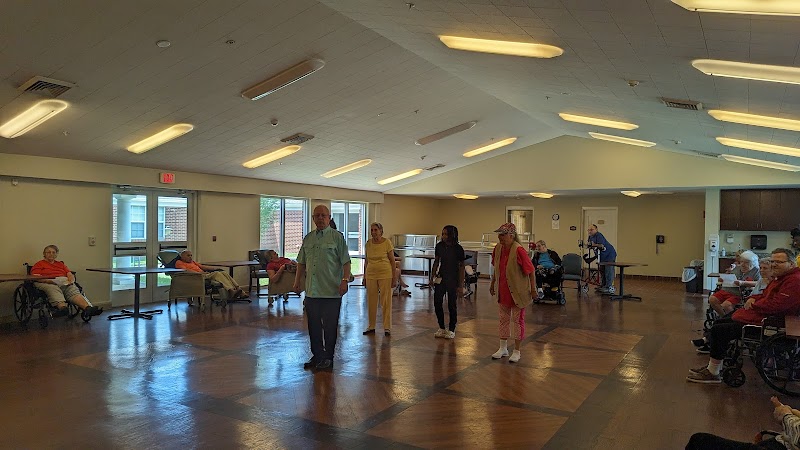
CMS rates GULF COAST HEALTH AND REHABILITATION, LLC's staffing level at 4 out of 5 stars, which is above average compared to other nursing homes. Staff turnover is 46%, compared to the Alabama average of 46%. This relatively stable workforce can support continuity of care. RN turnover specifically is 64%, which is notably high. RNs provide skilled clinical oversight, so turnover in this role can affect medical care quality.

What Have Inspectors Found at Gulf Coast, Llc?

State health inspectors documented 11 deficiencies at GULF COAST HEALTH AND REHABILITATION, LLC during 2018 to 2020. These included: 11 with potential for harm.
Who Owns and Operates Gulf Coast, Llc?

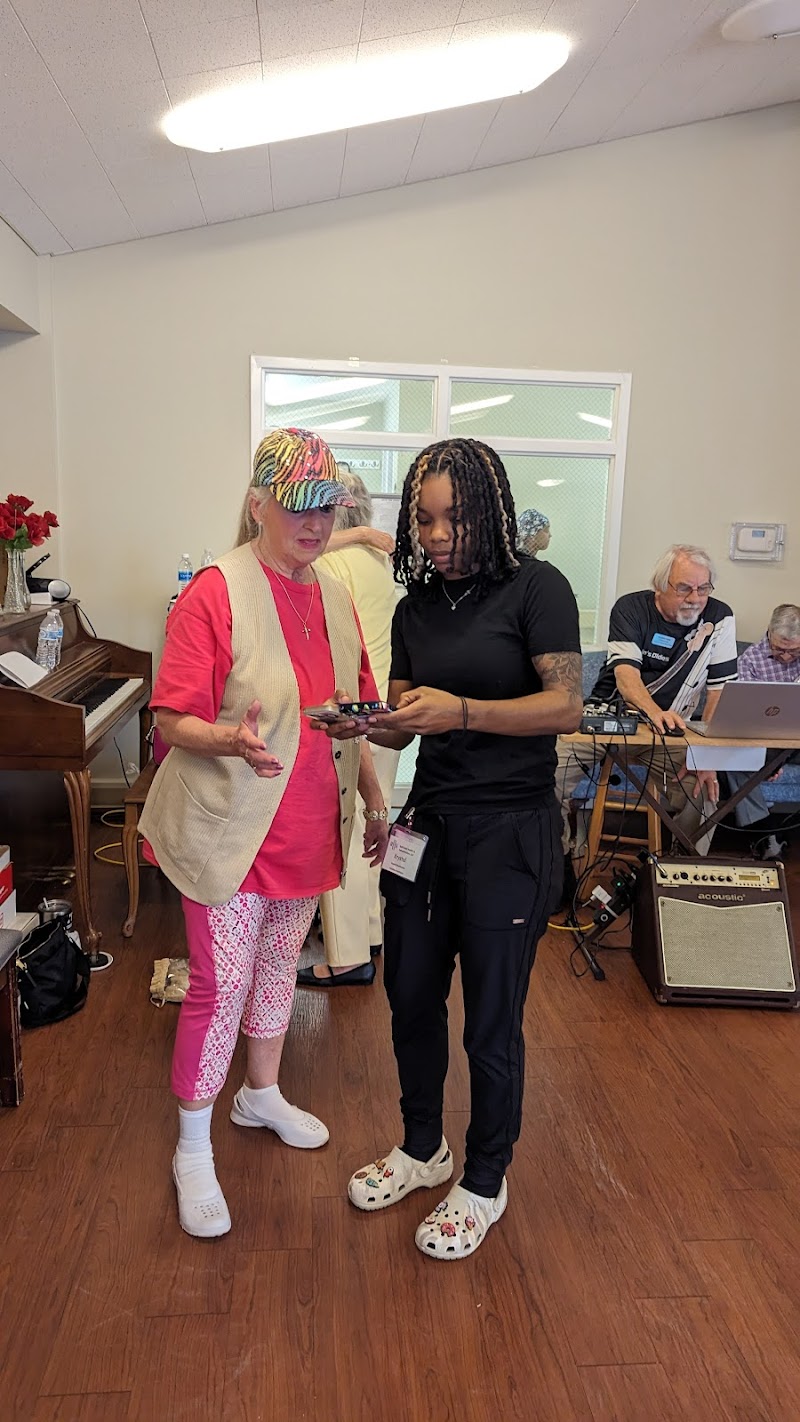
GULF COAST HEALTH AND REHABILITATION, LLC is owned by a for-profit company. For-profit facilities operate as businesses with obligations to shareholders or private owners. The facility is operated by NHS MANAGEMENT, a chain that manages multiple nursing homes. With 100 certified beds and approximately 91 residents (about 91% occupancy), it is a mid-sized facility located in MOBILE, Alabama.
How Does Gulf Coast, Llc Compare to Other Alabama Nursing Homes?

Compared to the 100 nursing homes in Alabama, GULF COAST HEALTH AND REHABILITATION, LLC's overall rating (2 stars) is below the state average of 2.9, staff turnover (46%) is near the state average of 46%, and health inspection rating (2 stars) is below the national benchmark.

What Should Families Ask When Visiting Gulf Coast, Llc?

Based on this facility's data, families visiting should ask: "Can I visit during a mealtime to observe dining assistance and food quality?" "How do you handle medical emergencies, and what is your hospital transfer rate?" "Can I speak with family members of current residents about their experience?"

Is Gulf Coast, Llc Safe?

Based on CMS inspection data, GULF COAST HEALTH AND REHABILITATION, LLC has a clean safety record: no substantiated abuse findings (meaning no confirmed cases of resident harm), no Immediate Jeopardy citations (the most serious violation level indicating risk of serious injury or death), and is not on the Special Focus Facility watch list (a federal program monitoring the lowest-performing 1% of nursing homes). The facility has a 2-star overall rating and ranks #100 of 100 nursing homes in Alabama. While no facility is perfect, families should still ask about staff-to-resident ratios and recent inspection results during their visit.

Do Nurses at Gulf Coast, Llc Stick Around?

GULF COAST HEALTH AND REHABILITATION, LLC has a staff turnover rate of 46%, which is about average for Alabama nursing homes (state average: 46%). Moderate turnover is common in nursing homes, but families should still ask about staff tenure and how the facility maintains care continuity when employees leave.

Was Gulf Coast, Llc Ever Fined?

GULF COAST HEALTH AND REHABILITATION, LLC has no federal fines on record. CMS issues fines when nursing homes fail to meet care standards or don't correct problems found during inspections. The absence of fines suggests the facility has either maintained compliance or corrected any issues before penalties were assessed. This is a positive indicator, though families should still review recent inspection reports for the full picture.

Is Gulf Coast, Llc on Any Federal Watch List?

GULF COAST HEALTH AND REHABILITATION, LLC is not on any federal watch list. The most significant is the Special Focus Facility (SFF) program, which identifies the bottom 1% of nursing homes nationally based on persistent, serious quality problems. Not being on this list means the facility has avoided the pattern of deficiencies that triggers enhanced federal oversight. This is a positive indicator, though families should still review the facility's inspection history directly.