LYNWOOD REHABILITATION AND HEALTHCARE CENTER
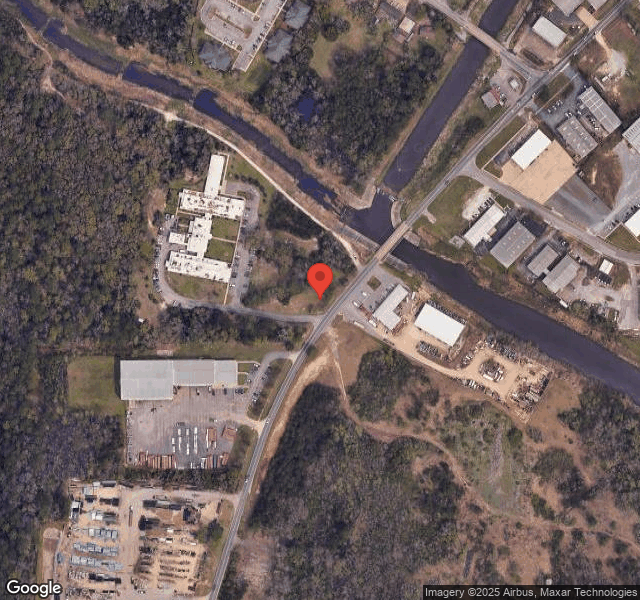

4164 HALLS MILL ROAD, MOBILE, AL 36693 (251) 661-5404
For profit - Limited Liability company 127 Beds VENZA CARE MANAGEMENT Data: November 2025
Trust Grade
55/100
#167 of 223 in AL
Last Inspection: October 2024

Within standard 12-15 month inspection cycle. Federal law requires annual inspections.

Overview

Lynwood Rehabilitation and Healthcare Center has a Trust Grade of C, which means it is average and located in the middle of the pack compared to other facilities. It ranks #167 out of 223 in Alabama, placing it in the bottom half, and #14 out of 16 in Mobile County, indicating limited local competition. Unfortunately, trends are worsening, with reported issues increasing from 4 in 2022 to 7 in 2024. Staffing is a strength, rated 4 out of 5 stars, with a turnover rate of 50%, which is close to the state average. While the facility has not incurred any fines, recent inspector findings raised concerns about food safety, such as improper labeling of food items and failure to reheat pureed meals to safe temperatures, which could affect residents' health. Overall, families should weigh the strengths in staffing against weaknesses in food safety practices.

Trust Score
C
55/100
In Alabama
#167/223
Bottom 26%
Safety Record
Low Risk
No red flags
Inspections
Getting Worse
4 → 7 violations
Staff Stability
⚠ Watch
50% turnover. Above average. Higher turnover means staff may not know residents' routines.
Penalties
✓ Good
No fines on record. Clean compliance history, better than most Alabama facilities.
Skilled Nurses
✓ Good
Each resident gets 47 minutes of Registered Nurse (RN) attention daily — more than average for Alabama. RNs are trained to catch health problems early.
Violations
⚠ Watch
17 deficiencies on record. Higher than average. Multiple issues found across inspections.
★★☆☆☆
2.0
Overall Rating
★★★★☆
4.0
Staff Levels
★★☆☆☆
2.0
Care Quality
★★☆☆☆
2.0
Inspection Score
Stable
2022: 4 issues
2024: 7 issues

The Good

  • 4-Star Staffing Rating · Above-average nurse staffing levels
  • Full Sprinkler Coverage · Fire safety systems throughout facility
  • No fines on record

Facility shows strength in staffing levels, fire safety.

The Bad

2-Star Overall Rating

Below Alabama average (2.9)

Below average - review inspection findings carefully

Staff Turnover: 50%

Near Alabama avg (46%)

Higher turnover may affect care consistency

Chain: VENZA CARE MANAGEMENT

Part of a multi-facility chain

Ask about local staffing decisions and management

The Ugly 17 deficiencies on record

Oct 2024 7 deficiencies
CONCERN (D) 📢 Someone Reported This

A family member, employee, or ombudsman was alarmed enough to file a formal complaint

Potential for Harm - no one hurt, but risky conditions existed

Notification of Changes (Tag F0580)

Could have caused harm · This affected 1 resident

**NOTE- TERMS IN BRACKETS HAVE BEEN EDITED TO PROTECT CONFIDENTIALITY** Based on interviews, medical record review, hospital record review, and review of a facility policy titled, Change in Medical Co...

Read full inspector narrative →
**NOTE- TERMS IN BRACKETS HAVE BEEN EDITED TO PROTECT CONFIDENTIALITY** Based on interviews, medical record review, hospital record review, and review of a facility policy titled, Change in Medical Condition of Residents, the facility failed to ensure the Medical Director (MD) and/or Certified Registered Nurse Practitioners (CRNPs) were notified when Resident Identifier (RI) #320, a resident with a history of inappropriate sexual behaviors, attempted to touch a Certified Nursing Assistant (CNA) between her legs and grabbed a therapist on the buttocks on 02/19/2024. Findings Include: Review of a facility policy titled, Change in Medical Condition of Residents, with an effective date of 01/22/2024, revealed the following: PURPOSE: To keep the physician, who is in charge of medical care . informed of the residents medical condition so they may direct the plan of care as needed. STANDARD: Notification of the physician . should occur promptly, according to federal regulations, when there is a change in the residents condition. A change in condition is defined as: . A significant change in a residents physical, mental or psychological status . Examples of a change in condition may include: . New behavioral problems . PROCESS: . III. Documenting the Change of Condition a) Document the symptoms and observations associated with the change in condition, the date and time of contact with the physician . RI #320 was admitted to the facility on [DATE]. RI #320 had diagnoses to include Cognitive Communication Deficit, Anxiety Disorder, and Dementia with other Behavioral Disturbance. A review of RI #320's admission Minimum Data Set assessment with an Assessment Reference Date of 02/15/2024, indicated RI #320's Brief Interview for Mental Status was 03 of 15, which indicated that RI #320 had severely impaired cognition. A review of RI #320's local hospital Discharge summary dated [DATE] revealed that RI #320 presented to the local hospital from another nursing home for inappropriate behavior and groping staff. The Discharge Summary also included that RI #320 had inappropriate sexual behavior. A review of the Progress Notes for RI #320 revealed the Assistant Director of Nursing (ADON) documented on 02/19/2024 at 8:57 AM that . CNA reports inappropriate behavior-trying to touch her groin while getting ready for therapy . and on 02/19/2024 at 10:42 AM . Therapy reports inappropriate behavior-resident grabbing therapist's rear end. Therapist moved away from resident to remove from situation . On 10/16/2024 at 5:27 PM, a telephone interview was conducted with the ADON. When asked who he informed about the incidents occurring on 02/19/2024, the ADON said he would have informed the CRNP or the Director of Nursing (DON). The ADON said the evidence he had informed the CRNP or DON would be in the nurses' notes. A review of RI #320's Progress Notes revealed there was no evidence the Medical Director (MD) or either CRNP had been notified of the incidents involving RI #320 touching staff on 02/19/2024. On 10/14/2024 at 11:14 AM, an interview was conducted with the Administrator (ADM). The ADM said she was not sure when she was made aware of RI #320's behaviors toward staff on 02/19/2024. When asked should the doctor have been notified of the behaviors, the ADM said yes. On 10/12/2024 at 9:53 AM a telephone interview was conducted with CRNP #11 who said she visited RI #320 on 02/22/2024. CRNP #11 said during the assessment RI #320 was moving his/her hand up her inner thigh and made inappropriate sexual comments. CRNP #11 said prior to the incident she was not aware that RI #320 had been inappropriate with anyone at the facility. On 10/13/2024 at 1:52 PM, the surveyor conducted an interview with the MD and CRNP #10. When asked were either of them notified on 02/19/2024, that RI #320 attempted to touch a staff member in an inappropriate sexual manner and then touched a therapist on her buttocks, both stated no. The MD said they should have been notified of the incident. The MD said if they had been notified about the incident they would have sent RI #320 out for a psychiatric evaluation.
CONCERN (D) 📢 Someone Reported This

A family member, employee, or ombudsman was alarmed enough to file a formal complaint

Potential for Harm - no one hurt, but risky conditions existed

Report Alleged Abuse (Tag F0609)

Could have caused harm · This affected 1 resident

**NOTE- TERMS IN BRACKETS HAVE BEEN EDITED TO PROTECT CONFIDENTIALITY** Based on an interview, review of a facility policy titled, Abuse, Neglect, Misappropriation of Resident Property, Suspicious Inj...

Read full inspector narrative →
**NOTE- TERMS IN BRACKETS HAVE BEEN EDITED TO PROTECT CONFIDENTIALITY** Based on an interview, review of a facility policy titled, Abuse, Neglect, Misappropriation of Resident Property, Suspicious Injuries of Unknown Source, Exploitation, review of the facility's investigative file and review of a Facility Reported Incident (FRI) received by the State Agency, the facility failed to ensure an allegation of sexual abuse involving Resident Identifier (RI) #320 and RI #71 on 02/22/2024, was submitted to the State Agency within the required timeframe of two hours. This deficient practiced affected one of 17 FRIs reviewed for timely reporting of allegations of abuse. This deficiency was cited as a result of the investigation of complaint/report number AL00047058. Findings Include: Review of a facility policy titled, Abuse, Neglect, Misappropriation of Resident Property, Suspicious Injuries of Unknown Source, Exploitation, with a revision date of 05/01/2024, revealed the following: PURPOSE: . Certain incidents and accidents involving residents must also be reported to the appropriate state agencies . VI. Investigations and Facility Response to Incidents or Accidents . b) . Reporting Steps . Notify the Administrator of any usual situation in the facility, whether reportable or not immediately. The Administrator/designee in administrator absence will report to the State Agency and all other required agencies, per regulations. All allegations of abuse . must be reported within 2 hours . RI #71 was admitted to the facility on [DATE]. RI #320 was admitted to the facility on [DATE]. The Alabama Department of Public Health Online Incident Reporting System form, submitted on 02/23/2024 at 3:22 PM documented: . Incident Type . Abuse - Sexual . Date and time of when administrator was notified of the incident: 02/23/2024 Time: 01:30 PM . Date and time of alleged incident: 02/22/2024 Time: 01:35 PM . Contained within the facility's investigative file was a typed statement dated 02/22/2024, signed by the Assistant Director of Nursing (ADON), which revealed the following: I was informed by a CNA (Certified Nursing Assistant) that (RI #320) attempted to put (his/her) hands in another resident's (RI #1's) shirt (blouse) . On 10/11/2024 at 9:38 AM, an interview was conducted with the ADON. The ADON said abuse should be reported to the Abuse Coordinator, the Administrator (ADM). The ADON was asked when did he report the incident involving RI #320 and RI #71 to the ADM. The ADON said he did not because he was told someone else had already reported it. When asked when should any type of abuse be reported to the Abuse Coordinator, the ADON said immediately. On 10/12/2024 at 7:08 PM, an interview was conducted with the ADM. The ADM said she was the Abuse Coordinator and she had the responsibility of reporting abuse to the State Agency. When asked the time frame for reporting abuse, the ADM said within two hours. The ADM said the incident between RI #320 and RI #71 occurred on 02/22/2024, and she was made aware of the incident on 02/23/2024, almost 24 hours later. The ADM said when the failure to report to her was found out the facility did a Quality Assurance Performance Improvement plan. **************************************************** The facility took corrective action to address the late reporting of abuse following the incident that occurred on 02/22/2024. The facility's actions included: On 06/12/2024 the facility identified that the incident was reported late. On 06/12/2024 the ADON and Registered Nurse (RN) #13 were provided 1:1 in-service on the facility's Abuse Policy and Procedure including timely reporting of all allegations. On 06/12/2024 all staff were educated on the facility's Abuse Policy and Procedure including timely reporting of all allegations. All staff receive abuse training upon hire, quarterly, and as needed. On 06/12/2024 the facility replaced existing Abuse Reporting signs with neon-colored signs that say REPORT ANY ABUSE TO . and names and the contact information for who to notify. A new resident council template was developed to assist with identifying any abuse. Staff interviews will be conducted with 5 staff for 12 weeks. Results will be reviewed in monthly QAA for 3 months and then reassessed ************************************************* Upon review and verification of the information provided in the facility's corrective action plan, in-service/education records, QAA Meetings minutes, and the facility's investigation, as well as staff interviews, the survey team determined the facility implemented corrective actions on 06/12/2024, with on-going monitoring implemented; thus, past noncompliance was cited.
CONCERN (D) 📢 Someone Reported This

A family member, employee, or ombudsman was alarmed enough to file a formal complaint

Potential for Harm - no one hurt, but risky conditions existed

Investigate Abuse (Tag F0610)

Could have caused harm · This affected 1 resident

**NOTE- TERMS IN BRACKETS HAVE BEEN EDITED TO PROTECT CONFIDENTIALITY** Based on interviews, medical record review, review of a facility policy titled, Abuse, Neglect, Misappropriation of Resident Pro...

Read full inspector narrative →
**NOTE- TERMS IN BRACKETS HAVE BEEN EDITED TO PROTECT CONFIDENTIALITY** Based on interviews, medical record review, review of a facility policy titled, Abuse, Neglect, Misappropriation of Resident Property, Suspicious Injuries of Unknown Source, Exploitation, and review of the facility's investigative file, the facility failed to conduct a thorough investigation and obtain witness statements from all staff who witnessed Resident Identifier (RI) #320 put his/her hand under RI #71's blouse on 02/22/2024. Interviews with staff, the facility's timeline of events, and investigative documentation contained conflicting information. Findings Include: Review of a facility policy titled, Abuse, Neglect, Misappropriation of Resident Property, Suspicious Injuries of Unknown Source, Exploitation, with a revision date of 05/01/2024, revealed the following: PURPOSE: . The facility will investigate and document all incidents and accidents involving residents . The investigation protocol for incidents and accidents is set forth in Section VI of this Policy . VI. Investigations and Facility Response to Incidents or Accidents . b) Investigation . Steps . The Administrator is responsible for conducting a thorough investigation and obtaining witness statements. A complete and thorough investigation must be conducted on all incidents . If reportable to the State Agency, the facility will make an investigation report within five (5) working days to the State Agency. This report will be in writing and will contain: . 3. Time of the incident. 4. Name of witness . 13. Any other details . RI #71 was admitted to the facility on [DATE]. RI #320 was admitted to the facility on [DATE]. The Alabama Department of Public Health Online Incident Reporting System form, submitted on 02/23/2024 at 3:22 PM documented: . Incident Type . Abuse - Sexual . Incident Detail . Name of staff member who became aware of the incident: (RN #13) . Date and time of alleged incident: 02/22/2024 .Reported by (RN #13) to (Assistant Director of Nursing) that resident (RI #320) was observed to place (his/her) hands under (RI #71's) blouse . A review of the facility's VERIFICATION OF INVESTIGATION form or five-day summary, with an incident date of 02/22/2024 and an incident time of 12:50 PM, documented the following: DETAILED DESCRIPTION OF INCIDENT / ALLEGATION: While residents (RI #320) and resident, (RI #71) were sitting in the dining area of East Wing. CNA, (CNA #12) reported she witnessed resident, (RI #320) roll (his/her) wheelchair up to (RI #71) and put (his/her) hand under the front of (RI #71's) blouse . WITNESS INFORMATION: IDENTIFY ALL INDIVIDUALS WHO MAY HAVE PERTINENT KNOWLEDGE EITHER PRIOR TO, DURING, OR AFTER THE ALLEGED EVENT . This section on the form did not have names of staff who witnessed the incident. Also, there were conflicting times as when the incident occurred. The initial report identified the incident time as 1:35 PM; and the five-day summary identified the incident time as 12:50 PM. A review of undated and untimed facility timeline documented the following: . 2/22/24 at 2:10 am, nurse noted Mood and Behavior: Mood is pleasant, no unwanted behaviors witnessed, At 12:30 PM, resident received a flu-shot. At 3pm, nurse noted resident was sent to the hospital for inappropriate touching of staff and resident. A CNA reported to the ADON that they witnessed (RI #320) with (his/her) hand under the blouse of a female resident . Contained within the facility's investigative file was only one witness statement to the incident occurring between RI #320 and RI #70 on 02/22/2024. The witness statement was a handwritten statement given by Certified Nursing Assistant (CNA) #12, dated 02/23/2024, which documented the following: I saw (RI #320) put (his/her) hand under (RI #71's) shirt (blouse) on Feb (February) 22, 2024. I immediately moved (him/her) to a different table. On 10/12/2024 at 7:08 PM, an interview was conducted with the Administrator (ADM). The ADM said as the Abuse Coordinator she was responsible for investigating allegations of abuse. When asked when did the incident between RI #320 and RI #71 occur, the ADM said on 02/22/2024. The surveyor asked the ADM which staff were present when the incident occurred. The ADM said CNA #12, CNA #14 and RN #13. The ADM said she had not been able to locate Registered Nurse (RN) #13's statement and had recently done a telephone interview with CNA #14 to obtain her statement. The ADM said once she became aware she communicated with team to ensure residents were protected. The ADM said when the video of the incident was reviewed the video clearly showed that RI #320 did not touch RI #71's breast. On 10/12/2024 at 10:40 AM, a telephone was conducted with RN #13 who confirmed that he witnessed the incident involving RI #320 and RI #71 on 02/22/2024. On 10/14/2024 at 11:14 AM, the surveyor had the ADM to review the facility's initial report, five-day summary and the facility's timeline and asked the ADM was the investigation of the event involving RI #320 and RI #71 thorough. The ADM said when she looked back at the timeline, the body of the timeline could have included more specifics with names and time of events to prevent questions. On 10/14/2024 at 8:01 PM, a follow-up interview was conducted with the ADM. The ADM said when she and the Director of Nursing (DON) reviewed the video RI #320 placed his/her hand at the hem of RI #71's blouse. When asked did she review the statement CNA #12 gave about RI #320's hand being under RI #71's blouse, the ADM said she did. The ADM she did not attempt to have CNA #12 clarify her statement.
CONCERN (D)

Potential for Harm - no one hurt, but risky conditions existed

Assessment Accuracy (Tag F0641)

Could have caused harm · This affected 1 resident

**NOTE- TERMS IN BRACKETS HAVE BEEN EDITED TO PROTECT CONFIDENTIALITY** Based on interview, record review and review of the Centers for Medicare & (and) Medicaid Services Long-Term Care Facility Resid...

Read full inspector narrative →
**NOTE- TERMS IN BRACKETS HAVE BEEN EDITED TO PROTECT CONFIDENTIALITY** Based on interview, record review and review of the Centers for Medicare & (and) Medicaid Services Long-Term Care Facility Resident Assessment Instrument 3.0 User's Manual Version 1.17.1, the facility failed to ensure Resident Identifier (RI) #70's Significant Change (SC) Minimum Data Set (MDS) assessment with an Assessment Reference Date (ARD) of 08/29/2024, was coded accurately. The MDS indicated that RI #70 received an anticoagulant medication during that look back assessment period, but RI #70 did not. This deficient practice affected RI #70, one of 47 sampled residents whose MDS assessments were reviewed. Findings Include: A review of the Centers for Medicare & Medicaid Services Long-Term Care Facility Resident Assessment Instrument 3.0 User's Manual Version 1.17.1, dated 10/2019, revealed the following: . SECTION N: MEDICATIONS . Coding Instructions . N0410E, Anticoagulant . Record the number of days an anticoagulant medication was received by the resident at any time during the 7-day look-back period . RI #70 was admitted to the facility on [DATE] and readmitted on [DATE]. RI #70's Significant Change MDS assessment with an ARD date of 08/29/2024, under Section N - Medications, coded that RI #70 received an anticoagulant medication during that look back assessment period. An Order Summary Report (Physician's Orders) for RI #41, with an Order Date Range of 08/01/2024 to 10/31/2024, revealed RI #70 received the medication Aspirin 81 Oral Tablet Chewable 1 tablet by mouth two times a day for Coronary Artery Disease. On 10/14/2024 at 11:30, an interview was conducted with the MDS Coordinator (MDSC). When asked did she complete RI #70's SC MDS assessment with the ARD of 08/29/2024, the MDSC said yes. The MDSC said RI #70 was not prescribed an anticoagulant for that assessment period, RI #70 was on Aspirin. The MDSC said the MDS assessment was coded that RI #70 received an anticoagulant, but it should have been coded as antiplatelet. The MDSC said the MDS assessment was coded that way in error.
CONCERN (D) 📢 Someone Reported This

A family member, employee, or ombudsman was alarmed enough to file a formal complaint

Potential for Harm - no one hurt, but risky conditions existed

Deficiency F0740 (Tag F0740)

Could have caused harm · This affected 1 resident

**NOTE- TERMS IN BRACKETS HAVE BEEN EDITED TO PROTECT CONFIDENTIALITY** Based on interviews, medical record review and review of a facility policy titled, Distressed Behavior Management Program, the f...

Read full inspector narrative →
**NOTE- TERMS IN BRACKETS HAVE BEEN EDITED TO PROTECT CONFIDENTIALITY** Based on interviews, medical record review and review of a facility policy titled, Distressed Behavior Management Program, the facility failed to ensure Resident Identifier (RI) #320's sexually inappropriate behaviors were addressed and managed with appropriate interventions. On 02/09/2024, the facility admitted RI #320 who had a documented history of inappropriate behaviors including groping. On 02/12/2024 a care plan was developed to address inappropriate sexual advances toward females. On 02/19/2024, RI #320 attempted to place his/her hands between a Certified Nursing Assistant's (CNA's) legs and placed his/her hands on a physical therapist's buttocks. There was no evidence of discussions for behavior management, no new interventions implemented to manage RI #320's inappropriate sexual behaviors after the 02/19/2024 incidents, and no evidence the Medical Director (MD) or Certified Registered Nurse Practitioners (CRNPs) were notified of RI #320's inappropriate sexual behaviors on 02/19/2024. Findings Include: Review of a facility policy titled, Distressed Behavior Management Program, with an effective date of 06/01/2023, revealed the following: PURPOSE: Identifying residents who currently exhibit some type of distressed behavior symptoms for which additional or new treatment programs may be considered . STANDARD: Residents who display mental or psychosocial adjustment difficulty should receive appropriate services, in an attempt to correct the problem . RI #320 was admitted to the facility on [DATE]. RI #320 had diagnoses to include Cognitive Communication Deficit, Anxiety Disorder, and Dementia with other Behavioral Disturbance. A review of RI #320's admission Minimum Data Set assessment with an Assessment Reference Date of 02/15/2024, indicated RI #320's Brief Interview for Mental Status was 03 of 15, which indicated that RI #320 had severely impaired cognition. A review of a Discharge Summary from the hospital RI #320 was discharged from revealed the following: . admit date : [DATE] .discharge date : [DATE] . Discharge Diagnoses: Principal Problem: Dementia with other behavioral disturbance, unspecified dementia severity, unspecified dementia type . Active Problems: Poor social situation . Hospital Course: [AGE] year-old (male/female) . who presented from (name of another nursing home) for inappropriate behavior and groping staff . Patient Active Problem List . Poor social situation . Inappropriate sexual behavior . A review of RI #320's care plan titled Hx (history) of and potential for inappropriate sexual advances toward females, with an initiated date of 02/12/2024, revealed the GOAL for RI #320 was The resident will have no inappropriate sexual advances toward females daily through next review or length of stay . A review of RI #320's Progress Notes (nurses notes) documented the following: . Effective date: 02/09/2024 19:02 (7:02 PM) . Note Text: admission Note: . (He/She) has an history of behavior with hitting and touching . On 02/19/2024 at 8:57 AM the Assistant Director of Nursing (ADON) documented .Type: Behavior Charting . CNA reports inappropriate behavior-trying to touch her groin while getting ready for therapy . On 02/19/2024 at 10:42 AM the ADON documented .Type: Behavior Charting . Therapy reports inappropriate behavior-resident grabbing therapist's rear end. Therapist moved away from resident to remove from situation . On 10/12/2024 at 3:10 PM, the surveyor conducted an interview with the Director of Social Services (DSS). The DSS said she developed RI #320's behavior care plan on 02/12/2024 after she reviewed RI #320's medical history that included his/her history of inappropriate sexual behaviors. The DSS said at another facility RI #320 was touching people inappropriately. The DSS said after RI #320 exhibited inappropriate sexual behaviors on 02/19/2024 new interventions should have been addressed on the care plan and she did not see where they had been. On 10/14/2024 at 7:10 PM, a follow-up interview was conducted with the DSS. When asked what new interventions could have been implemented after the 02/19/2024 incident, the DSS said the doctor could have been called to see about sending RI #320 out for a psychiatric evaluation. The DSS said RI #320 could have been evaluated to see if his/her medication needed adjusting or the psychiatric facility would have given the facility new suggestions on how to deal with RI #320's behaviors. On 10/13/2024 at 5:32 PM an interview was conducted with the Director of Nursing (DON). The DON said she was informed on either 02/19/2024 or 02/20/2024 during the morning meeting of RI #320's behavior of inappropriately touching staff that occurred on 02/19/2024 . On 10/14/2024 at 7:25 PM, the surveyor conducted a follow-up interview with the DON. The DON said according to the discharge summary, RI #320 was discharged from another nursing home because RI #320 had inappropriate behaviors of groping staff. The DON said the discharge summary did not say RI #320 had any inappropriate behaviors toward residents. When asked could there have been the potential for RI #320 to exhibit sexual inappropriate behaviors toward residents, the DON said it could have been. When asked what new interventions could have been implemented when RI #320 exhibited inappropriate sexual behaviors on 02/19/2024, the DON said other than one-on-one monitoring, which they did not do long term, RI #320 could have been referred to CRNP #10, who had credentials for psychiatric care. The surveyor asked the DON, based on the fact that RI #320 had a history of sexually inappropriate behaviors, what else could have been done when the behaviors resurfaced. The DON said RI #320 could have been referred to psych. A review of RI #320's DAILY PROGRESS NOTE, dated 02/19/2024, 02/20/2024 and 02/21/2024, did not reveal CRNP #10 had evaluated RI #320 for his/her inappropriate sexual behaviors. On 10/14/2024 at 11:14 AM, the surveyor conducted an interview with the Administrator (ADM). The surveyor asked the ADM when was she made aware RI #320 had attempted to touch a staff in an inappropriate manner and touched the therapist on her buttocks on 02/19/2024. The ADM said it could have been at a standup meeting where behaviors were discussed. When asked did she think RI #320 should have been transferred when he/she had the inappropriate behaviors on 02/19/2024, the ADM said yes. On 10/13/2024 at 1:52 PM, an interview was conducted with the Medical Director (MD) and CRNP #10. The MD said if he had been notified of RI #320's inappropriate sexual behaviors on 02/19/2024 he would have sent RI #320 out for a psychiatric evaluation.
CONCERN (E)

Potential for Harm - no one hurt, but risky conditions existed

Menu Adequacy (Tag F0803)

Could have caused harm · This affected multiple residents

Based on observation, interview, the facility's 2024-2025 Fall/Winter Menu, the facility's recipe for Pureed Bread, the facility's Scoop Size chart, the facility's Diet Master, and the facility's poli...

Read full inspector narrative →
Based on observation, interview, the facility's 2024-2025 Fall/Winter Menu, the facility's recipe for Pureed Bread, the facility's Scoop Size chart, the facility's Diet Master, and the facility's policies for Menu Planning and Accuracy and Quality of Tray Line Service; the facility failed to provide the approved portions of puree meat and puree bread for Lunch on 10/08/2024 and 10/09/2024. This had the potential to affect 5 of 5 residents receiving Puree Diets. Findings include: The facility's policy for Menu Planning, dated 2023, included the following: . Policy: Nutritional needs of individuals will be provided in accordance with the established national standards . through nourishing, well-balanced diets . Procedure: 1. Menu planning will be completed by the facility . a. Regular and therapeutic menus will be written to provide a variety of foods . in adequate amounts . to satisfy recommended daily allowances. 4. The registered dietitian nutritionist (RDN) or designee will approve all menus. The facility's policy for Accuracy and Quality of Tray Line Service, dated 2023, included the following: Procedure: . 4. the meal will be checked against the therapeutic diet spread sheet to assure that foods are served as listed on the menu. The facility's recipe for Pureed Bread, undated, documented the following: . Service Portion: #20 Scoop portion pureed bread. The facility's Scoop Size chart, undated, documented that a #20 scoop equals two ounces (oz). The facility's 2024-2025 Fall/Winter Menu for Week 3, Tuesday, Lunch included the following for the Puree (Pur) diet: . 3 oz Pur Glazed Ham . Pur Bread . The facility's 2024-2025 Fall/Winter Menu for Week 3, Wednesday, Lunch included the following for the Puree diet: . Pur Baked Chicken . 2 oz Pur Dinner Roll . The facility's Diet Master, dated 10/08/2024, listed five residents receiving Puree diet meal trays. On 10/08/2024 at 11:20 AM, preparations for the residents' lunch meal service were observed. At 11:27 AM, the steamtable was being set up with pans of hot food. At 11:45 AM, the AM [NAME] was asked about Puree Bread for the trayline. The AM [NAME] said the bread was pureed with the meat (Ham). The serving utensil for the Puree Ham was a 3 oz spoodle. The lunch trayline started at 12:02 PM. On 10/09/2024 at 11:35 AM, the Dietary Manager was observed taking food temperatures on the trayline for the residents' lunch meal. There was no Puree Bread on the trayline. The pan of Puree Baked Chicken had a 3 oz spoodle for the serving utensil. At 12:01 PM, the Assistant Dietary Manager said she had pureed the Baked Chicken for the trayline and that she had added bread to it. The lunch trayline started at 11:59 AM. At 12:48 PM, a Puree diet test tray with nectar-thick liquids was prepared. At 12:55 PM, the test tray was tasted with the Registered Dietitian. The food on the test tray included the following: Puree Baked Chicken, Puree Rice, Puree Broccoli, Applesauce, Nectar-thick Water with Lemon, and Nectar-thick Sweet Tea with Lemon. On 10/09/2024 at 1:00 PM, the Registered Dietitian (RD) was interviewed following the tasting of the test tray. The RD said the serving size for Puree Baked Chicken should be 3 ounces; although the amount was not specifically listed on the Fall/Winter (F/W) Menu for Week 3, Wednesday, Lunch. The RD also said the serving size for a Pureed Dinner Roll was 2 ounces. The RD further said the residents complained about pureed bread when it was served by itself, so the facility combined the bread with the meat on the menu for the Puree diets. When asked what amount should be served since the chicken and the bread were pureed into one combined product, the RD said 5 ounces. On 10/09/2024 at 5:01 PM, a follow-up interview was conducted with the Registered Dietitian. When asked the problem in serving 3 ounces of combined Puree Baked Chicken (or Puree Ham) and Puree Dinner Roll (or Bread) instead of 5 ounces, the RD said it is not meeting the menu requirements. The RD further said the residents could be affected due to inadequate nutrients being provided.
CONCERN (E)

Potential for Harm - no one hurt, but risky conditions existed

Food Safety (Tag F0812)

Could have caused harm · This affected multiple residents

Based on observation, interview, the facility's 2024-2025 Fall/Winter Menu, the 2022 United States (U.S.) Food and Drug Administration (FDA) Food Code, the facility's Diet Master, and the facility's p...

Read full inspector narrative →
Based on observation, interview, the facility's 2024-2025 Fall/Winter Menu, the 2022 United States (U.S.) Food and Drug Administration (FDA) Food Code, the facility's Diet Master, and the facility's policies for Purpose and Objectives of the Food and Nutrition Services Department and Resource: Minimum Cooking, Holding and Reheating Temperatures; the facility failed to ensure Puree Scalloped Potatoes were reheated to a minimum of 165 degrees (°) Fahrenheit (F) for 15 seconds after cooling to 125°F on 10/08/2024, prior to the residents' Lunch service. This had the potential to affect 5 residents who received pureed meals from the kitchen out of 108 residents receiving meals from the facility kitchen. Findings include: The 2022 U.S. FDA Food Code included the following: . 3-403.11 Reheating for Hot Holding. (A) . TIME/TEMPERATURE CONTROL FOR SAFETY FOOD that is cooked, cooled, and reheated for hot holding shall be reheated so that all parts of the FOOD reach a temperature of at least 74°C [Centigrade/Celsius] (165°F) for 15 seconds. The facility's policy for Purpose and Objectives of the Food and Nutrition Services Department, dated 2023, included the following: . 1. Provide food and drink . at a safe and appetizing temperature . The facility's policy for Resource: Minimum Cooking, Holding and Reheating Temperatures, dated 2023, included the following: Cooking is a critical control point in preventing foodborne illness. Summary Chart for Minimum Food Temperatures and Holding times for Reheating Foods for Hot Holding . Food that is cooked, cooled, and reheated (should reach a minimum temperature of) 165° F (for a minimum of) 15 seconds The facility's 2024-2025 Fall/Winter Menu for Week 3, Tuesday, Lunch included the following for the Puree (Pur) diet: . 4 oz (ounces) Pur Scalloped Potatoes . The facility's Diet Master, dated 10/08/2024, listed 108 residents receiving meal trays and five of those were Puree diets. On 10/08/2024 at 11:20 AM, preparations for the residents' lunch meal service were observed. At 11:27 AM, the steamtable was being set up with pans of hot food for the residents' lunch meal. At 11:45 AM, the food temperatures were observed being checked and the Puree Scalloped Potatoes were found to be 125°F. The Puree Scalloped Potatoes were removed from the steamtable and reheated to 146°F by the AM Cook. At 12:00 PM, the Assistant Dietary Manager said the temperature had reached 146°F and allowed the Puree Scalloped Potatoes back on the steamtable. At 12:02 PM, the AM [NAME] was asked if reheating the Puree Scalloped Potatoes up to 146°F was okay, since the food's temperature had fallen below 135°F and gone into the temperature danger zone. the AM [NAME] said yes. The lunch trayline started at 12:02 PM. At 12:07 PM, the Dietary Manager was asked if reheating the Puree Scalloped Potatoes to 146°F was adequate, when it had fallen below the upper danger zone temperature of 135°F. The Dietary Manager said no, it should be reheated to 165 degrees Fahrenheit. On 10/09/2024 at 5:01 PM, the Registered Dietitian (RD) was interviewed. The RD was asked the problem in only reheating the Puree Scalloped Potatoes to 146°F after the temperature had dropped to 125°F while on the trayline. The RD said it should have been reheated to 165 degrees Fahrenheit for 15 seconds. The RD further said bacterial growth could be a problem and it could make the residents sick.
Feb 2022 4 deficiencies
CONCERN (D)

Potential for Harm - no one hurt, but risky conditions existed

Deficiency F0553 (Tag F0553)

Could have caused harm · This affected 1 resident

Based on interviews and record review, the facility failed to ensure Resident Identifier (RI) #35 was invited and allowed to participate in care plan conferences. This deficient practice affected RI #...

Read full inspector narrative →
Based on interviews and record review, the facility failed to ensure Resident Identifier (RI) #35 was invited and allowed to participate in care plan conferences. This deficient practice affected RI #35, one of one resident reviewed for care plan participation. Findings included: The facility admitted RI #35 on 09/28/2020. During an interview on 02/09/2022 at 11:36 AM, RI #35 stated that they had never been to a care planning meeting, and they would like to attend. During an interview on 02/11/2022 at 10:03 AM, Employee Identifier (EI) #10, Licensed Social Worker (LSW), stated that residents were invited to care plan meetings and it was documented in Point Click Care (PCC). EI #10 stated RI #35 had not attended any care plan meetings. EI #10 stated they could not locate any documentation of RI #35 having been invited to care plan meetings. During an interview on 02/11/2022 at 3:20 PM, EI #1, Nursing Home Administrator, stated the facility was supposed to let the resident know about care conference meetings and depending on their interest and ability to participate, the resident had the option to attend. Review of a Care Plan Conference Summary for RI #35, dated 12/07/2021, revealed RI #35 did not attend. The Resident/Family portion of the summary had not been completed. A policy on care plan meeting participation was requested but was not provided.
CONCERN (D)

Potential for Harm - no one hurt, but risky conditions existed

Quality of Care (Tag F0684)

Could have caused harm · This affected 1 resident

Based on observation, interviews, record review, and facility procedure review titled, Skin Care Guideline, the facility failed to assess and treat a skin issue for Resident Identifier (RI) #35. The d...

Read full inspector narrative →
Based on observation, interviews, record review, and facility procedure review titled, Skin Care Guideline, the facility failed to assess and treat a skin issue for Resident Identifier (RI) #35. The deficient practice affected RI #35, one of one resident reviewed for non-pressure related skin conditions. Findings included: A review of a facility procedure titled, Skin Care Guideline, dated July 2018, revealed, in part, Patients/Residents will be observed by the nurse aide team members daily for changes in skin condition. These changes will be reported to the licensed nurse and documented in the electronic medical record. The facility admitted RI #35 on 09/28/2020 with diagnosis to include Cellulitis (inflammation of connective tissue), Peripheral Vascular Disease (disruption of venous circulation in arms/legs), and Type 2 Diabetes. A nurse's note written on 02/07/2022, by Employee Identifier (EI) #13 Licensed Practical Nurse (LPN) revealed, in part, Skin assessment completed skin warm and dry. During an interview on 02/09/2022 at 11:45 AM, RI #35 stated they had bumps all over their buttocks. RI #35 said the Certified Nursing Assistant who assisted her/him that day knew about the bumps. RI #35 said they had been there for about two weeks. During an interview on 02/10/2022 at 10:42 AM, RI #35 stated they needed assistance because their buttocks was itching. During an interview on 02/10/2022 at 1:06 PM, EI #12, Certified Nursing Assistant (CNA), stated RI #35 had a rash for approximately a month. EI #12 stated the nurses were aware. On 02/10/2022 at 2:16 PM, a nurse surveyor observed RI #35's buttock with EI #12. RI #35's buttock had a large, red, excoriated area. There was not any evidence the facility had addressed RI #35's buttocks until a nurse's note written on 02/10/2022, by EI #7 that revealed, in part, Resident complained of itching to the buttocks area. After skin assessment of the area completed an order was received . for Nystatin Cream to be applied as ordered. During an interview on 02/11/2022 at 10:55 AM, EI #11, CNA, stated RI #35 had itching in areas on the buttocks for approximately two weeks. EI #11 stated they showed the area to the nurse, EI #13, Licensed Practical Nurse (LPN). During an interview on 02/11/2022 at 11:00 AM, EI #7 stated they did not document the skin assessment that was completed on RI #35 on 02/10/2022. They stated they did not measure the skin alteration on RI #35 and said they should have. During an interview on 02/11/2022 at 1:10 PM, EI #2, Director of Nursing Services (DNS), stated if a skin issue was identified, the charge nurse should complete an assessment and call the physician for treatment orders. On 02/11/2022 at 1:45 PM an unsuccessful attempt was made to contact EI #13, LPN. During an interview on 02/11/2022 at 3:22 PM, EI #1, Nursing Home Administrator (NHA), stated that if a CNA identified a reddened area they should let the nurse or supervisor know. EI #1 stated the nurse should document in the nurses' notes.
CONCERN (E)

Potential for Harm - no one hurt, but risky conditions existed

Medication Errors (Tag F0758)

Could have caused harm · This affected multiple residents

**NOTE- TERMS IN BRACKETS HAVE BEEN EDITED TO PROTECT CONFIDENTIALITY** Based on record review, interviews, and review of the facility's Psychotropic Medication Use policy, the facility failed to ensu...

Read full inspector narrative →
**NOTE- TERMS IN BRACKETS HAVE BEEN EDITED TO PROTECT CONFIDENTIALITY** Based on record review, interviews, and review of the facility's Psychotropic Medication Use policy, the facility failed to ensure two (Resident Identifiers [RI] #20 and #92) of five sampled residents reviewed for unnecessary medications who received an antipsychotic and/or antidepressant medication were monitored for side effects of the medications. This had the potential to affect 36 residents whom the Resident Census and Conditions of Residents, dated 02/10/2022, indicated received antipsychotic medication and 70 residents who received antidepressant medication. Findings included: The facility's Psychotropic Medication Use policy and procedure, revised 01/01/2022, documented . 8. All medications used to treat behaviors should be monitored for: . Efficacy, . Risks, . Benefits, and . Harm or adverse consequences. RI #92's was admitted to the facility on [DATE] and readmitted on [DATE]. RI #92 had diagnoses which included Adjustment Disorder with Mixed Anxiety and Depressed Mood, Mood Disorder, and Major Depressive Disorder. A review of the Significant Change in Condition Minimum Data Set (MDS), with an Assessment Reference Date (ARD) of 01/07/2022, indicated RI #92 had a Brief Interview for Mental Status (BIMS) score of 11, which indicated the resident had moderate cognitive impairment and required limited to extensive assistance for activities of daily living (ADLs). The MDS indicated the resident had received antidepressant medication on seven of seven days prior to the ARD and had not received antipsychotic medication. RI #92's care plan with a print date of 02/09/2022, indicated the resident's problems included the use of psychotropic medication related to Depression. Interventions included to monitor the resident for side effects and effectiveness every shift. A review of the Order Summary Report, dated 02/02/2022, revealed RI #92 was to receive escitalopram oxalate (Lexapro) 15 milligrams (mg) one daily for Adjustment Disorder with Mixed Anxiety and Depressed Mood and mirtazapine (Remeron) 30 mg one daily at bedtime for sleep. The original date of the escitalopram, an antidepressant, was 12/04/2021. The original date of the mirtazapine, also an antidepressant, was 11/26/2021. A review of RI #92's electronic health record (EHR) and hard chart revealed no side effect monitoring for the antidepressant medications. On 02/10/2022 at 2:22 PM, Employee Identifier (EI) #5, a Licensed Practical Nurse (LPN), was interviewed. She reviewed the EHR and stated she could not find where side effects monitoring for the antidepressant medications was documented and that she did not monitor for side effects of the antidepressants. On 02/10/2022 at 3:06 PM, EI #6, a Registered Nurse (RN), was interviewed. He stated RI #92 had probably not been monitored for side effects of the antidepressant medications but that was something the facility probably needed to do. RI #20 was admitted to the facility on [DATE] and had diagnoses which included Alzheimer's Disease and Unspecified Dementia with Behavioral Disturbance. A review of the quarterly MDS, with an ARD of 11/17/2021, indicated RI #20 had severe cognitive impairment and had exhibited physical behavioral symptoms directed toward others on one to three days of the seven days prior to the ARD. The MDS indicated the resident required extensive assistance or was dependent upon staff for all ADLs and had received antipsychotic and antidepressant medications on seven of seven days prior to the ARD. The MDS indicated the resident received antipsychotic medication on a routine basis only and received hospice services. RI #20's care plan with a print date of 02/08/2022, documented RI #20's problems included the use of psychotropic medications. An intervention for the problem was to monitor for side effects and effectiveness of the medication every shift. A review of the Order Summary Report, dated 02/02/2022, revealed RI #20 was to receive Seroquel (antipsychotic) 25 mg at bedtime and Zoloft (sertraline, antidepressant) 75 mg daily related to the diagnosis of Unspecified Dementia with Behavioral Disturbance. The original date of the Seroquel order was 12/11/2021. The original date of the Zoloft order was 12/30/2021. A review of the resident's electronic health record and hard chart revealed no documentation of side effects monitoring for the use of Seroquel and Zoloft. On 02/10/2022 at 2:38 PM, Employee Identifier (EI) #5, a Licensed Practical Nurse (LPN), was interviewed. She stated she did not document monitoring for side effects of medication except in the weekly nursing note. On 02/10/2022 at 2:45 PM, EI #6, a Registered Nurse (RN), was interviewed. He stated the facility did not have a tool for monitoring side effects of the Seroquel and Zoloft. On 02/11/2022 at 1:03 PM, Employee Identifier (EI) #2, the Director of Nursing (DON), was interviewed. She stated the facility did not have a policy and procedure for the administration of antidepressant medications. On 02/11/2022 at 3:11 PM, the psychiatric Nurse Practitioner was interviewed by phone. She stated she expected the facility staff to monitor residents for side effects of antipsychotic and antidepressant medications. On 02/11/2022 at 3:31 PM, EI #2 was interviewed. She stated she expected staff to monitor residents for side effects of psychotropic medications as the care plan intervention stated. On 02/11/2022 at 3:42 PM, EI #1, the Administrator, was interviewed. She was informed of the above findings of no side effect monitoring for the administration of psychotropic medication for RIs #92 and #20. She stated she expected the regulation requiring monitoring for side effects of psychotropic medications to be followed.
CONCERN (E)

Potential for Harm - no one hurt, but risky conditions existed

Unnecessary Medications (Tag F0759)

Could have caused harm · This affected multiple residents

**NOTE- TERMS IN BRACKETS HAVE BEEN EDITED TO PROTECT CONFIDENTIALITY** Based on observations, record review, interview, and review of the facility's General Dose Preparation and Medication Administra...

Read full inspector narrative →
**NOTE- TERMS IN BRACKETS HAVE BEEN EDITED TO PROTECT CONFIDENTIALITY** Based on observations, record review, interview, and review of the facility's General Dose Preparation and Medication Administration policy, the facility failed to ensure a medication error rate of less than 5%. The facility had a medication error rate of 10%, which resulted from three errors in 30 opportunities and affected three (Resident Identifiers [RI] #19, #22, and #38) of six residents observed receiving medications during the medication pass observation. One hundred twelve residents resided in the facility. Findings included: The facility's General Dose Preparation and Medication Administration policy and procedure, revised 01/01/2013, section 3.7 indicated, Facility staff should verify that the medication name and dose are correct. The policy further indicated in section 4.1.1, the facility staff should: Verify each time a medication is administered that it is the correct medication. RI #19 was admitted to the facility on [DATE] and had diagnoses which included Dementia, Major Depressive Disorder, and Essential Hypertension. A physician's order, dated 11/10/2021, indicated the resident was to be administered Senna-Docusate Sodium (Sennosides-Docusate Sodium, a stool softener) 8.6-50 mg one by mouth daily for Constipation. On 02/10/2022 at 8:00 AM, Employee Identifier (EI) #5, a Licensed Practical Nurse (LPN), was observed as she administered one Senna 8.6 milligram (mg) capsule to RI #19. On 02/10/2022 at 9:41 AM, EI #5 was interviewed and was asked to review the physician's orders for the Senna-Docusate Sodium. She confirmed she had not given the Senna-Docusate Sodium. RI #22 was admitted to the facility on [DATE] and had diagnoses which included Dementia and Age-Related Osteoporosis. A physician's order, dated 09/14/2021, indicated the resident was to be administered Calcium Carbonate 600 mg one tablet by mouth twice daily for Age-Related Osteoporosis. On 02/10/2022 at 8:56 AM, EI #6 was observed as he administered RI #22 one Calcium 600 mg with Vitamin D3 5 micrograms (mcg) tablet. On 02/10/2022 at 9:55 AM, EI #6, a Registered Nurse (RN), was interviewed. After he reviewed the physician's order for Calcium Carbonate, the RN confirmed he had given the resident the wrong medication. RI #38 was admitted to the facility on [DATE] and had diagnoses which included Diabetes Mellitus Type II and Alzheimer's Disease. A physician's order, dated 02/03/2022, indicated the resident was to be administered Robitussin Peak Cold DM (Dextromethorphan-Guaifenesin) Syrup 100 -10 mg per 5 milliliters (ml) - give 10 ml three times daily for cough and congestion. On 02/10/2022 at 10:35 AM, EI #7, a Licensed Practical Nurse (LPN), was observed as she administered RI #8 Geri-Tussin (Guaifenesin) 100mg/5ml, 10ml by mouth. On 02/10/2022 at 11:02 AM, EI #7 was interviewed. EI #7 reviewed the physician's order, looked at the bottle of Geri-Tussin, and confirmed they had given the RI #8 the wrong medication. On 02/10/2022 at 11:20 AM, EI #2, the Director of Nursing (DON), was interviewed. She stated the pharmacist consultant ensured a medication error rate of less than 5% in the facility by conducting medication pass audits for two to three staff per quarter. She stated there had been no recent Quality Assessment and Assurance (QAA) Committee activity pertaining to medication administration. The EI #2 was informed about the medication errors and stated there were no questions about the errors. On 02/10/2022 at 11:26 AM, EI #1, the Administrator, was interviewed. EI #1 stated the Registered Pharmacist came to the facility routinely and had assumed they did medication pass audits. EI #1 stated the QAA Committee had not reviewed medication error reports since EI #1 had started to work at the facility in 11/2021, but review of the medication error reports should be part of the QAA process. EI #1 was informed of the medication errors and had no questions about the errors.
Aug 2019 6 deficiencies
CONCERN (D)

Potential for Harm - no one hurt, but risky conditions existed

Resident Rights (Tag F0550)

Could have caused harm · This affected 1 resident

**NOTE- TERMS IN BRACKETS HAVE BEEN EDITED TO PROTECT CONFIDENTIALITY** Based on observation, interview, record review and review of a facility policy Dining and Meal Service, the facility failed to e...

Read full inspector narrative →
**NOTE- TERMS IN BRACKETS HAVE BEEN EDITED TO PROTECT CONFIDENTIALITY** Based on observation, interview, record review and review of a facility policy Dining and Meal Service, the facility failed to ensure Resident Identifier #5 and #25 were served their supper meal at the same time of the other residents at the same table. This occurred on 8/5/19 and affected two of four residents observed. Findings include: A review of facility the policy titled,Dining and Meal Service with an effective date of 1/1/2017 revealed .PROCEDURE .8. Individuals at the same table will be served and assisted at the same time . RI #5 was admitted on [DATE] with diagnoses to include: Anemia, Type 2 Diabetes Mellitus Without Complications and Hypertension. A review of most recent Quarterly Minimum Data Set (MDS) with an Assessment Reference Date (ARD) of 5/8/2019 revealed the Brief Interview for Mental Status (BIMS) score of 09, indicating moderately impaired in decision making. On 8/5/2019 at 5:10 PM, the surveyor observed RI #5 sitting at a round table with one other resident in the eating area. The other resident had received their meal and was being assisted with eating by staff. RI #5 did not receive the meal. At 5:20 PM, RI #5 still had not received the meal. The surveyor asked RI #5, You do not have anything to eat, how does this make you feel? RI #5 replied, Doesn't make me feel good at the least. That's not what this is all about. RI #5's meal arrived at 5:26 PM, a Certified Nursing Assistant provided setup help and RI #5 ate unassisted. RI #25 was admitted to the facility on [DATE] with a diagnosis to include Failure to Thrive. A review of RI #25's most recent Quarterly MDS with an ARD of 5/27/19 revealed RI #25 required supervision and set up for eating. On 8/05/19 at 5:10 PM the surveyor observed the supper meal served in the Mall area. Eleven residents were seated in this area. Four of the 11 were not served with the rest of the residents. RI #25 was not given a meal tray when table mates were. At 5:26 PM two other residents that did not receive trays with first group were served. At 5:30 PM, RI #25 was still with no tray, also another resident who declined to interview, was with no tray. RI #25 was asked why did she/he not have a tray. RI #25 replied, It was always this way. RI #25 was asked how did it make she/he feel to sit while the other residents at the same table was eating and she/he did not have a plate. RI #25 replied, It makes me unhappy, I am hungry and smelling the other's food makes it worse. On 8/5/19 at 5:35 PM, RI #25 said the others were finished and she/he would have to eat alone. The surveyor asked RI #25, do she/he liked to eat alone. RI #25 replied, no, but she/he usually ate alone because they say her/his tray came on the second cart. On 8/05/19 at 5:35 PM, a staff standing behind RI #25, Employee Identifier (EI) #4 was asked where was this residents' supper. EI #4 replied she understood from the other staff it was on the second cart. EI #4 was asked if she heard RI #25's response when the surveyor asked if RI #25 liked eating alone. EI #4 replied, yes. EI #4 was asked what was RI #25's response. EI #4 replied, RI #25 said no, always had to wait because food comes on different cart. EI #4 was asked how should residents eating in the dining area receive food. EI #4 replied, all should be served together. EI #4 was asked what was the problem when all were not served or eating at the same time. EI #4 replied, dignity. EI #4 was asked, should all residents in the dining areas, at the same tables, be eating at the same time or have their plates at same times. EI #4 replied, yes. On 8/5/19 at 5:40 PM, RI #25's tray was placed on the table. The other resident had already finished and had left the table. On 8/08/19 at 7:57 AM, an interview was conducted with EI #3, Dietary Manager (DM). EI #3 was asked what was the policy for serving residents in dining areas. EI #3 replied, serve in sequence in dining room. EI #3 was asked when should residents sitting at the same table be served. EI #3 replied, within the same time frame. EI #3 was asked when should one resident sitting at a table with another resident be served their tray 30 minutes after the one resident received their tray. EI #3 replied, they should not have been served that way. EI #3 was asked why should all the residents at the same table be served at the same time. EI #3 replied, dignity. EI #3 was asked what would the problem be if all residents at the same table were not served at the same time. EI #3 replied, dignity issue, all should be served at or near the same time.
CONCERN (D)

Potential for Harm - no one hurt, but risky conditions existed

Notification of Changes (Tag F0580)

Could have caused harm · This affected 1 resident

**NOTE- TERMS IN BRACKETS HAVE BEEN EDITED TO PROTECT CONFIDENTIALITY** Based on medical record review and interviews, the facility failed to ensure notification of the sponsor was made when Resident ...

Read full inspector narrative →
**NOTE- TERMS IN BRACKETS HAVE BEEN EDITED TO PROTECT CONFIDENTIALITY** Based on medical record review and interviews, the facility failed to ensure notification of the sponsor was made when Resident Identifier (RI) #91 refused treatments, ADL care or medications, as the sponsor had requested. This deficient practice affected RI #91, one of thirty-two residents sampled during the initial screening. Findings Include: A review of the medical record revealed RI #91 was re-admitted to the facility on [DATE] with diagnoses to include Dementia with Behavioral Disturbances Symbolic Dysfunction and Cellulitis of Bilateral Lower Extremities. A review of the Quarterly Minimum Data Set (MDS) assessment dated [DATE], revealed, RI #91 scored 7 out of a possible 15 on the Brief Interview for Mental Status review. This score indicated RI #91 was severely cognitively impaired for daily decision making skills. A review of the June 2019 Treatment Administration Record (TAR) for RI #91 revealed, . Wound Cleansers Solution Apply to RLE (Right Lower Extremity) , LLE (Left Lower Extremity) topically one time a day every 2 day(s) for blisters , calcium alginate , abd (abdominal) pad and kerlix wrap - Order date 11/15/2018 1426 -D/C (Discontinue) Date- 06/12/2019 0849 . Tues (Tuesday) 11 (11th day June) . (empty block with no indication of whether treatment was given or not) . Page: 2 of 4 . Wound Cleansers Solution Apply to RLE ,LLE topically one time a day every 2 day(s) for blisters ,Xeroform gauze ,abd pad and kerlix wrap - Order date 06/12/2019 0900 -D/C Date- 06/20/2019 1441 . Fri (Friday) 14 (14 th day of June) . (block with Employee Identifier (EI) #11's, the Wound Care Nurse's, initials and the number 2, indicating refused) . Tues 18 (18 th day of June) 7 (indicated to see progress note included was EI #12's, a Licensed Practical Nurse's, initials . Page: 2 of 4 . A review of the Medication Administration Record (MAR) for RI #91 for June 2019 revealed, . Liquid Protein Supplement two times a day : 30 ml (milliliters) -Order Date- 05/22/2019 1726 .Thur (Thursday) 20 (20 th day of June) . (block with EI #14's, a Registered Nurse's, initials and the number 2, indicating refused) . Fri 28 (28th day of June) . (block with EI #14's initials and the number 2, indicating refused) . Page: 8 of 13 . A review of a Progress Note for RI #91 date 6/18/19 and timed 12:36:16 created by EI #12, a Licensed Practical Nurse, revealed, . Note Text: refused treatment . A review of the Nurse's notes for June revealed no documentation of notification of the sponsor on 6/11/19, 6/14/19, 6/19/19, 6/20/19, or 6/28/19. On 8/07/19 at 9:18 AM, an interview was conducted with EI #9, the Registered Nurse/Team Leader. EI #9 was asked if the refusal of wound care should lead to notification of the family or sponsor and he answered yes. EI #9 was asked was that done. EI #9 answered he did not see where that was documented. EI #9 was asked when the sponsor should have been notified and he answered immediately or at least that day. On 8/07/19 at 2:37 PM, an interview was conducted with EI #11, the Wound Care Nurse. EI #11 was asked were about wound care that was scheduled for RI #91 on June 14, 2019. She answered RI #91 refused on 6/14/19 and was changed on 6/15/19 because it was soiled. EI #11 was asked if refusal of wound care would be something to notify the sponsor of and she answered yes. EI #11 was asked why that was not done. EI #11 answered she had been very busy and had kept going back to see if RI #91 would let her change the dressing and just she forgot to call the sponsor after he/she repeatedly refused. On 8/08/19 at 10:07 AM, an interview was conducted with EI #12, a Licensed Practical Nurse. EI #12 was shown her documentation for 6/18/19 for RI #91. EI #12 was asked what care did RI #91 refuse on 6/18/19 and she answered wound care. EI #12 was asked what she did when RI #91 refused wound care. EI #12 answered she attempted several more times. EI #12 was asked who she notified and she answered she mentioned it to the unit manager. EI #12 was asked why the sponsor was not notified. EI #12 answered she did not call. On 8/08/19 at 10:32 AM, an interview was conducted with EI #14, a Registered Nurse. EI #14 was asked what RI #91 refused on 6/11/19. EI #14 answered medicine. EI #14 was asked what she did when RI #91 refused and she answered that she re-educated the resident. EI #14 was asked who she notified. EI #14 answered she had not called anybody. EI #14 was asked if the family should have been notified and she answered yes. On 8/08/19 at 11:13 AM, an interview was conducted with EI #2, the Director of Nursing Services. EI #2 was asked what care did RI #91 refuse on 6/18/19. EI #2 answered wound care treatment. EI #2 was asked who was notified and she answered the Nurse Practitioner (EI #10). EI #2 was asked who did EI #10 notify. EI #2 answered she did not see any documentation that the sponsor was notified on the 6/18/19. EI #2 was asked what care did RI #91 refuse on 6/14/19. EI #2 answered he/she refused wound care, ADL care, to be weighed. and, liquid protein supplement. EI #2 was asked who was notified. EI #2 answered the Nurse Practitioner, but there is no documentation of sponsor notification. EI #2 was asked what was the importance of the liquid protein and she answered wound healing. EI #2 was asked would that be something the family/sponsor should have been notified of and she answered yes. EI #2 was asked what did RI #91 refuse on 6/11/19 and she answered liquid protein. EI #2 was asked who was notified and she answered no one. EI #2 was asked what the note she documented after the June 19 th incident indicated. EI #2 answered she had documented in the medical record that team members were to call the sponsor of any refusals of care. The note was dated 6/19/19. EI #2 was asked if there had been any refusals since 6/19. EI #2 yes, on 6/20. EI #2 was asked if family was notified. EI #2 answered no, it was not documented. EI #2 was asked what was refused and she answered the protein supplement. EI #2 was asked on 6/28/19, what unusual occurrence was documented in RI #91's nurse's notes. EI #2 answered the resident has removed his/her pants and the dressings to both of lower legs. EI #2 was asked who was notified. EI #2 answered no one was notified that day. EI #2 was asked if it usual for residents to completely remove their dressings. EI #2 answered it was not usual, but some residents did. EI #2 was asked should family be notified if RI #91 refused any care, treatment or medication after staff have followed the plan of care for his/her refusal and she answered yes.
CONCERN (D)

Potential for Harm - no one hurt, but risky conditions existed

Deficiency F0761 (Tag F0761)

Could have caused harm · This affected 1 resident

Based on observation, interviews, and review a facility policy titled, 5.3 Storage and Expiration of Medications, Biologicals, Syringes and Needles, the facility failed to ensure: 1. a licensed staff ...

Read full inspector narrative →
Based on observation, interviews, and review a facility policy titled, 5.3 Storage and Expiration of Medications, Biologicals, Syringes and Needles, the facility failed to ensure: 1. a licensed staff did not leave medication on top of medication cart, unattended and out of view and 2. medication was not stored in the medication storage room with an expired date. This deficient practice affected one of three licensed nurses observed during medication pass. Findings include: 1. A review of the facility's policy titled, 5.3 Storage and Expiration of Medications, Biologicals, Syringes and Needles, with a last revision date of 01/01/13 revealed the following: . 3. 3 Facility should ensure that all medications and biologicals, including treatment items, are securely stored in a locked cabinet/cart . On 08/07/19 at approximately 9:28 a.m., the surveyor observed Registered Nurse (RN) Employee Identifier (EI) #17 as she entered the resident's room with medications. The nurse reviewed the medications with the resident. The resident refused three of the medications. The nurse returned to medication cart, placed the Miralax (one of the medications the resident had refused) on top of medication cart, retrieved two medication cards from the medication cart then returned to the resident's room. At that time, the Miralax remained on top of the medication cart. On 8/07/19 at 10:24 a.m., the surveyor observed a staff member, a resident, a Certified Nursing Assistance (CNA) and a volunteer all pass the medication cart in hallway with the Miralax on the top of it. On 8/07/19 at approximately 10:26 a.m., the surveyor conducted an interview with EI #17. The surveyor asked EI #17 where did she leave the Miralax while inside of the resident's room. EI #17 said she left the Miralax on top of the medication cart. The surveyor asked EI #17 what should she have done with the Miralax after the resident refused it. EI #17 said she should have discarded it. The surveyor asked EI #17 what were the issues with leaving it on top of the medication cart unattended and out of view. EI #17 said a resident or someone else could have gotten it. On 8/08/19 at 12:28 p.m., the surveyor conducted an interview with the Director of Nursing (DON), EI #2. The surveyor asked EI #2 when could a nurse leave a medication unattended and out of their view. EI #2 said they are not supposed to at all. The surveyor asked EI #2 if a resident refused a medication when should the medication be discarded. EI #2 said immediately after medication pass is completed. The surveyor asked EI #2 could a nurse leave a medication out of view and unattended on top of the medication cart. EI #2 said no medication should be left on top of the medication cart. The surveyor asked EI #2 what were the issues with medication being left on the medication cart unattended and out of the nurse's view. EI #2 said anyone could have grabbed it, even a resident. 2. A review of a facility policy title, 5.3 Storage and Expiration of Medications, Biologicals, Syringes and Needles with and a last revision date of 01/01/13 revealed the following: . 4. Facility should ensure that medications and biologicals: 4.1 Have an Expiration Date on the label; 4.2 Have not been retained longer than recommended by manufacturer or supplier guidelines . On 8/08/19 at 7:57 a.m., the surveyor observed on the [NAME] Wing medication storage room two three Geri-Care Milk of Magnesium (MOM) 16 ounces unopened bottles with an expiration date of 12/18. The MOM bottles were located on the bottom shelf on the top cabinet. On 8/08/19 at 9:17 a.m., the surveyor conducted an interview with Registered Nurse (RN) Unit Manager [NAME] Wing Employee Identifier (EI) #7. The surveyor asked EI #7 what was the date on two of the three MOM bottles. EI #7 said 12/18. The surveyor asked EI #7 how many bottles had that date. EI #7 said two. The surveyor asked EI #7 what were the issues with expired medications being on the shelf of the medication storage room. EI #7 said the residents could receive the expired medication and it could cause them to have an adverse reaction. On 8/08/19 at 12:28 p.m., the surveyor conducted and interview with RN Director of Nursing (DON) EI #2. The surveyor asked EI #2 who was responsible for checking the dates on stored medications. EI #2 said that would include the central supply person, unit manager and herself. The surveyor asked EI #2 how often were the dates checked on stored medications. EI #2 said every time central supply got new supplies she should check the date. The surveyor asked EI #2 what were the issues with having outdated medication on the shelf of the medication storage room. EI #2 said it could potentially be given to a resident.
CONCERN (D)

Potential for Harm - no one hurt, but risky conditions existed

Medical Records (Tag F0842)

Could have caused harm · This affected 1 resident

**NOTE- TERMS IN BRACKETS HAVE BEEN EDITED TO PROTECT CONFIDENTIALITY** Based on record review, interviews and review of a facility document titled, Purpose of the Patient Record, the facility failed ...

Read full inspector narrative →
**NOTE- TERMS IN BRACKETS HAVE BEEN EDITED TO PROTECT CONFIDENTIALITY** Based on record review, interviews and review of a facility document titled, Purpose of the Patient Record, the facility failed to ensure wound care provided and parasite removal from a wound was documented by the nurse that performed the care. This affected Resident Identifier #91, one of thirty-two residents whose medical records were reviewed. Findings Include: A review of an undated facility document titled, Purpose of the Patient Record revealed, . Guidelines: To ensure Patient Clinical Health Information records are maintained in accordance with professional practice standards. Process: . Clinical records are maintained to provide complete and accurate patient information for continuity of care. The record shall contain sufficient information to identify the patient clearly, justify the diagnosis and treatment, and document results accurately. A review of the medical record revealed RI #91 was re-admitted to the facility on [DATE] with diagnoses to include Dementia with Behavioral Disturbances Symbolic Dysfunction and Cellulitis of Bilateral Lower Extremities. A review of the Quarterly Minimum Data Set (MDS) assessment dated [DATE], revealed, RI #91 scored 7 out of a possible 15 on the Brief Interview for Mental Status review. This score indicated RI #91 was severely cognitively impaired for daily decision making skills. A review of the Nurse's notes for 6/19/19 revealed no documentation of wound care provided or any unusual findings. On 8/07/19 at 9:18 AM, an interview was conducted with Employee Identifier (EI) #9, the Unit Manager/Registered Nurse. EI #9 was asked if he would consider finding parasites in a resident's wound or dressing an unusual occurrence and he answered yes. EI #9 was asked what he documented about what he observed. EI #9 answered he probably did not have any documentation. EI #9 was asked what he documented about what he did for RI #91's wound dressing. EI #9 answered he did not think he did any documentation. EI #9 was asked why. EI #9 answered he was not really sure. He thought it was going to be handled above him. EI #9 was asked if a nurse should document a procedure that they performed. EI #9 answered yes. EI #9 was asked if an unusual occurrence should be documented and he answered yes definitely. EI #9 was asked what the facility's policy on documentation was. EI #9 answered staff should document dressing changes as they occur, unusual occurrences and changes in condition.
CONCERN (D)

Potential for Harm - no one hurt, but risky conditions existed

Infection Control (Tag F0880)

Could have caused harm · This affected 1 resident

2. A review of a facility's policy titled, Policies and Practices-Infection Control, with an effective date of 11/01/17 revealed the following: POLICY STATEMENT This center's infection control policie...

Read full inspector narrative →
2. A review of a facility's policy titled, Policies and Practices-Infection Control, with an effective date of 11/01/17 revealed the following: POLICY STATEMENT This center's infection control policies and practices are intended to facilitate maintaining a safe, sanitary and comfortable environment and to help prevent and manage transmission of diseases and infections. On 08/07/19 at approximately 9:28 a.m., the surveyor observed Registered Nurse (RN) Employee Identifier (EI) #17 as she entered the resident's room with medications. The resident reviewed the medications. The resident then refused three of the medications. While in the resident's room the nurse removed an inhaler from the box and allowed the resident to take the ordered dose. While holding the other medications, the nurse placed the inhaler box on the bedside table, without a barrier. Once the resident gave the inhaler back to the nurse she placed the the inhaler into the box on the bedside table. The nurse left the room, removed two medication cards from the medication cart then returned to the room. The nurse allowed the resident to view the medication cards to verify which medications the resident would remove from the medication cup. Once the medications were verified the nurse then placed the medication cards on the bedside table, without using a barrier. When the resident finished taking the medications the nurse returned the medication cards and the inhaler box to the medication cart. On 8/07/19 at 2:22 p.m., the surveyor conducted an interview with EI #17. The surveyor asked EI #17 where did she place the medication cards and the inhaler box while in the resident's room. EI #17 said on the bedside table. The surveyor asked EI #17 how should the medication cards and inhaler box have been placed on the bedside table. EI #17 said on top of a barrier. The surveyor asked EI #17 what were the issues with this. EI #17 said contamination. On 8/08/19 at 11:05 a.m., the surveyor conducted an interview with Infection Control Prevention (ICP), EI #16. The surveyor asked EI #16 could a medication card be take into a resident's room. EI #16 said generally, no. The surveyor asked EI #16 if the medication card was taken into the resident's room how should the medication card be protected so that it could be safely returned to the medication cart. EI #16 said a barrier should be placed if the medication card was set down. The surveyor asked what were the issues if there was no barrier placed. EI #16 said it should not have been done; that was not a good thing if there was no barrier. The surveyor asked EI #16 what were the concerns. EI #16 said contamination. Based on observation, interviews and review of a document titled, DESCRIPTION OF STEPS IN THE LAUNDRY PROCESS, the facility failed to ensure soiled linen was not sorted outside of the wash room. This deficient practice had the potential to affect all residents who clothing and linens were processed by facility laundry staff. Furthermore, based on observation, interviews, record review and a review of facility policy titled, Policies and Practices-Infection Control the facility failed to ensure that a licensure staff did not place medication cards on a resident's bedside table without using a barrier, then return the medication cards to the medication cart. This deficient practice had the potential to effect one of two nurse observed during medication pass. Findings Include: 1. A review of a facility document titled, DESCRIPTION OF STEPS IN THE LAUNDRY PROCESS, with a revision date of 1/16 revealed, .There are six steps in the laundry process: 1)Pick-up or collection of soiled linen 2) Sorting soiled linen 3) Washing 4) Drying 5) Folding 6) Delivery . 2) SORTING SOILED LINEN The laundry room must have a process in place to effectively sort soiled linen without cross contaminating clean linen. Soiled linens brought down manually must have a separate delivery entrance and must be placed into the soiled linen bins. On 8/07/19 at 4:41 PM, a tour of laundry processing area was conducted with Employee Identifier (EI) #15, the Housekeeping and Laundry Supervisor. After no soiled linen area was observed, EI #15 was asked where the soiled linens were sorted. EI #15 responded the soiled linens were sorted outside of the room with the washing machines. There was a room with double doors with a sign on it that only laundry staff were permitted to enter. This room was being used for storage of resident items such as briefs. No pests were observed. The barrels lining the sidewalk (12) had lids on them. On 8/07/19 at 5:04 PM, an interview was conducted with EI #15. EI #15 was asked where were soiled linens sorted. She answered right outside the laundry room door on the sidewalk. EI #15 was asked where should soiled linen be sorted. She answered in a separate room from the washers. EI #15 was asked how could linen be sorted correctly if there are no linen bins to pour the laundry into. EI #15 answered they used the one large and one small bin outside of the washing machine room door. EI #15 was asked why should soiled linen be sorted in a separate area. EI #15 answered infection control and to stop cross contamination potential. EI #15 was asked what the facility policy indicated for handling soiled linen. EI #15 answered it was supposed to be separated in a separate room and it was supposed to be poured out into larger bins. EI #15 was asked would the sidewalk be considered a separate room. EI #15 answered no ma'am. EI #15 was asked what was the concern of soiled linen being separated outside on the sidewalk. She answered infection control On 8/08/19 at 12:21 PM, an interview was conducted with EI #16, the Infection Control Preventionist. EI #16 was asked where should laundry be sorted. EI #16 answered in a soiled linen room. EI #16 was asked what was the concern of sorting laundry out in the open on a sidewalk. EI #16 answered there was no telling what was out in an open area; soiled linen could attract pests.
CONCERN (F)

Potential for Harm - no one hurt, but risky conditions existed

Food Safety (Tag F0812)

Could have caused harm · This affected most or all residents

Based on observation, interviews and review of a facility policy Frozen Storage the facility failed to ensure there were: 1. a use by date on opened country fried steak bag; 2. an open or use by date ...

Read full inspector narrative →
Based on observation, interviews and review of a facility policy Frozen Storage the facility failed to ensure there were: 1. a use by date on opened country fried steak bag; 2. an open or use by date on liquid eggs and 3. an opened or use by date on an open bag of pork chops and hot dogs. This had the potential to affect 107 residents receiving meals from the kitchen. Findings Include: A review of a facility policy titled, Frozen Storage with an effective date of 1/1/17 revealed: POLICY It is the policy of this center to store, prepare and serve food in accordance with federal, state and local sanitary codes. PROCEDURE .3. Opened frozen food will be properly bagged, dated and labeled . On 8/05/19 at 4:40, the surveyor observed the walk in refrigerator and freezer with Employee Identifier (EI) #5, Dietary Manager (DM). The surveyor observed in the refrigerator country fried steak in a gallon size zip lock bag with a date on the bag 8/2/19. The surveyor asked EI #5 what was the use by date. EI #5 replied, it does not have one. The surveyor observed an open bag of liquid eggs. The surveyor asked EI #5 what was the open and use by date. EI #5 replied, it does not have one. On 8/05/19 at 4:45 PM, the surveyor observed the walk in freezer. The surveyor observed an open bag of opened pork chops. EI #5 was asked, what was the open and use by date. EI #5 replied, there was not one on it. The surveyor observed a bag of opened hot dogs. The surveyor asked EI #5 for the open and use by date. EI #5 replied, there was not one on them On 8/08/19 at 7:57 AM, a followup interview was conducted with EI #5, the Dietary Manager. EI #5 was asked what was the policy on labeling items in the refrigerator and freezer. EI #5 replied, items should be put in zip lock bags after open and labeled and dated. EI #5 was asked what should be on the item once opened and placed in the refrigerator or freezer. EI #5 replied, an open and use by date. EI #5 was asked if the opened liquid eggs, country steak, pork chops and hot dogs had an open and use by label. EI #5 replied, no. EI #5 was asked what was the harm in items in the freezer and refrigerator with no open and use by label. EI #5 replied, in the freezer no harm, in the refrigerator with no label there would be no indicator of when the item was opened. EI #5 was asked how many residents received meals from the kitchen. EI #5 replied, 107.
Understanding Severity Codes (click to expand)
Life-Threatening (Immediate Jeopardy)
J - Isolated K - Pattern L - Widespread
Actual Harm
G - Isolated H - Pattern I - Widespread
Potential for Harm
D - Isolated E - Pattern F - Widespread
No Harm (Minor)
A - Isolated B - Pattern C - Widespread

Questions to Ask on Your Visit

  • "Can I speak with families of current residents?"
  • "What's your RN coverage like on weekends and overnight?"

Our Honest Assessment

Strengths
  • • No major safety red flags. No abuse findings, life-threatening violations, or SFF status.
  • • No fines on record. Clean compliance history, better than most Alabama facilities.
Concerns
  • • 17 deficiencies on record. Higher than average. Multiple issues found across inspections.
  • • Grade C (55/100). Below average facility with significant concerns.
Bottom line: Mixed indicators with Trust Score of 55/100. Visit in person and ask pointed questions.

About This Facility

What is Lynwood Rehabilitation And Healthcare Center's CMS Rating?

CMS assigns LYNWOOD REHABILITATION AND HEALTHCARE CENTER an overall rating of 2 out of 5 stars, which is considered below average nationally. Within Alabama, this rating places the facility higher than 0% of the state's 100 nursing homes. A rating at this level reflects concerns identified through health inspections, staffing assessments, or quality measures that families should carefully consider.

How is Lynwood Rehabilitation And Healthcare Center Staffed?

CMS rates LYNWOOD REHABILITATION AND HEALTHCARE CENTER's staffing level at 4 out of 5 stars, which is above average compared to other nursing homes. Staff turnover is 50%, compared to the Alabama average of 46%. RN turnover specifically is 61%, which is notably high. RNs provide skilled clinical oversight, so turnover in this role can affect medical care quality.

What Have Inspectors Found at Lynwood Rehabilitation And Healthcare Center?

State health inspectors documented 17 deficiencies at LYNWOOD REHABILITATION AND HEALTHCARE CENTER during 2019 to 2024. These included: 17 with potential for harm.

Who Owns and Operates Lynwood Rehabilitation And Healthcare Center?

LYNWOOD REHABILITATION AND HEALTHCARE CENTER is owned by a for-profit company. For-profit facilities operate as businesses with obligations to shareholders or private owners. The facility is operated by VENZA CARE MANAGEMENT, a chain that manages multiple nursing homes. With 127 certified beds and approximately 113 residents (about 89% occupancy), it is a mid-sized facility located in MOBILE, Alabama.

How Does Lynwood Rehabilitation And Healthcare Center Compare to Other Alabama Nursing Homes?

Compared to the 100 nursing homes in Alabama, LYNWOOD REHABILITATION AND HEALTHCARE CENTER's overall rating (2 stars) is below the state average of 2.9, staff turnover (50%) is near the state average of 46%, and health inspection rating (2 stars) is below the national benchmark.

What Should Families Ask When Visiting Lynwood Rehabilitation And Healthcare Center?

Based on this facility's data, families visiting should ask: "Can I visit during a mealtime to observe dining assistance and food quality?" "How do you handle medical emergencies, and what is your hospital transfer rate?" "Can I speak with family members of current residents about their experience?"

Is Lynwood Rehabilitation And Healthcare Center Safe?

Based on CMS inspection data, LYNWOOD REHABILITATION AND HEALTHCARE CENTER has a clean safety record: no substantiated abuse findings (meaning no confirmed cases of resident harm), no Immediate Jeopardy citations (the most serious violation level indicating risk of serious injury or death), and is not on the Special Focus Facility watch list (a federal program monitoring the lowest-performing 1% of nursing homes). The facility has a 2-star overall rating and ranks #100 of 100 nursing homes in Alabama. While no facility is perfect, families should still ask about staff-to-resident ratios and recent inspection results during their visit.

Do Nurses at Lynwood Rehabilitation And Healthcare Center Stick Around?

LYNWOOD REHABILITATION AND HEALTHCARE CENTER has a staff turnover rate of 50%, which is about average for Alabama nursing homes (state average: 46%). Moderate turnover is common in nursing homes, but families should still ask about staff tenure and how the facility maintains care continuity when employees leave.

Was Lynwood Rehabilitation And Healthcare Center Ever Fined?

LYNWOOD REHABILITATION AND HEALTHCARE CENTER has no federal fines on record. CMS issues fines when nursing homes fail to meet care standards or don't correct problems found during inspections. The absence of fines suggests the facility has either maintained compliance or corrected any issues before penalties were assessed. This is a positive indicator, though families should still review recent inspection reports for the full picture.

Is Lynwood Rehabilitation And Healthcare Center on Any Federal Watch List?

LYNWOOD REHABILITATION AND HEALTHCARE CENTER is not on any federal watch list. The most significant is the Special Focus Facility (SFF) program, which identifies the bottom 1% of nursing homes nationally based on persistent, serious quality problems. Not being on this list means the facility has avoided the pattern of deficiencies that triggers enhanced federal oversight. This is a positive indicator, though families should still review the facility's inspection history directly.