SPRINGHILL SENIOR RESIDENCE
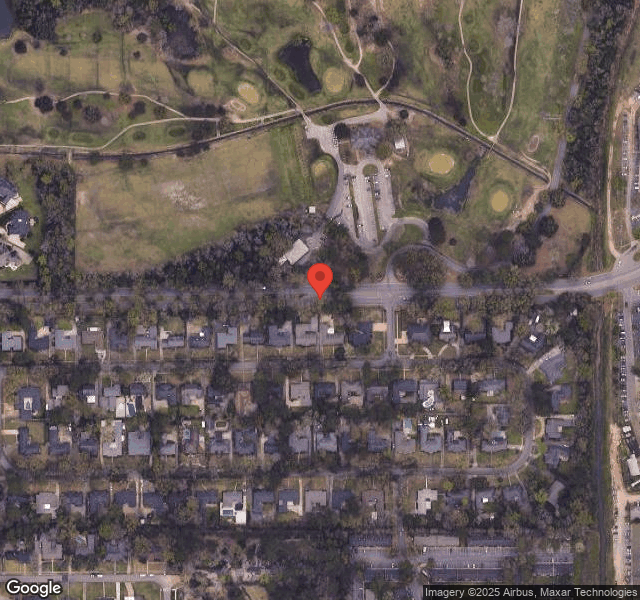
3717 DAUPHIN STREET, MOBILE, AL 36608 (251) 343-0909
For profit - Corporation 151 Beds Independent Data: November 2025
Trust Grade
80/100
#69 of 223 in AL
Last Inspection: January 2020

Over 2 years since last inspection. Current conditions may differ from available data.

Overview

Springhill Senior Residence has a Trust Grade of B+, indicating it is above average and recommended for families considering care options. It ranks #69 out of 223 facilities in Alabama, placing it in the top half, and #7 out of 16 in Mobile County, meaning there are only six local facilities that rank higher. The facility is showing an improving trend, having reduced issues from four in 2018 to none in 2020, but it still has five concerns identified in recent inspections that require attention. Staffing is rated at 4 out of 5 stars, which is good, but the turnover rate of 53% is around the state average, suggesting some staff instability. Notably, there were incidents where food sanitation procedures were not consistently followed, and residents did not receive proper fall prevention measures, which raises concerns about safety despite the absence of fines or critical issues. Overall, while the facility has strengths in its trust grade and good staffing ratings, families should be aware of the specific care deficiencies that need addressing.

Trust Score
B+
80/100
In Alabama
#69/223
Top 30%
Safety Record
Low Risk
No red flags
Inspections
Getting Better
4 → 0 violations
Staff Stability
⚠ Watch
53% turnover. Above average. Higher turnover means staff may not know residents' routines.
Penalties
✓ Good
No fines on record. Clean compliance history, better than most Alabama facilities.
Skilled Nurses
○ Average
Each resident gets 41 minutes of Registered Nurse (RN) attention daily — about average for Alabama. RNs are the most trained staff who monitor for health changes.
Violations
✓ Good
Only 5 deficiencies on record. Cleaner than most facilities. Minor issues only.
★★★★☆
4.0
Overall Rating
★★★★☆
4.0
Staff Levels
★★★☆☆
3.0
Care Quality
★★★★☆
4.0
Inspection Score
Stable
2018: 4 issues
2020: 0 issues

The Good

  • 4-Star Staffing Rating · Above-average nurse staffing levels
  • Full Sprinkler Coverage · Fire safety systems throughout facility
  • No fines on record

Facility shows strength in staffing levels, fire safety.

The Bad

Staff Turnover: 53%

Near Alabama avg (46%)

Higher turnover may affect care consistency

The Ugly 5 deficiencies on record

Nov 2018 4 deficiencies
CONCERN (D)

Potential for Harm - no one hurt, but risky conditions existed

Assessment Accuracy (Tag F0641)

Could have caused harm · This affected 1 resident

**NOTE- TERMS IN BRACKETS HAVE BEEN EDITED TO PROTECT CONFIDENTIALITY** Based on interviews and record review, the facility failed to ensure Resident Identifier (RI) #12's Significant Change (SC) Mini...

Read full inspector narrative →
**NOTE- TERMS IN BRACKETS HAVE BEEN EDITED TO PROTECT CONFIDENTIALITY** Based on interviews and record review, the facility failed to ensure Resident Identifier (RI) #12's Significant Change (SC) Minimum Data Set (MDS) assessment, dated 08/15/18, reflected RI #12's accurate weight during this assessment period. This deficient practice affected RI #12, one of 24 sampled residents whose MDS was reviewed. Finding Include: RI #12 was admitted to the facility on [DATE]. RI #12's SC MDS assessment, with an Assessment Reference (ARD) of 08/15/18, identified RI #12's weight to be 128 pounds during this assessment period. A review of RI #12's Weight Change History form revealed RI #12's weight was 159 pounds on 08/07/18. On 11/08/18 at 2:05 p.m., the surveyor conducted an interview with Employee Identifier (EI) #5, the MDS Coordinator. The surveyor asked EI #5, according to RI #12's 08/15/18, SC MDS, what was RI #12's weight. EI #5 said 128 pounds. EI #5 said the weights on RI #12's Weight Change History form were the correct weights. EI #5 said there was a specific section each discipline signed off on the MDS. The surveyor asked EI #5 who signed off on RI #12's 08/15/18, SC MDS. EI #5 replied EI #3, the Dietary Manager. The surveyor asked EI #5 what was RI #12's weight before the SC MDS assessment. EI #5 said 159 pounds. On 11/08/18 at 2:29 p.m., the surveyor conducted an interview with EI #3. The surveyor asked EI #3 was she responsible for coding RI #12's weight on the 08/15/18, SC MDS. EI #3 said yes. The surveyor asked EI #3 what was RI #12's weight on the 08/15/18, SC MDS. EI #3 said 128 pounds. EI #3 said it looked like she made a mistake and put in the wrong weight. The surveyor asked EI #3 was this an accurate weight on the MDS assessment. EI #3 replied no.
CONCERN (D)

Potential for Harm - no one hurt, but risky conditions existed

Comprehensive Care Plan (Tag F0656)

Could have caused harm · This affected 1 resident

**NOTE- TERMS IN BRACKETS HAVE BEEN EDITED TO PROTECT CONFIDENTIALITY** Based on observations, interview and record review, the facility failed to ensure Resident Identifier (RI) #80's Fall care plan ...

Read full inspector narrative →
**NOTE- TERMS IN BRACKETS HAVE BEEN EDITED TO PROTECT CONFIDENTIALITY** Based on observations, interview and record review, the facility failed to ensure Resident Identifier (RI) #80's Fall care plan intervention to have mats on both sides of the bed was followed. This deficient practice affected RI #80, one of 24 sampled residents whose plans of care were reviewed, and who was observed on three of four days of the survey. Findings Include: RI #80 was admitted to the facility on [DATE], and readmitted on [DATE]. RI #80's Fall care plan, with a Problem Onset date of 01/23/17, revealed: . (RI #80) is at risk for falls related to (his/her) fall history . Approaches . * SOFT MATS TO EACH SIDE OF BED . On 11/06/18 at 5:17 p.m., the surveyor observed RI #80 lying in bed. There was a fall mat on the floor on the left side of the bed. A second mat was observed underneath the bed. There was no mat observed on the floor on the right side of the bed. On 11/07/18 at 8:41 a.m, the mat remained on the floor on the left side of the bed with the second mat on the floor underneath the bed. There was no mat observed on the floor on the right side of the bed. On 11/08/18 at 7:45 a.m., the surveyor observed a fall mat on the floor on the left side of the bed and a second mat was observed underneath the bed. There was no mat observed on the floor on the right side of the bed. On 11/08/18 at 2:48 p.m., the surveyor conducted an interview with Employee Identifier (EI) #4, a Registered Nurse (RN) Unit Manager. The surveyor asked EI #4 was RI #80 care planned to have mats on the floor on both sides of the bed. EI #4 said yes. The surveyor asked EI #4 what did she observe concerning the mats when she and the surveyor entered RI #80's room. EI #4 said there was only one mat on the floor on the left side of the bed. The surveyor asked EI #4 was RI #80's care plan being followed if the mats were not on the floor on both sides of the bed. EI #4 replied no.
CONCERN (D)

Potential for Harm - no one hurt, but risky conditions existed

Accident Prevention (Tag F0689)

Could have caused harm · This affected 1 resident

**NOTE- TERMS IN BRACKETS HAVE BEEN EDITED TO PROTECT CONFIDENTIALITY** Based on observations, interview and record review, the facility failed to ensure Resident Identifier (RI) #80, a resident ident...

Read full inspector narrative →
**NOTE- TERMS IN BRACKETS HAVE BEEN EDITED TO PROTECT CONFIDENTIALITY** Based on observations, interview and record review, the facility failed to ensure Resident Identifier (RI) #80, a resident identified by the facility as being at risk for falls, had the fall intervention of mats on the floor on both sides of the bed implemented. This deficient practice affected RI #80, one of one resident sampled for accidents, and who was observed on three of four days of the survey. Findings Include: RI #80 was admitted to the facility on [DATE], and readmitted on [DATE]. RI #80's Fall care plan, with a Problem Onset date of 01/23/17, documented: . (RI #80) is at risk for falls related to (his/her) fall history . Approaches . * SOFT MATS TO EACH SIDE OF BED . On 11/06/18 at 5:17 p.m., the surveyor observed RI #80 lying in bed. There was a fall mat on the floor on the left side of the bed. A second mat was observed underneath the bed. There was no mat observed on the floor on the right side of the bed. On 11/07/18 at 8:41 a.m, the mat remained on the floor on the left side of the bed with the second mat on the floor underneath the bed. There was no mat observed on the floor on the right side of the bed. On 11/08/18 at 7:45 a.m., the surveyor observed a fall mat on the floor on the left side of the bed and a second mat was observed underneath the bed. There was no mat observed on the floor on the right side of the bed. On 11/08/18 at 2:48 p.m., the surveyor conducted an an interview with Employee Identifier (EI) #4, a Registered Nurse (RN) Unit Manager. The surveyor asked EI #4 was RI #80 a fall risk. EI #4 said yes. The surveyor asked EI #4 what did she observe concerning the mats when she and the surveyor entered RI #80's room. EI #4 said there was only one mat on the floor on the left side of the bed.
CONCERN (F)

Potential for Harm - no one hurt, but risky conditions existed

Food Safety (Tag F0812)

Could have caused harm · This affected most or all residents

Based on observation, interviews, a review of manufacturer's specifications and facility standards for dish machine sanitization, staff failed to ensure the water temperatures were consistently hot en...

Read full inspector narrative →
Based on observation, interviews, a review of manufacturer's specifications and facility standards for dish machine sanitization, staff failed to ensure the water temperatures were consistently hot enough to sanitize items processed through the dish machine on 11/07/18. This had the potential to affect all 92 residents for whom meals were prepared and served at the time of this survey. Findings include: Directives from the Felder Corporation, posted on the Dish Room wall direct staff as follows: .DISHMACHINE SANITIZING Wash Cycle=125 degrees F (Fahrenheit) or hotter Rinse Cycle=140 degrees F or hotter 50 PPM (parts per million) (Chlorine concentration) . The Data Plate affixed to the side of the Auto-Chlor Dishmachine specified the following: Water Temperature=120 degrees F Chlorine Residual=50 PPM Minimum Wash=56 seconds, Rinse=24 seconds. The facility's Dish Machine temperature log (on which staff documented daily water temperatures) included a recommended rinse water temperature of 140 degrees F or above, and a concentration of sanitizer of 50 PPM (parts per million). On 11/07/18 at 8:50 AM the surveyor observed facility staff process dishes from the breakfast meal. The first cycle of dishes, which included a rack of ceramic plates were processed at a wash temperature of 98 to 100 degrees F, and a rinse temperature of 112 degrees F. The readings on the temperature gauge were verified by Employee Identifier (EI) #1, the Dietary Aide responsible for pre-rinsing and sending the racks through the dishmachine. After the rack of plates had sat on the clean end of the dishmachine counter several minutes, the second Dietary Aide (EI #2) stacked and put the plates away. At 9:00 AM, EI #1 sent another rack of trays through the dishmachine. The wash water registered 94-95 degrees F, and the rinse water registered 110 degrees F. EI #1 then processed a rack of silverware and a rack of trays at a wash temperature of 95 degrees F and rinse temperature of 110 degrees F. The temperatures were confirmed by the Dietary Manager EI #3. At the surveyor's request, staff checked the chlorine concentration, which was found to be adequate at 50 PPM (parts per million). The same rack of trays was re-processed through the dishmachine at a wash temperature of 104 degrees F, and a rinse temperature of 110 degrees F. The trays were then stacked and put away by EI #2. Another rack of trays and a rack of silverware (separated by knives, forks, spoons into a divided caddy) were processed though the dishmachine at a wash temperature of 108 degrees F, and a rinse temperature of 122 degrees F. The water temperatures were confirmed by EI #3. The rack of trays were not re-washed, but were instead, put away by EI #2. The final items processed through the dishmachine and observed by the surveyor was a rack of trays and a rack of silverware (third time processed). The wash temperature registered 108 degrees and the rinse temperature registered 120 degrees F. On 11/07/18 at 9:20 AM, the surveyor asked EI #1 (Diet Aide) whose responsibility it was to monitor the dishmachine temperatures and chlorine concentration. EI #1 stated it was herself. EI #1 stated the goal water temperature was at least 120 to 125 degrees F. When asked what could happen if the water temperatures did not get hot enough, EI #1 stated she would run the rack through the machine again, and call the company to determine the problem. When asked if wash temperatures of 95 and rinse temperatures of 110 were hot enough, no answer was given. On 11/07/18 at 9:45 AM, the surveyor asked the Dietary Manager (EI #3) what wash temperature was recommended by the dishmachine (data plate). EI #3 responded, 140 degrees F or above. The surveyor commented the staff knew to rewash if the water temperature was not high enough, but they did not rewash the trays when the wash temps were 95 to 104 degrees, and the rinse was 110 degrees F. The surveyor asked what was the potential concern. In response, EI #3 stated the staff should rewash the dishes. EI #3 further explained if the dishes did not get adequately sanitized at the right temperature, it could potentially cause sickness.
Oct 2017 1 deficiency
CONCERN (D)

Potential for Harm - no one hurt, but risky conditions existed

Deficiency F0241 (Tag F0241)

Could have caused harm · This affected 1 resident

**NOTE- TERMS IN BRACKETS HAVE BEEN EDITED TO PROTECT CONFIDENTIALITY** Based on an observation, interviews, and a review of a facility policy titled, Dignity, the facility failed to ensure a resident...

Read full inspector narrative →
**NOTE- TERMS IN BRACKETS HAVE BEEN EDITED TO PROTECT CONFIDENTIALITY** Based on an observation, interviews, and a review of a facility policy titled, Dignity, the facility failed to ensure a resident's dignity was maintained regarding removal of facial hair for RI (Resident Identifier) #4. This affected RI #4, one of eleven sampled residents. Findings Include: A review of a facility policy titled, Dignity dated 09/2006 revealed, . POLICY: Residents are cared for in a manner and in an environment that maintains or enhances each resident's dignity and respect in full recognition of his/her individuality. A review of the medical record revealed RI #4 was re-admitted to the facility on [DATE] with diagnoses to include, Heart Failure and Dementia. A review of the Quarterly MDS (Minimum Data Set) assessment dated [DATE], revealed RI #4 required extensive assistance of one person for personal hygiene. An observation was made during the initial tour of the facility at 8:45 a.m. on 10/11/2017 of RI #4 seated in a wheelchair with multiple long (approximately 1/4 inch) white hairs on both sides of the lips and under the chin. An interview was conducted with EI (Employee Identifier) #2, a CNA (Certified Nursing Assistant), at 3:48 p.m. on 10/12/2017. EI #2 was asked if she had provided grooming for RI #4 on 10/11/2017 and she answered yes. EI #2 was asked what care she provided for RI #4's facial hair. EI #2 answered, Shaved the hairs off. EI #2 was asked what she observed prior to shaving the resident's face. EI #2 answered a bunch of hairs, both black and gray facial hair. EI #2 was asked if the hairs were long and she answered yes and they were very noticeable. EI #2 said, It's a dignity issue for residents to have long facial hairs. An interview was conducted with EI #1, the DON (Director of Nursing), at 5:13 p.m. on 10/12/2017. EI #1 was asked if RI #4 could perform facial grooming unassisted and she answered, No. EI #1 was asked who was supposed to perform this care for RI #4 and she answered, CNAs. EI #1 said it was a dignity issue for residents to have long hairs beside their lips and under their chin. EI #1 was asked what was the facility's policy regarding dignity. EI #1 answered, Provide care with the utmost dignity.
Understanding Severity Codes (click to expand)
Life-Threatening (Immediate Jeopardy)
J - Isolated K - Pattern L - Widespread
Actual Harm
G - Isolated H - Pattern I - Widespread
Potential for Harm
D - Isolated E - Pattern F - Widespread
No Harm (Minor)
A - Isolated B - Pattern C - Widespread

Questions to Ask on Your Visit

  • "Can I speak with families of current residents?"
  • "What's your RN coverage like on weekends and overnight?"

Our Honest Assessment

Strengths
  • • Grade B+ (80/100). Above average facility, better than most options in Alabama.
  • • No major safety red flags. No abuse findings, life-threatening violations, or SFF status.
  • • No fines on record. Clean compliance history, better than most Alabama facilities.
  • • Only 5 deficiencies on record. Cleaner than most facilities. Minor issues only.
Concerns
  • • No significant concerns identified. This facility shows no red flags across CMS ratings, staff turnover, or federal penalties.
Bottom line: Generally positive indicators. Standard due diligence and a personal visit recommended.

About This Facility

What is Springhill Senior Residence's CMS Rating?

CMS assigns SPRINGHILL SENIOR RESIDENCE an overall rating of 4 out of 5 stars, which is considered above average nationally. Within Alabama, this rating places the facility higher than 99% of the state's 100 nursing homes. This rating reflects solid performance across the metrics CMS uses to evaluate nursing home quality.
How is Springhill Senior Residence Staffed?

CMS rates SPRINGHILL SENIOR RESIDENCE's staffing level at 4 out of 5 stars, which is above average compared to other nursing homes. Staff turnover is 53%, compared to the Alabama average of 46%.

What Have Inspectors Found at Springhill Senior Residence?

State health inspectors documented 5 deficiencies at SPRINGHILL SENIOR RESIDENCE during 2017 to 2018. These included: 5 with potential for harm.
Who Owns and Operates Springhill Senior Residence?

SPRINGHILL SENIOR RESIDENCE is owned by a for-profit company. For-profit facilities operate as businesses with obligations to shareholders or private owners. The facility operates independently rather than as part of a larger chain. With 151 certified beds and approximately 81 residents (about 54% occupancy), it is a mid-sized facility located in MOBILE, Alabama.
How Does Springhill Senior Residence Compare to Other Alabama Nursing Homes?

Compared to the 100 nursing homes in Alabama, SPRINGHILL SENIOR RESIDENCE's overall rating (4 stars) is above the state average of 3.0, staff turnover (53%) is near the state average of 46%, and health inspection rating (4 stars) is above the national benchmark.

What Should Families Ask When Visiting Springhill Senior Residence?

Based on this facility's data, families visiting should ask: "Can I visit during a mealtime to observe dining assistance and food quality?" "How do you handle medical emergencies, and what is your hospital transfer rate?" "Can I speak with family members of current residents about their experience?"

Is Springhill Senior Residence Safe?

Based on CMS inspection data, SPRINGHILL SENIOR RESIDENCE has a clean safety record: no substantiated abuse findings (meaning no confirmed cases of resident harm), no Immediate Jeopardy citations (the most serious violation level indicating risk of serious injury or death), and is not on the Special Focus Facility watch list (a federal program monitoring the lowest-performing 1% of nursing homes). The facility has a 4-star overall rating and ranks #1 of 100 nursing homes in Alabama. While no facility is perfect, families should still ask about staff-to-resident ratios and recent inspection results during their visit.

Do Nurses at Springhill Senior Residence Stick Around?

SPRINGHILL SENIOR RESIDENCE has a staff turnover rate of 53%, which is 7 percentage points above the Alabama average of 46%. Moderate turnover is common in nursing homes, but families should still ask about staff tenure and how the facility maintains care continuity when employees leave.

Was Springhill Senior Residence Ever Fined?

SPRINGHILL SENIOR RESIDENCE has no federal fines on record. CMS issues fines when nursing homes fail to meet care standards or don't correct problems found during inspections. The absence of fines suggests the facility has either maintained compliance or corrected any issues before penalties were assessed. This is a positive indicator, though families should still review recent inspection reports for the full picture.

Is Springhill Senior Residence on Any Federal Watch List?

SPRINGHILL SENIOR RESIDENCE is not on any federal watch list. The most significant is the Special Focus Facility (SFF) program, which identifies the bottom 1% of nursing homes nationally based on persistent, serious quality problems. Not being on this list means the facility has avoided the pattern of deficiencies that triggers enhanced federal oversight. This is a positive indicator, though families should still review the facility's inspection history directly.