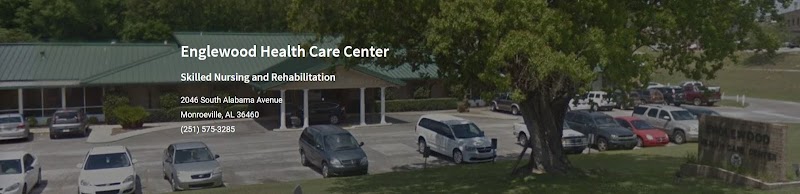
ENGLEWOOD HEALTH CARE CENTER
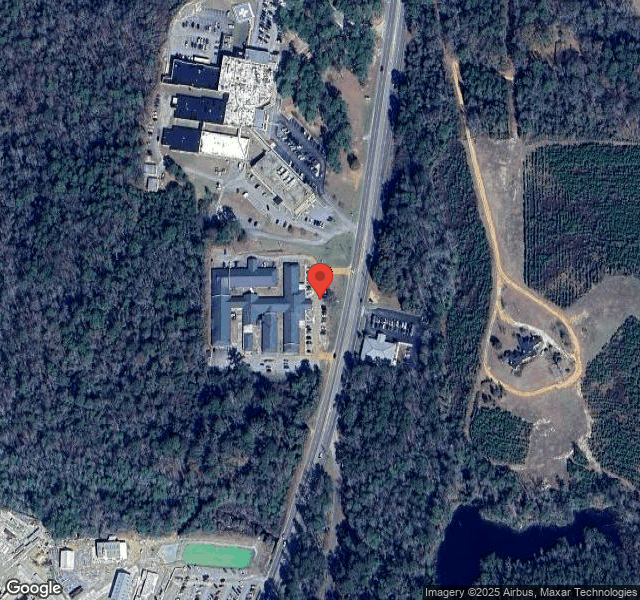
2046 SOUTH ALABAMA AVE, MONROEVILLE, AL 36460 (251) 575-3285
For profit - Corporation 87 Beds CROWNE HEALTH CARE Data: November 2025
Trust Grade
80/100
#52 of 223 in AL
Last Inspection: June 2021

Over 2 years since last inspection. Current conditions may differ from available data.

Overview

Englewood Health Care Center in Monroeville, Alabama has a Trust Grade of B+, indicating it is above average and generally recommended for families seeking care. It ranks #52 out of 223 facilities statewide, placing it in the top half, and is the best option out of two facilities in Monroe County. The facility is improving, having reduced its issues from three in 2019 to just one in 2021. Staffing is a strength here, with a 4 out of 5-star rating and only 31% turnover, which is well below the state average of 48%. However, there have been some concerning incidents, including a staff member verbally abusing a resident and neglecting to change their incontinence brief, which raises potential red flags about resident care. Overall, the center shows promise with good staffing and a positive trend, but families should be aware of the past incidents during their decision-making process.

Trust Score
B+
80/100
In Alabama
#52/223
Top 23%
Safety Record
Low Risk
No red flags
Inspections
Getting Better
3 → 1 violations
Staff Stability
○ Average
31% turnover. Near Alabama's 48% average. Typical for the industry.
Penalties
✓ Good
No fines on record. Clean compliance history, better than most Alabama facilities.
Skilled Nurses
○ Average
Each resident gets 35 minutes of Registered Nurse (RN) attention daily — about average for Alabama. RNs are the most trained staff who monitor for health changes.
Violations
✓ Good
Only 4 deficiencies on record. Cleaner than most facilities. Minor issues only.
★★★★☆
4.0
Overall Rating
★★★★☆
4.0
Staff Levels
★★☆☆☆
2.0
Care Quality
★★★★☆
4.0
Inspection Score
Stable
2019: 3 issues
2021: 1 issues

The Good

  • 4-Star Staffing Rating · Above-average nurse staffing levels
  • Full Sprinkler Coverage · Fire safety systems throughout facility
  • No fines on record
  • Staff turnover below average (31%)

    17 points below Alabama average of 48%

Facility shows strength in staffing levels, fire safety.

The Bad

Staff Turnover: 31%

15pts below Alabama avg (46%)

Typical for the industry

Chain: CROWNE HEALTH CARE

Part of a multi-facility chain

Ask about local staffing decisions and management

The Ugly 4 deficiencies on record

Jun 2021 1 deficiency
CONCERN (D)

Potential for Harm - no one hurt, but risky conditions existed

Free from Abuse/Neglect (Tag F0600)

Could have caused harm · This affected 1 resident

**NOTE- TERMS IN BRACKETS HAVE BEEN EDITED TO PROTECT CONFIDENTIALITY** Based on interviews, review of Resident Identifier (RI) #14's medical record, the facility's ABUSE POLICY and the investigation ...

Read full inspector narrative →
**NOTE- TERMS IN BRACKETS HAVE BEEN EDITED TO PROTECT CONFIDENTIALITY** Based on interviews, review of Resident Identifier (RI) #14's medical record, the facility's ABUSE POLICY and the investigation file, the facility failed to ensure Employee Identifier (EI) #1, a Certified Nursing Assistant (CNA) did not verbally abuse and neglect RI #14 on 3/17/2021. On 3/17/2021, EI #1, a CNA cursed and neglected to change the resident's wet incontinence brief when asked. This affected RI #14, one of four sampled residents reviewed for abuse/neglect. Findings include: The facility's ABUSE POLICY dated November 2016, documented, . It is the policy of <<Facility>> to insure that each resident is free from verbal . abuse, neglect . Definitions . Verbal abuse is the use of oral, written or gestured language that includes disparaging and derogatory terms to residents . Neglect is the failure of the facility, its employees or service providers to provide goods and services to a resident that are necessary to avoid physical harm, pain, mental anguish or emotional distress . RI #14 was readmitted to the facility on [DATE]. RI #14's Annual Minimum Data Set with an assessment reference date of 2/5/2021 indicated the resident was cognitively intact with a Brief Interview for Mental Status of 15. The resident was assessed as requiring extensive assistance with toilet use and always continent of bowel and bladder. On 3/18/2021, the facility reported an allegation of neglect to the State Agency involving RI #14 and EI #1, a CNA. According to the report, (RI #14) alleged (EI #1) would not change (his/her) in a timely manner when asked to be changed. Also reported (EI #1) was fussing at (him/her). According to the undated facility's investigation summary, On the night of 3-17-202 (2021), (RI #14), resident, reported to (EI #2), LPN (Licensed Practical Nurse), that (he/she) was upset with (EI #1), CNA. (RI #14) told (EI #2) that (EI #1) entered (his/her) room at approximately 3:15 a.m. fussing at (him/her) because (he/she) had wet (him/herself), turned the call light off and left (him/her) in a wet diaper. (RI #14) stated (EI #1) returned to the room at approximately 5:00 a.m. still fussing about the resident's wetting (him/herself) stating you know damn good and well I asked you at 2:00 a.m. did you have to go to the bathroom.Upon conclusion of the investigation I have determined through resident and witness interviews that the allegation of neglect . is substantiated. (EI #1) will be terminated from Englewood Healthcare. In an interview on 5/26/2021 at 9:12 AM, RI #14 stated at the time of the incident, he/she reported his/her concerns to the nurse on duty. RI #14 stated this was the first and only time a staff member had been rude to him/her. According to RI #14, the staff was fired and the Administrator and other staff were very fast in taking care of the issue and making him/her feel safe. RI #14 stated he/she has not had any other issues with any other staff. On 5/26/2021 at 12:37 PM, an unsuccessful attempt was made to contact EI #1, a CNA by way of the telephone; EI #1's telephone number was no longer is service. EI #1's EMPLOYEE CORRECTIVE ACTION REPORT indicated on 3/25/2021, EI #1's employment with the facility was terminated for Class A: Immediate Discharge #3 Resident Abuse . During an interview on 5/27/2021 at 11:35 AM, EI #2, a LPN stated when she entered RI #14's room (on 3/18/2021), RI #14 appeared to look as if he/she had been crying. EI #2 stated she asked RI #14 what was wrong; RI #14 reported what EI #1 said and done. EI #2 stated she immediately reported the allegation to the Registered Nurse Supervisor, who then informed the (Regional) Administrator. In an interview on 5/26/2021 at 2:45 PM, EI #3, the Regional Administrator stated the facility does not tolerate abuse or neglect towards the residents. He stated abuse/neglect is discussed frequently with the staff and the expectation of the facility was to ensure all residents are free from abuse of any kind. He stated when he completed the investigation into the allegation, he was hurt to know what RI #14 had endured. According to EI #3, the staff member, EI #1, was immediately suspended and once the investigation was completed, EI #1 was terminated. On 6/14/2021 at approximately 5:15 PM, the facility's Administrator returned a telephone call to the State Survey Agency regarding corrective actions taken as the result of the substantiated allegation of neglect involving RI #1 and EI #1. ************************* The following corrective actions were implemented: On 3/18/2021, the facility reported an allegation of neglect to the State Survey Agency. On 3/18/2021, the facility suspended EI #1, a CNA depending the results of the investigation. On 3/18/2021, the facility began an investigation into the allegation of neglect. From 3/18/2021 to 3/25/2021, the facility provided education to their staff related to Resident Rights and Abuse. On 3/25/2021, the facility terminated the employment of EI #1, a CNA. On 3/25/2021, the facility concluded their investigation and submitted their investigative summary to the State Survey Agency. ************************* After review of the facility's corrective actions, observations during the survey, interviews with residents and staff, and no further allegation of abuse and/or neglect, the facility implemented corrective actions from 3/18/2021 to 3/25/2021, thus past noncompliance was cited. This deficiency was cited as a result of the investigation of complaint/report number AL00041372.
Apr 2019 3 deficiencies
CONCERN (D)

Potential for Harm - no one hurt, but risky conditions existed

Deficiency F0808 (Tag F0808)

Could have caused harm · This affected 1 resident

**NOTE- TERMS IN BRACKETS HAVE BEEN EDITED TO PROTECT CONFIDENTIALITY** Based on observations, record review, interviews, review of a facility policy titled, Diet Orders, and review of a facility form...

Read full inspector narrative →
**NOTE- TERMS IN BRACKETS HAVE BEEN EDITED TO PROTECT CONFIDENTIALITY** Based on observations, record review, interviews, review of a facility policy titled, Diet Orders, and review of a facility form titled Mechanical Soft Diet, the facility failed to ensure Resident Identifier (RI) #40, received a mechanical soft diet as ordered by the physician. This affected one of three residents for whom meals were observed. Findings include: Review of a facility policy titled, Diet Orders, dated 2013, revealed: Policy: When there is a nutritional indication, the facility will provide a therapeutic diet that is individualized to meet the clinical needs and desires of the patient/resident to achieve outcomes/goals of care. These diets coincide with the therapeutic diets on the facility menus. Procedure: . 3. Diets will be offered as ordered by the physician. Review of the facility document Mechanical Soft Diet, dated 2011, revealed: A Mechanical Soft or Dental Soft Diet is used for individuals who have difficulty chewing regular textured foods.Foods that are difficult to chew are chopped, ground, shredded and/or soft cooked to facilitate chewing and ease of swallowing. Mechanical Soft (Dental Soft) Diet . Foods Allowed . Protein Foods . Must be very tender, small pieces, shredded, chopped or ground, and well moistened with gravy or cream sauce . Foods to Avoid . dry/tough meats, whole pieces of meat . RI #40 was admitted to the facility on [DATE] with a diagnosis of Dysphagia, oropharyngeal phase. Review of RI #40's April 2019 Physician Orders revealed an order dated 8/22/18 for DIET: MECHANICAL SOFT. On 04/16/19 at 2:44 PM, RI #40 stated that the meat was too tough, and stated he/she has a hard time chewing meat. An observation was made of the resident's meal tray sitting on the over bed table. The resident had a whole piece of meat, mashed potatoes, and butterbeans. On 04/17/19 at 05:34 PM, the dinner tray for RI #40 was observed to have two hot dogs with cheese. The hot dogs were whole and not mechanically soft. The meal ticket on the tray had his/her diet as mechanically soft. The resident had not eaten any of the hotdogs. RI #40 said he/she could not eat that . On 04/18/19 at 07:49 AM, an observation was made of RI #40's breakfast tray; it was observed to have a piece of sausage on it, that was not mechanically soft. On 04/17/19 at 05:58 PM, an interview was conducted with Employee Identifier (EI) #3, Certified Nursing Assistant (CNA) . EI #3 was asked, what does the diet card say on RI #40's tray. EI #3 replied, mechanical soft. EI #3 was asked if RI #40 received a mechanically soft diet. EI #3 replied, no. EI #3 was asked, what kind of diet is it. EI #3 replied, solid. EI #3 was asked, what is the potential concern of serving a regular diet to someone who requires a mechanically soft diet. EI #3 replied, malnutrition. On 04/18/19 at 01:34 PM, an interview was conducted with EI #1, Dietary Manager. EI #1 was asked, what is the purpose of a diet for a resident. EI #1 replied, to make sure they get adequate nutrition, and you don't want anything to make them sick. EI #1 was asked, who is responsible for making sure a diet is followed. EI #1 replied, the kitchen staff and me. EI #1 was asked, how do dietary staff ensure a resident receives the correct diet. EI #1 replied, it is printed out on their tray card, and as soon as we get the diet changes we upgrade or down grade their diet. EI #1 was asked, what is a mechanical soft diet. EI #1 replied, being able to mash with a fork.
CONCERN (D)

Potential for Harm - no one hurt, but risky conditions existed

Infection Control (Tag F0880)

Could have caused harm · This affected 1 resident

Based on observation, interviews, and review of a facility policy, titled, Hand Hygiene Policy and Procedure, the facility failed to ensure a licensed staff member did not perform a finger stick blood...

Read full inspector narrative →
Based on observation, interviews, and review of a facility policy, titled, Hand Hygiene Policy and Procedure, the facility failed to ensure a licensed staff member did not perform a finger stick blood sugar (FSBS) on a resident and place his/her soiled gloved hand into a cup and bag containing clean items, and place them back on the medication cart. This affected one of four nurses observed during medication pass. Findings include: A facility policy titled, Hand Hygiene Policy and Procedure, revised 6/17, revealed, Purpose: Hand hygiene is recommended to reduce the transmissions of infection to residents,staff, and visitors in the health-care setting. Procedure: . 3. Perform hand hygiene after contact with blood, body fluids, mucous membranes, non-intact skin, . when handling invasive devices .and when otherwise indicated to avoid transfer of microorganisms to other residents or environment. On observation was made on 4/17/19 at 4:46 PM during medication pass with Employee Identifier (EI) #5, Licensed Practical Nurse (LPN). EI # 5 performed a FSBS on a resident, then reached her contaminated gloved hand into a cup filled with cotton balls and glucometer strips, and into a bag containing Sani-wipes. She then removed her gloves and washed her hands and placed the cup of items and the bag of Sani-wipes back into the medication cart. On 04/17/19 at 05:22 PM an interview was conducted with EI # 5, LPN. EI # 5 was asked, what should you do after performing a FSBS, before reaching your soiled gloved hand into a cup with cotton balls and glucometer strips, and before reaching your soiled gloved hand into a bag of Sani-wipes. EI #5 replied, wash hands. When asked if she put those items back into the medication cart, EI #5 replied, yes. EI #5 was asked, what is the potential concern for reaching your soiled gloved hand in a cup with cotton balls and glucometer strips and your soiled gloved hand in a bag of Sani-wipes. EI #5 replied, contamination. EI # 5 was asked, what is the potential concern for placing these items back on the medication cart. EI #5 replied, contamination. On 04/18/19 at 10:50 AM, an interview was conducted with EI #4, Infection Control. EI #4 was asked, what should a nurse do after performing a FSBS, before reaching her gloved hand into a cup with cotton balls and glucometer strips, and before reaching her gloved hand into a bag of Sani-wipes. EI #4 replied, she should have taken her gloves off and washed her hands. When asked what the potential concern was of not removing the gloves and washing her hands first, EI #4 replied, spread of infection, exposing someone else to a blood pathogen.
CONCERN (F)

Potential for Harm - no one hurt, but risky conditions existed

Food Safety (Tag F0812)

Could have caused harm · This affected most or all residents

Based on observations, interview and review of facility policies titled Food Storage and Hand Washing, the facility failed to ensure: 1. Three half pint cartons of milk were not expired in the refrige...

Read full inspector narrative →
Based on observations, interview and review of facility policies titled Food Storage and Hand Washing, the facility failed to ensure: 1. Three half pint cartons of milk were not expired in the refrigerator; and 2. Staff properly washed hands when changing tasks in the kitchen, including preparing a meal and throwing trash in the garbage can. These deficient practices had the potential to affect all residents receiving meals from the kitchen. Findings include: 1) Review of the facility policy titled Food Storage, sated 2013, revealed: .Procedure: .14. Refrigerated Food Storage: . f. All foods should be . labeled and dated. All foods will be checked to assure that foods . will be consumed by their safe use by dates . or discarded. On 4/16/19 at 2:15 PM, the Surveyor observed the facility's milk refrigerator contained a total of three fat free skim milk (half pint cartons) with an expiration date of 4/15/19. Employee Identifier (EI) #1, the Dietary Manager, was interviewed on 04/17/19 at 05:10 PM. EI #1 confirmed the presence of three expired milk cartons on 4/16/19. When asked what the potential harm was in having expired milk in the refrigerator, EI #1 replied, it can make somebody sick. 2) Review of the facility policy titled, Hand Washing, dated 2013, revealed: . Procedure: .1. When to Wash Hands: . * After handling soiled equipment or utensils. * During food preparation, as often as necessary to remove soil and contamination and to prevent cross contamination when changing tasks. . *After engaging in other activities that contaminate the hands. On 4/17/19 at 10:41 AM, the surveyor observed EI #2, a Cook, use bare hands (no gloves) to roll soiled, used tin foil from the pan the cooked chicken was prepared on. EI #2 picked up the rolled tin foil, walked to the trash can, lifted the lid to the trash can, and threw the rolled up tin foil away. EI #2 then walked to the ice chest and picked up a scoop on top of the chest. EI #2 dipped ice out with the scoop and placed it onto exposed raw chicken in a pan. EI #2 did not wash hands or have gloves on. EI #2 then picked up a tray of bowls with lids covering them. EI #2 placed the tray on top of another tray of bowls that was labeled puree fruit. EI #2 also took a pan of rolls from the shelf below and placed them on the counter. EI #2 began placing wrapped rolls into another pan using bare hands (no gloves on), without washing hands. She again touched the garbage can lid to throw an item away, proceeded to take a dirty pan to the sink, and then entered the storage room. After leaving the storage room, EI #2 then walked to the stove and touched a pan on it. EI #2 still had not washed hands. She then walked to a metal rack and removed tongs, placed them in a pan, and stirred a pot of gravy. The surveyor interviewed EI #2 on 04/17/19 at 4:38 PM. When asked what the facility's policy was regarding hand washing while working in the kitchen, EI #2 replied, before putting on gloves, before and after dealing with food, when coming in and out of the kitchen, and when leaving the dishwashing room and restroom. The Surveyor asked, if you touch a soiled pan that chicken was cooked in should you wash your hands before you handle a pan of rolls that was being served for lunch. EI# 2 replied, yes. When asked what the potential harm was if a staff member touched the trash can and soiled items and then touched the food being served to the residents, EI #2 replied, bacteria. EI #1, the Dietary Manager, was interviewed on 4/17/19 at 5:13 PM. When asked what the policy was for handwashing for staff in the kitchen, EI #1 said staff were supposed to wash hands before putting gloves on. The Surveyor asked, should staff wash hands after touching the trash can lid in the kitchen and before touching ice scoop or rolls in bags being served to residents for lunch. EI# 1 replied, yes, due to cross contamination.
Understanding Severity Codes (click to expand)
Life-Threatening (Immediate Jeopardy)
J - Isolated K - Pattern L - Widespread
Actual Harm
G - Isolated H - Pattern I - Widespread
Potential for Harm
D - Isolated E - Pattern F - Widespread
No Harm (Minor)
A - Isolated B - Pattern C - Widespread

Questions to Ask on Your Visit

  • "Can I speak with families of current residents?"
  • "What's your RN coverage like on weekends and overnight?"

Our Honest Assessment

Strengths
  • • Grade B+ (80/100). Above average facility, better than most options in Alabama.
  • • No major safety red flags. No abuse findings, life-threatening violations, or SFF status.
  • • No fines on record. Clean compliance history, better than most Alabama facilities.
  • • Only 4 deficiencies on record. Cleaner than most facilities. Minor issues only.
Concerns
  • • No significant concerns identified. This facility shows no red flags across CMS ratings, staff turnover, or federal penalties.
Bottom line: Generally positive indicators. Standard due diligence and a personal visit recommended.

About This Facility

What is Englewood Health's CMS Rating?

CMS assigns ENGLEWOOD HEALTH CARE CENTER an overall rating of 4 out of 5 stars, which is considered above average nationally. Within Alabama, this rating places the facility higher than 99% of the state's 100 nursing homes. This rating reflects solid performance across the metrics CMS uses to evaluate nursing home quality.
How is Englewood Health Staffed?

CMS rates ENGLEWOOD HEALTH CARE CENTER's staffing level at 4 out of 5 stars, which is above average compared to other nursing homes. Staff turnover is 31%, compared to the Alabama average of 46%. This relatively stable workforce can support continuity of care.

What Have Inspectors Found at Englewood Health?

State health inspectors documented 4 deficiencies at ENGLEWOOD HEALTH CARE CENTER during 2019 to 2021. These included: 4 with potential for harm.
Who Owns and Operates Englewood Health?

ENGLEWOOD HEALTH CARE CENTER is owned by a for-profit company. For-profit facilities operate as businesses with obligations to shareholders or private owners. The facility is operated by CROWNE HEALTH CARE, a chain that manages multiple nursing homes. With 87 certified beds and approximately 77 residents (about 89% occupancy), it is a smaller facility located in MONROEVILLE, Alabama.
How Does Englewood Health Compare to Other Alabama Nursing Homes?

Compared to the 100 nursing homes in Alabama, ENGLEWOOD HEALTH CARE CENTER's overall rating (4 stars) is above the state average of 3.0, staff turnover (31%) is significantly lower than the state average of 46%, and health inspection rating (4 stars) is above the national benchmark.

What Should Families Ask When Visiting Englewood Health?

Based on this facility's data, families visiting should ask: "Can I visit during a mealtime to observe dining assistance and food quality?" "How do you handle medical emergencies, and what is your hospital transfer rate?" "Can I speak with family members of current residents about their experience?"

Is Englewood Health Safe?

Based on CMS inspection data, ENGLEWOOD HEALTH CARE CENTER has a clean safety record: no substantiated abuse findings (meaning no confirmed cases of resident harm), no Immediate Jeopardy citations (the most serious violation level indicating risk of serious injury or death), and is not on the Special Focus Facility watch list (a federal program monitoring the lowest-performing 1% of nursing homes). The facility has a 4-star overall rating and ranks #1 of 100 nursing homes in Alabama. While no facility is perfect, families should still ask about staff-to-resident ratios and recent inspection results during their visit.

Do Nurses at Englewood Health Stick Around?

ENGLEWOOD HEALTH CARE CENTER has a staff turnover rate of 31%, which is about average for Alabama nursing homes (state average: 46%). Moderate turnover is common in nursing homes, but families should still ask about staff tenure and how the facility maintains care continuity when employees leave.

Was Englewood Health Ever Fined?

ENGLEWOOD HEALTH CARE CENTER has no federal fines on record. CMS issues fines when nursing homes fail to meet care standards or don't correct problems found during inspections. The absence of fines suggests the facility has either maintained compliance or corrected any issues before penalties were assessed. This is a positive indicator, though families should still review recent inspection reports for the full picture.

Is Englewood Health on Any Federal Watch List?

ENGLEWOOD HEALTH CARE CENTER is not on any federal watch list. The most significant is the Special Focus Facility (SFF) program, which identifies the bottom 1% of nursing homes nationally based on persistent, serious quality problems. Not being on this list means the facility has avoided the pattern of deficiencies that triggers enhanced federal oversight. This is a positive indicator, though families should still review the facility's inspection history directly.