MONROE MANOR HEALTH & REHABILITATION CENTER
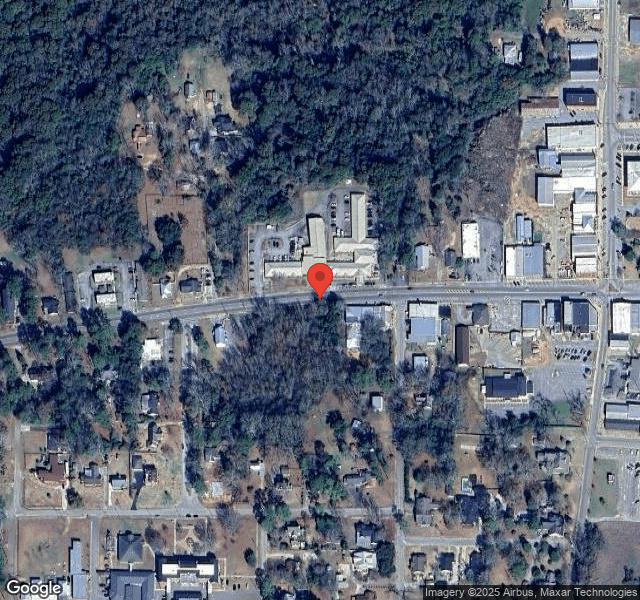

236 WEST CLAIBORNE STREET, MONROEVILLE, AL 36460 (251) 575-2648
For profit - Corporation 84 Beds BALL HEALTHCARE SERVICES Data: November 2025
Trust Grade
83/100
#65 of 223 in AL
Last Inspection: December 2019

Over 2 years since last inspection. Current conditions may differ from available data.

Overview

Monroe Manor Health & Rehabilitation Center has a Trust Grade of B+, which means it is above average and recommended for families considering care options. It ranks #65 out of 223 nursing homes in Alabama, placing it in the top half of facilities in the state. While the facility is improving, with issues decreasing from three in 2018 to one in 2019, there have been some concerns noted in recent inspections. Staffing is rated 4 out of 5 stars, with a low turnover rate of 26%, indicating that staff are stable and familiar with residents' needs. Notably, the facility has had no fines, which is a positive sign, but it has been cited for not properly disinfecting glucose monitoring equipment and for failing to label food brought in from outside properly, which could pose risks for residents. Overall, Monroe Manor has strengths in staffing and compliance history, but families should be aware of the areas needing improvement.

Trust Score
B+
83/100
In Alabama
#65/223
Top 29%
Safety Record
Low Risk
No red flags
Inspections
Getting Better
3 → 1 violations
Staff Stability
✓ Good
26% annual turnover. Excellent stability, 22 points below Alabama's 48% average. Staff who stay learn residents' needs.
Penalties
✓ Good
No fines on record. Clean compliance history, better than most Alabama facilities.
Skilled Nurses
○ Average
Each resident gets 34 minutes of Registered Nurse (RN) attention daily — about average for Alabama. RNs are the most trained staff who monitor for health changes.
Violations
○ Average
9 deficiencies on record. Average for a facility this size. Mostly minor or procedural issues.
★★★★☆
4.0
Overall Rating
★★★★☆
4.0
Staff Levels
★★★☆☆
3.0
Care Quality
★★★★☆
4.0
Inspection Score
Stable
2018: 3 issues
2019: 1 issues

The Good

  • 4-Star Staffing Rating · Above-average nurse staffing levels
  • Low Staff Turnover (26%) · Staff stability means consistent care
  • Full Sprinkler Coverage · Fire safety systems throughout facility
  • No fines on record
  • Staff turnover is low (26%)

    22 points below Alabama average of 48%

Facility shows strength in staffing levels, staff retention, fire safety.

The Bad

Chain: BALL HEALTHCARE SERVICES

Part of a multi-facility chain

Ask about local staffing decisions and management

The Ugly 9 deficiencies on record

Dec 2019 1 deficiency
CONCERN (D)

Potential for Harm - no one hurt, but risky conditions existed

Infection Control (Tag F0880)

Could have caused harm · This affected 1 resident

**NOTE- TERMS IN BRACKETS HAVE BEEN EDITED TO PROTECT CONFIDENTIALITY** Based on observation, interviews, record review and review of facility policies ADMINISTRATIVE PROCEDURE SUBJECT: Infection Prev...

Read full inspector narrative →
**NOTE- TERMS IN BRACKETS HAVE BEEN EDITED TO PROTECT CONFIDENTIALITY** Based on observation, interviews, record review and review of facility policies ADMINISTRATIVE PROCEDURE SUBJECT: Infection Prevention and Control Program and ADMINISTRATIVE POLICY SUBJECT: Isolation Precautions , the facility failed to ensure that a Certified Nursing Assistant (CNA): 1. wore gloves and gown while providing caring for Resident Identifier (RI) #232 (a resident on contact precautions); 2. washed her hands before leaving the room of RI #232 after obtaining vital signs and 3. sanitized the vital sign machine used to obtain vital signs on RI #232. These observations were made on 12/03/19 and involved one of two residents sampled for isolation precautions. Findings Include: A review of a facility policy titled ADMINISTRATIVE PROCEDURE SUBJECT: Infection Prevention and Control Program with a revised date of 09/12/2009 revealed . PROCESS: . 2. Hand hygiene is required after each direct resident contact for which hand washing is indicated by accepted professional practice. A review of a facility policy titled ADMINISTRATIVE POLICY SUBJECT: Isolation Precautions . with a revised date of 11/2014 revealed . 4. Contact Precautions must be implemented for a resident known or suspected to be infected or colonized with microorganisms that can be transmitted by direct contact with the resident or indirect contact with environmental surfaces or patient-care items in the resident's environment. c. Gloves and Handwashing 1. wear gloves (clean, nonsterile) when entering the room. 3. Remove gloves before leaving the room and wash hands thoroughly and immediately with an antimicrobial agent. e. Gown 1. wear a gown (clean, nonsterile) when entering the room if you anticipate that your clothing will have substantial contact with the patient, environmental surfaces, . j. Resident-Care Equipment 1. dedicate the use of noncritical patient care equipment . to a single resident . 2. If use of common items is unavoidable, then adequately clean and disinfect them before use for another resident. RI #232 was readmitted to the facility on [DATE] with diagnoses to include: Urinary tract infection, Escherichia coli as the cause of disease and Extended spectrum beta lactamase (ESBL) resistance. A review of Physician Orders For the month of: December 2019 for RI #232 revealed . Start Date 11/29/19 CONTACT PRECAUTION R/T (related to) ON ANTIBIOTIC FOR ESBL IN URINE . On 12/03/19 at 3:34 PM, the surveyor observed hanging on RI #232's room door a yellow mesh isolation door caddy containing red bags, gowns, gloves, masks, blood pressure cuff and yellow bags. The surveyor observed Employee Identifier (EI) #3, a CNA failed to put gloves or gown on before entering RI #232's room. EI #3 took a vital sign machine into the room. The surveyor followed EI #3 into RI #232's room and observed EI #3 obtain RI #232's blood pressure and temperature using the vital sign machine. EI #3 was observed leaning over the side rail to place the blood pressure cuff on RI #232's arm. EI #3 then moved RI #232's overbed table and hung the blood pressure cuff on the vital sign machine. The surveyor did not observed EI #3 wash her hands before exiting RI #232's room. The surveyor followed EI #3 down the hall and observed EI #3 place a paper on the nurses station counter, opened the door leading into the nurses station and placed the vital sign machine in the corner of the nurses station. EI #3 walked down the hall, the surveyor followed. EI #3 entered another resident's room, gathered his/her clothes and bottle of soap, removed his/her splint from the left arm, touched his/her wheelchair and pushed the other resident down the hall towards a shower room. EI #3 stopped at a linen cart in the hall, lifted the cover and removed a towel and washcloth. EI #3 then pushed the other resident into the shower room. On 12/03/19 at 4:10 PM, an interview was conducted with EI #3. EI #3 was asked which residents was the vital sign machine used for. EI#3 replied, the100 hall, 300 hall and 21 hall. EI #3 was asked how many vital signs did she get before going into RI #232's room. EI #3 replied, seven. EI #3 was asked what the equipment hanging on RI #232's door was used for. EI #3 replied, isolation. EI #3 was asked what type of precautions was RI #232 on. EI #3 replied, he/she returned from the hospital, he/she had pneumonia. EI #3 was asked what did she do while in RI #232's room. EI #3 replied, took his/her blood pressure and temperature with the vital sign machine. EI #3 was asked, what did she touch while in the room. EI #3 replied, the table, put the blood pressure cuff on RI #232's arm. EI #3 was asked what parts of the vital sign machine were used. EI #3 replied, the cuff and thermometer. EI #3 was asked if she washed her hands prior to leaving the room. EI #3 replied, no. EI #3 was asked what she did after leaving RI #232's room. EI #3 replied, took the vital sign machine to the nurses station, came back and asked another resident if he/she was ready for a shower. EI #3 was asked, what did she touch while in the other resident's room. EI #3 replied, opened the closet, gathered his/her clothes, soap bottle, took his/her splint off, touched his/her wheelchair. EI #3 was asked what did she touch in the hallway. EI #3 replied, the linen cart; she got a towel and wash cloth. EI #3 was asked when did she wash her hands. EI #3 replied, when she got in the shower room she washed her hands and put on gloves to give the other resident a shower. EI #3 was asked what procedure should be used when a resident was on isolation. EI #3 replied, use gloves and wash hands before leaving the room. EI #3 was asked if she followed the procedure. EI #3 replied, no. EI #3 was asked what was the risk to other residents when staff enters an isolation room, provides care to that resident on isolation and does not wash hands before leaving the room and then provides care to other residents. EI #3 replied, other residents can catch whatever the resident on isolation had. On 12/05/19 at 8:19 AM, an interview was conducted with EI #2, a Registered Nurse (RN) and Unit Manager. EI #2 was asked what type of isolation was RI #232 on. EI #2 replied, contact precautions for Extended spectrum beta- lactamases (ESBL) in the urine. EI #2 was asked what precautions should be used when entering RI #232's room. EI #2 replied, for direct contact, gloves and gown should be worn. EI #2 was asked what staff should wear if doing vital signs on RI #232. EI #2 replied, gloves definitely and a gown if staff's uniform would rub up against resident or items in the room. EI #2 was asked when should the vital sign machine be used on a resident on contact precautions. EI #2 replied, never. EI #2 was asked what was the risk to others when the vital machine was used on a resident on contact precautions without being cleaned after use. EI #2 replied, cross contamination for everyone. EI #2 was asked what was the risk to others when a CNA does not wear gloves and gown while caring for a resident on contact precautions and leaves the room without washing hands then continues to care for other residents. EI #2 replied, cross contamination. EI #2 was asked when was it an acceptable practice to not wash hands before exiting an isolation room. EI #2 replied, never. EI #2 was asked how was it communicated to staff what type of precautions a resident on isolation required. EI #2 replied, the charge nurse gave CNAs report at the beginning of the shift. On 12/05/19 at 8:21 AM, an interview was conducted with EI #1, RN Assistant Director of Nursing and Infection Control Nurse. EI #1 was asked what type of prcautions was RI #232 on. EI #1 replied, contact precautions. EI #1 was asked what personal protective equipment (PPE) should be worn when entering the room of RI #232. EI #232 replied, it depended on what the staff was doing. If the care involved direct contact then gown and gloves should be worn. EI #1 was asked what PPE should be worn if obtaining vital signs. EI #1 replied, gloves and depending if close contact was a possibility then a gown should be worn. EI #1 was asked when should a vital sign machine be taken into the room of a resident on contact precautions. EI #1 replied, there was a manual blood pressure cuff available, but if the vital sign machine was taken into the room it must be sanitized afterwards. EI #1 was asked when was it acceptable to exit an isolation room without washing hands. EI #1 replied, hands should always be washed. EI #1 was asked what was the risk to other residents when staff did not wash hands before exiting an isolation room. EI #1 replied, spreading of the organism. EI #1 was asked what was the risk to other residents by not sanitizing the vital sign machine. EI #1 replied, risk of transferring the organism to others. EI #1 was asked when was it an acceptable practice to not wash hands before exiting an isolation room and not sanitizing the vital sign machine after it was used on a resident who was on contact precautions. EI #1 replied, never.
Nov 2018 3 deficiencies
CONCERN (E)

Potential for Harm - no one hurt, but risky conditions existed

Deficiency F0658 (Tag F0658)

Could have caused harm · This affected multiple residents

Based on observations, interviews, and a facility training sheet, titled GLUCOSE MONITORING EQUIPMENT CARE AND USE SKILLS CHECK OFF LIST, the facility failed to ensure a licensed professional nurse di...

Read full inspector narrative →
Based on observations, interviews, and a facility training sheet, titled GLUCOSE MONITORING EQUIPMENT CARE AND USE SKILLS CHECK OFF LIST, the facility failed to ensure a licensed professional nurse disinfected a blood glucose meter between residents. This affected one of five glucose checks during a glucometer use observed during a medication pass. Findings include: A facility training sheet, titled, GLUCOSE MONITORING EQUIPMENT - CARE AND USAGE SKILLS CHECK OFF LIST, signed on 9/24/18 by Employee Identifier (EI) #3 and EI # 5 revealed, STEPS OF PROCEDURE TO properly clean /disinfect glucometers before each use: . 3. Clean/disinfect glucose monitoring equipment using moist (not wet) bleach based, lint free product before and after use (Do not use alcohol wipes) . An observation was made on 10/31/18 at 4:43 PM, during a medication pass with EI #3 LPN on RI #123. EI #3 took the glucometer out of the cart and cleaned the glucometer with an alcohol pad. EI #3 then proceeded to do the Finger Stick Blood Sugar (FSBS) on RI#123. After that EI #3 went back to the cart and wiped the same glucometer with an alcohol pad and placed it on a barrier on top of the cart. She then went directly to the next resident, RI #29, to give medications and do a FSBS. EI #3 cleaned the glucometer with an alcohol pad, went and gave medications to RI #29, and washed her hands before performing the FSBS. She applied gloves, took the resident's finger, applied pressure, wiped it with an alcohol pad and placed a lancet to the resident's finger. At that time the surveyor asked EI #3 could she see her for a minute. EI #3 stepped away from the resident and the surveyor then informed EI #3 that the glucometer had not been sanitized correctly. EI #3 went and got another glucometer from the medication room. EI #3 then pulled a dispatch wipe out of the cart and cleaned the glucometer that she had gotten from the medication room. She sanitized the glucometer and proceeded with the FSBS. An interview was conducted on 11/01/18 at 11:31 AM, with EI #3. EI #3 was asked, how did the policy state she should clean the glucometer. EI #3 replied, before and after each use. EI #3 was asked, what did she clean and disinfect the glucometer with the day before. EI #3 replied, an alcohol wipe. EI #3 was asked, why did she use the alcohol wipe. EI #3 replied, she thought she could use alcohol to clean it. EI #3 was asked, had she performed any other blood sugar checks prior to the surveyor observing her on 10/31/18. EI #3 replied, yes. EI #3 was asked, what did she clean the glucometer with. EI #3 said she used alcohol before and after use. EI #3 was asked, was the use of the alcohol pad normal practice for her to clean and disinfect the glucometer. EI #3 replied, yes. EI #3 was asked, had she had any training on cleaning a glucometer before. EI #3 replied, no. The surveyor then showed EI #3 her training record on cleaning glucometers. She was asked to read the training procedure on the sheet. EI #3 was then asked to read out loud the procedure for cleaning the glucometer. After reading the procedure, EI #3 was asked if she signed and dated the form. EI #3 replied, yes. EI #3 was asked, if she did a return demonstration of cleaning the glucometer. EI #3 replied, no, she did a verbal return. EI #3 was asked what the statement on the training sheet said she was suppose to use to clean the glucometer. EI #3 replied, dispatch wipe. EI #3 was asked, why did she go back to using alcohol. EI #3 replied, she did not know, but the practice all along was to use dispatch. EI #3 was asked, why did she use dispatch on the next glucometer. EI #3 replied, she realized she had done wrong. EI #3 was asked, what was the potential for harm, when using alcohol to clean the glucometer. EI #3 replied, infection, transferring blood pathogens. On 11/01/18 at 4:26 PM, an interview was conducted with EI #1, Director Of Nursing. EI #1 was asked, how were the nurses trained to clean glucometers. EI #1 replied, they do skills validations and on the annual calendar, or if they identify a concern they re-educate. EI #1 was asked, had there been concerns since the last survey with cleaning the glucometers. EI #1 replied, no. EI #1 was asked, who monitored the nurses to ensure they were doing it correctly. EI #1 replied, DON, Assistant DON and any other designated supervisors. EI #1 was asked, how do they all schedule or monitor med pass. EI #1 replied, during compliance rounds, which are daily and skills observations. EI #1 was asked, during skills check offs how did she evaluate. EI #1 replied, they review the policy then observe the nurses doing a demonstration, and then if needed, provide a demonstration for them. EI #1 was asked, was it okay to use a alcohol prep to clean and disinfect a glucometer. EI #1 replied, no. EI #1 was asked, what was the potential for harm, when cleaning a glucometer with alcohol after a FSBS. EI #1 replied, spreading infection. On 11/01/18 at 4:58 PM, an interview was conducted with EI #5. EI #5 was asked if she in-service EI #3 on glucometer use on 9/24/18. EI #5 replied, yes, she did. EI #5 was asked, how did she determine EI #3 was competent to perform FSBS. EI #5 replied, they went over the information, annual inservices, went over the material regarding fingerstick's and the glucometer, they demonstrated on the material they had in front of them and they had a glucometer, insulin and insulin pens. EI #5 said they went over how to clean the items, how to check the blood sugars, and recording it. EI #5 was asked, how was she taught to clean the glucometer. EI #5 replied, to clean the glucometer, to use the dispatch with bleach wipes, allow it to dry before and after use on the resident. EI #5 was asked, did EI #3 do a demonstration of this. EI #5 replied, she had the glucometer in her hand but she did not actually wipe it. EI #3 told EI #5 how she would wipe it. EI #5 was asked, had she ever witnessed EI #3 clean and disinfect a glucometer on the hall. EI #5 replied, she could not really say that she had. EI #5 was asked, was it okay to clean and disinfect a glucometer with an alcohol prep. EI #5 replied, they did not use alcohol preps per policy, they used the dispatch wipes. EI #5 was asked, what was the harm in cleaning and disinfecting a glucometer with alcohol prep. EI #5 replied, it does not kill all of the germs or blood borne pathogens, it could effect the reading and damage the machine.
CONCERN (E)

Potential for Harm - no one hurt, but risky conditions existed

Food Safety (Tag F0812)

Could have caused harm · This affected multiple residents

Based on observation, interviews and a review of the policy: Food From Outside Sources, the facility failed to ensure food brought in by family, visitors or volunteers for resident use was consistentl...

Read full inspector narrative →
Based on observation, interviews and a review of the policy: Food From Outside Sources, the facility failed to ensure food brought in by family, visitors or volunteers for resident use was consistently labeled with resident's name, room number, date of receipt and date of discard. This had the potential to affect 44 residents (of a total of 76) serviced by one of two nursing units. Findings include: The facility policy, Food From Outside Sources dated 10/17 directs staff as follows: .4. b. Food brought to a resident by a family member or visitor may be stored in the food service department. (Policy made no mention of storage in nursing unit refrigerators.) .iii. The label includes the resident's name and room number, the date it is received and stored, and the date it should be discarded. On 10/31/18 at 3:47 PM, the residents' refrigerator in the Medication Room on the Hall 2 Nursing Station was observed by the Unit Manager (Employee Identifier/EI #3) and the surveyor. The following items (identified as belonging to the residents) were included: 1) One container of fresh assorted berries (strawberries and blueberries) with no resident name or room number. A use-by date of 10/26/18 was affixed to the unopened container. 2) One 8-ounce (oz) package of grated cheese, with no resident name or room number, and no receipt or use-by date. 3) One 12-oz Zero Coke with no name or room number. 4) One 8-oz package of deli-sliced turkey breast with no name or room number. At this time, the surveyor asked EI #3 what potential harm could result from not labeling an item with the resident's name and date of discard. EI #3 responded the expiration date could go bad (be stored past the date) and the item could be spoiled. When asked how staff ensured the right resident got the right food, EI #3 explained the overflow soft drinks were stored below the pantry sink; these soft drinks were labeled with residents' names. No other Zero Cokes were stored in this area. EI #3 could provide no explanation for the food items unlabeled with a resident name, other than the staff knew their residents.
CONCERN (E)

Potential for Harm - no one hurt, but risky conditions existed

Infection Control (Tag F0880)

Could have caused harm · This affected multiple residents

Based on observation, interviews, and a facility policy titled, Glucose Monitoring Equipment - Care and Quality Control Testing , the facility failed to ensure a employee properly cleaned and disinfec...

Read full inspector narrative →
Based on observation, interviews, and a facility policy titled, Glucose Monitoring Equipment - Care and Quality Control Testing , the facility failed to ensure a employee properly cleaned and disinfected the glucometer after use. This had the potential to effect 1 of 5 resident's observed during glucose checking. Findings include: A facility policy titled, Glucose Monitoring Equipment - Care and Quality Control Testing effective date February 1, 2004, revealed, PURPOSE: To properly maintain glucose monitors and to validate its accuracy. STANDARD: Quality control testing of glucose monitoring equipment should be done, according to the CLIA (Clinical Laboratory Improvement Amendment) Waiver Laboratory Certificate requirements, daily. PROCESS: 1. General information a) Clean glucose monitoring equipment using a moist (not wet) lint free tissue, a mild detergent or disinfectant solution may be used . An observation was made on 10/31/18 at 4:43 PM, during a medication pass with EI #3 LPN on RI #123. EI #3 took the glucometer out of the cart and cleaned the glucometer with an alcohol pad. EI #3 then proceeded to do the Finger Stick Blood Sugar (FSBS) on RI #123. EI #3 then went back to the cart and wiped the same glucometer with an alcohol pad and placed it on a barrier on top of the cart. She then went directly to the next resident, RI #29, to give medications and do a FSBS. EI #3 cleaned the glucometer with an alcohol pad, went and gave medications to RI #29, and washed her hands before performing the FSBS. She applied gloves, took the resident's finger, applied pressure, wiped it with an alcohol pad and placed a lancet to the resident's finger. At that time the surveyor asked EI #3 could she see her for a minute. EI #3 stepped away from the resident and the surveyor then informed EI #3 that the glucometer had not been sanitized correctly. EI #3 went and got another glucometer from the medication room. EI #3 then pulled a dispatch wipe out of the cart and cleaned the glucometer that she had gotten from the medication room. She sanitized the glucometer and proceeded with the FSBS. An interview was conducted on 11/01/18 at 11:31 AM, with EI #3. EI #3 was asked, how did the policy state she should clean the glucometer. EI #3 replied, before and after each use. EI #3 was asked, what did she clean and disinfect the glucometer with the day before. EI #3 replied, an alcohol wipe. EI #3 was asked, why did she use the alcohol wipe. EI #3 replied, she thought she could use alcohol to clean it. EI #3 was asked, had she performed any other blood sugar checks prior to the surveyor observing her on 10/31/18. EI #3 replied, yes. EI #3 was asked, what did she clean the glucometer with. EI #3 said she used alcohol before and after use. EI #3 was asked, was the use of the alcohol pad normal practice for her to clean and disinfect the glucometer. EI #3 replied, yes. EI #3 was asked, why did she use dispatch on the next glucometer. EI #3 replied, she realized she had done wrong. EI #3 was asked, what was the potential for harm, when using alcohol to clean the glucometer. EI #3 replied, infection, transferring blood pathogens. On 11/01/18 at 4:48 PM, an interview with EI #2, Infection Control / Registered Nurse was conducted. EI #2 was asked, how were staff supposed to clean the glucometers. EI #2 replied, with the designated wipe they have, they have a clean barrier and with gloves. EI #2 was asked, what was the designated wipe. EI #2 replied, the expand wipe, wipe thoroughly and lay the glucometer on the clean barrier and dry. EI #2 was asked, was it okay to use alcohol pads to clean the glucometer. EI # replied, no, they have to use the designated wipes that they have. EI #2 was asked what was the potential harm for using an alcohol prep to clean a glucometer. EI # replied, the alcohol may not get all of the germs out and alcohol was not approved to kill all of the organisms that were on the glucometer, you need something stronger.
Oct 2017 5 deficiencies
CONCERN (D)

Potential for Harm - no one hurt, but risky conditions existed

Deficiency F0281 (Tag F0281)

Could have caused harm · This affected 1 resident

**NOTE- TERMS IN BRACKETS HAVE BEEN EDITED TO PROTECT CONFIDENTIALITY** Based on interviews, review of a facility policy titled, Diagnostic Testing Services, review of the medical records, and review ...

Read full inspector narrative →
**NOTE- TERMS IN BRACKETS HAVE BEEN EDITED TO PROTECT CONFIDENTIALITY** Based on interviews, review of a facility policy titled, Diagnostic Testing Services, review of the medical records, and review of [NAME] Perry's Fundamentals of Nursing, the facility failed to ensure physicians orders were followed regarding laboratory tests as ordered for RI (Resident Identifier) #2 and RI #9. This affected RI #2 and RI #9, two of fifteen sampled residents whose physician's orders were reviewed. Findings Include: 1) A review of a facility policy titled, Diagnostic Testing Services with an effective date of 2/1/2004 revealed: . PURPOSE: Each resident has the right to receive diagnostic services, in a timely manner, to meet his/her needs for diagnosis, treatment and prevention. STANDARD: Diagnostic testing should be scheduled by a physician's order . A review of [NAME] Perry's Fundamentals of Nursing, Ninth Edition, with a last copyright date of 2017, revealed: . Chapter 23 . (page) 311 . Legal Implications in Nursing Practice . Health Care Providers' Orders. The health care provider (physician .) is responsible for directing medical treatment. Nurses follow health care providers' orders unless they believe the orders are in error .or are harmful to the patient. A review of the medical record for RI #2 revealed a re-admission date of 8/2/2017, with diagnoses to include Epilepsy, Parkinson's Disease, and Pseudobulbar Affect. A review of the medical record for RI #2 revealed an order dated 9/30/2017 for a Keppra level and TSH (Thyroid Stimulating Hormone) level to be drawn on Monday, October 2, 2017. Lab test results for RI #2 regarding the Keppra and TSH levels due to be drawn on 10/2/2017 were not found in the medical record. A review of a lab requisition dated 10/2/2017 for RI #2, completed by EI (Employee Identifier)#5, a LPN (Licensed Practical Nurse), indicated no Keppra level was ordered. An interview was conducted with EI #4, a RN (Registered Nurse), at 12:27 p.m. on 10/04/2017. EI #4 was asked where the results for RI #2's Keppra level were. EI #4 answered, (He/She) didn't get one. EI #4 was asked why and she answered, I'm assuming they (the nurse) marked it wrong. No Keppra level was marked on the lab sheet. EI #4 was asked what was the concern of labs not being drawn as ordered by the physician. EI #4 answered, That (he/she) could have some ailment. The Doctor ordered it for a reason. EI #4 was asked what the facility policy regarding drawing labs was. EI #4 answered, They expect you to draw them. EI #4 was asked what the facility policy was regarding following physician orders. EI #4 answered, Follow them. Two unsuccessful attempts were made to contact EI #5, the LPN that completed the incorrect lab requisition form. 2) A review of the medical record revealed RI #9 was re-admitted to the facility on [DATE] with diagnoses to include Psychosis. A review of the medical record for RI #9 revealed an order for a CBC (Complete Blood Count) and a CMP (Complete Metabolic Panel), every 90 days (May/August/November/February) with a start date of 9/14/2016. A review of lab (laboratory) test results for RI #9 revealed results for the ordered tests dated 10/26/2016 and 2/22/2017. An interview was conducted with EI #1, DON (Director of Nursing) at 4:52 p.m. on 10/4/2017. EI #1 was asked when routine CBC and CMP tests were ordered for RI #9. EI #1 answered every three months, February, May, August, and November. EI #1 was asked when was the last ones done. EI #1 answered February 22, 2017. EI #1 was asked why and she answered, I'm uncertain. EI #1 was asked what months were missed and she answered May and August.
CONCERN (D)

Potential for Harm - no one hurt, but risky conditions existed

Deficiency F0282 (Tag F0282)

Could have caused harm · This affected 1 resident

**NOTE- TERMS IN BRACKETS HAVE BEEN EDITED TO PROTECT CONFIDENTIALITY** Based on record review, interviews, and a review of a facility policy titled, Care Plans the facility failed to ensure the plan ...

Read full inspector narrative →
**NOTE- TERMS IN BRACKETS HAVE BEEN EDITED TO PROTECT CONFIDENTIALITY** Based on record review, interviews, and a review of a facility policy titled, Care Plans the facility failed to ensure the plan of care was followed related to AIMS (Abnormal Involuntary Movement Scale) assessments not done for RI (Resident Identifier) #3, #4, and #9. This affected RI #3, #4 and #9, three of thirteen sampled residents whose careplans were reviewed. Findings Include: 1) A review of the facility policy titled, Care Plans with an effective date of 2/1/2004, revealed: . PURPOSE: Plans of Care are developed by the interdisciplinary team, to coordinate and communicate care approaches and goals for the resident. RI #3 was admitted to the facility on [DATE] and readmitted on [DATE] with a diagnosis to include Psychosis. A review of RI #3's October Physicians Orders revealed: . 4-04-17 Order Date Haloperidol 0.5 MG (milligram) TABLET - Administer one tablet VIA G-TUBE (Gastrostomy tube) QD (every day) at HS (bedtime) . A review of RI #3's AIMS revealed the last dated review was on 5/03/2017. A review of RI #3's care plan revealed: .Problem Onset 7/20/11 Potential for medication side effects . Approaches AIMS test q (every) 3 months and prn (as needed) . 2) RI #4 was admitted to the facility on [DATE] and readmitted on [DATE] with a diagnosis to include Vascular Dementia with Behavioral Disturbance. A review of RI #4's October Physicians Orders revealed: .Order Date 9-26-17 SEROQUEL 25 MG TABLET - GIVE ONE TABLET BY MOUTH DAILY . SEROQUEL 50MG TABLET ADMINISTER ONE 50 MG TABLET BY MOUTH DAILY AT BEDTIME. A review of RI #4's AIMS revealed the last dated review was on 5/02/2017. A review of RI #4's care plan revealed: . Problem Onset 4/14/17 Resident at risk for side effects from psychoactive medications . Approaches AIMS test quarterly and prn . On 10/4/2017 at 5:30 p.m., an interview was conducted with EI (Employee Identifier) #1, Director of Nursing. EI #1 was asked what RI #3's care plan revealed in reference to the AIMS. EI #1 replied, perform the AIMS test every 3 months and prn. EI #1 was asked what RI #4's care plan revealed in reference to the AIMS. EI #1 replied, perform the AIMS test quarterly and prn. EI #1 was asked if the care plan was followed. EI #1 replied, no. EI #1 was asked what the harm was in not following the care plan. EI #1 replied, the residents may not receive full benefit if the plan of care was not followed. 3) A review of the medical record revealed RI #9 was re-admitted to the facility on [DATE] with diagnoses to include Psychosis. A review of the care plans for RI #9 revealed: . Problem/Need . Resident is at risk for side effects from Psychoactive medications that include antipsychotic, anti-anxiety, and anti-depressant medications . Goal . Resident has no injury related to medication usage/side effects . Approaches . AIMS test quarterly and prn abnormal movements/sxs (symptoms) . A review of the medical record for RI #9's AIMS assessments revealed the date of 5/11/2017 for the last assessment. An interview was conducted with EI #1, the Director of Nursing, at 4:52 p.m. on 10/4/2017. EI #1 was asked what the care plan indicated for RI #9 regarding AIMS assessments. EI #1 answered, To be reviewed at least quarterly and prn. EI #1 was asked if that was followed and she answered, No. EI #1 was asked what the facility policy regarding following the plan of care was. EI #1 answered, Follow the plan of care.
CONCERN (D)

Potential for Harm - no one hurt, but risky conditions existed

Deficiency F0329 (Tag F0329)

Could have caused harm · This affected 1 resident

**NOTE- TERMS IN BRACKETS HAVE BEEN EDITED TO PROTECT CONFIDENTIALITY** Based on record reviews, interviews, and review of facility policy titled, Abnormal Involuntary Movement Scale Testing (AIMS), t...

Read full inspector narrative →
**NOTE- TERMS IN BRACKETS HAVE BEEN EDITED TO PROTECT CONFIDENTIALITY** Based on record reviews, interviews, and review of facility policy titled, Abnormal Involuntary Movement Scale Testing (AIMS), the facility failed to ensure AIMS assessments were completed every three months for Resident Identifier (RI) #3, RI #4, and RI #9. This affected three of nine residents reviewed for antipsychotic medication use. Findings Include: 1) A review of facility policy titled, Abnormal Involuntary Movement Scale Testing with a date of 02/2013 revealed: PURPOSE: For each resident who is receiving antipsychotic medications, an AIMS evaluation will be completed at least quarterly . RI #3 was admitted to the facility on [DATE] and readmitted on [DATE] with a diagnosis to include Psychosis. A review of RI #3's October Physicians Orders revealed: . 4-04-17 Order Date Haloperidol 0.5 MG (milligram) TABLET - Administer one tablet VIA G-TUBE (Gastrostomy) QD (every day) at HS (bedtime) . A review of RI #3's AIMS revealed the last dated review was on 5/3/17. 2) RI #4 was admitted to the facility 12/22/08 and readmitted [DATE] with a diagnosis to include Vascular Dementia with Behavioral Disturbance. A review of RI #4's October Physicians Orders revealed: .Order Date 9-26-17 SEROQUEL 25 MG TABLET - GIVE ONE TABLET BY MOUTH DAILY . SEROQUEL 50MG TABLET - ADMINISTER ONE 50 MG TABLET BY MOUTH DAILY AT BEDTIME . A review of RI #4's AIMS revealed the last dated review was on 5/2/17. 3) A review of the medical record revealed RI #9 was re-admitted to the facility on [DATE] with diagnoses to include Psychosis. A review of the physician orders for RI #9 included Olanzapine 7.5 mg every morning and 10 mg in the evening. A review of the medical record for RI #9's AIMS assessments revealed the date of 5/11/17 for the last assessment. On 10/4/17 at 3:10 p.m., an interview was conducted with Employee Identifier (EI) #1, Director of Nursing. EI #1 was asked how often the AIMS review should be done. EI #1 replied, quarterly. EI #1 was asked when RI #3's AIMS review was done. EI #1 replied, 5/3/17. EI #1 was asked when the next AIMS review should have been done. EI #1 replied, August 2017. EI #1 was asked when RI #4's AIMS review was done. EI #1 replied, 5/2/17. EI #1 was asked when the next AIMS review should have been done. EI #1 replied, August 2017. EI #1 was asked why AIMS reviews should be done. EI #1 replied, to recognize any antipsychotic side effects. EI #1 was asked what the harm in not doing the AIMS review was. EI #1 replied, the resident may not be treated for the side effects. An interview was conducted with EI #1, at 4:52 p.m. on 10/4/17. EI #1 was asked what the care plan indicated regarding AIMS assessments for RI #9. EI #1 answered, To be reviewed at least quarterly and prn. EI #1 was asked if that was followed and she answered, No.
CONCERN (D)

Potential for Harm - no one hurt, but risky conditions existed

Deficiency F0441 (Tag F0441)

Could have caused harm · This affected 1 resident

**NOTE- TERMS IN BRACKETS HAVE BEEN EDITED TO PROTECT CONFIDENTIALITY** Based an observation, a review of the manufacturer's guidelines and interviews, the facility failed to ensure the injection port...

Read full inspector narrative →
**NOTE- TERMS IN BRACKETS HAVE BEEN EDITED TO PROTECT CONFIDENTIALITY** Based an observation, a review of the manufacturer's guidelines and interviews, the facility failed to ensure the injection port of a Flexpen was cleaned prior to attaching the Flexpen needle. This affected RI (Resident Identifier) #11, one of four residents observed receiving an injection from the Flexpen system. Findings Include: A review of the Manufacturer's Guidelines: .HUMOLOG insulin aspart injection 100 units/ML(Milliliter) Step 1: Preparing your NovoLog® FlexPen® · Wash your hands. Check the label to make sure that you are using the right type of insulin. This is especially important if you take more than 1 type of insulin · Pull off the pen cap. Wipe the rubber stopper with an alcohol swab . A review of the medical record revealed RI #11 was re-admitted to the facility on [DATE] with diagnoses to include Hypertension, Type II Diabetes Mellitus with Hyperglycemia and Cerebrovascular Disease. A review of the MDS (Minimum Data Set) assessment with an ARD (Assessment Reference Date) of 8/01/2017, revealed RI #11 had a BIMS (Brief Interview for Mental Status) score of 15 out of a possible 15, indicating RI #11 was cognitively intact for daily decision making. RI #11 was assessed as needing extensive assistance from staff for ADLs (Activities of Daily Living) except for eating, which RI #11 required setup assistance only. An observation was made at 5:02 p.m. on 10/3/2017. EI (Employee Identifier)#7, LPN (Licensed Practical Nurse) obtained a Humalog Flexpen from the medication cart. EI #7 obtained a Flexpen needle and removed the cap of the Flexpen and attached the Flexpen needle (No cleaning of the injection port was performed prior to attachment of the Flexpen needle). An interview was conducted at 1:05 p.m. on 10/5/2017 with EI #7. EI #7 was asked if the injection port needed to be cleaned prior to attaching the Flexpen needle. EI #7 replied yes. EI #7 was asked why the injection port needed to be cleaned prior to attachment of the Flexpen needle. EI #7 replied it could have microorganisms or cause infections. An interview was conducted with EI #1, the Director of Nursing, at 3:06 p.m. on 10/5/2017. EI #1 was asked what the concern was if the injection port of the Flexpen was not cleaned prior to attachment of the Flexpen needle. EI #1 replied infection and contamination.
CONCERN (D)

Potential for Harm - no one hurt, but risky conditions existed

Deficiency F0503 (Tag F0503)

Could have caused harm · This affected 1 resident

**NOTE- TERMS IN BRACKETS HAVE BEEN EDITED TO PROTECT CONFIDENTIALITY** Based on medical record reviews, interviews, and a review of a facility policy titled, Diagnostic Testing Services, the facility...

Read full inspector narrative →
**NOTE- TERMS IN BRACKETS HAVE BEEN EDITED TO PROTECT CONFIDENTIALITY** Based on medical record reviews, interviews, and a review of a facility policy titled, Diagnostic Testing Services, the facility failed to provide laboratory services in order to ensure laboratory tests for RI (Resident Identifier) #2 and #9 were not omitted. This affected RI #2 and #9, two of nine sampled residents whose laboratory tests were reviewed. Findings Include: 1) A review of a facility policy titled, Diagnostic Testing Services with an effective date of 2/1/2004 revealed: . PURPOSE: Each resident has the right to receive diagnostic services, in a timely manner, to meet his/her needs for diagnosis, treatment and prevention. STANDARD: Diagnostic testing should be scheduled by a physician's order . A review of the medical record for RI #2 revealed a re-admission date of 8/2/2017 with diagnoses to include Epilepsy, Parkinson's Disease, and Pseudobulbar Affect. A review of the Quarterly MDS (Minimum Data Set) assessment dated [DATE], revealed RI #2 was totally dependent on staff members for assistance with all ADLs (Activities of Daily Living). RI #2 had a BIMS (Brief Interview for Mental Status) score of 3 out of a possible 15, indicating RI #2 had severe cognitive impairment. A review of the medical record for RI #2 revealed an order dated 9/30/2017, for a Keppra level and TSH (Thyroid Stimulating Hormone) level to be tested on Monday, October 2, 2017. A review of the lab test results for RI #2 revealed the Keppra and TSH levels due to be drawn on 10/2/2017 were not found. A review of a lab requisition dated 10/2/2017 for RI #2, completed by EI (Employee Identifier)#5, a LPN (Licensed Practical Nurse), indicated the Keppra level was not ordered. An interview was conducted with EI #4, a RN (Registered Nurse), at 12:27 p.m. on 10/04/2017. EI #4 was asked where the results for RI #2's Keppra level were. EI #4 answered, (He/She) didn't get one. EI #4 was asked why and she answered, I'm assuming they (the nurse) marked it wrong. No Keppra level was marked on the lab sheet. EI #4 was asked what the concern was of labs not being drawn as ordered by the physician. EI #4 answered, That (he/she) could have some ailment. The Doctor ordered it for a reason. EI #4 was asked what the facility policy regarding drawing labs was. EI #4 answered, They expect you to draw them. EI #4 was asked what the facility policy was regarding following physician orders. EI #4 answered, Follow them. An interview was conducted with EI #1, the Director of Nursing, at 4:52 p.m. on 10/4/2017. EI #1 was asked when RI #2 was supposed to have a Keppra level drawn. EI #1 answered October 2, 2017. EI #1 was asked was that done and she answered, No. EI #1 was asked why and she answered, The lab requisition was incomplete. EI #1 was asked what the concern of labs not being drawn as ordered by the physician was. EI #1 answered, Results will not be available for physician's decision to direct the care. EI #1 was asked what the facility policy regarding labs ordered by the physician was. EI #1 answered, Follow the order. 2) A review of the medical record revealed RI #9 was re-admitted to the facility on [DATE] with diagnoses to include Psychosis A review of the medical record for RI #9 revealed an order for a CBC and a CMP every 90 days (May/August/November/February) with a start date of 9/14/2016. A review of the lab (laboratory) test results for RI #9 revealed, results for the ordered tests dated 10/26/2016 and 2/22/2017. An interview was conducted with EI #1, the Director of Nursing, at 4:52 p.m. on 10/4/2017. EI #1 was asked when were the routine CBC (Complete Blood Count) and CMP (Complete Metabolic Panel) labs due for RI #9. EI #1 answered every three months, February, May, August, and November. EI #1 was asked when the last ones were done and she answered 2/22/2017. EI #1 was asked why and she answered, I'm uncertain. EI #1 was asked what months were missed and she answered May and August.
Understanding Severity Codes (click to expand)
Life-Threatening (Immediate Jeopardy)
J - Isolated K - Pattern L - Widespread
Actual Harm
G - Isolated H - Pattern I - Widespread
Potential for Harm
D - Isolated E - Pattern F - Widespread
No Harm (Minor)
A - Isolated B - Pattern C - Widespread

Questions to Ask on Your Visit

  • "Can I speak with families of current residents?"
  • "What's your RN coverage like on weekends and overnight?"

Our Honest Assessment

Strengths
  • • Grade B+ (83/100). Above average facility, better than most options in Alabama.
  • • No major safety red flags. No abuse findings, life-threatening violations, or SFF status.
  • • No fines on record. Clean compliance history, better than most Alabama facilities.
  • • 26% annual turnover. Excellent stability, 22 points below Alabama's 48% average. Staff who stay learn residents' needs.
Concerns
  • • No significant concerns identified. This facility shows no red flags across CMS ratings, staff turnover, or federal penalties.
Bottom line: Generally positive indicators. Standard due diligence and a personal visit recommended.

About This Facility

What is Monroe Manor Health & Rehabilitation Center's CMS Rating?

CMS assigns MONROE MANOR HEALTH & REHABILITATION CENTER an overall rating of 4 out of 5 stars, which is considered above average nationally. Within Alabama, this rating places the facility higher than 99% of the state's 100 nursing homes. This rating reflects solid performance across the metrics CMS uses to evaluate nursing home quality.

How is Monroe Manor Health & Rehabilitation Center Staffed?

CMS rates MONROE MANOR HEALTH & REHABILITATION CENTER's staffing level at 4 out of 5 stars, which is above average compared to other nursing homes. Staff turnover is 26%, compared to the Alabama average of 46%. This relatively stable workforce can support continuity of care.

What Have Inspectors Found at Monroe Manor Health & Rehabilitation Center?

State health inspectors documented 9 deficiencies at MONROE MANOR HEALTH & REHABILITATION CENTER during 2017 to 2019. These included: 9 with potential for harm.

Who Owns and Operates Monroe Manor Health & Rehabilitation Center?

MONROE MANOR HEALTH & REHABILITATION CENTER is owned by a for-profit company. For-profit facilities operate as businesses with obligations to shareholders or private owners. The facility is operated by BALL HEALTHCARE SERVICES, a chain that manages multiple nursing homes. With 84 certified beds and approximately 70 residents (about 83% occupancy), it is a smaller facility located in MONROEVILLE, Alabama.

How Does Monroe Manor Health & Rehabilitation Center Compare to Other Alabama Nursing Homes?

Compared to the 100 nursing homes in Alabama, MONROE MANOR HEALTH & REHABILITATION CENTER's overall rating (4 stars) is above the state average of 3.0, staff turnover (26%) is significantly lower than the state average of 46%, and health inspection rating (4 stars) is above the national benchmark.

What Should Families Ask When Visiting Monroe Manor Health & Rehabilitation Center?

Based on this facility's data, families visiting should ask: "Can I visit during a mealtime to observe dining assistance and food quality?" "How do you handle medical emergencies, and what is your hospital transfer rate?" "Can I speak with family members of current residents about their experience?"

Is Monroe Manor Health & Rehabilitation Center Safe?

Based on CMS inspection data, MONROE MANOR HEALTH & REHABILITATION CENTER has a clean safety record: no substantiated abuse findings (meaning no confirmed cases of resident harm), no Immediate Jeopardy citations (the most serious violation level indicating risk of serious injury or death), and is not on the Special Focus Facility watch list (a federal program monitoring the lowest-performing 1% of nursing homes). The facility has a 4-star overall rating and ranks #1 of 100 nursing homes in Alabama. While no facility is perfect, families should still ask about staff-to-resident ratios and recent inspection results during their visit.

Do Nurses at Monroe Manor Health & Rehabilitation Center Stick Around?

Staff at MONROE MANOR HEALTH & REHABILITATION CENTER tend to stick around. With a turnover rate of 26%, the facility is 20 percentage points below the Alabama average of 46%. Low turnover is a positive sign. It means caregivers have time to learn each resident's needs, medications, and personal preferences. Consistent staff also notice subtle changes in a resident's condition more quickly. Registered Nurse turnover is also low at 9%, meaning experienced RNs are available to handle complex medical needs.

Was Monroe Manor Health & Rehabilitation Center Ever Fined?

MONROE MANOR HEALTH & REHABILITATION CENTER has no federal fines on record. CMS issues fines when nursing homes fail to meet care standards or don't correct problems found during inspections. The absence of fines suggests the facility has either maintained compliance or corrected any issues before penalties were assessed. This is a positive indicator, though families should still review recent inspection reports for the full picture.

Is Monroe Manor Health & Rehabilitation Center on Any Federal Watch List?

MONROE MANOR HEALTH & REHABILITATION CENTER is not on any federal watch list. The most significant is the Special Focus Facility (SFF) program, which identifies the bottom 1% of nursing homes nationally based on persistent, serious quality problems. Not being on this list means the facility has avoided the pattern of deficiencies that triggers enhanced federal oversight. This is a positive indicator, though families should still review the facility's inspection history directly.