ARABELLA HEALTH AND WELLNESS OF MONTGOMERY
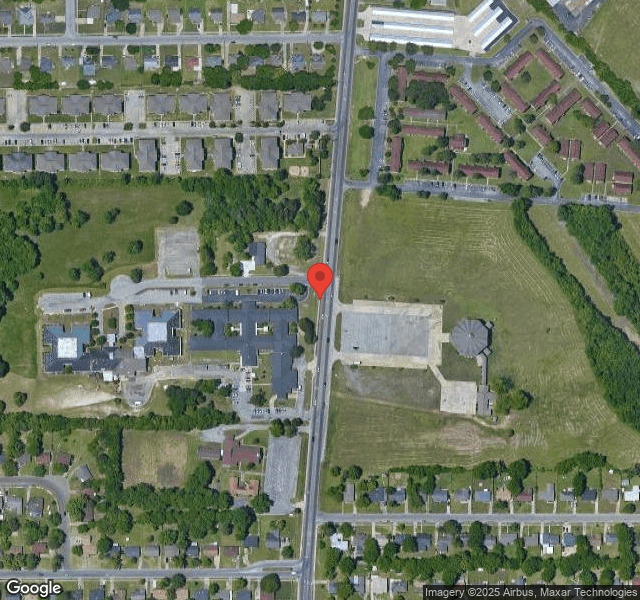
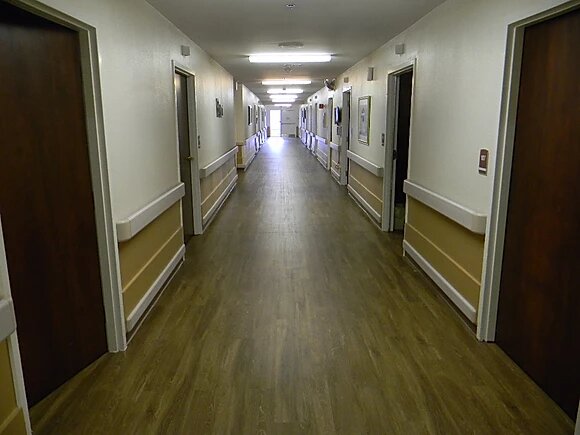
4490 VIRGINIA LOOP ROAD, MONTGOMERY, AL 36116 (334) 281-6826
For profit - Limited Liability company 121 Beds ARABELLA HEALTHCARE MANAGEMENT Data: November 2025
Trust Grade
33/100
#184 of 223 in AL
Last Inspection: July 2025

Inspected within the last 6 months. Data reflects current conditions.

Overview

Arabella Health and Wellness of Montgomery has received a Trust Grade of F, indicating significant concerns about the quality of care provided, which is among the poorest ratings possible. It ranks #184 out of 223 nursing homes in Alabama, placing it in the bottom half, and #7 out of 8 facilities in Montgomery County, meaning there is only one option in the area rated higher. While the facility is showing an improving trend, with the number of issues decreasing from 18 in 2023 to 10 in 2025, there are still serious concerns. Staffing is below average with a rating of 2 out of 5 stars and a high turnover rate of 66%, which is concerning as it is significantly above the state average. Additionally, the facility has incurred $5,162 in fines, which is higher than 79% of Alabama facilities, indicating ongoing compliance issues. Specific incidents noted in inspections include the failure to store food safely, such as a 50-pound bag of sugar left on the floor, which risks contamination, and a lack of proper dumpster maintenance, potentially attracting vermin. Furthermore, the Quality Assurance committee was found to be lacking required members, which could impact overall infection control and resident safety. While there are some strengths, such as good quality measures, the overall picture raises significant flags for families considering this facility for their loved ones.

Trust Score
F
33/100
In Alabama
#184/223
Bottom 18%
Safety Record
Low Risk
No red flags
Inspections
Getting Better
18 → 10 violations
Staff Stability
⚠ Watch
66% turnover. Above average. Higher turnover means staff may not know residents' routines.
Penalties
○ Average
$5,162 in fines. Higher than 63% of Alabama facilities. Some compliance issues.
Skilled Nurses
○ Average
Each resident gets 39 minutes of Registered Nurse (RN) attention daily — about average for Alabama. RNs are the most trained staff who monitor for health changes.
Violations
⚠ Watch
25 deficiencies on record. Higher than average. Multiple issues found across inspections.
★☆☆☆☆
1.0
Overall Rating
★★☆☆☆
2.0
Staff Levels
★★★★☆
4.0
Care Quality
★☆☆☆☆
1.0
Inspection Score
Stable
2023: 18 issues
2025: 10 issues

The Good

  • 4-Star Quality Measures · Strong clinical quality outcomes
  • Full Sprinkler Coverage · Fire safety systems throughout facility
  • No fines on record

Facility shows strength in quality measures, fire safety.

The Bad

1-Star Overall Rating

Below Alabama average (2.9)

Significant quality concerns identified by CMS

Staff Turnover: 66%

20pts above Alabama avg (46%)

Frequent staff changes - ask about care continuity

Federal Fines: $5,162

Below median ($33,413)

Minor penalties assessed

Chain: ARABELLA HEALTHCARE MANAGEMENT

Part of a multi-facility chain

Ask about local staffing decisions and management

Staff turnover is elevated (66%)

18 points above Alabama average of 48%

The Ugly 25 deficiencies on record

Aug 2023 5 deficiencies
CONCERN (D) 📢 Someone Reported This

A family member, employee, or ombudsman was alarmed enough to file a formal complaint

Potential for Harm - no one hurt, but risky conditions existed

Report Alleged Abuse (Tag F0609)

Could have caused harm · This affected 1 resident

Based on interviews, record review, and facility policy review, the facility failed to report two injuries of unknown origin to the state survey agency for one (Resident #1) of three residents reviewe...

Read full inspector narrative →
Based on interviews, record review, and facility policy review, the facility failed to report two injuries of unknown origin to the state survey agency for one (Resident #1) of three residents reviewed for abuse. Findings included: Review of a facility policy titled, Accidents and Incidents - Investigation and Reporting, revised 07/2017, indicated, .All accidents and incidents involving residents, employees, visitors, vendors, etc. occurring on our premises shall be investigated and reported to the administrator . Review of a facility policy titled, Abuse, Neglect, and Exploitation, with an implementation date of 08/25/2023, indicated under the IV. Identification of Abuse, Neglect and Exploitation section that possible indicators of abuse included but were not limited to: 3. Physical injury of a resident, of unknown source. The policy further indicated under the VII. Reporting/Response section that A. The facility will have written procedures that include: 1. Reporting of all alleged violations to the Administrator, state agency, adult protective services and to all other required agencies (e.g., law enforcement when applicable) within specified timeframes: a. Immediately, but not later than 2 hours after the allegation is made, if the events that cause the allegation involve abuse or result in serious bodily injury, or b. Not later than 24 hours if the events that cause the allegation do not involve abuse and do not result in serious bodily injury. A review of Resident #1's admission Record revealed the facility admitted the resident on 03/21/2023. The admission Record indicated the resident had diagnoses that included Unspecified Sequelae of Cerebral Infarction (stroke), Severe Dementia with Behavioral Disturbance, Aphasia (inability to articulate ideas or comprehend spoken or written language), and Unspecified Osteoarthritis. A review of the quarterly Minimum Data Set (MDS), with an Assessment Reference Date (ARD) of 08/05/2023, revealed Resident #1 had a short- and long-term memory problem and their cognitive skills for daily decision making were severely impaired, per the Staff Assessment for Mental Status (SAMS). The MDS indicated Resident #1 was totally dependent on staff for all activities of daily living (ADLs). A review of Resident #1's Progress Notes, dated 01/06/2023 at 2:38 PM, revealed Resident #1 had a swollen left hand. The doctor was notified and an x-ray to the left hand was ordered and completed. A review of Resident #1's EHG-Skin Observation Tool, dated 01/06/2023, revealed Resident #1's left hand was noted to be swollen/bruised and Resident #1's second finger on the left hand was puffy. There were no alterations noted to the skin. A review of Resident #1's [company name] Imaging report, dated 01/06/2023, revealed an acute oblique fracture of the shaft of the third proximal phalanx, with possible extension to the proximal interphalangeal joint, with mild displacement. A review of Resident #1's Progress Notes, dated 01/25/2023 at 4:49 AM and entered as a late entry for 2:30 AM, revealed Resident #1 had a 1-centimeter (cm) skin tear to their right eyebrow. Additionally, blood was noted on the bed rails facing the window. A review of Resident #1's EHG-Skin Observation Tool, dated 01/25/2023, revealed Resident #1 had a skin tear noted to the right eyebrow. Discolored area and puffiness were noted to the upper right lip and a scratch was noted on Resident #1's chest. An old bruise was also noted to the right arm. A review of Resident #1's Skin Injury report, dated 01/25/2023, revealed Resident #1 had a one (1) centimeter (cm) skin tear to their right eyebrow. The document revealed blood was noted on rails facing the window and noted furniture to be a predisposing environmental factor. It further revealed they were unable to get a statement from the resident about what happened. An interview with Certified Nursing Assistant (CNA) #29 on 08/30/2023 at 11:06 AM revealed she had no idea what happened to Resident #1's finger or eye. She added that Resident #1 could be combative with care and that Resident #1 would swing and curse at staff. An interview with Licensed Practical Nurse (LPN) #27 on 08/29/2023 at 10:08 AM revealed no one knew how Resident #1 got the cut on their eyebrow. However, there was blood on a plastic clip on the bed rails, and Resident #1 would lean on their bed rails at times. During an interview with Director of Nursing (DON) #15, the previous DON, on 08/29/2023 at 11:48 AM, she revealed it was not clear where Resident #1 received the finger fracture. She added that no one had any idea what happened with the cut Resident #1 had above their eye. It was thought Resident #1 cut their head on something that was attached to their bed rails. DON #15 stated that when Resident #1 was combative with care they would swing and move their head, and staff thought Resident #1 may have hit their head at one point. During an interview with the Regional Director of Operations, acting Administrator, on 08/30/2023 at 12:16 PM, he revealed he was unable to confirm if a state report was completed for either incident involving Resident #1 (the fractured finger and the skin tear to the right eyebrow). He could not find any documentation indicating reports were made to the state. A second interview with the Regional Director of Operations on 08/30/2023 at 3:34 PM revealed he was still unable to determine if the incidents were reported to the state. He was unable to locate and provide any documentation to indicate whether a state report was completed for Resident #1's injuries of unknown origin for their fractured finger or skin tear to their right eyebrow. This deficient practice was cited as a result of the investigation of complaint/report #AL00043219.
CONCERN (D) 📢 Someone Reported This

A family member, employee, or ombudsman was alarmed enough to file a formal complaint

Potential for Harm - no one hurt, but risky conditions existed

Investigate Abuse (Tag F0610)

Could have caused harm · This affected 1 resident

Based on interviews, record review, and facility policy review, the facility failed to thoroughly investigate two injuries of unknown origin for one (Resident #1) of three residents reviewed for abuse...

Read full inspector narrative →
Based on interviews, record review, and facility policy review, the facility failed to thoroughly investigate two injuries of unknown origin for one (Resident #1) of three residents reviewed for abuse. Findings included: Review of a facility policy titled, Accidents and Incidents - Investigation and Reporting, revised 07/2017, indicated, .All accidents or incidents involving residents, employees, visitors, vendors, etc., occurring on our premises shall be investigated and reported to the administrator . Review of a facility policy titled, Abuse, Neglect, and Exploitation, with an implementation date of 08/25/2023, indicated under the IV. Identification of Abuse, Neglect and Exploitation section that possible indicators of abuse included but were not limited to: 3. Physical injury of a resident, of unknown source. The policy further indicated, V. Investigation of Alleged Abuse, Neglect and Exploitation A. An immediate investigation is warranted when suspicion of abuse, neglect or exploitation, or reports of abuse, neglect or exploitation occur. Part of the written procedures for investigations included, 6. Providing complete and thorough documentation of the investigation. A review of Resident #1's admission Record revealed the facility admitted the resident on 03/21/2023. The admission Record indicated the resident had diagnoses that included Unspecified Sequelae of Cerebral Infarction (stroke), Severe Dementia with Behavioral Disturbance, Aphasia (inability to articulate ideas or comprehend spoken or written language), and Unspecified Osteoarthritis. A review of the quarterly Minimum Data Set (MDS), with an Assessment Reference Date (ARD) of 08/05/2023, revealed Resident #1 had a short- and long-term memory problem and their cognitive skills for daily decision making were severely impaired, per the Staff Assessment for Mental Status (SAMS). The MDS indicated Resident #1 was totally dependent on staff for all activities of daily living (ADLs). A review of Resident #1's care plan, initiated on 06/09/2020, indicated Resident #1 had a potential to exhibit behavioral problems including physical abuse, combativeness during ADL care, spitting, repositioning self in bed from top to bottom, leaning on side rails in bed, fighting with staff, and tearing their clothes off. A care plan, revised on 08/02/2022, indicated Resident #1 was totally dependent on staff for ADLs due to cerebrovascular accident. A review of Resident #1's Progress Notes, dated 01/06/2023 at 2:38 PM, revealed Resident #1 had a swollen left hand and became agitated during care and would try to push staff's hands away. The doctor was notified and an x-ray to the left hand was ordered and completed. A review of Resident #1's EHG-Skin Observation Tool, dated 01/06/2023, revealed Resident #1's left hand was noted to be swollen/bruised and Resident #1's second finger on the left hand was puffy. There were no alterations noted to the skin. A review of Resident #1's [company name] Imaging report, dated 01/06/2023, revealed an acute oblique fracture of the shaft of the third proximal phalanx, with possible extension to the proximal interphalangeal joint, with mild displacement. A review of Resident #1's Progress Notes, dated 01/25/2023 at 4:49 AM and entered as a late entry for 2:30 AM, revealed Resident #1 had a 1-centimeter (cm) skin tear to their right eyebrow. Additionally, blood was noted on the bed rails facing the window. A review of Resident #1's EHG-Skin Observation Tool, dated 01/25/2023, revealed Resident #1 had a skin tear noted to the right eyebrow. Discolored area and puffiness were noted to the upper right lip and a scratch was noted on Resident #1's chest. An old bruise was also noted to the right arm. A review of Resident #1's Skin Injury report, dated 01/25/2023, revealed Resident #1 had a 1 cm skin tear to their right eyebrow. The document revealed blood was noted on rails facing the window and noted furniture to be a predisposing environmental factor. It further revealed they were unable to get a statement from the resident about what happened. An interview with Certified Nursing Assistant (CNA) #29 on 08/30/2023 at 11:06 AM revealed she had no idea what happened to Resident #1's finger or eye. She added Resident #1 could be combative with care and that Resident #1 would swing and curse at staff. An interview with CNA #30 on 08/30/2023 at 11:11 AM revealed Resident #1 would swing and kick at staff during care. An interview with CNA #31 on 08/30/2023 at 11:21 AM revealed Resident #1 could be difficult during care; they would hit, swing at, and kick staff. An interview with Licensed Practical Nurse (LPN) #27 on 08/29/2023 at 10:08 AM revealed no one knew how Resident #1 got the cut on their eyebrow. However, there was blood on a plastic clip on the bed rails, and Resident #1 would lean on their bed rails at times. The injury was thought to have come from that. LPN #27 stated she did not think an investigation was completed for the fractured finger, but she thought the Administrator did an investigation for the skin tear above Resident #1's eye. During an interview with Director of Nursing (DON) #15, the previous DON, on 08/29/2023 at 11:48 AM, she revealed it was not clear where Resident #1 received the finger fracture. She added that no one had any idea what happened with the cut Resident #1 had above their eye. It was thought Resident #1 cut their head on something that was attached to their bed rails. DON #15 stated that when Resident #1 was combative with care they would swing and move their head, and staff thought Resident #1 may have hit their head at one point. DON #15 stated an investigation was not completed for Resident #1's fractured finger because she thought it occurred during care; however, she thought one was completed for the skin tear on Resident #1's eyebrow. During an interview with the Regional Director of Operations, the acting Administrator on 08/30/2023 at 12:16 PM, he revealed he was unable to confirm if an investigation was completed for either incident involving Resident #1 (the fractured finger and the skin tear to the right eyebrow). He could not find any documentation indicating investigations were completed. A second interview with the Regional Director of Operations on 08/30/2023 at 3:34 PM revealed he had tried to find the investigations and was still unable to provide any documentation to indicate an investigation was completed for Resident #1's injuries of unknown origin for their fractured finger or skin tear to their right eyebrow. This deficient practice was cited as a result of the investigation of complaint/report #AL00043219.
CONCERN (D) 📢 Someone Reported This

A family member, employee, or ombudsman was alarmed enough to file a formal complaint

Potential for Harm - no one hurt, but risky conditions existed

Comprehensive Care Plan (Tag F0656)

Could have caused harm · This affected 1 resident

Based on observations, interview, and record review, it was determined the facility failed to develop and implement care plan interventions to address a resident removing their wander monitoring brace...

Read full inspector narrative →
Based on observations, interview, and record review, it was determined the facility failed to develop and implement care plan interventions to address a resident removing their wander monitoring bracelet for one (Resident #2) of three sampled residents reviewed for elopement risk. Findings included: A review of a facility policy titled, Care Plans, Comprehensive Person-Centered, revised December 2016, revealed, .A comprehensive, person-centered care plan that includes measurable objectives and timetables to meet the resident's physical, psychosocial and functional needs is developed and implemented for each resident. The policy further indicated, Assessments of residents are ongoing and care plans are revised as information about the residents and the residents' conditions change . A review of Resident #2's admission Record revealed the facility admitted the resident on 03/16/2022 with diagnoses that included Paranoid Schizophrenia, Dementia, Mood Disorder, and Metabolic Encephalopathy (a condition in which the brain function is disturbed either temporarily or permanently due to different diseases or toxins in the body). Family Member (FM) #46 was identified as Resident #2's responsible party. A review of a quarterly Minimum Data Set (MDS), with an Assessment Reference Date (ARD) of 12/15/2022, revealed Resident #2 had a Brief Interview for Mental Status (BIMS) score of 13, indicating the resident was cognitively intact. Per the MDS, the resident did not exhibit any indicators of psychosis or wandering and was independent with bed mobility, transfers, walking, and locomotion. The MDS indicated Resident #2 was not steady but able to stabilize without staff assistance when walking. A review of Resident #2's comprehensive care plans revealed a Focus, initiated on 04/19/2022, that indicated the resident was at risk for elopement/wandering without purpose due to cognitive deficit. The comprehensive care plans did not address a history of the resident removing their wander monitoring bracelet. A review of a EHG-Wandering Risk Assessment, dated 03/11/2023, revealed Resident #2 was a moderate risk for wandering. A review of Resident #2's physician's orders revealed an order, dated 03/13/2023, for a wander monitoring bracelet. The order directed staff to check for placement and functionality every shift for elopement risk. A review of Resident #2's Progress Notes revealed the following entries: - A note, dated 03/22/2023 at 10:33 AM, that indicated Resident #2 had removed the wander monitoring bracelet and it was in the resident's drawer. - A note, dated 03/22/2023 at 2:11 PM, that indicated the wander monitoring bracelet had to be reapplied to Resident #2's wrist. - A note, dated 04/16/2023 at 3:03 PM, that indicated Resident #2 refused the check for the wander monitoring bracelet. - A note, dated 04/24/2023 at 9:28 AM, that indicated Resident #2 removed the wander monitoring bracelet. - A note, dated 04/24/2023 at 10:34 AM, that indicated the wander monitoring bracelet was placed on Resident #2's right arm. - A note, dated 05/02/2023 at 4:23 AM, that indicated Resident #2's wander monitoring bracelet was not observed. - A note, dated 05/08/2023 at 12:03 AM, that indicated Resident #2's wander monitoring bracelet was not in place. - A note, dated 05/10/2023 at 9:00 AM, that indicated Resident #2's wander monitoring bracelet was not in place. A review of a quarterly EHG-Wandering Risk Assessment, dated 07/17/2023, revealed Resident #2 was a high risk for wandering. On 08/27/2023 at 12:02 PM, Resident #2 was observed with no wander monitoring bracelet on. The resident stated they had a tracker and took it off. The resident looked in the closet and drawer but was unable to locate the wander monitoring bracelet. The resident then looked in a bag packed with their personal belongings, located the wander monitoring bracelet, and slid it back onto their wrist. During an interview on 08/28/2023 at 12:47 PM, FM #46, Resident #2's responsible party, stated the resident would take their wander monitoring bracelet off and was not sure what the facility was doing to address that. During an interview on 08/28/2023 at 1:37 PM, the Director of Nursing (DON) indicated it was brought to her attention the previous day that Resident #2 was taking off their wander monitoring bracelet. The DON told staff they could not rope off the resident's wrist, but they should tighten the wander monitoring bracelet. The DON stated the resident taking the wander monitoring bracelet off should be addressed in the resident's care plans. On 08/28/2023 at 1:38 PM, Resident #2 was observed without the wander monitoring bracelet on. When asked where the wander monitoring bracelet was, the resident pulled it from their pants pocket. When asked how they were able to get the wander monitoring bracelet off, Resident #2 chuckled and stated they knew how to take it off. During an interview on 08/28/2023 at 1:40 PM, LPN #14 indicated the wander monitoring bracelet was on Resident #2 that morning because she checked it and charted it. During an interview on 08/28/2023 at 1:40 PM, CNA #19 indicated the wander monitoring bracelet was on Resident #2's wrist between 1:00 and 1:15 PM when she took a bottle of lotion and deodorant to the resident. On 08/28/2023 at 1:44 PM, the surveyor observed LPN #14 put the wander monitoring bracelet back on Resident #2. LPN #14 indicated if the resident kept taking it off, she would ask the DON what to do. During an interview on 08/28/2023 at 5:09 PM, Registered Nurse (RN) #24 indicated she remembered Resident #2 was often seen in the hallways or sitting up front. RN #24 indicated the resident did have a wander monitoring bracelet placed on them, but they would find a way to take it off. RN #24 said when the resident took it off, she charted it and indicated if the resident continued to take it off, RN #24 would have gone to the DON. RN #24 indicated the resident's care plan should be updated to reflect the resident's behavior of removing the wander monitoring bracelet. This deficient practice was cited as a result of the investigation of complaint/report #AL00043666.
CONCERN (D) 📢 Someone Reported This

A family member, employee, or ombudsman was alarmed enough to file a formal complaint

Potential for Harm - no one hurt, but risky conditions existed

Medical Records (Tag F0842)

Could have caused harm · This affected 1 resident

**NOTE- TERMS IN BRACKETS HAVE BEEN EDITED TO PROTECT CONFIDENTIALITY** Based on record reviews, interviews, and facility document review, the facility failed to ensure medical records were readily av...

Read full inspector narrative →
**NOTE- TERMS IN BRACKETS HAVE BEEN EDITED TO PROTECT CONFIDENTIALITY** Based on record reviews, interviews, and facility document review, the facility failed to ensure medical records were readily available and retained for two (Resident #3 and Resident #14) of six residents sampled as closed records. Findings included: During an interview on [DATE] at 9:35 AM, the [NAME] President (VP) of Clinical Operations stated the facility's new owner was on the way to the facility, and she would have him reach out to the previous owners for resident records. During a follow-up interview on [DATE] at 10:10 AM, the VP of Clinical Operations provided a copy of a contract with the facility's electronic health record (EHR) company indicating the current owners would only be able to access records for residents that were on the census as of [DATE]. A review of a Data Copy Authorization for Acquisitions and Transfers of Data between Entities, signed by the facility's previous owner on [DATE], confirmed the previous owner instructed the EHR company to only provide resident records to the current owners for residents that were on the current census as of [DATE]. A review of a discharge Minimum Data Set (MDS), with an Assessment Reference Date (ARD) of [DATE], revealed Resident #3 was discharged from the facility on [DATE], indicating Resident #3's records were not available from the EHR company. A review of a death in facility MDS, with an ARD of [DATE], revealed Resident #14 expired in the facility on [DATE], indicating Resident #14's records were not available from the EHR company. During an interview on [DATE] at 2:08 PM, the Regional Director of Clinical Services indicated the previous owners would not provide access to the residents' records. This deficient practice was cited as a result of the investigation of complaint/report #AL00043666.
CONCERN (E) 📢 Someone Reported This

A family member, employee, or ombudsman was alarmed enough to file a formal complaint

Potential for Harm - no one hurt, but risky conditions existed

Deficiency F0602 (Tag F0602)

Could have caused harm · This affected multiple residents

**NOTE- TERMS IN BRACKETS HAVE BEEN EDITED TO PROTECT CONFIDENTIALITY** Based on interviews, record reviews, and facility document and policy reviews, the facility failed to protect 17 residents from ...

Read full inspector narrative →
**NOTE- TERMS IN BRACKETS HAVE BEEN EDITED TO PROTECT CONFIDENTIALITY** Based on interviews, record reviews, and facility document and policy reviews, the facility failed to protect 17 residents from misappropriation of resident property by the diversion of the residents' Schedule II controlled (narcotic) medications. This failure affected 17 (Residents #2, #4, #5, #6, #7, #8, #9, #10, #11, #13, #14, #15, #16, #17, #18, #19, and #20) of 18 residents reviewed for misappropriation of resident property. Findings included: Review of a facility policy titled, Abuse, Neglect and Exploitation, implemented on 08/25/2023, indicated, . It is the policy of this facility to provide protections for the health, welfare and rights of each resident by developing and implementing written policies and procedures that prohibit . exploitation and misappropriation of resident property .Definitions .Misappropriation of Resident Property means the deliberate misplacement, exploitation, or wrongful, temporary or permanent, use of a resident's belongings or money without the resident's consent . The policy indicated, . V. Investigation of Alleged Abuse, Neglect and Exploitation. A. An immediate investigation is warranted when suspicion of abuse, neglect or exploitation, or reports of abuse, neglect or exploitation occur. The policy indicated, VII. Reporting/Response. A. The facility will have written procedures that include: 5. Taking all necessary actions as a result of the investigation, which may include, but are not limited to, the following: a. Analyzing the occurrence(s) to determine why the abuse, neglect, misappropriation of resident property or exploitation occurred, and what changes are needed to prevent further occurrences; b. Defining how care provision will be changed and/or improved to protect residents receiving services; c. Training of staff on changes made and demonstration of staff competency after training is implemented; d. Identification of staff responsible for implementation of corrective actions; e. The expected date for implementation; f. Identification of staff responsible for monitoring the implementation of the plan . Review of a facility policy titled, Discarding and Destroying Medications, with a revision date of 10/2014, revealed, .1. All unused controlled substances shall be retained in a securely locked area with restricted access until disposed of . The policy further indicated, .6. For unused non-hazardous controlled substances that are not disposed of by an authorized collector, the EPA [Environmental Protection Agency] recommends destruction and disposal of the substance with other solid waste following the steps below: c. Dispose with the solid waste (i.e., regular trash) in the presence of two witnesses d. Document the disposal on the medication disposition record. e. Include the signature(s) of at least one witness . Further review revealed, . 11. Completed medication disposition records shall be kept on file in the facility for at least two (2) years, or as mandated by state law governing the retention and storage of such records . Review of a facility policy titled, Controlled Medications/Schedule II - V, with a reviewed/updated date of 04/2022, revealed, . If the facility is in possession of a signed written prescription the facility should fax a copy of the prescription to the pharmacy. [The pharmacy] will process the order based on the faxed copy from the facility. If the signed written prescription is faxed by someone who is not the prescriber or agent of the prescriber the nurse should place the original prescription inside the RED folder located on each nursing station. When the [pharmacy] driver arrives each night he will pick up the red folder and replace it with an empty folder to use until the next delivery. [The pharmacy] must then file the original prescription in accordance with the [state] State Board of Pharmacy Law . Review of a facility policy titled, Medication Delivery, with a reviewed/updated date of 04/2022, revealed, Most deliveries will occur between 8:00 PM - 3:00 AM. Once the route has been established, the delivery times should vary only slightly . Review of the facility's investigation report revealed a pharmacist reported an irregularity in a faxed prescription for Norco (hydrocodone/acetaminophen), a controlled medication, on 04/06/2023 and requested the former Director of Nursing (DON), DON #15, who had faxed the prescription, to send the original or have the delivery driver pick up the original prescription. When DON #15 stated the prescription was ruined in the fax machine, the pharmacist requested the Administrator's assistance to investigate the situation. An investigation was conducted by the facility, who determined 18 residents' Norco medications had been manipulated by DON #15. The facility terminated DON #15 on 04/18/2023 for misappropriation of resident property. 1. Review of Resident #4's admission Record revealed the facility admitted the resident on 12/07/2021. Review of the facility investigation revealed a copy of a faxed order, dated 04/06/2023, for Norco 10/325 milligram (mg), one tablet every six hours as needed for pain. The order was faxed to the pharmacy by DON #15. Review of the facility investigation revealed an email, dated 04/14/2023, by Pharmacist #32, who reported she received a Norco order on 04/06/2023 for Resident #4 that appeared altered with white out to alter the resident's name, date of birth , date of order, and drug strength. Pharmacist #32 reported she called the facility to request the original order. A short time after that, DON #15 called to say the fax machine ate the original and she would have the physician send a new order. Pharmacist #32 informed DON #15 the order would not be filled until the pharmacy received the new order. 2. Review of Resident #2's admission Record revealed the facility admitted the resident on 03/16/2022. Review of Resident #2's Order Summary Report revealed an order, ordered on 12/21/2022, for Norco 7.5/325 mg, one tablet, to be given every six hours as needed for pain. Review of Resident #2's Medication Administration Record (MAR) revealed the Norco 7.5/325 mg order was discontinued on 02/28/2023. The MARs for January 2023 and February 2023 revealed no administration of Norco. Review of the facility investigation revealed a copy of a faxed order for Resident #2, dated 12/21/2022, for Norco 7.5/325 mg, one tablet every six hours as needed for pain. Review of a pharmacy delivery sheet revealed the medication was delivered on 12/21/2022 and DON #15 had signed the delivery form. Another pharmacy delivery sheet revealed 120 tablets of Norco 7.5/325 mg were delivered and signed for by DON #15 on 01/27/2023. During an interview on 08/27/2023 at 2:02 PM, the Administrator stated the medication was not found on the medication cart, nor on the medication destruction log. The Administrator stated after DON #15 was terminated it was discovered that many of the destruction logs were missing. The Administrator stated, The Norco disappeared. 3. Review of Resident #5's admission Record revealed the facility admitted the resident on 12/08/2021. Review of Resident #5's Order Summary Report revealed an order for Norco 10/325 mg to be given every 24 hours as needed before wound care. The medication was ordered on 10/31/2022 and discontinued on 11/07/2022. Review of Resident #5's Medication Administration Record for October 2022 and November 2022 revealed no administration of Norco. During an interview on 08/27/2023 at 2:02 PM, the Administrator stated the medication was not found on the medication cart, nor on the medication destruction log. The Administrator stated after DON #15 was terminated it was discovered that many of the destruction logs were missing. The Administrator stated, The Norco disappeared. 4. Review of Resident #6's admission Record revealed the facility admitted the resident on 12/10/2021. Review of Resident #6's Order Summary Report revealed an order, ordered on 03/20/2023, for Norco 10/325 mg, one tablet, to be given every six hours as needed for pain. Review of Resident #6's Medication Administration Record for March 2023 revealed no administration of Norco. Review of a Pharmacy Audit, dated 04/12/2023, revealed the Norco was ordered by DON #15 on 03/20/2023 and was discontinued by DON #15 on 03/31/2023. One hundred and twenty tablets had been delivered to the facility on [DATE]. The audit indicated the medication was not found on the medication cart or on a destruction log. 5. Review of Resident #7's admission Record revealed the facility admitted the resident on 01/12/2020. Review of Resident #7's Order Summary Report revealed an order, ordered on 12/06/2022, for Norco 7.5/325 mg, one tablet, to be given every six hours as needed for pain. Review of a Pharmacy Audit, dated 04/12/2023, revealed the Norco was ordered by DON #15 on 12/06/2022. The order was an active order on the date of the audit and was last delivered on 01/16/2023 (120 tablets). The audit indicated the medication was not found on the medication cart and the original hard copy prescription was not located. 6. Review of Resident #8's admission Record revealed the facility admitted the resident on 10/25/2021. Review of Resident #8's Order Summary Report revealed an order, ordered on 03/07/2023, for Norco 10/325 mg, one tablet, to be given every six hours as needed for pain. Review of Resident #8's March 2023 Medication Administration Record revealed no administration of Norco. Review of a Pharmacy Audit, dated 04/12/2023, revealed the Norco was ordered by DON #15 on 03/07/2023 and discontinued by DON #15 on 03/08/2023. One hundred and twenty tablets had been delivered to the facility on [DATE]. The audit indicated the medication was not listed on a destruction log. During an interview on 08/27/2023 at 2:02 PM, the Administrator stated the medication was not found on the medication cart, nor on the medication destruction log. The Administrator stated after DON #15 was terminated it was discovered that many of the destruction logs were missing. The Administrator stated, The Norco disappeared. 7. Review of Resident #9's admission Record revealed the facility admitted the resident on 06/25/2018. Review of Resident #9's Order Summary Report revealed an order, ordered on 01/23/2023, for Norco 10/325 mg, one tablet, to be given every six hours as needed for pain. Review of Resident #9's January 2023 and February 2023 Medication Administration Record revealed no administration of Norco. Review of a Pharmacy Audit, dated 04/12/2023, revealed the Norco was ordered by DON #15 on 01/23/2023 and discontinued on 02/01/2023. One hundred and twenty tablets had been delivered to the facility on [DATE]. The audit indicated the medication was not found on the medication cart, was not listed on a destruction log, and the original hard copy prescription was not located. 8. Review of Resident #10's admission Record revealed the facility admitted the resident on 08/08/2022. Review of Resident #10's February 2023 Medication Administration Record (MAR) revealed an entry for Norco 5/325 mg, one tablet, to be given every six hours as needed for pain. The MAR indicated a start date of 08/08/2022 and a discontinued date of of 02/02/2023. Another entry for Norco 5/325 mg, one tablet, to be given every six hours as needed for pain was noted with a start date of 02/02/2023 and a discontinued date of 02/15/2023. Norco was documented as administered to Resident #10 on 12 occasions from 02/02/2023 to 02/09/2023. A third entry was noted for Norco 10/325 mg, one tablet, to be given every six hours as needed for pain with a start date of 02/02/2023 and a discontinued date of the same date, 02/02/2023. Review of a Pharmacy Audit, dated 04/12/2023, revealed two Norco orders were ordered by DON #15 on 02/02/2023 and two orders were discontinued by DON #15, one on 02/02/2023 and the other on 02/15/2023. Per the audit, Resident #10's Norco was not found on the medication cart, the medication was not listed on the destruction log, and the original hard copy prescription was not found. 9. Review of Resident #11's admission Record revealed the facility admitted the resident on 09/01/2021. Review of Resident #11's Order Summary Report revealed an order, ordered on 03/14/2023, for Norco 10/325 mg, one tablet, to be given every six hours as needed for pain. Review of Resident #11's Medication Administration Record (MAR) for March 2023 indicated the Norco was ordered on 03/14/2023 and discontinued on 03/20/2023. The MAR revealed no administration of Norco. Review of a Pharmacy Audit, dated 04/12/2023, revealed the Norco was ordered on 03/14/2023 by DON #15 and discontinued on 03/20/2023 by DON #15. One hundred and twenty tablets had been delivered to the facility on [DATE]. The audit indicated the medication was not listed on the destruction log. During an interview on 08/27/2023 at 2:02 PM, the Administrator stated the medication was not found on the medication cart, nor on the medication destruction log. The Administrator stated after DON #15 was terminated it was discovered that many of the destruction logs were missing. The Administrator stated, The Norco disappeared. 10. Review of Resident #13's admission Record revealed the facility most recently admitted the resident on 03/23/2022. Review of Resident #13's Order Summary Report revealed an order, ordered on 03/27/2023, for Norco 10/325 mg, one tablet, to be given every six hours as needed for pain. Review of Resident #13's Medication Administration Record (MAR) for March 2023 indicated the Norco had a start date of 03/27/2023 and a discontinued date of 03/31/2023. The MAR revealed no administration of Norco. Review of a Pharmacy Audit, dated 04/12/2023, revealed the Norco was ordered on 03/27/2023 by DON #15 and discontinued on 03/31/2023 by DON #15. One hundred and twenty tablets had been delivered to the facility on [DATE]. The audit indicated the medication was not listed on the destruction log, the medication was not found on the medication cart, and the original hard copy prescription was not found. 11. Review of Resident #14's record was not possible due to the turnover of electronic health record agreements between companies. The new company took over the facility on 08/01/2023, at midnight. Resident #14 had previously discharged , and the new company did not acquire access to Resident #14's record. The new company was able to provide only the resident's Medication Administration Records (MARs) for January 2023, February 2023, and March 2023. Review of Resident #14's Medication Administration Record for January 2023, February 2023, and March 2023 revealed an entry for Norco 7.5/325 mg, one tablet, to be given every six hours as needed for pain. The MARs revealed no administration of Norco. Review of a Pharmacy Audit, dated 04/12/2023, revealed the Norco was ordered on 01/09/2023 by DON #15 and was an active order on the date of the audit, 04/12/2023. One hundred and twenty tablets had been delivered to the facility on [DATE]. The audit indicated the medication was not listed on the destruction log, the medication was not found on the medication cart, and the original hard copy prescription was not found. 12. Review of Resident #15's admission Record revealed the facility most recently admitted the resident on 03/02/2021. Review of Resident #15's Order Summary Report revealed an order, ordered on 11/28/2022, for Norco 7.5/325 mg, one tablet, to be given every six hours as needed for pain. Review of Resident #15's Medication Administration Record (MAR) for January 2023 and February 2023 revealed the Norco had a start date of 11/28/2022 and a discontinued date of 02/28/2023. The MARs revealed no administration of Norco. Review of a Pharmacy Audit, dated 04/12/2023, revealed the Norco was ordered on 11/28/2022 by DON #15 and discontinued on 02/28/2023 by DON #15. One hundred and twenty tablets had been delivered to the facility on [DATE]. The audit indicated the medication was not listed on the destruction log and the medication was not found on the medication cart. 13. Review of Resident #16's admission Record revealed the facility admitted the resident on 12/09/2021. Review of Resident #16's Order Summary Report revealed an order, ordered on 03/20/2023, for Norco 7.5/325 mg, one tablet, to be given every eight hours as needed for pain. Review of Resident #16's Medication Administration Record (MAR) for March 2023, April 2023, May 2023, June 2023, and July 2023 revealed the Norco had a start date of 03/20/2023 and a discontinued date of 07/11/2023. The MARs revealed no administration of Norco. During an interview on 08/27/2023 at 2:02 PM, the Administrator stated the medication was not found on the medication cart, nor on the medication destruction log. The Administrator stated after DON #15 was terminated it was discovered that many of the destruction logs were missing. The Administrator stated, The Norco disappeared. 14. Review of Resident #17's admission Record revealed the facility admitted the resident on 01/12/2020. Review of Resident #17's Order Summary revealed an order, ordered on 12/12/2022, for Norco 7.5/325 mg, one tablet, to be given every six hours as needed for pain. Review of Resident #17's Medication Administration Record for December 2022 and January 2023 revealed no administration of Norco. Review of the Order Audit Report revealed the order for Norco was created on 12/12/2022 and discontinued on 01/09/2023 by DON #15. During an interview on 08/27/2023 at 2:02 PM, the Administrator stated the medication was not found on the medication cart, nor on the medication destruction log. The Administrator stated after DON #15 was terminated it was discovered that many of the destruction logs were missing. The Administrator stated, The Norco disappeared. 15. Review of Resident #18's admission Record revealed the facility admitted the resident on 09/22/2022. Review of Resident #18's Order Summary Report revealed an order, ordered on 09/22/2022, for Norco 5/325 mg, one tablet, to be given every six hours as needed for pain. Review of Resident #18's Medication Administration Record for September 2022 and October 2022 revealed staff administered Norco twice in October 2022 to Resident #18. Review of the Order Audit Report revealed the Norco was ordered on 09/22/2022 and discontinued on 11/04/2022. During an interview on 08/27/2023 at 2:02 PM, the Administrator stated the medication was not found on the medication cart, nor on the medication destruction log. The Administrator stated after DON #15 was terminated it was discovered that many of the destruction logs were missing. The Administrator stated, The Norco disappeared. 16. Review of Resident #19's admission Record revealed the facility admitted the resident on 12/01/2022. Review of Resident #19's Order Summary revealed an order, ordered on 12/02/2022, for Norco 5/325 mg to be given every four hours as needed for pain. Review of the Order Audit Report revealed the Norco was ordered on 12/02/2022 and discontinued on 03/07/2023. Review of Resident #19's Medication Administration Record for December 2022, January 2023, February 2023, and March 2023 revealed no administration of Norco. During an interview on 08/27/2023 at 2:02 PM, the Administrator stated the medication was not found on the medication cart, nor on the medication destruction log. The Administrator stated after DON #15 was terminated it was discovered that many of the destruction logs were missing. The Administrator stated, The Norco disappeared. 17. Review of Resident #20's admission Record revealed the facility admitted the resident on 10/04/2021. Review of Resident #20's Medication Administration Record for February 2023 and March 2023 revealed an entry for Norco 5/325 mg to be given every four hours as needed for pain. The entry had a start date of 02/12/2022 and a discontinued date of 03/29/2022. Staff administered Norco to Resident #20 once in February 2023 only. During an interview on 08/27/2023 at 2:02 PM, the Administrator stated the medication was not found on the medication cart, nor on the medication destruction log. The Administrator stated after DON #15 was terminated it was discovered that many of the destruction logs were missing. The Administrator stated, The Norco disappeared. During a conference call interview on 08/28/2023 at 11:39 AM with the Pharmacy Manager and Pharmacist #32, Pharmacist #32 stated she was faxed an order from DON #15 that appeared altered. She stated she requested the original order for the medication, and DON #15 stated the fax machine ate it. She stated she informed DON #15 the pharmacy could not fill the prescription without a new order from the doctor. Pharmacist #32 stated the order appeared as if someone used white out on it. She stated she informed her supervisors at the pharmacy and notified the Regional Registered Nurse (RN) Consultant and the Administrator of the irregularity. Pharmacist #32 stated the pharmacy accepted faxed written prescriptions from the doctor for controlled Schedule II narcotics, which was required to be a signed order from the doctor for it to be filled. The Pharmacy Manager stated the pharmacy audits after this event was reported were conducted by Pharmacist #33 using the facility's Electronic Medication Administration Record system and the pharmacy's system and were conducted with the Regional RN Consultant and the Administrator. He stated all additional audits were considered internal documents and they were unable to share them. The Pharmacy Manager stated the state's Attorney General's office was conducting an investigation as well. He stated the pharmacy always delivered the medications by courier when requested. During an interview on 08/28/2023 at 7:26 PM, Pharmacist #33 stated he was the consultant at the facility since April 2023. He stated he conducted the monthly medication reviews for the residents. Pharmacist #33 stated he spot checked the controlled medications to ensure the order matched the medication cards and the controlled sign-out sheets were appropriate. He stated that when he started in April, an investigation of controlled medications was done, and it was discovered many narcotics, specifically Norco, were missing. He stated once it was determined there was a drug diversion, and that it was specifically Norco. During an interview on 08/29/2023 at 1:39 PM, the Administrator stated they could not find any of the destruction logs for the missing medications. She stated that at this time, the pharmacy could only do daytime deliveries with her approval. During an interview on 08/29/2023 at 5:16 PM, the Physician stated there were 18 residents on the facility's list that they had concerns about. The Physician stated there were eight to ten residents the facility asked him about where the discontinued medications were only given a short time. He stated he did not prescribe narcotic medication for such short time frames. He stated his office now faxed orders directly to the pharmacy and bypassed the facility. The Physician stated it was safer this way because some people could commit fraud and order or discontinue a medication he did not order. During an interview on 08/29/2023 at 5:25 PM, Registered Nurse (RN) #24 stated she did not work at the facility any longer but did not remember any time the narcotic count was incorrect at shift change. She stated that when a narcotic was discontinued, the nurse took the medication card and the controlled sign-out sheet to DON #15's office, recounted with DON #15 to verify, both nurses signed the controlled sheet, and DON #15 locked up the medications. During an interview on 08/29/2023 at 5:33 PM, the previous company's Regional RN Consultant stated she assisted the Administrator in gathering information and interviews after the misappropriation was discovered and reported. She stated Pharmacist #32 from the pharmacy was not sure but was concerned of an irregularity on Resident #4's script that was faxed in from DON #15. She said the water markings were altered like white out was used, and it was a red flag. Pharmacist #32 had said she spoke with DON #15 to pick up the hard copy of the prescription because she was told by DON #15 that the original script was shredded, and they needed a new hard script. The Regional RN Consultant stated she, the Administrator, and DON #15 opened the shredder box where DON #15 said the script was and looked through the contents, but there was no prescription for Resident #4 in the shred box. She stated they looked into other residents for Norco use for any trends they could identify. The Regional RN Consultant stated all drugs were delivered on the night shift, and the facility did have an emergency kit containing Norco so there would not have been a reason to get Norco medications during the day. She stated that for many of the faxed prescriptions DON #15 sent to the pharmacy, DON #15 requested courier service, which meant the Norco would come during the day shift. The Regional RN Consultant stated all residents were checked to determine if the Norco was given, was in the medication cart, and for remaining balances of discontinued Norco. The Regional RN Consultant stated there were many Norco prescriptions they were not able to find controlled sign-out sheets for. She stated they requested that DON #15 produce the medication destruction logs, but she did not. The Regional RN Consultant stated is was the DON's responsibility to keep all discontinued controlled medications in their office, under a double lock. She stated they were not able to validate where the medications were that were delivered or if they were destroyed or missing. She stated the Administrator was the person responsible to monitor the DON, and the Administrator should have overseen DON #15. This deficient practice was cited as a result of complaint/report #AL00043932.
Jan 2023 13 deficiencies
CONCERN (D)

Potential for Harm - no one hurt, but risky conditions existed

Assessment Accuracy (Tag F0641)

Could have caused harm · This affected 1 resident

**NOTE- TERMS IN BRACKETS HAVE BEEN EDITED TO PROTECT CONFIDENTIALITY** Based on observation, interviews, record review, and review of Centers for Medicare & Medicaid Services (CMS) Long-Term Care Fac...

Read full inspector narrative →
**NOTE- TERMS IN BRACKETS HAVE BEEN EDITED TO PROTECT CONFIDENTIALITY** Based on observation, interviews, record review, and review of Centers for Medicare & Medicaid Services (CMS) Long-Term Care Facility Resident Assessment Instrument 3.0 User's Manual, the facility failed to ensure Resident Identifier (RI) #88's Minimum Data Set (MDS) assessments dated 12/21/2021, 05/31/2022, and 06/25/2022 were accurately coded to reflect RI #88 as a current tobacco user. This deficient practice had the potential to affect RI #88, one of 24 sampled residents for whom MDS assessments were reviewed. Findings Include: Review of the Centers for Medicare & Medicaid Services Long-Term Care Facility Resident Assessment Instrument 3.0 User's Manual, dated October 2019, revealed: . SECTION J: HEALTH CONDITIONS . J1300: Current Tobacco Use . RI #88 was admitted to the facility on [DATE] and readmitted on [DATE]. RI #88's comprehensive care plans included a care plan, initiated 12/24/2021, identifying RI #88 as a smoker. On 01/10/2023 at 7:48 AM, the surveyor reviewed RI #88's comprehensive MDS assessments. Section J1300 of RI #88's 12/21/2021 admission MDS, 05/31/2022 Significant Change MDS, and 06/25/2022 Significant Change MDS were all coded as NO, indicating RI #88 was not a current tobacco user. On 01/09/2023 at 3:58 PM, RI #88 was observed smoking two cigarettes in the covered smoking area during the designated smoking break. On 01/10/2023 at 8:45 AM, Employee Identifier (EI) #16, Certified Nursing Assistant (CNA), stated RI #88 has smoked ever since his/her admission to the facility. In an interview on 01/10/2023 at 12:13 PM, EI #7, MDS Coordinator, stated RI #88 does smoke cigarettes. EI #7 said, RI #88's MDS assessments should be coded to reflect current tobacco use.
CONCERN (D)

Potential for Harm - no one hurt, but risky conditions existed

Deficiency F0645 (Tag F0645)

Could have caused harm · This affected 1 resident

**NOTE- TERMS IN BRACKETS HAVE BEEN EDITED TO PROTECT CONFIDENTIALITY** RI #14 was admitted to the facility on [DATE]. The resident had diagnoses that included Major Depressive Disorder, Seizures, and...

Read full inspector narrative →
**NOTE- TERMS IN BRACKETS HAVE BEEN EDITED TO PROTECT CONFIDENTIALITY** RI #14 was admitted to the facility on [DATE]. The resident had diagnoses that included Major Depressive Disorder, Seizures, and Bipolar Disorder. RI #14's PASRR Level I Screening & Results dated 08/23/2022, documented, . Previous Level I Incorrect . A VALID LEVEL I DETERMINATION WILL BE FAXED. RI #14's PASRR Level I Screening and Results dated 01/09/2023, documented, . No Level I and Determination or/and Level II and Determination upon NH (Nursing Home) admission . A VALID LEVEL I DETERMINATION WILL BE FAXED. RI #14's OBRA PASRR Level I Determination documented the Level II was due 01/19/2023. An interview was conducted with Employee Identifier (EI) #12, Social Worker, on 01/11/2023 at 12:22 PM. EI #12 was asked who was responsible for making the referral to the appropriate state designated authority when the need for a valid Level 1 screening was indicated. She responded that she was responsible. EI #12 was asked how the nursing and medical needs of individuals with mental disorders or intellectual disabilities were determined. She answered from the Level I screenings. EI #12 was asked why the preadmission screening was part of the admission process. She answered, to screen as to whether a resident was appropriate for a skilled nursing facility. EI #12 was asked what the concern was of the preadmission screening not being completed for residents admitted with mental disorders or intellectual disabilities. She answered, the resident may not be appropriate for the nursing home setting. EI #12 was asked who was responsible for ensuring the Medical Doctor did the needed progress note indicated on RI #24's level II Service Determination. She answered that would have been the social worker or the nurse. EI #12 was asked why that was not done for RI #24. She answered that she was not the social worker at that time, so she did not know. EI #12 was asked when RI #14 was admitted . She answered 08/08/2022. EI #12 was asked if RI #14 had a Mental Illness or Intellectual Disability. She answered RI #14 had Bipolar Disorder. EI #12 was asked who was responsible for obtaining RI #14's Level I screening. She answered that she was responsible. EI #12 was asked why RI #14's Level 1 screening was not obtained. She answered it was just an oversight. EI #12 was asked what were the concerns of not obtaining the Level 1 screening. She answered, the resident may not be appropriate for the nursing home setting. Based on interviews, review of Resident Identifier (RI) #24's and #14's medical record including the PASRR (Pre-admission Screening and Resident Review) Screening & Results, and the facility policy titled, admission Criteria (used as their guidance for the pre-admission screening process), the facility failed to ensure a valid Level 1 PASRR was completed for RI #24 and RI #14. This had the potential to affect RI #24 and #14, two of ten residents whose Pre-admission Screening and Resident Reviews (PASRR) were reviewed for completion. Findings Include: The facility policy titled, admission Criteria with a revision date of December 2016, revealed, Policy Statement Our facility will admit only those residents whose medical and nursing care needs can be met. 1. The objectives of our admission criteria policy are to: a. provide uniform criteria for admitting residents to the facility; b. admit residents who can be cared for adequately by the facility; . 6. Residents will be admitted to this facility if their nursing and medical needs can be met adequately by the facility. 8. Nursing and medical needs of individuals with mental disorders or intellectual disabilities will be determined by coordination with the Medicaid Pre-admission Screening and Resident Review program (PASARR) . 9. Potential residents with mental disorders or intellectual disabilities will only be admitted if the State mental health agency has determined (through the preadmission screening program) that the individual has a physical or mental condition that requires the level of services provided by the facility. A review of the medical record for Resident Identifier #24 revealed he/she was admitted to the facility on [DATE] and had diagnoses to include: Psychotic Disorder not due to a substance or known Physiological Condition, Schizoaffective Disorder of Depressive Type, Mood Disorder due to known Physiological Conditions with Mixed Features, and Delusional Disorders. A review of RI #24's . PASRR Level 1 Screening & Results for Mental Illness (MI) / Intellectual Disability (ID) / Related Condition (RC) . with a screening date of 09/13/2018, revealed, . NOT AN OBRA (Omnibus Budget Reconciliation Act) PASRR LEVEL I DETERMINATION **MAY REQUIRE A LEVEL II . 2. Does the individual have a current, suspected or history of a Major Mental Illness as defined by the Diagnostic and Statistical Manual of Mental Disorders . Yes 2a. If yes, check the appropriate disorder below. The following disorders have Xs beside them: Schizophrenia, Major Depression, Schizoaffective Disorder, Other Mental Disorder, Anxiety, Unspecified Psychosis, Mood, Delusional d/o (disorder), and Depression. RI #24's PASRR also documented the following: . Based on the information provided during the screening process, the individual MAY require a Level II. A VALID LEVEL I DETERMINATION WILL BE FAXED. A review of RI #24's PASRR Level II Service Determination dated 09/24/2018 revealed, . Evaluation Canceled . Cancellation Reason This evaluation was CANCELLED due to: Please see rationale for explanation. Rationale and Sign-Off Please cancel this level. We are waiting on a current MD (Medical Doctor) progress note. Once the current documentation becomes available, the level will be resubmitted.
CONCERN (D)

Potential for Harm - no one hurt, but risky conditions existed

Comprehensive Care Plan (Tag F0656)

Could have caused harm · This affected 1 resident

**NOTE- TERMS IN BRACKETS HAVE BEEN EDITED TO PROTECT CONFIDENTIALITY** 2.) RI #7 was admitted to the facility on [DATE] and readmitted [DATE] and had diagnoses that included Vascular Dementia and Dys...

Read full inspector narrative →
**NOTE- TERMS IN BRACKETS HAVE BEEN EDITED TO PROTECT CONFIDENTIALITY** 2.) RI #7 was admitted to the facility on [DATE] and readmitted [DATE] and had diagnoses that included Vascular Dementia and Dysphagia. Review of RI #7's physician orders revealed an order dated 10/24/2022 for a regular diet, puree texture, thin consistency, one time per day at lunch. RI #7 also had an order dated 01/08/2023 for enteral feeding every shift for nutrition with Isosource 1.5 at 50 cc/hr (cubic centimeters/hour) via Kangaroo Pump. Review of RI #7's care plan revealed a care plan with an initiation date of 10/24/2022 for being fed by tube, but there was not a plan of care for RI #7 receiving a regular diet, puree texture, thin consistency, one time per day at lunch. On 01/10/2023 at 12:39 PM, RI #7 was observed being assisted with a pureed texture lunch tray. In an interview on 01/11/2023 at 9:35 AM, EI #7, MDS Coordinator, stated RI #7 received nutrient intake by PEG (Percutaneous Endoscopic Gastrostomy) tube feeding and a PO (per os/by mouth) diet. EI #7 stated the concern with the care plan not including the pureed tray, one time a day was the CNAs (Certified Nursing Assistants) would not know that the resident received a tray and needed to be fed. Based on record review, interview and review of a facility policy Care Planning-Interdisciplinary Team, the facility failed to ensure Resident Identifier (RI) #1 was care planned for a diagnosis of Diabetes and receiving Insulin injections and RI #7's care plan addressed nutritional intake. This had the potential to affect two of 22 residents to which care plans were reviewed. Findings Include: A review of a facility policy titled, Care Planning - Interdisciplinary Team with a revised date of September 2013 revealed: Policy Statement Our facility's Care Planning/Interdisciplinary team is responsible for the development of an individualized comprehensive care plan for each resident. Policy Interpretation and Implementation . 2. A comprehensive care plan for each resident is developed within seven (7) days of completion of the resident assessment (MDS) .(Minimal Data Set) . 1.) RI #1 was admitted to the facility on [DATE] with diagnoses of Type 2 Diabetes Mellitus and Long Term (current) Use of Insulin. A review of RI #1's physician orders revealed an order dated 01/18/2021 for Sliding Scale Novolin R Solution 100 units per ml (milliliter) and an order dated 09/29/2020 for Levemir FlexTouch Solution Pen-injector 100 units per ml for an injection of 20 units at bedtime. Review of RI #1's care plans revealed RI #1 did not have a care plan for Diabetes or for receiving insulin injections. On 01/10/2023 at 6:09 PM, Employee Identifier (EI) #7, Registered Nurse, MDS/Care Plan Coordinator was interviewed. EI #7 was asked if RI #1 was a Diabetic. EI #7 said yes and that RI #1 received finger sticks, Metformin, Novolin Insulin per sliding scale and Levemir Insulin was started in September. EI #7 said, RI #1 received it at bedtime. EI #7 was asked what was RI #1's care plan related to Diabetes and the use of insulin. EI #7 said RI #1 did not have a care plan for that. EI #7 was asked why was there no care plan for Diabetes. EI #7 said it was an oversight. EI #7 said the care plan should have been developed for Diabetes with a Diabetes diagnosis and when RI #1 first started receiving insulin. EI #7 was asked what was the policy for developing a care plan. EI #7 said on admission, within 21 days, if there was a significant change, and quarterly. EI #7 was asked what was the concern with not having insulin or Diabetes care planned. EI #7 said nurses may not know to carry out insulin and interventions for Diabetes.
CONCERN (D) 📢 Someone Reported This

A family member, employee, or ombudsman was alarmed enough to file a formal complaint

Potential for Harm - no one hurt, but risky conditions existed

ADL Care (Tag F0677)

Could have caused harm · This affected 1 resident

**NOTE- TERMS IN BRACKETS HAVE BEEN EDITED TO PROTECT CONFIDENTIALITY** Based on observations, record review, interviews, and review of a facility policy titled Activities of Daily Living (ADLs), Supp...

Read full inspector narrative →
**NOTE- TERMS IN BRACKETS HAVE BEEN EDITED TO PROTECT CONFIDENTIALITY** Based on observations, record review, interviews, and review of a facility policy titled Activities of Daily Living (ADLs), Supporting, the facility failed to ensure staff provided incontinent care for Resident Identifier (RI) #17, a resident dependent of staff for ADL care, in a timely manner and RI #33 received showers with hair washing on scheduled shower days. This deficient practice had the potential to affect two of three sampled residents who were reviewed for personal hygiene/incontinence care. Findings Include: A facility policy titled, Activities of Daily Living (ADLs), Supporting, with a revision date of March 2018, documented, . Policy Interpretation and Implementation . 2. Appropriate care and services will be provided for residents who are unable to carry out ADLs independently, with the consent of the resident and in accordance with the plan of care, including appropriate support and assistance with: a. Hygiene (bathing, dressing, grooming, and oral care); . c. Elimination (toileting); . 1.) RI #17 was admitted to the facility on [DATE] and readmitted on [DATE] with diagnoses to include Hemiplegia and Hemiparesis following Cerebral Infraction. Review of RI #17's annual Minimum Data Set (MDS), with an Assessment Reference Date (ARD) of 10/03/2022, revealed RI #17 scored 10 of 15 on a Brief Interview for Mental Status (BIMS), which indicated moderate cognitive impairment. Per the MDS, the resident was totally dependent of one person assist for toilet use. RI #17's Bowel and Bladder care plan with a revision date of 10/10/2022, documented an intervention for staff to check RI #17 for incontinence every two hours and as needed. On 01/10/2023 at 8:47 AM, RI #17 was observed lying in bed on their right side wearing a blue hospital gown. On 01/10/2023 at 10:07 AM, RI #17 was observed lying in bed on their right side wearing a blue hospital gown. On 01/10/2023 at 11:25 AM, RI #17 was observed lying in bed on their right side wearing a blue hospital gown. On 01/10/2023 at 12:12 PM, RI #17 was observed lying in bed on their right side wearing a blue hospital gown. On 01/10/2023 at 12:26 PM, an interview was conducted with Employee Identifier (EI) #15, Certified Nursing Assistant (CNA). EI #15 stated she was assigned to RI #17. She stated she last changed RI #17 at 7:45 AM and admitted she should have checked and changed RI #17 again around 10:00 AM. EI #15 stated that RI #17 had remained unchecked for over three hours. EI #15 stated rounds should be done every two hours. EI #15 stated the harm in not checking residents every two hours was resident could have wet brief. EI #15 described RI #17's brief as very wet. An interview was conducted with EI #2, Director of Nursing, (DON) on 01/11/2023 at 5:41 PM. EI #2 stated rounds should be conducted every two hours on residents. EI #2 stated the concern of residents not being checked and changed every two hours was a negative outcome could happen. 2.) RI #33 was admitted to the facility on [DATE] with diagnoses to include Muscle Weakness and Gout. Review of RI #33's annual MDS, with an ARD of 11/20/2022, revealed RI #33 had a BIMS score of 14, which indicated intact cognition. RI #33's MDS documented RI #33 was totally dependent on staff for bathing. RI #33's ADLs care plan with a revision date of 08/31/2022, documented Personal Hygiene/Oral Care: the resident required extensive assistance with one person staff. Review of C WING SHOWER LIST revealed, RI #33's shower schedule was 3-11, Tuesday,Thursday and Saturday. An interview was conducted with RI #33 on 01/10/2023 at 4:02 PM. RI #33 stated he/she has not gotten a shower in four weeks. RI #33 stated he/she received bed baths but needed to get his/her hair washed. RI #33 stated it made him/her mad when he/she wanted a shower and did not get a shower. On 01/11/2023 at 11:41 AM, RI #33 was observed lying in bed wearing a hospital gown. RI #33's hair appeared greasy. A sign was observed on RI #33's wall above the resident's bed that stated shower days were Tuesday, Thursday, and Saturday 3-11. RI #33 stated he/she did not get a shower on yesterday (01/10/2023 Tuesday) which was his/her shower day. An interview was conducted with EI #13, CNA on 01/11/2023 at 3:37 PM. EI #13 stated she was assigned to RI #33 on 01/10/2023. She admitted she did not give RI #33 a shower on 01/10/2023. EI #13 stated RI #33 should have been given a shower on his/her assigned shower day. EI #13 admitted that was her fault because she did not see the sign on the wall stating the shower schedule. An interview was conducted with EI #9, Unit Manager, Licensed Practical Nurse (LPN) on 01/11/2023 at 3:52 PM. EI #9 stated CNAs were notified of residents' shower days through assignment sheets and shower book. EI #9 admitted RI #33 should have been given a shower on 01/10/2023, his/her scheduled shower day. EI #9 stated RI #33 not being given showers as scheduled was a dignity concern. An interview was conducted with EI #2 Director of Nursing on 01/11/2023 at 5:41 PM. EI #2 stated shower days are Monday, Wednesday and Fridays and Tuesday, Thursdays, and Saturdays. She stated if RI #33 was scheduled for showers the day before, the resident should have been taken to shower. EI #2 stated the concern of not following the shower schedule was dignity for the resident and could lead to other negative outcomes. This deficiency was cited as a result of investigation of complaint/report number AL00042914 and AL00042683.
CONCERN (D)

Potential for Harm - no one hurt, but risky conditions existed

Tube Feeding (Tag F0693)

Could have caused harm · This affected 1 resident

**NOTE- TERMS IN BRACKETS HAVE BEEN EDITED TO PROTECT CONFIDENTIALITY** Based on observations, interviews, and review of a facility policy titled, Enteral Feedings - Safety Precautions, the facility f...

Read full inspector narrative →
**NOTE- TERMS IN BRACKETS HAVE BEEN EDITED TO PROTECT CONFIDENTIALITY** Based on observations, interviews, and review of a facility policy titled, Enteral Feedings - Safety Precautions, the facility failed to ensure the Enteral Nutrition provided to Resident Identifier (RI) #3 and RI #71 were labeled appropriately on 01/08/2023. This had the potential to affect RI #3 and RI #71, two of six residents who received Enteral Nutrition. Findings Include: A facility policy titled, Enteral Feedings - Safety Precautions with a revision date of November 2018, documented, . Purpose To ensure the safe administration of enteral nutrition. Preparation 1. All personnel responsible for preparing, storing and administering enteral nutrition formulas will be trained, qualified and competent in his or her responsibilities. 2. The facility will remain current in and follow accepted best practices in enteral nutrition. General Guidelines . Preventing errors in administration 1. Check the enteral nutrition label against the order before administration. Check the following information: a. Resident name, ID (Identification) and room number; b. Type of formula; c. Date and time formula was prepared; d. Route of delivery; e. Access site; f. Method (pump, gravity, syringe); and Rate of administration (mL/hour) . (milliliter per hour). 2. On the formula label document initials, date and time the formula was hung, and initial that the label was checked against the order. RI #3 was admitted to the facility on [DATE] and readmitted on [DATE] with diagnoses to include Dysphagia and Gastrostomy. RI #3's significant change Minimum Data Set (MDS) assessment dated [DATE] revealed, RI #3 had a feeding tube. Review of RI #3's physician orders revealed an order dated 01/05/2023 for Isosource 1.5 to infuse at 50 ml/hr by Kangaroo pump. On 01/08/2023 at 3:24 PM RI #3's Isosource 1.5 bag was observed with approximately 550 mls in the bag, had a label that was not documented or completed with the resident's name, ID, date and time started, or the tube feeding order. RI #71 was readmitted to the facility on [DATE] and had diagnoses to include Aphasia, Dysphagia and Gastrostomy. RI #71's quarterly MDS assessment dated [DATE] documented RI #71 had a feeding tube. Review of RI #71's physician orders revealed an order dated 03/24/2022 for Isosource 1.5 at 70 cc/hr. On 01/08/2023 at 11:29 AM RI #71's Isosource 1.5 Enteral Nutrition bag was observed hanging, not infusing, not labeled, and contained approximately 950 mls formula. On 01/08/2023 at 11:51 AM RI #71's Isosource 1.5 container was observed not completely labeled. The label by the bar code printed by the manufacturer to be filled in by the nurse, documented Patient Name:, Patient ID:, Date/Time Started:, Tube Feeding Order:. Only RI #71's name and the date had been filled in. On 01/11/2023 at 7:30 AM Employee Identifier (EI) #10, Licensed Practical Nurse (LPN) was asked what should the label on Enteral Nutrition include. EI #10 answered, the resident name, the date and time it began, the rate of how many milliliters per hour, and the room number. EI #10 was asked when should the tube feeding containers be labeled. EI #10 answered, when you hang them on the pole. EI #10 was asked why the tube feeding for RI #71 was on the pole with nothing on the label. EI #10 said, that she needed to ask another nurse some questions. EI #10 was asked why the tube feeding was not already labeled when she hung it on the pole. EI #10 answered that she wanted to ask the questions first. EI #10 was asked why did the bag later only have the resident's first initial and last name and the date. EI #10 stated, she just did not do it because she was focused on the questions she had. EI #10 said, the concern of not completely labeling the tube feeding container, was that it would not have the information so people would know what was supposed to be given, how it was to be given, when it was started, and who started it. EI #10 was asked why RI #3's tube feeding was infusing with nothing on the label. EI #10 said, she did not know. EI #10 was asked who was responsible for ensuring tube feeding containers were properly labeled. EI #10 answered, the nurse. EI #10 was asked who the nurse was for RI #3 and RI #71 on 01/08/2023 at approximately 11:30 AM. EI #10 said, she was the nurse. On 01/11/2023 at 10:03 AM EI #9, the LPN/Unit Manager was asked what should the label on Enteral Nutrition include. EI #9 said, the resident's name, the date, the rate of mls, the start time and initials of the person who initiated it. EI #9 was asked when should the tube feeding containers be labeled. EI #9 answered, before it was placed on the pole to be used. EI #9 was asked what was the concern of not completely labeling the tube feeding container. She answered, you would not know when it got started if you do not put the time on it. She added it could be the wrong nutrition or it could be going at the wrong rate. EI #9 was asked who was responsible for ensuring tube feeding containers were properly labeled. EI #9 answered, the nurse that was hanging the bag.
CONCERN (D) 📢 Someone Reported This

A family member, employee, or ombudsman was alarmed enough to file a formal complaint

Potential for Harm - no one hurt, but risky conditions existed

Pharmacy Services (Tag F0755)

Could have caused harm · This affected 1 resident

**NOTE- TERMS IN BRACKETS HAVE BEEN EDITED TO PROTECT CONFIDENTIALITY** Based on observations, resident record reviews, interviews, and review of a facility policy titled Administering Medications, th...

Read full inspector narrative →
**NOTE- TERMS IN BRACKETS HAVE BEEN EDITED TO PROTECT CONFIDENTIALITY** Based on observations, resident record reviews, interviews, and review of a facility policy titled Administering Medications, the facility failed to ensure Resident Identifier (RI) #54 and RI #48 received 9:00 AM scheduled medication within the time frame of one hour before or one hour after the scheduled time on 01/08/2023. This had the potential to affect two of the six residents observed for medication pass. Findings Include: A review of a facility policy titled, Administering Medications with a revised date of December 2013 revealed, Policy Statement Medications shall be administered in a safe and timely manner, and as prescribed. Policy Interpretation and Implementation . 3. Medications must be administered in accordance with the orders, including any required time frame. 4. Medications must be administered within (1) one hour of their prescribed time, . Review of an undated facility document titled Medication Pass Observation-Skills Test revealed, OBSERVATION . Medication is administered at correct time (1 hour before or after scheduled time). RI #54 was readmitted to the facility on [DATE] with a diagnosis of Hypertension. Review of RI #54's physician orders revealed an order dated 01/14/2020 for an 81 mg (milligram) Aspirin Chewable tablet to be given one time a day, an order dated 04/03/2020 for a 20 mg Lisinopril tablet to be given one time a day for Hypertension, and an order dated 01/14/2020 for Multivital-M Tablet (Multiple Vitamins-Minerals) to be given one time a day. A review of RI #54's January 2023 Medication Administration Record (MAR) indicated a time for the Aspirin, Lisinopril and Multivitamin as 9:00 AM. On 01/08/2023 at 11:20 AM, Employee Identifier (EI) #5, Licensed Practical Nurse (LPN), was observed passing medications; she said it was still the morning pass. She said she came in at 7:00 AM, started the medication pass at 8:00 AM. She said she gave medications for the medication technician on the front hall then started the back hall. On 01/08/2023 at 11:24 AM, EI #5, LPN was observed giving medications to RI #54. Medications observed were as follows: Aspirin chewable 81 milligram daily, (Multivital-M) multi-vitamin one daily, and Lisinopril 20 milligram one daily. On 01/08/2023 at 11:26 AM EI #5 was asked if RI #54's medication was late. She said yes by an hour and a half. She said she started the medication pass at 8:00 AM, however, with checking vital signs it took some time. When EI #5 was asked what significant medications were late; she said it could be the Lisinopril, however, the blood pressure was not elevated. EI #5 was asked what was the diagnosis for the Lisinopril medication. She said Essential Hypertension. RI #48 was admitted to the facility on [DATE]. A review of RI #48's physician orders revealed an order dated 12/04/2020 for 100 mg of Dulcolax Stool Softener to be given two times a day and an order dated 01/23/2020 for 5 mg of Memantine (Namenda) to be given every 12 hours. A review of RI #48's January 2023 MAR revealed Dulcolax Stool Softener and Memantine (Namenda) indicated for 9:00 AM and 9:00 PM. On 01/08/2023 at 11:30 AM, EI #5, LPN was observed giving RI #48's medication as follows: Colace (Dulcolax Stool Softener) 100 milligrams to be given 2 times a day, and Namenda 5 milligrams to be given every 12 hours. On 01/08/2023 at 11:34 AM, during an interview with EI #5, LPN, she was asked when should these medications have been given. EI #5 said by 10:00 AM, they have an hour before and an hour after. EI #5 was asked what significant medications RI #48 received. She said, not any. EI #5 was asked why RI #48's medications were late. EI #5 said, she came in at 7:00 AM, helped residents with needs, passed medications for the medication technician because they have certain things they can not do, then she started on her side. EI #5 said she did her own vital signs. EI #5 said, if a call light came on and she was nearby she helped the resident, and with all that, sometimes she was late. EI #5 was asked what was the harm in RI #54 and RI #48 receiving medications after the time frame. EI #5 said there was no harm, however, they possibly were not given according to doctor orders and not administered within the time frame. EI #5 said, with normal time, it pops up yellow, but if the medication was late, it was in a red box on the computer MAR. EI #5 was asked what time would be indicated on the MAR. EI #5 said when she clicked it, she thought it indicated under 9:00 AM and not the actual time she gave it. The MAR was reviewed and indicated medications had been given at 9:00 AM. EI #5 was asked if the medications were given within the 8:00 AM to 10:00 AM time frame. She said no. On 01/11/2023 at 5:03 PM, EI #2, the Director of Nursing, was interviewed. EI #2 was asked what were medication times frames. She said an hour before and an hour after the time scheduled. EI #2 was asked who was responsible to ensure medications were given timely. EI #2 said, the nurses scheduled on the units and the medication technicians. EI #2 was asked when were medications due. EI #2 said, within that time frame. EI #2 was asked how long was the time frame for medication pass for medications scheduled for 9:00 AM. EI #2 stated, it started at 8:00 AM until 10:00 AM. EI #2 was asked what could the harm be in residents not receiving medications timely. She said it depended on the medication, it could result in it being given too close if another dose was due later. EI #2 was asked what could the harm be in residents not receiving medications in the scheduled time frames. She said if the medication was due at 9:00 AM and 5:00 PM and not given until 11:00 AM, then with the next scheduled time, it could be too close. This deficient practice was cited as a result of complaint number AL00041914 and AL00042914.
CONCERN (D) 📢 Someone Reported This

A family member, employee, or ombudsman was alarmed enough to file a formal complaint

Potential for Harm - no one hurt, but risky conditions existed

Infection Control (Tag F0880)

Could have caused harm · This affected 1 resident

**NOTE- TERMS IN BRACKETS HAVE BEEN EDITED TO PROTECT CONFIDENTIALITY** Based on observation, interviews and review of a facility policy Perineal Care, the facility failed to ensure a Certified Nursin...

Read full inspector narrative →
**NOTE- TERMS IN BRACKETS HAVE BEEN EDITED TO PROTECT CONFIDENTIALITY** Based on observation, interviews and review of a facility policy Perineal Care, the facility failed to ensure a Certified Nursing Assistant (CNA) changed her gloves and performed hand hygiene before applying a clean brief during incontinent care for Resident Identifier (RI) #17. This was observed on 01/10/2023 and had the potential to affect RI #17, one of two residents observed for incontinent care. Findings Include: A review of a facility policy titled Perineal Care with a revised date of February 2018 revealed, Purpose The purposes of this procedure are to provide cleanliness and comfort to the resident, to prevent infections and skin irritation, and to observe the resident's skin condition. Steps in the Procedure . 7. Put on gloves . b. Wash perineal area . (5) discard soiled gloves, wash hands and re-glove. e. wash the rectal area . g. Discard soiled gloves, wash hands and re-glove. h. Apply clean brief. RI #17 was admitted to the facility on [DATE] and had diagnoses of Hemiplegia and Hemiparesis following Cerebral Infarction. A review of RI #17's annual Minimum Data Set (MDS) assessment with an Assessment Reference Date of 10/03/2022 revealed RI #17 was totally dependant on staff for toileting and personal hygiene. On 01/10/2023 at 12:26 PM EI #15 CNA checked RI #17 and said RI #17's brief was very wet. On 01/10/2023 at 12:33 PM, EI #6, CNA, provided incontinent care to RI #17. While wearing gloves, EI #6 washed RI #17's left hip and perineal area. The wet brief was observed still under RI #17. EI #6 rinsed a cloth, rinsed soap from RI #17, and dried RI #17. EI #6 changed to the other side of the bed, turned RI #17 to the left side, and removed the soiled brief. EI #6 went back to the bathroom sink, got a wash cloth with soap, washed RI #17's right buttocks, went back to the bathroom to rinse the cloth. EI #6 rinsed RI #17's buttock and middle perineal area, dried RI #17, and removed the under pad. While still wearing the same gloves and without washing or sanitizing her hands during the incontinent care, she reached for a clean brief, placed it on RI #17, secured the brief, and then removed her gloves. On 01/10/2023 at 12:55 PM EI #6, CNA was asked about glove changes. EI #6 said she did not change gloves between clean and dirty. EI #6 said, the harm in using the same gloves for dirty and clean was cross contamination. EI #6 said she should have changed gloves before washing the front area because it could cross contaminate. On 01/11/2023 at 4:58 PM during an interview with EI #2, the Director of Nursing, she was asked the process for glove changes during perineal care. EI #2 said when taking the brief off, when cleaning the front, when going from dirty to clean, and before placing the clean brief. EI #2 was asked what was the harm in not changing gloves when going from dirty to clean. She said cross contamination.
CONCERN (D)

Potential for Harm - no one hurt, but risky conditions existed

Deficiency F0914 (Tag F0914)

Could have caused harm · This affected 1 resident

Based on observations and interviews, the facility failed to ensure that each bed having ceiling suspended curtains, extended around the bed to provide total visual privacy, in combination with adjace...

Read full inspector narrative →
Based on observations and interviews, the facility failed to ensure that each bed having ceiling suspended curtains, extended around the bed to provide total visual privacy, in combination with adjacent walls and curtains, in Room Locators (RL) #1, #3, and #7. This affected three of 39 semi-private rooms at the facility. Findings Include: On 01/11/2023 beginning at 10:48 AM, the following observations were made with Employee Identifier (EI) #4, Maintenance Director from a sister facility: - RL #1's privacy curtain was observed by the surveyor and appeared too short for the track for Bed A. EI #4 was asked to check the privacy curtain. EI #4 pulled the privacy curtain and said the privacy curtain was about two and a half feet too short. - RL #3's privacy curtain was observed by the surveyor and appeared too short for the track for Bed A. EI #4 was asked to check the length of the curtains for both A and B beds. EI#4 pulled the privacy curtain and said it was over a foot short for A bed and about three feet too short for B bed. - RL #7's privacy curtain was observed by the surveyor and appeared too short for the track for Bed B. EI #4 was asked to check the privacy curtain. He pulled the privacy curtain and said it was about two to three feet too short. In an interview on 01/11/2023 at 12:30 PM, EI #1, Administrator, stated the privacy curtains were to provide privacy and if they were too short then the privacy curtains did not provide privacy for residents.
CONCERN (E)

Potential for Harm - no one hurt, but risky conditions existed

Safe Environment (Tag F0584)

Could have caused harm · This affected multiple residents

Based on observations, interviews, review of the Maintenance Supervisor's Job Description and review of a facility document titled, Quality of Life - Homelike Environment, the facility failed to ensur...

Read full inspector narrative →
Based on observations, interviews, review of the Maintenance Supervisor's Job Description and review of a facility document titled, Quality of Life - Homelike Environment, the facility failed to ensure Room Locators (RL) #1-9, were not found in need of repair. This affected nine RLs out of 78 RLs observed. Findings Include: An undated and unsigned facility Job Description for the Maintenance Supervisor documented: . SUMMARY Responsible and accountable for maintaining physical plant and essential mechanical, electrical, and resident care equipment in safe operating condition. ESSENTIAL DUTIES AND RESPONSIBILITIES . Maintenance and beautification of facility and grounds. Review of a facility policy with a revised date of May 2017, titled Quality of Life - Homelike Environment revealed: Policy Statement Residents are provided with a safe, clean, comfortable and homelike environment . On 01/08/2023 at 11:44 AM, RL #3 was observed with paint scraped from the wall. On 01/09/2023 at 8:29 AM, RL #2 was observed with paint scraped from the wall behind the bed. On 01/09/2023 at 12:08 PM, RL #4 was observed with five spots on the ceiling, brown in color, approximately fist size, and located over the wardrobe. On 01/10/2023 at 9:33 AM, RL #9 was observed with the right hand side doorway noted with an electrical box for unknown wiring with no cover, leaving 12 plus exposed wires hanging out of the box. Employee Identifier (EI) #4, Maintenance Director from a sister facility, was walking through the dining room and when asked, stated it was an old keypad entry with no power to it. EI #4 stated it needed a blank cover on it and he could take care of that. There was also a discolored rectangular space where there was a light fixture previously mounted in the dining room. The space had five holes from where the old light fixture was installed. EI #4 said it needed a new fixture and did not look good. Five water stains were noted in the dining room ranging from approximately three to 12 inches in diameter. The largest brown discoloration also had paint peeling from it and dangling from the ceiling. A door labeled exit on the left side of the dining room was noted with horizontal scuffs and scrapes from the bottom to almost the top of the door. A vertical crack from the middle of the top of the door frame ran to the ceiling approximately two and a half feet long and a similar crack was noted above the door on the right side of the dining room and above the door going into the kitchen. Four square vents in the ceiling had brown discolorations and peeling paint with two of the vents pulled away from the ceiling with an approximate one half inch separation. Seams between the sheet rock ceiling were separated throughout the dining room with spackling and paint chipped off. A crack was in the linoleum approximately five feet long located in the middle of the dining room. A light switch cover to the left of the dietary entrance door was crooked and exposed a hole between it and the three switch light cover. A Muzak metal volume switch located in between the dietary entrance door and the light switches was loose and away from the wall. On 01/10/2023 at 11:27 AM an observation was made of a bedside table in RL #7 with rusty chrome. An observation was made of a broken handle on the third drawer of the night stand and cable for the television coming out of the wall. On 01/10/2023 at 3:53 PM, RL #5 was observed with a mattress with a dent in the middle. The Resident stated when he/she laid down, he/she touched the frame. The Resident stated it was uncomfortable and hard to get up. The Resident stated he/she only slept in the bed about three hours each night and then slept the rest of the night in the recliner. On 01/10/2023 at 4:19 PM, RL #6 was observed with a smoke detector not mounted on the wall but was placed on a table in the room. An observation was made of the cover of a resident's mattress ripped in pieces and a vast majority of foam exposed and shedding on the sheets. The resident reported the mattress was uncomfortable but was covered up by bedding. A bed side table had very rusty chrome. On 01/10/2023 at 4:35 PM, RL #8 was observed with bed B's closet with no door on it, exposing the clothing hanging. In an interview on 01/11/2023 at 10:34 AM, EI #4 was asked about his position. EI #4 stated he was at the facility helping out from a sister facility due to the facility not having a current maintenance man. When asked how would environmental issues and rooms in disrepair make the residents feel, he replied, residents would be uncomfortable with the situation. On 01/11/2023 at 10:48 AM, the surveyor made rounds with EI #4 and EI #4 observed and described the following: RL #1 was observed and the walls behind the bed were scraped up, wall paper was coming lose, chair rails were gone from behind the beds, and the room needed painting all the way around. RL #2 had broken blinds, an over bed table with rust on it and walls behind the bed were scraped. EI #4 stated over bed tables were supposed to be stainless and not rusted. RL #3 was observed with a wall scratched to the right side of bed A, the room needed painting, and the left door on the wardrobe would not close all the way. RL #4 was observed with stain on the ceiling. RL #5 was observed with a mattress with a concave indention in the middle. RL #6 was observed with scrapes on the walls, a smoke detector unmounted, a mattress had a big tear in it, an over bed table top wobbled back and forth and an over bed table was rusty. RL #7 had the wall scraped behind bed A and bed B, an over bed table was rusty, a handle on the dresser was broken on the bottom drawer, and a cable plate cover was loose. RL #8 was observed with no door on the wardrobe for bed B, a door on the wardrobe for bed A did not close all the way, walls were scratched, and an over bed table needed to be replaced. RL #9 was observed and EI #4 stated the walls needed to be painted, doors needed to be replaced, ceiling stain needed to be spackled and sprayed, and needed to replace the cover on the key entry and wires. EI #4 stated ceilings and door frames needed to be painted. EI #4 stated the vent grills were loose. Observed a stress crack in the floor and above doors. Observed wires hanging from the old fire alarm relay but EI #4 stated there was no power going to those wires. EI #4 stated the room did not currently look very good. EI #4 when asked how do you think the state of this room feels to the resident, replied, he was sure the residents would like it to look better. In an interview on 01/11/2023 at 12:30 PM, EI #1, Administrator, when asked how the residents were impacted when environmental concerns and repairs were not addressed as they occurred, EI #1 stated it depended on what the concern was. EI #1 stated she wanted the environment to be aesthetically pleasing for the residents but agreed there were environmental problems.
CONCERN (F)

Potential for Harm - no one hurt, but risky conditions existed

Food Safety (Tag F0812)

Could have caused harm · This affected most or all residents

Based on observation, interview, and the 2017 Food Code of the United States (U.S.) Public Health Service and U.S. Food and Drug Administration (FDA); the facility failed to prevent the potential for ...

Read full inspector narrative →
Based on observation, interview, and the 2017 Food Code of the United States (U.S.) Public Health Service and U.S. Food and Drug Administration (FDA); the facility failed to prevent the potential for cross-contamination by: 1.) storing a 50-pound bag of sugar directly on the floor, 2.) running ceiling fans with heavy dust build-up on the blades in the dishwashing area, and 3.) allowing the drain from the dishmachine to extend down into the floor drain. This had the potential to affect 95 of 95 residents receiving meals from the kitchen. Findings Include: 1.) The 2017 Food Code of the U.S. Public Health Service and the FDA included the following: . 3-305.11 Food Storage. (A) . FOOD shall be protected from contamination by storing the FOOD: (1) In a clean, dry location; (2) Where it is not exposed to splash, dust, or other contamination; and (3) At least 15 cm [centimeters] (6 inches) above the floor. During the initial tour of the kitchen on 01/08/2023 at 11:20 AM, an unopened, 50-pound bag of sugar was observed sitting directly on the floor of the Dry Storage Room. A delivery label attached to the bag indicated it had been delivered on 01/05/2023. On 01/08/2023 at 4:47 PM, Employee Identifier (EI) #3, the Dietary Manager, was interviewed. When asked what was the problem with a 50-pound bag of sugar being stored directly on the floor, EI #3 said the potential for cross-contamination. 2.) The 2017 Food Code of the U.S. Public Health Service and the FDA included the following: . 4-601.11 Equipment, Food-Contact Surfaces, Nonfood-Contact Surfaces, and Utensils. . (C) NonFOOD-CONTACT SURFACES of EQUIPMENT shall be kept free of an accumulation of dust, dirt, FOOD residue, and other debris. 4-903.11 Equipment, Utensils, Linens, . and Single-Use Articles. (A) . cleaned EQUIPMENT and UTENSILS, . shall be stored: (1) In a clean, dry location; (2) Where they are not exposed to splash, dust, or other contamination . During the initial tour of the kitchen on 01/08/2023 at 11:30 AM, the Dishwashing Room was observed to be divided into two sections, a dirty side and a clean side. Each side had a ceiling fan, which started running when the light switch was turned on. Both ceiling fans had dust build-up upon the fan blades. On 01/08/2023 at 4:47 PM, EI #3, the Dietary Manager, was shown the black build-up of dust on the edges of the fan blades in the dishroom. When asked what was the problem with this, EI #3 said bacteria from the dust can get on the clean plates. 3.) The 2017 Food Code of the U.S. Public Health Service and the FDA included the following: . 5-402.11 Backflow Prevention. (A) . a direct connection may not exist between the SEWAGE system and a drain originating from EQUIPMENT in which FOOD, portable EQUIPMENT, or UTENSILS are placed. During the initial tour of the kitchen on 01/08/2023 at 11:30 AM, the Dishwashing Room was observed. There was no air gap between the floor drain and the dishwashing machine drain pipe. The drain from the dishmachine tank extended down into the floor drain. On 01/09/2023 at 4:35 PM, EI #4, the Maintenance Director PRN (pro re nata - Latin for as the circumstance arises) was interviewed in the Dishwashing Room. EI #4 said the drain from the dishmachine was actually in the floor drain and it could cause contamination if the floor drain backed up.
CONCERN (F)

Potential for Harm - no one hurt, but risky conditions existed

Garbage Disposal (Tag F0814)

Could have caused harm · This affected most or all residents

Based on observation, interview, and the 2017 Food Code of the United States (U.S.) Public Health Service and U.S. Food and Drug Administration (FDA); the facility failed to ensure the dumpsters were ...

Read full inspector narrative →
Based on observation, interview, and the 2017 Food Code of the United States (U.S.) Public Health Service and U.S. Food and Drug Administration (FDA); the facility failed to ensure the dumpsters were kept closed and there was not discarded equipment and food-related litter around the dumpsters to attract vermin on 01/08/2023 and 01/09/2023. This had the potential to affect 98 of 98 residents residing in the facility. Findings Include: A review of the 2017 Food Code of the U.S. Public Health Service and the FDA revealed the following: . 5-501.15 Outside Receptacles. (A) Receptacles and waste handling units for REFUSE . used with materials containing FOOD residue and used outside the FOOD ESTABLISHMENT shall be designed and constructed to have tight-fitting lids, doors, or covers. (B) Receptacles and waste handling units for REFUSE . shall be installed so that accumulation of debris and insect and rodent attraction and harborage are minimized and effective cleaning is facilitated around and . under the unit. 5-501.113 Covering Receptacles. Receptacles and waste handling units for REFUSE . shall be kept covered: . (B) With tight-fitting lids or doors if kept outside the FOOD ESTABLISHMENT. 5-501.115 Maintaining Refuse Areas and Enclosures. A storage area . for REFUSE . shall be maintained free of unnecessary items . and clean. On 01/08/2023 at 11:45 AM, after exiting the back door of the kitchen to view the dumpster area, a broken down shell of a deep fat fryer was observed laid on its side by the emergency generator. Grass clippings and an empty potato chip bag were seen lodged inside the fryer shell. On 01/08/2023 at 11:50 AM, an observation was made of the dumpster area. There were two garbage dumpsters. One dumpster was uncovered due to one of the two lid flaps being left pulled open. The open dumpster had bags of garbage inside. The ground around the dumpsters was littered with the following: seven plastic gloves, a package of saltine crackers, three straws, five opened individual condiment packets, an opened metal drink can, twelve metal dinner knives, two plastic spoons, and an opened plastic drink bottle. There was also a cart loaded with a mattress parked behind one of the dumpsters. On 01/08/2023 at 4:47 PM, Employee Identifier (EI) #3, the Dietary Manager, was interviewed. EI #3 said the deep fat fryer by the emergency generator was previously used in the kitchen and it had been out there about six months. Upon being asked what was the problem with discarded equipment, such as the deep fat fryer and the mattress, accumulating outside; EI #3 said it could lead to potential cross-contamination by attracting flies and rodents and, in addition, provide shelter for vermin. On 01/09/2023 at 3:55 PM, the dumpster area was observed with EI #3. The side door of one of two garbage dumpsters was observed to be open with a bag of trash sticking out. There were six metal dinner knives, a metal drink can, four open condiment packets, and a packet of saltine crackers on the ground by the dumpsters. When asked what was the problem with food litter around the dumpster, EI #3 said rodents.
CONCERN (F)

Potential for Harm - no one hurt, but risky conditions existed

Deficiency F0868 (Tag F0868)

Could have caused harm · This affected most or all residents

Based on interview, record review, and review of facility Quality Assurance and Performance Improvement Process (QAPI) meeting attendance records, the facility failed to ensure the QAPI committee was ...

Read full inspector narrative →
Based on interview, record review, and review of facility Quality Assurance and Performance Improvement Process (QAPI) meeting attendance records, the facility failed to ensure the QAPI committee was composed of the required committee members. Specifically, the facility failed to provide evidence that the Infection Preventionist (IP) participated as a required QAPI committee member. This deficient practice had the potential to affect all 98 residents residing in the facility. Findings Include: Review of the facility's QAPI Meeting sign-in sheets dated 05/2022, 6/2022, 7/2022, 8/2022, 9/2022, 11/2022, and 12/2022 revealed an IP had not signed as present during the meetings. In an interview on 01/11/2023 at 4:17 PM, Employee Identifier (EI #1), Administrator, stated the facility's Infection Preventionist left in April 2022. EI #1 stated EI #8, Registered Nurse (RN)/ Regional Infection Control has been the facility's interim IP. EI #1 said, the members of the QAPI committee were herself, the DON, the medical director, the social worker, the MDS Coordinator, Dietary, and the Business Office Manager. EI #1 stated EI #8 did not attend QAPI meetings. A second review of the sign in sheets revealed EI #8's name was not found.
MINOR (C)

Minor Issue - procedural, no safety impact

Deficiency F0577 (Tag F0577)

Minor procedural issue · This affected most or all residents

Based on observations and interview, the facility failed to ensure the survey results for the last three years were available for residents or visitors to review. This deficient practice had the pote...

Read full inspector narrative →
Based on observations and interview, the facility failed to ensure the survey results for the last three years were available for residents or visitors to review. This deficient practice had the potential to affect all 98 residents who resided in the facility. Findings Include: On 01/11/2023 at 10:25 AM the surveyor observed a sign in the front lobby indicating the facility's survey reports were available for review in the binder located below the sign. Upon review of the contents of the binder, it was noted multiple survey reports were missing. Employee Identifier (EI) #1, the Administrator, stated she and Social Services maintained the binder containing the prior survey reports. During an interview on 01/11/2023 at 12:30 PM, with EI #1, the facility's survey history over the previous three years was reviewed to include the following surveys: 02/12/2020- follow-up survey conducted by desk review 07/07/2020 - Focus Infection Control Survey (FICS) 08/04/2020 - FICS 10/21/2020 - FICS 11/11/2020 - FICS 05/21/2021 - Complaint survey 07/19/2021 - follow-up survey conducted by desk review 09/23/2021 - Recertification with complaint 11/22/2021 - onsite follow-up 11/22/2021 - Complaint survey 01/13/2022 - follow-up survey conducted by desk review 06/01/2022 - Complaint survey with FICS EI #1 stated the facility did not have reports for nine of the twelve surveys conducted over the prior three years. The facility did not have reports for the following survey dates: 02/12/2020, 07/07/2020, 08/04/2020, 10/21/2020, 11/11/2020, 09/23/2021, 11/22/2021 (two surveys), and 01/13/2022. EI #1 stated the purpose of having the survey reports available was so anyone could review them and see how well the facility has been taking care of the residents.
Sept 2021 7 deficiencies
CONCERN (D)

Potential for Harm - no one hurt, but risky conditions existed

Comprehensive Care Plan (Tag F0656)

Could have caused harm · This affected 1 resident

**NOTE- TERMS IN BRACKETS HAVE BEEN EDITED TO PROTECT CONFIDENTIALITY** Based on interviews, record review, review of facility policies titled Comprehensive Assessments and the Care Delivery Process a...

Read full inspector narrative →
**NOTE- TERMS IN BRACKETS HAVE BEEN EDITED TO PROTECT CONFIDENTIALITY** Based on interviews, record review, review of facility policies titled Comprehensive Assessments and the Care Delivery Process and Care Plans, Comprehensive Person-Centered, the facility failed to ensure Resident Identifier (RI) #257 had Comprehensive care plans developed and implemented within 21 days of admission. This affected one of one resident who was reviewed for timely development and implementation of comprehensive care plans. Finding Include: A review of a facility policy titled Care Plans, Comprehensive Person-Centered with a revised date of December 2016 revealed: Policy Statement A comprehensive, person-centered care plan that includes measurable objectives and timetables to meet the resident's physical, psychosocial and functional needs is developed and implemented for each resident. Policy Interpretation and Implementation . 12. The comprehensive, person-centered care plan is developed within seven days of the completion of the required comprehensive assessment (MDS). A review of another facility policy titled Comprehensive Assessments and the Care Delivery Process with revised date of December 2016 revealed: . Policy Interpretation and Implementation Comprehensive assessments, care planning and the care delivery process involve collecting and analyzing information, choosing, and initiating interventions, and then monitoring results and adjusting interventions. Assessment and information . a. Assess the individual . (2) Complete the Minimum Data Set (MDS) within 14 days after admission . RI #257 was admitted to the facility on [DATE] and had diagnoses that included End Stage Renal Disease, Chronic Obstructive Pulmonary Disease, and Type Two Diabetes Mellitus. A review of RI #257's medical records revealed RI #257's admission MDS assessment was completed on 8/30/21. On 9/22/21 at 5:16 PM, it was noted that RI #257 did not have any comprehensive care plans on the paper chart or in the electronic health record. On 9/22/21 at 5:18 PM, Employee Identifier (EI) #5, the Registered Nurse (RN)/ Care Plan and MDS Director was interviewed. EI #5 was asked, could she show the surveyor RI #257's Comprehensive care plan including his/her care plan for Diabetes. EI #5 replied, RI #257 did not have any Comprehensive care plans. EI #5 was asked, why did RI #257 not have any Comprehensive care plan. EI #5 replied, the staff that was in this position quit around August and she had just stepped into this position. EI #5 was asked, when was she first aware that RI #257 did not have any Comprehensive care plans. EI #5 replied, just now. On 9/22/21 at 5:20 PM EI #7, the Corporate RN looked and agreed that RI #257 did not have any Comprehensive care plans. On 9/22/21 at 5:21 PM, the interview with EI #5 continued. EI #5 was asked, what would the potential harm be for RI #257 not having any comprehensive care plans. EI #5 replied, staff would not know how to care for him/her. On 9/22/21 at 5:32 PM an interview was conducted with EI #6, the Licensed Practical Nurse (LPN), Unit Manager. EI #6 was asked, what resident specific tools did Certified Nursing Assistants (CNA) have available to use to guide resident care. EI #6 replied, CNAs had a [NAME] tool that comes from the care plan. EI #6 was asked, could she show the surveyor RI #257's [NAME] tool. EI #6 replied, there was nothing in RI #257's [NAME]. EI #6 was asked, why did RI #257 not have anything in his/her [NAME]. EI #6 replied, because RI #257 did not have any Comprehensive care plans. On 9/23/21 at 10:37 AM, a follow-up interview was conducted with EI #5. EI #5 was asked, did RI #257 have any Comprehensive care plans developed or implemented. EI #5 replied, no. On 9/23/21 at 3:21 PM, an interview was conducted with EI #1, Administrator. EI #1 was asked, why did RI #257 not have any Comprehensive care plans. EI #1 replied, RI #257 had a baseline care plan implemented 8/3/21 that would have been good for 21 days; EI #5 said she really did not know why RI #257's Comprehensive care plans were not developed. EI #1 was asked, when should a newly admitted resident's Comprehensive care plans be developed and implemented. EI #1 replied, within 21 days of admission. EI #1 was asked, why was it important for newly admitted residents to have Comprehensive care plans developed within 21 days. EI #1 replied, 21 days gave the facility an opportunity to learn the resident's needs and functioning, and the Comprehensive care plans allowed staff to know how to take care of the resident. EI #1 was asked, what was the potential harm when a resident was admitted and did not have any Comprehensive care plans implemented within 21 days. EI #1 replied, the resident's needs could not be meet.
CONCERN (D)

Potential for Harm - no one hurt, but risky conditions existed

Pressure Ulcer Prevention (Tag F0686)

Could have caused harm · This affected 1 resident

**NOTE- TERMS IN BRACKETS HAVE BEEN EDITED TO PROTECT CONFIDENTIALITY** Based on interviews, record review and review of a facility policy titled Wound Care, the facility failed to provide evidence wo...

Read full inspector narrative →
**NOTE- TERMS IN BRACKETS HAVE BEEN EDITED TO PROTECT CONFIDENTIALITY** Based on interviews, record review and review of a facility policy titled Wound Care, the facility failed to provide evidence wound care was provided to Resident Identifier (RI) #109's right buttocks daily as ordered by the physician. This deficient practice affected RI #109; one of three residents sampled for Pressure Ulcers. Findings Include: Review of a facility policy titled Wound Care, with a revised date of 10/2010, revealed the following: Purpose The purpose of this procedure is to provide guidelines for the care of wounds to promote healing. Preparation 1. Verify that there is a physician's order for this procedure. Documentation The following information should be recorded in the resident's medical record: . 4. The name and title of the individual performing the wound care. RI #109 was admitted to the facility on [DATE] and discharged from the facility on 9/14/21, with a diagnosis of Generalized Muscle Weakness. RI #109's admission Minimum Data Set assessment, with an Assessment Reference Date of 8/24/21, identified RI #109 as having one Stage III pressure ulcer and one Unstageable pressure ulcer on admission to the facility. RI #109's Order Summary Report (Physician's Orders) for September 2021, revealed the following: . Right Buttock: Clean with wound cleanser pat dry apply xerofoam and dry dressing daily and PRN (as needed). every evening shift for wound care . A review of RI #109's Treatment Administration Record (TAR) for September 2021, revealed there was no evidence on the TAR RI #109's wound care had been completed on 09/04/2021, 09/05/2021, 09/06/2021, 09/09/2021, 09/10/2021, 09/11/2021 or 09/12/2021. On 9/23/21 at 8:09 AM, an interview was conducted with Employee Identifier (EI) #8, the Wound Care Nurse. EI #8 said it was the responsibility of the charge nurse to provide wound care when she was not available to perform it. EI #8 said the wound to RI #109's right buttocks was scheduled to be done on the 3-11 shift; and looking at the September 2021 TAR, RI #109's treatments were not done as ordered. When asked why would it would be important to provide wound care according to the physicians orders, EI #8 said it was important to provide treatments according to the MD (medical doctors) orders to make sure the resident had the proper care to heal their wounds. On 9/23/21 at 11:46 AM, a telephone interview was conducted with EI #9, the nurse caring for RI #109 on 9/6/21 and 9/10/21. When asked if she provided wound care to RI #109 on those days, EI #9 said no, she did not believe she had done wound care on RI #109. When asked why would it be important to provide wound care according to the physicians orders, EI #9 said it would help with healing and prevent further breakdown. On 9/23/21 at 3:04 PM, a telephone interview was conducted with EI #11, the nurse caring for RI #109 on 9/12/21. When asked if she provided wound care for RI #109 on that day, EI #11 said she did not do wound care on RI #109. The surveyor asked EI #11 why it would be important to provide wound care according to the physicians orders. EI #11 said you want to provide continuity of care to prevent infection and further breakdown. On 9/23/21 at 4:10 PM, the surveyor conducted an interview with EI #1, the Administrator, who was also the nurse providing care to RI #109 on 9/4/21 and 9/5/21. EI #1 confirmed it would be the responsibility of the charge nurse to provide wound care for the resident when it was scheduled to be done on the 3-11 shift. EI #1 said she did remember caring for RI #109, but looking at RI #109's TAR, she saw where there was no evidence she provided wound care to RI #109.
CONCERN (D)

Potential for Harm - no one hurt, but risky conditions existed

Menu Adequacy (Tag F0803)

Could have caused harm · This affected 1 resident

**NOTE- TERMS IN BRACKETS HAVE BEEN EDITED TO PROTECT CONFIDENTIALITY** Based on observations, interviews, record review, and review of a document received from the facility titled Food Preferences, t...

Read full inspector narrative →
**NOTE- TERMS IN BRACKETS HAVE BEEN EDITED TO PROTECT CONFIDENTIALITY** Based on observations, interviews, record review, and review of a document received from the facility titled Food Preferences, the facility failed to ensure Resident Identifier (RI) #257's dietary preferences were honored when he/she received a ham sandwich in his/her Dialysis sack lunch on 9/22/21 after the resident had pork listed as a dislike on his/her dietary preferences. This affect one of one resident whose dietary preferences were reviewed. Findings Include: An undated document received from the facility from Health Technologies, Inc. Guideline & Procedure Manual, 2016 Edition titled Food Preferences revealed: Guideline: Dining Services Department will gather information upon admission to the facility regarding resident food preferences. Procedure: 1. Following admission to the facility, and periodically as necessary, the Dining Services Manager . will interview the resident to determine foods preferred . A form such as Food Preferences Form may be used to document this information and filed in the Dining Services department or the medical record . 4. Resident food preferences are kept on file in the Dining Services Department and used to ensure each resident's needs and desires are met. RI #257 was admitted to the facility on [DATE] and had diagnosis that included End Stage Renal Disease. A review of the document titled Food Preferences labeled with RI #257's name and dated August 3, 2021 revealed: .Would you like a select menu? Yes . Food Dislikes . Pork Loin, Pork Chop, Sausage Patty . Special meal preferences . (including cultural/religious preferences): Jewish. A review of an admission meal card for RI #257, dated 8/3/2021, revealed: DIET: . NO PORK . Food Dislikes . PORK. A review of a meal card for RI #257, dated 9/23/2021, revealed: DIET: . NO PORK . Food Dislikes . PORK. On 9/21/21 at 12:11 PM, RI #257 reported the food portions were good, but he/she was Jewish, and he/she did not eat foods that were obviously not Kosher, like ham sandwich meat. EI #257 said when the facility made his/her sack lunch for Dialysis, they put a cold cut sandwich and he/she did not want to eat meat that he/she did not know what it was. RI #257 said he/she reported the concern to a nursing supervisor who he/she thought addressed the concern with dietary and for a few meals he/she received peanut butter sandwiches for sack lunch, but later cold cuts continued to be put in his/her sack lunch. On 9/22/21 at 8:56 AM, RI #257 was observed being wheeled through the hallway to the front door by a Certified Nursing Assistant (CNA). RI #257 did not have a sack lunch. EI #6, the Licensed Practical Nurse, Unit Manager saw this and asked the CNA to wait while she obtained the sack lunch. The surveyor, along with EI #2, the Dietary Manager walked to the nurses' desk to wait on EI #6 to unlock the door to the resident nourishment refrigerator. The door was opened and RI #257's sack lunch was retrieved from the refrigerator by EI #6. On 9/22/21 at 8:59 AM, EI #2 was asked, what type of sandwich did RI #257 have in his/her sack lunch. EI #2 looked and reported it was a ham sandwich. On 9/22/21 at 9:04 AM, RI #257 was observed at the front lobby with the sack lunch, which had a ham sandwich in it, in his/her wheelchair. RI #257 reported he/she was waiting on the transportation service to Dialysis. On 9/22/21 at 9:05 AM, EI #2 was asked, should a resident with a dislike of pork be served a ham sandwich. EI #2 reported, no, because ham was pork. EI #2 added that RI #257 had requested peanut butter and jelly sandwiches and she was not sure why RI #257 had a ham sandwich. On 9/22/21 at 2:00 PM, an interview was conducted with EI #2. EI #2 was asked, who assessed the resident's dietary preferences. EI #2 replied, upon admission, she reviewed dislikes and likes. EI #2 was asked when did she assess RI #257's likes or dislikes. EI #2 replied, upon admission, either the first day or two. EI #2 was asked, how did she initially become aware that RI #257 requested peanut butter and jelly sandwich for his/her sack-lunch meal for Dialysis. EI #2 replied, a few weeks ago, around mid-August, she saw RI #257 at the front as he/she was leaving and asked RI #257 how he/she was liking the sack lunch and RI #257 told her that he/she wanted peanut butter and jelly sandwiches. EI #2 was asked, how did she communicate RI #257's preference to staff. EI #2 replied, she told the head cook and the aids. EI #2 was asked, was the resident's request for peanut butter and jelly sandwich a reasonable preference to accommodate. EI #2 replied, yes. EI #2 was asked, why did RI #257 have a ham sandwich today and not a peanut butter and jelly sandwich. EI #2 replied, the aid prepared the ham instead of the peanut butter and jelly sandwich. EI #2 was asked, what was the potential harm for a resident who received a ham sandwich instead of a peanut butter and jelly. EI #2 replied, the resident could have not eaten the ham and lost weight. On 9/23/21 at 9:17 AM, a follow-up interview was conducted with EI #2. EI #2 was asked, what was the process when a resident reported their dietary preferences to ensure those preferences were honored. EI #2 replied, when a preference was reported, it was written on the dietary preference list and updated in the computer that loads to the tray card; EI #2 said with the tray card. EI #2 was asked, when dietary staff prepares a sack lunch, how were dietary preferences communicated to the staff. EI #2 replied, there was a tray card that was printed that goes with the sack lunch. EI #2 was asked, when was ham added as a dislike for RI #257. EI #2 replied, it was part of no pork, so on admission. EI #2 was asked, when was peanut butter and jelly added as a preference for RI #257. EI #2 replied, it was a conversation and she reported it to the staff that prepared the lunch.
CONCERN (E)

Potential for Harm - no one hurt, but risky conditions existed

MDS Data Transmission (Tag F0640)

Could have caused harm · This affected multiple residents

Based on record review, interviews, a review of a facility policy titled MDS (Minimum Data Set) Completion and Submission Timeframes, and review of the Centers for Medicare & Medicaid Services Long-Te...

Read full inspector narrative →
Based on record review, interviews, a review of a facility policy titled MDS (Minimum Data Set) Completion and Submission Timeframes, and review of the Centers for Medicare & Medicaid Services Long-Term Care Facility Resident Assessment Instrument 3.0 User's Manual Version 1.17.1, the facility failed to ensure timely submissions of MDS assessments for Resident Identifiers (RI) #1, 6, 7, 8, 16, and 45. This affected six of nine residents who's completed MDS assessments were reviewed for timely submission. Findings Included: A review of a facility policy titled MDS Completion and Submission Timeframes with a revised date of July 2017 revealed: Policy Statement Our facility will conduct and submit resident assessments in accordance with current federal and state submission timeframes. 2. Timeframes for completion and submission of assessments is based on the current requirements published in the Resident Assessment Instrument (RAI) Manual. A review of the Centers for Medicare & Medicaid Services Long-Term Care Facility Resident Assessment Instrument 3.0 User's Manual Version 1.17.1 with a date of October 2019 revealed: . Chapter Two: Assessments for the RAI . RAI . required Assessment Summary . Quarterly (Non-comprehensive) . MDS Completion Date . ARD (Assessment Reference Date) plus 14 calendar days . Transmission Date . MDS Completion date plus 14 calendar days. A review of current residents, RI #1, 6, 7, 8, 16, and 45's, MDS assessments revealed each resident had a completed Quarterly MDS assessment which was not transmitted or submitted timely. On 9/23/21 at 2:08 PM, an interview was conducted with Employee Identifier (EI) #5, Registered Nurse (RN)/Care Plan and MDS Director. EI #5 was asked, for Annual, Quarterly, and admission MDS assessments, how many days after the ARD date should the MDS assessments be completed. EI #5 replied, they should be completed seven days after the ARD. EI #5 was asked, how many after days after completion of MDS assessment should it be transmitted. EI #5 replied, seven days. EI #5 was asked, what was the concern with RI #16's Quarterly MDS assessment with an ARD date of 7/8/21. EI #5 replied, it was completed on 9/6/21 which was late and had not been transmitted, which was late. EI #5 was asked, what was the concern with RI #45's Quarterly MDS assessment with an ARD date of 7/7/21. EI #5 replied, it was completed on 9/6/21 which was late and had not been transmitted which was late. EI #5 was asked, what was the concern with RI #6's Quarterly MDS assessment with an ARD date of 7/1/21. EI #5 replied, it was completed on 9/6/21 which was late and had not been transmitted which was late. EI #5 was asked, what was the concern with RI #7's Quarterly MDS assessment with an ARD date of 7/7/21. EI #5 replied, it was completed on 9/6/21 which was late and had not been transmitted which was late. EI #5 was asked, what was the concern with RI #8's Quarterly MDS assessment with an ARD date of 8/5/21. EI #5 replied, it was completed on 9/7/21 which was late and was transmitted on 9/22/21 which was late. EI #5 was asked, what was the concern with RI #1's Quarterly MDS assessment with an ARD date of 6/21/21. EI #5 replied, it was completed on 9/7/21 which was late and had not been transmitted which was late. EI #5 was asked, what issues had the facility been experiencing getting MDS assessments submitted timely. EI #5 replied, she had been having issues with the log or ID to get them uploaded; she had been completing them and EI #7, Regional Director of Nursing had been exporting or submitting them since she had been unable. On 9/23/21 at 3:09 PM, an interview was conducted with EI #1, the Administrator. EI #1 was asked, what was the potential harm to residents when their Annual, Admit, or Quarterly MDS assessments were not submitted timely. EI #1 replied, it would affect the payment system which was less money for the residents' care.
CONCERN (F)

Potential for Harm - no one hurt, but risky conditions existed

Comprehensive Assessments (Tag F0636)

Could have caused harm · This affected most or all residents

Based on record review, interviews, review of a facility policy titled Comprehensive Assessments and the Care Delivery Process, and review of the Centers for Medicare & Medicaid Services Long-Term Car...

Read full inspector narrative →
Based on record review, interviews, review of a facility policy titled Comprehensive Assessments and the Care Delivery Process, and review of the Centers for Medicare & Medicaid Services Long-Term Care Facility Resident Assessment Instrument 3.0 User's Manual Version 1.17.1, the facility failed to ensure Comprehensive Minimal Data Sets (MDS) assessments for Resident Identifiers (RI) #9, 14, 15, 49, 109, 112, and 257 were completed timely. This affected seven of seven Comprehensive MDS assessments reviewed for completion. Findings Included: A review of a facility policy titled Comprehensive Assessments and the Care Delivery Process, with a revised date of December 2016 revealed: . Assessment and information . (2) Complete the Minimum Data Set within 14 days after admission, . and annually. A review of the Centers for Medicare & Medicaid Services Long-Term Care Facility Resident Assessment Instrument (RAI) 3.0 User's Manual Version 1.17.1, with a date of October 2019 revealed: . Chapter Two: Assessments for the RAI . RAI . required Assessment Summary . admission (Comprehensive) . MDS Completion Date .14th calendar day of admission . Annual (Comprehensive) . MDS Completion Date . ARD plus 14 calendar days . A review of RI #9, 14, 15, 49, 109, 112, and 257 most recent Comprehensive MDS assessments revealed the MDS assessments were not completed timely. A review of RI #9's Annual MDS assessment with an Assessment Reference Date (ARD) of 8/16/21 revealed it was not completed. A review of RI #14's Annual MDS assessment with an ARD date of 7/11/21 revealed it was not completed. A review of RI #15's Annual MDS assessment with an ARD of 7/11/21 revealed it was not completed. A review of RI #49's Annual MDS assessment with an ARD of 8/27/21 revealed it was not completed. A review of RI #109's admission MDS assessment with an ARD of 8/24/21 and admission date of 8/18/21, revealed it was completed on 9/21/21. A review of RI #112's Annual MDS assessment with an ARD of 6/11/21 revealed it was completed on 9/23/21. A review of RI #257's admission MDS assessment with an ARD of 8/9/21 and admission date of 8/3/21, revealed it was completed on 8/30/21. On 9/23/21 at 2:08 PM, an interview was conducted with Employee Identifier (EI) #5, the Registered Nurse (RN)/Care Plan and MDS Director. EI #5 was asked, what did the ARD date mean. EI #5 replied, Assessment Reference Date. EI #5 was asked, for Annual, Quarterly, and admission MDS assessment, how many days after the ARD date should the MDS assessment be completed. EI #5 replied, it should be completed 7 days after the ARD. EI #5 was asked what was the concern with RI #14's Annual MDS assessment with an ARD date of 7/11/21. EI #5 replied, it was not completed and was late. EI #5 was asked, what was the concern with RI #49's Annual MDS assessment with an ARD date of 8/27/21. EI #5 replied, it was not completed and was late. EI #5 was asked what was the concern with RI #15's Annual MDS assessment with an ARD date of 7/11/21. EI #5 replied, it was not completed and late. EI #5 was asked what was the concern with RI #109's admission MDS assessment with an ARD date of 8/24/21. EI #5 replied, it was completed on 9/21/21 which was late. EI #5 was asked, what was the concern with RI #9's Annual MDS assessment with an ARD date of 8/16/21. EI #5 replied, it was in progress and late. EI #5 was asked what was the concern with RI #112's Annual MDS assessment with an ARD date of 6/11/21. EI #5 replied, it was completed that day, on 9/23/21, which was late. EI #5 was asked, what was the concern with RI #257's admission MDS assessment with an ARD date of 8/9/21. EI #5 replied, it was completed on 8/30/21 which was late. EI #5 was asked what issues had the facility had in getting MDS assessments completed timely. EI #5 replied, the MDS Director quit sometime this summer and she had been trying to audit and get them done. EI #5 was asked, when had she discussed the challenges with the administrator. EI #5 replied, they talked about it quite a bit and both knew they were behind and had late MDS assessments. On 9/23/21 at 3:09 PM an interview was conducted with EI #1, Administrator. EI #1 was asked what issues the facility had regarding timely MDS assessment completions. EI #1 replied, the employee that they had in the position was not getting them completed and the facility received a citation during the previous survey. EI #1 said the facility moved the Director of Nursing to that position, and she had been working diligently to get it caught up. EI #1 was asked, what was the potential harm to residents when the Annual or admission MDS assessments were not completed timely. EI #1 replied, the Comprehensive assessment helped determine what care the resident needed and to set goals that could be re-evaluated on the next Quarterly care plan. EI #1 was asked, how had the facility addressed these issues. EI #1 replied, they moved personnel and moved another person into that position to get it done accurately and get the information completely timely.
CONCERN (F)

Potential for Harm - no one hurt, but risky conditions existed

Deficiency F0638 (Tag F0638)

Could have caused harm · This affected most or all residents

Based on interviews, record review, review of a facility policy titled MDS (Minimum Data Set) Completion and Submission Timeframes, and review of the Centers for Medicare & Medicaid Services Long-Term...

Read full inspector narrative →
Based on interviews, record review, review of a facility policy titled MDS (Minimum Data Set) Completion and Submission Timeframes, and review of the Centers for Medicare & Medicaid Services Long-Term Care Facility Resident Assessment Instrument 3.0 User's Manual Version 1.17.1, the facility failed to ensure Resident Identifier (RI) # 1, 3, 5, 6, 7, 8, 16,17, 18, 20, 21, 24, 25, 26, 40, 45, 46, and 47's Quarterly MDS assessments were completed. This affected 18 of 18 residents who were reviewed for timely completion of Quarterly MDS assessments. Findings Include: A review of facility policy titled MDS Completion and Submission Timeframes with a revised date of July 2017 revealed: Policy Statement Our facility will conduct and submit resident assessments in accordance with current federal and state submission timeframes. 2. Timeframes for completion and submission of assessments is based on the current requirements published in the Resident Assessment Instrument (RAI) Manual. A review of the Centers for Medicare & Medicaid Services Long-Term Care Facility Resident Assessment Instrument 3.0 User's Manual Version 1.17.1 with a date of October 2019 revealed: . Chapter Two: Assessments for the RAI . RAI . required Assessment Summary . Quarterly (Non-comprehensive) . MDS Completion Date . ARD plus 14 calendar days . A review of RI # 1, 3, 5, 6, 7, 8, 16,17, 18, 20, 21, 24, 25, 26, 40, 45, 46, and 47's most recent MDS assessment revealed incomplete Quarterly MDS assessment with the most recent completed MDS assessment over 120 days. Each of the residents reviewed were current residents of the facility. On 9/23/21 at 2:08 PM, an interview was conducted with Employee Identifier (EI) #5, Registered Nurse (RN)/Care Plan and MDS Director. EI #5 was asked, for Annual, Quarterly, and admission MDS assessments, how many days after the Assessment Reference Date (ARD) date should the MDS assessments be completed. EI #5 replied, it should be completed seven days after the Assessment Reference Date. EI #5 was asked, what was the concern with RI #16's Quarterly MDS assessment with an ARD date of 7/8/21. EI #5 replied, it was completed on 9/6/21 which was late. EI # 5 was asked, what was the concern with RI #45's Quarterly MDS assessment with an ARD date of 7/7/21. EI #5 replied, it was completed on 9/6/21 which was late. EI # 5 was asked, what was the concern with RI #6's Quarterly MDS assessment with an ARD date of 7/1/21. EI #5 replied, it was completed on 9/6/21 which was late. EI # 5 was asked, what was the concern with RI #6's Quarterly MDS assessment with an ARD date of 7/7/21. EI #5 replied, it was completed on 9/6/21 which was late. EI # 5 was asked, what was the concern with RI #8's Quarterly MDS assessment with an ARD date of 8/5/21. EI #5 replied, it was completed on 9/7/21 which was late. EI # 5 was asked, what was the concern with RI #1's Quarterly MDS assessment with an ARD date of 6/21/21. EI #5 replied, it was completed on 9/7/21 which was late. EI #5 was asked, what was the concern with RI #24's Quarterly MDS assessment with an ARD date of 8/9/21. EI #5 replied, it was completed on 9/13/21 which was late. EI #5 was asked, what was the concern with RI #17's Quarterly MDS assessment with an ARD date of 7/11/21. EI #5 replied, it was not completed and was late. EI #5 was asked, what was the concern with RI #25's Quarterly MDS assessment with an ARD date of 8/9/21. EI #5 replied, it was not completed and was late. EI #5 was asked, what was the concern with RI #46's Quarterly MDS assessment with an ARD date of 7/7/21. EI #5 replied, it was not completed and was late. EI # 5 was asked, what was the concern with RI #5's Quarterly MDS assessment with an ARD date of 6/22/21. EI #5 replied, it was completed on 9/16/21 which was late. EI #5 was asked, what was the concern with RI #40's Quarterly MDS assessment with an ARD date of 7/1/21. EI #5 replied, it was not completed and late. EI #5 was asked, what was the concern with RI #18's Quarterly MDS assessment with an ARD date of 7/18/21. EI #5 replied, it was not completed and was late. EI #5 was asked, what was the concern with RI #21's Quarterly MDS assessment with an ARD date of 8/6/21. EI #5 replied, it was not completed and was late. EI #5 was asked, what was the concern with RI #3's Quarterly MDS assessment with an ARD date of 6/23/21. EI #5 replied, it was completed on 9/16/21 which was late. EI #5 was asked, what was the concern with RI #20's Quarterly MDS assessment with an ARD date of 7/25/21. EI #5 replied, it was completed on 9/22/21 which was late. EI #5 was asked, what was the concern with RI #26's Quarterly MDS assessment with an ARD date of 8/20/21. EI #5 replied, it was completed on 9/16/21 which was late. EI #5 was asked, what was the concern with RI #47's Quarterly MDS assessment with an ARD date of 8/11/21. EI #5 replied, it was not completed and was late. EI #5 was asked, what issues had the facility been experiencing getting MDS assessment completed timely. EI #5 replied, the MDS director quit sometime this summer and she had been trying to audit and get them done. EI #5 was asked, when had she discussed the challenges with the administrator. EI #5 replied, they talked about it quite a bit, they both knew the facility was behind and had late MDS assessments. On 9/23/21 at 3:09 PM, an interview was conducted with EI #1, Administrator. EI #1 was asked, what issues had the facility been experiencing regarding timely MDS assessment completion. EI #1 replied, the employee that the facility had in the position was not getting them completed and the facility received a citation during previous survey; the facility staff moved the Director of Nursing to that position and she had been working diligently getting it caught up. EI #1 was asked, what was the potential harm to residents when their quarterly MDS assessments were not completed timely. EI #1 replied, it helped evaluate the effectiveness of interventions and helped determine if changes to plan of care needed to be made.
CONCERN (F)

Potential for Harm - no one hurt, but risky conditions existed

Food Safety (Tag F0812)

Could have caused harm · This affected most or all residents

Based on observations, interviews, and review of a facility policy titled POT AND PAN WASHING, the facility failed to ensure cookwares were not sanitized improperly when a dietary aid submerged cookwa...

Read full inspector narrative →
Based on observations, interviews, and review of a facility policy titled POT AND PAN WASHING, the facility failed to ensure cookwares were not sanitized improperly when a dietary aid submerged cookware in the sanitizing solution for less than one minute and then placed the cookware on a rack to air dry. This had the potential to affect 61 of 61 resident who received meals from the kitchen on 9/23/21. Findings Include: A review of an undated facility policy titled POT AND PAN WASHING revealed: . POLICY: Proper pot and pan washing procedure reduce the possibility of food contamination. The following procedures will be used: PROCEDURE: . 4. Pots and pans are sanitized in the third sink using warm water and bleach or sanitizer to provide no less than 50 PPM (parts per million) chlorine in solution for one minute. A review of the product label for the Oasis 146 Multi-Quat Sanitizer revealed: . DIRECTIONS FOR USE: . TO SANITIZE FOOD CONTACT SURFACES . Use Oasis 146 Multi-Quat Sanitizer to sanitize . food utensils, dishes . Expose all surfaces to the sanitizing solution for a period of not less than one minute . On 9/23/21 at 8:00 AM, an observation was conducted of Employee Identifier (EI) # 3, the [NAME] cleaning pots and pans at three-compartment sink. EI #3 cleared the food off the pots and utensils at the garbage disposal and placed the pans and utensils (cookware) in the first sink. EI #3 scrubbed the cookware and then placed them in the middle sink to rinse. On 9/23/21 at 8:14 AM, EI #4, the Dietary Aid began cleaning the cookware at the three-compartment sink. The sanitizing sink, or third sink, was noted to be filled with quat sanitizer. EI #4 removed the cookware from the second sink and submerged the cookware in the sanitizing solution in the third sink and did not release her hand grasp on the cookware. Each cookware was submerged in the sanitizing solution for 15 to 20 seconds each and then placed on a metal wire shelf to air dry. Six serving utensils, six metal pans, and one plastic measuring cup was observed being sanitized by EI #4 using this method of not submerging the cookware for more than 20 seconds. On 9/23/21 at 8:21 AM, an interview was conducted with EI #4. EI #4 was asked, how long should cookware, like metal pans and serving utensils, be submerged in the sanitizing solution. EI #4 replied, 30 seconds she thought, but wanted to ask EI #3 to be sure. On 9/23/21 at 8:22 AM, EI #3 was asked, how long should cookware, like metal pans and serving utensils, be submerged in the sanitizing solution. EI #3 replied, 15 to 20 seconds. On 9/23/21 at 8:24 AM EI #4 stated, she had been off up until a month or so ago and wanted to say 15 to 20 seconds was correct. EI #4 was asked, how long did she submerge the cookware in the sanitizing sink. EI #4 replied, 15 to 20 seconds. On 9/23/21 at 9:17 AM, an interview was conducted with EI #2, the Dietary Manager. EI #2 was asked, when washing cookware, like metal pans and serving utensils, at the three-compartment sink, how was the cookware sanitized. EI #2 replied, the third sink had the sanitizing solution. EI #2 was asked, when was the cookware submerged in the sanitizing solution. EI #2 replied, it should be every time after the rinse. EI #2 was asked, what type of sanitizing solution was used. EI #2 replied, it was a quat solution. EI #2 was asked, how long should the cookware's complete surface be in contact with the sanitizing solution. EI #2 replied, three minutes. EI #2 was asked, how long should the cookware be submerged in the sanitizing solution; EI #2 replied, three minutes. EI #2 was asked, how was the contact time for cookware sanitizing communicated with staff. EI #2 replied, the dietary department had a meeting with dietary staff, and sanitizing procedure was taught during their initial training. EI #2 was asked, was there a sign or any posting in the kitchen that had that information. EI #2 replied, she had not seen a sign. On 9/23/21 at 9:37 AM, a second interview was conducted with EI #2 in the kitchen. EI #2 was asked, what did the label for the quat solution that was used for sanitizing cookware at the three-compartment sink indicate the contact time should be. EI #2 replied, not less than one minute. EI #2 was asked, how long should cookware, like metal pans and serving utensils, be submerged in the sanitizing solution at three-compartment sink. EI #2 replied, not less than one minute. EI #2 was asked, what would the potential harm be for residents when the cookware were not submerged in sanitizing solution at three-compartment sink for at least one minute. EI #2 replied, it would not kill the germs, it would not sanitize. EI #2 was asked, how many residents received meals from the kitchen that day. EI #2 replied, 61 total residents received meal from kitchen that day.
Understanding Severity Codes (click to expand)
Life-Threatening (Immediate Jeopardy)
J - Isolated K - Pattern L - Widespread
Actual Harm
G - Isolated H - Pattern I - Widespread
Potential for Harm
D - Isolated E - Pattern F - Widespread
No Harm (Minor)
A - Isolated B - Pattern C - Widespread

Questions to Ask on Your Visit

  • "Why is there high staff turnover? How do you retain staff?"
  • "Can I speak with families of current residents?"
  • "What's your RN coverage like on weekends and overnight?"

Our Honest Assessment

Strengths
  • • Licensed and certified facility. Meets minimum state requirements.
Concerns
  • • 25 deficiencies on record. Higher than average. Multiple issues found across inspections.
  • • Grade F (33/100). Below average facility with significant concerns.
  • • 66% turnover. Above average. Higher turnover means staff may not know residents' routines.
Bottom line: Trust Score of 33/100 indicates significant concerns. Thoroughly evaluate alternatives.

About This Facility

What is Arabella Health And Wellness Of Montgomery's CMS Rating?

CMS assigns ARABELLA HEALTH AND WELLNESS OF MONTGOMERY an overall rating of 1 out of 5 stars, which is considered much below average nationally. Within Alabama, this rating places the facility higher than 0% of the state's 100 nursing homes. A rating at this level reflects concerns identified through health inspections, staffing assessments, or quality measures that families should carefully consider.
How is Arabella Health And Wellness Of Montgomery Staffed?

CMS rates ARABELLA HEALTH AND WELLNESS OF MONTGOMERY's staffing level at 2 out of 5 stars, which is below average compared to other nursing homes. Staff turnover is 66%, which is 20 percentage points above the Alabama average of 46%. High turnover can affect care consistency as new staff learn residents' individual needs. RN turnover specifically is 60%, which is notably high. RNs provide skilled clinical oversight, so turnover in this role can affect medical care quality.

What Have Inspectors Found at Arabella Health And Wellness Of Montgomery?

State health inspectors documented 25 deficiencies at ARABELLA HEALTH AND WELLNESS OF MONTGOMERY during 2021 to 2023. These included: 24 with potential for harm and 1 minor or isolated issues.
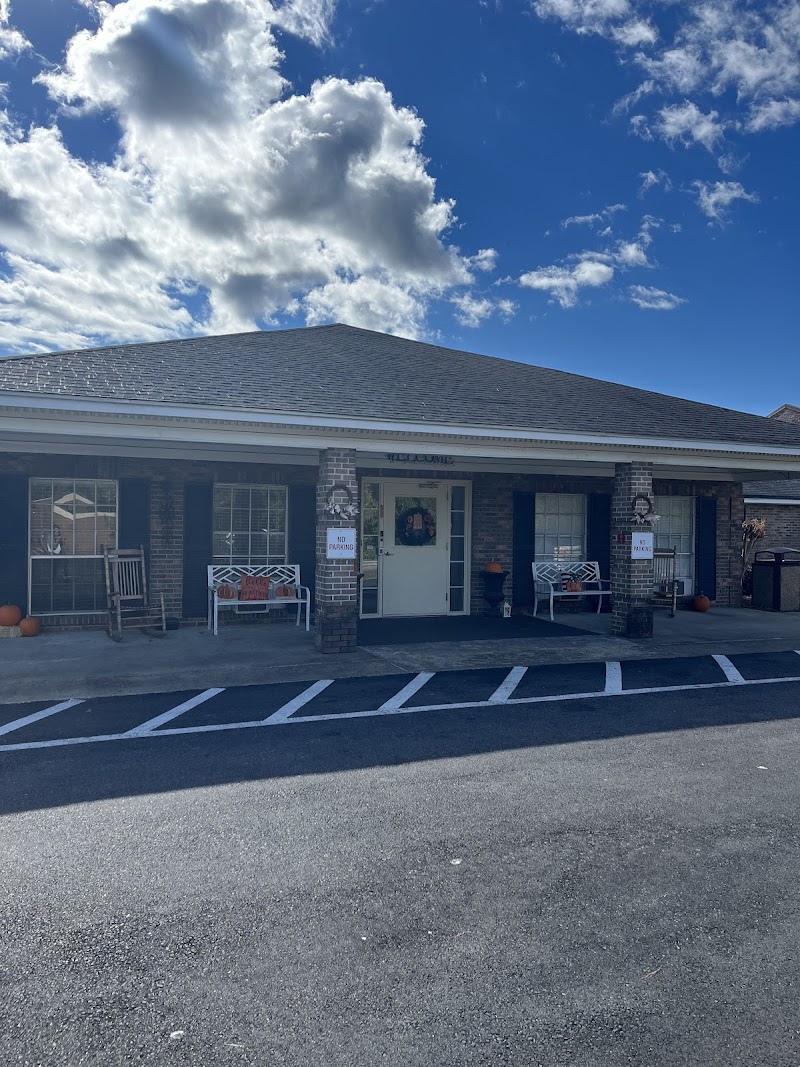
Who Owns and Operates Arabella Health And Wellness Of Montgomery?

ARABELLA HEALTH AND WELLNESS OF MONTGOMERY is owned by a for-profit company. For-profit facilities operate as businesses with obligations to shareholders or private owners. The facility is operated by ARABELLA HEALTHCARE MANAGEMENT, a chain that manages multiple nursing homes. With 121 certified beds and approximately 105 residents (about 87% occupancy), it is a mid-sized facility located in MONTGOMERY, Alabama.
How Does Arabella Health And Wellness Of Montgomery Compare to Other Alabama Nursing Homes?

Compared to the 100 nursing homes in Alabama, ARABELLA HEALTH AND WELLNESS OF MONTGOMERY's overall rating (1 stars) is below the state average of 2.9, staff turnover (66%) is significantly higher than the state average of 46%, and health inspection rating (1 stars) is much below the national benchmark.

What Should Families Ask When Visiting Arabella Health And Wellness Of Montgomery?

Based on this facility's data, families visiting should ask: "How do you ensure continuity of care given staff turnover, and what is your staff retention strategy?" "Can you walk me through typical staffing levels on day, evening, and night shifts?" "Can I visit during a mealtime to observe dining assistance and food quality?" "How do you handle medical emergencies, and what is your hospital transfer rate?" These questions are particularly relevant given the facility's high staff turnover rate and the below-average staffing rating.

Is Arabella Health And Wellness Of Montgomery Safe?

Based on CMS inspection data, ARABELLA HEALTH AND WELLNESS OF MONTGOMERY has a clean safety record: no substantiated abuse findings (meaning no confirmed cases of resident harm), no Immediate Jeopardy citations (the most serious violation level indicating risk of serious injury or death), and is not on the Special Focus Facility watch list (a federal program monitoring the lowest-performing 1% of nursing homes). The facility has a 1-star overall rating and ranks #100 of 100 nursing homes in Alabama. While no facility is perfect, families should still ask about staff-to-resident ratios and recent inspection results during their visit.

Do Nurses at Arabella Health And Wellness Of Montgomery Stick Around?

Staff turnover at ARABELLA HEALTH AND WELLNESS OF MONTGOMERY is high. At 66%, the facility is 20 percentage points above the Alabama average of 46%. Registered Nurse turnover is particularly concerning at 60%. RNs handle complex medical decisions and coordinate care — frequent RN changes can directly impact care quality. High turnover means new staff may not know residents' individual needs, medications, or preferences. It can also be disorienting for residents, especially those with dementia who rely on familiar faces. Families should ask: What is causing the turnover? What retention programs are in place? How do you ensure care continuity during staff transitions?

Was Arabella Health And Wellness Of Montgomery Ever Fined?

ARABELLA HEALTH AND WELLNESS OF MONTGOMERY has been fined $5,162 across 1 penalty action. This is below the Alabama average of $33,130. While any fine indicates a compliance issue, fines under $50,000 are relatively common and typically reflect isolated problems that were subsequently corrected. Families should ask what specific issues led to these fines and confirm they've been resolved.

Is Arabella Health And Wellness Of Montgomery on Any Federal Watch List?

ARABELLA HEALTH AND WELLNESS OF MONTGOMERY is not on any federal watch list. The most significant is the Special Focus Facility (SFF) program, which identifies the bottom 1% of nursing homes nationally based on persistent, serious quality problems. Not being on this list means the facility has avoided the pattern of deficiencies that triggers enhanced federal oversight. This is a positive indicator, though families should still review the facility's inspection history directly.