CAPITOL HILL HEALTHCARE CENTER
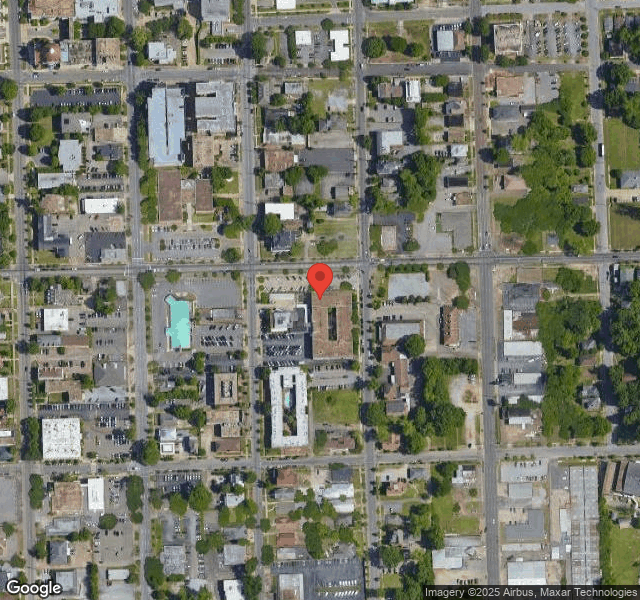

520 SOUTH HULL STREET, MONTGOMERY, AL 36104 (334) 834-2920
For profit - Corporation 284 Beds Independent Data: November 2025
Trust Grade
80/100
#39 of 223 in AL
Last Inspection: April 2021

Over 2 years since last inspection. Current conditions may differ from available data.

Overview

Capitol Hill Healthcare Center has a Trust Grade of B+, which means it is above average and recommended for families considering care options. It ranks #39 out of 223 facilities in Alabama, placing it in the top half, and it is the best option out of 8 in Montgomery County. The facility's performance has remained stable over recent years, with only one issue reported in both 2019 and 2021. Staffing is a notable strength, with a 4/5 star rating and a turnover rate of 39%, which is lower than the state average. However, the facility has less RN coverage than 91% of Alabama facilities, which is concerning because registered nurses play a vital role in identifying health issues. While there have been no fines reported, which is a positive sign, there are some cleanliness and procedural concerns. For instance, the facility failed to maintain a sanitary environment for residents reliant on tube feeding, with heavy splatters observed on equipment and surfaces. Additionally, there was an incident where a staff member did not disinfect a glucometer between uses for different residents, risking cross-contamination. These findings highlight the need for improvement in hygiene practices, even though the overall care quality is rated good.

Trust Score
B+
80/100
In Alabama
#39/223
Top 17%
Safety Record
Low Risk
No red flags
Inspections
Holding Steady
1 → 1 violations
Staff Stability
○ Average
39% turnover. Near Alabama's 48% average. Typical for the industry.
Penalties
✓ Good
No fines on record. Clean compliance history, better than most Alabama facilities.
Skilled Nurses
⚠ Watch
Each resident gets only 25 minutes of Registered Nurse (RN) attention daily — below average for Alabama. Fewer RN minutes means fewer trained eyes watching for problems.
Violations
✓ Good
Only 3 deficiencies on record. Cleaner than most facilities. Minor issues only.
★★★★☆
4.0
Overall Rating
★★★★☆
4.0
Staff Levels
★★★☆☆
3.0
Care Quality
★★★★☆
4.0
Inspection Score
Stable
2019: 1 issues
2021: 1 issues

The Good

  • 4-Star Staffing Rating · Above-average nurse staffing levels
  • Full Sprinkler Coverage · Fire safety systems throughout facility
  • No fines on record
  • Staff turnover below average (39%)

    9 points below Alabama average of 48%

Facility shows strength in staffing levels, fire safety.

The Bad

Staff Turnover: 39%

Near Alabama avg (46%)

Typical for the industry

The Ugly 3 deficiencies on record

Apr 2021 1 deficiency
CONCERN (E)

Potential for Harm - no one hurt, but risky conditions existed

Safe Environment (Tag F0584)

Could have caused harm · This affected multiple residents

Based on observations and staff interviews, it was determined the facility failed to maintain a clean and sanitary environment for five of five residents who received nutrition and hydration via enter...

Read full inspector narrative →
Based on observations and staff interviews, it was determined the facility failed to maintain a clean and sanitary environment for five of five residents who received nutrition and hydration via enteral tube feeding (Resident Identifier (RI) #50, RI #115, RI #125, RI #138, and RI #93). Specifically, the facility failed to ensure resident care equipment, walls, floors, window blinds, windows, bed rails and privacy curtains were free from heavy dried splatters of a tan colored substance; and failed to ensure floors were dusted and mopped under overbed tables that were positioned by the walls. The facility's failure had the potential to affect all 193 residents who resided at the facility. Findings include: 1. Observations of RI #50's room, who received nutrition and hydration via a feeding tube and was non-interviewable, on 03/29/21 at 10:30 AM, 03/30/21 at 8:13 AM, 03/31/21 at 8:30 AM, 04/01/21 at 8:00 AM revealed the tube feeding pump and stand, wall, floor, left upper bed rail, and privacy curtain were splattered with heavy amounts of a tan colored substance. Observations also revealed dirt and debris under the overbed table stationed against the wall at the foot of the bed. 2. Observations of RI #115's room, who received nutrition and hydration via a feeding tube and was non-interviewable, on 03/29/21 at 10:31 AM, 03/30/21 at 8:14 AM, 03/31/21 at 8:31 AM, 04/01/21 at 8:01 AM revealed the tube feeding pump and stand, wall, floor, right upper bed rail, window blinds and window, and privacy curtain were all splattered with heavy amounts of a dried tan colored substance. There was also dirt and debris under the two overbed tables stationed against the wall at the foot of the bed. The base of the suction machine and oxygen air flow compressor on the bedside nightstand were dirty and dusty and were also splattered with a dried tan colored substance. 3. Observations of RI #125's room, who received nutrition and hydration via a feeding tube and was non-interviewable, on 03/29/21 at 10:32 AM, 03/30/21 at 8:15 AM, 03/31/21 at 8:32 AM, 04/01/21 at 8:02 AM revealed the tube feeding pump and stand, wall, floor, and left upper bed rail, were splattered with heavy amounts of a tan colored substance. 4. Observations of RI #138's room, who received nutrition and hydration via a feeding tube and was non-interviewable, on 03/29/21 at 10:33 AM, 03/30/21 at 8:16 AM, 03/31/21 at 8:33 AM, 04/01/21 at 8:03 AM revealed the tube feeding pump and stand, privacy curtain, wall, floor, and left upper bed rail, were splattered with heavy amounts of a tan colored substance. 5. Observations of RI #93's room, who received nutrition and hydration via a feeding tube and was non-interviewable, on 03/29/21 at 10:34 AM, 03/30/21 at 8:17 AM, 03/31/21 at 8:34AM, 04/01/21 at 8:04 AM revealed the tube feeding pump and stand, privacy curtain, wall, floor, window blinds, and left upper bed rail, were splattered with heavy amounts of a tan colored substance. On 04/01/21 at 10:29 AM, an interview was conducted with Employee Identifier (EI) #10, a Housekeeper (HK), in the hall on the third floor. EI #10 was asked if she was assigned to the third floor daily. She responded that she was. She was asked to come into RI #115's room with the surveyor. EI #10 was shown the tube feeding pump and stand and was asked if she was responsible for cleaning them. She stated, No. She was shown and asked how often she cleaned the window blinds and bed rails and responded, Every day. She was asked how often and how she cleaned under the overbed tables against the wall. She stated she pulled them away from the wall and cleaned under them every day. On 04/01/21 at 10:59 AM, EI #9, the Housekeeping Manager (HKM), was asked to come to the third floor with the surveyor. We entered RI #115's room where EI #10 had just completed cleaning the window blinds; however, the window was still splattered with a tan colored substance. When asked if the housekeeping staff were responsible for cleaning the tube feeding pumps and stands, EI #9 stated the housekeeping staff were responsible. EI #9 was shown the bed rail with the tan colored substance dried on it and EI #9 stated, that must be from earlier today and scraped at it with her fingernail. EI #9 was shown the privacy curtain and EI #9 stated, Thursdays are when we put up clean privacy curtains. She was asked how often the housekeepers were to clean the tube feeding pumps, stands, walls, bedrails and floors and she stated, daily. EI #9 was also shown the dirt and debris under the overbed tables and asked if the housekeepers were to pull those away from the walls and clean under them and how often. EI #9 stated they should pull them out and clean under them daily. A policy was requested from EI #9 for cleaning resident care equipment and resident rooms at the time of the interview; however, it was not received prior to exit from the facility.
Feb 2019 1 deficiency
CONCERN (D)

Potential for Harm - no one hurt, but risky conditions existed

Assessment Accuracy (Tag F0641)

Could have caused harm · This affected 1 resident

**NOTE- TERMS IN BRACKETS HAVE BEEN EDITED TO PROTECT CONFIDENTIALITY** 4) RI #69 was admitted to the facility on [DATE], and readmitted on [DATE], with the diagnosis of Peripheral Vascular Disease. R...

Read full inspector narrative →
**NOTE- TERMS IN BRACKETS HAVE BEEN EDITED TO PROTECT CONFIDENTIALITY** 4) RI #69 was admitted to the facility on [DATE], and readmitted on [DATE], with the diagnosis of Peripheral Vascular Disease. RI #69's February 2019 Physician Orders revealed the following: . Clopidogrel Bisulfate (Plavix) 75 mg (milligrams) Tablet . by mouth daily . RI #69's Quarterly MDS assessment with an ARD of 12/19/18, revealed RI #69 received an anticoagulant medication during this assessment period. On 02/21/19 at 4:05 p.m., the surveyor conducted an interview with EI #1. The surveyor asked EI #1 what anticoagulant RI #69 received when the 12/19/18, MDS was completed. EI #1 said RI #69 was receiving Plavix which is an anti-platelet. The surveyor asked EI #1 did RI #69 receive an anticoagulant as well. EI #1 said no. EI #1 said the information on the MDS asked for the type anticoagulant not antiplatelet. EI #1 said she got the anticoagulant and antiplatelet mixed up. The surveyor asked EI #1 what was the facility's policy regarding accuracy of the MDS assessments. EI #1 said it was to make sure they were accurate. Based on interview, record review and review of a facility policy titled, NURSING MDS (Minimum Data Set) Resident Assessment Instrument, the facility failed to ensure Pressure Ulcers (PU) were accurately identified on RI (Resident Identifier) #30's Quarterly MDS assessment dated [DATE], on RI #58's Quarterly MDS assessment dated [DATE], and on RI #187's Quarterly MDS assessment dated [DATE]. The facility also failed to ensure RI #69's Quarterly MDS assessment date 12/19/18, did not code Plavix as an anticoagulant medication. These deficient practices affected RI #30, RI #58, RI #69 and RI #187, four of 39 sampled residents whose MDS assessments were reviewed. Findings Include: Review of a facility policy titled, NURSING MDS Resident Assessment Instrument, with a revision date of 10/14, revealed the following: . Policy Explanation and Compliance Guidelines: The facility must conduct initially and periodically a . accurate . assessment of each resident's functional capacity. MDS Completion Process: 1. The MDS Coordinator will facilitate the MDS Team in completing . accurate assessments . 1) RI #30 was admitted to the facility on [DATE], and readmitted on [DATE]. RI #30's February 2019 Physician Orders revealed the following: . 10/11/2018 . CLEAN RIGHT TROCHANTER/RIGHT UPPER OUTER THIGH WOUND . On 02/19/19 at 5:19 p.m., during the initial tour, the surveyor observed a wound vacuum to RI #30's right hip area. A review of RI #30's Quarterly MDS assessment with an Assessment Reference (ARD) of 12/04/18, did not code RI #30 as having a PU during this assessment period. On 02/21/19 at 5:12 p.m., the surveyor conducted an interview with Employee Identifier (EI) #1, the RN (Registered Nurse) MDS Director. The surveyor asked EI #1 did RI #30 have any PUs. EI #1 said yes. The surveyor asked EI #1, on RI #30's Quarterly MDS assessment, dated 12/04/18, should RI #30 be coded as having a PU. EI #1 said yes. When asked if this was an accurate assessment, EI #1 said no, this was a coding error. 2) RI #58 was admitted to the facility on [DATE], and readmitted on [DATE]. RI #58's February 2019 Physician Orders revealed the following: . Stress (Pressure) . Clean left heel and left bunion areas with wound cleanser . A review of RI #58's Quarterly MDS assessment with an ARD of 12/13/18, did not code RI #58 as having a PU during this assessment period. On 02/21/19 at 5:12 p.m., the surveyor conducted an interview with EI #1. The surveyor asked EI #1 did RI #58 have any PUs. EI #1 said yes. The surveyor asked EI #1, on RI #58's Quarterly MDS assessment dated [DATE], should RI #58 be coded as having a PU. EI #1 said yes. When asked if this was an accurate assessment, EI #1 said no, this was a coding error. 3) RI #187 was admitted to the facility on [DATE], and readmitted on [DATE]. RI #187's February 2019 Physician Orders revealed the following: . Decubitus Ulcer . Clean left Ischial Tuberosity with wound cleanser . A review of RI #187's Quarterly MDS assessment with an ARD of 01/30/19, did not code RI #187 as having a PU during this assessment period. On 02/21/19 at 5:12 p.m., the surveyor conducted an interview with EI #1. The surveyor asked EI #1 did RI #187 have any PUs. EI #1 said yes. The surveyor asked EI #1, on RI #187's Quarterly MDS assessment dated [DATE], should RI #187 be coded as having a PU. EI #1 said yes. When asked if this was an accurate assessment, EI #1 said no, this was a coding error.
Mar 2018 1 deficiency
CONCERN (D)

Potential for Harm - no one hurt, but risky conditions existed

Infection Control (Tag F0880)

Could have caused harm · This affected 1 resident

Based on observation, interview, review of a facility skills check off sheet for EI (Employee Identifier) #6 LPN (Licensed Practical Nurse), titled BLOOD GLUCOSE MONITORING, review of a facility polic...

Read full inspector narrative →
Based on observation, interview, review of a facility skills check off sheet for EI (Employee Identifier) #6 LPN (Licensed Practical Nurse), titled BLOOD GLUCOSE MONITORING, review of a facility policy titled Hand Washing, review of a facility policy titled Gloves, and review of a facility policy titled Med (Medication) Pass Tips, the facility failed to ensure EI #6 performed a subcutaneous injection for Resident Identifiers (RI) #72 and #74 and a blood glucose test for RI #72 and #74, in a manner to prevent cross-contamination. EI #6 used the same glucometer to test blood glucose for RI #72 and RI #74 without disinfecting the glucometer before or after use on each resident, and before storage of the glucometer inside the medication cart. After testing blood on RI #72 and RI #74, EI #6 carried the contaminated glucometer and bottle of blood testing strips together in one hand to the medication cart. EI #6 administered a subcutaneous injection to RI #72 without wearing gloves. EI #6 administered an injection to RI #74, removed her gloves, and without washing her hands sat down to talk to RI #74's roommate touching the residents hands and bed. This affected RI #74 one of five residents observed for blood glucose testing, RI #72 and RI #74 two of two residents observed for insulin injections, and one of four nurses observed for glucose testing. Findings Include: A facility skills check off sheet for EI #6 titled BLOOD GLUCOSE MONITORING, dated 12/19/2017 documented the following: . Gathers all equipment needed . Disinfects glucometer after use . Review of a facility Infection Control policy titled Hand Washing with a revision date of 11/28/2016 revealed the following: . Policy: Staff involved in direct resident contact will perform proper hand hygiene procedures to prevent the spread of infection to other . residents. Review of a facility Infection Control policy titled Gloves with an effective date of 7/10/2003 revealed the following: . Procedure: . 4. Remove gloves promptly after use, before touching noncontaminated items and environmental surfaces, and before going to another resident, and wash hands immediately . Review of a facility Nursing policy titled Med Pass Tips with a revision date of 7/5/2007 revealed the following: . Procedure: . Injection Medication Administration . 5. Apply gloves 6. Identify injection site 7. injection . 8. Wash hands . On 3/28/2018 at 5:12 PM, EI #6 LPN, after checking RI #72's blood sugar, placed the used glucometer onto the medication cart surface and without cleaning it, placed it back into the medication cart drawer for storage. Then, EI #6 washed her hands and without wearing gloves, administered an insulin injection to RI #72, washed her hands and continued medication administration for another resident, while the used glucometer remained inside the medication cart. On 3/28/2018 at 5:40 PM, EI #6 continued with medication administration and for RI #74, carried a bottle of blood testing strips into RI #74's room and used the contaminated glucometer to attempt to check RI #74's blood sugar. There was not enough blood for the test to work and EI #6 removed her gloves. EI #6, without wearing gloves, checked RI #74's middle finger and asked if RI #74 was still bleeding. Without washing her hands, EI #6 returned to the medication cart with the glucometer and the bottle of testing strips to get a new lancet from the cart. EI #6 regloved and tested RI #74's blood sugar, placed the used glucometer on RI #74's overbed table, washed her hands, and carried the bottle of testing strips and the contaminated glucometer together in her bare hand to the medication cart. EI #6 placed the glucometer and test strips together on the medication cart and without cleaning the glucometer placed it back into the drawer of the cart along with the bottle of test strips. EI #6 without washing her hands began to prepare medication from the cart to administer to EI #74. After administering medication to RI #74 (an insulin injection and pills by mouth), EI #6 removed her gloves and without washing her hands touched RI #74's roommate and bed. On 3/28/2018 at 6:21 PM, EI #6 continued on with her medication administration with the used glucometer inside the medication cart. EI #6 was asked when she routinely cleaned the glucometer. EI #6 said, she usually cleaned it after two uses or if blood got on the glucometer. EI #6 stated, she would clean the glucometer before doing another blood test. When asked if that was the facility policy, EI #6 said, she thought the policy was to clean the glucometer after three to five uses. On 3/29/2018 at 3:15 PM, EI #7 RN (Registered Nurse) was asked when glucometers were to be cleaned. EI #7 said, after each use. When asked how he knew glucometers should be cleaned after each use, EI #7 replied, it was the facility policy as long as he could remember to clean after every finger stick. On 3/29/2018 at 4:09 PM, EI #6 LPN, was again interviewed. EI #6 was asked what should be done to prevent cross contamination during injections. EI #6 said, handwashing and glove use. EI #6 said, it was important to wear gloves during injections to prevent cross contamination. EI #6 was asked what should be done to prevent infection during blood testing. EI #6 said, washing hands and wearing gloves. EI #6 was asked why she touched a resident's hand after a finger stick without wearing gloves. EI #6 did not remember. EI #6, when asked why she got another lancet from the medication cart without handwashing after touching RI #74, replied, she was nervous. EI #6 was asked why it was important to wash hands (before and after) and wear gloves for fingersticks and injections. EI #6 replied, to prevent contamination. When asked if it was facility procedure to take the test strip bottle into a resident's room, EI #6 said, no ma'am, just take one. EI #6 said, she should not take the whole bottle in a resident's room due to the risk of contamination. On 3/29/2018 at 4:57 PM, EI #8 Infection Control Nurse, was asked what the policy was for infection control during blood glucose testing. EI #8 said, to follow the policy for sanitizing the glucometer in between patients. When asked what the potential harm was in not cleaning between residents, EI #8 replied, the next resident was put at risk for infection. EI #8 was asked what the policy was for infection control during blood glucose testing and injections. EI #8 said, to wash hands, wear gloves, gather equipment, sanitize the glucometer, wash hands before leaving the room, and use a barrier for supplies. EI #8 was asked why a nurse would administer an injection bare handed. EI #8 said, she did not know why. EI #8 said the potential harm for the resident if a nurse gave a bare handed injection was that the nurses hands might be contaminated. EI #8 said, the nurse should shake out one test strip and use the tray or barrier. When asked why the bottle should not be taken into a room, EI #8 said, cross contamination was the risk.
Understanding Severity Codes (click to expand)
Life-Threatening (Immediate Jeopardy)
J - Isolated K - Pattern L - Widespread
Actual Harm
G - Isolated H - Pattern I - Widespread
Potential for Harm
D - Isolated E - Pattern F - Widespread
No Harm (Minor)
A - Isolated B - Pattern C - Widespread

Questions to Ask on Your Visit

  • "Can I speak with families of current residents?"
  • "What's your RN coverage like on weekends and overnight?"

Our Honest Assessment

Strengths
  • • Grade B+ (80/100). Above average facility, better than most options in Alabama.
  • • No major safety red flags. No abuse findings, life-threatening violations, or SFF status.
  • • No fines on record. Clean compliance history, better than most Alabama facilities.
  • • Only 3 deficiencies on record. Cleaner than most facilities. Minor issues only.
Concerns
  • • No significant concerns identified. This facility shows no red flags across CMS ratings, staff turnover, or federal penalties.
Bottom line: Generally positive indicators. Standard due diligence and a personal visit recommended.

About This Facility

What is Capitol Hill Healthcare Center's CMS Rating?

CMS assigns CAPITOL HILL HEALTHCARE CENTER an overall rating of 4 out of 5 stars, which is considered above average nationally. Within Alabama, this rating places the facility higher than 99% of the state's 100 nursing homes. This rating reflects solid performance across the metrics CMS uses to evaluate nursing home quality.

How is Capitol Hill Healthcare Center Staffed?

CMS rates CAPITOL HILL HEALTHCARE CENTER's staffing level at 4 out of 5 stars, which is above average compared to other nursing homes. Staff turnover is 39%, compared to the Alabama average of 46%. This relatively stable workforce can support continuity of care.

What Have Inspectors Found at Capitol Hill Healthcare Center?

State health inspectors documented 3 deficiencies at CAPITOL HILL HEALTHCARE CENTER during 2018 to 2021. These included: 3 with potential for harm.

Who Owns and Operates Capitol Hill Healthcare Center?

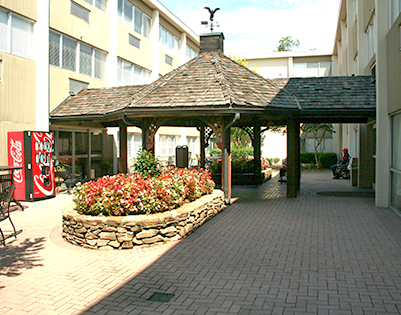
CAPITOL HILL HEALTHCARE CENTER is owned by a for-profit company. For-profit facilities operate as businesses with obligations to shareholders or private owners. The facility operates independently rather than as part of a larger chain. With 284 certified beds and approximately 224 residents (about 79% occupancy), it is a large facility located in MONTGOMERY, Alabama.
How Does Capitol Hill Healthcare Center Compare to Other Alabama Nursing Homes?

Compared to the 100 nursing homes in Alabama, CAPITOL HILL HEALTHCARE CENTER's overall rating (4 stars) is above the state average of 3.0, staff turnover (39%) is near the state average of 46%, and health inspection rating (4 stars) is above the national benchmark.

What Should Families Ask When Visiting Capitol Hill Healthcare Center?

Based on this facility's data, families visiting should ask: "Can I visit during a mealtime to observe dining assistance and food quality?" "How do you handle medical emergencies, and what is your hospital transfer rate?" "Can I speak with family members of current residents about their experience?"

Is Capitol Hill Healthcare Center Safe?

Based on CMS inspection data, CAPITOL HILL HEALTHCARE CENTER has a clean safety record: no substantiated abuse findings (meaning no confirmed cases of resident harm), no Immediate Jeopardy citations (the most serious violation level indicating risk of serious injury or death), and is not on the Special Focus Facility watch list (a federal program monitoring the lowest-performing 1% of nursing homes). The facility has a 4-star overall rating and ranks #1 of 100 nursing homes in Alabama. While no facility is perfect, families should still ask about staff-to-resident ratios and recent inspection results during their visit.

Do Nurses at Capitol Hill Healthcare Center Stick Around?

CAPITOL HILL HEALTHCARE CENTER has a staff turnover rate of 39%, which is about average for Alabama nursing homes (state average: 46%). Moderate turnover is common in nursing homes, but families should still ask about staff tenure and how the facility maintains care continuity when employees leave.

Was Capitol Hill Healthcare Center Ever Fined?

CAPITOL HILL HEALTHCARE CENTER has no federal fines on record. CMS issues fines when nursing homes fail to meet care standards or don't correct problems found during inspections. The absence of fines suggests the facility has either maintained compliance or corrected any issues before penalties were assessed. This is a positive indicator, though families should still review recent inspection reports for the full picture.

Is Capitol Hill Healthcare Center on Any Federal Watch List?

CAPITOL HILL HEALTHCARE CENTER is not on any federal watch list. The most significant is the Special Focus Facility (SFF) program, which identifies the bottom 1% of nursing homes nationally based on persistent, serious quality problems. Not being on this list means the facility has avoided the pattern of deficiencies that triggers enhanced federal oversight. This is a positive indicator, though families should still review the facility's inspection history directly.