CROWNE HEALTH CARE OF MONTGOMERY
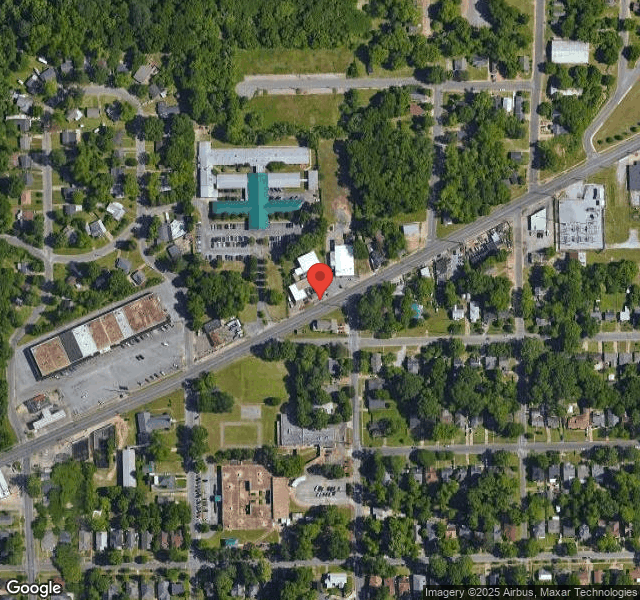

1837 UPPER WETUMPKA ROAD, MONTGOMERY, AL 36107 (334) 264-8416
For profit - Corporation 185 Beds CROWNE HEALTH CARE Data: November 2025 1 Immediate Jeopardy citation
Trust Grade
58/100
#96 of 223 in AL
Last Inspection: April 2023

Over 2 years since last inspection. Current conditions may differ from available data.

Overview

Crowne Health Care of Montgomery has a Trust Grade of C, which means it is average compared to other facilities. It ranks #96 out of 223 in Alabama, placing it in the top half of nursing homes in the state, and #2 out of 8 in Montgomery County, indicating only one local option is better. The facility is improving, having reduced the number of issues from 4 in 2021 to none in 2023. Staffing is rated 4 out of 5 stars, but there is a 51% turnover rate, which is average for Alabama. While the facility has not incurred any fines, which is a positive sign, there have been some concerning incidents, such as failing to properly investigate an allegation of abuse and not ensuring proper handling of food and oxygen supplies, which could potentially affect resident safety. Overall, while there are strengths to consider, families should be aware of these weaknesses as well.

Trust Score
C
58/100
In Alabama
#96/223
Top 43%
Safety Record
High Risk
Review needed
Inspections
Getting Better
4 → 0 violations
Staff Stability
⚠ Watch
51% turnover. Above average. Higher turnover means staff may not know residents' routines.
Penalties
✓ Good
No fines on record. Clean compliance history, better than most Alabama facilities.
Skilled Nurses
○ Average
Each resident gets 32 minutes of Registered Nurse (RN) attention daily — about average for Alabama. RNs are the most trained staff who monitor for health changes.
Violations
✓ Good
Only 5 deficiencies on record. Cleaner than most facilities. Minor issues only.
★★★☆☆
3.0
Overall Rating
★★★★☆
4.0
Staff Levels
★☆☆☆☆
1.0
Care Quality
★★★★☆
4.0
Inspection Score
Stable
2021: 4 issues
2023: 0 issues

The Good

  • 4-Star Staffing Rating · Above-average nurse staffing levels
  • Full Sprinkler Coverage · Fire safety systems throughout facility
  • No fines on record

Facility shows strength in staffing levels, fire safety.

The Bad

3-Star Overall Rating

Near Alabama average (2.9)

Meets federal standards, typical of most facilities

Staff Turnover: 51%

Near Alabama avg (46%)

Higher turnover may affect care consistency

Chain: CROWNE HEALTH CARE

Part of a multi-facility chain

Ask about local staffing decisions and management

The Ugly 5 deficiencies on record

1 life-threatening
Apr 2021 4 deficiencies 1 IJ
CRITICAL (J)

Immediate Jeopardy (IJ) - the most serious Medicare violation

Abuse Prevention Policies (Tag F0607)

Someone could have died · This affected 1 resident

Based on interviews, review of the facility's Abuse Policy, the facility's investigation file, and other facility documents, the facility failed to ensure Resident Identifier (RI) #28 and other reside...

Read full inspector narrative →
Based on interviews, review of the facility's Abuse Policy, the facility's investigation file, and other facility documents, the facility failed to ensure Resident Identifier (RI) #28 and other residents were protected from potential abuse after RI #28 reported to two Certified Nursing Assistant (CNAs) that EI #4, a CNA had hit him/her. The two CNAs reported the allegation of physical abuse to the Licensed Practical Nurse (LPN) who was on duty at the time of the incident. The LPN reported the allegation of physical abuse to the Registered Nurse (RN) Supervisor. The RN Supervisor, who was responsible for initiating an investigation and reporting the allegation of physical abuse to the Abuse Coordinator and the Alabama Survey Agency, failed to assess RI #28's for injuries, initiate an investigation, remove EI #4 from resident care and report the allegation of physical abuse to the facility's Abuse Coordinator and the Alabama Department of Public Health. The facility's Abuse Coordinator was made aware of the allegation of physcial abuse until 3/6/2021. EI #4, a CNA was allowed to remain in the facility and work an additional four days, until 3/6/2021, after it was reported that she had hit a resident, RI #28. This deficient placed RI #28, one of three sampled residents reviewed for abuse, in immediate jeopardy as it was likely to cause serious injury, harm, impairment or death. On 4/16/2021 at 3:50 PM, the Administrator, Assistant Administrator and Director of Nursing (DON) notified of the finding of immediate jeopardy in the area of Freedom from Abuse, Neglect and Exploitation, F607. Findings include: Contained within the facility's investigation file was a typed documented dated 3/12/2021, which documented . Re: (RI #28/EI #4 Allegation of Physical Abuse . On February 28, 2021, (EI #4), CNA, came out of (RI #28's) room and told staff members including (EI #5), LPN, (EI #7), CNA, and (EI #8), CNA, that (RI #28) hit her . After (EI #4) left the hall, (EI #7) and (EI #8) asked (RI #28) if (he/she) hit (EI #4) and (he/she) stated, Yes but only because she hit me first. (EI #7) and (EI #8) stated that (RI #28) didn't say where (EI #4) hit (him/her). (EI #5) stated she notified (EI #6), RN, about the incident but (EI #6) stated she did not make Abuse Coordinator or SS (Social Services) aware. The incident was not reported to SS until Saturday, March 6, 2021. SS and RN supervisor immediately dismissed (EI #4) from her duties and sent her home. SS went to (RI #28) to ask (him/her) what happened. (RI #28) stated (he/she) did not know what SS was talking about . (RI #28) stated that (he/she) did not remember that. SS asked (RI #28's) roommate about the incident. Resident stated (he/she) didn't remember an incident like that occurring either . Following our investigation, we are unable to substantiate the allegation of physical abuse . Protection The facility's Abuse Policy, dated November 2016 documented, . Anytime that the nursing home receive an allegation of abuse . take all necessary steps to prevent further potential abuse . the employee(s) involved will be suspended until completion of the investigation . If the investigation substantiates abuse the employee will be terminated. While the investigation is being conducted, accused individual not employed by the facility will be denied unsupervised access to the resident . A review of EI #4's Employee Timesheet, indicated EI #4 worked in the facility on 3/1/2021, 3/2/2021, 3/5/2021 and 3/6/2021. In an interview on 4/14/2021 at 11:59 AM, EI #2, the Director of Nursing (DON) was asked why EI #4, a CNA, was not removed from the schedule due to allegation of physical abuse. EI #2 replied, management did not become aware of allegation until 3/6/2021. Once management became aware, EI #4 was suspended immediately. In an interview on 4/14/2021 at 12:17 PM, EI #1, the Administrator was asked why EI #4 was not removed from schedule on 2/28/2021 when there was an allegation of abuse against her. EI #1 replied, because it was not reported to management until 3/6/2021. When asked if the facility's policy was followed, EI #1 answered, no. Investigation The facility's Abuse Policy dated November 2016 documented, Anytime that the nursing home receive an allegation of abuse initiate an immediate investigation and take the necessary steps to prevent further potential abuse . An investigation of the incident must be initiated immediately by the administrator or his/her designee . Perform a physical assessment of the resident . On 4/14/2021 at 10:49 AM, a telephone interview was conducted with EI #6, the Registered Nurse (RN) Supervisor on duty when RI #28 reported to the staff an allegation of physical abuse. When asked if she initiated an investigation into the allegation of physical abuse, EI #6 said no. In an interview on 4/14/2021 at 11:59 AM, EI #2, the DON was asked where was the documentation of RI #28's assessment after the resident informed the staff that he/she had been hit by a CNA. EI #2 replied a body audit was not performed until 3/6/2021. When asked should the resident have been assessed for injury after the allegation of physical abuse, EI #2 stated, yes on 2/28/2021. During an interview on 4/15/2021 at 2:54 PM, EI #1, the Administrator was asked what should have happened on 2/28/2021 when RI #28 informed the staff that he/she had been hit by EI #4, a CNA. EI #1 stated the CNA should have been suspended, an investigation should have been initiated, and a body audit of RI #28 should have been completed. EI #1 stated the facility should have taken the same actions they did on 3/6/2021 when management became aware. Reporting The facility's Abuse Policy dated November 2016 documented Anytime that the nursing home receive an allegation of abuse . the facility must report the alleged violation to various officials, which may include law enforcement and Alabama Department of Public Health . reported immediately, but not later than 2 hours after the allegation is made, if the event that cause the allegation involves abuse or result in serious bodily injury, or not later than 24 hour if the events cause the allegation do not involve abuse . On 4/14/2021 at 10:49 AM, a telephone interview was conducted with EI #6, the Registered Nurse (RN) Supervisor on duty when RI #28 reported to the staff an allegation of physical abuse. When asked if she reported the allegation of physical abuse, EI #6 said she forgot. In an interview on 4/14/2021 at 11:08 AM, EI #3, the facility's Social Worker was asked when she became aware of the allegation of physical abuse regarding RI #28 perpetrated by EI #4. EI #3 replied, she became aware of the allegation on 3/6/2021 around 11:00 AM. During an interview on 4/15/2021 at 7:01 PM, EI #1, the Administrator acknowledged the incident between RI #28 and EI #4 was an allegation of physical abuse that should have been reported within two hours. When asked if the facility's policy was followed, EI #1 said no. According to the ADPH's Online Incident Reporting System, the allegation of physical abuse between RI #28 and EI #4 was initially reported to the State Survey Agency on 3/8/2021 at 3:03 PM. ************************* Once the allegation of physical abuse was reported to the facility's Administrator, the following corrective actions were implemented * On 3/6/2021, RI #28 was assessed for injuries; none noted * On 3/6/2021, EI #4 was placed on suspension. EI #4's employment with the facility was terminated on 3/12/2021 * On 3/6/2021, RI #28's physician and sponsor were notified of the allegation of physical abuse * On 3/6/2021, the facility initiated an investigation into the allegation of physical abuse; the facility was unable to substantiate the allegation of physical abuse * On 3/8/2021, the facility reported the allegation of physical abuse to the State Survey Agency * On 3/9/2021, EI #6, RN Supervisor, received a warning for not immediately reporting the allegation of physical abuse * On 3/12/2021, EI #5, the Licensed Practical Nurse (LPN) was educated on the facility's abuse policy and procedures * On 3/31/2021, a resident council meeting was held; the facility's abuse policy and procedures were reviewed with all in attendance ************************* After review of the facility's investigation file, in-service/education records, the facility's Quality Assurance plan, staff and resident interviews, the facility implemented corrective actions from 3/6/2021 to 3/31/2021, thus immediate jeopardy past non-compliance was cited.
CONCERN (D)

Potential for Harm - no one hurt, but risky conditions existed

Respiratory Care (Tag F0695)

Could have caused harm · This affected 1 resident

**NOTE- TERMS IN BRACKETS HAVE BEEN EDITED TO PROTECT CONFIDENTIALITY** Based on observations, interviews, record review, and review of a facility policy titled Policy and Procedure for Oxygen Adminis...

Read full inspector narrative →
**NOTE- TERMS IN BRACKETS HAVE BEEN EDITED TO PROTECT CONFIDENTIALITY** Based on observations, interviews, record review, and review of a facility policy titled Policy and Procedure for Oxygen Administration the facility failed to ensure the oxygen tubing for Resident Identifier (RI) #4 was changed weekly. This affected one of one resident sampled for respiratory care. Findings Include: A review of a facility policy titled Policy and Procedure for Oxygen Administration with a date of 07/2016 revealed, .Procedure: . Change the . cannula/mask tubing at least weekly, date and initial the bottle on 3-11 PM and as needed (PRN) whenever it is changed. Resident Identifier (RI) #4 was admitted to the facility on [DATE] and readmitted on [DATE] with diagnoses that included Adult Failure to Thrive and Cardiomegaly. A review of RI #4's Physician Orders for the month of April 2021 revealed, . Oxygen (O2) at two liters (2L) per nasal cannula (NC) as needed for shortness of breath (SOB) . On 04/12/21 at 5:21 PM, the surveyor observed the resident's oxygen in use at 2 liter. The tubing was dated 03/31/21. On 04/13/21 at 11:16 AM, an observation was made of RI #4's oxygen in use. The date on the tubing remained 03/31/21. On 04/13/21 at 2:55 PM, another observation was made of RI #4's oxygen in use with the tubing dated 03/31/2021. On 04/15/21 at 8:30 AM, an interview with Employee Identifier (EI) #15, a Registered Nurse (RN) Supervisor was conducted. EI #15 was asked, what date did she observe on RI #4's oxygen tubing the day before (04/14/21). EI #15 replied, March 31, 2021. EI #15 was asked, according to the facility's policy how often should the oxygen tubing be changed. EI #15 stated, weekly. EI #15 was asked, what should have been done regarding RI #4's oxygen tubing. EI # 15 said, the tubing should have been changed on the 6th. EI #15 was asked, why was it important to change the tubing on the oxygen concentrator. EI # 15 replied, to prevent infection. On 04/15/21 at 9:23 AM, an interview with EI #14 a Licensed Practical Nurse (LPN) Charge Nurse was conducted. EI #14 was asked, what date did she observe on RI #4's oxygen tubing. EI #14 said, March 31, 2021. EI #14 was asked when should RI #4's oxygen tubing be changed. EI #14 stated, every Wednesday on 3-11 PM shift by the Charge Nurse. EI #14 was asked, when should RI #4's oxygen tubing have been changed. EI #14 replied, April 7, 2021. EI #14 was asked, why was it important to change out the oxygen tubing timely. EI #14 stated, it could become infected with germs.
CONCERN (D)

Potential for Harm - no one hurt, but risky conditions existed

Infection Control (Tag F0880)

Could have caused harm · This affected 1 resident

**NOTE- TERMS IN BRACKETS HAVE BEEN EDITED TO PROTECT CONFIDENTIALITY** Based on observation, interviews, and review of facility policy titled Incontinent Care and Catheter Care Using Disposable Wipes...

Read full inspector narrative →
**NOTE- TERMS IN BRACKETS HAVE BEEN EDITED TO PROTECT CONFIDENTIALITY** Based on observation, interviews, and review of facility policy titled Incontinent Care and Catheter Care Using Disposable Wipes the facility failed to ensure Employee Identifier (EI) #16 , Certified Nursing Assistant (CNA) changed gloves after removing the soiled brief and before applying a clean brief while providing incontinent care to Resident Identifier (RI) # 58. This affected RI #58, one of one sampled residents reviewed for bladder and bowel incontinence. Findings include: A facility document titled Incontinent Care and Catheter Care Using Disposable Wipes with a revised date of 12/2012 revealed . PROCEDURE: .2. Apply gloves . 4. Female- clean entire perineal area . 9. Remove and dispose of gloves, wash hands. Apply new gloves. 10. Apply new dry incontinence pad . 12. Remove gloves and wash hands . RI #58 was admitted to the facility on [DATE]. On 4/13/21 at 9:17 AM, an observation was made of EI #16, CNA providing incontinent care to RI #58. EI #16 did not change gloves after removing the soiled brief and before applying the clean brief. EI #16 touched the resident's bed covers, call light, and curtain while wearing the same soiled gloves. On 4/14/21 at 12:09 PM an interview was conducted with EI #16. EI #16 was asked, while providing incontinent care for a resident with a brief wet or soiled with urine, when did the staff providing care change gloves. EI #16 replied, after finishing the procedure and if staff have touched anything outside of the resident's brief, then staff changed gloves. EI #16 was asked, should she change gloves after removing a wet or soiled brief and before applying the clean brief. EI #16 replied, yes. EI #16 was asked, on 4/13/21 while providing incontinent care to RI #58, when did she change gloves. EI #16 replied, she did not change gloves during the procedure. EI #16 was asked, why was it important to change gloves after removing a wet or soiled brief and before applying the clean brief. EI # 16 replied, infection control, to stop the spread of infection and germs. EI #16 was asked, who was responsible to ensure incontinent care was provided according to policy and infection control standards. EI #16 replied, herself and supervisor, which was EI #17, Registered Nurse (RN), Assistant Director of Nursing (ADON). EI #16 was asked, what was the potential harm to a resident when a staff member removed a soiled brief and provided perineal care and with same gloves applied clean brief and touched the call light. EI #16 replied, re-spread germs from dirty brief to clean brief. On 4/14/21 at 12:28 PM an interview was conducted with EI #17, ADON/ RN Supervisor for the Hall. EI #17 was asked, when providing incontinent care, when should staff change gloves. EI #17 replied, when the gloves get soiled or moving from dirty to clean. EI #17 was asked, when should a staff member providing incontinent care not change gloves after removing a brief wet with urine and before applying the clean brief. EI #17 replied, never. EI #17 was asked, what was the potential harm to a resident when a staff member removed a soiled brief and provided perineal care and then with the same gloves applied a clean brief and touched the call light. EI #17 replied, contamination, she touched clean areas with dirty gloves. EI #17 was asked, why was it important to change gloves after removing a wet or soiled brief and before applying the clean brief. EI #17 replied, they did not want to contaminate or do anything that might cause infection.
CONCERN (F)

Potential for Harm - no one hurt, but risky conditions existed

Food Safety (Tag F0812)

Could have caused harm · This affected most or all residents

Based on observation, interview and review of facility policies titled Labeling & Dating, Use and Storage of Food Brought in by Family and Visitors, Policy-Expired Foods in Refrigerator, and a facilit...

Read full inspector narrative →
Based on observation, interview and review of facility policies titled Labeling & Dating, Use and Storage of Food Brought in by Family and Visitors, Policy-Expired Foods in Refrigerator, and a facility document titled Labeling & Dating Rules, the facility failed to ensure: 1. that Bacon and Sausage Links in the walk-in cooler were dated with open date and in a sealed package; 2. broken eggs were not placed on top of unbroken eggs and 3. the air conditioning exhaust vent above clean trays and cups used for resident meals was not covered with a thick layer of dust. The facility further failed to ensure all food items in the unit refrigerators contained a name and date and that refrigerators were clean. These deficient practices had the potential to affect all 115 residents that received meals from the facility kitchen. Findings Include: A review of a facility document titled Labeling & Dating revealed, .2. Refrigerated storage- a. All items must have a received date and to be used or discarded by the appropriate expiration date of the product. d. Every item which has been opened must have an opened date and use by date. Find the appropriate use by date from the Label & Dating Rules chart. A review of a facility document titled Labeling & Dating Rules revealed All Items Must be Sealed, Dated Labeled . Every item which has been opened must have an opened date. Every item which has been removed from the freezer to thaw, must have a thaw date. A review of a facility policy titled Use and Storage of Food Brought in by Family and Visitors with a date of 6/18 revealed Policy Explanation and Compliance Guidelines: . 2. All food items that are . brought in must be labeled with content and dated. a. The facility may refrigerate labeled and dated prepared items in the nourishment refrigerator.d. If not consumed within 3 days, food will be thrown away by facility staff. A review of a facility document titled Policy-Expired Foods in Refrigerator with a date of 1-5-17 revealed Housekeeping will check for expired items in refrigerator. Fridays are the assigned day for inspection . No name items will be discarded when checked. No date items discarded when checked. Refrigerator will be wiped out at this time. On 04/12/21 at 5:12 PM, during the initial kitchen tour an observation was made of a ceiling vent covered with a solid layer of dark gray dust with clumps of dust hanging in between vent slots. Air was noted to be blowing through the vent as evidenced by hanging clumps of dust were moving. Below the vent were drying racks containing bowls and coffee mugs. On 04/12/21 at 5:15 PM, an observation was made of the walk-in cooler. In the cooler was a cardboard box containing bacon. The surveyor lifted the lid of the box and observed bacon in plastic packaging that was opened and unsealed. There was no open date on the box or plastic packaging. Employee Identifier (EI) #19, a cook, was asked when the box of bacon was opened. EI #19 replied, she could not tell but it was probably opened that day when kitchen staff were prepping bacon for breakfast the next day. EI #19 was asked to look in the box of bacon and tell surveyor what she saw. EI #19 replied, that the package of bacon was open and there was no open date. EI #19 was asked what should be done when a box of bacon was opened. EI #19 replied, it needed to be wrapped and dated with open date. An observation was made of a box of Country Sausage links. The box was open, and the plastic packaging was unsealed and there was no open date. EI #19 was asked when the box of sausage was opened. EI #19 replied, she did not know but when they opened things they wrap it up and put a date sticker on it. An observation was made of a box of pasteurized eggs. Inside the box, on top was a gray divider with moist egg yolk on it, under the divider on top of a layer of eggs, were two broken eggs leaking egg white and yolk. An observation was made of a box of 37 yogurt cups in the original box, the box read Best if used by March 21, 2021. EI #19 was asked what does Best if used by March 21, 2021 mean. EI #19 replied, that was the expiration date and the yogurt cups should have been thrown out. On 04/13/21 at 8:15 AM, an observation was made of the unit 3E refrigerator. Inside the refrigerator there was a 2 liter bottle of soda partially filled that did not have a date or name on it, one bottle of salad dressing that had been opened with there was no date or name on it and a plastic grocery bag that contained an opened bag of pizza rolls that was not dated and had no name on it. On 04/13/21 at 9:05 AM, a second observation was made of the air conditioning vent in the kitchen. The vent was still covered with dust and clumps of dust observed moving due to air movement. EI #9, Kitchen Manager was asked what the area under the vent was used for. EI #9 replied, it was part of the tray line where they put clean trays. There was also several crates of glasses and bowls in the same area. On 04/14/21 at 5:09 PM, an interview was conducted with EI #10, District Kitchen Manager regarding the dirty air conditioning vent over the dishes on the tray line. EI #10 was asked to look at the vent and describe what he saw. EI #10 replied, he saw lots of dust accumulated. EI #10 was asked what was under the vent. EI #10 replied, dishes. EI #10 was asked who was responsible for cleaning the vent. EI #10 replied, maintenance but kitchen staff must tell them it needs cleaning. EI #10 was asked what the risk was by having a dirty vent over the serving area. EI #10 replied, the dust could drop in the dishes. EI #10 was asked how the dirty vent above the clean trays and dishes could affect the residents. EI #10 replied, it could contaminate the dishes food was served on. On 04/15/21 at 7:20 AM, an observation was made of the 2nd Hall unit refrigerator. Inside the refrigerator was a dried yellow substance on the back of the refrigerator, as well as the bottom. There was a glass jar of dip that had a name on it but no date, and a stainless-steel drink container with a glove over the top of it. EI #11, a Registered Nurse (RN) was asked what should be done when putting food items in the refrigerator. EI #11 replied, it should have the name and date on it and it should be wrapped or covered. EI#11 was asked who was responsible for cleaning the refrigerator. EI #11 replied, 11p-7a shift nurse and it was supposed to be done weekly. EI #11 was asked what should be done with items with no labels. EI #11 replied, the items should be thrown out. 04/15/21 at 8:10 AM, an interview was conducted with EI #2, Director of Nursing (DON). EI #2 was asked who the refrigerators on the units were for. EI #2 replied, the residents and staff. EI #2 was asked what the policy was on cleaning the unit refrigerators. EI #2 replied, the refrigerators should be defrosted and cleaned weekly and as needed. EI #2 was asked what should be done when putting outside food and drinks in the unit refrigerators. EI #2 replied, food should have a name on it and dated. 04/15/21 at 9:10 AM, an interview was conducted with EI #13, Maintenance Manager. EI #13 was asked who was responsible for cleaning the air conditioning vent in the kitchen. EI #13 replied, dietary notified them when it needed cleaning. EI #13 was asked when it was supposed to be cleaned. EI #13 replied, there is nothing on the cleaning tier to say when it must be cleaned. EI #13 was asked why it was important to have a clean air conditioning vent. EI #13 replied, for the air that comes flowing through it. EI #13 was asked how a dirty air conditioning vent in the kitchen could affect the residents. EI #13 replied, it would not affect the residents because it was not over the food or anything. 04/15/21 at 10:00 AM, an interview was conducted with EI #9. EI #9 was asked What should be done after a box of bacon is opened and the plastic packaging is opened. EI #9 replied, put an open date on it and wrap up so it is not exposed. EI #9 was asked why it was important for the plastic packaging to be sealed. EI #9 replied, so air would not get in it, and no cross contamination. EI #9 was asked what should be done with broken eggs. EI #9 replied, discard, throw them away, cannot be used if broken. EI #9 was asked what the risk was if broken eggs were leaking yolk and egg white. EI #9 replied, Salmonella was possible. EI #9 was asked who was responsible for checking expiration dates on food. EI #9 replied, she was. EI #9 was asked what should be done with expired food. EI #9 replied, should be thrown away. EI #9 was asked how it could affect the residents if served expired yogurt. EI #9 replied, it could make them sick. EI #9 was asked who was responsible for ensuring that food stored in the cooler is stored properly. EI #9 replied, the stock person or the kitchen manager.
Oct 2019 1 deficiency
CONCERN (D)

Potential for Harm - no one hurt, but risky conditions existed

Infection Control (Tag F0880)

Could have caused harm · This affected 1 resident

**NOTE- TERMS IN BRACKETS HAVE BEEN EDITED TO PROTECT CONFIDENTIALITY** 2) A review of the facility's policy titled, Hand Hygiene Policy and Procedure, with a revised date of 06/17 revealed: Purpose: ...

Read full inspector narrative →
**NOTE- TERMS IN BRACKETS HAVE BEEN EDITED TO PROTECT CONFIDENTIALITY** 2) A review of the facility's policy titled, Hand Hygiene Policy and Procedure, with a revised date of 06/17 revealed: Purpose: Hand hygiene is recommended to reduce the transmission of infection to residents, staff and visitors in the health-care setting. Procedure: . 3. Perform hand hygiene after contact with blood, body fluids, mucous membranes, . between resident contacts, . prior to donning and after gloves are removed. and when otherwise indicated to avoid transfer of organisms to other residents or environments. 4. It may be necessary to perform hand hygiene between tasks and procedures on the same resident to prevent cross contamination of different body sites. Resident Identifier (RI) #18 was re-admitted to the facility on [DATE], with diagnoses of Alzheimer's Disease, Diabetes Mellitus II, and Gastrostomy. RI #109 was re-admitted to the facility on [DATE], with diagnoses to include Encephalopathy, Alzheimer's Disease, and Dementia. On 10/9/19 at 3:46 p.m., Employee Identifier (EI) #7, a Licensed Practical Nurse, was observed leaving the medication cart to get lancets. EI #7 returned to the medication cart and placed the lancets inside the medication cart. EI #7 did not wash her hands prior to preparing medications for RI #109. On 10/9/19 at 3:58 p.m., EI #7 entered RI #109's room. EI #7 did not wash her hands before or after touching the resident, before or after applying gloves, after giving eye drops or before administering nasal spray. EI #7 did not wash her hands after she left the room and returned to the medication cart. EI #7 placed the eye drops and the nasal spray inside the medication cart. EI #7 touched the computer, the mouse, and the medication cart. EI #7 proceeded to move over to the other medication cart and started preparing medications for RI #18. EI #7 went into RI #18's room and did not wash her hands prior to applying gloves or after giving an injection. On 10/09/19 at 4:42 p.m. an interview was conducted with EI #7. EI #7 was asked, what should have been done when she returned to the medication cart each time, before preparing medications. EI #7 stated, I need to wash my hands. After third time of sanitizing, I wash my hands. EI #7 was asked, what should have been done before she put gloves on. EI #7 stated, I should wash my hands. EI #7 was asked, what should be done after removing gloves. EI #7 stated, Wash my hands. EI #7 was asked, did she do that every time. EI #7 stated, Not in (RI #109's) room, I took my gloves off after each eye (drop) and didn't wash hands before doing nasal spray. EI #7 was asked, what should be done before touching the resident. EI #7 replied, Wash Hands. EI #7 was asked, if she had done that. EI #7 stated, No I didn't. Based on observations, interviews, record review and review of a facility policy titled Incontinent Care and Catheter Care Using Disposable Wipes and Hand Hygiene Policy and Procedure, the facility failed to ensure: 1) a Certified Nursing Assistant (CNA), Employee Identifier (EI) #9 did not place a blanket on the bare floor to use as a barrier for soiled washcloths when providing incontinent care to (Resident Identifier) RI #133 on 10/09/19; and 2) a medication nurse washed her hands after removing soiled gloves, before and after touching RI #18 and RI #109, and before returning to the medication cart to prepare medications on 10/09/19, during the evening medication pass administration. These deficient practices affected RI #133, one of one sampled resident observed for incontinent care and RI #'s 18 and 109, two of five residents observed during medication administration. Findings Include: 1) Review of a facility policy titled, Incontinent Care and Catheter Care Using Disposable Wipes, with a revised date of 12/12, revealed the following: . PROCEDURE : . 7. Place soiled items in/on a bag/barrier . RI #133 was admitted to the facility on [DATE], with the diagnoses of Muscle Weakness and Dementia. RI #133's Quarterly Minimum Data Set (MDS) assessment, with an Assessment Reference Date (ARD) of 08/28/19, revealed RI #133 was assessed as having a score of 5 on the Brief Interview for Mental Status, indicating severely impaired cognition. RI #133 was also assessed as being totally dependent on staff, with one person physical assist, for personal hygiene. On 10/09/19 at 2:59 p.m., the surveyor observed a staff member push RI #133 in his/her wheelchair into RI #133's room. The staff member assisted RI #133 to bed and placed a blanket over RI #133. On 10/09/19 at 3:03 p.m., RI #133's assigned CNA, EI #9, entered RI #133's room with several washcloths. EI #9 placed the washcloths at the foot of RI #133's bed along with a box of gloves and a clean adult brief. EI #9 gloved, removed the blanket from off of RI #133 and placed the blanket at the foot of the bed. After removing RI #133's sweat pants and retrieving a basin of water from RI #133's bathroom, EI #9 removed the blanket from the foot of the bed, placed it on the bare floor, then proceeded to provide incontinent care for RI #133, placing the soiled washcloths on top of the blanket. On 10/09/19 at 3:23 p.m., the surveyor conducted an interview with EI #9. The surveyor asked EI #9 where did she place the washcloths after she finished cleaning RI #133 during the incontinent care. EI #9 said on the blanket on the floor. The surveyor asked EI #9 where should the blanket and used washcloths have been placed. EI #9 said they could have been placed at the foot of the bed. On 10/10/19 at 1:46 p.m., the surveyor conducted an interview with EI #10, the Registered Nurse Unit Manager/ADON (Assistant Director of Nursing). The surveyor asked EI #10 where should the CNAs place dirty linen and washcloths after they have provided incontinent care. EI #10 said there should have been something on the bed to place the dirty linen in. The surveyor asked EI #10 should the linen and washcloths be placed on the floor. EI #10 said no. The surveyor asked EI #10 what could this be considered when placed on the bare floor. EI #10 said an infection control issue.
Understanding Severity Codes (click to expand)
Life-Threatening (Immediate Jeopardy)
J - Isolated K - Pattern L - Widespread
Actual Harm
G - Isolated H - Pattern I - Widespread
Potential for Harm
D - Isolated E - Pattern F - Widespread
No Harm (Minor)
A - Isolated B - Pattern C - Widespread

Questions to Ask on Your Visit

  • "What changes have you made since the serious inspection findings?"
  • "Can I speak with families of current residents?"
  • "What's your RN coverage like on weekends and overnight?"

Our Honest Assessment

Strengths
  • • No fines on record. Clean compliance history, better than most Alabama facilities.
Concerns
  • • Multiple safety concerns identified: 1 life-threatening violation(s). Review inspection reports carefully.
  • • 5 deficiencies on record, including 1 critical (life-threatening) violation. These warrant careful review before choosing this facility.
  • • Grade C (58/100). Below average facility with significant concerns.
Bottom line: Mixed indicators with Trust Score of 58/100. Visit in person and ask pointed questions.

About This Facility

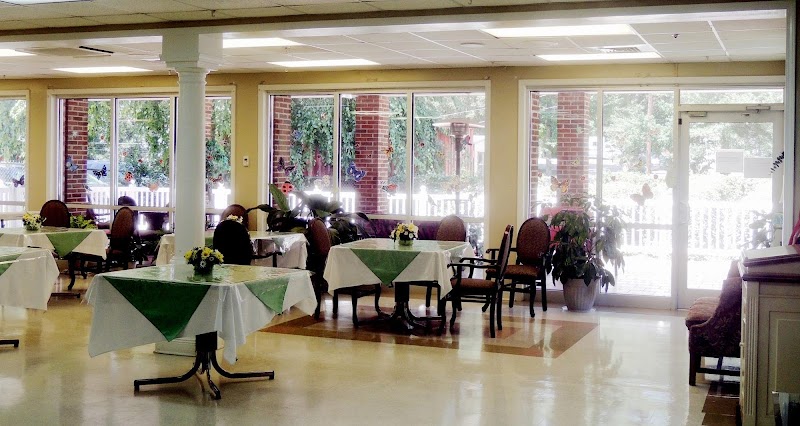
What is Crowne Health Care Of Montgomery's CMS Rating?

CMS assigns CROWNE HEALTH CARE OF MONTGOMERY an overall rating of 3 out of 5 stars, which is considered average nationally. Within Alabama, this rating places the facility higher than 99% of the state's 100 nursing homes. This mid-range rating indicates the facility meets federal standards but may have areas for improvement.
How is Crowne Health Care Of Montgomery Staffed?

CMS rates CROWNE HEALTH CARE OF MONTGOMERY's staffing level at 4 out of 5 stars, which is above average compared to other nursing homes. Staff turnover is 51%, compared to the Alabama average of 46%.

What Have Inspectors Found at Crowne Health Care Of Montgomery?

State health inspectors documented 5 deficiencies at CROWNE HEALTH CARE OF MONTGOMERY during 2019 to 2021. These included: 1 Immediate Jeopardy (the most serious level, indicating potential for serious harm or death) and 4 with potential for harm. Immediate Jeopardy findings are rare and represent the most serious regulatory concerns. They require immediate corrective action.
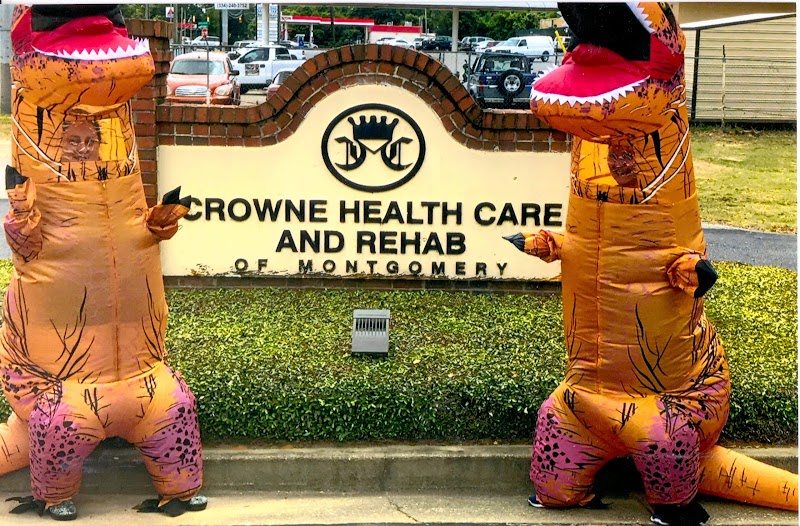
Who Owns and Operates Crowne Health Care Of Montgomery?

CROWNE HEALTH CARE OF MONTGOMERY is owned by a for-profit company. For-profit facilities operate as businesses with obligations to shareholders or private owners. The facility is operated by CROWNE HEALTH CARE, a chain that manages multiple nursing homes. With 185 certified beds and approximately 154 residents (about 83% occupancy), it is a mid-sized facility located in MONTGOMERY, Alabama.
How Does Crowne Health Care Of Montgomery Compare to Other Alabama Nursing Homes?

Compared to the 100 nursing homes in Alabama, CROWNE HEALTH CARE OF MONTGOMERY's overall rating (3 stars) is above the state average of 2.9, staff turnover (51%) is near the state average of 46%, and health inspection rating (4 stars) is above the national benchmark.

What Should Families Ask When Visiting Crowne Health Care Of Montgomery?

Based on this facility's data, families visiting should ask: "What changes have been made since the serious inspection findings, and how are you preventing similar issues?" "Can I visit during a mealtime to observe dining assistance and food quality?" "How do you handle medical emergencies, and what is your hospital transfer rate?" "Can I speak with family members of current residents about their experience?" These questions are particularly relevant given the facility's Immediate Jeopardy citations.

Is Crowne Health Care Of Montgomery Safe?

Based on CMS inspection data, CROWNE HEALTH CARE OF MONTGOMERY has documented safety concerns. Inspectors have issued 1 Immediate Jeopardy citation (the most serious violation level indicating risk of serious injury or death). The facility has a 3-star overall rating and ranks #1 of 100 nursing homes in Alabama. Families considering this facility should ask detailed questions about what corrective actions have been taken since these incidents.

Do Nurses at Crowne Health Care Of Montgomery Stick Around?

CROWNE HEALTH CARE OF MONTGOMERY has a staff turnover rate of 51%, which is 5 percentage points above the Alabama average of 46%. Moderate turnover is common in nursing homes, but families should still ask about staff tenure and how the facility maintains care continuity when employees leave.

Was Crowne Health Care Of Montgomery Ever Fined?

CROWNE HEALTH CARE OF MONTGOMERY has no federal fines on record. CMS issues fines when nursing homes fail to meet care standards or don't correct problems found during inspections. The absence of fines suggests the facility has either maintained compliance or corrected any issues before penalties were assessed. This is a positive indicator, though families should still review recent inspection reports for the full picture.

Is Crowne Health Care Of Montgomery on Any Federal Watch List?

CROWNE HEALTH CARE OF MONTGOMERY is not on any federal watch list. The most significant is the Special Focus Facility (SFF) program, which identifies the bottom 1% of nursing homes nationally based on persistent, serious quality problems. Not being on this list means the facility has avoided the pattern of deficiencies that triggers enhanced federal oversight. This is a positive indicator, though families should still review the facility's inspection history directly.