DIVERSICARE OF MONTGOMERY
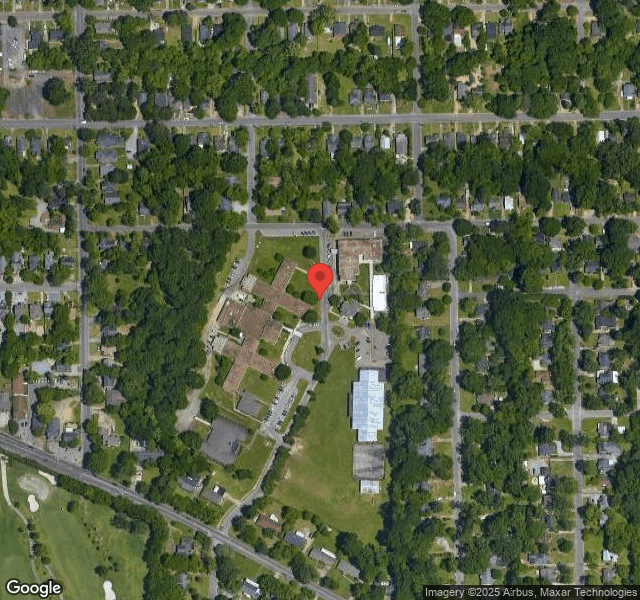

2020 NORTH COUNTRY CLUB DRIVE, MONTGOMERY, AL 36106 (334) 263-1643
For profit - Corporation 138 Beds DIVERSICARE HEALTHCARE Data: November 2025
Trust Grade
50/100
#153 of 223 in AL
Last Inspection: April 2023

Over 2 years since last inspection. Current conditions may differ from available data.

Overview

Diversicare of Montgomery has a Trust Grade of C, which means it is average and falls in the middle of the pack compared to other nursing homes. In Alabama, it ranks #153 out of 223 facilities, placing it in the bottom half, and #4 out of 8 in Montgomery County, indicating that only three local options are better. The facility is worsening, with issues increasing from 2 in 2021 to 4 in 2023. Staffing is considered average with a 3/5 rating and a turnover rate of 56%, which is close to the state average of 48%. While there have been no fines, which is a positive sign, the facility has faced concerns like potential food contamination due to dirty kitchen equipment and inadequate handwashing practices by staff, which could affect resident health. Overall, while there are strengths in staffing and lack of fines, the recent trend and specific incidents raise concerns about the facility's overall care quality.

Trust Score
C
50/100
In Alabama
#153/223
Bottom 32%
Safety Record
Low Risk
No red flags
Inspections
Getting Worse
2 → 4 violations
Staff Stability
⚠ Watch
56% turnover. Above average. Higher turnover means staff may not know residents' routines.
Penalties
✓ Good
No fines on record. Clean compliance history, better than most Alabama facilities.
Skilled Nurses
○ Average
Each resident gets 33 minutes of Registered Nurse (RN) attention daily — about average for Alabama. RNs are the most trained staff who monitor for health changes.
Violations
⚠ Watch
14 deficiencies on record. Higher than average. Multiple issues found across inspections.
★★☆☆☆
2.0
Overall Rating
★★★☆☆
3.0
Staff Levels
★★★★☆
4.0
Care Quality
★★☆☆☆
2.0
Inspection Score
Stable
2021: 2 issues
2023: 4 issues

The Good

  • 4-Star Quality Measures · Strong clinical quality outcomes
  • Full Sprinkler Coverage · Fire safety systems throughout facility
  • No fines on record

Facility shows strength in quality measures, fire safety.

The Bad

2-Star Overall Rating

Below Alabama average (2.9)

Below average - review inspection findings carefully

Staff Turnover: 56%

Near Alabama avg (46%)

Frequent staff changes - ask about care continuity

Chain: DIVERSICARE HEALTHCARE

Part of a multi-facility chain

Ask about local staffing decisions and management

Staff turnover is elevated (56%)

8 points above Alabama average of 48%

The Ugly 14 deficiencies on record

Apr 2023 4 deficiencies
CONCERN (D) 📢 Someone Reported This

A family member, employee, or ombudsman was alarmed enough to file a formal complaint

Potential for Harm - no one hurt, but risky conditions existed

ADL Care (Tag F0677)

Could have caused harm · This affected 1 resident

**NOTE- TERMS IN BRACKETS HAVE BEEN EDITED TO PROTECT CONFIDENTIALITY** Based on observations, interviews, and resident record review the facility failed to ensure Resident Identifier (RI) #43 receive...

Read full inspector narrative →
**NOTE- TERMS IN BRACKETS HAVE BEEN EDITED TO PROTECT CONFIDENTIALITY** Based on observations, interviews, and resident record review the facility failed to ensure Resident Identifier (RI) #43 received showers as scheduled. This affected one of eight residents sampled for Activities of Daily Living. This deficient practice was cited as a result of the investigation of complaint/report numbers AL00042152, AL00042579, AL00042786, and AL00042969. Findings Include: RI #43 was admitted to the facility on [DATE]. RI #43's admission Minimum Data Set (MDS) assessment with an Assessment Reference Date of 02/24/2023 documented a Brief Interview for Mental Status (BIMS) score of 15, which indicated RI #43 had intact cognition. The MDS assessment also documented RI #43 required physical assistance of one person with bathing. On 04/02/2023 at 4:38 PM, RI #43 voiced concerns of not getting showers on shower days, which were Wednesdays and Saturdays. RI #43 said he/she did not get a shower on Saturday 04/01/2023 or on the last Wednesday 03/29/2023. Review of RI #43's March and April 2023 ADL sheets for the task of Bathing revealed there was no documentation that RI #43 received any type of bath or shower on 03/29/2023 or 04/01/2023, and areas for documenting baths and showers on those days were left blank. On 04/03/2023 at 11:00 AM RI #43 was in bed, wearing a burgundy colored top with writing on the front. RI #43 said he/she slept in his/her clothes and only changed clothes after showers. RI #43 said a shower was due Saturday 04/01/2023 and he/she did not get one. RI #43 said he/she was supposed to get one on Wednesdays and Saturdays. RI #43 said the CNAs were supposed to help with baths. On 04/04/2023 at 9:40 AM, RI #43 was dressed in the same clothing as 04/03/2023, the burgundy colored top with writing on the front. RI #43 said he/she was due for a shower on Wednesday and he/she would not change clothes until he/she got a shower. RI #43 said again, he/she should have received a shower on Saturday and did not. On 04/05/2023 at 7:50 AM, RI #43 was observed in the same clothing since Monday, 04/03/2023. RI #43 said if shower day was missed he/she wore the same clothes until he/she received his/her shower. A review of RI #43's shower sheets for the month of March 2023 revealed on 03/04/2023 a bed bath, 03/10/2023 no shower and no bed bath, on 03/13/2023 no shower and no bed bath, and on 03/14/2023 a shower was given. There were no other shower sheets available for review for RI #43. On 04/05/2023 at 8:42 AM, an interview with Employee Identifier (EI) #4 CNA, revealed she did not give baths or showers to RI #43 because she thought RI #43 did baths independently. When asked if clothing was changed with baths, she said it should be. When asked what would the concern be in a resident saying they had not received a shower in over a week, EI #4 said, care not given as should be. When asked if there was adequate staff to ensure residents receive a bath or showers as scheduled, EI #4 said, she thought so. When asked why residents may not be getting showers or baths according to the shower schedule, EI #4 said, she was not sure. EI #4 was asked how did CNAs verify a shower or a bed bath was given. EI #4 said, they mark the daily shower sheets and then put a check on the ADLs on the computer for a shower or bed bath given. EI #4 was asked what was the concern if no showers or bed baths were marked in the ADL section, on the computer. She said it could mean no shower or bath was given. On 04/05/2023 at 11:01 AM EI #2 Director of Nursing (DON), was asked what were RI #43's shower days for March and April. EI #2 while reviewing a calendar said March 3, 7, 10, 14, 18, 22, 25, 29 and April 1. EI #2 was asked when should RI #43 have gotten showers. EI #2 said, according to the shower schedule. EI #2 was asked what was the concern in residents not getting showers per schedule. EI #2 said basic hygiene. EI #2 was asked what was the policy for bathing or receiving showers. She said the facility did not have a policy, however, should be done according to the schedule and the resident wishes. EI #2 was asked to review RI #43's March and April ADL sheets and was asked if RI #43 received a shower on March 18, 22, 25, 29, and April 1, 2023. EI #2 said according to the ADL sheets no showers or any bath was given on those dates.
CONCERN (F) 📢 Someone Reported This

A family member, employee, or ombudsman was alarmed enough to file a formal complaint

Potential for Harm - no one hurt, but risky conditions existed

Food Safety (Tag F0812)

Could have caused harm · This affected most or all residents

Based on observations, interviews, facility policies titled Equipment and Personal Food Storage, and the 2022 United States (U.S.) Public Health Service Food and Drug Administration (FDA) Food Code; t...

Read full inspector narrative →
Based on observations, interviews, facility policies titled Equipment and Personal Food Storage, and the 2022 United States (U.S.) Public Health Service Food and Drug Administration (FDA) Food Code; the facility failed to: 1.) prevent the potential for cross contamination due to dust build-up on the ceiling vents and a dirty blade on the manual can opener and 2.) ensure a temperature monitored refrigerator was available for staff to place food items brought in by family/friends for residents in order to prevent the potential for food-borne illness. This had the potential to affect 107 of 107 residents receiving meals from the facility's kitchen. Findings Include: 1.) The facility's policy for Equipment, dated September 2017, included the following: Policy Statement All foodservice equipment will be clean, sanitary, and in proper working order. Procedures 1. All equipment will be routinely cleaned and maintained . 3. All food contact equipment will be cleaned and sanitized after every use. 4. All non-food contact equipment will be clean and free of debris. The 2022 U.S. Public Health Service FDA Food Code included the following: . 4-202.15 Can Openers. Cutting or piercing parts of can openers shall be readily removable for cleaning and for replacement. 4-601.11 Equipment, Food-Contact Surfaces, Nonfood-Contact Surfaces, and Utensils. (A) EQUIPMENT FOOD-CONTACT SURFACES and UTENSILS shall be clean to sight and touch. (C) NonFOOD-CONTACT SURFACES of EQUIPMENT shall be kept free of an accumulation of dust, dirt, FOOD residue, and other debris. 6-501.12 Cleaning, Frequency and Restrictions. (A) PHYSICAL FACILITIES shall be cleaned as often as necessary to keep them clean. 6-501.14 Cleaning Ventilation Systems, Nuisance and Discharge Prohibition. (A) Intake and exhaust air ducts shall be cleaned and filters changed so they are not a source of contamination by dust, dirt, and other materials. During a kitchen tour on 04/02/2023 at 3:31 PM, a heavy build-up of dust was observed on the large, round ceiling air vent located over the clean side of the 3-compartment sink where service utensils and pans were laid to dry. Air was felt flowing from this ceiling vent. On 04/02/2023 at 3:45 PM, the manual can opener was inspected. A thick line of black build-up, approximately one-quarter inch thick, was observed on the can opener blade, just above the cutting edge of the blade. On 04/02/2023 at 4:00 PM, Employee Identifier (EI) #12, a Dietary Aide, was asked how often the can opener was cleaned. EI #12 said, they wipe it down as they used it. When asked if she had cleaned it that day, EI #12 said, no, they would not need to do that until the end of the day. EI #12 was shown the can opener blade and then asked if it looked like the blade had more than one day's build-up. EI #12 said, she did not know and asked it that was rust. EI #11, a District Manager for a nearby district of the facility's contract food company, was asked to look at the can opener. EI #11 said he would show them how to clean it and he took the can opener to the dishwashing area. EI #11 said the problem with the dirty can opener was cross contamination. On 04/02/2023 at 4:15 PM, EI #11 agreed he felt air coming from the large, round ceiling vent over the 3-compartment sink. When asked what that was on the ceiling vent, EI #11 said it looked like dust. EI #11 said, cross contamination was the problem with the clean utensils laid out on the 3-compartment sink drying shelf beneath the dusty vent. On 04/02/2023 at 4:58 PM, three large, round ceiling vents were observed in the main kitchen area over the production, trayline, and cooking sections. In addition, two large, round ceiling vents were observed in the dishwashing area. Along with the vent over the 3-compartment sink area, all six of these ceiling vents had dust build-up. On 04/05/2023 at 3:51 PM, EI #7, the Maintenance Assistant, was asked how he knew about maintenance issues in the kitchen. EI #7 said the facility's computer system gave them their work orders after the Manager in Dietary put the maintenance request in the system. EI #7 said they could tell maintenance verbally also. EI #7 said proactive maintenance was performed on equipment in the kitchen, but, although they had cleaned the vents a few times in the past, he was not sure if the large, round ceiling vents were on a maintenance schedule for cleaning. When asked how often the large, round ceiling vents in the kitchen should be cleaned, EI #7 said he did not know; it depended upon how much dust flows through. On 04/05/2023 at 5:03 PM, EI #6, the Dietary Manager/Account Manager, was interviewed. EI #6 said she first become aware of the heavy dust build-up on the large, round ceiling vents around the last week of March. EI #6 said she believed she verbally told the Maintenance Director about the vents on Wednesday (03/29/23). EI #6 said the large, round ceiling vents in the kitchen should be cleaned once a month. EI #6 further said Maintenance cleans the vents. EI #6 was not sure if the ceiling vents were on a cleaning schedule. When asked what was the potential problem with air flowing into the kitchen through vents with a heavy dust build-up, EI #6 said cross contamination and dust in the food. Additionally, during the 04/05/2023 interview, EI #6 said the manual can opener should be cleaned daily. EI #6 said the manual can opener should be pulled out and sent through the dishwasher; the blade should be wiped down, and the mount attached to the counter should also be wiped down. When asked what would a thick line of black build-up, approximately one-quarter inch thick, on the blade of the manual can opener, just above the cutting edge of the blade indicate; EI #6 said that it was not being cleaned. EI #6 said cross contamination was the problem with the manual can opener not being cleaned daily. 2.) The facility's policy for Personal Food Storage, dated January 1, 2017, included the following: Policy Food or beverage brought in from outside sources for storage in center pantries, refrigeration units, or personal room refrigeration units will be monitored by designated center staff for food safety. Procedure . 4. All refrigeration units will have internal thermometers to monitor for safe food storage temperatures. Units must maintain safe internal temperatures in accordance with state and federal standards for safe food storage temperatures. Staff will monitor and document unit refrigerator temperatures . The 2022 U.S. Public Health Service FDA Food Code included the following: . Chapter 1. Purpose and Definitions . Time/Temperature Control for Safety Food . means a FOOD that requires time/temperature control for safety (TCS) to limit pathogenic microorganism growth or toxin formation. 3-501.16 Time/Temperature Control for Safety Food, Hot and Cold Holding. (A) . TIME/TEMPERATURE CONTROL FOR SAFETY FOOD shall be maintained: . (2) At 5º [degrees] C [Celsius] (41ºF [Fahrenheit]) or less. 4-204.112 Temperature Measuring Devices. (B) . cold or hot holding EQUIPMENT used for TIME/TEMPERATURE CONTROL FOR SAFETY FOOD shall be designed to include and shall be equipped with at least one integral or permanently affixed TEMPERATURE MEASURING DEVICE that is located to allow easy viewing of the device's temperature display. During a tour of South Hall on 04/04/2023 at 10:26 AM, EI #8, a Licensed Practical Nurse (LPN), said their nourishment refrigerator had been gone for about a week. EI #8 said when resident snacks arrive, they hand them out immediately since they have no way to preserve them. EI #8 further said if a family brings in something for a resident that needs refrigeration, they are to use the Employee Break Room refrigerator. On 04/04/2023 at 10:31 AM, the Employee Break Room refrigerator was observed. There was no thermometer within the refrigerator nor was temperature monitoring evident for this refrigerator. A tour of North Hall on 04/05/2023 at 3:32 PM, revealed there was no nourishment refrigerator on the unit. A room was observed with the sign Nourishment, but it only contained an ice making machine and an insulated ice chest cart. EI #9, an Activity Assistant, was interviewed on North Hall. EI #9 said resident snacks were not stored, but were handed out when they arrived on the unit. EI #9 said the North Hall refrigerator had been broken for a while and that the South Hall refrigerator had just recently broken. EI #9 said they used the refrigerator in the staff break room if a resident's family or friends brought in outside food for a resident that needed to be refrigerated. On 04/05/2023 at 3:44 PM the refrigerator in Employee Break Room was observed again. there was no thermometer in refrigerator. There was no temperature monitoring documentation observed. On 04/05/2023 at 3:51 PM, EI #9, the Maintenance Assistant, was asked what happened to the nourishment refrigerators on South Hall and North Hall. EI #9 did not know anything about those refrigerators. On 04/05/2023 at 4:15 PM, EI #3, the Unit Manager for South Hall, was interviewed. When asked what staff were supposed to do if family/friends bring in food items requiring refrigeration for a resident, EI #3 said they date them, label them with the resident's name and put them in the refrigerator if the food is not to be eaten right away. EI #3 said the South Hall Nourishment Refrigerator was pulled out of there last week because the seals/gaskets were loose. EI #3 was not sure if the facility was going to replace the refrigerator. EI #3 said the North Hall Nourishment Refrigerator broke more than a month ago. EI #3 was asked why would staff say the refrigerator in the Staff Break Room should be used if family/friends bring in food items requiring refrigeration for a resident. EI #3 said he had not told staff to do that. When asked what was his plan if a resident's family/friend brings in a food item needing refrigerator, EI #3 said, go tell the Administrator we need a refrigerator. On 04/05/2023 at 4:32 PM, EI #1, the Administrator, was interviewed. EI #1 said the Director of Nursing brought the South Hall Nourishment Refrigerator up to her office to clean it about a week ago. EI #1 said she had not seen a nourishment refrigerator on North Hall since coming to the facility in 2022. EI #1 was asked why would staff say the refrigerator in the Staff Break Room should be used if a resident's family/friend brings in a food item needing refrigeration. EI #1 said, because they would need access to a way to keep the food cool. The refrigerator in the Staff Break Room was observed with EI #1. After viewing the inside compartment of the refrigerator, EI #1 agreed there was no thermometer in the Staff Break Room refrigerator. EI #1 said she had never seen a temperature documentation log on the Staff Break Room refrigerator. When asked what would be the potential problem with putting a resident's cold food in an unmonitored refrigerator, EI #1 said, the food might get too hot and bacteria could grow. On 04/05/2023 at 5:03 PM, the Staff Break Room refrigerator was observed with EI #6, the Dietary Manager/Account Manager. EI #6 said there was no thermometer in the refrigerator and there was no daily documentation of the temperature in the refrigerator. When asked what would be the potential problem with putting a resident's cold food in an unmonitored staff refrigerator, EI #6 said possible cross-contamination and the refrigerator might not be at the right temperature, which could lead to spoiled or unsafe food.
CONCERN (F) 📢 Someone Reported This

A family member, employee, or ombudsman was alarmed enough to file a formal complaint

Potential for Harm - no one hurt, but risky conditions existed

Room Equipment (Tag F0908)

Could have caused harm · This affected most or all residents

Based on observations, interviews, a facility policy titled Equipment, and the 2022 United States (U.S.) Public Health Service Food and Drug Administration (FDA) Food Code; the facility failed to ensu...

Read full inspector narrative →
Based on observations, interviews, a facility policy titled Equipment, and the 2022 United States (U.S.) Public Health Service Food and Drug Administration (FDA) Food Code; the facility failed to ensure the walk-in freezer was maintained in proper operating condition for maintaining optimal temperature and preventing ice/frost build-up. This had the potential to affect 107 of 107 residents receiving meals from the facility's kitchen. Findings Include: 1.) The facility's policy for Equipment, dated September 2017, included the following: Policy Statement All foodservice equipment will be clean, sanitary, and in proper working order. Procedures 1. All equipment will be routinely cleaned and maintained . 5. The Dining Services Director will submit requests for maintenance or repair to the Administrator and/or Maintenance Director as needed. The 2022 U.S. Public Health Service FDA Food Code included the following: . 4-501 Equipment 4-501.11 Good Repair and Proper Adjustment. (A) EQUIPMENT shall be maintained in a state of repair . (B) EQUIPMENT components such as doors, seals, hinges, fasteners, and kick plates shall be kept intact, tight, and adjusted . Annex 3. Public Health Reasons/Administrative Guidelines Equipment 4-501.11 Good Repair and Proper Adjustment. Proper maintenance of equipment . helps ensure that it will continue to operate as designed. Failure to properly maintain equipment could lead to violations of the associated requirements of the Code that place the health of the consumer at risk. For example, refrigeration units in disrepair may no longer be capable of properly cooling or holding time/temperature control for safety foods at safe temperatures. On 04/02/2023 at 3:05 PM, the walk-in cooler and walk-in freezer were observed. The entrance to the walk-in freezer was inside the walk-in cooler. The walk-in freezer door was not closed securely and there was icy frost build-up on the shelving by the door. The icy frost build-up was also on the gasket and door edge on the side of the door lock/handle. Ice had started to form in two small stalagmites on the floor inside the walk-in freezer. The door lock would not engage to close securely. A handwritten sign was posted on the walk-in freezer door, with tape, advising staff: Please!!! Push freezer door closed when going in and out!!! Thanks. The sign was tattered and soiled with dark marks. On 04/02/2023 at 3:20 PM, Employee Identifier (EI) #13, a Dietary Aide, was asked how long the freezer door had been a problem to close. EI #13 said, she was PRN (worked as needed), so she really could not say. EI #13 tried to close the door and then said she was unable to properly close the door. On 04/02/2023 at 3:24 PM, EI #12, a Dietary Aide, said she did not remember how long it had been that hard to close. EI #12 also tried to close the door and then said she was unable to close the door. EI #12 said she thought it was the lock. On 04/02/2023 03:52 PM, EI #11, a District Manager for a nearby district of the facility's contract food company, was visiting the facility. EI #11 was asked about the walk-in freezer door and with effort he was able to close the freezer door, but said it should not be that hard to close. EI #11 said a maintenance request was needed and he would initiate that. On 04/02/2023 at 5:02 PM, EI #6, the Account Manager/Dietary Manager, said she had been at the facility for a year and a half and the freezer door had been hard to shut for that period of time. EI #6 said she had posted a sign on the freezer door to remind employees to shut the door completely. On 04/05/2023 at 3:51 PM, EI #7, the Maintenance Assistant, was asked how he knew about maintenance issues in the kitchen. EI #7 said the facility's computer system gave them their work orders after the Manager in Dietary put the maintenance request in the system. EI #7 said they could tell Maintenance verbally also. EI #7 said about a month ago the Dietary Manager told Maintenance about the freezer door not closing. The problem was the door closure at the top of the freezer door. EI #7 said, after so many times of opening the door, the roller pops out and must be pushed back in. EI #7 said no one had told him about the door still being a problem. EI #7 said, if the walk-in freezer door was not closing completely, the freezer would lose temperature. On 04/05/2023 at 5:03 PM, EI #6, the Account Manager/Dietary Manager, said that little door closure gadget at the top of the door had been messed up since she started working at the facility, so they had to close it real tight. EI #6 said the problem with the walk-in freezer door not closing completely is that it builds up ice and can lose temperature. When asked what was the potential problem from the ice build-up observed on the floor of the walk-in freezer on Sunday, 04/02/2023; EI #6 said slips and falls. EI #6 said potential falls was the safety concern. Upon being asked why had it not been fixed, EI #6 said I am not sure. EI #6 said she made Maintenance aware of the problem about two weeks ago and Maintenance was going to fix it. When asked if it had been fixed, EI #6 said not yet.
MINOR (C)

Minor Issue - procedural, no safety impact

Deficiency F0577 (Tag F0577)

Minor procedural issue · This affected most or all residents

Based on observations and interview, the facility failed to ensure the survey results for the last three years were available for residents or visitors to review. This deficient practice had the pote...

Read full inspector narrative →
Based on observations and interview, the facility failed to ensure the survey results for the last three years were available for residents or visitors to review. This deficient practice had the potential to affect all 108 residents who resided in the facility. Findings Include: On 04/04/2023 at 8:15 AM, the surveyor observed a sign in the front lobby indicating, Recent Survey Results And Notice of Privacy Practices. Upon review of the contents of the binder, it was noted multiple survey reports were missing. On 04/04/2023 at 8:20 AM, Employee Identifier (EI) #1, the Administrator stated she was responsible for maintaining the survey binder. On 04/04/2023 at 8:25 AM, the facility's survey history over the previous three years was reviewed to include the following surveys: 06/23/2020 - Focus Infection Control Survey (FICS) (missing) 07/24/2020 - FICS (missing) 09/01/2020 - FICS with complaint (missing) 11/10/2020 - FICS (missing) 01/13/2021 - FICS with complaint (missing) 07/22/2021 - Recertification with complaint (located in binder) 12/02/2021 - Complaint survey (located in binder) 02/02/2022 - Follow-Up with complaint (missing) On 04/04/2023 at 5:09 PM, EI #1 confirmed that the surveys dated 06/23/2020, 07/24/2020, 09/01/2020, 11/10/2020, 01/13/2021, and 02/02/2022 were not located in the Survey Results binder. Six out of the last eight surveys were not located in the Survey Results binder. EI #1 stated the purpose of the Survey Results binder being up-to-date and available was for people to see where the facility had been out of compliance and what the facility did to get back in compliance.
Jul 2021 2 deficiencies
CONCERN (D)

Potential for Harm - no one hurt, but risky conditions existed

Free from Abuse/Neglect (Tag F0600)

Could have caused harm · This affected 1 resident

**NOTE- TERMS IN BRACKETS HAVE BEEN EDITED TO PROTECT CONFIDENTIALITY** Based on interviews, resident record review, review of a facility policy titled Abuse, Neglect, Misappropriation, Exploitation P...

Read full inspector narrative →
**NOTE- TERMS IN BRACKETS HAVE BEEN EDITED TO PROTECT CONFIDENTIALITY** Based on interviews, resident record review, review of a facility policy titled Abuse, Neglect, Misappropriation, Exploitation Policy, and review of a facility Abuse Investigative File, the facility failed to ensure Resident Identifier (RI) #22 was not verbally abused on 4/19/21 when Employee Identifier (EI) #2 Licensed Practical Nurse (LPN) and EI #3 Certified Nursing Assistant (CNA), heard EI #4 CNA curse and use profanity in the presence of and directed toward RI #22. RI #22 told the facility in a statement dated 4/19/21 that the girl the night before had fussed at him/her and made him/her cry. This affected one of three residents sampled for abuse. Findings include: RI #22 was admitted to the facility on [DATE]. A review of a facility policy titled Abuse, Neglect, Misappropriation, Exploitation Policy with an effective date of January 2019 revealed, Purpose: To prohibit and prevent abuse, neglect, exploitation, . in accordance with Federal and State Laws. Definitions: . Verbal Abuse: . Verbal abuse includes the use of oral, written, or gestured communication, or sounds, to residents within hearing distance, regardless of age, ability to comprehend, or disability. Review of the facility's investigative file revealed a report was made to the State Agency through the Online Incident Reporting System on 4/19/21 at 2:46 AM alleging RI #22 was verbally abused by EI #4 CNA. It was reported that EI #4 was heard verbally abusing RI #22 on 4/19/21 at 2:00 AM as follows: . LPN Charge nurse reports hearing (EI #4) enter the residents room and tell (him/her) I know you not on that goddam light again. I told you not to put that damn light on because I was coming back. You're not going to work me to fucking death I have other customers! . Included in the facility's investigative file was a hand written statement signed by EI #2 LPN, dated 4/19/21 at 2:00 AM. The statement contained the following allegation: . Inappropiate (Inappropriate) conduct toward resident. (EI #4) walking in hallway, speaking out loudley using profanity and unexceptable (unacceptable) phrases. proceeded to room . and asked resident, you on that gadamn light again. I told you not to ring that gadamn light again, I was coming back. You not going to work me to fucking death, I have other customers. Don't ring that damn light again. (EI #2) intervened . Explained this behavior is abuse . (EI #4) was asked to leave the building . (EI #3) also witnessed incident . Included in the facility's investigative file was an addendum to EI #2's statement dated 4/21/21, which revealed the facility further questioned EI #2 to confirm what EI #2 heard EI #4 say to RI #22. Questions and answers from EI #2's addendum statement included the following: . 1. Are you for certain that you heard the nurse assistant using profanity/cursing? I am positive I heard her. I was standing at the med (medicine) cart. She actually started as she passed us. By the time I got to the room she was already saying what she said. You can hear her (EI #3) and I looked at each other at the same time. He looked at me and said .did she say that! She called her self closing the door but it's quiet in here at night and you can hear her. 5. I heard her say you're not going to worry the fuck out of me with this light. She (EI #4) said didn't I tell you not to put this damn light on. 6. Was she cursing with you already in the room? Yes. She was already cursing. When I opened the door she was already saying it. Included in the facility's investigative file was a hand written statement signed by EI #3 CNA, (dated 4/18/21), which documented the following allegation: I CNA (EI #3's name) heard CNA (EI #4) cuss loudly to a resident in (RI #22's room number). CNA (EI #4) words were dam you . still on this call light. Included in the facility's investigative file was a statement from RI #22 dated 4/19/21 at 10:30 AM, that was taken by EI #1 Director of Nursing (DON). Questions and answers from the statement included the following: . 2. The nurse told me that you had a problem with the girl from last night? Oh, yeah. She didn't want to come down here and clean me. She was fussing .saying I gotta come in here and clean you and I got other patients to see! She was fussing at me and I started crying. 4. How did this make you feel? It made me feel bad because she did not want to clean me. I told the nurse she was fussing and going on because she didn't want to do it. That's all I remember. I started crying . Included in the facility's investigative file was a statement from EI #4, dated 4/20/21 at 12:03 PM that was taken by telephone by EI #1 DON. Questions and answers from the statement included the following: . 1. What happened the night you were asked to leave the facility? .The nurse overheard me explaining to (RI #22) and she came in and said you can't talk to (RI #22) like that. I did say (he/she) get on my nerves with that light! I was frustrated. A review of the facility's investigation report titled Investigation Template dated 4/23/21 revealed an allegation of verbal abuse on 4/19/21 at 2:00 AM alleged by EI #2 against EI #4, witnessed by EI #2 and EI #3. Included in the facility's investigative file was an undated statement signed by EI #1, DON that documented the following: The allegation of verbal abuse against (EI #4), CNA has been substantiated. Review of a facility form titled PROGRESSIVE DISCIPLINE FORM dated 4/26/21 for EI #4, revealed a box was checked for a category one violation and documentation of the following: . Summary of Incident: On 4/19/21 you were accused of verbally abusing a resident. verbal abuse has been substantiated. Due to the effect your actions had on the resident, termination of employment is deemed necessary. On 7/20/21 at 11:39 AM, an interview was conducted with RI #22. RI #22 was asked, if he/she remembered the incident that happened when a Certified Nursing Assistant (CNA) came in to change him/her and the CNA was fussing at him/her. RI #22 replied, yes. RI #22 was asked what the CNA said. RI #22 could not remember, but said the CNA was fussing. On 7/21/21 at 2:31 PM, a second interview was conducted with RI #22. RI #22 was asked, if it made him/her cry when the CNA was fussing. RI #22 replied, he/she may have gotten a little teary eyed. On 7/21/21 at 3:03 PM, an interview was conducted with EI #3 CNA. EI #3 was asked what happened on the night of 4/19/21. EI #3 replied, the person went in and cursed RI #22. EI #3 was asked what was the person's name. EI #3 replied, EI #4 and that she walked past him, went into RI #22's room, cursed, and that he wrote a statement. EI #3 was asked where he was at that time. EI #3 replied, he was sitting at the nurses' station. EI #3 was asked what direction EI #4 came from. EI #3 replied, going towards RI #22's room, and when she walked past him, she was cursing, she went into RI #22's room and cursed. EI #3 was asked if he followed EI #4 into RI #22's room. EI #3 replied, no that he could see and hear EI #4 from where he was sitting. EI #3 stated EI #4 hit the room door with a boom and that it was loud and EI #4 was upset because the call light was on. On 7/21/21 at 3:10 PM, a phone interview was conducted with EI #2 LPN. EI #2 was asked what happened at night on 4/19/21. EI #2 replied, EI #4 went into RI #22's room, the call light was on and EI #4 was cursing when she went into RI #22's room. EI #2 stated, that she wrote a statement at the time it happened and EI #4 was cursing and said something like I told you not to turn that light on. EI #2 was asked where she was when EI #4 entered RI #22's room. EI #2 replied, she was standing at the nursing station. EI #2 was asked what did she do when EI #4 went into RI #22's room. EI #2 replied she ran down to RI #22's room and when she came to the door, she could still hear EI #4 cursing. EI #2 stated she told EI #4 she could not say those things and that it was not acceptable. EI #2 stated she went to call EI #1 the DON and that EI #4 followed her out of RI #22's room and went down the hall. EI #2 was asked what amount of time went by from the time EI #4 followed her out of RI #22's room until EI #4 was escorted off the premises. EI #2 replied, it all happened quick, maybe seven minutes and that she called the management team and EI #4 was escorted out of the building. On 7/21/21 at 3:52 PM, a phone interview was conducted with EI #4, CNA, the alleged perpetrator. EI #4 was asked what happened on 4/19/21. EI #4 replied, she could not recall all the details since it had been several months. EI #4 stated she had been to RI #22's room on several occasions during the shift, and said to RI #22, what have you got the call light on for now. EI #4 stated, EI #2 came in RI #22's room and told EI #4 she could not talk to the residents like that. EI #4 stated, EI #2 said she heard her say what do you have the damn light on for now. EI #4 was asked, what she did next. EI #4 said she was escorted to clock out and leave the building. On 7/21/21 at 6:09 PM an interview was conducted with EI #1, DON. EI #1 was asked if she had knowledge of the alleged verbal abuse involving RI #22. EI #1 replied, yes. EI #1 was asked when and by whom was she notified of the alleged abuse. EI #1 replied she received a call from EI #2 on 4/19/2021 after 2:00 AM but before 2:15 AM. EI #1 was asked what information was provided to her. EI #1 replied, EI #2 told her that she heard EI #4 enter RI #22's room and say, I know you are not on that god damn light again and she told RI #22 not to turn the light on again because she was coming back. EI #1 said EI #4 was suspended until completion of the investigation and then she was terminated. When asked why the facility substantiated the alleged verbal abuse, EI #1 said, because two employees heard EI #4 cursing, it was quiet, she was clearly heard cursing, and RI #22 said, she fussed at him/her and made him/her cry.
CONCERN (F)

Potential for Harm - no one hurt, but risky conditions existed

Food Safety (Tag F0812)

Could have caused harm · This affected most or all residents

Based on observations, interviews, review of facility's policies titled Hand Washing Procedures and Pots and Pans, review of Auto-Chlor System Solution-QA product label, and the 2017 Food and Drug Adm...

Read full inspector narrative →
Based on observations, interviews, review of facility's policies titled Hand Washing Procedures and Pots and Pans, review of Auto-Chlor System Solution-QA product label, and the 2017 Food and Drug Administration (FDA) Food Code, the facility failed to ensure: dietary staff washed hands after touching dirty dishes and before touching clean dishes and dietary staff properly sanitized three metal cook wares in the three-compartment sink by placing them in sanitizing solution for the recommended amount of time. This had the potential to affect 69 of 69 residents who received meals from the kitchen on 7/21/2021. Findings Include: A review of facility policy and procedure from Food Service Manual titled Hand Washing Procedures with an effective date of 8/1/12 revealed . POLICY . It is the policy of this facility to prevent the transmission of bacteria. Hands are to be frequently and thoroughly washed. PROCEDURE . 1. Hands must be washed: . j. after handling soiled dishes . 4. The technique for hand washing is as follows: a. Wet hands with warm water. b. Cover hands with germicidal liquid soap. c. Rub hands together, . for 20-25 seconds. d. Rinse hands well under running water, . f. Dry hands with another paper towel . A review of facility policy and procedure from Food Service Manual titled Pots and Pans with an effective date of 8/1/12 revealed . POLICY . It is the policy of this facility to clean and sanitize pots and pans to maintain sanitary food preparation, service and delivery environment. PROCEDURE . 5. The following process will be followed for manual dish washing of pots and pans: . d. Immerse ware in Sanitizing Sink following manufacturer instructions for sanitizer. f. Follow product label instructions for use . Review of the Auto-Chlor System Solution-QA product label revealed . SANITIZING FOOD CONTACT SURFACES: . Treated surfaces must remain wet for 60 seconds . On 7/21/21 at 5:55 PM an observation was made of EI #7, Dietary Aid washing pots and pans at the three-compartment sink. EI #7 was observed checking the solution for sanitizing sink and noted Auto-Chlor chemical was used. On 7/21/21 at 6:01 PM an observation was made of EI #8, Dietary Aid washing resident's dishes at the dishwasher. EI #8 was at the dishwasher touched dirty dishes with her hands, then dipped her hands in bucket of solution for ten seconds, and then touched clean dishes with her hands. EI #8 was observed touching dirty dishes and then clean dishes without washing hands twice before an immediate interview was conducted. On 7/21/21 at 6:05 PM an interview was conducted with EI #8, Dietary Aid. EI #8 was asked, what she dipped her hands in between moving from dirty to clean. EI #8 replied, sanitizer solution; it was hot water with sanitizer solution with a little bleach. EI #8 was asked, why she dipped her hands in the solution. EI #8 replied, she dipped them after touching dirty dishes and before touching clean dishes. EI #8 was asked, how long did she dip her hands in the solution. EI #8 replied, about five to ten seconds. EI #8 was asked, who told her to dip hands between dirty and clean dishes. EI #8 replied, it had been that way since she started there in January 2021. On 7/21/21 at 6:10 PM EI #7 was observed at the three-compartment sinks. EI #7 scrubbed dishes in first sink, rinsed in the second sink, and then dipped pots and pans in sanitizing solution and removed within three seconds; EI #7 held the pots and pans while in the sanitizing solution sink and did not release them from her hand, and then placed them on the counter to air dry. EI #7 washed three metal cook wares using this method and did not submerge the cook ware for more than three seconds in the sanitizing solution. An immediate interview was conducted with EI #6 while watching EI #7 at the three-compartment sink. On 7/21/21 at 6:12 PM an interview was conducted with EI #6, Dietitian at the three-compartment sink while watching EI #7. EI #6 was asked, how long did EI #7 dip the cook ware in the sanitizer solution. EI #6 replied, about two seconds. EI #6 was asked, how long should the cook ware be kept in the sanitizer solution. EI #6 replied, seven seconds contact time. On 7/22/21 at 12:04 PM an interview was conducted with EI #5, Dietary Manager, Account Manager. EI #5 was asked, yesterday, what was EI #8 doing while she was washing resident's dishes. EI #5 replied, EI #8 was washing dishes and touching dirty dishes and when she was supposed to be washing her hands with soap and water to clean hands, she dipped her hands in sanitizing solution for four to five seconds and did not dry them off and then started touching clean dishes. EI #5 was asked, what should EI #8 have done. EI #5 replied, after EI #8 touched dirty dishes and placed them in the dishwasher, she should have gone to the sink and washed her hands with soap and warm water per facility policy for 20 seconds, then rinse, dry with paper towels and turn the water off with paper towels and then touch clean dishes. EI #5 was asked, what was the potential harm to residents when staff did not perform appropriate hand washing after touching dirty dishes and before touching clean dishware. EI #5 replied, it cross-contaminated and could have caused allergy problems or sickness. EI #5 was asked, how were cook wares, like pots and pans, sanitized at three-compartment sink. EI #5 replied, they were washed, rinsed, and then sanitized; the pots and pans should remain in the sanitizer for seven seconds. EI #5 was asked, when washing dishes at the three-compartment sink, how long should dishes, pot, pans be submerged in sanitizing solution. EI #5 replied, seven seconds or more. EI #5 was asked, why seven seconds. EI #5 replied, it took about that long to be sure the entire pot is in the solution. EI #5 was asked, what was the facility's policy for sanitizing pots and pans. EI #5 replied she did not know, it should be seven seconds in the sanitizer. EI #5 was asked, who was responsible to ensure pots and pans were sanitized per policy. EI #5 replied, she guessed she was because she checked behind staff and staff were held responsible also. EI #5 was asked, what was the facility's policy for performing hand hygiene in the kitchen. EI #5 replied, they used soap and water. EI #5 was asked, when should hand washing be performed in the kitchen. EI #5 replied, upon entrance, when changing gloves, when changing task, and when they leave. EI #5 was asked, should staff wash hands after touching dirty items and before touching clean items. EI #5 replied, yes, before and after touching dirty or clean dishes. EI #5 was asked, when staff touched dirty dishes with their hands, what should the staff do before touching clean dishes. EI #5 replied, wash hands with soap and water per policy. EI #5 was asked, when should a staff touch dirty dishes with hands, then dip hands in chlorine sanitizing solution, and proceed to handle clean dishes. EI #5 replied, never. EI #5 was asked, what was potential harm to residents when metal cook ware was placed in sanitizing solution less than seven seconds. EI #5 replied, the cook ware was not fully sanitized and could cause sickness. On 7/22/21 at 12:59 PM a telephone interview was conducted with EI #6. EI #6 was asked, how were pots and pans sanitized at the three-compartment sink. EI #6 replied, she was not sure, but would find out. EI #6 was asked, when washing dishes at the three-compartment sink, how long should dishes, pot, pans be submerged in sanitize solution. EI #6 replied, seven seconds according to the sheet in the dietary department. EI #6 was asked, when staff touched dirty dishes with their hands, what should the staff do before touching clean dishes. EI #6 replied, wash hands with soap and water. EI #6 was asked, when should staff touch dirty dishes with hands, then dip hands in sanitizing solution, and proceed to handle clean dishes. EI #6 replied, never. On 7/22/21 at 2:54 PM EI #6 reported that cook ware should be submerged in the sanitizing solution for at least 60 seconds and then air dried.
Dec 2019 8 deficiencies
CONCERN (D)

Potential for Harm - no one hurt, but risky conditions existed

Deficiency F0583 (Tag F0583)

Could have caused harm · This affected 1 resident

Based on observation, interviews, and review of the facility's policy titled Privacy Program Requirements, Safeguards and Definitions, the facility failed to ensure Employee Identifier (EI) #6, a Lice...

Read full inspector narrative →
Based on observation, interviews, and review of the facility's policy titled Privacy Program Requirements, Safeguards and Definitions, the facility failed to ensure Employee Identifier (EI) #6, a Licensed Practical Nurse (LPN) did not leave Resident Identifier (RI) #43's personal information visible during medication administration. This deficient practice affected RI #43, one of six residents observed for medication administration. Findings include: The facility's policy titled, Privacy Program Requirements, Safeguards and Definitions with a revision date of 6/1/2015, documented . III. Safeguards for Written Uses All documents contained PHI (Protected Health Information) should be stored appropriately to reduce the potential for incidental use or disclosure. Documents should not be easily accessible to any unauthorized staff or visitors. Active Records on Nursing Unit: . C. Active Clinical Records shall not be left unattended on the nurses' station desk or other areas where residents, visitors and unauthorized individuals could easily view the records . During medication administration observation on 11/19/2019 at 11:46 AM, EI #6, a LPN left the medication cart unattended to wash her hands with RI #43's personal health information visible on the computer. In an interview on 11/19/2019 at 12:12 PM, EI #6 was asked how she left the computer when she went to wash her hands. EI #6 replied, it was left opened. When asked what resident information was visible, EI #6 said RI #43's. During an interview on 11/20/2019 at 2:48 PM, EI #2, the Director of Nursing Service was asked how a nurse should leave the computer positioned when not in sight of it. EI #2 said the privacy screen should be displayed or the computer should be closed. When asked what the issues were when a nurse walked away from the medication cart with a resident's protected health information being visible, EI #2 replied, it had the potential for resident's information to be seen by anyone.
CONCERN (D)

Potential for Harm - no one hurt, but risky conditions existed

Safe Environment (Tag F0584)

Could have caused harm · This affected 1 resident

Based on observations and interview, the facility failed to ensure vents did not hang down from the bathroom ceiling in Resident Identifier (RI) #20's and RI #113's bathroom. This deficient practice w...

Read full inspector narrative →
Based on observations and interview, the facility failed to ensure vents did not hang down from the bathroom ceiling in Resident Identifier (RI) #20's and RI #113's bathroom. This deficient practice was observed in two of the 77 rooms in the facility. Findings include: On 11/17/2019 at 2:45 PM, 11/18/2019 at 8:45 AM and 11/20/2019 at 2:31 PM, a vent was observed hanging from the bathroom ceiling in RI #113's bathroom. On 11/17/2019 at 3:50 PM, 11/18/2019 at 8:45 AM and 11/20/2019 at 2:36 PM, a vent was observed hanging from the bathroom ceiling in RI #20's bathroom. In an interview on 11/20/2019 at 3:39 PM, Employee Identifier (EI) #5, the Housekeeping Supervisor was asked what the purpose was of the vents located in the ceiling of RI #20's and RI #113's bathroom. EI #5 stated they were exhaust fans. When asked what the concern was with the hanging vents, EI #5 stated they might fall.
CONCERN (D)

Potential for Harm - no one hurt, but risky conditions existed

Transfer Notice (Tag F0623)

Could have caused harm · This affected 1 resident

**NOTE- TERMS IN BRACKETS HAVE BEEN EDITED TO PROTECT CONFIDENTIALITY** Based on a complaint received by the Alabama State Survey Agency, the facility's policy titled Transfer & Discharge, Resident Id...

Read full inspector narrative →
**NOTE- TERMS IN BRACKETS HAVE BEEN EDITED TO PROTECT CONFIDENTIALITY** Based on a complaint received by the Alabama State Survey Agency, the facility's policy titled Transfer & Discharge, Resident Identifier (RI) #264's medical record and interviews, the facility failed to issue RI #264's a 30-day notice of discharge when the resident was discharged from the facility on 8/12/2019. This deficient practice affected RI # 264, one of one sampled resident reviewed for a facility-initiated discharge. Findings include: On 9/17/2019, the State Agency received a complaint which alleged the facility discharged RI #264 to a hospital's emergency room on 8/12/2019 and would not accept the resident back into the facility. The facility's policy titled Transfer & Discharge dated 11/1/2016, documented POLICY STATEMENT Diversicare shall permit each Resident to remain at the Center, and not transfer or discharge the Resident from the Center except in accordance with Federal and State laws, and as described in this policy. PROCEDURE . Notice Requirements 5. Before Diversicare transfers or discharges the Resident, it shall notify the Resident and the Resident's Representative of the basis for the transfer or discharge in a language and manner they understand; and will also notify the State Long-Term Care Ombudsman. 6. The Notice of Transfer shall include the information required under the law, including the Resident's appeals rights, and shall be provided at least 30 days before the proposed date of transfer or discharge unless sooner notice is permitted . RI #264 was admitted to the facility on [DATE] with an admit diagnosis of Hypertension. RI #264 has a medical history to include diagnoses of: Dementia with Behavioral Disturbance, Muscle Weakness, Cognitive Communication Deficit and Seizures. RI #264's admission RECORD dated 4/10/2019 indicated the resident was his/her own responsible party. RI #264 Quarterly Minimum Data Set (MDS) with an assessment reference date of 7/17/2019 indicated the resident was severely impaired in cognitive skills for daily decision making, with a Brief Interview for Mental Status of three. RI #264's MDS with an assessment reference date of 8/12/2019 indicated the resident had a planned discharged to an acute hospital with return not anticipated on 8/12/2019. In an interview on 12/5/2019 at 10:56 AM, Employee Identifier (EI) #15, the Social Service Director stated she was not involved in RI #264's discharge from the facility on 8/12/2019. According to EI #15, EI #4, the Licensed Practical Nurse (LPN) Unit Manager handled RI #264's discharge from the facility on 8/12/2019. In an interview on 12/5/2019 at 3:00 PM, EI #14, the Social Services Assistant stated she was not involved in the discharge of RI #264 from the facility. According to EI #14, EI #4, the LPN Unit Manager was responsible for discharge of RI #264 from the facility on 8/12/2019. RI #264's Progress Notes written by EI #4, a LPN Unit Manager and dated 8/12/2019 documented . Resident became verbally aggressive towards staff and very hard to redirect several times. Notified Dr. (name of RI #264's Attending Physician) of resident behavior. New order to send resident to (name) hospital for further evaluation . In a telephone interview on 12/5/2019 at 9:58 AM, EI #4, the LPN Unit Manager was asked if RI #264 understood why he/she was being transferred to the hospital. EI #4 replied, probably not. When asked if the resident was involved in the decision to transfer, EI #4 said no. According to EI #4, she only told RI #264 that he/she was going out to get some help. In an interview on 12/5/2019 at 4:47 PM, EI #2, the Director of Nursing Service (DNS) stated a 30-day notice was not given to RI #264 because of how the resident left the facility. EI #2 explained the departure was not planned. When asked why the MDS indicated it was a planned discharge, EI #2 stated she didn't know. According to EI #2, the Business Office was responsible for issuing the 30-day notice of discharge. During an interview on 12/5/2019 at 6:24 PM, EI #20 and EI #21, both MDS Coordinators were asked why RI #264's MDS dated [DATE] indicated it was a planned discharge with return not anticipated. EI #20 and EI #21 both stated during the morning meeting EI #4 informed the staff that she had found other placement for RI #264 and it was their understanding that RI #264 would not be coming back to the facility. During an interview on 12/5/2019 at 12:30 PM, EI #16, the Business Office Manager was asked if she provided RI #264 a 30-day notice of discharge. EI #16 stated without being asked, she would not issue a 30-day notice of discharge. When asked if RI #264 was provided a 30-day notice of discharge, EI #16 said no. This deficiency was cited as a result of the investigation of complaint/report number AL00036502.
CONCERN (D)

Potential for Harm - no one hurt, but risky conditions existed

Deficiency F0625 (Tag F0625)

Could have caused harm · This affected 1 resident

**NOTE- TERMS IN BRACKETS HAVE BEEN EDITED TO PROTECT CONFIDENTIALITY** Based on a complaint received by the Alabama State Survey Agency, the facility's Bed Hold Policy, Resident Identifier (RI) #264'...

Read full inspector narrative →
**NOTE- TERMS IN BRACKETS HAVE BEEN EDITED TO PROTECT CONFIDENTIALITY** Based on a complaint received by the Alabama State Survey Agency, the facility's Bed Hold Policy, Resident Identifier (RI) #264's medical record and interviews, the facility failed to provide RI #264 written notice which specified the duration of the bed hold, reserve bed payment, the facility's policy regarding bed hold and the conditions upon which RI #264 would be able to return to the facility, when RI #264 was transferred/discharged from the facility to a hospital's emergency room on 8/12/2019. This deficient practice affected RI #264, one of one sampled resident reviewed for a facility-initiated discharge. Findings include: On 9/17/2019, the State Agency received a complaint which alleged the facility discharged RI #264 to a hospital's emergency room on 8/12/2019 and would not accept the resident back into the facility. The facility's policy titled Bed Hold Policy dated 11/1/2016, documented POLICY STATEMENT Diversicare will, in accordance, with Federal and State regulations, hold a Resident's bed during a temporary hospitalization or therapeutic leave. PROCEDURE 1. Before the Center transfers a Resident to a hospital or the Resident goes on therapeutic leave, the Center shall provide Resident or his or her Resident Representative this Bed Hold Policy . RI #264 was admitted to the facility on [DATE] with an admit diagnosis of Hypertension. RI #264 has a medical history to include diagnoses of: Dementia with Behavioral Disturbance, Muscle Weakness, Cognitive Communication Deficit and Seizures. RI #264's admission RECORD dated 4/10/2019 indicated the resident was his/her own responsible party. RI #264 Quarterly Minimum Data Set (MDS) with an assessment reference date of 7/17/2019 indicated the resident was severely impaired in cognitive skills for daily decision making, with a Brief Interview for Mental Status of three. RI #264's MDS with an assessment reference date of 8/12/2019 indicated the resident had a planned discharged to an acute hospital with return not anticipated on 8/12/2019. RI #264's Progress Notes written by Employee Identifier (EI) #4, a Licensed Practical Nurse (LPN) Unit Manager and dated 8/12/2019 documented . Resident became verbally aggressive towards staff and very hard to redirect several times. Notified Dr. (name of RI #264's Attending Physician) of resident behavior. New order to send resident to (name) hospital for further evaluation . In a telephone interview on 12/5/2019 at 9:58 AM, EI #4, the LPN Unit Manager stated she did not provide RI #264 with a notice of Bed Hold when the resident was transferred to the emergency room on 8/12/2019. EI #4 stated she thought that was something the Admissions Department did. In an interview on 12/5/2019 at 10:56 AM, EI #15, the Social Service Director stated she was not involved in RI #264's discharge from the facility on 8/12/2019. When asked who was responsible for ensuring a notice of bed hold was given to the resident, EI #15 stated she was not sure. In an interview on 12/5/2019 at 3:00 PM, EI #14, the Social Services Assistant was asked who was responsible for ensuring a notice of bed hold was given the resident. EI #14 replied, the Business Office. When asked if RI #264 received a notice of Bed Hold when the resident was transferred to the emergency room on 8/12/2019, EI #14 stated she was not aware since the Business Office and not Social Services handled Bed Hold notices. In an interview on 12/5/2019 at 4:47 PM, EI #2, the Director of Nursing Service (DNS) stated the Business Office was responsible for issuing the Bed Hold notice. During an interview on 12/5/2019 at 12:30 PM, EI #16, the Business Office Manager was asked if she provided RI #264 a Bed Hold notice when the resident was transferred to the emergency room on 8/12/2019. EI #16 stated without being asked, she would not issue a Bed Hold notice. When asked if RI #264 was provided a Bed Hold notice when the resident was transferred to the emergency room on 8/12/2019, EI #16 said no. This deficiency was cited as a result of the investigation of complaint/report number AL00036502.
CONCERN (D)

Potential for Harm - no one hurt, but risky conditions existed

Safe Transfer (Tag F0626)

Could have caused harm · This affected 1 resident

**NOTE- TERMS IN BRACKETS HAVE BEEN EDITED TO PROTECT CONFIDENTIALITY** Based on a complaint received by the Alabama State Survey Agency, the facility's policies titled Transfer & Discharge and Bed Ho...

Read full inspector narrative →
**NOTE- TERMS IN BRACKETS HAVE BEEN EDITED TO PROTECT CONFIDENTIALITY** Based on a complaint received by the Alabama State Survey Agency, the facility's policies titled Transfer & Discharge and Bed Hold Policy, Resident Identifier (RI) #264's medical record and interviews, the facility failed to allow RI #264 to return to the facility following a transfer/discharge to a local hospital. This deficient practice affected RI # 264, one of one sampled resident reviewed for a facility-initiated discharge. Findings include: On 9/17/2019, the State Agency received a complaint which alleged the facility discharged RI #264 to a hospital's emergency room on 8/12/2019 and would not accept the resident back into the facility. The facility's policy titled Bed Hold Policy dated 11/1/2016, documented POLICY STATEMENT Diversicare will, in accordance, with Federal and State regulations, hold a Resident's bed during a temporary hospitalization or therapeutic leave. PROCEDURE . 5. If the Center determines that the Resident cannot return to the facility after a hospital or therapeutic leave, it shall comply with its Transfer and Discharge Policy. The facility's policy titled Transfer & Discharge dated 11/1/2016, documented POLICY STATEMENT Diversicare shall permit each Resident to remain at the Center, and not transfer or discharge the Resident from the Center except in accordance with Federal and State laws, and as described in this policy . RI #264 was admitted to the facility on [DATE] with an admit diagnosis of Hypertension. RI #264 has a medical history to include diagnoses of: Dementia with Behavioral Disturbance, Muscle Weakness, Cognitive Communication Deficit and Seizures. RI #264's admission RECORD dated 4/10/2019 indicated the resident was his/her own responsible party. RI #264 Quarterly Minimum Data Set (MDS) with an assessment reference date of 7/17/2019 indicated the resident was severely impaired in cognitive skills for daily decision making, with a Brief Interview for Mental Status of three. RI #264's MDS with an assessment reference date of 8/12/2019 indicated the resident had a planned discharged to an acute hospital with return not anticipated on 8/12/2019. RI #264's Progress Notes written by Employee Identifier (EI) #4, a Licensed Practical Nurse (LPN) Unit Manager and dated 8/12/2019 documented . Resident became verbally aggressive towards staff and very hard to redirect several times. Notified Dr. (name of RI #264's Attending Physician) of resident behavior. New order to send resident to (name) hospital for further evaluation . In an interview on 12/5/2019 at 10:56 AM, Employee Identifier (EI) #15, the Social Service Director stated she was not involved in RI #264's discharge from the facility. According to EI #15, it was the Director of Nursing Service (DNS) that stated RI #264 could not come back to the facility. During an interview on 12/5/2019 at 11:15 AM, EI #2, the DNS stated when she received a call from the hospital asking if RI #264 could return to the facility, she made the decision that RI #264 could not return to the facility. When asked why, EI #2 stated she felt that RI #264 required more psychiatric/behavioral care, EI #2 was asked if she communicated with the hospital RI #264's progress and/or how the resident responded to treatment received at the hospital. EI #2 replied no. EI #2 acknowledged that RI #264 was transferred and discharged to the hospital with the hopes the hospital would find suitable placement for the resident. EI #2 stated because the facility could not continue to provide one-to-one supervision for RI #264, the facility was not a good fit for the resident. In a telephone interview on 12/5/201 at 2:25 PM, the Social Worker at the hospital stated she was informed by the nursing home staff that they would not accept the resident back into the facility. When asked if they stated why, the Social Worker stated she wasn't told why. The Social Worker stated the facility staff never called the hospital to check on the resident's behavior, progress or response to treatment. This deficiency was cited as a result of the investigation of complaint/report number AL00036502.
CONCERN (D)

Potential for Harm - no one hurt, but risky conditions existed

Accident Prevention (Tag F0689)

Could have caused harm · This affected 1 resident

Based on observations and interview, the facility failed to ensure the shower room near Room Locator (RL) #2 and RL #3 did not have a sharps box that was full with razors protruding from the top of th...

Read full inspector narrative →
Based on observations and interview, the facility failed to ensure the shower room near Room Locator (RL) #2 and RL #3 did not have a sharps box that was full with razors protruding from the top of the sharps box. This deficient practice was observed in one of six shower rooms in the facility. Findings include: On 11/17/2019 at 3:26 PM, the shower's door room near RL #2 and RI #3 on the 400 Hall was opened. The sharps box was observed with five blue razors protruding from the top of the sharps box. In an interview on 11/20/2019 at 3:21 PM, Employee Identifier (EI) #3, the Registered Nurse (RN) Unit Manager was asked what should happen with the sharps box once it was filled. EI #3 stated it should be changed out. When asked what the potential for harm was with the sharps box being filled with five razors protruding out and on top of the sharp box, EI #3 stated a resident could walk in and injury themselves. During a tour of the RL #2 and RI #3 with EI #3, the RN Unit Manager on 11/20/2019 at 3:50 PM, the sharps box was observed with five blue razors protruding from the top of the sharps box.
CONCERN (D)

Potential for Harm - no one hurt, but risky conditions existed

Deficiency F0761 (Tag F0761)

Could have caused harm · This affected 1 resident

Based on observation and interview, the facility failed to ensure the medication storage room on the South Hall did not contained expired medication ordered for Resident Identifier (RI) #265. This was...

Read full inspector narrative →
Based on observation and interview, the facility failed to ensure the medication storage room on the South Hall did not contained expired medication ordered for Resident Identifier (RI) #265. This was observed in one of one medication storage room observed. Findings include: On 11/20/2019 at 9:19 AM, the South Medication Storage Room refrigerator contained three containers of Zosyn, a Penicillin antibiotic used to treat an infection, prescribed for Resident Identifier (RI) #265, with an expiration date of 11/15/2019. In an interview on 11/20/2019 at 9:24 AM, Employee Identifier (EI) #20, a Registered Nurse acknowledged the date on the Zosyn's containers were 11/15/2019. When asked what the issue was with having expired medications, EI #20 said when the medications are expired they don't have the full effect of the intended use.
CONCERN (F)

Potential for Harm - no one hurt, but risky conditions existed

Food Safety (Tag F0812)

Could have caused harm · This affected most or all residents

Based on observation and interview, the facility failed to ensure a Styrofoam cup (bowl) was not stored in the flour bin. These deficient practices had the potential to affect all 110 residents who re...

Read full inspector narrative →
Based on observation and interview, the facility failed to ensure a Styrofoam cup (bowl) was not stored in the flour bin. These deficient practices had the potential to affect all 110 residents who received meals from the kitchen. The RESIDENT CENSUS AND CONDITIONS OF RESIDENTS (Form CMS-672) signed by Employee Identifier (EI) #2, the Director of Nursing Service (DNS) and dated 11/17/2019 indicated the facility had a total of 115 residents and five residents were fed by way of tube feedings. Findings include: During the initial tour of the kitchen with EI #7, the Evening Cook, on 11/17/2019 at 1:14 PM, a white cup (bowl) was observed inside the flour bin. EI #7 was asked what she removed from the flour bin and she stated a white bowl. When asked what the harm was in leaving the bowel inside the flour bin, EI #7 said it could cause cross contamination.
Understanding Severity Codes (click to expand)
Life-Threatening (Immediate Jeopardy)
J - Isolated K - Pattern L - Widespread
Actual Harm
G - Isolated H - Pattern I - Widespread
Potential for Harm
D - Isolated E - Pattern F - Widespread
No Harm (Minor)
A - Isolated B - Pattern C - Widespread

Questions to Ask on Your Visit

  • "Why is there high staff turnover? How do you retain staff?"
  • "Can I speak with families of current residents?"
  • "What's your RN coverage like on weekends and overnight?"

Our Honest Assessment

Strengths
  • • No major safety red flags. No abuse findings, life-threatening violations, or SFF status.
  • • No fines on record. Clean compliance history, better than most Alabama facilities.
Concerns
  • • 14 deficiencies on record. Higher than average. Multiple issues found across inspections.
  • • Grade C (50/100). Below average facility with significant concerns.
  • • 56% turnover. Above average. Higher turnover means staff may not know residents' routines.
Bottom line: Mixed indicators with Trust Score of 50/100. Visit in person and ask pointed questions.

About This Facility

What is Diversicare Of Montgomery's CMS Rating?

CMS assigns DIVERSICARE OF MONTGOMERY an overall rating of 2 out of 5 stars, which is considered below average nationally. Within Alabama, this rating places the facility higher than 0% of the state's 100 nursing homes. A rating at this level reflects concerns identified through health inspections, staffing assessments, or quality measures that families should carefully consider.

How is Diversicare Of Montgomery Staffed?

CMS rates DIVERSICARE OF MONTGOMERY's staffing level at 3 out of 5 stars, which is average compared to other nursing homes. Staff turnover is 56%, which is 10 percentage points above the Alabama average of 46%. High turnover can affect care consistency as new staff learn residents' individual needs.

What Have Inspectors Found at Diversicare Of Montgomery?

State health inspectors documented 14 deficiencies at DIVERSICARE OF MONTGOMERY during 2019 to 2023. These included: 13 with potential for harm and 1 minor or isolated issues.

Who Owns and Operates Diversicare Of Montgomery?

DIVERSICARE OF MONTGOMERY is owned by a for-profit company. For-profit facilities operate as businesses with obligations to shareholders or private owners. The facility is operated by DIVERSICARE HEALTHCARE, a chain that manages multiple nursing homes. With 138 certified beds and approximately 112 residents (about 81% occupancy), it is a mid-sized facility located in MONTGOMERY, Alabama.

How Does Diversicare Of Montgomery Compare to Other Alabama Nursing Homes?

Compared to the 100 nursing homes in Alabama, DIVERSICARE OF MONTGOMERY's overall rating (2 stars) is below the state average of 2.9, staff turnover (56%) is near the state average of 46%, and health inspection rating (2 stars) is below the national benchmark.

What Should Families Ask When Visiting Diversicare Of Montgomery?

Based on this facility's data, families visiting should ask: "How do you ensure continuity of care given staff turnover, and what is your staff retention strategy?" "Can I visit during a mealtime to observe dining assistance and food quality?" "How do you handle medical emergencies, and what is your hospital transfer rate?" "Can I speak with family members of current residents about their experience?" These questions are particularly relevant given the facility's high staff turnover rate.

Is Diversicare Of Montgomery Safe?

Based on CMS inspection data, DIVERSICARE OF MONTGOMERY has a clean safety record: no substantiated abuse findings (meaning no confirmed cases of resident harm), no Immediate Jeopardy citations (the most serious violation level indicating risk of serious injury or death), and is not on the Special Focus Facility watch list (a federal program monitoring the lowest-performing 1% of nursing homes). The facility has a 2-star overall rating and ranks #100 of 100 nursing homes in Alabama. While no facility is perfect, families should still ask about staff-to-resident ratios and recent inspection results during their visit.

Do Nurses at Diversicare Of Montgomery Stick Around?

Staff turnover at DIVERSICARE OF MONTGOMERY is high. At 56%, the facility is 10 percentage points above the Alabama average of 46%. High turnover means new staff may not know residents' individual needs, medications, or preferences. It can also be disorienting for residents, especially those with dementia who rely on familiar faces. Families should ask: What is causing the turnover? What retention programs are in place? How do you ensure care continuity during staff transitions?

Was Diversicare Of Montgomery Ever Fined?

DIVERSICARE OF MONTGOMERY has no federal fines on record. CMS issues fines when nursing homes fail to meet care standards or don't correct problems found during inspections. The absence of fines suggests the facility has either maintained compliance or corrected any issues before penalties were assessed. This is a positive indicator, though families should still review recent inspection reports for the full picture.

Is Diversicare Of Montgomery on Any Federal Watch List?

DIVERSICARE OF MONTGOMERY is not on any federal watch list. The most significant is the Special Focus Facility (SFF) program, which identifies the bottom 1% of nursing homes nationally based on persistent, serious quality problems. Not being on this list means the facility has avoided the pattern of deficiencies that triggers enhanced federal oversight. This is a positive indicator, though families should still review the facility's inspection history directly.