FATHER PURCELL MEMORIAL EXCEPTIONAL CHILDREN'S CTR
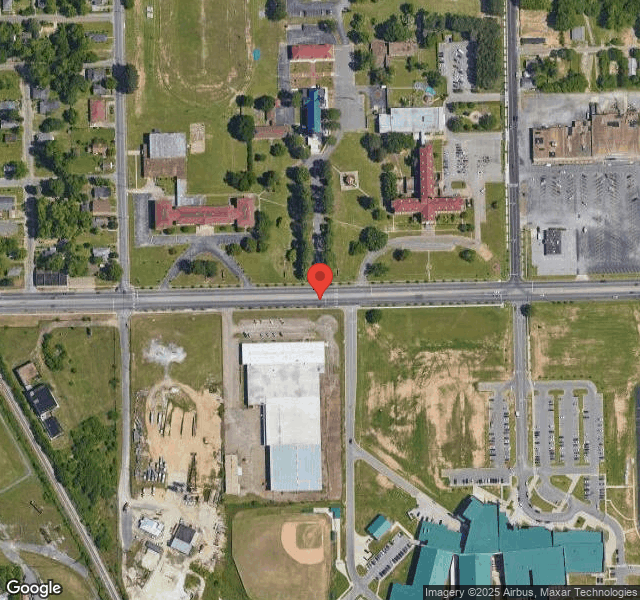

2048 W FAIRVIEW AVE, MONTGOMERY, AL 36108 (334) 834-5590
Non profit - Church related 58 Beds Independent Data: November 2025 2 Immediate Jeopardy citations
Trust Grade
31/100
#199 of 223 in AL
Last Inspection: December 2022

Over 2 years since last inspection. Current conditions may differ from available data.

Overview

Families researching Father Purcell Memorial Exceptional Children's Center should be aware that the facility has received a Trust Grade of F, indicating significant concerns about its care quality. Ranking #199 out of 223 nursing homes in Alabama places it in the bottom half, and it is the lowest-ranked facility in Montgomery County. The trend is worsening, with issues increasing from 3 in 2019 to 6 in 2022. Staffing is a relative strength, with a turnover rate of only 10%, well below the state average of 48%, but concerningly, there is less RN coverage than 99% of facilities in Alabama. Specific incidents include a critical medication error where a nurse administered the wrong medications to residents, and another incident where a resident's catheter bag was left uncovered, compromising privacy and dignity. While the staffing situation is good, the overall quality and safety issues, particularly with medication management, are alarming.

Trust Score
F
31/100
In Alabama
#199/223
Bottom 11%
Safety Record
High Risk
Review needed
Inspections
Getting Worse
3 → 6 violations
Staff Stability
✓ Good
10% annual turnover. Excellent stability, 38 points below Alabama's 48% average. Staff who stay learn residents' needs.
Penalties
✓ Good
No fines on record. Clean compliance history, better than most Alabama facilities.
Skilled Nurses
⚠ Watch
Each resident gets only 14 minutes of Registered Nurse (RN) attention daily — below average for Alabama. Fewer RN minutes means fewer trained eyes watching for problems.
Violations
○ Average
10 deficiencies on record. Average for a facility this size. Mostly minor or procedural issues.
★☆☆☆☆
1.0
Overall Rating
★☆☆☆☆
1.0
Staff Levels
★★☆☆☆
2.0
Care Quality
★☆☆☆☆
1.0
Inspection Score
Stable
2019: 3 issues
2022: 6 issues

The Good

  • Low Staff Turnover (10%) · Staff stability means consistent care
  • Full Sprinkler Coverage · Fire safety systems throughout facility
  • No fines on record
  • Staff turnover is low (10%)

    38 points below Alabama average of 48%

Facility shows strength in staff retention, fire safety.

The Bad

1-Star Overall Rating

Below Alabama average (2.9)

Significant quality concerns identified by CMS

The Ugly 10 deficiencies on record

2 life-threatening
Dec 2022 6 deficiencies
CONCERN (D)

Potential for Harm - no one hurt, but risky conditions existed

Resident Rights (Tag F0550)

Could have caused harm · This affected 1 resident

**NOTE- TERMS IN BRACKETS HAVE BEEN EDITED TO PROTECT CONFIDENTIALITY** Based on observation, record review, interviews, and review of a facility policy titled Catheter Care, the facility failed to en...

Read full inspector narrative →
**NOTE- TERMS IN BRACKETS HAVE BEEN EDITED TO PROTECT CONFIDENTIALITY** Based on observation, record review, interviews, and review of a facility policy titled Catheter Care, the facility failed to ensure Resident Identifier (RI) #144's catheter bag was not left uncovered and visible from the hallway on 12/20/2022. This affected RI #144, one of one resident sampled with an indwelling catheter. Findings include: Review of a facility policy titled Catheter Care, updated 10/07/2021, revealed the following: .Policy: It is the policy of this facility to ensure that residents with indwelling catheters receive appropriate catheter care and maintain their dignity and privacy when indwelling catheters are in use. Policy Explanation: .2. Privacy bags will be available and catheter drainage bags will be covered at all times while in use . RI #144 was admitted to the facility on [DATE] and readmitted on [DATE] with a diagnosis of Disorder of Urinary System. Review of RI #144's quarterly Minimum Data Set assessment, with an Assessment Reference Date of 09/18/2022, indicated RI #144 had an indwelling urinary catheter. On 12/20/2022 at 12:18 PM, RI #144's catheter bag was observed hanging on the side of the bed, visible from hallway with clear yellow urine noted in the drainage bag. On 12/22/2022 at 12:08 PM, Employee Identifier (EI) #1, the facility Administrator, was asked how catheter bags of residents with catheters should be maintained. EI #1 said the catheter bag should be inside of a bag, to cover it, due to dignity concerns.
CONCERN (D)

Potential for Harm - no one hurt, but risky conditions existed

Deficiency F0638 (Tag F0638)

Could have caused harm · This affected 1 resident

**NOTE- TERMS IN BRACKETS HAVE BEEN EDITED TO PROTECT CONFIDENTIALITY** Based on record review, interview, and review of the Centers for Medicare & Medicaid Services (CMS) Long-Term Care Facility Resi...

Read full inspector narrative →
**NOTE- TERMS IN BRACKETS HAVE BEEN EDITED TO PROTECT CONFIDENTIALITY** Based on record review, interview, and review of the Centers for Medicare & Medicaid Services (CMS) Long-Term Care Facility Resident Assessment Instrument (RAI) 3.0 User's Manual, the facility failed to ensure Resident Identifier (RI) #2's quarterly Minimum Data Set (MDS) assessment was completed within three months of his/her prior assessment. This affected RI #2, one of 16 sampled residents for whom MDS assessments were reviewed. Findings include: Review of the Centers for Medicare & Medicaid Services (CMS) Long-Term Care Facility Resident Assessment Instrument 3.0 User's Manual, dated October 2019, revealed the following: .Chapter 2: Assessments for the RAI . 05. Quarterly Assessment . The Quarterly assessment is an OBRA (Omnibus Budget Reconciliation Act) non-comprehensive assessment for a resident that must be completed at least every 92 days following the previous OBRA assessment of any type. It is used to track a resident's status between comprehensive assessments to ensure critical indicators of gradual change in a resident's status are monitored. The ARD (A2300) (Assessment Reference Date) must be not more than 92 days after the ARD of the most recent OBRA assessment of any type RI #2 was admitted to the facility on [DATE] and readmitted on [DATE]. Review of the facility's Assessment Manager screen for RI #2 revealed the most recent MDS assessment completed by the facility was a quarterly assessment with an ARD of 07/24/2022. On 12/22/2022 at 2:50 PM, an interview was conducted with Employee Identifier (EI) #5, the facility's MDS Coordinator. When asked to review RI #2's most recent MDS assessment, EI #5 stated RI #2's last assessment was done on 07/24/2022 and indicated there should have been a more recent assessment done in October. EI #5 said she did not know why it was not done. EI #5 then went to her filing cabinet and found her handwritten copy of information collected for RI #2's 10/23/2022 assessment. EI #5 stated she uses the handwritten pages to enter the information into the computerized Assessment Manager. EI #2 said she was unsure what happened, but somehow RI #2's 10/2022 quarterly assessment never got entered into the computer.
CONCERN (D)

Potential for Harm - no one hurt, but risky conditions existed

MDS Data Transmission (Tag F0640)

Could have caused harm · This affected 1 resident

**NOTE- TERMS IN BRACKETS HAVE BEEN EDITED TO PROTECT CONFIDENTIALITY** Based on record review, interview, and review of the Centers for Medicare & Medicaid Services (CMS) Long-Term Care Facility Resi...

Read full inspector narrative →
**NOTE- TERMS IN BRACKETS HAVE BEEN EDITED TO PROTECT CONFIDENTIALITY** Based on record review, interview, and review of the Centers for Medicare & Medicaid Services (CMS) Long-Term Care Facility Resident Assessment Instrument (RAI) 3.0 User's Manual, the facility failed to ensure Resident Identifier (RI) #14 and RI #24's completed Minimum Data Set (MDS) assessments were transmitted to the CMS system. This affected RI #14 and RI #24, two of 16 sampled residents for whom MDS assessments were reviewed. Findings include: Review of the Centers for Medicare & Medicaid Services (CMS) Long-Term Care Facility Resident Assessment Instrument 3.0 User's Manual, dated October 2019, revealed the following: CHAPTER 5: SUBMISSION .OF THE MDS ASSESSMENTS Nursing homes are required to submit Omnibus Budget Reconciliation Act (OBRA) required Minimum Data Set (MDS) records for all residents in Medicare- or Medicaid-certified beds regardless of the pay source . All Medicare and/or Medicaid-certified nursing homes . must transmit required MDS data records to CMS' Quality Improvement and Evaluation System (QIES) Assessment Submission and Processing (ASAP) system . 5.2 Timeliness Criteria . Assessment Transmission: Comprehensive assessments must be transmitted electronically within 14 days of the Care Plan Completion Date (V0200C2 + 14 days). All other MDS assessments must be submitted within 14 days of the MDS Completion Date (Z0500B + 14 days) . RI #14 was admitted to the facility on [DATE] and readmitted on [DATE]. On 12/22/2022 at 2:37 PM, record review revealed RI #14's 10/02/2022 quarterly MDS assessment was still listed as OPEN. The completion date (Z0500B) was listed as 10/05/2022. The assessment did not indicate it had been transmitted to CMS. RI #24 was admitted to the facility on [DATE] and readmitted on [DATE]. On 12/22/2022 at 2:37 PM, record review revealed RI #24's 11/13/2022 annual MDS assessment was still listed as OPEN. The assessment did not indicate it had been transmitted to CMS. Review of a hard copy of RI #24's 11/13/2022 annual MDS assessment revealed the Care Plan Completion Date (V0200C2) was listed as 11/23/2022. Employee Identifier (EI) #5, the MDS Coordinator, was interviewed on 12/22/2022 at 2:50 PM. EI #5 was asked to review the most recent MDS assessment for RI #24. EI #5 reviewed and confirmed the assessment was done and had the appropriate signatures; however, she indicated she had not transmitted it. EI #5 also reviewed RI #14's MDS assessment and stated it also had not been transmitted. When asked when MDS assessments should be transmitted, EI #5 said she has 14 days after completing assessments to transmit them to CMS.
CONCERN (D)

Potential for Harm - no one hurt, but risky conditions existed

Medical Records (Tag F0842)

Could have caused harm · This affected 1 resident

**NOTE- TERMS IN BRACKETS HAVE BEEN EDITED TO PROTECT CONFIDENTIALITY** Based on record review and interviews, the facility failed to ensure: 1) Resident Identifier (RI) #3's diet orders were transcri...

Read full inspector narrative →
**NOTE- TERMS IN BRACKETS HAVE BEEN EDITED TO PROTECT CONFIDENTIALITY** Based on record review and interviews, the facility failed to ensure: 1) Resident Identifier (RI) #3's diet orders were transcribed to the monthly Physician Orders; and 2) RI #144's catheter order was transcribed to the current Physician Orders following readmission to the facility with a catheter on 12/19/2022. This affected RI #3 and RI #144, two of 16 sampled residents for whom Physician Orders were reviewed. Findings include: 1) RI #3 was admitted to the facility on [DATE] and readmitted on [DATE] with a diagnosis of Gastrostomy Status (feeding tube). Review of RI #3's October 2022, November 2022, and December 2022 Physician Orders revealed orders for as needed tube feeding if oral intake was less than 50 percent; however, further review of these orders revealed there were no Diet Orders listed. Employee Identifier (EI) #4, the Assistant Director of Nursing, was interviewed on 12/21/2022 at 11:40 AM. EI #4 stated RI #3 was fed by mouth and assisted by staff. When asked where in the chart the resident's diet orders were listed, EI #4 referred to an Annual Nutritional Evaluation dated 4/11/2022 that documented pureed diet with honey thickened liquids. After reviewing RI #3's Physician Orders in the chart, EI #4 said there were orders for RI #3's as needed tube feeding and flushes. EI #4 said she did not see an order for RI #3's diet. On 12/22/2022 at 10:02 AM the Pharmacy Technician responsible for Physician Orders at the facility's contract pharmacy, was interviewed. She stated the facility faxes in a Physician Order form, and the pharmacy then enters them into the system. She indicated the orders are printed on the 18th of each month and delivered to the facility, who then reviews them and notes any changes or updates on the yellow carbon copy, then sends the changes back to the pharmacy for updates. The Pharmacy Technician said when the Physician Orders are printed again the following month, the changes would be reflected and printed on the sheets. The Pharmacy Technician then pulled and reviewed the previous three months of Physician Orders for RI #3 and said the facility had not added anything to the Diet Order area. She further stated, had the facility provided the Diet Order information, she would have added it to the system so it would print out on the orders. On 12/22/2022 at 10:53 AM, EI #1, the facility's Administrator, was asked how diet orders should be transcribed and updated so they are reflected on the printed monthly Physician Orders. EI #1 said two nurses should sign-off on all monthly Physician Orders. EI #1 said the reviewing nurses should have picked up on it when they reviewed and sent it over to pharmacy to update RI #3's Diet Orders, so it could be printed and included on the next month's orders. EI #1 said this was considered a transcription problem. On 12/22/2022 at 1:58 PM, EI #6, Registered Dietitian, was asked why it would be important for diet orders to be included on the monthly Physician Orders. EI #6 said so staff know if they are serving the right thing. 2) RI #144 was admitted to the facility on [DATE] and readmitted on [DATE] with a diagnosis of Disorder of Urinary System. Review of RI #144's quarterly Minimum Data Set assessment, with an Assessment Reference Date of 09/18/2022, indicated RI #144 had an indwelling urinary catheter. Review of RI #144's Discharge Summary from a 12/07-12/19/2022 hospital stay revealed .Foley catheter present . Status . Active . However, RI #144's NEW admission PHYSICIAN'S ORDERS, dated 12/19/2022, contained no order for RI #144's catheter. On 12/22/2022 at 12:08 PM, EI #1, the Administrator, was provided RI #144's chart and asked if she could assist in locating the order for RI #144's catheter. EI #1 reviewed the chart, flipped through each page of orders and shook her head no. EI #1 stated there was no order for the catheter listed. EI #1 said EI #4, the Assistant Director of Nursing, put in the admission (readmission) orders. EI #4, the Assistant Director of Nursing, was interviewed on 12/22/2022 at 12:24 PM. EI #4 was provided RI #144's chart and asked when RI #144 was readmitted to the facility. EI #4 said 12/19/2022. EI #4 indicated she was the one that prepared RI #144's Admission/readmission Orders upon his/her return to the facility. When asked if she could show the surveyor the order for RI #144's catheter, EI #4 flipped through the chart and said the order was not there, but should have been. EI #4 said she guessed she just missed it when entering the orders from the hospital readmission paperwork. EI #4 said the order for RI #144's catheter should have been transcribed.
CONCERN (D)

Potential for Harm - no one hurt, but risky conditions existed

Infection Control (Tag F0880)

Could have caused harm · This affected 1 resident

**NOTE- TERMS IN BRACKETS HAVE BEEN EDITED TO PROTECT CONFIDENTIALITY** Based on observation, interviews, record reviews and a review of facility policies titled Hand Washing Policy/Procedure and a re...

Read full inspector narrative →
**NOTE- TERMS IN BRACKETS HAVE BEEN EDITED TO PROTECT CONFIDENTIALITY** Based on observation, interviews, record reviews and a review of facility policies titled Hand Washing Policy/Procedure and a review of [NAME] and [NAME], Fundamentals of Nursing, NINTH EDITION the facility failed to ensure facility staff sanitized a blood pressure cuff and sanitized their hands in between Resident Identifier (RI) 15 and RI #26 on 12/20/2022. This affected RI #15 and RI #26 two of two residents observed during vital sign assessments and had the potential to affect 44 of 44 residents residing in the facility. Findings include: Review of [NAME] and [NAME]'s Fundamentals of Nursing, NINTH EDITION, page 528, revealed the following: . Foundations for Nursing Practice . Measuring Blood Pressure---cont'd . 11. Perform hand hygiene. Wipe cuff with facility-approved cleaning agent if used between patients. A review of an undated facility policy titled Hand Washing Policy/Procedure revealed, Hand Washing Policy Staff and all employee working in the facility will follow proper hand washing practices in order to lower risk of spreading communicable disease. Procedure Staff shall wash their hands whenever hands come in contact . 3) Between handling of residents. RI #15 was admitted to the facility on [DATE] and readmitted on [DATE]. RI #26 was admitted to the facility on [DATE] and readmitted on [DATE]. On 12/20/2022 at 07:33 AM and observation of Employee Identifier (EI) #3 Certified Nursing Assistant (CNA) was in RI #15 and RI #26 's room and assessing vital signs with electronic vital machine. Observation of EI #3 obtaining vital signs of RI #15 with machine blood pressure cuff, EI #3 removed the blood pressure cuff from left arm of RI #15 and then held blood pressure cuff with her right hand and walked over to RI #26's bed and then put the blood pressure cuff on RI #26's left lower arm without cleaning cuff or washing or sanitizing her hands in between residents, EI #3 removed the cuff and without cleaning the blood pressure cuff she put the blood pressure cuff in basket of portable vital machine. On 12/20/2022 at 07:37 AM an interview was conducted with EI #3 CNA. EI #3 was asked, when was she supposed to clean the vital machine after use. EI #3 replied, before care, between patients. EI #3 was asked, when did she clean it in between RI #15 and RI #26. EI #3 replied, she forgot to clean it that day. EI #3 was asked, why did she not clean the blood pressure cuff. EI #3 replied, she simply forgot. EI #3 was asked, when did she wash or sanitize her hands between RI #15 and RI #26. EI #3 replied, she did not. EI #3 was asked, why she did not wash or sanitize her hands in between RI #15 and RI #26. EI #3 replied, she did not think she had to. EI #3 was asked, what was the risk of not cleaning the blood pressure cuff in between RI #15 and RI #26. EI #3 replied, she thought it was ok. EI #3 was asked, should she have cleaned the blood pressure cuff in between RI #15 and RI #26. EI #3 replied, yes. EI #3 was asked, should she have washed or sanitized her hands between RI #15 and RI #26. EI #3 replied, yes ma'am. On 12/20/2022 at 07:46 AM an interview was conducted with EI #2 Director of Nursing. EI #2 was asked, what was the facility policy on washing and sanitizing hands. EI #2 replied, before and after work, bathroom any direct contact with kids, before and after procedures. EI #2 was asked, what was the policy on vital sign equipment cleaning. EI #2 replied, before and after. EI #2 was asked, what was policy for vital signs. EI #2 replied, wash off with wipes between each patient. EI #2 was asked, why would staff not wash or sanitize your hands in between residents. EI #2 replied, there would be no reason why not to wash your hands between patients. EI #2 was asked, why would staff not wash the blood pressure cuff in between residents. EI #2 replied, staff should not ever, not wash the blood pressure cuff between residents. EI #2 was asked, what was the risk of not cleaning the blood pressure cuff between residents. EI #2 replied, spreading diseases. EI #2 was asked, should EI #3 have sanitized her hands in between residents. EI #2 replied, yes. EI #2 was asked, should EI #3 have cleaned the blood pressure cuff in between residents. EI #2 replied, yes.
MINOR (B)

Minor Issue - procedural, no safety impact

Deficiency F0911 (Tag F0911)

Minor procedural issue · This affected multiple residents

Based on observations, an interview, and review of a facility assessment document for room occupancy, the facility failed to ensure that nine of sixteen resident rooms were not furnished and/or occupi...

Read full inspector narrative →
Based on observations, an interview, and review of a facility assessment document for room occupancy, the facility failed to ensure that nine of sixteen resident rooms were not furnished and/or occupied by no more than four residents per room. This included Room Locator (RL) numbers (#): 1, 2, 3, 4, 5, 6, 7, 8, and 9. This affected 9 of 16 rooms in the facility. Findings Include: On 12/20/2022 beginning at 6:55 AM, during the initial tour of the facility, RL#s: 1, 2, 3, 4, 5, 6, 7, 8, and 9 were observed set up and furnished for the occupancy of five residents. There were no concerns noted related to access to the residents by staff for care. Adequate space for resident's belongings and equipment was provided. 12/22/2022 02:35 PM, EI #1, the Administrator, provided the surveyor with a list of rooms that occupy more than four residents. A review of the document indicated the individual square footage of each room. 12/22/2022 03:17 PM, EI #1 reported there were no concerns related to access of the residents by staff to provide care. EI #1 stated the facility had 58 certified beds with a current census of 44. EI #1 stated the facility applied for a waiver annually for the rooms that occupy more than four residents.
Dec 2019 3 deficiencies 2 IJ
CRITICAL (J)

Immediate Jeopardy (IJ) - the most serious Medicare violation

Deficiency F0760 (Tag F0760)

Someone could have died · This affected 1 resident

**NOTE- TERMS IN BRACKETS HAVE BEEN EDITED TO PROTECT CONFIDENTIALITY** Based on interviews and review of Resident Identifier (RI) #14's and RI #43's medical records, FUNDAMENTALS OF NURSING NINTH EDI...

Read full inspector narrative →
**NOTE- TERMS IN BRACKETS HAVE BEEN EDITED TO PROTECT CONFIDENTIALITY** Based on interviews and review of Resident Identifier (RI) #14's and RI #43's medical records, FUNDAMENTALS OF NURSING NINTH EDITION, the MEDICATION ERROR REPORT, Employee Identifier (EI) #1's EMPLOYEE STATEMENT FORM and a complaint received by the Alabama State Survey Agency, the facility failed to ensure EI #1, a Licensed Practical Nurse (LPN) administered medications to RI #43 in accordance with accepted standards of practice and the physician's orders. The Alabama State Survey Agency received a complaint which alleged, the nursing staff administered the wrong medications to RI #43. According to the complainant, RI #43 tested positive for medications of which the resident was not ordered to receive. During the 9:00 AM medication pass on 10/29/2019, EI #1, an LPN prepared medications for RI #14. As the LPN entered RI #14's room to administer the medications, she noticed RI #14 was not in the room; the resident was in the shower room. EI #1 placed the unlabeled cup of medications in the drawer of the medication cart. EI #1 then prepared RI #43's medications for administration. As the LPN entered RI #43's room, she noticed the resident was not in the room; the resident was in the shower room. The LPN then walked to the medication cart and placed another unlabeled cup of medications in the top drawer of the medication cart. When both residents were available, the LPN removed the medication cups from the drawer and administered the medications to each of the residents, without verifying the right medications and the right resident. RI #43 was administered medications to include: Baclofen, Tegretol, Clonidine, Valium, Naltrexone and Risperdal. RI #43 then left the facility via ambulance transport for a planned procedure at the hospital. When RI #43 arrived in the hospital's Emergency Room, the resident was noted to have a slow heart rate, slow breathing, and a low blood pressure. The resident was difficult to arouse with no spontaneous movement even to pain or sternal rub. RI #43 was admitted to the Pediatric Intensive Care Unit (PICU) due to the concern for serious illness in the setting of his/her altered mental status, risk of respiratory failure and other comorbidities. A urine drug screen was done on 10/29/2019, and it revealed RI #43 had medications in his/her system that were not ordered for the resident. After RI #43 was readmitted to the facility, EI #1, the LPN informed the facility's administrative staff, 13 days later, that she had administered medications that belonged to RI #14 to RI #43 on 10/29/2019. This deficient practice affected and placed RI #43, one of six residents receiving medication from the medication cart assigned to EI #1 on 10/29/2019 in immediate jeopardy as this failure was likely to cause serious injury, harm, impairment or death. On 12/14/2019 at 10:33 AM, the Administrator and Director of Nursing were notified of the finding of substandard quality of care at the immediate jeopardy level in the area of Pharmacy Services/Residents Are Free of Significant Med Errors, F 760. Findings include: Pages 624 - 627 of Chapter 32 titled Medication Administration of FUNDAMENTALS OF NURSING NINTH EDITION with a copyright date of 2017, documented . Medication Errors A medication error can cause or lead to inappropriate medication use or patient harm. Medication errors include . administering the wrong medication, . Preventing medication errors is essential . Because nurses play an essential role in preparing and administering medications, they need to be vigilant in preventing errors . When an error occurs, the patient's safety and well-being are the top priorities. You first assess and examine the patient's condition and notify the health care provider of the incident as soon as possible . Steps to Take to Prevent Medication Errors . * Follow the six rights of medication administration . When you have made an error, reflect on what went wrong and ask how you could have prevented the error. Complete an occurrence report per agency policy . Ensure that you are well rested when caring for patients. Nurses make more errors when they are tired . Standards are actions that ensure safe nursing practice. Standards for medication administration are set by health care agencies and the nursing profession . To prevent medication errors, follow the six rights of medication administration consistently every time you administer medications. Many medication errors can be linked in some way to an inconsistency in adhering to these six rights: 1. The right medication 2. The right dose 3. The right patient 4. The right route 5. The right time 6. The right documentation . Right Patient. Medication errors often occur because a patient gets a drug intended for another patient. Therefore an important step in safe medication administration is being sure that you give the right medication to the right patient . On 12/6/2019, the Alabama State Survey Agency received a complaint which alleged, the nursing staff administered the wrong medications to RI #43. According to the complainant, RI #43 tested positive for medications of which the resident was not ordered to receive. RI #14 was admitted to the facility on [DATE] with an admitting diagnosis of Cerebral Palsy. RI #14 has a medical history to include diagnoses of: Restlessness and agitation and other conduct disorders. RI #43 was admitted to the facility on [DATE]. RI #43 has a medical history to include diagnoses of: Congenital Myopathy, Tracheotomy, Spastic Quadriplegic Cerebral Palsy, and Epilepsy. On 12/11/2019 at 9:21 AM, a telephone interview was conducted with the Pediatric Intensive Care Unit (PICU) Social Worker (SW) at the hospital RI #43 was transferred to on 10/29/2019. The SW stated the emergency room (ER) staff knew RI #43 well and realized he/she was not acting like his/her normal self and ordered a drug screen test. According to the SW, RI #43 had come to the ER to have his/her feeding tube replaced. The SW stated two urine drug screens were done in the ER and a comprehensive drug analysis was sent to an outside facility; all of which came back positive. The SW stated the physicians at the hospital were concerned for RI #43 because the resident was not prescribed any of the medications in which he/she tested positive for. RI #43 was admitted to the hospital with Altered Mental Status (AMS). The SW stated on 10/29/2019 she called the nursing facility and spoke with RI #43's nurse, later identified as EI #1, an LPN. According to the SW, RI #43's nurse listed the medications RI #43 was administered but none of them were the ones the resident had tested positive for. On 12/11/2019 at 2:34 PM, an interview was conducted with EI #1, the LPN assigned to care for RI #43 during the 7:00 AM to 3:00 PM shift on 10/29/2019. When asked why RI #43 was being sent to the hospital, EI #1 stated because the resident's GJ (gastrostomy jejunostomy) tube was malfunctioning; it was leaking. When asked how medication was administered to RI #43, EI #1 replied, by way of the tube. EI #1 was asked if she administered medications to RI #43 on 10/29/2019. She replied, yes. EI #1 stated it was kind of a rush rush thing and she guessed this was how the mix up happened. When asked what mix up, EI #1 stated the medication for RI #14 was mixed up with RI #43's medications. EI #1 was asked what were RI #14's medications. EI #1 read from the Medication Administration Record (MAR): Vitamin D, Clonidine, Diazepam (Valium), Rantidine (Zantac), Risperdal, Naltrexone (Vivitrol), Aleve, Senexon, Baclofen, Carbamazepine (Tegretol) and Zanaflex. When asked how she thought the mix up occurred, EI #1 said she prepared RI #14's medications for administration; however, when she went to administer the medications to RI #14, the resident was in the shower. EI #1 stated she then put the medications in the medication cart. EI #1 then prepared RI #43's medications for administration. When EI #1 went to administer RI #43's his/her medications, the resident was also in the shower, so she placed RI #43's medication in the medication cart alongside RI #14's medications. EI #1 stated when the residents became available she administered each of the resident's their medications and got them mixed up. When asked if it was normal procedure to prepare medication for administration before seeing the resident, EI #1 said yes. EI #1 explained that if the resident was not available, the medication would be placed back into the medication cart and locked up. When asked how she would know who the medication belonged to, EI #1 answered, she would put the resident's name on the medication cup. EI #1 was asked if she did this on 10/29/2019 and she stated this was probably one of those mornings that she did not. When asked if RI #43 was administered RI #14's medications, EI #1 answered yes. EI #1 was asked when she realized that she had administered the wrong medications to RI #43. EI #1 replied, when the hospital called back to the nursing facility saying RI #43 was lethargic. When asked when she notified the facility's administrative staff of the error, EI #1 stated it was about a week and a half later. EI #1 explained that RI #43 had come back to the facility and it was being said that the resident was administered the wrong medications; that is when EI #1 informed the Administrator of the error she had made. According to EI #1, the Administrator asked her to come into the facility and talk with her and the Director of Nursing (DON). EI #1 stated she was suspended, and a medication error report was completed. The MEDICATION ERROR REPORT dated 11/11/2019 indicated on 10/29/2019 at 9:00 AM, RI #43 was administered medications not prescribed for him/her. The report documented . REASON FOR MAKING ERROR See Attached Nurse Statement COULD THIS ERROR HAVE ENDANGERED THE LIFE OR WELFARE OF THE RESIDENT? Yes . WHAT IS THE ACTUAL EFFECT OF THE ERROR MADE ON THE RESIDENT? Patient became over sedated. HOW WAS THE ERROR DISCOVERED? By drawing lab to discover why patient was so sedated. Nurse reported that she felt like she might have mixed medications up . WHAT PRECAUTIONS CAN BE TAKEN TO PREVENT A SIMILAR ERROR? . Only set up one resident medication @ (at) a time . EI #1's EMPLOYEE STATEMENT FORM dated 11/11/2019, documented The morning of the incident I didn't sleep well suffering from insomnia & had taken a bendryl (Benadryl) before coming in that morning, . I now (know) that day my judgement was impaired, I made mistake giving (RI #43) the wrong medication of another resident before (he/she) going (out) of the facility for a GJ tube replacement to the hospital . RI #14's PHYSICIAN'S ORDERS MEDICATIONS AND TREATMENTS for October 2019 revealed the resident was ordered the following medications at 9:00 AM: Ergocalciferol (Vitamin D2), used to treat a Vitamin D deficiency; Aleve, a non-steroidal anti-inflammatory; Senexon, used to treat constipation; Baclofen, used to treat muscle spasms; Carbamazepine (Tegretol), a medication used to treat seizures; Clonidine HCL, used to treat high blood pressure; Diazepam (Valium), a benzodiazepine used to treat anxiety, muscle spasms and seizures; Naltrexone (Vivitrol), used to prevent opiate effects; Ranitidine (Zantac), used to treat and prevent heartburn; Risperidone (Risperdal), an antipsychotic used to treat mental/mood disorders; and Tizanidine HCL (Zanaflex), used to treat spasticity. RI #43's PHYSICIAN'S ORDERS MEDICATIONS AND TREATMENTS for October 2019 revealed the resident was ordered the following medications at 9:00 AM: Prevacid, an over-the-counter medication used to treat heartburn; Poly-Vi-Sol, a multi-vitamin; Zyrtec, an antihistamine used to treat cold and allergy symptoms; Levetiracetam (Keppra), an anti-epileptic medication used to treat seizures in people with Epilepsy; and Culturelle, a probiotic used to improve digestion and restore normal flora. During an interview on 12/11/2019 at 3:37 PM, EI #4, the 7:00 AM to 3:00 PM shift Registered Nurse (RN) Supervisor was asked, what the standard of practice was nurses use when administering medications to a resident. EI #4 said make sure it is the right route, right dose, right time, right patient, right amount and the right medication. When asked how a nurse ensures this occurs, EI #4 replied, look at the resident's name, look at the medication and time, then pull the medications from the medication cart and prepare them for administration. When asked what a nurse should do if they have pulled (prepared) medications for administration and the resident was not available, EI #4 replied, first one should find out where the resident is before the medication is prepared. If the medication has been prepared and the resident is not in his or her room, have a Certified Nursing Assistant (CNA) find the resident and bring the resident to the room. If the resident is not available, the medication should be discarded. In an interview on 12/12/2019 at 3:11 PM, EI #2, the Administrator was asked, when EI #1, a LPN, administered the wrong medication to RI #43 on 10/29/2019, did it potentially endanger the life or welfare of the resident. EI #2 answered, yes. RI #43's hospital's History and Physical dated 10/29/2019, documented . Chief Complaint: HPI (History of Present Illness): (RI #43) . with history of congenital muscular dystrophy, . cerebral palsy, spastic quadriplegia, seizures, communicating hydrocephalus, chronic respiratory failure, trach and G tube dependence who presents today with G tube issues but found to be significantly altered . In the ED (Emergency Department), (RI #43) was noted to be bradycardic to the 90s, bradypneic with a rate of 8-10, with an initial blood pressure of 66/49 . (RI #43) was difficult to arouse and had no spontaneous movements even to pain or sternal rub . Once (RI #43) reached the floor, due to (his/her) positive drug screen, (he/she) was given two doses of 2 mg (milligram) naloxone with no response . A/P (Assessment/Plan): (RI #43) . presents with altered mental status secondary to suspected sepsis vs. medication polypharmacy vs overdose vs. subclinical seizures vs. meningitis vs. AKI (acute kidney injury). (RI #43) initial workup was reassuring against infection . We will plan to repeat UDS (urine drug screen) and send a comprehensive while attempting to obtain further information regarding these medications (neither are prescribed). (RI #43) remained admitted to the ICU (Intensive Care Unit) due to concern for serious illness in the setting of (his/her) altered mental status, risk of respiratory failure and (his/her) other comorbidities . RI #43's COMPREHENSIVE DRUG ANALYSIS, UR (Urine) with a 10/29/2019 date of service indicated the following drugs were present in RI #43's system: Desmethyldiazepam 648 Oxazepam 176 Temazepam 990 Desmethyldiazepam, oxazepam and temazepam are benzodiazepine drugs, but may also be present as common metabolites of other benzodiazepine drugs, including diazepam Naltrexone PRESENT Carbamazepine PRESENT Levetiracetam PRESENT Baclofen PRESENT Risperidone PRESENT Naproxen PRESENT Brompheniramine PRESENT . During an interview on 12/12/2019 at 12:13 PM, EI #8, the facility's Consultant Pharmacist was asked when she became aware that RI #43 had received the wrong medications. EI #8 replied, today (12/12/2019). When asked if she had the opportunity to review RI #43's COMPREHENSIVE DRUG ANALYSIS, UR, EI #8 said no. EI #8 was shown the results and asked what medication it stated Desmethyldiazepam, oxazepam and temazepam may be present as common metabolites of. EI #8 replied, Valium. When asked what that meant, EI #8 explained when Valium is taken the body breaks the medication down and it could show up in a drug screen as Desmethyldiazepam, Oxazepam and Temazepam. EI #8 was asked to review RI #14's ordered medications and asked which of the resident's medications could alter a person's mental status. EI #8 said Valium was an antianxiety medication which could cause confusion, somnolence (sleepiness) and fatigue. Naltrexone, an Opioid antagonist could cause dizziness. Risperadal, an antipsychotic medication could cause somnolence. Zanaflex, a muscle relaxant could cause somnolence. Baclofen, a muscle relaxant could cause drowsiness. Tegretol, a seizure medication could cause dizziness and drowsiness. Clonidine, a blood pressure medication could cause drowsiness and decrease a person's blood pressure. When asked if these medications could endanger the life or welfare of someone who was administered the medication but not prescribed the medications, EI #8 said yes. EI #8 commented, with the blood pressure medication, especially a low blood pressure could be dangerous. The hospital's Discharge Plan for RI #43 dated 11/6/2019, documented . Post Hospitalization Care Instructions: Pt (patient) was found to have ingested multiple medications that were not the patient's own medications. Please insure that whoever is giving (him/her) (his/her) medications is only giving (him/her) (his/her) own medications . ************************* On 12/14/2019 at 6:35 PM, the facility submitted a Removal Plan for F 760 which documented: 10/29/19: LPN #1 gave RI #14 medication's to RI #43 and vice versa. LPN #1 was disciplined with suspension. 11/11/19: LPN #1 was reported to Board of Nursing. Sponsors were notified and the Medical Director. Medical Director came to assess resident status and did progress notes in which they had no adverse reaction. Medication error report complete. The licensed staff will begin to review all recent labs on the residents for any significant changes. Medication error report completed. 11/19/19: Nurses were in serviced on medication errors by RN supervisors. Staff not in-serviced will be in-serviced upon returning to work. 12/13/19: Director of Nursing and/or Designee began an audit on medication pass observation to ensure medications are passed per physician orders. Random observation will start until medication error does not occur. Alleging the immediacy is removed on 12/14/19 ************************* After reviewing the facility's information provided in their Removal Plan and verifying the immediate actions had been implemented, the scope/severity level of F 760 was lowered to a D level on 12/14/2019, to allow the facility time to monitor and/or revise their corrective actions as necessary to achieve substantial compliance. This deficiency was cited as the result of the investigation of complaint/report number AL00037375.
CRITICAL (J)

Immediate Jeopardy (IJ) - the most serious Medicare violation

Administration (Tag F0835)

Someone could have died · This affected 1 resident

Based on interviews and review of the POSITION DESCRIPTION DIRECTOR OF NURSING, the Position Description ADMINISTRATOR, the Time Line for (Employee Identifier {EI} #1, FATHER PURCELL MEMORIAL MEDICATI...

Read full inspector narrative →
Based on interviews and review of the POSITION DESCRIPTION DIRECTOR OF NURSING, the Position Description ADMINISTRATOR, the Time Line for (Employee Identifier {EI} #1, FATHER PURCELL MEMORIAL MEDICATION GASTROSTOMY CHECK OFF and Father Purcell Memorial In-Service Education Program, the facility's Administrator, responsible for directing all aspects of the facility, and the Director of Nursing (DON), responsible for the overall function of the nursing department, failed to ensure a thorough investigation was conducted after becoming aware that Employee Identifier (EI) #1, a Licensed Practical Nurse (LPN) had administered the wrong medications to Resident Identifier (RI) #14 and RI #43 on 10/29/2019. The administrative staff further failed to implement measures to ensure no other resident received the wrong medication after becoming aware RI #43 had been administered medications ordered for another resident, RI #14. During the 7:00 AM to 3:00 PM shift on 10/29/2019, EI #1, the LPN prepared medications for RI #14, who resided in the room next to RI #43. As she entered the room to administer the medications, she noticed RI #14 was not in the room; the resident was in the shower room. The LPN placed the unlabeled cup of medications in the top drawer of the medication cart. The LPN then proceeded to prepare RI #43's medications for administration. As the LPN entered RI #43's room, she noticed the resident was not in the room; the resident was in the shower room. The LPN then walked to the medication cart and placed another unlabeled cup of medications in the top drawer of the medication cart. When both residents were available, the LPN got the medication cups from the top drawer and administered them to each of the residents. RI #43 then left the facility via ambulance transport for a planned procedure at the hospital. When RI #43 arrived in the Emergency Room, the resident was noted to have a slow heart rate, slow breathing, and a low blood pressure. The resident was difficult to arouse with no spontaneous movement even to pain or sternal rub. RI #43 was admitted to the Pediatric Intensive Care Unit (PICU) due to the concern for serious illness in the setting of his/her altered mental status, risk of respiratory failure and other comorbidities. A urine drug screen was done, and it revealed RI #43 had medications in his/her system that were not ordered for the resident. After RI #43 was readmitted to the facility, EI #1 informed the facility's administrative staff that she had administered medications that belonged to RI #14 to RI #43 on 10/29/2019. These deficient practices affected RI #14 and RI #43, two of six residents who received medications from EI #1 on 10/29/2019 and placed RI #43, one of six residents receiving medication from the medication cart assigned to EI #1 on 10/29/2019 in immediate jeopardy as this failure was likely to cause serious injury, harm, impairment or death. On 12/14/2019 at 10:33 AM, the Administrator and Director of Nursing were notified of the finding of immediate jeopardy in the area of Administration, F 835. Findings include: The POSITION DESCRIPTION DIRECTOR OF NURSING signed by EI #3, the Director of Nursing on 9/4/2018, documented SUMMARY: Under the general direction of the Administrator, the Director of Nursing is responsible for planning, organizing, staffing, directing. Managing and coordinating nursing staff, equipment and supplies in such a manner as to afford optimum nursing care for the children served by the Center. RESPONSIBILITIES AND DUTIES: 1. Develops, or causes to be developed, implements and oversees conformance with such written nursing services policies, standards, practices and procedures as are needed to ensure the optimum care of each child served . In an interview on 12/12/2019 at 10:18 AM, EI #3, the DON was asked when she became aware that RI #43 had received the wrong medication. EI #3 stated, she couldn't remember the exact date, but she was at home when the Administrator, EI #2, called and informed her that EI #1, the LPN said she thought she (EI #1) was the one who administered the wrong medication to RI #43. After speaking with the Administrator, EI #3 stated she called EI #1, the LPN and informed her not to come into work until she was called. When asked if an investigation was conducted, EI #3 replied that she and the Administrator talked with EI #1; had EI #1 to write a statement; completed a medication error report; and reported EI #1's actions to the Board of Nursing. EI #3 commented, that's all we did. When asked whose medication did the facility determine was administered to RI #43, EI #3 answered that EI #1 told her they were RI #14's medications. EI #3 was asked if EI #1 reported to her how the error occurred. EI #3 replied by reading the statement written by EI #1. When asked if EI #1 informed her of what specifically occurred, EI #3 stated EI #1 didn't say what specifically occurred other than the fact that she mixed RI #43's medications up with another resident's medications. EI #3 was asked, what was done with the nursing staff after the incident was discovered. EI #3 answered that an in-service was conducted with the nurses about preparing medications one at a time and not storing prepared medications in the cart. EI #3 stated she completed a medication pass check-off with EI #1 during the 11:00 PM to 7:00 AM shift. EI #3 stated she will also begin to complete random observations of medication administration. When asked if there had been any random observations of EI #1, EI #3 answered that she would have to look in the book. In a follow-up interview on 12/13/2019 beginning at 12:32 PM, EI #3, the DON was asked did she review lab results of other residents after being informed by EI #1 that she had administered RI #43 medications that belonged to RI #14. EI #3 replied, no. EI #3 stated the facility only monitored the two residents whose medications were mixed up. When asked if the facility checked other residents to see if they may have received medications not prescribed to them, EI #3 said not to her knowledge. When asked what preventative measures were put in place to ensure the identified deficient practice did not recur, EI #3 stated the nursing staff was in-serviced to only pull (prepare) one medication at a time and if they were unable to administer the medication, to discard it and prepare again when the resident was available. EI #3 further stated that medication pass check-off was completed with EI #1 before EI #1 returned to the floor. An undated document titled Time Line for (EI #1) documented Sunday, November 10, 2019 3:14 p.m.: (EI #1) called the administrator and stated I have always been honest with you about everything except this one thing. I think I was the one that may have mixed (RI #43) medicine with (RI #14) medicine. I have been under a lot of stress lately but I know I did it. When the administrator asked why she waited so long to tell us what happened, (EI #1) then stated I don't know . The DON was notified immediately after I spoke with (EI #1) Sunday, November 10, 2019 3:18 p.m.: DON called (EI #1) and stated Don't come to work at your regular time and that they would call her when to come back to work. Monday, November 11, 2019 9:15 a.m.: . (EI #1) came into the facility she was asked to write out a statement about what happened. DON and Administrator made a report to the Board of Nursing of a medication error and medication error forms were completed. (EI #1) was suspended for 4 days . Friday, November 15, 2019 11:00 p.m. (EI #1) returned back to work on the 11 to 7 shift and the DON came in and did a Medication Pass check off with (EI #1) The FATHER PURCELL MEMORIAL MEDICATION GASTROSTOMY CHECK OFF indicated on 11/16/2019, EI #3, the DON observed EI #1 perform medication administration by way of a gastrostomy tube on one of the five residents who reside in Room Locator (RL) #4. The Father Purcell Memorial In-Service Education Program indicated on 11/19/2019 during the 7:00 AM to 7:00 PM and 7:00 PM to 7:00 AM shift, 20 of the facility's 58 licensed nurses received education by EI #4, the Registered Nurse Supervisor on Each nurse is to review FPM (Father Purcell Memorial) Medication Administration policy and abide by it. When administering medication each nurse is to only pull and administer one patient at a time medication. If you pull and store patients medication on cart, disciplinary action will be taken . On 12/13/2019 at 3:42 PM, EI #3, the DON was asked why in-service education was not started immediately after being made aware that a medication error had occurred. EI #3 replied, she did not know. During an interview on 12/11/2019 at 3:37 PM, EI #4, a Registered Nurse (RN) Supervisor acknowledged that she became aware of RI #43's urine drug screen results when the hospital staff called the nursing facility on 11/5/2019 and informed her that RI #43 had medications in his/her system that he/she was ordered to receive. EI #4 stated on 11/6/2019, EI #5, another RN Supervisor, showed her the RI #43's urine drug screen results. When asked if she apart of the facility's investigation into how RI #43 tested positive for medications he/she was not ordered to receive, EI #4 said no. In an interview on 12/12/2019 at 5:50 PM, EI #5, a RN Supervisor was asked when she became aware that RI #43 had been administered the wrong medication. EI #5 stated on the evening on 11/6/2019 after RI #43 had returned to the facility, she removed from the fax machine RI #43's urine drug screen results that were sent to facility from the hospital. When asked what type of investigation was done to see how RI #43 tested positive for medications he/she was not prescribed, EI #5 stated the only thing she knew was that she reviewed the labs and saw on the report the medications that RI #43 tested positive for and knew those medications belonged to RI #14. EI #5 stated she was not a part of any investigation. According to the fax confirmation report, on 11/5/2019 at 4:11 PM, the nursing facility received from the hospital the results of RI #43's Comprehensive Drug Analysis. The fax confirmation report dated 11/6/2019 indicated on 11/6/2019, the hospital staff faxed to the facility four pages regarding RI #43. The notes section of the report documented In regarded to (RI #43) medical records. These are all the labs that we have at this time. Looks like there are some labs that are still pending. I will send you another fax when all labs have been uploaded into our system . The fax confirmation report dated 11/7/2019 indicated on 11/7/2019, the hospital staff faxed to the facility 29 pages regarding RI #43. The notes section of the report documented In regards to (RI #43) medical records. All lab results are now available and have been included . The undated Position Description ADMINISTRATOR documented SUMMARY The Administrator is responsible . for effectively and efficiently planning, organizing, directing and controlling all aspects of the operation of Father Purcell Children's Center in a manner assuring quality care for the children, concern for their parents and satisfaction of all federal, state, and local laws and regulation governing nursing homes . During an interview on 12/12/2019 at 3:11 PM, EI #2, the Administrator stated on 11/10/2019, EI #1, the LPN called and informed her (EI #2) that she thought she had administered the wrong medications to RI #43. EI #2 stated she asked EI #1 when did this occur and EI #1 stated it happened on 10/29/2019, the day RI #43 was sent to the hospital. When asked who received RI #43's ordered medications, EI #2 stated the LPN (EI #1) told her that RI #14 received RI #43's medications. When asked what she did after becoming aware RI #43 had received the wrong medication, EI #2 stated the licensed nursing staff was asked to assess RI #43, the facility's Medical Director was notified and EI #1 was asked to not come into work until called. When asked if she instructed the facility to check other residents to see if they may have received medications not prescribed to them, EI #2 she didn't. EI #2 was asked if she was able to determine what happened, how it happened and who all was affected after being notified by EI #1, the LPN, that she had administered the wrong medication to RI #43 on 10/29/2019. EI #2 stated the facility concluded that EI #1 administered RI #43 medications that were ordered for RI #14. EI #2 stated she asked EI #1 several times how this occurred and EI #1 never verbally responded. According to EI #2, EI #1 gave her names of residents she thought had a medication error. When asked what preventative measures were put in place to ensure this did not recur, EI #2 stated the nurses will be checked-off on medication pass and the Consultant Pharmacy had been asked to perform check-off as well. EI #2 stated the Registered Nurses (RN) will begin monitoring medication pass and EI #1's employment will be terminated. During an interview on 12/12/2019 at 12:13 PM, EI #8, the facility's Consultant Pharmacist was asked when she became aware that RI #43 had received the wrong medications. EI #8 replied, today (12/12/2019). When asked what she had done after becoming aware RI #43 had been administered the wrong medication, EI #8 stated the Administrator asked her to perform a medication pass observation with EI #1. EI #8 stated she was planning on doing that when the LPN came into work. ************************* On 12/14/19 at 6:35 PM, the facility submitted a Removal Plan for F 835 which documented: The alleged incident that occurred on 10/29/19 FPM submitted the report online to ADPH on 12/14/2019. 12/14/2019: Department heads counseled on the importance of Abuse, Neglect and Exploitation and reporting neglect immediately and implementing the policies and procedures of the facility. Director of Nursing counseled on the importance of following up with staff after any significant change in resident but not limited to Abuse, Neglect, and exploitation. The facility will in-service the staff on the importance of reporting to ADPH per the Abuse, Neglect & Exploitation policy to include results of all investigations state survey agency with 5 working days of the incident, and if the alleged violation is verified appropriate corrective action must be taken. ************************* After reviewing the facility's information provided in their Removal Plan and verifying the immediate actions had been implemented, the scope/severity level of F 835 was lowered to a D level on 12/14/2019, to allow the facility time to monitor and/or revise their corrective actions as necessary to achieve substantial compliance. This deficiency was cited as the result of the investigation of complaint/report number AL00037375.
MINOR (B)

Minor Issue - procedural, no safety impact

Deficiency F0911 (Tag F0911)

Minor procedural issue · This affected multiple residents

Based on observation and interview, the facility failed to ensure nine residents' rooms were not set up and furnished for the occupancy of five residents in each room. This deficient practice affected...

Read full inspector narrative →
Based on observation and interview, the facility failed to ensure nine residents' rooms were not set up and furnished for the occupancy of five residents in each room. This deficient practice affected Room Locator (RL) #1 through RL #9, nine of 16 resident rooms in the facility. Findings include: On 12/10/2019 beginning at 11:20 AM, RL #1 through RL #9 were observed set up and furnished for the occupancy of five residents in each room. There were no concerns identified related to access to the residents by staff for provision of care, or the space for each residents' belongings and/or equipment. In an interview on 12/13/2019 at 9:56 AM, Employee Identifier (EI) #2, the Administrator was asked how many beds the facility is certified for. EI #2 replied, 58 beds. When asked what the current census was of the facility, EI #2 said 47. When asked how many rooms accommodated more than four residents, EI #2 answered, nine.
Oct 2018 1 deficiency
MINOR (B)

Minor Issue - procedural, no safety impact

Deficiency F0911 (Tag F0911)

Minor procedural issue · This affected multiple residents

Based on observation, an interview, and review of a facility assessment document for room occupancy, the facility failed to ensure that nine of sixteen resident rooms were not furnished and occupied b...

Read full inspector narrative →
Based on observation, an interview, and review of a facility assessment document for room occupancy, the facility failed to ensure that nine of sixteen resident rooms were not furnished and occupied by no more than four residents per room. This included Room Locator (RL) numbers (#): 1, 2, 3, 4, 5, 6, 7, 8, and 9. This affected 41 of 53 residents residing in the facility. Findings Include: On 10/16/18 at 8:04 AM, during the initial tour of the facility, RL#s: 1, 2, 3, 4, 5, 6, 7, 8, and 9 were observed set up and furnished for the occupancy of five residents. There were no concerns noted related to access to the residents by staff for care. Adequate space for resident's belongings and equipment was provided. On 10/17/18 at 10:20 AM, EI #1, the Administrator, provided the surveyor with a list of rooms that occupy more than four residents. A review of the document indicated the individual square footage of each room and that each of the RL #s 1-9 were occupied by more than four residents. On 10/18/18 at 9:50 AM, EI #1 reported there were no concerns related to access of the residents by staff to provide care. EI #1 stated the facility had 58 certified beds with a current census of 53. EI #1 stated the facility applied for a waiver annually for the rooms that occupy more than four residents.
Understanding Severity Codes (click to expand)
Life-Threatening (Immediate Jeopardy)
J - Isolated K - Pattern L - Widespread
Actual Harm
G - Isolated H - Pattern I - Widespread
Potential for Harm
D - Isolated E - Pattern F - Widespread
No Harm (Minor)
A - Isolated B - Pattern C - Widespread

Questions to Ask on Your Visit

  • "What changes have you made since the serious inspection findings?"
  • "Can I speak with families of current residents?"
  • "What's your RN coverage like on weekends and overnight?"

Our Honest Assessment

Strengths
  • • No fines on record. Clean compliance history, better than most Alabama facilities.
  • • 10% annual turnover. Excellent stability, 38 points below Alabama's 48% average. Staff who stay learn residents' needs.
Concerns
  • • Multiple safety concerns identified: 2 life-threatening violation(s). Review inspection reports carefully.
  • • 10 deficiencies on record, including 2 critical (life-threatening) violations. These warrant careful review before choosing this facility.
  • • Grade F (31/100). Below average facility with significant concerns.
Bottom line: Trust Score of 31/100 indicates significant concerns. Thoroughly evaluate alternatives.

About This Facility

What is Father Purcell Memorial Exceptional Children'S Ctr's CMS Rating?

CMS assigns FATHER PURCELL MEMORIAL EXCEPTIONAL CHILDREN'S CTR an overall rating of 1 out of 5 stars, which is considered much below average nationally. Within Alabama, this rating places the facility higher than 0% of the state's 100 nursing homes. A rating at this level reflects concerns identified through health inspections, staffing assessments, or quality measures that families should carefully consider.

How is Father Purcell Memorial Exceptional Children'S Ctr Staffed?

CMS rates FATHER PURCELL MEMORIAL EXCEPTIONAL CHILDREN'S CTR's staffing level at 1 out of 5 stars, which is much below average compared to other nursing homes. Staff turnover is 10%, compared to the Alabama average of 46%. This relatively stable workforce can support continuity of care.

What Have Inspectors Found at Father Purcell Memorial Exceptional Children'S Ctr?

State health inspectors documented 10 deficiencies at FATHER PURCELL MEMORIAL EXCEPTIONAL CHILDREN'S CTR during 2018 to 2022. These included: 2 Immediate Jeopardy (the most serious level, indicating potential for serious harm or death), 5 with potential for harm, and 3 minor or isolated issues. Immediate Jeopardy findings are rare and represent the most serious regulatory concerns. They require immediate corrective action.

Who Owns and Operates Father Purcell Memorial Exceptional Children'S Ctr?

FATHER PURCELL MEMORIAL EXCEPTIONAL CHILDREN'S CTR is owned by a non-profit organization. Non-profit facilities reinvest revenue into operations rather than distributing to shareholders. The facility operates independently rather than as part of a larger chain. With 58 certified beds and approximately 43 residents (about 74% occupancy), it is a smaller facility located in MONTGOMERY, Alabama.

How Does Father Purcell Memorial Exceptional Children'S Ctr Compare to Other Alabama Nursing Homes?

Compared to the 100 nursing homes in Alabama, FATHER PURCELL MEMORIAL EXCEPTIONAL CHILDREN'S CTR's overall rating (1 stars) is below the state average of 2.9, staff turnover (10%) is significantly lower than the state average of 46%, and health inspection rating (1 stars) is much below the national benchmark.

What Should Families Ask When Visiting Father Purcell Memorial Exceptional Children'S Ctr?

Based on this facility's data, families visiting should ask: "What changes have been made since the serious inspection findings, and how are you preventing similar issues?" "Can you walk me through typical staffing levels on day, evening, and night shifts?" "Can I visit during a mealtime to observe dining assistance and food quality?" "How do you handle medical emergencies, and what is your hospital transfer rate?" These questions are particularly relevant given the facility's Immediate Jeopardy citations and the below-average staffing rating.

Is Father Purcell Memorial Exceptional Children'S Ctr Safe?

Based on CMS inspection data, FATHER PURCELL MEMORIAL EXCEPTIONAL CHILDREN'S CTR has documented safety concerns. Inspectors have issued 2 Immediate Jeopardy citations (the most serious violation level indicating risk of serious injury or death). The facility has a 1-star overall rating and ranks #100 of 100 nursing homes in Alabama. Families considering this facility should ask detailed questions about what corrective actions have been taken since these incidents.

Do Nurses at Father Purcell Memorial Exceptional Children'S Ctr Stick Around?

Staff at FATHER PURCELL MEMORIAL EXCEPTIONAL CHILDREN'S CTR tend to stick around. With a turnover rate of 10%, the facility is 36 percentage points below the Alabama average of 46%. Low turnover is a positive sign. It means caregivers have time to learn each resident's needs, medications, and personal preferences. Consistent staff also notice subtle changes in a resident's condition more quickly.

Was Father Purcell Memorial Exceptional Children'S Ctr Ever Fined?

FATHER PURCELL MEMORIAL EXCEPTIONAL CHILDREN'S CTR has no federal fines on record. CMS issues fines when nursing homes fail to meet care standards or don't correct problems found during inspections. The absence of fines suggests the facility has either maintained compliance or corrected any issues before penalties were assessed. This is a positive indicator, though families should still review recent inspection reports for the full picture.

Is Father Purcell Memorial Exceptional Children'S Ctr on Any Federal Watch List?

FATHER PURCELL MEMORIAL EXCEPTIONAL CHILDREN'S CTR is not on any federal watch list. The most significant is the Special Focus Facility (SFF) program, which identifies the bottom 1% of nursing homes nationally based on persistent, serious quality problems. Not being on this list means the facility has avoided the pattern of deficiencies that triggers enhanced federal oversight. This is a positive indicator, though families should still review the facility's inspection history directly.