DIVERSICARE OF ONEONTA
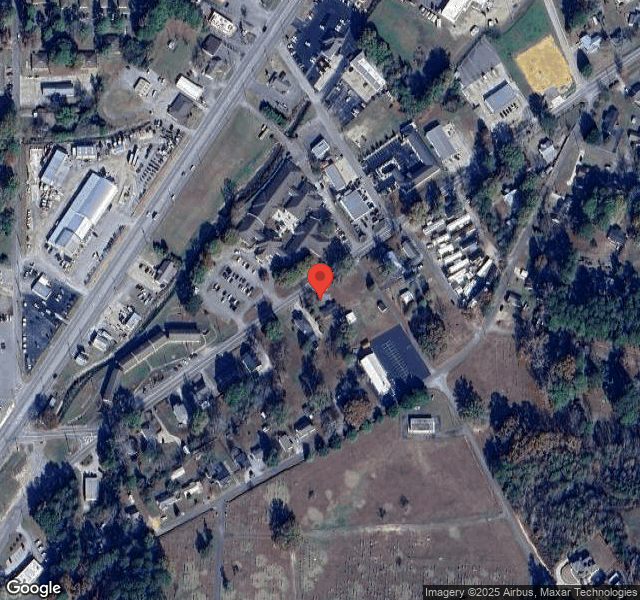
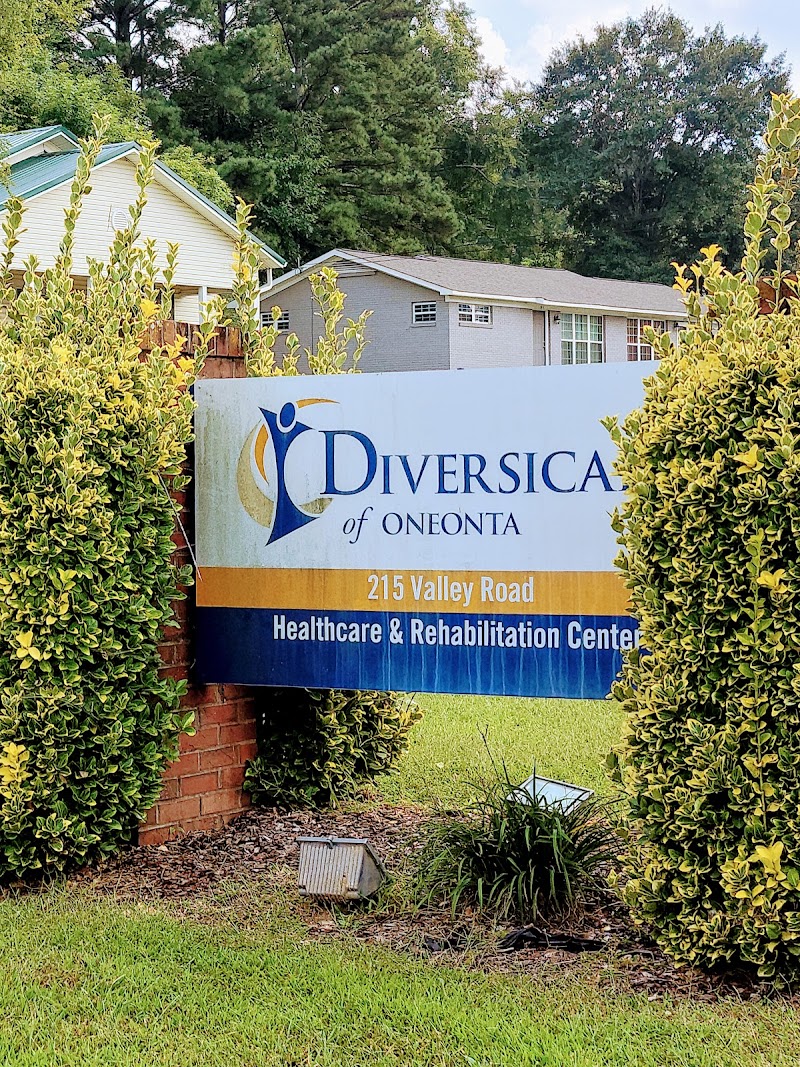
215 VALLEY ROAD, ONEONTA, AL 35121 (205) 274-2365
For profit - Corporation 120 Beds DIVERSICARE HEALTHCARE Data: November 2025 1 Immediate Jeopardy citation
Trust Grade
46/100
#154 of 223 in AL
Last Inspection: July 2023

Over 2 years since last inspection. Current conditions may differ from available data.

Overview

Diversicare of Oneonta has received a Trust Grade of D, indicating below-average quality with some significant concerns. Ranking #154 out of 223 facilities in Alabama places them in the bottom half, and they are #2 out of 2 in Blount County, meaning there is only one local nursing home option that rates better. Unfortunately, the facility's situation is worsening, with the number of reported issues increasing from 2 in 2019 to 6 in 2023. Staffing is a relative strength, with a turnover rate of 43%, which is lower than the state average of 48%, but the facility has received fines totaling $9,318, which is higher than 82% of Alabama facilities, suggesting ongoing compliance problems. In terms of RN coverage, it is rated as average, which may not provide the high level of oversight needed for residents. Notably, there are serious concerns regarding resident safety; a critical incident involved staff failing to report an allegation of resident-to-resident sexual abuse for two days, allowing the residents involved to remain roommates during that time. Additionally, the facility did not follow regulations requiring updated mental health screenings for residents who were diagnosed with new mental illnesses, which could lead to inadequate care for those individuals. Overall, while there are some strengths in staffing stability, the serious safety violations and worsening trend of issues are significant red flags for families considering this nursing home.

Trust Score
D
46/100
In Alabama
#154/223
Bottom 31%
Safety Record
High Risk
Review needed
Inspections
Getting Worse
2 → 6 violations
Staff Stability
○ Average
43% turnover. Near Alabama's 48% average. Typical for the industry.
Penalties
✓ Good
$9,318 in fines. Lower than most Alabama facilities. Relatively clean record.
Skilled Nurses
⚠ Watch
Each resident gets only 28 minutes of Registered Nurse (RN) attention daily — below average for Alabama. Fewer RN minutes means fewer trained eyes watching for problems.
Violations
○ Average
10 deficiencies on record. Average for a facility this size. Mostly minor or procedural issues.
★★☆☆☆
2.0
Overall Rating
★★☆☆☆
2.0
Staff Levels
★★★★☆
4.0
Care Quality
★★☆☆☆
2.0
Inspection Score
Stable
2019: 2 issues
2023: 6 issues

The Good

  • 4-Star Quality Measures · Strong clinical quality outcomes
  • Full Sprinkler Coverage · Fire safety systems throughout facility
  • No fines on record
  • Staff turnover below average (43%)

    5 points below Alabama average of 48%

Facility shows strength in quality measures, fire safety.

The Bad

2-Star Overall Rating

Below Alabama average (2.9)

Below average - review inspection findings carefully

Staff Turnover: 43%

Near Alabama avg (46%)

Typical for the industry

Federal Fines: $9,318

Below median ($33,413)

Minor penalties assessed

Chain: DIVERSICARE HEALTHCARE

Part of a multi-facility chain

Ask about local staffing decisions and management

The Ugly 10 deficiencies on record

1 life-threatening
Jul 2023 6 deficiencies 1 IJ
CRITICAL (J) 📢 Someone Reported This

A family member, employee, or ombudsman was alarmed enough to file a formal complaint

Immediate Jeopardy (IJ) - the most serious Medicare violation

Abuse Prevention Policies (Tag F0607)

Someone could have died · This affected 1 resident

Based on record reviews, interviews, facility document review, the Confirmation of Receipt of Online Incident Report, and facility policy titled Abuse, Neglect, Misappropriation, Exploitation Policy, ...

Read full inspector narrative →
Based on record reviews, interviews, facility document review, the Confirmation of Receipt of Online Incident Report, and facility policy titled Abuse, Neglect, Misappropriation, Exploitation Policy, the facility failed to ensure staff implemented the facility's abuse policies and procedures when: staff failed to identify an allegation of abuse, protect residents from further potential abuse, and immediately report an allegation of resident-to-resident sexual abuse on 01/14/2023 involving Resident #21 and Resident #2. Multiple staff (Registered Nurse (RN)#4, Certified Nursing Assistant (CNA) #2, Licensed Practical Nurse (LPN) #3, and CNA #37) became aware of the allegation, but no staff reported the incident to the Administrator for two days following the incident, during which time Resident #21 and Resident #2 continued to be roommates, with no measures implemented to prevent further potential abuse. It was determined the facility's non-compliance with one or more requirements of participation had caused, or was likely to cause, serious injury, harm, impairment, or death to residents. The Immediate Jeopardy (IJ) was related to State Operations Manual, Appendix PP, 483.12 (Freedom from Abuse, Neglect, and Exploitation) at a scope and severity of J. The IJ began on 01/14/2023 around 12:35 AM, when CNA #2 observed Resident #2 partially lying on Resident #21's bed. Resident #2 was wearing an unbuttoned shirt and no clothing or undergarments. Resident #2 was unfastening Resident #21's brief. CNA #2 observed Resident #2's upper body close to Resident #21's private area, Resident #2's hand at Resident #21's perineal area and thought Resident #2 was trying to penetrate Resident #21's private area. CNA #2 stated what she observed was sexual abuse; however, she did not take immediate action to protect residents from further potential abuse. CNA #2 reported the incident to LPN #3 who responded and observed Resident #2 sitting unclothed on Resident #21's bed. LPN #3 instructed Resident #2 to get back into his/her bed and did not take any further actions. The residents remained roommates without protective measures to prevent further abuse until 01/16/2023 when the incident was initially reported to the Administrator. This deficient practice placed Resident #2, one of two residents sampled for abuse, in immediate jeopardy, as it was likely to result in serious injury, serious harm, serious impairment or death. On 07/22/2023 at 8:10 AM the Interim Administrator and Director of Nursing (DON) were provided a copy of the immediate jeopardy templates and notified of the findings of substandard quality of care at the immediate jeopardy level in the area of Freedom from Abuse, Neglect, and Exploitation, at F607-Develop/Implement Abuse/Neglect, etc. Policies. The immediate jeopardy began on 01/14/2023 and continued until 01/20/2023, when the facility implemented corrective actions to correct the identified deficient practice and prevent recurrence; thus, immediate jeopardy past noncompliance was cited. Findings included: A review of the facility Abuse, Neglect, Misappropriation, Exploitation Policy, effective January 2019, revealed Purpose: To prohibit and prevent abuse . and to ensure reporting and investigation of alleged violations . Definitions: . Alleged Violation: A situation or occurrence that is observed or reported by team member . but has not yet been investigated . The following protocol has been established in the event of an allegation of abuse: 1. Protection First and foremost the resident/patient will be immediately assessed and removed from any potential harm. Examine the resident . for any sign of injury, including a physical assessment or psychosocial assessment . If the suspected perpetrator is another resident/patient, the Administrator/Director of Nursing or designee shall separate the resident/patients so they do not have access to each other until the circumstances of the alleged incident can be determined and assessment completed and if applicable interventions put into place . 4. Prevention. Establish a safe environment: Team members are required to report incidents of suspected abuse, neglect, or misappropriation of property without fear of reprisal . 5. Identification If actual violation or alleged violation occurs the resident will be immediately assessed and removed from any potential harm . 7. Reporting/Response Alleged violations/violations will be reported to the Administrator, designee immediately . A review of Resident #21's admission Record revealed the facility readmitted Resident #21 on 02/28/2019 diagnoses that included Adjustment Disorder with Depressed Mood, Alzheimer's Disease, and Dementia. A review of Resident #21's quarterly Minimum Data Set (MDS), with an Assessment Reference Date (ARD) of 01/03/2023, revealed Resident #21 had a Brief Interview for Mental Status (BIMS) score of 4 (four) of 15, indicating the resident had severe cognitive impairment. The MDS also indicated Resident #21 required two-person assist for bed mobility and transfers. A review of Resident #2's admission Record revealed the facility readmitted the resident on 04/20/2020 with diagnoses that included Major Depressive Disorder and Insomnia. A review of Resident #2's annual MDS, with an ARD of 08/05/2022, revealed Resident #2 had a BIMS score of 12 or 15, indicating the resident had moderate cognitive impairment. On 01/18/2023 Resident #2's BIMS was assessed to as 8 (eight) of 15 indicating a decline in cognitive ability since the previous assessment. A review of the Confirmation of Receipt of Online Incident Report from the Alabama Department of Public Health Online Incident Reporting System, revealed the facility notified the state survey agency of a sexual abuse allegation on 01/16/2023 at 12:08 PM. The report indicated on 01/14/2023 at 12:35 AM, Resident #2 was found straddling Resident #21 in their room, with Resident #2's shirt undone and Resident #21's brief undone. Per the report, the Administrator was made aware of the incident on 01/16/2023 at 10:30 AM by Certified Nursing Assistant (CNA) #1. During an interview on 07/18/2023 at 10:49 AM, LPN #32 reported that Resident #2 and Resident #21's beds were position parallel and about one and a half feet apart. LPN #32 added that it was just enough space between the beds where he could fit sideways. During a telephone interview on 07/13/2023 at 11:42 AM, CNA #2 stated she recalled the incident involving Resident #2 and Resident #21 but could not recall the exact time. CNA #2 stated she entered the residents' room to provide care to Resident #21 during her rounds, which she usually conducted around 12:30 AM, 2:00 AM, and 4:00 AM. CNA #2 stated she saw Resident #2 in the bed with Resident #21. According to CNA #2, Resident #2 was wearing only an unbuttoned shirt and was not wearing any bottoms, brief, or underwear. CNA #2 described that Resident #2's feet were in his/her bed, and Resident #2's chest was on the lower part of Resident #21's bed. Per CNA #2 when she entered the room, Resident #2's upper body was close to Resident #21's perineal area and Resident #2 was unfastening Resident #21's brief. CNA #2 indicated Resident #2 had his/her hand positioned at Resident #21's perineal and she thought Resident #2 was trying to penetrate Resident #21's private area. CNA #2 stated she left the room to notify LPN #3, the nurse on duty. CNA #2 reported that she found LPN #3 and reported to LPN #3 that she had a problem and did not know how to fix the situation. CNA #2 continued to tell LPN #3 that Resident #21 was in his/her bed with brief unfastened and Resident #2 was wearing an unbuttoned shirt and near Resident #21's perineal area. CNA #2 said the nurse went to the resident's room and she waited outside the room. CNA #2 reported she knew she should not have left the room, because there was sexual behavior going on and she should have yelled for help instead. CNA #2 stated she told the Administrator she knew she had done wrong, but her first instinct was to get the nurse because the situation was resident abuse. CNA #2 said had she known LPN #3 did not report the incident that she would have reported it herself. CNA #2 said what she witnessed was resident to resident sexual abuse and added she had always considered it to be sexual abuse. On 07/19/2023 during a follow-up interview, CNA #2 said she made the observation of Resident #2 in Resident #21's bed during her first round of the shift, after midnight. During a telephone interview on 06/29/2023 at 10:55 AM, LPN #3 stated she could not remember the date the incident occurred, but CNA #2 notified her that Resident #2 was sitting on Resident #21's bed, naked. LPN #3 stated she walked into Resident #21's and Resident #2's room and observed Resident #2 sitting, without clothes, on Resident #21's bed. LPN #3 stated she told Resident #2 to get back in his/her own bed and the resident did so. LPN #3 stated she did not report the incident to anyone. LPN #3 stated she did not separate the residents because Resident #2 put their clothes back on and got back in their own bed. LPN #3 stated she did not ask Resident #2 why they did not have any clothes on and just advised the resident that it was inappropriate. During an interview on 06/29/23 at 9:21 AM, RN #4 reported RN #27 told her about the incident on 01/15/2023. RN #4 said she did not report what she was told because it was over 48 hours after the incident and when she had walked on East wing it was the talk of the town. RN #4 said she thought it had been reported. During a telephone interview on 07/18/23 at 12:35 PM, CNA #37 reported that CNA #2 told her at the end of shift that Resident #2 crawled in bed with Resident #21. CNA #37 said she and CNA #2 talked about the incident that morning and the next night. CNA #37 added that everyone was talking about it. CNA #37 said she did not report the incident because she did not work on the unit in which the incident occurred. CNA #37 added, it was already being talked about all over the building, so she thought that it had been reported. During an interview on 06/29/2023 at 8:50 AM, CNA #1 stated she was the manager on duty the weekend of the incident and heard two nurses and a CNA talk about something that had occurred two days prior. CNA #1 could not recall the names of the nurses. CNA #1 stated the staff said a few days prior another CNA caught Resident #2 on top of Resident #21. According to CNA #1, the nurse told Resident #2 they were not supposed to be doing that, and Resident #2 got down off the bed. CNA #1 stated she heard the incident occurred Saturday (01/14/2023) or Sunday (01/15/2023), and she reported the incident to the Administrator on Monday (01/16/2023). During an interview on 06/30/2023 at 2:23 PM, the Administrator stated the incident occurred Friday night going into Saturday morning 01/14/2023, but she was not made aware of the allegation until 01/16/2023. According to the Administrator, CNA #1 reported to her that she overheard Resident #2 was on Resident #21 with no pants on and Resident #21's brief was not fastened. The Administrator stated staff should report it to her as soon as they see it, even if the staff did not witness the allegation because the staff may not know if the allegation had been reported. The Administrator stated through her interviews, she learned CNA #2 reported the incident to LPN #3, and by the time LPN #3 arrived at the residents' room, Resident #2 was on the side of Resident #21's bed. The Administrator stated staff should know how to protect the residents if they saw anything inappropriate. The Administrator stated CNA #2 was terminated because she should not have left Resident #21 and should have called for another CNA's assistance. According to the Administrator, LPN #3 was terminated because she failed to report the incident and she should have called the Administrator immediately. A review a Progressive Discipline Form, signed by CNA #2, their supervisor, and a witness indicated on 01/20/2023, the facility terminated the employment of CNA #2 for failure to report an instance of sexual abuse on the night of 01/13/2023 to the Administrator. A review a Progressive Discipline Form, signed by LPN #3, their supervisor, and a witness indicated on 01/20/2023, the facility terminated the employment of LPN #3 for failure to report an instance of sexual abuse on the night of 01/13/2023 to the Administrator. During a follow-up interview on 07/18/2023 at 2:21 PM, the Administrator stated CNA #2 told her that she was completing her rounds, and when she got to Resident #21's and Resident #2's room, she found Resident #2 on top of Resident #21's bed and Resident #21's shirt was undone. The Administrator stated it was determined CNA #2 left the residents' room to report the incident to LPN #3, which was a failure to protect the resident. When asked what interventions were implemented from the time the allegation occurred to the time the Administrator was notified, the Administrator stated, Absolutely nothing because the abuse coordinator was not notified. The Administrator stated at the time of the allegation, the residents should have been immediately separated and body assessments should have been completed, as well as notifications to the medical doctor, family, abuse coordinator, police, and state survey agency. The Administrator stated Resident #2 could have been sent out of the facility for an evaluation. The Administrator stated staff should have ensured all residents were protected by providing one-on-one supervision of Resident #2 until the resident could be sent out of the facility for an evaluation. This deficient practice was cited as a result of complaint/report #AL00043048. ************************************************************************************************************************************************************ Once the facility became aware of the allegation of abuse, the facility took the following corrective actions to correct the identified deficient practice: - Resident #21 was assessed for any injury by the Assistant Director of Nursing (ADON) on 01/16/2023, with no negative findings. - On 01/16/2023, Resident #21's room was changed, so that Resident #21 and Resident #2 no longer shared a room. - On 01/16/2023, statements were obtained from facility staff, and CNA #2 and LPN #3 were placed on administrative leave pending the outcome of the investigation. - On 01/18/2023, a behavioral health provider met with Resident #2 and Resident #21 to determine any signs and symptoms of distress related to the incident. - Mandatory in-service on the facility's abuse policy, with an emphasis on reporting and preventing abuse, was conducted with all facility staff from 01/16/2023 to 01/20/2023. No staff were allowed to work until the in-service was completed. - On 01/20/2023, the facility terminated CNA #2's and LPN #3's employment with the facility due to their failure to report an allegation of abuse to the Administrator. -On 01/20/2023 staff abuse in-service completed. -As part of the established quality assurance (QA) committee's practices, abuse investigations continued to be reviewed during the facility's routine QA meetings. *********************************************************************************************************************************************************** After review of documentation supporting the above corrective actions, including the facility's investigation file, in-service/education records, QA documentation, employee disciplinary forms, behavioral health visit notes, and staff interviews, the survey team verified the facility implemented corrective actions through 01/20/2023; thus, immediate jeopardy past non-compliance was cited.
CONCERN (D)

Potential for Harm - no one hurt, but risky conditions existed

PASARR Coordination (Tag F0644)

Could have caused harm · This affected 1 resident

Based on interviews, record review, and facility policy review, the facility failed to complete a new Preadmission Screening and Resident Review (PASARR) Level I after the resident was diagnosed with ...

Read full inspector narrative →
Based on interviews, record review, and facility policy review, the facility failed to complete a new Preadmission Screening and Resident Review (PASARR) Level I after the resident was diagnosed with a new mental illness for one (Resident #80) of three residents reviewed for PASARR completion. Findings included: A review of the facility's undated policy titled, PASRR [PASARR] Requirements, revealed, .3. In the event a resident is discharged to a 'mental health or psychiatric hospital' and returns with a new mental illness diagnosis, a new PASRR must be completed prior to or immediately upon readmission. A review of Resident #80 admission Record revealed the facility admitted Resident #80 on 10/29/2020 with diagnoses that included Depressive Disorders. Per the admission Record, on 04/29/2022, the resident received a diagnosis of Paranoid Schizophrenia and on 05/04/2022, a diagnosis of Adjustment Disorder with Mixed Anxiety and Depressed Mood. A review of the quarterly Minimum Data Set (MDS), with an Assessment Reference date (ARD) of 04/13/2023, indicated Resident #80 had a Brief Interview for Mental Status (BIMS) score of 14, which indicated was cognitively intact. The MDS indicated the resident had active diagnoses to include Anxiety Disorder, Depression, Schizophrenia, and Adjustment Disorder with Mixed Anxiety and Depressed Mood. A review of Resident #80's care plan, initiated on 11/16/2020 and revised on 07/13/2022, revealed the resident had a potential for drug related complications associated with the use of psychotropic medications - antianxiety medication, antidepressant medication, and antipsychotic medications. A review of Resident #80's medical record revealed a PASARR Level I Screening form dated 12/10/2020. In an interview on 06/30/2023 at 11:01 AM, Social Services (SS) said if a resident had a new mental diagnosis, she should complete and submit a new PASARR level I. SS confirmed Resident #80 had not had another PASARR Level I completed since 12/21/2020. SS said she was not aware Resident #80 had additional mental illness diagnoses and that another PASARR Level I was not completed, but it should have been. SS stated there was no current process to audit PASARRs completed prior to January 2023 when she began completing PASARR assessments. During an interview on 06/30/2023 at 2:01 PM, the Director of Nursing (DON) revealed she did know that when a resident had a new diagnosis or a change in their status, there should be a new PASARR level I completed. The DON agreed that a new Level I should have been completed at the time in April (2022) and May (2022) after Resident #80 had new mental illness diagnoses. In an interview on 06/30/2023 at 3:00 PM, the Administrator stated she was aware that a new PASARR Level I should be completed after a resident had a new mental illness diagnosis. The DON stated a new Level I should have been completed after Resident #80 had new mental illness diagnoses in April and May of 2022.
CONCERN (D)

Potential for Harm - no one hurt, but risky conditions existed

Deficiency F0645 (Tag F0645)

Could have caused harm · This affected 1 resident

Based on interviews, record review, and facility policy review, the facility failed to ensure a level I Preadmission Screening and Resident Review (PASARR) was updated with a newly developed mental il...

Read full inspector narrative →
Based on interviews, record review, and facility policy review, the facility failed to ensure a level I Preadmission Screening and Resident Review (PASARR) was updated with a newly developed mental illness for one (Resident #14) of three residents reviewed for PASARRs. Findings included: A review of the facility undated policy titled, PASRR (Preadmission Screening and Resident Review) [PASARR] Requirements revealed, .Guidelines: In an effort of the Health Information Management Coordinator to obtain a completed record, all patients [residents] must have a Pre-admission Screening and Resident Review prior to or immediately upon admission as required by Federal and/or a patient/resident specific review process as defined by local State guidelines. The PASRR is completed to determine provision of appropriate and needed serviced [sic] to individuals who have been diagnosed with MI/MR [mental illness/mental retardation]. Process: 1. Upon admission a PASRR must be completed timely for patients by qualified individuals . A review of Resident #14's admission Record revealed the facility admitted the resident on 10/27/2022 with diagnoses that included Dementia without Behavioral Disturbance and Altered Mental Status. Per the admission Record, on 11/01/2022, the resident received a diagnosis of Psychotic Disorder with Delusions. A review of Resident #14's quarterly Minimum Data Set (MDS), with an Assessment Reference Date (ARD) of 04/26/2023, revealed Resident #14 had a Brief Interview for Mental Status (BIMS) score of seven (7), which indicated the resident had severe cognitive impairment. A review of Resident #14's care plan, initiated on 11/07/2022 and revised on 01/3/2023, indicated Resident #14 sometimes had behaviors due to their diagnosis of Psychotic Disorder with Delusions as evidenced by hallucinations of cats, dogs, and dirt on their ceiling. A review of Resident #14's State of Alabama Department of Mental Health PASRR Level I Screening & Results, dated 12/07/2022, indicated the resident did not have a current, suspected, or history of a major mental illness. During an interview on 06/30/2023 at 11:15 AM, Social Services acknowledged Resident #14's Level I PASARR was incorrect. During an interview on 06/30/2023 at 2:33 PM, the Director of Nursing said Resident #14's Psychotic Disorder should have been listed on the Level I form dated 12/07/2022 and the Level I should have been completed before 12/07/2022. During an interview on 06/30/2023 at 2:52 PM, the Administrator said a resident's PASARR should be completed before admission to the facility. Per the Administrator, if a PASARR was not accurately and timely completed accurately a resident might not receive the right level of care.
CONCERN (D)

Potential for Harm - no one hurt, but risky conditions existed

Quality of Care (Tag F0684)

Could have caused harm · This affected 1 resident

**NOTE- TERMS IN BRACKETS HAVE BEEN EDITED TO PROTECT CONFIDENTIALITY** Based on interviews and record review, the facility failed to ensure treatment was provided per physician's orders for a residen...

Read full inspector narrative →
**NOTE- TERMS IN BRACKETS HAVE BEEN EDITED TO PROTECT CONFIDENTIALITY** Based on interviews and record review, the facility failed to ensure treatment was provided per physician's orders for a resident who required their legs to be wrapped with a compression bandage daily due to edema for one (Resident #45) of 27 sampled residents. Findings included: A review of Resident #45's admission Record revealed the facility admitted Resident #45 on 07/16/2022 with diagnoses that included Heart Failure, Weakness, and Type Two Diabetes Mellitus. A review of the quarterly Minimum Data Set (MDS), with an Assessment Reference date (ARD) of 06/16/2023, indicated Resident #45 had a Brief Interview for Mental Status (BIMS) score of 15, which indicated the resident was cognitively intact. Resident #45 required limited assistance with dressing and personal hygiene. A review of Resident #45's physician's orders revealed an order dated 06/15/2023 for the resident to have both of their legs tightly wrapped with a compression bandage in the morning for edema and remove at bedtime. In an interview on 06/27/2023 at 9:54 AM, Resident #45 stated both of their legs should be wrapped daily with a compression bandage. The surveyor observed the resident's legs were not wrapped with a compression bandage. A review of a June 2023 Treatment Administration Record (TAR) revealed on 06/27/2023, Licensed Practical Nurse (LPN) #11 documented she wrapped both of Resident #45's legs with a compression bandage as directed on the TAR. On 06/28/2023 at 10:41 AM, the surveyor observed Resident #45 in their wheelchair in their room. Resident #45 did not have a compression bandage on either of their legs. Resident #45 stated no staff ever came in yesterday and wrapped their resident's legs and their legs had not been wrapped today. A review of the Progress Notes for the month of June 2023 revealed no documentation Resident #45 refused care or treatments. A review of Resident #45's comprehensive care plans revealed the resident was not care planned for noncompliance with care and/or treatments. An interview on 06/28/2023 at 12:53 PM with LPN #11 revealed physician orders for morning treatments were usually completed by her in the early morning between 7:00 AM and 8:00 AM. LPN #11 said she documented in the TAR right after the treatment was provided. LPN #11 said Resident #45 was noncompliant with having the wraps on their legs and would take them off. LPN #11 said she put the wraps on Resident #45's legs before breakfast yesterday (06/27/2023) before 7:00 AM. LPN #11 said she was going to put them on the resident's legs today, but the resident told her they were not ready get up yet. LPN #11 said she had not gone back into the resident's room today to try and put them on. She stated she did document on the TAR that the treatment of wrapping both resident's legs with a compression bandage was provided. LPN #11 confirmed that if a treatment was documented on the TAR, that meant the treatment had been provided. However, LPN #11 was unable to state why she documented the treatment was provided on the TAR when it was not provided. In an interview on 06/28/2023 at 1:19 PM, Certified Nursing Assistant (CNA) #39 stated Resident #45 was pretty compliant with care and was very sweet. She was not aware of any treatments the resident refused. CNA #39 said she had not seen the resident with their legs wrapped. During an interview on 06/28/2023 at 1:25 PM, Resident #45's roommate, who had a BIMS score of 15 per the quarterly MDS dated [DATE], stated no one came in their room today or yesterday to wrap Resident #45's legs. According to Resident #45's roommate, they had never seen Resident #45 refuse to allow staff to put the wraps on their legs, and they had never seen Resident #45 remove them. An interview on 06/29/2023 at 3:39 PM with the Administrator revealed the facility did not have a policy related to following physician orders. The Administrator stated it was a standard of practice. An interview on 06/30/2023 at 1:55 PM with the Director of Nursing (DON) revealed she expected nursing staff to provide treatments per the physician orders, and staff should not document a treatment was done until it was done. The DON stated LPN #11 should not have documented that treatment was provided on 06/28/2023 if it had not been provided. In a follow-up interview on 06/30/2023 at 3:08 PM with the Administrator revealed she expected nursing staff to complete treatment orders and to follow physician orders. The Administrator said there should be documentation that a treatment was provided only after it was completed. The Administrator said staff should document all refusals, and it should also be reflected on the resident's care plan. She said the physician should be made aware and that should be documented in progress notes. The Administrator said LPN #11 should not have documented the treatment was provided to Resident #45 on 06/28/2023 when it was not done.
CONCERN (D)

Potential for Harm - no one hurt, but risky conditions existed

Deficiency F0685 (Tag F0685)

Could have caused harm · This affected 1 resident

**NOTE- TERMS IN BRACKETS HAVE BEEN EDITED TO PROTECT CONFIDENTIALITY** Based on interviews, record review, and document review, the facility failed to ensure one (Resident #90) of one resident review...

Read full inspector narrative →
**NOTE- TERMS IN BRACKETS HAVE BEEN EDITED TO PROTECT CONFIDENTIALITY** Based on interviews, record review, and document review, the facility failed to ensure one (Resident #90) of one resident reviewed for vision/hearing was seen by the in-house optometrist as ordered by the physician. Findings included: A review of Resident #90's admission Record revealed the facility admitted the resident on 03/17/2023 with a principal diagnosis of Parkinson's Disease. A review of the admission Minimum Data Set (MDS), with an Assessment Reference Date (ARD) of 03/23/2023, revealed Resident #90 had a Brief Interview for Mental Status (BIMS) score of eight, which indicated the resident had moderate cognitive impairment. The MDS indicated the resident had adequate vision. A review of Resident #90's Order Summary Report indicated a physician's order dated 06/12/2023 for an Optometrist consult for right eye for in house MD [medical doctor]. A review of a document titled [Name] Final Appointment Listings in Alabama indicated an optometrist would be in the facility on 06/23/2023 to see 19 residents. Per the document, Resident #90 was not on the list to be seen by the optometrist. During an interview on 06/27/2023 at 9:22 AM, Resident #90 stated their right eye was blurry, and they could not see out of it. The resident stated the facility was supposed to send them to an eye doctor, but it had been three weeks and no appointment had been made. During an interview on 06/28/2023 at 11:03 AM, Licensed Practical Nurse (LPN) #5 acknowledged she received the physician's order dated 06/12/2023 for the resident to be seen by the optometrist. LPN #5 stated the physician wanted the resident to be seen by the in-house optometrist. LPN #5 stated the resident was placed on a list to see the in-house optometrist and Social Services (SS) had the list. During an interview on 06/28/2023 at 11:12 AM, SS stated the process for a resident to seen by the facility's in-house optometrist was for the resident's insurance to be approved first, and then the resident was added to the list for the next optometrist visit, which occurred every three months. SS stated staff would verbally tell her if a resident needed to be put on the list to be seen, but now the nurse placed a physician's order in the resident's electronic health record (EHR). SS stated there was a way to view a report of the orders placed in a resident's EHR, but she was used to being told of orders verbally. SS stated she was unaware Resident #90 needed to be seen by the optometrist. SS reviewed Resident #90's EHR and stated she saw the physician's order dated 06/12/2023 for an optometrist consultation. SS stated the in-house optometrist was scheduled on 06/23/2023, and Resident #90 was not on the list to be seen by the optometrist. In an interview on 06/29/2023 at 3:40 PM, the Administrator stated the facility did not have a policy related to vision. During an interview on 06/30/2023 at 1:37 PM, the Director of Nursing stated the request for Resident #90 to be seen by the in-house optometrist should have been communicated to the appropriate staff so the resident could have been seen by the optometrist on 06/23/2023. During an interview on 06/30/2023 at 2:23 PM, the Administrator stated that for a resident to be seen by the in-house optometrist, SS should be notified, and the resident would be added to the list. The Administrator stated if Resident #90 had a physician's order to be seen by the in-house optometrist prior to 06/23/2023, the optometrist should have seen Resident #90 on 06/23/2023.
CONCERN (D)

Potential for Harm - no one hurt, but risky conditions existed

Medication Errors (Tag F0758)

Could have caused harm · This affected 1 resident

Based on record review and interview, the facility failed to ensure the physician documented a clinical rationale for continuing a psychotropic medication ordered on an as-needed (PRN) basis beyond 14...

Read full inspector narrative →
Based on record review and interview, the facility failed to ensure the physician documented a clinical rationale for continuing a psychotropic medication ordered on an as-needed (PRN) basis beyond 14 days and failed to indicate a duration on the PRN order for one (Resident #63) of five residents reviewed for unnecessary medications. Findings included: A review of Resident #63's admission Record indicated the facility admitted Resident #86 on 03/19/2021 with diagnoses that included Major Depressive Disorder, Panic Disorder, Anxiety Disorder, and Post-Traumatic Stress Disorder (PTSD). A review of the quarterly Minimum Data Set (MDS), with an Assessment Reference Date (ARD) of 06/01/2023, revealed Resident #63 had a Brief Interview for Mental Status (BIMS) score of 15, indicating the resident was cognitively intact. Further review of the MDS indicated the resident had Anxiety Disorder, Depression, Post-Traumatic Stress Disorder, and received antianxiety medication. A review of Resident #63's care plan, revised on 04/07/2023, indicated the resident had diagnoses that included PTSD, anxiety, major depressive disorder, and panic disorder. The care plan indicated Resident #63 got nervous and anxious if others knocked on the resident's door, due to it sounding like gun shots. Resident #63 was shot and was paralyzed from the neck down. The facility developed an intervention that directed staff to provide the resident with medications that helped the resident with their anxiety. A review of a Xanax audit for Resident #63 indicated an order for Xanax 1 mg tablet every eight hours as needed for anxiety with a start date of 11/07/2023 and a discontinued date of 01/26/2023 with a note indicating it was discontinued for Gradual Dose Reduction (GDR). Further review revealed, Xanax 1(one) mg every 24 hours PRN was ordered on 01/26/2023 and had an indefinite end date. A review of an Order Summary Report indicated Resident #63 had a physician's order for Xanax (an antianxiety, psychotropic medication) 1 (one) milligram (mg) tablet, take one tablet by mouth at bedtime. Resident #63 had an additional order for Xanax 1 mg tablet, take one tablet by mouth every 24 hours as needed, with a start date of 01/26/2023. A review of a Note to Attending Physician/Prescriber indicated that on 01/18/2023, the consultant pharmacist indicated the resident was prescribed Xanax 1 mg tablet and to take one tablet every eight hours as needed for anxiety, and PRN psychotropic drugs were limited to 14 days unless the attending physician deemed it appropriate for the PRN order to extend beyond the 14 days. The physician did not sign the form; however, there was a handwritten note at the bottom that indicated, Scheduled at bedtime on 1/26/23. A review of Resident #63's Medication Administration Record (MAR) from 01/01/2023 through 06/28/2023 revealed Resident #63 received the order for PRN Xanax every eight hours for 22 of 26 days in January 2023. The PRN Xanax order was changed from every eight hours to every 24 hours on 01/26/2023, and the resident did not receive any PRN Xanax from 01/26/2023 through 01/31/2023. Further review of the MAR revealed: - In February 2023, Resident #63 received the PRN Xanax for two of 28 days. - In March and April 2023, Resident #63 did not receive any PRN Xanax. - In May 2023, Resident #63 received PRN Xanax for one of 31 days. - In June 2023, Resident #63 received PRN Xanax for two of 28 days. During an interview on 06/30/2023 at 1:37 PM, the Director of Nursing (DON) stated a PRN psychotropic medication should be prescribed for a 14 day period and then re-evaluated at 14 days. The DON stated she could not state why the doctor had prescribed both scheduled Xanax and a PRN Xanax, but the resident had a lot of behaviors and the facility reviewed Resident #63's medications monthly. During an interview on 06/30/2023 at 2:23 PM, the Administrator stated a PRN psychotropic medication should be prescribed for 14 days. The Administrator stated she could not answer why Resident #63 was on a PRN Xanax as well as a routine Xanax. The Administrator indicated the facility did not have a policy related to PRN psychotropics.
Dec 2019 2 deficiencies
CONCERN (D)

Potential for Harm - no one hurt, but risky conditions existed

Deficiency F0583 (Tag F0583)

Could have caused harm · This affected 1 resident

**NOTE- TERMS IN BRACKETS HAVE BEEN EDITED TO PROTECT CONFIDENTIALITY** Based on observation, medical record review, interviews, and review of a facility policy tilted Specific Medication Administrati...

Read full inspector narrative →
**NOTE- TERMS IN BRACKETS HAVE BEEN EDITED TO PROTECT CONFIDENTIALITY** Based on observation, medical record review, interviews, and review of a facility policy tilted Specific Medication Administration Procedures Administration Procedures For All Medications the facility failed to ensure Resident Identifier (RI) #20 was provided privacy during medication administration by a licensed nurse. This affected RI #20, one of four residents observed during medication administration, and one of four licensed nurses observed during medication administration. Findings Include: A review of a facility policy titled, Specific Medication Administration Procedures Administration Procedures For All Medications, with a date of 06/15, revealed, . Procedures: . 2. Provide privacy for resident during administration of medications, . RI #20 was admitted to the facility on [DATE] with diagnoses to include Acute Respiratory Failure with Hypoxia, Other Pneumonia, Unspecified Organism, Chronic Atrial Fibrillation. On 12/09/19 at 7:15 a.m., Employee Identifier (EI) #1, Licensed Practical Nurse (LPN), was observed during a medication administration for RI #20. After EI #1 entered RI #20's room, she left the door open and privacy curtain open for public view and visible for RI #20's roommate. The Surveyor observed one unknown person walking down the hallway and RI #20's roommate, RI #52, sitting in a wheelchair across the room in front of RI #20's bed. EI #1 began administering RI #20's oral medications with the door and privacy curtain open. On 12/09/19 at 07:38 a.m., the surveyor conducted an interview with EI #1, LPN. EI #1 was asked what should a nurse ensure was done prior to administering a medication to a resident. EI #1 stated close the resident's door and pull the privacy curtain. EI #1 was asked did you close the door and pull RI #20's privacy curtain after you entered the room to give RI #20's medication. EI #1 stated no she did not. EI #1 was asked why she had not closed the door and pulled RI #20's privacy curtain before administering the oral medications. EI #1 stated she forgot. EI #1 was asked what position was RI #20's door when you administered the oral medications. EI #1 stated the door was wide open for public view and the roommate was in the room sitting in a wheelchair in view or RI #20. EI #1 was asked should the privacy curtain have been pulled between RI #20 and RI #52. EI #1 stated yes. EI #1 was asked what would be the concern with a licensed nurse leaving a resident's door and curtain open during an oral medication administration. EI #1 stated privacy of the resident and their rights and staff could walk by. EI #1 was asked what does the facility policy say regarding giving oral medications and privacy. EI #1 stated the nurse should always provide privacy while administering medications. On 12/09/19 at 7:43 a.m., the surveyor conducted an interview with RI #20. RI #20 was asked when the nurse came into the room to administer oral medications without closing the door and pulling the privacy curtain, how did this make him/her feel. RI #20 stated she/he wanted privacy while receiving medications. RI #20 further stated the nurse should have pulled the privacy curtain and closed the door before giving medications.
CONCERN (D)

Potential for Harm - no one hurt, but risky conditions existed

Infection Control (Tag F0880)

Could have caused harm · This affected 1 resident

**NOTE- TERMS IN BRACKETS HAVE BEEN EDITED TO PROTECT CONFIDENTIALITY** Based on observation, interviews, a review of a document provided by the facility titled Perry.[NAME] Clinical Nursing Skills & ...

Read full inspector narrative →
**NOTE- TERMS IN BRACKETS HAVE BEEN EDITED TO PROTECT CONFIDENTIALITY** Based on observation, interviews, a review of a document provided by the facility titled Perry.[NAME] Clinical Nursing Skills & Techniques 8th Edition, the facility failed to ensure a Licensed Practical Nurse (LPN) removed her gloves and washed her hands or used an alcohol-based hand rub between giving Resident Identifier (RI) #61's oral medications and a nebulizer breathing treatment. This affected RI #61, one of four residents observed during the medication pass, and one of four licensed nurses observed during the medication pass. Findings Include: A review of a document provided by the facility titled Perry.[NAME] Clinical Nursing Skills & Techniques 8th Edition, with a copyright date of 2014, revealed . Hand Hygiene . The most important and basic technique in preventing and controlling transmission of infections is hand hygiene . If hands are not visibly soiled, use an alcohol-based hand rub . a . after having direct contact with patients . f. After contact with inanimate objects (e.g., medical equipment) in the immediate vicinity of a patient . RI #61 was admitted to the facility on [DATE]. On 12/09/2019 at 11:15 a.m., the surveyor observed Employee Identifier (EI) #3, a Licensed Practical Nurse, during a medication pass. The surveyor observed EI #3 administer RI #61's oral medications. EI #3 did not remove her gloves, and wash her hands or use an alcohol-based hand rub after she gave RI #61's oral medications. After giving the oral medications, EI #3 picked up RI #61's nebulizer breathing machine from the top of the cabinet shelf, and proceeded to administer the nebulizer treatment. On 12/09/2019 at 2:30 p.m., an interview was conducted with EI #3, a Licensed Practical Nurse. EI #3 was asked what she should have done after she gave RI #61's oral medication. EI #3 stated she should have removed her gloves, and washed and dried her hands or used a hand sanitizer. EI #3 was asked what was the facility policy regarding hand hygiene after contact with a resident and touching an inanimate object (nebulizer breathing machine), and prior to administering an inhalation medication to a resident. EI #3 stated you should wash or dry your hands or use an alcohol based rub. EI #3 was asked if the facility policy was followed. EI #3 stated no. EI #3 was asked what would be the concern, as a licensed nurse, in not removing gloves and washing hands or using an alcohol-based hand rub after you gave RI #61's oral medications, and prior to picking up RI #61's nebulizer breathing machine to administer RI #61's inhalation medication. EI #3 stated it could potentially cause an infection to the resident. On 12/09/2019 at 2:41 p.m., an interview was conducted with EI #4, Infection Control Preventionist/Registered Nurse. EI #4 was asked what should a nurse have done between giving RI #61's oral medication and the nebulizer treatment. EI #4 stated after the nurse gave the oral medication to the resident, she should have removed her gloves and washed her hands. EI #4 was asked what was the facility policy regarding hand hygiene after contact with a resident and touching an inanimate object (nebulizer breathing machine), and prior to administering an inhalation medication. EI #4 stated you should wash your hands with soap and water for twenty seconds or use alcohol based hand gel. EI #4 was asked what would be the concern if a licensed nurse did not remove her gloves and wash her hands or use an alcohol-based hand rub after she gave RI #61's oral medications, and prior to picking up RI #61's nebulizer breathing machine to administer RI #61's inhalation medication. EI #4 stated it could potentially cause an infection to the resident.
Oct 2018 2 deficiencies
CONCERN (D)

Potential for Harm - no one hurt, but risky conditions existed

Incontinence Care (Tag F0690)

Could have caused harm · This affected 1 resident

**NOTE- TERMS IN BRACKETS HAVE BEEN EDITED TO PROTECT CONFIDENTIALITY** Based on observation, interviews, record review and review of the facility's document titled, Peri Care Audit Tool, the facility...

Read full inspector narrative →
**NOTE- TERMS IN BRACKETS HAVE BEEN EDITED TO PROTECT CONFIDENTIALITY** Based on observation, interviews, record review and review of the facility's document titled, Peri Care Audit Tool, the facility failed to ensure peri-care was provided in a manner to prevent the potential for cross contamination when a staff wiped Resident Identifier (RI) #42 from the back to the front when providing incontinent care. This resident also has a history of urinary tract infections (UTI). This affected one of two residents observed during incontinent care. A facility document titled, Peri Care Audit Tool, revealed, Action .3.wash front to back . RI #42 was admitted to the facility on [DATE]. A record review revealed, RI #42 had diagnoses of urinary tract infection, site not specified, and dementia. Peri Care was observed on RI #42 on at 10/24/18 at 7:19 PM, with Employee Identifier (RI) #3. EI #3 wiped back to front, in the perineal area. He then went to wash his hands and placed a brief on the resident. An interview with EI #3 was conducted on 10/24/18 at 7:50 PM. EI #3 was asked, which way should he wipe from when cleaning the buttock area. EI #3 replied, front to back. EI #3 was asked, which way did he wipe. EI #3 replied, from the back to front. EI #3 was asked, what was the potential for harm. EI #3 replied, infection. An interview on 10/25/18 at 10:03 AM, was conducted with EI #2. EI #2 was asked, when doing incontinence care, and wiping the back side, which way should staff wipe. EI #2 replied, front to back. EI #2 was asked, what was the potential for harm for wiping back to front. EI #2 replied, it could cause UTI's.
CONCERN (D)

Potential for Harm - no one hurt, but risky conditions existed

Infection Control (Tag F0880)

Could have caused harm · This affected 1 resident

**NOTE- TERMS IN BRACKETS HAVE BEEN EDITED TO PROTECT CONFIDENTIALITY** Based on observations, interviews, record review and review of a facility policy titled, Handwashing/Hand Hygiene, and a documen...

Read full inspector narrative →
**NOTE- TERMS IN BRACKETS HAVE BEEN EDITED TO PROTECT CONFIDENTIALITY** Based on observations, interviews, record review and review of a facility policy titled, Handwashing/Hand Hygiene, and a document titled, Peri Care Audit Tool , the facility failed to ensure: 1. Staff members did not turn the faucet off with their bare hands, and 2. Staff members wiped front to back while providing peri care. This had the potential to effect Resident Identifier (RI) #78, one of 6 residents observed during med pass and RI #42, one 2 residents observed during peri care. Findings include: A facility policy titled, Handwashing/Hand Hygiene, revised August 2015, revealed Policy Statement This facility considers hand hygiene the primary means to prevent the spread of infections. Policy Interpretation and Implementation . Procedure . Washing Hands . 3. Dry hands thoroughly with paper towels and then turn off faucets with a clean dry paper towel. RI #78 was admitted to the facility on [DATE] with diagnosis to include Type II Diabetes Mellitus. 1. A observation was made on 10/24/18 at 03:13 PM, of medication pass with Employee Identifier (EI) #1. EI #1 applied gloves and drew up insulin and administered to RI #78's abdomen. EI #1 then removed the gloves, washed his hands and turned the faucet off with his bare hands. EI#1 then put on gloves again, gave another medication injection in the left lower abdomen of RI #78, took the gloves off, washed his hands and turned the faucet off with his bare hands again. An interview with EI #1 on 10/24/18 at 4:08 PM. EI #1 was asked, how should he turn off the faucet after washing his hands. EI #1 replied, with a paper towel. EI #1 was asked, did he do that. EI #1 replied, no. EI #1 was asked, what was the potential for harm. EI#1 replied, bacteria and cross contamination. On 10/25/18 at 10:03 AM, an interview was conducted with EI #2, Infection Control Nurse. EI#2 was asked, how should staff turn off the faucet after washing their hands. EI #2 replied, with a new clean paper towel. EI #2 was asked, what was the potential for harm for turning off the faucet with bare hands. EI #2 replied, washing your hands was pointless. 2. A facility document titled, Peri Care Audit Tool, revealed, Action .3.wash front to back . RI #42 was admitted to the facility on [DATE]. A record review revealed, RI #42 had diagnoses of urinary tract infection, site not specified and dementia. Peri Care was observed on RI #42 on 10/24/18 at 07:19 PM, with EI #3. EI #3 wiped the resident from the back area to front area (perineal area). He then went to wash his hands and placed a brief on the resident. An interview was conducted with EI #3 on 10/24/18 at 07:50 PM. EI #3 was asked, which way should he wipe from when cleaning the rear end, buttock area. EI #3 replied, front to back. EI #3 was asked, which way did he wipe. EI #3 replied, from the back to front. EI #3 was asked, what was the potential for harm. EI #3 replied, infection. An interview was conducted on 10/25/18 at 10:03 AM, with EI #2. EI #2 was asked, when doing incontinence care, and wiping the back side, which way should staff wipe. EI #2 replied, front to back. EI #2 was asked, what was the potential for harm for wiping back to front. EI #2 replied, it could cause UTI's.
Understanding Severity Codes (click to expand)
Life-Threatening (Immediate Jeopardy)
J - Isolated K - Pattern L - Widespread
Actual Harm
G - Isolated H - Pattern I - Widespread
Potential for Harm
D - Isolated E - Pattern F - Widespread
No Harm (Minor)
A - Isolated B - Pattern C - Widespread

Questions to Ask on Your Visit

  • "What changes have you made since the serious inspection findings?"
  • "Can I speak with families of current residents?"
  • "What's your RN coverage like on weekends and overnight?"

Our Honest Assessment

Strengths
  • • 43% turnover. Below Alabama's 48% average. Good staff retention means consistent care.
Concerns
  • • Multiple safety concerns identified: 1 life-threatening violation(s), Payment denial on record. Review inspection reports carefully.
  • • 10 deficiencies on record, including 1 critical (life-threatening) violation. These warrant careful review before choosing this facility.
  • • Grade D (46/100). Below average facility with significant concerns.
Bottom line: Trust Score of 46/100 indicates significant concerns. Thoroughly evaluate alternatives.

About This Facility

What is Diversicare Of Oneonta's CMS Rating?

CMS assigns DIVERSICARE OF ONEONTA an overall rating of 2 out of 5 stars, which is considered below average nationally. Within Alabama, this rating places the facility higher than 0% of the state's 100 nursing homes. A rating at this level reflects concerns identified through health inspections, staffing assessments, or quality measures that families should carefully consider.
How is Diversicare Of Oneonta Staffed?

CMS rates DIVERSICARE OF ONEONTA's staffing level at 2 out of 5 stars, which is below average compared to other nursing homes. Staff turnover is 43%, compared to the Alabama average of 46%. This relatively stable workforce can support continuity of care.

What Have Inspectors Found at Diversicare Of Oneonta?

State health inspectors documented 10 deficiencies at DIVERSICARE OF ONEONTA during 2018 to 2023. These included: 1 Immediate Jeopardy (the most serious level, indicating potential for serious harm or death) and 9 with potential for harm. Immediate Jeopardy findings are rare and represent the most serious regulatory concerns. They require immediate corrective action.
Who Owns and Operates Diversicare Of Oneonta?

DIVERSICARE OF ONEONTA is owned by a for-profit company. For-profit facilities operate as businesses with obligations to shareholders or private owners. The facility is operated by DIVERSICARE HEALTHCARE, a chain that manages multiple nursing homes. With 120 certified beds and approximately 110 residents (about 92% occupancy), it is a mid-sized facility located in ONEONTA, Alabama.
How Does Diversicare Of Oneonta Compare to Other Alabama Nursing Homes?

Compared to the 100 nursing homes in Alabama, DIVERSICARE OF ONEONTA's overall rating (2 stars) is below the state average of 2.9, staff turnover (43%) is near the state average of 46%, and health inspection rating (2 stars) is below the national benchmark.

What Should Families Ask When Visiting Diversicare Of Oneonta?

Based on this facility's data, families visiting should ask: "What changes have been made since the serious inspection findings, and how are you preventing similar issues?" "Can you walk me through typical staffing levels on day, evening, and night shifts?" "Can I visit during a mealtime to observe dining assistance and food quality?" "How do you handle medical emergencies, and what is your hospital transfer rate?" These questions are particularly relevant given the facility's Immediate Jeopardy citations and the below-average staffing rating.

Is Diversicare Of Oneonta Safe?

Based on CMS inspection data, DIVERSICARE OF ONEONTA has documented safety concerns. Inspectors have issued 1 Immediate Jeopardy citation (the most serious violation level indicating risk of serious injury or death). The facility has a 2-star overall rating and ranks #100 of 100 nursing homes in Alabama. Families considering this facility should ask detailed questions about what corrective actions have been taken since these incidents.

Do Nurses at Diversicare Of Oneonta Stick Around?

DIVERSICARE OF ONEONTA has a staff turnover rate of 43%, which is about average for Alabama nursing homes (state average: 46%). Moderate turnover is common in nursing homes, but families should still ask about staff tenure and how the facility maintains care continuity when employees leave.

Was Diversicare Of Oneonta Ever Fined?

DIVERSICARE OF ONEONTA has been fined $9,318 across 1 penalty action. This is below the Alabama average of $33,172. While any fine indicates a compliance issue, fines under $50,000 are relatively common and typically reflect isolated problems that were subsequently corrected. Families should ask what specific issues led to these fines and confirm they've been resolved.

Is Diversicare Of Oneonta on Any Federal Watch List?

DIVERSICARE OF ONEONTA is not on any federal watch list. The most significant is the Special Focus Facility (SFF) program, which identifies the bottom 1% of nursing homes nationally based on persistent, serious quality problems. Not being on this list means the facility has avoided the pattern of deficiencies that triggers enhanced federal oversight. This is a positive indicator, though families should still review the facility's inspection history directly.