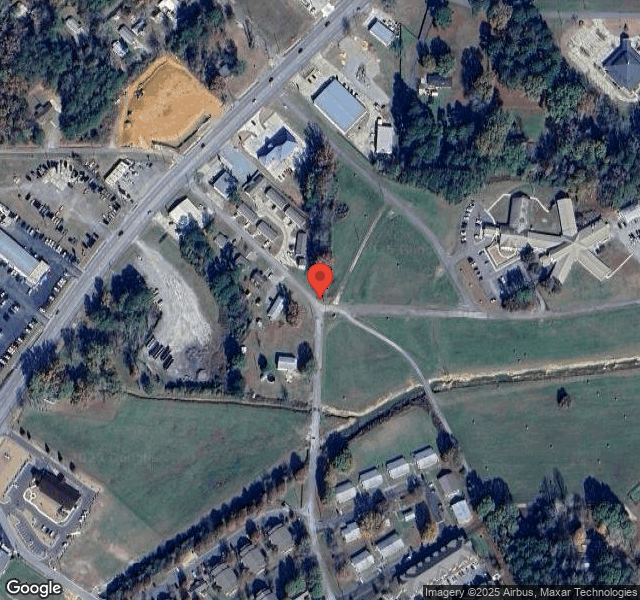

TLC NURSING CENTER

212 ELLEN STREET, ONEONTA, AL 35121 (205) 625-3520
For profit - Corporation 103 Beds TRINITY MANAGEMENT, INC. Data: November 2025
Trust Grade
75/100
#72 of 223 in AL
Last Inspection: October 2019

Over 2 years since last inspection. Current conditions may differ from available data.

Overview

TLC Nursing Center in Oneonta, Alabama has a Trust Grade of B, indicating it is a good choice among nursing homes. It ranks #72 out of 223 facilities in the state, placing it in the top half, and is #1 of 2 in Blount County, meaning it is the best option locally. The facility's trend is improving, as it went from 3 issues in 2018 to none in 2019, and it currently has no fines, which is a positive sign. Staffing is rated 4 out of 5 stars with a turnover rate of 42%, which is below the state average, suggesting experienced staff who know the residents well, although RN coverage is only average. However, there have been recent concerns, including staff failing to wash hands properly during food handling and allowing potential cross-contamination in the kitchen, which affected a significant number of residents receiving meals. Overall, while there are some operational weaknesses, the facility shows strengths in staffing and has a good overall rating.

Trust Score
B
75/100
In Alabama
#72/223
Top 32%
Safety Record
Low Risk
No red flags
Inspections
Getting Better
3 → 0 violations
Staff Stability
○ Average
42% turnover. Near Alabama's 48% average. Typical for the industry.
Penalties
✓ Good
No fines on record. Clean compliance history, better than most Alabama facilities.
Skilled Nurses
○ Average
Each resident gets 36 minutes of Registered Nurse (RN) attention daily — about average for Alabama. RNs are the most trained staff who monitor for health changes.
Violations
⚠ Watch
13 deficiencies on record. Higher than average. Multiple issues found across inspections.
★★★★☆
4.0
Overall Rating
★★★★☆
4.0
Staff Levels
★★★★☆
4.0
Care Quality
★★★★☆
4.0
Inspection Score
Stable
2018: 3 issues
2019: 0 issues

The Good

  • 4-Star Staffing Rating · Above-average nurse staffing levels
  • 4-Star Quality Measures · Strong clinical quality outcomes
  • Full Sprinkler Coverage · Fire safety systems throughout facility
  • No fines on record
  • Staff turnover below average (42%)

    6 points below Alabama average of 48%

Facility shows strength in staffing levels, quality measures, fire safety.

The Bad

Staff Turnover: 42%

Near Alabama avg (46%)

Typical for the industry

Chain: TRINITY MANAGEMENT, INC.

Part of a multi-facility chain

Ask about local staffing decisions and management

The Ugly 13 deficiencies on record

Sept 2018 3 deficiencies
CONCERN (D)

Potential for Harm - no one hurt, but risky conditions existed

Deficiency F0583 (Tag F0583)

Could have caused harm · This affected 1 resident

**NOTE- TERMS IN BRACKETS HAVE BEEN EDITED TO PROTECT CONFIDENTIALITY** Based on interview, record review and a review of the facility's policy titled, Resident Rights, the facility failed to ensure t...

Read full inspector narrative →
**NOTE- TERMS IN BRACKETS HAVE BEEN EDITED TO PROTECT CONFIDENTIALITY** Based on interview, record review and a review of the facility's policy titled, Resident Rights, the facility failed to ensure the business office staff did not open a letter addressed to RI (Resident Identifier) #35. This affected RI #35, one of one sampled resident whose mail was received opened by the facility. Findings Include: A review of an undated facility policy titled, Resident Rights revealed: 7. Information and communication. .i. The resident has the right to .receive mail, and to receive letters .including the right to: i. Privacy of such communications . RI #35 was admitted to the facility on [DATE], with diagnoses to include Femur Fracture, Wheezing and Restless Leg Syndrome. RI #35's most recent Quarterly MDS (Minimum Data Set) with an ARD (Assessment Reference Date) of 07/03/18, revealed RI #35 had a BIMS (Brief Interview For Mental Status) score of 15, which indicated RI #35 was cognitively intact. On 09/11/18 at 3:47 PM, during an interview, RI #35 told the surveyor he/she cashed in his/her daughter's burial policy from the insurance company and was waiting on the check. RI #35 said when the check did not come, he/she called the insurance company and they said they would send another check. RI #35 said he/she went to the business office a few days later and told them he/she was still waiting on the check, and to be on the look out for it. RI #35 said that was when EI (Employee Identifier) #5, Business Office Manager, said it had already come and they had opened it, stamped it and put it into the Medicaid account. On 09/12/18 at 10:53 AM, an interview was conducted with EI #5. EI #5 was asked if she received resident's mail. EI #35 said not normally. EI #5 was asked if she ever received mail addressed to RI #35. EI #5 said last week it (the mail) was opened by mistake. EI #5 said they thought it was an invoice because they paid RI #35's bills. EI #5 was asked when did RI #35 receive the mail that had been opened. EI #5 said probably the next day. EI #5 was asked who should have been the one to open that particular item of mail. EI #5 said the resident should have.
CONCERN (D)

Potential for Harm - no one hurt, but risky conditions existed

Deficiency F0804 (Tag F0804)

Could have caused harm · This affected 1 resident

**NOTE- TERMS IN BRACKETS HAVE BEEN EDITED TO PROTECT CONFIDENTIALITY** Based on observation, interview, medical record review, and the facility's menu, the facility failed to ensure the pork chops se...

Read full inspector narrative →
**NOTE- TERMS IN BRACKETS HAVE BEEN EDITED TO PROTECT CONFIDENTIALITY** Based on observation, interview, medical record review, and the facility's menu, the facility failed to ensure the pork chops served to residents for lunch on 9/11/18, were not hard and dry. This affected Resident Identifier (RI) #65, RI #241, and RI #35, three of 94 residents receiving lunch meal trays from the Dietary department on 9/11/18. Findings Include: The facility's lunch menu for Tuesday on Week #2 indicated a 3-ounce Pork Cutlet was to be served on the Regular diet trays. 1) RI #65 was admitted to the facility on [DATE], with diagnoses of Adjustment Disorder with Anxiety and Malignant Carcinoid Tumor. On the quarterly Minimum Data Set (MDS), dated [DATE], RI #65's Brief Interview for Mental Status (BIMS) score was 15, which indicated RI #65 was cognitively intact. RI #65's Physician Orders for September 2018, included: . 5/02/18 . DIET: REGULAR, CCD (Consistent Carbohydrate Diet) . On 9/11/18 at 12:40 PM, RI #65 stated he/she did not eat lunch because the pork chop was hard and dry. RI #65 further said he/she could not cut the pork chop with the knife and asked the CNA (Certified Nursing Assistant) to cut it, but the CNA also was unable to cut the pork chop. 2) RI #241 was admitted to the facility on [DATE], with a diagnosis of Venous Insufficiency. RI #241's Physician Orders for September 2018, included: . 9/06/18 . DIET: REGULAR . The admission Nursing Evaluation, dated 9/6/18, assessed RI #241 as being alert and oriented to self, time, and place. On 9/11/18 at 2:48 PM, RI #241 told the surveyor the pork chop was dry and tough at lunch that day. 3) RI #35 was admitted to the facility on [DATE], and readmitted on [DATE], with diagnoses of Wheezing and Restless Leg Syndrome. On the quarterly MDS, dated [DATE], RI #35's BIMS score was 15, which indicated RI #35 was cognitively intact. RI #35's Physician Orders for September 2018 included: . 10/23/17 . DIET: REGULAR . On 9/11/18 at 12:55 PM, RI #35 requested the State surveyors to come see his/her tray. RI #35 said the pork chop was hard and dry. The pork chop did appear dried out to the surveyor. With RI #35's permission, the surveyor attempted to cut the pork chop with a table/butter knife and the knife bowed when pressure was applied to the pork chop. The pork chop was extremely hard to cut. At 1:02 PM, RI #35 used the call light. A CNA responded immediately and RI #35 requested to see someone from the Dietary department. At 1:04 PM, Employee Identifier (EI) #6, the Dietary Manager, and EI #7, the Regional District Manager for the food service management company, responded. They listened to RI #35's complaint about the pork chop. On 09/11/18 at 3:55 PM, EI #6 was interviewed. When asked if anyone complained about the pork chops served at lunch that day, EI #6 said RI #35 was the only one she was aware of who had a complaint about the pork chop, and she had been called to RI #35's room. EI #6 stated RI #35 said the pork chop was hard and overcooked. When asked how RI #35's pork chop looked to her, EI #6 said the pork chop did appear to be overcooked. On 9/11/18 at 4:06 PM, EI #7 was interviewed. When asked if anyone complained about the pork chops served at lunch that day, EI #7 said, not that she had heard of, except for RI #35. When asked how RI #35's pork chop looked to her, EI #7 said it did look a little dry.
CONCERN (F)

Potential for Harm - no one hurt, but risky conditions existed

Food Safety (Tag F0812)

Could have caused harm · This affected most or all residents

Based on observation, interview, the 2017 Food Code, the facility's policy titled, Cleaning Dishes/Dish Machine, and a review of the Low Temp (temperature) Dish Machine Temp, log, the facility failed ...

Read full inspector narrative →
Based on observation, interview, the 2017 Food Code, the facility's policy titled, Cleaning Dishes/Dish Machine, and a review of the Low Temp (temperature) Dish Machine Temp, log, the facility failed to: 1. prevent potential cross-contamination by staff during dishwashing (staff going from the dirty side to the clean side without washing hands) and by not ensuring the dishwashing sanitizer was checked before washing breakfast dishes on 9/11/18; 2. ensure accurate documentation on the dishwasher sanitizer log for breakfast dishwashing during September 2018; 3. prevent potential cross-contamination by not ensuring air gaps existed between the floor drains and the drain pipes for the pot and pan sinks, the dishmachine, and the food preparation sinks and 4. prevent potential cross-contamination by allowing a build-up of dust on the ceiling and fan unit of the walk-in cooler. This had the potential to affect all 94 of 94 residents receiving meals from the kitchen. Findings Include: 1. The facility's policy titled, Cleaning Dishes/Dishmachine, with a date of 2013, included: . Policy: All flatware, serving dishes, and cookware will be washed, rinsed, and sanitized after each use. Dish machines will be checked prior to meals to assure proper functioning and appropriate temperatures for cleaning and sanitation. Procedure: 1. Prior to use, run the machine until verification of proper temperatures and machine function is made. 6. The person loading dirty dishes should not handle the clean dishes unless they change into a clean apron and wash hands thoroughly before moving from dirty to clean dishes. Note: . Those machines installed after the Food Code 2001 was implemented must automatically dispense . sanitizers, and must incorporate visual means or other visual audible alarm to alert the user to any concerns (such as .sanitizer not dispensing properly). The 2017 Food Code recommendations of the United States (U.S.) Public Health Service and the U.S. Food and Drug Administration included: . 4-703.11 Hot Water and Chemical. After being cleaned, EQUIPMENT FOOD-CONTACT SURFACES and UTENSILS shall be SANITIZED in: . (C) Chemical . mechanical operations, including the application of SANITIZING chemicals by . pressure spraying methods . (2) . a chlorine solution of 50 mg (milligrams)/(per) L (liter) . On 09/11/18 at 8:54 AM, the surveyor observed dishwashing in the dishroom by Dietary Aides, Employee Identifier (EI) #8 and EI #9. EI #8 was scraping food off dirty dishes and went to the clean side of the dishmachine to pull a rack of clean dishes free of the dishmachine handle. EI #8 asked if he did something wrong when the surveyor asked him his name. When the surveyor said he went from the dirty to the clean side. EI #8 said he only touched the rack. When asked what would be the problem with that, EI #8 said cross-contamination. EI #9 was asked to check the chemical concentration of the dishmachine. Using the chlorine test strips, EI #9 found the chlorine concentration to be 10 PPM (parts per million which is equivalent to mg/L). When asked what should the strip indicate for an acceptable chlorine concentration, both EI #8 and EI #9 said at least 100 PPM. EI #9 said Maintenance needed to be called and asked EI #6, the (DM) Dietary Manager, to get Maintenance to come check the dishmachine. When asked what the chlorine concentration was earlier that morning, EI #9 said it was not checked. The surveyor looked at the posted dishmachine log sheet, Low Temp Dish Machine Temp, and saw the following numbers recorded for breakfast on 9/11/18, as initialed by EI #8: Temp 120, Temp 133, PPM 135. 2. On 09/11/18 at 9:03 AM, EI #8 was interviewed about the numbers recorded on the dishmachine log for the morning of 9/11/18, and for his previous breakfast documentation, from 9/6/18 through 9/10/18. EI #8 said the first temperature number was for the wash temperature and the second was for the rinse temperature. When asked how he got the number of 135 for PPM, EI #8 said he recorded the number from the pressure gauge on the machine to get the PPM. On 09/11/18 at 09:04 AM the surveyor asked EI #6 for a copy of the posted dishmachine log sheet. The Low Temp Dish Machine Temp log for September 2018, included the following documentation for PPM by EI #8 for breakfast: 9/6/18 - 135 9/7/18 - 132 9/8/18 - 135 9/9/18 - 135 9/10/18 - 135 9/11/18 - 135 In addition, there was no PPM recorded for breakfast on 9/2/18. During an interview on 09/12/18 at 11:18 AM, EI #6, DM said the dishmachine repairman told her that the dishmachine's cylinder had burned out and it was not pulling up the chlorine sanitizer. When asked how long this had been an issue, EI #6 said it had to be after the evening of 9/10/18, because EI #6 said she had checked the chlorine concentration that evening and, although she did not record it, it was within normal limits. EI #6 further said EI #10, a dietary aide, had checked the chlorine concentration later that evening and recorded it on the log as indicated by EI #10's initials. The Low Temp Dish Machine Temp log for dinner on 9/10/18, showed documentation for 100 PPM. Upon being asked what was the problem with the dishmachine not dispensing the chlorine sanitizer, EI #6 said germs and the dishmachine was not sanitizing the dishes. When asked how would the residents be affected, EI #6 said they possibly could have gotten sick. 3. The 2017 Food Code recommendations of the U.S. Public Health Service and the U.S. Food and Drug Administration included: . 5-402.11 Backflow Prevention. (A) . a direct connection may not exist between the SEWAGE system and a drain originating from EQUIPMENT in which FOOD, portable EQUIPMENT, or UTENSILS are placed. On 09/11/18 at 8:50 AM, an observation of the three-compartment pot and pan sink revealed it had two drain pipes that extended into the floor drain. There was no air gap between the end of the drain pipes and the top of the floor drain. On 09/12/18 at 11:29 AM, the drain from the dishmachine tank was observed to be protruding into the floor drain. There was no air gap between the end of the drain pipe and the top of the floor drain. On 09/12/18 at 12:37 PM, EI #12, Maintenance Technician, used a measuring tape to obtain the following: a.) the pot and pan sink had two drain pipes. One extended three and one-half inches from the top of floor drain and down into the floor drain and the other extended six to six and one-half inches from the top of the floor drain and down into the floor drain; b.) the dishmachine drain pipe extended five inches from the top of the floor drain and down into the floor drain and c.) the preparation sink drain was extended one and one-half inches from the top of the floor drain and down into the floor drain. On 09/12/18 at 12:50 PM, EI #13, the Maintenance Supervisor, entered the kitchen. EI #13 did not understand the air gap problem affecting the sinks and dishwasher and was going to consult with a plumber. On 09/12/18 at 12:54 PM, EI #7, the Regional District Manager for the food service management company, was interviewed. When asked about the importance of an air gap for drains, EI #7 said an air gap could prevent a backwash/back siphoning of dirty water. EI #7 was shown the washing and food preparation sink drain pipes extending into the floor drains. EI #7 said it was a problem because any sewage water could back up into the drain pipes and thereby contaminate the sinks and the dishmachine. 4. The 2017 Food Code recommendations of the U.S. Public Health Service and the U.S. Food and Drug Administration included: . 3-305.11 Food Storage. (A) .FOOD shall be protected from contamination by storing the FOOD: (1) In a clean, dry location; (2) Where it is not exposed to . dust, or other contamination; . 4-601.11 Equipment, Food-Contact Surfaces, Nonfood-Contact Surfaces, and Utensils. (C) NonFOOD-CONTACT SURFACES of EQUIPMENT shall be kept free of an accumulation of dust, dirt, FOOD residue, and other debris. On 09/11/18 at 8:41 AM, an observation was made of the walk-in cooler, which contained lettuce, desserts, deli meat, milk, and juice. Small clumps of grey material were observed on the ceiling of the walk-in cooler. EI #6, the Dietary Manager, was able to remove some of the grey clumps with a paper towel. EI #6 said it was dust and it should not be there. The grey material/dust was also on the sides and front of the fan unit in the walk-in cooler. When questioned, EI #6 did not think the dietary staff normally cleaned the ceiling of the walk-in cooler. EI #6 said Maintenance should be cleaning the fan housing, but did not know when the cleaning had last been done or if Maintenance was actually assigned to do it. EI #6 was asked what was the problem with the dust build-up in the walk-in cooler. EI #6 said possible cross-contamination, as the dust might get into the food.
Aug 2017 10 deficiencies
CONCERN (D)

Potential for Harm - no one hurt, but risky conditions existed

Deficiency F0164 (Tag F0164)

Could have caused harm · This affected 1 resident

Based on observation, interview, record review and review of a facility policy NURSING INJECTION/INSULIN, the facility failed to ensure licensed staff provided privacy by closing the door to the hallw...

Read full inspector narrative →
Based on observation, interview, record review and review of a facility policy NURSING INJECTION/INSULIN, the facility failed to ensure licensed staff provided privacy by closing the door to the hallway when giving Resident Identifier (RI) #12's insulin injection on 8-8-2017. This affected one of five nurses observed for medication pass. Findings Include: A review of facility policy NURSING INJECTION/INSULIN with a revised date of 07/14 revealed: Policy . Procedure to administer an insulin injection. 1. Bring equipment to bedside and screen resident for privacy. RI #12 was readmitted to the facility 3/31/17 with a diagnosis to include Type 2 Diabetes Mellitus. A review of RI #12's August 2017 Physician Orders revealed .HUMULIN 70-30 VIAL GIVE SIX (6) UNITS SUB-Q (subcutaneous) DAILY AT 4 PM . On 8/8/17 at 3:50 p.m., Employee Identifier (EI) #8, Registered Nurse (RN), was observed preparing PM medications for RI #12. EI #8 prepared medications to include Humulin 70-30 Insulin Injection of six units. EI #8 went in RI #12's room and gave the by mouth medications. EI #8 washed her hands and donned gloves then gave the insulin to RI #12. EI #8 did not provide privacy by closing the room door to the hallway nor closing the blinds or privacy curtains. On 8/8/17 at 4:00 p.m., an interview was conducted with EI #8. EI #8 was asked what the policy was for giving insulin medication. EI #8 replied she should provide privacy, however those residents preferred the curtain not be pulled between them. EI #8 was asked if she closed the door to the hallway. EI #8 replied no. EI #8 was asked if she should provide privacy; she replied yes. EI #8 was asked what the harm was in not providing privacy. EI #8 replied, not treating RI #12 with dignity. On 8/9/17 at 2:40 p.m., an interview was conducted with EI #2, Assistant Director of Nursing. EI #2 was asked if privacy should be provided while giving a resident an insulin injection. EI #2 replied yes. EI #2 was asked how should privacy be provided. EI #2 replied, by pulling the privacy curtains, closing the blinds and closing the room door. EI #8 was asked if privacy should be provided to a resident if both residents agree to not pulling the privacy curtain between them. EI #8 replied the door to the hallway should be closed. EI #8 was asked what the harm was in not providing privacy to a resident during giving an insulin injection. EI #8 replied, it would be a dignity issue and could be violation of privacy.
CONCERN (D)

Potential for Harm - no one hurt, but risky conditions existed

Deficiency F0241 (Tag F0241)

Could have caused harm · This affected 1 resident

**NOTE- TERMS IN BRACKETS HAVE BEEN EDITED TO PROTECT CONFIDENTIALITY** Based on observations, interview, record review and review of a facility policy titled CERTIFIED NURSING ASSISTANT (CNA) MEAL SE...

Read full inspector narrative →
**NOTE- TERMS IN BRACKETS HAVE BEEN EDITED TO PROTECT CONFIDENTIALITY** Based on observations, interview, record review and review of a facility policy titled CERTIFIED NURSING ASSISTANT (CNA) MEAL SERVICE, the facility failed to ensure a CNA, Employee Identifier (EI) #4 did not stand while feeding Resident Identifier (RI) #2 the lunch meal on 08/08/17. This deficient practice affected RI #1, one of four residents observed for assistance with meals. Findings Include: A facility policy titled CERTIFIED NURSING ASSISTANT MEAL SERVICE, with a revised date of 07/14, documented: . If the resident requires feeding assistance with meals: . 7. Bring a chair to the bedside and sit at eye level with the resident . RI #2 was admitted to the facility on [DATE], with a diagnosis of Hemiplegia following Cerebral Infarct affecting Right Nondominant Side. A Quarterly Minimum Data Set assessment with an Assessment Reference Date of 07/21/17, assessed RI #2 as having short and long term memory problems and severely impaired cognitive skills for daily decision making. RI #2 was also assessed as being totally dependent on staff for eating with one person physical assist. On 08/08/17 at 1:22 p.m., the surveyor observed EI #4 standing while feeding RI #2 the lunch meal. On 08/08/17 at 1:36 p.m., the surveyor observed that EI #4 stood the entire time she was feeding RI #2 the lunch meal. On 08/09/17 at 2:09 p.m., the surveyor conducted an interview with EI #4. The surveyor asked EI #4, on yesterday (08/08/17) when she fed RI #2 the lunch meal, what position was she in. EI #4 said she was standing. The surveyor asked EI #4 what position should she have been in. EI #4 replied, Sitting. The surveyor asked EI #4 what type concern was it when you stood while feeding a resident. EI #4 said it was a dignity issue.
CONCERN (D)

Potential for Harm - no one hurt, but risky conditions existed

Deficiency F0278 (Tag F0278)

Could have caused harm · This affected 1 resident

**NOTE- TERMS IN BRACKETS HAVE BEEN EDITED TO PROTECT CONFIDENTIALITY** Based on record review, interview and review of facility policy NURSING MDS 3.0 COMPLETION the facility failed to ensure Residen...

Read full inspector narrative →
**NOTE- TERMS IN BRACKETS HAVE BEEN EDITED TO PROTECT CONFIDENTIALITY** Based on record review, interview and review of facility policy NURSING MDS 3.0 COMPLETION the facility failed to ensure Resident Identifier (RI) #10's 6-22-2017 Annual Minimum Data Set (MDS) was coded to reflect a fall on 6-21-2017. This affected one of 16 MDSs reviewed. Findings Include: A review of facility policy NURSING MDS 3.0 COMPLETION with a revised date of 07/14 revealed: . III. Assessment Reference Date .b) The last day of MDS Observation Period: date refers to a specific endpoint in the MDS assessment process . c). Observation should continue through the assessment reference date at midnight. RI # 10 was admitted to the facility 6/16/16 with a diagnosis to include Unspecified Dementia without behavioral disturbance. A review of a facility Resident Incident Report revealed: RI #10 fell 6/21/17 at 3:00 PM . A review of RI #10's Annual MDS with and Assessment Reference Date of 06/22/2017 Section J indicated RI #10 had Falls since admit/reentry/prior assessment: any falls No . On 8/10/2017 at 11:50 a.m., an interview was conducted with Employee Identifier (EI) #3, MDS/Care Plan Coordinator. EI #3 was asked when did RI #10 have a fall. EI #3 replied 6/21/17 at 3:00 p.m. EI #3 was asked when was the next MDS done. EI #3 replied 6/22/17. EI #3 was asked if the fall on 6/21/17 was captured on the 6/22/17 MDS. EI #3 replied no, it was coded with a 0. EI #3 was asked if the fall on 6/21/17 should have been coded on the 6/22/17 MDS. EI #3 replied yes. EI #3 was asked if the MDS dated [DATE] was considered accurate. EI #3 replied no.
CONCERN (D)

Potential for Harm - no one hurt, but risky conditions existed

Deficiency F0280 (Tag F0280)

Could have caused harm · This affected 1 resident

**NOTE- TERMS IN BRACKETS HAVE BEEN EDITED TO PROTECT CONFIDENTIALITY** Based on interviews and record review, the facility failed to ensure Resident Identifier (RI) #2's Fall care plan was updated af...

Read full inspector narrative →
**NOTE- TERMS IN BRACKETS HAVE BEEN EDITED TO PROTECT CONFIDENTIALITY** Based on interviews and record review, the facility failed to ensure Resident Identifier (RI) #2's Fall care plan was updated after RI #2 had a fall on 05/31/17. This deficient practice affected RI #2, one of 16 sampled residents whose plan of care was reviewed. Findings Include: RI #2 was admitted to the facility on [DATE], with a diagnosis of Hemiplegia following Cerebral Infarct affecting Right Nondominant Side. RI #2's Departmental Notes (Nurses Notes) dated 05/31/2017 at 6:50 a.m., documented: . Resident noted at 5:10 am (a.m.) to be lying pron (prone) in the hallway in front of (his/her) w/c (wheelchair) . RI #2's Incident Investigation report, dated 05/31/17, documented: . Intervention to Prevent Reoccurrence: . resident will be up to nurses desk in w/c for observation whenever staff has him/her out of bed . This interventions was initiated by Employee Identifier (EI) #6, the Licensed Practical Nurse (LPN) assigned to care for RI #2 when the resident fell on [DATE]. RI #2's Post-Incident Actions report dated 05/31/17, documented: . Immediate Post-Incident Action: WHEN RESIDENT IS IN W/C (HE/SHE) WILL BE PLACED AT NURSES DESK FOR OBSERVATION . A Quarterly Minimum Data Set (MDS) assessment with an Assessment Reference Date of 07/21/17, assessed RI #1 as having short and long term memory problems and severely impaired cognitive skills for daily decision making. Under Section J - Health Conditions, RI #2 was also assessed as having had one fall with no injury since admit/reentry/prior assessment during this assessment period. A review of RI #2's Fall care plan titled I am at risk for falls r/t (related to) CVA (Cardiovascular Accident), (R) (right) side Hemiplega (Hemiplegia)/ weakness/impaired mobility with a Problem Onset Date of 07/21/17 revealed RI #2's Fall care plan had not been updated to reflect the approach to have RI #2 up to nurses desk in w/c for observation whenever staff has him/her out of bed after RI #2 fell on [DATE]. On 08/10/17 at 11:17 a.m., the surveyor conducted an interview with EI #6. The surveyor asked EI #6, according to RI #2's incident report, what intervention was put in place after RI #2 fell on [DATE]. EI #6 said it was said anytime RI #2 was up they (facility staff) would keep RI #2 around the nursing desk for observation when RI #2 was in the wheelchair. The surveyor asked EI #6 was the intervention placed on RI #2's care plan, EI #6 replied, No. On 08/10/17 at 1:34 p.m., the surveyor conducted an interview with EI #3, the MDS/Care plan Coordinator. The surveyor asked EI #4 what was the intervention after RI #2 fell on [DATE]. EI #4 said there were no new interventions on the care plan at that time. The surveyor asked EI #4, according to the nurses immediate post incident action, what was the intervention. EI #4 replied, When in W/C (he/she) will be placed at nurses desk for observation. The surveyor asked EI #4 should that intervention have been carried over to the care plan. EI #4 said, Yes Ma'am.
CONCERN (D)

Potential for Harm - no one hurt, but risky conditions existed

Deficiency F0323 (Tag F0323)

Could have caused harm · This affected 1 resident

**NOTE- TERMS IN BRACKETS HAVE BEEN EDITED TO PROTECT CONFIDENTIALITY** Based on interviews and record review, the facility failed to ensure the intervention to have Resident Identifier (RI) #2 at the...

Read full inspector narrative →
**NOTE- TERMS IN BRACKETS HAVE BEEN EDITED TO PROTECT CONFIDENTIALITY** Based on interviews and record review, the facility failed to ensure the intervention to have Resident Identifier (RI) #2 at the nurses station when up in the wheelchair (w/c) was implemented after RI #2 had a fall on 05/31/17. On 07/31/17, while up in a wheelchair in the resident's room, RI #2 experienced a fall from the wheelchair. This deficient practice affected RI #2, one of seven residents sampled for falls. Findings Include: RI #2 was admitted to the facility on [DATE], with a diagnosis of Hemiplegia following Cerebral Infarct affecting Right Nondominant Side. A Quarterly Minimum Data Set (MDS) assessment with an Assessment Reference Date of 07/21/17, assessed RI #2 as having short and long term memory problems and severely impaired cognitive skills for daily decision making. Under Section J - Health Conditions, RI #2 was also assessed as having a fall with no injury since admit/reentry/prior assessment during this assessment period. RI #2's Incident Investigation report, dated 05/31/17, documented: . Intervention to Prevent Reoccurrence: . resident will be up to nurses desk in w/c for observation whenever staff has him/her out of bed . This interventions was initiated by Employee Identifier (EI) #6, the Licensed Practical Nurse (LPN) assigned to care for RI #2 when the resident fell on [DATE]. RI #2's Resident Incident Report, dated 07/31/17, documented: . Incident Type: Found on Floor . Location: Resident room . Narrative of incident and description of injuries: Resident found on floor with right side of face against the floor with wheelchair turned over ontop of (him/her) . On 08/10/17 at 11:46 a.m., the surveyor conducted an interview with Employee Identifier (EI) #12, the CNA assigned to care for RI #2 on 07/31/17. The surveyor asked EI #12, on RI #2's 05/31/17 fall, what interventions were put in place to prevent the reoccurrence of a fall. EI #12 said RI #2 was not suppose to be in his/her room when he/she was in his/her wheelchair. On 08/10/17 at 11:17 a.m., the surveyor conducted an interview with EI #6, LPN. The surveyor asked EI #6, according to RI #2's incident report, what intervention was put in place after RI #2 fell on [DATE]. EI #6 said, it was said anytime RI #2 was up they (facility staff) would keep RI #2 around the nursing desk for observation when RI #2 was in the wheelchair. The surveyor showed EI #6 RI #2's 07/31/17 fall investigation and asked, looking at RI #2's 07/31/17 fall, where was RI #2 when he/she fell. EI #6 replied, In his/her room. The surveyor asked EI #6 was RI #2 in a wheelchair. EI #6 said yes. The surveyor aked EI #6, what was the reason for keeping RI #2 at the nurses station when RI #2 was in a wheelchair. EI #6 said at the nurses station was a more general location. EI #6 said usually someone was around and RI #2 would be in a more visible site. On 08/10/17 at 1:34 p.m., the surveyor conducted an interview with EI #3, the MDS/Care plan Coordinator. The surveyor asked EI #3, since RI #2's admission to the facility, how many falls had RI #2 had. EI #3 said three. The surveyor asked EI #3 when was RI #2's first fall. EI #3 said 03/02/17. The surveyor asked EI #3 when was RI #2's next fall. EI #3 said 05/31/17. The surveyor asked EI #3, according to the nurses immediate post incident action after the 05/31/17 fall, what was the intervention. EI #3 said when RI #3 was in a wheelchair, he/she was to be placed at the nurses desk for observation. The surveyor asked EI #3 when was RI #2's next fall. EI #3 said 07/31/17. The surveyor asked EI #3 where was RI #2 when he/she fell. EI #3 replied, Resident's room.
CONCERN (D)

Potential for Harm - no one hurt, but risky conditions existed

Deficiency F0333 (Tag F0333)

Could have caused harm · This affected 1 resident

**NOTE- TERMS IN BRACKETS HAVE BEEN EDITED TO PROTECT CONFIDENTIALITY** Based on record reviews and interviews, the facility failed to ensure Resident Identifier (RI) #10 did not receive Lyrica a medi...

Read full inspector narrative →
**NOTE- TERMS IN BRACKETS HAVE BEEN EDITED TO PROTECT CONFIDENTIALITY** Based on record reviews and interviews, the facility failed to ensure Resident Identifier (RI) #10 did not receive Lyrica a medication listed on the face sheet and physician orders as an allergy. This affected one of 16 residents whose drugs regimen were reviewed. Findings Including: A review of a facility policy titled, PHARMACY PHYSICIAN DRUG ORDERS with a revised date of 07/14 revealed: .Procedure .7. Drug and biological orders must be recorded on the Physician's Order Sheet in the resident's chart. Such orders are reviewed by the pharmacist on a monthly basis. A review of Lyrica Side Effects: . Major Side Effects . Difficult of labored breathing, shortness of breath, tightness in chest .dizziness, fast heartbeat, joint or muscle pain, puffiness or swelling . RI #10 was admitted to the facility on [DATE] with diagnoses to include Chronic kidney disease, Migraine and Type 2 diabetes mellitus. A review of RI #10 most recent yearly MDS (Minimum Data Set) with an ARD (Assessment Reference Date) of 06/22/2017 revealed that the resident had a BIMS (Brief Interview for Mental Status) score of 15 which indicates the resident is capable of making decisions. A review of the RI #10's history and physical document from the hospital on 6/12/2016 indicated RI #10 was allergic to Lyrica. A review of the RI #10's Physician order, an order was written on 5/16/17 for the drug Lyrica 100 mg two times a day. A review of the physician order for August 2017 list Allergies, Lyrica. A review of RI #10's August 2017 eMar (electronic medication administration record) Lyrica was given BID (two times a day). On 8/9/2017 the surveyor conducted an interview with RI #10. RI #10 was asked did he/she have any unsteadiness, muscle pain, weakness, swelling of hand and feet, back pain, dizziness and weight gain. RI #10 replied, yes. On 8/10/2017 at 11:15 a.m., interview was conducted with EI #14 LPN (Licensed Practical Nurse). EI #14 was asked did she give RI #10 Lyrica this morning. EI #14 replied, yes. EI #14 was asked what drug was RI #10 allergic to. EI #14 replied, Amoxicillin, Lyrica, Penicillin and Prednisone. EI #14 was asked how long had RI #10 used Lyrica. EI #14 replied, since 5/16/2017. EI #14 was asked was it standard practice to give a resident a drug he/she was allergic to. EI #14 replied, no ma'am. EI #14 was asked what was the potential harm in given a resident a medication he/she was allergic to. EI #14 replied, they could have anaphylactic reaction and all kind of stuff. On 8/10/2017 at 11:30 a.m., the surveyor conducted an interview with EI #1, DON (Director of Nursing). EI #1 was asked was it standard practice to give a resident a drug he/she was allergic to. EI #1 replied, no. EI #1 was asked what drug was RI #10 taking that he/she was allergic to. EI #1 replied, Lyrica. EI #1 was asked what was the potential harm in giving a drug to a resident that he or she was allergic to. EI #1 replied, possible adverse reaction. On 8/10/2017 at 12:00 p.m., the surveyor conducted an interview with EI #15, Nurse Practitioner. EI #15 was asked who was responsible for making sure a resident did not receive a drug he/she was allergic to. EI #15 replied, we all were. EI #15 stated the nurse, nurse practioner and pharmacist. EI #15 was asked what was the potential harm when a resident was given a drug he/she was allergic to. EI #15 replied, short of breath, heart issues and allergic reaction. EI #15 was asked did she review allergy list before writing a prescription. EI #15 replied yes. On 8/10/2017 at 2:20 p.m., the surveyor conducted an interview with EI #16, pharmacist. EI #16 was asked when he came to the facility what did he review. EI #16 replied, charts reviews, audits, narcotic destruction, med pass reviews observation and anything else that need to be done. EI #16 was asked did he review patient medication and what they were allergic to. EI #16 replied, the dispensing pharmacy run allergic reports. EI #16 was asked did he read hospital history and physical. EI #16 replied, he did look at diagnoses. EI #16 was asked what was the potential harm when a resident received a drug he/she was allergic to. EI #16 replied, nausea, vomiting, rash, diarrhea, and constipation. EI #16 was asked who was responsible for making sure a resident did not receive a drug he/she was allergic to. EI #16 replied, the physician who wrote the prescription, the pharmacy dispensing the drug, the facility when transcribing the order and the pharmacist when he come in to review.
CONCERN (D)

Potential for Harm - no one hurt, but risky conditions existed

Deficiency F0441 (Tag F0441)

Could have caused harm · This affected 1 resident

**NOTE- TERMS IN BRACKETS HAVE BEEN EDITED TO PROTECT CONFIDENTIALITY** 2) A review of facility policy NURSING MEDICATION/ADMINISTRATION with a revised date of 07/17 revealed: . Procedure .1. Maintain...

Read full inspector narrative →
**NOTE- TERMS IN BRACKETS HAVE BEEN EDITED TO PROTECT CONFIDENTIALITY** 2) A review of facility policy NURSING MEDICATION/ADMINISTRATION with a revised date of 07/17 revealed: . Procedure .1. Maintain a clean technique throughout the procedure. RI # 12 was readmitted to the facility 3/31/17 with a diagnosis to include Type 2 Diabetes Mellitus. A review of RI #12's August 2017 Physician Orders revealed .HUMULIN 70-30 VIAL GIVE SIX (6) UNITS SUB-Q (subcutaneous) DAILY AT 4 PM . On 8/8/17 at 3:50 p.m., Employee Identifier (EI) #8, Registered Nurse (RN), was observed preparing PM medications for RI #12. EI #8 prepared medications to include Humulin 70-30 Insulin Injection of six units. EI #8 went in RI #12's room and gave the by mouth medications. EI #8 then put the prepared insulin injection in the pocket of her jacket. EI #8 washed her hands and donned gloves then took the insulin syringe from the pocket of her jacket and gave the insulin to RI #12. On 8/8/17 at 4:00 p.m., an interview was conducted with EI #8 EI #8 was asked where she put the prepared insulin injection when she went in the bathroom to wash her hands. EI #8 replied in her pocket. EI #8 was asked if the pocket was considered clean or dirty. EI #8 replied dirty. EI #8 was asked what the harm was in putting a prepared insulin injection in her pocket. EI #8 replied contamination. On 8/9/17 at 2:40 p.m., an interview was conducted with EI # 2, Infection Control Nurse. EI #2 was asked what the policy was for giving insulin. EI #2 replied use clean to sterile technique, once drawn up place the syringe on a barrier while the other medication was given. EI #2 was asked what should the nurse do with the prepared insulin injection while giving the other medications. EI #2 replied the nurse should lay the syringe on a barrier, if she needed to leave the bedside she should roll the bedside table with her or be sure the medication remained in her line of sight. EI #2 was asked if the nurse should put a prepared insulin injection in her pocket while she washed her hands and put on gloves, then take the insulin injection from her pocket and give it to the resident. EI #2 replied no. EI #2 was asked if the pocket of the nurse's jacket was considered clean or dirty. EI #2 replied dirty. EI #2 was asked what the harm was in the nurse placing the prepared insulin syringe in her pocket then removing it and giving it to the resident. EI #2 replied it was not a clean technique, also infection control issue with herself and the resident. Based on observations, interviews, record review and review of facility policies titled NURSING ASSISTANT PERINEAL CARE and NURSING MEDICATION/ADMINISTRATION, the facility failed to ensure: 1) a Certified Nursing Assistant (CNA), Employee Identifier (EI) #5, changed her contaminated gloves after wiping Resident Identifier (RI) #2's right buttocks, and before touching RI #2's clean incontinent brief and pad and applying a moisture barrier ointment to RI #2's right buttocks during incontinent care on 08/09/17; and 2) a Registered Nurse (RN)/medication nurse, EI #8, did not place a prepared insulin syringe in her uniform pocket, wash her hands, put on gloves then remove the syringe from her pocket and administer RI #12 the insulin injection on 08/08/17. These deficient practices affected RI #2, one of three residents observed for incontinent care, and EI #8, one of five nurses observed during the medication administration pass. Findings Include: A facility policy titled NURSING ASSISTANT PERINEAL CARE, with a revised date of 07/14, documented: Policy Perineal care serves to cleanse the perineum, provide comfort and dignity and assist in preventing infection, skin breakdown, and odors . 7. Always remove gloves before repositioning . bed linens . 1) RI #2 was admitted to the facility on [DATE], with a diagnosis of Hemiplegia following Cerebral Infarct affecting Right Nondominant Side. A Quarterly Minimum Data Set (MDS) assessment with an Assessment Reference Date (ARD) of 07/21/17, assessed RI #1 as having short and long term memory problems and severely impaired cognitive skills for daily decision making. RI #2 was also assessed as being totally dependent on staff for personal hygiene and always incontinent of bowel and bladder. On 08/07/17 at 3:15 - 3:35 p.m., the surveyor observed incontinent care being provided to RI #2. EI #5 used a personal wipe and wiped RI #2's buttocks in an upward motion then placed the wipe in a plastic bag. EI #5 then pulled RI #2's clean incontinent pad and adult brief, with her contaminated gloves still on, under RI #2. EI #5 picked up the container of moisture barrier ointment, squeezed some onto the contaminated glove and rubbed RI #2's right buttock with the ointment. On 08/09/17 at 3:33 p.m., the surveyor conducted an interview with EI #5. The surveyor read back the above observation to EI #5. The surveyor asked EI #5 what should she have done after she wiped RI #2's right buttocks, and before touching RI #2's clean incontinent pad and applying moisture barrier. EI #5 said she should have changed her gloves. The surveyor asked EI #5 what was there a potential for when not changing gloves during or while providing incontinent care. EI #5 replied, Contamination. On 08/10/17 at 12:50 p.m., the surveyor conducted an interview with EI #2, the Infection Control Nurse. The surveyor read back the above incontinent care observation to EI #2. The surveyor asked EI #2 what should the CNA (EI #5) have done after she wiped RI #2's buttocks, and before touching RI #2's clean incontinent pad and moisture barrier ointment. EI #2 said EI #5 should have had the other staff member to hold RI #2 and go to the bathroom, remove her gloves, wash her hands and apply clean gloves. The surveyor asked EI #2 what was there a potential for when those procedures are not done. EI #2 replied, Spread of bacteria.
CONCERN (E)

Potential for Harm - no one hurt, but risky conditions existed

Deficiency F0428 (Tag F0428)

Could have caused harm · This affected multiple residents

**NOTE- TERMS IN BRACKETS HAVE BEEN EDITED TO PROTECT CONFIDENTIALITY** Based on record reviews and interviews, the facility failed to ensure the Pharmacist identified Resident Identifier (RI) #10 wit...

Read full inspector narrative →
**NOTE- TERMS IN BRACKETS HAVE BEEN EDITED TO PROTECT CONFIDENTIALITY** Based on record reviews and interviews, the facility failed to ensure the Pharmacist identified Resident Identifier (RI) #10 with an allergy of Lyrica, a medication listed on the face sheet and physician orders as an allergy. This affected one of 16 residents whose drugs regimen were reviewed. Findings Including: A review of a facility policy titled, PHARMACY PHYSICIAN DRUG ORDERS with a revised date of 07/14 revealed: .Procedure .7. Drug and biological orders must be recorded on the Physician's Order Sheet in the resident's chart. Such orders are reviewed by the pharmacist on a monthly basis. RI #10 was admitted to the facility on [DATE] with diagnoses to include Chronic kidney disease, Migraine and Type 2 diabetes mellitus. A review of RI #10 most recent yearly MDS (Minimum Data Set) with an ARD (Assessment Reference Date) of 06/22/2017 revealed that the resident had a BIMS (Brief Interview for Mental Status) score of 15 which indicates the resident is capable of making decisions. A review of the RI #10's history and physical document from the hospital on 6/12/2016 indicated RI #10 was allergic to Lyrica. A review of the RI #10's Physician order, an order was written on 5/16/17 for the drug Lyrica 100 mg two times a day. A review of the physician order for August 2017 list Allergies, Lyrica. A review of RI #10's August 2017 eMar (electronic medication administration record) Lyrica was given BID (two times a day). On 8/9/2017 the surveyor conducted an interview with RI #10. RI #10 was asked did he/she have any unsteadiness, muscle pain, weakness, swelling of hand and feet, back pain, dizziness and weight gain. RI #10 replied, yes. On 8/10/2017 at 11:15 a.m., interview was conducted with EI #14 LPN (Licensed Practical Nurse). EI #14 was asked did she give RI #10 Lyrica this morning. EI #14 replied, yes. EI #14 was asked what drug was RI #10 allergic to. EI #14 replied, Amoxicillin, Lyrica, Penicillin and Prednisone. EI #14 was asked how long had RI #10 used Lyrica. EI #14 replied, since 5/16/2017. EI #14 was asked was it standard practice to give a resident a drug he/she was allergic to. EI #14 replied, no ma'am. EI #14 was asked what was the potential harm in given a resident a medication he/she was allergic to. EI #14 replied, they could have anaphylactic reaction and all kind of stuff. On 8/10/2017 at 11:30 a.m., the surveyor conducted an interview with EI #1, DON (Director of Nursing). EI #1 was asked was it standard practice to give a resident a drug he/she was allergic to. EI #1 replied, no. EI #1 was asked what drug was RI #10 taking that he/she was allergic to. EI #1 replied, Lyrica. EI #1 was asked what was the potential harm in giving a drug to a resident that he or she was allergic to. EI #1 replied, possible adverse reaction. On 8/10/2017 at 12:00 p.m., the surveyor conducted an interview with EI #15, Nurse Practitioner. EI #15 was asked who was responsible for making sure a resident did not receive a drug he/she was allergic to. EI #15 replied, we all were. EI #15 stated the nurse, nurse practioner and pharmacist. EI #15 was asked what was the potential harm when a resident was given a drug he/she was allergic to. EI #15 replied, short of breath, heart issues and allergic reaction. EI #15 was asked did she review allergy list before writing a prescription. EI #15 replied yes. On 8/10/2017 at 2:20 p.m., the surveyor conducted an interview with EI #16, pharmacist. EI #16 was asked when he came to the facility what did he review. EI #16 replied, charts reviews, audits, narcotic destruction, med pass reviews observation and anything else that need to be done. EI #16 was asked did he review patient medication and what they were allergic to. EI #16 replied, the dispensing pharmacy run allergic reports. EI #16 was asked did he read hospital history and physical. EI #16 replied, he did look at diagnoses. EI #16 was asked what was the potential harm when a resident received a drug he/she was allergic to. EI #16 replied, nausea, vomiting, rash, diarrhea, and constipation. EI #16 was asked who was responsible for making sure a resident did not receive a drug he/she was allergic to. EI #16 replied, the physician who wrote the prescription, the pharmacy dispensing the drug, the facility when transcribing the order and the pharmacist when he come in to review.
CONCERN (F)

Potential for Harm - no one hurt, but risky conditions existed

Deficiency F0371 (Tag F0371)

Could have caused harm · This affected most or all residents

Based on observations, interviews and a review of the facilities policies DIETARY FOOD STORAGE, DIETARY HANDWASHING, DIETARY SANITATION, DIETARY SILVERWARE, and DIETARY DRY STORAGE AREA, the facility ...

Read full inspector narrative →
Based on observations, interviews and a review of the facilities policies DIETARY FOOD STORAGE, DIETARY HANDWASHING, DIETARY SANITATION, DIETARY SILVERWARE, and DIETARY DRY STORAGE AREA, the facility failed to ensure: 1. dietary staff washed their hands when entering the kitchen, 2. a food item in the freezer was labeled, 3. cups were free of a white like substance, 4. a knife, spoon and fork was not wet in a utensil bag, 5. food items in dry storage were sealed properly and 6. a food item in dry storage had a used by date. This affected 88 of 91 residents receiving meals from the kitchen. Findings Include: 1) A review of a facility policy titled, DIETARY FOOD STORAGE with a revised date of 07/14 revealed: .Procedure .Hands must be washed .prior to handling food items . A review of a facility policy titled, DIETARY HANDWASHING with a revised date of 07/14 revealed: Policy Dietary staff will wash hands .when returning to work . On 8/8/2017 at 7:50 a.m., the surveyors entered the kitchen with the dietary manager, (Employee Identifier) EI #9. The surveyors washed their hands at the employee handwashing sink. EI #9 did not wash her hands. On 8/9/2017 at 3:43 p.m., the surveyor conducted an interview with EI #9. EI #9 was asked when should she wash her hands in the kitchen. EI #9 replied, anytime you smoke, go to the bathroom, when they wipe their hands across their nose, when they sneeze and anytime they go from one job to another. EI #9 was asked why should she wash her hands in the kitchen. EI #9 replied, infection control and good hygiene. EI #9 was asked did she wash her hands on 8/8/2017 after entering the kitchen with the surveyors. EI #9 replied, she did not remember. EI #9 was asked did she enter the freezer and touch a bag of food. EI #9 replied, she grabbed the food item and gave it to an employee. EI #9 was asked what was the facility policy on washing hands when entering the kitchen. EI #9 replied, wash her hands when entering dietary and before she did anything else. EI #9 was asked what was the potential harm when entering the kitchen and start handling food and she did not wash her hands. EI #9 replied, germs, bacteria and contamination. 2) A review of a facility policy titled, DIETARY FOOD STORAGE with a revised date of 07/14 revealed: . Procedure .7. Leftover food .is clearly labeled and dated . On 8/8/2017 at 7:50 a.m., the surveyors observed a large plastic bag in the freezer on the bottom shelf. The bag had no information on it. The surveyors could not tell what the meat product was. On 8/9/2017 at 3:52 p.m., the surveyor conducted an interview with EI #9. EI #9 was asked what food item in the freezer was not labeled. EI #9 replied, chicken. EI #9 was asked who was responsible for labeling food items in the freezer. EI #9 replied, all staff, assistant dietary manager was responsible when groceries come in. EI #9 was asked why should food items be labeled. EI #9 replied, to know what they were and how long they had to use them. EI #9 was asked what label information was on the bag of chicken. EI #9 replied, nothing. EI #9 was asked what was the potential harm when there was no label on a food item. EI #9 replied, it could be mistaken for a different item. EI #9 said when there was no label they did not know when they needed to expose of it. 3) A review of a facility policy titled, DIETARY SANITATION with a revised date of 07/14 revealed: .Procedure .Plastic ware .that cannot be sanitized or are hazardous . or loss of glaze shall be discarded . On 8/8/2017 at 11:02 a.m., the surveyor observed six cups with a white like substance in them. The cups were used to serve coffee. On 8/9/2017 at 4:05 p.m., the surveyor conducted an interview with EI #9. EI #9 was asked what did she see in the cups that were used to serve coffee in. EI #9 replied, lime build up. EI #9 was asked why was it there. EI #9 replied, it should not be there. EI #9 replied, it needed to be scrubbed. EI #9 was asked who was responsible for making sure cups were free of a white like substance. EI #9 replied, dietary manager, dietary assistant or whatever employee was assigned on that shift. EI #9 was asked what did the facility policy say regarding cleaning white substance in cups. EI #9 replied, white substance should not be in there. EI #9 said they should be cleaned on a regular basis. EI #9 was asked when were the cups cleaned last. EI #9 replied, on August 3, 2017. EI #9 was asked what was the potential harm when the residents were given cups with a white like substance in them. EI #9 replied, it could make the residents sick. On 8/10/2017 at 10:40 a.m., the surveyor conducted an interview with EI #11, the cook. EI #11 was asked what did she see in the cups that were used to serve coffee. EI #11 replied, a white powder substance. EI #11 was asked why was it there. EI #11 replied, we kept sending them through the dish washer and did not hand wash them. EI #11 was asked who was responsible for making sure cups were free of a white like substance. EI #11 replied, everyone in dietary. EI #11 was asked when washing the cup did the white substance come out. EI #11 replied, yes ma'am. 4) A review of a facility policy titled, DIETARY SILVERWARE with a revised date of 09/13 revealed: .Procedure .6. Remove from dishmachine and air dry . On 8/8/2017 at 11:02 a.m., the surveyor observed an adaptable fork, knife and spoon in a utensil bag with water on each utensil. On 8/9/2017 at 4:12 p.m., the surveyor conducted an interview with EI #9, dietary manager. EI #9 was asked what was on a knife, a spoon and fork inside of a utensil bag. EI #9 replied, water. EI #9 was asked who was responsible for putting the utensils in the utensil bags. EI #9 replied, the aide two and four. EI #9 was asked how should utensils be allowed to dry. EI #9 replied, air dry. EI #9 was asked when should utensils be placed in a utensil bag. EI #9 replied, when they were totally dry. EI #9 was asked what was the facility policy regarding giving wet utensils to the resident. EI #9 replied, we were not to give wet utensils to the residents. EI #9 was asked what was the potential harm when residents were given wet silverware in a utensil bag. EI #9 replied, bacteria can grow. 5) A review of a facility policy titled, DIETARY DRY STORAGE AREA with a revised date of 07/14 revealed: .Procedure .13. Containers with tight-fitting covers should be used .dried vegetables . A review of a facility policy titled DIETARY FOOD STORAGE with a revised date of 07/14 revealed: .Procedure .7. Leftover food is stored in covered containers or wrapped carefully and securely . On 8/8/2017 at 7:50 a.m., the surveyor observed a 25 pound bag of rice and beans opened at the top. The product was not properly sealed. At the bottom of the shelf on the floor was two dead crickets. The surveyor observed chocolate chip cookies in a zip lock bag and the bag was opened. On 8/9/2017 at 4:22 p.m., the surveyor conducted an interview with EI #9. EI #9 was asked what items in dry storage was not sealed properly. EI #9 replied, chocolate chip cookies and rice and beans. EI #9 was asked why were they opened. EI #9 replied, employee neglect. EI #9 was asked who was responsible for making sure items were sealed after opening. EI #9 replied, all staff. EI #9 was asked what did the facility policy say on how to seal food items once opened. EI #9 replied, placed bulk items in container/rice and beans. EI #9 replied, cookies in a zip lock bag and close. On 8/10/2017 at 10:32 a.m., the surveyor conducted an interview with EI #10 assistant dietary manager. EI #10 was asked what items in dry storage was not sealed properly. EI #10 replied, great northern beans. EI #10 was asked who was responsible for making sure items were sealed properly. EI #10 replied, me assistant manager/cook. EI #10 was asked what did the facility policy say on how to seal food items once opened. EI #10 replied, put in a zip lock air tight bag and date. EI #10 was asked what was the potential harm when food items were not sealed properly. EI #10 replied, bacteria and rodent. 6) A review of a facility policy titled, DIETARY FOOD STORAGE with a revised date of 07/14 revealed: . Procedure .8 .f. All food should be covered, labeled and dated . On 8/8/2017 at 7:50 a.m., the surveyor observed a box of cake mix opened with no use by date. On 8/9/2017 at 4:30 p.m., the surveyor conducted an interview with EI #9. EI #9 was asked what item in dry storage did not have a use by date. EI #9 replied, cake mix. EI #9 was asked who was responsible for labeling. EI #9 replied, anybody that opened and used that product. EI #9 was asked why should food items be labeled with a use by date. EI #9 replied, to prevent spoilage.
CONCERN (F)

Potential for Harm - no one hurt, but risky conditions existed

Deficiency F0372 (Tag F0372)

Could have caused harm · This affected most or all residents

Based on observations and interviews the facility failed to ensure the grease container was free of grease like substance on the left top side of the container, at the opening of the container, the fr...

Read full inspector narrative →
Based on observations and interviews the facility failed to ensure the grease container was free of grease like substance on the left top side of the container, at the opening of the container, the front side of the container and on the ground. This was observed on 8/8/2017. This affected one of one grease container observed and had the potential to affect all residents residing in the facility Finding Include: On 8/8/2017 at 7:50 a.m., the surveyor observed grease on the left side of the container, at the opening of the container, at the front side of the grease container, and on the ground. On 8/9/2017 at 4:35 p.m., an interview was conducted with EI #9, Dietary Manager. EI #9 was asked what was on the side and front side of the grease container. EI #9 replied, it looked like grease and dirt. EI #9 was asked why was it there. EI #9 replied, employee neglect. EI #9 was asked who was responsible for making sure the grease container was cleaned. EI #9 replied, maintenance. EI #9 was asked when was the grease container cleaned last. EI #9 replied, she did not know. EI #9 was asked what was the facility policy regarding the cleanliness of the grease container. EI #9 replied, she never seen a preventive maintenance schedule. EI #9 said dietary never cleaned. EI #9 was asked what was the potential harm when grease was on the front and side of the grease container. EI #9 replied, rodents, flies and accidents. On 8/10/2017 at 9:15 a.m. an interview was conducted with EI #13, Maintenance Director. EI #13 was asked who was responsible for making sure the grease container was cleaned. EI #13 replied, dietary was supposed to write up a ticket and maintenance would clean. EI #13 was asked what was the facility policy regarding the cleanliness of the grease container. EI #13 replied when it is wrote up, we will clean it. EI #13 was asked when was the grease container cleaned last. EI #13 replied six months ago.
Understanding Severity Codes (click to expand)
Life-Threatening (Immediate Jeopardy)
J - Isolated K - Pattern L - Widespread
Actual Harm
G - Isolated H - Pattern I - Widespread
Potential for Harm
D - Isolated E - Pattern F - Widespread
No Harm (Minor)
A - Isolated B - Pattern C - Widespread

Questions to Ask on Your Visit

  • "Can I speak with families of current residents?"
  • "What's your RN coverage like on weekends and overnight?"

Our Honest Assessment

Strengths
  • • No major safety red flags. No abuse findings, life-threatening violations, or SFF status.
  • • No fines on record. Clean compliance history, better than most Alabama facilities.
  • • 42% turnover. Below Alabama's 48% average. Good staff retention means consistent care.
Concerns
  • • 13 deficiencies on record. Higher than average. Multiple issues found across inspections.
Bottom line: Generally positive indicators. Standard due diligence and a personal visit recommended.

About This Facility

What is Tlc Nursing Center's CMS Rating?

CMS assigns TLC NURSING CENTER an overall rating of 4 out of 5 stars, which is considered above average nationally. Within Alabama, this rating places the facility higher than 99% of the state's 100 nursing homes. This rating reflects solid performance across the metrics CMS uses to evaluate nursing home quality.

How is Tlc Nursing Center Staffed?

CMS rates TLC NURSING CENTER's staffing level at 4 out of 5 stars, which is above average compared to other nursing homes. Staff turnover is 42%, compared to the Alabama average of 46%. This relatively stable workforce can support continuity of care.

What Have Inspectors Found at Tlc Nursing Center?

State health inspectors documented 13 deficiencies at TLC NURSING CENTER during 2017 to 2018. These included: 13 with potential for harm.

Who Owns and Operates Tlc Nursing Center?

TLC NURSING CENTER is owned by a for-profit company. For-profit facilities operate as businesses with obligations to shareholders or private owners. The facility is operated by TRINITY MANAGEMENT, INC., a chain that manages multiple nursing homes. With 103 certified beds and approximately 96 residents (about 93% occupancy), it is a mid-sized facility located in ONEONTA, Alabama.

How Does Tlc Nursing Center Compare to Other Alabama Nursing Homes?

Compared to the 100 nursing homes in Alabama, TLC NURSING CENTER's overall rating (4 stars) is above the state average of 3.0, staff turnover (42%) is near the state average of 46%, and health inspection rating (4 stars) is above the national benchmark.

What Should Families Ask When Visiting Tlc Nursing Center?

Based on this facility's data, families visiting should ask: "Can I visit during a mealtime to observe dining assistance and food quality?" "How do you handle medical emergencies, and what is your hospital transfer rate?" "Can I speak with family members of current residents about their experience?"

Is Tlc Nursing Center Safe?

Based on CMS inspection data, TLC NURSING CENTER has a clean safety record: no substantiated abuse findings (meaning no confirmed cases of resident harm), no Immediate Jeopardy citations (the most serious violation level indicating risk of serious injury or death), and is not on the Special Focus Facility watch list (a federal program monitoring the lowest-performing 1% of nursing homes). The facility has a 4-star overall rating and ranks #1 of 100 nursing homes in Alabama. While no facility is perfect, families should still ask about staff-to-resident ratios and recent inspection results during their visit.

Do Nurses at Tlc Nursing Center Stick Around?

TLC NURSING CENTER has a staff turnover rate of 42%, which is about average for Alabama nursing homes (state average: 46%). Moderate turnover is common in nursing homes, but families should still ask about staff tenure and how the facility maintains care continuity when employees leave.

Was Tlc Nursing Center Ever Fined?

TLC NURSING CENTER has no federal fines on record. CMS issues fines when nursing homes fail to meet care standards or don't correct problems found during inspections. The absence of fines suggests the facility has either maintained compliance or corrected any issues before penalties were assessed. This is a positive indicator, though families should still review recent inspection reports for the full picture.

Is Tlc Nursing Center on Any Federal Watch List?

TLC NURSING CENTER is not on any federal watch list. The most significant is the Special Focus Facility (SFF) program, which identifies the bottom 1% of nursing homes nationally based on persistent, serious quality problems. Not being on this list means the facility has avoided the pattern of deficiencies that triggers enhanced federal oversight. This is a positive indicator, though families should still review the facility's inspection history directly.