ARBOR SPRINGS HEALTH AND REHAB CENTER, LTD
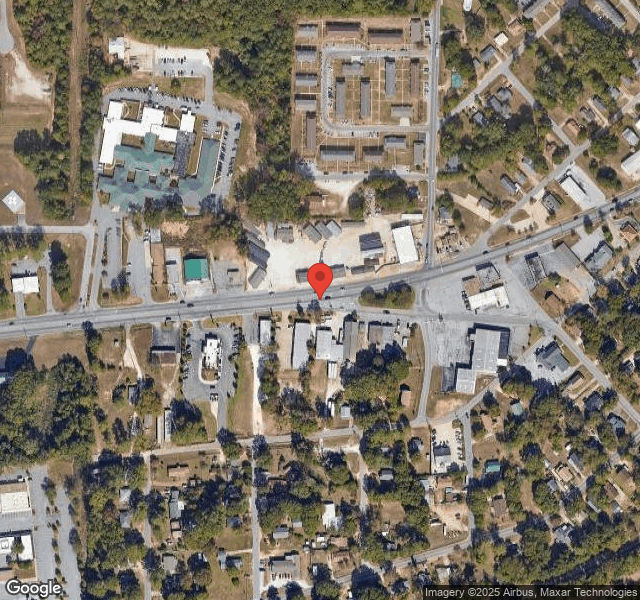

1910 PEPPERELL PKWY, OPELIKA, AL 36801 (334) 749-1471
For profit - Partnership 225 Beds TRAYLOR PORTER HEALTHCARE Data: November 2025
Trust Grade
60/100
#142 of 223 in AL
Last Inspection: February 2022

Over 2 years since last inspection. Current conditions may differ from available data.

Overview

Families considering Arbor Springs Health and Rehab Center in Opelika, Alabama, should note that it has a Trust Grade of C+, indicating it is slightly above average but not outstanding. Ranked #142 out of 223 facilities in Alabama, it falls in the bottom half, and it is the second-best option in Lee County, with only one local facility rated higher. The facility is currently improving, having reduced its issues from five in 2019 to three in 2022. Staffing is a strength here, with a 4 out of 5 star rating and a turnover rate of 49%, which is about average for the state. They have not incurred any fines, which is a positive sign; however, there have been some concerning incidents, such as failing to discard expired food, which could risk foodborne illness for residents, and not properly maintaining food temperatures, potentially affecting meal safety for all residents. Overall, while there are notable strengths in staffing and overall quality, families should also consider the facility's past food safety issues.

Trust Score
C+
60/100
In Alabama
#142/223
Bottom 37%
Safety Record
Low Risk
No red flags
Inspections
Getting Better
5 → 3 violations
Staff Stability
⚠ Watch
49% turnover. Above average. Higher turnover means staff may not know residents' routines.
Penalties
✓ Good
No fines on record. Clean compliance history, better than most Alabama facilities.
Skilled Nurses
○ Average
Each resident gets 37 minutes of Registered Nurse (RN) attention daily — about average for Alabama. RNs are the most trained staff who monitor for health changes.
Violations
⚠ Watch
11 deficiencies on record. Higher than average. Multiple issues found across inspections.
★★☆☆☆
2.0
Overall Rating
★★★★☆
4.0
Staff Levels
★★★☆☆
3.0
Care Quality
★★☆☆☆
2.0
Inspection Score
Stable
2019: 5 issues
2022: 3 issues

The Good

  • 4-Star Staffing Rating · Above-average nurse staffing levels
  • Full Sprinkler Coverage · Fire safety systems throughout facility
  • No fines on record

Facility shows strength in staffing levels, fire safety.

The Bad

2-Star Overall Rating

Below Alabama average (2.9)

Below average - review inspection findings carefully

Staff Turnover: 49%

Near Alabama avg (46%)

Higher turnover may affect care consistency

Chain: TRAYLOR PORTER HEALTHCARE

Part of a multi-facility chain

Ask about local staffing decisions and management

The Ugly 11 deficiencies on record

Feb 2022 3 deficiencies
CONCERN (D)

Potential for Harm - no one hurt, but risky conditions existed

Incontinence Care (Tag F0690)

Could have caused harm · This affected 1 resident

**NOTE- TERMS IN BRACKETS HAVE BEEN EDITED TO PROTECT CONFIDENTIALITY** Based on record review, observation, interviews, and review of a facility policy titled, Catheter Care, the facility failed to e...

Read full inspector narrative →
**NOTE- TERMS IN BRACKETS HAVE BEEN EDITED TO PROTECT CONFIDENTIALITY** Based on record review, observation, interviews, and review of a facility policy titled, Catheter Care, the facility failed to ensure thorough cleaning of the penis during indwelling urinary catheter care for Resident Identifier (RI) #86, increasing the resident's risk for a urinary tract infection (UTI). The deficient practice affected RI #86, one of two residents sampled with an indwelling urinary catheter. Findings include: Review of a facility policy titled, Catheter Care, dated 06/01/2021, revealed: . Male: .15. Using circular motion, cleanse the meatus with a clean cloth moistened with water and perineal cleaner (soap). 16. With a new moistened cloth, starting at the urinary meatus moving down, cleanse the shaft of the penis . RI #86 was most recently admitted to the facility on [DATE] and had diagnoses to include Retention of Urine and Benign Prostatic Hyperplasia (BPH) with Lower Urinary Tract Symptoms. A review of RI #86's February 2022 Physician Orders, revealed an order dated 06/08/2021 directing staff to provide indwelling catheter care every shift per facility protocol. A review of RI #86's Care Plan revealed a problem onset date of 06/08/2021 regarding a potential for injury related to the presence of an indwelling catheter due to urinary retention. Further review of RI #86's Care Plan also revealed a problem onset date of 06/29/2018 regarding BPH resulting in impaired urinary elimination (retention and overflow incontinence). According to the Care Plan, .BPH increases the risk of urinary tract infections, urinary bladder stones, and obstructive uropathy . A review of RI #86's quarterly Minimum Data Set (MDS) assessment, with an Assessment Reference Date (ARD) of 01/18/2022, identified the resident had intact cognition as evidenced by a Brief Interview for Mental Status score of 13 out of 15. According to the MDS, RI #86 required one-person limited assistance with personal hygiene and had an indwelling catheter. On 02/23/2022 at 3:47 PM, EI #19, Certified Nursing Assistant, provided indwelling urinary catheter care for RI #86. During the observation of catheter care, EI #19 failed to cleanse the shaft of the penis. EI #19 requested to start over and again failed to cleanse the shaft of the penis when the catheter care was provided the second time. Upon exiting the resident's room, during an interview, EI #19 was asked if she cleansed the shaft of the penis. EI #19 said, no, she forgot. During an interview on 02/24/2022 at 1:40 PM, EI #1, the Administrator, reviewed the Catheter Care policy and stated it should be followed.
CONCERN (D)

Potential for Harm - no one hurt, but risky conditions existed

Respiratory Care (Tag F0695)

Could have caused harm · This affected 1 resident

**NOTE- TERMS IN BRACKETS HAVE BEEN EDITED TO PROTECT CONFIDENTIALITY** Based on observations, record review, and interviews,the facility failed to ensure: 1) Resident Identifier (RI) #223's oxygen wa...

Read full inspector narrative →
**NOTE- TERMS IN BRACKETS HAVE BEEN EDITED TO PROTECT CONFIDENTIALITY** Based on observations, record review, and interviews,the facility failed to ensure: 1) Resident Identifier (RI) #223's oxygen was administered in accordance with the physician's order; and 2) RI #220's nebulizer mask and tubing was stored in a manner to prevent potential contamination when not in use. This deficient practice affected RI #223 and RI #220, two of four residents sampled for respiratory care. Findings include: 1) RI #223 was most recently admitted to the facility on [DATE]. RI #223's diagnoses list included the following: Acute and Chronic Respiratory Failure with Hypoxia (oxygen deficiency), Chronic Obstructive Pulmonary Disease (COPD), and Obstructive Sleep Apnea (OSA, temporary cessation of breathing during sleep). A review of RI #223's admission Minimum Data Set (MDS) dated [DATE] indicated RI #223 had no cognitive impairment with a Brief Interview for Mental Status (BIMS) score of 15 out of 15. The resident required extensive assistance of one person for their activities of daily living (ADLs). The MDS indicated diagnoses included COPD and OSA, and the resident received oxygen therapy. A review of RI #223's comprehensive care plans revealed a care plan dated 12/13/2021 related to RI #223's diagnosis of COPD. This care plan included an intervention to administer oxygen therapy as ordered by the physician. A review of RI #223's February 2022 Physician Orders indicated RI #223 had an order for oxygen at two (2) liters per minute (lpm) via nasal cannula (NC) continuous, ordered 02/11/2022. On 02/23/2022 at 3:10 PM, RI #223 was wearing oxygen and the concentrator was set at three liters per minute. The resident, as well as a family member present at the time, both confirmed the resident's oxygen should be set at two liters per minute. On 02/24/2022 at 10:36 AM, RI #223 was sitting in his/her room receiving oxygen at a rate of three liters per minute. During an interview with Employee Identifier (EI) #25, Registered Nurse (RN), on 02/24/2022 at 10:49 AM, EI #25 stated they would look at the physician orders in RI #223's chart to see how many liters of oxygen the resident was supposed to be on. After reviewing RI #223's record, RI #25 stated the resident should be on two liters of oxygen and did not know why the concentrator was set to three liters per minute. During an interview with EI #28, Clinical Care Coordinator, on 02/24/2022 at 11:23 AM, EI #28 stated only the nurse could take care of an oxygen concentrator, and the nurse should refer to the physician's order to know how many liters of oxygen the resident should be on. During an interview with EI #2, Director of Nursing, on 02/24/2022 at 3:40 PM, with EI #1, Administrator, present, she indicated the nurse should look at the physician's orders to know how many liters of oxygen a resident should be on and only the nurses were allowed to adjust the amount of oxygen a resident was receiving. 2) RI #220 was admitted to the facility on [DATE] with a diagnosis of Chronic Obstructive Pulmonary Disease (COPD). A review of RI #220's February 2022 Physician Orders indicated RI #220 had orders for ipratropium-albuterol (bronchodilators) 0.5-3 milligrams (mg) per three milliliter (ml) give 3 ml (milliliters) via HFN (high flow nebulizer) every four hours as needed for shortness of breath (SOB) or wheezing for 14 days, ordered 02/16/2022. Observation on 02/21/2022 at 10:06 AM and 11:15 AM revealed RI #220's nebulizer mask, canister and tubing were connected to the nebulizer machine and laying on top of the nightstand. According to the MAR, the last time the resident received a nebulizer treatment was on 02/20/2022 at 5:43 AM. Observations on 02/22/2022 at 10:47 AM revealed RI #220's nebulizer mask, canister and tubing were connected to the nebulizer machine. They were dated 02/20/2022. According to the MAR, the last time the resident received a nebulizer treatment was on 02/22/2022 at 6:00 AM. Observation on 02/23/2022 at 8:33 AM revealed RI #220's nebulizer equipment was connected to the machine; the canister had a small amount of fluid in it and the mask was connected to it and had not been rinsed out. According to the MAR, the last time the resident received a nebulizer treatment was on 02/22/2022 at 10:53 PM. During an interview with RI #220 on 02/23/2022 at 8:33 AM, RI #220 stated the staff had only rinsed out his/her nebulizer canister/tubing once since admission to the facility. The resident stated it should be rinsed out every day at least, otherwise it gets sediment built up in it. RI #220 stated the staff lay it on top of the machine when they are done using it. The resident stated he/she had mentioned rinsing it out before, but the staff did not listen. Observations on 02/24/2022 at 8:49 AM revealed the nebulizer equipment was connected to the machine and the canister had a small amount of fluid in it. The mask and the canister had not been rinsed out and stored properly. During an interview with EI #23, Registered Nurse (RN), on 02/24/2022 at 10:59 AM, EI #23 stated the nurses were responsible for cleaning the nebulizer machines daily. EI #23 stated there were no order to clean the nebulizers, but said the canister on the nebulizer should be rinsed out daily and stored in a bag when not in use. During an interview with EI #28, Clinical Care Coordinator, on 02/24/2022 at 11:23 AM, EI #28 stated the nebulizer canister should be rinsed before and after use and should be stored in a bag. During an interview with EI #2, Director of Nursing, on 02/24/2022 at 3:40 PM with EI #1, Administrator, present, she stated the nebulizer canister should be rinsed out daily and stored in a bag.
CONCERN (F)

Potential for Harm - no one hurt, but risky conditions existed

Food Safety (Tag F0812)

Could have caused harm · This affected most or all residents

Based on observations, interviews, and review of the facility's food contract company's policy, Bulk Food - Delivery and Usage, the facility failed to ensure food with an expired use by date was disca...

Read full inspector narrative →
Based on observations, interviews, and review of the facility's food contract company's policy, Bulk Food - Delivery and Usage, the facility failed to ensure food with an expired use by date was discarded, placing 114 of 117 residents in the facility at risk for foodborne illness if served. Findings include: The facility's contract food service company's undated policy Bulk Food - Delivery and Usage, revealed, .The bulk meals should be held at the proper temperature in the refrigerator and served to residents within 3 days of preparation. During an observation on 02/21/2022 from 9:45 AM to 9:58 AM, the following items prepared in another town by the food service contract company's central kitchen and stored on shelving in the walk-in cooler were observed: - Three large aluminum pans (full size steam table pans) containing chicken pot pie and labeled with a prepared date of 02/15/2022 and a use by date of 02/18/2022 - One small aluminum pan (1/2 size steam table pan) containing pureed chicken pot pie and labeled with a prepared date of 02/15/2022 and a use by date of 02/18/2022 - One small aluminum pan containing corn and labeled with a prepared date of 02/17/2022 with a use by date of 02/20/2022 - One small aluminum pan containing pureed green beans and labeled with a prepared date of 02/16/2022 with a use by date of 02/19/2022 - Two large pans containing green beans and labeled with a prepared date of 02/16/2022 and a use by date of 02/19/2022 - One large pan containing corn and labeled with a prepared date of 02/17/2022 and a use by date of 02/20/2022 - One large pan containing chicken fettuccini alfredo and labeled with a prepared date of 02/17/2022 and a use by date of 02/20/2022 - One small pan containing pureed baked beans and labeled with a prepared date of 02/17/2022 and a use by date of 02/20/2022 - Two large pans containing barbequed pork and labeled with a prepared date of 02/17/2022 and a use by date of 02/20/2022 - Two large pans containing baked beans and labeled with a prepared date of 02/17/2022 and a use by date of 02/20/2022 - Two large pans containing corn and labeled with a prepared date of 02/17/2022 and a use by date of 02/20/2022 - One small pan containing pureed corn and labeled with a prepared date of 02/17/2022 and a use by date of 02/20/2022 - One small pan containing pureed barbequed pork and labeled with a prepared date of 02/17/2022 and a use by date of 02/20/2022 During an observation on 02/21/2022 at 10:00 AM, the following food items from the walk-in cooler, noted to be expired per the use by dates, were in the oven: - Two large pans (full size steam table pans) containing barbequed pork and labeled with a prepared date of 02/17/2022 and a use by date of 02/20/2022 - Two large pans containing baked beans and labeled with a prepared date of 02/17/2022 and a use by date of 02/20/2022 - Two large pans containing corn and labeled with a prepared date of 02/17/2022 and a use by date of 02/20/2022 - One small pan (1/2 size steam table pan) containing pureed corn and labeled with a prepared date of 02/17/2022 and a use by date of 02/20/2022 - One small pan containing pureed barbequed pork and labeled with a prepared date of 02/17/2022 and a use by date of 02/20/2022 - One small pan containing pureed baked beans and labeled with a prepared date of 02/17/2022 and a use by date of 02/20/2022 - One small pan containing pureed barbequed pork and labeled with a prepared date of 02/17/2022 and a use by date of 02/20/2022. During an interview on 02/21/2022 at 10:00 AM, Employee Identifier (EI) #6, Dietary Manager, indicated he was confused why the listed food items were in the oven because the facility usually cooked meals on Mondays, and the food in the oven was not listed on the menu. EI #6 further indicated that catered food was prepared and delivered to the facility by the facility's contracted food service company on Tuesday nights, Thursday nights, and Saturday nights. EI #6 stated the food in the oven should not have been heated up for residents but, instead, should have been discarded. During an observation on 02/21/2022 at 10:46 AM, EI #8 was observed pulling the following expired food items from the oven and discarding them: - Two large pans (full size steam table pans) containing barbequed pork and labeled with a prepared date of 02/17/2022 and a use by date of 02/20/2022 - Two large pans containing baked beans and labeled with a prepared date of 02/17/2022 and a use by date of 02/20/2022 - Two large pans containing corn and labeled with a prepared date of 02/17/2022 and a use by date of 02/20/2022 - One small pan (1/2 size steam table pan) containing pureed corn and labeled with a prepared date of 02/17/2022 and a use by date of 02/20/2022 - One small pan containing pureed barbequed pork and labeled with a prepared date of 02/17/2022 and a use by date of 02/20/2022 - One small pan containing pureed baked beans and labeled with a prepared date of 02/17/2022 and a use by date of 02/20/2022 - One small pan containing pureed barbequed pork and labeled with a prepared date of 02/17/2022 and a use by date of 02/20/2022 During an interview on 02/21/2022 at 10:47 AM, EI #8 indicated she was instructed by EI #6 to discard the food in the oven due to the use by date on the food having passed. EI #8 indicated dietary staff would be preparing lunch as per the menu for the residents. During an interview on 02/24/2022 at 2:45 PM, EI #6 indicated it was his expectation for staff to dispose of food with an expired use by date. During an interview on 02/24/2022 at 4:45 PM, EI #1, Administrator, revealed it was her expectation that dietary served food within its use by date.
Jun 2019 5 deficiencies
CONCERN (D)

Potential for Harm - no one hurt, but risky conditions existed

Safe Environment (Tag F0584)

Could have caused harm · This affected 1 resident

Based on observation and interview, the facility failed to ensure RL(Room Locator) #'s 1, 2, 3, 4, 5, 6, 7, 8, 9, 10, 11, and 12, did not have a toilet with exposed rusty bolts. This affected resident...

Read full inspector narrative →
Based on observation and interview, the facility failed to ensure RL(Room Locator) #'s 1, 2, 3, 4, 5, 6, 7, 8, 9, 10, 11, and 12, did not have a toilet with exposed rusty bolts. This affected resident bathrooms on 4 of 9 halls of the facility. Findings include: On 06/04/2019, during the initial tour of the facility, the following was observed in resident bathrooms. RL 1 had a missing bolt cover on the left side rusted appearance uncapped. RL 2 had a missing bolt cover on the left and right side with rusted appearance uncapped. RL 3 had a rusted toilet bowl bolt with no caps on the right and left side. RL 4 had no toilet bowl bolt cover on right and left side. RL 5 had rusted toilet bowl bolts uncapped on the right and left side. RL 6 had rusted toilet bowl bolts with uncapped on the right and left side RL 7 had rusted toilet bowl bolts uncapped. RL 8 had rusted toilet bowl bolts that were uncapped. RL 9 had missing cover on right side and the bolt was rusty in appearance on the toilet. RL 10 had a missing cover on the right side of the toilet bolt that was rusty. RL 11 had a missing toilet bolt cover on left side which was rusty. RL 12 had a missing cover on the right side with a rusty appearance. On 06/06/19 04:09 PM, a tour and interview was conducted with EI (Employee Identifier) # 9, Maintenance Director. EI #9 was asked why were toilet bolts uncapped, rusty and exposed. EI #9 state that the reason was the cleaning crew knocks them off or somebody was knocking them off. EI #9 stated that maintenance replaces them a lot of times but they will not fit and they will come back off. EI #9 said that maintenance had a problem in getting the right size cover without buying a new toilet. EI #9 was asked what was the concern with uncapped rusty exposed toilet bolts. EI #9 stated they do not look good. EI #9 stated they could be a hazard, anything could be a potential hazard but he would not say it was a high hazard, it would be a low chance of being a hazard. EI #9 was asked what was the concern of exposed uncapped rusted toilet bolts. EI #9 stated that a scratch or cut might occur. Any toilet bolt will rust. Toilets sit on a wax ring and it pretty much will rust a bolt. EI #9 was asked why did he believe so many toilet bolts are uncapped. EI #9 stated they get knocked loose cleaning a lot of times but when they notice the will try to replace them. EI #9 was asked what was maintenance doing on a routine basis to ensure that the toilet bowl bolts are covered. EI #9 said they make rounds, it is not on their checklist, but he was going to add it.
CONCERN (D)

Potential for Harm - no one hurt, but risky conditions existed

Infection Control (Tag F0880)

Could have caused harm · This affected 1 resident

**NOTE- TERMS IN BRACKETS HAVE BEEN EDITED TO PROTECT CONFIDENTIALITY** Based on observation, interviews, medical record review, and a review of the facility's policies titled, Personal Protective Equ...

Read full inspector narrative →
**NOTE- TERMS IN BRACKETS HAVE BEEN EDITED TO PROTECT CONFIDENTIALITY** Based on observation, interviews, medical record review, and a review of the facility's policies titled, Personal Protective Equipment - Gloves and Handwashing / Hand Hygiene, the facility failed to ensure nursing staff wash their hands: 1. after removing gloves; 2. before leaving the resident's room; 3. after cleaning stool from a resident's buttocks, and 4. touching clean items, such as a new container of perineal wipes and a clean brief, while providing incontinence care to Resident Identifier #137. This affect one of three observations of incontinence care. Findings Include: A review of the facility's policy titled, Personal Protective Equipment - Gloves, with a revised date of July 2009, revealed: Policy Statement Gloves must be worn when handling blood, body fluids, secretions, excretions, mucous membranes and/or non-intact skin. Policy Interpretation and Implementation . 8. Wash your hands after removing gloves. A review of the facility's policy titled, Handwashing/Hand Hygiene, with a revised date of August 2015 revealed: Policy Statement This facility considers hand hygiene the primary means to prevent the spread of infections. Policy Interpretation and Implementation . 7. Use an alcohol-based hand rub containing at least 62% alcohol; or, alternatively, soap (antimicrobial or non-antimicrobial) and water for the following situations: . b. Before and after direct contact with residents; . g. Before handling clean or soiled soiled dressings, gauze pads, etc; h. Before moving from a contaminated body site to a clean body site during resident care; . m. After removing gloves; . RI #137 was admitted to the facility on [DATE] with diagnoses to include: Dementia, Paraplegia, and Myocardial Infarction. On 6/6/19 at 9:50 a.m. Employee Identifier EI #12, Certified Nursing Assistant (CNA) took her gloves off after touching the resident and left the room without washing her hands during incontinence care of RI #137. On 6/6/19 at 9:50 a.m. Employee #13, CNA, also removed her gloves and replaced them without washing her hands during incontinence care. EI #13 opened a new container of perineal wipes and touched the clean brief wearing the same gloves used to wipe stool from RI #137's buttocks. An interview was conducted on 6/6/19 11:03 a.m. with EI #12. She asked, what should have been done after removing her gloves and before leaving the room while doing incontinence care. EI #12 stated, Wash my hands. EI #12 asked did she do that. EI #12 stated, No ma'am. She was asked what was the potential for harm. EI #12 stated, Can cause a lot of bacteria and a lot of germs. An Interview was conducted on 6/6/19 11:07 a.m. with EI #13. EI #13 was asked, what should be done after removing your gloves. EI #13 stated, Wash my hands. EI #13 was asked, did she do that every time. EI #13 stated, No ma'am, I was extremely nervous. EI #13 was asked, what should be done after cleaning the buttocks and before touching clean items such as the brief, and before opening a clean container of perineal wipes. EI #13 stated, Wash my hands. EI #13 was asked, what was the potential for harm. EI #13 stated, Cross contamination.
CONCERN (E)

Potential for Harm - no one hurt, but risky conditions existed

Tube Feeding (Tag F0693)

Could have caused harm · This affected multiple residents

**NOTE- TERMS IN BRACKETS HAVE BEEN EDITED TO PROTECT CONFIDENTIALITY** Based on observation, interviews, record review and review of a facility policy titled, Enteral Tube Feeding via Continuous Pump...

Read full inspector narrative →
**NOTE- TERMS IN BRACKETS HAVE BEEN EDITED TO PROTECT CONFIDENTIALITY** Based on observation, interviews, record review and review of a facility policy titled, Enteral Tube Feeding via Continuous Pump, with a revised date on March 2015, the facility failed to ensure licensed staff applied a label, with required information, onto Resident Identifier (RI) #110 and RI #351's tube feeding bottles. This affected two of three residents observed for tube feedings on one of three days of the survey. Findings include: Review of a facility policy titled Enteral Tube Feeding via Continuous Pump, revised 3/2015, revealed the following: . Initiate Feeding . 5. On the formula label document initials, date, time the formula was hung/administered, and initial that the label was checked against the order . 1. RI #110 was admitted to the facility on [DATE] and readmitted on [DATE]. Diagnoses included Dysphagia and gastrostomy status. On 6/4/19 at 4:20 PM, the surveyor observered a Glucerna 1.2 Cal bottle hanging and connected to RI #110. There was no label noted on the bottle. 2. RI #351 was admitted to the facility on [DATE] and readmitted on [DATE]. Diagnoses included Gastritis and gastrostomy status. On 6/4/19 at 4:25 PM, an observation was made of RI #351's tube feeding Jevity 1.2 Cal running at 60 ml/flush 35 ml/hr. There was no label applied to tube feeding. On 06/05/19 at 5:30 PM, an interview was conducted with the Registered Nurse / Infection Control Nurse, Employee Identifier (EI) #6. The Surveyor informed EI #6 of the observations made of RI #351 and RI #110's tube feeding on 6/4/19 without a label on the bottles. The Surveyor asked EI #6 who was responsible for placing a label on a nutritional tube feeding. EI #6 replied the Charge Nurse. The Surveyor asked what could be the potential harm in hanging a gastric tube feeding and not labeling the proper information on the tube feedings. EI #6 said it served as another check for proper medication administration. 06/06/19 at 4:35 PM, a phone interview was conducted with Licensed Practical Nurse, EI #8. The Surveyor informed EI #8 of her observations made of formula bottles hung, without a label, for RI #110 and RI #351 on 6/4/19. The Surveyor asked EI #8 asked did she hang the feedings on EI #351 and EI #110 and not label the feedings. EI #8 said yes. She was asked why she did not write the resident information on the labels. EI #8 answered she did not have a marker on her and she had intended on going back to do it and did not. EI #8 was asked what was the potential harm in not labeling a feeding bottle. EI #8 said you should always do it, make sure it was the right resident. EI #8 was asked what was the facility policy on labeling tube feedings. EI # 8 said every time you change the feeding you should fill in the label with resident's name and information.
CONCERN (F)

Potential for Harm - no one hurt, but risky conditions existed

Food Safety (Tag F0812)

Could have caused harm · This affected most or all residents

Based on observation, interviews and a review of the 2017 Food and Drug Administration Food Code, and facility policies related to Food Storage, the facility failed to: 1) completely air dry utensils,...

Read full inspector narrative →
Based on observation, interviews and a review of the 2017 Food and Drug Administration Food Code, and facility policies related to Food Storage, the facility failed to: 1) completely air dry utensils, dishes and trays prior to storage and use; 2) consistently label food with preparation and use-by date (UBD) and discard food in a timely manner; 3) completely cover refrigerated food prior to storage; 4) ensure milk was stored in a manner to retain a recommended safe temperature of 41 degrees or less on the 6/4/19 lunch tray line; and hot food was maintained above 135 degrees F on the 06/05/19 tray line; 5) wash hands between dirty and clean tasks; and 6) maintain frozen food in a solid state during storage. These infractions had the potential to affect all 153 residents for whom meals were prepared and served at the time of this survey. Findings Included: 1) AIR DRYING The 2017 Food Code mandates under 4-901.11 Equipment and Utensils, Air-Drying Required. After cleaning and SANITIZING, EQUIPMENT AND UTENSILS: (A) Shall be air-dried . (B) May not be cloth dried . On 06/04/19 at 11:30 AM, the surveyor observed two of two half-size steam table pans stacked and stored on a wire rack, wet-nested. Throughout the 06/05/19 supper tray line at 4:30 PM, the Cook, Employee Identifier (EI) #3, wiped no less than three (damp) dinner plates with a previously used terry cloth rag (including red plates used for the nutritionally at risk residents), prior to plating the food on each. The Diet Aide (EI #4) on the opposite side of the tray line (at the start of the line), wiped no less than eight wet trays prior to setting each up for the staff. The stacked trays were wet-nested. On 06/05/19 at 4:40 PM, the Surveyor asked the Certified Dietary Manager/CDM (EI #2) if he was aware of the Diet Aide routinely wiping wet trays at the start of the tray line. EI #2 stated he had not noticed this, and stated the staff should not do this. When asked why air drying was important, EI #2 explained the towel could have something on it; it would be the same problem with the plates. On 06/06/19 at 09:14 AM, the Surveyor questioned the Assistant Dietary Manager (EI #5) about the concern with air drying. EI #5 explained the department did not have a drying rack for the trays. 2) DATE MARKING AND TIMELY DISCARD The facility policy (unlabeled) related to leftovers (dated 2013) specifies: Excess leftovers should be avoided. Leftovers will be properly handled and used or discarded as appropriate . Procedure: .2, Leftovers will be covered, labeled, and dated; then stored appropriately . On 06/04/19 at 11:30 AM, the Surveyor observed the following undated or out-dated items in the reach-in refrigerator: a) one small container of hard cooked eggs with no dated label; b) one small steam table pan of ham slices (Canadian Bacon) in liquid with no dated label c) a small steam table pan of expired coleslaw, with a use by date of 06/03/19; d) a small container of Chicken Pot Pie, with a preparation date of 05/29/19 and a UBD of 06/03/19; e) a container of baked cornbread squares, with a UBD of 06/03/19; f) a container identified by the CDM, as pepper gravy, with no dated label; and g) a container of mashed potatoes with no dated label. When questioned, the CDM explained the potatoes were fortified; and both (mashed potatoes and pepper gravy) were prepared the day before. The CDM confirmed these items should have a dated label. On 06/04/19 @ 11:50 AM, the surveyor asked EI #2 (the CDM) how the stored food items should be dated. EI #2 replied, they should have a preparation and a UBD. During the observation of the supper tray line on 06/05/19 at 4:05 PM, a plate of chef's salad was stored on the rack adjacent to the line for use. The plate was labeled with a preparation date of 06/03/19 and a UBD of 06/04/19. At 4:55 PM, the Surveyor mentioned the chef's salad to the CDM. EI #2 looked at the label and said it It definitely doesn't need to be there. 3) PACKAGE INTEGRITY Regulation 3-202.15 of the 2017 Food Code, Package Integrity specifies: Food packages shall be in good condition and protect the integrity of the contents so that the FOOD is not exposed to ADULTERATION or potential contaminants. On 06/04/19 at 11:50 AM, the Surveyor showed EI #2 in the reach-in refrigerator, a cardboard case of previously frozen raw biscuits. The thawed, raw biscuit dough was exposed to the surrounding environment, in open plastic bags inside the cardboard case. 4) FOOD STORAGE AND SERVICE Regulation 3-501.16 Time/Temperature Control for Safety Food, Hot and Cold Holding of the 2017 Food Code specifies: .(A) Except during preparation, cooking, or cooling . TIME/TEMPERATURE CONTROL FOR SAFETY FOOD shall be maintained: (1) At 135 degrees F (Fahrenheit) or above . (2) At 41 degrees F or less. During the 06/04/19 lunch tray line at 11:59 AM, trays of 8-oz cartons of milk were stored on a tray atop a rack near the tray line. Sheets of plastic ice packs were draped over the tops of the milk, but most of which bubble cells (which were to be filled with frozen water) were empty--with no ice/coolant. The Surveyor felt a carton of milk. The carton was not cool to the touch. The Surveyor informed EI #2 of this observation at 12:15 PM. The CDM explained that new ice sheets had been ordered, and when the coolers arrive, a new procedure will be implemented to keep the milk cool on the line. At the Surveyor's request, EI #2 checked the temperature of a carton of 2% milk; it was 50 degrees F. On 06/04/19 at 12:25 PM, the Surveyor asked EI #2 at what temperature should milk be served. The CDM responded, 41 degrees (F) or less. On 06/05/19 at 5:05 PM, a reach-in heated oven, or Hot Box was positioned at the start of the tray line. The digital thermostat of the Hot Box registered 98 degrees F, which then dropped to 95 degrees F. The Surveyor asked EI #2 (CDM) what food items were stored inside, besides the planned replacement food. EI #2 stated the box included breaded fried fish (a heaping pan), left over from the lunch meal, special orders of grilled cheese sandwiches and sweet potato fries. The Surveyor requested a temperature check of the fried fish. EI #2 pulled out several pieces of fried fish, then pulled out the entire pan of fish, discarding it all. EI #2 stated he would rather not check the temperature. EI #2 admitted the fried fish was left over from lunch line--which was why he immediately threw it away. At 5:12 PM (06/05/19), the Surveyor asked the [NAME] (EI #3) how many plates of fried fish she had served thus far. She stated she had served two plates of fish. At 5:21 PM (06/05/19) and again at 5:24 PM, the digital thermostat of the Hot Box registered 100 degrees F. On 06/06/19 at 08:51 AM, EI #2 was informed of the Surveyors observations made of substandard holding temperature in the Hot Box (being less than 135 degrees F), and asked what problems he might foresee with the low temperatures. EI #2 explained that temperature was not holding the food at level to prevent bacterial growth. 5) HANDWASHING The 2017 Food Code mandates under 2-301.14 When to Wash the following: FOOD EMPLOYEES shall clean their hands and exposed portions of their arms . immediately before engaging in FOOD preparation including working with exposed FOOD, clean EQUIPMENT and UTENSILS . On 06/05/19 at 4:45 PM, the Assistant Manager Manager (EI #5) began processing utensils through the dish machine. EI #5 was working alone, placing soiled items in the dish racks and sending each through the machine. After several racks had been processed, he then immediately removed the clean items from the racks (including trays), without first washing his hands. On 06/06/19 at 08:51 AM, the Surveyor questioned the CDM (EI #2) about the observed lack of handwashing in the dish room. EI #2 explained there was only one handwashing sink in the kitchen. EI #2 stated usually there was a staff member who only handled the clean dishes, and two people on the dirty side of the dish washing process. On 06/06/19 at 09:14 AM, the Surveyor questioned the Assistant Dietary Manager (EI #5) about his lack of handwashing between the handling of dirty then clean dishes. EI #5 agreed he had failed to wash his hands and apologized. 6) FROZEN FOOD The 2017 Food Code regulation 3-501.11 Frozen Food mandates Stored frozen FOODS shall be maintained frozen. On 06/05/19 at 5:45 PM, the Surveyor observed four of five individual size portions of ice cream in the chest freezer were semi-soft to applied pressure, rather than solidly frozen. On 06/06/19 at 6:05 PM, the Surveyor discussed the semi-soft condition of ice cream in the chest freezer at the front of the Dietary Department with the Administrator, EI #1. EI #1 explained the chest freezer was given to the facility by an outside source; he would get their refrigeration people to reset the temperature.
CONCERN (F)

Potential for Harm - no one hurt, but risky conditions existed

Room Equipment (Tag F0908)

Could have caused harm · This affected most or all residents

Based on observation, interviews and a review of the 2017 Food Code, the facility failed to ensure the Hot Box consistently maintained temperatures above 135 degrees Fahrenheit (F) for the storage of ...

Read full inspector narrative →
Based on observation, interviews and a review of the 2017 Food Code, the facility failed to ensure the Hot Box consistently maintained temperatures above 135 degrees Fahrenheit (F) for the storage of foods to be served from the 06/05/19 supper meal. This had the potential to affect all 153 residents who received special food requests (such as sweet potato fries, fried fish, grilled cheese sandwiches) or planned (replacement) food added to the line as needed. Findings Included: The 2017 Food and Drug Administration Food Code, regulation #3-501.16 Time/Temperature Control for Safety Food, Hot and Cold Holding specifies under (A) Except during preparation, cooking, or cooling . TIME/TEMPERATURE CONTROL FOR SAFETY FOOD shall be maintained: (1) At 135 degrees F or above . During the 06/05/19 supper tray line at 5:05 PM, the heated reach in Hot Box at the start of the tray line displayed a temperature of 98 degrees, which soon thereafter, dropped to 95 degrees. The Surveyor asked the Certified Dietary Manager (Employee Identifier/EI) #2 what food items were stored inside. EI #2 explained the heated storage box contained Sweet Potato Fries, Fried Fish, Baked Potatoes, Carrots and Grilled Cheese Sandwiches. When asked to check the temperature of the fried fish (which had been served on the previous lunch tray line that day), EI #2 picked up a piece of fish, and without checking the actual temperature, immediately removed the entire pan of fish and discarded it. On 06/06/19 at 08:51 AM, the Surveyor questioned the Certified Dietary Manager (EI #2) about the low temperatures observed on the Hot Box. EI #2 confirmed the low temperatures were not holding the food at a level to prevent bacterial growth. EI #2 stated he had not previously noticed temperatures that low, and said they were going to look at repairing or replacing it. When asked why the temperatures were not set at a higher level, EI #2 responded that he did set it higher, and the temperature had gotten up to 155 or 160 degrees. EI #2 stated he had not seen any paper work on this piece of equipment. On 06/06/19 at 3:33 PM, the facility Administrator (EI #1) was asked about the status of the Hot Box. EI #1 commented he was going to get rid of the Hot Box, stating: We tried to repair the Hot Box several months ago and couldn't get the replacement parts, so I'm going to get rid of it.
Jun 2018 3 deficiencies
CONCERN (D)

Potential for Harm - no one hurt, but risky conditions existed

Resident Rights (Tag F0550)

Could have caused harm · This affected 1 resident

Based on observation, interviews, and review of a facility policy titled Main Dining Room Meal Service Assistance, the facility failed to ensure Resident Identifier (RI) #84 did not have to wait for h...

Read full inspector narrative →
Based on observation, interviews, and review of a facility policy titled Main Dining Room Meal Service Assistance, the facility failed to ensure Resident Identifier (RI) #84 did not have to wait for his/her supper meal on 6/19/18 while other residents at the tables were already dining. This affected one resident, seated at one of 12 tables, in the main dining room for the supper meal on 6/19/18. Findings include: A review of the facility policy titled Main Dining Room Meal Service Assistance, implemented 4/3/2017, revealed: . 4. Meal observation will reflect: 1. Meals provided to all residents at a table at the same time. On 6/19/18 at 5:00 PM, RI # 84 was observed sitting at a table with four other residents in the main dining room. RI # 84 received his/her supper tray 25 minutes after the other residents at the table had received their trays. RI #84 was observed to ask the dietitian about his/her tray. RI #84's tray was pulled from the food cart 25 minutes after the other residents at the table had received their trays and were almost finished eating their meals. On 6/19/18 at 6:15 PM, RI # 84 was asked how he/she felt when the other residents at the dining room table received their trays and he/she had to wait. RI # 84 stated it made him/her feel bad because everyone else was eating; RI #84 also said it made him/her mad. On 6/21/18 at 9:15 AM, the Dietitian, Employee Identifier (EI) #2, was interviewed. EI #2 said all residents seated at a table should be served before serving other residents (at other tables) and the residents should not have to wait. EI #2 was told about RI #84 having to wait 25 minutes to receive his/her tray and was asked if that was acceptable. EI#2 stated that it was not . On 6/21/18 at 9:25 AM, the District Manager Chef, EI #3, was interviewed. When asked why it was important for all residents at a table receive their trays around the same time, EI #3 stated the residents did not need to feel left out or have to watch other residents eat. EI #3 was told RI #84 had to wait 25 minutes for his/her tray after the other residents at the table had received their trays. EI #3 stated it was not acceptable.
CONCERN (D)

Potential for Harm - no one hurt, but risky conditions existed

Comprehensive Care Plan (Tag F0656)

Could have caused harm · This affected 1 resident

**NOTE- TERMS IN BRACKETS HAVE BEEN EDITED TO PROTECT CONFIDENTIALITY** Based on interview, record review, and review of the facility policy titled Use of Side Rails, the facility failed to ensure an ...

Read full inspector narrative →
**NOTE- TERMS IN BRACKETS HAVE BEEN EDITED TO PROTECT CONFIDENTIALITY** Based on interview, record review, and review of the facility policy titled Use of Side Rails, the facility failed to ensure an individualized plan of care that addressed the use of top 1/4 (quarter) side rails was developed for Resident Identifier (RI) #66. The facility further failed to ensure a urinary catheter care plan was developed for RI #89. This affected two of 32 sampled residents whose care plans were reviewed. Findings include: 1) Review of an undated policy titled Use of Side Rails revealed the following: Policy: The facility must ensure that residents receive treatment and care in accordance with . the comprehensive person-centered care plan . Policy statement: .5. The resident's specific use of side rails will be addressed in the residents' care plan. RI #66 was admitted to the facility on [DATE] with diagnoses of Dementia and a history of Femur Fracture. Review of RI #66's care plan for ADL (Activity of Daily Living) assistance/self care deficit related to dementia with a problem onset of 4/13/18 and a revision date of 6/18/18, revealed an approach for . SIDE RAIL . There was not any further description of, or instruction for use of the side rail. Review of RI #66's admission Minimum Data Set (MDS) assessment with an Assessment Reference Date of 4/20/18 revealed moderately impaired cognitive skills for daily decision making and long and short term memory problems. RI #66's SIDE RAIL ASSESSMENT, completed 5/11/18, indicated RI #66 required both upper 1/4 (quarter) side rails on the bed due to weakness, balance deficit, and safety. The Director of Nursing (DON), Employee Identifier (EI) #1 was interviewed on 6/21/18 at 5:02 PM. EI #1 said RI #66 had 3/4 (three quarter) length side rails on his/her bed, but the care plan did not specify that. EI #1 said RI #66 should have had the top 1/4 rails on the bed. EI #12, Registered Nurse/Care Plan Coordinator, was interviewed on 6/21/18 at 6:52 PM. EI #12 was asked why RI #66's careplan should have been individualized for the use of side rails. EI #12 said it was important so that whoever read the plan of care would know what type of side rail was needed. 2) RI #89 was admitted to the facility on [DATE] with diagnoses of Urinary Tract Infection and Diabetes Mellitus. Review of RI #89's June 2018 Treatment Administration Record (TAR) revealed an order dated 6/15/18 for an indwelling catheter for three days to monitor output. However, review of RI #89's comprehensive care plans revealed no care plan approaches addressing the order for the indwelling catheter. On 6/21/18 at 2:50 PM, EI #9, Licensed Practical Nurse (LPN), stated RI #89's order for the catheter was written on 06/15/2018. During a follow-up interview with EI #9 on 6/21/18 at 3:44 PM, EI #9 said she did not see a care plan addressing RI #89's catheter, but there should have been one.
CONCERN (D)

Potential for Harm - no one hurt, but risky conditions existed

Infection Control (Tag F0880)

Could have caused harm · This affected 1 resident

**NOTE- TERMS IN BRACKETS HAVE BEEN EDITED TO PROTECT CONFIDENTIALITY** Based on observations, record review, interviews, and review of the facility's policies titled . Infection Control and Standard ...

Read full inspector narrative →
**NOTE- TERMS IN BRACKETS HAVE BEEN EDITED TO PROTECT CONFIDENTIALITY** Based on observations, record review, interviews, and review of the facility's policies titled . Infection Control and Standard Precautions, the facility failed to ensure Resident Identifier (RI) #31's catheter tubing and bag were not directly on the floor. Further, the facility failed to ensure Certified Nursing Assistants (CNAs) removed their gloves and washed their hands after providing catheter care to RI #76, before touching the tube feeding pump, placing a clean pad under the resident, and touching the resident's body. This affected two of four residents sampled for catheters. Findings include: A review of a facility policy titled . Infection Control, with a revised date of August 2007, revealed: . Policy Statement This facility's infection control policies and practices are intended to facilitate maintaining a safe, sanitary . environment . to help prevent and manage transmission of diseases and infections. 1) RI #31 was readmitted to the facility on [DATE] with a diagnosis of Urinary Retention. RI #31's most recent comprehensive Minimum Data Set (MDS) assessment, an annual assessment, with an Assessment Reference Date (ARD) of 12/22/17, documented RI #31 had severe cognitive impairment and had an indwelling catheter. On 6/18/18 at 4:29 PM, RI #31's catheter bag and catheter tubing were observed lying on the floor. On 6/20/18 at 11:45 AM, the surveyor and Employee Identifier (EI) #8, Certified Nursing Assistant (CNA), entered RI #31's room. RI #31's catheter bag was observed lying on the floor. The surveyor asked EI #8 if she was RI #31's CNA. EI #8 said yes. When asked why the catheter bag should not be lying on the floor, EI #8 said it could cause infection. The surveyor asked EI #8 who was responsible for ensuring the catheter bag was not on the floor. EI #8 said the CNAs and the nurses. On 6/21/18 at 10:55 AM, an interview was conducted with EI #5, Registered Nurse (RN)/Infection Control. The surveyor asked EI #5 what the CNAs were taught about the care of catheter bags and the tubing. EI #5 said they are taught the bag and tubing are never to be on the floor, and even if the catheter bags are in a privacy bag it is not to be on the floor. EI #5 said the catheter bag and tubing should not be on the floor because of the potential for contamination of the bag and tubing. 2) A review of the facility's policy titled Standard Precautions, revised August 2007, revealed the following: Policy Statement Standard Precautions will be used in the care of all residents regardless of their diagnoses, or suspected or confirmed infection status. Standard Precautions presume that all blood, body fluids, secretions, and excretions (except sweat), non-intact skin and mucous membranes may contain transmissible infectious agents. . Standard precaution include the following the following practices: 1. Hand hygiene a. Hand hygiene refers to handwashing with soap . OR using alcohol-based hand rubs . b. Hands shall be washed with soap and water whenever visibly soiled with dirt, blood, or body fluids, or after direct or indirect contact with such . d. Wash hands after removing gloves (see below). 2. Gloves . g. Remove gloves promptly after use, before touching non-contaminated items and environmental surfaces . RI #76 was readmitted to the facility on [DATE]. A review of RI #76's Significant Change in Status Minimum Data Set (MDS) assessment, with an Assessment Reference Date of 4/27/18, documented RI #76 had severe cognitive impairment and had an indwelling catheter. On 6/19/18 at 3:30 PM Certified Nursing Assistants (CNAs). EI #s 6 and 7 were observed providing catheter care to RI #76. After providing the care, EI #6 placed a clean blue pad under the resident and touched the resident's hand, arm, and leg. EI #6 then removed her gloves, and without washing her hands, pulled the covers on the bed up over the resident, touched the feeding pump, and lowered the bed . On 6/21/18 at 3:38 PM, EI #1, the Director of Nursing (DON), was interviewed. When asked when CNAs should wash their hands when providing catheter care, EI #1 said when they enter the room and when gloves are removed. EI #1 said gloves should be changed as many times as needed, such as after completing an unclean task. EI #1 said if a CNA did not wash hands before placing a clean pad under a resident or touching the resident's body or covers, it could result in contamination.
Understanding Severity Codes (click to expand)
Life-Threatening (Immediate Jeopardy)
J - Isolated K - Pattern L - Widespread
Actual Harm
G - Isolated H - Pattern I - Widespread
Potential for Harm
D - Isolated E - Pattern F - Widespread
No Harm (Minor)
A - Isolated B - Pattern C - Widespread

Questions to Ask on Your Visit

  • "Can I speak with families of current residents?"
  • "What's your RN coverage like on weekends and overnight?"

Our Honest Assessment

Strengths
  • • No major safety red flags. No abuse findings, life-threatening violations, or SFF status.
  • • No fines on record. Clean compliance history, better than most Alabama facilities.
Concerns
  • • 11 deficiencies on record. Higher than average. Multiple issues found across inspections.
Bottom line: Mixed indicators with Trust Score of 60/100. Visit in person and ask pointed questions.

About This Facility

What is Arbor Springs Health And Rehab Center, Ltd's CMS Rating?

CMS assigns ARBOR SPRINGS HEALTH AND REHAB CENTER, LTD an overall rating of 2 out of 5 stars, which is considered below average nationally. Within Alabama, this rating places the facility higher than 0% of the state's 100 nursing homes. A rating at this level reflects concerns identified through health inspections, staffing assessments, or quality measures that families should carefully consider.

How is Arbor Springs Health And Rehab Center, Ltd Staffed?

CMS rates ARBOR SPRINGS HEALTH AND REHAB CENTER, LTD's staffing level at 4 out of 5 stars, which is above average compared to other nursing homes. Staff turnover is 49%, compared to the Alabama average of 46%.

What Have Inspectors Found at Arbor Springs Health And Rehab Center, Ltd?

State health inspectors documented 11 deficiencies at ARBOR SPRINGS HEALTH AND REHAB CENTER, LTD during 2018 to 2022. These included: 11 with potential for harm.

Who Owns and Operates Arbor Springs Health And Rehab Center, Ltd?

ARBOR SPRINGS HEALTH AND REHAB CENTER, LTD is owned by a for-profit company. For-profit facilities operate as businesses with obligations to shareholders or private owners. The facility is operated by TRAYLOR PORTER HEALTHCARE, a chain that manages multiple nursing homes. With 225 certified beds and approximately 131 residents (about 58% occupancy), it is a large facility located in OPELIKA, Alabama.

How Does Arbor Springs Health And Rehab Center, Ltd Compare to Other Alabama Nursing Homes?

Compared to the 100 nursing homes in Alabama, ARBOR SPRINGS HEALTH AND REHAB CENTER, LTD's overall rating (2 stars) is below the state average of 2.9, staff turnover (49%) is near the state average of 46%, and health inspection rating (2 stars) is below the national benchmark.

What Should Families Ask When Visiting Arbor Springs Health And Rehab Center, Ltd?

Based on this facility's data, families visiting should ask: "Can I visit during a mealtime to observe dining assistance and food quality?" "How do you handle medical emergencies, and what is your hospital transfer rate?" "Can I speak with family members of current residents about their experience?"

Is Arbor Springs Health And Rehab Center, Ltd Safe?

Based on CMS inspection data, ARBOR SPRINGS HEALTH AND REHAB CENTER, LTD has a clean safety record: no substantiated abuse findings (meaning no confirmed cases of resident harm), no Immediate Jeopardy citations (the most serious violation level indicating risk of serious injury or death), and is not on the Special Focus Facility watch list (a federal program monitoring the lowest-performing 1% of nursing homes). The facility has a 2-star overall rating and ranks #100 of 100 nursing homes in Alabama. While no facility is perfect, families should still ask about staff-to-resident ratios and recent inspection results during their visit.

Do Nurses at Arbor Springs Health And Rehab Center, Ltd Stick Around?

ARBOR SPRINGS HEALTH AND REHAB CENTER, LTD has a staff turnover rate of 49%, which is about average for Alabama nursing homes (state average: 46%). Moderate turnover is common in nursing homes, but families should still ask about staff tenure and how the facility maintains care continuity when employees leave.

Was Arbor Springs Health And Rehab Center, Ltd Ever Fined?

ARBOR SPRINGS HEALTH AND REHAB CENTER, LTD has no federal fines on record. CMS issues fines when nursing homes fail to meet care standards or don't correct problems found during inspections. The absence of fines suggests the facility has either maintained compliance or corrected any issues before penalties were assessed. This is a positive indicator, though families should still review recent inspection reports for the full picture.

Is Arbor Springs Health And Rehab Center, Ltd on Any Federal Watch List?

ARBOR SPRINGS HEALTH AND REHAB CENTER, LTD is not on any federal watch list. The most significant is the Special Focus Facility (SFF) program, which identifies the bottom 1% of nursing homes nationally based on persistent, serious quality problems. Not being on this list means the facility has avoided the pattern of deficiencies that triggers enhanced federal oversight. This is a positive indicator, though families should still review the facility's inspection history directly.