ARABELLA HEALTH & WELLNESS OF PHENIX CITY
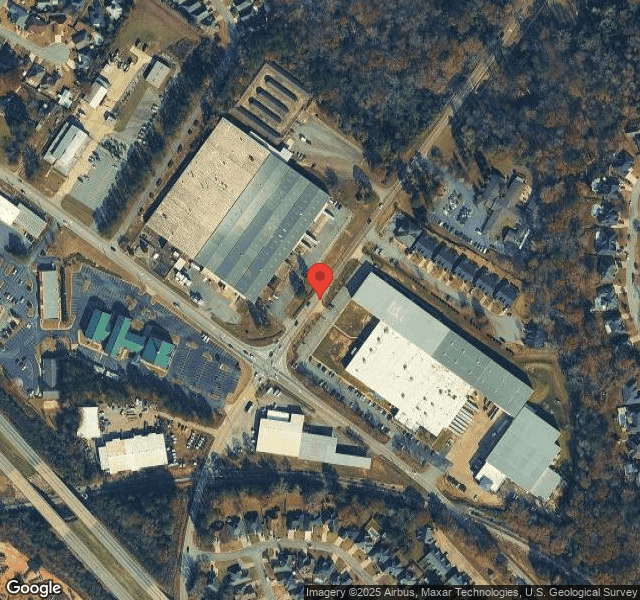

3900 LAKEWOOD DRIVE, PHENIX CITY, AL 36867 (334) 298-8247
For profit - Corporation 86 Beds ARABELLA HEALTHCARE MANAGEMENT Data: November 2025
Trust Grade
60/100
#84 of 223 in AL
Last Inspection: January 2020

Over 2 years since last inspection. Current conditions may differ from available data.

Overview

Arabella Health & Wellness of Phenix City has a Trust Grade of C+, indicating a decent level of care that is slightly above average. It ranks #84 out of 223 facilities in Alabama, placing it in the top half of nursing homes in the state, and #2 of 3 in Russell County, meaning only one local facility is rated higher. The facility's overall trend is improving, with issues decreasing from three in 2018 to just two in 2020. Staffing is a strength here, rated at 4 out of 5 stars, with turnover at 53%, which is close to the state average of 48%, suggesting staff stability. However, the facility has accumulated $63,100 in fines, which is concerning as it is higher than 95% of other nursing homes in Alabama, indicating potential compliance issues. Specific incidents noted by inspectors include failures in food safety practices, such as improperly stored expired bread and issues with food sanitation procedures, which could affect residents' health. Additionally, there was a concern about laundry staff not washing their hands between handling dirty and clean laundry, posing a risk for infection spread. While the facility does have good RN coverage, being better than 89% of state facilities, families should weigh these strengths against the noted weaknesses when considering care options.

Trust Score
C+
60/100
In Alabama
#84/223
Top 37%
Safety Record
Moderate
Needs review
Inspections
Getting Better
3 → 2 violations
Staff Stability
⚠ Watch
53% turnover. Above average. Higher turnover means staff may not know residents' routines.
Penalties
○ Average
$63,100 in fines. Higher than 67% of Alabama facilities. Some compliance issues.
Skilled Nurses
✓ Good
Each resident gets 53 minutes of Registered Nurse (RN) attention daily — more than average for Alabama. RNs are trained to catch health problems early.
Violations
○ Average
6 deficiencies on record. Average for a facility this size. Mostly minor or procedural issues.
★★★☆☆
3.0
Overall Rating
★★★★☆
4.0
Staff Levels
★★★☆☆
3.0
Care Quality
★★★☆☆
3.0
Inspection Score
Stable
2018: 3 issues
2020: 2 issues

The Good

  • 4-Star Staffing Rating · Above-average nurse staffing levels
  • Full Sprinkler Coverage · Fire safety systems throughout facility
  • No fines on record

Facility shows strength in staffing levels, fire safety.

The Bad

3-Star Overall Rating

Near Alabama average (2.9)

Meets federal standards, typical of most facilities

Staff Turnover: 53%

Near Alabama avg (46%)

Higher turnover may affect care consistency

Federal Fines: $63,100

Above median ($33,413)

Moderate penalties - review what triggered them

Chain: ARABELLA HEALTHCARE MANAGEMENT

Part of a multi-facility chain

Ask about local staffing decisions and management

The Ugly 6 deficiencies on record

Jan 2020 2 deficiencies
CONCERN (D)

Potential for Harm - no one hurt, but risky conditions existed

Respiratory Care (Tag F0695)

Could have caused harm · This affected 1 resident

**NOTE- TERMS IN BRACKETS HAVE BEEN EDITED TO PROTECT CONFIDENTIALITY** Based on observation, interviews, record review and a facility policy titled, Oxygen Therapy-Mask, Nasal Cannla & Nebulizers, th...

Read full inspector narrative →
**NOTE- TERMS IN BRACKETS HAVE BEEN EDITED TO PROTECT CONFIDENTIALITY** Based on observation, interviews, record review and a facility policy titled, Oxygen Therapy-Mask, Nasal Cannla & Nebulizers, the facility failed to ensure a nebulizer treatment mask was not out of the ZIPLOCK bag and a hair brush resting on top of the nebulizer for Resident Identifier (RI) #48. This was observed on 1/6/20 and affected one of one sampled residents' observed for breathing treatments. Findings Include: A review of a facilitypolicy titled, Oxygen Therapy -Mask, Nasal Cannula & Nebulizer with no date revealed . nebulizer masks and/or pipes should be stored in a plastic bag . RI #48 was admitted to the facility on [DATE]. Diagnoses included Rheumatoid myopathy with rheumatoid arthritis, COPD(Chronic Obstructive Pulmonary Disease), heart failure, and anxiety disorder. A review of RI #48's Physician orders for January 2020 included the order for albuterol sulfate 0.63 milligrams(mg)/3 milliters solution via high flow nebulizer by mouth four times daily for COPD. On 1/06/20 at 2:07 PM, during the initial tour of the facility RI #48 was observed in bed resting with eyes closed. RI #48 was receiving oxygen by nasal cannula. The surveyor observed the breathing treatment machine with the treatment mask attached to the machine. The mask was uncovered and a hair brush was lying on top of the nebulizer mask attached to machine but uncovered. On 01/06/20 at 02:31 PM, an interview was conducted with Employee Identifier (EI) #4, Licensed Practical Nurse. EI #4 was asked, if RI # 48 received breathing treatments. EI #4 replied, yes, she was fixing to give one then. EI #4 was asked, how long had RI #48 been receiving breathing treatments. EI #4 replied, it had been since RI #48 was admitted to the facility. EI #4 was asked, what was the order for breathing treatment. EI #4 replied, albuterol 0.63 mg per 3 milliliters. EI #4 was asked, to tell the surveyor where the breathing treatment mask was. EI #4, replied, on the bedside table attached to nebulizer with the plastic bag lying on the table beside the machine. EI #4 was asked, what was the protocol on storing the breathing treatment masks between treatments. EI #4 replied, it should be covered. EI #4 was asked if the breathing treatment mask was covered. EI #4 replied, no. EI #4 was asked what was the potential harm in not covering the mask between treatments. EI #4 replied, it could get germs and hair in mask. On 1/09/20 at 10:20 AM, an interview was conducted with EI #2, Director of Nursing. EI #2 was asked, what was the policy on storing the breathing treatment masks between treatments. EI #2 replied, inside a ziplock bag. EI #2 was asked, what was the potential harm in not covering the mask and having a resident's hair brush on the nebulizer between treatments. EI #2 replied, it could get contaminated by germs.
CONCERN (F)

Potential for Harm - no one hurt, but risky conditions existed

Food Safety (Tag F0812)

Could have caused harm · This affected most or all residents

Based on observations, interviews, review of a facility document titled Manual Washing and Sanitizing, and the Food and Drug Administration (FDA) Food Code, the facility failed to ensure: 1. the 3-com...

Read full inspector narrative →
Based on observations, interviews, review of a facility document titled Manual Washing and Sanitizing, and the Food and Drug Administration (FDA) Food Code, the facility failed to ensure: 1. the 3-compartment sink's drain pipe did not extend into the floor drain and 2. food service pans were sanitized properly by immersion in hot water for 30 seconds in the sanitizer sink. This has the potential to affect 75 of 75 residents receiving meals from the kitchen. Findings Include: 1) A review of the FDA 2017 Food Code revealed: 1. 5-402.11 Backflow Prevention. (A) . a direct connection may not exist between the SEWAGE system and a drain originating from EQUIPMENT in which FOOD, portable EQUIPMENT, or UTENSILS are placed. On 1/06/20 at 1:20 PM, during the initial tour of the kitchen an observation was made of the 3 compartment sink's drain pipe. The drain pipe extended three to four inches below floor grade and into the floor drain. On 1/07/20 at 2:25 PM, an interview was conducted with Employee Identifier (EI) #6, Maintenance Supervisor in the kitchen. EI #6 was asked, did the drain pipe from the 3-compartment sink extend into the floor drain. EI #6 replied, yes. On 1/08/20 at 8:35 AM, during a kitchen observation, the surveyor noted the drain pipe from the 3 compartment sink extended greater than four inches below floor grade and into the floor drain. On 1/08/20 at 11:59 AM, an interview was conducted with a Certified Plumber hired by the facility. The plumber was asked, did the 3 compartment sink's drain pipe extend into the floor drain. He replied, yes. The plumber was asked, what was the potential harm caused by the drain extending into the floor drain below the flood grade. He replied, there was a potential for backflow of sewage into the sink. 2. A review of the FDA 2017 Food Code revealed: .4-703.11 Hot Water and Chemical. After being cleaned . UTENSILS shall be SANITIZED in: (A) Hot water manual operations by immersion for at least 30 seconds . An undated facility document titled Manual Washing and Sanitizing revealed . After washing and rinsing, dishes and utensils are sanitized by immersion in either: Hot water (at least 170 degrees Fahrenheit (F) ) for 30 seconds . On 1/09/20 at 8:11 AM, an observation was made of EI #7, Shift Supervisor in the dietary department as she washed pans in the 3 compartment sink. EI #7 washed, rinsed, and failed to completely immerse four of 11 pans in hot water for at least 30 seconds. The four pans not immersed, floating on top of the water, were rinsed with hot water for less than 5 seconds, and placed on a rack to dry. On 1/09/20 at 8:27 AM, an interview was conducted with EI #7. EI #7 was asked, what was the process for sanitizing pans. EI #7 replied, dishes stayed in the hot water with temperature of at least 170 degrees F and for at least 30 seconds. EI #7 was asked, should the pans float in the water during the 30 seconds. EI #7 replied, when the pans were put in the water, they floated. On 1/09/20 at 8:35 AM, an interview was conducted with EI #3, Certified Dietary Manager. EI #3 was asked, what was the policy or procedure for sanitizing pans in the 3 compartment sink. EI #3 replied, dishes were washed, rinsed , and sanitized in hot water for 30 seconds or more. EI #3 was asked, how were pans sanitized in the 3-compartment sink. EI #3 replied, during the final rinse the pans should be immersed in hot water of 171 degrees Fahrenheit for at least 30 seconds. EI #3 was asked, when should the pans be completely immersed in hot water for at least 30 seconds. EI #3 replied, at the final rinse in the third sink. EI #3 was asked, when should dishes to be sanitized in hot water float in the hot water and not be immersed for 30 seconds. EI #3 replied, never. EI #3 was asked, what was potential harm to residents when pans used for food preparation and service were not sanitized in hot water by complete immersion for at least 30 seconds before air drying. EI #3 replied, without 30 seconds of immersion in hot water, there was a possibility bacteria was not completely killed, and then someone could get sick On 1/09/20 at 10:18 AM, an interview was conducted with EI #1, Administrator. EI #1 was asked, when did the drain pipe from the 3 compartment sink extend into the floor drain. EI #1 replied, from 1999 until 1/8/2020. EI #1 was asked was there any harm in not sanitizing pans and utensils in the kitchen per policy and FDA food code. EI #1 replied, obviously there was because there was regulations governing that.
Nov 2018 3 deficiencies
CONCERN (D)

Potential for Harm - no one hurt, but risky conditions existed

Comprehensive Care Plan (Tag F0656)

Could have caused harm · This affected 1 resident

**NOTE- TERMS IN BRACKETS HAVE BEEN EDITED TO PROTECT CONFIDENTIALITY** Based on record review, interview and review of a facility policy titled: Comprehensive Care Plans, the facility failed to devel...

Read full inspector narrative →
**NOTE- TERMS IN BRACKETS HAVE BEEN EDITED TO PROTECT CONFIDENTIALITY** Based on record review, interview and review of a facility policy titled: Comprehensive Care Plans, the facility failed to develop a care plan for Resident Identifier (RI) #14 when admitted to hospice services. This affected one of three residents sampled for hospice services. Findings Include: A review of a facility policy titled: Comprehensive Care Plans, no date, revealed: Policy: It is the policy of .to develop and implement a comprehensive person-centered care plan for each resident, .that includes measurable objectives and timeframes to meet a resident's medical, nursing .needs . RI #14 was admitted to the facility on [DATE] and readmitted on [DATE] with a diagnosis of Alzheimer's Disease. On 11/27/18 at 5:01, PM RI #14's record was reviewed. A review of RI #14's 2018 November Physician Orders revealed: .Order Date 5/31/18 . HOSPICE .FOR ENDSTAGE HEART DISEASE . A review of RI #14's Care Plan revealed no care plan for hospice services. On 11/27/18 at 5:15 PM, an interview was conducted with Employee Identifier (EI) #1, Assistant Director of Nursing/ Minimum Data Set (MDS). EI #1 was asked when was RI #14 admitted to hospice. EI #1 replied, 5/31/18. EI #1 was asked where was the care plan for hospice. EI #1 reviewed the care plan record and replied, there was no care plan. EI #1 was asked should a care plan be done when a resident is admitted to hospice. EI #1 replied, yes. EI #1 was asked who was responsible for developing the care plan. EI #1 replied, the MDS office. EI #1 was asked what was the harm in not having a care plan for hospice. EI #1 replied, only verbiage, everything was done for the resident the facility staff provided the care.
CONCERN (D)

Potential for Harm - no one hurt, but risky conditions existed

Infection Control (Tag F0880)

Could have caused harm · This affected 1 resident

**NOTE- TERMS IN BRACKETS HAVE BEEN EDITED TO PROTECT CONFIDENTIALITY** Based on observation, interview and review of a facility policy titledDistribution of Ice, the facility failed to ensure a Certi...

Read full inspector narrative →
**NOTE- TERMS IN BRACKETS HAVE BEEN EDITED TO PROTECT CONFIDENTIALITY** Based on observation, interview and review of a facility policy titledDistribution of Ice, the facility failed to ensure a Certified Nursing Assistant (CNA) passing ice to the residents on the units did not use the same bag to give multiple residents ice, allowing the bag to touch the over the bed tables and the water pitchers for each resident. This affected Resident Identifier #'s 14,1,74 and 26 and was observed on 11/17/18. This deficient practice had the potential to affect 69 of 81 residents receiving ice. Findings Include: A review of an undated facility policy titled, Distribution of Ice, no date, revealed: .Procedure: . 3. Ice will be placed in a disposable bag and emptied into each resident's individual water pitcher. RI #14 was readmitted to the facility on [DATE]. RI #1 was readmitted to the facility on [DATE]. RI #74 was readmitted to the facility on [DATE]. RI #26 was readmitted to the facility on [DATE]. On 11/27/18 at 9:00 AM, the surveyor observed Employee Identifier (EI) #5, CNA passing ice. EI #5 filled a plastic bag with ice from the ice cooler. EI #5 went in RI #14's room, placed the bag of ice on RI #14's overbed table, then opened the water pitcher and put half the ice in the pitcher. The bag observed touching the pitcher. Then EI #5 went to RI #1, placed the remaining ice in the bag on the over the bed table, opened the pitcher, took the pitcher to the sink and changed the water, then put the remaining ice in RI #1's pitcher. RI #14 and RI #1 were roommates. EI #5 left the room returned to the ice cooler and placed the bag on the cart in front of cooler. EI #5 sanitized her hands and went to the next hall. EI #5 picked up the previously used bag and filled it with more ice, then went into RI #74's room and added half the ice to the water pitcher. EI #5 then went to RI #26's room, placed the remaining bag of ice on the bed side table and changed the water in the pitcher. EI #5 added the ice from the same bag used in the previous rooms to RI #26's water pitcher. On 11/27/18 at 10:03 AM, an interview was conducted with EI #5. EI #5 was asked how was she suppose to give ice to residents. EI #5 replied, get a clean bag for each resident, put ice in it and take into the room. EI #5 was asked if she used one bag for both RI #14 and 1. EI #5 replied, yes. EI #5 was asked if the bag touched the water pitchers as she poured the ice in them. EI #5 replied, yes, she suppose it did. EI #5 was asked if she went to the other hall and gave ice to RI #74, then go to RI #26's room and place ice in the water pitcher. EI #5 replied, yes. EI #5 was asked when should she use the same bag filled with ice and take into other residents room. EI #5 replied, she should not. EI #5 was asked what could the risk be in using the same bag for passing ice to multiple residents. EI #5 replied, contamination from one resident to another as she went from one then more residents. EI #5 was asked how many residents were given ice. EI #5 replied, all except the tube feeders. On 11/29/18 at 8:31 AM, an interview was conducted with EI #6, Director of Nursing / Infection Control. EI #6 was asked what was the policy on passing ice to individual residents. EI #6 replied, they were to use an individual bag for each resident. EI #6 was asked when should staff use one bag for multiple residents. EI #6 replied, never. EI #6 was asked what was the risk of staff passing ice using the same bag for multiple residents. EI #6 replied, cross contamination.
CONCERN (F)

Potential for Harm - no one hurt, but risky conditions existed

Food Safety (Tag F0812)

Could have caused harm · This affected most or all residents

Based on observation, interview and review of facility policies titled: Handling Ice, Storing Dry Food and HYGIENE OF DIETARY STAFF, the facility failed to ensure: 1. two stored loaves of bread did no...

Read full inspector narrative →
Based on observation, interview and review of facility policies titled: Handling Ice, Storing Dry Food and HYGIENE OF DIETARY STAFF, the facility failed to ensure: 1. two stored loaves of bread did not have a use by date of 11/16/18 and 11/24/18, 2. the ice scoop was not stored inside the ice machine on top of the ice, and 3. 2 dietary staff had exposed hair contained in hair restraints. This was observed on 11/26/18 and 11/27/18 and had the potential to affect 69 residents receiving meals from the kitchen. Findings Include: 1. A review of a facility policy titled: Storing Dry Food, no date, revealed . Rotate stock on first in/first out (FIFO) system. Date items if required . Opened items . If an item has a use by date, this date must be part of the labeling. On 11/26/18 at 3:14 PM, during the kitchen tour with Employee Identifier (EI) #2, Dietary Manager, the surveyor observed the bread rack. On the bread tray two loaves of bread were observed with expired dates. One loaf was dated 11/16/18, the other 11/24/18. The surveyor asked EI #2 what was the use by date on each loaf. EI #2 replied, 11/16 and 11/24. The surveyor asked what was that day's date. EI #2 replied, November 26. 2. A review of a facility policy titled: Handling Ice, no date, revealed . Protecting ice during storage and service Ice must be protected from splash, drip and hand contamination during storage and service. On 11/26/18 at 3:18 PM, the surveyor observed inside the ice machine. The scoop was observed stored inside; the handle of the scoop was resting on the ice. The surveyor asked EI #2 where was the scoop to be stored. EI #2 replied, inside like this and placed the scoop inside the ice machine against the right side of the machine on the ice. 3. A review of a facility policy titled: HYGIENE OF DIETARY STAFF, no date, revealed All food service personnel are required to wear . and hair nets. On 11/27/18 at 11:15 AM the surveyor observed EI #3, dietary aide on the food line next to staff taking temperatures and later making a tomato sandwich. EI #3 had a mustache and beard and no beard cover. EI #3 was asked what was the policy on covering hair, including mustache and beard. EI #3 replied, it should be covered. EI #3 was asked if he had his mustache and beard covered. EI #3 replied, no. On 11/27/18 at 11:30 AM, EI #4, a dietary staff was observed in the kitchen removing the drink cart from the walk in refrigerator. EI #4 was observed with her hair at the neck not covered in the hair net. EI #4 was asked what was the policy for covering hair. EI #4 replied, all her hair should all be under the net. EI #4 was asked if all of her hair was under the net. EI #4 replied, no. EI #4 was asked what was the harm in all of her hair not being under the net. EI #4 replied, hair could fall in resident's food or drink. On 11/28/18 at 8:40 AM, during an interview with EI #2 DM, he was asked what was the policy on expired foods. EI #2 replied, the staff should remove bread, the delivery person usually rotated it; it was overlooked. EI #2 was asked when should expired food remain in the food prep area. EI #2 replied, it should not. EI #2 was asked who responsible for ensuring foods were not expired. EI #2 replied, the DM, cooks and kitchen supervisor. EI #2 was asked what was the harm in bread past the expiration date in the food prep area. EI #2 replied, the potential for bacteria. EI #2 was asked when should the ice scoop remain in the ice machine. EI #2 replied, according to our policy, never. EI #2 was asked what was the policy on the ice scoop in the ice machine on the ice. EI #2 replied, must use a clean scoop to remove ice. EI #2 was asked what was the harm in the ice scoop on the ice inside the ice machine. EI #2 replied, the potential for collection of bacteria. EI #2 was asked what was the policy on covering hair when in the kitchen, to include beard and mustache. EI #2 replied, all staff were required to wear a hair net. EI #2 was asked what was the harm in staff with hair, to include facial, not contained in a hair restraint. EI #2 replied, there was the potential that loose hair could fall in the food contaminating the food.
Oct 2017 1 deficiency
CONCERN (E)

Potential for Harm - no one hurt, but risky conditions existed

Deficiency F0441 (Tag F0441)

Could have caused harm · This affected multiple residents

Based on observation, interviews and a review of a facility policy titled, Handling Soiled Linen the facility failed to ensure Laundry Staff washed her hands between dirty and clean clothes handling. ...

Read full inspector narrative →
Based on observation, interviews and a review of a facility policy titled, Handling Soiled Linen the facility failed to ensure Laundry Staff washed her hands between dirty and clean clothes handling. This was observed on one of three days of the survey. This had the potential to affect 53 of 78 residents whose clothes were laundered by the facility. Findings Include: A review of a facility policy titled, Handling Soiled Linen with no revised date revealed: Policy: It is the policy of this facility that linens are handled, stored, processed, and transported so as to prevent the spread of infection.Policy Explanation and Compliance Guidelines: . 3.h. Wash hands after contact with soiled linen. On 10/19/2017 at 8:27 a.m., the surveyor observed laundry staff putting on one glove and a hospital type gown. The worker start loading the washer with dirty clothes. After she loaded the washer, she pulled off her one glove, apron and went to the clean side of the laundry room. The worker did not wash her hands. She started folding and hanging clean clothes. On 10/19/2017 at 12:00 p.m., the surveyor conducted an interview with (Employee Identifier) EI #2 Housekeeping/Laundry. EI #2 was asked what PPE (Personal Protective Equipment) did she have on when putting clothes into the washer. EI #2 replied, a gown and one glove. EI #2 was asked what did she do after pulling off her glove. EI #2 replied, she started folding and hanging clothes. EI #2 was asked did she wash her hands prior to hanging and folding clothes. EI #2 replied, not after she put the dirty clothes in the washer. EI #2 replied, she just took the dirty glove off. EI #2 was asked how many gloves did she have on. EI #2 replied, one. EI #2 was asked what did the facility policy say regarding washing her hands after putting dirty clothes in the washer. EI #2 replied, wash your hands after soil laundry. EI #2 was asked when should she wash her hands in the laundry room. EI #2 replied, after everytime she touch something nasty. EI #2 was asked did she have residents clothes on her arm when taking clothes from the washer to the dryer. EI #2 replied, yes ma'am. EI #2 was asked what was the potential harm to the residents when handling dirty items and proceed to touch and hang clean clothes. EI #2 replied, cross contamination. On 10/19/2017 at 3:00 p.m., the surveyor conducted an interview with EI #1, DON (Director of Nursing). EI #1 was asked should a worker wash her hands after putting dirty clothes in the washer and proceeding to fold and hang clothes on the clean side of the laundry room. EI #1 replied, yes ma'am. EI #1 was asked what was the potential harm to the resident when a worker loaded the washer with dirty clothes and proceed to hang and fold clothes. EI #1 replied, the potential for passing germs.
Understanding Severity Codes (click to expand)
Life-Threatening (Immediate Jeopardy)
J - Isolated K - Pattern L - Widespread
Actual Harm
G - Isolated H - Pattern I - Widespread
Potential for Harm
D - Isolated E - Pattern F - Widespread
No Harm (Minor)
A - Isolated B - Pattern C - Widespread

Questions to Ask on Your Visit

  • "Can I speak with families of current residents?"
  • "What's your RN coverage like on weekends and overnight?"

Our Honest Assessment

Strengths
  • • Licensed and certified facility. Meets minimum state requirements.
Concerns
  • • $63,100 in fines. Extremely high, among the most fined facilities in Alabama. Major compliance failures.
Bottom line: Mixed indicators with Trust Score of 60/100. Visit in person and ask pointed questions.

About This Facility

What is Arabella Health & Wellness Of Phenix City's CMS Rating?

CMS assigns ARABELLA HEALTH & WELLNESS OF PHENIX CITY an overall rating of 3 out of 5 stars, which is considered average nationally. Within Alabama, this rating places the facility higher than 99% of the state's 100 nursing homes. This mid-range rating indicates the facility meets federal standards but may have areas for improvement.

How is Arabella Health & Wellness Of Phenix City Staffed?

CMS rates ARABELLA HEALTH & WELLNESS OF PHENIX CITY's staffing level at 4 out of 5 stars, which is above average compared to other nursing homes. Staff turnover is 53%, compared to the Alabama average of 46%.

What Have Inspectors Found at Arabella Health & Wellness Of Phenix City?

State health inspectors documented 6 deficiencies at ARABELLA HEALTH & WELLNESS OF PHENIX CITY during 2017 to 2020. These included: 6 with potential for harm.

Who Owns and Operates Arabella Health & Wellness Of Phenix City?

ARABELLA HEALTH & WELLNESS OF PHENIX CITY is owned by a for-profit company. For-profit facilities operate as businesses with obligations to shareholders or private owners. The facility is operated by ARABELLA HEALTHCARE MANAGEMENT, a chain that manages multiple nursing homes. With 86 certified beds and approximately 74 residents (about 86% occupancy), it is a smaller facility located in PHENIX CITY, Alabama.

How Does Arabella Health & Wellness Of Phenix City Compare to Other Alabama Nursing Homes?

Compared to the 100 nursing homes in Alabama, ARABELLA HEALTH & WELLNESS OF PHENIX CITY's overall rating (3 stars) is above the state average of 2.9, staff turnover (53%) is near the state average of 46%, and health inspection rating (3 stars) is at the national benchmark.

What Should Families Ask When Visiting Arabella Health & Wellness Of Phenix City?

Based on this facility's data, families visiting should ask: "Can I visit during a mealtime to observe dining assistance and food quality?" "How do you handle medical emergencies, and what is your hospital transfer rate?" "Can I speak with family members of current residents about their experience?"

Is Arabella Health & Wellness Of Phenix City Safe?

Based on CMS inspection data, ARABELLA HEALTH & WELLNESS OF PHENIX CITY has a clean safety record: no substantiated abuse findings (meaning no confirmed cases of resident harm), no Immediate Jeopardy citations (the most serious violation level indicating risk of serious injury or death), and is not on the Special Focus Facility watch list (a federal program monitoring the lowest-performing 1% of nursing homes). The facility has a 3-star overall rating and ranks #1 of 100 nursing homes in Alabama. While no facility is perfect, families should still ask about staff-to-resident ratios and recent inspection results during their visit.

Do Nurses at Arabella Health & Wellness Of Phenix City Stick Around?

ARABELLA HEALTH & WELLNESS OF PHENIX CITY has a staff turnover rate of 53%, which is 7 percentage points above the Alabama average of 46%. Moderate turnover is common in nursing homes, but families should still ask about staff tenure and how the facility maintains care continuity when employees leave.

Was Arabella Health & Wellness Of Phenix City Ever Fined?

ARABELLA HEALTH & WELLNESS OF PHENIX CITY has been fined $63,100 across 13 penalty actions. This is above the Alabama average of $33,710. Fines in this range indicate compliance issues significant enough for CMS to impose meaningful financial consequences. Common causes include delayed correction of deficiencies, repeat violations, or care failures affecting resident safety. Families should ask facility leadership what changes have been made since these penalties.

Is Arabella Health & Wellness Of Phenix City on Any Federal Watch List?

ARABELLA HEALTH & WELLNESS OF PHENIX CITY is not on any federal watch list. The most significant is the Special Focus Facility (SFF) program, which identifies the bottom 1% of nursing homes nationally based on persistent, serious quality problems. Not being on this list means the facility has avoided the pattern of deficiencies that triggers enhanced federal oversight. This is a positive indicator, though families should still review the facility's inspection history directly.