CANTERBURY HEALTH CARE FACILITY
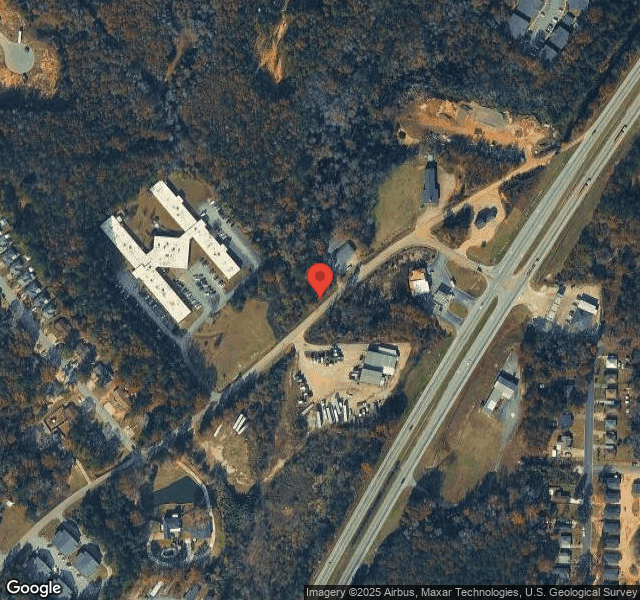

1720 KNOWLES ROAD, PHENIX CITY, AL 36869 (334) 291-0485
For profit - Corporation 137 Beds VENZA CARE MANAGEMENT Data: November 2025
Trust Grade
45/100
#147 of 223 in AL
Last Inspection: June 2023

Over 2 years since last inspection. Current conditions may differ from available data.

Overview

Canterbury Health Care Facility in Phenix City, Alabama, has received a Trust Grade of D, indicating below-average performance with some concerns about care quality. It ranks #147 out of 223 facilities in Alabama, placing it in the bottom half, and #3 out of 3 in Russell County, meaning there are only two other options nearby that are better. The facility is worsening, with issues increasing from 5 in 2021 to 7 in 2023. Staffing is average, with a 3/5 rating and a turnover rate of 51%, which is similar to the state average. While the facility has not incurred any fines, which is a positive sign, it has concerningly low RN coverage, less than 96% of Alabama facilities, which may affect the quality of care provided. Specific incidents of concern include a serious failure to follow a resident's care plan during a transfer, resulting in the resident falling and suffering acute fractures that required surgery. Additionally, there were issues related to cleanliness in the kitchen, with dust accumulation and unlabeled food items, which could impact the health of all residents receiving meals from that kitchen. Overall, while there are some strengths, such as no fines and average staffing, the concerning incidents and low trust grade suggest families should carefully consider their options.

Trust Score
D
45/100
In Alabama
#147/223
Bottom 35%
Safety Record
Moderate
Needs review
Inspections
Getting Worse
5 → 7 violations
Staff Stability
⚠ Watch
51% turnover. Above average. Higher turnover means staff may not know residents' routines.
Penalties
✓ Good
No fines on record. Clean compliance history, better than most Alabama facilities.
Skilled Nurses
⚠ Watch
Each resident gets only 23 minutes of Registered Nurse (RN) attention daily — below average for Alabama. Fewer RN minutes means fewer trained eyes watching for problems.
Violations
⚠ Watch
13 deficiencies on record. Higher than average. Multiple issues found across inspections.
★★☆☆☆
2.0
Overall Rating
★★★☆☆
3.0
Staff Levels
★★★☆☆
3.0
Care Quality
★★☆☆☆
2.0
Inspection Score
Stable
2021: 5 issues
2023: 7 issues

The Good

  • Full Sprinkler Coverage · Fire safety systems throughout facility
  • No fines on record

Facility shows strength in fire safety.

The Bad

2-Star Overall Rating

Below Alabama average (2.9)

Below average - review inspection findings carefully

Staff Turnover: 51%

Near Alabama avg (46%)

Higher turnover may affect care consistency

Chain: VENZA CARE MANAGEMENT

Part of a multi-facility chain

Ask about local staffing decisions and management

The Ugly 13 deficiencies on record

2 actual harm
Oct 2023 1 deficiency
CONCERN (D) 📢 Someone Reported This

A family member, employee, or ombudsman was alarmed enough to file a formal complaint

Potential for Harm - no one hurt, but risky conditions existed

Accident Prevention (Tag F0689)

Could have caused harm · This affected 1 resident

**NOTE- TERMS IN BRACKETS HAVE BEEN EDITED TO PROTECT CONFIDENTIALITY** Based on interviews, resident record review, and review of a facility policy titled Transportation Safety, the facility failed t...

Read full inspector narrative →
**NOTE- TERMS IN BRACKETS HAVE BEEN EDITED TO PROTECT CONFIDENTIALITY** Based on interviews, resident record review, and review of a facility policy titled Transportation Safety, the facility failed to ensure Resident Identifier (RI) #1 was secured in the wheelchair during a transport on 8/10/23 in the facility van. Employee Identifier (EI) #3 Certified Nursing Assistant (CNA) failed to snuggly secure RI #1's waist and shoulder belts. This resulted in RI #1 sliding from the wheelchair during transportation when the driver abruptly applied the vehicle brakes. This had the potential to affect RI #1, one of three residents sampled for transportation safety. This deficient practice is cited as a result of the investigation of complaint/report number AL00045493. Findings include: A facility policy titled TRANSPORTATION SAFETY with an effective date of March 2023 documented: PURPOSE: Have a standardized procedure for safety during transportation. STANDARD: Transportation Drivers have training to decrease the risk of injuries during transportation. PROCESS: . 3. Transportation Drivers must complete the competency on the Validation checklist of skills; (Loading, Securing, and Unloading) residents with returned demonstration . An undated and unsigned facility Competency Validation Checklist: . documented . Securing Passenger and Chair . 3 Attach systems lap belt snuggly around waist. (Adjust if necessary to ensure the catch for shoulder will belt rest to the inside of vehicle on passenger's hip) . RI #1 was admitted to the facility on [DATE] and had diagnoses to include: Amputation of the Right Leg and End Stage Renal Disease. RI #1's quarterly Minimum Data Set (MDS) assessment with an Assessment Reference Date of 7/24/23 documented a Brief Interview for Mental Status (BIMS) score of 14 which indicated there was no impairment with decision making abilities. An incident report for RI #1 documented on 8/10/23 the van driver reported that RI #1 was in a wheelchair during transportation and slid out of the wheelchair unto the floor of the van. RI #1 was assessed for injury and no injury was found. On 10/3/23 at 10:00 AM EI #3 CNA was asked about the incident with RI #1 in the facility van. EI #3 said, the wheelchair should be anchored to the floor with the 4-point anchors then the seat and shoulder belt should be secure and snug to the resident. EI #3 said, RI #1's seat and shoulder belts were not secured snug to the resident. EI #3 said, RI #1 had told him it was too tight so he loosened it. EI #3 said, when RI #1 slid from the chair to the floor of the van, the seat and shoulder belt was still attached to RI #1. EI #3 said, RI #1's head was like leaning against the wheelchair seat not touching anything. EI #3 said, when EI #4 hit the brakes RI #1 slid forward and to the floor in a sitting position. EI #3 stated, RI #1 denied being hurt and wanted to get back into the wheelchair. EI #3 explained. EI #4 parked the van there in the street, put the flashers on, they looked RI #1 over, checked RI #1's arms, legs and anywhere to see if RI #1 was hurt; RI #1 denied being hurt and they used the sling underneath RI #1 to pick RI #1 up and place him/her back into the wheelchair. EI #3 said, they assisted RI #1 back in the seat, put the belts on and made them tighter. EI #3 said the incident could have been avoided possibly if the belts were snug to the resident. On 10/3/23 at 12:00 PM an interview was conducted with EI #4, CNA, the van driver at the time of the incident with RI #1 on 8/10/23. EI #4 said, she was driving and EI #3 was riding along. EI #4 explained, she was returning RI #1 back to the facility somewhere between 1:00 to 1:30 PM. EI #4 said, she was slowing down, the light was changing, she applied the brakes, and RI #1 slid from the wheelchair. EI #4 said, she put the van in park right there in the road, put the flashers on, and went back to check on RI #1. EI #4 explained, EI #3 was already down beside RI #1, the sling was under RI #1, and she looked RI #1 over and asked where he/she hurt. EI #4 said, RI #1 denied being hurt and wanted help to get him/her back up to the wheelchair. EI #4 stated, she looked at RI #1's arms, legs, and looked for any bleeding or injury, there was none so they used the sling under RI #1 and placed RI #1 back in the wheelchair and continued to the facility. EI #4 said, before the incident, EI #3 had placed the seat and shoulder belts, and she heard RI #1 tell EI #3 he/she did not want the belts so tight. EI #4 said, the incident could have been prevented if they had made sure the belts were snug and EI #3 should have said, the belts must fit snug. ***************************************************************************** PLAN Identified Issues Resident slid out of chair during an immediate stop made by the transportation Van Driver 1. On 08/10/2023 upon identification of the incident, the resident was assessed by a licensed nurse and later sent to the hospital for an evaluation and no injuries were noted. 2. Immediate re-education was completed for the drivers with return demonstration and further instruction to call center and alert of any incidents. 3. Face sheet was updated adding the resident daughter as contact, per request. At the time of the incident, the resident was self-sponsored. No other residents' factsheets needed updating. How Center identified others that may be affected by this practice: 1. The Center audited all dialysis residents with routine transfers by the facility van that required transfer with the use of a Hoyer pad to be at risk of slipping/sliding during sudden stops. Any safety risks identified were addressed by modifying transportation to dialysis. What systematic changes will be implemented ensuring deficient practice does not re-occur. 1. Following the incident, one transportation driver returned to the nursing department as a CNA ., but did receive re-education on VIA video and return demonstration by the Maintenance Director prior to the position change on 8/16/23. The DON performed re-education on safety measures following an occurrence on 8/16/23. 2. The second transportation driver received re-education to further ensure knowledge of application securing residents and notifying the center immediately upon any occurrences on 08/17/2023. The DON performed re-education on safety measures following an occurrence on 8/16/23. 3. 3. The newly hired driver received initial education by watching the video and taking the post test and showing a return demonstration to the Maintenance Director before approved to drive. 4. Any future drivers will be educated with return demonstration competency before transporting residents. 5. 5. Center Reviewed and revised and adopted Policy for transportation on 8/16/2023. Describe the Quality Assurance & Process Improvement Program that will be put into place (track and trend data over time to ensure action plan met the initially identified goal). 1. The Maintenance Director and/or Trained Designee has performed and verified secured transportation device 1 x per week x 7 weeks, the QAPI team will review and re-evaluate based on completed observations.
Jun 2023 6 deficiencies
CONCERN (D)

Potential for Harm - no one hurt, but risky conditions existed

Deficiency F0554 (Tag F0554)

Could have caused harm · This affected 1 resident

**NOTE- TERMS IN BRACKETS HAVE BEEN EDITED TO PROTECT CONFIDENTIALITY** Based on observations, interviews, record review, and facility policy review, the facility failed to ensure one (Resident #40) o...

Read full inspector narrative →
**NOTE- TERMS IN BRACKETS HAVE BEEN EDITED TO PROTECT CONFIDENTIALITY** Based on observations, interviews, record review, and facility policy review, the facility failed to ensure one (Resident #40) of 34 sampled residents were assessed to self-administer their albuterol sulfate inhaler. Findings included: A review of the facility's policy titled, Self-Administration of Medications, revised 11/28/2016, revealed, 2. Facility, in conjunction with the Interdisciplinary Care Team, should assess and determine, with respect to each resident, whether Self-Administration of medication is safe and clinically appropriate, based on the resident's functionality and health condition. A review of Resident #40's admission Record revealed Resident #40 was admitted to the facility on [DATE] with diagnoses that included Chronic Obstructive Pulmonary Disease. A review of the quarterly Minimum Data Set (MDS), with an Assessment Reference Date (ARD) of 04/10/2023, indicated Resident #40 had a Brief Interview for Mental Status (BIMS) score of 15, which indicated the resident was cognitively intact. A review of Resident #40's comprehensive care plans revealed a care plan, revised on 01/17/2023, that indicated Resident #40 was at risk for shortness of breath related to a diagnosis of chronic obstructive pulmonary disease. This care plan directed staff to administer medications per physician's orders. Resident #40's comprehensive care plans contained no information related to self-administration of medications. A review of Resident #40's current physician's orders revealed an order dated 08/12/2022 for Proventil HFA (a medication used to treat or prevent wheezing and shortness of breath caused by breathing problems). This order did not indicate Resident #40 was assessed to self-administer the medication. On 05/30/2023 at 12:28 PM, Resident #40 was observed in bed. An albuterol sulfate 90 microgram (mcg) inhaler prescribed to Resident #40, dated 03/12/2023, was observed inside a roll of toilet paper on top of the resident's bedside table. On 05/31/2023 at 11:55 AM, Resident #40's albuterol sulfate inhaler was again observed inside a roll of toilet paper on top of the resident's bedside table. Resident #40 stated they had the inhaler for several days and that a night nurse (name unknown) gave it to him/her. Resident #40 said he/she used it mainly at night and that staff had never educated or told them they were not allowed to have medication at their bedside. Resident #40 said a nurse was in their room that morning to administer medications and did not say anything about the inhaler being there. During an interview on 05/31/2023 at 12:01 PM, Registered Nurse (RN) #6 stated she was in Resident #40's room earlier in the morning, around 8:00 AM, and gave the resident their morning medications. RN #6 was not aware Resident #40 had their albuterol inhaler. RN #6 said the albuterol inhaler was an as needed medication, and there was a different scheduled inhaler on the medication cart that the nurses provided on a routine basis. RN #6 confirmed Resident #40 had not been assessed to have medication at the bedside and said Resident #40 was not supposed to have the inhaler. RN #6 said this was not the first time Resident #40 had an inhaler when they were not supposed to. RN #6 stated it was not safe for Resident #40 to have the inhaler due to the resident's confusion. RN #6 stated Resident #40 could use it and not remember using it or not get a full dose. RN #6 also stated it was unsanitary, since the inhaler did not have a cap on it, and it was placed inside a toilet paper roll. During an interview on 06/02/2023 at 1:20 PM, the Assistant Director of Nursing (ADON) stated a nurse should not leave a resident's room until the resident had taken all their medications. The ADON said she expected all nurses to be mindful and aware while they administered medications or interacted with a resident. The ADON said nurses were expected to look in the immediate area of the resident to ensure there were no medications left at the resident's bedside during interactions. The ADON said she had never been informed Resident #40 had medications at the bedside and indicated if a nurse discovered medications at a resident's bedside, they should report that to their unit manager. The ADON said Resident #40 should not self-administer medications due to the resident's declining cognition. The ADON said it was acceptable for a nurse to hand the inhaler to the resident to use, but they should be there to supervise the resident use it and then take the inhaler from the resident before they left the room. During an interview on 06/02/2023 at 1:44 PM, the Director of Nursing (DON) stated there should not be any medications left at a resident's bedside. The DON said she expected staff to be aware and mindful and identify any items that could be a hazard, such as medications on a resident's bedside table. The DON said the concern for Resident #40 having the inhaler would be that either Resident #40 may not take the medication, or they may take the medication wrong due to the resident's cognition issues. During an interview on 06/02/2023 at 3:20 PM, the Administrator said he expected there to be no medications left at a resident's bedside. He also stated he expected all staff to pay attention to everything that went on in a resident's room. The Administrator said he did not know Resident #40 specifically, but indicated if a resident was not deemed safe to self-administer medications, the resident should not have the medication.
CONCERN (D)

Potential for Harm - no one hurt, but risky conditions existed

MDS Data Transmission (Tag F0640)

Could have caused harm · This affected 1 resident

**NOTE- TERMS IN BRACKETS HAVE BEEN EDITED TO PROTECT CONFIDENTIALITY** Based on record review, interviews, and review of the Centers for Medicare & [and] Medicaid Services [CMS] Long-Term Care Facili...

Read full inspector narrative →
**NOTE- TERMS IN BRACKETS HAVE BEEN EDITED TO PROTECT CONFIDENTIALITY** Based on record review, interviews, and review of the Centers for Medicare & [and] Medicaid Services [CMS] Long-Term Care Facility Resident Assessment Instrument [RAI] 3.0 User's Manual, the facility failed to transmit a discharge Minimum Data Set (MDS) assessment within 14 days of the completion date for one (Resident #32) of one resident reviewed for timely submission of MDS assessment. Findings included: A review of the Centers for Medicare & Medicaid Services Long-Term Care Facility Resident Assessment Instrument 3.0 User's Manual, dated October 2019, revealed, Chapter 5: Submission and Correction of the MDS Assessments. Nursing homes are required to submit Omnibus Budget Reconciliation Act (OBRA) required Minimum Data Set (MDS) records for all residents in Medicare- or Medicaid-certified beds regardless of the pay source. Skilled nursing facilities (SNFs) and hospitals with a swing bed agreement (swing beds) are required to transmit additional MDS assessments for all Medicare beneficiaries in a Part A stay reimbursable under the SNF Prospective Payment System (PPS). 5.1 Transmitting MDS Data All Medicare and/or Medicaid-certified nursing homes and swing beds, or agents of those facilities, must transmit required MDS data records to CMS' Quality Improvement and Evaluation System (QIES) Assessment Submission and Processing (ASAP) system. Required MDS records are those assessments and tracking records that are mandated under OBRA and SNF PPS. The RAI Manual further indicated, Transmitting Data: Submission files are transmitted to the QIES ASAP system using the CMS wide area network. The RAI Manual specified that discharge assessments must be submitted by Z0500B [completion date of the assessment] + [plus] 14 [days]. A review of Resident #32's admission Record revealed the resident was admitted to the facility on [DATE] and discharged on 01/07/2023. A review of Resident #32's discharge Minimum Data Set (MDS), with an Assessment Reference Date (ARD) of 01/07/2023, revealed the resident was discharged to the community on 01/07/2023. The completion date of the assessment was 01/12/2023. A review of Resident #32's MDS 3.0 Final Validation Report revealed their discharge assessment was not transmitted until 06/02/2023. During an interview on 06/02/2023 at 8:23 AM, MDS Coordinator #1 stated that MDS Coordinator #2 had completed the discharge assessment but failed to transmit it as required. She said it should have been transmitted within 14 days. During an interview on 06/02/2023 at 11:33 AM, the Director of Nursing (DON) stated that she expected MDS assessments to be transmitted within the timeframes specified by CMS guidelines. During an interview on 06/02/2023 at 3:10 PM, the Administrator stated that he expected MDS assessments to be transmitted in a timely manner.
CONCERN (D)

Potential for Harm - no one hurt, but risky conditions existed

PASARR Coordination (Tag F0644)

Could have caused harm · This affected 1 resident

**NOTE- TERMS IN BRACKETS HAVE BEEN EDITED TO PROTECT CONFIDENTIALITY** Based on interviews, record review, and facility policy review, the facility failed to complete a new Level I pre-admission scre...

Read full inspector narrative →
**NOTE- TERMS IN BRACKETS HAVE BEEN EDITED TO PROTECT CONFIDENTIALITY** Based on interviews, record review, and facility policy review, the facility failed to complete a new Level I pre-admission screening and resident review (PASARR) after the resident was identified to have a newly evident mental illness diagnosis for one (Resident #2) of one resident reviewed for PASARR requirements. Findings included: A review of the facility's policy titled, PASRR [sic] Requirements, undated, revealed, In effort of the Health Information Management Coordinator to obtain a completed record, all patients must have a Pre-admission Screening and Resident Review prior to or immediately upon admission as required by federal and/or a patient/resident specific review process as defined by local State guidelines. The PASRR [sic] is completed to determine provision of appropriate and needed serviced [sic] to individuals who have been diagnosed with MI/MR [mental illness/mental retardation]. A review of Resident #2's admission Record revealed the resident was initially admitted to the facility on [DATE] and readmitted to the facility on [DATE]. The admission Record indicated the resident's diagnoses included panic disorder, paranoid schizophrenia, major depressive disorder, and bipolar disorder. Per the admission Record, the diagnosis of bipolar disorder had an onset date of 10/19/2022. A review of the quarterly Minimum Data Set (MDS), with an Assessment Reference Date (ARD) of 04/07/2023, indicated that Resident #2 had a Brief Interview for Mental Status (BIMS) score of 11 out of 15, which indicated moderate cognitive impairment. Further review revealed active diagnoses of schizophrenia, bipolar disorder, major depressive disorder, and anxiety disorder. A review of Resident #2's comprehensive care plans revealed a care plan, initiated on 10/31/2022, that indicated the resident was receiving behavioral health services due to diagnoses of paranoid schizophrenia, bipolar disorder, major depressive disorder, and panic disorder. A review of a State of Alabama Department of Mental Health PASRR Level I Screening and Results, revealed a new Level I PASARR was not completed following Resident #2's diagnosis of bipolar disorder (which had an onset date of 10/19/2022) until 05/31/2023. During an interview on 06/01/2023 at 9:21 AM, the Corporate Nurse Consultant stated that after Resident #2's PASARR was requested by the surveyor, they identified there was an issue with the Level I PASARR screening not being completed. The Corporate Nurse Consultant indicated they had just completed Resident #2's new Level I screening on 05/31/2023. During an interview on 06/01/2023 at 3:42 PM, the Social Services Director (SSD) said the Admissions Coordinator was responsible for completing the initial Level I PASARR screening, and he was responsible for completing a new Level I screening if there was a change in the resident's condition or after a new diagnosis. The SSD said he just completed the new Level I PASARR screening for Resident #2 on 05/31/2023 due to the new diagnosis of bipolar disorder from October 2022. The SSD said he did not complete one at the time, in October 2022, because it slipped his mind, and he had no process in place to track changes when a resident had a new diagnosis. During an interview on 06/01/2023 at 3:30 PM, the Admissions Coordinator stated when residents were coming from Georgia (another state in close proximity to the facility), she completed the Level I PASARR screening, but if they were coming from Alabama, the hospital completed them. The Admissions Coordinator indicated she would review them for accuracy and complete a new one if there were any inaccuracies identified. The Admissions Coordinator said the SSD completed another Level I screening if there were any changes in the resident's diagnoses. During an interview on 06/02/2023 at 1:42 PM, the Director of Nursing (DON) stated a PASARR was completed by the Admissions Coordinator and signed by a registered nurse, and the SSD reviewed it for accuracy. The DON said if there was a change in a resident's condition, the SSD would review and submit another Level I screening for review to see if the resident qualified for a Level II referral. The DON said she was not aware that a new Level I PASARR screening was not completed in 2022 when Resident #2 had a new mental illness diagnosis and indicated she would have expected one to be done. During an interview on 06/02/2023 at 3:24 PM, the Administrator stated the facility received a referral for all new admissions, and after admission, if there were any changes, a new Level I screening was completed by the SSD. The Administrator said he expected this to be done.
CONCERN (D)

Potential for Harm - no one hurt, but risky conditions existed

Deficiency F0661 (Tag F0661)

Could have caused harm · This affected 1 resident

Based on interviews, record review, and facility policy review, the facility failed to complete a discharge summary to include a recapitulation (a concise summary) of the resident's stay for one (Resi...

Read full inspector narrative →
Based on interviews, record review, and facility policy review, the facility failed to complete a discharge summary to include a recapitulation (a concise summary) of the resident's stay for one (Resident #123) of four sampled residents reviewed for discharge requirements. Findings included: Review of a facility policy titled, Discharge Summary Requirements, undated, revealed, Guidelines: To provide for a safe departure from the center and provide a summary of patient service provided during a length of stay and to include applicable continuum of care instructions to the patient and/or next care provider. The policy further indicated, The patient's attending physician should complete a Discharge Summary describing the patient's condition during the period of stay of which that physician was responsible for physician's care and services. 2. A center clinician should complete an Interdisciplinary Discharge Summary User Defined Assessment document that describes pertinent information related to the patient's current length of stay and to provide education to the patient and/or next care provider. Review of an admission Record revealed the facility admitted Resident #123 on 11/01/2021 with diagnoses that included primary generalized osteoarthritis, muscle wasting and atrophy (weakening, shrinking, and loss of muscle caused by disease or lack of use) of the left and right thigh, chronic kidney disease, shortness of breath, dysphagia (difficulty swallowing), localized edema (swelling caused by fluid in the body's tissues), and chronic congestive heart failure. The admission Record also indicated Resident #123 was discharged from the facility on 02/09/2022. Review of the quarterly Minimum Data Set (MDS), with an Assessment Reference Date (ARD) of 01/27/2022, revealed Resident #123 had a Brief Interview for Mental Status (BIMS) score of 5, which indicated the resident had severe cognitive impairment. The resident required limited assistance with bed mobility, extensive assistance with transfers, locomotion, dressing, and eating, and was totally dependent on staff for toilet use and bathing. Review of Resident #123's Care Plan, initiated 11/23/2021, revealed the resident wanted assistance in planning to return home safely. This Care Plan directed staff to help the resident contact local agencies as needed and to develop transition strategies to make the discharge go smoothly. Review of Resident #123's Discharge Summary, dated 02/08/2022, revealed section A. Discharge Summary was not completed, with all related areas in this section blank. Section B. Recapitulation of Resident's Stay was incomplete and only had two entries completed in this section related to therapy services and a skin tear to the right lower leg. The Discharge Summary was not signed as completed and there was no acknowledgement that staff had provided and reviewed the discharge instructions with the patient/resident representative. During an interview on 06/02/2023 at 9:03 AM, the Corporate Nurse Consultant stated the discharge summary was a collaborative document opened in the electronic health record system. Each discipline was required to complete their respective sections, and once all sections were completed, that information would become the recapitulation of the resident's stay. The Corporate Nurse Consultant said at the time of a resident's discharge, the nurse should print off the discharge summary and review the information with the resident and the family. She further stated Resident #123's discharge summary was not completed and did not provide a recapitulation of their stay. During an interview on 06/02/2023 at 1:58 PM, the Administrator stated it was his expectation that staff would complete the discharge summary as required.
CONCERN (D)

Potential for Harm - no one hurt, but risky conditions existed

ADL Care (Tag F0677)

Could have caused harm · This affected 1 resident

**NOTE- TERMS IN BRACKETS HAVE BEEN EDITED TO PROTECT CONFIDENTIALITY** Based on observations, record review, interviews, and facility policy review, the facility failed to ensure one (Resident #25) o...

Read full inspector narrative →
**NOTE- TERMS IN BRACKETS HAVE BEEN EDITED TO PROTECT CONFIDENTIALITY** Based on observations, record review, interviews, and facility policy review, the facility failed to ensure one (Resident #25) of three sampled residents reviewed for activities of daily living (ADLs) were shaved and received hair care. Findings included: A review of a facility policy titled, ADL's [activities of daily living], effective August 2021, revealed, Policy: Ensure ADL's are provided in accordance with accepted standards of practice, the care plan, and reasonable accommodation of the resident's choices and preferences. A review of Resident #25's admission Record revealed the resident was admitted to the facility on [DATE] and readmitted on [DATE] with diagnoses that included noninfective gastroenteritis and colitis, diverticulosis of intestine, and gastrointestinal hemorrhage. A review of Resident #25's quarterly Minimum Data Set (MDS), with an Assessment Reference Date (ARD) of 05/15/2023, revealed the resident had a Brief Interview for Mental Status (BIMS) score of 14, indicating the resident was cognitively intact. The MDS further revealed Resident #25 required extensive assistance of one staff for personal hygiene and was totally dependent on one staff for bathing. A review of Resident #25's comprehensive care plans revealed a care plan addressing ADLs, initiated on 02/27/2023, that indicated the resident had an ADL deficit in relation to: Left BKA [below knee amputation]; right foot amputation; recent hospital stay per [for] diverticulosis and gastrointestinal hemorrhage; generalized weakness; incontinence; obesity; diabetes. This care plan directed staff to assist with bed mobility, bathing, dressing, grooming, and toileting. On 05/30/2023 at 9:20 AM, an observation was made of Resident #25 lying in their bed. Resident #25's hair was very disheveled and greasy. The resident was also noted to have facial hair approximately 1/16 inch long on both cheeks, the upper lip, and their chin. During an interview at that time Resident #25 stated he/she had received a shower on 05/29/2023, but staff did not shave them or wash their hair. On 05/31/2023 at 8:42 AM, Resident #25 stated staff had just given them a bed bath but did not offer to shave them or wash his/her hair. During an interview on 05/31/2023 at 11:44 AM, Certified Nursing Assistant (CNA) #12 stated she had been caring for Resident #25 and indicated the resident required total care with bathing and grooming. CNA #12 indicated she had not been able to wash the resident's hair, because she had not been able to get the resident to the shower due to the resident requiring a mechanical lift for transfers. CNA #12 said she would have had to get the big boat shower bed, which she indicated was located on the other side of the building. CNA #12 said she tried to use a washcloth during the resident's bed bath to remove the flakes from around their forehead and around their ears. CNA #12 also indicated she had not gotten around to shaving the resident, but said the razors were accessible and located on the hall. CNA #12 acknowledged Resident #25 needed their hair washed and to be shaved. CNA #12 was unsure how long it had been since Resident #25 was shaved. During an interview on 05/31/2023 at 11:54 AM, Licensed Practical Nurse (LPN) #13 said the day and evening shift provided resident's showers, provided hair care, and shaving. She indicated it was the nurse's responsibility to ensure that grooming and personal hygiene were provided. LPN #13 said if there was a problem with providing the care to residents, the CNAs should let the charge nurse know, so they could ensure that it got done. During an interview on 06/02/2023 at 11:26 AM, the Director of Nursing (DON) stated her expectation was for staff to provide ADL care for anything the residents were unable to do themselves. She also indicated that a resident should have access to showers/shampooing hair and said access to the big boat shower chair should not be a barrier to providing the care for the residents. During an interview on 6/02/2023 at 3:08 PM, the Administrator said his expectation was for staff to assist the patients as needed according to their care plans.
CONCERN (D)

Potential for Harm - no one hurt, but risky conditions existed

Dental Services (Tag F0791)

Could have caused harm · This affected 1 resident

**NOTE- TERMS IN BRACKETS HAVE BEEN EDITED TO PROTECT CONFIDENTIALITY** Based on interviews, record review, and facility document review, the facility failed to refer a resident to dental services fol...

Read full inspector narrative →
**NOTE- TERMS IN BRACKETS HAVE BEEN EDITED TO PROTECT CONFIDENTIALITY** Based on interviews, record review, and facility document review, the facility failed to refer a resident to dental services following complaints of tooth pain for one (Resident #57) of two sampled residents reviewed for dental services. Findings included: A review of an admission Record indicated Resident #57 was admitted to the facility on [DATE] and readmitted on [DATE]. Further review revealed Resident #57 was their own responsible party (RP), with Medicaid as their primary payor source. A review of the quarterly Minimum Data Set (MDS), with an Assessment Reference Date (ARD) of 05/01/2023, revealed Resident #57 had a Brief Interview for Mental Status (BIMS) score of 15, indicating the resident was cognitively intact. A review of Resident #57's comprehensive care plans revealed no care plan addressing dental concerns or the need for dental services. A review of Resident #57's dental note, dated 03/25/2022, revealed Resident #57 was not seen for a comprehensive oral evaluation due to awaiting signed consents. Further review revealed a needed follow-up for a comprehensive oral evaluation to be done at a future visit on an undetermined date. During an interview on 05/30/2023 at 11:38 AM, Resident #57 stated they had tooth pain and had requested to see a dentist, but it had been over a year since they had last seen one. A review of a typed statement signed by the Administrator, dated 06/02/2023, indicated, It is our understanding that neither the patient [Resident #57] nor the family completed the necessary consents to obtain [dental] services. A review of email communication between the Social Services Director (SSD) and the dental providers, dated 06/01/2023, confirmed Resident #57 was not enrolled to receive dental services. During an interview on 06/02/2023 at 10:35 AM, Resident #57 said their tooth broke off on the right side about a year prior, causing pain, and they reported it to the facility at that time. Resident #57 stated they told Unit Manager #11 about their tooth pain most recently about three months ago and did not know he/she could tell any other staff member they needed to be seen by a dentist. Resident #57 stated they had not been asked to sign a consent to see the dentist and indicated he/she would have signed it if they had been asked. Resident #57 further stated they could eat normally and had not lost weight related to their broken tooth. During an interview on 06/02/2023 at 10:41 AM, the SSD stated the dentist came to the facility every other month to see residents. The SSD then stated he normally completed the resident's initial dental referral and then the business office became involved for payment. The SSD said if a resident needed to see a dentist, the nurses normally notified him, or the resident could tell him as well, and he got the process started. The SSD further stated Resident #57 had not seen the dentist since the initial paperwork noted in their chart, dated 03/25/2022, and he was not made aware of Resident #57's tooth pain until a few days ago. During an interview on 06/02/2023 at 11:00 AM, Unit Manager #11 stated Resident #57 had not told her about any recent tooth pain. According to Unit Manager #11, the last time Resident #57 verbalized mouth pain, it was related to their gums, not their tooth, and that was about a year ago. Unit Manager #11 stated she thought Resident #57 had seen a dentist since then and was on the list to see them soon. She further stated it was important for residents with gum or tooth pain to see a dentist to help alleviate the pain and to follow-up as needed for proper oral care. During an interview on 06/02/2023 at 11:25 AM, the Assistant Director of Nursing (ADON) stated if a resident verbalized any gum or tooth pain, nursing needed to notify the physician or the SSD to get an appointment set up with a dentist. The ADON said it was ultimately the unit manager's responsibility to notify the physician or the SSD to address the concern. The ADON then stated if there needed to be a signed consent, the family could sign it, or if the resident was alert and oriented, he/she could sign it prior to seeing the dentist. The ADON further stated it was important to follow up on any verbalized oral pain because the facility did not want residents to be in any pain. During an interview on 06/02/2023 at 12:15 PM, the Director of Nursing (DON) stated that when a resident verbalized any tooth or gum pain, she expected the nurses to notify the physician and to make any referrals as needed. The DON further stated the SSD assisted in setting up dental appointments and indicated if the resident was their own RP, they could sign the consent to be seen. The DON then stated it was important to follow up with a dentist on any dental complaints to ensure the resident could eat. During an interview on 06/02/2023 at 3:15 PM, the Administrator stated he expected the nursing staff to assess and address any resident complaints of dental pain. The Administrator further stated if a resident wanted to see a dentist for a concern, he expected a referral to be made.
Apr 2021 5 deficiencies 2 Harm
SERIOUS (G)

Actual Harm - a resident was hurt due to facility failures

Comprehensive Care Plan (Tag F0656)

A resident was harmed · This affected 1 resident

**NOTE- TERMS IN BRACKETS HAVE BEEN EDITED TO PROTECT CONFIDENTIALITY** Based on interviews, review of Resident Identifier (RI) #154's medical record and review of the facility's investigation file, E...

Read full inspector narrative →
**NOTE- TERMS IN BRACKETS HAVE BEEN EDITED TO PROTECT CONFIDENTIALITY** Based on interviews, review of Resident Identifier (RI) #154's medical record and review of the facility's investigation file, Employee Identifier (EI) #8 and EI #9, Certified Nursing Assistants (CNAs) failed to follow RI #154's plan of care/care guide when RI #154 was transferred from the wheelchair to the bed on 03/09/21. RI #154 is care planned for a two person assist with transfers using the Hoyer lift. On 03/09/21 on the 3 PM - 11 PM shift, RI #154 was transferred by being picked up under the arms and placed on the side of the bed. Once on the bed, RI #154 slid to the floor. RI #154 was transferred to the ER (Emergency Room) for evaluation. An X-ray from the hospital showed acute fractures of RI #154's left and right distal femurs. This deficient practice affected RI #154, one of 37 sampled residents whose plans of care were reviewed. Findings include: RI #154 was admitted to the facility on [DATE] and readmitted on [DATE], with diagnoses of Muscle Weakness (Generalized) and Hemiplegia and Hemiparesis following Unspecified Cerebrovascular Disease affecting Unspecified Side. RI #154's care plan titled I require assistance with ADLs (Activities of Daily Living) such as . transfers . related to DX (diagnoses): muscle weakness, other lack of coordination . impaired mobility . with an initiated date of 05/04/18, had an intervention of . *I use a lift for transfers x (times) 2 person assist/med (medium) sling . This care plan intervention was initiated on 11/26/18. RI #154's most recent Quarterly Minimum Data Set assessment, with an Assessment Reference Date of 01/27/21, assessed RI #154 as scoring a 14 on the Brief Interview for Mental Status Score, indicating RI #154 was cognitively intact. This assessment also indicated RI #154 had range of motion impairment on both sides of the lower extremities. A review of RI #154's Lift Transfer Evaluation dated 02/01/21, revealed RI #154 could not transfer, bear weight on a least one leg, turn or pivot and required support for maintaining balance. RI #154 was also assessed as Total Lift Required, with Two Team Members required and used the medium size sling. A review of RI #154's care guide dated 3/2021 revealed RI #154 was marked as a Fall Risk and was to be transferred with a lift with the assist of two individuals. RI #154's Progress Notes (Nurses Notes), dated 03/09/21 at 4:58 PM, revealed the following: Patient was being assisted to bed, from (his/her) wheelchair and started sliding, (he/she) went to the floor . This note was made by EI #2, Registered Nurse (RN) Unit Manager/Assistant Director of Nursing (ADON). RI #154's Physician's Orders, dated 03/09/21, documented: Transfer to ER (Emergency Room) for evaluation p (after) fall . The local hospital documentation indicated RI #154 was admitted to the hospital on [DATE] at 5:20 PM with an admit diagnosis of Bilateral Hip Pain D/T (due to) Fall. RI #154's HISTORY OF PRESENT ILLNESS indicated .Chief Complaint: FALL and PELVIS INJURY. RIGHT and LEFT HIP INJURY . The injury occurred just prior to arrival. Occurred at a nursing home. Fell: . (EMS [Emergency Medical Services] States patient was dropped while being transferred from the chair to the bed by caregivers. patient was in pain and lower extremity was in different directions) . PHYSICAL EXAM . Extremities: Bony tenderness present. shortened right lower extremity). PROGRESS AND PROCEDURES . 18:53 (6:53 PM) 03/09/21 . will admit to orthopedic service . CLINICAL IMPRESSION Closed oblique, subtrochanteric, intercondylar fracture of the distal, shaft of the right and left femur . Contained within the facility's investigation file was a document dated 03/15/21, which revealed an interview was conducted by EI #1, the Administrator with RI #154's sponsor. The interview revealed RI #154 reported to the sponsor he/she had been picked up without the lift being used and was dropped on the floor. On 04/21/21 at 3:29 PM, a telephone interview was conducted with EI #8, the CNA assigned to care for RI #154 on 03/09/21 on the 3 PM - 11 PM shift. EI #8 said 03/09/21 had been her first day caring for RI #154. The surveyor asked EI #8, if she as a CNA had never cared for a resident before, where would she go to find out the type care the resident should receive. EI #8 said on the resident care plan. When asked if she looked at RI #154's care plan before she and EI #9, another CNA, attempted to transfer RI #154, EI #8 said no. EI #8 said she did not know where the care plans were kept. The surveyor asked EI #8 did she ask anyone where RI #154's care plans were. EI #8 said no. EI #8 said usually if the resident is a Hoyer lift they will have a Hoyer pad (sling) under them. EI #8 said RI #154 did not have one under him/her when he/she was in the wheelchair. EI #8 said that is why she and EI #9 assumed RI #154 was not a lift person. The surveyor asked EI #8 when she was in orientation was she told the CNAs are supposed to look at the residents' care guide to see the type care (use of the lift) a resident was to receive. EI #8 said she did not receive any of that information in orientation. A review of EI #8's personnel file indicated the CNA began her employment with the facility on 02/03/21. On 02/03/21, EI #8 signed a TEAM MEMBER ORIENTATION GUIDE RECEIPT AND ACKNOWLEDGEMENT FORM indicating the facility's Safe Lift Program had been discussed with her, signed a Team Member Acknowledgement of Diversicare's Lift Program Policy and Procedure, and signed that she had been informed of the facility's SAFE -WORKING PRACTICE AGREEMENT which indicated 1. It is your responsibility to know your job responsibilities and how to perform these tasks safely. If you need direction or assistance you must notify you supervisor immediately. 2. All employees must know and observe all safety rules and safe practice policies, which are in place at the facility to create a safe working environment. 3. You must . use the mechanical lifting devices for those residents who have been assessed as unable or unwilling to assist in movement . On 04/22/21 at 11:45 AM, a telephone interview was conducted with EI #9, the CNA assisting EI #8 to transfer RI #154 to bed on 03/09/21 on the 3 PM - 11 PM shift. EI #9 said it had been a long time since he last cared for RI #154. The surveyor asked EI #9 when he cared for RI #154, how did he transfer RI #154. EI #9 said when he cared for RI #154 he/she was always in the bed. When asked where the CNA would go to find out how a resident was to be transferred, EI #9 said you would go to the report sheet (care guide) right next to where the CNA assignment sheets were kept. The surveyor asked EI #9 how RI #154 was transferred from the wheelchair to the bed on that shift. EI #9 said he and EI #8 did a pivot and stand. EI #9 said they placed their arms under RI #154's arms and sat RI #154 on the side of the bed. The surveyor asked why RI #154 was not transferred to bed with a Hoyer lift when he/she was cared planned for that. EI #9 said they were just told to put RI #154 to bed by the charge nurse. EI #9 said the nurse never told them to use a lift. When asked who was ultimately responsible for knowing the type care the resident is to be provided, EI #9 said whoever was assigned to care for the resident. On 04/21/21 at 3:08 PM, the surveyor conducted a telephone interview with EI #10, the LPN (Licensed Practical Nurse) assigned to care for RI #154 on 03/09/21 on the 3 PM - 11 PM shift. The surveyor asked EI #10 how would anyone caring for the resident know the type care the resident was to receive. EI #10 said by looking at the residents care guide. EI #10 said the resident's care guide was kept in the assignment book at the nurses' station. EI #10 said the CNAs have access to the assignment book. EI #10 said the CNAs caring for RI #154 that evening never asked her anything about RI #154's care guide. EI #10 said if the resident used a lift it should be two people assisting with the transfer. The surveyor asked EI #10 if RI #154 was care planned to have a lift for transfer with two people helping and that was not done, was RI #154's plan of care followed that evening. EI #10 said no. On 04/22/21 at 3:26 PM, the surveyor conducted an interview with the Unit Manager/Assistant Director of Nursing, EI #2. The surveyor asked EI #2 how RI #154 was care planned to be transferred in and out of bed. EI #2 said with a lift and the assist of two staff to transfers. When asked how the CNA caring for RI #154 would know RI #154 was to be transferred with a lift with the assist of two people, EI #2 said all residents have a care guide at the nurses' station and it was available to all nursing staff. EI #2 said EI #8 and EI #9 did not follow RI #154's care guide which resulted in the tragic fall. EI #2 said when EI #8 and EI #9 signed the Safe Working Practice Agreement they were agreeing to the fact that it was their responsibility to know their job requirement to perform all work tasks safely. EI #2 said when they both came out of RI #154's room she asked them did they know where the residents care guides were, and they were able to tell her they knew that the information about the lift was in the care guides. On 04/22/21 at 3:57 PM, the surveyor conducted an interview with EI #1, the Administrator. EI #1 said he was made aware of the fall involving RI #154 immediately after it happened. EI #1 said the finding from the investigation done by the facility revealed the aides did not follow the care guide, which resulted in a fall with injuries. The surveyor asked EI #1 what did the facility put in place to ensure an incident like this one would not recur. EI #2 said the facility reviewed all the patients care plans, lift transfer evaluations and care guides for accuracy. EI #1 said staff were re-educated on the lift transfer program and the need to follow the residents care guide. EI #1 said the facility also established a tool to monitor and ensure compliance with the lift transfer program and the tool was being used to monitor compliance. EI #1 said the facility was monitoring how staff transferred the residents (return demonstrations). EI #1 said five residents were being monitored per unit per week, for four weeks, then every other week for four weeks. On 04/23/21 at 8:35 AM, the surveyor conducted a telephone interview with RI #154. RI #154 said when EI #8 and EI #9 got her up from the wheelchair and put him/her on the bed he/she fell on the floor. RI #154 said she told them to use the lift, but they did not listen to him/her. On 04/23/21 at 9:10 AM, the surveyor conducted a telephone interview with EI #11, the former DON. EI #11 said when new employees are orientated they are told the facility is a no manual lift facility, meaning if the resident cannot stand or pivot they have to be lifted using a Hoyer lift. EI #11 said each resident is evaluated by the nurse on admission, when there is a change and at least quarterly on their need for a lift and the type lift to be used. EI #11 said this is communicated to the CNAs in the residents' care guide. EI #11 said the care guides are kept at each nurses' station in front of the assignment book. EI #11 said the CNAs have access to the residents' care guide and are to look at the care guides every shift. EI #11 said even if the CNA is familiar with the resident they are to look at the care guide every day because something may have changed. EI #11 said when the facility completed their investigation it was found out EI #8 and EI #9 did not follow RI #154's care guide. ************************* .The surveyors determined current facility compliance by: 1) Review and verification of the facility's Action Plan as outlined in general terms below: STEP 1 What immediate interventions were initiated for resident identified? CNAs failed to comply with Care Plan to transfer resident as total lift for transfers, resulting in a fall, which required the resident to be transferred to the hospital. CNAs were placed on administrative leave pending the results of the investigation. Ad Hoc QAPI (Quality Assurance and Process Improvement) meeting was held on 3/10/2021 to discuss the root cause analysis for the incident. The root cause was found to be staff failed to follow the care plan and care guide for transfer . STEP 2 What immediate actions were taken to identify all residents potentially affected? What continued and immediate interventions were implemented for identified residents? All resident lift transfer evaluations were reviewed . for accuracy on 3/10/2021. No issues/discrepancies were identified. All resident care plans were reviewed . for correct transfer status and updated as needed on 3/10/2021. All resident care guides were reviewed . to ensure correct transfer status on 3/10/2021. No issues/discrepancies were identified. STEP 3 What system changes were made or modified? What systemic education was completed to enhance knowledge development of team members? Nursing staff were educated . on the lift transfer program to include following the resident care plan and following the resident care guide, Education to be completed by 3/31/2021. Lift transfer competencies with return demonstration will be performed on nursing staff by 3/31/2021. Education on transfers completed on hire and at least annually. STEP 4 Continued Quality Assurance audits implemented to ensure enhanced system compliance? Monitoring plan? Lift Monitoring Audit Tool will be done . on up to 5 residents per unit per week for 4 weeks (through April 9); then every other week for 4 weeks (through May 7) to monitor/ensure compliance with the lift transfer program. Any discrepancies will result in immediate correction, reeducation, and/or disciplinary action. Results of the monitoring tool will be reviewed by QAPI for continued compliance with changes made as necessary. 2) Review of the facility's Progressive Disciplinary Forms indicating both EI #8 and EI #9 were terminated as of 03/16/21 due to a serious violation of safety rules. 3) Various interviews with current staff verifying they have received education and were aware of policies in place regarding care plans, care guides, and resident transfers. 4) Observations during survey of staff using appropriate transfer methods in accordance with resident care plans and care guides. ************************* This deficiency was cited as a result of the investigation of complaint/report number AL00041331.
SERIOUS (G)

Actual Harm - a resident was hurt due to facility failures

Accident Prevention (Tag F0689)

A resident was harmed · This affected 1 resident

**NOTE- TERMS IN BRACKETS HAVE BEEN EDITED TO PROTECT CONFIDENTIALITY** Based on interviews, review of Resident Identifier (RI) #154's medical record, review of a facility policy titled Lift 4 Care - ...

Read full inspector narrative →
**NOTE- TERMS IN BRACKETS HAVE BEEN EDITED TO PROTECT CONFIDENTIALITY** Based on interviews, review of Resident Identifier (RI) #154's medical record, review of a facility policy titled Lift 4 Care - Safe 4 All Policy, and review of the facility's investigation file, the facility failed to ensure Employee Identifier (EI) #8 and EI #9, Certified Nursing Assistants (CNAs), used a Hoyer lift, as determined necessary by RI #154's assessment, during a transfer on 03/09/21. During the 3:00 PM to 11:00 PM shift on 03/09/21, EI #8 and EI #9 failed to follow RI #154's plan of care when no Hoyer lift was used when RI #154 was transferred from his/her wheelchair to his/her bed. During the two person manual lift transfer, RI #154 slid from the side of the bed and fell to the floor. RI #154 was transferred to the local hospital to be evaluated after the fall. An X-ray from the hospital showed acute fractures of RI #154's left and right distal femurs which required surgical intervention. The facility concluded in their investigation, RI #154's injuries were caused by the transfer that occurred on 03/09/21, when RI #154 was not transferred using the Hoyer lift. This deficient practice affected RI #154, one of three sampled residents reviewed for accident hazards. Findings include: RI #154 was admitted to the facility on [DATE] and readmitted on [DATE], with diagnoses of Muscle Weakness (Generalized) and Hemiplegia and Hemiparesis following Unspecified Cerebrovascular Disease affecting Unspecified Side. A review of a facility policy titled Lift 4 Care - Safe 4 All Policy, with a revision date of 04/16/20, revealed the following: Purpose: To provide residents with the safe assistance by mechanical lifts as indicated by their clinical evaluation and to eliminate unnecessary and possible unsafe manual lifting, transferring and repositioning by team members. Directives/Policies: . 3. The total lift will be used when residents are non-ambulatory and residents cannot bear weight or if they do not qualify for the sit-to-stand lift . 6. Individualized transfer plan is noted on the care guide sheet. RI #154's most recent Quarterly Minimum Data Set assessment, with an Assessment Reference Date of 01/27/21, assessed RI #154 as scoring a 14 on the Brief Interview for Mental Status Score, indicating RI #154 was cognitively intact. This assessment also indicated RI #154 had impairment on both sides of the lower extremities. A review of RI #154's Lift Transfer Evaluation, dated 02/01/21, revealed RI #154 could not transfer, bear weight on a least one leg, turn or pivot and required support for maintaining balance. RI #154 was also assessed as needing to be transferred with a lift with two team members. RI #154's Progress Notes (Nurses Notes), dated 03/09/21 at 5:03 PM, revealed the following: Patient was being assisted to bed, from (his/her) wheelchair and started sliding, (he/she) went to the floor . RI #154's Physician's Orders, dated 03/09/21, documented: Transfer to ER (Emergency Room) for evaluation p (after) fall . RI #154's Clinical Report - Nurses Triage report , dated 03/09/21 at 5:20 PM, from the ER of the local hospital revealed the following: . Chief Complaint: FALL: . (Per EMS [Emergency Management System], pt (patient) was dropped out of a wheelchair onto the floor. Pt has shortening and rotation to right leg. pt c/o (complained of) pain to left leg. (pt sent to ER from Canteberry (Canterbury) Nursing home for being dropped onto the floor per EMS. Pt c/o pain to left leg. Pt has shortening and rotation to right leg . PHYSICAL ASSESSMENT . EXTREMITIES: Limited ROM (Range of Motion) present. (He/She) was unable to bear weight . (deformity to right leg, shortened) . RI #154's Clinical Report - Physician/Mid Levels, dated 03/09/21 at 5:20 PM, from the local hospital revealed the following: . HISTORY OF PRESENT ILLNESS Chief Complaint: FALL and PELVIS INJURY. RIGHT and LEFT HIP INJURY. The patient also has injury to right lower extremity (thigh, knee and leg) and left lower extremity (thigh, knee and leg). The injury occurred just prior to arrival. Occurred at a nursing home. Fell: The patient complains of severe pain. No blow to the head, neck pain, loss of consciousness or seizure. (EMS States patient was dropped while being transferred from the chair to the bed by caregivers. patient was in pain and lower extremity was in different directions) . PHYSICAL EXAM . Extremities: Bony tenderness present. (shortened right lower extremity). LABS, X-Rays, AND EKG (Electrocardiogram) X-Rays: Right Femur. Rt (Right) Femur X-ray: Intercondylar fracture of the distal right femur. Lt (left) Femur X-ray: Condylar fracture of the distal left femur. PROGRESS AND PROCEDURES . 18:53 (6:53 PM) 03/09/21 . will admit to orthopedic service . Disposition: . presenting medical condition was determined to be of emergent nature . CLINICAL IMPRESSION Closed oblique, subtrochanteric, intercondylar fracture of the distal, shaft of the right and left femur . RI #154's Radiology Report Details from the local hospital, dated 03/09/21, revealed the following: . Report Text . Clinical data: Fall. left lower extremity pain, right lower extremity pain, pelvic pain . 2 views of the left femur demonstrates an acute fracture of the distal femoral metadiaphysis with mild apex medial angulation. There is advanced osteoarthritis of the most marked in the medical compartment . 2 views of the right femur demonstrates an acute comminuted fracture of the distal femoral diaphysis with one shaft width of anterior displacement of the distal fracture fragment and slight medial displacement of the distal fracture fragment. There is osteoarthritis of the knee . Impression: 1. Acute fracture of the distal right femur. 2. Acute fracture of the distal left femur. 3. Profound osteopenia . RI #154's Discharge Summary, with a discharge date of 04/17/21, revealed the following: . admission diagnoses: 1. Closed, displaced right distal femur fracture 2. Closed, displaced left distal femur fracture 3. Paraplegia secondary to stroke affecting bilateral lower extremities . Procedure performed: Open reduction internal fixation of bilateral distal femur fractures History of present illness: The patient is a [AGE] year-old (male/female) who sustained injury to bilateral lower extremities after (he/she) states 1 of the nursing aides (at) (his/her) nursing home dropped the patient while transferring (him/her) from the wheelchair to the bed. (He/She) had immediate pain that time presented to the emergency room. Radiographs were obtained demonstrating comminuted and displaced distal femur fractures bilaterally. Operative and non operative treatment options were discussed length.recommended operative management to stabilize the fractures to help with transfers secondary to reducing pain. Risks benefits alternatives were discussed (at) length (with) the patient (in) regards to operative management to include open reduction internal fixation. After discussion, the patient wished (to) proceed with surgical management. Hospital course: On March 9, 2021, the patient was admitted on the day of injury . On March 12, 2021, the patient was brought to the operating room where open reduction internal fixation with performed on bilateral distal femur fractures. Patient tolerated the procedure well and there were no complications intraoperatively. Postoperatively, they were transferred to the PACU (Post-Anesthesia Care Unit) in stable condition. During (his/her) hospital stay, the patient does not ambulate at baseline secondary to residual paralysis from stroke . Discharge condition: stable . Contained within the facility's investigation file was EI #8's written statement dated 03/06/21 (03/09/21), which documented: Today (RI #154) was sitting in (his/her) chair, (he/she) wanted to be put (to) bed there was no lift pad under (him/her) so (EI #9) and I had did a two man lift on (him/her) as we got (his/her) butt on the bed (he/she) began to slide that's when I heard (his/her) leg snap. (EI #9) went to inform the nurse while I stayed by (his/her) side . On 04/21/21 at 3:29 PM, a telephone interview was conducted with EI #8, the CNA assigned to care for RI #154 on 03/09/21 on the 3 PM - 11 PM shift. EI #8 said 03/09/21 had been her first day caring for RI #154. EI #8 said when she got to work that day RI #154 was up in his/her wheelchair. EI #8 said EI #9, another CNA, assisted her in putting RI #154 to bed. When asked how she and EI #9 put RI #154 in the bed, EI #8 said she and EI #9 did a two man lift. EI #8 said EI #9 got under one arm and she got under the other arm and they slid RI #154 from the wheelchair over to the bed. EI #8 said RI #154 began to slide and when RI #154 was sliding she (EI #8) heard RI #154's leg snap. The surveyor asked EI #8 which leg snapped. EI #8 said she could not remember. EI #8 said it was so traumatic when she heard the leg snap. The surveyor asked EI #8 why RI #154 was not transferred to bed with a Hoyer lift. EI #8 said no one told her RI #154 was to be transferred with a lift. EI #8 said usually if the resident is a Hoyer lift they will have a Hoyer pad under them. EI #8 said RI #154 did not have a Hoyer lift pad under him/her when he/she was in his/her wheelchair and that is why they assumed RI #154 was not a lift person. EI #8 said she never looked at RI #154's care plan to see how RI #154 was to be transferred before she and EI #9 attempted to transfer RI #154. EI #8 said she was never told RI #154 needed to be transferred with a lift with two people helping. Contained within the facility's investigation file was EI #9's written statement dated 03/09/21, which documented: I (EI #9) and (EI #8) were trying to two man lift (RI #154) to bed before she slip and fell and broke (his/her) leg . On 04/22/21 at 11:45 AM, a telephone interview was conducted with EI #9, the CNA assisting EI #8 to transfer RI #154 to bed on 03/09/21 on the 3 PM - 11 PM shift. EI #9 said when RI #154 was transferred from the wheelchair to the bed on his shift, he and EI #8 did a pivot and stand. EI #9 said he and EI #8 placed their arms under RI #154's arms and sat him/her on the side of the bed. EI #9 said as they got RI #154 on the bed RI #154 started slipping. EI #9 said as RI #154 started slipping RI #154's legs snapped and then RI #154 slid to the floor. EI #9 said as RI #154 starting sliding they tried to hold RI #154 to keep him/her on the bed but RI #154 just kept sliding. EI #9 said after RI #154 slipped he went to get the nurse and EI #8 stayed with RI #154. The surveyor asked EI #9 where would you go to find out how a resident is to be transferred. EI #9 said you would look at the resident's care guide. EI #9 said he looked for RI #154's care guide that evening but could not find it. EI #9 said when the nurse told them to put RI #154 to bed she never told them RI #154 needed to be transferred using a lift. When asked who is ultimately responsible for knowing the type care the resident is to be provided, EI #9 said who ever is assigned to care for the resident. Contained within the facility's investigation file was EI #10's written statement dated 03/09/21, which documented: (EI #8) stated that she was going to put (RI #154) to bed. This nurse told (EI #8) that she needed to wait for someone to help her put (RI #154) to bed that (RI #154) is a lift and it takes two people. (EI #8) states there is no sling under resident. This nurse told (EI #8) that a sling may not be under (RI #154) but resident is a lift and resident can't stand of do nothing. (EI #9) came to help (EI #8) put resident in bed. (EI #9) came out room and called nurse to come in room. This nurse asked (EI #9) what happened and (EI #9) stated (RI #154's) leg is broken. This nurse went in room resident was sitting on the floor with right leg bent back. This nurse went to get unit . manager and DON (Director of Nursing) to come to room. On 04/21/21 at 3:08 PM, the surveyor conducted a telephone interview with EI #10, the LPN (Licensed Practical Nurse) assigned to care for RI #154 on 03/09/21 on the 3 PM - 11 PM shift. The surveyor asked EI #10 what type care did RI #154 require. EI #10 said RI #154 was total care. When asked what happened concerning RI #154 on 03/09/21, EI #10 said RI #154 was up in his/her wheelchair and RI #154 was wanting to go to bed. EI #10 said the CNA (EI #8) assigned to RI #154 said she would go ahead and put RI #154 to bed. EI #10 said she told EI #8 RI #154 was a lift and she would need help putting RI #154 to bed. EI #10 said she then started her med pass. EI #10 said as she was preparing medications for the next resident (EI #9) came to the door of (RI #154's) room and waved for her to come to the room. EI #10 said she asked what was the problem and EI #9 said RI#154's leg was broke. EI #10 said she walked to RI #154's room and RI #154 was in the floor. EI #10 said she asked what happened and EI #9 said RI #154 flipped off the bed. The surveyor asked EI #10 how was RI #154 care planned to be transferred. EI #10 said with a lift. When asked how was RI #154 transferred from the wheelchair to the bed by the CNAs that evening EI #10 said she did not ask EI #8 and EI #9 how they tried to transfer RI #154. EI #10 said she assumed they did it under RI #154's arms because there was no lift in the room. When asked how would anyone caring for the resident know the type care the resident was to receive, EI #10 said by looking at the resident's care card. EI #10 said the care card is kept in the assignment book at the nurses station. On 04/22/21 at 3:26 PM, the surveyor conducted an interview with the Unit Manager/Assistant Director of Nursing, EI #2. EI #2 said RI #154 was dependent on staff for care and was not able to ambulate or stand. The surveyor asked EI #2 when was she made aware of RI #154 being observed on the floor of his/her room on 03/09/21. EI #2 said almost immediately after the occurrence EI #10 hurried to get her to come and assist her and to notify her of what was going on. EI #2 said when she entered RI #154's room she observed RI #154 on the floor between the two beds. EI #2 said RI #154's back was not leaning against the bed and RI #154's wheelchair was toward the foot of the bed away from RI #154's body. EI #2 said RI #154's body was about middle ways of RI #154's bed and RI #154 looked up at her and said his/her legs hurt. EI #2 said she told RI #154 she (EI #2) knew and she was getting him/her some help. EI #2 said RI #154's left leg was out straight with the left foot under the bed and RI #154's right leg was turned just above the knee and was lateral to RI #154's body. EI #2 said she went to call the Nurse Practitioner and was told to go ahead and send RI #154 to the nearest ER. EI #2 said she found out RI #154 had fractured both of his/her legs the next day. EI #2 said the results of the facility's investigation revealed RI #154 had fallen and fractured both legs. EI #2 said as a result of the fall both CNAs were terminated. When asked what was not done that contributed to the fall, EI #2 said the CNAs did not follow the patient care guide which resulted in the tragic fall. On 04/23/21 at 8:35 AM, the surveyor conducted a telephone interview with RI #154. The surveyor asked RI #154 what happened when the CNAs put him/her to bed on 03/09/21. RI #154 said the CNAs got him/her up and when they put him/her to bed he/she fell on the floor. When asked how he/she fell, RI #154 said EI #9 one of the people lifted his/her lower body and the little girl (EI #8) lifted him/her at the top. RI #154 said he/she told them they needed to use the lift but they did not listen to him/her. EI #154 said the CNAs normally transfer him/her by putting the sling under him/her and then transfer him/her with the Hoyer. RI #154 said he/she told them that but they did not listen to him/her. RI #154 said the CNAs did not do what they were supposed to. EI #154 said he/she told the CNAs before they started they had to have the Hoyer lift. On 04/23/21 at 9:10 AM, the surveyor conducted an interview with EI #11, the former DON. EI #11 said the facility was a no manual lift facility meaning if the resident could not stand or pivot they had to be lifted with a Hoyer lift. EI #11 said when doing the facility's investigation, the CNAs putting RI #154 to bed said they were doing a two man lift on RI #154 and when they sat RI #154 on the side of the bed RI #154 slipped off. EI #11 said when doing the facility's investigation it was revealed EI #8 and EI #9 did not follow RI #154's care guide. EI #11 said EI #8 and EI #9 were even told by the nurse (EI #10) RI #154 was a total lift. ************************* .The surveyors determined current facility compliance by: 1) Review and verification of the facility's Action Plan as outlined in general terms below: STEP 1 What immediate interventions were initiated for resident identified? CNAs failed to comply with Care Plan to transfer resident as total lift for transfers, resulting in a fall, which required the resident to be transferred to the hospital. CNAs were placed on administrative leave pending the results of the investigation. Ad Hoc QAPI (Quality Assurance and Process Improvement) meeting was held on 3/10/2021 to discuss the root cause analysis for the incident. The root cause was found to be staff failed to follow the care plan and care guide for transfer . STEP 2 What immediate actions were taken to identify all residents potentially affected? What continued and immediate interventions were implemented for identified residents? All resident lift transfer evaluations were reviewed . for accuracy on 3/10/2021. No issues/discrepancies were identified. All resident care plans were reviewed . for correct transfer status and updated as needed on 3/10/2021. All resident care guides were reviewed . to ensure correct transfer status on 3/10/2021. No issues/discrepancies were identified. STEP 3 What system changes were made or modified? What systemic education was completed to enhance knowledge development of team members? Nursing staff were educated . on the lift transfer program to include following the resident care plan and following the resident care guide, Education to be completed by 3/31/2021. Lift transfer competencies with return demonstration will be performed on nursing staff by 3/31/2021. Education on transfers completed on hire and at least annually. STEP 4 Continued Quality Assurance audits implemented to ensure enhanced system compliance? Monitoring plan? Lift Monitoring Audit Tool will be done . on up to 5 residents per unit per week for 4 weeks (through April 9); then every other week for 4 weeks (through May 7) to monitor/ensure compliance with the lift transfer program. Any discrepancies will result in immediate correction, reeducation, and/or disciplinary action. Results of the monitoring tool will be reviewed by QAPI for continued compliance with changes made as necessary. 2) Review of the facility's Progressive Disciplinary Forms indicating both EI #8 and EI #9 were terminated as of 03/16/21 due to a serious violation of safety rules. 3) Various interviews with current staff verifying they have received education and were aware of policies in place regarding care plans, care guides, and resident transfers. 4) Observations during survey of staff using appropriate transfer methods in accordance with resident care plans and care guides. ************************* This deficiency was cited as a result of the investigation of complaint/report number AL00041331.
CONCERN (D)

Potential for Harm - no one hurt, but risky conditions existed

Respiratory Care (Tag F0695)

Could have caused harm · This affected 1 resident

**NOTE- TERMS IN BRACKETS HAVE BEEN EDITED TO PROTECT CONFIDENTIALITY** Based on observations, interviews, and medical record review, the facility failed to ensure the oxygen tubing and humidification...

Read full inspector narrative →
**NOTE- TERMS IN BRACKETS HAVE BEEN EDITED TO PROTECT CONFIDENTIALITY** Based on observations, interviews, and medical record review, the facility failed to ensure the oxygen tubing and humidification bottle for Resident Identifier (RI) #75 was dated. This affected RI #75, one of one resident sampled for respiratory care. Findings include: RI #75 was admitted to the facility on [DATE] and re-admitted on [DATE], with diagnoses to include COVID-19 and Chronic Obstructive Pulmonary Disease (COPD). A review of RI #75's care plan titled I have potential for shortness of breath related to DX (diagnosis) COPD . revealed an intervention dated 08/18/20 to . change oxygen tubing weekly and as needed . A review of RI #75's Order Summary report, listing Active Orders as of 04/21/21, revealed an order for Oxygen (02) at two liters (2L) via (by way of) nasal cannula (NC) as needed for an Oxygen saturation less than 90%. On 04/20/21 at 9:25 AM, the surveyor observed RI #75 receiving O2 at 2L via nasal cannula. The humidification bottle and the oxygen tubing for RI #75 were not dated. On 04/21/21 at 8:11 AM, RI #75 was again observed receiving O2 at 2L via nasal cannula, and the humidification bottle and tubing remained not dated. On 04/21/21 at 5:20 PM, RI #75's humidification bottle and tubing were again observed without a date, while in use by RI #75. On 04/21/21 at 5:35 PM, an interview was conducted with Employee Identifier (EI) #2, Registered Nurse (RN)/Unit Manager/Assistant Director of Nursing (ADON). EI #2 was asked what date she observed on RI #75's humidification bottle and oxygen tubing. EI #2 replied, none. EI #2 was asked how often humidification bottles and oxygen tubing were changed. EI #2 replied, weekly. EI #2 was asked who was responsible for changing and dating the humidification bottles and oxygen tubing weekly. EI #2 replied, the night shift Charge Nurse. EI #2 was asked what the potential risk to the resident was when the humidification bottles and the oxygen tubing were not changed and dated. EI #2 replied, infection. On 04/21/21 at 5:58 PM, an interview was conducted with EI #3, a Licensed Practical Nurse (LPN)/Charge Nurse. EI #3 was asked if RI #75 required oxygen with a humidification bottle. EI #3 replied, yes. EI #3 was asked if she observed a date on RI #75's humidification bottle or oxygen tubing. EI #3 replied, no. EI #3 was asked who was responsible for ensuring that humidification bottles and oxygen tubing were changed and dated. EI #3 replied, the Charge Nurse. EI #3 was asked why it was important to change and date humidification bottles and oxygen tubing. EI #3 replied, bacteria can get inside.
CONCERN (E)

Potential for Harm - no one hurt, but risky conditions existed

Pharmacy Services (Tag F0755)

Could have caused harm · This affected multiple residents

Based on interview, review of the facility's Record of Medication Destruction forms, and review of a facility policy titled Disposal of Medications Controlled Drug Destruction, the facility failed to ...

Read full inspector narrative →
Based on interview, review of the facility's Record of Medication Destruction forms, and review of a facility policy titled Disposal of Medications Controlled Drug Destruction, the facility failed to ensure the Record of Medication Destruction forms for Controlled Medications contained the required signatures. This was noted on 10 of 10 of the Record of Medication Destruction forms for controlled medications reviewed for the month of March 2021. Finding include: Review of facility policy titled Disposal of Medications Controlled Drug Destruction, dated 03/11, revealed: 4.4: CONTROLLED DRUG DESTRUCTION . Procedures . 7. The Record of Medication Destruction should have the signatures of witnesses (three required for controlled substances - pharmacist, registered nurse, and a third person who may be a law enforcement official, a management or supervisory personnel, i.e. (for example) Administrator, LPN (Licensed Practical Nurse) charge nurse, etc . On 04/22/21 at 8:50 AM, the surveyed reviewed the facility's Record of Medication Destruction forms for controlled medications. 10 of 10 sheets for the month of March 2021 did not have the three required signatures. On 04/23/21 at 10:16 AM, the surveyor conducted an interview with Employee Identifier (EI) #2, the Assistant Director of Nursing. The surveyor asked EI #2 how many signatures were required to be on the Record of Medication Destruction forms for controlled medications. EI #2 said she heard it was supposed to be three. The surveyor asked EI #2, when looking at the Record of Medication Destruction forms for controlled medications for the month of March 2021, how many forms did not have the required three signatures. EI #2 said all 10. EI #2 said apparently it was over looked and not signed. When asked by the surveyor why it was necessary to have the required signatures on the Record of Medication Destruction forms for controlled medications, EI #2 said it was evidence of destruction of the medication. EI #2 said there was a potential for drug diversion when the required signatures are not obtained.
CONCERN (F)

Potential for Harm - no one hurt, but risky conditions existed

Food Safety (Tag F0812)

Could have caused harm · This affected most or all residents

Based on observations, interviews, and a review of facility policies titled, Equipment Cleaning Schedules and Frozen Storage, the facility failed to ensure: 1) dust was not on the ceiling, walls and l...

Read full inspector narrative →
Based on observations, interviews, and a review of facility policies titled, Equipment Cleaning Schedules and Frozen Storage, the facility failed to ensure: 1) dust was not on the ceiling, walls and light fixtures in the kitchen; and 2) food items in the kitchen freezer were labeled. This had the potential to affect 108 of 108 residents receiving meals from the kitchen. Findings Include: 1) A review of a policy titled, Equipment Cleaning Schedules with an Effective Date: August 1, 2012 revealed: . POLICY It is the policy of this facility to assign cleaning schedules on a daily, weekly, and monthly basis. PROCEDURE All equipment will be identified for cleaning. The frequency and position assigned the item should be designated on the schedule. Ceiling As needed. Walls Monthly and weekly as needed. Light fixtures As needed . On 04/20/21 at 8:17 AM, the surveyor along with Employee Identifier (EI) #4, the Dietary supervisor toured the kitchen. The surveyor and EI #4 observed large amount of dust and grease in the ceiling. The surveyor observed dust on the walls and light fixture at the tray line, over the ice cream cooler there was dust on the walls, dust in the ceiling and on the light fixture. There was dust on the wall as you enter the kitchen, exit the kitchen and on the wall over the reach in refrigerator. On 04/21/21 at 3:59 PM, an interview was conducted with EI #4, the Dietary Supervisor. EI #4 was asked what was on the ceiling and light fixture at the steam table. EI #4 replied, grease and lint. EI #4 was asked how much lint and grease was on the ceiling and light fixture. EI #4 replied, a medium amount. EI #4 was asked what was on the hook that was hanging from the ceiling. EI #4 replied, lint. EI #4 was asked when was the ceiling last cleaned. EI #4 replied, six months ago. EI #4 was asked who was responsible for cleaning the ceiling. EI #4 replied, maintenance. EI #4 was asked what was the facility's policy regarding cleaning before six month. EI #4 replied, he would have to look that up. EI #4 was asked what was under the ceiling where the lint and grease was. EI #4 replied, the food tray and drinks. EI #4 was asked to clarify was it lint or dust on the ceiling. EI #4 replied, we will go with dust. EI #4 was asked why was it important that dust and grease was not in the ceiling over the residents food trays and drinks. EI #4 replied, because it had a tendency to fall on the trays. EI #4 was asked where else was there dust in the kitchen ceiling. EI #4 replied, in the dishwashing area, main entrance to the kitchen on the wall, over the ice cream box, on the exit wall going into the dining room and dust was on the wall over the reach in cooler. EI #4 was asked how much dust was in these area. EI #4 replied, a medium amount. EI #4 was asked should there have been dust in the ceiling, on the wall and on the light fixture. EI #4 replied, no, it should not have been. On 04/21/21 at 4:42 PM, an interview was conducted with EI #5, the Maintenance Supervisor. EI #5 was asked what was in the top of the ceiling and on the light fixture in the kitchen. EI #5 replied, it look like lint, dust. EI #5 was asked when was the ceiling and light fixture last cleaned. EI #5 replied, he could not tell the surveyor when it was last cleaned. EI #5 was asked who was responsible for cleaning the ceiling and the light fixture. EI #5 replied, he did not know. EI #5 replied, he would say Dietary. EI #5 continued to say if they gave him the work order he would be responsible for the kitchen. EI #5 was asked who was responsible for cleaning the walls in the kitchen. EI #5 replied, again he would have to say dietary, unless he received a work order. EI #5 was asked how often should the walls and the light fixture be cleaned. EI #5 replied, as needed. EI #5 was asked what kitchen equipment was under the ceiling and light fixture. EI #5 replied, there was a steam table. 2) A review of a policy titled, Frozen Storage with an Effective Date of August 1, 2021 revealed: POLICY It is the policy of this facility to store, prepare and serve food in accordance with federal state and local sanitary codes. PROCEDURE . 3. All frozen food will be properly wrapped, dated and labeled. On 04/20/21 at 8:17 AM, the surveyor observed some type meat in the freezer in a medium bag on the top shelve on the left side of the freezer. There was no name or date on the bag and nothing identifying what was in the bag. The bag was next to the fan in the freezer. There was another medium bag on the left side of the freezer next to the fan with no label on it as well. EI #4 stated in the the bags were diced beef and chicken tortilla. On 04/21/21 at 4:11 PM, an interview was conducted with EI #4, the Dietary Supervisor. EI #4 was asked what was in the freezer with no label on it. EI #4 replied, chicken tortilla and diced beef. EI #4 was asked why there were no labels on the food items. EI #4 replied, it was overlooked. EI #4 was asked who was responsible for labeling food items. EI #4 replied, who ever puts the food item in the freezer. EI #4 was asked what was the facility policy regarding labeling. EI #4 replied, date and label items before you put them in the refrigerator or freezer. EI #4 was asked why was it important that fool items be labeled. EI #4 replied, because we will know when the food item went in and when to throw them out. EI #4 continue to say before food items are put in the freezer or refrigerator, the date and time has to be placed on the food item.
Feb 2020 1 deficiency
CONCERN (F)

Potential for Harm - no one hurt, but risky conditions existed

Food Safety (Tag F0812)

Could have caused harm · This affected most or all residents

Based on observations, interviews, review of a facility policy titled, Food Holding Temperature on Food Service Line, and review of the temperature log for the 2/12/20 lunch meal, the facility failed ...

Read full inspector narrative →
Based on observations, interviews, review of a facility policy titled, Food Holding Temperature on Food Service Line, and review of the temperature log for the 2/12/20 lunch meal, the facility failed to ensure: 1. Cordon Bleu Chicken was not stored in the freezer without an open or use by date; and 2. staffed checked the temperatures of the second batch of fish and french fries that were placed on the tray line for meal service on 2/12/20. This had the potential to affect 109 of 109 residents who received meals from the kitchen. Findings Include: 1) On 2/10/20 at 6:06 p.m., Employee Identifier (EI) #1, the Dietary Manager (DM), and the surveyor toured the kitchen. EI #1 and the surveyor observed five Cordon Bleu Chickens in large bag in the freezer. There was no open or use by dates on the Cordon Bleu Chicken. On 2/13/20 at 8:38 a.m., an interview was conducted with EI #1. EI #1 was asked what was in the freezer with no open or use by date on it. EI #1 replied, Chicken Cordon Bleu. EI #1 was asked, why was it in the freezer with no use by date on it. EI #1 replied, it was over looked. EI #1 was asked, who was responsible for labeling food items in the freezer. EI #1 replied, everyone who put something in there and everyone in dietary. EI #1 was asked, how should food items be labeled in the freezer. EI #1 replied, first in and first out. EI #1 replied, every time they use something it should be labeled, dated and put back in the freezer. EI #1 was asked, why should food items be labeled in the freezer. EI #1 replied, so they would know if it had expired. 2) A review of a policy titled, Food Holding Temperature On Food Service Line, with an effective date of January 1, 2017 revealed: . PROCEDURE . 3. Once food is on the steam table, the temperature will be taken prior to each meal service . 5. Temperatures will be recorded on the Food Temperature by Meal form (temperature log) . On 2/12/20 beginning at 10:15 a.m., the surveyor observed tray line proceedings for the lunch meal. The surveyor observed staff place a second batch of fish and french fries onto the tray line for meal service without checking the temperatures. The Food Temperature By Meal temperature log for the lunch meal on 2/12/20 revealed no temperatures had been recorded for the second batch of fish or french fries. On 2/13/20 at 9:17 a.m., an interview was conducted with EI #1, DM. EI #1 was asked, what was the temperature of the second batch of fish. EI #1 said they had not taken it. EI #1 was asked what was the temperature of the french fries. EI #1 replied, there was not a temperature recorded for the french fries on the Temperature by Meal form. EI #1 was asked, when should food temperature be taken at the tray line. EI #1 replied, 15 minutes prior to serving. EI #1 was asked, who was responsible for taking the temperatures of foods on the tray line. EI #1 replied, the [NAME] and DM. EI #1 was asked, why did they not take the temperatures of the second batch of fish and french fries. EI #1 replied, he assumed they all were the same temperatures. On 2/13/20 at 10:01 a.m., EI #2, Cook, was asked, what was the temperature of the second batch of fish. EI #2 replied, she did not take it. EI #2 was asked, who was responsible for taking the temperature at the tray line. EI #2 replied, the Cook. EI #2 was asked, who took the temperature of the french fries on 2/12/20. EI #2 replied, no one took the temperature of the french fries. EI #2 was asked, when should food temperatures be taken at tray line. EI #2 replied, 10 or 15 minutes before serving. EI #2 was asked, why was it important that food temperatures be taken at the tray line. EI #2 replied, to make sure the residents get good, hot food.
Understanding Severity Codes (click to expand)
Life-Threatening (Immediate Jeopardy)
J - Isolated K - Pattern L - Widespread
Actual Harm
G - Isolated H - Pattern I - Widespread
Potential for Harm
D - Isolated E - Pattern F - Widespread
No Harm (Minor)
A - Isolated B - Pattern C - Widespread

Questions to Ask on Your Visit

  • "Can I speak with families of current residents?"
  • "What's your RN coverage like on weekends and overnight?"

Our Honest Assessment

Strengths
  • • No fines on record. Clean compliance history, better than most Alabama facilities.
Concerns
  • • 13 deficiencies on record, including 2 serious (caused harm) violations. Ask about corrective actions taken.
  • • Grade D (45/100). Below average facility with significant concerns.
Bottom line: Trust Score of 45/100 indicates significant concerns. Thoroughly evaluate alternatives.

About This Facility

What is Canterbury Health Care Facility's CMS Rating?

CMS assigns CANTERBURY HEALTH CARE FACILITY an overall rating of 2 out of 5 stars, which is considered below average nationally. Within Alabama, this rating places the facility higher than 0% of the state's 100 nursing homes. A rating at this level reflects concerns identified through health inspections, staffing assessments, or quality measures that families should carefully consider.

How is Canterbury Health Care Facility Staffed?

CMS rates CANTERBURY HEALTH CARE FACILITY's staffing level at 3 out of 5 stars, which is average compared to other nursing homes. Staff turnover is 51%, compared to the Alabama average of 46%. RN turnover specifically is 57%, which is notably high. RNs provide skilled clinical oversight, so turnover in this role can affect medical care quality.

What Have Inspectors Found at Canterbury Health Care Facility?

State health inspectors documented 13 deficiencies at CANTERBURY HEALTH CARE FACILITY during 2020 to 2023. These included: 2 that caused actual resident harm and 11 with potential for harm. Deficiencies causing actual harm indicate documented cases where residents experienced negative health consequences.

Who Owns and Operates Canterbury Health Care Facility?

CANTERBURY HEALTH CARE FACILITY is owned by a for-profit company. For-profit facilities operate as businesses with obligations to shareholders or private owners. The facility is operated by VENZA CARE MANAGEMENT, a chain that manages multiple nursing homes. With 137 certified beds and approximately 131 residents (about 96% occupancy), it is a mid-sized facility located in PHENIX CITY, Alabama.

How Does Canterbury Health Care Facility Compare to Other Alabama Nursing Homes?

Compared to the 100 nursing homes in Alabama, CANTERBURY HEALTH CARE FACILITY's overall rating (2 stars) is below the state average of 2.9, staff turnover (51%) is near the state average of 46%, and health inspection rating (2 stars) is below the national benchmark.

What Should Families Ask When Visiting Canterbury Health Care Facility?

Based on this facility's data, families visiting should ask: "Can I visit during a mealtime to observe dining assistance and food quality?" "How do you handle medical emergencies, and what is your hospital transfer rate?" "Can I speak with family members of current residents about their experience?"

Is Canterbury Health Care Facility Safe?

Based on CMS inspection data, CANTERBURY HEALTH CARE FACILITY has a clean safety record: no substantiated abuse findings (meaning no confirmed cases of resident harm), no Immediate Jeopardy citations (the most serious violation level indicating risk of serious injury or death), and is not on the Special Focus Facility watch list (a federal program monitoring the lowest-performing 1% of nursing homes). The facility has a 2-star overall rating and ranks #100 of 100 nursing homes in Alabama. While no facility is perfect, families should still ask about staff-to-resident ratios and recent inspection results during their visit.

Do Nurses at Canterbury Health Care Facility Stick Around?

CANTERBURY HEALTH CARE FACILITY has a staff turnover rate of 51%, which is about average for Alabama nursing homes (state average: 46%). Moderate turnover is common in nursing homes, but families should still ask about staff tenure and how the facility maintains care continuity when employees leave.

Was Canterbury Health Care Facility Ever Fined?

CANTERBURY HEALTH CARE FACILITY has no federal fines on record. CMS issues fines when nursing homes fail to meet care standards or don't correct problems found during inspections. The absence of fines suggests the facility has either maintained compliance or corrected any issues before penalties were assessed. This is a positive indicator, though families should still review recent inspection reports for the full picture.

Is Canterbury Health Care Facility on Any Federal Watch List?

CANTERBURY HEALTH CARE FACILITY is not on any federal watch list. The most significant is the Special Focus Facility (SFF) program, which identifies the bottom 1% of nursing homes nationally based on persistent, serious quality problems. Not being on this list means the facility has avoided the pattern of deficiencies that triggers enhanced federal oversight. This is a positive indicator, though families should still review the facility's inspection history directly.