ARABELLA HEALTH & WELLNESS OF RUSSELLVILLE
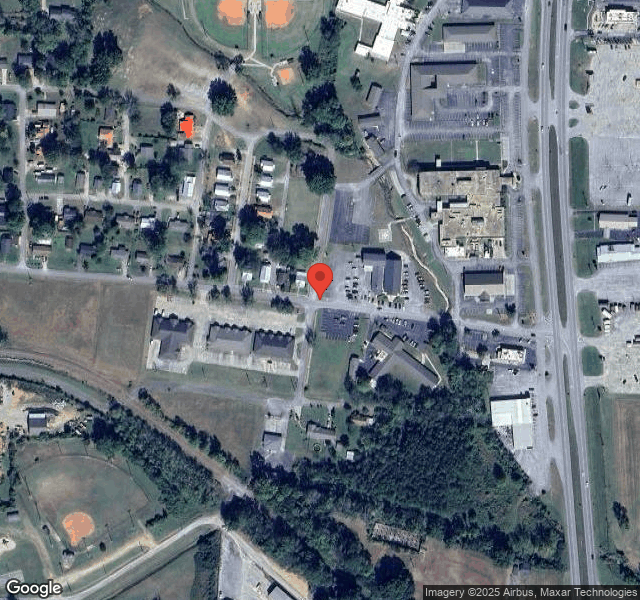
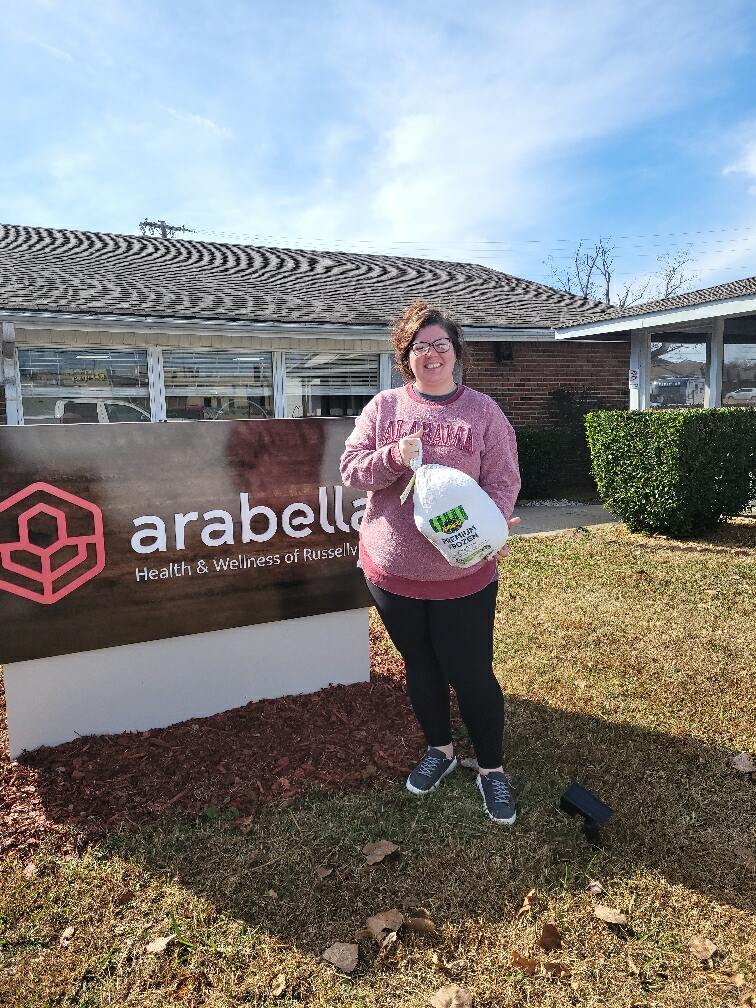
705 GANDY STREET NE, RUSSELLVILLE, AL 35653 (256) 332-3773
For profit - Limited Liability company 50 Beds ARABELLA HEALTHCARE MANAGEMENT Data: November 2025
Trust Grade
53/100
#140 of 223 in AL
Last Inspection: September 2022

Over 2 years since last inspection. Current conditions may differ from available data.

Overview

Arabella Health & Wellness of Russellville has a Trust Grade of C, indicating that it is average and in the middle of the pack among nursing homes. It ranks #140 out of 223 facilities in Alabama, placing it in the bottom half, and #3 out of 4 in Franklin County, meaning there is only one local option that is better. The facility is facing a worsening trend, with the number of issues increasing from 2 in 2019 to 3 in 2022. Staffing is rated at 4 out of 5 stars, which is good, but the turnover rate is concerning at 59%, higher than the state average of 48%. There have been fines totaling $6,613, which is higher than 86% of Alabama facilities, indicating potential compliance problems. While the facility provides better RN coverage than 88% of other state facilities, ensuring more thorough care, there are specific concerns that families should be aware of. For instance, staff failed to discard expired food items, which could affect many residents' safety. Additionally, care plans for residents with unresolved wounds were not adequately documented, and there were delays in submitting important assessments to Medicare, which could impact care quality. Overall, while there are strengths in staffing and RN coverage, families should be cautious given the facility's recent compliance issues and average rankings.

Trust Score
C
53/100
In Alabama
#140/223
Bottom 38%
Safety Record
Low Risk
No red flags
Inspections
Getting Worse
2 → 3 violations
Staff Stability
⚠ Watch
59% turnover. Above average. Higher turnover means staff may not know residents' routines.
Penalties
✓ Good
$6,613 in fines. Lower than most Alabama facilities. Relatively clean record.
Skilled Nurses
✓ Good
Each resident gets 54 minutes of Registered Nurse (RN) attention daily — more than average for Alabama. RNs are trained to catch health problems early.
Violations
✓ Good
Only 5 deficiencies on record. Cleaner than most facilities. Minor issues only.
★★☆☆☆
2.0
Overall Rating
★★★★☆
4.0
Staff Levels
★☆☆☆☆
1.0
Care Quality
★★★☆☆
3.0
Inspection Score
Stable
2019: 2 issues
2022: 3 issues

The Good

  • 4-Star Staffing Rating · Above-average nurse staffing levels
  • Full Sprinkler Coverage · Fire safety systems throughout facility
  • No fines on record

Facility shows strength in staffing levels, fire safety.

The Bad

2-Star Overall Rating

Below Alabama average (2.9)

Below average - review inspection findings carefully

Staff Turnover: 59%

13pts above Alabama avg (46%)

Frequent staff changes - ask about care continuity

Federal Fines: $6,613

Below median ($33,413)

Minor penalties assessed

Chain: ARABELLA HEALTHCARE MANAGEMENT

Part of a multi-facility chain

Ask about local staffing decisions and management

Staff turnover is elevated (59%)

11 points above Alabama average of 48%

The Ugly 5 deficiencies on record

Dec 2022 1 deficiency
CONCERN (E) 📢 Someone Reported This

A family member, employee, or ombudsman was alarmed enough to file a formal complaint

Potential for Harm - no one hurt, but risky conditions existed

Comprehensive Care Plan (Tag F0656)

Could have caused harm · This affected multiple residents

**NOTE- TERMS IN BRACKETS HAVE BEEN EDITED TO PROTECT CONFIDENTIALITY** Based on interviews, medical record reviews and a review of the facility policy titled, Comprehensive Care Plans, the facility f...

Read full inspector narrative →
**NOTE- TERMS IN BRACKETS HAVE BEEN EDITED TO PROTECT CONFIDENTIALITY** Based on interviews, medical record reviews and a review of the facility policy titled, Comprehensive Care Plans, the facility failed to ensure the comprehensive person-centered care plan included a care plan with measurable objectives and timeframes for unresolved wounds for Resident Identifier (RI) #1 and RI #3. This affected RI #1 and RI #3 two of three residents sampled for pressure ulcer/injury. Findings include: A review of the facility policy titled, Comprehensive Care plans, with an implemented date of 7/27/22 revealed, .6. The comprehensive care plan will include measurable objectives and timeframes to meet the resident's needs . The objectives will be utilized to monitor the resident's progress. 1) RI #1 was admitted to the facility on [DATE] with diagnosis that included Type 2 Diabetes Mellitus with other Diabetic Ophthalmic Complication. A review of RI #1's Wound Assessment Report electronically signed by Employee Identifier (EI) #4, the Assistant Director of Nursing (ADON) dated 11/23/2022 revealed RI #1 had pressure injury identified to his/her left and right toe(s). A review of RI #1's care plans revealed no care plan was developed for the Pressure ulcer/injuries identified on 11/23/22 until 12/01/22. 2) RI #3 was admitted to the facility on [DATE] with diagnoses that included Type 2 Diabetes Mellitus with Unspecified Complications, Pressure Induced Deep Tissue Damage of Right Heel, and Pressure Induced Deep Tissue Damage of Left Heel. A review of RI #3's admission Minimum Data Set (MDS) assessment dated [DATE] revealed RI #3 was assessed as having two unhealed unstageable pressure ulcer/injuries. A review of RI #3's care plans revealed no care plan was developed for the Pressure ulcer/injuries identified on admission 9/29/22 until 11/07/22. An interview was conducted with EI #2, Nursing Supervisor, Staff Coordinator and she reported that she was training for MDS and care planning position. EI #2 reported that care plans were updated by the Interdisciplinary Team (IDT) and EI #6 who was part-time, interim MDS person while she was training. EI #2 reported when a wound was identified and when changes were made to wound care, the care plan should be updated within 24 hours to reflect what was going on with the resident. EI #2 reported that RI #1 had wounds identified on 11/23/22 and care plan not updated until 12/01/22. EI #2 reported RI #1 should have been care planned for active wounds within 24 hours of identification of the wounds. EI #2 reported the risk of RI #1 not having a care plan for active wounds was not having interventions in place to prevent infection and not knowing if goals were met. EI #2 reported the care plan policy was not followed when RI #1 developed wounds. EI #2 reported RI #3 had a wound identified on admission upon admission in September 2022 and no care plan for active wounds until 11/07/22. EI #2 reported that RI #3's care plan for active wounds should have been implemented within 24 hours of admission. An interview was conducted on 12/01/22 at 2:38 PM with EI #6 the interim Care Plan Coordinator. EI #6 reported that he had remote access to the facility's Electronic Health Record and was responsible for updating residents' care plans. EI #6 stated that care plan was updated when there was a change in a patient, annually, quarterly and according to the Resident Assessment Instrument guidelines. When asked, EI #6 reported that RI #1 had skin concerns identified on 11/23/22 and care planned 12/01/22. EI #6 reported that RI #1 should have been care planned for an active wound. When asked EI #6 reported that RI #3 had skin concerns and should have a care plan for active wounds but did not. EI #6 reported the risk of not care planning residents' active skin conditions or wounds was the wounds declining, mobility, contractures, and infections. An interview was conducted on 12/01/22 at 3:26 PM with EI #1, the Director of Nursing (DON). EI #1 reported EI #6, interim MDS Coordinator was responsible for developing the care plan related to newly identified wounds. EI #1 was asked when the care plan was implemented and updated for new skin concerns. EI #1 replied, within 24 hours. EI #1 stated she did not know why the process for the care plan was not followed for RI #1. On 12/1/22 at 5:08 PM a follow up interview was conducted with EI #1. EI #1 stated that RI #1 did not have a care plan for the wounds identified on 11/23/22. EI #1 was asked, how did RI #1's care plan include measurable objectives and timeframes to meet the resident's needs. EI #1 replied, RI #1 did not have a care plan for the wounds. EI #1 stated from the time the wound was found the care plan should have measurable objectives and timeframes to meet the residents needs. EI #1 stated the care plan was not put into place and therefore did not have measurable objectives. EI #1 reported that RI #3 had a care plan for active wounds implemented that was not implemented until 11/07/22.
Sept 2022 2 deficiencies
CONCERN (D)

Potential for Harm - no one hurt, but risky conditions existed

Infection Control (Tag F0880)

Could have caused harm · This affected 1 resident

**NOTE- TERMS IN BRACKETS HAVE BEEN EDITED TO PROTECT CONFIDENTIALITY** Based on observations, interviews, medical record reviews and review of a facility policy titled, Standard Precautions Infection...

Read full inspector narrative →
**NOTE- TERMS IN BRACKETS HAVE BEEN EDITED TO PROTECT CONFIDENTIALITY** Based on observations, interviews, medical record reviews and review of a facility policy titled, Standard Precautions Infection Control, the facility failed to ensure staff performed hand hygiene and wore gloves before contact with blood and before contact with items potentially contaminated with blood. On 9/20/22 Employee Identifier (EI) #6, Environmental Services (ES) staff, was observed to clean blood from Resident Identifier (RI) #12's left lower leg with a Kleenex and not wearing gloves. Also on 9/20/22, EI #5, a Registered Nurse (RN), was observed cleaning a glucometer used to obtain RI #14's fingerstick blood sugar (FSBS) without wearing gloves or performing hand hygiene before continuing care tasks and administering injections. These deficient practices had the potential to affect RI #12, one of 16 sampled residents, and RI #14, one of five residents observed during medication pass observation. Findings include: A facility policy titled, Standard Precautions Infection Control, with a revision date of 6/10/22, documented: .Policy: All staff are to assume that all residents are potentially infected or colonized with an organism that could be transmitted during the course of providing resident care services. Therefore, all staff shall adhere to Standard Precautions to prevent the spread of infection. Policy Explanation and Compliance Guidelines: . 2. Using Personal Protective Equipment (PPE): a. All staff who have contact with residents and/or their environments must wear personal protective equipment as appropriate during resident care activities and at other times in which exposure to blood, body fluids, or potentially infectious materials is likely. RI #12 was readmitted to the facility on [DATE]. On 9/20/22 at 7:54 AM, the surveyor observed RI #12 at the nurse's station. RI #12 stated he/she bumped his/her leg in the bathroom, and it was bleeding. EI #6, ES staff, was observed getting a Kleenex and wiping blood off of RI #12's left lower leg without applying gloves and was holding the Kleenex with RI #12's blood in her bare hand. On 9/20/22 at 7:59 AM, an interview was conducted with EI #6, ES staff. When asked what she did when RI #12's leg was bleeding earlier, EI #6 said she cleaned the blood off. When asked how she cleaned the blood off, EI #6 said, with a Kleenex. When asked what was important to remember regarding handling blood, EI #6 said, wear gloves. EI #6 said she thought about it when she went to wash her hands, realized she did not have gloves on, and she should have been wearing them. When asked what the concern was with not wearing gloves when touching areas or items that contained blood, EI #6 said, cross contamination and infection control. EI #6 further stated that she knew she should have worn gloves. RI #14 was readmitted to the facility on [DATE]. On 9/20/22 at 11:23 AM during medication administration observation with EI #5, RN, the surveyor observed EI #5 obtain RI #14's fingerstick blood sugar (FSBS), return to the medication cart, clean the glucometer without wearing gloves, retrieve an alcohol wipe from medication cart drawer and return to RI #14's room, all without washing or sanitizing her hands. Once in RI #14's room, with unclean hands, EI #5, took gloves from a box on the wall, applied the gloves and administered an injection to RI #14. On 9/21/22 at 2:56 PM, an interview was conducted with EI #5, RN. When asked when she should wash her hands or change gloves during medication pass, EI #5 said before she started, if she touched any blood, body parts or contaminated items like a glucometer. When asked what she should do when cleaning a glucometer, EI #5 said she should glove her hands. EI #5 was asked if she wore gloves when she was cleaning the glucometer after she obtained RI #14's FSBS. EI #5 said no, she did not have on gloves. When asked what the concern was with her cleaning the glucometer without wearing gloves, EI #5 said, if there was any blood on it she could have been exposed to something and of course infection control. On 9/21/22 at 5:21 PM, an interview was conducted with EI #2, Director of Nursing/Infection Control Preventionist. When asked how should blood on a resident's leg be addressed, EI #2 said the nurse should don gloves, clean area with normal saline and gauze and then treat according to the injury. When asked should an ES worker wipe blood from a resident's leg with a Kleenex without wearing gloves, EI #2 said no, it could cause infection and exposure to germs for the resident and exposure to blood for the employee, which would be an infection control issue. EI #2 was asked if a nurse should clean a glucometer with her bare hands. EI #2 said no, again it would be infection control. EI #2 was asked about the concern with a nurse cleaning a glucometer without wearing gloves, then taking gloves out of a box on the wall without washing her hands and then administering an injection to RI #14. EI #2 stated, infection control risk for the nurse and the resident and contamination of gloves from reaching in the box with dirty hands. On September 18, 2022 a recertification survey in conjuction with a compliant investigation resulted in the following citations: Fed - F - 0640 - 483.20(f)(1)-(4) - Encoding/transmitting Resident Assessments S-S= E Fed - F - 0880 - 483.80(a)(1)(2)(4)(e)(f) - Infection Prevention & Control S-S= D IC deficiency (F880) cited during August 19, 2019 recertification survey. At this time SA rrccomends the following: 1) CMP as determined bt CMS. 2) DPNA effective November 18, 2022. 3)Termination of provider agreement effective March 1, 2023.
CONCERN (E)

Potential for Harm - no one hurt, but risky conditions existed

MDS Data Transmission (Tag F0640)

Could have caused harm · This affected multiple residents

**NOTE- TERMS IN BRACKETS HAVE BEEN EDITED TO PROTECT CONFIDENTIALITY** Based on record review, interviews, a review of a facility policy titled MDS (Minimum Data Set) 3.0 Completion, the facility fai...

Read full inspector narrative →
**NOTE- TERMS IN BRACKETS HAVE BEEN EDITED TO PROTECT CONFIDENTIALITY** Based on record review, interviews, a review of a facility policy titled MDS (Minimum Data Set) 3.0 Completion, the facility failed to ensure timely transmissions of MDS assessments to Centers for Medicare & Medicaid Services (CMS) for Resident Identifiers (RI) #1, RI #2, RI #3, RI #5, and RI #133. This affected five of 16 residents for whom MDS assessments were reviewed. Findings include: RI #1 was admitted to the facility on [DATE]. RI #1's quarterly MDS assessment with an Assessment Reference Date (ARD) of 8/13/2022 was signed as completed by the Registered Nurse (RN), Employee Identifier (EI) #3 on 8/26/2022. RI #2 was readmitted to the facility on [DATE]. RI #2's annual MDS assessment with an Assessment Reference Date of 8/17/2022 was signed as completed by the RN, EI #3 on 8/26/2022. RI #5 was admitted to the facility on [DATE]. RI #5's quarterly MDS assessment with an Assessment Reference Date of 8/11/2022 was signed as completed by the RN, EI #3 on 8/25/2022. A review of a facility report titled MDS Transmission Results Summary, that listed resident MDS assessment transmissions to CMS, revealed a transmission date of 9/18/2022 for RI #1's quarterly MDS assessment that should have been transmitted by 9/9/2022, a transmission date of 9/18/2022 for RI #2's annual MDS that should have been transmitted by 9/9/2022, and a transmission date of 9/18/2022 for RI #5's quarterly MDS that should have been transmitted by 9/8/2022. RI #3 was readmitted to the facility on [DATE]. RI #3's quarterly MDS assessment with an Assessment Reference Date of 8/13/2022 was signed as completed by the RN, EI #3 on 8/31/2022. RI #133 was admitted to the facility on [DATE]. RI #133's admission MDS assessment with an Assessment Reference Date of 8/18/2022 was signed as completed by the RN, EI #3 on 8/25/2022. Review of another facility report titled MDS Transmission Results Summary, that listed resident MDS assessment transmissions to CMS, revealed a transmission date of 9/18/22 for RI #3's quarterly MDS that should have been submitted by 9/14/2022 and a transmission date of 9/18/2022 for RI #133's admission MDS that should have been submitted by 9/8/2022. A review of a facility policy titled MDS 3.0 Completion with an implementation date of 9/19/2022 revealed: Policy: Residents are assessed, using a comprehensive assessment process, in order to identify care needs and to develop an interdisciplinary care plan. 7. Transmission Requirements: a. All assessments shall be transmitted to the designated CMS system . within 14 days of completion. On 9/21/2022 at 5:44 PM, an interview was conducted with EI #3, RN/Care Plan and MDS Director. When asked what issues the facility been experienced getting MDS assessments submitted timely, EI #3 said, she was told to do other things. EI #3 was asked if the administrator was aware the MDS assessments were transmitted late. EI #3 replied, the administrator was aware. EI #3 was asked, should the assessments have been transmitted on time. EI #3 replied, yes. On 9/21/2022 at 7:27 PM, an interview was conducted with EI #1, Administrator. EI #1 was asked when MDS assessments should be transmitted. EI #1 said, 14 days. When asked about the MDS assessments for RI #1, RI #2, RI #3, RI #5, and RI #133 that were transmitted late on 9/18/2022, EI #1 said, EI #3 had told her she was going to be late with some assessments. EI #1 was asked, what was the potential harm to residents when their annual, admit, or quarterly MDS assessments were not submitted timely. EI #1 replied, financial impact for the facility.
Aug 2019 2 deficiencies
CONCERN (D)

Potential for Harm - no one hurt, but risky conditions existed

Infection Control (Tag F0880)

Could have caused harm · This affected 1 resident

**NOTE- TERMS IN BRACKETS HAVE BEEN EDITED TO PROTECT CONFIDENTIALITY** Based on observations, interviews, medical record review and review of facility policies titled, Hand Washing and Standard Preca...

Read full inspector narrative →
**NOTE- TERMS IN BRACKETS HAVE BEEN EDITED TO PROTECT CONFIDENTIALITY** Based on observations, interviews, medical record review and review of facility policies titled, Hand Washing and Standard Precautions Infection Control, the facility failed to ensure a Registered Nurse: 1. did not pull Resident Identifier (RI) #45's privacy curtain with her bare hand and then apply gloves without washing hands, and did not move RI #45's overbed table while wearing gloves and then wear those same gloves to administer RI #45's insulin injection; and 2. did not place clean gloves on an unclean surface without a barrier for use in administering RI #22's eye drops. Further, the nurse did not wash hands or change gloves after RI #22 handed her a medication cup and water cup, prior to administering RI #22's nasal spray. This affected RI #45 and RI #22, two of four residents observed during medication pass observations and one of two nurses observed. Findings Included: A review of a facility policy titled, Hand Washing with a Date Implemented: 5/7/15, documented: .All facility personnel must wash their hands for 20 seconds under the following conditions: . 3. After handling contaminated objects. A review of a facility policy titled, Standard Precautions Infection Control with a Date Implemented: 11/15/2016, revealed: . 1. Hand Hygiene: a. During the delivery of patient care services, avoid unnecessary touching of surfaces in close proximity to the patient to prevent both contamination of clean hands from environmental surfaces and transmission of pathogens from contaminated hands to surfaces. 3. Using Gloves: . e. Remove gloves after contact with a patient and/or the surrounding environment (including medical equipment) using proper technique to prevent hand contamination. RI #45 was readmitted to the facility on [DATE]. On 08/19/19 at 7:43 a.m., during medication pass observation, Employee Identifier (EI) #3, Registered Nurse (RN), was observed pulling RI #45's privacy curtain with her bare hand. EI #3 then applied clean gloves, moved RI #45's overbed table, and while wearing those same gloves, administered RI #45's insulin injection. RI #22 was readmitted to the facility on [DATE]. On 08/19/19 at 8:00 a.m., during medication pass observation, EI #3, RN, was observed placing clean gloves on an overbed table without a barrier. She then applied these gloves to administer RI #22's eye drops. EI #3 was then observed taking a medication cup and water cup from RI #22 while wearing gloves, then wore those same gloves to administer RI #22's nasal spray. On 08/19/19 at 10:34 a.m., an interview was conducted with EI #3, RN. EI #3 was asked when should she wash her hands during medication administration. EI #3 said before and after she touched any contaminated objects. When asked if she washed her hands after pulling RI #45's privacy curtain before applying her gloves to give RI #45's insulin injection, EI #3 replied no, but she should have. EI #3 was asked when should she wash her hands and change gloves. EI #3 stated when gloves are dirty or after touching anything dirty before touching anything clean. EI #3 was asked if she changed her gloves and washed her hands after moving RI #45's overbed table while wearing her gloves before she administered RI #45's insulin injection. EI #3 said no. EI #3 was then asked where she placed the clean gloves she used to administer RI #22's eye drops prior to using them. EI #3 replied, on the bedside table without a barrier. EI #3 was asked what was the concern with placing items on an unclean surface without using a barrier. EI #3 stated, infection. EI #3 was asked did she take the medication cup and water cup from RI #22 while wearing gloves and then administer RI #22's nasal spray while wearing those same gloves. EI #3 said yes. EI #3 was asked what was the concern with handling items while wearing gloves and then administering medications while wearing those same gloves. EI #3 replied infection. When asked what was the concern with not washing her hands and changing gloves when potentially contaminated during administration of eye drops and nasal spray, EI #3 answered, spreading the infection to myself or another resident or if something was on the table, the spread of that infection to the resident. On 08/19/19 at 4:39 p.m., an interview was conducted with EI #4, RN/Infection Control Coordinator. EI #4 was asked, when should a nurse wash her hands during medication pass. EI #4 said before and after giving medications, after touching anything in the resident's room and before and after gloves. EI #4 was asked should a nurse wash her hands before applying gloves to administer an insulin injection after pulling a privacy curtain with her bare hand. EI #4 replied yes. EI #4 was asked should a nurse place clean gloves on an unclean surface without a barrier to be used during eye drop administration. EI #4 responded, no, they should always use a barrier before laying anything down. EI #4 was asked should a nurse change her gloves and wash her hands and apply clean gloves after a resident hands her a medication cup and water cup while she was wearing gloves. EI #4 said she should have changed her gloves and washed her hands and then applied clean gloves before giving the nasal spray. When asked what was the concern with these issues, EI #4 answered, infection control.
CONCERN (F)

Potential for Harm - no one hurt, but risky conditions existed

Food Safety (Tag F0812)

Could have caused harm · This affected most or all residents

Based on observation, interviews, and review of a facility policy titled Safety During Food Storage, the facility failed to ensure that Employee Identifier (EI) #1, a dietary aide, discarded the follo...

Read full inspector narrative →
Based on observation, interviews, and review of a facility policy titled Safety During Food Storage, the facility failed to ensure that Employee Identifier (EI) #1, a dietary aide, discarded the following food items by the expiration/use by date: 1. one Chicken Salad in a plastic container that had an open date of 8/10/2019 and a Use By Date of 8/16/2019, and 2. one Peanut Butter and Jelly mixture in a plastic bowl that had a made date of 8/15/2019 and a Use By Date of 8/17/2019. This had the potential to affect 37 of 45 residents in the facility that received meals from the kitchen. Findings Include: A review of a facility policy titled Safety During Food Storage, with no date, revealed: . II. Policy The following policy should be used regarding safety during food storage. III. Procedure . 2. The date the item was prepared shall count as Day 1. . 4. At the end of Day 3 staff should discard the unused item . All staff members are responsible for adhering to this policy and procedure . On 8/18/19 at 7:47 a.m., during the initial tour of the kitchen, the surveyor observed the following items in the inside refrigerator with EI #2, Assistant Director of Food and Nutritional Services: 1. one Chicken Salad in a plastic container that had an open date of 8/10/2019 and a Use By Date of 8/16/2019, and 2. one Peanut Butter and Jelly mixture in a plastic bowl that had a made date of 8/15/2019 and a Use By Date of 8/17/2019. On 8/19/19 at 3:17 p.m., an interview was conducted with EI #2, Assistant Director of Food and Nutritional Services. EI #2 was asked on 8/18/2019 at 7:47 a.m., what food items were observed in the refrigerator past their use by dates. EI #2 said Chicken Salad with a Use By Date of 8/16/2019 and a Peanut Butter and Jelly mixture with a Use By Date of 8/17/2019. EI #2 further stated the items should have been discarded. EI #2 was asked who would have been responsible for ensuring the food items were discarded by the Use By Date on 8/17/2019. EI #2 stated EI #1, a Dietary Aide, would have been responsible for discarding any food in the refrigerator with expired use by dates. EI #2 stated that the food with expired use by dates could cause a food borne illness. 8/19/19 at 3:25 p.m., an interview was conducted with EI #1, dietary aide. EI #1 stated that on 8/17/19 she was supposed to check the open dates and use by dates of food items in the refrigerators, pull all leftovers that had an expired use by date, and put those items in the garbage can. EI #1 was asked if she removed all the food that had expired use by dates in the refrigerator. EI #1 stated no. EI #1 was asked why the chicken salad and peanut butter and jelly mixture were not discarded by their use by dates. EI #1 stated that she overlooked the food items. EI #1 was asked what was the facility policy on expired use by dates stored in a refrigerator. EI #1 stated that all food items should be discarded by the expired use by date. EI #1 was asked what was the potential harm to have food items in the refrigerator with expired use by dates. EI #1 stated the food items with an expired use by date could make people sick if they ate the items.
Understanding Severity Codes (click to expand)
Life-Threatening (Immediate Jeopardy)
J - Isolated K - Pattern L - Widespread
Actual Harm
G - Isolated H - Pattern I - Widespread
Potential for Harm
D - Isolated E - Pattern F - Widespread
No Harm (Minor)
A - Isolated B - Pattern C - Widespread

Questions to Ask on Your Visit

  • "Why is there high staff turnover? How do you retain staff?"
  • "Can I speak with families of current residents?"
  • "What's your RN coverage like on weekends and overnight?"

Our Honest Assessment

Strengths
  • • No major safety red flags. No abuse findings, life-threatening violations, or SFF status.
  • • Only 5 deficiencies on record. Cleaner than most facilities. Minor issues only.
Concerns
  • • Grade C (53/100). Below average facility with significant concerns.
  • • 59% turnover. Above average. Higher turnover means staff may not know residents' routines.
Bottom line: Mixed indicators with Trust Score of 53/100. Visit in person and ask pointed questions.

About This Facility

What is Arabella Health & Wellness Of Russellville's CMS Rating?

CMS assigns ARABELLA HEALTH & WELLNESS OF RUSSELLVILLE an overall rating of 2 out of 5 stars, which is considered below average nationally. Within Alabama, this rating places the facility higher than 0% of the state's 100 nursing homes. A rating at this level reflects concerns identified through health inspections, staffing assessments, or quality measures that families should carefully consider.
How is Arabella Health & Wellness Of Russellville Staffed?

CMS rates ARABELLA HEALTH & WELLNESS OF RUSSELLVILLE's staffing level at 4 out of 5 stars, which is above average compared to other nursing homes. Staff turnover is 59%, which is 13 percentage points above the Alabama average of 46%. High turnover can affect care consistency as new staff learn residents' individual needs.

What Have Inspectors Found at Arabella Health & Wellness Of Russellville?

State health inspectors documented 5 deficiencies at ARABELLA HEALTH & WELLNESS OF RUSSELLVILLE during 2019 to 2022. These included: 5 with potential for harm.
Who Owns and Operates Arabella Health & Wellness Of Russellville?

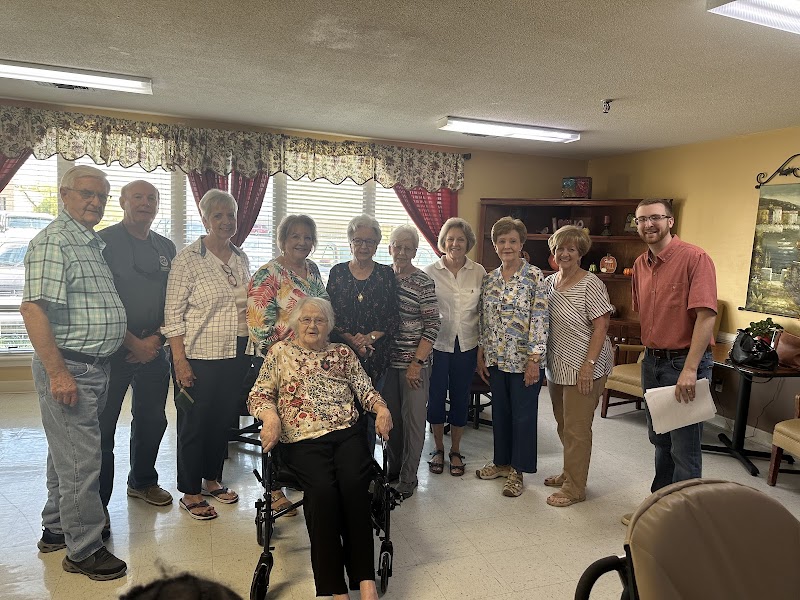
ARABELLA HEALTH & WELLNESS OF RUSSELLVILLE is owned by a for-profit company. For-profit facilities operate as businesses with obligations to shareholders or private owners. The facility is operated by ARABELLA HEALTHCARE MANAGEMENT, a chain that manages multiple nursing homes. With 50 certified beds and approximately 45 residents (about 90% occupancy), it is a smaller facility located in RUSSELLVILLE, Alabama.

How Does Arabella Health & Wellness Of Russellville Compare to Other Alabama Nursing Homes?

Compared to the 100 nursing homes in Alabama, ARABELLA HEALTH & WELLNESS OF RUSSELLVILLE's overall rating (2 stars) is below the state average of 2.9, staff turnover (59%) is significantly higher than the state average of 46%, and health inspection rating (3 stars) is at the national benchmark.

What Should Families Ask When Visiting Arabella Health & Wellness Of Russellville?

Based on this facility's data, families visiting should ask: "How do you ensure continuity of care given staff turnover, and what is your staff retention strategy?" "Can I visit during a mealtime to observe dining assistance and food quality?" "How do you handle medical emergencies, and what is your hospital transfer rate?" "Can I speak with family members of current residents about their experience?" These questions are particularly relevant given the facility's high staff turnover rate.

Is Arabella Health & Wellness Of Russellville Safe?

Based on CMS inspection data, ARABELLA HEALTH & WELLNESS OF RUSSELLVILLE has a clean safety record: no substantiated abuse findings (meaning no confirmed cases of resident harm), no Immediate Jeopardy citations (the most serious violation level indicating risk of serious injury or death), and is not on the Special Focus Facility watch list (a federal program monitoring the lowest-performing 1% of nursing homes). The facility has a 2-star overall rating and ranks #100 of 100 nursing homes in Alabama. While no facility is perfect, families should still ask about staff-to-resident ratios and recent inspection results during their visit.

Do Nurses at Arabella Health & Wellness Of Russellville Stick Around?

Staff turnover at ARABELLA HEALTH & WELLNESS OF RUSSELLVILLE is high. At 59%, the facility is 13 percentage points above the Alabama average of 46%. High turnover means new staff may not know residents' individual needs, medications, or preferences. It can also be disorienting for residents, especially those with dementia who rely on familiar faces. Families should ask: What is causing the turnover? What retention programs are in place? How do you ensure care continuity during staff transitions?

Was Arabella Health & Wellness Of Russellville Ever Fined?

ARABELLA HEALTH & WELLNESS OF RUSSELLVILLE has been fined $6,613 across 1 penalty action. This is below the Alabama average of $33,145. While any fine indicates a compliance issue, fines under $50,000 are relatively common and typically reflect isolated problems that were subsequently corrected. Families should ask what specific issues led to these fines and confirm they've been resolved.

Is Arabella Health & Wellness Of Russellville on Any Federal Watch List?

ARABELLA HEALTH & WELLNESS OF RUSSELLVILLE is not on any federal watch list. The most significant is the Special Focus Facility (SFF) program, which identifies the bottom 1% of nursing homes nationally based on persistent, serious quality problems. Not being on this list means the facility has avoided the pattern of deficiencies that triggers enhanced federal oversight. This is a positive indicator, though families should still review the facility's inspection history directly.