CLOVERDALE REHABILITATION AND NURSING CENTER
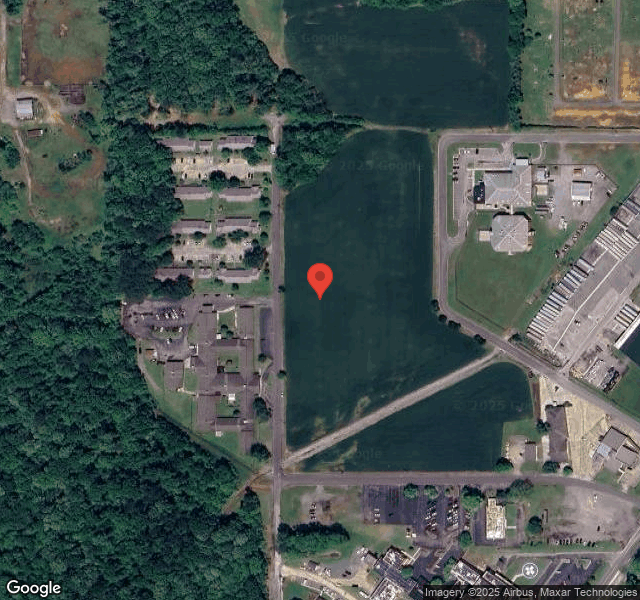

412 CLOVERDALE ROAD, SCOTTSBORO, AL 35768 (256) 259-1505
For profit - Corporation 141 Beds TRINITY MANAGEMENT, INC. Data: November 2025
Trust Grade
70/100
#42 of 223 in AL
Last Inspection: March 2022

Over 2 years since last inspection. Current conditions may differ from available data.

Overview

Cloverdale Rehabilitation and Nursing Center in Scottsboro, Alabama, has a Trust Grade of B, indicating it is a good facility that is a solid choice for care. It ranks #42 out of 223 facilities in Alabama, placing it in the top half, and is the best option among 3 nursing homes in Jackson County. The facility is improving, with reported issues decreasing from 3 in 2018 to 2 in 2022, and it has a strong staffing rating of 4 out of 5 stars, with a turnover rate of 45%, which is below the state average. Notably, there have been no fines recorded, which is a positive sign. However, there have been serious incidents, such as a resident being injured during a transfer that failed to follow the care plan, and issues with infection control practices, where staff lacked proper disposal options for contaminated items in isolation rooms. Overall, while there are strengths in staffing and compliance, families should be aware of the past incidents that could impact care quality.

Trust Score
B
70/100
In Alabama
#42/223
Top 18%
Safety Record
Moderate
Needs review
Inspections
Getting Better
3 → 2 violations
Staff Stability
⚠ Watch
45% turnover. Above average. Higher turnover means staff may not know residents' routines.
Penalties
✓ Good
No fines on record. Clean compliance history, better than most Alabama facilities.
Skilled Nurses
○ Average
Each resident gets 36 minutes of Registered Nurse (RN) attention daily — about average for Alabama. RNs are the most trained staff who monitor for health changes.
Violations
✓ Good
Only 5 deficiencies on record. Cleaner than most facilities. Minor issues only.
★★★★☆
4.0
Overall Rating
★★★★☆
4.0
Staff Levels
★★★☆☆
3.0
Care Quality
★★★★☆
4.0
Inspection Score
Stable
2018: 3 issues
2022: 2 issues

The Good

  • 4-Star Staffing Rating · Above-average nurse staffing levels
  • Full Sprinkler Coverage · Fire safety systems throughout facility
  • No fines on record

Facility shows strength in staffing levels, fire safety.

The Bad

Staff Turnover: 45%

Near Alabama avg (46%)

Higher turnover may affect care consistency

Chain: TRINITY MANAGEMENT, INC.

Part of a multi-facility chain

Ask about local staffing decisions and management

The Ugly 5 deficiencies on record

2 actual harm
Mar 2022 2 deficiencies
CONCERN (D)

Potential for Harm - no one hurt, but risky conditions existed

Medication Errors (Tag F0758)

Could have caused harm · This affected 1 resident

**NOTE- TERMS IN BRACKETS HAVE BEEN EDITED TO PROTECT CONFIDENTIALITY** Based on record review, observations, interviews, and review of the facility's policy titled Pharmacy Unnecessary Drugs, the fac...

Read full inspector narrative →
**NOTE- TERMS IN BRACKETS HAVE BEEN EDITED TO PROTECT CONFIDENTIALITY** Based on record review, observations, interviews, and review of the facility's policy titled Pharmacy Unnecessary Drugs, the facility failed to ensure Resident Identifier (RI) #73, who received psychotropic medications, was monitored for adverse effects (side effects) of the medications. The deficient practice affected RI #73, one of five sampled residents reviewed for unnecessary medications. Findings include: A review of the facility's policy titled Pharmacy Unnecessary Drugs, dated 07/2014, revealed: Policy: Each resident's drug regimen shall be free of unnecessary drugs. Procedure: .2. A comprehensive assessment of the resident's drug therapy must include: .Recognition of potential side effects . A review of RI #73's Face Sheet revealed the facility admitted RI #73 to the facility on [DATE] with diagnoses that included Schizophrenia, Bipolar Disorder, and Mood Disorder due to Known Physiologic Condition with Depressive Features. A review of RI #73's admission Minimum Data Set (MDS), dated [DATE], revealed RI #73 had a Brief Interview for Mental Status (BIMS) score of 15 out of 15, which indicated RI #73 was cognitively intact. The MDS also indicated RI #73 had received an antipsychotic medication five days during the seven-day assessment look-back period. A review of RI #73's comprehensive care plans, last updated 03/28/2022, indicated RI #73 was at risk for side effects due to psychotropic medication usage needed to address Schizophrenia and was at risk for side effects due to antidepressant medication usage needed for complaints of depressed mood and difficulty resting during hours of sleep. The care plans lacked interventions directing staff to monitor RI #73 for side effects of the medications. A review of RI #73's Physician Orders for March 2022 revealed the following orders: -aripiprazole (antipsychotic agent) 5 milligrams (mg) by mouth once daily for a diagnosis of Schizophrenia, order date 03/30/2022 - citalopram (antidepressant agent) 20 mg by mouth once daily, order date 03/30/2022 - Invega Sustenna (antipsychotic agent) 117 mg/0.75 milliliters (mL), ordered on 03/16/2022 to be administered on 03/18/2022 - an order to monitor for any inappropriate behaviors twice daily. RI #73's Physician Orders contained no orders to monitor RI #73 for adverse effects/side effects related to the above medication orders. A review of RI #73's Electronic Medication Administration Record (eMAR) for February 2022 and March 2022 revealed no monitoring for side effects related to RI #73's psychotropic medications. Review of RI #73's Abnormal Involuntary Movement Scale (AIMS), dated, 02/08/2022, revealed RI #73 was scored as a zero for abnormal facial movements. However, an observation on 03/28/2022 at 2:37 PM revealed RI #73 exhibited tongue thrusting (an uncontrollable movement usually caused from long-term use of antipsychotics) throughout the initial resident interview. The resident expressed no complaints at that time. On 03/29/2022 at 12:00 PM, RI #73 was observed eating lunch in the resident's room. RI #73 reported they were aware of some of their abnormal mouth movements, including tongue thrusting/rolling and lip puckering/smacking, stating some of their prior medications probably caused the movements. RI #73 also reported he/she was missing teeth, which the resident stated added to the movements. On 03/30/2022 at 1:34 PM, Employee Identifier (EI) #12, Certified Nursing Assistant (CNA), stated RI #73 had had no behaviors or side effects she had noticed while RI #73 had been on the hall. When asked what kinds of symptoms she would alert the nurses to, EI #12 stated she would let the nurses know if a resident slept more than normal. Per EI #12, CNAs were asked to document behaviors in the kiosk (a point of care electronic charting system) such as yelling, screaming, and things like that. EI #12 denied any issues with RI #73 and added staff only documented when there was a behavior, noting RI #73 would, therefore, have nothing documented. On 03/30/2022 at 2:20 PM, EI #14, Registered Nurse (RN) Supervisor, was interviewed. EI #14 stated she believed all residents had standing orders to monitor for behaviors as needed on their eMARs. However, EI #14 indicated the eMAR did not include any resident-specific or targeted behaviors for each resident. EI #14 was unsure if the behavior and adverse effect/side effect monitoring was placed on the eMAR from a physicians order or if it was automatic, depending upon the types of medications ordered. During an interview on 03/30/2022 at 2:35 PM, EI #13, Charge Nurse, stated RI #73 was fairly new to her. When asked what she knew about RI #73, she stated RI #73 was receiving some psychotropic medications, and seemed pleasant, noting she didn't really know the resident that well. EI #13 said since RI #73 was on some psychotropic medications, she would expect there to be something in place to monitor for any side effects and symptoms. On 03/30/2022 at 2:50 PM, EI #15, RN Admissions Nurse, explained that when any resident was started on a psychotropic medication, and the order was put into the system, there is a box to check on the screen that activates the adverse effect monitoring and symptom review. EI #15 stated there should be symptom and adverse effect monitoring for any resident receiving antidepressants, antipsychotics, antianxiety, and hypnotic medications. On 03/30/2022 at 3:10 PM, EI #16, RN Medical Records/Risk Management Nurse, reviewed RI #73's eMAR and orders. EI #16 stated RI #73's orders did not have the box checked to prompt the side effect monitoring. EI #16 indicated had the information been entered correctly, the monitoring would have been added to the end of RI #73's eMAR. During an interview on 03/30/2022 at 4:42 PM, EI #1, Administrator, indicated any resident on an antipsychotic should be monitored for symptoms and side effects. On 03/31/2022 at 10:25 AM, the facility's consulting Clinical Pharmacist, was interviewed. The Pharmacist stated if a resident was on multiple psychotropics, then side effects needed to be monitored.
CONCERN (E)

Potential for Harm - no one hurt, but risky conditions existed

Infection Control (Tag F0880)

Could have caused harm · This affected multiple residents

**NOTE- TERMS IN BRACKETS HAVE BEEN EDITED TO PROTECT CONFIDENTIALITY** Based on observations, interviews, review of a facility policy titled Infection Control Isolation Droplet Precautions for COVID-...

Read full inspector narrative →
**NOTE- TERMS IN BRACKETS HAVE BEEN EDITED TO PROTECT CONFIDENTIALITY** Based on observations, interviews, review of a facility policy titled Infection Control Isolation Droplet Precautions for COVID-19, and a document titled PPE (personal protective equipment) Education, the facility failed to ensure trash and linen receptacles were available inside the transmission based precaution rooms for the disposal of contaminated linens, trash, and PPE. As a result, staff were having to discard used PPE after exiting the rooms. This was noted with four of four rooms identified by the facility as being under transmission based precautions. Findings include: A review of a facility policy titled Infection Control Isolation Droplet Precautions for COVID-19, indicated, . Doffing Step 6: Exit Patient Care Area - As you exit the only item of PPE remaining is your N95 respirator . A review of a document titled PPE Education, located beside a KIOSK (electronic terminal on the wall for documentation) on the 400 Hall wall, indicated, .Instruction: After Donning PPE, enter resident room and provide care. When the care is complete you must Doff (take off) All PPE in the resident's room and place in Red Barrels except N95 masks. Doff (take off) PPE before exiting resident room . On 03/29/2022 at 12:21 PM, lunch trays were observed being passed to resident rooms on the 400 Hall. Employee Identifier (EI) #8, Certified Nursing Assistant (CNA), while gowned and gloved, served a tray to the resident in room [ROOM NUMBER]. EI #8 removed the gown and gloves in the hall after leaving the room and disposed of the used PPE in a red top trash and linen receptacle located across the hall from room [ROOM NUMBER]. On 03/29/2022 at 12:31 PM, EI #9, Certified Occupational Therapy Assistant (COTA), was observed exiting room [ROOM NUMBER]. EI #9 removed a gown, gloves, and shoe covers and disposed of them in the red top linen and trash receptacles located across the hall from room [ROOM NUMBER]. On 03/29/2022 at 12:31 PM, an interview was conducted with EI #9. EI #9 stated she removed the PPE outside the room because there were no waste receptacles in the rooms to dispose of used PPE. On 03/30/2022 at 8:49 AM, there was an observation of red lid linen and trash receptacles located on the right side of the hallway, between rooms [ROOM NUMBERS], 404 and 406, and 406 and 408. There were no red top trash or dirty linen receptacles located outside of Rooms 401, 403, 405, or 407 on the left side of the hallway. On 03/30/2022 at 9:37 AM, an interview was conducted with EI #10, CNA. EI #10 stated when leaving an isolation room, staff were to take off all PPE. After coming out of the room, EI #10 described that staff were to remove their gown, remove their head and foot covers, and sanitize their hands. EI #10 stated that the receptacles for the used PPE were in the hall. EI#10 acknowledged staff should be taking everything off in the room before exiting. On 03/30/2022 at 10:14 AM, an interview was conducted with EI #18, RN Infection Control Preventionist. EI #18 stated with a new admission who was not vaccinated, the new resident was placed on transmission based precautions, specifically droplet precautions, for 14 days. EI #18 noted if a resident was on precautions, a droplet precautions sign was placed on the door to notify staff to put on PPE before entering the room. EI #18 stated PPE was removed after leaving the room and disposed of in receptacles outside the room. EI #18 stated some staff removed the PPE at the door and some removed it at the receptacles. EI #18 stated that potentially infectious agents could be brought into the hallway when removing PPE outside the room. EI #18 said that if someone was walking down the hall as the PPE was removed, then the infection could potentially be spread to other parts of the building. EI #18 stated there were no linen or trash receptacles in the rooms to dispose of the PPE. On 03/30/2022 at 4:02 PM, an interview was conducted with EI #2, Director of Nursing. Per EI #2, if a resident was on transmission based precautions, the linen and trash barrels were located outside their door. EI #2 stated that PPE was disposed of outside a resident's room at the doorway. On 03/30/2022 at 4:17 PM, an interview was conducted with EI #1, Administrator. After reading over the facility's policy, EI #1 stated the policy indicated PPE should be removed before exiting a resident room. EI #1 stated that a negative potential outcome of not following the policy would be transmission of pathogens to someone else. On 03/31/2022 at 08:13 AM, EI #18, the Infection Control Preventionist, and the surveyor went to the 400 Hall, and EI #18 confirmed the following rooms were on transmission based precautions: 401, 402, 403, and 406.
Jun 2018 3 deficiencies 2 Harm
SERIOUS (G)

Actual Harm - a resident was hurt due to facility failures

Comprehensive Care Plan (Tag F0656)

A resident was harmed · This affected 1 resident

**NOTE- TERMS IN BRACKETS HAVE BEEN EDITED TO PROTECT CONFIDENTIALITY** Based on interviews, review of Resident Identifier (RI) #65's medical record, hospital records and the facility's investigation ...

Read full inspector narrative →
**NOTE- TERMS IN BRACKETS HAVE BEEN EDITED TO PROTECT CONFIDENTIALITY** Based on interviews, review of Resident Identifier (RI) #65's medical record, hospital records and the facility's investigation file, the facility failed to ensure Employee Identifier (EI) #4, a Certified Nursing Assistant (CNA) followed RI #64's care plan when she transferred the resident from the wheelchair to the bed on 5/16/2018. EI #4 transferred the resident by herself instead of the two person assist as listed in the care plan. While trying to get the legs of the Hoyer lift under the bed, EI #4 pushed over the fall mat and when she did that, the Hoyer lift rocked a little and the resident flipped out of the sling and landed on the fall mat but hit his/her head on the legs of the Hoyer lift. RI #65 sustained a skin tear to the left arm and a laceration to the back of the head. After assessment by the licensed nursing staff, RI #65 was transferred to the local hospital's emergency room (ER) for evaluation and treatment. RI #65 was transferred back the nursing facility on 5/16/2018 after the laceration was repaired with four staples. This deficient practice affected RI #65, one of three residents reviewed for falls. Findings include: RI #65 was admitted to the facility on [DATE] with an admit diagnosis of Dementia with behavioral disturbance. RI #65's Annual Minimum Data Set with an assessment reference date of 1/31/2018 indicated the resident was severely impaired in cognitive skills, with a Brief Interview for Mental Status (BIMS) of 0. RI #65 was assessed as being totally dependent on staff, with two plus person physical assist for transfers. RI #65's care plan titled (RI #65) is dependent on staff for ADL (activities of daily living) care r/t (related to) multiple comorbities . with a problem onset date of 4/25/2018 had an approach of . Dependent x2 staff members for transfers via hoyer lift . RI #65's Resident Incident Report indicated on 5/16/2018 at 5:40 PM, RI #1 fell out of the Hoyer lift while being transferred from the chair to the bed by EI #4, a CNA. RI #65 was transferred to the emergency room after sustaining a skin tear to the left arm and a laceration to the back of the head. On 6/14/2018 at 2:35 PM, an interview was conducted with EI #4, the CNA who transferred RI #65 on 5/16/2018. When asked how the resident should be transferred, EI #4 stated with Hoyer lift and two people. EI #4 acknowledged she did not have a second person present when she transferred RI #65 on 5/16/2018. RI #65's local hospital's ED (Emergency Department) Physician Documentation with a service date of 5/16/2018, documented . Chief Complaint: Fall injury . Initial Comments . Patient . present to the ER via EMS (emergency medical services) from Cloverdale Manor with a head injury from a fall out of a hoyer lift . Patient is unable to communicate with the physician because (he/she) has Dementia . Injuries/Pain Location: head, upper extremity (2 skin tears to the left wrist) . Loss of Consciousness: no loss of consciousness . According to the hospital record, an X-ray of the left wrist was performed, which revealed osteopenia but no fracture. The Computed Tomography (CT) of the head revealed a posterior-scalp hematoma with no acute intracranial finding. The CT of the cervical spine revealed no acute finding. RI #65's scalp laceration was repaired with four staples. RI #65 was transferred back the nursing facility on 5/16/2018, with instructions to remove the staples in seven days. The INCIDENT INVESTIGATION signed by EI #7, a Licensed Practical Nurse, documented . Narrative of investigation: ON 5/16/2018 AT 5:40 PM RESIDENT WAS BEING TRANSFERRED VIA HOYER LIFT. AS THE STAFF WAS PUSHING THE HOYER LIFT OVER THE LANDING MAT THAT IS BESIDE THE BED. THE LIFT TILTED OVER CAUSING THE RESIDENT TO FLIP OUT OF SLING AND ONTO THE FLOOR. RESIDENT NOTED WITH LACERATION TO THE BACK OF THE HEAD AND SKIN TEARS TO THE LEFT HAND AND WRIST AREA. CHARGE NURSE ASSESSED RESIDENT AND PROVIDED FIRST AIDE AND NEUROCHECKS. RESIDENT WAS ALERT AND ORIENTED TO PERSON. CHARGE NURSE NOTIFIED AMBULANCE SERVICE FOR TRANSPORT TO (hospital) ER (emergency room) FOR EVAL (evaluation) AND TREATMENT. CHARGE NURSE NOTIFIED DON (Director of Nursing), MD (Medical Doctor), HOSPICE, AND RESIDENT REPRESENTATIVE R/T (related to) FALL. IMMEDIATE EDUCATION ON PROPER HOYER LIFT TRANSFERS. WRITTEN EDUCATION ON HALLS R/T PROPER TRANSFERS. WILL CONTINUE TO OBSERVE During an interview with EI #6, the DON, on 6/14/2018 at 4:26 PM, she was asked about RI #65's fall on 5/16/2018. According to EI #6, the resident pulls his/her legs up in a ball. The CNA (EI #4) thought the resident was going to slide out of the wheelchair, so she decided to put the resident back to bed. While trying to get the legs of the Hoyer lift under the bed, EI #4 pushed over the fall mat and when she did that, the Hoyer lift rocked a little and the resident flipped out of the sling and landed on the fall mat but hit his/her head on the legs of the Hoyer lift. When asked how the resident should be transferred, EI #6 stated with two people. ************************* As a result of the identified deficient practice, the facility immediately put the following corrective actions in place to prevent recurrence: On 5/16/2018, RI #65 was assessed and transferred to the local hospital's emergency room for evaluation and treatment. On 5/16/2018, RI #65's physician and family were notified of the incident. On 5/16/2018, EI #4, the CNA was provided education on how to properly transfer a resident with a Hoyer lift. On 5/17/2018, members of the facility's Quality Assurance Committee met and developed an action plan related to the improper transfer of the resident. On 5/17/2018, the facility issued EI #4 a safety violation with a final warning and 60 day probation. Beginning 5/17/2018 until 6/5/2018, all full time nursing staff received training on the facility's policy and procedure for use of the Mechanical Lift. On 5/18/2018, the facility updated RI #65's care plan to include the actual fall on 5/16/2018 with an approach of the reminder signs on the wall in RI #65's room to alert the staff to move the landing mats during transfers using the mechanical lift. On 5/18/2018, the facility placed a sign in the resident's room to alert the staff to move the landing mat out of the way during mechanical lift transfers. On 5/21/2018, EI #4 received instruction/training on Hoyer lift use per policy and procedure and performed return demonstration using proper technique. On 5/26/2018, EI #4 completed training on the policy and procedure for Mechanical Lift and Resident Falls. On 6/5/2018, EI #4 completed training for the Safe Use of the Mechanical Lift. ************************* After verifying the corrective actions implemented by the facility, observations of Mechanical lift transfers while on-site and interviews conducted, F 656 was cited at a scope and severity of level G, Past Non-Compliance.
SERIOUS (G)

Actual Harm - a resident was hurt due to facility failures

Accident Prevention (Tag F0689)

A resident was harmed · This affected 1 resident

**NOTE- TERMS IN BRACKETS HAVE BEEN EDITED TO PROTECT CONFIDENTIALITY** Based on interviews, review of the facility's policy titled CERTIFIED NURSING ASSISTANT MECHANICAL LIFT, Resident Identifier (RI...

Read full inspector narrative →
**NOTE- TERMS IN BRACKETS HAVE BEEN EDITED TO PROTECT CONFIDENTIALITY** Based on interviews, review of the facility's policy titled CERTIFIED NURSING ASSISTANT MECHANICAL LIFT, Resident Identifier (RI) #65's medical record, hospital records and the facility's investigation file, the facility failed to ensure Employee Identifier (EI) #4, a Certified Nursing Assistant (CNA) transferred RI #65 from the wheelchair to the bed with a Hoyer lift and two person assist. EI #4 transferred the resident by herself on 5/16/2018. While trying to get the legs of the Hoyer lift under the bed, EI #4 pushed over the fall mat and when she did that, the Hoyer lift rocked a little and the resident flipped out of the sling and landed on the fall mat but hit his/her head on the legs of the Hoyer lift. RI #65 sustained a skin tear to the left arm and a laceration to the back of the head. After assessment by the licensed nursing staff, RI #65 was transferred to the local hospital's emergency room (ER) for evaluation and treatment. RI #65 was transferred back the nursing facility on 5/16/2018 after the laceration was repaired with four staples. This deficient practice affected RI #65, one of three residents reviewed for falls. Findings include: The facility's policy titled CERTIFIED NURSING ASSISTANT MECHANICAL LIFT with a revision date of July 2014, documented Policy A Mechanical lift will enable staff to safely lift and transfer the total care resident, or a resident who has fallen greatly reducing the possibility of injury to the resident and to staff . PROCEDURE . Note: Two staff members will operate the mechanical lift during all transfers . RI #65 was admitted to the facility on [DATE] with an admit diagnosis of Dementia with behavioral disturbance. RI #65's Annual Minimum Data Set with an assessment reference date of 1/31/2018 indicated the resident was severely impaired in cognitive skills, with a Brief Interview for Mental Status (BIMS) of 0. RI #65 was assessed as being totally dependent on staff, with two plus person physical assist for transfers. RI #65's care plan titled (RI #65) is dependent on staff for ADL (activities of daily living) care r/t (related to) multiple comorbities . with a problem onset date of 4/25/2018 had an approach of . Dependent x2 staff members for transfers via hoyer lift . RI #65's Resident Incident Report indicated on 5/16/2018 at 5:40 PM, RI #1 fell out of the Hoyer lift while being transferred from the chair to the bed by EI #4, a CNA. RI #65 was transferred to the emergency room after sustaining a skin tear to the left arm and a laceration to the back of the head. On 6/14/2018 at 2:35 PM, an interview was conducted with EI #4, the CNA who transferred RI #65 on 5/16/2018. According to EI #4, the resident (RI #65) was sitting sideways in the chair. EI #4 then got the Hoyer lift and placed the resident in bed because it looked like RI #65 was sleepy. When asked how the resident should be transferred, EI #4 stated with Hoyer lift and two people. EI #4 acknowledged she did not have a second person present when she transferred RI #65 on 5/16/2018. RI #65's local hospital's ED (Emergency Department) Physician Documentation with a service date of 5/16/2018, documented . Chief Complaint: Fall injury . Initial Comments . Patient . present to the ER via EMS (emergency medical services) from Cloverdale Manor with a head injury from a fall out of a hoyer lift . Patient is unable to communicate with the physician because (he/she) has Dementia . Injuries/Pain Location: head, upper extremity (2 skin tears to the left wrist) . Loss of Consciousness: no loss of consciousness . According to the hospital record, an X-ray of the left wrist was performed, which revealed osteopenia but no fracture. The Computed Tomography (CT) of the head revealed a posterior-scalp hematoma with no acute intracranial finding. The CT of the cervical spine revealed no acute finding. RI #65's scalp laceration was repaired with four staples. RI #65 was transferred back the nursing facility on 5/16/2018, with instructions to remove the staples in seven days. The INCIDENT INVESTIGATION signed by EI #7, a Licensed Practical Nurse, documented . Narrative of investigation: ON 5/16/2018 AT 5:40 PM RESIDENT WAS BEING TRANSFERRED VIA HOYER LIFT. AS THE STAFF WAS PUSHING THE HOYER LIFT OVER THE LANDING MAT THAT IS BESIDE THE BED. THE LIFT TILTED OVER CAUSING THE RESIDENT TO FLIP OUT OF SLING AND ONTO THE FLOOR. RESIDENT NOTED WITH LACERATION TO THE BACK OF THE HEAD AND SKIN TEARS TO THE LEFT HAND AND WRIST AREA. CHARGE NURSE ASSESSED RESIDENT AND PROVIDED FIRST AIDE AND NEUROCHECKS. RESIDENT WAS ALERT AND ORIENTED TO PERSON. CHARGE NURSE NOTIFIED AMBULANCE SERVICE FOR TRANSPORT TO (hospital) ER (emergency room) FOR EVAL (evaluation) AND TREATMENT. CHARGE NURSE NOTIFIED DON (Director of Nursing), MD (Medical Doctor), HOSPICE, AND RESIDENT REPRESENTATIVE R/T (related to) FALL. IMMEDIATE EDUCATION ON PROPER HOYER LIFT TRANSFERS. WRITTEN EDUCATION ON HALLS R/T PROPER TRANSFERS. WILL CONTINUE TO OBSERVE During an interview with EI #6, the DON, on 6/14/2018 at 4:26 PM, she was asked about RI #65's fall on 5/16/2018. According to EI #6, the resident pulls his/her legs up in a ball. The CNA (EI #4) thought the resident was going to slide out of the wheelchair, so she decided to put the resident back to bed. While trying to get the legs of the Hoyer lift under the bed, EI #4 pushed over the fall mat and when she did that, the Hoyer lift rocked a little and the resident flipped out of the sling and landed on the fall mat but hit his/her head on the legs of the Hoyer lift. When asked how the resident should be transferred, EI #6 stated with two people. ************************* As a result of the identified deficient practice, the facility immediately put the following corrective actions in place to prevent recurrence: On 5/16/2018, RI #65 was assessed and transferred to the local hospital's emergency room for evaluation and treatment. On 5/16/2018, RI #65's physician and family were notified of the incident. On 5/16/2018, EI #4, the CNA was provided education on how to properly transfer a resident with a Hoyer lift. On 5/17/2018, members of the facility's Quality Assurance Committee met and developed an action plan related to the improper transfer of the resident. On 5/17/2018, the facility issued EI #4 a safety violation with a final warning and 60 day probation. Beginning 5/17/2018 until 6/5/2018, all full time nursing staff received training on the facility's policy and procedure for use of the Mechanical Lift. On 5/18/2018, the facility placed a sign in the resident's room to alert the staff to move the landing mat out of the way during mechanical lift transfers. On 5/21/2018, EI #4 received instruction/training on Hoyer lift use per policy and procedure and performed return demonstration using proper technique. On 5/26/2018, EI #4 completed training on the policy and procedure for Mechanical Lift and Resident Falls. On 6/5/2018, EI #4 completed training for the Safe Use of the Mechanical Lift. ************************* After verifying the corrective actions implemented by the facility, observations of Mechanical lift transfers while on-site and interviews conducted, F 689 was cited at a scope and severity of level G, Past Non-Compliance.
CONCERN (D)

Potential for Harm - no one hurt, but risky conditions existed

Infection Control (Tag F0880)

Could have caused harm · This affected 1 resident

**NOTE- TERMS IN BRACKETS HAVE BEEN EDITED TO PROTECT CONFIDENTIALITY** Based on observation, interviews, and review of Resident Identifier (RI) #84's medical record, the facility failed to ensure Emp...

Read full inspector narrative →
**NOTE- TERMS IN BRACKETS HAVE BEEN EDITED TO PROTECT CONFIDENTIALITY** Based on observation, interviews, and review of Resident Identifier (RI) #84's medical record, the facility failed to ensure Employee Identifier (EI) #1, a Registered Nurse (RN) washed her hands and changed her gloves after cleaning the front perineal area, before cleaning the buttocks and after her gloves became soiled while performing incontinence care on RI #84. This affected RI #84, one of one resident sampled for bladder and bowel incontinence. Findings include: RI #84 was readmitted to the facility on [DATE] with an admit diagnosis of Alzheimer's disease. RI #84's Significant Change in Status Assessment with an assessment reference date of 5/6/2018 indicated RI #84 was totally dependent on staff for toilet use and always incontinent of bowel and bladder. During an observation of incontinence care on 6/12/2018 at 11:40 AM, EI #1, a RN was observed to not wash her hands or change gloves after cleaning RI #84's front perineal area, before cleaning RI #84's buttocks and after getting stool on her gloves . In an interview on 6/12/2018 at 12:09 PM, EI #1, a RN was asked, what should be done after cleaning stool from the front perineal area before moving to the buttocks during perineal care. EI #2 stated, Change gloves and wash hands. EI #2 was asked, what should be done if you get stool on your gloves while cleaning the buttocks. EI #2 stated, Change gloves and wash hands. EI #2 was asked what the potential for harm was. EI #2 stated, Infection. In an interview on 6/14/2018 at 3:34 PM, EI #3, the Assistant Director of Nursing/Infection Control Nurse was asked, what should be done after cleaning the front perineal area and before cleaning the buttocks. EI #3 replied, change gloves, wash hands, and apply new gloves. EI #3 was asked, what should be done if you get stool on your gloves while cleaning the buttocks. EI #3 replied, take gloves off immediately, wash hands, apply new gloves and finish. When asked what the potential for harm was, EI #3 replied, it would cause an infection.
Understanding Severity Codes (click to expand)
Life-Threatening (Immediate Jeopardy)
J - Isolated K - Pattern L - Widespread
Actual Harm
G - Isolated H - Pattern I - Widespread
Potential for Harm
D - Isolated E - Pattern F - Widespread
No Harm (Minor)
A - Isolated B - Pattern C - Widespread

Questions to Ask on Your Visit

  • "Can I speak with families of current residents?"
  • "What's your RN coverage like on weekends and overnight?"

Our Honest Assessment

Strengths
  • • No fines on record. Clean compliance history, better than most Alabama facilities.
Concerns
  • • 5 deficiencies on record, including 2 serious (caused harm) violations. Ask about corrective actions taken.
Bottom line: Mixed indicators with Trust Score of 70/100. Visit in person and ask pointed questions.

About This Facility

What is Cloverdale Rehabilitation And Nursing Center's CMS Rating?

CMS assigns CLOVERDALE REHABILITATION AND NURSING CENTER an overall rating of 4 out of 5 stars, which is considered above average nationally. Within Alabama, this rating places the facility higher than 99% of the state's 100 nursing homes. This rating reflects solid performance across the metrics CMS uses to evaluate nursing home quality.

How is Cloverdale Rehabilitation And Nursing Center Staffed?

CMS rates CLOVERDALE REHABILITATION AND NURSING CENTER's staffing level at 4 out of 5 stars, which is above average compared to other nursing homes. Staff turnover is 45%, compared to the Alabama average of 46%. This relatively stable workforce can support continuity of care.

What Have Inspectors Found at Cloverdale Rehabilitation And Nursing Center?

State health inspectors documented 5 deficiencies at CLOVERDALE REHABILITATION AND NURSING CENTER during 2018 to 2022. These included: 2 that caused actual resident harm and 3 with potential for harm. Deficiencies causing actual harm indicate documented cases where residents experienced negative health consequences.

Who Owns and Operates Cloverdale Rehabilitation And Nursing Center?

CLOVERDALE REHABILITATION AND NURSING CENTER is owned by a for-profit company. For-profit facilities operate as businesses with obligations to shareholders or private owners. The facility is operated by TRINITY MANAGEMENT, INC., a chain that manages multiple nursing homes. With 141 certified beds and approximately 121 residents (about 86% occupancy), it is a mid-sized facility located in SCOTTSBORO, Alabama.

How Does Cloverdale Rehabilitation And Nursing Center Compare to Other Alabama Nursing Homes?

Compared to the 100 nursing homes in Alabama, CLOVERDALE REHABILITATION AND NURSING CENTER's overall rating (4 stars) is above the state average of 3.0, staff turnover (45%) is near the state average of 46%, and health inspection rating (4 stars) is above the national benchmark.

What Should Families Ask When Visiting Cloverdale Rehabilitation And Nursing Center?

Based on this facility's data, families visiting should ask: "Can I visit during a mealtime to observe dining assistance and food quality?" "How do you handle medical emergencies, and what is your hospital transfer rate?" "Can I speak with family members of current residents about their experience?"

Is Cloverdale Rehabilitation And Nursing Center Safe?

Based on CMS inspection data, CLOVERDALE REHABILITATION AND NURSING CENTER has a clean safety record: no substantiated abuse findings (meaning no confirmed cases of resident harm), no Immediate Jeopardy citations (the most serious violation level indicating risk of serious injury or death), and is not on the Special Focus Facility watch list (a federal program monitoring the lowest-performing 1% of nursing homes). The facility has a 4-star overall rating and ranks #1 of 100 nursing homes in Alabama. While no facility is perfect, families should still ask about staff-to-resident ratios and recent inspection results during their visit.

Do Nurses at Cloverdale Rehabilitation And Nursing Center Stick Around?

CLOVERDALE REHABILITATION AND NURSING CENTER has a staff turnover rate of 45%, which is about average for Alabama nursing homes (state average: 46%). Moderate turnover is common in nursing homes, but families should still ask about staff tenure and how the facility maintains care continuity when employees leave.

Was Cloverdale Rehabilitation And Nursing Center Ever Fined?

CLOVERDALE REHABILITATION AND NURSING CENTER has no federal fines on record. CMS issues fines when nursing homes fail to meet care standards or don't correct problems found during inspections. The absence of fines suggests the facility has either maintained compliance or corrected any issues before penalties were assessed. This is a positive indicator, though families should still review recent inspection reports for the full picture.

Is Cloverdale Rehabilitation And Nursing Center on Any Federal Watch List?

CLOVERDALE REHABILITATION AND NURSING CENTER is not on any federal watch list. The most significant is the Special Focus Facility (SFF) program, which identifies the bottom 1% of nursing homes nationally based on persistent, serious quality problems. Not being on this list means the facility has avoided the pattern of deficiencies that triggers enhanced federal oversight. This is a positive indicator, though families should still review the facility's inspection history directly.