LIGHTHOUSE REHABILITATION & HEALTHCARE CENTER
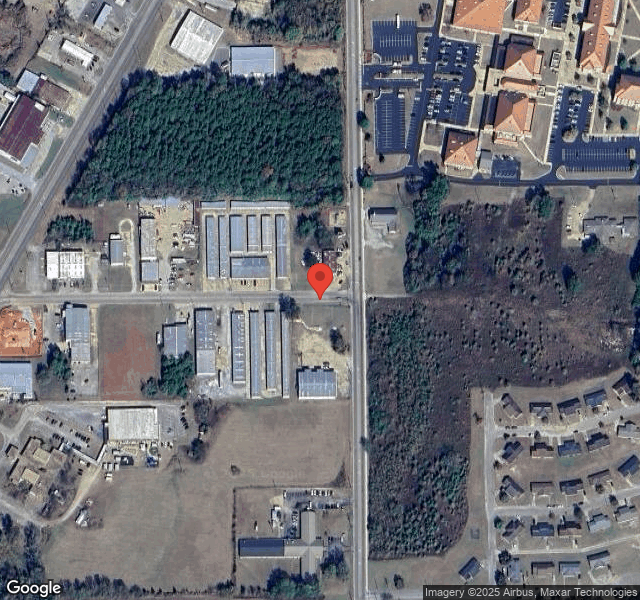
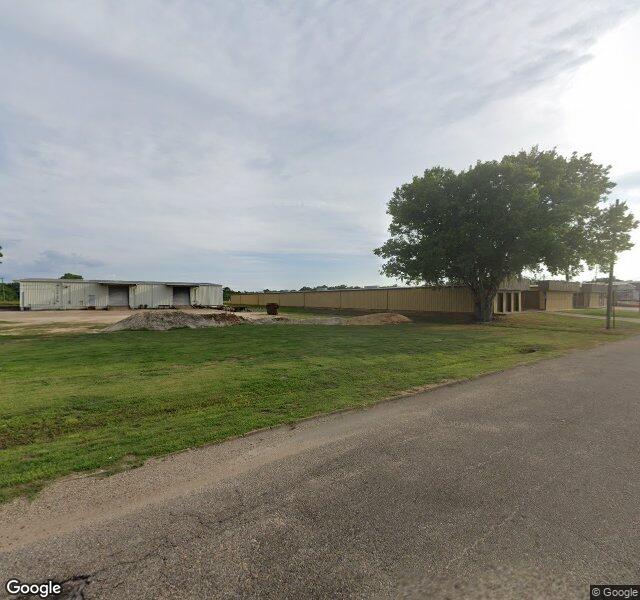
2911 EARL GOODWIN PARKWAY, SELMA, AL 36703 (334) 875-1868
For profit - Corporation 68 Beds BALL HEALTHCARE SERVICES Data: November 2025 2 Immediate Jeopardy citations
Trust Grade
16/100
#166 of 223 in AL
Last Inspection: January 2020

Over 2 years since last inspection. Current conditions may differ from available data.

Overview

Lighthouse Rehabilitation & Healthcare Center has received a Trust Grade of F, indicating significant concerns about the quality of care provided. Ranking #166 out of 223 facilities in Alabama places it in the bottom half, and it is the lowest-ranked facility in Dallas County at #3 of 3. The facility is worsening, with reported issues increasing from 3 in 2019 to 4 in 2020. Staffing is somewhat of a strength, with a rating of 3 out of 5 and a turnover rate of 38%, which is better than the state average. However, there are serious concerns about RN coverage, which is below that of 86% of Alabama facilities. Specific incidents raise alarms, such as a Certified Nursing Assistant slapping a resident, which was witnessed by two nurses who did not intervene or report it, placing the resident at risk. Additionally, the kitchen staff failed to properly label food and ensure hygiene standards, potentially affecting all residents. While there are some positive aspects like no fines on record, the overall picture suggests families should proceed with caution when considering this facility.

Trust Score
F
16/100
In Alabama
#166/223
Bottom 26%
Safety Record
High Risk
Review needed
Inspections
Getting Worse
3 → 4 violations
Staff Stability
○ Average
38% turnover. Near Alabama's 48% average. Typical for the industry.
Penalties
✓ Good
No fines on record. Clean compliance history, better than most Alabama facilities.
Skilled Nurses
⚠ Watch
Each resident gets only 28 minutes of Registered Nurse (RN) attention daily — below average for Alabama. Fewer RN minutes means fewer trained eyes watching for problems.
Violations
⚠ Watch
14 deficiencies on record. Higher than average. Multiple issues found across inspections.
★★☆☆☆
2.0
Overall Rating
★★★☆☆
3.0
Staff Levels
★★☆☆☆
2.0
Care Quality
★★☆☆☆
2.0
Inspection Score
Stable
2019: 3 issues
2020: 4 issues

The Good

  • Full Sprinkler Coverage · Fire safety systems throughout facility
  • No fines on record
  • Staff turnover below average (38%)

    10 points below Alabama average of 48%

Facility shows strength in fire safety.

The Bad

2-Star Overall Rating

Below Alabama average (2.9)

Below average - review inspection findings carefully

Staff Turnover: 38%

Near Alabama avg (46%)

Typical for the industry

Chain: BALL HEALTHCARE SERVICES

Part of a multi-facility chain

Ask about local staffing decisions and management

The Ugly 14 deficiencies on record

2 life-threatening
Jan 2020 4 deficiencies 2 IJ
CRITICAL (J)

Immediate Jeopardy (IJ) - the most serious Medicare violation

Free from Abuse/Neglect (Tag F0600)

Someone could have died · This affected 1 resident

**NOTE- TERMS IN BRACKETS HAVE BEEN EDITED TO PROTECT CONFIDENTIALITY** Based on interviews, review of Resident Identifier (RI) #32's medical record, the facility's policy and procedures for abuse, an...

Read full inspector narrative →
**NOTE- TERMS IN BRACKETS HAVE BEEN EDITED TO PROTECT CONFIDENTIALITY** Based on interviews, review of Resident Identifier (RI) #32's medical record, the facility's policy and procedures for abuse, and the facility's investigation file, the facility failed to ensure RI #32 was free from abuse perpetrated by Employee Identifier (EI) #10, a Certified Nursing Assistant (CNA). On 7/4/2019 around 6:30 PM/4:40 PM, the CNA, EI #10, in the presence of two Licensed Practical Nurses (LPNs), slapped the resident across the left side his/her face with an open hand. This deficient practice affected RI #32, one of three residents reviewed for abuse and placed RI #32 in immediate jeopardy of serious injury, harm, impairment or death. On 1/23/2020 at 9:45 PM, the Administrator, Director of Nursing (DON), and Assistant DON were given a copy of the Immediate Jeopardy (IJ) template and notified of the finding of immediate jeopardy in the area of Freedom from Abuse, Neglect, and Exploitation, F 600. Findings include: The facility's policy titled BALL HEALTHCARE SERVICES, INC. ADMINISTRATIVE PROCEDURE revised December 2016, documented SUBJECT: Definitions Abuse The definition of abuse encompasses a broad scope of behavior. Abuse is the willful infliction of injury, unreasonable confinement, intimidation or punishment with resulting physical harm, pain or mental anguish . Any instance of abuse creates a presumption that the act caused physical harm, pain or mental anguish to the resident, even a resident in a coma. The following are definitions of specific types of abuse: . 3. Physical - Physical abuse includes hitting, slapping, pinching and kicking. It also includes controlling behavior through corporal punishment . RI #32 was admitted to the facility on [DATE] with an admit diagnosis of Severe Intellectual Disabilities. On 7/5/2019 at 2:54 PM, the facility reported an allegation of physical abuse to the Alabama State Survey Agency. The report indicated on . Resident (RI #32) alleged a lady hit (him/her) last night, 7/4/2019. Preliminary information indicate the individual is C.N.A. (EI #10). (EI #10) is on Administrative leave during the investigation. Contained within the facility's investigation file was a STATEMENT FORM from EI #10, the CNA, dated 7/6/2019 3:27 PM, which read . Incident Date/Time: 7/4/2019 . after supper (around 6:30 p.m. - 6:40 p.m.) I took (RI #32) to the bathroom on 100 hall to clean (him/her) up. Then I took (RI #32) to (his/her) room. (He/She) went to (his/her) dresser to put (his/her) belt and bra in the draw (drawer) then (he/she) went toward the bed. As (RI #32) was walking (his/her) pamper was falling. I went to pull it up. (EI #11), LPN was coming in the room. I ask (EI #11) to help me put (RI #32) in the bed. (RI #32) sat on the bed, I grab (his/her) right leg and (EI #11) grabbed the left leg, (EI #12) (LPN) grabbed the upper body. When (EI #11) and I put both legs in the bed (RI #32) slapped me, and my glassed came off. Then I slapped (RI #32) back. I know I was not suppose (supposed) to do that, but it was a reflect (reflex). (1) Where did you hit (RI #32) on side of face (right) (2) Were there witnesses - yes (EI #11) LPN and (EI #12) LPN Then (RI #32) hit me two more times in my stomach but I did not hit her back. I got some towels and dried the floor up, when (RI #32) hit me in my stomach I grabbed (his/her) hands a (and) pressed them toward (his/her) stomach (3) Why were there water on the floor? The water pitcher fell on the floor (4) What did you hear the resident say - you hit me . (5) Did you care for resident after the incident. I went back @ (at) 9:30 p.m. and (he/she) was asleep. (6) Who was your supervisor (EI #12) . (8) Did your supervisor or any supervisor provide you any directives regarding abuse after this incident No . (12) During this altercation between you and the resident what were the activity of the supervisors. Both did nothing - both said nothing - we all left the room together and I went back and dried up the floor. I went back at 9:30 p.m. to check on (RI #32) and (he/she) was asleep. Unsuccessful attempts were made on 1/23/2020 at 10:21 AM and 1/24/2020 at 9:02 AM to speak with EI #10. On 1/24/2020 at 9:07 AM, a male called the State Surveyor and stated EI #10 was not available. Contained within the facility's investigation file was a STATEMENT FORM from EI #11, a LPN, dated 7/5/2019, which read . I heard (RI #32) yelling, when (RI #32) get mad (he/she) yells leave me along. When I entered the doorway (RI #32) looked like (he/she) was about to fall. By the time I entered the room (RI #32) was hitting and swinging at (EI #10) and (EI #10) said stop hitting me. She (EI #10) looked like she couldn't handle (RI #32) and (RI #32) was about to hit the floor. I walked in (RI #32) was standing up I told (RI #32) I would help (him/her) . (RI #32) was still yelling by that time (EI #12) came in the room, . I bent down to put (RI #32) feet in the bed. I heard a loud slap . I heard a loud noise. I don't know if (EI #10) hit (RI #32) or (RI #32) hit (EI #10) . What time did this occur? It was around 6:30 pm . An unsuccessful attempt was made on 1/23/2020 at 10:24 AM to speak with EI #11. Contained within the facility's investigation file was a STATEMENT FORM from EI #12, a LPN, dated 7/5/2019 at 2:29 PM, which read . I was on the cart down by 108. (RI #32) was yelling out, (he/she) was yelling . When I got in the room (RI #10) and (EI #11) was trying to get (RI #32) in the bed . I went around by the vent and I was gonna (going to) pull (RI #32) up in the bed . I grabbed (RI #32) under (his/her) arm. We had gotten (RI #32) situated in the bed. I was going out the door and I heard and saw (RI #32) hit the CNA (EI #10) in the face. She wapped (whapped) her hit her (EI #10) so hard she stepped back and (EI #10) hit (RI #32) back opened palmed hit (RI #32) in the face and (RI #32) hit (EI #10) again. (EI #10) told (RI #32) if (he/she) had broken my glasses you (RI #32) were going to pay for them. Why did you not call the DON, me? I don't know. I went in to help them. (RI #32) was steaming mad the rest of the shift . I know I'm wrong (EI #2) but I was in shock. I never seen anything like it . An unsuccessful attempt was made on 1/23/2020 at 10:23 AM to speak with EI #12. In an interview on 1/23/2020 at 10:45 AM, EI #9, a CNA was asked how she became aware of the incident regarding RI #32. EI #9 stated she was providing care to RI #32 on 7/5/2019 when the resident told her that a girl hit (him/her). According to EI #9, RI #32 pointed to the right side of his/her face when he/she repeatedly stated a girl hit him/her. EI #9 stated she reported what the resident told her to a nurse and EI #2, the DON. An interview was conducted on 1/23/2020 at 10:59 AM with EI #2, the DON. EI #2 was asked how she became aware of the incident involving RI #32. EI #2 replied, on 7/5/2019, EI #9, a CNA brought the resident to her in the hallway and asked RI #32 to tell EI #2 what he/she had just told her. According to EI #2, RI #32 said someone hit him/her. When asked RI #32 where he/she was hit, RI #32 pointed to his/her right cheek. EI #2 stated she then notified EI #1, the Administrator. When EI #1 and EI #2 took RI #32 to the conference room to be interviewed, the resident got teary eyed when asked about the incident. EI #2 was asked how she became aware of the staff involved. EI #2 stated she got a telephone call from EI #11, an LPN. According to EI #2, EI #11 asked her if she had been told of the incident between RI #32 and EI #10. The LPN, EI #11, then explained there was some commotion during the shift and EI #10 hit RI #32. EI #2 asked EI #11 if she witnessed EI #10 hit RI #32 and EI #11 said yes. When asked if there were other witnessed, EI #2 stated she was told EI #12 also witnessed EI #10 hit RI #32. During an interview on 1/23/2020 at 11:32 AM, EI #1, the Administrator stated there was a substantiated allegation of physical abuse that occurred in the facility on 7/4/2019, that involved EI #10, EI #11, EI #12 and RI #32. According to witness statements, two LPNs, (EI #11 and EI #12) witnessed EI #10, a CNA, hit RI #32 's face with an open hand. Contained within the facility's investigation file was an Investigation Summary from EI #1, the Administrator, dated 7/11/2019 which documented . Re: Allegation of physical abuse Accused: (EI #10) . Incident Date: July 4, 2019 Allegation: Resident accused employee of slapping (him/her) in the face. Investigation: . On July 5, 2019, the Administrator, (EI #1), and Director of Nursing, (EI #2), was notified of the allegation when CNA, (EI #9), was assisting resident down the hall and stopped the Director of Nursing, (EI #2), and asked the resident to tell (him/her) what (he/she) had told the CNA. The resident pointed to the right side of (his/her) face and stated her hit me Nay on my face. The resident was interviewed by Administrator and Director of nursing. The resident reported someone hit (him/her) on the right side of (his/her) face. (EI #11), LPN, was interviewed and reported she heard the resident yelling and went to the room, upon entering the room she noticed (EI #10), CNA, trying to transfer the resident to the bed. The resident began squatting to the floor and hitting the CNA. (EI #11) reported they had gotten the resident back in the bed with assistance of (EI #12), LPN, when she heard a smack and saw (EI #10) slap the resident on the side of (his/her) face. (EI #12) reported that she was assisting (EI #10) and (EI #11) assist the resident back in the bed when she saw the resident hit and punch (EI #10) across the face and (EI #10) slapped the resident across the right side of (his/her) face and the resident yelled out. Conclusion: In conclusion, physical abuse was substantiated due employee to resident contact. During the investigation it was confirmed that two LPNs, (EI #12) and (EI #11), witnessed (EI #10), CNA, slap the resident on the right side of (his/her) face on July 4, 2019 on the 3-11 shift . ************************* The facility implemented the following corrective actions: On 7/5/2019, RI #32 was assessed for injuries. On 7/5/2019, the facility reported the allegation of physical abuse to the State Agency. On 7/6/2019, the staff involved, EI #10, EI #11, and EI #12, were placed on administrative leave. Beginning 7/8/2019 to 7/10/2019, the facility staff were educated on the abuse policy and procedures and behavioral interventions for residents with Dementia. On 7/9/2019, a Quality Assurance and Performance Improvement (QAPI) meeting was held to discuss the incident, investigation and corrective actions. On 7/10/2019, all staff involved, EI #10, EI #11, and EI #12, were terminated. On 7/10/2019, EI #11 and EI #12 were reported to the Alabama Board of Nursing. On 7/10/2019, the local authorities were notified of the substantiated allegation of physical abuse. ************************* After review of the facility's investigation file, in-service/education records, Quality Assurance plan, and staff and resident interviews, the facility implemented corrective actions from 7/5/2019 to 7/10/2019, thus immediate jeopardy past non-compliance was cited. This deficiency was cited as a result of the investigation of complaint/report number AL00036374.
CRITICAL (J)

Immediate Jeopardy (IJ) - the most serious Medicare violation

Abuse Prevention Policies (Tag F0607)

Someone could have died · This affected 1 resident

**NOTE- TERMS IN BRACKETS HAVE BEEN EDITED TO PROTECT CONFIDENTIALITY** Based on interviews, review of Resident Identifier (RI) #32's medical record, the facility's investigation file and policy with ...

Read full inspector narrative →
**NOTE- TERMS IN BRACKETS HAVE BEEN EDITED TO PROTECT CONFIDENTIALITY** Based on interviews, review of Resident Identifier (RI) #32's medical record, the facility's investigation file and policy with a subject of Abuse, Neglect and Exploitation, the facility failed to ensure RI #32 was protected from potential further abuse after Employee Identifier (EI) #11 and EI #12, both Licensed Practical Nurses (LPNs) witnessed EI #10, a Certified Nursing Assistant (CNA) slap the resident across the left side of his/her face with an open hand. The LPNs did nothing and left the room. EI #10 later returned to the resident's room twice, once to clean water off the floor and another time around 9:30 PM to check on the resident; however, the resident was asleep. The facility further failed to ensure EI #10, EI #11 and EI #12 reported the physical abuse to the Administrator/Abuse Coordinator of the facility. The facility's Administrator/Abuse Coordinator became aware of the physical abuse on 7/5/2019 after RI #32 had reported what took place on 7/4/2019 to another staff member, EI #9, a CNA. EI #9 then immediately reported what she had been told by the resident to the EI #2, the Director of Nursing. This deficient practice affected RI #32, one of three residents reviewed for abuse and placed RI #32 in immediate jeopardy of serious injury, harm, impairment or death. On 1/23/2020 at 9:45 PM, the Administrator, Director of Nursing (DON), and Assistant DON were given a copy of the Immediate Jeopardy (IJ) template and notified of the finding of immediate jeopardy in the area of Freedom from Abuse, Neglect, and Exploitation, F 607. Findings include: The facility's policy titled BALL HEALTHCARE SERVICES, INC. ADMINISTRATIVE POLICY with a subject of Abuse, Neglect and Exploitation revised 12/20/2016, documented POLICY: . All alleged violations involving mistreatment, neglect, exploitation, or abuse, including suspicious injuries of unknown source, shall be reported immediately to the Administrator of the Facility and other officials in compliance with state and federal law . All such occurrences shall be reported to the Administrator, . within two (2) hours of the occurrences if the event involves abuse . PROCEDURE: . 1. Any employee who witnesses or has knowledge of an act or suspected act of abuse, neglect, exploitation and/or misappropriation of resident property or suspicious injury of unknown source shall notify his or her supervisor immediately . 2. The event will be thoroughly investigated and steps taken to remove the resident from danger (including suspension of any employees who may have been involved in abuse . RI #32 was admitted to the facility on [DATE] with an admit diagnosis of Severe Intellectual Disabilities. Contained within the facility's investigation file was a STATEMENT FORM from EI #10, the CNA, dated 7/6/2019 3:27 PM, which read . Incident Date/Time: 7/4/2019 . after supper (around 6:30 p.m. - 6:40 p.m.) . (RI #32) slapped me, and my glassed came off. Then I slapped (RI #32) back. I know I was not suppose (supposed) to do that, but it was a reflect (reflex). (1) Where did you hit (RI #32) on side of face (right) (2) Were there witnesses - yes (EI #11) LPN and (EI #12) LPN . (5) Did you care for resident after the incident. I went back @ (at) 9:30 p.m. and (he/she) was asleep. (6) Who was your supervisor (EI #12) . (8) Did your supervisor or any supervisor provide you any directives regarding abuse after this incident No . (12) During this altercation between you and the resident what were the activity of the supervisors. Both did nothing - both said nothing - we all left the room together and I went back and dried up the floor. I went back at 9:30 p.m. to check on (RI #32) and (he/she) was asleep. Unsuccessful attempts were made on 1/23/2020 at 10:21 AM and 1/24/2020 at 9:02 AM to speak with EI #10. On 1/24/2020 at 9:07 AM, a male called the State Surveyor and stated EI #10 was not available. Contained within the facility's investigation file was a STATEMENT FORM from EI #12, a LPN, dated 7/5/2019 at 2:29 PM, which read . I was on the cart down by 108. (RI #32) was yelling out, . When I got in the room (EI #10) and (EI #11) was trying to get (RI #32) in the bed . I was going out the door and I heard and saw (RI #32) hit the CNA (EI #10) in the face. She wapped (whapped) her hit her (EI #10) so hard she stepped back and (EI #10) hit (RI #32) back opened palmed hit (RI #32) in the face and (RI #32) hit (EI #10) again. (EI #10) told (RI #32) if (he/she) had broken my glasses you (RI #32) were going to pay for them. Why did you not call the DON, me? I don't know. I went in to help them. (RI #32) was steaming mad the rest of the shift . I know I'm wrong (EI #2) but I was in shock. I never seen anything like it . An unsuccessful attempt was made on 1/23/2020 at 10:23 AM to speak with EI #12. In an interview on 1/23/2020 at 10:45 AM, EI #9, a CNA was asked how she became aware of the incident regarding RI #32. EI #9 stated she was providing care to RI #32 on 7/5/2019 when the resident told her that a girl hit (him/her). According to EI #9, RI #32 pointed to the right side of his/her face when he/she repeatedly stated a girl hit him/her. EI #9 stated she reported what the resident told her to a nurse and EI #2, the DON. An interview was conducted on 1/23/2020 at 10:59 AM with EI #2, the DON. EI #2 was asked how she became aware of the incident involving RI #32. EI #2 replied, on 7/5/2019, EI #9, a CNA brought the resident to her in the hallway and asked RI #32 to tell EI #2 what he/she had just told her. According to EI #2, RI #32 said someone hit him/her. When asked RI #32 where he/she was hit, RI #32 pointed to his/her right cheek. EI #2 stated she then notified EI #1, the Administrator. When EI #1 and EI #2 took RI #32 to the conference room to be interviewed, the resident got teary eyed when asked about the incident. EI #2 was asked how she became aware of the staff involved. EI #2 stated she got a telephone call from EI #11, an LPN. According to EI #2, EI #11 asked her if she had been told of the incident between RI #32 and EI #10. The LPN, EI #11, then explained there was some commotion during the shift and EI #10 hit RI #32. EI #2 asked EI #11 if she witnessed EI #10 hit RI #32 and EI #11 said yes. When asked if there were other witnessed, EI #2 stated she was told EI #12 also witnessed EI #10 hit RI #32. When asked what should have occurred when two LPNs (EI #11 and EI #12) witnessed EI #10, a CNA hit RI #32, EI #2 stated the nurses should have reported it immediately to the Supervisor. When asked did they report it immediately, EI #2 said no. When asked what should have occurred with EI #10, the CNA, EI #2 stated EI #10 should have left the building. EI #2 was asked if RI #32 was protected from further abuse when EI #10 was allowed to remain in the building. EI #2 answered no. When asked if the facility's abuse policy and procedures were implemented when EI #10 hit RI #32, EI #2 replied, no ma'am. During an interview on 1/23/2020 at 11:32 AM, EI #1, the Administrator stated there was a substantiated allegation of physical abuse that occurred in the facility on 7/4/2019, that involved EI #10, EI #11, EI #12 and RI #32. According to witness statements, two LPNs, (EI #11 and EI #12) witnessed EI #10, a CNA, hit RI #32's face with an open hand. When asked what the two LPNs should have done when they witnessed EI #10 hit RI #32, EI #1 stated the LPNs should have reported it immediately to the Registered Nurse (RN) Supervisor. When asked if the LPNs reported the allegation of physical abuse to the RN Supervisor, EI #1 said no. Contained within the facility's investigation file was an Investigation Summary from EI #1, the Administrator, dated 7/11/2019 which documented . Re: Allegation of physical abuse Accused: (EI #10) . Incident Date: July 4, 2019 Allegation: Resident accused employee of slapping (him/her) in the face. Investigation: . Conclusion: In conclusion, physical abuse was substantiated due employee to resident contact. During the investigation it was confirmed that two LPNs, (EI #12) and (EI #11), witnessed (EI #10), CNA, slap the resident on the right side of (his/her) face on July 4, 2019 on the 3-11 shift. (EI #10), CNA, admitted to slapping the resident in response to (RI #32) hitting her. (EI #12), (EI #10), and (EI #11) were put on administrative leave July 6, 2019 pending conclusion of the investigation. Following the investigation (EI #10), (EI #12), and (EI #11) employment was terminated due to not following the facility policy and procedure regarding abuse . ************************* The facility implemented the following corrective actions: On 7/5/2019, RI #32 was assessed for injuries. On 7/5/2019, the facility reported the allegation of physical abuse to the State Agency. On 7/6/2019, the staff involved, EI #10, EI #11, and EI #12, were placed on administrative leave. Beginning 7/8/2019 to 7/10/2019, the facility staff were educated on the abuse policy and procedures and behavioral interventions for residents with Dementia. On 7/9/2019, a Quality Assurance and Performance Improvement (QAPI) meeting was held to discuss the incident, investigation and corrective actions. On 7/10/2019, all staff involved, EI #10, EI #11, and EI #12, were terminated. On 7/10/2019, EI #11 and EI #12 were reported to the Alabama Board of Nursing. On 7/10/2019, the local authorities were notified of the substantiated allegation of physical abuse. ************************* After review of the facility's investigation file, in-service/education records, Quality Assurance plan, and staff and resident interviews, the facility implemented corrective actions from 7/5/2019 to 7/10/2019, thus immediate jeopardy past non-compliance was cited. This deficiency was cited as a result of the investigation of complaint/report number AL00036374.
CONCERN (D)

Potential for Harm - no one hurt, but risky conditions existed

Pressure Ulcer Prevention (Tag F0686)

Could have caused harm · This affected 1 resident

**NOTE- TERMS IN BRACKETS HAVE BEEN EDITED TO PROTECT CONFIDENTIALITY** Based on observation, interviews, review of Resident Identifier (RI) #29's medical record and the facility's policy with a subje...

Read full inspector narrative →
**NOTE- TERMS IN BRACKETS HAVE BEEN EDITED TO PROTECT CONFIDENTIALITY** Based on observation, interviews, review of Resident Identifier (RI) #29's medical record and the facility's policy with a subject of Standard Precautions, the facility failed to ensure Employee Identifier (EI) #5, the Licensed Practical Nurse (LPN) Treatment Nurse removed her gloves, sanitized her hands, and applied new gloves after cleaning RI #29's sacral pressure ulcer, before applying Santyl ointment, skin prep and a clean dressing to the pressure ulcer during wound care. This deficient practice affected RI #29, one of two sampled residents observed for wound care. Findings include: The facility's policy titled, BALL HEALTHCARE SERVICES, INC. ADMINISTRATIVE PROCEDURE with a subject of Standard Precautions dated December 2009, documented POLICY STATEMENT: Standard Precautions will be used in the care of all residents regardless of their diagnosis or presumed infection status. Standard Precautions apply to blood, body fluids, secretions, excretions, non-intact skin and mucous membranes regardless of the suspected or confirmed presence of an infectious agent. POLICY INTERPRETATION AND IMPLEMENTATION: . 2. Gloves . c. Remove gloves promptly after use, before touching non-contaminated items . RI #29 was admitted to the facility on [DATE] with an admit diagnosis of Senile degeneration of the brain. RI #29's physician order dated 1/22/2020 6:20 PM, documented Clarification order: cleanse open area to sacrum with Dakin's Solution, apply Santyl, apply skin prep and cover with Foam border dressing once daily times 30 days. During RI #29's wound care observation on 1/23/2020 at 1:43 PM, provided by EI #5, the LPN Treatment Nurse with EI #4, a Registered Nurse (RN) Unit Manager assisting, EI #5 removed the dressing from RI #29's sacrum. EI #5 removed her gloves, washed her hands and put on a new pair of gloves. After EI #5 cleaned the sacral pressure ulcer with a Dakin's soaked 4 x 4, EI #5 picked up a clean 4 x 4 and patted the wound bed. While wearing the contaminated gloves on, EI #5 measured the pressure ulcer, placed Santyl ointment in the wound bed and sprayed skin prep around the wound bed. While still wearing the same contaminated gloves, EI #5 placed a clean dressing over RI #29's wound bed. On 1/23/2020 at 2:03 PM, an interview was conducted with EI #5, the LPN Treatment Nurse and EI #4, the RN Unit Manager. EI #5 was asked what should have done before picking up the clean 4 x 4 to pat the wound bed, before applying the Santyl ointment, and before picking up the clean dressing and placing it over the wound. EI #5 said she should have removed her gloves and washed her hands. When asked what it was considered when that was not done, EI #5 said infection control. EI #4 acknowledged that she had witnessed EI #5 to not change her gloves during RI #29's wound care and stated it was an infection control concern. In an interview on 1/23/2020 at 7:04 PM, EI #3, the Infection Control Nurse was asked when the Treatment Nurse or any staff providing wound care should change their gloves during wound care. EI #3 replied, any time the staff is transitioning from what is considered soiled or dirty to clean. When asked if this was not done what should this be considered as, EI #3 replied, a potential for infection.
CONCERN (D)

Potential for Harm - no one hurt, but risky conditions existed

Medication Errors (Tag F0758)

Could have caused harm · This affected 1 resident

**NOTE- TERMS IN BRACKETS HAVE BEEN EDITED TO PROTECT CONFIDENTIALITY** Based on interviews and review of Resident Identifier (RI) #47's medical record and Mosby's 2017 NURSING DRUG REFERENCE 30TH EDI...

Read full inspector narrative →
**NOTE- TERMS IN BRACKETS HAVE BEEN EDITED TO PROTECT CONFIDENTIALITY** Based on interviews and review of Resident Identifier (RI) #47's medical record and Mosby's 2017 NURSING DRUG REFERENCE 30TH EDITION, the facility failed to provide medical justification for the use of antipsychotic medication, Risperdal, for RI #47. This deficient practice affected RI #47, one of five sampled residents reviewed for unnecessary medications. Findings include: RI #47 was readmitted to the facility on [DATE] with an admit diagnosis of late onset Alzheimer's disease. RI #47 has a medical history to include a diagnosis of Unspecified Dementia with behavioral disturbance. RI #47's Physician Orders for January 2020 included an order dated 10/4/2019 for . RISPERDAL 0.5 MG (milligram) TABLET - GIVE ONE TABLET VIA TUBE EVERY MORNING . Page 1037 of Mosby's 2017 NURSING DRUG REFERENCE 30TH EDITION with a copyright date of 2017, indicatedRisperdal is an antipsychotic medication used to treat certain mental/mood disorders such as Schizophrenia, Bipolar Disorder, and irritability associated with Autism. In an interview on 1/23/2020 at 8:30 PM, Employee Identifier (EI) #8, a Licensed Practical Nurse (LPN) Charge Nurse was asked why RI #47 was prescribed Risperdal. EI #8 replied, she thought it was ordered in the hospital and was just continued here at the nursing home. When asked if the resident had any behaviors, EI #8 answered the resident has no behaviors at this time. In an interview on 1/23/2020 at 8:40 PM, EI #2, the Director of Nursing was asked why RI #47 was ordered Risperdal. EI #2 replied, she didn't know but maybe it could be something she and the staff could look at. When asked if the resident had any behaviors, EI #2 said initially the resident did but since this admission, the resident has not had any behaviors. During an interview on 1/24/2020 at 10:00 PM, EI #7, the Social Worker acknowledged that RI #47 was not being monitored for any behavioral issues.
Feb 2019 3 deficiencies
CONCERN (D)

Potential for Harm - no one hurt, but risky conditions existed

Deficiency F0638 (Tag F0638)

Could have caused harm · This affected 1 resident

**NOTE- TERMS IN BRACKETS HAVE BEEN EDITED TO PROTECT CONFIDENTIALITY** Based on record review, interview and review of a facility policy titled, Resident Assessment Instrument, the facility failed to...

Read full inspector narrative →
**NOTE- TERMS IN BRACKETS HAVE BEEN EDITED TO PROTECT CONFIDENTIALITY** Based on record review, interview and review of a facility policy titled, Resident Assessment Instrument, the facility failed to ensure a timely Minimal Data Set (MDS) assessment was completed for Resident Identifier (RI) #3. This affected one of four residents whose MDS assessments were reviewed for timely submission. Findings Include: A review of a facility policy titled, Resident Assessment Instrument, with a revised date of 10/2013 revealed: .PROCESS: . V. MDS Version 3.0 Quarterly Assessment . b) Quarterly assessments are due at least every 92 days, . RI #3 was admitted to the facility on [DATE] with a diagnosis of Cerebral Infarction due to unspecified occlusion or stenosis of right mid cerebral artery. A review of RI #3's MDS 30 day E assessment, with an Assessment Reference Date of 9/28/18, revealed: . SNF PPS (Skilled Nursing Facility Prospective Payment System) Part A Discharge Assessment was completed for end of therapy. On 2/27/19 at 3 :04 PM, further review of RI #3's assessments revealed no other MDS assessments were completed since the assessment on 9/28/18. On 2/27/19 at 3:05 PM, during an interview with Employee Identifier (EI) #3, Registered Nurse, MDS Coordinator, she was asked if RI #3 was a current resident in the facility. EI #3 replied, yes. EI #3 was asked when was the last MDS assessment completed. EI #3 replied, 9/28/18 a 30 day end of therapy MDS was done. EI #3 was asked what does 30 day E mean. EI #3 replied, it was a 30 day MDS and end of therapy. EI #3 was asked when should the next assessment have been completed. EI #3 replied, December 28, 2018, a quarterly assessment, should have been done. EI #3 was asked if a quarterly assessment was completed. EI #3 replied, no. EI #3 was asked why was an assessment not completed in December. EI #3 replied, the resident's pay source changed and it did not generate on the program the facility uses for one to be done. EI #3 was asked who was responsible for completing the MDS. EI #3 replied, she was. EI #3 was asked if a MDS Assessment for RI #3 was completed in a timely manner. EI #3 replied, no. EI #3 was asked what was the risks of an assessment not completed in a timely manner. EI #3 replied, she was not sure other than not having a timely assessment.
CONCERN (D)

Potential for Harm - no one hurt, but risky conditions existed

Infection Control (Tag F0880)

Could have caused harm · This affected 1 resident

**NOTE- TERMS IN BRACKETS HAVE BEEN EDITED TO PROTECT CONFIDENTIALITY** Based on observation, interview and review of facility policies titled, Hand Washing and Perineal Care, the facility failed to e...

Read full inspector narrative →
**NOTE- TERMS IN BRACKETS HAVE BEEN EDITED TO PROTECT CONFIDENTIALITY** Based on observation, interview and review of facility policies titled, Hand Washing and Perineal Care, the facility failed to ensure a Certified Nursing Assistant (CNA) washed or sanitized her hands between glove changes during the provision of incontinent care for Resident Identifier (RI) #46. This was observed on 2/27/19 and affected one of one resident observed for incontinent care. Findings Include: A review of a facility policy titled, Hand Washing with a revised date of 3/2006 revealed: PURPOSE: To provide guidelines to employees for proper and appropriate hand washing techniques that will aid in the prevention of the transmission of infections. STANDARD: Handwashing should be performed between procedures with residents. A review of a second facility policy titled, Perineal Care with a revised date of 02/2014 revealed: PURPOSE: Proper perineal care helps prevent infection . RI #46 was admitted to the facility on [DATE] and readmitted on [DATE] with a diagnosis of Unspecified Dementia. On 2/27/19 at 3:39 PM, Employee Identifier (EI) #4 CNA and EI #5, CNA were observed providing incontinent care for RI #46. EI #4 gathered the supplies, sanitized her hands and assisted the resident to the bed. Both CNAs sanitized their hands and put on gloves. EI #5, loosened the brief. EI #4 wiped RI #46's front area (7) seven times using a clean wipe each time and changed her gloves after each wipe. EI #4 did not wash her hands or sanitize between the glove changes. EI #4 put on a clean glove and applied moisture barrier then removed her gloves and sanitized her hands. EI #5 assisted RI #46 to turn to the right side and EI #4 removed the soiled brief and placed it in the trash bag. Both CNAs removed their gloves and sanitized their hands and put on clean gloves. EI #4 wiped the buttocks area (5) five times using a clean wipe each time and changed her gloves after each wipe. EI #4 put on clean gloves and applied moisture barrier. EI #4 changed her gloves and placed the clean brief. EI #4 did not wash her hands or sanitize her hands between the glove changes. On 2/27/19 at 3:50 PM, during an interview with EI #4 CNA, she was asked what was the policy on changing gloves and washing hands during incontinent care. EI #4 replied, wash or sanitize hands before starting, put on gloves, clean the resident's front, remove the gloves and sanitize hands, put on clean gloves and clean the buttocks. EI #4 continued to explain, to remove the gloves and sanitize hands, then put on clean gloves and place the clean brief. EI #4 was asked if she washed or sanitized her hands between glove changes. EI #4 replied, no she only sanitized one time when she finished the front before she cleaned the back. EI #4 was reminded she changed her gloves after each wipe. She was then asked when should she have washed or sanitized her hands. EI #4 replied, she should have sanitized every time she changed her gloves. EI #4 was asked if that was what she did. EI #4 replied, no. EI #4 was asked what would the potential for harm in not washing or sanitizing her hands with glove changes. EI #4 replied, spreading germs. On 2/27/19 at 4:41 PM, an interview was conducted with EI #6, Director Of Nursing / Infection Control Nurse. EI #6 was asked what was the policy for washing hands with glove changes during incontinent care. EI #6 replied, the staff was to wash their hands or sanitize hands then put on gloves. The staff was to wash their hands each time gloves were removed. EI #6 was asked when would it be acceptable for a CNA to change gloves during incontinent care without washing her hands or sanitizing before putting on clean gloves. EI #6 replied, it would not be acceptable, they should wash every time gloves were removed. EI #6 was asked what would the potential for harm be in a CNA providing incontinent care and not washing or sanitizing her hands between the glove changes. EI #6 replied, there would be the risk for infection and contamination.
CONCERN (F)

Potential for Harm - no one hurt, but risky conditions existed

Food Safety (Tag F0812)

Could have caused harm · This affected most or all residents

Based on observation, interview and review of facility policy titled, FOOD STORAGE LABELING, the facility failed to ensure: 1. a container of pureed slaw in the refrigerator was labeled with identify...

Read full inspector narrative →
Based on observation, interview and review of facility policy titled, FOOD STORAGE LABELING, the facility failed to ensure: 1. a container of pureed slaw in the refrigerator was labeled with identifying label, date and use by date, 2. sliced ham in a zip lock bag in a second reach in refrigerator had an identifying label on it; and 3. kitchen staff while plating mixed vegetables did not rake vegetables that had spilled out of the pan on the side of the steam table back into the pan of mixed vegetables. This had the potential to affect 51 of 51 residents receiving meals from the kitchen. Findings Include: A review of a facility policy titled FOOD STORAGE LABELING with a revised date of 10/17 revealed: POLICY: The facility will ensure the safety and quality of food by following good storage and labeling procedures. PROCEDURE: . 2. All food items that are not in their original containers must be labeled with the common name of the food and the date they are received .2. Suggested labeling includes: a. Common name b. Date of preparation or Use By Date . 1. On 2/25/19 3:30 PM, a storage container with a green lid was observed in the refrigerator. No label identifying the contents and no date or use by date was on the container. The surveyor asked Employee Identifier (EI) #1, Dietary Manager at that time what was in the container. EI #1 replied, pureed coleslaw. EI #1 was asked where was the identification label. EI #1 replied, it did not have one. EI #1 was asked where was the date and use by date. EI #1 replied, it did not have one. EI #1 was asked if the container of pureed slaw should be labeled for the contents and dated. EI #1 replied, yes. 2. On 2/25/19 at 3:35 PM, the surveyor observed in a second reach in refrigerator a food storage bag containing ham, with no identification label. The surveyor asked EI #1, DM what was in the bag. EI #1 replied, sliced ham. EI #1 was asked where was the identification label. EI #1 replied, it did not have one. EI #1 was asked if the sliced ham should have a label identifying the contents. EI #1 replied, yes. 3. On 2/26/19 at 11:36 AM, during the lunch meal, the surveyor observed EI #2, kitchen /cook, plating mixed vegetables. Some vegetables had spilled out of the pan on the side of the steam table, the server took the spoon and raked the vegetables back in the pan. On 2/26/29 at 11:45 AM, a brief interview was conducted with EI #2, the cook that was plating the lunch meal. The surveyor informed her of the observation, and asked if she was suppose to put spilled foods back in the pan. EI #2 replied, no. On 2/27/19 at 8:33 AM, during a followup interview with EI #2, she was asked what was the procedure for cleaning up spilled food around the steam table. EI #2 replied, she did not know of policy or procedure. EI #2 was asked what should she do if food was spilled on the steam table outside of the pan. EI #2 replied, she should wait until she finished serving and clean up the area with a cloth. EI #2 was asked what did she do with the vegetables that was spilled out of the pan on the steam table. EI #2 replied, she put it back in the pan. EI #2 was asked what would the harm be in placing spilled foods from the steam table back in the pan. EI #2 replied, it could have germs around the steam table and could put vegetables back in the pan that may have become contaminated. On 2/27/19 at 12:00 PM, during an interview with EI #1 DM, she was asked what was the policy for labeling and dating items in the refrigerator. EI #1 replied, the items should have the common name, date prepared and use by date on it. EI #1 was asked what was the policy for labeling items in the refrigerator that were not in their original container. EI #1 replied, if the item was out of the original container it should have a label with the name and date. EI #1 was asked if the pureed slaw was it the original container. EI #1 replied, no. EI #1 was asked where was the label and date for the pureed slaw. EI #1 replied, there was not one on it. EI #1 was who was responsible for labeling the pureed slaw. EI #1 replied, the cook that prepared it. EI #1 was asked where was the label for the sliced ham. EI #1 replied, it only had a use by and date but not the name of the item. EI #1 was asked if the sliced ham should have the name of the item. EI #1 replied, yes. EI #1 was asked if the sliced ham was in its original container. EI #1 replied, no. EI #1 was asked who was responsible for labeling the sliced ham. EI #1 replied, the person that sliced it and put it in the storage bag. EI #1 was asked what was the harm in the slaw not being labeled with its contents and date. EI #1 replied, others would not know what it was and how long it had been prepared and would not know when to discard it. EI #1 was asked what was the harm in the sliced ham not having an identifying label. EI #1 replied, staff would not be able to identify what it was. EI #1 was asked how many residents receive meals from the kitchen. EI #1 replied, 51 residents.
Jan 2018 7 deficiencies
CONCERN (D)

Potential for Harm - no one hurt, but risky conditions existed

Resident Rights (Tag F0550)

Could have caused harm · This affected 1 resident

Based on observation and interview, the facility failed to ensure residents were cared for in a manner to maintain dignity. During the lunch meal on 1/09/2018, (Resident Identifiers) #s 5, 6, 213 and ...

Read full inspector narrative →
Based on observation and interview, the facility failed to ensure residents were cared for in a manner to maintain dignity. During the lunch meal on 1/09/2018, (Resident Identifiers) #s 5, 6, 213 and 32 were seated at the same table. RI #5 was provided with his/her meal tray. Employee Identifier (EI) #10 immediately began assisting RI #5 with eating. RI #s 6, 213 and 32 was not provided their meal tray until approximately 10 minutes later. This deficient practice affected 3 of 6 residents observed during the dining room observation. Findings include: On 01/09/18 at approximately 11:51 p.m. Residents 6, 213, 32 and 5 were seated at the same table in the dining room for lunch. EI #10 picked up RI #5's tray from the kitchen staff, brought the tray to the table and immediately started assisting RI #5 to eat the lunch meal as RI #s 6, 213 and 32 sat at the table without a tray. Other staff continued to serve meals to other residents in the room. Approximately 10 minutes later, RI #s 6, 213 and 32 were served their meals and began eating with staff assistance. EI #10, the Certified Nursing Assistant (CNA) who assisted RI #5 during lunch, was interviewed 01/09/18 at 2:35 p.m. When asked why RI #5 was served lunch and started eating before the other residents at the table, EI #10 explained, when residents, who require feeding assistance get their trays, staff start assisting them. When asked why the other residents at the table were not served at the same time as RI #5, EI #10 reasoned that it may have been a mistake with the order of RI #5's tray card. EI #10 stated the Dietary staff was responsible for the tray cards. On 01/10/18 at 8:56 a.m., the surveyor informed EI #6, the Dietary Manager (DM), of the lunch observation when RI #5 was served and began eating before the three other residents at the table. EI #6 explained that each table should be served one after another so residents seated at the same table will get their food at the same time. When asked how she thought the residents (RI #s 6, 213 and 32) felt having to wait for their food while RI #5 ate, EI #6 stated they want their food too. During the survey, the DM (EI #6) and Administrator (EI #1) were asked to provide a policy and/or procedure for meal service in the dining room, however, none was provided.
CONCERN (D)

Potential for Harm - no one hurt, but risky conditions existed

Deficiency F0559 (Tag F0559)

Could have caused harm · This affected 1 resident

**NOTE- TERMS IN BRACKETS HAVE BEEN EDITED TO PROTECT CONFIDENTIALITY** Based on interviews, record review and review of the facility's Notice of Transfer form, the facility failed to honor a resident...

Read full inspector narrative →
**NOTE- TERMS IN BRACKETS HAVE BEEN EDITED TO PROTECT CONFIDENTIALITY** Based on interviews, record review and review of the facility's Notice of Transfer form, the facility failed to honor a resident's desire not to move from her/his room when informed by the facility that she/he was being moved to another room. This affected Resident Identifier (RI) #31, one of one resident who expressed dissatisfaction with her/her room change. Findings include: RI #31 was admitted to the facility on [DATE] following a motor vehicle accident. RI #31 was cognitively intact and able to express her wants and desires. Review of the facility's Notice of Transfer form, dated 10/9/17, noted the reason for the transfer was, Room change necessary to facilitate compliance with turning and repositioning. On 10/9/17, RI #31 was moved from his/her room to the room next door. The same day the resident was given the notice. During the record review, a document (no date or title) revealed the Ombudsman had been informed by RI #31 that she/he did not want to change room. EI #9/DON also documented, . The writer (DON) spoke with the resident regarding this matter. The resident did state that she/he did not want to change room. On 01/09/18, RI #31 expressed to the surveyor she/he was unsatisfied with her/his room change. She/he reported the move was made about 2 months ago from the room next door. When asked why was she/he moved, RI #31 said the facility told her/him something about needing the Medicaid beds full, her/his roommate was in the hospital at the time. It was revealed the resident had also contacted the area Ombudsman, who also came to the facility in October 2017. On 1/11/18 at 9:25 am the Administrator, Employee Identifier (EI) #1 was interviewed. EI #1 stated the room change was due to the resident being non compliant with turning and repositioning due to a wounds. EI #1 reported the resident did not complain to them, however did complain to the Ombudsman. On 1/11/18 at 11:52 am, a call was made to the resident's mother. When asked if the facility discussed the room change with her, she replied no, they just called her and said they were moving the resident. They did not ask, they just told her. On 1/11/18 at 1:25 pm, EI #4 Social Service Director, was interviewed. She reported the Ombudsman came in October 2017 regarding the resident's concern with the room change. EI #4 reported the resident did not express to her that she did not want to move. She/he did not talk to the resident about the room change, she just contacted the mother. On 1/11/18 at 3:15 pm the Director of Nursing, DON/EI #9, was interviewed. She reported the interdisciplinary team made the decision to move the resident. EI #9 reported it was discussed with the resident when the surveyor asked the question. The DON reported she did not know if the Social Service Director discussed the room change with the resident. The DON confirmed she did not discuss with EI #9 about the room change. When asked if the resident was given an option to move or not, DON did not respond.
CONCERN (D)

Potential for Harm - no one hurt, but risky conditions existed

Assessment Accuracy (Tag F0641)

Could have caused harm · This affected 1 resident

**NOTE- TERMS IN BRACKETS HAVE BEEN EDITED TO PROTECT CONFIDENTIALITY** 3. RI #3 was readmitted to the facility with diagnoses including End stage renal disease, hypertension and muscle weakness. RI #...

Read full inspector narrative →
**NOTE- TERMS IN BRACKETS HAVE BEEN EDITED TO PROTECT CONFIDENTIALITY** 3. RI #3 was readmitted to the facility with diagnoses including End stage renal disease, hypertension and muscle weakness. RI #3's Physician's orders for September 2017 revealed the resident received Hemodialysis on Tuesdays, Thursdays and Saturdays. RI #3's MDS was not coded to reflect the resident received Dialysis. On 01/11/2018 at 4:23 p.m., an interview was conducted with Employee Identifier/EI #15, Unit manager, RN (Registered Nurse). EI #15 reviewed RI #3's Quarterly MDS with a ARD of 09/18/2017 and was asked did that assessment reflect RI #3 receiving Dialysis. EI #15 said no. EI #15 was also asked why should Dialysis have been coded to reflect the resident's Dialysis treatment. EI #15 explained due to the resident receiving Dialysis the MDS should have been coded to reflect the treatment. 2. RI #44 was admitted to the facility on [DATE] with diagnoses to include Dementia with Behavioral Disturbance and Unspecified Psychosis. A review of RI #44's Physician Order List dated 07/01/2017 through 07/31/2017 revealed Risperdal was discontinued on 07/27/2017. A review of RI #44's Quarterly MDS with an ARD of 09/18/2017 documented the resident was receiving antipsychotic medication. A review of RI #44's Quarterly MDS with an ARD of 12/08/2017 documented the resident was receiving antipsychotic medication. On 01/11/2018 at 11:09 AM, an interview was conducted with EI #9. EI #9 was asked who was responsible for updating the MDS. EI #9 said the MDS coordinator, who was out, and next in line would be her (EI #9). EI #9 was asked if antipsychotic medications were discontinued in July, should the MDS dated [DATE] and 12/08/2017 have antipsychotic use marked on them. EI #9 said no. EI #9 was asked if antipsychotic medication use was marked on these two MDS's, but discontinued in July, were these MDS's correct. EI #9 said no. EI #9 was asked who was responsible for making sure MDS's were correct. EI #9 said herself and the MDS coordinator. Based on record reviews and interviews, and review of the weight change alert report, the facility failed to accurately code the Minimum Data Set (MDS) to reflect resident's status/medical condition. The following was identified: Resident Identifier (RI) #61's MDS Quarterly assessment, dated 12/27/2017, did not reflect the resident sustained weight loss during this review period. RI #44's MDS Quarterly assessments, dated 09/18/2017 and 12/08/2017 reflected the resident was receiving a psychotropic medication, when the medication had been discontinued in July 2017. RI #3's MDS Quarterly assessment, dated 09/18/2017, did not reflect he/she was receiving dialysis during this review. This deficient practice affected three of sixteen sampled resident. Findings include: 1. RI #61 was admitted to the facility on [DATE], with diagnoses including Unspecified Trochanter Fracture, Muscle Weakness, Essential Hypertension, and Hypothyroidism. The Registered Dietitian (RD) Nutrition Assessment, completed 12/19/2017 and the Weight Change Alert Report, dated 12/04/2017, revealed RI #61 sustained weight loss during the MDS review. The MDS, with an Assessment Reference (ARD) date of 12/27/2017, was not coded to indicate this weight loss. EI #9/Director of Nursing (DON) was interviewed on 01/11/2018 at 3:20 PM. EI #9/DON was shown the RD Nutrition Assessment (12/27/17). EI #9/DON confirmed the resident sustained weight loss that should have been coded on the 12/27/2017 MDS. EI #9/DON revealed the Dietary Manager (DM) stated, .she (DM) should have coded it as weight loss. EI #6/DM, interviewed on 01/11/2018 at 3:30 PM, verified she was responsible for completing the nutritional section of the MDS. EI#6/DM was shown the RD Nutrition Assessment (12/19/2017). EI #6/DM admitted the MDS was inaccurate in that it did not reflect RI #61's weight loss during this review period.
CONCERN (D)

Potential for Harm - no one hurt, but risky conditions existed

Deficiency F0657 (Tag F0657)

Could have caused harm · This affected 1 resident

**NOTE- TERMS IN BRACKETS HAVE BEEN EDITED TO PROTECT CONFIDENTIALITY** Based on record review and interview, the facility failed to ensure RI (Resident Identifier) #44's care plan was revised to refl...

Read full inspector narrative →
**NOTE- TERMS IN BRACKETS HAVE BEEN EDITED TO PROTECT CONFIDENTIALITY** Based on record review and interview, the facility failed to ensure RI (Resident Identifier) #44's care plan was revised to reflect the discontinuation of the Antipsychotic medication. This deficient practice affected RI #44, one of 16 residents whose care plans were reviewed. Findings Include: RI #44 was admitted to the facility on [DATE], with diagnoses to include Dementia with Behavioral Disturbance and Unspecified Psychosis. A review of RI #44's Physician Order List dated 07/01/2017 through 07/31/2017, revealed Risperdal was discontinued on 07/27/2017. A review of RI #44's care plans revealed: .Problem Onset: 05/30/2014 Resident is at risk for side effects from antipsychotic (antipsychotic) drug use . Resident will maintain a normal/therapeutic blood drug range 3/07/18 .Approaches Administer Resident's medication as ordered by physician .Reviewed-09/18/2017 . On 1/11/2018 10:56 AM, an interview was conducted with EI (Employee Identifier) #11, RN (Registered Nurse)/Unit Manager on 200 Hall. EI #11 was asked if RI #44 was receiving antipsychotic medications. Looking at RI #44's January 2018 orders, EI #11 replied no. EI #11 was asked when was Risperdal (antipsychotic medication) discontinued. EI #11 said on 7/27/2017. EI #11 was asked since it (Risperdal) was discontinued in July, why did the care plan still address it. EI #11 said just in case RI #44 was placed back on the medication. EI #11 was asked who was responsible for updating the care plan. EI #11 said the MDS (Minimum Data Set) Coordinator, but she was out. EI #11 was asked if the careplan was accurate, since it was updated in September 2017 and addressed antipsychotic medications that were discontinued in July 2017. EI #11 said, I do not know. EI #11 was asked who would know. EI #11 said, EI #9, DON (Director of Nursing). On 1/11/2018 at 11:09 AM, an interview was conducted with EI #9. EI #9 was asked why RI #44's care plan addressed antipsychotic medications when Risperdal was discontinued in July 2017 and the care plan was reviewed in September 2017. EI #9 said she could not tell the surveyor why, but if the medication was discontinued, the care plan should have been closed. EI #9 was asked if that was an accurate care plan, since medication was discontinued in July 2017. EI #9 said if RI #44 was not on any antipsychotic's, the care plan should have been closed.
CONCERN (D)

Potential for Harm - no one hurt, but risky conditions existed

Deficiency F0810 (Tag F0810)

Could have caused harm · This affected 1 resident

**NOTE- TERMS IN BRACKETS HAVE BEEN EDITED TO PROTECT CONFIDENTIALITY** Based on record reviews, observation and interviews, the facility failed to ensure Resident Identifier (RI) #3, a visually impai...

Read full inspector narrative →
**NOTE- TERMS IN BRACKETS HAVE BEEN EDITED TO PROTECT CONFIDENTIALITY** Based on record reviews, observation and interviews, the facility failed to ensure Resident Identifier (RI) #3, a visually impaired resident, was provided an adaptive device (plate guard) as indicated on his meal tray card. This affected one of one sampled resident who required an adaptive device when eating. Finding include: RI #3 was readmitted to the facility on [DATE] with End stage renal disease, hypertension and legal blindness. A review of RI #3's most recent annual Minimum Data Set with an Assessment Reference Date of 12/25/2017 revealed the resident's vision was severely impaired. On 01/10/2018 at 8:14 a.m., during RI #3's breakfast meal, an observation of RI #3's breakfast meal tray card with a date of 01/10/2018 revealed the resident was to have received a plate guard as a feeding assistance device. A review of a document titled, Plan of Treatment for Outpatient Rehabilitation with a date of 10/24/2017 revealed the speech therapist/EI (Employee Identifier) #16's documentation stated RI #3 self fed him/herself by mouth and RI #3 would need adaptive equipment to increase safety and efficiency of po (by mouth) intake, visual deficits/tremors effect feeding skills. There was no documentation to support the type of adaptive devices recommended for RI #3's use. The documentation did not specify the type of adaptive device recommended. A review of a Speech and Language Pathology Communication form dated 10/30/2017 did not indicate RI #3's use of a plate guard. Further review of RI #3's physician's orders for December 2017 and January 2018 did not reflect the use of a plate guard. On 01/11/2018 at 4:34 p.m., an interview was conducted with EI #6, Dietary Manager. EI #6 informed the surveyor that someone from therapy provided a communication form for RI #3 to receive a plate guard. EI #6 further explained she could not recall the name of the therapist who ordered the use of the plate guard. EI #6 was unable to locate a copy of the communication form completed by therapy. On 01/11/2018 at 5:22 p.m., a telephone interview was conducted with EI #16, speech therapist. EI #16 was asked was she familiar with RI #3. EI #16 said yes. EI #16 was asked about the use of a plate guard for RI #3. EI #16 explained she remembered trying out the plate guard for RI #3 but could not remember the end result of RI #3 usage of the plate guard. EI #16 further explained it depended on the circumstances for her to be specific regarding the type of adaptive feeding device a resident was assessed for. EI #16's documentation failed to specify the type of adaptive device recommended for RI #3 through her assessment/evaluation. On 01/11/2018 at 5:39 a.m., an interview was conducted with EI #17, Therapy Director. EI #17 was asked how did therapy communicate with dietary regarding a resident being assessed to use a specific adaptive assistive device. EI #17 explained the therapy department used communication order forms. EI #17 was asked if she were able to locate a copy of a communication form for RI #3's use of a plate guard. EI #17 said no.
CONCERN (F)

Potential for Harm - no one hurt, but risky conditions existed

Food Safety (Tag F0812)

Could have caused harm · This affected most or all residents

Based on observation, interview and review of facility Hand And Single Use Gloves Sanitation Practices policy, the failed to ensure the sanitation of handling of foods in the kitchen by: (1) dietary s...

Read full inspector narrative →
Based on observation, interview and review of facility Hand And Single Use Gloves Sanitation Practices policy, the failed to ensure the sanitation of handling of foods in the kitchen by: (1) dietary staff washing their hands after touching their face with bare hands prior to handling resident plates after they had been plated with food and (2) dietary staff not placing a bag of chicken strips on the floor while storing after a food delivery. This had the potential to affect all residents in the facility. Findings include: Facility policy for Hand And Single Use Gloves Sanitation Practices, originated date 10/08 read: Procedure: 1. Employees have access to proper handwashing facilities in the food service department and throughout the facility . 2. Hand Care a. Food service employees wash hands after the following activities: . iii. Touching the hair, face, or body . (1) On 01/09/18 at 11:17 am observations were conducted in the kitchen during the plating of the lunch meal. An observation was made of dietary staff, Employee Identifier (EI) #14, rubbing her chin with her bare left hand. She did not wash her hands at that time. At 11:24 am the same dietary staff took a plate containing food from the server, to place gravy on it, with her bare left hand. At 11:28 am the same dietary staff went and washed her hands. At 11:33 am the same dietary staff put gloves on her right hand. (2) On 01/10/18 at 8:59 am an observation was made of dietary staff, EI #12, storing foods that had been delivered to the facility. Observed at the two door stand up freezer were two unopened boxes with a bag of frozen chicken strips. EI #12 placed the bag of strips on the floor next to the boxes. EI #12 was asked if she was aware that she laid the bag on the floors. EI #12 replied yes, ma'am. She was then asked should she have laid it on the floor. EI #12 replied no ma'am. EI #12 then walked away and left the freezer door open. On 01/11/18 the Dietary Manager, DM EI #6, was interviewed and informed of the surveyor's kitchen observations. When she was informed of the staff touching her face and not washing her hands, she was then asked if that was a problem. EI #6 replied, yes infection control, they should keep their hands washed. When informed of the bag of chicken strips being placed on the floor, EI #6 reported she should not have placed it on the floor, infection issue.
CONCERN (F)

Potential for Harm - no one hurt, but risky conditions existed

Garbage Disposal (Tag F0814)

Could have caused harm · This affected most or all residents

**NOTE- TERMS IN BRACKETS HAVE BEEN EDITED TO PROTECT CONFIDENTIALITY** Based on observation, interview and review of facility Daily Dumpster Monitoring policy, the facility failed to ensure the two o...

Read full inspector narrative →
**NOTE- TERMS IN BRACKETS HAVE BEEN EDITED TO PROTECT CONFIDENTIALITY** Based on observation, interview and review of facility Daily Dumpster Monitoring policy, the facility failed to ensure the two outside dumpsters were maintained in a manner to prevent potential attraction of rodents and bugs to the dumpster site. This had the potential to affect all residents in the facility. Findings include: The review of the facility's policy for Daily Dumpster Monitoring read, Maintenance and Housekeeping staff will inspect all dumpster each day to ensure that the surrounding areas are free of debris and that the dumpster lids are closed . The policy did not include ensuring that garbage bags were secured to prevent spillage and odors. On 01/09/18 at 10:59 am an observation was made of the facility's two garbage dumpsters outside. Dumpster #1 and #2, was observed empty except for standing liquid and foul odor. On 01/10/18 at 9:12 am an observation was made in dumpster #1, closest to the building. Observed were 2 opened bags. In dumpster #2 observed were loose items, odor and an opened bag. At 9:17 am observations were made with EI #13, environmental staff. He was asked what he observed in the dumpsters. EI #13 reported bags not tied in dumpster #1 and loose open bags, standing water and odor in dumpster #2. He reported the bags should be tied. When asked what could happen if bags are not tied, EI #13 reported it could cause leakage and odor. The surveyor requested policy and proper procedure for disposing of garbage/waste bags. One was not provided. [NAME], Registered Nurse [NAME]-[NAME], Registered Nurse [NAME], Social Worker [NAME], Registered Nurse [NAME], Registered Nurse [NAME], Social Worker [NAME], Registered Nurse
Understanding Severity Codes (click to expand)
Life-Threatening (Immediate Jeopardy)
J - Isolated K - Pattern L - Widespread
Actual Harm
G - Isolated H - Pattern I - Widespread
Potential for Harm
D - Isolated E - Pattern F - Widespread
No Harm (Minor)
A - Isolated B - Pattern C - Widespread

Questions to Ask on Your Visit

  • "What changes have you made since the serious inspection findings?"
  • "What safeguards are in place to prevent abuse and neglect?"
  • "Can I speak with families of current residents?"
  • "What's your RN coverage like on weekends and overnight?"

Our Honest Assessment

Strengths
  • • No fines on record. Clean compliance history, better than most Alabama facilities.
  • • 38% turnover. Below Alabama's 48% average. Good staff retention means consistent care.
Concerns
  • • Multiple safety concerns identified: Federal abuse finding, 2 life-threatening violation(s). Review inspection reports carefully.
  • • 14 deficiencies on record, including 2 critical (life-threatening) violations. These warrant careful review before choosing this facility.
  • • Grade F (16/100). Below average facility with significant concerns.
Bottom line: This facility has a substantiated abuse finding. Extreme caution advised. Explore alternatives.

About This Facility

What is Lighthouse Rehabilitation & Healthcare Center's CMS Rating?

CMS assigns LIGHTHOUSE REHABILITATION & HEALTHCARE CENTER an overall rating of 2 out of 5 stars, which is considered below average nationally. Within Alabama, this rating places the facility higher than 0% of the state's 100 nursing homes. A rating at this level reflects concerns identified through health inspections, staffing assessments, or quality measures that families should carefully consider.

How is Lighthouse Rehabilitation & Healthcare Center Staffed?

CMS rates LIGHTHOUSE REHABILITATION & HEALTHCARE CENTER's staffing level at 3 out of 5 stars, which is average compared to other nursing homes. Staff turnover is 38%, compared to the Alabama average of 46%. This relatively stable workforce can support continuity of care.

What Have Inspectors Found at Lighthouse Rehabilitation & Healthcare Center?

State health inspectors documented 14 deficiencies at LIGHTHOUSE REHABILITATION & HEALTHCARE CENTER during 2018 to 2020. These included: 2 Immediate Jeopardy (the most serious level, indicating potential for serious harm or death) and 12 with potential for harm. Immediate Jeopardy findings are rare and represent the most serious regulatory concerns. They require immediate corrective action.

Who Owns and Operates Lighthouse Rehabilitation & Healthcare Center?

LIGHTHOUSE REHABILITATION & HEALTHCARE CENTER is owned by a for-profit company. For-profit facilities operate as businesses with obligations to shareholders or private owners. The facility is operated by BALL HEALTHCARE SERVICES, a chain that manages multiple nursing homes. With 68 certified beds and approximately 60 residents (about 88% occupancy), it is a smaller facility located in SELMA, Alabama.

How Does Lighthouse Rehabilitation & Healthcare Center Compare to Other Alabama Nursing Homes?

Compared to the 100 nursing homes in Alabama, LIGHTHOUSE REHABILITATION & HEALTHCARE CENTER's overall rating (2 stars) is below the state average of 2.9, staff turnover (38%) is near the state average of 46%, and health inspection rating (2 stars) is below the national benchmark.

What Should Families Ask When Visiting Lighthouse Rehabilitation & Healthcare Center?

Based on this facility's data, families visiting should ask: "What changes have been made since the serious inspection findings, and how are you preventing similar issues?" "What safeguards and monitoring systems are in place to protect residents from abuse or neglect?" "Can I visit during a mealtime to observe dining assistance and food quality?" "How do you handle medical emergencies, and what is your hospital transfer rate?" These questions are particularly relevant given the facility's Immediate Jeopardy citations and the substantiated abuse finding on record.

Is Lighthouse Rehabilitation & Healthcare Center Safe?

Based on CMS inspection data, LIGHTHOUSE REHABILITATION & HEALTHCARE CENTER has documented safety concerns. The facility has 1 substantiated abuse finding (meaning confirmed case of resident harm by staff or other residents). Inspectors have issued 2 Immediate Jeopardy citations (the most serious violation level indicating risk of serious injury or death). The facility has a 2-star overall rating and ranks #100 of 100 nursing homes in Alabama. Families considering this facility should ask detailed questions about what corrective actions have been taken since these incidents.

Do Nurses at Lighthouse Rehabilitation & Healthcare Center Stick Around?

LIGHTHOUSE REHABILITATION & HEALTHCARE CENTER has a staff turnover rate of 38%, which is about average for Alabama nursing homes (state average: 46%). Moderate turnover is common in nursing homes, but families should still ask about staff tenure and how the facility maintains care continuity when employees leave.

Was Lighthouse Rehabilitation & Healthcare Center Ever Fined?

LIGHTHOUSE REHABILITATION & HEALTHCARE CENTER has no federal fines on record. CMS issues fines when nursing homes fail to meet care standards or don't correct problems found during inspections. The absence of fines suggests the facility has either maintained compliance or corrected any issues before penalties were assessed. This is a positive indicator, though families should still review recent inspection reports for the full picture.

Is Lighthouse Rehabilitation & Healthcare Center on Any Federal Watch List?

LIGHTHOUSE REHABILITATION & HEALTHCARE CENTER is not on any federal watch list. The most significant is the Special Focus Facility (SFF) program, which identifies the bottom 1% of nursing homes nationally based on persistent, serious quality problems. Not being on this list means the facility has avoided the pattern of deficiencies that triggers enhanced federal oversight. This is a positive indicator, though families should still review the facility's inspection history directly.