COOSA VALLEY HEALTHCARE CENTER

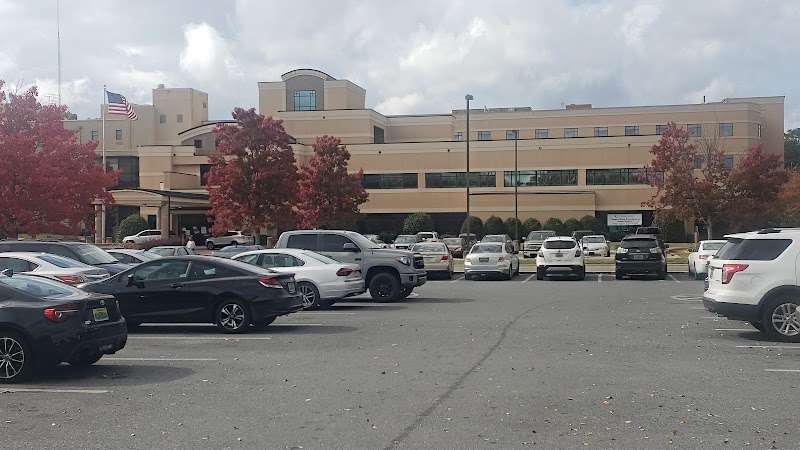
260 WEST WALNUT STREET, SYLACAUGA, AL 35150 (256) 249-5604
For profit - Corporation 85 Beds PRIME HEALTH CARE ENTERPRISES Data: November 2025
Trust Grade
90/100
#10 of 223 in AL
Last Inspection: April 2022

Over 2 years since last inspection. Current conditions may differ from available data.

Overview

Coosa Valley Healthcare Center in Sylacauga, Alabama, has received an impressive Trust Grade of A, indicating it is an excellent facility that is highly recommended. It ranks #10 out of 223 nursing homes in Alabama, placing it in the top half, and is the best option among the three facilities in Talladega County. The facility is showing improvement, with issues decreasing from one in 2019 to none reported in 2022. Staffing is a relative strength, with a rating of 4 out of 5 stars and a turnover rate of 44%, which is lower than the state average of 48%, suggesting that staff members are committed to their roles. On the downside, the facility has had some concerns in the past, including issues with food storage and medication administration practices that could have posed risks to residents. For instance, a dented can of pineapple was found in storage, and some medications were not handled properly by staff, which could lead to contamination. While there are no fines on record, the facility's average RN coverage means that while nurses are present, there is room for improvement in ensuring that residents receive optimal care. Overall, families should weigh both the strengths and past concerns when considering Coosa Valley Healthcare Center for their loved ones.

Trust Score
A
90/100
In Alabama
#10/223
Top 4%
Safety Record
Low Risk
No red flags
Inspections
Getting Better
1 → 0 violations
Staff Stability
○ Average
44% turnover. Near Alabama's 48% average. Typical for the industry.
Penalties
✓ Good
No fines on record. Clean compliance history, better than most Alabama facilities.
Skilled Nurses
✓ Good
Each resident gets 47 minutes of Registered Nurse (RN) attention daily — more than average for Alabama. RNs are trained to catch health problems early.
Violations
✓ Good
Only 5 deficiencies on record. Cleaner than most facilities. Minor issues only.
★★★★★
5.0
Overall Rating
★★★★☆
4.0
Staff Levels
★★★☆☆
3.0
Care Quality
★★★★★
5.0
Inspection Score
Stable
2019: 1 issues
2022: 0 issues

The Good

  • 4-Star Staffing Rating · Above-average nurse staffing levels
  • Full Sprinkler Coverage · Fire safety systems throughout facility
  • No fines on record
  • Staff turnover below average (44%)

    4 points below Alabama average of 48%

Facility shows strength in staffing levels, fire safety.

The Bad

Staff Turnover: 44%

Near Alabama avg (46%)

Typical for the industry

Chain: PRIME HEALTH CARE ENTERPRISES

Part of a multi-facility chain

Ask about local staffing decisions and management

The Ugly 5 deficiencies on record

Jun 2019 1 deficiency
CONCERN (D)

Potential for Harm - no one hurt, but risky conditions existed

Infection Control (Tag F0880)

Could have caused harm · This affected 1 resident

Based on observations, interviews, and review of the facility's policy titled, PREPARATION AND GENERAL GUIDELINES, the facility failed to ensure: 1) a licensed nurse did not place Resident Identifier ...

Read full inspector narrative →
Based on observations, interviews, and review of the facility's policy titled, PREPARATION AND GENERAL GUIDELINES, the facility failed to ensure: 1) a licensed nurse did not place Resident Identifier (RI) #53's medication on the over bed table, then into her pocket, prior to placing the medication back into the medication cart; and 2) a licensed nurse washed her hands prior to preparing RI #31's medications. These failures affected RI #s 31 and 53, two of five residents, and two of four nurses, observed during medication administration observations. Findings Include: 1) On 6/12/19 at 4:34 p.m., during medication administration observations, Employee Identifier (EI) #3, a Licensed Practical Nurse, removed medication (eye drops) from the medication cart, placed the medication on RI #53's overbed table, then stored the medication in her pocket while administering other medications. EI #3 then returned to the medication cart and placed the eye drops back inside. A phone interview was conducted on 6/13/19 at 11:42 a.m. with EI #3. EI #3 was asked, what should be done before laying medication and supplies on the resident's overbed table. EI #3 stated, Usually it's cleaned off and I put a paper towel there. EI #3 was asked, did you do that yesterday. EI #3 stated, No ma'am. EI #3 was asked, after administering RI #53's eye drops, what did she do with them. EI # 3 stated, I put them in my pocket, then returned them to the med (medication) cart. EI #3 said she was not supposed to store things in her pocket because it could become contaminated. 2) A review of the facility's policy titled, PREPARATION AND GENERAL GUIDELINES, effective August 2018, revealed: . MEDICATION ADMINISTRATION-GENERAL GUIDELINES Procedures . A. Preparation . 2) Handwashing and Hand Sanitation : The person administering medications adheres to good hand hygiene, which includes washing hands thoroughly: * before beginning a medication pass * prior to handling any medication . On 6/13/19 at 8:23 a.m., EI #4, a Licensed Practical Nurse, left the medication cart and went into the medication room, touching the door handles to the medication room and refrigerator. She then returned to the medication cart and began preparing medications for RI #31 without washing her hands. An interview was conducted on 6/13/19 at 9:10 a.m. with EI #4. EI #4 was asked, before starting to prepare medications, what should be done. EI #4 stated, Wash my hands. EI #4 was asked what she should have done after returning from the medication room, before continuing to prepare RI #31's medications. EI #4 stated, Wash my hands. EI #4 was asked, what is the potential for harm. EI #4 stated, Cross Contamination.
Jun 2018 4 deficiencies
CONCERN (D)

Potential for Harm - no one hurt, but risky conditions existed

Comprehensive Care Plan (Tag F0656)

Could have caused harm · This affected 1 resident

**NOTE- TERMS IN BRACKETS HAVE BEEN EDITED TO PROTECT CONFIDENTIALITY** Based on observation, record review and interviews, the facility failed to ensure an individualized care plan was developed to a...

Read full inspector narrative →
**NOTE- TERMS IN BRACKETS HAVE BEEN EDITED TO PROTECT CONFIDENTIALITY** Based on observation, record review and interviews, the facility failed to ensure an individualized care plan was developed to address Resident Identifier (RI) #12's use of side rails. This affected one of 16 sampled residents for whom care plans were reviewed. Findings include: RI #12 was admitted to the facility on [DATE] with diagnoses of Muscle Weakness, Unspecified Lack of Coordination, and Cognitive Communication Deficit. RI #12's Quarterly Minimum Data Set Assessment, with an Assessment Reference Date of 03/22/2018, indicated RI #12 had short and long term memory impairment and severely impaired cognitive skills for daily decision making. This assessment also documented RI #12 as totally dependent on staff for bed mobility and transfers. RI #12's comprehensive care plans included a care plan for Falls, with a modify date of 01/11/2018. This care plan included an intervention for . 2. SIDE RAILS RAISED x (times) . The care plan did not specify the number or size of siderails to be used. On 6/6/18 at 9:30 AM RI #12 was observed in bed with 1/4 (quarter) side rails up times two. Employee Idenifiter (EI) #3, Registered Nurse (RN), was interviewed on 6/07/18 at 3:43 PM. When asked what purpose RI #12's side rails served, EI #3 said they were for safety. When asked which siderails should be used, EI #3 said the top ones, but was unsure what size rails should be used. EI #3 said the care plan should reflect the size of siderails and which ones to use, but after reviewing RI #12's care plans, said they did not reflect that. EI #4, the Minimum Data Set/ Care Plan Coordinator, was interviewed on 6/07/18 at 4:18 PM. EI #4 said the purpose of a resident's care plans was to ensure you know everything the resident needs, including all care needs. She explained the approaches should reflect the personal choices, likes, dislikes, diagnoses, and care areas for each resident. EI #4 said all care plans should be patient centered. When asked if RI #12's care plans were individualized for the use of side rails, EI #4 said, no not for side rails.
CONCERN (D)

Potential for Harm - no one hurt, but risky conditions existed

Infection Control (Tag F0880)

Could have caused harm · This affected 1 resident

Based on observations, interviews and review of a facility policy titled, Gloving, the facility failed to ensure a licensed staff member wore gloves when administering a subcutaneous injection to Resi...

Read full inspector narrative →
Based on observations, interviews and review of a facility policy titled, Gloving, the facility failed to ensure a licensed staff member wore gloves when administering a subcutaneous injection to Resident Identifier (RI) #7 on 6/06/2018. This affected one of three residents observed for subcutaneous injections during medication administration observations. Findings include: Review of a facility policy titled: Gloving, with an effective date of 8/2005 revealed: . I. Indications A. To reduce the possibility that personnel will become infected with microorganisms, to reduce the likelihood that personnel will transmit their own endogenous microbial flora to resident . II. A. All employees who come in direct contact with blood or body fluids are to wear gloves . B. Gloves should be worn for any procedure requiring aseptic technique. On 6/06/18 at 4:32 PM, Employee Identifier (EI) #6, Licensed Practical Nurse (LPN), was observed administering a subcutaneous injection to RI #7. EI #6 did not wear any gloves for the administration of the injection. EI #6 was interviewed on 6/07/18 at 3:39 PM. When asked what the facility's policy indicated about when gloves should be worn, EI #6 was unsure; however, after reviewing the policy, EI #6 said gloves should be worn anytime a procedure requires aseptic technique. EI #6 said gloves should be worn when administering a subcutaneous injection to prevent cross contamination.
CONCERN (E)

Potential for Harm - no one hurt, but risky conditions existed

Deficiency F0700 (Tag F0700)

Could have caused harm · This affected multiple residents

**NOTE- TERMS IN BRACKETS HAVE BEEN EDITED TO PROTECT CONFIDENTIALITY** The facility failed to ensure Resident Identifier (RI) #12 was assessed to determine the need for side rails and the risk of ent...

Read full inspector narrative →
**NOTE- TERMS IN BRACKETS HAVE BEEN EDITED TO PROTECT CONFIDENTIALITY** The facility failed to ensure Resident Identifier (RI) #12 was assessed to determine the need for side rails and the risk of entrapment prior to utilizing two upper side rails. Further the facility failed to obtain informed consent prior to applying side rails for RI #12. This affected RI #12 one of one resident sampled for siderail use but had the potential to affect 28 of 64 total residents in the facility identified by staff as using side rails. Findings include: RI #12 was admitted to the facility on [DATE] with diagnoses of Muscle Weakness, Unspecified Lack of Coordination, and Cognitive Communication Deficit. RI #12's Quarterly Minimum Data Set Assessment, with an Assessment Reference Date of 03/22/2018, indicated RI #12 had short and long term memory impairment and severely impaired cognitive skills for daily decision making. This assessment also documented RI #12 as totally dependent on staff for bed mobility and transfers. RI #12's comprehensive care plans included a care plan for Falls, with a modify date of 01/11/2018. This care plan included an intervention for . 2. SIDE RAILS RAISED x (times) . The care plan did not specify the number or size of siderails to be used. On 6/6/18 at 9:30 AM RI #12 was observed in bed with 1/4 (quarter) side rails up times two. Employee Idenifiter (EI) #3, Registered Nurse (RN), was interviewed on 6/07/18 at 3:43 PM. When asked what purpose RI #12's side rails served, EI #3 said they were for safety. When asked which siderails should be used, EI #3 said the top ones, but was unsure what size rails should be used. EI #3 said the care plan should reflect the size of siderails and which ones to use, but after reviewing RI #12's care plans, said they did not reflect that. EI #3 also confirmed RI #12 was not able to use the side rails. When asked if she could provide evidence the resident was assessed to determine the risk of entrapment, EI #3 said she could provide a fall risk assessment, but it did not address entrapment, only confusion and falls. When asked if residents should be assessed to determine if side rails were appropriate for them, EI #3 said the facility only used one size of side rail, and it was not individualized for each resident's needs. EI #5, the Interim Director of Nursing, was asked to explain the facility's process for determining whether a resident requires the use of siderails on 6/07/18 3:52 PM . EI #5 said she came to the facility in mid March of 2018 and had determined the facility was not using an assessment tool for siderails. She also said she was working on a policy, but neither the policy or the assessment for siderails had been implemented yet. When asked how the size of siderail a resident requires should be determined, EI #5 said therapy should be involved in that decision, but that had not yet been implemented. During a follow-up interview with EI #5 on 6/07/18 at 4:55 PM, the Interim Director of Nursing said RI #12 should have two top siderails up, but did not know what size. EI #5 further stated RI #12 had not been assessed for the risk of entrapment; nor did the facility have informed consent for the use of the side rails. On 6/07/18 at 5:18 PM, EI #5 stated the facility did not currently have a policy addressing siderail use. She further said none of the 28 residents identified by the facility as utilizing siderails had informed consent for the use of their side rails.
CONCERN (F)

Potential for Harm - no one hurt, but risky conditions existed

Food Safety (Tag F0812)

Could have caused harm · This affected most or all residents

Based on observation, interviews, and review of the facility policy titled . SUBJECT: Food and Supply Storage Procedures and review of the 2017 Food Code, the facility failed to ensure: 1.) a dented c...

Read full inspector narrative →
Based on observation, interviews, and review of the facility policy titled . SUBJECT: Food and Supply Storage Procedures and review of the 2017 Food Code, the facility failed to ensure: 1.) a dented can of pineapple chunks was removed from stock rotation; 2.) Glucerna TF was not stored past the manufacturer's use by date; and 3.) raw chicken was not stored directly over coed/prepared pork tenderloins. These failures had the potential to affect all 60 residents receiving meals from the dietary department. Findings include: Review of the undated facility policy titled . SUBJECT: Food and Supply Storage Procedures revealed the following: . POLICY: Dry Storage * . Remove Dented Cans and place in dented can area for credit and discard. * Remove from storage any items for which the expiration date has expired. * . Store cooked meat above raw meat. On 6/06/18 at 8:38 AM a can of pineapple chunks was observed on a shelf in the dry storage area in rotation for use. The can had a large dent on the bottom, side of can. The dry storage area also had two cases of expired tube feeding formula (Glucerna 1.2 Cal). The cases had a manufacturer's use by date of 5/1/2018. On 6/06/18 at 8:49 AM a rack containing trays of cooked pork tenderloins and raw chicken was observed in the walk-in cooler. The rack had a plastic tray with cooked pork tenderloins, and on each of the three shelves above the cooked pork were sheet pan of raw chicken breasts with blood-colored juices on the pans. Employee Identifier (EI) #1, Dietary staff, confirmed the raw chicken was stored over top of the cooked pork and said raw items should not be stored over cooked items because it could cause contamination.- EI #2, the Dietitian, was interviewed on 6/07/18 at 8:29 AM. EI #2 said it was important to ensure canned food items did not have dents because of the possibility of the seal being compromised. EI #2 also stated items should be checked on an ongoing basis for use by dates. EI #2 said the Glucerna should not have been stored past the use by date because it exceeded the manufacturer's quality standard. when asked how cooked and raw meat should be stored, EI #2 said raw meat should always be stored on the bottom, with cooked meat above it due to the potential for contamination.
Understanding Severity Codes (click to expand)
Life-Threatening (Immediate Jeopardy)
J - Isolated K - Pattern L - Widespread
Actual Harm
G - Isolated H - Pattern I - Widespread
Potential for Harm
D - Isolated E - Pattern F - Widespread
No Harm (Minor)
A - Isolated B - Pattern C - Widespread

Questions to Ask on Your Visit

  • "Can I speak with families of current residents?"
  • "What's your RN coverage like on weekends and overnight?"

Our Honest Assessment

Strengths
  • • Grade A (90/100). Above average facility, better than most options in Alabama.
  • • No major safety red flags. No abuse findings, life-threatening violations, or SFF status.
  • • No fines on record. Clean compliance history, better than most Alabama facilities.
  • • Only 5 deficiencies on record. Cleaner than most facilities. Minor issues only.
Concerns
  • • No significant concerns identified. This facility shows no red flags across CMS ratings, staff turnover, or federal penalties.
Bottom line: Generally positive indicators. Standard due diligence and a personal visit recommended.

About This Facility

What is Coosa Valley Healthcare Center's CMS Rating?

CMS assigns COOSA VALLEY HEALTHCARE CENTER an overall rating of 5 out of 5 stars, which is considered much above average nationally. Within Alabama, this rating places the facility higher than 99% of the state's 100 nursing homes. This rating reflects solid performance across the metrics CMS uses to evaluate nursing home quality.
How is Coosa Valley Healthcare Center Staffed?

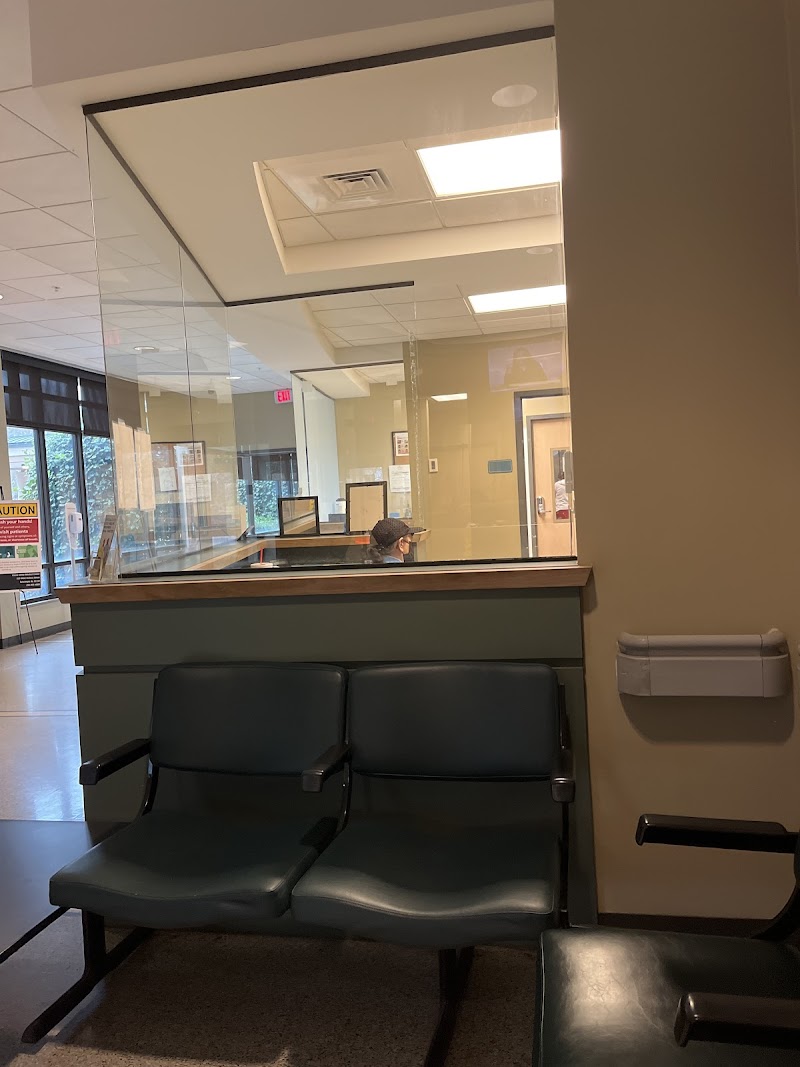
CMS rates COOSA VALLEY HEALTHCARE CENTER's staffing level at 4 out of 5 stars, which is above average compared to other nursing homes. Staff turnover is 44%, compared to the Alabama average of 46%. This relatively stable workforce can support continuity of care.

What Have Inspectors Found at Coosa Valley Healthcare Center?

State health inspectors documented 5 deficiencies at COOSA VALLEY HEALTHCARE CENTER during 2018 to 2019. These included: 5 with potential for harm.
Who Owns and Operates Coosa Valley Healthcare Center?

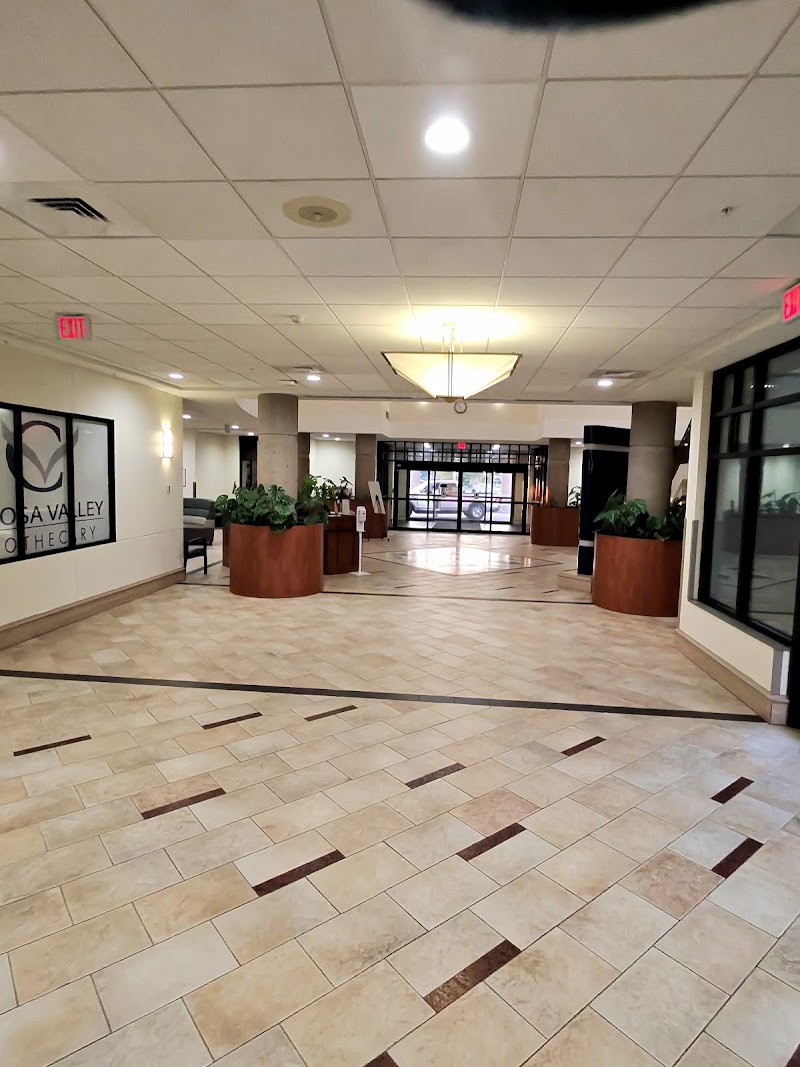
COOSA VALLEY HEALTHCARE CENTER is owned by a for-profit company. For-profit facilities operate as businesses with obligations to shareholders or private owners. The facility is operated by PRIME HEALTH CARE ENTERPRISES, a chain that manages multiple nursing homes. With 85 certified beds and approximately 74 residents (about 87% occupancy), it is a smaller facility located in SYLACAUGA, Alabama.
How Does Coosa Valley Healthcare Center Compare to Other Alabama Nursing Homes?

Compared to the 100 nursing homes in Alabama, COOSA VALLEY HEALTHCARE CENTER's overall rating (5 stars) is above the state average of 3.0, staff turnover (44%) is near the state average of 46%, and health inspection rating (5 stars) is much above the national benchmark.

What Should Families Ask When Visiting Coosa Valley Healthcare Center?

Based on this facility's data, families visiting should ask: "Can I visit during a mealtime to observe dining assistance and food quality?" "How do you handle medical emergencies, and what is your hospital transfer rate?" "Can I speak with family members of current residents about their experience?"

Is Coosa Valley Healthcare Center Safe?

Based on CMS inspection data, COOSA VALLEY HEALTHCARE CENTER has a clean safety record: no substantiated abuse findings (meaning no confirmed cases of resident harm), no Immediate Jeopardy citations (the most serious violation level indicating risk of serious injury or death), and is not on the Special Focus Facility watch list (a federal program monitoring the lowest-performing 1% of nursing homes). The facility has a 5-star overall rating and ranks #1 of 100 nursing homes in Alabama. While no facility is perfect, families should still ask about staff-to-resident ratios and recent inspection results during their visit.

Do Nurses at Coosa Valley Healthcare Center Stick Around?

COOSA VALLEY HEALTHCARE CENTER has a staff turnover rate of 44%, which is about average for Alabama nursing homes (state average: 46%). Moderate turnover is common in nursing homes, but families should still ask about staff tenure and how the facility maintains care continuity when employees leave.

Was Coosa Valley Healthcare Center Ever Fined?

COOSA VALLEY HEALTHCARE CENTER has no federal fines on record. CMS issues fines when nursing homes fail to meet care standards or don't correct problems found during inspections. The absence of fines suggests the facility has either maintained compliance or corrected any issues before penalties were assessed. This is a positive indicator, though families should still review recent inspection reports for the full picture.

Is Coosa Valley Healthcare Center on Any Federal Watch List?

COOSA VALLEY HEALTHCARE CENTER is not on any federal watch list. The most significant is the Special Focus Facility (SFF) program, which identifies the bottom 1% of nursing homes nationally based on persistent, serious quality problems. Not being on this list means the facility has avoided the pattern of deficiencies that triggers enhanced federal oversight. This is a positive indicator, though families should still review the facility's inspection history directly.