TALLADEGA HEALTHCARE CENTER, INC
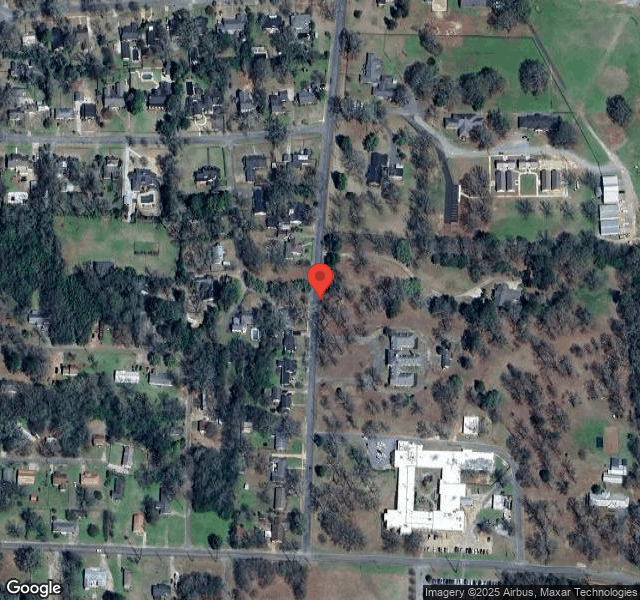

616 CHAFFEE STREET, TALLADEGA, AL 35160 (256) 362-4197
For profit - Corporation 234 Beds REHAB SELECT Data: November 2025
Trust Grade
60/100
#181 of 223 in AL
Last Inspection: March 2022

Over 2 years since last inspection. Current conditions may differ from available data.

Overview

Talladega Healthcare Center, Inc. has a Trust Grade of C+, which means it is slightly above average but not exceptional. It ranks #181 out of 223 facilities in Alabama, placing it in the bottom half, and is #3 out of 3 in Talladega County, indicating limited options locally. The facility shows an improving trend, reducing issues from 5 in 2019 to 2 in 2022. Staffing is a relative strength with a 4/5 star rating and a turnover rate of 52%, which is about average for the state. On the downside, the facility has noted concerns regarding food safety, such as failing to label food with expiration dates and not removing expired canned goods from storage, which could affect many residents. Additionally, it has less RN coverage than 94% of Alabama facilities, which raises concerns about adequate medical oversight. However, it is positive to note that the facility has incurred no fines, suggesting compliance with regulations.

Trust Score
C+
60/100
In Alabama
#181/223
Bottom 19%
Safety Record
Low Risk
No red flags
Inspections
Getting Better
5 → 2 violations
Staff Stability
⚠ Watch
52% turnover. Above average. Higher turnover means staff may not know residents' routines.
Penalties
✓ Good
No fines on record. Clean compliance history, better than most Alabama facilities.
Skilled Nurses
⚠ Watch
Each resident gets only 26 minutes of Registered Nurse (RN) attention daily — below average for Alabama. Fewer RN minutes means fewer trained eyes watching for problems.
Violations
○ Average
9 deficiencies on record. Average for a facility this size. Mostly minor or procedural issues.
★★☆☆☆
2.0
Overall Rating
★★★★☆
4.0
Staff Levels
★☆☆☆☆
1.0
Care Quality
★★★☆☆
3.0
Inspection Score
Stable
2019: 5 issues
2022: 2 issues

The Good

  • 4-Star Staffing Rating · Above-average nurse staffing levels
  • Full Sprinkler Coverage · Fire safety systems throughout facility
  • No fines on record

Facility shows strength in staffing levels, fire safety.

The Bad

2-Star Overall Rating

Below Alabama average (2.9)

Below average - review inspection findings carefully

Staff Turnover: 52%

Near Alabama avg (46%)

Higher turnover may affect care consistency

Chain: REHAB SELECT

Part of a multi-facility chain

Ask about local staffing decisions and management

The Ugly 9 deficiencies on record

Mar 2022 2 deficiencies
CONCERN (D)

Potential for Harm - no one hurt, but risky conditions existed

MDS Data Transmission (Tag F0640)

Could have caused harm · This affected 1 resident

**NOTE- TERMS IN BRACKETS HAVE BEEN EDITED TO PROTECT CONFIDENTIALITY** Based on interview, record review and a review of the, Centers for Medicare & Medicaid Services Long- Term Care Facility Residen...

Read full inspector narrative →
**NOTE- TERMS IN BRACKETS HAVE BEEN EDITED TO PROTECT CONFIDENTIALITY** Based on interview, record review and a review of the, Centers for Medicare & Medicaid Services Long- Term Care Facility Resident Assessment Instrument 3.0 User's Manual, the facility failed to ensure RI (Resident Identifier)'s #2 and #3's discharge MDS (Minimum Data Set) assessment was transmitted to CMS within 14 days of the discharge date . This deficient practice affected two out 35 sampled residents whose MDS's were reviewed. Findings Include: A review of the Centers for Medicare & Medicaid Services Long-Term Care Facility Resident Assessment Instrument 3.0 User's Manual, dated October 2019 revealed: '' .09. Discharge Assessment-Return Not Anticipated .Must be submitted within 14 days after the MDS completed date . RI #2 was admitted to the facility on [DATE] and discharged on 10/08/21. A review of RI #2's MDS's revealed: .10/08/21 (D) Close . There was no documentation of a discharge MDS was transmitted to CMS. RI #3 was admitted to the facility on [DATE] and discharged on 10/23/21. A review of RI #3's MDS's revealed: .10/21/21- (DE) Close .there was no documentation of a discharged MDS transmitted to CMS. On 03/10/22 an interview was conducted with EI (Employee Identifier) #11, RN, MDS Coordinator. EI #1 was asked was a discharge MDS assessment completed on RI #3 when she/he discharged on 10/23/21. EI #11 said yes, a discharged MDS assessment was completed on RI #3. EI #1 was asked if RI #3's discharge MDS assessment was transmitted to CMS. EI #11 said no it had an error A410 that prevented it from being transmitted. EI #11 was asked when should RI #3's discharge assessment have been transmitted to CMS. EI #11 said 14 days after the close day. EI #11 was asked was RI #2's discharge MDS assessment transmitted to CMS. EI #11 said no it had an error A410 that prevented it from being transmitted. EI #11 was asked when should RI #2's discharge MDS assessment have been transmitted to CMS. EI #3 said 14 days after it was closed.
CONCERN (F)

Potential for Harm - no one hurt, but risky conditions existed

Food Safety (Tag F0812)

Could have caused harm · This affected most or all residents

Based on observations, interviews and review of facility policies, titled Sanitation: Food Handling, Nourishment Room Refrigerators and Personal Cleanliness and Standards for Sanitation, the facility ...

Read full inspector narrative →
Based on observations, interviews and review of facility policies, titled Sanitation: Food Handling, Nourishment Room Refrigerators and Personal Cleanliness and Standards for Sanitation, the facility failed to ensure: 1. food in the kitchen cooler/freezer was labeled with an open and use by date; 2. kitchen in staff wore head coverings This had the potential to affect 184 of 184 residents who received meals from the kitchen. Findings include: 1. A review of the facility's policy titled Sanitation: Food Handling with an updated date of 06/21/2018 revealed Policy Statement Foods are prepared and served in a sanitary manner, in order to prevent bacterial, biological and physical contamination and the possible spread of infection. Policy Interpretation and Implementation .11. Leftover foods are labeled and dated. These are used within 72 hours . On 03/07/2022 at 5:00 PM an initial kitchen tour was conducted with Employer Identifier (EI) #6, Cook. The walk-in cooler was observed to have an aluminum pan covered with foil labeled cheese sauce with a date 02/25/2022 with no other date. An aluminum pan covered with foil labeled baked chicken was observed with a date of 03/05/2022. The walk-in freezer was observed to have a large aluminum pan covered with foil that was not labeled, an opened bag of chicken tenders without a label, an open bag of chicken nuggets without a label and an open bag of Brussel sprouts without a label. EI #6 was interviewed during the initial tour on 03/07/2022 at 5:00 PM. EI #6 stated food should be labeled when it's opened with the name of the item, the date it was opened and a use by date. EI #6 admitted that items observed without a label should have a label. EI #6 stated, labeling leftover food is important so staff will know when to use it by. EI #6 stated, the harm of not labeling items was that food could be expired and make residents sick. On 03/10/2022 at 3:06 PM an interview was conducted with EI #9, Dietary Manager. EI #9 stated the cooks that put the food up are responsible for labeling leftovers and open containers. EI #9 stated leftovers and open containers should be labeled with date open and use by date. EI #9 was asked how the aluminum pan of cheese sauce with date of 02/25/2022, should have been labeled. She stated, it should have been labeled with the date it was opened and 3 days after then (use by date). When asked what the date of 02/25/2022 represented, EI #9 guessed it was the date item was put in cooler. EI #9 admitted that all items in walk-in freezer should have been labeled with an open date and use by date. EI #9 admitted the facility's policy was not followed which could possibly lead to sick residents. 2. A review of an undated facility policy titled Personal Cleanliness and Standards for Sanitation revealed Policy statement many pathogens are due to poor hygiene of food handlers. Dietary personnel shall follow sanitary standards. Policy Interpretation and Implementation . Hair restraints should be worn at all times . During the initial kitchen tour on 03/07/2022 at 5:00PM, two kitchen staff members were observed to not be wearing hair coverings. On 03/07/2022 at 5:35 PM an interview was conducted with EI #7, Kitchen Aide. EI #7 admitted she should have had on a hair net but stated that she forgot it. When EI #7 was asked why hair nets should be worn in the kitchen, she stated for the safety of the food. On 03/07/2022 at 5:41 PM an interview was conducted with EI #8, Kitchen Aide. EI #8 admitted that he did not have on a hair net when the surveyor began the initial kitchen tour. EI #8 stated, hair nets should be worn in the kitchen to prevent hair from going into resident's food. On 03/10/2022 at 3:06 PM an interview was conducted with EI #9, Dietary Manager. EI #9 stated, the facility's policy was kitchen staff must put on a hair net before coming in the door of the kitchen. She admitted the policy was not followed when two kitchen staff were observed with no hair net. EI #9 stated the potential harm was hair in food and residents becoming sick.
Aug 2019 5 deficiencies
CONCERN (D)

Potential for Harm - no one hurt, but risky conditions existed

Respiratory Care (Tag F0695)

Could have caused harm · This affected 1 resident

**NOTE- TERMS IN BRACKETS HAVE BEEN EDITED TO PROTECT CONFIDENTIALITY** Based upon observation, interviews and review of a facility policy titled, Respiratory Therapy Equipment, the facility failed to...

Read full inspector narrative →
**NOTE- TERMS IN BRACKETS HAVE BEEN EDITED TO PROTECT CONFIDENTIALITY** Based upon observation, interviews and review of a facility policy titled, Respiratory Therapy Equipment, the facility failed to ensure that a resident's mask for breathing treatments was contained in a plastic bag. This affected Resident Identifier (RI) # 118, one of four sampled residents receiving breathing treatments. Findings Include: A review of a facility policy titled, Respiratory Therapy Equipment with no date, revealed: . Medication Nebulizers/Continuous Aerosol: . 7. Store circuit in plastic bag, marked with date and resident's name, between uses . RI # 118 was admitted to the facility on [DATE] with a diagnosis of chronic obstructive pulmonary disease. A physician order for RI #118, dated 8/22/18, revealed the order for Iprat-Albut 0.5-3(2.5) milligram (mg) /3 milliliters (mls) give 3 mls per nebulization every 6 hours. On 07/29/19 at 4:57 PM, RI #118 was seated at the edge of his/her bed. This surveyor observed a breathing treatment mask on the bedside table, beside the nebulizer treatment machine, not covered. No plastic bag was observed to place the treatment mask between treatments. On 7/29/19 at 5:31 PM, during an interview with Employee Identifier (EI) #5, Licensed Practical Nurse (LPN), Staff Nurse, EI #5 was asked if RI #118 received breathing treatments. EI #5 replied, yes. EI #5 was asked, what were the orders for breathing treatments. EI #5 replied, routine every six or every eight hours; Duoneb. EI #5 was asked, where was the treatment mask. EI #5 replied, on the bedside table. EI #5 was asked, was it covered. EI #5 replied, no. EI #5 was asked, should it be covered. EI #5 replied, yes, it should be in a Zip Lock bag. EI #5 was asked, who was responsible for replacing the mask. EI #5 replied, Saturday 7pm- 7am shift replaces them. EI #5 was asked, who was responsible for storing the mask in a Zip lock bag between treatments. EI #5 replied, the nurse when he/she finishes should replace to the plastic bag. EI #5 was asked, what was the potential harm in not keeping the mask covered between treatments. EI #5 replied, infections. On 7/31/19 at 2:58 PM, an interview was conducted with EI #6, Registered Nurse (RN), Staff Development Coordinator. EI #6 was briefed on the surveyor's observation on 7/29/19 of RI #118's breathing treatment mask lying on top of the bedside table beside the nebulizer being uncovered and not in a plastic bag, nor was a plastic bag observed. EI #6 was asked what was the policy on storing the nebulizer treatment masks between treatments. EI #6 replied, they are supposed to be stored in a plastic bag. EI #6 was asked, how often were they replaced. EI #6 replied, every Saturday night; it is included on the treatment record Saturday night and as needed. EI #6 was asked, should the mask be lying on the bedside table uncovered. EI #6 replied, no. EI #6 was asked, how often were the Zip lock bags replaced. EI #6 replied, same as the masks, Saturday night. EI #6 was asked, who was responsible for returning the mask to a Zip lock bag between treatments. EI #6 replied, the nurse. EI #6 was asked, what was the potential harm in not returning the masks to the Zip lock bags between treatments, EI #6 replied, infections.
CONCERN (D)

Potential for Harm - no one hurt, but risky conditions existed

Deficiency F0760 (Tag F0760)

Could have caused harm · This affected 1 resident

**NOTE- TERMS IN BRACKETS HAVE BEEN EDITED TO PROTECT CONFIDENTIALITY** Based on observation, interviews, record review and review of a facility document titled The Medication Pass, the facility faile...

Read full inspector narrative →
**NOTE- TERMS IN BRACKETS HAVE BEEN EDITED TO PROTECT CONFIDENTIALITY** Based on observation, interviews, record review and review of a facility document titled The Medication Pass, the facility failed to ensure a nurse did not administer the wrong dose of Metformin to Resident Identifier (RI) #85. This affected one out of 27 medication opportunities observed. Findings include: A review of an undated facility document titled The Medication Pass revealed Before administering any medication, check the FIVE RIGHTS: . 2. Right DOSE . Check the medication label: 1. When taking the medication from the medication cart .Check the following for correctness: . 2. MAR (Medication Administration Record) against the medication label . RI #85 was re-admitted to the facility on [DATE]. Diagnosis included Type 2 diabetes mellitus without complications. A review of RI #85's Physicians Orders for the month of July 2019 revealed 12/13/18 . Metformin HCL 500 MG (milligram) Tablet Give 1 tablet By Mouth Twice Daily . A review of the Medication card revealed . Metformin HCL 1,000 mg TAB .Take 1 tablet by mouth every BID (two times a day) . A review of RI #85's MAR for the month of July 2019 revealed, . Metformin HCL 500 MG Tablet Give 1 Tablet By Mouth Twice Daily . On 7/30/19 at 4:15 pm, an observation of medication pass was conducted with EI #2 for RI #85. Among the medication EI #2 prepared and administered was Metformin 1000 mg. On 7/30/19 at 4:35 pm, a reconciliation of medications by the surveyor revealed, Metformin 1000 mg was given by EI #2. A review of the July Physician's Order revealed the Metformin was to be at a 500 mg dose. On 7/30/19 at 4:45 pm, an interview was conducted with EI #2. EI #2 was asked, what did the MAR say related to the Metformin medication. EI #2 replied, Metformin 500 mg BID. EI #2 was asked, what did the medication card say. EI #2 replied, 1000 mg BID (twice a day). EI #2 was asked, what did she give medications by. EI #2 replied, the MAR. EI #2 was asked, what did the MAR say. EI #2 replied, Metformin 500 mg BID (twice a day). EI #2 was asked, when was the Metformin 500 mg ordered. EI #2 replied, 12/13/18. EI #2 was asked, did she give the correct medication. EI #2 replied, yes, but not the correct dose. EI #2 was asked, did she verify the medication card with the MAR. EI #2 replied, she thought she did. EI #2 was asked, did she verify the medication card with the MAR, if 1000 mg was given and not 500 mg. EI #2 replied, she guessed not. EI #2 was asked, what was the harm in giving the incorrect dose of Metformin. EI #2 replied, it could lower the blood sugar. On 7/31/19 at 4:20 pm, an interview was conducted with EI #1, Director of Nursing. EI #1 was asked, how did the nurses verify the correct medication and dose was being given. EI #1 replied, the nurse should read the order on the MAR on the laptop, pull the medication card and check the label to what was on the computer. EI #1 was asked, when should a nurse verify the correct medication and dose was being given. EI #1 replied, prior to punching it out and prior to giving it to the resident. EI #1 was asked, what dose of Metformin did the nurse administer. EI #1 replied, 1000 mg. EI #1 was asked, what dose of Metformin was ordered. EI #1 replied, 500 mg. EI #1 was asked, would she consider Metformin a significant medication. EI #1 replied, yes, in its use. EI #1 was asked, what was its use. EI #1 replied, to treat diabetes. EI #1 was asked, what was the harm in a nurse administering the incorrect medication dose. EI #1 replied, she was not sure.
CONCERN (D)

Potential for Harm - no one hurt, but risky conditions existed

Deficiency F0761 (Tag F0761)

Could have caused harm · This affected 1 resident

Based on observations, interviews and a facility's policy titled, General Procedures for Medication Administration the facility failed to ensure: 1. another licensed staff did not leave medication out...

Read full inspector narrative →
Based on observations, interviews and a facility's policy titled, General Procedures for Medication Administration the facility failed to ensure: 1. another licensed staff did not leave medication out, unattended and out of the licensed staff view and 2. another licensed staff member did not leave the medication cart unlocked, unattended and out of the licensed staff member's view. These deficient practices affected two of the five nurses observed during medication pass. Findings included: A review of the facility's document undated titled, GENERAL PROCEDURES FOR MEDICATION ADMINISTRATION, no date, revealed . 3. Lock the medication cart when leaving unattended. 4. Medications cannot be left on top of the medication cart . On 7/31/19 at 9:46 a.m., the surveyor observed the Licensed Practical Nurse (LPN), Employee Indentifier (EI) #7 place Ipratropium Bromide/Albuterol (Duoneb) on top of the medication cart. EI #7 then went into the resident's bathroom and washed her hands. At this time the Ipratropium Bromide/Albuterol was completely out of EI #7 view while residents and staff were ambulating in the hallway. On 7/31/19 at 10:03 a.m., an interview was conducted with EI #7. The surveyor asked EI #7 did she wash her hands before giving the Ipratropium Bromide/Albuterol treatment. EI #7 said yes. The surveyor asked EI #7 where was the Ipratropium Bromide/Albuterol while she washed her hands. EI #7 said on top of the medication cart on a napkin. The surveyor asked EI #7 at that time was the Ipratropium Bromide/Albuterol in her view. EI #7 said no. The surveyor asked EI #7 what were the issues with the medication not being in her view. EI #7 said somebody could have picked it up. On 7/31/19 at 3:50 p.m., the surveyor observed on the 300 hall a medication cart unlocked with the top draw slightly opened. The cart was positioned with the back to the nurse's station. The front of the medication cart was facing the hallway. At this time there was staff at the nurses station talking and attending to other things. The license staff was observed coming out of a resident's room. On 7/31/19 at 4:24 p.m., an interview was conducted with LPN, EI #8. The surveyor asked EI #8 how was the medication cart lock positioned while she was in the resident's room. EI #8 said unlocked. The surveyor asked was the medication cart completely out of her view. EI #8 said it was. The surveyor asked EI #8 how should the medication cart be left when not in view. EI #8 said it should be locked. The surveyor asked EI #8 what was the issue with leaving the medication cart unlocked and unattended. EI #8 said someone could get into it. On 8/01/19 8:47 a.m., and interview was conducted with Registered Nurse (RN), Director of Nursing EI #1. The surveyor asked EI #1 what should be the position be of the lock on the medication cart when unattended. EI #1 said it should be pushed in and locked. The surveyor asked EI #1 whose responsibility was it to make sure the medication was locked. EI #1 said the person holding the keys to that medication cart's lock. The surveyor asked EI #1 what were the issues with the medication cart being left unlocked and unattended. EI #1 said it increased the risk of someone that is not authority to get into the medication cart. EI #1 was then asked when should medications, pulled for administration, be out of the nurse's view. EI #1 said it should not be. The surveyor asked EI #1 what are the issues with medications being our of the nurses's view. EI #1 said a resident may pick up the medication.
CONCERN (D)

Potential for Harm - no one hurt, but risky conditions existed

Infection Control (Tag F0880)

Could have caused harm · This affected 1 resident

**NOTE- TERMS IN BRACKETS HAVE BEEN EDITED TO PROTECT CONFIDENTIALITY** Based on observation, interview and review of a facility policy titled Hand Hygiene, the facility failed to ensure a Certified N...

Read full inspector narrative →
**NOTE- TERMS IN BRACKETS HAVE BEEN EDITED TO PROTECT CONFIDENTIALITY** Based on observation, interview and review of a facility policy titled Hand Hygiene, the facility failed to ensure a Certified Nursing Assistant (CNA) did not remove her gloves during peri-care, wash her hands and use paper towels to dry hands. This deficient practice affected Resident Identifier (RI) #25, one of one resident observed for pericare. Finding Include: A facility policy titled Hand Hygiene dated November 28th, 2017 revealed, Appropriate hand hygiene must be performed under the following conditions: .15 After removing personal protective equipment. RI #25 was admitted to the facility on [DATE] and readmitted on [DATE]. Diagnoses included, but not limited to, Chronic Obstructive Pulmonary Disease, Urinary Tract Infection, and Chronic Pain. On 7/31/19 at 9:14 a.m., peri-care was observed with Employee Identifier (EI) #3, Certified Nursing Assistant (CNA). EI #3 was observed with gloved hands unfastening and folding back RI #25 brief/diaper. EI #3 then, with the same soiled gloves, continued to obtain a wash cloth, soak it in water, apply peri-wash, and cleanse RI #25 perineum in the correct manner. EI #3 then removed the gloves, proceeded to bathroom and washed her hands with soap and water. EI #3 attempted to dry her hands after washing, however, when EI #3 reached for paper towels none were noted in the dispenser. On 7/31/19 at 2:17 p.m., the surveyor conducted an interview with EI #3. EI #3 was asked when providing peri-care for RI #25 did she unfasten and fold back RI #25 brief/diaper with gloves on. EI #3 said yes. EI #3 was asked did she change gloves before obtaining a wash cloth and placing it in water. EI #3 said she did not. EI #3 was asked should she have changed gloves. EI #3 said she should have and washed her hands. EI #3 was asked when she finished peri-care did she remove her gloves, wash hands and no paper towels were available in the bathroom. EI #3 said there were no paper towels. On 8/1/19 at 11:15 p.m., the surveyor conducted an interview with EI # 6, Registered Nurse/Staff Development Coordinator/Infection Control Nurse. EI # 6 was asked when providing peri-care should the certified nursing assistant have washed her hands when unfastening/folding brief on resident. EI #6 said yes , when they finished doing that task, yes they should remove gloves, then wash hands before another task. EI # 6 was asked what should the CNA have done when no paper towels were available to dry hands. EI #6 said she should have stopped, rewashed hands, got another staff member to bring paper towels or found a housekeeper. EI #6 was asked what was the potential harm with not washing and drying hands properly. EI #6 said infections.
CONCERN (F)

Potential for Harm - no one hurt, but risky conditions existed

Food Safety (Tag F0812)

Could have caused harm · This affected most or all residents

**NOTE- TERMS IN BRACKETS HAVE BEEN EDITED TO PROTECT CONFIDENTIALITY** Based on observation, interviews and review of a facility policy, titled Food Storage, the facility failed to ensure expired can...

Read full inspector narrative →
**NOTE- TERMS IN BRACKETS HAVE BEEN EDITED TO PROTECT CONFIDENTIALITY** Based on observation, interviews and review of a facility policy, titled Food Storage, the facility failed to ensure expired canned goods were removed from the dry storage area. This had the potential to affect 168 residents receiving meals from the kitchen. Findings Include: 1. A review of a facility policy undated titled Food Storage revealed .11. All expired food and food products should be discarded . 12. Left over foods are labeled and dated. These are used within 72 hours. On 7/29/19 at 3:44 p.m., during the initial kitchen tour, the dry storage area was observed as having nine cans of chicken noodle soup 50 ounce(oz) size all with an expiration date [DATE]. A pan labeled dressing, with a used by date 7/24/19, was also observed in the freezer/cooler. On 8/01/19 at 9:30 a.m., the surveyor conducted an interview with Employee Identifier (EI) #4, Dietary Manager. EI #4 was asked was she present during the kitchen tour on 7/29/19. EI #4 said yes. EI #4 was asked who was responsible for checking the dry storage for expired items. EI #4 said herself and the entire staff. EI #4 was asked what was the expiration date on the 50 oz size cans of chicken noodle soup. EI #4 said February 2019. EI #4 was asked what was the total number of chicken noodle soup 50 oz cans with the expiration date February 2019. EI #4 said nine. EI #4 was asked when should those cans have been removed from the shelf. EI #4 said immediately when they expired. EI #4 was asked when touring, was there one pan of dressing with the used by dated 7/24/19 written on the pan in the freezer. EI #4 said yes. EI #4 was asked when should this pan of dressing have been discarded. EI #4 said on 7/24/19. EI #4 was asked what was the potential harm for consuming expired foods. EI #4 said food borne illness.
Jun 2018 2 deficiencies
CONCERN (D)

Potential for Harm - no one hurt, but risky conditions existed

Deficiency F0658 (Tag F0658)

Could have caused harm · This affected 1 resident

**NOTE- TERMS IN BRACKETS HAVE BEEN EDITED TO PROTECT CONFIDENTIALITY** Based on observations, interviews, record review, and a review of the facility's policy titled, . ADMINISTRATION OF MEDICATION V...

Read full inspector narrative →
**NOTE- TERMS IN BRACKETS HAVE BEEN EDITED TO PROTECT CONFIDENTIALITY** Based on observations, interviews, record review, and a review of the facility's policy titled, . ADMINISTRATION OF MEDICATION VIA NASOGASTRIC OR GASTROSTOMY TUBE . the facility failed to ensure Resident Identifier (RI) #183's enteral feeding was infusing at 60 ml/hr as ordered by the physician. This affected one of three sampled residents observed for tube feeding. Findings Include: A review of the facility's policy titled, . ADMINISTRATION OF MEDICATION VIA NASOGASTRIC OR GASTROSTOMY TUBE POLICY: Medications are administered appropriately and safely when the resident has a Nasogastric tube or Gastrostomy tube. Medication is administered, as ordered by a physician, . A review of RI #183's medical record showed a physician's order written on 5/26/18 revealed: GLUCERNIA 1.5 DIET. GIVE GLUCERNIA 1.5 at 60 ML/HR X22 HR PER FEEDING TUBE. RI # 183 was admitted to the facility on [DATE] with diagnoses to include: Unspecified Sequelae of Cerebral Infarction and Dysphagia. On 6/19/18 at 9:18 a.m. RI #183's Glucernia 1.5 is infusing at 55 ml/hr. On 6/19/18 at 4:54 p.m. RI #183's Glucernia 1.5 is infusing at 55 ml/hr. On 6/20/18 at 4:36 p.m. RI #183's Glucernia 1.5 is infusing at 55 ml/hr. An interview was conducted on 6/20/18 at 4:38 with Employee Identifier (EI) #1, a Licensed Practical Nurse. EI #1 was asked if there was another physician's order for RI #183's tube feeding. The order on 5/26/18 readed Glucernia 1.5 to be infused at 60 ml/hr. EI #1 stated,No, the rate is 60. This is my first time to work with him. EI #1 was asked, what was the potential for harm. EI #1 stated, His sugar would get out of whack. I just checked it and it was 311. Also his fluid intake would not be accurate.
CONCERN (D)

Potential for Harm - no one hurt, but risky conditions existed

Infection Control (Tag F0880)

Could have caused harm · This affected 1 resident

**NOTE- TERMS IN BRACKETS HAVE BEEN EDITED TO PROTECT CONFIDENTIALITY** Based on observations, interviews, medical record review, and a review of [NAME] AND PERRY's, FUNDAMENTALS OF NURSING the facili...

Read full inspector narrative →
**NOTE- TERMS IN BRACKETS HAVE BEEN EDITED TO PROTECT CONFIDENTIALITY** Based on observations, interviews, medical record review, and a review of [NAME] AND PERRY's, FUNDAMENTALS OF NURSING the facility failed to ensure a licensed nurse washed her hands and changed her gloves after cleaning one wound and before cleaning the second wound, and further failed to use a separate cotton tipped applicator to apply gel to each wound while performing wound care on Resident Identifier (RI) #187. This affected one of two sampled residents observed for wound care. Findings Include: A review of [NAME] and Perry's, FUNDAMENTALS OF NURSING, NINTH EDITION, PAGE 459, TABLE 29-6 revealed: Centers for Disease Control and Prevention Isolation Guidelines Standard Precautions . Perform hand hygiene after contact with blood, body fluids, mucous membranes, non intact skin, secretions, excretions, or wound dressings, after contact with inanimate surfaces or articles in a patient room; . On 6/20/18 at 9:40 a.m. Employee Identifier (EI) #2, a Licensed Practical Nurse/Treatment Nurse, did not wash her hands and change her gloves after cleaning the first wound and before cleaning the second wound. Further, EI #2 did not use a separate cotton tipped applicator to apply gel to each wound. An interview was conducted on 6/21/18 at 1:59 p.m. with EI #2. EI #2 was asked what should be done after cleaning the first wound and before cleaning the second wound during wound care. EI #2 stated, Wash my hands. EI #2 was asked if she had done that. EI #2 stated, I did not. EI #2 was asked if the same cotton tipped applicator should be used to apply gel to two separate wounds. EI #2 stated, No it should not. EI #2 was asked if she had done that. EI #2 stated, Yes I did. EI #2 was asked what was the potential for harm. EI #2 stated, You can transfer infection. An interview was conducted on 6/21/18 at 2:32 p.m. with EI #3, a Registered Nurse/ Infection Control. EI #3 was asked what should be done after cleaning one wound and before cleaning the second wound during wound care. EI #3 stated, Change your gloves and wash your hands. EI # 3 was asked if the same cotton tipped applicator should be used to apply gel to two separate wounds. EI #3 stated, No. EI #3 was asked what was the potential for harm. EI #3 stated, You risk spreading bacteria/ infectious disease from one wound to another, cross contamination.
Understanding Severity Codes (click to expand)
Life-Threatening (Immediate Jeopardy)
J - Isolated K - Pattern L - Widespread
Actual Harm
G - Isolated H - Pattern I - Widespread
Potential for Harm
D - Isolated E - Pattern F - Widespread
No Harm (Minor)
A - Isolated B - Pattern C - Widespread

Questions to Ask on Your Visit

  • "Can I speak with families of current residents?"
  • "What's your RN coverage like on weekends and overnight?"

Our Honest Assessment

Strengths
  • • No major safety red flags. No abuse findings, life-threatening violations, or SFF status.
  • • No fines on record. Clean compliance history, better than most Alabama facilities.
Concerns
  • • No major red flags. Standard due diligence and a personal visit recommended.
Bottom line: Mixed indicators with Trust Score of 60/100. Visit in person and ask pointed questions.

About This Facility

What is Talladega Healthcare Center, Inc's CMS Rating?

CMS assigns TALLADEGA HEALTHCARE CENTER, INC an overall rating of 2 out of 5 stars, which is considered below average nationally. Within Alabama, this rating places the facility higher than 0% of the state's 100 nursing homes. A rating at this level reflects concerns identified through health inspections, staffing assessments, or quality measures that families should carefully consider.

How is Talladega Healthcare Center, Inc Staffed?

CMS rates TALLADEGA HEALTHCARE CENTER, INC's staffing level at 4 out of 5 stars, which is above average compared to other nursing homes. Staff turnover is 52%, compared to the Alabama average of 46%.

What Have Inspectors Found at Talladega Healthcare Center, Inc?

State health inspectors documented 9 deficiencies at TALLADEGA HEALTHCARE CENTER, INC during 2018 to 2022. These included: 9 with potential for harm.

Who Owns and Operates Talladega Healthcare Center, Inc?

TALLADEGA HEALTHCARE CENTER, INC is owned by a for-profit company. For-profit facilities operate as businesses with obligations to shareholders or private owners. The facility is operated by REHAB SELECT, a chain that manages multiple nursing homes. With 234 certified beds and approximately 225 residents (about 96% occupancy), it is a large facility located in TALLADEGA, Alabama.

How Does Talladega Healthcare Center, Inc Compare to Other Alabama Nursing Homes?

Compared to the 100 nursing homes in Alabama, TALLADEGA HEALTHCARE CENTER, INC's overall rating (2 stars) is below the state average of 2.9, staff turnover (52%) is near the state average of 46%, and health inspection rating (3 stars) is at the national benchmark.

What Should Families Ask When Visiting Talladega Healthcare Center, Inc?

Based on this facility's data, families visiting should ask: "Can I visit during a mealtime to observe dining assistance and food quality?" "How do you handle medical emergencies, and what is your hospital transfer rate?" "Can I speak with family members of current residents about their experience?"

Is Talladega Healthcare Center, Inc Safe?

Based on CMS inspection data, TALLADEGA HEALTHCARE CENTER, INC has a clean safety record: no substantiated abuse findings (meaning no confirmed cases of resident harm), no Immediate Jeopardy citations (the most serious violation level indicating risk of serious injury or death), and is not on the Special Focus Facility watch list (a federal program monitoring the lowest-performing 1% of nursing homes). The facility has a 2-star overall rating and ranks #100 of 100 nursing homes in Alabama. While no facility is perfect, families should still ask about staff-to-resident ratios and recent inspection results during their visit.

Do Nurses at Talladega Healthcare Center, Inc Stick Around?

TALLADEGA HEALTHCARE CENTER, INC has a staff turnover rate of 52%, which is 6 percentage points above the Alabama average of 46%. Moderate turnover is common in nursing homes, but families should still ask about staff tenure and how the facility maintains care continuity when employees leave.

Was Talladega Healthcare Center, Inc Ever Fined?

TALLADEGA HEALTHCARE CENTER, INC has no federal fines on record. CMS issues fines when nursing homes fail to meet care standards or don't correct problems found during inspections. The absence of fines suggests the facility has either maintained compliance or corrected any issues before penalties were assessed. This is a positive indicator, though families should still review recent inspection reports for the full picture.

Is Talladega Healthcare Center, Inc on Any Federal Watch List?

TALLADEGA HEALTHCARE CENTER, INC is not on any federal watch list. The most significant is the Special Focus Facility (SFF) program, which identifies the bottom 1% of nursing homes nationally based on persistent, serious quality problems. Not being on this list means the facility has avoided the pattern of deficiencies that triggers enhanced federal oversight. This is a positive indicator, though families should still review the facility's inspection history directly.