TALLASSEE HEALTH AND REHABILITATION, LLC
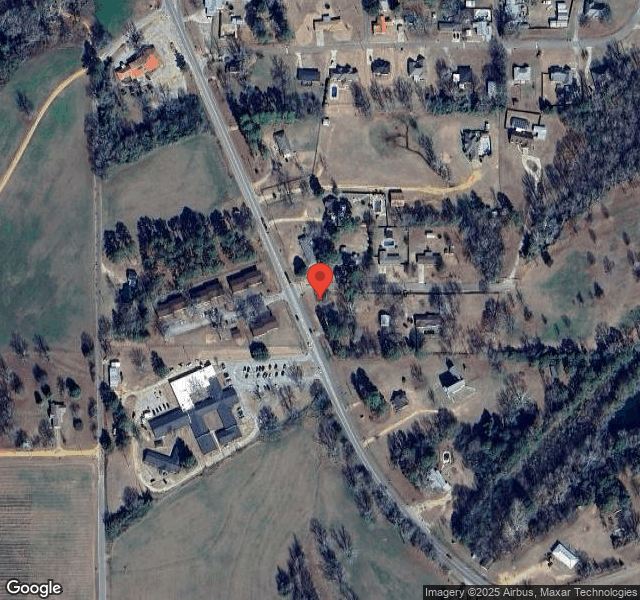
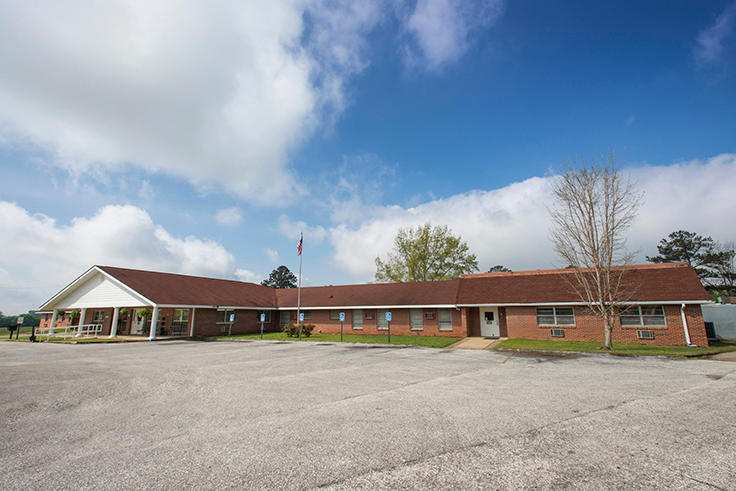
2639 GILMER AVENUE, TALLASSEE, AL 36078 (334) 283-3975
For profit - Limited Liability company 111 Beds NHS MANAGEMENT Data: November 2025
Trust Grade
55/100
#182 of 223 in AL
Last Inspection: November 2022

Over 2 years since last inspection. Current conditions may differ from available data.

Overview

Tallassee Health and Rehabilitation in Alabama has a Trust Grade of C, which means it is average and falls in the middle of the pack among nursing homes. It ranks #182 out of 223 facilities statewide, placing it in the bottom half, but it is #3 out of 4 in Elmore County, indicating only one local option is better. The facility is showing signs of improvement, as it reduced its issues from 7 in 2022 to just 2 in 2023. Staffing is a concern here with a rating of 2 out of 5 stars and a turnover rate of 58%, which is above the state average of 48%, suggesting a lack of stability among staff. Although it has not incurred any fines, there have been several concerning incidents, including serving cold food to residents and a case where a staff member verbally abused a resident, which highlights both the need for improvement in care and the importance of monitoring the facility closely.

Trust Score
C
55/100
In Alabama
#182/223
Bottom 19%
Safety Record
Low Risk
No red flags
Inspections
Getting Better
7 → 2 violations
Staff Stability
⚠ Watch
58% turnover. Above average. Higher turnover means staff may not know residents' routines.
Penalties
✓ Good
No fines on record. Clean compliance history, better than most Alabama facilities.
Skilled Nurses
⚠ Watch
Each resident gets only 27 minutes of Registered Nurse (RN) attention daily — below average for Alabama. Fewer RN minutes means fewer trained eyes watching for problems.
Violations
○ Average
10 deficiencies on record. Average for a facility this size. Mostly minor or procedural issues.
★★☆☆☆
2.0
Overall Rating
★★☆☆☆
2.0
Staff Levels
★★☆☆☆
2.0
Care Quality
★★☆☆☆
2.0
Inspection Score
Stable
2022: 7 issues
2023: 2 issues

The Good

  • Full Sprinkler Coverage · Fire safety systems throughout facility
  • No fines on record

Facility shows strength in fire safety.

The Bad

2-Star Overall Rating

Below Alabama average (2.9)

Below average - review inspection findings carefully

Staff Turnover: 58%

12pts above Alabama avg (46%)

Frequent staff changes - ask about care continuity

Chain: NHS MANAGEMENT

Part of a multi-facility chain

Ask about local staffing decisions and management

Staff turnover is elevated (58%)

10 points above Alabama average of 48%

The Ugly 10 deficiencies on record

Jun 2023 2 deficiencies
CONCERN (D) 📢 Someone Reported This

A family member, employee, or ombudsman was alarmed enough to file a formal complaint

Potential for Harm - no one hurt, but risky conditions existed

Free from Abuse/Neglect (Tag F0600)

Could have caused harm · This affected 1 resident

**NOTE- TERMS IN BRACKETS HAVE BEEN EDITED TO PROTECT CONFIDENTIALITY** Based on record reviews, interviews, review of the facility's investigation file, review of the facility's report to Alabama Dep...

Read full inspector narrative →
**NOTE- TERMS IN BRACKETS HAVE BEEN EDITED TO PROTECT CONFIDENTIALITY** Based on record reviews, interviews, review of the facility's investigation file, review of the facility's report to Alabama Department of Public Health (ADPH) Online Incident Reporting System, and a review of the facility's policy titled, Abuse, Neglect, Misappropriation of Resident/Guest Property, and Exploitation, the facility failed to ensure a Certified Nursing Assistant (CNA)/Employee Identifier (EI) #3, did not verbally abuse Resident Identifier (RI) #1 on 12/29/2022. This deficient practice affected RI #1, one of three residents sampled for abuse, and substantiated complaint/report number AL00042834. Findings Include: On 12/29/2022, the facility submitted a Facility Reported Incident through the ADPH Online Incident Reporting System. The report's summary of the incident documented that the incident was reported to a charge nurse that EI #3, CNA on the night shift yelled at RI #1 telling him/her to get up and not have accidents in the bed. A review of the facility policy Abuse, Neglect, Misappropriation of Resident/Guest Property, Suspicious Injuries of Unknown sources, Exploitation with an effective date of October 15, 2022, revealed PURPOSE: .All of our resident/guest(s) have the right to be free from abuse . A. Abuse . 1. Verbal-Verbal abuse is the use of oral, written or gestured communication or sounds that includes disparaging and derogatory terms to resident/guest(s) . Examples of verbal abuse could include, but are not limited to . Using profanity ., blaming the resident/guest, blaming a resident/guest for their condition . RI #1 was admitted to the facility on [DATE] with a diagnosis of Anxiety. A witness statement provided to the facility from EI #4, CNA, documented . on 12/29/2022 on the night shift during one of the rounds she witnessed EI #3 talking loudly and making several negative remarks that were derogatory in nature to RI #1. EI #3 said RI #1 needed to quit being lazy and sorry and to get up to the restroom instead of laying there Shitting in the bed, EI #3 then stated that she would be glad when RI #1 was off her hall. The facility's phone witness statement taken from EI #3 on 12/30/22 documented I don't know what to do or say because I have not done anything to RI #1 . A review of RI #1's admission Minimum Data Set with an Assessment Reference date of 12/30/22 indicated a Brief Interview for Mental Status of 15, indicating capable of decision making, also limited assistance with toileting needs. On 6/6/23 at 5:30 PM a phone interview with RI #1 revealed it was on the night shift he/she mashed the call light for help. RI #1 said he/she needs help because he/she had soiled him/herself. RI #1 said he/she generally did not do that and unsure why it happened. RI #1 said EI #3 yelled get up and don't crap on the bed, you can walk to the bathroom. RI #1 said he/she did not report it until the next evening because he/she just had not thought about it again until later. RI #1 did validate EI #4 CNA, coming to the door and felt she heard what EI #3 had said. RI #1 said he/she talked to EI #1 the Abuse Coordinator that afternoon and told her he/she hated for people to have to have help him/her and did not mean to soil on him/herself. RI #1 said this occurred somewhere around 2 to 3 o'clock in the morning. RI #1 said this made him/her mad, EI #3 does not need to be working in a place like this where we all need care and her help, and she is rude and yelling. RI #1 said EI #3 did not come back into him/her room that night and never has seen her again. On 6/7/23 at 2:30 PM during an interview with Licensed Practical Nurse (LPN), EI #5 said during the medication pass RI #1 told her EI #3 was yelling at him/her on the night shift. EI #5 said she told RI #1 she would report this. EI #5 said RI #1 gave a description that described EI #3, CNA. EI #5 said RI #1 did say there was no cursing just talked bad and yelling. EI #5said what RI #1 told her as verbal abuse. EI #5 said once she was told by RI #1 what happen, she asked EI #4 who else worked and was told EI #3, then she reported it to the Administrator, EI #1. LPN, EI #5 said EI #4 did not follow the policy if she heard EI #3 talking unkindly to RI #1 and did not report it. EI #5 said this was disrespectful on EI #3's part. An interview on 6/7/23 at 2:00 PM with EI #4, CNA identified, when she finished her rounds on 12/29/2022, she found EI #3 in RI #1's room. EI #4 said when she open the door, she heard EI #3 saying to RI #1 you don't need to lay there shitting in the bed, she then said, I will be glad when you off my hall. EI #4 said first she did not think of this as abuse but was concerned with the tone of EI #3's voice. EI #4 said she witnessed the incident when she opened the room door to RI #1's room. EI #4 said what she witnessed was verbal abuse. EI #4 said EI #3 was suspended immediately and never returned to the facility; she was told she was terminated. EI #4 said the incident occurred about 4:00 AM, she was about to get off shift. EI #4 said she should have reported it to EI #1 at the time she heard it. EI #4 said RI #1 was not harmed RI #1 had a right to be treated respectfully, and EI #3 was not respectful by yelling and talking in a rude tone to RI #1. EI #4 said the facility's policy for witnessed abuse was not followed. During the survey on 6/7/2023 at 10:30 AM and 6/8/2023 at 10:30 AM attempts were made to reach EI #3 for interview. All the attempts were unsuccessful. On 6/8/23 at 11:30 AM EI #1, the Administrator/Abuse Coordinator was interviewed. EI #1 said she recalled EI #5, LPN coming to the office and said RI #1 said the night shift CNA, EI #3 yelled at him/her. EI #1 said during the investigation, EI #4 said she recalled EI #3 talking loudly and rude, but at the time did not think about it being verbal abuse. EI #1 said he talked to RI #1, and he/she said EI #3 said RI #1 should not be shit in the bed. RI #1 said the way she talked was rude, and EI #3 said she would be glad when RI #1 was off that hall. EI #1 said he did get statement from EI #3 by phone on 12/30/22 because we could not reach her. EI #3 denied any comments made to RI #1 and we suspended her. EI #1 said RI #1 said it made him/her feel like the aide did not want to care for him/her. EI #1 said he substantiated verbal abuse based on what RI #1 said that EI #3 was yelling and EI #4's statement saying she heard EI #3 talking loudly and making negative remarks that were derogatory in nature. EI #1 said the facility policy identifies abuse has occurred when derogatory terms are used and blaming resident for not being able to provide care for themselves. The Administrator/Abuse Coordinator, EI #1 said EI #4 said at first, she did not feel it was abuse and it was just rude, then she said later she should have reported it because EI #3 was loud and making negative remarks. EI #1 said, he told all staff, if you hear it report it and let us investigate to determine if abuse has occurred. EI #1 said the facility's abuse policy was not followed and it was EI #4's responsibility to report what was heard, then the facility would investigate to determine if abuse has occurred. This citation was cited as a result of the investigation of complaint/report number AL00042834
CONCERN (D) 📢 Someone Reported This

A family member, employee, or ombudsman was alarmed enough to file a formal complaint

Potential for Harm - no one hurt, but risky conditions existed

Abuse Prevention Policies (Tag F0607)

Could have caused harm · This affected 1 resident

Based on record reviews, interviews, review of facility policy Abuse and a facility online reporting form, the facility failed to ensure a Certified Nursing Assistant (CNA) EI #4 that witnessed Reside...

Read full inspector narrative →
Based on record reviews, interviews, review of facility policy Abuse and a facility online reporting form, the facility failed to ensure a Certified Nursing Assistant (CNA) EI #4 that witnessed Resident Identifier (RI) #1 being verbally abused by another CNA (EI #3) was reported to the supervisor immediately. The not reporting of abuse occurred on 12/29/22 and affected RI #1, one of three sampled residents for abuse. Cross reference F600. Findings Include: A review of the facility Abuse policy with an effective date of October 15, 2022, revealed . IV Identification of Resident/Guest(s) Incidents and Accidents . d) Each employee has an obligation to immediately report any incident or allegation that could constitute an instance of abuse or neglect . to the Administrator. Immediately means as soon as possible . Any staff members that witnessed, suspect or is reported to, are personally obligated to . report to supervisor immediately. The state agency Online Reporting Form dated 12/29/2022 at 5:10 PM identified, . Resident reported to charge nurse that CNA last night on night shift had yelled at him/her telling him/her to get up and not have accidents in the bed. The facility's investigation identified, On 12/29/22 LPN charge nurse notified the Administrator that one of her residents had made an allegation of verbal abuse . Resident told the LPN that CNA Employee Identifier (EI) #3 was yelling at RI #1 for ringing the call light and was using derogatory language . CNA EI #4 reported to the Administrator she heard the CNA EI #3 talking loudly and making negative derogatory remarks to the resident. On the 3rd shift night of 12/29/22 during one of her rounds and witnessed EI #3 talking loudly and making several negative remarks that were derogatory in nature to RI #1. but did not report it to licensed staff. On 6/6/23 at 5:30 PM a phone interview with RI #1 revealed it was on the night shift he/she mashed the call light for help. RI #1 said he/she needs help because he/she had soiled him/herself. RI #1 said he/she generally did not do that and unsure why it happened. RI #1 said EI #3 yelled get up and don't crap on the bed, you can walk to the bathroom RI #1 did validate EI #4 CNA, coming to the door and felt she heard what EI #3 had said. RI #1 said this occurred somewhere around 2 to 3 o'clock in the morning. RI #1 said this made him/her mad, EI #3 does not need to be working in a place like this where we all need care and her help, and she is rude and yelling. On 6/7/23 at 2:30 PM during an interview with Licensed Practical Nurse, EI #5 said during the medication pass RI #1 told her EI #3 was yelling at him/her on the night shift. EI #5 said she told RI #1 she would report this. EI #5 said RI #1 did say there was no cursing just talked bad and yelling. EI #5 said described what RI #1 told her as verbal abuse. EI #5 said once she was told by RI #1, she asked EI #4 who else worked and was told EI #3, then she reported it to the Administrator, EI #1. EI #5 said she did not know why it was not reported at the time it occurred. EI #5 said the policy states if witnessing abuse the employees are to separate the persons and report it. EI #5 said EI #4 did not follow the policy if she heard EI #3 talking unkindly to RI #1 and did not report it. An interview on 6/7/23 at 2:00 PM with EI #4, CNA identified, when she finished her rounds on 12/29/2022, she found EI #3 in RI #1's room. EI #4 said when she open the door, she heard EI #3 saying to RI #1 you don't need to lay there shitting in the bed, she then said, I will be glad when you off my hall. EI #4 said first she did not think of this as abuse but was concerned with the tone of EI #3 voice. EI #4 said she witnessed the incident when she opened the room door to RI #1's room. EI #4 said what she witnessed was verbal abuse. EI #4 said the incident occurred about 4:00 AM, she was about to get off shift. EI #4 said she should have called the abuse coordinator or told the nurse on shift when she heard EI #3 talking rudely to RI #1. EI #4 said the facility's policy for witnessed abuse was to report it. EI #4 said a concern of not reporting witnessed abuse is that it could escalate. On 6/8/23 at 11:30 AM EI #1, the Administrator/Abuse Coordinator was interviewed. EI #1 said she recalled EI #5, LPN coming to the office and said RI #1 said the night shift CNA, EI #3 yelled at him/her. EI #1 said that doing the investigation EI #4 said she recalled EI #3 talking loudly and rude, but at the time did not think about it being verbal abuse. EI #1 said she talked to RI #1, and he/she said EI #3 said RI #1 should not be shit in the bed. RI #1 said the way she talked was rude, and EI #3 said she would be glad when RI #1 was off that hall. EI #1 said RI #1 said it made him/her feel like the aide did not want to care for him/her. EI #1 said EI #4 witnessed the incident that occurred between EI #3 and RI #1 and should have reported it. EI #1 said, he told all staff, if you hear it report it and let us investigate to determine if abuse has occurred. EI #1 said in the facility's abuse policy related to reporting abuse, identifies in the verbal abuse section Verbal abuse is use of oral written or gestured communication that includes disparaging and derogatory terms . written or gestures or derogatory against resident .should be reported and it was not. EI #1 said the facility's abuse policy was not followed and it was EI #4's responsibility to report what was heard. This citation was cited as a result of the investigation of complaint/report number AL00042834.
Nov 2022 7 deficiencies
CONCERN (D)

Potential for Harm - no one hurt, but risky conditions existed

Deficiency F0561 (Tag F0561)

Could have caused harm · This affected 1 resident

**NOTE- TERMS IN BRACKETS HAVE BEEN EDITED TO PROTECT CONFIDENTIALITY** Based on an observation, interviews and review of facility policies titled, Medication Administration Procedures Oral Inhalation...

Read full inspector narrative →
**NOTE- TERMS IN BRACKETS HAVE BEEN EDITED TO PROTECT CONFIDENTIALITY** Based on an observation, interviews and review of facility policies titled, Medication Administration Procedures Oral Inhalation and Medication Administration procedures Self -Administration of Medications, the facility failed to ensure the licensed nurse remained with (Resident Identifier) RI #5, a resident not assessed to self-administer his/her nebulizer breathing treatment, when RI #5 received a nebulizer treatment on 11/01/22. This deficient practice affected RI #5; one of two sampled residents observed receiving a nebulizer breathing treatment. Findings Include: Review of facility policy titled, Medication Administration Procedures Oral Inhalation, dated 04/20, revealed the following: . Policy: To allow for safe, accurate, and effective administration of medication using . nebulizer. Nebulizer- . 11. Instruct the resident to take a deep breath, pause briefly and then exhale normally. Repeat pattern throughout treatment. 12. Remain with the resident for the treatment unless the resident has been assessed and authorized to self-administer. A second policy titled Medication Administration Procedures Self-Administration of Medications dated reviewed 04/20, revealed, . Policy . An order to self- administer must be given by the physician. Procedures . 2. Facility staff will administer the resident's medications until the interdisciplinary team completes an assessment and a physicians order is obtained . RI # 5 was admitted to the facility on [DATE] and readmitted on [DATE] with a diagnosis of Unspecified Asthma, Uncomplicated. RI #5's Physician's orders for November 2022, revealed, BUDESONIDE 0.5 MG (milligrams)/2 ML (milliliter) NEBULIZER SOLUTION; TAKE 2ML BY NEBULIZER INHALATION TWO TIMES PER DAY; . DOUNEB 0.5 MG-3 MG/3ML SOLN- GIVE 1 VIAL VIA NEBULIZER Q4H PRN . On 11/01/22 at 03:24 PM, RI #5 was observed sitting in a wheelchair with a nebulizer treatment mask on machine was not on. RI #5 turned on machine and began treatment. At, 3:34 PM, RI #5 turned off nebulizer machine. RI #5 stated the nurse had given him/her medication to put into the nebulizer. An interview was conducted with Employee Identifier (EI) # 6, Licensed Practical Nurse, (LPN) on 11/03/22 at 11:19 AM. EI #6 stated she provided care for RI #5 on 11/01/22 and administered the nebulizer treatment for him/her that day. EI #6 admitted she did not stay in room while administering the nebulizer treatment. EI #6 stated she had not seen an order for RI #5 to self-administer the nebulizer treatment. EI #6 stated the concern of leaving the room while administering a nebulizer treatment was something could happen with the machine or resident. An interview was conducted with EI #1, Director of nursing on 11/03/2022 at 6:38 PM. EI #1 stated the procedure for administering a nebulizer treatment was to check the order to make sure it was the right patient, right route, right medication, check respirations, o2 stats, stay with resident while administering the nebulizer treatment, assess respiration rates o2 stats after treatment and document. EI #1 stated RI #5 does not have an order to self -administer nebulizer treatment. EI #1 stated the concern with leaving the room while administering the nebulizer treatment was the resident could have complications, the machine could not be working properly, knowing if the resident actually got the medication, and making sure the resident was not in distress.
CONCERN (D)

Potential for Harm - no one hurt, but risky conditions existed

Assessment Accuracy (Tag F0641)

Could have caused harm · This affected 1 resident

**NOTE- TERMS IN BRACKETS HAVE BEEN EDITED TO PROTECT CONFIDENTIALITY** Based on interview, record review, and review of Centers for Medicare & Medicaid Services (CMS) Long-Term Care Facility Resident...

Read full inspector narrative →
**NOTE- TERMS IN BRACKETS HAVE BEEN EDITED TO PROTECT CONFIDENTIALITY** Based on interview, record review, and review of Centers for Medicare & Medicaid Services (CMS) Long-Term Care Facility Resident Assessment Instrument 3.0 User ' s Manual, the facility failed to ensure Resident Identifier (RI) 5's Minimum Quarterly Data Set (MDS), with an Assessment Reference Date (ARD) of 09/06/22 was accurately coded to reflect RI #5 has a diagnosis of Asthma. This deficient practice affected RI #5, one of six sampled resident's whose MDS's were reviewed. Findings Include: A review of the Centers for Medicare & Medicaid Services Long-Term Care Facility Resident Assessment Instrument 3.0 User ' s Manual, dated October 2019, revealed: . SECTION I: ACTIVE DIAGNOSES Intent: The items in this section are intended to code diseases that have a direct relationship to the resident's current functional status, cognitive status, mood or behavior status, medical treatments, nursing monitoring, or risk of death. One of the important functions of the MDS assessment is to generate an updated, accurate picture of the resident's current health status . I: Active Diagnoses in the Last 7 Days (cont.) Item Rationale Health-related Quality of Life * Disease processes can have a significant adverse effect on an individual's health status and quality of life. Planning for Care * This section identifies active diseases and infections that drive the current plan of care . RI # 5 was admitted to the facility on [DATE] and readmitted on [DATE] with a diagnosis of Unspecified Asthma, Uncomplicated. Review of a quarterly MDS with an Assessment Reference Date of 09/06/22, Section I .Pulmonary I6200. Asthma, Chronic Obstructive Pulmonary Disease (COPD), or Chronic Lung Disease . was unchecked and Asthma was not listed in I8000. Additional active diagnosis An interview was conducted with Employee Identifier (EI) #7, Licensed Practical Nurse (LPN), MDS Coordinator on11/03/22 at 6:18 PM. EI #7 stated RI #5 had a diagnosis of Unspecified Asthma. EI #7 reviewed the MDS with a reference date of 09/06/22 and stated asthma was not checked as one of RI #5's active diagnosis and admitted it should have been coded. EI #7 admitted the MDS for RI #5 was not coded accurately.
CONCERN (D) 📢 Someone Reported This

A family member, employee, or ombudsman was alarmed enough to file a formal complaint

Potential for Harm - no one hurt, but risky conditions existed

Accident Prevention (Tag F0689)

Could have caused harm · This affected 1 resident

**NOTE- TERMS IN BRACKETS HAVE BEEN EDITED TO PROTECT CONFIDENTIALITY** Based on observation, interviews, record review and review of a facility policy titled Wheelchairs and Rock-N-Go Wheelchairs, th...

Read full inspector narrative →
**NOTE- TERMS IN BRACKETS HAVE BEEN EDITED TO PROTECT CONFIDENTIALITY** Based on observation, interviews, record review and review of a facility policy titled Wheelchairs and Rock-N-Go Wheelchairs, the facility failed to ensure a CNA (Certified Nursing Assistant), Employee Identifier (EI) #9, safely pushed Resident Identifier (RI) #32 in his/her wheelchair in the hallway on 11/01/2022. This deficient practice affected RI #32; one of 12 sampled residents observed in wheelchairs during the survey. Findings include: Review of a facility policy titled Wheelchairs and Rock-N-Go Wheelchairs, with an effective date of 11/01/2001, revealed the following: . PURPOSE: To provide safe and comfortable transportation for non-ambulatory residents. RI #32 was admitted to the facility on [DATE] with diagnoses to include Hemiplegia following Cerebral Infarct affecting the Right Dominant Side, Unsteadiness on Feet and Muscle Weakness. RI #32's Annual Minimum Data Set (MDS) assessment dated [DATE], identified RI #32 as scoring an 11 on the Brief Interview for Mental Status indicating moderately impaired cognition. RI #32 was coded on the MDS section G Functional Status as having impairment on both sides of the lower extremities and under Mobility Devices; was coded as using a wheelchair. On 11/01/2022 at 3:37 PM, the surveyor observed RI #32 being pulled backwards in the hallway in his/her wheelchair by EI #9. On 11/01/2022 at 3:57 PM, the surveyor conducted an interview with EI #9. When asked what was the proper way to push a resident in a wheelchair, EI #9 said forward. EI #9 said she was pulling RI #32 backwards instead of pushing RI #32 forward because RI#32 had a missing foot rest. The surveyor asked EI #9 what type of issue would it be considered when you pull a resident backwards instead of pushing them from behind. EI #9 said it could be a fall hazard. On 11/03/2022 at 3:17 PM, RI #32 was observed propelling him/herself in his/her wheelchair in the hallway. A foot rest was observed on the right side of the wheelchair and RI #32 was using his/her left foot to propel him/herself in the wheelchair. When asked why the CNA was pulling him/her backward in his/her wheelchair on 11/01/2022, RI #32 said that was the way staff pulled him/her when he/she was in his/her wheelchair. When asked could he/she get around in his/her wheelchair without staff pushing him/her, RI #32 said yes. On 11/03/22 at 6:10 PM an interview was conducted with EI #10, an RN (Registered Nurse)/Unit Manager. The surveyor asked EI #10 how did RI #32 move about the facility. EI #10 said RI #32 self-propelled with his/her non affected leg. When asked, when RI #32 was in his/her wheelchair and staff were pushing RI #32, how should RI #32 be pushed, EI #10 said the correct way would be pushing someone forward using the handles on the back of the wheelchair with attachments in place.
CONCERN (D)

Potential for Harm - no one hurt, but risky conditions existed

Deficiency F0692 (Tag F0692)

Could have caused harm · This affected 1 resident

**NOTE- TERMS IN BRACKETS HAVE BEEN EDITED TO PROTECT CONFIDENTIALITY** Based on observation, interview, medical record review and a facility policy titled, Weight Change and Malnutrition, the facilit...

Read full inspector narrative →
**NOTE- TERMS IN BRACKETS HAVE BEEN EDITED TO PROTECT CONFIDENTIALITY** Based on observation, interview, medical record review and a facility policy titled, Weight Change and Malnutrition, the facility failed to ensure Resident Identifier (RI) #74, a resident at risk for weight loss, received an ordered supplement. This affected RI #74, one of two residents who were sampled for weight loss concerns and who was observed during two meal observations. Findings Include: A review of a facility policy titled, Weight Change and Malnutrition with an effective date of 03/17/2016, documented: .PURPOSE: Maintenance of adequate nutrition and hydration is necessary for the Resident/Guest to maintain health, and prevent complications such as malnutrition . RI #74 was admitted to the facility 06/03/2021 and readmitted [DATE] with diagnoses that included Dementia and Acute Kidney Failure. A review of RI #74's Physician Orders dated November 2022 documented the following: .09/14/2022 .FORTIFIED HEALTH SHAKES WITH EVERY MEAL . The Surveyor reviewed RI #74's weights since 04/10/2022. RI #74 weighed 138 pounds (lbs) on 04/10/2022 and 113 lbs on 10/10/2022 which was a 18.12% loss. On 09/14/2022 RI #74 weighed 124 lbs and on 10/10/2022 the resident weighed 113 lbs which was an 8.87% loss. The Surveyor observed RI #74's midday meal on 11/02/2022 at 12:29PM. The tray consisted of double portion of four pureed items, two cranberry thickened juices, and sherbet. The house shake was not observed. The Surveyor observed RI #74's midday meal on 11/03/2022 at 12:24PM. The tray consisted of double portions of four pureed items, a pureed dessert, thickened apple juice and thickened cranberry juice. The house shake was not observed. In an interview on 11/03/2022 at 12:50PM, Employee Identifier (EI) #8, Certified Medication Technician (CMT), stated the resident's meal ticket had house shake listed but it was not on his/her tray. In an interview on 11/03/2022 at 04:30PM, EI #3, Dietary Manager, stated house shakes should have been on RI #74's lunch tray on 11/02/2022 and 11/03/2022. EI #3 stated house shakes are given when a resident loses weight. EI #3 stated the resident could continue to lose weight if not given the house shakes. In an interview on 11/03/2022 at 04:38PM, EI #2, Registered Dietitian (RD), stated RI #74 should have received house shakes on his/her lunch tray on 11/02/2022 and 11/03/2022. EI #2 did not know why RI #74 was not given house shakes because house shakes were available and there was no reason for the resident not to receive them. EI #2 stated the concern with RI #74 not getting the house shakes was the resident was not getting the increased nutrition recommended by her and approved by the physician.
CONCERN (D)

Potential for Harm - no one hurt, but risky conditions existed

Menu Adequacy (Tag F0803)

Could have caused harm · This affected 1 resident

Based on observation, interview, a Test Tray on 11/03/22, and the facility's Week 3 S/S (Spring/Summer) menu for Thursday (11/03/22); the facility failed to ensure the approved menu serving sizes were...

Read full inspector narrative →
Based on observation, interview, a Test Tray on 11/03/22, and the facility's Week 3 S/S (Spring/Summer) menu for Thursday (11/03/22); the facility failed to ensure the approved menu serving sizes were served for roast turkey, which was the alternate meat for lunch, and for fruit cocktail, which was used as a dessert substitute at lunch. This had the potential to affect 3 of 87 residents receiving meals from the kitchen. Findings Include: The facility's Week 3 S/S menu for Lunch on Thursday (11/03/22) included the following items for the Regular Diet: Salisbury Steak, Rice, Seasoned Greens, Cornbread, and Frosted Cake. In addition, the menu specified 3 oz (ounces) Turkey Roasted to be served at Lunch for the alternate meat choice. On the same menu at Supper, a fruit service portion for Peaches was identified as 4 oz. During a tray line observation on 11/03/22 at 11:55 AM, six slices of turkey meat, were being served for an alternate choice meal by Employee Identifier (EI) #5, the PM Cook. The surveyor asked EI #2, the Registered Dietitian (RD), to have a portion of turkey weighed. Upon weighing six slices, it was found that two additional slices needed to be added, for a total of eight slices, to achieve a 3 oz. serving. Only one alternate choice meal had so far been served. At 12:07 PM, the carts for the last hall were started and a Regular Diet test tray was requested for this hall. At 12:17 PM, a second alternate choice meal was served for lunch. At 12:48 PM, the Test Tray was checked with EI #2, the RD. Instead of frosted cake, an extremely small serving of fruit cocktail in a 6-oz. insulated soup bowl was served as a substitute dessert. At 12:58 PM, the tray line staff was asked about the dessert substitute. EI #4, a Diet Aide, said they ran out of cake, so fruit cocktail was used. The small serving of fruit cocktail was shown to the tray line staff. EI #4 said she did that. EI #4 said she needed to open a new can, but didn't really want to and then they got called to a meeting and she just put a lid on the bowl. EI #4 was asked how she would feel if she got a serving of fruit cocktail similar to this. EI #4 said she would be upset. EI #2, the RD, then measured the fruit cocktail using a tablespoon. There were two tablespoons in the bowl. EI #2 said two tablespoons was 1/4 of the correct serving size. EI #2 said 4 ounces would be the proper serving size. EI #3, the Dietary Manager, was interviewed on 11/03/22 at 4:40 PM. When asked what could be the problem if foods are served in portion sizes smaller than documented on the approved menu, EI #3 said they would get complaints. EI #2, the RD, was interviewed on 11/03/22 at 5:00 PM. When asked what could be the problem if foods are served in portion sizes smaller than documented on the approved menu, EI #2 said they would not be getting the proper nutrition for the day.
CONCERN (F)

Potential for Harm - no one hurt, but risky conditions existed

Deficiency F0804 (Tag F0804)

Could have caused harm · This affected most or all residents

Based on observation, interview, the Resident Council Meeting on 11/2/22, a Test Tray on 11/3/22, and the facility's Week 3 S/S (Spring/Summer) menu for Thursday (11/3/22); the facility failed to ensu...

Read full inspector narrative →
Based on observation, interview, the Resident Council Meeting on 11/2/22, a Test Tray on 11/3/22, and the facility's Week 3 S/S (Spring/Summer) menu for Thursday (11/3/22); the facility failed to ensure hot food was served hot. This had the potential to affect 87 of 87 residents receiving meals from the kitchen. Findings Include: A Resident Council Meeting was held on 11/02/22 at 2:56 PM with eleven residents attending. During this meeting, all of the residents attending complained that hot foods were being served cold. The facility's Week 3 S/S menu for Lunch on Thursday (11/03/22) included the following items for the Regular Diet: Salisbury Steak, Rice, Seasoned Greens, Cornbread, and Frosted Cake. A tray line observation on 11/03/22 revealed the following: 10:58 AM Preparations for setting up lunch tray line starting. Steamtable water was already steaming, and steamtable holes were covered with empty pans. The plates in the plate warmer were hot. 11:04 AM Tray line temperatures taken by Employee Identifier (EI) #5, the PM Cook, included Seasoned Greens at 200 degrees Fahrenheit (F), Salisbury Steak at 180 degrees F, and [NAME] at 180 degrees F. 11:33 AM Tray assembly started with three staff on the tray line. 12:07 PM The first of two carts began to be loaded with trays for the last hall to be served, Back Hall. A Regular Diet test tray was requested for this hall. 12:20 PM Twelve plates on the first cart were observed to not be fully covered as insulated bases were being used instead of insulated lids. EI #2, the Registered Dietitian (RD), said there was a shortage of lids due to supply problems. Some dirty lids were washed in the dishwasher for use. It was observed the test tray was properly covered with an insulated lid. 12:25 PM The second of two carts were sent to Back Hall. The test tray was on this cart. 12:26 PM The carts on Back Hall were being served by two staff members. 12:43 PM Four staff members were present to serve trays. 12:47 PM The last resident tray was served. It took at least 22 minutes to serve the trays on Back Hall. At 12:48 PM, the test tray was tasted with EI #2, the RD, in the Back Hall nourishment room. The rice was not hot. EI #2 agreed. Margarine had been added to the rice, but it did not melt. The Salisbury Steak was not hot. EI #2 agreed. EI #3, the Dietary Manager, was interviewed on 11/03/22 at 4:40 PM. When asked what could be the problem if residents receive cold food items that should be served hot, EI #3 said they would get upset because it is cold. EI #2, the RD, was interviewed on 11/03/22 at 5:00 PM. When asked what could be the problem if residents receive cold food items that should be served hot, EI #2 said the palatability would be affected and the residents might not want to eat it; which, if a chronic problem, could roll into other issues such as weight loss.
CONCERN (F)

Potential for Harm - no one hurt, but risky conditions existed

Food Safety (Tag F0812)

Could have caused harm · This affected most or all residents

**NOTE- TERMS IN BRACKETS HAVE BEEN EDITED TO PROTECT CONFIDENTIALITY** Based on observation, interview, and the 2017 Food Code of the United States (U.S.) Public Health Service and U.S. Food and Drug...

Read full inspector narrative →
**NOTE- TERMS IN BRACKETS HAVE BEEN EDITED TO PROTECT CONFIDENTIALITY** Based on observation, interview, and the 2017 Food Code of the United States (U.S.) Public Health Service and U.S. Food and Drug Administration (FDA); the facility failed to ensure: 1.) expired milk and sour cream were not served to residents on 11/1/22 and 11/2/22, 2.) cross-contamination did not occur when forced air passed through dirty grids/grates and then onto cleaned dishes on 11/1/22, and 3.) food was not stored on the floor on 11/1/22. This had the potential to affect 87 of 87 residents receiving meals from the kitchen. Findings Include: 1.) The 2017 Food Code of the U.S. Public Health Service and the FDA included the following: . 3-501.17 Ready-to-Eat, Time/Temperature Control for Safety Food, Date Marking. (B) . refrigerated, READY-TO-EAT TIME/TEMPERATURE CONTROL FOR SAFETY FOOD prepared and PACKAGED by a FOOD PROCESSING PLANT shall be clearly marked, at the time the original container is opened in a FOOD ESTABLISHMENT and if the FOOD is held for more than 24 hours, to indicate the date or day by which the FOOD shall be consumed on the PREMISES, sold, or discarded, . (2) The day or date marked by the FOOD ESTABLISHMENT may not exceed a manufacturer's use-by date if the manufacturer determined the use-by date based on FOOD safety. During the initial kitchen tour on 11/01/22 at 12:30 PM, the refrigerated Milk Box contained the following: a.) one-half of a case (56 cartons per case) of 8 oz. skim milk cartons with the manufacturer's expiration date of [DATE] and b.) two 8 oz. cartons of 1% low fat milk with the manufacturer's expiration date of [DATE]. Also, during the initial kitchen tour on 11/01/22 at 12:38 PM, the Walk-in Cooler contained a five-pound tub of sour cream with the following manufacturer's stamp: Expires [DATE]. In addition, a milk crate was observed to be filled with individual 8 oz. cartons of skim milk that were labeled with the manufacturer's expiration date of [DATE]. On 11/01/22 at 12:59 PM, an observation was made of a dirty tray cart returned to the kitchen after lunch service. There were two empty cartons of 1% low fat milk, one was dated [DATE] and the other was dated [DATE]. In addition, there was one unopened carton of 1% low fat milk dated [DATE]. On 11/02/22 at 4:15 PM, the Walk-in Cooler was still found to contain the five-pound tub of sour cream, but with a sticker added to the top lid labeled, Opened 11/1/22. This sticker was placed alongside the commercial label documentation, Expires [DATE]. Employee Identifier (EI) #3, the Dietary Manager, was interviewed on 11/03/22 at 4:40 PM. When asked what was the problem with serving expired milk or using expired sour cream when serving nursing home residents, EI #3 said we cannot use expired milk or expired sour cream because then we would have everybody sick. Upon being asked what was the problem with an Opened 11/1/22 sticker being placed onto a container of sour cream that expired October 30, 2022; EI #3 said it should have been thrown in the garbage. EI #2, the Registered Dietitian (RD), was interviewed on 11/03/22 at 5:00 PM. When asked what was the problem with serving expired milk or using expired sour cream when serving nursing home residents, EI #2 said foodborne illness. Upon being asked what was the problem with an Opened 11/1/22 sticker being placed onto a container of sour cream that expired October 30, 2022; EI #2 said we would be serving out-of-date food, which could cause a foodborne illness. 2.) The 2017 Food Code of the U.S. Public Health Service and the FDA included the following: . 6-202.12 Heating, Ventilating, Air Conditioning System Vents. . shall be . installed so that make-up air intake and exhaust vents do not cause contamination of . FOOD-CONTACT SURFACES, EQUIPMENT, or UTENSILS. On 11/01/22 at 12:50 PM, the Dish room was observed. The San-Aire Power Dry, a forced-air drying mechanism on the clean side of the dishwashing machine, had no intake filter. In addition, dirty grime was observed around the air intake and exhaust openings of the mechanism and there was also dirty grime on the wire grates over the openings. Washing of lunch dishes was ongoing at this time. This mechanism was blowing air onto clean dishes exiting the dishwashing machine. EI #3, the Dietary Manager, was interviewed on 11/03/22 at 4:40 PM. When asked what was the problem with air flowing through a dirty intake opening on the San-Aire Power Dry and then flowing out a dirty exhaust vent onto cleaned dishes, EI #3 said the dust and whatever was being blown onto the clean plates. EI #2, the RD, was interviewed on 11/03/22 at 5:00 PM. When asked what was the problem with air flowing through a dirty intake opening on the San-Aire Power Dry and then flowing out a dirty exhaust vent onto cleaned dishes, EI #2 said foreign debris on the clean dishes causing contamination. 3.) The 2017 Food Code of the U.S. Public Health Service and the FDA included the following: . 3-305.11 Food Storage. (A) . FOOD shall be protected from contamination by storing the FOOD: . (3) At least 15 cm [centimeters] (6 inches) above the floor. During the initial kitchen tour on 11/01/22 at 12:38 PM, the Walk-in Cooler contained two full cases of 8 oz. 1% skim milk cartons that were each stored directly on the floor. One case flat on the floor and the other case standing on its end. On 11/01/22 at 3:45 PM, there was still one case of milk standing on its end on the floor in the Walk-in Cooler. EI #3, the Dietary Manager, was interviewed on 11/03/22 at 4:40 PM. When asked what was the problem in storing food items on the floor, EI #3 said food should not be stored on the floor because of germs. EI #2, the RD, was interviewed on 11/03/22 at 5:00 PM. When asked what was the problem in storing food items on the floor, EI #2 said we elevate things so we can clean properly.
Oct 2019 1 deficiency
CONCERN (D)

Potential for Harm - no one hurt, but risky conditions existed

Pharmacy Services (Tag F0755)

Could have caused harm · This affected 1 resident

Based on interview, review of the facility's Non-Controlled Drugs Record of Medication Destruction forms and review of a facility policy titled, Non-Controlled Medication Destruction, the facility fai...

Read full inspector narrative →
Based on interview, review of the facility's Non-Controlled Drugs Record of Medication Destruction forms and review of a facility policy titled, Non-Controlled Medication Destruction, the facility failed to ensure the Non-Controlled Drugs Record of Medication Destruction forms had the required signatures. This was noted on two of eight months (February 2019 and June 2019) of Non-Controlled Medication Destruction forms reviewed. Findings include: A facility policy titled, 4.3: Non-Controlled Medication Destruction, dated 3/2011, documented: Policy: Discontinued medications, expired medications, and medications left in the facility after a resident has expired or has been discharged are destroyed or disposed of per federal/state regulations. Procedures . 3. The registered nurse and/or pharmacist witnessing the destruction . ensures that the following information is entered on the Record of Medication Destruction form . J. Signature of witnesses, two witnesses required for non-controlled substances . in the designated areas on the destruction form . On 10/17/19 at 10:41 AM, the surveyor reviewed the drug destruction records for Non-Controlled Drugs for eight months during 2019. Two of the eight months (February and June) did not have the required two signatures. On 10/17/19 at 11:28 AM, an interview was conducted with Employee Identifier (EI) #1, Director of Nursing. EI #1 was asked, according to the policy titled Non-Narcotic Drug Destruction, how many signatures should be documented on the Record of Medication Destruction forms for non-narcotic drugs. EI #1 replied, for non-narcotics, you need a pharmacist and a nurse. EI #1 was asked how many signatures were located on the February 2019 Medication Destruction form for non-narcotic drugs. EI #1 replied, one, the pharmacist signature. EI #1 was asked how many signatures were located on the June 2019 Medication Destruction form for non-narcotic drugs. EI #1 replied, one. EI #1 was asked why there was only one signature on the February and June Medication Destruction forms for non-narcotic medications. EI #1 stated, forgot to sign it, I don't know what to tell you. EI #1 was asked, what is the potential negative outcome of having only one signature on the Medication Destruction forms for non-narcotic medications. EI #1 stated, if only one person signed, they could possibly take the medications; the policy and procedure is to have two signatures.
Understanding Severity Codes (click to expand)
Life-Threatening (Immediate Jeopardy)
J - Isolated K - Pattern L - Widespread
Actual Harm
G - Isolated H - Pattern I - Widespread
Potential for Harm
D - Isolated E - Pattern F - Widespread
No Harm (Minor)
A - Isolated B - Pattern C - Widespread

Questions to Ask on Your Visit

  • "Why is there high staff turnover? How do you retain staff?"
  • "Can I speak with families of current residents?"
  • "What's your RN coverage like on weekends and overnight?"

Our Honest Assessment

Strengths
  • • No major safety red flags. No abuse findings, life-threatening violations, or SFF status.
  • • No fines on record. Clean compliance history, better than most Alabama facilities.
Concerns
  • • Grade C (55/100). Below average facility with significant concerns.
  • • 58% turnover. Above average. Higher turnover means staff may not know residents' routines.
Bottom line: Mixed indicators with Trust Score of 55/100. Visit in person and ask pointed questions.

About This Facility

What is Tallassee, Llc's CMS Rating?

CMS assigns TALLASSEE HEALTH AND REHABILITATION, LLC an overall rating of 2 out of 5 stars, which is considered below average nationally. Within Alabama, this rating places the facility higher than 0% of the state's 100 nursing homes. A rating at this level reflects concerns identified through health inspections, staffing assessments, or quality measures that families should carefully consider.

How is Tallassee, Llc Staffed?

CMS rates TALLASSEE HEALTH AND REHABILITATION, LLC's staffing level at 2 out of 5 stars, which is below average compared to other nursing homes. Staff turnover is 58%, which is 12 percentage points above the Alabama average of 46%. High turnover can affect care consistency as new staff learn residents' individual needs. RN turnover specifically is 67%, which is notably high. RNs provide skilled clinical oversight, so turnover in this role can affect medical care quality.

What Have Inspectors Found at Tallassee, Llc?

State health inspectors documented 10 deficiencies at TALLASSEE HEALTH AND REHABILITATION, LLC during 2019 to 2023. These included: 10 with potential for harm.

Who Owns and Operates Tallassee, Llc?

TALLASSEE HEALTH AND REHABILITATION, LLC is owned by a for-profit company. For-profit facilities operate as businesses with obligations to shareholders or private owners. The facility is operated by NHS MANAGEMENT, a chain that manages multiple nursing homes. With 111 certified beds and approximately 99 residents (about 89% occupancy), it is a mid-sized facility located in TALLASSEE, Alabama.

How Does Tallassee, Llc Compare to Other Alabama Nursing Homes?

Compared to the 100 nursing homes in Alabama, TALLASSEE HEALTH AND REHABILITATION, LLC's overall rating (2 stars) is below the state average of 2.9, staff turnover (58%) is significantly higher than the state average of 46%, and health inspection rating (2 stars) is below the national benchmark.

What Should Families Ask When Visiting Tallassee, Llc?

Based on this facility's data, families visiting should ask: "How do you ensure continuity of care given staff turnover, and what is your staff retention strategy?" "Can you walk me through typical staffing levels on day, evening, and night shifts?" "Can I visit during a mealtime to observe dining assistance and food quality?" "How do you handle medical emergencies, and what is your hospital transfer rate?" These questions are particularly relevant given the facility's high staff turnover rate and the below-average staffing rating.

Is Tallassee, Llc Safe?

Based on CMS inspection data, TALLASSEE HEALTH AND REHABILITATION, LLC has a clean safety record: no substantiated abuse findings (meaning no confirmed cases of resident harm), no Immediate Jeopardy citations (the most serious violation level indicating risk of serious injury or death), and is not on the Special Focus Facility watch list (a federal program monitoring the lowest-performing 1% of nursing homes). The facility has a 2-star overall rating and ranks #100 of 100 nursing homes in Alabama. While no facility is perfect, families should still ask about staff-to-resident ratios and recent inspection results during their visit.

Do Nurses at Tallassee, Llc Stick Around?

Staff turnover at TALLASSEE HEALTH AND REHABILITATION, LLC is high. At 58%, the facility is 12 percentage points above the Alabama average of 46%. Registered Nurse turnover is particularly concerning at 67%. RNs handle complex medical decisions and coordinate care — frequent RN changes can directly impact care quality. High turnover means new staff may not know residents' individual needs, medications, or preferences. It can also be disorienting for residents, especially those with dementia who rely on familiar faces. Families should ask: What is causing the turnover? What retention programs are in place? How do you ensure care continuity during staff transitions?

Was Tallassee, Llc Ever Fined?

TALLASSEE HEALTH AND REHABILITATION, LLC has no federal fines on record. CMS issues fines when nursing homes fail to meet care standards or don't correct problems found during inspections. The absence of fines suggests the facility has either maintained compliance or corrected any issues before penalties were assessed. This is a positive indicator, though families should still review recent inspection reports for the full picture.

Is Tallassee, Llc on Any Federal Watch List?

TALLASSEE HEALTH AND REHABILITATION, LLC is not on any federal watch list. The most significant is the Special Focus Facility (SFF) program, which identifies the bottom 1% of nursing homes nationally based on persistent, serious quality problems. Not being on this list means the facility has avoided the pattern of deficiencies that triggers enhanced federal oversight. This is a positive indicator, though families should still review the facility's inspection history directly.