COTTAGE OF THE SHOALS
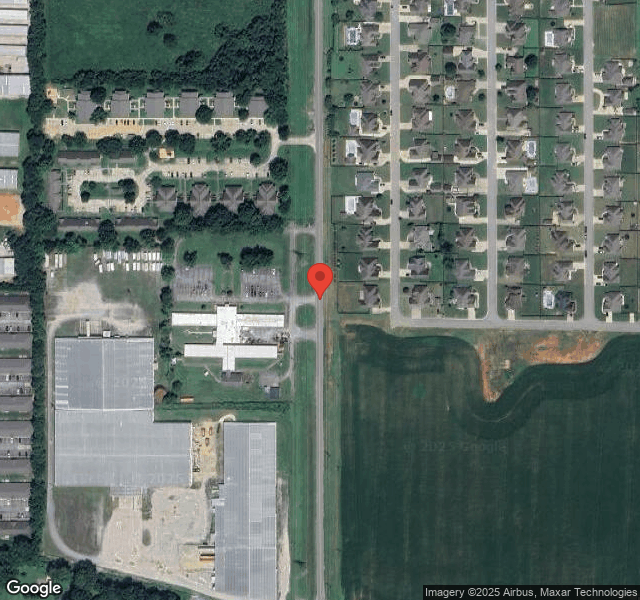

500 JOHN ALDRIDGE DRIVE, TUSCUMBIA, AL 35674 (256) 383-4541
For profit - Corporation 103 Beds GENESIS HEALTHCARE Data: November 2025
Trust Grade
65/100
#94 of 223 in AL
Last Inspection: August 2021

Over 2 years since last inspection. Current conditions may differ from available data.

Overview

Cottage of the Shoals in Tuscumbia, Alabama, has a Trust Grade of C+, indicating it is slightly above average, but still has room for improvement. It ranks #94 out of 223 facilities in Alabama, placing it in the top half, but is the last of three options in Colbert County. The facility's performance is worsening, with issues increasing from 1 in 2019 to 3 in 2021. Staffing is a significant concern with a rating of 1 out of 5 stars and a 66% turnover rate, which is higher than the state average of 48%. While there are no fines on record, which is a positive sign, there have been concerning incidents such as failure to provide complete medical records to a resident's representative and lapses in hand hygiene practices during medication administration, highlighting areas needing attention. On the plus side, the facility provides more RN coverage than 95% of Alabama facilities, which can help catch potential issues.

Trust Score
C+
65/100
In Alabama
#94/223
Top 42%
Safety Record
Low Risk
No red flags
Inspections
Getting Worse
1 → 3 violations
Staff Stability
⚠ Watch
66% turnover. Above average. Higher turnover means staff may not know residents' routines.
Penalties
✓ Good
No fines on record. Clean compliance history, better than most Alabama facilities.
Skilled Nurses
✓ Good
Each resident gets 45 minutes of Registered Nurse (RN) attention daily — more than average for Alabama. RNs are trained to catch health problems early.
Violations
✓ Good
Only 5 deficiencies on record. Cleaner than most facilities. Minor issues only.
★★★☆☆
3.0
Overall Rating
★☆☆☆☆
1.0
Staff Levels
★★★☆☆
3.0
Care Quality
★★★★☆
4.0
Inspection Score
Stable
2019: 1 issues
2021: 3 issues

The Good

  • Full Sprinkler Coverage · Fire safety systems throughout facility
  • No fines on record

Facility shows strength in fire safety.

The Bad

3-Star Overall Rating

Near Alabama average (2.9)

Meets federal standards, typical of most facilities

Staff Turnover: 66%

20pts above Alabama avg (46%)

Frequent staff changes - ask about care continuity

Chain: GENESIS HEALTHCARE

Part of a multi-facility chain

Ask about local staffing decisions and management

Staff turnover is elevated (66%)

18 points above Alabama average of 48%

The Ugly 5 deficiencies on record

Aug 2021 3 deficiencies
CONCERN (D)

Potential for Harm - no one hurt, but risky conditions existed

Deficiency F0573 (Tag F0573)

Could have caused harm · This affected 1 resident

**NOTE- TERMS IN BRACKETS HAVE BEEN EDITED TO PROTECT CONFIDENTIALITY** Based on interviews, medical record review and a review of a facility policy titled, .Authorization for Release of Information, ...

Read full inspector narrative →
**NOTE- TERMS IN BRACKETS HAVE BEEN EDITED TO PROTECT CONFIDENTIALITY** Based on interviews, medical record review and a review of a facility policy titled, .Authorization for Release of Information, the facility failed to ensure RI (Resident Identifier) #80's representative was allowed access to the entire requested medical records. This deficient practice affected RI #80, one of two sampled residents. Findings Include: A review of a facility policy titled, .Authorization for Release of Information, with a revision date of [DATE], revealed: .PROCESS 1. REQUESTS BY .LEGAL REPRESENTATIVE: 1.1 Provide access to . all records . pertaining to a .resident . as soon as possible . 1.2 Provide copies of records to . legal representative in the form or format requested, . within two (2) working days of a request. RI #80 was admitted to the facility on [DATE] and expired in the facility on [DATE]. On [DATE], a complaint was submitted to the State Agency that indicated the facility had violated RI#80's rights when the facility failed to produce the resident's entire and complete medical record that was requested on [DATE]. According to the complaint, the facility failed to produce the MAR (Medication Administration Record), TAR (Treatment Administration Record), ADL (Activities of Daily Living), behavior logs, psychiatric service progress notes, UDA (User Defined Assessments), or physician order statements. On [DATE] at 9:06 AM, an interview was conducted with RI #80's representative. RI #80's representative said a request was made for RI #80's medical records, but they did not receive the medical records within 72 hours. RI #80's representative stated the first request for medical records was submitted to the facility on [DATE] and medical records were received on [DATE]. RI # 80's representative further stated, after reviewing the medical records there were things that were missing which included the MAR, TAR, ADL, UDA Assessment as referred to in the nursing notes and the physicians order statements. RI#80's representative stated a second request for medical records was requested on [DATE] for the MAR and TAR. On [DATE] another set of medical records were received but the MAR and TAR were still missing, as well as the other records requested. On [DATE] a third letter was sent certified mail stating that they were still missing medical records and never got a response. On [DATE] at 10:24 AM an interview was conducted with EI (Employee Identifier) #1, Administrator. EI #1 was asked, what did she know about a request for medical records made by RI #80's representative in 2019. EI #1said, we (the facility) had a request made from RI #80's attorney in 2019. EI #1 was asked if ADL documentation was a part of the medical records. EI #1 said, yes. EI #1 was asked, were the ADL's records provided. EI #1 said, no. EI #1 was asked, residents have the right to access their medical records, since the entire record for RI #80 was not provided were his rights violated. EI #1 said, yes. EI #1 was asked, how should the facility ensure that resident medical records are complete and that requests are provided in a timely manner. EI #1 said, through audits and performance improvements. This deficiency was cited as a result of the investigation of complaint/report number AL00036989.
CONCERN (D)

Potential for Harm - no one hurt, but risky conditions existed

Medical Records (Tag F0842)

Could have caused harm · This affected 1 resident

**NOTE- TERMS IN BRACKETS HAVE BEEN EDITED TO PROTECT CONFIDENTIALITY** Based on interviews, medical record review and a review of a facility policy titled, .Authorization for Release of Information, ...

Read full inspector narrative →
**NOTE- TERMS IN BRACKETS HAVE BEEN EDITED TO PROTECT CONFIDENTIALITY** Based on interviews, medical record review and a review of a facility policy titled, .Authorization for Release of Information, and a facility document titled, HEALTH INFORMATION RECORD DOCUMENTS LIST, the facility failed to ensure RI (Resident Identifier) #80's ADL (Activity of Daily Living) documentation was in the medical record when requested by RI#80's representative. This deficient practice affected RI #80 one of two residents sampled for medical record release. Findings Include: A review of a facility policy titled, .Authorization for Release of Information, with a revision date of [DATE], revealed: .PROCESS 1. REQUESTS BY PATIENT/RESIDENT/LEGAL REPRESENTATIVE: 1.1 Provide access to . all records . pertaining to a .resident . as soon as possible . 1.2 Provide copies of records to . legal representative in the form or format requested, . within two (2) working days of a request. A review of a facility document tilted, HEALTH INFORMATION RECORD DOCUMENTS LIST, with a date of [DATE], documented, . ADL (Activities Daily Living) Flow Record . and ADL Documentation Supplement . as part of the medical record. RI #80 was admitted to the facility on [DATE] and expired in the facility on [DATE]. On [DATE] a complaint was submitted to the State Agency that indicated the facility had violated RI#80's rights when the facility failed to produce the resident's entire and complete medical record that was requested on [DATE]. On [DATE] at 10:24 AM an interview was conducted with EI (Employee Identifier) #1, Administrator. EI #1 was asked if ADL documentation was a part of the medical records. EI #1 said, yes. EI #1 was asked, were the ADL records provided. EI #1 said, no. EI #1 was asked, do the ADL records exist. EI #1 said, she could not put her hands on them. EI #1 was asked should she (the facility) have had the ADL records. EI #1 said, yes. EI #1 was asked how long was the facility supposed to keep medical records. EI #1 said 5 years. EI #1 was asked was the medical record complete if they did not have the ADL documentation. EI #1 said, no. EI #1 was asked should RI #80's medical record contain ADL documentation. EI #1 said, yes. EI #1 was asked, since she was not able to produce RI #80's ADL documentation was the medical record complete. EI #3 said, no This deficiency was cited as a result of the investigation of complaint/report number AL00036989
CONCERN (D)

Potential for Harm - no one hurt, but risky conditions existed

Infection Control (Tag F0880)

Could have caused harm · This affected 1 resident

**NOTE- TERMS IN BRACKETS HAVE BEEN EDITED TO PROTECT CONFIDENTIALITY** Based on observations, medical record review and a review of facility policies titled, IC203 Hand Hygiene, Fingerstick Glucose M...

Read full inspector narrative →
**NOTE- TERMS IN BRACKETS HAVE BEEN EDITED TO PROTECT CONFIDENTIALITY** Based on observations, medical record review and a review of facility policies titled, IC203 Hand Hygiene, Fingerstick Glucose Measurement, and Medication Administration: Injectable (IM, Sub-Q, Z-Track), the facility failed to ensure Employee Identifier (EI) #3, an Licensed Practical Nurse (LPN): 1. washed or sanitized (used an alcohol based hand rub) her hands before applying gloves to obtain Resident Identifier (RI) #63's fingerstick blood sugar (FSBS); 2. applied gloves before cleaning a glucometer used to obtain RI #63's FSBS, and; 3. did not pull-down RI #63's clothing and adjust his/her covers wearing the same gloves worn during an insulin injection. These deficient practices affected RI #63, one of eight residents observed during medication administration by EI #3, one of three nurses observed. Findings include: A review of a facility policy titled, IC203 Hand Hygiene, with Revision Date: 11/15/20, documented: POLICY Adherence to hand hygiene practices is maintained by all Center personnel. This includes hand washing with soap and water when hands are visibly soiled and after exposure to known or suspected Clostridioides difficile or infectious diarrhea (i.e., Norovirus) and the use of alcohol based hand rubs for routine decontamination in clinical situations. Per the Centers for Disease Control (CDC), when the hands are not visibly dirty, alcohol-based hand sanitizers are the preferred method for hand hygiene. PURPOSE: 1. Perform hand hygiene: 1.1 Before patient care; 1.2 Before an aseptic procedure; 1.3 After any contact with blood or other body fluids, even if gloves are worn; 1.4 After patient care; 1.5 After contact with the patient's environment. A review of a facility policy titled, Fingerstick Glucose Measurement, with Revision Date: 6/1/21, revealed: . 8. Cleanse hands. 9. Put on gloves. A review of a facility policy titled, Medication Administration: Injectable (IM, Sub-Q, Z-Track), with Revision Date: 6/1/21, documented: . 8. Remove gloves. 9. Perform hand hygiene. RI #63 was readmitted to the facility on [DATE], with diagnoses including Diabetes Mellitus due to Underlying Condition with Diabetic Neuropathy. On 8/4/21 at 3:13 PM, EI #3, LPN, was observed during medication administration for RI #63. EI #3 opened and closed the medication cart drawer, locked the medication cart, engaged the computer privacy screen, knocked on RI #63's door and opened the door. She then pulled gloves from a box on the wall, placed a plastic cup on the overbed table and the applied gloves without washing or sanitizing her hands and obtaining RI #63's FSBS. EI #3 was then observed back at the medication where she obtained a Clorox wipe and began cleaning the glucometer with her bare hands before placing it in a cup to dry. EI #3 returned to RI #63's room. EI #3 applied gloves, administered RI #63's insulin injection, pulled down RI #63's clothing and adjusted the covers while still wearing the gloves worn during the administration of the insulin injection. On 8/5/21 at 3:56 PM, an interview was conducted with EI #3, LPN. EI #3 was asked when she should wash or gel (sanitize) her hands during medication pass. EI #3 said before preparing the medications and if she touched anything such as the cart, computer, or knocked on doors that she should gel (santize) or wash her hands before putting on her gloves and when taking them off she should wash or gel (sanitize) them again. EI #3 was asked did she gel (sanitize) or wash her hands after locking the medication cart, engaging the privacy screen on her computer and after knocking on and opening RI #63's door before she applied her gloves to obtain RI #63's FSBS. EI #3 said no. EI #3 was asked why not. EI #3 replied she was nervous. EI #3 was asked what was the concern with applying her gloves after touching those things. EI #3 stated her hands were contaminated from touching those objects and contaminated the gloves. EI #3 was asked if she wore gloves when cleaning RI #63's glucometer. EI #3 said no. EI #3 was asked what was the concern with that. EI #3 said contamination because there could have been blood on the glucometer. EI #3 was asked if she removed her gloves after giving RI #63's insulin injection before pulling down his/her clothing and adjusting the covers. EI #3 replied no. EI #3 was asked what was the concern with touching clothing and covers with gloves worn while giving an injection. EI #3 stated there could have been blood from giving the injection that could have gotten on the gloves and contaminated the clothing and covers. EI #3 was asked what was the concern with the things being discussed. EI #3 answered infection control. On 8/5/21 at 3:56 PM, an interview was conducted with EI #2, Registered Nurse (RN)/Assistant Director of Nursing (ADON)/Infection Control Preventionist (ICP). EI #2 was asked when should a nurse wash or gel (santize) her hands during medication pass. EI #2 said after contact with a patient, if visibly soiled, before she gave it, after she gave it or when she came in contact with any potentially contaminated surface. EI #2 was asked when should a nurse wash or gel (sanitize) her hands when obtaining a FSBS. EI #2 stated when she went into the room she should wash her hands, after she obtained the FSBS and when she cleaned the equipment. EI #2 was asked how should she clean the glucometer. EI #2 replied with a Clorox or Sani wipe and she should wear gloves. EI #2 was asked what was the concern with a nurse applying gloves without gelling (sanitizing) or washing her hands prior to obtaining a FSBS. EI #2 said her hands were contaminated and by touching the gloves she would be passing along germs. EI #2 was asked when should a nurse wash or gel their hands when wearing gloves. EI #2 stated before she put them on and after she took them off. EI #2 was asked should a nurse pull down a resident's clothing and adjust their covers while wearing the same gloves worn when giving an injection. EI #2 said no, because they are contaminated and dirty. EI #2 was asked should a nurse clean a glucometer with her bare hands after it had been used to obtain a FSBS. EI #2 stated no, because they were dirty. EI #2 was asked what were the concerns with those things. EI #2 answered infection control.
May 2019 1 deficiency
CONCERN (D)

Potential for Harm - no one hurt, but risky conditions existed

Infection Control (Tag F0880)

Could have caused harm · This affected 1 resident

**NOTE- TERMS IN BRACKETS HAVE BEEN EDITED TO PROTECT CONFIDENTIALITY** Based on observation, interviews, record review and review of a facility policy titled, Hand Hygiene, the facility failed to ens...

Read full inspector narrative →
**NOTE- TERMS IN BRACKETS HAVE BEEN EDITED TO PROTECT CONFIDENTIALITY** Based on observation, interviews, record review and review of a facility policy titled, Hand Hygiene, the facility failed to ensure a licensed nurse did not turn off the faucet with her left bare hand prior to putting on gloves to remove a transdermal medication patch, and prior to putting on gloves to administer a transdermal medication patch to Resident Identifier (RI) #43. This deficient practice affected one of eight residents and one of five licensed nurses observed during medication administration pass. Findings Include: A review of a facility policy titled, Hand Hygiene, with a review date of 11/15/2018, revealed, . Process . 2. Hand hygiene techniques: 2.1 To wash hands with soap and water: .Rinse hands with warm water and dry thoroughly with a disposable towel. Use clean, dry, disposable towel to turn off faucet . RI #43 was admitted to the facility on [DATE]. On 5/14/19 at 9:50 a.m., the surveyor observed Employee Identifier (EI) #1, a Registered Nurse, during a medication administration pass on the front hall of the facility. The surveyor observed EI #1 as she entered into RI #43's bathroom, washed her hands with soap and water, turned off the faucet with her left bare hand, dried her hands with a paper towel, put on gloves, and began removing a transdermal medication patch from RI #43's left side back area. On 5/14/19 at 9:53 a.m., the surveyor observed EI #1 as she reentered into RI #43's bathroom, washed her hands with soap and water, turned off the faucet with her left hand, dried her hands with a paper towel, put on gloves, dated/initialed RI #43's transdermal medication patch, and applied RI #43's transdermal medication patch to the right back side area. On 5/14/19 at 10:34 a.m., an interview was conducted with EI #1. EI #1 was asked what did you do after you washed your hands with soap and water, prior to putting on gloves to remove a transdermal patch from a RI #43's left back side area, and prior to putting on gloves to administer a transdermal medication patch to RI #43. EI #1 stated that she turned off the faucet with her left bare hand, and did not use a disposable towel to turn the faucet off. EI #1 was asked what she should have done after she washed her hands with soap and water, and prior to removing RI #43's transdermal medication patch, and after administering RI #43's transdermal medication patch. EI #1 stated that after she washed her hands with soap and water, she should have turned the faucet off with a disposable paper towel, prior to drying her hands, and putting on gloves. EI #1 was asked what would be the concern if a nurse turned the faucet off with her left bare hand after washing her hands with soap and water, prior to putting on gloves to remove a transdermal patch from a resident, and prior to putting on gloves to administer a transdermal medication patch to a resident. EI #1 stated that the faucet had germs and this could cause an infection to the resident. On 05/14/19 at 10:10 a.m., an interview was conducted with EI #2, Registered Nurse/Infection Control Preventionist. EI #2 was asked what was the facility policy on hand washing with soap and water. EI #2 stated you should wash your hands with warm water and soap, rub hands vigorously, rub hands outside the water for twenty seconds, rinse hands with warm water, dry thoroughly with a disposable towel, and use a clean dry disposable towel to turn off the faucet. EI #2 was asked what would be the concern if a nurse turned the faucet off with her left bare hand, prior to putting on gloves to remove a transdermal patch from a resident, and prior to putting on gloves to administer a transdermal medication patch to a resident. EI #2 stated this could put the resident at risk for infection.
Aug 2018 1 deficiency
CONCERN (D)

Potential for Harm - no one hurt, but risky conditions existed

Report Alleged Abuse (Tag F0609)

Could have caused harm · This affected 1 resident

Based on record review and interview, the facility failed to ensure an allegation of physical abuse was reported to the State Agency within two hours. This affected one of two abuse records reviewed ...

Read full inspector narrative →
Based on record review and interview, the facility failed to ensure an allegation of physical abuse was reported to the State Agency within two hours. This affected one of two abuse records reviewed during the survey and Resident Identifier (RI) #66. Findings Include: On 8/2/18 at 9:46 a.m. the surveyor reviewed the online incident report involving an allegation of physical abuse concerning RI #66. This incident involved an allegation that a visitor was witnessed to forcibly pull on RI #66's arm and then speak loudly to the resident. The incident was witnessed on 6/23/18 at 9:00 a.m., but was not reported to the State Agency until 6/25/18 at 1:24 p.m. On 8/2/18 at 11:16 a.m. an interview was completed with Employee Identifier (EI) #2, Administrator/Abuse Coordinator. EI # 2 stated the allegation of abuse concerning RI #66 occurred on 6/23/18 at 9:00 a.m. and was reported to the State Agency on 6/25/18 at 1:24 p.m. EI #2 stated it should have been reported on 6/23/18 within two hours. EI #2 was asked why it was not reported within two hours. EI #2 stated she was unsure if it needed to be reported. EI #2 was asked why allegations of abuse should be reported within two hours. EI #2 stated for the safety of the resident.
Understanding Severity Codes (click to expand)
Life-Threatening (Immediate Jeopardy)
J - Isolated K - Pattern L - Widespread
Actual Harm
G - Isolated H - Pattern I - Widespread
Potential for Harm
D - Isolated E - Pattern F - Widespread
No Harm (Minor)
A - Isolated B - Pattern C - Widespread

Questions to Ask on Your Visit

  • "Why is there high staff turnover? How do you retain staff?"
  • "Can I speak with families of current residents?"
  • "What's your RN coverage like on weekends and overnight?"

Our Honest Assessment

Strengths
  • • No major safety red flags. No abuse findings, life-threatening violations, or SFF status.
  • • No fines on record. Clean compliance history, better than most Alabama facilities.
  • • Only 5 deficiencies on record. Cleaner than most facilities. Minor issues only.
Concerns
  • • 66% turnover. Above average. Higher turnover means staff may not know residents' routines.
Bottom line: Mixed indicators with Trust Score of 65/100. Visit in person and ask pointed questions.

About This Facility

What is Cottage Of The Shoals's CMS Rating?

CMS assigns COTTAGE OF THE SHOALS an overall rating of 3 out of 5 stars, which is considered average nationally. Within Alabama, this rating places the facility higher than 99% of the state's 100 nursing homes. This mid-range rating indicates the facility meets federal standards but may have areas for improvement.
How is Cottage Of The Shoals Staffed?

CMS rates COTTAGE OF THE SHOALS's staffing level at 1 out of 5 stars, which is much below average compared to other nursing homes. Staff turnover is 66%, which is 20 percentage points above the Alabama average of 46%. High turnover can affect care consistency as new staff learn residents' individual needs. RN turnover specifically is 84%, which is notably high. RNs provide skilled clinical oversight, so turnover in this role can affect medical care quality.

What Have Inspectors Found at Cottage Of The Shoals?

State health inspectors documented 5 deficiencies at COTTAGE OF THE SHOALS during 2018 to 2021. These included: 5 with potential for harm.

Who Owns and Operates Cottage Of The Shoals?

COTTAGE OF THE SHOALS is owned by a for-profit company. For-profit facilities operate as businesses with obligations to shareholders or private owners. The facility is operated by GENESIS HEALTHCARE, a chain that manages multiple nursing homes. With 103 certified beds and approximately 85 residents (about 83% occupancy), it is a mid-sized facility located in TUSCUMBIA, Alabama.
How Does Cottage Of The Shoals Compare to Other Alabama Nursing Homes?

Compared to the 100 nursing homes in Alabama, COTTAGE OF THE SHOALS's overall rating (3 stars) is above the state average of 2.9, staff turnover (66%) is significantly higher than the state average of 46%, and health inspection rating (4 stars) is above the national benchmark.

What Should Families Ask When Visiting Cottage Of The Shoals?

Based on this facility's data, families visiting should ask: "How do you ensure continuity of care given staff turnover, and what is your staff retention strategy?" "Can you walk me through typical staffing levels on day, evening, and night shifts?" "Can I visit during a mealtime to observe dining assistance and food quality?" "How do you handle medical emergencies, and what is your hospital transfer rate?" These questions are particularly relevant given the facility's high staff turnover rate and the below-average staffing rating.

Is Cottage Of The Shoals Safe?

Based on CMS inspection data, COTTAGE OF THE SHOALS has a clean safety record: no substantiated abuse findings (meaning no confirmed cases of resident harm), no Immediate Jeopardy citations (the most serious violation level indicating risk of serious injury or death), and is not on the Special Focus Facility watch list (a federal program monitoring the lowest-performing 1% of nursing homes). The facility has a 3-star overall rating and ranks #1 of 100 nursing homes in Alabama. While no facility is perfect, families should still ask about staff-to-resident ratios and recent inspection results during their visit.

Do Nurses at Cottage Of The Shoals Stick Around?

Staff turnover at COTTAGE OF THE SHOALS is high. At 66%, the facility is 20 percentage points above the Alabama average of 46%. Registered Nurse turnover is particularly concerning at 84%. RNs handle complex medical decisions and coordinate care — frequent RN changes can directly impact care quality. High turnover means new staff may not know residents' individual needs, medications, or preferences. It can also be disorienting for residents, especially those with dementia who rely on familiar faces. Families should ask: What is causing the turnover? What retention programs are in place? How do you ensure care continuity during staff transitions?

Was Cottage Of The Shoals Ever Fined?

COTTAGE OF THE SHOALS has no federal fines on record. CMS issues fines when nursing homes fail to meet care standards or don't correct problems found during inspections. The absence of fines suggests the facility has either maintained compliance or corrected any issues before penalties were assessed. This is a positive indicator, though families should still review recent inspection reports for the full picture.

Is Cottage Of The Shoals on Any Federal Watch List?

COTTAGE OF THE SHOALS is not on any federal watch list. The most significant is the Special Focus Facility (SFF) program, which identifies the bottom 1% of nursing homes nationally based on persistent, serious quality problems. Not being on this list means the facility has avoided the pattern of deficiencies that triggers enhanced federal oversight. This is a positive indicator, though families should still review the facility's inspection history directly.