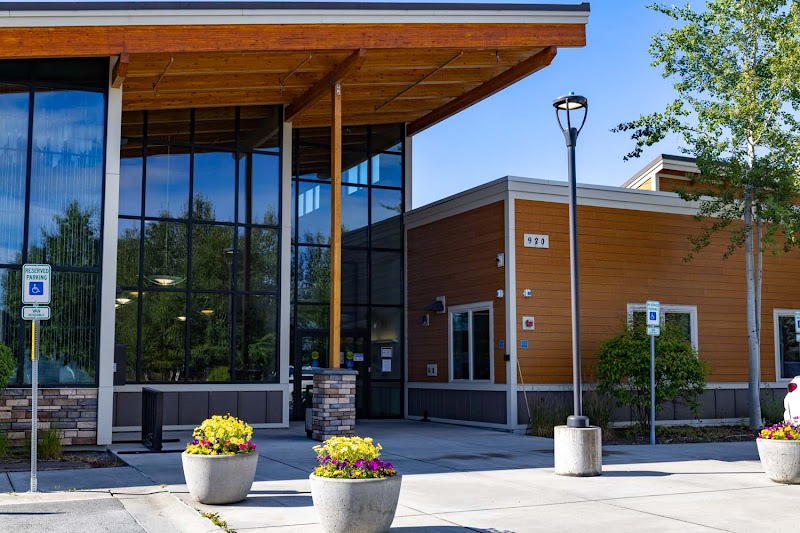
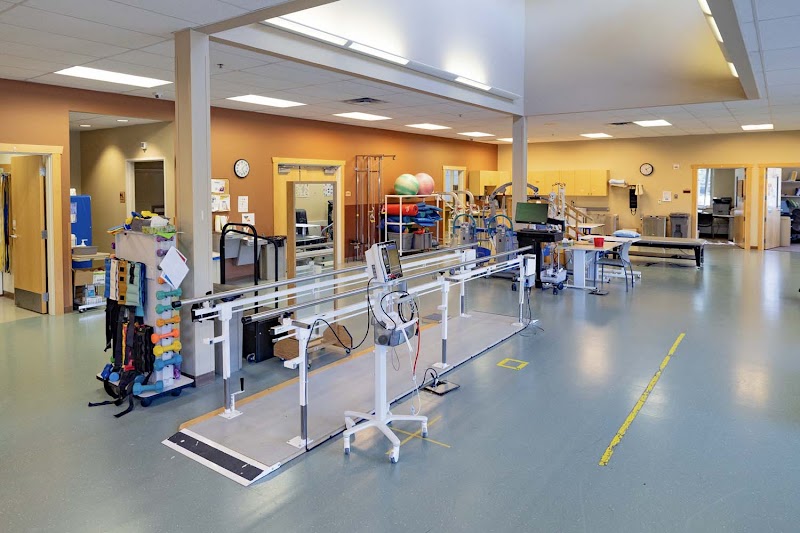
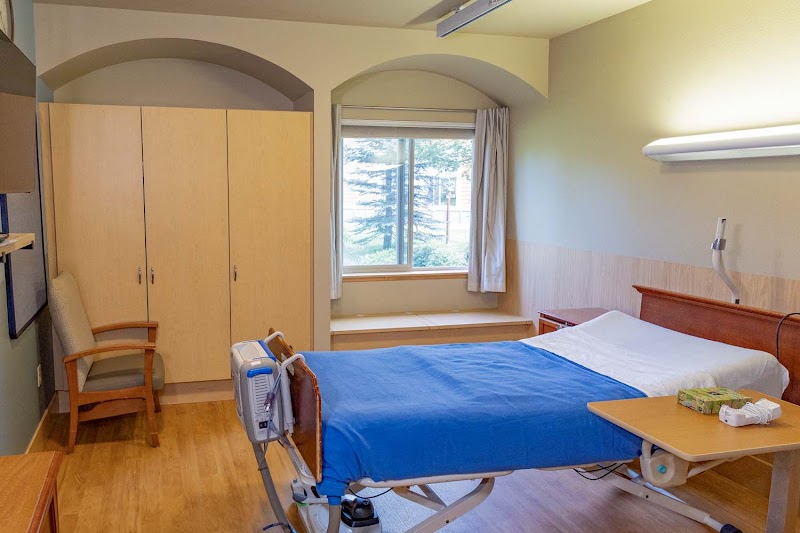
Polaris Extended Care

920 COMPASSION CIRCLE, ANCHORAGE, AK 99504 (907) 212-9200
For profit - Limited Liability company 96 Beds THE ENSIGN GROUP Data: November 2025
Trust Grade
0/100
#18 of 20 in AK
Last Inspection: May 2025

Inspected within the last 6 months. Data reflects current conditions.

Overview

Polaris Extended Care in Anchorage, Alaska, has received a Trust Grade of F, indicating significant concerns about the quality of care provided. Ranking #18 of 20 in the state means they are in the bottom half of facilities in Alaska, and #2 of 3 in Anchorage County suggests only one local option is better. The facility is worsening, with issues increasing from 22 in 2024 to 36 in 2025. While staffing is a strength with a 5/5 rating and a turnover rate of 47%, the facility has been fined $220,373, which is higher than all other Alaska facilities, raising red flags about compliance. Serious incidents include insufficient staffing leading to residents developing severe pressure ulcers and a failure to provide adequate care, resulting in psychosocial harm for multiple residents. Overall, while there are some staffing strengths, the concerning trends and serious issues highlight significant weaknesses that families should consider carefully.

Trust Score
F
0/100
In Alaska
#18/20
Bottom 10%
Safety Record
High Risk
Review needed
Inspections
Getting Worse
22 → 36 violations
Staff Stability
⚠ Watch
47% turnover. Above average. Higher turnover means staff may not know residents' routines.
Penalties
⚠ Watch
$220,373 in fines. Higher than 85% of Alaska facilities, suggesting repeated compliance issues.
Skilled Nurses
✓ Good
Each resident gets 142 minutes of Registered Nurse (RN) attention daily — more than 97% of Alaska nursing homes. RNs are the most trained staff who catch health problems before they become serious.
Violations
⚠ Watch
73 deficiencies on record. Higher than average. Multiple issues found across inspections.
★★☆☆☆
2.0
Overall Rating
★★★★★
5.0
Staff Levels
★★★☆☆
3.0
Care Quality
★☆☆☆☆
1.0
Inspection Score
Stable
2024: 22 issues
2025: 36 issues

The Good

  • 5-Star Staffing Rating · Excellent nurse staffing levels
  • Full Sprinkler Coverage · Fire safety systems throughout facility
  • No fines on record

Facility shows strength in staffing levels, fire safety.

The Bad

2-Star Overall Rating

Below Alaska average (3.5)

Below average - review inspection findings carefully

Staff Turnover: 47%

Near Alaska avg (46%)

Higher turnover may affect care consistency

Federal Fines: $220,373

Well above median ($33,413)

Significant penalties indicating serious issues

Chain: THE ENSIGN GROUP

Part of a multi-facility chain

Ask about local staffing decisions and management

The Ugly 73 deficiencies on record

7 actual harm
Jul 2025 2 deficiencies
CONCERN (E) 📢 Someone Reported This

A family member, employee, or ombudsman was alarmed enough to file a formal complaint

Potential for Harm - no one hurt, but risky conditions existed

Deficiency F0627 (Tag F0627)

Could have caused harm · This affected multiple residents

**NOTE- TERMS IN BRACKETS HAVE BEEN EDITED TO PROTECT CONFIDENTIALITY** .Based on record review and interview, the facility failed to: 1) Document the reason for resident discharges in the medical rec...

Read full inspector narrative →
**NOTE- TERMS IN BRACKETS HAVE BEEN EDITED TO PROTECT CONFIDENTIALITY** .Based on record review and interview, the facility failed to: 1) Document the reason for resident discharges in the medical record for 3 long-term Residents (#'s 1, 6, and 9), out of 3 resident's reviewed. Specifically, the three residents were discharged without any documentation that showed the residents' welfare and the residents' needs could not be met in the facility; and 2) Document sufficient preparation and orientation to residents and/or resident representatives to ensure safe and orderly discharge from the facility for 3 long-term Residents (#'s 1, 6, and 9), out of 3 resident's reviewed. This failed practice resulted in inappropriate discharges and displaced these residents from a familiar environment that had been their home for years and placed them at risk for the undue stress of an unfamiliar environment and unknown staff, which could affect their overall health and well-being. Findings:Resident #1 Record review on 7/29/25 revealed Resident #1 was admitted to the facility on 5/2010 with diagnoses that included anoxic brain damage (brain injury that occurs when the brain is deprived of oxygen), persistent vegetative state (a chronic disorder in which an individual with severe brain damage appears to be awake but shows no evidence of awareness of their surroundings), and chronic respiratory failure (not enough oxygen or too much carbon dioxide in the body). Further review revealed Resident #1 had a tracheostomy (a surgical procedure that creates an opening in the front of the neck into the trachea to facilitate breathing) and was non-communicative. Review of Resident #1's Post-Transfer Notice of Facility-Initiated Transfer, dated 6/10/25, revealed: . This letter serves as written documentation that you were transferred from Polaris Extended Care [PEC] to Polaris Transitional Care [PTC] on June 3, 2025. Although you agreed to the transfer March 7, 2025, it was initiated by the facility, and therefore we are required to issue this notice . Reason for Transfer: This transfer was made to support continuity of care within our organization [and] access to more appropriate services . Further review revealed no identification of what the more appropriate services were at PTC that was not available at PEC. Review of Resident #1's Social Services Note, dated 3/7/25, revealed: LCSW [licensed clinical social worker] spoke with resident's guardian, [Office of Public Advocacy, OPA, Guardian #3] via phone regarding option to move resident from PEC to PTC to provide 24/7 nursing care for resident's tracheostomy needs. [OPA Guardian #3] verbalized consent for resident to move from PEC to PTC. Aforementioned relayed to the care team for coordination of care. Review of Resident #1's physician orders revealed an order, dated 6/3/25, May discharge to Polaris Transitional Care Center, which was 88 days after it was discussed with the guardian. Review of Resident #1's Discharge Summary and Post-Discharge Plan of Care, dated 6/3/25, revealed: Recapitulation of Resident's Stay: Reason for admission: Custodial/Long-Term Care Services. Treatment Provided: Other. Explain Other: Resident was here at Polaris Extended Care as a long term resident. Progress (include any complications): No recent complications noted. Resident's health status has been stable. Reason for discharge: Other . Explain: Resident is moving to sister Facility, Polaris Transitional Care . Further review revealed no documentation identifying the reason for Resident #1's discharge. Review of Resident #1's medical record, on 7/29/25, revealed no assessment that indicated what needs could not be met at PEC. Further review revealed no nursing note to indicate any concerns of needs not being met, or any change in status that indicated the resident's health and wellbeing was affected by any needs not being met prior to the transfer to PTC. Further review revealed no physician/provider note that reflected the bases for the transfer, specific resident needs that could not be met, facility attempts to meet the resident's needs, or services available at the receiving facility to meet the resident's needs. Discharge Planning Record review on 7/29/25 for Residents #1 revealed no documentation of a resident-centered discharge planning process, that involved the residents and resident representatives, for orientation to the new facility or preparation of this transition to another facility. Resident #6 Record review on 7/29/25 revealed Resident #6 was admitted to the facility on [DATE] with diagnoses that included hemiplegia and hemiparesis following cerebral infarction affecting left non-dominant side (weakness or paralysis of the left side of the body following a stroke) and chronic respiratory failure. Further review revealed Resident #6 had a tracheostomy and was non-communicative. Review of Resident #6's Post-Transfer Notice of Facility-Initiated Transfer, dated 6/10/25, revealed: . This letter serves as written documentation that you were transferred from Polaris Extended Care [PEC] to Polaris Transitional Care [PTC] on June 3, 2025. Although you agreed to the transfer March 10, 2025, it was initiated by the facility, and therefore we are required to issue this notice . Reason for Transfer: This transfer was made to support continuity of care within our organization [and] access to more appropriate services . Further review revealed no identification of what the more appropriate services were at PTC that was not available at PEC. Review of Resident #6's Social Services Note, dated 3/7/25, revealed: LCSW attempted phone contact with resident's daughters/co-guardians . regarding option to move resident from PEC to PTC to provide 24/7 nursing care for resident's tracheostomy needs. No answer . Review of Resident #6's Social Services Note, dated 3/10/25, revealed: LCSW spoke with resident's daughter/guardian . and discussed option of resident admitting to PTC for 24/7 nursing care of resident's tracheostomy. [daughter] verbalized consent for move to PTC. Aforementioned relayed to PEC admissions team for coordination of care. Review of Resident #6's physician orders revealed an order, dated 6/3/25, May discharge to Polaris Transitional Care Center, which was 85 days after it was discussed with the guardian. Review of Resident #6's Discharge Summary and Post-Discharge Plan of Care, dated 6/3/25, revealed: Recapitulation of Resident's Stay: Reason for admission: Custodial/Long-Term Care Services. Treatment Provided: Other. Explain Other: Resident was here at Polaris Extended Care as a long term resident. Progress (include any complications): Resident is not on rehab. Reason for discharge: Other . Explain: Resident is moving to Polaris Transitional Care, a sister facility . Further review revealed no identification for the reason to discharge Resident #6, what services could not be met, or what PTC services would be provided that were not available at PEC. Review of Resident #6's medical record, on 7/29/25, revealed no assessment that indicated what needs could not be met at PEC. Further review revealed no nursing note to indicate any concerns of needs not being met, or any change in status that indicated the resident's health and wellbeing was affected by any needs not being met prior to the transfer to PTC. Further review revealed no physician/provider note that reflected the bases for the transfer, specific resident needs that could not be met, facility attempts to meet the resident's needs, or services available at the receiving facility to meet the resident's needs. Discharge Planning Record review on 7/29/25 for Residents #6 revealed no documentation of a resident-centered discharge planning process, that involved the residents and resident representatives, for orientation to the new facility or preparation of this transition to another facility. Resident #9 Record review Resident #9 was admitted to the facility on [DATE] with diagnoses that included hemiplegia and hemiparesis following cerebral infarction affecting left non-dominant side and chronic respiratory failure. Further review revealed Resident #9 had a tracheostomy and was non-communicative. Review of Resident #9's Post-Transfer Notice of Facility-Initiated Transfer, dated 6/10/25, revealed: . This letter serves as written documentation that you were transferred from Polaris Extended Care [PEC] to Polaris Transitional Care [PTC] on June 3, 2025. Although you agreed to the transfer March 7, 2025, it was initiated by the facility, and therefore we are required to issue this notice . Reason for Transfer: This transfer was made to support continuity of care within our organization [and] access to more appropriate services . Further review revealed no identification of what the more appropriate services were at PTC that was not available at PEC. Review of Resident #9's Social Services Note, dated 3/7/25, revealed: LCSW spoke with resident's health care agent . regarding for resident to move from PEC to PTC to receive 24/7 nursing care for his tracheostomy needs. [health care agent] verbalized consent for resident to move from PEC to PTC. LCSW attempted to discuss possible room move with resident. Resident was unable to verbally or nonverbally communicate with LCSW during SW [social worker] visit. All aforementioned relayed to the care team for coordination of care. Further review of Resident #9's medical record revealed a physician's order, dated 4/3/25, Transfer to Polaris Transitional Care 4/3/25, which was 27 days after it was discussed with the guardian (and not accurately documented in the transfer notice). Review of Resident #9's medical record revealed no Discharge Summary and Post-Discharge Plan of Care was available for review. During an interview on 7/29/25 at 12:58 PM, the Director of Community Liaison stated a Discharge Summary and Post-Discharge Plan of Care assessment could not be located in Resident #9's medical record. Review of Resident #9's medical record, on 7/29/25, revealed no assessment that indicated what needs could not be met at PEC. Further review revealed no nursing note to indicate any concerns of needs not being met, or any change in status that indicated the resident's health and wellbeing was affected by any needs not being met prior to the transfer to PTC. Further review revealed no physician/provider note reflecting the bases for the transfer, specific resident needs that could not be met, facility attempts to meet the resident's needs, or services available at the receiving facility to meet the resident's needs. Discharge Planning Record review on 7/29/25 for Residents #9 revealed no documentation of a resident-centered discharge planning process, that involved the residents and resident representatives, for orientation to the new facility or preparation of this transition to another facility. Facility Decision to Transfer Residents During an interview on 7/29/25 at 10:30 AM, the Administrator stated that PEC was a skilled nursing facility, and within staffing parameters, any resident could be accepted into the facility, except for residents with ventilators, extreme bariatric (overweight) needs, acute substance abuse, or who required one-on-one care at time of admission. The Administrator stated there was no limit to admission length. The Administrator further stated that PTC was also a skilled nursing facility and had the same exceptions with accepting residents. However, PTC had some bariatric rooms available. The Administrator stated the average length of stay at PTC was 100 days and depending on the level of care needed, the facility would look for alternative placements, if continued care was required. The Administrator stated there were some residents who were admitted for long-term stays. When asked if both long-term care facilities offered 24/7 nursing care, the Administrator stated, yes. The Administrator stated that PTC offered a different staffing scenario than the cottage-style environment of PEC. She further stated, PEC limited and/or delayed staff's help availability because they were separated in the cottages. Staff would have to walk over to another cottage if help was needed, where the halls of PTC made it possible to have a more immediate availability of staff help, if it was needed. During an interview on 7/29/25 at 10:30 AM, when asked how it was decided to move Residents #1, #6, and #9 from PEC to PTC, the Director of Community Liaison stated the previous Administrator decided to move the residents with tracheostomies due to staffing concerns to offer more consistent care. When asked if there was any indication that appropriate care was being affected or disrupted due to these staffing concerns prior to the transfer of these three residents with tracheostomies, the Director of Community Liaison stated, no there was no proof care was not being provided. During an interview on 7/29/25 at 10:30 AM, the Assistant Director stated because PEC was having staffing concerns, there were times that cottages were split between nurses causing one nurse to cover more than one cottage. This caused nurses to have to leave their assigned cottage and go to another cottage for a time to care for other residents. The decision to move the residents with tracheostomies to PTC was for more consistent nursing availability. During an interview on 7/29/25 at 10:45 PM, Regional Representative (RR) #3 stated when he consulted with the previous Administrator about staffing concerns, they identified that the residents with tracheostomies were more medically acute and required more care. Splitting cottages due to staffing issues at PEC prompted discussion on how to provide for these more medically acute residents on a more consistent basis. RR #3 stated during these discussions, there was an idea to possibly move the more medically acute residents into one cottage for a higher level of care and staff that cottage accordingly, with two Certified Nursing Assistants (CNAs) and one Licensed Nurse (LN). He further stated, that was just an idea and was never attempted. RR #3 stated the facility's decision to move the residents with tracheostomies was based on a mitigation plan, to avoid any potential adverse reactions due to staffing concerns because of a potential risk of not being able to meet their needs. When asked if there was any indication that appropriate care was being affected or disrupted due to these staffing concerns prior to the transfer of these three residents with tracheostomies, RR #3 stated there was no indication that their care was not being provided. RR #3 stated the needs were being met but there was a potential for risk of adverse reactions and that was why they were transferred. During an interview on 7/29/25 at 2:25 PM, the Medical Director (MD) stated the Administrator's decision to move the residents with tracheostomies was to organize things better and get these residents all in one place for more consistent care. The MD stated it was the Administrator's decision, and he was not provided with the opportunity to have an input on the decision. When asked if there was any indication that appropriate care was being affected or disrupted prior to the transfer of these three residents with tracheostomies, the MD stated he had not heard of any concerns with care not being provided at PEC. Facility Assessments PEC Assessment Review of Polaris Extended Care Facility Assessment, dated 2025, revealed: 1. Facility Capacity and Census: - Capacity: Our facility is licensed to provide care for 96 residents. The actual maximum number of residents allowable may be less at times to accommodate for safety resident care needs. - Resident Population Profile: . We accept residents with or residents that may develop the following common diseases, conditions, physical and cognitive disabilities, or combination conditions that may require complex medical care and management . Conditions that are not able to be cared for or services that cannot be provided are identified as Exception in the sections below . Common Diseases and Conditions . Nervous System . altered mental status . traumatic or anoxic brain injury . hemiparesis/hemiplegia . Respiratory System . Acute and chronic respiratory failure . tracheostomy . Exception: new tracheostomy; ventilators . - Acuity: Our facility reviews our residents' acuity levels to understand potential implications regarding the intensity and complexity of care and services needed . Our facility assessment includes an evaluation of the overall number of facility staff needed to ensure enough qualified staff are available to meet each resident's needs as identified through resident assessments and care plans . 2. Services and Care We Offer Based on Residents' Needs: . Respiratory Treatments . Tracheostomy care . - Resident Support/Care Needs: Our facility cares or many different residents with various types of care needs. The list below identifies the most common or frequently provided services in these general categories . Activities of Daily Living; Mobility and Fall/Fall with Injury Prevention; Bowel/Bladder; Skin Integrity; Mental Health and Behavior; Medications; Pain Management; Infection Prevention and Control; Management of Medical Conditions; Other Special Care Needs . tracheostomy care . Nutrition; Provided Person Centered/Directed Care including Psycho/Social/Spiritual Support . 3. Facility Resources Needed: Day to Day and During Emergencies: - Facility Description: Our facility is a 116,460 square foot nursing facility consisting of 8 cottages, 8 courtyards, and common's building . - Facility Staff: . Below is a list of staff identified as needed to care for our resident population and provide services as full-time, part-time, or PRN [as needed] employees in the facility unless indicated as remote, a community partner, or contracted through an outside entity, or a community partner . Nursing . Certified Nursing Assistant; Hospitality Aide; Registered Nurse; Licensed Practical Nurse [LPN] . Therapy Services: Director of Therapy; Assistant Director of Therapy; Occupational Therapy . Physical Therapy . Speech Language Pathologist; Wellness Aides . Medical, Physician, and Advanced Roles . Medical Director (contracted); Attending Physician (contracted); Nurse Practitioner (contracted) . Pulmonologist (community partner) . PTC Assessment Review of Polaris Transitional Care Facility Assessment, dated 2025, revealed there were no additional services that were provided, which PEC did not offer. The facility assessment capabilities were identical in each facility. Quality Assurance and Performance Improvement (QAPI) Oversight During an interview on 7/29/25 at 10:30 AM, the Director of Community Liaison stated that the staffing concerns were being discussed in QAPI, and this prompted the discussion to move the residents with tracheostomies. Review of the facility's QAPI meeting PowerPoint presentations, dated 3/2025 and 6/2025, revealed no documentation of meeting minutes were associated, to indicate what was discussed concerning what was presented. Further review revealed on the PowerPoint presentations, dated 5/2025 and 6/2025, revealed an Area of Focus that documented: Acuity: Acuity-based room changes to ensure the safest, most effective care environment for all residents, supporting clinical needs & promoting quality outcomes. There was no documentation provided by the facility, or that could be found in the medical records, to show these room changes were attempted for more effective care, to attempt to meet their needs, prior to the transfer of the residents with tracheostomies. During an interview on 7/29/25 at 3:00 PM, the Administrator stated the QAPI meeting PowerPoint presentations reflected data collected from different departments of the facility for each meeting held. The Administrator stated there were copies of the PowerPoint presentations that were shown during the meetings. However, there were no meeting minutes that reflected what the facility was going to do with the data presented in the presentations. When asked to present any documentation from Leadership which documented any planning for staffing concerns, Leadership presented a QAPI Follow-Up Summary: Acuity Management - Trach [Tracheostomy] Resident Transfers from PEC to PTC, dated 3/28/25, which revealed: - . During recent QAPI discussions, it was noted that Polaris Extended Care (PEC) continues to experience challenges related to staffing coverage, particularly due to its cottage-style layout, which limits nursing accessibility across units. While PEC is fully equipped to provide skilled nursing care, the physical separation of its cottages contributes to increased strain on staff, especially when managing residents with complex respiratory needs such as tracheostomies. Polaris Transitional Care (PTC), by contrast, has a connected-unit layout that allows for easier nurse access, cross-coverage, and resource sharing. With stabilized staffing levels at PTC, there is an opportunity they are medically stable and meet appropriate criteria. - .Assessment: PEC currently houses several trach residents who require intermittent skilled respiratory care but are otherwise clinically stable. The physical layout of PEC creates delays in nurse response and limits efficiency in managing high-acuity residents during staffing shortages. PTC has available capacity, stable staffing, and physical infrastructure more suited for prompt clinical response and skilled oversight of trach residents. - .Recommendation: - Identify Candidates: Conduct a focused review of all PEC residents with tracheostomies to determine clinical stability and potential for safe transition. - Obtain Consent: Contact resident's families and/or legal guardians to obtain informed consent for transfer, ensuring transparency and inclusion in care decisions. - Clinical Approval: Ensure clinical approval from PTC nursing leadership prior to any transfer to verify unit readiness, appropriateness of placement, and to ensure safe handoff. - Coordinate Transfer: Collaborate with therapy, providers, social services, and the admission team to plan and document transfers appropriately. - Care Plan Updates: Revised care plans, respiratory protocols, and nursing assignments to reflect updates resident location and needs. - Reevaluation Plan: Reevaluate each resident's potential return to PEC if/when staffing rations stabilize and that setting and based on ongoing assessment of individual care needs and appropriate placement. During an interview on 7/29/25 at 3:50 PM, the Assistant Director stated this QAPI Follow-Up Summary, dated 3/28/25, was the only additional documentation leadership could find regarding the planning of staffing for the decision to transfer Residents #1, #6, and #9. Review of resident medical records and facility-provided documentation, on 7/29/25, revealed the following discrepancies with the a QAPI Follow-Up Summary: Acuity Management - Trach [Tracheostomy] Resident Transfers from PEC to PTC, dated 3/28/25, presented: 1. Identify Candidates: A focused review of all PEC residents with tracheostomies to determine clinical stability and potential for safe transition was not presented by the facility or found in the medical records. 2. Obtain consent: Consent for transferring the residents was obtained from guardians on 3/7/25 and 3/10/25, 18 days prior to the 3/28/25 Follow-Up summary was created. 3. Clinical Approval: This Ensure clinical approval from PTC nursing leadership prior to any transfer to verify unit readiness, appropriateness of placement, and to ensure safe handoff was not presented by the facility or found in the medical record. 4. Coordinate Transfer: The Collaborate with therapy, providers, social services, and the admission team to plan and document transfers appropriately was not presented by the facility or found in the medical records. 5. Care Plan Updates: Review of both facility's care plans and respiratory protocols revealed the following: Resident #1 PEC Review of the PEC physician orders revealed the following orders for tracheostomy care, date 3/1/25: - Provide trach [tracheostomy] care [every] shift.- Trach Care: Change trach ties daily. Every day shift for per protocol.- Trach Care: Check trach placement every 2 hours.- Trach Care: Trach suctioning PRN [as needed].- Trach Care: Change trach every 6 weeks.- Trach care: Take pulse TID [three times a day]. Review of the PEC physician orders revealed the following orders for tracheostomy care, date 3/3/25: - 03 Treatment: O2: O2 via [by] trach mask only. Apply PRN to keep O2 [oxygen] Sat [oxygen saturation - how much oxygen is in the blood] greater than 90%. Use 2 LPM [liters per minute]; may increase to 4 LPM if needed.- Treatment: Change Trach tubing every 2 weeks. Frequency: Duration: x 14 days. Review of Resident #1's PEC care plan, which was initiated on 2/20/25 with a next review date of 8/11/25, revealed there was a focus problem for Potential for alteration in respiratory function. Has tracheostomy r/t [related to] impaired breathing mechanics, anoxic brain damage, persistent vegetative state, chronic respiratory failure and had interventions of: - Administer oxygen as ordered;- Assess for [signs and symptoms] of hypoxia [low levels of oxygen in the body tissues]: altered level of consciousness, irritability, listlessness [having little or no interest in anything], cyanosis [bluish discoloration of the skin, lips, or nails due to a lack of oxygen in the blood];- Keep extra trach tube and obturator [an olive-tipped curved rod that is used to guide the outer trach cannula and prevent scraping of the tracheal walls while the tube is being inserted] at bedside. If tube is coughed out, notify RT [Respiratory Therapy] immediately. If tube cannot be reinserted, monitor for signs of respiratory distress. Use pediatric mask over stoma to ventilate. Elevate HOB [head of bed] 45 degrees and stay with resident - obtain medical help immediately;- Maintain spare trach at the bedside;- Monitor/document respiratory rate, depth and quality. Check and document [every] shift as ordered;- Monitor/document/report to MD PRN any [signs and symptoms] of: upper respiratory infection, pneumonia, atelectasis [collapse of a lung or part of a lung], decreased cardiac output [where the heart is unable to pump enough blood to meet the body's needs], pneumothorax [collapsed lung], SIADH [Syndrome of Inappropriate Antidiuretic Hormone - a condition characterized by the excessive secretion of antidiuretic hormone (ADH). Symptoms include confusion, seizures, and muscle cramps], decreased renal perfusion [low urine output], increased intracranial pressure [pressure that builds up inside the skull], hepatic congestion [diffuse venous congestion within the liver];- Tracheostomy care; and- Use Enhanced Barrier Precautions [a set of infection control practices designed to reduce the transmission of multi-drug resistant organisms (MDROs)]. PTC Review of the PTC physician orders revealed the following orders for tracheostomy care, date 6/3/25: - Provide trach care every shift.- Trach Care: Change trach ties daily and as needed.- Trach Care: Check trach placement every 2 hours.- Trach Care: Trach suctioning as needed.- Take pulse oximetry [O2 sats] every shift for trach care.- Use tracheostomy pad on back of neck every shift for wound prophylaxis [prevention].- Trach care info: Type: Bivona, Size: I.D. = 7.0- Treatment: O2: O2 via trach mask only. Apply PRN to keep O2 sat greater than 90%. Use 2 LPM. May increase to 4 LPM if needed. 6/4/25:- Trach care: Change trach every 6 weeks. (Type: Bivona Size: I.D. = 7.0). 6/5/25:- Humidified mist [moistened oxygen] to tracheostomy. Change tubing and chamber kit, trach mask, mask interface adapter and filter every month. Review of the PTC care plan, which was initiated on 6/3/25 with a next review date of 9/1/25, revealed there was a focus problem Has Tracheostomy [related to] late effects anoxic brain injury and had interventions of: - Administer oxygen as ordered;- Assess for [signs and symptoms] of hypoxia: altered level of consciousness, irritability, listlessness, cyanosis;- Ensure that trach ties are secured at all times;- Give humidified oxygen as prescribed;- Keep extra trach tube and obturator at bedside. If tube is coughed out, notify RT immediately. If tube cannot be reinserted, monitor for signs of respiratory distress. Use pediatric mask over stoma to ventilate. Elevate HOB [head of bed] 45 degrees and stay with resident - obtain medical help immediately;- Maintain spare trach at the bedside;- Monitor for changes in respiratory rate or depth. Observe/document for use of accessory muscles. Notify MD of significant changes;- Monitor/document for restlessness, agitation, confusion, increased heart rate (Tachycardia), and bradycardia [slow heart rate];- Monitor/document respiratory rate, depth, and quality. Check and document [every] shift/as ordered;- Monitor/document/report to MD PRN any [signs and symptoms] of: upper respiratory infection, pneumonia, atelectasis, decreased cardiac output, pneumothorax, SIADH, decreased renal perfusion, increased intracranial pressure, hepatic congestion;- Provide good oral care daily and PRN;- Reassure resident to decrease anxiety;- Suction as necessary;- Tracheostomy care;- Use Enhanced Barrier Precautions; and- Use standard precautions. Assist with coughing as needed. Further review of Resident #1's PTC care plan revealed no complex respiratory care needs, or intermittent skilled respiratory care, as documented on the QAPI Follow-Up summary provided by the facility, that was not being provided at PEC. Resident #6 PEC Review of the PEC physician orders revealed the following orders for tracheostomy care, date 2/26/25: - Trach Care; Routine trach care with suctioning per policy every shift. Every 8 hours and as needed.- Trach care: Check trach placement every 2 hours. Review of the PEC physician orders revealed the following orders for tracheostomy care, date 2/27/25: - Trach care: Change trach ties daily every shift.- Treatment: Change trach every 6 weeks.- Trach care: Take Pulse OX TID.- O2: Supplemental oxygen 2 LPM via trach, humidified[.] Frequency: O2 PRN for SOB, history of stroke, trach dependent, chronic respirator to maintain SPO2 above 92% and for SOB, Dyspnea.- Treatment: Change trach tubing every 2 weeks.- Treatment: Change [trach] inner cannula two times a day.- Trach care; Monitor aerosol waterbag [a container with a valve that allows water to be released for humidification] every shift; change [ever] 2 weeks (label with initials [and] sate opened). Review of Resident #6's PEC care plan, which was initiated on 1/24/25 with a next review date of 10/7/25, revealed there was a focus problem At risk for altered breathing pattern and Had Tracheostomy [related to] Impaired breathing mechanics. Other contributing factors may include [diagnosis] of CVA [Cerebrovascular Accident - stroke] with hemiplegia, Chronic Respiratory failure with interventions of: - Administer oxygen as ordered;- Assess for [signs and symptoms] of hypoxia: altered level of consciousness, irritability, listlessness, cyanosis;- Keep extra trach tube and obturator at bedside. If tube is coughed out, notify RT immediately. If tube cannot be reinserted, monitor for signs of respiratory distress. Use pediatric mask over stoma to ventilate. Elevate HOB [head of bed] 45 degrees and stay with resident - obtain medical help immediately;- Keep head of bed elevated above 30 degrees unless providing care or resident request;- Maintain spare trach at the bedside;- Monitor/document respiratory rate or depth. Observe/document for use of accessory muscles. Notify MD or significant changes.- Monitor/document/report to MD PRN any [signs and symptoms] of: upper respiratory infection, pneumonia, atelectasis, decreased cardiac output, pneumothorax, SIADH, decreased renal perfusion, increased intracranial pressure, hepatic congestion;- Provide good oral care daily and PRN;- Trach care as ordered; and- Use Enhanced Barrier Precautions. PTC Review of the PTC physician orders revealed the following orders for tracheostomy care, date 6/3/25: - Trach care: Routine trach care with suctioning every shift.- Trach care: Change trach ties daily every day shift for per facility policy.- Tr[TRUNCATED]
CONCERN (E) 📢 Someone Reported This

A family member, employee, or ombudsman was alarmed enough to file a formal complaint

Potential for Harm - no one hurt, but risky conditions existed

Deficiency F0628 (Tag F0628)

Could have caused harm · This affected multiple residents

**NOTE- TERMS IN BRACKETS HAVE BEEN EDITED TO PROTECT CONFIDENTIALITY** .Based on record review and interview, the facility failed to: 1) Provide a written notice of transfer/discharge, by the facilit...

Read full inspector narrative →
**NOTE- TERMS IN BRACKETS HAVE BEEN EDITED TO PROTECT CONFIDENTIALITY** .Based on record review and interview, the facility failed to: 1) Provide a written notice of transfer/discharge, by the facility, at least 30 days before the resident was transferred or discharged for 3 Residents (#'s 1, 6 and 9), out of 3 residents reviewed for transfer/discharge; and 2) Ensure the contents of the notice of transfer/discharge followed regulation requirements. These failed practices denied the resident and/or resident representative appeal rights information that include: 1) The name, address (mailing and email), and telephone number of the entity which receives such requests; 2) Information on how to obtain an appeal form and assistance in completing the form and submitting the appeal hearing request; 3) The name, address (mailing and email) of the State Long-Term Care Ombudsman; and 4) the mailing and email address of the Alaska Disability Law Center responsible for the protection and advocacy of individuals with a mental disorders. Not providing all required information within the required timeframe violated the resident's right to appeal prior to the transfer/discharge if so desired. Findings:30-Day Timeline Requirement Resident #1 Record review on 7/29/25 revealed Resident #1 was admitted to the facility May 2010 with diagnoses that included anoxic brain damage (brain injury that occurs when the brain is deprived of oxygen), persistent vegetative state (a chronic disorder in which an individual with severe brain damage appears to be awake but shows no evidence of awareness of their surroundings), and chronic respiratory failure (not enough oxygen or too much carbon dioxide in the body). Further review revealed Resident #1 had a tracheostomy (a surgical procedure that creates an opening in the front of the neck into the trachea to facilitate breathing) and was non-communicative. Review of Resident #1's Post-Transfer Notice of Facility-Initiated Transfer, dated 6/10/25, revealed: . This letter serves as written documentation that you were transferred from Polaris Extended Care [PEC] to Polaris Transitional Care [PTC] on June 3, 2025. Although you agreed to the transfer March 7, 2025, it was initiated by the facility, and therefore we are required to issue this notice . While this letter is being provided after the transfer occurred, we are issuing it now to ensure accurate documentation and communication with you and the Long-Term Care Ombudsman. Reason for Transfer: This transfer was made to support continuity of care within our organization [and] access to more appropriate services. Your Rights: You retain the right to: Appeal the transfer decision. Contact the Long-Term Care Ombudsman (907-334-4480) or Alaska Disability Law Center (907-565-1002) for advocacy or concerns. We apologize for the delay in issuing this formal notice and remain committed to ensuring your rights and well-being are respected at every step of your care . Review of Resident #1's Social Services Note, dated 3/7/25, revealed: LCSW [licensed clinical social worker] spoke with resident's guardian, [Office of Public Advocacy, OPA, Guardian #3] via phone regarding option to move resident from PEC to PTC to provide 24/7 nursing care for resident's tracheostomy needs. [OPA Guardian #3] verbalized consent for resident to move from PEC to PTC. Aforementioned relayed to the care team for coordination of care. Review of Resident #1's physician orders revealed an order, dated 6/3/25, May discharge to Polaris Transitional Care Center, which was 88 days after it was discussed with the guardian. Resident #6 Record review on 7/29/25 revealed Resident #6 was admitted to the facility on [DATE] with diagnoses that included hemiplegia and hemiparesis following cerebral infarction affecting left non-dominant side (weakness or paralysis of the left side of the body following a stroke) and chronic respiratory failure. Further review revealed Resident #6 had a tracheostomy and was non-communicative. Review of Resident #6's Post-Transfer Notice of Facility-Initiated Transfer, dated 6/10/25, revealed: . This letter serves as written documentation that you were transferred from Polaris Extended Care [PEC] to Polaris Transitional Care [PTC] on June 3, 2025. Although you agreed to the transfer March 10, 2025, it was initiated by the facility, and therefore we are required to issue this notice . While this letter is being provided after the transfer occurred, we are issuing it now to ensure accurate documentation and communication with you and the Long-Term Care Ombudsman. Reason for Transfer: This transfer was made to support continuity of care within our organization [and] access to more appropriate services. Your Rights: You retain the right to: Appeal the transfer decision. Contact the Long-Term Care Ombudsman (907-334-4480) or Alaska Disability Law Center (907-565-1002) for advocacy or concerns. We apologize for the delay in issuing this formal notice and remain committed to ensuring your rights and well-being are respected at every step of your care . Review of Resident #6's Social Services Note, dated 3/7/25, revealed: LCSW attempted phone contact with resident's daughters/co-guardians . regarding option to move resident from PEC to PTC to provide 24/7 nursing care for resident's tracheostomy needs. No answer . Review of Resident #6's Social Services Note, dated 3/10/25, revealed: LCSW spoke with resident's daughter/guardian . and discussed option of resident admitting to PTC for 24/7 nursing care of resident's tracheostomy. [daughter] verbalized consent for move to PTC. Aforementioned relayed to PEC admissions team for coordination of care. Review of Resident #6's physician orders revealed an order, dated 6/3/25, May discharge to Polaris Transitional Care Center, which was 85 days after it was discussed with the guardian. Resident #9 Record review Resident #9 was admitted to the facility on [DATE] with diagnoses that included hemiplegia and hemiparesis following cerebral infarction affecting left non-dominant side and chronic respiratory failure. Further review revealed Resident #9 had a tracheostomy and was non-communicative. Review of Resident #9's Post-Transfer Notice of Facility-Initiated Transfer, dated 6/10/25, revealed: . This letter serves as written documentation that you were transferred from Polaris Extended Care [PEC] to Polaris Transitional Care [PTC] on June 3, 2025. Although you agreed to the transfer March 7, 2025, it was initiated by the facility, and therefore we are required to issue this notice . While this letter is being provided after the transfer occurred, we are issuing it now to ensure accurate documentation and communication with you and the Long-Term Care Ombudsman. Reason for Transfer: This transfer was made to support continuity of care within our organization [and] access to more appropriate services. Your Rights: You retain the right to: Appeal the transfer decision. Contact the Long-Term Care Ombudsman (907-334-4480) or Alaska Disability Law Center (907-565-1002) for advocacy or concerns. We apologize for the delay in issuing this formal notice and remain committed to ensuring your rights and well-being are respected at every step of your care . Review of Resident #9's Social Services Note, dated 3/7/25, revealed: LCSW spoke with resident's health care agent . regarding for resident to move from PEC to PTC to receive 24/7 nursing care for his tracheostomy needs. [health care agent] verbalized consent for resident to move from PEC to PTC. LCSW attempted to discuss possible room move with resident. Resident was unable to verbally or nonverbally communicate with LCSW during SW [social worker] visit. All aforementioned relayed to the care team for coordination of care. Further review of Resident #9's medical record revealed a physician's order, dated 4/3/25, Transfer to Polaris Transitional Care 4/3/25, which was 27 days after it was discussed with the guardian (and not accurately documented in the transfer notice). Notice to The Long-Term Care Ombudsman Review of the Notification of Facility-Initiated Transfer Between Campuses letters, dated 6/10/25 and sent to the Long-Term Care Ombudsman's office, revealed: We are writing to notify you of a recent facility-initiated transfer involving [Resident #'s 1, 6, and 9 had a separate letter with the exact same verbiage]. The transfer occurred between two licensed units within our organization - Polaris Extended Care and Polaris Transitional Care . We acknowledge that per CMS regulations, a 30-day written notice is required for facility-initiated discharges and transfers. In this instance, that process was not completed in advance of the move. We recognize this oversight and want to affirm our commitment to adhering to all CMS and state requirements moving forward, including the timely issuance of proper notifications . Facility Correction During an interview on 7/29/25 at 10:45 AM, Regional Representative #3 stated that after Resident #'s 1, 6, and 9 were transferred to Polaris Transitional Care, facility leadership became aware that the 30-day notice to the residents and/or resident representatives did not get completed. On 6/10/25, notification letters were sent to the resident representatives and the State of Alaska Long-Term Care Ombudsman office was made aware of the oversight. Regional Representative #3 further stated that the previous facility Administrator was re-educated on the proper notification requirements so the oversight would not happen again. During an interview on 7/29/25 at 3:50 PM, when asked what the date of the Administrator's re-education was, the Director of Community Liaison stated it was completed on 6/10/25. Review of the facility policy Resident Rights and Responsibilities, revised on 4/2025, revealed: . The facility will inform the resident of their rights and responsibilities in a language that is both clear and understandable to the resident . Review of the facility-provided Nursing Home Residents' Rights, a hand-out that was in the facility's admission packet and undated, revealed: Residents of nursing homes have rights that are guaranteed by the federal Nursing Home Reform Law. The law requires nursing homes to ‘promote and protect the rights of each resident' . Rights During Discharge/Transfer: Right to appeal the proposed transfer or discharge and not be discharged while an appeal is pending. Receive 30-day written notice of discharge or transfer that includes: the reason; the effective date; the location going to; appeal rights and process for filing an appeal; and the name and contact information for the long-term care ombudsman . Review of the facility policy Criteria for Transfer and Discharge, revised on 4/2025, revealed: . When the Facility transfers or discharges a resident, the Facility shall ensure that the transfer or discharge is documented in the resident's medical record . Procedure .Prior to transfer or discharge, the Facility shall notify the resident and the resident's representative of the transfer or discharge and the reason for the transfer or discharge in writing in a language and manner they understand. The facility shall send a copy of the notice to the State Long-Term Care Ombudsman. The notice shall be made at least 30 days before the resident is transferred or discharged or as soon as practicable before the transfer or discharge when: The safety or health of individuals in the facility would be endangered; the resident's health improves to allow a more immediate transfer or discharge; An immediate transfer or discharge is required by the resident's urgent needs; or A resident has not resided in the facility for 30 days. Content of Transfer/Discharge Notice Record review on 7/29/25 revealed the Post-Transfer Notice of Facility-Initiated Transfer, dated 6/10/25 and sent to Resident #'s 1, 6, and 9 and their representatives, failed to include: 1) The name, address (mailing and email), and telephone number of the entity which receives such requests; 2) Information on how to obtain an appeal form and assistance in completing the form and submitting the appeal hearing request; 3) The name, address (mailing and email) of the State Long-Term Care Ombudsman; and 4) the mailing and email address of the Alaska Disability Law Center responsible for the protection and advocacy of individuals with a mental disorders. Review of the facility policy Criteria for Transfer and Discharge, revised 5/2025, revealed: . Prior to the transfer or discharge, the Facility shall notify the resident and the resident's representative of the transfer or discharge and the reason for the transfer or discharge in a language and manner they understand . The notice shall include the following: The reason for the transfer or discharge; The effective date of transfer or discharge; The location to which the resident is transferred or discharged ; a statement of the resident's appeal rights, including the name, address (mailing and email), and entity which receives the requests; Information on how to obtain an appeal form and assistance in completing and submitting this hearing request; Name, address (mailing and email) and telephone number of the Office of the State Long-Term Care Ombudsman; Provide the agency name, address (mailing and email) for residents with special needs (e.g., agency for protection/advocacy for individuals with intellectual and developmental disabilities or agency for protection/advocacy for individuals with mental disorders or related disabilities) .
Jul 2025 1 deficiency
CONCERN (F) 📢 Someone Reported This

A family member, employee, or ombudsman was alarmed enough to file a formal complaint

Potential for Harm - no one hurt, but risky conditions existed

Report Alleged Abuse (Tag F0609)

Could have caused harm · This affected most or all residents

.Based on record review and interview, the facility failed to report an allegation of abuse to the State Agency as required under CFR 483.12(c)(1). Not reporting an allegation of abuse in an appropria...

Read full inspector narrative →
.Based on record review and interview, the facility failed to report an allegation of abuse to the State Agency as required under CFR 483.12(c)(1). Not reporting an allegation of abuse in an appropriate and timely manner inhibited the State Agency from accurately assessing and investigating this allegation, which placed all residents at risk for future exposure to potential abuse. Findings:A review of a report, that was received from The Office of Long-Term Care Ombudsman (OLTCO) on 6/12/25, revealed the facility submitted a report of alleged abuse to Adult Protective Services (APS) involving Certified Nursing Assistant (CNA) #4 against Resident #10 on 5/24/25. Further review of the APS report revealed the incident occurred on 4/15/25. However, the facility leadership was only made aware of the incident on 5/24/25, who submitted the initial report to APS without notifying the State Agency. During an interview on 7/15/25 at 9:37 AM, the Director of Nursing (DON) stated on 5/24/25 CNA #9 informed leadership about an incident on 4/15/25 that he/she witnessed. The DON state CNA #9 stated he/she witnessed CNA #4 strike Resident #10 on the shoulder telling the resident he/she should not have peed [his/her] pants. When leadership questioned why CNA #9 didn't report this on the day of the incident, the DON stated CNA #9 stated he/she reported it to the nurse working day shift that day, which he/she identified as LN #6. When asked who the DON reported the incident to, the DON stated he reported it to APS. The DON stated he did not send the initial report to the State Agency on 5/24/25, however, he did send the final report to the State Agency on 5/29/25 at 4:20 PM using the email complaintcoordinator@alaska.gov. Review of the email sent to the State Agency, dated 5/29/25 at 4:21 PM, revealed: Initial and final report attached. APS report submitted on 5/24 within two-hour timeframe. Further review of the State Agency email complaintcoordinator@alaska.gov revealed no email from the facility with the initial report was sent on 5/24/25. The State Agency was only made aware of this allegation on 6/12/25 when the OLTCO report was received because the complaintcoordinator@alaska.gov email was the incorrect email for the facility to use for reporting and was not monitored for reports. Review of the State of Alaska, Department of Health Complaint Form - Instructions for Filing a Complaint, at https://health.alaska.gov/en/division-of-health-care-services/health-facilities-licensing/ revealed the correct email address to send complaints was listed as DHCS.HFLC@hss.soa.direct.net. Review of the facility policy, Reporting Alleged Violations of Abuse, Neglect, Exploitation, or Mistreatment, dated 4/2025, revealed: . Procedure: In response to allegations of abuse, neglect, exploitation, or mistreatment, the Facility will: Ensure that all alleged violations involving abuse, neglect, exploitation or mistreatment, including injuries of unknown source and misappropriation of resident property, are reported immediately but: Not later than two (2) hours after the allegation is made if the events that cause the allegation involved abuse or results in serious bodily injury . Ensure that all alleged violations involving abuse, neglect, exploitation or mistreatment, including injuries of unknown source and misappropriation of resident property, are reported to: The Administrator of the Facility, The State Survey Agency; Adult Protective Services (as appropriate) . Ensure that the results of all investigations are reported within five (5) working days of the incident to: The Administrator and The State Survey Agency .
May 2025 33 deficiencies 2 Harm
SERIOUS (G)

Actual Harm - a resident was hurt due to facility failures

Free from Abuse/Neglect (Tag F0600)

A resident was harmed · This affected 1 resident

. Based on record review, interview, and observation, the facility failed to protect the residents right to be from neglect for 3 sampled resident (#'s 40, 47, and 70), out of 21 sampled residents, an...

Read full inspector narrative →
. Based on record review, interview, and observation, the facility failed to protect the residents right to be from neglect for 3 sampled resident (#'s 40, 47, and 70), out of 21 sampled residents, and 1 unsampled resident (#56). Specifically, the facility failed to ensure provisions of goods and services to a resident that are necessary to avoid physical harm, pain, mental anguish or emotional distress were provided: 1) Activities of Daily Living (ADLs - the skills of bathing, dressing, toileting, transferring, bed mobility, and eating) were completed and/or completed in a timely manner to meet the needs of 1 resident (#40); 2) Medications were available for administration as ordered 2 residents (#47 and #56); and 3) Appropriate, timely treatment for a possible urinary tract infection (UTI) for 1 resident (#70). This failed practice: 1) placed Resident #40 at risk for psychological harm and/or physical harm and a less-than-optimal environment that ensured the resident was able to maintain their highest practical well-being; 2) placed Residents #47 and #56 at risk of possible serious complications and hospitalization; and 3) left Resident #70 with UTI symptoms for over a month despite repeated requests for answers and possible treatment from the resident which resulted in continued pain and discomfort. Findings: Activities of Daily Living Resident #40 Record review on 5/18-22/25 revealed Resident #40 was admitted to the facility with diagnoses that included morbid obesity, coronary artery disease, heart failure, hypertension, end stage renal disease and diabetes mellitus. Review of Resident #40's Minimum Data Set (MDS - a federally required nursing assessment) annual assessment, dated 6/27/24, revealed showering, bed bath, or sponge bath were very important to Resident #40. Resident #40 required setup or clean-up assistance during oral care. Review of Resident #40's MDS quarterly assessment, dated 3/11/25, revealed Resident #40 had an impairment of the lower limbs and required wheelchair transportation, always incontinent of bladder and bowel, and at risk for pressure ulcers. Resident #40 required assistance for his/her shower transfers. Review of Resident #40's Care Plan Report, dated 4/15/25, revealed .MY GOAL IS TO: . feel comfortable and safe, give me time to do tasks. ADL Self Care Performance r/t [related to] Cognitive deficit, Limited Mobility. Interventions/Tasks. TOILET USE (TOILET TRANSFER, TOLIET HYGIENE): Requires 1 person providing more than half the effort . BED MOBILITY. Requires 1-2 people providing more than half the effort.BATHING. Shower days: Tuesday day and Friday evening. PERSONAL HYGIENE/ORAL CARE (ORAL HYGIENE): SET UP ASSIST . I need my aides to help me brush.I HAVE: the potential to feel anxious, scared/fearful. WHEN I FEEL THIS WAY I: . feel down or depressed. MY GOAL IS TO: feel. safe and secure, participate in my care, make decisions about my daily routine. Offer me choices ask me how I am feeling today. During an interview on 5/18/25 at 8:35 AM, Certified Nurse Assistant (CNA) #2 stated he/she was the only CNA scheduled in the Deshka cottage. CNA #2 further stated from 3:30 PM to 7:00 PM on 5/18/25, he/she had to cover the Kenai cottage while covering the Deshka cottage because there was not enough staff. CNA #2 stated he/she was concerned how all residents would be cared for. CNA #2 stated there were two residents in the Deshka cottage that required feeding assistance and would be required to wait longer than normal. During an interview on 5/18/25 at 1:06 PM, Resident #40 stated he/she was unable to brush his/her teeth when requested. Resident #40 stated staff was not available to gather his/her supplies. Resident #40 further stated that he/she could not get to the toilet independently so he/she would often have episodes of incontinence. Resident #40 stated that he/she had to wait 1 hour and 45 minutes for staff to come and provide perineal care after he/she pressed the call light. Resident #40 further stated he/she had not received a shower for 1 ½ months due to not enough staff. Resident #40 stated it required two CNAs to transfer him/her out of bed. During an interview on 5/19/25 at 8:20 AM, CNA #2 stated Resident #40 was last showered about 2 months ago. CNA #2 further stated Resident #40 was transferred to the shower by the ceiling lift and required two staff members to complete a safe transfer. CNA #2 stated he/she does not always have a second staff member to assist. During an interview on 5/20/25 at 1:40 PM, the MDS Coordinator (MC) reviewed Resident #40's care plan. The MC stated Resident #40 required one or two staff to complete the transfer with the use of the ceiling lift based on their comfort level and ability. The MC further stated Resident #40's current weight on 5/13/25 was 278 pounds. Review of Resident #40's Documentation Survey Report. Task Only, dated March 2025, revealed from 3/1/25 to 3/31/25; - No showers were documented as successfully completed; - Oral Hygiene- was only documented on three days: 3/3/25, 3/17/25 and 3/19/25, and; - Personal Hygiene- was only documented on the following days: 3/3/25, 3/11/25, 3/16-19/25. Review of Resident #40's Documentation Survey Report . Task Only, dated April 2025, revealed from 4/1-30/25;Tub/shower transfer occurred on two occasions. Review of Resident #40's Task: Bathing, dated 5/1-20/25, revealed . 5/17/25 [at] 00:01. Shower. No other showers were documented as successfully completed. During an interview on 5/22/25 at 2:15 PM, Resident #40 smiled and stated he/she received a shower two days ago. Resident #40 stated when he/she did not receive a shower over the past 2 months, he/she felt uncomfortable. Resident #40 further stated he/she felt down because there was not enough help and I just cry and go to sleep. During an interview on 5/22/25 at 3:30 PM, Physical Therapist (PT) #1 stated when operating a ceiling lift, one to two staff members were required. When PT #1 was asked how many staff members were required to transfer Resident #40 out of bed, PT #1 stated if Resident #40 requested two staff members or the staff member operating the lift did not feel comfortable alone, then the transfer required two staff members. Review of the facility's policy PEC/PTCC [Polaris Extended Care/Polaris Transitional Care Center] Anchorage Long Term Care STANDARDS OF CARE, dated 12/2024, revealed: . AM CARE (EVERY MORNING): Hands and face washed, Toilet & Peri Care. Oral Care. H.S. [bedtime] CARE (EVERY HS AT BEDTIME): Hands and face washed, Toilet & Peri Care. Oral Care. BEFORE MEAL CARE: Toileting and Peri care. PERIODIC CARE: Shower/Bath as scheduled. Provide a complete bed bath if scheduled shower cannot be given. ONGOING CARE: . Call lights: work as team to meet the goal of answering regular within 5-10 minutes. Provide peri care after voids . Promote resident choice and personal preference . Lack of Medication Availability Resident #47 Record review on 5/18-22/25 revealed Resident #47 was admitted to the facility with diagnoses that included type 1 diabetes mellitus (insulin-dependent diabetes), chronic kidney disease stage IIIb (CKD - moderate to severe kidney function loss) and vascular insufficiency (impaired blood flow). During an interview on 5/19/25 at 8:33 AM, Resident #47 stated he/she had issues with not receiving his/her medication on 3/25/25. Resident #47 further stated his/her medication, Sodium Bicarbonate, was ordered three times per day and sometimes he/she would go days without receiving the medication due to staff not being able to locate it in the medication administration cart. During an observation and concurrent interview on 5/20/25 at 10:30 AM, LN #1 opened the medication administration cart in the Deshka cottage and removed a large white bottle with a pharmacy label for Resident #47's Sodium Bicarbonate medication. The pharmacy label documented that the medication was: .filled 2/25/25 . expires 8/24/25 . LN #1 further stated he/she was unsure why the medication was not available on 3/25/25. Review of Resident #47's Medication Administration Record (MAR), for March 2025, revealed: . Sodium Bicarbonate oral tablet 650 mg . Give 1 tablet by mouth three times a day for Metabolic Acidosis Associated with CKD-Order Date-11/17/2022. Further review revealed the following doses of Sodium Bicarbonate were not given: 3/19/25 at 1:00 PM; 3/23/25 at 9:00PM; 3/24/25 at 9:00 PM; 3/25/25 at 9:00 PM; 3/26/25 at 9:00 AM; 1:00 PM; and 9:00 PM. Further review revealed all missed doses were documented as 2=Hold/See Nurse Notes or 7=Other/See Nurse Notes. Review of Resident #47's Provider Progress Note, dated 3/19/25 at 11:48 AM, revealed: . CKD stage IIIB . NaBicarb [Sodium Bicarbonate] 650mg TID . Review of Resident #47's eMAR [electronic MAR] Medication Administration Note, dated 3/19/25 at 12:37 PM, revealed: . Morning dose was given at 1240 skipping noon dose. Review of Resident #47's eMAR Medication Administration Note, dated 3/23/25 at 9:27 PM, revealed: Sodium Bicarb missing. Review of Resident #47's eMAR Medication Administration Note, dated 3/25/25 at 8:51 AM, revealed: not available. Review of Resident #47's eMAR Medication Administration Note, dated 3/26/25 at 9:02 AM, revealed: not available. Review of Resident #47's eMAR Medication Administration Note, dated 3/26/25 at 9:39 PM, revealed: not in stock. Review of the National Kidney Foundation, dated 2025, retrieved from: https://www.kidney.org/kidney-failure-risk-factor-serum-bicarbonate, revealed . sodium bicarbonate. can help keep kidney disease from getting worse . Resident #56 Record review on 5/18-22/25 revealed Resident #56 was admitted to the facility with diagnoses that included absence epileptic syndrome, not intractable, without status epilepticus, other sequelae of cerebral infarction (stroke), hemiplegia (weakness or paralysis of one side of the body) following cerebral infarction, long term (current) use of anticoagulants (blood-thinning medication) and unspecified hearing loss, bilateral. During an interview on 5/20/25 at 10:27 AM, Resident #56 stated he/she had epilepsy and missed several doses of Celotin (anti-seizure medication) medication. Resident #56 stated the facility ordered his/her medications and had run out multiple times. Resident #56 further stated, I cannot miss any doses as it is my lifeline. Resident #56 stated he/she reported the concern about the missed doses of Celotin but was not sure which member of staff was reported to. During an interview on 5/20/25 at 10:45 AM, LN #1 stated Resident #56's monthly medications were automatically filled by an out of state pharmacy contracted by the facility. LN #1 stated the medications were received and checked in by the nursing supervisors. LN #1 further stated if a medication was missing for administration, he/she would contact the nursing supervisor, and then the pharmacy would be notified. LN #1 stated that if the medication was needed right away, the facility would request the pharmacy to send a prescription to the local satellite pharmacy, so the patient could receive it that day. LN #1 further stated if a medication was ordered and not administered, then the resident, the resident's POA (Power of Attorney) and the provider must be notified. Review of Resident #56's Care Plan Report, dated 2/25/25, revealed: . Because I: History of . seizure disorder . Interventions/Tasks. I need my nurses to . give me my medications as ordered . notify MD [Medical Doctor] as needed . Review of Resident #56's MAR, dated March 2025, revealed Resident #56 missed: Celotin 300mg capsule BID for Seizure Disorder on 3/20-25/25. All missed doses documented as 2=Hold/See Nurse Notes or 7=Other/See Nurse Notes. Review of Resident #56's eMAR Medication Administration Note, dated 3/20/25 at 5:50 AM, revealed: Medication not available. Review of Resident #56's eMAR Medication Administration Note, dated 3/20/25 at 1:28 PM, revealed: Med was ordered 3/19/2025 in the NOC [night] shift. Has not been delivered yet. Review of Resident #56's eMAR Medication Administration Note, dated 3/21/25 at 5:08 AM, revealed: unavailable, ordered from pharmacy. Review of Resident #56's eMAR Medication Administration Note, dated 3/21/25 at 1:58 PM, revealed: unavailable. Review of Resident #56's Progress Note, dated 3/22/25 at 5:18 AM, revealed: RX [Celotin] unavailable, pharmacy contacted 3/20/25. Review of Resident #56's Progress Note, dated 3/22/25 at 6:10 AM, revealed: Resident POA called and upset that [his/her] [sibling] was not getting [his/her] seizure medication and why it has not been delivered . Review of Resident #56's Progress Note, dated 3/22/25 at 10:00 AM, revealed: Dilantin 100mg TID initiated until Celotin is available. Review of Resident #56's Provider Progress Note, dated 3/24/25 at 5:03 PM, revealed: . Chief Complaint: Nursing reports missing Celotin, pt [patient] started on Dilantin .Seizure. Celotin 300mg BID . Review of Resident #56's Progress Note, dated 3/26/25, revealed Celotin was restarted. Review of Resident #56's MAR, dated May 2025, revealed missed administrations of the following ordered doses for Celotin 300 mg: 5/1/25 at 6:00 AM, 5/5/25 at 6:00 AM, 5/7/25 at 2:00 PM, 5/8/25 at 6:00 AM, 5/10/25 at 6:00 AM, 5/11/25 at 6:00 AM, 5/14/25 at 2:00 PM and 5/17/25 at 6:00 AM. All missed doses were documented 2=Hold/See Nurse Notes. Review of Resident #56's Provider Progress Note, dated 5/1/25 at 9:53 AM, revealed . being seen today for f/u care . Seizure-Nonintractable absence epilepsy without status epilepsy-Methsuximide (Celotin) 300mg BID. Further review revealed there was no documentation noted regarding the unavailable Celotin medication. Review of Resident #56's eMAR Medication Administration Note, dated 5/5/25 at 5:05 AM, revealed Celotin 300mg capsule not available, reordered, given Ethosuximide [Zarontin - an antiseizure medicaiton]. This was the only documentation noted for any of the missed administrations of Celotin on 5/25. Review of Resident #56's Order Summary Report, dated 5/20/25, revealed . Celotin Oral Capsule 300MG Give 1 capsule by mouth two times a day for Seizure Disorder. Order Date 10/1/22 Start Date 3/1/25 . Ethosuximide Oral Capsule 250 MG Give 1 capsule by mouth as needed for Absence Seizures related to ABSENCE EPILEPTIC SYNDROME, NOT INTRACTABLE, WITHOUT STATUS EPILEPTICUS (G40.A09) Give if resident runs out of Celotin. order date 5/2/25 start date 5/3/25. Review of the Epilepsy Foundation, dated 2024, retrieved from https://www.epilepsy.com/what-is-epilepsy/seizure-triggers/missed-medicines, revealed: . Missing doses of seizure medication is the most common cause of breakthrough seizures. Missed medicines can trigger seizures in people with both well-controlled and poorly controlled epilepsy. Missing doses of medicine can also lead to falls, injuries and other problems from seizures and changes in medicine levels . stopping seizure medication . suddenly, a person can have withdrawal symptoms. You could also have long seizures, cluster of seizures or status epilepticus, even if you've never had these problems before. If you're taking more than one seizure medicine, stopping one of the medicines could change the level or amount of another seizure medicine in your body. These sudden changes in drug levels can trigger seizures . During an interview on 5/22/25 at 1:50 PM, the Director of Nursing (DON) stated if a nurse was unable to locate an ordered medication, the nurse should check the emergency kit (ekit) for a dose. The nurse should contact the pharmacy for to the medication to be dispensed from the ekit. If the medication was not in the ekit, the pharmacy would send a prescription to the local satellite pharmacy to be dispensed right away. The DON further stated if a medication was omitted, the nurse should contact the physician, document in the medical record why the medication was not given, the steps taken to obtain the medication, the discussion held with the physician and if there was any harm to the resident. Review of the facility job description Licensed Vocational Nurse/Licensed Practical Nurse, dated 12/17/21, revealed .Prepare and administer medications as ordered by the physician . Chart nurses' notes in professional and appropriate manner that timely, accurately and thoroughly reflects the care provided to the resident . Review of the facility job description Registered Nurse, dated 12/17/21, revealed .Prepare and administer medications as ordered by the physician . Chart nurses' notes in professional and appropriate manner that timely, accurately and thoroughly reflects the care provided to the resident . Review of the facility policy Medication Administration, dated 3/25, revealed: . If a dose of regularly scheduled medication is withheld . the nurse shall document either in the Electronic Medication Administration Record . and enter an explanatory note. Review of the facility-provided standard used in resident care Lippincott Nursing Procedures Ninth Edition, book, published 2023, revealed: . To promote a culture of safety and to prevent medication errors, nurses must . adhere to the five rights of medication administration: .administer the medication by the right route . Safe Medication, Administration Practices . If a medication wasn't administered, document the reason why, any interventions taken, practitioner notification, and the patient's response to interventions. Delay in UTI Treatment Resident #70 During an interview on 5/18/25 at 10:45 AM, Resident #70 stated he/she requested a urine analysis (UA- a lab test to see if there were any abnormalities in a urine sample) to be completed back in April for symptoms of a UTI he/she was having, mainly bladder pain and painful urination. Resident #70 stated there was a huge delay in getting a UA successfully completed, Once the nurse forgot to order the UA, the second time the UA was never sent to the lab, the third time the UA was contaminated, and the fourth sample is still at the lab. Resident #70 stated, currently, he/she continued to have UTI symptoms of flank pain (pain over the kidney area, near lower back) and painful urination, and has had no doctor come and talk to him/her about them. Resident #70 further stated that he/she usually used a purewick catheter (a flexible external catheter that used low pressure suction to wick urine away from the patient), however it was currently broken because a Certified Nursing Assistant (CNA) accidently threw a part away during cares and the facility had ordered the part but was waiting for its delivery to continuing using the catheter. Review of Resident #70's medical record, dated 4/16/25 to 5/22/25, revealed: 1) An order for a UA was written on 4/16/25 and documented it was completed, however a review of Resident #70's lab reports revealed this UA was never received or analyzed by the lab vendor. A review of Resident #70's progress notes revealed: - 4/20/25 at 6:48 PM: Resident #70 inquired about the results of last UA. - 4/27/25 at 4:51 PM: Ibuprofen (pain medication) was given resident complained of back pain. - 4/28/25 at 4:33 PM: Ibuprofen was given pain scale 5 (on a scale of 0 to 10), requested for back pain. - 4/29/25 at 8:31 AM: Ibuprofen was given complained of low back pain. - 4/29/25 at 12:03: Documentation of Phenazopyridine HCL [a pain reliever for the lower urinary tract, but not for UTIs] Oral Tablet 95mg . Give 2 tablet by mouth every 8 hours as needed for Urinary tract/Badder discomfort until [5/1/25 11:59 PM] three times a day. - 4/29/25 at 6:28 PM: Resident complaint of back pain, offered Morphine but refused. Requested Ibuprofen PRN [as needed], given and was effective. Pain scale was down to 3 [at] 1:44 PM . Resident wants to know last urine test result, will send message to ANP [advanced nurse practitioner]. - 5/1/25 at 12:00 AM: Provider progress note from ANP #3, Chief Complaint: urine/flank pain . [He/she] states [he/she] is generally not feeling well with urethral pain/burning/lack of urinary frequency . Labs/Radiology/Tests: Labs: Labs and imaging reviewed on Epic [electronic medical record] . Assessment and Plan: Urethral Pain. U/A C&S [urine analysis with culture and sensitivity - analyze the urine, culture it to determine sensitivity to antibiotics if indicated] . ICD [International Classification of Disease] Codes . N39.0 urinary tract infection, site not specified . 2) An order for a UA was written on 5/1/25 and documented it was completed, however a review of Resident #70's lab reports revealed this UA was never received or analyzed by the lab vendor. Further review of Resident #70's progress notes revealed: - 5/5/25 at 10:32 AM: Resident stated that [he/she] is having bladder pain . wanted to know [his/her] last urine test result . Message to [ANP #3] about the result, waiting . - 5/5/25 at 6:12 PM: Change of Condition: Symptoms or signs noted of condition change . pain in urination . Reported to primary care clinician [ANP #3] Date and time of clinician notification: [5/5/25] 1:00 PM. - 5/5/25 at 7:33 PM: Order from [ANP #3] for U/A, C&S if indicated transcribed . - 5/6/25 at 10:06 AM: Resident stated complained of bladder pain . Resident is waiting for the lab result of [his/her] urine, informed [him/her] it was sent by [night] nurse this morning . - 5/6/25 at 6:57 PM: At [3:04 PM] Resident check [his/her] lab result [through] MyChart wants result. Writer message [ANP #3] said she will order antibiotics. Waiting for actual [antibiotic] order . 3) An order for a UA was written on 5/6/25 and documented it was completed. A review of Resident #70's UA lab report from 5/6/25 revealed the following abnormalities: - Clarity: Turbid (cloudy or hazy urine, can be caused by bacteria, cells, or mucus) - Leukocyte Esterase: Moderate (increased number of leukocytes in urine, could indicate UTI) - [NAME] Blood Cells: 26-50 (normal range is 0-5, could indicate serious medical conditions like inflammation or infection) - [NAME] Blood Cell Clumps: Rare (could indicate an infection or inflammation) Further review revealed: Culture results: 10,000-50,000 CFU/ml mixed flora (multiple morphologies present) suggestive of superficial contamination/colonization. Suggest appropriate recollection with timely delivery to the laboratory, if clinically indicated. Further review of Resident #70's medical record revealed no re-order or re-collection of another UA took place after this report was received by the facility. Further review of Resident #70's progress notes revealed: - 5/6/25 at 7:47 PM: Diagnosis or Condition(s) being monitored: Pain in Urination . Pain originates from during urination located at bladder described as sharp nonpharmaceutical interventions include repositioning as tolerated . Genitourinary and renal: Urine is slightly darker yellow urine Active [symptoms] difficult/painful urination . offered pain medication was refused . encouraged to drink fluids. - 5/9/25 at 4:09 PM: Resident is requesting for another U/A C&S to be done due to [his/her] back pain 3-5/10 [3 to 5 out of 10]. Pain medication was offered. Resident refused. Resident's recent U/A C&S was reviewed by [ANP #3]. Per NP, [Resident #70's] UA C&S came back normal but if [he/she] would like to have another test then that's okay. Ordered noted and carried out. Resident aware . - 5/9/25 at 4:54 PM: Received a phone call from [Resident #70's] POA [Power of Attorney], at [1:55 PM] today. She was concerned about ongoing complaints to her from [Resident #70] about a UTI that was not being treated. This writer [Licensed Nurse (LN) #14] called [ANP #3] and learned that the UA C&S microscopic that resulted on 5/6/25 was [negative] for nitrates and growth, with moderate leukocytes. Electrolytes WNL [within normal limits]. The Macrobid [an antibiotic] that had been ordered prophylactically was withdrawn. After speaking with [Resident #70], I believe the results had not been explained to [him/her]. The current problem is the resident still has complaints of intermittent kidney pain. I called the Provider again who said to get a new UA with C&S and microscopic if indicated if the resident was good with that plan. [Resident #70] agreed & the order was entered. The [Registered Nurse] in Matanuska will obtain the sample via sterile straight cath. Just before the time of this note, this writer called the POA back to update her on the above events. Will continue to monitor. 4) An order for a UA was written on 5/9/25 and documented it was completed, however a review of Resident #70's lab reported revealed this UA was never received or analyzed by the lab vendor. - 5/14/25 at 8:34 AM: Received new order from [ANP #3] to resume the order for Phenazopyridine HCL oral tablet 95mg PRN for bladder discomfort . - 5/14/25 at 4:40 PM: Writer [LN #15] spoke with [Resident #70] and updated [him/her] of an order for a Urology consult obtained from yesterday . also I asked [him/her] if [he/she] has any urinary difficulties and would like to have a UA done, 'I still have random discomfort after peeing, yes, I would like to have it done.' UA C&S with micro if indicated was entered in PCC [Point Click Care - electronic medical record] for tomorrow's collection at [6:00 AM]. POA is aware that UA will be done tomorrow. - 5/14/25 at 5:12 PM: Spoke with [Resident #70] and let [him/her] know that [night] nurse will collect urine from [him/her] tomorrow early morning and [he/she] agreed . - 5/15/25 at 7:02 AM: UA C&S with micro [microscope analysis] if indicated. One time only for 1 day collected at [6:50 AM]. 5) An order for a UA was written on 5/15/25 and documented it was completed. A review of Resident #70's UA lab report from 5/15/25 revealed the following abnormalities: - Specific Gravity: high at 1.031 - Protein: 20mg/dL (normal range is 0-14mg/dL. Could be indicative of kidney disease or dehydration) - Leukocyte Esterase: Small - [NAME] Blood Cells: 11-15 Further review of Resident #70's progress notes revealed: - 5/18/25 at 2:13 AM: Phenazopyridine was administered. With an effective reassessment at 2:41 AM. - 5/18/25 at 12:24 PM: Phenazopyridine was administered, resident requested for bladder pain and discomfort. Stated [his/her] pain scale was 7. Had an effective reassessment at 6:42 PM (over 6 hours after having administered it). - 5/18/25 at 7:50 PM: . Resident complain of [bladder] pain and symptoms. Pain scale of 7. Check on Resident went down to 2 as stated . - 5/21/25 at 9:34 AM: Phenazopyridine was administered, per requested for urinary pain. During an interview on 5/21/25 at 10:21 AM, after reviewing Resident #70's UA lab reports from 5/6/25 and 5/15/25, the Medical Director stated there were some abnormalities to both lab reports. When asked to review Resident #70's medical record to see if any provider had assessed Resident #70 after these samples were received, the Medical Director stated no one had seen him/her for these concerns. The Medical Director stated he was taking over resident care this week and would assess Resident #70. Further review of Resident #70's progress notes revealed antibiotics were started after the Medical Director's assessment. - 5/21/25 at 1:47 PM: . Nitrofurantoin Macrocrystal Capsule 100mg give 1 capsule by mouth two times a day for cystitis [An inflammation of the urinary bladder, often caused by a bacterial infection. It's a common type of UTI] for 7 days . - 5/22/25 at 1:24 PM: . Received order to change [Nitrofurantoin Macrocrystal] to Macrobid BID [for] 7 days . During an interview on 5/22/25 at 5:30 PM, after having reviewed Resident #70's medical record, the Director of Nursing and Infection Preventionist both stated they could not find documentation that a Provider followed up with Resident #70's symptoms of UTI and they could not explain why three of the five UAs obtained did not make it to the lab for analysis. Review of the facility's policy Patient Rights, undated, revealed: . Receive adequate and appropriate care . Be informed of all changes in medical condition . participate in their own assessment, care-planning, treatment, and discharge . To be treated with consideration, respect, and dignity . Reasonable accommodation of one's needs and preferences . Review of the facility's policy ADL, Services to carry out, reviewed on 3/2025, revealed: Residents who are unable to carry out activities of daily living (ADL) will receive necessary services, on a daily and on as needed basis, to maintain . Personal Hygiene include . Toileting . among others. Review of the facility's policy titled, Reporting Alleged Violations of Abuse, Neglect, Exploitation or Mistreatment, dated 3/2025, revealed, It is the policy of this Facility that each resident has the right to be free from abuse, neglect . Neglect is the failure of the Facility, its employees or service providers to provide goods and services to a resident that are necessary to avoid physical harm, pain, mental anguish or emotional distress . Neglect includes cases where the facility's indifference or disregard for resident care, comfort or safety, resulted in or could have resulted in, physical harm, pain, mental anguish, or emotional distress . .
SERIOUS (G) 📢 Someone Reported This

A family member, employee, or ombudsman was alarmed enough to file a formal complaint

Actual Harm - a resident was hurt due to facility failures

Incontinence Care (Tag F0690)

A resident was harmed · This affected 1 resident

. Based on interview and record review, the facility failed to provide appropriate, timely treatment for a possible urinary tract infection (UTI) for 1 resident (#70), out of 21 sampled residents. Thi...

Read full inspector narrative →
. Based on interview and record review, the facility failed to provide appropriate, timely treatment for a possible urinary tract infection (UTI) for 1 resident (#70), out of 21 sampled residents. This failed practice left the resident with UTI symptoms for over a month despite repeated requests for answers and possible treatment from the resident which resulted in continued pain and discomfort. Findings: Record review of 5/18-22/25 revealed Resident #70 was admitted to the facility with diagnoses that included large B-cell lymphoma, unspecified cite (an aggressive, fast-growing form of non-Hodgkin lymphoma that originates in B cells), mysthenia gravis with (Acute) excerbation (a weakness and rapid fatigue of muscles under voluntary control), and other polyuria (excessive urination). During an interview on 5/18/25 at 10:45 AM, Resident #70 stated he/she requested a urine analysis (UA- a lab test to see if there were any abnormalities in a urine sample) to be completed back in April for symptoms of a UTI he/she was having, mainly bladder pain and painful urination. Resident #70 stated there was a huge delay in getting a UA successfully completed, Once the nurse forgot to order the UA, the second time the UA was never sent to the lab, the third time the UA was contaminated, and the fourth sample is still at the lab. Resident #70 stated, currently, he/she continued to have UTI symptoms of flank pain (pain over the kidney area, near lower back) and painful urination, and has had no doctor come and talk to him/her about them. Resident #70 further stated that he/she usually used a purewick catheter (a flexible external catheter that used low pressure suction to wick urine away from the patient), however it was currently broken because a Certified Nursing Assistant (CNA) accidently threw a part away during cares and the facility had ordered the part but was waiting for its delivery to continuing using the catheter. Review of Resident #70's medical record, dated 4/16/25 to 5/22/25, revealed: 1) An order for a UA was written on 4/16/25 and documented it was completed, however a review of Resident #70's lab reports revealed this UA was never received or analyzed by the lab vendor. A review of Resident #70's progress notes revealed: - 4/20/25 at 6:48 PM: Resident #70 inquired about the results of last UA. - 4/27/25 at 4:51 PM: Ibuprofen (pain medication) was given resident complained of back pain. - 4/28/25 at 4:33 PM: Ibuprofen was given pain scale 5 (on a scale of 0 to 10), requested for back pain. - 4/29/25 at 8:31 AM: Ibuprofen was given complained of low back pain. - 4/29/25 at 12:03: Documentation of Phenazopyridine HCL [a pain reliever for the lower urinary tract, but not for UTIs] Oral Tablet 95mg . Give 2 tablet by mouth every 8 hours as needed for Urinary tract/Badder discomfort until [5/1/25 11:59 PM] three times a day. - 4/29/25 at 6:28 PM: Resident complaint of back pain, offered Morphine but refused. Requested Ibuprofen PRN [as needed], given and was effective. Pain scale was down to 3 [at] 1:44 PM . Resident wants to know last urine test result, will send message to ANP [advanced nurse practitioner]. - 5/1/25 at 12:00 AM: Provider progress note from ANP #3, Chief Complaint: urine/flank pain . [He/she] states [he/she] is generally not feeling well with urethral pain/burning/lack of urinary frequency . Labs/Radiology/Tests: Labs: Labs and imaging reviewed on Epic [electronic medical record] . Assessment and Plan: Urethral Pain. U/A C&S [urine analysis with culture and sensitivity - analyze the urine, culture it to determine sensitivity to antibiotics if indicated] . ICD [International Classification of Disease] Codes . N39.0 urinary tract infection, site not specified . 2) An order for a UA was written on 5/1/25 and documented it was completed, however a review of Resident #70's lab reports revealed this UA was never received or analyzed by the lab vendor. Further review of Resident #70's progress notes revealed: - 5/5/25 at 10:32 AM: Resident stated that [he/she] is having bladder pain . wanted to know [his/her] last urine test result . Message to [ANP #3] about the result, waiting . - 5/5/25 at 6:12 PM: Change of Condition: Symptoms or signs noted of condition change . pain in urination . Reported to primary care clinician [ANP #3] Date and time of clinician notification: [5/5/25] 1:00 PM. - 5/5/25 at 7:33 PM: Order from [ANP #3] for U/A, C&S if indicated transcribed . - 5/6/25 at 10:06 AM: Resident stated complained of bladder pain . Resident is waiting for the lab result of [his/her] urine, informed [him/her] it was sent by [night] nurse this morning . - 5/6/25 at 6:57 PM: At [3:04 PM] Resident check [his/her] lab result [through] MyChart wants result. Writer message [ANP #3] said she will order antibiotics. Waiting for actual [antibiotic] order . 3) An order for a UA was written on 5/6/25 and documented it was completed. A review of Resident #70's UA lab report from 5/6/25 revealed the following abnormalities: - Clarity: Turbid (cloudy or hazy urine, can be caused by bacteria, cells, or mucus) - Leukocyte Esterase: Moderate (increased number of leukocytes in urine, could indicate UTI) - [NAME] Blood Cells: 26-50 (normal range is 0-5, could indicate serious medical conditions like inflammation or infection) - [NAME] Blood Cell Clumps: Rare (could indicate an infection or inflammation) Further review revealed: Culture results: 10,000-50,000 CFU/ml mixed flora (multiple morphologies present) suggestive of superficial contamination/colonization. Suggest appropriate recollection with timely delivery to the laboratory, if clinically indicated. Further review of Resident #70's medical record revealed no re-order or re-collection of another UA took place after this report was received by the facility. Further review of Resident #70's progress notes revealed: - 5/6/25 at 7:47 PM: Diagnosis or Condition(s) being monitored: Pain in Urination . Pain originates from during urination located at bladder described as sharp nonpharmaceutical interventions include repositioning as tolerated . Genitourinary and renal: Urine is slightly darker yellow urine Active [symptoms] difficult/painful urination . offered pain medication was refused . encouraged to drink fluids. - 5/9/25 at 4:09 PM: Resident is requesting for another U/A C&S to be done due to [his/her] back pain 3-5/10 [3 to 5 out of 10]. Pain medication was offered. Resident refused. Resident's recent U/A C&S was reviewed by [ANP #3]. Per NP, [Resident #70's] UA C&S came back normal but if [he/she] would like to have another test then that's okay. Ordered noted and carried out. Resident aware . - 5/9/25 at 4:54 PM: Received a phone call from [Resident #70's] POA [Power of Attorney], at [1:55 PM] today. She was concerned about ongoing complaints to her from [Resident #70] about a UTI that was not being treated. This writer [Licensed Nurse (LN) #14] called [ANP #3] and learned that the UA C&S microscopic that resulted on 5/6/25 was [negative] for nitrates and growth, with moderate leukocytes. Electrolytes WNL [within normal limits]. The Macrobid [an antibiotic] that had been ordered prophylactically was withdrawn. After speaking with [Resident #70], I believe the results had not been explained to [him/her]. The current problem is the resident still has complaints of intermittent kidney pain. I called the Provider again who said to get a new UA with C&S and microscopic if indicated if the resident was good with that plan. [Resident #70] agreed & the order was entered. The [Registered Nurse] in Matanuska will obtain the sample via sterile straight cath. Just before the time of this note, this writer called the POA back to update her on the above events. Will continue to monitor. 4) An order for a UA was written on 5/9/25 and documented it was completed, however a review of Resident #70's lab reported revealed this UA was never received or analyzed by the lab vendor. - 5/14/25 at 8:34 AM: Received new order from [ANP #3] to resume the order for Phenazopyridine HCL oral tablet 95mg PRN for bladder discomfort . - 5/14/25 at 4:40 PM: Writer [LN #15] spoke with [Resident #70] and updated [him/her] of an order for a Urology consult obtained from yesterday . also I asked [him/her] if [he/she] has any urinary difficulties and would like to have a UA done, 'I still have random discomfort after peeing, yes, I would like to have it done.' UA C&S with micro if indicated was entered in PCC [Point Click Care - electronic medical record] for tomorrow's collection at [6:00 AM]. POA is aware that UA will be done tomorrow. - 5/14/25 at 5:12 PM: Spoke with [Resident #70] and let [him/her] know that [night] nurse will collect urine from [him/her] tomorrow early morning and [he/she] agreed . - 5/15/25 at 7:02 AM: UA C&S with micro [microscope analysis] if indicated. One time only for 1 day collected at [6:50 AM]. 5) An order for a UA was written on 5/15/25 and documented it was completed. A review of Resident #70's UA lab report from 5/15/25 revealed the following abnormalities: - Specific Gravity: high at 1.031 - Protein: 20mg/dL (normal range is 0-14mg/dL. Could be indicative of kidney disease or dehydration) - Leukocyte Esterase: Small - [NAME] Blood Cells: 11-15 Further review of Resident #70's progress notes revealed: - 5/18/25 at 2:13 AM: Phenazopyridine was administered. With an effective reassessment at 2:41 AM. - 5/18/25 at 12:24 PM: Phenazopyridine was administered, resident requested for bladder pain and discomfort. Stated [his/her] pain scale was 7. Had an effective reassessment at 6:42 PM (over 6 hours after having administered it). - 5/18/25 at 7:50 PM: . Resident complain of [bladder] pain and symptoms. Pain scale of 7. Check on Resident went down to 2 as stated . - 5/21/25 at 9:34 AM: Phenazopyridine was administered, per requested for urinary pain. During an interview on 5/21/25 at 10:21 AM, after reviewing Resident #70's UA lab reports from 5/6/25 and 5/15/25, the Medical Director stated there were some abnormalities to both lab reports. When asked to review Resident #70's medical record to see if any provider had assessed Resident #70 after these samples were received, the Medical Director stated no one had seen him/her for these concerns. The Medical Director stated he was taking over resident care this week and would assess Resident #70. Further review of Resident #70's progress notes revealed antibiotics were started after the Medical Director's assessment. - 5/21/25 at 1:47 PM: . Nitrofurantoin Macrocrystal Capsule 100mg give 1 capsule by mouth two times a day for cystitis [An inflammation of the urinary bladder, often caused by a bacterial infection. It's a common type of UTI] for 7 days . - 5/22/25 at 1:24 PM: . Received order to change [Nitrofurantoin Macrocrystal] to Macrobid BID [for] 7 days . During an interview on 5/22/25 at 5:30 PM, after having reviewed Resident #70's medical record, the Director of Nursing and Infection Preventionist both stated they could not find documentation that a Provider followed up with Resident #70's symptoms of UTI and they could not explain why three of the five UAs obtained did not make it to the lab for analysis. Review of the facility's policy Patient Rights, undated, revealed: . Receive adequate and appropriate care . Be informed of all changes in medical condition . participate in their own assessment, care-planning, treatment, and discharge . To be treated with consideration, respect, and dignity . Reasonable accommodation of one's needs and preferences . .
CONCERN (D) 📢 Someone Reported This

A family member, employee, or ombudsman was alarmed enough to file a formal complaint

Potential for Harm - no one hurt, but risky conditions existed

Resident Rights (Tag F0550)

Could have caused harm · This affected 1 resident

. Based on record review, observation, and interview, the facility failed to ensure residents' rights were honored. Specifically, the facility failed to provide care in a manner that promoted dignity ...

Read full inspector narrative →
. Based on record review, observation, and interview, the facility failed to ensure residents' rights were honored. Specifically, the facility failed to provide care in a manner that promoted dignity and respect for 2 sampled residents (#19 and #51), out of 21 sampled residents, and 1 unsampled resident (#74). This failed practice had the potential to cause psychosocial harm and placed the residents at risk of not attaining or maintaining the highest practicable physical, mental, and psychosocial well-being. Findings: Resident #19 Record review on 5/18-22/25 revealed Resident #19 was admitted to the facility with diagnoses that included multiple sclerosis (chronic autoimmune disease where the immune system attacks the protective covering of nerve cells), neuromuscular dysfunction of the bladder (a condition where the bladder lacks control due to nerve or muscle problems), and major depressive disorder (mood disorder characterized by persistent feeling of sadness and loss of interest in activities). Review of the Resident #19's Care Plan Report, initiated 4/29/25, revealed: .Focus: [Resident 19] has a foley catheter [a medical device that helps drain urine from the bladder leading to a drainage bag] r/t [related to]: NEUROMUSCULAR DYSFUNCTION OF BLADDER . Interventions: Position catheter bag and tubing below the level of the bladder and away from entrance room door . Check for catheter privacy bags to bed/wc [wheelchair] Q shift [once a shift]. Replace as needed . An observation on 5/19/25 at 9:34 AM, revealed Resident #19's urinary catheter drainage bag was covered with a transparent trashcan liner and was hung on a handle on the upper left side of his/her bed. An observation on 5/20/25 at 10:34 AM, revealed Resident #19's urinary catheter drainage bag was covered with a transparent trashcan liner and hung on a trash bin by the lower left side of his/her bed, which was visible upon entrance to Resident's room. During an interview on 5/20/25 at 10:38 AM, Resident #19 stated he/she just took a shower and after completing assistance with ADLs (Activities of daily living), Certified Nursing Assistant (CNA) #1 hung the catheter drainage bag on the trash bin. He/she stated, this happens all the time, and would be corrected when found by staff later in the day, or if he/she asked. Resident #19 further stated he/she used to have cloth privacy bags for the drainage bag. He/she further added, I had two and it got washed, then I never got them back . During an interview on 5/20/25 at 10:42 AM, Licensed Nurse (LN) #3 stated urinary catheters were assessed each shift which included the positioning of the bag and ensure it was free of kinks. LN #3 further stated the catheter drainage bags were to remain off the floor by hanging it on the side of the bed or placed in a wash bin. He/she stated catheter drainage bags should be not hung on the trash bin. During an interview on 5/20/25 at 10:50 AM, CNA #1 stated Resident #19 used to have privacy bags and he/she had not seen Resident #19's privacy bags for a while now. CNA #1 further stated drainage bags were to be hung on the side of the bed. He/she added there was a handle on the bed to attach it to and the drainage bags should not be hung on a trash bin. During an interview on 5/22/25 at 8:15 AM, LN #3 stated Resident #19 had two privacy bags that were his/her own and had specific designs. LN #3 stated trashcan liners were not to be used as a standard privacy bag. LN #3 then stated he/she had notified the supervisors. During an interview on 5/22/25 at 8:52 AM, LN #3 stated the Assistant Director of Nursing (ADON) had found a privacy bag to provide Resident #19. During an interview on 5/21/25 at 1:55 PM, the Infection Preventionist (IP) stated the facility was auditing residents' catheter use including catheter care, making sure urinary tubing was not kinked, drainage bag was off the floor and/or placed inside a privacy bag to promote dignity. The IP also stated the trashcan liner was not considered as a privacy bag and placing the drainage bag in the trashcan liner was an infection control concern. Review of the facility's policy Indwelling Urinary Catheter Care, last revised 3/2025, revealed: .14. Cover the drainage bag with a privacy bag to maintain dignity . Review of the facility's policy, Patient Rights, undated, revealed: .Right to .be treated with consideration, respect, and dignity . Resident #51 Record Review on 5/18-22/25 revealed Resident #51 was admitted to the facility with diagnoses that included hemiplegia (paralysis of one side of the body), atrial fibrillation (a condition characterized by an irregular and often rapid heart rate that could lead to poor blood flow), and dementia (a decline in memory and cognitive functioning that interferes with daily life). An observation on 5/21/25 at 10:25 AM, revealed CNA #3 was positioned on the resident's right side and attempted to turn Resident #51 onto his/her left side following an incontinence episode. CNA #3 was observed bending at the waist, lowered his/her upper torso to the resident's hip, then placed both hands on Resident #51's right hip and forcefully rotated the resident. While being turned, Resident #51's face grimaced. Review of Resident #51's Resident Daily Care Plan (RDCP), dated 2/21/25, revealed: Use lifting sheet when moving me in bed to prevent skin shearing. Review of Resident #51's Care Plan Report, revised 2/18/25, revealed: My goal is to feel comfortable, have no signs of pain in my facial expressions . I need my aides to be extra gentle with me . ask me if I hurt. Resident #74 Record review on 5/18-22/25 revealed resident #74 was admitted to the facility with diagnoses that included Cerebrovascular Accident (CVA - also known as a stroke, when blood flow to a part of the brain is stopped either by a blockage or the rupture of a blood vessel) and hemiplegia or hemiparesis (weakness or paralysis of one side of the body). A continuous observation on 5/20/25 at 9:26 AM to 1:01 PM, revealed Resident #74 had an episode of incontinence and stated he/she needed to be changed. Further observation revealed: - At 9:26 AM: the resident pushed the call light; - At 9:50 AM: [NAME] #1 came into the resident's room. Resident #74 informed [NAME] #1 he/she needed to be changed. [NAME] #1 informed Resident #74 they would let the Nurse or CNA know; - At 9:53 AM: [NAME] #1 verbally informed LN #10 of the Resident #74's request. LN #10 informed [NAME] #1 that CNA #4 would help the resident; - At 1:01 PM, CNA #4 went into Resident #74's room and performed incontinence care and a brief change. Resident #74 waited a total of 3 hours and 35 minutes for cares. During an interview on 5/20/25 at 11:06 AM, while waiting for staff to come in for cares, Resident #74 stated staff would tell the resident he/she, pushed the call light too much and that made the resident feel like he/she, did not belong. During an interview on 5/22/25 at 2:33 PM, the Director of Nursing (DON) stated he was not sure of exact timeframe incontinence care was supposed to be carried out once staff was notified, but added, As soon as caregiver is aware. The DON further stated if a CNA was not available, a nurse could perform cares, . as long as they are not in the middle of med pass but even then they are expected to coordinate this. When asked if one hour and forty-five minutes was an acceptable timeframe to wait, he replied, no. When asked if four hours was an acceptable timeframe to wait, the DON also replied, no. Review of the facility's policy ADL, Services to carry out, reviewed on 3/2025, revealed: Residents who are unable to carry out activities of daily living (ADL) will receive necessary services, on a daily and on as needed basis, to maintain . Personal Hygiene include . Toileting . among others . Review of the facility's policy Residents Rights, revised on 3/20/25, revealed: It is the policy of this facility that all resident rights be followed per State and Federal guidelines as well as other Regulatory Agencies. The Resident has the right: to be treated with consideration, respect, and a full recognition of his or her dignity and individuality. .
CONCERN (D)

Potential for Harm - no one hurt, but risky conditions existed

Deficiency F0552 (Tag F0552)

Could have caused harm · This affected 1 resident

. Based on record review and interview, the facility failed to fully inform a Resident Representative in advance, of the care to be provided and treatment options for 1 resident (#343), out of 21 samp...

Read full inspector narrative →
. Based on record review and interview, the facility failed to fully inform a Resident Representative in advance, of the care to be provided and treatment options for 1 resident (#343), out of 21 sampled residents. This failed practice violated the resident's and resident representative's right to be fully informed and to participate in the resident's treatment. Findings: Resident #343 Record review on 5/18-22/25 revealed Resident #343 was admitted to the facility with diagnosis that included spinal stenosis of lumbar region with neurogenic claudication (narrowing of the lower spine causing pain), vascular dementia, severe, with mood disturbance (brain damage from blood vessel issues, severe, with mood changes), obstructive sleep apnea (breathing issues during sleep), overactive bladder (frequent need to urinate), and major depressive disorder (severe sadness). Due to his/her dementia diagnosis Resident #343 was not able to complete an interview. During an interview on 5/19/25 at 9:05 AM, Resident #343's Representative stated that after Resident #343's admission, he/she was pressured to sign a Medicare-related form without adequate explanation, leaving him/her unaware of its purpose, or the right to appeal the decision to not pursue skilled services. He/she added, the facility did not clearly communicate the care plan post-admission, leading to a misunderstanding about resident's eligibility for skilled therapy versus long-term care. The Representative stated that he/she was told he/she: had to sign this form or [Resident #343] would lose their placement at the facility due to insurance related problems. According to the Representative, he/she came in person twice to seek clarification and was turned away without concrete answers. Resident #343's Representative stated Resident #343 needed skilled care so he/she couldn't understand why they were being pressured to sign this form for long term care instead. During an interview on 5/21/25 at 2:00 PM, the Admissions Coordinator (AC) was asked about the specific form signed after the admission process. Resident #343's Representative had reported to the AC that Licensed Nurse (LN) #9, a former discharge planner, sent him/her the form and pressured him/her to sign it without clear explanation, leaving the Representative confused and feeling coerced/pressured to sign this form. According to the AC, the title of the form was Skilled Nursing Facility Advance Beneficiary Notice of Non-Coverage (SNF ABN), the AC stated that this form was for Medicare skilled criteria, coverage, and billing. He/she further stated that LN #9's responsibility was to provide the form and explain to the residents and/or their representatives its purpose. Additionally, the AC stated that Resident #343's Representative had expressed frustration over a lack of communication about resident's care related to the form, particularly the decision to transition Resident #343 to long-term care instead of pursuing skilled nursing therapies under Medicare. The AC also stated they had previously addressed Resident #343 Representative's concerns by offering to file a grievance on their behalf on 5/16/25. Record review throughout the survey revealed this grievance had not been addressed and Resident #343's Representative had not been contacted. The official grievance log had no evidence of this complaint been logged or addressed. During an interview on 5/22/25 at 3:35 PM, the Grievance Officer #1 stated he/she had contacted the family of Resident #343 on 5/22/25, after this surveyors' inquiry. He/she received an email on Friday 5/16/25 but did not realize it was there, because he/she preferred to be told in person by the staff about potential complaints. During an interview on 5/19/25 at 9:05 AM, Resident #343's Representative stated that the facility had admitted Resident #343 with the expectation of skilled therapy. Due to confusion with the form and miscommunication with the rehab team, who assumed long-term care was the goal, it led to the misunderstanding of the family's expectations. Review of Resident #343's Skilled Nursing Facility Advance Beneficiary Notice of Non-coverage (SNF ABN), dated 5/5/25, revealed the form informs [Resident #343] that Medicare is unlikely to cover his/her inpatient skilled nursing care starting on 5/5/25 because he/she no longer meets the necessary Medicare coverage criteria, such as requiring daily skilled nursing care, physical therapy, or occupational therapy. The estimated cost for his/her continued care is $500 per day plus ancillaries. The form outlines three options: he/she could choose to have the facility bill Medicare to confirm coverage (Option 1), agree to pay for the care himself/herself if Medicare denies coverage (Option 2), or decline the care entirely (Option 3). Handwritten information under Additional information read: 5/1/25 - reached out to family about coming in to sign forms .they agreed to come in and sign but never showed up 5/5/25 called and representative came in and signed forms. The form was signed by Resident #343's Representative on 5/5/25. Resident's Representative stated he/she was denied a copy of the paper he/she had signed, when he/she requested it from LN #9. Representative also stated they were at the facility twice to ask for explanations and LN#9 was, too busy to meet. Review of the facility's Resident Rights - Know Your Rights, undated, revealed: .The Right to Be Fully Informed of available services and the charges for each service, facility rules and regulations, including a written copy of resident rights .Residents have a right to receive information in a language they understand (Spanish, Braille, etc.) . the right to participate in one's own care .participate in their own assessment, care planning, treatment and discharge . be free of charge for services covered by Medicaid or Medicare. .
CONCERN (D)

Potential for Harm - no one hurt, but risky conditions existed

Deficiency F0558 (Tag F0558)

Could have caused harm · This affected 1 resident

. Based on record review, interview, and observation, the facility failed to ensure reasonable accommodation of needs were maintained for 1 resident (#28), out of 21 sampled residents. Specifically, t...

Read full inspector narrative →
. Based on record review, interview, and observation, the facility failed to ensure reasonable accommodation of needs were maintained for 1 resident (#28), out of 21 sampled residents. Specifically, the facility failed to ensure the resident's call light device was within reach. This failed practice placed the resident at risk for not being able to call for help if needed. Findings: Record review on 5/18-22/25 revealed Resident #28 was admitted to the facility with diagnoses that included non-Alzheimer's dementia (a decline in intellectual functioning, including problems with memory, reasoning and thinking), and Parkinson's disease (a degenerative disorder of the central nervous system characterized by tremor and impaired muscular coordination). Review of Resident #28's MDS (Minimum Data Set- a federally required nursing assessment) annual assessment, dated 2/20/25, revealed the resident had limited range of motion in the upper and lower extremities and required substantial/maximal physical assistance for bed mobility, transfers, personal hygiene, and toileting. Further review revealed Resident #28 used a wheelchair for mobility. During an interview at 5/18/25 at 12:06 PM, Resident #28 stated he/she was unable to reach the call light at least once a week. An observation on 5/19/25 at 9:55 AM, revealed Resident #28 in his/her room alone yelling for help. Resident #28 was turned towards his/her right side and his/her call light was on his/her left side on the edge of the bed out of his/her vision and reach. Occupational Therapist (OT) #4 responded to the yelling and resident requested that OT #4 place call light within his/her reach. During an interview on 5/22/25 at 2:53 PM, the Director of Nursing (DON) stated staff should always ensure the call light were within reach of the resident before leaving the room. Review of the facility policy PEC/PTCC [Polaris Extended Care/Polaris Transitional Care Center] Anchorage Long Term Care STANDARDS OF CARE, last revised 12/2024, revealed: .Keep the call light within reach. .
CONCERN (D)

Potential for Harm - no one hurt, but risky conditions existed

Deficiency F0567 (Tag F0567)

Could have caused harm · This affected 1 resident

. Based on record review and interview, the facility failed to ensure resident funds were deposited into the resident's trust account for 1 resident (#31), out of 21 sampled residents. This failed pra...

Read full inspector narrative →
. Based on record review and interview, the facility failed to ensure resident funds were deposited into the resident's trust account for 1 resident (#31), out of 21 sampled residents. This failed practice resulted in the resident not having access to their personal funds which violated the resident's right to manage his/her financial affairs. Findings: Record review from 5/18-22/25 revealed Resident #31 was admitted to the facility with diagnoses that included legal blindness. During an interview on 5/18/25 at 1:10 PM, Resident #31 stated the last time money was put into his/ her account, he/she had not been able to access it. The resident further stated the funds were deposited over a month ago. When Resident #31 asked about the funds, the facility assured him/her that it was available. Review of Resident #31's Receipt, dated 3/27/25, revealed: Deposit to trust fund, for $200.00. Review of Resident #31's Trust Statement, dated 3/31/25, revealed no deposit of $200.00 was listed. Review of Resident #31's Resident Fund Management Service Statement, with a statement period of 2/20/25 to 5/21/25, revealed no deposit of $200.00. During an interview on 5/21/25 at 9:49 AM, the Business Office Manager (BOM) stated Resident #31's father brought in a check for $200.00 but could not remember exactly when it was brought in. After reviewing Resident #31's record, the BOM did not see the $200.00 and stated more research was needed. During an interview on 5/21/25 at 3:23 PM, the BOM stated Resident #31's $200.00 was deposited into a general account. The check was received on 3/27/25. The BOM stated this was an error and she was working on moving the money into Resident #31's account along with any interest owed. The BOM stated Resident #31's money would be available on 5/22/25. Review of the facility-provided policy Resident Trust Account, effective on 3/2023, revealed: . The facility maintains accurate accounting systems for each individual resident's trust account . .
CONCERN (D)

Potential for Harm - no one hurt, but risky conditions existed

Deficiency F0628 (Tag F0628)

Could have caused harm · This affected 1 resident

**NOTE- TERMS IN BRACKETS HAVE BEEN EDITED TO PROTECT CONFIDENTIALITY** . Based on record review and interview, the facility failed to: 1) Provide written information related to bed holds at the time ...

Read full inspector narrative →
**NOTE- TERMS IN BRACKETS HAVE BEEN EDITED TO PROTECT CONFIDENTIALITY** . Based on record review and interview, the facility failed to: 1) Provide written information related to bed holds at the time of transfer for 2 residents (#'s 48 and 90), out of 4 residents assessed for hospitalization; and 2) Document a physician's order for discharge for 1 resident (#90), out of 3 closed records reviewed. These failed practices: 1) had the potential for the residents to be displaced from their room or incur charges they would not be aware of from the facility; and 2) created an incomplete medical record. Findings: Resident #48 Record review on 5/18-22/25 revealed Resident #48 was admitted to the facility with diagnoses that included type 2 diabetes mellitus (non-insulin-dependent diabetes), end stage renal disease (a condition in which kidney function is less than 10% of normal; the kidneys can no longer remove wastes, concentrate urine, and regulate electrolytes), hemiplegia (a condition in which half of the body is paralyzed) and hemiparesis (partial paralysis of one side of the body) following unspecified cerebrovascular disease (damage to the blood vessels in the brain) affecting right dominant side, major depressive disorder (a mood disorder that causes a persistent feeling of sadness and loss of interest, affects how one feels, think and behaves) and post-traumatic stress disorder (mental health condition caused by a traumatic event that affects the ability to function daily). During an interview on 5/18/25 at 1:24 PM, Resident #48 stated he/she was not provided with a bed hold notification when he/she was sent to the hospital on 4/21/25 and was admitted . Resident #48 further stated he/she was informed by the hospital that he/she could only stay at the hospital for 3 days or would lose his/her long-term care bed. During an interview on 5/19/25 at 11:50 AM, Licensed Nurse (LN) #1 stated Resident #48 was sent to the hospital on 4/21/25. LN #1 stated bed holds were completed by the supervisor when a resident was sent to the hospital. LN #1 could not locate a bed hold notice for Resident #48's 4/21/25 hospitalization when asked. Review of Resident #48's Minimum Data Set (MDS - a federally required assessment) quarterly assessment, dated 3/7/25, revealed Resident #48 was admitted to the facility on [DATE] with a BIMS (Brief Interview for Mental Status) score of 13 (a score of 13-15 indicated the resident was cognitively intact). A copy of Resident #48's Bed Hold Notification from 4/21/25 was requested on 5/20/25. During an interview on 5/22/25 at 10:25 AM, the Director of Community Liaison stated she would provide the documentation. By the end of the survey on 5/22/25, the requested documentation was not received. During an interview on 5/22/25 at 2:14 PM, the Director of Nursing (DON) stated the State Ombudsman was not informed of Resident #48's discharge to the hospital on 4/21/25. The DON further stated the facility only reported resident incidents and residents who had discharge concerns to the State Ombudsman. Resident #90 Record review on 5/18-22/25 revealed Resident #90 was admitted to the facility with diagnoses that included a wedge compression fracture of the fourth lumbar vertebra (this occurs when one side of spine collapses and creates a wedge shape), type 2 diabetes mellitus, and nonalcoholic steatohepatitis (a severe form of nonalcoholic fatty liver disease). Review of Resident #90's MDS admission assessment, dated 3/19/25, revealed Resident #90 was admitted to the facility on [DATE] with a BIMS score of 15. Review of Resident #90's MDS discharge assessment, dated 3/26/25, revealed Resident #90 was discharged on 3/26/25. Review of Resident #90's medical record revealed no physician's order to discharge the resident on 3/26/25. Review of Resident #90's Progress Note, dated 3/26/25 at 5:40 PM, revealed: Resident was assessed by nurse supervisor. Provider notified on resident altered mental status trend and agreed on sending resident out to ER . Review of Resident #90's Progress Note, dated 3/28/25 at 2:52 PM, revealed: .Late Entry- Nurse supervisor notified on [of] resident and advising to send [him/her] out, even after given orders. Resident wellbeing seemed concerning and felt [he/she] needed acute care, nurse supervisor agreed to send [him/her] out. Provider was made aware and gave orders to transfer to ER. During an interview on 5/20/25 at 3:35 PM, the Medical Records Supervisor (MRS) stated that all records for Resident #90 should be in the current electronic medical record. When asked if she could locate the physician's discharge order, she could not. During an interview on 5/22/25 at 1:45 PM, the DON stated there should be a bed hold notice and physician discharge order for Resident #90's 3/26/25 transfer and then discharge. When asked if he could locate these items, he stated that he could not find them in the resident's record. Review of the facility policy Bed Hold, dated 3/1/25, revealed: . It is a policy of this facility to inform the resident or resident's representative in writing of the right to exercise the bed hold provision of three (3) days upon admission and provide a second notice before transfer to a general acute care hospital. In the event of an emergency transfer, the second notice will be provided within 24 hours. Bed hold - Holding or reserving a resident's bed while the resident is absent from the facility for therapeutic leave or hospitalization . Procedure: 1. The resident, or the resident's representative shall be informed in writing of their right to exercise the bed hold provision in the event of a transfer from the facility to a general acute care hospital . Review of a blank facility Bed Hold Notification form, dated 3/1/25, revealed: . Medicaid will not cover the cost of the bed hold. Medicaid beneficiaries are responsible for reasonable costs for each day of the bed hold . If you desire this option, the Facility must be notified within 24 hours of transfer. .
CONCERN (D)

Potential for Harm - no one hurt, but risky conditions existed

ADL Care (Tag F0677)

Could have caused harm · This affected 1 resident

. Based on record review and interview, the facility failed to ensure activities of daily living (ADLs) were provided to maintain good personal hygiene for 3 dependent residents (#'s 4, 19, and 40), o...

Read full inspector narrative →
. Based on record review and interview, the facility failed to ensure activities of daily living (ADLs) were provided to maintain good personal hygiene for 3 dependent residents (#'s 4, 19, and 40), out of 21 sampled residents. Specifically, the facility failed to assist residents with oral hygiene and bathing as specified in the plan of care. This failed practice had the potential to place residents at risk of poor outcomes from lack of hygiene, infection, and a decreased sense of self-worth. Findings: Resident #4 Record review on 5/18-22/25 revealed Resident #4 was admitted to the facility with diagnoses that included dysphagia (difficulty swallowing), rheumatoid arthritis (autoimmune disorder that affected the joints), and depression. Review of Resident #4's Minimum Data Set (MDS - A federally required assessment) quarterly assessment, dated 1/7/25, revealed Resident #4 had an impairment of the upper limbs. Resident #4 was dependent on staff for his/her shower transfers. Review of Resident #4's Care Plan Report, dated 3/15/25, revealed: .Focus: ADL Self Care Performance Deficit r/t [related to] Limited Mobility, Fatigue . Goal: Will maintain current level of function in .Grooming, Toilet Use and Personal Hygiene . Interventions/Tasks: . BATHING(SHOWER/BATHE SELF): help of 1 person providing all the effort. Shower days: Wednesday and Saturday . During an interview on 5/18/25 at 12:45 PM, Resident #4 stated the facility was so short-staffed that he/she only received 1 shower a week, instead of the 2 scheduled showers that was care planned for him/her. During an interview on 5/19/25 at 3:57 PM, Certified Nursing Assistant (CNA) #1 stated that due to being short-staffed, residents were unable to get the care that they deserve. He/she confirmed that Resident #4 was scheduled for showers on Wednesdays and Saturdays but added that if staff was unable to give showers on the scheduled days, .they would have to wait until the next shower day . During an interview on 5/21/25 at 10:36 AM, Resident #4's POA (Power of Attorney) stated he/she was concerned due to the resident's reports of inadequate showers. Review of Resident #4's Documentation Survey Report v2 [version] . Intervention/Task .Bathing ., revealed: -During the month of March 2025, the resident received a shower twice on 3/19 and 3/26; -During the month of April 2025, the resident received a shower twice on 4/9 and 4/30 and; -Between 5/1-21/25, he/she received a shower on 5/7, 5/14, and 5/21. Resident #19 Record review on 5/18-22/25 revealed Resident #19 was admitted to the facility with diagnoses that included multiple sclerosis (chronic autoimmune disease where the immune system attacks the protective covering of nerve cells), type 2 diabetes mellitus with diabetic polyneuropathy (Type 2 DM: non-insulin-dependent diabetes with nerve damage complications), neuromuscular dysfunction of the bladder (condition where the bladder lacks control due to nerve or muscle problems), and major depressive disorder (mood disorder characterized by persistent feeling of sadness and loss of interest in activities). Review of Resident #19's MDS Quarterly Review, dated 1/3125, revealed Resident #19 had an impairment on one side of the upper and lower limbs. Resident #19 was dependent for his/her shower transfers. Review of Resident #19's Care Plan Report, dated 3/15/25, revealed: .Focus: ADL Self Care Performance Deficit r/t [related to] Limited Mobility, Activity Intolerance . Goal: Will maintain current level of function in .Grooming, Toilet Use and Personal Hygiene . Interventions/Tasks: .BATHING(SHOWER/BATHE SELF): help of 1 person providing all the effort. Shower days: Tuesday and Friday . During an interview on 5/18/25 at 8:42 AM, Resident #19 stated he/she would only get showers once a month, and . maybe sometimes two if I guilt them into doing it . During an interview on 5/19/25 at 3:58 PM, CNA #1 confirmed Resident #19 is scheduled for showers on Tuesday and Friday. Record review of Resident #19's Documentation Survey Report v2 [version] . Intervention/Task .Bathing ., revealed: -During the month of March 2025, the resident received a shower five times on 3/7, 3/11, 3/18, 3/25, and 3/31; -During the month of April 2025, the resident received a shower four times on 4/11, 4/15, 4/22, and 4/28, and; -Between 5/1-21/25, the resident received a shower four times on 5/6, 5/13, 5/14 and 5/20. Resident #40 Record review on 5/18-22/25 revealed Resident #40 was admitted to the facility with diagnoses that included coronary artery disease, morbid obesity (disease characterized by Body Mass Index [BMI] of 40 or higher), heart failure, hypertension, end stage renal disease (a condition in which the kidney function is less than 10% of normal; kidneys can no longer remove wastes, concentrate urine, and regulate electrolytes) and diabetes mellitus. Review of Resident #40's MDS quarterly assessment, dated 3/11/25, revealed Resident #40 had an impairment of the lower limbs and required wheelchair transportation, always incontinent of bladder and bowel, and at risk for pressure ulcers. Resident #40 required assistance for his/her shower transfers. Review of Resident #40's Care Plan Report, dated 4/15/25, revealed . BED MOBILITY (ROLL LEFT AND RIGHT, SIT TO LYING, LYING TO SITTING ON SIDE OF BED): Requires 1-2 people providing more than half the effort. PERSONAL HYGIENE/ORAL CARE (ORAL HYGIENE): SET UP ASSIST . I need my aides to help me brush . During an interview on 5/18/25 at 8:35 AM, CNA #2 stated he/she was the only CNA in the Deshka cottage. CNA #2 further stated from 3:30 PM to 7:00 PM on 5/18/25, he/she had to cover the Kenai cottage while covering the Deshka cottage because there was not enough staff. CNA #2 stated he/she was concerned about how all residents would be cared for timely. CNA #2 stated there were two residents in the Deshka cottage that required feeding assistance and would be required to wait longer for assistance. During an interview on 5/18/25 at 1:06 PM, Resident #40 stated he/she was unable to brush his/her teeth when requested. Resident #40 stated staff was not available to gather his/her supplies. Resident #40 further stated that he/she could not get to the toilet independently so he/she would often have episodes of incontinence. Resident #40 stated that he/she had to wait 1 hour and 45 minutes for staff to come and provide peri care after he/she pressed the call light. Resident #40 further stated he/she had not received a shower for 1 ½ months due to not enough staff. Resident #40 stated it required two CNAs to transfer him/her out of bed. During an interview on 5/19/25 at 8:20 AM, CNA #2 stated Resident #40 was showered about 2 months ago. CNA #2 further stated Resident #40 was transferred to the shower by the ceiling lift and required two staff members to complete a safe transfer. CNA #2 stated he/she did not always have a second staff member to assist. During an interview on 5/20/25 at 1:40 PM, the MDS Coordinator (MC) reviewed Resident #40's care plan. The MC stated Resident #40 required one or two staff to complete the transfer with the use of the ceiling lift based on their comfort level and ability. The MC further stated Resident #40's current weight on 5/13/25 was 278 pounds. Review of Resident #40's Documentation Survey Report. Task Only, dated March 2025, revealed from 3/1/25 - 3/31/25; - No showers were documented as successfully completed; - Oral Hygiene- was only documented on three days: 3/3/25, 3/17/25 and 3/19/25, and; - Personal Hygiene- was only documented on the following days: 3/3/25, 3/11/25, 3/16-19/25. Review of Resident #40's Documentation Survey Report . Task Only, dated April 2025, revealed from 4/1-30/25 tub/shower transfer occurred on two occasions. Review of Resident #40's Task: Bathing, dated 5/1-20/25, revealed . 5/17/25 Shower. No other showers were documented as successfully completed. During an interview on 5/20/25 at 3:10 PM, CNA #2 stated he/she provided Resident #40 a shower with the assistance of a hospitality aide. CNA #2 stated the hospitality aide was able to assist with the transfer of Resident #40 out of bed to the shower. During an interview on 5/22/25 at 2:15 PM, Resident #40 was smiled and stated he/she received a shower two days ago. Resident #40 stated when he/she did not receive a shower over the past 2 months, he/she felt uncomfortable. Resident #40 further stated he/she felt down because there was not enough help and I just cry and go to sleep. During an interview on 5/22/25 at 3:30 PM, Physical Therapist (PT) #1 stated when operating a ceiling lift, one to two staff members were required. When PT #1 was asked how many staff members were required to transfer Resident #40 out of bed, PT #1 stated one to two staff members. PT #1 stated if Resident #40 requested two staff members or the staff member operating the lift did not feel comfortable operating the lift alone, then the transfer required an assist of two staff members. Review of the facility's policy PEC/PTCC [Polaris Extended Care/Polaris Transitional Care Center] Anchorage Long Term Care STANDARDS OF CARE dated 12/2024, revealed . AM CARE (EVERY MORNING): Hands and face washed, Toilet & Peri Care. Oral Care. H.S. [bedtime] CARE (EVERY HS AT BEDTIME): Hands and face washed, Toilet & Peri Care. Oral Care. BEFORE MEAL CARE: Toileting and Peri care. PERIODIC CARE: Shower/Bath as scheduled. Provide a complete bed bath if scheduled shower cannot be given. ONGOING CARE: . Call lights: work as team to meet the goal of answering regular within 5-10 minutes. Provide peri care after voids . Promote resident choice and personal preference . Review of the facility's policy Adequate Staffing, dated 3/2025, revealed: . 2. The facility maintains adequate staff on each shift to assure that the resident's needs are met . Review of the facility's policy Services to carry out ADL [Activity of Daily Living], dated 3/2025, revealed: . 2. Residents who are unable to carry out activities of daily living (ADL) will receive necessary services, on a daily and on as needed basis, to maintain: Good nutrition, Grooming, Personal hygiene, Oral hygiene, Bathing, Showering, Toileting . Review of the facility's policy Comprehensive Resident Centered Care Plan, dated 3/2025, revealed: . Resident's Goal-refers to the resident's desired outcomes and preferences for admission, which guide decision-making during care planning . Person-centered care- means to focus on the resident as the locus of control and support the resident in making their own choices and having control over their daily lives . Review of the facility's policy Safe Transfer of a Resident, dated 3/2025, revealed: .Mechanical lift transfers are usually used for resident who are very large or extremely dependent .Safe and secure mechanical lift transfers may require the help of one, two, or three caregivers depending on the resident's condition . Review of the facility's policy Patient Rights, undated, revealed: .Receive adequate and appropriate care .To be free from mental .abuse .Reasonable accommodation of one's needs and preferences . .
CONCERN (D)

Potential for Harm - no one hurt, but risky conditions existed

Pressure Ulcer Prevention (Tag F0686)

Could have caused harm · This affected 1 resident

. Based on record review, observation, and interview, the facility failed to ensure residents received the necessary care and services to monitor for and prevent the development of pressure ulcers for...

Read full inspector narrative →
. Based on record review, observation, and interview, the facility failed to ensure residents received the necessary care and services to monitor for and prevent the development of pressure ulcers for 3 sampled residents (#28, #51, and #492), out of 21 sampled residents. Specifically, the facility failed to: 1) Accurately assess and monitor for wounds for Resident #28; and 2) Consistently turn and reposition 2 residents (#51 and #492). These failed practices had the potential to place the residents at risk for unnecessary pain, increased risk of infection, skin breakdown, and impair the residents' overall health and wellbeing. Findings: Accurately Assess and Monitor Skin Resident #28 Record review on 5/18-22/25 revealed Resident #28 was admitted to the facility with diagnoses that included non-Alzheimer's dementia (a decline in intellectual functioning, including problems with memory, reasoning and thinking), Parkinson's disease (a degenerative disorder of the central nervous system characterized by tremor and impaired muscular coordination), heart failure (inability of the heart to maintain adequate blood circulation). Review of Resident #28's Minimum Data Set (MDS - a federally required assessment), annual assessment, dated 2/20/25, revealed Resident #28 also had a diagnosis that included, .Malnutrition . or at risk for malnutrition . The MDS also indicated Resident #28 was at risk for developing pressure ulcers. An observation on 5/18/25 at 12:01 PM, revealed Resident #28 had what appeared to be an approximately 2-3 millimeters in size, open round skin wound, on the right third toe. Review of Resident #28's nursing assessment titled, LN [Licensed Nurse]- Nursing Summary- Weekly, dated 5/20/25, revealed the weekly skin assessments was noted: Free of any open areas. Record review on 5/21/25 7:43 AM, of Resident #28's Order Summary Report revealed no active wound care orders. Review of Resident #28's latest Care Plan Report, dated 12/10/24, revealed: . I: have the potential to have a skin injury . MY GOAL IS TO: keep my skin healthy and intact . Interventions . check my skin with cares . Avoid tight shoes/footwear . During an interview on 5/21/25 at 12:37 PM, Licensed Nurse (LN) #10 stated, Typically nurses do a weekly skin assessment, CNAs [certified nurse assistants] are checking with cares. If CNAs see [a wound], they notify the nurses, then they notify team . [including] . the DON, [nursing] supervisor, wound team, and MD. When asked if he/she had noticed skin issues on Resident #28 the LN replied, . no open areas. During an interview on 5/21/25 at 5:08 PM, Wound Care Licensed Nurse (WCLN) #12 and WCLN #13, both stated they were not aware of any wounds on Resident #28's toe. WCLN #13 stated he/she had just helped [Resident #28] put their socks on Monday [5/19/25] and didn't see anything. An observation on 5/22/25 at 8:37 AM, revealed WCLN #12 and WCLN #14 performed an assessment of Resident #28's feet. WCLN # 12 stated there were wounds visible to Resident #28's left great toe, left second toe first and second joint, and to the side of the right third toe. WCLN further stated, We always have issues with [his/her] shoes. Record review of the wound care notes titled, LN-Skin Evaluation- PRN/ Weekly, dated 5/22/2025 at 8:30 AM, WCLN #12 described wounds to R 3rd toe, medial . abrasion . L great toe . pressure . L 2nd toe . pressure . The left great toe with dry brown discoloration over the PIP joint [proximal interphalangeal joint, or first joint of the toes] with dr[dark]/flaky epithelium [thin protective tissue that covers exposed surfaces] over top with surrounding blanchable erythema [when the redness (erythema) or discoloration disappears with pressure, but then returns] ; left second toe with brown, stable eschar [hardened dry black, or brown dead tissue covering a wound] over the PIP joint with surrounding blanchable erythema. There is a small healing abrasion of the right third medial toe covered with dried hemecrust [dried blood scab]. During an interview on 5/22/25 at 2:42 PM, the Director of Nursing (DON) stated skin assessments should be done at admission, as part of the weekly nursing summary, and as needed. If a CNA found a wound, they should report it to the nurse. Weekly skin assessments should be performed head to toe and document anything found in weekly summary. Turning and Repositioning Resident #51 Record review on 5/18-22/25 revealed Resident #51 was admitted to the facility with diagnoses that included atrial fibrillation (an irregular heart rhythm), dementia (a decline in cognitive functioning affecting daily living), and hemiplegia (paralysis on one side of the body). Review of Resident #51's Care Plan Report, initiated on 1/24/25, revealed: .MY GOAL IS TO: keep my skin healthy and intact . My nurses to reduce pressure and friction between myself and my bed . Further review revealed interventions to prevent pressure injuries: . help me reposition at least every 1-2 hours while I'm in bed . Review of the resident's Kardex (a shortened version of the care plan used to help initiate cares on the floor), dated 2/21/25, revealed: Reposition me every 2 hours. A continuous observation on 5/19/25, from 9:00 AM to 12:00 PM, revealed Resident #51 was positioned on his/her back with a slight left-sided tilt. During this time, Resident #51 remained in the same position without any repositioning interventions for a total of three hours. An observation on 5/20/25 at 10:34 AM, revealed Resident #51's left hip had an oval shaped, 1.5-inch x 1 inch, bright-red wound with a shiny appearance. The resident's incontinence brief was observed rubbing directly against the wound. No dressing or protective intervention was in place. Review of Resident #51's Order Summary Report, dated 5/20/25, revealed: Left hip blister: cleanse with NS [normal saline], pat dry, cover with a dry dressing . During an interview on 5/20/25 at 10:40 AM, when discussing interventions for wound healing, LN #6 stated, I leave it [the wound] open to air. When discussing the ordered intervention to cover the wound with a dry dressing, LN #6 stated, There should be a dry dressing in place. Record review of Resident #51's, Turns and Repositions, dated 5/19/25, revealed the resident was only repositioned two times during that day, once at 2:01 PM and once at 8:35 PM. During an interview on 5/20/25 at 2:31 PM, when asked about the repositioning log indicating only two repositioning interventions on 5/19/25 for Resident #51, LN #6 stated, From the charting that is correct. It's not realistic to expect the residents to be turned every two hours when you only have one nurse and one CNA working . It's an organization problem. Review of the facility-provided standard used in resident care Lippincott Nursing Procedures Ninth Edition book, dated 2023, revealed: . Tailoring wound care to wound color . Cover a red wound, keep it moist and clean, and protect it from trauma . Resident #492 Record review on 5/18-22/25 revealed Resident #492 was admitted to the facility with diagnoses that included depression (mood disorder causing persistent feelings of sadness, loss of interest in activities, and impaired daily functioning, impacting emotional and physical health), bipolar disorder (mental health condition characterized by alternating episodes of emotional highs and lows, significantly affecting mood, energy, and daily functioning), and atrial fibrillation. Review of Resident #492's MDS admission assessment, dated 5/8/25, revealed the Resident had upper and lower extremity impairments and was fully dependent on staff for transfers to and from the, as well as requiring substantial/maximal assistance with mobility rolling right and left. Further review revealed the Resident was at risk of pressure ulcers. Review of Resident #492's Care Plan Report, initiated 5/2/25, revealed: . Has the potential for pressure ulcer development r/t [related to] Generalized body weakness and impaired mobility . Out of bed unless contraindicated . Needs monitoring/reminding/assistance to turn/reposition . A continuous observation on 5/18/25, from 8:20 AM to 12:50 PM, revealed Resident #492 remained in bed on his/her back, without any staff entering the room to reposition the resident for a total of 4 hours and 30 minutes. Review of Resident #492's Daily Skilled Note, dated 5/12/25 at 6:15 PM, revealed: INTEGUMENTARY .has a small area on [his/her] coccyx acquired at the hospital previous admission . Review of Resident #492's Turns and Repositions log, dated 5/18/25, revealed the resident was only repositioned two times during that day, once at 1:06 PM and once at 3:30 PM. During an interview on 5/22/25 at 3:25 PM, when asked about the facility's policy for turning and repositioning of residents with impaired mobility, the Assistant Director of Nursing (ADON) stated, We expect the staff to turn [residents] every two hours and as needed. Review of the facility-provided standard used in resident care Lippincott Nursing Procedures Ninth Edition book, dated 2023, revealed: . Pressure Injury Prevention .Turn and reposition the patient regularly and frequently . Review of the facility policy PEC/PTCC [Polaris Extended Care/Polaris Transitional Care Center] Anchorage Long Term Care STANDARDS OF CARE, last revised 12/2024, revealed: . ONGOING CARE . Inspect skin for rashes, trauma, and pressure ulcers over any bony prominences .Turning/reposition q [every ] 2 hours for residents with dependent mobility . Review the facility policy Skin and Wound Monitoring and Management, revised on 3/2025, revealed: . Prevention . Stabilize, reduce, or remove any existing any underlying risks . Reposition the resident . .
CONCERN (D)

Potential for Harm - no one hurt, but risky conditions existed

Accident Prevention (Tag F0689)

Could have caused harm · This affected 1 resident

. Based on record review, observation, and interview, revealed the facility failed to ensure 1 unsampled resident (#60) was free from accident hazards. This failed practice had the potential to cause ...

Read full inspector narrative →
. Based on record review, observation, and interview, revealed the facility failed to ensure 1 unsampled resident (#60) was free from accident hazards. This failed practice had the potential to cause an accident that may have resulted in resident injury. Findings: Record review on 5/18-22/25 revealed Resident #60 was admitted to the facility with diagnoses that included non-traumatic subarachnoid (the space in the brain where cerebrospinal fluid circulates) hemorrhage, hemiplegia (paralysis of one side of the body), and hemiparesis (one sided muscle weakness). Review of Resident #60's Care Plan Report, initiated on 3/11/25, revealed: Requires assistance . for transferring from one position to another r/t [related to]: Cognitive deficit, Decreased strength Provide two persons for supervision/physical assist with mechanical aid or transfer belt. An observation on 5/18/25 at 11:05 AM, Resident #60 was lying in bed. Certified Nursing Aide (CNA) #7 provided Resident #60's personal cares. During the cares, CNA #7 inserted a ceiling lift sling behind the Resident and hooked the sling to the ceiling lift once it was in place. He/she pressed the lift button to transfer the Resident from the bed to the wheelchair. While the ceiling lift moved from bed to wheelchair, the ceiling lift stopped working. CNA #7 stated the cord was pulled out, pointing at the red button (emergency button) with a cord hanging from the ceiling lift. During the same observation, CNA #7 continued to point to the red button. The Resident tried to help and held the red cord, while he/she was suspended in in the air. Then, CNA #7 pushed the call light. While waiting for help, the CNA rushed towards the door and left the Resident suspended in the air. The CNA left the Resident alone without any other staff present next to him/her and out of sight of CNA #7. As CNA #7 opened the door, Licensed Nurse (LN) #12 went inside the room, and was followed by Hospitality Aide (HA) #1. LN #12 reached and pushed the red button back while HA #1 and CNA #7 were guarding the Resident. Then, CNA #7 continued to lower the Resident unto the wheelchair. During an interview on 5/20/25 at 10:00 AM, Nurse Supervisor (NS) #1 was asked what it meant if the resident's care plan stated, two persons for supervision/ physical assist with mechanical aid or transfer belt. The NS stated it should be two persons assist. During a follow-up interview on 5/22/25 at 8:55 AM, the Dirctor of Nursing DON stated the CNA should have used a radio transmitter to ask for help. The DON stated there should have been somebody else in the room and to not leave the Resident suspended in the air alone. DON stated CNAs will be educated. Review of the facility's policy Transfer of a Resident, Safe, dated 3/2025, revealed: .safe and efficient transfers are combination of resident's ability and perceptual capacity, proper equipment and proper techniques and good planning.transfers may involve.mechanical lift. Review of the Maxi Sky 2 (the ceiling lift used by the certified nurse aide to transfer a resident from bed to wheelchair), INSTRUCTIONS FOR USE, revised date 6/2024, revealed: .Actions Before Every Use Note: The need for a second attendant to support the patient must be assessed in each individual case. WARNING: Before an attempt is made to attempt to move a patient, a clinical assessment of the patient's suitability for transfer must be carried out by a qualified professional considering that, among other things, the transfer may include substantial pressure on the patient's body. .
CONCERN (D)

Potential for Harm - no one hurt, but risky conditions existed

Tube Feeding (Tag F0693)

Could have caused harm · This affected 1 resident

**NOTE- TERMS IN BRACKETS HAVE BEEN EDITED TO PROTECT CONFIDENTIALITY** . Based on record review, observation, and interview, the facility failed to ensure safe and appropriate administration of enter...

Read full inspector narrative →
**NOTE- TERMS IN BRACKETS HAVE BEEN EDITED TO PROTECT CONFIDENTIALITY** . Based on record review, observation, and interview, the facility failed to ensure safe and appropriate administration of enteral nutrition (the introduction of nutrients directly into the stomach by a soft plastic feeding tube surgically implanted directly through the abdomen) and medication was free of possible complications for 1 sampled resident (#51) and 1 unsampled resident (#77), out of 2 residents reviewed with feeding tubes. Specifically, the facility failed to: 1) Check Resident #51's gastric residual volume prior to initiating enteral nutrition; 2) Ensure Resident #51's head-of-bed remained elevated to an angle of 30 degrees or higher during active feeding; 3) Follow a physician order for flushing Resident #51's feeding tube before and after medication administration; and 4) Use non-contaminated enteral tubing for Resident #77's enteral nutrition. These failed practices placed the residents at risk for aspiration, tube occlusion, infection, and other gastrointestinal complications. Findings: Resident #51 Record review on 5/18-22/25 revealed Resident #51 was admitted to the facility with diagnoses including atrial fibrillation (an irregular heart rhythm), dementia (a decline in cognitive functioning affecting daily living), and hemiplegia (paralysis on one side of the body). Gastric Residual Volume Review of Resident #51's physician orders, dated [DATE], revealed: .Check residuals and hold feeding if residuals above 300 cc. An observation on [DATE] at 10:34 AM, revealed LN #6 attached enteral tubing to Resident #51's feeding tube and began to administer a scheduled nutritional meal. During an interview on [DATE] at 10:35 AM, LN #6 was asked if gastric residuals had been checked prior to initiating the enteral nutrition. LN #6 replied, No, I should have done that. Review of the facility policy Gastrostomy Tube Care and Management, dated 3/2025, revealed: .Aspiration of stomach contents: The physician may recommend that you draw back on the syringe to check for residual feeding contents in the stomach . Follow physician orders . Head of Bed Elevation An observation on [DATE] at 10:21 AM, revealed LN #6 and Certified Nurse Assistant (CNA) #3 entered Resident #51's room to clean and reposition the resident. LN #6 positioned the resident's bed in a flat-lying position while an enteral nutrition meal was actively infusing. When asked if the resident's bed should be flat during an enteral meal, LN #6 stated, I needed him/her flat so that we could turn [him/her]. Review of the facility-provided standard used in resident care Lippincott Nursing Procedures Ninth Edition book, dated 2023, revealed: . Enteral Gastric, Duodenal, and Jejunal Tube Feedings . Position the patient with the head of the bed elevated to at least 30 degrees, or upright in a chair, to prevent aspiration . Medication Administration Review of a physician order, dated [DATE], revealed: Flush tube with 50 cc of water pre and post medication administration via tube. An observation on [DATE] at 12:44 PM, revealed LN #6 administered medication through Resident #51's feeding tube without performing a pre-flush with 50 cc of water and used only 30 cc of water for the post-flush. Review of the facility policy Gastrostomy Tube Care and Management, dated 3/2025, revealed: .Flush the feeding tube and adapter, if applicable per physician's order before and after giving any medication by tube . Review of the facility-provided standard used in resident care Lippincott Nursing Procedures Ninth Edition book, dated 2023, revealed: . Enteral Gastric, Duodenal, and Jejunal Tube Feedings .Flush the enteral tube . as ordered . Resident #77 Record review on 5/18-22/25 revealed Resident #77 was admitted to the facility with diagnoses of cerebral palsy (a group of disorders affecting movement and muscle tone), epilepsy (a neurological disorder marked by seizures), and developmental disorder of motor function (delays or impairments in coordinated movement). Enteral Tubing Contamination An observation on [DATE] at 10:50 AM, revealed LN #6 entered Resident #77's room to administer scheduled enteral nutrition meal. There was enteral tubing already attached to the feeding pump, which was undated and hung uncapped from an IV pole at the Resident's bedside. This tubing contained enteral nutrition solution throughout the tubing. LN #6 proceeded to attach the uncapped tubing to the resident's feeding tube, however the surveyor intervened before attachment and asked, Should the tube feeding be administered through that tubing since it was uncapped? LN #6 responded, It should have been capped, but since it wasn't I will use alcohol wipes to sanitize it, then begin the feed. He/she then attached tube feeding to the resident's feeding tube, after using an alcohol wipe on the enteral tubing port, and began infusion of the enteral nutrition. During an interview on [DATE] at 1:50 PM, the facility's Infection Preventionist (IP) was asked whether the tubing would be safe to use if left uncapped. The IP stated, It would not be safe if it has been uncapped and not knowing what it has been exposed to, which would require a change of new tubing-dated, capped-then the standard is that it would be good for 24 hours. Review of the facility-provided standard used in resident care Lippincott Nursing Procedures Ninth Edition book, dated 2023, revealed: . Enteral Gastric, Duodenal, and Jejunal Tube Feedings . Don't use formula if its integrity is compromised or if it's expired. Instead, obtain a new container of the formula . .
CONCERN (D)

Potential for Harm - no one hurt, but risky conditions existed

Respiratory Care (Tag F0695)

Could have caused harm · This affected 1 resident

**NOTE- TERMS IN BRACKETS HAVE BEEN EDITED TO PROTECT CONFIDENTIALITY** . Based on record review, observation, and interview, the facility failed to provide necessary respiratory care and services for...

Read full inspector narrative →
**NOTE- TERMS IN BRACKETS HAVE BEEN EDITED TO PROTECT CONFIDENTIALITY** . Based on record review, observation, and interview, the facility failed to provide necessary respiratory care and services for 2 sampled residents (#2 and #28), out of 21 sampled residents, and 1 resident (#89), out of 3 closed records reviewed. Specifically, the facility failed to: 1) Properly monitor and assess Resident #2's, and #89's supplemental oxygen use; and 2) Ensure written physician orders were in place for oxygen use for Resident #28 and #89. These failed practices placed the residents at risk for not receiving necessary oxygen therapy and not having oxygen therapy appropriately monitored for effectiveness. Findings: Resident #2 Record review on 5/18-22/25 revealed Resident #2 was admitted to the facility with diagnoses that included vascular dementia unspecified severity, without behavioral disturbance (problems with blood flow to the brain, resulting in brain tissue damage), anxiety, and dependence on supplemental oxygen. An observation on 5/19/25 at 9:08 AM, revealed Resident #2 received 2 liters per minute (LPM) of oxygen through a nasal cannula (NC - a thin flexible tube used to deliver supplemental oxygen through the nose). Review of Resident #2's provider's orders, dated 5/14/25, revealed: Oxygen 1-3L [liters] via humidified nasal cannula to maintain SpO2 [percentage of blood saturated with oxygen] >[greater than] 92% . [Directions] every day and night shift for hypoxia [low levels of oxygen in body tissues] . [Start Date] 4/19/2025 07:00 [7:00 AM] Review of Resident #2's medical record from 5/1-20/25, revealed there was a total of 15 oxygen saturation recordings [NAME] were not documented during the day shift (out of a total of 20 required) and a total of 10 oxygen saturation recordings that were not documented during the night shift (out of a total of 20 required). Review of Resident #2's care plan, revised on 2/25/25, revealed: . I . have hypoxia . I SHOW THIS BY: . wearing O2 [oxygen] at 2 LPM as needed . I need my nurses to . ensure that my oxygen tubing is in place as ordered, assess me for hypoxia or shortness of breath. Give me PRN [as needed] nebulization [a device that turns liquid medication into mist that is then inhaled to treat respiratory conditions] as ordered. Check oxygen saturation as ordered . During an interview on 5/22/25 at 2:55 PM, the Director of Nursing (DON) stated it was expected for nursing staff to follow the resident's care plan. During a follow-up interview on 5/22/25 at 3:08 PM, the DON confirmed missing oxygen saturations during 5/1-20/25. The DON further stated Resident #2's oxygen saturation should have been documented every shift as ordered, and oxygen saturation recordings were needed to assess for hypoxia. Resident #28 Record review on 5/18-22/25 revealed Resident #28 was admitted to the facility with diagnoses that included non-Alzheimer's dementia (a decline in intellectual functioning, including problems with memory, reasoning and thinking), Parkinson's disease (a degenerative disorder of the central nervous system characterized by tremor and impaired muscular coordination), heart failure (inability of the heart to maintain adequate blood circulation), and hypertension (repeatedly elevated blood pressure). An observation on 05/18/25 at 12:07 PM, revealed Resident #28 was receiving 2 LPM of humidified oxygen through a nasal cannula while in bed. An observation on 5/19/25 at 9:01 AM, revealed a sign on Resident #28's doorframe that read oxygen in use. An observation on 5/20/25 at 9:43 AM, revealed Resident #28 in bed with a nasal cannula in place and humidified oxygen running at 2 LPM. The resident stated he/she used the oxygen at night while sleeping. Review of Resident #28's care plan, revised on 4/1/25, revealed: . Administer my supplemental oxygen as ordered . Review of Resident's 28's medical record revealed no provider's orders for the use of oxygen therapy. During an interview on 5/21/25 at 10:31 AM, when asked if Resident #28 received supplemental oxygen, the Medical Director responded, I don't believe so . , and further confirmed Resident #28 did not have an order for oxygen therapy after reviewing the resident's medical record. During an interview on 5/22/25 at 2:32 PM, when asked if residents who used supplemental oxygen should have an order, the DON stated, yes. The DON further stated there was no order for Resident #28's supplemental oxygen and that oxygen saturations should be monitored for residents on supplemental oxygen. Resident #89 Record review on 5/18-22/25 revealed Resident #89 was admitted to the facility with diagnoses that included chronic obstructive pulmonary disease (COPD - a long-term lung condition that causes breathing difficulties due to airflow obstruction). Further review revealed Resident #89 had passed away on 4/25/25. Review of Resident #89's nursing assessment, LN [Licensed Nurse]-Condition Monitoring-V 2, dated 3/6/25 at 2:56 PM, revealed: oxygen level 97 percent on 2 [liters]. Review of Resident #89's nursing assessment, Activity- Change in Condition Evaluation, dated 3/22/25 at 2:56 PM, revealed: c/o productive cough, feeling hot, bp [blood pressure] 118/73, pulse 88, temp[temperature] 98.3 orally, pulse ox [oximetry] 97 percent on 2 liters nasal cannula. Review of Resident #89's weekly nursing assessment, LN- Nursing Summary-Weekly, dated 4/11/25 at 5:24 PM, revealed, Oxygen used Continuous .2 LPM at night only .Average Saturation reading for this month .95. Review of Resident #89's medical record revealed no provider's orders for the use of oxygen therapy. Review of Resident #89's physician orders, dated 2/28/25 with a start date of 3/1/25, revealed: NURSING ORDER: Ensure weekly BP [blood pressure] & [and] P [pulse] is recorded per facility protocol FREQUENCY: 1 x wk. Saturday every night shift every Sat . There were no orders in place to monitor the oxygen therapy the resident had received as noted on 3/6/25, 3/22/25 and 4/11/25. Review of Resident #89's physician orders, dated 4/19/25 with a start date of 4/26/25, revealed: NURSING ORDER: Ensure weekly Vital Signs is recorded per facility protocol FREQUENCY: 1 x wk. Saturday every night shift every Sat . The resident had passed away before this monitoring order had started. During an interview on 5/21/25 at 10:01 AM, when asked how often oxygen saturations should have been recorded for Resident #89 when he/she was using continuous oxygen, the Medical Director stated, every four hours, titrate oxygen above 88%. During an interview on 5/22/25 at 3:08 PM, the DON stated Resident #89 used supplemental oxygen and only one oxygen saturation from the dates of 3/1/25 to 4/25/25 was recorded. The DON further stated orders for oxygen therapy should have been put in place. Review of the facility-provided policy, Oxygen Therapy, revised on 3/2025, revealed: . Plan of Care: The resident's plan of care should be addressed. 1. That oxygen is to be administered. 2. Who is responsible for administering the oxygen. 3. The type of oxygen device to use (i.e., mask, nasal) 4. Any special procedures or treatment to be administered. i.e.: Oxygen saturation monitoring while on Oxygen therapy when applicable . Charting and Documentation: 1. The date and time the procedure was ordered. 2. The rate of flow, route and rationale. 3. The name of the person administering the oxygen. 4. The frequency and duration of the treatment. 5. The resident's tolerance to the treatment. 6. Any complaints made by the resident. 7. If the resident refused the treatment, the reason(s) why. 8. All pertinent observations . Review of the facility-provided standard used in resident care Lippincott Nursing Procedures Ninth Edition, dated 2023, revealed: . Oxygen Administration . Implementation . Verify the practitioner's order for the oxygen therapy, because oxygen is considered a medication or therapy and should be prescribed . Monitor the patient's oxygen saturation level using pulse oximetry to assess the response to oxygen therapy . .
CONCERN (D)

Potential for Harm - no one hurt, but risky conditions existed

Deficiency F0710 (Tag F0710)

Could have caused harm · This affected 1 resident

. Based on record review, observation, and interview the facility failed to ensure orders for residents' care were provided for 2 sampled residents (#28 and #31), out of 21 sampled residents, and 1 re...

Read full inspector narrative →
. Based on record review, observation, and interview the facility failed to ensure orders for residents' care were provided for 2 sampled residents (#28 and #31), out of 21 sampled residents, and 1 resident (#89), out of 3 closed records reviewed. This failed practice had the potential to place the residents at risk for not receiving the necessary care and services to maintain their highest practicable physical well-being. Findings: Oxygen Orders Resident #28 Record review on 5/18-22/25 revealed Resident #28 was admitted to the facility with diagnoses that included non-Alzheimer's dementia (a decline in intellectual functioning, including problems with memory, reasoning and thinking), Parkinson's disease (a degenerative disorder of the central nervous system characterized by tremor and impaired muscular coordination), heart failure (inability of the heart to maintain adequate blood circulation), and hypertension (repeatedly elevated blood pressure). An observation on 05/18/25 at 12:07 PM, revealed Resident #28 was receiving 2 liters per minute (LPM) of humidified oxygen through a nasal cannula while in bed. An observation on 5/19/25 at 9:01 AM, revealed a sign on Resident #28's doorframe that read oxygen in use. An observation on 5/20/25 at 9:43 AM, revealed Resident #28 in bed with a nasal cannula in place and humidified oxygen running at 2 LPM. The resident stated he/she used the oxygen at night while sleeping. Review of Resident #28's care plan, revised on 4/1/25, revealed: . Administer my supplemental oxygen as ordered . Review of Resident's 28's medical record revealed no provider's orders for the use of oxygen therapy. During an interview on 5/21/25 at 10:31 AM, when asked if Resident #28 received supplemental oxygen, the Medical Director responded, I don't believe so . , and further confirmed Resident #28 did not have an order for oxygen therapy after reviewing the resident's medical record. During an interview on 5/22/25 at 2:32 PM, when asked if residents who used supplemental oxygen should have an order, the Director of Nursing (DON) stated, yes. The DON further stated there was no order for Resident #28's supplemental oxygen and that oxygen saturations should be monitored for residents on supplemental oxygen. Resident #89 Record review on 5/18-22/25 revealed Resident #89 was admitted to the facility with diagnoses that included chronic obstructive pulmonary disease (COPD - long-term lung condition that causes breathing difficulties due to airflow obstruction). Further review revealed Resident #89 had passed away on 4/25/25. Review of Resident #89's nursing assessment, LN [Licensed Nurse]-Condition Monitoring-V 2, dated 3/6/25 at 2:56 PM, revealed: oxygen level 97 percent on 2 [liters]. Review of Resident #89's nursing assessment, Activity- Change in Condition Evaluation, dated 3/22/25 at 2:56 PM, revealed: c/o productive cough, feeling hot, bp [blood pressure] 118/73, pulse 88, temp[temperature] 98.3 orally, pulse ox [oximetry] 97 percent on 2 liters nasal cannula. Review of Resident #89's weekly nursing assessment, LN- Nursing Summary-Weekly, dated 4/11/25 at 5:24 PM, revealed: Oxygen used Continuous .2 LPM at night only .Average Saturation reading for this month .95. Review of Resident #89's medical record revealed no provider's orders for the use of oxygen therapy. Review of Resident #89's physician orders, dated 2/28/25 with a start date of 3/1/25, revealed: NURSING ORDER: Ensure weekly BP [blood pressure] & [and] P [pulse] is recorded per facility protocol FREQUENCY: 1 x wk. Saturday every night shift every Sat . There were no orders in place to monitor the oxygen therapy the resident had received as noted on 3/6/25, 3/22/25 and 4/11/25. Review of Resident #89's physician orders, dated 4/19/25 with a start date of 4/26/25, revealed: NURSING ORDER: Ensure weekly Vital Signs is recorded per facility protocol FREQUENCY: 1 x wk. Saturday every night shift every Sat . The resident had passed away before this monitoring order had started. During an interview on 5/22/25 at 3:08 PM, the DON stated Resident #89 used supplemental oxygen and only one oxygen saturation from the dates of 3/1/25 to 4/25/25 was recorded. The DON further stated orders for oxygen therapy should have been orders put in place. Review of the facility-provided standard used in resident care Lippincott Nursing Procedures Ninth Edition, dated 2023, revealed: . Oxygen Administration . Implementation . Verify the practitioner's order for the oxygen therapy, because oxygen is considered a medication or therapy and should be prescribed . Monitor the patient's oxygen saturation level using pulse oximetry to assess the response to oxygen therapy . Dental Services Orders Resident #31 Record review on 5/18-22/25 revealed Resident #31 was admitted to the facility with diagnoses that included legal blindness and disorder of teeth and supporting structures. During an interview on 5/18/25 at 1:24 PM, Resident #31 stated he/she was having dental pain intermittently. The resident put in a request to see a dentist about two months ago but had not heard anything more about it. Review of Resident #31 provider's progress note, dated 4/28/25, revealed: . [Resident#31] would like to go to the dentist, has broken tooth . Poor dentition . [Resident #31] will return to dentist when [he/she] feels [he/she] is ready to tolerate further extractions. -please schedule appointment for f/u extractions . Review of Resident #31's medical record revealed there were no physician orders for dental services from the 4/28/25 provider's progress note through the survey dates. During an interview on 5/21/25 at 12:52 PM, the Health Unit Clerk (HUC) stated she would look for dental orders in the medical record, then she would schedule the dental appointments. The HUC was unaware that Resident #31 wanted a dental appointment. She reviewed the resident's chart for dental orders and was unable to find an order. During an interview on 5/21/25 at 1:18 PM, LN #10 stated he/she was aware Resident #31 had occasional pain with his/her teeth and mouth. Resident #31 had several dental appointments before March, but the resident had cancelled them due to not feeling well. LN #10 further stated the resident did not have any upcoming dental appointments. During an interview on 5/22/25 at 1:45 PM, the DON stated the physician should have entered in the orders to have a dental appointment set up for Resident #31. Review of the facility-provided policy SNF/AL Dental Services, effective 10/2019, revealed: . SNF/AL will provide or obtain the following dental services to meet the needs of each resident . will assist resident in making appointments . will either directly or contractually provide dental services that all residents may elect to receive . Review of the facility's policy Patient Rights, undated, revealed: . Receive adequate and appropriate care . participate in their own assessment, care-planning, treatment, and discharge . To be treated with consideration, respect, and dignity . Reasonable accommodation of one's needs and preferences . .
CONCERN (D)

Potential for Harm - no one hurt, but risky conditions existed

Deficiency F0726 (Tag F0726)

Could have caused harm · This affected 1 resident

**NOTE- TERMS IN BRACKETS HAVE BEEN EDITED TO PROTECT CONFIDENTIALITY** . Based on record review, interview, and observation, the facility failed to ensure that licensed nursing staff had appropriate ...

Read full inspector narrative →
**NOTE- TERMS IN BRACKETS HAVE BEEN EDITED TO PROTECT CONFIDENTIALITY** . Based on record review, interview, and observation, the facility failed to ensure that licensed nursing staff had appropriate competencies, and skill sets necessary to care for resident's needs for 3 residents (#'s 49, 51, and 77), out of 21 sampled residents. Specifically, nursing staff failed to ensure: 1) Medication parameters were met before administration of medications for Resident #49; 2) Approved vital sign equipment was used for resident care in the Nenana cottage; 3) Resident #51's gastric residual volume was checked prior to initiating enteral nutrition; 4) Resident #51's head-of-bed remained elevated to an angle of 30 degrees or higher during active feeding; 5) A physician's order for flushing Resident #51's feeding tube before and after medication administration was followed; 6) Sterility was maintained during tracheostomy care for Resident #51; and 7) Non-contaminated enteral tubing was used for Resident #77's enteral nutrition. These failed practices represented significant deviations from professional standards of nursing practice, as outlined in facility policies and nationally recognized references, and placed the residents at risk for aspiration, infection, and/or medication error. Additionally, this failed practice caused an adverse outcome of low blood pressure for Resident #49. Findings: Resident #49 Record review on 5/18-22/25 revealed Resident #49 was admitted to the facility with diagnoses that included hypertrophic cardiomyopathy (thickening of the heart muscle), vascular dementia (a decline in cognitive functioning due to reduced blood flow to the brain), and hemiplegia following cerebral infarction affecting the left non-dominant side (paralysis on one side of the body due to a stroke). Review of Resident #49's Minimum Data Set (MDS - a federally required assessment) revealed Resident's speech was clear and usually makes herself understood. Further review revealed the resident had a BIMS (Brief Interview for Mental Status) score of 12 (scores of 8 - 13 indicate moderate impairment). An observation on [DATE] at 8:24 AM, revealed Licensed Nurse (LN) #6 prepared the following medications, whole in applesauce, for Resident #49: - Acetaminophen (Tylenol - pain reliever) Oral Tablet 500 mg - 2 tablets - Carvedilol (medication used to treat high blood pressure and heart failure by lowering heart rate and reducing the heart's workload) Oral Tablet 3.125 mg - 1 tablet - Eliquis (medication used to thin the blood) Oral Tablet 5 mg - 1 tablet - Oyster Calcium Oral Tablet 500 mg - 1 tablet - Vitamin D3 Oral Tablet 25 mcg - 1 tablet Review of Resident #49's Physician Orders revealed: Carvedilol Oral Tablet 3.125 MG (Carvedilol) . Directions . Give 1 tablet by mouth two times a day for Hypertension[.] Hold if SBP [systolic blood pressure] is less than 110, Hold if Pulse is less than 60. This medication order was started on [DATE]. Review of Resident #49's Clinical Weights and Vitals documentation for [DATE] at 8:31 AM, revealed Resident #49's blood pressure (BP) was 109/63 and pulse was 82. Further observation on [DATE] at 8:24 AM, revealed LN #6 mixed all the whole tablets in a small clear cup of applesauce. When asked if LN #6 planned to administer the Carvedilol, LN #6 responded yes, stating Resident #49's heart rate was 82. When shown the ordered parameter to hold the medication if the Resident's systolic blood pressure (SBP) was less than 110, LN #6 agreed to hold the medication, then scooped out a medium sized, white round tablet from the applesauce, claimed it was the Carvedilol tablet, and discarded it in the Resident's trash bin. He/she then administered the remaining medications to Resident #49. The surveyor then retrieved the discarded tablet from the Resident's trash bin, and noted it was 2-3 times larger than the Carvedilol tablet and did not resemble the visual characteristics of Carvedilol. An observation on [DATE] at 12:45 PM, LN #6 obtained Resident #49's BP using a small, pink, automated BP device, used on the wrist. LN #6 stated the device was his/her own personal equipment, which he/she brought from home. Resident #49's BP was 93/50. An observation of the Resident revealed he/she was rousable only to painful stimuli. During an interview on [DATE] at 3:25 PM, when asked if it was appropriate for LN #6 to discard a medication that he/she could not determine was the correct medication, the Assistant Director of Nursing (ADON) replied, No, and if it was me, I would have thrown them all out and started again. An observation on [DATE] at 1:10 PM, revealed Resident #49's BP was taken using the facility's provided vital signs machine, and measured 89/48. With the DON present, a manual BP reading was performed which resulted in a BP reading of 105/44. The DON instructed LN #6 to notify the Resident's physician of the continued low BP readings. During an interview on [DATE] at 1:15 PM, when asked if nurses were allowed to bring their personal blood pressure machines to be used on the residents, the Director of Nursing (DON) stated, No, they should be using the facility provided equipment. Additional Medication Errors Review of Resident #49's Electronic Medication Administration Record (EMAR), dated [DATE] - [DATE], revealed two medication administrations errors based on the ordered parameters for Carvedilol: [DATE] - BP 89/54, Pulse 56 - Documented as given by LN #7. [DATE] - BP 107/63, Pulse 71 - Documented as given by LN #6. Review of Resident #49's EMAR, dated [DATE] - [DATE], revealed two medication administrations errors based on the ordered parameters for Carvedilol: [DATE] - BP 96/69, Pulse 71 - Documented as given by LN #6. [DATE] - BP 101/79, Pulse 70 - Documented as given by LN #8. Resident #51 Gastric Residual Volume Resident #51 was admitted to the facility with diagnoses including atrial fibrillation (an irregular heart rhythm), dementia (a decline in cognitive functioning affecting daily living), and hemiplegia (paralysis on one side of the body). An observation on [DATE] at 10:34 AM, revealed LN #6 attached enteral tubing to Resident #51's feeding tube and began to administer a scheduled nutritional meal. During an interview on [DATE] at 10:35 AM, LN #6 was asked if gastric residuals had been checked prior to initiating the enteral nutrition. LN #6 replied, No, I should have done that. Review of the facility policy Gastronomy Tube Care and Management, dated 03/2025, revealed: .Aspiration of stomach contents: The physician may recommend that you draw back on the syringe to check for residual feeding contents in the stomach . Follow physician orders. Review of Resident #51's physician orders, dated [DATE], revealed: .Check residuals and hold feeding if residuals above 300 cc. Head of Bed Elevation An observation on [DATE] at 10:21 AM, revealed LN #6 and Certified Nurse Assistant (CNA) #3 entered Resident #51's room to clean and reposition the resident. LN #6 positioned the Resident's bed in a flat-lying position while an enteral nutrition meal was actively infusing. When asked if the Resident's bed should be flat during an enteral meal, LN #6 stated, I needed him/her flat so that we could turn [him/her]. Review of the facility-provided standard used in resident care Lippincott Nursing Procedures Ninth Edition book, dated 2023, revealed: . Enteral Gastric, Duodenal, and Jejunal Tube Feedings . Position the patient with the head of the bed elevated to at least 30 degrees, or upright in a chair, to prevent aspiration . Medication Administration Observation on [DATE] at 12:44 PM, revealed LN #6 administered medication through Resident #51's enteral tube without performing a pre-flush with 50 cc of water and used only 30 cc of water for the post-flush. Review of the facility policy Gastronomy Tube Care and Management, dated 03/2025, revealed: .Flush the feeding tube and adapter, if applicable per physician's order before and after giving any medication by tube. Review of a physician order dated [DATE] revealed: Flush tube with 50 cc of water pre and post medication administration via tube. Review of the facility provided standard used in resident care Lippincott Nursing Procedures Ninth Edition book, dated 2023, revealed: . Enteral Gastric, Duodenal, and Jejunal Tube Feedings .Flush the enteral tube . as ordered . Resident #51 Tracheostomy Concerns: An observation on [DATE] at 1:10 PM, revealed LN #6 performed tracheostomy care for Resident #51. He/she placed sterile supplies directly onto a non-sanitized bedside table. Then, he/she began cleaning the Resident's tracheostomy site which caused his/her sterile gloves to become visibly contaminated with secretions and debris. LN #6 then proceeded to use the contaminated gloves to grasp sterile suction tubing which was to enter Resident #51's airway for suctioning. Review of the facility provided standard used in resident care Lippincott Nursing Procedures Ninth Edition book, dated 2023, revealed: .Tracheostomy Care . To prevent infection, all tracheostomy care should be performed using sterile technique . Resident #77 Record review on 5/18-22/25 revealed Resident #77 was admitted to the facility with diagnoses that included cerebral palsy (a group of disorders affecting movement and muscle tone), epilepsy (a neurological disorder marked by seizures), and developmental disorder of motor function (delays or impairments in coordinated movement). Enteral Tubing Contamination An observation on [DATE] at 10:50 AM, revealed LN #6 entered Resident #77's room to administer scheduled enteral nutrition meal. There was enteral tubing already attached to the feeding pump, which was undated and hung uncapped from an IV pole at the Resident's bedside. This tubing contained enteral nutrition solution throughout the tubing. LN #6 proceeded to attach the uncapped tubing to the Resident's feeding tube, however the surveyor intervened before attachment and asked, Should the tube feeding be administered through that tubing since it was uncapped? LN #6 responded, It should have been capped, but since it wasn't I will use alcohol wipes to sanitize it, then begin the feed. He/she then attached enteral feeding to the Resident's feeding tube, after using an alcohol wipe on the enteral tubing port and began infusion of the enteral nutrition. During an interview on [DATE] at 1:50 PM, the facility's Infection Preventionist (IP) was asked whether the tubing would be safe to use if left uncapped. The IP stated, It would not be safe if it has been uncapped and not knowing what it has been exposed to, which would require a change of new tubing-dated, capped-then the standard is that it would be good for 24 hours. Nursing Competency Training During an interview on [DATE] at 7:49 AM, when asked about the performance LN #6's competency, the Director of Nursing (DON) stated he has had one nurse bring forward concerns that LN #6 did not know how to use the kangaroo pump (enteral feeding pump used in the facility). When asked what he did with that information, the DON stated he talked with LN #6 about the pump. When asked if that training or assessment was documented, the DON stated, no, it was just a verbal discussion. When asked if he had any concerns with LN #6's competency as a nurse to deliver safe patient care, the DON stated he had no concerns with LN #6's safe practices. During an interview on [DATE] at 1:03 PM, the Director of Community Liaison stated that LN #6 was up to date and current with all training and competency requirements. Review of LN #6's training and competency records revealed he/she completed trainings in: 1) On-line training: - Change in Condition for Licensed Nurse, completed [DATE]; - Infection Control (Clinical Focus Including EBP [enhanced barrier precautions], completed [DATE]; - Infection Prevention and Control Basics, completed [DATE]; - Medication Basics (TO), completed [DATE]; - Side Effects of Common Medications, completed [DATE]; 2) During an interview on [DATE] at 2:00 PM, the Director of Nursing (DON) stated that LN #6 attended an in-service training on the kangaroo feeding pump used by the facility on [DATE]. 3) 2024 Regulatory Education & Skills Fair, completed [DATE], that included: - Effective Communication (Language of Love); - Trauma Informed Care; - Substance Use Disorder: - Resident Rights; - Staff Development and Tuition Reimbursement Overview; - Emergency Preparedness; - O2 (oxygen); - Fire Safety; - Behavioral Health; - Cultural Competency; - QAPI (Quality Assurance and Performance Improvement); - Abuse, Neglect, and Mandatory Reporting; - Infection Control and Hand Hygiene Check off; - IDDSI (International Dysphagia Diet Standardisation Initiative - therapeutic diets); - Paint Management; and - Skin/Wound Care. 4) Skills Competency Check Off, completed [DATE], that included: - [NAME] (a leading international medical publisher that provides standards of practice for healthcare) Procedure and Check off; - Blood glucose monitoring (ACCU-CK [accucheck] and Continuous); - Bladder Ultrasonography and indwelling catheter (Foley) care and Management; and - Blood collection. 5) Job Specific Orientation Checklist - PCN [Primary Care Nurse], completed [DATE]; 6) 2024 Skills Fair, completed [DATE], that included Annual competency review and check off per facility protocol and [NAME]: - Hand hygiene and Enhanced barrier precautions; - PlakVac Suction Toothbrush; - Purewick External Female Catheter; - Safe Patient Handling; - IDDSI; - Blood Glucose Checks (Accu-check & Continuous Glucose Monitors); - CAUTI/UTI/Bladder Scanner; - Respiratory care (yaunker suctioning . Trach Care/Suctioning); - Enteral nutrition & feeding Pump; and - IV Access/Meds (Alaris Pump & venipuncture). Review of the facility-provided standard used in resident care Lippincott Nursing Procedures Ninth Edition book, dated 2023, revealed: . Enteral Gastric, Duodenal, and Jejunal Tube Feedings . Don't use formula if its integrity is compromised or if it's expired. Instead, obtain a new container of the formula . .
CONCERN (D)

Potential for Harm - no one hurt, but risky conditions existed

Drug Regimen Review (Tag F0756)

Could have caused harm · This affected 1 resident

. Based on record review and interview, the facility failed to ensure drug regimen review irregularities documented by the pharmacist had a documented review and response from the attending physician ...

Read full inspector narrative →
. Based on record review and interview, the facility failed to ensure drug regimen review irregularities documented by the pharmacist had a documented review and response from the attending physician and/or medical director for 1 resident (#31), out of 5 residents reviewed for medication regimen reviews. This failed practice placed the resident at risk for adverse outcomes related to the resident's medication therapy, which had the potential to prevent the resident from achieving their highest practicable level of physical, mental and psychosocial well-being. Findings: Resident #31 Record review on 5/18-22/25 revealed Resident #31 was admitted to the facility with diagnoses that included anxiety disorder, delusional disorder (a mental health condition characterized by persistent delusions), and bipolar disorder (mental health condition characterized by alternating episodes of emotional highs and lows, significantly affecting mood, energy, and daily functioning). Review of Resident #31's medication order, start date of 3/1/25, revealed: . QUEtipine Fumarate [Seroquel - an antipsychotic medication] Oral Tablet 25 MG [milligrams] . Give 1 tablet by mouth two times a day for bipolar mood disorder . Review of an Interdisciplinary Team (IDT) note, dated 4/21/25, revealed: . IDT meeting regarding resident's seroquel order. MD [Medical Director] to evaluate resident . Review of a Pharmacy Review Note, dated 4/23/25, revealed: . During the April 2025 monthly PsychoPharmacology meeting, the Antipsychotic Medications and Diagnosis were discussed for this resident [Resident #31] and looking at the history of this individual will change the diagnosis to Bipolar for the Seroquel 25mg BID [twice a day] from Anxiety/Delusions . This note was signed by the pharmacist. By the end of the survey, the facility was unable to produce any provider notes regarding the response to Resident #31's 4/23/25 psychopharmacology meeting's recommendation to change the diagnosis on the Seroquel order to the bipolar diagnosis. During an interview on 5/21/25 at 10:20 AM, the MD stated he did not document his review and action taken of Resident #31's medication diagnosis change to the bipolar diagnosis. He stated, I just changed the order. Review of the facility assessment 2025 Polaris Extended Care Facility Assessment, revealed: . Resident support/care needs: Our facility cares for many different residents with various types of care needs. The list below identifies the most common or frequently provided services in these general categories . Mental Health and Behavior: Manage the medical conditions and medication-related issues causing psychiatric symptoms and behavior, identify and implement interventions to help support individuals with issues such as dealing with anxiety . other psychiatric diagnoses . .
CONCERN (D)

Potential for Harm - no one hurt, but risky conditions existed

Deficiency F0760 (Tag F0760)

Could have caused harm · This affected 1 resident

. Based on record review, observation and interview, the facility failed to ensure 2 sampled residents (#36 and #47), out of 21 sampled residents, and 2 unsampled residents (#49 and #56), were free fr...

Read full inspector narrative →
. Based on record review, observation and interview, the facility failed to ensure 2 sampled residents (#36 and #47), out of 21 sampled residents, and 2 unsampled residents (#49 and #56), were free from significant medication errors. These failed practices caused an adverse reaction of low blood pressure for resident #49 and placed these residents at risk of possible serious complications and hospitalization. Findings: Resident #36 Record review on 5/18-22/25 revealed Resident #36 was admitted to the facility with diagnoses that included unspecified dementia, hemiplegia and hemiparesis following unspecified cerebrovascular disease affecting right dominant side (paralysis on one side of the body due to a stroke), and type 2 diabetes (insulin dependent diabetes). Review of Resident #36's insulin orders revealed: Lantus [long-acting insulin] Solostar Subcutaneous [placing the needle between the skin and muscle, injecting medication into the fatty layer between the muscle and skin] Solution Pen-injector 100 unit/mL [milliliters] - Inject 14 unit[s] subcutaneously one time a day Diabetes Mellitus. This order was started on 3/19/25. An observation on 5/19/25 at 9:23 AM, revealed Licensed Nurse (LN) #16 prepared to administer Resident #36's Lantus insulin. He/she applied an insulin needle (a BD AutoShield Duo 30-gauge needle, 5mm long) to the insulin pen, primed the needle by injecting some insulin from the pen into the needle (to eliminate any air within the needle) and then turned the dial to14 units on the pen. LN #16 then entered Resident #36's room, checked Resident #36's blood sugar reading on his/her dexcom sensor (a sensor device worn to continuously monitor blood sugar which displayed the readings on a small electronic device close by), which was 268, and then approached Resident #36. LN #16 introduced himself/herself, told the Resident what he/she was doing, then swabbed Resident #36's left deltoid muscle (shoulder muscle) with an alcohol pad. LN #16 injected the Lantus insulin at a 90-degree angle into the area of the deltoid muscle, counted to 10 while the needle was still in place (to ensure all insulin was administered), then removed the needle. Further observation of Resident #36's shoulder area at the deltoid muscle, revealed no adipose, or fatty, tissue layer that would allow for safe injection of medication between the skin and deltoid muscle. During an interview on 5/19/25 at 10:21 AM, when asked to define a subcutaneous injection, LN #16 stated the injection would be between the skin tissue and muscle. When asked about the observation of Resident #36's Lantus insulin injection, and it being administered in the observed method of the deltoid muscle area, LN #16 stated he/she would not agree with that observation of injection over the deltoid area and that being a pediatric nurse for years, knew how to administer a subcutaneous injection. During an interview on 5/19/25 at 2:33 PM, when asked where a subcutaneous injection should be administered, the Nursing Supervisor #1 showed the back of his/her arm and stated, in nursing school we are instructed to use the back of the arm. Review of the facility-provided standard used in resident care Lippincott Nursing Procedures Ninth Edition book, dated 2023, revealed: . Subcutaneous Injection: Subcutaneous injection delivers a drug into the adipose (fatty) tissue beneath the skin . When compared with intramuscular injection, subcutaneous injection provides slower, more sustained drug delivery . The most common sites are the outer aspect of the upper arm [above the elbow and below the shoulder], anterior [outer] thigh, loose tissue of the lower abdomen, upper hips, buttocks, and upper back . Review of the DB AutoShield Duo insulin pen needle guideline BD Autoshield Duo Safety Pen Needle with Dual Automatic Protective Shields, dated 2023, at https://go.bd.com/rs/565-YXD-236/images/EMBC%20ASD%20How-to-Use%20Leaflet_23-023_HI.pdf, revealed: . How to inject insulin with AutoShield Duo 5mm Safety Pen Needle . Step 7: Choose the injection site and disinfect the skin. Rotate injections between and within sites [body diagram on step seven showed injection sites on back of arms, outer aspects of hips, outer aspects of thighs, and abdomen] . Step 8 Inject into the skin at a 90-degree angle . Resident #47 Record review on 5/18-22/25 revealed Resident #47 was admitted to the facility with diagnoses that included type 1 diabetes mellitus (insulin-dependent diabetes), chronic kidney disease stage IIIb (moderate to severe kidney function loss) and vascular insufficiency (impaired blood flow). During an interview on 5/19/25 at 8:33 AM, Resident #47 stated he/she had issues with not receiving his/her medication on 3/25/25. Resident #47 further stated his/her medication, Sodium Bicarbonate, was ordered three times per day and sometimes would go days without receiving the medication due to staff not being able to locate it in the medication administration cart. During an observation and concurrent interview on 5/20/25 at 10:30 AM, LN #1 opened the medication administration cart in the Deshka cottage and removed a large white bottle with a pharmacy label for Resident #47's Sodium Bicarbonate medication. The pharmacy label documented that the medication was: .filled 2/25/25 and expires 8/24/25 . LN #1 further stated he/she was unsure why medication was not available on 3/25/25. Review of Resident #47's Medication Administration Record (MAR) for March 2025, revealed: . Sodium Bicarbonate oral tablet 650 mg . Give 1 tablet by mouth three times a day for Metabolic Acidosis Associated with CKD-Order Date-11/17/2022. Further review revealed the following doses of Sodium Bicarbonate were not given: 3/19/25 at 1:00 PM; 3/23/25 at 9:00PM; 3/24/25 at 9:00 PM; 3/25/25 at 9:00 PM; 3/26/25 at 9:00 AM; 1:00 PM; and 9:00 PM. Further review revealed all missed doses were documented as 2=Hold/See Nurse Notes or 7=Other/See Nurse Notes. Review of Resident #47's Provider Progress Note, dated 3/19/25 at 11:48 AM, revealed: . CKD stage IIIB . NaBicarb [Sodium Bicarbonate] 650mg TID . Review of Resident #47's eMAR [electronic MAR] Medication Administration Note, dated 3/19/25 at 12:37 PM, revealed: . Morning dose was given at 1240 skipping noon dose. Review of Resident #47's eMAR Medication Administration Note, dated 3/23/25 at 9:27 PM, revealed: Sodium Bicarb missing. Review of Resident #47's eMAR Medication Administration Note, dated 3/25/25 at 8:51 AM, revealed: not available. Review of Resident #47's eMAR Medication Administration Note, dated 3/26/25 at 9:02 AM, revealed: not available. Review of Resident #47's eMAR Medication Administration Note, dated 3/26/25 at 9:39 PM, revealed: not in stock. Review of the National Kidney Foundation, dated 2025, retrieved from: https://www.kidney.org/kidney-failure-risk-factor-serum-bicarbonate, revealed . sodium bicarbonate. can help keep kidney disease from getting worse . Resident #49 Record review on 5/18-22/25 revealed Resident #49 was admitted to the facility with diagnoses that included hypertrophic cardiomyopathy (thickening of the heart muscle), vascular dementia (a decline in cognitive functioning due to reduced blood flow to the brain), and hemiplegia following cerebral infarction affecting the left non-dominant side. An observation on 5/20/25 at 8:24 AM, revealed LN #6 prepared the following medications, whole in applesauce, for Resident #49: - Acetaminophen (Tylenol - pain reliever) Oral Tablet 500 mg - 2 tablets - Carvedilol (medication used to treat high blood pressure and heart failure by lowering heart rate and reducing the heart's workload) Oral Tablet 3.125 mg - 1 tablet - Eliquis (medication used to thin the blood) Oral Tablet 5 mg - 1 tablet - Oyster Calcium Oral Tablet 500 mg - 1 tablet - Vitamin D3 Oral Tablet 25 mcg - 1 tablet Review of Resident #49's Physician Orders revealed: Carvedilol Oral Tablet 3.125 MG (Carvedilol) . Directions . Give 1 tablet by mouth two times a day for Hypertension[.] Hold if SBP [systolic blood pressure] is less than 110, Hold if Pulse is less than 60. This medication order was started on 2/25/25. Review of Resident #49's Clinical Weights and Vitals documentation for 5/20/25 at 8:31 AM, revealed Resident #49's blood pressure (BP) was 109/63 and pulse was 82. Further observation on 5/20/25 at 8:24 AM, revealed LN #6 mixed all the whole tablets in a small clear cup of applesauce. When asked if LN #6 planned to administer the Carvedilol, LN #6 responded yes, stating Resident #49's heart rate was 82. When shown the ordered parameter to hold the medication if the resident's systolic blood pressure (SBP) was less than 110, LN #6 agreed to hold the medication, then scooped out a medium sized, white round tablet from the applesauce, claimed it was the Carvedilol tablet, and discarded it in the Resident's trash bin. He/she then administered the remaining medications to Resident #49. The surveyor then retrieved the discarded tablet from the resident's trash bin, and noted it was 2-3 times larger than the Carvedilol tablet and did not resemble the visual characteristics of Carvedilol. At 12:45 PM, a blood pressure reading showed Resident #49's blood pressure (BP) was 93/50, and the resident was observed to be rousable only to painful stimuli. An observation on 5/20/25 at 1:10 PM, revealed Resident #49's BP was taken using the facility's provided vital signs machine, and measured 89/48. With the DON present, a manual BP reading was performed which resulted in a BP reading of 105/44. The DON instructed LN #6 to notify the Resident's physician of the continued low BP readings. During an interview on 5/22/25 at 3:25 PM, when asked if it was appropriate for LN #6 to discard a medication that he/she could not determine was the correct medication, the Assistant Director of Nursing (ADON) replied, No, and if it was me, I would have thrown them all out and started again. Review of the facility-provided standard used in resident care Lippincott Nursing Procedures Ninth Edition book, published 2023, revealed: . To promote a culture of safety and to prevent medication errors, nurses must . adhere to the five rights of medication administration: .the right medication . Additional Medication Errors Record review of Resident #49's eMAR, dated 3/1/25-3/31/25, revealed two medication administrations occurred in error based on the ordered parameters for Carvedilol: 3/13/25 - BP 89/54, Pulse 56 - Documented as given by LN #7. 3/26/25 - BP 107/63, Pulse 71 - Documented as given by LN #6. Record review of Resident #49's EMAR, dated 4/1/2025-4/30/2025, revealed two medication administrations occurred in error based on the ordered parameters for Carvedilol: 4/6/25 - BP 96/69, Pulse 71 - Documented as given by LN #6. 4/20/25 - BP 101/79, Pulse 70 - Documented as given by LN #8. Resident #56 Record review on 5/18-22/25 revealed Resident #56 was admitted to the facility with diagnoses that included absence epileptic syndrome, not intractable, without status epilepticus, other sequelae of cerebral infarction (stroke), hemiplegia following cerebral infarction, and long term (current) use of anticoagulants (blood-thinning medication). During an interview on 5/20/25 at 10:27 AM, Resident #56 stated he/she had epilepsy and missed several doses of Celotin (anti-seizure medication) medication. Resident #56 stated the facility ordered his/her medications and had run out multiple times. Resident #56 further stated, I cannot miss any doses as it is my lifeline. Resident #56 stated he/she reported the concern about the missed doses of Celotin but was not sure which member of staff was reported to. During an interview on 5/20/25 at 10:45 AM, LN #1 stated Resident #56's monthly medications were automatically filled by an out of state pharmacy contracted by the facility. LN #1 stated the medications were received and checked in by the nursing supervisors. LN #1 further stated if a medication was missing for administration, he/she would contact the nursing supervisor, and then the pharmacy would be notified. LN #1 stated that if the medication was needed right away, the facility would request the pharmacy to send a prescription to the local satellite pharmacy, so the patient could receive it that day. LN #1 further stated if a medication was ordered and not administered, then the resident, the resident's POA (Power of Attorney) and the provider must be notified. Review of Resident #56's Care Plan Report, dated 2/25/25, revealed: . Because I: History of . seizure disorder . Interventions/Tasks. I need my nurses to . give me my medications as ordered . notify MD [Medical Doctor] as needed . Review of Resident #56's Medication Administration Record (MAR), dated March 2025, revealed Resident #56 missed: Celotin 300mg capsule BID for Seizure Disorder on 3/20-25/25. All missed doses documented as 2=Hold/See Nurse Notes or 7=Other/See Nurse Notes. Review of Resident #56's eMAR Medication Administration Note, dated 3/20/25 at 5:50 AM, revealed: Medication not available. Review of Resident #56's eMAR Medication Administration Note, dated 3/20/25 at 1:28 PM, revealed: Med was ordered 3/19/2025 in the NOC [night] shift. Has not been delivered yet. Review of Resident #56's eMAR Medication Administration Note, dated 3/21/25 at 5:08 AM, revealed: unavailable, ordered from pharmacy. Review of Resident #56's eMAR Medication Administration Note, dated 3/21/25 at 1:58 PM, revealed: unavailable. Review of Resident #56's Progress Note, dated 3/22/25 at 5:18 AM, revealed: RX [Celotin] unavailable, pharmacy contacted 3/20/25. Review of Resident #56's Progress Note, dated 3/22/25 at 6:10 AM, revealed: Resident POA called and upset that [his/her] [sibling] was not getting [his/her] seizure medication and why it has not been delivered . Review of Resident #56's Progress Note, dated 3/22/25 at 10:00 AM, revealed: Dilantin 100mg TID initiated until Celotin is available. Review of Resident #56's Provider Progress Note, dated 3/24/25 at 5:03 PM, revealed: . Chief Complaint: Nursing reports missing Celotin, pt [patient] started on Dilantin .Seizure. Celotin 300mg BID . Review of Resident #56's Progress Note, dated 3/26/25, revealed Celotin was restarted. Review of Resident #56's MAR, dated May 2025, revealed missed administrations of the following ordered doses for Celotin 300 mg: 5/1/25 at 6:00 AM, 5/5/25 at 6:00 AM, 5/7/25 at 2:00 PM, 5/8/25 at 6:00 AM, 5/10/25 at 6:00 AM, 5/11/25 at 6:00 AM, 5/14/25 at 2:00 PM and 5/17/25 at 6:00 AM. All missed doses were documented 2=Hold/See Nurse Notes. Review of Resident #56's Provider Progress Note, dated 5/1/25 at 9:53 AM, revealed . being seen today for f/u care . Seizure-Nonintractable absence epilepsy without status epilepsy-Methsuximide (Celotin) 300mg BID. Further review revealed there was no documentation noted regarding the unavailable Celotin medication. Review of Resident #56's eMAR Medication Administration Note, dated 5/5/25 at 5:05 AM, revealed Celotin 300mg capsule not available, reordered, given Ethosuximide. This was the only documentation noted for any of the missed administrations of Celotin on 5/25. Review of Resident #56's Order Summary Report, dated 5/20/25, revealed . Celotin Oral Capsule 300MG Give 1 capsule by mouth two times a day for Seizure Disorder. Order Date 10/1/22 Start Date 3/1/25 . Ethosuximide Oral Capsule 250 MG Give 1 capsule by mouth as needed for Absence Seizures related to ABSENCE EPILEPTIC SYNDROME, NOT INTRACTABLE, WITHOUT STATUS EPILEPTICUS (G40.A09) Give if resident runs out of Celotin. order date 5/2/25 start date 5/3/25. During an interview on 5/22/25 at 1:50 PM, the Director of Nursing (DON) stated if a nurse was unable to locate an ordered medication, the nurse should check the emergency kit (ekit) for a dose. The nurse should contact the pharmacy for to the medication to be dispensed from the ekit. If the medication was not in the ekit, the pharmacy would send a prescription to the local satellite pharmacy to be dispensed right away. The DON further stated if a medication was omitted, the nurse should contact the physician, document in the medical record why the medication was not given, the steps taken to obtain the medication, the discussion held with the physician and if there was any harm to the resident. Review of the Epilepsy Foundation, dated 2024, retrieved from https://www.epilepsy.com/what-is-epilepsy/seizure-triggers/missed-medicines, revealed: . Missing doses of seizure medication is the most common cause of breakthrough seizures. Missed medicines can trigger seizures in people with both well-controlled and poorly controlled epilepsy. Missing doses of medicine can also lead to falls, injuries and other problems from seizures and changes in medicine levels . stopping seizure medication . suddenly, a person can have withdrawal symptoms. You could also have long seizures, cluster of seizures or status epilepticus, even if you've never had these problems before. If you're taking more than one seizure medicine, stopping one of the medicines could change the level or amount of another seizure medicine in your body. These sudden changes in drug levels can trigger seizures . Review of the facility policy Medication Administration, dated 3/25, revealed . If a dose of regularly scheduled medication is withheld . the nurse shall document either in the Electronic Medication Administration Record . and enter an explanatory note. Review of the facility-provided standard used in resident care Lippincott Nursing Procedures Ninth Edition, book, published 2023, revealed: . To promote a culture of safety and to prevent medication errors, nurses must . adhere to the five rights of medication administration: .administer the medication by the right route . Safe Medication, Administration Practices . If a medication wasn't administered, document the reason why, any interventions taken, practitioner notification, and the patient's response to interventions. .
CONCERN (D)

Potential for Harm - no one hurt, but risky conditions existed

Deficiency F0790 (Tag F0790)

Could have caused harm · This affected 1 resident

. Based on record review and interview, the facility failed to provide or obtain dental services to meet the needs of 1 resident (#31), out of 21 sampled residents. This failed practice placed the res...

Read full inspector narrative →
. Based on record review and interview, the facility failed to provide or obtain dental services to meet the needs of 1 resident (#31), out of 21 sampled residents. This failed practice placed the resident at risk for not receiving the necessary care and services to maintain his/her highest practicable physical well-being. Findings: Record review on 5/18-22/25 revealed Resident #31 was admitted to the facility with diagnoses that included legal blindness, and disorder of teeth and supporting structures. During an interview on 5/18/25 at 1:24 PM, Resident #31 stated he/she was having dental pain intermittently. The resident put in a request to see a dentist about two months ago but had not heard anything more about it. Review of Resident #31 provider's progress note, dated 4/28/25, revealed, . [Resident#31] would like to go to the dentist, has broken tooth . Poor dentition . [Resident #31] will return to dentist when [he/she] feels [he/she] is ready to tolerate further extractions. -please schedule appointment for f/u extractions . Review of Resident #31's medical record revealed there were no physician orders for dental services from the 4/28/25 provider's progress note through the survey dates. During an interview on 5/21/25 at 12:52 PM, the Health Unit Clerk (HUC) stated she would look for dental orders in the medical record, then she would schedule the dental appointments. The HUC was unaware that Resident #31 wanted a dental appointment. She reviewed the resident's chart for dental orders and was unable to find an order. During an interview on 5/21/25 at 1:18 PM, Licensed Nurse (LN) #10 stated he/she was aware Resident #31 had occasional pain with his/her teeth and mouth. Resident #31 had several dental appointments before March, but the resident had cancelled them due to not feeling well. LN #10 further stated the resident did not have any upcoming dental appointments. During an interview on 5/22/25 at 1:45 PM, the Director of Nursing (DON) stated the physician should have entered in the orders to have a dental appointment set up for Resident #31. Review of the facility-provided policy SNF/AL Dental Services, effective 10/2019, revealed: . SNF/AL will provide or obtain the following dental services to meet the needs of each resident . will assist resident in making appointments . will either directly or contractually provide dental services that all residents may elect to receive . .
CONCERN (D)

Potential for Harm - no one hurt, but risky conditions existed

Food Safety (Tag F0812)

Could have caused harm · This affected 1 resident

. Based on observation, interview, and record review, the facility failed to ensure food in the kitchen at Susitna and Talkeetna Cottages were prepared, distributed, and served in accordance with prof...

Read full inspector narrative →
. Based on observation, interview, and record review, the facility failed to ensure food in the kitchen at Susitna and Talkeetna Cottages were prepared, distributed, and served in accordance with professional standards of food safety for 3 residents (#s 29, 37, and 84), out of 19 residents who were receiving food from these kitchens. This failed practice placed the residents at risk of eating contaminated food and at risk of contracting foodborne illness. Findings: Susitna Cottage: During a continuous observation on 5/18/25, from 11:34 AM through 11:51 AM in the Susitna kitchen, revealed at 11:43 AM, [NAME] #2 scooped cooked chicken and corn mixture unto the plate, served the plate to Resident #37 and began to feed the resident. While [NAME] #2 was feeding Resident #37, the pans of cooked chicken and cooked corn mix was set on top of a stove uncovered. This surveyor asked Licesned Nurse (LN) #12 who entered the kitchen about the uncovered pans. LN #12 notified [NAME] #2, who rushed to the kitchen and covered the pans at 11:51 AM. During an interview on 5/21/25 at 9:23 AM, when this surveyor informed the Dietary Service Manager (DSM) of the uncovered food, the DSM stated, it should have been covered, even if left for few minutes. Review of the Food and Drug Administration (FDA) Food Code 2022, at this link: https://www.fda.gov/food/fda-food-code/food-code-2022, accessed on 5/22/25, revealed: .Food contamination prevention. prevent the introduction of foreign objects into the food, and minimize the possibility of transmitting disease through food. Talkeetna Cottage: Hand hygiene and Gloves Use An observation on 5/18/25 at 8:22 AM, [NAME] #4 was wearing gloves while preparing a minced and moist breakfast for Resident #29 and #84. [NAME] #4 took three pieces of bread, pulled the edges of the bread off and put the white part of the bread into the food processor. After processing the bread, the [NAME] transferred the minced bread onto two separate plates. Further observation revealed [NAME] #4, who was still wearing the same gloves, took a used pan from the sink, touched the sink, and touched the used cutting board in the sink. [NAME] #4 moved to the counter then, poured used oil from a used pan into a paper cup and covered the cup with plastic wrap. Without changing his/her gloves and without performing hand hygiene, [NAME] #4 transferred the two plates of minced bread from the table to a tray on top of the counter. With the same gloved hands, [NAME] #4 sliced fresh tomato, took two pieces of fried eggs from the warmer and put the eggs and slices of tomato into the food processor. Then, [NAME] #4 removed his/her gloves and washed the dishes. During an interview on 5/21/25 at 9:01 AM, the DSM stated the cooks should wear gloves when preparing food and wash their hands in between tasks and after removing gloves. Review of the facility's policy Protocol Dietary, revised date 11/2012, revealed: '. PROPER FOOD HANDLING.wash hands before handling any food or beginning any food preparation procedure. Review of the Food and Drug Administration (FDA) Food Code 2022, at his link: https://www.fda.gov/food/fda-food-code/food-code-2022, accessed on 5/22/25, revealed: . 3-304.15 Gloves, Use Limitation . Hands must be washed before donning [putting on] gloves. Gloves must be discarded when soil or other contaminants enter the inside of the glove. Food Temperature An observation on 5/18/25 at 8:22 AM, revealed [NAME] #4 scooped minced egg with tomato onto a plate of minced bread, and then left the plate on top of the counter uncovered. The food temperature was not measured. Further observation revealed [NAME] #4 proceeded to puree one fried egg with tomato. [NAME] #4 stated the puree was watery because of the tomato. [NAME] #4 poured the pureed food into a sippy cup and left it on top of the kitchen table. The food temperature was not measured. Further observation revealed at 8:52 AM (30 minutes later) the minced and moist bread with egg and tomato was still uncovered on the tray placed on the counter. [NAME] #4 then served the meal without checking the temperature and left the plate uncovered. During an interview on 5/18/25 at 9:08 AM, [NAME] #4 stated he/she did not put the pureed food and the minced and moist food in the warmer because it would dry-out. During an interview on 5/20/25 at 3:11 PM, [NAME] #3 stated the cooks measured the food temperature at least 15 minutes before the food was serviced. [NAME] #3 stated the temperature of everything was taken, even cold food like pureed sandwiches. [NAME] #3 further stated that the minced and moist food was placed in the warmer while waiting for the resident. [NAME] #3 also stated pureed foods were steamed until it reached the right temperature. If the food was supposed to be cold, it should have been kept in the refrigerator and if the food was supposed to be hot the food should have been placed in the warmer. During an interview on 5/21/25 at 9:01 AM, the DSM stated the food danger zone was 41 -135 degrees Fahrenheit (F), and bacteria could grow in this zone. She further stated the cooks were expected to measure the temperature of the minced and moist breakfast and to be at least at 135 degrees F before the meal service and expected to place the food on a tray with a dome lid to keep it warm while the tray was on the counter. Review of the facility's policy Protocol Dietary, revised date 11/2012, revealed: PROPER FOOD HANDLING.danger zone of food is 41 degrees - 135 degrees. Review of the Food and Drug Administration (FDA) Food Code 2022, at this link: https://www.fda.gov/food/fda-food-code/food-code-2022, accessed on 5/22/25, revealed: . 3-501.16 Time/Temperature Control for Safety Food, Hot and Cold Holding. TIME/TEMPERATURE CONTROL FOR SAFETY FOOD shall be maintained: (1) At 57°C (135°F) or above . or (2) At 5°C (41°F) or less. .
CONCERN (D)

Potential for Harm - no one hurt, but risky conditions existed

Infection Control (Tag F0880)

Could have caused harm · This affected 1 resident

. Based on record review, observation, and interview, the facility failed to maintain an infection prevention and control program designed to help prevent the development and transmission of communica...

Read full inspector narrative →
. Based on record review, observation, and interview, the facility failed to maintain an infection prevention and control program designed to help prevent the development and transmission of communicable diseases and infections. Specifically, the facility failed to ensure: 1) A urinary catheter (a medical device that helps drain urine from the bladder) bag was hung in a manner to remain clean and sanitary for 1 resident (#19), out of 10 residents with indwelling catheters (a tube inserted through the urinary tract into the bladder, connected to a drainage bag); 2) Sterile technique was maintained during tracheostomy care and suctioning for 1 resident (Resident #51), out of 1 resident reviewed for tracheostomy care; 3) Appropriate implementation of droplet precautions for 1 resident (Resident #71), out of 1 resident reviewed for infection control precautions; 4) Safe infection control practices were followed during enteral tube feeding administration for 1 residents (Resident #77), out of 2 residents reviewed for tube feedings; and 5) Food was prepared and served under sanitary conditions for 17 residents (#'s 9; 13; 20; 29; 32; 35; 38; 49; 50; 55; 65; 69; 78; 83; 84; 192; and 492), of 75 residents who received food from the kitchen. These failed practices placed the residents at risk for infection which could have affected their overall health and wellbeing. Findings: Resident #19 Record review on 5/18-22/25 revealed Resident #19 was admitted to the facility with diagnoses that included neuromuscular dysfunction of the bladder (condition where the bladder lacks control due to nerve or muscle problems), and major depressive disorder (mood disorder characterized by persistent feeling of sadness and loss of interest in activities). Review of the Resident #19's Care Plan Report, initiated 4/29/25, revealed: .Focus: [Resident 19] has a foley catheter [a medical device that helps drain urine from the bladder leading to a drainage bag] r/t [related to]: NEUROMUSCULAR DYSFUNCTION OF BLADDER . Interventions: Position catheter bag and tubing below the level of the bladder and away from entrance room door . Check for catheter privacy bags to bed/wc [wheelchair] Q shift [once a shift]. Replace as needed . An observation on 5/19/25 at 9:34 AM, revealed Resident #19's urinary catheter drainage bag was covered with a transparent trashcan liner and was hung on a handle towards the upper left side of his/her bed. An observation on 5/20/25 at 10:34 AM, revealed Resident #19's urinary catheter drainage bag was covered with a transparent trashcan liner and hung on a trash bin by the lower left side of his/her bed, which was visible upon entrance to Resident's room. During an interview on 5/20/25 at 10:38 AM, Resident #19 stated he/she just took a shower and after completing the assistance with ADLs (Activities of daily living), Certified Nursing Assistant (CNA) #1 hung the drainage bag on the trash bin. He/she stated, this happens all the time, and would be corrected, when found by staff later in the day, or if he/she asked. During an interview on 5/20/25 at 10:42 AM, Licensed Nurse (LN) #3 stated urinary catheters were assessed each shift which includes the positioning of the bag and ensure it was free of kinks. LN #3 further stated the drainage bags were to remain off the floor by hanging it on the side of the bed or placed in a wash bin. He/she stated drainage bags should not be hung on the trash bin. During an interview on 5/20/25 at 10:50 AM, CNA #1 stated drainage bags should have been hung on the side of the bed. He/she added, there was a handle on the bed to attach it to. CNA #1 stated that the drainage bags should not be hung on a trash bin. During an interview on 5/21/25 at 1:55 PM, the Infection Preventionist (IP) stated catheters were part of the audits that were completed in the facility. This would include catheter care, making sure the line of the drainage bag was not kinked and/or the drainage bag was off the floor. When observation of Resident #19's drainage bag being hung on the trash bin was relayed to the IP, IP stated it would be an infection control concern. Review of the Lipincott Essentials for Nursing Assistants, A Humanistic Approach to Caregiving, page 563, published in 2025, revealed: .Bacteria can enter the closed drainage system .The presence of bacteria in the system can cause a urinary tract infection . Review of the facility's policy Indwelling Urinary Catheter Care, last revised 3/2025, revealed: .It is the policy of this facility that each resident with an indwelling catheter will receive catheter care daily and as needed (PRN) to promote hygiene, comfort, and decrease the risk of infection . Resident #51 Resident #51 was admitted to the facility with diagnoses including atrial fibrillation (an irregular heart rhythm), dementia (a decline in cognitive functioning affecting daily living), and hemiplegia (paralysis on one side of the body). Observation on 5/21/25 at 1:10 PM, revealed LN #6 performed tracheostomy care for Resident #51. He/she placed sterile supplies directly onto a non-sanitized bedside table. Then, LN #6 cleaned the Resident's tracheostomy site which caused his/her sterile gloves to become visibly contaminated with secretions and debris. LN #6 then used the contaminated gloves to grasp sterile suction tubing which was used to enter Resident #51's airway for suctioning. Review of the facility-provided standard used in resident care Lippincott Nursing Procedures Ninth Edition book, dated 2023, revealed: . Tracheostomy Care . To prevent infection, all tracheostomy care should be performed using sterile technique . Resident 71 Record review on 5/18-22/25 revealed Resident #71 was admitted to the facility with diagnoses that included hemiplegia, cerebrovascular disease (conditions that affect blood flow to the brain and can lead to serious events such a stroke), dementia (decline in cognitive function), and aphasia (difficulty speaking, understanding, reading, or writing, that occurs as a result of brain damage). An observation on 5/19/25 at 8:39 AM, revealed a Droplet Precautions sign outside Resident #71's door: EVERYONE MUST: . Put on surgical mask and face shield before entering the room . Put on gloves before entering the room . Put on gown before entering the room . A concurrent observation and interview on 5/19/25 at 8:40 AM, revealed LN #4 put on a surgical mask and gown from the PPE (Personal Protective Equipment) drawer outside of Resident #71's room. LN #4 then put on gloves but did not wear a face shield prior to entering Resident #71's room. LN #4 stated typically staff should have been wearing a face shield prior to entering a resident's room that was on droplet precautions. A concurrent observation and interview on 5/20/25 at 12:53 PM, revealed LN #5 put on a gown and surgical mask from the PPE drawer outside of Resident #71's room. LN #5 then put on gloves but did not wear a face shield prior to entering Resident #71's room. LN #5 stated face shields were typically stocked in the clean utility room, but that staff had been going into Resident #71's room with no face shields on 5/20/25. During an interview on 5/22/25 at 2:39 PM, the IP stated face shields were to be worn prior to entering a resident's room that was on droplet precautions. When relayed surveyor's observations of staff not wearing face shields prior to entering Resident #71's room, IP stated staff should have worn face shields prior to entering a Resident #71 room. Record review of Resident #71's physician orders, with at start date of 5/14/25 and end date of 5/24/24, revealed: Isolation (Contact/Droplet Precautions) for parainfluenza: PPE Including; N95 mask, gown, eye protection, gloves. Review of the facility's policy IPCP [Infection Prevention and Control Program] Standard and Transmission-Based Precautions, dated 3/2025, revealed: . Droplet Precautions (TBP) . Personal protective equipment (PPE) . Wear a gown, mask, face shield and gloves for all interactions that may involve contact with the patient or the patient's environment . Resident #77 Record review on 5/18-22/25 revealed Resident #77 was admitted to the facility with diagnoses of cerebral palsy (a group of disorders affecting movement and muscle tone), epilepsy (a neurological disorder marked by seizures), and developmental disorder of motor function (delays or impairments in coordinated movement). Enteral Tubing Contamination An observation on 5/21/25 at 10:50 AM, revealed LN #6 entered Resident #77's room to administer scheduled enteral nutrition meal. There was enteral tubing already attached to the feeding pump, which was undated and hung uncapped from an IV pole at the Resident's bedside. This tubing contained enteral nutrition solution throughout the tubing. LN #6 proceeded to attach the uncapped tubing to the resident's feeding tube, however the surveyor intervened before attachment and asked, Should the tube feeding be administered through that tubing since it was uncapped? LN #6 responded, It should have been capped, but since it wasn't I will use alcohol wipes to sanitize it, then begin the feed. He/she then attached tube feeding to the resident's feeding tube, after using an alcohol wipe on the enteral tubing port and began infusion of the enteral nutrition. During an interview on 5/21/25 at 1:50 PM, the facility's Infection Preventionist (IP) was asked whether the tubing would be safe to use if left uncapped. The IP stated, It would not be safe if it has been uncapped and not knowing what it has been exposed to, which would require a change of new tubing-dated, capped-then the standard is that it would be good for 24 hours. Review of the facility-provided standard used in resident care Lippincott Nursing Procedures Ninth Edition book, dated 2023, revealed: . Enteral Gastric, Duodenal, and Jejunal Tube Feedings . Don't use formula if its integrity is compromised or if it's expired. Instead, obtain a new container of the formula . Kitchen Hygiene Nenana Cottage An observation on 5/18/25 at 8:25 AM, revealed [NAME] #5 prepared and plated multiple trays of food without adhering to sanitary standards. [NAME] #5 was observed with either not wearing gloves or only wore one gloved hand. Additionally, [NAME] #5 was not wearing a face mask or beard net, despite having visible facial hair approximately 1-2 inches in length. [NAME] #5 was also observed wiping his/her hands on his/her shirt while handling food on multiple occasions. During an interview on 5/20/25 at 5:22 PM, when asked whether [NAME] #5 should have been wearing a hair covering for his/her facial hair, the Dietary Service Manager (DSM) responded, Yes. When asked whether it was acceptable for kitchen staff to wipe their hands on their clothing while handling food, she stated, No. Review of the facility provided protocol Providence Extended Care Protocol Dietary, last revised 11/2012, revealed: .Use proper hair covering and clean clothing . Avoid touching ready to eat foods with bare hands . Do not use bare hands to handle ready-to-eat foods at any time . Change gloves after changing food preparation tasks . Talkeetna Cottage An observation on 5/18/25 at 8:22 AM, revealed [NAME] #4 was wearing gloves while preparing minced and moist breakfast for Residents #29 and #84. [NAME] #4 took three pieces of bread, pulled the edges of the bread off and put the white part of the bread into the food processor. After processing the bread, the [NAME] transferred the minced bread into two separate plates. Further observation revealed [NAME] #4, who was still wearing the same gloves, took a used pan from the sink, touched the sink, and touched the used cutting board in the sink. [NAME] #4 moved to the counter then poured used oil from a used pan into a paper cup and covered the cup with plastic wrap. Without changing his/her gloves and without performing hand hygiene, [NAME] #4 transferred two plates of minced bread from the table to a tray on top of the counter. With the same gloved hands, [NAME] #4 sliced fresh tomato, took two pieces of fried eggs from the warmer and put the eggs and slices of tomato into the food processor. Then, [NAME] #4 removed his/her gloves and washed the dishes. During an interview on 5/21/25 at 9:01 AM, the DSM stated the cooks should wear gloves when preparing food and wash their hands in between tasks and after removing gloves. Review of the facility's policy Protocol Dietary, revised date 11/2012, revealed: . PROPER FOOD HANDLING.wash hands before handling any food or beginning any food preparation procedure. Review of the Food and Drug Administration (FDA) Food Code 2022, at https://www.fda.gov/food/fda-food-code/food-code-2022, accessed on 5/22/25, revealed: . 3-304.15 Gloves, Use Limitation . Hands must be washed before donning [putting on] gloves. Gloves must be discarded when soil or other contaminants enter the inside of the glove. .
CONCERN (E) 📢 Someone Reported This

A family member, employee, or ombudsman was alarmed enough to file a formal complaint

Potential for Harm - no one hurt, but risky conditions existed

Deficiency F0561 (Tag F0561)

Could have caused harm · This affected multiple residents

. Based on record review, interview, and observation, the facility failed to ensure 4 residents (#s 4, 19, 40, and 48), out of 21 sampled residents, were given the opportunity to make choices about as...

Read full inspector narrative →
. Based on record review, interview, and observation, the facility failed to ensure 4 residents (#s 4, 19, 40, and 48), out of 21 sampled residents, were given the opportunity to make choices about aspects of his/her life that were significant to them. Specifically, the facility failed to ensure residents had the opportunity to: 1) receive a shower and/or a bath; 2) be transferred in and out of bed when requested; and 3) go outside and participate in activities as specified in the plan of care. These failed practices had the potential to affect the resident's quality of life and increase feelings of frustration. Findings: Resident #4 Record review on 5/18-22/25 revealed Resident #4 was admitted to the facility with diagnoses that included dysphagia (difficulty swallowing), rheumatoid arthritis (autoimmune disorder that affected the joints), and depression. During an interview on 5/18/25 at 12:45 PM, Resident #4 stated the facility was so short-staffed that he/she only received 1 shower a week, instead of the two scheduled showers that was care planned for. During an interview on 5/19/25 at 3:57 PM, Certified Nursing Assistant (CNA) #1 stated that due to being short-staffed, residents were unable to get the care that they deserve. He/she confirmed that Resident #4 was scheduled for showers on Wednesdays and Saturdays but added that if staff was unable to give showers on the scheduled days, .they would have to wait until the next shower day . During an interview on 5/21/25 at 10:36 AM, Resident #4's POA (Power of Attorney) stated he/she was concerned due to the resident's reports of inadequate showers. Review of Resident #4's Documentation Survey Report v2 [version] . Intervention/Task .Bathing ., revealed: -During the month of March, the resident received a shower twice on 3/19 and 3/26; -During the month of April, the resident received a shower twice on 4/9 and 4/30 and; -Between 5/01-21/25, he/she received a shower on 5/7, 5/14, and 5/21. Review of Resident #4's Minimum Data Set (MDS - a federally required assessment) quarterly assessment, dated 1/7/25, revealed Resident #4 had an impairment of the upper limbs. Resident #4 was dependent on staff for his/her shower transfers. Review of Resident #4's Care Plan Report, initiated 3/15/25, revealed: .Focus: ADL Self Care Performance Deficit r/t [related to] Limited Mobility, Fatigue . Goal: Will maintain current level of function in .Grooming, Toilet Use and Personal Hygiene . Interventions/Tasks: . BATHING (SHOWER/BATHE SELF): help of 1 person providing all the effort. Shower days: Wednesday and Saturday . Resident #19 Record review on 5/18-22/25 revealed Resident #19 was admitted to the facility with diagnoses that included multiple sclerosis (chronic autoimmune disease where the immune system attacks the protective covering of nerve cells), type 2 diabetes mellitus with diabetic polyneuropathy (Type 2 DM: non-insulin-dependent diabetes, with nerve damage complications), neuromuscular dysfunction of the bladder (condition where the bladder lacks control due to nerve or muscle problems), and major depressive disorder (MDD: mood disorder characterized by persistent feeling of sadness and loss of interest in activities). During an interview on 5/18/25 at 8:42 AM, Resident #19 stated he/she would only get showers once a month, and . maybe sometimes two if I guilt them into doing it . During an interview on 5/19/25 at 3:58 PM, CNA #1 confirmed Resident #19 is scheduled for showers on Tuesday and Friday. Record review of Resident #19's Documentation Survey Report v2 [version] . Intervention/Task .Bathing ., revealed: -During the month of March, the resident received a shower five times on 3/7, 3/11, 3/18, 3/25, and 3/31; -During the month of April, the resident received a shower four times on 4/11, 4/15, 4/22, and 4/28, and; -Between 5/01-21/25, the resident received a shower four times on 5/6, 5/13, 5/14 and 5/20. Review of Resident #19's MDS quarterly assessment, dated 1/31/25, revealed Resident #19 had an impairment on one side of the upper and lower limbs. Resident #19 was dependent for his/her shower transfers. Review of Resident #19's Care Plan Report, initiated 3/15/25, revealed: .Focus: ADL Self Care Performance Deficit r/t [related to] Limited Mobility, Activity Intolerance . Goal: Will maintain current level of function in .Grooming, Toilet Use and Personal Hygiene . Interventions/Tasks: .BATHING(SHOWER/BATHE SELF): help of 1 person providing all the effort. Shower days: Tuesday and Friday . Resident #40 Record review on 5/18-22/25 revealed Resident #40 was admitted to the facility with diagnoses that included coronary artery disease, morbid obesity (disease characterized by a BMI [Body Mass Inde] of 40 or higher), heart failure, hypertension, end stage renal disease (ESRD - a condition in which kidney function is less than 10% of normal; the kidneys can no longer remove wastes, concentrate urine, and regulate electrolytes), and diabetes mellitus. During an interview on 5/18/25 at 1:06 PM, Resident #40 stated he/she was unable to brush his/her teeth when requested. Resident #40 stated staff was not available to gather his/her supplies. Resident #40 further stated that he/she could not get to the toilet independently so he/she would often have episodes of incontinence. Resident #40 stated that he/she had to wait 1 hour and 45 minutes for staff to come and provide perineal care after he/she pressed the call light. Resident #40 further stated he/she had not received a shower for 1 ½ months due to not enough staff. Resident #40 stated it required two CNAs to transfer him/her out of bed. During an interview on 5/19/25 at 8:20 AM, CNA #2 stated Resident #40 was showered about 2 months ago. CNA #2 further stated Resident #40 was transferred to the shower by the ceiling lift and required two staff members to complete a safe transfer. CNA #2 stated he/she did not always have a second staff member to assist. During an interview on 5/20/25 at 1:40 PM, the MDS Coordinator (MC) reviewed Resident #40's care plan. She stated that the number of staff required for a ceiling lift transfer depended on the staff member's comfort level. Review of Resident #40's Documentation Survey Report. Task Only, dated March 2025, revealed from 3/1/25 -3/31/25; - No showers were documented as successfully completed; - Oral Hygiene- was only documented on three days: 3/3/25, 3/17/25 and 3/19/25, and; - Personal Hygiene- was only documented on the following days: 3/3/25, 3/11/25, 3/16-19/25. Review of Resident #40's Documentation Survey Report . Task Only, dated April 2025, revealed from 4/1-30/25, tub/shower transfer occurred on two occasions. Review of Resident #40's Task: Bathing, dated 5/1-20/25, revealed . 5/17/25 . Shower. No other showers were documented as successfully completed. During an interview on 5/20/25 at 3:10 PM, CNA #2 stated he/she provided Resident #40 a shower with the assistance of a hospitality aide. CNA #2 stated the hospitality aide was able to assist with the transfer of Resident #40 out of bed to the shower. During an interview on 5/22/25 at 2:15 PM, Resident #40 smiled and stated he/she received a shower two days ago. Resident #40 stated when he/she did not receive a shower over the past 2 months, he/she felt uncomfortable. Resident #40 further stated he/she felt down because there was not enough help and I just cry and go to sleep. During an interview on 5/22/25 at 3:30 PM, Physical Therapist (PT) #1 stated when operating a ceiling lift, one to two staff members were required. When PT #1 was asked how many staff members were required to transfer Resident #40 out of bed, PT #1 stated one to two staff members. PT #1 stated if Resident #40 requested two staff members or the staff member operating the lift did not feel comfortable operating the lift alone, then the transfer required an assist of two staff members. Review of Resident #40's MDS quarterly assessment, dated 3/11/25, revealed Resident #40 had an impairment of the lower limbs and required wheelchair transportation. Resident #40 was dependent for his/her shower transfers. Review of Resident #40's Care Plan Report, dated 4/15/25, revealed . BED MOBILITY (ROLL LEFT AND RIGHT, SIT TO LYING, LYING TO SITTING ON SIDE OF BED): Requires 1-2 people providing more than half the effort. PERSONAL HYGIENE/ORAL CARE (ORAL HYGIENE): SET UP ASSIST . I need my aides to help me brush . Resident #48 Record review on 5/18-22/25 revealed Resident #48 was admitted to the facility with diagnoses that included, Type 2 DM, ESRD, hemiplegia (a condition in which half of the body is paralyzed) and hemiparesis (partial paralysis of one side of the body) following unspecified cerebrovascular disease (damage to the blood vessels in the brain) affecting right dominant side, MDD and post-traumatic stress disorder (PTSD - a mental health condition caused by a traumatic event that affects the ability to function daily). During an interview on 5/18/25 at 12:53 PM, Resident #48 stated that he/she cannot get transferred in and out of bed when requested. Resident #48 further stated he/she had to make the decision to get out of bed or just stay in bed because there were not enough CNAs available. Resident #48 stated he/she had missed frequent activity events because he/she was not able to get out of bed or staff did not wake him/her up. Resident #48 stated he/she was frustrated. Resident #48 further stated, Staffing is an issue every day and has gotten worse. You get a good one [CNA], and the facility burns them out and they leave. During an interview on 5/22/25 at 9:05 AM, the Activity Coordinator (AC) stated the only documentation for activity participation was completed in the MDS upon admission, quarterly, and the annual assessments. During an interview on 5/22/25 at 2:39 PM, the Director of Nursing (DON) stated if a resident requested to be transferred out of bed, the resident should be transferred out of bed. The DON further stated a resident should receive requested care as soon as possible. Random observations from 5/18-22/25 of Resident #48's bedroom door revealed a sign that advised staff to wake up Resident if sleeping. Review of Resident #48's MDS annual assessment, dated 9/20/24, revealed it was very important for Resident #48 to go outside to get fresh air when the weather was good, to attend activities, do things with groups of people and to be able to do his/her favorite activities. Resident #48 had an impairment on one side with limited range of motion and was dependent for his/her transfers. During an interview on 5/18/25 at 8:35 AM, CNA #2 stated he/she was the only CNA in the Deshka cottage. CNA #2 further stated from 3:30 PM to 7:00 PM on 5/18/25, he/she had to cover the Kenai cottage while covering the Deshka cottage, because there was not enough staff. CNA #2 stated he/she was concerned about how all residents would be cared for timely. CNA #2 stated there were two residents in the Deshka cottage that required feeding assistance and would be required to wait longer for assistance. Review of the facility's policy PEC/PTCC [Polaris Extended Care/Polaris Transitional Care Center] Anchorage Long Term Care STANDARDS OF CARE, dated 12/2024, revealed . AM CARE (EVERY MORNING): Hands and face washed, Toilet & Peri Care. Oral Care. H.S. [bedtime] CARE (EVERY HS AT BEDTIME): Hands and face washed, Toilet & Peri Care. Oral Care. BEFORE MEAL CARE: Toileting and Peri care. PERIODIC CARE: Shower/Bath as scheduled. Provide a complete bed bath if scheduled shower cannot be given. ONGOING CARE: . Call lights: work as team to meet the goal of answering regular within 5-10 minutes. Provide peri care after voids . Promote resident choice and personal preference . Review of the facility's policy Services to carry out ADL [Activity of Daily Living], dated 3/2025, revealed: . 2. Residents who are unable to carry out activities of daily living (ADL) will receive necessary services, on a daily and on as needed basis, to maintain: Good nutrition, Grooming, Personal hygiene, Oral hygiene, Bathing, Showering, Toileting . Review of the facility's policy Safe Transfer of a Resident, dated 3/2025, revealed: .Mechanical lift transfers are usually used for resident who are very large or extremely dependent .Safe and secure mechanical lift transfers may require the help of one, two, or three caregivers depending on the resident's condition . Review of the facility's policy Comprehensive Resident Centered Care Plan, dated 3/2025, revealed: . Resident's Goal-refers to the resident's desired outcomes and preferences for admission, which guide decision-making during care planning . Person-centered care- means to focus on the resident as the locus of control and support the resident in making their own choices and having control over their daily lives . Review of the facility's policy Adequate Staffing, dated 3/2025, revealed: . 2. The facility maintains adequate staff on each shift to assure that the resident's needs are met . Review of the facility's policy Patient Rights, undated, revealed: . Receive adequate and appropriate care. To be free from mental . abuse . Reasonable accommodation of one's needs and preferences . Right to Dignity, Respect, and Freedom. To be treated with consideration, respect, and dignity . .
CONCERN (E)

Potential for Harm - no one hurt, but risky conditions existed

Comprehensive Care Plan (Tag F0656)

Could have caused harm · This affected multiple residents

**NOTE- TERMS IN BRACKETS HAVE BEEN EDITED TO PROTECT CONFIDENTIALITY** . Based on record review, interview, and observation, the facility failed to develop and/or implement a comprehensive care plan ...

Read full inspector narrative →
**NOTE- TERMS IN BRACKETS HAVE BEEN EDITED TO PROTECT CONFIDENTIALITY** . Based on record review, interview, and observation, the facility failed to develop and/or implement a comprehensive care plan for 6 Residents (#s 4; 19; 51; 60; 89; and 492), out of 21 sampled residents. Specifically, the facility failed to: 1) implement showers scheduled as care planned; 2) provide adequate supervision and/or assistance to a resident who utilized a ceiling lift; 3) reposition residents and maintain skin integrity as care planned; and 4) develop a care plan for a resident's diagnosis of chronic obstructive pulmonary disease (COPD). These failed practices placed the residents at risk of not receiving necessary care and services to address the individual's needs. Findings: Shower Schedule Resident #4 Record review on 5/18-22/25 revealed Resident #4 was admitted to the facility with diagnoses that included dysphagia (difficulty swallowing), rheumatoid arthritis (autoimmune disorder that affected the joints), and depression. During an interview on [DATE] at 12:45 PM, Resident #4 stated the facility was so short-staffed that he/she only received one shower a week, instead of the two scheduled showers that was care planned for him/her. During an interview on [DATE] at 10:36 AM, Resident #4's POA (Power of Attorney) stated he/she was concerned due to the resident's reports of inadequate showers. During an interview on [DATE] at 3:57 PM, Certified Nurse Assistant (CNA) #1 stated that due to being short-staffed, residents were unable to get the care that they deserve. He/she confirmed that Resident #4 was scheduled for showers on Wednesdays and Saturdays but added that if staff was unable to give showers on the scheduled days, .they would have to wait until the next shower day . Review of Resident #4's Documentation Survey Report v2 [version] . Intervention/Task .Bathing ., reviewed on [DATE], revealed: -During the month of [DATE], the resident received a shower twice on 3/19 and 3/26; -During the month of [DATE] , the resident received a shower twice on 4/9 and 4/30 and; -Between 5/1-21/25, he/she received a shower on 5/7, 5/14, and 5/21. Review of Resident #4's Minimum Data Set (MDS - A federally required assessment) quarterly assessment, dated [DATE], revealed Resident #4 had an impairment of the upper limbs. Resident #4 was dependent on staff for his/her shower transfers. Review of Resident #4's Care Plan Report, initiated on [DATE], revealed: .Focus: ADL Self Care Performance Deficit r/t [related to] Limited Mobility, Fatigue . Goal: Will maintain current level of function in .Grooming, Toilet Use and Personal Hygiene . Interventions/Tasks: . BATHING(SHOWER/BATHE SELF): help of 1 person providing all the effort. Shower days: Wednesday and Saturday . Resident #19 Record review on 5/18-22/25 revealed Resident #19 was admitted to the facility with diagnoses that included multiple sclerosis (chronic autoimmune disease where the immune system attacks the protective covering of nerve cells), type 2 diabetes mellitus with diabetic polyneuropathy (non-insulin-dependent diabetes with nerve damage complications), neuromuscular dysfunction of the bladder (condition where the bladder lacks control due to nerve or muscle problems), and major depressive disorder (mood disorder characterized by persistent feeling of sadness and loss of interest in activities). During an interview on [DATE] at 8:42 AM, Resident #19 stated he/she would only get showers once a month, and .maybe sometimes two if I guilt them into doing it . During an interview on [DATE] at 3:58 PM, CNA #1 confirmed Resident #19 was scheduled for showers on Tuesday and Friday. Record review of Resident #19's Documentation Survey Report v2 [version] . Intervention/Task .Bathing ., reviewed on [DATE], revealed: -During the month of [DATE], the resident received a shower five times on 3/7, 3/11, 3/18, 3/25, and 3/31; -During the month of [DATE], the resident received a shower four times on 4/11, 4/15, 4/22, and 4/28, and; -Between 5/1-21/25, the resident received a shower four times on 5/6, 5/13, 5/14 and 5/20. Review of Resident #19's MDS quarterly assessment, dated [DATE], revealed Resident #19 had an impairment on one side of the upper and lower limbs. Resident #19 was dependent for his/her shower transfers. Review of Resident #19's Care Plan Report, initiated on [DATE], revealed: .Focus: ADL Self Care Performance Deficit r/t [related to] Limited Mobility, Activity Intolerance . Goal: Will maintain current level of function in .Grooming, Toilet Use and Personal Hygiene . Interventions/Tasks: .BATHING(SHOWER/BATHE SELF): help of 1 person providing all the effort. Shower days: Tuesday and Friday . During an interview on [DATE] at 2:55 PM, the Director of Nursing (DON) stated it was the expectation for staff to follow the resident's care plan, including showers. Supervision and/or Assistance for Ceiling Lift Resident #60 Record review on 5/18-22/25 revealed Resident #60 was admitted to the facility with diagnoses that included non-traumatic subarachnoid (the space in the brain where cerebrospinal fluid circulates) hemorrhage, hemiplegia (paralysis of one side of the body), and hemiparesis (one sided muscle weakness). Review of Resident #60's Care Plan Report, initiated on [DATE], revealed Resident #60 Requires assistance . for transferring from one position to another r/t [related to]: Cognitive deficit, Decreased strength Provide two persons for supervision/physical assist with mechanical aid or transfer belt. An observation on [DATE] at 11:05 AM, revealed Resident #60 was lying in bed. CNA #7 provided Resident #60's personal care. During the cares, CNA #7 inserted a ceiling lift sling behind the Resident. After the sling was placed, CNA #7 hooked the sling to the ceiling lift. Then, the CNA pressed the lift button to transfer the Resident from the bed to the wheelchair. While the ceiling lift moved from bed to wheelchair, the ceiling lift stopped working. The CNA stated the cord was pulled out, pointing at the red button (emergency button) with a cord hanging from the ceiling lift. During the same observation, CNA #7 continued to point at the red button while the Resident was suspended in the ceiling lift sling. Then, the CNA pushed the call light. While waiting for help, the CNA rushed towards the door leaving the Resident suspended in the air, alone and out of sight of the CNA. As CNA #7 opened the door, Licensed Nurse (LN) #12 went inside the room followed by Hospitality Aide (HA) #1. LN #12 reached and pushed the red button back while HA #1 and CNA #7 were guarding the Resident. Then, CNA #7 continued to lower the Resident into the wheelchair. During an interview on [DATE] at 10:00 AM, when asked what was meant if the resident's care plan stated two-person physical assist, mechanical lift or transfer, the Nurse Supervisor (NS) stated it should be two-person assist. During a follow-up interview on [DATE] at 8:55 AM, the Dirctor of Nursing DON stated the CNA should have used a radio transmitter to ask for help. The DON stated there should have been somebody else in the room and to not leave the Resident suspended in the air alone. DON stated CNAs will be educated. Review of the facility's policy Transfer of a Resident, Safe, dated 3/2025, revealed: .safe and efficient transfers are combination of resident's ability and perceptual capacity, proper equipment and proper techniques and good planning.transfers may involve.mechanical lift. Review of the Maxi Sky 2 (the ceiling lift used by the certified nurse aide to transfer a resident from bed to wheelchair), INSTRUCTIONS FOR USE, revised date 6/2024, revealed: .Actions Before Every Use Note: The need for a second attendant to support the patient must be assessed in each individual case. WARNING: Before an attempt is made to attempt to move a patient, a clinical assessment of the patient's suitability for transfer must be carried out by a qualified professional considering that, among other things, the transfer may include substantial pressure on the patient's body. Repositioning and Skin Integrity Resident #51 Record review on 5/18-22/25 revealed Resident #51 was admitted to the facility with diagnoses that included atrial fibrillation (an irregular heart rhythm), dementia (a decline in cognitive functioning affecting daily living), and hemiplegia. A continuous observation on [DATE], from 9:00 AM to 12:00 PM, revealed Resident #51 was positioned on his/her back with a slight left-sided tilt. During this time, Resident #51 remained in the same position without any repositioning interventions for a total of three hours. Review of Resident #51's Resident Daily Care Plan (RDCP), dated [DATE], revealed: Reposition me every 2 hours. Review of Resident #51's Care Plan Report, initiated on [DATE], revealed: . help me reposition at least every 1-2 hours while I'm in bed . Review of Resident #51's, Turns and Repositions log, for [DATE], revealed the resident was repositioned two times during that day, once at 2:01 PM and at 8:35 PM. During an interview on [DATE] at 2:31 PM, when asked about the repositioning log indicating only two repositioning interventions on [DATE] for Resident #51, LN #6 stated, From the charting that is correct. It's not realistic to expect the residents to be turned every two hours when you only have one nurse and one CNA working . It's an organization problem. An observation on [DATE] at 10:34 AM, revealed Resident #51's left hip had an oval shaped, 1.5 inch x 1 inch, bright-red wound with a shiny appearance. The resident's incontinence brief was observed rubbing directly against the wound. No dressing or protective intervention was in place for friction prevention. Review of Resident #51's Care Plan Report, initiated on [DATE], revealed: .MY GOAL IS TO: keep my skin healthy and intact . My nurses to reduce pressure and friction between myself and my bed . Review of Resident #51's Order Summary Report, dated [DATE], revealed: Left hip blister: cleanse with NS [normal saline], pat dry, cover with a dry dressing . Review of the facility-provided standard used in resident care Lippincott Nursing Procedures Ninth Edition book, dated 2023, revealed: . Tailoring wound care to wound color . Cover a red wound, keep it moist and clean, and protect it from trauma . During an interview on [DATE] at 10:40 AM, when discussing interventions for wound healing, LN #6 stated, I leave it [the wound] open to air. When discussing the ordered intervention to cover the wound with a dry dressing, LN #6 stated, There should be a dry dressing in place. Resident #492 Record review on 5/18-22/25 revealed Resident #492 was admitted to the facility with diagnoses that included depression, bipolar disorder (mental health condition characterized by alternating episodes of emotional highs and lows, significantly affecting mood, energy, and daily functioning), and atrial fibrillation. A continuous observation on [DATE], from 8:20 AM to 12:00 PM, revealed Resident #492 remained positioned supine (lying face up) in bed, without any staff entering the room to reposition the resident for a total of 3 hours and 40 minutes. Record review of Resident #492's Care Plan Report, initiated on [DATE], revealed: . Has the potential for pressure ulcer development r/t [related to] Generalized body weakness and impaired mobility . Out of bed unless contraindicated . Needs monitoring/reminding/assistance to turn/reposition. Review of the Resident #492's Turns and Repositions, log, dated [DATE], revealed the resident was turned or repositioned two times during that day, at 1:06 PM and 3:30 PM. Review of the facility-provided standard used in resident care Lippincott Nursing Procedures Ninth Edition book, dated 2023, revealed: . Pressure Injury Prevention .Turn and reposition the patient regularly and frequently . During an interview on [DATE] at 3:25 PM, when asked about the facility's policy for turning and repositioning of residents with impaired mobility, the Assistant Director of Nursing (ADON) stated, We expect the staff to turn [residents] every two hours and as needed. Developing a Care Plan for a Diagnosis Resident #89 Record review on 5/18-22/25 revealed Resident #89 was admitted to the facility with a diagnosis of COPD, unspecified (Chronic Obstructive Pulmonary Disease - a long-term lung condition that causes breathing difficulties due to airflow obstruction, without specific details provided about the type such as emphysema or chronic bronchitis, or severity). Record review on 5/18-22/25 revealed Resident #89 died on [DATE]. Review of the Resident #89's provider's orders revealed: -Drug: [Trelegy Ellipta] Fluticasone-Umeclidin-Vilant [a once daily inhalant medication used for the maintenance treatment of COPD] 100MCG [micrograms]/ACT [actuation, or per puff]-62.5MCG/ACT 25MCG/ACT Aerosol Powder Breath Activated Dose: (1 puff) Route: inhalation Frequency: daily Time: AM First Date: [DATE] Administration Instructions: Give 1 puff using inhaler once a day For: asthma/ Chronic Obstructive Pulmonary Disease . - Drug: Albuterol Sulfate (2.5 MG [milligrams]/3ML [milliliter]) 0.083% Nebulization Solution [nebulizer treatment: given through breathing in a mist of moisturized air and medication] Dose: (3 ml) Route: inhalation PRN Frequency: every 4 hours as needed First Date: [DATE] For: Chronic Obstructive Pulmonary Disease . Review of resident #89's last Care Plan Report, dated [DATE], did not include COPD. During an interview on [DATE] at 1:30 PM, when asked if a care plan for COPD should have been implemented for a resident with a COPD diagnosis, the DON stated, yes, they should. Review of the facility's policy Comprehensive Resident Centered Care Plan, dated 3/2025, revealed: . Resident's Goal-refers to the resident's desired outcomes and preferences for admission, which guide decision-making during care planning . Person-centered care- means to focus on the resident as the locus of control and support the resident in making their own choices and having control over their daily lives . Review of the facility's policy Safe Transfer of a Resident, dated 3/2025, revealed: .Mechanical lift transfers are usually used for resident who are very large or extremely dependent .Safe and secure mechanical lift transfers may require the help of one, two, or three caregivers depending on the resident's condition . Review of the facility's policy, Patient Rights, undated, revealed: . Receive adequate and appropriate care. To be free from mental . abuse . Reasonable accommodation of one's needs and preferences . Right to Dignity, Respect, and Freedom. To be treated with consideration, respect, and dignity . .
CONCERN (E)

Potential for Harm - no one hurt, but risky conditions existed

Quality of Care (Tag F0684)

Could have caused harm · This affected multiple residents

. Based on record review, observation, and interview, the facility failed to ensure residents received the necessary care and services to attain or maintain the highest practicable physical, mental, a...

Read full inspector narrative →
. Based on record review, observation, and interview, the facility failed to ensure residents received the necessary care and services to attain or maintain the highest practicable physical, mental, and psychosocial well-being for 4 sampled Residents (#12, #28, #51, and #492), out 21 sampled residents, and 2 unsampled Residents (#74 and #77). Specifically, the facility failed to: 1) Implement and follow individualized turning and repositioning schedules for 3 resident (#'s 12, 51, and #492) with impaired mobility and pressure injury risk; 2) Accurately assess and document the presence of open wounds for 2 residents (#28 and #51); 3) Administer enteral nutrition and medications in accordance with physician orders and clinical standards for 2 resident (#51 and #77); and 4) Provide timely incontinence care for 1 resident (#74). These failures resulted in prolonged periods of immobility, inaccurate wound assessments, compromised nutrition safety, and delays in hygiene care-placing residents at risk for pressure injuries, aspiration, infection, discomfort, and psychosocial harm. Findings: Resident #12 Record review on 5/18-22/25 revealed Resident #12 was admitted to the facility with diagnoses including Epilepsy (recurrent seizure disorder), Hypertension (high blood pressure), Osteoarthritis (joint inflammation, arthritis), Dementia (progressive cognitive decline), and Pneumonitis due to inhalation of food and vomit (lung inflammation, aspiration). Resident has expressive aphasia (language disorder) and due to being hard of hearing Resident #12 is non-interviewable. Turn and Reposition Concern Review of Resident #12's most recent Minimum Data Set (MDS - a federally required assessment) quarterly assessment, dated 1/20/25, revealed resident #12 was bedridden and had limited range of motion . Review of Resident #12's bedside schedule, dated 1/18/23, outlined a turning schedule with repositioning as follows: 12:00 AM on left, 2:00 AM on back, 4:00 AM on right, 6:00 AM on left, 8:00 AM on back, 10:00 AM on right, 12:00 PM on left, 2:00 PM on back, 4:00 PM on right, 6:00 PM on left, 8:00 PM on back, and 10:00 PM on right. The schedule involved repositioning every 2 hours, alternating between left, back, and right positions, and could be found posted inside the closet doors of the resident's wardrobe. Review of Resident #12's Baseline Care Plan, dated 2/12/25, revealed: . the resident is at high risk for pressure injury and falls, with specific precautions including frequent monitoring, notifying nurses of side-effects, and using pillows to reposition every two hours. The resident requires the assistance of 1-2 people to achieve 100% of the effort for repositioning every two hours to prevent pressure injuries, utilizing a turning schedule and keeping the head of the bed elevated less than 30 degrees for short periods. Additionally, the resident has a major neurocognitive disorder, requires assistance with communication and eating . and needs a wheelchair with a blue-trimmed sling for transfers, with hospice care in place for end-of-life support . A continuous observation on 5/20/25 from 9:50 AM to 4:00 PM, revealed that Resident #12 was on his/her back, slumped to the left in bed with the head elevated, remaining in this position throughout the surveyor's observation, despite different staff entering to provide care and change linens. Random observations 5/21/25, from 8:40 AM to 5:00 PM, showed that the resident remained on his/her back throughout the entire period timeframe. Random observations on 5/22/25, the resident continued to stay on his/her back during day shift, with no repositioning noted. During an interview on 5/18/25 at 1:33 PM, Resident's #12's Representative stated, [Resident #12] cannot reposition by themselves . I will come in there to visit every other day, and [his/her] toes will be squished all the way at the bottom of the bed with [Resident #12] in the same exact position. Staff only gets [Resident #12] out of bed and onto the chair when I ask, but I don't ask much these days because the facility is chronically understaffed .It's frustrating. During an interview on 5/20/25 at 1:30 PM, Certified Nurse Assistant (CNA) #8 stated he/she repositioned Resident #12 every two hours, followed the closet-posted schedule, placed him/her on his/her preferred left side with pillows on each side and under the legs. CNA #8 further stated, CNAs typically perform arm stretches to aid his/her eating difficulties post-seizure, but none were done today due to a busy holiday. Also added due to a new charting system issue, repositioning is no longer documented. During an interview on 5/21/25 at 10:30 AM, the MDS Nurse revealed how the MDS assessment reflected a resident's immobilization and seizures, explaining that positioning was documented in section GG and seizures in section I for diagnoses. When Resident #12 was discussed, the MDS Nurse reviewed his/her latest MDS assessment and revealed Resident #12's bed mobility limitations and seizure documentation. The MDS stated that his/her transfer status was incorrectly marked as not applicable when it should have indicated total dependence due to his/her reliance on dependent assistance for transfers. Review of Resident #12's MDS progress notes, dated 4/21/25, revealed after a conducted quarterly assessment interview, that Resident #12 could transfer into wheelchair but spends most of his/her time in bed. Resident #28 Record review on 5/18-22/25 revealed Resident #28 was admitted to the facility with diagnoses that included non- Alzheimer's dementia (a decline in intellectual functioning, including problems with memory, reasoning and thinking), Parkinson's disease (a degenerative disorder of the central nervous system characterized by tremor and impaired muscular coordination), heart failure (inability of the heart to maintain adequate blood circulation). Accuracy of Wound Charting Review of Resident #28's most recent MDS annual assessment, dated 2/20/25, revealed Resident #28 also had a diagnosis that included, .Malnutrition . or at risk for malnutrition . The MDS also indicated Resident #28 was at risk for developing pressure ulcers. An observation on 5/18/25 at 12:01 PM, revealed Resident #28 had what appeared to be an approximately 2-3 millimeters in size, open round skin wound, on the right third toe. Review of Resident #28's nursing assessment titled, LN [Licensed Nurse]- Nursing Summary- Weekly, dated 5/20/25, revealed the weekly skin assessments was noted Free of any open areas. Record review on 5/21/25 at 7:43 AM, of Resident #28's Order Summary Report revealed no active wound care orders. Review of Resident #28's latest Care Plan Report, dated 12/10/24, revealed: . I: have the potential to have a skin injury . MY GOAL IS TO: keep my skin healthy and intact . Interventions . check my skin with cares . Avoid tight shoes/footwear . During an interview on 5/21/25 at 12:37 PM, LN #10 stated, Typically nurses do a weekly skin assessment, CNAs are checking with cares. If CNAs see [a wound], they notify the nurses, then they notify team . [including] . the DON [Director of nursing], [nursing] supervisor, wound team, and MD [doctor]. When asked if he/she had noticed skin issues on Resident #28 the LN replied, . no open areas. During an interview on 5/21/25 at 5:08 PM, Wound Care Licensed Nurse (WCLN) #12 and WCLN #13, both stated they were not aware of any wounds on Resident #28's toe. WCLN #13 stated he/she had just helped [Resident #28] put their socks on Monday [5/19/25] and didn't see anything. An observation on 5/22/25 at 8:37 AM, revealed WCLN #12 and WCLN #14 performed an assessment of Resident #28's feet. WCLN # 12 stated there were wounds visible to Resident #28's left great toe, left second toe first and second joint, and to the side of the right third toe. WCLN further stated, We always have issues with [his/her] shoes. Record review of the wound care notes titled, LN-Skin Evaluation- PRN/ Weekly, dated 5/22/2025 at 8:30 AM, WCLN #12 described wounds to R 3rd toe, medial . abrasion . L great toe . pressure . L 2nd toe . pressure . The left great toe with dry brown discoloration over the PIP joint [proximal interphalangeal or first joint of the toes] with dr[dark]/flaky epithelium [thin protective tissue that covers exposed surfaces] over top with surrounding blanchable erythema [when the redness (erythema) or discoloration disappears with pressure, but then returns] ; left second toe with brown, stable eschar [hardened dry black, or brown dead tissue covering a wound] over the PIP joint with surrounding blanchable erythema. There is a small healing abrasion of the right third medial toe covered with dried hemecrust [dried blood scab]. During an interview on 5/22/25 at 2:42 PM, the DON stated skin assessments should have been done at admission, as part of the weekly nursing summary, and as needed. If a CNA found a wound, they should have reported it to the nurse. Weekly skin assessments should be performed head to toe and documented anything found in weekly summary. Resident #51 Record review on 5/18-22/25 revealed Resident #51 was admitted to the facility with diagnoses including atrial fibrillation (an irregular heart rhythm), dementia, and hemiplegia (paralysis on one side of the body). Gastric Residual Volume An observation on 5/20/25 at 10:34 AM, revealed LN #6 attached enteral tubing to Resident #51's feeding tube and began to administer a scheduled nutritional meal. During an interview on 5/20/25 at 10:35 AM, LN #6 was asked if gastric residuals had been checked prior to initiating the enteral nutrition. LN #6 replied, No, I should have done that. Review of Resident #51's physician orders, dated 3/2/25, revealed: .Check residuals and hold feeding if residuals above 300 cc. Review of the facility policy Gastrostomy Tube Care and Management, dated 3/2025, revealed: .Aspiration of stomach contents: The physician may recommend that you draw back on the syringe to check for residual feeding contents in the stomach . Follow physician orders . Head of Bed Elevation An observation on 5/21/25 at 10:21 AM, revealed LN #6 and Certified Nurse Assistant (CNA) #3 entered Resident #51's room to clean and reposition the resident. LN #6 positioned the resident's bed in a flat-lying position while an enteral nutrition meal was actively infusing. When asked if the resident's bed should be flat during an enteral meal, LN #6 stated, I needed him/her flat so that we could turn [him/her]. Review of the facility-provided standard used in resident care Lippincott Nursing Procedures Ninth Edition book, dated 2023, revealed: . Enteral Gastric, Duodenal, and Jejunal Tube Feedings . Position the patient with the head of the bed elevated to at least 30 degrees, or upright in a chair, to prevent aspiration . Medication Administration An observation on 5/21/25 at 12:44 PM, revealed LN #6 administered medication through Resident #51's feeding tube without performing a pre-flush with 50 cc of water and used only 30 cc of water for the post-flush. Review of a physician order, dated 3/2/25, revealed: Flush tube with 50 cc of water pre and post medication administration via tube. Review of the facility policy Gastrostomy Tube Care and Management, dated 3/2025, revealed: .Flush the feeding tube and adapter, if applicable per physician's order before and after giving any medication by tube . Review of the facility-provided standard used in resident care Lippincott Nursing Procedures Ninth Edition book, dated 2023, revealed: . Enteral Gastric, Duodenal, and Jejunal Tube Feedings .Flush the enteral tube . as ordered . Turn and Reposition Concern A continuous observation on 5/19/25, from 9:00 AM to 12:00 PM, revealed Resident #51 was positioned on his/her back with a slight left-sided tilt. During this time, Resident #51 remained in the same position without any repositioning interventions for a total of three hours. Record review of Resident #51's Resident Daily Care Plan (RDCP), dated 2/21/25, revealed: . Reposition me every 2 hours . Record review of Resident #51's care plan, initiated on 1/24/25, included interventions to prevent pressure injuries: . help me reposition at least every 1-2 hours while I'm in bed . Record review of Resident #51's, Turns and Repositions log, for 5/19/25, revealed the resident was repositioned two times, at 2:01 PM and at 8:35 PM. During an interview on 5/20/25 at 2:31 PM, when asked about the repositioning log indicating only two repositioning interventions on 5/19/25 for Resident #51, LN #6 stated: From the charting that is correct. It's not realistic to expect the residents to be turned every two hours when you only have one nurse and one CNA working . It's an organization problem. Wound Concern An observation on 5/20/25 at 10:34 AM, revealed Resident #51's left hip had an oval-shaped, 1.5 inch x 1 inch, bright-red wound with a shiny appearance. The resident's incontinence brief was observed rubbing directly against the wound. No dressing or protective intervention was in place. Record review of Resident #51's Order Summary Report, dated 5/20/25, revealed: Left hip blister: cleanse with NS [normal saline], pat dry, cover with a dry dressing . During an interview on 5/20/25 at 10:40 AM, when discussing interventions for wound healing, LN #6 stated, I leave it [the wound] open to air. When discussing the ordered intervention to cover the wound with a dry dressing, LN #6 stated, There should be a dry dressing in place. Review of the facility provided Lippincott Nursing Procedures Ninth Edition book, revealed: . Tailoring wound care to wound color . Cover a red wound, keep it moist and clean, and protect it from trauma . Resident #74 Record review on 5/18-22/25 revealed resident #74 was admitted to the facility with diagnosis including Cerebrovascular Accident (CVA - also known as a stroke, is when blood flow to a part of the brain is stopped either by a blockage or the rupture of a blood vessel) and Hemiplegia or Hemiparesis. Review of Resident #74's MDS annual assessment, dated 2/21/25, revealed the Resident was coded as being severely depressed that consisted of little interest or pleasure doing things; feeling down, depressed, and hopeless; feeling bad about oneself; feelings he/she would be better off dead or hurting oneself in some way. Further review of the assessment revealed the Resident had functional limitations to upper and lower extremities and utilized a wheelchair. Furthermore, the Resident was coded as being fully dependent on staff for toileting, bathing, and transferring to and from bed to wheelchair. The Resident was identified as always being incontinent of bowel and bladder. Timeliness of Incontinence Care A continuous observation on 5/20/25 at 9:26 AM to 1:01 PM, revealed Resident #74 had an episode of incontinence and stated he/she needed to be changed. Further observation revealed: - At 9:26 AM: the resident pushed the call light; - At 9:50 AM: [NAME] #1 came into the resident's room. Resident #74 informed [NAME] #1 he/she needed to be changed. [NAME] #1 informed Resident #74 they would let the Nurse or CNA know; - At 9:53 AM: [NAME] #1 verbally informed LN #10 of the Resident #74's request. LN #10 informed [NAME] #1 that CNA #4 would help the resident; - At 1:01 PM, CNA #4 went into Resident #74's room and performed incontinence care and a brief change. Resident #74 waited a total of 3 hours and 35 minutes for cares. During an interview, on 5/20/25 at 11:06 AM, while waiting for staff to come in for cares, Resident #74 stated staff would tell the resident he/she pushed the call light too much and that made the resident feel like he/she, did not belong. Resident #74 stated he/she felt care was better with more staff and it often takes this long [3 hours and 35 minutes] or longer to get cleaned up. Resident #74 further stated he/she was used to 2 hours rounding at other facilities. They are giving people [staff] 2-3 cottages, which is way too much. He/she felt staff was getting worn down. The resident added, Night shift has left me worse- in my piss and my feces. During an interview on 5/22/25 at 2:33 PM, the Director of Nursing (DON) stated he was not sure of exact timeframe incontinence care was supposed to be carried out once staff was notified, but added, As soon as caregiver is aware. The DON further stated if a CNA was not available, a nurse could perform cares, . as long as they are not in the middle of med pass but even then, they are expected to coordinate this. When asked if one hour and forty-five minutes was an acceptable timeframe to wait, he replied, no. When asked if four hours was an acceptable timeframe to wait, the DON also replied, no. Review of the facility's policy ADL, Services to carry out, reviewed on 3/25, revealed: . Residents who are unable to carry out activities of daily living (ADL) will receive necessary services, on a daily and on as needed basis, to maintain . Personal Hygiene include . Toileting . among others . Resident #77 Record review on 5/18-22/25 revealed Resident #77 was admitted to the facility with diagnoses of cerebral palsy (a group of disorders affecting movement and muscle tone), epilepsy (a neurological disorder marked by seizures), and developmental disorder of motor function (delays or impairments in coordinated movement). Enteral Tubing Contamination An observation on 5/21/25 at 10:50 AM, revealed LN #6 entered Resident #77's room to administer scheduled enteral nutrition meal. There was enteral tubing already attached to the feeding pump, which was undated and hung uncapped from an IV pole at the Resident's bedside. This tubing contained enteral nutrition solution throughout the tubing. LN #6 proceeded to attach the uncapped tubing to the resident's feeding tube, however the surveyor intervened before attachment and asked, Should the tube feeding be administered through that tubing since it was uncapped? LN #6 responded, It should have been capped, but since it wasn't I will use alcohol wipes to sanitize it, then begin the feed. He/she then attached tube feeding to the resident's feeding tube and began infusion of the enteral nutrition. During an interview on 5/21/25 at 1:50 PM, the facility's Infection Preventionist (IP) was asked whether the tubing would be safe to use if left uncapped. The IP stated, It would not be safe if it has been uncapped and not knowing what it has been exposed to, which would require a change of new tubing-dated, capped-then the standard is that it would be good for 24 hours. Review of the facility-provided standard used in resident care Lippincott Nursing Procedures Ninth Edition book, dated 2023, revealed: . Enteral Gastric, Duodenal, and Jejunal Tube Feedings . Don't use formula if its integrity is compromised or if it's expired. Instead, obtain a new container of the formula . Resident #492 Turn and Reposition Concern Record review on 5/18-22/25 revealed Resident #492 was admitted to the facility with diagnoses that included depression (mood disorder), bipolar disorder (mental health condition characterized by alternating episodes of emotional highs and lows, significantly affecting mood, energy, and daily functioning), and atrial fibrillation. Review of Resident #492's MDS admission assessment, dated 5/8/25, revealed the Resident had upper and lower extremity impairments and was fully dependent on staff for transfers to and from the, as well as requiring substantial/maximal assistance with mobility rolling right and left. Further review revealed the Resident was at risk of pressure ulcers. Record review of Resident #492's care plan, initiated on 5/2/25, revealed: . Has the potential for pressure ulcer development r/t [related to] Generalized body weakness and impaired mobility . Out of bed unless contraindicated . Needs monitoring/reminding/assistance to turn/reposition. A continuous observation on 5/18/25 from 8:20 AM to 12:00 PM, revealed Resident #492 remained positioned supine (lying face up) in bed, without any staff entering the room to reposition the resident for a total of 3 hours and 40 minutes. During an interview on 5/18/25 at 9:12 AM, Resident #492's family member stated: .At times it feels like some staff members don't care about [Resident #492] at all. When [Resident #492] needs to go to the bathroom, the staff don't come until 15 minutes or later, or whenever their next rounding comes. The family member further stated that Resident #492 was rarely up in the wheelchair and was not often seen being repositioned. Record review of the facility's Turns and Repositions log for Resident #492, dated 5/18/25, revealed the resident was only turned or repositioned at 1:06 PM and 3:30 PM. During an interview on 5/22/25 at 3:25 PM, when asked about the facility's policy for turning and repositioning residents with impaired mobility, the Assistant Director of Nursing (ADON) stated, We expect the staff to turn every two hours and as needed. Review of the facility-provided standard used in resident care Lippincott Nursing Procedures Ninth Edition book, published 2023, revealed: . Pressure Injury Prevention .Turn and reposition the patient regularly and frequently . .
CONCERN (E) 📢 Someone Reported This

A family member, employee, or ombudsman was alarmed enough to file a formal complaint

Potential for Harm - no one hurt, but risky conditions existed

Deficiency F0725 (Tag F0725)

Could have caused harm · This affected multiple residents

. Based on record review, interview, and observation, the facility failed to have sufficient nursing staff to provide care and services for 7 sampled residents (#'s 4; 12; 19; 40; 48; 51; and 492), ou...

Read full inspector narrative →
. Based on record review, interview, and observation, the facility failed to have sufficient nursing staff to provide care and services for 7 sampled residents (#'s 4; 12; 19; 40; 48; 51; and 492), out of 21 sampled residents, and 1 unsampled resident (#74). Specifically, the facility failed to ensure: 1) Scheduled showers were provided for 3 resident (#'s 4, 19 and 40); 2) Requests to get out of bed to go outside and participate in activities was honored for 1 resident (#48); 3) Timely incontinence care was provided for 1 resident (#74); 4) Scheduled turning and repositioning interventions for 3 residents (#'s 12, 51 and 492) with impaired mobility and at high risk for pressure injuries, were followed. These failed practices placed the residents at risk for not receiving care and services to maintain their highest practicable physical, mental, and psychosocial well-being. Findings: Scheduled Showers Resident #4 Record review on 5/18-22/25 revealed Resident #4 was admitted to the facility with diagnoses that included dysphagia (difficulty swallowing), rheumatoid arthritis (autoimmune disorder that affected the joints), and depression. Review of Resident #4's Minimum Data Set (MDS - a federally required assessment) quarterly assessment, dated 1/7/25, revealed Resident #4 had an impairment of the upper limbs. Resident #4 was dependent on staff for his/her shower transfers. Review of Resident #4's Care Plan Report, initiated 3/15/25, revealed: .Focus: ADL Self Care Performance Deficit r/t [related to] Limited Mobility, Fatigue . Goal: Will maintain current level of function in .Grooming, Toilet Use and Personal Hygiene . Interventions/Tasks: . BATHING (SHOWER/BATHE SELF): help of 1 person providing all the effort. Shower days: Wednesday and Saturday . During an interview on 5/18/25 at 12:45 PM, Resident #4 stated the facility was so short-staffed that he/she only received 1 shower a week, instead of the two scheduled showers that was care planned for him/her. During an interview on 5/19/25 at 3:57 PM, Certified Nursing Assistant (CNA) #1 stated that due to being short-staffed, residents were unable to get the care that they deserve. He/she confirmed that Resident #4 was scheduled for showers on Wednesdays and Saturdays but added that if staff was unable to give showers on the scheduled days, .they would have to wait until the next shower day . During an interview on 5/21/25 at 10:36 AM, Resident #4's POA (Power of Attorney) stated he/she was concerned due to the resident's reports of inadequate showers. Review of Resident #4's Documentation Survey Report v2 [version] . Intervention/Task .Bathing ., revealed: - During the month of March 2025, the resident received a shower twice on 3/19 and 3/26; - During the month of April 2025, the resident received a shower twice on 4/9 and 4/30 and; - Between 5/1-21/25, he/she received a shower on 5/7, 5/14, and 5/21. Resident #19 Record review on 5/18-22/25 revealed Resident #19 was admitted to the facility with diagnoses that included multiple sclerosis (chronic autoimmune disease where the immune system attacks the protective covering of nerve cells), type 2 diabetes mellitus with diabetic polyneuropathy (Type 2 DM: non-insulin-dependent diabetes, with nerve damage complications), neuromuscular dysfunction of the bladder (condition where the bladder lacks control due to nerve or muscle problems), and major depressive disorder (MDD: mood disorder characterized by persistent feeling of sadness and loss of interest in activities). Review of Resident #19's MDS quarterly assessment, dated 1/31/25, revealed Resident #19 had an impairment on one side of the upper and lower limbs. Resident #19 was dependent for his/her shower transfers. Review of Resident #19's Care Plan Report, initiated 3/15/25, revealed: .Focus: ADL Self Care Performance Deficit r/t [related to] Limited Mobility, Activity Intolerance . Goal: Will maintain current level of function in .Grooming, Toilet Use and Personal Hygiene . Interventions/Tasks: .BATHING(SHOWER/BATHE SELF): help of 1 person providing all the effort. Shower days: Tuesday and Friday . During an interview on 5/18/25 at 8:42 AM, Resident #19 stated he/she would only get showers once a month, and . maybe sometimes two if I guilt them into doing it . During an interview on 5/19/25 at 3:58 PM, CNA #1 confirmed Resident #19 is scheduled for showers on Tuesday and Friday. Record review of Resident #19's Documentation Survey Report v2 [version] . Intervention/Task .Bathing ., revealed: - During the month of March 2025, the resident received a shower five times on 3/7, 3/11, 3/18, 3/25, and 3/31; - During the month of April 2025, the resident received a shower four times on 4/11, 4/15, 4/22, and 4/28, and; - Between 5/1-21/25, the resident received a shower four times on 5/6, 5/13, 5/14 and 5/20. Resident #40 Record review on 5/18-22/25 revealed Resident #40 was admitted to the facility with diagnoses that included coronary artery disease (CAD, a narrowing of the small blood vessels that supply blood and oxygen to the heart), morbid obesity (disease characterized by a BMI [Body Mass Inde] of 40 or higher), heart failure, hypertension, end stage renal disease (a condition in which kidney function is less than 10% of normal; the kidneys can no longer remove wastes, concentrate urine, and regulate electrolytes), and diabetes mellitus. Review of Resident #40's MDS quarterly assessment, dated 3/11/25, revealed Resident #40 had an impairment of the lower limbs and required wheelchair transportation, always incontinent of bladder and bowel, and at risk for pressure ulcers. Resident #40 required assistance for his/her shower transfers. Review of Resident #40's Care Plan Report, dated 4/15/25, revealed . BED MOBILITY (ROLL LEFT AND RIGHT, SIT TO LYING, LYING TO SITTING ON SIDE OF BED): Requires 1-2 people providing more than half the effort. PERSONAL HYGIENE/ORAL CARE (ORAL HYGIENE): SET UP ASSIST . I need my aides to help me brush . During an interview on 5/18/25 at 1:06 PM, Resident #40 stated he/she was unable to brush his/her teeth when requested. Resident #40 stated staff was not available to gather his/her supplies. Resident #40 further stated that he/she could not get to the toilet independently so he/she would often have episodes of incontinence. Resident #40 stated that he/she had to wait 1 hour and 45 minutes for staff to come and provide perineal care after he/she pressed the call light. Resident #40 further stated he/she had not received a shower for 1 ½ months due to not enough staff. Resident #40 stated it required two CNAs to transfer him/her out of bed. During an interview on 5/19/25 at 8:20 AM, CNA #2 stated Resident #40 was showered about 2 months ago. CNA #2 further stated Resident #40 was transferred to the shower by the ceiling lift and required two staff members to complete a safe transfer. CNA #2 stated he/she did not always have a second staff member to assist. During an interview on 5/20/25 at 1:40 PM, the MDS Coordinator (MC) reviewed Resident #40's care plan. The MC stated Resident #40 required one or two staff to complete the transfer with the use of the ceiling lift based on their comfort level and ability. The MC further stated Resident #40's current weight on 5/13/25 was 278 pounds. Review of Resident #40's Documentation Survey Report. Task Only, dated March 2025, revealed from 3/1/25 -3/31/25: - No showers were documented as successfully completed; - Oral Hygiene- was only documented on three days: 3/3/25, 3/17/25 and 3/19/25, and; - Personal Hygiene- was only documented on the following days: 3/3/25, 3/11/25, 3/16-19/25. Review of Resident #40's Documentation Survey Report . Task Only, dated April 2025, revealed from 4/1-30/25 tub/shower transfer occurred on two occasions. Review of Resident #40's Task: Bathing, dated 5/1-20/25, revealed . 5/17/25 Shower. No other showers were documented as successfully completed. During an interview on 5/20/25 at 3:10 PM, CNA #2 stated he/she provided Resident #40 a shower with the assistance of a hospitality aide. CNA #2 stated the hospitality aide was able to assist with the transfer of Resident #40 out of bed to the shower. During an interview on 5/22/25 at 2:15 PM, Resident #40 smiled and stated he/she received a shower two days ago. Resident #40 stated when he/she did not receive a shower over the past 2 months, he/she felt uncomfortable. Resident #40 further stated he/she felt down because there was not enough help and I just cry and go to sleep. During an interview on 5/22/25 at 3:30 PM, Physical Therapist (PT) #1 stated when operating a ceiling lift, one to two staff members were required. When PT #1 was asked how many staff members were required to transfer Resident #40 out of bed, PT #1 stated one to two staff members. PT #1 stated if Resident #40 requested two staff members or the staff member operating the lift did not feel comfortable operating the lift alone, then the transfer required an assist of two staff members. Transfer out of Bed Resident #48 Record review on 5/18-22/25 revealed Resident #48 was admitted to the facility with diagnoses that included, Type 2 DM, ESRD, hemiplegia (a condition in which half of the body is paralyzed) and hemiparesis (partial paralysis of one side of the body) following unspecified cerebrovascular disease (damage to the blood vessels in the brain) affecting right dominant side, MDD and post-traumatic stress disorder (PTSD, which is a mental health condition caused by a traumatic event that affects the ability to function daily). Review of Resident #48's MDS annual assessment, dated 9/20/24, revealed it was very important for Resident #48 to go outside to get fresh air when the weather was good, to attend activities, do things with groups of people and to be able to do his/her favorite activities. Resident #48 had an impairment on one side with limited range of motion and was dependent for his/her transfers. Further review revealed the Resident always felt lonely or socially isolated. In addition, the assessment determined that the Resident was fully dependent on staff for transfer to and from a bed or a chair or wheelchair. The Resident was coded as having depression and PTSD. During an interview on 5/18/25 at 12:53 PM, Resident #48 stated that he/she cannot get transferred in and out of bed when requested. Resident #48 further stated he/she had to make the decision to get out of bed or just stay in bed because there were not enough CNAs available. Resident #48 stated he/she had missed frequent activity events because he/she was not able to get out of bed or staff did not wake him/her up. Resident #48 stated he/she was frustrated. Resident #48 further stated, Staffing is an issue every day and has gotten worse. You get a good one [CNA], and the facility burns them out and they leave. Random observations from 5/18-22/25 of Resident #48's bedroom door revealed a sign that advised staff to wake up Resident if sleeping. During an interview on 5/22/25 at 9:05 AM, the Activity Supervisor stated the only documentation for activity participation was completed in the MDS upon admission, quarterly and the annual assessments. During an interview on 5/22/25 at 2:39 PM, the Director of Nursing (DON) stated if a resident requested to be transferred out of bed, the resident should be transferred out of bed. The DON further stated a resident should receive requested care as soon as possible. During an interview on 5/18/25 at 8:35 AM, CNA #2 stated he/she was the only CNA in the Deshka cottage. CNA #2 further stated from 3:30 PM to 7:00 PM on 5/18/25, he/she had to cover the Kenai cottage while covering the Deshka cottage, because there was not enough staff. CNA #2 stated he/she was concerned about how all residents would be cared for timely. CNA #2 stated there were two residents in the Deshka cottage that required feeding assistance and would be required to wait longer for assistance. Incontinence Care Resident #74 Record review on 5/18-22/25 revealed resident #74 was admitted to the facility with diagnoses that included Cerebrovascular Accident (CVA - also known as a stroke, is when blood flow to a part of the brain is stopped either by a blockage or the rupture of a blood vessel) and hemiplegia or hemiparesis, anxiety disorder, depression and post-traumatic stress disorder (mental health condition caused by a traumatic event that affects the ability to function daily). Review of Resident #74's MDS annual assessment, dated 2/21/25, revealed the Resident was coded as being severely depressed that consisted of little interest or pleasure doing things; feeling down, depressed, and hopeless; feeling bad about oneself; feelings he/she would be better off dead or hurting oneself in some way. Further review of the assessment revealed the Resident had functional limitations to upper and lower extremities and utilized a wheelchair. Furthermore, the Resident was coded as being fully dependent on staff for toileting, bathing, and transferring to and from bed to wheelchair. The Resident was identified as always being incontinent of bowel and bladder. A continuous observation on 5/20/25 at 9:26 AM to 1:01 PM, revealed Resident #74 had an episode of incontinence and stated he/she needed to be changed. Further observation revealed: - At 9:26 AM: the resident pushed the call light; - At 9:50 AM: [NAME] #1 came into the resident's room. Resident #74 informed [NAME] #1 he/she needed to be changed. [NAME] #1 informed Resident #74 they would let the Nurse or CNA know; - At 9:53 AM: [NAME] #1 verbally informed LN #10 of the Resident #74's request. LN #10 informed [NAME] #1 that CNA #4 would help the resident; - At 1:01 PM, CNA #4 went into Resident #74's room and performed incontinence care and a brief change. Resident #74 waited a total of 3 hours and 35 minutes for cares. During an interview on 5/20/25 at 11:06 AM, while waiting for staff to come in for cares, Resident #74 stated staff would tell the Resident he/she pushed the call light too much and that made the Resident feel like he/she did not belong. Resident #74 stated he/she felt care was better with more staff and it often takes this long [3 hours and 35 minutes] or longer to get cleaned up. Resident #74 further stated he/she was used to 2-hour rounding at other facilities. They are giving people [staff] 2-3 cottages, which is way too much. He/she felt staff was getting worn down. The Resident added, Night shift has left me worse- in my piss and my feces. During an interview on 5/22/25 at 2:33 PM, the DON stated he was not sure of exact timeframe incontinence care was supposed to be carried out once staff was notified, but added, As soon as caregiver is aware. The DON further stated if a CNA was not available, a nurse could perform cares, . as long as they are not in the middle of med pass but even then, they are expected to coordinate this. When asked if one hour and forty-five minutes was an acceptable timeframe to wait, he replied, no. When asked if four hours was an acceptable timeframe to wait, the DON also replied, no. Review of the facility's policy PEC/PTCC [Polaris Extended Care/Polaris Transitional Care Center] Anchorage Long Term Care STANDARDS OF CARE dated 12/2024, revealed . AM CARE (EVERY MORNING): Hands and face washed, Toilet & Peri Care. Oral Care. H.S. [bedtime] CARE (EVERY HS AT BEDTIME): Hands and face washed, Toilet & Peri Care. Oral Care. BEFORE MEAL CARE: Toileting and Peri care. PERIODIC CARE: Shower/Bath as scheduled. Provide a complete bed bath if scheduled shower cannot be given. ONGOING CARE: . Call lights: work as team to meet the goal of answering regular within 5-10 minutes. Provide peri care after voids . Promote resident choice and personal preference . Review of the facility's policy, Services to carry out ADL [Activity of Daily Living], dated 3/2025, revealed: . Residents who are unable to carry out activities of daily living (ADL) will receive necessary services, on a daily and on as needed basis, to maintain: Good nutrition, Grooming, Personal hygiene, Oral hygiene, Bathing, Showering, Toileting . Scheduled Turning and Repositioning Resident #12 Record review on 5/18-22/25 revealed Resident #12 was admitted to the facility with diagnoses including Epilepsy (recurrent seizure disorder), Hypertension (high blood pressure), Osteoarthritis (joint inflammation, arthritis), Hearing Loss, Hypomagnesemia (low magnesium levels), Dementia (progressive cognitive decline), and Pneumonitis due to inhalation of food and vomit (lung inflammation, aspiration). Resident has expressive aphasia (language disorder) and due to being hard of hearing Resident #12 is non-interviewable. Review of Resident #12's MDS quarterly assessment, dated 1/20/25, revealed resident #12 is confined to bed and had limited range of motion. Review of Resident #12's most recent MDS quarterly assessment, dated 4/22/25, revealed Resident #12 was at risk for pressure ulcers and had significant cognitive impartment. Further review revealed the Resident was fully dependent on staff for rolling left and right, moving form sitting to lying flat and vice versa. Review of Resident #12's Baseline Care Plan, dated 2/12/25, revealed: . the resident is at high risk for pressure injury and falls, with specific precautions including frequent monitoring, notifying nurses of side-effects, and using pillows to reposition every two hours. The resident requires the assistance of 1-2 people to achieve 100% of the effort for repositioning every two hours to prevent pressure injuries . Review of Resident #12's bedside schedule, dated 1/18/23, outlined a turning schedule with repositioning as follows: 12:00 AM on left, 2:00 AM on back, 4:00 AM on right, 6:00 AM on left, 8:00 AM on back, 10:00 AM on right, 12:00 PM on left, 2:00 PM on back, 4:00 PM on right, 6:00 PM on left, 8:00 PM on back, and 10:00 PM on right. The schedule involved repositioning every 2 hours, alternating between left, back, and right positions, and could be found posted inside the closet doors of the resident's wardrobe. A continuous observation on 5/20/25, from 9:50 AM to 4:00 PM, revealed that Resident #12 was on his/her back, slumped to the left in bed with the head elevated, remaining in this position throughout the surveyor's observation, despite different staff entering to provide care and change linens. During an interview on 5/18/25 at 1:33 PM, Resident's #12 Representative stated that, [Resident #12] cannot reposition by themselves . I will come in there to visit every other day, and [his/her] toes will be squished all the way at the bottom of the bed with [Resident #12] in the same exact position. Staff only gets [Resident #12] out of bed and onto the chair when I ask, but I don't ask much these days because the facility is chronically understaffed .It's frustrating. Resident #51 Record review on 5/18-22/25 revealed Resident #51 was admitted to the facility with diagnoses including atrial fibrillation (an irregular heart rhythm), dementia, and hemiplegia. Review of Resident #51's MDS quarterly assessment, dated 1/10/25, revealed the Resident was fully dependent on staff for all self-care activities and transfer to and from bed. Further review revealed the Resident was at risk of pressure ulcers but did not have any pressure injuries at the time of assessment. Review of Resident #51's MDS quarterly assessment, dated 4/8/25, revealed the Resident was fully dependent on staff for all self-care activities and transfer to and from bed. Further review revealed the Resident was at risk of pressure ulcers but did not have any pressure injuries at the time of assessment. Review of Resident #51's Resident Daily Care Plan (RDCP), dated 2/21/25, revealed: Reposition me every 2 hours. Review of Resident #51's Care Plan Report, initiated 1/24/25, revealed: .help me reposition at least every 1-2 hours while I'm in bed. A continuous observation on 5/19/25 from 9:00 AM to 12:00 PM, revealed Resident #51 was positioned on his/her back with a slight left-sided tilt. During this time, Resident #51 remained in the same position without any repositioning interventions for a total of three hours. An observation on 5/20/25 at 10:34 AM, revealed Resident #51's left hip had an oval shaped, 1.5-inch x 1 inch, bright-red wound with a shiny appearance. Review of Resident #51's Turns and Repositions, dated 5/19/25, revealed the resident was repositioned two times, at 2:01 PM and at 8:35 PM. During an interview on 5/20/25 at 2:31 PM, when asked about the repositioning log indicating only two repositioning interventions on 5/19/25 for Resident #51, LN #6 stated, From the charting that is correct. It's not realistic to expect the residents to be turned every two hours when you only have one nurse and one CNA working . It's an organization problem. Resident #492 Resident #492 was admitted to the facility with diagnoses of depression (mood disorder causing persistent feelings of sadness, loss of interest in activities, and impaired daily functioning, impacting emotional and physical health), bipolar disorder (mental health condition characterized by alternating episodes of emotional highs and lows, significantly affecting mood, energy, and daily functioning), and atrial fibrillation. Review of Resident #492's MDS admission assessment, dated 5/8/25, revealed the Resident had upper and lower extremity impairments and was fully dependent on staff for transfers to and from the, as well as requiring substantial/maximal assistance with mobility rolling right and left. Further review revealed the Resident was at risk of pressure ulcers. Review of Resident #492's Care Plan Report, initiated 5/2/25, revealed: Has the potential for pressure ulcer development r/t [related to] Generalized body weakness and impaired mobility . Out of bed unless contraindicated . Needs monitoring/reminding/assistance to turn/reposition. A continuous observation on 5/18/25 from 8:20 AM to 12:00 PM, revealed Resident #492 remained positioned supine (lying face up) in bed, without any staff entering the room to reposition the resident for a total of 3 hours and 40 minutes. Review of Resident #492's Turns and Repositions log, dated 5/18/25, revealed the resident was turned or repositioned two times, at 1:06 PM and 3:30 PM. Review of Resident #492's Daily Skilled Note, dated 5/12/25 at 6:15 PM, revealed: INTEGUMENTARY .has a small area on [his/her] coccyx acquired at the hospital previous admission . During an interview on 5/22/25 at 3:25 PM, when asked about the facility's policy for turning and repositioning of residents with impaired mobility, the Assistant Director of Nursing (ADON) stated, We expect the staff to turn every two hours and as needed. Review of the Lippincott Nursing Procedures, Pressure Injury Prevention, published in 2023, revealed: . Turn and reposition the patient regularly and frequently . Review of the facility policy PEC/PTCC [Polaris Extended Care/Polaris Transitional Care Center] Anchorage Long Term Care STANDARDS OF CARE, last revised 12/2024, revealed: . ONGOING CARE .Turning/reposition q [every] 2 hours for residents with dependent mobility . Review of the facility's policy Adequate Staffing, dated 3/2025, revealed: . 2. The facility maintains adequate staff on each shift to assure that the resident's needs are met . Review of the facility's policy, Patient Rights, undated, revealed: . Receive adequate and appropriate care. To be free from mental . abuse . Reasonable accommodation of one's needs and preferences . Right to Dignity, Respect, and Freedom. To be treated with consideration, respect, and dignity. To be free from mental . abuse. Reasonable accommodation of one's needs and preferences. .
CONCERN (E)

Potential for Harm - no one hurt, but risky conditions existed

Deficiency F0761 (Tag F0761)

Could have caused harm · This affected multiple residents

**NOTE- TERMS IN BRACKETS HAVE BEEN EDITED TO PROTECT CONFIDENTIALITY** . Based on observation, interview and record review, revealed the facility failed to ensure medication and medical supplies were...

Read full inspector narrative →
**NOTE- TERMS IN BRACKETS HAVE BEEN EDITED TO PROTECT CONFIDENTIALITY** . Based on observation, interview and record review, revealed the facility failed to ensure medication and medical supplies were labeled appropriately, and removed from service if expired, in 2 medication carts, out of 8 medication carts inspected, and 1 treatment cart, out of 1 treatment cart inspected. These failed practices had the potential to place the residents at risks of: 1) having inaccurate blood sugar analysis due to expired supplies or the use of an uncalibrated blood sugar monitor; and/or 2) receiving expired medications and supplies which could cause adverse reactions and/or complications. Findings: Aniak Medication Cart An observation on 5/20/25 at 11:35 AM, of the Aniak cottage, revealed a medication cart which had an opened box labeled Medline EvenCare Glucose Control Solutions (solutions used at quality control checks for glucose monitors to ensure they were accurately measuring blood sugar) that contained: - One opened 2.5 ml (milliliters) bottle of EvenCare High Control Solution, with no open date; - One opened 2.5 ml bottle of EvenCare Low Control Solution, with no open date, and; - One separate opened container of EvenCare Blood Glucose Test Strips .50 Test Strips (test strips to place in glucose monitors. A drop of blood would be set on or in the test strip for analysis) with no open date on the container. Further review of the test strip's container label revealed, Use within 6 months after first opening or before the expiration date. Review of the Medline EvenCare Glucose Control Solutions package insert, undated, revealed: Discard any unused control solution 90 days after opening or after expiration date. During an interview on 5/21/25 at 1:42 PM, the Infection Preventionist (IP) stated glucose meter control solutions and test strips should be labeled with an open date and were good for 30 days afterwards. Talkeetna Cottage Medication Cart An observation on 5/22/25 at 6:00 PM, of the Talkeetna cottage, revealed the medication cart contained the following expired medications: - One container of PEG 3350 Polyethylene Glycol (generic form of Miralax powder used to treat constipation) 3350 Powder for Solution Osmotic Laxative, expired on 2/26/25; - One container of PEG 3350 Polyethylene Glycol 3350 Powder for Solution Osmotic Laxative, expired on 5/3/25; - Three bottles of Chlorhexidine Gluconate 0.12% Peridex for gingivitis (an oral rinse to help with gum disease), expired on 4/11/25; - One tube of Metronidazole Gel USP (an antibiotic topical agent), 1% for topical use for inflammation, expired on 4/11/25, and; - One box of ACCU-CHEK Inform II 50 test strips for testing glucose, expired on 4/30/25. During an interview on 5/22/25 at 6:00 PM, Licensed Nurse (LN) #13 stated nurses checked the medication and supply expiration dates every day. Kenai Treatment Cart An observation on 5/20/25 at 10:59 AM, of the Kenai cottage, revealed the treatment cart contained the following expired and unlabeled opened date medical supplies: -four packets of [NAME] & Nephew Allevyn (brand name) Life 10.3 cm (centimeters) x 10.3 cm dressing, expired on 9/1/24; -one bottle of Medline (brand name) Hydrogen Peroxide 3% 8 fluid ounces, expired on dated 12/1/24; -one opened bottle of [NAME] (brand name) Sterile Water for Irrigation, USP (United States Pharmacopeia), approximately 25% of the bottle was used with no opened date. During an interview on 5/20/25 at 11:22 AM, LN #3 stated the expired supplies should have been discarded. He/she further added, We [the facility] have not used the Allevyn in a while, so I'm surprised that it is still there. LN #3 stated, I think night shift are supposed to be auditing but if we [LNs] see something is expired, we [LNs] just throw it away. LN #3 further stated, . Opened sterile water should be dated and is expected to be good for 24 hours. Review of the facility's Registered Nurse, and Licensed Vocational/ Practical Nurse, position description, dated 12/17/21, revealed: .Ensures that adequate stock levels of . medical supplies and equipment are maintained . .
CONCERN (E)

Potential for Harm - no one hurt, but risky conditions existed

Medical Records (Tag F0842)

Could have caused harm · This affected multiple residents

. Based on record review, observation, and interview, the facility failed to ensure medical records were complete and/or accurate for 5 sampled residents (#'s 28; 31; 42; and 343), out of 21 sampled r...

Read full inspector narrative →
. Based on record review, observation, and interview, the facility failed to ensure medical records were complete and/or accurate for 5 sampled residents (#'s 28; 31; 42; and 343), out of 21 sampled residents, and 1 unsampled resident (#89). This failed practice created incomplete medical records which placed the resident at risk for inconsistencies in treatment and care provided. Findings: Resident #28 Oxygen Order Record review on 5/18-22/25 revealed Resident #28 was admitted to the facility with diagnoses that included non-Alzheimer's dementia (a decline in intellectual functioning, including problems with memory, reasoning and thinking), Parkinson's disease (a degenerative disorder of the central nervous system characterized by tremor and impaired muscular coordination), heart failure (inability of the heart to maintain adequate blood circulation), and hypertension (repeatedly elevated blood pressure). An observation on 5/18/25 at 12:07 PM, revealed Resident #28 was lying in bed receiving 2 LPM (liters per minute) of humidified oxygen through a nasal cannula (a thin flexible tube with two prongs that fits into the nostrils, allowing oxygen to flow directly into the nose). An observation on 5/19/25 at 9:01 AM, revealed a sign on Resident #28's doorframe that read oxygen in use. An observation on 5/20/25 at 9:43 AM, revealed Resident #28 in bed with a nasal cannula in place and humidified oxygen running at 2 LPM. The resident stated he/she used the oxygen at night while sleeping. Review of Resident #28's care plan, revised on 4/1/25, revealed: . Administer my supplemental oxygen as ordered . Review of Resident's 28's medical record revealed no provider's order for the use of oxygen therapy. During an interview on 5/21/25 at 10:31 AM, when asked if Resident #28 received supplemental oxygen, the Medical Director responded, I don't believe so . , and after reviewing the resident's medical record, further confirmed Resident #28 did not have an order for oxygen therapy. During an interview on 5/22/25 at 2:32 PM, when asked if residents who used supplemental oxygen should have an order, the Director of Nursing (DON) stated, yes. The DON further stated there was no order for Resident #28's supplemental oxygen and that oxygen saturations should be monitored for residents on supplemental oxygen. Resident #28 and #31 Consent Forms for Medication Review of Resident #28's Psychotherapeutic Medications Facility Verification of Resident Informed Consent forms, dated 3/1/25, revealed these forms were for the consent to use Trazadone (An antidepressant medication used to treat insomnia); Mirtazapine (An antidepressant); and Quetipine (Seroquel - an antpsychotic medication). Review of Resident #31's Psychotherapeutic Medications Facility Verification of Resident Informed Consent form, dated 3/1/25, revealed this form was for the consent to use Seroquel. Record review of Psychotherapeutic Medications Facility Verification of Resident Informed Consent forms for Resident #28 and #31 revealed both residents had signed these forms on 3/1/25 and the Quality Assurance Coordinator (QAC) and the provider had signed these forms on 3/1/25. During an interview 5/22/25 at 4:47 PM, both Resident #28 and #31 stated the QAC had the residents sign the consent forms on 5/21/25. Both residents verified they did not sign those forms on 3/1/25. During an interview on 5/22/25 at 3:15 PM, when asked what date the provider had signed the Psychotherapeutic Medications Facility Verification of Resident Informed Consent form, the Quality Assurance Coordinator (QAC) stated the provider signed the forms on . possibly Friday [5/16/25], or maybe Monday [5/19/25] . The QAC stated when she started on 3/1/25 the facility had no informed consent forms filled out, so she started a PIP (Performance Improvement Project) to ensure all residents that needed them were completed. During an interview on 5/22/25 at 3:42 PM, the Medical Director (MD) stated the facility would give him a stack of informed consent forms to sign periodically. He stated he had returned to work from an extended period away on Monday 5/19/25. When asked if he had ever signed a blank form, he stated, It may have happened and then referred to the QAC to confirm. The MD was unsure which day he signed Resident # 28, and #31 ' s forms. Resident #42 Record review on 5/18-22/25 revealed Resident #42 was admitted to the facility with diagnoses that included borderline personality disorder (a mental health condition that affects the way people feel about themselves and others), major depressive disorder (a mood disorder that causes a persistent feeling of sadness and loss of interest, affects how one feels, think and behaves), and anxiety. Record review of Resident #42's PSYCHOTHERAPEUTIC MEDICATIONS FACILITY VERIFICATION OF RESIDENT INFORMED CONSENT, dated 3/1/25, revealed the following handwritten description: Olanzapine [an antipsychotic medication] 10mg [milligrams] .for Bipolar r/t [related] to PTSD [Post Traumatic Stress Disorder] . Review of Resident #42's diagnoses list, accessed on 5/21/25, revealed the resident was diagnosed with . BIPOLAR DISORDER, CURRENT EPISODE MANIC WITHOUR PSYCHOTIC FEATURES, MILD . on 5/6/25, 66 days after the date of the signed consent. The facility was unable to provide authentication of the diagnosis by the end of the survey. During an interview on 5/21/25 at 9:20 AM, when the Assistant Director of Nursing (ADON) and Director of Quality (DOQ) was asked if Resident #42's informed consent for the drug Olanzapine had the diagnosis for Bipolar added after the informed consent was signed, the DOQ stated yes, just this form with the new diagnosis, bipolar. Normally we would not, we would have completed a new form, but this time I did. During an interview on 5/21/25 at 10:45 AM, when the Medical Director was asked if it was appropriate for staff to update a signed informed consent with a new diagnosis after the physician and resident signed it, the Medical Director stated, no. Resident #89 Record review on 5/18-22/25 revealed Resident #89 was admitted to the facility with diagnoses that included chronic obstructive pulmonary disease (long-term lung condition that causes breathing difficulties due to airflow obstruction). Further review revealed Resident #89 had passed away on 4/25/25. Review of Resident #89's nursing assessment, LN [Licensed Nurse]-Condition Monitoring-V 2, dated 3/6/25 at 2:56 PM, revealed: oxygen level 97 percent on 2 [liters]. Review of Resident #89's nursing assessment, Activity- Change in Condition Evaluation, dated 3/22/25 at 2:56 PM, revealed: c/o productive cough, feeling hot, bp [blood pressure] 118/73, pulse 88, temp[temperature] 98.3 orally, pulse ox [oximetry] 97 percent on 2 liters nasal cannula. Review of Resident #89's weekly nursing assessment, LN- Nursing Summary-Weekly, dated 4/11/25 at 5:24 PM, revealed, Oxygen used Continuous .2 LPM at night only .Average Saturation reading for this month .95. Review of Resident #89's medical record revealed no provider's order for the use of oxygen therapy. Review of Resident #89's physician order, dated 2/28/25 with a start date of 3/1/25, revealed: NURSING ORDER: Ensure weekly BP [blood pressure] & [and] P [pulse] is recorded per facility protocol FREQUENCY: 1 x wk. Saturday every night shift every Sat . There was no order in place to monitor the oxygen therapy the resident had received as noted on 3/6/25, 3/22/25 and 4/11/25. Review of Resident #89's physician order, dated 4/19/25 with a start date of 4/26/25, revealed: NURSING ORDER: Ensure weekly Vital Signs is recorded per facility protocol FREQUENCY: 1 x wk. Saturday every night shift every Sat . The resident had passed away before this monitoring order had started. During an interview on 5/21/25 at 10:01 AM, when asked how often oxygen saturation should have been recorded for Resident #89 when he/she was using continuous oxygen, the Medical Director stated, every four hours, titrate oxygen above 88%. During an interview on 5/22/25 at 3:08 PM, the DON stated Resident #89 used supplemental oxygen and only one oxygen saturation from the dates of 3/1/25 to 4/25/25 was recorded. The DON further stated orders for oxygen therapy should have been put in place. Resident #343 Record review on 5/18-22/25 revealed Resident #343 was admitted to the facility with diagnoses that included spinal stenosis of the lumbar region with neurogenic claudication (narrowing of the lower spine causing pain), vascular dementia (problems with blood flow to the brain resulting in damage to the brain tissue), obstructive sleep apnea (breathing issues during sleep), overactive bladder (frequent need to urinate) and major depressive disorder (severe sadness). During an interview on 5/21/25 at 5:15 PM, when asked how residents were assessed for nutritional needs, the Kitchen Manager (KM) stated most of the assessments were done verbally. When asked if there was a form or questionnaire used, the KM stated, no, the cook and housekeepers check in with their preferences and we [KM and Dietitian] go around and ask. On 5/22/25 at 4:50 PM, the KM returned with a paper copy of Resident #343's Nutrition -admission Evaluation, dated 5/1/25. Review of Resident #343 's dietary assessment Nutrition - admission Evaluation, dated 5/1/25, revealed the resident was on a regular diet with a chopped texture (where the food is cut up into small pieces). The assessment was handwritten and contained various other written notes. These added handwritten notes were not initialed, dated or timed. Review of Resident #343's electronic medical record revealed this 5/1/25 Nutrition - admission Evaluation was not included in the record. During an interview on 5/22/25 at 4:50 PM, the KM confirmed he/she wrote these notes at various times in the past but could not precisely say when, and stated this evaluation was not part of Resident #343's medical record. During an interview on 5/22/25 at 4:42 PM, the Director of Quality and the Administrator stated the QAPI committee performed chart audits on the resident's medical record. Review of the facility-provided policy Medical Record, Content of, revised on 3/2025, revealed: . All physicians, nursing staff and other health care professionals involved in the resident's care will be responsible for making prompt, appropriate entries in the record . The medical record shall contain . Authentication of Diagnoses . Physician Orders . Treatment records . vital signs . .
CONCERN (F)

Potential for Harm - no one hurt, but risky conditions existed

Grievances (Tag F0585)

Could have caused harm · This affected most or all residents

**NOTE- TERMS IN BRACKETS HAVE BEEN EDITED TO PROTECT CONFIDENTIALITY** . Based on interview, observation, and record review, the facility failed to ensure: 1) Residents were provided with clear instr...

Read full inspector narrative →
**NOTE- TERMS IN BRACKETS HAVE BEEN EDITED TO PROTECT CONFIDENTIALITY** . Based on interview, observation, and record review, the facility failed to ensure: 1) Residents were provided with clear instructions on how to file a grievance; and 2) Consistent and accurate information about the grievance officer's identity was provided. This failed practice denied all residents (based on a census of 91) and their representatives the ability to exercise their rights to file grievances correctly and receive written resolutions of the investigation by the grievance officer. Findings: During an interview on 5/21/25 at 2:01 PM, members of the Resident Council (Residents #'s 18; 20; 28; 34; 35; 47; 48; 68; and 87) shared their concerns about grievances, they highlighted a lack of transparency and clarity in the process. They noted that under the new management (Polaris), Residents were unaware of the grievance official's identity or the procedure for filing complaints, leading to a lack of confidence that issues were being addressed. When told by the surveyors of the identity of the Grievance Officer (GO), resident council unanimously stated, we've never heard of such person, never seen him or her . we have no idea who you are talking about. Additionally, they expressed fears of retaliation for raising concerns, perceiving the administration as unprofessional and lacking accountability, a situation worsened by the transition to Polaris, with no resident input or ongoing dialogue with Polaris' administration to address these systemic issues. Resident #28 stated the only grievance officer he/she has ever seen was the state long-term care ombudsman. Resident #47 further added, we don't even know if the grievance official is a he or she, it [the grievance officer] is non-existent. When surveyors informed the resident council of the name of the grievance officer, Resident #47 stated he/she did come around the other day [to Resident #47's room] asking how things are going, but they didn't tell me who they were .so this [grievance official] is news to all of us. Random observations on 5/18-22/25 in all cottages revealed the existence of a framed sign on the counter next to the entryway of the cottages, featuring a wooden frame with a Suggestions label on the bottom left. The sign had a blue and orange header with the text caring reliably in white. Below the header, it read: Thank you for your feedback. If you have any concerns or feedback about your care, please fill out a concern/feedback form and either give it to a caregiver or drop it here [referring to a locked wooden box nearby]. You may also call the grievance official at 212.9250 or e-mail pec_grievance_official@providence.org. Note: you may submit a concern anonymously, however, we will not be able to follow up with you directly if you do. Further follow up on the email address pec_grievance_official@providence.org led to an incorrect address, and the phone number 212.9250, aside from being incomplete, when called, connected to the Assistant Administrator (AA), who confirmed the email was inaccurate and stated the phone number should instead lead to the grievance officer. During an interview on 5/20/25 at 8:25 AM, the AA also added that they (the Grievance Officer and the Assistant Administrator) worked together on addressing grievances, but the sign needed to be changed. Review of the document titled Meet our grievance officer, undated, introduced Grievance Officer #1 as the grievance officer, noting their over 35 years of experience in long-term care, their advocacy for residents and families, and their dedication to addressing concerns with respect and care. It provided contact information for Grievance Officer #1, including an email (GrievanceOfficial1@ensignservices.net) and a phone number (907-212-9237), encouraging individuals to reach out with any concerns. These documents were discovered throughout the cottages in various locations. The email and phone number listed in this form contained inaccurate and inconsistent information when compared to the instructions provided in the wooden framed sign described above. Record review of the Resident admission Agreement, undated, revealed the following grievance procedure: (A). Generally. If the Resident or Resident Representative believes that the Resident is being mistreated in any way or the Resident's rights have been or are being violated by staff or another resident, the Resident or Resident Representative shall make his/her complaint known to the Facility's Director of Nursing or Administrator. The Facility will review and investigate the complaint and provide a response to the Resident or Resident Representative. A copy of the Facility's grievance policy and procedure regarding any complaints about Facility practices is attached to this Agreement and available upon request. During an interview on 5/21/25 at 6:16 PM, the Director of Nursing (DON) stated that he was not the grievance officer, and that the admission paperwork was incorrect, as it should specify DON or designee as the point of contact for grievances. During a separate interview on 5/22/25 at 3:25 PM, the DON reported recently having addressed a grievance submitted via the facility's complaint hotline by Resident #19. The grievance concern was of insufficient shower frequency for Resident #19 and other residents. The DON stated that he neither documented nor logged the grievance officially. The DON pointed out the Hotline number as the way to file a complaint and provided surveyors with a copy of the Hotline grievance process form. The DON further stated, Flyers with the Grievance Officer's picture and grievance information were posted, and staff were informed to share this with residents. I'm not sure if every resident received this directly Addressing fear of retaliation is tough-if residents don't voice it, it's hard to address, but we can discuss it at the next council meeting. Record review of the document titled Accountability, undated, revealed a notice that emphasized accountability and standards of care. It prominently featured a hotline phone number, [PHONE NUMBER], encouraging reporting of grievances or concerns to this number, which was available 24 hours a day, 7 days a week. Record review of the Resident admission Agreement, undated, revealed the following: (A). Retaliation. The Facility shall not retaliate or discriminate against a Resident, a family member, or guardian or any other person because the Resident, the resident's family member or guardian, or any other person: (1) makes a complaint or files a grievance concerning the Facility; (2) reports a violation of law, including a violation of laws or regulations regarding nursing facilities; or (3) initiates or cooperates in an investigation or proceeding of a governmental entity relating to care, services, or conditions at the Facility. During an interview on 5/22/25 at 3:25 PM, when asked about what training do staff receive to support resident council rights and handle grievances, the DON stated the grievance officer role was discussed in staff meetings, Either I or the Administrator reviews every grievance to ensure compliance. The grievance officer, doesn't directly report to me, so I'd need to confirm their oversight structure. During an interview on 5/21/25 at 3:05 PM, Grievance Officer #1 stated they do not have an official process to track grievances and that not all grievances would be found in the grievance log, because they would rather have their staff verbally inform them of the grievances. She explained that this informal approach allows for quicker communication and resolution. During a separate interview on 5/22/25 at 4:30 PM, Grievance Officer #1 who is also the Quality Assurance Coordinator stated resident concerns brought up during resident council have not been identified in Quality Assurance and Performance Improvement (QAPI) meetings. Review of the policy and procedure Resident Rights - Grievances, revised 11/23/21, revealed the framework for addressing resident concerns in a facility. The policy emphasizes the facility's commitment to establishing a grievance process that addresses concerns without fear of discrimination or reprisal. It encourages residents to make prompt efforts to resolve grievances, ensuring their rights are protected. The procedure detailed steps such as the role of a grievance officer in overseeing the process, residents' rights to file grievances anonymously or in writing, and the use of specific Grievance Resolution Forms. It also highlighted concerns can be raised at meetings, with the grievance officer tasked with investigating, taking action, and resolving issues within three working days while reporting any severe violations as required by state law. A notable gap in the policy and procedure is the absence of the grievance official's name, despite a designated field for it under the procedure section. The document also lacked the official's business address, phone number, and email. .
CONCERN (F) 📢 Someone Reported This

A family member, employee, or ombudsman was alarmed enough to file a formal complaint

Potential for Harm - no one hurt, but risky conditions existed

Abuse Prevention Policies (Tag F0607)

Could have caused harm · This affected most or all residents

**NOTE- TERMS IN BRACKETS HAVE BEEN EDITED TO PROTECT CONFIDENTIALITY** . Based on record review and interview, the facility failed to implement their abuse, neglect, and exploitation screening policy...

Read full inspector narrative →
**NOTE- TERMS IN BRACKETS HAVE BEEN EDITED TO PROTECT CONFIDENTIALITY** . Based on record review and interview, the facility failed to implement their abuse, neglect, and exploitation screening policy accordingly. Specifically, the facility failed to ensure individuals who had direct contact with residents, their medical or financial records, or control over or impact on the financial well-being of residents had a valid criminal history check conducted under 7 Alaska Administrative Code (AAC) 10.900-10.990. This resulted in 37 employees and 18 contracted staff working in the facility without valid clearance from the Alaska Background Check program. This failed practice placed all residents (based on a census of 91) at risk for abuse and neglect. Findings: New Employees During an interview on [DATE] at 1:03 PM, the HR (Human Resources) Manager stated the hiring process of new employees included the completion of a State of Alaska background check application, that included fingerprinting after the employee accepted the job. The HR Manager further stated the facility waited for the receipt of an eligible background check before the facility started the onboarding process, which included orientation training, shadow time on the floor, and then starting work independently. Record review on 5/18-22/25 of the facility-provided active employee list, undated, revealed the following new hire employees started their orientation/training, and/or direct resident care without a valid and/or appropriately associated State of Alaska background check: 1) Licensed Nurse (LN) #100 LN #100 started orientation on [DATE] and the first day working directly with residents was [DATE]. LN #100's eligible background check was not obtained until [DATE] (31 days after work was already started). 2) LN #101 LN #101 started orientation on [DATE] and the first day working directly with residents was [DATE]. LN #101's eligible background check was not obtained until [DATE] (29 days after work was already started). 3) Social Worker #1 Social Worker #1's first day of employment was [DATE]. The Social Worker's eligible background check was not obtained until [DATE] (24 days after work was already started). 4) LN #102 LN #102 started orientation on [DATE] and the first day working directly with residents was [DATE]. LN #102's eligible background check was not obtained until [DATE] (27 days after work was already started). 5) LN #103 LN #103 started orientation on [DATE]. LN #103's eligible background check was not obtained until [DATE] (24 days after work was already started). 6) Business Office Staff #1 Business Office Staff #1's first day of employment was [DATE]. Business Office Staff #1's eligible background check was not obtained until [DATE] (22 days after work was already started). 7) LN #106 LN #106 started orientation on [DATE]. LN #106's eligible background check was not obtained until [DATE] (18 days after work was already started). 8) Certified Nursing Assistant (CNA) #202 CNA #202 started orientation on [DATE]. CNA #202's eligible background check was not obtained until [DATE] (25 days after work was already started). 9) LN #110 LN #110 started orientation on [DATE] and the first day working directly with residents was [DATE]. LN #110's eligible background check was not obtained until [DATE] (58 days after work was already started). 10) Physical Therapy (PT) Tech #1 PT Tech #1 started orientation on [DATE]. PT Tech #1's eligible background check was not obtained until [DATE] (50 days after work was already started). 11) LN #111 LN #111 started orientation on [DATE]. LN #111's eligible background check was not obtained until [DATE] (54 days after work was already started). 12) LN #112 LN #112 started orientation on [DATE] and the first day working directly with residents was [DATE]. LN #112's eligible background check was not obtained until [DATE] (36 days after work was already started). 13) Hospitality Aide #90 Hospitality Aide #90 started orientation on [DATE] and the first day working directly with residents was [DATE]. Hospitality Aide #90's eligible background check was not obtained until [DATE] (36 days after work was already started). 14) Maintenance Staff #40 Maintenance Staff #40 started orientation on [DATE]. Maintenance Staff #40's eligible background check was not obtained until [DATE] (50 days after work was already started). 15) HR Payroll Representative The HR Payroll Representative started orientation on [DATE]. The HR Payroll Representative's eligible background check was not obtained until [DATE] (64 days after work was already started). 16) Dietician #8 Dietician #8 started employment on [DATE]. Dietician #8 had no eligible background check for the facility during time of the survey. Further review revealed Dietician #8 had a background check for another LTC (Long Term Care) facility associated with the owner, dated [DATE], but this was not associated with the current facility at time of the survey. 17) LN #116 LN #116 started orientation on [DATE] and the first day working directly with residents was [DATE]. LN #116 had no eligible background check for the facility at time of the survey. Further review revealed LN #116 had a background check for another LTC facility associated with the owner, dated [DATE], but this was not associated with the current facility at time of the survey. 18) Hospitality Aide #91 Hospitality Aide #91 started orientation on [DATE] and the first day working directly with residents was [DATE]. Hospitality Aide's eligible background check was not obtained until [DATE] (34 days after work was already started). 19) LN #117 LN #117 started orientation on [DATE] and the first day working directly with residents was [DATE]. LN #117's eligible background check was not obtained until [DATE] (38 days after work was already started). 20) Hospitality Aide #92 Hospitality Aide #92 started orientation on [DATE] and the first day working directly with residents was [DATE]. Hospitality Aide #92's eligible background check was not obtained until [DATE] (31 days after work was already started). 21) CNA #207 CNA #207 started orientation on [DATE] and the first day working directly with residents was [DATE]. CNA #207 had no eligible background check for the facility during the survey. Further review revealed CNA #207 had a background check for another LTC facility associated with the owner, dated [DATE], but this was not associated with the current facility at time of the survey. 22) LN #118 LN #118 started orientation on [DATE] and the first day working directly with residents was [DATE]. LN #118's eligible background check was not obtained until [DATE] (31 days after work was already started). Established Employees During an interview on [DATE] at 1:03 PM, the HR Manager stated when the new owner took over, on [DATE], the facility attempted to get the old background check eligibility letters that were associated with the old owner and facility name, for employees who remained through the change in ownership. The letters for these established employees were never obtained. The HR Director further stated, due to not having the old eligibility letters, the new owners assumed all established employees had a valid background check to continue working until their new eligibility letters, under the new owners and facility name, were obtained. Record review on 5/18-22/25 of the facility-provided active employee list, undated, revealed the following established employees worked without a valid and/or appropriately associated State of Alaska background check: 1) Administrator During an interview on [DATE] at 1:03 PM, the HR Manager stated the Administrator was working under the old owner and name prior to the change of ownership. Review of the State of Alaska Background Check database revealed the Administrator never had an eligible background check under the old owner and name. The Administrator took on the full-time duties of this role when the new owner took over the facility on [DATE]. A background check application was only first submitted for the Administrator on [DATE] (72 days after assuming the role) and an eligible background check was obtained on [DATE]. (A total of 80 days without an eligible background check). 2) Director of Nursing (DON) The DON's prior eligible background check for the old owner expired on [DATE]. The DON was hired for the role on [DATE]. A background check application was only first submitted for the DON on [DATE] (72 days after assuming the role) and an eligible background check was obtained on [DATE]. (A total of 81 days without an eligible background check). 3) HR Manager The HR Manager's prior eligible background check for the old owner expired on [DATE]. No background check application was submitted for the HR Manager until [DATE] (during the survey) and it was determined eligible on that date. (A total of 82 days without an eligible background check). 4) Director of Community Liaison The Director of Community Liaison's prior eligible background check for the old owner expired on [DATE]. An eligible background check, under the new owner and name, was obtained on [DATE]. (A total of 70 days without an eligible background check). 5) Infection Preventionist The Infection Preventionist's prior eligible background check for the old owner expired on [DATE]. An eligible background check, under the new owner and name, was obtained on [DATE]. (A total of 82 days without an eligible background check). 6) LN #105 LN #105's prior eligible background check for the old owner expired on [DATE]. Further review revealed LN #105's background check application, under the new owner and name, was still in process at time of survey. LN #105 was working without an eligible background check. 7) LN #113 LN #113's prior eligible background check for the old owner expired on [DATE]. Further review revealed that LN #113's background check application, under the new owner and name, was still in process at time of survey. LN #113 was working without an eligible background check. 8) [NAME] #30 Cook #30's prior eligible background check for the old owner expired on [DATE]. Further review revealed that [NAME] #30's background check application, under the new owner and name, was still in process at time of survey. [NAME] #30 was working without an eligible background check. 9) LN #114 LN #114's prior eligible background check for the old owner expired on [DATE]. Further review revealed that LN #114's background check application, under the new owner and name, was still in process at time of survey. LN #114 was working without an eligible background check. 10) [NAME] #31 Cook #31's prior eligible background check for the old owner expired on [DATE]. Further review revealed that [NAME] #31's background check application, under the new owner and name, was still in process at time of survey. [NAME] #31 was working without an eligible background check. 11) [NAME] #32 Cook #32 was a past employee prior to when the new owner took over the facility on [DATE]. [NAME] #31 had no eligible background check for the facility during time of the survey. Further review revealed [NAME] #32 had a background check for another LTC facility associated with the owner, dated [DATE], but this background check was not associated with the current facility at time of the survey. 12) [NAME] #33 Cook #33's prior eligible background check for the old owner expired on [DATE]. Further review revealed that [NAME] #33's background check application, under the new owner and name, was still in process at time of survey. [NAME] #33 was working without an eligible background check. 13) Laundry Staff #20 Laundry Staff #20's prior eligible background check for the old owner expired on [DATE]. Further review revealed that Laundry Staff #20's background check application, under the new owner and name, was still in process at time of survey. Laundry Staff #20 was working without an eligible background check. 14) Clergy #6 Clergy #6's prior eligible background check for the old owner expired on [DATE]. Further review revealed that Clergy #6's background check application, under the new owner and name, was still in process at time of survey. Clergy #6 was working without an eligible background check. 15) CNA #211 CNA #211's prior eligible background check for the old owner expired on [DATE]. An eligible background check was obtained on [DATE]. (A total of 76 days without an eligible background check). Travel Staff During an interview on [DATE] at 1:03 PM, the HR Manager stated that travel employees were hired and processed through The [NAME] Group, Inc. (the new owner) and not the facility. The HR Manager stated that she informed The [NAME] Group, Inc. that travel staff required an Alaska State background check prior to working at the facility, but currently, there were no travel staff that had a State of Alaska eligible background check. When asked for a list of all active travel staff currently working for the facility, the following list was provided: 1) LN #104: Started contract for employment on [DATE]. The contract ends on [DATE]. 2) LN #107: Started contract for employment was not listed. The contract ends on [DATE]. 3) LN #108: Started contract for employment on [DATE]. The contract ends on [DATE]. 4) LN #115: Started contract for employment on [DATE]. The contract end date was not listed, however LN #115 was still on the active employee list provided by the facility. 5) CNA #201: Started contract for employment on [DATE]. The contract ends on [DATE]. 6) CNA #203: Started contract for employment was not listed. The contract ends on [DATE]. 7) CNA #204: Started contract for employment [DATE]. The contract ends on [DATE]. 8) CNA #205: Started contract for employment on [DATE]. The contract ends on [DATE]. 9) CNA #206: Started contract for employment on [DATE]. The contract ends on [DATE], however CNA #206 was still on the active employee list provided by the facility. 10) CNA #208: Started contract for employment on [DATE]. The contract ends on [DATE]. 11) CNA #209: Started contract for employment was not listed. The contract ends on [DATE]. 12) CNA #210: Started contract for employment on [DATE]. The contract ends on [DATE]. 13) Speech/Language Pathologist #1: Started contract for employment on [DATE]. The contract ends on [DATE]. 14) Speech/Language Pathologist #2: Started contract for employment on [DATE]. There was no end date listed for his/her contract. 15) Occupational Therapist (OT) #2: Started contract for employment on [DATE]. The contract ends on [DATE]. 16) OT #3: Started contract for employment on [DATE]. There was no end date listed for his/her contract. 17) OT #4: Started contract for employment on [DATE]. The contract ends on [DATE]. 18) Physical Therapist (PT) #7: Started contract for employment on [DATE]. There was no end dated listed for his/her contract. Review of 7 AAC 10.900(b) at https://www.akleg.gov/basis/aac.asp#7.10.900, the 34th Legislature (2025-2026), revealed: . Each individual who is to be associated with a provider in a manner described in this subsection must have a valid background check conducted under 7 AAC 10.900 - 7 AAC 10.990 if that individual is 16 years or older and will be associated with the provider as (1) an administrator or operator; (2) an individual service provider; (3) An employee, an independent contractor, an apprentice, an unsupervised volunteer, or a board member if that individual as (A) regular contact with recipients of services; (B) access to personal or financial records maintained by the provider regarding recipients of services, including access to (i) personal identifying information, financial information, treatment information, or medical records .(4) an officer, a director, a partner, a member, or a principal of the business organization that owns an entity, if that individual has (A) regular contact with recipients of services; (B) access to personal or financial records maintained by the provider regarding recipients of services, including access to (i) personal identifying information, financial information, treatment information, or medical records . .
CONCERN (F)

Potential for Harm - no one hurt, but risky conditions existed

Deficiency F0679 (Tag F0679)

Could have caused harm · This affected most or all residents

**NOTE- TERMS IN BRACKETS HAVE BEEN EDITED TO PROTECT CONFIDENTIALITY** . Based on interview and record review, the facility failed to develop, implement, and ensure appropriate oversight supervisor o...

Read full inspector narrative →
**NOTE- TERMS IN BRACKETS HAVE BEEN EDITED TO PROTECT CONFIDENTIALITY** . Based on interview and record review, the facility failed to develop, implement, and ensure appropriate oversight supervisor of the activity program to support residents in their choice of activities. Specifically, the facility failed to: 1) Ensure activities admission evaluations were completed per established activities program policy for 4 sampled residents (#'s 13; 22; 70; and 292), and 3 unsampled residents (#'s 192, 193, and 293), out of 11 residents reviewed who were admitted since 3/1/25; 2) Ensure the activity director developed, implemented and supervised the activity program which included scheduling of activities, both individual and groups, monitoring the response or reviewing/evaluating the response to the programs to determine if the activities meet the assessed needs of the resident; and 3) Develop and implement methods of ongoing evaluation of activities offered under the activities program. Specifically, the facility did not have a method to document specific resident activity participation in residents' medical records to evaluate effectiveness of the program. These failed practices placed all residents (based on a census of 91) at risk for: 1) not having activity preferences be known, which could affect their overall involvement in activities; and 2) not having their activities participation documented to show engagement, or lack of participation. Findings: Activity admission Evaluations During an interview on 5/22/25 at 9:04 AM, when asked how newly admitted residents were assessed for activity preferences, the Activities Supervisor stated there was a paper assessment completed in the residents' room and then that information would be put into the Resident's Minimum Data Set (MDS - a federally required assessment). When asked if the activity preferences were documented anywhere else in the medical record, the Activity Supervisor was not sure. When asked who completed the activity admission assessments, the Activity Supervisor stated she would do some, but the Activity Staff completed most of them for the facility's new admissions. During an interview on 5/22/25 at 9:14 AM, the Assistant Administrator stated new admission activity assessments were a document on a form called Activity - admission Evaluation which was to be completed for each resident admitted to the facility. The normal process would be to print off the evaluation and go to the resident's room and work with the resident to fill out the form. The Activity - admission Evaluation form in the medical record would then be completed. When asked to review resident records to show where this information was documented, the Assistant Administrator stated after his review it appeared that activity information was mostly documented was in the MDS and not on the Activity - admission Evaluation form in the medical record. The Assistant Administrator further stated that these Evaluation forms needed to be completed so the Certified Nurse Assistants (CNAs) and Licensed Nurses (LNs) could view them and implement activity choices. During an interview on 5/22/25 at 9:34 AM, Activities Staff #2 stated he/she mostly charted the activities admission evaluations for newly admitted residents in MDS assessments. Review of resident medical records for 11 residents admitted to the facility, from 3/1/25 to 5/22/25, revealed: Sampled Residents - Resident #13 was admitted on [DATE] and had no Activity - admission Evaluation form completed. - Resident #22 had an Activity - admission Evaluation form, dated 3/24/25, in his/her medical record, however this evaluation was completely blank. - Resident #70 was admitted on [DATE] and had no Activity - admission Evaluation form completed. - Resident #292 was admitted on [DATE] and had no Activity - admission Evaluation form completed. Unsampled Residents - Resident #192 was admitted on [DATE] and had no Activity - admission Evaluation form completed. - Resident #193 was admitted on [DATE] and had no Activity - admission Evaluation form completed. - Resident #293 was admitted on [DATE] and had no Activity - admission Evaluation form completed. Activities Supervisor Responsibilities During an interview on 5/22/25 at 9:04 AM, the Activities Supervisor stated her role as the Activities Supervisor was to oversee the activity programs for two different Long Term Care (LTC) facilities that were housed on the same property. There were two Activity Staff who assisted her in the implementation of the activities program for this facility and one for the other. When asked who created the monthly activity calendar for the facility, the Activities Supervisor stated the Activities Staff created and implemented the calendar. When asked to describe how she oversaw the activity program for the facility, the Activities Supervisor stated she really didn't oversee the activity program for this facility, as she was usually implementing the activity program for the other LTC on the property. The Activities Supervisor stated the activity calendar had not changed since the new owner took over the facility on 3/1/25. Review of the facility-provided job description for Activities Supervisor, dated 12/27/21, revealed the Essential Duties and Responsibilities included: . Plan, develop, organize, implement, and direct the activities programs of this facility. Develops and implements activities calendars. Review of the facility-provided job description for Activities Staff, dated 12/27/21, revealed the Essential Duties and Responsibilities included: . Assist in planning, developing, organizing, implementing, supervising, and evaluating the activities program of this facility. Further review revealed creating the activities program calendar was not within their scope of duties. Activity Participation Documentation During an interview on 5/22/24 at 9:34 AM, Activities Staff #2 stated he/she mostly documented resident participation with activities offered in the medical record's Point of Care (POC) charting section. Review of the POC charting section of resident medical records revealed there was no way to document on each specific activity offered on a given day or to show which of these activities a resident participated in. It only provided a once-a-day notation for a creative activity; entertainment activity; independent activity; mental activity; one on one activity; religious activity; social activity; or trip activity. During an interview on 5/22/25 at 4:47 PM, the Assistant Director and Medical Records Supervisor stated after reviewing the electronic medical record there was no place for activity staff to document resident participation of each specific activity offered at this time. Review of the facility policy Activities Programming, dated 3/2025, revealed: . It is the policy of this facility to ensure that activities are available to meet resident needs and interests that support the physical, mental, and psychosocial well-being of the resident . An Activity - admission Evaluation will be conducted at the time of admission to determine resident preferences and interests . Attempts will be made to accommodate resident preferences, when safe to do so, for planning activities programs and calendars. Program considerations may include group offerings, independent offerings, or religious/spiritual offerings . Some activities can be adapted to accommodate the resident's change in functioning dur to physical or cognitive limitations . Calendars will include a variety of activities designed to meet resident preferences and requests as much as possible . .
CONCERN (F)

Potential for Harm - no one hurt, but risky conditions existed

Unnecessary Medications (Tag F0759)

Could have caused harm · This affected most or all residents

. Based on record review, observation, and interview, the facility failed to ensure their medication error rate was below 5% for 2 sampled residents (#4 and #36) and 2 unsampled residents (#49 and #55...

Read full inspector narrative →
. Based on record review, observation, and interview, the facility failed to ensure their medication error rate was below 5% for 2 sampled residents (#4 and #36) and 2 unsampled residents (#49 and #55), out of 5 residents observed for medication administration. The facility's overall medication error rate was 23.08%. This failed practice placed the residents at risk for adverse medication outcomes. Findings: Resident #4 Record review on 5/18-22/25 revealed Resident #4 was admitted to the facility with diagnoses that included dysphagia (difficulty swallowing), rheumatoid arthritis (autoimmune disorder that affects the joints), and depression. An observation on 5/19/25 from 10:20 AM to 11:24 AM, revealed Licensed Nurse (LN) #2 prepared and administered medications for Resident #4. LN #2 administered the medications through the resident's G-tube (gastrotomy tube: a tube inserted through the belly that gives direct access to the stomach). Review of the physician orders for the medications LN #2 administered revealed two medications were to be administered by mouth: - DULoxetine [an antidepressant that can also treat pain] .Give 1 capsule by mouth . Administer PO [by mouth] with apple sauce . Order Date: 03/28/2025; and -Ferrous Sulfate [iron supplement] .Give 1 tablet by mouth .Order Date: 05/01/2025. During an interview on 5/19/25 at 10:30 AM, LN #2 stated the medications were written as a route of oral but explained, the resident only preferred to take [his/her] medications by the tube because [he/she] can't swallow very well. The only time I have seen [him/her] take medications by mouth are TUMS [brand name of antacids]. During an interview on 5/19/25 at 4:02 PM, Resident #4 stated he/she took all his/her prescribed medications via G-tube. He/she further stated, It's hard for me to be able to swallow. During a follow-up interview on 5/19/25 at 4:13 PM, LN #2 stated the eMAR (electronic medication administration record) was utilized during medication administration and LNs were to use the 5 rights. The 5 rights of medication administration included right drug, right patient, right dose, right route, and right time. He/she further added if there was a discrepancy or an issue with an order, the supervisor should be notified, who would then notify the provider and/or the pharmacy. When asked if LNs on the floor could contact the provider to verify orders prior to administration, he/she stated, yes. During an interview on 5/22/25 at 2:30 PM, the Director of Nursing (DON) was asked if LNs were able to administer Residents' medications via a different route than what was ordered, he stated LNs were to follow the orders as its prescribed, and if the order needed to be changed, LNs are expected to call the doctor to make that decision before LNs administer. Resident #36 Record review on 5/18-22/25 revealed Resident #36 was admitted to the facility with diagnoses that included unspecified dementia, hemiplegia and hemiparesis following unspecified cerebrovascular disease affecting right dominant side (paralysis on one side of the body due to a stroke), and type 2 diabetes (insulin dependent diabetes). Review of Resident #36's insulin orders revealed Lantus Solostar Subcutaneous [placing the needle between the skin and muscle, injecting medication into the fatty layer between the muscle and skin] Solution Pen-injector 100 unit/mL [milliliters] - Inject 14 unit[s] subcutaneously one time a day Diabetes Mellitus. This order was started on 3/19/25. An observation on 5/19/25 at 9:23 AM, revealed LN #16 prepared to administer Resident #36's Lantus insulin. He/she applied an insulin needle (a BD AutoShield Duo 30-gauge needle, 5mm long) to the insulin pen, primed the needle by injecting some insulin from the pen into the needle (to eliminate any air within the needle) and then turned the dial to14 units on the pen. LN #16 then entered Resident #36's room, checked Resident #36's blood sugar reading on his/her dexcom sensor (a sensor device worn to continuously monitor blood sugar which displayed the readings on a small electronic device close by), which was 268, and then approached Resident #36. LN #16 introduced himself/herself, told the Resident what he/she was doing, then swabbed Resident #36's left deltoid muscle (shoulder muscle) with an alcohol pad. LN #16 injected the Lantus insulin at a 90-degree angle into the area of the deltoid muscle, counted to 10 while the needle was still in place (to ensure all insulin was administered), then removed the needle. Further observation of Resident #36's shoulder area at the deltoid muscle, revealed no adipose, or fatty, tissue layer that would allow for safe injection of medication between the skin and deltoid muscle. During an interview on 5/19/25 at 10:21 AM, when asked to define a subcutaneous injection, LN #16 stated the injection would be between the skin tissue and muscle. When asked about the observation of Resident #36's Lantus insulin injection, and it being administered in the observed method of the deltoid muscle area, LN #16 stated he/she would not agree with that observation of injection over the deltoid area and that being a pediatric nurse for years, knew how to administer a subcutaneous injection. During an interview on 5/19/25 at 2:33 PM, when asked where a subcutaneous injection should be administered, the Nursing Supervisor #1 showed the back of his/her arm and stated, in nursing school we are instructed to use the back of the arm. Review of the facility-provided standard used in resident care Lippincott Nursing Procedures Ninth Edition book, dated 2023, revealed: . Subcutaneous Injection: Subcutaneous injection delivers a drug into the adipose (fatty) tissue beneath the skin . When compared with intramuscular injection, subcutaneous injection provides slower, more sustained drug delivery . The most common sites are the outer aspect of the upper arm [above the elbow and below the shoulder], anterior [outer] thigh, loose tissue of the lower abdomen, upper hips, buttocks, and upper back . Review of the DB AutoShield Duo insulin pen needle guideline BD Autoshield Duo Safety Pen Needle with Dual Automatic Protective Shields, dated 2023, at https://go.bd.com/rs/565-YXD-236/images/EMBC%20ASD%20How-to-Use%20Leaflet_23-023_HI.pdf, revealed: How to inject insulin with AutoShield Duo 5mm Safety Pen Needle . Step 7: Choose the injection site and disinfect the skin. Rotate injections between and within sites [body diagram on step seven showed injection sites on back of arms, outer aspects of hips, outer aspects of thighs, and abdomen] . Step 8 Inject into the skin at a 90-degree angle . Resident #49 Record review on 5/18-22/25 revealed Resident #49 was admitted to the facility with diagnoses that included hypertrophic cardiomyopathy (thickening of the heart muscle), vascular dementia (a decline in cognitive functioning due to reduced blood flow to the brain), and hemiplegia following cerebral infarction affecting the left non-dominant side (paralysis on one side of the body due to a stroke). An observation on 5/20/25 at 8:24 AM, revealed LN #6 prepared the following medications, whole in applesauce, for Resident #49: - Acetaminophen (Tylenol - pain reliever) Oral Tablet 500 mg - 2 tablets - Carvedilol (medication used to treat high blood pressure and heart failure by lowering heart rate and reducing the heart's workload) Oral Tablet 3.125 mg - 1 tablet - Eliquis (medication used to thin the blood) Oral Tablet 5 mg - 1 tablet - Oyster Calcium Oral Tablet 500 mg - 1 tablet - Vitamin D3 Oral Tablet 25 mcg - 1 tablet Review of Resident #49's Physician Orders revealed: Carvedilol Oral Tablet 3.125 MG (Carvedilol) . Directions . Give 1 tablet by mouth two times a day for Hypertension[.] Hold if SBP [systolic blood pressure] is less than 110, Hold if Pulse is less than 60. This medication order was started on 2/25/25. Review of Resident #49's Clinical Weights and Vitals documentation for 5/20/25 at 8:31 AM, revealed Resident #49's blood pressure (BP) was 109/63 and pulse was 82. Further observation on 5/20/25 at 8:24 AM, revealed LN #6 mixed all the whole tablets in a small clear cup of applesauce. When asked if LN #6 planned to administer the Carvedilol, LN #6 responded yes, stating Resident #49's heart rate was 82. When shown the ordered parameter to hold the medication if the Resident's systolic blood pressure (SBP) was less than 110, LN #6 agreed to hold the medication, then scooped out a medium sized, white round tablet from the applesauce, claimed it was the Carvedilol tablet, and discarded it in the Resident's trash bin. He/she then administered the remaining medications to Resident #49. The surveyor then retrieved the discarded tablet from the Resident's trash bin, and noted it was 2-3 times larger than the Carvedilol tablet and did not resemble the visual characteristics of Carvedilol. At 12:45 PM, a blood pressure reading showed Resident #49's blood pressure (BP) was 93/50, and the Resident was observed to be arousable only to painful stimuli. An observation on 5/20/25 at 1:10 PM, revealed Resident #49's BP was taken using the facility's provided vital signs machine, and measured 89/48. With the DON present, a manual BP reading was performed which resulted in a BP reading of 105/44. The DON instructed LN #6 to notify the Resident's physician of the continued low BP readings. During an interview on 5/22/25 at 3:25 PM, when asked if it was appropriate for LN #6 to discard a medication that he/she could not determine was the correct medication, the Assistant Director of Nursing (ADON) replied, No, and if it was me, I would have thrown them all out and started again. Resident #55 Resident #55 was admitted to the facility with diagnoses of gastritis with bleeding (inflammation of the stomach lining accompanied by bleeding), gastrostomy status (presence of a feeding tube), and long-term use of aspirin (a medication used to reduce inflammation and prevent blood clots). Review of Resident #55's Physician Orders revealed: - Aspirin Oral Tablet Chewable 81MG (Aspirin) Give 1 tablet by mouth one time a day for CAD [coronary artery disease]. This medication was started on 2/27/25; and - Calcium Carbonate Tablet Chewable 500 MG Give 1 tablet by mouth one time a day for gastric distress. This medication was started on 2/27/25. An observation on 5/20/25 at 8:19 AM, revealed LN #6 administered the chewable medications to Resident #55, without instructing him/her to chew the medications. Resident #55 swallowed the medications whole. An interview on 5/21/25 at 5:37 PM, the DON was asked how nurses should instruct residents to take chewable medications. The DON stated, They would instruct the resident to chew them. Review of the facility-provided standard used in resident care Lippincott Nursing Procedures Ninth Edition book, published in 2023, revealed: . To promote a culture of safety and to prevent medication errors, nurses must . adhere to the five rights of medication administration: . the right medication . administer the medication by the right route . Review of the facility's policy Medication Administration General Guidelines, dated 3/2025, revealed: .Prior to administration, review and confirm medication orders for each individual resident on the Medication Administration Record . Medications are administered in accordance with .orders of the prescribed .If necessary, the nurse contacts the prescriber for clarification . .
CONCERN (F)

Potential for Harm - no one hurt, but risky conditions existed

Deficiency F0802 (Tag F0802)

Could have caused harm · This affected most or all residents

. Based on interview and record review, the facility failed to ensure all staff involved in food preparation, distribution, and service maintained current food handling licenses, called food handler c...

Read full inspector narrative →
. Based on interview and record review, the facility failed to ensure all staff involved in food preparation, distribution, and service maintained current food handling licenses, called food handler cards, for 24 Night Shift (NOC) staff (#'s 2; 3; 5; 6; 7; 8; 9; 10; 13; 19; 20; 24; 25; 28; 29; 30; 31; 32; 34; 35; 36; 37; 41; and 43), out of 44 NOC staff, and 3 Cooks (#'s 32; 33; and 35), out of 11 Cooks. This failed practice put all 75 residents, who receive food from the kitchen, at risk of health and safety issues due to receiving food prepared and served by unqualified individuals. Findings: Food Handler Cards During an interview on 5/21/25 at 5:15 PM, the Kitchen Manager (KM) stated all staff including housekeepers, cooks, Licensed Nurses (LNs), and Certified Nursing Assistants (CNAs) who handled food must have current food handler cards: all staff are trained during orientation about snack availability, and all are supposed to hold current food handler cards, allowing them to prepare snacks. Review of the facility-provided document Food handler cards for After-hours staff, undated, revealed a total of 44 Night Shift (NOC) staff members listed. Further review revealed 10 NOC staff with expired food handler cards: 1) NOC Staff #3 - expired 1/13/25; 2) NOC Staff #5 - expired 3/10/25; 3) NOC Staff #7 - expired 2/9/25; 4) NOC Staff #8 - expired 11/8/24; 5) NOC Staff #9 - expired 12/31/24; 6) NOC Staff #13 - expired 11/23/07; 7) NOC Staff #19 - expired 10/28/24; 8) NOC Staff #20 - expired 1/26/25; 9) NOC Staff #41 - expired 2/2025; and 10) NOC Staff #43 - expired 1/14/25. Further review revealed the facility was unable to provide proof that 14 NOC Staff (NOC Staff #'s 2; 6; 10; 24; 25; 28; 29; 30; 31; 32; 34; 35; 36; and 37) had food handler cards. Review of the facility Cook's Food Handler cards documentation, for 11 Cooks, revealed Cooks #32 and #33 had no proof of a food handler cards and [NAME] #35's food handler care expired on 11/19/24. During an interview on 5/22/25 at 4:50 PM, the KM stated, during the Providence period [old owner], staff development sent out notices for card renewals and managed the process, but now I'm unsure who's responsible for keeping these cards current. The KM further stated they were unaware of these expired cards. When asked what to do when a staff member with an expired food handler card is on the schedule, the KM replied, they won't be able to work until they get the card. Review of the evening and night shift schedule for the CNA's on 5/18/25 revealed: 3 current, 2 expired and 3 with unknown status of their food handler cards. Review of the evening and night shift schedule for the nurses on 5/18/25, revealed 2 current, 2 expired and 4 with unknown status of their food handler cards. During an interview on 5/21/25 at 5:15 PM, the KM initially stated no written policies exist for late-night or after-hours snacks, relying instead on verbal communication amongst staff. The KM retrieved a policy from the previous owner's stock titled Dietary: Snacks, and hand wrote the date 5/28/25 at the top of the policy and stated the 03/2025 date at the bottom of the policy was an error and wrote error. Copied by mistake [KM's name]. Review of this policy, Dietary: Snacks revealed: It is the policy of this facility to provide the residents with snacks between meals and HS [night] as indicated. Procedure . Snacks will be delivered from the kitchen with breakfast, lunch and dinner trays if indicated. Snacks will be offered to residents following throughout the day and at HS by dietary, activities and/or nursing staff. Staff will deliver the snacks according to their diet and restrictions . The KM hand wrote Staff have food handler cards on the policy as well. .
CONCERN (F)

Potential for Harm - no one hurt, but risky conditions existed

Deficiency F0809 (Tag F0809)

Could have caused harm · This affected most or all residents

. Based on interview, record review, and observation, the facility failed to: 1) Ensure residents received meals at times and in a manner consistent with their needs, preferences, and requests; and 2)...

Read full inspector narrative →
. Based on interview, record review, and observation, the facility failed to: 1) Ensure residents received meals at times and in a manner consistent with their needs, preferences, and requests; and 2) Consistently offer access to suitable snacks or alternative meals outside of scheduled mealtimes to prevent prolonged periods without nourishment. These failed practices placed all 75 residents, who received food from the kitchen, at risk of less-than-optimal nutritional intake and decreased quality of life. Findings: During an interview on 5/21/25 at 2:01 PM, members of the Resident Council (Residents #'s 18; 20; 28; 34; 35; 47; 48; 68; and 87) shared their concerns about how close mealtimes were scheduled and the 15-hour gap between dinner (between 4:15 and 5:00 PM) and breakfast (8:00 AM). Residents stated snacks must be requested before cooks left at 6:00 PM, or they would go without food until breakfast. Some residents resorted to ordering food from outside the facility due to lack of consistent access to after-hours snacks. The cooks worked from 7:30 AM to 6:00 PM, leaving Licensed Nurses (LNs) or Certified Nurse Assiatants (CNAs) to handle snack preparation after hours. During an interview on 5/21/25 at 5:15 PM, the Kitchen Manager (KM) acknowledged resident complaints about meal timing and cook availability. The KM stated they were open to adjusting the meal schedules based on resident preferences. The KM added resident satisfaction was informally assessed through verbal check-ins by housekeepers, the KM, or the dietitian during quarterly reviews, but currently there was no formal or written process to consistently document preferences or satisfaction. The KM confirmed snacks were available between meals and after hours via a pre-order with the cooks, or snacks could be prepared by LNs, CNAs, or housekeepers who were aware of residents' dietary needs, but noted some residents preferred ordering DoorDash. She further stated residents could access snacks from cottage refrigerators, though many residents were unaware of this option. Random observations on 5/18-22/25, revealed residents did not have access to snacks without staff assistance. The kitchen area, where the refrigerators were located, and dry storage areas with snack items, were off-limits to residents. There were no indications posted on how to obtain food after hours. Residents were also observed with food stored in their rooms. During an interview on 5/21/25 at 5:15 PM, the KM stated all staff received training on snack availability, including CNAs and LNs. The KM further stated dietary was constantly addressing communication gaps by having housekeepers verify snack needs daily with residents. While a tracking system for snacks existed, it was not consistently used, and they were working on improvements. The KM also added, no formal grievances about food were reported in the past year. During an interview on 5/21/25 at 5:15 PM, the KM initially stated no written policies exist for late-night or after-hours snacks, relying instead on verbal communication amongst staff. The KM retrieved a policy from the previous owner's stock titled Dietary: Snacks, and hand wrote the date 5/28/25 at the top of the policy and stated the 03/2025 date at the bottom of the policy was an error and wrote error. Copied by mistake [KM's name]. Review of this policy, Dietary: Snacks revealed: It is the policy of this facility to provide the residents with snacks between meals and HS [night] as indicated. Procedure . Snacks will be delivered from the kitchen with breakfast, lunch and dinner trays if indicated. Snacks will be offered to residents following throughout the day and at HS by dietary, activities and/or nursing staff. Staff will deliver the snacks according to their diet and restrictions . The KM hand wrote Staff have food handler cards on the policy as well. .
CONCERN (F)

Potential for Harm - no one hurt, but risky conditions existed

Deficiency F0940 (Tag F0940)

Could have caused harm · This affected most or all residents

. Based on interview, observation, and record review, the facility failed to ensure staff were appropriately trained, or with competencies up to date, for direct resident care in 2 cottages, Susitna a...

Read full inspector narrative →
. Based on interview, observation, and record review, the facility failed to ensure staff were appropriately trained, or with competencies up to date, for direct resident care in 2 cottages, Susitna and Nenana. This failed practice had the potential to create diminished resident care for 23 residents (Susitna Cottage: #'s 2; 3; 24; 26; 33; 45; 46; 52; 60; 68; 71; and 193; Nenana Cottage: #'s 5; 20; 35; 38; 49; 50; 51; 55; 77; 83; and 492) which could affect their overall quality of care and quality of life. Findings: Nenana Cottage During an interview on 5/20/25 at 8:30 AM, Rehabilitation Aide (RA) #1 stated, I'm working in Nenana Cottage today because I was asked to help because surveyors are here. Normally I work in the Rehab department, I haven't worked as a CNA [Certified Nursing Assistant] in the cottages for over three years. During an interview on 5/21/25 at 1:03 PM, when asked to review RA #1's training and competencies for CNA duties, the Director of Community Liaison stated RA #1's last training for safe patient handling occurred during the 7/27/23 annual skills fair and last training for peri care was 5/30/23. The Director of Community Liaison further stated there was no current CNA training or competencies for RA #1. Susitna Cottage An observation on 5/20/25 at 12:53 PM, revealed the Minimum Data Set (MDS - a federally required assessment) Nurse was providing incontinence care to Resident #71. During an interview on 5/20/25 at 1:39 PM, the MDS Nurse stated, I've never worked as a CNA before so [the Director of Staff Development] is here to support me because there is no CNA available. The MDS Nurse further stated, I have been an MDS nurse for 15 years, so I haven't provided patient care in a long time. During an interview on 5/21/25 at 1:03 PM, when asked to show the MDS Nurse's training and competencies for peri care, the Director of Community Liaison could not provide this after reviewing the MDS Nurse's training records. During an interview on 5/21/25 at 1:03 PM, when asked if Licensed Nurses (LNs) were provided training and competencies for peri care, the Director of Staff Development stated since being in the position, no nurse had been trained in peri care. Review of the facility-provided 2025 Polaris Extended Care Facility Assessment, revealed: Staff training/education and competencies: Polaris Extended Care ensures that all staff receive training and demonstrate competencies necessary to provide the appropriate level and type of care required for our resident population. Training is tailored to the acuity and specialized need of our residents . Competency evaluations are conducted during orientation and annually thereafter, and include direct observation, skills validation, and knowledge-based testing . Training records and competency validations are maintained by the staff development coordinator and reviewed by department heads and the Quality Assurance & Performance Improvement (QAPI) committee . .
MINOR (C)

Minor Issue - procedural, no safety impact

Deficiency F0838 (Tag F0838)

Minor procedural issue · This affected most or all residents

. Based on record review and interview, the facility failed to ensure their facility assessment was up to date and accurate. This failed practice had the potential to place all residents (based on a c...

Read full inspector narrative →
. Based on record review and interview, the facility failed to ensure their facility assessment was up to date and accurate. This failed practice had the potential to place all residents (based on a census of 91) at risk for not having the necessary care and resources required for day-to-day operations including nights, weekends, and emergencies. Findings: Record review on 5/18-22/25 of the facility's 2025 Polaris Extended Care Facility Assessment, revealed: 1) Language Spoken, Page 7: . Resident Characteristics: Language Spoken: English - 88 [residents]; Spanish - 1 [resident]; Tagalog - 1 [resident]; Samoan - 1 [resident] . Further review of the facility assessment revealed no inclusion of a translation service to assist in communicating with the three non-English speaking residents. 2) Staffing, Page 13: . CMS requires a minimum staffing hours for nursing care as 3.5 nursing hours per patient (NHPPD), and 2.4 of those will be provided by certified nursing assistants (CNAs). The facility has a waiver in place to authorize the use of licensed nurse hours to cover those of the CNAs should they fall below 2.4 in each day. This waiver is renewed annually as applicable . During the course of this survey, the facility was asked to provide a copy of this waiver approval. 3) Vendor List, Pages 20-21: Review of the facility assessment's vendor list revealed: 1) Advanced Diagnostic, which serviced the facility's medical gas, listed a contact name who no longer worked at that vendor; and 2) the facility's vendor for contracted physicians, Pacific Medical Group, was not listed. During an interview on 5/22/25 at 3:00 PM, the Administrator stated that the facility's translation service would be added to the facility assessment. The Administrator further stated the vendor contact for Advanced Diagnostic would be updated and vendor information for the Pacific Medical Group would be added. During an interview on 5/22/25 at 3:20 PM, the Administrator stated the information listed about a staffing waiver was not accurate information for the facility and this would be removed from the facility assessment's verbiage. Review of the facility-provided Polaris Extended Care Facility Assessment, dated 2025, revealed: . The facility must conduct and document a facility-wide assessment to determine what resources are necessary to care for its residents competently during both day-to-day operations (including nights and weekends) and emergencies. The facility must review and update that assessment, as necessary, and at least annually . The facility assessment is organized into three main components/sections: 1. Resident profile including . physical and cognitive disabilities, decisions regarding caring for residents with conditions not listed . 2. Services and care offered including but not limited to, care needed by the resident population using evidence-based, data-driven methods . 3. Facility resources needed including, but not limited to, providing competent care for residents, including facility staff, staffing plan, staff training/education and competencies . working with medical practitioners, physical environment, equipment, technology, communication, building needs and other resources . .
Jul 2024 22 deficiencies 5 Harm (2 facility-wide)
SERIOUS (G)

Actual Harm - a resident was hurt due to facility failures

Investigate Abuse (Tag F0610)

A resident was harmed · This affected 1 resident

. Based on interview and record review, the facility failed to protect residents in response to allegations of abuse. Specifically, the facility failed to: 1) ensure an alleged perpetrator, Licensed ...

Read full inspector narrative →
. Based on interview and record review, the facility failed to protect residents in response to allegations of abuse. Specifically, the facility failed to: 1) ensure an alleged perpetrator, Licensed Nurse (LN) #6, was immediately removed from resident care, to prevent further potential abuse, while an active abuse investigation was in progress for 1 sampled resident (#83), out of 1 active abuse investigation reviewed; and 2) ensure an alleged perpetrator, Certified Nurse Assistant (CNA) #2, was kept from 1 unsampled resident (#86), out of 1 past abuse investigation reviewed, after an investigation of abuse was completed. These failed practices caused psychosocial harm to Residents #'s 83 and 86; and placed all residents of the Susitna Cottage (based on a census of 12), and all residents of the Deshka Cottage (based on a census of 11) at risk for further potential abuse. Findings: Resident #83 During an interview on 7/17/24 at 9:10 AM, Resident #83, who was a resident of the Susitna Cottage, stated that on 7/14/24 at 6:00 PM he/she was sitting in his/her wheelchair and felt short of breath. He/she wanted the fan on, and also felt the need for oxygen. Resident #83 stated he/she used his/her call light to call for assistance. Resident #83 stated he/she waited 3 1/2 hours, and since no one came, he/she began to yell for help. Resident #83 stated LN #6 arrived and placed oxygen on him/her. Resident #83 asked LN #6, .when will I get transferred to the bed . Resident #83 stated LN #6 got really out of control screaming. [LN #6] got behind me and hit me like a hammer on top of my head. It hurt really bad. Resident #83 further stated he/she asked LN #6, 'Why are you hitting me?' and [LN #6] was screaming loud. [LN #6] left and left me in my chair. Resident #83 further stated that Resident #32 arrived at Resident #83's room to check on him/her. Resident #83 further stated he/she reported the incident to CNA #9 and then Supervisor Long Term Care Nurse (SRN) #1 arrived in the resident's room on 7/14/24. Resident #83 stated he/she provided his/her report of the incident to SRN #1. Resident #83 further stated that after SRN #1 left, LN #6 remained in the cottage and completed his/her shift on 7/14/24. Resident #83 stated that the next day, 7/15/24, he/she had a headache and was dizzy. Resident #83 stated his/her head was still tender to the touch. Resident #83 stated, I don't want to see [LN #6] again, I am afraid, like a killer they won't stop. [He/She] will do this again. I can't control [him/her], [LN #6] is very strong, powerful. During an interview on 7/17/24 at 10:30 AM, Resident #32 stated he/she, . heard people fussing and raising hell. Yelling voices loud enough to disturb and upset me. By the time I got to [Resident #83's] room, [LN #6] took off.I asked [Resident #83] what was going on? [Resident #83] stated '[LN #6] hit me on my head.' Resident #32 further stated . I don't want [LN #6] to know I am talking because I am afraid [LN #6] may poison me. Review of Resident #83's base line care plan, undated, revealed: . transfers . I need staff to do 100% of the effort using the overhead lift . Review of Resident #83's care plan, dated 6/11/24, revealed: . I am weak . tell my nurse when I am short of breath . Review of the facility's initial report, completed by SRN #1 on 7/14/24, revealed it was documented that SRN #1 was made aware of the incident at 6:50 PM, and the report was completed at 7:25 PM. Review of the LN #6's hours worked on 7/14/24, from the facility's kronos system (time keeping system that tracked working hours of an employee), revealed LN #6 remained on the clock and worked on the Susitna Cottage until 7:30 PM. LN #6 was allowed to work for 40 minutes after SRN #1 was made aware of the allegation of abuse. During an interview on 7/17/24 at 9:50 AM, SRN #1 stated on the evening of 7/14/24, he/she was informed by CNA #9 that Resident #83 wanted to talk to him/her right away. SRN #1 stated he/she went to the resident's room and Resident #83 reported the allegation of abuse. SRN #1 stated he/she completed the initial report and contacted the Administrator and Director of Nursing (DON) about the incident on 7/14/24 at 7:00 PM. When asked if he/she was aware of the facility's policy to remove staff from the facility, for resident safety, when a report of alleged abuse was given until the investigation was completed, SRN #1 stated he/she was aware of this policy however stated shift change was occurring and LN #6 stayed because he/she was leaving soon. SRN #1 stated he/she did report this incident to the nightshift nursing supervisor prior to him/her leaving for the night. When asked if LN #6 was taken off the schedule until the investigation was over, SRN #1 stated the DON had told him/her, when he/she made contact about the incident, that the Operations Director would intercept LN #6 in the morning to prevent him/her from working on 7/15/24. Review of the facility's staff schedule for 7/15/24, the day after this incident, revealed LN #6 was scheduled to work a full shift on the Deshka Cottage. Review of the LN #6's hours worked on 7/15/24, from the facility's kronos system, revealed LN #6 worked a full shift (7:00 AM to 7:30 PM) on the Deshka Cottage. During an interview on 7/18/24 at 11:15 AM, the Quality Director stated she was only informed of the allegation of abuse concerning LN #6 later in the day on 7/15/24, and LN #6 continued to work through 7/15/24. When told of the DON's plan to have the Operations Director to intercept LN #6 in the morning, the Quality Director stated there was a miscommunication, and that the Operations Director was on vacation on 7/15/24. The Quality Manager stated that LN #6 should have been placed on administrative leave as soon as the report of allegation was received, and the investigation was completed. Resident #86 During an interview on 7/12/24 at 1:09 PM, Resident #86 stated he/she was involved in an incident with CNA #2 where Resident #86 requested assistance after having a urine incontinence accident which resulted in the need for his/her bedding and clothing be changed. Resident #86 stated CNA #2 came into the room frustrated over the situation. At one point, Resident #86 requested another nightshirt. Resident #86 stated CNA #2 retrieved a fresh nightshirt from Resident #86's dresser and threw it in Resident #86's face. Resident #86 stated it was thrown with force, which caused the nightshirt to strike Resident #86's open eyes. Resident #86 further stated that he/she did report the incident and the facility did investigate. The result of the investigation concluded that everyone was having a bad day and it was decided that CNA #2 would not work in Resident #86's Cottage anymore, which Resident #86 was satisfied with and felt the incident was addressed and concluded. Resident #86 stated that a couple of weeks later, CNA #2 returned to the cottage to work, despite the agreement that CNA #2 would no longer work in his/her cottage. As Resident #86 began to cry during the interview, he/she stated he/she felt fearful and reported the incident to a supervisor, although could not remember who it was. Resident #86 stated the supervisor stated CNA #2 had to work the cottage due to staffing shortages. Resident #86 tearfully stated he/she felt so unsafe, he/she didn't leave his/her room the entire day. Review of the facility's investigation of this incident revealed the date of incident was 2/25/24, and the final investigation concluded on 2/28/24. Further review revealed a corrective action plan of [CNA #2] is being moved to another cottage and there is to be no interaction between [CNA #2] and the resident [Resident #86]. Review of the CNA #2's hours worked from the facility's kronos system, dated 2/25/24 to 4/30/24, revealed CNA #2 worked a full day in Resident #86's cottage on 3/3/24. During an interview on 7/18/24 at 11:15 AM, the Quality Director stated she could not speak to this incident, the investigation, or the outcome as the Director of Nursing (DON) handled this incident. The DON was not available to interview. Review of the facility's policy SNF [Skilled Nursing Facility]/AL [Assisted Living] Abuse Prohibition and Prevention, last revised 1/2024, revealed: . Protection: Resident will be protected from physical and psychological harm during and after the investigation. Protection measures include, but are not limited to: Responding immediately to protect the alleged victim and integrity of the investigation . increased supervision of the alleged victim and other residents at risk; room or staffing changes, if necessary, to protect the resident(s) from the accused; protect from retaliation . .
SERIOUS (H)

Actual Harm - a resident was hurt due to facility failures

Deficiency F0675 (Tag F0675)

A resident was harmed · This affected multiple residents

**NOTE- TERMS IN BRACKETS HAVE BEEN EDITED TO PROTECT CONFIDENTIALITY** . Based on record review, interview, and observation, the facility failed to ensure residents received the necessary care and se...

Read full inspector narrative →
**NOTE- TERMS IN BRACKETS HAVE BEEN EDITED TO PROTECT CONFIDENTIALITY** . Based on record review, interview, and observation, the facility failed to ensure residents received the necessary care and services to attain or maintain the highest practicable physical, mental, and psychosocial well-being, consistent with the resident's comprehensive assessment and plan of care. Specifically, the facility's failed to create and sustain an environment that humanizes and individualizes each resident's quality of life and ensuring that the care and services provided were person-centered, and honored and supported each resident's preferences, choices, and values. This failed practice resulted in psychosocial harm for 10 residents (#s 26, 34, 39, 47, 56, 61, 77, 78, 86, and 92). In addition, these failed practices placed the remaining 83 residents at risk for living and receiving care in a less that optimal environment. Findings: Resident Quality of Life During random interviews and observations, 7/8-10/24 and 7/15-18/24, revealed multiple residents expressed feelings of hopelessness, had sad-toned verbal expressions, tearfulness, and shared they experienced apathy, humiliation, frustration, and feelings of helplessness about the current staffing situation and how it has affected their livelihood at the facility. Resident #26 During an interview on 7/8/24 at 4:01 PM, Resident #26 stated he/she had requested . no male caregivers for changing and showering. Resident #26 stated males providing hygiene to him/her bothered his/her spouse as well. Resident #26 further stated CNA #3 told him/her, . If your husband doesn't know it will be ok. Resident #26 stated . But it bothers me. During an interview on 7/15/24 at 11:10 AM, CNA #6 stated Resident #26 refused CNA #6 to provide personal cares because Resident # 26's spouse does not like it. CNA #6 stated a male CNA on nights showered resident. During an interview on 7/15/24 at 3:20 PM, LN #7 stated Resident #26 did not want male caregivers providing personal/pericare [cleaning of the genitalia and buttock area]. LN #7 stated, .It is more his/her [spouse] and his/her culture. I have talked to his/her [spouse] many times and explained we do not always have a [female] CNA . Review of the facility-provided ADL assistance documentation from resident's medical records, received 7/16-17/24, revealed Resident #26: I BATHE with 1 helper providing all of the effort. I use the shower chair. I prefer showers . Resident #34 During an observation and interview on 7/8/24 at 12:04 PM, Resident #34 was sitting in his/her room, at his/her bedside table with a disposable Styrofoam clamshell food container containing the resident's lunch. Resident #34 stated that the food was cold, but it was no use to call someone to warm it up as it might be forgotten in the microwave, or the staff would take a long time to come get it to heat it up. The resident stated that he/she might as well eat it cold than bother the staff. Resident #34 stated he/she had been eating out of Styrofoam containers all weekend as well as that day. His/her meals were served this way when a cook would not come into work. When this happened, their meals would be prepared in another cottage and brought over. He/she stated the meals felt like he/she was eating take out and would rather eat off real dishes. During an interview on 7/8/24 at 1:50 PM, Resident #34 stated that he/she was at the mercy of the staff. He/she stated that he/she would like to shower every night before bed, but he/she was told the facility policy was to shower twice a week. The resident stated that his/her shower days were Wednesdays and Saturdays. The resident expressed concerns that he/she would not be able to get a shower if he/she had a bad episode of bowel incontinence. Review of Resident #34's MDS (Minimum Data Set - A federally required nursing assessment) annual assessment dated [DATE], revealed: . Section F0400. Interview for Daily Preferences: How important is it to you to choose between a tub bath, shower, bed bath, or sponge bath? Very important . During an interview on 7/15/24 at 11:43 AM, Resident #34 stated twice last week, he/she was not able to get out of bed until dinner time. He/she further stated he/she usually liked to be up and dressed by 8:00 AM daily. The resident expressed that it was very lonely waiting for the staff to come assist with getting him/her out of bed. The resident was unsure what activities he/she missed on those days and expressed that he/she felt that dining at the dining table with other residents at least once a week was important. Review of Resident #34's MDS annual assessment dated [DATE], revealed: . Section F0500. Interview for Daily Preferences: How important is it to you to do things with groups of people? Very important. How important is it to you to do your favorite activities? Very important . Resident #39 During an interview on 7/8/24 at 10:58 AM, Resident #39 stated that his/her biggest complaint with the facility was the lack of staffing due to a new system which was one CNA per cottage. There were times when there was no cook, no nurse, or CNA. Resident #39 stated that the lack of staffing consequence was that he/she did not always get his/her shower. Resident #39 stated, when questioned about the lack of showers, stated, This is unacceptable. Resident #39 had concerns that his/her exercises were not always completed. Resident #39 stated, If we lack staff, the replacement has to come from a different cottage. The lack of CNAs has always a problem. The doctors are gone too. The [administrative leadership] are aware of this. We can't take care of ourselves. One CNA with 12 people is a lot. Review of Resident #39's Baseline Care Plan, printed on 7/17/24, revealed: Special Precautions . Assist me with ROM exercises to all extremities, 3-5 rep, BID [twice a day] with care as tolerated . I bathe with the help of 1-2 people doing 100% of the care, using the Carendo shower chair. Transfer me with the ceiling lift and blue sling. No Male CNAs during shower. Nails to be trimmed by PCN. Bath/shower: Tuesday (day); Friday (day). During an interview on 7/9/24 at 9:01 AM, Resident #39 stated he/she was not being able to choose more showers when she/he wished. Showers were scheduled two days a week. Resident #39 stated, I often miss showers due to there not being enough staff here. Review of Resident #39's MDS annual assessment, dated 3/14/24, revealed: . Section F0400. Interview for Daily Preferences: How important is it to you to choose between a tub bath, shower, bed bath, or sponge bath? Very important . Resident #47 During an observation on 7/15/24 at 12:45 PM, Resident #47 was sitting at dining table and asked staff for help to the bathroom. Occupational Therapist (OT) #1 told Resident #47 that he/she would have to wait for staff. The Dietary Manager was serving food to residents at the dining table. It was observed that Licensed Nurse (LN) #4 was going room to room passing medications. Resident #47 started independently propelling his/her wheelchair (wc) with his/her feet to the nurse. LN #4 told Resident #47 he/she was trying to locate the CNA. It was observed CNA #7 came out of room [ROOM NUMBER] and went immediately towards room [ROOM NUMBER] as Resident #47 was looking towards CNA #7 saying he/she needed to go to the bathroom. CNA #7 ignored Resident #47 and entered room [ROOM NUMBER]. At 1:05 PM, Resident #47 continued to request help to the bathroom propelling himself/herself in his/her wc throughout the common space in cottage. OT #1 told Resident #47 he/she would try and find staff to assist him/her. At 1:15 PM, CNA #7 told Resident #47 I have one more person to change first. CNA #7 then entered room [ROOM NUMBER]. At 1:27 PM, it was observed that CNA #7 walk up to the kitchen as OT #1 ask CNA #7 about another resident's meal. Resident #47 noted CNA #7 and started propelling him/herself toward the kitchen from the hallway and tried to get CNA #7's attention. Resident #47 stopped propelling and stopped trying to call out to CNA #7. Resident #47 started to frown and put his/her head down. During an interview on 7/15/24 at 1:28 PM, when asked if he/she still required assistance to the bathroom, Resident #47 frowned putting his/her head down stating they required assistance of toileting hygiene (because the resident had an accident). At 1:29 PM, CNA #7 took Resident #47 to his/her room. Resident #56 During an observation and interview on 7/15/24 at 1:48 PM, no CNA, LN, or cook were visibly present in the Yukon cottage. Further observation in Resident #56's room revealed his/her had a breakfast tray to be picked up. Resident #59 used the call light and stated, They won't come, I always wait. Resident #59 stated the breakfast had been delivered around 11:00 AM. The breakfast tray was on his/her lap and the resident was in bed with the head of the bed raised 45 degrees. Observation of the open common areas of the cottage revealed no staff visible. CNA #8 arrived at 2:09 PM and asked Resident #56 what he/she wanted. When asked, why the call light had been delayed and no staff were present in the dayroom, CNA #8 stated he/she did not hear the call light because he/she was in the office charting since the other computer out on the floor did not work. Resident #61 During an interview on 7/16/24 at 3:30 PM, Resident #61 stated he/she had to stay in bed for days because there is only one CNA, and they don't have time to get me up. Resident #61 stated he/she missed activities because [of] not enough staff. missed BINGO today . Review of the facility-provided ADL assistance documentation from resident's medical records, received 7/16-17/24, revealed Resident #61: I TRANSFER with the dependent assistance of 1 person, using the ceiling lift with green-trimmed bariatric sling . Resident #77 During an interview on 7/10/24 at 9:30 AM, Resident #77's family stated the facility had reduced their CNAs dramatically. This family member stated he/she had witnessed residents in Deskha cottage crying out saying they needed help, however there was no one in the Deshka cottage to help because the CNA was busy with someone else. The family member further stated he/she had called and filed a grievance, however never received a response about it. The family member stated he/she turned the grievance into LN #14 on 6/13/24 and he/she had a copy of the grievance Resident #78 During an interview on 7/15/24 at 11:53 AM, Resident #78 stated that the nursing staff do not ask her when she wants to get up, they just let her sleep. The resident stated that he/she is on a diuretic (a drug that helps remove excess water, salts, and other accumulated metabolic products from the body through urine), which increases his/her need to urinate. The resident stated he/she cannot wait long periods of time for staff to answer the call light, which resulted in the resident urinating in bed. This had happened regularly and as recent as two days ago. Review of Resident #78's Baseline Care Plan, printed on 7/12/24, revealed: I USE THE BATHROOM: with the help of 1 person doing less than half the effort. I am continent of bladder and bowel, but wear incontinence briefs in case I have an accident. Resident #86 During an interview on 7/12/24 at 1:09 PM, Resident #86 stated since the staffing change there has been a big problem getting showers because he/she required assistance. Resident #86 stated he/she rarely received a shower, unless he/she felt brave enough to try and take a shower by himself/herself. Resident #86 also stated there had been delays in obtaining a bedpan when needed because there were no staff to answer the request, and he/she had to wait 3 hours once just to relieve himself/herself. Review of the facility-provided ADL assistance documentation from resident's medical records, received 7/16-17/24, revealed Resident #86: I BATHE with 1 helper providing more than half the effort. I sit on the shower chair. I prefer showers . Review of Resident #86's MDS annual assessment, dated 1/23/24, revealed: . Section F0400. Interview for Daily Preferences: How important is it to you to choose between a tub bath, shower, bed bath, or sponge bath? Very important . Resident #86 further stated because nurses must go to other cottages now to help other residents, he/she has had to wait hours for as needed medications for shortness of breath. This had happened so often that he/she had resorted to calling the nurse supervisors for help when nurses weren't in the cottage. Resident #92 During an observation and interview on 7/15/24 at 11:49 AM, Resident #92 was in bed and had just finished his/her breakfast of pancakes and peanut butter. The resident said that he/she had waited to be served breakfast since 7:00 AM and had received it about an hour ago. He/she was going to skip lunch because it was so late in the day. The resident pressed his/her call light because he/she wanted nicotine gum. The surveyor left the resident's room. Continued observation on 7/15/24 at 12:38 PM, 46 min later, this surveyor walked over to the call light monitoring system in the common area and saw that Resident #92's call light had been on for 46 minutes. Further observation revealed Resident #92 called out from his/her room to [NAME] #2 in the kitchen. The cook was busy and stated that someone would be in shortly. This surveyor asked Resident #92 if anyone had been in to help, the resident stated no one had come. During an interview while continuing the observation on 7/15/24 at 12:39 PM, CNA #11 stated he/she was the only CNA in the cottage. CNA #11 then went into Resident #92's room and the call light was turned off. Resident #92 waited approximately 51 minutes for staff. At 1:17 PM Resident #92 was observed coming out of his/her room in his/her wheelchair. When asked if he/she received his/her nicotine gum, the resident stated, No and that he/she was headed out to go smoke. Resident Council Meeting Minute Review Review of Resident Council meeting minutes, dated 1/17/24, revealed: . Resident shared concerns of the night CNA's leaving the cottage for an extended amount of time and not available to help with their own resident[s]. Resident believes it is a safety concern. Resident shared concerns that his call light is not being answered at nights due to caregivers not being available in the cottages. He feels this is escalating and not being addressed. Review of Resident Council meeting minutes, dated 4/17/24, revealed: . Resident asked for clarification on toileting assistance with 1 C.N.A. in each cottage. Residents concern is waiting for assistance at night to get help to the toilet and will that also be a problem during the day?. Review of Resident Council meeting minutes, dated 6/20/24, revealed: . Residents' concerns as follows: Will we have someone on the weekends helping us get out of bed and help with getting ready for the day including church services on Sundays? Resident shared she has not been getting up daily as she should and having to wait to be put back to bed causing her pain on the weekend. [DON] acknowledged residents' complaint and explained that the weekend was very challenged with caregivers calling out and staffing being extremely short. Food/Dining During an interview on 7/8/24 at 9:27 AM, CNA #10 stated the Aniak cottage did not have a home keeper (cook) that day for the cottage. When the cooks were short staffed, the meals for the cottage were prepared in another cottage, placed in separate disposable Styrofoam clamshell food containers labeled with the resident's room number, and brought over. The CNA and LN would serve the meals. During an interview on 7/8/24 at 1:20 PM, LN #3 stated the lack of staff was a problem. Whenever a CNA was missing, that was a problem. If the cottage's cook was not working that day, the food came from a different cottage. LN #3 stated the housekeepers are often short staffed too. During an interview on 7/9/24 at 9:07 AM, [NAME] #2 stated that the Aniak cottage did not have a cook for the last three days (7/6-8/24), and other cooks in the other cottages would rotate preparing meals for the day. [NAME] #2 stated that meals were served in the disposable Styrofoam clamshell food containers because when a cook was covering another cottage, there was no time to wash dishes for both cottages and complete other duties. If another cottage did not have a cook available for the day, [NAME] #2 would prepare meals for the other cottage first before working on the meals for his/her assigned cottage. During an interview on 7/10/24 at 4:39 PM, the Dietary Manager stated serving meals from disposable Styrofoam clamshell food containers was not ideal and needed to ask dietary why they were delivering food like that. Staffing/Care Deficits During an interview on 7/10/24 at 3:26 PM, when asked to describe the current staffing situation in the cottages, the Administrator stated the facility traditionally would have had one nurse in every cottage (12 residents per cottage), and 16 CNAs (2 CNAs per cottage) scheduled on the dayshift, however since COVID they had not been able to meet that staffing level. The Administrator stated that the facility was currently running at crisis staffing level where there was one nurse for every 18 resident (one nurse per 1 and a half cottages) and one CNA for every 12 residents (one CNA per cottage), and there was a goal of having 4 support CNAs (1 support CNA per two cottages) to provide support and complete showers. However, when staff call out of work, the facility had only been able to provide about 3 support CNAs a day. During the same interview, when asked if the facility had received any calls or grievances about the staffing shortages, the Administrator stated there had been grievances from families. During an interview on 7/11/24 at 1:25 PM, when asked if staff had voiced any concerns about the staffing levels, the Director of Nursing (DON) stated nurses had expressed concerns on having to pick up extra residents in a second cottage. The CNAs had expressed concerns that the home keepers, housekeepers, and activity staff weren't supporting them during the day because they were unsure on what they could or couldn't do. During an interview on 7/12/24 at 10:29 AM, the Lead CNA (LCNA) stated staffing shortage and crisis level staffing had affected resident care, the LCNA stated it was a challenge to meet the needs of residents as swiftly as they could have with a full complement of staff, and that staff were not able to give the residents the level of attention they used to. During the same interview the LCNA stated it was hard to meet the needs of the residents, and residents had voiced that their care had been delayed, to include not getting showers, and they didn't like the new staffing schedule. The LCNA further stated that if there weren't enough support CNAs, residents would get bed baths instead of showers because there were not enough staff to provide showers. The LCNA further stated that having only one CNA per cottage now meant that residents had to wait longer for their needs to be met and it may have impacted pressure ulcers because the CNAs were having trouble meeting the turning schedule of every 2 hours. During an interview on 7/16/24 at 4:35 PM, LN #8 stated staff shortages had affected the ability to spend time with the residents. LN #8 stated it was a struggle to complete turns every 2 hours and showers. When properly staffed it used to be enjoyable and staff could spend time with residents to put on lotion, however staff are now rushed due to the increased workload that resulted in the staff being less available. LN #8 further stated quality time with residents wasn't possible anymore. During an interview on 7/17/24 at 3:28 PM, CNA #11 stated the 4 person CNA support teams doesn't work and cottage CNAs end up doing everything on their own. CNA #11 further stated nurses would help, when they are available, but it wasn't easy for the nurses because they now had to cover other cottages. During an interview on 7/18/24 at 11:27 AM, the Quality Director stated she felt that the lack of staffing, and their inability to provide more one on one attention to residents, had attributed to and increase in pressure related injuries. During an interview on 7/17/24 at 8:17 AM, when asked if the concerns with low staffing had impacted the resident's care, the Medical Director stated residents did talk to her about how staff needed help. The Medical Director further stated low staffing was affecting the residents with higher acuity, who required heavier assistance in cares, more than the residents who were more independent. During an interview on 7/17/24, when asked if the number of staff currently working, based on the bed capacity of 96, was able to meet the needs of the resident acuity levels, the Administrator stated she felt they were able to meet the needs, but not at the standard we would want to meet them. Review of the facility's policy SNF [skilled nursing facility]/AL [assisted living] Abuse Prohibition and Prevention, revised 1/2024, revealed: . The purpose of this policy is to set forth the . policy regarding the prohibition and prevention of resident . neglect . Definitions . Neglect . means 'the failure of the facility, its employees or service providers to provide goods and services to a resident that are necessary to avoid physical harm, pain, mental anguish or emotional distress . .
SERIOUS (H)

Actual Harm - a resident was hurt due to facility failures

Deficiency F0676 (Tag F0676)

A resident was harmed · This affected multiple residents

**NOTE- TERMS IN BRACKETS HAVE BEEN EDITED TO PROTECT CONFIDENTIALITY** . Based on record review, interview, and observation, the facility failed to ensure appropriate treatment and services that incl...

Read full inspector narrative →
**NOTE- TERMS IN BRACKETS HAVE BEEN EDITED TO PROTECT CONFIDENTIALITY** . Based on record review, interview, and observation, the facility failed to ensure appropriate treatment and services that includes all care provided to residents to maximize the resident's functional abilities. Specifically, the facility failed to ensure Activities of Daily Living (ADLs - the skills of bathing, dressing, toileting, transferring, bed mobility, and eating) were completed to meet the needs of 8 Residents (#s 26, 34, 39, 47, 61, 78, 86, and 92), out of 20 sampled residents, as determined by resident acuity [acuity is a measurement of the level of care a patient need based on the severity of either an illness or mental condition]. This failed practice resulted in psychosocial harm of these residents. In addition, this failed practice also resulted in two residents (#s 56 and 77) not having ADL needs met. The overall inability to provided ADL care had the potential to affect the other 83 residents placing them at risk for not receiving servicers to maintain the highest practicable physical, mental, and psychosocial wellbeing. Findings: Review of the facility-provided ADL [Activities of Daily Living] assistance documentation from resident's medical records, received 7/16-17/24, revealed the following need for assistance from staff: 1) Bed Mobility (Turning or adjusting): - Independent: 4 residents - One-person assist: 62 residents - One to two person assist: 9 residents - Two-person assist: 15 residents - Information not provided: 3 residents (#'s 8, 28, and 60) 2) Transfer (from bed to wheelchair): - Independent: 2 residents - One-person assist: 62 residents - One to two person assist: 11 residents - Two-person assist: 15 residents - Information not provided: 3 residents (#'s 8, 62, and 87) 3) Bathing: - Independent: 2 residents - One-person assist: 74 residents - One to two person assist: 6 residents - Two person assist: 8 residents - Information not provided: 3 residents (#'s 8, 33, and 76) 4) Eating: - Independent: 5 residents - Set Up Assistance: 40 residents - Dependent: 23 residents - Intermittent Supervision: 4 residents - Enteral feeding: 9 residents - Information not provided: 12 residents (#'s 8, 12, 33, 49, 51, 57, 66, 76, 77, 79, 82, and 91) 5) Toileting: - Independent: 2 residents - One-person assist: 65 residents - One to two person assist: 13 residents - Two-person assist: 10 residents - Information not provided: 3 residents (#'s 8, 61, and 76) Staffing: During an interview on 7/11/24 at 1:25 PM, when asked if staff had voiced any concerns about the staffing levels, the DON stated nurses had expressed concerns on having to pick up extra residents in a second cottage. The CNAs had expressed concerns that the home keepers, housekeepers, and activity staff weren't supporting them during the day because they were unsure on what they could or couldn't do. When asked specifically what the home keepers, housekeepers, and activity staff could do to support the CNAs, the DON stated they could assist only with bed mobility or transfers of resident when the CNAs were present, however they could not assist by themselves, and they could not assist with toileting. Also, for dining assistance, they could help with cuing and support resident's hands or arms to allow the residents to feed themselves, however they could not feed residents. Random observations on 7/8-10/24 and 7/15-18/24 revealed no home keepers, housekeepers, or activity staff assisted CNAs with bed mobility, transfers, or dining assistance. During an interview on 7/12/24 at 10:29 AM, when asked how the staffing shortage and crisis level staffing had affected resident care, the Lead CNA (LCNA) stated it was a challenge to meet the needs of residents as swiftly as they could have with a full complement of staff, and that staff were not able to give the residents the level of attention they used to. The LCNA stated it was hard to meet the needs of the residents, and residents had voiced that their care had been delayed, to include not getting showers, and they didn't like the new staffing schedule. The LCNA further stated that if there weren't enough support CNAs, residents would get bed baths instead of showers because there were not enough staff to provide showers. Resident Review Resident #26 During an interview on 7/8/24 at 4:01 PM, Resident #26 stated he/she had requested . no male caregivers for changing and showering. Resident #26 stated males providing hygiene to him/her bothered his/her spouse as well. Resident #26 further stated CNA #3 told him/her, . If your husband doesn't know it will be ok. Resident #26 stated . But it bothers me. During an interview on 7/15/24 at 11:10 AM, CNA #6 stated Resident #26 refused CNA #6 to provide personal cares because Resident # 26's spouse does not like it. CNA #6 stated a male CNA on nights showered resident. During an interview on 7/15/24 at 3:20 PM, LN #7 stated Resident #26 did not want male caregivers providing personal/pericare [cleaning of the genitalia and buttock area]. LN #7 stated, .It is more his/her [spouse] and his/her culture. I have talked to his/her [spouse] many times and explained we do not always have a [female] CNA . Review of the facility-provided ADL assistance documentation from resident's medical records, received 7/16-17/24, revealed Resident #26: I BATHE with 1 helper providing all of the effort. I use the shower chair. I prefer showers . The LCNA further stated that having only one CNA per cottage now meant that residents had to wait longer for their needs to be met and it may have impacted pressure ulcers because the CNAs were having trouble meeting the turning schedule of every 2 hours. Resident #34 During an interview on 7/8/24 at 1:50 PM, Resident #34 stated that he/she was at the mercy of the staff. He/she stated that he/she would like to shower every night before bed, but he/she was told the facility policy was to shower twice a week. The resident stated that his/her shower days were Wednesdays and Saturdays. The resident expressed concerns that he/she would not be able to get a shower if he/she had a bad episode of bowel incontinence. Review of Resident #34's MDS (Minimum Data Set - A federally required nursing assessment) annual assessment dated [DATE], revealed: . Section F0400. Interview for Daily Preferences: How important is it to you to choose between a tub bath, shower, bed bath, or sponge bath? Very important . During an interview on 7/15/24 at 11:43 AM, Resident #34 stated twice last week, he/she was not able to get out of bed until dinner time. He/she further stated he/she usually liked to be up and dressed by 8:00 AM daily. The resident expressed that it was very lonely waiting for the staff to come assist with getting him/her out of bed. The resident was unsure what activities he/she missed on those days and expressed that he/she felt that dining at the dining table with other residents at least once a week was important. Review of Resident #34's MDS annual assessment dated [DATE], revealed: . Section F0500. Interview for Daily Preferences: How important is it to you to do things with groups of people? Very important. How important is it to you to do your favorite activities? Very important . Resident #39 During an interview on 7/8/24 at 10:58 AM, Resident #39 stated that his/her biggest complaint with the facility was the lack of staffing due to a new system which was one CNA per cottage. There were times when there was no cook, no nurse, or CNA. Resident #39 stated that the lack of staffing consequence was that he/she did not always get his/her shower. Resident #39 stated, when questioned about the lack of showers, stated, This is unacceptable. Resident #39 had concerns that his/her exercises were not always completed. Resident #39 stated, If we lack staff, the replacement has to come from a different cottage. The lack of CNAs has always a problem. The doctors are gone too. The [administrative leadership] are aware of this. We can't take care of ourselves. One CNA with 12 people is a lot. Review of Resident #39's Baseline Care Plan, printed on 7/17/24, revealed: Special Precautions . Assist me with ROM exercises to all extremities, 3-5 rep, BID [twice a day] with care as tolerated . I bathe with the help of 1-2 people doing 100% of the care, using the Carendo shower chair. Transfer me with the ceiling lift and blue sling. No Male CNAs during shower. Nails to be trimmed by PCN. Bath/shower: Tuesday (day); Friday (day). During an interview on 7/9/24 at 9:01 AM, Resident #39 stated he/she was not being able to choose more showers when she/he wished. Showers were scheduled two days a week. Resident #39 stated, I often miss showers due to there not being enough staff here. Review of Resident #39's MDS annual assessment, dated 3/14/24, revealed: . Section F0400. Interview for Daily Preferences: How important is it to you to choose between a tub bath, shower, bed bath, or sponge bath? Very important . Resident #47 During an observation on 7/15/24 at 12:45 PM, Resident #47 was sitting at dining table and asked staff for help to the bathroom. Occupational Therapist (OT) #1 told Resident #47 that he/she would have to wait for staff. The Dietary Manager was serving food to residents at the dining table. It was observed that Licensed Nurse (LN) #4 was going room to room passing medications. Resident #47 started independently propelling his/her wheelchair (wc) with his/her feet to the nurse. LN #4 told Resident #47 he/she was trying to locate the CNA. It was observed CNA #7 came out of room [ROOM NUMBER] and went immediately towards room [ROOM NUMBER] as Resident #47 was looking towards CNA #7 saying he/she needed to go to the bathroom. CNA #7 ignored Resident #47 and entered room [ROOM NUMBER]. At 1:05 PM, Resident #47 continued to request help to the bathroom propelling himself/herself in his/her wc throughout the common space in cottage. OT #1 told Resident #47 he/she would try and find staff to assist him/her. At 1:15 PM, CNA #7 told Resident #47 I have one more person to change first. CNA #7 then entered room [ROOM NUMBER]. At 1:27 PM, it was observed that CNA #7 walk up to the kitchen as OT #1 ask CNA #7 about another resident's meal. Resident #47 noted CNA #7 and started propelling him/herself toward the kitchen from the hallway and tried to get CNA #7's attention. Resident #47 stopped propelling and stopped trying to call out to CNA #7. Resident #47 started to frown and put his/her head down. During an interview on 7/15/24 at 1:28 PM, when asked if he/she still required assistance to the bathroom, Resident #47 frowned putting his/her head down stating they required assistance of toileting hygiene (because the resident had an accident). At 1:29 PM, CNA #7 took Resident #47 to his/her room. Resident #56 During an observation and interview on 7/15/24 at 1:48 PM, no CNA, LN, or cook were visibly present in the Yukon cottage. Further observation in Resident #56's room revealed his/her had a breakfast tray to be picked up. Resident #59 used the call light and stated, They won't come, I always wait. Resident #59 stated the breakfast had been delivered around 11:00 AM. The breakfast tray was on his/her lap and the resident was in bed with the head of the bed raised 45 degrees. Observation of the open common areas of the cottage revealed no staff visible. CNA #8 arrived at 2:09 PM and asked Resident #56 what he/she wanted. When asked, why the call light had been delayed and no staff were present in the dayroom, CNA #8 stated he/she did not hear the call light because he/she was in the office charting since the other computer out on the floor did not work. Resident #61 During an interview on 7/16/24 at 3:30 PM, Resident #61 stated he/she had to stay in bed for days because there is only one CNA, and they don't have time to get me up. Resident #61 stated he/she missed activities because [of] not enough staff. missed BINGO today . Review of the facility-provided ADL assistance documentation from resident's medical records, received 7/16-17/24, revealed Resident #61: I TRANSFER with the dependent assistance of 1 person, using the ceiling lift with green-trimmed bariatric sling . Resident #77 During an interview on 7/10/24 at 9:30 AM, Resident #77's family stated the facility had reduced their CNAs dramatically. This family member stated he/she had witnessed residents in Deskha cottage crying out saying they needed help, however there was no one in the Deshka cottage to help because the CNA was busy with someone else. Resident #78 During an interview on 7/15/24 at 11:53 AM, Resident #78 stated that the nursing staff do not ask her when she wants to get up, they just let her sleep. The resident stated that he/she is on a diuretic (a drug that helps remove excess water, salts, and other accumulated metabolic products from the body through urine), which increases his/her need to urinate. The resident stated he/she cannot wait long periods of time for staff to answer the call light, which resulted in the resident urinating in bed. This had happened regularly and as recent as two days ago. Review of Resident #78's Baseline Care Plan, printed on 7/12/24, revealed: I USE THE BATHROOM: with the help of 1 person doing less than half the effort. I am continent of bladder and bowel, but wear incontinence briefs in case I have an accident. Resident #86 During an interview on 7/12/24 at 1:09 PM, Resident #86 stated since the staffing change there has been a big problem getting showers because he/she required assistance. Resident #86 stated he/she rarely received a shower, unless he/she felt brave enough to try and take a shower by himself/herself. Resident #86 also stated there had been delays in obtaining a bedpan when needed because there were no staff to answer the request, and he/she had to wait 3 hours once just to relieve himself/herself. Review of the facility-provided ADL assistance documentation from resident's medical records, received 7/16-17/24, revealed Resident #86: I BATHE with 1 helper providing more than half the effort. I sit on the shower chair. I prefer showers . Review of Resident #86's MDS annual assessment, dated 1/23/24, revealed: . Section F0400. Interview for Daily Preferences: How important is it to you to choose between a tub bath, shower, bed bath, or sponge bath? Very important . Resident #86 further stated because nurses must go to other cottages now to help other residents, he/she has had to wait hours for as needed medications for shortness of breath. This had happened so often that he/she had resorted to calling the nurse supervisors for help when nurses weren't in the cottage. Resident #92 During an observation and interview on 7/15/24 at 11:49 AM, Resident #92 was in bed and had just finished his/her breakfast of pancakes and peanut butter. The resident said that he/she had waited to be served breakfast since 7:00 AM and had received it about an hour ago. He/she was going to skip lunch because it was so late in the day. The resident pressed his/her call light because he/she wanted nicotine gum. The surveyor left the resident's room. Continued observation on 7/15/24 at 12:38 PM, 46 min later, this surveyor walked over to the call light monitoring system in the common area and saw that Resident #92's call light had been on for 46 minutes. Further observation revealed Resident #92 called out from his/her room to [NAME] #2 in the kitchen. The cook was busy and stated that someone would be in shortly. This surveyor asked Resident #92 if anyone had been in to help, the resident stated no one had come. During an interview while continuing the observation on 7/15/24 at 12:39 PM, CNA #11 stated he/she was the only CNA in the cottage. CNA #11 then went into Resident #92's room and the call light was turned off. Resident #92 waited approximately 51 minutes for staff. At 1:17 PM Resident #92 was observed coming out of his/her room in his/her wheelchair. When asked if he/she received his/her nicotine gum, the resident stated, No and that he/she was headed out to go smoke. Staff Interview During an interview on 7/15/24 at 12:39 PM, CNA #11 stated there were no limits on the frequency a resident can get up out of bed or have a shower but depended on the availability of staff. Most of the time the staff were busy, and it was much harder to give showers outside of the residents' schedule. During an interview on 7/16/24 at 4:35 PM, LN #8 stated staff shortages had affected the ability to spend time with the residents. LN #8 stated it was a struggle to complete turns every 2 hours and showers. When properly staffed it used to be enjoyable and staff could spend time with residents to put on lotion, however staff are now rushed due to the increased workload that resulted in the staff being less available. LN #8 further stated quality time with residents wasn't possible anymore. During an interview on 7/17/24 at 3:28 PM, CNA #11 stated the 4 person CNA support teams doesn't work and cottage CNAs end up doing everything on their own. CNA #11 further stated nurses would help, when they are available, but it wasn't easy for the nurses because they now had to cover other cottages. Administration During an interview on 7/17/24 at 8:17 AM, when asked if the concerns with low staffing had impacted the resident's care, the Medical Director stated residents did talk to her about how staff needed help. The Medical Director further stated low staffing was affecting the residents with higher acuity, who required heavier assistance in cares, more than the residents who were more independent. The Medical Director further stated If turning residents isn't getting completed, I would say we need to find avenues to get it done. During an interview on 7/17/24, the Administrator stated she felt they were able to meet the needs, but not at the standard we would want to meet them. Review of the facility's Providence Anchorage Long Term Care Standards of Care, revised 5/2023, revealed: . These standards are established as daily expectations for care of resident unless otherwise directed on the plan of care. The RDCP [baseline care plan] builds on this standard of care . -A.M. Care (every morning) . Toilet [and] pericare . completely groomed and dressed . ROM [range of motion] as per care plan with 3-5 reps [repetitions] or to tolerance . - H.S. [nighttime] Care (every HS at bedtime) . Toileted [and] peri care . ROM as per care plan with 3-5 reps or to tolerance . - Periodic Care: shower/bath as scheduled. Provide complete bed bath if scheduled shower cannot be given . - Ongoing Care: call lights: work as team to meet the goal of answering regular within 5-10 minutes . Provide peri care after voids, BM [bowel movement] . Turning/reposition [ever] 2 hours for residents with dependent mobility . Follow toileting schedules ([every] 2 hours means even hours) . - Approaches: Listen to resident - affirm self-worth [and] dignity . Promote resident choice and personal preference whenever possible. Review of the facility's policy SNF [skilled nursing facility]/AL [assisted living] Abuse Prohibition and Prevention, revised 1/2024, revealed: . The purpose of this policy is to set forth the . policy regarding the prohibition and prevention of resident . neglect . Definitions . Neglect . means 'the failure of the facility, its employees or service providers to provide goods and services to a resident that are necessary to avoid physical harm, pain, mental anguish or emotional distress . .
SERIOUS (I)

Actual Harm - a resident was hurt due to facility failures

Deficiency F0725 (Tag F0725)

A resident was harmed · This affected most or all residents

⚠️ Facility-wide issue

**NOTE- TERMS IN BRACKETS HAVE BEEN EDITED TO PROTECT CONFIDENTIALITY** . Based on record review, interview, and observation, the facility failed to ensure sufficient Licensed Nurses (LNs) and Certifi...

Read full inspector narrative →
**NOTE- TERMS IN BRACKETS HAVE BEEN EDITED TO PROTECT CONFIDENTIALITY** . Based on record review, interview, and observation, the facility failed to ensure sufficient Licensed Nurses (LNs) and Certified Nursing Assistants (CNAs) were available to provide care to all residents, based on a census of 93, as determined by resident acuity (acuity is a measurement of the level of care a resident needs, based on the severity of either an illness or mental condition). This failed practice, to ensure sufficient staff to provide basic nursing care such as turning and repositioning and getting residents out of bed, resulted in harm to residents who developed Stage III, IV, unstageable pressure ulcers and deep tissue injuries. These failed practices caused actual harm due to the of deterioration of pressure ulcers. In addition, failure to ensure adequate staffing to assure resident safety and to attain or maintain the highest practicable physical, mental, and psychosocial wellbeing of each resident caused psychosocial harm. Findings: Review of the facility campus revealed eight separate cottage buildings, with 12 resident bedrooms in each cottage, for a total of 96 resident beds. The facility's total census at the time of this survey was 93 residents. Resident Acuity Review of the facility-provided ADL [Activities of Daily Living] assistance documentation from resident's medical records, received 7/16-17/24, revealed the following need for assistance from staff: 1) Bed Mobility (Turning or adjusting): - Independent: 4 residents - One-person assist: 62 residents - One to two person assist: 9 residents - Two-person assist: 15 residents - Information not provided: 3 residents (#'s 8, 28, and 60) 2) Transfer (from bed to wheelchair): - Independent: 2 residents - One-person assist: 62 residents - One to two person assist: 11 residents - Two-person assist: 15 residents - Information not provided: 3 residents (#'s 8, 62, and 87) 3) Bathing: - Independent: 2 residents - One-person assist: 74 residents - One to two person assist: 6 residents - Two person assist: 8 residents - Information not provided: 3 residents (#'s 8, 33, and 76) 4) Eating: - Independent: 5 residents - Set Up Assistance: 40 residents - Dependent: 23 residents - Intermittent Supervision: 4 residents - Enteral feeding: 9 residents - Information not provided: 12 residents (#'s 8, 12, 33, 49, 51, 57, 66, 76, 77, 79, 82, and 91) 5) Toileting: - Independent: 2 residents - One-person assist: 65 residents - One to two person assist: 13 residents - Two-person assist: 10 residents - Information not provided: 3 residents (#'s 8, 61, and 76) Nursing Management/Supervision During an interview on 7/10/24 at 3:26 PM, the Administrator stated the Director of Nursing's (DON's) last full-time day was 6/21/24 and went to a schedule of coming to the facility Monday through Friday, 4:00 AM to 6:00 AM and then coming back in the afternoon if needed. Also, the DON would work Saturday and Sunday 6:00 AM to 12:00 PM as needed. The Administrator stated a new DON was hired and his/her start date was 7/29/24. When asked to describe the nursing supervisor staffing, the Administrator stated there were two manager positions, one of those positions was filled 6/17/24 and the other was still open, and four nursing supervisor positions that were filled. When asked if the nursing supervisors documented their activities during their shifts, to include providing support in the cottages, the Administrator stated there was no documentation to account for what the nursing supervisors did during their shifts. When asked to describe the current staffing situation in the cottages, the Administrator stated the facility traditionally would have had one nurse in every cottage (12 residents per cottage), and 16 CNAs (2 CNAs per cottage) scheduled on the dayshift, however since COVID they had not been able to meet that staffing level. The Administrator stated that the facility was currently running at crisis staffing level where there was one nurse for every 18 resident (one nurse per 1 and a half cottages) and one CNA for every 12 residents (one CNA per cottage), and there was a goal of having 4 support CNAs (1 support CNA per two cottages) to provide support and complete showers. However, when staff call out of work, the facility had only been able to provide about 3 support CNAs a day. When asked what other measures the facility had attempted to help support the cottages to meet the needs of the residents, the Administrator stated they increased training with home keepers (cooks), housekeepers, and activity staff to help with assisting CNAs when needed in bed mobility and transfers, as well, as assist with dining for residents who required minimal support. These staff were trained in safe patient handling and dining assistance but are not considered nursing staff. When asked if the facility had received any calls or grievances about the staffing shortages, the Administrator stated there had been grievances from families, and that the facility had explained the goals of the change in staffing. During an interview on 7/11/24 at 1:25 PM, when asked if staff had voiced any concerns about the staffing levels, the DON stated nurses had expressed concerns on having to pick up extra residents in a second cottage. The CNAs had expressed concerns that the home keepers, housekeepers, and activity staff weren't supporting them during the day because they were unsure on what they could or couldn't do. When asked specifically what the home keepers, housekeepers, and activity staff could do to support the CNAs, the DON stated they could assist only with bed mobility or transfers of resident when the CNAs were present, however they could not assist by themselves, and they could not assist with toileting. Also, for dining assistance, they could help with cuing and support resident's hands or arms to allow the residents to feed themselves, however they could not feed residents. Random observations on 7/8-10/24 and 7/15-18/24 revealed no home keepers, housekeepers, or activity staff assisted CNAs in any fashion with bed mobility, transfers, or dining assistance. During an interview on 7/11/24 at 2:26 PM, when asked who was designated the DON of the facility when she was not physically present during business hours, the DON stated she was the only DON and could be contacted through teams messaging and phone calls anytime. During an interview on 7/12/24 at 10:29 AM, the Lead CNA (LCNA) stated the support CNA was provided an assignment sheet every morning with a list of showers, vital signs, and weights that needed to be obtained for the shift. The support CNA's first priority was ensuring showers were completed for their assigned cottages, then they would complete vitals and weights if they had time. After the assignments were completed, the support CNA would then be available to assist in other regular CNA duties. When asked how the staffing shortage and crisis level staffing had affected resident care, the LCNA stated it was a challenge to meet the needs of residents as swiftly as they could have with a full complement of staff, and that staff were not able to give the residents the level of attention they used to. The LCNA stated it was hard to meet the needs of the residents, and residents had voiced that their care had been delayed, to include not getting showers, and they didn't like the new staffing schedule. The LCNA further stated that if there weren't enough support CNAs, residents would get bed baths instead of showers because there were not enough staff to provide showers. The LCNA further stated that having only one CNA per cottage now meant that residents had to wait longer for their needs to be met and it may have impacted pressure ulcers because the CNAs were having trouble meeting the turning schedule of every 2 hours. During an interview on 7/18/24 at 9:46 AM, Nurse Educator #3, who had been a nursing supervisor for years and covered the position from time to time, stated the nursing supervisor ensured that staffing was handled, managed requests for provider orders or guidance, communicated with providers on those requests every morning and input orders if needed. Nurse Educator #3 stated nursing supervisors also managed and adjusted resident appointments and addressed any concerns from residents and staff. When asked if there was any documentation a nursing supervisor completed that showed what they did during their shift, Nurse Educator #3 stated no, there was not. Pressure Wounds Assessment Review of the facility's Matrix for Providers, CMS-802 (a document used to identify pertinent care categories) documentation, completed on 7/8-9/24, revealed an overall pressure ulcer rate of 19% [18 residents total]. - 3 residents had stage III pressure ulcers (involves the full thickness of the skin and may extend into the subcutaneous tissue layer) - 7 residents had stage IV pressure ulcers (the deepest, extending into the muscle, tendon, ligament, cartilage or even bone) - 6 residents had unstageable pressure ulcers (full thickness skin and tissue loss, but unable to stage the wound due to obscured visualization due to extent of tissue damage) - 3 residents had deep tissue injuries (an injury to a resident's underlying tissue below the skin's surface that results from prolonged pressure). Review of the facility provided CASPER report (a document that calculates quality measures that are included in the Centers for Medicare & Medicaid Services (CMS) Skilled Nursing Facility (SNF) Quality Reporting Program (QRP)), dated June 2024, revealed the facility's Pressure Ulcers facility adjusted percentage was 16.1% (compared to the comparison group national average of 7.4%). The July report was unavailable as it was too early in the month for that final report. During an interview on 7/12/24 at 2:30 PM, Wound Care Nurse (WRN) #1 stated there were currently 18 residents with pressure ulcers. When asked if limited staffing concerns contributed to the pressure ulcer numbers, the WRN #1 stated residents needed to be turned every 2 hours to relieve pressure. When asked if she felt residents were being turned every 2 hours, the WRN #1 stated, no. When asked if she felt this contributed the deterioration of the resident's pressure ulcers, WRN #1 stated, yes. During an interview on 7/18/24 at 11:27 AM, when asked if the Quality Assurance and Performance Improvement (QAPI) committee had implemented any performance action plans due to the high rate of pressure ulcers at the facility, the Quality Director stated she felt that the lack of staffing, and their inability to provide more one on one attention to residents, had attributed to this increase, and QAPI's focus had been to help boost staff numbers. The Quality Director further stated a performance improvement plan was in effect for pressure ulcers. When asked if the pressure ulcer rates had been discussed with the Governing Body (GB), the Quality Director stated the increase in pressure ulcer rates and the residents had been discussed. GB had been informed of low staffing levels. GB had discussed funding solutions, such as bringing in travelers, and leadership meetings had been held to possibly plan for this. Resident/Family Interviews and Observations Resident #26 During an interview on 7/8/24 at 4:01 PM, Resident #26 stated he/she had requested . no male caregivers for changing and showering. Resident #26 stated males providing hygiene to him/her bothered his/her spouse as well. Resident #26 further stated CNA #3 told him/her, . If your husband doesn't know it will be ok. Resident #26 stated . But it bothers me. During an interview on 7/15/24 at 11:10 AM, CNA #6 stated Resident #26 refused CNA #6 to provide personal cares because Resident # 26's spouse does not like it. CNA #6 stated a male CNA on nights showered resident. During an interview on 7/15/24 at 3:20 PM, LN #7 stated Resident #26 did not want male caregivers providing personal/pericare [cleaning of the genitalia and buttock area]. LN #7 stated, .It is more his/her [spouse] and his/her culture. I have talked to his/her [spouse] many times and explained we do not always have a [female] CNA . Review of the facility-provided ADL assistance documentation from resident's medical records, received 7/16-17/24, revealed Resident #26: I BATHE with 1 helper providing all of the effort. I use the shower chair. I prefer showers . Resident #34 During an observation and interview on 7/8/24 at 12:04 PM, Resident #34 was sitting in his/her room, at his/her bedside table with a disposable Styrofoam clamshell food container containing the resident's lunch. Resident #34 stated that the food was cold, but it was no use to call someone to warm it up as it might be forgotten in the microwave, or the staff would take a long time to come get it to heat it up. The resident stated that he/she might as well eat it cold than bother the staff. Resident #34 stated he/she had been eating out of Styrofoam containers all weekend as well as that day. His/her meals were served this way when a cook would not come into work. When this happened, their meals would be prepared in another cottage and brought over. He/she stated the meals felt like he/she was eating take out and would rather eat off real dishes. During an interview on 7/8/24 at 1:50 PM, Resident #34 stated that he/she was at the mercy of the staff. He/she stated that he/she would like to shower every night before bed, but he/she was told the facility policy was to shower twice a week. The resident stated that his/her shower days were Wednesdays and Saturdays. The resident expressed concerns that he/she would not be able to get a shower if he/she had a bad episode of bowel incontinence. Review of Resident #34's MDS (Minimum Data Set - A federally required nursing assessment) annual assessment dated [DATE], revealed: . Section F0400. Interview for Daily Preferences: How important is it to you to choose between a tub bath, shower, bed bath, or sponge bath? Very important . During an interview on 7/15/24 at 11:43 AM, Resident #34 stated twice last week, he/she was not able to get out of bed until dinner time. He/she further stated he/she usually liked to be up and dressed by 8:00 AM daily. The resident expressed that it was very lonely waiting for the staff to come assist with getting him/her out of bed. The resident was unsure what activities he/she missed on those days and expressed that he/she felt that dining at the dining table with other residents at least once a week was important. Review of Resident #34's MDS annual assessment dated [DATE], revealed: . Section F0500. Interview for Daily Preferences: How important is it to you to do things with groups of people? Very important. How important is it to you to do your favorite activities? Very important . Resident #39 During an interview on 7/8/24 at 10:58 AM, Resident #39 stated that his/her biggest complaint with the facility was the lack of staffing due to a new system which was one CNA per cottage. There were times when there was no cook, no nurse, or CNA. Resident #39 stated that the lack of staffing consequence was that he/she did not always get his/her shower. Resident #39 stated, when questioned about the lack of showers, stated, This is unacceptable. Resident #39 had concerns that his/her exercises were not always completed. Resident #39 stated, If we lack staff, the replacement has to come from a different cottage. The lack of CNAs has always a problem. The doctors are gone too. The [administrative leadership] are aware of this. We can't take care of ourselves. One CNA with 12 people is a lot. Review of Resident #39's Baseline Care Plan, printed on 7/17/24, revealed: Special Precautions . Assist me with ROM exercises to all extremities, 3-5 rep, BID [twice a day] with care as tolerated . I bathe with the help of 1-2 people doing 100% of the care, using the Carendo shower chair. Transfer me with the ceiling lift and blue sling. No Male CNAs during shower. Nails to be trimmed by PCN. Bath/shower: Tuesday (day); Friday (day). During an interview on 7/9/24 at 9:01 AM, Resident #39 stated he/she was not being able to choose more showers when she/he wished. Showers were scheduled two days a week. Resident #39 stated, I often miss showers due to there not being enough staff here. Review of Resident #39's MDS annual assessment, dated 3/14/24, revealed: . Section F0400. Interview for Daily Preferences: How important is it to you to choose between a tub bath, shower, bed bath, or sponge bath? Very important . Resident #47 During an observation on 7/15/24 at 12:45 PM, Resident #47 was sitting at dining table and asked staff for help to the bathroom. Occupational Therapist (OT) #1 told Resident #47 that he/she would have to wait for staff. The Dietary Manager was serving food to residents at the dining table. It was observed that Licensed Nurse (LN) #4 was going room to room passing medications. Resident #47 started independently propelling his/her wheelchair (wc) with his/her feet to the nurse. LN #4 told Resident #47 he/she was trying to locate the CNA. It was observed CNA #7 came out of room [ROOM NUMBER] and went immediately towards room [ROOM NUMBER] as Resident #47 was looking towards CNA #7 saying he/she needed to go to the bathroom. CNA #7 ignored Resident #47 and entered room [ROOM NUMBER]. At 1:05 PM, Resident #47 continued to request help to the bathroom propelling himself/herself in his/her wc throughout the common space in cottage. OT #1 told Resident #47 he/she would try and find staff to assist him/her. At 1:15 PM, CNA #7 told Resident #47 I have one more person to change first. CNA #7 then entered room [ROOM NUMBER]. At 1:27 PM, it was observed that CNA #7 walk up to the kitchen as OT #1 ask CNA #7 about another resident's meal. Resident #47 noted CNA #7 and started propelling him/herself toward the kitchen from the hallway and tried to get CNA #7's attention. Resident #47 stopped propelling and stopped trying to call out to CNA #7. Resident #47 started to frown and put his/her head down. During an interview on 7/15/24 at 1:28 PM, when asked if he/she still required assistance to the bathroom, Resident #47 frowned putting his/her head down stating they required assistance of toileting hygiene (because the resident had an accident). At 1:29 PM, CNA #7 took Resident #47 to his/her room. Resident #56 During an observation and interview on 7/15/24 at 1:48 PM, no CNA, LN, or cook were visibly present in the Yukon cottage. Further observation in Resident #56's room revealed his/her had a breakfast tray to be picked up. Resident #59 used the call light and stated, They won't come, I always wait. Resident #59 stated the breakfast had been delivered around 11:00 AM. The breakfast tray was on his/her lap and the resident was in bed with the head of the bed raised 45 degrees. Observation of the open common areas of the cottage revealed no staff visible. CNA #8 arrived at 2:09 PM and asked Resident #56 what he/she wanted. When asked, why the call light had been delayed and no staff were present in the dayroom, CNA #8 stated he/she did not hear the call light because he/she was in the office charting since the other computer out on the floor did not work. Resident #61 During an interview on 7/16/24 at 3:30 PM, Resident #61 stated he/she had to stay in bed for days because there is only one CNA, and they don't have time to get me up. Resident #61 stated he/she missed activities because [of] not enough staff. missed BINGO today . Review of the facility-provided ADL assistance documentation from resident's medical records, received 7/16-17/24, revealed Resident #61: I TRANSFER with the dependent assistance of 1 person, using the ceiling lift with green-trimmed bariatric sling . Resident #77 During an interview on 7/10/24 at 9:30 AM, Resident #77's family stated the facility had reduced their CNAs dramatically. This family member stated he/she had witnessed residents in Deskha cottage crying out saying they needed help, however there was no one in the Deshka cottage to help because the CNA was busy with someone else. The family member further stated he/she had called and filed a grievance, however never received a response about it. The family member stated he/she turned the grievance into LN #14 on 6/13/24 and he/she had a copy of the grievance. Resident #78 During an interview on 7/15/24 at 11:53 AM, Resident #78 stated that the nursing staff do not ask her when she wants to get up, they just let her sleep. The resident stated that he/she is on a diuretic (a drug that helps remove excess water, salts, and other accumulated metabolic products from the body through urine), which increases his/her need to urinate. The resident stated he/she cannot wait long periods of time for staff to answer the call light, which resulted in the resident urinating in bed. This had happened regularly and as recent as two days ago. Review of Resident #78's Baseline Care Plan, printed on 7/12/24, revealed: I USE THE BATHROOM: with the help of 1 person doing less than half the effort. I am continent of bladder and bowel, but wear incontinence briefs in case I have an accident. Resident #86 During an interview on 7/12/24 at 1:09 PM, Resident #86 stated since the staffing change there has been a big problem getting showers because he/she required assistance. Resident #86 stated he/she rarely received a shower, unless he/she felt brave enough to try and take a shower by himself/herself. Resident #86 also stated there had been delays in obtaining a bedpan when needed because there were no staff to answer the request, and he/she had to wait 3 hours once just to relieve himself/herself. Review of the facility-provided ADL assistance documentation from resident's medical records, received 7/16-17/24, revealed Resident #86: I BATHE with 1 helper providing more than half the effort. I sit on the shower chair. I prefer showers . Review of Resident #86's MDS annual assessment, dated 1/23/24, revealed: . Section F0400. Interview for Daily Preferences: How important is it to you to choose between a tub bath, shower, bed bath, or sponge bath? Very important . Resident #86 further stated because nurses must go to other cottages now to help other residents, he/she has had to wait hours for as needed medications for shortness of breath. This had happened so often that he/she had resorted to calling the nurse supervisors for help when nurses weren't in the cottage. Resident #92 During an observation and interview on 7/15/24 at 11:49 AM, Resident #92 was in bed and had just finished his/her breakfast of pancakes and peanut butter. The resident said that he/she had waited to be served breakfast since 7:00 AM and had received it about an hour ago. He/she was going to skip lunch because it was so late in the day. The resident pressed his/her call light because he/she wanted nicotine gum. The surveyor left the resident's room. Continued observation on 7/15/24 at 12:38 PM, 46 min later, this surveyor walked over to the call light monitoring system in the common area and saw that Resident #92's call light had been on for 46 minutes. Further observation revealed Resident #92 called out from his/her room to [NAME] #2 in the kitchen. The cook was busy and stated that someone would be in shortly. This surveyor asked Resident #92 if anyone had been in to help, the resident stated no one had come. During an interview while continuing the observation on 7/15/24 at 12:39 PM, CNA #11 stated he/she was the only CNA in the cottage. CNA #11 then went into Resident #92's room and the call light was turned off. Resident #92 waited approximately 51 minutes for staff. At 1:17 PM Resident #92 was observed coming out of his/her room in his/her wheelchair. When asked if he/she received his/her nicotine gum, the resident stated, No and that he/she was headed out to go smoke. Resident Council Meeting Minute Review Review of Resident Council meeting minutes, dated 1/17/24, revealed: . Resident shared concerns of the night CNA's leaving the cottage for an extended amount of time and not available to help with their own resident[s]. Resident believes it is a safety concern. Resident shared concerns that his call light is not being answered at nights due to caregivers not being available in the cottages. He feels this is escalating and not being addressed. Review of Resident Council meeting minutes, dated 4/17/24, revealed: . [DON] shared with group that staffing situation for C.N.A's and the ability to fill the 17 open positions which led to the leadership team to be creative and revamp the staffing structure . Staffing will be as follows: 1 C.N.A. per cottage during the day with a 4-person support team responsible for showers and weights, meal assist, transferring/transporting to activities etc. and on call as needed when C.N.A's need assistance in the cottages . Resident asked for clarification on toileting assistance with 1 C.N.A. in each cottage. Residents concern is waiting for assistance at night to get help to the toilet and will that also be a problem during the day? [DON] acknowledged and assured resident the scheduled C.N.A. in the cottage will be available to assist and if need of further support, they are to contact the support team. If the new staffing structure does not work [DON] will revisit the process . Review of Resident Council meeting minutes, dated 6/20/24, revealed: [DON] shared with the group the new C.N.A. process that started this week. Process is structured with 1 C.N.A. in the cottage and a 4 person C.N.A. support team each supporting 2 cottages . [Home keepers] and Housekeepers are currently in orientation for more extensive training to assist in the cottages . As this is the first week of the new process we are hoping to see a positive outcome . We will be evaluating the process by asking for feedback from our residents . Residents' concerns as follows: Will we have someone on the weekends helping us get out of bed and help with getting ready for the day including church services on Sundays? Per [Administrator] this concern was part of the reason we created the new process . Yes there will be more caregivers available to assist with getting out of bed. What happened if our C.N.A. calls out? Per [DON] if your C.N.A. calls our one of the support team caregivers will jump in while we start calling for someone to come in. Resident shared she has not been getting up daily as she should and having to wait to be put back to bed causing her pain on the weekend. [DON] acknowledged residents' complaint and explained that the weekend was very challenged with caregivers calling out and staffing being extremely short, but nursing leadership did step in and assisted as needed . [Administrator] shared with group the new process which went live on Tuesday. To reiterate the support team of 4 C.N.A.s will be doing the showers and vitals and as needed assists. Any concerns please reach out to [DON] and/or [RN Manager] . Direct Care Staff Interviews During an interview on 7/8/24 at 9:27 AM, CNA #10 stated the Aniak cottage did not have a home keeper (cook) that day for the cottage. When the cooks were short staffed, the meals for the cottage were prepared in another cottage, placed in separate disposable Styrofoam clamshell food containers labeled with the resident's room number, and brought over. The CNA and LN would serve the meals. During an interview on 7/8/24 at 1:20 PM, LN #3 stated the lack of staff was a problem. Whenever a CNA was missing, that was a problem. If the cottage's cook was not working that day, the food came from a different cottage. LN #3 stated the housekeepers are often short staffed too. During an interview on 7/9/24 at 9:07 AM, [NAME] #2 stated that the Aniak cottage did not have a cook for the last three days (7/6-8/24), and other cooks in the other cottages would rotate preparing meals for the day. [NAME] #2 stated that meals were served in the disposable Styrofoam clamshell food containers because when a cook was covering another cottage, there was no time to wash dishes for both cottages and complete other duties. If another cottage did not have a cook available for the day, [NAME] #2 would prepare meals for the other cottage first before working on the meals for his/her assigned cottage. During an interview on 7/10/24 at 4:39 PM, the Dietary Manager stated serving meals from disposable Styrofoam clamshell food containers was not ideal and needed to ask dietary why they were delivering food like that. She stated that it did not happen very often and did not know why the food could not be plated. During an interview on 7/15/24 at 12:39 PM, CNA #11 stated there were no limits on the frequency a resident can get up out of bed or have a shower but depended on the availability of staff. Most of the time the staff were busy, and it was much harder to give showers outside of the resident's schedule. During an interview on 7/16/24 at 4:35 PM, LN #8 stated staff shortages had affected the ability to spend time with the residents. LN #8 stated it was a struggle to complete turns every 2 hours and showers. When properly staffed it used to be enjoyable and staff could spend time with residents to put on lotion, however staff are now rushed due to the increased workload that resulted in the staff being less available. LN #8 further stated quality time with residents wasn't possible anymore. During an interview on 7/17/24 at 3:28 PM, CNA #11 stated the 4 person CNA support teams doesn't work and cottage CNAs end up doing everything on their own. CNA #11 further stated nurses would help, when they are available, but it wasn't easy for the nurses because they now had to cover other cottages. Administration During an interview on 7/17/24 at 8:17 AM, when asked if the concerns with low staffing had impacted the resident's care, the Medical Director stated residents did talk to her about how staff needed help. The Medical Director further stated low staffing was affecting the residents with higher acuity, who required heavier assistance in cares, more than the residents who were more independent. When asked if she was involved with any leadership meetings that would discuss staffing levels and resident care, the Medical Director stated she was only at the facility every other week and when she was here was only at the facility for three days that week. The Medical Director further stated staffing was not something she would be involved with and didn't think it was her lane to get involved in, If turning residents isn't getting completed, I would say we need to find avenues to get it done. During an interview on 7/17/24, the Administrator stated she had the overall responsibility of the campus, and that she set the expectation and goals. When asked what kind of involvement in leadership oversight the Medical Director should have, the Administrator stated the Medical Director was supposed to be involved in quality and infection control, but that she had just started the position in May 2024 and was still learning the role. When asked how many open nursing positions the facility had, the Administrator stated there were currently 10 CNA positions and 5 nursing positions posted, however there were more that needed to be filled. When asked if the number of staff currently working, based on the bed capacity of 96, was able to meet the needs of the resident acuity levels, the Administrator stated she felt they were able to meet the needs, but not at the standard we would want to meet them[TRUNCATED]
SERIOUS (I)

Actual Harm - a resident was hurt due to facility failures

Administration (Tag F0835)

A resident was harmed · This affected most or all residents

⚠️ Facility-wide issue

. Based on interview, observation, and record review, the facility administration failed to ensure effective and efficient use of resources to provide for resident safety and to ensure the highest pra...

Read full inspector narrative →
. Based on interview, observation, and record review, the facility administration failed to ensure effective and efficient use of resources to provide for resident safety and to ensure the highest practicable physical, mental, and psychosocial well-being. This placed all residents (based on a census of 93) at risk for physical and/or psychosocial harm. The facility administration failed to maintain the facility in substantial compliance with regulatory requirements which resulted in substandard quality of care in which residents experienced actual physical harm including development of Stage III, IV, and unstageable pressure ulcers and deep tissue injuries. These failed practices caused actual harm due to the of deterioration of pressure ulcers. In addition, failure to ensure adequate staffing to provide for residents' physical, social, and emotional needs caused psychosocial harm. The facility administration was aware of the concerns but failed to identify or implement effective corrective measures. Findings: Review of the facility campus revealed eight separate cottage buildings, with 12 resident bedrooms in each cottage, for a total of 96 resident beds. Facility administrative and support staff (e.g. pharmacist, laundry, therapies) were located at the commons building. The facility's total census at the time of this survey was 93 residents. During an interview on 7/10/24 at 3:26 PM, the Administrator stated the Director of Nursing's (DON's) last full-time day was 6/21/24 and went to a schedule of coming to the facility Monday through Friday, 4:00 AM to 6:00 AM and then coming back in the afternoon if needed. Also, the DON would work Saturday and Sunday 6:00 AM to 12:00 PM if needed. The Administrator stated a new DON was hired and his/her start date was 7/29/24. See F727 for additional information regarding not having a full-time DON. During an interview on 7/17/24, the Administrator stated she had the overall responsibility of the campus, and that she set the expectations and goals. Staffing During an interview on 7/10/24 at 3:26 PM, when asked to describe the current staffing situation in the cottages, the Administrator stated the facility traditionally would have had one nurse in every cottage, and 16 CNAs (2 CNAs per cottage) scheduled on the dayshift, however since COVID they had not been able to meet that staffing level. The Administrator stated that the facility was currently running at crisis staffing level where there was one nurse for every 18 resident (one nurse per 1 and a half cottages) and one CNA for every 12 residents (one CNA per cottage), and there was a goal of having 4 support CNAs (1 support CNA per two cottages) to provide support and complete showers. This had been a challenge to attain, however, due call outs, and currently had been able to only provide about 3 support CNAs a day. When asked if the facility had received any calls or grievances about the staffing shortages, the Administrator stated there had been grievances from family. During an interview on 7/11/24 at 1:25 PM, when asked if staff had voiced any concerns about the staffing levels, the DON stated nurses had expressed concerns on having to pick up extra residents in a second cottage. During an interview on 7/12/24 at 10:29 AM, when asked how the staffing shortage and crisis level staffing had affected resident care, the Lead CNA (LCNA) stated it was a challenge to meet the needs of residents as swiftly as they could have with a full complement of staff, that staff able to give the residents the attention as they used to. The LCNA stated it was hard to meet the needs of the residents, and residents had voiced that their care had been delayed, to include not getting showers, and they didn't like the new staffing schedule. The LCNA further stated that if there weren't enough support CNAs, residents would get bed baths instead of showers because there weren't enough staff to provide showers. The LCNA further stated that having only one CNA per cottage now meant that residents had to wait longer for their needs to be met and it may have been impacting pressure ulcers because the CNAs were having trouble meeting the turning schedule of every 2 hours. See F676 for additional information regarding Activities of Daily Living (ADLs). During an interview on 7/17/24, when asked if the number of staff currently working, and based on the bed capacity of 96, was affecting the facility's able to meet the needs of the resident acuity levels, the Administrator stated she felt they were able to meet the needs, but not at the standard we would want to meet them. When asked how many open nursing positions the facility had, the Administrator there were currently 10 CNA positions and 5 nursing positions posted, however there were more that needed to be filled. Home Keepers/Housekeepers/Activity Staff During an interview on 7/10/24 at 3:26 PM, when asked what other measures the facility had attempted to help support the cottages to meet the needs of the residents, the Administrator stated they increased training with home keepers (cooks), housekeepers, and activity staff to help with assisting CNAs when needed in bed mobility and transfers, as well, as assist with dining for residents who required minimal support. These staff were trained in safe patient handling and dining assistance. During an interview on 7/11/24 at 1:25 PM, when asked if staff had voiced any concerns about the staffing levels, the DON stated the CNAs had expressed concerns that the home keepers, housekeepers, and activity staff weren't supporting them during the day because they were unsure on what they could or couldn't do. Random observations on 7/8-10/24 and 7/15-18/24 revealed no home keeper, housekeeper, or activity staff assisted CNAs with bed mobility, transfers, or dining assistance. See F725 for additional information regarding Sufficient Staffing and F675 for additional information regarding Quality of Life. Pressure Ulcers Review of the facility provided CASPER report, dated June 2024, revealed the facility's Pressure Ulcers facility adjusted percentage was 16.1% (compared to the comparison group national average of 7.4%). The July report was unavailable as it was too early in the month for that final report. Review of the facility's Matrix for Providers, CMS-802 [a document used to identify pertinent care categories] documentation, completed on 7/8-9/24, revealed an overall pressure ulcer rate of 19% [18 residents total]. During an interview on 7/12/24 at 2:30 PM, Wound Care Nurse (WRN) #1 stated there were currently 18 residents with pressure ulcers. When asked if limited staffing concerns contributed to the pressure ulcer numbers, the WRN #1 stated residents needed to be turned every 2 hours to relieve pressure. When asked if she felt residents were being turned every 2 hours, the WRN #1 stated, no. When asked if she felt this contributed the deterioration of the resident's pressure ulcers, WRN #1 stated, yes. During an interview on 7/17/24 at 8:17 AM, the Medical Director stated, If turning residents isn't getting completed, I would say we need to find avenues to get it done. During an interview on 7/18/24 at 11:27 AM, when asked if the Quality Assurance and Performance Improvement (QAPI) committee had implemented any performance action plans due to the high rate of pressure ulcers at the facility, the Quality Director stated she felt that the lack of staffing, and their inability to provide more one on one attention to residents, had attributed to this increase, and QAPI's focus had been to help boost staff numbers. The Quality Director further stated a performance improvement plan was in effect for pressure ulcers. When asked if the pressure ulcer rates had been discussed with the Governing Body (GB), the Quality Director stated the increase in pressure ulcer rates and the residents had been discussed. GB had been informed of low staffing levels. GB had discussed funding solutions, such as bringing in travelers, and leadership meetings had been held to possibly plan for this. See F725 for additional information regarding sufficient staffing. Quality of Life During an interview on 7/17/24 at 8:17 AM, when asked if the concerns with low staffing had impacted the resident's care, the Medical Director stated residents talked to her about how staff needed help. The Medical Director further stated low staffing was affecting the residents with higher acuity, who required heavier assistance in cares, more than the residents who were more independent. Review of the Resident Council Meeting Minutes, dated 1/17/24, 4/17/24, and 6/20/24, the DON noted a decrease in staffing had been occurring. During the 6/20/24 meeting the [Administrator] shared with group the new process [staffing restructure] which went live on Tuesday [6/23/24]. During an interview on 7/11/24 at 1:25 PM, when asked if staff had voiced any concerns about the staffing levels, the DON stated nurses had expressed concerns on having to pick up residents in a second cottage. The CNAs had expressed concerns that the home keepers, housekeepers, and activity staff weren't supporting them during the day because they were unsure on what they could or couldn't do. During an interview on 7/16/24 at 4:35 PM, LN #8 stated staff shortages had affected the ability to spend time with the residents. LN #8 stated it was a struggle to complete turns every 2 hours and showers. When properly staff showers used to be enjoyable and staff could spend time with residents to put on lotion, however staff are now rushed due to the increased workload that resulted in the staff being less available. LN #8 further stated quality time with residents wasn't possible anymore. During random interviews and observations, 7/8-10/24 and 7/15-18/24, revealed multiple residents expressed feelings of hopelessness, had sad-tones verbal expressions, tearfulness, and shared they experienced apathy, humiliation, frustration, and/or feelings of helplessness about the current staffing situation and how it had affected their livelihood at the facility. See F725 for additional information regarding sufficient staffing and F675 for additional information regarding quality of life. Review of the facility's policy SNF [skilled nursing facility]/AL [assisted living] Abuse Prohibition and Prevention, revised 1/2024, revealed: . The purpose of this policy is to set forth the . policy regarding the prohibition and prevention of resident . neglect . Definitions . Neglect . means 'the failure of the facility, its employees or service providers to provide goods and services to a resident that are necessary to avoid physical harm, pain, mental anguish or emotional distress . .
CONCERN (D)

Potential for Harm - no one hurt, but risky conditions existed

Deficiency F0710 (Tag F0710)

Could have caused harm · This affected 1 resident

. Based on record review and interview, the facility failed to ensure the attending provider monitored changing medical status for 1 resident (#48), out of 20 sampled residents. Specifically, Medical ...

Read full inspector narrative →
. Based on record review and interview, the facility failed to ensure the attending provider monitored changing medical status for 1 resident (#48), out of 20 sampled residents. Specifically, Medical Provider #4 failed to monitor weekly laboratory tests that he/she ordered and failed to respond to critically abnormal laboratory results from those tests. This failed practice placed the resident at risk for decompensation and a delay in intervening treatment, which had the potential to create the need for hospitalization. Findings: Record review from 7/8-12/24 and 7/15-19/24 revealed Resident #48 was admitted to the facility with diagnoses that included diabetes mellitus, multiple cerebrovascular accidents (CVA's), severe expressive aphasia (defect or loss of the power of expression by speech, writing, or signs, or of comprehending spoken or written language, due to injury or disease of the brain centers), severe dysphagia (difficulty swallowing), right sided hemiparesis (partial paralysis of one side of the body), and failure to thrive (weight loss of more than 5%, decreased appetite, poor nutrition, and physical inactivity, often associated with dehydration, depression, immune dysfunction, and low cholesterol). Resident #48 was also being treated for a pressure injury of the left heel, which was unstageable (when stage of wound is not clear), and multiple venous stasis ulcers of lower extremities. Record review on 7/17/24 at 9:29 AM, revealed the following laboratory test results for Resident #48: 1) 7/5/24 Hematology Report: - Red Blood Cell (RBC - the number of red blood cells in your blood) 2.88 million/(per) microliter (mcL) (normal value: 4.7 to 6.1 million/mcL); -Total Hemoglobin (the amount of hemoglobin in your blood) 8.0 grams (g)/deciliter (dL), (normal value: 13 to 17 g/dL); - Hematocrit (the percentage of your blood made up of red blood cells) 26.0% (normal value: 40% to 55%); and - C-Reactive Protein (CRP- a protein made by the liver. The level increases when there's inflammation in the body) 24.3 milligrams (mg)/liter (L) (normal value: less than 0.9 mg/L), 2) 7/8/24 Hematology Report: - RBC 2.55 million/mcL; - Total Hemoglobin 7.3 g/dL; - Hematocrit 22.9%; and - CRP 71.3 mg/L (more than 50mg/dL is considered a severe elevation, usually associated with acute bacterial infections about 90% of the time) 3) 7/15/24 Hematology Report: - RBC 2.41 million/mcL; - Total Hemoglobin 6.8 g/dL; - Hematocrit 21.0%; and - CRP 141.0 mg/L Review of Resident #48's physician's notes revealed the last note written by Medical Provider #4 was for the date of service 6/14/24. Review of Resident #48's orders revealed a lab order, dated 6/24/24 from Medical Provider #4, for Comprehensive Metabolic Panel (CMP), CBC and differential, CRP, Recurring lab, 1 time per week, Mondays, diagnosis; wounds. Review of Resident #48's wound assessment notes, a late entry documented on 6/30/24, for a 6/24/24 weekly wound assessment revealed: . top of right foot . 100% black necrotic tissue. Peri wound with blanchable redness and puffy appearance, infectious process. open area in peri wound dripping serous fluid. talked with nurse practitioner, and labs are ordered to monitor for infection . Review of Resident #48's wound assessment note, a late entry documented on 7/7/24, for a 7/1/24 weekly wound assessment revealed: . right outer ankle . Discussed with NP [nurse practitioner] the need for checking labs for sign of infection. During an interview on 7/17/24 at 11:15 AM, Wound Care RN (WRN) #1 stated she monitored the labs for Resident #48 because there was a concern for osteomyelitis (a bone infection caused by bacteria or fungi) of the right foot and ankle. WRN #1 further stated that she had requested that Medical Provider #4 monitor the CRP level, and changes in Resident #48's wound bed as she was concerned for deterioration. WRN #1 stated she had not discussed Resident #48's; 7/5/24, 7/8/24, 7/15/24 lab results with provider at this time. During an interview on 7/17/24 at 12:30 PM, Medical Provider #4 stated when lab results were available for review, EPIC (Electronic Health Record) will send a notification to the ordering provider, and the results were reviewed daily by going through each one of the lab results. When asked if she had reviewed Resident #48's lab results, Medical Provider #4 stated, I may have missed them. When asked about what a hemoglobin level less than 7 would generally mean, Medical Provider #4 stated the resident would be sent for a blood transfusion. Medical Provider #4 further stated an elevated CRP results were concerning for infection. Medical Provider #4 stated if the CRP was elevated wound cultures would be ordered. When asked if Resident #48 had pending wound cultures, Medical Provider #4 stated no, as she hadn't seen [Resident #48] yet. When presented with Resident #48's lab results from 7/5/24, 7/8/24, and 7/15/24, Medical Provider #4 stated there was a concern with the CRP level going from 24.3 to 141.0 in 10 days. Medical Provider #4 agreed, Progress Note, 6/14/24 was last visit with resident. Provider #4 stated, I must have missed [Resident #48] . I will see [him/her] today. Review of the facility's policy Pressure Ulcer Prevention and Treatment, last revised 03/2022, revealed: . Wound Care Team provider will visit/assess chronic non-healing pressure injury wounds at least monthly or sooner if PCN notes interval worsening. .
CONCERN (D)

Potential for Harm - no one hurt, but risky conditions existed

Pharmacy Services (Tag F0755)

Could have caused harm · This affected 1 resident

**NOTE- TERMS IN BRACKETS HAVE BEEN EDITED TO PROTECT CONFIDENTIALITY** . Based on record review and interview, the facility failed to accurately maintain, dispense, and have accountability of control...

Read full inspector narrative →
**NOTE- TERMS IN BRACKETS HAVE BEEN EDITED TO PROTECT CONFIDENTIALITY** . Based on record review and interview, the facility failed to accurately maintain, dispense, and have accountability of controlled drugs for 1 unsampled resident (#54) who received dialysis, out of 6 dialysis residents reviewed. Specifically, the facility sent the controlled drug oxycodone (an opioid pain medication) with the resident when he/she went to dialysis, which inhibited the facility's control and accountability for this medication. This failed practice placed the resident at risk for not receiving this medication and increased the risk of possible loss or diversion of the medication. Findings: Review of Resident #54's most recent MDS assessment, a quarterly assessment dated [DATE], revealed active diagnoses that included end stage renal disease, hypotension of hemodialysis (low blood pressure during dialysis), chronic pain syndrome, and dementia. Resident #54 had a physician's order for dialysis, dated 5/29/24. Resident #54 was to be transported to the dialysis center every Tuesday, Thursday, and Saturday and returned to the facility after. Resident #54 had a dialysis communication binder that accompanied the resident at every visit for communication between the facility and the dialysis center. Review of Resident #54's dialysis communication binder revealed a handwritten note from the dialysis center, dated 4/13/24, which read, Please do not send controlled substances to dialysis. We do not administer them. We cannot be responsible for administration of pain medication that is a controlled substance. We can administer Tylenol that we have here in the clinic . Further review of Resident #54's dialysis communication binder revealed: - A provider's order, dated 3/18/24, that read, . oxycodone 2.5mg [milligrams] PO [by mouth] PRN [as needed] pain. Please send 1 dose to dialysis [with] resident included chain of custody letter .; and - Two narcotic count sheets, dated 3/30/24 through 4/13/24, which revealed: 1) One oxycodone 2.5mg tablet was documented as being sent to dialysis on 3/30/24. It was documented as not given on the count sheet, however, was not documented as accounted for and returned, when the resident returned to the facility (this section of the form was left blank). No nursing signatures or initials were on the narcotic count sheet for this date. Further review of Resident #54's binder Dialysis Communication sheet, dated 3/30/24, revealed that one oxycodone 2.5mg tablet was sent with the resident to dialysis. Further review revealed a handwritten message from the dialysis center: [no] oxy [oxycodone] IR [immediate release] given [at] the dialysis center . 2) One oxycodone 2.5mg tablet was documented as being sent to dialysis on 4/4/24. It was not documented as given (this section of the form was left blank), and not documented as accounted for and returned, when resident returned to the facility (this section of the form was left blank). No nursing signatures or initials were on the narcotic count sheet for this date. Further review of Resident #54's binder Dialysis Communication sheet, dated 4/4/24, revealed that one oxycodone 2.5mg tablet was sent with the resident to dialysis. Further review revealed no documentation that the oxycodone was, or was not, administered at the dialysis center. 3) It was documented on the narcotic count sheet that one oxycodone 2.5mg was documented as sent to dialysis on 4/1/24 at 7:00 PM, not given, and returned to the facility. There was no documentation in Resident #54's binder that he/she attended dialysis on 4/1/24. Licensed Nurse (LN) #11 was the only initials on the control count sheet for this date; and 4) It was documented that oxycodone 2.5mg tablets were also transported to the dialysis center on 4/6/24 (documented as given), 4/9/24 (documented as given), 4/11/24 (documented as not given, and returned), and 4/13/24 (documented as not given and returned). During an interview on 7/18/24 at 11:30 AM, the Quality Director stated no controlled substances should be allowed to go with residents to dialysis. Review of the facility's policy Medication for Use Outside of the Facility, last revised 7/2024, revealed it only provided guidance for a limited supply of medication with them [the resident] while on a prescriber approved absence from the facility . The dispensing pharmacy prepares an adequate supply of prescription medication for residents who leave the facility during short periods of time, or are en route to another destination . There was no guidance on medications taken with residents to appointments, to include dialysis. .
CONCERN (D)

Potential for Harm - no one hurt, but risky conditions existed

Deficiency F0761 (Tag F0761)

Could have caused harm · This affected 1 resident

. Based on observation and interview, the facility failed to: 1) discard expired medical supplies in the Nenana cottage; and 2) remove and replace expired medication for 1 resident (#93), out of 12 re...

Read full inspector narrative →
. Based on observation and interview, the facility failed to: 1) discard expired medical supplies in the Nenana cottage; and 2) remove and replace expired medication for 1 resident (#93), out of 12 residents reviewed for medication. These failed practices: 1) placed the residents of the Nenana cottage (based on a census of 11) at risk of receiving expired medical supplies and experiencing potential adverse reactions; and 2) placed resident #93 at risk for not having therapeutic emergent medication during a medical emergency. Findings: Nenana Cottage An observation, during the Nenana cottage tour, on 7/12/24 at 8:20 AM, revealed: 1) Medication supply storage room: - 1- BD Secondary Set (vented/nonvented), MS3500-15, intravenous (IV) tubing secondary set; manufacture expiration date was 4/21/24. - 3- BD MaxGuard Extension Set (microbore), ME2020, IV tubing; manufacture expiration date was 12/21/23. - 2- BD MaxGuard Extension Set (microbore), ME2020, IV tubing; manufacture expiration date was 12/20/23. - 1- BD MaxGuard Extension Set (microbore), ME2020, IV tubing; manufacture expiration date was 7/12/23. - 1- Medline Suction Swab tray, package opened. - 104- Medline Eanser Denture Tablet EFFER, 250709, not in manufacture box, individually package, no expiration date identified on packaging. 2) Nurse office: - 1- 3M Tegaderm dressing, Antimicrobial Dressing with 2% CHG, packaging found opened. - 2- Medline PSJH IV Start Kit, DYNDV2337A, packaging found opened, manufacture expiration date was 9/30/24. - 2- BD SafetyGlide Needle, 23G x 1 1/2, 304387, packaging found opened, manufacture expiration date was 12/31/27. - 1- 10-millimeter (ml) syringe, found without packaging. - 4- BD Vacutainer, Buffered Sodium Citrate 3.2 %, Blood Collection Tubes, 3257667, manufacture expiration date was 6/30/24. - 1- Preoperative skin preparation, 12101451, manufacture expiration date was 12/23. - 1- BD MaxGuard Extension Set (microbore), ME2020, IV tubing; manufacture expiration date was 7/1/24. - 2- BD Insyte Autoguard, IV Catheter, 381412, 24 ga x 0.75-inch, manufacture expiration date was 6/30/24. - 1- BD Insyte Autoguard, IV Catheter, 381423, 22 ga x 1.00-inch, manufacture expiration date was 6/30/24. - 2- BD Instyte Autoguard, IV Catheter, 381444, 18 ga x 1.16-inch, manufacture expiration date was 5/31/24. During an interview on 7/12/24 at 9:10 AM, Licensed Nurse (LN) #2 informed of medical supplies found during observation of medical supply storage room and nursing office. LN #2 stated the facility usually finds expired products when stocking, not sure how this happens when they are supposed to be stocked newest in back. LN #2 took expired medical supplies. Resident #93 An observation on 7/16/24 at 2:18 PM, revealed Resident #93's medical closet in his/her room contained a bottle of Nitroglycerin 0.4mg tablets. Further observation revealed this bottle of medication expired on 5/2024. There were no other bottles of Nitroglycerin tablets in the resident's medical closet. During an interview on 7/16/24 at 2:18 PM, Licensed Nurse (LN) #8 confirmed the Nitroglycerin was expired and removed it from the resident's room. Review of facilities policy Medication Storage, last revised 5/2024, revealed: . Improperly labeled, deteriorated, and expired items are quarantined from general inventory. .
CONCERN (D)

Potential for Harm - no one hurt, but risky conditions existed

Deficiency F0802 (Tag F0802)

Could have caused harm · This affected 1 resident

. Based on observation, interview, and record review, the facility failed to ensure sufficient dietary support staff were available to safely and effectively carry out the functions of the food and nu...

Read full inspector narrative →
. Based on observation, interview, and record review, the facility failed to ensure sufficient dietary support staff were available to safely and effectively carry out the functions of the food and nutrition services in 1 cottage (Aniak), out of 8 cottages sampled. This failed practice placed all residents in the Aniak cottage (based on a census of 12), who received meals from the kitchen, at risk to be served meals that did not meet their needs and cause a less than optimal dining experience. Findings: Random observations on 7/8/24 in the Aniak cottage, revealed there was no Home Keeper (cook) working in the kitchen. During an interview on 7/8/24 at 9:27 AM, Certified Nurse Assistant (CNA) #10 stated there was no cook assigned to the Aniak Cottage that day. During an observation and interview on 7/8/24 at 12:04 PM, Resident #34 was sitting in his/her room, at his/her bedside table with a disposable Styrofoam clamshell food container containing the resident's lunch. Resident #34 stated that the food was cold, but it was no use to call someone to warm it up as it might be forgotten in the microwave, or the staff would take a long time to come get it to heat it up. The resident stated that he/she might as well eat it cold than bother the staff. During an interview on 7/8/24 at 3:44 PM, Resident #78 showed this surveyor a picture of a meal that was served to him/her on 7/6/24. The picture contained potatoes and carrots that had small traces of pot roast on the food (Resident #78 was a vegetarian) and was served in a disposable Styrofoam clamshell food container. The resident stated this was very upsetting. During an interview on 7/9/24 at 9:07 AM, [NAME] #2 stated the cottage did not have a cook working in the cottage for the past 3 days. The cottage had not been stocked during the absence. During the initial inspection of the kitchen and food storage areas, multiple food items in the main kitchen and pantry refrigerators were found to be missing open dates, produce was found to have indented brown spots with mold, and frozen chicken was thawing in the pantry's refrigerator with no thaw-by dates indicated. [NAME] #2 stated the cooks from the other cottages were supposed to cover the duties in the cottage in addition to theirs when a cook is absent. During an interview with the Resident Council on 7/12/24 at 11:01 AM, Resident #44 stated that he/she was not always happy with the food situation in the cottage. The resident stated there always seemed to be cooks missing. Several of the other residents who attended the meeting agreed with Resident #44. Review of the Aniak cottage's FREEZER TEMPERATURE LOG on 7/9/24 at 9:04 AM, for the month of July, revealed no temperature checks were performed on 7/7/24. The bottom of the log stated, CHECK TEMPERATURE AT LEAST DAILY, CLEAN ONCE A WEEK AND AS NEEDED. Review of the Aniak cottage's REFRIDGERATOR/WALK-IN TEMPERATURE LOG on 7/9/24 at 9:04 AM, for the month of July, revealed no temperature checks were performed on 7/7/24. The bottom of the log stated, CHECK TEMPERATURE AT LEAST DAILY, CLEAN ONCE A WEEK AND AS NEEDED. There were no initials for the first week of July indicating that the weekly refrigerator cleaning had not occurred. During an interview on 7/12/24 at 9:33 AM, the Manager of Food Services (MFS) stated the cooks assigned to a cottage are responsible for stocking, labeling, cleaning, and cooking the meals. When one cook calls out the entire day's routine implodes. Other cooks from other cottages were supposed to cover the duties in the cottage that did not have a cook. It was also expected of the cooks to help with resident cares in addition to their normal kitchen duties. Review of Providence Extended Care: The Cottages A handbook for residents and their families. Revised 7/24 revealed: Our vision is to provide excellent care in a place that truly is a home to those who live here .Just like mealtime at home, mealtime in the Cottage is a cherished time . .
CONCERN (D)

Potential for Harm - no one hurt, but risky conditions existed

Deficiency F0804 (Tag F0804)

Could have caused harm · This affected 1 resident

. Based on interview, observation, and record review, the facility failed to ensure food and drinks were prepared at a safe and appetizing temperature for 1 resident (#34) in the Aniak cottage (out of...

Read full inspector narrative →
. Based on interview, observation, and record review, the facility failed to ensure food and drinks were prepared at a safe and appetizing temperature for 1 resident (#34) in the Aniak cottage (out of 12 residents in the cottage), and all residents who received meals prepared in the Deska cottage (based on a census of 11), out of 8 sampled cottages. Failure of the food to be at a palatable temperature had the potential to lower consumption and place the residents at risk for decreased nutritional intake and/or weight loss. Findings: Aniak Cottage: During an interview on 7/8/24 at 9:27 AM, Certified Nurse Assistant (CNA) #10 stated that the cottage did not have a home keeper (cook) that day for the cottage. When the cooks are short staffed, the meals for the cottage were prepared in another cottage, placed in separate disposable Styrofoam clamshell food containers labeled with the resident's room number, and brought over. The CNA and licensed nurse (LN) would serve the meals. During an observation on 7/8/24 at 11:59 AM, an open cart, containing disposable Styrofoam clamshell food containers, was brought into the cottage by [NAME] #1. [NAME] #1 placed all containers on the kitchen counter. At 12:02 PM [NAME] #1 left the cottage. The CNA and LN began serving the meals in the disposable Styrofoam clamshell food containers. During an observation and interview on 7/8/24 at 12:04 PM, Resident #34 was sitting in his/her room, at his/her bedside table with a disposable Styrofoam clamshell food container containing the resident's lunch. Resident #34 stated that the food was cold, but it was no use to call someone to warm it up as it might be forgotten in the microwave, or the staff would take a long time to come get it to heat it up. The resident stated that he/she might as well eat it cold than bother the staff. During an interview on 7/9/24 at 9:07 AM, [NAME] #2 stated that the cottage did not have a cook for the last three days, and other cooks in the other cottages would rotate preparing meals for the day. [NAME] #2 stated when a cook is covering another cottage, there was no time to wash dishes for both cottages and complete other duties. If another cottage did not have a cook available for the day, [NAME] #2 would prepare meals for the other cottage first before working on the meals for his/her assigned cottage, and food temperatures are taken prior to serving. Deska Cottage: Review of the recorded menus for 7/8/24 revealed the menu for breakfast included: oatmeal, cheese omelet, blueberries, milk, juice. The menu for lunch included: half meatloaf sandwich, tomato soup, milk. An observation on 7/8/24 at 9:15 AM, revealed one disposable cup of milk and a disposable cup of coffee sitting on a tray, two pieces of toast sitting in the toaster, and several pieces of cheese in a measuring cup left unattended on the kitchen counter area of the cottage until 10:07 AM, 47 minutes later, when [NAME] #9 delivered these items to a resident, with no prior temperature checks. An observation on 7/8/24 at 11:00 AM, revealed [NAME] #9 prepared oatmeal for a resident requesting a late breakfast and served it without checking the temperature. An observation on 7/8/24 at 11:06 AM, revealed [NAME] #9 poured canned tomato soup into a pot and heated it up on an electric range stove, at a heat of level 2. At 11:32 AM, [NAME] #9 checked the temperature while the soup was still simmering, it was 159.8 degrees F (Fahrenheit). The soup continued to simmer on a level 2 for another 44 minutes, after which the cook then began placing the soup into bowls and assembling the residents' meal trays. Soup was served without further temperature checks. The last bowl of soup served was at 12:24 PM, 52 minutes after the previous temperature check mentioned above. Review of the HOMEKEEPERS ASSIGNMENT CHECKLIST, dated 7/8/24 revealed the soup temperature was logged at 166 degrees F. During an interview on 7/10/24 at 4:39 PM, the Dietary Manager stated food temperatures should be check prior to serving meals. .
CONCERN (D)

Potential for Harm - no one hurt, but risky conditions existed

Food Safety (Tag F0812)

Could have caused harm · This affected 1 resident

. Based on observation, interview, and record review, the facility failed to ensure: 1) food was stored under proper sanitary conditions and stored at safe temperatures for the Aniak and Yukon cottage...

Read full inspector narrative →
. Based on observation, interview, and record review, the facility failed to ensure: 1) food was stored under proper sanitary conditions and stored at safe temperatures for the Aniak and Yukon cottages, out of 4 cottages observed, and 2) staff wore hairnets consistently when in the kitchen for the Matanuska and Kenai cottages, out of 4 cottages observed. This failed practice placed all residents who received food from the affected kitchens, based on a census of 46, at risk for foodborne illness and communicable disease. Findings: 1) Food Storage Aniak Kitchen and Storage area: An observation on 7/8/24 at 9:17 AM, revealed the following food and beverages issues on the initial inspection of the kitchen and food storage areas: Main Kitchen and Refrigerator: - 1 pack - 14 oz Kirkland Black Forest Ham, open package, no open date; - 1 partial container - Glenview Farms Whipped Butter Blend Margarine, no open date. - 1 - uncovered oatmeal in a disposable Styrofoam bowl; - 1 bottle - Kirkland Organic Raw & Unfiltered Honey, no open date; - 3 partial bags - Denali [NAME] Bread, no open date; - 1 partial bag - Cinnamin Raisin Bread, no open date; - 1 Regal Cinema soda cup with a resident number written on it, no use by date. Pantry Refrigerator: - yellow squash with small circular indented brown and mold spots - 2 bags of Frozen Tyson Boneless Skinless Chicken Thighs thawing in clear containers, no thaw by date. Review of the Aniak cottage pantry's FREEZER TEMPERATURE LOG on 7/9/24 at 9:04 AM, for the month of July 2024, revealed no temperature checks were performed on 7/7/24. The bottom of the log stated, CHECK TEMPERATURE AT LEAST DAILY, CLEAN ONCE A WEEK AND AS NEEDED. Review of the Aniak cottage pantry's REFRIDGERATOR/WALK-IN TEMPERATURE LOG on 7/9/24 at 9:04 AM, for the month of July 2024, revealed no temperature checks were performed on 7/7/24. The bottom of the pantry's refrigerator log stated, . CLEAN ONCE A WEEK AND AS NEEDED. There were no initials from 7/1-9/24 in the column titled, Cleaning Initials indicating the refrigerator cleaning had not occurred. During an interview on 7/8/24 at 9:27 AM, Certified Nurse Assistant (CNA) #10 stated there was no Homekeeper (Cook) assigned to the Aniak Cottage that day, and the cooks were responsible for labeling, stocking, and preparing food for the cottage. During an interview on 7/9/24 at 9:07 AM, [NAME] #2 stated the cottage did not have a cook working in the cottage for the past 3 days. The cottage had not been stocked and routine duties did not occur during the absence. Yukon Cottage Kitchen and Storage area An observation on 7/8/24 at 1:15 PM revealed the following food and beverages issues on the initial inspection of the kitchen and food storage areas: Kitchen Refrigerator: - 1 - Gallon container of Glenview Farms 2 % milk - unopened and full - expiration date was July 1, 2024. - 1- Gallon container of Glenview Farms 2% milk- opened, no open date, 1/8 full-expiration date was July 1, 2024 - Storage area Refrigerator: - 1-Gallon container of Glenview Farms 2 % milk - unopened and full - expiration date was July 2, 2024. During an interview on 7/8/24 at 1:17 PM, Licensed Nurse (LN) #3 stated there were expired milks in the refrigerators. LN #3 also stated the cleaning schedule had not been completed, and the cook was not here today. During an additional interview on 7/8/24 at 1:30 PM, LN #3 stated he/she could not find the refrigerator and panty refrigerator temperature logs. 2) Hairnets Matanuska Cottage An observation on 7/8/24 at 10:13 AM, revealed Licensed Nurse (LN) #15 entered the kitchen without a hairnet and retrieved cold water from the refrigerator, then exited the kitchen. An observation on 7/12/24 at 9:12 AM, revealed [NAME] #3, who was working another cottage, entered the cottage from the back door and walked directly into the kitchen. [NAME] #3 was not wearing a mask or a hairnet, he/she did not wash his/her hands prior to entering the kitchen. [NAME] #3 was observed to open the refrigerator while rubbing the nares of his/her nose with the opposite hand. [NAME] #3 noticed this surveyor, exited the kitchen and donned a mask. [NAME] #3 re-entered the kitchen, without washing his/her hands and re-opened the refrigerator. An observation on 7/12/24 at 9:42 AM, revealed LN #16 entered the kitchen without a hairnet on after washing his/her hands. LN #16 took scrambled eggs from the food warmer and prepared some toast. LN #16 was observered to initially start to eat this meal while standing at the kitchen counter, then moved into the nurse's station to finish. Kenai Cottage An observation on 7/16/24 at 9:30 AM, revealed Certified Nursing Assistant (CNA) #10 in the kitchen without a hair net. When CNA #10 noticed this surveyor, he/she exited the kitchen and donned a hairnet, then returned into the kitchen. During an interview on 7/12/24 at 9:33 AM, the Manager of Food Services (MFS) stated every food item should have an open date and a use by date. Food items that are thawing in the refrigerators should have a blue tape labeled with the thaw by date. The thaw by date is three days from the date it was pulled from the freezer. Hairnets should be worn by anyone who goes into the kitchen. The temperature logs should be filled out every day. In the morning, the cooks are expected to check the fridge and freezer temperatures. When one cook calls out the entire day's routine implodes. It is expected of the cooks to help with resident cares in addition to their normal kitchen duties. Review of the facility's dietary protocol LABELING FOR REVEIVING AND STORAGE OF FOOD ITEMS dated 5/2024, revealed: Items left in their original containers will have an opened date .The date will say 'Open Date . use by date' . Items repackaged or processed within the department will be labeled with a use by date for 3 days later . Personal items for residents must be labeled and dated with a use by date of three days . Review of the facility's dietary protocol REFRIDGERATOR/FREEZER CLEANING IN COTTAGES dated 1/2017 revealed: Dietary responsible for weekly cleaning and sanitizing of Refrigerators. Review of the facility's dietary protocol FOOD HANDLING REQUIREMENTS revised 1/2024 revealed: Hairnets and/or caps are required while in the kitchen area. Review of The Food Code, U.S. Public Health Service 2022, accessed from https://www.fda.gov/media/164194/download?attachment, revealed: 2-402 Hair Restraints. (A) FOOD EMPLOYEES shall wear hair restraints . .
CONCERN (E)

Potential for Harm - no one hurt, but risky conditions existed

Resident Rights (Tag F0550)

Could have caused harm · This affected multiple residents

. Based on interview, observation, and record review, the facility failed to: 1) ensure a dignified dining experience for all who received cooked meals in the Aniak Cottage (based on a census of 12); ...

Read full inspector narrative →
. Based on interview, observation, and record review, the facility failed to: 1) ensure a dignified dining experience for all who received cooked meals in the Aniak Cottage (based on a census of 12); and 2) respond in a timely manner for assistance for two residents (#34 and #92), out of 20 sampled residents. These failed practices placed the residents at risk for psychological harm from loneliness, feelings of poor self-esteem and a potential for a poor quality of life. Findings: Aniak Cottage Dining During an interview on 7/8/24 at 9:27 AM, Certified Nurse Assistant (CNA) #10 stated that the cottage did not have a home keeper (cook) that day for the cottage. When the cooks are short staffed, the meals for the cottage were prepared in another cottage and placed in separate disposable Styrofoam clamshell food containers labeled with the resident's room number and brought over. The CNA and licensed nurse (LN) would serve the meals. During an observation on 7/8/24 at 11:59 AM, an open cart, containing disposable Styrofoam clamshell food containers, was brought into the cottage by [NAME] #1. [NAME] #1 placed all containers on the kitchen counter. At 12:02 PM [NAME] #1 left the cottage. The CNA and LN began serving the meals in the disposable Styrofoam clamshell food containers. During an observation and interview on 7/8/24 at 12:04 PM, Resident #34 was sitting in his/her room, at his/her bedside table with a disposable Styrofoam clamshell food container containing the resident's lunch. Resident #34 stated that the food was cold, but it was no use to call someone to warm it up as it might be forgotten in the microwave, or the staff would take a long time to come get it and to heat it up. The resident stated that he/she might as well eat it cold than bother the staff. Resident #34 stated he/she had been eating out of Styrofoam containers all weekend as well as that day. His/her meals were served this way when a cook would call out. When this happened, their meals would be prepared in another cottage and brought over. He/she stated the meals felt like he/she was eating take out and would rather eat off real dishes. During an interview on 7/9/24 at 9:07 AM, [NAME] #2 stated that the cottage did not have a cook for the last three days (7/6-8/24), and other cooks in the other cottages would rotate preparing meals for the day. [NAME] #2 stated that meals were served in the disposable Styrofoam clamshell food containers because when a cook was covering another cottage, there was no time to wash dishes for both cottages and complete other duties. If another cottage did not have a cook available for the day, [NAME] #2 would prepare meals for the other cottage first before working on the meals for his/her assigned cottage. During an interview on 7/10/24 at 4:39 PM, the Dietary Manager stated serving meals from disposable Styrofoam clamshell food containers was not ideal and needed to ask dietary why they are delivering food like that. She stated that it did not happen very often and did not know why the food could not be plated. Resident #34 Record review on 7/8-12/24 and 7/15-19/24 revealed Resident #34 was admitted to the facility with diagnoses that included Parkinson's disease (a chronic and progressive movement disorder that affects the nervous system and causes movement problems, such as tremors, stiffness and slowed movements), congestive heart failure (a chronic condition where the heart doesn't pump blood as effectively as it should) and weakness. During an interview on 7/15/24 at 11:43 AM, Resident #34 stated twice last week, he/she was not able to get out of bed until dinner time. He/she further stated he/she usually liked to be up and dressed by 8:00 AM daily. The resident expressed that it was very lonely waiting for the staff to come assist with getting him/her out of bed. The resident was unsure what activities he/she missed on those days and expressed that he/she felt that dining at the dining table with other residents at least once a week was important. During an interview on 7/15/24 at 12:39 PM, CNA #11 stated there were no limits on the frequency a resident could get up out of bed or have a shower but depended on the availability of staff. Review of Resident #34's Care Plan, entry dated 6/5/24, revealed: I LIKE: group activities of a social nature, bingo and discussion groups . An additional entry, dated 6/20/24, revealed: I NEED: help moving from one place to the other, help transferring, help repositioning . Review of Resident #34's Baseline Care Plan/RDCP, undated, revealed: I DRESS: with the help of 1 person, substantial assistance on upper body dressing and dependent assistance on lower body dressing . Resident #92 Record review on 7/8-12/24 and 7/15-19/24 revealed Resident #92 was admitted to the facility with diagnoses that included cerebral infarction (a stroke where clusters of brain cell die due to insufficient blood flow), hemiplegia (loss of strength or paralysis on one side of the body) and hemiparesis (mild to moderate muscular weakness on one side of the body), a history of traumatic brain injury, and nicotine dependence. During an observation and interview on 7/15/24 at 11:49 AM, Resident #92 was seen in his/her room and the resident was in bed and had just finished his/her breakfast of pancakes and peanut butter. The resident said that he/she had waited to be served breakfast since 7:00 AM and had received it about an hour ago. He/she was going to skip lunch because it was so late in the day. The resident pressed his/her call light because he/she wanted nicotine gum. The surveyor left the resident's room. Continued observation on 7/15/24 at 12:38 PM, 46 min later, this surveyor walked over to the call light monitoring system in the common area and saw that Resident #92's call light had been on for 46 minutes. Further observation revealed Resident #92 called out from his/her room to [NAME] #2 in the kitchen. The cook was busy and stated that someone would be in shortly. This surveyor asked Resident #92 if anyone had been in to help, the resident stated no one had come. During an interview while continuing the observation on 7/15/24 at 12:39 PM, CNA #11 stated he/she was the only CNA in the cottage. CNA #11 then went into Resident #92's room and the call light was turned off. Resident #92 waited approximately 51 minutes for staff. At 1:17 PM Resident #92 was observed coming out of his/her room in his/her wheelchair. When asked if he/she received his/her nicotine gum, the resident stated, No and that he/she was headed out to go smoke. Review of Resident #92's Baseline Care Plan/RDCP, undated, revealed: I DRESS: MY UPPER BODY, MY LOWER BODY, MY FOOTWEAR with 1 helper providing more than half the effort . I TRANFER: with the help of 1 person . Review of the facility's Your Rights. Our Responsibilities resident rights paperwork in the admission packet, effective date 4/1/21 revealed: As a Resident, you have the Right: . To be treated with dignity, respect, and consideration at all times . To receive services that meet your individual needs and preferences and choose healthcare, activities and schedules that are consistent with these . To equal access of care and services provided . .
CONCERN (E)

Potential for Harm - no one hurt, but risky conditions existed

Deficiency F0561 (Tag F0561)

Could have caused harm · This affected multiple residents

. Based on record review, interview, and observation, the facility failed to ensure 2 residents (#34 and #39), out of 20 sampled residents, were able to make choices that were important to them. This ...

Read full inspector narrative →
. Based on record review, interview, and observation, the facility failed to ensure 2 residents (#34 and #39), out of 20 sampled residents, were able to make choices that were important to them. This failed practice had the potential to affect all residents by denying them the right to make choices that effect their care and quality of life. Findings: Resident #34 Record review on 7/8-12/24 and 7/15-19/24 revealed Resident #34 was admitted to the facility with diagnoses that included Parkinson's disease (a chronic and progressive movement disorder that affects the nervous system and causes movement problems, such as tremors, stiffness and slowed movements), congestive heart failure (a chronic condition where the heart doesn't pump blood as effectively as it should) and weakness. During an interview on 7/8/24 at 1:50 PM, Resident #34 stated that he/she was at the mercy of the staff. He/she stated that he/she would like to shower every night before bed but he/she was told the facility policy was to shower twice a week. The resident stated that his/her shower days were Wednesdays and Saturdays. The resident expressed concerns that he/she would not be able to get a shower if he/she had a bad episode of bowel incontinence. Review of Resident #34's Baseline Care Plan/RDCP, undated, revealed: I bathe with the help of 1 person doing more than half of the effort to help me wash. I prefer showers . Record review of the Resident Assessment Instrument 3.0 Minimum Data Set (MDS, a federally required nursing assessment for long term care residents) admission assessment, dated 3/12/24, revealed: Section F - Preferences for Customary Routine and Activities . F400. Interview for Daily Preferences . how important is it to you to choose between a tub bath, shower, bed bath, or sponge bath? [response] Very important. During an interview on 7/15/24 at 12:39 PM, Certified Nursing Assistant (CNA) #11 stated there were no limits on the frequency a resident could shower or when a resident was able to get up, but mainly depended on the availability of staff. Most of the time the staff were busy, and it was much harder to give showers outside of the resident's schedule. Resident #39 Record review on 7/8-12/24 and 7/15-19/24 revealed Resident #39 was admitted to the facility with diagnoses that included Quadriplegia (paralysis of all four limbs) and other chronic osteomyelitis (bone infection caused by bacteria or fungus). During an interview on 7/9/24 at 9:01 AM, Resident #39 stated he/she was not able to choose more showers when she/he wished. Showers were scheduled two days a week. Resident #39 stated, I often miss showers due to there not being enough staff here. Review of Resident #39's medical record failed to reveal the resident was given showers twice weekly. The baseline care plan revealed the resident was to receive showers twice a week on Tuesdays and Fridays during the day. The showers or bed baths were not given twice a week in the weeks of 6/25-29/24 (resident refused on 6/25/24 since a male CNA was only available to give a shower); 6/30/24-7/6/24; and 7/7-13/24 with only one shower a week documented. A lack of Tuesday showers was noted on the dates of 7/2/24 and 7/9/24. During an observation on 7/12/24 at 10:10 AM, CNA #2 was observed to give Resident #39 a shower by using a ceiling lift device and a shower chair. During an interview on 7/17/24 at 3:31 PM, Licensed Nurse (LN) #1 stated the resident does not always get showered due to the need for a two-person assist and that sometimes there was a lack of staff at the facility. Resident #39 should have showers two times a week. LN #1 stated, [Resident #39] is particular, and sometimes there is no one here to give a shower. [He/she] does refuse a male caregiver. Review of the facility's Your Rights. Our Responsibilities resident rights paperwork in the admission packet, effective date 4/1/21, revealed: As a Resident, you have the Right: . To receive services that meet your individual needs and preferences and choose healthcare, activities and schedules that are consistent with these . .
CONCERN (E)

Potential for Harm - no one hurt, but risky conditions existed

Safe Environment (Tag F0584)

Could have caused harm · This affected multiple residents

. Based on interview, observation, and record review, the facility failed to provide a homelike dining experience for all residents who received cooked meals in the Aniak cottage (based on a census of...

Read full inspector narrative →
. Based on interview, observation, and record review, the facility failed to provide a homelike dining experience for all residents who received cooked meals in the Aniak cottage (based on a census of 12). This failed practice had the potential to cause a sense of being institutionalized, resulting in diminished self-worth and a reduced sense of well-being. Findings: During an interview on 7/8/24 at 9:27 AM, Certified Nurse Assistant (CNA) #10 stated that the cottage did not have a home keeper (cook) that day for the cottage. When the cooks were short staffed, the meals for the cottage were prepared in another cottage, placed in separate disposable Styrofoam clamshell food containers labeled with the resident's room number, and brought over. The CNA and licensed nurse (LN) would serve the meals. During an observation on 7/8/24 at 11:59 AM, an open cart, containing disposable Styrofoam clamshell food containers, was brought into the cottage by [NAME] #1. [NAME] #1 placed all containers on the kitchen counter. At 12:02 PM [NAME] #1 left the cottage. The CNA and LN began serving the meals in the disposable Styrofoam clamshell food containers. During an observation and interview on 7/8/24 at 12:04 PM, Resident #34 was sitting in his/her room, at his/her bedside table with a disposable Styrofoam clamshell food container containing the resident's lunch. Resident #34 stated that the food was cold, but it was no use to call someone to warm it up as it might be forgotten in the microwave, or the staff would take a long time to come get it and heat it up. The resident stated that he/she might as well eat it cold than bother the staff. Resident #34 stated he/she had been eating out of Styrofoam containers all weekend as well as that day. His/her meals were served this way when a cook would call out. When this happened, their meals would be prepared in another cottage and brought over. He/she stated the meals felt like he/she was eating take out and would rather eat off real dishes. During an interview on 7/8/24 at 3:44 PM, Resident #78 showed this surveyor a picture of a meal that was served to him/her on 7/6/24. The picture contained potatoes and carrots that had small traces of pot roast on the food (Resident #78 was a vegetarian) and was served in a disposable Styrofoam clamshell food container. The resident stated this was very upsetting. During an interview on 7/9/24 at 9:07 AM, [NAME] #2 stated that the cottage did not have a cook for the last three days (7/6-8/24), and other cooks in the other cottages would rotate preparing meals for the day. [NAME] #2 stated that meals were served in the disposable Styrofoam clamshell food containers because when a cook was covering another cottage, there was no time to wash dishes for both cottages and complete other duties. If another cottage did not have a cook available for the day, [NAME] #2 would prepare meals for the other cottage first before working on the meals for his/her assigned cottage. During an interview on 7/10/24 at 4:39 PM, the Dietary Manager stated serving meals from disposable Styrofoam clamshell food containers was not ideal and needed to ask dietary why they were delivering food like that. She stated that it did not happen very often and did not know why the food could not be plated. Review of the facility's Providence Extended Care: The Cottages A handbook for residents and their families, revised 7/2024, revealed: Our vision is to provide excellent care in a place that truly is a home to those who live here . Just like mealtime at home, mealtime in the Cottage is a cherished time . .
CONCERN (E)

Potential for Harm - no one hurt, but risky conditions existed

Deficiency F0625 (Tag F0625)

Could have caused harm · This affected multiple residents

. Based on record review and interview, the facility failed to provide written notice which specified the duration of the bed-hold policy and the reserve bed payment policy for 3 residents (#'s 13, 76...

Read full inspector narrative →
. Based on record review and interview, the facility failed to provide written notice which specified the duration of the bed-hold policy and the reserve bed payment policy for 3 residents (#'s 13, 76, and 93), out of 20 sampled residents, who were transferred to the emergency department (ED) for medical treatment. This failed practice had the potential for residents to be uninformed of the facility's bed-hold and reserve bed payment policy, placing them at risk for losing their beds at the facility due to an extended stay at the hospital. Findings: Transfer Process Record review on 7/8-12/24 and 7/15-19/24 revealed the facility utilized a form called Resident Transfer Form Emergency Department whenever a resident was transported to the ED for evaluation and/or treatment. The form had two parts: 1) the original form, which was white, to which nurses documented on and sent to the ED with the resident; and 2) a carbon copy page, which was yellow, that was torn off and kept at the facility, which was placed in the resident's hard chart (or paper only) medical record. Resident #13 Record review on 7/8-12/24 and 7/15-19/24 revealed Resident #13 was admitted to the facility with diagnoses that included hemiplegia and hemiparesis (weakness or paralysis of one side of the body) following a cerebral infarction affecting left non-dominant side and acute kidney failure. Review of Resident #13's medical record revealed the following transfers to the ED and/or hospitalizations: 1.) Was transferred to the ED on 1/15/24 and was admitted to the hospital through 1/19/24 for severe sepsis. Further review of Resident #13's medical record revealed there was no yellow transfer form for 1/15/24. There was no documentation in Resident #13's medical record to indicate a notice of bed hold and reserve bed payment policy was provided to the resident. 2.) Was transferred to the ED on 2/10/24 and was admitted to the hospital through 2/13/24 for altered mental status. Review of the yellow transfer form, dated 2/10/24, revealed the section Bed Hold Guidelines Enclosed in Transfer Packet was not marked. There was no documentation in Resident #13's medical record to indicate a notice of bed hold and reserve bed payment policy was provided to the resident. 3.) Was transferred to the ED on 6/25/24 and was admitted to the hospital through 7/5/24 for lethargy and hypotension. Review of the yellow transfer form, dated 6/25/24, revealed the section Bed Hold Guidelines Enclosed in Transfer Packet was not marked. There was no documentation in Resident #13's medical record to indicate a notice of bed hold and reserve bed payment policy was provided to the resident. Resident #76 Record review on 7/8-12/24 and 7/15-19/24 revealed Resident #76 was admitted to the facility with diagnoses that included intracranial injury (traumatic brain injury) with level of consciousness more than 24 hours without return to consciousness, chronic respiratory failure with hypoxia (inadequate oxygen tension at the cellular level, characterized by increased heart rate, high blood pressure, dizziness, and mental confusion), functional quadriplegia (complete paralysis of the body from the neck down), and persistent vegetative state. Review of Resident #76's medical record revealed the following transfers to the ED and/or hospitalizations: 1.) Was transferred to the ED on 12/18/23 for seizure activity and returned to the facility the same day. 2.) Was transferred to the ED on 4/24/24 and was admitted to the hospital through 5/1/24 for fever and abdominal distention. 3.) Was transferred to the ED on 7/14/24 and was admitted to the hospital due to new onset/change of condition due to respiratory status. Resident #76 remained in the hospital through 7/18/24. Further review of Resident #76's medical record revealed there were no yellow transfer forms for 12/18/23, 4/24/24, or 7/14/24. There was no documentation in Resident #76's medical record to indicate notices of bed hold and reserve bed payment policy were provided to the resident representative for any of these dates. Resident #93 Record review on 7/8-12/24 and 7/15-19/24 revealed Resident #93 was admitted to the facility with diagnoses that included vascular parkinsonism (clinical features Parkinson's, caused by cerebrovascular disease, also known as lower-body parkinsonism with gait unsteadiness and absence of tremors) and type 2 diabetes. Review of Resident #93's medical record revealed he/she was transferred to the ED on 3/24/24 for chest pain, however returned to the facility the same day. Further review of Resident #93's record revealed there was no yellow transfer form for 3/24/24. There was no documentation in Resident #93's medical record to indicate a notice of bed hold and reserve bed payment policy was provided to the resident. During an interview on 7/16/24 at 3:44 PM, when asked if residents or resident representatives received a notice of bed hold policy and reserve bed payment policy when they transfer to the ED, Licensed Nurse (LN) #8 stated bed hold notices were placed in the transfer packets that went with the residents to the hospital. LN #8 further stated this notice was communication for the hospital and it never came back to the facility to be placed in the resident's medical record. When asked if the nurses ever went over the notice of bed hold policy and reserve bed payment policy with residents prior to being transferred to the ED, LN #8 stated nurses did not. During an interview on 7/17/24 at 3:53 PM, the Medical Records Supervisor stated notice of bed hold policy and reserve bed payment policy was placed in the transfer packets so the nurses could complete them before the resident left the facility. When told of the absence of documentation of notice of bed hold policies and reserve bed payment policies in the resident records, and that the nurses were not completing the forms with the resident prior to leaving, the Medical Records Supervisor stated she was not aware the nurses were not completing the forms. When asked if there was any attempt by the facility to contact the resident, or resident representatives, to inform them of the notice of bed hold policy and reserve bed payment policy, the Medical Records Supervisor stated phone calls were made to these residents or representatives, however this was not documented in the resident's medical record. Review of the facility's Bed Hold Guidelines and Notification notice form, last reviewed 11/2018, revealed the notice included information about the bed hold and reserve bed payment information. Further review revealed a section at the bottom of the page for the date and signature of the resident and/or representative, as well as a place for a facility representative to sign. Review of the facility's policy Bed Hold Policy, dated 7/2024, revealed: . Notice of Bed-Hold Guidelines for Transfers: Before a non-emergency transfer to a hospital or a therapeutic leave, the facility will inform the resident and a family member or legal representative of the facilities guidelines of bed holds. This is accomplished using the Bed Hold Guidelines and Notice form. As soon as practical after an emergency hospital transfer the facility will inform the resident and resident representative of the facility's guidelines on bed holds. This is accomplished using the Bed Hold Guidelines and Notice form. The requirement is met if the resident's copy of the notice is sent with other papers accompanying the resident to the hospital . Procedure: Nurse Manager/Shift Supervisor: Completes Resident Transfer form indicating bed hold guidelines sent with resident to the hospital. Copy placed in Health Unit Coordinator box for filing. Health Unit Coordinator: Notifies the Business Office and Admissions Office within one day that a resident has been transferred. Files Resident Transfer form in medical record. Admissions Representative . communicates with hospital case manager on daily status of resident and determines length of any bed hold . Review of facility's policy SNF [skilled nursing facility] Bed Hold and Return To Facility, last revised 2/2022, revealed: . Bed Hold and Return Notice Upon Transfer: The facility will provide the resident and resident representative a written notice which specifies the duration of the bed hold policy at the time of transfer for hospitalization or therapeutic leave . In cases of emergency transfer, notice at the time of transfer means the facility will either send the notice along with the necessary paperwork to the receiving setting or the resident representative will receive a notice by phone at the time of or within 24 hours of the transfer. Documentation of bed hold notices will be completed in the resident's medical record . .
CONCERN (E)

Potential for Harm - no one hurt, but risky conditions existed

Comprehensive Care Plan (Tag F0656)

Could have caused harm · This affected multiple residents

**NOTE- TERMS IN BRACKETS HAVE BEEN EDITED TO PROTECT CONFIDENTIALITY** . Based on record review and interview, the facility failed to ensure the comprehensive care plan: 1) included the listing of po...

Read full inspector narrative →
**NOTE- TERMS IN BRACKETS HAVE BEEN EDITED TO PROTECT CONFIDENTIALITY** . Based on record review and interview, the facility failed to ensure the comprehensive care plan: 1) included the listing of potential serious side effects of medications used, to ensure monitoring was established for resident safety, for 1 resident (#13), out of 20 sampled residents; and 2) included smoking interventions, for resident and cottage safety, for 1 resident (#92), out of 20 sampled residents. These failed practices had the potential to: 1) place the resident #13 at risk for a delay in identifying serious side effects that could affect the resident's health and wellbeing; and 2) place the Aniak Cottage (based on a census of 11) at risk for potential smoke and fire exposure. Findings: Resident #13 Record review on 7/8-12/24 and 7/15-19/24 revealed Resident #13 was admitted to the facility with diagnoses that included hemiplegia and hemiparesis (weakness or paralysis of one side of the body) following a cerebral infarction affecting left non-dominant side and acute kidney failure. Review of Resident #13's care plan revealed an identified need/preference, dated 6/17/24, of I may experience side effects from my medications because I am on the following medications: narcotics, antihypertensive, beta-blocker, anticonvulsants, antispasmodic, antidepressants, anticoagulant and PRN [as needed] antihistamine. Further review revealed an approach, dated 6/17/24, of I need my nurses to give me my medications and evaluate effectiveness and adverse effects of medication. I need my aides to notify my nurse if I have dizziness, drowsiness, confusion, blurred vision, weakness, or change/decline in mental status or signs of bleeding/bruising. Review of Resident #13's Medication Administration Record (MAR), dated 7/1/24 to 7/17/24, revealed the following medications that had potential side effects that were not listed in the care plan: 1) Buspirone (an anti-anxiety, or anxiolytic medication) 2.5mg by mouth twice a day given for anxiety. Review of [NAME] 2024 Pocket Drug Guide for Nurses, dated 2024, revealed Buspirone included side effects of abdominal distress, dry mouth, headaches, or insomnia. A serious adverse reaction for this medication could be serotonin syndrome (a serious drug reaction caused by medications that build up high levels of serotonin in the body: symptoms include fast heartbeat, hallucinations, loss of coordination, twitching muscles, severe dizziness, severe nausea/vomiting, unexplained fever, agitation/restlessness). 2) Apixaban (Eliquis - an anticoagulant medication) 5mg by mouth twice a day for atrial fibrillation. Review of [NAME] 2024 Pocket Drug Guide for Nurses, dated 2024, revealed Apixaban came with a black box warning (a Food and Drug Administration [FDA] requirement for medications with serious safety risks or rate but dangerous side effects) which stated, premature discontinuation [of the medication] increased risked of thrombotic events [blood clots]. Review of Resident # 13's MARs, revealed he/she has had a history of refusing medications, including Apixaban: - June 1 through 24, 2024 MAR: Resident refused Apixaban 20 out of the 48 times offered. - July 5 through 16, 2024 MAR: Resident refused Apixaban 4 out of the 23 times offered. 3) Leflunomide (a medication to treat rheumatoid arthritis) 20mg by mouth every morning. This medication was identified as hazardous and required appropriate handling precautions in the MAR, however no instructions for this were visible on the MAR. Review of [NAME] 2024 Pocket Drug Guide for Nurses, dated 2024, revealed Leflunomide came with a black box warning which stated, Risk of severe liver injury, monitor liver function tests [LFTs - lab work]. Other side effects listed were erythematous rashes (red, inflamed, bumpy skin rash), diarrhea, headaches, and alopecia (hair loss). 4) Levetiracetam (Keppra - an anticonvulsant medication) 250mg by mouth twice a day for seizures. Review of [NAME] 2024 Pocket Drug Guide for Nurses, dated 2024, revealed side effects of behavior abnormalities, psychiatric reactions, dyspepsia (persistent or recurrent pain of the upper abdomen), and headache. 5) Metoprolol Succinate ER (Extended Release) (a beta-blocker medication, used to treat chest pain, heart failure, and high blood pressure) 12.5mg by mouth daily in the morning for atrial fibrillation. Review of [NAME] 2024 Pocket Drug Guide for Nurses, dated 2024, revealed serious side effects of laryngospasm and bronchospasm (airway spasms that could affect breathing). Other side effects listed were cardiac arrhythmias, gastric pain, and paresthesia (tingling or prickling sensations). 6) Megestrol acetate (a hormone medication used to treat breast cancer, endometrial cancer, and weight loss) 400mg by mouth daily in the morning. This medication was identified as hazardous and required appropriate handling precautions in the MAR, however no instructions for this were visible on the MAR. Review of [NAME] 2024 Pocket Drug Guide for Nurses, dated 2024, revealed Megestrol acetate came with a black box warning which stated, . risk of thromboembolic events [blood clots], stop drug at sx [signs or symptoms] of thrombosis. Other side effects lists were edema, fluid retention, photosensitivity (sensitivity to ultraviolet rays from sun or other light source), and rash. 7) Duloxetine (an antidepressant medication) 30mg by mouth daily at night. Review of [NAME] 2024 Pocket Drug Guide for Nurses, dated 2024, revealed Duloxetine came with a black box warning which stated, monitor for increased depression (agitation, irritability, increased suicidality), especially at start of treatment or dose change . A serious allergic reaction listed was hepatotoxicity (damage to liver). Other side effects listed were serotonin syndrome, sweating, and urinary hesitancy (unable to void). 8) Methadone (medication used for relief of severe pain) HCl 5mg by mouth twice a day for pain. Review of [NAME] 2024 Pocket Drug Guide for Nurses, dated 2024, revealed Methadone came with a black box warning which stated, . carefully determine all drugs patient [is] taking, respiratory depression and death have occurred . Other serious side effects listed were apnea, cardiac arrest, circulatory depression, prolonged QT (hearth rhythm), respiratory arrest, respiratory depression, and shock. 9) Oxycodone (an opioid narcotic pain medication) concentrate 5mg, or 0.25mL (milliliter), by mouth as needed three times a day for pain. Review of [NAME] 2024 Pocket Drug Guide for Nurses, dated 2024, revealed Oxycodone came with a black box warning which stated, Risk of addiction/abuse/misuse that can lead to overdose/death . other CNS [central nervous system] depressants may result in increased drug effect, potentially fatal respiratory depression, coma, death . During an interview on 7/16/24 at 3:08 PM, the MDS Nurse #1 stated he/she did not look at black box warnings when choosing which side effects were listed in the care plan. The MDS Nurse #1 stated in the electronic MAR, that the nurses work out of, there were drop down options to list side effects for medications, however these side effects were not listed in the care plans for residents. When asked how he/she was ensuring important side effects for each medication were listed in the care plan, the MDS Nurse #1 stated, that's a good question. Resident #92 Record review on 7/8-12/24 and 7/15-19/24 revealed Resident #92 was admitted to the facility with diagnoses that included cerebral infarction (a stroke where clusters of brain cell die due to insufficient blood flow), hemiplegia (loss of strength or paralysis on one side of the body) and hemiparesis (mild to moderate muscular weakness on one side of the body), a history of traumatic brain injury, and nicotine dependence. During an interview on 7/8/24 at 3:23 PM, Resident #92 stated he/she smoked cigarettes. The resident confirmed that the cigarettes and lighter are locked in a drawer in his/her room. Review of the Resident Assessment Instrument 3.0 Minimum Data Set (MDS, a federally required nursing assessment for long term care residents) admission assessment dated [DATE] revealed: Section J .Current Tobacco Use . Yes [was checked] . Review of the Baseline Care Plan/RDCP,, undated and printed on 7/10/24 at 2:04 PM, did not document Resident #92's smoking. Review of Resident #92's Care Plan, undated and printed on 7/10/24 at 2:05 PM, did not document Resident #92's smoking. During an interview on 7/17/24 at 9:06 AM, MDS Nurse #1 stated that smoking was something that should be care planned for. When he/she reviewed Resident #92's care plan he/she was unable to locate it. Review of the facility's policy SNF [skilled nursing facility] Baseline Care Plans, revised 2/2022, revealed: The baseline care plan will be developed within 48 hours of a resident's admission and include the minimum healthcare information necessary to properly care for a resident including, but not limited to: Initial goals based on admission orders; physician orders . In the event that the comprehensive assessment and comprehensive care plan identified a change in the resident's goals or physical, mental or psychosocial functioning, which was otherwise not identified in the baseline care plan, those changes shall be incorporated into an updated summary . Review of the facility's policy Interdisciplinary Care Plan and Team Conference for Long Term Care Residents, revised 8/2023, revealed: . complete a full assessment of the resident and record problem areas and plan of treatment . any changes should be recorded on the new care plan . the assessment shall identify resident needs and problems . Identify an action plan including the care and services that must be provided to meet resident goals . Review of the facility's policy Smoke Free Environment, revised 12/2022, revealed: . Should a resident and/or a visitor wish to smoke they must be off of the [facility] campus. Resident will have a Smoking Safety Evaluation completed upon admission or when they identify as wanting to smoke, annually and with an identified change of condition. Resident should sign the LOA [leave of absence] book when they leave to facility to smoke. Residents will use a smoking blanket/apron if indicated. Residents should have a reflective flag or equipment on their wheelchair to increase visibility. Further review revealed no indication that smoking should be a part of the resident's care plan. .
CONCERN (E)

Potential for Harm - no one hurt, but risky conditions existed

Quality of Care (Tag F0684)

Could have caused harm · This affected multiple residents

**NOTE- TERMS IN BRACKETS HAVE BEEN EDITED TO PROTECT CONFIDENTIALITY** . Based on record review, interview, and observation, the facility failed to ensure all treatments and care were provided for 4 ...

Read full inspector narrative →
**NOTE- TERMS IN BRACKETS HAVE BEEN EDITED TO PROTECT CONFIDENTIALITY** . Based on record review, interview, and observation, the facility failed to ensure all treatments and care were provided for 4 Residents (#'s 35, 39, 48 and 82), out of 20 sampled residents. This failed practice placed the residents at risk of decreased overall health and wellbeing. Findings: Resident #35 Record review on 7/8-12/24 and 7/15-19/24 revealed Resident #35 was admitted to the facility with diagnoses that included other paralytic syndrome following subarachnoid hemorrhage, bilateral (a paralysis after a brain hemorrhage) and essential hypertension (high blood pressure). Further review revealed the resident was verbal, confused about time, had a short attention span, and needed assist with transferring. A double-sided padded mitten had been placed on the right hand to prevent the resident from injuring him/herself. Review of Resident #35's physician orders, dated 2/8/24, revealed the double-sided padded mitten was to be removed and the resident was to be checked every 2 hours for adverse effects. Review of Resident #35's treatment record revealed no documentation of these checks on 6/28/24 at 12:00 AM, 2:00 AM, 4:00 AM, and 6:00 AM; and on 7/9/24 and 7/10/24 at 8:00 PM and 10:00 PM. Review of Resident #35's physician orders, dated 2/8/24, revealed an order for daily wound care to a neurotic excoriation (a wound associated with a resident repetitively picking one's own skin to the point of causing open sores) on the right buttock. Review of Resident #35's treatment record revealed no documentation of this wound care on 6/21/24. During an interview on 7/18/24 at 11:00 AM, the Quality Director stated agreement that there were holes on the treatment records. Review of the facility's protocol Safety and Positioning Interventions including Restraints, dated 4/2024, revealed: . Resident will not experience adverse effects of intervention/restraint (e.g., injury from device, decreased mobility, impaired skin integrity, impaired self-esteem, etc.[)] . Safety correct intervention/restraint is in use. Check every 2 hours . Resident #39 Record review on 7/8-12/24 and 7/15-19/24 revealed Resident #39 was admitted to the facility with diagnoses that included Quadriplegia, C5-C7 Complete (paralysis of the body from the neck down) and Neurogenic Bowel (loss of normal bowel function due to a nerve or spinal cord problem). Further review revealed resident was verbal, had a suprapubic catheter (a surgically placed drain for urine to flow out of the bladder through the abdominal wall), had a colostomy (a surgical opening through the abdominal wall for bowel movement removal), and needed one or two assist with all activities of daily living. Review of Resident #39's MDS (Minimum Data Set - A federally mandated nursing assessment), a Quarterly review dated 6/11/24, was coded at risk of developing pressure ulcers. The resident had a Stage 1 or higher-pressure ulcer, which was coded as an unstageable pressure ulcer due to coverage of wound bed by slough and/or eschar. Review of Resident #39's Braden Scale [a tool used to assess risk for pressure ulcers] assessment, dated 6/25/24, revealed: Mobility very limited - makes occasional slight changes in body/extremity position, can't make frequent/significant changes alone (requires dependent assistance 1-2 staff for repositioning), Friction/shear problem - moderate/maximum assistance to move, can't lift without sliding on sheets, slides in bed/chair, constant friction (requires dependent assistance 1-2 staff for all mobility). Care Plan Review Review of Resident #39's Care Plan, dated 6/26/24, revealed: I have a current pressure injury and I have a history of skin injuries. I need my nurses to reduce pressure and friction between myself and my bed or chair, keep my bed at 30 degrees to my comfort level . monitor my nutrition or hydration intake, monitor my turning and repositioning, check my skin with cares . administer prophylactic wound care. Review of Resident #39's in-room Baseline Care Plan, printed on 7/17/24, revealed: I have a pressure injury (Stage 4, reopened on my right ischium [curved bone to base of hip]). I have a history of healed pressure ulcers on my buttocks. Reposition me every 2 hours- see turning schedule. Use pillows to reposition me comfortably. Notify nurse if prophylactic dressings are soiled or have come off. Make sure my mattress is always on and in good working condition. Make sure that my Roho cushion is adequately inflated when in use. Use lifting sheet when moving me in bed to prevent skin shearing. Apply barrier cream to non-open area on my buttocks/peri-area with each peri-care. Keep head of bed less than 30 degrees except for brief periods as tolerated. Limit my time up in wheelchair X 2 hours at a time. Turning/Repositioning Documentation Review Review of Resident #39's Certified Nursing Assistant (CNA) documentation, dated 7/1-12/24, revealed the CNAs did not document repositioning of the resident every 2 hours as was care planned for: - 7/1/24 at 1:44 AM; - 7/1/24 at 12:56 PM (11 hours and 54 minutes later); - 7/2/24 at 3:24 AM (14 hours and 28 minutes later); - 7/2/24 at 11:46 AM (8 hours and 22 minutes later); - 7/3/24 at 1:41 AM (13 hours and 55 minutes later); - 7/3/24 at 1:36 PM (11 hours and 55 minutes later); - 7/4/24 at 2:01PM (24 hours and 25 minutes later); - 7/5/25 at 1:57 AM (11 hours and 56 minutes later); - 7/5/24 at 11:51 AM (9 hours and 54 minutes later); - 7/6/24 at 12:42 AM (12 hours and 51 minutes later); - 7/6/24 at 7:42 PM (19 hours later); - 7/7/24 at 1:21 AM (5 hours and 39 minutes later); - 7/7/24 at 8:10 PM (18 hours and 49 minutes later); - 7/8/24 at 12:48 AM (4 hours and 38 minutes later); - 7/8/24 at 3:30 PM (14 hours and 42 minutes later); - 7/9/24 at 12:45 AM (9 hours and 15 minutes later); - 7/9/24 at 6:12 PM (17 hours and 27 minutes later); - 7/10/24 at 12:37 AM (6 hours and 25 minutes later); - 7/10/24 at 10:29 AM (9 hours and 52 minutes later); - 7/11/24 at 12:37 AM (14 hours and 8 minutes later); - 7/11/24 at 3:10 PM (14 hours and 33 minutes later); - 7/12/24 at 12:47 PM (21 hours and 37 minutes later); and - 7/12/24 at 1:34 PM (47 minutes later). Further review revealed no documented proof that repositioning had occurred every 2 hours. Wound Care Documentation Review Review of Resident #39's treatment administration record (TAR), for July 2024, revealed an order, dated 5/24/24 and discontinued on 7/9/24, for wound care for a stage 4 pressure injury that had reopened on his/her right ischium and buttock area. The order was for the nurse to cleanse the wound with Vashe cleanser (a wound cleanser), apply skin prep to intact skin surrounding wound, apply to open or red areas: honey gel (inhibits bacterial growth protecting the wound), pack or cover wound with calcium alginate (a dressing to soak up any fluids), cut strip to cover open and macerated (liquid saturated skin or wound) areas, cover wound with foam dressing (Allevyn Life) border sacrum, and change the dressing 2 times a week on Tuesdays and Fridays and as needed if soiled or soaked. Review of Resident #39's treatment record revealed no documentation of this wound care on 7/2/24 and 7/5/24. Further review of Resident #39's TAR, for July 2024, revealed a new order with updated wound treatment, dated 7/9/24, for the wound care of the stage 4 pressure injury that had reopened on his/her right ischium/buttock area. The order was for the nurse to cleanse with Vashe cleanser, apply skin prep to intact skin surrounding wound, pack or cover wound with Silver coated Mesh [Acticoat - a dressing that provides a barrier to protect wounds], cover wound with foam dressing (Allevyn Life) border sacrum, and change the dressing two times a week on Tuesdays and Fridays in the morning and as needed if soiled or soaked. Review of Resident #39's treatment record revealed no documentation of this wound care on 7/9/24 and 7/12/24. During an interview on 7/17/24 at 5:00 PM, Wound Care Nurse (WRN) #1 agreed that the treatments should have been documented on the treatment record as completed when asked why the treatment record was not completed. Resident #48 Record review from 7/8-12/24 and 7/15-19/24 revealed Resident #48 was admitted to the facility with diagnoses that included diabetes mellitus, multiple cerebrovascular accidents (CVA's), severe expressive aphasia (defect or loss of the power of expression by speech, writing, or signs, or of comprehending spoken or written language, due to injury or disease of the brain centers), severe dysphagia (difficulty swallowing), right sided hemiparesis (partial paralysis of one side of the body), and failure to thrive (weight loss of more than 5%, decreased appetite, poor nutrition, and physical inactivity, often associated with dehydration, depression, immune dysfunction, and low cholesterol). Resident #48 was also being treated for a pressure injury of the left heel, which was unstageable (when stage of wound is not clear), and multiple venous stasis ulcers of lower extremities. Record review on 7/17/24 at 9:29 AM, revealed the following laboratory test results for Resident #48: 1) 7/5/24 Hematology Report: - Red Blood Cell (RBC - the number of red blood cells in your blood) 2.88 million/(per) microliter (mcL) (normal value: 4.7 to 6.1 million/mcL); -Total Hemoglobin (the amount of hemoglobin in your blood) 8.0 grams (g)/deciliter (dL), (normal value: 13 to 17 g/dL); - Hematocrit (the percentage of your blood made up of red blood cells) 26.0% (normal value: 40% to 55%); and - C-Reactive Protein (CRP- a protein made by the liver. The level increases when there's inflammation in the body) 24.3 milligrams (mg)/liter (L) (normal value: less than 0.9 mg/L), 2) 7/8/24 Hematology Report: - RBC 2.55 million/mcL; - Total Hemoglobin 7.3 g/dL; - Hematocrit 22.9%; and - CRP 71.3 mg/L (more than 50mg/dL is considered a severe elevation, usually associated with acute bacterial infections about 90% of the time) 3) 7/15/24 Hematology Report: - RBC 2.41 million/mcL; - Total Hemoglobin 6.8 g/dL; - Hematocrit 21.0%; and - CRP 141.0 mg/L Review of Resident #48's physician's notes revealed the last note written by Medical Provider #4 was for the date of service 6/14/24. Review of Resident #48's orders revealed a lab order, dated 6/24/24 from Medical Provider #4, for Comprehensive Metabolic Panel [CMP -a blood test that measures 14 different substance in your blood], CBC and differential [a complete blood count test], CRP, Recurring lab, 1 time per week, Mondays, diagnosis; wounds. Review of Resident #48's wound assessment notes, a late entry documented on 6/30/24, for a 6/24/24 weekly wound assessment revealed: . top of right foot . 100% black necrotic tissue. Peri wound with blanchable redness and puffy appearance, infectious process. open area in peri wound dripping serous fluid. talked with nurse practitioner, and labs are ordered to monitor for infection . Review of Resident #48's wound assessment note, a late entry documented on 7/7/24, for a 7/1/24 weekly wound assessment revealed: . right outer ankle . Discussed with NP [nurse practitioner] the need for checking labs for sign of infection. During an interview on 7/17/24 at 11:15 AM, WRN #1 stated she monitored the labs for Resident #48 because there was a concern for osteomyelitis (a bone infection caused by bacteria or fungi) of the right foot and ankle. WRN #1 further stated that she had requested that Medical Provider #4 monitor the CRP level, and changes in Resident #48's wound bed as she was concerned for deterioration. WRN #1 stated she had not discussed Resident #48's; 7/5/24, 7/8/24, 7/15/24 lab results with provider at this time. During an interview on 7/17/24 at 12:30 PM, Medical Provider #4 stated when lab results were available for review, EPIC (Electronic Health Record) will send a notification to the ordering provider, and the results were reviewed daily by going through each one of the lab results. When asked if she had reviewed Resident #48's lab results, Medical Provider #4 stated, I may have missed them. When asked about what a hemoglobin level less than 7 would generally mean, Medical Provider #4 stated the resident would be sent for a blood transfusion. Medical Provider #4 further stated an elevated CRP results were concerning for infection. Medical Provider #4 stated if the CRP was elevated wound cultures would be ordered. When asked if Resident #48 had pending wound cultures, Medical Provider #4 stated no, as she hadn't seen [Resident #48] yet. When presented with Resident #48's lab results from 7/5/24, 7/8/24, and 7/15/24, Medical Provider #4 stated there was a concern with the CRP level going from 24.3 to 141.0 in 10 days. Medical Provider #4 agreed, Progress Note, 6/14/24 was last visit with resident. Provider #4 stated, I must have missed [Resident #48] . I will see [him/her] today. Review of the facility's policy Pressure Ulcer Prevention and Treatment, last revised 03/2022, revealed: . Wound Care Team provider will visit/assess chronic non-healing pressure injury wounds at least monthly or sooner if PCN notes interval worsening. Resident #82 Record review on 7/8-12/24 and 7/15-19/24 revealed Resident #82 was admitted to the facility with diagnoses that included Chronic Respiratory Failure with hypoxia (low level of oxygen in the body tissue), Chronic Respiratory Failure with hypercapnia (high level of carbon dioxide in the blood), and Chronic Obstructive Pulmonary Disease (an obstructive lung disease causing restrictive airflow and breathing problems). Further review revealed the resident was nonverbal, had a tracheostomy, and suprapubic catheter. The resident required one assist with all activities of daily living. Review of Resident #82's MDS assessment, a Quarterly review dated 5/31/24, revealed the resident was coded as being at risk for pressure ulcers with no pressure ulcers. Review of Resident #82's Braden Scale assessment dated [DATE], revealed: Mobility very limited - makes occasional slight changes in body/extremity position, can't make frequent/significant changes alone [1 person does 100% of the effort for bed mobility and transfers]. Care Plan Review Review of Resident #82's Care Plan, dated 6/14/24 revealed: I need to reduce pressure and friction between myself and my bed or chair . monitor my turning and repositioning . check my skin with cares . check my skin weekly. I need my aides to help me with hygiene and general skin care . help me reposition at least every 1-2 hours while I'm in bed . use a lift sheet when moving me in bed. Review of Resident #82's in-room Baseline Care plan, printed on 7/16/24, revealed: reposition at least every 2 hours and use pillows to position comfortably, position in bed with help of 1 person doing more than half effort, raise bilateral upper 1/4 siderails during care to allow resident to assist with positioning, use lifting sheet to prevent skin shearing, specialty bed: Synergy Air Elite with alternating pressure cycles every 15 minutes. Turning/Repositioning Documentation Review Review of Resident #82's CNA documentation, dated 6/17/24 - 6/25/24, revealed the CNAs did not document repositioning of the resident every 2 hours as was care planned for: - 6/17/24 at 12:26 AM; - 6/17/24 at 1:55 PM (13 hours and 29 minutes later); - 6/18/24 at 12:59 AM (11 hours and 4 minutes later); - 6/18/24 at 9:13 AM (8 hours and 14 minutes later); - 6/19/24 at 1:23 AM (16 hours and 10 minutes later); - 6/19/24 at 9:40 AM (8 hours and 17 minutes later); - 6/20/24 at 1:35 AM (15 hours and 55 minutes later); - 6/20/24 at 9:44 AM (8 hours and 9 minutes later); - 6/21/24 at 1:16 AM (15 hours and 31 minutes later); - 6/21/24 at 5:12 PM (15 hours and 56 minutes later); - 6/22/24 at 1:04 AM (7 hours and 52 minutes later); - 6/22/24 at 6:15 PM (17 hours and 11 minutes later); - 6/23/24 at 12:27 AM (6 hours and 12 minutes later); - 6/23/24 at 7:01 PM (18 hours and 34 minutes later); - 6/24/24 at 1:46 AM (6 hours and 45 minutes later); - 6/24/24 at 6:21 PM (16 hours and 35 minutes later); - 6/25/24 at 2:05 AM (7 hours and 43 minutes later); and - 6/25/24 9:57 AM (7 hours and 52 minutes later). Further review revealed no documented proof that repositioning had occurred every 2 hours. Wound Care Documentation Review Review of Resident #82's medical record revealed the following skin assessments: - 6/21/24: Licensed Nurse (LN) #5 documented, I have examined the Resident's skin head to toe and have noticed no wounds, abrasions, rashes, or skin conditions of concern. No new skin issues noted/reported during day shift. - 6/22-26/24: CNA skin assessments were documented at no new skin issues. Further review of Resident #82's medical record notes revealed a late entry wound assessment note, dated 7/1/24 and completed by WRN #1, for an assessment that occurred 6/24/24: : Wound assessment, wound #1 sacrum . initial assessment 6/24/24, onset 6/25/24 origin noted after admission, Wound type Pressure, Stage 4, length 2.5 X width 2.2 depth 0.2, Wound bed is 80 % adherent soft slough., 20 % pink tissue. Small amount of serous drainage, no odor. Resident continues on Envella bed (An Air-fluidized therapy bed); however, resident has been asking staff to pull [him/her] up so that . sacrum is on the top part of bed which is alternating air. Pulled resident down into air fluidized portion of bed, and [Resident #82] agreed to not ask staff to pull [him/her] up. Wound team notified; dietician did review. Weight is stable. Provider notified . Review of Resident #82's sacrum wound photo, dated 6/26/24, included a measuring tape on the wound bed with a width of approximately 3 centimeters. These dates of these documentations were not clear, as to when the date of onset actually was, and when this initial assessment actually occurred, based on the dates of the photos. This wound was not documented in the CNA skin assessments. No nurse skin assessment was documented for 6/24-26/24. Review of Resident #82's wound care orders revealed: - 12/28/23 to 7/1/24: A prophylaxis treatment (treatment to prevent further injury) to the sacrum was ordered: apply skin prep to intact skin surrounding wound, Cover wound with foam dressing (Allevyn Life) Border, square size 10 cm (centimeters), and change dressing every 72 hours and as needed if soiled or soaked. This order was discontinued on 7/1/24, 6 days after the documented 6/24/24 initial assessment of the open wound to the resident's sacrum, and new wound treatment orders were placed. -7/1-5/24: Wound #1, Stage 4, Reopened, Cleanse with Vashe Cleanser and apply skin prep to intact skin surrounding wound, pack or cover wound loosely with pomogran prisma (sterilized dressing) to wound bed, cover wound with foam dressing (Allevyn Life Border) square size 10 cm, change dressing every 48 hours and as needed if soiled or soaked. This order was discontinued by WRN #1 on 7/5/24. Further review of this order on the TAR, dated July 2024, revealed a treatment had been completed on 7/1/24 but not on 7/3/24. - 7/5/24: A current order for the sacral wound was placed: Wound #1, stage 4 reopened, Location: Sacrum, cleanse with Vashe cleanser, apply skin prep to intact skin surrounding wound, Pack or cover loosely with Puracol Plus (collagen wound dressing) to wound bed; cover wound with foam dressing (Allevyn Life) Border. Square size 10 cm. Change dressing every 48 hours and as needed if soiled or soaked. During an observation and interview on 7/12/24 at 11:10 AM, WRN #1 was observed to change the sacral wound dressing of Resident #82. WRN #1 was observed to remove the dressing from the sacral region. WRN #1 stated this was a facility-acquired wound and was a Stage 4 pressure ulcer. Bone was present in the wound bed and had epithelized (covered with epithelial tissue, stages of healing). Review of Resident #82' MDS Nurse #1 note, dated 7/17/24, revealed, On 7/1/24 [Resident #82] developed a reopened pressure ulcer on [his/her] sacrum. This wound was actually discovered on 6/24/24, based on the medical record documented initial assessment. During an interview on 7/17/24 at 12:05 PM, WRN #1 stated the wound was three weeks old and has decreased in size. A nurse found it on the skin integrity report and called. WRN #1 stated this occurred on 6/26/24, and the provider was notified on 6/25/24. When asked why the dates on the medical record documentation didn't match the chronological order WRN #1 was verbally expressing, of the wound discovery, WRN #1 stated, I must have looked at the calendar wrong. The wound care treatment order was written on 7/1/24. WRN #1 agreed a delay occurred and that this should have been written immediately. WRN #1 stated the first treatment occurred on 6/26/24; the second treatment occurred on 6/27/24, and there was no documentation of this treatment. The third treatment occurred on 7/1/24. WRN #1 stated that he/she should write on the MAR and TAR to record treatments completed. Review of the facility's policy Pressure Ulcer Prevention and Treatment, last revised 3/2022, revealed: A Resident who enters [the facility] without pressure ulcers will not develop pressure ulcers unless the individual's clinical condition demonstrates that they were unavoidable and, a Resident having pressure ulcers will receive necessary treatment and services to promote healing, prevent infections and prevent new ulcers form [from] developing. Risk factors include: . e. DM, f. Serum albumin < 3.4g/dl,. l. pain,. n. Edema, . d. Weekly assessment of pressure injury wound by Wound RN (or Wound NP [nurse practitioner]) to include documentation of stage, characteristics, measurements, and pain along with overall impression of healing trend. e. Provide comprehensive weekly wound assessments documented in the medical record until healed or determined chronic non-healing and not worsening. f. Wound Care Team provider will visit/assess chronic non-healing pressure injury wounds at least monthly or sooner if PCN notes interval worsening. g. Meets weekly with Skin IDT and adjust treatment plan if no improvement after 2 weeks and sooner if worsening.7. Wound Care Team will: a. Evaluate resident and wound on same day or 1st weekday, if not present at admission Skin Assessment. b. Document complete assessment including photo-documentation and diagnosis and initiate and/or adjust treatment orders as indicated. c. Collaborate with PCP and Other interdisciplinary team . to individualize care plan. d. Weekly assessment of pressure injury wound by Wound RN (or Wound NP) to include documentation of stage, characteristics, measurements, and pain along with overall impression of healing trend. e. Provide comprehensive weekly wound assessments documented in the medical record until healed . Review of the Providence Extended Care: The Cottages Handbook, revised July 2024, revealed, . CNAs use the Care Plan when assisting with activities of daily living in order to help residents achieve their goals. Cottage Nurses are licensed nurses who coordinate care during a specific shift, provide medications and treatments, and communicate care needs so that . issues are addressed. .
CONCERN (E)

Potential for Harm - no one hurt, but risky conditions existed

Pressure Ulcer Prevention (Tag F0686)

Could have caused harm · This affected multiple residents

**NOTE- TERMS IN BRACKETS HAVE BEEN EDITED TO PROTECT CONFIDENTIALITY** . Based on record review, interview, and observation, the facility failed to facilitate the necessary treatment and services to ...

Read full inspector narrative →
**NOTE- TERMS IN BRACKETS HAVE BEEN EDITED TO PROTECT CONFIDENTIALITY** . Based on record review, interview, and observation, the facility failed to facilitate the necessary treatment and services to promote healing, prevent infections, and prevent new pressure ulcers for 3 residents (#'s 39, 48, and 82), out of 9 sampled residents with pressure ulcer wounds. This failed practice caused pressure injuries for Residents #39 and #82 and impaired Resident #39, #48, and #82's overall health and wellbeing, which had the potential to create the need for hospitalization. Findings: Resident #39 Record review on 7/8-12/24 and 7/15-19/24 revealed Resident #39 was admitted to the facility with diagnoses that included Quadriplegia, C5-C7 Complete (paralysis of the body from the neck down) and Neurogenic Bowel (loss of normal bowel function due to a nerve or spinal cord problem). Further review revealed the resident was verbal, had a suprapubic catheter (medical device that helps drain urine from your bladder through a surgical opening in abdomen), had a colostomy (a surgical opening through the abdominal wall for bowel movement removal), and needed one or two person assists with all activities of daily living. 2023 Wound History Review Review of an admission and readmission Body Check, dated 1/5/23 and completed by Licensed Nurse (LN) #13, revealed no open areas on Resident #39's body except for the presence of a suprapubic catheter and colostomy in the lower abdominal regions. There were two prophylactic dressings (treatment to prevent further injury) placed on the right and left buttock regions on this resident to prevent further skin breakdown. Review of Resident #39's physician progress note, dated 10/27/23, revealed the resident had a history of osteomyelitis (bone infection) throughout the pelvis and hips related to history of pressure ulcers which had since healed. Review of skin observation documentation, dated 11/14/23 and completed by LN #12, revealed a reddened area - dry ulcer/wound - full/partial thickness on the right pubic bone and right ischium (hip bone) area. The wound was measured at 2 centimeters (cm) round. The resident had been placed on an Envella (air fluidized therapy bed) bed and mattress with a plastic, hard surface on the upper side of bed, contributing factors: pressure-device/equipment, pressure-immobility, shear: Resident preferred to be pulled up past the head railing and he/she tended to sit approximately 45 degrees on the plastic area, pressing onto his/her buttocks. The scars were opening. The resident had an order for a prophylactic dressing to protect the right buttocks every 72 hours. This note documented, Dressing cover gets rolled out and scars were irritated during repositioning. Review of Resident #39's physician progress note, dated 11/15/23, revealed the following statement, Resident concerns: obtaining a bed [he/she] finds comfortable, Nursing concerns: Right ischium stage IV Pressure Injury-reopened. Review of a skin observation, dated 11/19/23 and completed by Wound Care Nurse (WRN) #1, revealed: Late charting for 11/14/23: Wound #1 Right ischium, photo in Epic [electronic medical record], onset or discovery 11/13/23, origin noted after admission, pressure stage 4 reopened, length 1.0 cm length X 1.8 cm width, undetermined depth, color: 80% slough, 20 % red, peri wound blanchable red scar tissue, scant drainage, provider notified. Review of a skin observation, dated 11/21/23 and completed by WRN #1, revealed: Length 1.0 cm and 1.4 width, no depth noted, description: primary wound is yellow slough, 100%. Scant amount of drainage with no odor. Peri wound pink scar tissue, dry skin, two small partially open areas medially and an area of single thickness skin loss that is 2.0, 2.8 X 0.1 which may be considered a separate wound at some point but is now being considered a peri wound because it is in the scar tissue from the original stage 4. Seen with wound consultant. Resident's bed broke in July and was no longer being serviced, so [he/she] has now been in an Envella since that time. Envella is considered a bed for worse wounds and a top bed for prevention, but the change is likely the reason for breakdown, as very little has changed. [Resident #39] has lost some weight in the last year, but it is not significant weight loss. Wound is unchanged, peri wound is worse. Review of a Request for Repair or Maintenance, dated 11/28/23, revealed: [Supervisor] . to have . Envella bed changed to Synergy Air Elite. A new bed had been obtained for Resident #39 on 11/29/23. This last bed change occurred after the wound developed. This wound had not healed and had increased in size since its discovery on 11/14/23. Review of Wound Assessment note, dated 12/1/23 and completed by WRN #1, revealed: Order was written for Kin Aire [bed], which [Resident #39] did not like when . tried it in July. Review of Wound Assessment note, dated 12/12/23 and completed by the WRN #1, revealed: In previous note, incorrect bed was documented . in Synergy Aire Elite and is not happy. 2024 Wound History Review Review of Resident #39's physician order, dated 1/19/24, revealed Resident #39 had a new treatment wound order for an unstageable pressure injury to the right ischium to cleanse with wound cleanser, apply skin prep to intact skin surrounding wound, apply to open or red areas, honey gel (inhibits bacterial growth protecting the wound), cover wound with foam dressing (Allevyn Life) Border, change dressing every 48 hours and as needed if soiled or soaked. Review skin assessment documentation, completed by WRN #1 since 5/1/24, revealed multiple late entry notes: - 5/9/24, late charting for 4/29/24; - 5/9/24, late charting for 5/7/24; - 5/19/24, late charting for 5/14/24; - 5/26/24, late charting for 5/24/24; - 6/2/24, late charting for 5/28/24; - 6/11/24, late charting for 6/7/24; - 6/20/24, late charting for 6/18/24; - 7/9/24 for wound assessment completed 6/28/24; and - 7/9/24 for wound assessment completed 7/5/24. Review of Resident #39's wound/skin care order, dated 5/24/24 and completed by WRN #1, revealed the wound was to be cleansed with Vashe Cleanser (a wound cleanser), honey gel applied to open areas, packed with calcium alginate (a dressing to soak up any fluids), cover with border flex (dressing) on the sacrum, Change dressing every 48 hours on Tuesdays and Fridays. June 2024 Assessments Review of Resident #39's MDS (Minimum Data Set - A federally mandated nursing assessment) assessment, a Quarterly review dated 6/11/24, was coded at risk of developing pressure ulcers. The resident had a Stage 1 or higher-pressure ulcer, which was coded at as an unstageable pressure ulcer due to coverage of wound bed by slough and/or eschar. Review of Resident #39's Braden Scale [a tool used to assess risk for pressure ulcers] assessment, dated 6/25/24 revealed: Mobility very limited - makes occasional slight changes in body/extremity position, can't make frequent/significant changes alone (requires dependent assistance 1-2 staff for repositioning), Friction/shear problem - moderate/maximum assistance to move, can't lift without sliding on sheets, slides in bed/chair, constant friction (requires dependent assistance 1-2 staff for all mobility). Review of Resident #39's Care Plan, dated 6/26/24, revealed: I have a current pressure injury and I have a history of skin injuries. I need my nurses to reduce pressure and friction between myself and my bed or chair, keep my bed at 30 degrees to my comfort level . monitor my nutrition or hydration intake, monitor my turning and repositioning, check my skin with cares .administer prophylactic wound care. July 2024 Wound Treatment Review Review of Resident #39's treatment administration record (TAR), for July 2024, revealed an order, dated 5/24/24 and discontinued on 7/9/24, for wound care for a stage 4 pressure injury that had reopened on his/her right ischium and buttock area. The order was for the nurse to cleanse the wound with Vashe cleanser, apply skin prep to intact skin surrounding wound, apply to open or red areas: honey gel, pack or cover wound with calcium alginate, cut strip to cover open and macerated (liquid saturated skin or wound) areas, cover wound with foam dressing (Allevyn Life) border sacrum, and change the dressing 2 times a week on Tuesdays and Fridays and as needed if soiled or soaked. Review of Resident #39's treatment record revealed no documentation of this wound care on 7/2/24 and 7/5/24. Further review of Resident #39's TAR, for July 2024, revealed a new order with updated wound treatment, dated 7/9/24, for the wound care of the stage 4 pressure injury that had reopened on his/her right ischium/buttock area. The order was for the nurse to cleanse with Vashe cleanser, apply skin prep to intact skin surrounding wound, pack or cover wound with Silver coated Mesh (Acticoat - a dressing that provides a barrier to protect wounds), cover wound with foam dressing (Allevyn Life) border sacrum, and change the dressing two times a week on Tuesdays and Fridays in the morning and as needed if soiled or soaked. Review of Resident #39's treatment record revealed no documentation of this wound care on 7/9/24 and 7/12/24. Review of Resident #39's Certified Nursing Assistant (CNA) documentation, dated 7/1-12/24, revealed the CNAs did not document repositioning of the resident every 2 hours as was care planned for: - 7/1/24 at 1:44 AM; - 7/1/24 at 12:56 PM (11 hours and 54 minutes later); - 7/2/24 at 3:24 AM (14 hours and 28 minutes later); - 7/2/24 at 11:46 AM (8 hours and 22 minutes later); - 7/3/24 at 1:41 AM (13 hours and 55 minutes later); - 7/3/24 at 1:36 PM (11 hours and 55 minutes later); - 7/4/24 at 2:01PM (24 hours and 25 minutes later); - 7/5/25 at 1:57 AM (11 hours and 56 minutes later); - 7/5/24 at 11:51 AM (9 hours and 54 minutes later); - 7/6/24 at 12:42 AM (12 hours and 51 minutes later); - 7/6/24 at 7:42 PM (19 hours later); - 7/7/24 at 1:21 AM (5 hours and 39 minutes later); - 7/7/24 at 8:10 PM (18 hours and 49 minutes later); - 7/8/24 at 12:48 AM (4 hours and 38 minutes later); - 7/8/24 at 3:30 PM (14 hours and 42 minutes later); - 7/9/24 at 12:45 AM (9 hours and 15 minutes later); - 7/9/24 at 6:12 PM (17 hours and 27 minutes later); - 7/10/24 at 12:37 AM (6 hours and 25 minutes later); - 7/10/24 at 10:29 AM (9 hours and 52 minutes later); - 7/11/24 at 12:37 AM (14 hours and 8 minutes later); - 7/11/24 at 3:10 PM (14 hours and 33 minutes later); - 7/12/24 at 12:47 PM (21 hours and 37 minutes later); and - 7/12/24 at 1:34 PM (47 minutes later). Further review revealed no documented proof that repositioning had occurred every 2 hours. Review of Medical Provider #4's progress note, dated 7/5/24, revealed the Resident had a stage 3 pressure ulcer on the right ischium. Review of Resident #39's wound/skin care order, dated 7/9/24 and completed by WRN #1, revealed the wound to be cleansed with Vashe Cleanser, skin prep applied to intact skin surrounding the wound, packed with silver coated mesh (Acticoat), covered with border flex on the sacrum area two times a week on Tuesdays and Fridays and as needed if soiled or soaked. Review of a follow-up note, dated 7/9/24 and completed by WRN #1, revealed: Wound #1 Right buttock . follow-up note 7/5/24 Stage 3 . Visualized stage 3 Dimensions: A. Length (cm) 4.0: width 1.6 (cm): Depth 0.1 cm., C 2.5 X 2.5 X 0.3 . macerated tissue continues between A and C. This description revealed the increased size of this wound since its beginning in November 2023. During an observation and interview on 7/12/24 at 10:18 AM, WRN #1 explained to Resident #39 the new ordered wound care treatment and then commenced to complete wound care on the right buttocks wound. WRN #1 stated this wound had reopened and was a facility-acquired wound. WRN #1 explained that since the resident had acquired a new bed the wounds had reopened. Wound care was completed by the WRN #1. Review of Resident #39's in-room Baseline Care Plan, printed on 7/17/24, revealed: I have a pressure injury (Stage 4, reopened on my right ischium). I have a history of healed pressure ulcers on my buttocks. Reposition me every 2 hours- see turning schedule. Use pillows to reposition me comfortably. Notify nurse if prophylactic dressings are soiled or have come off. Make sure my mattress is always on and in good working condition. Make sure that my Roho cushion is adequately inflated when in use. Use lifting sheet when moving me in bed to prevent skin shearing. Apply barrier cream to non-open area on my buttocks/peri-area with each peri-care. Keep head of bed less than 30 degrees except for brief periods as tolerated. Limit my time up in wheelchair X 2 hours at a time. During an interview on 7/12/24 at 10:30 AM, Lead CNA (LCNA) stated the current staffing ratio is impacting resident cares. Not as quick to provide, not getting cares done are impacting pressure ulcers. Residents not getting turned as often, every 2 hours as resident should be. During an interview on 7/12/24 at 2:30 PM, WRN #1 stated there were currently 18 residents with pressure ulcers. When asked if limited staffing concerns contributed to the pressure ulcer numbers, the WRN #1 stated residents needed to be turned every 2 hours to relieve pressure. When asked if she felt residents were being turned every 2 hours, the WRN #1 stated, no. When asked if she felt this contributed the deterioration of the resident's pressure ulcers, WRN #1 stated, yes. During an interview on 7/17/24 at 3:11 PM, the Senior Manager of Support Services stated the resident was on a Synergy Air Elite that was obtained 11/28/23. During an interview on 7/17/24 at 5:00 PM, WRN #1 agreed that the treatments should have been documented on the treatment record as completed when asked why the treatment record was not completed. Resident #48 Record review from 7/8-12/24 and 7/15-19/24 revealed Resident #48 was admitted with diagnoses that included diabetes mellitus, multiple cerebrovascular accidents (CVA's), severe expressive aphasia (defect or loss of the power of expression by speech, writing, or signs, or of comprehending spoken or written language, due to injury or disease of the brain centers), severe dysphagia (difficulty swallowing), right sided hemiparesis (partial paralysis of one side of the body), and failure to thrive (weight loss of more than 5%, decreased appetite, poor nutrition, and physical inactivity, often associated with dehydration, depression, immune dysfunction, and low cholesterol) . Resident #48 was also being treated for a pressure injury of the left heel, which was unstageable (when stage of wound is not clear because is obscured by slough or eschar), and multiple venous stasis ulcers of lower extremities. Resident #48 required one person assist for all activities of daily living as he/she was totally dependent for cares. Review of Resident #48's wound assessment note, a late entry documented on 5/13/24 for a 5/7/24 weekly wound assessment, revealed: . bottom of left heel . Stage: stage 3 (Full thickness tissue loss. Subcutaneous fat may be visible, but bone, tendon, or muscle is exposed) . length (cm): 1.8 width (cm): 1.0 depth 0.2 . wound bed 70% light yellow slough, 30% pink tissue. wound is smaller, but bed continues with slough. status: improved, provider notified: No. Review of Resident #48's wound assessment note, a late entry documented on 5/22/24 for a 5/14/24 weekly wound assessment, revealed: . bottom of left heel. Stage: Unstageable. 1.8 length (cm): 1.0 depth: UTD, description: wound bed is 70% dark purple, 30% white slough . wound is different shape and size than last week. feet with increased edema, several new open areas on legs. Sent SBAR to ANP previously, will send another one. status: worse, provider notified: no. Review of Resident #48's wound assessment note, a late entry documented on 5/22/24 for a 5/21/24 weekly wound assessment, revealed: . bottom of left heel . Stage: Unstageable . length (cm) 2.4 width (cm) 2.0 depth: 0.2, description: wound bed is 70% light red, 30% light slough. status: same, provider notified: no. Review of Resident #48's wound assessment note, a late entry documented on 6/7/24 for a 5/28/24 weekly wound assessment, revealed: . bottom of left heel . Stage: Unstageable . 3.5 length (cm): 3.5 width (cm): 3.0 depth: UTD, description: wound bed is 50% adherent yellow slough, 50% red non-granulating tissue. purulent drainage . Status from prior week/visit: worse, provider notified: Yes-conversation. Review of Resident #48's wound assessment note, a late entry documented on 6/10/24 for a 6/4/24 weekly wound assessment, revealed: . bottom of left heel .Stage: Unstageable: length (cm) 3.5 width (cm): 3.5 depth: UTD, description: wound bed is 50% soft black eschar, 50% mixed red and white tissue . peri wound medial area with reported purulence . Discussed with nurse practitioner . Status from prior week/visit: worse, provider notified: Yes, 6/4/24. Review of Resident #48's wound assessment note, a late entry documented on 6/12/24 for a 6/10/24 weekly wound assessment, revealed: . bottom of L heel . Stage: Unstageable: length (cm): 4.0 width (cm): 4.0 depth: UTD, description: wound bed is 50% soft eschar, 50% yellow missed with red tissue . Discussed with PT possible reasons for this open area to expand . Wound is larger . Status from prior week/visit: worse, provider notified: Yes, 6/12/24. Review of Resident #48's wound assessment note, a late entry documented on 6/21/24 for a 6/17/24 weekly wound assessment, revealed: . bottom of left heel . Stage: Unstageable: length (cm): 5.0 width (cm): 4.0 depth: UTD, description: 50% black eschar, 50% pale pink tissue with pale yellow . Podus boot was changed and it is now apparent that the old boot had flattened out, and there was possible pressure on the heel from the old boot . Status from prior week/visit: Same, Provider notified: No. Review of Resident #48's wound assessment note, a late entry documented on 6/30/24 for a 6/24/24 weekly wound assessment, revealed: . bottom of left heel . Stage: Unstageable: length (cm) 4.0 width (cm): 3.5 depth: Unstageable, description: wound bed is 50% black eschar, 30% red tissue, 20% white/tan . size change is mostly due to difficulty measuring . and poor ROM . L leg with forefoot edema . Status from prior week/visit: Same, Provider notified: No. Review of Resident #48's wound assessment note, a late entry documented on 7/7/24 for a 7/1/24 weekly wound assessment, revealed: . bottom of left heel. Stage: Unstageable: length (cm) 4.0 width (cm); 4.0 depth: UTD, description: wound bed is 60% black eschar, 20% white and brown slough, 20% red tissue . wound appears to be same size as last week, change being related to technique. Review of Resident #48's Progress Note, dated 6/14/24, revealed: . Patient seen today for follow up for worsening wound . Edema to left lower leg . Left lower extremity is followed by wound nurse . Continue Podus boot at all times . strongly encourage offloading heel . anemia may be impairing wound healing . On 7/17/24, this was the last noted Progress Note in resident 48's electronic medical record or hard chart. Review of Resident #48's orders revealed a lab order, dated 6/24/24 from Medical Provider #4, for Comprehensive Metabolic Panel (CMP) [a blood test that measures 14 different substance in your blood], CBC and differential [a complete blood count test], CRP [C-Reactive Protein - a protein made by the liver. The level increases when there's inflammation in the body], Recurring lab, 1 time per week, Mondays, diagnosis; wounds. During wound observation on 7/12/24 at 1:15 PM, WRN #1 performed donning and doffing of personal protective equipment (PPE) without compromising. WRN #1 stated Resident #48's pressure injury to left heel has closed twice and reopened. WRN #1 stated the wounds had deteriorated over the last couple of months. After WRN #1 completed wound care for Resident #48, she stated she was going to discuss current wound assessment with the facilities nurse practitioner. Record review on 7/17/24 at 9:29 AM, revealed the following laboratory test results for Resident #48: 1) 7/5/24 Hematology Report: - Red Blood Cell (RBC - the number of red blood cells in your blood) 2.88 million/(per) microliter (mcL) (normal value: 4.7 to 6.1 million/mcL); -Total Hemoglobin (the amount of hemoglobin in your blood) 8.0 grams (g)/deciliter (dL), (normal value: 13 to 17 g/dL); - Hematocrit (the percentage of your blood made up of red blood cells) 26.0% (normal value: 40% to 55%); and - C-Reactive Protein 24.3 milligrams (mg)/liter (L) (normal value: less than 0.9 mg/L), -Albumin 2.6g/dL 2) 7/8/24 Hematology Report: - RBC 2.55 million/mcL; - Total Hemoglobin 7.3 g/dL; - Hematocrit 22.9%; and - CRP 71.3 mg/L (more than 50mg/dL is considered a severe elevation, usually associated with acute bacterial infections about 90% of the time) -Albumin 2.5g/dL 3) 7/15/24 Hematology Report: - RBC 2.41 million/mcL; - Total Hemoglobin 6.8 g/dL; - Albumin 2.5g/dL During an interview on 7/17/24 at 11:15 AM, WRN #1 discussed Resident #48's left heel ulcer. She noted the wound bed deterioration between 5/21/24 - 6/14/24. WRN #1 stated the treatment was not changed at that time as the left heel pressure ulcer hadn't responded to order changes in the past. WRN #1 stated, I can consider changing it. WRN #1 stated if she had any concerns with a resident's wounds, he/she informed the provider. When WRN #1 was asked if any notes were documented on communication to the provider regarding Resident #48's wound concerns, she stated, I could do a better job of documentation. WRN #1 stated, Resident #48 had been ordered to wear a left foot Podus boot (manages heel pressure) and about a month ago she changed left Podus boot for concern it may not have been preventing pressure relief. WRN #1 stated on 6/17/24 while Resident #48 was wearing the left Podus boot, the pressure ulcer had been touching surfaces. WRN#1 stated the plastic support in the boot had flattened out and no longer provided pressure relief. When presented with the resident's in-room Baseline Care Plan/RDCP which documented Apply MultiBoot [Podus boot] to left foot to float heel when in and out of bed. Remove boot twice daily for at least 30 minutes to perform skin check, WRN #1 stated the monitoring of the Podus boot was documented on the TAR and performed by the cottage nurses. When asked to review the June and July 2024 TARs, WRN #1 was unable to locate the monitoring of the Podus boot. WRN #1 stated he/she would review and update the TAR. During the review of the TAR, WRN #1 stated she monitored the wound labs because of a concern for osteomyelitis of the right foot and ankle. WRN #1 further stated that she had requested that Medical Provider #4 monitor the CRP level, and changes in Resident #48's wound bed as she was concerned for deterioration. WRN #1 stated she had not discussed Resident #48's; 7/5/24, 7/8/24, 7/15/24 lab results with provider at this time. During an interview on 7/17/24 at 12:30 PM, Medical Provider #4 stated when lab results were available for review, EPIC will send a notification to the ordering provider, and the results were reviewed daily by going through each one of the lab results. When asked if she had reviewed Resident #48's lab results, Medical Provider #4 stated, I may have missed them. When asked about what a hemoglobin level less than 7 would generally mean, Medical Provider #4 stated the resident would be sent for a blood transfusion. Medical Provider #4 further stated an elevated CRP results were concerning for infection. Medical Provider #4 stated if the CRP was elevated, wound cultures would be ordered. When asked if Resident #48 had pending wound cultures, Medical Provider #4 stated no, as she hadn't seen [Resident #48] yet. When presented with Resident #48's lab results from 7/5/24, 7/8/24, and 7/15/24, Medical Provider #4 stated there was a concern with the CRP level going from 24.3 to 141.0 in 10 days. Medical Provider #4 agreed, Progress Note, 6/14/24 was last visit with resident. Provider #4 stated, I must have missed [Resident #48] . I will see [him/her] today. Resident #82 Record review on 7/8-12/24 and 7/15-19/24 revealed Resident #82 was admitted to the facility with diagnoses that included Chronic Respiratory Failure with hypoxia (low level of oxygen in the body tissue), Chronic Respiratory Failure with hypercapnia (high level of carbon dioxide in the blood), and Chronic Obstructive Pulmonary Disease (an obstructive lung disease causing restrictive airflow and breathing problems). Further review revealed the resident was nonverbal, had a tracheostomy, and suprapubic catheter. The resident required one person assist with all activities of daily living. Review of Resident #82's MDS assessment, a Quarterly review dated 5/31/24, revealed the resident was coded as being at risk for pressure ulcers with no pressure ulcers. Review of Resident #82's Braden Scale assessment dated [DATE], revealed: Mobility very limited - makes occasional slight changes in body/extremity position, can't make frequent/significant changes alone [1 person does 100% of the effort for bed mobility and transfers]. Care Plan Review Review of Resident #82's Care Plan, dated 6/14/24 revealed: I need to reduce pressure and friction between myself and my bed or chair . monitor my turning and repositioning . check my skin with cares . check my skin weekly. I need my aides to help me with hygiene and general skin care . help me reposition at least every 1-2 hours while I'm in bed . use a lift sheet when moving me in bed. Review of Resident #82's in-room Baseline Care plan, printed on 7/16/24, revealed: reposition at least every 2 hours and use pillows to position comfortably, position in bed with help of 1 person doing more than half effort, raise bilateral upper ¼ siderails during care to allow resident to assist with positioning, use lifting sheet to prevent skin shearing, specialty bed: Synergy Air Elite with alternating pressure cycles every 15 minutes. Turning/Repositioning Documentation Review Review of Resident #82's CNA documentation, dated 6/17-25/24, revealed the CNAs did not document repositioning of the resident every 2 hours as was care planned for: - 6/17/24 at 12:26 AM; - 6/17/24 at 1:55 PM (13 hours and 29 minutes later); - 6/18/24 at 12:59 AM (11 hours and 4 minutes later); - 6/18/24 at 9:13 AM (8 hours and 14 minutes later); - 6/19/24 at 1:23 AM (16 hours and 10 minutes later); - 6/19/24 at 9:40 AM (8 hours and 17 minutes later); - 6/20/24 at 1:35 AM (15 hours and 55 minutes later); - 6/20/24 at 9:44 AM (8 hours and 9 minutes later); - 6/21/24 at 1:16 AM (15 hours and 31 minutes later); - 6/21/24 at 5:12 PM (15 hours and 56 minutes later); - 6/22/24 at 1:04 AM (7 hours and 52 minutes later); - 6/22/24 at 6:15 PM (17 hours and 11 minutes later); - 6/23/24 at 12:27 AM (6 hours and 12 minutes later); - 6/23/24 at 7:01 PM (18 hours and 34 minutes later); - 6/24/24 at 1:46 AM (6 hours and 45 minutes later); - 6/24/24 at 6:21 PM (16 hours and 35 minutes later); - 6/25/24 at 2:05 AM (7 hours and 43 minutes later); and - 6/25/24 9:57 AM (7 hours and 52 minutes later). Further review revealed no documented proof that repositioning had occurred every 2 hours. Wound Care Documentation Review Review of Resident #82's medical record revealed the following skin assessments: - 6/21/24: Licensed Nurse (LN) #5 documented, I have examined the Resident's skin head to toe and have noticed no wounds, abrasions, rashes, or skin conditions of concern. No new skin issues noted/reported during day shift. - 6/22-26/24: CNA skin assessments were documented at no new skin issues. Further review of Resident #82's medical record notes revealed a late entry wound assessment note, dated 7/1/24 and completed by WRN #1, for an assessment that occurred 6/24/24: : Wound assessment, wound #1 sacrum . initial assessment 6/24/24, onset 6/25/24 origin noted after admission, Wound type Pressure, Stage 4, length 2.5 X width 2.2 depth 0.2, Wound bed is 80 % adherent soft slough., 20 % pink tissue. Small amount of serous drainage, no odor. Resident continues on Envella bed (An Air-fluidized therapy bed); however, resident has been asking staff to pull [him/her] up so that . sacrum is on the top part of bed which is alternating air. Pulled resident down into air fluidized portion of bed, and [Resident #82] agreed to not ask staff to pull [him/her] up. Wound team notified; dietician did review. Weight is stable. Provider notified . Review of Resident #82's sacrum wound photo, dated 6/26/24, included a measuring tape on the wound bed with a width of approximately 3 centimeters. These dates of these documentations were not clear, as to when the date of onset actually was, and when this initial assessment actually occurred, based on the dates of the photos. This wound was not documented in the CNA skin assessments. No nurse skin assessment was documented for 6/24-26/24. Review of Resident #82's wound care orders revealed: - 12/28/23 to 7/1/24: A prophylaxis treatment to the sacrum was ordered: apply skin prep to intact skin surrounding wound, Cover wound with foam dressing (Allevyn Life) Border, square size 10 cm, and change dressing every 72 hours and as needed if soiled or soaked. This order was discontinued on 7/1/24, 6 days after the documented 6/24/24 initial assessment of the open wound to the resident's sacrum, and new wound treatment orders were placed. -7/1-5/24: Wound #1, Stage 4, Reopened, Cleanse with Vashe Cleanser and apply skin prep to intact skin surrounding wound, pack or cover wound loosely with pomogran prisma (sterilized dressing) to wound bed, cover wound with foam dressing (Allevyn Life Border) square size 10 cm, change dressing every 48 hours and as needed if soiled or soaked. This order was discontinued by WRN #1 on 7/5/24. Further review of this order on the TAR, dated July 2024, revealed a treatment had been completed on 7/1/24 but not on 7/3/24. - 7/5/24: A current order for the sacral wound was placed: Wound #1, stage 4 reopened, Location: Sacrum, cleanse with Vashe cleanser, apply skin prep to intact skin surrounding wound, Pack or cover loosely with Puracol Plus (collagen wound dressing) to wound bed; cover wound with foam dressing (Allevyn Life) Border. Square size 10 cm. Change dressing every 48 hours and as needed if soiled or soaked. During a wound care observation and interview on 7/12/24 at 11:10 AM, WRN #1 was observed to change the sacral wound dressing of Resident #82. WRN #1 was observed to remove the dressing from the sacral region. WRN #1 stated this was a facility acquired wound and was a Stage 4 pressure ulcer. Bone is present in the wound bed and has epithelized (covered with epithelial tissue, stages of healing). Review of Resident #82's note, dated 7/17/24 and completed by the MDS Nurse #1, revealed: On 7/1/24 [Resident #82] developed a reopened pressure ulcer on [h[TRUNCATED]
CONCERN (E)

Potential for Harm - no one hurt, but risky conditions existed

Deficiency F0698 (Tag F0698)

Could have caused harm · This affected multiple residents

**NOTE- TERMS IN BRACKETS HAVE BEEN EDITED TO PROTECT CONFIDENTIALITY** . Based on record review and interview, the facility failed to maintain accurate contents of dialysis communication binders cons...

Read full inspector narrative →
**NOTE- TERMS IN BRACKETS HAVE BEEN EDITED TO PROTECT CONFIDENTIALITY** . Based on record review and interview, the facility failed to maintain accurate contents of dialysis communication binders consistent with professional standards of practice, which was shared between the facility and off-site dialysis centers, for 3 unsampled residents (#'s 40, 54, and 61) and 3 sampled residents (#'s 65, 83, and 87), out of 6 residents who receive off-site dialysis services. This failed practice had the potential to place the residents at risk for inconsistent care, potential for medication errors/interactions, and miscommunication between facilities which could affect overall resident wellbeing and outcome. Findings: Record review on 7/8-12/24 and 7/15-19/24 revealed there were a total of six residents in the facility that required off-site dialysis services. Each resident had scheduled dialysis treatments at a dialysis center off campus and had a dialysis communication binder that accompanied them to each treatment and was used as a communication tool between the facility and the dialysis centers. Resident #40 Review of Resident #40's most recent MDS (Minimum Data Set - A federally mandated nursing assessment), a quarterly assessment dated [DATE], revealed active diagnoses that included end stage renal disease (a condition in which kidney function is less than 10% of normal; the kidneys can no longer remove wastes, concentrate urine, and regulate electrolytes), type 1 diabetes, chronic pain syndrome, and depression. Resident #40 had a physician's order for dialysis, dated 7/1/24. Resident #40 was to be transported to and from the dialysis center every Monday, Wednesday, and Friday. Review of Resident #40's dialysis communication binder revealed the binder contained: - Contact numbers for the facility; - A demographic sheet with resident information; - The resident's advance directive and Medical Orders for Scope of Treatment (MOST) form; - Communication sheets; - Lab work results dated 5/1/24; - The facility's Care of Dialysis Vascular Access protocol; - The resident's immunization record; - One Midodrine (medication to treat low blood pressure) 10mg tablet; and - Three Simethicone (medication to relief gas pressure of stomach and intestines) 80mg tablets. Further review of Resident #40's dialysis communication binder revealed: 1). There was a facility baseline care plan in the binder, however it was printed on 10/2023. There was no current facility baseline care plan in the binder. 2). There was no hemodialysis provider care plan in the binder. 3). There was a 19-page medication list in the binder, which was undated. The first 12 pages were discontinued medications with first ordered dates of 12/29/20 through 10/13/23. 4). Review of the active medications on the 19-page undated medication list, and compared to the current July medication administration record (MAR), dated 7/1/24 through 7/17/24 revealed: a. The following list of medications, or treatments, on the 19-page medication list in the dialysis communication binder were not listed, and not being given, on the current July MAR: - Fluocinolone Acetonide Scalp 0.01% Oil, topical three times a week for seborrheic dermatitis - Ketoconazole 2% Shampoo topical, two times a week for seborrheic dermatitis - Hydrophor - Petrolatum and Lanolin Ointment topical, every morning for chronic kidney disease- associated pruritus (skin itching) - Diphenhydramine (Benadryl - an antihistamine) 12.5 milligrams (mg)/ (per) 5 milliliters (mL) Elixir by mouth, twice a day as needed for chronic kidney disease- associated pruritus - Hibiclens (chlorhexidine gluconate - skin cleanser) 4% liquid topical, one time a week on Sunday apply to trunk, front and back for skin abscesses - Lidocaine (pain reliever) 2% solution topical, every six hours as needed for itching areas of forearms - Roxicodone (an opioid pain medication) 5mg by mouth twice a day as needed for severe pain - Diphenhydramine 2% cream topical, twice a day as needed for pruritis - Ammonium lactate 12% lotion topical, twice per day - apply to arch of left foot, let soak in then apply hydrophor for xerosis - Hydrophor - Petrolatum and Lanolin Ointment topical, twice per day for diabetic foot ulcer. - Midodrine 10mg by mouth twice a day as needed for hypotension b. The following medications, or treatments, were active orders, and documented as being given, on the current July MAR, and were not listed on the 19-page medication list in the dialysis communication book: - Biotene dry mouth mouthwash 5mL by moth every four hours for xerostomia (dry mouth) - Nystatin 10,000 units/gram topical, twice per day to anterior (front) groin folds for cutaneous candidiasis (skin infection) - Santyl (Collagenase - wound treatment) 250 units/gram ointment topical, every morning for dermal ulcer - Insulin Degludec (long-acting insulin) 100 units/mL solution Pen-injector - 16 units subcutaneous every evening for diabetes mellitus - Oxycodone (an opioid pain medication) 5mg by mouth daily as needed Monday, Wednesday, and Friday may give with 2.5mg dose to equal 7.5mg for chronic severe pain on dialysis days only - Midodrine 10mg tablet by mouth three times a week. Send with resident to dialysis for hypotension. - Saline Mist spray 0.65% solution two sprays every four hours as needed for dry nose - Guaifenesin (cough suppressant) 200mg/10mL by mouth every four hours as needed for cough - Ondansetron (Zofran - an antinausea medication) 4mg by mouth every six hours as needed for nausea and vomiting Resident #54 Review of Resident #54's most recent MDS assessment, a quarterly assessment dated [DATE], revealed active diagnoses that included end stage renal disease, hypotension of hemodialysis (low blood pressure during dialysis), chronic pain syndrome, and dementia. Resident #54 had a physician's order for dialysis, dated 5/29/24. Resident #54 was to be transported to and from the dialysis center every Tuesday, Thursday, and Saturday. Review of Resident #54's dialysis communication binder revealed the binder contained: - Contact numbers for the facility; - A demographic sheet with resident information; - The resident's advance directive; - Communication sheets; and - Three Midodrine 10mg tablets. Further review of Resident #54's dialysis communication binder revealed: 1). There was no facility baseline care plan in the binder. 2). There was no hemodialysis provider care plan in the binder. 3). There was a 4-page medication list in the binder, with a handwritten date of June 2024 at the top of page one. 4). Review of the active medications on the 4-page June 2024 medication list, and compared to the current July MAR, dated 7/1/24 through 7/16/24 revealed: a. The following list of medications, or treatments, on the 4-page medication list in the dialysis communication binder were not listed, and not being given, on the current July MAR: - Lidocaine 4% patch topical, daily in morning and evening - 1 patch on the skin of left hip daily, remove after 12 hours - Gabapentin (an anticonvulsant medication used for seizures, nerve pain, and restless legs) 100mg by mouth every morning for nerve pain. Please administer after dialysis on dialysis days - Diclofenac Sodium 1% Gel (topical pain reliever) topical, four times a day apply to left hip - Primidone (an anticonvulsant medication) 25mg by mouth daily in morning for tremors - Oxycodone 5mg by mouth every six hours as needed for severe pain b. The following medications were active orders, and being given, on the current July MAR, and were not listed on the 4-page medication list in the dialysis communication book: - Omeprazole (proton pump inhibitor - stomach acid controller) 20mg delayed release capsule by mouth every morning for gastrointestinal hemorrhage (stomach bleeding) - Sucralfate (stomach lining protector) 1 gram by mouth four times a day, give one hours before each meal and at bedtime for gastrointestinal hemorrhage - Senna-Lax (Sennosides - treats constipation) 8.6mg by mouth daily as needed for constipation - Milk of Magnesia 2400mg/10mL - 30mL by mouth daily as needed for constipation - Hydrocodone-Acetaminophen (an opioid and Tylenol pain medication) 5mg-325mg tablet by mouth every six hours as needed for pain Resident #61 Review of Resident #61's most recent MDS assessment, a quarterly assessment dated [DATE], revealed active diagnoses that included end stage renal disease, type 2 diabetes, chronic obstructive pulmonary disease (COPD), and heart failure. Resident #61 had a physician's order for dialysis, dated 6/2/23. Resident #61 was to be transported to and from the dialysis center every Monday, Wednesday, and Friday. Review of Resident #61's dialysis communication binder revealed the binder contained: - Contact numbers for the facility; - A demographic sheet with resident information; - The resident's power of attorney, Physician Orders for Life Sustaining Treatment (POLST) form and MOST form; - Resident's facility care plan; - Communication sheets; - Lab work results dated 7/17/24; - The facility's Care of Dialysis Vascular Access protocol; - The resident's immunization record; and - One Midodrine (medication to treat low blood pressure) 10mg tablet. Further review of Resident #61's dialysis communication binder revealed: 1). There was no hemodialysis provider care plan in the binder. 2). There was a 7-page medication list in the binder, that was undated. 3). Review of the active medications on the 7-page undated medication list, and compared to the current July MAR, dated 7/1/24 through 7/17/24 revealed: a. The following treatment on the 7-page medication list in the dialysis communication binder was not listed, and not being given, on the current July MAR: - Minerin Crème (skin protectant) topical, apply to left below the knee amputation incision every five days b. The following medication dosage changes occurred, that were on the current July MAR, and not on the 7-page medication list: - Sevelamer (a phosphate binder) 800mg tablets, order #1: The 7-page medication list documented 3 tablets were to be given by mouth three times per day, with meals, four times a week (Sunday, Tuesday, Thursday, and Saturday) for hyperphosphatemia (a condition where the blood has too much phosphate, which can harm bones, muscles, and the heart). Review of the July MAR revealed the dose was changed to 2 tablets on 3/28/24. - Sevelamer 800mg tablets, order #2: The 7-page medication list documented 3 tablets were to be given by mouth with meals, three times a week (Monday, Wednesday, and Friday) for hyperphosphatemia. Review of the July MAR revealed the dose changed to 2 tablets on 3/28/24. Resident #65 Review of Resident #65's most recent MDS assessment, a quarterly assessment dated [DATE], revealed active diagnoses that included end stage renal disease, diabetes, hypertension (high blood pressure), and chronic pain. Review of Resident #65's dialysis communication binder revealed the binder contained: - Contact numbers for the facility; - A demographic sheet with resident information; - The resident's power of attorney, advance directive, and POLST form; - Communication sheets; and - Lab work results dated 6/2024. Further review of Resident #65's dialysis communication binder revealed: 1). There was no facility baseline care plan in the binder. 2). There was no hemodialysis provider care plan in the binder. 3). A copy of the February 2024 MAR medication sheets was in the binder. 4). There was a 6-page medication list in the binder, with a handwritten date of June 2024 at the top of page one. 5). Review of the active medications on the 6-page June 2024 medication list, and compared to the current July MAR, dated 7/1/24 through 7/16/24 revealed: a. The following list of medications, or treatments, on the 6-page medication list in the dialysis communication binder were not listed, and not being given, on the current July MAR: - Minerin Crème topical, every am apply to feet and legs daily for skin dermatitis - Lidocaine-Prilocaine 2.5%-2.5% cream (topical anesthetic) topical, 3 times a week. Apply topically to AVF 30 minutes prior to dialysis departure. Dialysis center to provide EMLA cream. Resident #83 Review of Resident #83's most recent MDS assessment, a quarterly assessment dated [DATE], revealed active diagnoses that included end stage renal disease, diabetes, heart failure, and pain. Resident #83 had a physician's order for dialysis and was to be transported to and from the dialysis center every Tuesday, Thursday, and Saturday. Review of Resident #83's dialysis communication binder revealed the binder contained: - Contact numbers for the facility; - A demographic sheet with resident information; - Communication sheets; and - A sheet of resident label stickers. Further review of Resident #65's dialysis communication binder revealed: 1). There was no facility baseline care plan in the binder. 2). There was not hemodialysis provider care plan in the binder. 3). There was no medication list in the binder. 4). There was no advanced directive, power of attorney, POLST form, or MOST form in the binder. Resident #87 Record review on 7/8-12/24 and 7/15-19/24 revealed Resident #87 was admitted to the facility with diagnoses that included end stage renal disease, type 2 diabetes, and depression. Resident #87 had a physician's order for dialysis and was to be transported to and from the dialysis center every Monday, Wednesday, and Friday. Review of Resident #87's dialysis communication binder revealed the binder contained: - Contact numbers for the facility; - A demographic sheet with resident information; and - Communication sheets. Further review of Resident #87's dialysis communication binder revealed: 1). There was no facility baseline care plan in the binder. 2). There was no hemodialysis provider care plan in the binder. 3). There was no medication list in the binder. 4). There was no advanced directive, power of attorney, POLST form, or MOST form in the binder. During an interview on 7/16/24 at 4:10 PM, License Nurse (LN) #8 stated that a current medication list should accompany residents to the dialysis centers. When asked what other information should be in the communication binder, LN #8 stated whether medications are sent with the resident, and then whatever the dialysis center sends back on the communication sheet, like post dialysis weight, labs, or any dialysis doctor orders. LN #8 was not aware of any care plan that should be in the binder. Review of the Quality Insights Renal Network [qirn] 4 quality improvement task, requested by CMS, at https://www.qirn4.org/Files/Ongoing-Projects/2021/Nursing-Home/CommunicationStratTips4LTCF.aspx, accessed 7/30/24, revealed: . CMS recognized there is an opportunity for improvement in the care of dialysis patients transitioning between outpatient dialysis clinics and nursing home (NH) settings, there for they have tasked the Network to identify and spread highly effective practices clinics develop or have developed to provide and maintain high quality of care during these transitions. At a minimum, CMS expects increased/improved the communication between these two organizations. Communication Strategies for Dialysis Facilities: Use a standardized form of communication - a standardized process such as the use of a communication book which travels between the dialysis center and the nursing home . A reference in this qirn4 improvement task, from the National Transitions of Care Coalition, at https://static1.squarespace.com/static/5d48b6eb75823b00016db708/t/5e837a30f7518a6872e34876/1585674803444/SevenEssentialElements_NTOCC+logo.pdf, accessed on 7/30/24, revealed: . Information transfer: Sharing important care information . Implementation of clearly defined communication models . timely feedback and feed-forward of information by utilizing specific communication models that support consistent and clear communication among healthcare practitioners and caregivers . Use of formal communication tools: use of personal health record, implementation of specifically designed tools . clearly identified practitioner to facilitate timely transfer of important information, timely transfer of critical patient information, preferably within 24 hours. Care Coordinators actively facilitating communications among providers and between the patient and the providers. Conduct real time patient and family handoff communication with accepted handoff communication techniques . Review of the facility's policy Hemodialysis, last revised 1/2023, revealed: . Dialysis Communication Notebook comes from medical records and is set up by the HUC [Health Unit Coordinator] in the following format: Contact numbers for PEC (Attachment A) . Tab #1 RDCP [baseline care plan] from ECS [electronic medical records system] and if appropriate of code status or MOST form. Tab #2 Dialysis communication form . Tab #3 copy of the current medication list from ECS. Tab #4 Blank provider consultation forms. Tab #5 Hemodialysis provider Care Plan . .
CONCERN (E)

Potential for Harm - no one hurt, but risky conditions existed

Infection Control (Tag F0880)

Could have caused harm · This affected multiple residents

**NOTE- TERMS IN BRACKETS HAVE BEEN EDITED TO PROTECT CONFIDENTIALITY** . Based on record review, interview, and observation, the facility failed to: 1) ensure personal protective equipment (PPE) was ...

Read full inspector narrative →
**NOTE- TERMS IN BRACKETS HAVE BEEN EDITED TO PROTECT CONFIDENTIALITY** . Based on record review, interview, and observation, the facility failed to: 1) ensure personal protective equipment (PPE) was worn during wound care for 1 resident (#48), out of 9 wound care records reviewed; and 2) ensure proper hand hygiene was performed and completed during wound care treatments for 1 resident (#82), out of 4 wound care treatments observed. This failed practice created potential risk for infection in the wounds, decreased wound healing, and resident well-being. Findings: Resident #48 Review on 7/8-12/24 and 7/15-19/24 revealed Resident # 48 was admitted to the facility with diagnoses that included diabetes mellitus, multiple CVA's (cerebrovascular accident - strokes), resulting in severe expressive aphasia (defect or loss of the power of expression by speech, writing, or signs, or of comprehending spoken or written language, due to injury or disease of the brain centers), severe dysphagia (difficulty swallowing), right sided hemiparesis (partial paralysis of one side of the body), and failure to thrive (weight loss of more than 5%, decreased appetite, poor nutrition, and physical inactivity, often associated with dehydration, depression, immune dysfunction, and low cholesterol) Review of Resident #48's Baseline Care Plan/RDCP, on 7/10/24, revealed: Resident/Patient is on Enhanced Barrier Precautions. Use gown & gloves during high-contact activities. Record review, on 7/11/24 at 11:22 AM, of Resident #48's wound photographs of pressure ulcer on the left heel, dated 4/25/23, revealed Certified Nursing Assistant (CNA) #3's hand holding a wound measurement tape on resident's wound. Further review revealed CNA #3 was not wearing gloves, and CNA #3's artificial nails were touching the wound's edges. During an interview on 7/17/24 at 11:15 AM, the Wound Care Nurse (WRN) #1 stated any caregiver should use the resident's daily care plan located on back of resident's door for resident care. Resident #48's left heel picture, dated 4/25/23, was presented to WRN#1. WRN #1 stated CNA #3, who assisting in the wound care, should have been wearing gloves. During an interview on 7/17/24 at 1:45 PM, the Infection Preventionist (IP) was presented with Resident #48's left heel picture, dated 4/25/23. IP stated he/she was severely concerned the employee was not wearing PPE and fingernails were touching the wound. Review of the facility's Providence Extended Care Sufficient Staffing Education HR Worksheet, dated 7/10/24, revealed CNA #3 completed Infection Control (IC) initial education on 5/9/22 and annual IC education on 7/27/23. Resident #82 Review on 7/8-12/24 and 7/15-19/24 revealed Resident # 82 was admitted to the facility with diagnoses that included Chronic Respiratory failure with hypercapnia (condition of abnormally elevated carbon dioxide levels in the blood) and chronic obstructive pulmonary disease (chronic lung disorders resulting in blocked air flow in the lungs). Review of Resident #82's Baseline Care Plan/RDCP, on 7/16/24, revealed: Resident/Patient is on Enhanced Barrier Precautions. Use gown & gloves during high-contact activities. An observation on 7/12/24 at 11:10 AM, of Resident #82's wound dressing change, revealed WRN #1, with gloved hands removed a dressing from Resident #82's coccyx area. WRN #1, without removing the soiled gloves, proceeded to cleanse the wounds with Vashe, a wound wash, and then assessed and measured the wound, and placed the sterile dressing onto the bedside table, before removing the soiled gloves and washing hands. WRN #1 then applied the skin prep to the surrounding skin, applied Puracol Plus, a wound care treatment, to the wound bed, and applied the foam dressing. WRN #1 did not remove gloves and perform hand hygiene after removing a soiled dressing. During an interview on 7/12/24 at 11:17 AM, WRN #1 agreed that removing gloves and washing hands after dressing removal was best practice. He/she used [NAME] for wound care practice. During an interview on 7/16/24 at 11:55 AM, the Infection Preventionist stated that during a wound care dressing change the nurse would remove the soiled dressing and discard appropriately and then remove soiled gloves and discard and then perform hand hygiene and then apply clean gloves before proceeding with dressing change. Review of Clinical Safety: Hand Hygiene for Healthcare Workers retrieved at https://www.cdc.gov/clean-hands/hcp/clinical-safety/index.html, dated 2/27/24, revealed: Know when to clean your hands . After contact with blood, body fluids or contaminated surfaces. Review of the Providence Extended Care: The Cottages, A handbook for residents and their families, revised date July 2024, Infection Prevention is a program to prevent the spread of infection among our residents . This involves handwashing and wearing personal protective equipment (PPE) when coming in contact with body fluids or contaminated surfaces. Review of the Centers for Disease Control (CDC) web site accessed 7/22/24 at https://www.cdc.gov/clean-hands/hcp/clinical-safety/index.html , revealed Clinical Safety: Hand Hygiene for Healthcare Workers, . natural nails should not extend past the fingertip. .
CONCERN (F)

Potential for Harm - no one hurt, but risky conditions existed

Deficiency F0727 (Tag F0727)

Could have caused harm · This affected most or all residents

. Based on interview and record review, the facility failed to designate a registered nurse to serve as the Director of Nursing (DON) on a full-time basis. Specifically, from 6/21/24 to 7/15/24 there ...

Read full inspector narrative →
. Based on interview and record review, the facility failed to designate a registered nurse to serve as the Director of Nursing (DON) on a full-time basis. Specifically, from 6/21/24 to 7/15/24 there was no full-time DON for the facility. This failed practice, of not having a full-time DON to provide oversight of nursing staff, including scheduling, responsibilities, and support, placed all residents (based on a census of 93) at substantial risk for subquality of care. Findings: During an interview on 7/10/24 at 3:26 PM, the Administrator stated the DON's last full-time day was 6/21/24 and went to a schedule of coming to the facility Monday through Friday, 4:00 AM to 6:00 AM and then coming back in the afternoon if needed. Also, the DON would work Saturday and Sunday 6:00 AM to 12:00 PM or 2:00 PM depending on need. The Administrator stated a new DON was hired and his/her start date was 7/29/24. When asked for a timesheet accounting of the exact hours the DON worked weekly, from 6/21/24 to present, through the kronos system (time keeping system that tracked working hours of an employee) of the facility, the Administrator stated this could not be given as the DON's position was salary-based pay and the DON did not clock in and out as an hourly-based pay employee would. During an interview on 7/11/24 at 2:26 PM, when asked who was designated the DON of the facility when she was not physically present during business hours, the DON stated she was the only DON and could be contacted through teams messaging and phone calls anytime. During an interview on 7/16/24 at 10:00 AM, the Administrator stated the DON's last day of employment was 7/15/24 and the Quality Director was designated the interim DON until the newly hired DON could take over the position. The Quality Director worked full-time at the facility, Monday through Friday. Review of the facility's job description Director Long Term Care RN [Registered Nurse], revised 9/30/19, revealed: . The Director of Nursing is responsible for the administrative direction and clinical leadership of resident care areas and clinical support. Is responsible for the implementation of clinical services and programs that contribute to safe, effective, and efficient resident-centered care and meet all state and federal Long Term Care Regulations. .
MINOR (B)

Minor Issue - procedural, no safety impact

Deficiency F0577 (Tag F0577)

Minor procedural issue · This affected multiple residents

. Based on observations, interviews, and record review, the facility failed to: 1) clearly post the location of available state survey reports in 3 out 8 cottages due to digital displays being down fo...

Read full inspector narrative →
. Based on observations, interviews, and record review, the facility failed to: 1) clearly post the location of available state survey reports in 3 out 8 cottages due to digital displays being down for repairs; and 2) ensure state survey reports were readily accessible to all residents and resident representatives. This failed practice denied residents, resident representatives, and their families of knowing recent facility surveys were available for review and where they were located. Findings: Aniak, Deshka, and Matanuska Cottages During random observations on 7/8-12/24 revealed large flat screen televisions, that were not turned on, hanging on the wall by the kitchens of the Aniak, Deshka, and Matanuska cottages. Each TV had a sign taped to it that said, Digital Display Down for Repairs Please see posting in the book. During an interview on 7/8/24 at 9:27 AM, when asked about which book the sign taped to the TV was referring to, Certified Nurse Assistant (CNA) #10 did not know. When asked if he/she knew where the state survey results were, CNA #10 did not know. Further observations revealed a countertop by the entry way that contained a wooden grievance box, several unlabeled white three ring binders, a white three ring binder labeled Special Orders, a closed black horizontal three ring binder on a black stand, and various other objects. Once opened, the black horizontal three ring binder revealed a page that contained the following: GOOD THINGS TO KNOW. At Providence Extended Care, our most recent survey results are available for review in the Den. During an interview with the Resident Council on 7/12/24 at 11:47 AM, when asked if the residents knew where the state survey results were, Resident's #59 and #60 stated he/she had never known the state survey results existed. When asked if they knew what book the signs that were taped to the TV's by the kitchens were referring to, or if there was a sign posted in their cottages that directed them to the location of the state survey results, everyone stated that they did not know. Resident #45 stated that he/she had found the state survey results in the extra room with the computer in it (which was the den). Some of the residents replied that they did not use the facility's computer and were not sure where this room was. Resident #60 stated he/she was blind and had his/her own tablet set up to use and expressed concerns about those residents who were bed bound not having access to those results. During an interview on 7/15/24 at 11:43 AM, Resident #34 stated he/she did not know that the state survey results were located or available to read. The resident further stated he/she never noticed any signs posted in his/her cottage indicating the state survey results' location. An observation on 7/15/24 at 12:42 PM, revealed that the digital display in the Kenai Cottage was active and working appropriately. Further observation revealed the digital display indicated the most recent survey results were located in the dining rooms, and not the den as three-ring binders indicated in other cottages. Further observation revealed the most recent survey results were in the den of the Kenai Cottage. During an interview on 7/17/24 at 3:14 PM, the Senior Manager of Support Services (SMSS) stated that the cottages large TV's by the kitchens are frequently not working. These TV's would normally have facility postings broadcasted to them. The content of the broadcasts was made by the facility, but the feed was controlled by a third party, and they have had issues with the feed. When asked if he knew which book the signs taped to the TV's were referring to, he did not know. Review of Your Rights. Our Responsibilities. resident rights paperwork in the admission packet, effective date 4/1/21, revealed: As a Resident, you have the Right: . To examine results of facility surveys. Results from the past three years are available upon request . .
Apr 2023 15 deficiencies
CONCERN (D)

Potential for Harm - no one hurt, but risky conditions existed

Resident Rights (Tag F0550)

Could have caused harm · This affected 1 resident

. Based on record review, observation, and interview, the facility failed to ensure 1 resident (#8), out of 20 sampled residents, was treated in a dignified manner that respected individuality. Specif...

Read full inspector narrative →
. Based on record review, observation, and interview, the facility failed to ensure 1 resident (#8), out of 20 sampled residents, was treated in a dignified manner that respected individuality. Specifically, the facility failed to provide a dignified dining experience. This failed practice placed the resident at risk for psychosocial harm such as feelings of poor self-esteem and/or self-worth. Findings: Record review on 4/10-14/23 revealed Resident #8 was admitted to the facility with diagnoses that included multiple sclerosis (a disease that affects the central nervous system), dysphagia (trouble swallowing), and gastroparesis (a condition affecting normal stomach movements). During an observation on 4/11/23 at 9:40 AM, Resident #8 was observed having breakfast in his/her bed area. Certified Nursing Assistant (CNA) #4 was assisting the resident to eat. The CNA was standing over the resident while feeding the resident his/her meal. Further observations during the meal revealed CNA #4 had scraped food from the side of Resident #8's mouth with the spoon, then fed the scraped food back to the resident. During an interview on 4/14/23 at 11:35 AM, the Director of Nursing (DON) stated the dignity of residents must be respected by all caregivers and that CNAs are trained to sit while assisting the residents with meals. The DON further stated staff should not have been scraping food off the side of residents' mouths and feeding back to the resident. Review of the facility's protocol Standards of Resident Care for C.N.A.'s, dated 1/2013, revealed: Dignity .During Meal Care .Sit down at eye level to assist resident .Sit when assisting resident. .
CONCERN (D)

Potential for Harm - no one hurt, but risky conditions existed

Deficiency F0552 (Tag F0552)

Could have caused harm · This affected 1 resident

. Based on record review and interview, the facility failed to obtain informed consent for psychotropic medications (medications in the class of either antipsychotics, antianxiety, or antidepressants ...

Read full inspector narrative →
. Based on record review and interview, the facility failed to obtain informed consent for psychotropic medications (medications in the class of either antipsychotics, antianxiety, or antidepressants that would have affected behavior, mood, thoughts, or perception) prior to use for 1 resident (#56) out of 5 sampled residents for unnecessary medications. This failed practice denied the resident the right to consent to medications and be informed of the risk and benefits for medication use. Findings: Record review from 4/10-14/23 revealed Resident #56 was admitted to the facility with diagnoses that included depression and Schizophrenia. Review of Resident #56's current Physician Orders, revealed: Order date 7/21/22, Mirtazapine 30 MG Tablet (1 tablet/30 mg) by mouth QHS [every evening] for Depression. Order date 4/3/23, Perphenazine 4 MG Tablet (2 tablet/8 mg) by mouth QAM [every morning] for Schizophrenia. During an interview on 4/14/23 at 1:07 PM, the Director of Nursing (DON) was unable to locate the risks and benefits assessments for the ordered Mirtazapine and Perphenazine in Resident #56's medical record. During a follow-up interview on 4/14/23 at 2:43 PM, the DON stated that a risks and benefits assessment had not been completed at the facility, and that the assessment was done at their sister facility. The DON further stated that this assessment was now in progress. Review of facility policy Psychotropic Medications, effective 2/23, revealed: .Advise the resident or resident's representative of potential benefits and side effects of Psychotropic medication therapy, and document risk/benefit information has been provided on the Psychotropic Risk & Benefit in ECS [electronic medical record system] .Complete the Psychotropic Assessment and AIMS [Abnormal Involuntary Movement Scale] scale in ECS within 24 hours of a new admission of a resident, and within 72 hours of a new order or and increased dose for any resident who has an order for an antipsychotic . .
CONCERN (D)

Potential for Harm - no one hurt, but risky conditions existed

Deficiency F0558 (Tag F0558)

Could have caused harm · This affected 1 resident

. Based on record review, observation, and interview, the facility failed to provide reasonable accommodation of needs for 2 Residents (#83 and #86), out of 20 sampled residents. Specifically, the fac...

Read full inspector narrative →
. Based on record review, observation, and interview, the facility failed to provide reasonable accommodation of needs for 2 Residents (#83 and #86), out of 20 sampled residents. Specifically, the facility failed to ensure the resident's call light device was within reach. This failed practice placed the resident at risk for not being able to call for help or assistance if needed. Findings: Resident #83 Record Review from 4/10-14/23 revealed Resident #83 was admitted to the facility with diagnoses that included hemiplegia (paralysis of one side of the body) and hemiparesis following cerebral infarction (oxygen deprivation to the brain) affecting the left non-dominant side, seizures, and dementia. An observation with concurrent interview on 4/11/23 at 10:04 AM, revealed Resident #83 lying in bed with the call light device hanging close to the floor on the Resident's right side out of reach. A follow-up observation with concurrent interview on 4/12/23 at 3:11 PM, revealed Resident #83 lying in bed with the call light device hanging close to the floor on the Resident's right side out of reach. An observation with concurrent interview on 4/12/23 at 3:33 PM, revealed the call light device was hanging in the same location, near the floor. Licensed Nurse (LN) #3 stated Resident #83 was able to use the call light device. LN #3 then unwrapped the call light from around the bed rail and positioned the device closer to the Resident and advised the Resident to use it for assistance. Resident #86 Record Review from 4/10-14/23 revealed Resident #86 was admitted to the facility with diagnoses that included respiratory failure, functional quadriplegia (the complete inability to move) and chronic tracheostomy dependence. During an observation and interview on 4/12/23 at 4:26 PM the Respiratory Therapist (RT) and this surveyor was looking in on the resident, in their room, to talk about the resident's respiratory equipment. The observation revealed the call light device was located across from the bed, on the dresser, where the suction machine and other supplies were placed. When asked if this was good placement for the call light device, the RT then moved the flattened call light device to the bed next to Resident #86's right cheek region. During an interview on 4/14/23 at 3:25 PM, the Director of Nursing stated that the facility wide expectation was that the call light device be within reach of the resident. Review of facility policy Responding to Call Lights, revised 2/22, revealed: .Keep the call light within reach of residents . .
CONCERN (D)

Potential for Harm - no one hurt, but risky conditions existed

Safe Environment (Tag F0584)

Could have caused harm · This affected 1 resident

. Based on record review, observation, and interview, the facility failed to ensure 1 resident (#'s 29) out of 20 sampled residents lived with comfortable sound levels in their bedroom. Specifically, ...

Read full inspector narrative →
. Based on record review, observation, and interview, the facility failed to ensure 1 resident (#'s 29) out of 20 sampled residents lived with comfortable sound levels in their bedroom. Specifically, excessive noise from medical equipment interfered with the resident's hearing and the sound levels were out of the resident's control. This failed practice denied the resident a homelike environment and placed the resident at risk for psychological harm. Findings: Record review from 4/10-14/23 revealed Resident #29 was admitted to the facility with diagnoses that included diabetes, renal (kidney) insufficiency and high blood pressure. Further review of the resident's most recent MDS (Minimum data set- a federally required assessment) dated 2/16/23, revealed the resident had not transferred between surfaces (bed to chair) for the 7 day look back period, meaning the resident had not left his/her room during that time. During an observation and interview on 4/11/23 at 1:12 PM, Resident #29 was observed lying on his/her Hillrom synergy bed, an air pump was located at the foot of the bed which emitted a continuous loud noise. The resident had his/her television volume raised to hear the TV over the sound of the air pump. Once the TV was turned off, the resident interview took place, the surveyor and resident needed to raise their voices to hear the interview questions and answers. The Resident stated the bed made all kinds of horrible noise and the facility made an appointment for him/her to get a new bed. Resident #29 stated staff felt around the bed and then stated there was nothing wrong with it. The resident further stated he/she was sick of the noise, but went along with it, and if he/she didn't laugh about it, then he/she would have cried about it. The Resident also complained that the bed gave off a lot of heat. When he/she reported the excessive heat, the facility told the resident it got too hot because he/she was in the bed all the time. Resident #29 further stated he/she had to talk louder than usual to overcome the noise from the bed. The Resident joked When I told my kids to be quiet, they did, but I can't get this bed to shut up! Resident #29 stated when he/she talked on the phone, he/she had to talk louder than usual and so did his/her family. During an observation and interview on 4/12/23 at 4:28 PM, the Support Services Senior Manager (SSSM), upon inspecting Resident #29's bed stated the bed/pump noise was a little loud but not overly loud. Licensed Nurse (LN) #2 entered the room and stated the resident had complained of noise and also complained the mattress was hot. The Resident asked the SSSM if all mattresses made noise and the SSSM responded that mattress with pumps made noise, but the facility could try a different mattress/pump as one was in stock. The SSSM further stated he could feel the heat through the tubing connecting the pump to the mattress. During a follow up observation and interview on 4/14/23 at 9:33 AM, Resident #29 was lying on a new bed. The mattress pump no longer sounded excessively loud and the resident's TV volume was not excessively raised. Resident #29 stated he/she received a new bed and slept well last night. The resident further stated the mattress felt good and he/she gave the facility credit. The resident further stated he/she had been asking for a new bed since the mattress started making noise. During an interview on 4/14/23 at 9:39 AM, LN #2 stated he/she did not realize how loud the bed was until last night when he/she went into the room and didn't hear the noise from the new bed. The LN further stated now when he/she leaned up against the bed, it did not give off all the heat like the old bed did. LN #2 further stated the resident was happy last night with the new bed. During an interview on 4/14/23 at 1:15 PM, the SSSM stated Resident #29 was happy with the new bed, which was placed on a lower setting of 3. The SSSM added the old bed was on a setting of 5 and the lower setting could have contributed to keeping the noise level down. During a phone interview on 4/18/23 at 10:23 AM, when asked about the heat and noise from the Hillrom synergy bed type utilized by Resident #29, the Hillrom service representative (HSR) stated the bed did give off some heat. The HSR further stated the noise problem could have been from the blower becoming defective, resistance in the motor or an air leakage. The HSR added leakage would have triggered a bed alarm for low pressure. The HSR stated noise should have prompted a bed service. Review of the facility provided document Work Order: FAEC-3468487 (Closed), dated 3/11/23, revealed a work order was placed for Resident #29's bed for depleting and inflating. The labor report revealed the bed had air pressure on low, reset air pressure and explained to resident about the air settings they have set on [the] mattress pump. Further review revealed no documentation regarding noise levels. .
CONCERN (D)

Potential for Harm - no one hurt, but risky conditions existed

Grievances (Tag F0585)

Could have caused harm · This affected 1 resident

. Based on interview and record review, the facility failed to ensure a follow-up communication to the resident or resident representative (RR) to resolve a grievance was conducted. Specifically, the ...

Read full inspector narrative →
. Based on interview and record review, the facility failed to ensure a follow-up communication to the resident or resident representative (RR) to resolve a grievance was conducted. Specifically, the facility failed to provide a resolution letter after missing property was reported for 1 resident (#51) out of 20 sampled residents. The failure to follow the grievance process denied residents and/or their representatives the ability to exercise their rights by filing grievances and receiving written resolutions of investigations. Findings: During an interview on 4/11/23 at 11:02 AM, Resident #51's representative (RR) stated the Resident had 2 iPADs (a small portable computer). The RR stated one of the iPADs had been missing since 12/2022. The RR stated he/she had reported to Licensed Nurse (LN) #6, but there was no response from the facility. Review of the facility's policy Resident Concerns and Grievances, dated 4/2023, revealed: .all residents have the right to file concerns and receive prompt resolution .if the resident verbalizes the concern, yet declines to complete a form, it is the responsibility of staff to resolve or report the concern to their Manager or Supervisor .the resident has the right to obtain written decision regarding his or her grievance. During an interview on 4/13/23 at 9:58 AM, the Quality Director (QD) stated Resident #51's concern was not considered a grievance; instead this resident's concern was processed through an Unusual Occurrence Report (UOR). The QD stated the iPAD went missing when the Resident went to the hospital in 12/2022. The QD further stated the Resident had 2 iPADs. One iPAD was on the Resident's chest when he/she went to the hospital. The QD stated when the Resident came back to the facility from the hospital, the Resident did not have it. When asked about the facility's procedure for residents' missing property, the QD stated the family and staff would have searched for the missing item; if not found, the staff would have reported to the Nurse Manager (NM), then the NM would have filed a UOR report. The QD stated if the NM resolved the issue, the NM would close-out the UOR. If the concern was not resolved at the NM level, the concern would have been escalated to the Quality Director's Office. The QD stated she would have conducted a follow-up 5-day investigation, contacted the family, and sent out a letter of resolution. The QD stated she checked the items brought to the hospital in the hospital encounter notes. Review of the Hospital encounter notes dated 12/2/22, revealed .belongings accounted for in ED [emergency department] .other valuables: yes- IPAD and charger .valuables remain with patient: yes-ipad and charger. During an interview on 4/14/23 at 10:10 AM, when asked if the NM provided a resolution to the RR, the QD stated the Director of Nursing (DON) had talked to the RR. When asked if there was a documentation of the resolution, the QD stated the DON made a late entry note on 4/13/22. Review of the DON's notes, revealed: .Late Entry [written on 4/13/23]: 12/15/22 .spoke to family .informed them that we spoke with the staff in the cottage, and they saw the iPAD go with .[Resident #51] to the emergency room . During the same interview on 4/14/23 at 10:10 AM, the QD stated the facility did not follow-up with the RR. The QD added there was a miscommunication about the missing iPAD. The QD stated she called the RR on 4/14/23. The RR told her that the missing iPAD was the one left behind in the cottage and not the one brought to the hospital. When asked if she could provide the UOR to the surveyor, the QD stated she could not provide the UOR because that document was the facility's inter-quality document. Review of the facility's Unusual Occurrences (UO) policy, dated 4/2022, revealed: .[UO] is a situation or event .involves the loss of personal property .Missing items must be entered into PHS (Providence Health and Services) UOR System. Residents or family complaints may be recorded on Resident Concerns and Grievances or electronic UOR .Investigations and resolution efforts should be completed within 7 days of being reported .completed UOR's are reviewed and closed by the Director of Quality Improvement . .
CONCERN (D)

Potential for Harm - no one hurt, but risky conditions existed

Deficiency F0604 (Tag F0604)

Could have caused harm · This affected 1 resident

. Based on record review, observation and interview, the facility failed to ensure 1 resident (#70), out of 2 residents sampled for restraints, 1) had a mitten restraint removed per the frequency of t...

Read full inspector narrative →
. Based on record review, observation and interview, the facility failed to ensure 1 resident (#70), out of 2 residents sampled for restraints, 1) had a mitten restraint removed per the frequency of the physician's orders and 2) interventions were developed and implemented to potentially reduce the use of the mitten restraint. These failed practices had the potential to increase the resident's agitation and anxiety and deny the resident from attaining their highest practicable well-being. Findings: Record review from 4/10-14/23 revealed Resident #70 was admitted to the facility with diagnoses that included persistent vegetative state, respiratory failure requiring a tracheostomy (a surgical opening made into the trachea, a curved plastic tube is placed through the opening allowing air to flow in and out) and malnutrition requiring a Percutaneous endoscopic gastrostomy tube (PEG tube -a feeding tube inserted into the stomach). Removal of the mitten restraint: During a continuous observation on 4/11/23 from 9:30 AM to 10:42 AM, Resident #70 was lying in bed with a mitt covering his/her left mobile hand. The Resident's right hand and arm were immobile. Review of the current physician's orders revealed RESTRAINT ORDER .Padded mitten restraint .Must ensure device is removed every 2 hours and the resident is check[ed] for any adverse effects from the device. Make sure the mitten is lightly applied/secured as to not bruise skin .[to] prevent pulling on trach[eostomy] and g-tube [PEG tube]. The start date of the order was 3/15/21. During an interview on 4/12/23 at 11:04 AM, Licensed Nurse (LN) #8 stated the facility did not use restraints. When asked about Resident #70's hand mitt, the LN stated the hand mitt was a restraint. LN #8 further stated when the Certified Nursing Assistants (CNAs) performed cares, they would have removed the resident's mitt so the resident could have exercised his/her hand. The LN stated he/she did not believe the resident's mitt was removed during nighttime hours. The LN further stated sometimes the mitt was removed 2-3 times per day, and if it were the resident's shower day, he/she would have checked the resident's skin under the mitt. When asked if he/she routinely removed the mitt, LN #8 stated the CNAs were responsible for removing the mitt. During an interview on 4/12/23 at 11:34 AM, when asked how often Resident #70's restraint was removed, CNA #4 stated the mitt was removed 2 times per week for showers, and daily when the resident was getting dressed. When asked how many times the mitt was removed today, CNA #4 stated the mitt was removed once today so far. During an interview on 4/14/23 at 11:24 AM, the Director of Nursing (DON) stated the LNs were responsible for removing the mitten restraint every 2 hours and leaving it off to clean the hands and give the hand some air before reapplying the mitt. When asked how the facility ensured the restraints were being removed, the DON stated they randomly chose a day and observed the staff. When asked about the findings, the DON stated at first the restraint removal was sporadic, but recently they found staff were consistently removing the restraint. A continuous observation of Resident #70 was started on 4/14/23 at 1:20 PM and ended at 3:41 PM. At 1:20 PM, the Resident was seated in his/her wheelchair in the community room with the left-hand mitt in place. The resident was observed to try and scratch his/her head with the mitt in place several times. At 2:20 PM, LN #5 wheeled the resident into his/her bedroom for medications. The LN did not remove the Resident's left-hand mitt. At 3:16 PM, CNA #4 entered the room and cleaned the resident's mouth area. The CNA did not release the restraint. At 3:19 PM, the Resident was observed to be staring at his/her left-hand mitt. Through the thin part of the mitt, the resident's fingers could be seen moving around under the mitt. At 3:30 PM, CNA #4 used a lift device and assisted the Resident to bed. The CNA removed the resident's shirt without removing the mitt. The CNA continued to provide cares for the resident and stated the resident was assisted out of bed this morning after breakfast. At 3:38 PM, CNA #4 removed Resident #70s mitt and washed his/her hand and placed on a new mitt at 3:41 PM. When asked how many times the mitt was removed today, the CNA stated this was the second time today the resident's mitt was removed. The CNA further stated he/she performed the same type of cares this morning when he/she removed the mitt. Record review of Resident #70's electronic Medication Administration Record (eMAR) revealed instructions Must ensure device is removed every 2 hours and the resident is checked for any adverse effects from the device . Further review revealed a documented check on 4/14/23 at 2:00 PM when the mitt was observed to be on the resident's hand. Review of the facility provided document Restraint application, mitt, dated 2/19/23, revealed To help prevent serious immobility complications and if you can do so safely while monitoring the patient continually, release the mitt restraints regularly to allow the patient to participate in care, perform range-of-motion (ROM) exercises, turn, stretch, and breathe deeply. Have a coworker assist when releasing the mitt restraints as needed. Interventions for potentially reducing the use of the mitten restraint: Review of Resident #70's RESTRAINT EVALUATION, dated 11/17/21, revealed ALTERNATIVES TO RESTRAINTS HAVE BEEN REVIEWED AND PROVED INEFFECTIVE .Yes Placing a towel around the G-tube, tucking the resident's G-tube inside [his/her] pants, frequent monitoring of the resident. Further review of Resident #70's RESTRAINT EVALUATION, dated 5/18/22; 8/15/22; 11/25/22; and 2/7/23 all revealed ALTERNATIVES TO RESTRAINTS HAVE BEEN REVIEWED AND PROVED INEFFECTIVE .Yes Placing a towel around the G-tube, tucking the resident's G-tube inside [his/her] pants, frequent monitoring of the resident. No further alternatives or interventions were documented to potentially reduce the use of the restraint in the 1 year and 3-month evaluation period. Review of Resident #70s current BASELINE CARE PLAN/RDCP [Resident Daily Care Plan], not dated, revealed I wear a left mitten restraint at all times. Notify PCN [Primary Care Nurse] if I seem to have pain. No interventions for potentially reducing the use of the mitten restraint were documented. Review of Resident #70s current Care Plan, dated 2/6/23, revealed I wear padded hand mitten restraint on left hand to prevent me from pulling on my trach and G-tube. Approaches included remove mitten every 2 hours and assess my skin for breakdown. No interventions for potentially reducing the use of the mitten restraint were documented. During an interview on 4/14/23 at 11:24 AM, when asked about re-evaluating the need for the resident's mitt restraint, the Director of Nursing (DON) stated the MDS (Minimum Data Set) nurses had sat down with the resident quarterly for 2 hours to evaluate whether the mitten restraints were still indicated. Review of the facility provided document Restraint application, mitt, dated 2/19/23, revealed Interventions that can reduce the need for restraint use include pain management techniques, conversation with the patient, exercise, activity involvement, meditation, prayer, contact with familiar people or places, and therapies such as massage, therapeutic touch, aromatherapy, music therapy, pet therapy, and reminiscence therapy. .
CONCERN (D)

Potential for Harm - no one hurt, but risky conditions existed

Transfer Notice (Tag F0623)

Could have caused harm · This affected 1 resident

**NOTE- TERMS IN BRACKETS HAVE BEEN EDITED TO PROTECT CONFIDENTIALITY** . Based on interview and record review the facility failed to failed to notify the State Long-Term Care Ombudsman (LTCO) of tran...

Read full inspector narrative →
**NOTE- TERMS IN BRACKETS HAVE BEEN EDITED TO PROTECT CONFIDENTIALITY** . Based on interview and record review the facility failed to failed to notify the State Long-Term Care Ombudsman (LTCO) of transfers and discharges in a timely manner for 2 Residents (#51 and #86), out of 20 sampled residents. This failed practice did not afford these residents their right for continued advocacy and support provided by the LTCO. Findings: Resident #51 During an interview on 4/11/23 at 10:42 AM, Resident #51's representative stated the Resident had previous hospitalizations. Review of the Minimum Data Set (MDS-a federally required nursing assessment) revealed there were 3 discharge assessments dated 12/2/22, 2/2/23, and 2/27/23. Review of Resident #51's medical record revealed the Resident was admitted to the hospital on the following dates: 12/2-12/23, 2/2-6/23, and 2/27-3/8/23. Resident #86 During an interview on 4/11/23 at 9:01 AM, Resident #86's representative stated that Resident #86 went to the hospital for a month. Review of the MDS revealed there was 1 discharge assessment dated [DATE] with return not anticipated. During an interview on 4/14/23 at 1:54 PM, the Administrator stated that for facility initiated discharges the Ombudsman should have been notified. During an interview on 4/14/23 at 2:00 PM, the Director of Health Information Systems stated that the monthly reports sent to the Ombudsman had not been done for the months of November 2022- thru March 2023, with the last report sent October 2022. .
CONCERN (D)

Potential for Harm - no one hurt, but risky conditions existed

Comprehensive Care Plan (Tag F0656)

Could have caused harm · This affected 1 resident

. Based on record review, interview, and observation, the facility failed to ensure the baseline care plan/ resident daily care plan (RDCP) and comprehensive care plan were consistent with residents c...

Read full inspector narrative →
. Based on record review, interview, and observation, the facility failed to ensure the baseline care plan/ resident daily care plan (RDCP) and comprehensive care plan were consistent with residents care needs for 1 resident (#83), out of 20 sampled residents . This failed practice placed the resident at risk for not receiving necessary services to address his/her individual needs. Findings: Record Review from 4/10-14/23 revealed Resident #83 was admitted to the facility with diagnoses that included hemiplegia (paralysis of one side of the body) following cerebral infarction (lack of oxygenation to the brain) affecting the left non-dominant side. An observation on 4/12/23 at 3:11 PM, revealed Resident #83 lying in bed watching television with both upper bed side rails up and the lower side rails were down. The upper side rails were one continuous rail beginning from the head of the bed extending the length of the arm. The lower side rails began below the waist and extended to the foot of the bed. Review of Resident #83's Baseline Care Plan/RDCP, dated 4/12/23, revealed: .Put LEFT upper side rail up ONLY during care to aid with bed mobility during care while RIGHT upper side rail must be DOWN at all times . Review of Resident #83's Care Plan, dated 3/15/23, revealed . keep both ¼ upper SIDE RAILS up at all times to aid with bed mobility . During an observation with concurrent interview on 4/13/23 at 11:18 AM, both upper side rails of the bed were up and Licensed Nurse (LN) #3 stated that the siderails should have been down. During an interview on 4/13/23 at 12:27 PM, the MDS Coordinator agreed that Resident #83's Baseline Care Plan and Care Plan contradicted each other, and the documents would need to be fixed. Review of Resident #83's Side Rail Assessment, dated 11/9/22, revealed: . BED MOBILITY: Can resident use side rails to assist with moving up, scooting sideways, rolling left/right, or maintaining side lying? Yes- side rails indicated. SIDE RAIL RECOMMENDATIONS: L [left] upper ¼ side rail up only during care; right upper side rail must be down at all times. SIDE RAILS TO BE USED: REASON FOR SIDE RAIL USE: during cares only aid with bed mobility . Review of facility policy Interdisciplinary Care Plan and Team Conference for Long Term Care Residents, effective 10/22, revealed: .The Interdisciplinary Care Team is responsible for the planning, updating and implementation of the resident care plan .Regular reviews of the care plan every ninety (90) days . .
CONCERN (D)

Potential for Harm - no one hurt, but risky conditions existed

Deficiency F0657 (Tag F0657)

Could have caused harm · This affected 1 resident

. Based on record review and interview, the facility failed to ensure the comprehensive care plan was updated to meet the needs of 1 resident (#7) out of 20 sampled residents. This failed practice had...

Read full inspector narrative →
. Based on record review and interview, the facility failed to ensure the comprehensive care plan was updated to meet the needs of 1 resident (#7) out of 20 sampled residents. This failed practice had the potential to cause an inconsistent provision of treatment and services. Findings: Record review on 4/10-14/23 revealed Resident #7 was admitted with diagnoses that included chronic respiratory failure, unspecified whether with hypoxia (low levels of oxygen in body tissue) or hypercapnia (abnormally high levels of carbon dioxide); and anoxic brain damage (damage to brain due to lack of oxygen). Review of the Minimum Data Set (MDS, a federal mandated nursing assessment) significant change of condition, dated 3/14/23, revealed the resident was on hospice. Review of the care plan for the facility, dated 3/7/23, revealed hospice care was not addressed. Review of the medical record revealed a Skilled Nurse admission for Evaluation for Hospice dated 3/7/23 with a hospice benefit period of 3/7/23 - 6/4/23 with a verbal order received by the physician on 2/28/23. Further review of the record revealed a Plan of Care from a hospice agency for Resident #7 with a start date of 3/7/23. This care plan included a goal of hospice comfort with skilled nursing and included skilled nurse visits from the hospice 1 visit every week for 1 week and then 8 visits as needed for symptom management and end of life issues. Then, 1 skilled nurse visit every week for 13 weeks. Further review of the record revealed a notice of election of benefit / consent form signed by Resident #7's representative on 3/7/23. Further review of the record revealed a notice that hospice nurses were available 24 hours per day 7 days a week with the phone number of the hospice agency. During an interview on 4/13/23 at 3:40 PM, the Director of Nursing stated that there was no hospice inclusion on the resident's care plan. Review of the policy titled Providence Anchorage Long Term Care Protocol, dated 2/1/23 revealed, If the resident qualifies for hospice care and hospice care is initiated, collaborate with the hospice to develop a coordinated care plan that reflects and supports the hospice philosophy. .
CONCERN (D)

Potential for Harm - no one hurt, but risky conditions existed

ADL Care (Tag F0677)

Could have caused harm · This affected 1 resident

. Based on record review, observation, and interview, the facility failed to provide activities of daily living, specifically, nail care for 1 resident (#83), out of 20 sampled residents. This failed ...

Read full inspector narrative →
. Based on record review, observation, and interview, the facility failed to provide activities of daily living, specifically, nail care for 1 resident (#83), out of 20 sampled residents. This failed practice placed the resident at risk for poor outcomes from lack of hygiene and potential risk for infection. Findings: Record Review from 4/10-14/23 revealed Resident #83 was admitted to the facility with diagnoses that included hemiplegia (paralysis of one side of the body) following cerebral infarction (lack of oxygenation to the brain) affecting the left non-dominant side. Review of Resident #83's MDS (Minimum Data Set, a federally required nursing assessment) Annual Assessment, dated 3/1/23, Section G revealed extensive assistance for personal hygiene and a one-person physical assist. During a phone interview on 4/11/23 at 9:38 AM, Resident # 83's Representative stated Resident #83's hands had smelled of poop and the fingernails were long and dirty at visits. An observation on 4/11/23 at 10:05 AM, revealed Resident #83's fingernails were long and dirty on both hands, with the left hand closed into a fist. A follow-up observation on 4/12/23 at 3:11 PM, revealed Resident #83 lying in bed watching television with fingernails still long and dirty. Review of [cottage #1] Shower Schedule, undated, revealed Resident #83's shower days were evenings on Tuesdays and Fridays. During an interview on 4/12/23 at 3:33 PM, Licensed Nurse (LN) #3 confirmed Resident #83 had a shower the evening of 4/11/23. Review of Resident #83's Baseline Care Plan/RDCP [Resident Daily Care Plan], dated 4/12/23, revealed .My nails are clipped by the CNA [certified nursing assistant] . Review of Resident #83's CNA charting, dated from 1/13/23 to 4/11/23, revealed no documented nail care. During an interview on 4/14/23 at 9:35 AM, the CNA Lead stated that CNAs should have charted nail care and no nail care was documented. Review of facility policy Standards of Resident Care for C.N.A.'s, dated 1/2013, revealed: . Provide nail care (cleaning and trimming) with bath/shower, except for resident with diabetes . .
CONCERN (D)

Potential for Harm - no one hurt, but risky conditions existed

Medication Errors (Tag F0758)

Could have caused harm · This affected 1 resident

. Based on record review and interview, the facility failed to ensure: 1) the physician's PRN (as needed) orders for an antipsychotic medication had not exceeded 14 days; and 2) the prescribing pract...

Read full inspector narrative →
. Based on record review and interview, the facility failed to ensure: 1) the physician's PRN (as needed) orders for an antipsychotic medication had not exceeded 14 days; and 2) the prescribing practitioner evaluated the resident prior to ordering the medication for 1 resident (#87), out of 5 residents sampled for unnecessary medications. These failed practices placed the resident at risk for adverse effects and/or reaction from potentially unnecessary medications. Findings: Record review from 4/10-14/23 revealed Resident #87 was admitted to the facility with diagnoses that included unspecified dementia with behavioral disturbance and post-traumatic stress disorder. Review of Resident #87's most current physician orders revealed the Resident was prescribed the medication Quetiapine (an antipsychotic medication), with a start date of 4/12/23, on a PRN basis to be discontinued after 14 days (end date 4/25/23). Further review revealed on 11/21/22, Resident #87 had an order for the Quetiapine PRN with a start date of 11/21/22 and an end date of 1/30/23, a period consisting of 71 days. Review of the facility's policy, Psychotropic Medications, dated 2/2023, revealed: Antipsychotic medications .The PRN order cannot exceed 14 days. During an interview on 4/14/23 at 10:09 AM, when asked about the PRN antipsychotic medications, Pharmacist #1 stated the time limit for those orders were 14 days. When asked about Resident #87's medication order dating 11/21/22 - 1/30/23, Pharmacist #1 stated the Resident did have the PRN order in place longer than recommended. The Pharmacist further stated on 12/19/22, he/she sent out an irregularity to the physician via the blue sheet, which did not require the physician to respond immediately. The Pharmacist stated on 1/23/23, his/her co-worker did the next monthly review and contacted the provider as the PRN medication at that time had no stop date. During a phone interview on 4/14/23 at 11:01 AM, when asked about the process of ordering a PRN antipsychotic medication, the Medical Director (MD) stated there was a limit of 14 days. The MD further stated if the PRN order did not include the stop date, the pharmacist would have contacted the MD to address the order that day. The MD further stated if the Resident required the PRN order longer than the 14 days, the Physician would have examined the Resident face to face prior to reordering the antipsychotic medication again. The MD stated the Licensed Nurses would have contacted the physician when the PRN order was about to expire. Further review of Resident #87's physician's orders revealed the PRN Quetiapine was ordered for the resident on 2/17/23. During an interview with concurrent record review on 4/14/23 at 4:21 PM, the Director of Nursing (DON) confirmed Resident #87 was examined by the Physician on 11/23/22, and not again until 1/23/23. Further review revealed no documentation of the physician's evaluation of the resident prior to ordering the PRN Quetiapine on 2/17/23. Further review of the facility's policy, Psychotropic Medications, dated 2/2023, revealed If the attending physician or prescribing practitioner wishes to write an order for a PRN antipsychotic the attending physician or prescribing practitioner must first evaluate the resident to determine if an order for the PRN antipsychotic is appropriate. The required evaluation entails the attending physician or prescribing practitioner to directly examine the resident and assessing the resident's current condition and progress. As part of the evaluation for residents with a current order for a PRN antipsychotic, the attending physician or prescribing practitioner should at a minimum determine and document the following in the resident's medical record .
CONCERN (D)

Potential for Harm - no one hurt, but risky conditions existed

Laboratory Services (Tag F0770)

Could have caused harm · This affected 1 resident

**NOTE- TERMS IN BRACKETS HAVE BEEN EDITED TO PROTECT CONFIDENTIALITY** . Based on observation, interview, and record review the facility failed to ensure the quality of laboratory services. Specifica...

Read full inspector narrative →
**NOTE- TERMS IN BRACKETS HAVE BEEN EDITED TO PROTECT CONFIDENTIALITY** . Based on observation, interview, and record review the facility failed to ensure the quality of laboratory services. Specifically, 1) control solutions for the glucometer used in cottage #2 were not labeled with open dates when in use; and 2) lab supplies in cottage #1 and #2 were expired. These failed practices had the potential to affect resident testing results. Findings: An observation on [DATE] at 9:45 AM of cottage #2 nurse chart room revealed: - 3 yellow top blood tubes, expired on [DATE]; - 4 light blue top blood tubes, 3 expired on [DATE] and 1 expired on [DATE]; - 1 gray top with powder blood tube, expired on 5/22; - 1 gray top with gel blood tube, expired on [DATE] An observation on [DATE] at 9:45 AM of supplies in cottage #2 nursing chart room revealed, two sets of controls opened for the Accu Check Inform II Meter (glucometer- a blood glucose testing device). One set of controls was on the counter near the glucometer charging station. The expiration date on the box was [DATE]. No open dates for the controls were labeled on either of the two bottles or the box. A second set of controls were in a box in the cabinet above the counter and had the same expiration date listed on the box. The box was opened, and no open dates were documented. An observation on [DATE] at 12:55 PM, of cottage #1 nurse chart room refrigerator revealed: - 8 viral transport medium tubes, expired on [DATE]; Licensed Nurse (LN) #3 discarded these items during this observation. During an interview on [DATE] at 10:30 AM, LN #3 stated the control bottles should have been dated for one month after they were opened and then discarded. During an interview on [DATE] at 9:46 AM, the LN Supervisor #1 stated that open dates should have been documented on the control bottles for the glucometer. During an interview on [DATE] at 4:40 PM, the Administrator stated that the viral transport medium tubes were currently being used for resident COVID testing. Review of facility policy Blood Glucose Monitoring Machine: Use of Accuchek Inform II Meter, revised 5/2021, revealed: .Controls are good for 3 months after opening and the date opened, and expiration date should be written on them at the time of opening . .
CONCERN (D)

Potential for Harm - no one hurt, but risky conditions existed

Food Safety (Tag F0812)

Could have caused harm · This affected 1 resident

. Based on observation, interview, and document review, the facility failed to ensure food was protected from cross contamination during distribution. Specifically, meals were delivered uncovered to ...

Read full inspector narrative →
. Based on observation, interview, and document review, the facility failed to ensure food was protected from cross contamination during distribution. Specifically, meals were delivered uncovered to 6 residents (#'s 11; 68; 89; 33; 80; & 56) out of 12 residents in Cottage #1. This failed practice had the potential for contamination of the food items and placed residents at risk for foodborne illness. Findings: A continuous observation on 4/13/23 from 11:36-11:44 AM revealed Certified Nurse Assistant (CNA) #1 delivered lunch to Residents #11, #68 and #89 in their rooms. The food items were uncovered. An observation on 4/13/23 at 11:50 AM revealed CNA #2 delivered lunch to Resident #33 in his/her room. The food items were uncovered. An observation on 4/13/23 at 11:57 AM revealed CNA #2 delivered lunch to Resident #80 in his/her room. The food items were uncovered. An observation on 4/13/23 at 12:07 PM, revealed CNA #1 delivered lunch to Resident #56 in his/her room. The food items were uncovered. During an interview on 4/13/23 at 3:02 PM, the Infection Preventionist stated food distributed from the kitchen right to the dining table did not have to be covered, but food delivered to a room needed to be covered. Review of the U.S. Food and Drug Administration 2022 Food Code, accessed from https://www.fda.gov/media/164194/download on 4/19/23, revealed: . Food Preparation .During preparation, unPACKAGED FOOD shall be protected from environmental sources of contamination . Preventing Contamination from Other Sources .Miscellaneous Sources of Contamination. FOOD shall be protected from contamination . .
CONCERN (D)

Potential for Harm - no one hurt, but risky conditions existed

Infection Control (Tag F0880)

Could have caused harm · This affected 1 resident

. Based on observation, interview and record review, the facility failed to ensure a sanitary environment for 10 Residents (#'s 11; 29; 33; 51; 56; 61; 68; 70; 86; and 89) out of a census of 96 reside...

Read full inspector narrative →
. Based on observation, interview and record review, the facility failed to ensure a sanitary environment for 10 Residents (#'s 11; 29; 33; 51; 56; 61; 68; 70; 86; and 89) out of a census of 96 residents. This failed practice had the potential to increase the development and transmission of communicable disease and infections. Findings: Resident #29 During an observation on 4/12/23 at 1:23 PM, Licensed Nurse (LN) #2 assisted Certified Nursing Assistant (CNA) #3 with repositioning Resident #29 onto his/her left side. LN #2 left the bedside and donned (put on) new gloves without performing hand hygiene, walked over to a chair by the Resident's dresser and began opening and preparing wound dressing supplies. Next, LN #2 returned to Resident #29's bedside and removed a soiled bed pad and brief. While wearing the same gloves, LN #2 removed a Mepilex dressing (a dressing to protect broken or fragile skin) from the resident's sacral (lower back) area, walked over to the trash can and threw away the used Mepilex. Then LN #2, while wearing the same soiled gloves, picked up a stack of clean 4x4 gauze pads, soaked with Skintegrity (a wound and skin cleanser), from the dresser and cleansed the sacral area of the resident, applied a barrier cream, and placed a new Mepilex dressing onto the resident's sacral area. LN #2 then wiped excess stool from the resident's anal area towards his/her front genitalia using another 4x4 gauze. Then, LN #2, while wearing the same soiled gloves, used his/her soiled gloved hand to scoop out Vaseline from a container, then partially pulled down the new Mepilex dressing and applied the Vaseline to the resident's skin, then reapplied the Mepilex. CNA #3 then handed LN #2 a wet washcloth. LN #2 finished wiping stool from the resident's buttock in the direction of back to front. LN #2 finished securing the brief on the resident and rolled him/her onto his/her back. During an interview on 4/12/23 at 1:57 PM, LN #2 stated peri care training was part of his/her new hire training and was sometimes covered at the annual skills training for nurses. During an interview on 4/13/23 at 1:56 PM, the Infection Preventionist (IP) stated her expectation for peri cares was to perform hand hygiene and a glove change before starting a new task and hand hygiene with a glove change when going from dirty to clean tasks. The IP further stated staff were educated to cleanse the resident's peri area from front to back. Review of the facility's Standards of Care Review - Peri care, updated 4/2021, revealed: The caregiver must work from the cleanest area to the dirtiest area. The urethral area is the cleanest, and the anal area is considered the dirtiest. Therefore, clean from the urethra to the anal area.; clean .from front [urethral area] to back [anal area] with one stroke. Resident #51 Record review on 4/10-14/23 revealed Resident #51 was admitted to the facility with diagnoses that included encephalitis (inflammation of the brain) and encephalomyelitis (inflammation of the brain and spinal cord) and history of Methicillin resistant Staphylococcus aureus infection (an infection caused by specific bacteria that are resistant to commonly used antibiotics). Review of Resident #51's Care Plan, dated 1/09/23, revealed NEED/PREFERENCE . I am on CONTACT PRECAUTIONS .APPROACH .Follow contact precautions per facility protocol when providing me with care . Medication Administration During an observation on 4/12/23 at 1:18 PM, LN #1 was observed to don (put on) personal protective equipment (PPE) to include a gown and gloves before entering Resident #51's room. The LN was observed to put on 2 sets of gloves. The LN then prepared the medications to be administered. During the same observation, the LN checked the placement of the Percutaneous endoscopic gastrostomy tube (PEG tube -a feeding tube inserted into the stomach) by aspirating (pulling back) the stomach contents using a 60-cc syringe, then flushed the tubing with water. The LN administered 3 medications one at a time. The LN was observed placing the used syringe on the table [without a barrier] each time he/she finished administering a medication. While wearing the same gloves, the LN took the artificial saliva spray from the medicine cabinet, sprayed it into the Resident's mouth, and returned the spray in the cabinet. The LN did not rinse the used syringe after the medication administration procedure and left the used syringe on the table. Then, the LN removed the top layer of gloves and put on new gloves over the first layer. During an interview on 4/13/23 at 1:52 PM, the IP stated the LN should have performed hand hygiene before and after performing a task with an invasive device like a PEG tube. During an interview on 4/13/23 at 3:06 PM, the IP stated the 60-cc syringe used for the PEG tube should have been rinsed with water after every use and should have been placed in a paper cup to be stored by the bedside. The IP stated the used syringe should not have been stored on the table without a barrier. Review of the facility's protocol for Syringe Use for Residents with Enteral Nutrition (feeding that uses the gastrointestinal (GI) tract to deliver nutrition and calories), dated 2/2018, revealed .the syringe will be rinsed with clear water after each use .syringe and barrel will be separated and placed in a paper cup at the bedside between uses. Wound Care During the same observation on 4/12/23 at 1:40 PM, after the medication administration and while still wearing both sets of gloves, the LN gathered supplies for wound care and placed the supplies on the Resident's bed. The LN removed the soiled wound dressing and discarded it. While wearing the same soiled gloves, the LN cleansed the wound. The LN repeated the procedure two more times touching the gauze in the pack with soiled gloves. While wearing the same soiled gloves, the LN pulled open a drawer of a cabinet, came back to the Resident's bedside and packed the wound with blue foam (a type of dressing). While continuing to wear the same soiled gloves, the LN wrote the date and his/her initial on the wound dressing, and then covered the wound. The LN gathered all the unused supplies and placed the supplies back on top of the cabinet and discarded the empty packaging in the trash can. During the same observation, while still wearing the soiled gloves, the LN repositioned the Resident to a lying position, placed back the pillows, and blanket on the Resident. Further observation revealed, while still wearing the same soiled gloves, the LN disinfected his/her pen, then removed his/her gown and gloves and performed hand hygiene. During an interview on 4/13/23 at 1:52 PM, when asked if wearing 2 layers of gloves was a standard procedure of the facility, the IP explained double gloving was not the standard procedure of the facility. The IP further stated when changing a wound dressing, the LN should have removed the soiled dressing, removed the gloves, performed hand hygiene, put on new gloves, and then apply the new dressing. Review of the facility's standard precautions policy, dated 5/2022, revealed: .standard precautions will be practiced by all caregivers for all residents for all times .to prevent skin and mucous membrane transmission of microorganism resulting from contact with blood and body fluids .wash hands with soap and water for at least 15 seconds after touching .body fluids, and /or contaminated items, whether or not gloves are worn .perform hand hygiene between tasks and procedures on the same resident to prevent cross contamination of different body sites .change gloves and clean hands after a dirty task .remove gloves promptly after use and clean hands . According to Centers for Disease Control and Prevention (CDC), Precautions to Prevent Transmission of Infectious Agents, dated 7/22/19, accessed at https://www.cdc.gov/infectioncontrol/guidelines/isolation/precautions.html, revealed: .Contact Precautions are intended to prevent transmission of infectious agents, including epidemiologically important microorganisms, which are spread by direct or indirect contact with the patient or the patient's environment . According to Centers for Disease Control and Prevention (CDC) Hand Hygiene in Healthcare Settings, dated 1/8/21, accessed at https://www.cdc.gov/handhygiene/providers/index.html, revealed: .Change gloves and perform hand hygiene during patient care, if moving from work on a soiled body site to a clean body site on the same patient or if another clinical indication for hand hygiene occurs. Resident #86 Catheter bag An observation on 4/11/23 at 8:59 AM revealed Resident #86's urinary catheter bag was placed in a catheter bag cover (a means of providing privacy) which was placed directly on the floor. An observation with concurrent interview on 4/13/23 at 11:32 AM, revealed Resident #86's covered urinary catheter bag was again on the floor. CNA #1 stated with the bed in the lowest position, the urinary catheter bag had dragged on the floor. CNA #1 then raised Resident #86's bed and stated the urinary catheter bag should have been placed in a basin to prevent it from touching the floor. CNA #1 further stated the urinary catheter bag should never have been on the floor whether inside a bag cover or not. During an interview on 4/14/23 at 9:35 AM, the CNA Lead #1 confirmed urinary catheter bags, whether in a bag cover or not should never have been placed on the floor. Review of the facility policy Care of Catheterized Resident Catheterization of the Urinary Bladder, revised 4/2021, revealed: .The Foley drainage bag should never touch the floor. A basin or clean bag is used until that is in place . Resident Hand Hygiene During Dining A continuous observation on 4/13/23 from 11:36-11:44 AM revealed Certified Nursing Assistant (CNA) #1 delivered lunch to Residents #11, #61, #68 and #89 and did not offer the residents hand hygiene. An observation on 4/13/23 at 11:50 AM revealed CNA #2 delivered lunch to Resident #33 and did not offer hand hygiene. During an interview on 4/13/23 at 11:55 AM, when asked when hand hygiene for the residents was performed, CNA #1 stated in the morning and in the evening. CNA #1 further stated resident hand hygiene was not offered at lunch today and hand hygiene should have been offered prior to meals. An observation on 4/13/23 at 11:57 AM, revealed CNA #2 delivered lunch to Resident #80 and did not offer hand hygiene. An observation on 4/13/23 at 12:07 PM, revealed CNA #1 delivered lunch to Resident #56 and did not offer hand hygiene. During an interview on 4/13/23 at 1:40 PM, the IP stated hand hygiene should have been offered at mealtimes and that she was researching hand wipes for resident's hand hygiene that could be used in the facility. Review of the Centers for Disease Control and Prevention website, accessed on 4/19/23 from https://www.cdc.gov/handhygiene/patients/index.html, revealed: .Clean Hands Count for Patients .When should you clean your hands .before preparing or eating food . PPE (Personal Protective Equipment) with Contact Precautions An observation on 4/13/23 at 12:07 PM, revealed CNA #1 assisted Resident #56 with his/her meal. The Resident was fed in his/her room and was on contact precautions (protocol in place to prevent spread of infection by utilizing additional personal protective equipment (PPE) to include gown, gloves and masks). Further observation revealed CNA #1 was dressed in a surgical mask, face shield, and gown. CNA #1 did not wear any gloves. During an interview with concurrent observation at 4/13/22 at 12:12 PM, LN #3 stated a surgical mask, face shield, gloves, and gown should have been worn when working with residents on contact precautions. LN #3 then provided education to CNA #1 to wear gloves when working with Resident #56. CNA #1 stated I'm not supposed to wear gloves when helping to feed residents, but further confirmed gloves should have been worn for residents who were on contact precautions. During an interview on 4/13/23 at 1:40 PM, the IP stated gloves worn to assist in feeding residents were not necessary unless there were contact precautions in place. During an interview on 4/14/23 at 9:35 AM, the CNA Lead #1 stated PPE should have been worn with contact precautions and included: a gown, mask, face shield and gloves. Review of the Centers for Disease Control and Prevention website, accessed on 4/19/23 from https://www.cdc.gov/infectioncontrol/guidelines/isolation/precautions.html , revealed: .Healthcare personnel caring for patients on Contact Precautions wear a gown and gloves for all interactions that may involve contact with the patient or potentially contaminated areas in the patient's environment . Glucometer Cleaning An observation on 4/14/23 at 10:49 AM, revealed LN #4 performed a blood glucose check on Resident #56, a resident on contact precautions. LN #4 placed the glucometer, used by other residents in the cottage, on Resident #56's bed covers while the sample was obtained. LN #4 then left resident's room carrying the glucometer under his/her armpit region while he/she washed hands with soap and water. The LN then placed the glucometer back on the charging station in the nurse chart room and proceeded to chart in the resident's medical record. During an interview on 4/14/23 at 11:08 AM, the IP stated the glucometer should have been cleaned/disinfected before being returned to the charging station. The IP further stated the glucometer should not have placed directly on resident surroundings. Review of facility policy Blood Glucose Monitoring Machine: Use of Accucheck Inform II Meter, revised 5/21, revealed: .Clean and disinfect the meter after each resident: .Use Super Sani Cloths (2 minute wet time) . Rust on equipment: An observation on 4/11/23 at 11:07 AM revealed a suction machine on the nightstand in Resident #70's room. The metal base of the suction machine had rusted areas. During an interview on 4/12/23 at 1:04 PM, when asked if the suction machine was fit to stay in service with the rust stains, the Respiratory Therapist (RT) stated yes, he believed the suction machine could have remained in service. During an interview on 4/13/23 at 11:07 AM, the IP stated if equipment had rust, a work order should have been issued and the equipment should have been taken out of service. When asked the risk of keeping rusty equipment in service, the IP stated since rust caused an unsmooth surface, it was difficult to sanitize. .
CONCERN (E)

Potential for Harm - no one hurt, but risky conditions existed

Deficiency F0761 (Tag F0761)

Could have caused harm · This affected multiple residents

**NOTE- TERMS IN BRACKETS HAVE BEEN EDITED TO PROTECT CONFIDENTIALITY** . Based on observation and interview, the facility failed to ensure expired medical supplies were removed from cottage #2 nurse ...

Read full inspector narrative →
**NOTE- TERMS IN BRACKETS HAVE BEEN EDITED TO PROTECT CONFIDENTIALITY** . Based on observation and interview, the facility failed to ensure expired medical supplies were removed from cottage #2 nurse chart room. This failed practice placed the residents of cottage #2 at risk of receiving expired supplies. Findings: An observation on [DATE] at 9:45 AM of the cottage #2 nurse chart room revealed: - One 250 ml bag, 0.9 % sodium chloride injection usp, expired 3/2023; - Five prevantics patient preoperative skin preparation (chlorhexidine gluconate 3.15% and isopropyl alcohol 70% swab), expired 1/2023 During an interview on [DATE] at 9:46 AM, the Licensed Nurse (LN) Supervisor #1 stated that there was no designated staff member responsible for checking expiration dates of supplies. All staff should have checked expiration dates of supplies and discarded as needed before use on residents.
Understanding Severity Codes (click to expand)
Life-Threatening (Immediate Jeopardy)
J - Isolated K - Pattern L - Widespread
Actual Harm
G - Isolated H - Pattern I - Widespread
Potential for Harm
D - Isolated E - Pattern F - Widespread
No Harm (Minor)
A - Isolated B - Pattern C - Widespread

Questions to Ask on Your Visit

  • "What safeguards are in place to prevent abuse and neglect?"
  • "Can I speak with families of current residents?"
  • "What's your RN coverage like on weekends and overnight?"

Our Honest Assessment

Strengths
  • • Licensed and certified facility. Meets minimum state requirements.
Concerns
  • • Multiple safety concerns identified: Federal abuse finding, 7 harm violation(s), $220,373 in fines, Payment denial on record. Review inspection reports carefully.
  • • 73 deficiencies on record, including 7 serious (caused harm) violations. Ask about corrective actions taken.
  • • $220,373 in fines. Extremely high, among the most fined facilities in Alaska. Major compliance failures.
  • • Grade F (0/100). Below average facility with significant concerns.
Bottom line: This facility has a substantiated abuse finding. Extreme caution advised. Explore alternatives.

About This Facility

What is Polaris Extended Care's CMS Rating?

CMS assigns Polaris Extended Care an overall rating of 2 out of 5 stars, which is considered below average nationally. Within Alaska, this rating places the facility higher than 0% of the state's 100 nursing homes. A rating at this level reflects concerns identified through health inspections, staffing assessments, or quality measures that families should carefully consider.

How is Polaris Extended Care Staffed?

CMS rates Polaris Extended Care's staffing level at 5 out of 5 stars, which is much above average compared to other nursing homes. Staff turnover is 47%, compared to the Alaska average of 46%.

What Have Inspectors Found at Polaris Extended Care?

State health inspectors documented 73 deficiencies at Polaris Extended Care during 2023 to 2025. These included: 7 that caused actual resident harm, 64 with potential for harm, and 2 minor or isolated issues. Deficiencies causing actual harm indicate documented cases where residents experienced negative health consequences.

Who Owns and Operates Polaris Extended Care?

Polaris Extended Care is owned by a for-profit company. For-profit facilities operate as businesses with obligations to shareholders or private owners. The facility is operated by THE ENSIGN GROUP, a chain that manages multiple nursing homes. With 96 certified beds and approximately 91 residents (about 95% occupancy), it is a smaller facility located in ANCHORAGE, Alaska.

How Does Polaris Extended Care Compare to Other Alaska Nursing Homes?

Compared to the 100 nursing homes in Alaska, Polaris Extended Care's overall rating (2 stars) is below the state average of 3.5, staff turnover (47%) is near the state average of 46%, and health inspection rating (1 stars) is much below the national benchmark.

What Should Families Ask When Visiting Polaris Extended Care?

Based on this facility's data, families visiting should ask: "What safeguards and monitoring systems are in place to protect residents from abuse or neglect?" "Can I visit during a mealtime to observe dining assistance and food quality?" "How do you handle medical emergencies, and what is your hospital transfer rate?" "Can I speak with family members of current residents about their experience?" These questions are particularly relevant given the substantiated abuse finding on record.

Is Polaris Extended Care Safe?

Based on CMS inspection data, Polaris Extended Care has documented safety concerns. The facility has 1 substantiated abuse finding (meaning confirmed case of resident harm by staff or other residents). The facility has a 2-star overall rating and ranks #100 of 100 nursing homes in Alaska. Families considering this facility should ask detailed questions about what corrective actions have been taken since these incidents.

Do Nurses at Polaris Extended Care Stick Around?

Polaris Extended Care has a staff turnover rate of 47%, which is about average for Alaska nursing homes (state average: 46%). Moderate turnover is common in nursing homes, but families should still ask about staff tenure and how the facility maintains care continuity when employees leave.

Was Polaris Extended Care Ever Fined?

Polaris Extended Care has been fined $220,373 across 3 penalty actions. This is 6.2x the Alaska average of $35,283. Fines at this level are uncommon and typically indicate a pattern of serious deficiencies, repeated violations, or failure to correct problems promptly. CMS reserves penalties of this magnitude for facilities that pose significant, documented risk to resident health or safety. Families should request specific documentation of what issues led to these fines and what systemic changes have been implemented.

Is Polaris Extended Care on Any Federal Watch List?

Polaris Extended Care is not on any federal watch list. The most significant is the Special Focus Facility (SFF) program, which identifies the bottom 1% of nursing homes nationally based on persistent, serious quality problems. Not being on this list means the facility has avoided the pattern of deficiencies that triggers enhanced federal oversight. This is a positive indicator, though families should still review the facility's inspection history directly.