APACHE JUNCTION HEALTH CENTER
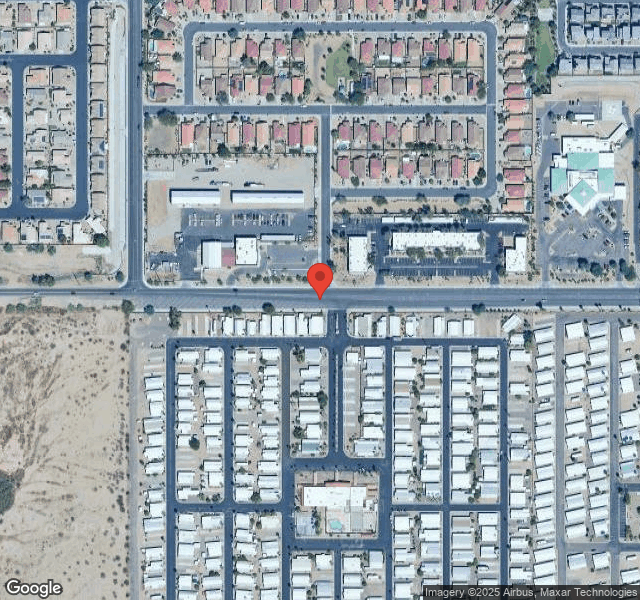
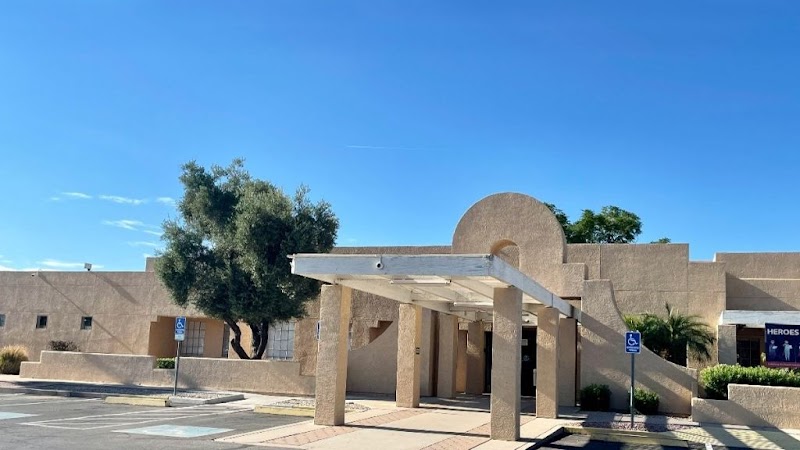
2012 WEST SOUTHERN AVE, APACHE JUNCTION, AZ 85120 (480) 983-0700
For profit - Corporation 190 Beds PACS GROUP Data: November 2025
Trust Grade
55/100
#62 of 139 in AZ
Last Inspection: February 2025

Within standard 12-15 month inspection cycle. Federal law requires annual inspections.

Overview

Apache Junction Health Center has a Trust Grade of C, which means it is average and sits in the middle of the pack among nursing homes. It ranks #62 out of 139 facilities in Arizona, placing it in the top half, and #2 out of 3 in Pinal County, indicating that only one local option is better. Unfortunately, the facility is worsening, with issues increasing from 1 in 2024 to 5 in 2025. Staffing is a significant concern here, as it has a low rating of 1 out of 5 stars and a turnover rate of 59%, which is much higher than the state average of 48%. On a positive note, there have been no fines, suggesting compliance with regulations, and the facility has excellent quality measures. However, there are serious issues to consider: one resident experienced a cardiopulmonary arrest due to a failure to administer necessary oxygen, and there were concerns about documentation related to alleged staff abuse, which indicates potential neglect in care. Additionally, incidents of staff sexual abuse were noted, highlighting the need for improved staff training and oversight. Families should weigh these strengths and weaknesses carefully when considering this facility for their loved ones.

Trust Score
C
55/100
In Arizona
#62/139
Top 44%
Safety Record
Moderate
Needs review
Inspections
Getting Worse
1 → 5 violations
Staff Stability
⚠ Watch
59% turnover. Above average. Higher turnover means staff may not know residents' routines.
Penalties
✓ Good
No fines on record. Clean compliance history, better than most Arizona facilities.
Skilled Nurses
⚠ Watch
Each resident gets only 18 minutes of Registered Nurse (RN) attention daily — below average for Arizona. Fewer RN minutes means fewer trained eyes watching for problems.
Violations
⚠ Watch
16 deficiencies on record. Higher than average. Multiple issues found across inspections.
★★★☆☆
3.0
Overall Rating
★☆☆☆☆
1.0
Staff Levels
★★★★★
5.0
Care Quality
★★★☆☆
3.0
Inspection Score
Stable
2024: 1 issues
2025: 5 issues

The Good

  • 5-Star Quality Measures · Strong clinical quality outcomes
  • Full Sprinkler Coverage · Fire safety systems throughout facility
  • No fines on record

Facility shows strength in quality measures, fire safety.

The Bad

3-Star Overall Rating

Near Arizona average (3.3)

Meets federal standards, typical of most facilities

Staff Turnover: 59%

13pts above Arizona avg (46%)

Frequent staff changes - ask about care continuity

Chain: PACS GROUP

Part of a multi-facility chain

Ask about local staffing decisions and management

Staff turnover is elevated (59%)

11 points above Arizona average of 48%

The Ugly 16 deficiencies on record

1 actual harm
Feb 2025 5 deficiencies
CONCERN (D) 📢 Someone Reported This

A family member, employee, or ombudsman was alarmed enough to file a formal complaint

Potential for Harm - no one hurt, but risky conditions existed

Free from Abuse/Neglect (Tag F0600)

Could have caused harm · This affected 1 resident

**NOTE- TERMS IN BRACKETS HAVE BEEN EDITED TO PROTECT CONFIDENTIALITY** Based on clinical record review, resident and staff interviews, and policy review, the facility failed to ensure one of 2 sample...

Read full inspector narrative →
**NOTE- TERMS IN BRACKETS HAVE BEEN EDITED TO PROTECT CONFIDENTIALITY** Based on clinical record review, resident and staff interviews, and policy review, the facility failed to ensure one of 2 sampled residents (#2) were not verbally abused by a Licensed Practical Nurse (LPN/Staff#207). The deficient practice could result in residents being emotionally harmed. Findings include: Resident #2 was admitted to the facility on [DATE] with diagnoses that included hypertension, multiple sclerosis, anxiety disorder, and paraplegia. There was no evidence in the clinical record that the care plan had been updated regarding an allegation of abuse that occurred on November 19, 2022. A Quarterly Minimum Data Set (MDS) assessment dated [DATE], revealed a Brief Interview for Mental Status (BIMS) score of 15, which indicated intact cognition. The assessment also indicated no behaviors were exhibited. Further review of the resident ' s clinical record from November 19, 2022 through February 21, 2022 revealed no evidence of the verbal abuse allegation that occurred on November 19, 2022. Review of a facility investigation dated November 24, 2022, revealed that a verbal altercation occurred on November 19, 2022 between a LPN (Staff #207) and Resident #2. The allegation was reported by Resident #2 on November 19, 2022. The investigation revealed that the LPN told the facility she felt mocked by Resident #2 for her medication delivery and that the resident made her feel like she was not a nurse and during the investigation the LPN resigned. The facility investigation also revealed that another resident across the hall stated that he heard the nurse say you are not human, you are a monkey multiple times to Resident #2. The facility substantiated the investigation. An interview was conducted on February 20, 2025 at 10:16 a.m. with the previous Executive Director and Abuse Coordinator (Previous ED/Staff#209), who stated that he recalled that the LPN had assaulted Resident #2 verbally, and stated the resident was a monkey and less than human. Staff #209 stated that Resident #2' s roommate corroborated the story and when he confronted the perpetrator, she did not deny that she had said it, and told him I may have said something like that. Staff #209 stated that he did substantiate the allegation because the facility identified that the nurse was inappropriate toward the resident. An attempt was made to contact the Certified Nursing Assistant (CNA/Staff#208) who was named as a witness in the investigation on February 20, 2025 at 10:23 a.m., and there was no response. An attempt was made to call the perpetrator (LPN/staff #207), on February 20, 2025 at 10:24 a.m., however, there was no response. An interview was conducted on February 20, 2025 at 10:59 a.m. with Resident #2 who stated that the nurse LPN (staff #207), entered her room to administer pain medication, and when the resident declined to take the medication the LPN went into a rage and called the resident a monkey and less than a human being. Resident #2 stated that her roommate overheard the incident, as well as several other residents in the hall, and her roommate thought the nurse stated don't mock me. Resident #2 stated that when the roommate said that, Staff #207 overheard, and came back into the room to clarify to both residents that she did actually say monkey and that Resident #2 was less than human, before repeating it 5-6 more times. Resident #2 stated that she immediately called the previous Executive Director (staff #209), and the nurse was immediately taken off the floor and terminated. Resident #2 stated that she ultimately felt she was supported and protected by the facility, but she did feel violated and unsafe following the incident. An interview was conducted on February 20, 2025 at 12:50 p.m. with the Director of Nursing (DON/Staff#189) who stated that abuse was considered anything that made a patient feel unsafe, abuse was not allowed to occur in the facility, and staff should never yell at residents or call them names. The DON stated that if an abuse allegation were made, they would need to report and investigate immediately, and remove the employee to protect the patient from harm. Staff #189 stated that an allegation of abuse would need to be documented in the clinical record in the form of a progress note. Review of a policy titled, Abuse, Neglect, Exploitation or Misappropriation revealed that residents have the right to be free from abuse, which includes verbal abuse. The policy revealed that the facility needed to develop and implement policies to prevent and identify abuse and ensure adequate staffing to prevent burnout, stressful working situations, and high turnover rates. Review of a policy titled, Charting and Documentation, revealed that any changes to the resident ' s medical, physical, functional, or psychosocial condition should have been documented in the resident ' s medical record including incidents and events regarding the resident.
CONCERN (D) 📢 Someone Reported This

A family member, employee, or ombudsman was alarmed enough to file a formal complaint

Potential for Harm - no one hurt, but risky conditions existed

Deficiency F0602 (Tag F0602)

Could have caused harm · This affected 1 resident

**NOTE- TERMS IN BRACKETS HAVE BEEN EDITED TO PROTECT CONFIDENTIALITY** Based on clinical record review, resident and staff interviews, and policy review, the facility failed to ensure controlled narc...

Read full inspector narrative →
**NOTE- TERMS IN BRACKETS HAVE BEEN EDITED TO PROTECT CONFIDENTIALITY** Based on clinical record review, resident and staff interviews, and policy review, the facility failed to ensure controlled narcotic medications of one resident (#449) were not diverted and misappropriated by a Licensed Practical Nurse (LPN/Staff#210). The deficient practice could result in residents not receiving pain medication as ordered, and pain not being controlled. Findings include: Resident #449 was admitted to the facility on [DATE] with diagnoses that included artificial hip joint, diabetic neuropathy, depression, and anxiety A Discharge Minimum Data Set (MDS) assessment dated [DATE], revealed a Brief Interview for Mental Status (BIMS) score was 15, which indicated intact cognition. Review of medication orders revealed that oxycodone 10 MG tablets were initiated on the following dates: -April 13, 2023 -April 17, 2023 -April 23, 2023 Further review of the medication orders revealed no evidence of stopped/discontinued/completed dates for oxycodone on the above dates. Review of medication administration records revealed that the resident was administered oxycodone from April 13, 2023 until her discharge on [DATE]. The clinical record revealed that the resident was discharged from the facility on April 26, 2023. A facility investigation dated May 16, 2023, regarding an allegation of narcotic diversion by an LPN (staff #210), revealed video footage with timestamps showing that the LPN arrived late for her shift, ingested pills from her personal bag in a prescription container, removed two bubble pack medication cards that had been discontinued from the cart, popped a large amount of pink medications from the controlled medicine card in her hand, ingested one of the pink pills, and placed the rest of the pills in a pill crushing bag with a rubber band around the top to seal it. The investigation also revealed that the LPN placed the bag into her right pocket and removed the labels from a minimum of 2 cards before placing them in her pocket and discarding the bubble pack in the garbage. The investigation further indicated that in the footage, the LPN took the controlled medication count-down sheet out of the controlled medicine book and folded them into her left pocket. The report revealed that the LPN spent most of her time at the cart in the controlled substance drawer, even though records show she only dispensed one narcotic during her shift. The report identified that the medications that were diverted were the same color as the missing medications, and the nurse marked the two cards as being discharged or destroyed. An interview was conducted on February 20, 2025 at 10:16 a.m. with the previous Executive Director (Previous ED/Staff#209), who stated that on May 2nd, 2023, an unidentified nurse reported to him that the LPN was acting funny. The previous ED stated that when he reviewed the video footage of the LPN, he observed her popping nearly 20 oxycodone pills into a cup and taking it around the nurse ' s station, looking around, and grabbing a pill crusher bag to store the pills in before placing the bag into her pocket. The previous ED stated that the LPN took 17-20 oxycodone pills and 4 antipsychotic pills of some sort that he was unable to identify, and in the video footage he observed the LPN remove one of the 20 pills and take it while standing on the unit. The previous ED stated that the LPN took the medication cart and went to the end of the hallway underneath another camera to remove the count sheets in the narcotics book and the blister pack label, and she put them in her pocket before leaving her shift. The previous ED stated that he notified the police, Adult Protective Services, Arizona State Board of Nursing, ombudsman, and the Arizona Department of Health Services. The previous ED stated that the resident who had their medications diverted was discharged the day prior to the incident, and their protocol was to not purge the medications until later that day. An attempt was made to have a phone interview with the Licensed Practical Nurse (LPN/Staff #210) named in the investigation as the perpetrator on February 20, 2025 at 10:27 a.m., and there was no response. An interview was conducted on February 20, 2025 at 11:45 a.m. with a Licensed Practical Nurse (LPN/Staff#114) who stated that it was not acceptable for nurses to steal or use medications from the medication cart because it would endanger the safety of their patients. The LPN stated that nurses were there to protect residents, and the action of stealing medications or ingesting them while on duty would not protect patients because the nurse would be intoxicated which could cause them to have poor judgement and assessment skills. An interview was conducted on February 20, 2025 at 12:47 p.m. with the Director of Nursing (DON/Staff#189) who stated that staff were not allowed to take controlled medications from the medication cart for personal use and that it would be unacceptable and inappropriate. The DON stated that if this were to be identified in the facility they would need to confront it immediately by investigating and reporting to the police, Arizona Department of Health Services, Arizona State Board of Nursing, and the Drug Enforcement Administration. The DON stated that the risk of staff taking medications from the medication cart for personal use could result in harm to the resident ' s due to the nurse having altered mentality and ability to provide care. The DON also stated that the risk could be that it could lead to medication errors and an impaired nurse might not provide care as it was ordered by the physician. Review of a policy titled, Controlled Substances, revealed that the facility should comply with all laws, regulations, and other requirements related to handling, storage, disposal, and documentation of controlled medications. The policy revealed that the controlled substance inventory should be monitored and reconciled to identity loss or potential diversion in a manner that minimizes the time between diversion and detection. The policy also revealed that the waste or disposal of controlled medications should be done in the presence of a nurse and a witness who both sign the disposition sheet. The policy indicated that controlled substances remaining in the facility after a resident had been discharged should be securely locked in an area with restricted access until destroyed. Review of a policy titled, Abuse, Neglect, Exploitation, and Misappropriation Prevention Program, revealed that the facility should develop and implement policies and protocols to prevent and identify theft, and misappropriation of resident property. The policy revealed that residents have the right to be free from misappropriation of resident property.
CONCERN (D) 📢 Someone Reported This

A family member, employee, or ombudsman was alarmed enough to file a formal complaint

Potential for Harm - no one hurt, but risky conditions existed

Abuse Prevention Policies (Tag F0607)

Could have caused harm · This affected 1 resident

**NOTE- TERMS IN BRACKETS HAVE BEEN EDITED TO PROTECT CONFIDENTIALITY** Based on clinical record review, policy review, resident and staff interviews, the facility failed to ensure abuse policies were...

Read full inspector narrative →
**NOTE- TERMS IN BRACKETS HAVE BEEN EDITED TO PROTECT CONFIDENTIALITY** Based on clinical record review, policy review, resident and staff interviews, the facility failed to ensure abuse policies were followed regarding one of 2 sampled residents (#2) who was verbally abused by a Licensed Practical Nurse (LPN/Staff#207). The deficient practice could result in abuse policies not being followed, which could result in residents being harmed. Findings include: Resident #2 was admitted to the facility on [DATE] with diagnoses that included hypertension, multiple sclerosis, anxiety disorder, and paraplegia. A Quarterly Minimum Data Set (MDS) assessment dated [DATE], revealed a Brief Interview for Mental Status (BIMS) score of 15, which indicated intact cognition. The assessment also indicated no behaviors were exhibited. Review of a facility investigation dated November 24, 2022, revealed a substantiated allegation that a verbal altercation occurred on November 19, 2022, between an LPN (staff #207) and Resident #2. The investigation revealed that the LPN resigned from the facility. An interview was conducted on February 20, 2025 at 10:16 a.m. with the previous Executive Director and Abuse Coordinator (Previous ED/Staff#209) who stated that he substantiated the staff to resident abuse allegation because the facility protocol was to substantiate if there was truth to the scenario, and from what he understood, the perpetrator (LPN/staff #207) was verbally inappropriate to with Resident #2. An interview was conducted on February 20, 2025 at 10:59 a.m. with Resident #2, who stated that the LPN (staff #207), entered her room to administer pain medication, and when the resident declined to take the medication the LPN went into a rage and called the resident a monkey and less than a human being. Resident #2 stated that her roommate overheard the incident, as well as several other residents in the hall, and her roommate thought the nurse stated don ' t mock me. Resident #2 stated that when the roommate said that, Staff #207 overheard, and came back into the room to clarify to both residents that she did actually say monkey and that Resident #2 was less than human, before repeating it 5-6 more times. Resident #2 stated that she immediately called the previous Executive Director (staff #209), and the nurse was immediately taken off the floor and terminated. Resident #2 stated that she ultimately felt she was supported and protected by the facility, but she did feel violated and unsafe following the incident. An interview was conducted on February 20, 2025 at 12:50 p.m. with the Director of Nursing (DON/Staff#189), who stated that abuse was considered anything that made a patient feel unsafe, abuse was not allowed to occur in the facility as per their policy, and staff should never yell at residents or call them names. The DON stated that if an abuse allegation were made, the protocol would be to report and investigate it immediately, and remove the employee to protect the patient from harm. Staff #189 stated that the process following an allegation of abuse would be to document in the clinical record in the form of a progress note as per the facility ' s policy. Review of a policy titled, Abuse, Neglect, Exploitation or Misappropriation revealed that residents have the right to be free from abuse, which includes verbal abuse. The policy revealed that the facility needed to develop and implement policies to prevent and identify abuse and ensure adequate staffing to prevent burnout, stressful working situations, and high turnover rates.
CONCERN (D) 📢 Someone Reported This

A family member, employee, or ombudsman was alarmed enough to file a formal complaint

Potential for Harm - no one hurt, but risky conditions existed

Deficiency F0757 (Tag F0757)

Could have caused harm · This affected 1 resident

**NOTE- TERMS IN BRACKETS HAVE BEEN EDITED TO PROTECT CONFIDENTIALITY** Based on review of clinical records, policy, and staff interviews the facility failed to ensure an order for pain medication was...

Read full inspector narrative →
**NOTE- TERMS IN BRACKETS HAVE BEEN EDITED TO PROTECT CONFIDENTIALITY** Based on review of clinical records, policy, and staff interviews the facility failed to ensure an order for pain medication was followed as prescribed for one of eight sampled residents (#46) by failing to administer medication following physician ordered parameters. The deficient practice could result in undesirable medication-induced harm and uncontrolled pain. Finding Includes: Resident #46 was admitted into the facility on January 17, 2025 with diagnoses that included type 2 diabetes, depression and obstructive uropathy. A physician order dated January 18, 2025 was written for tylenol oral tablet 325 milligram (acetaminophen) to give 2 tablets by mouth every 6 hours, as needed for pain 1-3. A Medicare 5-day Minimum Data Set (MDS) assessment dated [DATE], included a Brief Interview for Mental Status (BIMS) score of 12, which indicated intact cognition. It further revealed that the resident had pain occasionally effected her sleep and therapy activities. A care plan initiated on February 12, 2025, revealed that the resident was at risk for pain or discomfort due to immobility, and interventions included to administer medication as prescribed. A February 2025 Medication Administration Records (MAR) revealed that tylenol oral tablet 325 milligram was administered outside of physician ordered parameters on the following dates: -February 2, 2025 at 1:28 p.m.: for a pain level of 5. -February 5, 2025 at 8:32 a.m.: for a pain level of 9. -February 16, 2025 at 8:08 a.m.: for a pain level of 5. Progress notes dated February 2, February 5, and February 16, 2025 revealed no evidence that the physician was notified that the medications were administered outside of parameters. An interview was conducted on February 20, 2025 at 11:39 a.m., with a Licensed Practical Nurse (LPN/ staff # 250), who stated that the resident was alert and occasionally confused. The LPN also stated that the resident has orders for oxycodone prn (as needed) for a pain level of 4-10 and tylenol for a pain level of 1-3. The LPN reviewed the clinical record and stated that tylenol had been administered for a pain level of 5 on two occasions and for a pain level of 9 once, and that this did not follow the physician order. The LPN also stated that the risk could result in unnecessary pain, and a risk of falling from agitated behaviors due to uncontrolled pain. An interview was conducted with the Director of Nursing (DON/ staff # 189) on February 20, 2025 at 12:02 p.m., who stated that the resident had orders for prn pain medication oxycodone and tylenol. The DON reviewed the MAR and stated that she expected nursing to follow physician orders, as written including parameters. She also stated that the risk of not administrating pain medication follow physician order could result in uncontrolled pain. A review of the policy titled, Administering Medication, revealed that medications are administered in accordance with prescriber orders, including any required time frame.
CONCERN (E) 📢 Someone Reported This

A family member, employee, or ombudsman was alarmed enough to file a formal complaint

Potential for Harm - no one hurt, but risky conditions existed

Medical Records (Tag F0842)

Could have caused harm · This affected multiple residents

**NOTE- TERMS IN BRACKETS HAVE BEEN EDITED TO PROTECT CONFIDENTIALITY** Based on clinical record review, resident and staff interviews, and policy review, the facility failed to ensure that an inciden...

Read full inspector narrative →
**NOTE- TERMS IN BRACKETS HAVE BEEN EDITED TO PROTECT CONFIDENTIALITY** Based on clinical record review, resident and staff interviews, and policy review, the facility failed to ensure that an incident involving staff to resident abuse was documented completely in the clinical record for 1 of 4 sampled residents (#2), and that medical records were maintained for the regulated timeframe for 3 out of 4 residents (#450, #451, #16). The deficient practice could result in incomplete documentation in resident medical records. Findings Include: -Regarding Resident #2 Resident #2 was admitted to the facility on [DATE] with diagnoses that included hypertension, multiple sclerosis, anxiety disorder, and paraplegia. A Quarterly Minimum Data Set (MDS) assessment dated [DATE], revealed a Brief Interview for Mental Status (BIMS) score of 15, which indicated intact cognition. An allegation of staff to resident abuse that occurred on November 19, 2022 was investigated by the facility on November 24, 2022. However, review of the resident ' s clinical record dated November 19, 2022 through February 21, 2025 revealed no evidence of the incident occurring. A care plan initiated on March 1, 2017 revealed no evidence regarding the allegation of verbal abuse on February 21, 2025. An interview was conducted on February 20, 2025 at 12:53 p.m. with the Director of Nursing (DON/Staff#189) who stated that allegations of abuse should be noted in the progress notes and would have to be a part of the clinical record. An interview was conducted on February 20, 2025 at 1:06 p.m. with a Licensed Practical Nurse (LPN/Staff#114) who stated that allegations of abuse needed to be documented in the progress notes and that it was the facility ' s expectation to document anything and everything in the notes. Staff # stated that the note would need to include the allegation, chain of command notified, interventions, and outcome. -Regarding Resident #450 Resident #450 was admitted to the facility on [DATE] with diagnoses that included fracture of the right femur, subsequent encounter for closed fracture with routine healing, a need for assistance with personal care, and the presence of a cardiac pacemaker. A Quarterly MDS assessment dated [DATE], revealed a stage 3 pressure ulcer and a BIMS score of 14, which indicated intact cognition. A request was made for Resident #450 ' s December 2020 shower sheets to reveal skin integrity and the facility was unable to provide them. -Regarding Resident #451 Resident #451 was admitted to the facility on [DATE] with diagnoses that included hemiplegia, hemiparesis, dysphagia, and atrial fibrillation. A Quarterly MDS assessment dated [DATE] revealed a BIMS score of 14, which indicated intact cognition. A request was made for Resident #451 ' s shower sheets from July 2022 to reveal skin integrity and the facility was unable to provide them. -Regarding Resident #16 Resident #16 was admitted to the facility on [DATE] with diagnoses that included hemiplegia and hemiparesis, type 2 diabetes, edema, and hyperlipidemia. A Quarterly MDS assessment dated [DATE] revealed a BIMS score that was 15, which indicated intact cognition. A request was made for Resident #16 ' s shower sheets from December 2022 to reveal skin integrity and the facility was unable to provide them. An interview was conducted on February 20, 2025 at 11:55 a.m. with the Executive Director (ED/Staff#69) who stated that they did not have shower sheets from 2020-2022 and that they had looked through the off-site boxes in an attempt to find them. The initial request was submitted to Staff #69 on February 20, 2025 at 8:40 a.m. and was unable to be completely fulfilled. Staff #69 signed the submitted request stating that shower sheets were unavailable for the requested years. An interview was conducted on February 21, 2025 at 10:14 a.m. with the Medical Records Director (MRD/Staff#18) who stated that the requirement for maintaining medical records was 6 years for the state. Staff #18 stated that if they did have medical records from 2020-2022 they would be off site, and that shower sheets should be a part of those records. Staff #18 stated that if there were not shower sheets, then those would be incomplete medical records. Staff #18 stated that she had only been working at the facility for a few months and that she did not know if they had the shower sheets from 2020-2022. A follow-up interview was conducted on February 21, 2025 at 10:32 a.m. with the DON (Staff #189) who stated that her rule of thumb for maintaining medical records was 10 years, and shower sheets were a part of the medical record. Staff #189 stated that it was her expectation that medical records be maintained for the timeframe required by the regulation and statutes. Review of a policy titled, Retention of Medical Records, revealed that the medical records of discharged residents should be retained by the facility for a period of 6 years. Review of a policy titled, Charting and Documentation, revealed that the medical record must contain events, incidents, or accidents involving the resident. The policy also revealed that documentation must be objective, complete, and accurate.
Sept 2024 1 deficiency
CONCERN (D) 📢 Someone Reported This

A family member, employee, or ombudsman was alarmed enough to file a formal complaint

Potential for Harm - no one hurt, but risky conditions existed

Quality of Care (Tag F0684)

Could have caused harm · This affected 1 resident

**NOTE- TERMS IN BRACKETS HAVE BEEN EDITED TO PROTECT CONFIDENTIALITY** Based on observation, staff interviews, clinical record review and facility documentation and policy review, the facility failed...

Read full inspector narrative →
**NOTE- TERMS IN BRACKETS HAVE BEEN EDITED TO PROTECT CONFIDENTIALITY** Based on observation, staff interviews, clinical record review and facility documentation and policy review, the facility failed to ensure that a medication was administered as ordered for 3 sampled residents (#6, #32 and #25). This deficient practice could result in residents not receiving the necessary treatment to address their medical issues/problems. Findings include: -Resident #6 was admitted on [DATE] with diagnoses of urinary tract infection, dysphagia, and neurogenic bladder. A care plan dated [DATE] for altered skin integrity included and intervention to notify the Physician or Nurse Practitioner as needed. The admission notes dated [DATE] revealed the resident was readmitted with diagnosis of MDR (multi-drug resistant) UTI (urinary tract infection); and was at the facility for IV (intravenous antibiotic). A care plan dated [DATE] revealed the resident had fluid overload. Interventions include to administer medications as ordered. A physician order dated [DATE] included for Ertapenem Sodium (antibiotic) injection solution reconstituted 1 GM (gram) intravenously one time a day for UTI for 14 Days. The start date was [DATE] at 12:00 P.M. This order was transcribed onto the medication administration record (MAR) for [DATE]. The MAR revealed that the resident received one dose of ertapenem on [DATE]. Continued review of the MAR revealed that ertapenem was not documented as administered on [DATE] and [DATE]. An eMAR (electronic MAR) note dated [DATE] revealed that included that there was no IV medication. The clinical record revealed no evidence of a reason why ertapenem was not administered to the resident on [DATE] and [DATE]; and that, the physician was notified. The physician progress note dated [DATE] included that the resident was tolerating ertapenem sodium 1 gram. The 5-day MDS (Minimum Data Set) assessment dated [DATE] revealed that the resident was not taking antibiotic during the last 7 days. -Resident #32 was admitted on [DATE] with diagnoses of rheumatoid arthritis, sepsis and metabolic encephalopathy. The physician progress note dated [DATE] revealed the resident was alert and oriented x3, had chronic pain, chronic bilateral hip pain and sciatica. Assessment included chronic bilateral hip pain; and that, hip x-rays showed severe degenerative changes. Plan included pain control. An admission MDS dated [DATE] included the resident was moderately cognitively impaired, and that the resident occasionally experienced pain and the worst pain in the last 5 days was a 4. A physician order dated [DATE] included for oxycodone (narcotic opioid) ER (extended release) tablet 12 Hour Abuse-Deterrent 10 mg (milligram), give 1 tablet by mouth two times a day for pain. This medication had a trade name of oxycontin. This order was transcribed onto the MAR (medication administration record) for [DATE]. The MAR revealed that oxycodone was documented as administered from [DATE] through [DATE]; and, the total number of tablets given from [DATE] through [DATE] was 6 tablets. The clinical record revealed documentation that oxycodone was discontinued on [DATE]. However, the controlled substance countdown sheet included that Oxycodone was continued to be administered 9 instances after [DATE]. A physician order dated [DATE] included for oxycodone 5 mg give one tablet every 4 hours as needed for pain. This order was transcribed onto the MAR for August and [DATE] and revealed that oxycodone was documented as administered 8/31, 9/1, 9/2, 9/4, 9/5 and [DATE]. A physician order dated [DATE] revealed an order for oxycodone 5 mg by mouth every 4 hours as needed for pain 4-10 related to rheumatoid arthritis. However, a medication cart observation conducted on [DATE] revealed that the oxycontin medication card for resident #32 had twenty 10 mg tablets of oxycontin (trade name for oxycodone). An interview was conducted on [DATE] at 5:23 P.M. with the registered nurse (RN/staff #11) who said that she administered oxycontin to the resident; and, she was using the 10 mg oxycontin in the medication card that was found in the medication to administer to the resident. She said that there were narcotics that were no longer used, or, when a medication was completed, the nurse would take the paper out and sign it as completed with another nurse to witness. She said she had always had someone available to give the narcotic cards to; and that, she was not sure what to do if there was no one. In an interview conducted on [DATE] at 5:25 P.M with another RN (staff #99) who reviewed the resident clinical record, the RN said that the resident had an order for oxycodone HCL ER from [DATE] - [DATE]. The RN also said that the staff should have used 8 tabs; and that, there were more tablets missing in the medication card than what should have been used, considering the time prescribed. -Resident #25 was admitted on [DATE] with diagnoses of elevated white blood cell count, myocardial infarction (MI) and UTI. A care plan dated [DATE] revealed the resident was at risk for impaired cardiac function and complications related to history of myocardial infarction. Interventions included to administer medications as ordered and to observe, document and notify MD of adverse side effects. A physician progress note dated [DATE] included that urine culture report showed sensitivity to meropenem. It also included that PICC (peripherally inserted central catheter) line was ordered and to start IV meropenem soon after PICC line insertion. Assessment included UTI. A physician order dated [DATE] for meropenem IV solution reconstituted 1 gram intravenously every 8 hours for UTI for 7 Days. This order was transcribed onto the MAR for August and revealed that IV meropenem was not documented as administered on at the 10:00 p.m. schedule on [DATE] There was no evidence found in the clinical record of a reason why this medication was not administered as ordered; and that, the physician was notified. A physician progress note dated [DATE] revealed that the resident was receiving antibiotic as scheduled and was tolerating it well. An interview was conducted on [DATE] at 5:30 p.m. with the unit manager/licensed practical nurse (LPN/staff #21) who said that nurses take the medication cards out periodically; and that, when the medication cards were still in the narcotics drawer in the medication cart, they do not have a way of knowing if the medications were discontinued. The LPN said that the nurses were usually good on knowing what medications were discontinued for a resident. She said that if IV medication was not available, the nurse should the pharmacy, inform the provider, then get the medication from the pyxis system if possible and document in the progress note. A review of the clinical record for resident #6 was conducted with the LPN who stated that she did not see any notes or any new orders that say it was ok to hold ertapenem on the [DATE]. The LPN further stated that the unmarked boxes in the MAR meant that medication was not given; and that, if it was not charted, it did not happen. In an interview with another LPN (staff #117) conducted on [DATE] at 1:30 p.m., the LPN stated that when doing medication administration, she checks the time, route and the medication, and, would look at the electronic MAR. She stated that it was absolutely not ok to give an extended release instead of an immediate release medication. She said that she just leaves medications in a cart if it is expired until it can be removed. The LPN said that if she was out of a medication she needed, she would reorder the medication, would document in the nursing note that the medication was pending pharm delivery and would notify the provider. During an interview with the Director of Nursing (DON/staff #56) conducted on [DATE] at 3:09 p.m., the DON stated that the expectation was that the unit manager or herself would collect the narcotics that were not in use twice a week. The DON also said that if medication go out of use before time of collection, the expectation was for staff to let management know sooner than our scheduled days. She said disposing of expired/unusable narcotic medication was just their standard practice and not a policy. The DON said that giving a narcotic without an order does not meet the expectation. The DON also said that she expected that all nurses follow the 5 rights: right medication, route, dose, patient and frequency. Regarding antibiotic administration, the DON stated that the expectation was for staff to notify the pharmacy, try to pull the medication from the Pyxis system when the antibiotic was not available. The DON said that if the staff could not the medication from the Pyxis, staff were expected to document that the medication was not given; and that, staff would notify the physician of any missed doses. Further, the DON stated that any missed doses would be provided at the end and the stop date would be extended. She said that there was a standing order that staff may administer the medication when available from the pharmacy. She said that if 3 standard doses were missed, then we notify them and that the Medical Director was aware of this policy. An interview was conducted on [DATE] at 1:37 P.M. with the Medical Director (staff #100) who said that if residents miss a dose, he will extend the treatment if missed a dose was at the beginning of a treatment because of delayed/pending pharmacy delivery. He said that there cannot be a standing order for missing doses in the middle of the treatment. He said that he would definitely want to be informed of any missed dosed. A policy titled Charting and Documentation revised 7/2017 included all services provided to the resident, progress toward the care plan goals, or any changes in the resident's medical, physical, functional or psychosocial condition, shall be documented in the resident ' s medical record. This document included that the medical record should facilitate communication between the interdisciplinary team regarding the resident ' s condition and response to care. This policy included documentation of procedures and treatments will include care-specific details, including notification of family, physician or other staff, if indicated. A policy titled Administering Medication dated 4/2019 revealed that medications are administered in a safe and timely manner, and as prescribed. This policy included the individual administering the medication checks the label THREE (3) times to verify the right resident, right medication, right dosage, right time and right method (route) of administration before giving the medication.
Sept 2023 1 deficiency 1 Harm
SERIOUS (G) 📢 Someone Reported This

A family member, employee, or ombudsman was alarmed enough to file a formal complaint

Actual Harm - a resident was hurt due to facility failures

Free from Abuse/Neglect (Tag F0600)

A resident was harmed · This affected 1 resident

**NOTE- TERMS IN BRACKETS HAVE BEEN EDITED TO PROTECT CONFIDENTIALITY** Based on clinical record review, staff interviews, and facility documentation, policies and procedures, the facility failed to e...

Read full inspector narrative →
**NOTE- TERMS IN BRACKETS HAVE BEEN EDITED TO PROTECT CONFIDENTIALITY** Based on clinical record review, staff interviews, and facility documentation, policies and procedures, the facility failed to ensure that one resident (#5) was free from neglect by failing to ensure oxygen was administered when needed and the provider was notified of decreased oxygen saturation. The deficient practice resulted in cardiopulmonary arrest and hospitalization for resident #5. Findings include: Resident #5 was admitted on [DATE] with diagnoses of multiple sclerosis (MS), epilepsy, and hypertension. The care plan dated [DATE] revealed the resident was admitted due to decreased activities of daily living (ADLs) ability related to MS exacerbation/flare with seizure disorder. Another care plan initiated on [DATE] indicated that the resident had potential for pain/discomfort related to MS flare, neuropath, and decreased mobility. Review of the admission Minimum Data Set (MDS) assessment dated [DATE] revealed a Brief Interview for Mental Status (BIMS) score of 14 indicating the resident was cognitively intact. The assessment also included the resident was not coded for shortness of breath, was not on oxygen therapy and did not have a condition or chronic disease that may result in a life expectancy of less than 6-months. The active physician order summary revealed no orders for supplemental oxygen use. The weights and vitals summary report from [DATE] through 29, 2023 revealed resident had oxygen saturation (O2 sat) rate reading ranging 90-98%. The skilled note dated [DATE] revealed the resident was alert and oriented to person, place and time, had no shortness of breath and had O2 sat rate of 95% on [DATE] at 6:46 a.m. The weight and vitals summary report revealed the resident's O2 sat rate were as follows on [DATE]: -At 3:07 p.m. - 87% in room air; and, -At 10:57 p.m. - 81% room air. A late entry physician progress note dated [DATE] included that the resident's O2 sat was 71% on room air based on vitals taken on [DATE] at 5:15 a.m. Per the documentation, the resident was not in great pain, was working on a bike machine, did not have cyanosis and bilateral lung sounds were clear to auscultation. A skilled note dated [DATE] at 3:17 a.m. included the resident's O2 sat was 81% on room air based on vital taken on [DATE] at 10:57 p.m. The note also indicated that the resident was not experiencing shortness of breath and was not on oxygen therapy. The documentation did not indicate any actions taken to address the resident's low O2 sat; and that, the physician was notified. Despite documentation of low oxygen saturation rates, the clinical record revealed no evidence that interventions were put in place to address the resident's oxygen saturation; and that, the physician was notified from [DATE] at 3:07 p.m. through [DATE] before 5:04 a.m. A general note dated [DATE] at 5:04 a.m. revealed resident #5 was alert and oriented was having respiratory difficulty and was cool and clammy. The documentation the note indicated that 911 was called and that the medical doctor was notified. The weight and vitals summary report for [DATE] 5:15 a.m. revealed the resident had an oxygen saturation rate of 71% via nasal cannula A progress note dated [DATE] at 5:15 a.m. included the resident had moderate emesis of brown liquid substance, was breathing and was unresponsive. Per the documentation, CPR (cardiopulmonary resuscitation) was initiated for 15 minutes by paramedics, and that the resident left the facility at 5:35 a.m. A progress note dated [DATE] at 5:25 a.m. revealed that the ambulance arrived at 5:15 a.m.; and that, CPR was initiated. The transfer/discharge summary note dated [DATE] at 7:37 a.m. included that resident #5 left the facility at 5:35 a.m. with mechanical CPR device delivering chest compressions; and that, the resident was taken to the hospital. Per the documentation, staff spoke with the ER (emergency room) nurse; and that, the resident expired in the hospital. A review of a written statement by staff #117 dated [DATE] revealed that on [DATE], the CNA took the resident's vital signs on or about approximately between the time of 12 midnoc (midnight) and 1:00 a.m. indicated that a CNA informed her that resident #5's O2 sat was 91%. Per the statement, staff #117 noticed the documentation in the electronic record upon entering the patient's room on or about approximately 5:15 a.m. was 81% the O2 sat. At approximately on or about before 5:15 a.m., two CNAs and the nurse (staff #117) entered resident's room. Per the documentation, the resident's family reported that the resident had been like this during the night, the resident needed oxygen and the physician saw the resident today. The statement also included that the resident was awake, responsive and breathing, had an O2 saturation of 71%; and that, staff #117 placed the resident on oxygen at 2-3 LPM (liters per minute) continuously, exited the room, called 911 and notified the physician. The statement also included that the paramedics arrived at or approximately before or after 5:15 a.m. and the resident was placed on cardiac monitor. It also included that the resident had large emesis of brown liquidy substance; and, the paramedics immediately started mechanical chest compressions and that, the resident was still breathing. The statement also included that the resident left the facility at or about approximately before or after 5:30 a.m. and was transported to the hospital; and that, later on that morning of [DATE], staff #117 called the hospital and was informed that the resident expired. The facility 5-day report submitted on [DATE] revealed that a certified nurse assistant (CNA/staff #47) reported that when she took the resident's vital signs on [DATE] at 10:30 a.m. the resident's oxygen saturation was 81%; and that, she immediately reported the reading to the nurse (staff #117). The report also included that the CNA reported that oxygen was not initiated until the resident was found in distress at 4:45 a.m. on [DATE]. The documentation also included that interviews conducted with staff who worked with staff #117 revealed that staff #117 had problems with time management and follow through; and that, staff #117 seemed to be behind in her work and in a rush and there were instances when the staff had to finish up for staff #117 and follow through on work. The investigative report also included that on [DATE] the director of nursing (DON) spoke with staff #117 who said that the CNA (staff #47) informed her at 10:30 p.m. of [DATE] that the resident had low oxygen saturation but she did not enter the resident's room until 4:45 a.m. the next morning ([DATE]) when the resident was found to be slow to respond and had an oxygen saturation of 45%. Continued review of the report included that there were no progress notes written by staff #117 regarding the resident's health status or any action taken to address the resident's oxygen saturation of 81% at 10:30 p.m. on [DATE] and there was nothing in the medical record that indicated the resident was started on oxygen. Further, the investigative report included that the allegation neglect was substantiated. A phone interview was conducted on [DATE] at 12:44 pm. with the CNA (staff #47) who reported the incident. The CNA stated that she provides direct care for residents including responding to call lights and checking on issues or concerns the resident have; and that, if she notices a change of condition or something outside of the resident's baseline, she will immediately inform the nurse. The CNA stated that it was neglect if someone fails to act or provide a service that the resident needs; and that, instances of abuse/neglect are reported to the administrator or the DON. Regarding resident #5, the CNA stated that she was familiar with resident #5 and she had taken care of the resident for a few weeks. The CNA said that she was working double that day the incident with resident #5 occurred. She stated that the resident's oxygen saturation (O2 sat) normally range between 90-91%; and that, at around 2:30 p.m. on [DATE], the resident's O2 sat was low at 87%. The CNA said that she informed the nurse about the low O2 sat and the resident's family concern about the resident having a fever despite the resident having no high temperature. temperature. The CNA stated that at around 10:30 p.m. on [DATE], she took the resident's vitals again and the resident's O2 sat would not go above 81%. She stated that she informed the LPN (staff #117) who told her that they will give the resident oxygen; and that, she thought the LPN (staff #117) went to check on the resident. However, the CNA said that at around 4:45 a.m. the next morning ([DATE]), she got done with her rounds, went to check on resident #5 and when she turned on the light, the resident had a dead stare and was blue. The CNA said that she placed a pulse oximeter on the resident and the O2 sat reading was 45% and the resident did not have oxygen on. The CNA said she reported the reading to the LPN who then called 911 and the doctor; and that, when the paramedics arrived, the resident still had a pulse but was not very alert or oriented. She said that about 5 minutes later, the paramedics started CPR and then transported her to the next-door hospital. Further, the CNA stated that later on that day she found out that the resident had passed away. The CNA stated that she was under the impression that the LPN (staff #117) would have given oxygen to the resident after she informed the LPN that the resident's O2 sat was low; and that, he did not know that the nurse did not check on the resident. Furthermore, the CNA stated that she would have expected the LPN (staff #117) contacted the doctor regarding the resident's low O2 sat but she was not sure if that happened that night. During a phone interview with the medical doctor (MD/staff #116) conducted on [DATE] at 1:36 p.m. the MD stated that he normally sees the residents every other day, which amounts to three times a week; and, he was supposed to be notified by the nurse if a resident has a change of condition or a change in their baseline. The MD said that he would not necessarily say it was neglect if staff fail to act or provide a service which includes notifying him so he can formulate a course of action/treatment. However, he does expect to be notified in those situations. Regarding resident #5, the MD stated that resident #5 was a really nice resident who was in the pre-end stage of MS (multiple sclerosis) and came to the facility to become stronger and was on rehab but was not making much progress. The MD said that he first found out about the resident's low O2 stat in the early morning of [DATE] and he ordered for the nurse to call 911 and to send the resident to the hospital. Further, the MD stated that the resident became hypoxic and this led to the resident's hospital transfer. However, the MD said that he was not sure why she became hypoxic and all he could remembered was that he got a call from a nurse really early in the morning. The MD stated that CPR was initiated but the resident was not resuscitated. Further, the MD said that he was the one who signed off on the resident's cause of death which was acute hypoxic respiratory failure. An interview was conducted on [DATE] at 2:16 p.m. with the DON (staff #31) who stated that the expectation was for staff to notify the doctor and the family when a change of condition occurs or if there was something out of the resident's baseline. The DON stated that it was neglect if the staff failed to provide a service that a resident medically need. Regarding resident #5, the DON stated that she was not familiar with resident #5 but she knows the resident was admitted to the facility with MS flare up. The DON said that it was a concern that resident #5's O2 sat was low; and that, the nurse (staff #117) should have called the doctor, administered oxygen to the resident as an emergency, re-checked the O2 sat and started treatment. The DON also said that the resident was transferred to the hospital because the resident coded and vomited while the paramedics were in the facility. Further, the DON stated that the facility investigation concluded that oxygen was not initiated or administered to resident #5. Regarding the alleged LPN (staff #117), the DON stated that the only complaint she had heard was that the LPN (staff #117) worked slow due to her being older. The DON said that the LPN (staff #117) did not have a history or pattern of behavior against the LPN regarding resident care. Further, the DON stated that the LPN (staff #117) after the incident, the LPN never came back for work and had since resigned. The facility policy on Change of Resident Condition with an effective date of [DATE] revealed that in order to minimize unplanned hospital transfers and ensure that residents do not experience preventable declines in condition, the facility will use a consistent approach in identifying, managing and communicating changes in resident condition. It also included that the nurse will assess the resident's symptoms and physical function and document detailed descriptions of observations and findings; and that, the physician should be notified of all changes in a resident's condition. Furthermore, the policy included that the nurse will document in the nurse's notes, the date, time and parties notified. Documentation will include enough information to describe the situation and indicate how it is being handled. Condition changes that may require physician intervention included tachypnea and dyspnea with a pulse oximetry of lower than 90%. The facility's undated policy on Documentation included that it was their policy that nursing personnel complete documentation requirements each shift and as soon as possible after a resident event. It also included that LPN documentation requirements included complete documentation for any change in resident condition, interventions and resident response; and, to continue documentation as often as the condition warrants and at minimum of every shift times 72 hours or until condition stabilizes or resolves. The facility's undated guide on Oxygen Administration included a purpose to deliver oxygen to the resident when insufficient oxygen is being carried by the blood to the tissues; and that, oxygen administration is the basic responsibility of a licensed nurse. Assessment guidelines may include but are not limited to respiratory distress and pulse oximetry and to document the condition of the resident before procedure and effectiveness of oxygen therapy, vital signs before oxygen was started and periodically after initiation of therapy. Review of a facility policy titled Abuse Prevention Policy & Procedure revised [DATE] revealed that it is the responsibility of all employees to immediately report any suspected or alleged violation of abuse, neglect, injuries of unknown origin, and misappropriation of resident property. Additionally, the policy noted that the facility takes appropriate steps to prevent the occurrence of abuse, neglect, injuries of unknown origin, exploitation, and misappropriation of resident property. The policy also defined neglect as the failure of the facility, its employees or service providers to provide goods and services to a resident that are necessary to avoid physical harm, pain, mental anguish, or emotional distress.
Aug 2023 1 deficiency
CONCERN (D) 📢 Someone Reported This

A family member, employee, or ombudsman was alarmed enough to file a formal complaint

Potential for Harm - no one hurt, but risky conditions existed

Free from Abuse/Neglect (Tag F0600)

Could have caused harm · This affected 1 resident

**NOTE- TERMS IN BRACKETS HAVE BEEN EDITED TO PROTECT CONFIDENTIALITY** Based on clinical record review, staff interviews, facility documentation and policy review, the facility failed to ensure that ...

Read full inspector narrative →
**NOTE- TERMS IN BRACKETS HAVE BEEN EDITED TO PROTECT CONFIDENTIALITY** Based on clinical record review, staff interviews, facility documentation and policy review, the facility failed to ensure that one resident (#7) was free from staff physical abuse. The deficient practice could result in further incidents of staff to resident abuse. Findings Include: Resident #7 was admitted on [DATE] with diagnoses of malnutrition, bipolar disorder, depression, anxiety, chronic obstructive uropathy, and dorsalgia. A behavioral care plan with a start date of July 13, 2023 revealed the resident self-directed her own care, routines and decisions with potential for harm to self and others and that the resident confabulated and deflected conversation when confronted regarding behaviors when boundaries were discussed. The goal was that the resident would not be harmed. Interventions included to discuss safety reasons for rules and boundaries with resident as needed. Review of a quarterly Minimum Data Set (MDS) assessment dated [DATE] revealed a Brief Interview for Mental Status (BIMS) score of 13 which indicated the resident had intact cognition. A care plan dated October 24, 2022 included resident exhibited repetitive anxious behaviors, was impatient with staff and demanded to have her requests attended to immediately. Interventions included to assist with adjustment by allowing the resident time to express feelings, listen to concerns, provide emotional support, attempt to resolve concerns in a timely manner, use calm and consistent approach, and calmly explain to resident behavior boundaries and reasons for staff actions. The health status note dated August 7, 2023 revealed that the resident came to the nursing station and wanted her medication. Per the documentation, the staff gave the medication but the resident wanted her PRN (as needed) medications too; and that, the staff told the resident that the PRN medications were not due until the next shift. The documentation included that the resident told staff that she would keep her medications; and, the staff had to get the medications from the resident's hands and another staff had to block the resident's hand so the resident would not hit the staff. Further, the note revealed that the resident then grabbed the other staff's forearm and cause fingernail indentation on the other staff's forearm; and that, the resident ran after the other staff to hit her more but the other staff ran to the activity room to avoid further confrontation. The facility Reportable Event Record revealed that on the evening of August 7, 2023, resident #7 was in the hallway and was approached by the nurse with two medications in a cup. Resident #7 then asked about her other meds and the licensed practical nurse (LPN/staff #1) told the resident that it was too early for the other medications. Per the report, the LPN (staff #1) asked the cup back from the resident who replied no. The report further included that two LPNs (staffs #1 and #2) then grabbed the resident's hands and forcibly removed the medication cup from her possession. The facility investigation dated August 8, 2023 included that resident #7 reported that the night nurses (staffs #1 and #2) grabbed both her hands and removed medications that they already had given to her from her hands. Per the report, the resident informed the local police officer that she had a small red area on her left hand and another discolored area on her left wrist from the incident; and that, her back hurts from the twisting motion of her torso while the 2 nurses (staff #1 and #2) were removing the medications from her hands. The facility concluded that the resident was improperly touched by the nurse (staff #1); and had substantiated the allegation. A review of the personnel file for the alleged LPN (staff #1) revealed the LPN had documentation of having discourteous conduct towards a resident which was heard by a staff in October 12, 2022. Further, the personnel file revealed that on April 28, 2023, the LPN received and in-service training on how to handle situations and the proper responses. The termination record for the LPN (staff #1) signed and dated August 10, 2023 revealed that the LPN (staff #1) was discharged for violation of known rule or policy and mistreatment of patients or residents. An attempt to conduct a phone interview with both LPNs (staffs #1 and #2) was made on August 10, 2023 but was unsuccessful. Both LPNs did not return the call. An interview was conducted on August 10, at 1:40 p.m. with the social services director (SSD/staff #89) who stated that the resident #7 identified the staff members by name; and, the LPN (staff #1) reported that the LPN refused to give resident #7 her PRN medications because they were not due yet. The SSD said that it was a poor decision on the LPN's part; and that, the LPN should have never laid her hands on resident #7. In an interview conducted with the administrator (staff #55) on August 10 at 4:15 p.m., the administrator stated that the camera footage verified the incident and showed that one nurse grabbed the hand of resident #7 and forced the medications in the cup out of her hand while the second nurse distracted the resident. The administrator stated that the LPN (staff #1) had been working in the facility for a long time and had multiple disciplinary issues while employed at the facility. Review of the facility's policy on Abuse Prevention Policy and Procedure revised September of 2022 revealed that it is their policy to take appropriate steps to prevent the occurrence of abuse. The policy also revealed abuse must be willful, as used in this definition of abuse, means the individual must have acted deliberately, not that the individual must have intended to inflict injury or harm.
Jul 2023 1 deficiency
CONCERN (E) 📢 Someone Reported This

A family member, employee, or ombudsman was alarmed enough to file a formal complaint

Potential for Harm - no one hurt, but risky conditions existed

Free from Abuse/Neglect (Tag F0600)

Could have caused harm · This affected multiple residents

**NOTE- TERMS IN BRACKETS HAVE BEEN EDITED TO PROTECT CONFIDENTIALITY** Based on clinical record reviews, staff and resident interviews, facility documentation, review of policies, procedures, and pol...

Read full inspector narrative →
**NOTE- TERMS IN BRACKETS HAVE BEEN EDITED TO PROTECT CONFIDENTIALITY** Based on clinical record reviews, staff and resident interviews, facility documentation, review of policies, procedures, and police investigation report, the facility failed to ensure two residents (#1 and #2) were free from staff sexual abuse. The deficient practice could result in abuse of other residents at the facility. Findings include: Review of a facility document titled, Associate Disciplinary Action dated January 24, 2020 revealed that a resident complained that staff #100 made her feel uncomfortable when he hugged and kissed her on the cheek. A similar document dated February 3, 2020 revealed staff #100 had been given disciplinary action; and that, staff #100 needed to learn people's personal space and not hug, kiss, and touch patients and their family members even to show care. Further, the document included that if there was any other incident in the future it will lead to termination. -Regarding incident between resident #1 and staff #100 -Resident #1 was initially admitted to the facility on [DATE] and readmitted on [DATE] with diagnoses of post-traumatic stress disorder, and unspecified complication of internal orthopedic prosthetic device, implant, and graft, sequela. The MDS (Minimum Data Set) assessment dated [DATE] included a BIMS (Brief Interview of Mental Status) score of 15, indicating the resident was cognitively intact. The assessment included the resident required one-person physical assist for toilet use, dressing, personal hygiene; and, was always incontinent of bowel and bladder. A progress note dated March 8, 2023 revealed resident was oriented x 3, thought process was appropriate, and memory was normal. A progress note dated April 16, 2023 revealed the resident spoke with staff about an incident with CNA (certified nursing assistant/staff #100); and that, it made her feel disgusted that his inappropriateness went on for one to two months. The note also included that the resident felt better that actions were being taken. A facility investigation report dated April 20, 2023 revealed staff #100 admitted to putting his hands on her shoulders and kissing her while his mask was on. A termination record dated April 20, 2023 revealed staff #100 was terminated due to violation of known rule or policy and his last day worked was April 16, 2023. Review of a police report dated April 21, 2023 revealed a written statement from staff #100 who admitted to kissing resident #1 on the lips with his mask on; and, playing and pinching her vaginal area because he was bored. The report also revealed that staff #100 admitted to cleaning resident #1 and should have finished by placing a new adult diaper but first played with vaginal area prior to putting the diaper back on. The documentation included that staff #100 was arrested for committing sexual abuse by intentionally or knowingly engaging in sexual contact with resident #1. An interview with resident #1 was conducted on July 12, 2023 at 2:35 p.m. resident #1 stated that on the first incident, the AP (alleged perpetrator/staff #100) slid his hand up to her vaginal area without using gloves while cleaning her with the other hand. She alleged that the AP began to play with her vulva for about 2-3 minutes. Resident #1 stated that during the third incident, the AP told her that she had been a bad girl and he was going to punish her; then, the AP went to her bed and put both arms on her shoulders and kissed her on the lips. Resident #1 stated that after this incident, she reported the AP and the incidents to staff. A phone interview was conducted on July 13, 2023 with the AP (staff #100) who stated he did kiss resident #1on the cheeks and not the lips. The AP stated that he and resident #1 had been joking and laughing which gave him confidence to jokingly say he was going to punish her and then grabbed her face to kiss kiss kiss her cheeks. Staff #100 also stated that in 2020 he received verbal warning for kissing a resident on the cheek. Staff #100 stated he did not believe his actions were bad because they were taken the wrong way. Further, the AP denied touching resident #1 inappropriately on her vagina. -Regarding incident between resident #2 and staff #100 -Resident #2 was admitted on [DATE] with diagnoses of hypertensive heart and chronic kidney disease with heart failure and stage 1 through stage 4 chronic kidney disease, and major depressive disorder. The care plan initiated on January 29, 2021 revealed the resident was incontinent with bowel. Intervention included checking and toileting when in room giving care and as needed, and provide good incontinent care. The MDS assessment dated [DATE] included a BIMS score of 15, indicating the resident was cognitively intact. The assessment included the resident required one-person physical assist for toilet use; and, was always incontinent of bowel. A progress note dated June 20, 2023 revealed resident was awake and alert x3 with no altered level of consciousness, thought process was appropriate, thought content was future oriented, memory was normal, judgement was fair and intellectual functioning was good. The progress note dated July 9, 2023 revealed resident reported to social services director that a male CNA who no longer worked at the facility was inappropriate with her. An interview was conducted on July 12, 2023 at approximately 11:15 a.m. with the administrator (staff #3) who stated that during their investigation over the weekend of an unrelated incident, resident #2 made an allegation of abuse against CNA (#100) around the same time or before the allegation made by resident #1. An interview was conducted on July 12, 2023 at 2:51 p.m. with resident #2 who stated she had issues moving her bowels and one day (date unknown) she attempted to pass stool while in bed but with difficulty. The resident said she called for assistance and staff #100 went to her room. She stated that staff #100 asked her to turn to her left side, facing the wall, away from him and told her he was able to see the stool coming out of her anus. Resident #2 stated that staff #100 then put his finger in her rectum and inserted another finger in her vagina which caused her pain. Resident #2 stated that was when she asked for another staff to assist her. However, she never reported the incident until she spoke with her sister who advised her to report the incident. A phone interview was conducted on July 13, 2023 at 8:45 a.m. with the AP (staff #100) who recalled an incident where he assisted resident #2 when she was having painful constipation. The AP said that he described saw the resident's stool stuck in the opening; and he did not want resident #2 to be in pain so he dug a little bit of stool from the anus with his finger and with another finger in the vagina, hook down to help push the stool out. The AP said that he put a finger inside the resident's vagina to help get the stool out. After making this statement, the AP then asked if he can get in trouble for that. The AP then retracted his statement and said that he did not put his finger inside resident #2's vagina. The AP then said he used his pointer finger inside the anus, about one inch, because the stool was coming out. An interview was conducted on July 13, 2023 at 10:45 a.m. with a CNA (staff #50) who stated CNAs are not allowed to insert their finger in the anus to dig stool out because it is connected with the heart and can cause a heart attack. She stated that if a resident was constipated, they were to report it to the nurse. In an interview with a licensed practical nurse (LPN, staff #75) conducted on July 13, 2023 at 10:59 a.m., the LPN stated digital disimpaction was within the scope of an LPN but not a CNAs. The LPN also said that digital disimpaction required a physician order; and that, the potential risk associated with digital disimpaction was tear with finger nails. During an interview with the director of nursing (DON/staff #30) conducted on July 13, 2023 at 11:20 a.m., the DON stated that staff were not allowed to insert their finger in residents' anus to assist in moving their bowels because they can cause vagal stimulation. The DON said that it was considered abuse if fingers are inserted in the vagina. The DON also stated digital disimpaction required a physician order and it was out of the scope of a CNA because it can cause bleeding and inserting a finger in the vagina was not part of the process. Review of facility's policy on resident rights revealed residents have the right to dignity, respect, and freedom to include freedom from abuse. The facility policy on Abuse Prevention Policy and Procedure revealed it is the facility's responsibility of all employees to immediately report any suspected or alleged violation of abuse, neglect, injuries of unknown source and/or misappropriation of resident property. It is their policy to take appropriate steps to prevent the occurrence of abuse, neglect, injuries of unknown source, exploitation and misappropriation.
Jun 2023 1 deficiency
CONCERN (E)

Potential for Harm - no one hurt, but risky conditions existed

Pharmacy Services (Tag F0755)

Could have caused harm · This affected multiple residents

Based on observations, staff interviews, and review of policy, the facility failed to ensure that an account of all controlled drugs was maintained and reconciled. The deficient practice could result ...

Read full inspector narrative →
Based on observations, staff interviews, and review of policy, the facility failed to ensure that an account of all controlled drugs was maintained and reconciled. The deficient practice could result in misappropriation of residents' medications. Findings include: During an observation conducted on June 14, 2023 at 10:53 AM with a Licensed Practical Nurse (LPN/staff #6), of the Station B medication cart. Review of the Controlled Substance Card Inventory form revealed that two cards had been added to the cart, but did not have a two-nurse reconciliation. She stated that both nurses would initial the form that the reconciliation had been completed. During an observation conducted on June 14, 2023 at 11:07 AM with a Licensed Practical Nurse (LPN/staff #33), of the Station C medication cart. Review of the Controlled Drugs-Count Record dated June 2023, revealed 3 shifts that did not have a two-nurse reconciliation. The LPN stated that she forgot to sign off on the reconciliation form this morning, and the expectation is that it is initialed by both nurses, the on-going and out-going nurses at the time of the reconciliation. She further reviewed the form and stated that there was one nurse initial on June 7, 2023 on the day shift, and no reconciliation completed on the evening shift. She also stated that this did not meet the facility expectation regarding controlled medication reconciliation. During an observation conducted on June 14, 2023 at 11:15 AM with a Licensed Practical Nurse (LPN/staff #15), of the medication cart on Station A, it was found the that Controlled Drugs-Count Record was missing two-person reconciliation initials. The LPN stated that the facility policy is to have a two-nurse initial for reconciliation of controlled medications. She reviewed the Controlled Drugs-Count Record and stated that there are no initials of a completed reconciliation on the evening and night shifts on June 13, 2023. She stated that this did not meet the facility policy. Further review of the Station A Controlled Substance Card Inventory form revealed three occasions that there were not two-nurses reconciliation the inventory. LPN (staff #15) stated that this did not meet the facility policy and that there should be two nurses signing in/out all controlled medications. An interview was conducted on June 14, 2023 at 12:18 PM with the Director of Nursing (ADON/staff #100), who stated that the expectation is to have a two-nurse initial on the Controlled Substance Card Inventory form any time a medication is added or removed. She further stated that the facility expectation is to have a two-nurse reconciliation every shift the on-going/off-going nurses of the controlled substances on the medication carts, that included both initialing the Controlled Drugs-Count Record. She reviewed the Controlled rugs-count Records for stations A, and C and stated that there were multiple shifts that there were not initials from 2 nurses completing the reconciliation. She also reviewed the Controlled Substance Card Inventory Forms for all 3 stations and stated that there were multiple instances that there were not two-nurses initialing that the reconciliation had been completed for outgoing medication cards. Review of the facility policy titled, Medication Management, revealed that narcotics shall be kept in a separate locked drawer inside the medication cart and shall be accounted for at each shift change. Disposal of controlled substances includes that the disposition is documented on the Controlled Substance sign-out sheet with information that included the signatures of witnesses. Review of the facility policy, Controlled Substances, revealed that accurate accountability of the inventory of all controlled drugs is maintained at all times.
Jun 2022 6 deficiencies
CONCERN (D)

Potential for Harm - no one hurt, but risky conditions existed

Deficiency F0554 (Tag F0554)

Could have caused harm · This affected 1 resident

**NOTE- TERMS IN BRACKETS HAVE BEEN EDITED TO PROTECT CONFIDENTIALITY** Based on observation, clinical record review, resident and staff interviews, and policy and procedures, the facility failed to e...

Read full inspector narrative →
**NOTE- TERMS IN BRACKETS HAVE BEEN EDITED TO PROTECT CONFIDENTIALITY** Based on observation, clinical record review, resident and staff interviews, and policy and procedures, the facility failed to ensure that one sampled resident (#65) was assessed to determine clinical appropriateness to self-administer medications. The deficient practice could result in medications not being taken as ordered and unsafe storage of medications. Findings include: Resident #65 was admitted on [DATE] with diagnoses of encounter for palliative care, Chronic Obstructive Pulmonary Disease, and personal history of traumatic brain injury. A Physician's Order dated April 26, 2022 included tramadol (opioid analgesic) HCl Tablet 50 MG (milligrams). Give 2 tablets by mouth every 4 hours as needed for PAIN SCALE 1-3. An admission Minimum Data Set (MDS) assessment dated [DATE] revealed the resident had a Brief Interview of Mental Status (BIMS) score of 15, which indicated no cognitive impairment. An observation was conducted in the resident's room on May 31, 2022 at 9:04 AM. A medication cup was observed with two white pills marked AN627. An interview was conducted immediately after this observation with this resident, who stated that the pills are pain pills. The resident said that no one has spoken to him about self-administration of pain medications. A review of this resident's clinical record did not reveal an assessment of this resident's ability to administer his own medication. An interview was conducted on June 2, 2022 at 9:29 AM with a Licensed Practical Nurse (LPN/staff #119) who said when she is administering medication for pain she would watch the resident take the medication and that it is not ok to leave a medication in a room because someone might take it or the resident might not take it. The LPN said that this resident takes medication whole easily, asks for pain medication, and is alert and oriented. An interview was conducted on June 2, 2022 at 1:27 PM with this LPN (staff #119) who said that this resident cannot administer his own medication. She said that staff should not leave medication on his bedside table. Another interview was conducted on June 2, 2022 at 2:06 PM with this LPN (staff #119) who said that she went into this resident's room and asked if medication was left in the room. The LPN stated that the resident laughed and said that you cannot believe everything you hear. She said that she was concerned because she had watched him take all of his medication without an issue. The LPN stated the resident just downed the whole cup of medications with no problem. She said that she asked if she could look in the resident's drawer and there was a cup of pills in there. The LPN said that she had reported it to the Director of Nursing (DON). An interview was conducted on June 3, 2022 at 10:28 AM with the DON (staff #8) who stated that staff should ensure that the medication is taken before they leave the resident's room. She said that if the resident does not want to take the medication, staff have to take the medication back, document it, and notify the physician. The DON said that it is not her expectation that staff would leave medication in the resident's room. Review of the facility policy Administering Medications revised April 2019 revealed medications are administered in a safe and timely manner, and as prescribed. The policy also revealed residents may self-administer their own medications only if the attending physician, in conjunction with the interdisciplinary care planning team, has determined that they have the decision-making capacity to do so safely. A facility policy regarding Medication Administration revealed staff shall not leave medication unattended. Residents choosing to self-administer their own medications may do so only after the completion of the facility's Medication Self-administration Assessment and a written physician's order for self-administration. Medications stored by a resident in the resident's room shall be kept in a locked container or cabinet in the resident's room.
CONCERN (D)

Potential for Harm - no one hurt, but risky conditions existed

Deficiency F0563 (Tag F0563)

Could have caused harm · This affected 1 resident

**NOTE- TERMS IN BRACKETS HAVE BEEN EDITED TO PROTECT CONFIDENTIALITY** Based on resident, resident family, and staff interviews, clinical record review, the Centers for Medicare & Medicaid Services (...

Read full inspector narrative →
**NOTE- TERMS IN BRACKETS HAVE BEEN EDITED TO PROTECT CONFIDENTIALITY** Based on resident, resident family, and staff interviews, clinical record review, the Centers for Medicare & Medicaid Services (CMS), and policies and procedures, the facility failed to ensure one sampled resident (#44) had the right to receive visitors of their choosing and at the time of their choosing. The deficient practice could result in residents' rights regarding visitation not being honored. Findings include: Resident #44 was admitted to the facility on [DATE] with diagnoses of aphasia following cerebral infarction, and other sequelae of nontraumatic intracerebral hemorrhage. A Care Plan dated July 1, 2021 revealed the resident has psychosocial needs as evidenced by restricted visitation due to COVID-19 mandatory measures. Interventions included assisting the resident with alternate ways to communicate with family/loved ones and providing alternate activities as available such as courtyard fresh air as possible. A quarterly Minimum Data Set (MDS) assessment dated [DATE] revealed the resident had a Brief Interview of Mental Status (BIMS) score of 14, which indicated no cognitive impairment. An interview was conducted on May 31, 2022 at 12:30 PM with the resident who said that the facility has not let his spouse visit in a week. The resident said that they were both fully vaccinated and he misses her very much. An interview was conducted on June 1, 2022 at 12:01 PM with this resident's spouse who said that she has been calling every morning and speaking with dietary (staff #93). This spouse said that she spoke to staff #93 this morning who said it could be a long time before they allow visitation, she does not know when. She said that she does everything the facility asks of her. She said that the resident said that he feels like a prisoner of war. The spouse said that she had selected this facility because it is close and convenient for visitation. Another interview was conducted on June 1, 2022 at 12:57 PM with this resident's spouse who said that the last time she saw the resident was last Thursday (May 26, 2022). She stated on May 29, 2022 the facility was on restrictions. She said it was the receptionist who was at the front counter who told her she could not visit, it was on a Sunday. This spouse said that staff #93 reaches out to people to give them a daily update, and the update said that the facility was suspending visitation. An interview was conducted on June 1, 2022 at 1:41 PM with the Infection Preventionist (IP/staff #102) who said that right now visitation is on hold due to recommendations from the county for the outbreak. She said that they argued that there was a CMS QSO memo that required visitation, but the county stated that the facility needed to close down visitation and admissions because they have multiple cases of COVID. She said that the outbreak happened just this Saturday (May 28, 2022) and that they informed families by making calls and leaving messages. She said that the calls were placed by staff #93 or social services (staff #95). The IP stated they do have iPads and they can do window visitations. An interview was conducted on June 2, 2022 at 1:32 PM with a Restorative Nursing Assistant (RNA/staff #112) who said that some of the residents want to go outside and some of the families are asking when they are going to have visitation again. He said that this resident's spouse is here every day bringing breakfast and things. He said that it is harder without the spouse being here because this resident is on the call light a lot. An interview was conducted on June 3, 2022 at 9:09 AM with a Licensed Practical Nurse (LPN/staff #47) who said that when she started the residents had visitors and family in the room. She said that recently when she engages with this resident, he talks about his wife and grandson. She said that she thinks the reason the resident has been talking more about his family is because he is not getting to visit them. The LPN said that sometimes the resident puts the call light on so he can talk to someone about his wife. She stated that he is very heart-achy about his wife, and sometimes calls out about his wife. The LPN said that pressing the call light and calling out translates to the resident needing his family. Review of the CMS QSO-20-39-NH Nursing Home Visitation - COVID-19 revised March 10, 2022 revealed that while CMS guidance has focused on protecting nursing home residents from COVID-19, they recognize that physical separation from family and other loved ones has taken a physical and emotional toll on residents and their loved ones. The resident has the right to make choices about aspects of his or her life in the facility that are significant to the resident. Facilities must allow indoor visitation at all times and for all residents as permitted under the regulations. Facilities can no longer limit the frequency and length of visits for residents, the number of visitors, or require advance scheduling of visits. Visits should be conducted in a manner that adheres to the core principles of COVID-19 infection prevention and does not increase risk to other residents. While it is safer for visitors not to enter the facility during an outbreak investigation, visitors must still be allowed in the facility. Visitors should be made aware of the potential risk of visiting during an outbreak investigation and adhere to the core principles of infection prevention. If residents or their representative would like to have a visit during an outbreak investigation, they should wear face coverings or masks during visits, regardless of vaccination status, and visits should ideally occur in the resident's room. Facilities may contact their local health authorities for guidance or direction on how to structure their visitation to reduce the risk of COVID-19 transmission during an outbreak investigation. A facility policy titled Resident Self Determination and Participation revealed that the facility respects and promotes the right of each resident to exercise his or her autonomy regarding what the resident considers to be important facets of his or her life. A facility policy titled Visitation Policy revealed, While (this facility) has focused on protecting nursing home residents from COVID-19, we recognize that physical separation from family and other loved ones has taken a physical and emotional toll on residents and their loved ones. Residents may feel socially isolated, leading to increased risk for depression, anxiety, and expressions of distress. Residents living with cognitive impairment or other disabilities may find visitor restrictions and other ongoing changes related to COVID-19 confusing or upsetting. The facility understands that nursing home residents derive value from the physical, emotional, and spiritual support they receive through visitation from family and friends. The facility will follow all guidance from the County, State, and Federal Health Departments.
CONCERN (D)

Potential for Harm - no one hurt, but risky conditions existed

Deficiency F0658 (Tag F0658)

Could have caused harm · This affected 1 resident

**NOTE- TERMS IN BRACKETS HAVE BEEN EDITED TO PROTECT CONFIDENTIALITY** Based on observation, clinical record review, staff interviews, and policy reviews, the facility failed to ensure medication was...

Read full inspector narrative →
**NOTE- TERMS IN BRACKETS HAVE BEEN EDITED TO PROTECT CONFIDENTIALITY** Based on observation, clinical record review, staff interviews, and policy reviews, the facility failed to ensure medication was administered in accordance with professional standards for one resident (#95). The deficient practice could result in residents not receiving the total dose of ordered medication. Findings include: Resident #95 was admitted to the facility on [DATE] with diagnoses of atrial fibrillation, hypertension, and renal insufficiency. A review of the admission MDS assessment dated [DATE] revealed a BIMS score of 08, indicating the resident had moderate impaired cognition. During a medication administration observation conducted on 06/02/22 in the morning after 7:58 AM with a Registered Nurse (RN/staff #30), the RN was observed to prepare resident #95's medication which included a MiraLAX drink for bowel care and a fluticasone-salmeterol inhaler for breathing. The resident was presented with a cup of MiraLAX and drank approximately a quarter of the medication. The inhaler was then administered to the resident. Following the administration of the inhaler, staff #30 educated the resident to swish with fluid and spit into a cup. Resident #95 reached for the cup of MiraLAX in front of her. There was a cup of water a bit off to the right of the MiraLAX cup. Staff #30 handed resident #95 the cup of MiraLAX and the resident sucked with the straw a mouthful of MiraLAX and spit into an empty cup offered by staff #30. Staff #30 left the cup of MiraLAX with resident #95 and educated the resident to drink the rest of the medication while she was gone. An interview was conducted on 06/02/22 at 10:20 AM with an LPN (staff #127). The LPN stated that when administering oral liquid medication to a resident, providing a straw and following the medicine with water helps a resident to increase intake. Staff #127 stated that when swishing and spitting is required following the administration of a medication, the resident should be provided with a glass of water, a spit cup, and a tissue. The LPN stated that liquid medications should not be used to swish and spit with. The LPN stated that if the resident does use an oral liquid medication to swish and spit, then the resident should be educated on not using the oral medication for swishing and spitting. She stated if the resident does not finish the medication, the quantity of medication should be charted and the physician informed. The LPN stated medication should not be left in the room with the resident. She stated any leftover medication should be taken back with the nurse to be charted on and disposed of properly. An interview was conducted on 06/02/22 at 12:03 PM with the Director of Nursing (DON/staff #8). The DON stated that bowel care medication should never be used to swish and spit following medication administration. Staff #8 stated medication should not be left at the resident's bedside. The DON indicated that this did not meet her expectations. Review of the facility policy Administering Medications revised April 2019 revealed medications are administered in a safe and timely manner, and as prescribed. Medications are administered in accordance with prescriber orders, including any required time frame. A facility policy titled, Medication Management, revealed that staff shall not leave medication unattended. A medication error or a resident's unexpected reaction to a medication shall be documented in the resident's medical record and immediately reported to the Director of Nursing (DON) and the medical practitioner who ordered the medication. A Medication Error/Omission Report shall be completed and sent to the Director of Nursing for Quality Management review.
CONCERN (D)

Potential for Harm - no one hurt, but risky conditions existed

Respiratory Care (Tag F0695)

Could have caused harm · This affected 1 resident

**NOTE- TERMS IN BRACKETS HAVE BEEN EDITED TO PROTECT CONFIDENTIALITY** -Resident #76 was admitted to the facility on [DATE] with diagnoses of displaced intertrochanteric fracture of the right femur, ...

Read full inspector narrative →
**NOTE- TERMS IN BRACKETS HAVE BEEN EDITED TO PROTECT CONFIDENTIALITY** -Resident #76 was admitted to the facility on [DATE] with diagnoses of displaced intertrochanteric fracture of the right femur, acute respiratory failure with hypoxia, and pulmonary coccidioidomycosis. A skilled nursing note dated 5/2/22 revealed that the resident was receiving oxygen via nasal cannula and the resident's oxygen saturation at that time was 95%. A review of the admission Minimum Data Set assessment dated [DATE] revealed a Brief Interview for Mental status score of 15, indicating the resident was cognitively intact. The assessment also revealed the resident received oxygen therapy while a resident at the facility. An observation was conducted on 05/31/2022 at 12:06 PM in resident #76's room. Resident #76 was observed to be receiving oxygen at 2 Liters per minute via nasal cannula via concentrator. However, a review of the resident's medical record revealed no order for oxygen or to clean and maintain the resident's oxygen providing device from admission until 6/1/2022. An interview was conducted on 06/03/22 at 9:03 AM with a Licensed Practical Nurse (LPN/staff #63). Staff #63 indicated that oxygen can only be administered to a resident with an order. The LPN stated oxygen levels must be monitored and the resident's oxygen delivering device must be maintained. The LPN also stated that oxygen may only be administered without an order during an emergency. An interview was conducted on 06/03/2022 at 10:28 AM with the DON (staff #8). Staff #8 stated that a resident receiving oxygen without an order for oxygen did not meet her expectations. A review of a facility policy titled, Oxygen Administration, revealed that a physician's order must be checked for flow and method of administration of oxygen. Based on observations, clinical record reviews, resident and staff interviews, and policy reviews, the facility failed to ensure that one resident (#76) had orders for oxygen, and one resident (#404) had orders for use of a CPAP (continuous positive airway pressure) unit. The sample size was 2 residents. The deficient practice could result in residents receiving respiratory care without orders. Findings include: -Resident #404 was admitted to the facility on [DATE] with diagnoses that included heart failure, type 2 diabetes mellitus, morbid obesity, depression, and dependence on supplemental oxygen. An observation and interview with the resident were conducted on May 31, 2022 at 9:43 AM. A CPAP unit was observed sitting on the bedside table, with the tubing attached. During the interview the resident stated that she had not been reminded by staff to use the CPAP the last two nights. The resident further stated that she has not yet cleaned the unit, but would need assistance. Review of the admission Minimum Data Set (MDS) assessment dated [DATE], revealed a Brief Interview for Mental Status (BIMS) score of 13, which indicated the resident had intact cognition. The assessment also revealed the resident used CPAP/BiPAP (bilevel positive airway pressure) while a resident. Review of the Medication Administration Records (MARs) dated May 2022 and June 2022, revealed no documentation that a CPAP use was initiated. Review of the Treatment Administration Records (TAR) dated May 2022 and June 2022, revealed no documentation that use of a CPAP unit was initiated. Review of the physician's initial history and physical dated May 30, 2022, included obstructive sleep apnea, continue CPAP. Review of Nurse practitioner's (NP) progress notes dated May 31, 2022 and June 1, 2022, included documentation of obstructive sleep apnea, continue CPAP. However, review of physician's orders revealed no oxygen or CPAP orders. Review of the care plan initiated on May 28, 2022, revealed no goals or interventions related to oxygen or CPAP use. Further review of the care plan on June 3, 2022, revealed that a care plan for the use of CPAP was initiated on June 3, 2022. An interview was conducted on June 2, 2022 at 2:55 PM with a Registered Nurse (RN/staff #128), who stated they would need a physician's order for use of oxygen, to change the tubing, and for use/care of a CPAP unit. She also stated that it is the facility policy to have a physician order for CPAP use, even if the resident is able to apply the face mask themselves. She further stated that documentation of use would be on the TAR. The RN stated that if a physician's order is not written, the information is not placed on the MAR or TAR for nursing staff to document use, monitoring and care. She also stated that the risk of not having a physician's order could result in an infection control issue, if the tubing is not cleaned. Another interview was conducted on June 3, 2022 at 8:10 AM with the resident, who stated that staff have not been assisting her with placing on the CPAP at night, but she is getting better at remembering. She also stated that the tubing had not been cleaned since she had been in the facility. An interview was conducted on June 3, 2022 at 8:17 AM with a Certified Nursing Assistant (CNA/staff #50), who stated that she had the last week off, but she assisted with the resident's care last week. She also stated that she had not cleaned the resident's CPAP tubing. She further stated that the facility policy is to clean CPAP tubing and cannula with warm water daily. She also stated that they do not document that this is completed but tell the nurses verbally. An interview was conducted on June 3, 2022 at 8:30 AM with a RN (staff #88), who stated that the facility policy for use of any type of oxygen, including CPAP, is to obtain a physician order. She also stated that use/care would be documented in the MAR. She further stated that they would not need an order to clean CPAP tubing, but the facility policy is to clean daily with soap and water, and document it in the CNA charting. She reviewed the physician's orders, and stated that there were no orders for use of a CPAP unit for this resident. She also stated that she did observe a CPAP unit in the resident's room, at this time. The RN also stated that this does not follow facility policy, and the risk could include that the physician is not aware of any respiratory issues. She also stated that she will notify the physician today for CPAP orders. An observation and interview were conducted on June 3, 2022 at 8:47 AM with the Director of Nursing (DON/staff #8), who entered the resident's room and stated that she had observed the CPAP unit in the resident's room and that nursing staff should have requested an order from the physician prior to it being brought to their attention. The DON stated that the facility policy is to obtain a physician's order for oxygen/CPAP, especially coming from the hospital. She reviewed the medical record and stated that there were no physician's orders for CPAP use. She also stated that the tubing should be cleaned weekly, and it would be included in the CPAP order. She further stated that cleaning of a CPAP unit would be scheduled on the TAR, usually on Sunday night. She stated that if no documentation was on the TAR, then it was not done. She stated that the CPAP equipment was used, and not cleaned, and the risk could be infection. The DON further reviewed the medical record and stated that there would not be any progress notes of cleaning because it would be documented on the TAR. She reviewed the progress notes and stated that there were no notes related to cleaning the CPAP tubing and no documentation on the TAR. The DON stated that the risk of using a CPAP unit without a physician's order could include the risk that nurses would not know that the resident needed it for a diagnosed condition. An interview was conducted on June 3, 2022 at 9:45 AM with the Infection Preventionist (IP/staff #102), who stated that she had been made aware of the CPAP use for resident #404, and stated that her greatest concern is the infection control issues, that the tubing had not been cleaned. Another interview was conducted on June 3, 2022 at 10:22 AM with the DON (staff #8), who stated that she had further reviewed the progress notes and the NP (nurse practitioner) was aware of the CPAP at the time of admission, but did not write the order, and that this did not meet the facility policy or expectations. She also stated that the NP should have written an order for the use of the CPAP. Review of the facility policy titled, Physician Orders, included the facility must have physician orders for the resident's immediate care. Medication and treatment orders shall be transcribed directly from the medical practitioner's order to the MAR and/or TAR. Review of the facility policy titled, Oxygen Administration, revealed to check physician's order for method of administration, and document the method of delivery as ordered. Review of the facility policy titled, CPAP/BIPAP Equipment Cleaning & Disinfecting schedule and instructions, included the cleaning and disinfection schedule should be followed diligently. Daily cleaning removes dirt and oils that may harbor germs, disinfection kills germs that may lead to infection.
CONCERN (D)

Potential for Harm - no one hurt, but risky conditions existed

Deficiency F0761 (Tag F0761)

Could have caused harm · This affected 1 resident

Based on observation, staff interview, and policy review, the facility failed to ensure medications were secured and not left unattended on top of the medication cart. The deficient practice could res...

Read full inspector narrative →
Based on observation, staff interview, and policy review, the facility failed to ensure medications were secured and not left unattended on top of the medication cart. The deficient practice could result in misappropriation of medications. Findings include: During a medication administration observation conducted on 06/02/22 in the morning after 7:58 AM with a Registered Nurse (RN/staff #30), the RN was observed to prepare the medications for a resident, which included aspirin, citalopram (antidepressant), docusate sodium (stool softener), and donepezil (medication for dementia). Staff #30 then realized she needed another medication that was not in the medication cart, so she locked the medication cart but left the cup of prepared medications on top of the locked medication cart. Staff #30 then went down the hall to another medication cart. The RN's back was to the unattended cart, which was facing the resident's room. An interview was conducted on 06/02/22 at 12:03 PM with the Director of Nursing (DON/staff #8). The DON stated medication should not be left on top of a medication cart unattended. The DON indicated that the situation described during medication administration did not meet her expectations. Review of the facility policy Administering Medications revised April 2019 revealed that during administration of medications, the medication cart is kept closed and locked when out of sight of the medication nurse or aide. No medications are kept on top of the cart. The cart must be clearly visible to the personnel administering medications, and all outward sides must be inaccessible to residents or others passing by.
MINOR (B)

Minor Issue - procedural, no safety impact

Staffing Information (Tag F0732)

Minor procedural issue · This affected multiple residents

Based on facility documents and staff interviews, the facility failed to ensure that the Daily Staff Postings for nursing staff was accurate for actual hours worked by licensed and unlicensed direct c...

Read full inspector narrative →
Based on facility documents and staff interviews, the facility failed to ensure that the Daily Staff Postings for nursing staff was accurate for actual hours worked by licensed and unlicensed direct care nursing staff. The deficient practice could result in residents and visitors not being informed of accurate and current staffing information. Findings include: A review of 7 randomly chosen days of staff postings compared with the actual hours worked by staff on those days revealed that none of the staff postings matched the actual hours worked by staff. -May 1, 2022 staff posting indicated 32 Registered Nurse (RN) hours worked, 96 Licensed Practical Nurse (LPN) hours worked, and 177 Certified Nursing Assistant (CNA)/Restorative Nursing Assistant (RNA) hours worked. Review of the total hours worked revealed 29.17 RN hours worked, 76.31 LPN hours worked, and 169.29 CNA hours worked. -May 5, 2022 staff posting indicated 24 RN hours worked, 92 LPN hours worked, and 237.5 CNA/RNA hours worked. Review of the total hours worked revealed 38.67 RN hours worked, 69.96 LPN hours worked, and 218.64 CNA hours worked. -May 11, 2022 staff posting indicated 40 RN hours worked, 72 LPN hours worked, and 181 CNA/RNA hours worked. Review of the total hours worked revealed 60.39 RN hours worked, 55.68 LPN hours worked, and 173.37 CNA hours worked. -May 14, 2022 staff posting indicated 32 RN hours worked, 102 LPN hours worked, and 184.5 CNA/RNA hours worked. Review of the total hours worked revealed 39.86 RN hours worked, 83.08 LPN hours worked, and 186.69 CNA hours worked. -May 19, 2022 staff posting indicated 24 RN hours worked, 84 LPN hours worked, and 189 CNA/RNA hours worked. Review of the total hours worked revealed 40.88 RN hours worked, 66.87 LPN hours worked, and 191.6 CNA hours worked. -May 24, 2022 staff posting indicated 36 RN hours worked, 84 LPN hours worked, and 181 CNA/RNA hours worked. Review of the total hours worked revealed 44.69 RN hours worked, 65.48 LPN hours worked, and 160.91 CNA hours worked. -May 31, 2022 staff posting indicated 36 RN hours worked, 72 LPN hours worked, and 171 CNA/RNA hours worked. Review of the total hours worked revealed 45.29 RN hours worked, 86.33 LPN hours worked, and 157.53 CNA hours worked. An interview was conducted on June 2, 2022 at 11:36 a.m. with the Staffing Coordinator (staff #114). She reviewed the staff posting and actual hours worked for May 1, 2022. She stated the staff posting form documented hours did not match the actual hours worked and that the hours should match. Staff #114 stated that the staff posting should reflect the actual number of staff working and hours worked. An interview was conducted on June 2, 2022 at 12:54 p.m. with the Administrator (staff #11). He acknowledged that the staff posting should be accurate for the actual hours worked.
Understanding Severity Codes (click to expand)
Life-Threatening (Immediate Jeopardy)
J - Isolated K - Pattern L - Widespread
Actual Harm
G - Isolated H - Pattern I - Widespread
Potential for Harm
D - Isolated E - Pattern F - Widespread
No Harm (Minor)
A - Isolated B - Pattern C - Widespread

Questions to Ask on Your Visit

  • "Why is there high staff turnover? How do you retain staff?"
  • "Can I speak with families of current residents?"
  • "What's your RN coverage like on weekends and overnight?"

Our Honest Assessment

Strengths
  • • No fines on record. Clean compliance history, better than most Arizona facilities.
Concerns
  • • 16 deficiencies on record, including 1 serious (caused harm) violation. Ask about corrective actions taken.
  • • Grade C (55/100). Below average facility with significant concerns.
  • • 59% turnover. Above average. Higher turnover means staff may not know residents' routines.
Bottom line: Mixed indicators with Trust Score of 55/100. Visit in person and ask pointed questions.

About This Facility

What is Apache Junction's CMS Rating?

CMS assigns APACHE JUNCTION HEALTH CENTER an overall rating of 3 out of 5 stars, which is considered average nationally. Within Arizona, this rating places the facility higher than 0% of the state's 100 nursing homes. This mid-range rating indicates the facility meets federal standards but may have areas for improvement.
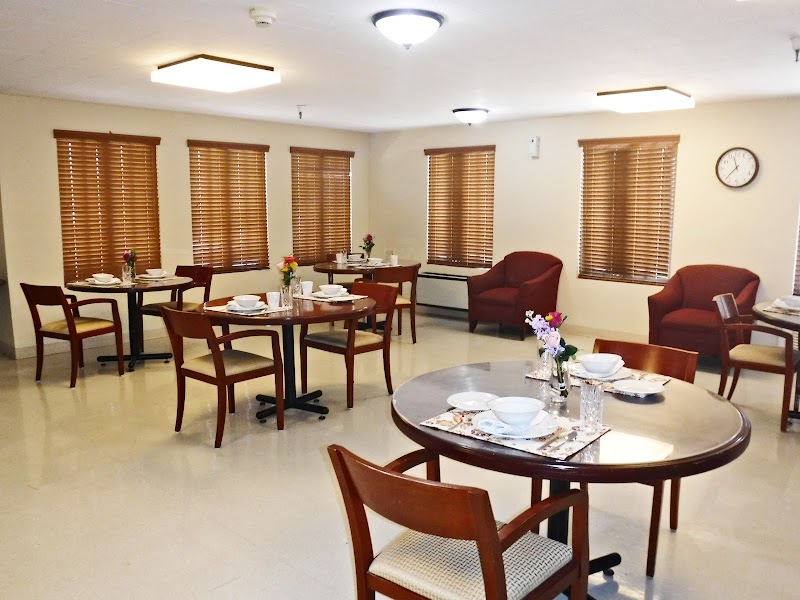
How is Apache Junction Staffed?

CMS rates APACHE JUNCTION HEALTH CENTER's staffing level at 1 out of 5 stars, which is much below average compared to other nursing homes. Staff turnover is 59%, which is 13 percentage points above the Arizona average of 46%. High turnover can affect care consistency as new staff learn residents' individual needs. RN turnover specifically is 67%, which is notably high. RNs provide skilled clinical oversight, so turnover in this role can affect medical care quality.

What Have Inspectors Found at Apache Junction?

State health inspectors documented 16 deficiencies at APACHE JUNCTION HEALTH CENTER during 2022 to 2025. These included: 1 that caused actual resident harm, 14 with potential for harm, and 1 minor or isolated issues. Deficiencies causing actual harm indicate documented cases where residents experienced negative health consequences.
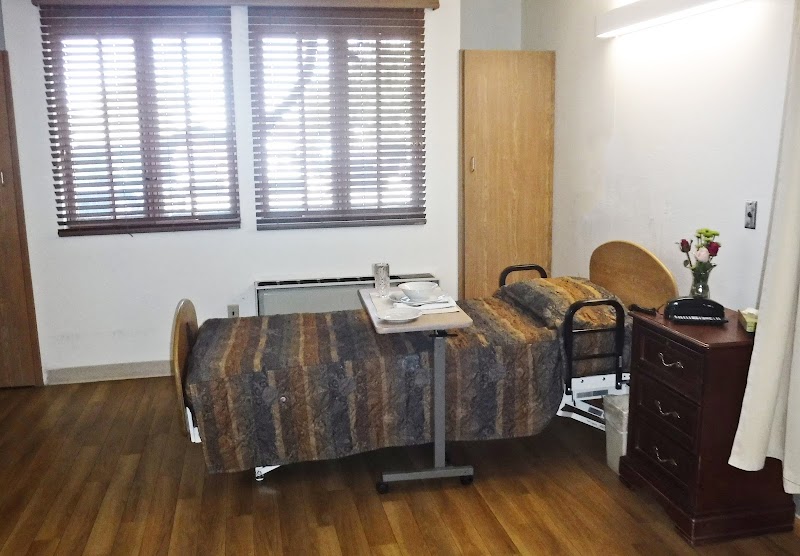
Who Owns and Operates Apache Junction?

APACHE JUNCTION HEALTH CENTER is owned by a for-profit company. For-profit facilities operate as businesses with obligations to shareholders or private owners. The facility is operated by PACS GROUP, a chain that manages multiple nursing homes. With 190 certified beds and approximately 161 residents (about 85% occupancy), it is a mid-sized facility located in APACHE JUNCTION, Arizona.
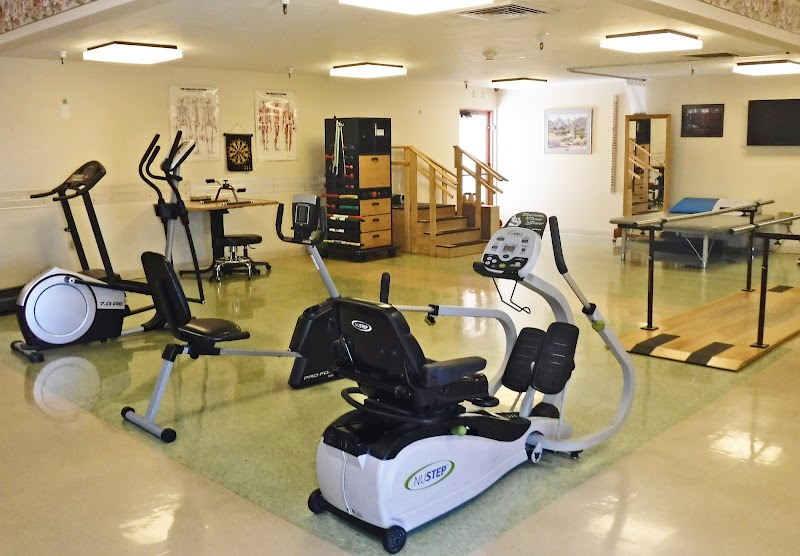
How Does Apache Junction Compare to Other Arizona Nursing Homes?

Compared to the 100 nursing homes in Arizona, APACHE JUNCTION HEALTH CENTER's overall rating (3 stars) is below the state average of 3.3, staff turnover (59%) is significantly higher than the state average of 46%, and health inspection rating (3 stars) is at the national benchmark.

What Should Families Ask When Visiting Apache Junction?

Based on this facility's data, families visiting should ask: "How do you ensure continuity of care given staff turnover, and what is your staff retention strategy?" "Can you walk me through typical staffing levels on day, evening, and night shifts?" "Can I visit during a mealtime to observe dining assistance and food quality?" "How do you handle medical emergencies, and what is your hospital transfer rate?" These questions are particularly relevant given the facility's high staff turnover rate and the below-average staffing rating.

Is Apache Junction Safe?

Based on CMS inspection data, APACHE JUNCTION HEALTH CENTER has a clean safety record: no substantiated abuse findings (meaning no confirmed cases of resident harm), no Immediate Jeopardy citations (the most serious violation level indicating risk of serious injury or death), and is not on the Special Focus Facility watch list (a federal program monitoring the lowest-performing 1% of nursing homes). The facility has a 3-star overall rating and ranks #100 of 100 nursing homes in Arizona. While no facility is perfect, families should still ask about staff-to-resident ratios and recent inspection results during their visit.

Do Nurses at Apache Junction Stick Around?

Staff turnover at APACHE JUNCTION HEALTH CENTER is high. At 59%, the facility is 13 percentage points above the Arizona average of 46%. Registered Nurse turnover is particularly concerning at 67%. RNs handle complex medical decisions and coordinate care — frequent RN changes can directly impact care quality. High turnover means new staff may not know residents' individual needs, medications, or preferences. It can also be disorienting for residents, especially those with dementia who rely on familiar faces. Families should ask: What is causing the turnover? What retention programs are in place? How do you ensure care continuity during staff transitions?

Was Apache Junction Ever Fined?

APACHE JUNCTION HEALTH CENTER has no federal fines on record. CMS issues fines when nursing homes fail to meet care standards or don't correct problems found during inspections. The absence of fines suggests the facility has either maintained compliance or corrected any issues before penalties were assessed. This is a positive indicator, though families should still review recent inspection reports for the full picture.

Is Apache Junction on Any Federal Watch List?

APACHE JUNCTION HEALTH CENTER is not on any federal watch list. The most significant is the Special Focus Facility (SFF) program, which identifies the bottom 1% of nursing homes nationally based on persistent, serious quality problems. Not being on this list means the facility has avoided the pattern of deficiencies that triggers enhanced federal oversight. This is a positive indicator, though families should still review the facility's inspection history directly.