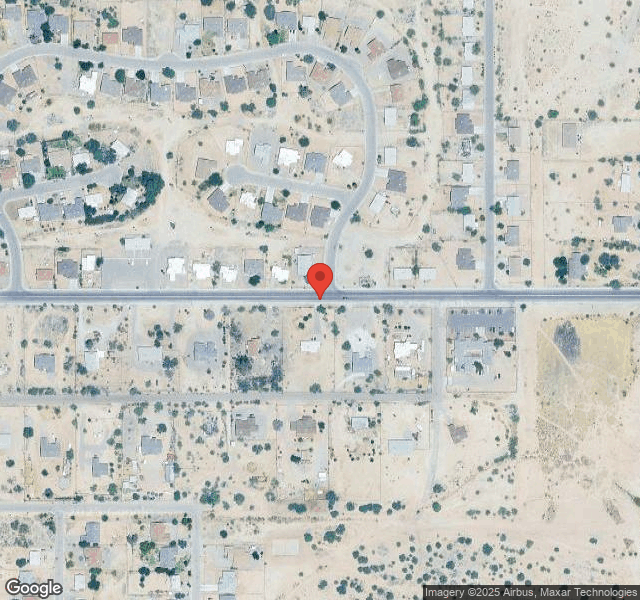

CARING HOUSE

510 SOUTH OCOTILLO ROAD, SACATON, AZ 85147 (520) 562-7400
Government - Federal 100 Beds Independent Data: November 2025
Trust Grade
73/100
#44 of 139 in AZ
Last Inspection: July 2025

Inspected within the last 6 months. Data reflects current conditions.

Overview

Caring House in Sacaton, Arizona, has a Trust Grade of B, indicating it is a solid choice for families seeking a nursing home, although it is not without its issues. It ranks #44 out of 139 facilities in Arizona, placing it in the top half, and is the best option among the three homes in Pinal County. However, the facility's trend is worsening, with the number of reported issues increasing from 1 in 2024 to 5 in 2025, raising concerns about its overall quality. Staffing is a strength, as it boasts a 5-star rating with only 26% turnover, well below the state average, which suggests that staff members are experienced and familiar with residents. On the downside, the facility has accrued $35,835 in fines, which is higher than 94% of Arizona facilities, indicating potential compliance problems. Specific incidents noted during inspections include failures to accurately assess residents' needs, which might lead to inadequate care, and instances where a resident's insulin was held without proper communication, risking serious health complications. While Caring House has strengths, families should weigh these concerns carefully when making their decision.

Trust Score
B
73/100
In Arizona
#44/139
Top 31%
Safety Record
Low Risk
No red flags
Inspections
Getting Worse
1 → 5 violations
Staff Stability
✓ Good
26% annual turnover. Excellent stability, 22 points below Arizona's 48% average. Staff who stay learn residents' needs.
Penalties
○ Average
$35,835 in fines. Higher than 62% of Arizona facilities. Some compliance issues.
Skilled Nurses
✓ Good
Each resident gets 102 minutes of Registered Nurse (RN) attention daily — more than 97% of Arizona nursing homes. RNs are the most trained staff who catch health problems before they become serious.
Violations
⚠ Watch
15 deficiencies on record. Higher than average. Multiple issues found across inspections.
★★★★☆
4.0
Overall Rating
★★★★★
5.0
Staff Levels
★★★☆☆
3.0
Care Quality
★★★☆☆
3.0
Inspection Score
Stable
2024: 1 issues
2025: 5 issues

The Good

  • 5-Star Staffing Rating · Excellent nurse staffing levels
  • Low Staff Turnover (26%) · Staff stability means consistent care
  • Full Sprinkler Coverage · Fire safety systems throughout facility
  • No fines on record
  • Staff turnover is low (26%)

    22 points below Arizona average of 48%

Facility shows strength in staffing levels, staff retention, fire safety.

The Bad

Federal Fines: $35,835

Above median ($33,413)

Moderate penalties - review what triggered them

The Ugly 15 deficiencies on record

Jul 2025 5 deficiencies
CONCERN (D)

Potential for Harm - no one hurt, but risky conditions existed

Deficiency F0558 (Tag F0558)

Could have caused harm · This affected 1 resident

**NOTE- TERMS IN BRACKETS HAVE BEEN EDITED TO PROTECT CONFIDENTIALITY** Based on observation, interview, and record review, the facility failed to ensure one of 19 residents sampled (R35), was able to...

Read full inspector narrative →
**NOTE- TERMS IN BRACKETS HAVE BEEN EDITED TO PROTECT CONFIDENTIALITY** Based on observation, interview, and record review, the facility failed to ensure one of 19 residents sampled (R35), was able to call for assistance when their call bell was not within reach and R35 was not capable of retrieving and using it. As a result, R35 was not able to call for help until the surveyor alerted the staff. This had the potential for R35's needs to be unmet. FindingsReview of the admission Record revealed the facility admitted R35 most recently on 04/12/2023 with a primary diagnosis of acute posthemorrhagic anemia (a condition where the body experiences a sudden and significant drop in red blood cells and hemoglobin due to a rapid loss of blood). Other diagnoses included disorders of bone density, cerebral infarction (the death of brain tissue due to a prolonged decrease in blood flow, also known as stoke) with left sided hemiplegia and hemiparesis (weakness or paralysis on one side of the body), hearing loss, aphasia (a language disorder that affects a person's ability to communicate), reduced mobility, end stage renal disease (permanent kidney failure) with dependence on dialysis, ischemic cardiomyopathy (a condition where the heart muscle (myocardium) weakens and enlarges due to decreased blood flow, often caused by coronary artery disease), coronary artery disease, mild neurocognitive disorder (a term encompassing conditions characterized by a decline in cognitive abilities, including memory, language, and problem-solving, often due to brain injury or disease), dementia, and diabetes. During an interview and observation with R35 on 07/21/2025 at 3:50 PM, R35 was in bed. Throughout the interview R35's hands were motionless under the covers. Observed the call bell was attached to the side of bed, hanging down below the bed. R35 stated he did not recall how long he had been at the facility. Following the interview the surveyor sat in the hallway near R35's room observing. Between 3:56 PM and 4:06 PM R35 could he heard to call out help nine times. While staff were observed in the hallway, they were not immediately outside of R35's door and did not respond to the vocalizations. The surveyor notified the licensed nurse at the nurses' station, LPN5, at 4:06 PM that R35 had been calling out. Upon walking into R35's room he stated he wanted to get up. LPN5 concurrently observed the call light was hanging off the side of the bed and she stated R35 could not reach the call bell when it was over the side. She explained R35 had an injury to his shoulder on his right side, his dominate side that was not affected by his stroke, and the call bell needed to be placed near or in his hand for him to operate it. Review of the Minimum Data Set (MDS) assessment dated [DATE] revealed the facility assessed R35 to have functional impairment on one side both upper and lower extremities. R35's eating ability (to use suitable utensils to bring food to the mouth) was assessed as needing setup or clean-up assistance; and R35 was depend on staff for toileting hygiene, showers/bathing, dressing lower body, and transfers. Review of hospital records dated 07/03/2025 revealed R35 had a fractured right humerus (the long bone of the upper arm). During an interview on 07/24/25 at 10:31 AM nursing assistant CNA60 stated that R35 required assistance with feeding now since his right shoulder injury. During an interview on 07/25/2025 at 10:05 AM Physical Therapist (PT)3 and PT4 confirmed R35 had a history of a stroke with left-sided weakness and relies on his right side. PT3 stated, Since his fracture he is limited on both sides. During a follow up interview with LPN5 on 07/25/2025 at 10:14 AM, LPN5 described the expectation on the floor was for anyone available to respond if a resident is calling out, They need to check on him, why he is calling. She described R35's ability to use his right arm/hand had changed recently, he use to be able to propel his wheelchair and feed himself, now they have to move him and feed him. With respect to the call bell she stated, If it is in his hand I am sure he could [push the button]. She added that after the incident on 07/21/2025 the facility provided R35 with an adaptive call bell that is pressure sensitive. Review of R35's care plan revealed interventions on the fall prevention focus that the call light should be reachable. The creation date read 5/14/2024. The Director of nursing stated on 07/25/2025 at 11:09 AM, [The] call bell should be within reach of the resident, and they are capable of using it.
CONCERN (D)

Potential for Harm - no one hurt, but risky conditions existed

Deficiency F0582 (Tag F0582)

Could have caused harm · This affected 1 resident

Based on interview and record review, the facility failed to ensure Resident (R) 38, one of three residents reviewed for beneficiary notices was provided a written Notice of Medicare Non-Coverage (NOM...

Read full inspector narrative →
Based on interview and record review, the facility failed to ensure Resident (R) 38, one of three residents reviewed for beneficiary notices was provided a written Notice of Medicare Non-Coverage (NOMNC), and Advanced Beneficiary Notice of Non-coverage (ABN) when the facility identified R38's Part A benefit last covered day was due to end. This had the potential for R38 and/or their representative to be unaware of their appeal rights or how to activate an appeal. Findings: Review of the admission Record revealed the facility admitted R38 on 02/25/2025. R38 was their own responsible party. R38's spouse was listed as Emergency Contact #1 Review of the Beneficiary Protection Notification Review worksheet provided by the facility indicated R38's Medicare Part A benefit started on 02/25/2025 and the last covered day was 03/26/2025. The Beneficiary Notice worksheet indicated R38 remained in the facility after their last Medicare A covered day. Review of the NOMOC filed in R38's medical record revealed the form included that coverage for physical/occupational/speech therapy, and nursing services would end on 03/26/2025, and R38 had the right to appeal the decision, and who to contact if they chose to appeal. The form read, Please sign below to indicate you received and understood this notice. The form was unsigned. Under Additional Information the form indicated several refusals and that facility staff #80 contacted R38's next of kin on 03/24/2025 who gave a verbal understanding and ‘consent for a verbal signature'. The form did not indicate the form was provided to R38 or that R38 was aware of the notice. Review of the ABN filed in R38's medical record revealed starting on 03/27/2025 the facility estimated the cost of Physical/Occupational/Speech Therapy and Daily Skilled Nursing Care services would be $1,500 per day/item or service. The form read, Signing below means that you have received and understand this notice. The form was unsigned by R38 or an authorized representative. Under Additional Information the form indicated facility staff #80 contacted R38's next of kin on 03/24/2025 who gave a verbal understanding, selected Option 3 and gave consent for a verbal signature. Option 3 on the form read, I do not want the care(s) listed above, I understand that I am not responsible for paying, and I cannot appeal to see if Medicare would pay. The form did not indicate the form was provided to R38 or that R38 was aware of the decision. During an interview on 07/24/2025 at 12:01 PM the Director of Finance (DoF) described their process was to send the NOMNC and ABN forms electronically for signatures. DoF confirmed that when a resident or their repetitive was not computer savvy, that posed some challenges. After a concurrent review of R38's form and electronic medical record DoF stated he would confirm if the form was sent. On 07/24/2025 at 12:45 PM DoF followed up and stated the beneficiary notice forms for R38 were not sent, they may have been put at the unit's nursing station, however they did not have a process to verify if that was done, if the resident received it, or obtain a signature after the fact. During an interview on 07/24/2025 at 1:27 PM the Administrator described his expectation was that staff would at least go over the form and explain it to them. He confirmed that they did struggle with families that were not technologically savvy, he would hope they would have the notice available to get a wet signature when they are here. When asked about the importance of ensuring the resident or their representative received the written notice, he acknowledged the written notice could be important for someone who was discharged from benefits since it has who to call to make an appeal.
CONCERN (E)

Potential for Harm - no one hurt, but risky conditions existed

Assessment Accuracy (Tag F0641)

Could have caused harm · This affected multiple residents

**NOTE- TERMS IN BRACKETS HAVE BEEN EDITED TO PROTECT CONFIDENTIALITY** Based on interviews, records, and review of the RAI (Resident Assessment Instrument) manual, the facility failed to ensure that ...

Read full inspector narrative →
**NOTE- TERMS IN BRACKETS HAVE BEEN EDITED TO PROTECT CONFIDENTIALITY** Based on interviews, records, and review of the RAI (Resident Assessment Instrument) manual, the facility failed to ensure that the MDS (Minimum Data Set) assessment accurately reflected the status of 1 out of 2 residents reviewed for falls (R12) and failed to reflect the PASARR (Preadmission Screening and Resident Review) status for 1 out of 2 residents reviewed for PASARR requirements (R8). Specifically, R12's MDS did not reflect a fall with major injury and R8's MDS did not reflect her PASARR Level II status for 3 consecutive years. The deficient practice may result in residents not receiving care appropriate to their individual needs.Findings include:For R12:Review of the admission Record revealed R12 was admitted to the facility on [DATE] with diagnoses which included repeated falls and Parkinson's Disease with dyskinesia (involuntary, uncontrollable movements that can develop as a side effect of long-term levodopa (dopamine agonists) treatment for Parkinson's disease), without mention of fluctuations.An eINTERACT SBAR (Situation, Background, Assessment and Recommendation) Summary for Providers note dated 04/28/25 at 9:40 PM included that the resident was observed by a CNA (Certified Nurse's Aide) walking from his bed to the hallway, falling to the floor, and landing on his left side. According to the note, the resident did not hit his head. Skin tears were noted to the right forearm and left knee. The resident was unable to move the left lower extremity (LLE) without increased pain. Per the note, the provider was notified and gave orders to send the resident out to the hospital.A fall care plan dated 04/28/25 related to a witnessed fall with skin tear had a goal for the resident to have no falls with major injury. Interventions included to monitor/document/report PRN (as needed) x 72 hours to MD (Medical Doctor) for signs or symptoms of pain, bruises, changes in mental status, new onset confusion, sleepiness, inability to maintain posture, or agitation.Review of the X-Ray results dated 04/29/25 revealed no evidence of displaced pelvic fracture and no acute findings in the left femur.On 05/03/25 at 1:12 PM a Health Status Note revealed the resident reported increased pain for LLE. According to the note, the family called and requested that the provider provide additional pain medication. The provider was notified, and orders were received to change Tylenol (non-opioid analgesic) to 1000 mg (milligrams) every 6 hours as needed (PRN) and ibuprofen (Non-steroidal Anti-Inflammatory Drugs) 600 mg every 6 hours PRN.A Health Status Note dated 05/18/25 at 10:40 PM included that the resident had been medicated with PRN medication for complaints of pain to the LLE/hip area. The note stated that the resident was able to move his leg, bear weight, and had no signs of edema or bruising. The resident was informed and reminded about an early morning appointment for CT (Computed Tomography/medical imaging) scan of LLE. The resident voiced understanding.On 05/19/25 at 7:59 AM a Health Status Note included that the resident returned from the CT scan appointment with no new orders. According to the note, the resident had a broken left hip.At 10:51 AM on 05/19/25 an Alert Note indicated a new order was received to transfer the resident to the hospital for further evaluation.Review of the MDS assessment dated [DATE], indicated R12 was discharged with return anticipated.The MDS dated [DATE] revealed that the resident re-entered the facility.Review of the 1st assessment following the 5/23/25 entry, the significant change/5-day MDS, assessment dated [DATE] revealed Question A0310E ( Is this assessment the first assessment (OBRA, Scheduled PPS, or Discharge) since the most recent admission/entry or reentry?) was answered No. Inaccurately answering this question no, disabled Section J1700 (Fall History on Admission/Entry or Reentry.) Therefore, no responses were submitted for the following questions: A. Did the resident have a fall any time in the last month prior to admission/entry or reentry? B. Did the resident have a fall any time in the last 2-6 months prior to admission/entry or reentry? And/or C. Did the resident have any fracture related to a fall in the 6 months prior to admission/entry or reentry? In Section J1800 the question asked, Has the resident had any falls since admission/entry or reentry or the prior assessment (OBRA (Omnibus Budget Reconciliation Act of 1987) or Scheduled PPS (Prospective Payment System), whichever is more recent? The response was No.During an interview conducted on 07/23/25 with an MDS Coordinator (MDS 2) she stated that she coded the 05/29/25 assessment as a No for section J1800, because the resident had not had any falls since his readmission on [DATE]. She stated that she combined the Significant Change with the 5-Day MDS to reflect the resident's significant change. When asked if the assessment accurately reflected the resident's fall with major injury, she stated No. Review of the RAI manual Section A, page A-6: Coding Instructions for A0310E, Is This Assessment the First Assessment (OBRA, Scheduled PPS, or OBRA Discharge) since the Most Recent Admission/Entry or Reentry? Code 0, no: if this assessment is not the first of these assessments since the most recent admission/entry or reentry. Code 1, yes: if this assessment is the first of these assessments since the most recent admission/entry or reentry. For R8:Review of the Admissions Record revealed R8 was admitted to the facility on [DATE] with diagnoses which included type 2 diabetes mellitus (a chronic condition where the body doesn't use insulin properly and eventually may not produce enough insulin to maintain normal blood glucose levels) without complications and unspecified asthma (a chronic lung disease that makes it harder to move air in and out of the lungs), uncomplicated.Review of the PASARR Level II determination letter dated 08/18/21 revealed the resident was determined to qualify for specialized services in accordance with CFR-483.120. An Annual MDS assessment dated [DATE] included a response to A1500, Is the resident currently considered by the state level II PASARR process to have serious mental illness and/or intellectual disability or a related condition? as No.The Annual MDS assessment dated [DATE] included a No response to A1500, Is the resident currently considered by the state level II PASARR process to have serious mental illness and/or intellectual disability or a related condition?Review of the Annual MDS assessment dated [DATE] revealed the response to A1500 was, No, indicating the resident was not currently considered by the state level II PASARR process to have serious mental illness and/or intellectual disability or a related condition.A PASARR Level I screening dated 07/17/25. The screening indicated the resident's diagnoses included the serious mental illness schizophrenia. According to the screening, the resident's mental disorders included depression, adjustment disorder with mixed anxiety, and depressed mood. Further, the screening indicated the resident displayed no symptoms related to adaptation to change, including self-injury or self-mutilation and/or hallucinations or delusions. The screening additionally revealed the resident had not currently, or within the past 2 years, received mental health services including inpatient psychiatric hospitalization. The referral determination demonstrated that no referral was necessary for any Level II services. The document was signed by the MDS Coordinator (MDS 2).On 07/23/25 at 1:24 PM an interview was conducted with MDS 2. When asked why a PASARR Level I screening had been completed 07/17/25, she stated that they had started completing a level I PASARR on the resident annually. After review of the PASARR Level II Determination Letter, MDS 2 was asked if the screening dated 07/17/25 and /or the previous 3 Annual MDS assessments were an accurate reflection of the resident's status, she stated No.On 07/24/25 at 2:13 PM a follow-up interview was conducted with an MDS Coordinator (MDS 3). She reviewed the PASARR determination letter from 2021 which indicated that R8 was Level II positive. She then reviewed the MDS annual assessment dated [DATE] and stated that the assessment stated the resident was not Level II. When asked if the assessment should state that R8 was Level II positive, she replied Yes. She stated that it was important for evaluations to be accurate to ensure the resident is receiving the proper care.On 07/25/25 at 9:54 AM an interview was conducted with the Director of Nursing. She stated that her expectation was for all MDS assessments to be accurate. She stated that inaccuracies may affect the overall care of residents.(Cross-reference to F644)
CONCERN (E)

Potential for Harm - no one hurt, but risky conditions existed

PASARR Coordination (Tag F0644)

Could have caused harm · This affected multiple residents

**NOTE- TERMS IN BRACKETS HAVE BEEN EDITED TO PROTECT CONFIDENTIALITY** Based on interview and record review, the facility failed to ensure Preadmission Screening and Resident Review (PASARR) screenin...

Read full inspector narrative →
**NOTE- TERMS IN BRACKETS HAVE BEEN EDITED TO PROTECT CONFIDENTIALITY** Based on interview and record review, the facility failed to ensure Preadmission Screening and Resident Review (PASARR) screenings were coordinated and/or referred for Level II evaluations as required for newly evident Serious Mental Illness (SMI) diagnoses for two of two residents (Resident (R) 9 and R12) reviewed for PASARR requirements out of a total sample of 19 residents. The deficient practice may result in residents with Mental Disorders (MD) and/or Intellectual Disabilities (ID) not receiving specialized services to meet their needs. Findings: For R9: Review of R9's “admission Record, dated 07/25/25 and found in the electronic medical record (EMR) under the “Profile” tab, indicated the resident was admitted to the facility on [DATE] with diagnoses including Congestive Heart Failure (CHF), Adjustment Disorder and Other Specified Mental Disorders Due to Known Physiological Condition. Review of R9's “Psychiatric Provider Encounter Progress Note,” dated 11/08/24 and found in the EMR under the “Documents” tab, revealed a diagnosis of Personality Disorder was added to the resident's diagnosis list on 11/08/24. Review of R9's significant change in status Minimum Data Set (MDS), with an Assessment Reference Date (ARD) of 04/30/25 and found in the EMR under the “MDS” tab, indicated a Brief Interview for Mental Status (BIMS) score of 15 out of 15 (which indicated the resident was cognitively intact). The assessment indicated the resident was not receiving any psychotropic medication. The assessment indicated the resident frequently exhibited signs of depression including feeling down, depressed, or hopeless and having little interest or pleasure in doing things. The assessment indicated the resident did not exhibit any behaviors during the assessment period. Review of R9's most recent “Level 1 PASSAR” document, dated 11/14/24 and found in the EMR under the “Documents” tab, revealed the Level 1 PASARR did not include the resident's personality disorder diagnosis added on 11/08/24. An updated and accurate Level 1 PASARR revised to include the resident's personality disorder diagnosis could not be located in R9's medical record. During an interview with Minimum Data Set Nurse (MDS1) on 07/23/25 at 1:04 PM, MDS1 confirmed the MDS Nurses were responsible for updating and ensuring the accuracy of residents' PASARR assessments after their initial admission to the facility. MDS1 stated a resident's Level 1 PASARR was expected to be updated/resubmitted with any change in psychotropic medication or any added psychiatric/major mental illness diagnosis so a determination could be made related to the potential addition of Level 2 PASARR services. MDS1 confirmed a new Level 1 PASARR should have been completed and submitted after R9's diagnosis of personality disorder was added to her record on 11/08/24. MDS1 confirmed she was not able to locate anything in R9's record to indicate this had been done. During an interview with the Administrator and the Director of Nursing (DON) on 07/25/25 at 9:18 AM, both confirmed their expectation was a new Level 1 PASARR was to be completed and submitted with any change in mental health diagnoses or change in the administration of psychiatric medication for a resident. They stated they expected each resident's PASARR to be accurate and both confirmed R9's Level 1 PASARR should have been updated and resubmitted with her new 11/08/24 diagnosis of personality disorder. Review of the facility's “Coordination of Pre-admission Screening and Resident Review (PASARR) Policy,” dated 04/2025 indicated, “The Level 1 screen will be reviewed at each care conference by the interdisciplinary team for accuracy. Any necessary update may be made at this time.” For R8: Review of the Admissions Record revealed R8 was admitted to the facility on [DATE] with diagnoses which included type 2 diabetes mellitus (a chronic condition where the body doesn't use insulin properly and eventually may not produce enough insulin to maintain normal blood glucose levels) without complications and unspecified asthma (a chronic lung disease that makes it harder to move air in and out of the lungs), uncomplicated. Review of the PASARR Level II Determination Letter dated 08/18/21 revealed the resident was determined to qualify for specialized services in accordance with CFR-483.120. The letter additionally instructed to please notify the office of any significant medical and/or psychiatric changes, identified on the Resident Assessment – Minimum Data Set (MDS), or when a Serious Mental Illness (SMI) was newly suspected, that occur during the client's stay at the facility. The PASARR II assessment dated [DATE] indicated the resident's diagnoses included psychotic disorder with delusions due to known physiological conditions (a mental health condition where delusions develop as a direct consequence of a known medical illness or condition affecting brain function), unspecified mental disorder due to known physiological condition (a mental health condition where a specific diagnosis cannot be determined, but it's known to be caused by an underlying physiological issue), and adjustment disorder, unspecified (a diagnosis given when an individual experiences emotional or behavioral symptoms in response to a stressful event, but the symptoms don't clearly fit into one of the more specific types of adjustment disorder. According to the documentation, no specialized services were recommended for the resident at that time. It appeared that all of her needs could and were being met by the facility within their scope of services. Further, the documentation stated that the resident was appropriate for SNF (Skilled Nursing Facility) placement due to her high level of care needed. However, review of the Annual MDS assessment dated [DATE] included a response to A1500, “Is the resident currently considered by the state level II PASARR process to have serious mental illness and/or intellectual disability or a related condition?” as “No.” A Hospital H&P (History & Physical), Surgery dated 07/23/22 indicated the resident's medical history included schizophrenia. Review of the resident's record provided no evidence of where this diagnosis was made, by whom, or when. The Annual MDS assessment dated [DATE] included a response to A1500, “Is the resident currently considered by the state level II PASARR process to have serious mental illness and/or intellectual disability or a related condition?” as “No.” On 09/20/23 an Emergency Department Document revealed the resident was seen by ED (Emergency Department) triage for worsening psychosis symptoms. The documentation included that the resident had a history of psychosis with delusions and hallucinations. According to the documentation, her hallucinations had been worsening, and she had been becoming aggressive towards peers and staff at the nursing facility. The documentation indicated that the resident received medical clearance for psychiatric admission. Psychosis qualifiers included “Schizophrenia, unspecified.” Review of the MDS revealed the resident was subsequently readmitted to the facility on [DATE]. However, review of the resident's record did not demonstrate that the state PASARR Coordinator's office had been notified of the new diagnosis as instructed in the Level II determination letter. Review of the Annual MDS assessment dated [DATE] revealed the response to A1500 was, “No,” indicating the resident was not currently considered by the state level II PASARR process to have serious mental illness and/or intellectual disability or a related condition. Review of the Medication Administration Records (MARs) dated January 2025 through July 2025 revealed the resident displayed ongoing behaviors of auditory hallucinations and [self] scratching and skin picking. A PASARR Level I screening dated 07/17/25. The screening indicated the resident's diagnoses included the serious mental illness schizophrenia. According to the screening, the resident's mental disorders included depression, adjustment disorder with mixed anxiety, and depressed mood. Further, the screening indicated the resident displayed no symptoms related to adaptation to change, including self-injury or self-mutilation and/or hallucinations or delusions. Additionally, the screening revealed the resident had not currently, or within the past 2 years, received mental health services including inpatient psychiatric hospitalization. The referral determination demonstrated that no referral was necessary for any Level II services. The document was signed by the MDS Coordinator (MDS 2). On 07/23/25 at 1:24 PM an interview was conducted with MDS 2. When asked why a PASARR Level I screening had been completed 07/17/25, she stated that they had started completing a level I PASARR on the resident annually. When asked if a Level II referral had been sent to the state when the resident developed a new diagnosis for schizophrenia in 2023, she stated that they completed the Level I screening again and did not find the resident appropriate for Level II referral “because the resident did not trigger any elements of the “Symptoms” section of the screening form.” When this writer pointed out the selection “hallucinations or delusions” under the symptoms related to “Adaptation to Change” category, she stated “Oh.” When asked if the screening was an accurate reflection of the resident's status, she stated “No.” On 07/24/25 at 9:38 AM an interview was conducted with the MDS Coordinators (MDS 1, MDS 3, and MDS 2). MDS 2 stated that during the period that surrounded the newest PASARR [07/17/25] she stated that the box should have been checked on the “Symptoms” section of the PASARR because hallucinations and delusions have been ongoing since she has been here. She stated that skin-picking had been going on for about a year, and that it was related to anxiety. When asked about their process, MDS 1 stated that if a resident developed a new psychiatric diagnosis, they would complete a Level I screening again. She stated with any new psychiatric diagnosis, that will trigger a new Level I PASARR. She stated that if the resident had any new diagnosis with symptoms, this would trigger a referral for Level II referral. When asked if the resident should have triggered for a Level II referral based upon the evidence, MDS 1 stated Yes. MDS 2 stated that she thought they had more to learn about PASARR. Review of the policy titled Coordination of Pre-admission Screening and Resident Review (PASRR), reviewed 4/24 included “Preadmission Screening and Resident Review (PASRR)” is a federal requirement to help ensure that individuals who have MD or intellectual disabilities are not inappropriately placed in nursing homes for long term care. PASRR requires that 1) all applicants to a Medicaid-certified facility be evaluated for a serious MD and/or ID; 2) be offered the most appropriate setting for their needs (in the community, a nursing facility, or acute care setting); and 3) receive the services they need in those settings. [The facility] shall incorporate the recommendations from the PASRR Level II determination and the PASRR evaluation into a resident's assessment, care planning, and transitions of care. Coordination shall include: 2. Referring all Level II residents and all residents with newly evident or possible serious MD (Mental Disorders), ID (Intellectual Disorders), or related condition for Level II resident review upon a significant change in status assessment. According to the Resident Assessment Instrument (RAI) Manual, revised October 2024, pp. 2-30-31, The nursing facility must provide the SMH (State Mental Health)/ID (Intellectual Disabilities)/DDA (Developmental Diabilities Administration) authority with referrals as described below, independent of the findings of SCSA (Significant Change in Status Assessment). PASRR Level II is to function as an independent assessment process for this population with special needs, in parallel with the facility's assessment process. Nursing facilities should have a low threshold for referral to SMH/ID/DDA , so that these authorities may exercise their expert judgment about when a Level II evaluation is needed. Referral should be made as soon as criteria indicating such are evident -- the facility should not wait until the SCSA is complete. Referral for Level II Resident Review Evaluations is required for individuals previously identified by PASRR to have Mental Illness, Intellectual Disability/Developmental Disability, or a related condition in the following circumstances: Note: This is not an exhaustive list: A resident who demonstrates increased behavioral, psychiatric, or mood-related symptoms; A resident with behavioral, psychiatric, or mood related symptoms that have not responded to ongoing treatment. (Cross-reference to F641)
CONCERN (E)

Potential for Harm - no one hurt, but risky conditions existed

Pharmacy Services (Tag F0755)

Could have caused harm · This affected multiple residents

Based on interview and record review the facility failed to provide pharmaceutical services to meet the needs of Resident (R) 2, one of five residents reviewed for unnecessary meds, when Staff held R2...

Read full inspector narrative →
Based on interview and record review the facility failed to provide pharmaceutical services to meet the needs of Resident (R) 2, one of five residents reviewed for unnecessary meds, when Staff held R2's long acting insulin 3 times in July unnecessarily, without an order or notifying the physician. This had the potential to cause R2 to experience hyperglycemia (elevated blood sugar). Hyperglycemia can lead to various short-term and long-term complications. Short-term effects include ketoacidosis (A complication of diabetes in which acids build up in the blood to levels that can be life-threatening), dehydration, and confusion. Long-term complications include diabetic retinopathy, nephropathy, neuropathy, cardiovascular disease, and increased risk of infections. Findings: Review of the admission Record revealed the facility admitted R2 most recently on 05/02/2025. Diagnoses included type 2 diabetes mellitus with other specified complications, and hypertensive end stage renal disease with dependence on dialysis. Review of physician orders revealed orders for both a long acting insulin (Glargine) given once a day, and short acting insulin (Lispro) given twice a day. The orders read, Insulin Glargine Subcutaneous Solution 100 UNIT/ML (Insulin Glargine) Inject 15 unit subcutaneously [under the skin in fatty tissue] one time a day every. Ordered on 05/08/2025.HumaLOG Solution 100 UNIT/ML (Insulin Lispro) Inject as per sliding scale: if [blood sugar is] 151 - 200 = [give] 3 Units; 201 - 250 = 5 Units; 251 - 300 = 7 Units; 301 - 350 = 10 Units; 351 - 400 = 12 Units; 401 - 999 = 14 Units. Greater than 400, administer 14 Units and notify provider for further orders, subcutaneously two times a day related to type 2 diabetes mellitus with other specified complication (E11.69) related to type 2 diaetes (sic) mellitus with hyperglycemia (E11.65) Onset: 15-30 mins. Peak 1-2 hrs. Follow Hypoglycemia protocol for BS less than 70mg/dl. For BS over 400mg/dl call provider. Hold Insulin for BS less than 100mg/dl and call provider. Ordered on 05/08/2025. Review of the July 2025 Medication Administration Record (MAR) revealed licensed nurse LPN1 entered code 5 for the Insulin Glargine administration on July 11th, 16th, and 21st. Code 5 means Hold/See Progress Notes. The corresponding progress notes read as follows:07/11/2025 at 4:40 AM - Blood sugar at 7707/16/2025 at 5:05 AM - residents (sic) blood sugar 80 07/21/2025 at 4:44 AM - B/S [blood sugar] 88The notes did not indicate if the resident was having any signs or symptoms of low blood sugar, if the physician was notified or contacted with any concerns. Target blood sugar reading before meals for diabetic persons, according to the Centers for Disease Control and Prevent (CDC) is 80 to 130 mg/dL (milligrams per decaliter); and blood sugar below 70 mg/dL is considered low. During an interview on 07/24/2025 at 1:56 PM the Unit Manager, RN4 was asked about insulin glargine. When asked if it should be held when there was not an order to hold it, or if the blood sugar was above 70 mg/dL she stated it was a long acting insulin and would not lower insulin quickly after administration. She concurrently reviewed the held insulin glargine progress notes and July MAR for R2. She confirmed the code 5 meant the medication was held and a progress note was entered. She stated that holding the insulin glargine on those days were med errors, and the nurse would need coaching, He/She is not following orders. When asked what the nurse should do if they had a concern with the order she stated He/She should notify the provider. Blood sugar reading after holding the insulin glargine were concurrently reviewed as follows:On 07/11/2025 the 11:39 AM blood sugar reading was 303 mg/dL.On 07/16/2025 the 5:23 PM reading was 250 mg/dL.On 07/21/2025 the 11:38 AM reading was 305 mg/dL. Review of facility policy TCH.120.114 titled Insulin Administration with review date 05/2025 revealed that long acting insulin Glargine had an onset time of 3-4 hours, did not peak, and lasted 24 hours.
Jul 2024 1 deficiency
CONCERN (D) 📢 Someone Reported This

A family member, employee, or ombudsman was alarmed enough to file a formal complaint

Potential for Harm - no one hurt, but risky conditions existed

Accident Prevention (Tag F0689)

Could have caused harm · This affected 1 resident

**NOTE- TERMS IN BRACKETS HAVE BEEN EDITED TO PROTECT CONFIDENTIALITY** Based on observation, interview, and record review, the facility failed to ensure one of one sampled resident (Resident [R] 1) r...

Read full inspector narrative →
**NOTE- TERMS IN BRACKETS HAVE BEEN EDITED TO PROTECT CONFIDENTIALITY** Based on observation, interview, and record review, the facility failed to ensure one of one sampled resident (Resident [R] 1) received adequate assistance during transfer when transfer equipment was not utilized based on resident's plan of care. The deficient practice resulted R1 experienced right knee and left shoulder pain after the assisted fall during transfer on 05/07/24 at 10:52 AM. Findings: R1 was admitted to the facility with diagnoses including obesity, cerebrovascular disease (also known as stroke), hemiparesis and hemiplegia (partial paralysis of one side of the body). Review of R1's Quarterly Minimum Data Set (MDS) assessment, dated 04/29/24 indicated R1's cognition was moderately impaired. R1's functional limitation in range of motion was impaired on one side of his lower and upper extremities. Review of the FRI detail reported by the facility on 05/13/24 indicated, [R1] had a fall on May 7th . Two CNA failed to follow the care planned assistance to transfer with Hoyer lift [a lift used to safely transfer patient] and instead attempted a stand-pivot transfer. Resident knees buckled and they assisted [R1] to the floor . Review of the facility Exhibit 358 report dated 05/14/24 indicated, On 5/7/24, [R1] was assisted to floor by [CNA1] and [CNA2]. At the time of the fall, [R1] verbalized right knee and left shoulder pain. X-ray imaging was completed on 5/7/24 with no acute injury found . Review of R1's May 2024 Medication Administration Record (MAR) indicated R1 received Tylenol (pain medication) on the following days: On 05/07/24 at 12:22 PM for pain rate of four out of 10 (10 as the highest pain). On 05/08/24 at 01:30 AM for pain rate of four out of 10. On 05/09/24 at 07:38 AM for pain rate of five out of 10. On 05/10/24 at 07:43 AM for pain rate of five out of 10 and at 05:19 PM for pain of six out of 10. In an interview on 07/25/24, at 10:57 AM, the Director of Nursing (DON) stated, on 05/07/2024 at 10:52 AM, CNA1 and CNA2 assisted to transfer R1 and attempted to stand pivot transfer instead of using the Hoyer lift as indicated in R1's care plan. Per DON, R1's knee buckled and the two CNA's assisted R1 to the floor. In an interview, on 07/25/24, at 03:35 PM, the Assistant Administrator (AA) explained that R1 required the use of Hoyer lift for transfer. AA added, that CNA2 insisted to CNA1 that they can transfer him without using the Hoyer lift. Review of R1's ADL [Activity of Daily Living]/self-care care plan deficit initiated on 06/12/23 and revised on 05/03/24 indicated, Chair/bed-to-chair transfer: dependent upon assist of 2 staff members with use of mechanical lift. Review of facility documentation revealed the following actions were taken by the facility to prevent a possible reoccurrence of the deficient practice: - On 05/07/24, R1 was assessed post-fall and complained of right knee and left shoulder pain. Pain medication was administered with relief. Provider was notified; imaging was completed at 05/07/24 at 0312 PM. No acute injury found. - Physical Therapy performed post fall evaluation. Recommended to continue with OT. - CNAs involved in incident were placed on administrative leave pending investigation. CNAs involved were reeducated to transfer R1 using the mechanical lift and to refuse to transfer without a lift and to inform nursing and/or administration if staff attempt to transfer him without a mechanical lift. - Social Worker (SW) provided emotional support and encouragement to R1. - Falls, [NAME], and appropriate transfers case study in-service was initiated by TCH Staff Development Coordinators to all direct care staff. The case study training covered following the resident's [NAME], the definition of neglect, circumstances that require immediate reporting to the Administrator and/or Director of Nursing or their designee(s), the appropriate timeframes for reporting an allegation, and not moving a resident post-fall until a nurse can assess them. This in-service was completed on 05/20/24. - Fall prevention Relias training was assigned to all clinical staff. These findings represent past non-compliance with this regulatory requirement. There was sufficient evidence the facility corrected the non-compliance as of 05/20/24 and there were no other occurrences of the same deficient practice. At the time of the survey, the facility was in substantial compliance for this regulatory requirement and, therefore, does not require a plan of correction.
Sept 2023 4 deficiencies
CONCERN (D)

Potential for Harm - no one hurt, but risky conditions existed

Quality of Care (Tag F0684)

Could have caused harm · This affected 1 resident

**NOTE- TERMS IN BRACKETS HAVE BEEN EDITED TO PROTECT CONFIDENTIALITY** Based on observation, interview and record review, the facility failed to ensure a resident-centered care and treatment were pro...

Read full inspector narrative →
**NOTE- TERMS IN BRACKETS HAVE BEEN EDITED TO PROTECT CONFIDENTIALITY** Based on observation, interview and record review, the facility failed to ensure a resident-centered care and treatment were provided in accordance with professional standards of practice and resident's comprehensive care plan when facility staff failed to ensure 1 of 5 sampled residents (R)(R78) reviewed for pressure injuries/skin conditions had documented evidence of weekly wound measurements to ensure the wound was objectively monitored and evaluated. In addition, R78 was observed with incorrect weight settings on their pressure relieving low air loss mattresses (LAL). These failures increased the resident's risks for pressure injuries, delayed care and less than optimal treatment. Findings include: Resident 78 Review of R78's medical record documented R78 was admitted to the facility on [DATE] with diagnoses including diabetes, repair of left femur fracture, past left knee surgery with delayed wound healing resulting in left above the knee amputation with readmission on [DATE] after amputation. Review of R78's physician orders documented: *Left stump surgical incision: MediHoney (a wound dressing made of honey to aid in healing) to wound eschar (a collection of dry, dead tissue within a wound. It's commonly seen with pressure ulcers), cover with non-adherent pad, roll gauze, ACE wrap. Every day shift for left stump surgical wound. *Right heel: apply Iodosorb gel (a gel used to clean wounds. It is used to promote healing of skin ulcers and wounds), cover with 4 x 4s, heel foam pad, wrap with gauze, secure tape, daily. Every day shift for healing wound. *Low air loss mattress (mattresses are designed to distribute the patient's body weight over a broad surface area and help prevent skin breakdown). Every day and night shift for preventive care, pressure relief. Review of R78's care plan documented problem for impaired skin integrity due to 6/26/23 left knee surgical wound - dehisced (opened), .readmitted [DATE] with left knee s/p (status post, after) surgical debridement (the removal of dead (necrotic) or infected skin tissue to help a wound heal), exposed hardware. readmitted [DATE] with left AKA (above the knee amputation) surgical incision. It was also noted that resident had an unstageable pressure injury to her right heel when she was readmitted on [DATE] which was resolved on 9/1/23. Resident was at risk for additional skin breakdown r/t (related to) decreased mobility and incontinence. The care plan was updated on 9/5/23. During an observation on 9/13/23 at 11:29 AM Wound Care Nurse (WCN) 1 and WCN2 changed resident's left stump dressing and right ankle dressing. The left stump had eschar with greyish drainage on medial aspect of the stump measuring about 4 cm x 8 cm. Also noted a small area of beefy red tissue; stitches were present with a gap in the stitches about 0.1 x 0.1 cm on the medial aspect. Observed WCNs apply MediHoney to the eschar areas with a non-adherent pad placed over the MediHoney which was then covered with a large gauze dressing. The stump was then wrapped in Kerlix and an ACE wrap. Observed WCNs remove resident's right heel protector, foam cup and dressing from the right heel. Resident's heel and foot was very dry. WCNs wiped the heel with a saline soaked gauze. A 1.5 cm discolored area was present in the center of a larger blueish/purplish area of the heel. WCNs placed Iodosorb ointment on the gauze and placed it on the heel. WCNs then placed additional gauze in the heel cup and then wrapped the heel with Kerlix. Proactive Protekt Aire 4000DX/5000DX mattress pump was observed at the end of R78's bed. A green light by the power button was observed. There were three additional settings Static, Low Pressure and LBS Weight Setting with up and down arrows next to LBS Weight Setting. The LBS Weight Setting showed 210. When asked about the weight setting of 210 pounds, WCN1 stated that there were different types and different manufacturers for the low air loss mattress (LAL) and the floor nurses set it. When asked if R78 weighed 210 pounds, WCN1 laughed and said, that's not her weight. Review of R78's record under Progress Notes documented on 9/13/23 at 2:03 PM showed Wound care provided to left stump surgical incision, with eschar, resident medicated for pain prior to wound care. Wound presenting eschar and dissolvable surgical sutures. Treatment done per order. Resident tolerated care without complaining of pain. Right heel dry scab intact with history of resolved PI (pressure injury) treatment completed as ordered and applied heel protector boots. Assisted resident with repositioning. Bed to the lowest position and call light within reach. The wound documentation did not include the size of the wound (length, width, or depth), or describe surrounding tissue or if there were any indications of infection, drainage, or odor. During a concurrent interview and record of the Progress Notes of the wound care treatment on 9/13/23 at 2:03 PM, LWCN confirmed wound measurements were not documented. During a concurrent interview and record review on 09/14/23 at 10:51 AM with Lead Certified Wound Nurse (LCWN) when asked about frequency for documenting wound measurements, LCWN stated that the wound care team (comprised of three nurses) completes weekly wound measurements which is documented in the progress notes. LCWN provided surveyor with a stack of papers and stated that this was all the wound care documentation for R78 during the past 2 months, as requested by the surveyor. LCWN and surveyor jointly reviewed these documents. Review of Progress Notes (skin/wound notes and health status notes) from 4/23/23 to 9/13/23 did not show documented evidence of wound measurements. WND: Non-Pressure Wound Documentation and Evaluation dated 8/10/23 showed left stump: lateral 11 cm anterior 11 cm (resolving sutures intact) and 8/17/23 showed stump 10 cm anterior 9 cm. There were no documented wound measurements for the past three weeks (8/24/23, 8/31/23, or 9/7/23). Resident was noted by dietician, provider, and nursing staff to have significant weight loss with supplemental enteral feedings which was discussed with the resident and family. During an interview on 09/14/23 at 12:58 PM interim Director of Nursing (IDON) stated that weekly measurement of wounds was expected and agreed that R78 had gone to the hospital several times throughout her stay. The most recent readmission was on 8/7/23 with a continuous stay in the facility except for one same day emergency room visit on 9/12/23. After review of R78's records that were previously reviewed with LCWN, IDON confirmed there were no wound measurements for the past three weeks but there should have been weekly measurements. Review of the facility policy titled, Wound Management Team Documentation and Reporting, revised 10/2022, documented Certified Wound Nurse (CWN)-a nurse certified through a credentialed wound management organization who provides wound care, guidance, consultation, and education in the prevention and healing Each week the CWN will assess each wound for healing status and generate a weekly wound progress note. The progress note must contain at minimum but is not limited to the following information 2. Wound bed appearance including slough, eschar, granulation, undermining, epibole, erythema, maceration, odor, exudate, etc. 3. Size of the wound length x width x depth in centimeters 4. Describe the surrounding tissues: color, swelling, intact, pale, moisture, firmness, pain, etc. 5. Document any indications of infection: fever, redness, streaking away from wound edges, increased drainage, changes in CBC, increased pain, etc . Observation on 9/14/23 at 2:23 PM showed LCWN and WCN1 changing resident's left stump dressing. The LAL weight setting continued to show 210 pounds, which was not R78's weight. During an interview on 9/14/23 at 2:30 PM Licensed Nurse (LN)34 stated that R78 had a left leg amputation, macerated buttocks (skin that is soft, wet, or soggy due to extensive contact with moisture), and right heel pressure ulcer. When asked if wounds were improving, LN34 stated that she doesn't know because she hasn't seen R78's wounds as the wound care team takes care of the wounds. LN34 stated that the LAL was needed to prevent further pressure injuries because R78 doesn't like to be moved. LN34 stated R78 doesn't like to be bothered. R78 responds with I'm fine when staff try to readjust her. LN34 also stated that nurses do not adjust the LAL settings, such as the weight settings. She explained the process, stating EVS (environmental services) places the LAL on the bed and makes whatever adjustments, including weights as needed. During an interview on 9/14/23 at 2:27 PM maintenance worker 1 (MW1) explained their process. Once EVS receives a work order which indicates the type of bed and mattress such as LAL, EVS sets up the bed and mattress. The mattress is placed on the bed, connected, and then the start button is pushed to inflate the mattress. When asked about changing or adjusting the mattress setting, MW1 stated, We don't change the setting. We leave it how it was before. MW1 stated that he was under the impression that nurses or therapy come in after to make setting adjustments. During an interview on 9/14/23 at 2:31 PM Rehabilitation Staff (RS1) who was a Physical Therapist stated that the LAL setting should be set to the resident's weight. RS1 further stated that R78 is really light. Review of R78's electronic medical record under the Weights tab showed on 9/11/23 R78 weighed 109.8 pounds. During an interview and observation on 9/14/23 at 2:39 PM in R78's room, LN34 and another staff were changing resident's linens. When asked about the mattress's comfort level, R78 stated that she it was ok. When asked if the mattress was previously softer and resident asked for the mattress to be firmer, R78 shook her head and said, no, she didn't remember requesting it to be firmer. When asked about the LAL mattress 210 pounds weight setting, LN34 stated that R78 is not that heavy and changed the setting to 120 pounds. The setting options were either 90 pounds or 120 pounds. After the setting was changed to 120 pounds, R78 was asked about the comfort of the mattress, and she stated that she was ok. During an interview on 9/14/23 at 2:56 PM with IDON and the Interim Administrator (IADM), IDON stated that the LAL should be set according to a resident's weight to be effective. If residents request a different setting based on their comfort, it should be care planned. Nursing is responsible to check and adjust the weight setting. Review of R78's care plan did not indicate the LAL should be set at 210 pounds based on a request from the resident or for any clinical situations. Review of Operation Manual for Protekt Aire 4000DX/5000DX LAL mattress documented Press the up/down buttons on panel to adjust the weight/pressure level to the patient's specific requirements Weight/Pressure set up: Users can adjust air mattress to a desired firmness according to patient's weight or the suggestion from a health care professional.
CONCERN (D)

Potential for Harm - no one hurt, but risky conditions existed

Accident Prevention (Tag F0689)

Could have caused harm · This affected 1 resident

Based on observation, interview, record review, the facility failed to ensure the residents environment was free of accident hazards for one (Resident (R)36) of three residents reviewed for accidents ...

Read full inspector narrative →
Based on observation, interview, record review, the facility failed to ensure the residents environment was free of accident hazards for one (Resident (R)36) of three residents reviewed for accidents when staff failed to gather all necessary equipment prior to preparing the resident for a transfer from the bed to the wheelchair which resulted in R36 standing up on her own without the assistance of the CNA. Findings include: Review of R36's admission Minimum Data Set (MDS) with an Assessment Reference Date (ARD) date of 04/11/23, located in the MDS tab of the electronic medication record (EMR), revealed an admission date of 03/23/23, a Brief Interview for Mental Status (BIMS) score of 14 out of 15 indicating R36's cognition was intact, diagnoses of encounter for orthopedic aftercare following surgical amputation of left leg above the knee, and that R36 required extensive assistance for transfers with two person physical assist and activity did not occur for walk in room and corridor. Review of R36's 04/03/23 Fall Risk Evaluation, located in the EMR under the Assessment tab, revealed a score of 10 indicating low risk (0-10). R36's gait was checked as having Normal/Bedrest/Wheelchair and not Supervision/Assistance for bed mobility/transfers/locomotion as the admission MDS indicated. Review of R36's 04/18/23 care plan located in the EMR under the Care Plan tab revealed a focus of [R36] has ADL [activities of daily living]/self-care deficit r/t recent L-AKA [left above the knee amputation] and an intervention of Requires extensive assist of 1-2 for transfer and gait belt. Review of Certified Nursing Assistant (CNA)20's Stand Pivot Transfer Competency skill set, provided by the facility and dated 04/24/23, revealed CNA20 received training for 4. Positions equipment (bed/chair) in close proximity for a Stand Pivot Transfer. 5. Place resident's feet comfortably flat on the floor, with non-skid footwear. 6. Ensures resident's safety. Locks brakes. (Bed/Chair)7. Places gait belt around the resident, below the rib cage and above their waist, to stabilize trunk. Review of R36's 06/03/23 Health Status Note, located in the EMR under the Progress Note tab, revealed at approx. [approximately] 1718 notified by support staff that patient had an assisted fall on arrival patient was laying [sic] on her right side when asked what happened she stated that she tried to get up from the bed and thought she was fine, patient denies any loc [loss of consciousness] or injury to head stated that she did have right hand pain as that is where she laid on it, patient is able to move hand without difficulty, ROM [range of motion] is good without pain no s/s [sign/symptom] of deformity skin is intact, pulses present vss [vital signs] 78 p [pulse], 122/60, 97.4,18R [respirations], patient was sat up denies any dizziness nausea or vomiting able to verbalize feelings and communicate, patient was placed in wheelchair. Provider notified. Family called. Review of CNA20's statement, provided by the facility and dated 06/03/23, revealed To whom it may concern I was with [R36] getting her up to go out [to] dinner and in dining. I then pull up [R36] to side of the bed. I turn to make the wheel chair [sic] closer to the bed then she jumped up fast and was falling I guided her to the floor I tried to catch her before she fell but she wind [sic] down on her side. I got the nurse immediately. Review of R36's 06/05/23 Health Status Note, located in the EMR under the Progress Note tab, revealed Resident alert and oriented x[times]3; Cooperative and pleasant. Supervised transfer as needed, OOB [out of bed] to w/C [to wheelchair]. Continued monitoring for witnessed fall in room on 6/3/23. Xray done on right hand and wrist, F/U [follow up] Xray results. Resident c/o [complaint of] pain to right hand but refused pain medication. Resident educated on calling staff for assistance if needed and verbalized understanding. Call light within reach. Frequent rounding during shift. Review of R36's right hand x-ray report, dated 06/05/23 and provided by the facility, revealed There is acute right 5th metacarpal [bone in the palm of hand] neck fracture with impaction and apex dorsal angulation [angular deformity] and associated soft tissue swelling. There is radial displacement of the distal fracture fragment relative to the proximal shaft. Oblique [slanted] intra-articular fracture base of the 3rd proximal phalanx [finger] is also present. Remote avulsion [bone fragment] injury ulnar styloid [bony projection near wrist] is redemonstrated. There is ulnar positive variance . Review of R36's June 2023 Medication Administration Record (MAR), located in the EMR under the Orders tab, revealed a physician's order dated 04/08/23 for oxycodone HCl Oral Tablet 5 MG [milligrams] (Oxycodone HCl) Give 5 mg by mouth every 4 hours. R36's pain level on 06/03/23 was documented as a six out of ten and R36 received one dose on the first shift. On 06/04/23, R36's pain level was documented as an eight out of ten and R36 received one dose on the first shift and on the second shift R36's pain level was documented as a seven out of ten and R36 received another dose. Review of R36's 06/06/23 Provider Progress Note, located in the EMR under the Progress Note tab, revealed Reason For Visit: clinical follow up Patient is seen in her room related to clinical follow. The patient did have a fall recently and now has discomfort of her right hand. An x-ray shows acute impacted, displaced and angulated right 5th metacarpal neck fracture with associated soft tissue swelling and oblique intraarticular fracture base of the 3rd proximal phalanx. The patient is sent to [hospital] for splinting of the injury and will have a hand surgeon consult in place. Review of R36's Fall Investigation, provided by the facility revealed: 06/03/23 Nursing Description: CNA [CNA 20] was in the room with resident. CNA [CNA 20] states that she was helping her out of bed and that resident insisted into [sic] doing things by herself. Resident lost her balance. CNA [CNA 20] was able to assist her to the floor. Resident Description: Resident stated that she tried to get up from the bed and thought she was fine, patient denies any loc or injury to head stated that she did have right hand pain as that is where she laid on it. 06/05/23 . She [R36] has been participating in therapy to gain her strength back. At times she feels like she can do it herself. Doesn't want assistance as she feels like it will set her further away from her goal of returning home. Fall was witnessed, CNA [CNA 20] was able to help lower resident to the ground. Staff continue to encourage resident to use call light for assistance. Pending medication review. Provider aware along with POA [power of attorney]. Imaging shows 5th metacarpal fracture and 3rd proximal phalanx fracture. Resident sent to [hospital], returned with order for splint to right hand. Also, referral to ortho. Splint order placed. Staff will monitor skin integrity along with cap refill q [every] shift.06/07/23 IDT [interdisciplinary team]: Resident continued having pain to right hand. X-ray was completed and imagining shows 5th metacarpal fracture and 3rd proximal phalanx fracture. Resident sent to hospital, received splint to right hand. Order to follow up with ortho. Review of R36's 06/29/23 ortho follow up report, 26 days after the fall, located in the EMR under the Document tab, revealed Right fifth metacarpal fracture, healing. Splint for comfort, may remove to shower & use for ADLs. May D/C [discontinue] splint for good as discomfort allows in 3 weeks. During an interview on 09/13/23 at 9:22 AM, the Director of Nurse (DON) was asked about R36's 06/03/23 fall noted in the progress notes. DON stated a CNA was with R36 when she fell out of bed. On 09/13/23 at 10:37 AM, the DON confirmed there was only one CNA with R36 when she fell, CNA 20. During an interview on 09/13/23 at 1:21 PM, MDS RN (Registered Nurse) 1 and MDS RN 2 were asked about R36's MDS coded as a two-person transfer with extensive assistance. MDS RN 2 stated it was care planned for 1-2 person with a gait belt and therefore staff should follow the care plan. MDS RN 2 reviewed the EMR and the fall investigation and confirmed there was no documentation that a gait belt was used. During an interview on 09/13/23 at 1:54 PM, CNA 24 was asked about gait belts. CNA 24 stated if a gait belt is used on a resident they are hung behind the resident door. On 09/13/23 at 1:57 PM, R36's door was checked, and no gait belt was observed. During an interview on 09/13/23 at 1:58 PM, CNA 58 was asked if she provided care to R36 and if she used a gait belt when transferring R36. CNA 58 confirmed she cared for R36 and stated she does not use a gait belt with R36. During a follow up interview on 09/13/23 at 2:15 PM, MDS RN 1 was asked if a gait belt was used with R36 on 06/03/23 during her transfer and if not, why wasn't it used. MDS RN 1 stated R36 wanted to be independent and that was the case the day R36 fell. MDS RN 1 went on to say R36 just got up and transferred herself when she fell. MDS RN 1 was asked how a gait belt would keep R36 from being independent as she could still move freely, and wouldn't it help keep her safe while she moved. MDS RN 1 stated R36 would not let staff touch her. Review of the EMR Progress Notes, from 05/12/23 to 06/03/23 revealed no documentation that R36 refused to allow staff to apply and use the gait belt. During an interview on 09/13/23 at 3:11 PM, physical therapist (PT) was asked about R36's transfers. PT stated R36 required a gait belt for transfers and always had since admission. On 09/14/23 at 9:14 AM, R36 was asked if she remembered falling out of bed and hurting her hand a few months ago. R36 stated Yes, she remembered she was getting ready to transfer from the bed to the wheelchair when she lost her balance. R36 confirmed a CNA was with her but blamed herself as she asked the CNA to let her do it herself. R36 confirmed the CNA did not use a gait belt on her at that time and didn't to ever remember CNAs putting a gait belt around her waist. During an interview on 09/14/23 at 9:55 AM, CNA20 was asked about the accident when R36 fell out of her bed and fractured her hand. CNA20 stated she was going to take R36 to the dining room. CNA20 stated she first set R36 on the side of the bed and when she turned to get the wheelchair and the gait belt, R36 just stood up with no warning. CNA20 went on to say R36 fell to the floor and landed on her hand. CNA20 stated she usually does set up the room with the wheelchair and the gait belt before setting R36 up on the side of the bed, but that day was just an odd day. CNA20 stated R36 had the tendency to do this before, standing up with no notice, but not all the time. CNA 20 was asked why her statement didn't mention a gait belt and if R36 refused to use a gait belt. CNA20 stated R36 did not ever refuse the gait belt and again confirmed she was taught to first set up the room before providing care. During an interview on 09/14/23 at 3:04 PM, Staff Development RN (SD RN) was asked what a CNA should do when they enter a room and a resident, who was care planned to use a gait belt, was in bed and needed to be transferred from the bed to a wheelchair. SD RN stated he always tells his trainees A successful interaction with a resident starts with a good set up. SD RN stated he trains the CNAs to first set up the items they will need, saying get your tools such as the wheelchair and gait belt, lock the bed, sit the resident up, put on their shoes, and then put the gait belt on. SD RN was asked about R36's fall in June 2023 that resulted in a fracture when CNA20 was transferring her. SD RN stated CNA20 had her annual review in April 2023 when he reviewed her skills. SD RN stated CNA20 should not have left R36 on the side of the bed to retrieve the wheelchair and gait belt. SD RN provided a check list of steps to perform for a successful transfer. SD RN pointed out 4. positions equipment (bed/chair) in close proximity for a stand pivot transfer. Review of the facility policy titled Fall Management and Prevention, revised 10/22, revealed The [facility] will implement/maintain an individualized fall management care plan for at risk residents based on an assessment at time of admission and ongoing during the course of their stay at [facility] . A. Avoidable Accident means that an accident occurred because the facility failed to: c. Implement interventions, including adequate supervision and assistive devices, consistent with a resident's needs, goals, care plan and current professional standards of practice in order to eliminate the risk, if possible, and, if not, reduce the risk of an accident .
CONCERN (D)

Potential for Harm - no one hurt, but risky conditions existed

Incontinence Care (Tag F0690)

Could have caused harm · This affected 1 resident

**NOTE- TERMS IN BRACKETS HAVE BEEN EDITED TO PROTECT CONFIDENTIALITY** Based on observation, interview and record review, the facility failed to ensure 1 of 1 sampled resident (R) 42 reviewed for bla...

Read full inspector narrative →
**NOTE- TERMS IN BRACKETS HAVE BEEN EDITED TO PROTECT CONFIDENTIALITY** Based on observation, interview and record review, the facility failed to ensure 1 of 1 sampled resident (R) 42 reviewed for bladder incontinence was comprehensively assessed for the type of urinary incontinence to ensure the development of individualized interventions to restore or maintain continence to the extent possible. This failure increased the resident's risk for ongoing and increased urinary incontinence. Findings include: Review of Resident 42's (R42) medical record documented resident was admitted to the facility on [DATE] with diagnoses including personal history of transient ischemic attack and cerebral infarction without residual effects (stroke, blood flow to the brain is blocked or there is sudden bleeding in the brain) and encephalopathy (decrease in blood flow or oxygen to the brain). R42's Minimum Data Set (MDS-assessment tool) dated 7/25/23 documented resident had some moderate cognitive impairment with brief mental status interview score of 10 out of 15. R42 required supervision for activities of daily living such as transferring to and from the bed, chair, or wheelchair; walking and moving in the room; and personal hygiene. R42 needed limited assistance with toileting meaning resident was highly involved in the activity and staff provide guided maneuvering of limbs or other non-weight bearing assistance. In addition, resident was occasionally incontinent of urine, and did not use a catheter or ostomy. A trial toileting program (e.g. scheduled toileting, prompted voiding, or bladder training) had not been attempted on admission/entry or reentry since urinary incontinence was noted in the facility. Observation on 9/11/23 at 10:07 showed R42 sitting in a chair in his room with a urinal that was half filled with urine, hanging from one of his dresser drawers. When asked about toileting, resident stated he used the urinal and always wore briefs. He showed the surveyor the top of his briefs. He stated he walks to the toilet sometimes and sometimes he is aware when he has to go to the bathroom or when he is wet. When asked if he uses the call light so he can get help when he needs to urinate, resident shook his head and said no, he just goes in his briefs. During an interview on 9/11/23 at 12:33 PM Certified Nursing Assistant (CNA)40 stated that she knows R42 very well and resident is incontinent of urine. She stated staff assist resident to the bathroom about every 3-4 hours. According to CNA40, resident doesn't use his call light and instead, We have to check on him. He is aware when he needs to be changed. When we ask him if he's dry or wet and then check his briefs, it is what he says he is. For example, if he says he is wet, his briefs is wet. During an interview on 9/13/23 at 9:18 AM CNA37 stated that throughout the day R42 toilets on his own. She stated she checks on his brief because he does go in his brief. We tell him to call us just in case because he wheels to his bathroom and doesn't walk. He uses the urinal. Sometimes he knows and sometimes he doesn't know when he urinates. When asked if there is a specific time for checking on R42 for his toileting needs or if it based on an evaluation, CNA40 stated that she checks all her residents in the beginning of her shift, after meals and at the end of her shift and does the same for R42. CNA40 stated that 75% of the time resident is continent of urine and about 25% of the time he is incontinent of urine. Review of R42's care plan showed resident is frequently incontinent of bowel/bladder r/t (related to) poor sphincter muscle control, history stroke, 5/9/22 date initiated, with interventions for Encourage/prompt/assist resident with toileting upon rising in am, before therapy sessions or activities, after meals, at bedtime and as needed. Review of R42's MDS showed: 4/30/22: always bowel and bladder incontinent 4/25/23: frequently bladder incontinent/always bowel continent 7/25/23: occasionally bladder incontinent/always bowel continent Review of R42's NSG: BOWEL AND BLADDER EVALUATION v2 showed: 4/25/22: Score of 20. Poor Candidate for Retraining or Toileting Schedule 5/22/22: Score of 15. Candidate for Toileting Schedule/Timed Toileting 6/13/22: Score of 15. Candidate for Toileting Schedule/Timed Toileting 7/25/22: Score of 15. Candidate for Toileting Schedule/Timed Toileting 9/22/22: Score of 12. Candidate for Toileting Schedule/Timed Toileting 10/19/22: Score of 10. Candidate for Toileting Schedule/Timed Toileting 1/20/23: Score of 12. Candidate for Toileting Schedule/Timed Toileting 4/19/23: Score of 1. Good Candidate for Individualized Training 7/19/23: Score of 1. Good Candidate for Individualized Training During an interview on 9/13/23 at 2:38 PM when asked about the type of R42's urinary incontinence Unit E Nursing Manager (ENM) stated that the facility did not have a formalized bladder training program and resident has urinary incontinence due to his stroke, Rhabdomyolysis (damaged muscle tissue releases its proteins and electrolytes into the blood which can cause damage the heart and kidneys), encephalopathy and cognitive loss. ENM showed surveyor resident's bowel/bladder evaluation scores under Assessment tab in electronic health record which documented resident was evaluated during the last two quarterly evaluations to be a good candidate for individualized bladder training. When asked what was the individualized bladder training program that was implemented for R42, ENM stated that they did not have a bladder training program. ENM stated that staff assisted and encouraged resident with toileting several times during their shift but this was done for all residents and wasn't part of an individualized training program for R42. During an interview on 9/13/23 at 3:49 PM with Interim Director of Nursing (IDON), Interim Administrator (IADM), Quality Assurance Performance Improvement (QAPI) Manager, and Infection Preventionist (IP), IDON stated that the facility did not have a bladder training program. IDON further stated that the facility does not assess what specific type of urinary incontinence each resident has, and understands the facility is not able to develop specific interventions because of this. IDON further stated that a bladder diary or log has not been completed for R42 to assess when and what times and under what circumstances resident has urinary incontinence. During an interview on 9/14/23 at 8:29 AM when asked if she developed R42's care plan which documented resident is frequently incontinent of bowel/bladder r/t (related to) poor sphincter muscle control, history stroke and interventions for Encourage/prompt/assist resident with toileting upon rising in am, before therapy sessions or activities, after meals, at bedtime and as needed, MDS Registered Nurse 2 (MDS2) confirmed she developed this care plan. When asked about the origin or basis for poor sphincter muscle control MDS2 stated that she wrote this because of resident's history of a stroke which usually results in neurological issues, muscle weakness and urinary incontinence. MDS2 stated that poor sphincter control was not a diagnosis but a side effect because of resident's stroke. MDS2 stated that she did not locate urology notes about poor sphincter control. Record review of resident's diagnosis list showed resident had a stroke without any residual effects. When asked about the process for developing care plan interventions of Encourage/prompt/assist resident with toileting upon rising in am, before therapy sessions or activities, after meals, at bedtime and as needed, MDS2 stated that these were standard interventions for resident's with urinary incontinence. MDS2 stated that resident likes to be independent, has some cognitive issues but is pretty good. MDS2 stated that if she wants resident to go at certain times, he won't follow that. They have to catch him or remind him. He used to be more frequently incontinent but these urinary incontinent episodes are less now. When asked what type of urinary incontinence R42 had, MDS2 stated that the facility does complete a bowel/bladder evaluation. Joint review of the most recent bowel/bladder evaluation was conducted and MDS2 confirmed the bladder evaluation did not assess or identify the type of urinary incontinence but the last two quarterly evaluations did assess the resident to be a good candidate for individualized training. When asked what type of individualized training was provided to resident, MDS2 stated that the facility did not have a bladder training program or individualized training program. MDS2 state that she thinks resident doesn't have stress incontinence but maybe had functional incontinence. When asked if it could be overflow incontinence or mixed incontinence, MDS2 nodded her head and said maybe. MDS2 stated that the care plan interventions were generic and not individualized for the resident. Review of facility policy Urinary Continence and Incontinence, revised 10/2022, documented The provider and staff will provide appropriate services and treatment to help residents restore or improve bladder function .As part of its assessment, nursing staff will seek and document details related to continence. Relevant details include the following c. Types of incontinence: (1) stress-occurs with coughing, sneezing, laughing, lifting, etc., (2) urge-overactive or spastic bladder, (3) mixed-stress incontinence with urgency, (4) overflow-related to blocked urethra or weak bladder muscle, (5) transient-temporary related to a potentially reversible or improvable condition, (6) functional-related to inability to get to the toilet in time due to physical or cognitive impairment or external obstacles .The evaluation will include a review of medications that might affect continence .The staff and provider will summarize an individual's continence status. For residents deemed incontinent, this includes categorizing incontinence as urge, stress, overflow, mixed, or functional; and relevant causes, risk factors, and complications As indicated, and if the individual remains incontinent despite treating transient causes of incontinence, the staff will initiate a toileting plan. a. As appropriate, based on assessing the category and causes of incontinence, the staff will provide scheduled toileting, prompted voiding, or other interventions to try to manage incontinence. b. Toileting programs will start with a 3-to 5-day toileting assistance trial .
CONCERN (D)

Potential for Harm - no one hurt, but risky conditions existed

Deficiency F0808 (Tag F0808)

Could have caused harm · This affected 1 resident

**NOTE- TERMS IN BRACKETS HAVE BEEN EDITED TO PROTECT CONFIDENTIALITY** Based on observation, interviews, and record review, the facility failed to ensure 1 of 1 resident (R24) observed for thickened ...

Read full inspector narrative →
**NOTE- TERMS IN BRACKETS HAVE BEEN EDITED TO PROTECT CONFIDENTIALITY** Based on observation, interviews, and record review, the facility failed to ensure 1 of 1 resident (R24) observed for thickened liquids received liquids in the appropriate honey thick form as prescribed by a physician. This failed practice increased the resident's risk for aspiration. Findings include: Review of Resident 24's (R24) medical record documented resident was admitted to the facility on [DATE] with diagnoses including dementia and Alzheimer's disease. R24's Minimum Data Set (MDS-assessment tool) dated 8/29/23 documented resident had some moderate cognitive impairment with a brief mental status interview score of 10 out of 15. Observation on 9/11/23 at about 12:00 PM showed Certified Nursing Assistant (CNA) 40 wheeling R24 from her room to the dining room and placed resident at the first table in front of the TV. A cup containing light brown liquid was on the table, CNA40 stirred the liquid with a spoon and resident drank from the cup. Observation on 9/11/23 at 12:21 PM showed R24 eating her lunch in the dining room. R24's meal ticket documented Scooped plate, no gravy, honey thick liquids. R24 had meat loaf, mashed potatoes without gravy, green beans, bread roll, and a small square piece of cake. R24 was observed to drink from her cup several times, there was no ice in the cup. After resident drank from the cup and placed the cup back on the table, the liquid in the cup appeared to be slushy and slid back down slowly but was not observed to be very thick and did not coat the slides of the cup or observed to be very slow when settling back into the cup. Observation on 9/11/23 at 12:25 PM showed a container of Simply Thick, easy mix pump instant food thickener, dated 9/6/23, on the unit dining room counter. Several posters were mounted on the dining room wall with instructions to use 4 pumps of thickener to 8 fluid ounces to make liquids moderately thick or honey thick and then stir briefly for 30 seconds. During an interview on 9/11/23 at 12:27 PM CNA40 stated that she did not prepare R24's beverage, which was iced tea, but someone else prepared the lunch beverages. During an interview on 9/11/23 at 12:37 PM CNA37 stated that she prepared the lunch beverages today, including R24's. CNA37 stated that there were two residents on the unit whose liquids needed to be thickened, which included R24. CNA37 stated that both residents had iced tea for lunch and the cups were already filled with iced tea when she added 3 pumps of thickener to R24's cup to thicken it. When asked about R24's orders for liquids, CNA37 stated that R24 required honey thick liquids and that's why she added 3 pumps. Dietary manager joined the conversation and was shown R24's cup of iced tea and said it was 240 cc or 8 fluid ounces. During joint review of the Simply Thick posters on the wall, CNA37 confirmed instructions were to add 4 pumps to 8-ounce cups to ensure honey thick consistency. CNA37 stated again that she added 3 pumps and not 4 pumps and confirmed 3 pumps were not shown on the poster for honey thick liquids but stated she recalled from the training that she was supposed to add 3 pumps. During an interview on 9/11/23 at 1:40 PM Rehabilitation Staff (RS)2 who was a Speech Therapist stated that if resident had a diet order for honey thick liquids, staff should be adding 4 pumps to 240 cc liquids. RS2 stated that all nursing staff were inserviced by RS3 on thickened liquids. During an interview on 9/11/23 at 1:54 PM RS3 stated that she inserviced all nursing staff during March and April on thickened liquids. RS3 stated that residents are at risk for aspiration (when something you swallow goes down the wrong way and enters your airway or lungs which can cause aspiration pneumonia) if beverages are not properly thickened. RS3 stated that staff should follow the charts/posters on the walls in each unit dining room. Staff need to follow the diet order that is on the diet slip. During an interview on 9/13/23 at 2:38 PM when asked about staff preparing honey thick beverages, Unit E Nursing Manager (ENM) stated that she also attended the same training on thickening liquids as CNA37 and was told to add 4 pumps to 240 cc beverages to make it honey thick consistency. ENM stated that she talked to CNA37 who also informed her that she added 3 pumps, instead of the required 4 pumps, to R24's beverage. ENM stated that she also mentioned to CNA37 that 3 pumps is not listed for any cup size to thicken beverages to honey thick consistency and encouraged CNA37 to refer to posters on the dining room walls as reminders. Review of R24's records under Order Summary documented diet consistency as mechanical soft texture and liquids as honey consistency with start date 5/15/23. Review of facility In Service-Thickener Instructions and Food Tray Double Check, dated 3/1/23, documented Review diet types/restrictions on ticket against tray-food and beverage .Various types of liquid consistencies (nectar, honey, pudding). Facility uses gel thickener .specific facility cups/glasses and sizes, review # of pumps per consistency and cup size. Review of Instructions for thickening liquids: Step by step, undated, documented Remove ice from drink, pour in liquid first, then add FULL pumps of thickener, according to the number of ounces on thickening chart. Stir briskly for 30 seconds before serving. Review of Instructions for Simply Thick: Standard Cups, undated, documented under 8-ounce column and honey-thick (moderately thick) row, staff were directed to add 4 pumps of thickener. Review of the facility policy Food and Nutrition Services, dated 1/19, documented [Name of facility] will provide each resident with a .diet that meets his or her special dietary needs .
Nov 2022 1 deficiency
CONCERN (D) 📢 Someone Reported This

A family member, employee, or ombudsman was alarmed enough to file a formal complaint

Potential for Harm - no one hurt, but risky conditions existed

Deficiency F0557 (Tag F0557)

Could have caused harm · This affected 1 resident

**NOTE- TERMS IN BRACKETS HAVE BEEN EDITED TO PROTECT CONFIDENTIALITY** Based on interview and record review the facility failed to treat Resident (R) 5, one of six sampled residents, with dignity and...

Read full inspector narrative →
**NOTE- TERMS IN BRACKETS HAVE BEEN EDITED TO PROTECT CONFIDENTIALITY** Based on interview and record review the facility failed to treat Resident (R) 5, one of six sampled residents, with dignity and respect when they failed to complete post mortem care in timely manner. Findings: Review of the electronic health record (e-HR) revealed the facility admitted R5 on [DATE] with multiple medical issues including stage 4 pressure ulcer, chronic kidney disease with a dependence on dialysis, diabetes, coronary artery disease, and bilateral leg amputations. R5's nurse, RN1, was called to the room on [DATE] at 04:02 AM when R5 experienced difficulty breathing and became unresponsive. Review of the Code Blue/Rapid Response flow sheet and nursing progress notes revealed the Rapid Response was called at 04:07 AM, CPR started and 911 was called at 04:10 AM and the automated external defibrillator (AED) was applied at 04:12 AM. CPR continued until 04:45 PM when paramedics pronounced R5 had passed away. The immediate family, the nurse practitioner, and the Director of Nursing (DON) were notified. A nursing progress note dated [DATE] at 06:52 read, Immediate families started to come in . An interview was conducted on [DATE] at 03:10 PM with nurse LN2 regarding when a death occurs in the facility. She stated, Typically one of us provides post mortem care, notify everybody It is all hands-on deck. She described post mortem care included washing the resident and removing any medical tape, stickers, or medical tubes that that do not require permission from the coroner to remove to prepare the resident to be viewed by family. When asked why it was important to completed post mortem care she stated, Respect and dignity. It is an expression of love and care even in death. The family deserves that. An interview was conducted on [DATE] at 06:05 PM with nurse LN3. LN3 confirmed he was part of rapid response for R6 who passed away on [DATE]. When asked about the facility's procedures for a resident who passes away in the facility he stated, 'When they die here the resident is cleaned up and changed . Once the resident is ready, they tell the family they can see the resident.' He further stated, They have to presentable for the family . it is a dignity thing. During an interview with RN1 on [DATE] at 06:16 PM, RN1 confirmed he was the primary nurse assigned to R5 on the night of the code. He confirmed that post mortem care was not done before the family entered R5's room. He stated, I did not double check what my [nursing assistant] had done . I did not have a chance to talk to them [the family]. It was chaotic. I take responsibility, [R5] was not ready to be seen. Facility policy titled Post Mortem Care with review/revision date 09/22 read, It is the policy of The Caring House (TCH) to perform post-mortem care for a resident who has expired in the facility. TCH staff will also offer comfort and emotional support to the bereaved . The deceased resident's body will be prepared for family viewing. An interview was conducted with the DON and Administrator in training (AIT) on [DATE] at 01:06 PM. The Administrator joined the interview by phone. The DON confirmed R5's post mortem care was not completed before the family arrived. She stated that by the time RN1 realized the family had arrived he had missed the opportunity to ensure the post mortem care was completed. Asked why it was important to do post mortem care before the family views the resident she stated, Dignity and Respect. They are still our resident. We want the family to feel comforted. During the interview with the DON, AIT and Administrator the DON described they had identified the issue with delayed post mortem care and that staff were unpracticed with approaching family during a crisis, That type of death and dying (unexpected) is not common in our setting. The Administrator stated they had put a Process Improvement Plan (PIP) in place to address their identified concern. The facility provided evidence they had corrected the past non-compliance. Training materials titled Customer Service and Grief included clear direction that Post mortem care must be done immediately and culturally competent ways to interact compassionately with grieving family members. Documented staff in-services were held between [DATE] and [DATE].
Aug 2022 4 deficiencies
CONCERN (D)

Potential for Harm - no one hurt, but risky conditions existed

Incontinence Care (Tag F0690)

Could have caused harm · This affected 1 resident

Based on observation, interview and record review the facility failed to ensure that one of one resident (R) R17 sampled for urinary catheters received appropriate treatment and services based on stan...

Read full inspector narrative →
Based on observation, interview and record review the facility failed to ensure that one of one resident (R) R17 sampled for urinary catheters received appropriate treatment and services based on standards of practice when the facility failed to ensure that the urinary collection bag was kept in a dignity bag and did not touch the floor. This failure was a breach in infection control and had the potential to lead to a urinary tract infection. Findings: Review of R17's Electronic Health Records (EHR) revealed he was admitted to the facility with the following pertinent diagnoses. Benign Prostatic Hyperplasia (a noncancerous enlargement of the prostate gland, and is the most common benign tumor found in men), and dementia with behavioral disturbances. Review of R17's most recent Minimum Data Set (MDS), an assessment tool, dated 05/13/22 revealed that R17 had a Brief Interview for Mental Status score of 15 which indicates he is cognitively intact. Also, under Section H which is used to assess the bladder and bowel function of the residents revealed R17 had an external catheter. Review of R17's orders revealed the following pertinent order, May apply a condom catheter every 6 hours as needed for comfort care. dated 08/08/2022. During an observation on 08/08/22 at 11:39 AM, the urinary catheter collection bag (drainage bag) was laying on the floor of R17's room on his right side of the bed. The urinary catheter collection bag was inside of a dignity bag (a bag that is used to cover the urinary catheter collection bag to provide privacy and dignity to a resident who has to use a catheter). During an observation on 08/10/22 at 12:18 PM, R17's urinary collection bag contained 500 cc of yellow urine. The collection bag was hanging on the lower level of the bed frame on R17's right side near the foot of the bed. The bag was not in a dignity bag and it was touching the floor. During an observation on 08/11/22 at 11:34 AM, there was 200 cc of yellow urine in the urinary collection bag. The collection bag was hanging on the lower level of the bed frame on R17's right side near the foot of the bed. The bag was touching the floor and was not in a dignity bag. During an observation on 08/11/22 at 12:53 PM, there was 400 cc of yellow urine in the urinary collection bag. The collection bag was hanging on the lower level of the bed frame on R17's right side near the foot of the bed. The bag was touching the floor and was not in a dignity bag. On 08/11/22 at 12:57 PM during a concurrent observation and interview with the licensed nurse (LN26), she confirmed the urinary collection bag was touching the floor in R17's room next to his bed. She explained the urinary collection bag was supposed to be in a dignity bag and should not be touching the floor. She further explained the urinary collection bag should be in a dignity bag to maintain R17's dignity and it should not be touching the floor due to concerns with infection control. On 08/10/22 at 12:21 during an interview with a certified nuring assistant (CNA15), who is responsible for the care of R17, she explained that staff should empty the urinary collection bag when it is ½ full, they should make sure it is in a dignity bag and that it does not touch the floor. On 08/11/22 at 01:49 PM during an interview with the Director of Nursing (DON), she explained it is the expectation that the urinary catheter collection bags do not touch the floor due to infection control practices and that it is kept in a dignity bag to maintain the resident's dignity. Review of the facility policy titled The Caring House: Catheter Care, Urinary Care: TCH 120.25 revised on 12/20 revealed under the section titled Infection Control: Be sure the catheter tubing and drainage bag are kept off the floor.
CONCERN (E)

Potential for Harm - no one hurt, but risky conditions existed

Deficiency F0576 (Tag F0576)

Could have caused harm · This affected multiple residents

**NOTE- TERMS IN BRACKETS HAVE BEEN EDITED TO PROTECT CONFIDENTIALITY** Based on interview and record review, the facility failed to ensure residents' right to mail delivery on Saturdays. Four of 4 re...

Read full inspector narrative →
**NOTE- TERMS IN BRACKETS HAVE BEEN EDITED TO PROTECT CONFIDENTIALITY** Based on interview and record review, the facility failed to ensure residents' right to mail delivery on Saturdays. Four of 4 residents (R24, R18, R8 and R51) who receive mail and attended Resident Council stated that they did not receive mail on Saturdays. This failure had the potential to affect all residents who received mail and denied the residents timely access to their mail over the weekend, and placed residents at risk for diminished quality of life. Findings include: During a Resident Council meeting on 08/09/22 at 01:58 PM residents were asked if mail was delivered on Saturdays. Four residents (R24, R18, R8 and R51) who received mail stated that they had not received mail on Saturdays. These four residents were identified by the facility as alert and interviewable. Review of R24's Minimum Data Set (MDS-assessment tool) dated 05/31/22 documented resident had a brief interview for mental status of 14, indicating no cognitive impairment. Review of R18's Minimum Data Set (MDS-assessment tool) dated 06/22/22 documented resident had a brief interview for mental status of 15, indicating no cognitive impairment. Review of R8's Minimum Data Set (MDS-assessment tool) dated 05/15/22 documented resident had a brief interview for mental status of 15, indicating no cognitive impairment. Review of R51's Minimum Data Set (MDS-assessment tool) dated 06/22/22 documented resident had a brief interview for mental status of 15, indicating no cognitive impairment. During an interview on 08/10/22 at 02:15 PM, Activities Director (AD) stated that Transportation picks up mail from the post office, drops it off to the Business Office, Social Services looks at the mail and makes sure important documents that need to go to the Business Office are given to the Business Office. The mail is then given to Activities who distributes to individual resident rooms; mail includes letters from family or voting information. Voting information is especially important to residents and they want that right away. When asked about mail being delivered on Saturdays, AD stated that she had not seen mail delivered on Saturdays and didn't think they got mail on Saturday, but stated that Activity staff works on the weekends, so if there was any mail they would take it to the residents. AD then stated that Transportation does not work on the weekends/Saturdays except on rare occasions such as a funeral on Saturday so since Transportation picks up mail from the post office, they didn't think mail was delivered on Saturdays. During an interview on 08/11/22 at 09:23 AM with Administrator (ADMIN1), Director of Nursing (DON), and Administrator in Training (AIT) in Administrator's office, when asked if mail was delivered to residents on Saturdays, ADMIN1 stated mail was not delivered on Saturdays. Staff have to go to the post office to pick up mail and all mail is distributed within 24 hours. AIT stated that everyone in the community has to go to the post office, there are no residential mail boxes. During an interview on 08/11/22 at about 10:00 AM with ADMIN1 and Department Support Assistant (ADMIN2), ADMIN2 confirmed that she lives in the same district as the facility and retrieves her mail at the same post office as the facility. ADMIN2 stated that the post office is open on Saturday from 09:00 AM to 11:00 AM, customers can access their p.o. box but no post office staff are present so no new mail is delivered on Saturdays. Any mail in the p.o. box on Saturday was delivered previously and just picked up/retrieved on Saturday. During an interview on 08/11/22 at 10:21 AM ADMIN1 stated that after speaking with ADMIN2 further, post office staff are available at the post office to deliver mail on Saturday so the facility will be changing practices and have someone go to the post office on Saturday to pick up the mail. During email communications on 08/15/22 at 05:49 AM the facility was requested to provide Post Office (P.O.) contact information for mail pick up. During a phone interview on 08/15/22 at 09:13 AM with the facility provided P.O. contact. Sacaton Post Office employee ([NAME]) stated that on Saturdays, the Sacaton Post Office was open from 08:00 AM to 12:00 PM and mail is delivered. [NAME] stated that she herself works on Saturdays and delivers mail in the post office boxes. Facility policy The Right to Forms of Communication with Privacy, review date 9/21, documented The resident has the right to send and receive mail.
CONCERN (E)

Potential for Harm - no one hurt, but risky conditions existed

Transfer Notice (Tag F0623)

Could have caused harm · This affected multiple residents

**NOTE- TERMS IN BRACKETS HAVE BEEN EDITED TO PROTECT CONFIDENTIALITY** Based on interview and record review, the facility failed to ensure that transfer/discharge notices provided to residents (R) an...

Read full inspector narrative →
**NOTE- TERMS IN BRACKETS HAVE BEEN EDITED TO PROTECT CONFIDENTIALITY** Based on interview and record review, the facility failed to ensure that transfer/discharge notices provided to residents (R) and their responsible parties (RP) included information on their right to appeal including the name and contact information of the entity(ies) and information on how to obtain an appeal form for 3 of 3 sampled residents (R71, R61, R65) reviewed for hospitalizations. These failures did not afford residents and/or their RPs the opportunity to make informed decisions about transfers or discharges and prohibited access to an advocate who could inform residents and their RPs of their options and rights. Findings include: Resident 71 Review of Resident 71's (R71) record indicated the facility admitted the resident on 06/14/21 with diagnoses including dementia and type 2 diabetes (disease that makes the person more susceptible to developing infections, as high blood sugar levels can weaken the person's immune system defenses. In addition, some diabetes-related health issues, such as nerve damage and reduced blood flow to the extremities, increase the body's vulnerability to infection). R71's Minimum Data Set (MDS-assessment tool) dated 07/20/22 documented resident had a brief interview for mental status of 6, indicating severe cognitive impairment. 07/03/22 transfer Review of progress notes documented on 07/03/22 revealed R71 had an unplanned transfer to the hospital as resident was experiencing COVID symptoms and had a positive lab result for COVID. Resident was readmitted to the facility on [DATE]. Review of Notice of Discharge or Transfer, date of notice 07/03/22, documented resident's name on the notice and under Notice before transfer section that Before The Caring House (TCH) transfers or discharges a resident, TCH will: Notify the resident and the resident's representative(s) of the transfer or discharge and the reasons for the move in writing and in a language and manner they understand. TCH will send a copy of the notice to a representative of the Office of the State Long-Term Care Ombudsman. In the event of an emergency. TCH will notify the resident or their designated representative as soon as possible. The written notice of transfer/discharge did not include a statement of the resident's appeal rights, including the name, address (mailing and email), and telephone number of the entity(ies) which receives such requests; and information on how to obtain an appeal form and assistance in completing the form and submitting the appeal hearing requests. 07/31/22 transfer Review of progress notes documented on 07/31/22 revealed R71 had an unplanned transfer to the emergency department for possible rectovaginal fistula (abnormal connection between the lower portion of the large intestine, the rectum, and the vagina. Bowel contents can leak through the fistula, allowing gas or stool to pass through the vagina) with sepsis (blood infection) complications if untreated. Resident returned to the facility on [DATE]. Review of Notice of Discharge or Transfer, date of notice 07/31/22, documented resident's name on the notice and under Notice before transfer section that Before The Caring House (TCH) transfers or discharges a resident, TCH will: Notify the resident and the resident's representative(s) of the transfer or discharge and the reasons for the move in writing and in a language and manner they understand. TCH will send a copy of the notice to a representative of the Office of the State Long-Term Care Ombudsman. In the event of an emergency. TCH will notify the resident or their designated representative as soon as possible. The written notice of transfer/discharge did not include a statement of the resident's appeal rights, including the name, address (mailing and email), and telephone number of the entity(ies) which receives such requests; and information on how to obtain an appeal form and assistance in completing the form and submitting the appeal hearing requests. Interviews During an interview on 08/11/22 at 09:23 AM with Administrator (ADMIN1), Director of Nursing (DON), and Administrator in Training (AIT) in Administrator's office, when asked about the transfer process, DON stated that residents and resident representatives are given a bed hold notice and a change of condition assessment is completed. When asked if residents or resident representatives are provided with a written notice of transfer which includes information on the appeal rights and advocacy agencies, such as Long-Term Care Ombudsman, to contact, DON stated that a packet of information that is given and would provide the packet to the surveyor. During an interview on 08/11/22 at 10:18 AM ADMIN1 stated that residents and resident representatives are not provided a written notice of transfer/discharge that includes appeal rights or how to contact the ombudsman. ADMIN1 stated that there are a lot of tribal notices and information, such as the tribal long-term care ombudsman that is applicable for the facility that has to be learned. ADMIN1 stated that he was aware of the long-term care regulation for providing written notice with appeal rights and contact information of advocacy agencies but that has not been done here. Resident 61 R61 was admitted with a history of falling, type 2 diabetes with high blood sugar and bilateral diabetic retinopathy (disease of the eye), high blood pressure, pain, peripheral vascular disease, anxiety and mood disorder, urinary retention, gastrointestinal (GI) bleeding, Chronic obstructive pulmonary disease (COPD - a disease of the lungs), heart disease, history of mini strokes, and strokes affecting speech, acute infection of the kidneys, other infections of urinary tract and skin. The minimum data set (MDS - an assessment tool) dated 04/29/20 indicated the resident was fully able to make decisions for self and required extensive assistance with activities of daily living due to limitations of both lower legs and unsteady balance. The resident used a wheelchair for locomotion. On 08/08/22 at 11:24 AM interviewed R61 in the resident's room. When asked why he/she was hospitalized , R61 stated for internal bleeding. It happened three times. When asked if the facility gave him/her a written transfer/discharge and bed hold notice, he/she stated, yes. On 08/10/22 at 11:07 AM during an interview and concurrent record review with licensed nurse (LN22) and ADON they indicated that the residents were given the transfer/discharge and bed hold notice usually on the day they were sent out if possible. Reviewed R61's medical record and found the following: R61 was hospitalized on [DATE] and was given transfer/discharge and bed hold notice for 14 days on 06/16/22. It was signed by the responsible party (RP). The reason for transfer was for emergency condition. The progress note dated 06/16/22 read that at 06:20 PM the resident had bloody diarrhea and abdominal pain, and was sent to hospital. R61 was diagnosed with gastrointestinal hemorrhage (bleeding in the intestinal tract). After R61 was stabilized and treatment completed, the resident returned to the facility on [DATE] to the same room. R61 was hospitalized again on 07/04/22 at 05:52 PM for increasing lethargy during interaction, drowsiness and sediment noted in the urinary catheter bag. R61 was sent to the emergency room for evaluation and treatment at 06:50 PM. The transfer/discharge and bed hold notice for 14 day was given on 07/04/22 to the RP. The resident returned to the facility on [DATE] to the same room. Resident 65 R65 was admitted with the following pertinent diagnoses: low blood pressure that gets lower when changing positions, Peripheral Vascular Disease (PVD- a disorder of the blood delivery system that limits blood flow to the extremities), kidney disorder, blocked urethra requiring the use of an indwelling urinary catheter, Diabetes type 2, history of stroke with residual swallowing difficulty, Parkinson's disease with mild dementia (a disease that makes it difficult to move smoothly), depression and psychosis. The minimum data set (MDS- an assessment tool) dated 07/19/22 indicated the resident had minimal to moderately impaired cognitive ability to make decisions. Required extensive to total dependence on staff for activities of daily living and was unsteady during sitting to standing and surface to surface transfers. R65 used a wheelchair for locomotion. Review of R65's hospitalizations on 08/09/22 11:01 AM revealed the resident had eight hospitalizations in the last year. The resident was given a transfer/discharge and bed hold notice for each of the following hospitalizations: 1. On 11/04/21 staff noticed the resident had altered level of consciousness. Laboratory reports reveled the resident had low blood sodium levels. The hospital physician diagnosed R65 with: Enterocolitis with diarrhea (an intestinal infection) and dehydration. The transfer/discharge and bed hold 14-day notice was given to the resident on 11/04/21. 2. On 11/09/21 at approximately 03:46 PM a CNA reported that the resident was found unresponsive and pale. A licensed nurse (LN) conducted a full assessment. Initially the LN was unable to get a blood pressure reading and the pulse was not found; however, the resident was breathing, diaphoretic (profuse sweating), pulse ox (a device to read the oxygen level in the blood) was unable to retrieve a reading. The resident had sluggish pupillary response (the pupils reacted slower than normal), felt cold and did not withdraw to painful stimuli. Resident was transferred to a local hospital for further evaluation at approximately 04:05 PM. The transfer/discharge and bed hold 14-day notice was given to the resident's RP on 11/09/21. 3. On 01/06/22 R65 was again found with altered level of consciousness and with hyponatremia (low blood sodium level). A Complete Blood Count (CBC- to measure components of the blood such as the white blood cells, red blood cells etc.), Complete Metobolic Panel (CMP-to measure the chemistry of the blood, such as the sodium and blood sugar levels, etc.) and a rapid COVID test were drawn from the resident due to his/her altered mental status. His/her sodium level was critically low. The resident was transferred to a local hospital. The laboratory reported the resident tested COVID positive. The transfer/discharge and bed hold 14-day notice was given to the resident's RP on 01/06/22. 4. On 01/27/22 R65 was again found with altered level of consciousness and other neurological symptoms. He/she was sent to the local hospital and diagnosed with UTI, sepsis and altered mental status. The transfer/discharge and bed hold 14-day notice was given to the resident's RP on 01/27/22 5. On 02/10/22 R65 was found unconscious and responsive only to painful stimuli. He/she was sent to the local hospital via the paramedics and admitted for hyponatremia. The transfer/discharge and bed hold 14-day notice was given to the resident's RP on 02/10/22. 6. On 02/27/22 the laboratory results of the CMP returned a critically low blood sodium level and although R65 did not have symptoms, he/she was sent to the Emergency Department at the local hospital for less than 24 hours for evaluation of hyponatremia. The facility gave the transfer/discharge and bed hold 14-day notice to the resident's RP on 02/27/22. 7. On 03/14/22 at 07:00 AM a LN reported a low blood sodium level to R65, who had no symptoms at the time. The LN explained the risks of hyponatremia and the detrimental consequences of not treating it. The resident agreed to go to the local emergency room for further evaluation and treatment. The resident was given and signed the transfer/discharge and bed hold 14-day notice and the family was notified. 8. On 03/23/22 at 07:30 AM the laboratory reported a critically low blood sodium level. The physician was notified of this at 07:35 AM and ordered to send the resident out to the local hospital for further evaluation. The resident was asymptomatic. The facility gave the transfer/discharge and bed hold 14-day notice to the resident and RP on 03/23/22. The transfer/discharge and bed hold notices were given; however, the appeal rights and patient advocacy agency information were missing from the notices of transfer/discharge. Facility policy Transfer and Discharge Requirements, dated 12/18, documented: A. Facility-initiated transfer or discharge: A transfer or discharge which the resident objects to, did not originate through a resident's verbal or written request, and/or is not in alignment with the resident's stated goals for care and preferences. D. Emergent Transfers to Acute Care: 1. Residents who are sent emergently to the hospital are considered facility-initiated transfers because the resident's return is generally expected E. Notice before transfer: 1. Before TCH (The Caring House) transfers or discharges a resident, TCH will: i. Notify the resident and the resident's representative(s) of the transfer or discharge and the reasons for the move in writing and in a language and manner they understand. TCH will send a copy of the notice to a representative of the Office of the State Long-Term Care Ombudsman and if the person is on AL TCS (tribal agency) a notice to the ALTCS case manager (this may be done by email). ii. Record the reasons for the transfer or discharge in the resident's medical record. G. Contents of the notice: 1. The written notice specified in this policy must include the following: i. The reason for transfer or discharge; ii. The effective date of transfer or discharge; iii. The location to which the resident is transferred or discharged ; iv. A statement of the resident's appeal rights, including the name, address (mailing and email), and telephone number of the entity which receives such requests; and information on how to obtain an appeal form and assistance in completing the form and submitting the appeal hearing request; v. The name, address (mailing and email) and telephone number of the Office of the State Long-Term Care Ombudsman and or Tribal Social Services; vi. For TCH residents with intellectual and developmental disabilities or related disabilities, the mailing and email address and telephone number of the agency responsible for the protection and advocacy of individuals with developmental disabilities established under Part C of the Developmental Disabilities Assistance and [NAME] of Rights Act of 2000 (Pub. L. 106-402, codified at 42 U.S.C. 15001 et seq.); and vii. For TCH residents with a mental disorder or related disabilities, the mailing and email address and telephone number of the agency responsible for the protection and advocacy of individuals with a mental disorder established under the Protection and Advocacy for Mentally Ill Individuals Act.
CONCERN (E)

Potential for Harm - no one hurt, but risky conditions existed

Infection Control (Tag F0880)

Could have caused harm · This affected multiple residents

Based on observation, interview and record review the facility did not assure that staff followed infection prevention and control protocols for three of 18 sampled residents (R), when staff did not 1...

Read full inspector narrative →
Based on observation, interview and record review the facility did not assure that staff followed infection prevention and control protocols for three of 18 sampled residents (R), when staff did not 1. sanitize their hands during and after the provision of incontinence care for two residents (R) (R38 and R15) and 2. did not sanitize surfaces and wound care equipment with Environmental Protection Agency (EPA) registered sanitizer after the provision of wound treatment for resident (R65). This deficient practice had the potential for staff to cross contaminate surfaces and spread contagious infections to other residents, staff or the public. Findings: 1. Incontinence care Facility policy Infection Prevention Hand Hygiene Program, revised date 2/2020, documented Indication for hand hygiene with either alcohol-based hand rub or wash with soap and water for the following clinical indications b. Before donning [putting on] gloves, d. Before moving from work on a soiled body site to a clean body site on the same patient, f. After contact with blood, body fluids, or contaminated surfaces, g. Immediately after glove removal. The Center for Disease Control and Prevention, Guidelines for Hand Hygiene in Healthcare Settings, dated October 2002, showed hand hygiene is required regardless of whether gloves are used or changed. Failure to remove gloves after patient contact or between dirty and clean body-site care on the same patient must be regarded as non-adherence to hand-hygiene recommendations. Gloves are not a substitute for hand hygiene. If your task requires gloves, perform hand hygiene prior to donning gloves, before touching the patient or the patient environment. Perform hand hygiene immediately after removing gloves. Review of Resident 38's (R38) record indicated the facility admitted the resident on 10/24/11 with diagnoses including dementia, type 2 diabetes (disease that makes the person more susceptible to developing infections, as high blood sugar levels can weaken the person's immune system defenses. In addition, some diabetes-related health issues, such as nerve damage and reduced blood flow to the extremities, increase the body's vulnerability to infection), cerebral infarct (when blood to the brain is interrupted or reduced) and hemiparesis (weakness or inability to use one side of the body). R38's Minimum Data Set (MDS-assessment tool) dated 06/16/22 documented resident had a brief interview for mental status of 4, indicating severe cognitive impairment and required total dependence with toileting, bed mobility and transfers. Observation on 08/08/22 at 10:24 AM showed Certified Nursing Assistant (CNA) CNA14 and CNA11 providing incontinence care to R38. CNA14 opened resident's brief and wiped resident's peri area several times and then rolled resident to face the window and CNA11. CNA14 wiped resident's buttocks then doffed gloves and donned new gloves. No hand hygiene was performed between glove changes. CNA14 opened package of cream/lotion and applied on resident's buttocks and coccyx area and then doffed gloves and donned new gloves. No hand hygiene was performed between glove changes. CNA14 then assisted resident in dressing and completed cares. Review of Resident 15's (R15) record indicated the facility admitted the resident on 06/03/20 with diagnoses including dementia and type 2 diabetes (disease that makes the person more susceptible to developing infections, as high blood sugar levels can weaken the person's immune system defenses. In addition, some diabetes-related health issues, such as nerve damage and reduced blood flow to the extremities, increase the body's vulnerability to infection). R15's Minimum Data Set (MDS-assessment tool) dated 05/20/22 documented resident had a brief interview for mental status of 2, indicating severe cognitive impairment and required total dependence with toileting, bed mobility and transfers. Observation on 08/08/22 at 10:07 AM showed CNA14 and CNA11 providing incontinence care for R15. While R15 laid in bed, CNA11 wore gloves and removed resident's briefs. CNA11 got multiple wipes and wiped resident's peri area several times. Light brown/yellow stool was noted on wipes after use on resident. After using multiple wipes which was observed with light brown/yellow stool on them, CNA11 doffed (removed) gloves and donned (put on) new gloves. No hand hygiene (cleaning of hands by either hand washing or use of alcohol-based hand sanitizer) was performed between glove changes. CNA11 held onto the sheet under the resident and repositioned resident in bed, then rolled resident to face the window and wiped resident's buttocks several times to remove white colored cream substance and stool. CNA11 then doffed gloves and reached into the pocket of their jacket to retrieve gloves that was donned. No hand hygiene was performed between glove changes. CNA11 placed a new clean brief on the bed and incontinence care was completed. Observation on 08/08/22 at 03:14 PM showed CNA14 and CNA11 again performing incontinence care for R15. CNA11 wore gloves, unfastened resident's briefs and wiped resident's peri area using several wipes. CNA11 dropped the brief into the garbage can; when the brief was dropped in the garbage can, it made a loud thud sound, and the plastic bag lining the garbage bin came off the edges of the bin. Using the same dirty gloved hands, CNA11 picked up clean new brief and opened up a chux pad, then CNA11 picked up the bed linen under resident and repositioned resident towards the other CNA. After touching the dirty briefs and providing incontinence care, CNA11 touched the clean briefs, chux and resident's bed linen using the same pair of dirty gloves. CNA11 then used multiple wipes to wipe resident's buttocks. CNA11 then doffed gloves and donned new gloves and placed a new chux and brief under the resident. No hand hygiene was performed between glove changes. CNA11 then applied barrier cream and another cream onto the resident's buttocks, then again doffed gloves and donned new gloves. Again, no hand hygiene was performed between glove changes. CNAs completed incontinence care. Resident's bed linen was not changed before CNAs exited the room. During an interview on 08/08/22 about 03:30 PM CNA11 confirmed R15's brief was wet during incontinence care observations. When asked when gloves are changed when providing incontinence care, CNA11 stated that gloves are changed when they get dirty, if there's bm (bowel movement/stool) on the gloves, or gloves are covered in cream. When asked if gloves are changed after touching wet briefs, CNA11 nodded their head and stated that gloves should be changed because gloves are dirty. When informed about observation of not immediately changing gloves after touching soiled briefs and before touching clean briefs and the chux pad, CNA11 stated that gloves should have been changed before touching clean items. When asked what the facility had taught about performing hand hygiene after removing gloves and before putting on new gloves, CNA11 stated that gloves are just taken off and new ones are put on, that's why she puts a stack of gloves on the bedside table and some in her pocket, but she shouldn't have put gloves in her pocket. When asked if hand hygiene should be done after taking off gloves and before putting on new gloves, CNA11 shook her head no. During an interview on 08/09/22 at 03:08 PM with Infection Preventionist (IP1), IP1 stated that during incontinence care, staff should be changing gloves after touching soiled briefs and wiping skin before touching clean objects and staff should not have gloves in their pockets because pockets are not clean and when hands are placed in pockets, hands are no longer clean. IP1 further stated that technically staff should be using alcohol-based hand rub (ABHR) or sanitizing hands from the ABHR station outside the resident's room or washing their hands after doffing gloves and before donning new gloves. IP1 then stated that if staff take off their gloves by holding onto the edge of the glove and sliding the finger of the un-gloved hand under remaining glove at the wrist, and peeling the glove off over the first glove (IP1 made pinching motion with one hand near wrist of other hand) it is ok unless gloves are visibly soiled. IP1 stated that there is no ABHR in the resident's room and staff do not use pocket ABHR. During an interview on 08/11/22 at 12:40 PM in Unit G/training room with mannequins, medical devices and equipment, Coordinator, Staff Development (DSD1) stated that he completes competency skills training, including incontinence care without urinary catheter, with CNAs prior to CNAs providing direct resident care. When informed of observation, DSD1 stated that staff should not be touching clean surfaces with dirty gloves. CNAs are told that when they put stuff in the garbage, they should also doff their gloves. DSD1 stated that staff can't use the resident sink in resident room because it is for resident use and not for staff use. DSD1 also stated hand sanitizers cannot be placed in the resident room and staff should use the ABHR in the hallway. During an interview on 08/11/22 at 02:26 PM Director of Nursing (DON) confirmed that staff should have removed dirty gloves before touching resident's clean items, staff should not be putting gloves in scrub tops or jacket pockets and should perform hand hygiene between doffing and donning and anytime they reapply their gloves. Wound Care: 2. Resident #65 was admitted with the following pertinent diagnoses: low blood pressure that gets lower when changing positions, Peripherial Vascular Disease (PVD- a disorder of the blood delivery system that limits blood flow to the extremities), kidney disorder, blocked urethra requiring the use of an indwelling urinary catheter, Diabetes type 2, history of stroke with swallowing difficulty, Parkinson's disease with mild dementia, depression and psychosis. The minimum data set (MDS- an assessment tool) dated 07/19/22 indicated the resident had minimal to moderately impaired cognitive ability to make decisions, required extensive to total dependence on staff for activities of daily living and was unsteady during sitting to standing and surface to surface transfers. R65 used a wheelchair for locomotion. 08/10/22 at 09:26 AM observed LN24 and LN25's preparation for wound care in the resident's room. LN24 and LN25 provided the wound care for R65's wounds on his/her feet. LN25 stated they had worked with R65 ever since the wounds developed on 06/28/22 LN25 stated R65 had severe peripheral vascular disease (PVD- a disorder of the blood vessels that limits blood flow to the extremities). They stated the wounds were not pressure wounds, they are vascular wounds on the resident's toes. There were wounds on his/her heels. The nurses placed a barrier on the resident's overbed table and then placed wound care items on the barrier. They washed their hands and put on gloves. LN25 was the nurse who handled the soiled dressings and objects considered dirty and LN24 handled all the clean duties, such as applying treatments and clean dressings. On 08/10/22 at 09:39 AM the LNs began wound care. LN25 removed the resident's sock and soiled dressings on the left foot. The left great toe, the whole toe looked dried up and very dark. The wound was on the lateral side of the first knuckle of the toe. The wound was dry and approximately 0.5 cm high x 1 cm wide. LN25 handled several objects and the resident's foot and did not change her gloves. After LN25 removed the soiled dressings, LN24 cleansed the wound and then reached to get the Iodasorb (a topical medicated treatment). LN25 touched the resident's wound to look at the toe prior to LN24 placing the Iodasorb on the wound. LN24 did not re-clean R65's wound after seeing LN25 touch the resident's wound. LN24 opened a package with a gauze pad in it, took out the gauze, then opened the plastic trash bag to place the package in the trash. LN24 touched the gauze on the trash bag and then placed the Iodasorb on the gauze and placed it on the wound. When the LNs were finished with the wound care, LN25 wiped the overbed table with hand soap and water moistened paper towel and then rinsed the overbed table with a wet paper towel. LN25 also dropped the scissors in the basin while LN24 was washing their hands. After LN24 was finished washing their hands, LN25 rinsed the scissors and dried them with a paper towel and replaced them in the drawer near the resident's hand washing sink. When asked what their practice was for sanitizing surfaces and wound care equipment, LN25 stated, they washed them with antibacterial hand soap and water. When asked if that was the facility policy, LN25 stated they should have used Oxivir wipes. LN25 pointed to a container on the wound cart outside R65's bedroom door. LN25 stated they could not bring the wipes into the resident's room and could not leave a container of the wipes in the resident's room. LN25 stated they did not know how else they would sanitize the resident's overbed table or equipment used during wound care. When asked how many residents they did wound care on, LN24 and LN25 stated they did wound care on all residents in the facility that needed wound care and treatments. The wipes on the wound care cart were EPA registered Oxivir by Diversey(R) the instructions read in pertinent part, .apply product to hard, non-porous surfaces .surface must remain visibly wet for one minute .) 08/10/22 at 12:23 PM during an interview in the conference room, the infection preventionist (IP1) and housekeeping supervisor (HSK) informed the survey team that they had in-serviced LN24 and LN25 on the facility policy to sanitize surfaces in the resident's room after wound care, they should have used Oxivir instead of soap and water. The scissors should have been sanitized with the same wipes. 08/11/22 at 03:44 PM, IP1 provided the policy and procedure titled, Routine cleaning and Disinfection date revised 5/2022. IP1 stated the policy was to use an EPA registered disinfectant to sanitize surfaces and scissors. We use Oxivir(r). The policy read in pertinent part, Policy: It is the policy of this facility to ensure that provision of routine cleaning and disinfection in order to provide a safe, sanitary environment and to prevent the development and transmission of infections to the extent possible .3. Consistent surface cleaning and disinfection will be conducted with a detailed focus on high touch areas to include, but not limited to . (did not include the overbed tables or scissors) This policy did not include direction for nursing staff. IP1 and HSK also provided a laminated Environmental Services Cleaning Guide that they said the nurses should use; however, these directions were meant for the housekeeping staff and not nurses. This guidance had directions for Daily Cleaning of Resident Room as follows: .Clean and disinfect using Virex II and GREEN rag . There was a list of surfaces to clean in a certain order and included, .Overbed table - high touch area . The second page of this chart included specific equipment but did not include wound care equipment such as scissors, or forceps. On the top of the second page was directions that read: All resident rooms must have their own equipment and must be disinfected before and after use. Vital signs equipment must be placed in mesh bags in resident rooms. Review of the Infection Prevention and Control Program dated revised 5/22 TCH.120.59 read in pertinent part: .D. Standard Precautions:1. Standard precautions represent the infection prevention measures that apply to all resident care, regardless of suspected or confirmed infection status of the resident .These evidence-based practices are designed to protect healthcare staff and residents by preventing the spread of infections among residents and ensuring staff do not carry infectious pathogens on their hands or via equipment during resident care .Standard precautions include hand hygiene, use of PPE .and safe handling of equipment or items that are likely contaminated with infectious body fluids as well as cleaning and disinfecting potential contaminated equipment. i. In order to perform hand hygiene appropriately, soap, water, ABHR (Alcohol Based Hand Rub), and a sink should be readily accessible in appropriate locations .Staff must perform hand hygiene (even if gloves are used): ii. Before and after contact with the resident; III. Before performing an aseptic task;iv. After contact wit blood, body fluids, visibly contaminated surfaces or after contact with objects in the resident's room .4. TCH will implement protocols to prevent infection through indirect contact transmission. This requires decontamination (i.e., cleaning and/or disinfecting an object to render it safe for handling) of resident equipment, medical devices, and the environment .
Understanding Severity Codes (click to expand)
Life-Threatening (Immediate Jeopardy)
J - Isolated K - Pattern L - Widespread
Actual Harm
G - Isolated H - Pattern I - Widespread
Potential for Harm
D - Isolated E - Pattern F - Widespread
No Harm (Minor)
A - Isolated B - Pattern C - Widespread

Questions to Ask on Your Visit

  • "Can I speak with families of current residents?"
  • "What's your RN coverage like on weekends and overnight?"

Our Honest Assessment

Strengths
  • • 26% annual turnover. Excellent stability, 22 points below Arizona's 48% average. Staff who stay learn residents' needs.
Concerns
  • • 15 deficiencies on record. Higher than average. Multiple issues found across inspections.
  • • $35,835 in fines. Higher than 94% of Arizona facilities, suggesting repeated compliance issues.
Bottom line: Mixed indicators with Trust Score of 73/100. Visit in person and ask pointed questions.

About This Facility

What is Caring House's CMS Rating?

CMS assigns CARING HOUSE an overall rating of 4 out of 5 stars, which is considered above average nationally. Within Arizona, this rating places the facility higher than 99% of the state's 100 nursing homes. This rating reflects solid performance across the metrics CMS uses to evaluate nursing home quality.

How is Caring House Staffed?

CMS rates CARING HOUSE's staffing level at 5 out of 5 stars, which is much above average compared to other nursing homes. Staff turnover is 26%, compared to the Arizona average of 46%. This relatively stable workforce can support continuity of care.

What Have Inspectors Found at Caring House?

State health inspectors documented 15 deficiencies at CARING HOUSE during 2022 to 2025. These included: 15 with potential for harm.

Who Owns and Operates Caring House?

CARING HOUSE is owned by a government entity. Government-operated facilities are typically run by state, county, or municipal agencies. The facility operates independently rather than as part of a larger chain. With 100 certified beds and approximately 85 residents (about 85% occupancy), it is a mid-sized facility located in SACATON, Arizona.

How Does Caring House Compare to Other Arizona Nursing Homes?

Compared to the 100 nursing homes in Arizona, CARING HOUSE's overall rating (4 stars) is above the state average of 3.3, staff turnover (26%) is significantly lower than the state average of 46%, and health inspection rating (3 stars) is at the national benchmark.

What Should Families Ask When Visiting Caring House?

Based on this facility's data, families visiting should ask: "Can I visit during a mealtime to observe dining assistance and food quality?" "How do you handle medical emergencies, and what is your hospital transfer rate?" "Can I speak with family members of current residents about their experience?"

Is Caring House Safe?

Based on CMS inspection data, CARING HOUSE has a clean safety record: no substantiated abuse findings (meaning no confirmed cases of resident harm), no Immediate Jeopardy citations (the most serious violation level indicating risk of serious injury or death), and is not on the Special Focus Facility watch list (a federal program monitoring the lowest-performing 1% of nursing homes). The facility has a 4-star overall rating and ranks #1 of 100 nursing homes in Arizona. While no facility is perfect, families should still ask about staff-to-resident ratios and recent inspection results during their visit.

Do Nurses at Caring House Stick Around?

Staff at CARING HOUSE tend to stick around. With a turnover rate of 26%, the facility is 20 percentage points below the Arizona average of 46%. Low turnover is a positive sign. It means caregivers have time to learn each resident's needs, medications, and personal preferences. Consistent staff also notice subtle changes in a resident's condition more quickly. Registered Nurse turnover is also low at 22%, meaning experienced RNs are available to handle complex medical needs.

Was Caring House Ever Fined?

CARING HOUSE has been fined $35,835 across 2 penalty actions. The Arizona average is $33,437. While any fine indicates a compliance issue, fines under $50,000 are relatively common and typically reflect isolated problems that were subsequently corrected. Families should ask what specific issues led to these fines and confirm they've been resolved.

Is Caring House on Any Federal Watch List?

CARING HOUSE is not on any federal watch list. The most significant is the Special Focus Facility (SFF) program, which identifies the bottom 1% of nursing homes nationally based on persistent, serious quality problems. Not being on this list means the facility has avoided the pattern of deficiencies that triggers enhanced federal oversight. This is a positive indicator, though families should still review the facility's inspection history directly.