
HAVEN OF CAMP VERDE

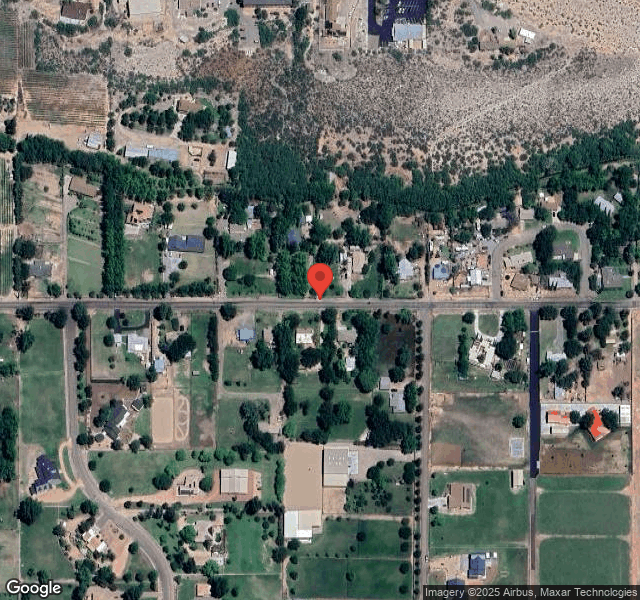
86 WEST SALT MINE ROAD, CAMP VERDE, AZ 86322 (928) 567-5253
For profit - Corporation 58 Beds HAVEN HEALTH Data: November 2025
Trust Grade
60/100
#75 of 139 in AZ
Last Inspection: January 2025

Within standard 12-15 month inspection cycle. Federal law requires annual inspections.

Overview

Haven of Camp Verde has a Trust Grade of C+, which means it is considered decent, slightly above average but not without its challenges. It ranks #75 out of 139 nursing homes in Arizona, placing it in the bottom half of facilities statewide, but it fares better at #2 out of 7 in Yavapai County, indicating only one nearby option is better. Unfortunately, the facility's trend is worsening, with reported issues increasing from 4 in 2023 to 10 in 2025, which raises concerns about the quality of care. Staffing is a weak point, with a below-average rating of 2 out of 5 stars and a turnover rate of 52%, which is near the state average, suggesting that staff may not stay long enough to build strong relationships with residents. On the plus side, there have been no fines reported, which is a good sign, and the facility has average RN coverage; however, there have been specific incidents where the facility did not meet required nurse staffing levels on certain nights, and there were inaccuracies in posting staff hours, which could impact resident care.

Trust Score
C+
60/100
In Arizona
#75/139
Bottom 47%
Safety Record
Low Risk
No red flags
Inspections
Getting Worse
4 → 10 violations
Staff Stability
⚠ Watch
52% turnover. Above average. Higher turnover means staff may not know residents' routines.
Penalties
✓ Good
No fines on record. Clean compliance history, better than most Arizona facilities.
Skilled Nurses
○ Average
Each resident gets 34 minutes of Registered Nurse (RN) attention daily — about average for Arizona. RNs are the most trained staff who monitor for health changes.
Violations
⚠ Watch
22 deficiencies on record. Higher than average. Multiple issues found across inspections.
★★★☆☆
3.0
Overall Rating
★★☆☆☆
2.0
Staff Levels
★★★★★
5.0
Care Quality
★★☆☆☆
2.0
Inspection Score
Stable
2023: 4 issues
2025: 10 issues

The Good

  • 5-Star Quality Measures · Strong clinical quality outcomes
  • Full Sprinkler Coverage · Fire safety systems throughout facility
  • No fines on record

Facility shows strength in quality measures, fire safety.

The Bad

3-Star Overall Rating

Near Arizona average (3.3)

Meets federal standards, typical of most facilities

Staff Turnover: 52%

Near Arizona avg (46%)

Higher turnover may affect care consistency

Chain: HAVEN HEALTH

Part of a multi-facility chain

Ask about local staffing decisions and management

The Ugly 22 deficiencies on record

May 2025 4 deficiencies
CONCERN (D) 📢 Someone Reported This

A family member, employee, or ombudsman was alarmed enough to file a formal complaint

Potential for Harm - no one hurt, but risky conditions existed

Free from Abuse/Neglect (Tag F0600)

Could have caused harm · This affected 1 resident

**NOTE- TERMS IN BRACKETS HAVE BEEN EDITED TO PROTECT CONFIDENTIALITY** Based on observation, interviews, review of records, and review of facility policy and procedure, the facility failed to protect...

Read full inspector narrative →
**NOTE- TERMS IN BRACKETS HAVE BEEN EDITED TO PROTECT CONFIDENTIALITY** Based on observation, interviews, review of records, and review of facility policy and procedure, the facility failed to protect the rights of one resident (#2) to be free from physical abuse by another resident (#4). The deficient practice could lead to physical or psychosocial harm of a resident. Findings include: -Resident #2 was admitted to the facility March 28, 2025, and re-admitted to the facility on [DATE], with diagnoses that included cognitive communication deficit, pressure ulcer of sacrum, laceration of right foot with foreign body, and unspecified dementia. An admission minimum data set (MDS) assessment dated [DATE], revealed the resident had a brief interview for mental status (BIMS) score of 6, indicating severe cognitive impairment. The clinical record review revealed no evidence of a description of a resident to resident incident on May 6, 2025, notification of the incident to the medical provider, and any assessment for injury following the incident. -Resident #4 was admitted to the facility on [DATE], with diagnoses that included alcohol dependence, alcoholic cirrhosis of liver, nontraumatic subdural hemorrhage, type 2 diabetes mellitus, osteomyelitis of vertebra of lumbar region, acute pancreatitis, and other toxic metabolic encephalopathy. A quarterly MDS assessment dated [DATE], revealed the resident had a BIMS score of 4, indicating severe cognitive impairment. A BIMS assessment completed May 6, 2025, revealed a score of 14, indicating the resident was cognitively intact. A Late Entry Progress Note created May 9, 2025, effective May 6, 2025, by the Director of Nursing (DON / Staff #16) revealed while helping on the medication cart, the DON was notified by a Certified Nursing Assistant (CNA) that there had been an incident between residents. The CNA and another CNA heard raised voices and immediately responded to the room. The CNA advised that she seen Resident #4 moving his arm but did not see Resident #4 make contact with Resident #2, and advised there was no contact. The CNA advised that the residents had been separated, and both were in safe areas being monitored by staff. The administrator was notified and an investigation was started. The writer assessed both residents and found no signs of injury, no alteration in skin, and both denied injury at the time. A facility self-report submitted to the State Agency, dated May 6, 2025, revealed on May 6, 2025, at approximately 2:45 PM, Resident #2 was calling to the clinical staff in the hall for help. Resident #2's roommate, Resident #4, was bothered by the volume and moved his body closer to Resident #2 from the other side of the room. Resident #4 moved his arm in the direction of Resident #2, and Resident #4's hand made contact with Resident #2's chest and top of head. The CNA intervened and separated the residents. The residents were made safe and were being checked routinely. Both residents were assessed, and no injuries or signs of physical contact were noted on either resident, and the residents have been placed in separate rooms to prevent further interaction. At this time, both residents are doing well with no lingering effects. A full investigation will be completed in the appropriate time frame. A facility Reportable Event Record/Report (5-day Investigation Report) dated May 12, 2025, revealed on May 6, 2025, at approximately 2:45 PM, Resident #2 was calling to the clinical staff in the hall for help. The roommate, Resident #4, was concerned by the volume and walked across the room to Resident #2 from the other side of the room. Resident #4 moved his arm in the direction of Resident #2 in an attempt to get his attention and his hand made contact with Resident #2's chest and top of head. The CNA intervened and separated the residents. This is the first time these residents were involved in an occurrence. A witness statement dated May 13, 2025, and signed by the Administrator (Staff #66) revealed see attached. There was no evidence of any other attached documents of any witness statements. An interview was conducted on May 13, 2025, at 9:28 AM with Resident #4, who stated that there was a disagreement between himself and his former roommate. Resident #4 stated that Resident #2 was yelling, and was nosey. Resident #4 stated that Resident #2 kept yelling, and I told him to press the red button, and that staff will come. Resident #4 stated that there was physical interaction that occurred and that I'm the one that did it and that he pushed Resident #2 in the head. Resident #4 stated I was mad, and I kind of lost my mind. Resident #4 then demonstrated the motion of pushing his hand out in front of him. Resident #4 stated I pushed him in the head. I didn't slap or hit, just pushed. An interview was conducted on May 13, 2025, at 9:43 AM with Resident #2, who stated that this was his second room at the facility and that he thought that he remembered getting into a disagreement with his roommate. Resident #2 stated that he made a statement that his roommate did not agree with, and that his roommate yelled at him and threw something at him, and he may have pushed him, but he could not recall specifically. A telephonic interview was attempted on May 13, 2025, at 11:13 AM with a Registered Nurse (RN / Staff #30). A voicemail was left for a return phone call. The staff did not return the phone call. An interview was conducted on May 13, 2025, at 11:25 AM, with a CNA (Staff #20) who stated she was aware of the incident between Resident #2 and #4. Staff #20 stated that it was about 2:45 PM, and she was on the floor and heard yelling. She stated she made her way over to the room, and heard Resident #4 moving toward Resident #2. Staff #20 stated she looked into the residents' room, and that is when she saw Resident #4 swing out and then swing down with his hand and strike Resident #2, once with a backhanded motion that struck Resident #2 on the chin, and once in a downward motion that hit Resident #2 on top of the head. Staff #20 stated it was aggressive in nature, he hit him. Staff #20 stated that she made sure Resident #2 was ok, then redirected Resident #4 out of the room, and then told the nurse, the Administrator, and the charge nurse right away. An interview was conducted on May 13, 2025, at 11:35 AM, with a Licensed Practical Nurse (LPN / Staff #51) who stated that she was aware of an altercation that occurred between Residents #4 and #2. Staff #51 stated that she had arrived for the next shift, and had heard that the incident had already occurred, but was not aware of the details. An interview was conducted on May 13, 2025, at 1:35 PM with the Administrator (Staff #66). The Administrator stated that his understanding of abuse is when someone has the intent to harm another individual, including intended actions of hitting someone and willfully harming them. The Administrator stated that the facility's policy if there is an allegation of abuse is to separate the residents and ensure they feel safe, perform skin checks, complete an investigation, and to report the incident to authorities as required by law within 2 hours. The Administrator stated that he completed the facility's 5-day Investigation Report for the incident. The Administrator stated he was notified immediately from the CNA of the incident and that staff interviewed both residents and that Resident #2 was on his call light and asking staff for help, and Resident #4 was concerned with Resident #2's volume, so he moved over closer to Resident #2. The Administrator stated that the CNA witnessed Resident #4 touch or make contact with Resident #2, and we conducted an investigation. The Administrator stated that Resident #4 was going over to help Resident #2 and brushed him unintentionally on Resident #2's cheek and head. The Administrator stated that Staff #20 witnessed the incident and saw Resident 4 make soft contact with Resident #2, and that it was not aggressive and was not intentional. The Administrator stated that the facility did not substantiate the incident as abuse due to lack of evidence. An interview was conducted with the DON (Staff #16) on May 13, 2025, at 1:58 PM. The DON stated that her understanding of abuse is any threat to life or harm, and could be verbal, physical or sexual. The DON stated that she was passing medication on the hall when the CNA approached her and stated there was an incident, and that Resident #4 and Resident #2 had been separated. Resident #2 was in the recliner and Resident #4 was in the room. The CNA had told the floor nurse (Staff #30) who was assessing the residents. The DON stated she then talked to Resident #2 who stated something hit him on the head. The DON stated she realized then after talking with Resident #2 that he was not cognitively intact. The DON stated that herself and the Administrator talked to the CNA (Staff #20) who stated she saw Resident #4 swing his arm and hit Resident #2 on the chest or the cheek and then again directly on top of the head. The DON stated that swinging arms at another person could be considered abuse. Review of the facility policy titled Abuse Policy, dated 2022, revealed the facility strives to prevent the abuse of all their residents. By definition, abuse is the infliction of injury, unreasonable confinement, intimidation, or punishment with resulting physical harm, pain or mental anguish. If abuse is witnessed or suspected, or an injury of unknown origin is identified, the resident's safety will immediately be secured. Prompt reporting and investigation will be utilized to identify the validity of findings and reasonable measures will be implemented to deter further incidents of abuse.
CONCERN (D) 📢 Someone Reported This

A family member, employee, or ombudsman was alarmed enough to file a formal complaint

Potential for Harm - no one hurt, but risky conditions existed

Abuse Prevention Policies (Tag F0607)

Could have caused harm · This affected 1 resident

**NOTE- TERMS IN BRACKETS HAVE BEEN EDITED TO PROTECT CONFIDENTIALITY** Based on observation, interviews, review of records, and review of facility policy and procedure, the facility failed to ensure ...

Read full inspector narrative →
**NOTE- TERMS IN BRACKETS HAVE BEEN EDITED TO PROTECT CONFIDENTIALITY** Based on observation, interviews, review of records, and review of facility policy and procedure, the facility failed to ensure the facility abuse policy was implemented for a resident (#2) with an allegation of abuse. The deficient practice could lead to physical or psychosocial harm of a resident. Finidngs include: -Resident #2 was admitted to the facility March 28, 2025, and re-admitted to the facility on [DATE], with diagnoses that included cognitive communication deficit, pressure ulcer of sacrum, laceration of right foot with foreign body, and unspecified dementia. The clinical record review revealed no evidence of a description of a resident to resident incident on May 6, 2025, any monitoring or that the resident was placed on alert charting, notification of the incident to the medical provider, and any assessment for injury following the incident. -Resident #4 was admitted to the facility on [DATE], with diagnoses that included alcohol dependence, alcoholic cirrhosis of liver, nontraumatic subdural hemorrhage, type 2 diabetes mellitus, osteomyelitis of vertebra of lumbar region, acute pancreatitis, and other toxic metabolic encephalopathy. A facility self-report submitted to the State Agency, dated May 6, 2025, revealed on May 6, 2025, at approximately 2:45 PM, Resident #2 was calling to the clinical staff in the hall for help. Resident #2's roommate, Resident #4, was bothered by the volume and moved his body closer to Resident #2 from the other side of the room. Resident #4 moved his arm in the direction of Resident #2, and Resident #4's hand made contact with Resident #2's chest and top of head. The CNA intervened and separated the residents. An interview was conducted on May 13, 2025, at 9:28 AM with Resident #4, who stated that there was a disagreement between himself and his former roommate. Resident #4 stated that Resident #2 was yelling, and was nosey. Resident #4 stated that Resident #2 kept yelling, and I told him to press the red button, and that staff will come. Resident #4 stated that there was physical interaction that occurred and that I'm the one that did it and that he pushed Resident #2 in the head. Resident #4 stated I was mad, and I kind of lost my mind. Resident #4 then demonstrated the motion of pushing his hand out in front of him. Resident #4 stated I pushed him in the head. I didn't slap or hit, just pushed. An interview was conducted on May 13, 2025, at 9:43 AM with Resident #2, who stated that this was his second room at the facility and that he thought that he remembered getting into a disagreement with his roommate. Resident #2 stated that he made a statement that his roommate did not agree with, and that his roommate yelled at him and threw something at him, and he may have pushed him, but he could not recall specifically. A telephonic interview was attempted on May 13, 2025, at 11:13 AM with a Registered Nurse (RN / Staff #30). A voicemail was left for a return phone call. The staff did not return the phone call. An interview was conducted on May 13, 2025, at 11:25 AM, with a CNA (Staff #20) who stated she was aware of the incident between Resident #2 and #4. Staff #20 stated that it was about 2:45 PM, and she was on the floor and heard yelling. She stated she made her way over to the room, and heard Resident #4 moving toward Resident #2. Staff #20 stated she looked into the residents' room, and that is when she saw Resident #4 swing out and then swing down with his hand and strike Resident #2, once with a backhanded motion that struck Resident #2 on the chin, and once in a downward motion that hit Resident #2 on top of the head. Staff #20 stated it was aggressive in nature, he hit him. Staff #20 stated that she made sure Resident #2 was ok, then redirected Resident #4 out of the room, and then told the nurse, the Administrator, and the charge nurse right away. An interview was conducted on May 13, 2025, at 1:35 PM with the Administrator (Staff #66). The Administrator stated that his understanding of abuse is when someone has the intent to harm another individual, including intended actions of hitting someone and willfully harming them. The Administrator stated that the facility's policy if there is an allegation of abuse is to separate the residents and ensure they feel safe, perform skin checks, complete an investigation, and to report the incident to authorities as required by law within 2 hours. The Administrator stated that he completed the facility's 5-day Investigation Report for the incident. The Administrator stated he was notified immediately from the CNA of the incident and that staff interviewed both residents and that Resident #2 was on his call light and asking staff for help, and Resident #4 was concerned with Resident #2's volume, so he moved over closer to Resident #2. The Administrator stated that the CNA witnessed Resident #4 touch or make contact with Resident #2, and we conducted an investigation. The Administrator stated that Resident #4 was going over to help Resident #2 and brushed him unintentionally on Resident #2's cheek and head. The Administrator stated that Staff #20 witnessed the incident and saw Resident 4 make soft contact with Resident #2, and that it was not aggressive and was not intentional. The Administrator stated that the facility did not substantiate the incident as abuse due to lack of evidence. An interview was conducted with the DON (Staff #16) on May 13, 2025, at 1:58 PM. The DON stated that her understanding of abuse is any threat to life or harm, and could be verbal, physical or sexual. The DON stated that she was passing medication on the hall when the CNA approached her and stated there was an incident, and that Resident #4 and Resident #2 had been separated. Resident #2 was in the recliner and Resident #4 was in the room. The CNA had told the floor nurse (Staff #30) who was assessing the residents. The DON stated she then talked to Resident #2 who stated something hit him on the head. The DON stated she realized then after talking with Resident #2 that he was not cognitively intact. The DON stated that herself and the Administrator talked to the CNA (Staff #20) who stated she saw Resident #4 swing his arm and hit Resident #2 on the chest or the cheek and then again directly on top of the head. The DON stated that swinging arms at another person could be considered abuse. Review of the facility policy titled Abuse Policy, dated 2022, revealed that if abuse is witnessed or suspected, reporting and investigation will take place in the following manner. The Executive Director (ED) will be notified. The DON will notify the following: Physician, Responsible Party, and [NAME] President of Clinical Operations. The ED will begin investigation immediately and complete within 5 working days. Interviews may also include the alleged perpetrator, witnesses, and staff members as applicable. The resident suspected of being abused will be monitored and placed on alert charting.
CONCERN (D) 📢 Someone Reported This

A family member, employee, or ombudsman was alarmed enough to file a formal complaint

Potential for Harm - no one hurt, but risky conditions existed

Deficiency F0655 (Tag F0655)

Could have caused harm · This affected 1 resident

**NOTE- TERMS IN BRACKETS HAVE BEEN EDITED TO PROTECT CONFIDENTIALITY** Based on observation, interviews, review of records, and review of facility policy and procedure, the facility failed to ensure ...

Read full inspector narrative →
**NOTE- TERMS IN BRACKETS HAVE BEEN EDITED TO PROTECT CONFIDENTIALITY** Based on observation, interviews, review of records, and review of facility policy and procedure, the facility failed to ensure a baseline care plan was developed to meet the needs of one resident (#2). The deficient practice could lead to care team members not being aware of a resident's medical conditions and/or plan of care to address the resident's individual needs. Findings include: Resident #2 was admitted to the facility March 28, 2025, and re-admitted to the facility on [DATE], with diagnoses that included cognitive communication deficit, pressure ulcer of sacrum, laceration of right foot with foreign body, and unspecified dementia. An admission minimum data set (MDS) assessment dated [DATE], revealed the resident had a brief interview for mental status (BIMS) score of 6, indicating severe cognitive impairment. There was no evidence of a baseline care plan to address the resident's impaired cognition. An interview was conducted with the DON (Staff #16) on May 13, 2025, at 1:58 PM. The DON stated that residents are assessed for risk of having behaviors that are abusive or could contribute to an abusive situation by monitoring behaviors. Additionally, the DON stated aggression is manifested very differently with impaired cognition, and that impaired cognition and dementia are always risk factors for abuse. The DON stated that impaired cognition and dementia are items that should be care planned to ensure that all staff are aware and updated with changes. Review of the facility policy titled Assessments/Care Planning: Care Plans - Baseline, effective January 1, 2024, revealed a baseline plan of care to meet the resident's immediate health and safety needs is developed for each resident within forty-eight (48) hours of admission. The baseline care plan includes instructions needed to provide effective, person-centered care of the resident that meet professional standards of quality care and must include the minimum healthcare information necessary to properly care for the resident. The baseline care plan is used until the staff can conduct the comprehensive assessment and develop an interdisciplinary person-centered comprehensive care plan (no later than 21 days after admission). The baseline care plan is updated as needed to meet the resident's needs until the comprehensive care plan is developed.
CONCERN (D) 📢 Someone Reported This

A family member, employee, or ombudsman was alarmed enough to file a formal complaint

Potential for Harm - no one hurt, but risky conditions existed

Medical Records (Tag F0842)

Could have caused harm · This affected 1 resident

**NOTE- TERMS IN BRACKETS HAVE BEEN EDITED TO PROTECT CONFIDENTIALITY** Based on observation, interviews, review of records, and review of facility policy and procedure, the facility failed to ensure ...

Read full inspector narrative →
**NOTE- TERMS IN BRACKETS HAVE BEEN EDITED TO PROTECT CONFIDENTIALITY** Based on observation, interviews, review of records, and review of facility policy and procedure, the facility failed to ensure the medical record was complete and accurate for one resident (#2) following an allegation of abuse. The deficient practice could lead to care team members not being aware of a resident's status, and lead to missed or delayed treatment. Findings include: -Resident #2 was admitted to the facility March 28, 2025, and re-admitted to the facility on [DATE], with diagnoses that included cognitive communication deficit, pressure ulcer of sacrum, laceration of right foot with foreign body, and unspecified dementia. A facility self-report submitted to the State Agency, dated May 6, 2025, revealed on May 6, 2025, at approximately 2:45 PM, Resident #2 was calling to the clinical staff in the hall for help. Resident #2's roommate, Resident #4, was bothered by the volume and moved his body closer to Resident #2 from the other side of the room. Resident #4 moved his arm in the direction of Resident #2, and Resident #4's hand made contact with Resident #2's chest and top of head. The CNA intervened and separated the residents. However, the clinical record revealed no evidence of a description of a resident to resident incident on May 6, 2025, any evidence of monitoring or that the resident was placed on alert charting, notification of the incident to the medical provider, and assessment for injury following the incident. An interview was conducted on May 13, 2025, at 9:28 AM with Resident #4, who stated that there was a disagreement between himself and his former roommate. Resident #4 stated that Resident #2 was yelling, and was nosey. Resident #4 stated that Resident #2 kept yelling, and I told him to press the red button, and that staff will come. Resident #4 stated that there was physical interaction that occurred and that I'm the one that did it and that he pushed Resident #2 in the head. Resident #4 stated I was mad, and I kind of lost my mind. Resident #4 then demonstrated the motion of pushing his hand out in front of him. Resident #4 stated I pushed him in the head. I didn't slap or hit, just pushed. An interview was conducted on May 13, 2025, at 9:43 AM with Resident #2, who stated that this was his second room at the facility and that he thought that he remembered getting into a disagreement with his roommate. Resident #2 stated that he made a statement that his roommate did not agree with, and that his roommate yelled at him and threw something at him, and he may have pushed him, but he could not recall specifically. A telephonic interview was attempted on May 13, 2025, at 11:13 AM with a Registered Nurse (RN / Staff #30). A voicemail was left for a return phone call. The staff did not return the phone call. An interview was conducted on May 13, 2025, at 11:25 AM, with a CNA (Staff #20) who stated she was aware of the incident between Resident #2 and #4. Staff #20 stated that it was about 2:45 PM, and she was on the floor and heard yelling. She stated she made her way over to the room, and heard Resident #4 moving toward Resident #2. Staff #20 stated she looked into the residents' room, and that is when she saw Resident #4 swing out and then swing down with his hand and strike Resident #2, once with a backhanded motion that struck Resident #2 on the chin, and once in a downward motion that hit Resident #2 on top of the head. Staff #20 stated it was aggressive in nature, he hit him. Staff #20 stated that she made sure Resident #2 was ok, then redirected Resident #4 out of the room, and then told the nurse, the Administrator, and the charge nurse right away. An interview was conducted with the DON (Staff #16) on May 13, 2025, at 1:58 PM. The DON stated that residents are assessed following allegations of abuse by completing a head to toe assessment to ensure there are no injuries. Additionally, the DON stated that notifications of the allegation of abuse are made to the administrator, the medical provider, and the resident's family as indicated. The DON stated that the initiation of 15-minute checks to monitor the resident was missed this time. The DON stated that these assessments and notifications are documented in the risk management and progress notes in the resident's record, and that the facility maintains an accurate medical record for residents to ensure something is not missed. Review of the facility policy titled Documentation: Charting and Documentation, effective January 1, 2024, revealed all services provided to the resident, progress toward the care plan goals, or any changes in the resident's medical, physical, functional or psychosocial condition, shall be documented in the resident's medical record. The medical record should facilitate communication between the interdisciplinary team regarding the resident's condition and response to care. Documentation of procedures and treatments will include care-specific details, including: the date and time the procedure/treatment was provided; the name and title of the individual(s) who provided the care; the assessment data and/or any unusual findings obtained during the procedure/treatment; notification of family, physician or other staff, if indicated; and the signature and title of the individual documenting.
Mar 2025 1 deficiency
CONCERN (D) 📢 Someone Reported This

A family member, employee, or ombudsman was alarmed enough to file a formal complaint

Potential for Harm - no one hurt, but risky conditions existed

Quality of Care (Tag F0684)

Could have caused harm · This affected 1 resident

**NOTE- TERMS IN BRACKETS HAVE BEEN EDITED TO PROTECT CONFIDENTIALITY** Based on clinical record review, facility documentation, interviews, and review of facility policies and procedures, the facilit...

Read full inspector narrative →
**NOTE- TERMS IN BRACKETS HAVE BEEN EDITED TO PROTECT CONFIDENTIALITY** Based on clinical record review, facility documentation, interviews, and review of facility policies and procedures, the facility failed to ensure one resident (#3) received showering assistance per facility policy and resident preference. The deficient practice could have a potential to cause a negative outcome to a resident's physical, mental, or psychosocial health or well-being. Findings Include: Resident #3 was re-admitted into the facility on May 15, 2024, with diagnoses of pulmonary hypertension, chronic obstructive pulmonary disease, acute on chronic congestive heart failure, and unspecified dementia. A quarterly Minimum Data Set (MDS) assessment dated [DATE], revealed that the resident's Brief Interview for Mental Status (BIMS) assessment score was 12, indicating the resident had moderately impaired cognition. A Social Service Progress Note dated November 4, 2024, revealed Resident #3 was upset that she had gone 3 weeks without a shower; and that, the resident was unhappy with the current care plan for bed bath. According to the documentation, the resident relations manager spoke with the hospice nurse who will change the resident's care plan; and, the certified nursing assistants (CNAs) were to assist the hospice nurse to shower the resident moving forward. Review of the facility's care plan dated May 16, 2024, revealed the resident was at risk for functional self-care deficits and/or functional mobility limitations. The interventions included to encourage the resident to use the call light, to encourage to discuss feelings about self-care deficits, to encourage the resident to participate to the fullest extent possible, and to praise all efforts at self-care. The care plan revealed no evidence of specifically addressing the resident's showering preference. A facility CNA bathing task logs for August through December 2024 revealed that bathing was documented as provided on the following dates: -September 4; -September 18; -October 19; -November 21; -December 14; and, -December 20. Further review of the CNA bathing task log revealed there were no documented showers for August 2024. Review of the shower sheets for August through December 2024 revealed that the resident received showers on the following dates: -August 5, 8 and 12; -September 18; -November 21; and, -December 14. Further review of the shower sheets revealed that there were no shower sheets completed by the facility staff or hospice staff in October 2024. The CNA bathing task log for January through March 5, 2025 revealed that bathing occurred on the following dates: -January 1; -January 30; -February 6; -February 13; and, -February 27. Further review of the CNA bathing task log revealed there were no documented showers from March 1 through 5, 2025. The shower sheets completed by staff for January through March 5, 2025 included the resident received showers on the following dates: -January 1; -January 30; -February 13; and, -February 27. There were no shower sheets documented as completed from March 1 through 5, 2025. Further review of the clinical record revealed no evidence that the resident received showers other than the dates that were documented in the CNA bathing task log and shower sheets from August 2024 through March 5, 2025. An interview was conducted on March 5, 2025, at 3:14 p.m. with Resident #3 who stated that she does not get showers as often as she would like; and that, she was supposed to get showers twice a week. In an interview with the Director of Nursing (DON/staff #5) conducted on March 6, 2025 at 9:00 a.m., the DON stated that residents bathing and showering was very important because it relates to the quality of care provided; and, to ensure the skin integrity and cleanliness were maintained and for the comfort of a resident. The DON stated that it was the facility's policy to offer bathing or showers twice weekly; and that, the residents have a right to refuse the bathing. The DON stated that if the showers were refused by the resident, refusal is documented on the shower sheets. The DON also stated that the hospice company were obligated to provide care to the resident at least twice a week and this included providing showers. The DON said that the facility has some responsibility for ensuring those showers are provided to the residents. Regarding resident #3, the DON stated that December 2024, the facility CNAs reported that Resident #3 was not receiving showers and there were no hospice aides coming to care for the resident. The DON further stated that she informed the hospice company and the DON was told that it was taken care of, so no further investigation occurred. An interview was conducted on March 6, 2025, at 9:47 a.m. with the vice president of clinical operations (VP/Staff #17) who stated that it was her understanding that the facility CNAs brought a concern to the DON (staff #5) sometime around November or December 2024. She stated that the hospice company was not coming to the facility to provide care, including showers, for Resident #3. Further, the VP stated that it was ultimately the facility's responsibility to ensure that care was being provided to the resident. In an interview with a certified medication assistant (CMA/staff #51) conducted on March 6, 2025, at 9:59 a.m., the CMA stated that resident #3 reported that hospice staff were not coming to the facility to provide care. The CMA stated that he could not remember when this occurred. An interview was conducted on March 6, 2025, at 10:55 a.m. with a hospice aide (staff #25) who stated that Resident #3 was scheduled for once a week visits by the hospice company; and that, if a shower was given, the hospice aide would complete the shower sheet. A telephonic interview was conducted with hospice patient care manager (staff #33) on March 6, 2025, at 11:14 a.m. The hospice patient care manager stated that Resident #3 was scheduled for once a week hospice visit. The hospice patient care manager reviewed the actual visits completed by hospice staff including aides and nurses and stated that the resident was seen by hospice staff on October 4, 7, 22, November 2, 16, 17, 22, December 4, 10, 20 and 27, 2024; and, January 3, 10, and 30, 2025. Further, the hospice patient care manager stated that in January, the facility called with concern that Resident #3's showers not being provided. The hospice patient care manager stated that the hospice staff who was providing care to Resident #3 no longer works for the hospice company. A telephonic interview was conducted on March 6, 2025, at 11:30 a.m. with the hospice executive director (hospice ED/staff #49) who stated that Resident #3 preferred to be showered instead of receiving bed baths; and that, because of safety concerns, Resident #3 required two staff members to safely assist her out of bed into the shower. The hospice ED stated that the hospice company often can only send one staff member, and required the facility to provide a staff member to help assist the resident out of bed to the shower. However, the hospice ED said that at times the facility had not been able to provide another person to assist the hospice aide to bring Resident #3 to the shower; and, this issue had been communicated to the facility in the past. Further, the hospice ED stated that Resident #3 was scheduled for once a week hospice visits since September 2024; and, it was her expectation that hospice aides document if a shower or bath did or did not occur. In another interview with the DON (staff #5) conducted on March 6, 2025 at 11:56 a.m., the DON stated that she was not sure how many times a week hospice was scheduled to provide care for Resident #3. A review of the clinical record was conducted with the DON who stated that she could not locate in the record any indication of how many times a week hospice was to visit Resident #3. The DON stated that it was the hospice company's responsibility for providing Resident #3's personal daily care. Further, the DON stated that she was not sure whether it was hospice or the facility's responsibility to ensure Resident #3 received personal care. The facility policy on Bathing and Showers, dated 2022, revealed a purpose to promote cleanliness, provide comfort to the resident and to observe the condition of the resident's skin. Upon admit, shower schedule will be decided upon with resident. The following information should be recorded in the resident's record: the date and time shower/bath were performed, skin observations, if the resident refused the tub/shower, and how the bath/shower were tolerated. Notify supervisor if the resident refuses bath/shower. Review of the facility policy titled Personal Care: Activities of Daily Living (ADL), Supporting, dated January 1, 2024, revealed residents will be provided with care, treatment and services as appropriate to maintain or improve their ability to carry out activities of daily living (ADLs). Residents who are unable to carry out activities of daily living independently will receive the services necessary to maintain good nutrition, grooming and personal and oral hygiene. Appropriate care and services will be provided for residents who are unable to carry out ADLs independently, with the consent of the resident and in accordance with the plan of care, including appropriate support and assistance with: hygiene (bathing, dressing, grooming, and oral care). The facility policy titled, End of Life Care; Hospice Program, dated January 1, 2024, revealed the facility has an agreement in place with at least one Medicare-certified hospice to ensure that residents who wish to participate in a hospice program may do so. In general, it is the responsibility of the facility to meet the resident's personal care and nursing needs in coordination with the hospice representative, and ensure that the level of care provided is appropriately based on the individual resident's needs.
Jan 2025 5 deficiencies
CONCERN (D)

Potential for Harm - no one hurt, but risky conditions existed

Quality of Care (Tag F0684)

Could have caused harm · This affected 1 resident

**NOTE- TERMS IN BRACKETS HAVE BEEN EDITED TO PROTECT CONFIDENTIALITY** Based on clinical record review, resident and staff interviews, facility documentation and policy review, the facility failed to...

Read full inspector narrative →
**NOTE- TERMS IN BRACKETS HAVE BEEN EDITED TO PROTECT CONFIDENTIALITY** Based on clinical record review, resident and staff interviews, facility documentation and policy review, the facility failed to ensure the necessary treatment and services were provided for one resident (#10), as ordered by the physician. The deficient practice could result in residents not receiving the necessary treatment and services they need. Findings include: Resident #10 was admitted on [DATE], with diagnoses of biliary acute pancreatitis without necrosis or infection. A physician's order dated June 27, 2024 prescribed to give Creon Oral Capsule Delayed Release Particles ( Pancrelipase (Lipase-Protease-Amylase)) three capsules by mouth three times a day for chronic pancreatitis. A January 2025 MAR (Medication Administration Record) revealed that Creon Oral Capsule was coded as 9 meaning Other/See Nurse Notes and had not been administered on : - January 12: evening - January 13: evening - January 14: evening - January 27: evening - January 29: morning,noon,evening A progress note dated January 12, 2025 revealed that Creon Oral Capsule medication was on order, with no evidence that the physician had been notified that the medication had not been administered. A progress note dated January 13, 2025 revealed that the Creon Oral Capsule was unavailable. An additional progress note dated January 14, 2024 revealed that Creon Oral Capsule was unavailable. The note further indicated that Meds ordered and awaiting delivery from pharmacy. A quarterly Minimum Data Sheet (MDS) assessment dated [DATE] revealed a Brief Interview for Mental Status (BIMS) score of 15 indicating that the resident was cognitively intact. Further review of the January 2025 MAR revealed there was no evidence that Creon had been administered as ordered. Review of progress note for January 15, 2025 revealed no evidence of why the medication had not been administered and that the physician had been notified. A progress note dated January 27, 2025 indicated that Creaon Oral Capsule was unavailable, and two progress notes dated January 28, 2025 revealed that Creon Oral Capsule as Medication pending delivery. A subsequent progress note dated January 28, 2025 also revealed that Creon Oral Capsule was Not available. Awaiting delivery from the pharmacy. Further review of the January 2025 MAR indicated that the medication was administered on January 29 at am and noon doses. A progress note dated January 29, 2025 revealed that the medication was on order. Further review of the resident ' s clinical record revealed no evidence that the provider was notified about the medication Creon Oral Capsule being unavailable. Additionally, there was no evidence that the provider was aware that the resident had not received the medication on multiple occasions due to the medication being unavailable. There was no evidence that indicated a discussion with the provider what needed to be done while the medication was unavailable. Additionally, there was no evidence in the clinical record that the facility attempted to follow-up with the pharmacy regarding the status of the medication. An interview with Resident #10 was conducted on January 29, 2025 at 10:22 am, who stated that he had not received the Creon for the last 4 days. He stated that staff had informed him that the pharmacy did not have it, therefore that is why there has been a delay. An interview was conducted with a RN (Registered Nurse/staff #22) on January 30, 2025 at 12:32 p.m, who stated that Creon had not been administered for 3 days as documented on the MAR. The RN also stated that the pharmacy was called for a re-order. An interview was conducted with Director of Nursing (DON/staff #19) and Clinical Resource (staff #100) was conducted on January 30, 2025 at 2:41 p.m. The DON stated that she expected orders to be followed as written and if the medication is unavailable, she expected that the Nurse Practitioner (NP staff #19) would be contacted for further instructions. The DON further stated that the facility has had difficulties acquiring Creon from the pharmacy. The Clinical Resource (staff #100) stated that the nurse should contact the pharmacy and order medication a week before running out. The DON also stated that when there is only one day's worth of medication left, the DON, a nurse or charge nurse should call the pharmacy to follow-up. The DON confirmed that she was informed that the resident had not received the medication for three days. The DON further stated she talked to the NP on January 30, 2025 for an alternative pharmacy option.The DON reviewed the residents clinical record and stated that the progress notes did not indicate that the provider was notified regarding the medication not being available.The DON stated that conversations were held with the pharmacy and not the provider before January 30, 2025 and that did not meet her expectations. The DON further stated that the risk of not administering Creon as ordered could result in the resident experiencing abdominal discomfort. Review of a policy titled, Administering Oral Medication, included that the purpose of the procedure is to provide guidelines for safe administration of oral medications.To follow medication administration guidelines, and report other information in accordance with facility policy and professional standards of practice. Review of a facility ' s policy titled Documentation: Charting and documentation, revealed the facility is to maintain medical records on each resident that are complete and accurate.
CONCERN (D)

Potential for Harm - no one hurt, but risky conditions existed

Pharmacy Services (Tag F0755)

Could have caused harm · This affected 1 resident

**NOTE- TERMS IN BRACKETS HAVE BEEN EDITED TO PROTECT CONFIDENTIALITY** Based on clinical record review, staff interviews, facility documentation and policy review, the facility failed to ensure that ...

Read full inspector narrative →
**NOTE- TERMS IN BRACKETS HAVE BEEN EDITED TO PROTECT CONFIDENTIALITY** Based on clinical record review, staff interviews, facility documentation and policy review, the facility failed to ensure that medications were administered as ordered by physician for two residents ( #20, # 26) as observed during medication administration. The deficient practice could result in medications not being available to meet resident needs. Findings Include: -Regarding Resident #20: Resident #20, was admitted on [DATE], with diagnoses including hypertensive heart disease, dementia, and peripheral vascular disease, had inconsistencies in their eye drop administration documentation. A physician's order, dated January 30, 2024, prescribed Artificial Tears eye drops, two drops in each eye, four times daily. A January 2025 Medication Administration Record (MAR) revealed that two drops of Artificial Tears had been administered on January 29, 2025. A quarterly Minimum Data Set (MDS) assessment dated [DATE] revealed no evidence of a completed assessment for mental status. During a medication administration observation conducted on January 29, 2025, at 7:15 a.m., with a Certified Medication Technician (CMA/staff #5), the CMA administered one drop of Artificial Tears into each of Resident #20 ' s eyes. An interview was conducted on January 30, 2025 at 12:54 p.m. with the DON (staff #19), with the Clinical Support Registered Nurse (RN-CS / staff #700), and Administrator (staff #800) present. The DON and RN-CS reviewed the clinical record and stated that documentation on the January 2025 MAR revealed that 2 drops of artificial tears had been administered in each eye. The DON also stated that staff are expected to follow physician ' s orders as written and that the risk could result in incomplete treatment. -Regarding Resident #26: Resident #26 was admitted on [DATE], with diagnoses including [NAME] syndrome, dehydration, bilateral cataracts, hordeolum externum, right eye, eyelid dry eye syndrome of bilateral lacrimal glands. A quarterly Minimum Data Set (MDS) assessment dated [DATE], revealed a Brief Interview for Mental Status (BIMS) score of 15, which indicated intact cognition. A physician ' s order, dated January 5, 2024, prescribed PreserVision AREDS Oral Tablet (Multiple Vitamins w/ Minerals), give 2 tablets by mouth in the morning. A January 2025 MAR revealed no evidence that PreserVision AREDS tablets were administered as ordered on January 28 and January 29, 2025. Review of progress notes dated January 28. 2025 revealed no evidence that the provider had been notified that the PreserVision AREDS tablets had not been administered per orders. A progress note dated January 29, 2025 revealed that PreserVision AREDS tablets were not available. Further revealed no evidence the provider had been notified that the medication had not been administered as ordered. Further medication administration observation conducted on January 29, 2025, 8:20 a.m. with the CMA (Staff #5) of Resident #26 ' s medication preparation. During medication administration the resident stated that the eye vitamins were missing, and the CMA #5 advised the resident that they are currently out, but that they have been ordered. The CMA did not administer PreserVision AREDS tablets as ordered. An interview was immediately conducted with CMA (Staff #5) on January 29. 2025 at 8:20 a.m., who stated that the PreserVision AREDS tablets had not been administered because the medication had been out of stock since January 28, 2025. An interview was conducted on January 29, 2025 at 12:21 p.m. with the Director of Nursing (DON / staff #19), who stated that her expectation is that medications are administered as ordered by the provider. She further stated that the CMA (staff #5) had not followed the facilities policy regarding medication administration. She also stated that the risk could result in incomplete treatment. An interview was conducted on January 30, 2025 at 12:54 p.m. with the DON (staff #19), with the Clinical Support Registered Nurse (RN-CS / staff #700), and Administrator (staff #800) present. The DON stated that she expected medications to be administered as ordered. The DON further stated that she had not been informed that Resident # 26 ' s the medication was PreserVision AREDS tablets were not available and that more needed to be ordered/purchased. The DON reviewed the clinical record and stated there was no evidence that the provider had been notified regarding the PreserVision AREDS tablets, however she noted that there was a progress note dated January 29, 2025 that the medication was out of stock. The DON stated that the missed doses of the medication could affect the resident ' s eye site. A review of a facility policy titled, Medications: Administering Oral Medications, revealed that the procedure is to provide for the safe administration of oral medications by verification of provider ' s orders, checking for expiration dates and verifying dose prior to administration.
CONCERN (D)

Potential for Harm - no one hurt, but risky conditions existed

Food Safety (Tag F0812)

Could have caused harm · This affected 1 resident

Based on observations, staff interviews, and policy review, the facility failed to ensure that food items in the kitchen storage room were properly covered, labeled and dated. The deficient practice c...

Read full inspector narrative →
Based on observations, staff interviews, and policy review, the facility failed to ensure that food items in the kitchen storage room were properly covered, labeled and dated. The deficient practice could result in food contamination and pest infestation which could result in sickness and potential food poisoning among the residents. Findings include: On January 28, 2025 at 10:00 am during an initial kitchen observation conducted with the with a [NAME] (staff #16) in the kitchen storage room, three plastic bins containing sugar, flour and powdered sugar were observed to be uncovered. There was no evidence of a dated label as to when the products were opened. A partial bag of macaroni noodles was also observed on a shelf that was opened, with no dated label. An interview was immediately conducted on January 28, at 10: 30 a.m with the [NAME] (staff #16) who stated that the dry food bins of flour, sugar and powdered sugar should have been covered and labeled with the date they were opened. The [NAME] stated that the risks of not covering the items could result in food contamination. The [NAME] further stated that not properly labeling, dating and covering foods items did not meet the facility's expectation. An interview conducted on January 29, 2025 at 9:19 a.m with the Kitchen Manager (staff #27) and the [NAME] (staff #16). The [NAME] confirmed the findings observed during the initial observation the previous day, regarding the opened macaroni bag and the uncovered, unlabeled bins that contained flour, sugar and powdered sugar. The kitchen manager stated that he preferred to place the open macaroni in a sealed plastic container and labeled with the date that it was first opened. The kitchen manager also stated that the bins that contained flour, sugar and powdered sugar should have been covered, and labeled with the date they were opened. The kitchen manager stated that these findings did not meet the facility's expectations and that the risks of leaving the bins open and not dated could result in the use of outdated food in cooking, pest infestation, and food contamination. The facility's policy titled, Food Storage and Date Marking, indicated that plastic containers with tight-fitting covers must be used for storing cereals, cereal products, flour, sugar, dried vegetables, and broken lots of bulk foods. The policy indicated that all containers must be legible and accurately labeled, if the product is not easily identifiable. The policy also specified that food items must be dated as it is placed on the shelves in the food storage room.
CONCERN (E)

Potential for Harm - no one hurt, but risky conditions existed

Medical Records (Tag F0842)

Could have caused harm · This affected multiple residents

**NOTE- TERMS IN BRACKETS HAVE BEEN EDITED TO PROTECT CONFIDENTIALITY** Based on observations, clinical record review, facility documentation, staff interviews and policy review, the facility failed t...

Read full inspector narrative →
**NOTE- TERMS IN BRACKETS HAVE BEEN EDITED TO PROTECT CONFIDENTIALITY** Based on observations, clinical record review, facility documentation, staff interviews and policy review, the facility failed to ensure professional standards of quality were met regarding accurate documentation for two of two sampled residents (#10, #20). The deficient practice could result in residents' clinical record not being accurate and complete. Findings include: -Regarding Resident #10 Resident #10 was admitted to the facility on [DATE] with diagnoses of biliary acute pancreatitis without necrosis or infection. The physician order dated June 27, 2024 prescribed to give Creon Oral Capsule Delayed Release Particles ( Pancrelipase (Lipase-Protease-Amylase)) three capsules by mouth three times a day for chronic pancreatitis. Review of the quarterly Minimum Data Sheet (MDS) assessment dated [DATE] revealed a Brief Interview for Mental Status (BIMS) score of 15 indicating that the resident was cognitively intact. A progress note dated January 27, 2025 documented that Creaon Oral Capsule was unavailable. Two progress notes dated January 28, 2025 documented Creon Oral Capsule as Medication pending delivery. A subsequent progress note dated January 28, 2025 also documented that Creon Oral Capsule was Not available. Awaiting delivery from the pharmacy. Review of the January 2025 Medication Administration Record (MAR) indicated that the Creon Oral Capsule was administered on January 29 for the a.m. and noon dose. However, review of a progress note dated January 29, 2025 revealed that the medication was on order. Furthermore, during an interview with the resident conducted on January 29, 2025 at 10:22 am., he stated that he has not received his Creon Oral Capsule medication for the last 4 days. An interview with a Registered Nurse (RN/staff #22) was conducted on January 30, 2025 at 12:32 p.m. She confirmed that Creon had not been administered for 3 days as documented in the MAR. Staff #22 stated that she called the pharmacy for a re-order. An interview was conducted on January 20, 2025 at 2:40 pm with the Clinical Resource (staff #100). She stated that the expectation is that medication administration documentation is accurate. The Clinical Resource said that a risk of inaccurate medication administration documentation is improper resident monitoring. The January 2025 MAR was reviewed with the Clinical Resource (staff #100) on January 20, 2025 at approximately 2:40 p.m. She looked at the January 29, 2025 twice for AM and noon shifts and it has been out since Monday (January 27, 2025). She stated the facility does not document administration until all meds have been administered. She stated the documentation of resident #10 ' s Creon Oral Capsule medication did not meet their expectations. She stated occasionally the Nurse Practitioner(staff #19) will order a couple of doses, and to their knowledge the medications were not ordered. -Regarding Resident #20: Resident # 20, was admitted on [DATE], with diagnoses including hypertensive heart disease, dementia and peripheral vascular disease. A physician order, dated January 30, 2024, prescribed Artificial Tears eye drops, two drops in each eye, four times daily. A January 2025 Medication Administration Record (MAR) revealed that two drops of Artificial Tears were administered on January 29, 2025, despite a medication administration observation that the CMA administered one drop of artificial tears in each eye. A quarterly Minimum Data Set (MDS) assessment dated [DATE] revealed no evidence of a completed assessment for mental status. During a medication administration observation conducted on January 29, 2025, at 7:15 a.m., with a Certified Medication Technician (CMA/staff #5) of Resident #20 ' s medication, the CMA was observed to administer one drop of Artificial Tears into both eyes. However, the physician order was written to administer two drops of artificial tears into each eye. An interview was conducted on January 29, 2025 at 12:21 p.m. with the Director of Nursing (DON / staff #19), who stated that her expectation is that medications are administered as ordered by the provider. She further stated that the CMA (staff #5) had not followed the facility policy regarding medication administration. She also stated that the risk could result in incomplete treatment. An interview was conducted on January 30, 2025 at 12:54 p.m. with the DON (staff #19), with the Clinical Support Registered Nurse (RN-CS / staff #700), and Administrator (staff #800) present. The DON and RN-CS reviewed the clinical record and stated that documentation on the January 2025 MAR revealed that 2 drops of artificial tears had been administered in each eye. The DON also stated that staff are expected to follow physician ' s orders as written and that the risk could result in incomplete treatment. A review of the facility's policy titled, Documentation: Charting and Documentation dated January 01, 2024 revealed the facility is to maintain medical records on each resident that are complete and accurately documented. A review of a facility policy titled, Medications: Administering Oral Medications, revealed that the procedure is to provide for the safe administration of oral medications by verification of provider ' s orders, checking for expiration dates and verifying dose prior to administration.
CONCERN (E)

Potential for Harm - no one hurt, but risky conditions existed

Infection Control (Tag F0880)

Could have caused harm · This affected multiple residents

Based on observation, staff interviews, and policy review, the facility failed to ensure infection control standards were maintained during medication administration, regarding equipment sanitizing an...

Read full inspector narrative →
Based on observation, staff interviews, and policy review, the facility failed to ensure infection control standards were maintained during medication administration, regarding equipment sanitizing and hand hygiene. The deficient practice could result in cross contamination and the spread of infections to others. Findings include: -Regarding equipment sanitization A medication administration observation was conducted on January 29, 2025, at 7:15 a.m., with a Certified Medication Technician (CMA/staff #5), who was observed using a glucometer to perform a blood glucose test, as well as a blood pressure cuff on a resident. When the tests were completed, the CMA/staff #5 was not observed to sanitize the glucometer or the blood pressure cuff after use, and returned the items back to the medication cart for storage. An interview was conducted on January 29, 2025 at 12:21 p.m. with the Director of Nursing (DON/staff # 19) who stated that she expected staff to follow the infection control policies at all times, including equipment sanitizing. She further stated that the CMA (staff # 5) had not followed the facility policy regarding equipment sanitization during the medication pass. -Regarding hand hygiene A medication administration observation was conducted on January 29, 2025, at 7:15 a.m.with a CMA (staff # 5) who was observed to enter and exit 3 rooms when administering medications without sanitizing his hands before or after each resident. Additionally, CMA/staff #5 was observed to collect a blood sample at the bedside and did not perform hand hygiene before or after applying gloves. The CMA was observed picking up a highlighter and a fall risk sign from the floor and did not wash his hands after picking up the items. An interview was conducted was conducted on January 29, 2025 at 8:40 a.m. with a CMA (staff # 5). Staff #5 who stated I guess I am not a germaphobe, when asked about the facility infection control and hand hygiene policies. Further interview was conducted on January 29, 2025 at 12:21 p.m. with the Director of Nursing (DON/staff # 19) who stated that she expected staff to follow the infection control policies at all times, regarding hand hygiene. She further stated that the CMA (staff # 5) had not followed the facility policy regarding hand hygiene. She also stated that the risk to the residents could result in cross contamination and infection to/from other residents. A review of the facility's policy titled, Medication: Administration Oral Medication, revealed that medications are administered in a safe manner consistent with good infection control and standards of practice, as demonstrated by handwashing before and after medication administration, verifying correct dose and correct resident and checking expiration dates. A review of the facility's policy titled, Infection Control: Handwashing/Hand Hygiene, revealed that hand hygiene is the primary means to prevent the spread of infection. This includes using soap and water or alcohol based hand sanitizer, all personnel are trained upon hire and regularly in-serviced on importance of hand hygiene and healthcare associated infections. A review of the facility's policy titled, Infection Control: Cleaning and Disinfection of Resident Care Items and Equipment, revealed resident care items will be cleaned and disinfected according to current CDC recommendations for disinfection and the Occupational Safety and Health Administration (OSHA) Bloodborne Pathogen standard. The policy states that reusable durable medical equipment (DME) is cleaned and disinfected before reused by another resident.
Dec 2023 3 deficiencies
CONCERN (F)

Potential for Harm - no one hurt, but risky conditions existed

Deficiency F0725 (Tag F0725)

Could have caused harm · This affected most or all residents

Based on observations, facility documentation, staff interviews and facility policy, the facility failed to ensure there was sufficient nursing staff on a 24-hour basis based on staffing schedule, pos...

Read full inspector narrative →
Based on observations, facility documentation, staff interviews and facility policy, the facility failed to ensure there was sufficient nursing staff on a 24-hour basis based on staffing schedule, postings and in accordance with the facility assessment (completed 8/31/23, Updated 10/12/23). Findings include: On December 5, 2023 a review of the facility assessment was conducted and revealed that there should be two licensed nurses per shift. There should be four CNA's (Certified Nursing Aide) for day shift, three CNA's for second shift and two CNA's on night shift. A review of the staff postings compared to punch details revealed that the facility to follow the facility assessment for staffing. For the sampled dates in November 2023, the facility failed to have two licensed nurses on night shift for;November 15, 16, 17, 22, and 29. Additionally the facility failed to have two CNA's on night shift for; November 2, 2023. For the sampled dates in December 2023, the facility failed to have two licensed nurses on night shift for; December 1, 3, and 4. Additionally the facility failed to have two CNA's on night shift for; December 1 and 2, 2023. Of the 11 sampled days for November and December 2023, there were eight shifts that had only one licensed nurse and 3 shifts with only one CNA. On December 7, 2023 at approximately 9:52 AM, an interview was conducted with staff #152, DON (Director of Nursing), Staff #152 stated that on night shift the expectation is that there should be two CNA's scheduled and the CMA (Certified Medication Assistant) is not considered a to be in the count as a CNA. Staff #152 stated that the CMA works 6:00pm to 6:00am three days a week and that there are times that the schedule will reflect one licensed nurse, one CMA and two CNA's on night shift.
CONCERN (F)

Potential for Harm - no one hurt, but risky conditions existed

Staffing Information (Tag F0732)

Could have caused harm · This affected most or all residents

Based on review of facility documentation, staff interviews and policy review, the facility failed to ensure that the nurse staffing information was accurately posted on a daily basis, which included ...

Read full inspector narrative →
Based on review of facility documentation, staff interviews and policy review, the facility failed to ensure that the nurse staffing information was accurately posted on a daily basis, which included the actual hours worked by licensed and unlicensed nursing staff. Findings include: A review of the sampled daily staff postings for November and December of 2023, revealed they did not contain the total actual hours worked by licensed and unlicensed staff. During an interview that was conducted with the Administrator, (staff #555) on December 7, 2023 at approximately 11:21 AM, it was noted that the actual hours worked were not on the daily staff postings. Staff #555 stated that she will be updating the postings sheet to reflect actual hours worked in the future. Review of the facility Staffing Policy effective revealed that the Daily Posted Staffing Schedule must include the total number and the actual number of hours worked by the following categories of licensed and unlicensed nursing staff directly responsible for resident care per shift: Registered Nurses, Licensed Practical Nurses and Certified Nurse Aides.
CONCERN (F)

Potential for Harm - no one hurt, but risky conditions existed

Staffing Data (Tag F0851)

Could have caused harm · This affected most or all residents

Based on observations, facility documentation, staff interviews and facility policy, the facility failed to submit accurate staffing information base on payroll data in a uniform format to CMS (Center...

Read full inspector narrative →
Based on observations, facility documentation, staff interviews and facility policy, the facility failed to submit accurate staffing information base on payroll data in a uniform format to CMS (Centers for Medicare & Medicaid Services). Findings include: A review of the [NAME] PBJ Staffing Data Report that was run on November 30, 2023 revealed that the facility was triggered for excessively low weekend staffing for the following: Fiscal year, quarter four (July 1st-September, 30) 2022 Fiscal year, quarter one (October 1st - December 31st) 2023 Fiscal year, quarter two (January 1st - March 31st) 2023 Fiscal year quarter three (April 1st - June 30th) 2023 During the review of the sampled staff postings for November and December 2023 with the Regional Support Nurse, (staff #666) and the Regional [NAME] President (staff #484), it was revealed that the facility was not accurately reporting hours to CMS and staff were missing hours in their pay period related to a possible software issue.
Jul 2023 1 deficiency
CONCERN (D) 📢 Someone Reported This

A family member, employee, or ombudsman was alarmed enough to file a formal complaint

Potential for Harm - no one hurt, but risky conditions existed

Accident Prevention (Tag F0689)

Could have caused harm · This affected 1 resident

**NOTE- TERMS IN BRACKETS HAVE BEEN EDITED TO PROTECT CONFIDENTIALITY** Based on observations, resident, resident representative, and staff interviews, and facility documentation, the facility failed ...

Read full inspector narrative →
**NOTE- TERMS IN BRACKETS HAVE BEEN EDITED TO PROTECT CONFIDENTIALITY** Based on observations, resident, resident representative, and staff interviews, and facility documentation, the facility failed to provide appropriate and sufficient supervision to one resident (Resident #5) to prevent an avoidable accident hazard. Findings include: Resident #5 admitted to the facility on [DATE] with a reentry on 6/28/23, and finally discharged on 7/4/23. Her stay was for respite care and diagnoses included Alzheimer's Disease, Dementia, and Stage 3 Kidney Disease. Resident # 5 had a physician's order for a Wander guard at all times for each of her stays at the facility, initially dated 4/26/22. On the Medication and Treatment Administration Records (MAR and TAR), there was no tracking of her wander guard completed for May 1-May 7th, 2023. The order stated to check bracelet is on properly and its functional status on her left ankle, every shift. Resident #5 had her wandering risk noted on her care plan with appropriate interventions. When assessed for wandering risk on 3/23/23 and 4/26/23, her score increases from moderate risk (7) to high risk (12). A progress note time stamped 5/26/2023 did note that her wander guard was in place. The next day at 5/27/23 documentation continued which stated the resident had to be redirected multiple times and helped back to her room at 5:36am. Progress notes continued, two days later on 5/29/2023 at 3:52pm (Note was entered later at 11:13pm) stating that a community member called to state they saw a woman walking down the road and though it might be a resident of the facility. Staff then checked for all residents and discovered Resident #5 was missing. They were able to bring her back to the facility and the nurse completed a full assessment and skin check with no injuries or skin impairment noted. Her temperature was 98.8, skin turgor good, and mucous membranes moist and pink. Her wander guard was on and functioning. ???? In an interview on 7/7/23 with Certified Nursing Assistant (CNA), Staff #90, stated that they know if a resident is an elopement risk if they have on an anklet or they are verbally told during shift report. Interventions to prevent elopement include residents sitting in view of the nurses' station, checking on them every hour in their room if they are not in sight. They will try to keep the resident occupied and redirect them if they start to wander or attempt to elope. The wander guard will alarm loudly if the resident attempts to leave out of an armed door. It is protocol to notify the nurse, and Director of Nursing (DON) if a resident is missing and then all staff will look for them. This includes leaving the facility to search the surrounding area. Staff #90 stated that they recently had a training on elopement risks and protocol surrounding that. Staff #90 did not recall if Resident #5 had a wander guard specifically, but she recalled that she was always very confused and they kept her busy. She did not recall her ever being harmed. At 12pm on 7/7/23, Licensed Practical Nurse (LPN) Staff #45 was interviewed. She stated that an Elopement Risk assessment is done upon admission, and documented in the electronic health record and patients care plan. If a wander guard is needed, they will get the order. The wander guard will be set off by a resident going out any of the exits. All doors that lead out of the facility are alarmed, and the alarm system controls is behind the nurses' station. Staff #45 recalled the elopement of Resident #5, but could not say why the doors did not alarm in that instance. A review of the facility investigation revealed they determined that a staff member may have not re-alarmed the door after taking the trash out on the day of Resident #5's elopement. During a follow up interview with the DON, Staff #180, on 7/7/23, she stated Resident #5 comes for a week once a month for respite care. As a general rule, the facility is wary of accepting any patients who need a secured dementia unit, as they do not have a locked unit. Her expectations from your staff is for them to assess and monitor elopement risks, and secure alarmed doors. She stated that they have to take the alarm off when they take trash out- and after the incident have had extensive education on relocking the door. They have a new system, where they have to check the door when they come in now and make sure it was armed. This is so important because if the alarm is not on then wander guards will not work as intended and patients can elope and be harmed. Observations on 7/7/23 on the unit at 11:45a revealed there is an exit at the end of each hallway, that has a warning sign Emergency Exit Only! this door to remain alarmed at all times.' and appears to be alarmed.
Sept 2022 8 deficiencies
CONCERN (D)

Potential for Harm - no one hurt, but risky conditions existed

Safe Environment (Tag F0584)

Could have caused harm · This affected 1 resident

Based on observations, staff interviews, and policy reviews, the facility failed to ensure that maintenance and housekeeping services necessary to maintain a sanitary, orderly, and comfortable interio...

Read full inspector narrative →
Based on observations, staff interviews, and policy reviews, the facility failed to ensure that maintenance and housekeeping services necessary to maintain a sanitary, orderly, and comfortable interior was provided for 1 resident (#21). The deficient practice could result in resident rooms not having a homelike environment. Findings include: An observation was conducted of resident #21's room on September 20, 2022 at 3:00 PM. Immediately upon entry to the room, food debris was noted over many areas of the floor. An observation of the window next to the resident's bed revealed a web containing 2 dead bugs in the lower left corner of the window sill where the blinds were up from the window sill. The web was approximately 3 inches by 4.5 inches and was attached to the window sill on the left side of the window frame. An interview was conducted on September 22, 2022 at 10:19 AM with the housekeeping manager (staff #28). She stated that resident rooms are expected to be cleaned daily and this included all surface areas, garbage, high touch areas, floors and the inside of all windows and sills. She stated that she designed a cleaning checklist for the housekeeping staff and she provided that list to the staff as of that morning. She further stated that the facility is not fully staffed in housekeeping and a housekeeping staff member that cleaned resident rooms on the day prior had checked off that rooms were cleaned and they had not been cleaned. Staff #28 stated she went through some of the rooms and asked the staff member to re-clean them the prior afternoon. She stated that she is new to the facility and her goal is to get more staff and encourage the use of the checklist to ensure rooms are properly cleaned daily. A walk through of the facility was completed at that time with staff #28 and she stated that the facility cleanliness did not meet her expectations. She stated that the web that contained dead bugs does not meet her expectations and the bathroom area is not up to her expectations either. There was a smear of brown colored substance next to the toilet and the floor was sticky and had visible gray areas. An observation was made of a large dark piece of debris on the floor next to the toilet. She further stated that housekeeping should have wiped off the wall and window sill, mopped the floor, refilled the paper towels and they should have advised maintenance that a light bulb was out and the ring was missing on the toilet plumbing in the wall. An interview with the administrator (staff #29) was conducted on September 23, 2022 at 8:26 AM. She stated that the facility should be clean and that all resident rooms should be cleaned daily. She further stated that there should not be any sticky floors, debris on the walls or the floor or any webs in the facility. Staff #29 stated that she has met with the new housekeeping director and they are working on training and all other tasks that are needed to get the facility back in shape and clean. She stated that the current condition of the facility does not meet her expectations. Review of the facility policy Resident Room Cleaning Procedure (2016) revealed that the following are to be completed in the standard resident room cleaning: - a wet disinfectant cloth is to be used to spot sanitize all vertical surfaces such as walls -a wet disinfectant cloth is to be used to sanitize all horizontal surfaces such as window sills - a dust mop is used to gather all debris -a damp mop with a disinfectant solution is used on floors Review of the facility policy Resident Restrooms (N.D.) revealed that the following are to be included in the cleaning of the restrooms: - check and wipe down walls as needed -refill dispensers as needed - sweep and mop floors - log and report any maintenance items such as burned out light bulbs Review of the facility policy Quality of Life - Homelike Environment (revised 2017) revealed that residents are expected to be provided with a safe, clean and homelike environment.
CONCERN (D)

Potential for Harm - no one hurt, but risky conditions existed

Incontinence Care (Tag F0690)

Could have caused harm · This affected 1 resident

**NOTE- TERMS IN BRACKETS HAVE BEEN EDITED TO PROTECT CONFIDENTIALITY** Based on clinical record review, observation, resident and staff interviews, and review of facility policy, the facility failed ...

Read full inspector narrative →
**NOTE- TERMS IN BRACKETS HAVE BEEN EDITED TO PROTECT CONFIDENTIALITY** Based on clinical record review, observation, resident and staff interviews, and review of facility policy, the facility failed to ensure urinary catheter care was completed as ordered for one resident (#16). The sample size was 2. The deficient practice could result in infection or complications with the urinary catheter. Findings Include: Resident #16 was admitted to the facility on [DATE], and readmitted on [DATE], with diagnoses that included spina bifida, cerebral palsy, acquired absence of a kidney, urinary tract infection, and neuromuscular dysfunction of the bladder. Review of the physician's orders revealed: -An order dated April 18, 2022 for catheter care with soap & water or wipes every shift for neuromuscular dysfunction of bladder; -An order dated April 20, 2022 to change the Foley (urinary catheter) drainage bag every two weeks and as needed (PRN) -An order dated April 20, 2022 for a Foley catheter size:16 French (FR)/10 cubic centimeter (cc) balloon-different size may be inserted if size ordered cannot be reinserted. Review of the admission Minimum Data Set (MDS) assessment dated [DATE] included the resident had an indwelling catheter, received extensive assistance with toileting/urinary catheter management and the diagnoses included a neurogenic bladder, urinary tract infection, spina bifida, and cerebral palsy. The urinary incontinence and indwelling catheter Care Area Assessment (CAA) included the resident had a Foley catheter and was referred to nursing for catheter care. Review of the active care plan revealed a focus revised on May 4, 2022 that the resident had a Foley catheter with a goal that the resident would be/remain free from catheter-related trauma. The interventions included: The resident would show no signs or symptoms of urinary infection; Change catheter every 4 weeks; Monitor/record/report to doctor for signs and symptoms of urinary tract infection which included cloudiness. Review of the physician's orders revealed an order dated July 14, 2022 to change the indwelling Foley catheter every month. Review of a quarterly MDS assessment dated [DATE] included the resident had a Brief Interview for Mental Status (BIMS) score of 12, which indicated the resident had moderately impaired cognition. The assessment revealed the resident received extensive assistance with toileting/urinary catheter management and the diagnoses included a neurogenic bladder and cerebral palsy. Review of the July 2022 Treatment Administration Record (TAR) revealed: -No evidence that the Foley catheter bag was changed every two weeks as ordered in July 2022. -No evidence that catheter care was performed as ordered on July 9th and 10th on the 6:00 a.m. to 2:00 p.m. shift. Review of the August 2022 TAR revealed: -No evidence that catheter care was performed as ordered on August 13th on the 6:00 a.m. to 2:00 p.m. shift; on August 5th, 13th, 19th, or 26th on the 2:00 p.m. to 10:00 p.m. shift; or on August on the 10:00 p.m. to 6:00 a.m. shift. Review of the September 2022 TAR revealed: -No evidence that catheter care was performed as ordered on September 3rd and 19th on the 6:00 a.m. to 2:00 p.m. shift; on September 21st and 22nd on the 2:00 p.m. to 10:00 p.m. shift; or on September 18th on the 10:00 p.m. to 6:00 a.m. shift. An observation of the resident was conducted on September 20, 2022 at 2:14 p.m. The resident had visible urinary catheter tubing that contained cloudy pale fluid. The resident stated that sediment in her urine was normal for her. An interview was conducted on September 23, 2022 at 9:58 a.m. with a Licensed Practical Nurse (LPN/staff #4). She stated that staff are expected to complete ordered care for the resident and document the care in the clinical record. She stated that if there were blanks on the administration record, and there was no progress note documenting that the care was provided, the facility would not be able to show the care was done. The LPN stated the staff member did not follow the physician's orders or the facility expectation for care and documentation. She stated that she was taught that if the care was not documented it meant the care was not done. She stated that ordered Foley catheter care should be completed and documented every shift (eight-hour shifts) on the TAR by the nurse. She stated that the Certified Nursing Assistant (CNA) could give peri care, but not Foley care. The LPN stated if there were areas where the nurse did not document the provision of the care and left the documentation blank for the scheduled care, there would be no way to show that the Foley care was provided. She stated if the Foley catheter care was not provided there were risks for infection with a catheter associated urinary tract infection (CAUTI) and sepsis. An interview was conducted on September 23, 2022 at 10:26 a.m. with the Director of Nursing (DON/staff #25) He stated that holes on the MAR could mean that staff did the care and did not document, or that staff did not do the care. He stated if staff did not document that care was provided the facility would not be able to show that the care was done. The DON stated staff are expected to follow the physician's orders and document the care. He stated Foley catheter care was scheduled/ordered to be done each shift by the nurse and the nurse was expected to document the care was provided. He stated he expected staff to follow the physician's orders as written and document that the care was provided. The DON stated if staff did not provide the ordered Foley catheter care there was a risk for a urinary tract infection (UTI). Review of a facility policy for Catheter care, urinary, included: The purpose of this procedure is to prevent catheter-associated urinary tract infections. Observe the resident for complications associated with urinary catheters, check the urine for unusual appearance, observe for signs and symptoms of urinary tract infection and report findings to the physician or supervisor immediately. The following information should be recorded in the resident's medical record, the date and time that catheter care was given and the name and title of the individual giving the catheter care. Review of a facility policy for Activities of Daily Living (ADLs), Supporting, included: Residents will be provided with care, treatment and services as appropriate to maintain or improve their ability to carry out ADLs. Residents who are unable to carry out ADLs independently will receive the services necessary to maintain good nutrition, grooming, and oral hygiene. Appropriate care and services will be provided for residents who are unable to carry out ADLs independently, with the consent of the resident and in accordance with the plan of care, including appropriate support and assistance with elimination (toileting).
CONCERN (D)

Potential for Harm - no one hurt, but risky conditions existed

Respiratory Care (Tag F0695)

Could have caused harm · This affected 1 resident

**NOTE- TERMS IN BRACKETS HAVE BEEN EDITED TO PROTECT CONFIDENTIALITY** Based on clinical record review, observations, staff interviews, and review of facility policy, the facility failed to provide r...

Read full inspector narrative →
**NOTE- TERMS IN BRACKETS HAVE BEEN EDITED TO PROTECT CONFIDENTIALITY** Based on clinical record review, observations, staff interviews, and review of facility policy, the facility failed to provide respiratory care in accordance with professional standards of practice for one sampled resident (#23). The deficient practice could result in provision of respiratory care when not clinically indicated and related complications. Findings include: Resident #23 was admitted to the facility on [DATE] with diagnoses that included hypo-osmolality and hyponatremia, end stage renal disease (ESRD), chronic systolic congestive heart failure, and intraventricular block. Review of the physician's orders did not reveal an order for oxygen use. Review of the clinical record did not reveal documentation of oxygen use for the resident. Observations of the resident were conducted on September 20, 2022 at 12:50 p.m. and September 23, 2022 which revealed the resident was receiving humidified oxygen via nasal cannula at 2 liters per minute from an oxygen concentrator. An interview was conducted on September 23, 2022 at 9:37 a.m. with a Certified Nursing Assistant (CNA/staff #37). She stated that resident #23 recently started using oxygen and that she thought the resident was receiving oxygen continuously. An interview was conducted on September 23, 2022 at 9:46 a.m. with a Licensed Practical Nurse (LPN/staff #4). She stated that an order was required for oxygen use and that oxygen was a medication. She stated the order would include how much oxygen to use and when to use it. She stated oxygen could be contraindicated depending on the resident's diagnoses and the resident would be at risk for hyperoxygenation if oxygen was used without an order. The LPN stated if there was no order, the staff did not follow facility expectations and would be unable to show that the physician was aware of the oxygen use. She stated oxygen use should be documented in the resident's clinical record. On review of the clinical record she did not find an order for this resident to receive oxygen and on observation of the resident she confirmed that the resident was being administered oxygen. An interview was conducted on September 23, 2022 at 10:32 a.m. with the Director of Nursing (DON/staff #25). He stated the use of oxygen required a physician's order and he expected staff to document that the resident was receiving oxygen. He stated the order would contain the direction on how/when to use oxygen. The DON stated administering oxygen without an order would put the resident at risk for hyperoxygenation. He stated without an order, staff would not know the reason for the oxygen use and the staff would not have directions for the oxygen use. The DON stated without documentation or an order he would not know if the physician was aware that oxygen was being administered. A facility policy for Oxygen Administration revealed: The purpose of this procedure is to provide guidelines for safe oxygen administration. Verify that there is a physician's order for this procedure. Review the physician's orders or facility protocol for oxygen administration. Review the resident's care plan to assess any special needs of the resident. Before administering oxygen, and while the resident is receiving oxygen therapy, assess for the following: signs or symptoms of cyanosis, hypoxia, and oxygen toxicity; vital signs, lung sounds, arterial blood gases and oxygen saturation, if applicable, and other laboratory results, if applicable. After completing the oxygen setup and adjustment, the following information should be recorded in the resident's medical record: The date and time that the procedure was performed; The name and title of the individual who performed the procedure; The rate of oxygen flow, route, and rationale; the frequency and duration of the treatment; The reason for PRN (as needed) administration; All assessment data obtained before, during, and after the procedure; how the resident tolerated the procedure; If the resident refused the procedure, the reason(s) why and the intervention taken; and the signature and title of the person recording the data.
CONCERN (D)

Potential for Harm - no one hurt, but risky conditions existed

Deficiency F0698 (Tag F0698)

Could have caused harm · This affected 1 resident

**NOTE- TERMS IN BRACKETS HAVE BEEN EDITED TO PROTECT CONFIDENTIALITY** Based on clinical record review, staff interviews, and review of facility policies, the facility failed to provide dialysis care...

Read full inspector narrative →
**NOTE- TERMS IN BRACKETS HAVE BEEN EDITED TO PROTECT CONFIDENTIALITY** Based on clinical record review, staff interviews, and review of facility policies, the facility failed to provide dialysis care and services to meet the needs of one sampled resident (#23). The deficient practice could result in dialysis related complications for residents. Findings include: Resident #23 was admitted to the facility on [DATE] with diagnoses that included hypo-osmolality and hyponatremia, end stage renal disease (ESRD), chronic systolic congestive heart failure, and intraventricular block. Review of the physician's orders revealed orders dated May 5, 2022 for dialysis access site observation for signs or symptoms of infection; and for dialysis site care per facility protocol. However, there was no order to check the access site for bruit/thrill each shift. Review of the resident's active care plan revealed a focus dated May 9, 2022 stating the resident was on hemodialysis for a diagnosis of chronic renal failure. The goals included the resident would remain free from discomfort or further complications related to renal disease. The interventions included communication with the dialysis center regarding medication, diet, and lab results and to coordinate care in collaboration with the dialysis center. However, the care plan did not include the access site or pre/post dialysis assessment needs. Continued review of the physician's orders revealed orders dated May 9, 2022 to complete pre/post dialysis assessment every Monday, Wednesday, and Friday related to ESRD; and for dialysis at an outside dialysis provider. Review of a quarterly Minimum Data Set (MDS) assessment dated [DATE] included the resident had no memory problems and was independent in decision making. The assessment diagnoses included renal insufficiency, renal failure, or ESRD and that the resident was receiving dialysis. Review of the clinical record did not reveal dialysis treatment documentation from the dialysis center on August 17th, 19th, 22nd, or 24th, 2022. Review of the August 2022 Medication Administration Record (MAR) revealed no evidence the dialysis access site observation for signs/symptoms of infection was done on the 6:00 a.m. to 2:00 p.m. shift on August 13th, and 23rd; on the 2:00 p.m. to 10:00 p.m. shift on August 13th; or on the 10:00 p.m. to 6:00 a.m. shift on August 21st. Review of the pre-post dialysis assessments dated September 7, 2022 did not include the post dialysis assessment. Review of the physician's orders revealed orders dated September 12, 2022 to observe the atrial venous fistula site for bruit/thrill presence-left upper arm; and to monitor for signs and symptoms or bleeding/hemorrhage/bruising, notify doctor if present. Review of the pre-post dialysis assessments revealed: -September 14, 2022 was blank, had no documentation of pre or post dialysis assessment; -September 19, 2022 did not include the pre-dialysis assessment. Review of the clinical record did not reveal dialysis treatment documentation from the dialysis center on September 7th, 12th, or 19th, 2022. Review of the September 2022 MAR revealed no evidence the dialysis access site observation was done for signs/symptoms of infection or for the presence of a bruit/thrill on the 6:00 a.m. to 2:00 p.m. shift on September 19th; or on the 10:00 p.m. to 6:00 a.m. shift on September 18th. An interview was conducted on September 23, 2022 at 9:46 a.m. with a Licensed Practical Nurse (LPN/staff #4). She stated that on the days the resident received dialysis, the nurse was supposed to initial the MAR that the pre/post dialysis assessment was completed and was supposed to complete the pre-post dialysis assessment form under the assessment tab in the clinical record with the assessment documentation. She stated the access site was supposed to be assessed each shift and documented on the MAR and that there would be a doctor's order for the assessment. The LPN stated if the pre and/or post dialysis assessment was not filled out and an assessment was not in the progress notes, there was no way to show the resident was assessed before and after dialysis. She stated if the dialysis assessment was not documented there was no way to show the assessment was completed. The LPN stated if the assessments were not completed the resident was at risk for unidentified infection or changes in condition, excess weight gain or loss, altered access site functionality or bleeding. She stated that dialysis would call the facility for any critical concerns and that the resident's clinical record should contain treatment documentation from the dialysis facility for the nurse review. The LPN stated that staff was expected to document ordered care in the clinical record and that if there were blanks on the MAR/TAR (Treatment Administration Record), the facility would not be able to show that the care was provided. An interview was conducted on September 23, 2022 at 10:26 a.m. with the Director of Nursing (DON/staff #25). He stated he expected staff to complete the full pre/post dialysis assessments and initial completion on the MAR. The DON stated the risk, if the assessments were not done, was an inability to determine if the resident was stable and staff may not be able to properly care for the resident at expected standards. The DON stated he expected staff to do an assessment of the dialysis site each shift and document the assessment on the MAR. He stated staff could miss signs/symptoms of infection if the site was not assessed. He stated the facility would not be able to show that care was given if staff did not document the care. Review of a facility policy for ESRD, care of a resident with, included: Residents with ESRD will be cared for according to currently recognized standards of care. Staff caring for residents with ESRD, including residents receiving dialysis care outside of the facility, shall be trained in the care and special needs of these residents. Education and training of staff included: The nature and clinical management of ESRD; The type of assessment data that is to be gathered about the resident's condition on a daily or per shift basis; Signs and symptoms of worsening condition and/or complications of ESRD; How to recognize and intervene in medical emergencies such as hemorrhages and septic infections; and the care of grafts and fistulas. Agreements between the facility and the contracted ESRD facility include all aspects of how the resident's care will be managed; how the care plan will be developed and implemented; and how information will be exchanged between the facilities. The resident's comprehensive care plan will reflect the resident's needs related to ESRD/dialysis care. Review of a facility policy for charting and documentation revealed all services provided to the resident, or any changes in the resident's medical or mental condition, shall be documented in the resident's medical record.
CONCERN (D)

Potential for Harm - no one hurt, but risky conditions existed

Deficiency F0757 (Tag F0757)

Could have caused harm · This affected 1 resident

**NOTE- TERMS IN BRACKETS HAVE BEEN EDITED TO PROTECT CONFIDENTIALITY** Based on clinical record review, staff interviews, and policy review, the facility failed to ensure one resident (#33) was free ...

Read full inspector narrative →
**NOTE- TERMS IN BRACKETS HAVE BEEN EDITED TO PROTECT CONFIDENTIALITY** Based on clinical record review, staff interviews, and policy review, the facility failed to ensure one resident (#33) was free of unnecessary medications, by failing to ensure medications were administered as ordered. The sample size was 5. The deficient practice could result in residents receiving medications that may not be necessary. Findings include: Resident #33 was admitted to the facility on [DATE] with diagnoses that included chronic obstructive pulmonary disease with acute exacerbation and acute and chronic respiratory failure with hypoxia and dorsalgia. The physician order summary included the following orders: -Hydrocodone-acetaminophen tablet 5-325 milligrams (mg) 1 tablet by mouth every six hours as needed for pain scale 1-10 not to exceed 3 grams/24-hour period. -oxycodone hydrochloride tablet 5 mg 1 tablet by mouth every six hours as needed for pain 3-7. -morphine sulfate (concentrate) solution 20 mg/milliliters (ml) 0.5 ml by mouth every two hours as needed for pain 8-10. Review of the care plan for the use of analgesic revealed the following intervention: administer analgesia medication as per orders. The physician orders were transcribed onto the medication administration record (MAR) Review of the MAR revealed that Hydrocodone-acetaminophen was administered on the following dates for a pain level of zero: -June 18, 2022 -June 27, 2022 -July 3, 2022 -July 4, 2022 -July 22, 2022 -July 25, 2022 -July 29, 2022 -August 5, 2022 Review of the MAR revealed that oxycodone was administered on the following dates for a pain level outside the parameter (pain level 3-7): -August 19, 2022 for pain level 0 -August 26, 2022 for pain level 1 -September 22, 2022 for pain level 0 Review of the MAR revealed that morphine was administered on the following dates for a pain level outside the parameter (pain level 8-10): -August 23, 2022 for pain level 7 -August 27, 2022 for pain level 6 and pain level 5 -August 30, 2022 for pain level 7 -September 14, 2022 for pain level 7 -September 16, 2022 for pain level 6 -September 17, 2022 for pain level 4 -September 19, 2022 for pain level 7 An interview was conducted on September 23, 2022 at 10:32 a.m. with a licensed practical nurse (LPN/staff #39) regarding pain medication. She stated that if a resident complained of pain, she would assess the pain level, check the orders and parameters before administering pain medication. She stated that for pain medication as needed, if the resident does not have pain, then the medication is not given. The LPN reviewed the physician order and MAR and stated that based on the guidelines of the pain medications, it should not have been given. She also stated that sometimes medications are given before activities but it is usually a physician order; otherwise, pain medications are given based on the parameters. In an interview conducted with the Director of Nursing (DON/staff #25) on September 23, 2022 at 10:42 a.m., he stated that he expects nurses to administer pain medications based on the physician orders and the parameters. He further stated that pain is assessed and documented prior to the distribution of medications, then followed-up for accuracy. After reviewing the MAR, he stated that if the zeroes were the pain level assessed prior to administering the pain medication, then the medications should not have been given. The DON stated that administering pain medication outside the ordered parameter absolutely does not meet his expectation. Review of the facility's policy titled, Administering Medications revealed, Medications must be administered in accordance with the orders, including any requirement time frame. The same policy also revealed, As required or indicated for a medication, the individual administering the medication will record in the resident's medical record: any complaints or symptoms for which the drug was administered.
CONCERN (D)

Potential for Harm - no one hurt, but risky conditions existed

Medical Records (Tag F0842)

Could have caused harm · This affected 1 resident

**NOTE- TERMS IN BRACKETS HAVE BEEN EDITED TO PROTECT CONFIDENTIALITY** Based on clinical record review, staff interviews, and review of facility policies, the facility failed to ensure complete medic...

Read full inspector narrative →
**NOTE- TERMS IN BRACKETS HAVE BEEN EDITED TO PROTECT CONFIDENTIALITY** Based on clinical record review, staff interviews, and review of facility policies, the facility failed to ensure complete medical record documentation for two residents (#16 and #23). The sample size was 12. The deficient practice could result in missed care and complications related to residents not receiving care as ordered. Findings include: -Resident #16 admitted to the facility on [DATE] and readmitted on [DATE] with diagnoses that included spina bifida, cerebral palsy and hypothyroidism. Review of the July 2022 Treatment Administration Record (TAR) revealed no staff documentation that ordered care was provided (scheduled documentation areas were left blank) for: -Scheduled indwelling Foley catheter change on July 14th; -Barrier cream, catheter care, seat belt use in wheelchair, and oxygen use on the 6:00 a.m. to 2:00 p.m. shift on July 9th and 10th. -Treatment to the right lower back/buttock on the a.m. shift on July 9th and 10th. Review of the August 2022 TAR revealed no staff documentation that ordered care was provided (scheduled documentation area left blank) for: -Heel protectors, catheter care, and seat belt use in wheelchair at six scheduled administration times each. -Change oxygen tubing, humidifier bottle and clean filter at one scheduled administration time; -Right and Left heel application of skin prep at one scheduled administration time; -Right lower back/buttock treatment at one scheduled administration time; -Right heel skin prep at two scheduled administration time; -Right and left heel treatment at 3 scheduled administration times; -Offloading of bilateral heels at 6 scheduled administration times; -Oxygen use at 10 scheduled administration times Review of the September 2022 TAR revealed no staff documentation that ordered care was provided (scheduled documentation area left blank) for: -Bilateral heel protectors, catheter care, seat belt use in wheelchair, offloading of bilateral heels, and oxygen use at 5 scheduled administration times each; -Right and Left heel application of skin prep at 3 scheduled administration times; and -Treatment to gluteal cleft at 4 scheduled administration times. -Resident #23 admitted to the facility on [DATE] with diagnoses that included hypo-osmolality and hyponatremia, end stage renal disease (ESRD), and intraventricular block. Review of the August 2022 TAR revealed no staff documentation that ordered care was provided (scheduled documentation area left blank) for: -Catheter care at 8 scheduled administration times: -Dialysis access site observation at 9 scheduled administration times; and -Foley catheter change at 1 scheduled administration time. Review of the September 2022 TAR revealed no staff documentation that ordered care was provided (scheduled documentation area left blank) for: -Catheter care at 3 scheduled administration times; -Foley catheter change and Foley drainage bag change at 1 scheduled administration time; -SVN tubing and apparatus change at 2 scheduled administration times; and -Dialysis access/fistula site observation at 6 scheduled administration times. An interview was conducted on September 23, 2022 at 9:46 a.m. with a Licensed Practical Nurse (LPN/staff #4). She stated that staff are expected to do the ordered care and to document the care as provided in the medical record. She stated that if there were blanks on the administration records, and no progress note stating the care was given, the facility would not be able to say that the care was provided; and that she was taught that if care was not documented, the care was not done. She stated there should not be holes in the medical record for scheduled care and that staff did not follow expectations for documentation. An interview was conducted on September 23, 2022 at 10:26 a.m. with the Director of Nursing (DON/staff #25). He stated that staff are expected to follow the physician's orders, give ordered care, and document that the care was provided in the resident's medical record. He stated that a hole on the administration record would mean either that staff did the care and did not document, or that the staff did not do the care. The DON stated if staff did not document that care was provided, the facility would not be able to show that the care was given. Review of a facility policy for Conformity with Laws and Professional Standards revealed: Our facility operates and provides services in compliance with current federal, state, and local laws, regulations, codes and professional standards of practice that apply to our facility and types of services provided. Review of a facility policy for Charting and Documentation revealed: All services provided to the resident, or any changes in the resident's medical or mental condition, shall be documented in the resident's medical record. All observations, medications administered, services performed, etc., must be documented in the resident's clinical records. Documentation of procedures and treatments shall include care-specific details and shall include at minimum: The date and time the procedure/treatment was provided; the name and title of the individual who provided the care; The assessment data and/or any unusual findings obtained during the procedure/treatment; How the resident tolerated the procedure/treatment; Notification of family, physician or other staff, if indicated; and The signature and title of the individual documenting.
CONCERN (E)

Potential for Harm - no one hurt, but risky conditions existed

ADL Care (Tag F0677)

Could have caused harm · This affected multiple residents

**NOTE- TERMS IN BRACKETS HAVE BEEN EDITED TO PROTECT CONFIDENTIALITY** -Resident #1 was admitted to the facility on [DATE] with diagnoses of complete paraplegia, contracture of muscle, right ankle an...

Read full inspector narrative →
**NOTE- TERMS IN BRACKETS HAVE BEEN EDITED TO PROTECT CONFIDENTIALITY** -Resident #1 was admitted to the facility on [DATE] with diagnoses of complete paraplegia, contracture of muscle, right ankle and foot. An activities of daily living (ADL) care plan initiated on December 4, 2022 revealed the resident had an ADL self-care performance deficit related to paraplegia and activity intolerance. The interventions included skin inspection during routine care and per bath schedule and the resident required staff participation with bathing. The facility's shower schedule from June 2022 - September 2022 revealed the resident schedule for two showers per week: Tuesdays and Fridays. During an interview conducted on September 20, 2022 at 11:49 a.m., the resident stated that she has not been receiving two showers per week as scheduled. The resident stated that she has been maintaining a record on her iPad when she received a shower and the name of the staff providing it. Review of intervention/task, shower sheets, and progress note revealed the resident received a shower/bath on the following days in each respective month: -June 3, 4, 5, 15, 16, 17, 23, 28: (second week, 8th - 14th = No bath/shower). -July 1, 18, 19, 21, 28, 29, 2022: (first week, 1st - 7th = 1 bath/shower); (second week, 8th - 14th = No bath/shower); (fourth week, 22nd - 28th = 1 bath/shower). -August 4, 16, 18, 23, 30, 31, 2022: (first week, 1st - 7th = 1 bath/shower); (second week, 8th - 14th = No bath/shower); (fourth week, 22nd - 28th = 1 bath/shower). -September 1, 6, 15, 16, 2022: (second week, 8th - 14th = No bath/shower). Further review of the clinical record revealed no evidence that a bath/shower was offered and the resident refused. An interview was conducted with a certified nurse assistant (CNA/staff #9) on September 22, 2022 at 08:27 a.m. who stated showers are scheduled twice a week. She also stated that if a resident refused a bath/shower, she will make another attempt later that day and if the resident continued to refuse, the resident and/or the nurse will sign a shower sheet that the resident refused. Lastly, she stated that showers and refusals are documented in the resident's chart. An interview was conducted with the Director of Nursing (DON/staff #25) on September 22, 2022 at 1:51 p.m. The DON stated the expectation is that baths/showers are given twice per week as scheduled and as needed. He also stated that if a resident refuses, the CNA will make three attempts on the same day or have another staff make the attempt and if the resident continues to refuse, the CNA will inform the nurse and the shower sheets are signed by the nurse and the CNA. Furthermore, he stated that showers and refusals are documented in the resident's chart and there are only two areas where bathing/showers are documented: the resident task on the resident's chart and on a shower sheet. After reviewing the resident task documentation and shower sheet, the DON stated that based on the records, the resident is not receiving two showers per week as expected. The facility's policy titled, Shower/Tub bath reviewed September 2022 revealed the purposes of this procedure are to promote cleanliness, provide comfort to the resident and to observe the condition of the resident's skin. The information that should be recorded on the resident's ADL record and/or in the resident's medical record included; The date and time shower/tub bath was performed; The name and title of the individual who assisted the resident with the shower/tub bath; All assessment data obtained during the shower/tub bath; and If the resident refused the shower/tub bath, including the reason why and interventions taken. The facility's policy title, Activities of Daily Living, Supporting, reviewed September 2022 revealed, Residents will be provided with care, treatment, and services as appropriate to maintain or improve their ability to carry out ADLs. Residents who are unable to carry out activities of daily living independently will receive services necessary to maintain good nutrition, grooming and personal and oral hygiene. Appropriate care and services will be provided for residents who are unable to carry out ADLs independently, with the consent of the resident and in accordance with the plan of care, including appropriate support and assistance with hygiene (bathing) and elimination (toileting). The policy also stated, Interventions to improve or minimize a resident's functional abilities will be in accordance with the resident's assessed needs, preferences, stated goals and recognized standard of practice. Based on clinical record review, staff and resident interviews, review of facility documentation, and review of facility policies and procedures, the facility failed to ensure residents received care and services to maintain good grooming/hygiene related to incontinence care for one resident (#2), and showers/bathing for two residents (#1 and #2). The sample size was 2. The deficient practice could result in negative physical and psychosocial impact for residents. Findings include: -Resident #2 was admitted to the facility on [DATE] and re-admitted on [DATE] with diagnoses that included chronic obstructive pulmonary disease (COPD), chronic diastolic congestive heart failure, sick sinus syndrome, and depression. Review of the active care plan revealed two focuses dated June 21, 2022: -Bowel and bladder incontinence with goals that included the resident would remain free from skin breakdown due to incontinence and brief use. The interventions included: Brief use, change as needed; Incontinent, check every 2-3 hours and as required for incontinence; Wash, rinse and dry perineum; Change clothing PRN (as needed) after incontinence episodes. -An activities of daily living (ADL) self-care performance deficit related to hospice care, COPD, and activity intolerance with a goal to maintain current level of function including toilet use and personal hygiene. The interventions included: The resident required staff participation to use the toilet, for bathing, and for personal hygiene; The resident required skin inspection during routine care and per bath schedule. Review of an admission Minimum Data Set (MDS) assessment dated [DATE] revealed the resident had a Brief Interview for Mental Status (BIMS) score of 12, which indicated the resident had moderately impaired cognition. The assessment revealed the resident received extensive assistance with toileting, hygiene, and bathing; and the resident was always incontinent of bowel and bladder. Review of the August 2022 ADL documentation for bowel and bladder continence revealed: -No documentation 13 times on the 6:00 a.m. to 2:00 p.m. shift. -No documentation 8 times on the 2:00 p.m. to 10:00 p.m. shift -No documentation 22 times on the 10:00 p.m. to 6:00 a.m. shift. Review of the August 2022 ADL documentation for toilet use (How resident uses the toilet room, commode, bedpan, or urinal; transfers on/off the toilet; cleanses self after elimination; changes pad; manages ostomy or catheter; and adjusts clothes) revealed: -No documentation/or documented as not applicable 20 times on the 6:00 a.m. to 2:00 p.m. shift. -No documentation/or documented as not applicable 10 times on the 2:00 p.m. to 10:00 p.m. shift -No documentation/or documented as not applicable 23 times on the 10:00 p.m. to 6:00 a.m. shift. Review of the shower documentation (shower sheets and the August/September 2022 ADL documentation) for resident #2 was reviewed and revealed: -No documentation of shower/bathing provision or documented as not applicable from August 1-6; -No second shower/bath provided August 7-13; -No documentation of shower/bathing provision or documented as not applicable from August 21-27; -No second shower/bath provided August 28-September 3; -No documentation of shower/bathing provision or documented as not applicable from September 4-10, or September 11-17. Review of the September 2022 ADL documentation for bowel and bladder continence revealed: -No documentation 9 times on the 6:00 a.m. to 2:00 p.m. shift. -No documentation 4 times on the 2:00 p.m. to 10:00 p.m. shift -No documentation 13 times on the 10:00 p.m. to 6:00 a.m. shift. Review of the September 2022 ADL documentation for toilet use revealed: -No documentation/or documented as not applicable 8 times on the 6:00 a.m. to 2:00 p.m. shift. -No documentation/or documented as not applicable 8 times on the 2:00 p.m. to 10:00 p.m. shift -No documentation/or documented as not applicable 17 times on the 10:00 p.m. to 6:00 a.m. shift. An interview was conducted on September 23, 2022 at 9:18 a.m. with a Certified Nursing Assistant (CNA/staff #37). She stated that staff offers the resident a shower/bathing twice a week based on the room number, and try to fit in additional showers/baths at the resident request. She stated staff knew which residents were due for a shower/bath by checking the shower schedule/shower book. She stated that she would document the shower/bath was provided/or refused in her regular charting. She stated she was required to do a shower sheet for each shower/bath provided which would include any observation of skin changes. She stated she would still do a shower sheet if the resident refused and would write refused on the form. She stated the CNA gives the sheet to the nurse to sign and then the sheet is placed in the Director of Nursing's (DON) box. She stated there was no way for the facility to show that the resident was offered a shower/bath if there was no shower sheet completed and/or documentation in the clinical record. She stated a resident would probably feel bad about themselves if they did not get a shower/bath, there would be a risk of odors, that the resident would be unclean, and for wounds/bacteria/fungus. She stated that she checked her residents for incontinence three times a shift, when the resident asked, and if she needed to do incontinence care. She stated if incontinence care was not provided consistently the resident's skin could have breakouts, redness, or wound formation. She stated that resident #2 was incontinent of bowel and bladder and that the resident called pretty frequently to be changed. She stated the resident was usually wet or soiled. She stated there should be charting that incontinence care was provided at least once a shift (8-hour shift). She stated there was no other location in the resident record to find documentation that incontinence care was provided. An interview was conducted on September 23, 2022 at 10:03 a.m. with a Licensed Practical Nurse (LPN/staff #4). She stated the facility had a shower schedule and that she believed each resident was supposed to be offered a shower/bath two times a week. She stated staff should document the shower/bath in the clinical record and on the shower sheet, and indicate if the shower/bath was given or refused. She stated the CNA and nurse would sign the shower sheet, and she thought the resident would sign the sheet if the shower/bath was refused. The LPN stated the facility would not be able to show that the shower/bath was offered if staff did not document. She stated the resident was at risk for infection, not being clean, having an odor, and for self-consciousness/insecurity if showers/baths were not completed. The LPN stated that staff are expected to check residents for incontinence at least every two hours and change the resident if needed. She stated the incontinence care should be documented in the CNAs charting. She stated that provision of incontinence care should be charted at least each shift. The LPN stated if incontinence care was not provided the resident would be at risk for skin breakdown, pressure ulcers, infection, and urinary tract infections. An interview was conducted on September 23, 2022 at 10:36 a.m. with the DON (staff #25). He stated that showers/baths are to be offered twice a week based on the facility shower schedule and that residents were able to get additional showers/baths when requested. He stated documentation of shower/bath provision or refusal should be in the electronic record and/or on a shower sheet. The DON stated the resident was at risk for skin breakdown and bad hygiene if showers/baths were not being provided. He stated if provided documentation did not show that the resident was offered twice a week showers/baths then staff did not meet his expectations. He stated that he expected documentation of incontinence care/toileting at least once a shift. The DON stated the resident was at risk for skin breakdown and urinary tract infections if incontinence care was not being provided. Review of the facility's Shower Schedule form revealed that residents are scheduled for two showers a week based on room number. Review of a facility policy for Perineal Care included: The purposes of this procedure are to provide cleanliness and comfort to the resident, to prevent infections and skin irritation, and to observe the resident's skin condition.
CONCERN (E)

Potential for Harm - no one hurt, but risky conditions existed

Food Safety (Tag F0812)

Could have caused harm · This affected multiple residents

Based on observations, staff interviews, and policy reviews, the facility failed to ensure food safety requirements were met. The deficient practice has the potential to cause foodborne illness. Find...

Read full inspector narrative →
Based on observations, staff interviews, and policy reviews, the facility failed to ensure food safety requirements were met. The deficient practice has the potential to cause foodborne illness. Findings include: Regarding expired food items: During the initial kitchen observation with the dietary manager (staff #8) on September 20, 2022 at 10:00 a.m. there were 12 cans of condensed milk with the expiration date of June 2021 mixed with unexpired food items on the bottom rack in the dry storage room. The dietary manager was interviewed at this time. He stated their inventory is checked for expired food every two weeks. However, he added, that the expired items in question were missed and that expired items are not to be used for resident consumption. He further stated that items are checked for expiration date during inventory and before immediate use by all dietary staff. Staff #8 was observed discarding the expired items. Review of the facility's policy titled, Cleaning and Sanitation of Dining and Food Service Areas revealed, All stock must be rotated with each new order received. Rotating stock is essential to assure the freshness and highest quality of all foods. The facility's policy title, Food Storage and Date Marking revealed, All foods will be checked to assure that foods will be consumed by their use by dates or discarded. Regarding stored food: During the initial kitchen observation with the dietary manager (staff #8) on September 20, 2022 at 9:50 a.m., a bag of hash browns was observed in the walk-in freezer partially closed with a binder clip with a hash brown patty out of the bag. During an observation conducted on September 21, 2022 at 11:45 a.m., a bag of hash browns was observed partially closed with a binder clip with a hash brown patty out of the bag in the walk-in freezer. Regarding kitchen sanitation: During an observation of the dry storage room on September 21, 2022 at 11:45 a.m. a dead insect was seen on the floor under a rack. At 12:10 p.m., the floor in the kitchen was observed to be sticky. Old gloves, a thermometer, bread (not the same bread currently being served for lunch) among other debris were observed under the tray line directly beneath where food was being prepared. A mouse trap was also seen on the floor under another tray table. A kitchen observation was conducted on September 22, 2022 at 7:15 a.m. The floor directly beneath the tray line had a puddle of water, old food, disposable lids, paper clips, pens, bowls, and condiment packets. An interview was conducted with the dietary manager on September 22, 2022 at 9:15 a.m. The registered dietician (#62) and the executive director (#29) were also present. The dietary manager stated that the kitchen is swept and mopped and the countertops are wiped every night and the floor is scrubbed once a month. Staff #8 added that the kitchen staff working is responsible for cleaning at night. When asked for a cleaning log/schedule, he stated there was no schedule currently being maintained for cleaning but the expectation is that it is done every night. The executive director added the staff on the schedule is responsible for cleaning the kitchen. When asked who cleaned last night, September 21, 2022, staff #8 stated that he swept and mopped the kitchen. All three staff (#8, #28, #62) then entered the kitchen and observed the condition under the tray lines and other areas in the kitchen. When staff #8 was asked if the condition met his expectations, he said no and added, he was not able to bend low enough to sweep under the tray line because of his bad back. Review of the facility's policy titled, Cleaning and Sanitation of Dining and Food Service Areas revealed, The nutrition and food services staff will maintain the cleanliness and sanitation of the dining and food service areas through compliance with a written, comprehensive cleaning schedule. Under the same policy, a procedure included, A cleaning schedule will be posted for all cleaning tasks, and staff will initial the tasks as completed. Regarding the tray-line: During an observation conducted of the tray-line on September 21, 2022 at 11:59 a.m. while the dietary staff reached to scoop food from the tray line her badge touched the pureed food that was on a plate, she then grabbed her badge and the plate was served to a resident. The staff continued to prepare the plates. During an observation conducted on September 21, 2022 at 12:08 p.m. there were four plates placed on a serving table ready to be distributed to the residents in the dining room by dietary aides. These plates had pasta cheese strings hanging off of them touching the table. When the dietary aides picked up these plates the cheese was touched with their bare hands. Before another plate was picked up by another dietary aide, the dietary consultant (staff #61) was observed flailing his hands at a dietary aide. When the dietary aide looked his way, staff #61 was waving and shaking his head. The dietary aide looked confused. Staff #61 went into the dining room and spoke with the staff. In an interview conducted with a cook (staff #13) on September 22, 2022 at 10:37 a.m. she stated that food should be prepared under sanitary conditions. She stated that it was difficult to maintain this yesterday because the food being served was cheesy and it was getting all over and the plate was messy. She expressed her frustration and stated it was hard to keep the cheese on the plate. With regards to the badge touching the food, she stated it should not happen, if she noticed that her badge touched the food, she would not serve the food to the resident and would instead prepare a new plate. She stated she thought she caught her badge before it touched the food; otherwise, she said she would have served a new plate. Review of facility's policy titled, General Food Preparation and Handling on September 2022 revealed, Food items will be prepared to serve maximum nutritive value, develop and enhance flavor and keep free of harmful organism and substances; food will be prepared and served with clean tongs, scoops, forks, spoons, spatulas, or other suitable implements to avoid manual contact of prepared foods; and tongs or other serving utensils will be used to serve breads or other items to avoid bare hand contact with food. Review of the facility's policy titled, Food Storage and Date Marking revealed, Food is stored, prepared, and transported at appropriate temperatures and by methods designed to prevent contamination or cross contaminations.
Understanding Severity Codes (click to expand)
Life-Threatening (Immediate Jeopardy)
J - Isolated K - Pattern L - Widespread
Actual Harm
G - Isolated H - Pattern I - Widespread
Potential for Harm
D - Isolated E - Pattern F - Widespread
No Harm (Minor)
A - Isolated B - Pattern C - Widespread

Questions to Ask on Your Visit

  • "Can I speak with families of current residents?"
  • "What's your RN coverage like on weekends and overnight?"

Our Honest Assessment

Strengths
  • • No major safety red flags. No abuse findings, life-threatening violations, or SFF status.
  • • No fines on record. Clean compliance history, better than most Arizona facilities.
Concerns
  • • 22 deficiencies on record. Higher than average. Multiple issues found across inspections.
Bottom line: Mixed indicators with Trust Score of 60/100. Visit in person and ask pointed questions.

About This Facility

What is Haven Of Camp Verde's CMS Rating?

CMS assigns HAVEN OF CAMP VERDE an overall rating of 3 out of 5 stars, which is considered average nationally. Within Arizona, this rating places the facility higher than 0% of the state's 100 nursing homes. This mid-range rating indicates the facility meets federal standards but may have areas for improvement.

How is Haven Of Camp Verde Staffed?

CMS rates HAVEN OF CAMP VERDE's staffing level at 2 out of 5 stars, which is below average compared to other nursing homes. Staff turnover is 52%, compared to the Arizona average of 46%.

What Have Inspectors Found at Haven Of Camp Verde?

State health inspectors documented 22 deficiencies at HAVEN OF CAMP VERDE during 2022 to 2025. These included: 22 with potential for harm.

Who Owns and Operates Haven Of Camp Verde?

HAVEN OF CAMP VERDE is owned by a for-profit company. For-profit facilities operate as businesses with obligations to shareholders or private owners. The facility is operated by HAVEN HEALTH, a chain that manages multiple nursing homes. With 58 certified beds and approximately 45 residents (about 78% occupancy), it is a smaller facility located in CAMP VERDE, Arizona.

How Does Haven Of Camp Verde Compare to Other Arizona Nursing Homes?

Compared to the 100 nursing homes in Arizona, HAVEN OF CAMP VERDE's overall rating (3 stars) is below the state average of 3.3, staff turnover (52%) is near the state average of 46%, and health inspection rating (2 stars) is below the national benchmark.

What Should Families Ask When Visiting Haven Of Camp Verde?

Based on this facility's data, families visiting should ask: "Can you walk me through typical staffing levels on day, evening, and night shifts?" "Can I visit during a mealtime to observe dining assistance and food quality?" "How do you handle medical emergencies, and what is your hospital transfer rate?" "Can I speak with family members of current residents about their experience?" These questions are particularly relevant given the below-average staffing rating.

Is Haven Of Camp Verde Safe?

Based on CMS inspection data, HAVEN OF CAMP VERDE has a clean safety record: no substantiated abuse findings (meaning no confirmed cases of resident harm), no Immediate Jeopardy citations (the most serious violation level indicating risk of serious injury or death), and is not on the Special Focus Facility watch list (a federal program monitoring the lowest-performing 1% of nursing homes). The facility has a 3-star overall rating and ranks #100 of 100 nursing homes in Arizona. While no facility is perfect, families should still ask about staff-to-resident ratios and recent inspection results during their visit.

Do Nurses at Haven Of Camp Verde Stick Around?

HAVEN OF CAMP VERDE has a staff turnover rate of 52%, which is 6 percentage points above the Arizona average of 46%. Moderate turnover is common in nursing homes, but families should still ask about staff tenure and how the facility maintains care continuity when employees leave.

Was Haven Of Camp Verde Ever Fined?

HAVEN OF CAMP VERDE has no federal fines on record. CMS issues fines when nursing homes fail to meet care standards or don't correct problems found during inspections. The absence of fines suggests the facility has either maintained compliance or corrected any issues before penalties were assessed. This is a positive indicator, though families should still review recent inspection reports for the full picture.

Is Haven Of Camp Verde on Any Federal Watch List?

HAVEN OF CAMP VERDE is not on any federal watch list. The most significant is the Special Focus Facility (SFF) program, which identifies the bottom 1% of nursing homes nationally based on persistent, serious quality problems. Not being on this list means the facility has avoided the pattern of deficiencies that triggers enhanced federal oversight. This is a positive indicator, though families should still review the facility's inspection history directly.