SKILLED NURSING UNIT AT ORO VALLEY HOSPITAL
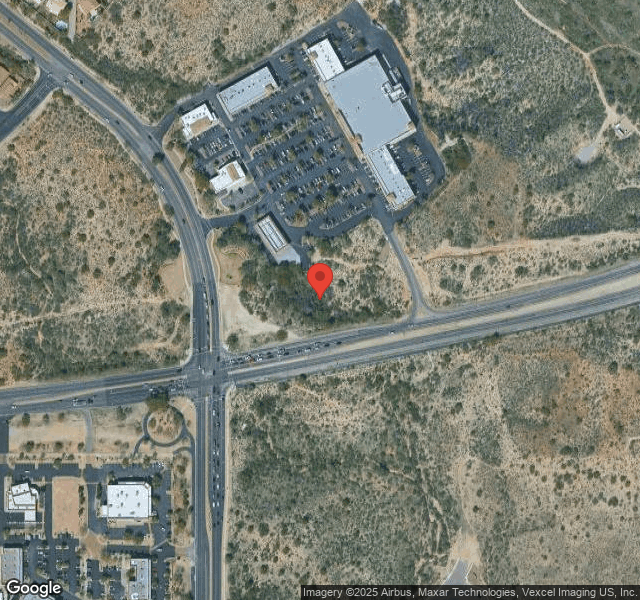

1551 E TANGERINE RD, ORO VALLEY, AZ 85755 (520) 901-6164
For profit - Corporation 33 Beds Independent Data: November 2025
Trust Grade
80/100
#28 of 139 in AZ
Last Inspection: July 2024

Within standard 12-15 month inspection cycle. Federal law requires annual inspections.

Overview

The Skilled Nursing Unit at Oro Valley Hospital has a Trust Grade of B+, which means it is above average and recommended for families considering care options. It ranks #28 out of 139 facilities in Arizona, placing it in the top half, and #4 out of 24 in Pima County, indicating only three local facilities perform better. The facility is improving, having reduced its issues from 6 in 2023 to just 1 in 2024. Staffing is rated 4 out of 5 stars, but a turnover rate of 95% is concerning, as it is significantly higher than the state average of 48%. There have been no fines recorded, which is a positive sign, and the facility has better RN coverage than 83% of Arizona facilities, ensuring more thorough oversight of residents' care. However, there are some areas of concern. For example, one resident's care plan lacked specific interventions for psychotropic medications prescribed for anxiety and insomnia, which could put their health at risk. Additionally, another resident did not have a necessary mental status assessment completed, highlighting possible lapses in care documentation. Overall, while there are notable strengths in staffing and RN coverage, families should be aware of the documented care plan deficiencies.

Trust Score
B+
80/100
In Arizona
#28/139
Top 20%
Safety Record
Low Risk
No red flags
Inspections
Getting Better
6 → 1 violations
Staff Stability
⚠ Watch
95% turnover. Very high, 47 points above average. Constant new faces learning your loved one's needs.
Penalties
✓ Good
No fines on record. Clean compliance history, better than most Arizona facilities.
Skilled Nurses
✓ Good
Each resident gets 76 minutes of Registered Nurse (RN) attention daily — more than 97% of Arizona nursing homes. RNs are the most trained staff who catch health problems before they become serious.
Violations
○ Average
8 deficiencies on record. Average for a facility this size. Mostly minor or procedural issues.
★★★★★
5.0
Overall Rating
★★★★☆
4.0
Staff Levels
★★★★★
5.0
Care Quality
★★★★☆
4.0
Inspection Score
Stable
2023: 6 issues
2024: 1 issues

The Good

  • 4-Star Staffing Rating · Above-average nurse staffing levels
  • 5-Star Quality Measures · Strong clinical quality outcomes
  • Full Sprinkler Coverage · Fire safety systems throughout facility
  • No fines on record

Facility shows strength in staffing levels, quality measures, fire safety.

The Bad

Staff Turnover: 95%

49pts above Arizona avg (46%)

Frequent staff changes - ask about care continuity

Staff turnover is very high (95%)

47 points above Arizona average of 48%

The Ugly 8 deficiencies on record

Jul 2024 1 deficiency
CONCERN (D)

Potential for Harm - no one hurt, but risky conditions existed

Food Safety (Tag F0812)

Could have caused harm · This affected 1 resident

Based on observations, staff interviews, and policy review, the facility failed to ensure proper food hygiene practices were maintained were maintained and kitchen equipment were in good repair. The d...

Read full inspector narrative →
Based on observations, staff interviews, and policy review, the facility failed to ensure proper food hygiene practices were maintained were maintained and kitchen equipment were in good repair. The deficient practice has the potential to cause foodborne illness. Findings include: During the initial kitchen observation conducted with the Dietary Director (staff #84) on July 1, 2024 at 9:54 am, there was one female staff wearing black scrubs and was standing inside the kitchen without any hair restraints. Another staff (#45) who was in the kitchen was introduced as one of the facility's dieticians did not have any hair restraints on . Staff #45 proceeded to go inside the office located in the back entrance of the kitchen. An observation of the hot dishwasher was conducted with Executive Chef (staff #87) on July 2, 2024 at 8:38 am. While the hot dishwasher was running, the temperature gauge for the final rinse was at 187 degrees Fahrenheit. Staff #87 stated that according to the machine instruction, the minimum temperature for the wash cycle was 150 degrees Fahrenheit and the minimum temperature for the rinse cycle was 160 degrees Fahrenheit. At 8:42 am, the dishwashing power wash temperature was below 150 degrees Fahrenheit. Staff #87 stated that the temperature gauge was not working. He then checked the temperature by using a portable thermometer. He opened the lid of the power wash and stated that it was hot with the thermometer reading between 152 and 157 degrees Fahrenheit. Staff #87 said that the facility was in the process of changing the equipment; and that, he will place a work order for the company to come fix or check out the power wash temperature gauge. In another observation of the kitchen conducted with another cook (staff #67) on July 2, 2024 at 8:47 a.m., staff # 67 was in the dishwashing area of the kitchen and was not wearing any hair restraints. He stated that the power wash was not working for 3 weeks; and, he checked the dishwasher temperature using his own thermometer. While waiting to observe the tray line service on July 2, 2024 at 11:15 a.m., the driver nutrition services staff (#39) was walking in the kitchen from one of the prep section area of the kitchen carrying a box. She was not wearing any hair restraints and stated she just walked in. She then proceeded to placed a hair restraint (hairnet) over her head. An interview was conducted on July 3, 2024 at 9:29 a.m. with nutritional supervisor (staff #69) who stated that her job included scheduling, maintaining retail programing, checking diets, making sure resident allergies were correct and excluded from meals, cooking, prepping, and dishwashing. She stated that if there was a problem with the equipment, staff would request for a work order. She also said that if a warmer was broken, staff would use another warmer. The nutritional supervisor stated that her staff reports to management for equipment not working; and that, the staff knows how to place a work order request. Further, she stated that once the work order was cleared, she receives notice in her email that the work status had been cleared. The nutritional supervisor said that if the dishwashing gauge was not working, staff would run it with a thermometer. Regarding hair restraints, the nutritional supervisor stated that anybody who works in the kitchen had to follow hand hygiene practices, use of alcohol hand sanitizer like purell, wearing a cap or hairnet within the kitchen area except in the kitchen offices. She added that staff who do not do hand hygiene or not wear a hair restraint would be written up. Furtherm, the nutritional supervisor stated that kitchen staff wear hair restraints and wash their hands to prevent food borne illness and cross contamination. On July 3, 2024 at 9:44 am, an observation of the hot dishwashing machine was conducted with the nutritional supervisor (staff #69). During the observation of the hot dishwashing machine, the power wash temperature was at zero degrees Fahrenheit and the power wash temperature gauge stayed at 100 degrees Fahrenheit. The power rinse temperature gauge was reading between 140 and 150 degrees Fahrenheit. The final rinse temperature gauge stayed at 100 degrees Fahrenheit. Staff #69 stated that the machine's temperature gauge did not work; and that, the facility had placed a work order request on this issue yesterday. Further, staff #69 stated that the flat square black thermometer that was approximately 4 inches by 4 inches in size went through the hot dishwasher and did not work. An interview was conducted on July 3, 2024 at 10:00 a.m. with dietary director who stated that her expectation was for a person who first walked in the kitchen, needed to wash their hands, ut gloves on for infection control. The dietary director stated that infection control and prevention of cross contamination are good reasons for a good hand hygiene. Further, she stated that the food production areas required staff to have hair restraints; and that, if staff did not have any hair restraints, hair can get into the food and contaminate the food. The dietary directo said that the expectation was that staff will wear hair restraints in the kitchen. On July 3, 2024 at 10:37 a.m. the dishwasher power rinse temperature read at 140 degrees Fahrenheit using the lollipop thermometer used by a dietary aide (staff #43). At 10:46 a.m. on July 3, 2024, another dietary staff (#87) used a calibrated thermometer to check the dishwasher temperature. The temperature reading was 137 degrees Fahrenheit when it came out after the power rinse. At 11:30 am on July 3, 2024, a dishwasher temperature was taken by another dietary staff (#87) who used a lollipop thermometer. The temperature read 172 degrees Fahrenheit; and staff #87 said that the power wash temperature gauge will be changed. During tray line observation conducted on July 3, 2024 at 11:51 a.m., a dietary staff (#88) came in from the back-door area of the kitchen and delivered the bread straight to the kitchen without washing his hands. Staff #88 had a cap on but also had a shoulder length hair. Another dietary staff (#87) spoke to him and he then put a hairnet on and washed his hands in the sink. Review of facility documentation dated July 3, 2024 revealed that the wash tank was reset to high limit; however, the temperature gauge was not registering and remained at 100 degrees Fahrenheit. Per the documentation, it was discovered that the water to the booster was shut off due to a faulty final rinse solenoid. Review of policy titled, Food Services-Scope of Nutritional Services Department Policy, original effective date 3/15/2021 and revision date 3/15/2021, revealed the purpose to keep food safe for consumption. It included Guidelines: (1) General Hygiene (a) wash hands with soap and water before handling food, after using the restroom, and between tasks. (b) Hair covers are to be worn in all food preparation areas. The rinse water temperature on dishwasher is set at 180 degrees fahrenheit or ensure proper amount of disinfectant is used to sanitize dinnerware.
Jan 2023 6 deficiencies
CONCERN (D)

Potential for Harm - no one hurt, but risky conditions existed

Transfer Notice (Tag F0623)

Could have caused harm · This affected 1 resident

**NOTE- TERMS IN BRACKETS HAVE BEEN EDITED TO PROTECT CONFIDENTIALITY** Based on clinical record review and staff interviews, the facility failed to ensure one resident (#9) and/or the resident's repr...

Read full inspector narrative →
**NOTE- TERMS IN BRACKETS HAVE BEEN EDITED TO PROTECT CONFIDENTIALITY** Based on clinical record review and staff interviews, the facility failed to ensure one resident (#9) and/or the resident's representative was notified in writing of the transfer/discharge and the reasons for the move in writing, and failed to send a copy of the notice to the Office of the State Long Term Care Ombudsman. The sample size was 8. The deficient practice could result in the resident/resident representative and/or the Ombudsman not being informed of the transfer/discharge Findings include: Resident #9 admitted to the facility on [DATE] with diagnoses including catheter-associated urinary tract infection, acute metabolic encephalopathy, improving, and sub-acute COVID-19. However, review of the baseline care plan dated 12/05/22 did not include COVID-19 and/or monitoring for respiratory care. Review of an admission Nurse Practitioner (NP) progress note dated 12/06/22 at 7:00 a.m. included that the resident had been hospitalized [DATE] through 11/20/22 for COVID-19 infection and acute hypoxic respiratory failure. The note indicated the resident's lungs were clear to auscultation, no rales, rhonchi or wheezing, with diminished lung sounds throughout and no shortness of breath at that time. The resident's oxygen saturation level was documented at 94%. Provider instructions included to continue to monitor and treat as indicated. The 5-day admission Minimum Data Set assessment dated [DATE] did not provide evidence that a brief interview for mental status had been conducted. The assessment indicated the resident required extensive assistance with most activities of daily living. The section of the assessment designated for oxygen use was blank. The NP progress note dated 12/15/22 at 7:15 a.m. included that the provider had attempted to discuss the plan of care with the resident. However, per the note, the resident was too sleepy/fatigued to remain awake during conversation. Oxygen saturation levels were documented at 95%. An NP progress note dated 12/23/22 at 4:45 a.m. included that the resident was noted with increased weakness and a urinary tract infection. The note indicated that the resident's recent labs had been reviewed and that he continued to be fatigued most of the time. Per the note, the resident's oxygen saturation level was 93%. A physician's progress note dated 12/24/22 revealed the resident was observed sitting in bed. The note included that the resident had no cough or shortness of breath. A physician's order dated 12/27/22 at 8:00 p.m. included discharge of the resident to the ER for evaluation of hypoxia and lethargy. However, review of the clinical record provided no evidence that the facility notified the resident and/or their representative in writing, in a language they understood, the reason for the transfer. In addition, there was no indication that a copy of the notification had been sent to the Office of State Long Term Care Ombudsman. An interview was conducted 0n 01/18/23 at 1:18 p.m. with the Minimum Data Set (MDS) Coordinator (staff #13). She stated that when the resident was discharged to the hospital, she did not know whether the resident's family/representative had been notified in writing. She stated that she could not say who was in charge of that. A follow-up interview was conducted on 01/19/23 at 1:59 p.m. with staff #13 . She stated that when a resident is transferred or discharged from the facility, the family, provider and Director of Nursing should be notified. She stated that the Ombudsman should be notified of all admissions and discharges and that written notification should be provided. On 01/19/23 at 12:45 p.m. an interview was conducted with the Director of Social Services (staff #110). He stated that he has not come across the process of providing written notice of transfer yet, He stated that if he was required to follow that process, the administrator would have told him. He stated that he provides case management for the hospital, therapy and skilled unit. He reviewed the residents clinical record and stated that he had been transferred to the hospital related to a positive COVID status and resultant change of condition. He stated that he did not believe the resident and/or his representative had been provided anything in writing. On 01/19/23 at 1:15 p.m. the facility administrator stated there was no Notice of Discharge policy in place at that time.
CONCERN (D)

Potential for Harm - no one hurt, but risky conditions existed

Assessment Accuracy (Tag F0641)

Could have caused harm · This affected 1 resident

**NOTE- TERMS IN BRACKETS HAVE BEEN EDITED TO PROTECT CONFIDENTIALITY** Findings include: Resident #2 was admitted to the facility on [DATE] with the following diagnosis: altered mental status, acute ...

Read full inspector narrative →
**NOTE- TERMS IN BRACKETS HAVE BEEN EDITED TO PROTECT CONFIDENTIALITY** Findings include: Resident #2 was admitted to the facility on [DATE] with the following diagnosis: altered mental status, acute urinary tract infection (UTI), atrial fibrillation, communication impairment, fall risk, pain management and at risk for deep vein thrombosis (DVT). The UTI diagnosis was noted as resolved. Review of the MDS assessment on January 18, 2023 dated December 12, 2022 revealed that a brief interview for mental status had not been completed and noted a diagnosis of post-traumatic stress disorder (PTSD) for resident #2. However, resident #2 does not have a PTSD diagnosis. Review of the medication administration record on January 18, 2023 did not reveal any medications indicative of a PTSD diagnosis. Review of the physician orders on January 18, 2023 did not reveal a PTSD diagnosis or potentially associated medications. An interview, on January 18, 2023 at 12:15 pm, with staff #9 (RN) was conducted. Staff # 9 stated that the UTI had resolved, however the PTSD diagnosis, previously revealed in the MDS, is not an accurate diagnosis for this resident. An interview on January 18, 2023 at 12:23 pm with staff #13 (MDS Coordinator) was conducted. Staff #13 stated the process for obtaining the resident diagnosis entailed pulling the data sheets that are scanned into the charts, and then reviewing progress notes and reading the history and physical (H & P) to confirm the diagnosis for each resident. Staff #13 stated that any diagnosis entered into the MDS would have been entered by the MDS Coordinator. MDS Coordinator reviewed resident #2's record and stated that the PTSD diagnosis was incorrect and was a data entry error. A review of the Interdisciplinary Assessment and Reassessment Policy (revision date December 1, 2021) on January 18, 2023 revealed that patient assessment is guided by the data that is collected and that patient caregivers assume responsibility to review those aspects of the patient's medical record that directly relate to the department's scope of care and clinical involvement. However, the diagnosis for resident #2, entered into the MDS, was not accurate. Based on clinical record review, staff interviews, facility policy and the Minimum Data Set (MDS) 3.0 Resident Assessment Instrument (RAI) manual, the facility failed to ensure that resident's comprehensive assessment was completed accurately and/or in a timely manner for 2 residents (#61,2). The deficient practice could result in additional MDS assessments that do not accurately reflect residents' status and could result in data that is not accurate for quality monitoring. Findings include: -Resident #61 was admitted on [DATE] with diagnosis of metastatic prostate cancer. An Annual MDS dated [DATE] was not completed with the exception of section A. An interview conducted on January 19, 2023 at 1:05 PM with the MDS Assessment Coordinator Registered Nurse (RN/staff #13) who said that the MDS is a Centers for Medicare and Medicaid Services (CMS) required clinical assessment for Medicare Medicaid that helps develop a plan of care and develops the pay rate. She said that she thinks the patient's needs would still be met if the care plan would not be completed comprehensively. She reviewed this resident's MDS and said that it's not within the ARD ( assessment reference date). She said that they were very behind on MDS, and were just starting to get caught up. An interview conducted on January 19, 2023 at 1:44 PM with the Administrator (staff #88) who said that her expectation would be that the facility would complete an assessment of each person we care for that is accurate, timely with MDS and CMS. She said that she would expect that the RAI manual is followed. She reviewed this residents' MDS and said that she would expect that it would have been done by now. The Minimum Data Set (MDS) 3.0 Resident Assessment Instrument (RAI) manual includes that the admission assessment completion date is no later than the 14th calendar day of the resident's admission.
CONCERN (D)

Potential for Harm - no one hurt, but risky conditions existed

Deficiency F0655 (Tag F0655)

Could have caused harm · This affected 1 resident

**NOTE- TERMS IN BRACKETS HAVE BEEN EDITED TO PROTECT CONFIDENTIALITY** Based on clinical record review, staff interviews, and review of policy and procedure, the facility failed to develop a complete...

Read full inspector narrative →
**NOTE- TERMS IN BRACKETS HAVE BEEN EDITED TO PROTECT CONFIDENTIALITY** Based on clinical record review, staff interviews, and review of policy and procedure, the facility failed to develop a complete baseline care plan that included the instructions needed to provide effective and person-centered care for one resident (#60 ). The sample size was 8. The deficient practice could result in resident care needs not being met. Findings include: -Resident #60 admitted to the facility on [DATE] with diagnoses including acute pain, anxiety and hypertensive disorder. Review of physician's order dated 01/05/23 included buspirone (anxiolytic) 10 milligrams (mg) twice daily with no diagnostic indication. A physician's order dated 01/09/23 included mirtazapine (antidepressant) 7.5 mg daily at bedtime with no diagnostic indication. The dosage was increased to 15 mg on 01/10/23. A physician's order dated 01/16/23 revealed trazodone 25 mg daily at bedtime for insomnia. The January 2023 Medication Administration Record (MAR), revealed medications were administered per physician's orders. However, review of the resident's baseline care plan did not include the use of psychotropic medications. On 01/19/23 at 1:03 p.m. an interview was conducted with a Licensed Practical Nurse (LPN/staff #3). She stated that LPNs complete the baseline care plans on paper and that they should cover major diagnoses and high risk medications, including psychotropic's. She stated that the care plan identifies the resident's needs and if the resident's needs were not identified in the care plan, nursing may not anticipate or identify the resident's needs to meet them. An interview was conducted on 01/19/23 at 1:41 p.m. with the Clinical Liaison (staff #109). She stated that her expectation was for baseline care plans to include instructions to provide effective care. Review of the policy Baseline Care Plan ( effective 9/1/2021) revealed that the baseline care plan was to address the overall goal of the resident and to determine services and interventions that may be needed within the first 48 hours.
CONCERN (E)

Potential for Harm - no one hurt, but risky conditions existed

Deficiency F0552 (Tag F0552)

Could have caused harm · This affected multiple residents

**NOTE- TERMS IN BRACKETS HAVE BEEN EDITED TO PROTECT CONFIDENTIALITY** - Resident #114 was admitted to the facility on [DATE] with diagnoses that include spinal stenosis, osteomyelitis, insomnia, and...

Read full inspector narrative →
**NOTE- TERMS IN BRACKETS HAVE BEEN EDITED TO PROTECT CONFIDENTIALITY** - Resident #114 was admitted to the facility on [DATE] with diagnoses that include spinal stenosis, osteomyelitis, insomnia, and anxiety. The Care Plan initiated on January 15, 2023 revealed the resident is prescribed medications described as psychotropic, but with no specific medications identified. The care plan under the section titled 'Initial goals based on admission orders' states to See Current MAR (Medication Administration Record) and TAR (Treatment Administration Record). However, no interventions for psychotropic medication use were noted in this care plan. Review of the physician's orders revealed an order dated January 15, 2023 for Hydroxyzine 50mg (milligram) 1 tablet by mouth every 4 hours as needed for anxiety. However, no target behavior was identified in this order. A review of the clinical record dated January 15, 2023 revealed a form titled 'Psychotropic medication authorization', The form had several sections as follows: - Resident's Name - Physician - Change / New - Medication Name, Dosage, and Regimen Ordered: - Specific Condition/ Symptom(s) to be treated: - Proposed Course However, despite a resident wet signature and date at the bottom of the form, every other section of the form was left blank; also no side effect monitoring selection was made on this form. Review of the progress notes revealed no documentation that the resident was informed of the risks and benefits of the medication Hydroxyzine after January 15, 2023. On January 19, 2023 at approximately 1100, An Interview was conducted with a licensed Practical Nurse (LPN #3). She stated that the nurse on the floor is the one who is responsible for obtaining a signed consent for psychotropic drug usage. The LPN Stated they print out the form ahead of time and add the information to the form before the resident signs it. The LPN stated there is no reason why a resident would not be provided information related to the risks and benefits of medications available to them. A review of facilities policy titled 'Skilled Nursing Facility Patient Rights & Responsibilities -AZ' revised December of 2021 stated that residents have The right to be informed in advance, by the physician or other practitioner or professional, of the risks and benefits of proposed care, of treatment and treatment alternatives or treatment options and to choose the alternative or option he or she prefers. Based on clinical record review, staff interviews, and review of policy, the facility failed to ensure two residents (#60 and #114) and/or their representatives were informed of the risks and benefits of psychotropic medications prior to administration. The sample size was 5. The deficient practice could result in residents and/or their representatives not being fully informed of the risks, benefits and alternatives to proposed treatment. Findings include: -Resident #60 admitted to the facility on [DATE] with diagnoses including acute pain, anxiety and hypertensive disorder. Review of physician,s order dated 01/05/23 included buspirone (anxiolytic) 10 milligrams (mg) twice daily with no diagnostic indication. A psychotropic medication consent dated 01/05/23 indicated that the proposed course of medication would be 1 month. The expected benefits section of the document was blank. Generalized associated risks of psychotropic medication(s) included: blurred vision, dizziness, drowsiness, dry mouth and headache. The medication box selected on the document was checked for antidepressants, and additional side-effects related to antidepressant medication were listed in the space provided. However, the specific medications were not noted on the informed consent. In addition, no evidence of anti-anxiety medication was identified. The document was signed by the resident. A physician's order dated 01/09/23 included mirtazapine (antidepressant) 7.5 mg daily at bedtime with no diagnostic indication. The dosage was increased to 15 mg on 01/10/23. A physician's order dated 01/16/23 revealed trazodone 25 mg daily at bedtime for insomnia. Review of the resident's baseline care plan did not provide evidence of psychotropic medication use. Per the January 2023 Medication Administration Record, medications were administered per physician's orders. On 01/19/23 at 11:07 a.m. an interview was conducted with a Licensed Practical Nurse (LPN/staff #3). She stated that the nurse is responsible for obtaining an informed consent for psychotropic medications. She stated she will print out the form with all the resident ' s pertinent information. She stated that she will add the information to the form prior to obtaining a signature. She stated that she would not omit the name of the medication, the dosage or the intended purpose/indication. She stated that the resident has the right to know the risks, benefits and/or the alternative treatment options available to them. She stated that there would not be a reason why the resident would not be provided that information. An interview was conducted on 01/19/23 at 2:02 p.m. with the Clinical Liaison (staff #109). She stated that prior to administration of a psychotropic medication it is the resident's right to receive information including the reason the medication was being given, diagnosis and associated adverse side effects. She stated that it would not meet her expectation for the consent to be blank. The Skilled Nursing Facility Patient Rights & Responsibilities - AZ policy, reviewed 12/21, included that a resident has the right to be informed of, and participate in, his or her treatment, including: the right to be informed, in advance, of the care to be furnished and the type of care giver or professional that will furnish care, and the right to be informed in advance, byu the physician or other practitioner or professional, of the risks and benefits of proposed care, of treatment and treatment alternatives, or treatment options and to choose the alternative or option he or she prefers.
CONCERN (E)

Potential for Harm - no one hurt, but risky conditions existed

Medication Errors (Tag F0758)

Could have caused harm · This affected multiple residents

**NOTE- TERMS IN BRACKETS HAVE BEEN EDITED TO PROTECT CONFIDENTIALITY** - Resident #114 was admitted to the facility on [DATE] with diagnoses that include spinal stenosis, osteomyelitis, insomnia, and...

Read full inspector narrative →
**NOTE- TERMS IN BRACKETS HAVE BEEN EDITED TO PROTECT CONFIDENTIALITY** - Resident #114 was admitted to the facility on [DATE] with diagnoses that include spinal stenosis, osteomyelitis, insomnia, and anxiety. The Care Plan initiated on January 15, 2023 revealed the resident is prescribed medications described as psychotropic, but with no specific medications identified. The care plan under the section titled 'Initial goals based on admission orders' stated to See Current MAR (Medication Administration Record) and TAR (Treatment Administration Record). However, no interventions for psychotropic medication use were noted in this care plan. Review of the physician's orders revealed the following orders: - Hydroxyzine 50mg (milligram) 1 tablet by mouth every 4 hours as needed for anxiety - Melatonin 5mg (milligram) 1 tablet by mouth at bedtime as needed for Insomnia - Mirtazapine 15mg (milligram) 1 Tablet by mouth at bedtime with no indication for use. Review of the progress notes revealed no documentation of behavior charting present for any psychotropic medications, no progress notes detailing ongoing monitoring of behaviors, and no progress notes documenting any side effects after January 15, 2023. On January 18, 2023 at 0758, An Interview was conducted with a Registered Nurse (RN #85). The RN stated physician's put in their own orders which are then reviewed by nursing before implemented. On Observation the RN operating in the EMAR (Electronic Medication Administration Record) showed orders are active when signed, not when nurses review them. The RN stated that diagnoses are put in by the providers, and that they aren't always put in on new orders, she stated she was unsure why that was the case. The RN stated that behaviors are documented in the progress notes of the clinical record when observed. On January 18, 2023 at 1314, an interview was conducted with a Registered Nurse (RN #9). The RN stated that the system does not allow for behavior monitoring charting outside of progress notes. The RN stated that there was no way in the system to chart side effect monitoring outside of progress notes. The RN stated it will be better when the facility completes swapping to new software. A review of facilities policy titled 'Medication Error Reporting and Adverse Drug Reaction Prevention and Detection' dated September, 2010 stated The Facility staff monitors residents for possible adverse consequences and/or the need to modify the dose of one or more medications. The prescriber documents why or how these medications' benefits outweigh their risks in the resident's clinical record. -Resident #112 was admitted on [DATE] with diagnoses of chronic kidney failure, anxiety disorder, and manic depression. A baseline care plan included that the resident is taking psychotropics including Aripiprazole, Bupropion and Duloxetine. However, no goals or interventions were included. A physician's order dated January 16, 2023 included Aripiprazole (antipsychotic) 2mg tablet daily to be taken orally. A physician's order dated January 16, 2023 included Bupropion ER (antidepressant) 300mg tablet daily to be taken orally. A physician's order dated January 16, 2023 included Paroxetine (antidepressant) 10mg tablet daily to be taken orally. However, these orders did not include the disease or the symptoms the medications were prescribed for. A MAR( medication administration record) included that Apiprazole, Buproprion, and Paroxetine were administered as ordered on January 17 and 18, 2023. An interview was conducted on January 19, 2023 at 1:32 PM with an LPN (staff #3) who said that what a medication is given for will sometimes be in the order, and if not she can check the medication reference manual. She said that she will hopefully get in report what symptom the medication is being given to treat. She said that she monitors residents during nursing rounding and that they chart side effects by exception but that there is not a formal place to chart it. An interview conducted on January 19, 2023 at 1:44 PM with the Administrator (staff #88) who said that psychotropic medications need to have the appropriate diagnoses and they need to be effective. She said that she believes that psychotropics should have a diagnoses on the order and that it should include the symptom so that staff know why the residents are taking it. This administrator said that there should be monitoring for the expected symptom and the side effects. She reviewed the resident's clinical record and said that the orders did not include these things. Based on clinical record review, staff interviews, and review of policy and procedure, the facility failed to ensure three of five residents (#60, #114 and #112) receiving psychotropic medications received consistent monitoring for behaviors and side effects. The facility census was 15. The deficient practice could result in unnecessary medication use and adverse side effects. Findings include: -Resident #60 admitted to the facility on [DATE] with diagnoses including acute pain, anxiety and hypertensive disorder. Review of physician's order dated 01/05/23 included buspirone (anxiolytic) 10 milligrams (mg) twice daily with no diagnostic indication. A physician's order dated 01/09/23 included mirtazapine (antidepressant) 7.5 mg daily at bedtime with no diagnostic indication. The dosage was increased to 15 mg on 01/10/23. A physician's order dated 01/16/23 revealed trazodone 25 mg daily at bedtime for insomnia. However, the physician's orders provided no evidence of monitoring for target behaviors and/or adverse effects associated with the medication. In addition, review of the resident's baseline care plan did not include the use of psychotropic medications. The January 2023 Medication Administration Record (MAR), revealed medications were administered per physician's orders. An interview was conducted on 01/18/23 at 8:34 a.m. with a Registered Nurse (RN/staff #9). She stated that there was no behavior or side effect monitoring on the MAR. She stated that these would be documented in the progress notes, by exception. On 01/19/23 at 11:07 a.m. an interview was conducted with a Licensed Practical Nurse (LPN/staff #3). She stated that she transcribes orders into the resident ' s record. She stated that she completes a read-back of the orders to the provided. She stated that orders would include a diagnosis for the medication and that she would try to add the information of as evidenced by. She stated that she would anticipate adverse side effect monitoring such as sedation or paradoxical side effects. She stated that it would be her goal to monitor target behaviors and adverse side effects associated with psychotropic medications. She stated that she usually documents this in the progress notes. She stated that she does not know how often medications were re-evaluated, but that the provider could ask nursing staff or the resident whether or not the medications were effective. After reviewing the resident's clinical record, she stated that there was no nursing documentation to indicate whether or not the medication was working. She stated that she could not state whether the resident was having adverse or paradoxical side effects. An interview was conducted on 01/19/23 at 1:41 p.m. with the Clinical Liaison (staff #109). She stated that psychotropic medication orders should include the reason the medication is being given (diagnosis), target behaviors and adverse side effect monitoring. She stated that her expectation would be that the facility would meet all those elements. She stated that this did not meet her expectations.
CONCERN (E)

Potential for Harm - no one hurt, but risky conditions existed

Medical Records (Tag F0842)

Could have caused harm · This affected multiple residents

**NOTE- TERMS IN BRACKETS HAVE BEEN EDITED TO PROTECT CONFIDENTIALITY** - Resident #2 was admitted to the facility on [DATE] with the following diagnosis: altered mental status, acute urinary tract in...

Read full inspector narrative →
**NOTE- TERMS IN BRACKETS HAVE BEEN EDITED TO PROTECT CONFIDENTIALITY** - Resident #2 was admitted to the facility on [DATE] with the following diagnosis: altered mental status, acute urinary tract infection (UTI), atrial fibrillation, communication impairment, fall risk, pain management and at risk for deep vein thrombosis (DVT). Review of the MDS assessment on January 18, 2023 dated December 12, 2022 did not provide evidence that a brief review of mental status (BIMS) had been completed for resident #2. An interview was conducted on January 19, 2023 at 10:00 am with the Social Service Worker, staff # 111. Staff #111 stated that the expectation is for a BIMS assessment to be completed for every resident. She stated that upon completion of the BIMS, the MDS assessment would probably be verified by the MDS Coordinator. Upon reviewing the record, staff #111 stated that the BIMS for resident #2 had not been completed. Staff #111 stated that she is new in the position and that the previous social worker should have completed the BIMS. An interview was conducted on January 19, 2023 at 12:53 pm with the Administrator of Skilled Care, staff #88. Staff #88 stated that the expectation is that a BIMS is completed as part of the MDS within 7-days of admission. She stated that the MDS process is there to make sure that care is specific to each patient and to the care they are receiving. Staff #88 stated that social services is responsible for completing the BIMS portion of the MDS. She stated that review of the MDS is conducted by the MDS Coordinator. The MDS Coordinator is responsible for verifying MDS completion. However, staff #88 acknowledged that the BIMS for resident #2 had not been completed. The Interdisciplinary Assessment/Reassessment policy, revised 12/01/21, included that the purpose of the assessment is to define and screen the appropriate care, treatment and services to meet the initial needs of the resident as well as his/her changing needs while in the inpatient/outpatient setting and to outline the scope and practice by which the healthcare needs of the resident are assessed by various disciplines that comprise the healthcare team. Resident caregivers assume responsibility to review those aspects of the resident's medical record that directly relate to that department's scope of practice and clinical involvement with the resident. The initial/screening assessment process is collaborative to facilitate, identify and prioritize the resident's needs and determine care. Based on clinical record review, staff interviews, and review of policy, the facility failed to ensure that three residents' (#9, #2) Minimum Data Set (MDS) assessments were complete and accurately documented the residents condition. The sample size was 8. The deficient practice could result in an inaccurate/insufficient assessment. Findings include: -Resident #9 admitted to the facility on [DATE] with diagnoses including catheter-associated urinary tract infection, acute metabolic encephalopathy, improving, and COVID-19, sub-acute. However, the 5-day admission MDS assessment dated [DATE] did not provide evidence that a Brief Interview for Mental Status (BIMS) assessment had been conducted. The assessment indicated the resident required extensive assistance with most activities of daily living, and the section of the assessment designated for oxygen use was blank. On 01/19/23 at 10:03 a.m. an interview was conducted with a facility Social Worker (staff #111) and the Director of Social Services (staff #110). Staff #111 stated that BIMs assessments are expected to be completed for every resident. She stated that the MDS assessments would probably be verified by the MDS Coordinator. An interview was conducted on 01/19/23 at 1:33 p.m. with the MDS Coordinator (staff #13) and the Clinical Liaison (staff #109). Staff #13 stated that she would expect the MDS to be complete. She stated that the purpose of the assessment was to drive a comprehensive personalized plan of care for the resident. The Interdisciplinary Assessment/Reassessment policy, revised 12/01/21, included that the purpose of the assessment is to define and screen the appropriate care, treatment and services to meet the initial needs of the [resident] as well as his/her changing needs while in the inpatient/outpatient setting and to outline the scope and practice by which the healthcare needs of the [resident] are assessed by various disciplines that comprise the healthcare team. [Resident] caregivers assume responsibility to review those aspects of the [resident ' s] medical record that directly relate to that department ' s scope of practice and clinical involvement with the [resident]. The initial/screening assessment process is collaborative to facilitate, identify and prioritize the [resident ' s] needs and determine care.
Mar 2022 1 deficiency
CONCERN (D)

Potential for Harm - no one hurt, but risky conditions existed

Deficiency F0757 (Tag F0757)

Could have caused harm · This affected 1 resident

**NOTE- TERMS IN BRACKETS HAVE BEEN EDITED TO PROTECT CONFIDENTIALITY** Based on observation, clinical record review, staff interviews, and policy and procedure, the facility failed to ensure one of f...

Read full inspector narrative →
**NOTE- TERMS IN BRACKETS HAVE BEEN EDITED TO PROTECT CONFIDENTIALITY** Based on observation, clinical record review, staff interviews, and policy and procedure, the facility failed to ensure one of four sampled residents (#101) did not receive an unnecessary medication by failing to ensure a medication was not administered to the resident twice. The census was 4. The deficient practice may result in residents receiving unnecessary medications. Findings include: Resident #101 was admitted to the facility on [DATE] with diagnoses that included closed fracture of the lateral malleolus of the right ankle, acute pain, and gastro-esophageal reflux disease (GERD). On 03/11/22 at 8:30 a.m., an observation of medication administration was conducted with a Registered Nurse (RN/staff #5). Staff #5 was observed to administer medications to resident #101 which included omeprazole (proton pump inhibitor) 20 milligrams (mg) orally. Review of the clinical record revealed a physician order dated 03/08/22 for omeprazole 20 mg orally daily before breakfast. Review of the Medication Administration Record (MAR) for March 2022 revealed omeprazole was administered to the resident at 6:02 a.m. on 03/11/22. At 12:53 p.m., after review of the MAR, an interview was conducted with staff #5. She reviewed the resident's MAR and stated that omeprazole had been administered at 6:02 a.m. that morning. The RN stated that she had made a mistake and had given a second dose of omeprazole at approximately 8:30 a.m. She stated that the resident had received 2 doses of omeprazole. An interview was conducted with the Director of Nursing (DON/staff #4) on 03/11/22 at 2:54 p.m. The DON reviewed the resident's MAR and stated that staff #5 had not documented that she had given the medication. The DON went to the medication cart, pulled the resident's omeprazole card, and stated 5 doses of the medication had been given, verifying that one additional dose had been administered. The DON called staff #5 over to the medication cart and asked if a warning had popped up on the screen at the time of the administration and staff #5 stated yes it had but she had given the medication anyway. The DON stated that the process for medication errors includes reporting the error to the physician, the DON, and to the resident. She stated the resident would be monitored for signs and symptoms of adverse effects. She said that a medication error report would be initiated for the event reporting system. The DON stated the error would be investigated and education provided to the nurse. The facility policy titled Medication Variance Reporting included that the key to eliminating medication errors is early communication and identification of medication variances. As soon as an employee is aware of a medication error or event, the following will occur: assess the resident, notify the resident's physician, implement any adjustments necessary for the resident's care, monitor the resident for adverse reactions or symptoms, and document any reaction or unexpected symptom. All potential or known medication variances (medication errors) will be reported in the Event Reporting System (ERS) in the Medication Variance Event Type.
Understanding Severity Codes (click to expand)
Life-Threatening (Immediate Jeopardy)
J - Isolated K - Pattern L - Widespread
Actual Harm
G - Isolated H - Pattern I - Widespread
Potential for Harm
D - Isolated E - Pattern F - Widespread
No Harm (Minor)
A - Isolated B - Pattern C - Widespread

Questions to Ask on Your Visit

  • "Why is there high staff turnover? How do you retain staff?"
  • "Can I speak with families of current residents?"
  • "What's your RN coverage like on weekends and overnight?"

Our Honest Assessment

Strengths
  • • Grade B+ (80/100). Above average facility, better than most options in Arizona.
  • • No major safety red flags. No abuse findings, life-threatening violations, or SFF status.
  • • No fines on record. Clean compliance history, better than most Arizona facilities.
Concerns
  • • 95% turnover. Very high, 47 points above average. Constant new faces learning your loved one's needs.
Bottom line: Generally positive indicators. Standard due diligence and a personal visit recommended.

About This Facility

What is Skilled Nursing Unit At Oro Valley Hospital's CMS Rating?

CMS assigns SKILLED NURSING UNIT AT ORO VALLEY HOSPITAL an overall rating of 5 out of 5 stars, which is considered much above average nationally. Within Arizona, this rating places the facility higher than 99% of the state's 100 nursing homes. This rating reflects solid performance across the metrics CMS uses to evaluate nursing home quality.
How is Skilled Nursing Unit At Oro Valley Hospital Staffed?

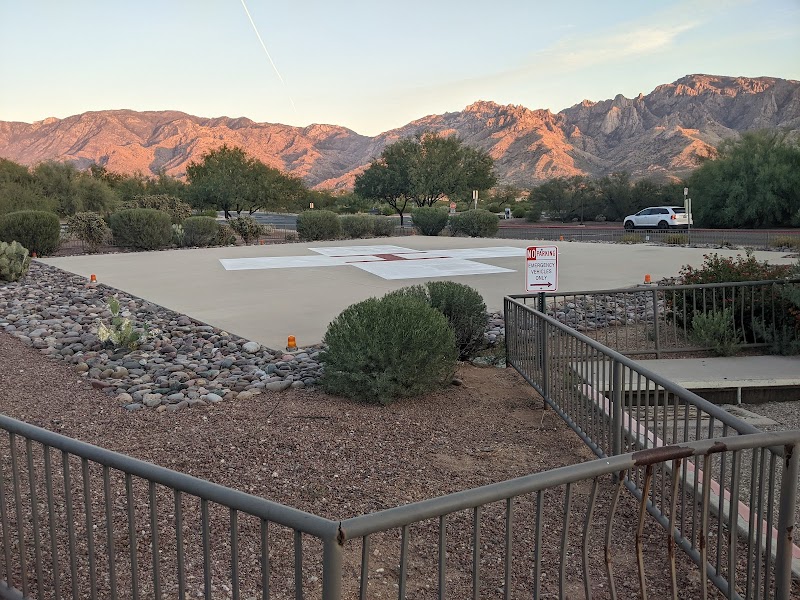
CMS rates SKILLED NURSING UNIT AT ORO VALLEY HOSPITAL's staffing level at 4 out of 5 stars, which is above average compared to other nursing homes. Staff turnover is 95%, which is 49 percentage points above the Arizona average of 46%. High turnover can affect care consistency as new staff learn residents' individual needs. RN turnover specifically is 86%, which is notably high. RNs provide skilled clinical oversight, so turnover in this role can affect medical care quality.

What Have Inspectors Found at Skilled Nursing Unit At Oro Valley Hospital?

State health inspectors documented 8 deficiencies at SKILLED NURSING UNIT AT ORO VALLEY HOSPITAL during 2022 to 2024. These included: 8 with potential for harm.
Who Owns and Operates Skilled Nursing Unit At Oro Valley Hospital?

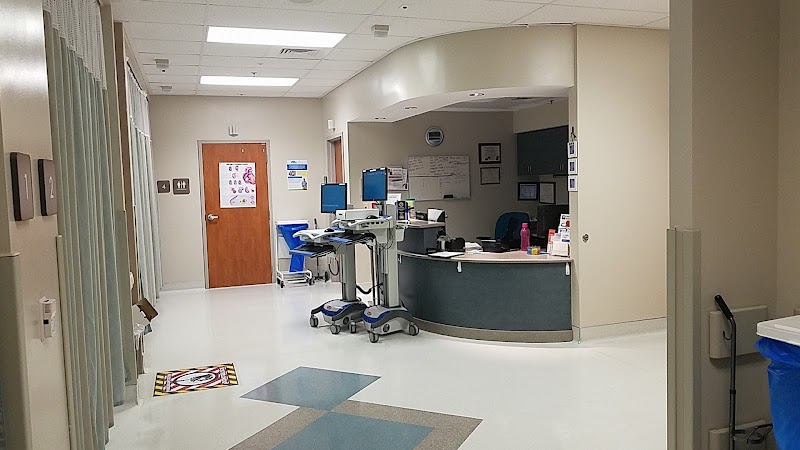
SKILLED NURSING UNIT AT ORO VALLEY HOSPITAL is owned by a for-profit company. For-profit facilities operate as businesses with obligations to shareholders or private owners. The facility operates independently rather than as part of a larger chain. With 33 certified beds and approximately 28 residents (about 85% occupancy), it is a smaller facility located in ORO VALLEY, Arizona.

How Does Skilled Nursing Unit At Oro Valley Hospital Compare to Other Arizona Nursing Homes?

Compared to the 100 nursing homes in Arizona, SKILLED NURSING UNIT AT ORO VALLEY HOSPITAL's overall rating (5 stars) is above the state average of 3.3, staff turnover (95%) is significantly higher than the state average of 46%, and health inspection rating (4 stars) is above the national benchmark.

What Should Families Ask When Visiting Skilled Nursing Unit At Oro Valley Hospital?

Based on this facility's data, families visiting should ask: "How do you ensure continuity of care given staff turnover, and what is your staff retention strategy?" "Can I visit during a mealtime to observe dining assistance and food quality?" "How do you handle medical emergencies, and what is your hospital transfer rate?" "Can I speak with family members of current residents about their experience?" These questions are particularly relevant given the facility's high staff turnover rate.

Is Skilled Nursing Unit At Oro Valley Hospital Safe?

Based on CMS inspection data, SKILLED NURSING UNIT AT ORO VALLEY HOSPITAL has a clean safety record: no substantiated abuse findings (meaning no confirmed cases of resident harm), no Immediate Jeopardy citations (the most serious violation level indicating risk of serious injury or death), and is not on the Special Focus Facility watch list (a federal program monitoring the lowest-performing 1% of nursing homes). The facility has a 5-star overall rating and ranks #1 of 100 nursing homes in Arizona. While no facility is perfect, families should still ask about staff-to-resident ratios and recent inspection results during their visit.

Do Nurses at Skilled Nursing Unit At Oro Valley Hospital Stick Around?

Staff turnover at SKILLED NURSING UNIT AT ORO VALLEY HOSPITAL is high. At 95%, the facility is 49 percentage points above the Arizona average of 46%. Registered Nurse turnover is particularly concerning at 86%. RNs handle complex medical decisions and coordinate care — frequent RN changes can directly impact care quality. High turnover means new staff may not know residents' individual needs, medications, or preferences. It can also be disorienting for residents, especially those with dementia who rely on familiar faces. Families should ask: What is causing the turnover? What retention programs are in place? How do you ensure care continuity during staff transitions?

Was Skilled Nursing Unit At Oro Valley Hospital Ever Fined?

SKILLED NURSING UNIT AT ORO VALLEY HOSPITAL has no federal fines on record. CMS issues fines when nursing homes fail to meet care standards or don't correct problems found during inspections. The absence of fines suggests the facility has either maintained compliance or corrected any issues before penalties were assessed. This is a positive indicator, though families should still review recent inspection reports for the full picture.

Is Skilled Nursing Unit At Oro Valley Hospital on Any Federal Watch List?

SKILLED NURSING UNIT AT ORO VALLEY HOSPITAL is not on any federal watch list. The most significant is the Special Focus Facility (SFF) program, which identifies the bottom 1% of nursing homes nationally based on persistent, serious quality problems. Not being on this list means the facility has avoided the pattern of deficiencies that triggers enhanced federal oversight. This is a positive indicator, though families should still review the facility's inspection history directly.