GOOD SAMARITAN SOCIETY-PRESCOTT VILLAGE
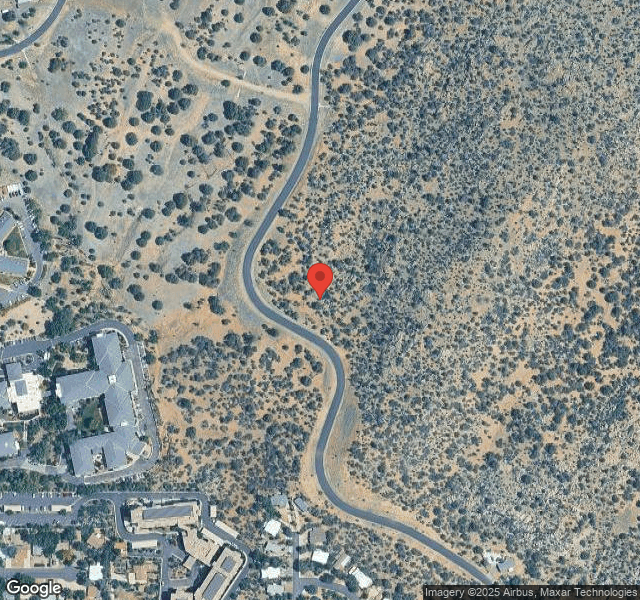

1030 SCOTT DRIVE, PRESCOTT, AZ 86301 (928) 778-2450
Non profit - Corporation 58 Beds GOOD SAMARITAN SOCIETY Data: November 2025
Trust Grade
38/100
#105 of 139 in AZ
Last Inspection: January 2024

Within standard 12-15 month inspection cycle. Federal law requires annual inspections.

Overview

Good Samaritan Society-Prescott Village has a Trust Grade of F, indicating poor performance and significant concerns. With a state rank of #105 out of 139 facilities in Arizona, they are in the bottom half, and they rank #4 out of 7 in Yavapai County, meaning only three local options are better. The facility is showing signs of improvement, with issues decreasing from 7 in 2024 to 5 in 2025, but staffing remains a concern with a low rating of 1 out of 5 stars and a high turnover rate of 63%, significantly above the state average of 48%. Additionally, they have incurred $8,278 in fines, which is higher than 90% of Arizona facilities, reflecting ongoing compliance problems. On the positive side, they have good RN coverage, exceeding 87% of state facilities, which can help catch issues that CNAs might miss. However, there are serious concerns noted in inspector findings, such as a failure to ensure safe assistance for a resident during a hoyer lift transfer, which poses a risk of accidents. Furthermore, the kitchen was found to have unsanitary conditions affecting the cleaning of dishes and utensils, and there were incidents where residents were not adequately protected from potential abuse. While there are some strengths, families should weigh these significant weaknesses carefully.

Trust Score
F
38/100
In Arizona
#105/139
Bottom 25%
Safety Record
Moderate
Needs review
Inspections
Getting Better
7 → 5 violations
Staff Stability
⚠ Watch
63% turnover. Above average. Higher turnover means staff may not know residents' routines.
Penalties
✓ Good
$8,278 in fines. Lower than most Arizona facilities. Relatively clean record.
Skilled Nurses
✓ Good
Each resident gets 51 minutes of Registered Nurse (RN) attention daily — more than average for Arizona. RNs are trained to catch health problems early.
Violations
⚠ Watch
32 deficiencies on record. Higher than average. Multiple issues found across inspections.
★★☆☆☆
2.0
Overall Rating
★☆☆☆☆
1.0
Staff Levels
★★★★★
5.0
Care Quality
★☆☆☆☆
1.0
Inspection Score
Stable
2024: 7 issues
2025: 5 issues

The Good

  • 5-Star Quality Measures · Strong clinical quality outcomes
  • Full Sprinkler Coverage · Fire safety systems throughout facility
  • No fines on record

Facility shows strength in quality measures, fire safety.

The Bad

2-Star Overall Rating

Below Arizona average (3.3)

Below average - review inspection findings carefully

Staff Turnover: 63%

17pts above Arizona avg (46%)

Frequent staff changes - ask about care continuity

Federal Fines: $8,278

Below median ($33,413)

Minor penalties assessed

Chain: GOOD SAMARITAN SOCIETY

Part of a multi-facility chain

Ask about local staffing decisions and management

Staff turnover is elevated (63%)

15 points above Arizona average of 48%

The Ugly 32 deficiencies on record

1 actual harm
Aug 2025 1 deficiency
CONCERN (D) 📢 Someone Reported This

A family member, employee, or ombudsman was alarmed enough to file a formal complaint

Potential for Harm - no one hurt, but risky conditions existed

Comprehensive Care Plan (Tag F0656)

Could have caused harm · This affected 1 resident

**NOTE- TERMS IN BRACKETS HAVE BEEN EDITED TO PROTECT CONFIDENTIALITY** Based on interviews, review of clinical record, and review of facility policy and procedure, the facility failed to ensure a car...

Read full inspector narrative →
**NOTE- TERMS IN BRACKETS HAVE BEEN EDITED TO PROTECT CONFIDENTIALITY** Based on interviews, review of clinical record, and review of facility policy and procedure, the facility failed to ensure a care plan was developed and implemented to meet the needs of a resident (#2) regarding falls. The deficient practice could result in residents not receiving necessary individualized care and services to meet their specific needs.-Findings include:Resident #2 was admitted to the facility on [DATE], with diagnoses that included unspecified intracranial injury without loss of consciousness, Alzheimer's disease with late onset, bipolar disorder, chronic obstructive pulmonary disease, and major depressive disorder.A quarterly minimum data set (MDS) assessment dated [DATE], revealed Resident #2 had a Brief Interview for Mental Status (BIMS) score of 4, indicating severe cognitive impairment. Section GG revealed the resident had no upper or lower extremity functional range of motion impairments on one side. Additionally, Section GG revealed the resident required supervision or touching assistance to perform rolling in bed to the left and right side.A care plan dated August 23, 2022, revealed Resident #2 has had an actual fall due to poor communication/comprehension, poor balance, and self-transfers from bed. Interventions included to keep bed in low position and to place fall mat beside bed on floor when resident is in bed. There was no evidence to specify whether a fall mat should be placed on the left side, the right side, or on both sides of the bed.Review of the clinical record revealed no evidence to specify that a fall mat should be placed on the left side, the right side, or on both sides of the bed.A Weekly Skin Check dated June 13, 2025, revealed Resident #2 had no skin impairments.An e-Interact Summary for Providers note dated June 17, 2025, revealed that the resident's change of condition was related to a fall, and that Resident #2 complained of lower back pain during brief changes. Provider feedback included to administer Tylenol and monitor for any increase in pain.A late entry General Progress Note effective June 17, 2025, and created by the Director of Nursing (DON / Staff #16) on June 22, 2025, revealed the staff nurse assessed the resident on the floor for injuries, no visible injuries noted. The resident was assisted to the bed with two staff assistance using a hoyer lift. The resident's vital signs were within normal limits, and neuro checks administered per protocol after an unwitnessed fall.The clinical record was reviewed and revealed no evidence of whether the resident's bed was low, or that a fall mat was beside the bed at the time of the fall, or if the resident fell onto the fall mat, or what side of the bed the resident fell from.A Health Status Note dated June 18, 2025, revealed the provider was called due to Resident #2's lower back pain, and a new order was received for lumber spine and pelvic x-rays.A Medical Practitioner Note dated June 18, 2025, revealed that Resident #2 was seen because of a fall that occurred during the night. The note revealed that the resident does have a fall mat on one side of bed, but fell on the other side. The resident was in bed, and was found on the floor. The resident complained of back pain and when examined, she was complaining of pain over the left sacral area and left hip area.A Weekly Skin Check dated June 19, 2025, revealed the resident had a nickel size abrasion on the front of the right knee and bruising to the top of the right foot probably from her fall.An interview was conducted on August 27, 2025, at 9:47 a.m. with a Certified Nursing Assistant (CNA / Staff #33) who was the scheduled CNA on Resident #2's hallway during day shift of June 17, 2025. Staff #33 stated that she was not working at the time Resident #2 fell on June 17, and that Staff #33 believed the resident fell after her shift ended. Staff #33 stated that she did not know if Resident #2 was supposed to have a fall mat on the left side, the right side, or both sides of the bed.On August 27, 2025, at 9:55 a.m, a telephonic interview was attempted with a Registered Nurse (RN / Staff #90), who was the scheduled day shift nurse on June 17, 2025, and who was no longer employed by the facility. A voicemail was left for a return call. The staff member did not return the call.A telephonic interview was conducted on August 27, 2025, at 10:17 a.m. with a CNA (Staff #53) who stated that she remembered Resident #2 and her fall on June 17, 2023, and that she was working on the resident's hallway that date. Staff #53 stated that it was around the time of shift change in the evening, and that Staff #53 and the floor nurse (Staff #81) entered Resident #2's room and found her on the floor. Staff #53 stated that the resident's bed was not low, and that right away we saw the bed was high. Additionally, Staff #53 stated that the resident did not have a fall mat at the bedside. Staff #53 stated that Resident #2 is supposed to have fall mats on both sides because she moves around in the bed a lot, and that because the resident has dementia and impaired cognition, she cannot be instructed to only get out of bed on one side. Staff #53 stated that Staff #81 assessed the resident right away and that they assisted the resident with a hoyer lift back into the bed. Staff #53 stated that the resident started screaming in pain when she was back in bed, and that Staff #81 administered the resident Tylenol for the pain, and continued to monitor the resident through the night. Staff #53 stated that after the fall, it was hard to turn Resident #2 in bed, because the resident was in pain.A telephonic interview was conducted on August 27, 2025, at 10:28 a.m. with a Licensed Practical Nurse (LPN / Staff #81). Staff #81 stated that Resident #2 had a fall during her shift on June 17, 2025. Staff #81 stated that she entered the room and noticed Resident #2 was on the floor, and that she assessed the resident, and did not notice any visible injuries, and that Staff #81 and the CNA (Staff #53) assisted the resident back into the bed. Staff #81 stated that she knew that there was no fall mat under the resident at the time of the fall, and that she was not sure if Resident #2 was supposed to have a fall mat, but that there was not a fall mat present.An interview was conducted with an MDS nurse and RN (Staff #7) on August 27, 2025, at 11:26 a.m. Staff #7 stated that the facility develops care plans for residents by incorporating data from assessments that the nurses and other department staff complete, and by creating goals and care plan interventions through collaboration between the Director of Nursing (DON), the Assistant Director of Nursing (ADON), and other departments. Staff #7 confirmed that the interventions to keep bed in low position and to place fall mat beside bed on floor when resident is in bed initiated in 2022 were part of the current care plan. Staff #7 stated that the staff determine if a resident is at risk for falls by completing a fall risk assessment done on admission, and that the care plan gets updated if a resident has a fall. Staff #7 additionally stated that floor staff can access a resident's care plan through the electronic medical record, so that care team members can see what interventions are in place for each resident. The care plan for Resident #2 was reviewed together, and Staff #7 stated that the intervention place fall mat beside bed on floor when resident is in bed means that when the resident is in bed, to have a fall mat beside the bed so that the resident would have a cushion to prevent major injury if they did fall or roll out of bed. Staff #7 stated that unless the care plan specified for the fall mat to be on the left or the right side, then it would mean for a fall mat to be on both sides of the bed.An interview was conducted with the DON (Staff #16) on August 27, 2025, at 12:58 p.m. The DON stated that the MDS nurse facilitates the development of comprehensive care plans for residents, and that interventions are discussed in morning clinical meetings. The DON stated that the facility determines if a resident is at risk for falls by completing fall risk assessments, and then the interventions are discussed in morning meeting to determine which interventions would be best for residents. The DON stated that staff can look up the care plan for each resident through the electronic medical record to see which interventions are in place for each resident. The care plan was reviewed for Resident #2, and the DON stated that the intervention place fall mat beside bed on floor when resident is in bed means to have the fall mat on the side of the bed that the resident was falling to previously. The DON reviewed the clinical record for Resident #2, and could not state which side of the bed the resident was falling to prior to her fall on June 17, 2025. Additionally, the DON stated that the care plan did not specify if the resident was supposed to have a fall mat on the left side, the right side, or both sides of the bed. The DON stated that for Resident #2, a fall mat should have been on both sides of the bed.Review of the facility policy titled Care Planning, revised January 2024, revealed that a comprehensive person-centered Care Plan will be developed for each resident. The Care Plan will include measurable objectives and timetables to meet a resident's medical, nursing, mental and psychosocial needs. Each resident's Comprehensive Care Plan will describe the services that are to be furnished to attain or maintain the resident's highest practicable physical, mental and psychosocial well-being. The Interdisciplinary Team (IDT) will revise the Comprehensive Care Plan as needed at the following intervals: per RAI schedules; as dictated by changes in the resident's condition; in preparation for discharge; to address changes in behavior and care; and other times as appropriate or necessary.Review of the State Operations Manual, Appendix PP, issued August 8, 2024, revealed that under section S483.21(b)(1), the facility must develop and implement a comprehensive person-centered care plan for each resident, consistent with the resident rights, that includes measurable objectives and timeframes to meet a resident's medical, nursing, and mental and psychosocial needs that are identified in the comprehensive assessment. The comprehensive care plan must describe the services that are to be furnished to attain or maintain the resident's highest practicable physical, mental, and psychosocial well-being. The intent is so that each resident will have a person-centered comprehensive care plan developed and implemented to meet his or her preferences and goals, and address the resident's medical, physical, mental and psychosocial needs.
May 2025 1 deficiency
CONCERN (D) 📢 Someone Reported This

A family member, employee, or ombudsman was alarmed enough to file a formal complaint

Potential for Harm - no one hurt, but risky conditions existed

Accident Prevention (Tag F0689)

Could have caused harm · This affected 1 resident

**NOTE- TERMS IN BRACKETS HAVE BEEN EDITED TO PROTECT CONFIDENTIALITY** Based on resident and staff interviews, observation, clinical record review, and policy review, the facility failed to ensure on...

Read full inspector narrative →
**NOTE- TERMS IN BRACKETS HAVE BEEN EDITED TO PROTECT CONFIDENTIALITY** Based on resident and staff interviews, observation, clinical record review, and policy review, the facility failed to ensure one sampled resident (#22) was provided adequate supervision to prevent elopement. The deficient practice could result in other residents eloping. Findings include: Resident #22 was admitted on [DATE] with diagnoses that included displaced fracture of left tibia, dementia, disorientation, concussion and need for assistance with personal care. An admission elopement risk assessment dated [DATE] revealed the resident was a moderate risk with a score of 6. Review of the Minimum Data Set (MDS) dated [DATE] indicated that the resident had a Brief Interview for Mental Status (BIMS) summary score of 10 indicating moderate cognitive impairment. A BIMS assessment conducted on April 15, 2025 revealed that the resident had a summary score of 3/15 indicating severe cognitive impairment. Review of the clinical record revealed an order on April 24, 2025 at 13:00 by the primary care physician (PCP) that the resident may have a wanderguard due to potential for elopement. Further review revealed another order on April 24, 2025 at 21:41 by the PCP that the wanderguards function was to be monitored. An alert charting progress note dated April 28, 2025 at 21:08 revealed the resident was last seen at 19:00 at the nurses station engaging in conversation with the nursing staff. The note further reveals that around 19:28 the nurse was notified by another nurse that hospital staff at the nearby emergency center recognized the resident sitting in the emergency room. The note states that the patient (PT) was dropped off at the emergency room without knowledge of the facility staff. A communication progress note dated April 28, 2025 at 21:58 indicated that staff contacted the residents Power of Attorney (POA) and advised them of the elopement. The note stated that the POA was aware of the resident's BIMs score and wandering. An activity progress note dated April 28, 2025 at 23:49 indicated that an inservice was completed with the overnight shift on the wanderguard system and door alarms. An observation and interview was conducted on May 6, 2025 at 1:30 p.m. for resident #22. The resident was easily agitated and was noted to be on one:one supervision. The resident stated that she wasn ' t aware it would be such a big issue to leave but could not recount the elopement. An interview was conducted on May 6, 2025 at 12:24 p.m., with a Licensed Vocational Nurse (LVN/staff #97). The LVN stated that the facility process is to visually check on the residents, if they have a wanderguard check its placement and check doors when the alarms go off. The LVN further stated that the resident ' s baseline cognition was that she had short term memory impairments.Staff #97 stated that the resident had a wanderguard in place and is now a one:one assist. The LVN recounted that around 7:00 p.m. she was passing meds and noticed the resident at the nurses station with the Director of Nursing (DON). She further stated that around 7:30 p.m. she was notified by another nurse on the unit that resident #22 was at the emergency room and she quickly notified her supervisor. Staff #97 stated that she ensured the resident was okay once she returned to the facility and that her wanderguard was in place. The LVN stated that the wander guard did not set off alarms at the time of the resident ' s elopement. Staff #97 identified the risks to be major or minor injury to the resident. An interview was conducted on May 6, 2025 at 12:37 p.m., with a certified nursing assistant (CNA/staff #58). The CNA stated that residents who are identified as an elopement risk are placed on wanderguards. The CNA stated that resident #22 had a wander guard the night that she eloped. Staff #58 stated that the resident was not a high risk resident when she first arrived but when altered levels of cognition were identified she was placed on the wanderguard. The CNA stated that she was the staff member who left to retrieve the resident and bring her back to the facility. An interview was conducted on May 6, 2025 at 1:38 p.m., with the Director of Nursing (DON/staff #14). The DON stated that residents who are elopement risks have a wanderguard bracelet in place and there are elopement binders at the nurses station. Staff #14 stated that if the resident gets too close to a door the alarms will go off and staff has to respond. The DON further stated that the resident was at first immobile but once she regained mobility became an elopement risk. The DON stated that her wanderguard was in place at the time of the elopement but the front door alarm was not working and she exited through there. Staff #14 stated that she was notified of the elopement at 7:35 p.m. and was told the resident knocked on the door of a nearby ' casita ' . The resident of said ' casita ' called 911 and the resident was taken to the emergency room. The DON identified risks to be massive injury or even death if a resident does elope. The facility's policy and procedure revised August of 2020 titled, ' Wandering and Elopement ' indicated that the facility will reinforce proper procedures for leaving the facility for residents assessed to be at risk of elopement.
Mar 2025 3 deficiencies 1 Harm
SERIOUS (G) 📢 Someone Reported This

A family member, employee, or ombudsman was alarmed enough to file a formal complaint

Actual Harm - a resident was hurt due to facility failures

Accident Prevention (Tag F0689)

A resident was harmed · This affected 1 resident

**NOTE- TERMS IN BRACKETS HAVE BEEN EDITED TO PROTECT CONFIDENTIALITY** Based on clinical record review, staff interviews, and facility documentation and policy review, the facility failed to ensure s...

Read full inspector narrative →
**NOTE- TERMS IN BRACKETS HAVE BEEN EDITED TO PROTECT CONFIDENTIALITY** Based on clinical record review, staff interviews, and facility documentation and policy review, the facility failed to ensure safe assistance was provided for one resident (#2) to prevent an accident during a hoyer lift transfer. The deficient practice could result in further incidents of staff providing unsafe assistance, resulting in harm to residents. Findings include: Resident #2 was admitted to the facility on [DATE], with diagnoses including unspecified open wound of right foot, multiple fractures of pelvis with stable disruption of pelvic ring, hypothyroidism, epilepsy, and disorder of bone density and structure. Review of the quarterly minimum data set (MDS) assessment dated [DATE], revealed the resident had a BIMS (brief interview for mental status) score of 15, indicating Resident #2 was cognitively intact. A care plan dated December 11, 2024, revealed the resident has an activity of daily living (ADL) self care deficit and requires mechanical hoyer lift for transfers. Review of the physician orders revealed no evidence of orders for monitoring a change of condition for Resident #2 on March 9, 2025. Review of a physician order dated March 10, 2025, documented at 11:45 AM, indicated for an x-ray of the right femur / of the right knee. Review of a physician order dated March 12, 2025, documented at 1:45 PM, indicated to send the resident to the emergency room (ER) for further evaluation of the right knee. Review of a Health Status progress note dated March 10, 2025, revealed new pain and possible injury to the resident's right leg as of yesterday, discussed with the medical doctor. Right femur and right knee x-rays were ordered and will be done the following day per the staff member with the mobile x-ray company. A documented Change of Condition Evaluation effective March 10, 2025, signed on March 17, 2025, by a Registered Nurse (RN / Staff #26), revealed the change in condition was that, patient injured on 03/9 while being transferred with hoyer. Additionally, the resident was having difficulty with mobility due to new onset of right femur pain. The pain was indicated as acute, and a pain scale level of 8, on the right lower femur. The note indicated that the medical provider was notified on March 10, 2025, at 11:00 AM, and an x-ray was ordered. A Medical Practitioner Note dated March 11, 2025, revealed Resident #2 was seen because of an injury to her right lower extremity. The resident was being transferred in a hoyer lift on March 9, 2025, and developed extreme pain in the right knee. The note indicated that the resident was evaluated by the nurse who noted that the straps on the hoyer lift were not the right ones for the resident. The assessment indicated a contusion to the right knee, and that x-rays pending to rule out fracture. A mobile x-ray report dated March 11, 2025, revealed slight distal cortical disruption with findings consistent with distal femur facture. A Medical Practitioner Note dated March 12, 2025, revealed the right femur x-ray shows cortical fracture and the resident is sent to the ER. Hospital records revealed a progress note dated March 13, 2025, indicating the resident had transferred from the ER to hospital admission and presents with concerns of right knee pain suffered during a hoyer lift transfer. A right knee x-ray report indicated an, oblique fracture involving the distal aspect of the right femur. A hospital discharge summary note dated March 14, 2025, indicated the resident was treated non-operatively for a closed fracture of the right distal femur, and to wear a knee extension brace on the right leg at all times. A facility Reportable Event Record dated March 18, 2025, revealed that on March 9, 2025, two Certified Nursing Assistants (CNAs), Staff #51 and Staff #30, were transferring Resident #2 from her wheelchair to her bed using a hoyer lift. When they started lifting her, the resident said that her leg was still strapped to the wheelchair. The CNAs lowered her back down to the chair, unstrapped her leg, then transferred the resident to the bed. During the transfer, the resident complained of pain in her leg due to the placement of the sling. The CNAs got another CNA (Staff #18) to help get the resident back to bed. Staff #18 came to the room and brought a different sling. The nurse was notified that the resident was in pain within 5 minutes. The nurse administered Tylenol. On March 10, 2025, the physician was notified and an x-ray was ordered. The x-ray was completed on March 11, 2025, indicating findings consistent with distal femur fracture. The resident was sent to the ER, and was transferred to a different hospital for further assessment. No surgical intervention were completed, and the resident returned to the facility on March 14, 2025. Interventions implemented after the incident included, staff were provided transfer education and proper sling sizing and placement; and that staff involved in the incident received additional education and demonstrated proper lift mechanics. A Witness Statement signed March 13, 2025, by a CNA (Staff #51) revealed that on March 9, 2025, at 1:30 PM, Resident #2 needed assistance with changing. The CNA got assistance from a second CNA for a hoyer lift transfer. During the transfer, the resident complained about pain in the inner thigh from the sling straps because of the type of sling being a crossed strap sling. While the resident was being lifted, the resident noticed a strap on her leg and told the CNAs to remove the strap. The resident was lowered back down, and the resident was complaining of pain. Another coworker came to assist. The resident was changed and then offered a different sling, and was then transferred back into the wheelchair. A Witness Statement signed March 14, 2025, by a CNA (Staff #18) revealed on March 9, 2025, during the incident, the CNA was in a different room providing care to another resident. Staff #30 came to the room and asked for assistance with Resident #2. When Staff #18 arrived to the room, Resident #2 was in bed and needed transferred back to her wheelchair. During and after, resident became very upset (yelling and screaming). Staff #18 tried to calm her. After the resident was transferred back in the wheelchair, the resident stated that one of the CNAs forgot to unstrap her leg, and during the lift it pulled on her leg. Staff #18 apologized that it had happened to her, and then left the room to care for other residents. A Witness Statement signed March 18, 2025, by a CNA (Staff #30) revealed on March 9, 2025, at 2:00 PM, Resident #2 was in the wheelchair, and Staff #30 was asked by another CNA (Staff #51) to assist with the transfer. Staff #51 had put the hoyer sling under the resident. The sling was attached to the hoyer. The staff attempted to raise the resident from the wheelchair with the mechanical lift, and then heard the resident yell, and the resident was lowered back down. Another CNA (Staff #18) was called for help, and then Staff #30 was called to another room to provide care. A Witness Statement, undated, and signed by a Licensed Vocational Nurse (LVN / Staff #60), revealed on March 9, 2025, after 2:00 PM, staff approached this nurse reporting that the resident was requesting Tylenol. The nurse went to the resident's room and the resident was sitting in her wheelchair. There were two CNAs in the room, and one reported that, the sling had slipped in transfer. The nurse asked the resident if she wanted a Tylenol. The resident stated, Yes, for my leg. The resident was given Tylenol at 2:26 PM. No visual injuries were noted at this time. At supper time, this nurse asked the resident if the Tylenol helped, and the resident stated that yes, it's better. The resident had no further complaints the rest of the shift. A Witness Statement signed March 15, 2025, by an RN (Staff #26) revealed on March 10, 2025, at 8:00 AM, Resident #2 stated that over the weekend, her right leg became injured after two CNAs used the wrong hoyer sling and that since then, the resident had a lot of pain with movement in her right leg. Resident #2 required frequent pain medication to stay comfortable. That morning, the resident's daughter came to see the resident and stated that the resident's, leg appeared slightly bent and that this was abnormal because her leg has a rod in it and is normally straight. The doctor was notified, and x-rays were ordered. An In-Service Training Report, dated March 18, 2025, revealed a one-on-one training occurred with a CNA (Staff #30) on the subject of mechanical lift. An observation was conducted on March 24, 2025, at 12:45 PM, of Resident #2 sitting in her wheelchair in her room. The resident had her right leg propped on an elevating leg rest, and on the resident's right leg was a leg immobilizing brace. An interview was conducted at this time with Resident #2. The resident stated that she was injured during an incident, had a leg fracture, and now has to wear a leg brace. She stated that the incident occurred during a hoyer transfer, when two CNAs who did not really know her used the wrong hoyer sling, that was for, a much bigger person. The resident stated that she screamed during the transfer; and that, the strap for the hoyer sling was at the wrong place, and was much lower down on her leg than it should have been. She stated that during the transfer, my leg was down. She stated, it was the strap that caused the break in her leg. Additionally, she stated that afterward, Staff #18 came into the room and told the two CNAs that he would take over. She stated she has not seen the two CNAs again since the incident. A telephonic interview was conducted with an LVN (Staff #60) on March 24, 2025, at 1:07 PM. The LVN stated that one of the CNAs had come to her and said that the hoyer lift sling had slipped; and that, Resident #2 was requesting pain medication because her leg was hurting. She stated that the CNAs were not specific in what went wrong with the hoyer transfer. When she went to the resident's room, the resident was sitting up in her wheelchair with a hoyer sling underneath her. She stated the resident asked for pain medication and the nurse administered it. A telephonic interview was conducted with a CNA (Staff #30) on March 24, 2025, at 1:57 PM who stated that herself and the agency CNA, whom she could not recall the name, assisted Resident #2 with putting on a hoyer sling -- because the resident did not have a sling under her initially while she was sitting in the wheelchair. Staff #30 stated that when they used the hoyer lift to raise the resident up, the resident started screaming, and then they lowered the resident back down to the wheelchair. She stated that Resident #2 was indicating her right knee was hurting her and kept putting her hands toward her knee. She stated that the resident usually has a blue strap around her right foot to the wheelchair, and that this strap was still attached. She stated that then she got the other CNA (Staff #18), and then notified the nurse (Staff #60). She stated that Staff #18 and the agency CNA then transferred the resident back to the bed while Staff #30 had to go answer call lights. She stated that as a result of this incident, that she received training and reviewed the whole hoyer transfer process, and had to sign a paper. A telephonic interview was conducted with a CNA (Staff #51) on March 24, 2025, at 2:03 PM, who confirmed that she was an agency CNA contracted to work at the facility. The CNA stated that she was not assigned to Resident #2 on the day of the hoyer transfer incident, but that she was answering a request to transfer Resident #2 from the wheelchair to the bed to provide care. Staff #51 stated that she thought the resident required a hoyer lift to transfer and went to get another staff member. She stated that she requested assistance from Staff #30; and that, the resident did not have a hoyer sling under her in the wheelchair, and that Staff #30 went to get a hoyer sling. Staff #51 stated that she believed from observing the way that the resident was sitting in the wheelchair, that the type of sling that should have been used was a sling that was whole. However, Staff #51 stated that the sling that Staff #60 brought was a different type, it was a sling that, you have to slide in the back of the resident and then cross between the legs. She stated that she was not sure what type of sling to use, but she knew Staff #30 had worked with the resident before, so they put the sling on the resident. Staff #51 stated that then, the two CNAs lifted the resident up in the hoyer lift and the resident still had a strap on her right foot. She stated that this strap was on her foot to hold the resident's foot on the wheelchair legrest to keep it from sliding off. She stated that when using the hoyer, that they had the resident lifted almost to the bed and then had to lower the resident back down. Staff #51 stated that Staff #30 should have removed the foot strap before the transfer because it was on her side, however Staff #51 stated that she unstrapped the resident's foot quickly as soon as she noticed. Then, she stated that Staff #18 walked into the room and helped to, take over the situation, and the resident was then assisted to the bed. Then, the nurse was notified and within 5 minutes assessed the resident. Staff #51 stated that the hoyer sling should never have been missing from the chair originally; and that, there were no other hoyer slings that herself or Staff #30 could find. A telephonic interview was conducted with Resident #2's daughter on March 24, 2025, at 2:29 PM. The resident's daughter stated that her understanding of the incident was one agency staff member and one, not too experienced staff member were using a hoyer to transfer the resident. The resident's daughter stated that, we are trying to set up a meeting where the facility is going to reconstruct the incident to figure out what angle could have caused the injury. She stated that staff at the facility have used phrases such as, the sling slipped to describe what happened during the incident. Additionally, she stated the facility staff have informed her that they will no longer have agency staff care for Resident #2 while she is using the hoyer. An additional telephonic interview was conducted with a CNA (Staff #18) on March 24, 2024, at 2:38 PM who stated that he was in a different room at the time of the hoyer transfer incident involving Resident #2. He stated that he witnessed the aftermath when he walked into the resident's room and saw that the two CNAs that were in the room with Resident #2 were not able to calm her down. Staff #18 stated that the resident was, clearly in pain and distress. Staff #18 stated that there was nothing he could do, except diffuse the situation and try to calm Resident #2 down. He stated that it was clear that at some point during the transfer that the two CNAs assisting had made mistakes, so he asked what had happened. He stated that he was told that one of the CNAs did not position the sling correctly and additionally, that they, forgot to unstrap her leg from the wheelchair legrest. He stated that because the resident has dropfoot on her right foot and had a fused right knee, that she requires a strap to keep her foot from sliding off of the leg rest, and that during the hoyer transfer incident, this strap had not been unstrapped by the CNAs, keeping the resident's foot secured to the leg rest as the resident was being raised in the hoyer lift. He stated that Resident #2, has fear now and, now she's scared of everybody. An interview was conducted with the Director of Nursing (DON / Staff #9) on March 24, 2025, at 4:37 PM, who stated that her expectation for staff to keep residents free from accidents is to follow best practice and the facility policy. She stated for hoyer transfers, there should be two staff members assisting; and that, staff check with the therapy department if they are not sure how to assist a resident with a transfer. The interview continued, and the DON stated that her understanding of the hoyer lift incident with Resident #2 was that a staff CNA and an agency CNA were going to transfer Resident #2 back to bed from her wheelchair. The staff put the sling on the resident, and when the staff lifted the resident, she yelled, and they lowered her back down to her wheelchair. The staff then got additional help from another CNA. The DON stated that statements had been taken from staff, and that nobody had informed her that anything was done incorrectly during the transfer. The DON stated that, we had a stat x-ray in the building, and resident was sent to the ER was diagnosed with a fracture in her femur above the knee. She stated that there was supplemental training done with all staff on hoyer transfers and that each resident's sling will be left in their room. An interview was conducted with an RN (Staff #26) on March 25, 2025, at 8:31 AM. Staff #26 stated that he was not in the facility on the day that the incident occurred with Resident #2 and the hoyer transfer, but was the resident's nurse the following day on March 10, 2025. The RN stated that the night nurse told him there had been an injury the day before, that, maybe there was a wrong sling that was used and caused the resident's leg to hurt. On March 25, 2025, the regional Director of Operations (DO / Staff #89) signed a statement that the facility had no other policies for accidents or incidents other than the policy titled Incident Log. Review of the facility policy titled, Incident Log, dated June 2020, revealed the purpose is to provide a system for the facility to track incidents and analyze trends to identify root cause and improve the quality of care provided to residents. The facility will log incident reports as they occur. In the event of an incident, a licensed nurse or the individual who first witnesses the incident will complete an Incident/Accident Report Form and ensure the following is included: resident name, day and shift which the incident occurred, type, injury, location, severity, and medication/treatment error. Review of the facility procedure titled How to Use a Hoyer Lift, dated October 2013, revealed the U-Sling is a type of hoyer sling that wraps around the thigh and crosses between the legs of the consumer. Review of the facility procedure titled Patient Lifts Safety Guide, undated, revealed that before using a patient lift, check the patient's weight and physical condition to make sure you have the correct lift and sling for the patient's condition. Assess patient's size, weight, and hip measurement. Choose the size of sling based on manufacturer's recommendation for patient's measurement. Choosing correct sling size is critical for safe patient transfer. If the sling is too large, the patient may slip out. If the sling is too small, the patient may fall out or the sling may worsen a patient's condition. Using the wrong type of sling may cause serious injury. Some factors that may affect sling choice between the U-sling and the full-body hammock style sling are patient's size and weight, pressure sensitivity, need for padding, and patient's preferred or medically appropriate position. Review of the manufacturer's instructions for the utilized facility Lift equipment, revised October 24, 2024, revealed the procedure for using the U-Sling included the note that if the patient's legs are extremely rigid, it may work better to bring the left sling leg under the right thigh and the right sling leg under the left thigh instead of threading between the patient's legs. The top of the sling must reach just above the patient's shoulders and the base of the sling should be 2 inches below their tailbone. If you have gone under both legs with the sling legs for a rigid patient, bring the loops straight up along the outside of the legs and hook on the longest loop. Crossing the leg straps is the most common procedure, however caregivers must assess the condition of the patient to determine what method is appropriate.
CONCERN (D) 📢 Someone Reported This

A family member, employee, or ombudsman was alarmed enough to file a formal complaint

Potential for Harm - no one hurt, but risky conditions existed

Quality of Care (Tag F0684)

Could have caused harm · This affected 1 resident

**NOTE- TERMS IN BRACKETS HAVE BEEN EDITED TO PROTECT CONFIDENTIALITY** Based on clinical record review, staff interviews, and facility documentation and policy review, the facility failed to ensure t...

Read full inspector narrative →
**NOTE- TERMS IN BRACKETS HAVE BEEN EDITED TO PROTECT CONFIDENTIALITY** Based on clinical record review, staff interviews, and facility documentation and policy review, the facility failed to ensure that one resident (#2) was assessed timely and that notification was provided to the physician and the resident's family following an incident resulting in injury. The deficient practice could result in a delay of care to a resident, and/or a physician and resident's family not being aware of the resident's condition, leading to harm. Findings include: Resident #2 was admitted to the facility on [DATE], with diagnoses including unspecified open wound of right foot, multiple fractures of pelvis with stable disruption of pelvic ring, hypothyroidism, epilepsy, and disorder of bone density and structure. Review of the quarterly minimum data set (MDS) assessment dated [DATE], revealed the resident had a BIMS (brief interview for mental status) score of 15, indicating Resident #2 was cognitively intact. Review of the physician orders revealed no evidence of orders for monitoring a change of condition for Resident #2 on March 9, 2025. A physician order dated March 10, 2025, at 11:45 AM, indicted for an x-ray of the right femur / of the right knee. There was no evidence that this was a STAT (short turn around time) order. A physician order dated March 12, 2025, at 1:45 PM, indicated to send the resident to the emergency room (ER) for further evaluation of the right knee. Review of the clinical record revealed no evidence of any progress notes, or incident report (risk management report), or incident log was completed for an incident involving Resident #2 and a hoyer lift transfer on March 9, 2025. Review of the assessment list revealed no evidence of any assessment completed on March 9, 2025 for Resident #2. There was no evidence of notification to the physician or the resident's family on March 9, 2025 regarding an incident. Review of the Medication Administration Record and a linked e-MAR progress note dated March 9, 2025, at 2:26 PM, indicated that the resident requested medication for right leg discomfort and acetaminophen was administered for a pain scale level of 3. An additional e-MAR progress note indicated the resident's follow up pain scale the same day at 4:31 PM was 1. Prior to March 9, 2025, there was no evidence on the MAR for March 2025, that the resident received any hydrocodone-acetaminophen for pain. On March 9, 2025, at 9:19 PM, the MAR and a linked e-MAR progress note revealed the resident was administered hydrocodone-acetaminophen for leg pain for a pain scale level of 8. An additional e-MAR progress note indicated the resident's follow up pain scale, 5 minutes later, at 9:24 PM, was 1. There was no evidence of communication to the provider at this time. The MAR and a linked e-MAR progress note dated March 10, 2025, at 10:07 AM, revealed the resident was administered hydrocodone-acetaminophen for right leg pain for a pain scale level of 7. An additional e-MAR progress note indicated the resident's follow up pain scale at 12:14 PM, was 5. A Health Status progress note dated March 10, 2025, revealed new pain and possible injury to the resident's right leg as of yesterday, discussed with the medical doctor. Right femur and right knee x-rays were ordered and will be done tomorrow per the staff member with the mobile x-ray company. A Change of Condition Evaluation effective March 10, 2025, however signed on March 17, 2025, by a Registered Nurse (RN / Staff #26), revealed the change in condition was that patient injured on 03/9 while being transferred with hoyer. Additionally, the resident was having difficulty with mobility due to new onset of right femur pain. The pain was indicated as acute, and a pain scale level of 8, on the right lower femur. The note indicated the medical provider was notified on March 10, 2025, at 11:00 AM, and an x-ray was ordered. A Health Status note dated March 11, 2025, at 11:00 AM, indicated an x-ray of the resident's right knee and femur was completed this morning, and that Resident #2's family was present. A Medical Practitioner Note dated March 11, 2025, revealed Resident #2 was seen because of an injury to the right lower extremity. The resident was being transferred in a hoyer lift on March 9, 2025, and developed extreme pain in the right knee. The note indicated that the resident was evaluated by the nurse who noted that the straps on the hoyer lift were not the right ones for the resident. The assessment indicated a contusion to the right knee, and that x-rays pending to rule out fracture. A mobile x-ray report dated March 11, 2025, revealed slight distal cortical disruption with findings consistent with distal femur facture. A Change of Condition Evaluation signed March 12, 2025, revealed the change in condition was for trauma and new or worsening pain in the right knee, starting on March 9, 2025. The musculoskeletal pain was indicated as marked localized bruising, swelling, or pain over joint or bone, and that there was an abnormal x-ray result on March 11, 2025. A Medical Practitioner Note dated March 12, 2025, revealed the right femur x-ray shows cortical fracture and the resident is sent to the ER. Hospital records revealed a progress note dated March 13, 2025, indicating the resident had transferred from the ER to hospital admission and presents with concerns of right knee pain suffered during a hoyer lift transfer. A right knee x-ray report indicated an oblique fracture involving the distal aspect of the right femur. A hospital discharge summary note dated March 14, 2025, indicated the resident was treated non-operatively for a closed fracture of the right distal femur, and to wear a knee extension brace on the right leg at all times. A facility Reportable Event Record dated March 18, 2025, revealed on March 9, 2025, two Certified Nursing Assistants (CNAs), Staff #51 and Staff #30, were transferring Resident #2 from her wheelchair to her bed using a hoyer lift. When they started lifting her, the resident said that her leg was still strapped to the wheelchair. The CNAs lowered her back down to the chair, unstrapped her leg, then transferred the resident to the bed. During the transfer, the resident complained of pain in her leg due to the placement of the sling. The nurse was notified that the resident was in pain within 5 minutes. The nurse administered Tylenol. On March 10, 2025, the physician was notified and an x-ray was ordered. The x-ray was completed on March 11, 2025, indicating findings consistent with distal femur fracture. The resident was sent to the ER, and was transferred to a different hospital for further assessment. A Witness Statement signed March 14, 2025, by a CNA (Staff #18) revealed on March 9, 2025, during the incident, the CNA was in a different room providing care to another resident. Staff #30 came to the room and asked for assistance with Resident #2. When Staff #18 arrived to the room, Resident #2 was in bed and needed transferred back to her wheelchair. During and after, resident became very upset (yelling and screaming). Staff #18 tried to calm her. After the resident was transferred back in the wheelchair, the resident stated that one of the CNAs forgot to unstrap her foot, and during the lift it pulled on her leg. Staff #18 left the room to care for other residents. A Witness Statement, undated, and signed by a Licensed Vocational Nurse (LVN / Staff #60), revealed on March 9, 2025, after 2:00 PM, staff approached this nurse reporting that the resident was requesting Tylenol. The nurse went to the resident's room and the resident was sitting in her wheelchair. There were two CNAs in the room, and one reported that the sling had slipped in transfer. The nurse asked the resident if she wanted a Tylenol. The resident stated Yes, for my leg. The resident was given Tylenol at 2:26 PM. No visual injuries were noted at this time. At supper time, this nurse asked the resident if the Tylenol helped, and the resident stated that yes, it's better. The resident had no further complaints the rest of the shift. A Witness Statement signed March 15, 2025, by an RN (Staff #26) revealed on March 10, 2025, at 8:00 AM, Resident #2 stated that over the weekend, her right leg became injured after two CNAs used the wrong hoyer sling and that since then, the resident had a lot of pain with movement in her right leg. Resident #2 required frequent pain medication to stay comfortable. That morning, the resident's daughter came to see the resident and stated that the resident's leg appeared slightly bent and that this was abnormal because her leg has a rod in it and is normally straight. The doctor was notified, and x-rays were ordered. An observation was conducted on March 24, 2025, at 12:45 PM, of Resident #2 sitting in her wheelchair in her room. The resident had her right leg propped on an elevating leg rest, and on the resident's right leg was a leg immobilizing brace. An interview was conducted at this time with Resident #2. The resident stated that she was injured during an incident, had a leg fracture, and is now to wear a leg brace. The resident stated that she screamed during the transfer, and that the strap for the hoyer sling was at the wrong place, and was lower down on her leg than it should have been. A telephonic interview was conducted with a CNA (Staff #30) on March 24, 2025, at 1:57 PM. Staff #30 stated when they used the hoyer lift to raise the resident up, the resident started screaming, and then they lowered the resident back down to the wheelchair. She stated that Resident #2 was indicating her right knee was hurting her and kept putting her hands toward her knee. She stated that the resident usually has a blue strap around her right foot to the wheelchair, and that this strap was still attached. She stated that then she got the other CNA (Staff #18), and then notified the nurse (Staff #60). A telephonic interview was conducted with a CNA (Staff #51) on March 24, 2025, at 2:03 PM, who confirmed that she was an agency CNA contracted to work at the facility. Staff #51 stated that then, the two CNAs lifted the resident up in the hoyer lift and the resident still had a strap on her right foot. She stated that this strap was on her foot to hold the resident's foot on the wheelchair legrest to keep it from sliding off. The nurse was notified and was there within 5 minutes. A telephonic interview was conducted with Resident #2's daughter on March 24, 2025, at 2:29 PM. The resident's daughter stated that she was notified about the incident when the facility knew it was something serious. An additional telephonic interview was conducted with a CNA (Staff #18) on March 24, 2024, at 2:38 PM. The CNA stated that he witnessed the aftermath when he walked into the resident's room and saw that the two CNAs that were in the room with Resident #2 were not able to calm her down. Staff #18 stated that the resident was clearly in pain and distress. Staff #18 stated that there was nothing he could do except diffuse the situation and try to calm Resident #2 down. He stated that Resident #2 has fear now and now she's scared of everybody. An interview was conducted with the Director of Nursing (DON / Staff #9) on March 24, 2025, at 4:37 PM. The DON stated that if an incident were to occur during care, that CNA staff should notify the nurse, and the nurse notifies the physician immediately, and to notify the DON, and that this would be documented in the incident report, in a progress note, and in the assessment or change of condition note. The interview continued, and the DON stated that regarding the hoyer lift incident with Resident #2, she was told by the nurse that the resident only complained of a little pain. The DON stated that the day after the incident, the nurse stated that the resident asked for pain medication three times in 24 hours, and that is when we knew something was wrong and called the doctor. The DON stated that we had a STAT (short turn around time) x-ray in the building, and the resident was sent to the ER and was diagnosed with a fracture in her femur above the knee. An interview was conducted with an RN (Staff #26) on March 25, 2025, at 8:31 AM, who stated that if an incident or accident were to happen to a resident that it would be reported to the nursing director or administrator, then documented on an incident report and a change of condition note. Staff #26 stated that he was not in the facility on the day that the incident occurred with Resident #2 and the hoyer transfer, but was the resident's nurse the following day on March 10, 2025. The RN stated that the night nurse told him there had been an injury the day before, that maybe there was a wrong sling that was used and caused her leg to hurt. Staff #26 stated he assessed the resident's pain, and that day the resident was having an unusual amount of pain. He stated he contacted the doctor that morning and put in orders for the x-rays. Additionally, Staff #26 stated we don't get STAT x-rays, so the x-ray was scheduled for the following day. Staff #26 stated that he did not do an incident report because the incident did not happen on his shift. Also, Staff #26 stated that the facility staff informed him he needed to document a change of condition evaluation, however this was on a later date. Staff #26 then reviewed the clinical record and stated he could not find an incident report for Resident #2 for this incident. A follow-up interview was conducted with the DON (Staff #9) on March 25, 2025, at 10:27 AM. The DON stated that if an incident or accident occurs with a resident, that staff are to report to the nurse, and the nurse reports to the DON or abuse coordinator. The nurse will complete a head to toe assessment, an incident report, and a change of condition evaluation and whichever assessments are appropriate to the situation. The DON stated that if a change of condition is noted, then the staff are supposed to document in a progress note and an assessment that is relevant. The DON stated that if these steps are not completed, then the resident could have a negative outcome with the resident's quality of life if not assessed properly. The MAR for March 2025 was reviewed, and the DON stated that the onset of pain requiring frequent pain medication would indicate a change of condition for Resident #2. The DON stated that there was no evidence in the clinical record that the physician was notified when the incident occurred on March 9, 2025. Additionally, the clinical record was reviewed, and the DON stated that no progress note, no change of condition evaluation, no assessments, no incident report, and no risk management report regarding the incident were documented on March 9, 2025. The DON stated that this would not meet her expectation. Review of the facility policy titled Change of Condition - Observing, Reporting and Recording, dated May 2017, revealed it is the policy of the facility to inform the resident, the resident's physician and if indicted the resident's responsible party of the following: an accident or incident involving the resident, which results in injury and has the potential for requiring physician intervention; and a significant change in the resident's physical, mental or psychosocial status, such as a deterioration in health, mental, or psychosocial status, in life-threatening conditions, or clinical complications. After resident changes in condition including injuries, conduct a thorough assessment and compare against baseline. The attending physician should be notified as soon as possible if immediate attention is required, or as soon as feasible if the resident is stable. Complete an incident report if indicated (fall, injury etc.). Documentation is to include: date, time condition change was identified, pertinent assessment findings, who was notified and when, and disposition of resident. Communication is to include: the change in condition and interventions related to the change will be documented on the 24-Hour Report form on the shift that the change occurred, and the licensed nurse(s) and nursing assistant will communicate to the oncoming shift orally and through the 24-Hour report form the change in condition and interventions. Review of the facility policy titled Change of Condition Notification, dated June 2020, revealed the purpose of the policy is to ensure residents, family, legal representatives, and physicians are informed of changes in the resident's condition in a timely manner. An acute change of condition (ACOC) is a sudden, clinically important deviation from a patient's baseline in physical, cognitive, behavioral, or functional domains. Members of the Interdisciplinary Team (IDT) are expected to report and document signs and symptoms that might represent an ACOC. The facility will promptly inform the resident, consult with the resident's attending physician, and notify the resident's legal representative when the resident endures a significant change in their condition caused by, but not limited to an injury/accident. The licensed nurse will notify the resident's attending physician when there is an: incident/accident involving the resident; an accident involving the resident which results injury and has the potential for requiring physician intervention; or a significant change in the resident's physical, mental or psychosocial status. The licensed nurse will assess the resident's change of condition and document the observations and symptoms. A licensed nurse will document the following: date, time, and pertinent details of the incident and the subsequent assessment in the nursing notes, the time the attending physician was contacted, the incident and brief details in the 24-Hour Report, complete an incident report per facility policy, and a licensed nurse will document each shift for at least seventy-two (72) hours. Review of the facility policy titled Documentation - Nursing, dated June 2020, revealed any communication with family or physician is to be noted in nurse's notes. Alert charting is documentation done to track a medical event for a period of 72 hours or longer. Events may include, but not limited to suspected or actual change in condition. Alert charting describes the resident's condition, use the resident's own words if needed, describe interventions, and how the resident responds to the actions.
CONCERN (D) 📢 Someone Reported This

A family member, employee, or ombudsman was alarmed enough to file a formal complaint

Potential for Harm - no one hurt, but risky conditions existed

Medical Records (Tag F0842)

Could have caused harm · This affected 1 resident

**NOTE- TERMS IN BRACKETS HAVE BEEN EDITED TO PROTECT CONFIDENTIALITY** Based on record reviews, staff interviews, and facility policy and procedure review, the facility failed to ensure that the medi...

Read full inspector narrative →
**NOTE- TERMS IN BRACKETS HAVE BEEN EDITED TO PROTECT CONFIDENTIALITY** Based on record reviews, staff interviews, and facility policy and procedure review, the facility failed to ensure that the medical record for one resident (#2) was complete and accurate, and additionally that requested facility documentation for one resident (#8) was provided in a timely manner. The deficient practice resulted in decreased or delayed care for a resident, and/or a delay in the survey process. Findings Include: -Regarding Resident #2: Resident #2 was admitted to the facility on [DATE], with diagnoses including unspecified open wound of right foot, multiple fractures of pelvis with stable disruption of pelvic ring, hypothyroidism, epilepsy, and disorder of bone density and structure. A physician order dated March 12, 2025, at 1:45 PM, indicated to send the resident to the emergency room (ER) for further evaluation of the right knee. Review of the clinical record revealed no evidence of any progress notes, or incident report (risk management report), or incident log was completed for an incident involving Resident #2 and a hoyer lift transfer on March 9, 2025. Review of the assessment list revealed no evidence of any assessment completed on March 9, 2025 for Resident #2. There was no evidence of notification to the physician or the resident's family on March 9, 2025 regarding an incident. A Health Status progress note dated March 10, 2025, revealed new pain and possible injury to the resident's right leg as of yesterday, discussed with the medical doctor. Right femur and right knee x-rays were ordered and will be done tomorrow per the staff member with the mobile x-ray company. A Change of Condition Evaluation effective March 10, 2025, however signed on March 17, 2025, by a Registered Nurse (RN / Staff #26), revealed the change in condition was that patient injured on 03/9 while being transferred with hoyer. Additionally, the resident was having difficulty with mobility due to new onset of right femur pain. The pain was indicated as acute, and a pain scale level of 8, on the right lower femur. The note indicated the medical provider was notified on March 10, 2025, at 11:00 AM, and an x-ray was ordered. A Medical Practitioner Note dated March 11, 2025, revealed Resident #2 was seen because of an injury to the right lower extremity. The resident was being transferred in a hoyer lift on March 9, 2025, and developed extreme pain in the right knee. The note indicated that the resident was evaluated by the nurse who noted that the straps on the hoyer lift were not the right ones for the resident. The assessment indicated a contusion to the right knee, and that x-rays pending to rule out fracture. A mobile x-ray report dated March 11, 2025, revealed slight distal cortical disruption with findings consistent with distal femur facture. A facility Reportable Event Record dated March 18, 2025, revealed on March 9, 2025, two Certified Nursing Assistants (CNAs), Staff #51 and Staff #30, were transferring Resident #2 from her wheelchair to her bed using a hoyer lift. When they started lifting her, the resident said that her leg was still strapped to the wheelchair. The CNAs lowered her back down to the chair, unstrapped her leg, then transferred the resident to the bed. During the transfer, the resident complained of pain in her leg due to the placement of the sling. The nurse was notified that the resident was in pain within 5 minutes. The nurse administered pain medication. On March 10, 2025, the physician was notified and an x-ray was ordered. The x-ray was completed on March 11, 2025, indicating findings consistent with distal femur fracture. The resident was sent to the ER, and was transferred to a different hospital for further assessment. A telephonic interview was conducted with a Licensed Vocational Nurse (LVN / Staff #60) on March 24, 2025, at 1:07 PM. The LVN stated that regarding the incident, that one of the CNAs had come to her and said that the hoyer lift sling had slipped, and that Resident #2 was requesting pain medication because her leg was hurting. She stated that the CNAs were not specific in what went wrong with the hoyer transfer. When she went to the resident's room, the resident was sitting up in her wheelchair with a hoyer sling underneath her. She stated the resident asked for pain medication and the nurse administered it. She stated that she looked at the leg visually and couldn't tell anything different on it. She stated that the facility staff had reached out to her on a later date asking what happened. An interview was conducted with the Director of Nursing (DON / Staff #9) on March 24, 2025, at 4:37 PM. The DON stated that if an incident were to occur during care, that CNA staff should notify the nurse, and the nurse notifies the physician immediately, and to notify the DON, and that this would be documented in the incident report, in a progress note, and in the assessment or change of condition note. An interview was conducted with a Registered Nurse (RN / Staff #26) on March 25, 2025, at 8:31 AM, who stated that if an incident or accident were to happen to a resident that it would be reported to the DON or administrator, then documented on an incident report and a change of condition note. Staff #26 stated that he was not in the facility on the day that the incident occurred with Resident #2 and the hoyer transfer, but was the resident's nurse the following day on March 10, 2025. The RN stated that the night nurse told him there had been an injury the day before, that maybe there was a wrong sling that was used and caused her leg to hurt. Staff #26 stated that he did not do an incident report because the incident did not happen on his shift. Also, Staff #26 stated that the facility staff informed him he needed to document a change of condition evaluation, however this was on a later date. Staff #26 then reviewed the clinical record and stated he could not find an incident report for Resident #2 for this incident. A follow-up interview was conducted with the DON (Staff #9) on March 25, 2025, at 10:27 AM. The DON stated that if an incident or accident occurs with a resident, that staff are to report to the nurse, and the nurse reports to the DON or abuse coordinator. The nurse will complete a head to toe assessment, an incident report, and a change of condition evaluation and whichever assessments are appropriate to the situation. The DON stated that if a change of condition is noted, then the staff are supposed to document in a progress note and an assessment that is relevant. The DON stated that if these steps are not completed, then the resident could have a negative outcome with the resident's quality of life if not assessed properly. The clinical record was reviewed, and the DON stated that no progress note, no change of condition evaluation, no assessments, no incident report, and no risk management report regarding the incident were documented on March 9, 2025. The DON stated that this would not meet her expectation. Review of the facility policy titled Change of Condition - Observing, Reporting and Recording, dated May 2017, revealed it is the policy of the facility to inform the resident, the resident's physician and if indicted the resident's responsible party of the following: an accident or incident involving the resident, which results in injury and has the potential for requiring physician intervention; and a significant change in the resident's physical, mental or psychosocial status, such as a deterioration in health, mental, or psychosocial status, in life-threatening conditions, or clinical complications. After resident changes in condition including injuries, conduct a thorough assessment and compare against baseline. The attending physician should be notified as soon as possible if immediate attention is required, or as soon as feasible if the resident is stable. Complete an incident report if indicated (fall, injury etc.). Documentation is to include: date, time condition change was identified, pertinent assessment findings, who was notified and when, and disposition of resident. Communication is to include: the change in condition and interventions related to the change will be documented on the 24-Hour Report form on the shift that the change occurred, and the licensed nurse(s) and nursing assistant will communicate to the oncoming shift orally and through the 24-Hour report form the change in condition and interventions. Review of the facility policy titled Documentation - Nursing, dated June 2020, revealed any communication with family or physician is to be noted in nurse's notes. Alert charting is documentation done to track a medical event for a period of 72 hours or longer. Events may include, but not limited to suspected or actual change in condition. Alert charting describes the resident's condition, use the resident's own words if needed, describe interventions, and how the resident responds to the actions. -Regarding timely documentation requests: On March 24, 2025, at 3:09 PM, a formal request was made to the facility for therapy documentation for Resident #8. On March 24, 2025, at 4:55 PM, the regional Director of Operations (DO / Staff #89) was notified of the previously requested therapy documentation request that had not been provided by the facility. The DO stated that he was still working on it and was waiting on access to the records. On March 24, 2025, at 5:10 PM, the DO was notified of the expected 2-hour turnaround time for document requests and the necessity of timeliness for the survey process. Additionally, the DO was notified of the possibility of a finding of noncompliance if the facility did not provide requested documentation within the expected timeframe. On March 24, 2025, at 5:15 PM, the surveyor left the facility for the day and notified the facility of return the following day. On March 25, 2025, at 9:05 AM, a request was made to review the personnel file of Staff #51. The DO reviewed the files in the HR office and confirmed there was no file present for Staff #51. The DO stated that the facility does not do any orientation, training, or competency checklists with contracted agency staff, that it is completed through the contracted agency company. On March 25, 2025, at 9:11 AM, a formal request was made to the facility for documents regarding staff qualification and training for Staff #51. On March 25, 2025, at 9:46 AM, an email was received from the DO containing attached documents for Staff #51, however there was no evidence of a facility orientation that was completed, or a skills / competency checklist for Staff #51. The DON was notified that this was missing. On March 25, 2025, at 10:08 AM, the DO was notified that the therapy notes for Resident #8 requested the previous day, was not yet received, and that it exceeded the expected 2-hour turnaround time for documentation requests. On March 25, 2025, at 10:36 AM, an email was received from the DO containing the requested therapy documentation for Resident #8. On March 25, 2025, at approximately 11:00 AM, the DON stated that she may have the requested documents for Staff #51 in a box somewhere and would have to look later. The DON and the DO were informed that the surveyor was exiting and to send the requested documentation for Staff #51, if found, by email this date. The following day, on March 26, 2025, at 5:57 PM, an email was received from the DON containing the skills checklist for Staff #51. Review of federal regulation 483.70 (i) revealed a facility must maintain medical records on each resident that are complete, accurately documented, readily accessible, and systematically organized. Medical records must be retained for the period of time required by State law; or five years from the date of discharge when there is no requirement in State law. The medical record must contain a record of the resident's assessments, the comprehensive plan of care and services provided, and physician, nurse, and other licensed professionals progress notes.
Jan 2024 7 deficiencies
CONCERN (D)

Potential for Harm - no one hurt, but risky conditions existed

Transfer Requirements (Tag F0622)

Could have caused harm · This affected 1 resident

**NOTE- TERMS IN BRACKETS HAVE BEEN EDITED TO PROTECT CONFIDENTIALITY** Based on clinical record review, interviews, and review of facility policies, the facility failed to ensure a resident's (#37) c...

Read full inspector narrative →
**NOTE- TERMS IN BRACKETS HAVE BEEN EDITED TO PROTECT CONFIDENTIALITY** Based on clinical record review, interviews, and review of facility policies, the facility failed to ensure a resident's (#37) clinical record included the required information for transfer/discharge. The deficient practice could result in resident not receiving a safe and effective transition of care. Findings include: Resident #37 was admitted to the facility on [DATE] with diagnoses that included chronic obstructive pulmonary disease (COPD), acute and subacute endocarditis (infection of tissue in the heart), and supraventricular tachycardia (irregular rapid heartbeat). A review of the admission Minimum Data Set (MDS), dated [DATE] revealed the resident had a Brief Interview for Mental Status (BIMS) score of 07 out of 15, which indicated the resident had severe cognitive impairment. Per resident #37's clinical notes, the resident was discharged to Yavapai Regional Medical Center, via ambulance, on November 10, 2023 due to shortness of breath. Review of the clinical record revealed no evidence that a discharge summary had been completed. An interview was conducted on January 25, 2024 at 10:16 AM with the Director of Nursing (DON/Staff #5), who stated that a discharge summary should be done in a timely manner. The DON reviewed resident #37's clinical record and acknowledged there was no discharge summary on file and she expected it to be in the resident's clinical chart. An interview was conducted on January 25, 2024 at 10:45 AM with the facility Administrator (ADM/Staff #7) who stated she was not sure what the resident discharge policy was and she would need to check it to determine when a resident is to be provided with a discharge summary.
CONCERN (D)

Potential for Harm - no one hurt, but risky conditions existed

Comprehensive Care Plan (Tag F0656)

Could have caused harm · This affected 1 resident

**NOTE- TERMS IN BRACKETS HAVE BEEN EDITED TO PROTECT CONFIDENTIALITY** Based on staff interviews, clinical record review and facility policy, the facility failed to ensure that a care plan was revise...

Read full inspector narrative →
**NOTE- TERMS IN BRACKETS HAVE BEEN EDITED TO PROTECT CONFIDENTIALITY** Based on staff interviews, clinical record review and facility policy, the facility failed to ensure that a care plan was revised for 2 residents (#15, #21) Findings include: 1) Resident #15 was admitted on [DATE] with diagnoses of hemiplegia and epilepsy. An admission Minimum Data Set (MDS) dated [DATE] included that this resident was moderately cognitively impaired, required extensive 2 person assist for transferring. Review of the clinical record included that this resident had a fall on 7/4/23. However, review of the clinical record did not find any new interventions for this fall. 2) Resident #21 was admitted on [DATE] with diagnoses of vascular dementia and generalized anxiety disorder. A 5 day Minimum Data Set (MDS) dated [DATE] included that this resident was moderately cognitively impaired, required extensive 2 person assist for transferring. This MDS included that this resident had a fall in the last month. Review of the clinical record included that this resident had fallen on 9/27/22. A progress note dated included that the resident was hospitalized for status post fall with a head injury and that this resident had a subdural hematoma treated at the most recent hospital admission. However, review of the clinical record did not find a care plan for falls until 11/20/22 or interventions put in place to prevent a fall on or about 9/27/22. An interview was conducted on 01/24/24 9:42 AM with a Registered Nurse (RN/staff #12) who said that resident #21 has had falls in the past and her interventions are to answer call lights and make sure someone is with her when she tries to transfer. This staff said that this resident falls because she attempts to walk on her own and is not capable. He said he now thinks she is finally realizing she cannot transfer alone. An interview was conducted on 1/24/24 at 2:57 PM with a Licensed Practical Nurse Clinical Care Leader (LPN/staff #6) who said that when a resident falls, the staff should assess for injury, implement neurological assessment, take vitals, notify the resident's family, the Director of Nursing, the Administrator, the Provider and complete an incident report and fall worksheet. This staff said that there should be a fall huddle and that the staff should update the care plan with interventions. This staff member reviewed resident #15's careplan and said that there was not an intervention put in place for falls until 8/21/23 and that the staff should be putting in an intervention right away. This staff reviewed resident #21's care plan for interventions put in place after the 9/27/22 fall and said I don't see anything for falls. This staff looked again and said No, it's not there. An interview was conducted on 1/24/24 at 3:50 PM with an Administrator (staff #7) who said that her expectation was that when residents have a fall, that staff alert the nurse and the nurse should assess the resident, take vitals, and if able to, they should transfer the resident , then complete a fall investigation, that staff do risk management including myself, the Physician/Medical Director and the resident's power of attorney. She said that for each fall there should be a new intervention which is dependant on what caused the fall. She said that for resident #15, on 7/4/23 fall interventions included bed mobility for strengthening and it was implemented 8/14/23. She said that interventions should be implemented as soon as possible and that this intervention should have been done sooner. She said that for resident #21, the care plan included that her transfer status might have changed, and that her Activities of Daily Living(ADL) were updated on the care plan on 10/1/22 to say limited ADL function. However, the issue with this resident's fall was not related to staff transferring the resident. A policy dated 4/26/23 titled Falls Resource Packet Rehab/Skilled revealed that thte staff are expected to identify fall risk factors and choose the most appropriate intervention(s) and make them specific to the resident.
CONCERN (E) 📢 Someone Reported This

A family member, employee, or ombudsman was alarmed enough to file a formal complaint

Potential for Harm - no one hurt, but risky conditions existed

Free from Abuse/Neglect (Tag F0600)

Could have caused harm · This affected multiple residents

**NOTE- TERMS IN BRACKETS HAVE BEEN EDITED TO PROTECT CONFIDENTIALITY** Based on clinical record review, facility documents, and facility policy, the facility failed to ensure that two residents (#6 a...

Read full inspector narrative →
**NOTE- TERMS IN BRACKETS HAVE BEEN EDITED TO PROTECT CONFIDENTIALITY** Based on clinical record review, facility documents, and facility policy, the facility failed to ensure that two residents (#6 and #139) were not abused. Findings include - 1) Resident #6 was admitted on [DATE] with diagnoses of traumatic ischemia of muscle, and systemic Lupus Erythematosus. A significant change Minimum Data Set (MDS) dated [DATE] included that this resident was cognitively intact. A care plan initiated 8/23/2022 included that this resident had an Activities of Daily Living (ADL) self care performance deficit related to generalized weakness, osteoarthritis and rhabdomyolysis. This included that the resident has limited ADL function due to Bilateral Lower Extremity (BLE) weakness and that she needs assistance with toilet use and personal hygiene. A Reportable Event Record/Report included that at 9:00 AM on 4/25/2023, a Laundry Technician (staff #65) was walking by resident room and couldn't make out what resident had stated, but she heard Certified Nursing Assistant (CNA/staff #70) reply I am not going to keep wiping your ass just to get It on the right spot to resident #6. This document included that staff #70 was sent home pending the investigation and that this staff was terminated as a result of the Investigation. This document included that all staff will be re-educated on Resident Rights and Abuse and Neglect. An interview conducted with the laundry technician (staff #65) on 1/23/2024 at 2:12 PM, she said that she was walking by the resident's room and the CNA was yelling at her, I am not going to keep cleaning your ass!, i heard her say something but it was quiet and I immediately went to my supervisor. During an interview conducted on 1/24/2024 at 8:03 AM with resident #6 who said that it was a guy who was really rude and that she asked the male CNA to put barrier cream on her hemorrhoids as they were bothering her and that he said I don't want to touch you there However, refusal to perform care and derogatory statements are abusive. 2) Resident #139 admitted on [DATE] with diagnoses of displaced fracture of the lateral malleolus of left fibula. A Discharge return not anticipated MDS dated [DATE] included that this resident was cognitively intact and did not have hallucinations or delusions. This document included that this resident required limited assistance for transfers and bed mobility and that walking in the room had only occurred 1 or 2 times in the look back period. A Reportable Event Record/Report dated 12/7/2022 included a witness statement from an Activities staff (staff #71) which included, As I was passing out The Daily Chronicle I entered the resident's room. Resident #139 was crying and obviously upset. She explained that she'd spilled her water, the nurse (RN/staff #72) came in and as she was wiping it up, told her she should Go to a mental hospital. The resident was very upset, shaking and crying. This document included that staff #72 was interviewed and stated that Is what she has been told to tell residents while on other agency contracts and didn't realize it was inappropriate. Staff #72 was removed from assignment and agency contract was terminated. A facility document dated 12/7/2022 included an interview with staff #72 who said that was what she was told to tell residents while on other agency contracts, that they could be sent to a mental institution or psychiatric facility for such behaviors and that she did not realize it was inappropriate. However, a reasonable person would conclude saying that residents would be sent to a mental institution or psychiatric facility constitutes a threat and is therefore abusive. An interview was conducted on 1/24/24 at 8:12 a.m. with a CNA (staff #14) who said that abuse is anything verbal, physical, and that she felt that neglect was part of abuse. I An interview was conducted on 1/24/2024 at 9:42 AM with a Registered Nurse (RN/staff #12) who said that abuse is anything that creates physical, mental, or emotional harm. This RN said that abuse can be verbal, physical, or financial. An interview was conducted on 1/24/2024 on 3:50 PM with the Administrator (staff #7) who said that her expectations for abuse was that they do not allow abuse in the facility and that staff are trained to report to their supervisor or her directly. She said that if there is any suspicion of abuse to report the abuse. She said for resident #6: staff notified her of the comment (CNA/staff #70) made and that an investigation was conducted and that staff #70 was terminated. She said that regarding resident #139: Staff notified her of a comment that was made as well. She said that could tell that the resident was upset so she terminated the contract of the agency staff who had caused the issue. A policy titled Abuse and Neglect - Rehab/Skilled, Therapy & Rehab dated 7/6/23 revealed that this document includes that the policy was that the resident has the right to be free from abuse and neglect. This document include the purpose of this policy was to ensure that residents are not subjected to abuse by anyone, including, but not limited to, location employees, consultants or volunteers, employees of other agencies serving the individual.
CONCERN (E)

Potential for Harm - no one hurt, but risky conditions existed

Transfer Notice (Tag F0623)

Could have caused harm · This affected multiple residents

**NOTE- TERMS IN BRACKETS HAVE BEEN EDITED TO PROTECT CONFIDENTIALITY** 2) Based on clinical record review, staff interviews, and policy review, the facility failed to ensure residents #3 and #37 and/...

Read full inspector narrative →
**NOTE- TERMS IN BRACKETS HAVE BEEN EDITED TO PROTECT CONFIDENTIALITY** 2) Based on clinical record review, staff interviews, and policy review, the facility failed to ensure residents #3 and #37 and/or the resident's representative was notified in writing of a transfer/discharge as soon as practicable. The deficient practice could result in residents having an unsafe discharge. Findings include: Resident #37 was admitted to the facility on [DATE] with diagnoses that included chronic obstructive pulmonary disease (COPD), acute and subacute endocarditis (infection of tissue in the heart), and supraventricular tachycardia (irregular rapid heartbeat). A review of the admission Minimum Data Set (MDS), dated [DATE] revealed the resident had a Brief Interview for Mental Status (BIMS) score of 07 out of 15, which indicated the resident had severe cognitive impairment. Per resident #37's clinical notes, the resident was discharged to Yavapai Regional Medical Center, via ambulance, on November 10, 2023 due to shortness of breath. There is no evidence in resident #37's chart that a notice of transfer/discharge was provided to the resident and/or their resident representative. An interview was conducted on January 25, 2024 at 10:11 AM with the Director of Nursing (DON/Staff #5) who indicated that social services was responsible for coordinating resident discharge paperwork that is not nursing related. The DON also indicated the facility's policy states that a written transfer/discharge notice should be given to the resident and their family. When reviewing resident #37's clinical record, the DON confirmed there was no indication that a written notice of transfer/discharge was provided to the resident or their family. An interview was conducted on January 25, 2024 at 10:29 AM with the facility Administrator (Staff #7) who indicated that in the event of an urgent transfer to an acute care facility, the facility nurse will then notify the resident representative about the transfer, verbally. This is then documented in a progress note. The ADM indicated that the facility does not provide a written transfer/discharge notice to residents and/or resident representatives when there is an emergency transfer/discharge. Review of facility policy titled, Discharge and Transfer - Rehab/Skilled, Therapy & Rehab, which was reviewed/revised on January 3, 2024, states if a resident is transferred to a hospital for an emergency, the transfer notice must be provided to the resident and/or their resident representative as soon as practicable. Based on record review, staff interviews, and the facility policy and procedures, the facility failed to ensure three residents were provided with a notification transfer/discharge in writing as soon as practicable. (#36, #3, and #37). Findings include: Resident #3 was admitted to the facility on [DATE] with diagnoses that included acute kidney failure, unspecified systolic congestion, and generalized anxiety. The minimum data set (MDS) dated [DATE] included a brief interview for mental status (BIMS) score of 13 indicating the resident was cognitively intact. The fall care plan dated September 3, 2022 revealed that the resident has had an actual fall with injury related to poor safety awareness, lacks insight, impulsive, cognitive impairment, impaired safety awareness, unsteady gait, risk taking behaviors, history of falls evidenced by not using the call-light for assistance, declined safety interventions. Review of the hospital transfer form dated November 14, 2022 revealed that the resident was transferred to the hospital because of a fall. A progress note datedNovember 14, 2022 revealed that the resident transferred to the hospital due to a fall. The resident's emergency contact was notified about the fall and transfer via a telephone call. Documentation of an email to the Administrator dated November 14, 2022 revealed that the resident sustained a pelvic fracture on November 13, 2022 after a fall in her room and was transferred to the hospital where she was admitted . Review of the clinical record did not reveal documentation of the resident being notified in a writing for the reason of the transfer. During an interview was conducted on January 25, 2024 at 11:18 AM with the (DON/staff #5) and the Administrator (staff #7), staff #7 stated that the resident was not given a written statement as to the reason why she was being transferred to the hospital because the facility doesn't do this.
CONCERN (E)

Potential for Harm - no one hurt, but risky conditions existed

Deficiency F0658 (Tag F0658)

Could have caused harm · This affected multiple residents

**NOTE- TERMS IN BRACKETS HAVE BEEN EDITED TO PROTECT CONFIDENTIALITY** Based on clinical review, staff interviews, and facility policy and procedures, the facility failed to assess and administer pai...

Read full inspector narrative →
**NOTE- TERMS IN BRACKETS HAVE BEEN EDITED TO PROTECT CONFIDENTIALITY** Based on clinical review, staff interviews, and facility policy and procedures, the facility failed to assess and administer pain medications according to accepted standards of clinical practice for three residents (#16 and #30). The deficient practice could result in residents being over or under medicated. Findings include: 1) Resident #16 was admitted to the facility on [DATE] with diagnoses that included Alzheimer's Disease, chronic kidney disease, Type II Diabetes, and major depression. The minimum data set (MDS) dated [DATE] included a brief interview for mental status score of 5 indicating the resident has a severe cognitive impairment. The order summary revealed an order dated April 26, 2023 for Acetaminophen tablet 325 mg give 650 mg by mouth every 4 hours as needed for pain. Acetaminophen not to exceed 3,000 mg per day. Contact provider/practitioner if a fever is present. Review of the Medication Administration Record (MAR) dated January 2024 revealed that Acetaminophen tablet 325 mg give 650 mg by mouth every 4 hours as needed for pain was administered on January 1 and 5, 2024 with a pain scale of 5. 2) Resident #30 was admitted to the facility on [DATE] with diagnoses that included Ankylosis right hip, chronic kidney disease, and chronic obstructive pulmonary disease. The minimum data set (MDS) dated [DATE] included a brief interview for mental status score of 15 indicating the resident was cognitively intact. The pain care plan dated August 3, 2023 revealed that the resident is on pain medication therapy related to a history of left shoulder surgery and right hip surgery. Interventions included to monitor the resident's condition based on clinical practice and guidelines or clinical standards of practice related to the use of Lyrica, Norco, Oxycodone, and Voltaren gel and the resident's pain is rated using he numeric rating scale (0-10). The order summary revealed: On July 17, 2023, there was an order for Acetaminophen tablet 325 mg give 650 mg by mouth every 4 hours as needed for pain, acetaminophen not to exceed 3,000 mg per day. Additionally there was an order dated October 4, 2023, for Ibuprofen oral tablet, 200 mg give 600 mg by mouth every 6 hours as needed for pain. There also was an order dated November 8, 2023, for Oxycodone-Acetaminophen oral tablet 5-325 mg, give one tablet by mouth every 24 hours as needed for pain and may administer one additional dose prior to therapy. Notify the provider if the resident refuses to participate in therapy. Review of the medication administration record (MAR) dated December 2023 revealed: Acetaminophen tablet 325 mg give 650 mg by mouth every 4 hours as needed for pain was not administered. Ibuprofen oral tablet 200 mg give 600 mg by mouth every 6 hours as needed for pain was administered 16 times with a pain scale ranging from 2 to 8. Oxycodone-Acetaminophen oral tablet 5-325 mg give one tablet by mouth every 24 hours as needed for pain was not administered. Review of the medication administration record (MAR) dated January 2024 revealed: Acetaminophen tablet 325 mg give 650 mg by mouth every 4 hours as needed for pain for a pain level of 3-5 was administered 1 time on January 6, 2024 for a low-grade fever. Ibuprofen oral tablet 200 mg give 600 mg by mouth every 6 hours as needed for pain was administered 9 times with a pain scale ranging from 4 to 7. Oxycodone-Acetaminophen oral tablet 5-325 mg give one tablet by mouth every 24 hours as needed for pain was administered 15 times with a pain scale range of 6 and 9. During an interview conducted on January 24, 2024 at 3:37 PM with the Clinical Care Coordinator (staff #38) who stated that the orders for a pain medication that is administered as needed (PRN) must include a pain scale. He stated that the reason for the pain scale is to determine if the specific pain medication is appropriate for the level of pain. During the interview, staff #38 reviewed the clinical record for residents #16 and #30 and stated that the orders for PRN pain medications did not include pain scales. During an interview conducted on January 24, 2024 at 4:00 PM with the Director of Nursing (DON/staff #5) who stated that PRN pain medications orders do not need a pain scale, but the risk of not having a pain scale is that a pain medication may be administered unnecessarily. The facility's policy Administration of PRN Medications, AL-Canby dated November 4, 2022 states that PRN prescriptions will be administered consistent with the parameters specified in the prescriber's prescription and with the procedures identified by the registered nurse for the administration and documentation of the PRN.
CONCERN (E)

Potential for Harm - no one hurt, but risky conditions existed

Drug Regimen Review (Tag F0756)

Could have caused harm · This affected multiple residents

**NOTE- TERMS IN BRACKETS HAVE BEEN EDITED TO PROTECT CONFIDENTIALITY** Based on clinical record review, facility documents, and staff interviews, the facility failed to ensure that a pharmacy medicat...

Read full inspector narrative →
**NOTE- TERMS IN BRACKETS HAVE BEEN EDITED TO PROTECT CONFIDENTIALITY** Based on clinical record review, facility documents, and staff interviews, the facility failed to ensure that a pharmacy medication recommendation was reviewed and implemented. Findings include: Resident #15 was admitted on [DATE] with diagnoses of Major Depressive Disorder and epilepsy. A care plan dated 11/12/23 included that the resident is on anticonvulsant medication therapy related to seizures and included interventions to monitor resident condition based on clinical practice guidelines or clinical standards of practice related to use of divalproex. A physician's order dated 5/5/2023 included Divalproex Sodium (anticonvulsant/valproic acid) Oral Tablet Delayed Release 125 MG give 4 tablets by mouth three times a day for seizures related to epilepsy. A pharmacy Consultation Report dated October 18, 2023 included Please monitor a valproic acid trough concentration on the next convenient lab day, 1 week after any dosage changes, every 6 months thereafter, and as clinically indicated. However, review of the clinical record did not include a record of the valproic acid levels being drawn. An interview was conducted on 1/23/24 at 1:29 a.m. with the Director of Nursing (DON/staff #5) who said she was unable to locate when the lab had been drawn but that it was being drawn today. An interview was conducted on 01/24/24 01:37 p.m. with a Licensed Practical Nurse Clinical Care Leader (LPN/staff #6) who said that he did not know if there was a staff member who was officially responsible. He said that when he was responsible he would get emails from the pharmacy and he would notify the provider, get approval and finish them up but that he had that responsibility taken from him a few DON's ago. He said that this resident's Depakote level was probably missed during the leadership transitions. He reviewed the laboratory results records and said that he was not able to find that this resident had a Depakote level drawn since before October. A follow-up interview was conducted on 1/24/24 at 4:17 p.m. with the DON (staff #5) who said that pharmacy review should be completed timely. She said that the time frame that she expects is that once the pharmacy reviews are emailed that they are presented the next business day to Medical Director or the residents' Primary Care Provider and that once the pharmacy reviews have been sent to the provider, that the staff follow up with him the next day if the reviews have not been performed. A policy titled Physician/Practitioner Orders dated 3/29/23 included that the purpose of the policy was to provide individualized care to each resident by obtaining appropriate, accurate and timely physician/practitioner orders. This document included Orders are processed and transcribed into PCC immediately upon receipt of an order, that all orders must be noted by the licensed nurse who has processed the order and that consultant orders are included.
CONCERN (F)

Potential for Harm - no one hurt, but risky conditions existed

Food Safety (Tag F0812)

Could have caused harm · This affected most or all residents

Based on observations, staff interviews, facility process and procedures, the facility failed to ensure that dishes and utensils were cleaned under sanitary conditions. The deficient practice could re...

Read full inspector narrative →
Based on observations, staff interviews, facility process and procedures, the facility failed to ensure that dishes and utensils were cleaned under sanitary conditions. The deficient practice could result in residents becoming ill. Findings include: The initial walk through of the kitchen was conducted on January 22, 2024 at 10:37 AM with the senior cook (staff #76), who stated that he was in charge of the kitchen. Staff #76 stated that the temperature gauge on the dishwasher had not been working since December 31, 2023, but he had been using an external thermometer in a red plastic cover to manually temp the dishwasher to ensure that the dishwasher was 160 degrees during the washing and rinse cycle. -The first attempt to temp the dishwasher during the wash cycle resulted in a 118-degree reading. -The second attempt to temp the dishwasher during the wash cycle resulted in a 140-degree reading. -The third attempt to temp the dishwasher during the wash cycle resulted in a 203-degree reading. Staff #76 stated that he was responsible for temping the dishwasher from January 1, 2024 to January 22, 2024 and had completed the dishwasher temp log. He stated that he had not had a day off from January 1, 2024 to January 22, 2024 and had taken the temperature of the dishwasher himself. Staff #76 reviewed the dishwasher temperature log for January 2024 and acknowledged that he had not initialed the log from January 1, 2024 through January 22, 2024 and there were no temperature readings documented mornings, noon, or evenings for the wash or the rinse cycle. He stated that he had written on the right side of the log 160 degrees, checked with external thermometer and drawn a line from January 1, 2024 through January 22, 2024 indicating that he had checked the temperature on the dishwasher for all three meals. He also stated that there was a risk of bacteria and residents getting sick if the washing machine temperature was not 160 degrees or higher. Review of staff #76's time card revealed that staff #76 did not work the weekend of January 13, 2024 and January 20, 2024. An interview was conducted on January 25, 2024 at 8:25 AM with the Administrator (staff #7), who stated that the facility is getting a new dishwasher on January 25, 2024. She also stated that it is her expectation that the dishwasher temperature log is initialed by the staff who checked the temperature each meal. During the interview, staff #7 reviewed the time card for staff #76 and stated that he did not work the last two weekends, so he could not have checked the dishwasher temperature if he was not here. The facility policy Ware Washing - Mechanical and Manual - Food and Nutrition dated April 3, 2023 states to compare the federal regulation, state regulations and manufacture's guidelines and write the appropriate temperatures and chemical concentrations on the dish machine temperature log. Check compliance for wash cycles and rinse cycles each meal service. High temperature wash cycle is 150 to 165 degrees F. and the rinse cycle is 150 180 degrees F. Review of the dishwasher instruction manual revealed that the minimum water temperature for sanitizing during the wash cycle is 150 degrees F. and the rinse cycle is 180 degrees F. Based on observations, staff interviews, facility process and procedures, the facility failed to ensure that dishes and utensils were cleaned under sanitary conditions. The deficient practice could result in residents becoming ill.
Oct 2022 9 deficiencies
CONCERN (D)

Potential for Harm - no one hurt, but risky conditions existed

Deficiency F0578 (Tag F0578)

Could have caused harm · This affected 1 resident

**NOTE- TERMS IN BRACKETS HAVE BEEN EDITED TO PROTECT CONFIDENTIALITY** Based on clinical record review, staff interviews, and the facility's policy and procedure, the facility failed to provide evide...

Read full inspector narrative →
**NOTE- TERMS IN BRACKETS HAVE BEEN EDITED TO PROTECT CONFIDENTIALITY** Based on clinical record review, staff interviews, and the facility's policy and procedure, the facility failed to provide evidence that one resident (#29) was informed of the right to formulate an advanced directive. The sample size was 6. The deficient practice could result in residents' not being provided the opportunity to formulate an advance directive. Findings include: Resident #29 was admitted on [DATE] with diagnoses that included acute myocardial infarction, displaced intertrochanteric fracture of left femur, and cerebrovascular disease. A physician's order dated [DATE] revealed do not resuscitate (DNR). However, review of the clinical record revealed no evidence that resident #29 consented to be a DNR, or if the resident was informed of the right to formulate an advanced directive. An admission MDS (Minimum Data Set) assessment dated [DATE] included a BIMS (Brief Interview for Mental Status) score of 15, which indicated resident #29 was cognitively intact. An interview was conducted on [DATE] at 10:06 a.m. with an LPN (Licensed Practical nurse/staff #61). Staff #61 stated the process to obtain an advanced directive begins when a physician conducts the resident's initial visit, in which the resident's wishes are discussed. Staff #61 stated if the resident wished to be a DNR, the physician will write the order, and sign an orange form, Pre-Hospital Advanced Directives. Staff #61 stated the resident/family and a witness will also sign the orange form. She stated the orange forms are kept in the advanced directives binder. Immediately following the interview, staff #61 accessed the advanced directives binder. She stated the advanced directive for resident #29 was not included in the binder. An interview was conducted on [DATE] at 10:27 a.m. with the DON (Director of Nursing/staff #43). Staff #43 stated the staff told her about resident #29's missing orange DNR document. Staff #43 accessed the advanced directives binder, and stated the document for resident #29 was not found in the binder. An interview was conducted on [DATE] at 10:31 a.m. with the DON (staff #43). The DON stated when the resident enters the facility for admission, the physician examines and interviews the resident regarding their advanced directives wishes. The DON stated if the resident expressed to the physician that he/she wanted to be a DNR, the physician initiates the orange form by signing it, then enters an order for DNR. The DON stated the nurses will continue the process by completing the orange form by obtaining a signature from the resident/POA and witness. Staff #43 stated all residents who are DNRs must have an orange form, signed by a physician, a family or POA, and a witness. A facility policy, Advance Care Planning Training, stated at the time of admission or readmission, social services or designated staff member will inform the resident/healthcare decision-maker of the right to consent to or refuse medical treatment. The policy stated state-specific statutes regarding healthcare consent procedures and advance directives will be studied and complied with, and If an advance directive has been formulated, a copy will be scanned in the medical record.
CONCERN (D)

Potential for Harm - no one hurt, but risky conditions existed

Comprehensive Assessments (Tag F0636)

Could have caused harm · This affected 1 resident

**NOTE- TERMS IN BRACKETS HAVE BEEN EDITED TO PROTECT CONFIDENTIALITY** Based on clinical record review, staff interview, and the facility's policy and procedure, the facility failed to ensure a compr...

Read full inspector narrative →
**NOTE- TERMS IN BRACKETS HAVE BEEN EDITED TO PROTECT CONFIDENTIALITY** Based on clinical record review, staff interview, and the facility's policy and procedure, the facility failed to ensure a comprehensive care plan was completed for one resident (#2). The sample size was 12. The deficient practice could result in residents' not having care plans to address all their care needs and potential risks. Findings include: Resident #2 was admitted to the facility on [DATE] with diagnoses that included wedge compression fracture of T-9-T10, atrial fibrillation, and age-related osteoporosis without current pathological fracture. Review of physician orders revealed the following: -Apixaban 2.5 milligrams two times a day for anticoagulant dated March 23, 2022 -Cymbalta (antidepressant) Capsule Delayed Release Particles 60 MG (Duloxetine HCl), one time a day related to age related osteoporosis without current pathological fracture dated August 31, 2022. A quarterly MDS (Minimum Data Set) assessment dated [DATE] revealed a BIMS of 14, which indicated the resident was cognitively intact. The primary medical diagnoses included other fracture, atrial fibrillation, and age-related osteoporosis without current pathological fracture. The MDS medication section stated the resident received antidepressant and anticoagulant medications for 7 days of the 7-day lookback period. Review of medication administration records (MARs) dated August 2022, September 2022, and October 2022 revealed the medications were administered per physician order. However, continued review of the clinical record revealed no care plan for Cymbalta or Apixaban. An interview was conducted on October 6, 2022 at 10:15 a.m. with the director of nursing (DON/staff #43). Staff #43 stated her expectation related to anticoagulant medication such as Apixaban, and antidepressant medications such as Cymbalta is that they must be included in the resident's care plan. Staff #43 stated the care plan should include administering the medication as ordered, monitoring the resident for signs and symptoms of adverse effects and notifying the physician if adverse effects are observed. A facility policy, Comprehensive Care plan, stated comprehensive care plan includes measurable objectives and timeframes to meet a resident's medical, nursing, and mental and psychosocial needs that are identified in the comprehensive assessment. Further, the policy stated the care plan will emphasize the care and development of the whole person ensuring that the resident will receive appropriate care and services. It will address the relationship of items or services required and facility responsibility for providing these services.
CONCERN (D)

Potential for Harm - no one hurt, but risky conditions existed

Deficiency F0657 (Tag F0657)

Could have caused harm · This affected 1 resident

**NOTE- TERMS IN BRACKETS HAVE BEEN EDITED TO PROTECT CONFIDENTIALITY** Based on clinical record review, staff interviews, and facility policy and procedure, the facility failed to ensure the comprehe...

Read full inspector narrative →
**NOTE- TERMS IN BRACKETS HAVE BEEN EDITED TO PROTECT CONFIDENTIALITY** Based on clinical record review, staff interviews, and facility policy and procedure, the facility failed to ensure the comprehensive care plan was revised to include the use of an antipsychotic medication for one resident (#30). The sample size was 12. The deficient practice could result in residents not receiving consistent monitoring of antipsychotic medications, behaviors, and side effects, and non-pharmacological interventions. Findings include: Resident #30 was admitted to the facility on [DATE] with diagnoses that included chronic atrial fibrillation, insomnia, and a generalized anxiety disorder. Review of the Order Summary Report revealed an order dated August 26, 2022 for Haloperidol Lactate (antipsychotic medication) Concentrate 2 milligrams/milliliters, give one milliliter every 6 hours for behavior management. Order to remain in place during the term of hospice. Medication supplied by the hospice agency. The quarterly Minimum Data Set (MDS) assessment dated [DATE] revealed a brief interview for mental status score of 2 indicating the resident had a severe cognitive impairment. The assessment also revealed the resident had delusions, an anxiety disorder, and a depressive disorder other than bipolar. Review of the Medication Administration Records for September 2022 and October 2022 revealed the resident was administered Haloperidol. However, review of the care plan did not include a plan for the use of an antipsychotic medication. An interview was conducted on October 5, 2022 at 2:06 p.m. with the MDS Coordinator (staff #11), who stated the care plan is updated as changes occur if the resident has a new diagnosis, and a new medication is prescribed. He reviewed the care plan for the resident and stated there was no care plan for the new medication, Haloperidol or for a diagnosis of psychosis. During an interview conducted on October 6, 2022 at 8:48 a.m. with the Director of Nursing (DON/staff #43), she stated the resident's behaviors should be in the care plan and the use of Haloperidol would be one of the interventions. She reviewed the care plan and stated that Haloperidol and the behaviors associated with the use of the medication was not care planned. The DON also said the purpose of the care plan is so staff know what care is to be provided. The facility's policy, Comprehensive Care Plan Care Conferences Rehab and Skilled, reviewed July 1, 2022 stated the care plan is driven by identified resident issues/conditions and their unique characteristics, strengths and needs. What the problem is related to and what you feel is contributing to the problem. This usually is a diagnosis, event or occurrence. If a resident has specific behavioral interventions, they need to be reflected on the care plan. The interdisciplinary team will ensure the care plan is comprehensive by incorporating all care area assessments (CAAs) that have triggered will be reviewed by the team and determined if there is a need to proceed to the care plan, and unstable diagnoses that are currently being treated and are not addressed elsewhere in the plan of care.
CONCERN (D)

Potential for Harm - no one hurt, but risky conditions existed

Quality of Care (Tag F0684)

Could have caused harm · This affected 1 resident

**NOTE- TERMS IN BRACKETS HAVE BEEN EDITED TO PROTECT CONFIDENTIALITY** Based on clinical record review, staff interviews, facility documentation, and policy reviews, the facility failed to ensure the...

Read full inspector narrative →
**NOTE- TERMS IN BRACKETS HAVE BEEN EDITED TO PROTECT CONFIDENTIALITY** Based on clinical record review, staff interviews, facility documentation, and policy reviews, the facility failed to ensure there was an order for hospice services for one resident (#9) and that coordination of services was consistently communicated. The sample size was 2. The deficient practice could result in residents not receiving care. Findings include: Resident #9 was admitted to the facility on [DATE] with diagnoses that included malnutrition, Alzheimer's disease, mood disorder and generalized anxiety disorder. Review of hospice documentation revealed the resident was admitted to hospice on May 4, 2022. Review of the care revised on May 5, 2022 revealed the resident was receiving hospice services. The quarterly Minimum Data Set assessment dated [DATE] revealed the resident received hospice care while a resident. However, continued review of the clinical record did not reveal an order for the resident to be admitted to or receive care from Hospice. An interview was conducted with a licensed practical nurse (LPN/staff #59) on October 6, 2022 at 9:35 AM, who stated a resident is evaluated by hospice. The LPN stated if the resident is accepted into hospice, orders would be written and put in the electronic health record by the director of nursing (DON). He stated a staff member would know a resident was on hospice because there would be an order in the chart and there would be a note under special instructions in the resident's medication administration record (MAR). Staff #59 stated these entries were not found in the electronic health record (EHR) for resident #9. The LPN stated that staff that do not know the resident, would not know the resident was on hospice by reviewing the medical record. An interview was conducted with the DON (staff #43) on October 6, 2022 at 10:00 AM. She stated when a resident chooses hospice, the family is given a list of hospice providers to choose from and contact with the hospice chosen would be made. The DON stated an intake would be done by the hospice provider and if the resident was found to be appropriate for hospice, admission orders would be written and one of the nurses would enter the orders in the resident's EHR. Upon review of resident #9's record, the DON stated that registry or staff that do not deal with the resident regularly would have no way to know this resident was in hospice. She stated that there were no orders for this resident to be in hospice in the clinical record. The DON further stated that the lack of a hospice order did not meet her expectations for a resident in hospice. An additional interview conducted with staff #59 on October 6, 2022 at 11:29 AM. Staff #59 stated the hospice nurse comes once per week and the hospice certified nursing assistant (CNA) comes to provide bed baths but he was not sure how often. The LPN stated that staff sign off on a tablet when hospice staff come to provide care but he is not sure how often they come or exactly what care is provided. On October 6, 2022 at 11:35 AM, a subsequent interview was conducted with the DON (staff #43). She stated there is no specific person in charge of coordinating hospice care within the facility. She further stated that she has done it, the administrator has done it and social services has also coordinated care with a hospice provider. The DON stated that in the case of resident #9, there was no order in the clinical record so it is difficult to identify if the resident was getting the care needed. She stated there is no particular staff member that oversees the hospice program and ensures the coordination of care. The DON stated that she will be addressing this concern at once and was aware that this matter was currently a problem. The facility Hospice and Nursing Facility Service Agreement (10/1/2013) revealed that physicians orders on behalf of patients shall be in writing and signed and dated by the patient's attending physician or by the hospice medical director. It further revealed that the hospice and the facility shall communicate with one another regularly and the communication shall be documented in the resident's clinical record. The policy further stated that a member of the facility interdisciplinary committee was to be designated as the primary coordinator for resident hospice care. Review of the facility policy Hospice-Provided Services (5/3/22) revealed that once a resident's eligibility is determined, a physician order must be obtained before using hospice services and must address the terminal diagnosis. The policy further stated that hospice documentation was to be integrated in the resident electronic medical record in a timely manner.
CONCERN (D)

Potential for Harm - no one hurt, but risky conditions existed

Respiratory Care (Tag F0695)

Could have caused harm · This affected 1 resident

**NOTE- TERMS IN BRACKETS HAVE BEEN EDITED TO PROTECT CONFIDENTIALITY** Based on observations, resident and staff interviews, and policy review, the facility failed to ensure one resident (#2) had a p...

Read full inspector narrative →
**NOTE- TERMS IN BRACKETS HAVE BEEN EDITED TO PROTECT CONFIDENTIALITY** Based on observations, resident and staff interviews, and policy review, the facility failed to ensure one resident (#2) had a physician's order for oxygen use. The sample size was 2. The deficient practice could result in the improper and unsafe administration of oxygen. Findings include: Resident #2 was admitted on [DATE] with diagnoses which included atrial fibrillation, hypothyroidism, dorsalgia, and hyperlipidemia. Review of the nursing note dated March 25, 2022 revealed the resident's oxygen saturation was low, but that the resident recovered quickly when given oxygen. The admission Minimum Data Set (MDS) assessment dated [DATE] revealed a Brief Interview for Mental Status score of 8 which indicated the resident moderate impaired cognition. The assessment also revealed the resident received oxygen therapy while a resident. A nursing note dated March 30, 2022 revealed the resident was stable on oxygen at 3 liters via nasal cannula. Review of the quarterly MDS assessments dated June 26, 2022 and September 26, 2022 revealed the resident received oxygen therapy. Review of the Medication Administration Record for September 2022 and October 2022 revealed the resident's oxygen saturations were being monitored. However, review of the physician orders revealed no orders for the resident to be administered oxygen. In an interview conducted with the resident on October 3, 2022 at 12:56 PM, resident #2 was observed receiving oxygen via nasal cannula. During an observation conducted on October 3, 2022 at 2:44 PM, resident #2 was observed watching a movie in the chapel/movie room. The resident's oxygen via nasal cannula was at 1.5 liters, but the tank appeared to be empty. The resident stated that she always uses oxygen, but she currently was hardly getting any. At 2:49 PM, a registered nurse (RN/staff #67) was summoned and stated the oxygen was at 1.5 liters, and the tank was almost empty. Staff #67 stated it had about an hour left before it ran out. The RN stated that typically the Certified Nursing Assistants (CNAs) monitored the oxygen and would take the tank to the oxygen room and refill it. On October 5, 2022 at 12:58 PM, an interview was conducted with a CNA (staff #69), who stated resident #2 always wore oxygen at night, but recently had started wearing it during the day as well. She stated the tubing was cleaned weekly and the night shift was responsible for refilling oxygen tanks. She stated the CNAs monitor it throughout the day and if it gets low, they will switch it out the tank. In a follow up interview with staff #67 on October 5, 2022 at 2:05 PM, the RN stated that she had noticed there was no physician order for oxygen, and she had just written it. The RN stated that when the physician came by he would sign and date the order. She stated she was not sure, but thought the physician came in daily. She stated she wrote the order for 1 liter per minute because resident #2's oxygen saturation was consistently around 90% or above. In an interview conducted with the Director of Nursing (DON/staff #43) on October 5, 2022 at 2:12 PM, the DON stated the facility had a standing order to administer 1-4 liters per minute of oxygen. The DON stated the physician is contacted as often as needed about resident needs and that if a treatment or medication was or was not effective, it would be communicated to the physician. Review of the facility's policy regarding Oxygen Administration revealed oxygen administration is carried out only with a medical provider order. Step one for the guidelines for administering oxygen stated Verify physician order.
CONCERN (D)

Potential for Harm - no one hurt, but risky conditions existed

Deficiency F0757 (Tag F0757)

Could have caused harm · This affected 1 resident

**NOTE- TERMS IN BRACKETS HAVE BEEN EDITED TO PROTECT CONFIDENTIALITY** Based on clinical record review, staff interviews, and the policy review, the facility failed to ensure an anticoagulant medicat...

Read full inspector narrative →
**NOTE- TERMS IN BRACKETS HAVE BEEN EDITED TO PROTECT CONFIDENTIALITY** Based on clinical record review, staff interviews, and the policy review, the facility failed to ensure an anticoagulant medication was monitored for adverse effects for one resident (#2) receiving anticoagulant therapy. The sample size was 5. The deficient practice could result in adverse effects to residents. Findings include: Resident #2 was admitted to the facility on [DATE] with diagnoses that included atrial fibrillation, and age-related osteoporosis without current pathological fracture. Review of physician order dated March 23, 2022 revealed an order for apixaban 2.5 milligrams by mouth two times a day for anticoagulant. A quarterly MDS (Minimum Data Set) assessment dated [DATE] revealed a Brief Interview for Mental Status score of 14, which indicated the resident was cognitively intact. The primary medical diagnoses included atrial fibrillation, and age-related osteoporosis without current pathological fracture. The MDS assessment also revealed the resident received an anticoagulant medication for 7 days of the 7-day lookback period. Review of medication administration records (MARs) dated August 2022, September 2022, and October 2022 revealed the medications were administered per physician order. However, further review of the clinical record revealed no evidence that the resident was monitored for potential adverse effects. An interview was conducted on October 6, 2022 at 9:35 a.m. with a licensed practical nurse (LPN/staff #61). Staff #61 stated anticoagulant medications such as apixaban are used for residents with diagnoses of atrial fibrillation, post-surgical, and cardiac diagnoses. Staff #61 stated when a resident is receiving apixaban for atrial fibrillation, she would monitor for heart rate, clotting, and bruising every shift. Staff #61 stated there is a separate physician order written for monitoring of adverse effects related to anticoagulant use. The LPN stated the order is included in the treatment administration record (TAR) and monitored every shift. An interview was conducted on October 6, 2022 at 10:15 a.m. with the director of nursing (DON/staff #43). Staff # 43 stated anticoagulant medication such apixaban is ordered for diagnoses that include atrial fibrillation, post-surgical events, and heart valve issues. Staff #43 stated her expectation when a resident is receiving an anticoagulant medication is that the resident is monitored for signs and symptoms of bleeding including bleeding gums, unexplained bruising, clotting, and blood in the stool. The DON stated if the resident is not monitored for adverse effects of apixaban, the resident can potentially bleed, bruise, or have bloody stool without being addressed by the nursing staff. The DON stated the process for when there is an order for an anticoagulant medication includes the nurse would add a physician order to monitor the resident for signs and symptoms of bleeding every shift in the TARs. Review of the facility policy, Medication Administration, stated to refer to a recognized nursing drug reference for details on anticoagulant indication, dosing, monitoring and reversal agents.
CONCERN (D)

Potential for Harm - no one hurt, but risky conditions existed

Food Safety (Tag F0812)

Could have caused harm · This affected 1 resident

**NOTE- TERMS IN BRACKETS HAVE BEEN EDITED TO PROTECT CONFIDENTIALITY** Based on observation, staff interviews and review of facility policy and procedure, the facility failed to ensure that outdated ...

Read full inspector narrative →
**NOTE- TERMS IN BRACKETS HAVE BEEN EDITED TO PROTECT CONFIDENTIALITY** Based on observation, staff interviews and review of facility policy and procedure, the facility failed to ensure that outdated and/or unmarked food was not available for resident consumption in a unit nourishment refrigerator. The deficient practice may allow residents to consume foods that are unsafe for consumption. Findings include: An observation of the refrigerator located on station 2 was made on October 4, 2022 at 11:15 a.m. The observation revealed several unmarked items in the refrigerator and several items that were beyond the usable date stamped on the package. The items were stacked on top of one another and some items were laying on their side. The observed items were as follows: -a covered blue bowl with a resident name but no date -an aluminum tray marked with a resident name and dated September 26, 2022 -yogurt -3 count strawberry banana with the stamp use by October 2, 2022 and 4 containers stamped use by [DATE] -4 count individual milk cartons vitamin D milk- stamped best by October 3, 2022 -a covered plastic container with a resident name and room number dated September 26, 2022 -an unmarked snack baggie with unidentified food and colorful small round items enclosed -an unmarked plastic container in the refrigerator drawer with various vegetables - a feta cheese container with a red substance in the container no name or date on the container, and -a baggie containing 2 undated packages of ranch dressing. At 11:40 a.m. on October 4, 2022, an interview was conducted at the location of the refrigerator with the facility administrator (staff #37). Upon viewing the contents of the refrigerator, she stated the food and expired milk should have been discarded. She stated that the staff will clean out the refrigerator promptly. She further stated that her expectation is that food that is past date or not properly marked should have been discarded. On October 4, 2022 at 11:47 AM, an interview was conducted with the licensed practical nurse (LPN/staff #61) on the unit. She stated the unit refrigerator is for the residents only and no staff food should be in the unit refrigerators. She stated that the kitchen staff is responsible for cleaning out the refrigerators. The LPN further stated staff are the only ones that have access to the refrigerators. The LPN stated a resident can ask for a snack and the staff will provide a snack with their name on it or a facility snack if it fits into their diet, such as yogurt, or a peanut butter sandwich. She stated the staff should look at the date before giving the snack to the resident. On October 4, 2022 at 11:50 AM, an interview was conducted with the kitchen manager (staff #63). He stated that kitchen staff #6 was responsible for cleaning out the unit refrigerators. He further stated the refrigerators are to be checked and cleaned daily. He stated that no expired food should remain in the refrigerator. On October 4, at 11:55 AM, an interview was conducted with kitchen staff #6. She stated that she checks the refrigerators daily for cleanliness and expired foods. She stated that food, such as leftovers or personal food must be discarded in 3 days unless there is a specific date from the manufacturer such as on unopened yogurt. She stated that she does not know who wipes the refrigerators out, she does not believe that is her responsibility but she has done it on occasion in the past. She further stated that she checks both unit refrigerators for expired food daily and she also makes half sandwiches for the unit refrigerators. She stated the sandwiches are only good for 3 days. She reviewed the contents of the refrigerator and stated the milk and yogurt were past date and many items were not marked with a name or date which is not acceptable. Staff #6 stated some of the other residents' food should have been discarded as well as they were dated prior to the 3 days allowed time. Staff #6 stated that she was going to clean out the refrigerator and wipe it out immediately. Review of the facility policy Food, Outside Food- Food and Nutrition (5/16/22) revealed personal food stored in common areas is to be covered, labeled with resident name and room number and dated. Personal food is to be removed when no longer considered safe for consumption. Employees monitor common food storage areas, clean the equipment and remove unsafe food.
CONCERN (D)

Potential for Harm - no one hurt, but risky conditions existed

Infection Control (Tag F0880)

Could have caused harm · This affected 1 resident

**NOTE- TERMS IN BRACKETS HAVE BEEN EDITED TO PROTECT CONFIDENTIALITY** Based on observations, staff interviews, clinical record and policies and procedures, the facility failed to ensure appropriate ...

Read full inspector narrative →
**NOTE- TERMS IN BRACKETS HAVE BEEN EDITED TO PROTECT CONFIDENTIALITY** Based on observations, staff interviews, clinical record and policies and procedures, the facility failed to ensure appropriate hand hygiene practices were performed when providing wound/dressing care for one resident (#20). The deficient practice could result in the spread of infection. Findings include: Resident #20 was admitted to the facility on [DATE] with diagnoses that included systemic lupus erythematosus and chronic respiratory failure. A review of the care plan initiated on August 23, 2022 revealed the resident had a right heel pressure ulcer. The goal was that the resident would have no complications related to the pressure ulcer of the right heel. Review of the admission Minimum Data Set (MDS) assessment dated [DATE] revealed the resident was admitted with a stage 2 pressure ulcer. A physician order dated 10/01/2022 stated to clean the right heel pressure ulcer with normal saline, pat dry, cover wound bed with calcium alginate, apply bordered foam dressing, wrap with gauze, and secure with tape daily and as needed. On October 5, 2022 at 8:07 AM, a wound care observation was conducted. A Registered Nurse (RN/staff #5) was assisted by a Certified Nursing Assistant (CNA/staff #68). Staff #5 applied alcohol-based hand rub (ABHR), donned gloves, and took a pair of scissors from his uniform pocket and used them to remove the old dressing. He then placed the pair of scissors on top of the resident's belongings on the bedside table. After removing the old dressing and placing in it a waste disposal bag, he doffed gloves, applied ABHR, donned clean gloves, cleansed the wound with normal saline, doffed gloves, and then applied ABHR. After applying ABHR each time, staff #5 did not wait for it to dry and immediately attempted to apply new gloves which caused gloves to rip. At this stage of wound care, staff #5's gloves ripped and he took a loose pair of gloves from the pocket of his uniform and put them on. Staff #5 verbally acknowledged this partway through the wound care and stated he would slow down. Staff #5 then measured the ulcer (1 centimeter by 1.5 centimeters) and stated there was 5% granulation, 95% epithelization, periwound maceration, and that the peri-wound was blanchable. At 8:13 AM, staff #5 stated he forgot something. He removed his gloves, did not clean hands, and stepped out of the room. He returned at 8:15 AM, used ABHR, donned gloves, and cut a small piece of calcium alginate which he used to cover the wound bed. He covered that with foam dressing, and wrapped the resident's heel in kerlix. To cut the gauze to the appropriate length, staff #5 used the scissors he had placed on the table earlier without sanitizing them. He taped the dressing and wrote his initials and the date. He then placed the used scissors and tape back in his uniform pocket. Staff #68 changed resident #20's socks. Staff #5 then packed up all the equipment and took the bag of trash. He carried the trash bag in his arms pressed to his torso, with the bag against his uniform top. He disposed of the trash in the hazard room and washed his hands. A follow up interview was conducted on 10/05/22 at 8:24 AM with staff #5. The RN stated he should have waited for the ABHR to dry (about 20 seconds) before changing his gloves. He stated it was not a common practice to take gloves from his pocket to use for wound care and that he should have gotten the gloves from a box as the gloves from his pocket could be potentially soiled. The RN stated using potentially contaminated gloves from his pocket could put the resident's wound at risk for potential infection. He said he should have not put the used measuring tape nor the dirty scissors in his pocket because if the wound was infected, it would have contaminated everything in his pocket. The RN stated the normal process is to clean the pair of scissors with a Sani-Cloth and leave it for two minutes. An interview was conducted with the Infection Preventionist (staff #22) on October 5, 2022 at 10:34 AM. Staff #22 stated that hand hygiene must be done often, before and after procedures, and before and after entering the resident's room. She stated ABHR is appropriate when the hands are not visibly soiled and when the resident is not on C-Diff precautions. She stated the process for using ABHR is to place a dime sized amount, rub the hands together and wait until it is dry before donning gloves. She read the instructions on the bottle of the ABHR and stated it must be left on hands until dry because that is the effective way of killing germs. During an interview conducted on October 5, 2022 at 2:10 PM with the Director of Nursing (DON/staff #43), the DON stated hand hygiene needs to occur often including before, during, and after any care with residents. The DON stated ABHR was only appropriate if the hands were not visibly soiled. The DON stated training for hand hygiene is provided and that poor hand hygiene could lead to infection. Review of a facility policy regarding wound care reviewed/revised September 17, 2021 revealed that after removing the soiled dressing, remove gloves and perform hand hygiene. After cleansing the wound, remove gloves and perform hand hygiene. The policy also revealed that after discarding the disposable items, remove gloves and perform hand hygiene. Review of the facility policy regarding hand hygiene practices revealed that according to the Centers for Disease Control and Prevention (CDC) and the World Health Organization Moments of Hand Hygiene recommendations, all employees in patient care areas must practice hand hygiene when entering the room, before a task, after bodily fluid/glove removal, and when exiting the room. The CDC states when using alcohol based hand sanitizer, staff must rub hands together until hands are dry which should take 15-20 seconds.
CONCERN (E)

Potential for Harm - no one hurt, but risky conditions existed

Medication Errors (Tag F0758)

Could have caused harm · This affected multiple residents

**NOTE- TERMS IN BRACKETS HAVE BEEN EDITED TO PROTECT CONFIDENTIALITY** -Resident #2 was admitted to the facility on [DATE] with diagnoses that included wedge compression fracture of thoracic 9-10, at...

Read full inspector narrative →
**NOTE- TERMS IN BRACKETS HAVE BEEN EDITED TO PROTECT CONFIDENTIALITY** -Resident #2 was admitted to the facility on [DATE] with diagnoses that included wedge compression fracture of thoracic 9-10, atrial fibrillation, and age-related osteoporosis without current pathological fracture. Review of a physician order dated August 31, 2022 included Cymbalta (antidepressant medication) Capsule Delayed Release Particles 60 MG (Duloxetine HCl), 1 capsule by mouth one time a day related to age related osteoporosis without current pathological fracture. Review of the MARs dated August 2022, September 2022, and October 2022 revealed the medications were administered per physician order. However, further review of the clinical record revealed no evidence of adverse effects monitoring for the use of an anti-depressant medication. An interview was conducted on October 6, 2022 at 9:28 a.m. with the DON (staff #43). Staff #43 stated it was her expectation that adverse effects for antidepressants are monitored and care planned. Staff #43 stated the process when an antidepressant is ordered by the physician, included a clinical indication/diagnosis, consent, and a separate order for adverse effects monitoring. Staff #43 stated the adverse effects monitoring for psychotropic drugs is documented in the treatment administration records (TARs) every shift. The DON stated the psychotropic care plan would also include monitoring of adverse effects, and to notify the physician if there is a presence of adverse effects. However, review of TARs dated August 2022, September 2022, and October 2022 revealed no evidence of psychotropic medication adverse effects monitoring. A facility policy, Psychotropic Medications, stated the purpose of the policy is to evaluate behavior interventions and alternatives before using psychotropic medications. The policy included, throughout the administration of the psychotropic medications, mood and behavior documentation must continue in order to monitor the effect the medication has on the behavior. The monitoring for side effects of the medication or if a side effect occurs or worsening of a known side effect is noted, the nurse will document and notify the physician and family/legal representative of this change in condition. -Resident #30 was admitted to the facility on [DATE] with diagnoses that included chronic atrial fibrillation, insomnia, and a generalized anxiety disorder. Review of the Informed Consent for Psychotropic Medication Treatment revealed Haloperidol was to be administered for the targeted symptoms: tearfulness, anger/rage, hallucinations, agitation, insomnia, and nausea dated December 15, 2021. Review of the Order Summary Report revealed an order dated August 26, 2022 for Haloperidol Lactate (antipsychotic medication) Concentrate 2 milligrams/milliliters, give one milliliter every 6 hours for behavior management. Order to remain in place during the term of hospice. Medication supplied by the hospice agency. The quarterly Minimum Data Set (MDS) assessment dated [DATE] revealed a brief interview for mental status score of 2 indicating the resident had a severe cognitive impairment. The assessment also revealed the resident had delusions, an anxiety disorder, and a depressive disorder other than bipolar. Review of the Medication Administration Records for September 2022 and October 2022 revealed the resident was administered Haloperidol. However, additional review of the clinical record did reveal adequate indication and adequate monitoring for the use of an antipsychotic medication. During an interview conducted on October 5, 2022 at 10:33 a.m. with the Social Services Coordinator (staff #58), he stated that he spoke with the MDS Coordinator (staff #11), and the Director of Nursing (DON/staff #43) to determine if the resident needed a PASRR Level II and the team agreed that this resident does not have a psychotic diagnosis, only depression and anxiety. An interview was conducted on October 5, 2022 at 2:06 p.m. with the MDS Coordinator (staff #11), who stated that Haloperidol is prescribed for a diagnosis of psychosis and is used for antipsychotic behaviors. He stated that the resident is agitated at times, but agitation is not a behavior associated with psychosis. During the interview, he reviewed the clinical record and stated the order says the resident is to remain on Haloperidol while on hospice, but does not have a diagnosis for psychosis. He stated that he does not know why the resident is on an antipsychotic and would have to ask hospice why the resident is on it. During an interview conducted on October 6, 2022 at 8:48 a.m. with the DON (staff #43), she stated the resident needs an appropriate diagnosis for the use of an antipsychotic medication, such as delusions, schizophrenia, and hallucinations. She reviewed the resident's clinical record and stated Haloperidol is prescribed for behavior management which is not a diagnosis. She stated that she does not have documentation that the resident has a diagnosis for the use of an antipsychotic medication. The facility's policy, Psychotropic Medications Rehab/Skilled, revised December 1, 2021 stated each resident's drug regimen must be free from unnecessary drugs. An unnecessary drug is any drug when used without adequate monitoring and without adequate indications for its use. Based on a comprehensive assessment of a resident, the location must ensure that residents who have not used psychotropic drugs are not given these drugs unless the medication is necessary to treat a specific condition as diagnosed and documented in the clinical record. Based on clinical record reviews, staff interviews, and policy review, the facility failed to ensure two residents (#10 and #30) were free from unnecessary psychotropic medications, and one resident (#2) was monitored for adverse effects of a psychotropic medication. The sample size was 5. The deficient practice could result in residents receiving medications that may not be necessary. Findings include: -Resident #10 was admitted on [DATE], with diagnoses that included delusional disorder, hallucinations and depressive disorder. Review of the physician orders dated 6/29/22 included Seroquel (an antipsychotic) 25 mg (milligrams) daily for delusions and insomnia, and to monitor for psychotropic side effects. Review of the resident's progress notes for June 2022, July 2022, and September 2022 did not reveal evidence of monitoring of behaviors or insomnia. Review of the resident's medication administration record (MAR) for October 2022 revealed no evidence of monitoring of behaviors for hallucinations or hours of sleep (insomnia). An interview was conducted with the resident's Licensed Practical Nurse (LPN/staff #59) on 10/06/22 at 9:27 AM. Staff #59 stated the orders show the resident is on an antipsychotic, Seroquel and should be monitored for insomnia and delusions. He stated that the resident's MAR is not showing hours of sleep or delusions. The LPN stated that while the resident is being observed, there is no documentation to this effect. The LPN stated there should be monitoring so that the physician can use the information to determine if the medication is working. Staff #59 added that the resident does have intermittent delusions and hallucinations. An interview was conducted with the director of nursing (DON/staff #43) on 10/06/22 at 10:24 AM. The DON stated that it is her expectation that residents who are on an antipsychotic medication should have their identified behaviors monitored and documented so that the physician can determine the effectiveness of the medication.
Jun 2021 11 deficiencies
CONCERN (D)

Potential for Harm - no one hurt, but risky conditions existed

Deficiency F0552 (Tag F0552)

Could have caused harm · This affected 1 resident

**NOTE- TERMS IN BRACKETS HAVE BEEN EDITED TO PROTECT CONFIDENTIALITY** Based on clinical record review, staff interviews, and policy review, the facility failed to ensure one resident (#14) was provi...

Read full inspector narrative →
**NOTE- TERMS IN BRACKETS HAVE BEEN EDITED TO PROTECT CONFIDENTIALITY** Based on clinical record review, staff interviews, and policy review, the facility failed to ensure one resident (#14) was provided an informed consent of the risks and benefits of an antipsychotic medication prior to administration. The deficient practice could result in resident/representatives not being fully informed of the risks and benefits of taking psychotropic medications. Findings include: Resident #14 was readmitted on [DATE] with diagnosis that included delusional disorders, recurrent major depressive disorder, and insomnia. Review of the physician order dated September 2, 2020 revealed an order for Risperdal (antipsychotic) 0.5 milligrams (mg) one tablet by mouth two times per day for delusional disorder. The admission Minimum Data Set (MDS) dated [DATE] included a score of 13 on the Brief Interview for Mental Status (BIMS) indicating the resident was cognitively intact. The assessment included an active diagnosis of psychotic disorder and the resident received antipsychotic medication during the last 7 days of the assessment or since admission. The order for Risperdal was transcribed onto the Medication Administration Records (MAR) for September 2020. The MAR revealed Risperdal was administered as ordered from September 2 through September 30, 2020; and that, Risperdal was first administered on September 2, 2021. However, the clinical record from September 2 through September 30, 2020 revealed no evidence the resident or resident representative was informed of the risks and benefits prior to the administration of Risperdal. A care conference note dated September 17, 2020 revealed the resident's family informed the charge nurse that the resident had been on Risperidone (generic name for Risperdal, antipsychotic) for quite a while and receiving the medication at their previous living residence The clinical record revealed the resident was discharge to acute hospital on January 27, 2021 and was readmitted at the facility on February 5, 2021. A physician order dated April 30, 2021 included for Risperdal 0.5 mg one tablet by mouth at bedtime for delusional disorders. A quarterly (MDS) assessment dated [DATE] included a BIMS score of 15 indicating the resident was cognitively intact. The assessment also included an active diagnosis of psychotic disorder and the resident received antipsychotic medication during the last 7 days of the assessment or since admission. The order for Risperdal was transcribed onto the MAR for May 2021 and was administered as ordered from May 1 through 29, 2021. Despite documentation the resident was administered with Risperdal, the clinical record revealed no evidence the resident was informed of the risks and benefits until June 9, 2021. The communication note dated June 9, 2021 revealed verbal consent was given for the use of antidepressant and education on side effects and adverse reaction was provided to the resident representative. An interview was conducted on June 9, 2021 at 9:13 a.m. with the admission Registered Nurse (RN/staff#18) who stated that she is responsible for entering the physician orders and obtaining consents on admission. She also stated that all psychotropic medications require a consent prior to its administration. Staff #18 further explained that no medication should ever be given unless an informed consent regarding its use was provided to and was signed by either the resident or representative. Staff #18 stated the consent form should include the name of the medication, adverse side effects, whether the resident agrees to take the medication prescribed, a signature and a date. The signed consent would then be filed in the resident's clinical record. During an interview conducted with the acting Director of Nursing (DON/staff #2) on June 10, 2021 at 11:44 a.m., the DON stated the facility should have an informed consent of the risks and benefits for a resident to receive Risperdal. Further, the DON said the staff should always obtain an informed consent prior administration of psychotropic medications because each resident has a right to know what was prescribed and the associated risks and benefits. The DON stated the facility did not have evidence that an informed consent for use of Risperdal was provided to the resident #14. The DON further stated the facility did not meet the requirement and their policy for obtaining an informed consent prior to the administration of a psychotropic medication. The facility's policy regarding psychotropic medications included that the resident will be free from any chemical restraint imposed for the purposes of discuipline or convenience and not required to treat the resident's medical condition. Before administration of non-emergency psychotropic medications the physician family/legal representative will be notified of the change in condition.The nurse will need to determine if the situation warrants an immediate notification to the physician and family or if the notification can wait until normal business hours. The policy also included that if the reduction committee determines that initiating a psychotropic medication is warranted, the physician would be notified and an order would be obtained. The policy also stated that the reduction committee will ensure the family/legal representative and resident are notified of this change in treatment. The policy included that some state regulations such as Texas, [NAME] and Wisconsin, require that a consent form, the Permission for Use of Psychotropic Medications be signed for the use of psychotropic medications.
CONCERN (D)

Potential for Harm - no one hurt, but risky conditions existed

Safe Environment (Tag F0584)

Could have caused harm · This affected 1 resident

**NOTE- TERMS IN BRACKETS HAVE BEEN EDITED TO PROTECT CONFIDENTIALITY** Based on observation, staff interviews, facility documentation, policy and procedures, the facility failed to ensure adequate an...

Read full inspector narrative →
**NOTE- TERMS IN BRACKETS HAVE BEEN EDITED TO PROTECT CONFIDENTIALITY** Based on observation, staff interviews, facility documentation, policy and procedures, the facility failed to ensure adequate and comfortable lighting levels was provided to meet the needs and enhance independent functioning for one resident (#15). The deficient practice could result in a resident having difficulty in performing daily independent tasks. Findings include: Resident #15 was admitted to the facility on [DATE] with diagnoses that included osteomyelitis of vertebra, a urinary tract infection, and muscle weakness. The clinical monitoring notes dated May 17 and June 7, 2021 revealed the resident was alert and oriented to person, place, time and situation. During an interview with the resident on June 7, 2021 at 12:45 p.m., she stated that the light above her bed did not work; and, she told staff regarding this about 3 weeks ago. An observation of the resident's light was conducted during the interview and revealed that the cover for the light and the metal pull cord to turn the light on were broken. Further, the pull cord from the bed was too short that the resident would not be able to reach it when needed. An interview was conducted on June 7, 2021 at 4:20 p.m., with a Licensed Practicing Nurse (LPN/staff #13) who attempted to turn the resident's light on. Staff #13 stated that light did not work and the glass cover for the light was also broken. An interview was conducted with the Staffing Coordinator (staff #60) on June 10, 2021 at 9:11 a.m., who stated that she had completed a maintenance request to have the resident's light fixed some time ago. During the interview, she reviewed the maintenance request log that contained all the requests dated from May 30, 2021. Staff #60 stated the request to have the resident's light fixed was not documented in the log so the request would have been made before May 30, 2021. On June 10, 2021 at 9:15 a.m. an interview was conducted with the Environmental Service Director (staff #16) who searched for the maintenance request completed for the resident's light but was not able to find one. Staff #16 said he ordered the light and it took a couple of weeks to get it in. He stated that he thought it was delivered to the facility about the middle of last week or maybe towards the end of last week. Staff #16 stated the replacement light had been sitting there and that it was reasonable to expect to have the light fixed sooner. Staff # 16 further stated that he usually tries to fix things within a 24 hour period from the request. During an interview with the Administrator conducted on June 10, 2021 at 10:34 a.m., she said the light should have been fixed sooner and the facility can do better. The facility policy, Interior Lighting, revised January 22, 2021 included a purpose to provide policy and procedures for the maintenance of interior lighting as a component of indoor environmental quality. The policy included that ambient light and task light are essential components of indoor environmental quality. There is a growing evidence and acceptance that lighting has a direct impact on well-being (physical and emotional), safety and employee productivity. Customer satisfaction is directly tied to the perception of the environment around the customer, and the adequacy of lighting is a significant contributor to that perception. Furthermore, the ability of the resident and patient to control and personalize light to their particular needs and desired levels contributes to their satisfaction and well-being. Comfortable lighting was defined as lighting that minimizes the glare and provides maximum resident a patient control, where feasible, over the intensity, location and direction of the illumination so that visually impaired residents and patients can maintain or enhance independent functioning. The policy also included that the facility will monitor and manage interior light to provide adequate and comfortable lighting for all occupants of the building; and will comply with any federal, state or local laws concerning interior lighting.
CONCERN (D)

Potential for Harm - no one hurt, but risky conditions existed

Deficiency F0655 (Tag F0655)

Could have caused harm · This affected 1 resident

**NOTE- TERMS IN BRACKETS HAVE BEEN EDITED TO PROTECT CONFIDENTIALITY** Based on clinical record review, staff interviews, and policy review, the facility failed to ensure a baseline care plan was dev...

Read full inspector narrative →
**NOTE- TERMS IN BRACKETS HAVE BEEN EDITED TO PROTECT CONFIDENTIALITY** Based on clinical record review, staff interviews, and policy review, the facility failed to ensure a baseline care plan was developed and implemented with interventions regarding the use of antidepressant medication for one resident (#14). The deficient practice may result in residents not being provided the services and person-centered care necessary to meet his/her needs. Findings include: Resident #279 was admitted to the facility on [DATE] with diagnoses of chronic atrial fibrillation, chronic pain Syndrome and major depressive disorder. Review of the admission orders for May 28, 2021 revealed orders for Sertraline (antidepressant) 100 milligram (mg) tablet by mouth one time a day for depression. The start date was May 29, 2021. The order for Sertraline was transcribed onto the Medication Administration Record (MAR) from May 29 through June 7, 2021 and revealed Sertraline was administered daily as ordered. However, review of the baseline care plan initiated on May 29, 2021 did not include the use of an antidepressant as a focus of care with interventions implemented. Review of the admission Minimum Data Set (MDS) assessment dated [DATE] revealed a Brief Interview for Mental Status (BIMS) score of 5 indicating the resident had severe cognitive impairment and the resident received anti-depressant for 6 out of the last 7 days of the assessment. An interview was conducted with a Registered Nurse (RN/staff#62) on June 8, 2021 at 11:57 a.m. She stated when a resident is newly admitted , all admission paperwork, assessments, physician orders, consent signing, etc. is done by an admission nurse. She further stated that if a newly admitted resident has an order for psychotropic medications, the resident's baseline care plan should include psychotropic medication. An interview was conducted with a Licensed Practical Nurse (LPN/staff #18) on June 8, 2021 at 12:21 pm. She stated she is in charge of new admissions, completing all admission paper work, assessments, consents and initiating the baseline care plan. She stated when a newly admitted resident has an order for psychotropic medication such as anti-depressant, she would place an order to monitor signs and symptoms of depression and include this in the resident's baseline care plan. During the interview, a review of the clinical record was conducted with staff #18 who stated that the baseline care plan did not include focus of care and interventions related to the use of an antidepressant. She further stated she thinks the resident's use of antidepressant was missed in the baseline care plan development. An interview was conducted with acting Director of Nursing/MDS nurse (staff #2) on June 8, 2021 at 12:44 pm. She stated the baseline care plan is initiated by the admitting nurse on admission and the use of psychotropic medication should be included in the resident's baseline care plan. An interview with the interim DON (staff #5) and acting DON/MDS nurse (staff#2) was conducted on June 9, 2021 at 11:28 a.m. Staff #2 stated that if a resident has a physician order for psychotropic medication on admission, the admission nurse enters the order in the electronic record and gets the consent signed. Staff #2 also stated that the admission nurse ensures the use of psychotropic medication such as antidepressants is included in the baseline care plan with behaviors and interventions included. Staff #2 further said that if the use of psychotropic medication such as antidepressants is not included in the care plan within 48 hours of admission then this issue will be caught and included within 21 days after the MDS assessment is completed. An interview was conducted with the Interim DON (staff#5) on June 10, 2021 at 11:10 am. She stated that baseline care plan should be started within 24 hours of resident admission and should include care areas such as skin assessment, toileting and continence. She stated if a resident is on opioid, anticoagulant or psychotropic medication on admission, they should be included in the comprehensive care plan. However, staff #5 said she does not know whether use of these medications such as a psychotropic medications are included in the baseline care plan. The facility policy titled Care Plan- Rehab/Skilled reviewed/revised on October 16, 2020 stated that the baseline care plan includes instructions needed to provide effective and person-centered care of the resident that meet professional standards of quality care. The policy also includes that a baseline care plan will be developed upon admission according to federal and state regulations. It also included that it is their policy that residents will received and be provided the necessary care and services to attain or maintain the highest practicable well-being in accordance with the comprehensive assessment.
CONCERN (D)

Potential for Harm - no one hurt, but risky conditions existed

Medication Errors (Tag F0758)

Could have caused harm · This affected 1 resident

**NOTE- TERMS IN BRACKETS HAVE BEEN EDITED TO PROTECT CONFIDENTIALITY** Based on clinical record review, staff interviews, and policy review, the facility failed to ensure one resident (#279) receivin...

Read full inspector narrative →
**NOTE- TERMS IN BRACKETS HAVE BEEN EDITED TO PROTECT CONFIDENTIALITY** Based on clinical record review, staff interviews, and policy review, the facility failed to ensure one resident (#279) receiving an antidepressant was monitored for adverse side effects of its use. The deficient practice could result in residents who are receiving psychoactive medications not being monitored for side effects. Findings include: Resident #279 was admitted to the facility on [DATE] with diagnosis of major depressive disorder. Review of the admission orders for May 28, 2021 revealed orders for Sertraline (antidepressant) 100 milligram (mg) tablet by mouth one time a day for depression. The start date was May 29, 2021. The baseline care plan with initiation date of May 29, 2021 revealed the use of an antidepressant was not identified and included as a focus of care with interventions such as monitoring for behaviors and side effects related to its use. Review of the Medication Administration Record (MAR) for May 2021 revealed Sertraline was administered as ordered from May 29 through May 31, 2021. The order for Sertraline continued to be transcribed onto the June 2021 MAR and was administered as ordered. Review of the admission Minimum Data Set (MDS) assessment dated [DATE] revealed a score of 5 on the Brief Interview for Mental Status (BIMS) indicating the resident had severely impaired cognition. The MDS assessment also included the resident had been receiving anti-depressant 6 out of last 7 days of the look back period. Review of the MAR from June 1 through 7, 2021 revealed Sertraline was administered as ordered. Despite documentation that Sertraline was administered, the clinical record revealed no evidence that the resident was monitored for adverse side effects of its use from May 29 through June 8, 2021. Further review of the clinical record revealed monitoring for side effects related to the use of an antidepressant was transcribed onto the MAR for June 2021 with a start date of June 9, 2021. An interview was conducted with a registered nurse (RN/ Staff #62) on June 8, 2021 at 11:57 a.m. She stated when a resident is on psychotropic medication, the nurse documents the behavior and monitors for the side effects of the medication and any adverse reaction. She stated that this is documented in the MAR. She stated when a resident is admitted with a psychotropic medication, the admission nurse verifies and writes the order for monitoring of behaviors and side effects. Staff #62 stated that when a long term care resident is placed on a psychotropic medication, she can enter the order to monitor for behavior/mood and side effects in the clinical record. An interview was conducted on June 8, 2021 at 12:21 p.m. with a licensed practical nurse (LPN/staff #18) who stated she completes all the admission paperwork including entering the orders and conducting the admission assessment. She stated when a resident is admitted with psychotropic medication, the resident must be monitored for side effects and behaviors; and, will be documented in the MAR. During the interview, a review of the clinical record was conducted with staff #18 who stated that there was no documentation that resident #279 was monitored for side effects related to the use of an antidepressant since admission. She stated there should be an order to monitor for side effects; and, she was not sure why there was none for resident #279. She further stated that it is important to monitor for behaviors and side effects of the psychotropic medication such as an antidepressant to track any changes in behavior related to the resident's condition. An interview was conducted with the acting Director of Nursing (DON/MDS nurse/ staff#2) on June 8, 2021 at 12:44 p.m. She stated a resident on psychotropic medication should be have an order for nurses to monitor for side effects. Staff #2 further stated that it is important to monitor for side effects to ensure the psychotropic medication prescribed is working and appropriate for the resident. An interview with the acting DON/MDS nurse (staff #2) was conducted on June 9, 2021 at 11:28 a.m. with the Interim DON (staff #5) present. Staff #2 stated that when a resident is on an antidepressant, it should be in the care plan that includes intervention for staff to refer to the black box warning in MAR to monitor for any side effects of the medications. She further stated orders to monitor for side effects, behavior, intervention and outcome of psychotropic medications are transcribed onto the MAR or TAR. She stated for newly admitted residents on psychotropic medication, the admission nurse enters the order in the clinical record and nurses on duty are responsible for monitoring side effects. Staff #2 further stated she expects the nurses to document side effects and behaviors in MAR or TAR; and, also write in the progress notes if an in-depth documentation is needed. An interview was conducted with the interim DON (staff #5) on June 10, 2021 at 11:10 a.m. She stated it is her expectation that nurses should be monitoring for side effects of psychotropic medication when a resident is receiving a psychotropic medication. The facility policy on Psychotropic Medications with review/revision date of November 19, 2020 stated that each resident's drug regimen must be free from unnecessary drugs which was defined by the policy as any drug when used without adequate monitoring. The policy also included that throughout the administration of the psychotropic medications, monitoring for side effects of the medications must be completed.
CONCERN (D)

Potential for Harm - no one hurt, but risky conditions existed

Deficiency F0761 (Tag F0761)

Could have caused harm · This affected 1 resident

Based on observations, staff interviews and facility policy, the facility failed to ensure that expired medications and tubes were discarded and not available for resident use; and failed to date the ...

Read full inspector narrative →
Based on observations, staff interviews and facility policy, the facility failed to ensure that expired medications and tubes were discarded and not available for resident use; and failed to date the label of a multi-dose vial of flu vaccine when first opened. The deficient practice can result in residents receiving expired medications and causing possible adverse consequences. Findings include: An observation of the medication storage room located in the 100- 200 hall was conducted with the interim Director of Nursing (DON/staff #5) on June 8, 2021 at 12:35 p.m. In the upper cabinet of the room, there were two styrofoam trays containing laboratory test tubes. One tray had 3 blue top tubes with an expiration date of April 30, 2021. The other tray contained approximately 35 SST (serum separator tube or tiger top tubes) with expiration date of May 31, 2021. The observation also revealed the medication refrigerator located in the medication storage room had two individual boxes of flu vaccine: Box #1 was opened and Box #2 was closed and sealed. There was no opened date written on the Box #1 that contained a partially used vial of flu vaccine. Both boxes had an expiration date of October 1, 2020. In an interview with the interim DON (staff #5) conducted during the observation, she stated that she would immediately ensure that the expired tubes and vaccine were disposed of correctly and promptly. During the interview a nurse took some laboratory tubes from the expired stock and the interim DON instructed the nurse to check the dates before using them. The nurse confirmed the laboratory tubes were expired and discarded them. On June 10, 2021 at 9:06 a.m. an interview was conducted with a Registered Nurse (RN /staff #62). She stated that in this facility labs are drawn by staff and the lab is contacted to pick up the samples. The RN said it is important to verify that the tubes are not expired when drawing laboratory specimen. She said that on one occassion she had mistakenly used expired tubes and was required to draw new samples using unexpired tubes. She stated that in the past, the unit manager was responsible in checking for expired medications and supplies and discarding the expired items. However, staff #62 stated that at this time, they do not have a unit manager and she is not sure who is now responsible for this task. Staff #62 also stated that she believes it may be the night shift nurses. Regarding vaccine administration, staff #62 stated the correct practice for the use of multi-dose vials such as flu vaccines is to put a date on the vial when it was opened and discard a vial of medication or vaccine on or before the expiration date printed. The facility policy titled Medications: Acquisition Receiving Dispensing and Storage- Rehab/Skilled with a review/revision date of December 28, 2020 included that the facility will routinely check for expired medications and necessary disposal will be done in accordance with state/pharmacy regulations. It also include that all medication will be stored in accordance with manufacturers' recommendation. The facility policy titled Medication: Administration Including Scheduling and Medication Aides reviewed/revised on April 6, 2021 revealed that for medications designed for multiple administrations, the employee opening the medication had to write the open date on the label to promote correct administration.
CONCERN (D)

Potential for Harm - no one hurt, but risky conditions existed

Infection Control (Tag F0880)

Could have caused harm · This affected 1 resident

Based on observations, staff interviews, facility policy and guidance from the Centers for Disease Control (CDC) the facility failed to ensure proper infection control was maintained regarding persona...

Read full inspector narrative →
Based on observations, staff interviews, facility policy and guidance from the Centers for Disease Control (CDC) the facility failed to ensure proper infection control was maintained regarding personal protective equipment (PPE). The deficient practice can result in the transmission of an infection to residents and staff. Findings include: An observation of a resident room that was on a 14-day isolation precaution and located in the 100-200 hall was conducted on June 8, 2021 at 8:59 a.m. The room had an exterior door that connected to the unit hallway and an interior door that led to the resident room area. There was a small hallway separating these doors and three unmarked hooks are found on the wall of this hallway. There was one reusable gown hanging over the top of the exterior door, one reusable gown hanging over the top of the interior door and another gown hanging on one of the three unmarked hooks on the wall. Random multiple observations were conducted on June 8, 2021 at different times and revealed the reusable gowns were hanging on the same location inside the room. In another observation of the same resident room conducted on June 9, 2021 at 8:27 a.m., there were two reusable gowns that were hanging on the unmarked hooks on the wall in the small hallway in between the exterior and interior doors. The two gowns were next to each other and the inside surface (clean side) of one gown was touching the outside surface (dirty side) of the other gown. An interview was conducted on June 9, 2021 at 8:29 a.m. with the interim Director of Nursing (DON/ staff #5) who stated that her expectation was that all PPE should be used as intended; and, resident rooms should be marked as far as what type of PPE is needed per resident. She said that gowns should not be used more than once for the same resident even by the same staff member; and, all gowns should be doffed and disposed of in the resident room and not taken out of the room. She stated that staff should not wear the same gown for any reason and, staff need to take a new gown every time they go in that room. Further, the interim DON stated that staff should follow this protocol to ensure not to take any chances of transferring any substance on to the staff member that may have been on the gown from previous use. In another interview with the interim DON (staff #5) conducted on June 9, 2021 at 8:39 a.m., she stated the MDS (Minimum Data Set) nurse (staff #2) told her that the corporate policy allows staff to reuse the same gown for the same resident. An observation of the resident room (room where the reusable gowns were observed) was conducted with the interim DON immediately following the interview. The observation revealed two 2 gowns hanging on the unmarked hooks and were touching each other from approximately the waist down with the inside surface (clean side) of one gown touching the outside surface (dirty side) of the other gown. The interim DON stated she did not like this practice and was not sure how staff knew which gown was theirs. On June 9, 2021 at 10:36 a.m. an interview was conducted with licensed nursing assistant (LNA/staff #35) who stated the resident and the room in question was considered in the gray zone because the resident had been in the hospital and was on transmission-based precautions for 14 days. She said that if gowns are needed for the care of a resident, the gown can be reused and hanged on the hooks in the small hallway between the exterior and the interiod doors. She said staff added extra hooks the previous day but had not yet used a marker to designate which hook was for which type of staff. She stated she had seen the gowns hanging on the doors the prior day and believed that those gowns belonged to nurses or physical therapy (PT); and, she had not used neither of those gowns. The LNA said that in other isolation rooms, the hooks might be marked per staff type but she was not sure about this. She said that she knew that her gown is the first hook for the isolation room in question and that was case whenever she worked. The facility policy on Infection prevention and Control Program dated December 1, 2019 included that the facility will maintain an infection prevention and control program to provide safe, sanitary and comfortable environment for residents, patients, children, families, visitors and employees and to help prevent the development and transmission of communicable diseases and infections. The facility Policy titled Emerging Threats Acute Respiratory Syndromes Coronavirus (COVID) dated May 19, 2021 included purposes to provide guidance to healthcare personnel working in healthcare settings who have the potential for exposure to patients presenting with an emerging respiratory threat including coronavirus; and to prevent the transmission from person to person of respiratory pathogens. The policy included an Appendix E regarding PPE Conservation that stated Disposable gowns should not be re-used and reusable gowns should not be reused before laundering. In Crisis capacity, if gown re-use is required, a cloth gown may be dedicated to a single patient and hung on a hook inside the door of the resident's room between uses and must be laundered if soiled. The same isolation gown (disposable or cloth) is worn by the same healthcare worker in the red zone only. The Center for Disease Control guidelines on Strategies for Optimizing the Supply of Isolation Gowns dated January 21, 2021 revealed that once PPE supplies and availability return to normal, healthcare facilities should promptly resume conventional practices. It further revealed that reusable (i.e., washable) gowns are typically made of polyester or polyester-cotton fabrics. Gowns made of these fabrics can be safely laundered after each use according to routine procedures and reused. The risks to the health care provider (HCP) and patient safety must be carefully considered before implementing a gown reuse strategy. Disposable gowns generally should NOT be re-used, and reusable gowns should NOT be reused before laundering, because reuse poses risks for possible transmission among HCP and patients that likely outweigh any potential benefits. Similar to extended gown use, gown reuse has the potential to facilitate transmission of organisms (e.g., C. Auris) among patients. However, unlike extended use, repeatedly donning and doffing a contaminated gown may increase risk for HCP self-contamination. The guidance stated that during crisis capacity, if gown reuse is considered, gowns should be dedicated to care of individual patients. Any gown that becomes visibly soiled during patient care should be disposed of or, if reusable, laundered.
CONCERN (E)

Potential for Harm - no one hurt, but risky conditions existed

Transfer Notice (Tag F0623)

Could have caused harm · This affected multiple residents

**NOTE- TERMS IN BRACKETS HAVE BEEN EDITED TO PROTECT CONFIDENTIALITY** Based on clinical record review, staff interviews and policy review, the facility failed to ensure copy of notices of facility t...

Read full inspector narrative →
**NOTE- TERMS IN BRACKETS HAVE BEEN EDITED TO PROTECT CONFIDENTIALITY** Based on clinical record review, staff interviews and policy review, the facility failed to ensure copy of notices of facility transfers and discharges was sent to the Ombudsman as close as possible to the actual time of the transfer or discharge for two residents (#23 and #29); and, failed to ensure the resident representative was notified of the transfer to acute hospital for one resident (#23). The deficient practice could result in residents being discharged inappropriately and no access to an advocate who can inform them of their options and rights. Finding include: -Resident #29 was admitted to the facility on [DATE] with diagnoses that included unspecified fracture of upper end of right humerus and subsequent routine healing for fracture. The discharge planning note dated March 24, 2021 included resident will be discharged from the facility on April 10, 2021. The Care Conference note dated March 25, 2021 included the resident's last covered date was March 29, 2021 but the resident will remain in the facility under long term care until April 10, 2021 because of the resident's new living arrangements. The discharge planning note dated April 1, 2021 revealed the resident was going to be discharged to an assisted living facility on April 10, 2021 The Notice of Medicare Non-Coverage (NOMNC) issued to the resident on April 8, 2021 included a discharge date of April 9, 2021. A physician's order dated April 9, 2021 revealed an order to discharge resident to home with home health services. The Discharge Minimum Data Set (MDS) assessment dated [DATE] included a Brief Interview for Mental Status (BIMS) score of 13 indicating the resident was cognitively intact. The assessment included the resident had a planned discharge to community with return not anticipated and a discharge date of April 9, 2021. Further review of the clinical record did not reveal evidence of the Ombudsman being notified of the resident's discharge and that a copy of the notice of transfer/discharge was sent to the Ombudsman. An interview was conducted on June 10, 2021 at 8:29 a.m. with the Administrator (staff #1) who stated the facility did not have evidence that the residents were issued a 30-day notice of transfer or discharge and for this reason, the facility did not send copies of the notifications to the Ombudsman. During an interview with a licensed practical nurse (LPN/staff #13) conducted on June 10, 2021 at 8:52 a.m., the LPN stated that discharge planning of a resident is a team effort. She stated once safe discharge was decided and determined, a NOMNC is issued to the resident. The LPN stated that the NOMNC is signed by the resident and it tells them of their rights and their actual date of discharge. The LPN also stated that on the day of the resident's discharge, the nurse talks to the resident related to any questions or concerns about going home, gives them printed discharge instructions, medications with instructions and assists the resident out the door. An interview was conducted on June 10, 2021 at 9:06 a.m. with the social worker (SW/staff #23) who stated that discharge planning starts when the resident is admitted at the facility. She said that she would complete an assessment within the first 72 hours of the resident admission. The SW said a team meets on Thursdays and quarterly to discuss plans for a resident's discharge. Regarding resident #29, the SW stated the plan was to discharge the resident to an assisted living facility. She stated the resident was issued a NOMNC on April 8, 2021 and was discharged on April 9, 2021. Staff #23 stated she was new to her position and was not aware of the facility's process and requirements for notification of the Ombudsman regarding resident transfers and discharges. The SW stated that she would need to work on a plan to ensure the facility would be in compliance with the requirement for notification to the Ombudsman. The SW further stated the facility do not have a process for any transfers and discharges that would meet the notification of the Ombudsman requirement. -Resident #23 was admitted on [DATE] with diagnoses that included Type 2 diabetes, dependence on renal dialysis and peripheral vascular disease. An admission Minimum Data Set (MDS) dated [DATE] revealed that the Brief Mental Interview score (BIMS) was 14 indicating that the resident was cognitively intact. A Discharge summary dated [DATE] revealed that the resident had an unplanned discharge to an acute care hospital and the resident was anticipated to return to the facility. Review of the clinical record revealed that resident #23 was transferred to the hospital on May 25, 2021 and returned to the facility on June 3, 2021. There was no evidence found in the clinical record and facility documentation the Ombudsman and the resident representative was notified of the resident's discharge. An interview was conducted at 2:06 p.m. on June 9, 2021 with the previous Director of Nursing (Staff #2). She stated that nothing was sent to the Ombudsman regarding any resident being transferred to the hospital. She said the only notification made regarding resident transfer was to the family and that is done via the phone. On June 9, 2021 at 2:09 p.m. an interview was conducted with the health information management director (HIM director/staff #21). She stated that she informs the insurance company of a resident discharge. However, staff #21 stated she does not send any notification to the Ombudsman regarding a resident being sent to the hospital. On June 9, 2021 at 2:24 p.m. an interview was conducted with a registered nurse (RN/staff #53) who stated that if a resident was sent to the hospital the nurse on duty calls the doctor, family and document the transfer in a progress note. Staff #53 said the transfer order along with any other orders are done verbally via the phone; and, nothing is done in writing. Staff #53 further stated no one notifies the Ombudsman of the resident being sent to the hospital. An interview was conducted on June 9, 2021 at 2:35 p.m. with the admissions and scheduling nurse (staff #18) who stated that resident #23 was transferred to the hospital on May 25, 2021. Staff #18 stated that when a resident is sent to the hospital the nurse on duty would call and verbally inform the physician, the director of nursing (DON) and the resident's representative/power of attorney (POA). Staff #18 said the nurse is expected to document in the progress notes the details of the transfer and all notifications made. Staff #18 stated she had never notified the Ombudsman of a resident transfer to the hospital and was not aware of any requirement of Ombudsman notification regarding resident transfers. Staff #18 stated that notification of the Ombudsman is required and is done verbally if there was a self-reportable incident. In another interview with the HIM director (staff #21) conducted on June 10, 2021 at 8:35 a.m., she stated there was no evidence the Ombudsman and the resident representative was notified of the resident #23's transfer to the hospital. The facility policy on Discharge and Transfer reviewed/revised on December 29, 2020 included a purpose to define and meet the requirements for transfer and discharge regulations. The policy included that before the facility transfers or discharges a resident, the facility must notify the resident and the resident's representative of the transfer or discharge and the reason for the move in writing and in a language and manner they understand. The Notification of Transfer or Discharge (GSS #223A) or other state-required form will serve as the written notice to be given to the resident and/or resident representative. The policy further included with a facility-initiated transfers or discharge, the facility must send a copy of the GSS #223A or other state required form to a representative of the Office of the State Long-Term Care Ombudsman.
CONCERN (E)

Potential for Harm - no one hurt, but risky conditions existed

Deficiency F0658 (Tag F0658)

Could have caused harm · This affected multiple residents

**NOTE- TERMS IN BRACKETS HAVE BEEN EDITED TO PROTECT CONFIDENTIALITY** Based on clinical documentation, staff interviews, and policy and procedures, the facility failed to ensure the care and service...

Read full inspector narrative →
**NOTE- TERMS IN BRACKETS HAVE BEEN EDITED TO PROTECT CONFIDENTIALITY** Based on clinical documentation, staff interviews, and policy and procedures, the facility failed to ensure the care and services provided to one of 5 sampled residents (#18) meet professional standards by failing to administer medications and treatment as ordered by the physician. The deficient practice could result in the resident not receiving the prescribed medications and treatment to meet their needs. Findings include: Resident #18 was admitted to the facility on [DATE] with diagnoses that included chronic obstructive pulmonary disease, localized connective tissue disease, and ankylosis. The annual Minimum Data Set (MDS) dated [DATE] included a Brief Interview for Mental Status score of 13 indicating the resident was cognitively intact. The assessment also included the resident did not reject care during the look-back period of the assessment. Review of the current and active Clinical Physician Orders revealed the following medications: -Omeprazole (antacid) 20 mg (milligrams) by mouth one time a day; -Topiramate (anticonvulsant) 100 mg by mouth one time a day; -Vitamin B12 (supplement) 1000 mcg (micrograms) by mouth one time a day; -House Supplement 2.0 give 120 ml (milliliters) by mouth 3 times a day for unintended weight loss; -Sertraline (antidepressant) 75 mg by mouth one time a day; -Bilateral knee high [NAME] hose one time for edema and remove per schedule; -Aspirin (nonsteroidal anti-inflammatory) 81 mg by mouth one time a day; -Cranberry Tablet (supplement) 1 tablet by mouth two times a day; and, -Levothyroxine Sodium (thyroid hormone supplement) 100 mcg by mouth one time a day. -Regarding the ordered medications: Review of the Medication Administration Record (MAR) for April 2021 revealed that the following medications were not given on April 10, 2021: -Omeprazole; -Topiramate; -Vitamin B12; -House Supplement; -Sertraline; -Aspirin; -Cranberry Tablet; and, -Levothyroxine. The clinical record revealed no documentation of a reason why these medications were not administered as ordered and that the physician was notified. The clinical record also revealed no evidence the resident refused the medications. The nursing progress note dated April 10, 2021 revealed that the resident rested in bed and the nurse checked on the resident several times throughout the day. Per the documentation, the resident reported that I (referring to the resident) feel good, I just didn't want to get up today. -Regarding the bilateral knee high ted hose: The order for the application of the bilateral knee high ted hose was transcribed onto the Treatment Administration Records (TARs) from April through June 2021 as bilateral knee high ted hose one time a day for edema and remove per schedule. Per the TAR, the ted hose was scheduled to be applied at 8:00 a.m. and removed at 9:00 p.m. every day. Review of the TAR for April 2021 revealed that the ted hose were not remove on the night of April 26, 29, and 30 as ordered. A care plan dated May 28, 2021 included the resident had impaired circulation related to edema as evidenced by the use of [NAME] Hose. Goal was that the resident will be free from signs and symptoms of complications of poor circulation. Intervention included to apply support stockings upon arising in the morning and to remove when going to bed at night. The documentation in the TAR for May 2021 revealed that the ted hose were not removed on the night of May 7, 21, and 29. Review of the TAR for June 2021 revealed that the ted hose was not removed on the night of June 1, 2021. The clinical record revealed no documentation of any reason why the ted hose were not removed as scheduled and that the physician was notified. On June 9, 2021 at 10:05 a.m. an interview and review of the clinical record was conducted with a Registered Nurse (RN/staff #53) who stated that the medications were not administered to the resident on April 10, 2021. Staff #53 said the clinical record indicated the resident was in bed that day (April 10) and the resident was at the facility. However, staff #53 stated that there was nothing in the progress notes that indicated the reason why the resident did not take or receive the medications. The RN said she would need to notify the physician and the Director of Nursing (DON) about the medications errors. Staff #53 said she did not think that missing the supplements, such as the cranberry capsule would have an effect on the resident. However, staff #53 said that missing the Sertraline could be detrimental to the resident's health and the resident's blood pressure could be impacted. Staff #53 also stated that the TAR for April and May 2021 showed that the resident's ted hose were not removed on April 26, 29, 30, May 7, 21, and 29. The RN further said that the resident's skin could be affected if the ted hose are not removed at night. An interview with the interim Director of Nursing (interim DON/staff #5) and the MDS nurse/acting DON (staff #2) was conducted on June 9, 2021 at 10:25 a.m. Both staff (#2 and #5) stated that staff are expected to sign off on the MAR/TAR once a medication is administered and/or a treatment is completed. Staff #2 stated that it is the responsibility of the DON to review the MARs and TARs to ensure the nurses are providing medications and treatments as prescribed. Further, staff #2 said that if the boxes in the MARs and TARs are not marked or checked off, it means the medication and/or treatment was not administered. Staff #2 stated that this is a medication error and the physician would need to be notified; and, a progress note needs to be completed. Staff #2 also stated that it is a general practice to remove the ted hose at night to allow the skin to breath; and that, staff should be assessing the skin at the time of removal because there is a risk involved if the skin is not assessed. The facility's policy, Medication: Administration Including Scheduling and Medication Aides reviewed/revised on April 6, 2021 included a purpose to administer medications correctly and in a timely manner. The policy stated that if a medication is given but not signed for, the responsible medication person has 24 hours to sign, provided that there is definitive evidence that the medication was actually administered. If not signed for within 24 hours, it is considered a medication error and an incident report must be completed. It also included that medications are administered to the resident according to the Six Rights If the resident chooses not to take the medication, this should be reported to the charge nurse and documented on the MAR.
CONCERN (E)

Potential for Harm - no one hurt, but risky conditions existed

Deficiency F0676 (Tag F0676)

Could have caused harm · This affected multiple residents

**NOTE- TERMS IN BRACKETS HAVE BEEN EDITED TO PROTECT CONFIDENTIALITY** Based on observation, resident and staff interviews, and policy and procedures, the facility failed to ensure the necessary care...

Read full inspector narrative →
**NOTE- TERMS IN BRACKETS HAVE BEEN EDITED TO PROTECT CONFIDENTIALITY** Based on observation, resident and staff interviews, and policy and procedures, the facility failed to ensure the necessary care and services to meet the needs related to bathing/showers was provided for 2 of 2 sampled residents (#81 and #15). The deficient practice could result in the residents not maintaining good personal hygiene and the residents developing of skin issues. Findings include: -Resident #81 was admitted to the facility on [DATE] with diagnoses that included a urinary tract infection, a lack of coordination, and general weakness. Review of the facility's bath schedule sheet revealed resident #81 was scheduled for bathing on Sundays and Wednesdays. The certified nursing assistant (CNA) bathing task sheets revealed the resident received a tub bath on May 29, 2021. A care plan dated May 30, 2021 for activities of daily living (ADL) self care performance deficit related to a urinary tract infection as evidenced by weakness. Interventions included that the resident used a front wheeled walker (FWW) for ambulation and required supervision/set up with bathing. The clinical monitoring note dated June 1, 2021 revealed the resident was alert and oriented to person, place and time. The clinical record revealed no evidence the resident received a bath/showers from May 30 through June 6, 2021. The clinical record also revealed no documentation of a reason why the resident did not receive bath/showers as scheduled from May 30 through June 6, 2021. There was also no evidence found in the clinical record the resident refused care or baths/showers from May 30 through June 6, 2021. An interview was conducted on June 7, 2021 at 1:09 p.m. with resident #81 who stated that she had been at the facility for ten days and only received one shower. She said she could really use a shower and the staff are supposed to give her a shower on this day. Review of the CNA bathing task sheet revealed the resident received a shower on June 7, 2021. -Resident #15 was admitted to the facility on [DATE] with diagnoses that included osteomyelitis of vertebra, a urinary tract infection, and muscle weakness. The daily skilled note dated May 11, 2021 included the resident was alert and oriented. The clinical monitoring note dated May 17, 2021 revealed the resident was alert and oriented to person, place, time and situation. A care plan dated May 18, 2021 for activities of daily living (ADL) self care performance deficit related to pain, osteomyelitis, activity intolerance, and impaired balance as evidenced by need for assist with ADLs. Interventions included the resident use FWW for ambulation and required one person assistance with bathing. Review of the facility's bath schedule sheet revealed that resident #15 was scheduled for bathing on Tuesdays and Fridays. Review of the CNA bathing task sheets revealed the resident did not received a shower/bath from May 21, 2021 through June 3, 2021. The clinical record also revealed no documentation of a reason why the resident did not receive a bath/showers as scheduled from May 21 through June 3, 2021. There was no evidence found in the clinical record the resident refused care or baths/showers from May 21 through June 3, 2021. According to the CNA documentation for June 2021, resident #15 received a shower on June 4, 2021 (almost a month since resident admission). An interview was conducted on June 7, 2021 at 12:48 p.m. with resident #15 who stated that she does not always get a shower twice a week. During the interview, the resident's hair was disheveled and appeared greasy/oily. On June 9, 2021 at 1:52 p.m., an interview was conducted with a CNA (staff #64) who stated that she reviews the shower list at the beginning of her shift to see who needs a shower/bath. The CNA said that residents are supposed to get a shower twice a week and she documents in the CNA task sheet that showers were provided. Staff #64 also said if the task sheet was not marked by a check mark and the documentation does not say the resident refused then bath/shower was not provided to the resident. She further stated the residents are not getting showers twice a week because the facility is short staffed. A Registered Nurse (RN/staff #53) was interviewed on June 9, 2021 at 2:00 p.m. The RN said that the residents are supposed to get two showers per week and the residents are not getting them because the facility is short staffed. The RN further stated that sometimes there is only one CNA on shift and that CNA cannot do everything that needs to be done including showers. An interview with the Minimum Data Set (MDS) Coordinator (staff #2) who was the Acting Director of Nursing was conducted on June 9, 2021 at 2:44 p.m. Staff #2 stated that staff ask the residents whether they want one, two or more showers because it was up to the resident to make the choice. However, staff #2 stated that it is a facility practice to schedule/provide the residents with two showers a week. The facility policy on Bathing reviewed/revised on September 10, 2020 stated the following purposes: to promote general cleanliness and general hygiene, to assist the resident with personal care and to promote safety for the resident in the bath.
CONCERN (E)

Potential for Harm - no one hurt, but risky conditions existed

Incontinence Care (Tag F0690)

Could have caused harm · This affected multiple residents

**NOTE- TERMS IN BRACKETS HAVE BEEN EDITED TO PROTECT CONFIDENTIALITY** Based on clinical record review, staff interviews and policy review, the facility failed to ensure appropriate treatment and ser...

Read full inspector narrative →
**NOTE- TERMS IN BRACKETS HAVE BEEN EDITED TO PROTECT CONFIDENTIALITY** Based on clinical record review, staff interviews and policy review, the facility failed to ensure appropriate treatment and services to maintain bowel function was provided for one resident (#19). The deficient practice could result in resident having discomfort and not having bowel movement for days. Findings include: Resident #19 was admitted to the facility on [DATE] with diagnoses of dementia without behavioral disturbance, chronic obstructive pulmonary disease and osteoarthritis. The admission note dated May 20, 2021 included the resident was alert to self, was continent and incontinent of bowel and bladder and required minimal assistance with transfers. A nursing admission assessment dated [DATE] revealed the resident was alert and oriented to person, was usually not continent of stool, had normal formed stool, and was rarely/never depended on laxatives. The documentation also included the last bowel movement (BM) was on May 20, 2021. The activities of daily living (ADL) care plan dated May 21, 2021 revealed the resident had ADL self-care performance deficit as evidenced by the need for assistance with ADLs. The goal was that the resident will maintain current level of function in transfers. Interventions included one person assistance with toilet use. The care plan on the use of an antidepressant dated May 21, 2021 included an intervention to report to the nurse signs and symptoms such as constipation, fecal impaction or no voiding and to monitor resident condition based on clinical practice guidelines or clinical standards of practice related to use of antidepressants. The Bowel Incontinence Data Collection tool dated May 23, 2021 indicated the resident was continent of bowel, with frequency of BM of 2 to 3 times per week, had small formed BM and did not have constipation. An admission Minimum Data Set (MDS) assessment dated [DATE] included a Brief Interview for Mental Status (BIMS) score of 5, indicating the resident was cognitively impaired, required extensive one-person assistance for toilet use, was able to stabilize only with staff assistance when moving on and off toilet, was always continent for bowel and did not have constipation. The care conference note dated June 3, 2021 included that a scheduled toileting program was initiated with a goal of being continent during waking hours. Review of the certified nursing assistant (CNA) documentation revealed the resident did not have a BM from May 25, 2021 through June 4, 2021. Despite documentation the resident did not have BM for approximately 10 days, the clinical record revealed no evidence the physician was notified and that measures were taken to address the issue. Review of Medication Administration Record (MAR) and Treatment Administration Record (TAR) for May 25 through and June 4, 2021 revealed no evidence the resident was administered any bowel medication or treatment. An interview was conducted on June 8, 2021 at 11:45 am. with a CNA (staff #20) who stated that CNA documentation is only done electronically and the facility does not use paper charting. She stated ducumentation is done throughout the shift repeatedly and whenever possible; and, it included ADLs, bowel and bladder, any changes in resident, etc. She stated the CNAs do not inform the nurses every time a resident has BM; but, the CNAs inform the nurses if a resident did not have a BM for a few days. Staff #20 said the electronic record's dashboard alerts the staff of residents who has not had a BM for 2 days or more; and that, the nurses would specifically instruct and ask them to let the nurses know whether a specific resident had a BM or not. Regarding resident #19, the CNA stated she knows and had cared for the resident #19 recently. She stated the resident use the wheelchair and takes herself to the toilet. She also said that the resident is continent of bowel, will answer yes or no when asked and sometimes leaves the toilet without flushing so staff would know whether the resident had a BM or not. An interview was conducted with a Registered Nurse (staff #62) on June 8, 2021 at 11:57 a.m. The RN stated the only way for staff to know the resident did not have a BM is through electronic record software dashboard alert. She said the electronic record software has a dashboard that sends out an alert to the nurses when a resident has not had a BM for 2 days or more. However, she stated the nurses have access to check and clear the dashboard alert without addressing the issue. She stated staff checks the dashboard before the start of their shift so they would know which resident has not had a BM. She stated she will verify the information with the CNA to ensure that documentation was just not missed. Staff #62 said that if the resident really did not have a BM in 2 days she will give prune juice and call the physician to ask for orders. Staff #62 also said that if the resident did not have BM for 3 days she will administer bowel medication like Senna (stimulant laxative), give bowel suppository if Senna did not work and give enema if the suppository did not work. Regarding resident #19, the RN stated she knows resident #19 since admission and the resident goes to toilet by herself, sometimes would leave BM in toilet without flushing and can tell staff whether had BM or not. Staff #62 stated she remembered seeing in the electronic record dashboard that the resident did not have BM for 3 days but could not remember if it was the resident #19 or someone else. The RN continued to say that she thinks she saw the alert and let the night shift know. However, staff #62 stated she gave the resident #19 prune juice the day but she does not remember giving the bowel medications to the resident. During the interview, a review of the clinical record was conducted with staff #62 who stated that the CNA bowel documentation showed resident #19 did not have BM for almost 11 days which was a long time to be without a BM and the resident would be screaming in pain. However, staff #62 stated the resident #19 did not complain of any pain. Staff #62 further stated resident #19 goes to toilet by herself; and, the CNA or the nurse should be asking the resident if the resident went for BM or not. Staff #62 further stated that for the number of days the resident had no BM, she thinks the CNA did not ask the resident or the CNA forgot to document after the resident had a BM. An interview was conducted with the acting Director of Nursing (DON)/MDS nurse (staff #2) on June 8, 2021 at 2:43 p.m. She stated she expects the nurses to look at the electronic record software's dashboard which alerts the staff that a resident has not had a BM for 2 days or more. Staff #2 said that after the staff received the alert that a resident has not had a BM for 3 days, she expects the nurses to call the physician for bowel medication orders or use as needed bowel medication if the resident have orders. Staff #2 also stated the CNA or the nurses should check in with the residents who go to the toilet by themselves every day or more frequently and ask these residents if they had BM or not. Staff #2 said that staff should document the resident's response in the electronic record. Staff #2 further stated the resident usually do not flush the toilet and this is how the staff would know if the resident had a BM or not. However, staff #2 stated the staff need to double check with the resident and document this in the resident's chart. During the interview, a review of the clinical record was conducted with staff #2 who stated she does not know why the resident went without a BM for that many days; and that maybe, the nurses are not looking at the dashboard. Staff #2 stated BM documentation is important to prevent the resident from having constipation that might cause bowel impaction. She further stated the nurses can clear the dashboard alert and there had been no one responsible in the past to ensure that the nurses are treating the residents before clearing the dashboard alert. An interview was conducted with the Interim DON (staff #5) on June 10, 2021 at 11:45 a.m. Staff #5 stated she does not know whether the facility has a bowel protocol or not; however, bowel tracking is part of the tools of the facility's electronic record software. She stated alerts would show up in the dashboard when a resident goes without BM for 2 or more days. She stated she expects the nurses to ask the alert and oriented residents who toilet themselves if they had a BM or not. Staff #5 said she expects the nurses to do bowel assessment of residents who toilet themselves but are not able to say if they had BM; and, document in progress notes. Staff #5 further stated that if a bowel assessment warrants further investigation the nurses should contact the physician and ask for orders. Staff #5 said residents should not go without BM for so long; and, it is important to track BM and ensure the resident is having BM regularly. Staff #5 further said that if the resident go without a BM and without an intervention, there is potential for the resident to have bowel obstruction or bowel impaction. The facility's policy on Bowel and Bladder: Evaluation, Assessment and Toileting Programs reviewed/revised on June 2, 2021 included the following purposes: to assess bowel function appropriately; to identify appropriate bowel management programs; and to achieve a comfortable voiding schedule with the least amount of incontinent episodes.The policy included that based on the resident's comprehensive assessment, the facility will ensure that each resident with bowel incontinence will receive apropriate treatment and services to restore as much normal bowel functioning as possible. The policy also included that prevention of constipation and fecal impaction is critical; and, failure to accurately assess the abdomen has led to unnecessary death of residents.
CONCERN (E)

Potential for Harm - no one hurt, but risky conditions existed

Staffing Information (Tag F0732)

Could have caused harm · This affected multiple residents

Based on observation, staff interviews, facility documentation, and policy and procedures, the facility failed to ensure the staffing information posted on the Daily Staff Posting was accurate. The de...

Read full inspector narrative →
Based on observation, staff interviews, facility documentation, and policy and procedures, the facility failed to ensure the staffing information posted on the Daily Staff Posting was accurate. The deficient practice could result in residents and/or resident representatives not being informed of accurate and current staffing information. Findings include: On June 8, 2021, the Daily Staff Posting was observed on a bulletin board to the right of Nurse Station 1, between Hall 100 and Hall 200. The posting was dated June 8, 2021 with a census of 31 and included the following information: -2 Certified Nursing Assistants (CNAs) for long-term care, 6:00 a.m. to 6:00 p.m. -0 CNAs for long-term care, 6:30 p.m. to 7:00 a.m. -1 Registered Nurse (RN) for long-term care, 6:30 a.m. to 7:00 p.m. -1 RN for long-term care, 6:30 p.m. to 7:00 a.m. There were no CNAs scheduled for the night shift; and the posting did not include any Licensed Practical Nurses (LPNs) scheduled. The posting also did not include the record of actual hours worked by staff. An interview was conducted on June 8, 2021 at 9:09 a.m. with the MDS (Minimum Data Set) Coordinator (staff #2), who stated she was the acting DON (Director of Nursing) until June 8, 2021. She stated that the Daily Staff Posting that was posted by nurse station 1 was the schedule for the entire facility for June 8, 2021 and it included all the CNAs and nurses working on this day. Staff #2 also stated that the information on the posting was incorrect because there were actually 3 CNAs working instead of two as documented in the posting. Staff #2 also said that there were LPNs working at the facility even though the posting did not include the number of LPNs scheduled to work on each shift. In another interview conducted with staff #2 on June 8, 2021 at 10:32 a.m., she stated that the admissions coordinator (staff #18) was responsible in ensuring the staffing posting is accurate and updated as needed. However, staff #2 stated that the admissions coordinator had been posting the wrong information. Staff #2 further stated she was in the process of correcting the Daily Staff Posting to include the LPNs on the schedule and the actual hours worked by staff. On June 8, 2021 at 11:05 a.m., an interview was conducted with the admission coordinator (staff #18) who stated that she was trained by a former employee who did not train her correctly on how to complete the Daily Staff Posting. Staff #18 said she is responsible for staffing schedules. Staff #18 also stated there were three CNAs scheduled for the day shift on June 8, 2021 (instead of two CNAs that was posted) and the Daily Staff Posting should have reflected this. Staff #18 further stated the Daily Staff Posting should indicate whether the nurse on shift was an RN or an LPN. Staff #18 said she is now aware that the actual hours worked by staff had to be included in the Daily Staff Posting. The facility policy on Nursing Staff Daily Posting Requirements, revised on January 5, 2021 stated to post the facility's daily staff according to federal CMS staff posting requirements. Rehabilitation/skilled care will post daily the staffing and resident census at the beginning of each shift and update as appropriate (for each shift). The facility will post the following information daily, the total number and actual hours worked by the following categories of licensed and unlicensed nursing staff members directly responsible for resident care per shift. Licensed and unlicensed nursing staff members includes the following: -Registered Nurses -Licensed Practical Nurses or Licensed Vocational Nurses -Certified Nursing Assistants and Restorative Nursing Assistants -Certified Medication Assistants The information must be prominently displayed in a clear and readable format where residents, staff members and the public may view. When changes are made to the schedule, the Daily Staff Posting will need to be reprinted and posted.
Understanding Severity Codes (click to expand)
Life-Threatening (Immediate Jeopardy)
J - Isolated K - Pattern L - Widespread
Actual Harm
G - Isolated H - Pattern I - Widespread
Potential for Harm
D - Isolated E - Pattern F - Widespread
No Harm (Minor)
A - Isolated B - Pattern C - Widespread

Questions to Ask on Your Visit

  • "Why is there high staff turnover? How do you retain staff?"
  • "Can I speak with families of current residents?"
  • "What's your RN coverage like on weekends and overnight?"

Our Honest Assessment

Strengths
  • • Licensed and certified facility. Meets minimum state requirements.
Concerns
  • • 32 deficiencies on record, including 1 serious (caused harm) violation. Ask about corrective actions taken.
  • • Grade F (38/100). Below average facility with significant concerns.
  • • 63% turnover. Above average. Higher turnover means staff may not know residents' routines.
Bottom line: Trust Score of 38/100 indicates significant concerns. Thoroughly evaluate alternatives.

About This Facility

What is Good Samaritan Society-Prescott Village's CMS Rating?

CMS assigns GOOD SAMARITAN SOCIETY-PRESCOTT VILLAGE an overall rating of 2 out of 5 stars, which is considered below average nationally. Within Arizona, this rating places the facility higher than 0% of the state's 100 nursing homes. A rating at this level reflects concerns identified through health inspections, staffing assessments, or quality measures that families should carefully consider.
How is Good Samaritan Society-Prescott Village Staffed?

CMS rates GOOD SAMARITAN SOCIETY-PRESCOTT VILLAGE's staffing level at 1 out of 5 stars, which is much below average compared to other nursing homes. Staff turnover is 63%, which is 17 percentage points above the Arizona average of 46%. High turnover can affect care consistency as new staff learn residents' individual needs. RN turnover specifically is 69%, which is notably high. RNs provide skilled clinical oversight, so turnover in this role can affect medical care quality.

What Have Inspectors Found at Good Samaritan Society-Prescott Village?

State health inspectors documented 32 deficiencies at GOOD SAMARITAN SOCIETY-PRESCOTT VILLAGE during 2021 to 2025. These included: 1 that caused actual resident harm and 31 with potential for harm. Deficiencies causing actual harm indicate documented cases where residents experienced negative health consequences.
Who Owns and Operates Good Samaritan Society-Prescott Village?

GOOD SAMARITAN SOCIETY-PRESCOTT VILLAGE is owned by a non-profit organization. Non-profit facilities reinvest revenue into operations rather than distributing to shareholders. The facility is operated by GOOD SAMARITAN SOCIETY, a chain that manages multiple nursing homes. With 58 certified beds and approximately 52 residents (about 90% occupancy), it is a smaller facility located in PRESCOTT, Arizona.
How Does Good Samaritan Society-Prescott Village Compare to Other Arizona Nursing Homes?

Compared to the 100 nursing homes in Arizona, GOOD SAMARITAN SOCIETY-PRESCOTT VILLAGE's overall rating (2 stars) is below the state average of 3.3, staff turnover (63%) is significantly higher than the state average of 46%, and health inspection rating (1 stars) is much below the national benchmark.

What Should Families Ask When Visiting Good Samaritan Society-Prescott Village?

Based on this facility's data, families visiting should ask: "How do you ensure continuity of care given staff turnover, and what is your staff retention strategy?" "Can you walk me through typical staffing levels on day, evening, and night shifts?" "Can I visit during a mealtime to observe dining assistance and food quality?" "How do you handle medical emergencies, and what is your hospital transfer rate?" These questions are particularly relevant given the facility's high staff turnover rate and the below-average staffing rating.

Is Good Samaritan Society-Prescott Village Safe?

Based on CMS inspection data, GOOD SAMARITAN SOCIETY-PRESCOTT VILLAGE has a clean safety record: no substantiated abuse findings (meaning no confirmed cases of resident harm), no Immediate Jeopardy citations (the most serious violation level indicating risk of serious injury or death), and is not on the Special Focus Facility watch list (a federal program monitoring the lowest-performing 1% of nursing homes). The facility has a 2-star overall rating and ranks #100 of 100 nursing homes in Arizona. While no facility is perfect, families should still ask about staff-to-resident ratios and recent inspection results during their visit.

Do Nurses at Good Samaritan Society-Prescott Village Stick Around?

Staff turnover at GOOD SAMARITAN SOCIETY-PRESCOTT VILLAGE is high. At 63%, the facility is 17 percentage points above the Arizona average of 46%. Registered Nurse turnover is particularly concerning at 69%. RNs handle complex medical decisions and coordinate care — frequent RN changes can directly impact care quality. High turnover means new staff may not know residents' individual needs, medications, or preferences. It can also be disorienting for residents, especially those with dementia who rely on familiar faces. Families should ask: What is causing the turnover? What retention programs are in place? How do you ensure care continuity during staff transitions?

Was Good Samaritan Society-Prescott Village Ever Fined?

GOOD SAMARITAN SOCIETY-PRESCOTT VILLAGE has been fined $8,278 across 1 penalty action. This is below the Arizona average of $33,162. While any fine indicates a compliance issue, fines under $50,000 are relatively common and typically reflect isolated problems that were subsequently corrected. Families should ask what specific issues led to these fines and confirm they've been resolved.

Is Good Samaritan Society-Prescott Village on Any Federal Watch List?

GOOD SAMARITAN SOCIETY-PRESCOTT VILLAGE is not on any federal watch list. The most significant is the Special Focus Facility (SFF) program, which identifies the bottom 1% of nursing homes nationally based on persistent, serious quality problems. Not being on this list means the facility has avoided the pattern of deficiencies that triggers enhanced federal oversight. This is a positive indicator, though families should still review the facility's inspection history directly.