GRANITE CREEK HEALTH & REHABILITATION CENTER

1045 SCOTT DRIVE, PRESCOTT, AZ 86301 (928) 778-9603
For profit - Corporation 128 Beds THE ENSIGN GROUP Data: November 2025
Trust Grade
20/100
#130 of 139 in AZ
Last Inspection: October 2024

Within standard 12-15 month inspection cycle. Federal law requires annual inspections.

Overview

Granite Creek Health & Rehabilitation Center has received a Trust Grade of F, indicating significant concerns about the facility’s operations and care quality. Ranking #130 out of 139 nursing homes in Arizona places them in the bottom half, and #6 out of 7 in Yavapai County suggests only one local option is better. The situation appears to be worsening, with issues increasing from 15 to 17 over the past year. Staffing is a major concern, earning only 1 out of 5 stars, with a troubling turnover rate of 67%, which is above the state average. While the facility has not incurred any fines, which is a positive aspect, it has less RN coverage than 77% of Arizona facilities, potentially impacting care quality. Specific incidents of concern include failing to maintain a comfortable living environment for residents, allowing a resident to wander into others' rooms unsupervised, and a physical altercation between residents resulting in injury. Overall, families should weigh these significant weaknesses against the facility's strengths before making a decision.

Trust Score
F
20/100
In Arizona
#130/139
Bottom 7%
Safety Record
High Risk
Review needed
Inspections
Getting Worse
15 → 17 violations
Staff Stability
⚠ Watch
67% turnover. Above average. Higher turnover means staff may not know residents' routines.
Penalties
✓ Good
No fines on record. Clean compliance history, better than most Arizona facilities.
Skilled Nurses
⚠ Watch
Each resident gets only 24 minutes of Registered Nurse (RN) attention daily — below average for Arizona. Fewer RN minutes means fewer trained eyes watching for problems.
Violations
⚠ Watch
38 deficiencies on record. Higher than average. Multiple issues found across inspections.
★☆☆☆☆
1.0
Overall Rating
★☆☆☆☆
1.0
Staff Levels
★★★★☆
4.0
Care Quality
★☆☆☆☆
1.0
Inspection Score
Stable
2023: 15 issues
2024: 17 issues

The Good

  • 4-Star Quality Measures · Strong clinical quality outcomes
  • Full Sprinkler Coverage · Fire safety systems throughout facility
  • No fines on record

Facility shows strength in quality measures, fire safety.

The Bad

1-Star Overall Rating

Below Arizona average (3.3)

Significant quality concerns identified by CMS

Staff Turnover: 67%

21pts above Arizona avg (46%)

Frequent staff changes - ask about care continuity

Chain: THE ENSIGN GROUP

Part of a multi-facility chain

Ask about local staffing decisions and management

Staff turnover is elevated (67%)

19 points above Arizona average of 48%

The Ugly 38 deficiencies on record

Oct 2024 10 deficiencies
CONCERN (D)

Potential for Harm - no one hurt, but risky conditions existed

Respiratory Care (Tag F0695)

Could have caused harm · This affected 1 resident

Based on observation, record review, interviews, and facility policy review, the facility failed to ensure respiratory services were provided according to professional standards, specifically that an ...

Read full inspector narrative →
Based on observation, record review, interviews, and facility policy review, the facility failed to ensure respiratory services were provided according to professional standards, specifically that an order was obtained for the use of oxygen, for one resident (#339). The deficient practice could result in residents receiving unnecessary supplemental oxygen, and the provider not being aware of the resident's status. -Findings include: Resident #339 was admitted into the facility on September 27, 2024, with diagnoses that included congestive heart failure, hypertension, and coronary artery disease. A review of the resident's hospital discharge orders dated September 27, 2024 revealed no orders for oxygen use. The admission minimum data set assessment (MDS) had not yet been completed due to the resident's newly admitted status. Review of the facility's physician orders conducted on September 30, 2024 at 1:19 PM, revealed no evidence of orders for oxygen administration. On October 01, 2024 at 10:44 AM an additional review of resident #339 physician orders revealed no evidence of orders for oxygen administration. On October 02, 2024 at 7:22 AM a follow-up review of the facility's physician orders was conducted which revealed evidence of a new physician order placed on October 1, 2024, for oxygen at 1-5 liters per minute via nasal cannula continuously for shortness of breath, may titrate to maintain oxygen saturation greater than 90%. Review of Resident #339's care plan initiated September 28, 2024, revealed no care plan regarding oxygen administration. Upon review of the resident's progress notes, there was no evidence of provider notes including the initiation or administration of oxygen. There was no evidence of nurse-to-provider or provider-to-nurse communication regarding a change of respiratory status or the initiation of oxygen. A Daily Skilled nursing note dated September 28, 2024, revealed the resident was on room air. A Daily Skilled nursing notes dated September 29, 30, and October 1, 2024, revealed the resident was on, Oxygen via Nasal Cannula. A review of the O2 Summary log revealed that Resident #339 was documented to be on Room Air on September 28, 2024, however the log revealed that the resident was on Oxygen via Nasal Cannula on September 29, 2024 and September 30, 2024. An observation conducted on September 30, 2024, at 10:50 AM, revealed Resident #339 was lying in bed in his room, receiving oxygen through a nasal cannula, with the concentrator at bedside set at 1 liter per minute. An additional observation conducted on October 01, 2024, at 9:08 AM, revealed the resident receiving oxygen via nasal cannula, with the concentrator set at 1 liter per minute. An interview was conducted with Resident #339 on September 30, 2024, at 10:50 AM. The resident stated that he was not sure what oxygen dose he was supposed to be on, and that he was not sure why he was supposed to be here. In an interview conducted on October 01, 2024, at 11:08 AM, an admissions nurse/registered nurse (RN/Staff #144) stated that when a resident admits to the facility from the hospital and has orders for oxygen administration, that Staff #144 transcribes those orders into the facility's physician orders. An interview was conducted on October 01, 2024, at 11:12 AM with a licensed practical nurse, (LPN/Staff #71) who stated that if a resident was experiencing a change of condition in which the nurse believed a resident required oxygen, that she would notify the provider, obtain an order for oxygen, and apply oxygen as per the physician order. Moreover, Staff #71 stated she would notify family or the responsible party, and would put the resident on a change of condition status, which is specific monitoring for three days. In an interview conducted on October 01, 2024, at 11:28 AM, an Assistant Director of Nursing/licensed practical nurse (ADON/Staff #159) stated that if a resident was experiencing a change of condition in which a nurse believed the resident may require oxygen, that the nurse would then contact the provider, follow the provider's orders, and transcribe those orders into the facility's physician orders. Staff #159 also stated that when oxygen is used as a treatment intervention, that a care plan is put into place. When Resident #339's discharge orders from the hospital were reviewed together, the ADON stated that no orders for oxygen could be found. When the facility's physician orders were reviewed together, the ADON also stated that no orders for oxygen use could be found. Finally, Resident #339 was visited alongside ADON at his room, and Staff #159 confirmed that oxygen was in use. An interview was conducted on October 01, 2024 at 12:09 PM with the Director of Nursing (DON, Staff #62). The DON stated that if a resident was noted to experience a respiratory change of condition or a deviation from baseline, that a nurse would complete an assessment of the resident, initiate a change of condition status, notify the provider, and would document in a progress note or assessment in the medical record. When reviewing the medical record together for Resident #339, the DON stated that there were no notes with evidence of a respiratory change of condition or initiation of oxygen use. The DON stated that it was her expectation that nursing documentation be completed timely; and that, any new oxygen orders should be in place for the next shift. Additionally, the DON stated that the importance of timely nursing documentation is what allows the nurses on the following shifts to know what was implemented for a resident. Review of the facility's policy titled Oxygen Administration, revised July 2013, revealed that oxygen therapy is administered as ordered by the physician or as an emergency measure until the order can be obtained. The purpose of oxygen therapy is to provide sufficient oxygen to the blood stream and tissues. Further, the resident's medical record will include that oxygen is to be administered, when and how the oxygen is to be administered, and the type of oxygen device to use. Review of the facility's policy titled Documentation and Charting, revised July 2022, revealed that the facility is to provide a complete account of the resident's care, treatment, response to care, signs, symptoms, as well as progress of the resident's care.
CONCERN (D)

Potential for Harm - no one hurt, but risky conditions existed

Dental Services (Tag F0791)

Could have caused harm · This affected 1 resident

**NOTE- TERMS IN BRACKETS HAVE BEEN EDITED TO PROTECT CONFIDENTIALITY** Based on clinical record review, staff interviews, facility documentation and review of facility policy and procedure, the facil...

Read full inspector narrative →
**NOTE- TERMS IN BRACKETS HAVE BEEN EDITED TO PROTECT CONFIDENTIALITY** Based on clinical record review, staff interviews, facility documentation and review of facility policy and procedure, the facility failed to ensure dental needs were met for one sampled resident (#58). The deficient practice could result in residents not receiving necessary services for oral and dental care. Findings include: Resident #58 was admitted to the facility on [DATE] with diagnoses that included subluxation of the right shoulder joint, sequelae of cerebral infarction, hypertension, major depressive disorder, hyperlipidemia, and acute kidney failure. The quarterly Minimum Data Set (MDS) assessment dated [DATE] revealed a Brief Interview for Mental Status (BIMS) score of 15 indicating that the resident was cognitively intact. Further review of the MDS did revealed that Section L - Oral/Dental Status was blank. Review of a physician order dated December 20, 2023 revealed dental consultation and treatment as needed. Review of the quarterly Nutrition evaluation dated March 19, 2024 revealed that the dentition section for both upper and lower was left blank. A physician progress note dated April 10, 2024 revealed that Patient A presents with reports of teeth pain. The patient note with really bad oral hygiene with reports of extreme pain in her mouth, new order in place to change patient pain regimen. Moreover, revealed that Will also have patient follow up with the dentist. A physician's order dated April 11, 2024 prescribed a dental consult regarding the resident's teeth pain. Review of the resident's clinical record revealed an e-MAR (electronic Medication Administration Record) note dated April 11, 2024 revealed a dental consult related to teeth pain, one time a day for dental pain for 3-days. However, further review of the resident's clinical records did not reveal any dental referral notes. Furthermore, it did not reveal any documentation regarding a dental visit, or that a visit occurred. A progress note dated April 16, 2024 revealed that during the nurse practitioner visit the resident reported experiencing teeth pain. The note revealed that the resident actively participated in assessments and discussions, expressing discomfort and requesting attention for her dental issue. The note indicated that arrangements were being made for the resident to be seen by a dentist to address her teeth pain directly. An e-MAR note dated April 21, 2024 revealed a change of condition for oral antibiotics for teeth infection. The note indicated that the resident started the first dose during that shift. Another e-MAR note dated April 22, 2024 indicated a change of condition for oral antibiotics for teeth infection. Review of note revealed that the resident started her antibiotics last evening, the resident continued with pain, and that the Case Management was notified to set up a dental appointment for patient for dental care. However, further review of the clinical record did not reveal any documentation that an appointment was scheduled around that time. Review of the resident's clinical records revealed an e-MAR note dated April 23, 2024 documented a change of condition for oral antibiotics for teeth infection. The note revealed that PRN (as needed) medication were given for complaint of toothache. Another e-MAR note dated April 24, 2024 regarding change of condition for oral antibiotics for teeth infection documented that resident was doing well. However, resident had reported pain throughout the day. The note stated that PRN (as needed) pain medications were given and were effective. A care plan pertaining to the resident's tooth infection was initiated on April 22, 2024 revealed that the resident was on antibiotics until April 28, 2024. Interventions included to follow-up dentist appointment when antibiotics were completed. A physician order dated May 31, 2024 revealed to send resident to a dental facility on June 5, 2024 at 8:15 a.m. However, further review of the resident's clinical record did not reveal any dental referral/encounter notes. Additionally, it did not reveal any documentation of the dental visit or if that visit had occurred. Review of a quarterly Nutrition evaluation dated June 18, 2024 revealed that the resident had her own upper and lower teeth. However, the assessment indicated additional information to document whether the resident's teeth had carious or if resident had some missing teeth. A physician progress note dated June 27, 2024 marked late entry, revealed that the resident needs to follow-up with a dentist for resident's dental caries. A comprehensive visit progress note dated July 29, 2024 revealed that resident was positive for poor dentition. According to the review of systems portion of the note, the resident had to be seen by a dentist soon to have all of her teeth pulled and get dentures. The physical exam portion of the note indicated that the resident was partially edentulous and did not have dentures. Additionally, the note revealed a diagnosis of dysphagia, orpharyngeal phase with a [NAME] that stated dysphagia related to chewing issues from missing teeth. The note further revealed that resident had a follow-up appointment with facility dentist to pull all of her teeth and then supply dentures and to monitor. Review of a Dental Appointment Note dated August 8, 2024 revealed that the resident was seen for full-mouth radiographs, caries risk assessment, fluoride treatment, full-mouth debridement, and periodontal and restorative charting. The note did not indicate if resident had further dental treatment needs. A physician note dated August 23, 2024 stated Dysphagia related to chewing issues from missing teeth. The note revealed that resident had follow-up appointment with facility dentist to pull all of her teeth, supply dentures, and monitor. However, further review of the resident's clinical record did not reveal any documentation of a dental appointment or mention of resident's dental status. Review of the September 19, 2024 quarterly Nutrition evaluation indicated that the resident had her own upper and lower teeth for dentition. However, the assessment did not indicate additional information to document whether the resident's teeth was carious or if resident had some missing teeth. On October 2, 2024, a physician order dated October 2, 2024 reviewed revealed follow-up appointment with the facility's contracted dental provider on October 10, 2024 pending POA (Power of Attorney) approval. Additionally, on October 2, 2024 the facility provided a faxed treatment plan from the contracted dental provider dated October 2, 2024 was provided by the facility. The dental treatment plan indicated that the resident required multiple tooth extractions and interim mandibular dentures. The cover sheet of the faxed treatment plan noted that the POA will be contacted once the dental provider knows when the next date is that they will be in the facility. A nursing note dated October 2, 2024 revealed that the facility attempted to contact the POA three times that day to confirm dental acceptance of dental appointment for resident on October 10, 2024. Lastly, another faxed note from the facility's contracted provider dated October 2, 2024 listed the names of the residents seen on August 8, 2024 and services rendered. According to the note, the resident was only seen for an exam. The cover sheet revealed that the referral for the resident was received by the contracted dental provider on July 22, 2024 which indicated was months after the resident's dental issues were first identified. During an interview with resident #58 conducted on September 30, 2024 at 12:46 p.m., the resident stated that her teeth need to be pulled. Resident #58 stated that dentist had looked at them but had not seen anyone for her teeth since. An interview with the Director of Social Services (staff #205) was conducted on October 2, 2024 at 10:44 a.m. who stated that her job mainly consists of grievances and assessments. However, was unsure if those were her only duties based on her job description. The Director of Social Services noted that no one passed on any tracker for resident care follow-up. Staff #205 also indicated had not received any communication with nursing services regarding resident's care. Staff #205 stated that as far as she knows, it would be Case Management that would know about care of residents' follow-up care. However, she is unsure if Case Management does this for both skilled and long term care residents. During an interview with the Case Manager (staff #210) conducted on October 2, 2024 at 11:50 a.m., staff #210 stated that they are covering for Social Services regarding dental services. The Case Manager said that depending on the need for referral for dental care, the contract company and unit secretary coordinate. Staff #210 said that normally the doctor will put in a referral for care, then transport is set-up. The Unit Secretary (staff #134) tracks who needs follow-up appointments and schedules them. Another coordinates to see if dental services could be approved through the resident's insurance. In an interview with the Unit Secretary (staff #134) conducted on October 2, 2024 at 12:04 p.m., staff #134 noted that usually nursing puts in the order and notify case management then she is notified after. The Unit Secretary said that she schedules the needed appointment and arranges transportation for the resident to attend their appointment. She indicated that in regards to dental services, the contract company normally comes to the facility once a month. Staff #134 noted that resident #58 was last seen for dental in August 2024; and that, was the only information she had and it did not reveal whether the resident need further dental treatment. She noted that she would reach out to the dental provider and get the information to determine the residents need and provide it to the survey team. A follow-up interview with resident #58 was conducted on October 2, 2024 at 1:38 p.m. Resident #58 stated that she is unsure of when she last saw the dentist. She confirmed that she had pain while eating. However, she noted that she does not remember if she had told anyone about the pain. During an interview with a Certified Nursing Assistant (CNA/staff #156) conducted on October 2, 2024 at 1:53 p.m., staff #156 stated that if a resident complains of dental pain or pain in general that they would report it to the nurse. Staff #156 stated that it is important to get dental issues taken care of since it can lead to something more serious. Additionally, the CNA said that dental pain/issues can impact the resident's ability to eat since a resident will not eat if they are in pain. Staff #156 noted that resident #58 had not mentioned anything about dental or oral pain. An interview with a Licensed Practical Nurse (LPN/staff #61) was conducted on October 2, 2024 at 3:02 p.m. Staff #61 said that if they received a report that a resident is having pain, they assess for what is causing the pain. If it is something simple, they try things such as positioning for starters to see if resident can get comfortable. The LPN noted that they will check to see if there is an order for PRN (as needed) or scheduled pain medication to see about managing the pain. If the medication and distraction are not working, then they notify the doctor to see what needs to be done. Staff #61 stated that If the issue is dental related, they ask the resident to: describe the pain, when it started, and what makes it worse. The LPN said that they ensure there was no trauma then forward the information to the provider to see what needs to be done or if a dental appointment has to be scheduled. Staff #61 stated that the impact on residents that do not get their dental needs taken care of is that it can lead to infection so it is important to get it resolved. Additionally, the LPN noted that it can cause the resident discomfort. In the case of resident #58, since the dental issue was previously identified, it should have been followed-up. Moreoever, staff #61 stated that it was 100% inappropriate for the dental issue to go unresolved if it was already previously identified based on standing orders and progress notes. It should have been followed-up and scheduled for treatment. During an interview with the Director of Nursing (DON/staff #62) conducted on October 2, 2024 at 4:03 p.m., staff #62 stated that her expectation was that staff alert the provider if a resident is having dental issues or concerns. The DON indicated that she expected nursing to follow-up and ensure there are no outstanding appointments for the residents' dental needs. Staff #62 noted that this is important because oral health is part of a resident's overall health. If dental needs are not taken care of it can cause the resident pain, infection, and even weight loss. The facility policy titled Dental Services revised January 2024 indicated that it is the facility's policy to ensure that its residents who require dental services on a routine or emergency basis have access to such services without barrier.
CONCERN (D)

Potential for Harm - no one hurt, but risky conditions existed

Menu Adequacy (Tag F0803)

Could have caused harm · This affected 1 resident

**NOTE- TERMS IN BRACKETS HAVE BEEN EDITED TO PROTECT CONFIDENTIALITY** Based on observations, resident and staff interviews, and record review, the facility failed to ensure one resident's (#58) diet...

Read full inspector narrative →
**NOTE- TERMS IN BRACKETS HAVE BEEN EDITED TO PROTECT CONFIDENTIALITY** Based on observations, resident and staff interviews, and record review, the facility failed to ensure one resident's (#58) dietary needs were met. The deficient practice could place residents at risk of malnutrition and dissatisfaction with their meals. Findings include: Resident #58 was admitted to the facility on [DATE] with diagnoses that included subluxation of the right shoulder joint, sequelae of cerebral infarction, hypertension, major depressive disorder, hyperlipidemia, and acute kidney failure. Review of the nutrition care plan initiated on December 21, 2023 indicated a goal in which resident will maintain adequate nutritional status by maintaining weight with no signs and symptoms of malnutrition. Interventions included: provide, serve diet as ordered and registered dietitian to evaluate and make diet change recommendations PRN (as needed). Further review of the care plan did not indicate or address the resident's gluten allergy. A quarterly Nutrition evaluation dated March 19, 2024 revealed that the resident needed a gluten free diet order. The top portion of the evaluation which contains pertinent resident information noted that the resident had a gluten allergy. Review of the resident's order summary revealed a physician order dated April 10, 2024. The order prescribed a regular diet, mechanical soft texture, thin liquid consistency, upright for meals, gluten free, and sandwiches cut in quarters. A quarterly Nutrition evaluation dated June 18, 2024 documented that the resident had a gluten allergy. The diet order indicated regular, gluten free diet that is mechanical soft in texture/consistency. The quarterly Minimum Data Set (MDS) assessment dated [DATE] revealed a Brief Interview for Mental Status (BIMS) score of 15 indicating that the resident was cognitively intact. Review of the quarterly Nutrition evaluation dated September 19, 2024 indicated that the resident had a gluten allergy documented under the Identified Dietary Needs for Dietary Interventions section that resident had gluten allergy. However, the diet order did not indicate that the resident needed a gluten free diet which was previously identified in the resident's previous nutrition evaluations. Review of the resident's electronic record on the dashboard under allergies section revealed that the resident had a gluten allergy. Furthermore, review of the resident's clinical record revealed that the allergies portion of the progress notes identified that the resident had a gluten allergy. The facility's Week 4 (September 29, 2024 through October 5, 2024) had not indicated if any of the items served were gluten free. Review of the facility's Always Available alternative menu listed the following items: Grilled Cheese, Turkey & Cheese Sandwich, PB & J (Peanut Butter & Jelly), Side Salad, Fruit Cup, Gelatin, Yogurt, Applesauce, Cottage Cheese, and Pudding. The menu had not indicated whether the items were gluten free. During the tray line observation conducted on October 1, 2024 at 12:30 p.m. The [NAME] (staff #123) tater tots and mashed potatoes were seen on the plate for resident #58's lunch. An interview with resident #58 was conducted on September 30, 2024 at 2:07 p.m. who stated was not not happy with the food. According to resident #58 she was not offered substitutions other than sandwiches which are not gluten free. The resident indicated that there were no actual substitutes for her dietary needs. The resident stated that she had a gluten allergy ; and that, the food in the facility did not accommodate for her gluten allergy. In an interview with the [NAME] (staff #123) conducted on October 1, 2024 at 11:33 a.m., staff #123 stated that for today's menu consisted of hamburgers, French fries and pasta salad, however those that have gluten allergy will receive a patty with toppings on top - no bread. During an interview with the Dietary Supervisor (staff #70) conducted on October 2, 2024 at approximately 12:35 p.m., staff #70 stated that for residents with gluten allergy, they do have gluten free bread, hot dog buns, and pasta. Staff #70 admitted that they forgot to do that yesterday with the menu. The Dietary Supervisor stated it definitely upsets them if they do receive items that they are not supposed to. The CNA (Certified Nursing Assistant) informed the kitchen staff when such incidents happen. Staff #70 stated that he then talks to the residents individually to make sure they are being accommodated. An interview with a Certified Nursing Assistant (CNA/staff #156) was conducted on October 2, 2024 at 1:53 p.m. Staff #156 stated that reports or meal ticket indicate a resident's dietary restrictions and allergies. According to the CNA information is also availiable on PCC (Point Click Care). Staff #156 stated that during meal pass, they check or verify if there is anything on the tray that the resident is allergic to. The CNA stated that residents have a sheet of the alternative meals and some of the residents can call in and they can assist in submitting their request. Staff #156 stated that it is up to the resident to call and ask for the alternative. The CNA stated that the menu is posted on the wall or given to residents upon request. Staff #156 stated that the alternate menu consisted of grilled cheese sandwich, PBJ (Peanut Butter & Jelly sandwich), soup, fruit, cottage cheese, and quesadilla. The CNA stated that the impact of residents not getting a menu that meets dietary restrictions or needs is refusing to eat which can affect the resident's health and weight loss. Staff #156 stated that to her knowledge she did not know of a resident that had a gluten allergy. The CNA stated being familiar with resident #58. Staff #156 stated that resident #58 did not like the food in the facility and usually asks for Jell-O or pudding. The CNA stated that resident #58 would say how she does not like the food but believes that the resident does not eat it for a reason. Staff #156 stated not remembering if resident #58 had any dietary restrictions/allergies. During an interview with a Licensed Practical Nurse (LPN/staff #61) conducted on October 2, 2024 at 3:02 p.m., staff #61 stated that staff make effort to ensure that residents' dietary restriction or allergies are updated on the chart and notify the kitchen. The LPN stated that they communicate and report specific diet needs. Staff #61 stated that they are unaware of any resident that had a gluten restriction. The LPN stated that the staff should be familiar with residents' dietary restrictions or allergies since it could turn into something severe if a resident has an allergy or precaution. This can cause the resident to choke or aspirate. Staff #61 admitted that they are not familiar with the dietary alternate for residents with gluten allergy. According to the LPN an alternate menu that mainly consists of sandwiches would not meet dietary restriction or nutrition for someone that had a gluten allergy because a resident cannot eat sandwiches every day all day. Staff #61 stated that if there is not a good alternative meal for a resident with gluten allergy, they can have a decline in weight which can lead to malaise and fatigue. The LPN also stated that this would make the resident feel like they are being deprived. Lastly, staff #61 stated that a resident's gluten allergy should be indicated on the resident's nutrition assessment since that is a vital information pertaining to the resident's nutrition needs/restrictions. With regards to resident #58, the LPN stated that they were not aware of special diet or restrictions. An interview with the Director of Nursing (DON/staff #62) was conducted on October 2, 2024 at 4:03 p.m. Staff #62 stated that her expectation is that staff members would put in the dietary restriction in the system and obtain an order from the provider. The DON stated that nutrition assessment was a question more appropriate for the dietitian/nutritionist. Staff #62 stated that it is her expectation that residents' dietary needs will be bet. Additionally, the DON stated that she expected that there would be food options for different diet need; and that, if sandwiches were the only option then it is not a viable one. Staff #62 stated that she was not sure if they were meeting resident #58's dietary needs. However, if the nutritional needs are not being met then the doctor should be contacted. DON stated that if she had a gluten allergy and sandwiches was her only option, she would not enjoy eating sandwiches all the time. Review of the facility policy titled Menus indicated that it is the policy of the facility to assure that menus are developed and prepared to meet the nutritional, religious, cultural, and ethnic needs while using established national guidelines. The facility policy titled Nutrition reviewed July 2024 noted that clinical evaluation for nutritional assessment may include relevant conditions and diagnoses. The policy further notes that care plan will be updated or revised as needed.
CONCERN (E)

Potential for Harm - no one hurt, but risky conditions existed

Safe Environment (Tag F0584)

Could have caused harm · This affected multiple residents

**NOTE- TERMS IN BRACKETS HAVE BEEN EDITED TO PROTECT CONFIDENTIALITY** Based on observation, interview, and review of the facility's policies, the facility failed to ensure that 7 of 7 sampled reside...

Read full inspector narrative →
**NOTE- TERMS IN BRACKETS HAVE BEEN EDITED TO PROTECT CONFIDENTIALITY** Based on observation, interview, and review of the facility's policies, the facility failed to ensure that 7 of 7 sampled residents (#65, #344, #38, #13, #19, #58, and #33) were provided a comfortable and homelike environment. The deficient practice could have a negative psychosocial impact on residents. -Regarding Residents #65 and #344: An observation was conducted on September 30, 2024 at 10:43 AM of room [ROOM NUMBER] belonging to Resident #65 who was not in the room at that time. From the doorway, observation of the wall revealed that paint had been scraped off of behind and surrounding the headboards of both A and B beds. An additional observation was conducted of the wall in room [ROOM NUMBER] later that day on September 30, 2024 at 2:25 PM. Per the floor nurse, Resident #65 was still out at an appointment. The area where the paint had been scraped off of the wall had still not been re-painted over. It appeared white where the paint had previously been scraped off, in contrast to the tan color of the wall paint. On October 02, 2024, at 10:48 AM, an additional observation was conducted of room [ROOM NUMBER]. At that time, Resident #65 had discharged , and Resident #344 had admitted into the room. The area where the paint had been scraped off of the wall had still not been repaired. Numerous areas of paint damage were present, with each white area appearing approximately 4-5 inches wide. An interview was conducted on October 02, 2024, at 12:30 PM, with Resident #344 who was in the room at that time. Resident #344 stated that he had noticed that the paint was scraped off of the walls around the headboards of the beds, and that if the room looked messy, that it would bother him. Supplemetal visual evidence of room [ROOM NUMBER] were obtained during observation. -Regarding Residents #38 and #13: An observation was conducted on October 02, 2024, at 10:51 AM, of room [ROOM NUMBER] belonging to Resident #38 and Resident #13. From the doorway, observation revealed that paint had been scraped off of the wall behind and surrounding the headboard of Resident #38's bed. Additionally, there were patches with missing paint on the wall above and to the left side of Resident #13's bed. Further, observation revealed paint scraped off of the wall with broken and damaged drywall visibly on the wall below the resident's window and located approximately 12 inches above the floor. -Regarding Resident #19: An observation was conducted on October 02, 2024, at 10:54 AM of room [ROOM NUMBER] where Resident #19 resided. Observation revealed elongated area of paint, approximately 1-4 inches high by approximately 4 feet long had been scraped off of the wall, easily seen from the doorway of the room. The area was located about 1-2 feet above the floor, and under the window. The drywall was damaged and broken in that area. -Regarding Residents #58 and #33: An observation was conducted on September 30, 2024 at 12:48 PM of room [ROOM NUMBER], belonging to Resident #58 and Resident #33. On the ceiling, directly above Resident #58's bed, was a crack with a liquid residue stain on the ceiling. An additional observation was conducted on October 02, 2024, at 12:35 PM of the ceiling in room [ROOM NUMBER]. The crack on the ceiling was still present. It was approximately 2 feet long, and the brown colored liquid residue mark surrounding the crack was still present as well. In an interview was conducted at that time with Resident #58, who stated that it was important to her how her room looked, and that the crack on the ceiling had been there for as long as she had been there. An interview was also conducted with Resident #33 on October 02, 2024 at 12:38 PM. Resident #33 stated that the ceiling crack had been there longer than she had been there, and further specified that she had been there for over a year. She stated that it looked like there was water dripping because of water marks around it, and that it bothered her because it is unsightly. She stated that she had told facility staff about it when she first moved into the room. On October 02, 2024 at 11:03 AM, an interview was conducted with the Maintenance Director (Staff #55), who stated that he performed daily walk through the building to assess the need for repairs or maintenance tasks. On October 02, 2024 at 1:42 PM an additional interview was conducted with Staff #55, who stated that his daily maintenance walk-throughs include walking through each hallway. He stated that room checks were done weekly. He also stated that, when a new admission is scheduled to come into a room, staff were trained to inspect the room and to look for any needed maintenance repairs, and then notify him. He stated that if a maintenance issue was noticed, then they fix it when the issue is found. At this time, a walk-through was conducted alongside Staff #55 through rooms 104, 402, 404, and 412, where the missing paint areas, damaged drywall areas, and the crack in the ceiling were all observed. Staff #55 stated that the facility ordered new beds with extended bumpers on the headboard side of the bed to help protect the paint from being scraped off the wall. He stated that the paint being scraped off of the walls from the beds won't be an issue in the future. On October 02, 2024 at 1:54 PM, an interview was conducted with the Administrator (Staff #195). The Administrator stated that as far as the building appears, we do our best to keep it a homelike environment, so that residents can enjoy their space. He stated that the importance of timely maintenance work was to ensure that the building looks and feels good. If maintenance issues were not reported timely -- then the building might not appear as attractive as we would want it to be, and this could cause dissatisfaction with the residents. Staff #195 stated that the facility had recently secured a quote from a construction company to provide a facelift for the rooms in order to improve them; and that, there are intensified efforts over the past year to ensure that building appearance is being fixed. Review of the facility's policy titled Homelike Environment, revised May 2022, revealed that the facility will provide a homelike environment. An additional review of the facility's policy titled Maintenance Request/Work Orders, revised September 2023, revealed the facility will maintain a clean, well repaired building, and provide staff to report any issues needing attention. Work requests must be in the form of work orders, not verbal.
CONCERN (E) 📢 Someone Reported This

A family member, employee, or ombudsman was alarmed enough to file a formal complaint

Potential for Harm - no one hurt, but risky conditions existed

Free from Abuse/Neglect (Tag F0600)

Could have caused harm · This affected multiple residents

**NOTE- TERMS IN BRACKETS HAVE BEEN EDITED TO PROTECT CONFIDENTIALITY** -Regarding Resident #89 Resident #89 was admitted into the facility on June 3, 2024 with diagnoses that included fracture of un...

Read full inspector narrative →
**NOTE- TERMS IN BRACKETS HAVE BEEN EDITED TO PROTECT CONFIDENTIALITY** -Regarding Resident #89 Resident #89 was admitted into the facility on June 3, 2024 with diagnoses that included fracture of unspecified part of neck, bipolar disorder, and post traumatic disorder. A nursing progress note dated June 3, 2024 at 8:20 PM revealed that there was a physical incident that occurred between resident's #89 and his roommate resident #238; and that, after the incident the roommate had been removed from residents #89's room. Moreover, the progress note revealed that the nurse practitioner was notified and ordered resident #89 to go to the emergency room for further evaluation, however once emergency services arrived the resident #89 refused to go. Review of physician progress note dated June 4, 2024 revealed that the resident reported being punched in the face during the altercation. The note revealed that the resident had a chief complaint of visible bruise to his right eye. Review of the order summary revealed a physician order dated June 4, 2024 to monitor abrasion under left eye, left cheek, and scratch under right eye for infection. Review of care plan initiated on June 4, 2024 revealed re-traumatization related to history of trauma PTSD (post traumatic stress disorder) related to disasters, and altercation with roommate on June 3, 2024 indicated interventions which included: administering medications as orders, anticipate and meet needs, and approach in a calm manner. An admission Minimum Data Set (MDS) assessment dated [DATE] revealed a BIMS (brief interview of mental status) score of 3 which indicated resident was severely cognitively impaired. Moreover, MDS revealed that the resident was negative for psychosis and behavioral symptoms during the assessment period. Review of the facility investigation report submitted on June 10, 2024 revealed that on June 3, 2024 at approximately 8:15 pm resident #89 was poked in the face by resident #238. The investigation report included an interview with the alleged victim. According to resident #89, the incident had occurred while he and his roommate were in their room. The resident stated that resident #238 had come up to him and pointed at him. The report revealed that it was during that time that resident #238 cut resident #89's face with his pointer finger. Review of the facility investigation submitted on June 10, 2024 revealed an interview was conducted on June 5, 2024 with a Certified Nursing Assistant (CNA/staff #260) who stated that resident #238 wanted the television off and resident #89 volunteered to mute the television. The investigation revealed that the CNA told the residents that they had to respect each other's rights. The report revealed that staff #260 had returend approximately 10 minutes later and observed resident #238 standing next to resident #89; and that, resident #89 was observed with a scratch under his eye. An interview was conducted on October 1, 2024 at 01:31 PM with the Director of Nursing (DON/Staff #62) who stated that all staff are trained on abuse upon hire, annually and as needed. The DON stated that the process for a resident to resident altercation includes making sure the resident is safe, separate the residents, report the incident within two hours, and to notify the physician, ombudsman, and family. The DON (Staff #62) stated that neither residents had a history of aggressive or physical behavior. The DON further stated that resident #89 is usually withdrawn and quiet but that was his baseline. DON stated that there had not been any behavior changes since the incident occurred. According to the DON, residents that are subjected to abuse can sustain emotional and physical harm which can include bruising and cuts. Additionally, DON stated that residents can experience pain, crying, being emotionally distraught, and become withdrawn. A review of the facility policy titled, Abuse: Prevention of and Prohibition Against, reviewed October 2023 indicated that each resident has the right to be free from abuse, neglect, misappropriation of resident property, and exploitation. Review of facility policy regarding Abuse: Prevention of and Prohibition Against revealed that the facility will act to protect and prevent abuse and neglect from occurring within the facility by establishing a safe environment that supports, to extent possible. Based on observations, staff and resident interviews, clinical record and policy review, the facility failed to protect the rights of three residents (#22, #54, #89) to be free from abuse. The deficient practice may result in further resident to resident abuse. Findings include: -Resident #22 was admitted on [DATE] with diagnoses of a Crohn's disease, acute kidney failure, anxiety disorder, bipolar disorder, and depression. The care plan dated January 6, 2022 revealed that resident was taking antidepressant medication related to depression for episodes of crying. Review of care plan dated October 13, 2022 included the resident was on anti-anxiety medication related to restlessness, racing thoughts, and inability to sleep. The Minimum Data Set (MDS) assessment dated [DATE] revealed a Brief Interview for Mental Status (BIMS) summary score of 15 which indicated the resident had intact cognition. Moreover, the MDS revealed no indication of atypical behavior or presences of psychiatric/mood disorders. Review of an order dated September 23, 2024 revealed that resident had change of condition due to Behavioral/psychosocial episodes and antianxiety medication dose increase every shift for 3 days. -Resident #54 was admitted on [DATE] with diagnoses of a chronic obstructive pulmonary diseases, sepsis, hypertensive heart disease with heart failure and edema. Review of the MDS assessment dated [DATE] revealed BIMS score of 15 indicating the resident had intact cognition. Further review of the MDS reported no indication of atypical behavior or presences of psychiatric/mood disorders. The facility assessment dated [DATE] regarding Social Services Assessment/Evaluation revealed resident had re-traumatization and showed yelling or swearing behavior and was provided a calm and quiet environment. -Resident #60 was admitted on [DATE] with diagnoses of unspecified cataract, hypertension, benign prostatic hyperplasia and chest pain. The MDS assessment dated [DATE] revealed resident active diagnosis including hypertension, Parkinson's disease, and seizure disorder or epilepsy. Review of an order summary revealed that resident had orders for the following medications: anti-Parkinson's, anticonvulsants, antianxiety and antidepressant. The care plan dated September 18, 2024 revealed that resident had a behavior problem related to clothing preferences. Goal was that the resident will have fewer episodes of walking down the hall without any clothing on. Interventions included to intervene as necessary to protect the rights and safety of others and monitor behavior episodes and attempt to determine underlying cause. An interview was conducted on September 30, 2024 at 11:59 a.m. with resident #22 who stated that resident #60 without wearing clothes, had roamed into resident rooms several times; and that, resident #60 should not be inside her room because resident #22 had scared and frightened her. Resident #22 was tearful at both eyes and was crying throughout the interview. Further, resident # 22 stated that in their last resident council meeting, residents discussed the behavior of resident #60 and had notified administrator (staff #195) and director of nursing (staff #62); but nothing had been done about the resident's inappropriate behavior. An interview was conducted on September 30, 2024 at 1:31 p.m. with resident #55 who stated that she saw resident #60 roaming into the lady's room, and going into the room of resident #54; and, walked into the room of another resident (#36) who was unable to hear. She said that two weeks ago, resident #60 walked into their room, grabbed the wheelchair, and pushed it out to the hall; and that, her roommate saw this and made resident #60 bring the wheelchair back. The resident also said that after that incident she called out for a nurse because resident #60 remained inside their room; and that, the nurse had to remove resident #60 out of their room. She further stated that she did not consider telling anyone about these occurrences because she felt that bringing up the situation would be a problem and had known of people being kicked out from the facility for complaining. Another interview with resident #22 was conducted on September 30, 2024 at 1:41 p.m. The resident stated that on a Sunday a week ago she had been scared by resident #60 who was yelling right outside the room. The resident said that two nights ago, resident #60 was nude, entered her room and had placed his hands on her bed and told her that he was going to lay on her bed. She stated that she told him not to and resident #60 stood there for a few minutes processing the response before leaving. The resident said that a certified nursing assistant (CNA/staff #168) asked resident #60 to put his clothes on and resident #60 yelled and told the CNA that the CNA was not his boss. The resident also stated that one and a half weeks ago, resident #60 came into her room and slammed into their wheelchair. Further, the resident stated that her roommate could not sleep due to resident #60 and had wanted to call the police because there were items missing including a jar of lotion from their room. The resident stated that she was scared and frightened by resident #60 since moving into the unit. She stated that she was claustrophobic and unfortunately had to keep her room door open. She stated that she had discussed these concerns with the administrator, the director of nursing (DON) and the charge nurse; and that, this resulted in changes in her medication. She said that she was placed on anti-anxiety medication because they thought she was losing it. During the interview, the resident became tearful, cried and stated that resident #60 had hurt her mind and soul. The resident said that when she reported her feelings to the administrator and the DON about a week ago, they told her that maybe it was time for her to go to a new facility. The resident stated that she told them that she had been at the facility for a long time and she was not leaving. In an interview with resident #54 conducted on October 1, 2024 at 7:54 a.m. the resident stated that resident #60 continued to come into their room, as soon as moving in about 2 months ago. She stated that the first time resident #60 came inside their room, resident #60 drank their water and soda. She stated that she requested for resident #60 to get out, but resident #60 told her that he would be getting in bed with her. She stated that she then started screaming and staff came and got him out of the room. However, she stated that resident #60 continued to come again and again and watched them (resident #54 and her roommate) sleeping. The resident said that last Friday night, resident #60 came into the room with his wheelchair and hit her wheel chair; and that, she yelled at him and even after yelling at him to get out, resident #60 did not leave. She stated that staff had to come into the room to get him out. She stated that she did not feel safe in the facility and had spoken to the administrator and the DON following the first incident. The resident said that their solution was to move her to another room because the administrator told her that it was the law that if one resident had a problem then they had to move. She said that she should not move to another room because she liked her current roommate. The resident said that the administrator later placed a red label ribbon do not enter on their door but this did not stop resident #60 from entering their room. She stated that she had been scared ever since hearing and noticing resident #60 outside their room naked; and that, resident #60 had entered about 8 or 9 resident rooms while naked, including their room a month ago. An interview was conducted on October 1, 2024 at 1:01 p.m. with CNA (staff #156) who stated that abuse incidents were reported to the administrator and DON. The CNA stated that the impact on residents who were subjected to abuse may be change in behavior, become more aggressive, or may avoid eating; however, the staff keep residents safe and happy. The CNA said that she had seen resident #60 roaming around the room of residents #54 trying to use their restroom. The CNA also said that the licensed practical nurse (LPN/staff #71) had pulled resident #60 out of the room of residents #54; and that, she was also aware that resident #22 reported that resident #60 was also in her room. An interview was conducted on October 1, 2024 at 8:14 a.m. with social service director (staff #59) who stated that when grievances are brought by residents, staff were to ensure the resident feel safe. Staff #59 stated that grievances were documented, would talk to relevant departments, find resolution, and ask the resident if they were satisfied with that. An interview was conducted on October 1, 2024 at 1:31 p.m. with the DON who stated that resident subjected to abuse could result to emotional harm manifested as crying, withdrawn and physical harm manifested as getting injured, bruising. The DON stated that no one should suffer from abuse whether emotional or physical. Further, the DON stated that residents #22 and #54 had brought concerns regarding resident #60 roaming into their room; and that, it upset them. An interview was conducted on October 2, 2024 at 10:12 a.m. with administrator who stated that if there were allegations of abuse, his expectation was for staff to notify him immediately, and to ensure that resident was safe. Further, the administrator stated that he would not like it if someone come into his room uninvited and naked.
CONCERN (E) 📢 Someone Reported This

A family member, employee, or ombudsman was alarmed enough to file a formal complaint

Potential for Harm - no one hurt, but risky conditions existed

Accident Prevention (Tag F0689)

Could have caused harm · This affected multiple residents

**NOTE- TERMS IN BRACKETS HAVE BEEN EDITED TO PROTECT CONFIDENTIALITY** Based on clinical record review, staff interviews, and facility documentation and policy review, the facility failed to ensure a...

Read full inspector narrative →
**NOTE- TERMS IN BRACKETS HAVE BEEN EDITED TO PROTECT CONFIDENTIALITY** Based on clinical record review, staff interviews, and facility documentation and policy review, the facility failed to ensure adequate supervision for one resident (#60). The deficient practice resulted in resident wandering into other resident rooms uninvited. Finding includes: Resident #60 was admitted on [DATE] with diagnoses of unspecified cataract, hypertension, benign prostatic hyperplasia and chest pain. The initial admission record dated August 12, 2024 included that the resident was alert and oriented to time, place and person, was able to follow simple commands, had no behavior problems, was ambulatory or self-mobile in the wheelchair. The elopement/wandering evaluation dated August 12, 2024 revealed a score of 5 indicating the resident was low risk for elopement/wandering. Per the documentation, the resident had no elopement history. The MDS (Minimum Data Set) note dated August 15, 2024 revealed the resident was alert and oriented x 3-4, had adequate hearing, was able to understand others and had some difficulty expressing words at times. The MDS assessment dated [DATE] revealed resident active diagnosis including hypertension, Parkinson's disease, and seizure disorder or epilepsy. The assessment included that the resident did not have any behavioral symptoms directed towards others; and that, the reside did not have any wandering behaviors. Review of an order summary revealed that resident had orders for the following medications: anti-Parkinson's, anticonvulsants, antianxiety and antidepressant. The care plan dated September 18, 2024 revealed that resident had a behavior problem related to clothing preferences. Goal was that the resident will have fewer episodes of walking down the hall without any clothing on. Interventions included to intervene as necessary to protect the rights and safety of others, monitor behavior episodes and attempt to determine underlying cause, document behavior and potential causes and frequent reminders for privacy related to clothing. Despite being care planned, the clinical record revealed no documentation found in the clinical record of any incident/s that the resident was walking down the hall without any clothing on. The clinical record no documentation that the resident had any behaviors related to wandering behaviors or entering other resident rooms; and, any type of supervision the resident needed or required. The care plan was initiated on September 30, 2024 to include that the resident had a potential to demonstrate behaviors related to dementia. Interventions included 1:1 sitter, review for continued need for an ongoing basis, every 15 minutes checks, and monitor for changes in mood and behavior patterns, psychosocial changes and notify the provider if needed. The care plan was revised on October 1, 2024 to included an alleged incident with a female resident. An interview was conducted on September 30, 2024 at 11:59 a.m. with resident #22 who stated that resident #60 without wearing clothes, had roamed into resident rooms several times; and that, resident #60 should not be inside her room because resident #22 had scared and frightened her. Resident #22 was tearful at both eyes and was crying throughout the interview. Further, resident # 22 stated that in their last resident council meeting, residents discussed the behavior of resident #60 and had notified administrator (staff #195) and director of nursing (staff #62); but, nothing had been done about the resident's inappropriate behavior. An interview was conducted on September 30, 2024 at 1:31 p.m. with resident #55 who stated that she saw resident #60 roaming into the lady's room, and going into the room of resident #54; and, walked into the room of another resident (#36) who was unable to hear. She said that two weeks ago, resident #60 walked into their room, grabbed the wheelchair, and pushed it out to the hall; and that, her roommate saw this and made resident #60 bring the wheelchair back. The resident also said that after that incident she called out for a nurse because resident #60 remained inside their room; and that, the nurse had to remove resident #60 out of their room. She further stated that she did not consider telling anyone about these occurrences because she felt that bringing up the situation would be a problem and had known of people being kicked out from the facility for complaining. Another interview with resident #22 was conducted on September 30, 2024 at 1:41 p.m. The resident stated that on a Sunday a week ago she had been scared by resident #60 who was yelling right outside the room. The resident said that two nights ago, resident #60 was nude, entered her room and had placed his hands on my bed and told her that he was going to lay on her bed. She stated that she told him not to and resident #60 stood there for a few minutes processing the response before leaving. The resident said that a certified nursing assistant (CNA/staff #168) asked resident #60 to put his clothes on and resident #60 yelled and told the CNA that the CNA was not his boss. The resident also stated that one and a half weeks ago, resident #60 came into her room and slammed into their wheelchair. Further, the resident stated that her roommate could not sleep due to resident #60 and had wanted to call the police because there were items missing including a jar of lotion from their room. The resident stated that she was scared and frightened by resident #60 since moving into the unit. She stated that she was claustrophobic and unfortunately had to keep her room door open. She stated that she had discussed these concerns with the administrator, the director of nursing (DON) and the charge nurse; and that, this resulted in changes in her medication. She said that she was placed on anti-anxiety medication because they thought she was losing it. During the interview, the resident became tearful, cried and stated that resident #60 had hurt her mind and soul. The resident said that when she reported her feelings to the administrator and the DON about a week ago, they told her that maybe it was time for her to go to a new facility. The resident stated that she told them that she had been at the facility for a long time and she was not leaving. In an interview with resident #54 conducted on October 1, 2024 at 7:54 a.m. the resident stated that resident #60 continued to come into their room, as soon as moving in about 2 months ago. She stated that the first time resident #60 came inside their room, resident #60 drank their water and soda. She stated that she requested for resident #60 to get out, but resident #60 told her that he would be getting in bed with her. She stated that she then started screaming and staff came and got him out of the room. However, she stated that resident #60 continued to come again and again and watched them (resident #54 and her roommate) sleeping. The resident said that last Friday night, resident #60 came into the room with his wheelchair and hit her wheel chair; and that, she yelled at him and even after yelling at him to get out, resident #60 did not leave. She stated that staff had to come into the room to get him out. She stated that she did not feel safe in the facility and had spoken to the administrator and the DON following the first incident. The resident said that their solution was to move her to another room because the administrator told her that it was the law that if one resident had a problem then they had to move. She said that she should not move to another room because she liked her current roommate. The resident said that the administrator later placed a red label ribbon do not enter on their door but this did not stop resident #60 from entering their room. She stated that she had been scared ever since hearing and noticing resident #60 outside their room naked; and that, resident #60 had entered about 8 or 9 resident rooms while naked, including their room a month ago. An interview was conducted on October 1, 2024 at 1:01 p.m. with CNA (staff #156) who stated that abuse incidents were reported to the administrator and DON. The CNA stated that the impact on residents who were subjected to abuse may be change in behavior, become more aggressive, or may avoid eating; however, the staff keep residents safe and happy. The CNA said that she had seen resident #60 roaming around the room of residents #54 trying to use their restroom. The CNA also said that the licensed practical nurse (LPN/staff #71) had pulled resident #60 out of the room of residents #54; and that, she was also aware that resident #22 reported that resident #60 was also in her room. An interview was conducted on October 1, 2024 at 8:14 a.m. with social service director (staff #59) who stated that when grievances are brought by residents, staff were to ensure the resident feel safe. Staff #59 stated that grievances were documented, would talk to relevant departments, find resolution, and ask the resident if they were satisfied with that. An interview was conducted on October 1, 2024 at 1:31 p.m. with the DON who stated that resident subjected to abuse could result to emotional harm manifested as crying, withdrawn and physical harm manifested as getting injured, bruising. The DON stated that no one should suffer from abuse whether emotional or physical. Further, the DON stated that residents #22 and #54 had brought concerns regarding resident #60 roaming into their room; and that, it upset them. An interview was conducted on October 2, 2024 at 10:12 a.m. with administrator who stated that if there were allegations of abuse, his expectation was for staff to notify him immediately, and to ensure that resident was safe. Further, the administrator stated that he would not like it if someone come into his room uninvited and naked. Review of facility policy regarding Elopement/Unsafe Wandering revealed that the residents with capabilities of ambulation and/or mobility in wheelchair will have an elopement/wandering evaluation completed to determine risks for elopement and unsafe wandering on admission and with observed behaviors of wandering or attempts to elope. It further revealed that the resident's care plan will be updated and include interventions to address the possible need for the increased level of supervision.
CONCERN (E)

Potential for Harm - no one hurt, but risky conditions existed

Deficiency F0761 (Tag F0761)

Could have caused harm · This affected multiple residents

Based on observation, staff interviews, and policy review, the facility failed to ensure that a medication cart was locked when unattended and that controlled medications in the medication storage roo...

Read full inspector narrative →
Based on observation, staff interviews, and policy review, the facility failed to ensure that a medication cart was locked when unattended and that controlled medications in the medication storage room were properly secured according to facility policy. The deficient practice could result in residents or staff members having unrestricted access to medications and controlled substances. -Regarding the medication cart: An observation was conducted on October 01, 2024, at 7:28 AM in the hallway of the 400 unit. It was observed that a medication cart was unlocked without staff presently attending it or in close proximity. A nurse was observed to be in a room across the hall from the med cart, attending to the resident in the bed furthest from the door, looking opposite and away from the cart. An interview was conducted with this Licensed Practical Nurse (LPN, Staff #49) on the same day at 8:33 AM. Staff #49 acknowledged that she had left the cart unlocked while she was administering medication during med pass. An interview was conducted on October 02, 2024 at 11:28 AM with the Director of Nursing (DON, Staff #62). The DON stated that it was her expectation that a medication cart should be locked if a nurse leaves their assigned medication cart. -Regarding the controlled substance: An observation was conducted on October 02, 2024 at 7:34 AM, of the medication storage room with a Licensed Practical Nurse (LPN, Staff #154). Observation of the medication storage room revealed two brown plastic storage containers stacked upon each other and placed next to the facility's e-kit (automated dispensing cabinet for secure medication management). Staff #154 identified the brown plastic boxes as back-up e-kit boxes. Neither box was locked and the flip-up lids of the boxes were easily opened. The contents of the first box were examined. Inside the first box was another clear plastic storage box with multiple compartments present. The inner plastic box was held shut by a thin red plastic zip tie that could easily be cut or torn. The zip tie did not have a locking mechanism or code. It was observed that multiple pills were present in the separate compartments of the clear plastic box, and the different compartments were labeled with the name of the medication and the quantity of pills. The labels included the following: -tramadol 50 milligram x 5 -hydrocodone 5/325 milligram x 5 -hydromorphine 2 milligram x 5 -methadone 5 milligram x 10 -temazepam 15 milligram x 2 The second brown plastic box was easily opened with no lock securing it. Inside was a clear plastic storage box with a thin red zip tie holding the box shut. This box also contained numerous pills, and was labeled as follows: -morphine sulf IR 15 milligram x 4 -tramadol 50 milligram x 5 -hydrocodone 5/325 milligram x 5 -hydromorphine 2 milligram x 5 -methadone 5 milligram x 10 -temazepam 15 milligram x 2 On October 2nd, 2024, at 8:02 AM, an interview was conducted with the Director of Nursing (DON, Staff #62). The DON stated that the process for storing narcotics was to double-lock the medications. She also stated that in the nurses' carts contain a second locking box within the carts. She further stated the e-kit holds the narcotics in the medication storage room, and the nurses can obtain access to the e-kit by calling the pharmacy for a code to get into the e-kit, and there must be an additional witness at that time. The DON stated that even if the e-kit is not working, it is locked and secured; and that, the pharmacy would send out a technician. The DON stated that approximately 1-2 weeks ago, the e-kit was malfunctioning, and the pharmacy company provided the facility 2 backup e-kit boxes that currently need to be picked up by the pharmacy. Review of the facility's policy titled Medication Access and Storage, E Kit Access, revised July, 2024, revealed that it is the policy of the facility to store all drugs in locked compartments, and that the medication supply is accessible only to licensed nursing personnel, pharmacy personnel, or staff members lawfully authorized to administer medications. Medication rooms and carts are locked or attended by persons with authorized access. Further, Schedule III and IV controlled medications are stored separately from other medications in a locked drawer or compartment designed for that purpose. Schedule II medications are stored in a separate area under double lock. Review of the facility's policy titled Controlled Medications - Storage and Reconciliation, revised December, 2023, revealed that controlled medications are substances that have an accepted medical use (medications which fall under US Drug Enforcement Agency Schedules II-V), have a potential for abuse, and may lead to physical or psychological dependence. Medications listed in Schedule II-V are stored under double-lock location in a locked cabinet or safe designed for that purpose, separate from all other medication.
CONCERN (E)

Potential for Harm - no one hurt, but risky conditions existed

Deficiency F0800 (Tag F0800)

Could have caused harm · This affected multiple residents

Based on observations, staff interviews and policy review, the facility failed to provide food within safe serving temperature. The deficient practice could result in foodborne illnesses among residen...

Read full inspector narrative →
Based on observations, staff interviews and policy review, the facility failed to provide food within safe serving temperature. The deficient practice could result in foodborne illnesses among residents. Findings include: On October 1, 2024 at 12:12PM, the lunch tray line was observed, and the initial temperatures of the food were as follows: meat at 149 degrees Fahrenheit, the starch temped at 178 degrees Fahrenheit, the pasta salad temped at 70 degrees Fahrenheit. During this observation, staff #123 was interviewed and stated that the pasta salad will be put on ice to assist with the cooling of the component as it was not at their desired temperature range. On October 1, 2024 at 1:33PM, a test tray was brought into the conference room after being closely monitored and followed throughout the facility. The final temperatures of the food were as follows: Meat at 96.4 degrees Fahrenheit; Tater tots at 95.7 degrees Fahrenheit; Pasta salad at 75.6 degrees Fahrenheit; While Staff #11 was observed temping each food component, without sanitizing the temperature rod utilized by staff throughout the demonstration process. During this observation, staff #11 was interviewed regarding the palpability of the food, to which staff reported that the temperature of the food were not to professional standards, and, that the expectation of proper sanitization is to sanitize the temperature rod in-between temping food components. An interview on October 2, 2024 at approximately 12:40 PM was conducted with dietary manager (staff #14) who stated that the expectation with food storage, preparation, distributing and serving food is that staff is to complete the labeling and dating food, keeping the areas clean, washing their hands, and maintaining appropriate temperatures. And reported that the risk of improper palpable temperatures can get people sick. Review of the provided kitchen policies, which were policies titled, 'Dietary Policy', 'Code of Dress Code and Personal Appearance', 'Proper Handwashing and Glove Use', 'Nutrition', 'Resident/Personal Food Storage', and 'Sanitization of Dining and Food Service Areas', revealing that there is no policy is in place for maintaining appropriate food temperatures.
CONCERN (E)

Potential for Harm - no one hurt, but risky conditions existed

Food Safety (Tag F0812)

Could have caused harm · This affected multiple residents

**NOTE- TERMS IN BRACKETS HAVE BEEN EDITED TO PROTECT CONFIDENTIALITY** Based on observations, staff interviews and policy review, the facility failed to ensure the areas used for preparing, cooking a...

Read full inspector narrative →
**NOTE- TERMS IN BRACKETS HAVE BEEN EDITED TO PROTECT CONFIDENTIALITY** Based on observations, staff interviews and policy review, the facility failed to ensure the areas used for preparing, cooking and serving food were cleaned and maintained sanitary in accordance with professional standards for food service safety. The deficient practice could result in foodborne illnesses among residents. Findings include: On September 30, 2024 at 10:51 a.m., an observation was conducted of the facility's kitchen with the dietary supervisor (staff #14). At this time, the stove and stacked oven was observed to have grease build-up and burned debris under and behind the stove and stacked oven. Also, there was burned debris on the metal shelf on the front side of the deep fryer. Crackers and an applesauce cup were observed on the floor in the dry storage room. During this observation, staff #14 stated that cleaning of the kitchen happens daily, reported that the expectation in the kitchen is proper hand hygiene to prevent foodborne illness, that also includes hair and beard covering. Temperature and cleaning logs for the month of September 2024 were requested for further review. The review revealed that temperature logs were completed with specific temperatures. The review also revealed that daily cleaning of the kitchen did not include initials of the completion of the task. On October 1, 2024 at 10:33AM, an observation was conducted of the facility's kitchen with the dietary supervisor (staff #14), cook (staff #123), and dietary aide (staff #11). At that time, yellow square slices were observed near a preparing sink, unattended, unwrapped, and undated appropriately. The preparation sink had darkened objects directly under the sink, near these [NAME] burnt like objects was a silver container that appeared to contain towels with darkened corners and spots present. On the floor near that sink, red circular was observed. When asked, staff #123 stated that hamburgers with tomatoes and cheese, french fries and a pasta salad will be prepared for lunch. What appeared to be already prepared food and observed without dates on them. When asked, staff #11 reported that the observed food were individually wrapped peanut butter and jelly sandwiches, that they will be put in the nutrition fridges on the unit for overnight, and that they do not require a date on them. Collected hardened ice was observed running down the side of the wall in the kitchen refrigerator, as well as additional hardened ice collecting on the floor of the refrigerator, directly under a pipe. Moreover, cooking and baking sheet pans stacked on top of each other were observed with a wet like substance in between the stacked pans and deep baking sheets. The wall directly behind the stacked cooking and baking pens appeared to be exposed, as evidenced by chipped wall paint, directly behind the stacked and stored pans and deep sheets. An opened brown bag filled with a powder substance was also observed near the preparation station. A brown powdery substance was observed in the dry storage directly under containers that contained what appeared to be brown. [NAME] string like substances were observed on the corner of the metal stand holding items in the dry storage. Later that day at 12:12PM, the tray line was observed. Six residents out of the 19 (Resident #17 with a mechanical diet was given a regular diet, resident #65 with a mechanical diet was given a regular diet, resident #394 with a mechanical soft diet was provided regular diet, resident #7 was provided an item that was stated as a dislike, resident #62 with a mechanical soft diet was provided a regular diet, and resident #49 was provided an item that they stated a dislike) were provided items that were not listed on their meal tickets and/or provided meal items that are not in accordance to the diet provided on the meal ticket. Staff #123 also reported that in the event of a non-gluten diet, resident's receive items such as non-gluten pasta and non-gluten bread. In regards to diet type, Staff #123 reported that in the event of a mechanical soft diet, a resident will be provided grounded up meat, grounded up pasta, and grounded up tater tots, to assist with eating. Staff #11 reported that diabetic diets will then receive fresh fruits for a regular diet or zero sugar jello for a mechanical soft diet in replacement of the desert on the menu. An interview on October 2, 2024 at approximately 12:40PM was completed with dietary manager (staff #14) to which they stated what their expectation with food storage, preparation, distributing and serving food is that staff is expected to complete the labeling and dating food, keeping the areas clean, washing their hands, and maintaining appropriate temperatures. Staff #14 stated that the risk of improper palpable temperatures can get people sick. Staff #14 also stated that for individuals with dietary restrictions, ie. Gluten or fish, providing residents with those dietary restrictions are not within professional standards and that they will attempt to provide non-gluten and try to substitute it with another protein for there is restrictions with fish. Staff stated forgetting to provide a gluten free option for the burgers and pasta salad on October 1, 2024; and that, forgetting the preferences of the resident's upsets their mood and their time here. Review of the kitchen policy titled, 'Sanitization of Dining and Food Service Areas', revealed that staff is responsible for all cleaning tasks and that staff will initial the tasks as they are completed. Review of the provided kitchen policies, which were policies titled, 'Dietary Policy', 'Code of Dress Code and Personal Appearance', 'Proper Handwashing and Glove Use', 'Nutrition', 'Resident/Personal Food Storage', and 'Sanitization of Dining and Food Service Areas', revealed no policy addressing personal preference of food options and diets, and as well as no policy addressing the execution of following established diets as stated on a resident's meal ticket.
CONCERN (E)

Potential for Harm - no one hurt, but risky conditions existed

Infection Control (Tag F0880)

Could have caused harm · This affected multiple residents

**NOTE- TERMS IN BRACKETS HAVE BEEN EDITED TO PROTECT CONFIDENTIALITY** -Regarding Resident #65 Resident #65 was admitted into the facility on July 09, 2024, with diagnoses that included metabolic enc...

Read full inspector narrative →
**NOTE- TERMS IN BRACKETS HAVE BEEN EDITED TO PROTECT CONFIDENTIALITY** -Regarding Resident #65 Resident #65 was admitted into the facility on July 09, 2024, with diagnoses that included metabolic encephalopathy, acute respiratory failure, end stage renal disease, cirrhosis of liver, hemiplegia and hemiparesis following cerebral infarction, and dysphagia. The admission minimum data set (MDS) assessment dated [DATE], revealed that the resident had a brief interview for mental status (BIMS) score of 3, which indicated was severely cognitively impaired. Moreover, assessment revealed that the resident had the presence of a feeding tube on admission and while a resident. Review of Resident #65's physician orders revealed an order dated July 10, 2024, for Enhanced Barrier Precautions (EBP): personal protective equipment required for high resident contact care activities, with an indication of indwelling medical device. Review of Resident #65's care plan initiated July 23, 2024, revealed the resident requires tube feeding due to a swallowing problem, with an intervention to use Enhanced Barrier Precautions (EBP). An observation conducted on October 01, 2024, at 9:48 AM, revealed a registered nurse, (RN/Staff #72) performed hand hygiene and donned gloves, but did not wear a gown, when entering the resident's room. The RN administered the resident's medications with a syringe into the resident's feeding tube. The feeding tube was flushed with water and cleaned with a sanitizing wipe. Staff #72 performed hand hygiene when leaving the resident's room. Directly after the observation of medication administration, an interview was conducted with Staff #72. When asked if Resident #65 is on any precautions, Staff #72 initially stated I don't think he is, then stated he is on Enhanced Barrier Precautions. When asked what EBP entails, Staff #72 stated I have to look it up, and was able to walk over to the resident's room to read the precautions sign posted on the resident's door. Staff #72 stated that EBP entails using hand sanitizer and wearing a gown and gloves when providing all hands-on resident care. Staff #72 then stated, I forgot to put my gown on. In an interview conducted on October 02, 2024 at 11:21 AM, the Director of Nursing (DON/ Staff #62) stated that for Enhanced Barrier Precautions, there is a sign posted outside the resident's door and posted above the resident's bed as well; and that, entails wearing a gown and gloves when providing direct care to residents. The DON stated that EBP is indicated for residents with catheters, indwelling medical devices, certain wounds, and residents with a history of multi-drug resistant organism infections. The DON stated that the importance of adhering to EBP is to prevent the spread of infections; and that, the risk when EBP is not followed would be that a resident could get an infection. Review of the facility's policy titled Infection Prevention and Control Program, revised July, 2023, revealed that the infection prevention and control program involved all disciplines and individuals and that facility personnel will conduct themselves in a way that minimizes the spread of infection. The facility will decide what measures and interventions should be applied in individual circumstances. Review of the kitchen policy titled, 'Dietary Policy', 'Code of Dress Code and Personal Appearance' revealed the employees will be enforced to use effective hair restraints, such as hair nets, hair bonnets, and beard guards to prevent contamination of food or food contact services. Based on observations, staff interviews and policy review, the facility failed to adhere to infection control policies while serving, preparing, and distributing food to residents, and while providing care to one resident (#65). The deficient practices could result in foodborne illnesses among residents and the transmission of infection. -Regarding food preparation and distribution to residents: On September 30, 2024 at 10:51 a.m., an observation was conducted inside the facility's kitchen with the dietary supervisor (staff #14) who did not have a beard covering. At that time, staff #14 reported that the expectation in the kitchen is proper hand hygiene to prevent foodborne illness, that also includes hair and beard covering. On October 1, 2024 at 10:33AM, an observation was conducted of the facility's kitchen with the dietary supervisor (staff #14), cook (staff #123), and dietary aide (staff #11). At that time, staff #14 was observed without a beard covering. Staff #123 was observed at the sink rinsing their hands in prior to preparation of lunch, however soap was not used. During this observation, staff #14 reported that the expectation in the kitchen was proper hand hygiene to prevent foodborne illness; and that, includes hair and beard covering. Later, staff had put on a beard covering. On October 1, 2024 at 1:33PM, a test tray was brought into the conference room after being closely monitored and followed throughout the facility. The final temperatures of the food were as follows: Meat at 96.4 degrees Fahrenheit; Tater tots at 95.7 degrees Fahrenheit; Pasta salad at 75.6 degrees Fahrenheit; While Staff #11 was observed temping each food component, without sanitizing the temperature rod utilized by staff throughout the demonstration process. During this observation, staff #11 was interviewed regarding the palpability of the food, to which staff reported that the temperature of the food were not to professional standards, and, that the expectation of proper sanitization is to sanitize the temperature rod in-between temping food components. An interview on October 2, 2024 at approximately 12:40PM was conducted with dietary manager (staff #14) who stated that the expectation with food storage, preparation, distributing and serving food is that staff complete the labeling and dating food, keeping the areas clean, washing their hands, and maintaining clean hygiene, hair net, beard nets, gloves are used, masks are used when needed, typically when something is under the weather.
Aug 2024 1 deficiency
CONCERN (D) 📢 Someone Reported This

A family member, employee, or ombudsman was alarmed enough to file a formal complaint

Potential for Harm - no one hurt, but risky conditions existed

Quality of Care (Tag F0684)

Could have caused harm · This affected 1 resident

**NOTE- TERMS IN BRACKETS HAVE BEEN EDITED TO PROTECT CONFIDENTIALITY** Based on observations, clinical record reviews, staff interviews and facility policy review, the facility failed to provide resi...

Read full inspector narrative →
**NOTE- TERMS IN BRACKETS HAVE BEEN EDITED TO PROTECT CONFIDENTIALITY** Based on observations, clinical record reviews, staff interviews and facility policy review, the facility failed to provide resident (#1) with physician ordered necessary wound care services. The deficient practice can put resident at risk for wound infection. Findings include: Resident #1 was admitted on [DATE], with diagnoses that included acute kidney failure, chronic obstructive pulmonary disease, type 2 diabetes mellitus with diabetic chronic kidney disease, end stage renal disease, and recent surgical history of resection of the perforated bowel and placement of an ostomy. The Care plan initiated on July 21, 2024 stated the resident has actual impairment to skin integrity related to abdominal surgery present on admission. The goal stated that the resident will not have rehospitalization within 30 days. The interventions included to float heals, monitor/document location, size and treatment of skin injury, report abnormalities, failure to heal, signs and symptoms of infection, maceration etc. to medical director, and use enhanced barrier precaution. However, the care plan failed to include wound care instructions and wound vac as indicated in the hospital discharge orders. An admission Minimum Data Set (MDS) assessment dated [DATE] included a Brief Interview for Mental Status (BIMS) score of 15, which indicated the resident cognition is intact. The MDS also included dialysis for special treatments. Review of clinical records revealed an order for routine colostomy care, monitor abdominal surgical site for signs and symptoms of infection every shift, enhanced barrier precautions indication wound, hemodialysis, and regular diet. Further review of the clinical record, titled Hospital Records Discharge Orders revealed the resident had a discharge wound care and wound care instructions for wound vac. However, review of Resident's clinical Order Summary Report on August 6, 2024 at 11:27 am revealed no order for wound care instructions and wound vac placed in Point Click Care (PCC) system. A review of resident's medication administration record (MAR) for the month of July 2024 revealed no abdominal surgical site wound care/wound vac task. An interview was conducted with Resident #1 on August 6, 2024 at 11:39 am. Resident #1 stated that care seems to be okay. Resident #1 was observed to have a wound vac at bedside. He stated that it needed to be changed that day and it needs to be changed every other day. He stated that Staff #22 is the nurse that worked and changed the wound vac. Resident #1 stated that he did not remember when the wound vac was placed since he first got there but resident #1 stated the facility did not have one at first. An interview was conducted on August 6, 2024 at 12:43 pm with licensed practical nurse (LPN)/Staff #32. Staff #32 stated that when someone is on a wound vac, she will read the orders, then assembles the supplies, get everything set up, then take everything off, clean the area, then follow the directions reapplying the fresh new supplies. She stated that they have an admission nurse that places the orders in for new admission. Their central supply person is responsible for ordering wound supplies and if the wound order supplies are not available, she stated that she would call the nurse practitioner and ask what would be use in place of the current orders. An interview was conducted with an admission nurse/Staff #33 on August 6, 2024 at 1:32 pm. Staff #33 stated that his role is to put all doctor's discharge order from the hospital in the PCC. In addition, he welcomes the new resident, perform a skin assessment, get consents in regards to their stay in the facility such as advance directives, and document initial assessment and care plans. For example, for a wound, he will put in the instructions of wound care in the PCC. Staff #33 stated that the process of admission involves getting discharge orders from the admission team. The admission team gets the orders from the hospital from the hospital's case management. Staff #33 was looking at PCC for the hospital discharge orders of Resident #1. Staff #33 pointed out that on page 19 of the hospital discharge orders, there's the discharge wound care and wound vac. Staff #33 looked at the PCC order tab and he stated that there is no wound vac order placed just the colostomy order. Staff #33 stated that he was not the admission nurse when Resident #1 arrived at the facility that day/weekend. Staff #33 stated that it was LPN/Staff #34 was the admission nurse that day. He stated that he does not know what happened and why the wound vac order was not in PCC. An phone interview was conducted with LPN/Staff #34 on August 6, 2024 at 2:02 pm. Staff #34 stated that she works on the cart and during the weekend she does admission. Staff #34 stated that as an admission nurse, she put all orders in, and have the consents signed. She stated that she worked that day on July 21, 2024 and she did not remember an order for wound vac on top of her head. An interview was conducted on August 6, 2024 at 2:36 pm with the director of nursing (DON)/Staff #21. The DON stated that they have an admission nurse that takes admission and they take care of the consents and evaluations. The admission orders come from the hospital, they review the physician orders by calling their in-house physician for the new admit. Then, the hospital orders are placed in the PCC. Staff #21 was looking into the PCC to see a wound vac order for resident #1. Staff #21 stated that she does not see an order for wound vac in PCC. Staff #21 stated that she remembered the resident having a wet to dry dressing on Monday and the wound vac was placed later on that week. A phone interview was conducted with wound nurse/LPN/Staff #22 on August 6, 2024 at 3:05pm. Staff #22 stated that the wound vac on Resident #1 was started 2 weeks ago when he was told that the resident has a wound vac. He stated that he went to get a wound vac supply but did not have a cannister, so he placed a wet to dry dressing until the cannister arrived on Thursday, July 25. He stated that the assistant director of nursing (ADON) told him to place a wet to dry dressing and apply the wound vac on Friday because they change the wound vac on Mondays/Wednesdays/Fridays. Staff #22 stated that the wound vac was placed on July 26 but it was not him that placed the wound vac. Staff #22 stated that he found out about the order for a wound vac for resident #1 when the resident was asking about the wound vac and from the resident's hospital discharge orders. Review of facility policy titled Nursing Clinical reviewed on June 2024 revealed that it is the policy of the facility to accurately implement orders in addition to medication orders (treatment, procedures) only upon the order of a person duly licensed and authorized to do so in accordance with the resident's plan of care. Furthermore, number 3 of the procedure states admission orders are reviewed with the physician upon admission based on the discharge instructions from the discharging facility and are transcribed accordingly. Review of facility policy titled Nursing Services, section: Care and Treatment, subject: Wound management last revised February 2021 and last reviewed July 2024 revealed once a wound has been identified, assessed, and documented, nursing shall administer treatment to each affected area as per the Physician's order.
Jun 2024 2 deficiencies
CONCERN (D) 📢 Someone Reported This

A family member, employee, or ombudsman was alarmed enough to file a formal complaint

Potential for Harm - no one hurt, but risky conditions existed

Pharmacy Services (Tag F0755)

Could have caused harm · This affected 1 resident

**NOTE- TERMS IN BRACKETS HAVE BEEN EDITED TO PROTECT CONFIDENTIALITY** Based on clinical record review, resident and staff interviews, and review of facility documentation and policy, the facility fa...

Read full inspector narrative →
**NOTE- TERMS IN BRACKETS HAVE BEEN EDITED TO PROTECT CONFIDENTIALITY** Based on clinical record review, resident and staff interviews, and review of facility documentation and policy, the facility failed to ensure that medication was available for administration as ordered by the physician for one resident (#1). The deficient practice could result in the resident not receiving the needed medication. Findings include: Resident #1 was admitted on [DATE] with diagnoses of other seizures, hypertension, and neuropathy. A hospital progress note dated 5/21/2024 revealed that the resident had a history of myoclonic seizures; and, had tried Keppra (anti-seizure) in the past but could not tolerate this. The hospital clinical summary dated 5/23/2024 included that the resident had a diagnosis of seizure disorder. It also included to continue clonazepam 1 mg by mouth once a day at bedtime. A physician order dated 5/23/2024 included for clonazepam 1 mg at bedtime for anxiety AEB (as evidenced by) restlessness. The facility medication administration record (MAR) for 5/23/2024 revealed that clonazepam was marked as 7 which indicated to see Other/see nurse notes. The electronic MAR progress note timestamped 5/24/2024 at 1:38 a.m. indicated that clonazepam was not available. It also included that the pharmacy was contacted and the expected delivery date was 05/24/2024. The MDS (Minimum Data Set) note dated 5/24/2024 revealed that the resident was alert and oriented x4, had clear speech and was able to make self-understood. The Leaving the Facility Against Medical Advice form was signed by resident #1 and dated 5/24/2024. In an interview with resident #1 conducted on 6/24/2024, the resident stated that she did not get her medications at 10:30 p.m. on 5/23/2024 during medication pass; and that, she had to wait. The resident stated that when she received her medications on 5/23/2024, her seizure medication, clonazepam, was missing and she ended up having a seizure. She stated that she ultimately left the facility AMA on 5/24/2024 after staying less than 24 hours. In an interview with a licensed practical nurse (LPN/staff #45) conducted on 6/24/2024 at 4:15 p.m., the LPN stated that she will document in the electronic record that the resident's medication was not available and whether the facility was waiting delivery from pharmacy. She stated that the facility has e-kits (emergency kits) for medications; but, the e-kit have more generic medications and does not have all the medications. The LPN said that if there was a delay in the delivery of the medications resulted in the resident missing a dose, she will not notify the provider. She said that if the medication that was delayed in the delivery will medically impact the resident, for example, blood pressure medications, this needed to be reported to the provider. The LPN stated that if a resident has a seizure disorder, it would not be appropriate for that resident to miss even one dose of the seizure medication. She stated that she had seen clonazepam used to treat seizures and a missed dose of clonazepam would require talking to the doctor. The LPN said that the Assistant Director of Nursing (ADON) have the keys to the e-kit or pyxis; and, she would ask the ADON if clonazepam was available in the facility's e-kit or pyxis. In an interview with the ADON (staff #61) conducted on 6/24/2024 at 4:22 p.m., the ADON accessed the inventory for the facility's pyxis machine and stated that that clonazepam was available in the facility's pyxis. However, the ADON stated that the clonazepam in the facility's pyxis had a different dose than what was ordered for resident #1. The ADON said that resident #1 was ordered for clonazepam 1 mg tablet. She stated that if the resident was just admitted at the facility like resident #1, staff could get a one-time order from the doctor to get the medication from the pyxis and administered to the resident until the pharmacy delivered the medications. During an interview with the Director of Nursing (DON/staff #33) conducted on 6/24/2024, the DON stated that she agreed that if the resident really wanted the medication, then the staff would have to get a new order to pull the new dose of medication from the pyxis. The facility policy on Medication Administration- Administration of Drugs, it included that it is their policy that medications shall be administered as prescribed by the attending physician.
CONCERN (D) 📢 Someone Reported This

A family member, employee, or ombudsman was alarmed enough to file a formal complaint

Potential for Harm - no one hurt, but risky conditions existed

Infection Control (Tag F0880)

Could have caused harm · This affected 1 resident

**NOTE- TERMS IN BRACKETS HAVE BEEN EDITED TO PROTECT CONFIDENTIALITY** Based on clinical record review, resident and staff interviews, review of facility documentation and policy, the facility failed...

Read full inspector narrative →
**NOTE- TERMS IN BRACKETS HAVE BEEN EDITED TO PROTECT CONFIDENTIALITY** Based on clinical record review, resident and staff interviews, review of facility documentation and policy, the facility failed to ensure that infection control guidelines related to oxygen use was followed for one resident (#2). The deficient practice could result in the spread of spread of disease to residents. Findings include: Resident #2 was admitted to the facility on [DATE] with diagnoses of primary pulmonary adenocarcinoma (lung cancer) and dyspnea. A physician order dated 6/19/2024 included for 1-5 liters of oxygen as needed via nasal cannula to keep oxygen saturation greater than 90% for shortness of breath related to ineffective gas exchange. Another physician order dated 6/19/2024 included to change oxygen tubing every night shift and as needed. The daily skilled note dated 6/20/2024 revealed that the resident was alert and oriented x3; and that, the resident had no respiratory treatments. The physician admission progress note dated 6/20/2024 included that the resident was alert, ill-appearing, had clear breath sounds and unlabored breathing. Assessments included primary pulmonary adenocarcinoma, dyspnea with exertion and chronic cough. The care plan dated 6/20/2024 revealed the resident had oxygen therapy related to ineffective gas exchange and lung cancer. Interventions included to give medications as ordered by physician, monitor/document side effects and effectiveness, and oxygen 1-5 liters continuously via NC (nasal cannula)/mask. The brief interview for mental status (BIMS) dated 6/21/2024, the resident had a BIMS score of 14 indicating the resident had intact cognition. The MDS (minimum data set) note dated 6/21/2024 included the resident was alert and oriented x3 and had shortness of breath. The daily skilled note dated 6/23/2024 revealed the resident was alert and oriented x3 and had no active respiratory symptoms. The documentation included that respiratory treatments included use of continuous oxygen set at 2 LPM (liters per minute) via nasal cannula. An observation was conducted on 6/24/2024 at approximately 3:30 p.m., the oxygen tubing including the nasal cannula for resident #2 was on the floor by her bed. Resident #24 stated that she had dropped it when she got up to go to the bathroom. Multiple nursing staff were observed walking past the room and entering the resident room to talk with resident #2 while the resident's oxygen tubing was on the floor. At 4:00 p.m., the resident had her nasal cannula on; and, the resident stated that staff picked the oxygen tubing for her but did not sanitize it. The resident further stated that the staff did not provide her new oxygen tubing. In an interview with Licensed Practical Nurse (LPN/Staff #45) conducted on 6/24/2024 at 4:15 p.m., the LPN stated that if the resident's oxygen tubing, mask or nasal cannula fell on the floor, then the resident would get a new tubing or a mask. Regarding resident #2, the LPN said that she did not notice that the oxygen tubing of resident #2 was on the floor. During an interview with the Assistant Director of Nursing (ADON/staff #61) conducted on 6/24/2024 at 4:22 p.m., the ADON stated that her expectation was for staff to use hand sanitizer gel when they enter and exit the resident room even if they were just talking to the resident. Further, the ADON stated that if the resident's mask or oxygen tubing or nasal cannula fell on the ground, she would expect staff to replace these before putting it back on the resident. A facility policy titled, Oxygen Administration, revealed that staff may replace oxygen tubing as needed. The facility policy on Infection Prevention and Control Program included that it is the facility's goal to decrease the risk of infection to residents, recognize infection control practices while providing care, and identify and correct problems relating to infection control practices.
Apr 2024 1 deficiency
CONCERN (D) 📢 Someone Reported This

A family member, employee, or ombudsman was alarmed enough to file a formal complaint

Potential for Harm - no one hurt, but risky conditions existed

Deficiency F0582 (Tag F0582)

Could have caused harm · This affected 1 resident

**NOTE- TERMS IN BRACKETS HAVE BEEN EDITED TO PROTECT CONFIDENTIALITY** Based on clinical record review and staff interviews, the facility failed to ensure one resident (#3) was received written notif...

Read full inspector narrative →
**NOTE- TERMS IN BRACKETS HAVE BEEN EDITED TO PROTECT CONFIDENTIALITY** Based on clinical record review and staff interviews, the facility failed to ensure one resident (#3) was received written notification of changes in charges to services during stay at the facility. The deficient practice could result in residents not being informed of their potential liability for payment. Findings include: Resident #3 was admitted on [DATE] with diagnoses of infection and inflammatory reaction due to internal left knee prosthesis and wedge compression fracture of T11-T12 vertebra. A review of the admission Agreement signed by resident on November 1, 2023 revealed that changes in any charges based on a change in the Resident's condition shall be communicated prior to the effective date of the revised charges. It also included that if notice of changes in charges based on a change in the Residents condition was given orally, written notice shall be given within one (1) week following the effective date of the revised charges. The care plan initiated on November 3, 2023 included a discharge plan to return home. Goal was for the resident to verbalize/communicate understanding of the discharge plan and describe the desired outcome by the review date. Interventions included establishing a pre-discharge plan with the resident, family, or caregivers and evaluate progress and revise plan as needed. The Minimum Data Set (MDS) assessment dated [DATE] revealed a Brief Interview of Mental Status (BIMS) score of 15 indicating the resident had intact cognition. Review of the clinical record revealed that the resident was on IV (intravenous) Vancomycin antibiotic therapy for an infected prosthetic knee joint for 6 weeks (order date November 2, 2023); and, IV daptomycin (antibiotic-order date November 9, 2023) for infection. The November 2023 Medication Administration Record (MAR) revealed that IV Vancomycin was last administered and was discontinued on November 9, 2023. A review of the resident's census documentation since admission [DATE]) revealed that there was a liability change on November 22, 2023. However, the clinical record revealed no evidence that resident #3 received a written notice regarding the change in liability for payment. There was also no documentation that the resident was notified of change liability for payment. Review of the SA intake information received on March 20, 2024 revealed that the resident was not informed that the resident received a bill of $2,800.00 two weeks after he was discharged from the facility; and that, the resident was not informed that his insurance ran out prior to his discharge from the facility. The December 2023 MAR included that daptomycin was last administered and discontinued on December 5, 2023. Further review of the clinical record revealed that the resident was discharged from the facility on December 7, 2023. In an interview with assistant business office managers (ABOMs/staffs #11 and #22) was conducted on April 26, 2024 at 1:50 p.m. Staff #22 stated that the insurance for resident #3 was Medicare Advantage which meant that on the 21st day at in the facility, the resident became responsible for the copay; and this was the liability change. Staff #22 also said that the resident did not have a secondary insurance; and, he became responsible for his stay on day 22. Staff #22 further stated that it would not be appropriate to issue resident #3 a NOMNC (Notice of Medicare Non-Coverage) because Medicare coverage was just dropping to 70%; and the resident was not out of days. Staff #22 said that resident #3 would still have his 100 covered Medicare days allotted to him and can stay as long as he had a skilled need. Staff #22 said that the 21st day of the resident stay was when it got kicked to 70% which resident #3 had. Staff #11 stated she was newer to the position, and was unsure how payor changes were communicated to the resident back in November 2023. Staff #11 said the current process was to give the resident a written notice about the liability change and notify the resident about the liability change it is due. Staff #11 said that if a resident does not have the ability to pay they will try to have the resident discharged . During an interview with the Business Office Manager (BOM/staff #440 conducted on 4/26/2024 at 2:31 p.m., the BOM stated that when there was going to be a payor change, a letter will be given to the resident. The BOM stated that there was no letter completed for resident #3. The BOM said that the resident was on IV antibiotic and the facility did not want him to discharge until it was complete. The BOM also said that the resident was informed there would be a $200 copay for each day; and that, the resident wanted to go home when he was told this. Further, the BOM said that the conversations with resident #3 regarding payor changes were not documented; however, resident #3 was in the business office almost daily because he was worried about the payment. The BOM said that the resident was told that the priority was to get him better and he needed to finish his IV antibiotic for his knee. She stated the resident was notified well before discharge that he would need to pay. The BOM said resident #3 should have been given an Advance Beneficiary Notice of Non-Coverage (ABN) or NOMNC which was issued by insurance; and that, when an insurance emails the facility a notice of non-coverage, the facility will then this to the resident who then signs it. The BOM said that the signed copy would be uploaded into the Electronic Health Record (EHR). Further, the BOM said that an ABN and NOMNC were given at the same time and the resident is told of how much it would be if they stayed; and that, if a resident discharged before completing their care, it would be noted in the discharge summary that the resident left early, or there would be an order from the physician saying patient discharged sooner than planned. During the interview, a review of the clinical record was conducted with the ABOM who stated that the ABN/NOMNC was not issued to resident #3. Immediately after the interview with the ABOM, the facility provided a note from the business office with a date and time of December 18, 2023 11:40 a.m. (9 days after the resident's discharge date ) and was written by the BOM. The documentation included that the resident was in the business office multiple times during his stay and reported that he did not have the money to pay coinsurance at $200.00 per day. It also included that the resident was not able to leave due the facility due to his diagnosis and IV therapy; and that, the resident discharged when the IVs were discontinued.
Mar 2024 1 deficiency
CONCERN (D) 📢 Someone Reported This

A family member, employee, or ombudsman was alarmed enough to file a formal complaint

Potential for Harm - no one hurt, but risky conditions existed

Quality of Care (Tag F0684)

Could have caused harm · This affected 1 resident

**NOTE- TERMS IN BRACKETS HAVE BEEN EDITED TO PROTECT CONFIDENTIALITY** Based on review of facility documentation, staff interviews, personnel files, and facility policy, the facility failed to ensure...

Read full inspector narrative →
**NOTE- TERMS IN BRACKETS HAVE BEEN EDITED TO PROTECT CONFIDENTIALITY** Based on review of facility documentation, staff interviews, personnel files, and facility policy, the facility failed to ensure that one resident (#5) received treatment and care in accordance with professional standards of practice. This deficient practice may result in resident not receiving trearment and care. Findings include: Resident #5 was admitted [DATE] with pertinent diagnoses including Ischemic cardiomyopathy, atrial fibrillation, stage 4 chronic kidney disease, diabetes mellitus type 2, hypertension, and hyperlipidemia. Review of the facility assessment dated [DATE], revealed care required by resident populations include residents who require assistance with bed mobility and transfers, and some who require total mechanical lift transfers, and some who are independently mobile. It further states that some residents are ones who can bear some weight, and who require assistance with sit-stand lift transfers. Types of assistance provided include but are not limited to bathing, showers, responding to requests for assistance to the bathroom or toilet, transfers, and ambulation. The assessment included factors that may affect the care provided by the facility, including staff competencies. The assessment noted that in addition to required certification and licensure, all staff are oriented at the time of hire and receive all required training on an ongoing basis on appropriate competencies, including activities of daily living. A facility investigative report dated February 16, 2024 revealed that on February 15, 2024 at approximately 1:40 p.m. was found unresponsive by a hospitality aid (HA/staff #108) while sitting on the toilet. The hospitality aide then alerted the nurse who initiated a code blue. The resident expired and time of death was pronounced at 2:02 p.m. Review of the personnel record for staff #108 did not reveal lift and transfer training. An interview was conducted on [DATE] at 1:21 p.m. with the hospitality aide (HA/staff #108) who stated that she is a hospitality aide and not a certified nursing assistant. (CNA). The HA stated that they were required to be with a CNA at all times. The HA stated that the CNA left for a little while, no idea where he went. The HA stated that resident #5 was a nice guy but needed hep to make sure he didn't fall over. He wanted to go to the restroom so I helped him. The HA further stated that he didn't hit the call light like he said he would, and I found him slumped over. The HA further stated she got nurse kat and a couple of other nurses came to the room and started doing CPR. An interview was conducted with a Licensed Practical Nurse (LPN/staff #55) on [DATE] at 1:54 p.m. The LPN stated that resident #5 was her patient on the day of the incident, that he was very weak, the morning of the February 15 2024 his oxygen was low in the morning before therapy. He was put on oxygen and was fine in bed after that. The nurse noted that the hospitality aid (staff #108) assisted the resident to the bathroom, transferred him from the wheelchair to the toilet, and then came and alerted me a few minutes later at the nursing station asking if I could check on the patient in 114 (resident #5). The LPN stated they checked the chart to ensure the resident was a full code, and after assessing the resident began CPR until EMS arrived and took over. The LPN further stated she doesn't know the duties of a hospitality aide and what they are allowed to do. An interview was conducted with a Certified Nursing assistant (CNA/staff #30) on [DATE] at 3:48 p.m. The CNA stated that the incident happened while they were at lunch. The CNA further stated that hospitality aides are not allowed to do anything with the patients without a CNA present. Review of the facility policy titled Granite Creek Health and Rehab Policy / procedure revised [DATE] revealed it is the policy of the facility that services provided by the facility meet professional standards of quality and be provided by qualified persons in accordance with each resident's care plan.
Jan 2024 2 deficiencies
CONCERN (D) 📢 Someone Reported This

A family member, employee, or ombudsman was alarmed enough to file a formal complaint

Potential for Harm - no one hurt, but risky conditions existed

Deficiency F0658 (Tag F0658)

Could have caused harm · This affected 1 resident

**NOTE- TERMS IN BRACKETS HAVE BEEN EDITED TO PROTECT CONFIDENTIALITY** Based on observation, interviews and policy review, the facility failed to ensure that one resident's medications were administe...

Read full inspector narrative →
**NOTE- TERMS IN BRACKETS HAVE BEEN EDITED TO PROTECT CONFIDENTIALITY** Based on observation, interviews and policy review, the facility failed to ensure that one resident's medications were administered as ordered by the provider based on standards of practice for one resident (#350). The deficient practice could result in residents not receiving prescribed doses of medications. Findings include: Resident #350 was initially admitted to the facility on [DATE] and readmitted on [DATE] with diagnoses that included urinary tract infection, chronic obstructive pulmonary disease, depression, gastro-esophageal reflux disease, hypertension, and convulsions. A care plan initiated on [DATE] indicated that the resident has acute/chronic pain. The goal was for resident to have adequate pain relief or be able to cope with pain. Interventions included to administer analgesia medication as ordered. Review of a quarterly Minimum Data Set (MDS) assessment dated [DATE] revealed that a Brief Interview for Mental Status (BIMS) could not be conducted. The MDS indicated that the resident has moderately impaired cognitive skills. The MDS also noted that the resident is on scheduled pain medication regimen. A medication care plan initiated on [DATE] revealed that the resident was prescribed an Opioid for chronic pain. Interventions included to administer opioid as prescribed. Review of the physician's order summary revealed a prescription for oxyCODONE HCI oral tablet 5mg and indicated to give 3 tablets by mouth every 4 hours for pain. Review of the [DATE] Medication Administration Record (MAR) revealed that on multiple occasion for the scheduled medication time for oxyCODONE, it was not administered and instead coded as the resident was sleeping. However, review of the eMAR progress notes did not revealed that the oxyCODONE was not always attempted to be administered or that staff always attempted to wake up the resident. Further, review of the [DATE] MAR indicated that the prescribed oxyCODONE was held multiple times. However, upon review of the eMAR progress notes corresponding to the coded hold of the medication oxyCODONE, there were instances where the notes instead stated that the medication was either or order or awaiting delivery from pharmacy. Review of a facility investigation report dated [DATE], revealed that on [DATE] resident #350 brought up concerns regarding not receiving particular medications to include oxyCODONE HCI Oral tablet 5mg. According to the investigation report, the facility conducted a review of the resident's orders and medication administration record. The report indicated that according to the facility's review, documentation showed that all medication had been administered per physician's orders. The investigation report also revealed that the allegation of medication not being administered per physician order was unsubstantiated. An interview with a Licensed Practical Nurse (LPN/staff #30) was conducted on [DATE] at 2:31 PM. Staff #30 stated that if a resident has a medication that is scheduled every 4 hours, then it should be administered on the scheduled times. If the resident is sleeping then there should be an attempt to wake up the resident. She said that if a resident does not wake up or tells you to go away, then you should give them time and try again later. Staff #30 said that if the resident does not want to take the meds then let the Nurse Practitioner know. She stated that there should be a nursing note that reflects what happened. She said that if the MAR is being coded as the resident being asleep without any attempt to wake or administer the mediation then it is not following the physician's orders. On [DATE], multiple attempts were made to contact a registry nurse (staff #00) that was assigned to resident #350. However, the number only rang and then disconnected. During an interview with the Assistant Director of Nursing (ADON/staff #35) conducted on [DATE] at 3:03 PM, she stated that her expectation is that her staff verifies that it is the right resident, right, time, right medication, and that the medication is not expired before administering the medication. Staff #35 stated that she expects for medications to be provided at the right time, handled properly, and documented. She indicated that refusals should be documented and the proper code is used if the medication was not administered. Staff #35 said that if you code that the resident was sleeping then there should be a corresponding note indicating that the resident was attempted to be woken up or that the resident refused. She said that she also expect that the staff notify the nurse practitioner if there is continuous issues during scheduled administration that it is relayed to the provider to determine if any changes/adjustment to the administration times have to be made. Resident #350's MAR was reviewed with the ADON (staff #35), on [DATE] at 3:03 PM. During the review staff #35 stated that it is not acceptable to code on the MAR that the resident was not sleeping and not have a corresponding eMAR note that the resident was attempted to be woken up to administer the medication. Staff #35 also noted that in the case of oxyCODONE, there was no reason for the reason not to have been administered the medication. If her supply ran out, the nurse could have called the pharmacy to ask for a code to obtain the medication from the Pixus. Additionally, she said that the mismatched code and progress note is also unacceptable. Staff #35 stated that the resident not getting her prescribed medication at the scheduled time could mean that the resident could have been in pain and that it could cause the resident to lose trust in the staff, and think that she would not be taken care. Review of the facility policy titled Administration of Drugs revised [DATE], stated that it is the policy of the facility that the medications shall be administered as prescribed. Furthermore, the policy noted that scheduled medications must be administered within facility time frame. Furthermore, it noted that if a medication is withheld, refused, or given other than at the scheduled time, the documentation will be reflected in the clinical record. It also indicated right documentation in which medication administration is documented or refusal of the medication after the administration or attempt and for concerns to be noted.
CONCERN (E) 📢 Someone Reported This

A family member, employee, or ombudsman was alarmed enough to file a formal complaint

Potential for Harm - no one hurt, but risky conditions existed

Safe Environment (Tag F0921)

Could have caused harm · This affected multiple residents

Based on observations, staff interviews, and the facility's policy, the facility failed to ensure that all resident shower rooms were in good repair. Findings include: During an initial observation ...

Read full inspector narrative →
Based on observations, staff interviews, and the facility's policy, the facility failed to ensure that all resident shower rooms were in good repair. Findings include: During an initial observation and walk-through of both shower rooms conducted with the Maintenance Director (staff #10) on January 24, 2024 at 2:40 p.m., the following was observed: - Area 100/200 shower room only had 2 out of 5 shower stalls functional. - Area 100/200 shower room had an area on the tile floor that was either dirty or stained/discolored. - Area 300/400 shower room also only had 3 out of 5 shower functional stalls. - Area 300/400 shower room had cracked tiles on both the floor and lower wall of shower stalls. During an interview with the Maintenance Director (Staff #10) conducted on January 24, 2024 at 2:40 PM, staff #10 stated that having only 2 out of 5 shower stalls was not an issue since the staff try to only have one resident in the shower room at a time. Additionally, he stated that the broken and discolored tiles were not a concern. He said that they do a deep cleaning of the shower rooms. Staff #10 stated that no one has ever raised concerns about black mold. He also said that the facility has a preferred company that can be contacted in the event that there is an issue with black mold. An interview was conducted with a Certified Nursing Assistant (CNA/staff #15) on January 25, 2024 at 9:49 AM. Staff #15 stated that the shower rooms needs to be deep cleaned. She indicated that she had never seen housekeeping do any kind of deep cleaning. Staff #15 stated that there is crud all over the shower room. She said that shower heads need to be replaced in the shower stalls since there is little water coming out. Staff #15 said that in the 300/400 shower room only 3 out of the 5 stalls works. She noted that the water pressure is not very good in the shower room. Staff #15 said that the tiles are all stained. She said that the grout looks dirty and dingy since the grout is dark and it has not been cleaned. Staff #15 said that CNAs clean in between resident showers. However, she had never seen housekeeping clean in there or empty linen barrels until today. During an interview with a CNA (staff #20) conducted on January 25, 2024 at 10:20 AM, staff #20 stated that maintenance is responsible for fixing any issues with the shower rooms. She said that housekeeping cleans the shower rooms but the CNAs makes sure it is okay for residents to use, and that CNAs are responsible for cleaning the shower room in between resident use. Staff #20 noted that there are multiple issues with the shower rooms. Among the issues she noted were: tubs not working, tiles in area 300/400 are missing, the grouts are nasty and appeared to have a dark brownish/gray tinge and looked like it had not been professionally cleaned in years, the area 300/400 shower room only had 3 out of the 5 working shower stall with the other two stalls used as storage, the tiles are cracked and have that nasty film on it. Staff #20 said that there was a work order placed months ago but nothing had been done. She noted that both shower rooms (area 100/200 and 300/400) need new tiles. Staff #20 said that the floors in the facility have been redone a few times but the shower room has never been fixed/remodeled. She said that the concern about the broken tiles are that they are sharp and that it could hurt the residents, both the aides and residents could trip on them, and it also made it hard to roll wheelchairs over the broken tiles. A follow-up observation/walk-through of the shower rooms was conducted with staff #20 on January 25, 2024 at 10:42 a.m. During the walk-through the following was observed: - Area 300/400: -missing floor tiles on both door entrance/exit - stalls did not have a shower head and handle - brownish/gray material on the tile floor and bottom tile wall - cracked tiles in stalls with the cracked wall crevice appearing moist with dark/black unknown material - broken shower head holder - missing pull help string - tub box cracked and had black material - Area 100/200: - brownish/gray material on tile floor - stalls used as storage - missing floor tiles on door entrance/exit - area under the sink appeared wet with brown unknown material spot In an interview with another CNA (staff #25) conducted on January 25, 2024 at 11:03 AM, staff #25 stated that housekeeping is responsible for cleaning the shower rooms and that the CNAs clean them in between resident use. However, everyone is responsible for reporting any issues or concerns to maintenance. Staff #25 said that the shower rooms are dated and needed work done. She noted that the shower room floors needed to be replaced. Staff #25 said that some of the staff thought that there is mold in the shower rooms but she believed that the it is that dingy and old. She noted that some of the tiles are cracked. Staff #25 said that the cracked tiles are an issue since it can make it bumpy and not safe to roll residents in their wheelchair. On January 25, 2024 at 1:49 PM, a Resource Staff (staff #65) stated that the Maintenance Director is the one that does deep cleaning of the shower rooms once a week on Sundays which is the day when the facility does not schedule resident showers. During an interview with the Assistant Director of Nursing (ADON/staff #35) conducted on January 25, 2024 at 3:03 PM, staff #35, she stated that she had not heard any complaints about the shower rooms. She indicated that staff are responsible for reporting issues and placing it on TELS so that maintenance can take care of them. Review of the Shower Room Cleaning Log revealed that the shower rooms were cleaned weekly. According to the log, cleaning included shower areas being swept, moped, and walls and tiles deep cleaned with bleach. Review of Work Orders with date range of September 24, 2023 to January 23, 2024 did not indicate any work orders concerning the shower room issues. The facility policy titled Facility Maintenance revised May 2007 stated that it is the policy of the facility to establish procedures for routine and non-routine care of the facility/building to ensure that the facility remains in good working order for residents and staff safety.
Oct 2023 3 deficiencies
CONCERN (D) 📢 Someone Reported This

A family member, employee, or ombudsman was alarmed enough to file a formal complaint

Potential for Harm - no one hurt, but risky conditions existed

Infection Control (Tag F0880)

Could have caused harm · This affected 1 resident

Based on observation, staff interviews, and policy review, the facility failed to ensure infection prevention and control standards were maintained during medication administration. The deficient prac...

Read full inspector narrative →
Based on observation, staff interviews, and policy review, the facility failed to ensure infection prevention and control standards were maintained during medication administration. The deficient practice could result in the transmission of infection. Findings include: An observation of medication administration was conducted with a licensed practical nurse (LPN/staff #19) was conducted on October 11, 2023 at 7:25 a.m. The LPN entered the rooms of 7 residents and administered the prepared medications to each resident. However, during the entire observation, the LPN did not perform hand hygiene before and after preparation and administration of the medications to each resident and after exiting each resident's room. An interview with the Assistant Director of Nursing (ADON)/Infection Control Nurse/staff #7) and Associate Director of Nursing (DON) was conducted on October 11, 2023 at 1:45 p.m. The ADON and Associate DON both stated that their expectation was for staff to sanitize their hands before and after each resident and wash their hands with soap and water after every fourth resident during medication administration. Both the ADON and Associate DON stated that the risk of not sanitizing or washing hands could result in transmission of infection. Review of the facility policy titled, Medication Administration - Oral, revealed that staff wash their hands or use hand sanitizer prior to preparing medications for administration and again wash hands or use hand sanitizer after administering medications, prior to moving on to the next resident.
CONCERN (E) 📢 Someone Reported This

A family member, employee, or ombudsman was alarmed enough to file a formal complaint

Potential for Harm - no one hurt, but risky conditions existed

Deficiency F0658 (Tag F0658)

Could have caused harm · This affected multiple residents

**NOTE- TERMS IN BRACKETS HAVE BEEN EDITED TO PROTECT CONFIDENTIALITY** Based on clinical record review, staff interviews, and the rules of the State Board of Nursing, the facility failed to administe...

Read full inspector narrative →
**NOTE- TERMS IN BRACKETS HAVE BEEN EDITED TO PROTECT CONFIDENTIALITY** Based on clinical record review, staff interviews, and the rules of the State Board of Nursing, the facility failed to administer medications as ordered by the physician for two residents (#4 and #5). The deficient practice could result in residents not receiving necessary medications. Findings include: -Resident #4 was admitted on [DATE] with diagnoses of Parkinson's Disease, osteoarthritis, acquired clubfoot - left foot, difficulty in walking and muscle weakness. The care plan initiated on May 26, 2021 revealed the resident had Parkinson's. Intervention included medication administered as ordered. The physician order dated August 9, 2022 included the following orders: -Carbidopa-levodopa (anti-Parkinson's agent) 50-200 mg (milligrams) tablet by mouth at bedtime; and, -Carbidopa-Levodopa 25-250 mg 2 tablets by mouth three times a day for Parkinson's Disease. This order was transcribed onto the Medication Administration Record (MAR) for September 2023 and revealed that the medication was not administered on multiple occasions between September 20, 2023 and September 24, 2023. Review of the clinical record revealed documentation that the pharmacy was notified; and that, the medication was on hold. However, there was no physician order found that the medication was on hold; and that, the physician was notified. An interview was conducted with the resident (#4) was conducted on October 11, 2023 at 11:05 a.m. The resident stated that she did not get her Parkinson's medication for about four to five days; and that, she was supposed to take it four times per day. In an interview with a licensed practical nurse (LPN/staff #10) conducted on October 11, 2023 at 3:50 p.m., the LPN stated that if a medication was not available, there was a spot in the electronic MAR to click on refer to nurse note; and, she would find out from the pharmacy what the estimated time of delivery would be and put that in the note. The LPN stated that if the medication was not already ordered from the pharmacy then the medication would be ordered from the pharmacy by clicking the button in the electronic MAR. The LPN also stated that if the medication was already ordered, it would show the date and would say on order. The LPN stated that if the medication was not available, she would check the order, the extra stock, contact the pharmacy and the provider if the resident had not received the medication for X number of days. Regarding resident #4, the LPN stated that the medication may have been administered from emergency stock; however, this was only allowed for a one-time dose per day due to the ordered medications was out for delivery. Further, the LPN stated that sometimes the medication delivery could take a couple days because the pharmacy was couple of hours from the facility. -Resident #5 was admitted on [DATE] with diagnoses of multiple sclerosis, benign prostatic hyperplasia, neuromuscular dysfunction of bladder, major depressive disorder, muscle weakness, difficulty walking, and cognitive communication deficit. The physician order dated July 24, 2023 included for oxycodone (opioid/narcotic) 10 mg (milligrams) tablet by mouth every 6 hours as needed for pain. The care plan initiated on July 25, 2023 revealed the resident was taking an opioid for pain. Interventions included to administer the medication as prescribed and to educate on potential risks that included death. Review of the MAR (medication administration record) for August 2023 revealed that oxycodone was not documented as administered on the MAR on the following dates and times: - August 1, 2023 at 11:00 a.m. and 5:00 p.m. - August 5, 2023 at 6:00 a.m., 12:00 p.m. and 6:00 p.m. A progress note dated August 5, 2023 revealed that the resident's family requested pain medication for the resident. Further review of the clinical record revealed the resident discharged AMA (against medical advice) on August 6, 2023. During an interview with the director of nursing (DON/staff #13) on October 11, 2023 at 11:00 a.m., the DON stated that a licensed practical nurse (LPN/staff #120) was the nurse who signed the oxycodone out; and that, the LPN reported that he administered oxycodone 10 mg to the resident on August 5, 2023 at 6:00 a.m., 8:00 a.m., and 9:00 a.m. The DON said that the LPN knew the medication was ordered to be administered every 6 hours and that he signed the medication out of stock at 12:00 p.m. and 6:00 p.m. to make the count look good. Further, the DON stated she knew about the discrepancies on August 5, 2023 but was not aware of the discrepancies on August 1, 2023. The DON stated that the LPN was terminated for falsification of documents. Review of the facility's Medication Administration policy, dated August 2022, revealed that medications must be administered in accordance with the written orders of the attending physician. The policy stated medications may be administered within one hour before or after their prescribed time. The policy stated that when prn medications are administered, the nurse must record the justification/reason the medication was given, the date and time the medication was administered, and any results achieved from administering the medication. The policy also states that if a medication is withheld, refused, or given other than at the scheduled time, the documentation will be reflected in the clinical record.
CONCERN (E) 📢 Someone Reported This

A family member, employee, or ombudsman was alarmed enough to file a formal complaint

Potential for Harm - no one hurt, but risky conditions existed

Pharmacy Services (Tag F0755)

Could have caused harm · This affected multiple residents

**NOTE- TERMS IN BRACKETS HAVE BEEN EDITED TO PROTECT CONFIDENTIALITY** Based on clinical record review, staff interviews, and the rules of the State Board of Nursing, the facility failed to ensure th...

Read full inspector narrative →
**NOTE- TERMS IN BRACKETS HAVE BEEN EDITED TO PROTECT CONFIDENTIALITY** Based on clinical record review, staff interviews, and the rules of the State Board of Nursing, the facility failed to ensure that an accurate accounting of controlled medications was maintained and reconciled for one resident (#5). The deficient practice could result in potential diversion of residents controlled medications. Findings include: Resident #5 was admitted on [DATE] with diagnoses of multiple sclerosis, benign prostatic hyperplasia, neuromuscular dysfunction of bladder, major depressive disorder, muscle weakness, difficulty walking, and cognitive communication deficit. The physician order dated July 24, 2023 included for oxycodone (opioid/narcotic) 10 mg (milligrams) tablet by mouth every 6 hours as needed for pain. The care plan initiated on July 25, 2023 revealed the resident was taking an opioid for pain. Interventions included to administer the medication as prescribed and to educate on potential risks that included death. Review of the MAR (medication administration record) for August 2023 revealed that oxycodone was not documented as administered on the MAR on the following dates and times: - August 1, 2023 at 11:00 a.m. and 5:00 p.m. - August 5, 2023 at 6:00 a.m., 12:00 p.m. and 6:00 p.m. Review of the and controlled drug record for oxycodone for August 2023 revealed that tablets were removed from the count on the following dates and times: - August 1, 2023 at 11:00 a.m. and 5:00 p.m. - August 5, 2023 at 6:00 a.m., 12:00 p.m. and 6:00 p.m. A progress note dated August 5, 2023 revealed that the resident's family requested pain medication for the resident. Further review of the clinical record revealed the resident discharged AMA (against medical advice) on August 6, 2023. During an interview with the director of nursing (DON/staff #13) on October 11, 2023 at 11:00 a.m., the DON stated that a licensed practical nurse (LPN/staff #120) was the nurse who signed the oxycodone out; and that, the LPN reported that he administered oxycodone 10 mg to the resident on August 5, 2023 at 6:00 a.m., 8:00 a.m., and 9:00 a.m. The DON said that the LPN knew the medication was ordered to be administered every 6 hours and that he signed the medication out of stock at 12:00 p.m. and 6:00 p.m. to make the count look good. Further, the DON stated she knew about the discrepancies on August 5, 2023 but was not aware of the discrepancies on August 1, 2023. The DON stated that the LPN was terminated for falsification of documentation. In an interview with a licensed practical nurse (LPN/staff #10) conducted on October 11, 2023 at 3:50 p.m., the LPN stated that if a medication was not available, there was a spot in the electronic MAR to click on refer to nurse note; and, she would find out from the pharmacy what the estimated time of delivery would be and put that in the note. The LPN stated that if the medication was not already ordered from the pharmacy then the medication would be ordered from the pharmacy by clicking the button in the electronic MAR. The LPN also stated that if the medication was already ordered, it would show the date and would say on order. The LPN stated that if the medication was not available, she would check the order, the extra stock, contact the pharmacy and the provider if the resident had not received the medication for X number of days. Regarding resident #4, the LPN stated that the medication may have been administered from emergency stock; however, this was only allowed for a one-time dose per day due to the ordered medications was out for delivery. Further, the LPN stated that sometimes the medication delivery could take a couple days because the facility was a couple hours away from the pharmacy. Review of the facility's Medication Administration policy, dated August 2022, revealed that medications must be administered in accordance with the written orders of the attending physician. The policy stated medications may be administered within one hour before or after their prescribed time. The policy stated that when prn medications are administered, the nurse must record the justification/reason the medication was given, the date and time the medication was administered, and any results achieved from administering the medication. The policy also states that if a medication is withheld, refused, or given other than at the scheduled time, the documentation will be reflected in the clinical record.
Jun 2023 3 deficiencies
CONCERN (D) 📢 Someone Reported This

A family member, employee, or ombudsman was alarmed enough to file a formal complaint

Potential for Harm - no one hurt, but risky conditions existed

Deficiency F0602 (Tag F0602)

Could have caused harm · This affected 1 resident

**NOTE- TERMS IN BRACKETS HAVE BEEN EDITED TO PROTECT CONFIDENTIALITY** Based on clinical record review, staff interviews, and facility documents and policy, the facility failed to ensure two resident...

Read full inspector narrative →
**NOTE- TERMS IN BRACKETS HAVE BEEN EDITED TO PROTECT CONFIDENTIALITY** Based on clinical record review, staff interviews, and facility documents and policy, the facility failed to ensure two residents (#85 and #24) were free from drug diversion. The deficient practice could result in misappropriation of resident's medication. Findings include: -Resident #85 was admitted on [DATE] with diagnoses of malignant neoplasm of bladder and colon. A physician order dated November 21, 2022 included morphine sulfate (opioid) solution 20 mg(milligrams)/mL (milliliter) give 0.5 mL by mouth every 2 hours as needed for pain 1-10. A quarterly Minimum Data Set (MDS) assessment dated [DATE] included the resident was able to express ideas and wants and was able to understand others. The assessment also included the resident had received scheduled and as-needed pain medication and he had limited day to day activities in the last 5 days due to pain with the highest pain being 7/10. -Resident #24 was admitted on [DATE] with diagnoses of chronic obstructive pulmonary disease and fibromyalgia. A physician's order dated February 19, 2023 included morphine sulfate solution 20mg/mL give 10 mg by mouth every 2 hours as needed for pain 1-10. A quarterly MDS assessment dated [DATE] included the resident was rarely or never understood and was moderately impaired for decision making regarding tasks of daily life. Per the assessment, the resident received as-needed pain medication and that highest pain was 8/10 in the last 5 days. A 5-day report on March 22, 2023 included that residents #85 and #24 were potentially affected by misappropriation of liquid morphine. Per the documentation, the liquid morphine in question was compared with other liquid morphine in the facility and was determined to be of a different color and consistency based on visual inspection. It also included that a pharmacist was interviewed and the pharmacy recommended that visual inspection was enough to allege diversion. Per the facility report this allegation was unable to be substantiated; and that, the investigation was inconclusive. Further, the report included that facility interviews indicated that staff had no prior experiences in the building with misappropriation. However, an interview was conducted on May 27, 2023 at 3:07 p.m., with a licensed practical nurse (LPN/staff #37) who stated that there was a nurse who was making medications disappear from another staff's (#50's) cart. She said that she had written do not use this card because it was the wrong medication and it just disappeared. She said that she noticed that residents who do not usually take their opioid medications such as morphine, were the ones that were taken and disappear. The LPN stated that she made copies of the narcotic sheets and had informed the Director of Nursing (DON) about it. An interview with a registered nurse (RN/staff #50) was conducted on May 27, 2023 at 2:43 p.m. The RN said that that facility did have a registry nurse; and that, the morphine located in the 400 hall was the wrong color. She stated that the facility placed the registry nurse on the do not return list after the several nurses complained multiple times about morphine medications having wrong color and disappearing from the medication carts during the shift of the alleged registry nurse. In an interview with a RN (staff #3) conducted on May 28, 2023 at 1:18 p.m., the RN stated that she found the morphine with the wrong color; and, she wrote this on the narcotics sheet as unidentifiable liquid do not administer. She said the reported to the DON that the morphine was the wrong color on March 19, 2023 at 7:15 p.m. An interview with a pharmacist was conducted on June 7, 2023. The pharmacist stated that the liquid morphine sulfate was either light blue or blue green in appearance; and that, he would want to check into it if this medication were a lighter color than expected. He said that it could be watered down and that while color varied, he would still consider this as misappropriation. During an interview conducted with the DON (staff #8) on June 9, 2023 at 10:49 a.m., the DON stated that her expectation was for staff to report immediately to her or the administrator and misappropriation issues especially if it involved controlled substances. She stated that in the case of controlled substances being altered or missing, she would get interviews from staff members, notify family and residents and obtain new medications and replace the medication. Unfortunately, the DON stated that when talking with pharmacy, there was no way to definitely say that the medication had been misappropriated and/or no way to prove misappropriation as the staff who was doing it would want to act with an abundance of caution. She said that any concerns reported to her by her staff would be acted on immediately. She said that the staff did replace the medication and reported it to their hospice provider and medical director. The facility policy on Abuse: Prevention of and Prohibition Against revealed that it is their policy that each resident has the right to be free from abuse, neglect, misappropriation of resident property, and exploitation.
CONCERN (D) 📢 Someone Reported This

A family member, employee, or ombudsman was alarmed enough to file a formal complaint

Potential for Harm - no one hurt, but risky conditions existed

Accident Prevention (Tag F0689)

Could have caused harm · This affected 1 resident

**NOTE- TERMS IN BRACKETS HAVE BEEN EDITED TO PROTECT CONFIDENTIALITY** Based on clinical record review, staff interviews and facility policy and State Agency (SA) complaint database, the facility fai...

Read full inspector narrative →
**NOTE- TERMS IN BRACKETS HAVE BEEN EDITED TO PROTECT CONFIDENTIALITY** Based on clinical record review, staff interviews and facility policy and State Agency (SA) complaint database, the facility failed to ensure environment was free of accident hazards for one resident (#62). The deficient practice could result in resident sustaining injury. Findings include: Resident #62 was admitted on [DATE] with diagnoses of spinal stenosis, fibromyalgia and osteoporosis. A care plan dated May 3, 2019 revealed the resident was at risk for falls related to history frequent falls; and, required extensive assist of 1-2 with the completion of Activities of Daily Living (ADLs) and active functional mobility skills. A quarterly Minimum Data Set (MDS) assessment dated [DATE] the resident was cognitively intact; and, required one-person physical assistance supervision for transfers. A care plan dated February 24, 2023 revealed the resident had osteoporosis. Interventions included to educate resident, family/caregivers on safety measures that need to be taken in order to reduce risk of falls. The fall care plan was revised on March 4, 2023 to include an intervention for staff to complete education on proper placement of food tray in room and to ensure tidiness of items. Hospital record dated March 4, 2023 included the resident had a fall, came into the ER (emergency room) and was found to have a left femoral neck hip fracture; and that, the fracture was surgically repaired. An interdisciplinary team (IDT) note dated March 7, 2023 revealed that the IDT met to discuss the resident secondary to fall on March 4, 2023. Per the documentation, a staff heard the crash of dishes and the resident called out; and when the staff entered the resident's room, the resident was laying on her left side at the foot of the bed. It also included that the resident was assessed for injury, vital signs were taken, and the resident was assisted to her chair. According to the documentation, the resident was able to walk to her chair with walker and staff assistance but reported pain in her left hip that continued to increase. The note included that the resident was sent to the hospital for further evaluation through EMS (emergency medical services); and that, the resident was admitted for hip fracture. Further, the note included that staff were to receive education on proper placement of food tray in room and overall tidiness of room. A 5-day MDS assessment dated [DATE] included the resident had a fracture related to a fall; and, required extensive 2 plus person assistance for transfers. The SA complaint database dated May 12, 2023 included an allegation that the staff had put the resident's meal tray on the resident's wheelchair seat; and, the resident went to sit down in her wheelchair not knowing meal tray was in her seat. The report included that the resident and the meal tray hit the floor resulting in the resident breaking her left hip. An interview was conducted on May 28, 2023 at 1:52 p.m. with a licensed practical nurse (LPN/staff #27) who stated the staff who brought the tray in the resident's room placed the tray on the resident's wheelchair put it on the resident's wheelchair; and that, resident #62 sat on a meal tray. The LPN stated that probably the resident's tray table was full. An interview was conducted with a certified nursing assistant (CNA/staff #15) on June 7, 2023 at 8:59 a.m. The CNA stated that staff were not supposed to put the meal tray on the chair; and that, the meal tray should go on the side table, and the lid on the counter. She said that if there was no room on the resident's tray table, she would set the tray with the rest of the trays or set it down by the sink until she can find a tray table. The CNA stated that she would not put the meal tray in the chair. Regarding the incident with resident #62, the CNA stated that someone placed the meal tray in seat of the wheelchair, the resident did not know and she fell. During an interview with the Director of Nursing (DON/staff #8) conducted on June 9, 2023 at 10:49 a.m., the DON said that her expectation was that when staff delivers food to resident rooms, they would greet the resident, place the tray where the resident can reach it and get the tray. She said that staff should never place the tray on the resident's wheelchair unless the resident requested it. She said she would not want the tray to be placed in the chair because of increased risk of falls and injury. Regarding resident #62, she stated that the resident had been at the facility for some time, was able to make her needs known and was well known to the facility. The DON stated that at the time of the incident, the meal tray was placed on the resident's chair; the resident went to sit on the chair and slipped off of the chair due to the tray on the chair. She said that this did not meet her expectations. The facility policy on Fall Management System included that the facility was committed to promoting resident autonomy by providing an environment that remains as free of accident hazards as possible and that each resident is assisted in attaining or maintaining their highest practicable level of function through providing the resident adequate supervision, assistive devices, and functional programs as appropriate to prevent accidents.
CONCERN (E) 📢 Someone Reported This

A family member, employee, or ombudsman was alarmed enough to file a formal complaint

Potential for Harm - no one hurt, but risky conditions existed

Infection Control (Tag F0880)

Could have caused harm · This affected multiple residents

**NOTE- TERMS IN BRACKETS HAVE BEEN EDITED TO PROTECT CONFIDENTIALITY** Based on clinical record review, resident and staff interviews and facility policy review, the facility failed to ensure that st...

Read full inspector narrative →
**NOTE- TERMS IN BRACKETS HAVE BEEN EDITED TO PROTECT CONFIDENTIALITY** Based on clinical record review, resident and staff interviews and facility policy review, the facility failed to ensure that staff were not allowed to work while they were sick. The deficient practice could result in transmission of infection to residents and staff. Findings include: Resident #57 was admitted on [DATE] with diagnoses of fibromyalgia, post-traumatic stress disorder and Major Depressive Disorder. An annual Minimum Data Set (MDS) assessment dated [DATE] included the resident had intact memory and was independent to make the decisions for tasks of daily living. The assessment also included that the resident did not show signs of delirium, hallucinations or delusions and had not exhibited behavioral symptoms. An interview with resident #57 was conducted on May 28, 2023 at 2:23 p.m. Resident #57 stated that she had seen employees working sick; and that, the certified nursing assistant (CNA/staff #81) caring for her did not look good and she asked that CNA who responded with a sigh and did not answer. She said the CNA (staff #81 was very careful not to say anything; however, other staff who also were sick had told her that it was ridiculous that when other staff would call off, facility management would tell staff who were sick to come in sick because others have called in. An interview was conducted on March 27, 2023 at 3:32 p.m. with a CNA (staff #81) who stated that she was sick during her workday on Monday; and, she thought she ate something that didn't agree with her. She said she spoke with the staffing coordinator who told her that she must find her own coverage or she cannot go home. She stated that she was changing residents but had to run because she was having diarrhea. The CNA stated that she had to resort to wearing pull ups because she could not control her bowels; despite that, she was not allowed to go home. The CNA stated that she was still very sick on Tuesday which was her day off. She said she called the staffing coordinator to inform that she would not be able to make it to her Wednesday shift because she was going to the emergency room. The CNA said that the staffing coordinator told her that no one goes to the ER (emergency room) for diarrhea. The CNA said that she was given 2 types of antibiotics for bacterial colitis; and that, the hospital gave her a note saying that she could not work until the 26th. However, when she told the Director of Nursing (DON/staff #8) about this, the DON told her that she was abandoning her residents. In an interview with a registered nurse (RN/staff #3) conducted on May 28, 2023, the RN stated that she was the nurse on duty when a CNA (staff #42) almost passed out. The RN said that the CNA was nauseous and throwing up; and when she called management to get more relief, the CNA was never sent home. An interview was conducted on May 28, 2023 at 1:52 p.m. with a licensed practical nurse (LPN/staff #27) who stated that he had worked with staff who were ill during the shift. The LPN stated that when calling out, staff would contact the staffing coordinator at least 2 hours ahead of time to give her notice; and that, staff performs self-testing for COVID. The LPN said that the other day he worked with a CNA (staff #42) who was nauseous; however, he did not know if the CNA called management which was a policy when staff are sick. In an interview with a CNA (staff #49) conducted on June 9, 2023 at 10:19 a.m., the CNA stated that the facility management was making their staff work when staff were sick. The CNA stated that management instructed staff that if staff were sick they had to find their own coverage for their shift. The CNA said that the facility did not have a lot of core staff; however, the staff cannot call agency staff either. So, the CNA stated that staff just work even when they were sick. During an interview with the DON (staff #8) conducted on June 9, 2023 at 10:49 a.m., the DON stated that the expectation was that if a staff member was feeling sick then they are asked about their symptoms of COVID and if they have tested. However, the DON stated that the staff do not work while they are sick. She said that she had not received reports that staff were working ill in the building. The DON stated that she had provided all of the policies for staff working sick. However, review of the policies provided to the survey team revealed no policy that included that facility prohibited staff from working while sick.
Feb 2023 1 deficiency
CONCERN (D) 📢 Someone Reported This

A family member, employee, or ombudsman was alarmed enough to file a formal complaint

Potential for Harm - no one hurt, but risky conditions existed

Deficiency F0602 (Tag F0602)

Could have caused harm · This affected 1 resident

**NOTE- TERMS IN BRACKETS HAVE BEEN EDITED TO PROTECT CONFIDENTIALITY** Based on clinical record review, staff interviews, facility documentation and policy review, the facility failed to ensure that ...

Read full inspector narrative →
**NOTE- TERMS IN BRACKETS HAVE BEEN EDITED TO PROTECT CONFIDENTIALITY** Based on clinical record review, staff interviews, facility documentation and policy review, the facility failed to ensure that one resident's (#1) was free from misappropriation of property. The deficient practice could result in other residents' funds being misappropriated. Findings include: Resident #1 was admitted on [DATE], with diagnoses of hypertensive heart and chronic kidney disease with heart failure. The quarterly minimum data set (MDS) assessment dated [DATE] included a brief interview for mental status (BIMS) score of 15, indicating the resident was cognitively intact. -Staff #20 was hired as a maintenance staff on November 17, 2022. Review of the personnel fil of staff #20 revealed a receipt for an Arizona fingerprint clearance card dated January 11, 2023. Review of staff #20's time card revealed that his last day of work was February 14, 2023. The facility investigation included that on February 14, 2023, resident #1 reported that he lent money to a friend. The facility findings included that they were able to substantiate the allegation of financial exploitation towards resident #1. On February 16, 2023 at 8:33 a.m. an interview was conducted with the Administrator (staff #14) who stated that the roommate of resident #1 and one of the transportation staff reported that they had concerns about staff #20 taking money from resident #1. The administrator stated that staff #20 told her that he did not take the money initially; however, approximately 15 minutes later, staff #20 admitted to taking $2000.00 from the resident#1. The administrator also stated that staff #20 told her that he had planned to pay $500.00 back to the resident on Friday. The administrator said that resident #1 was alert and oriented x 4 and wrote a check from his own account for staff #20 in January 2023 because staff #20 needed to get his bike fixed and resident #1 offered to loan him the money. Further, the administrator stated that their policy states that staff are not to borrow money from residents; and that, staff #20 was terminated for misappropriation of funds. An interview was conducted with staff #20 on February 16, 2023 at 9:01 a.m. Staff #20 stated he told the resident that he was applying for loans; and that, resident #1 offered to loan him the money. He stated that he did not force the resident or hold his hand when the resident was writing the check. He stated that that he has not paid any of the $2,000.00 back. He said that the facility provided training about misappropriation of funds, but he did not really pay attention to it. He stated that he did not have a fingerprint clearance card when he was hired and was required to apply for one. Staff #20 said that human resources (staff #3) notified him approximately three weeks ago that his fingerprint clearance card was denied; and that, he received a letter of denial about a week after. He stated that he did not receive fingerprint clearance because of 11 prior charges and one was for burglary in 2003 because he was strung out on meth. During an interview with human resources (staff #3) conducted on February 16, 2023 at 9:27 a.m., staff #3 stated that the facility policy requires that all staff apply for a fingerprint clearance card within 21 days of hire; and that, it was required because staff are working with a vulnerable population. Regarding staff #20, he stated that staff #20 was hired on November 17, 2022 and applied for a fingerprint clearance card only on January 11, 2023. He stated that he had received the fingerprint clearance card denial for staff #20, but had misplaced the letter. He stated that staff #20 was allowed to continue working at the facility during this time. In another interview with the Administrator (staff #14) conducted on February 16, 2023 at 10:12 a.m., the administrator stated that she was not notified by staff #3 when staff #20 was denied a fingerprint clearance card. She stated that staff #20 brought the denial letter to her on February 10, 2023 and she briefly looked at it. She remembered that burglary was listed as a reason for denial and stated that it was a long time ago. She stated she told staff #20 that they would discuss it the following week. She stated that she did not have a copy of the letter. During an interview conducted on February 16 at 10:45 a.m. resident #1 stated that he loaned $2,000.00 to staff #20 on January 13, 2023 because staff told him that staff needed the money. He stated that they never discussed how and when staff #20 would pay back the loan; and that, staff #20 has not paid back any of the money. The facility's policy, Abuse: Prevention of and Prohibition Against, revised January 2022 states it is the policy of this facility that each resident has the right to be free from abuse, neglect, misappropriation of resident property, and exploitation. The facility will not hire or retain any person, directly or indirectly (through a registry, a staffing service, or an affiliated academic institution) who has been found guilty of abuse, neglect, exploitation, misappropriation of property, or mistreatment by a court of law.
Jan 2023 8 deficiencies
CONCERN (D) 📢 Someone Reported This

A family member, employee, or ombudsman was alarmed enough to file a formal complaint

Potential for Harm - no one hurt, but risky conditions existed

Resident Rights (Tag F0550)

Could have caused harm · This affected 1 resident

**NOTE- TERMS IN BRACKETS HAVE BEEN EDITED TO PROTECT CONFIDENTIALITY** Based on resident and staff interviews, clinical record review, and facility policy and procedure, the facility failed to ensure...

Read full inspector narrative →
**NOTE- TERMS IN BRACKETS HAVE BEEN EDITED TO PROTECT CONFIDENTIALITY** Based on resident and staff interviews, clinical record review, and facility policy and procedure, the facility failed to ensure one resident (#233) was treated with dignity and respect. The deficient practice could result in the resident's rights not promoted and protected. Findings include: Resident #233 was admitted on [DATE] with diagnoses that included cellulitis of right and left lower limb, adult failure to thrive and alcoholic polyneuropathy. A daily skilled note dated [DATE] revealed the resident was alert and oriented x 4 with no active symptoms or treatments affecting level of consciousness, cognition, sleep, mood or behavior. Review of facility documentation revealed the roommate (resident #241) expired on [DATE]; and that, the deceased resident was left in the room with resident #233 until 1:00 p.m. on [DATE]. There was no evidence found in the clinical record that resident #233 was asked about leaving the room until the deceased body was transferred; or that, resident #233 agreed to leave the deceased body in the room with him over night. Review of the clinical record of the roommate (resident #241) revealed the roommate was admitted on [DATE] and expired on [DATE] at 11:55 p.m. Per the documentation, resident expired with absent vital signs confirmed; and that, the roommate's body was transported from the facility at 1:00 p.m. on [DATE] (a day after roommate expired). An interview was conducted on [DATE] at 9:05 a.m. with a certified nursing assistant (CNA/staff #109) who stated that when a resident expires, they would remove the deceased body from the room. In an interview conducted with a registered nurse/case manager (RN/staff #12) on [DATE] at 9:36 a.m., the RN stated that when a resident that expired had a roommate, the deceased body would be removed to another room. She also stated that as a nurse, if the body could not be moved to another room, the roommate would be asked to move and it would be documented in the medical record. The RN further stated that there should be documentation in the progress notes if a roommate chooses to stays in the room with a deceased body in the same room. An interview was conducted on [DATE] at 9:01 AM with a licensed practical nurse (LPN/staff #96) who stated that when a resident's roommate expires, they would relocate the deceased body; or, the roommate would be offered to move to another room until the body was removed. She stated that if a resident chose to remain in the room, they would remove the deceased body and document in the medical record. During an interview with the Director of Nursing (DON/staff #43) conducted on [DATE] at 10:33 a.m., the DON stated that if a resident's roommate expires she expected that the body would be removed; or, that the roommate be offered to move to another room until the deceased body had been removed. She stated the process would be to ask the resident if he/she would like to change rooms until the deceased body was removed; and, this would be documented in progress notes, if a concern was verbalized. Review of the facility policy titled, Resident Rights, revealed the resident has the right to a dignified existence, and to exercise rights without interference, coercion, discrimination, as a resident of the facility and as a citizen or resident of the United States. The resident has the right to personal privacy, including accommodations, make choices about aspects of your life that are significant.
CONCERN (D) 📢 Someone Reported This

A family member, employee, or ombudsman was alarmed enough to file a formal complaint

Potential for Harm - no one hurt, but risky conditions existed

Notification of Changes (Tag F0580)

Could have caused harm · This affected 1 resident

**NOTE- TERMS IN BRACKETS HAVE BEEN EDITED TO PROTECT CONFIDENTIALITY** Based on resident and staff interviews, review of the clinical record, facility documentation, and policy and procedure, the fac...

Read full inspector narrative →
**NOTE- TERMS IN BRACKETS HAVE BEEN EDITED TO PROTECT CONFIDENTIALITY** Based on resident and staff interviews, review of the clinical record, facility documentation, and policy and procedure, the facility failed to ensure the resident representative for one resident (#234) was notified after he had a significant change in condition and was transferred to acute care facility. The deficient practice may result in resident representatives not notified and make any required decisions according to resident's treatment preferences and choices. Findings include: Resident #234 was admitted facility on July 13, 2022 with diagnoses of flail chest, traumatic pneumothorax, acute pain, muscle weakness, atrial fibrillation, Ogilvie syndrome, and anxiety disorder. Review of the clinical record face sheet included the resident had a DPOA (Durable Power of Attorney) and a financial responsible party. The HIPAA communication method request form signed by the resident and dated July 14, 2022 revealed the resident wanted information shared with the DPOA. A nursing note dated July 14, 2022 revealed the resident woke up at 4:24 a.m. complaining of pain of 9/10 to the left ribs and scapula area. Per the documentation, there were no pain medications received from pharmacy who informed the facility there was no pain medications on their file. The nursing note dated July 14, 2022 revealed the resident was alert and oriented x 4, got confused about where he was after he woke up from a short nap and staff was only able to assess front of the resident's body because the resident refused to sit up due to being in pain. The clinical record revealed documentation that pain medications were not available and that the pharmacy and on call provider were notified. The nursing note dated July 14, 2022 revealed the resident transferred to the hospital per resident's choice. There was no evidence found in the clinical record revealed the resident's DPOA was notified on the resident's the transfer on July 14, 2022. Review of the discharge Minimum Data Set (MDS) dated [DATE] revealed an unplanned discharge to an acute hospital on July 14, 2022. An interview was conducted with a licensed practical nurse (LPN/staff #96) who stated that the expectation was to notify the next of kin or DPOA regarding a transfer to an acute care facility. During the interview, the clinical record was reviewed with the LPN who stated that there was no evidence the DPOA was notified regarding the resident's transfer. In an interview with the Director of Nursing (DON/staff #43) conducted on January 12, 2023 at 10:33 a.m., the DON stated the DPOA should be notified when a resident is transferred to an acute care facility following a change of condition. During the interview, the clinical record was reviewed with the DON who stated that there was no evidence that the DPOA was notified of the resident's transfer. An interview was conducted with a Clinical Resource Nurse (staff #143) on January 12, 2023 at 1:45 p.m. Staff #143 stated she reviewed the medical record and found that there was no evidence the DPOA was informed of the resident's transfer to acute care and change of condition. She further stated this did not meet the facility expectation. Review of the facility policy titled, Change of Condition Reporting, the facility will communicate all changes in resident condition to family/responsible party and document the notification. The responsible party will be notified that there has been a change in the resident's condition and what steps are being taken.
CONCERN (D)

Potential for Harm - no one hurt, but risky conditions existed

Safe Environment (Tag F0584)

Could have caused harm · This affected 1 resident

**NOTE- TERMS IN BRACKETS HAVE BEEN EDITED TO PROTECT CONFIDENTIALITY** Based on observation, staff interviews, facility documentation, policy and procedures, the facility failed to ensure adequate an...

Read full inspector narrative →
**NOTE- TERMS IN BRACKETS HAVE BEEN EDITED TO PROTECT CONFIDENTIALITY** Based on observation, staff interviews, facility documentation, policy and procedures, the facility failed to ensure adequate and comfortable temperature levels was provided to meet the needs for one resident (#50). The deficient practice could result in the resident's room not having a homelike and comfortable environment. The facility census was 88 and the sample was 18. Findings include: Resident #50 was admitted on [DATE] with diagnoses of atrial fibrillation, chronic kidney disease, muscle weakness and difficulty in walking. Review of an admission Minimum Data Set (MDS) revealed a Brief Interview for Mental Status (BIMS) score of 15, which indicated resident had intact cognition. The assessment also revealed the resident required extensive assistance with bed mobility and transfers. The clinical record revealed documentation the resident was alert and oriented and able to make needs known. During an interview conducted on January 9, 2022, resident #50 stated that his room was cold at night; and that, the facility does not the heater on. An observation was conducted of the resident's room on January 12, 2023 at 12:50 p.m. There was a notable difference in temperature perceived and felt when entering the resident's room from that of the hallway immediately outside of the resident's room. Review of maintenance logs for room/unit temperatures randomly performed revealed no evidence of the resident #50's room being tested for ambient temperature. A request of the Maintenance logs for September 2022 through January 2023 was made on January 12, 2023; however, the facility was not able to provide the information requested. In an interview conducted on January 12, 2023 at 12:50 p.m., resident #50 stated his room was still cold; and that, he has reported this issue to staff. He also stated that when he told staff he was cold; the staff would bring more blankets for him. An interview was conducted on January 12, 2023 at 12:53 p.m. with a certified nursing assistant (CNA/staff #109) who stated that residents had complained of their rooms being too cold; and this was reported to maintenance. During an interview with a maintenance staff #33 conducted on January 12, 2023 at 12:57 p.m., staff #33 stated there was one thermostat that controls three resident rooms; and that, for the last several weeks, he had been aware that resident #50 had voiced concerns regarding his room being cold. He further stated that he had been checking in with resident #50 regarding the room temperature several times a week. An interview was conducted on January 12, 2023 at 1:03 p.m. with the Maintenance Director (staff #8) who stated that the end rooms get cool because of the location and to compensate that they turn the thermostat up. Staff #8 stated that the facility expectation was to keep resident room temperatures at 72 degrees Fahrenheit. During the interview, staff #8 tested the temperature in the resident's room using a laser thermometer and he stated that room's current temperature was 69 degrees Fahrenheit. Staff #8 further stated this was cooler than he would like. Further, he stated that he was aware of the end rooms being cold during the last four months, and has not yet called in a HVAC (heating, ventilation, and air conditioning) mechanic to fix the problem. In an interview with the Executive Director (ED/staff #85) conducted on January 12, 2023 at 1:24 p.m., the ED stated that room temperatures are randomly tested weekly; and that, the expectation was to keep the temperature in the resident's rooms between 71- and 84-degrees Fahrenheit. She stated that if there were concerns they would adjust the room thermometers. The ED stated that an ambient room temperature of 69 degrees Fahrenheit would be too cool and would need to be addressed. She stated that she was not aware that the resident's room was below 71 degrees; and that, and she would expect that maintenance staff would have informed her. She stated that if staff notice that a room is cold and the heater was not working they should notify maintenance, document in the maintenance system and start a work order. She further stated that if the concern was ongoing and not corrected, staff should inform herself or the Director of Nursing (DON). The ED stated this did not meet her expectations; and that, the resident was not provided a homelike environment. The ED further stated that the issue on resident room temperature had not been brought to her attention until today. A facility policy titled, Extreme Cold Procedures, revealed to notify the Administrator and other team members, of the source of cold air temperatures. Report all readings below 71 degrees Fahrenheit immediately to the Administrator. Coordinate immediate repair of the heating system. A facility policy titled, Homelike Environment, revealed it is the policy of the facility to provide a homelike environment.
CONCERN (D) 📢 Someone Reported This

A family member, employee, or ombudsman was alarmed enough to file a formal complaint

Potential for Harm - no one hurt, but risky conditions existed

Free from Abuse/Neglect (Tag F0600)

Could have caused harm · This affected 1 resident

**NOTE- TERMS IN BRACKETS HAVE BEEN EDITED TO PROTECT CONFIDENTIALITY** Based on clinical record review, facility documentation, staff interviews, and policy, the facility failed to ensure one residen...

Read full inspector narrative →
**NOTE- TERMS IN BRACKETS HAVE BEEN EDITED TO PROTECT CONFIDENTIALITY** Based on clinical record review, facility documentation, staff interviews, and policy, the facility failed to ensure one resident (#184) was free from abuse. Findings include: -Resident #184 was readmitted [DATE], with diagnoses that included hepatitis, liver cirrhosis, hypocalcemia, and muscle weakness. Review of the admission Minimum Data Set assessment dated [DATE], revealed resident #184 had a Brief Interview of Mental Status (BIMS) score of 12 indicating resident had moderately impaired cognition. The nursing clinical note dated 11/12/2022 at 18:15 revealed after yelling and shaking at the resident (#184) the spouse appeared elevated, face flushed and speaking in loud voice. Verbal de-escalation techniques were used and the resident's spouse was able to be re-directed; and that, the spouse agreed to leave the building and get some rest. The documentation also included the resident remained only oriented to self; and was assessed and there was no injury found. Further, the documentation included the spouse left and did not return to the building. A review of the facility's investigation report revealed that on 11/12/22 at 09:15 AM an occupational Therapist (staff #148) reported that the resident's husband was observed yelling at and grabbing the arms of resident (#184). The resident's husband was asked to stop and leave the facility; and the incident was reported to the Director of Nursing (staff # 85 who no longer works at the facility at the time of the survey). Further review of the facility's investigation revealed that the Hospitality Aide (Staff #7) stated that on November 12, 2022 he witnessed the incident and that the spouse was verbally abusive and was shaking the resident. Per the documentation staff #7 asked the resident's spouse to stop what he was doing and to leave the facility. An interview was conducted with the Director of Nursing (DON/Staff #47) on 01/11/23 at 01:43 p.m. The DON stated the incident happened and it was investigated. She added that it was her expectation that all staff are responsible to observe, monitor and try to prevent incidents of abuse. Further, the DON said she was not the DON at the time of the allegation. The facility policy on Prevention of and Prohibition Against (revised January 2022) revealed that residents have the right to be free from verbal and physical abuse. Physical abuse is defined as hitting, slapping, and kicking. Verbal abuse includes oral language that willfully is disparaging and derogatory terms to a resident within hearing distance. It included that events of abuse are to be reported to the Administrator immediately. After receiving the allegation, and after the investigation, the Administrator will ensure that all residents are protected from physical and psychological abuse. The facility will take steps to protect all residents from harm. Allegations of abuse will be reported outside the facility to appropriate State or Federal agencies in the applicable timelines and applicable regulations.
CONCERN (D) 📢 Someone Reported This

A family member, employee, or ombudsman was alarmed enough to file a formal complaint

Potential for Harm - no one hurt, but risky conditions existed

Transfer Requirements (Tag F0622)

Could have caused harm · This affected 1 resident

**NOTE- TERMS IN BRACKETS HAVE BEEN EDITED TO PROTECT CONFIDENTIALITY** Based on clinical record review, staff interviews, and facility policies and procedures, the facility failed to ensure informati...

Read full inspector narrative →
**NOTE- TERMS IN BRACKETS HAVE BEEN EDITED TO PROTECT CONFIDENTIALITY** Based on clinical record review, staff interviews, and facility policies and procedures, the facility failed to ensure information was provided to the receiving provider during transfer to hospital for one resident (#234). The deficient practice could result in the delay in treatment at the receiving facility because of lack of information regarding the reason for the transfer/discharge. Findings include: Resident #234 was admitted to the facility on [DATE] with diagnoses of flail chest, traumatic pneumothorax, acute pain, muscle weakness, atrial fibrillation, Ogilvie syndrome, and anxiety disorder. Review of an admission note dated July 14, 2022 at 11:00 PM that revealed the resident agreed to transfer to the hospital due to multiple issues of pain overnight. The nursing note dated July 14, 2022 revealed the resident transferred to the hospital per resident's choice. Review of the discharge Minimum Data Set (MDS) dated [DATE] revealed an unplanned discharge to an acute hospital on July 14, 2022. However, the clinical record revealed no evidence that the receiving facility was notified of the reason for the transfer. An interview was conducted on January 12, 2023 at 9:01 a.m. with a licensed practical nurse (LPN/staff #96) who stated that the facility expectation was to notify the receiving provider when a resident was transferred to the hospital and to document in the clinical record. During the interview, a review of the clinical record was conducted with the LPN who stated that she did not see any evidence the receiving facility was notified regarding the reason for transfer. In an interview with the Director of Nursing (DON/staff #43) conducted on January 12, 2023 at 10:33 a.m., the DON stated that when a resident is transferred to the hospital, nursing staff would complete an E-interact transfer form; and that, the best practice would be to call the receiving provider regarding the transfer. She reviewed the medical record during the interview and stated the resident was transferred to the hospital. The DON further stated there was no evidence that the receiving provider was notified of the resident's reason for the transfer. An interview was conducted on January 12, 2023 at 1:45 p.m. with a Clinical Resource Nurse (staff #143) who stated that the expectation was to notify the receiving provider regarding the reason for transfer and document in the clinical record. During the interview, she reviewed the clinical record and she stated that there was no evidence that the receiving provider was notified of the reason for transfer. She also stated that this did not meet the facility expectations regarding hospital transfers. A facility policy titled, Criteria for transfer and Discharge, revealed that when the facility transfers a resident, the Facility shall ensure that the transfer is documented in the resident's medical record and appropriate information is communicated to the receiving health care institution or provider. A facility policy titled, Discharge Planning Process, revealed that the information provided to the receiving provider must include a minim of the following: a) Advance directive b) All special instructions for ongoing care. c) Copy of the discharge summary, and any other documentation to ensure a safe and effective transition of care. When the facility transfers a resident, the medical record shall include documentation of the basis for the transfer.
CONCERN (D)

Potential for Harm - no one hurt, but risky conditions existed

Transfer Notice (Tag F0623)

Could have caused harm · This affected 1 resident

**NOTE- TERMS IN BRACKETS HAVE BEEN EDITED TO PROTECT CONFIDENTIALITY** Based on clinical record review, staff interviews, and facility policies and procedures, the facility failed to notify the Ombud...

Read full inspector narrative →
**NOTE- TERMS IN BRACKETS HAVE BEEN EDITED TO PROTECT CONFIDENTIALITY** Based on clinical record review, staff interviews, and facility policies and procedures, the facility failed to notify the Ombudsman regarding transfer/discharge to the hospital for one resident (#234). The deficient practice could result in Ombudsman not being informed of the reason for the transfer/discharge. Findings include: Resident # 234 was admitted to the facility on [DATE] with diagnoses of flail chest, traumatic pneumothorax, acute pain, muscle weakness, atrial fibrillation, Ogilvie syndrome, and anxiety disorder. An admission note dated July 14, 2022 at 11:00 PM that revealed the resident agreed to transfer to the hospital due to multiple issues of pain overnight. The nursing note dated July 14, 2022 revealed the resident transferred to the hospital per resident's choice. Review of the discharge Minimum Data Set (MDS) dated [DATE] revealed an unplanned discharge to an acute hospital on July 14, 2022. However, review of the clinical record revealed no evidence that the Ombudsman was notified regarding the transfer of the resident. An interview was conducted on January 12, 2023 at 10:33 a.m. with the Director of Nursing (DON/staff #43) who stated that when a resident is transferred or discharged from the facility the Ombudsman would be notified. An interview was conducted on January 12, 2023 at 12:02 p.m. with the Social Services Assistant (staff #110) who stated the Ombudsman is notified every month by email of the resident discharges/transfers during the previous month. She further stated that the Ombudsman would be notified if the resident was transferred to the hospital. In an interview with a Clinical Resource Nurse (staff #143) conducted on January 12, 2023 at 1:45 p.m., staff #143 stated that the expectation was to notify the receiving provider regarding the reason for transfer and document in the clinical record. During the interview, she reviewed the clinical record and she stated there was no evidence the receiving provider was notified of the reason for the resident's transfer. She further stated that this did not meet the facility expectations regarding hospital transfers. An interview with the Ombudsman was conducted on January 13, 2023 at 8:41 a.m. The Ombudsman stated he was contacted by the facility this week regarding notification of discharges/transfers. According to the Ombudsman, the facility notified him that they have gone through multiple social service staff and have not been notifying the ombudsman of discharges/transfers since June of 2022. Further, the Ombudsman said he offered to come and educate the staff on the importance of notifying the ombudsman of discharges/transfers. A facility policy titled, Criteria for transfer and Discharge, revealed that when the facility transfers a resident, the Facility will notify the Ombudsman per CMS (Centers for Medicare & Medicaid Services) regulations and guidelines.
CONCERN (D) 📢 Someone Reported This

A family member, employee, or ombudsman was alarmed enough to file a formal complaint

Potential for Harm - no one hurt, but risky conditions existed

Pressure Ulcer Prevention (Tag F0686)

Could have caused harm · This affected 1 resident

**NOTE- TERMS IN BRACKETS HAVE BEEN EDITED TO PROTECT CONFIDENTIALITY** Based on clinical record review, staff interviews, and policy and procedure, the facility failed to ensure consistent treatments...

Read full inspector narrative →
**NOTE- TERMS IN BRACKETS HAVE BEEN EDITED TO PROTECT CONFIDENTIALITY** Based on clinical record review, staff interviews, and policy and procedure, the facility failed to ensure consistent treatments were provided to two residents (#13, #233) with pressure ulcers. Findings include: -Regarding Resident #13 Resident # 13 was admitted to the facility on [DATE] with diagnoses that included pressure ulcer sacral region, local infection of the skin and subcutaneous tissue, pressure ulcer left elbow stage 3, pressure ulcer of right heel, unstageable, type 2 diabetes mellitus with foot ulcer, diabetic neuropathy, and bacteremia. The skin pressure ulcer weekly assessment dated [DATE] revealed a deep tissue injury (DTI) on the right heel and a stage 4 sacral pressure ulcer. The care plan initiated on July 27, 2022 revealed a care plan regarding pressure ulcer development with interventions to administer treatments as ordered. The physician order summary revealed the following active orders: -Weekly skin assessment every day shift every Saturday; -Clean the sacrococcygeal wound with Puracyn, pat dry, cover with dry dressing every shift; -Treat the right heel with skin prep, twice daily every shift for wound care for 30 days; -Clean the sacrum with Dakin's, apply medical honey, cover with calcium alginate and foam dressing, every day shift for 30 days (order date: December 27, 2022). Review of December 2022 Treatment Administration Record (TAR) revealed the treatment was marked as not administered on the following dates -December 29 and 30 for the sacral wound; -December 28 and 29 for the right heel; and, -Sacrococcygeal ulcer on nine occasions in December 2022. The clinical record revealed no evidence that these treatments was provided as ordered on dates marked in the TAR. The progress notes for December 2022 revealed no evidence the physician was notified that treatment were not provided as ordered; and, no documentation of reason why treatment was not completed as ordered. An interview was conducted on January 11, 2023 at 12:09 p.m. with a wound care nurse (RN/staff #147) who stated that the December 2022 TAR for resident #13 revealed no evidence wound care treatments were completed as ordered for the sacral and right heel wounds on multiple occasions. She also stated that the progress notes also revealed no evidence the physician had been contacted on those days, or the reason the dressings were not completed as ordered. She stated that this did not meet her expectations. -Regarding Resident #233 Resident #233 was admitted to the facility on [DATE] with diagnoses of cellulitis of right and left lower limb, adult failure to thrive, alcoholic polyneuropathy. A care plan initiated on October 12, 2022 revealed resident had actual stage 2 pressure ulcer of left ankle. Interventions included to administer medications as ordered and monitor for effectiveness. The admission MDS (Minimum Data Set) dated October 18, 2022 revealed a BIMS score of 14, which indicated resident had intact cognition. The MDS also revealed the resident was at risk for developing pressure ulcers and as admitted with stage 2 and stage 1 pressure ulcers. Review of physician order recap revealed the following orders: -10/17/22: Right knee: medihoney every day shift; -10/17/22: Left Ankle: cleanse with normal saline and apply medihoney every day shift; -10/25/22: Left Ankle: cleanse with normal saline, apply calcium alginate every day shift for pressure injury order; -10/27/22: Left ankle: cleanse with normal saline and apply collagen powder every day shift; and, -11/4/2022: Left ankle: cleanse with normal saline and apply collagen powder These orders were transcribed onto the October 2022 TAR and revealed treatment was not marked as administered on multiple times for the left ankle wound and once for the right knee. Review of the November 2022 TAR revealed no evidence that the left ankle wound dressing had been completed as ordered on November 8, 2022. An interview was conducted on January 10, 2023 with the Wound Care Physician (staff #146) who stated that he expected that wound care treatments would be completed as ordered. An interview was conducted on January 11, 2023 at 12:09 p.m. with a wound care nurse (RN/staff #147) who stated the risk of not completing wound treatments/dressings as ordered could result in the wound declining or an infection. She reviewed the clinical record for resident #233 and stated there was no evidence the left ankle wounds were completed as ordered four times in October 2022, and the right knee dressings once in October 2022. She also stated there was no evidence in the progress notes as to why the dressings were not completed as ordered, or of physician notification. In an interview with the Director of Nursing conducted on January 12, 2023 at 10:33 a.m., the DON stated that her expectation was that physician orders are followed as written. Review of the facility policy titled, wound management, revealed that it is the facility policy that a resident having pressure ulcers receives necessary treatment and services to promote healing, prevent infection, and prevent new, avoidable sores from developing. Review of the facility policy titled, Administration of Drugs, revealed that it is the policy of the facility that medications shall be administered as prescribed by the provider.
CONCERN (D) 📢 Someone Reported This

A family member, employee, or ombudsman was alarmed enough to file a formal complaint

Potential for Harm - no one hurt, but risky conditions existed

Deficiency F0697 (Tag F0697)

Could have caused harm · This affected 1 resident

**NOTE- TERMS IN BRACKETS HAVE BEEN EDITED TO PROTECT CONFIDENTIALITY** Based on resident and staff interviews, review of the clinical record, facility documentation, and policy and procedure, the fac...

Read full inspector narrative →
**NOTE- TERMS IN BRACKETS HAVE BEEN EDITED TO PROTECT CONFIDENTIALITY** Based on resident and staff interviews, review of the clinical record, facility documentation, and policy and procedure, the facility failed to ensure pain management consistent with professional standards of practice was provided for one resident (#234). The deficient practice could result in unmanaged pain for residents. Findings include: Resident #234 was admitted to the facility on [DATE] with diagnoses of flail chest, traumatic pneumothorax and acute pain. The admission care plan dated July 13, 2022, revealed that resident had acute pain related to left scapula fracture. Goal was that the resident will verbalize adequate relief of pain or ability to cope with incompletely relieved pain. Interventions included to administer analgesia medications per orders, anticipate need for pain relief and respond immediately to any complaint of pain, follow pain scale to medicate as ordered, and pain assessment every shift. Review of physician orders dated July 13, 2022 revealed the following: -Tylenol extra strength tablet 500 milligram (mg), give 2 tablets by mouth every 8 hours for pain for 10 days; -MS (Morphine Sulfate) Contin Extended Release (ER) 15 mg tablet. Give 1 tablet by mouth every 8 hours for pain; -Morphine Sulfate Tablet 15 mg, give one tablet by mouth two times a day for pain; and, -Monitor pain level every shift using pain scale. Review of the admission pain assessment dated [DATE], revealed a pain level of 3, no evidence of the type of pain, or non-pharmacological interventions that help control the pain. Review of the July 2022 Medication Administration Record (MAR) revealed the following: -Pain level on the night shift - no evidence of pain level assessment; -MS Contin 15 mg tablet - nursing documentation of 7, which indicated to see nursing notes; and, -Morphine Sulfate tablet 15mg - nursing documentation of 7, which indicated to see nursing notes However, there was no evidence that the Morphine was administered as ordered on July 13, 2022 through July 14, 2022. An eMAR progress note dated July 14, 2022 at 7:04 AM revealed that Morphine Sulfate Tablet 15mg was not administered, medication was not available at this time, pharmacy notified. A nursing note dated July 13, 2022 at 0:34 PM, that revealed not all 8:00 PM medications had been administered, pharmacy was notified and that the medications will be leaving the pharmacy on the 11:00 PM delivery. An eMAR progress note dated July 14, 2022 at 7:04 AM revealed that MS Contin ER tablet 15mg had not been administered as ordered, the medication was not available at this time, the pharmacy was notified. A nursing note dated July 14, 2022 revealed the resident woke up at 4:24 a.m. complaining of pain of 9/10 to the left ribs and scapula area. Per the documentation, there were no pain medications received from pharmacy who informed the facility there was no pain medications on their file. An eMAR progress note dated July 14, 2022 at 5:06 a.m. revealed that MS Contin ER Tablet was not administered, medication not available, pharmacy contacted, and on-call provider notified. An eMAR progress note dated July 14, 2022 at 7:04 a.m. revealed that Morphine Sulfate Tablet 15mg was not administered, awaiting script for provider and pharmacy. The nursing note dated July 14, 2022 revealed the resident was alert and oriented x 4, got confused about where he was after he woke up from a short nap and staff was only able to assess front of the resident's body because the resident refused to sit up due to being in pain. A Nurse Practitioner progress note signed on July 14, 2022 at 6:49 PM, revealed that the resident had multiple issues with pain overnight because the hospital did not send his pain medication to the pharmacy to be delivered. It further revealed the NP's partner had sent a medication order very early this morning; and that, by the time the NP entered the resident's room he was screaming and yelling and wanted to discharge. Per the documentation, the resident was uncomfortable in appearance, was angry and wanting to go home. The nursing note dated July 14, 2022 revealed the resident transferred to the hospital per resident's choice. An interview was conducted on January 12, 2023 at 9:01 AM with a licensed practical nurse (LPN/staff #96) who stated new admission medication prescriptions are faxed to the pharmacy; or, if the prescriptions are not available the on-call provider would be notified. She stated that to access the emergency medication kit the nurse would need to receive permission from the pharmacist and two nurses would remove the medication. She stated if the pharmacy does not give permission the on-call provider should be notified for a possible substitute. The LPN also stated that pain assessments should be completed every two hours and as needed. During the interview, the LPN reviewed the clinical record and stated that the morphine sulfate was available in the emergency medication kit, and could have been administered. She further stated there was no evidence that the on-call provider had been notified for a prescription for use of the emergency medication kit; and that, this did not meet the facility policy for pain medication administration. She stated the on-call provider had not been notified until July 14, 2022 at 4:33 a.m. when the resident's pain level was 9 out of 10. She further stated there was no evidence in the progress notes as to why the Tylenol had been refused on three occasions. She further stated that there was no evidence on the night shift of pain assessment, or pain level. An interview was conducted on January 12, 2023 at 10:33 a.m. with the Director of Nursing (DON/staff #43) who stated that the discharging hospital will send a prescription for pain medication with the resident; and that, pain medication should be administered as ordered by the physician. She further stated that the admission nurse reviews medications and calls the pharmacy to ensure the prescriptions for pain medications were sent/received. The DON stated that the facility has an emergency medication supply that includes morphine sulfate; and that, when the scheduled pain medications have not been received from the pharmacy, nurses are able to obtain the pain medication from the emergency medication kit. She stated that her expectation was that pain medications are administered as ordered, and if not administered the provider should be notified, and it should be documented in the progress notes. The DON reviewed the medical record and stated the on-call provider should have been notified prior to July 14, 2022 at 4:33 a.m. regarding scheduled pain medication administration. She further stated that pain assessment was not completed every shift as ordered. The DON stated that Tylenol was offered and refused three times by the resident; and that, the pharmacy and the provider should have been notified. A policy titled, Pain Management, which revealed that residents are provided and receive the care and services needed according to established practice guidelines. The resident will be assessed for pain, on admission with a pain related diagnosis, upon development of acute pain or chronic pain. Monitor pain status and treatment effects on a regular basis during medication pass, consult physician for additional interventions if pain is not relieved. A policy titled, Opioid Management, residents may receive a new opioid prescription and administration without a face to face interaction with a resident in emergency cases. A policy titled, Change of Condition Reporting, revealed that all changes in resident condition will be communicated to the physician and documented. All nursing actions, physician contacts and resident assessment information will be documented in the nursing progress notes. A policy titled, Medication Administration, revealed that it is the policy of the facility to accurately prepare, administer and document oral medications. A policy titled, Administration of Drugs, revealed that medications shall be administered as prescribed by the attending physician. Medications must be administered in accordance with the written orders of the attending physician. Scheduled medications must be administered as ordered.
Sept 2021 6 deficiencies
CONCERN (D)

Potential for Harm - no one hurt, but risky conditions existed

Deficiency F0552 (Tag F0552)

Could have caused harm · This affected 1 resident

**NOTE- TERMS IN BRACKETS HAVE BEEN EDITED TO PROTECT CONFIDENTIALITY** -Resident #5 was admitted to the facility on [DATE] with diagnoses that included anxiety disorder and bipolar disorder. Review o...

Read full inspector narrative →
**NOTE- TERMS IN BRACKETS HAVE BEEN EDITED TO PROTECT CONFIDENTIALITY** -Resident #5 was admitted to the facility on [DATE] with diagnoses that included anxiety disorder and bipolar disorder. Review of the psychotropic medication care plan, dated September 2, 2021, revealed that the resident was receiving antipsychotic medication related to bipolar disorder as evidenced by mood disturbances. Interventions included to administer the medication as ordered and to educate the resident and the resident's family about the risks, benefits, and the side effects of the medication. Review of the annual MDS assessment dated [DATE], revealed the resident scored a 12 on the BIMS indicating moderate cognitive impairment. The MDS included that the resident received antipsychotic medications daily during the 7-day look-back period of the assessment. A review of the physician's orders for September 3 through 24, 2021 revealed multiple orders for Risperdal (an antipsychotic/psychotropic medication) for bipolar disorder as evidenced by mood disorder. The dose of the medication changed several times and ranged from 0.25 mg to 1.0 mg. Review of the MAR for September 3 through 24, 2021 revealed the resident received the Risperdal as ordered. Review of the clinical record revealed no evidence that the resident and/or the resident's family had been informed of the risks and benefits of the antipsychotic medication Risperdal prior to receiving the medication. An interview was conducted with a Licensed Practical Nurse (LPN/staff #11) on September 23, 2021 at 8:40 a.m., who stated that the facility process is to obtain informed consents prior to administering psychotropic/antipsychotic medications. She further stated that when an antipsychotic medication is prescribed, the nurse would be responsible for obtaining the medication consent. She stated that the consent is completed on paper, and then given to medical records to scan into the resident's Electronic Medical Record (EMR). She stated that Risperdal is a psychotropic medication and would require a consent. She then reviewed the medical record and stated that the resident has been receiving Risperdal and has a current order for it. She further stated that she could not locate a consent for Risperdal in the medical record. She also stated that after reviewing the MAR for September 2021, Risperdal had been administered without a consent. She also stated that this did not meet facility expectations or policy and the risk would be that the resident may not be educated on the risks and side effects of Risperdal. An interview was conducted on September 23, 2021 at 10:11 a.m. with the medical record supervisor (staff #56), who stated that the nurses are responsible to complete medication consents and then would give them to medical records to scan into the resident EMR. She also stated that she keeps the original consents in a file in her office for all residents. She reviewed the medical record and stated that there was no consent for Risperdal in the resident's EMR. She also stated that she did not have one in her office files. An interview was conducted with the DON (staff #10) on September 23, 2021 at 10:18 a.m., with a corporate clinical resource registered nurse (staff #100) in attendance. The DON stated the facility expectation regarding new physician orders for psychotropic/antipsychotic medications is to inform and educate the resident about the medication and to review the consent and obtain a signature. She further stated that if the resident agrees, they would then start administering the medication. The DON then stated that the completed consents are given to medical records to scan into the EMR. She reviewed the physician's orders in the EMR and stated that the resident has been receiving Risperdal, and that there should be a consent in the EMR for this medication. She further reviewed the medical record and stated that there was not a consent in the EMR for Risperdal. An interview was conducted on September 23, 2021 at 11:07 a.m. with a LPN (staff #81), who stated that she is responsible for ensuring the psychotropic consents are completed when they receive a new order. She stated the process is to verify the order, request the medication from the pharmacy, then complete the medication consent with the resident. She stated that she would speak with the resident to obtain a signature on the consent form, then take the completed form to medical records to be scanned into the EMR. She further stated that she remembered being the nurse that completed the consent form for this resident. The LPN stated that she placed the consent in a basket in the nursing room, she looked in this room and in all the baskets and did not see the resident's Risperdal consent. She reviewed the resident's EMR and stated that she did not see the signed consent. The LPN was not able to present a signed consent or documentation that the resident had been educated and consented to Risperdal prior to administration. Review of the facility's psychoactive medication policy, revised May 2021, revealed that the policy of the facility is to maintain every resident's right to be free from the use of psychoactive medications. The policy further noted that the use of a psychoactive medication must first be explained to the resident, family member, or legal representative. The policy included that a consent is to be obtained either from the resident or responsible party if the resident is unable to give consent. Based on clinical record reviews, staff interviews, and facility policy, the facility failed to ensure that two residents (#10 and #5) and/or their representatives were informed of the risks and benefits of psychoactive medications prior to the administration of the medications. The sample size was 6 residents. The deficient practice could result in residents and/or resident representatives not having a clear understanding of the risks and benefits of medications. Findings include: -Resident #10 was admitted to the facility on [DATE] with diagnoses that included major depressive disorder, chronic pain, type 2 diabetes and ischemic cardiomyopathy. The quarterly Minimum Data Set (MDS) assessment dated [DATE] revealed that the resident could not complete a Brief Interview for Mental Status (BIMS) due to not being able to be understood. Both the resident's short term and long term memory were assessed to be okay. The MDS further revealed that the resident had received an antidepressant medication daily in the 7-day look-back period of the assessment. Review of the care plan, revised August 29, 2021, revealed that the resident was receiving an antidepressant medication. An intervention for this focus area included that the resident and family were to be educated on the risks and benefits and side effects of taking the antidepressant medication. Review of the physician orders revealed an order dated August 30, 2021 for Prozac (an antidepressant medication and also a psychoactive medication) 20 milligrams (mg) for depression. Review of the resident's Medication Administration Records (MAR) for June through September 2021 revealed the Prozac was administered as ordered. Review of the clinical record revealed no evidence that the resident and/or the resident's family had been provided information about the risks and benefits of the antidepressant medication prior to receiving the medication. An interview was conducted on September 23, 2021 at 12:28 p.m. with the medical records supervisor (staff #56). She stated that she had reviewed the resident's clinical record and that there were no signed informed consents in the record for psychoactive medications. She stated that she was not aware of the reason that no consents were found in the record. On September 23, 2021 at 1:01 p. m., an interview was conducted with the Director of Nursing (DON/staff #10). She stated the medication informed consents are completed by admissions or by a nurse. She stated that there had been some staff turnover but she was unsure why this resident did not have an informed consent in the record.
CONCERN (D)

Potential for Harm - no one hurt, but risky conditions existed

Notification of Changes (Tag F0580)

Could have caused harm · This affected 1 resident

**NOTE- TERMS IN BRACKETS HAVE BEEN EDITED TO PROTECT CONFIDENTIALITY** Based on clinical record review, staff interviews, and policy reviews, the facility failed to ensure that one resident's (#3) ph...

Read full inspector narrative →
**NOTE- TERMS IN BRACKETS HAVE BEEN EDITED TO PROTECT CONFIDENTIALITY** Based on clinical record review, staff interviews, and policy reviews, the facility failed to ensure that one resident's (#3) physician was notified of elevated blood sugars. The sample size was 18. The deficient practice could result in physicians not being notified of changes in residents' conditions. Findings include: Resident #3 was admitted to the facility on [DATE] and readmitted on [DATE] with diagnoses that included atherosclerotic heart disease, chronic kidney disease, type 2 diabetes mellitus (DM) with diabetic neuropathy, and hypertension. A review of the care plan initiated on 8/10/2017 revealed the resident was at risk for hyper/hypoglycemia. The goal was that the resident would be free from any signs/symptoms of hyper/hypoglycemia. Interventions included accu check and to observe/document/report to MD (Medical Doctor) signs/symptoms of hypoglycemia and hyperglycemia. Review of the physician's orders revealed an order dated 09/24/2020 for accu check two times a day for DM and to call the MD/NP (Nurse Practitioner) if the blood sugar was <60 or >350. Review of the Medication Administration Report (MAR) for January 2021 revealed the resident's blood sugar was 405 on 1/11/2021 at 8:00 PM and 494 on 1/22/2021 at 8:00 PM. No blood sugar was documented for 1/27/2021 at 8:00 PM and 1/28/2021 at 5:00 AM. The MAR for February 2021 revealed the resident's blood sugar was 368 on 2/06/2021 at 8:00 PM and 354 on 2/26/2021 at 8:00 PM. A review of the MAR for June 2021 revealed the resident's blood sugar was 398 on 6/14/2021 at 8:00 PM. No blood sugar was documented for 6/18/2021 at 5:00 AM. Continued review of the clinical record did not reveal documentation that the MD/NP were notified of the blood sugars that were greater than 350. An interview was conducted with a Licensed Practical Nurse (LPN/staff #11) on 9/23/2021 at 09:10 AM. The LPN stated that when an accu check level is above 350 or below 60, the interventions implemented and physician notification should be documented in the clinical record. She further stated that the expectation is to follow the physician's orders as written. The LPN reviewed resident #3 clinical record and stated that there was no documentation that the physician was notified when the resident's blood sugar was greater than 350. The LPN stated the physician's order had not been followed regarding blood glucose levels and that the risk is that the provider was not aware of the resident's blood sugars that were greater than 350. The LPN also stated that no blood sugar levels documented did not follow the MD order or meet facility expectation. She stated that the risk of blood sugars not being performed as ordered could be hyperglycemia or hypoglycemia. An interview was conducted on 9/23/2021 at 10:18 AM with the Director of Nursing (DON/staff #10) with the Corporate Registered Nurse Clinical Resource in attendance (staff #100). The DON stated that the facility process and expectation is that physician orders and parameters will be followed as written. She stated that the nurses document the blood sugar results on the MAR. She stated that notification to the provider regarding blood sugar levels not meeting parameters would be documented in the nurse progress notes or a daily skilled nurse note. The DON reviewed the clinical record for resident #3 and stated that she did not see documentation that the provider had been notified as ordered when the blood sugar was greater than 300. She stated that the physician order was not followed. Staff #10 stated the risk would be the physician would not be aware of the resident's blood sugar levels that were greater than 350. The DON also stated that blood sugar levels not documented on the MAR did not follow the physician order or meet expectations status. She stated the risk could be hypo or hyper glycemia not being identified. Review of the facility policy titled, Finger Stick Blood Sugars/Hypoglycemia/Hyperglycemia dated 01/2020, revealed all blood sugars out of range will be followed up with physician notification, this will be documented in Point Click Care (PCC). Document all finger blood sugar levels in the EMAR (electronic MAR) in PCC. If documenting follow-up blood sugar levels after interventions, document in PCC or under progress notes. The policy included to follow physician orders. Review of the facility policy titled, Injections, Insulin, revealed that it is the facility policy that insulin injections and blood glucose monitoring will be done following physician's orders.
CONCERN (D)

Potential for Harm - no one hurt, but risky conditions existed

Deficiency F0658 (Tag F0658)

Could have caused harm · This affected 1 resident

**NOTE- TERMS IN BRACKETS HAVE BEEN EDITED TO PROTECT CONFIDENTIALITY** -Resident #3 was readmitted to the facility on [DATE] with diagnoses that included atherosclerotic heart disease, chronic kidney...

Read full inspector narrative →
**NOTE- TERMS IN BRACKETS HAVE BEEN EDITED TO PROTECT CONFIDENTIALITY** -Resident #3 was readmitted to the facility on [DATE] with diagnoses that included atherosclerotic heart disease, chronic kidney disease, type 2 Diabetes Mellitus (DM) with diabetic neuropathy, and hypertension. A physician's order dated May 25, 2020 was for clonidine 0.1 mg every 8 hours prn for systolic blood pressure over 170 mmHg. Review of the resident's blood pressure care plan, dated June 21, 2021, revealed the resident had hypertension. Interventions included to take the resident's blood pressure as ordered and to give blood pressure medications as ordered. Review of the MARs for January through September 2021 revealed that the clonidine was not administered when the resident's systolic blood pressure was over 170 mmHg on several occasions. This occurred every month except for March 2021. It only occurred once in June and August 2021, but occurred multiple times in January, February, April, May, July and September. Further review of the MAR revealed that on June 18, 2021 the clonidine was administered for a systolic blood pressure of 151 mmHg during the day and then again for a systolic blood pressure of 147 mmHg at night. An interview was conducted with a LPN (staff #11) on September 23, 2021 at 9:10 a.m., who stated the facility expectation is to follow physician orders as written. She reviewed the physician's order for the clonidine and stated that if the systolic blood pressure is above 170 mmHg, the medication should be given. She reviewed the MARs for January through September 2021 and stated that the prn clonidine should have been administered on the days that the systolic blood pressure was documented as being over 170 mmHg. She stated that clonidine was administered on June 18, 2021 on both the day and night shifts, but it was not following physician's orders, as the systolic blood pressure was below 170 mmHg on both occasions. She stated that after review of the MARs from January through September 2021, that clonidine had not been administered following physician's orders, and the risk could be worsening of the resident's heart condition. An interview was conducted on September 23, 2021 at 10:18 a.m. with the DON (staff #10), with the Corporate Clinical Resource in attendance (staff #100). The DON stated that it is the facility expectation to administer medications as written in the physician order. She reviewed the medical record and stated that there was a current physician's order for clonidine every 8 hours prn for a systolic blood pressure greater than 170 mmHg. She stated that her expectation is that staff follow the physicians' orders as written. She reviewed the MAR from January to September 2021 and stated that the clonidine had not been given several times when the resident's systolic blood pressure has been greater than 170 mmHg. She further stated that on June 18, 2021, the clonidine had been given for a systolic blood pressure below 170 mmHg, which was not following physician's orders. The DON stated that she will start a process for monitoring medication administration and staff education. Review of the facility's medication administration policy, dated August 2020, revealed that medications must be administered in accordance with the written orders of the attending physician. The policy stated that when prn medications are administered, the nurse must record the justification/reason the medication was given, the date and time the medication was administered, and any results achieved from administering the medication. Based on clinical record review, interviews, and facility policy, the facility failed to ensure that two residents (#10 and #3) received blood pressure medications per physician's orders. The sample size was 18 residents. The deficient practice could result in residents not receiving necessary blood pressure medications. Findings include: -Resident #10 was admitted to the facility on [DATE] with diagnoses that included major depressive disorder, chronic pain, type 2 diabetes, and hypertension. Review of the physician's orders revealed an order dated March 29, 2021, for Catapres (a blood pressure medication) 0.1 mg tablet by mouth every 6 hours as needed (prn) for systolic blood pressure greater than 160 millimeters of mercury (mmHg). The quarterly Minimum Data Set (MDS) assessment dated [DATE] revealed that the resident could not complete a Brief Interview for Mental Status (BIMS) due to not being able to be understood. Both the resident's short term and long term memory were assessed to be okay. The resident's hypertension (high blood pressure) care plan, revised August 29, 2021, revealed the resident needed medications to treat hypertension. An intervention included that the medications would be administered as ordered. Review of the resident's vital sign summary and the MARs from June through September 2021 revealed multiple times each month where the resident's systolic blood pressure was greater than 160 mmHg. Further review of the MARs from June through September 2021 revealed that the blood pressure medication was not given when the resident's systolic blood pressure was above 160 mmHg. On September 23, 2021 at 10:38 a.m., an interview was conducted with a Licensed Practical Nurse (LPN/staff #8). She stated that if medications are ordered prn, the nurse is expected to check the MAR for the parameters and dosage and compare the vital sign to the parameters listed in the order. If the medication is to be administered per the parameters, she stated that should be documented along with the vital sign or reason for administering the medication. She stated that she also documents this information in a nursing note as well. An interview was conducted on September 23, 2021 at 10:50 a.m. with a LPN (staff #11). She stated that when giving medication, she looks at the MAR for the resident and reviews the medications. She stated that if a medication has blood pressure parameters, she would check the blood pressure herself and she would document the information in the MAR. She said that if a medication is ordered as prn, the order on the MAR includes a section to enter the vital signs needed to give the medication and this should be filled in anytime the medication is given. On September 23, 2021 at 11:52 a.m., an interview was conducted with the clinical resource nurse (staff #100), the Director of Nursing (DON/staff #10) and the DON in training (staff #110). Staff #100 stated that when an order is received, if it includes parameters, staff are to follow them. She said that nurses were expected to offer prn medications if needed and if an order is in place. Staff #100 stated that all vitals are documented, especially for PRN medications. Staff #100 stated that vitals can be taken by the nurse or a Certified Nursing Assistant (CNA). An interview was conducted on September 23, 2021 at 1:01 p.m. with the DON (staff #10). She stated that she had no idea why the blood pressure medication was not given when the resident's systolic blood pressure was above 160 mmHg since this was the what the order said. She said that this does not meet her expectation of medication administration in the facility.
CONCERN (D)

Potential for Harm - no one hurt, but risky conditions existed

Deficiency F0757 (Tag F0757)

Could have caused harm · This affected 1 resident

**NOTE- TERMS IN BRACKETS HAVE BEEN EDITED TO PROTECT CONFIDENTIALITY** Based on clinical record review, interviews, and facility policy, the facility failed to ensure that one resident (#10) did not ...

Read full inspector narrative →
**NOTE- TERMS IN BRACKETS HAVE BEEN EDITED TO PROTECT CONFIDENTIALITY** Based on clinical record review, interviews, and facility policy, the facility failed to ensure that one resident (#10) did not receive an unnecessary pain medication. The sample size was 18 residents. The deficient practice could result in residents receiving unnecessary medications. Findings include: Resident #10 was admitted to the facility on [DATE] with diagnoses that included major depressive disorder, chronic pain, type 2 diabetes, and hypertension. Review of the physician's orders revealed an order dated March 29, 2021 for oxycodone/acetaminophen (pain medication that includes an opioid) tablet 10/325 milligrams (mg) 1 tablet by mouth every 4 hours as needed (prn) for pain of 4 to 10 on the pain scale. Review of the resident's pain care plan, dated March 30, 2021, revealed the resident had acute and chronic pain. An intervention included to administer pain medications according to the pain scale. The care plan was revised on August 29 to include that the resident was prescribed an opioid pain medication. The quarterly Minimum Data Set (MDS) assessment dated [DATE] revealed that the resident could not complete a Brief Interview for Mental Status (BIMS) due to not being able to be understood. Both the resident's short term and long term memory were assessed to be okay. The assessment included that the resident received opioids daily during the 7-day lookback period. Review of the resident's Medication Administration Records (MAR) from June through September 2021 revealed that the medication was administered outside of the physician ordered parameters on several occasions when it was administered for pain levels below 4 out of 10. This included several times when the medication was given for a pain level of 0 out of 10. Review of the nursing notes revealed no indication as to why the medication was given outside of the ordered parameters. An interview was conducted on September 23, 2021 at 10:50 a.m. with a Licensed Practical Nurse (LPN/staff #11). She stated that when administering a medication, she reviews the order and the MAR. She said that if the order includes parameters for administration, such as a specific pain level, she would check the pain scale herself and then document this information in the MAR. She said that the pain level would determine if the pain medication is given. She said she would follow the parameters on the order to ensure she gives the right medication. She said that if a pain medication is given outside of the ordered parameter, it may be because the nurse who administered the medication did not fully know what they were doing because the order should be specific. She said that if this occurs, it could cause unwanted and unexpected side effects due to the unnecessary administration of the pain medication. She reviewed the resident's September 2021 MAR and said that there were several instances where the prn pain medication was given outside of the ordered parameters. She said that this did not make any sense and she was not sure why this happened. She said that this was especially true when the pain medication was given for a pain level of 0 since this would mean that the resident did not have pain and therefore would not need prn pain medication. On September 23, 2021 at 11:52 a.m., an interview was conducted with the clinical resource nurse (staff #100), the Director of Nursing (DON/staff #10) and the DON in training (staff #110). Staff #100 stated that when an order is received, if it includes parameters, staff are to follow them. She said that nurses were expected to offer prn medications if needed and if an order is in place. She further stated that if a prn medication is needed, the nurse that administered the medication was expected to ensure the pain level is correctly documented in the resident's MAR. The DON stated that the pain level documented on the MAR is the original pain level that the resident stated and the follow up pain scale number should be documented in the nursing notes. The 3 staff members reviewed the September MAR and agreed that there were at least 2 instances that the prn pain medication was given outside the parameters. Review of the facility's medication administration policy, dated August 2020, revealed that medications must be administered in accordance with the written orders of the attending physician. The policy stated that when prn medications are administered, the nurse must record the justification/ reason the medication was given, the date and time the medication was administered, and any results achieved from administering the medication.
CONCERN (E)

Potential for Harm - no one hurt, but risky conditions existed

ADL Care (Tag F0677)

Could have caused harm · This affected multiple residents

**NOTE- TERMS IN BRACKETS HAVE BEEN EDITED TO PROTECT CONFIDENTIALITY** -Resident #7 was admitted to the facility on [DATE] with diagnoses that included epilepsy, muscle weakness, major depressive dis...

Read full inspector narrative →
**NOTE- TERMS IN BRACKETS HAVE BEEN EDITED TO PROTECT CONFIDENTIALITY** -Resident #7 was admitted to the facility on [DATE] with diagnoses that included epilepsy, muscle weakness, major depressive disorder, and other secondary gout to the left ankle and foot. Review of the resident's ADL care plan dated September 14, 2018, revealed the resident had an ADL self-care performance deficit related to decreased active functional mobility, muscle weakness, difficulty walking, and risk of incontinent episodes. The resident required limited to extensive assistance of one to two staff for ADLs. The goal was for the resident to safely perform ADLs with assistance from 1 to 2 staff through the review date. Interventions included to explain all procedures/tasks to the resident before starting and praise all efforts of self-care. The quarterly MDS assessment dated [DATE], revealed the resident had a BIMS score of 14, which indicated no cognitive impairment. The MDS identified that the resident required one-person assistance with bed mobility and transfer, and required set up assistance with hygiene. The MDS also indicated that the resident required one-person assistance with bathing. Review of the facility's shower schedule, revised July 2, 2021, revealed the resident was to receive showers on Tuesdays and Fridays. Review of bathing documentation revealed that the facility documented bathing in two locations, one was in the Electronic Medical Record (EMR) and the other was on shower sheets. Both were reviewed for July, August, and September 2021 and revealed multiple weeks where the resident did not receive two showers per week including a stretch in August where the resident did not receive a shower at all from August 10 through 31. Review of the nursing notes from July 1 through September 22, 2021 revealed no evidence that the resident was provided a shower or the resident refused a shower on the dates that did not have a shower sheet or bathing documentation in the EMR. There were no notes to show that the resident received any additional showers. An interview with the resident was conducted on September 20, 2021 at 12:42 p.m. He stated that he does not receive showers regularly. He stated he thinks he does not receive his showers as scheduled because there are not enough staff to provide the showers. An interview was conducted with a CNA (staff #82) on September 21, 2021 at 1:58 p.m. She stated that showers are provided according to the shower schedule. She stated the facility has a shower book by the nursing station which includes the shower schedule as well as shower sheets. She said the showers are to be documented on the shower sheet as well as in the EMR. She stated if a resident refuses a shower, she will try to reschedule the shower but she still has to fill in the shower sheet and the resident has to sign the shower sheet. She stated she had not had issues with residents not receiving showers, but said sometimes the residents tell her that they have not received showers for many days. An interview was conducted with a CNA (staff #89) on September 21, 2021 at 2:28 p.m. She stated that showers are done twice per week and are document both in the EMR and on a shower sheet that is signed by the CNA and the nurse. She said that after the sheet is signed, it goes to the staffing coordinator (staff #34) and then to the DON (staff #10). An interview was conducted with a CNA (staff #33) on September 22, 2021 at 12:57 p.m. She stated that the resident needs set-up help for showers but is able to shower himself. She said that the resident does not usually refuse showers but that she has been having issues charting showers in the EMR lately because it was not coming up easily. An interview was conducted with a LPN (staff #85) on September 22, 2021 at 1:34 p.m. She stated that showers are provided by the CNA and the CNA fills out the shower sheet. She stated the CNA then turns in the shower sheets to the nurse for review and both of them sign the sheet. She stated the shower sheet is then given to the staffing coordinator or the DON. She stated that this resident refuses showers sometimes and if a resident refuses a shower, the shower sheet is signed by the resident. She stated shower refusals are also documented in nursing notes in the resident's clinical record. An interview was conducted with the DON (staff #10) on September 22, 2021 at 2:08 p.m. She stated the facility has started in-servicing the staff to document showers in one place or location. She stated after a shower sheet is filled out, the staff hand the shower sheets to the staffing coordinator (staff #34) who reviews them and gives them to her. She said she also reviews them to ensure they are filled out correctly and completely. She stated that they are not reviewing them to ensure the showers are being provided as scheduled. Review of the facility's ADL policy, revised July 2020, revealed that bathing will be offered at least twice per week and as needed per resident request. The policy also noted that ADL care provided will be documented accordingly. The facility's shower and bed bath policy, revised May 2021, revealed that showers and bed baths will be provided to residents in accordance with the resident's shower schedule. If a resident is unable to be showered on their scheduled day due to room changes or appointments, staff will attempt to reschedule and the shower or bed bath will be documented accordingly. Based on an observation, clinical record reviews, facility documentation, interviews, and facility policies, the facility failed to ensure that two residents (#5 and #7) received consistent showers. The sample size was 6 residents. The deficient practice could result in resident grooming and hygiene needs not being met. Findings include: -Resident #5 was admitted to the facility on [DATE], with diagnoses that included anxiety disorder, bipolar disorder, fibromyalgia, rheumatoid arthritis, and muscle weakness. Review of an Activity of Daily Living (ADL) care plan, dated September 14, 2019, revealed the resident had self-care deficits related to diagnoses of fibromyalgia and weakness. Interventions included the resident required staff participation with personal hygiene, and to provide a sponge bath when a shower cannot be tolerated. Review of the annual Minimum Data Set (MDS) assessment dated [DATE] revealed a Brief Interview for Mental Status (BIMS) score of 12 indicating moderate cognitive impairment. The MDS indicated that bathing did not occur during the 7-day look-back period of the assessment. Review of the facility's shower schedule, revealed the resident was to receive a shower every Tuesday and Friday. Review of bathing documentation revealed that the facility documented bathing in two locations, one was in the Electronic Medical Record (EMR) and the other was on shower sheets. Both were reviewed for July, August, and September 2021 and revealed multiple weeks where the resident either received one shower per week, refused one shower and did not receive another shower in a week, or received no showers per week. This included a stretch of three weeks where the resident received only one shower per week and two consecutive weeks in September that the resident did not receive a shower at all. During an interview conducted with the resident at 12:07 PM on September 20, 2021, she stated that she used to receive two showers per week, but that lately it had gone to just one per week. She stated receiving a shower depended on who was working and how many staff are available at the time. During the interview, the resident was observed to have hair that was not combed, had long fingernails on both hands, and was wearing a hospital type gown. The resident stated that she did not like her fingernails long, and that they were not being trimmed frequently. An interview was conducted on September 12, 2021 at 1:06 p.m. with a Licensed Practical Nurse (LPN/staff #11). She stated that residents receive showers two days a week and there is a shower schedule that is followed. She stated that when the Certified Nursing Assistants (CNAs) complete a resident shower, they also complete a shower sheet. She said that when a resident refuses a shower, the CNA documents this on the shower sheet and informs the nurse. She further stated that CNAs will document showers in the EMR. She said this is true when showers are given and when showers are refused. She reviewed the EMR for showers and stated that there was no documentation of the resident receiving a shower after September 10, 2021. She then reviewed additional documentation in the medical record and stated the resident was missing other showers in August and September. She also stated the documentation included that the resident refused some of her showers. The LPN stated that the residents should have their fingernails trimmed at the time of the shower. An interview was conducted on September 21, 2021 at 1:35 p.m. with a CNA (staff #89), who stated the facility expectation is for the residents to receive showers twice a week, or more if there is a need for additional showers. She stated that there is a shower book at the nursing station with the residents' shower days by room number, and is divided between day and night shift. The CNA stated when a resident refuses or is out of the facility, they might not receive a shower twice that week, but they try to conduct the shower later in the day or on a different day. She further stated that showers are documented by the CNAs in the medical record, and also on a shower sheet. She stated the process is to give the completed shower sheets to the staffing coordinator (staff #89), who then forwards them to the Director of Nursing (DON). She reviewed the bathing/shower documentation from the EMR and stated there were several days where the resident did not receive a shower. An interview was conducted on September 21, 2021 at 1:57 p.m. with the staffing coordinator (staff #34), who stated that there is a shower schedule by room number and day, divided into day and night shifts. He stated that the facility expectation is for residents to receive showers twice a week. He stated that he receives the completed shower sheets, which he reviews. He stated that the shower sheets are signed by the nurses after the shower. He reviewed the shower sheets for the resident and stated the most current shower sheet for the resident was from September 10, 2021. He then reviewed the shower sheets for August 2021 and stated he could only find 5 shower sheets for that month. He reviewed the July 2021 shower sheets and stated he had completed forms for 4 days of that month. He further stated that this does not follow facility expectations. An interview was conducted on September 21, 2021 at 2:38 p.m. with the DON (staff #10), who stated that the facility expectation is for residents to receive two showers a week, following the shower schedule. She further stated that the showers would be documented by CNAs on the shower sheets, and in the EMR medical record. She reviewed the EMR and stated that no showers were given or refused from September 12 to 24, 2021, and this is not following facility policy. An interview was conducted on September 22, 2021 at 9:58 a.m. with the Corporate Clinical Resource (staff #100) who stated that she further reviewed the resident's medical records, shower sheets and found no other documentation regarding showers. She further stated that they had started education last night and today regarding shower documentation.
MINOR (B)

Minor Issue - procedural, no safety impact

Staffing Information (Tag F0732)

Minor procedural issue · This affected multiple residents

Based on review of the Daily Nurse Staffing Information, staff interview, and policy review, the facility failed to ensure that daily posted nurse staffing information included the actual hours worked...

Read full inspector narrative →
Based on review of the Daily Nurse Staffing Information, staff interview, and policy review, the facility failed to ensure that daily posted nurse staffing information included the actual hours worked by licensed and unlicensed nursing staff. The deficient practice resulted in information not being readily available to residents and visitors. Findings include: Review of the Daily Nurse Staffing Information for the months of July 2021 and August 2021, revealed there was a place to document actual hours worked, however, no information was documented for the actual hours worked by licensed and unlicensed staff for July 2, 3, 4, 8, 9, 10, 11, 15, 20, and 21, 2021, and August 6, 20, 25, and 26, 2021. In an interview conducted with the staffing coordinator (staff #34) with the Director of Nursing (staff #10) present on September 23, 2021 at 12:52 p.m., he stated he had only been in this role for a brief time. Staff #34 also stated that he wanted to know exactly what needed to be filled out on the Daily Nurse Staffing Information sheets so that they would be correct. Review of the facility Staff Posting Policy dated October 2018, revealed it is the policy of this facility to post nursing staff daily. The policy also revealed the posting will be placed in a visible area for all residents and resident families. The procedure in the policy stated to place out daily nursing schedule and place out staffing calculator with hours PPD (per patient day).
Understanding Severity Codes (click to expand)
Life-Threatening (Immediate Jeopardy)
J - Isolated K - Pattern L - Widespread
Actual Harm
G - Isolated H - Pattern I - Widespread
Potential for Harm
D - Isolated E - Pattern F - Widespread
No Harm (Minor)
A - Isolated B - Pattern C - Widespread

Questions to Ask on Your Visit

  • "What safeguards are in place to prevent abuse and neglect?"
  • "Why is there high staff turnover? How do you retain staff?"
  • "Can I speak with families of current residents?"
  • "What's your RN coverage like on weekends and overnight?"

Our Honest Assessment

Strengths
  • • No fines on record. Clean compliance history, better than most Arizona facilities.
Concerns
  • • Multiple safety concerns identified: Federal abuse finding. Review inspection reports carefully.
  • • 38 deficiencies on record. Higher than average. Multiple issues found across inspections.
  • • Grade F (20/100). Below average facility with significant concerns.
  • • 67% turnover. Above average. Higher turnover means staff may not know residents' routines.
Bottom line: This facility has a substantiated abuse finding. Extreme caution advised. Explore alternatives.

About This Facility

What is Granite Creek Health & Rehabilitation Center's CMS Rating?

CMS assigns GRANITE CREEK HEALTH & REHABILITATION CENTER an overall rating of 1 out of 5 stars, which is considered much below average nationally. Within Arizona, this rating places the facility higher than 0% of the state's 100 nursing homes. A rating at this level reflects concerns identified through health inspections, staffing assessments, or quality measures that families should carefully consider.
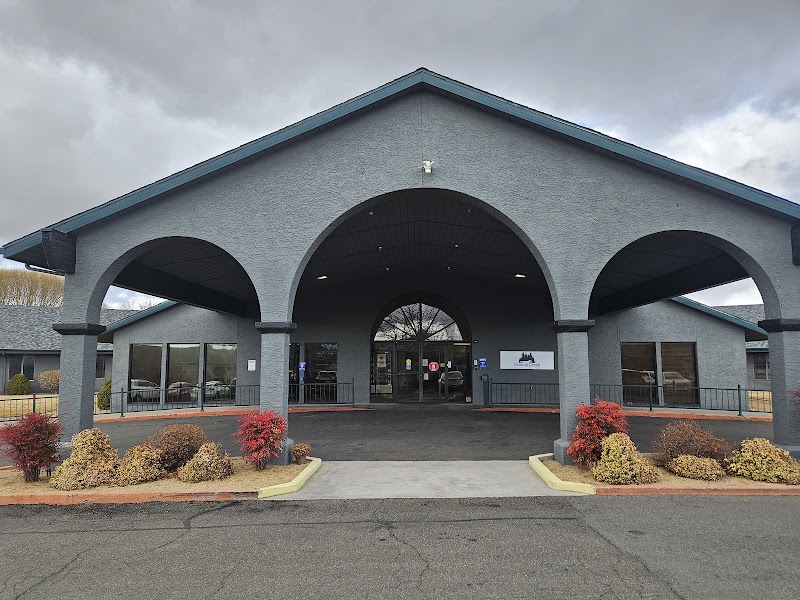
How is Granite Creek Health & Rehabilitation Center Staffed?

CMS rates GRANITE CREEK HEALTH & REHABILITATION CENTER's staffing level at 1 out of 5 stars, which is much below average compared to other nursing homes. Staff turnover is 67%, which is 21 percentage points above the Arizona average of 46%. High turnover can affect care consistency as new staff learn residents' individual needs. RN turnover specifically is 67%, which is notably high. RNs provide skilled clinical oversight, so turnover in this role can affect medical care quality.

What Have Inspectors Found at Granite Creek Health & Rehabilitation Center?

State health inspectors documented 38 deficiencies at GRANITE CREEK HEALTH & REHABILITATION CENTER during 2021 to 2024. These included: 37 with potential for harm and 1 minor or isolated issues.
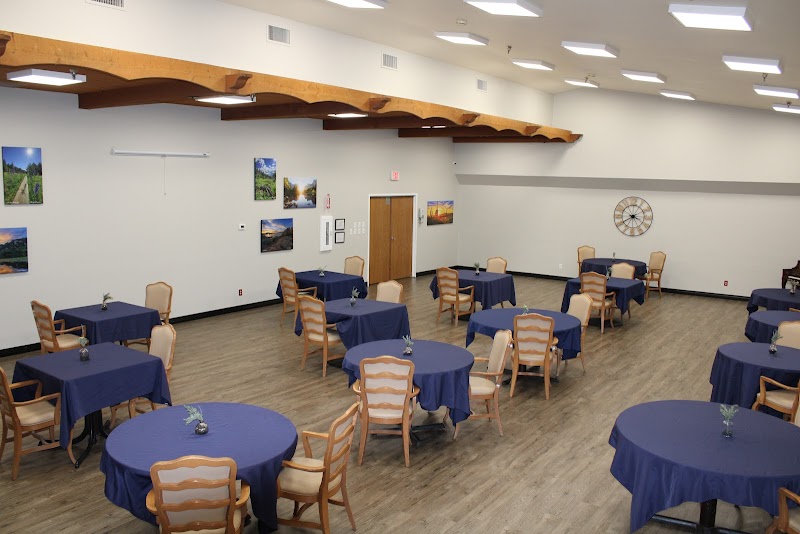
Who Owns and Operates Granite Creek Health & Rehabilitation Center?

GRANITE CREEK HEALTH & REHABILITATION CENTER is owned by a for-profit company. For-profit facilities operate as businesses with obligations to shareholders or private owners. The facility is operated by THE ENSIGN GROUP, a chain that manages multiple nursing homes. With 128 certified beds and approximately 88 residents (about 69% occupancy), it is a mid-sized facility located in PRESCOTT, Arizona.
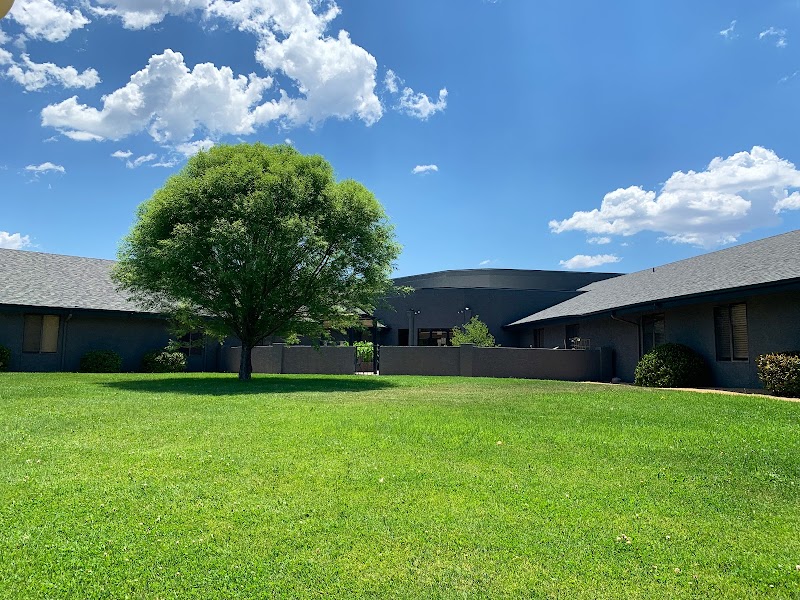
How Does Granite Creek Health & Rehabilitation Center Compare to Other Arizona Nursing Homes?

Compared to the 100 nursing homes in Arizona, GRANITE CREEK HEALTH & REHABILITATION CENTER's overall rating (1 stars) is below the state average of 3.3, staff turnover (67%) is significantly higher than the state average of 46%, and health inspection rating (1 stars) is much below the national benchmark.

What Should Families Ask When Visiting Granite Creek Health & Rehabilitation Center?

Based on this facility's data, families visiting should ask: "What safeguards and monitoring systems are in place to protect residents from abuse or neglect?" "How do you ensure continuity of care given staff turnover, and what is your staff retention strategy?" "Can you walk me through typical staffing levels on day, evening, and night shifts?" "Can I visit during a mealtime to observe dining assistance and food quality?" These questions are particularly relevant given the substantiated abuse finding on record, the facility's high staff turnover rate, and the below-average staffing rating.

Is Granite Creek Health & Rehabilitation Center Safe?

Based on CMS inspection data, GRANITE CREEK HEALTH & REHABILITATION CENTER has documented safety concerns. The facility has 1 substantiated abuse finding (meaning confirmed case of resident harm by staff or other residents). The facility has a 1-star overall rating and ranks #100 of 100 nursing homes in Arizona. Families considering this facility should ask detailed questions about what corrective actions have been taken since these incidents.

Do Nurses at Granite Creek Health & Rehabilitation Center Stick Around?

Staff turnover at GRANITE CREEK HEALTH & REHABILITATION CENTER is high. At 67%, the facility is 21 percentage points above the Arizona average of 46%. Registered Nurse turnover is particularly concerning at 67%. RNs handle complex medical decisions and coordinate care — frequent RN changes can directly impact care quality. High turnover means new staff may not know residents' individual needs, medications, or preferences. It can also be disorienting for residents, especially those with dementia who rely on familiar faces. Families should ask: What is causing the turnover? What retention programs are in place? How do you ensure care continuity during staff transitions?

Was Granite Creek Health & Rehabilitation Center Ever Fined?

GRANITE CREEK HEALTH & REHABILITATION CENTER has no federal fines on record. CMS issues fines when nursing homes fail to meet care standards or don't correct problems found during inspections. The absence of fines suggests the facility has either maintained compliance or corrected any issues before penalties were assessed. This is a positive indicator, though families should still review recent inspection reports for the full picture.

Is Granite Creek Health & Rehabilitation Center on Any Federal Watch List?

GRANITE CREEK HEALTH & REHABILITATION CENTER is not on any federal watch list. The most significant is the Special Focus Facility (SFF) program, which identifies the bottom 1% of nursing homes nationally based on persistent, serious quality problems. Not being on this list means the facility has avoided the pattern of deficiencies that triggers enhanced federal oversight. This is a positive indicator, though families should still review the facility's inspection history directly.