HAVEN HEALTH PRESCOTT, LLC

864 DOUGHERTY STREET, PRESCOTT, AZ 86305 (928) 778-9667
For profit - Limited Liability company 58 Beds HAVEN HEALTH Data: November 2025
Trust Grade
65/100
#74 of 139 in AZ
Last Inspection: July 2025

Inspected within the last 6 months. Data reflects current conditions.

Overview

Haven Health Prescott, LLC has a Trust Grade of C+, indicating it is slightly above average but not exceptional. It ranks #74 out of 139 facilities in Arizona, placing it in the bottom half, although it is the top facility in Yavapai County with a ranking of #1 out of 7. Unfortunately, the facility's performance is worsening, with reported issues increasing from 3 in 2024 to 6 in 2025. Staffing is a strength here, receiving 4 out of 5 stars, with a turnover rate of 40%, which is better than the Arizona average of 48%. The facility has not faced any fines, which is a positive sign, and it provides good RN coverage, exceeding 95% of state facilities, meaning RNs are available to catch potential problems. However, there have been some concerning incidents, such as a lack of an end date for an anxiety medication order despite pharmacist recommendations, and food safety issues, including unlabelled food items and possibly unsanitary conditions in the kitchen, which could lead to foodborne illnesses. Overall, while there are strengths in staffing and RN coverage, families should be aware of the troubling trends and specific incidents that need addressing.

Trust Score
C+
65/100
In Arizona
#74/139
Bottom 47%
Safety Record
Low Risk
No red flags
Inspections
Getting Worse
3 → 6 violations
Staff Stability
○ Average
40% turnover. Near Arizona's 48% average. Typical for the industry.
Penalties
✓ Good
No fines on record. Clean compliance history, better than most Arizona facilities.
Skilled Nurses
✓ Good
Each resident gets 67 minutes of Registered Nurse (RN) attention daily — more than 97% of Arizona nursing homes. RNs are the most trained staff who catch health problems before they become serious.
Violations
⚠ Watch
19 deficiencies on record. Higher than average. Multiple issues found across inspections.
★★★☆☆
3.0
Overall Rating
★★★★☆
4.0
Staff Levels
★★★☆☆
3.0
Care Quality
★★★☆☆
3.0
Inspection Score
Stable
2024: 3 issues
2025: 6 issues

The Good

  • 4-Star Staffing Rating · Above-average nurse staffing levels
  • Full Sprinkler Coverage · Fire safety systems throughout facility
  • No fines on record
  • Staff turnover below average (40%)

    8 points below Arizona average of 48%

Facility shows strength in staffing levels, fire safety.

The Bad

3-Star Overall Rating

Near Arizona average (3.3)

Meets federal standards, typical of most facilities

Staff Turnover: 40%

Near Arizona avg (46%)

Typical for the industry

Chain: HAVEN HEALTH

Part of a multi-facility chain

Ask about local staffing decisions and management

The Ugly 19 deficiencies on record

Jul 2025 5 deficiencies
CONCERN (D)

Potential for Harm - no one hurt, but risky conditions existed

PASARR Coordination (Tag F0644)

Could have caused harm · This affected 1 resident

**NOTE- TERMS IN BRACKETS HAVE BEEN EDITED TO PROTECT CONFIDENTIALITY** The facility failed to ensure that PASARR Level II is completed.Number of residents sampled: 1Number of residents cited: 1Based ...

Read full inspector narrative →
**NOTE- TERMS IN BRACKETS HAVE BEEN EDITED TO PROTECT CONFIDENTIALITY** The facility failed to ensure that PASARR Level II is completed.Number of residents sampled: 1Number of residents cited: 1Based on facility documentation, staff interviews, and policy review, the facility failed to ensure one resident's (#2) Preadmission Screening and Resident Review (PASARR) level II was completed in a timely manner. The deficient practice could result in the resident not receiving the specialized services needed.Findings include:Resident #2 was admitted to the facility on [DATE], with diagnoses that included bipolar disorder, current episode depressed, mild or moderate severity, unspecified.Review of the Minimum Data Set (MDS) dated [DATE], revealed a Brief Interview for Mental Status (BIMS) score of 14, indicating intact cognitive function. The MDS also revealed that Resident #2 was diagnosed with bipolar disorder.Review of the physician's order revealed the following order:Duloxetine HCl Oral Capsule Delayed Release Particles 60 Milligram (Duloxetine HCl). Give 60 milligram by mouth in the morning, related to depression, unspecified.Additionally, an antidepressant was ordered to monitor the side effects of the medication, such as dry eyes, dry mouth, constipation, urinary retention, and suicidal ideation.Review of the care plan revealed a problem focus initiated on April 10, 2025, which indicated that Resident #2 was receiving antidepressant medication related to his diagnosis of depression.An interview was conducted on July 24, 2025, at 2:15 PM with the Social Service (staff #98), who stated that eligibility for Pre-admission Screening and Resident Review (PASARR) level II depends on the severity of the diagnosis. The social service added that the PASARR evaluation should be done during the pre-admission process. The facility has 30 days to complete the PASARR II assessment. If the assessment for PASARR Level II is not completed on time, there is a risk that the resident will not receive the necessary mental health services. Additionally, the social service (staff #98) mentioned that the resident's PASARR level I screening was completed during pre-admission, but PASARR level II was not done at that time.On July 24, 2025, at 3:24 PM, the Regional Clinical Operations (staff #24) confirmed that the PASARR Level II assessment was not completed for resident #2.An interview was conducted on July 25, 2025, at 10:00 AM with the Regional clinical operations (staff #24), and the Director of nursing (staff #74), who stated that a preliminary assessment is conducted to identify potential conditions related to PASRR (Pre-admission Screening and Resident Review). If the Level I screening suggests that an individual may have a mental illness, intellectual disability, or developmental disability, a Level II evaluation will be initiated. The Level II evaluation is a comprehensive assessment for individuals flagged by the Level I screening as having, or potentially having, these diagnoses. This evaluation determines the need for nursing facility services and whether specialized services for these conditions are necessary.Review of the facility policy titled Pre-admission screening and resident review (PASRR) stated our facility will strive to verify that a Level I PASRR Screening has been conducted, in order to identify Serious Mental Illness (MI) and/or an Intellectual Disability (ID) prior to initial admission of individuals to the facility. A new PASRR Level I Screening is not required for readmission to the facility.
CONCERN (D) 📢 Someone Reported This

A family member, employee, or ombudsman was alarmed enough to file a formal complaint

Potential for Harm - no one hurt, but risky conditions existed

ADL Care (Tag F0677)

Could have caused harm · This affected 1 resident

**NOTE- TERMS IN BRACKETS HAVE BEEN EDITED TO PROTECT CONFIDENTIALITY** Based on clinical record review, staff interviews, and policy review, the facility failed to ensure one resident (#89) was offer...

Read full inspector narrative →
**NOTE- TERMS IN BRACKETS HAVE BEEN EDITED TO PROTECT CONFIDENTIALITY** Based on clinical record review, staff interviews, and policy review, the facility failed to ensure one resident (#89) was offered or provided showers in accordance with his shower schedule. This deficient practice could result in residents not being provided hygiene care and services.Findings include:Resident #89 was admitted to the facility on [DATE] with diagnoses that included chronic obstructive pulmonary disease with exacerbation, pneumonia, and generalized muscle weakness. Review of the Minimum Data Set (MDS) dated [DATE] revealed a Brief Interview for Mental Status (BIMS) score of 15, indicating intact cognition. The MDS also revealed that Resident #89 required substantial/maximal assistance with showering and bathing.Review of the shower schedule revealed that Resident #89 was scheduled to receive showers in the morning on Tuesdays and Fridays. Review of the bathing task documentation for May 2025 through June 2025 revealed three dates (May 20, 2025; May 27, 2025; June 10, 2025) in which there was no evidence of a shower being given on a scheduled shower day. Additionally, there were two dates (May 13, 2025 and June 27, 2025) which were charted as NA. There was no evidence found that showers were offered on these dates, or that any showers were provided on non-shower days to make up for missed showers. Shower sheets were requested for Resident #89 for May 2025 to June 2025 on July 23, 2025 at 10:11AM, but no shower sheets were provided by the facility.Review of the nursing progress notes revealed only one instance, on June 24, 2025, in which staff documented that Resident #89 was offered a shower, which he refused, but had accepted a bed bath instead. There was no evidence found of any other refusals of showers.Interview was conducted on July 25, 2025 at 8:42AM with a Registered Nurse (RN/Staff #6), who stated that residents should be offered twice a week per their shower schedule. The RN stated that the Certified Nursing Assistants (CNAs) complete the shower and chart how much assistance the resident required for the shower. The RN explained that if a resident refused a shower, the nurse would then talk to them. She explained that if the resident still refused, the nurse has to still complete a full skin check, and the resident would have to sign the shower sheet, indicating that they refused, and the nurse would document the refusal. Interview was conducted on July 25, 2025 at 9:34AM with the Director of Nursing (DON/Staff #74), who stated that her expectations for showers would be to follow the shower schedule, which has residents scheduled for showers twice a week. The DON also stated that the residents have the right to refuse showers. When asked about documentation for showers and refusals, the DON explained that she would expect the occurrence to be documented as it occurred - meaning that the shower be documented as given if it was given or refused if it was refused. The DON stated that documentation could be completed in the electronic health record (EHR) or on shower sheets, though these are not required at her facility. When asked about Resident #89, the DON stated that this resident would frequently refuse care, including showers. She also stated that he would at times accept a bed bath as an alternative, which she stated would be charted in the EHR under bathing. The DON also stated that the showers could have been documented on a shower sheet, but the facility only retained shower sheets for a month. The DON could not provide evidence if showers or bed bath were provided as scheduled for Resident #89.Review of the facility policy titled, Personal Care: Activities of Daily Living (ADLS), Supporting, revealed that residents will be provided with care, treatment and services as appropriate to maintain or improve their ability to carry out activities of daily living (ADLs). The policy also indicated that residents who are unable to carry out activities of daily living independently will receive the services necessary to maintain good nutrition, grooming and personal and oral hygiene. The policy revealed that appropriate care and services will be provided for residents who are unable to carry out ADLs independently, with the consent of the resident and in accordance with the plan of care, including appropriate support and assistance with hygiene (bathing, dressing, grooming, and oral care).Review of the facility policy titled, Bathing and Showers, revealed that the following information should be recorded in the resident's record: the date and time shower/bath was performed; skin observations; if the resident refused the tub/shower; how the bath/shower was tolerated. This policy also indicated that the supervisor should be notified if the resident refused the bath/shower.
CONCERN (D)

Potential for Harm - no one hurt, but risky conditions existed

Deficiency F0761 (Tag F0761)

Could have caused harm · This affected 1 resident

**NOTE- TERMS IN BRACKETS HAVE BEEN EDITED TO PROTECT CONFIDENTIALITY** Based on observations, staff interviews and policy review, the facility failed to ensure that medications were not left at the b...

Read full inspector narrative →
**NOTE- TERMS IN BRACKETS HAVE BEEN EDITED TO PROTECT CONFIDENTIALITY** Based on observations, staff interviews and policy review, the facility failed to ensure that medications were not left at the bedside for one resident (#92). The deficient practice could result in harm to the residents, and/or visitors who have access to medications.Findings Include:Resident #92 was admitted on [DATE] with diagnoses that included, unspecified fracture of left patella, hypertension, chronic obstructive pulmonary disease, muscle spasm, gastro-esophageal reflux disease, depression, atherosclerotic heart disease, and (osteo)arthritis. The Admissions Minimum Data Set (MDS) assessment dated [DATE] is in progress.Resident #92 care plan did not address that resident was able to self-administer medication. Review of the physician's orders revealed no orders to self-administer medications.Review of the assessments revealed not assessed to self-administer medications.Review of progress note revealed no interdisciplinary meeting for self-administer medication.Further review of the Physicians orders revealed an order for Calcium Carbonate Tablet Chewable 500mg with start day July 22, 2025.An observation was conducted on July 22, 2025 at 10:44 AM in Resident #92's room which revealed that the resident was lying in his bed, table beside her bed which had a water and small white clear cup with small round pink tablet in the cup. Resident #92 stated that this was his calcium tablet that he takes, but it is too hard to swallow because it was, so big. He stated that if, I swallow this tablet he could chock to death. Resident #92 also stated that he had to, fight staff for it to be crushed or put into the apple sauce so he can take it. He said that they usually leave it on table. An interview was conducted on July 22, 2025 at 10:47 AM with Certified Nurse Assistance (CNA/staff #23), who stated that he did not know what was in the cup and was unable to identify what it was because it is not in his job description. Staff #23 called the nurse.An interview was conducted on July 22, 2025 at 10:50 AM with the Licensed Practical Nurse (LPN/staff #9), who identified it as a calcium pill and stated that it should not have been left at bedside. She stated that Dementia residents could come into room and take it. She stated that it would not hurt the resident because it is vitamin, but if it was different medication it would hurt them.An interview was conducted on June 24, 2025 at 03:04PM with Director of Nursing (DON/ Staff #74), who stated that no one is allowed to have any medication or prescribed vitamins left on bedside unless resident has self-administration orders. She also stated currently no residents have self-administration orders to take medication by themselves. She stated the risk of having medication or vitamins left on beside could cause anyone to have access or it might not be taken during the time frame prescribed. Having medication left on beside would not meet expectation of facility's policy.Reviewed the policy titled F003: Medication: Self-Administration of Medication Revised date January 1, 2024 revealed residents may self-administer their own medications only if the attending physician, in conjunction with the interdisciplinary care planning team, has determined that they have the decision-making capacity to do so safely.
CONCERN (D)

Potential for Harm - no one hurt, but risky conditions existed

Deficiency F0800 (Tag F0800)

Could have caused harm · This affected 1 resident

**NOTE- TERMS IN BRACKETS HAVE BEEN EDITED TO PROTECT CONFIDENTIALITY** Based on clinical record review, representative and staff interviews, and policy review, the facility failed to assess and monit...

Read full inspector narrative →
**NOTE- TERMS IN BRACKETS HAVE BEEN EDITED TO PROTECT CONFIDENTIALITY** Based on clinical record review, representative and staff interviews, and policy review, the facility failed to assess and monitor one resident's (#77) nutritional needs. The deficient practice could result in residents' nutritional needs not being met.Findings include:Resident #77 was admitted to the facility on [DATE] with diagnoses that included pulmonary embolism without acute cor pulmonale, diverticulitis of intestine, and dementia.Review of the Minimum Data Set (MDS) dated [DATE] revealed a Brief Interview for Mental Status (BIMS) score of 05, indicating severe cognitive impairment. The MDS also indicated that the resident had no swallowing impairments, but was noted to have had a weight loss of 5% or more in the last month or a loss of 10% or more in the last 6 months, while not on a physician-prescribed weight-loss regimen.Review of Resident #77's care plan revealed a problem focus, initiated on November 6, 2023, which indicated that Resident #77 had a nutritional problem, related to a hip fracture and advanced age of 94 with a history of dementia. The goals in place were that the resident would comply with the recommended diet through the review date, and that the resident will have no significant weight change. Interventions in place included for a Registered Dietician to evaluate and make diet change recommendations as needed, and to provide and serve the diet as ordered.Review of Resident #77's Plan of Treatment for Rehabilitation, signed November 14, 2023, revealed that Resident #77's prior level of function indicated no swallowing impairments, and the resident previously tolerated a regular diet with thin liquids. The treatment plan did not indicate that the current level of function for swallowing or meals was evaluated. There was no evidence found that Resident #77 received any additional swallow evaluations during her stay.Review of Resident #77's documented weights revealed a severe weight loss during her stay from November 6, 2023 to Feburary 4, 2024. Based on the recorded weights, the resident experienced a severe weight loss, from 133.0 pounds to 90.0 pounds, indicating a 32.33% weight loss in three months while at the facility. The review of the documented weights revealed inconsistencies in the weights recorded on the day of admission to the facility and the day after. Despite inconsistent documentation, the resident still experienced a notably severe weight loss during her stay.Review of the physician orders revealed the following diet orders:- Regular diet Regular texture, Thin Liquids consistency- 11/06/2023- Regular diet Mechanical Soft with ground meat texture, Thin Liquids consistency- 12/29/2023- Regular diet Pureed texture, Thin Liquids consistency, for no dentures in place at this time, unable to masticate. related to UNSPECIFIED PROTEINCALORIE MALNUTRITION (E46) - 02/06/2024Review of the progress notes revealed evidence that Resident #77 was having difficulties swallowing food and medications. Daily skilled notes on December 26, 27, and 28, of 2023 indicated that the resident was having swallowing difficulties and was noted to be holding food in the mouth/cheeks or having residual food in the mouth after meals. There was no evidence found that the resident's swallowing was assessed or that the provider was notified of these difficulties. Daily skilled evaluations on January 28, 2024 and February 3, 2024 again noted that the resident had swallowing difficulties, requiring medications to be crushed in applesauce.A review of grievances revealed a grievance form, dated December 28, 2023, filed by family on behalf of Resident #77, indicating that Resident #77 was missing her dentures. The grievance form indicated that the family was given a pair of dentures, but they were unsure if they belonged to Resident #77 or not. The form indicated that Resident #77 was satisfied, as she believed these were her dentures.Review of the progress notes revealed a Social Services note, back-dated to January 5, 2024, which indicated that Resident #77 was missing her bottom denture, so the family and staff agreed to place the resident onto a mechanical soft diet. The note indicated that a puree diet was decided against, as it would not be appetizing to the resident. Further review of the progress notes revealed no evidence that the resident's weight loss was addressed or documented by staff or a dietician prior to February 5, 2024, which was the day prior to the resident being sent out to the hospital per family request for potential aspiration. There was also no evidence found that Resident #77's swallowing difficulties had been reported to or addressed by the physician.Review of the Speech Therapy (ST) Discharge summary, dated [DATE]-18, 2024, revealed that Resident #77 was being discharged from ST services, as she was unwilling to participate in therapy, and only wanted to receive physical and occupational therapy. Additionally, this document revealed a daily note, dated January 17, 2024, which indicated that Resident #77 reported pain in her oral cavity where her bottom dentures are. However, the Speech Language Pathologist (SLP) noted that Resident #77 did not have bottom dentures.Review of Resident #77's personal property inventory sheet revealed that Resident #77 admitted with upper and lower dentures in her possessions.A review of the Medication Administration Note dated February 6, 2024 at 2:27PM revealed that Resident #77 was ordered a chest x-ray to rule out aspiration, but this was cancelled as the family chose to send the resident to the hospital.Additional review of the physician orders revealed an order, dated February 6, 2024, indicating it was okay to send Resident #77 to the hospital for possible aspiration.Further review of the progress notes revealed a plan of care note, dated February 6, 2024 at 2:27PM, which indicated that Resident #77's family spoke with staff about the resident's lower dentures that were missing back in December. The note indicated that staff let the family know that they would put an alert out to find the dentures. However, the note also indicated that the resident's lower dentures were found on January 5, 2024. The note also indicated that staff discussed with the family about different diet orders and let the family know that puree food was less palatable. The note indicated that the resident's family chose to place the resident on the mechanical soft diet, which they noted was possibly causing weight loss.An additional progress note dated February 6, 2024 at 2:30PM revealed that the Director of Nursing (DON) spoke with Resident #7's family after family requested to a floor nurse to speak with a manager. The note indicated that the family claimed the resident was choking on food when they entered the resident's room, and food was stuck in the resident's mouth. The note indicated that the provider was notified of this, and a Certified Nursing Assistant (CNA) was instructed to clean food or contents in the resident's mouth.A follow-up IDT progress note on February 6, 2024 at 2:37PM indicated that Resident #77's nurse and CNA stated that Resident #77 had been refusing meals and fluids. The note did not indicate if this was reported to the provider or management prior.A progress note date February 6, 2024 at 2:40PM revealed that the DON was called back into Resident #77's room and family was upset, claiming the CNA was neglectful. The family claimed that the CNA gave up attempting to clean Resident #77's mouth. The note indicated that Resident #77 did not appear to be in distress at this time. The note indicated that family stated that Resident #77 cannot eat her prescribed diet and needed puree food instead. The family also expressed concern over the resident's weight loss. This note also described that the CNA reported she was cleaning the resident's mouth when the resident would gag, so the CNA would pause cleaning. The CNA reported that the family in the room was verbally degrading toward the CNA during this, so the CNA stated she left the room and did not provide further care to the resident.The progress note dated February 6, 2024 at 2:45PM revealed that at this time, the DON discussed with Resident #77's family about Resident #77 refusing food and drink, despite staff encouragement and education. The note indicated that family requested the resident be sent to the hospital instead of waiting to complete interventions at the facility.Review of the discharge summary on February 6, 2024 at 2:53PM revealed that Resident #77 was transported to the hospital via ambulance. The summary also indicated that the resident's family had observed the resident choking and removed a piece of food from the resident's mouth and photographed it and then showed the nurse. The nurse then assessed the resident and noted no apparent distress. The family then requested the hospital transport.Interview was conducted on July 24, 2025 at 10:01AM with a Certified Nursing Assistant (CNA/Staff #56) who stated that CNAs obtain resident weights, which are reported to the nurse. The CNA indicated that if the nurses noticed a change in the weights, the staff would re-weigh the resident.Interview was conducted on July 24, 2025 at 10:08AM with a Registered Nurse (RN/Staff #105), who confirmed that CNAs obtain weights for residents. She stated that the charge nurse would monitor for any weight loss or gain. The RN stated that if a weight loss trend is noticed, the staff would talk to the charge nurse, who would then consult with the dietician.Interview was conducted on July 25, 2025 at 7:49AM with Resident #77's family member (Family #1), who confirmed that on February 6, 2024, family had entered Resident #77's room and found that she was in bed, appearing to be choking. Family #1 explained that Resident #77 appeared to be trying to say something but could not form the words. He explained that another family member noticed that Resident #77 had something in her mouth. Family #1 recalled that a nurse had then asked a CNA to clean the resident's mouth with a mouth swab. He explained that the CNA removed pieces of food, which looked like mashed beef, from the resident's mouth. Family #1 explained that the CNA began to clean the mouth but then threw the swab, telling the family to do it instead. Family #1 stated that the family then called emergency services to transport the resident for further care. Family #1 explained that Resident #77 had previously lost her dentures, and therefore had difficulty chewing. Family #1 stated that the dentures were missing at the time of this event, and that the facility had been aware that they were missing since December. Family #1 stated that this was previously an issue, as the facility would serve Resident #77 large pieces of food, which she would struggle to eat without dentures. He stated that Resident #77 had at times told the family that she felt upset, asking how she was supposed to eat the food she was served. Family #1 confirmed that Resident #77's top dentures were eventually located, but the lower dentures were not found. Family #1 stated that he felt Resident #77 obviously needed a puree diet, which was not being served to the resident. When asked if the facility ever offered to change Resident #77's diet prior to the choking event, Family #1 stated that the facility never had that conversation with him, and he would have agreed to placing Resident #77 on a puree diet if asked. Family #1 also stated that he felt that this was neglectful of the facility, as they knew she had been missing her bottom dentures and did not change her diet to a form she could eat. Family #1 felt this was the reason Resident #77 had lost a lot of weight at the facility. He also felt that it was neglectful that facility staff had not ensured that Resident #77 had swallowed all of her lunch, which he felt led to the choking.Interview was conducted on July 25, 2025 at 8:00AM with another family member of the resident (Family #2). Family #2 confirmed that she and other family had entered Resident #77's room on February 6, 2024, at approximately 1:00PM. Family #2 stated that upon entering, they noticed that the resident was making odd noises and pointed to her mouth. Family #2 indicated that inspection of the resident's mouth revealed ground meat coated on the resident's tongue and the roof of her mouth. Family #2 stated that a CNA was sent to clean the meat out of Resident #77's mouth, but the CNA had a bad attitude and refused to finish cleaning the mouth. The family then took over removing the food from the mouth. Family #2 revealed that Resident #77 was then transported to the hospital, and she was also found to be severely dehydrated. Family #2 also stated that this day, a nurse had stated that the resident was weighed and had lost forty pounds since arriving to the facility. Family #2 also blamed this weight loss on the fact that Resident #77's dentures had gone missing in the facility, and they had been missing for about three months. Family #2 was upset, stating that she had to request a care conference with the facility to address these concerns, as she was not invited to a conference prior. She stated that in this care conference on January 5, 2024, she requested that the facility assist the resident with eating meals and requested a softer diet for the resident, to which the facility placed the resident on a mechanical soft diet. She also stated that the missing dentures were discussed again in this care conference. The family stated that the staff stated they would continue to look for the missing dentures until new dentures could be purchased, with an estimated date of approval for the new dentures of February 4, 2024. Family #2 stated that the facility never suggested or wanted a puree diet for Resident #77, despite knowing that she was missing her dentures.Interview was conducted on July 25, 2025 at 8:42AM with a Registered Nurse (RN/Staff #6), who stated that CNAs should assist residents in the dining room who may need assistance eating. The RN stated that while assisting a resident to eat, they should assess for pocketing of food. She also stated that they should ensure the resident is swallowing and offer drinks in between. The RN also stated that if a resident was missing dentures, then this could affect their eating, and they should be placed on soft foods.Interview was conducted on July 25, 2025 at 9:34AM with the Director of Nursing (DON/Staff #74), who stated that diet consistency orders are first received from the hospital when a resident admits to the facility. She stated that if a resident appeared to have swallowing or chewing problems, a speech evaluation and swallow evaluation would be ordered. When asked about Resident #77's missing dentures, the DON stated that the dentures were located on January 5, 2024, referencing the grievance form and progress notes. She denied that the bottom dentures were missing past this date, despite the speech therapy notes indicating Resident #77 did not have her bottom dentures. Additionally, when asked about the resident's swallowing abilities, the DON referenced the Plan of Treatment for Rehabilitation from November 14, 2023, which had indicated the resident's prior level of function. The DON indicated that this evaluation did not suggest new recommendations. When asked about the progress notes indicating that Resident #77 required crushed medications, the DON commented that it was possible for a resident to have difficulties swallowing pills but not food. When asked about the notes detailing the resident retaining food in her cheeks, the DON stated she would have to interview the nurses to get more detail about the situation. The DON stated that the resident was not a choking risk based on her previous assessments. She also stated that a puree diet was offered to family and was declined, based on the note dated to January 5, 2024.Review of the facility policy titled, Nutrition/Hydration: Weight Assessment and Intervention revealed that individualized care plans shall address, to the extent possible: the identified causes of weight loss; goals and benchmarks for improvement; and time frames and parameters for monitoring and reassessment. The policy also described that interventions for undesirable weight loss are based on careful consideration of chewing and swallowing abnormalities and the need for diet modificationsReview of the facility policy titled, Food Services: Food and Nutrition Services, revealed that staff should assess each resident's nutritional needs, food likes, dislikes and eating habits, as well as physical, functional, and psychosocial factors that affect eating and nutritional intake and utilization. The policy indicated that a resident-centered diet and nutrition plan would be based on this assessment.
CONCERN (D)

Potential for Harm - no one hurt, but risky conditions existed

Food Safety (Tag F0812)

Could have caused harm · This affected 1 resident

Based on observations, staff interviews, facility documentation, policies and procedures assessment, the facility failed to ensure that food items in the dry storage room and the freezer were properly...

Read full inspector narrative →
Based on observations, staff interviews, facility documentation, policies and procedures assessment, the facility failed to ensure that food items in the dry storage room and the freezer were properly labeled and dated. The deficient practice could result in food contamination which could cause sickness and potential food poisoning among the residents.Findings Include:On July 22, 2025 at 9:40 a.m during an initial walk-through visit with [NAME] #106 on behalf of the kitchen manager, staff #77 who was on leave that day at the storage room, one half-full bag of macaroni noodles was observed sitting on the shelf with no label or date. Also, two other opened bags- one of chicken tenders and one of French fries-in the freezer that were not labeled or dated. Furthermore, these bags were not stored in sealed containers or zipper bags, as required. The [NAME] stated that opened bags of food items should be dated to the date it was opened and stored in a closed container or a zipper bag. An interview was immediately conducted on July 22, 2025 at 10:00 a.m with the [NAME] #106 confirmed what was found. The [NAME] acknowledged that any opened food should be labeled with the date it was opened and stored in a sealed container or a zipper bag. The [NAME] also understood that using food without proper labeling could put residents at risk for food poisoning and other food-borne diseases.An interview with the kitchen manager, staff #77 on July 24, 2025 at 1:30 p.m who stated that all opened food items must be labeled with the date it was opened and must be stored in a sealed container or zip bag. The kitchen manager also confirmed that the kitchen staff are required to check the storage area at the end of every shift to ensure that all food items are labeled and properly stored. The kitchen manager also agreed that not following these steps can lead to serious health risks for the residents and goes against the facility's standards.The facility's policy titled Food Storage stated that any opened products should be placed in seamless plastic or glass containers with tight-fitting lids, labeled and dated. A label may not be needed if in original packaging and product is identified on the package. However, the policy indicated that all containers must be legible and accurately labeled, if the product is not easily identifiable. The policy also specified that food items must be dated as it is placed on the shelves in the food storage room.
Apr 2025 1 deficiency
CONCERN (D) 📢 Someone Reported This

A family member, employee, or ombudsman was alarmed enough to file a formal complaint

Potential for Harm - no one hurt, but risky conditions existed

Report Alleged Abuse (Tag F0609)

Could have caused harm · This affected 1 resident

**NOTE- TERMS IN BRACKETS HAVE BEEN EDITED TO PROTECT CONFIDENTIALITY** Based on clinical record review, resident and staff interviews, and policy review, the facility failed to ensure that an inciden...

Read full inspector narrative →
**NOTE- TERMS IN BRACKETS HAVE BEEN EDITED TO PROTECT CONFIDENTIALITY** Based on clinical record review, resident and staff interviews, and policy review, the facility failed to ensure that an incident involving allegation of abuse between a staff member and one resident (#11) was reported according to professional standards. The deficient practice could result in unnoted abuse. Findings include: Resident #11 was admitted to the facility on [DATE] with diagnoses that included toxic encephalopathy, pleural effusion, cirrhosis of the liver, and injuries of the head. A late-entry progress note dated April 16, 2025 revealed that on April 15, 2025 at 11:15 p.m., Resident #11 woke up crying and angry, and made allegations that a, chinese man hit her. The progress note revealed that on April 16, 2025, at approximately 1:30 a.m., Resident #11 stated that a Chinese man who worked at the facility hit her; and that, she wanted her husband to call the police and make a report. The progress note further revealed that staff asked the resident about the allegation and she, did not give clear detail. The progress note revealed that the staff called the resident ' s husband at approximately 2:00 a.m. to report what happened, which resulted in the resident ' s husband arriving at the facility at 2:40 a.m. to take her home. Review of the facility investigation report for staff-to-resident abuse dated April 16, 2025 revealed that the incident was reported to the State Agency on April 16, 2025 at 10:27 a.m following a call from Resident #11 ' s husband reporting that a Certified Nursing Assistant, Staff #17, smacked her buttock during her stay at the facility. A telephonic interview was conducted on April 28, 2025 at 1:17 p.m. with a CNA, Staff #17, who stated that the facility ' s policy and process for reporting allegations of abuse would be to report the suspicion or allegation immediately. The CNA stated that there was an incident between himself and Resident #11, which occurred at 11-11:30 p.m. on the night she arrived at the facility. The CNA stated that he heard the resident yelling for help, when he entered the room she was asleep, and she was unable to be woken up with verbal cues because she was hard of hearing. The CNA stated that he approached the resident, tapped her side three times to wake her, and the resident began yelling at him and alleging that the staff were abusing and hurting her, and to leave the room. The CNA stated that he left the room and reported an allegation of an, asian man hitting the resident to the nurse. A telephonic interview was conducted on April 28, 2025 at 2:20 p.m. with a CNA, Staff #54, who stated that the facility ' s policy for reporting allegations of abuse was to report to the nurse immediately. The CNA stated that there was an incident between Resident #11 and another CNA, Staff #17, in which the resident reported that a chinese man hit her between 1-1:30 a.m. the night she arrived at the facility. The CNA stated that she did not personally report the allegation to anyone because the nurses were involved and already aware. The CNA stated that she was unaware of when the incident was reported to the supervisors or the Director of Nursing (DON), but she expected it would be done immediately after handling the scenario. A telephonic interview was conducted on April 28, 2025 at 2:31 p.m. with a Licensed Practical Nurse (LPN/Staff #93), who stated that his process for reporting allegations of abuse would be that once abuse was made, he would call the DON or any administration within one hour, or within two hours per the facility policy. The LPN stated that he was aware of an incident between Staff #17 and Resident #11 on April 15th, 2025; and that, the resident was yelling at the CNA to get out of the room and when he did, the resident got into her wheelchair and was in the hallway disturbing other residents. The LPN stated that the resident was yelling that a, Chinese man molested and hit her and that she needed to call her husband to call the police because she needed the, Chinese man reprimanded this was at approximately 1:30 a.m. on April 16, 2025. The LPN stated that he called the resident ' s husband at 2 a.m. and the husband was at the facility by 2:40 a.m. to take her home, the LPN wrote a progress note, and reported the allegation to the Assistant Director of Nursing (ADON) at 3:02 a.m. on April 16, 2025. The LPN stated that the text message to the ADON said, Just letting you know (Resident #11) left against medical advice, was combative and accusatory of bodily injury, doesn ' t want to stay in the room, and I called on-call Nurse Practitioner. The LPN stated that the first allegation was at 11 p.m. on April 15, 2025, the allegation was not reported to the ADON until 3:02 a.m. on April 16, 2025, and it was a nurses judgement call to not report at 11 p.m. because they thought the resident was just confused, and that he did not have enough time to report the allegation because he had multiple residents who needed assistance and so did the other staff on the floor. The LPN stated that they did not follow the facility policy because the allegation of abuse needed to be reported within two hours. An interview was conducted on April 28, 2025 at 3:12 p.m. with the ADON, Staff #40, who stated that allegations of abuse were expected to be reported right away, or within two hours to the state and other applicable agencies by management. The ADON stated that it was the facility ' s expectation of staff to report allegations of abuse immediately, including when staff have only heard someone talking about abuse. The ADON stated that she would expect the same report timeframe if staff thought a resident was confused, had behaviors, or had a history of false accusations. The ADON stated that she was unaware of the allegations made until the morning shift of April 16, 2025; and that, she had not received a text message from anyone reporting the allegation or else she would have reported it immediately. An interview was conducted on April 28, 2025 at 3:23 p.m. with the DON, Staff #101, who stated that allegations of abuse were to be reported by her to the Executive Director (ED), Staff #74, and they would collaboratively report to the required parties within two hours. The DON stated that it was her expectation of staff to report allegations of abuse immediately when they become aware of it. The DON stated that she was unaware of the specific timeline of the allegations, but she knew it happened on the night of Resident #11 ' s admission. The DON also stated that the incident and allegation of abuse were not reported to by night shift staff, but that the facility became aware of the allegation when the resident ' s husband called on the morning of April 16, 2025. An interview was conducted on April 28, 2025 at 3:35 p.m. with the ED, Staff#74, who stated that the facility policy process for reporting an allegation of abuse was to report right away once management received the allegation, and within two hours of the allegation being made. The ED also stated that it was her expectation of staff to report allegations to whoever was on call immediately. The ED stated that the incident and allegation between Resident #11 and Staff #17 was not reported by the night shift staff to anyone in management. Review of a policy dated June 2022 titled, Abuse Policy, revealed that suspected abuse should have been reported in accordance with the timeframes and standards required by the Centers for Medicare and Medicaid Services (CMS). Review of §483.12(c)(1) in the State Operations Manual, Appendix PP, revealed that the facility should ensure that all alleged violations involving abuse, neglect, exploitation or mistreatment, including injuries of unknown source and misappropriation of resident property, are reported immediately, but not later than 2 hours after the allegation is made, if the events that cause the allegation involve abuse or result in serious bodily injury, or not later than 24 hours if the events that cause the allegation do not involve abuse and do not result in serious bodily injury, to the administrator of the facility and to other officials (including to the State Survey Agency and adult protective services where state law provides for jurisdiction in long-term care facilities) in accordance with State law through established procedures.
Aug 2024 3 deficiencies
CONCERN (D) 📢 Someone Reported This

A family member, employee, or ombudsman was alarmed enough to file a formal complaint

Potential for Harm - no one hurt, but risky conditions existed

Free from Abuse/Neglect (Tag F0600)

Could have caused harm · This affected 1 resident

**NOTE- TERMS IN BRACKETS HAVE BEEN EDITED TO PROTECT CONFIDENTIALITY** Based on resident and staff interviews, clinical records review and facility policy, the facility failed to ensure one resident ...

Read full inspector narrative →
**NOTE- TERMS IN BRACKETS HAVE BEEN EDITED TO PROTECT CONFIDENTIALITY** Based on resident and staff interviews, clinical records review and facility policy, the facility failed to ensure one resident (#34) was not physically abused by another resident (#3). The deficient practice could result in residents being physically injured. Findings include: - Resident #34 was admitted to the facility on [DATE] with diagnosis that included unspecified dementia, unspecified severity, with other behavioral disturbance, chronic obstructive pulmonary disease, unspecified, unspecified psychosis not due to a substance or known physiological condition. The care plan initiated and revised on August 9, 2023 revealed a care plan that stated resident #34 had behavior problem related to refusal of medications, hallucinations, and impaired cognitive function. Review of the facility five-day report submitted on September 19, 2023 documented an interview with resident #34 who stated she scratched me as I rolled by referencing resident #3. The report also documented no past encounters with the alleged perpetrator, resident #3. Further interviews with staff documented resident grabs out. In a progress note dated September 19, 2023 at 09:25 AM the Director of Nursing (DON/ staff #13)documented that the resident's family was notified of a small skin tear to left elbow after a resident interaction. In a progress note dated September 20, 2023 at 4:11 PM, Medical Provider (Staff #106), completed a psychiatric evaluation, documenting that resident #34 was alert and confused, resistive, paranoid at times. Delusions and hallucinations have been chronically noted. Overall psychiatric symptoms have improved over the last number of weeks as her compliance with her medications have improved. Staff #106 also diagnosed and assessed resident #34 with a skin tear of elbow without complication. Review of the quarterly Minimum Data Set (MDS) assessment dated [DATE] revealed a Brief Interview for Mental Status (BIMS) score of 11 which showed resident had moderate cognitive impairment. - Resident #3 was admitted to the facility on [DATE] with diagnoses that included vascular dementia, unspecified severity, with other behavioral disturbance, major depressive disorder, recurrent, unspecified, anxiety disorder, unspecified, schizophrenia, unspecified, personal history of traumatic brain injury. Review of the annual MDS dated [DATE] showed that a BIMS was not conducted, with staff unable to assess her cognition due to her being rarely or never understood. Staff assessed her to be severely cognitively impaired. Further review of the MDS revealed physical behavioral symptoms directed towards others such as, scratching, grabbing. Other physical behavioral symptoms not directed towards others were also identified, such as hitting or scratching self. Review of her care plan initiated on August 2, 2023 included a care plan related to resident's altered thought process related to her diagnosis of organic brain damage, vascular dementia and need for antipsychotic medication as exhibited by her combative behavior of scratching, pinching, repetitive behavior, history of wrapping call light cord around her neck, grabbing, striking out at staff and toys to break fixtures. The care plan also included that between January 2, 2019 and November 20, 2019 Zyprexa (antipsychotic medication) was decreased and her Zyprexa was increased on November 27, 2019 and she was started on Depakote (Mood Stabilizer). The Care plan further included that on March 24, 2020 Depakote was increased for increased behaviors for yelling, pinching, and scratching, on August 25, 2020 her Depakote was increased for increased behaviors, on February 15, 2021 it was documented that she punched staff in the face, on October 28, 2021 she was started on Clonazepam (benzodiazepine) for increased behaviors for striking out at staff, grabbing, and pinching, on May 13, 2022 it was documented in the care plan that resident #3 continued to strike out at staff by pinching and screaming and on August 18, 2022 it was further documented that resident #3 continued to grab staff and pinch or dig finger nails into staff's skin, and is combative at times with cares. In a progress note dated September 19, 2023 at 08:36am Licensed Practical Nurse (LPN/ staff#107)documented that she was notified by a CNA (Certified Nursing Assistant) that resident was in hall in wheelchair, another resident was also in wheelchair in hall and wheeling past resident who reached out and scratched resident breaking her skin, wound was approximated by oncoming nurse and 3 steri-strips applied, resident was then brought back to her room. In a progress note dated September 20, 2023 at 4:12 PM, Medical Provider (Staff #106), completed a psychiatric evaluation, documenting that resident #3 was alert and oriented essentially times 0, resistant with care at times, can be aggressive, pinches or grabs at staff or other residents if given the opportunity. It further included cloth gloves in place to try to minimize any injuries to others. In an interview conducted with Certified Nursing Assistant (CNA/Staff #30) on August 1, 2024, she stated she did not work for the facility at the time of the incident, but was aware that resident #3 will grab staff during care causing mild scratches. She stated staff keep the resident at a safe distance from other residents, without isolating her from others. Staff #30 stated resident #3 is provided with increased supervision and has calmed down with her behaviors. She further stated staff will have the resident wear gloves when agitated to prevent any harm to staff or resident, but only for short periods of time. Staff #30 stated she has received online training for abuse reporting and would inform her DON and administrator of any suspected abuse. An interview was conducted with Registered Nurse (RN/Staff#82) on August 1, 2024 at 1:08PM, Staff #82 stated resident #34 has no behaviors that are of concern. She stated resident #3 will flail, grab and scratch. She stated staff will place gloves on her when in social activities, but will keep her at a distance from other residents. She stated the resident receives nail care every two weeks, as a preventative measure. She stated she has received a course on abuse upon hire and is required to complete refresher courses. Staff #82 stated if there were any further altercations or harm to another resident, she would immediately report to her supervisor. Review of the facility policy titled Abuse Policy states by definition, abuse is the infliction of injury, unreasonable confinement, intimidation, or punishment with resulting physical harm, pain, or mental anguish. Abuse also includes the deprivation by an individual, including caretaker, of goods or services that are necessary to attain or maintain physical, mental, and psychosocial well-being. Instances of abuse of all residents, irrespective of any mental or physical condition, cause physical harm, pain or mental anguish. It includes verbal abuse, sexual abuse, physical abuse, neglect, mental abuse including abuse facilitated or enabled through the use of technology, and misappropriation of property. Potential abusers can be residents, employees, family members, visitors, vendors, or any other person who comes into the facility.
CONCERN (D)

Potential for Harm - no one hurt, but risky conditions existed

Quality of Care (Tag F0684)

Could have caused harm · This affected 1 resident

**NOTE- TERMS IN BRACKETS HAVE BEEN EDITED TO PROTECT CONFIDENTIALITY** Based on observation, clinical record review, resident and staff interviews, facility documentation and policy review, the facil...

Read full inspector narrative →
**NOTE- TERMS IN BRACKETS HAVE BEEN EDITED TO PROTECT CONFIDENTIALITY** Based on observation, clinical record review, resident and staff interviews, facility documentation and policy review, the facility failed to ensure the necessary treatment and services were provided for one resident (#1) out of fourteen sampled residents, regarding bowel care. The deficient practice could result in excessive discomfort for the resident. Findings include: Resident #1 was admitted to the facility on [DATE] with diagnoses that included paroxysmal atrial fibrillation, unspecified dementia, injury of conjunctiva and corneal abrasions of both eyes, and muscle weakness. Review of physician orders revealed an order dated July 11, 2024 for implementing a routine bowel care 3 step program if the resident did not have a bowel movement in 3 days. Review of the progress notes revealed multiple entries from July 15, 2024 to July 26, 2024 from the Nurse Practitioner (NP) that claim the resident had no constipation or abdominal pain, indicating that the NP was unaware of any constipation issues during this time. Review of the physician order dated July 16, 2024 revealed that 30 mL of Milk of Magnesia Oral Suspension could be given as needed for constipation daily. Review of the Minimum Data Set (MDS) dated [DATE] revealed that the resident is always incontinent of bowel, and constipation was present. The MDS also revealed a Brief Interview for Mental Status (BIMS) score of 13, indicating that the resident is cognitively intact. Review of the facility document titled, TeamHealth Standing Medical Orders, revealed that staff had standing orders which allowed them to address constipation. These orders stated that if the resident had no bowel movement in the last 3 days to order 1 dose of Milk of Magnesia 30mL. If no results by the next morning, the orders instruct to give a Dulcolax suppository. If this is ineffective within 2 hours, the standing orders instruct to give a fleet enema. If these interventions are still ineffective, the staff are instructed to call the provider for further orders. Review of the Bowel Movement Task revealed no documented bowel movements from July 18, 2024 until July 23, 2024 at 9:51PM. Review of the Medication Administration Record (MAR) for July 2024 revealed that Milk of Magnesia was administered on July 23, 2024 at 09:07AM after over 5 days without a documented bowel movement. The resident proceeded to finally have a bowel movement on July 23,2024 at 9:51PM. Review of the care plan entry dated July 23, 2024 revealed a focus that identified the resident has constipation related to decreased mobility and medication side effects. The goal for this entry was that the resident will have a normal bowel movement at least every 3 days. The care plan interventions included following facility bowel protocol for bowel management and keeping the physician informed of any problems. Further review of the Bowel Movement Task revealed no documented bowel movement from July 24, 2024 until July 28, 2024 at 1:46 PM. Review of the nursing documentation titled, Daily Skilled Evaluation - Nursing, on July 27, 2024 to July 30, 2024 revealed that the nurses had charted normal GI function on these assessments. These assessments do not identify constipation or bowel pain. Another review of the MAR dated July 2024 revealed that Milk of Magnesia was administered to the resident on July 28, 2024 at 09:24AM after 4 days without a recorded bowel movement. Following administration of the Milk of Magnesia, the resident proceeded to have a bowel movement the same day at 1:46PM. An interview was conducted with Resident #1 on July 29, 2024 at 12:56PM in which the resident claimed she has only been having a bowel movement one time a week, and when she does, it is incredibly painful. She further explains that she feels the Milk of Magnesia does not help and wishes she could try something else. The resident elaborates that she has not seen the doctor and is unsure if the nurses are communicating her issue to the doctor. An interview was conducted on July 31, 2024 at 10:50AM with a Registered Nurse (RN/Staff #82) in which she denied knowing that Resident #1 was experiencing constipation issues. She also identified that if a resident has no bowel movement in 3 days, the nurse should then follow the standing orders sheet. When asked how soon after giving a laxative or similar medication the nurse should see results, the RN states that she should follow the timeframe in the bowel regimen standing orders. After bringing this issue to the attention of the facility staff, the Assistant Director of Nursing (ADON/Staff #7) requested an interview with the surveyor. An interview was conducted with the ADON on July 31, 2024 at 3:53PM in which the ADON stated that the nurse who had cared for Resident #1 on July 22, 2024 had stated she was aware the resident had no BM that day and offered bowel care, but the resident had refused. The ADON stated that the nurse did not chart the offer for bowel care or the resident's refusal, but the nurse plans to make a late entry at this time to address it. When requesting facility policy on constipation on July 31, 2024 at 11:45AM, the facility produced a document that stated the facility did not have a policy for constipation, and the facility instead follows provider orders and change of condition procedures. Review of the facility policy titled, Assessments/ Care Planning: Change in a Resident's Condition or Status, revealed that the nurse will notify the physician and record in the medical record when there is a significant change in the resident's condition, including conditions that will not resolve themselves without intervention by staff. Further review of this policy revealed that the nurse should notify the physician when the resident refuses medications two or more consecutive times.
CONCERN (E)

Potential for Harm - no one hurt, but risky conditions existed

Deficiency F0805 (Tag F0805)

Could have caused harm · This affected multiple residents

Deficiency Text Not Available

Read full inspector narrative →
Deficiency Text Not Available
Dec 2022 8 deficiencies
CONCERN (D)

Potential for Harm - no one hurt, but risky conditions existed

Deficiency F0552 (Tag F0552)

Could have caused harm · This affected 1 resident

**NOTE- TERMS IN BRACKETS HAVE BEEN EDITED TO PROTECT CONFIDENTIALITY** Based on clinical record review, interviews, and policy, the facility failed to ensure that one resident (#46) and/or their repr...

Read full inspector narrative →
**NOTE- TERMS IN BRACKETS HAVE BEEN EDITED TO PROTECT CONFIDENTIALITY** Based on clinical record review, interviews, and policy, the facility failed to ensure that one resident (#46) and/or their representative was informed of the risks and benefits of psychotropic medication prior to the administration of the medication. The deficient practice could result in residents not being fully informed of the risk and benefits of the use of a psychotropic drug. Findings Include: Resident #46 was admitted to the facility on [DATE] with diagnoses that included dementia, anxiety disorder, and disorder of bone density and structure. Review of the resident's psychotropic medication care plan, dated September 9, 2022, revealed an intervention to educate the resident/family/caregivers about the risks, benefits, and side effects of antipsychotic drugs being administered. Review of the admission Minimum Data Set (MD) assessment dated [DATE] revealed the resident had a Brief Interview for Mental Status (BIMS) score of 4, which indicated the resident had severe cognitive impairment. Review of the physician's orders revealed an order dated December 7, 2022 for Zyprexa (an antipsychotic medication) 5 milligram (mg) by mouth two times a day related to unspecified dementia, unspecified severity, with other behavioral disturbance. The order was discontinued on December 20. Another physician's order dated December 20, 2022 was for olanzapine (generic name for Zyprexa) 10 mg by mouth in the morning for yelling out, grabbing, and hitting. Review of the December 2022 Medication Administration Record (MAR) revealed the resident received the medication as ordered. There was no evidence in the clinical record that the resident and/or the resident's representative had been explained the risks and benefits of the use of the antipsychotic medication prior to it being administered. An interview was conducted on December 22, 2022 at 1:50 p.m. with a Licensed Practical Nurse (LPN/staff #15). She stated that when a psychotropic medication is ordered staff would call the resident representative because they had to give the facility consent to give the medication. She stated consent included staff providing the medication name, type of medication, the reason the provider wanted to administer the medication and explaining the risks and known side effects of the medication. She stated the facility could not administer the medication until after the consent was obtained. An interview was conducted on December 22, 2022 at 2:43 p.m. with the Assistant Director of Nursing (ADON/staff #45). She stated consent needed to be obtained before a psychotropic medication was administered. She stated consent included discussion with the resident/resident representative to explain the name of the medication, the type of medication, what the medication does, and any risks or side effects. She stated if consent was not obtained, the facility could not give the medication. She stated the facility needed to follow the regulatory requirements for psychotropic medications. Review of the facility's psychotropic medications consent protocol, dated 2014, revealed that no resident shall be given any medication against their will. Informed consent is to be obtained from the resident and/or responsible party for each psychotropic medication ordered.
CONCERN (D)

Potential for Harm - no one hurt, but risky conditions existed

Transfer Notice (Tag F0623)

Could have caused harm · This affected 1 resident

**NOTE- TERMS IN BRACKETS HAVE BEEN EDITED TO PROTECT CONFIDENTIALITY** Based on clinical record review, an interview, and policy, the facility failed to provide one resident (#27) and/or the resident...

Read full inspector narrative →
**NOTE- TERMS IN BRACKETS HAVE BEEN EDITED TO PROTECT CONFIDENTIALITY** Based on clinical record review, an interview, and policy, the facility failed to provide one resident (#27) and/or the resident's representative with written notice notice of a transfer to the hospital. The deficient practice could result in residents and their representatives not receiving written notices of transfers/discharges. Findings include: Resident #27 was readmitted to the facility on [DATE] with diagnoses that included atherosclerotic heart disease, palliative care, and heart failure. Review of a quarterly Minimum Data Set (MDS) assessment dated [DATE] included the resident had a Brief Interview for Mental Status (BIMS) score of 4, which indicated severe cognitive impairment. Review of progress notes dated September 25, 2022 revealed that the resident left with Emergency Medical Services (EMS); and the public fiduciary was notified that the resident was sent to the hospital. Review of the clinical record did not reveal documentation that the facility notified the resident and the resident's representative(s) of the transfer or discharge and the reasons for the move in writing and in a language and manner they understand before discharge or at all for the transfer/discharge to the hospital on September 25, 2022. Review of a progress note dated September 28, 2022 revealed the resident was readmitted from the acute hospital. An interview was conducted with the administrator (staff #87) on December 21, 2022 at 1:56 p.m. She stated the responsible party (public fiduciary) was notified that the resident was sent to the hospital by the nurse per the progress notes. She stated the responsible party was not notified in writing of the reason for discharge or their appeal rights for the September 25, 2022 transfer to the hospital and that it could result in residents not knowing their discharge rights. Review of the facility's transfer or discharge notice policy, dated 2019, revealed that before the facility transfers or discharges a resident the facility shall notify the resident and the resident's representative(s) of the transfer or discharge and the reason for the move in writing and in a language and manner they understand.
CONCERN (D)

Potential for Harm - no one hurt, but risky conditions existed

Deficiency F0625 (Tag F0625)

Could have caused harm · This affected 1 resident

**NOTE- TERMS IN BRACKETS HAVE BEEN EDITED TO PROTECT CONFIDENTIALITY** Based on clinical record review, an interview, and policy, the facility failed to provide one resident (#27) and/or the resident...

Read full inspector narrative →
**NOTE- TERMS IN BRACKETS HAVE BEEN EDITED TO PROTECT CONFIDENTIALITY** Based on clinical record review, an interview, and policy, the facility failed to provide one resident (#27) and/or the resident's representative with bed-hold policy information before a transfer to the hospital. The deficient practice could result in residents being unaware of their bed-hold rights. Findings include: Resident #27 was readmitted to the facility on [DATE] with diagnoses that included atherosclerotic heart disease, palliative care, and heart failure. Review of a quarterly Minimum Data Set (MDS) assessment dated [DATE] included the resident had a Brief Interview for Mental Status (BIMS) score of 4, which indicated severe cognitive impairment. Review of nursing note dated September 25, 2022 revealed: that the resident left with Emergency Medical Services (EMS); and the Public Fiduciary was notified that the resident was sent to the hospital. Review of the clinical record did not reveal documentation that the facility provided the resident and the resident representative written notice of the facility's bed-hold policy when the resident was transferred to the hospital on September 25, 2022. Review of a nursing note dated September 28, 2022 revealed the resident was readmitted from the hospital. An interview was conducted with the administrator (staff #87) on December 21, 2022 at 1:56 p.m. She stated the responsible party (a public fiduciary) was not notified of the bed hold/reserve payment policy related to the September 25, 2022 transfer to the hospital and that it could result in residents not knowing their bed-hold rights. Review of the facility's transfer or discharge notice policy, dated 2019, revealed that before the facility transfers a resident to a hospital, the facility will provide written information to the resident or representative on the bed-hold and readmission policies. The policy included that in the case of emergency transfer, this information will be provided within 24 hours.
CONCERN (D)

Potential for Harm - no one hurt, but risky conditions existed

Deficiency F0658 (Tag F0658)

Could have caused harm · This affected 1 resident

**NOTE- TERMS IN BRACKETS HAVE BEEN EDITED TO PROTECT CONFIDENTIALITY** Based on closed clinical record review, interviews, and policies, the facility failed to ensure an anticoagulant medication was ...

Read full inspector narrative →
**NOTE- TERMS IN BRACKETS HAVE BEEN EDITED TO PROTECT CONFIDENTIALITY** Based on closed clinical record review, interviews, and policies, the facility failed to ensure an anticoagulant medication was monitored for adverse effects as ordered for one resident (#29). The deficient practice could result in adverse effects to the residents. Findings include: Resident #29 was admitted to the facility on [DATE] with diagnoses that included paroxysmal atrial fibrillation, dementia, atherosclerotic heart disease, and hypertension. Review of the admission Minimum Data Set (MDS) assessment dated [DATE] revealed a Brief Interview for Mental Status score of 4, indicating that the resident was cognitively impaired. The assessment included that the resident was diagnosed with atrial fibrillation and had received an anticoagulant mediation for daily during the the 7-day lookback period. The resident's anticoagulant therapy care plan, revised June 21, 2022, revealed a goal to have the resident be free from discomfort or adverse reactions related to anticoagulant use. Interventions included to monitor the resident's skin every shift for signs and symptoms of hemorrhage/bruising, and to monitor/document/report signs and symptoms of anticoagulant complications. Physician orders dated August 24, 2022 revealed the following: -Rivaroxaban tablet (an anticoagulant medication), 15 milligrams by mouth in the morning for atrial fibrillation -Monitor for signs/symptoms of bleeding/hemorrhage/bruising notify physician if present, every shift for anticoagulant therapy Review of the Medication Administration Record (MAR) for November and December 2022 indicated that the rivaroxaban was administered as ordered. However, review of the Treatment Administration Record (TAR) for November 2022 and December 2022 indicated that monitoring for the anticoagulant therapy was not conducted on more than three occasions. Review of the clinical record revealed no evidence that the monitoring of the anticoagulant was conducted during the times when it was not documented in the TAR. An interview was conducted with a Registered Nurse (RN/staff #57) on December 22, 2022 at 12:27 p.m. She stated that when there is a physician's order for monitoring, it will show up in the TAR as a task that the nurse will have to sign off on. She said that a TAR task is not easy to overlook. She said that not monitoring a resident's medication could cause distress to a resident. During an interview with the Director of Nursing (DON/staff #27) and Assistant Director of Nursing (ADON/staff #45) conducted on December 22, 2022 at 1:28 p.m., the ADON stated that prior to a new company taking over, monitoring was done on paper, but it is now done electronically on the MAR and/or TAR. The DON stated that the expectation is that monitoring is completed as scheduled/ordered by the physician. They stated that by not monitoring the resident, there could be a change in condition that is missed or not documented. The facility's medication and treatment orders policy, revised July 2016, revealed that orders for anticoagulant medications will be prescribed only with appropriate clinical and laboratory monitoring. The facility's charting and documentation policy, revised July 2017, revealed that all services provided to the resident, progress toward the care plan goals, or any changes in the resident's medical, physical, functional, or psychological condition, shall be documented in the resident's medical record. Furthermore, documentation of procedures and treatment will include whether the resident refused the procedure/treatment.
CONCERN (D)

Potential for Harm - no one hurt, but risky conditions existed

Deficiency F0692 (Tag F0692)

Could have caused harm · This affected 1 resident

**NOTE- TERMS IN BRACKETS HAVE BEEN EDITED TO PROTECT CONFIDENTIALITY** Based on clinical record review, interviews, and policy, the facility failed to ensure one resident's (#39) weight was adequatel...

Read full inspector narrative →
**NOTE- TERMS IN BRACKETS HAVE BEEN EDITED TO PROTECT CONFIDENTIALITY** Based on clinical record review, interviews, and policy, the facility failed to ensure one resident's (#39) weight was adequately monitored. The deficient practice could result in residents not being monitored for weight loss. Findings include: Resident #39 was admitted to the facility on [DATE] with a diagnosis that included dementia with behavioral disturbance. A physician's order dated 5/2/22 was noted to weight the resident per the facility protocol. Review of the resident's weight documentation revealed the following: -5/19/22 - 140 pounds (lbs) -5/22/22 - 139 lbs -7/12/22 - 139 lbs -9/28/22 - 143 lbs -10/2/22 - 131 lbs No weight was documented for June 2022, August 2022, or November 2022. The resident had a 8.1% loss from 9/28/22-10/2/22. There was no documented reweigh or evidence that the provider was made aware of the weight loss. The quarterly Minimum Data Set (MDS) assessment dated [DATE] revealed that the resident scored a 3 on the Brief Interview for Mental Status (BIMS) indicating severe cognitive impairment. The resident was coded as having poor appetite, held food in mouth, and required supervision for eating. The assessment indicated the resident's weight was 131 pounds. Review of a dietary progress note dated 11/16/22 included that the resident's intake was 50-75% consistently and this provides 1500-1800 calories a day with a regular diet, no added salt. Also noted, the resident receives Med Pass supplement 4 ounces twice per day for an extra 490 calories and 19 grams of protein. There was no evidence that the resident was weighed in December 2022. An interview was conducted on 12/20/22 at 11:19 AM with a Registered Nurse (RN/staff #57). The nurse stated that weight frequency can vary based on the resident and the diagnosis but that all residents are weighed on the first Sunday of the month and all weights are documented in the electronic clinical record. The nurse said that there are no paper logs of weights. In an interview with a Certified Nursing Assistant (CNA/staff #64), the CNA said that weight frequency will vary depending on the resident with some residents being weighed daily or weekly but that all residents are weighed on the first Sunday of the month. During an interview with a RN (staff #74) on 12/20/22 at 1:33 PM, the RN stated that weights are done on the first Sunday of the month unless otherwise ordered. The RN said that if a resident refuses, the provider is to be notified and a progress note should be completed. The RN reviewed the resident's clinical record and said there were no progress notes regarding the resident's weight change or the lack of weights. The RN said there was no documentation to show that the resident refused the weights. The RN said that there was no mention of the significant weight change including no documentation to show that the provider was notified of the weight change. The RN said that the last weight in the record was in October 2022. The RN said that it was documented as not applicable under weights in the electronic clinical record and the RN did not know why it was documented that way. An interview was conducted with the Director of Nursing (DON/staff #27) and the administrator (staff #87) on 12/22/22 at 12:08 PM. The administrator said that the facility policy is to weigh all residents on a monthly basis. The administrator said that resident weights may also be done based off of provider orders for monitoring reasons. The administrator said that weights are documented in the electronic medical record. The administrator stated that in addition to weight monitoring, the staff also do visual checks and nursing assessments, so not weighing the resident would not create a significant risk, however the expectation is that the staff follow the facility policies and protocols in regards to weighing residents. The administrator said that significant weight loss includes more than 5 percent in 30 days and said that if a nurse notices significant weight loss has occurred, they should report this information to the DON or the Assistant Director of Nursing (ADON). The administrator said that there is a monthly weight report completed by staff and if there is a significant change with a resident's weight, the resident will be triggered on the monthly weight log tracker. This tracker is reviewed in a monthly meeting to discuss as a treatment team. This team ensures that interventions are put into place. The administrator said that if there is a significant weight loss, the resident should be reweighed and the facility can put the resident on weekly weight monitoring without a provider order. The administrator and the DON reviewed the resident's record and said that there are missing weights for the resident going as far back as May 2022. The administrator said that the October 2022 weight was a significant loss and the provider should have been notified. She said there are no progress notes regarding this and no further interventions for the weight loss are noted. The facility's policy for weighing and measuring residents noted that resident are weighed within 24 hours of admission and weekly for four weeks or until stable. The policy noted that residents that demonstrate a significant loss will be placed on weekly weights until weight is stabilized. The policy noted that all other residents will be weighed monthly. A physician may request that a resident not be weighed according to the standard policy. The policy included that residents who are identified as being at risk for developing unintended weight loss will be reviewed each week by clinical and dietary staff and residents who trigger as significantly at risk or with current weight loss will be reviewed weekly and will be placed on weekly weights. They will continue to be reviewed weekly until their nutritional status demonstrates stability.
CONCERN (D) 📢 Someone Reported This

A family member, employee, or ombudsman was alarmed enough to file a formal complaint

Potential for Harm - no one hurt, but risky conditions existed

Deficiency F0728 (Tag F0728)

Could have caused harm · This affected 1 resident

**NOTE- TERMS IN BRACKETS HAVE BEEN EDITED TO PROTECT CONFIDENTIALITY** Based on personnel file review and interviews, the facility failed to ensure a staff member (staff #4) met requirements to work ...

Read full inspector narrative →
**NOTE- TERMS IN BRACKETS HAVE BEEN EDITED TO PROTECT CONFIDENTIALITY** Based on personnel file review and interviews, the facility failed to ensure a staff member (staff #4) met requirements to work as a nursing assistant. The deficient practice could result in unqualified staff caring for residents. Findings include: Review of a personnel file for staff #4 revealed signed job descriptions for cook, dietary aide, and a [NAME]. There was a signed job description for a nurse aide dated 2020 and was for the previous owners of the facility. Staff #4 completed Certified Nursing Assistant (CNA) training in April 2019. Review of staff schedules from October 7 through November 24, 2022 revealed that staff #4 was on the CNA schedule weekly. Continued review of staff #4's personnel file revealed the staff member completed CNA training again on November 25, 2022. During an interview on 12/21/22 9:00 AM with Staff #4 , he stated he has worked in laundry, housekeeping, as a [NAME], and as a CNA with the facility. He stated that he used to have a certification for being a CNA, but it had expired and he needed to renew it. He stated he had just completed the CNA training course in November 2022. He said that he has completed tasks such as providing resident assistance, and that when staff are busy, he provides care. He said specifically that he would help by completing showers, passing food trays, helping residents eat, and repositioning them. He stated that the CNA position is different from the [NAME] position and a [NAME] cannot do anything directly with residents. He said a [NAME] it limited to tasks like passing out water, passing trays (but not helping the resident eat), or to bring a resident a blanket. Staff #4 was interviewed a second time on 12/21/22 at 10:55 AM. He stated that since he started working at the facility, he has always worked in the kitchen. He stated that form September to November 2022, he worked as a nurse aide and did CNA tasks during that time period. During an interview with the Assistant Director of Nursing (ADON/staff #45) on 12/21/22 at 10:30 AM, the ADON said that the [NAME] duties differ from the CNA duties in that the valets support the CNAs and do only tasks that do not require a CNA to do. When asked specifically about staff #4, the ADON stated he was a nurse aide and had just finished the class in November 2022 and would be testing in the next four months as required and so he could work on the floor until then. They said that he should not have worked on the floor from October until he finished the class in November. The ADON stated that he had taken the CNA course multiple times and had just completed it again in November 2022 and he had been on the floor prior to the end of the waiver that ended on October 6, 2022.
CONCERN (E) 📢 Someone Reported This

A family member, employee, or ombudsman was alarmed enough to file a formal complaint

Potential for Harm - no one hurt, but risky conditions existed

Medication Errors (Tag F0758)

Could have caused harm · This affected multiple residents

**NOTE- TERMS IN BRACKETS HAVE BEEN EDITED TO PROTECT CONFIDENTIALITY** -Resident #207 was admitted to the facility on [DATE] with diagnoses that included heart failure, depression, insomnia, anxiety ...

Read full inspector narrative →
**NOTE- TERMS IN BRACKETS HAVE BEEN EDITED TO PROTECT CONFIDENTIALITY** -Resident #207 was admitted to the facility on [DATE] with diagnoses that included heart failure, depression, insomnia, anxiety disorder, bipolar disorder and sedative, hypnotic, or anxiolytic dependence. A physician's order dated 12/12/22 was noted for alparzolam (an antianxiety medication) 0.25 milligrams (mg) as needed (PRN) once a day. The order did not include a stop date. The resident's anxiety care plan, dated 12/12/22, noted the resident received antianxiety medications. An intervention included to administer the medication as ordered. Review of Medication Administration Record (MAR) revealed that the resident did receive the medication. A medication regimen review by the pharmacist revealed a recommendation to place an end date on the alpazolam PRN order. There was no evidence that the facility added an end date to the order or that the pharmacy recommendation was acknowledged. There was no evidence that the provider had documented a rationale for having the medication order without an end date. During an interview with the Assistant Director of Nursing (ADON/staff #45) on 12/12/22 at 2:00 p.m., she stated that a PRN psychotropic medication should have an end date or the provider should provide a rationale as to why the medication should continue beyond 14 days. -Resident #29 was admitted to the facility on [DATE] with diagnoses that included dementia, anxiety disorder, major depressive disorder, and psychosis. Review of the admission MDS assessment dated [DATE] revealed a Brief Interview for BIMS score of 4, indicating severe cognitive impairment. The assessment revealed the resident received an antipsychotic and antidepressant medication daily during the 7-day look-back period. Review of the resident's psychotropic care plan revealed the following: -The use of an antipsychotic medication with interventions that included to report ineffectiveness of medication to the provider and to report side effects and adverse reactions to the provider. -The use of an antidepressant medication including an intervention to monitor/document/report to physician any signs/symptoms of depression. Review of the recapitulation of physician's orders for November 2022 revealed the following orders: -Escitalopram (an antidepressant medication) 10 milligrams (gm) by mouth in the morning for depression. - Seroquel (ant antipsychotic medication) tablet 100 mg by mouth at bedtime for psychosis as evidenced by wandering and delusions. -Lorazepam (an antianxiety medication) 0.5 milligrams, give 2 tablets by mouth every 4 hours as needed for anxiety as evidenced by excessive worrying. -Monitor for antianxiety medication side effects. Monitor target symptoms of excessive worrying every shift. -Monitor for antidepressant medication side effects. -Monitor for antipsychotic medication side effects. Review of the MAR and TAR for November 2022 revealed the following: -There was no documentation that the Seroquel was administered on November 2. -There was no documentation of side effect monitoring for psychotropic mediations more than 5 occasions. -There was no documentation regarding monitoring target symptoms for psychotropic medications more than 5 occasions. The December 2022 MAR and TAR revealed the following: -There was no documentation regarding monitoring side effects of the psychotropic medications on at least 5 occasions -There was no documentation regarding monitoring for target symptoms of the psychotropic medications on at least 5 occasions. Review of the clinical record revealed no documention to show why the documention was missing on the MARs/TARS. -Resident #204 was admitted to the facility on [DATE] with diagnoses that included fracture of the right femur, Alzheimer's disease, dementia, delirium, and sleep disorder. A care plan pertaining to the resident's altered thought process and need for psychotropic medications, initiated March 22, 2022, included interventions which indicated to observe and document target behaviors. Additionally, it directed to observe for adverse effects of medication. Review of the admission MDS assessment, dated March 25, 2022, revealed a BIMS score of 6, indicating severe cognitive impairment. The assessment also revealed that the resident received antipsychotic medications for 7 days of the 7-day look-back period and received antianxiety medications for 4 days of the 7-day look-back period. Review of the physician's orders revealed the following orders: -March 18, 2022 for olanzapine (an antipsychotic medication) 5 mg in the morning for dementia with behaviors as evidenced by hallucinations (discontinued March 29, 2022). -March 18, 2022 for quetiapine (an antipsychotic) 150 mg by mouth at bedtime for dementia with behaviors as evidenced by delusions (discontinued April 19, 2022). -March 21, 2022 for Ativan (an antianxiety medication) 1 mg by mouth every 8 hours as needed for non-redirectable yelling and increased agitation (discontinued April 19, 2022). -Ativan solution 2 mg/milliliters (ml), inject 1 ml intramuscularly every 6 hours as needed for severe agitation or aggression (discontinued April 7, 2022). -March 29, 2022 for Seroquel (an antipsychotic medication) 50 mg by mouth two times per day related to dementia with behavioral disturbance (discontinued April 7, 2022). -April 7, 2022 for Ativan solution 2 mg/ml, inject 0.5 ml intramuscularly every 6 hours as needed for severe agitation or aggression (discontinued April 19, 2022). -April 7, 2022 quetiapine 25 mg by mouth in the evening for sundowning/psychosis (discontinued April 19, 2022). Further review of the physician's order did not reveal any orders for side effect monitoring or target symptom monitoring for the psychotropic medications. Review of the March and April 2022 MARs and TARs did not reveal any side effect monitoring and/or target symptoms/behavior tracking for the resident's medications. Behavior monitoring for March 2022 was not available for review. Review of behavior monitoring sheets for April 2022 revealed that while some side effects and target behavior monitoring was conducted, there were multiple shifts that this was not completed including a 17 day stretch where the documentation was not conducted on the night shift at all. Review of the resident's clinical record did not reveal any documention regarding the side effect and target behavior monitoring for the missed documentation in the behavior sheets and the MAR/TARs. During an interview with a Licensed Practical Nurse (LPN/staff #15) on December 21, 2022 at 2:18 p.m., she stated that for residents on psychotropic medications, they monitor for side effects such as movement disorders and they also look for behavioral changes by monitoring the target behaviors. She stated that orders are to be in place for monitoring and that these are documented in the MAR or TAR. She stated that normally, the order for monitoring is there and it is put in as soon as the resident is placed on the medication. She also stated that progress notes will also contain information regarding changes and notification to the physician. She said that during the time that resident #204 was in the facility, they documented this on paper whereas now they document this on the MARs/TARs. On December 12, 2022 at approximately 8:30 a.m., the ADON/staff #45 stated that she was unable to find the March monitoring sheets for resident #204. A Registered Nurse (RN/staff #57) was interviewed on December 22, 2022 at 12:17 p.m. She stated that monitoring for psychoactive medications is done on the TAR and are specific for the target behaviors and side effects. She said that nurses have to assess and document. She said that when a resident is receiving a psychotropic medication, there will be an order to monitor the side effects and target behavior and that this will be documented on the TAR. She said that the TAR is not easy to overlook since it is a big part of what she has to do as a nurse. She stated that monitoring psychoactive medications is important and if it is not done, there could be a change in the resident that is not noticed. During an interview with the Director of Nursing (DON/staff #27) and Assistant Director of Nursing (ADON/staff#45) on December 22, 2022 at 1:28 p.m., the ADON stated that prior to a recent change in ownership, psychotropic medication monitoring was done on paper. She said it is now done on the electronic clinical record on the MAR/TAR. The DON stated that there should be orders to monitor target behaviors and side effects and the expectation is that monitoring is completed as scheduled/ordered by the physician. They stated that if the monitoring was not done, this could impact the resident because changes may go unnoticed. The facility's antipsychotic medication use policy, revised December 2016, revealed that nursing staff shall monitor for and report side effects and adverse consequences of antipsychotic medications to the attending physician. The policy included specific potential side effects of antipsychotic medications. The facility's charting and documentation policy, revised July 2017, revealed that all services provided to the resident, progress toward the care plan goals, or any changes in the resident's medical, physical, functional, or psychological condition, shall be documented in the resident's medical record. Based on clinical record reviews, interviews, and policies, the facility failed to ensure psychotropic medications were administered as ordered for one resident (#46), failed to monitor side effects and target behaviors for three residents (#46, #29, and #204), and failed to ensure an as needed (PRN) psychotropic medication had a stop date for one resident (#207). The deficient practice could result in residents receiving unnecessary medications. Findings include: -Resident #46 was admitted to the facility on [DATE] with diagnoses that included dementia, anxiety disorder, and disorder of bone density and structure. Review of a comprehensive Minimum Data Set (MD) assessment dated [DATE] revealed the resident had a Brief Interview for Mental Status (BIMS) score of 4, which indicated the resident had severe cognitive impairment. The assessment included documentation of behaviors: physical, verbal, and other that significantly interfered with the resident's participation in activities or social interactions, and significantly disrupted care or the living environment. The assessment included rejection of care by the resident. The resident received antipsychotic and antianxiety daily during the 7-day look-back period of the assessment. Review of the resident's active care plan revealed the following: -The use of an antipsychotic medication, quetiapine, related to dementia with behaviors. The medication was to treat behaviors of cursing, yelling, and hallucinations. Interventions included to administer the medication as ordered, monitor for side effects, and report ineffectiveness of the medication to physician. -The use of Depakote for dementia with behaviors as evidenced by yelling and verbal aggression toward staff. Interventions included to administer the medication as ordered, monitor for changes in condition that may indicate side effects of the medication, and report any changes to the provider. -The use of anti-anxiety medication, Ativan, related to anxiety disorder. Interventions included to give the medication as ordered, monitor and document side effects and effectiveness, and monitor target symptoms. Review of the order summary for September 2022 revealed the following orders for psychotropic medications: -Lorazepam (also known as Ativan and an antianxiety) for anxiety, repeated yelling out, agitation, and behaviors. Monitor side effects and target symptom/behavior tracking for anxiety as evidenced by restlessness. -Quetiapine (an antipsychotic) for dementia with psychosis, unspecified dementia with behavioral disturbance, monitor every shift for antipsychotic side effects and target symptom for dementia with behavior as evidenced by hallucinations. -Depakote (an antiepileptic medication that can also be used for mood stabilization) for dementia with behavioral disturbance. Monitor every shift for target symptoms/behavior for continuous yelling. Review of the September 2022 Medication Administration Record (MAR) and Treatment Administration Record (TAR) revealed more than 5 shifts where either side effect monitoring or target behavior monitoring was not completed for the psychotropic medications. Review of the October 2022 MAR/TAR revealed no documentation that quetiapine was given as ordered on October 6, 2022, no documentation that Ativan was given as ordered on more than three occasions, no documentation that Depakote was given as ordered on two occasions, and no documentation that side effect monitoring and target behavior monitoring was documented on more than five occasions. Review of the November 2022 MAR/TAR revealed about 5 occasions that side effects monitoring and/or target symptoms monitoring was not documented as completed for the psychotropic medications. Review of the clinical record revealed no documentation to show why the medications were not documented as given or why the target behaviors and side effect monitoring were not documented as completed. An interview was conducted on December 22, 2022 at 1:50 p.m. with the unit manager/Licensed Practical Nurse (LPN/staff #15). She stated when a resident is on psychotropic medications, the facility does monitoring every shift for side effects of the medication and target behaviors which would be documented in the administration record (MAR/TAR). She stated if the resident was noted to have side effects, the provider would be notified. She stated the nurse was expected to document that the medication was administered and that if there is no documentation that it was administered, the facility would not be able to show that it was done. She stated if staff are not monitoring for adverse side effects and target behaviors, staff may miss a side effect and may not know if the medications are working as intended. She reviewed the resident's record and stated that there were blanks in the administration record and that this did not meet her expectations. An interview was conducted on December 22, 2022 with the Assistant Director of Nursing (ADON/staff #45). She stated staff should be monitoring for the antipsychotic/psychotropic target behaviors and side effects and that monitoring was done each shift, or as ordered, and documented on the MAR/TAR. She stated if staff did not document on the MAR/TAR or in the progress notes, there would be no other place to show that monitoring was being completed.
CONCERN (E)

Potential for Harm - no one hurt, but risky conditions existed

Food Safety (Tag F0812)

Could have caused harm · This affected multiple residents

**NOTE- TERMS IN BRACKETS HAVE BEEN EDITED TO PROTECT CONFIDENTIALITY** Based on observations, interviews, facility documentation, and policy, the facility failed to ensure foods were stored and label...

Read full inspector narrative →
**NOTE- TERMS IN BRACKETS HAVE BEEN EDITED TO PROTECT CONFIDENTIALITY** Based on observations, interviews, facility documentation, and policy, the facility failed to ensure foods were stored and labeled appropriately, failed to ensure fans and vents in the kitchen were clean, and failed to ensure refrigerator temperature logs were consistently monitored for one nourishment refrigerator. The deficient practice could result in a potential for food borne illness. Findings include: Regarding food labeling and storage: An observation of the kitchen was conducted on 12/19/22 at 9:41 AM. The following was observed: -Two bins in the dry storage room had food products stored directly in them (they were out of the original boxes they came in). The bins were not labeled with the product name or dated. The products appeared to be flour and bread crumbs. -In the walk-in freezer, there was a box of mini turkey corn dogs that was partially opened. The corn dogs were in a bag that was torn open and the contents were spilling out resulting in two of the corn dogs to be on the shelf with the rest of the corn dogs exposed to open air. There was no date or label on the box. An interview was conducted at the time of the observation, with a dietary aide (staff #12). The dietary aide said the bins in the dry storage room should be labeled with the item name, open date, and a use-by date. An observation of the kitchen was conducted on 12/21/22 at 11:27 AM. The following was observed: -In the dry storage room, an open taco seasoning package in a Ziploc bag was observed with no label or date. -In the walk-in freezer, a Ziploc bag of bread rolls was not dated or labeled and a bag of desserts (cookies or brownies) was not labeled or dated. During an interview with the dietary manger (staff #11) on 12/21/22 at 11:30 AM, the manager said that the date on all dry goods are the receive date and that once an item is opened it will have an open date and a use-by date. Review of the facility's food storage policy revealed that for cold foods, all time/temperature control foods, frozen and refrigerated, will be appropriately stored in accordance with guidelines of the Food Code. The policy also included all foods will be in covered containers or wrapped, labeled and dated, and arranged in a manner to prevent cross contamination. Regarding the fans and vents: An observation of the kitchen was conducted on 12/19/22 at 9:41 AM. The following was observed: -There were four mounted fans, two in the dishwashing area pointing toward the cleaning stations and two in the food prep area pointing down to the serving/food prep area. All of the fans were noted to be dirty with dust build up on the protective grate and on each of the fan blades. -The vents directly above the food prep station were dirty with a build up of dust hanging off the vents. An observation of the kitchen was conducted on 12/21/22 at 11:27 AM. The following was observed: -The four wall mounted fans continued to be dirty with built up dust hanging off the grate and the fan blades. -The vents above the food prep station continued to be dirty with dust build up hanging off the vent. Review of the facility's kitchen cleaning logs revealed that the fans and the vents were not included as part of the cleaning schedule. During an interview with the dietary manger (staff #11) on 12/21/22 at 11:30 AM, the manager stated that fans and vents are not on the kitchen cleaning schedule and agreed that the fans were dirty and do not appear to have been recently cleaned. The manager said that maintenance will remove the fans from the wall and the kitchen staff will clean them. The manager said that the vents in the kitchen will be inspected and cleaned by maintenance monthly and the task has been added to the facility tasks list. Regarding Temperature logs: Review of the December 2022 temperature log for the nourishment refrigerator in the La [NAME] unit revealed that there were about 10 days where temperatures were not recorded including a 9 day stretch between 12/9 and 12/17.
Nov 2022 2 deficiencies
CONCERN (D) 📢 Someone Reported This

A family member, employee, or ombudsman was alarmed enough to file a formal complaint

Potential for Harm - no one hurt, but risky conditions existed

Deficiency F0757 (Tag F0757)

Could have caused harm · This affected 1 resident

**NOTE- TERMS IN BRACKETS HAVE BEEN EDITED TO PROTECT CONFIDENTIALITY** Based on clinical record reviews, interviews, and facility policy, the facility failed to ensure that 3 residents (#1, #2, and #...

Read full inspector narrative →
**NOTE- TERMS IN BRACKETS HAVE BEEN EDITED TO PROTECT CONFIDENTIALITY** Based on clinical record reviews, interviews, and facility policy, the facility failed to ensure that 3 residents (#1, #2, and #4) were free of unnecessary medications by failing to ensure pain medications were administered as ordered. The sample size was 11 residents. The deficient practice could results in resident receiving unnecessary pain medications. Findings include: -Resident #1 was readmitted to the facility on [DATE] with diagnoses that included hemiplegia and hemiparesis following cerebral infarction affecting left non-dominant side, neuropathy, peripheral vascular disease, and depression. A physician's order dated July 20, 2022 included to give one tablet of oxycodone-acetaminophen (an opioid pain medication and a Non-Steroidal Anti-Inflammatory Drug NSAID) 10-325 milligrams (mg) by mouth every eight hours for pain levels 4 to 10 out of 10. Review of the August 2022 Medication Administration Record (MAR) revealed that on August 15, the resident received the oxycodone-acetaminophen for a pain level of 0. Review of the clinical record revealed no documentation as to why the resident received the medication outside of the physician's ordered parameters. -Resident #2 was admitted to the facility on [DATE] with diagnoses that included displaced trimalleolar fracture of right lower leg, depression, and osteoarthritis. A physician's order dated August 28, 2022 included to give one tablet of hydrocodone-acetaminophen (an opioid pain medication and a NSAID) 5-325 mg by mouth every six hours as needed for a pain level of 4 to 10 out of 10. Review of the September 2022 MAR revealed that the hydrocodone-acetaminophen was administered for a pain level of 2 out of 10 on September 3, 2022. The medication was documented as effective. Review of the clinical record revealed no documention as to why the medication was given below the ordered parameters of 4 to 10 out of 10. -Resident #4 was admitted to the facility on [DATE] with diagnoses that included polyosteoarthritis, gout, anxiety disorder, and depression. A physician's order dated May 27, 2022 included to give one tablet of oxycodone-acetaminophen 5-325 mg every six hours as needed for a pain level of 7 to 10 out of 10. Review of the MAR for September, October, and November 2022 revealed that there were more than 10 occasions where the resident received the medication when her pain level was below the ordered parameter of 7 to 10 out of 10. The medication was documented as effective each time it was given. Review of the clinical record revealed no documentation as to why the medication was given outside of the physician ordered parameter. An interview was conducted with a Registered Nurse (RN/staff #13) on November 15, 2022 at 12:34 pm. She stated that when a resident needs pain medication, she will review the orders to see what she can administer. She said that she looks at the ordered parameters for the medications to see if the resident can have the medication. She said that if they can, she removes it from the cart and documents it in the MAR. She said she also goes back to the resident in 30 minutes to evaluate if the medication is effective. During an interview conducted on November 15, 2022 at 1:30 pm with the Assistant Director of Nursing (ADON/staff #17), Director of Nursing (DON/staff #9), and the Executive Director (ED/staff #2), the DON stated that the expectation of the staff is to follow provider orders and policies and procedures when administering pain medications. The DON Stated that pain assessments need to be documented with every administration of an as needed medication. The ED stated the facility identified a documentation issue with medication administration and started a Performance Improvement Plan (PIP) in November 2022. The ED stated that audits are being performed to check MARs on a daily basis. The facility's medication administration policy, revised December 2012, revealed that medications shall be administered in a safe and timely manner, and as prescribed. The procedure included that medications must be administered in accordance with the orders.
CONCERN (E) 📢 Someone Reported This

A family member, employee, or ombudsman was alarmed enough to file a formal complaint

Potential for Harm - no one hurt, but risky conditions existed

Pharmacy Services (Tag F0755)

Could have caused harm · This affected multiple residents

**NOTE- TERMS IN BRACKETS HAVE BEEN EDITED TO PROTECT CONFIDENTIALITY** Based on clinical record reviews, facility documentation, interviews, and facility policies, the facility failed to ensure contr...

Read full inspector narrative →
**NOTE- TERMS IN BRACKETS HAVE BEEN EDITED TO PROTECT CONFIDENTIALITY** Based on clinical record reviews, facility documentation, interviews, and facility policies, the facility failed to ensure controlled medications were appropriately dispensed, administered, and documented for 10 residents (#1, #2, #3, #4, #5, #6, #7, #8, #10, and #11). The sample size was 11. The deficient practice could result in residents not receiving medications necessary to treat their medical conditions. Findings include: -Resident #1 was readmitted to the facility on [DATE] with diagnoses that included hemiplegia and hemiparesis following cerebral infarction affecting left non-dominant side, neuropathy, peripheral vascular disease, and depression. A physician's order dated July 20, 2022 included to give one tablet of oxycodone-acetaminophen (an opioid pain medication and a Non-Steroidal Anti-Inflammatory Drug NSAID) 10-325 milligrams (mg) by mouth every eight hours for pain levels 4 to 10 out of 10. The controlled medication count sheet for August 2022 revealed the medication was signed out on multiple times including August 22 at 11:45 am, August 27 at 4:50 pm, and on August 31 at 10:10 am. Review of the Medication Administration Record (MAR) for August 2022 revealed no documentation that the medication was administered when it was signed out on the controlled count sheet on August 22 at 11:45 am, August 27 at 4:50 pm, and on August 31 at 10:10 am. The controlled medication count sheet for September 2022 revealed the oxycodone-acetaminophen was signed out on multiple occasions including on September 19 at 10:10 pm and on September 20 at 2:20 pm. The MAR for September 2022 revealed no documentation that the medication had been administered on September 19 at 10:10 pm and September 20 at 2:20 pm when it was signed out on the controlled medication count sheet. The clinical record did not reveal any documentation that oxycodone-acetaminophen was administered to the resident on August 22 at 11:45 am, August 27 at 4:50 pm, August 31 at 10:10 am, September 19 at 10:10 am, or September 20 at 2:20 pm when it was signed out on the controlled medication count sheet. -Resident #2 was admitted to the facility on [DATE] with diagnoses that included displaced trimalleolar fracture of right lower leg, depression, and osteoarthritis. A physician's order dated August 28, 2022 included to give one tablet of hydrocodone-acetaminophen (an opioid pain medication and a NSAID) 5-325 mg by mouth every six hours as needed for a pain level of 4 to 10 out of 10. Review of the controlled medication count sheet for September 2022 revealed the medication was signed out on multiple occasions including the following dates and times: -September 3, 2022 at 2:50 pm. -September 4 at 7:06 am. -September 5 at 5:00 am. -September 16 at 2:35 pm. -September 17 at 1:23 am. -September 23 at 7:20 pm. -September 29 at 7:29 pm. Review of the MAR for September 2022 revealed no documentation that the medication had been administered on the dates and times listed above from the September 2022 controlled medication count sheet. Review of the controlled medication count sheet for October 2022 revealed that hydrocodone-acetaminophen was signed out on October 14, 2022 at 4:49 am. Review of the MAR for October 2022 revealed no documentation that the hydrocodone-acetaminophen was administered on October 14, 2022 at 4:49 am. The clinical record did not reveal any documentation that the medication was administered to the resident on the dates listed above from the September and October controlled medication count sheets. -Resident #3 was admitted to the facility on [DATE] with diagnoses that included bilateral osteoarthritis of knee, right knee effusion, and depression. A physician's order dated May 28, 2022 included to give one tablet of oxycodone-acetaminophen 7.5-325 mg every six hours for a pain level of 6 to 10 out of 10. Review of the controlled medication count sheet for oxycodone-acetaminophen 7.5-325 mg revealed that the medication was signed out multiple times including on August 31, 2022 at 6:45 am. Review of the MAR for August 2022 revealed no documention that the oxycodone-acetaminophen was administered on August 31, 2022 at 6:45 am. The clinical record did not reveal any documentation that the medication was administered to the resident on August 31, 2022 at 6:45 am when it was signed out on the controlled medication count sheet. The controlled medication count sheet for September 2022 revealed that the oxycodone-acetaminophen was signed out multiple times including on September 1 at 8:12 am and at 4:24 pm, on September 6 at 10:00 pm. The MAR for September 2022 revealed no documentation that the medication was given on September 1 at 8:12 am or at 4:24 pm or on September 6, 2022 at 10:00 pm. The clinical record did not reveal any documentation that the medication was administered to the resident on September 1 or 6, 2022 when it was signed out on the controlled medication count sheet. Review of the controlled medication count sheet for October 2022 revealed that oxycodone-acetaminophen was administered on multiple occasions including on October 17, 2022 at 4:40 pm. Review of the MAR for October 2022 revealed no documention that the oxycodone-acetaminophen was administered on October 17, 2022. The clinical record did not reveal any documentation that the medication was administered to the resident on October 17, 2022 when it was signed out on the controlled medication count sheet. -Resident #4 was admitted to the facility on [DATE] with diagnoses that included polyosteoarthritis, gout, anxiety disorder, and depression. A physician's order dated May 27, 2022 included to give one tablet of oxycodone-acetaminophen 5-325 mg every six hours for a pain level of 7 to 10 out of 10. Review of the controlled medication count sheet for October 2022 revealed oxycodone-acetaminophen was signed out on multiple occasions including on October 13 at 7:50 pm and October 25, 2022 at 1:33 pm. The MAR for October 2022 revealed no documentation that the oxycodone-acetaminophen was administered on October 13 at 7:50 pm or on October 25 at 1:33 pm. The clinical record did not reveal any documentation that the medication was administered to the resident on October 13 at 7:50 pm or on October 25 at 1:33 pm, when it was signed out on the controlled medication count sheet. The controlled medication count sheet for November 2022 for oxycodone-acetaminophen revealed the medication was signed out on multiple occasions including on November 11, 2022 at 7:30 am. Review of the MAR for November 2022 revealed no documention that the oxycodone-acetaminophen was administered on November 11, 2022 at 7:30 am. The clinical record did not reveal any documentation that the medication was administered to the resident on November 11, 2022 at 7:30 am, when it was signed out on the controlled medication count sheet. -Resident #5 was readmitted to the facility on [DATE] with diagnoses that included atherosclerotic heart disease and depression. A physician's order dated July 12, 2022 included to give oxycodone 5 mg tablet by mouth every four hours as needed for a pain level of 4 to 10 out of 10. Review of the controlled medication count sheet for August 2022 for oxycodone revealed that the medication was signed out multiple times including on August 22 and on August 27 at 10:25 am. Review of the MAR for August 2022 revealed no documention the oxycodone was administered on August 22 or on August 27 at 10:25 am. The clinical record did not reveal any documentation that the medication was administered to the resident on August 22 or on August 27 at 10:25 am when it was signed out on the controlled medication count sheet. -Resident #6 was admitted to the facility on [DATE] with diagnoses that included anxiety disorder, major depressive disorder, neuromuscular dysfunction of the bladder, and Alzheimer's disease. A physician's order dated March 10, 2022 included to give two hydrocodone-acetaminophen 5-325 mg tablets every six hours as needed for pain. Review of the controlled medication count sheet for March 11 through May 9, 2022 for the hydrocodone-acetaminophen revealed that only one tablet was signed out. The MAR for March 11 through May 9, 2022 revealed documentation that two tablets had been administered. A physician's order dated May 27, 2022 included to give two hydrocodone-acetaminophen 5-325 mg tablets every six hours as needed for a pain level of 4 to 10 out of 10. Review of the controlled medication count sheet for September 2022 revealed the hydrocodone-acetaminophen was signed out on multiple occasions including on September 2 at 7:49 am when two tablets were signed out and on September 29 at 10:00 am when two tablets were signed out. Review of the MAR for September 2022 revealed no documention of hydrocodone-acetaminophen 5-325 mg tablets administered on September 2 at 7:49 am or on September 29 at 10:00 am. The clinical record did not reveal any documentation that the medication was administered to the resident on September 2 at 7:49 am or on September 29 at 10:00 am when it was signed out on the controlled medication count sheet. -Resident #7 was admitted to the facility on [DATE] with diagnoses that included fracture of the left femur, multiple fractures of ribs on the left side, and repeated falls. A physician's order dated October 28, 2022 included to give one oxycodone-acetaminophen 5-325 mg tablet by mouth every six hours as needed for pain. Review of the controlled medication count sheet for October 2022 revealed that the oxycodone-acetaminophen was signed out on multiple occasions including on October 31 at 8:40 am. Review of the MAR for October 2022 revealed no documention of that oxycodone-acetaminophen was administered on October 31 at 8:40 am. The clinical record did not reveal any documentation that the medication was administered to the resident on October 31 at 8:40 am when it was signed out on the controlled medication count sheet. Review of the controlled medication count sheet for November 2022 revealed the oxycodone-acetaminophen was signed out on multiple dates including on November 6 at 5:50 pm and November 11 at 7:50 am. The MAR for November 2022 revealed no documentation the the oxycodone-acetaminophen was administered on November 6 at 5:50 pm or on November 11 at 7:50 am. The clinical record did not reveal any documentation that the medication was administered to the resident on November 6 at 5:50 pm or on November 11 at 7:50 am when it was signed out on the controlled medication count sheet. -Resident #8 was admitted to the facility on [DATE] with diagnoses that included fracture of right femur, right artificial hip joint, and repeated falls. A physician's order dated November 1, 2022 included to give one hydrocodone-acetaminophen 5-325 m tablet every six hours as needed for a pain level of 4 to 10 out of 10. This order was changed on November 13 to include administering the medication every four hours as needed for a pain level of 4 to 10 out of 10. Review of the controlled medication count sheet for November 2022 revealed the hydrocodone-acetaminophen was administered several times including on November 3 at 9:00 am and at 5:41 pm, November 7 at 11:46 am, and November 13 at 9:20 pm. The MAR for November 2022 revealed no documentation that the hydrocodone-acetaminophen was administered on November 3 at 9:00 am or at 5:41 pm, November 7 at 11:46 am, or on November 13 at 9:20 pm. The clinical record did not reveal any documentation that the medication was administered to the resident on November 3 at 9:00 am or at 5:41 pm, November 7 at 11:46 am, or on November 13 at 9:20 pm when it was signed out on the controlled medication count sheet. -Resident #10 was admitted to the facility on [DATE] with diagnoses that included pneumonia, chronic pain syndrome, acquired absence of left leg below the knee, and bipolar disorder. A physician's order dated August 29, 2022 included to give one oxycodone-acetaminophen 5-325 mg every four hours as needed for pain levels 4 to 10 out of 10. Review of the controlled medication count sheet for the oxycodone-acetaminophen revealed that the medication was signed out multiple times including on November 13 at 6:28 pm. Review of the MAR for November 2022 revealed no documention that the oxycodone-acetaminophen was administered on November 13 at 6:28 pm. The clinical record did not reveal any documentation that the medication was administered to the resident on November 13 at 6:28 pm when it was signed out on the controlled medication count sheet. -Resident #11 was readmitted to the facility on [DATE] with diagnoses that included depression, Alzheimer's disease, and hemiplegia and hemiparesis. A physician's order dated September 9, 2022 was to give methylphenidate (a central nervous system stimulant) 10 mg per day in the morning. A second order dated September 9, 2022 was to give expendable 10 mg per day in the afternoon. Review of the controlled medication count sheet for October 2022 for the methylphenidate revealed that only one tablet was documented as removed on October 3, 4, 14, 15, 16,19, and 30. Also noted, no tablets were removed on October 17 and 18. Review of the MAR for October 2022 revealed documention of a methylphenidate tablet being administered in the morning and noon from October 14 through October 31, 2022. The MAR included that on October 17 and 18, the medication was administered despite not being signed out on the controlled medication count. The controlled medication count sheet for November 2022 for methylphenidate revealed that one tablet was signed out on November 3 at 6:00 am. No tablet was signed out on November 5 at noon. Review of the MAR for November 2022 revealed no documention of a methylphenidate HCL 10 mg tablet administered on November 3, 2022. The MAR included that a tablet was administered on November 5 at noon. During an interview with a Registered Nurse (RN/staff #22) on November 15, 2022 at 10:45 am, she said that when she gets a physician's order, it is entered into the electronic clinical record and submitted to the pharmacy. She said that when the order is for a controlled medication, they create a controlled medication count sheet when they receive the medication from pharmacy. She said that when the resident needs the medication, it is signed out on the controlled medication count sheet and then documented in the MAR after it is administered. An interview was conducted on November 15, 2022 at 11:14 am with a RN (staff #7). She said that when she administers a medication that needs to be counted, she signs it out on the controlled medication count sheet and then document a progress note or documents the administration in the MAR. She said that there have been times when she has signed a medication out of the controlled medication count sheet but then forgot to document it as administered in the resident's MAR. During an interview with a RN (staff #28) on November 15, 2022 at 11:51 am, she said that when she administers a controlled medication, she first takes the medication out of the cart, signs it out of the controlled medication count sheet, and then documents it was administered in the MAR. She said that there are times when she did not document administering the pain medications after she removed them from the cart. She said that she knows she gave the medications but she just did not document them. She said that if something is not documented, then it was not done. An interview was conducted with a RN (staff #13) on November 15, 2022 at 12:34 pm. She stated that there have been times when she forgot to document the administration of a pain medication in the MAR. During an interview conducted on November 15, 2022 at 1:30 pm with the Assistant Director of Nursing (ADON/staff #17), Director of Nursing (DON/staff #9), and the Executive Director (ED/staff #2), the DON stated that the expectation of the staff is to follow provider orders and policies and procedures when administering pain medications. The DON stated that pain medications need to be signed out of the book and documented in the MAR. The DON stated that if the staff removed only one tablet of pain medication but documented that they administered two tablets this would be a medication error. The ED stated the facility identified a documentation issue with medication administration and started a Performance Improvement Plan (PIP) in November 2022. The ED stated that audits are being performed to check MARs on a daily basis. The facility's charting and documentation policy, revised April 2008, included that the purpose of charting and documentation is to provide a complete account of the resident's care, treatment, and response to care. The policy included to be concise, accurate, and complete. The facility's controlled medication storage policy, dated 2007, included that the medications included in the Drug Enforcement Administration (DEA) classification as controlled substances are subject to special handling, storage, disposal, and record keeping in the nursing care center in accordance with federal, state and other applicable laws and regulations. The policy included that the DON and the consultant pharmacist monitor for compliance with federal and state laws and regulations in the handling of controlled medications. The procedure included that a controlled medication accountability record is prepared when receiving inventory of a schedule II medication. Any discrepancy in controlled substance medication counts are reported to the DON immediately who will investigate and make every reasonable effort to reconcile all reported discrepancies while nurses remain on duty. The DON, in a report to the administrator, documents irreconcilable discrepancies.
Understanding Severity Codes (click to expand)
Life-Threatening (Immediate Jeopardy)
J - Isolated K - Pattern L - Widespread
Actual Harm
G - Isolated H - Pattern I - Widespread
Potential for Harm
D - Isolated E - Pattern F - Widespread
No Harm (Minor)
A - Isolated B - Pattern C - Widespread

Questions to Ask on Your Visit

  • "Can I speak with families of current residents?"
  • "What's your RN coverage like on weekends and overnight?"

Our Honest Assessment

Strengths
  • • No major safety red flags. No abuse findings, life-threatening violations, or SFF status.
  • • No fines on record. Clean compliance history, better than most Arizona facilities.
  • • 40% turnover. Below Arizona's 48% average. Good staff retention means consistent care.
Concerns
  • • 19 deficiencies on record. Higher than average. Multiple issues found across inspections.
Bottom line: Mixed indicators with Trust Score of 65/100. Visit in person and ask pointed questions.

About This Facility

What is Haven Health Prescott, Llc's CMS Rating?

CMS assigns HAVEN HEALTH PRESCOTT, LLC an overall rating of 3 out of 5 stars, which is considered average nationally. Within Arizona, this rating places the facility higher than 0% of the state's 100 nursing homes. This mid-range rating indicates the facility meets federal standards but may have areas for improvement.
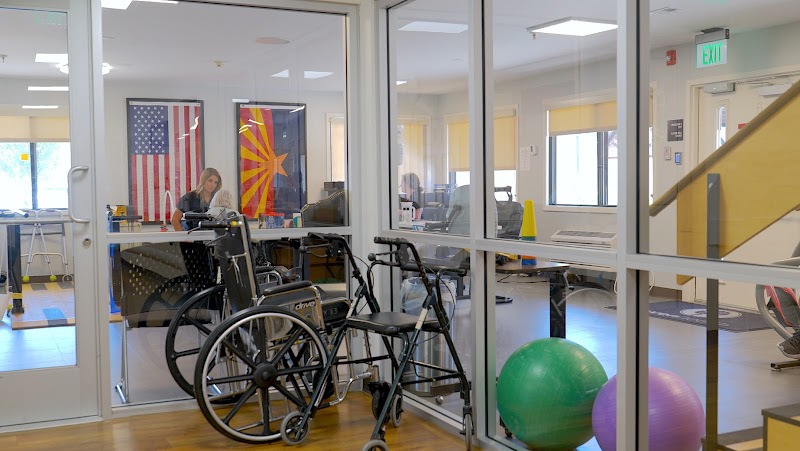
How is Haven Health Prescott, Llc Staffed?

CMS rates HAVEN HEALTH PRESCOTT, LLC's staffing level at 4 out of 5 stars, which is above average compared to other nursing homes. Staff turnover is 40%, compared to the Arizona average of 46%. This relatively stable workforce can support continuity of care.

What Have Inspectors Found at Haven Health Prescott, Llc?

State health inspectors documented 19 deficiencies at HAVEN HEALTH PRESCOTT, LLC during 2022 to 2025. These included: 19 with potential for harm.
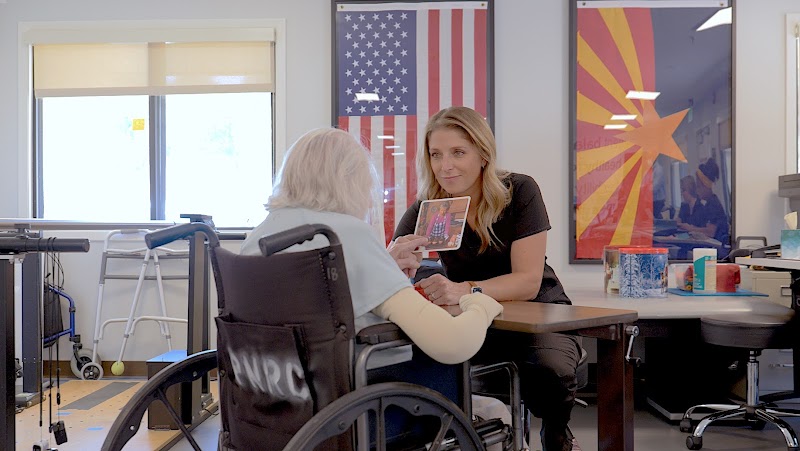
Who Owns and Operates Haven Health Prescott, Llc?

HAVEN HEALTH PRESCOTT, LLC is owned by a for-profit company. For-profit facilities operate as businesses with obligations to shareholders or private owners. The facility is operated by HAVEN HEALTH, a chain that manages multiple nursing homes. With 58 certified beds and approximately 55 residents (about 95% occupancy), it is a smaller facility located in PRESCOTT, Arizona.

How Does Haven Health Prescott, Llc Compare to Other Arizona Nursing Homes?

Compared to the 100 nursing homes in Arizona, HAVEN HEALTH PRESCOTT, LLC's overall rating (3 stars) is below the state average of 3.3, staff turnover (40%) is near the state average of 46%, and health inspection rating (3 stars) is at the national benchmark.

What Should Families Ask When Visiting Haven Health Prescott, Llc?

Based on this facility's data, families visiting should ask: "Can I visit during a mealtime to observe dining assistance and food quality?" "How do you handle medical emergencies, and what is your hospital transfer rate?" "Can I speak with family members of current residents about their experience?"

Is Haven Health Prescott, Llc Safe?

Based on CMS inspection data, HAVEN HEALTH PRESCOTT, LLC has a clean safety record: no substantiated abuse findings (meaning no confirmed cases of resident harm), no Immediate Jeopardy citations (the most serious violation level indicating risk of serious injury or death), and is not on the Special Focus Facility watch list (a federal program monitoring the lowest-performing 1% of nursing homes). The facility has a 3-star overall rating and ranks #100 of 100 nursing homes in Arizona. While no facility is perfect, families should still ask about staff-to-resident ratios and recent inspection results during their visit.

Do Nurses at Haven Health Prescott, Llc Stick Around?

HAVEN HEALTH PRESCOTT, LLC has a staff turnover rate of 40%, which is about average for Arizona nursing homes (state average: 46%). Moderate turnover is common in nursing homes, but families should still ask about staff tenure and how the facility maintains care continuity when employees leave.

Was Haven Health Prescott, Llc Ever Fined?

HAVEN HEALTH PRESCOTT, LLC has no federal fines on record. CMS issues fines when nursing homes fail to meet care standards or don't correct problems found during inspections. The absence of fines suggests the facility has either maintained compliance or corrected any issues before penalties were assessed. This is a positive indicator, though families should still review recent inspection reports for the full picture.

Is Haven Health Prescott, Llc on Any Federal Watch List?

HAVEN HEALTH PRESCOTT, LLC is not on any federal watch list. The most significant is the Special Focus Facility (SFF) program, which identifies the bottom 1% of nursing homes nationally based on persistent, serious quality problems. Not being on this list means the facility has avoided the pattern of deficiencies that triggers enhanced federal oversight. This is a positive indicator, though families should still review the facility's inspection history directly.