CASAS ADOBES POST ACUTE REHAB CENTER
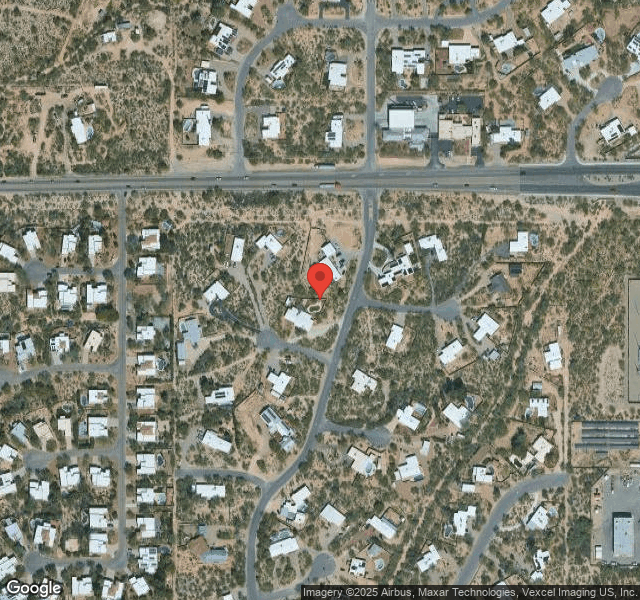
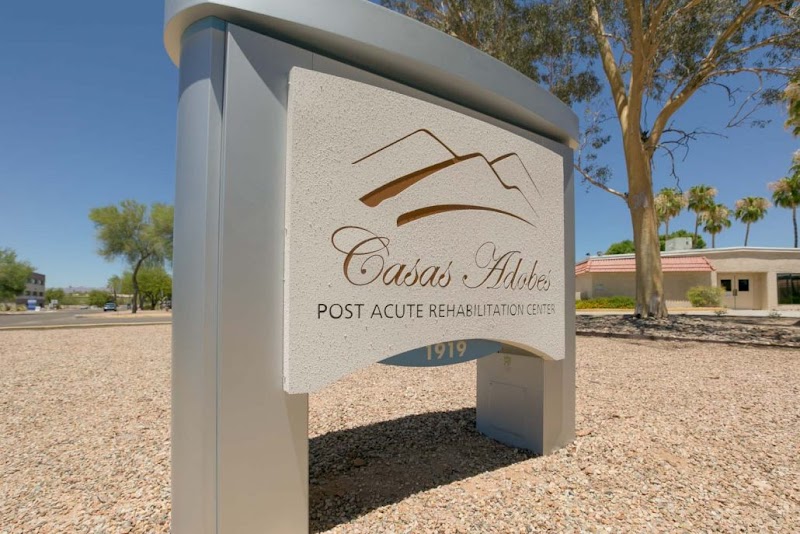
1919 WEST MEDICAL STREET, TUCSON, AZ 85704 (520) 297-8311
For profit - Limited Liability company 230 Beds THE ENSIGN GROUP Data: November 2025
Trust Grade
45/100
#67 of 139 in AZ
Last Inspection: March 2024

Within standard 12-15 month inspection cycle. Federal law requires annual inspections.

Overview

Casas Adobes Post Acute Rehab Center has received a Trust Grade of D, which indicates below-average performance with some significant concerns. It ranks #67 out of 139 facilities in Arizona, placing it in the top half, and #9 out of 24 in Pima County, meaning only a few local options are better. The facility shows an improving trend, having reduced issues from 8 in 2024 to 2 in 2025. Staffing is a relative strength with a rating of 4 out of 5 stars, although turnover is at 52%, which is average. However, the center faces concerning deficiencies, including incidents where multiple residents were not adequately protected from abuse by others and medications were administered outside prescribed guidelines. While there are no fines on record, the less-than-ideal RN coverage, being lower than 83% of Arizona facilities, raises concerns about the level of nursing oversight available.

Trust Score
D
45/100
In Arizona
#67/139
Top 48%
Safety Record
High Risk
Review needed
Inspections
Getting Better
8 → 2 violations
Staff Stability
⚠ Watch
52% turnover. Above average. Higher turnover means staff may not know residents' routines.
Penalties
✓ Good
No fines on record. Clean compliance history, better than most Arizona facilities.
Skilled Nurses
⚠ Watch
Each resident gets only 27 minutes of Registered Nurse (RN) attention daily — below average for Arizona. Fewer RN minutes means fewer trained eyes watching for problems.
Violations
⚠ Watch
29 deficiencies on record. Higher than average. Multiple issues found across inspections.
★★★☆☆
3.0
Overall Rating
★★★★☆
4.0
Staff Levels
★★★★★
5.0
Care Quality
★★☆☆☆
2.0
Inspection Score
Stable
2024: 8 issues
2025: 2 issues

The Good

  • 4-Star Staffing Rating · Above-average nurse staffing levels
  • 5-Star Quality Measures · Strong clinical quality outcomes
  • Full Sprinkler Coverage · Fire safety systems throughout facility
  • No fines on record

Facility shows strength in staffing levels, quality measures, fire safety.

The Bad

3-Star Overall Rating

Near Arizona average (3.3)

Meets federal standards, typical of most facilities

Staff Turnover: 52%

Near Arizona avg (46%)

Higher turnover may affect care consistency

Chain: THE ENSIGN GROUP

Part of a multi-facility chain

Ask about local staffing decisions and management

The Ugly 29 deficiencies on record

Jun 2025 2 deficiencies
CONCERN (D) 📢 Someone Reported This

A family member, employee, or ombudsman was alarmed enough to file a formal complaint

Potential for Harm - no one hurt, but risky conditions existed

Free from Abuse/Neglect (Tag F0600)

Could have caused harm · This affected 1 resident

**NOTE- TERMS IN BRACKETS HAVE BEEN EDITED TO PROTECT CONFIDENTIALITY** Based on clinical record review, staff interviews, and policy review, the facility failed to ensure that two residents did not a...

Read full inspector narrative →
**NOTE- TERMS IN BRACKETS HAVE BEEN EDITED TO PROTECT CONFIDENTIALITY** Based on clinical record review, staff interviews, and policy review, the facility failed to ensure that two residents did not abuse other residents. The deficient practice could result in residents being physically harmed.Findings Include: Past non-compliance was identified for this citation:In November 27, 2023 the facility conducted an in-service regarding behavioral care and charting that included implementation of a 24-hour report to monitor new behaviors, daily clinical meetings with discussion regarding new behaviors. In January 2024, the facility implemented new training in January 2024 training for all nursing staff and certified nursing assistants, using the Crisis Prevention Institute program training for all nursing staff and certified nursing assistants. On March 18, 2025, a nursing meeting was conducted on managing difficult behaviors and de-escalation. to review the changes made to the behavioral units. Following this, on March 22, 2025, all nursing staff and certified nursing assistants received in-service training on understanding dementia and mental illness. On April 2, 2024 the facility continued in-service training on trauma informed care. On June 20, 2024 an in-service was provided regarding behavioral health interventions and care plans. Further in-services on August 16, 2024 included behavior training, interventions, boundaries and de-escalation. The facility provided daily 24-hour reviews audits of progress notes for behaviors and care plan interventions during April 2024 through September 2024. The facility also provided their De-escalation Crisis plan that included steps on to ensure resident safety when a patient is disruptive, agitated, verbally aggressive and not redirectable or potentially a risk for physical aggression. - Regarding Resident #171 Resident #171 was admitted to the facility on [DATE] with diagnoses that included Alzheimer's disease, cognitive communication deficit, paranoid schizophrenia, anxiety, and a major depressive disorder. A care plan initiated May 11, 2020 and resolved May 21, 2020 revealed that the resident was prescribed an anti-anxiety medication related to anxiety as evidenced by restlessness. The interventions included to provide a quiet environment. A behavior care plan dated May 19, 2020 revealed that the resident takes a psychotropic medications related to schizoaffective disorder as evidenced by physical aggression. Non-pharmacological interventions included redirection, provide a quiet environment, and provide reassurance. The minimum data set (MDS) dated [DATE] included a brief interview for mental status score of 3 indicating the resident had a severe cognitive impairment. A progress note dated May 3, 2023 stated that the CNA on the floor was walking in the hallway when a resident in a wheelchair slapped resident #171 in the abdomen. The resident yelled out, stop it. The resident did not have any signs of pain and there was no redness noted on the abdomen. The CNA separated them and reported it. The Sheriff's Department was contacted at 3:20 p.m., event number #230502256. The progress note dated May 3, 2023 (late entry) stated that the resident was apparently assaulted earlier by another resident. Another resident slapped him in the abdominal area. The resident denies any pain. There was no evidence of trauma noted on abdominal area. The resident will be monitored closely. A progress note dated May 28, 2023 revealed that an altercation occurred between resident #171 and another resident. The other resident made accusations that resident #171 was being inappropriate. Nursing staff stated that this was not the case and that things have been resolved. The other resident apparently hit him in the genitalia area. Resident #171 does not recall this or was able to explain it. The other resident accused him of touching himself inappropriately. The care plan dated December 1, 2023 revealed that the resident takes an anti-anxiety medication related to an anxiety disorder as evidenced by restlessness and pacing. Interventions included to use non-pharmacological interventions done: back rub, redirection, speak to/approach in a calm manner, reposition, offer snacks/fluid/milk/, assess for pain, provide a quiet environment, encourage to express feelings, take to activities, provide reassurance. -Regarding Resident #50: Resident #50 was admitted to the facility on [DATE] with diagnoses that included alcohol dependence in remission, major depression, anxiety disorder, and disorientation unspecified. A behavior care plan dated March 28, 2021 revealed that the resident has behavioral disturbances which include but not limited to physical aggression, verbal aggression, repetitive questions and statements, pacing, rummaging related to dementia, and poor impulse control. It also included that the resident had a resident to resident altercation on March 28, 2021 and April 16, 2024. The interventions included to allow the resident to walk on the secure patio as able. The MDS dated [DATE] included a brief interview for mental status score of 7 indicating the resident had a severe cognitive impairment. A progress note dated May 12, 2025 revealed that the resident was slapped on his arm and back by another resident while entering the dining room. An interdisciplinary team meeting note dated May 15, 2023 stated that the team met to review an incident on May 12, 2023 of physical altercation with another resident. Resident #50 resides on a secured dementia with behaviors unit. He has a diagnoses of schizoaffective disorder, dementia with behavioral disturbances. Resident #50 walked up next to another resident while trying to enter the dining room and she hit him on his arm and then once on his back. No injuries were noted. The two residents were separated. The aggressor was placed on fifteen-minute checks for twenty-four hours, labs and urine to rule out infection. -Regarding Resident #172: Resident #172 was admitted to the facility on [DATE] and discharged [DATE]. The diagnoses included Alzheimer's disease, cognitive communication deficit, behavioral disturbance, psychotic disturbance, and bipolar disorder. The MDS dated [DATE] included a brief interview for mental status score of 1 indicating the resident had a severe cognitive impairment. It also included that the resident exhibited physical and verbal behaviors 1 to 3 days during the look-back period. The progress note dated May 3, 2023 revealed that the writer was informed by the certified nursing assistant (CNA) that the resident was in the hallway when another resident walked by and then resident #172 slapped the resident in the abdomen. The other resident yelled out stop it. The CNA separated them and reported it. The Sheriff's Office was contacted at 3:20 p.m. and the event number was #230502256. The resident was placed on fifteen-minute checks, a psych evaluation was done and a medication was adjusted. Review of the clinical record revealed that resident #172 was put on fifteen-minute checks on May 2, 2023 and May 3, 2023 due to behavioral concerns. The care plan dated May 4, 2023 revealed that the resident had behavioral symptoms which include but not limited to hitting, kicking, pinching, screaming, yelling, impulsiveness, verbal aggression, refusal of care related to bipolar diagnosis, dementia, and poor impulse control. Interventions included to assess and anticipate resident's needs: food, thirst, toileting needs, comfort level, body positioning, pain, etc. It also included that when the resident becomes agitated , guide away from source of distress; engage calmly in conversation; if response is aggressive, staff should walk calmly away, and approach later. The interdisciplinary team (IDT) meeting note dated May 4, 2023 revealed that the team reviewed the incident that occurred on May 2, 2023 of a physical altercation with another resident. Resident #172 resides on a secured dementia with behaviors unit with a diagnosis of dementia with behavioral disturbances. A resident walked up next to resident #172 while in the hallway, and she hit him on his abdomen. No injuries were noted and the two residents were separated. Resident #172 was placed on fifteen-minute checks for twenty-four hours and a psych evaluation with a medication change was completed. The progress note dated May 4, 2023 revealed that the resident was alert and able to verbalize her needs, was up in her wheelchair most of the shift, and eating meals in the dining area. The resident was wandering intrusively on the unit going in and out of other rooms and getting clothes from closets. The resident gets very agitated when redirected and yells and hits staff. A progress note dated May 5, 2023 revealed that the resident was alert and up in her wheelchair wandering intrusively most of the day, grabbing at clothes form other rooms, very hard to redirect, yells and hits at staff, swinging her hands and throwing stuff. A progress note dated May 12, 2023 revealed that a staff reported the resident who was in her wheelchair slapped another male resident two times on his arm and one time on his back, while she was trying to go inside the dining room. The residents were immediately separated, and this resident was placed on fifteen-minute checks. The incident was reported to the police, case number #230512267. Review of the clinical record revealed that resident #172 was put on fifteen-minute checks on May 12, 2023 and May 13, 2023 due to behavioral concerns. An IDT meeting note dated May 15, 2023 stated that the team reviewed on May 12, 2023 of a physical altercation with another resident. Resident #172 resides on a secured dementia with behaviors unit with a diagnosis of dementia with behavioral disturbances. A resident walked up next to resident #172 while she was trying to enter the dining room, and she hit him on his arm and then once on his back. There were no injuries noted. The two residents were separated. Resident #172 was placed on fifteen-minute checks for 24 hours, labs and urine to rule out infection. A progress note dated May 28, 2023 stated that the resident has been wandering into other residents rooms this shift and taking clothes, personal belongings. The resident has also attempted to hit other residents in the dining room and was redirected multiple times. A progress note dated May 29, 2023 revealed that the nurse was charting at the nurse's station and heard yelling and immediately went to the dining room. She noted that resident #172 was in her wheelchair and yelled at the resident in room [ROOM NUMBER] A standing in front of her scratching his thing. Resident #172 yelled at the other resident stop touching yourself, reached over and slapped him in the genitalia. The five-day investigation dated May 8, 2023 revealed that on May 2, 2023 a certified nursing assistant (CNA/staff #300) was in the hallway monitoring residents and saw resident #172 slap resident #171 in the abdomen. She heard resident #171 yell and growl and immediately went to separate them. (CNA/staff #63) also witnessed resident #172 slapping resident #171 in the abdomen and went to help separate the residents. She stated that both residents were put on fifteen-minute checks. It also included that both residents have wandering behaviors. The five-day investigation dated May 19, 2023 revealed that on May 12, 2023 a resident to resident altercation occurred between resident #172 and resident #50. The investigation included a statement from (CNA/staff #160) who stated that she was helping in the hall and was asked by another worker to come into the dining room assist. When she walked into the dining room, another staff member was separating resident #50 from resident #172. CNA #160 helped to remove resident #50 from the room and called for the nurse for assistance. A second statement from a licensed practical nurse (ADON/LPN/staff #228) revealed that she was called into the dining area and a staff member reported that resident #172 hit resident #50. She helped to separate the residents and assessed them for injuries. No injuries were noted and both residents were placed on fifteen-minute checks. Based on the facility investigation and speaking with staff, it was a witnessed behavior that occurred on a dementia hall known to have wandering and demented residents. The five-day investigation dated June 1, 2023 revealed that on May 28, 2023 residents #171 and #172 were in the dining room. Resident #171 was scratching his inner thigh while being fully clothed. Resident #172 told resident #171 to stop and hit him in the genital area. Both residents were separated immediately and assessed for injury and no injuries noted for either party. An interview was conducted on June 19, 2025 at 1:59 p.m. with the Director of Nursing (DON/staff #51), who stated that when she does a five-day investigation, interviews any staff and/or residents who witnessed the incident or heard anything. She acknowledged that the five-day investigation sent into the state agency only included interviews from (CNA/staff #160) and (LPN/staff #228). She reviewed documentation in a brown box and pulled out the Facility Investigation Report for Resident Abuse, Neglect, Misappropriation of Property, and Exploitation of Residents in Long-Term Care Facilities dated May 12, 2023 with the statement of Hospitality Aide (HA/staff #303). She reviewed the interview and stated that staff #303 witnessed the resident to resident altercation between resident #172 and resident #50. She also stated that she considered the altercation a form of abuse. An interview was conducted on June 19, 2025 at 12:38 p.m. with the staffing coordinator/certified nursing assistant (CNA/staff #160), who stated that she has received training on abuse and one resident can abuse another resident. She stated that staff have to keep their eyes open and be aware of the surroundings at all times. She stated that the staff on the secured units rotate watching the public areas (dining room and hallway) and the nurse will also help to monitor the residents in the dining room when she is in the dining room. She stated that there are generally more than one staff in the public areas whether it be an activities person, nurse or a CNA. She stated that she was working the day that resident #172 hit resident #50 and thinks she was standing in the doorway of the dining room, but didn't remember which staff was between the two residents. She stated that there have been a couple of incidents when she had to intervene and get between resident #172 and other residents. She stated that resident #172 has hit and grabbed other residents. She stated that one time resident #172 put her nails into another resident and thinks it was resident #50. An interview was conducted on June 19, 2025 at 1:06 p.m. with a licensed practical nurse (LPN/staff #228), who stated that she has received training on abuse and when a resident grabs or hits another resident it is abuse. She thinks that resident #172 reached out and slapped resident #50 and this was abuse. Resident #172 does reach out and slap people when they walk by in the dining room and hits the staff. She stated that there are always staff in the dining room and if the activity staff see something, the staff should report it to the licensed staff. She can see the residents from her office, but acknowledged that she might not be able to get to the residents from her office before they hit each other. She also stated that there should be a staff that monitors the hallway as well. An interview was conducted on June 20, 2025 at 8:46 a.m. via the phone with the Assistant Director of Nursing (ADON/staff #6), who stated that she has received training on abuse and resident to resident abuse can occur. She stated that resident #172 spent a lot of time in the dining room. She stated that she has never witnessed resident to resident abuse at the facility. The surveyor read staff # written statement regarding resident #172 hitting resident #171 in the genitals on May 28, 2023. Staff # acknowledged that if she wrote a statement for the five-day investigation, the statement was true. Attempted to contact (CNA/staff #300) on June 20, 2025 at 12:51 p.m. but the phone number was inaccurate. Attempted to contact (CNA/staff #63) on June 20, 2025 at 12:56 and could not leave a message due to the voicemail box not being set up. -Regarding Resident #170 Resident #170 was admitted to the facility on [DATE] with diagnoses that included unspecified dementia, schizophrenia, major depression, and anxiety disorder. The minimum data set (MDS) dated [DATE] included that the resident was not able to repeat three words back, was not able to state the current year, month, or day of the week. The care plan revealed that the resident is an elopement risk/wanderer related to disorientation to place, impaired safety awareness. The resident wanders aimlessly. Interventions included to document wandering behavior and attempted interventions. The progress note dated March 9, 2023 revealed that the resident had an encounter with another resident. She is fine and does not have any injuries. Nursing does not know what happened. She was slapped by another resident on the right side of her face. Right side of face was reddened. A nursing note dated March 9, 2023 stated that staff reported at approximately 1:30 p.m. that a male resident slapped this resident (victim) on the right side of her face in the aggressor's room. The residents were separated immediately, and the aggressor was put on fifteen-minute checks and moved to the 600 unit at 2:00 p.m. The resident was comforted, and skin check was done, right side of face reddened. Sheriff's Department was notified, case #230309188. The order summary included an order dated March 9, 2023, Change of Condition for monitoring mood and behaviors every shift for status post altercation with peer for three days. No injuries noted. Review of the Medication Administration Record (MAR) dated March 2023 revealed that the resident was being monitored for a change of condition (COC) for mood and behaviors every shift for status post altercation with peer for three days dated March 9, 2023. COC was monitored from March 9, 2023 through March 12, 2023. On March 11 and 12, 2023, the resident exhibited behavioral symptoms. -Regarding Resident #148: Resident #148 was admitted to the facility on [DATE] with diagnoses that included vascular dementia, cognitive communication disorder, and anxiety. The minimum data set (MDS) dated [DATE] included a brief interview for mental status score of 9 indicating the resident had a moderate cognitive impairment. The care plan dated April 28, 2022 revealed that the resident has behavioral disturbances with include but not limited to yelling, screaming, using abusive language, threatening behaviors, physical aggression, pushing, punching, exit seeking, delusional thoughts, paranoia related to dementia/cerebral vascular accident (CVA). Altercations occurred on: -November 8, 2022-March 9, 2023-July 27, 2023-September 22, 2023-May 2, 2024Interventions included to assist to develop more appropriate methods of coping and interacting. Encourage to express feelings appropriately. A progress note dated March 9, 2023 revealed that staff reported at approximately 1: 30 p.m. that this resident slapped another female resident in his room. The residents were separated immediately, and this resident was put on fifteen-minute checks. The Sheriff's Department was notified, case number #230309188. This resident was moved to the 600 unit at 2:30 p.m. A progress note dated March 10, 2023 revealed that change of condition for monitoring mood and behaviors every shift for status post altercation with peer for three days. Review of the five-day investigation dated March 16, 2023 revealed that a licensed nursing assistant (LNA/staff #302) was in the soiled utility room and heard resident #148 yelling. She ran towards the room and heard a slap. Another CNA was already in the room and she assisted her with separating the residents and removed resident #170 from resident 148's room. (LNA/staff #301) was assisting another resident in the hall and heard resident #148 yelling at someone. As she approached the residents, she witnessed resident #148 slap resident #170 across the face. She immediately separated the residents and called for assistance. Another LNA was there and helped to remove resident #170 from resident #148's room. An interview was conducted on June 18, 2025 at 10:30 a.m. with a licensed practical nurse (LPN/staff #7), who stated that interviews are always conducted when an incident occurs. She stated that it is her expectation that abuse should not occur and there is a risk of physical or emotional injury. An interview was conducted on June 19, 2025 at 8:32 a.m. with the Director of Nursing (DON/staff #51), who stated that all staff receive training on abuse. She stated that all their residents have behaviors, so resident to resident altercations can occur. She stated that the behaviors for each resident would be his/her behavioral care plan and staff have access to the care plans. She stated that the public areas (dining room and hallway) on the secured units must be monitored so staff are aware of what is going on with the residents. She stated that when the staff are monitoring the public areas, she expects the residents to be within the line of sight of the staff. She stated that staff are monitoring to make sure residents do not wander into other residents rooms. - Resident # 1Resident # 148 was admitted on [DATE] with diagnoses that included vascular dementia, unspecified psychosis, anxiety disorder, and unspecified sequelae of cerebral infarction. The resident remains at the facility. The annual Minimum Data Set (MDS) dated [DATE] revealed a Brief Interview of Mental Status (BIMS) score of 04, indicating severe cognitive impairment. The Patient Health Questionnaire-2 (PHQ-2) indicated a score of 00, indicating no mood disturbance. Section D of the MDS revealed that the resident experienced no psychosis but endorsed refusal of care. The MDS indicated that the resident experienced verbal behavioral symptoms directed at others (e.g., threatening others, screaming at others, and cursing at others).The resident's care plan dated 7/10/2024 revealed potential for problems related to psychosocial well-being regarding a recent incident in the building, grief related to the death of his brother, risk of re-traumatization due to post-traumatic stress disorder (PTSD) related to military service, behavioral disturbances with 5 altercations occurring on 5/2/2024, 9/22/2023, 7/27/2023, 3/9/2023 and 11/8/2022. Interventions to address these problems included emotional support, calm reassurance, 15-minute checks, move to high acuity unit, psychiatric evaluation, and medication administration as ordered. A room move consent was identified, showing the resident was moved from room [ROOM NUMBER]-A to room [ROOM NUMBER]-14 A, and received 15-minute checks by facility staff. A review of the electronic health record confirms these checks were conducted and recorded in the tasks section of the electronic health record.A psychiatric evaluation was conducted on 5/23/24 that noted continuing hallucinations that led the resident to be verbally aggressive. No progress notes related to the incident were identified in the electronic health record. - Resident # 2 Resident # 125 was admitted on [DATE] with a diagnosis of unspecified dementia, unspecified severity with agitation, brief psychotic disorder, and other generalized epilepsy and epileptic syndromes, intractable without status epilepticus. He was discharged from the facility on 4/17/2025.The quarterly MDS dated [DATE] revealed a BIMS score of 03, indicating severe cognitive impairment. The PHQ-2 revealed a score of 00, indicating no mood disturbance. Behavioral symptoms identified in the MDS included the presence of delusions, physical symptoms directed towards others, rejection/refusal of care, and wandering.The resident's care plan initiated on 1/04/2024 indicated that the resident was placed in a secured behavioral health unit and that he was at risk for cognitive function/dementia or impaired thought processes, behavioral disturbances which included delusions, exit seeking, physical aggression, medication and treatment refusals, paranoid delusions and verbal aggression related to traumatic brain injury (TBI) and dementia.No progress notes related to the incident were identified in the electronic health record.Emergency Department triage notes from the hospital, dated 5/3/2024 at 01:33 A.M., revealed the resident presented with a chief complaint that while at the care facility, he was punched in the face and fell on a chair, hitting his left anterior ribs. Reported symptoms included pain with breathing. Resident # 125 was noted to have bruises to the left anterior ribs and left eye. Emergency department physician notes revealed that the resident apparently got into a fist fight with another resident. The resident was noted to have a bandage on the left cheek, but when removed, no abrasion or laceration was present. The physician's notes indicated that resident # 125's step-daughter and medical power of attorney was contacted and confirmed that the resident's current cognitive status is that of oriented to self only, which was his baseline.Diagnostic evaluation at the hospital included a CT scan of the head/brain and maxillofacial areas that revealed no acute findings. The resident returned to the facility, and the electronic health record identified that neurological checks were completed from 5/2/2024 to 5/5/2024.A review of the facility's 5-day investigative report dated 5/9/2024 indicated that Resident # 148 and Resident # 125 were in the dining room for an activity on 5/2/2024 when Resident # 148 became verbally escalated and an altercation occurred, Resident # 148 and Resident #125 were immediately separated, and care was provided to both residents. The report indicated that neither resident recalls the incident. The report indicated that the facility provided skin checks for both residents. The facility notified physicians and emergency contacts/decision makers for both residents, and Resident #125 was transported to the hospital for evaluation and treatment. Additional interventions following the altercation revealed that Resident # 148 was moved to an alternate behavioral health unit, had a psychiatric evaluation initiated, and received medication adjustments. The facility provided staff education on de-escalation techniques.A request for the incident report related to the altercation was addressed by the facility providing an additional copy of the facility's 5-day investigative report dated 5/9/2024. An interview was conducted on 6/18/2025 at 10:25 A.M. with staff # 211, Certified Nursing Assistant (C NA), who defined abuse as physical, mental, emotional, or financial. The CNA stated that abuse can be between residents or with any other person. C NA #211 stated that any type of abuse is not permitted at the facility. The CNA stated that if abuse occurs, the staff would immediately separate the victim from the abuser, make sure they are safe, and report the abuse up the chain of command. The CNA reported that staff are provided training on abuse annually, but it may occur more often if an incident occurs. Staff # 211 reported that the risk of abuse, if it occurs, is possible injury or mental anguish. An interview with Staff # 92, Certified Nursing Assistant (CNA) was conducted on 6/18/25 at 10:34 A.M, who stated that in the event of an altercation between residents, staff would separate the residents and ensure that they are safe and report the event forward to facility leadership. CNA # 92 stated that staff receive abuse training every month during monthly meetings, with formal abuse training provided upon hire and annually. The CNA stated that if the abuse allegation concerns a staff member and a resident, the staff member would be removed from the hall/floor and suspended until an investigation has been completed. The CNA reported no awareness of recent abuse allegations between residents.An interview was conducted on 6/18/2025 at 10:30 A.M. with Licensed Practical Nurse (LPN) staff # 7 who stated that if abuse is between residents, the staff would ask them what is going on, separate them to ensure their safety and then report it to the Assistant Director of Nursing, The Director of Nursing, the Facility Administrator, the Physician, the State and Adult Protective Services (APS). The LPN stated that interventions would be to stay with the aggressor and talk with them to see if anything could be done differently, check for skin issues or injuries. Staff # 7 stated that if the residents are in the same hall, the facility would try to move them. The LPN reported that the report must be initiated immediately, but the building has 2 hours and would conduct interviews with anyone who witnessed the event and with other residents who are alert and able to respond. The LPN stated that it was her expectation that abuse should not occur, and the related risk of abuse is physical or emotional injury.An interview was conducted on 6/19/2025 at 1:15 P.M. with staff # 164, Social Services Associate, who reported that when residents are known to cause altercations with other residents, her team and all staff try to keep the residents occupied in activities and in small groups. Staff # 164 praised their activities team for their ability to redirect the resident's attention. The Social Services Associate reported that the facility provides a behavioral health program that includes de-escalation skills and positive reinforcement that support these efforts. Staff # 164 reported that the facility separates residents who are known to initiate altercations and can reshuffle staff to allow them to work by providing cares in pairs when working in resident groups. The Social Services Associate stated that they discuss care plans and reach a consensus about the resident's activities, interventions, and Behavioral Health programs, and reach out to specialized areas to assess a resident who has been repeating the same attitude of behavior in order to identify the root cause of the problem. An interview was held on 6/20/25 at 09:49 with Licensed Practical Nurse (LPN # 189) who defined resident-to-resident abuse as anything from verbal confrontation, hitting, stealing, but most commonly a verbal disagreement. The LPN stated that the overall goal of the staff and facility is to maintain the safety of residents and staff. The LPN stated that residents are observed for escalation, evidenced by restlessness or agitation, noting that staff try to 'nip it in the bud' before it escalates. LPN # 189 stated that the first steps are to try to identify the cause and address it, including pain, hunger, fatigue, or bathroom needs. The LPN stated that if an issue occurs, the residents would be separated, and if the event is more than a verbal disagreement, notification of the Director of Nursing and the Executive Director, as well as the resident's physician and family member, would begin. LPN #189 stated that the facility may initiate a room change for a resident, and the Social Services Department would be involved in obtaining consent for the move. If a move is indicated, the staff would receive notification from the unit manager before the move is started. The LPN reported that the Executive Director is considered the 'abuse coordinator' for the facility, and in any instance beyond verbal conflict, the staff would notify the abuse coordinator to ensure he meets all reporting deadlines. Staff # 189 stated that following physical conflict, the resident would be assessed for injury. If an injury was found, the abuse coordinator, the physician, and the family would be notified. Notifications would also include hospice or other agencies involved in the
CONCERN (D) 📢 Someone Reported This

A family member, employee, or ombudsman was alarmed enough to file a formal complaint

Potential for Harm - no one hurt, but risky conditions existed

Pharmacy Services (Tag F0755)

Could have caused harm · This affected 1 resident

**NOTE- TERMS IN BRACKETS HAVE BEEN EDITED TO PROTECT CONFIDENTIALITY** Based on clinical record reviews, facility documentation, interviews, and facility policies, the facility failed to ensure that ...

Read full inspector narrative →
**NOTE- TERMS IN BRACKETS HAVE BEEN EDITED TO PROTECT CONFIDENTIALITY** Based on clinical record reviews, facility documentation, interviews, and facility policies, the facility failed to ensure that medications were administered as ordered by the physician for one resident (#10). The deficient practice could result medication errors and uncontrolled pain for the residentsFindings include:On March 28, 2024 the facility implemented a Quality Improvement Plan (QIP) regarding medications administered outside of parameters. The plan included inservice/education with the nursing team on medication administration, and weekly random review of the medication administration record to verify pain medications are administered per physician orders. The QIP was reviewed by the CQI committee on June 20, 2024, August 23, 2024, November 5, 2024, January 20, 2025, and May 25, 2025.On January 16, 2024, all nursing staff received in-service training regarding medication administration per parameters, pain documentation. Another in-service was conducted on March 5, 2025 regarding narcotics. Following this, on March 29, 2024 an in-service was conducted regarding medication count, narcotic waste and medication errors. Further in-services were provided to nursing staff regarding medication parameters on April 18, 2024. On May 16, 2024 an in-service was provided to nursing regarding pain medications, pain scales and again on June 20, 2024 regarding pain scales and parameters.The facility provided a daily/weekly/monthly compliance audit dated May 2024 regarding medication administration.A monthly nursing meeting conducted on August 24, 2024 for nursing staff was conducted regarding parameters and completing follow-up notes. Further nursing staff in-services were conducted January 6, 2025 for narcotics forms, and on March 20, 2025 regarding medication parameters.-Regarding Resident #10Resident #10 was admitted on [DATE] with diagnosis including hypertension, spinal stenosis, polymyalgia rheumatica, cognitive communication deficit and muscle weakness. The resident was discharged from the facility on May 19, 2024.A review of the admission MDS (minimum data set) dated March 12, 2024 revealed a BIMS (brief interview of mental status) score of 13, indicating that the resident was cognitively intact. The MDS further revealed the resident was on antidepressant, anticoagulant, opioid, and antiplatelet medications as well as injections.A review of the physician orders revealed an order for oxycodone HCI oral tablet 5 milligrams, 1 tablet by mouth every 4 hours as needed for pain level 5-10. An order for tramadol HCI oral tablet 50 milligrams, 1 tablet by mouth every 8 hours as needed for pain level 1-4.A review of the MAR (medication administration record) revealed that tramadol HCI 50 milligrams for pain level of 7 on the following dates in 2025: April 6, April 7, April 15 and April 20. Tramadol HCI 50 milligrams was administered twice for a pain level of 8 on April 11 and April 18, 2025; however, the orders indicated that tramadol is to administered for pain level of 1-4.A review of the care plan initiated on April 5, 2024 revealed that the resident had both acute and chronic pain due to chronic neck and back pain. The intervention included that pain relief should be anticipated and that there should be an immediate response to any complaint of pain. Additionally, the care plan noted to follow the pain scale as ordered.An interview was conducted on June 18, 2025 at 11:17 A.M. with certified nursing assistant (CNA/ Staff #132). Staff #132 stated that if she sees or is advised of a resident being in pain, she would ask where the pain is and attempt to make the resident more comfortable. Staff #132 stated if a resident is non-verbal she would look for signs such as grimaces, guarding or over body language that is different from their baseline. She stated that in addition to identifying, locating and assisting with non-pharmaceutical approaches, she would alert the nurse.An interview was conducted on June 18, 2025 at 11:20 A.M. with licensed practical nurse (LPN/Staff #152). Staff #152 stated that if a resident were to present with pain, she would ask where the pain was, how long it had been going on, what it felt like, and what the pain rating was. She stated that she would look in the record to see what orders were in place, administer medication according to the orders, follow-up within an hour and document the effectiveness of the medication. She stated that she would always start with the medication as ordered but if it was not effective, she would reach out to the doctor to see what course of action they wanted to take. The LPN stated that if the pain level exceeded the medication administered and administered outside of parameters then this would not be following physician's orders and the risk to the resident would be that their pain would not be controlled and it may impact the mental well-being of the resident.An interview was conducted on June 18, 2025 at 12:09 P.M. with LPN, staff #377. The LPN stated that he only worked at the facility for about 10 weeks. He stated that if a resident had reported pain, he would assess the pain level, see what's on record and administer the medication and document it in the record. Staff #377 stated that the resident has a right to refuse a medication or opt for a medication prescribed for a lower pain level, but that he would then notify the doctor. Staff #377 stated that medication refusal would be documented in the MAR and that doctor notification would be documented in the progress notes. He stated that he did not recall any incidents regarding medications at this facility and that he always administered medications as ordered. However, a review of the MAR revealed that medications had been administered outside or ordered parameters.Staff #377 stated that the risk to the resident if medications are administered outside of parameters include that the resident may need to take more of a lower and that at some time it would need to be addressed. An interview was conducted on June 18, 2025 at 12:34 P.M. with the director of nursing (DON/ Staff #51). Staff #51 stated that her expectation is that when orders are received that the nursing staff follow the orders timely and as written. The DON stated that the risk for medications being administered outside of parameters could include that pain would not be managed accordingly. Staff #51 further stated that the pain scale has since been adjusted to pain level of 1-10.A review of the policy entitled Medication Administration-Oral with a revision date of May, 2025 revealed that when administering medications that the resident's eMAR (electronic medication administration record) orders are to be identified.A review of the policy entitled Physician Orders with a revision date of August 2023 revealed that it is the policy of this facility to accurately implement orders.
Jun 2024 1 deficiency
CONCERN (D) 📢 Someone Reported This

A family member, employee, or ombudsman was alarmed enough to file a formal complaint

Potential for Harm - no one hurt, but risky conditions existed

Free from Abuse/Neglect (Tag F0600)

Could have caused harm · This affected 1 resident

**NOTE- TERMS IN BRACKETS HAVE BEEN EDITED TO PROTECT CONFIDENTIALITY** Based on resident and staff interviews, clinical record review, and facility policy, the facility failed to failed to prevent re...

Read full inspector narrative →
**NOTE- TERMS IN BRACKETS HAVE BEEN EDITED TO PROTECT CONFIDENTIALITY** Based on resident and staff interviews, clinical record review, and facility policy, the facility failed to failed to prevent resident to resident abuse with resident #55 being the aggressor and #44 being the victim. The deficient practice could result in further abuse of residents at the facility. Findings include: Resident #55, the aggressor, was admitted to the facility on [DATE] and discharged on 04/20/23 with diagnoses that included bipolar disorder, major depressive disorder, and dementia. At the time of incident, prescribed psychotropic medications included Aripiprazole, Citalopram, Depakote, hydroxyzine, and Donepezil and memantine for dementia. Resident #55 had an order to monitor for psychosis as evidence by physical aggression and verbal threats dating back to 11/03/2022. Change in condition protocols were ordered due to an altercation with a peer on 03/01/2023, on 04/03/2023, and again later on 4/18/2024. In the Quarterly Minimum Data Set (MDS) assessment from 02/09/2023, Resident #55 scored a 01 in a Brief Interview of Mental Status which suggested severe cognitive impairment. The MDS also revealed that the resident had wandered on a daily basis in the assessment period. In the care plan originally initiated on 11/03/2022, Resident #55 had goals for a potential psychosocial well-being problem related to her Dementia, depression, and bipolar diagnoses. Interventions included if conflict arises, remove residents to a calm safe environment and allow to vent/share feelings. Also documented in the care plan, for psychotropic medications use for physical aggression and labile mood. Interventions included taking psychotropic medications as ordered, monitoring for effectiveness, and adjusting dosages as clinically appropriate. Progress notes documented the following history of resident having altercations with other residents: -03/01/2023: Resident went into another resident's room and hit him on his back while he was shaving. When staff entered room, Resident #55 had a hand raised as if to strike him again. -03/20/2023: Resident #55 it a hit roommate on the chest with the back of their hand while in the hallway. -04/04/2023: Resident #55 walked up to another resident and pushed the resident to the floor. Labs and Urinalysis was ordered. -4/14/2023: Resident #55 had two episodes of aggression. One where they pushed a staff member from behind. The second was where they were posturing at another resident in the dining room during dinner. There was no physical contact. -4/18/2023: Interdisciplinary Team (IDT) met to review incident on 4/17/23 of physical altercation with another Resident #55 was seen shaking a fist at another resident. The other resident reported Resident #55 had hit her on her back. A note timestamped 4/18/2023 05:18pm documented a medication regimen review which revealed Resident #55 may have been having exacerbated symptoms from Depakote. The day started on Depakote was a day physical aggression was seen. As dose was increased to help alleviate her aggression and labile mood, aggression slowly increased. After staffing with the psychiatric provider, Depakote was discontinued and her Aripiprazole dose increased. A discharge summary from 4/20/23 showed that resident was ultimately transferred to a behavioral care home as documented in a nursing progress note dated 04/18/2023. Regarding Resident #44, the victim: Resident #44 admitted to the facility on [DATE] and discharged [DATE] with diagnoses that included dementia and major depressive disorder. In the quarterly MDS assessment from 03/19/2023, Resident #44 scored a 05 on BIMS which suggested severe cognitive impairment. The MDS also revealed that the resident had not behaviors other than wandering during the assessment period. During an interview on 6/14/2024 at 4:45p with Licensed Practical Nurse (LPN), Staff #21, stated that to prevent resident to resident altercations the staff will try to do activities and keep residents busy. If they see the signs of agitation they can redirect with food and fluids for example for ask if they need pain medication. They will try to keep the resident happy before anything happens. If they are becoming agitated keep them a safe distance from other patients. They will also call the doctor and have the psychiatric provider take a look at their medications. She stated she was unsure if the facility does one on ones for residents. She said it is a good option, but she has not seen it here. It is not possible in her nursing opinion to prevent all resident to resident interactions. The patient could be having delusions, PTSD (posttraumatic stress disorder), or any number of other reasons including boredom. It is about anticipating their needs. In an interview on 6/14/2024 at 4:50pm with the Director of Nursing (DON), Staff #31, along with Operations Manager Staff #51, visiting DON Staff #41, and Clinical Resource Staff #61, the facility discussed the history of Resident #55's altercations with other residents. For the incident in question on 04/03/2024, the DON stated that typically in a resident to resident altercation, staff will remove the aggressor and focus on the aggressor. She stated that Resident #55 was not always the aggressor. On 4/3 after the incident, she was moved from the 500 to 800 unit. 800 is the high acuity behavioral unit and 500 unit is for dementia with behaviors. Both units are secured. A review of the electronic chart with the above-mentioned staff members revealed 5 incidents in 2023 when Resident #55 was the aggressor prior to her discharge. The dates are 4/17, 4/14, 4/3, 3/20, 3/1. The DON stated that after the incident on 3/1, the resident was placed on 15-minute checks; on 3/20/2024 she moved rooms and was placed on 15 minutes checks; after 4/3/2024 she was moved to high acuity unit from wandering dementia unit with behaviors. For residents that have repeated altercations with other resident, if they are stable and can be safe, then the facility can try to do medical clearance, have a psychiatric provider assessment, and different techniques to keep them in the least restrictive environment possible. If needed, they will do 1:1 staff. If it is needed for an extended period of time, then they are sent to a level I facility. On 4/18/24, they had a 1:1 for Resident #55. The DON stated that in August of 2023 the unit was transferred from dementia to wandering with behaviors. Wandering residents were placed on a different unit which decreased resident to resident altercations. Since January of 2024, they have placed a staff member in the hall and dining rooms. The psychiatric team is always involved whenever there is an altercation. They are on site 5 days a week. Psychiatric evaluations are done every time and then they will do a medication review, urinalysis, and labs if indicated. Behavior health counselors are on site every day, and will talk with the aggressor to adjust and provide counsel, and then the victim to make sure they are doing okay post incident. The facility has also since implemented a new activity program. It is 7 days a week and includes low and high sensory activities on the behavioral units. The DON stated she feels confident since implementing new training in January that they are taking care of residents. The incidence of resident altercations have gone way down. She said she had no concerns about Resident #55 and how her case was handled after review of the chart. Facility policy titled Reporting Alleged Violations of Abuse, Neglect, Exploitation or Mistreatment last revised on 10/2023 states it is the policy of this facility that each resident has the right to be free from abuse .Residents must not be subjected to abuse by anyone, including, but not limited to, facility staff, [and] other residents. Abuse is defined as willful infliction of injury, unreasonable confinement, intimidation, or punishment with resulting physical harm pain, or mental anguish .Willful, as used in this definition of abuse, means the individual mush have acted deliberately, not that the individual must have intended to inflict injury or harm.
Apr 2024 1 deficiency
CONCERN (E) 📢 Someone Reported This

A family member, employee, or ombudsman was alarmed enough to file a formal complaint

Potential for Harm - no one hurt, but risky conditions existed

Free from Abuse/Neglect (Tag F0600)

Could have caused harm · This affected multiple residents

**NOTE- TERMS IN BRACKETS HAVE BEEN EDITED TO PROTECT CONFIDENTIALITY** Based on clinical record review, staff and resident interviews, and a review of the facility's policy and procedures, the facili...

Read full inspector narrative →
**NOTE- TERMS IN BRACKETS HAVE BEEN EDITED TO PROTECT CONFIDENTIALITY** Based on clinical record review, staff and resident interviews, and a review of the facility's policy and procedures, the facility failed to protect the rights of five residents (#1, #4, #2, #5, and #3) to be free from abuse from other residents. The deficient practice could lead to further abuse and residents being placed in an unsafe environment. Findings include: Regarding to resident #4 and resident #5 -Resident #5 was admitted on [DATE] with diagnoses of dementia, cognitive communication deficit, and heart disease. The quarterly MDS (Minimum Data Set) assessment dated [DATE] revealed a BIMs (Brief Interview for Mental Status) score of 8 indicating the resident had moderate cognitive impairment. The assessment also included that the resident had been experiencing verbal behavioral symptoms towards others, rejection of care, and wandering within the 1 - 3 days of the assessment. The progress note dated August 17, 2023 revealed a staff was with resident #5 who was laying on their left side next to their wheelchair; and that, the wheelchair was also on its side. Per the documentation, another resident (#4) was yelling in the hallway and reported that resident #5 ran over the foot of the other resident (#4) so resident #5 threw him (referring to resident #4) down. The note also included that resident #5 complained of pain in the left hand and hip. A review of the x-ray result done on August 18, 2023 revealed there was no fracture or soft tissue trauma of the left hip, left hand, humerus, radius, ulna or the forearm. -Resident #4 was admitted on [DATE] with diagnoses of dementia, muscle weakness, and cognitive communication deficit. A review of the care plan revised on August 16, 2023 included a focus area of behavioral disturbances. The goal was that resident #4 understand their verbally abusive behavior. Interventions included providing positive feedback for good behavior, anticipating the needs, and to intervene when resident showed signs of being agitated. A progress note dated August 17, 2023 revealed that staff heard resident yelling in the hallway. The documentation included that resident #4 accused resident #5 of running over his (referring to resident #4) foot with the wheelchair; and that, resident #4 threw resident #5 onto the floor. The documentation also included that resident #4 was placed on 1:1 staff supervision until the resident was transferred to the ED (emergency department). The progress note dated August 17, 2023 included resident #4 required a higher level of transfer due to his aggression; and that, resident was transported to the hospital. The discharge MDS assessment dated [DATE] revealed resident #4 had physical and verbal behaviors including rejection of care and wandering; and that, BIMs score was not completed for resident #4. An interview with certified nursing assistant (CNA/staff #8) was conducted on April 12, 2024 at 10:03 a.m. The CNA stated she saw the incident between residents #4 and #5. She stated that resident #4 went into the room of resident #5; and, she saw resident #4 lifting the wheelchair with resident #5 in it resulting in resident #5 falling to the floor. The CNA stated that resident #4 was a big and strong guy so he was able to lift the chair. Further, the CNA stated that after witnessing the incident, she separated both residents from each other and the nurse came to help out. Regarding resident #2 and #3 -Resident #2 was admitted to the facility on [DATE] with diagnoses of dementia, psychosis, and anxiety disorder. The quarterly MDS assessment dated [DATE] revealed a BIMs score of 8 indicating the resident had moderate cognitive impairment. The assessment included resident #2 had no behavioral symptoms. A review of a progress note dated September 22, 2023 at 4:04 p.m., revealed staff witnessed resident #2 grab resident #3 from behind and hit resident #3 on his left cheek. Per the documentation, resident #2 and resident #3 were separated and 1:1 staff was placed with resident #2 until he was moved to another unit. It also included that resident #3 had a scratch on the cheek. The care plan updated on September 22, 2023 revealed interventions to include 1:1 staffing until resident placed in a separate unit. Prior to the altercation, the following interventions were in place: approach resident in a calm manner, discuss resident's behavior with resident if appropriate, provide positive interactions, and administer medications as ordered. -Resident # 3 was admitted on [DATE] with diagnoses of cognitive communication deficit, metabolic encephalopathy (neurological disorder caused by chemical imbalance), and muscle weakness. The progress note dated October 10, 2023, revealed resident #3 was entering the dining room and bumped his wheelchair with another resident (#1) who then hit resident #3 on the head. The documentation included that there were no injuries noted and both residents were separated from each other and 15-minute checks were implemented. A nursing note dated October 14, 2023 at 3:08 p.m., revealed that a staff witnessed resident #3 make contact with the left lower jaw of resident #1. The documentation included immediate interventions were put into place such as a check for injury, 15-minute checks, and both residents were separated. The note also included that facility leadership, family and the sheriff department were notified. The clinical record revealed that in the days prior to the October 14, 2023 incident, resident #3 had been experiencing an increased inability to sleep, feeling more tired as usual, restlessness, and delusions; and that, resident #3 was administered medication to help them sleep. A review of the care plan updated on October 16, 2023 included a focus of behavioral disturbances. The goal was that the resident not harming himself or others. Interventions included providing verbal and physical cues to minimize their anxiety and agitation; and redirection and removing the resident them from the current environment when there were signs of agitation. The discharge MDS, dated [DATE] indicated resident #3 had a BIMs of 15 which indicated the resident was cognitively intact. The same discharge MDS assessment also indicated resident #3 had not exhibited behavioral symptoms. An interview with resident #2 was conducted on April 11, 2024 at 1:34 p.m. Resident #2 was sitting upright on his bed; and stated that he felt safe in the facility. The resident also said that staff come to see him every morning to give him the pills that he needs. In an interview with CNA (staff #3) conducted on April 11, 2024 at 2:25 p.m., the CNA said that she was working in the unit when the altercation between resident #2 and #3 took place; and that, she remembered hearing yelling as she was walking down the hall. The CNA stated that she saw resident #2 punch resident #3; and, she separated the two residents and called out for help. Further the CNA said that the behavioral manager had come into the dining room and helped defuse the situation. Regarding resident #1 and #3 Resident #1 was admitted on [DATE] with diagnoses of chronic obstructive pulmonary disease (COPD), dementia, and a history of strokes. The quarterly MDS assessment dated [DATE] revealed a BIMS score of 2 indicating the resident had severe cognitive impairment. The assessment also included that resident had exhibited no behavioral symptoms. A review of the nursing note dated October 14, 2023 at 11:05 a.m., included that another resident (#3) was witnessed making contact with the lower left jaw of resident #1. The documentation also included that immediate interventions were put into place such as a check for injury, 15-minute checks, and both residents were separated; and that, facility leadership, family, sheriff department were notified. The weekly skin evaluation dated October 14, 2023 revealed that there were no injuries noted and that the resident did not complain of pain or discomfort in the jaw area. The interdisciplinary team (IDT) meeting note dated October 16, 2023 included that resident #1 had a verbal altercation with resident #3; and that, this resulted in resident #1 being hit on her left lower side of the face. The IDT note also included that the aggressor was resident #3; and that, laboratory test was ordered, a psychiatrist referral was placed and a referral was sent to secure alternate placement in another facility for resident #3. An interview with licensed practical nurse (LPN/staff #5) was conducted on April 11, 2024 at 2:13 p.m. The LPN stated that she mostly worked in the behavioral unit so she was familiar with the residents in those units. The LPN said that staff in the behavior unit monitor the residents and when staff notice a trigger occur, staff will attempt to remove the trigger or redirect the residents to another area of the unit. The LPN said that if a resident to resident altercation happens, staff will remove the residents from the environment and evaluate the situation then report the incident to the unit managers. Further, the LPN said that facility management often talked with staff about abuse and the behavioral team will get extra training due to the residents they work with. Another interview was conducted on April 11, 2024 at 2:25 p.m. with the CNA (staff #3) who stated that she was trained on abuse upon hire and she completes an online training class every year. Further she stated that she had to report any suspicion of abuse to her supervisor immediately even though staff had 2 hours to report it. In an interview with another LPN (staff #6) conducted on April 12, 2024 at 9:45 a.m., the LPN said that she was the unit manager for the behavioral health unit; and that, since she became the unit manager, she had increased staff training on de-escalation. The LPN said that she had been more involved in the screening process for incoming residents to determine where they would be a fit within the behavioral health units; and, this included the process of phasing out residents with dementia who wander. Further, the LPN said that she was also putting more emphasis on the activities program for residents within the unit and she had hired 1 activities staff per unit to create activities specifically for each of those units. During an interview conducted with the assistant administrator (staff #7) conducted on April 12, 2024 at 11:13 a.m., staff #7 stated that the staff training on Abuse was a topic of conversation at the monthly staff meetings, nurse meetings, behavioral health training meetings and each time there was a case of abuse in addition to their annual training. She stated that the expectation was that suspected abuse were reported to the abuse coordinator right away even when the guidelines stated that it must be reported within 2 hours. Staff #7 also said that the facility mitigated the risks of abuse in the behavioral health unit by thoroughly vetting the needs of incoming residents and looking how to cohort with others; and, the facility also has a full-time behavioral health case manager who reviews the residents' care plans and triggers. Further, staff #7 stated that each behavioral health unit has a specific level of care that they serve; and the facility had implemented a behavioral activity program that had been extremely helpful with keeping the residents busy and engaged. A review of the facility's policy titled, Abuse: Prevention of and Prohibition Against with a review date of October 2023, states Residents also have the right to be free from verbal, sexual, physical, and mental abuse, corporal punishment, and involuntary seclusion. The policy also continues to state under the Prevention section, The Facility will act to protect and prevent abuse and neglect from occurring within the Facility by: Identifying, assessing, care planning for appropriate interventions, and monitoring of residents with needs and behaviors which might lead to conflict or neglect .
Mar 2024 5 deficiencies
CONCERN (D) 📢 Someone Reported This

A family member, employee, or ombudsman was alarmed enough to file a formal complaint

Potential for Harm - no one hurt, but risky conditions existed

Free from Abuse/Neglect (Tag F0600)

Could have caused harm · This affected 1 resident

**NOTE- TERMS IN BRACKETS HAVE BEEN EDITED TO PROTECT CONFIDENTIALITY** Regarding Resident # 1 and # 460: -Resident # 1 was admitted on [DATE] with diagnoses of Alzheimer's Disease, cognitive communic...

Read full inspector narrative →
**NOTE- TERMS IN BRACKETS HAVE BEEN EDITED TO PROTECT CONFIDENTIALITY** Regarding Resident # 1 and # 460: -Resident # 1 was admitted on [DATE] with diagnoses of Alzheimer's Disease, cognitive communication deficit, major depressive disorder, and unspecified psychosis. The care-plan initiated July 25, 2022 revealed interventions that included staff will assign seating away from other residents when agitated during meal times. A review of the quarterly MDS (minimum data set) assessment dated [DATE] revealed a BIMS (brief interview of mental status) score of 2, indicating resident had severe cognitive impairment. A review of the electronic medical records revealed that on August 11, 2023 at 10:50 a.m., resident # 1 entered the dining room and saw resident #460 sitting in her favorite spot. Per the documentation, resident #1 asked resident #460 to move and as resident #460 was getting up, both residents started having a verbal altercation. The documentation also included that as staff were intervening, resident #1 bumped resident #460 with her walker and resident #460 attempted to push the walker back into Resident #1. Per the documentation, staff were physically in between both residents. -Resident # 460 was admitted to the facility on [DATE] with diagnoses that included dementia, post-traumatic stress disorder, and Alzheimer's disease. Review of the MDS assessment dated [DATE] revealed Resident #460 was not assessed for a BIMS score. A review of the facility investigation dated August 18, 2023 revealed that both resident (#1 and #460) were both on a secured behavioral unit when staff reported that resident #1 walked into the dining room and resident #460 was sitting in a chair that resident #1 wanted. The report also included that resident #1 began to push her walker into Resident #460; staff witnessed the incident and immediately intervened and no injuries were noted to either resident. An interview was conducted on March 26, 2024 at 11:54 AM with behavioral health unit manager (BHUM/staff # 52) who stated that staff receive abuse in-service trainings. Staff # 52 initially stated she was not sure of how soon it was reported, although later detailed it should be right away because they have a 2-hour window. Staff # 52 stated that the first thing staff do was to ensure both residents were safe during a physical altercation as resident safety comes first. In an interview with certified nursing assistant (CNA/staff #138) conducted on March 27, 2024 at 11:44 a.m., the CNA stated that facility incorporates in-service training on abuse; and, the abuse protocol was to notify the nurse as soon as possible and make sure residents were safe. The CNA said that she was familiar with resident #1; but, she was not familiar with resident # 460 or any altercation between the two residents. An interview was conducted on March 27, 2024 at 2:35 p.m. with registered nurse (RN/staff # 49) who stated that if at any time a resident to resident make physical contact, this incident is reported. The RN said that the physical contact does not have to be purposeful to be reportable; and that, comes first. The RN further stated that residents were removed and placed on 15-minute checks whenever physical abuse was suspected. During an interview with the Director of Nursing (DON/Staff # 51) conducted on March 28, 2024 at 11:40 a.m., the DON stated that during a resident to resident altercation, the residents involved were separated and assessed for any injuries. Further, the DON said that the facility expectations on abuse was that residents were free from abuse. Review of the facility's Policy titled, Abuse: Prevention of and Prohibition Against (revised October 2023) revealed, it is the policy of this facility that each resident has the right to be free from abuse. The facility will provide oversight and monitoring to ensure its staff, who are agents of the facility, deliver care and services in a way that promotes and respects the rights of the residents to be free from abuse. Policy defines abuse as willful infliction of injury, intimidation, or punishment with resulting physical harm, pain, or mental anguish. Will, as used in this definition of abuse, means the individual must have acted deliberately. Furthermore, policy revealed that physical abuse includes but is not limited to hitting, slapping, pinching, and kicking. The facility will act to protect and prevent abuse and neglect from occurring with the facility by identifying, correcting and intervening in situations in which abuse is more likely to occur. Based on closed record review, staff interview, and review of the facility documentation, policies and procedures, the facility failed to protect the rights of two residents (#71) to be free from abuse of another. The deficient practice could result in residents not protected from further abuse. Findings include: Regarding resident #71 Resident #71 was admitted to the facility on [DATE] with a diagnosis of dementia. The second Resident involved in the incident has passed away. The MDS (Minimum Data Set) assessment revealed a BIMS (Brief Interview for Mental Status) revealed a score of 06 which indicated the resident had severe cognitive impairment. Review of the clinical record revealed that on July 27, 2023 at 5:45 p.m., yelling was heard from the room of resident #71 and his roommate. Per the documentation, when staff entered the room resident #71 was on the floor and his roommate was standing next to him; and that, resident #71 was yelling, holding the wrist and leg of the roommate, and was hitting at the roommate. The documentation also included that staff immediately seperated both residents and resident #71 was moved to a new room the same day of the incident. Based on closed record review, staff interview, and review of the facilitydocumentation, policies and procedures, the facility failed to protect the rights of 3 residents (#92, #71, and #1) to be free from abuse of another (#117 and #460). The deficient practice could result in residents not protected from further abuse. Findings include: Regarding resident #92 and #117 -Resident #92 was admitted on [DATE] with diagnoses of major depressive disorder, Stage 3 kidney disease, and a history of strokes. The annual MDS (Minimum Data Set) assessment dated [DATE] included a BIMS (Brief Interview for Mental Status) score of 13 indicating the resident was cognitively intact. A review of the electronic health record revealed that on July 19, 2023 resident #117 pulled the hair of resident #92 who then pulled the hair of resident #117. The documentation included that both residents were separated and placed on 15 minute checks; and, resident #117 was moved to a different room.
CONCERN (D)

Potential for Harm - no one hurt, but risky conditions existed

Deficiency F0638 (Tag F0638)

Could have caused harm · This affected 1 resident

**NOTE- TERMS IN BRACKETS HAVE BEEN EDITED TO PROTECT CONFIDENTIALITY** Based on clinical record reviews, staff interviews, the Resident Assessment Instrument (RAI) manual, and facility policies, the ...

Read full inspector narrative →
**NOTE- TERMS IN BRACKETS HAVE BEEN EDITED TO PROTECT CONFIDENTIALITY** Based on clinical record reviews, staff interviews, the Resident Assessment Instrument (RAI) manual, and facility policies, the facility failed to develop and complete a quarterly Minimum Data Set (MDS) assessment within the required timeframe for one resident (#47). The deficient practice could result in delayed identification of potential risks and care needs of the resident. Findings include: Resident # 47 was admitted on [DATE] with diagnoses of dementia, Parkinson's Disease, and peripheral vascular disease. The admission MDS (Minimum Data Set) revealed that it was completed on November 16, 2023. Review of the clinical record revealed no evidence that a quarterly MDS assessments were completed after November 16, 2023. In an interview with MDS Coordinator (Staff # 91) conducted on March 28, 2024 at 12:50 p.m., The MDS coordinator stated that all residents should have a quarterly MDS Assessment completed to meet facility expectations regardless to what the resident had for an insurance. During the interview, a review of the electronic clinical record was conducted with the MDS coordinator who stated that a quarterly MDS assessment for resident #47 was missing and not done on time. The MDS coordinator stated that when a quarterly MDS Assessment is not completed, it is unknown whether the resident had changes in their status or if facility was able to meet the needs of the resident. The MDS coordinator stated that the resident should have come up on the schedule for an assessment; but it appeared that the schedule for this resident was cleared and did not appear on the scheduler. The MDS coordinator then proceeded to initiate a quarterly MDS dated [DATE] and stated that the quarterly assessment can still be completed but it would not be timely. An interview was conducted on March 28, 2024 at 1:23 p.m. with the Director of Nursing (DON/Staff # 51) who stated that not having a quarterly MDS Assessment completed would not meet facility expectations. During the interview, a review of the electronic record was conducted with the DON who stated that the quarterly MDS assessment for resident #47 was missing and it should have been completed in the month of February to meet facility expectations. Review of the facility's Policy titled, Resident Assessment - Accuracy of Assessment (MDS 3.0), reviewed May 2023, revealed it is the policy of this facility to ensure that the assessment accurately reflect the resident's status. The physical, mental, and psychosocial conditions of the resident determine the appropriate level of involvement of physicians, nurses, rehabilitation therapists, activities professionals, medial social workers, dieticians, and other professionals in assessing the resident and in correcting resident assessments. Involvement of other disciplines is dependent upon resident status and needs. Review of the facility's Policy titled, Resident Assessment - Assessments, Frequency of, (revised May 2021) revealed, it is the policy of this facility that resident assessments shall be developed and reviewed on a timely basis, based on resident condition and RAI guidelines. The interdisciplinary team will document resident assessments and reviews at least quarterly. Review of the RAI manual dated October 2019 revealed that the primary purpose of the MDS assessment tool is to identify resident care problems that are addressed in an individualized care plan. The Quarterly ARD date is no later than the ARD of the previous OBRA assessment + 92 days and the completion date is no later than the ARD + 14 calendar days.
CONCERN (D)

Potential for Harm - no one hurt, but risky conditions existed

Accident Prevention (Tag F0689)

Could have caused harm · This affected 1 resident

**NOTE- TERMS IN BRACKETS HAVE BEEN EDITED TO PROTECT CONFIDENTIALITY** Based on observation, staff and resident interviews, and facility policy, the facility failed to ensure that one resident (#124)...

Read full inspector narrative →
**NOTE- TERMS IN BRACKETS HAVE BEEN EDITED TO PROTECT CONFIDENTIALITY** Based on observation, staff and resident interviews, and facility policy, the facility failed to ensure that one resident (#124) was free from accident hazards. The deficient practice could result in resident not taking their needed medications as prescribed and other residents gaining access to and taking the medications. Findings include: Resident #124 was admitted on [DATE] with diagnoses of dementia, bipolar disorder, and cognitive communication deficit. Review of this resident's care plan included that the resident was admitted to a secured behavior health unit for psychosis, mood disorder and dementia. This care plan also included that this resident has poor safety awareness. A physician's order dated 2/7/24 included glipizide (hypoglycemic) Oral Tablet 10 mg (milligrams) give 2 tablets by mouth in the morning for Diabetes Mellitus II. A physician's order dated 3/5/234 included seroquel (antipsychotic) Give 50 mg by mouth two times a day for bipolar disorder as evidenced by auditory hallucinations A physician's order dated 11/16/23 included depakote sprinkles delayed release 125 mg (antiseizure) give 250 mg by mouth every 8 hours for Bipolar disorder as evidenced by labile mood A physician's order dated 10/17/23 included metformin (anti-diabetic) 1000 mg give 1 tablet by mouth two times a day for Diabetes Mellitus II. However, review of the physician's orders did not include an order for self-administration. An observation was conducted on 3/25/24 at 9:49 A.M. of resident #124's bedside table which included a cup which contained: 2 tablets marked APO glp 10 (glipizide), 1 tablet marked white round 337 (Quetiapine Fumarate), 2 capsules which were blue and white marked 125 (Divalproex), and a white oval tablet marked g12 (Metformin). An interview was conducted on 3/28/24 at 9:45 A.M. with a Licensed Practical Nurse (LPN/staff #180) who said that when administering medications, you look at computer verify meds, check resident name, the 5 rights, and then you watch them take their meds. This nurse said it is not ok to leave a cup of pills at the bedside. An interview was conducted on 03/28/24 at 1:31 P.M. with a Certified Nursing Assistant (CNA/staff #172) who said that the nurses usually stay with this resident when she takes her pills but that she has found pills on the resident's bedside table before. An interview was conducted on 03/28/24 at 1:35 P.M. with an LPN (staff #108) who said that this resident was not ok to take meds on her own but that she's pretty good about it. She said that nurses should make sure she takes her medication. An interview was conducted on 03/28/24 at 4:15 P.M. with the Director of Nursing (DON/staff #51) who said that her expectation for medication administration was that staff would confirm the right resident, the right medication and the other rights, offer the medication to the patient and then watch the patient and document the administration or refusal. She said that medications left on the bedside table do not meet her expectation and that the facility had identified that issue and had started a QAPI which included assessing patients that wanted to be self administering and to let those patients who could not know that they could not leave the medications at bedside. This DON included that the nurses were educated as well. A policy titled Medication Administration - Oral, revised 5/22, revealed that it is the policy of this facility to accurately prepare, administer and document oral medications. This policy included that the person administering medication must remain with the resident until all medication has been swallowed.
CONCERN (D)

Potential for Harm - no one hurt, but risky conditions existed

Deficiency F0698 (Tag F0698)

Could have caused harm · This affected 1 resident

**NOTE- TERMS IN BRACKETS HAVE BEEN EDITED TO PROTECT CONFIDENTIALITY** Based on clinical record review, interviews, and facility policy, the facility failed to ensure one resident (#84) received safe...

Read full inspector narrative →
**NOTE- TERMS IN BRACKETS HAVE BEEN EDITED TO PROTECT CONFIDENTIALITY** Based on clinical record review, interviews, and facility policy, the facility failed to ensure one resident (#84) received safe monitoring of vital signs, to include weights. The deficient practice could result in the potential for complications and the resident not receiving appropriate care and treatment. Findings include: Resident #84 was admitted on [DATE] with diagnosis including end stage renal disease, type 2 diabetes, epilepsy, and major depressive disorder. A review of the MDS (minimum data set) dated March 09, 2024 revealed a BIMS (brief interview of mental status) score of 15, suggesting that the resident was cognitively intact. A review of the physician orders revealed an order dated March 21, 2024 noting that vitals and weights are to be taken before and after dialysis. Entries under the vitals section of the electronic health record revealed a weight loss of 41 pounds between the dates of March 13, 2024 and March 19, 2024. A subsequent weight gain of 20.4 pounds was noted for the time ranging from March 19, 2024 through March 27, 2024. An IDT (interdisciplinary team) notation on March 19, 2024 revealed an entry by staff #195 (dietetic technician, registered). The entry noted that there was significant weight loss in a one-week period and suggested a re-weigh for the resident; however, facility documentation did not reveal evidence of the resident having been re-weighed. An interview was conducted on March 27, 2024 at 11:02 AM with staff #80 LPN (licensed practical nurse). Staff #80 stated that as part of the assessment process for a resident on dialysis, vitals are taken, which include the resident's weight. She stated that when there is an issue with weights, either a dramatic weight gain or loss then the nurse manager would be notified. She stated that a weight change of 10 pounds or more would be cause for notification. An interview was conducted on March 27, 2023 at 11:05 AM with staff #153 CNA (certified nursing assistant). Staff #153 stated that CNA's are responsible for conducting the vitals. She stated that if she was monitoring a dialysis resident and observed any changes in weight that she would let the nurse know immediately. An interview was conducted on March 27, 2024 at 11:29 AM with staff #196 Nurse Manager. Staff #196 stated that weights are discussed on a weekly and emergent basis. She stated that if weight fluctuations were observed she would let the physician and the family know and review possible causes for the change in weight. She stated that Nurse Manager was in charge on tracking resident weights. An interview was conducted on March 27, 2024 at 11:51 AM with staff #174 LPN. Staff #174 stated that she felt a weight change of 5 pounds could be concerning and would alert the nurse manager of any chnage of 5 or more pounds. An interview was conducted on March 27, 2024 at 12:00 PM with staff #49 Nurse Manger. Staff #49 stated that fluctuations in weight will always be there with dialysis patients, and stated that staff will weigh residents prior to dialysis and even though they are weighed at the dialysis center, staff would weigh the resident again upon return to the facility. She stated that if there were any abnormalities in weight, the provider would be notified. She stated that she had been the point person for tracking the weights but stated that now the dieticians are tracking weights. She reviewed the residents record and stated that the recent weights may have a documentation error. She stated that the resident should have been re-weighed based on the dramatic change in weight, but had not been. Staff #49 stated that anything over a 5-pound weight change should be actively monitored. An interview was conducted on March 28, 2024 at 10:21 AM with staff #166 DTR (dietetic technician, registered). She stated that there had recently been a transition from an external entity to internal monitoring of resident weights. She stated that monthly monitoring is conducted, but that weights are reviewed on a daily basis for all residents on dialysis. If there is a concern regarding a resident's weight, she stated that she would ask staff to re-weigh the resident. She stated that at times it is feasible to see up to a 30-pound change in weight for a dialysis resident, she stated, however, these should still be investigated. She reviewed the residents record and stated that a change in weight as noted, should be followed up on regardless, but had not been. She stated that the expectation would be to follow-up and monitor any weight changes of 5 pounds or more. She stated that the risk of not monitoring a resident's change in weight could impact the resident's health. An interview was conducted on March 28, 2024 at 10:52 AM with staff #51 DON (director of nursing). Staff #51 stated that vitals and weights are taken prior to dialysis and documented on a flow sheet. She stated that weight changes may be contingent on each individual resident and their overall condition. She stated that the expectation would be for any recommendation to reweigh a resident, due to potential weight fluctuations, would communicated, documented and monitored. She stated that facility will be working on a more robust process to include reviewing the IDT (interdisciplinary team) notes with the new medical director. She stated that her expectations are that residents are re-weighed if there is a greater than 5% weight change. She stated that the risk to the resident could include fluid overload, shortness of breath and the need for further evaluation. A review of the policy entitled weight, with a review date of 2023 revealed that the intent of the policy was to obtain an accurate weight as part of the resident's assessment. A review of the nutrition policy reviewed on July, 2023 revealed that any resident's weight that varies from the previous reporting period by 5% in 30 days would be evaluated by the interdisciplinary team to determine the cause of the weight loss/ gain, what interventions would be required and the need for further recommendations and / or referral. However, the record revealed that the weight loss had been identified by the IDT and the recommendation noted that the resident should be re-weighed, which did not transpire per review of the electronic health record and staff interviews.
CONCERN (E) 📢 Someone Reported This

A family member, employee, or ombudsman was alarmed enough to file a formal complaint

Potential for Harm - no one hurt, but risky conditions existed

Deficiency F0658 (Tag F0658)

Could have caused harm · This affected multiple residents

**NOTE- TERMS IN BRACKETS HAVE BEEN EDITED TO PROTECT CONFIDENTIALITY** -Regarding Resident # 118 Resident # 118 was admitted into the facility on January 19, 2024 with diagnoses that included type 2 ...

Read full inspector narrative →
**NOTE- TERMS IN BRACKETS HAVE BEEN EDITED TO PROTECT CONFIDENTIALITY** -Regarding Resident # 118 Resident # 118 was admitted into the facility on January 19, 2024 with diagnoses that included type 2 diabetes mellitus, encephalopathy, and essential hypertension. Care Plan initiated on January 26, 2024, concerning diabetes mellitus, revealed will receive diabetes medication as ordered by doctor. Review of the physician order with a start date of January 19, 2024 revealed an order for Lantus Subcutaneous Solution 100 Unit/Milliliter (Insulin Glargine) Inject 25 unit subcutaneously one time a day for Diabetes Mellitus hold if fasting blood sugar less than 110. Review of Medication Administration Records (MAR) February 2024 revealed that this medication was administered outside of the physician ordered parameters (hold if fasting blood sugar less than 110) on the following dates: -February 18 fasting blood sugar (FBS) 106 -February 21 FBS 106 - February 25, FBS 105 - March 4, FBS 106 -March 6, FBS 106 -March 17, FBS 109 -March 18, FBS 105 - March 25, FBS 109 The clinical record revealed no evidence why this was administered outside of the physician ordered parameters; and that, the physician was notified. An interview was conducted on March 28, 2024 at 03:12 PM with Registered Nurse (RN/Staff # 189) who stated medications are administered based on physician orders. Staff # 189 stated that high risk medications have parameters and if administered outside of parameters the nurse should communicate this to the doctor. Staff # 189 stated if the provider doesn't want us to administer glargine, if fasting blood sugar is less than 110, that is what the provider requested and we should be administering within ordered parameters. Staff # 189 stated with any medication given outside of the parameters there are risks. Staff # 189 stated administering Insulin Glargine outside of parameters may cause sugar levels to tank and drop too low. An interview was conducted on March 28, 2024 at 3:30 PM with the Director of Nursing (DON/Staff # 51) who stated following physician order is expected during med pass. Staff # 51 reviewed the medication administration records and progress notes regarding Insulin Glargine administration, and confirmed that there was a total of 8 administration of the medication outside of parameters. Staff # 51 stated if insulin is given outside of parameter when it is not required it may cause residents to experience lightheadedness, dizziness, and become diaphoretic. Staff # 51 stated that the administration of Insulin Glargine outside of parameters did not meet facility's expectations. Review of the facility's Policy titled, Physician Orders (revised May 2023) revealed, it is the policy of this facility to accurately implement orders in addition to medication orders (treatment, procedures) only upon the order of a person duly licensed and authorized to do so in accordance with the resident's plan of care. It is the policy of this facility that drugs shall be administered only upon the order of a person duly licensed and authorized to prescribe such drugs. No drugs and biological orders shall be written, dated, and signed by the person lawfully authorized to give such an order. Review of the facility's Policy titled, Medication Administration - Oral (revised May 2022) revealed, it is the policy of this facility to accurately prepare, administer and document oral medications. Any irregularity in pouring or administering must be reported to the doctor. If there is any question in regard to dosage, the person in doubt should not give the drug until obtaining information which clarifies drug dosage. Review of the facility's Policy titled, Controlled Medications (revised June 2023) revealed, the Director of Nursing Services and the consultant pharmacist maintain the facility's compliance with federal and state laws and regulations in the handling of controlled medications. A controlled medication accountability record is prepared when receiving or checking in a Schedule II, III, IV, or V medication. When a controlled medication is administered, the licensed nurse administering the medication immediately enters all of the following information on the accountability record: date and time of administration, amount administered, signature of the nurse administering the dose, completed after the medication is actually administered. When a dose of controlled medication is removed from the container for administration but refused by the resident or not given for any reason, it is not placed back in the container. It must be destroyed in the presence of two licensed nurses and the disposal documented on the accountability record. At each shift change, a physical inventory of all controlled medications is conducted by two licensed nurses and is documented on an audit record. Any discrepancy in controlled substance medication counts is reported to the Director or Nursing Services immediately. Based on clinical record review, staff interviews, observation of current facility practice and review of the facility's policies, the facility failed to ensure controlled medications were provided and accounted for in accordance with professional standards for 4 residents (#52, #358, #27) The deficient practice could result in diversion of resident medication. Findings include: -Resident #52 was admitted to the facility on [DATE] with diagnoses that included cognitive communication deficit, rheumatoid arthritis, morbid obesity, and bipolar disorder. The quarterly Minimum Data Set (MDS), dated [DATE] revealed the resident had a Brief Interview for Mental Status (BIMS) score of 15 out of 15, which indicated the resident is cognitively intact. The MDS also revealed resident #52 was on a scheduled pain regimen and also received pain medications as needed. Review of the current physician order recap revealed Oxycodone-Acetaminophen (narcotic) 5-325 milligrams (mg) every 8 hours for chronic rheumatoid arthritis. Further review of the clinical record revealed that this order was transcribed onto the MAR (medication administration record); and, the MAR revealed that this medication were documented as administered as ordered. - Resident #358, they were admitted to the facility on [DATE] with diagnoses that included Cervical Disc Disorder with Myelopathy, muscle weakness, and partial paralysis. The resident was discharged from the facility on February 27, 2024. The quarterly Minimum Data Set (MDS), dated [DATE], revealed the resident had a Brief Interview for Mental Status (BIMS) score of 12 out of 15 which indicated the resident was moderately cognitively impaired. The MDS also revealed resident #358 was on a scheduled pain regimen and also received pain medications as needed. The current physician order recap revealed Hydrocodone-Acetaminophen (narcotic) 5-325 milligrams (mg) every 6 hours as needed (PRN) for pain rated 7 though 10. A review of the February 2024 MAR revealed Hydrocodone-Acetaminophen was not administered as ordered on the evening of February 4, 2024. The controlled drug record for February 2024 revealed that on February 5, 2024 one tab of Hydrocodone-Acetaminophen was wasted at 5:00 a.m. and 5:00 p.m. The 5:00 a.m. entry had a note written as wasted and was signed by a nurse (staff #194). However, the 5:00 p.m. entry was not signed. -Resident #27, they were admitted to the facility on [DATE] with diagnoses that included paraplegia, Post Traumatic Stress Disorder (PTSD), and a personal history of transient ischemic attack. The annual Minimum Data Set (MDS), dated [DATE], revealed the resident had a Brief Interview for Mental Status (BIMS) score of 14 out of 15 which indicated the resident was cognitively intact. The MDS also revealed resident #27 did not have a scheduled pain regimen but did receive pain medications as a PRN. Resident #27's medication orders revealed they were prescribed Tramadol HCI 50 mg tablet and were to take two tablets by mouth every six hours as needed for pain rated 5 through 10. February MAR revealed there was no tramadol given to the resident during the evening of February 4, 2024 or in the early morning of February 5, 2024. The same MAR did indicate two tablets of tramadol were administered at 8:10 AM on February 5, 2024 by staff #176. A review of the controlled drug record reveals three tablets of Tramadol was administered on February 4, 2024 at 2:00 AM by staff #194. An interview was conducted with a Licensed Practical Nurse (LPN/Staff #88) on March 27, 2024 at 8:24 AM. Staff #88 explained that when a controlled medication was to be wasted, there must be a second nurse observing the wasting of the medication. Staff #88 also indicated there was always a second nurse available at all times in the building; and that, they often get training throughout the year on controlled medication processes. An interview was conducted with LPN (staff #80) on March 27, 2023 at 8:44 AM. Staff #80 indicated that controlled medication administration should be done according to the resident's orders and if medications were to be wasted, a second nurse was needed to observe the process. Staff #80 also indicated that there was always a second nurse available in the building to waste medications and if a second nurse could not be found, a unit manager can assist. An interview was conducted with the Director of Nursing (DON/staff #51) on March 28, 2024 at 11:17 AM. When asked what the expectation of documenting the administration of controlled medications, staff #51 indicated the resident's orders must be followed and the documentation is done on the paper form and the electronic health record. When asked what the expectation of wasting controlled medications was. Staff #51 indicated that the nurses have a drug buster at the bottom of the medication carts. Medications must be wasted with another nurse present. Then staff #51 or the pharmacist would process the medications and label them accordingly for the United Parcel Service (UPS) pick-up. Staff #51 indicated the risks associated with controlled medications being wasted with one staff is that medications could be taken and abused by staff. A review of the facility policy titled Medication Administration indicated that controlled medications not administered to a resident must be destroyed in the presence of two licensed nurses and the disposal documented on the accountability record, on the line representing that dose.
Feb 2024 1 deficiency
CONCERN (E) 📢 Someone Reported This

A family member, employee, or ombudsman was alarmed enough to file a formal complaint

Potential for Harm - no one hurt, but risky conditions existed

Free from Abuse/Neglect (Tag F0600)

Could have caused harm · This affected multiple residents

**NOTE- TERMS IN BRACKETS HAVE BEEN EDITED TO PROTECT CONFIDENTIALITY** Based on clinical record review, staff interviews, facility documentation, policies and procedures, the facility failed to ensur...

Read full inspector narrative →
**NOTE- TERMS IN BRACKETS HAVE BEEN EDITED TO PROTECT CONFIDENTIALITY** Based on clinical record review, staff interviews, facility documentation, policies and procedures, the facility failed to ensure that five residents (#1, #3, #4, #5, #6) were free from abuse from other residents. The deficient practice could result in other residents being abused. Findings included: Regarding Resident #1 and #2: Resident #1 was admitted to the facility on [DATE] with diagnoses that included schizoaffective disorder, cognitive communication deficit, atherosclerotic heart disease, syncope, hypertension, and mild neurocognitive disorder. A review of the quarterly MDS (minimum data set) assessment dated [DATE] for resident #1 revealed a BIMS (brief interview of mental status) score of 7, indicating moderate impact on cognition. Resident #2 was admitted on [DATE] with diagnosis including dementia, major depressive disorder recurrent, dysphagia, cognitive communication deficit, chronic obstructive pulmonary disease, hypertensive heart and chronic kidney disease. A review of the quarterly MDS (minimum data set) dated November 21, 2023 for resident #2 revealed a BIMS (brief interview of mental status) score of 3, indicating severely cognitively impaired. A review of the progress notes revealed that on November 13, 2023 at 3:52 P.M. resident #1 and resident #2 were self-propelling their wheelchairs out of the dining area, as staff were assisting other residents, words were exchanged between resident #1 and resident #2. Resident #1 accused resident #2 of running over the foot of resident #1. Resident #1 was then observed by staff hit resident #2 in the arm before staff could reach either resident. Staff were noted to have separated the residents and assisted them back to their respective rooms. Resident records revealed that skin checks were conducted and no areas of redness or injuries were observed. The progress notes further revealed that notifications of the director of nursing, family, case manager, provider, and police had transpired. Residents were placed on 15-minute intervals checks. A review of the facility investigation dated November 16, 2023 revealed that a resident to resident altercation had occurred on November 13, 2023 between resident #1 and resident #2. The investigative report revealed that resident #1 and resident #2 were self-propelling their respective wheelchairs from the dining room area and that the wheelchair of resident #2 made contact with the foot of resident #1 and then that the hand of resident #1 made contact with the arm of resident #2. The investigation cited that the residents were immediately separated and that no injuries had transpired, notifications were made, laboratory assessments ordered and the residents were placed on 15-minute interval checks. An interview was conducted on February 13, 2024 at 2:35 PM with a certified nursing assistant (CNA, staff #81). Staff #81 stated that staff receive frequent ongoing training regarding abuse and neglect. She further stated that if she were to observe an instance of abuse, whether it involved staff or another resident, she would immediately intervene, ensure the residents safety and report the issue. An interview was conducted on February 14, 2024 at 10:46 AM with behavioral health unit manager (staff #20). Staff #20 stated that unit 500, 600 and 800 are locked units and that determination to place a resident on either unit is contingent on their behaviors, documentation of behaviors, intensity of behaviors and frequency of behaviors to ensure the residents were a good fit for that unit. She stated that based on the aforementioned criteria, both resident #1 and #2 were deemed a good fit. She stated that staff received ongoing training through the facilities online learning portal as well as recent CPI [Crisis Prevention Institute] training on identifying warning signs for potential behaviors and de-escalation of behaviors. She stated that there is at least one behavioral health training for staff on a monthly basis. Staff #20 stated that the units are staffed contingent on the needs of the resident and based on the facility assessment, and that generally equated to 3 CNAs on each unit. Staff #20 stated that abuse could be verbal or physical and that the expectation was that all residents are free from abuse, whether by another resident, by staff, or other persons. Regarding Resident #3 and #9: Resident #3 was admitted to the facility on [DATE] with diagnoses that included dementia, psychotic disturbance, mood disturbance, anxiety disorder, alcohol induced psychotic disorder with hallucinations, Wernicke's encephalopathy, cognitive communication deficit, unsteadiness and dysphagia. A review of the quarterly MDS for resident #3 assessment dated [DATE], revealed a BIMS score of 14, indicating cognitively intact. Resident #9 was admitted on [DATE] with diagnoses that included respiratory failure, hemiplegia, hemiparesis, symbolic dysfunction, epilepsy, major depressive disorder-recurrent, traumatic brain injury and schizophrenia. A review of the annual MDS for resident #9 revealed a BIMS score of 15, indicating cognitively intact. A review of the progress notes dated November 21, 2023 at 3:56 P.M. revealed that staff #37, a restorative nurse assistant, reported an incident between 2 residents. It was noted that resident #9 was in his wheelchair blocking the doorway and not allowing his roommate to exit the room. Resident #9 was noted to have kicked out with his foot and made contact with the abdomen of resident #3. It was noted that the 2 residents were immediately separated, vitals were obtained, skin assessments completed, no noted injuries reported and that resident #3 denied having any injuries as a result of the incident. It was further noted that 15-minute visual checks were implemented, notifications occurred, and laboratory assessments were ordered. A review of the facility investigative report revealed that a resident to resident altercation had occurred on November 21, 2023 between resident #3 and resident #9. The report revealed that resident #3 was participating in therapy with staff #37. It was noted that resident #9 was blocking the way for resident #3. Resident #3 and staff 37 asked resident #9 for room to pass and resident #9 stated no. The foot of resident #9 then made contact with the stomach of resident #3. It was further noted that both residents were immediately separated, skin checks conducted, no injuries were noted, appropriate notifications transpired, residents were placed on 15-minute skin checks, resident #9 was moved to a different room on a different hall, laboratory assessments were ordered and follow-up visits were conducted by the operations manager (staff #133). An interview was conducted on February 13, 2024 at 9:35 A.M. with resident #3. Resident #3 stated that he was trying to leave the room to meet his therapist and had asked resident #9 to move. He stated that resident #9 did not move and instead kicked him. He said that there were no injuries and that the facility had acted promptly and conducted a head to toe skin assessment and moved resident #9 to another hall. He stated that there have been no further incidents. An interview was conducted on February 14, 2024 at 3:18 P.M. with staff #37. Staff #37 stated that that resident #3 was at the door of his room wanting to go out, but resident #9 was blocking the door and would not move. She stated that as a CNA was trying to get a walker out of the way, resident #9 kicked resident #3 in the abdomen. She stated that staff separated the residents and moved the residents into separate rooms. She stated that this has been the first time that resident # 9 had ever physically acted out against another resident. She stated in any instance of physical abuse, staff intervene, insure that the residents are safe and free of injury, place the aggressor away from other residents, notify all appropriate parties and proceed with written statements of the incident. She stated that the expectation is to prevent all types of abuse; however resident #3 did suffer abuse by resident #9. Regarding Resident #4 and #5: Resident #4 was admitted to the facility on [DATE] with diagnoses that included dementia with agitation, muscle weakness and cognitive communication deficit. A review of the admission MDS assessment dated [DATE] revealed a BIMS score of 9, indicating moderate cognitive impairment. Resident #5 was admitted on [DATE] with diagnosis that included dementia, cognitive communication deficit, dysphagia, unsteadiness, muscle weakness, chronic kidney disease, anxiety disorder, major depressive disorder-recurrent, paranoid personality disorder, Parkinson's disease, and persistent mood disorder. A review of the 5-day MDS assessment dated [DATE] revealed a BIMS score of 14, indicating cognitively intact. A review of the facilities investigative report revealed that on November 26, 2023, resident #4 and resident #5 were in the dining room in the secured unit, when a nurse heard a noise. It was noted that the nurse observed resident #5 making contact, via his foot, with the wheelchair of resident #4. It was further noted that the nursing assistant escorted both residents to their respective rooms and initiated 15-min interval checks. The report revealed that post separation, skin checks were conducted and revealed an abrasion to the arm of resident #4, notifications were completed, resident #5 had an adjustment to his medications as well as a psychological evaluation. The report further revealed that neither resident recalled the incident. An interview was conducted on February 14, 2024 at 10:25 A.M. licensed practical nurse (LPN, staff #143). Staff #143 stated that she had not observed the verbal altercation between the two residents, but had herd yelling coming from the dining room and went to investigate. She stated that when she arrived in the dining room, she observed resident #5 kicking the wheelchair of resident #4. She stated that she pulled the chair of resident #4 away. She stated that she had separated the two residents and recalled that each had minor injuries. She stated that she thought resident #4 had an injury to his forearm and the resident #5 had an injury to his thumb. She stated that she could not recall if the incident occurred right after lunch or right after dinner and stated that there were either 2 or 3 CNA's (certified nursing assistants) present that day, which is normal for the facility. A review of the punch detail revealed 3 CNA's present on November 26, 2024. She further stated that the expectation is that in spite of it being a behavioral unit, abuse should not occur. Regarding Resident #6 and #7: Resident #6 was admitted to the facility on [DATE] with diagnoses that included schizophrenia, anoxic brain damage, major depressive disorder recurrent, chronic kidney disease, epilepsy, and type 2 diabetes. A review of the quarterly MDS assessment dated [DATE] revealed a BIMS score of 0, indicating severely cognitively impaired. Resident #7 was admitted on [DATE] with diagnosis including metabolic encephalopathy, pneumonia, sepsis, acute respiratory failure with hypoxia, type 2 diabetes, cognitive communication deficit, dysphagia, and dementia. A review of the 5-day MDS dated [DATE] revealed a BIMS score of 01, indicating severely cognitively impaired. A review of the facility's investigative report revealed that on January 31, 2024, resident #7 was observed experiencing increased disorientation, staff intervened and attempted to direct resident #7 out of the dining room to provide de-escalation and re-orientation. It was noted as resident #7 passed resident #6 in the hall. Resident #7 made a hand gesture contacting the upper arm of resident #6. The report further revealed that skin checks were conducted-revealing no injuries, notifications were completed, resident #7 was placed on 1:1 for the remainder of his stay, additional behavioral supports were enlisted from the operations manager and the behavioral health manager. An interview was conducted on February 14, 2024 with behavioral health unit manager (LPN, staff #20). She stated that she did not witness the incident but arrived in the dining room right after it had occurred. She stated that resident #7 was noted to become restless and staff were in the process of moving him out of the dining room, when they passed by resident #6. Resident #7 hit resident #6 during the encounter. She stated that that act of hitting resident #6 was deliberate and not accidental She stated that staff were trained to utilize soft, calm approaches and coaxing when trying to remove a resident from an area if they observe a potential concern. She stated that if the resident is in the dining area, they may move the resident to another table or remove them from the dining area entirely. She stated that staff are trained, that if a resident refused to be moved, to call for assistance, keep the resident engaged and try to move the other residents around them. She stated that to her recollection, neither resident incurred any injuries from the encounter and that the appropriate follow-up had been conducted, which included an update to resident #7's care plan. She voiced no staffing concerns for the locked units and stated that her expectation was that residents are free from abuse. Review of the facility policy with a review date of January 2022 revealed that the resident has a right to be free from abuse, neglect, misappropriation of resident property and exploitation. The policy defined abuse as a willful infliction of injury. The policy further revealed that the facility will provide oversight and monitoring to ensure that its staff, who are agents of the facility, deliver care and services in a way that promotes and respects the rights of the residents to be free from abuse, neglect, misappropriation of resident property and exploitation.
Nov 2023 1 deficiency
CONCERN (D) 📢 Someone Reported This

A family member, employee, or ombudsman was alarmed enough to file a formal complaint

Potential for Harm - no one hurt, but risky conditions existed

Free from Abuse/Neglect (Tag F0600)

Could have caused harm · This affected 1 resident

**NOTE- TERMS IN BRACKETS HAVE BEEN EDITED TO PROTECT CONFIDENTIALITY** Based on clinical record reviews, facility documentation, resident and staff interviews, and policy review, the facility failed ...

Read full inspector narrative →
**NOTE- TERMS IN BRACKETS HAVE BEEN EDITED TO PROTECT CONFIDENTIALITY** Based on clinical record reviews, facility documentation, resident and staff interviews, and policy review, the facility failed to ensure that one resident (#99) was free from physical abuse by other residents. The deficient practice could result in further incidents of resident to resident abuse. Findings include: Resident #99 was admitted to the facility on [DATE], with diagnoses that included dementia, schizophrenia, weakness, dysphagia, anxiety, depression, and hypertension. A behavioral care plan with a start date of June 26, 2023 revealed the resident was a wandering risk related to; disoriented to place, impaired safety awareness, and that the resident wanders aimlessly. The goal was that the resident's safety would be maintained. Interventions included assessing for fall risk, and documenting wandering behaviors and interventions. Review of an Annual Minimum Data Set (MDS) assessment dated [DATE] revealed a Brief Interview for Mental Status (BIMS) score of 0 which indicated the resident had significant cognitive impairment. A review of the clinical record showed a progress note dated January 5, 2023 which revealed the resident was pacing on the unit, going into other people's rooms and was very hard to redirect. The note further revealed that physical assistance was required to keep the resident out of other people's rooms. A nursing progress note dated January 18, 2023 revealed an incident where the resident had wandered into another person's room, and that resident was noted standing near the doorway. That resident stated he had pushed resident #99 out of his room, causing them to fall into the side wall rail and slide to the floor. A social services progress note dated January 23, 2023 revealed resident #99 wanders the hallways constantly and is intrusive most shifts, needing constant on hand redirection from staff to keep her safe. It further revealed that she wanders into patient rooms, often taking other resident's food and laying in other resident's beds. A nursing progress note dated February 2, 2023 revealed the resident was continuing to wander into other resident's rooms all day, taking other resident's food, and was very hard to redirect again requiring physical assistance to keep her from other resident's rooms. A nursing progress note dated March 9, 2023 revealed another instance where resident #99 had gone into another resident's room, and staff were required to intervene after the resident had slapped resident #99 in his room. It was noted that the right side of the face of resident #99 was reddened after the incident, indicating a negative outcome. A nursing progress note dated April 7, 2023 revealed that resident #99 continues to wander the unit, going in and out of other resident's rooms and requiring physical assistance to keep her out of other resident's rooms. However, no care plan interventions were added for any of the documented instances of behavior. An interview with a licensed practical nurse (LPN/staff #23) was conducted on November 22, 2023 at 9:50 AM. The LPN stated the resident #99 was always in everyone's room, constantly wandering, and that problematic residents are transferred to other units if incidents keep occurring. They also stated that there were more incidences that were not documented because not everyone documents appropriately, however they stated that any time there was an incident she documented it in the progress notes. An interview with the Director of Nursing (DON/staff #49) was conducted on November 22, 2023 at 10:44 AM. The DON stated that they use multiple units to transfer residents to keep them separate from each other as incidents happen. She further stated that they have to keep track of why they are moving what residents where, and that her expectation when incidents happen is that they follow the facilities policy regarding abuse. A review of facility policy titled 'Abuse: Prevention of and prohibition against' under the section 'prevention' revealed that the facility will act to protect and prevent abuse and neglect from occurring within the facility by identifying, assessing, care planning for appropriate interventions that include wandering into other's rooms/space.
Dec 2022 5 deficiencies
CONCERN (D)

Potential for Harm - no one hurt, but risky conditions existed

Deficiency F0552 (Tag F0552)

Could have caused harm · This affected 1 resident

**NOTE- TERMS IN BRACKETS HAVE BEEN EDITED TO PROTECT CONFIDENTIALITY** Based on clinical record review, resident and staff interviews, and review of policy and procedure, the facility failed to ensur...

Read full inspector narrative →
**NOTE- TERMS IN BRACKETS HAVE BEEN EDITED TO PROTECT CONFIDENTIALITY** Based on clinical record review, resident and staff interviews, and review of policy and procedure, the facility failed to ensure one of 5 sampled residents (#110) was informed of the risks and benefits of a psychotropic medication prior to its administration. The deficient practice could result in resident not fully informed of the risk and benefits of the use of a psychotropic drug. Findings include: Resident #110 was admitted on [DATE] with diagnoses of dementia without behavioral, psychotic, and mood disturbances, bipolar disorder and cognitive communication deficit. A physician order dated November 4, 2022 included for hydroxyzine HCl (antihistamine/antianxiety) 25 milligrams (mg) give one tablet every evening for anxiety as evidenced by restlessness. Review of the November 4 through 9, 2022 Medication Administration Record (MAR) revealed hydroxyzine HCl was first administered to the resident as ordered on November 5, 2022. However, the clinical record revealed no evidence the resident and/or her representative was informed of the risks and benefits of the use of hydroxyzine. The admission Minimum Data Set assessment dated [DATE] revealed the resident required limited one-person physical assistance for most activities of daily living and a brief interview for mental status (BIMS) score of 2 indicating severe cognitive impairment. The assessment also included the resident received antianxiety medications for 5 days during the last 7 days of the assessment. A consent for psychotropic medications dated November 11, 2022 included the risks and benefits associated with hydroxyzine HCl; and a verbal consent for the use of the medication was received from the resident's responsible party. The care plan dated November 11, 2022 included the resident was receiving antianxiety medication related to anxiety disorder as evidenced by restlessness. Goal was for the resident to be free from discomfort or adverse reactions. Interventions included to educate the resident, family/caregivers about risks, benefits and the side-effects of antianxiety medication being given. On December 7, 2022 at at 11:43 a.m., an interview was conducted with the director of nursing (DON/staff #138) who stated nursing staff was expected to obtain informed consents for psychotropic medications prior to the administration of the medication. The Psychoactive Medication policy, revised on November 2022, included that it is their policy to maintain every resident's right to be free from use of psychoactive medication. The use of psychoactive medication must first be explained to the resident, family member, or legal representative. A consent is to be obtained either from the resident or the responsible party, if the resident is unable to give. A verbal consent may be obtained if no responsible person is available. The person obtaining the consent is to sign the consent once obtained. Potential negative outcomes of psychoactive medication must be explained.
CONCERN (D)

Potential for Harm - no one hurt, but risky conditions existed

Deficiency F0676 (Tag F0676)

Could have caused harm · This affected 1 resident

**NOTE- TERMS IN BRACKETS HAVE BEEN EDITED TO PROTECT CONFIDENTIALITY** Based on clinical record review, staff interviews, and policy review, the facility failed to provide one resident (#84) consiste...

Read full inspector narrative →
**NOTE- TERMS IN BRACKETS HAVE BEEN EDITED TO PROTECT CONFIDENTIALITY** Based on clinical record review, staff interviews, and policy review, the facility failed to provide one resident (#84) consistent restorative nursing services according to the physician order. The deficient practice could decrease resident's ability to carry out the activities of daily living. Findings include: Resident #84 was admitted on [DATE] with diagnoses of Alzheimer's disease, dysphagia, and schizoaffective disorder. A review of care plan initiated on June 28, 2021 revealed the the resident had ADL (activities of daily living) self-care performance deficit due to impaired thought process due to Alzheimer dementia. The goal was to maintain current level of function in ADL's, transfers and mobility. Interventions included AROM (active range of motion) to BLE (bilateral lower extremities) and ambulation with 2WW (two-wheeled walker), and gait belt down corridor up to three times a week as resident is willing to participate; and, occupational, physical, and speech-language therapy evaluation and treatment per physician orders. A significant change in status MDS (Minimum Data Set) assessment dated [DATE] included a BIMS (Brief Interview for Mental Status) score of 3, which indicated the resident had severe cognitive impairment. A physician order dated November 15, 2022 revealed an order for restorative treatment that included ambulation around corridor with gait belt and 2WW, AROM to BLE up to three times a week as resident is willing to participate. A progress note dated November 25, 2022 included resident #84 was unable to ambulate or even stand and did participate in PROM (passive range of motion) to BLE. Per the documentation, plan was to continue restorative nursing services. Review of clinical record revealed documentation that on November 25 and December 1, 2022 restorative services were being offered to the resident. A progress note dated December 1, 2022 revealed resident #84 was unable to ambulate at this time; and had participated in PROM to BLE with no complaints. Further, the note included there had been no changes in ROM from last week; and plan was to continue with restorative nursing services. However, review of the clinical records revealed no evidence that the facility consistently provided restorative nursing services. An interview was conducted on December 7, 2022 at 11:27 a.m. with an RNA (restorative nursing assistant/staff #9) who stated that therapy writes the restorative nursing order that include what the resident might need such as ambulation or range of motion. Staff #9 stated that restorative nursing services provided to resident were on the order; and that, a meeting was conducted and attended by the Director of Nursing (DON), Assistant DON (ADON), and herself to discuss the progress of residents. Regarding resident #84, the RNA stated that resident #84 was not able to ambulate at this time, had a decline, was very weak and was only able to do passive range of motion. Further, staff #9 stated she does not know the days restorative nursing services was provided for resident #84. During an interview with the Director of Nursing (DON/staff #138) conducted on December 8, 2022 at 12:06 p.m., the DON stated that an order is prescribed for RNA services; and that, staff provide RNA services throughout the week. The DON stated that they meet on a monthly basis to go through each resident RNA plans. The DON further stated that review of the clinical record revealed no documentation that resident #84 refused or declined RNA services. A facility policy on Restorative Care revealed that restorative care will be provided to each resident according to his/her individuals needs and desires as determined by assessment and interdisciplinary care planning. Documentation of restorative services is specific to facility's documentation practices.
CONCERN (E)

Potential for Harm - no one hurt, but risky conditions existed

Deficiency F0658 (Tag F0658)

Could have caused harm · This affected multiple residents

**NOTE- TERMS IN BRACKETS HAVE BEEN EDITED TO PROTECT CONFIDENTIALITY** Based on clinical record review, staff interviews and review of facility policy and procedures, the facility failed to ensure we...

Read full inspector narrative →
**NOTE- TERMS IN BRACKETS HAVE BEEN EDITED TO PROTECT CONFIDENTIALITY** Based on clinical record review, staff interviews and review of facility policy and procedures, the facility failed to ensure weekly weights for one resident (#12) were completed as ordered by the physician. The deficient practice could result in resident not receiving the appropriate care and treatment they need. Findings include: -Resident #12 was admitted on [DATE] with diagnoses of diabetes mellitus, end stage renal disease, and Bipolar disorder. An admission Minimum Data Set (MDS) dated [DATE] included a Brief Interview for Mental Status (BIMS) score of 3, which indicated resident had severe cognitive impairment. A care plan initiated September 21, 2022 included the resident had a potential nutritional problem related to diabetes mellitus, poor nutritional intake, end stage renal disease, and bipolar disorder. Interventions included weekly weights for four weeks and then monthly if stable. A physician order dated September 21, 2022 included for weekly weights every 7 days during day shift for 4 weeks and to be completed on October 26, 2022. This order was transcribed onto the restorative nursing administratrion record for September and October 2022. According to the documentation weights were scheduled to be taken and recorded on September 28, October, 5, 12 and 19. However, the boxes for these dates in the record were blank and were not marked as completed. The weight summary record revealed that on October 3, 2022 the resident had a weight of 128.4 lbs (pounds). Further review of the clinical record revealed there was only 1 weight recorded; and there were no evidence of resident refusals to be weighed from September 21, 2022 through October 26, 2022. An interview was conducted on December 7, 2022 at 1:25 p.m. with the behavioral unit manager (staff #67) who stated that the Restorative Nursing Assistant (RNA) should be getting the weekly weights; and that, weights are usually in the chart under the vitals or weights section; and that, they can also be documented on the Medication Administration Record (MAR). An interview was conducted on December 8, 2022 at 8:58 a.m. with a licensed practical nurse (LPN/staff #89). During the interview, a review of the clinical record was conducted by the LPN who was not able to find the weekly weights for resident #12. Staff #89 then called for staff #67 to join the interview and to also review the resident's clinical record. Staff #67 was also not able to find the resident's weekly weights; and stated that resident #12 should have weekly weights and she was not able to find them. In an interview conducted with an RNA (staff #9) on December 8, 2022 at approximately 8:48 a.m., the RNA said she was performs weekly weights and documents weights in the clinical record. She said she cannot document resident refusals but she informs the nurse who will then document the resident refusal in the clinical record. Further, the RNA stated that resident #12 should have more weights recorded in the clinical record. During an interview with the Director of Nursing (DON/staff #138) conducted on December 8, 2022 at 2:13 p.m., the DON stated that her expectation was for nurses to follow through when they receive an order from the physician. The DON further stated that weights not obtained and recorded for resident #12 does not meet her expectations. Review of the facility's policy titled, Professional Standards included that it is their policy that services provided by the facility meet professional standards of quality and be provided by qualified persons in accordance with each resident's care plan.
CONCERN (E)

Potential for Harm - no one hurt, but risky conditions existed

Deficiency F0698 (Tag F0698)

Could have caused harm · This affected multiple residents

**NOTE- TERMS IN BRACKETS HAVE BEEN EDITED TO PROTECT CONFIDENTIALITY** Based on clinical record review, staff interviews and facility documentation, the facility failed to ensure that ongoing assessm...

Read full inspector narrative →
**NOTE- TERMS IN BRACKETS HAVE BEEN EDITED TO PROTECT CONFIDENTIALITY** Based on clinical record review, staff interviews and facility documentation, the facility failed to ensure that ongoing assessment and monitoring for complications before and after dialysis was provided to one resident (#12). The deficient practice could result in resident not provided with treatment and care according to their assessed needs. Findings include: Resident #12 was admitted on [DATE] with diagnoses of end stage renal disease, traumatic brain injury, and bipolar disorder. An admission Minimum Data Set (MDS) dated [DATE] included a Brief Interview for Mental Status (BIMS) score of 3, which indicated severe cognitive impairment. The assessment also included that the resident received dialysis. A physician's order dated September 21, 2022 included dialysis schedule was Tuesday, Thursday and Saturday from 8:00 a.m. through 12:00 p.m. for end stage renal disease. A care plan dated September 22, 2022 revealed the resident needed hemodialysis related to end stage renal disease. Intervention included to obtain vital signs and weight per protocol. A Dialysis Services Agreement between the facility and the dialysis provider included that the facility was responsible for pre and post dialysis weights for patients. Continued review of the clinical record revealed no evidence that pre and post dialysis weights were taken and recorded. An interview was conducted on December 8, 2022 at 8:58 a.m. with a licensed practical nurse (LPN/staff #89) who said that when a resident is on dialysis, she checks the resident's blood sugar, and blood pressure; gives reports on laboratory results, resident's blood pressure medication; administer medication as ordered by the physician. The LPN also stated that when dialysis is finished, the dialysis nurse will go over the resident's blood pressure and how many liters they removed. However, the LPN stated that staff do not take resident's weights before and after dialysis. During an interview with the the Director of Nursing (DON/staff #138) conducted on December 8, 2022 at 2:13 p.m., the DON stated that there are orders for pre and post dialysis weights. She said that resident's weights can be taken by either the certified nursing assistant on the floor or the dialysis center nurse. The DON further stated that her expectations were not met because resident #12 did not have pre and post dialysis weights. The facility policy on Pre and Post Dialysis Care included that it is their policy t assist resident in maintaining homeostasis pre- and post- renal dialysis; and assess resident daily for function related to renal dialysis.
CONCERN (E)

Potential for Harm - no one hurt, but risky conditions existed

Medical Records (Tag F0842)

Could have caused harm · This affected multiple residents

**NOTE- TERMS IN BRACKETS HAVE BEEN EDITED TO PROTECT CONFIDENTIALITY** Based on clinical record review, resident and staff interviews, and policy and procedure review, the facility failed to ensure t...

Read full inspector narrative →
**NOTE- TERMS IN BRACKETS HAVE BEEN EDITED TO PROTECT CONFIDENTIALITY** Based on clinical record review, resident and staff interviews, and policy and procedure review, the facility failed to ensure the clinical record was accurate and complete for regarding an advanced directive one resident (#105). The sample size was 24. The deficient practice could result in residents' clinical record not being accurate and complete. Findings include: Resident #105 admitted on [DATE] with diagnoses of unspecified dementia without behavioral disturbance, psychotic disturbance and end stage renal disease. A Healthcare Power of Attorney dated February 14, 2019 revealed that a designated family member was appointed as an agent for the resident. The document was signed by the resident and witnessed by two additional individuals. Review of the Advanced Directives Addendum dated August 12, 2022 revealed resident had a full code status; and, the document indicated a verbal consent was obtained from the resident's power of attorney (POA). The admission MDS (Minimum Data Set) assessment dated [DATE] included a BIMS (brief interview for mental status) score of 10 indicating resident had moderate cognitive impairment. A physician order dated October 31, 2022 included a DNR (do not resuscitate) order. It also included limited additional interventions such as no feeding tube, no hospitalization, no antibiotics, and no intravenous therapy. The order also indicated verification with the resident's Medical Power of Attorney (MPOA). However, review of the clinical record revealed no documentation regarding the change in code status. Review of the resident's comprehensive care plan did not include an advance directive designation. Review of the resident's legal documents revealed no evidence of an orange DNR form completed to indicate the end of life preferences of the resident and/or representative. A review of the code status binder located at the 500 unit revealed that resident #105 had a full code status. On December 8, 2022 at 9:06 a.m., an interview was conducted with a licensed practical nurse (LPN/staff #117) who stated that there was a binder located in the unit that contained information on resident's code status. The LPN also stated that whenever a new admission comes, staff adds that advanced directive to the binder; and, in the clinical record as well. The LPN stated staff had to make sure that the DNR form is signed; and that, she thought the social services was involved in ensuring that all the documentation was accurate. An interview was conducted with the social services director (#87) and a social services staff (#73) on December 8, 2022 at 9:38 a.m. Staff #73 stated that if a resident's representative wanted to make a change in a resident's code status, they will ensure that all the appropriate paperwork gets filled out. Staff #73 also stated that the change in code status is communicated to nursing staff who will change all the orders and updates the clinical record. Both staffs #73 and #87 stated they were not aware there was a change in the code status of resident #105. During the interview, a review of the clinical record was conducted by staff #73 who stated she could see resident #105 had a full code status upon admission; and that, a change had taken place. Staff #73 said the change in resident's code status was transcribed by a new facility provider (staff #141). During and interview conducted on December 8, 2022 at 9:50 a.m., the Director of Nursing (DON/staff #138) stated that it was her expectation that the resident's code status will be initiated upon admission; and that, the resident was given the right to choose. She stated that when a representative wanted to change the code status, the representative can talk to social services or nursing, and this change will need to be communicated to the provider. The DON further stated that nursing will fill out a new DNR sheet that the provider must sign. Further, the DON stated that it was her expectation that the the code status match the paperwork for residents. The Advance Directives policy, revised on May 2022 included that it is their policy that the resident's choice about advanced directives will be recognized and respected. Once the advanced directive or information regarding the resident preferences regarding treatment options is received by the facility, it will be confirmed in the resident's medical record and communicated to members of the care plan team. The facility will also notify the attending physician of advance directives so that, if necessary, appropriate orders can be documented into the resident's medical record and plan of care. Changes or revocations of a directive must be submitted to the facility in writing. The facility may require that the resident or resident representative create/execute new documents if changes are extensive. The care plan team will be informed of such changes and/or revocations so that the appropriate changes can be made in the resident assessment (MDS), care plan, and elsewhere in the clinical record.
Nov 2022 2 deficiencies
CONCERN (D) 📢 Someone Reported This

A family member, employee, or ombudsman was alarmed enough to file a formal complaint

Potential for Harm - no one hurt, but risky conditions existed

Free from Abuse/Neglect (Tag F0600)

Could have caused harm · This affected 1 resident

**NOTE- TERMS IN BRACKETS HAVE BEEN EDITED TO PROTECT CONFIDENTIALITY** Based on resident and staff interviews, clinical record reviews, facility documentation, policy and procedures, the facility fai...

Read full inspector narrative →
**NOTE- TERMS IN BRACKETS HAVE BEEN EDITED TO PROTECT CONFIDENTIALITY** Based on resident and staff interviews, clinical record reviews, facility documentation, policy and procedures, the facility failed to ensure two residents (#74 and #99) were free from staff verbal abuse. Findings include: -Resident #74 was admitted on [DATE] with diagnoses of dementia without behavioral disturbance, major depressive disorder and cerebral hemorrhage. A review of the care plan did not find that the resident had a history of making allegations, hallucinations, delusions. A quarterly Minimum Data Set (MDS) assessment dated [DATE] included a Brief Interview for Mental Status (BIMS) score of 11, indicating resident had moderate impairment. This document included that there were no hallucinations or delusions and did not reject care coded during the review period. A review of the State agency complaint database included that on August 4, 2022 a visitor reported that on August 3, 2022, staff #2 was verbally abusive and was telling resident #74 to stop exaggerating; and that resident #74 was a liar and always lie. Further, the report included that staff #2 did not change the clothes of resident #74 as requested; and, left resident #74 in bed with her pants down. The facility's 5-day report dated August 12, 2022 revealed the resident reported that staff #2 told the resident she (referring to staff #2) did not have time to fool with the resident. Per the documentation, staff #2 was terminated based on failure to meet expectation of customer service and lack of alignment of facility's culture and core values. However, the facility was unable to substantiate the allegation. In an interview conducted on November 23, 2022 at 1:49 p.m., resident #74 stated she has trouble saying or remembering things; however, she stated that the best she could remember was that staff #2 had an overly stern voice. Resident #74 further stated that if staff #2 could be nice to her and her roommate, the staff #2 can come back; otherwise, it would be a goodbye. During this conversation, resident #74 went from smiling to scowling when she had to remember staff #2. -Resident #99 was admitted on [DATE] with diagnoses of paraplegia and Post Traumatic Stress Disorder (PTSD) and major depressive disorder. A care plan dated February 18, 2021 included resident was at risk for impaired thought processes related to diabetes mellitus, major depressive disorder. Interventions included provision of a private room due to loud or unexpected noises trigger his PTSD. A quarterly MDS assessment dated [DATE] included a BIMS score of 15, indicating the resident had no cognitive impairment. The assessment also coded that the resident had no hallucinations or delusions and did not reject care during the review period. An interview with staff #2 was attempted on November 23, 2022 at 10:57 a.m. but was unsuccessful. Staff #2 did not return the call. During an interview conducted on November 23, 2022 at 2:13 p.m., resident #99 said staff #2 was rude and had called him a racist because he had argued with her for weeks about getting up before 10:00 a.m. - 12:00 p.m. He said he told staff #2 that she did not understand the English that was coming out of his mouth. Resident #99 then stated that staff #2 flipped out and started yelling and called him a racist. He said he then told staff #2 to get the fuck out of his room. Resident #99 said that a nurse (staff #5) was present at the time of the incident and had heard him and staff #2. He said that staff #2 replied to him and said that she did not have to get out; and the nurse told staff #2 that she has to get of the room. Resident #99 said that he should not have lost his temper but he wanted to get up so bad. He stated that it gets so hot in the summer and he was not getting up before it was too hot to go outside. An attempt to interview staff #5 was made on November 23, 2022 at 2:29 p.m.; however, it was unsuccessful because the contact number had a message that it could not receive calls. In an interview with a certified nurse assistant (CNA/staff #95) conducted on November 23, 2022 at 2:56 p.m., the CNA stated that she would hear scattered opinions from the residents about staff #2 and they were unkind words. She said heard that resident #99 had issues with staff #2 because staff #2 thought he was saying something with racial tone/content. The CNA also said that other residents would report that staff #2 was rough or not understanding. She said resident #99 told her that staff #2 was late in getting him up; and he argued with staff #2 who yelled at him and called him racist. Regarding staff #74, the CNA said that the only thing she heard was that resident #74 scratched staff #2 who assumed that it was on purpose. The CNA further said that there was an annual abuse training; and that, if someone yells at a resident with the wrong intention it could be abuse. During an interview conducted on November 23, 2022 at 4:37 p.m. with the Director of Nursing (DON/staff #50), she said that staff #2 was terminated for not meeting standards of mission values. She said the family member reported that staff #2 acted inappropriately. The DON said resident #74 did not confirm this; but, after talking with coworkers and other residents they found staff #2 did not meet the standards of compassion to work in the facility setting. Regarding resident #99, the DON said that she was not sure whether or not there was an allegation of abuse that involved resident #99 being called a racist. The DON said that typically she would have or should have been informed of these allegations. She said her expectations was that allegation of abuse are reported timely, investigated promptly; and that, no harm comes to patients or staff. A policy titled Abuse: Prevention of and Prohibition Against revealed it is the policy of this facility that each resident has the right to be free from abuse, neglect, misappropriation of resident property, and exploitation. It also included that residents also have the right to be free from verbal, sexual, physical, and mental abuse, corporal punishment, and involuntary seclusion. Per the policy, the facility will provide oversight and monitoring to ensure that its staff, who are agents of the facility, deliver care and services in a way that promotes and respects the rights of the residents to be from abuse, neglect, misappropriation of resident property, and exploitation.
CONCERN (D) 📢 Someone Reported This

A family member, employee, or ombudsman was alarmed enough to file a formal complaint

Potential for Harm - no one hurt, but risky conditions existed

Accident Prevention (Tag F0689)

Could have caused harm · This affected 1 resident

**NOTE- TERMS IN BRACKETS HAVE BEEN EDITED TO PROTECT CONFIDENTIALITY** Based on clinical record review, facility documents, staff interviews and facility policy, the facility failed to ensure that a ...

Read full inspector narrative →
**NOTE- TERMS IN BRACKETS HAVE BEEN EDITED TO PROTECT CONFIDENTIALITY** Based on clinical record review, facility documents, staff interviews and facility policy, the facility failed to ensure that a resident's environment remained free of accident hazards and that adequate supervision was maintained. Failure to ensure Resident #3 was admitted on [DATE] with diagnoses of metabolic encephalopathy, age-related osteoporosis, and dementia with behavioral disturbance. A 5-day Minimum Data Set (MDS) dated [DATE] included that the resident is rarely/never understood, that the resident makes poor decisions and that cues and supervision are required, and that the resident has a memory problem. This document also included that the resident had wandered for 3 of the last 7 days. A Care Plan initiated August 18, 2022 included the resident is at risk for impaired cognitive function/dementia or impaired thought processes related to Alzheimer's dementia. This care plan includes interventions of needs supervision/assistance with tasks and decision making. An Elopement/Wandering evaluation included a score of 30, which is a high risk of elopement. A case manager note dated August 19, 2022 included that the behavioral health unit manager and the nurse unit manager spoke to the resident's family regarding the continued wandering and need for more supervision for safety and that the family gave consent for the resident to go to the secure unit. A nursing note dated September 2, 2022 included that the resident wandered on the unit most of the afternoon as usual, walking up and down the hallway and going in and out of other rooms at times. This note included that the resident was monitored closely throughout the shift. However, a fire drill was conducted on September 2, 2022 and 2 doors leading to the outside were left unlocked. A behavior note dated September 3, 2022 included Resident alert to self only, continue wandering intrusively and exit seeking. Happen to exit the unit when staff went off the unit this evening. Staff was able to bring her back to the unit without difficulty. Will continue to monitor closely and redirect as needed to ensure the safety of this resident. A nursing note dated September 4, 2022 included that the floor nurse entered the room at approximately 1615 to do the 1600 medication pass and the resident was not present in the room, and that the nurse immediately found the Certified Nursing Assistant (CNA) who stated she had last seen the resident at 1415 and the resident said that she was going to lay down for awhile. This note included that a facility sweep was immediately conducted and the staff were unable to locate the resident. Elopement protocol was implemented including staff searching the surrounding area. The resident's daughter and authorities were notified. A nursing note dated September 4, 2022 included that at approximately 1845 while conducting a search of the surrounding areas a nurse came upon the resident's daughter who was upset at the intersection between Orange Grove and La Cholla next to the medical buildings. The nurse approached the resident's family member and saw the resident, then flagged down the Pima County [NAME]. The nurse and the resident's family member remained with the resident until the paramedics arrived and transported the resident to a hospital. A facility 5 day investigation dated September 12, 2022 included, .The leadership team has conducted an internal investigation as to the reason the secondary gate (outside) was ajar, as it requires a code (key pad) to open. The gate is connected to the facilities fire alarm system. Per . Maintenance Director a fire drill was conducted on September 2, 2022 for third shift. The gate has an automatic magnetic closure, it is possible that the gate did not automatically close. An interview was conducted on November 21, 2022 at 10:59 AM with a Licensed Practical Nurse (LPN/staff #29) who said that she was on her break when the resident walked out, and that they figured that she went out through the back door because the actual gate to the outside was open. She said that she usually helps the CNAs pass lunch tray when there are only 2 and there was only 2 that day. She said that around 4 PM she went to look for the resident for a med but she wasn't there. She said we checked every room, one of the aids walked to the back of the hall, we walked outside and started looking around and we couldn't find her so she called code yellow for a missing resident. She said that they drove around trying to look for her and she was so worried about her. She said that during the fire drills, they were all supposed to check to see if the doors are closed. This nurse said that she does not know who checks the outside doors regularly because they're locked and that none of the nursing staff have the codes to open the doors. An interview was conducted on November 21, 2022 at 10:38 AM with a CNA (staff #79) from this resident #3's hall who said that this hall is primarily for residents with dementia and that it is a locked unit. She said that she did not know what the standard was but that she checked on the residents quite frequently, every 30 minutes if she's not busy and she will check them more frequently on days that the residents are acting out. She said she remembered resident #3 and said that she was a wanderer. An interview was conducted on November 21, 2022 at 12:01 PM with an LPN (staff #75) on a locked unit who said that it is every staff's responsibility to make sure we watch doors at all times. She said that when a resident comes in we do 15 minute checks for 14 days, sometimes longer for wandering into rooms. An interview was conducted on November 22, 2022 at 10:45 PM with the Maintenance Director (staff #119) who said that maintenance is responsible for checking the magnet doors and the outside gates and that they check them weekly. He said they had a fire drill and that every single magnetized door latch releases when he pulls the alarm. He said that when the magnet for that door was released, it did not close on its own and the door stayed open. He said that after it happened, we added a spring so that if the magnet released the door will close on its own and that every time we pull the alarm we check every door. An interview was conducted on November 23, 2022 at 4:37 PM with the Director of Nursing (DON/staff #50) who said that her expectation for the care of residents who wander is that they are on the secured unit and that they are monitored appropriately for their level of care. She said that the locked unit should be secured. She said that she was in the building when the elopement occurred and that there was a fire drill the night before and the magnets release so no one would be trapped in a fire. She said that resident #3 got out the back door and we found her in the ravine up the road. She said that a spring was installed to ensure that the door shuts and a new, louder alarm was installed and we have approved the final bid for a new keypad security system. A policy titled Elopement revealed that it is the policy of this facility to ensure that the facility provides a safe and secure atmosphere for all residents in the facility
Sept 2021 11 deficiencies
CONCERN (D)

Potential for Harm - no one hurt, but risky conditions existed

Deficiency F0578 (Tag F0578)

Could have caused harm · This affected 1 resident

**NOTE- TERMS IN BRACKETS HAVE BEEN EDITED TO PROTECT CONFIDENTIALITY** Based on clinical record review, staff interviews, and policy review, the facility failed to ensure advanced directives were con...

Read full inspector narrative →
**NOTE- TERMS IN BRACKETS HAVE BEEN EDITED TO PROTECT CONFIDENTIALITY** Based on clinical record review, staff interviews, and policy review, the facility failed to ensure advanced directives were consistent in the clinical record for one resident (#5). The census was 101. The deficient practice could result in residents receiving services which are not in accordance with their wishes. Findings include: Resident #5 was admitted to the facility on [DATE], with diagnoses that included paraplegia, osteomyelitis, and anemia. Review of the clinical record revealed a physician order dated 2/11/21 that the resident was a full code. Review of the clinical record revealed a prehospital medical care directive signed by the resident, a nurse, and a licensed health care provider on 4/30/21, which indicated the resident was a Do Not Resuscitate (DNR) status. An interview was conducted with the Unit Manager (staff #89) on 09/03/21 at 09:05 AM. Staff #89 stated that if she were to send the resident to the hospital, she would have sent the resident as a full code as per the physician order. After reviewing the resident's clinical record, the Unit Manager stated that it appears the resident is a DNR. Staff #89 further stated she thinks they failed to update the resident code status. An interview was conducted with the Director of Nursing (DON/staff #135) on 09/03/21 at 09:19 AM. The DON stated that when a resident has changed his or her code status, an advanced directives form should be scanned into the computer and a physician's order obtained. The DON stated the resident's code status should have been updated in the computer and that it was an oversight on their part. Review of the facility policy titled Advanced Directives Documentation (revised 5/2021) revealed advanced directives are written instructions that relates to the provision of health care when the individual is incapacitated. The documents are to be completed and included in the resident health record. If the resident's desires change, immediate action must be taken to implement the desired changes and a physician must be notified. The policy included these events are to be recorded in the resident health record.
CONCERN (D)

Potential for Harm - no one hurt, but risky conditions existed

Report Alleged Abuse (Tag F0609)

Could have caused harm · This affected 1 resident

**NOTE- TERMS IN BRACKETS HAVE BEEN EDITED TO PROTECT CONFIDENTIALITY** Based on clinical record review, staff interviews, facility documentation, and review of facility policy and procedure, the faci...

Read full inspector narrative →
**NOTE- TERMS IN BRACKETS HAVE BEEN EDITED TO PROTECT CONFIDENTIALITY** Based on clinical record review, staff interviews, facility documentation, and review of facility policy and procedure, the facility failed to report an injury of unknown origin for one resident (#27) to the State Survey Agency. The sample size was one. The deficient practice could result in injuries of unknown origin not being reported to the State agency. Findings include: Resident #27 was admitted to the facility on [DATE] with diagnoses that included Major Depressive Disorder and dementia. Review of the admission Minimum Data Set assessment dated [DATE] revealed the resident had severely impaired cognitive skills for daily decision making. A nursing note dated March 30, 2021 at 4:42 PM documented 1st note regarding left femoral fracture and neck fracture on 3/29/2021 .On the day of March 29, 2021, according to the staff, (resident) was in your usual state of health. Her vitals were taken early morning around 0630 followed by breakfast. Resident walked by herself wandering into other resident rooms. She was noted to be singing to other residents in her hall. Shortly after 1200, she was taken to her room from dining room for brief change. After brief change, resident walked back to dining room with CNA in attendance. While walking back to dining room, CNA noticed (resident) losing her balance she took her arm until resident regained her balance and continued assisting her to dining room. During that time, resident did not exhibit and/or verbalized any indication of pain. Resident was helped into the dining chair. Therapy arrived to dining area where resident was sitting in chair around 1300 at which time (resident) stood up and started walking towards the physical therapist. Therapist noted resident visible grimaces and looked like she was in pain. Therapist had resident walk about 10 feet at which time therapist asked CNA to bring a chair so resident could rest. Therapist brought his concerns immediately to nursing staff when he determined there were possible change from her baseline of mobility. Nursing staff called provider. X-rays were ordered with results showing fracture of the left femoral neck with angulation and osteopenia, no fracture to knee, and no fracture to ankle. Upon getting x-ray results, on-call provider notified who ordered resident to be transferred to acute hospital for further evaluation. Review of the facility Reportable Event Record/Report documents revealed interviews were obtained from staff on March 30, 2021. However, review of the State's data base did not reveal it had been reported to the State Survey Agency. An interview was conducted on September 8, 2021 at 1:25 PM with the Director of Nursing (DON/staff #135), who stated that the facility would do an internal investigation. She stated that the facility has two hours to report the incident to the Department of Health and the relevant authorities. The DON stated that she would talk to staff and residents to find out what may or may not have happen. She stated that she was not working in the building at the time of this incident, so the details of this incident should be asked of the prior DON. This DON stated that yes, she would have reported this incident if it had happened on her watch. An interview was conducted on September 8, 2021 at 3:01 PM with the prior DON (staff #138), who stated that she had a note about this incident and she believed that a Certified Nursing Assistant (CNA) was walking with the resident and the resident lost her balance but the CNA caught the resident before she fell. She stated that the staff took the resident into the dining area, and that she believed it was the therapist who indicated the resident was not at her baseline. Staff #138 stated that the facility sent the resident out to the hospital and that if she had fallen it would have been worse. She stated that she believed that it was not reported based on the information that was reported, since the resident did not fall. Staff #138 stated that the resident lost her balance, the CNA assisted her and she never fell to the floor, but the resident had osteopenia so they knew the cause of the injury. Review of the facility's policy Resident Rights Abuse: Prevention of and Prohibition Against revised November 28, 2017 revealed that all allegations of abuse, neglect, misappropriation of resident property, or exploitation will be reported outside the Facility and to the appropriate State or Federal agencies in the applicable timeframes, as per this policy and applicable regulations. The policy included possible indicators of abuse include injuries of unknown source, extensive injuries, and injuries in an unusual location.
CONCERN (D)

Potential for Harm - no one hurt, but risky conditions existed

Assessment Accuracy (Tag F0641)

Could have caused harm · This affected 1 resident

**NOTE- TERMS IN BRACKETS HAVE BEEN EDITED TO PROTECT CONFIDENTIALITY** -Resident #37 was admitted to the facility on [DATE] with diagnoses that included Alzheimer's disease, unspecified psychosis not...

Read full inspector narrative →
**NOTE- TERMS IN BRACKETS HAVE BEEN EDITED TO PROTECT CONFIDENTIALITY** -Resident #37 was admitted to the facility on [DATE] with diagnoses that included Alzheimer's disease, unspecified psychosis not due to a substance or known physiological condition, and delusional disorders. A physician order dated June 28, 2021 included for olanzapine (antipsychotic) 7.5 mg one tablet by mouth at bedtime for Alzheimer's dementia as evidenced by delusions. Review of the MAR revealed that the resident was administered the antipsychotic medication. Review of the admission MDS assessment dated [DATE] revealed that under medications received, the resident was administered an antipsychotic medication for 7 days of the 7-day lookback period. However, under antipsychotic medication review, the admission MDS assessment stated the resident had not received antipsychotic medications since admission/entry. On September 2, 2021 at 2:28 p.m., an interview was conducted with the MDS coordinator/LPN (staff #14). After reviewing the resident's clinical record, she stated that the resident had received antipsychotic medication since admission and that the MDS assessment had not been coded correctly. The facility policy titled Accuracy of Assessment (MDS 3.0) reviewed May 2021, stated it is the policy of this facility to ensure that the assessment accurately reflects the resident's status. The policy included the purpose is to assure that each resident receives an accurate assessment by staff that are qualified to assess relevant care areas and knowledgeable about the resident's status, needs, strengths, and areas of decline. The RAI manual instructs to review the resident's medical record for documentation that an antipsychotic medication was received by the resident during the 7-day lookback period or since admission/entry, and record the number of days received and code yes if the resident received an antipsychotic medication. Based on clinical record reviews, staff interviews, facility policy and procedure, and the Resident Assessment Instrument (RAI) manual, the facility failed to ensure Minimum Data Set (MDS) assessments for two residents (#18 and #37) were accurate. The sample size was 24. The deficient practice could result in inaccuracies in resident clinical records and in data that is not accurate for quality monitoring. Findings include: -Resident #18 was admitted to the facility on [DATE] and re-admitted on [DATE] with diagnoses that included epilepsy, type two diabetes mellitus (DM II), schizoaffective disorder, and major depressive disorder. Review of the physician's orders revealed orders for: -Lantus Solution (insulin glargine) 100 units/milliliter (ml), inject 20 units subcutaneously two times a day for DM II dated May 8, 2021. -Humalog solution (Insulin Lispro) 100 unit/ml, inject as per sliding scale: if 300 - 349 = 2 units; 350 - 399 = 4 units; 400 - 450 = 6 units and call Medical Doctor; subcutaneously before meals and at bedtime for DM II dated May 8, 2021. -Risperidone (antipsychotic) 3 milligram (mg) tablet by mouth in the evening for schizoaffective disorder as evidenced by physical aggression dated May 11, 2021. -Lexapro (antidepressant) 5 mg tablet by mouth in the morning for depression as evidenced by verbalization of sadness dated May 28, 2021. The quarterly MDS assessment dated [DATE] revealed the resident received 6 days of insulin, 6 days of an antipsychotic medication, and 4 days of an antidepressant medication. However, review of the Medication Administration Record (MAR) for the MDS assessment lookback period, May 29 through June 4, 2021, revealed the resident was administered 7 days of insulin, 7 days of an antipsychotic medication, and 7 days of an antidepressant medication. An interview was conducted with the MDS coordinator/Licensed Practical Nurse (LPN/staff #14) on September 2, 2021 at 2:03 p.m. The LPN stated the expectation is that the MDS assessment be accurate. Staff #14 stated that she uses the RAI manual when completing the MDS assessment. After reviewing the MAR for resident #18, she stated the resident received each medication (antipsychotic, insulin and antidepressant) for 7 days of the 7-day lookback period, and that the documentation in the MDS assessment was not accurate. An interview was conducted on September 2, 2021 at 2:43 p.m. with the Director of Nursing (DON/staff #135). She stated that she expected the MDS assessment to accurately reflect the resident's status. The DON stated it did not meet her expectation that the medication information was documented incorrectly in the MDS assessment.
CONCERN (D)

Potential for Harm - no one hurt, but risky conditions existed

Deficiency F0645 (Tag F0645)

Could have caused harm · This affected 1 resident

**NOTE- TERMS IN BRACKETS HAVE BEEN EDITED TO PROTECT CONFIDENTIALITY** Based on clinical record review, staff interviews, and policy review, the facility failed to ensure a Level I Preadmission Scree...

Read full inspector narrative →
**NOTE- TERMS IN BRACKETS HAVE BEEN EDITED TO PROTECT CONFIDENTIALITY** Based on clinical record review, staff interviews, and policy review, the facility failed to ensure a Level I Preadmission Screening and Resident Review (PASRR) was completed prior to or upon admission for one resident (#14). The sample size was 24. The deficient practice could result in residents not receiving the level of services they require. Findings include: Resident #14 was admitted to the facility on [DATE] with diagnoses that included other specified soft tissue disorders, major depressive disorder (MDD), single episode, unspecified, and Post-Traumatic Stress Disorder (PTSD). Review of the Minimum Data Set (MDS) entry tracking record dated February 17, 2021 revealed the resident had been admitted to the facility from an acute hospital stay. The physician's orders dated February 17, 2021 included for escitalopram oxalate tablet (antidepressant) 5 milligrams (mg); Give 5 mg by mouth one time a day for depression as evidenced by crying. A mood/PASRR care plan dated February 18, 2021 revealed the resident had the potential for mood problem related to PTSD and MDD; level 1 PASRR. The goal was that the resident would have improved mood state, happier, calmer appearance, and no signs or symptoms of depression, anxiety, or sadness. Interventions included behavioral health consults as needed. The admission MDS assessment dated [DATE] revealed a score of 15 on the Brief Interview for Mental Status, indicating the resident had intact cognition. The assessment included diagnoses of depression and PTSD, and that the resident received antidepressant medication during the 7-day lookback period. However, review of the clinical record did not reveal a Level I PASRR screening for serious mental disorder and/or intellectual disability had been completed prior to or upon admission to the facility to ensure the resident was offered the most appropriate setting to meet the resident's needs. On September 7, 2021 at 8:46 a.m., an interview was conducted with an assistant Social Services staff member (staff #72). She stated that the Level I PASRR screening should be completed upon admission. She stated that either she or the other social worker will take care of screening new residents. Staff #72 stated that the PASRR screening will be included in the resident's clinical record under the miscellaneous file, or if it is not there, it would be located in the hospital History and Physical record. She stated she was not sure of the consequences for not completing a Level I PASRR screening. Staff #72 stated that she would further review the resident's record to see if she could find the resident's Level I PASRR screening. At 9:12 a.m. on September 7, 2021, staff #72 provided a Level I PASRR screening for resident #14 dated July 22, 2021. She stated that was all she could find. An interview was conducted on September 8, 2021 at 8:07 a.m. with the Director of Nursing (DON/staff #135). She stated her expectation is that the Level I PASRR should be completed before the resident is admitted . The DON stated that the hospital should complete the PASRR and that the facility would fill out another one within 30 days if it needed to be redone. The DON stated that if the hospital does not complete the screening, the facility should be doing it. Staff #135 stated that the social services department would be responsible. Staff #135 stated that her understanding is that every resident needs to be screened. The DON stated it would not meet her expectation for a PASRR to be completed months after admission. She stated that social services should be familiar with the timeframes for screening. The facility policy titled PASRR stated the facility will refer to the state's AHCCCS Pre-admission Screening and Resident Review policy. The AHCCCS policy included that AHCCCS registered nursing facilities (NF) must complete a Level I PASRR screening, or verify that a screening has been conducted, in order to identify mental illness and/or an intellectual disability prior to initial admission of individuals to a NF bed that is Medicaid certified or dually certified for Medicaid/Medicare.
CONCERN (D)

Potential for Harm - no one hurt, but risky conditions existed

Deficiency F0655 (Tag F0655)

Could have caused harm · This affected 1 resident

**NOTE- TERMS IN BRACKETS HAVE BEEN EDITED TO PROTECT CONFIDENTIALITY** -Resident #108 was admitted on [DATE], with diagnoses that included alcoholic cirrhosis of liver without ascites, major depressi...

Read full inspector narrative →
**NOTE- TERMS IN BRACKETS HAVE BEEN EDITED TO PROTECT CONFIDENTIALITY** -Resident #108 was admitted on [DATE], with diagnoses that included alcoholic cirrhosis of liver without ascites, major depression, and difficulty walking. Review of the face sheet revealed the resident was his own responsible party. A review of nurses' notes dated May 29, May 30, May 31, June 1, June 2, and June 3, 2021 stated the resident was alert and oriented to name, time and place. A social service summary dated June 1, 2021 stated the resident was alert and oriented with no current mood issues, with little to no community support. Review of the clinical record revealed that multiple baseline care plans for the resident had been developed, which included discharge, infection control and psychosocial. However, continued review of the clinical record did not reveal documentation that the resident/representative had been provided a written summary of the resident's baseline care plans. During an interview conducted on September 3, 2021 at 9:30 a.m. with an LPN unit manager (staff #89), she stated that when a nurse admits a resident to the facility, the admitting nurse completes a head to toe assessment and initiates the baseline care plan. Staff #89 also stated the resident should be a part of the care planning. The LPN stated that if the resident is not cognitively intact, the baseline care plan is reviewed with the Power of Attorney (POA) via telephone. Staff #89 reviewed the resident's clinical record and stated that she could not find the signed baseline care plan. An interview with the DON (#135) was conducted on September 3, 2021 at 10:02 a.m. The DON stated her expectation is to have a baseline care plan developed within 48 hours of admission. The DON further stated that social services meets with the resident and/or POA and review the care plan with them. The DON stated the meeting should be documented in the progress notes and the resident should get a signed copy of the baseline care plan. Staff #135 reviewed the resident's clinical record and stated the facility had no documentation to indicate the resident had received a copy of the baseline care plans. Review of a facility policy regarding Care Plans revealed within 48 hours of the resident's admission, the facility will develop and implement a baseline care plan that includes instructions needed to provide effective and person-centered care. The policy further stated the facility team will provide a written summary of the baseline care plan to the resident or resident representative by completion of the comprehensive care plan. Based on clinical record reviews, staff interviews, and policy review, the facility failed to ensure a baseline care plan was developed within 48 hours of admission for one resident (#308) which included the resident's wound and that one resident (#108)/representative was provided a summary of the resident's baseline care plan. The sample size was 24. The deficient practice could result in residents' care needs not being met and residents not being provided a summary of the baseline care plans. Findings include: -Resident #308 was admitted on [DATE] with diagnoses of right femur fracture, right knee total arthroplasty, and aftercare following joint replacement surgery. A New Patient admission Checklist included the Interdisciplinary Team care plans should be completed within 2 hours of admission. A LN-Initial admission Record dated August 27, 2021 included this resident had two open areas, one on each inner buttock. This assessment also included this resident had dark brown discoloration to bilateral outer ankles. Review of the care plan did not include the two open areas on the buttock or areas of discoloration on the ankles An interview was conducted on September 2, 2021 at 2:25 PM with a Licensed Practical Nurse Unit Manager (LPN/staff #89), who stated that baseline care plans are done within 48 hours of admission. She stated the baseline care plans include activities of daily living, pain, falls, all the basics. She reviewed this resident's electronic medical record and stated the resident has a moisture associate wound. The LPN stated there was no care plan for the wound and that the wound should have been care planned immediately upon finding. Staff #89 stated that normally baseline care plans are generated by the nurse on the floor, and followed up on. During an interview conducted on September 03, 2021 at 9:16 AM with an LPN (staff #95), the LPN stated the nurses starts the initial care plan. An interview was conducted on September 8, 2021 at 1:25 PM with the Director of Nursing (DON/staff #135), who stated that when a resident is admitted , an initial care plan is started by the charge nurse and then the clinical IDT (interdisciplinary team) would add anything missed. The DON stated information for the baseline care plan is obtained from diagnoses, whatever skilled care the resident needs, the level of care, if the resident needs a Hoyer, if the resident wears glasses, what the resident's activities of daily living are, if the resident is on intravenous therapy, if the resident is likely to fall. The DON stated that if the resident has a wound, the wound should be included in the care plan. She reviewed the resident #308 care plan and stated the care plan did not include the resident's actual wound. A facility policy titled Comprehensive Person-Centered Care Planning revealed that the IDT team will develop and implement a baseline care plan for each resident, within 48 hours of admission, that includes the minimum healthcare information necessary to properly care for each resident and instructions needed to provide effective and person-centered care that meets professional standards of quality care. The baseline care plan will include minimum healthcare information necessary to properly care for a resident including, but not limited to initial goals based on admission orders, physician orders, dietary orders, therapy services, social services, etc.
CONCERN (D)

Potential for Harm - no one hurt, but risky conditions existed

Deficiency F0660 (Tag F0660)

Could have caused harm · This affected 1 resident

**NOTE- TERMS IN BRACKETS HAVE BEEN EDITED TO PROTECT CONFIDENTIALITY** Based on clinical record review, staff interviews, and policy review, the facility failed to ensure that one resident (#108) was...

Read full inspector narrative →
**NOTE- TERMS IN BRACKETS HAVE BEEN EDITED TO PROTECT CONFIDENTIALITY** Based on clinical record review, staff interviews, and policy review, the facility failed to ensure that one resident (#108) was provided effective discharge planning, by failing to ensure that the resident was involved in the development of the discharge plan. The sample size was 3. The deficient practice could result in an ineffective discharge. Findings include: Resident #108 was admitted on [DATE], with diagnoses that included alcoholic cirrhosis of liver without ascites, major depression, and difficulty walking. A review of the resident face sheet revealed the resident was his own responsible party. Review of nurses' notes dated May 29, May 30, May 31, June 1, June 2, and June 3, 2021 stated the resident was alert and oriented to person, place, and time. A social service summary dated June 1, 2021 stated the resident was alert and oriented, had no current mood issues, little to no community support, currently homeless, and that discharge placement was to be determined. Review of the care plan initiated on June 1, 2021 revealed the resident wished to return/be discharged to home. The goal was that the resident would be able to verbalize/communicate required assistance post-discharge and the services required to meet needs before discharge. Interventions included to encourage the resident to discuss feelings and concerns with impending discharge; establish a pre-discharge plan with the resident, family/caregivers and evaluate progress and revise the plan; prepare and give the resident, family member caregiver contact numbers for all community referrals. A Social Services note dated June 2, 2021 revealed the Interdisciplinary Team (IDT) met on June 1, 2021 to review the resident's, but not limited to, current orders, current functioning, treatments/therapy, and discharge (d/c) planning. The note stated the current plan is to discharge the resident as the resident is no longer in need of skilled services. The tentative discharge date was June 4, 2021. The note included Social Services, the Case Manager, Director of Rehabilitation, and Minimum Data Set (MDS) nurse attended the IDT meeting. A physician order dated June 2, 2021 included to discharge the resident to the community on June 4, 2021. However, further review of the clinical record revealed no evidence of the resident's involvement in the development of the discharge plan, and no evidence that the resident was informed of the final plan before discharge. During an interview conducted with a Licensed Practical Nurse (LPN/staff #95) on September 3, 2021 at 9:16 a.m., the LPN stated that her role in discharge planning is to discharge the resident. She further stated, I am not a part of discharge planning, I just do it. An interview was conducted with the LPN Unit Manager (staff #89) on September 3, 2021 at 9:30 a.m. Staff #89 stated the IDT meet weekly to discuss all skilled residents. The LPN stated that Social Services and Therapy initiates the discharge planning and discusses how long the resident is going to be in the facility. She further added, we involve the resident. An interview with the Director of Nurses (DON/staff #135) was conducted on September 3, 2021 at 10:02 a.m. The DON reviewed the resident's clinical record and stated she did not find any documentation that the resident was a part of the discharge planning that occurred on June 1, 2021. Review of the facility's policy Discharge Process revised July 2017 revealed the purpose of discharge planning is to ensure each resident has a planned program of continuing care which meets his/her post discharge plan of needs. The Social Service Designee and/or Case Manager shall develop a discharge plan for each resident in coordination with the resident and surrogate and the IDT. The policy included all discharge planning activities and follow-up, including discussions with the resident and surrogate and the Interdisciplinary Team are to be documented in the resident clinical record.
CONCERN (D)

Potential for Harm - no one hurt, but risky conditions existed

Deficiency F0757 (Tag F0757)

Could have caused harm · This affected 1 resident

**NOTE- TERMS IN BRACKETS HAVE BEEN EDITED TO PROTECT CONFIDENTIALITY** Based on clinical record review, staff interviews, and review of facility policy and procedure, the facility failed to ensure on...

Read full inspector narrative →
**NOTE- TERMS IN BRACKETS HAVE BEEN EDITED TO PROTECT CONFIDENTIALITY** Based on clinical record review, staff interviews, and review of facility policy and procedure, the facility failed to ensure one of five sampled residents (#18) was free of unnecessary drugs, by failing to administer medications according to parameters as ordered by the physician. The deficient practice could result in residents receiving medications which may not be necessary. Findings include: Resident #18 was admitted to the facility on [DATE] and re-admitted on [DATE]. The resident's diagnoses included epilepsy, diabetes mellitus (DM) II, hypertension, and schizoaffective disorder. Regarding antihypertension medication Review of the clinical record revealed a physician order dated April 28, 2021 for Carvedilol tablet 12.5 milligrams by mouth every 12 hours for hypertension, hold for systolic blood pressure (SBP) less than 110 or heart rate (HR) less than 60. Review of the Medication Administration Record (MAR) for June 2021 revealed Carvedilol was given on June 12, 2021 when the SBP was 101; on June 21, 2021 when the HR was 56; and on June 28, 2021 when the SBP was 102. A review of the MAR for July 2021 revealed Carvedilol was given on July 1, 2021 when the SBP was 101; on July 13, 2021 when the SBP was 109; twice on July 22, 2021 when the SBP was 103; and on July 24, 2021 when the SBP was 105. Review of the MAR for August 2021 revealed Carvedilol was given twice on August 6, 2021, once when the SBP was 106 and once when the SBP was 104; on August 13, 2021 when the SBP was 105; on August 16, 2021 when the SBP was 104; on August 19, 2021 when the SBP was 103; on August 20, 2021 when the SBP was 97; and on August 21, 2021 when the SBP was 103. Regarding insulin A physician order dated August 3, 2021 included for Lantus Solution (Insulin Glargine) 100 units/milliliter, inject 20 units subcutaneously two times a day for DM II, hold for fingerstick blood sugar less than 100. Review of the MAR for August 2021 revealed Lantus insulin was administered on August 25, 2021 when the blood sugar was 75, and on August 29, 2021 when the blood sugar was 95. Review of the progress notes from June to August 2021 did not reveal documentation that the physician was notified when the resident was outside of range, or that the physician gave directions to administer the medications outside of the ordered parameters. An interview was conducted on September 2, 2021 at 9:41 a.m. with a Licensed Practical Nurse (LPN/staff #95). The LPN stated the nurse is expected to follow the physician orders including parameters ordered. She stated that the staff would not give the medication if the resident's value(s) were outside of parameters unless the provider instructed the nurse to give the medication. The LPN reviewed the August 2021 MAR and stated that the Carvedilol had been given for blood pressures that were under the ordered parameters which would cause a risk for hypotension. She stated that the Lantus had been administered when the blood sugar was under the ordered parameter which cause a risk of the resident's blood sugar dropping low quickly. The LPN stated that if the medication was administered outside of parameters and there was no progress note with the physician instruction to give the medication, then the order was not followed and it was like a medication error. An interview was conducted on September 2, 2021 at 2:43 p.m. with the Director of Nursing (DON/staff #135). She stated that she expected staff to follow the physician's orders exactly as written. The DON stated that the parameters need to be followed per the physician's orders. Staff #135 stated that the risk of giving a cardiac medication below parameters was that the medication could slow the heart rate and cause cardiac arrest. Staff #135 stated that if the insulin was not held when the blood sugar was below the ordered parameter, there is a risk for hypoglycemia, among other complications. The DON reviewed the August 2021 MAR for resident #18 and stated that the Carvedilol and Lantus had been administered outside of the ordered parameters and her expectations were not met. Review of the facility policy Physician Orders, revised May 2021, revealed it is the policy of this facility that drugs shall be administered only upon the order of a person duly licensed and authorized to prescribe such drugs. It is the policy of this facility to accurately implement medication orders only upon the order of a person duly licensed and authorized to do so in accordance with the resident plan of care. No drugs or biologicals shall be administered except upon the order of a person lawfully authorized to prescribe for and treat human illnesses.
CONCERN (E)

Potential for Harm - no one hurt, but risky conditions existed

Resident Rights (Tag F0550)

Could have caused harm · This affected multiple residents

Based on observations, staff interviews, and policy review, the facility failed to ensure multiple residents were treated with dignity and respect, by failing to ensure that staff knocked on resident ...

Read full inspector narrative →
Based on observations, staff interviews, and policy review, the facility failed to ensure multiple residents were treated with dignity and respect, by failing to ensure that staff knocked on resident room doors prior to entering. The census was 101. The deficient practice could result in residents' rights not being honored. Finding include: Random observations conducted throughout the survey revealed the following: On 08/30/21 at 12:35 PM, a Certified Nursing Assistant (CNA) was observed to enter a resident's room without knocking before entering on hall 600. On 08/30/21 at 12:48 PM, this same CNA was observed to enter a resident's room on hall 600 without knocking prior to entering the room. On 09/01/21 at 13:24 AM, a staff member failed to knock on a resident room door prior to entering the resident's room on hall 100. On 09/02/21 at 11:19 AM, a CNA failed to knock on a resident room door prior to entering the resident's room on hall 100. An interview was conducted with the Unit Manager (staff #89) on 09/02/21 at 03:35 PM. The unit manager stated the policy is that staff should knock on a resident's door prior to entering. Staff #89 stated that not knocking on a resident's door prior to entering could be considered a dignity issue. An interview was conducted with the Director of Nursing (DON/staff #135) on 09/02/21 at 03:41 PM. The DON stated that the policy is that all staff should always knock on a resident's door before entering. Staff #135 stated that it is her expectation that all staff knock before entering a resident room every time regardless of the resident's cognitive ability. The DON stated failure to do so, is a violation of a resident's rights. An interview was conducted with a CNA (staff #67) on 09/03/21 at 08:51 AM. Staff #67 stated that he is unsure what the actual policy says, however the rule is that all staff are to knock on a resident's room door prior to entering. He stated that knocking notifies the resident of intention to enter. The CNA stated that he thought he always knocked before entering a resident's room. The facility policy titled Dignity and Respect revised 5/6/2021 stated it is the policy of the facility that all residents be treated with kindness, dignity and respect. The policy also stated staff members shall knock before entering the resident's room.
CONCERN (E)

Potential for Harm - no one hurt, but risky conditions existed

Pressure Ulcer Prevention (Tag F0686)

Could have caused harm · This affected multiple residents

**NOTE- TERMS IN BRACKETS HAVE BEEN EDITED TO PROTECT CONFIDENTIALITY** -Resident #24 was admitted to the facility on [DATE] with diagnoses that included pressure ulcer of sacral region stage 4, septi...

Read full inspector narrative →
**NOTE- TERMS IN BRACKETS HAVE BEEN EDITED TO PROTECT CONFIDENTIALITY** -Resident #24 was admitted to the facility on [DATE] with diagnoses that included pressure ulcer of sacral region stage 4, septic pulmonary embolism without acute cor pulmonale, and type 2 diabetes mellitus with diabetic neuropathy, unspecified. Regarding the Suspected Deep Tissue Injury (SDTI) of the left heel: The Initial admission assessment dated [DATE] included documentation for a sacral wound, stage 4. Other wounds were noted on the anterior left 2nd toe and dorsum of the right foot. Additional documentation revealed the resident had no sensation to bilateral feet with no mobility to the toes, and that skin was flaking off the toes of the left foot. However, the assessment did not identify a SDTI to the resident's left heel. A SDTI care plan dated June 4, 2021 related to the left heel had goals for pressure injuries to show signs of healing and to remain free from infection. Interventions included to administer treatments as ordered and monitor for effectiveness, to assess/record/monitor wound healing: measure length, width, and depth where possible, assess and document status of wound perimeter, wound bed, and healing progress, and to float heels (soft boots worn while in bed) as tolerated. However, review of the clinical record did not reveal for any documented evidence that upon admission the SDTI on the resident's left heel had been assessed, that physician's orders had been obtained for treatment, or that interventions had been implemented to prevent worsening of the wound. A physician's order dated June 7, 2021 included for consultation with a wound care nurse practitioner (NP), assessment and treatment as needed. Review of a nursing progress note dated June 7, 2021 at 12:58 p.m. revealed that a second skin check had been completed with the wound NP. The note stated that the resident was noted with a large Deep Tissue Injury (DTI) to the left heel measuring 3.8 centimeters (cm) x 5.0 cm x 0 cm and that orders had been placed. The Wound Care Clinic assessment dated [DATE] revealed for a pressure injury/ulcer to the resident's left heel. The wound measured 3.8 cm x 5.0 cm x 0 cm. The wound base was described as 100% epithelialization with no exudate. The treatment recommendations included Venelex ointment ([NAME]/castor oil topical) daily, and to cover with rolls [rolled gauze], secure with Kerlix, with instructions to change daily. Review of a physician's order dated June 7, 2021 included for wound care to bilateral lower extremities: apply a generous amount of smooth and cool barrier cream, lightly wrap with rolled gauze, and secure with tape, daily and as needed. However, soft boots and/or floating the heels were not included in the orders. Review of the June 2021 Treatment Administration Record (TAR) revealed treatments were initiated and carried out per physician's orders. The admission Minimum Data Set assessment dated [DATE] revealed the resident scored 14 on the Brief Interview for Mental Status assessment, indicating intact cognition. The resident required total-extensive 2-person physical assistance for most activities of daily living, and the resident had 1 stage 4 pressure ulcer, 1 suspected deep tissue injury in evolution, that he had a pressure reducing device for bed and chair, and that he received pressure ulcer care. A Wound Care Clinic assessment dated [DATE] revealed that the left heel pressure injury/ulcer measured 3.2 cm x 4.0 cm x 0 cm. The wound base was described as 90% epithelialization 10% granulation with no exudate. Treatment recommendations remained the same. A physician's order dated June 16, 2021 included soft boots to bilateral feet while in bed for prevention, every shift. Review of the June 16, 2021 TAR revealed the initiation of soft boots in accordance with physician's orders. Review of a Skin Pressure Ulcer Weekly assessment dated [DATE] revealed for a SDTI to the resident's left heel which measured 2.0 cm x 2.0 cm x 0 cm. The wound bed was described as 100% black/brown (eschar) with no exudate. The documentation included that the dry skin to the heel had come off and that the area of black eschar was measured. A Wound Care Clinic assessment dated [DATE] included for a pressure injury/ulcer to the left heel that measured 1.5 cm x 4.0 cm x 0 cm. The wound bed was described as 100% eschar with no documentation of exudate. Treatment and recommendations revealed for supportive care including to paint with betadine (iodine) every day. Physician's orders dated June 28, 2021 included for wound care to left heel; paint with betadine to DTI, every shift and as needed. Review of the June 28, 2021 TAR revealed treatments were carried out per physician's orders. Subsequent Skin Pressure Ulcer Weekly assessments included for July 6, July 14, July 20, and July 27, 2021. However, the next wound assessment was not completed until August 16, 2021, after a lapse of 20 days. On August 16, 2021 a Wound Care Clinic assessment revealed that the pressure injury/ulcer to the left heel measured at 1.5 cm x 2.0 cm x 0.1 cm. The wound bed was described as 20% granulation and 80% eschar with no exudate. Treatment recommendations included application of skin prep or betadine, cleansing with normal saline, calcium alginate to the wound bed, and to cover with bordered foam, 3 times per week. No further documentation was noted. A Skin Pressure Ulcer Weekly assessment dated [DATE] included for a SDTI to the left heel which measured 2.0 cm x 2.0 cm x 0 cm. The wound bed was described as beefy red with the amount of serosanguinous exudate left blank. The documentation included that the NP had removed the eschar and that the wound bed was beefy red with granulating tissue. On August 16, 2021 a physician's order revealed to cleanse the left heel with normal saline, apply silver alginate (absorbent gel) to wound bed, cover with a dry sterile dressing, and change every Monday, Wednesday, and Friday on day shift. However, further assessment of the wound did not occur again until August 29, 2021, after a lapse of 13 days. A Skin Pressure Ulcer Weekly assessment dated [DATE] revealed the SDTI to the resident's left heel had been reclassified as an unstageable pressure ulcer. The wound measured 2.0 cm x 2.0 cm x unable to determine depth. The wound bed was described as slough with no exudate. The documentation included a treatment change to include medihoney (enzyme) every day. A physician's order dated August 29, 2021 revealed to cleanse with Dakin's 0.25% solution, pat dry, apply medihoney to wound bed, apply fluffed 4x4, cover with an abdominal pad, secure with rolled gauze. Change daily and as needed every day shift for pressure ulcer. The Wound Care Clinic assessment dated [DATE] included documentation from the NP which stated that the left heel wound was diminishing in volume, but was no longer eschar-covered. The note stated that the wound was debrided that day due to considerable slough. On September 1, 2021 at 3:30 p.m. an observation of wound care was conducted with a wound nurse (LPN/staff #136). Staff #136 removed the soiled dressing from the resident's heel and stated that there was a scant amount of exudate on the dressing and that the wound was 50% slough on a pink wound bed. (Surveyor observed 60% greenish-yellow slough on a pink wound bed. Wound edges were red and appeared inflamed). Staff #136 measured the wound at 1.4 cm x 2.0 cm x 0.3 cm. (Surveyor observed the wound measurements at 1.5 cm x 2.0 cm x 0.3 cm). Staff #136 cleansed the wound with Dakin's solution. She patted the wound dry with dry gauze. She squirted an approximately quarter to half-dollar sized amount of medihoney onto a dated bordered foam dressing and applied it to the resident's heel. She stated that the method saved time. Regarding the sacral pressure ulcer: The Initial admission Record dated June 4, 2021 revealed the resident's reason for admission was related to a pressure ulcer of the sacral region, stage 4. The record stated that the sacral wound was infected with Methicillin Resistant Staphylococcus Aureus (MRSA). However, no wound assessment - including measurements or description of the wound bed was included in the documentation. A sacral pressure injury and potential for pressure injury care plan dated June 4, 2021 related to impaired mobility had goals for pressure injuries to show signs of healing and to remain free from infection. Interventions included to administer treatments as ordered and monitor for effectiveness, to assess/record/monitor wound healing: measure length, width, and depth where possible, assess and document status of wound perimeter, wound bed, and healing progress, low air loss mattress and pressure reducing device to chair as tolerated. On June 5, 2021 a physician's order revealed to cleanse the sacral wound with normal saline, pat dry, lightly pack wound with ¼ strength Dakin's (sodium hypochlorite solution) moistened gauze, cover with dry dressing, secure with tape. Change every shift and as needed. Review of the June 5 through June 7, 2021 TAR revealed treatments were initiated and provided per physician's orders. A physician's order dated June 7, 2021 included for consultation with a wound care nurse practitioner, assessment and treatment as needed. Review of a Wound Care Clinic assessment dated [DATE] revealed for a pressure injury/ulcer to the sacrum. The wound measured 10.5 cm x 5.5 cm x 2.8 cm. The wound base was described as 50% granulation and 50% slough, with wound edges/undermining from 6 o'clock to 10 o'clock at 2 cm, and a moderate amount of serosanguinous exudate. Treatment recommendations included cleansing with normal saline, application of calcium alginate (absorbent wound dressing)/Santyl (enzyme) to the wound bed, cover with bordered gauze, and change daily. Further documentation included that the provider had reclassified the wound as an encounter after surgical aftercare following surgery on the skin and subcutaneous tissue. A physician's order dated June 7, 2021 at 12:11 p.m. included Santyl ointment (collagenase) 250 Unit/Gram; apply to sacrum wound bed topically every day shift for surgical wound. Review of the June 2021 TAR revealed that treatments were initiated and performed beginning June 8, 2021 in accordance with physician's orders. A Wound Care Clinic assessment dated [DATE] revealed for a sacral pressure injury/ulcer measurement of 8.7 cm x 4.0 cm x 3.6 cm. The wound base was described as 50% granulation and 50% slough, with wound edges/undermining from 6 o'clock to 10 o'clock at 3.4 cm, with a moderate amount of serosanguinous exudate. However, review of the clinical record did not reveal that a subsequent sacral wound assessment was completed until 14 days later. A physician's order dated June 16, 2021 included a Roho cushion to wheelchair for pressure relief, low air loss mattress to maintain skin integrity and promote wound healing, every shift. Review of the June 16, 2021 TAR revealed the interventions were initiated and carried out per physician's orders. On June 28, 2021 a Wound Care Clinic assessment revealed the sacral pressure injury/ulcer measured 9.0 cm x 3.0 cm x 2.0 cm. The wound bed was described as 80% granulation and 20% slough, with wound edges/undermining from 6 o'clock to 10 o'clock at 3 cm, and a moderate amount of serosanguinous exudate. Treatment recommendations included negative pressure pump, setting intermittent at 125 mmHg, Monday, Wednesday, and Friday. A physician's order dated June 28, 2021 at 11:44 a.m. included for wound care to sacrum: wound vac, continuously at 125 mmHg, to be changed three times a week, every day shift, every Monday, Wednesday, and Friday. Beginning June 28, 2021 review of the TAR revealed wound vac treatments were administered per physician's orders. The clinical record revealed sacral pressure injury/ulcer assessments were completed on: June 29, July 6, July 14, July 20, and July 27, 2021. However, review of the TAR dated August 13, 2021 did not reveal for nursing documentation to indicate whether or not wound vac care and treatment had been provided. Additional review of the clinical record revealed that an ensuing wound assessment was not performed until August 16, 2021, for a lapse of 20 days. The Wound Care Clinic assessment dated [DATE] included a sacral pressure injury/ulcer that measured 3.2.cm x 2.5 cm x 0.7 cm. The wound bed was described as 100% granulation, with wound edges/undermining from 6 o'clock to 10 o'clock at 2.2 cm, with a moderate amount of serosanguinous exudate. Further review of the clinical record revealed that the next sacral pressure injury/ulcer assessment did not occur until 14 days later, on August 30, 2021. On August 30, 2021 a Wound Care Clinic assessment included for a sacral pressure injury/ulcer measurement of 2.5 cm x 1.4 cm x 0.5 cm. The wound base was described as 100% granulation, with edges/undermining from 6 o'clock to 10 o'clock at 2 cm, with a moderate amount of serosanguinous exudate. A wound care observation was conducted on September 1, 2021 at 2:38 p.m. with a wound care nurse (Licensed Practical Nurse/LPN/staff #136). Staff #136 removed the wound vac and stated that there was a moderate amount of serosanguinous exudate in the container and that it had no odor. She placed the wound vac container, and its contents, into the resident's trash can. She removed the soiled dressing to the sacrum, doffed her soiled gloves, then donned clean ones. She measured the sacral wound at 3.0 cm x 2.5 cm x 1.5 cm and stated the wound base was pink and dry. She stated there was undermining to the edges of the wound from 7 o'clock to 9 o'clock which measured at 2 cm. Staff #136 cleansed the wound and stated that she observed maceration of the surrounding tissue. She doffed her gloves and washed her hands with soap and water. She then packed the wound with small pieces of foam, draped the skin, including the area of maceration, and applied foam to the diameter of the wound. She applied another drape to secure the foam, cut holes in the section over the wound, applied the suction catheter, and connected it to the wound vac machine. She stated that the wound vac/dressing should be changed 3 times per week, per physician's orders. She stated that in order for the wound to begin healing again, in her opinion, it needed to be roughed up with surgical debridement. On September 1, 2021 at 2:38 p.m. an interview was conducted with the wound care nurse (LPN/staff #136). She stated that pressure ulcer assessments are to be completed on a weekly basis. She stated that she was not this facility's wound nurse, but was in the facility that day to help out with wound care. An interview was conducted on September 2, 2021 at 1:47 p.m. with the DON (staff #135). She stated that a skin assessment is completed upon admission. She said there would be a second skin check on the following day, by the wound nurse, (when they have one). She stated that the first person to identify the pressure injury/ulcer(s) would be responsible to trigger a User Defined Assessment (UDA) for a new wound, then that person would call the physician for orders. Staff #135 stated that when she became DON she identified that there were pretty significant issues with wound care in the facility. She said she replaced the wound nurse, but they did not work out. Staff #135 stated that she has hired an RN who was being trained to be a wound nurse. She stated that the nurse who was providing wound care in the facility was a wound nurse from a sister-facility, and that she was not a full-time wound nurse in this facility. The DON stated that squirting medihoney onto a dressing and applying it directly to the wound and surrounding area would not meet her expectation, that it should be applied to the wound bed only. She stated that wound assessments should be completed weekly and include measurements, treatment plans, evaluations, based upon the orders. She stated that wound care should be provided 3 days per week, per orders. The DON said that the wound nurse is responsible to complete the assessments and to document them in a Pressure Ulcer Weekly assessment form. She stated that the nurse practitioner comes in and measures the wounds on Mondays and that those assessments are documented in the wound clinic assessments. The DON stated that the pressure ulcer assessments did not meet her expectations. On September 7, 2021 at approximately 1:00 p.m., the Executive Director (staff #134) reported that the facility did not have a specific policy which outlined pressure ulcer/wound-care processes, care, or treatments. The facility's policy regarding care and treatment, wound management stated it is the policy of the facility that a resident having pressure ulcers receives necessary treatment and services to promote healing, prevent infection, and prevent new, avoidable sore from developing. The nurse responsible for assessing and evaluating the resident's condition on admission and readmission is expected to complete a comprehensive admission assessment/evaluation and Braden Scale to identify risk and to identify any alterations in skin integrity noted at that time. Complete weekly head to toe skin assessment with follow up as applicable. Once a wound has been identified, assessed, and documented, nursing shall administer treatment to each affected area as per the physician order. All wound or skin treatments should be documented in the resident's clinical record at the time they are administered. Reposition the resident. Use pressure relieving/reducing and redistributing devices. The policy also stated that if the resident is incontinent, make sure that his/her skin remains clean and dry with regular pericare and toileting when appropriate. Based on clinical record reviews, observations, staff interviews, and review of policy and procedures, the facility failed to provide services consistent with professional standards for two residents (#21 and #24) with pressure ulcers. The sample size was 3. The deficient practice could result in delayed healing and/or worsening of pressure ulcers. Findings include: -Resident #21 was admitted on [DATE] with diagnoses of chronic obstructive pulmonary disease, stage 3 pressure ulcer, morbid obesity and schizophrenia. A review of the care plan initiated on 3/1/20 revealed the resident had actual impairment to the skin integrity, pressure ulcers to the right and left buttocks, related to impaired mobility and incontinence. The goal was that the pressure ulcer to the right and left buttocks would be resolved. Interventions included bariatric low air loss mattress to bedframe, pressure redistributing cushion to wheelchair, treatment as ordered, resident resistant with repositioning prefers to sit on buttocks, educate resident/family/caregivers of causative factors and measures to prevent skin injury, and wound consult as ordered. A physician order dated 10/19/20 included for the wound clinic to evaluate and treat if indicated. The annual Minimum Data Set (MDS) assessment dated [DATE], revealed a score of 15 on the Brief Interview for Mental Status indicating the resident had intact cognition. The assessment also revealed the resident had two unhealed stage 3 pressure ulcers, had pressure reducing device for the bed, and was receiving pressure ulcer care. Review of the weekly Skin Evaluations for June, July, and August 2021 included the resident had open areas to the buttocks but did not include an assessment of the wounds. Review of the wound clinic notes revealed wound assessments with measurements were completed on 6/7/21, 6/28/21, 7/19/21, 8/9/21, and 8/30/21. The notes included the resident was frequently not cooperative with turning or laying on the side. The notes also revealed the resident wounds worsened after the Foley catheter was removed at the resident request. Further review of the clinical record did not reveal evidence that the wounds were consistently assessed and measured weekly. Observations were conducted of the resident at various times including on 9/2/21 between 09:15 AM through 10:30 AM. The resident was turned and repositioned approximately every 2 hours. However, the resident once removed the positioning pillow and rolled back supine. An observation of wound care was conducted with a Licensed Practical Nurse (LPN/staff #106) on 9/2/21 at 12:09 PM. The right buttock measured 14 centimeters (cm) x 4.5 cm x 0.3 cm. The left buttock measured 4.5 cm x 4.0 cm x 0.3 cm. The treatment was provided as ordered. The resident was observed on a bariatric low air loss mattress as per orders. During an interview conducted with the resident on 8/30/21 at 12:34 PM, the resident stated that she is receiving treatment for the pressure ulcers. The resident also stated that she refuses to get out of bed because of COVID in the building and it is uncomfortable. A second interview was conducted with resident #41 on 9/02/21 at 09:33 AM. The resident stated that she has been told to stay on her side for periods of time, but that she is uncomfortable doing that and refuses. The resident stated the Certified Nursing Assistants (CNAs) do turn her periodically through the day and night, but not every 2 to 3 hours. The resident stated that she complies most of the time. The resident also stated that she is receiving regular wound care. An interview was conducted with a CNA (staff #66) on 09/02/21 at 09:41 AM. Staff #66 stated that she believes the buttocks wounds are getting worse. She stated that she turns the resident every 2 hours, however the resident sometimes removes the pillow so she can lay flat again. She stated that they are still trying to get the resident to lay on her side, but the resident refuses because it is uncomfortable and she has difficulty catching her breath. An interview was conducted with an LPN (staff #95) on 09/02/21 at 10:20 AM. Staff #95 stated that the wounds were present when the resident was admitted . Staff #95 stated the wounds are not getting worse, but have been stable over the last month. The LPN stated the resident had a Foley catheter in on admission and started seeing the wound clinic nurse. She stated that after a month, the wounds were nearly resolved, so the wound nurse was no longer needed. The LPN stated the resident asked that the Foley catheter be removed and the wounds soon got worse. She stated the wound nurse was called back. The LPN stated the wounds are still listed as stage 3, but they are no longer deep. She stated the Foley catheter was reinserted and the resident is receiving daily dressing changes. She stated the resident is also frequently noncompliant with turning. The LPN stated the resident says she often does not want to be turned, but when she allows it, she often removes the pillow and rolls back. She added that the CNAs are checking and attempting to turn the resident every 2 hours and that she personally checks on the resident and CNAs every 2 hours to ensure they are doing their job. The LPN stated that the resident's refusal of care is fairly consistent. She stated that she has not been documenting the refusal of care and that she has no excuse for not doing it. Staff #95 stated the wound nurse comes approximately once a week, changes the dressings and measures the wounds. During an interview conducted on 9/2/21 at 1:10 PM with the LPN (staff #106) who was observed to provide the resident's wound treatment, the LPN stated that she does not measure the wound or document the size because that is done by the wound clinic nurse. She stated that she believes the wound nurse visits weekly. The LPN stated that there have been no issues with wounds or dressing change processes with the wound clinic nurse. The LPN stated that the resident's refusal of care is common for the resident. An interview was conducted with the Director of Nursing (DON/staff #135) on 09/02/21 at 03:37 PM. The DON stated that the wound measurements are being kept by a Nurse Practitioner who comes in on Mondays. She added that it has just recently come to her attention that it is not being documented in the facility and that the wound clinic nurse is not doing consistent measurements. The DON stated that it is her expectation that wound measurements be done every week and that they be documented, accurate and consistent. She added that weekly skin assessments are a standard and that nurses should be documenting the resident's refusal of care.
CONCERN (E)

Potential for Harm - no one hurt, but risky conditions existed

Infection Control (Tag F0880)

Could have caused harm · This affected multiple residents

Regarding infection control during wound care An observation was conducted of wound care on September 1, 2021 at 1:09 PM with the wound nurse (LPN/staff #136) assisted by the unit manager (LPN/staff #...

Read full inspector narrative →
Regarding infection control during wound care An observation was conducted of wound care on September 1, 2021 at 1:09 PM with the wound nurse (LPN/staff #136) assisted by the unit manager (LPN/staff #89). Staff #136 sanitized her hands, donned gloves, talked about the procedure, covered the table, closed the curtain, and lowered the bed. Staff #136 observed that the resident's heel was resting on a pillow, educated the resident and repositioned the pillow. The LPN observed a dark spot on the resident's right outer ankle and checked pain by pressing which the resident denied. Staff #136 stated that she would put in a recommendation for pillow boots and skin prep. She measured this ankle wound to be 1.0 centimeters (cm) x 1.2 cm and said that it was a possible deep tissue injury, that the skin was intact and the area was firm, not boggy. Staff #89 and staff #136 lowered the bed, moved the bed linens and repositioned the resident, then moved the resident's brief. Staff #136 did not remove her gloves or wash her hands. She removed the measuring tape from the table and then measured the resident's wound and said that both of the wounds on the resident's buttocks were moisture associated skin damage. Staff #136 stated the right wound measured 0.6 cm x 1.7 cm x 0.1 cm and had no drainage and that the wounds were denuded. Staff #136 did not remove her gloves or sanitize her hands. She measured the left wound and said it was 0.5 cm x 0.8 cm x 0.1 cm with no drainage. The LPN did not remove her gloves or sanitize her hands. Staff #136 attempted to open a bottle of normal saline and was unable to puncture the seal. She removed the gloves, picked up scissors to puncture the normal saline bottle seal, re-gloved, and then punctured the seal of the normal saline and poured the normal saline onto gauze. She wiped one of the buttocks wounds with the normal saline on gauze. The LPN did not sanitize her hands or remove her gloves. She then used a different gauze with normal saline to cleanse the wound on the other buttock. Staff #136 patted the wounds dry with dry gauze and applied the prescribed skin protectant. An interview was conducted immediately after this observation with staff #136, who stated that she had been a nurse for 30 years and that she was assisting with wound care at this facility. The LPN stated that she did not sanitize between taking gloves off and putting on gloves, or between steps of wound care. The wound nurse stated that she does not usually wash her hands unless she can see her hands are visibly soiled. An interview was conducted on September 2, 2021 at 2:25 PM with the Unit Manager (LPN/staff #89). She said that for wound care she would sanitize her hands prior to donning gloves to provide wound care. The LPN stated that after she pulled the old dressing off, she would doff the gloves, perform hand hygiene and put on new gloves and clean the wound. Staff #89 stated that she would then she discard those gloves, sanitize her hands and put on new gloves and provide the treatment. She stated that after providing the treatment, she would remove and discard the gloves, and sanitize her hands. The LPN stated that she would put on new gloves, clean equipment, throw away the gloves, and then wash her hands before leaving the room. She also stated that would sanitize her hands again after leaving the resident room. The unit manager stated that yes, staff #136 should have sanitized her hands. An interview was conducted on September 8, 2021 at 1:25 PM with the DON (staff #135), who stated that her expectations is that policy and procedures by followed for wound care and infection control and to ensure cross contamination does not occur. She said that when performing wound care, it is her expectation that staff should use hand sanitizer or wash hands between cleaning wound and applying treatment, when touching other things and then touching the wound, and between treatment of different wounds. This DON stated that she asked that the staff member performing wound care not come back. A follow up interview conducted with this DON (staff #135) on September 8, 2021 at approximately 3:05 PM, who stated that the policy titled Wound Management was the only policy or procedure that this facility had for wounds. A policy titled Wound Management revealed that it is the policy of this facility that a resident having pressure ulcers receives necessary treatment and services to promote healing, prevent infection, and prevent new, avoidable sores from developing. The facility policy titled Hand Washing included that it is the policy of the facility to cleanse hands to prevent transmission of possible infectious material and to provide a clean, healthy environment for residents and staff. Hand washing is generally considered the most important single procedure for preventing nosocomial infections. Although antiseptics and other hand washing agents do not sterilize the skin, they can reduce microbial contamination depending on the type and the amount of contamination, the agent used, the presence of residual activity and the hand washing technique followed. Hand washing should be performed (at a minimum) before and after each resident contact, after touching a resident or handling his/her belongings, whenever hands are visibly soiled, after contact with any bodily fluids, and after handling any contaminated items. Regarding the wound care cart An interview was conducted on September 1, 2021 at 2:23 p.m. with a certified wound nurse/LPN (staff #136). She stated she would be providing sacral pressure ulcer and left heel wound care to a resident. She stated she was in the facility that day to help out with wound care. She stated that when she was not in this facility, the unit manager (LPN/staff #89) provided wound care. She demonstrated that to begin with, she wiped down her cart with a bleach wipe. When it was dry, she covered it with a clean barrier, and placed her supply caddy on top. (Observation revealed for an over-the-bed-table covered with a chux. A large plastic organizing bin full of wound-care supplies was placed on top). She stated that she takes this cart and the caddy full of supplies into each resident's room to whom she will be providing wound care. She stated that between each resident and after she is finished, she breaks down her cart, and sanitizes anything that has been out of her caddy. She stated that when she is finished, she places her caddy back into her office. She stated that it was very convenient to have all of her supplies with her during wound care. At 2:30 p.m. on September 1, 2021, an observation of sacral pressure ulcer care was conducted with LPN (staff #136), and LPN (staff #89) assisting. Staff #136 removed a bottle of dermal cleanser, multiple packages of sterile gauze, and two pairs of scissors from the caddy and placed them onto the clean barrier on the supply cart. Staff #136 discontinued the wound vac, removed the soiled drape and foam, and assessed the wound. She sprayed the wound with the dermal wound cleanser from the cart, and patted the area with dry sterile gauze. She placed the dermal wound cleanser back onto the clean barrier on the cart. Staff #136 was subsequently observed to utilize both pairs of scissors to cut adhesive drape and foam for the subsequent wound vac application. After the wound vac was applied, staff #136 wiped her scissors with a bleach wipe and laid them onto the clean barrier to dry. On September 1, 2021 at 3:30 p.m., an observation of wound care to the resident's left heel was conducted. Staff #136 performed hand hygiene and donned clean gloves. She removed a bottle of Dakin's (sodium hypochlorite solution), a tube of medihoney (enzyme), several packages of sterile gauze, and a bordered foam dressing from her supply caddy and placed them onto the barrier on her cart. She proceeded to perform wound care and a dressing change to the resident's left heel utilizing the supplies she had prepared. After the dressing had been applied, staff #136 wiped the Dakin's, medihoney, and dermal cleanser containers with a bleach wipe. She gathered the trash and doffed her gloves. She placed the wound care items back into her supply caddy and exited the room with the cart. At 3:44 p.m. on September 1, 2021 a follow up interview was conducted with staff #136. She stated that taking her supply cart and caddy into multiple residents' rooms was okay as long as she did not take them into an isolation room. She stated when she does wound care in an isolation room, she will only take the products she will need because in that case there would be a risk for cross-contamination. She stated that she always wipes down the cart, caddy, and the supplies she uses with a bleach wipe, and that she changes the clean barrier on her cart after each resident's care. On September 2, 2021 at 1:47 p.m. an interview was conducted with the Director of Nursing (DON/staff #135). She stated that it would not meet her expectation for an over-the-bed table to be used to go from room to room with wound supplies. She stated that would present a risk for cross-contamination. She stated that the wound nurse should utilize the facility wound cart for supplies and that it should be placed outside the doorway of each resident's room as wound care is being provided. She stated that wound-care supplies such as wound cleanser and medihoney should not be taken into multiple resident rooms for treatments as this would also pose a risk for cross-contamination. Regarding hand hygiene On September 1, 2021 at 3:30 p.m. an observation of wound care to a resident's left heel was observed with staff #136. She performed hand hygiene and donned clean gloves. She removed the soiled dressing from the resident's left heel and assessed it. Staff #136 measured the wound. However, afterwards she did not remove her soiled gloves, perform hand hygiene, or don clean gloves. She cleansed the wound with Dakin's solution and used dry sterile gauze to pat the area dry. Staff #136 squeezed a quarter to half-dollar sized amount of medihoney onto a dated bordered foam dressing. She applied the dressing to the resident's heel. She cleaned the bottle of dermal wound cleanser, Dakin's, and medihoney with a bleach wipe. She gathered the trash and doffed her gloves. She placed the wound care items back into her supply caddy and exited the room with the cart. At 3:44 p.m. on September 1, 2021, an interview was conducted with staff #136. She stated that she performed hand hygiene a couple of times and that she changed her gloves a couple of times. The LPN stated that her hands would be clean after she washed them the first time. She stated that when she takes all the soiled dressings off, and before she applies the new dressing, she performs hand hygiene before, during, and after. She stated that she thought that was what she had done. On September 2, 2021 at 1:47 p.m., an interview was conducted with the DON (staff #135). She stated that omission of hand hygiene during wound care would not meet her expectations. The DON stated that nurses should be following policies and procedures for hand hygiene, glove changes, and hand washing so as not to introduce outside bacteria or infectious material into the wound. Based on observations, staff interviews, and policy review, the facility failed to implement infection control practices for disinfection of multi-resident use equipment, staff hand washing, and wound care. The facility census was 101. The deficient practice could place residents at an increased risk for infections. Findings include: An entrance conference was conducted on August 30, 2021 at 9:48 a.m. with the Executive Director (staff #134), the Director of Nursing (DON/staff #135), and Clinical Resource staff (staff #137). The information provided included that the facility was in outbreak status for COVID-19 and there were residents in the designated COVID unit with active COVID-19 infection. Review of the facility documentation included education provided: -On December 22, 2020 that included handwashing and cleaning the vital signs machine between uses; -On May 13, 2021 that included hand hygiene; -On June 3, 2021 that included disinfecting durable medical equipment between residents. Regarding hand hygiene and disinfection of durable medical equipment between use on residents An observation was conducted on August 30, 2021 starting at approximately 2:00 p.m. on one of the facility's secured units. The Certified Nursing Assistant (CNA/staff #45) was observed to enter and exit five resident rooms with a vital signs machine. The CNA was not observed to perform hand hygiene or disinfect the vital signs machine at any time during the observations. When finished, the CNA left the vital signs machine in the hallway and performed hand hygiene with soap and water at the sink in the unit's dining room. An interview was conducted on August 30, 2021 at 2:11 p.m. with the CNA (#45). The CNA stated that he was supposed to disinfect the vital signs machine between each resident use, but that he did not disinfect the machine during the observations. He stated that he was not sure if he was supposed to do hand hygiene between residents when doing vital signs because he thought he needed to do hand hygiene if he came in contact with blood or body fluids. The CNA stated that, technically, he was supposed to wash his hands before going into a resident's room, but he did not during the observations. Staff #45 stated that disinfecting the vital signs machine and washing his hands in between residents was important to avoid cross contamination and to prevent transmission of infection in the facility. An interview was conducted on September 2, 2021 at 9:10 a.m. with a CNA (staff #108). She stated that she had received education on hand hygiene. Staff #108 stated that the necessary situations that hand hygiene was supposed to be performed included before entering a resident room, between residents, after exiting a resident room. The CNA stated that staff was supposed to wash their hands between residents when they were doing vital signs as they were coming into contact with the residents. Staff #108 stated that each hall had their own vital signs machine and that the machines were used for multiple residents. She stated that staff was supposed to disinfect the machine between each use with a bleach wipe following the product's instructions. She stated that the facility always has hand hygiene supplies available for use. The CNA stated that if staff did not perform hand hygiene between residents and/or did not disinfect equipment between uses, there was a risk for the spread of infection/bacteria in the facility. An interview was conducted on September 2, 2021 at 9:41 a.m. with a Licensed Practical Nurse (LPN/staff #95). She stated that multi-resident use equipment, including the vital signs machines, had to be disinfected with bleach wipes between use on residents. The LPN stated that this was important to maintain infection control and to prevent transmission of infections. Staff #95 stated that staff was to do hand washing between residents at the sink in resident room. She stated that the facility had enough hand washing supplies available. The LPN stated that hand washing was important to maintain infection control and to prevent transmission of infections. An interview was conducted on September 2, 2021 at 10:23 a.m. with an LPN/Infection Prevention Nurse (staff #59). She stated that multi-use resident equipment (including vital signs machines) were supposed to be disinfected every time they come out of a resident's room. Staff #59 stated that this was necessary to prevent the transfer of infection and bacteria to others and to prevent cross-contamination. Staff #59 stated that staff needed to do hand hygiene before and after contact with a resident to prevent the transfer of infection and bacteria in the facility, and to prevent cross contamination. She stated that the facility had enough hand hygiene supplies for hand hygiene needs. An interview was conducted on September 2, 2021 at 2:57 p.m. with the DON (staff #135). She stated that staff are supposed to perform hand hygiene when they walk into a resident's room and after care. The DON stated that hand hygiene was necessary anytime staff came in contact with a resident and before going onto the next resident. Staff #135 stated that multi-resident use equipment was to be disinfected between each resident use. The DON stated that the observed lack of hand hygiene and disinfection of multi-use equipment did not meet her expectation. She stated that it was important to prevent infection and cross contamination in the facility and that it was always important to follow infection control guidelines. Review of a facility policy for Isolation and Prevention, Precautions, Standard (revised May 2021) revealed: It is the policy of this facility to prevent the spread of bloodborne pathogens among healthcare workers by the direct or indirect contact with high risk body fluids. Standard precautions are the basic level of infection control that should be used in the care of all residents, all of the time. Use in the care of all resident to reduce the risk of transmission of microorganisms from both recognized and non-recognized sources of infection. Hand hygiene: always following any resident contact; after touching blood, body fluids, secretions, excretions, or contaminated items; immediately after removing gloves; and between resident contacts. Perform hand hygiene before having direct contact with residents and after contact with a resident's intact skin (e.g., when taking a pulse or blood pressure or lifting resident). Patient care equipment and devices: handle in a manner that prevents transfer of microorganisms to others and to the environment; wear gloves if visibly contaminated; perform hand hygiene; remove organic material from equipment and devices using recommended cleaning agents; and clean, disinfect or reprocess non-disposable equipment and devices before reuse with another resident.
CONCERN (E)

Potential for Harm - no one hurt, but risky conditions existed

Deficiency F0883 (Tag F0883)

Could have caused harm · This affected multiple residents

**NOTE- TERMS IN BRACKETS HAVE BEEN EDITED TO PROTECT CONFIDENTIALITY** Based on clinical record reviews, staff interviews, and review of facility policy and procedure, the facility failed to ensure o...

Read full inspector narrative →
**NOTE- TERMS IN BRACKETS HAVE BEEN EDITED TO PROTECT CONFIDENTIALITY** Based on clinical record reviews, staff interviews, and review of facility policy and procedure, the facility failed to ensure one resident (#34) was administered a Pneumococcal vaccine, and that one resident (#39) was administered the influenza vaccine and received information regarding the benefits and potential side effects of Pneumococcal vaccines to allow for consent or refusal. The sample size was 5. The deficient practice could result in residents acquiring and/or transmitting influenza and pneumococcal pneumonia. Findings include: -Resident #34 was admitted to the facility on [DATE] with diagnoses that included dementia, protein-calorie malnutrition, schizoaffective disorder, and other specified symptoms and signs involving the circulatory and respiratory systems. Physician orders dated March 18, 2021 included to administer Pneumococcal Vaccine- PCV 13 (Prevnar 13) per Centers for Disease Control and Prevention (CDC) guidelines if indicated and consented; and to administer Pneumococcal Vaccine- PPSV 23 (Pneumovax) per CDC guidelines if indicated and consented. Review of the clinical record revealed a Pneumovax (PPSV 23) and Prevnar 13 (PCV 13) consent form that included the resident/representative understood the benefits and risks of the Pneumovax vaccine and requested that it be given. The form was signed by the responsible party and dated March 18, 2021. Review of the resident's Immunization Report did not include documentation that the PPSV 23/or other Pneumococcal vaccination was administered to the resident. Review of the Medication Administration Record (MAR) for March and April 2021 did not include administration of either Pneumococcal vaccine. -Resident #39 was admitted to the facility on [DATE] with diagnoses that included orthopedic aftercare, difficulty in walking, muscle weakness, and other specified symptoms and signs involving the circulatory and respiratory systems. A review of a physician order dated March 29, 2021 stated may give influenza vaccine annually (unless otherwise indicated); administer Pneumococcal Vaccine- PCV 13 (Prevnar 13) per CDC guidelines if indicated and consented; administer Pneumococcal Vaccine- PPSV 23 (Pneumovax) per CDC guidelines if indicated and consented. Review of the clinical record revealed an Influenza Vaccine Consent Form that included consent was given for the resident to receive the influenza vaccine. The form was signed by the responsible party and nursing staff with a date of March 30, 2021. However, additional review of the clinical record did not reveal evidence that the resident was administered the influenza vaccine. Continued review of the clinical record did not reveal documentation of the Pneumococcal vaccine education being provided to include consent or declination of the vaccine. Review of the resident's Immunization Report did not include documentation that the influenza or Pneumococcal vaccines were administered to the resident. An interview was conducted on September 2, 2021 at 10:23 a.m. with a Licensed Practical Nurse (LPN/staff #59)/Infection Prevention Nurse. She reviewed the clinical record for resident #34 and stated that the consent was obtained for the resident to receive the pneumococcal vaccine. Staff #59 stated that she would speak with the responsible party and the physician to ensure the vaccine could still be administered. She reviewed the clinical record for resident #39 and stated an influenza consent was obtained but that she did not see documentation of consent or decline for the Pneumococcal vaccine. She stated that neither vaccine had been administered. The LPN stated that a vaccine should be administered within a week or two of the date the consent was received. An interview was conducted on September 2, 2021 at 11:24 a.m. with the Director of Nursing (DON/staff #135), who stated that if residents have consented for vaccines, the vaccines should be administered timely. The DON stated that for residents #34 and #39, the influenza and pneumococcal vaccine protocol was not followed by the staff. Review of a facility policy for Immunizations, Influenza and Pneumococcal revised November 2016 revealed it is the policy of the facility to ensure that before offering the influenza and/or pneumococcal immunization, each resident or the resident's legal representative receives education regarding the benefits and potential side effects of the immunization. The resident or the resident's legal representative has the opportunity to refuse immunization(s). Document that the resident or the resident's legal representative was provided education regarding the benefits and potential side effects of influenza and/or pneumococcal immunization. Document that the resident either received the influenza and/or pneumococcal immunization or did not receive the influenza or pneumococcal immunization due to medical contraindication or refusal.
Understanding Severity Codes (click to expand)
Life-Threatening (Immediate Jeopardy)
J - Isolated K - Pattern L - Widespread
Actual Harm
G - Isolated H - Pattern I - Widespread
Potential for Harm
D - Isolated E - Pattern F - Widespread
No Harm (Minor)
A - Isolated B - Pattern C - Widespread

Questions to Ask on Your Visit

  • "What safeguards are in place to prevent abuse and neglect?"
  • "Can I speak with families of current residents?"
  • "What's your RN coverage like on weekends and overnight?"

Our Honest Assessment

Strengths
  • • No fines on record. Clean compliance history, better than most Arizona facilities.
Concerns
  • • Multiple safety concerns identified: Federal abuse finding. Review inspection reports carefully.
  • • 29 deficiencies on record. Higher than average. Multiple issues found across inspections.
  • • Grade D (45/100). Below average facility with significant concerns.
Bottom line: This facility has a substantiated abuse finding. Extreme caution advised. Explore alternatives.

About This Facility

What is Casas Adobes Post Acute Rehab Center's CMS Rating?

CMS assigns CASAS ADOBES POST ACUTE REHAB CENTER an overall rating of 3 out of 5 stars, which is considered average nationally. Within Arizona, this rating places the facility higher than 0% of the state's 100 nursing homes. This mid-range rating indicates the facility meets federal standards but may have areas for improvement.
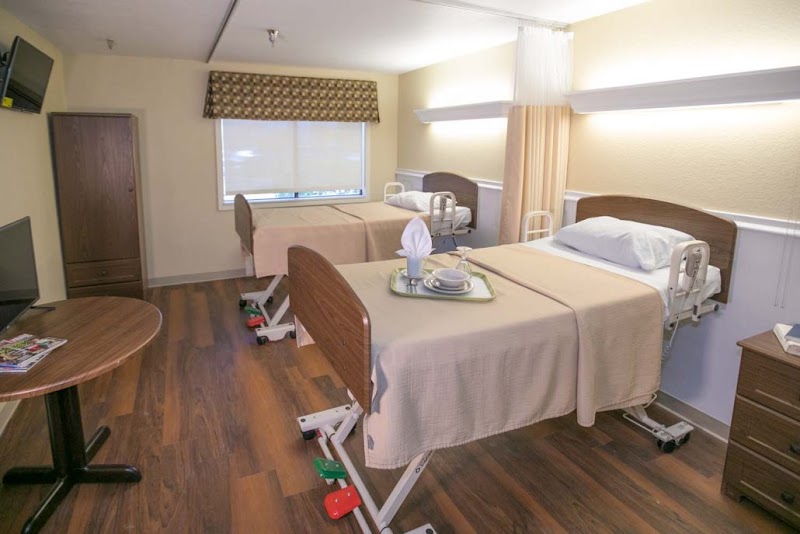
How is Casas Adobes Post Acute Rehab Center Staffed?

CMS rates CASAS ADOBES POST ACUTE REHAB CENTER's staffing level at 4 out of 5 stars, which is above average compared to other nursing homes. Staff turnover is 52%, compared to the Arizona average of 46%.

What Have Inspectors Found at Casas Adobes Post Acute Rehab Center?

State health inspectors documented 29 deficiencies at CASAS ADOBES POST ACUTE REHAB CENTER during 2021 to 2025. These included: 29 with potential for harm.
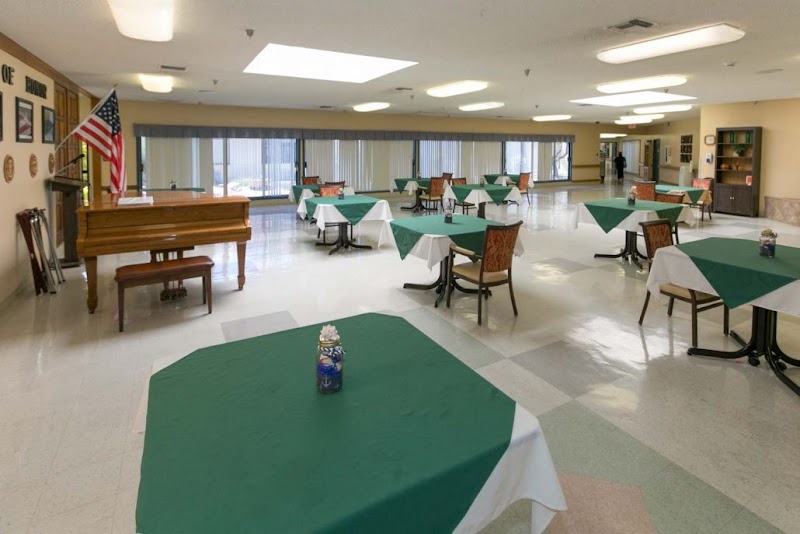
Who Owns and Operates Casas Adobes Post Acute Rehab Center?

CASAS ADOBES POST ACUTE REHAB CENTER is owned by a for-profit company. For-profit facilities operate as businesses with obligations to shareholders or private owners. The facility is operated by THE ENSIGN GROUP, a chain that manages multiple nursing homes. With 230 certified beds and approximately 159 residents (about 69% occupancy), it is a large facility located in TUCSON, Arizona.
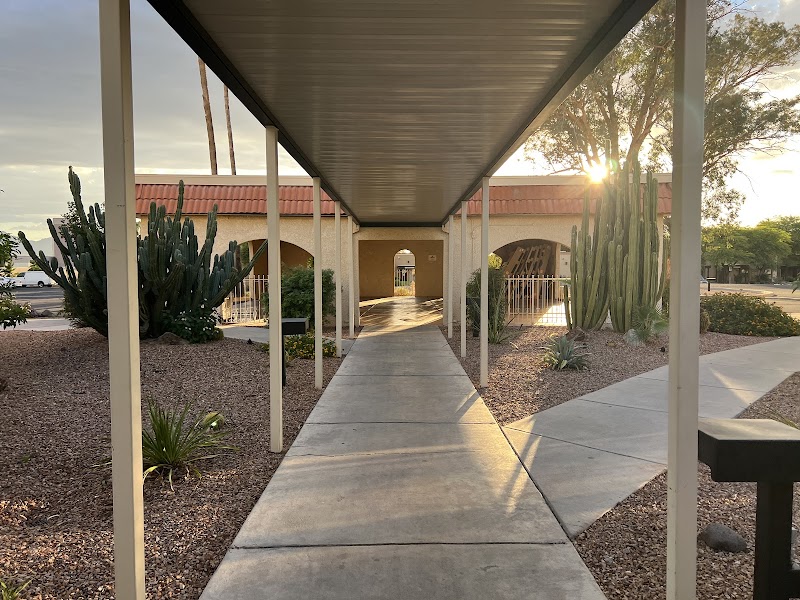
How Does Casas Adobes Post Acute Rehab Center Compare to Other Arizona Nursing Homes?

Compared to the 100 nursing homes in Arizona, CASAS ADOBES POST ACUTE REHAB CENTER's overall rating (3 stars) is below the state average of 3.3, staff turnover (52%) is near the state average of 46%, and health inspection rating (2 stars) is below the national benchmark.

What Should Families Ask When Visiting Casas Adobes Post Acute Rehab Center?

Based on this facility's data, families visiting should ask: "What safeguards and monitoring systems are in place to protect residents from abuse or neglect?" "Can I visit during a mealtime to observe dining assistance and food quality?" "How do you handle medical emergencies, and what is your hospital transfer rate?" "Can I speak with family members of current residents about their experience?" These questions are particularly relevant given the substantiated abuse finding on record.

Is Casas Adobes Post Acute Rehab Center Safe?

Based on CMS inspection data, CASAS ADOBES POST ACUTE REHAB CENTER has documented safety concerns. The facility has 1 substantiated abuse finding (meaning confirmed case of resident harm by staff or other residents). The facility has a 3-star overall rating and ranks #100 of 100 nursing homes in Arizona. Families considering this facility should ask detailed questions about what corrective actions have been taken since these incidents.

Do Nurses at Casas Adobes Post Acute Rehab Center Stick Around?

CASAS ADOBES POST ACUTE REHAB CENTER has a staff turnover rate of 52%, which is 6 percentage points above the Arizona average of 46%. Moderate turnover is common in nursing homes, but families should still ask about staff tenure and how the facility maintains care continuity when employees leave.

Was Casas Adobes Post Acute Rehab Center Ever Fined?

CASAS ADOBES POST ACUTE REHAB CENTER has no federal fines on record. CMS issues fines when nursing homes fail to meet care standards or don't correct problems found during inspections. The absence of fines suggests the facility has either maintained compliance or corrected any issues before penalties were assessed. This is a positive indicator, though families should still review recent inspection reports for the full picture.

Is Casas Adobes Post Acute Rehab Center on Any Federal Watch List?

CASAS ADOBES POST ACUTE REHAB CENTER is not on any federal watch list. The most significant is the Special Focus Facility (SFF) program, which identifies the bottom 1% of nursing homes nationally based on persistent, serious quality problems. Not being on this list means the facility has avoided the pattern of deficiencies that triggers enhanced federal oversight. This is a positive indicator, though families should still review the facility's inspection history directly.