DEVON GABLES REHABILITATION CENTER
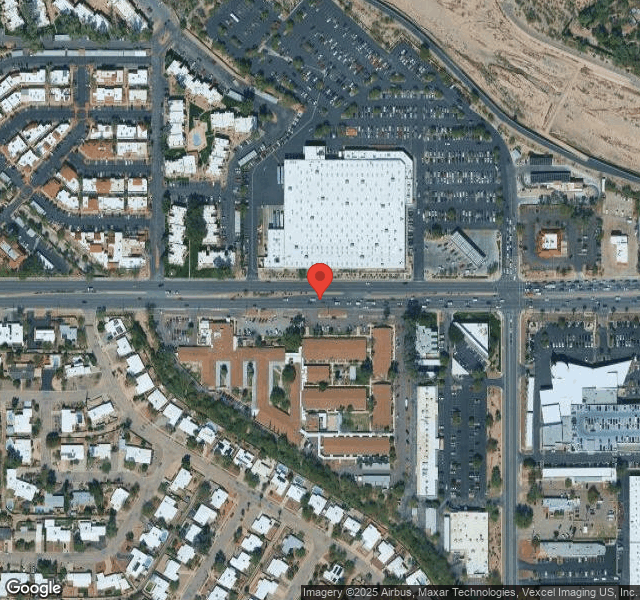
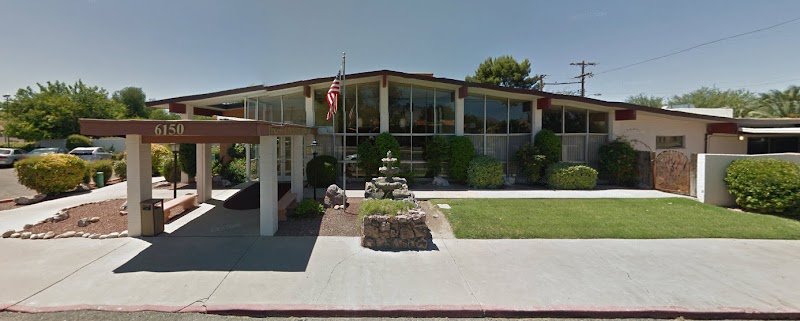
6150 EAST GRANT ROAD, TUCSON, AZ 85712 (520) 296-6181
For profit - Limited Liability company 312 Beds ATIED ASSOCIATES Data: November 2025
Trust Grade
35/100
#101 of 139 in AZ
Last Inspection: July 2023

Over 2 years since last inspection. Current conditions may differ from available data.

Overview

Devon Gables Rehabilitation Center has received a Trust Grade of F, indicating significant concerns about the quality of care provided. It ranks #101 out of 139 facilities in Arizona, placing it in the bottom half of the state, and #16 out of 24 in Pima County, meaning there are only a few local options that perform better. The facility is trending worse over time, with issues increasing from 2 in 2024 to 3 in 2025, and it has a total of 20 deficiencies, including one serious incident where a resident was improperly transferred, putting them at risk for injury. However, staffing is a strength with a rating of 4 out of 5 stars and a turnover rate of 36%, which is below the state average, suggesting that staff are experienced and familiar with residents. On a positive note, the facility has not incurred any fines, indicating compliance with regulations, but there have been concerning incidents of potential resident abuse, which raise serious red flags about safety and care quality.

Trust Score
F
35/100
In Arizona
#101/139
Bottom 28%
Safety Record
High Risk
Review needed
Inspections
Getting Worse
2 → 3 violations
Staff Stability
○ Average
36% turnover. Near Arizona's 48% average. Typical for the industry.
Penalties
✓ Good
No fines on record. Clean compliance history, better than most Arizona facilities.
Skilled Nurses
⚠ Watch
Each resident gets only 29 minutes of Registered Nurse (RN) attention daily — below average for Arizona. Fewer RN minutes means fewer trained eyes watching for problems.
Violations
⚠ Watch
20 deficiencies on record. Higher than average. Multiple issues found across inspections.
★★☆☆☆
2.0
Overall Rating
★★★★☆
4.0
Staff Levels
★★★★☆
4.0
Care Quality
★★☆☆☆
2.0
Inspection Score
Stable
2024: 2 issues
2025: 3 issues

The Good

  • 4-Star Staffing Rating · Above-average nurse staffing levels
  • 4-Star Quality Measures · Strong clinical quality outcomes
  • Full Sprinkler Coverage · Fire safety systems throughout facility
  • No fines on record
  • Staff turnover below average (36%)

    12 points below Arizona average of 48%

Facility shows strength in staffing levels, quality measures, fire safety.

The Bad

2-Star Overall Rating

Below Arizona average (3.3)

Below average - review inspection findings carefully

Staff Turnover: 36%

10pts below Arizona avg (46%)

Typical for the industry

Chain: ATIED ASSOCIATES

Part of a multi-facility chain

Ask about local staffing decisions and management

The Ugly 20 deficiencies on record

1 actual harm
Jun 2025 2 deficiencies
CONCERN (D) 📢 Someone Reported This

A family member, employee, or ombudsman was alarmed enough to file a formal complaint

Potential for Harm - no one hurt, but risky conditions existed

Accident Prevention (Tag F0689)

Could have caused harm · This affected 1 resident

**NOTE- TERMS IN BRACKETS HAVE BEEN EDITED TO PROTECT CONFIDENTIALITY** Based on the clinical record, staff interviews, facility policy and facility records, the facility failed to ensure that 1 resid...

Read full inspector narrative →
**NOTE- TERMS IN BRACKETS HAVE BEEN EDITED TO PROTECT CONFIDENTIALITY** Based on the clinical record, staff interviews, facility policy and facility records, the facility failed to ensure that 1 resident (#33) was safe. Failure to ensure the resident's safety could lead to resident harm. Findings include: Resident #33 was admitted on [DATE] with diagnoses of dementia, Major Depressive Disorder, and macular degeneration. A hospital history and physical dated October 7, 2023 included that this resident has chronic dementia and was unable to recall events of what happened. An admission assessment dated [DATE] included that this resident was attentive, disoriented, memory impaired, and had disorganized thinking. A care plan dated October 18, 2023 included that this resident is oriented to self and that this resident had Cognitive loss/dementia or alteration in thought processes related to diagnosis of dementia with behavioral disturbance as evidenced by impaired decision making, short and/or long term memory loss, and/or neurological symptoms. A treatment consent dated October 19, 2023 included that this resident's consents were signed by her Power of Attorney (POA). A care conference review report dated October 29, 2023 included that BIMS, she repeats three words, does not know year, month or day of week and can remember one of three words after five minutes, for a score of 05. A progress note dated November 5, 2023 included that this resident was observed exiting front courtyard with elder male and that the writer offered assistance with a leave of absence or an Against Medical Advice (AMA) form, and that the male reports I already did. This progress note included that the writer went to obtain Charge Nurse on duty as well as an AMA form, and a Certified Nursing Assistant (CNA) stopped the male's vehicle, prior to leaving premises. This progress note also included that the alleged perpetrator then signed AMA form and stated we might come back. However, review of both the medical and healthcare POA forms did not list alleged perpetrator as an agent. A progress note dated November 5, 2023 included the On Call Supervisor, DON, & Administrator were notified upon discovering the MPOA's were not the person who took the resident out of the facility. This note included that the MPOA advised writer to call the alleged perpetrator on cell phone and tell him to return this resident or police will be called. This note included that the writer called this person's primary number and left voice mail with clear instructions and called 911 and gave a description of event and description of the resident and her clothes, and a description of the alleged perpetrator, what he was wearing and what he was driving. A progress note dated November 5, 2023 included that an Officer with Tucson Police Department called to verify the resident was at her previous residence, safe and sound. A progress note dated November 5, 2023 included that per the resident's POA, this resident was safe at neighbor's home having coffee awaiting the co-POA and that an order of protection was to be filed against the alleged perpetrator, as family did not anticipate him taking this resident out of the facility. A progress note dated November 6, 2023 included that a POA contacted the facility to provide update on this resident's current situation and said that the family is obtaining a restraining order against the alleged perpetrator and was requesting that the alleged perpetrator be taken off the face sheet in case he returns to ask where the resident was being discharged to. This note included that the staff removed the alleged perpetrator from the face sheet. An interview conducted on June 26, 2025 at 1 P.M. with a Certified Nursing Assistant (CNA/staff #87) who said that she would report a resident going AMA to the nurse, and that the nurse is in charge and will get someone, and will notify the administrator. This CNA said that a resident leaving AMA was a risk for safety and environment. An interview conducted on June 26, 2025 at 1: 13 P.M. with a Registered Nurse (RN/staff #161) who said that if a resident wants to leave against medical advice, it would depend on if the resident is oriented. This nurse said that she would call the family members, and see if they could prevent the resident from leaving. This nurse also said that she would see if she could find the reason the resident wants to leave and see if she could help, then if the resident still wanted to leave, she would call the provider, educate the patient, and if the resident was oriented then the resident would sign the AMA sheet and they leave. This nurse said that if the person was not oriented that they would not be going home. This nurse reviewed the clinical record and said that she would call the POA, let her know what the alleged perpetrator is doing, let the physician know, find out why she wants to leave, but yeah she's not going to be going with the alleged perpetrator. She said that I would tell him She will not be leaving with you because that person is not the POA. This nurse said that this resident should not have left the building. This nurse said that this nurse should have talked to the medical POA prior to that. An interview was conducted on June 26, 2025 at 1:55 PM with a Licensed Practical Nurse (LPN/staff #240) who said that she remembered this resident and that she remembered the incident where she left with the alleged perpetrator and said that it was her first day taking care of this resident. This nurse said that when she went to look at the face sheet she realized that this person was not the POA and that when she called the POA's, they said she was not supposed to leave with the alleged perpetrator. This nurse said that police were called and APS. This nurse said that she had only worked with her a few hours and that she thought the alleged perpetrator was her husband. This nurse said that the resident made her needs known and that she was not aware that the family was the POA until she checked the face sheet. This nurse said that she should not have let the resident leave with the alleged perpetrator. An interview was conducted on June 26, 2025 at 2:41 PM with the Director of Nursing (DON/staff #28) who said that her expectation for residents leaving AMA would be that the staff talk to the resident to see if there is a need that we can meet, then contact the physician, herself, Social Services and then have the resident sign the AMA form and do a note, and then line up transport and prescriptions. This DON said that we facilitate a safe discharge, and then report it to APS. This DON said that for residents who are not capable of making decisions: that her expectations would be for a POA to make the decision to take the resident and that the staff would call the authorities if the persons BIMS is too low. This DON said that a person who is not the POA should not remove a person with a low BIMS from the facility. This DON reviewed the medical record and said that no that's not our expectation that something like that should happened and that she did not think this resident could make the decisions. A policy titled Resident Rights revised October 2021 included that the resident and/or their representative has the right to be informed of, and planning and participate in, his or her treatment, including: a) The right to be fully informed in implementing care language that he or she can understand of his or her total health status, including but not limited to, his or her medical condition. b) The right to be informed, in advance, of changes to the plan of care. c) The right to be informed, in advance, of the care to be furnished and the type of care giver or professional that will furnish care. A policy titled Elopements included that if an employee observes a resident leaving the premises, he/she should attempt to prevent the departure in a courteous manner, and get help from other staff members in the immediate vicinity, if necessary.
CONCERN (E) 📢 Someone Reported This

A family member, employee, or ombudsman was alarmed enough to file a formal complaint

Potential for Harm - no one hurt, but risky conditions existed

Free from Abuse/Neglect (Tag F0600)

Could have caused harm · This affected multiple residents

**NOTE- TERMS IN BRACKETS HAVE BEEN EDITED TO PROTECT CONFIDENTIALITY** Based on interviews, review of clinical record, and review of facility policy and procedure, the facility failed to ensure three...

Read full inspector narrative →
**NOTE- TERMS IN BRACKETS HAVE BEEN EDITED TO PROTECT CONFIDENTIALITY** Based on interviews, review of clinical record, and review of facility policy and procedure, the facility failed to ensure three residents (#22, #26 and #27) were not abused by other residents (#125, #50 and#145). The deficient practice could lead to physical and psychosocial harm of residents.-Regarding Resident #22 (alleged victim):Resident #22 was re-admitted to the facility September 20, 2023, with diagnoses that included dysphagia, catatonic schizophrenia, cerebral infarction, hyperlipidemia, vascular dementia with behavioral disturbance, schizoaffective disorder, major depressive disorder with severe psychotic symptoms, and restlessness and agitation. A quarterly minimum data set (MDS) assessment dated [DATE], revealed Resident #22 had a Brief Interview for Mental Status (BIMS) score of 00, indicating severe cognitive impairment.A care plan dated November 8, 2017, revealed Resident #22 has socially inappropriate / disruptive behavioral symptoms as evidenced by making verbal unwanted statements and reaching out and grabbing staff and objects while being transported.A progress note dated April 6, 2023, revealed Resident #22 was involved in a physical altercation with his roommate. The roommate struck Resident #22 in the back. No injuries were noted. Both parties were separated and residing in private rooms at this time.-Regarding Resident #125 (alleged perpetrator):Resident #125 was re-admitted to the facility January 25, 2022, with diagnoses that included bipolar disorder, hemiplegia and hemiparesis affecting right dominant side, dysphagia, aphasia, catatonic disorder, ataxia, and unspecified mood disorder. An annual MDS assessment dated [DATE], revealed Resident #125 had a BIMS score of 00, indicating severe cognitive impairment.A care plan dated April 6, 2023, revealed Resident #125 is a threat to others due to physically assaulted another resident over a disagreement about the room temperature.A progress note dated April 5, 2023, revealed the behavioral health team was notified of a resident to resident altercation and requested Resident #125 have review and follow up by the behavioral health team. The resident struck his roommate with a closed fist on his back three times. No injuries were noted and the parties were separated for safety. Resident #125 admits he hit roommate because he doesn't listen to me. Both residents stating they were arguing over the temperature of the room. The Director of Nursing (DON) and social services were notified.A progress note dated April 7, 2023, revealed a certified nursing assistant (CNA) reports a second staff member required due to physical attempts of Resident #125 to grab at a female's groin and chest areas. The resident was very difficult to redirect from physical advances towards CNAs.A Witness Statement Form dated April 5, 2023, by a Licensed Practical Nurse (LPN / Staff #83), revealed the nurse was called to the room by a CNA. Resident #22 wheeled himself out of the room reporting that his roommate, Resident #125, hit him in the back four times with a closed fist. Resident #125 admitted to hitting Resident #22 because he doesn't listen to me. Both residents reported the incident occurred because of the heater being turned off and on. Resident #22 was removed from the room and the DON, social services, and the administrator were notified.A facility Reportable Event Record / Report submitted to the State Agency on April 8, 2023, revealed that on April 5, 2023, at approximately 12:20 PM, Resident #22 notified the nursing staff that his roommate, Resident #125, had struck him in the back four times. Resident #22 stated they had been arguing about the temperature of the room when the incident occurred. The nursing staff immediately separated the residents and notified the DON, social worker, and the Administrator of the incident. The DON spoke with both residents following the event. Resident #22 stated his roommate had struck him with a closed fist to the right shoulder/upper back area. He denied any pain or discomfort to the area and was able to move his right arm without difficulty. This writer assessed the area and noted no bruising, swelling or redness. The DON spoke with Resident #125 after the incident and asked if he had struck his roommate and he replied yes, I did but could not recall why he had done so. Per nursing staff, Resident #125 had stated that he had struck him because he doesn't listen to me. An interview was conducted with a CNA (Staff #101) on June 25, 2025, at approximately 10:45 AM. Staff #101 stated that she had heard about an altercation between those two residents, but did not see anything. Staff #101 stated that Resident #125 was getting very aggressive, and that Resident #22 was very sweet, but he did have a temper if anyone got in his way or said anything, then he could get violent. Staff #101 stated that the facility did investigate that incident, and both of those residents could not be in the dining room at the same time. An interview was conducted with the Social Services Director (Staff #148) on June 25, 2025, at 11:12 AM. Staff #148 stated that she was familiar with Resident #22, and that she believed he hit others when he was at the facility. Staff #148 stated she used to help serve in the dining room, and that she believed Resident #22 did have some history of getting into physical altercations. Regarding the incident between Resident #22 and Resident #125, Staff #148 stated that she did not recall what exactly happened, but that staff did a room change and separated the two residents, and that there may have been an incident report completed on it.A telephonic interview was conducted on June 25, 2025, at 12:04 PM, with Social Services staff (Staff #42), who stated that she could not remember the details of the incident between Resident #22 and Resident #125, but that she remembered trying to talk to the residents after the incident. Staff #42 stated that she could not recall who did what to who, but that staff separated the residents, and staff were interviewed. An interview was conducted with an LPN and Nurse Supervisor (Staff #244) on June 25, 2025, at 12:20 PM. Staff #244 stated that physical abuse is any kind of unwanted physical contact, and that if it occurs, to immediately ensure resident safety, and then report the incident immediately to administration and to the State Agency. Staff #244 stated that the floor nurse would do a head to toe assessment of the residents to determine if there are any injuries, and then interview the parties involved. Staff #244 stated he was familiar with the altercation incident between Resident #22 and Resident #125. Staff #244 stated that Resident #22 was struck in the back by Resident #125. Staff #244 stated he did not have any reason to believe that Resident #22 was making up the allegation.An interview was conducted with the facility Administrator (Staff #176) on June 25, 2025, at 12:41 PM, who stated that abuse is the intentional infliction of harm, and an example of physical abuse would be intentionally punching someone in the face with intent to harm, or holding someone down and causing bruises. If an allegation of abuse is made, Staff #176 stated that she would expect staff to make sure residents are safe, and report the allegation immediately to the Director of Nursing (DON) and Administrator so that an investigation could be started. Staff #176 stated regarding the incident between Resident #22 and Resident #125, that on April 5, at 12:20 PM, Resident #22 notified staff that Resident #125 struck him in the back four times, and that nursing staff interviewed Resident #125 who stated that he did hit Resident #22 because he doesn't listen to me.An interview was conducted with the DON (Staff #28) on June 26, 2025, at 11:14 AM. Staff #28 stated if an allegation of abuse were to occur, then staff would ensure resident safety and assess the resident, and report the allegation within a 2-hour timeframe. Staff #28 stated that abuse is harm to a resident with intent, and that unwanted physical contact would constitute physical abuse. Regarding Resident #22 and Resident #125, Staff #28 stated she was not employed at the facility during that timeframe of the incident. Staff #28 reviewed the records, and stated that her understanding of the incident was that Resident #125 did say that he hit Resident #22, so in that respect, that would be considered abuse. Staff #28 stated it was dealt with immediately, and the residents were separated.-Regarding Resident #27 (alleged victim):Resident #27 was re-admitted to the facility on [DATE], with diagnoses that included unspecified dementia, unspecified convulsions, altered mental status, schizoaffective disorder, extrapyramidal and movement disorder, and hypertensive heart disease.An annual MDS assessment dated [DATE], revealed a BIMS assessment interview was not performed.A progress note dated July 13, 2023, revealed Resident #27 was involved in an altercation with a peer. He was stuck to the right side of his face approximately three times. Resident #27 sustained a 1.2 cm superficial abrasion to the right side of face. Routine medications were administered for discomfort. Staff will continue to monitor Resident #27 routinely. He has since voiced no pain to his face at this time. -Regarding Resident #145 (alleged perpetrator):Resident #145 was admitted to the facility on [DATE], with diagnoses that included traumatic subarachnoid hemorrhage, other fracture of unspecified thoracic vertebra, influenza, mild cognitive impairment, unspecified dementia, anxiety disorder, and chest pain.An annual MDS assessment dated [DATE], revealed the resident had a BIMS assessment score of 15, indicating intact cognition.A Behavior Monitoring note dated July 4, 2023, revealed Resident #145 making delusional statements as evidence by I should be leaving here soon, I'm just waiting on my drilling and oiling license.A Behavior Monitoring note dated July 12, 2023, revealed Resident #145 making delusional statements and visual hallucinations as evidenced by there goes that puppy running around again.A progress note dated July 13, 2023, revealed Resident #145 was sent to the hospital for evaluation and treatment due to behavioral outburst (physically aggressive) with obscenities at peer, attempts to get at the other patient, delusional thought processes, unrealistic expectations of peers, and voiced likelihood of continued behaviors.An additional progress note dated July 13, 2023, revealed Resident #145 was discharged to the hospital. He was involved in a resident to resident incident this morning. All appropriate personnel were notified.A facility Reportable Event Record / Report submitted to the State Agency on July 14, 2023, revealed that on July 13, 2023, at approximately 8:40 AM, in the dining room of the dementia unit, nursing staff observed Resident #145 stand from his chair, take three steps, and then started hitting Resident #27 in the face. Resident #145 was able to strike Resident #27 three times before staff were able to intervene. Two male staff immediately separated the residents and returned them to their rooms. This incident occurred with staff present in the dining room during breakfast. Staff state Resident #145 was not acting like himself that morning and was quieter than usual. Resident #145 stated They wouldn't let me out of this place. When asked why he had struck Resident #27 in the dining room, Resident #145 stated Got your attention, didn't it?, and when asked if Resident #27 had done or said something to provoke him, he stated Have you seen him? Have you smelled him? Do you know what he does? He's always making noises and acting like he's going to throw up. I'd had enough! Per interview with Resident #145, it appears he was annoyed by grunting sounds Resident #27 was making, and perceived favorable treatment of Resident #27, and Resident #145 stated he would do it again. Resident #27 was assessed for injuries, and a small superficial abrasion noted by the right ear / cheek area, and no swelling or bruising noted to his face.A telephonic interview was conducted with a CNA (Staff #46) on June 25, 2025, at 10:41 AM. Staff #46 stated that he witnessed the incident, and that Resident #27 was burping, and that Resident #145 became bothered by that and started cursing and punching Resident #27 in the face. Staff #46 stated that he believed Resident #27 sustained a bruise to his eye area and that Resident #27 stated that his eye did hurt. Staff #46 stated that the facility kept the residents separated after the incident.An interview was conducted with an LPN and Nurse Supervisor (Staff #244) on June 25, 2025, at 12:30 PM. Staff #244 stated that he remembered Resident #27 was making audible noises and Resident #145 backed up his wheelchair, stood up, took a few steps toward Resident #27, and began to strike him in the head or face. Staff #244 stated that he personally saw Resident #145 make the strikes, and that he was the nurse on duty at the time. He stated that after the incident, the residents were separated and assessed, and that Resident #27 sustained superficial abrasions to the right side of his face. Staff #244 stated that given the idea of what abuse is, that this incident would be considered an instance of abuse.An interview was conducted with the Administrator (Staff #176) on June 25, 2025, at 12:41 PM, who stated that regarding the incident between Resident #27 and Resident #145, that Resident #145 definitely hit Resident #27, and as soon as staff saw it, they intervened to help prevent further injuries. Staff #176 stated that it sounds like Resident #145 did this to get staff's attention. -Regarding Resident #26:Resident #26's record was admitted to the facility on [DATE] with diagnosis that included dementia with behavioral disturbances and repeated falls.The Minimum Data Set (MDS) dated [DATE], revealed the resident had a Brief Interview for Mental Status (BIMS) score of 99, indicating the resident was not able to complete the assessment.A Nursing Progress Note dated July 9, 2023, revealed a resident to resident altercation between resident #26 and resident #50. It explains that resident #26 went into a room and got into bed. Resident #50 and another resident, were in this room eating lunch together. Resident #50 attempted to get resident #26 out of bed and out of the room, and began yelling at resident #26.Resident #50 then attempted to pull resident #26 out of the bed. Resident #50 told staff when they entered that there had been a schoffel and that he did not remember what he did to resident #26 however, he did remember putting his hands on him.Resident #26 was noted to have a lump to the left eye and it was red in the sclera. -Regarding Resident #50: Resident #50's record was admitted to the facility on [DATE] with a diagnosis of dementia with behavioral disturbances, and repeated falls.The quarterly MDS dated [DATE] revealed the resident had a BIMS score of 13, indicating the resident was cognitively intact.The care plan dated March 29, 2023, revealed the resident was to be assessed for behavioral symptoms that present a danger to the resident and/or others. An update to the care plan, dated May 11, 2023, revealed the resident was noted to be intrusive with peers. The short term goal noted stated Resident will not invade residents personal space, hand and feet will remain to self.A Nursing Progress Note dated July 9, 2023 revealed the same resident to resident altercation. However, it also states thatresident #26 stated he hit me in the eye. The staff escorted resident #50 to the hallway where he stated I don't know what happened and where my room is. Staff escorted resident #50 back to this room where facility implemented a 1:1 sitter for monitoring of aggressive behaviors.On July 9, 2023 a Facility Reported Incident was submitted to the State Agency (SA) regarding the resident to resident altercation between both residents #26 and #50. On July 12, 2023 the Facility Investigation was submitted. The report reveals that the incident was unwitnessed by staff. However, the only resident witness to the event has advanced dementia and was unable to recall any details of the event. The Director of Nursing (DON) interviewed resident #26 after the incident, and he stated that resident #50 did not have a closed fist but he was struck by the back of his hand and that it was an accident. The DON also spoke with resident #50 and he stated he did not really remember. He explained I was trying to get him out of the room. I didn't mean to hit him and if I hurt him I'm truly sorry.A Nursing Progress Note dated July 10, 2023 reveals that resident #50 was noted to have edema to his right hand. Resident's provider applied a brace to the hand. A follow up X-ray revealed that the resident had sustained a right fifth metacarpal neck acute fracture. Resident was ordered a splint.A Nursing Progress Note dated July 10, 2023 reveals that resident #26 was sent to the hospital and did receive an X-ray to his left eye. No fractures were present. However, resident #26 would need follow up care with the Ophthalmologist.An interview was conducted on June 26, 2025 at 1:16 PM with the Administrator, staff #176, and the DON, staff #28. Staff #176 states yes, it happened and as soon as we found placement for resident #50. He was discharged . Review of the facility policy titled Preventing, Reporting and Investigating Abuse, Revised July 2023, revealed residents have the right to be free from abuse, neglect, misappropriation of resident property, and exploitation. It is the responsibility of our employees, facility consultants, Attending Physicians, family members, visitors, etc., to promptly report any incident or suspected incident of neglect or resident abuse, including injuries of unknown source, and theft or misappropriation of resident property to facility management. All reports shall be promptly and thoroughly investigated by facility management. The facility is committed to protecting our residents from abuse by anyone. Abuse means the willful infliction of injury, unreasonable confinement, intimidation, or punishment with resulting physical harm, pain or mental anguish. Abuse also includes the deprivation by an individual, including a caretaker, of goods or services that are necessary to attain or maintain physical, mental, and psychosocial well-being. Instances of abuse of all residents, irrespective of any mental or physical condition, cause physical harm, pain or mental anguish. It includes the following types of abuse: verbal, sexual, physical, mental, exploitation, misappropriation of resident property, involuntary seclusion, and including abuse facilitated or enabled through the use of technology. Willful as used in this definition of abuse means the individual must have acted deliberately, not that the individual must have intended to inflict injury or harm.
Jun 2025 1 deficiency 1 Harm
SERIOUS (G) 📢 Someone Reported This

A family member, employee, or ombudsman was alarmed enough to file a formal complaint

Actual Harm - a resident was hurt due to facility failures

Accident Prevention (Tag F0689)

A resident was harmed · This affected 1 resident

**NOTE- TERMS IN BRACKETS HAVE BEEN EDITED TO PROTECT CONFIDENTIALITY** Based on clinical record review, staff interviews and review of facility protocol and policies the facility failed to ensure one...

Read full inspector narrative →
**NOTE- TERMS IN BRACKETS HAVE BEEN EDITED TO PROTECT CONFIDENTIALITY** Based on clinical record review, staff interviews and review of facility protocol and policies the facility failed to ensure one resident (#5) was free from accidents during a hoyer transfer. The deficient practice could lead to major injury. Findings include: Resident #5 was admitted originally on October 5, 2020 and readmitted on [DATE] with diagnosis that included epilepsy, transient cerebral ischemic attach, other mechanical complication of internal fixation device of right femur, bipolar disorder, acute respiratory failure, non-ST elevation myocardial infraction. A significant change in status Minimum Data Set (MDS) assessment dated [DATE] revealed a Brief Interview for Mental Status (BIMS) summary score of 02. indicating severe cognitive impairment. Further review of the MDS assessment revealed the resident was dependent and needed the assistance of 2 or more helpers to complete any activities dealing with transfers. A care plan created May 26, 2025 revealed an approach that the resident is a hoyer lift with 3 staff persons present due to his utilization of a geriatric chair. A facility investigation dated June 6, 2025 revealed that the hoyer sling had impaired integrity and deemed that the root cause of the sling breaking and causing the resident to fall and suffer a hip fracture. A progress note dated June 5, 2025 at 9:45 a.m. revealed that staff reported that the resident's hoyer sling tore during a transfer. The note further reveals that the resident slid out of the sling and onto the floor and was complaining of right hip pain. The note details that 911 was called and the fire department transferred the resident to the local emergency room. The note concludes that notifications were made to the provider, hospice, case manager and responsible party. An Interdisciplinary Team (IDT) note dated June 6, 2025 at 10:23 a.m. revealed that the resident suffered a fall and that the root cause analysis showed that the resident's hoyer sling broke during the transfer. The note states that staff will use a bariatric sling for all transfers upon the residents return from the hospital. A progress note dated June 10, 2025 at 18:05 p.m. revealed that the resident returned to the facility with a right intertrochanteric fracture of his right hip as a result of his fall. Review of the clinical record did not reveal any orders or assessments done in regards to the accident during the hoyer transfer. An interview was conducted with a Certified Nursing Assistant (CNA/staff #29) on June 10, 2025 at 8:38 a.m. The CNA stated that the facilities' process is to always have 2 CNAs during a hoyer transfer but there could be a resident that requires 3. Staff #29 stated that there are in-services yearly where staff will be guided into a room and shown again how to properly operate the other lift. The CNA stated that she is also taught how to check and see if there is anything wrong with the function of the machine. The CNA stated that the night shift staff are responsible for setting up a resident in a hoyer sling prior to transfers. However she stated that she is still able to place a resident in a hoyer sling as needed. Staff #29 stated that she had entered the residents room and the resident already had the hoyer sling under him so she was unsure of the status of the slings integrity. She stated that there were 3 CNAs in the room as it was protocol for Resident #5's transfers. The CNA further stated that the resident was transferred from his bed to his geri chair for breakfast with no issues. She followed up by saying when the staff went to transfer the resident from his geri chair back to bed was when the sling ripped and the resident fell. An interview was conducted with a CNA (staff #34) on June 10, 2025 at 8:56 a.m. The CNA stated that the facility's process regarding hoyer transfers is to ensure that the right size of sling is being used and making sure its integrity is intact. She further stated that during a 3-person hoyer transfer one CNA would guide the resident's feet, one would guide the resident's body and one would operate the hoyer machine. The CNA stated that the resident was being transferred via hoyer back to his bed from his geri chair, and that during the transfer when the resident was lifted, the sling snapped and he fell to the ground. An interview was conducted with a CNA (Staff #98) on June 10, 2025 at 9:06 a.m. The CNA stated that the facility's process is to place the hoyer sling under the resident to ensure that the highest part reaches the resident's shoulder height. The CNA stated next they ensure that the right anchor points are being used and attached to the hoyer machine. Staff #98 stated that if a resident is heavier, they will most likely be a 3-person assist with hoyer transfers. The CNA said that when the resident was being transferred back to bed via hoyer the sling ripped towards the bottom right where the fabric strap attaches. An interview was conducted with a CNA (Staff #48) on June 10, 2025at 10:13 a.m. who stated that the facility's process is to find out what kind of sling the resident needs regarding their height and weight. The CNA followed up stating that he will glance over to ensure the slings are intact with no tears or withering away at the corners or the back part of the sling. He stated that he will roll the resident to the side and place the sling at the residents shoulders and ensure it is laid out appropriately. Staff #48 then stated that he would roll the resident to the other side and lay out the sling and help the resident lay back flat and ensure they are appropriately seated in the sling. The CNA stated that when operating he would also listen for any audible concerns and if he notes any he would let a nurse know. The CNA stated he checks a hoyer sling's integrity by stretching it out to make sure it is not over used or withered, as well as pulling on each corner and anchor point to make sure that there are no weak points or visible signs of fraying. The CNA stated that he had some concerns regarding Resident #5's hoyer sling due to some noises that were made during a transfer the day prior, and some fraying that he spotted during that transfer as well. Staff #48 stated that he let a team lead know regarding his concerns. An interview was conducted with a Licensed Practical Nurse (LPN/staff #56) on June 10, 2025 at 10:40 a.m. The LPN stated he was caring for the resident during the time of his incident and responded when he heard the CNAs calling for help. Staff #56 stated that the CNAs are usually responsible for hoyer transfers but a nurse can step in and aid if it is needed. The LPN stated that if there is a concern with a hoyer sling's integrity he would dispose of it and get a new sling. The LPN stated that when checking a hoyer sling's integrity he is looking at the stitching to ensure it is intact and that there aren't any visible signs of fraying. Staff #56 stated that he was not in the resident's room at the time of the hoyer incident, but after he responded he assessed the resident who ended up transferring to the local emergency room via 911. An interview was conducted with the Director of Nursing (DON/Staff # 27) on June 10, 2025 at 10:51 a.m. The DON stated that her expectations regarding hoyer transfers would initially start by checking the integrity of the hoyer sling that is going to be used, as well as proper placement of the hoyer sling on the resident. The DON continued by stating that she expects staff to use proper safety and placement with the anchor point of the sling, and that the chair or surface they are transferring, is placed appropriately to avoid any unsafe situations. She concluded by stating that she expects staff to verbalize what is being done during the transfer to the resident. The DON stated that she expects staff to check the the hoyer sling thoroughly by checking the integrity of the cloth as well as the seamlines. The DON further stated that if there are any concerns regarding the sling integrity, or a sling looks too worn, then the faulty sling should be placed in a bag and given to the lead CNA to be replaced. The DON stated that Resident #5 was a 3-person assist hoyer transfer and that it was reported to her that the staff transferring the resident had no issues initially, and at the time of the second transfer back to the resident's bed the sling ripped. The DON stated that there was impaired integrity to Resident #5's hoyer sling and that it was brought to her attention during her investigation after two CNAs identified issues with the sling's integrity prior to the incident. Staff #27 stated that the sling should have been pulled out of service, and she deemed this to be an area of improvement. The DON stated that the risk of using a hoyer sling with impaired integrity could result in the sling breaking and causing harm to a resident. A follow-up interview was conducted with CNA (staff #34) on June 10, 2025 at 11:06 a.m. who stated that nothing was reported to her the day previously regarding the sling's integrity. The CNA confirmed that the anchor point (strap) was still attached to the machine and the sling ripped at the seam where the anchor point was attached. A facility policy dated 2001 and revised February of 2014, titled, Lifting Machine, Using a Portable, revealed that staff are to document per facility protocol to report other information in accordance with facility policy and professional standards of practice.
Oct 2024 2 deficiencies
CONCERN (D) 📢 Someone Reported This

A family member, employee, or ombudsman was alarmed enough to file a formal complaint

Potential for Harm - no one hurt, but risky conditions existed

Accident Prevention (Tag F0689)

Could have caused harm · This affected 1 resident

**NOTE- TERMS IN BRACKETS HAVE BEEN EDITED TO PROTECT CONFIDENTIALITY** Based on clinical record review, staff and resident interviews, facility records and facility policy the facility failed to ensu...

Read full inspector narrative →
**NOTE- TERMS IN BRACKETS HAVE BEEN EDITED TO PROTECT CONFIDENTIALITY** Based on clinical record review, staff and resident interviews, facility records and facility policy the facility failed to ensure that one resident (#24) is free from preventable falls. This deficient practice could result in increased morbidity and mortality. Findings include: Resident #24 was admitted on [DATE] with diagnoses of Alzheimer's disease, Mood disorder due to known physiological condition with depressive features and Vascular dementia A 5-day Minimum Data Set (MDS) dated [DATE] included that this resident was unable to answer questions for cognition and that the resident had a fall prior to entry. A care plan dated December 19, 2022 included this resident is at risk for falls related to diagnosis and history of falls. A progress note dated July 27, 2023 included Upon entering pts room he was noted laying on back in front of closet. pt stated I fell. Body check done, no new injuries. Denies hitting head, no red, raised or open areas.Neuro check done due to unwitness fall. Passive ROM to upper and lower extremitys. Pt s/sx pain dont touch that refering to left leg 2-person assist to bed. Gripper socks applied A care plan intervention dated July 27, 2023 was added of Give resident verbal reminders not to ambulate/transfer without assistance. However, this intervention was cancelled the same day and no new interventions were put into place. A progress note dated August 5, 2023 included Resident found on floor in dining room with head and shoulders resting on wall. Resident stated he was attempting to stand when lost balance. No new injury noted at this time. Assisted back into chair and educated of safety awareness and mechanical lift order, resident smiled. VSS, noreports of new pained areas, skin intact. Neuros initiated and continuing, New order for Xray of left hipto compare from previous fall per provider, order input in matric and rapid ray. Spoke to [NAME] from rapidray order placed STAT. A progress note dated August 5, 2023 included Xray of left hip results as follows: left superior and inferior pubic rami fracture results related to on call provider, new telephone order to send resident toTMC ER for evaluation via transport, if exceeding 3hr wait please call for emergent transport. MOD and wife . made aware. Denies pain when asked, smiles and attempts to stand up. 1:1 supervision placed for safety. Call placed to the transport company, result is wait time up to 3 hours. A care plan intervention dated August 8, 2023 was added of Floor mat at bedside and bed in knee bend height position for safe entry and exit However, this intervention was cancelled the same day and no new interventions were put into place. An interview was conducted on October 22, 2024 at 3:11 P.M. with a Certified Nursing Assistant (CNA/staff #87) who said that this is a secured behavioral unit and that this staff's goal was to make sure everyone had a good day and had no accidents. This staff said they attempt to prevent incidents by giving residents attention, reminding them and making sure they have what they need with pads beside beds and call lights within reach. This CNA said that resident #24 had a lot of behaviors which included being very forgetful and that he had a bad hip. This CNA said that this resident had a pad for beside his bed. An interview was conducted on October 23, 2024 at 3:10 P.M. with a Licenced Practical Nurse (LPN/staff #89) who said that when a resident falls, the staff report it to her and she does an assessment. She said that if the resident is safe to transfer to bed, they will do so and begin the neurological assessments. She said that they will review the care plan and then the Registered Nurse will update the care plan. This nurse said that resident #24 sundowns and wants to get up in the evenings. She said that the interventions to prevent falls were to position bed to lowest, place a fall mat, and that if the resident was restless we will do a one on one, or the CNA's will put him at the desk. An interview was conducted on October 25, 2024 at 3:38 P.M. with the Director of Nursing (DON/staff #58) who said falls should be care planned. She said that with resident #24, she would have to find out why they removed the interventions immediately and that for him they use a lot of diversional opportunities. She said that since the left superior and inferior pubic rami fracture that this resident was not as mobile anymore, and that now he requires the assistance of a hoyer for transfer as he is not able to move on his own at all. She said that if there is not an added intervention for each fall then it would not meet her expectation. She said that placing an intervention and cancelling it within a day does not meet the requirement. A policy titled Care Plans, Comprehensive Person-Centered revised March 2022 revealed that assessments of residents are ongoing and care plans are revised as information about the residents and the residents' conditions change.
CONCERN (E) 📢 Someone Reported This

A family member, employee, or ombudsman was alarmed enough to file a formal complaint

Potential for Harm - no one hurt, but risky conditions existed

Free from Abuse/Neglect (Tag F0600)

Could have caused harm · This affected multiple residents

**NOTE- TERMS IN BRACKETS HAVE BEEN EDITED TO PROTECT CONFIDENTIALITY** Based on staff interviews, clinical record review, facility documents and facility policy, the facility failed to ensure that th...

Read full inspector narrative →
**NOTE- TERMS IN BRACKETS HAVE BEEN EDITED TO PROTECT CONFIDENTIALITY** Based on staff interviews, clinical record review, facility documents and facility policy, the facility failed to ensure that three residents (#33, #24, #11) were not abused. This deficient practice could result in further incidents of abuse. Findings include: Regarding resident #33 and resident #24 A facility reported incident was made on May 14, 2024. This report included Staff responded to visitor calling for help, stating those two men are fighting. She states that she heard raised voices coming from the room across the hallway. She looked across the hallway and observed (residents #24 and #33) in the bathroom doorway and appeared to be fighting. A 5 day report dated May 17, 2024 included Per staff report (resident #24) had been having increased behavioral episodes the prior day and night. He was seen packing his belongings, pushing at doors and very difficult for the staff to re-direct. Per night staff he had slept very little the previous night. (resident #33 can be very territorial about his room and belongings. This document also included (resident #24 and (resident #33) have different rooms but share a bathroom between them; it is thought that (resident #33) left the bathroom through the door to (resident #24)'s room by mistake,which created the verbal altercation in the bathroom area. -Resident #24 was admitted on [DATE] with diagnoses of Alzheimer's disease, Mood disorder due to known physiological condition with depressive features and Vascular dementia A Quarterly Minimum Data Set (MDS) dated [DATE] included that this resident was moderately cognitively impaired and that the resident was able to independently walk in the corridor and around the room. A care plan dated December 19, 2022 included Cognitive loss/dementia or alteration in thought processes related to diagnosis as evidenced by impaired decision making, short and/or long term memory loss, and neurological symptoms and included interventions to redirect resident when entering unsafe areas. -Resident #33 was admitted on [DATE] with diagnoses of Schizoaffective disorder, unspecified dementia with other behavioral disturbance, and mild intellectual disabilities. A care plan dated May 14, 2023 included this resident has physical behavioral symptoms toward another resident (e.g. hitting, pushing) with a long term goal that this resident will not harm others secondary to physically abusive behavior. A progress note dated May 14, 2023 included that resident #33 was in bed and a 2 nurse body check was completed. This note included a hematoma forming to the right wrist area 2cm discoloration, with approximated skin tear measuring 0.75 cm and that the resident reports falling. This note stated that it was unclear why resident #33 was in sitting position in RM [ROOM NUMBER] between conjoined restroom and peers brown recliner with bedside table between both residents. An interview was conducted on October 22, 2024 at 3:11 P.M. with a Certified Nursing Assistant (CNA/staff #87) who said that this is a secured behavioral unit and that they attempt to prevent incidents by giving residents attention, reminding them and making sure they have what they need. This CNA said that resident #24 had a lot of behaviors which included being very forgetful and that he gets aggressive. This CNA said that this resident wanders into people's rooms. An interview was conducted on October 25, 2024 at 1:52 P.M. with a CNA (staff #43) who said that she remembered that she was in the dining room and heard bang like a bedside table, and she ran to the first room, and resident #33 was with the bedside table on top of resident #24. She said that she did not think it was an altercation, she thinks that the resident went into the wrong room. An interview was conducted October 25, 2024 at 2:23 P.M. with a family member who said that her husband is in the room across the hall, and that she heard something so she stood up and looked over there. She said that she saw the resident who belonged in the room and a resident who did not. She said that she saw 1 of them striking the other. She said that she then called out for help, and when people started running she sat down. She said that she told facility staff what she saw, and that she heard the yelling, because she was seated beside her husband's bed. Regarding resident #24 and resident #11 A facility reported incident was made on June 11, 2023. This report included that on June 11, 2023 Staff observed (resident #24) stroking (resident #11)'s penis. (resident #11) was laying in (resident #24)'s bed. Both residents have advanced Dementia and reside on a locked Dementia unit at the facility. Staff immediately separated the Residents. Implemented 1:1 staffing and 15 minute checks -Resident #11 was admitted [DATE] with diagnoses of unspecified dementia, and altered mental status. A care plan dated June 11, 2023 included that this resident was showing disinhibited behaviors in public and towards others with interventions to re-direct resident to his room when displaying inappropriate behavior and staff to encourage and attempt 6foot rule between him and peers until evaluated and treated by psych. However, this resident had no prior care plan for public disinhibition or public masturbation. A progress note dated May 3, 2023 included that this resident is being monitored for public masturbation. Progress notes dated May 11, 2023 and June 9, 2023 included that this resident had an instance of public masturbation. A progress note dated June 11, 2023 included upon staff assisting another resident down hall way, staff reports that they observed (resident #11) laying in male peers' bed next to male peer and was observed to have pants pulled down and peer was stroking (resident #11) erected penis. Staff intervened and assisted peer away from (resident #11). (resident #11) pulled pants up over penis and was observed to stand up and adjust self. staff assisted (resident #11) out of peers room and directed him to his room. 1:1 provided to (resident #11) at this time . An interview was conducted on October 25, 2024 at 10:54 A.M. with a CNA (staff #104) who said that resident #24 had dementia and that he was sometimes aggressive but that he was always confused. He said that heard of the incident between residents #11 and #24 and that the residents were separated from then on. An interview was conducted on October 25, 2024 at 1:52 with a CNA (staff #43) who said that resident #24 had started masturbating in the dining room though he had not previously been directly sexual with staff or residents. She said that the staff were start starting rounds in which they would check on the residents and change briefs if needed. She said that she turned around because resident #24 had left after the meal and she saw resident #11 on edge of bed kind of laying back and that resident #24 was massaging his private and that she said oh, in shock, and that resident #11 pulled his pants on really quick. She said that another CNA was with her and that she went and got a nurse. She said she told them what she had seen and started 1 on 1 supervision with resident #11. She said that resident #24 is really confused and that resident #11 was on 1 on 1 supervision until he left. An interview was conducted on October 25, 2024 at 10:45 A.M. with a Licensed Practical Nurse (LPN/staff #65) who stated that she remembered hearing about it and that in this situation residents should be separated and the management notified. She said that these residents would not have been capable of consent. An interview conducted on October 25, 2024 at 2:39 P.M. with a LPN (staff #56) who said that the MDS coordinator does care planning, the floor nurses do not. She said that if the nurses feel that the care plan needs a change, they notify the MDS and that staff will make changes. This nurse said that she makes sure that her residents are capable of consent if there is a possibility of a sexual relationship. This nurse said that abuse includes mental, physical, verbal, involuntary seclusion as well as other types and that being yelled at is verbal abuse. She said that a lot of their residents have dementia so consent is always a concern. An interview conducted on October 25, 2024 at 3:38 P.M. with the Director of Nursing (DON/staff #58) said that resident #24 is not capable of consent. She said that he is on the dementia unit and that his wife is was power of attorney and made his decisions. She said that resident #11 was moved out because of his constant behaviors and also would not have been able to consent. This DON said that we need to be advocates and protectors of the vulnerable population. This DON said that the onset of public masturbation should have been updated in the care plan. Regarding the altercation between resident #24 and #33, the DON said that it does not meet her expectations that residents were yelling and punching at each other. An interview was conducted with the administrator (staff #95) on October 25, 2024 immediately following this interview included that being assessed for the ability to consent is not obtained prior to residents attempting personal contact, so that an assessment was not warranted prior to the act. This administrator said that these two residents did not have prior contact. However, as these residents were not assessed as able to make decisions regarding their daily lives, an assessment of consent should have been conducted for sexual interactions to be considered consensual. A policy titled Preventing, Reporting and Investigating Abuse revised July 2023 included our residents have the right to be free from abuse, neglect, misappropriation of resident property, and exploitation. This document included our facility is committed to protecting our residents from abuse by anyone including, but not necessarily limited to other residents. A policy titled Care Plans, Comprehensive Person-Centered revised March, 2022 revealed that assessments of residents are ongoing and care plans are revised as information about the residents and the residents' conditions change.
Jul 2023 1 deficiency
CONCERN (E)

Potential for Harm - no one hurt, but risky conditions existed

Safe Environment (Tag F0584)

Could have caused harm · This affected multiple residents

**NOTE- TERMS IN BRACKETS HAVE BEEN EDITED TO PROTECT CONFIDENTIALITY** Based on observations, resident and staff interviews and review of policy, the facility failed to maintain a safe, comfortable h...

Read full inspector narrative →
**NOTE- TERMS IN BRACKETS HAVE BEEN EDITED TO PROTECT CONFIDENTIALITY** Based on observations, resident and staff interviews and review of policy, the facility failed to maintain a safe, comfortable homelike environment related to ambient temperatures. The facility census was 227. The deficient practice may result in uncomfortable ambient temperature levels. Findings include: During a survey of the facility conducted 07/11/23 through 07/14/23, temperature findings were identified in common areas to include the following: -On 07/11/23 at 09:43 AM the fire door outside of room [ROOM NUMBER] measured 83.5 degrees Fahrenheit (F). -On 07/12/23 at 09:55 AM the Saguaro Room curtain temperatures ranged from 82-83 degrees F. -On 07/12/23 at 09:56 AM the air conditioner units in the hall by room [ROOM NUMBER] measured 82 degrees F. An observation of room [ROOM NUMBER] was conducted on 07/13/23 at 11:05 AM. Two fans were observed to be running in the room. The temperature of the room ranged from 78-80 degrees F. The two residents of the room stated that they were comfortable at that time, but that in the afternoon it was hot. They stated they did not want to have to close the curtains. Both of the residents stated that they had told staff that the room gets too hot in the afternoon, but that the facility had not made an adjustment to the temperature. During an observation of room [ROOM NUMBER] conducted on 07/13/23 at 11:09 AM temperatures of the curtain windows ranged from 86.5-88 degrees F. The privacy curtain measured 83.0 degrees F, and a chair in the room was 85 degrees F. The resident in bed B stated that she was hot, that staff were aware of the room's temperatures and that they had place 4 fans in the room. An interview was conducted with the Maintenance Director (staff #178) on 07/13/23 at 11:15 AM. The temperatures of rooms #10, #11 and #23 were conducted within 2 degrees of each other. room [ROOM NUMBER] ambient temperature was measured at 82 degrees F. Staff #178 stated that he would put a portable air conditioning unit into the room. Staff #178 stated that the air vents in the facility were being cleaned out as of 07/12/23 and that zone valves were being checked for the Lodge North and Lodge East sections of the facility. An observation of room [ROOM NUMBER] was conducted on 07/13/23 at 2:03 PM included ambient temperatures ranging from 81-84 degrees F. The resident in bed A was noted to be wearing a hospital gown and not covered with a blanket or sheet. The resident stated that she was warm and that she had informed staff that the room was too hot, but that nothing gets done. Per observation, the thermostat in the room was set to low and the fan in the room was set to high. An interview was conducted with a Licensed Practical Nurse (LPN/staff #150) on 07/13/23 at 2:31 PM. She stated she felt the facility was too hot. She stated that this was not a new problem and that she was aware of other staff complaining that it was too hot in the facility. She stated that she did not feel that this temperature was similar to a homelike environment. On 07/13/23 at 2:36 PM an interview was conducted with LPN/staff #176. She stated that she had worked throughout the whole facility and that there was not a section of the facility that was not hot. Staff #176 stated that some staff will wear ice vests to cool off. Staff #176 stated that she felt the facility was too hot and that this was not a new problem. Further, she stated that residents complained that their rooms were too hot as well. She stated that fellow staff members complained that it was too hot and that the facility had not implemented any interventions to resolve the issue. Staff #176 stated that this was not a temperature that she would keep in her home. An observation of a staff member was conducted on 07/13/23 at approximately 2:45 PM revealed one staff member with an ice vest. On 07/13/23 at 2:42 PM an interview was conducted with LPN/staff #179. She stated that she felt the facility was too hot and that this was not a new problem. She stated that the facility had become warmer over the last few days. Staff #179 stated that she was aware of residents complaining and that staff had complained as well. Staff #179 stated that when a resident complained about about the temperature, she notified social services and maintenance. An interview was conducted on 07/13/23 at 2:57 PM with the Administrator (staff #68). She stated that she did not feel the facility was too hot and that the current temperature was one that she would keep in her home. Staff #68 stated that if a resident did complain about it being too hot, she would address it and implement solutions which would include providing portable air-conditioning unit for the resident's room. Review of the Quality of Life - Homelike Environment policy, revised November 2019, included that facility staff and management shall maximize, to the extent possible, the characteristics of the facility that reflect a personalized, homelike setting. These characteristics include comfortable temperatures.
Apr 2022 7 deficiencies
CONCERN (D)

Potential for Harm - no one hurt, but risky conditions existed

Deficiency F0582 (Tag F0582)

Could have caused harm · This affected 1 resident

**NOTE- TERMS IN BRACKETS HAVE BEEN EDITED TO PROTECT CONFIDENTIALITY** Based on clinical record review, staff interviews, policy review and the Form Instructions for the Facility Advanced Beneficiary...

Read full inspector narrative →
**NOTE- TERMS IN BRACKETS HAVE BEEN EDITED TO PROTECT CONFIDENTIALITY** Based on clinical record review, staff interviews, policy review and the Form Instructions for the Facility Advanced Beneficiary Notice (SNFABN), the facility failed to provide evidence that the Skilled Nursing Advanced Beneficiary Notice (SNFABN) was issued to one (#108) of three sampled residents. The deficient practice could result in residents not being informed of their potential liability for payment. Findings include: Resident #108 was admitted [DATE] with diagnoses that included atrial fibrillation, major depressive disorder, chronic obstructive pulmonary disease, altered mental status, anxiety disorder and type 2 diabetes mellitus. Review of the admission Record face sheet revealed the resident was their own responsible party. The admission Minimum Data Set assessment dated [DATE] revealed a score of 15 on the Brief Interview for Mental Status which indicated the resident had intact cognition. Review of the Notice of Medicare Non-Coverage (NOMNC) revealed the last day of coverage was on March 31, 2022. The notice also revealed an SNFABN form was provided to the resident. However, no evidence was revealed in the medical record that the SNFABN form informing the resident of care Medicare may not pay beginning on April 1, 2022 was issued to the resident. Further review of the clinical record revealed the resident continued to reside in the facility. An interview was conducted on April 26, 2022 at 2:23 PM with the Director of Social Services (staff #154). She stated that she does not complete the ABN form. She also stated that it should be completed with the Notice of Medicare Non-Coverage (NOMNC). She stated that she had reviewed the medical record and there were no signed, written ABN forms in the medical record. An interview was conducted on April 26, 2022 at 02:25 with the Admissions Coordinator (staff #228). He stated that they do not complete the ABN forms. He reviewed the Admissions packet given to residents on admission, and stated that the ABN is not included in the admission packet. An interview was conducted on April 27, 2022 at 11:51 AM with the Administrator (staff #114), who stated that when the NOMNC is ready to be issued, social services discusses with the resident the last covered day and with that discussion they will cover discharge plans and covered benefits, private pay and Medicaid. The Administrator stated that at this time there is no form that the resident or family signs regarding education of Advanced Beneficiary Notice for resident #108. Review of the facility policy titled, Advance Beneficiary Notice of Non-Coverage (ABN) Policy, revealed that it is the policy to inform any Medicare beneficiary of the termination of their part A/Skilled stay via a NOMNC letter and follow up with notice of skilled nursing facility advance beneficiary notice of non-coverage (SNFABN) verbally with the resident and or representative when the NOMNC is delivered. This information is documented in the progress notes in the electronic medical record. The admission packet includes information on private pay rates and social services discusses private pay rates at the time the NOMNC is issued and documents the information provided Review of the form instruction for the SNFABN revealed that Medicare requires skilled nursing facilities to issue the SNFABN to Medicare beneficiaries prior to providing care that Medicare usually covers but may not pay for when the care is not medically necessary. The SNFABN provides information to the beneficiary so that the resident can decide whether or not to get the care that may not be paid for by Medicare and assume financial responsibility.
CONCERN (D)

Potential for Harm - no one hurt, but risky conditions existed

PASARR Coordination (Tag F0644)

Could have caused harm · This affected 1 resident

**NOTE- TERMS IN BRACKETS HAVE BEEN EDITED TO PROTECT CONFIDENTIALITY** Based on clinical record review, staff interview, and policy and procedure, the facility failed to ensure that one resident (#43...

Read full inspector narrative →
**NOTE- TERMS IN BRACKETS HAVE BEEN EDITED TO PROTECT CONFIDENTIALITY** Based on clinical record review, staff interview, and policy and procedure, the facility failed to ensure that one resident (#43) with a diagnosis of a serious mental illness was referred to the appropriate State-designated mental health or intellectual disability authority for review once the resident's stay exceeded 30 days. The sample size was 3. The deficient practice could result in necessary specialized services not being provided for residents that need it. Findings include: Resident #43 was admitted to the facility on [DATE] with the following diagnoses: Unspecified dementia with behavioral disturbance; Bipolar disorder, current episode hypomanic; Other personality and behavioral disorders due to known physiological condition. Review of a Level I PASRR (Preadmission Screening and Resident Review) signed November 28, 2020 revealed the resident was for convalescent care and required 30 days or less nursing facility services. The section for Identification of Potential Mental Illness did not have anything circled. However, once the resident's stay exceeded 30 days, review of the clinical record revealed no evidence the Level I PASRR was updated. Review of a physician order dated August 3, 2021 revealed for Sertraline (antipsychotic medication) 175 milligrams by mouth once a day for Schizoaffective disorder, bipolar type. Review of the care plan dated September 6, 2021 revealed the resident used psychotropic drugs and is at risk for adverse consequence related to receiving antipsychotic (Risperidone) medication for treatment of schizoaffective bipolar type and antidepressant (Sertraline). Approaches included assessing if the resident's behavioral symptoms present a danger to the resident and/or others, intervene as needed. A physician order dated January 24, 2022 included Risperidone 3 milligrams orally at bedtime for bipolar disorder, current episode hypomanic. Review of the Medication Administration Record for April 2022 revealed the resident was administered Risperidone and Sertraline as ordered. Further review of the clinical record revealed no evidence a PASRR Level I was updated/completed and that the resident was referred for a Level II PASRR. During an interview conducted on April 28, 2022 at 12:53 PM with a Social Worker (staff #218), she stated that the resident was admitted with a PASRR which indicated that the resident did not have any mental illness, but listed dementia as one of the admitting diagnosis. She further stated that she or the other social worker were unaware of the subsequent diagnosis of bipolar disorder and because they were not informed of the later diagnoses no follow up PASRR documentation had occurred. She added after reviewing the resident's record, that the resident was receiving psychiatric services on an ongoing basis. Review of the facility policy, Pre-admission Screening and Resident Review (PASRR), revealed that the PASRR helps to ensure individuals are not inappropriately placed in nursing homes for long term care. PASRR requires that 1) all applicants to a Medicaid certified nursing facility be evaluated for mental illness and/or intellectual disability; 2) be offered the most appropriate setting for their needs (in the community, a nursing facility, or acute care setting; and 3) receive the services they need in those settings including specialized services. The policy stated that for individuals requiring admission to a nursing facility for convalescent period or respite care (not to exceed 30 consecutive days), do not require a PASRR Level II evaluation. If it is later determined that the admission will last longer than 30 consecutive days, a new PASRR Level 1 screening must be completed as soon as possible or within 40 calendar days of the admission date to the nursing facility. Additionally, it stated that a resident is to be referred for a PASRR if there has been a change in diagnosis/addition of a mental health diagnosis.
CONCERN (D)

Potential for Harm - no one hurt, but risky conditions existed

Deficiency F0645 (Tag F0645)

Could have caused harm · This affected 1 resident

**NOTE- TERMS IN BRACKETS HAVE BEEN EDITED TO PROTECT CONFIDENTIALITY** Based on clinical record review, staff interviews, and review of policy, the facility failed to ensure that one resident (#71) r...

Read full inspector narrative →
**NOTE- TERMS IN BRACKETS HAVE BEEN EDITED TO PROTECT CONFIDENTIALITY** Based on clinical record review, staff interviews, and review of policy, the facility failed to ensure that one resident (#71) received a Level I Pre-admission Screening and Resident Review (PASRR) after remaining in the facility for longer than the predetermined 30-day convalescent stay. The deficient practice increases the risk that individuals identified with mental disorders may not be evaluated to receive care and services in the most integrated setting appropriate to their needs. Findings include: Resident #71 was admitted to the facility on [DATE] with diagnoses that included multiple fractures of the ribs left side, subsequent encounter for fracture with routine healing, nondisplaced intertrochanteric fracture of left femur, subsequent encounter for closed fracture with routine healing, and schizoaffective disorder, unspecified. A Level I PASRR screening document dated 07/30/21 revealed the physician had certified the resident required 30 days or less of convalescent care after receiving acute inpatient care from the hospital, and that the resident required nursing facility services for the same condition. The document indicated the resident did not have a primary diagnosis of a serious mental illness. Review of a History and Physical dated 08/02/21 revealed the history of the resident's present illness included alcohol abuse, bipolar disorder, schizoaffective disorder. In addition, the documentation indicated that the resident had previously demonstrated agitation which had required restraints. A physician's order dated 08/02/21 included an in-patient psychiatric consult for medication management. The associated diagnosis was stated as major depressive disorder, recurrent, severe with psychotic symptoms. A nursing progress note dated 08/09/21 at 1:36 p.m. included that the resident had been yelling out that shift, more than twice per hour, Help! Someone come help me! The note indicated that the resident displayed obvious signs and symptoms of distress when staff entered the room as evidenced by crying, removing oxygen, pacing in the wheelchair, and restlessness. The resident demanded that the nurse Hand me the tic tac toe off the wall so I can untangle all of this! Give me the cord of my phone so I can put it in the bottom of my dresser I need my bed done so I can start the finish! The note included that despite redirection and reassurance the resident remained in a delusional state, and was inconsolable with interventions. A physician's order dated 08/19/21 revealed an open-ended in-house psychiatric consult. The associated diagnosis included bipolar, unspecified. Another Level I PASRR screening document dated 08/30/21 revealed that the physician had certified that resident required 30 days or less of convalescent care after receiving acute inpatient care from the hospital, and that the resident required nursing facility services for the same condition. The document indicated that the resident did not have a primary diagnosis of a serious mental illness. Review of a Social Services note dated 09/21/21 revealed that on that date the resident was to be transferred onto the long-term care unit. The note included that the resident and a family member were notified with no objections, and that social services would follow for the adjustment process as needed. However, review of the clinical record did not indicate a Level I PASRR was completed/updated and/or that the resident had been referred to the state authority for Level II PASRR screening. The quarterly Minimum Data Set assessment dated [DATE] revealed the resident scored 6 on the Brief Interview for Mental Status, indicating severely impaired cognition. The assessment revealed the resident had no mood issues or behaviors, including hallucinations or delusions. The resident required 2-person extensive assistance for most activities of daily living, active diagnoses included depression, bipolar disease, and schizophrenia. The resident received antipsychotic and antidepressant medications for 7 out of 7 days in the look-back period, and according to the assessment, had not received psychological therapy. On 04/27/22 at 2:04 p.m., an interview was conducted with the Director of Social Services (staff #154). She stated that there were 3 social workers in the facility who divided the residents between them. She stated that her expectation was that residents who are admitted for a 30-day convalescent stay, but remain in the facility longer, would receive additional PASRR screening. She stated that she would consider schizoaffective disorder to be a serious mental illness. She stated that she thought the screening was probably overlooked. An interview was conducted on 04/29/22 at 9:42 a.m. with the Director of Nursing (DON/staff #188). She stated that social services are responsible for management and review of the PASRRs. She stated that if a resident was enrolled into long-term care, a new screening evaluation will be completed. She stated that the lack of further screening did not meet her expectations. The facility's policy titled Pre-admission Screening and Resident Review (PASRR) included that PASRR screening is guided by federal regulations that require all individuals being considered for admission to a Medicare-certified nursing facility (NF) be screened prior to admission to determine if the person has, or is suspected of having, a mental illness, intellectual disability, or related condition. PASRR helps to ensure that individuals are not inappropriately placed in nursing homes for long-term care, that they are offered the most appropriate setting for their needs, and that they receive the services that they need in those settings including specialized services. For individuals requiring admission to a nursing facility for a convalescent period or respite care (not to exceed 30 consecutive days), they do not require a PASRR Level II Evaluation. If it is later determined that the admission will last longer than 30 consecutive days, a new PASRR Level I screening must be completed as soon as possible or within 40 calendar days of the admission date to the nursing facility.
CONCERN (D)

Potential for Harm - no one hurt, but risky conditions existed

Deficiency F0658 (Tag F0658)

Could have caused harm · This affected 1 resident

**NOTE- TERMS IN BRACKETS HAVE BEEN EDITED TO PROTECT CONFIDENTIALITY** Based on observation, staff interviews, and review of policy, the facility failed to ensure medications were not left in the roo...

Read full inspector narrative →
**NOTE- TERMS IN BRACKETS HAVE BEEN EDITED TO PROTECT CONFIDENTIALITY** Based on observation, staff interviews, and review of policy, the facility failed to ensure medications were not left in the room of one resident (#95). The deficient practice could negatively impact residents' care, and could result in residents not receiving medications as ordered by the physician. Findings include: Resident #95 was admitted to the facility on [DATE] with diagnoses that included vascular dementia without behavioral disturbance and major depressive disorder. Review of the clinical record revealed a Self-Administration of Medication Observation dated completed on December 22, 2021. The document stated the resident did not want to self-administer medications and that it was not appropriate for the resident to self-administer any medications. Review of the annual Minimum Data Set assessment dated [DATE] revealed a Brief Interview for Mental Status score of 14 which indicated the resident had intact cognition. During an observation conducted on April 25, 2022 between 10:21 AM, a white paper medication cup was observed on resident #95's bedside table. The cup contained approximately 11 medications. The bedside table was across the room, out of reach of the resident who was lying in bed sleeping. Another observation was conducted on April 25, 2022 at 10:39 AM, in which the medication cup containing medications was still on the bedside table away from the resident. The resident was sleeping in the bed. At that time, a CNA (Certified Nursing Assistant) entered the room and then exited. During a resident interview and observation conducted on April 25, 2022 at 11:04 AM, the medication cup containing pills was still on the bedside table. The resident was lying in bed awake. The resident stated that the pills were left on the bedside table, because he went to sleep before they gave them to him. He also stated that the nurses leave the pills at his bedside a couple of times a week. The resident further stated that they trust him to take the medications because he knows they are important. He also stated that the morning medications had been left on his bedside table this morning. An observation was conducted on April 25, 2022 at 11:45 AM. The medication cup containing medications was still on the bedside table, away from the resident's reach. An interview was conducted on April 25, 2022 at 11:50 AM with a Licensed Practical Nurse (LPN/staff #231), who stated that when administering medications, she stays in the resident's room until the resident has taken all of the medications and that this is the facility's policy. The nurse then entered resident #95's room and observed the medication cup containing medications on the bedside table. She stated that she did pass medications this morning between 8:00 thorough 10:00 AM, and that these medications had been left on the bedside table, and had not been taken. She stated that this did not follow the facility policy and the risk is that the resident's roommate may have taken them, and that the resident is not receiving the medications he needs, or as ordered. An interview was conducted on April 27, 2022 at 8:51 AM with a Certified Nursing Assistant (CNA/staff #15), who stated that if a resident was assessed for self-administration of medications, it would be on the care plan, and that it would not be for prescription medications. An interview was conducted on April 27, 2022 at 9:04 AM with the Minimum Data Set (MDS) Director (staff #53), who stated that there should be a physician's order for a resident to self-administer medications, and it would be documented on the care plan. She further stated that medications should not be left at the bedside for residents to take later. An interview was conducted on April 27, 2022 at 11:07 AM with the Director of Nursing (DON/staff #188), who stated that the facility process for medication administration includes checking for the right drug, patient, time, and route, then the medication would be administered to the resident. She also stated the nurse should stay at the bedside while the patient is taking the medication. The DON stated that it is not following the facility process for the nurse to leave medications at the bedside. She reviewed the resident's medical record, and stated that there is not a care plan or order for self-administration of medication. She also stated the risk of leaving medication at the bedside unattended could result in a medication error, especially with psychiatric medications not taken on time, and risk that another resident could take them. She further stated that this does not meet the facility policy and she has already educated the nurse. Review of the facility policy titled, Medication Administration/Oral revealed only licensed nurses may administer medications. The policy also revealed to document administration of medications immediately, discard used containers, and move onto the next resident. Review of the facility policy titled, Self-Administration of Medications, revealed that all administration of medications will be under the supervision of a licensed nurse and documented by the licensed nurse. If a resident wishes to self-administer their medication, and the interdisciplinary care team decides the resident is capable, the medication will be given to the resident by a licensed nurse at the appropriate time and allow self-administration. The medication will be stored in the medication cart, not in the resident's room. If the medical provider orders that a medication(s) is to be kept at the bedside, the facility will supply a locked cabinet to be used to store the medications to prevent the medications from falling into the wrong hands.
CONCERN (D)

Potential for Harm - no one hurt, but risky conditions existed

ADL Care (Tag F0677)

Could have caused harm · This affected 1 resident

**NOTE- TERMS IN BRACKETS HAVE BEEN EDITED TO PROTECT CONFIDENTIALITY** Based on resident and staff interviews, clinical record review, and review of policy and procedure, the facility failed to provi...

Read full inspector narrative →
**NOTE- TERMS IN BRACKETS HAVE BEEN EDITED TO PROTECT CONFIDENTIALITY** Based on resident and staff interviews, clinical record review, and review of policy and procedure, the facility failed to provide one sampled resident (#335) the necessary services to maintain good grooming and personal hygiene. The deficient practice could result in the resident's hygiene needs not being met. Findings include: Resident #335 was admitted to the facility on [DATE] with diagnoses that included pneumonitis due to inhalation of food and vomit, chronic obstructive pulmonary disease, unspecified, and pain, unspecified. The 5-day admission Minimum Data Set assessment dated [DATE] included that the resident scored 15 on the Brief Interview for Mental Status, indicating intact cognition. The resident displayed no behaviors including rejection of care, and required extensive to total 1-2 person physical assistance for most activities of daily living (ADL). An ADL Functional/Rehabilitation Potential care plan dated 04/20/22 related to debility post infection and hospitalization had a goal for ADL needs to be met daily. Interventions included assisting the resident with bathing body parts that the resident could not do. On 04/25/22 at 11:10 a.m., an interview was conducted with resident #335 who stated since arriving at the facility, he had only received one shower. The resident also stated that staff have not offered him opportunities to shower and that he would like to have showers more often. An interview was conducted on 04/28/22 at 2:29 p.m. with the Director of Nursing (DON/staff #238). She stated that all of the shower documentation could be found in the Certified Nursing Assistants' (CNA) documentation in the clinical record. However, review of the CNA documentation revealed that the resident had received only one shower on 04/18/22. Review of the nursing progress notes did not include documentation which indicated that the resident had refused showers. On 04/28/22 at 2:32 p.m., an interview was conducted with a CNA (staff #33). She stated that when she gives a resident a shower she will document it in the CNA point of care notes in the resident's clinical record. She stated that residents receive 2 showers per week. She said that if residents refuse their shower, she will return later and ask again. She stated that if the resident continues to refuse she will tell the nurse. She stated that she will document the refusal in her point of care notes. The CNA stated that she remembered assisting the resident with at least one shower. The CNA pulled up the resident's shower documentation and indicated that she had documented the shower on 04/18/22. However, she reviewed the documentation and stated that the CNA record did not indicate that the resident had received additional showering/bathing opportunities. She stated that if the resident had refused, it would specifically state that in the record. Staff #33 then pulled up the refusal area in the documentation program and stated that if the resident had refused it would be included as such in the documentation. She stated that the code did not occur meant that the resident did not receive a shower. An interview was conducted on 04/29/22 at 7:45 a.m. with a Licensed Practical Nurse (LPN/staff #50). She stated that she speaks with the CNAs daily and asks them to notify her if a resident is refusing showers. She stated that she was not made aware that resident #335 had refused showers. The LPN stated that 3 attempts should be made to shower the resident, after which the nurse will document the refusal in the clinical record. The LPN stated that it would not meet her expectation for a resident not to receive 2 showers per week. On 04/29/22 at 9:49 a.m., an interview was conducted with the Director of Nursing (DON/staff #238). She stated that residents are offered 2 showers per week and that staff try to accommodate additional showers if requested. She stated that if the resident refuses, the CNAs are instructed to tell the nurse. The DON said that additional refusals would warrant a call to the provider and family. The DON stated that she thought that if a resident refused, it would be documented as did not occur in the resident's record. She stated that her expectation was for CNAs to offer showers to the residents 2 times each week and to accommodate their preferences accordingly. The facility's policy titled Bath/Shower included that the facility has a schedule for each unit to include bathing at least twice weekly.
CONCERN (E)

Potential for Harm - no one hurt, but risky conditions existed

Deficiency F0688 (Tag F0688)

Could have caused harm · This affected multiple residents

**NOTE- TERMS IN BRACKETS HAVE BEEN EDITED TO PROTECT CONFIDENTIALITY** -Resident #109 was admitted [DATE] with diagnoses that included a tear of the medial meniscus, age related physical debility, he...

Read full inspector narrative →
**NOTE- TERMS IN BRACKETS HAVE BEEN EDITED TO PROTECT CONFIDENTIALITY** -Resident #109 was admitted [DATE] with diagnoses that included a tear of the medial meniscus, age related physical debility, hemiplegia and hemiparesis of the left side. Review of the clinical record revealed an order dated January 7, 2019 for restorative nursing (RNA) 3 to 5 times per week to prevent a decrease in range of motion. A care plan dated March 12, 2019 revealed that the resident is receiving restorative nursing services to maintain functional ability. The goal is that the resident will maintain joint function. Approaches including AROM (Active Range of Motion) to the lower extremity as tolerated 3- 5 times per week. Review of the care plan dated July 17, 2020 revealed the resident is at high risk for falls related to limited function. Approaches included implementing an exercise program that targeted strength, gait and balance. The significant change in status minimum data set (MDS) assessment dated [DATE] revealed a score of 15 on the brief interview for mental status (BIMS) indicating the resident was cognitively intact. The assessment also revealed the resident required extensive assistance for bed mobility, toilet use, personal hygiene, and dressing with one-person assistance, and was totally dependent for transfer with two+ persons. The MDS assessment further revealed the resident received AROM 5 times during the 7-day lookback period and that the training and skill practice was in bed mobility. Review of the restorative flowsheet from November 2021 through April 2022 revealed the resident was not seen consistently 3 to 5 times per week despite notes that the resident was cooperative. One resident refusal was documented on March 3, 2022 and some difficulty in resident abilities were also noted in March 2022. On April 29, 2022 at 7:43 AM, an interview with Restorative (staff #225) was conducted. She stated that resident #109 was not being seen as ordered because of staffing shortages with RNA staff. She said that CNAs were doing weights and other CNA duties and had little time for their RNA duties. She said that the facility is aware that there were not enough staff to see all the restorative residents. She stated that they are very short staffed and management is very aware. She stated that the documentation does not reflect why the residents were not being seen as ordered. She stated that this had been ongoing since COVID and has been a facility wide problem. She said that it was a concern to her that the residents were not seen as ordered as they may lose their abilities. -Resident #108 was admitted [DATE] with diagnoses that included paroxysmal atrial fibrillation, pacemaker, weakness, pain and diabetes mellitus type 2. The care plan dated March 8, 2022 revealed the resident is at high risk for falls related to general weakness. The admission MDS assessment dated [DATE] revealed a score of 15 on the BIMS indicating that the resident was cognitively intact. The MDS assessment also revealed the resident needed limited assistance with bed mobility with two+ person assistance, toilet use and personal hygiene with one-person assistance; and extensive assistance to transfer with two+ person assistance. The assessment further revealed the resident did not receive RNA. Review of the clinical record revealed a physical therapy (PT) Discharge summary dated [DATE] that the restorative program (RNA) was established. The discharge was per physician/case manager recommendation. A review of the clinical record revealed a referral to restorative nursing dated April 6, 2022 from PT for 3 to 5 times per week to maintain mobility and range of motion. Review of the RNA flowsheet for April 2022 revealed the resident was seen by RNA 8 times from April 6 - 28, 2022. The first visit was April 14, 2022. The included notes did not reveal any refusals or any explanation as to the delay of onset of services. An interview with the director of PT (staff #106) was conducted on April 7, 2022 at 2:02 p.m. She stated that resident #108 was receiving PT and occupational therapy (OT), was discharged , and currently receives RNA with staff #16. Staff #106 stated that the resident was referred to RNA services after the discharge from PT on March 31, 2022. On April 28, 2022 at 8:46 AM, an interview was conducted with the RNA (staff #16). She stated that she receives a paper order referral from PT and she then follows up with the resident. She said the order for resident #108 was put in on April 6, 2022. She said the purpose of restorative therapy is to maintain the progress a resident made during PT and OT. She further stated that a resident can be on RNA for weeks or years. Staff #16 stated she tracks the progress of the resident and documents on a paper chart not in the electronic health record. Staff #16 stated that this resident was not seen until April 14, 2022 because the resident was assigned to her when she was out sick. She said no other RNA picked up the resident in her absence and she is not sure why the resident was not seen by someone else while she was sick. Staff #16 said that the resident has been seen about 3 times per week since then, but that the resident is the same as when the resident started, no improvement, no decline. An additional interview was conducted with staff #106 on April 28, 2022 at 9:01 AM. She stated that as the director of therapy, she writes the order for a resident to receive RNA services. She stated she puts a copy in the box for staff #225, who is the coordinator for the RNA program and handles all the RNA scheduling. An interview with the DON (staff #188) was conducted on April 28, 2022 at 10:44 AM. She stated that for the RNA program, therapy makes a referral and the provider writes an order which is put into the electronic health record. The DON stated the order specifies the frequency per week which is usually 3 to 5 times a week. She said that staff #225 is in charge of assigning an RNA to all residents that receive RNA services and that this process usually takes 1-3 days to get the resident on the RNA schedule. The DON said her expectation is that if an RNA is sick or on vacation, a different RNA should be assigned to work with the resident, as waiting more than 3 or 4 days does not meet her expectation. The DON stated if a resident has to wait more than 3 to 4 days, the resident could regress and lose the progress made with PT. On April 29, 2022 at 7:43 AM, an interview with Restorative (staff #225) was conducted. She stated that she was the RNA team leader and handled RNA scheduling. She stated that in addition to doing RNA assignments, she had additional duties as a CNA and is in charge of weights for the facility. She said that RNA duties were divided by unit and there are 2 full time and 2 part time RNA staff members. She said that if a staff member is out, one of the other RNAs will pick up and fill in. Staff #225 stated there is a retired staff member that used to work RNA and often steps in to help. Staff #225 stated that she reviews the resident documentation to ensure that the documentation is complete at the end of month. She said if there are any issues, such as a resident refusal, the RNA staff should inform the charge nurse and the information should be documented on the flowsheet. She stated that resident #108 was not seen from April 7-13, 2022 because the RNA assigned to the resident was not in the building and there was no staff to pick up the resident visits. An additional interview was conducted with the DON (staff #188) on April 29, 2022 at 8:47 AM. She stated that the RNA program is per order and if the staff are not able to see the residents as ordered they are expected to advise her of the problem. She stated that the staff from Restorative are pulled often to do weights or other CNA duties. The DON stated that this is a concern, as the residents should be receiving services as ordered. She said they are starting to look at process improvement in this area. Review of the facility's policy Restorative Nursing Carry Over Following Physical, Occupational and/or Speech Therapy (5/2010) revealed that, nursing picks up restorative services as directed by therapies to reduce the risk of functional decline in the resident. Restorative nursing is overseen by the Director of Nursing or designee and is to reinforce and extend progress made in therapy. The policy further revealed that the restorative aide will follow the treatment plan and frequency written in the order and will document resident treatments on the restorative flow sheet. Based on clinical record reviews, resident and staff interviews, and policy review, the facility failed to ensure that three residents (#88, #109, and #108) received ROM (Range of Motion) as ordered. The deficient practice could result in residents experiencing a decrease in ROM. Findings include: -Resident #88 was admitted to the facility on [DATE] with the following diagnoses: Type 2 diabetes mellitus with diabetic nephropathy; Type 2 diabetes mellitus with hyperglycemia; Pressure ulcer of sacral region, stage 4; Pressure ulcer of right heel, unstageable; Pressure ulcer of left buttock, unspecified stage. Review of the clinical record revealed a physician order dated January 27, 2022 for PROM (Passive Range of Motion) to the bilateral lower extremities and upper extremities as tolerated 3 to 5 times a week, once a day. Review of the progress note dated February 1, 2022 revealed the resident had decreased functional mobility and strength. The 5-day Minimum Data Set assessment dated [DATE] revealed a Brief Interview for Mental Status score of 8 which indicated the resident had moderate impaired cognition. The assessment included the resident is totally dependent on the staff for activities of daily living. A review of the care plan last reviewed April 25, 2022 revealed the resident receives restorative nursing services to maintain/improve functional mobility. The goal was that the resident will maintain joint function. Intervention included AROM (Active Range of Motion) 3-5 times a week by restorative nursing, and monitoring and recording any increased stiffness in joints and reporting it to the resident's nurse. Review of facility documentation revealed that for April 2022 the resident received PROM two times the first week of April, one time the second week, and two times the third week. During the month of March 2022, the resident was out at the hospital for 6 days in the beginning of the month, then on week 3 the resident received 3 sessions, and week 4 the resident received two sessions. During an interview conducted with the resident on April 26, 2022 at 11:17 AM, the resident stated that he has been getting weaker and weaker and now they do not get him out of bed anymore. The resident further stated that he would like to work on getting some of his strength back so that he could get up more. The resident added that he used to have exercises in bed but has not lately received any exercises. During an interview conducted on April 29, 2022 at 8:19 AM with the Rehabilitation Director (staff #106), she stated that the resident is a Long-Term Care patient and is not currently scheduled for any Physical Therapy or Occupational Therapy. Staff #106 further stated that the resident is to receive restorative nursing assistance on the unit and that it is run by the nursing department. During an interview conducted on April 29, 2022 at 8:45 AM with a Certified Nursing Assistant (CNA/staff #165), she stated that she is also the Restorative Nursing Assistant (RNA) who is assigned to the unit. She added that the resident is to receive RNA services for PROM, three to five times a week. She further added that she documents the services on paper in a book at the nursing station and not in the electronic medical record. She stated that the amount of restorative nursing assistance provided depends on the unit staffing whether or not she is assigned to the RNA work. The CNA stated that due to the lack of staff, she is working less than 50% of her time and that she has only had 10 days in the last month to perform the restorative services. She added that if the resident refuses the service she reports it to the nurse. During an interview conducted on April 29, 2022 at 8:53 AM with a Licensed Practical Nurse (staff #138), she stated that if the resident refuses to get up, then she would note that in her progress notes. She added that the resident is not receiving physical therapy, only Restorative Nursing Assistance, and that the rest of the staff will encourage the resident to assist with turning in bed, and that the resident tends to not want to get up. She added that the resident has some behavior issues. She also added that the unit is short staffed about 30% of the time. During an interview conducted on April 29, 2022 at 8:47 AM with the Director of Nursing (DON/staff #188), she stated that the Restorative Nursing Assistance program is per the physician order and if the aide assigned is not able to complete the service they are to advise her. She added that the staff from the RNA program are often pulled to do weights or other Certified Nursing Assistant duties. She further stated that this has been a concern as the residents should be getting services as ordered and that they are starting to look at a process improvement project.
CONCERN (E)

Potential for Harm - no one hurt, but risky conditions existed

Deficiency F0761 (Tag F0761)

Could have caused harm · This affected multiple residents

Based on observations, staff interviews, and review of the policy and procedures, the facility failed to ensure that medications were dated according to the standard of practice, and failed to ensure ...

Read full inspector narrative →
Based on observations, staff interviews, and review of the policy and procedures, the facility failed to ensure that medications were dated according to the standard of practice, and failed to ensure that expired medications were not available for administration. The deficient practice could result in expired medications being administered to residents. Findings include: -An observation was conducted on April 28, 2022 at 1:30 p.m. of the medication cart on hall 209-228, sub-acute unit. An insulin box with a pharmacy label Aspart Insulin contained two opened vials of insulin inside. The first vial with a maroon top was labeled Insulin Lispro, and the second vial with a silver top was labeled insulin Aspart. The insulin vials had no resident's name, or open dates. An interview was conducted on April 28, 2022 at 1:33 p.m. with an RN (Registered Nurse/staff #204). Staff #204 stated each insulin is usually in an individual box with the resident's name and opened date. Staff #204 looked at the insulin vials and stated the maroon top is insulin Lispro, and the silver top is insulin Aspart. The RN stated it was not a normal procedure for a box to have two different insulin vials, and no resident's name. -An observation was conducted on April 28, 2022 at 1:49 p.m. of the South medication room and medication refrigerator. Inside the medication refrigerator was a bottle of Vancomycin solution with an expiration date of April 11, 2022, and an opened vial of regular insulin without an open date. An immediate follow up interview was conducted with staff #204, who stated the vial of insulin was opened because the vial was no longer sealed. Staff #204 stated she did not know how long the insulin had been opened because it did not have an open date on it. Staff #204 stated the expiration date on the Vancomycin solution was April 11, 2022 and that the medication has expired. An interview was conducted on April 28, 2022 at 2:31 p.m. with the Director of Nursing (DON/staff #188). Staff #188 stated opened insulin vials are good for 28 days and should be dated. The DON stated expired medications should be discarded promptly. A facility's policy, Storage of Medications, stated the facility shall store all drugs and biologicals in a safe, secure, and orderly manner. The policy included drugs and biologicals shall be stored in the packaging, containers or other dispensing systems in which they are received. The policy also included that the facility shall not use discontinued, outdated, or deteriorated drugs or biologicals, and all such drugs shall be returned to the dispensing pharmacy or destroyed.
Dec 2019 7 deficiencies
CONCERN (D)

Potential for Harm - no one hurt, but risky conditions existed

Free from Abuse/Neglect (Tag F0600)

Could have caused harm · This affected 1 resident

**NOTE- TERMS IN BRACKETS HAVE BEEN EDITED TO PROTECT CONFIDENTIALITY** Based on clinical record reviews, facility documentation, staff interviews, and policy review, the facility failed to ensure tha...

Read full inspector narrative →
**NOTE- TERMS IN BRACKETS HAVE BEEN EDITED TO PROTECT CONFIDENTIALITY** Based on clinical record reviews, facility documentation, staff interviews, and policy review, the facility failed to ensure that one resident (#172) was free from abuse by another resident (#427). The deficient practice could result in the potential for further resident to resident abuse. Findings include: -Resident #172 was admitted to the facility on [DATE] with diagnoses that included dementia with behaviors, schizophrenia and anxiety disorder. Review of the care plan with a start date of 1/08/2019 revealed the resident had socially inappropriate and disruptive behaviors related to schizophrenia and dementia which included wandering into peers' rooms and physical aggression. Interventions included assessing whether the resident's behaviors endangered himself or others and intervening as needed, every 15 minute checks when indicated, maintaining a calm environment and approaching to de-escalate or prevent a situation. A quarterly Minimum Data Set (MDS) assessment dated [DATE] revealed the resident's cognitive skills for daily decision making was moderately impaired. The assessment included the resident needed supervision for walking in the corridor and locomotion on the unit. Review of a nursing note dated 10/25/2019 revealed that at 6:20 AM resident #172 wandered into resident #427's room. Resident #427 became anxious, aggressive, and combative hitting resident #172 in the face with his foot. The residents were separated. Resident #172 continued to be mad stating he wants to kill him referring to resident #427. The note included the area to resident #172's right temple was cleaned and neuro checks were initiated. -Resident #427 was admitted to the facility on [DATE] with diagnoses that included dementia with behaviors and mood disorder. Review of the care plan with a start date of 6/3/2019 revealed the resident was a threat to himself and others related to wandering in other residents' rooms and outside without purpose, and refusing to take medications. The goal was that the resident would have minimal harm to self and others. Interventions included assessing whether the behavior endangered the resident or others and intervening if necessary, maintaining a calm environment, and when the resident begins to become socially inappropriate and/or disruptive, provide comfort measures for his basic needs. A quarterly MDS assessment dated [DATE] revealed the resident's cognitive skills for daily decision making was moderately impaired. The assessment included the resident could walk independently in the corridor and needed supervision for locomotion on the unit. A nursing note dated October 25, 2019 at 7:30 AM revealed a certified nursing assistant (CNA/staff #252) responded to noise on the hall and that resident #427 was observed holding resident #172 by the shirt dangling him off the floor before he dropped him on the floor and started stomping on resident #172 with his foot. The CNA separated the residents. Resident #427 was very upset and kept repeating beat his ass. The note included one to one supervision was provided for resident #427. Review of the facility's investigation report dated 11/07/2019 revealed that on 10/25/2019 at approximately 6:20 AM a noise was heard in the hall. A CNA (staff #252) who was providing care to a resident went out into the hall and observed resident #172 on the floor in the doorway of resident #427's room with resident #427 over resident #172 holding resident #172 by the shirt. The CNA told resident #427 to let go of resident #172. Resident #427 let go of resident #172's shirt. Resident #427 then stepped over resident #172 striking him in the torso with his bare foot. Both residents were cursing and agitated at one another. The residents were separated and resident #427 was placed on 1:1 supervision. Resident #172 was observed to have a superficial abrasion on his cheek. No redness or bruising was noted on resident #172's torso. Resident #172 calmed down after a short period. Resident #427 continued to be agitated and focused on resident #172, stating that resident #172 had gone into his room. The report included resident #427 did not de-escalate from the incident and was ultimately sent to the hospital for evaluation of his agitation and behaviors at approximately 12:45 PM. An interview was conducted on 12/11/19 at 09:47 AM with the Director of Nursing (DON/staff #204). The DON stated that she was on duty when the incident happened. She stated the CNA (staff #252) did not see resident #172 being kicked in the face that the CNA only saw resident #172 being kicked in the torso. She stated that resident #172 was assessed to have no bruising, marks, or signs of pain to the chest but was observed to have a small scratch on his face that was assumed to have come from the altercation. The DON stated resident #172 was not observed hitting resident #427. The DON also stated that resident #427 was unable to calm down and was sent to the hospital. An interview was conducted on 12/11/19 at 3:17 PM with the CNA (staff #252) who witnessed the incident. Staff #252 stated that he heard resident #427 and resident #172 cursing and yelling. The CNA stated that he found resident #427 holding the shirt of resident #172 while resident #172 was on the ground, kicking resident #172 in the chest. He stated resident #427 stopped kicking resident #172 and continued to yell profanities at resident #172. Staff #252 stated the residents were separated and assessed for injury. Staff #252 also stated that resident #427 and resident #172 was placed on 1:1 supervision while the incident was being reported and investigated. During an interview conducted on 12/12/19 at 10:35 AM with the administrator (staff #85), the administrator stated that they are doing all they can to prevent incidents of abuse from occurring. Review of the facility's policy regarding preventing, reporting, and investigating abuse revised November 2017, revealed their residents have the right to be free from abuse and that they are committed to protecting their residents from abuse by anyone including other residents. The policy also revealed abuse means the willful infliction of injury with resulting physical harm, pain or mental anguish. The policy included willful means the individual must have acted deliberately, not that the individual must have intended to inflict injury or harm. The policy also included instances of abuse of all residents, irrespective of any mental or physical condition, cause physical harm, pain or mental anguish.
CONCERN (D)

Potential for Harm - no one hurt, but risky conditions existed

Transfer Notice (Tag F0623)

Could have caused harm · This affected 1 resident

**NOTE- TERMS IN BRACKETS HAVE BEEN EDITED TO PROTECT CONFIDENTIALITY** -Resident #229 was admitted to the facility on [DATE] with diagnoses that included cerebrovascular disease, diabetes, hypertensi...

Read full inspector narrative →
**NOTE- TERMS IN BRACKETS HAVE BEEN EDITED TO PROTECT CONFIDENTIALITY** -Resident #229 was admitted to the facility on [DATE] with diagnoses that included cerebrovascular disease, diabetes, hypertension, and acute kidney failure. Review of the nursing discharge summary progress note dated October 2, 2019 revealed the resident was sent to the hospital to be evaluated and treated for a change in condition. However, review of the clinical record revealed no evidence the Long-Term Care Ombudsman was sent a copy of the transfer notice. During an interview conducted with the social worker (staff #279) on December 10, 2019 at 2:25 p.m., staff #279 stated that they did not notify the ombudsman when residents were discharged to the hospital. An interview was conducted with the administrator (staff #85) on December 10, 2019 at 2:35 p.m. Staff #85 stated that they used to email the ombudsman when residents were discharged to the hospital and that she thought it was no longer a requirement to notify the ombudsman. Later at that day at 3:30 p.m., staff #85 stated that the ombudsman should have been notified when the residents were discharged to the hospital. Review of the facility's policy Transfer or Discharge Notice revised December 2012 revealed the state long-term care ombudsman will be sent a copy of the transfer or discharge notice when an immediate transfer or discharge is required by the resident's urgent medical needs. Based on clinical record reviews, resident and staff interviews, and policy review, the facility failed to ensure the Office of the State Long-Term Ombudsman was sent a copy of the hospital transfer notice for two of four sampled residents (#185 and #229). The deficient practice could result in the ombudsman not being notified of transfers/discharges. Findings include: -Resident #185 was admitted to the facility on [DATE], with diagnoses that included chronic kidney disease and depression. Review of a nursing note dated November 9, 2019 at 12:14 a.m., revealed the resident was transferred to the hospital due to a change in condition. However, review of the clinical record revealed no evidence the Long-Term Care Ombudsman was sent a copy of the transfer/discharge notice.
CONCERN (D)

Potential for Harm - no one hurt, but risky conditions existed

Deficiency F0625 (Tag F0625)

Could have caused harm · This affected 1 resident

**NOTE- TERMS IN BRACKETS HAVE BEEN EDITED TO PROTECT CONFIDENTIALITY** Based on clinical record review, and resident and staff interviews, the facility failed to ensure one resident (#185) discharged...

Read full inspector narrative →
**NOTE- TERMS IN BRACKETS HAVE BEEN EDITED TO PROTECT CONFIDENTIALITY** Based on clinical record review, and resident and staff interviews, the facility failed to ensure one resident (#185) discharged to the hospital was informed in writing of the facility's bed hold policy. The deficient practice could result in residents that are transferred or discharged not being informed of the bed hold policy in writing. Findings include: Resident #185 was admitted to the facility on [DATE], with diagnoses that included chronic kidney disease and depression. A quarterly Minimum Data Set assessment dated [DATE] revealed a Brief Interview for Mental Status score of 12 which indicated the resident had moderate cognitive impairment. Review of a nursing note dated November 9, 2019 at 12:14 a.m., revealed the resident was transferred to the hospital due to a change in condition. A nursing progress note dated November 10, 2019 at 2:25 p.m. revealed the resident returned to the facility via stretcher. However, review of the clinical record revealed no evidence the resident was informed in writing of the bed hold policy. During an interview conducted with the resident on December 9, 2019 at 2:16 p.m., the resident stated he had to be hospitalized in November 2019 and that he was not told or informed in writing about the facility's bed hold policy. An interview was conducted with a Registered Nurse (RN/staff #309) on December 10, 2019 at 2:06 p.m. The RN stated residents are informed of the bed hold policy but did not think staff document that a resident has been informed of the bed hold policy. An interview was conducted with the administrator (staff #85) on December 11, 2019 at 8:18 a.m. She stated a resident has the right to know about the bed hold policy and need to be informed in writing about the bed hold policy. Staff #85 also stated they did not have a policy regarding notifying residents that are transferred or discharged in writing about their bed hold policy.
CONCERN (D)

Potential for Harm - no one hurt, but risky conditions existed

Accident Prevention (Tag F0689)

Could have caused harm · This affected 1 resident

**NOTE- TERMS IN BRACKETS HAVE BEEN EDITED TO PROTECT CONFIDENTIALITY** Based on clinical record review, facility documentation, and staff interviews, the facility failed to ensure two residents (#225...

Read full inspector narrative →
**NOTE- TERMS IN BRACKETS HAVE BEEN EDITED TO PROTECT CONFIDENTIALITY** Based on clinical record review, facility documentation, and staff interviews, the facility failed to ensure two residents (#225 and #477) were provided adequate supervision to prevent accidents. The deficient practice could result in residents being at risk for accidents and injury. Findings include: -Resident #225 was admitted to the facility on [DATE], with diagnoses that included dementia with behavioral disturbance, Alzheimer's disease, and insomnia. The admission Minimum Data Set assessment dated [DATE] revealed the resident's cognitive skills for daily decision making was severely impaired. The assessment included the resident exhibited verbal and physical behavior symptoms directed toward others 1 to 3 days during the look-back period that put others at significant risk for physical injury. The assessment also included wandering behavior was not exhibited during the look-back period. Review of the care plan with a start date of October 4, 2019 revealed the resident had socially inappropriate and/or disruptive behaviors related to dementia that included agitation, yelling, exit seeking, and pacing in the hall and residents' rooms. The goal was that the resident would not harm himself or others. Interventions included assessing whether the behaviors would endanger himself or other and intervening as needed, limiting noise and distraction on the unit especially in the hallways after 9:00 PM, and maintaining a calm environment and approaching to help de-escalate a situation or prevent one. Review of a nursing progress note dated November 19, 2019, revealed the resident was wandering into other residents' rooms. The note included the resident appeared tired and was attempting to lie in an empty bed. The note also included the resident was re-directed to his room. A nursing progress note dated November 23, 2019 revealed that while walking down the hallway, resident #225 yelled and walked out of resident #477's room. Resident #225 was observed with blood to the left eye area. Resident #477, while standing inside the doorway of his room, stated that he punched resident #225 in the face because resident #225 is always going into his room. Resident #225 was upset and yelling and crying out. The skin tear to resident #225's left eye was cleansed and already scabbing. The note included 1:1 supervision was placed with resident #477. -Resident #477 was admitted to the facility on [DATE], with diagnoses that included violent behavior, Schizophrenia, and anxiety disorder. Review of the care plan with a start date of September 21, 2017 revealed the resident had socially inappropriate and/or disruptive behavioral symptoms as evidenced by verbal and physical aggression. The goal was that the resident would not harm himself or others. Interventions included observing and reporting socially inappropriate and/or disruptive behaviors when around others and removing the resident from other residents' rooms and unsafe situations. The quarterly MDS assessment dated [DATE] revealed a Brief Interview for Mental Status score of 6 which indicated the resident had severe cognitive impairment. The assessment included the resident exhibited verbal behavioral symptoms directed toward others 1 to 3 days during the look-back period. The assessment did not include whether the behavior had impact on others. A nursing note dated November 3, 2019 revealed that while staff were attempting to obtain the resident's vital signs and conduct a skin assessment, the resident became verbally aggressive, cursing at staff, and attempted to strike at the Certified Nursing Assistant (CNA). Review of nursing progress notes dated November 23, 2019 revealed that while walking down the hallway resident #225 yelled and walked out of resident #477's room. Resident #225 was observed with blood to the left eye. Resident #477 was standing inside the doorway and stated that he punched resident #225 because resident #225 is always going into his room. Resident #477 was upset and telling staff that he was leaving the facility tomorrow because he is tired of strangers coming into his room. 1:1 supervision was provided for resident #477 until the resident was sent to the emergency room for evaluation and treatment for violet behaviors. Review of the facility's investigation report dated December 2, 2019 revealed that on November 23, 2019 at approximately 9:00 p.m., a Licensed Practicing Nurse (LPN/Staff #165) heard resident #225 cry out and come walking out of resident #477's room. Staff #165 observed a scant amount of blood on resident #225's left orbital region. Resident #477, while standing in the doorway of his room, told staff #165 that he hit resident #225 because resident #225 came into his room. The residents were immediately separated. Resident #477 was placed with 1:1 supervision until he was sent to the emergency room for behavioral evaluation and management. Resident #225's abrasion by his left eye was treated. The report included resident #225 could not recall what happened or why he was in resident #477's room. The report also included resident #225 was transferred to the secured wandering unit on November 25, 2019 secondary to not exhibiting behavior outside of pacing the halls and residents' rooms. An interview was conducted on December 11, 2019 at 9:30 a.m. with the Social Services Assistant (staff #184), who stated that on September 26, 2019, resident #225 was moved to a secured behavior unit because of wandering and behavioral issues. She said that the resident was confused, combative, and exit seeking. She stated that it was her understanding that resident #225 was exit seeking, in and out of peers rooms, and that there would be staff on the behavior unit to redirect him. Staff #184 stated that there is an extra aid (hall monitor) on the behavioral unit to redirect the resident when he is wandering to keep him safe. During the interview with staff #184, the Registered Nurse/In-service Director (RN/staff #18) joined the interview. She stated that there is an extra aid (hall monitor) on the unit every shift that monitors and/or supervises common areas where residents congregate. Staff #184 also stated that at night when the majority of residents are sleeping, the hall monitor would be in the hall to monitor, assist and redirect any residents getting up and coming out of their rooms as needed. An interview was conducted on December 11, 2019 at 10:35 a.m. with a CNA (staff #144), who stated that the residents on the secured behavioral unit exhibit sexually inappropriate, aggressive, and exit seeking behaviors. The staff member said that the residents on that unit are very territorial and it would not be appropriate for a resident, like resident #225, who wanders into other residents' personal space. The staff member also stated resident #225 was transferred to another secured unit for residents who are exit seeking. An interview was conducted on December 11, 2019 at 11:10 a.m. with the Director of Nursing (DON/staff #204), who stated that there are two CNAs scheduled for the secured units, one CNA to cover each hall and a third CNA who monitors both of the halls. The DON stated that the third CNA goes between the two halls to monitor, supervise and redirect residents as needed.
CONCERN (D)

Potential for Harm - no one hurt, but risky conditions existed

Deficiency F0757 (Tag F0757)

Could have caused harm · This affected 1 resident

**NOTE- TERMS IN BRACKETS HAVE BEEN EDITED TO PROTECT CONFIDENTIALITY** Based on clinical record review, staff interviews and policy review, the facility failed to ensure one resident's (#377) medicat...

Read full inspector narrative →
**NOTE- TERMS IN BRACKETS HAVE BEEN EDITED TO PROTECT CONFIDENTIALITY** Based on clinical record review, staff interviews and policy review, the facility failed to ensure one resident's (#377) medication regimen was free from unnecessary medication, by administering insulin outside of the physician ordered parameters. The deficient practice could result in poor blood glucose control and residents receiving medications unnecessarily. Findings include: Resident #377 was admitted on [DATE] for a one week respite stay, with a diagnosis of type 1 diabetes mellitus. A physician history and physical dated October 9, 2019 included to monitor finger stick blood sugars and provide sliding scale insulin. Review of the diabetes baseline care plan dated October 9, 2019 revealed a goal that the resident's blood sugars would remain within the acceptable range. Interventions were to monitor blood sugars before meals and at bedtime. Review of the October 2019 physician orders revealed orders for sliding scale insulin and orders for Lantus Insulin solution 100 unit/milliliter, give 16 units subcutaneous once a day. Special Instructions: Hold for blood sugar less than 100. Review of the October 2019 Medication Administration Record (MAR) revealed that Lantus insulin was administered when the resident's BS was less than 100 on the following days: on October 10 at 9:00 a.m. for a recorded blood sugar of 85; on October 14 at 9:00 a.m. for a recorded BS of 86; and on October 15 at 9:00 a.m. for a recorded BS of 71. Review of the nursing progress notes and October 2019 MAR revealed there was no documentation as to why the Lantus insulin was administered outside of the physician ordered parameters on October 10, 14 and 15. During an interview conducted at 8:56 a.m. on December 11, 2019 with a Registered Nurse (RN/staff #50), the nurse stated that before she begins to prepare medications for administration she checks to make sure that the resident's blood sugar results are within the parameters for administering. In an interview with a Licensed Practical Nurse (LPN/staff #21) conducted on December 12, 2019 at 9:51 a.m., staff #21 stated that before administering insulin she would check the resident's blood sugar. She said if the blood sugar was below the ordered parameter, she would hold the insulin and document that the medication was held and make a note explaining why the medication was held. She said if this happened a few times she would notify the physician and document the physician's response. In an interview conducted with the Director of Nursing (DON/staff #205) on December 12, 2019 at 9:56 a.m., the DON stated that she expects the nurse administering medications to review the blood sugars or obtain a blood sugar, and then administer the medication if the blood sugar is within the ordered parameters. She stated that the nurse may only administer the medication outside of the parameters, if the nurse contacts the physician and receives new direction from the physician. She also stated that if a nurse administered medication outside of ordered parameters, she would expect the nurse to notify the physician and document it. At this time, the DON reviewed the MAR for October 10, 14, and 15 regarding the Lantus insulin and stated that the nurse did not administer the Lantus insulin in accordance with the physician's order. She said the nurse should have called the physician for clarification of the order, since Lantus is a long acting insulin and ordinarily does not have parameters for blood sugars. Review of a policy regarding Physician Medication Orders revealed that medications shall be administered only upon the written order of a person duly licensed and authorized to prescribe such medications. A policy on nursing care of the resident with diabetes mellitus included the purpose of the guideline was to help the resident control his/her diabetes with diet, exercise, and insulin (as ordered) and to prevent hyperglycemia/hypoglycemia.
CONCERN (D)

Potential for Harm - no one hurt, but risky conditions existed

Deficiency F0761 (Tag F0761)

Could have caused harm · This affected 1 resident

**NOTE- TERMS IN BRACKETS HAVE BEEN EDITED TO PROTECT CONFIDENTIALITY** Based on observation, interviews and policy and procedures, the facility failed to ensure that medications were secured for one ...

Read full inspector narrative →
**NOTE- TERMS IN BRACKETS HAVE BEEN EDITED TO PROTECT CONFIDENTIALITY** Based on observation, interviews and policy and procedures, the facility failed to ensure that medications were secured for one (#62) out of 34 residents. Unsecured medications pose a risk, as medications/ointments could be applied or consumed by residents. Findings include: Resident #62 was admitted on [DATE] and readmitted on [DATE], with diagnoses that included dermatitis, rash and other unspecified skin eruption. A care plan dated July 22, 2019, revealed the resident had burns to her leg and foot, upon admission to the facility. Review of the admission Minimum Data Set (MDS) assessment dated [DATE] revealed a Brief Interview Mental Status score of 15, indicating the resident was cognitively intact. A physician's order dated November 21, 2019 included for Silver Sulfadiazine cream 1% (topical antimicrobial drug) one application each dose topically for second degree burn of the left foot twice a day. This order was discontinued on November 22, 2019. Review of a physician's order dated November 21, 2019, revealed for Santyl ointment 250 unit/gram (removes dead tissue from wounds) one dose topically, apply to left ankle burns once a day. This order was discontinued on November 22, 2019. An observation was conducted on December 12, 2019 at 10:05 a.m. of the resident in her room. On a table closest to the door, there was one box with an opened tube of Santyl ointment 250 unit/gm with instructions on the label to apply as directed topically to left ankle burns daily. The prescription label included it was filled on November 21, 2019. Also on the table was one box with an opened tube of Silver Sulfadiazine Cream 1% with directions on the label to apply as directed topically to affected area(s) twice daily. This medication was filled on 11/21/19. During the observation, the resident stated that the Santyl was for her burns and was previously applied by the nurse, but she was no longer using it. She said the Silver Sulfa has been on the table since she arrived. She said it was applied, but was not sure if it is still being used, and did not know why it was prescribed. She said the medications have been on the table for a long time. In addition, there was a white plastic bottle of Tolnaftate Antifungal Powder 1% net weight 45 grams on the mobile bedside table. The resident stated that she did not know if the powder was being applied. Further review of the current physician orders for this resident revealed there was no order for Tolnaftate Antifungal Powder 1%. An interview was conducted on December 12, 2019 at 10:20 a.m. with a Registered Nurse (RN/staff #50), who stated that a resident is allowed to keep medications in their room, if there is a form signed by the resident and the physician, which states that it is okay. However, she said that resident #62 is not allowed to keep medications in her room. At this time, staff #50 observed that the Santyl ointment and the Silver Sulfadiazine cream were on the table which was closest to the door and that the antifungal powder was on the mobile bedside table. Staff #50 stated that she did not know why the medications were left in the room and that the medications were not supposed to be left in the room. Staff #50 removed the medications from the room. An interview was conducted on December 12, 2019 at 11:32 a.m. with the Director of Nursing (DON/staff #204), who said that all medications are to be locked up when they are not being used. She said even if a resident is able to self-administer medications, including treatment medications, such as ointments, creams and powders, all medications would be kept on the cart and secured when not being used. The DON said the nurse would give the medications to the resident when the medications were to be administered. She stated if the resident wanted to keep the medications in his or her room, the resident would be given a box where the medications could be locked up. Review of the Storage of Medications policy revised April 2007, revealed that the facility shall store all drugs and biologicals in a safe and secure manner. The policy included that nursing staff shall be responsible for maintaining medication storage. Drugs shall be stored in cabinets, drawers, carts or automatic dispensing systems. Compartments (including but not limited to, drawers, cabinets, rooms, refrigerators, carts and boxes) containing drugs and biologicals shall be locked when not in use.
MINOR (B)

Minor Issue - procedural, no safety impact

Staffing Information (Tag F0732)

Minor procedural issue · This affected multiple residents

Based on observations, staff interviews, and review of policies and procedures, the facilty failed to post the actual hours worked by licensed and unlicensed nursing staff on a daily basis. The defici...

Read full inspector narrative →
Based on observations, staff interviews, and review of policies and procedures, the facilty failed to post the actual hours worked by licensed and unlicensed nursing staff on a daily basis. The deficient practice could result in residents and visitors not being aware of the nurse staffing data information. Findings include: A review of the facility's daily nurse staffing information for the previous three months revealed that the actual hours worked by licensed and unlicensed nursing staff were only posted on the following days: November 8, 9, 27, 28, 29 and 30, 2019 and December 4, 6 and 7, 2019. An interview was conducted with the staffing coordinator (staff #6) on December 11, 2019 at 1:00 p.m. Staff #6 stated that she was unaware that it was a requirement to post the actual hours worked on a daily basis. An interview was conducted with the Administrator (staff #85) on December 11, 2019 at 1:15 p.m. Staff #85 stated she noticed that the actual hours worked by licensed and unlicensed nursing staff was not posted. Staff #85 stated that the actual hours worked was posted on the nursing schedule, but it was not posted in a public location. Review of the facility's policy titled, Posting Direct Care Daily Staffing Numbers revealed Our facility will post on a daily basis for each shift, the number of nursing personnel responsible for providing direct care to residents .The information recorded on the form shall include: The actual time worked during that shift for each category and type of nursing staff .
Understanding Severity Codes (click to expand)
Life-Threatening (Immediate Jeopardy)
J - Isolated K - Pattern L - Widespread
Actual Harm
G - Isolated H - Pattern I - Widespread
Potential for Harm
D - Isolated E - Pattern F - Widespread
No Harm (Minor)
A - Isolated B - Pattern C - Widespread

Questions to Ask on Your Visit

  • "What safeguards are in place to prevent abuse and neglect?"
  • "Can I speak with families of current residents?"
  • "What's your RN coverage like on weekends and overnight?"

Our Honest Assessment

Strengths
  • • No fines on record. Clean compliance history, better than most Arizona facilities.
  • • 36% turnover. Below Arizona's 48% average. Good staff retention means consistent care.
Concerns
  • • Multiple safety concerns identified: Federal abuse finding, 1 harm violation(s). Review inspection reports carefully.
  • • 20 deficiencies on record, including 1 serious (caused harm) violation. Ask about corrective actions taken.
  • • Grade F (35/100). Below average facility with significant concerns.
Bottom line: This facility has a substantiated abuse finding. Extreme caution advised. Explore alternatives.

About This Facility

What is Devon Gables Rehabilitation Center's CMS Rating?

CMS assigns DEVON GABLES REHABILITATION CENTER an overall rating of 2 out of 5 stars, which is considered below average nationally. Within Arizona, this rating places the facility higher than 0% of the state's 100 nursing homes. A rating at this level reflects concerns identified through health inspections, staffing assessments, or quality measures that families should carefully consider.
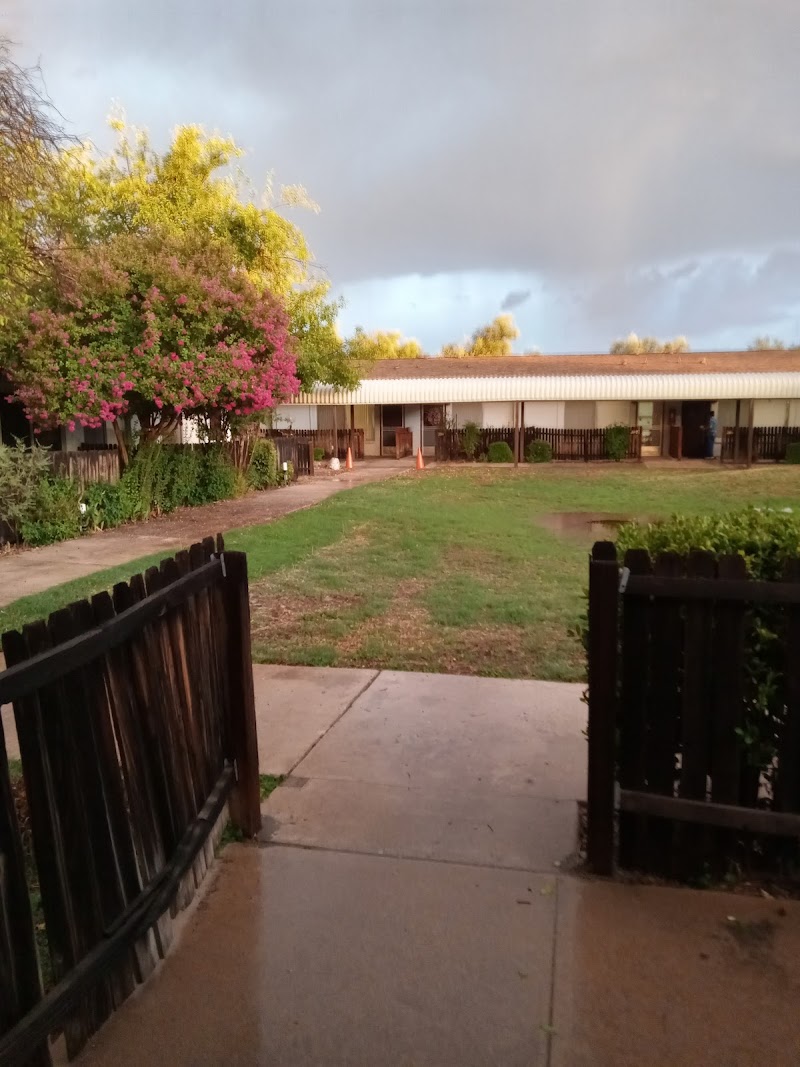
How is Devon Gables Rehabilitation Center Staffed?

CMS rates DEVON GABLES REHABILITATION CENTER's staffing level at 4 out of 5 stars, which is above average compared to other nursing homes. Staff turnover is 36%, compared to the Arizona average of 46%. This relatively stable workforce can support continuity of care.

What Have Inspectors Found at Devon Gables Rehabilitation Center?

State health inspectors documented 20 deficiencies at DEVON GABLES REHABILITATION CENTER during 2019 to 2025. These included: 1 that caused actual resident harm, 18 with potential for harm, and 1 minor or isolated issues. Deficiencies causing actual harm indicate documented cases where residents experienced negative health consequences.
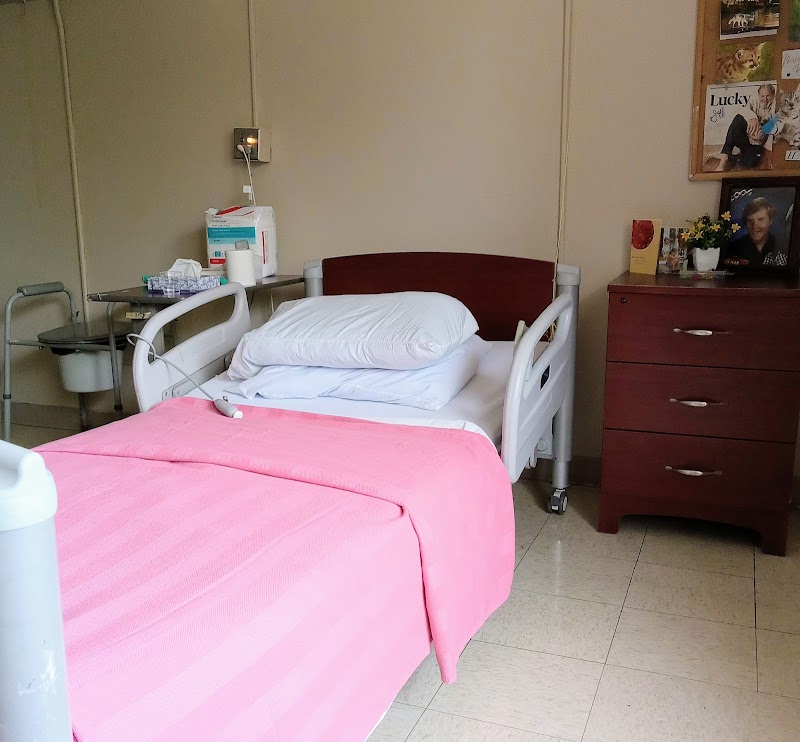
Who Owns and Operates Devon Gables Rehabilitation Center?

DEVON GABLES REHABILITATION CENTER is owned by a for-profit company. For-profit facilities operate as businesses with obligations to shareholders or private owners. The facility is operated by ATIED ASSOCIATES, a chain that manages multiple nursing homes. With 312 certified beds and approximately 179 residents (about 57% occupancy), it is a large facility located in TUCSON, Arizona.
How Does Devon Gables Rehabilitation Center Compare to Other Arizona Nursing Homes?

Compared to the 100 nursing homes in Arizona, DEVON GABLES REHABILITATION CENTER's overall rating (2 stars) is below the state average of 3.3, staff turnover (36%) is significantly lower than the state average of 46%, and health inspection rating (2 stars) is below the national benchmark.

What Should Families Ask When Visiting Devon Gables Rehabilitation Center?

Based on this facility's data, families visiting should ask: "What safeguards and monitoring systems are in place to protect residents from abuse or neglect?" "Can I visit during a mealtime to observe dining assistance and food quality?" "How do you handle medical emergencies, and what is your hospital transfer rate?" "Can I speak with family members of current residents about their experience?" These questions are particularly relevant given the substantiated abuse finding on record.

Is Devon Gables Rehabilitation Center Safe?

Based on CMS inspection data, DEVON GABLES REHABILITATION CENTER has documented safety concerns. The facility has 1 substantiated abuse finding (meaning confirmed case of resident harm by staff or other residents). The facility has a 2-star overall rating and ranks #100 of 100 nursing homes in Arizona. Families considering this facility should ask detailed questions about what corrective actions have been taken since these incidents.

Do Nurses at Devon Gables Rehabilitation Center Stick Around?

DEVON GABLES REHABILITATION CENTER has a staff turnover rate of 36%, which is about average for Arizona nursing homes (state average: 46%). Moderate turnover is common in nursing homes, but families should still ask about staff tenure and how the facility maintains care continuity when employees leave.

Was Devon Gables Rehabilitation Center Ever Fined?

DEVON GABLES REHABILITATION CENTER has no federal fines on record. CMS issues fines when nursing homes fail to meet care standards or don't correct problems found during inspections. The absence of fines suggests the facility has either maintained compliance or corrected any issues before penalties were assessed. This is a positive indicator, though families should still review recent inspection reports for the full picture.

Is Devon Gables Rehabilitation Center on Any Federal Watch List?

DEVON GABLES REHABILITATION CENTER is not on any federal watch list. The most significant is the Special Focus Facility (SFF) program, which identifies the bottom 1% of nursing homes nationally based on persistent, serious quality problems. Not being on this list means the facility has avoided the pattern of deficiencies that triggers enhanced federal oversight. This is a positive indicator, though families should still review the facility's inspection history directly.