FOOTHILLS REHABILITATION CENTER

2250 NORTH CRAYCROFT ROAD, TUCSON, AZ 85712 (520) 733-8700
For profit - Limited Liability company 149 Beds ATIED ASSOCIATES Data: November 2025
Trust Grade
38/100
#103 of 139 in AZ
Last Inspection: March 2025

Within standard 12-15 month inspection cycle. Federal law requires annual inspections.

Overview

Foothills Rehabilitation Center has a Trust Grade of F, indicating significant concerns about the facility's quality of care. Ranking #103 out of 139 facilities in Arizona places them in the bottom half, and their county ranking of #17 out of 24 suggests only a few local options are better. The facility's trend is worsening, with issues increasing from 2 in 2024 to 5 in 2025, which raises red flags for potential residents and their families. While staffing is a strength with a 4 out of 5 rating and a low turnover of 32%, there are serious deficiencies noted, including a failure to prevent falls for residents needing assistance, which could lead to significant injuries. Additionally, fines totaling $8,190 are concerning, as they are higher than 80% of Arizona facilities, indicating ongoing compliance issues.

Trust Score
F
38/100
In Arizona
#103/139
Bottom 26%
Safety Record
High Risk
Review needed
Inspections
Getting Worse
2 → 5 violations
Staff Stability
○ Average
32% turnover. Near Arizona's 48% average. Typical for the industry.
Penalties
✓ Good
$8,190 in fines. Lower than most Arizona facilities. Relatively clean record.
Skilled Nurses
✓ Good
Each resident gets 53 minutes of Registered Nurse (RN) attention daily — more than average for Arizona. RNs are trained to catch health problems early.
Violations
⚠ Watch
15 deficiencies on record. Higher than average. Multiple issues found across inspections.
★★☆☆☆
2.0
Overall Rating
★★★★☆
4.0
Staff Levels
★★★★☆
4.0
Care Quality
★★☆☆☆
2.0
Inspection Score
Stable
2024: 2 issues
2025: 5 issues

The Good

  • 4-Star Staffing Rating · Above-average nurse staffing levels
  • 4-Star Quality Measures · Strong clinical quality outcomes
  • Full Sprinkler Coverage · Fire safety systems throughout facility
  • No fines on record
  • Staff turnover below average (32%)

    16 points below Arizona average of 48%

Facility shows strength in staffing levels, quality measures, fire safety.

The Bad

2-Star Overall Rating

Below Arizona average (3.3)

Below average - review inspection findings carefully

Staff Turnover: 32%

14pts below Arizona avg (46%)

Typical for the industry

Federal Fines: $8,190

Below median ($33,413)

Minor penalties assessed

Chain: ATIED ASSOCIATES

Part of a multi-facility chain

Ask about local staffing decisions and management

The Ugly 15 deficiencies on record

3 actual harm
Aug 2025 1 deficiency
CONCERN (D) 📢 Someone Reported This

A family member, employee, or ombudsman was alarmed enough to file a formal complaint

Potential for Harm - no one hurt, but risky conditions existed

Accident Prevention (Tag F0689)

Could have caused harm · This affected 1 resident

**NOTE- TERMS IN BRACKETS HAVE BEEN EDITED TO PROTECT CONFIDENTIALITY** The facility failed to ensure resident #1 was free from avoidable accidents when transferring a resident using a Hoyer lift. Thi...

Read full inspector narrative →
**NOTE- TERMS IN BRACKETS HAVE BEEN EDITED TO PROTECT CONFIDENTIALITY** The facility failed to ensure resident #1 was free from avoidable accidents when transferring a resident using a Hoyer lift. This deficient practice placed the resident at risk for serious injury, pain, and further decline.Findings include:Resident #1 was admitted to the facility on [DATE], with diagnoses that include obesity, chronic pain syndrome, and long-term use of anticoagulants. A review of the quarterly Minimum Data Set (MDS), dated [DATE], revealed Resident #1 had a Brief Interview for Mental Status score of 14, which indicates she was cognitively intact. A review of the care plan, dated March 19, 2025, indicated that a Hoyer lift with 2 staff will be used to safely transfer the resident, and an identified goal was that the resident would not have an injury related to transfers. A review of the physician's orders, dated March 23, 2025, revealed Resident #1 was to be transferred using a 2-person Hoyer lift. A review of the progress notes in the resident's Electronic Health Record (EHR) revealed a note, dated July 17, 2025, at 6:41 P.M., indicating Resident #1 was in her room with two CNAs who were attempting to transfer the resident from the chair to the bed. The note continues to describe that during the transfer, using the Hoyer lift, the Hoyer lift had tilted to the side, and the resident fell on the floor. The note also indicates that the resident had fallen on her buttocks and lower back and did not hit her head. An interview was conducted with Resident #1 on July 31, 2025, at 12:20 P.M. Resident #1 shared that Certified Nursing Assistant (CNA/Staff #27) and described the second staff member as a CNA who was working a different hall but could not remember her name. Resident #1 further shared that she felt staff were rushed that day, and Staff #27 had told Staff #30 to move the legs on the lift closer together. Resident #1 added that the legs of the Hoyer lift are usually spread apart to balance the Hoyer lift. Resident #1 recalled CNA/Staff #30 saying that it wasn't a good idea, and shortly after that, the Hoyer fell, and she had fallen to the ground. Resident #1 shared that usually when she is transferred, CNAs don't close the legs of the Hoyer until she is over the bed; however, Staff #27 wanted the legs together before she was over the bed so that the Hoyer legs could go under the bed more easily. Resident #1 estimated that she was about 2 feet away from the bed and suspended approximately 4 feet from the ground when the Hoyer had tipped over. Resident #1 also shared that she is still scared about using the Hoyer, so she doesn't get out of bed as often as she used to. She added that she had to get anxiety medications to help calm her. She also expressed that she no longer wanted Staff #27 to transfer her because she was not comfortable with him doing the transfer. A telephonic interview was conducted with Staff #30 on July 31, 2025, at 2:05 P.M. Staff #30 shared that she had received training on using the Hoyer lift 2 weeks after she was hired. Staff #30 shared that she was assigned to work a different hallway when Staff #27 had asked her for help with using a Hoyer lift to transfer Resident #1. They were attempting to move Resident #1 from her motorized chair to her bed when the Hoyer lift was not able to move forward due to a cord on the floor blocking the lift's forward progress. Staff #30 explained that she was working the remote for the Hoyer, and Staff #27 was using his hands to guide the resident in the sling. She continued to explain that once the Hoyer lift was stuck, she noticed that Staff #27 had his foot on the leg of the Hoyer and he was trying to push the Hoyer over the cord. It was at that time that she attempted to tell Staff #27 to wait multiple times. She shared that Staff #27 appeared to be frantic, like he was in a rush to get it done. It looked like he wasn't thinking clearly, and he was not hearing me because he was so focused on moving the Hoyer. Staff #30 then shared that it was at that point when the Hoyer fell over her, and the resident fell to the floor onto her lower back and butt from the maximum height. She also shared that Staff #27 then left the room to get help while Staff #30 was able to push the Hoyer off of herself. An interview was conducted on July 31, 2025, at 3:22 P.M. with Staff #27. He shared that he gets training on using the Hoyer lift annually and whenever there is an incident. He also shared that the last time he received training on the Hoyer lift was the same week the fall took place. Staff #27 explained that it was around 5:00 P.M., and Resident #1 was in her motorized wheelchair when she had expressed wanting to be transferred into bed. Staff #27 shared that he was in a rush that day to get everything done because he was trying to get residents changed before dinner time so they could eat comfortably as the dinner trays were close to being delivered. The other CNAs in the unit were in the dining area assisting residents, and he was in the hallway alone. He then went to another hallway to get assistance from another CNA for the Hoyer transfer. Staff #27 explained that prior to starting the process of transferring a resident, using a Hoyer lift, he ensures the area that the Hoyer lift will be used in is clear and that nothing can get caught is on the floor. He also ensures there's enough room to maneuver the Hoyer. He confirmed that he did this prior to using the Hoyer to transfer Resident #1; however, he shared that there was a tubing (oxygen tube) and electrical cord from Resident #1's roommate on the floor but he thought it was far enough out of the way that it wouldn't interfere with movement of the Hoyer lift. He also said that Staff #30 had told him that she was going to try to move the base legs closer together to fit under the bed. While he and the other CNA were turning Resident #1 towards the bed, the roommate's tubing and electrical cord were in the way, and the wheels of the Hoyer lift got caught in the tubing. He indicated that he was able to dislodge the tubing. Staff #27 explained that he believed the momentum of the sling swinging caused the Hoyer and the resident to fall over. He confirmed that Resident #1 was at the highest point in the Hoyer, due to her bed being high, when she fell. He recalled Resident #1 crying out as she fell, and she had told him that her rear end had hurt where she had landed. Staff #27 left to get a nurse immediately after the fall, and Registered Nurse (RN/Staff #70) assessed the resident and took her vitals. A mobile X-ray was brought in, but it was not able to do the scan because the resident was too big for it. The resident indicated she did not want to go to the hospital because she didn't like hospitals. Staff #27 confirmed that neurochecks were done post-fall. When asked what the risks to the residents were if the Hoyer area was not cleared before transferring residents, Staff #27 indicated that the risk would be that the Hoyer's movement would be impeded, and it would be harder to do tighter turns. The resident could fall and get injured. An interview was conducted on August 1, 2025, with Licensed Practical Nurse (LPN/Staff #93) at 8:25 A.M. Staff #93 explained that before transferring a resident, using a Hoyer lift, she would look at the bed position and the space in the room to ensure there is room to maneuver the Hoyer lift. She would also ensure that the Hoyer is working before starting the transfer and then explain to the resident what she and other staff will be doing. She also shared that she would ensure there are no cords or tubes on the floor because the Hoyer would not be able to go over it, We have to make sure it is out of the way. Staff #93 shared that the risks to the residents if they have a fall from a Hoyer lift would depend on how far the resident was from the ground. If the resident had a higher-level fall, they could have a fracture. An interview was conducted on August 1, 2025, with CNA/Staff #16 at 8:42 A.M. When asked what the process was when transferring a resident using a Hoyer lift, Staff #16 explained the process as follows: She would get a 2nd staff member to assist her and hook up the resident and ensure they are clipped in. Ensure the Hoyer is in position and one staff member is to watch the feet and the body while the other staff person operates the Hoyer lift using the remote and ensures the Hoyer lift is stable for transfer. Make sure everything is out of the way, and make sure cords are out of the way. She explained that the Hoyer lift is not able to go over cords. If you had a resident in there and tried to go over the cord, the resident in the sling would rock back and forth. She shared that a few days before this interview, she was moving a Hoyer lift with no resident in there, and there was a cord on the floor. She indicated that the sling bar was swaying and shared that she could imagine if a resident were in the sling, it would rock even more. She added that she couldn't get the Hoyer lift over the cord, so she had to move the cord out of the way before she could move the Hoyer lift. When asked what the risk to the resident would be if you attempt to push a Hoyer lift over a cord, she indicated that the Hoyer lift would tip over and fall. When asked if the legs of the Hoyer lift could be moved closer together to fit under the resident's bed, Staff #16 shared that it was risky because if the resident was obese, they might tip and fall because the legs would be too close together. She stated that she would use common sense on figuring out how much she is able to close the legs to fit under the bed without sacrificing resident safety. An interview was conducted with the Director of Nursing (DON/Staff #106) on August 1, 2025, at 9:13 A.M. Staff #106 shared that CNAs do trainings on the Hoyer lifts and have a competency test on hire, annually, and if anything happens. When asked what happened to Resident #1, Staff #106 shared that Staff #30 and Staff #27 were transferring the resident from the wheelchair to the bed, and they had put her on the sling. While transferring the resident, the Hoyer tipped. She indicated that she was not sure what caused the Hoyer to topple, but she thought it was because the legs were in the incorrect position, but she didn't know for sure. Staff #106 explained that during the process of transferring a resident, using a Hoyer lift, her expectations were that the staff would ensure the legs of the Hoyer lift were wide enough for the balance of the patient. She also shared that the legs of the Hoyer were to be open and not closed during transfer, or the legs moved closer together when the patient is in the sling, but not yet over the bed. If this were to happen, there would be the risk of the Hoyer lift tipping and the patient falling and having an injury. Staff #106 also shared that nothing should be on the floor because it wouldn't be a flat surface. There would be a bump there, and the Hoyer lift would not be able to go over it. The risk to the resident would be that the Hoyer would lose its balance, and the resident might fall because of the swinging of the sling. Review of the policy titled, Lifting Machine, Using a Mechanical, last revised in July 2024, explains the procedure of using a lifting device. Step 4 of the procedures instructs the reader to Prepare the Environment: - Clear an unobstructed path for the lift machine; ensure there is enough room to pivot; position the lift near the receiving surface; and place the lift at the correct height.
Jul 2025 1 deficiency
CONCERN (D) 📢 Someone Reported This

A family member, employee, or ombudsman was alarmed enough to file a formal complaint

Potential for Harm - no one hurt, but risky conditions existed

Free from Abuse/Neglect (Tag F0600)

Could have caused harm · This affected 1 resident

**NOTE- TERMS IN BRACKETS HAVE BEEN EDITED TO PROTECT CONFIDENTIALITY** Based on the clinical record review, staff and resident interviews, and facility policies and procedures, the facility failed to...

Read full inspector narrative →
**NOTE- TERMS IN BRACKETS HAVE BEEN EDITED TO PROTECT CONFIDENTIALITY** Based on the clinical record review, staff and resident interviews, and facility policies and procedures, the facility failed to protect the resident (#8) rights to be free from physical abuse by another resident (#7). The deficient practice could result in bodily injury and emotional or mental trauma.Findings include:-Regarding Resident # 7:Resident #7 was admitted to the facility on [DATE], with diagnoses that included diffuse traumatic brain injury with loss of consciousness, essential hypertension, hereditary and idiopathic neuropathy, unspecified, intrapartum hemorrhage, unspecified, anxiety disorder, unspecified. The quarterly Minimum Data Set (MDS) dated [DATE], revealed a Brief Interview of Mental Status (BIMS) score of 00, indicating severe cognitive impairment. The MDS revealed that the resident had no potential indicators of psychosis but exhibited physical behavioral symptoms directed towards others (e.g., hitting, kicking, pushing, scratching, grabbing or abusing others sexually), verbal behavioral symptoms directed towards others (e.g., threatening others, screaming at others, cursing at others, and rejection of care (e.g., bloodwork, taking medications, ADL assistance), with a frequency of 1 to 3 days. Furthermore, the MDS revealed that the resident wore glasses to improve visual acuity and was usually able to make themselves understood and understand others.The resident's quarterly care plan dated June 12, 2025, revealed that the resident was at risk for elopement related to traumatic brain injury, as evidenced by attempting to leave the building. Interventions included the use of a wander guard, completion of elopement risk assessment, and placement of the resident in supervised areas. Further, the care plan revealed that the resident had the potential to exhibit behavioral symptoms, including refusal of care, cussing at staff, and swatting with arms. The resident was noted to be gaining control of functional abilities and will now swing at staff and family. The care plan revealed that the resident is now able to drag himself out of bed, climb into his wheelchair, and propel out of the room. The resident sometimes dragged himself to the toilet and poured water from the toilet onto himself. The resident had been observed wandering into other residents' rooms and taking items. The related short-term goal identified in the care plan stated that the resident will show no signs or symptoms of negative consequences or outcomes secondary to behaviors. Interventions in the care plan included the use of two staff for all care provided, staff to watch the resident when he is out of bed in common areas, and staff will assess whether behaviors endanger the resident and or others and intervene if necessary. Additional interventions included that staff will convey an attitude of acceptance toward the resident, not alienate or criticize the resident when he is resistant to care, maintain a calm environment, and provide consistent staff as much as possible.A review of the progress note dated July 18, 2025, at 09:54 P.M. revealed notes from the facility's behavioral health team meeting where the resident's behaviors and medications were reviewed. Results of the meeting revealed that the team's psychiatric provider increased the resident's valproic acid to 250 mg TID due to behaviors and review of laboratory results.A review of a progress note dated July 19, 2025, at 10:23 P.M. revealed that the resident was involved in a resident-to-resident altercation after he was noted to wander into another resident's (resident # 8) room and take the other resident's water bottle. Staff returned the water bottle, and resident # 8 witnessed the resident coming out of the room and questioned resident #7 about taking his things. Resident #7 became agitated, began cursing, and while the staff were separating the residents, reached out and made contact, striking him in the arm. No injuries to either resident were reported.An additional review of progress notes of the past 30 days revealed entries noting resistance to care or aggression on June 24, 2025, at 10:53 P.M, June 26, 2026, at 10:36 P.M., June 30, 2025 at 02:56 P.M., July 15, 2025, at 10:18 A.M., July 18, 2025, at 06:25 A.M. All other entries indicated that the resident was cooperative with care.-Regarding Resident #8:Resident # 8 was admitted on [DATE], with diagnoses that included intracranial injury with loss of consciousness of unspecified duration, major depressive disorder, recurrent, anxiety disorder, unspecified.The quarterly MDS dated [DATE], revealed a BIMS score of 13, indicating intact cognition. The PHQ-2 revealed a score of 00, indicating no mood disturbance. Behavioral symptoms identified in the MDS included no presence of delusions, physical symptoms directed towards others, rejection/refusal of care, or wandering.A review of the resident's care plan indicated that placement was required on a secured unit secondary to his psychiatric diagnosis, poor safety awareness, which resulted in the resident exhibiting behaviors that could possibly place the resident or others at risk. A review of the resident's monthly summary progress note dated June 13, 2025, revealed that the resident had mild cognitive and memory impairment and was independent in the majority of activities of daily living, requiring only supervision or set-up assistance. The note further stated that the resident exhibited infrequent behaviors and had effective communication and understanding. review of the resident's progress note dated July 19, 2025, at 10:47 P.M. revealed that the resident was involved in a resident-to-resident altercation. The resident witnessed resident #7 coming out of his room and questioned him about taking his things. Staff attempted to separate the two residents. Resident #7 contacted the resident, hitting him in the arm. Skin assessments were conducted on both residents, which revealed no injury. Notifications were completed, but no further interventions were identified.A review of the resident's progress notes dated July 20, 2025, revealed that the resident had no complaints of pain and that no injury was noted to the resident's arm. The note indicated that the resident was up in the dayroom and spending time in activities. A review of the facility's grievance log for the previous 4 months (from April through July, 2025) revealed that there were no grievances listed for either resident. An interview was conducted with Licensed Practical Nurse (LPN/ Staff #160) on July 21, 2025, at 11:16 A.M. The LPN stated that she is familiar with abuse and defined it as verbal, physical, sexual, confinement, or misappropriation. Staff #160 stated that she receives abuse training at the facility annually and holds Crisis Prevention Institute (CPI) certification. The LPN stated that if staff witness abuse between residents, the first goal is to create safety, separate the residents, call the doctor, family, administrator, and Director of Nursing (DON). When asked about the specific incident, the LPN stated that she remembered the event and was in the day room speaking with a physician on the phone. Upon completing the telephone conversation, she turned around and noticed that resident #7 was no longer in the day room. She stated that she walked into the hallway and observed resident #7 coming out of resident #8's room, carrying some of resident #8's property as he was in his wheelchair. The LPN stated that she took the property from resident #7 and redirected him to return to the day room. She then stated that as they were moving out of resident #8's room, resident #8 returned to the unit and observed the LPN and resident #7 exiting resident #8's room. Staff #160 stated that the residents began cursing at each other, and resident #7 reached out from his wheelchair, leaned across the doorway to the room, and got him on the arm (referring to resident #8). The LPN stated that the residents were separated and assessed for injury, and that no injuries were observed.The LPN stated that resident #7's baseline is that he becomes agitated, but it is more often with staff than with other residents. Mitigation strategies reported by staff #160 included keeping resident #7 on a secure, locked down unit, supervising him, and charting on targeted assessments. The LPN stated that this incident did not meet her expectations and that the risk could be harm to the resident.A follow-up interview was conducted with staff #160 on July 21, 2025, at 2:17 P.M. She stated that day she had called the physician to report a critical lab on another resident. The LPN stated that she believed that other staff were in the shower room, but one was there and the other was taking vital signs in another area. The LPN stated that she was distracted by speaking on the telephone and writing instructions from the provider.A telephone call to interview Certified Nursing Assistant (Staff #73) was placed on July 21, 2025, at 11:30 AM. There was no answer, and a message was left. No return call was received.A telephone message was left on July 21, 2025, at 11:31 A.M. with staff #158, Certified Nursing Assistant (CNA), requesting a call back. The CNA returned the call on July 21, 2025, at 12:25 P.M. and stated that she recalls no events of resident-to-resident abuse on unit and if observed, it would not meet her expectations. The CNA stated that the risk to the resident is that they could be removed from the facility.An interview was conducted with resident #8 on July 21, 2025, at 12:18 P.M. The resident stated that he felt safe at the facility and denied any concerns. Resident #8 stated that he recalled no incidents. An observation of resident #7 was conducted on July 21, 2025, at 12:21 P.M., who was non-interviewable due to unclear verbal responses and ‘fist-bump' gestures.An interview was conducted with Certified Nursing Assistant (CNA), (Staff #122) on July 21, 2025, at 12:38 P.M., who stated that abuse could be physical, verbal, sexual or financial. The CNA stated that she is familiar with resident #7's baseline, stating, 'he can be a handful, so we really need to keep an eye on him. She further stated that resident #7 is now able to propel his manual wheelchair independently and moves quickly, often attempting to wander into other areas, including other residents' rooms. She reported that resident #7 explores other areas looking for things like jackets, games, or anything, really, and other residents get angry. The CNA stated, he doesn't really know what's going on. She stated that he is not on 1:1 status, but he really should be. The CNA reported that this has been reported to the facility administration. The CNA stated that resident-to-resident abuse would not meet her expectations and that the risk to the resident is that they may be harmed or may be moved.An interview was conducted with the Director of Nursing (DON), Staff #14, on July 21, 2025, at 2:15 P.M., who defined abuse as resident-to-resident or staff-to-resident and could include physical or verbal abuse, sexual abuse, or misappropriation. The DON stated that residents on the behavioral unit could be there for many reasons. The DON stated that the residents sign a contract and could be court-ordered are here for many reasons, and all require monitoring to watch the residents. Staff #14 stated that the staffing on unit is consistent with two CNAs and a nurse on every shift, which has an average daily census of 7 to 8 residents. The DON stated that some residents cannot be roomed with other residents. The DON stated that someone is assigned to be observing in the day room, and the other checks on the residents who are in their rooms. The DON stated that someone needs to know where the resident is at all times. Staff #14 stated that in this event, the nurse had to call a doctor, and the resident left while she was on the phone. The DON stated that she had not completed a full debrief on the incident, as it occurred the previous weekend, but advised staff that resident #7 must be monitored closely. Staff #14 reported that staff was assigned to the dining room to observe all staff, but that now, a staff member must observe him at all times. The DON stated that the resident has not been placed on 1:1 observation as she did not wish to set staff up to fail, as they may not be able to provide that level of supervision. The DON stated that when resident #7 arrived at the unit and before the incident, he was in a vegetative state, less independent, and could not participate or cooperate in therapy. However, he has now progressed and demonstrates increased mobility and function. The DON stated that the resident's family is very supportive and has a goal of taking him home. When asked what resident #7's care plan included about monitoring in the common area, she stated that before the incident, someone had to be in the dining room to observe; however, now someone needs to monitor him at all times. The DON stated that observation means that you have to keep your eyes on them at all times. Staff #14 stated that if the telephone call to the provider was not urgent, the staff member could have waited to make the call to the provider. The DON stated that the phone on the unit is behind the desk next to the med cart, which permitted the nurse to face the dining room, but based on the circumstances, she may have had her head down taking orders as she spoke to the provider. The DON stated that this event did not meet her expectations, and the risk of abuse could be injury to the resident. A review of the policy, Preventing, Reporting and Investigating Abuse/Neglect revised July 2023, revealed that residents have the right to be free from abuse, neglect, misappropriation of resident property, and exploitation. The policy defined abuse as, The willful infliction of injury, unreasonable confinement, intimidation, or punishment with resulting physical harm, pain or mental anguish.
Jun 2025 1 deficiency
CONCERN (D) 📢 Someone Reported This

A family member, employee, or ombudsman was alarmed enough to file a formal complaint

Potential for Harm - no one hurt, but risky conditions existed

Investigate Abuse (Tag F0610)

Could have caused harm · This affected 1 resident

Based on staff interviews, facility documents and the facility policy and procedures, the facility failed to complete a thorough investigation. The deficient practice could result in allegations not b...

Read full inspector narrative →
Based on staff interviews, facility documents and the facility policy and procedures, the facility failed to complete a thorough investigation. The deficient practice could result in allegations not being substantiated. Based on staff interviews, facility documents and the facility policy and procedures, the facility failed to complete a thorough investigation. The deficient practice could result in allegations not being substantiated. Findings include: Review of the 5 day investigation dated June 13, 2025 revealed that (Resident #3) reported to (staff #11) that another nurse (staff #42) has verbally abused her and attempted to hit her awhile back. This document included that 3 residents had been interviewed, however, interviews with staff were not included. An interview was conducted on June 25, 2025 at 2:53 P.M. with the Director of Nursing (DON/staff #18) who said when an allegation is made, the facility has to make sure the resident is safe, separate them, suspend the alleged perpetrator, and do a skin check. She said that she would interview staff, interview the resident and interview other residents. The DON said that she was on vacation during this incident. An interview was conducted on June 25, 2025 at 3:00 P.M. with the Administrator (staff #31) who said the facility did interviews with the resident and the case manager did an interview with resident. She said that they do not have interviews with staff. This Administrator said that staff was spoken to but it was not written down. A policy titled Preventing, Reporting and Investigating Abuse/Neglect dated July 2023, all reports shall be promptly and thoroughly investigated by facility management. The individual conducting the investigation will, as a minimum: Interview staff members (on all shifts) who have had contact with the resident during the period of the alleged incident.
May 2025 1 deficiency
CONCERN (D) 📢 Someone Reported This

A family member, employee, or ombudsman was alarmed enough to file a formal complaint

Potential for Harm - no one hurt, but risky conditions existed

Deficiency F0658 (Tag F0658)

Could have caused harm · This affected 1 resident

**NOTE- TERMS IN BRACKETS HAVE BEEN EDITED TO PROTECT CONFIDENTIALITY** Based on clinical record review, interviews, facility documentation and policy review, the facility failed to ensure a colostomy...

Read full inspector narrative →
**NOTE- TERMS IN BRACKETS HAVE BEEN EDITED TO PROTECT CONFIDENTIALITY** Based on clinical record review, interviews, facility documentation and policy review, the facility failed to ensure a colostomy care order was in place for one resident (#1) in accordance with professional standards of care. The deficient practice could result in residents not receiving the needed services for colostomy care. Findings include: Resident #1 was admitted to the facility on [DATE] with diagnoses that included anoxic brain damage, acute respiratory failure, use of a gastrostomy tube, and tracheostomy tube. On April 30, 2025, a review of Resident #1's orders revealed no orders for colostomy care. Review of Resident #1's care plan did not identify him having a colostomy bag or that colostomy care was needed. A review of Resident #1's progress notes revealed a note, Respiratory Vent Note, dated February 16, 2025 at 8:05 PM indicating that Resident #1 had a distended abdomen that was hard to the touch. Review of progress note, dated February 17, 2025 at 2:02 PM, revealed Resident #1 was sent out to an acute care facility for further evaluation. A review of a progress note, dated February 28, 2025 at 7:49 PM, revealed Resident #1 was re-admitted to the facility; and that, Resident #1 had a midline incision at abdomen approximated with staples. Colostomy with liquid stool in it. Mother notified of resident's return. A review of the acute care facility's documentation revealed that Resident #1 had a total colectomy with ileostomy on February 18, 2025. A review of the facility's Point of Care Bowel/Bladder Report revealed inconsistencies in the number of times a day the resident was checked -- included several days where Resident #1 was not checked and recorded as 'No Bowel/Bladder Data Recorded': -April 10, 2025 -April 15, 2025 -April 17, 2025 -April 18, 2025 -April 19, 2025 -April 22, 2025 -April 24, 2025 -April 25, 2025 -April 29, 2025 A review of the Medication Administration Record (MAR) for April revealed no order for colostomy care. An interview was conducted with Certified Nursing Assistant (CNA/Staff #54) on May 1, 2025 at 9:34 AM. Staff #54 stated that for residents who have a colostomy bag, they are checked every two hours and then the bag is changed when it is full or when it starts to come off. Staff #54 confirmed that Resident #1 had a colostomy bag. Staff #54 stated that she checks Resident #1 often because his bag does not stick well due to him being hairy in the area of the bag; and that, she had not observed his bag pop or him soiling himself with feces. An interview was conducted on May 1, 2025 at 9:56 AM with Registered Nurse (RN/Staff #91) who stated that colostomy bags are changed as needed depending on how quickly it gets filled. However, the bags are checked every two hours. Staff #91 confirmed that Resident #1 had a colostomy bag. Staff #91 stated that residents do not need an order for colostomy bag, however that they do need an order for colostomy care. Staff #91 was asked to locate an order for colostomy care for Resident #1 and confirmed that she was not able to locate one in the Electronic Health Record (EHR). Staff #91 stated that the risks of not having an order for colostomy care may result in patients not getting checked and the bag wouldn't get changed. She added that this would lead to the resident getting an infection. An interview was conducted on May 1, 2025 at 10:17 AM with the Director of Nursing (DON/Staff #166) who stated that residents' orders for the colostomy bags are often lumped together with orders for colostomy care. Staff #166 was asked to locate an order for colostomy care or a colostomy bag for Resident #1. Staff #166 acknowledged that she was unable to locate one in the EHR. Staff #166 stated that not having an order for the colostomy care did not meet her expectations and that possible risks for not having the order would be the residents not getting the care they needed. She added that this could lead to them getting sick and, something detrimental could happen to the residents. A secondary review of Resident #1's orders revealed an order, dated May 1, 2025 at 10:53 AM, created by staff #166. The order was for Colostomy: Change and care PRN and was instructed to be done every shift and as needed. A review of a policy titled, Medication, Treatment, and Other Orders, last reviewed in January 2025, stated Medications, treatments, and other orders will be consistent with principles of safe and effective order prescribing. Facility staff shall follow physician's orders as prescribed.
Mar 2025 1 deficiency
CONCERN (D)

Potential for Harm - no one hurt, but risky conditions existed

Food Safety (Tag F0812)

Could have caused harm · This affected 1 resident

Based on observations, staff interviews and review of policies and procedures, the facility failed to ensure that staff followed sanitary guidelines during tray-line and when preparing pureed foods; a...

Read full inspector narrative →
Based on observations, staff interviews and review of policies and procedures, the facility failed to ensure that staff followed sanitary guidelines during tray-line and when preparing pureed foods; and failed to ensure that foods within the refrigerator were appropriately labeled and dated. The deficient practices could result in food-borne illnesses. Findings include: An initial kitchen observation was conducted on March 4, 2025 at 8:30 A.M. in conjunction with the dietary manager (Staff #34). During the refrigerator observation it was observed that dough, a package of 4, was not labeled or dated, which was identified by the dietary manager as pizza dough. A plastic bag containing breaded fish and a bag of tortillas were also not labeled or dated. An observation was conducted on March 5, 2025 at 11:38 A.M. for purred food. It was observed that the cook, (Staff #143) had touched the outside of the food ladle with the fingers of her left hand and then proceeded to use the same ladle to obtain more ham and beans to add to the food processor. It was further observed that she touched the rim of the inside container of the food processor with four fingers of her left hand while scrapping down the sides of the container. The dietary manager, staff #34, and cook, staff #143, were informed of the observation and the puree was discarded and a new ladle was obtained. A tray-line observation was conducted on March 5, 2025 at 12:11 P.M. The facility cook (staff #118) was observed placing a her thumb on plates during the tray-line serving process. It was further observed that staff #118 was not wearing gloves while plating. After the plates were pointed out to the dietary manager, staff #34, she stated that the cook, staff #118, had washed her hands. When asked if the bare thumb should be present on a plate on which food is being served to residents she stated that it should not and she addressed the concern with the cook, staff 118. An interview was conducted on March 5, 2025 at 10:56 A.M. with the dietary manager (staff #34). Staff #34 stated that she follows her internal policy for labeling and dating items. She stated that the pizza dough should have been labeled and dated and that the tortillas were out of the box and should also have been labeled and dated. The dietary manager stated that after discussing with staff, the fish had been labeled and dated but because of how it was wrapped the date and label were inside the packaging and not visible on the outside. Staff #34 stated that this did not meet her expectations and that she would be conducting an in-service with kitchen staff. The dietary manager stated that the risk could include staff not knowing when the item arrived or where it came from. An interview was conducted on March 5, 2025 at approximately 11:40 A.M. with the dietary manager, staff #34. The dietary manager stated that she had not observed the hand contact with the ladle or the inside of the food processor during puree, but stated that this would not meet her expectations. She stated that the risk to the residents would include cross-contamination. An interview was conducted on March 5, 2025 at 11:43 A.M. with the dietary aide, (staff #174). The dietary aide stated that all items in the refrigerator have to have an open and a use by date. An interview was conducted on March 5, 2025 at 12:11 P.M. with the facility contracted dietician (staff #179) who was present during tray-line. The dietician stated that it was important to limit contact with the plate and that the risk could include food sliding to the side of the plate where the bare thumb had been in contact with the plate. An interview was conducted on March 5, 2025 at 2:25 P.M. with the administrator (staff #102). The administrator stated that her expectation is that staff label, date and follow the rules regarding temperature control for food storage. The administrator stated that that the risk could be anything, including bacterial growth and that someone could get sick. The administrator further stated that her expectation is that during food service, puree or tray-line, that hands do not come in contact with food being served. She stated that she had given staff a restaurant analogy, when made aware of the finding, and had asked if they wanted someone to put their bare hands on their plate containing food or inside their glass. She stated it was 'gross' and that the risk could include bacterial contamination which could be detrimental to the resident's health and safety and could make them sick. A review of the facility policy entitled food storage with a revision date on March 09, 2020 revealed that all products should be inspected for safety and quality and be dated upon receipt, when opened and when prepared. It further noted that all food items stored need to be labeled and dated. A review of the policy entitled Trayline Setup and Service revised July 2, 2018 revealed under item #12, that food should not be handled with bare hands.
Dec 2024 1 deficiency
CONCERN (D) 📢 Someone Reported This

A family member, employee, or ombudsman was alarmed enough to file a formal complaint

Potential for Harm - no one hurt, but risky conditions existed

Incontinence Care (Tag F0690)

Could have caused harm · This affected 1 resident

**NOTE- TERMS IN BRACKETS HAVE BEEN EDITED TO PROTECT CONFIDENTIALITY** Based on observation, clinical record review, staff interviews and policy review, the facility failed to provide incontinence ca...

Read full inspector narrative →
**NOTE- TERMS IN BRACKETS HAVE BEEN EDITED TO PROTECT CONFIDENTIALITY** Based on observation, clinical record review, staff interviews and policy review, the facility failed to provide incontinence care for one resident (#2). The deficient practice could result in an increased risk for resident discomfort and or infection. Findings include: Resident #2 was admitted on [DATE] with diagnosis including end stage renal disease, surgical aftercare on the circulatory system, type 2 diabetes with diabetic neuropathy, chronic diastolic congestive heart failure, chronic pain syndrome, and major depressive disorder-recurrent. A review of the admission MDS (minimum data set) dated July, 18, 2023 revealed no noted BIMS (brief interview of mental status) score. A review of the resident's care plan revealed that the resident required a one person assist for all activities of daily living to include toileting and hygiene. The care plan further revealed that the resident had the potential for skin breakdown and pressure related injuries due to the normal aging process and incontinence, further noting that the resident needed staff assistance with bed mobility, transfers and toileting. A review of the skin assessments in the resident's electronic health record revealed no evidence of skin breakdown as related to incontinence care. A review of the facility's 5-day investigation revealed that staff #11 (CNA-certified nursing assistant) and the resident's former roommate (no longer at the facility) observed that staff #190 (CNA) left resident #2 sitting on the side of the bed, while taking the roommate to lunch, during which time resident #2 had been left soiled and not changed. It was further noted that the roommate stated that the staff member had told resident #2 to just sit on the edge of her bed, because her briefs were dirty and then walked out of the room. The facility's investigative report noted that staff #190 did not follow the facility policy and procedure for caring for residents and further noted that the resident felt a little bit abused. The 5-day investigative reported noted no injuries to the resident. A telephone call was placed on December 4, 2024 at 10:50 A.M. to staff #11, transportation coordinator, left message on voicemail. No return call received. An interview was conducted on December 4, 2024 at 11:01 A.M. with resident #2. The resident stated that she recalled that incident where she had been cursed out by the staff member and had been left soiled sitting on the side of the bed. She stated that she had been left soiled, sitting on the side of the bed for about 30 minutes or maybe a bit longer. She further stated that she recalled staff #190 screaming at her but could not recall what she had said. The resident reported no resulting skin breakdown. Resident #2 stated that she felt embarrassed at the time, but feels safe and well-cared for currently. An interview was conducted on December 4, 2024 at 11:05 A.M with a licensed practical nurse (LPNstaff #155). Staff #155 stated that when a resident is soiled, the resident has to be changed right away-generally within a few minutes. She stated that the risk for not changing residents promptly could include skin breakdown. An interview was conducted on December 4, 2024 at 11:10 A.M. with a Certified Nursing Assistant (CNA/staff #10) and another CNA (CNA/staff #88). Staff #88 stated that it generally only takes a few minutes to attend to a resident's call light, and if she was unable to attend to the resident right away, she would alert one of her co-workers to assist. Staff #10 stated that if a resident's incontinence was not addressed promptly, then the risk could be at risk for skin breakdown. Both CNA's stated that the maximum time for call light response is about 10 minutes and that each CNA generally has about 7-8 resident's to care for. Neither reported any staffing concerns. An interview was conducted on December 4, 2024 at 11:16 A.M. with an LPN nursing manager (LPN/staff #69). Staff #69 stated that the expectation is that a resident is changed right away when soiled, to ensure that waste does not remain on the resident's body. Staff #69 stated that this is why aids conduct rounds. Staff #69 further stated that it would not meet his expectations if staff did not attend to a soiled resident right away or ensure that another staff member was able to assist. Staff #69 stated that the risk for a resident remaining soiled for extended periods could include moisture associated skin disease or skin breakdown. A telephone call was placed to former staff #190 (CNA) on December 4, 2024 at 11:25 A.M. A message was left requesting a call back; however, the former staff member did not return the call. An interview was conducted on December 4, 2024 at 11:38 A.M. with the Director of Nursing, (DON/staff #50) and the Administrator (admin/staff #76). When asked if 30 minutes met the DON's expectation for a resident wait time to be changed when soiled, staff #50 stated that 30 minutes was a long time and that her expectation is that staff reach out to other staff to ensure that residents are changed timely. Staff #50 further stated that the risk for a resident being soiled for 45 minutes, as noted in the facility's 5-day investigative report for resident #2, is skin breakdown. A review of the facility policy entitled Perineal Care revised October 2023, revealed that the purpose of the procedure is to ensure cleanliness and comfort to the resident, and prevent infection and skin irritation.
Nov 2024 1 deficiency 1 Harm
SERIOUS (G) 📢 Someone Reported This

A family member, employee, or ombudsman was alarmed enough to file a formal complaint

Actual Harm - a resident was hurt due to facility failures

Accident Prevention (Tag F0689)

A resident was harmed · This affected 1 resident

**NOTE- TERMS IN BRACKETS HAVE BEEN EDITED TO PROTECT CONFIDENTIALITY** Based on clinical record review, staff and resident interviews, facility records and facility policy the facility failed to ensu...

Read full inspector narrative →
**NOTE- TERMS IN BRACKETS HAVE BEEN EDITED TO PROTECT CONFIDENTIALITY** Based on clinical record review, staff and resident interviews, facility records and facility policy the facility failed to ensure that one resident (#1) out of 3 sampled is free from preventable falls. This deficient practice could result in resident injury and mortality. Findings include: Resident #1 was admitted on [DATE] with diagnosis including MS (multiple sclerosis) chronic respiratory failure, tracheostomy, hemiplegia and hemiparesis affecting the right dominant side, chronic pain, muscle weakness, wedge compression fractures, fracture of right tibia, and fracture right fibula. A review of the MDS (minimum data set) dated November 13, 2024 revealed a BIMS (brief interview of mental status) score of 15, indicating that the resident was cognitively intact. A review of the resident's care plan revealed that a focus area noting that the resident required the use of a mechanical lift device (Hoyer lift) and a 2-person assist was initiated on December 5, 2023. A review of the progress notes revealed that on November 15, 2024 at 8:00 A.M. that staff was called into the room of resident #1. It was notated that resident #1 was found on the floor face down. Documentation revealed that the fall occurred during a Hoyer lift transfer from the shower gurney back into bed. The resident was noted to be bleeding from the nose and a laceration to the forehead was evident. There was not reported loss of consciousness. Progress notes further revealed that the resident received initial treatment and that notifications transpired. The progress notes further revealed that the resident was complaining of bilateral lower extremity pain. A subsequent progress note entry on November 15, 2024 at 9:00 P.M. revealed that the resident had returned from the hospital via stretcher. It was noted that the right leg below the knee to the toes was splinted, and a laceration to the forehead was observed. A new order of oxycodone 5 milligrams every 4 hours was also noted. A review of the facility 5-day investigation revealed that resident #1 had been sent to the hospital post Hoyer lift fall and returned the same day. It was noted that the resident did not require surgery for the incurred compression fracture of lumbar vertebrae 1 and 3 or the right ankle fracture. The report further revealed that staff #12 CNA (certified nursing assistant) was terminated post incident. The report indicated that the facility reviewed the fall in their quality assurance and performance improvement meeting and that precautionary measures, to include review of documentation for orders and care plans linked to point of care the CNA's to facilitate appropriate transfers were present. It was noted that an in-service was initiated for Hoyer transfer training on November 18, 2024 with an noted completion date of one week, excluding staff that are on vacation. Furthermore, the report indicated that weekly audits would be started and would continue for four months to ensure that staff are following facility protocol regarding Hoyer lift transfers. A review of the in-service training logs revealed a training for Hoyer transfers ranging from November 18, 2024 through November 25, 2024. It was noted that staff #12 participated in previous Hoyer lift transfer training in 2023 and again in 2024. An interview was conducted on November 25, 2024 at 10:32 A.M. with a Certified Nursing Assistant (CNA/staff #34). Staff #34 stated that a Hoyer lift transfer always requires 2 staff members. She stated that as a CNA she has to make sure that the right size sling for the Hoyer lift to accommodate the resident is being utilized. She further stated that she would always advise the resident of what is about to happen and ensure their comfort. Staff #34 stated that there is never a good reason to conduct a Hoyer lift transfer with only one staff person. Staff #34 stated that the risk for not conducting a 2-person Hoyer lift would include not knowing if sling is properly positioned, if it looks right', that the resident could fall and would not feel safe with only one person assisting. An interview was conducted on November 25, 2024 at 10:40 A.M. with a CNA (CNA/staff #18(. Staff #18 stated that she usually works the unit where resident #1 resides. She stated that resident #1 requires a Hoyer lift transfer. She stated that a Hoyer lift transfer is always a 2-person assist, unless the person is on a ventilator, in which case the resident is a 3-person assist. Staff #18 stated that at no time can a resident who is a Hoyer lift be transferred by only one staff member. She stated that she was aware of a Hoyer lift fall that occurred the previous week involving resident #1. Staff #18 stated that she was there the day of the fall, but had not been assisting with the transfer. She stated that she was called, after the resident had fallen and was assessed to help put the resident back into bed. She stated that the resident had sustained ankle and back injuries, as well as scratches to the forehead and leg, but stated that she felt he was recovering well at this time. Staff #18 further stated that resident #1 had a tracheostomy in place but was not on a ventilator, therefore he would require a 2-person assist with the Hoyer lift transfer. She stated that the risk for the resident in not having 2-staff members facilitate the transfer would include not effectively being able to keep an eye on the resident and potential injury. Staff #18 stated that she had just received Hoyer lift training the previous week, but did not recall on which day. An interview was conducted on November 25, 2024 at 10:46 A.M. with resident #1. The resident stated that there was only one staff member assisting him with the Hoyer lift transfer when the fall occurred. He stated that he thought everything was secured on the Hoyer lift. Resident #1 further stated that during the transfer, while he was in the Hoyer lift, the batteries had given out and staff # had to retrieve new batteries. He stated that at the time he was on the Hoyer lift above the shower bed and thought it was about 2 minutes before staff # returned. He stated that when the staff # returned, he asked him if he was ready to proceed. He said once the transfer progressed, he was not sure how it happened but did a backflip out of the Hoyer lift and landed on his face. He stated that he thought his legs hit the side of the Hoyer lift. Resident # stated that his right foot had a fractured ankle and is currently in a sling and that his back is fractured. Resident #1 stated that he does have pain but usually more in the ankle. An interview was conducted on November 25, 2024 at 10:54 A.M. with a Licensed Practical Nurse (LPN/staff #159). Staff #159 stated that a Hoyer lift transfer always requires 2-staff members to assist. She stated that generally one staff member would utilize the remote, while the other would check for proper connection of the sling. She further stated that the benefit of using 2 staff members includes the ability to have extra eyes on the resident while rolling them and properly positioning them. She stated that ultimately it is an issues of safety for the resident. Staff #159 stated that she had received Hoyer transfer training last week but could not recall any prior Hoyer lift trainings. She stated that the risk with a 1-person Hoyer lift transfer is that the staff member may miss a critical element to ensure resident safety. A telephone call was placed on November 25, 2024 at 11:22 A.M. to a Registered Nurse (RN/staff #42). The call went to voicemail and a message was left. Staff #42 was noted to be present on the day of the incident. No return call was received. An interview was conducted on November 25, 2024 at 11:39 with an LPN (LPN/taff #127). Staff #127 stated that Hoyer lift transfer is always a 2-person transfer. She stated that if another CNA is not available a nurse would assist to ensure that there are always 2 people present. She stated that she thought there were quarterly trainings on Hoyer lift transfers. Staff #127 stated that the benefit of requiring the 2-person Hoyer lift transfer is that one person watches the resident while the other is maneuvering the resident into the proper position. She stated that the risk of only one person transferring the resident could include falls. She stated that she had never seen anyone on her hall conducting a one-person Hoyer lift. A telephone call was placed on November 25, 2024 at 11:51 A.M. to a CNA (CNA/staff #12). The call went to voicemail and a message was left requesting a call-back. An interview was conducted on November 25, 2024 at 12:05 P.M. with the Director of Nursing (DON/staff #180) and The Administrator (admin/staff #96). Staff #180 stated that all Hoyer lift transfers require a 2-person assist. Staff #180 stated that staff receive Hoyer lift training upon hire and annually thereafter. She stated that the risk for not conducting a Hoyer lift transfer, as required by facility policy, could result in injury to the resident. She stated that staff #12 was immediately terminated and that all other staff received Hoyer lift training. A return telephone call from a CNA (CNA/staff #12) was received on November 26, 2024 at 9:37 A.M. Staff #12 stated that he recalled the fall involving resident #1. He stated that the resident was Hoyer lift transfer requiring a 2-person assist. Staff #12 stated that he was by himself when he was attempting to get the resident ready for a shower. He stated that he did not ask for assistance from other staff as he thought he could conduct the transfer by himself. He said at one point, the battery on the Hoyer lift had given out and he had to obtain a new battery. Staff #12 stated that at the time he went to replace the battery, the resident was on the shower gurney and not on the Hoyer lift. He stated that once the battery was replaced, he proceeded to transfer the resident with the Hoyer lift. He then stated that 'it all happened so fast, he flipped out of the Hoyer lift and landed on his face' at which time he immediately called for help. Staff #12 stated that he had participated in Hoyer lift training in the past year and was aware that a Hoyer lift transfer required 2-staff members to participate in the transfer. Staff #12 stated that the risk for not having 2-staff present to facilitate the transfer could result in residents, like resident #1, getting hurt. A review of the facility policy entitled Lifting Machine with a copyright date of 2001 revealed that at least 2 nursing assistants are needed to safely move a resident with a mechanical lift. Review of facility guidance entitled Hoyer Lift Transfers revealed that the transfer is with 2-staff members from start to finish and that staff should 'NEVER' transfer with a Hoyer lift by themselves.
Feb 2023 4 deficiencies 1 Harm
SERIOUS (G) 📢 Someone Reported This

A family member, employee, or ombudsman was alarmed enough to file a formal complaint

Actual Harm - a resident was hurt due to facility failures

Accident Prevention (Tag F0689)

A resident was harmed · This affected 1 resident

**NOTE- TERMS IN BRACKETS HAVE BEEN EDITED TO PROTECT CONFIDENTIALITY** Based on clinical record review, staff interviews, and review of policy, the facility failed to ensure one resident (#62) did no...

Read full inspector narrative →
**NOTE- TERMS IN BRACKETS HAVE BEEN EDITED TO PROTECT CONFIDENTIALITY** Based on clinical record review, staff interviews, and review of policy, the facility failed to ensure one resident (#62) did not sustain a preventable accident. The sample size was 24. The deficient practice increased the risk for pain, injury and/or hospitalization. Findings include: Resident #62 admitted to the facility on [DATE] with diagnoses including cerebellar stroke syndrome, diverticulosis of the large intestine and a persistent vegetative state. The activities of daily living (ADL) care plan dated 03/11/21 related to bathing, grooming, hygiene, toileting and bed mobility had a goal for the resident not to decline in ADL function. Interventions included 2 staff assistance for bed mobility. Review of the annual Minimum Data Set assessment dated [DATE] revealed the resident's cognition was not assessed and she required total assistance of one to two persons for most ADLs. A nursing progress note dated 01/15/23 at 3:30 a.m. included that the nurse had been called to the resident's room where she was observed on the floor without a brief, and a scant amount of feces noted. The note indicated the Certified Nursing Assistant (CNA) had assisted the resident to the floor from being at the edge of the bed. No injuries were identified. According to the note, two CNAs and the nurse assisted the resident back to bed using a Hoyer lift. The note stated that messages were left for the on-call provider and the resident's case manager. On 01/16/23 at 12:04 p.m. a nursing progress note included that the resident's right foot and ankle were swollen and painful. The provider was notified and an order for foot and ankle x-ray was obtained. Per a nursing progress note dated 01/16/23 at 5:04 p.m. the x-ray result for the resident's right foot was negative for fracture, but the right ankle had an acute bimalleolar fracture. The note indicated that the nurse practitioner, the resident's emergency contact and the case manager were notified. New orders were received for an orthopedic consult and to wrap the ankle with an ACE wrap. Review of a CNA (staff #51) written statement dated 01/23/23 included that she was changing the brief of resident #62. She stated that she positioned the resident on her left side and that her body was on the left side of the bed. The statement indicated that she finished cleaning the resident's bottom, that she was stable and still on the bed. According to the statement, as staff #51 walked to the other side of the bed to get cream for the resident's bottom she saw the resident's legs slip off the bed. She stated that she grabbed the resident's upper body in an attempt to hold her in place, but the resident fell off the bed and landed on her bottom. She stated that she still held her upper body and arm to lay her on the ground. She stated that she laid the resident on her right side and put a pillow under her head, then went to get the nurse. An interview was conducted on 02/15/23 at 1:13 p.m. with a Licensed Practical Nurse (LPN/staff #88). She stated that on the night of 01/15/23, at approximately 3:00 a.m., staff #51 called her to report that the resident was on the floor. She stated that the resident was really petite and didn't move much, and that the resident had an air-based mattress. She stated that staff #51 had told her that she was providing incontinence care to the resident and had positioned her on her left side. She said that staff #51 told her that she had been standing behind the resident on the opposite side of the bed. Staff #51 told her that she noticed that the resident was sliding off the mattress. She stated that staff #51 reported that the resident had landed on the floor on her right side, facing her roommate. Staff #88 reported that the resident had a dry patch of skin on her left thoracic area, but no injury visible to her feet. She stated that she was unable to perform neuro checks because the resident kept slapping her hand away and would not open her eyes. Staff #88 stated that she thought the resident only required one person for incontinence care. On 02/15/23 at 1:30 p.m. an interview was conducted with a CNA (staff #52). She stated that a co-worker had called her into the resident's room to assist her. She stated that her co-worker (staff #51) had told her that as she had turned the resident onto her side the resident's legs went over the side of the bed and her body followed. She stated that the resident had fallen onto the floor. She stated that she told staff #51 to go get the nurse. She stated that staff #51 got the vitals cart and took the resident's vitals, per protocol. She stated that staff #51 brought the Hoyer lift into the room and stated that it didn't work. She stated that she, the nurse and staff #51 loaded the resident onto the Hoyer sling and lifted her back onto the bed. During an interview conducted on 02/16/23 at 7:42 a.m. with a Nurse Assistant (NA/staff #51), she stated that during her rounds on 01/15/23 she was providing incontinence care to resident #62. She stated that she had raised the bed to approximately waist-height (4 feet), as she normally did, so she would not hurt her own back. She stated that the resident had an air mattress, that she was not sure of the name of the device, but that the bottom had a base and the top layer was like a balloon. She stated that during care, she turned the resident onto her left side and cleaned her bottom. She stated that the resident was close to the edge of the bed. She stated that while the resident was on the edge of the mattress, the mattress kind of deflated and squished down on that side, and the air went to the other side. She stated that she was standing on the right side of the bed. She stated that when she had finished cleaning the resident's bottom, she moved to go over to the left side of the bed. She stated that she saw the resident slip over the side. She stated that she was able to grab the resident by her arm and shoulder and hold her before she hit the floor. She stated that she lowered the resident to the floor so she could go get help. She stated that the resident's legs had not been hanging over the side of the mattress, but that she was probably too close to the edge or she would not have fallen over. An interview was conducted on 02/16/23 at 11:07 a.m. with the Director of Nursing (DON/staff #18). She stated that it was her expectation that the CNA Point of Care charting program would explain the needs of the resident and what type of assistance they would need. She stated that she expects the CNA to read the instructions and follow them. She stated that she would anticipate that the CNA would raise the bed for body mechanics purposes, so they won't hurt themselves. She stated that when a resident has an air mattress, the weight shifts, and the resident could potentially slip off the bed. She stated that after the particular incident involving resident #62, they completed an audit of all the residents who require extensive/total assistance who also have air mattresses. She stated that those residents now require 2-person assistance. She stated that she updated the care plans as well, because it was identified as a fall risk and if it happened to one person, it could happen to someone else. The Safe Lifting and Movement of Residents policy, revised February 2021, included that in order to protect the safety and well-being of staff and residents, and to promote quality care, this facility uses appropriate techniques and devices to lift and move residents. Resident safety, dignity, comfort and medical condition will be incorporated into goals and decisions regarding the safe lifting and moving of residents. Nursing staff, in conjunction with rehabilitation staff, shall assess individual residents' needs for transfer assistance on an ongoing basis. Staff will document resident transferring and lifting needs in the care plan. Such assessments shall include the resident's mobility and cognitive status.
CONCERN (D)

Potential for Harm - no one hurt, but risky conditions existed

Assessment Accuracy (Tag F0641)

Could have caused harm · This affected 1 resident

**NOTE- TERMS IN BRACKETS HAVE BEEN EDITED TO PROTECT CONFIDENTIALITY** Based on record review, staff interviews and the RAI (Resident Assessment Instrument) manual, the facility failed to ensure accu...

Read full inspector narrative →
**NOTE- TERMS IN BRACKETS HAVE BEEN EDITED TO PROTECT CONFIDENTIALITY** Based on record review, staff interviews and the RAI (Resident Assessment Instrument) manual, the facility failed to ensure accurate completion of the MDS (Minimum Data Set) assessment for one resident (#104). The deficient practice could result in assessments that are not accurate and data that is not accurate for quality monitoring. Findings include: Resident #104 was admitted on [DATE] with diagnoses that included: Acute and chronic respiratory failure with hypoxia, pedestrian injured in traffic accident involving unspecified motor vehicles, schizoaffective disorders, and psychotic disorder with delusions due to known physiological condition. A quarterly MDS dated [DATE] revealed that a BIMS (Brief Interview of Mental Status) was not accurately completed, as evidenced by section C of the MDS. Section C of the MDS revealed a code '0' indicating that the resident is rarely or never understood. No BIMS score was observed and the resident was scored a '3' in the area of cognitive skills for daily decision making, indicating that the resident is severely impaired. However, an interview was conducted February 14, 2023 at 8:29 a.m. with resident #104, at which time the resident was able to converse, answer questions and was easily understood by the interviewer. Additionally, a notation in the care plan dated September 12, 2022, noted that there was a potential for false allegation by the resident, which indicates that the resident was able to communicate. An interview conducted on February 16, 2023 at 7:25 a.m. with LPN (licensed practical nurse) #34. The LPN stated the resident can make his needs known and readily communicates with staff, as evidenced by the resident relaying he had pain where his nephrostomy had been changed. An interview was conducted with the Interim MDS Coordinator (staff #170) on February 16, 2023 at 7:46 a.m. She stated that the previous MDS Coordinator walked-off the job one week ago and the position had not yet been refilled. The Interim MDS Coordinator stated that all residents require an MDS. She stated that most MDS sections should be completed unless deemed as not required by a previous response. She stated that section C of the MDS should be completed unless the resident transferred out of the facility too quickly. She further stated that other circumstances might include the resident's refusal, resident being unable to provide a response or severe cognition issues, but these would be noted in the MDS. Staff #170 reviewed the MDS dated [DATE] for resident #104, and stated that it documented that the resident was rarely or never understood. She stated that she is familiar with resident #104 and had not observed issues of articulation. The Interim MDS Coordinator stated that there should have been notes in the MDS as to why it had been coded that way, but these were not observed, per her statement. She then reviewed the MDS dated [DATE] and stated that it did not have section C completed either. The Interim MDS Coordinator reviewed the progress notes for the time span in question and stated that the notes revealed that resident #104 was alert and oriented to self. She stated that as long as resident is responding this section of the MDS should still be completed, unless documentation is entered as to why it could not be completed. However, neither MDS (October 28, 2022 and January 28, 2023) , had the BIMS in section C completed for resident #104. An interview was conducted on February 16, 2023 at 9:39 a.m. with the DON (Director of Nursing) staff #18. The DON stated that the expectation is that an accurate and complete MDS is completed for all residents. She stated that the MDS is needed to determine how to best take care of the residents and that the risk for not having an accurate and complete MDS can result in not adequately being able to take care of the resident's needs. She stated that the MDS Coordinator is responsible for completing the MDS. The DON, accessed the resident's electronic health record and stated that the BIMS, contained in section C of the MDS, had not been completed for January 28, 2023 and October 28, 2022. A review of the policy indicated that a comprehensive resident assessment shall be made within 14-days of the resident's admission, if there is a change in status, at least quarterly and once every 12 months.
CONCERN (E)

Potential for Harm - no one hurt, but risky conditions existed

Incontinence Care (Tag F0690)

Could have caused harm · This affected multiple residents

**NOTE- TERMS IN BRACKETS HAVE BEEN EDITED TO PROTECT CONFIDENTIALITY** Based on observation, clinical records, staff interviews and facility policy, the facility failed to ensure that an appropriate ...

Read full inspector narrative →
**NOTE- TERMS IN BRACKETS HAVE BEEN EDITED TO PROTECT CONFIDENTIALITY** Based on observation, clinical records, staff interviews and facility policy, the facility failed to ensure that an appropriate order for catheterization was in place and failed to ensure catheter care followed infection control practices for 1 resident (#40). The deficient practice could result in unnecessary catheterization and spread of infections. Findings include: Resident #40 was admitted to the facility on [DATE] with diagnoses of pressure ulcer of sacral region, stage 4, schizophrenia, and anxiety disorder. A Quarterly Minimum Data Set (MDS) dated [DATE] included that this resident had a Brief Interview for Mental Status (BIMS) score of 13 indicating that the resident is cognitively intact. This document included that this resident is total 2 person assistance for most activities of daily living. This document also included that this resident has an indwelling catheter and that a voiding trial has not been attempted on admission or reentry. A physician's order dated November 8, 2022 included foley catheter care every shift twice a day. A physician's order dated November 8, 2022 included catheter for diagnosis of sacral wound type: foley catheter size 16 french 10 ml. However, review of the clinical record found that the sacral wound resolved on October 11, 2022. An interview was conducted on February 16, 2023 at 7:50 AM with a Registered Nurse (RN/staff #150) who was regularly assigned to this resident. He said that residents have catheters for neurogenic bladder, a stage 4 pressure injury, or any disease process that would make it impossible to urinate. He said that he did not know if the physician would have reviewed the order for the catheter but that the wound care nurse would know since the catheter was for a sacral wound. An observation was conducted on February 15, 2023 at 12:44 PM of a Registered Nurse (RN/staff #150) who greeted the resident and obtained permission, sanitized and gloved, removed the resident's blankets, obtained wipes and used them to wipe the catheter towards the urethra and threw it away. This RN obtained another wipe, cleaned the base of the penis towards the urinary meatus. However, accepted practice is to wipe away from the urinary meatus when cleaning the catheter and the penis. An interview was conducted immediately after this observation with this RN (staff #150) who said that the CNA's do most of the catheter care here, but that he does it with this resident because he's comfortable with this staff. He said that the proper way to provide catheter care is to don gloves, obtain cleansing cloths, clean catheter towards towards the penis, and then clean penis from base to tip. He said that staff should clean the penis from the bottom to the tip after the catheters clean. He then said it should be the other way from the head. An interview was conducted on February 16, 2023 at 8:57 AM with a RN Wound Nurse (staff #68) who said that residents need a physician's order for catheter and in residents with urinary retention that she would ask the physician to insert one. She said that if a resident does not need a catheter, it would be removed on a urologist's assessment. She said that floor nurse would have it removed once she cleared the resident from wound care, then the urologist or the primary provider could do a urinary trial. She said that resident #40's sacral wound is resolved. She said that the wound was moisture related previously and that from a wound standpoint, he's at a higher risk. She said that even perspiration was an issue. She said that she was not sure if the physician has reviewed the resident for catheter removal. An interview was conducted on February, 16, 2023 at 1:52 PM with the Director of Nursing (DON/staff #18) who said that there were many reasons why a resident would have a catheter including neurogenic bladder. She said that why a resident had a catheter depended on what the doctor had ordered the catheter for. She said that the diagnosis for resident #40's catheter was the sacral wound. She said that since the wound is resolved, she did not know why he would still have a catheter unless the physician specified not to remove it. She reviewed the resident's record and stated that the resident did not have a voiding trial or a physician's order not to take it off or anything that would indicate that the catheter should stay in. She said that it does not meet her expectation that the resident did not have the catheter removed after the wound had resolved. The catheter care observation conducted on February 15 was also discussed with the DON at this time. She stated said that catheter care for female residents, the staff should clean from top to bottom, using a new wipe each time to avoid contamination. She said that staff should wipe away from the residents genital opening not toward so that they would not introduce germs. She said that on a male resident that staff should wipe the penis from the urinary meatus down and the catheter tube should be wiped away from the urinary meatus. A policy titled Foley Catheter Removal revealed that the guidelines for when to remove a Foley catheter included that when a wound has healed the provider will be notified and the facility will follow the provider order for when to remove. A policy titled Urinary Catheter Care revealed the purpose of this procedure is to prevent catheter-associated urinary tract infections. This document included that the staff were to use a perinea! Wipe to cleanse around the meatus. Cleanse the glans using circular strokes from the meatus outward. Change the position of the wipe with each cleansing stroke, or use clean wipe as needed. Return foreskin to normal position. Use a clean wipe to cleanse the catheter from insertion site to approximately four inches outward using a clean wipe with each stroke.
CONCERN (E)

Potential for Harm - no one hurt, but risky conditions existed

Food Safety (Tag F0812)

Could have caused harm · This affected multiple residents

Based on observation, staff interviews, policy and procedures review, the facility failed to ensure that wet cleaning rags were not stored on the counter in proximity of food preparation areas. The de...

Read full inspector narrative →
Based on observation, staff interviews, policy and procedures review, the facility failed to ensure that wet cleaning rags were not stored on the counter in proximity of food preparation areas. The deficient practice could result in foodborne illness and food not safe for consumption. Findings include: An initial kitchen observation was conducted on February 13, 2023 at 8:32 a.m. At 9:18 a.m. a wet cleaning rag was observed on the counter where ham was being sliced. This was brought to the attention of the Dietary Manager, staff #5, who then asked staff to remove the rag and clean the counter A follow-up kitchen observation was conducted on February 14, 2023 at 11:32 a.m. Another wet cleaning rag was stored on the counter next to the puree preparation station. The Food Services Manager also saw the rag and proceeded to immediately remove it and clean the area. An interview with Food Services Manager was conducted on February 14, 2023 at 12:15 p.m. Both incidents of cleaning rag storage, when not in use, were reviewed. The Food Services Manager stated that cleaning rags are not supposed to be on the counter when not actively in use. She stated that she does not see this as a habitual problem. However, the cleaning rags were observed on the counter in food preparation areas on two separate occasions and on one occasion post notification of the initial incident. The Food Services Manager stated that the risk of having a wet cleaning rag on the counter where food is being prepared is a sanitary issue and could result in contamination of food products. The facility's personal hygiene/ safety/ food handling/ infection control was reviewed. The policy revealed that the policy's focus is to promote a safe and sanitary department.
Dec 2022 1 deficiency 1 Harm
SERIOUS (G) 📢 Someone Reported This

A family member, employee, or ombudsman was alarmed enough to file a formal complaint

Actual Harm - a resident was hurt due to facility failures

Accident Prevention (Tag F0689)

A resident was harmed · This affected 1 resident

**NOTE- TERMS IN BRACKETS HAVE BEEN EDITED TO PROTECT CONFIDENTIALITY** Based on an observation, clinical record review, interviews, and review of facility documentation and policy, the facility faile...

Read full inspector narrative →
**NOTE- TERMS IN BRACKETS HAVE BEEN EDITED TO PROTECT CONFIDENTIALITY** Based on an observation, clinical record review, interviews, and review of facility documentation and policy, the facility failed to ensure that one of three sampled residents (#9) was provided supervision to prevent accidents that lead to death. The deficient practice could lead to death. Findings include: Resident #9 was admitted on [DATE] with diagnoses that included schizoaffective disorder, delusional disorders and cerebral infarction. A Quarterly Minimum Data Set (MDS) dated [DATE] included a Brief Interview for Mental Status (BIMS) score was not conducted as the resident is rarely or never understood and a staff assessment for mental status included that the resident had a memory problem and was severely impaired for making decisions regarding the tasks of daily life. This document included that this resident had fluctuating disorganized thinking. This document included that the resident required 1 person assistance and was totally dependent on staff for locomotion on and off the unit and for eating and that this resident required a mechanically altered diet. A care plan dated December 8, 2011 included that the resident has a history of impaired decision making related to cognition impairment, schizophrenia, delusion disorder, & depression disorder. The care plan had interventions including to determine if decisions made the resident endanger the resident or others and intervene if necessary and to provide cues and supervision for decision making. A speech therapy progress and discharge summary date May 11, 2022 included a short-term goal that the patient will safely swallow minced and moist diet utilizing cuing or compensatory strategies from trained staff or caregivers and included that the goal was not met and the resident was not safe for a diet upgrade. A physician's order dated June 29, 2022 included regular diet, puree texture (PU4), thin liquids. A progress note dated September 29, 2022 included Patient had finished eating her lunch and was sitting at a table in the day room with other Patients. This writer was called by another patient sitting with patient and stated the patient was acting funny. Patient was approached and a solid piece of food was noted on her stomach. Patient was not coughing and did not appear to be choking. Patient noted to be very shaky and was offered a drink of water, patient took the water bottle and took a drink she put the water bottle down and was noted to still be shaky. Patient then collapsed in her wheel chair. The Heimlich was done 6 times and there was no response from patient. Help was called and patient was transferred to her bed, she did not respond to being moved and appeared to stop breathing. Patient was not coded due to DNR status. The facility's investigative report received by the State Agency on October 10, 2022 included that the facility had received a call from the medical examiner that the resident had died from choking on food. This document included an interview with resident #16 who stated that she was eating lunch and resident #9 took a quesadilla from her tray and that she had not informed anyone that resident #9 had taken the quesadilla. This document also included an interview with a Registered Nurse (RN/staff #25) which included she was called to the unit and on arrival resident #9 was in bed with no vital signs and that she was informed by a CNA that resident had food in her mouth and they just took some out. This staff member used a spoon to scoop out what she could. -Resident #16 was admitted on [DATE] with diagnoses of schizoaffective disorder bipolar type, vascular dementia with behavioral disturbance and major depressive disorder. An Annual Minimum Data Set (MDS) dated [DATE] included a Brief Interview for Mental Status (BIMS) score of 15, which indicated intact cognition. A care plan dated December 8, 2011 included that the resident has a history of impaired decision making related to cognition impairment, schizophrenia, delusion disorder, & depression disorder. The care plan included interventions of determine if decisions made the resident endanger the resident or others and intervene if necessary and to provide cues and supervision for decision making. An Issuance of Letters dated February 27, 2017 included that the Pima County Fiduciary was appointed as guardian for resident #16 who was an adult incapacitated person. A psychiatric therapy appointment note dated September 27, 2022 included that this resident's insight and judgement were poor. An interview was conducted with a Certified Nursing Assistant (CNA/staff #43) on December 15, 2022 at 3:03 PM who said that the lock down unit was for residents with behaviors and dementia. She said that resident #9 had both dementia and behaviors and sometimes she would grab things, or push the table. She said that she would rarely move the wheelchair. She said that the resident would talk nonsense or hit the staff and refuse care. She said that resident was having a good day on the day of the incident and was sitting at the table with the rest of the residents and ate everything. She said that she went to the bathroom and when she came back it was happening and she did not know what was wrong. She said that the nurse was in the dining room with the residents. An interview was conducted with a Licensed Practical Nurse (LPN/staff #28) on December 15, 2022 at 3:12 PM who said that normally resident #9 talked about demons and that sometimes you could talk her down. She said that she was very limited and that she could not move her wheelchair. She said that on the day resident #9 passed away she was alone in the room with residents #9 and #16 just after lunch and that residents #9 and #16 were sitting across from each other. She said that she was charting at the desk when resident #16 told her that resident #9 was acting funny. She checked resident #9 who was shaking and looked like going into manic episode and that a minute after she just collapsed at the wheelchair and that she stopped breathing. She said that resident #9 had food on her stomach and that it looked like a squished cheese sandwich. She said that she thought maybe she was choking and that she was there without any other staff. She said that she started the Heimlich maneuver because she saw food so she did it as a precaution. She said that she brought the resident to the doorway to call for help and that when the CNA's came they put resident #9 to bed and resident #9 had stopped breathing and that she was unable to find a heartbeat. She said that resident #9 did not have any food, but resident #16 had a quesadilla and that a quesadilla could look like a squished cheese sandwich. She said that she did not see how resident #9 could get the food, but that she heard that resident #9 got it from resident #16. She said that resident #16 was very capable of doing things. She said that one of the CNA's was in the bathroom and that she did not know where the other CNA was at. She said that she knew that one of the nurses had told resident #9's family that she choked on a quesadilla but that it could have been a heart attack. A follow up interview was conducted on December 15, 2022 at 4:55 with LPN (staff #28) who said that she knew that 1 CNA was in the restroom and that the other CNA may have told her that she left but that she did not recall. She said that she was the one in the dining room and that she was supervising. She said that she was not able to see what was going on from the nursing station, but she knew about the situation because resident #16 told her. An interview was conducted on December 19, 2022 at 10:11 AM with a CNA (staff #12) who said that the residents on the secure unit require supervision during meal times because some were on a puree diet or needed assistance. She said that the staff are always checking on them. She said that she remembered resident #9 and that she had some behavior problems and was not always cooperative with care. She said that resident #9 could feed herself and move her hands. She said that she would not be able to reach over and grab something off of another person's plate but if someone gave her something she could grab it. She said that resident #16 was on a regular diet and that she was always trying to get people in trouble and was never happy with what the staff did. She said that resident #16 would occasionally exchange words with the other residents, but that she was usually good with them. She said that on September 29, 2022 she was working on that unit and that she picked up all of the trays except resident #16's tray. She said that she left the unit to talk to the staffing person at their desk and that she was on the way back when she heard the panic button. She said she did not think that she told the nurse that she left but that she did not remember. She said that she thought everyone was safe, because there was not another tray except resident #9, and the there was another CNA and the nurse were in the room. She said that normally all of the staff were in the dining room during meals except the person who assists the residents who stay in bed for meals. An interview was conducted with an LPN (staff #10) on December 19, 2022 at 1:43 PM following an observation of the lunch meal who said that he was in the lunch room watching lunch because lunch time is not a medication pass time, and because it is good to have a 3rd or 4th eye because the residents cannot be left alone. He said that this unit is a locked down unit and that the residents have behaviors and risk of aspiration so safety first. An interview was conducted on December 19, 2022 at 2:58 PM with the Director of Rehabilitation (staff #92) who said that resident #9 was referred to speech therapy for dysphagia caused by impaired cognitive inabilities and that someone had requested a diet upgrade. He said that the diet was puree texture with thin liquids on evaluation. He said that the resident had trials of minced moist texture but that the goals were not met and so the resident was kept on a puree texture diet. An interview was conducted on December 19, 2022 at 3:29 PM with the Corporate Resource/Acting Director of Nursing (staff #23) who said that a puree texture diet is recommended after speech therapy has done an evaluation and that it is usually for dysphagia. She checked resident #9's diet order and said that it was regular diet, puree texture with thin liquids. She said that resident #9's cognition would vary day to day on whether resident #9 would be mentally capable of stopping herself from eating something she should not have. She said that she did not think that resident #16 would be capable of stopping herself from giving another resident something she should not eat. She said that resident #16 would voice that she knows, but that she would act on her own volition. She said that a quesadilla was a regular menu item on the day that resident #9 passed away but that she did not know what menu item resident #16 had chosen. She said that it was the facilities' routine was to have supervision. She said that after this incident, the facility educated the staff that residents should not exchange food, that they should be supervised, and how to do an emergency call. A policy titled Safety and Supervision of Residents included resident safety and supervision and assistance to prevent accidents are facility wide priorities. This document included implementing interventions to reduce accident risks and hazards includes implementing interventions when appropriate, and that resident supervision is a core component of the systems approach to safety.
Jan 2022 3 deficiencies
CONCERN (D)

Potential for Harm - no one hurt, but risky conditions existed

Deficiency F0645 (Tag F0645)

Could have caused harm · This affected 1 resident

**NOTE- TERMS IN BRACKETS HAVE BEEN EDITED TO PROTECT CONFIDENTIALITY** -Resident #87 was admitted on [DATE] and readmitted on [DATE] with diagnoses of cellulitis of unspecified part of limb, Sepsis, ...

Read full inspector narrative →
**NOTE- TERMS IN BRACKETS HAVE BEEN EDITED TO PROTECT CONFIDENTIALITY** -Resident #87 was admitted on [DATE] and readmitted on [DATE] with diagnoses of cellulitis of unspecified part of limb, Sepsis, Major depressive disorder, and Bipolar disorder. Review of the PASARR Level I evaluation dated 07/08/21 indicated that resident #87 did not qualify for evaluation of level II services. The evaluation included the resident did not have a primary diagnosis of serious mental illness which included major depression and mood disorder. Review of the PASARR Level I evaluation dated 09/08/21 revealed documentation that the resident did not have a primary diagnosis of serious mental illness such as major depression and mood disorder. The evaluation indicated that resident #87 did not qualify for evaluation of level II services. Review of the admission MDS assessment dated [DATE] revealed that the resident had diagnoses of major depressive disorder and bipolar disorder. Review of the care plan dated 12/06/21 revealed that the resident was to be monitored for adverse consequences due to psychotropic medication for depression including both citalopram (antidepressant) and lamotrigine (anticonvulsant), as evidence by voicing sadness and crying. Review of the medication administration record for the months of October 2021, November 2021, December 2021 and January 2022 revealed that the resident was receiving the medications as ordered. However, further review of the clinical record did not reveal any documentation that a PASARR Level II was conducted. An interview was conducted on 01/07/22 at 09:48 AM with the social services director (staff #141). Staff #141 stated that PASARR level II services are reviewed based on the presence of mental health or psychiatric diagnoses. She stated the facility was currently auditing their previous PASARRs to update them to the current AHCCCS (Arizona Healthcare Cost Containment System) PASARR level II screening document. She stated following the identification of PASARR level II services by AHCCS, the clinical team discusses the resident's care to determine if the services can be provided at the facility. Staff #141 stated she was not aware that resident #87 qualified for a PASARR level II screening based on resident #87 health conditions. Staff #141 stated that if a level II PASARR is not completed, the resident may not receive the necessary services that they need for the best level of care required. An interview with the Director of Nurses (DON/staff #75) was conducted on January 7, 2022 at 11:36 a.m. The DON said the resident must come with a PASARR when admitted . She said if Social Services and the Behavioral Team assessed the resident and found the resident needed a level II PASARR, then an outside evaluation for PASARR level II will be recommended. She said level II PASARR is needed for residents with specific diagnosis such as mental illness and other mental health disorder. She also added that if level II PASARR was not assessed, then the facility may not be providing the right care. The facility policy titled Antipsychotic Medication Use and PASRR Screening revised November 2019 stated to complete PASRR screening prior to admission and refer for level II if appropriate (preadmission screening for mentally ill and intellectually disabled individuals). Refer for PASRR if there has been a change in diagnosis/addition of a mental health diagnosis. The policy also stated antipsychotic medications shall generally be used only for the following conditions/diagnoses as documented in the record, consistent with the definition(s) in the Diagnostic and Statistical Manual of Mental Disorders (current or subsequent editions): .Mood disorders (e.g. bipolar disorder, depression with psychotic features, and treatment refractory major depression) . Based on clinical record reviews, staff interviews, and policy review, the facility failed to ensure that two residents (#32 and #87) were referred for a PASARR (Preadmission Screening and Resident Review) Level 2. The sample size was 25. The deficient practice could result in residents not receiving care that they need. Findings include: -Resident #32 was admitted to the facility on [DATE] with diagnoses that included Guillain-Barre syndrome, bipolar disorder, major depressive disorder, and anxiety disorder. Review of the clinical record revealed a PASARR with a fax date of October 7, 2021 which included in Section D, Identification of Potential Mental Illness that the resident did not have a primary diagnosis of serious mental illness of Major Depression, Psychotic Disorder, Delusional Disorder, Mood Disorder and Schizophrenia. In Section E of the PASARR for Referral Action indicated that a referral for a Level 2 PASARR was not to be conducted. A physician order dated October 7, 2021 revealed an order for buspirone 15 milligrams (mg) via gastric tube for anxiety, and Lexapro 20 mg via gastric tube daily for depression. A review of admission Minimum Data Set (MDS) assessment dated [DATE] revealed a Brief Interview for Mental Status (BIMS) score of 11 which indicated the resident had moderate cognitive impairment. The resident mood interview revealed a total severity score of 14 which indicated the resident had mood symptoms nearly every day. The MDS assessment active diagnoses included anxiety disorder, depression, and bipolar disorder. The MDS assessment also included the resident received antianxiety medications for 5 days, and antidepressant medications for 7 days. Review of the physician order dated December 1, 2021 revealed an order for Latuda (antipsychotic) 40 mg (2 tabs) via gastric tube for bipolar disorder. An interview with the Social Services Director (staff #141) was conducted on January 7, 2022 at 11:21 a.m. Staff #141 said the PASARR process included daily clinical meetings to review residents' diagnoses. She stated the PASARR was included in the acute admission package when the resident was admitted for convalescent care. She added that after 30 days she reviews the PASARR again for level to determine the appropriateness of level I or level II criteria as diagnoses changes. She said any psychiatric diagnoses, mental health disorder, mental illness intellectual disability will warrant a level II PASARR. She also said that if a 30-day PASARR was not completed, the resident might not receive the services that they needed.
CONCERN (D)

Potential for Harm - no one hurt, but risky conditions existed

Garbage Disposal (Tag F0814)

Could have caused harm · This affected 1 resident

Based on observations, staff interviews, and policy and procedure, the facility failed to ensure that refuse/garbage was disposed of properly. The deficient practice could result in the spread of comm...

Read full inspector narrative →
Based on observations, staff interviews, and policy and procedure, the facility failed to ensure that refuse/garbage was disposed of properly. The deficient practice could result in the spread of communicable illness in the community. Findings include: An observation was conducted on 01/03/22 at 09:44 AM at the rear of the building by the trash compactor. A rotting garbage like smell wafted through the area after exiting the rear door of the building. Around the trash compacter was the following refuse: 1 N95 mask (used), 3 pairs the gloves (6 total), 1 empty water bottle, and 1 soiled, crumpled tissue. An observation was conducted on 01/05/22 at 08:50 AM at the rear of the building by the trash compactor. On this occasion, the following refuse was noted: 1 antidiarrheal wrapper for one pill, 1 soiled, crumpled tissue, and 1/2 of a shamrock nondairy creamer wrapper. None of the refuse was the same refuse as seen the previous day. The same odor of rotting garbage was present at the back door of the building. An observation was conducted on 01/06/22 at 03:33 PM at the rear of the building by the trash compactor. The same odor of rotting garbage was present at the back door of the building although it was lesser in odor this time. On this occasion, the following refuse was noted around the bin: 1 used glove. While inspecting the bin, a housekeeping staff exited the back of the building and proceeded to the trash compactor. The staff member used the trash compactor to dispose of the trash in their rolling bin. At 03:38 PM, it was noted that the single glove was still by the base of the trash compactor. An Interview was conducted on 01/03/22 at 09:44 AM with the Dietary Manager (staff #62). Staff #62 stated that the fallen refuse was most likely due to the method of how the compactor works. She stated the fork of the compactor scoops up the trash bin and lifts them up and over to dump refuse into the compactor bin. She stated the trash then falls into the compactor bin and is compacted. She stated while in the air, loose refuse can fall out of the bin. Staff #62 stated the staff are instructed to sweep the area following dumping and are made aware to periodically sweep the area for dropped refuse. Staff #62 stated she would sweep the disposal area presently to clean-up the fallen refuse. An interview was conducted on 01/06/22 at 03:47 PM with the Administrator (staff #135). Staff #135 stated that trash is to be disposed of the right way by placing it into the refuse bin. Staff #135 stated that the facility expects its staff members to pick up trash if they see it and to dispose of it properly. The Administrator stated this includes also properly disposing of refuse in garbage disposals. The Administrator stated while using the trash compactor, refuse should be properly secured with a secure garbage tie before dumping using the compactor. Staff #135 stated sometimes it has been noted that when garbage trucks come, the loose refuse falls out of the unsecured trash, and litters the area. He stated staff has been informed that they should walk around the compactor when disposing of trash and pick up and dispose of noted trash when it is seen. He stated the staff that have been informed of this is housekeeping, dietary staff, and groundskeeping. The administrator stated that ensuring refuse is not littering the area has been a challenge for the facility. He stated staff have been informed that when they go out there, they are to ensure there is nothing on the ground. The Administrator stated that for some time, there was a question as to who was causing the spill of debris and not cleaning up after disposal. A facility policy titled Waste Handling Procedure, revealed that waste bags should be closed, twisted, and tie knotted on the top. Any debris that fall from the waste cart should be picked up. Gloves that are used during waste disposal should be discarded. Additionally, the trash compactor area is to be cleaned daily by the Groundskeeper.
CONCERN (E)

Potential for Harm - no one hurt, but risky conditions existed

Deficiency F0552 (Tag F0552)

Could have caused harm · This affected multiple residents

**NOTE- TERMS IN BRACKETS HAVE BEEN EDITED TO PROTECT CONFIDENTIALITY** Based on clinical record review, staff interviews, and policy and procedure, the facility failed to ensure one resident (#32) an...

Read full inspector narrative →
**NOTE- TERMS IN BRACKETS HAVE BEEN EDITED TO PROTECT CONFIDENTIALITY** Based on clinical record review, staff interviews, and policy and procedure, the facility failed to ensure one resident (#32) and/or the resident's representative was informed of the risks and benefits of psychotropic medications prior to the administration of the medications. The sample size was 5. The deficient practice could result in residents not being informed of the risks and benefits of psychotropic medications. Findings include: Resident #32 was admitted on [DATE] with diagnoses that included Guillain-Barre syndrome, bipolar disorder, major depressive disorder, and anxiety disorder. A review of the admission Minimum Data Set assessment dated [DATE] revealed a Brief Interview for Mental Status (BIMS) score of 11, which indicated the resident had a moderate cognitive impairment. The resident mood interview revealed a total severity score of 14 which indicated the resident had mood symptoms nearly every day. The MDS assessment included the resident received antianxiety medications for 5 days, and antidepressant medications for 7 days. A review of the physician order dated October 7, 2021 and October 8, 2021 revealed an order for Xanax (alprazolam) 0.25 milligrams via gastric tube every 8 hours as needed for anxiety as evidenced by panic attack. Further review of the physician orders dated October 25, 2021, November 11, 2021, December 17, 2021, and January 1, 2022 revealed that the order for Xanax as needed every eight hours was renewed for 14 days each. Review of Medication Administration Records (MARs) for October 2021 revealed the resident received the medication Xanax from October 8 through 11, 2021, October 14, 15, 16, 17, 18, 20, and 21, 2021. Further review of the MARs revealed the resident received the medication Xanax ten times during the month of November 2021, fourteen times during the month of December 2021, and eight times during the month of January 2022. The resident records for psychotropic consents were requested from the facility on January 6, 2022. The facility provided a signed consent for Lexapro (antidepressant), Buspar (antianxiety), and Latuda (antipsychotic). However, the facility provided an unsigned consent form for the antianxiety medication Xanax. Further review of the clinical record revealed no evidence the consent informing the resident of the risks and benefits of Xanax was obtained. An interview was conducted with a licensed practical nurse (LPN/staff #100) on January 7, 2022 at 10:31 a.m. She stated the process for nurses when a physician orders a psychotropic medication for a resident included having a diagnosis, monitoring of behavior/adverse effects, care plan, and consent. She stated if a consent was not obtained from the resident or responsible party she would not administer the psychotropic medication. The LPN said she would call the physician and notify him so the physician can decide if he wanted to order a follow up with behavioral health. An interview was conducted on January 7, 2022 at 11:05 a.m. with the Director of Nurses (DON/#75). She said her expectations included that all psychotropic consents must be obtained prior to psychotropic medication administration. She stated if consents were not obtained, the psychotropic medication should not be given and the physician must be notified for further evaluation. The facility policy titled Psychotropic Medication Policy included the medication regimen helps promote or maintain the resident's highest practicable mental, physical, and psychosocial well-being. The policy stated the resident and/or their representative will receive updates/reason for initiating or changing a psychotropic medication or dosage and will sign consent.
Understanding Severity Codes (click to expand)
Life-Threatening (Immediate Jeopardy)
J - Isolated K - Pattern L - Widespread
Actual Harm
G - Isolated H - Pattern I - Widespread
Potential for Harm
D - Isolated E - Pattern F - Widespread
No Harm (Minor)
A - Isolated B - Pattern C - Widespread

Questions to Ask on Your Visit

  • "Can I speak with families of current residents?"
  • "What's your RN coverage like on weekends and overnight?"

Our Honest Assessment

Strengths
  • • 32% turnover. Below Arizona's 48% average. Good staff retention means consistent care.
Concerns
  • • Multiple safety concerns identified: 3 harm violation(s). Review inspection reports carefully.
  • • 15 deficiencies on record, including 3 serious (caused harm) violations. Ask about corrective actions taken.
  • • Grade F (38/100). Below average facility with significant concerns.
Bottom line: Trust Score of 38/100 indicates significant concerns. Thoroughly evaluate alternatives.

About This Facility

What is Foothills Rehabilitation Center's CMS Rating?

CMS assigns FOOTHILLS REHABILITATION CENTER an overall rating of 2 out of 5 stars, which is considered below average nationally. Within Arizona, this rating places the facility higher than 0% of the state's 100 nursing homes. A rating at this level reflects concerns identified through health inspections, staffing assessments, or quality measures that families should carefully consider.
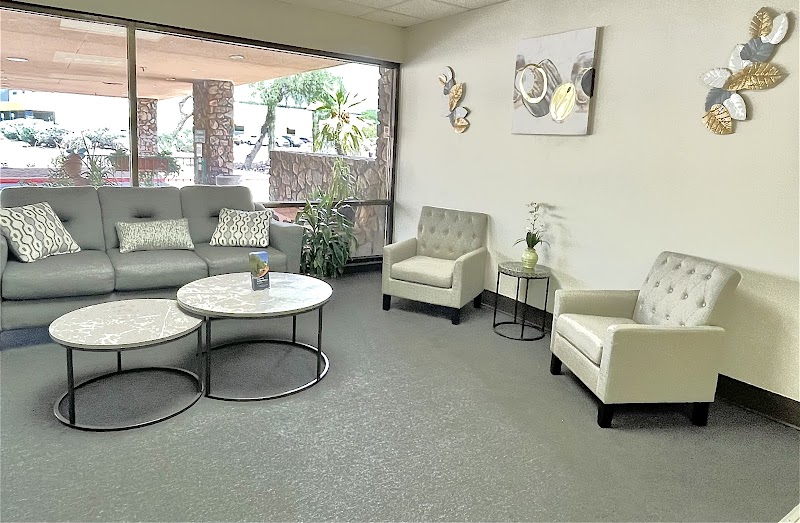
How is Foothills Rehabilitation Center Staffed?

CMS rates FOOTHILLS REHABILITATION CENTER's staffing level at 4 out of 5 stars, which is above average compared to other nursing homes. Staff turnover is 32%, compared to the Arizona average of 46%. This relatively stable workforce can support continuity of care.

What Have Inspectors Found at Foothills Rehabilitation Center?

State health inspectors documented 15 deficiencies at FOOTHILLS REHABILITATION CENTER during 2022 to 2025. These included: 3 that caused actual resident harm and 12 with potential for harm. Deficiencies causing actual harm indicate documented cases where residents experienced negative health consequences.

Who Owns and Operates Foothills Rehabilitation Center?

FOOTHILLS REHABILITATION CENTER is owned by a for-profit company. For-profit facilities operate as businesses with obligations to shareholders or private owners. The facility is operated by ATIED ASSOCIATES, a chain that manages multiple nursing homes. With 149 certified beds and approximately 118 residents (about 79% occupancy), it is a mid-sized facility located in TUCSON, Arizona.

How Does Foothills Rehabilitation Center Compare to Other Arizona Nursing Homes?

Compared to the 100 nursing homes in Arizona, FOOTHILLS REHABILITATION CENTER's overall rating (2 stars) is below the state average of 3.3, staff turnover (32%) is significantly lower than the state average of 46%, and health inspection rating (2 stars) is below the national benchmark.

What Should Families Ask When Visiting Foothills Rehabilitation Center?

Based on this facility's data, families visiting should ask: "Can I visit during a mealtime to observe dining assistance and food quality?" "How do you handle medical emergencies, and what is your hospital transfer rate?" "Can I speak with family members of current residents about their experience?"

Is Foothills Rehabilitation Center Safe?

Based on CMS inspection data, FOOTHILLS REHABILITATION CENTER has a clean safety record: no substantiated abuse findings (meaning no confirmed cases of resident harm), no Immediate Jeopardy citations (the most serious violation level indicating risk of serious injury or death), and is not on the Special Focus Facility watch list (a federal program monitoring the lowest-performing 1% of nursing homes). The facility has a 2-star overall rating and ranks #100 of 100 nursing homes in Arizona. While no facility is perfect, families should still ask about staff-to-resident ratios and recent inspection results during their visit.

Do Nurses at Foothills Rehabilitation Center Stick Around?

FOOTHILLS REHABILITATION CENTER has a staff turnover rate of 32%, which is about average for Arizona nursing homes (state average: 46%). Moderate turnover is common in nursing homes, but families should still ask about staff tenure and how the facility maintains care continuity when employees leave.

Was Foothills Rehabilitation Center Ever Fined?

FOOTHILLS REHABILITATION CENTER has been fined $8,190 across 1 penalty action. This is below the Arizona average of $33,161. While any fine indicates a compliance issue, fines under $50,000 are relatively common and typically reflect isolated problems that were subsequently corrected. Families should ask what specific issues led to these fines and confirm they've been resolved.

Is Foothills Rehabilitation Center on Any Federal Watch List?

FOOTHILLS REHABILITATION CENTER is not on any federal watch list. The most significant is the Special Focus Facility (SFF) program, which identifies the bottom 1% of nursing homes nationally based on persistent, serious quality problems. Not being on this list means the facility has avoided the pattern of deficiencies that triggers enhanced federal oversight. This is a positive indicator, though families should still review the facility's inspection history directly.