HAVEN OF SAGUARO VALLEY
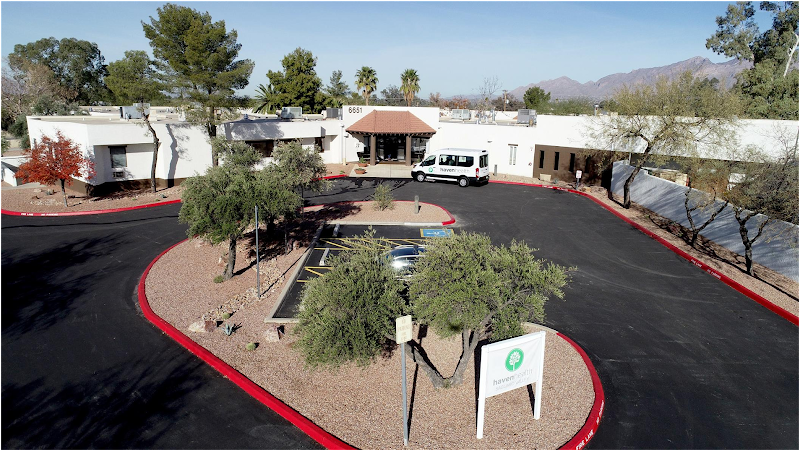

6651 EAST CARONDELET DRIVE, TUCSON, AZ 85710 (520) 731-8500
For profit - Corporation 112 Beds HAVEN HEALTH Data: November 2025
Trust Grade
50/100
#79 of 139 in AZ
Last Inspection: April 2023

Over 2 years since last inspection. Current conditions may differ from available data.

Overview

Haven of Saguaro Valley has a Trust Grade of C, which means it is average, placing it in the middle of the pack among nursing homes. It ranks #79 out of 139 facilities in Arizona, indicating it is in the bottom half, and #12 out of 24 in Pima County, meaning only 11 local options are better. The facility is showing improvement, with issues decreasing from 9 in 2023 to just 1 in 2025. However, staffing is a concern, receiving a 1-star rating, which is poor, and it has less RN coverage than 86% of Arizona facilities. Specific incidents reported include a failure to ensure proper care for a resident with pressure ulcers and inadequate monitoring to prevent urinary tract infections, which highlights both care gaps and the need for better staffing practices. While there are no fines on record, indicating a lack of compliance issues, the overall staffing situation and specific care deficiencies are areas that potential residents and their families should consider carefully.

Trust Score
C
50/100
In Arizona
#79/139
Bottom 44%
Safety Record
Moderate
Needs review
Inspections
Getting Better
9 → 1 violations
Staff Stability
⚠ Watch
46% turnover. Above average. Higher turnover means staff may not know residents' routines.
Penalties
✓ Good
No fines on record. Clean compliance history, better than most Arizona facilities.
Skilled Nurses
⚠ Watch
Each resident gets only 18 minutes of Registered Nurse (RN) attention daily — below average for Arizona. Fewer RN minutes means fewer trained eyes watching for problems.
Violations
⚠ Watch
21 deficiencies on record. Higher than average. Multiple issues found across inspections.
★★★☆☆
3.0
Overall Rating
★☆☆☆☆
1.0
Staff Levels
★★★★★
5.0
Care Quality
★★★☆☆
3.0
Inspection Score
Stable
2023: 9 issues
2025: 1 issues

The Good

  • 5-Star Quality Measures · Strong clinical quality outcomes
  • Full Sprinkler Coverage · Fire safety systems throughout facility
  • No fines on record

Facility shows strength in quality measures, fire safety.

The Bad

3-Star Overall Rating

Near Arizona average (3.3)

Meets federal standards, typical of most facilities

Staff Turnover: 46%

Near Arizona avg (46%)

Higher turnover may affect care consistency

Chain: HAVEN HEALTH

Part of a multi-facility chain

Ask about local staffing decisions and management

The Ugly 21 deficiencies on record

2 actual harm
Mar 2025 1 deficiency
CONCERN (D) 📢 Someone Reported This

A family member, employee, or ombudsman was alarmed enough to file a formal complaint

Potential for Harm - no one hurt, but risky conditions existed

Free from Abuse/Neglect (Tag F0600)

Could have caused harm · This affected 1 resident

**NOTE- TERMS IN BRACKETS HAVE BEEN EDITED TO PROTECT CONFIDENTIALITY** Based on clinical record review, staff interviews, and facility documentation and policy review, the facility failed to ensure b...

Read full inspector narrative →
**NOTE- TERMS IN BRACKETS HAVE BEEN EDITED TO PROTECT CONFIDENTIALITY** Based on clinical record review, staff interviews, and facility documentation and policy review, the facility failed to ensure bowel and bladder care was provided for one resident (#3) out of 3 sampled. The deficient practice could result in skin breakdown and possible formation of pressure ulcers. Findings include: Resident #3 was admitted on [DATE] and discharged on September 30, 2024 with diagnosis including essential hypertension, major depressive disorder-recurrent, peripheral vascular disease, paroxysmal atrial fibrillation, occlusion and stenosis of the left carotid artery, benign prostatic hyperplasia without urinary tract symptoms, pressure induced deep tissue damage of the sacral region and anxiety disorder. A review of the 5-day MDS (minimum data set) dated September 15, 2024 revealed a BIMS (brief interview of mental status) score of 10, indicating moderate cognitive impairment. A review of the care plan revealed a focus area of bladder incontinence due to impaired mobility. The interventions included use of disposable briefs and that these were to be checked and changed as needed, as well as an unobstructed path to the bathroom. A review of the facility tasks under bowel and bladder revealed that the resident was changed only once during day shift on September 14, 2024 at 3:05 P.M., September 15, 2024 at 5:30 P.M. and September 21, 2024 at 1:13 P.M. An interview was conducted on March 11, 2025 at 5:16 P.M. with CNA (certified nursing assistant, staff #56). The CNA stated that assigned tasks are documented in PCC (point click care) under the heading of POC (plan of care)/ tasks. She further stated that if tasks were not documented by the end of the shift then they did not occur. She stated that CNA's have to document each shift for each care area. The CNA stated that bowel and bladder care had to occur at least once per shift but often times more frequently. She stated that in general this is for almost every resident for changing and repositioning. She stated that her expectation is to respond to each resident's needs immediately and that if residents are soiled they should not have to wait. She stated that the risk for not changing a resident timely could include bed sores. An interview was conducted on March 11, 2025 at 5:21 P.M. with RN (registered nurse, staff #1). The RN stated that CNA's document the assigned tasks in PCC under the POC tab and that this would include bowel and bladder care. The RN stated that if the area was left blank, then this would indicate that the task wasn't done. She stated that the expectation is that assigned tasks are done and documented. The RN stated that the risk to the resident could be skin breakdown. An interview was conducted on March 11, 2025 at 5:31 P.M. with the DON (director of nursing, staff #41). The DON reviewed the POC task entries for bowel and bladder and stated that the documentation for bowel and bladder care was not consistent. The DON was unable to find any evidence in the resident's record supporting that bowel and bladder care had occured for the missing bowel and bladder entries on the POC. She stated that risk would be that the bowel and bladder care did not occur if it was not documented and that there could be a potential for skin breakdown. A review of the facility policy entitled Urinary Continence and Incontinence-Assessment and Management with a revision date of January 1, 2024 revealed that assessments for urinary continence include review of the resident's history, observations, cognitive limitations, and type of physical assistance required. The policy further notates that nursing staff, as part of a resident's assessment, will document details related to continence to include voiding patterns, pain or discomfort and types of incontinence. The policy also notes that incontinence care is individualized at night in order to maintain comfort and skin integrity. A review of the policy entitled Charting and Documentation, revised April 2008 revealed that all observations, medications administered, and services performed must be documented in the resident's clinical record.
Oct 2023 2 deficiencies
CONCERN (D) 📢 Someone Reported This

A family member, employee, or ombudsman was alarmed enough to file a formal complaint

Potential for Harm - no one hurt, but risky conditions existed

Free from Abuse/Neglect (Tag F0600)

Could have caused harm · This affected 1 resident

**NOTE- TERMS IN BRACKETS HAVE BEEN EDITED TO PROTECT CONFIDENTIALITY** Based on clinical record review, staff interviews, and facility documentation and policy review, the facility failed to ensure t...

Read full inspector narrative →
**NOTE- TERMS IN BRACKETS HAVE BEEN EDITED TO PROTECT CONFIDENTIALITY** Based on clinical record review, staff interviews, and facility documentation and policy review, the facility failed to ensure that one resident was free from abuse. The deficient practice could result in further resident abuse. Findings include: Resident #2 was admitted on [DATE] with diagnoses of dementia, cardiomegaly, weakness, heart failure and type II diabetes. The admission MDS (Minimum Data Set) assessment dated [DATE] revealed a BIMS (brief interview for mental status) score of 12 indicating the resident had intact cognition. Review of the clinical record revealed the resident will require 24/7 supervision upon discharge; and that, the resident will be discharge to an assisted living. The physician's history and physical revealed the resident had an increase need of assistance with activities of daily living such as continence care and medical assistance such as medication administration. The social services progress note dated March 11, 2022 revealed that there had been an ongoing issue between the resident and the family related to resident's placement or going home. Per the documentation, the resident decided to go to an assisted living facility and this had upset the resident's family who came to the facility on March 11, 2022. Per the documentation, the family was asked to leave and staff attempted to remove the resident from the situation. The documentation also included this escalated the situation and the family ran to the resident's room and grabbed the resident from behind in a choke hold. It also included that the family was subsequently arrested on domestic violence assault and the resident was discharged to the assisted living of her choice. The facility's self-report dated March 11, 2022 included that the resident was in the process of discharge to an assisted living facility on March 11, 2022 at 10:15 a.m. when a staff found the resident in her room and her family had her in a head-lock. Per the documentation, the police were called and the family was escorted out from the facility. The facility's reportable event record/report dated March 14,2022 included that the family came to the facility on the evening of March 10, 2022 to take his mother home against medical advice; and that, the family was asked to leave the facility. Per the report, the following morning (March 11, 2023), the family returned, would not listen to instructions and instead made a bolt for the resident's room. The documentation included that a certified nurse assistant (CNA/staff #60) witnessed the family putting the resident into a head lock type position; and that, the environmental services director (EVS/staff #41) and another staff intervened and removed the family's grip from the resident. The report also included that the family was arrested by the local police. The facility concluded in their report that the incident of physical abuse of the resident by her family was substantiated. In an interview conducted on October 18, 2023 at 4:40 p.m., the CNA (staff #60) stated the same account of events as described in facility's self-report. An interview was conducted with the EVS on October 19, 2023 at 11:00 a.m. The EVS provided the same account of events as described in facility's self-report. The facility policy on Abuse included an objective is to provide a safe haven for their residents through preventative measures that protect every resident's right to freedom from abuse.
CONCERN (D) 📢 Someone Reported This

A family member, employee, or ombudsman was alarmed enough to file a formal complaint

Potential for Harm - no one hurt, but risky conditions existed

Infection Control (Tag F0880)

Could have caused harm · This affected 1 resident

Based on observation, staff interviews, and facility documentation and policy review, the facility failed to ensure transmission-based precautions and proper hand hygiene was implemented during incont...

Read full inspector narrative →
Based on observation, staff interviews, and facility documentation and policy review, the facility failed to ensure transmission-based precautions and proper hand hygiene was implemented during incontinence care. The sample size was one. The deficient practice could result in transmission of infections to residents. Findings include: An observation of incontinence care was conducted with a certified nurse assistant (CNA/staff#60) and a licensed practical nurse (LPN/staff #91) on October 18, 2023 at 4:45 p.m. The LPN performed pericare and brief change while the CNA assisted the resident on her right side. During the observation, the LPN donned a clean pair of disposable gloves and then touched the resident. However, the LPN did not perform hand hygiene prior to donning of gloves. The LPN then removed the wet incontinent brief, placed it in a trash bag and cleaned the resident's perineal area. The LPN then proceeded to apply the new and clean incontinent brief on the resident using the same pair of gloves she used for pericare and handling of the soiled incontinent brief. The LPN continued to wear the same pair of gloves and adjusted the resident's clothing and positioned the resident in bed. The LPN then removed her gloves and disposed them in the trash, exited the resident's room, went to the nurses' station, washed and dried her hands. An interview was conducted on October 19, 2023 at 12:32 p.m. with CNA (staff #50) who stated the procedure of performing pericare included washing of hands and applying gloves before initiating resident care. In an interview with LPN (staff #84) conducted on October 19, 2023 at 12:52 p.m., the LPN said that staff were to wash their hands before and after applying gloves on, discarding soiled gloves or linens or incontinent briefs and resident care. However, that LPN said that he has not received any training from the facility regarding pericare. During an interview with the Director of Nursing (DON/staff #3) on October 19, 2023 at 1:10 p.m., the DON stated that staff were expected to follow the facility policy/procedure when performing pericare. The DON stated that he policy was to wash and dry hands thoroughly, to put on gloves before beginning procedure, to remove gloves after completing pericare prior to putting on clean brief and repositioning the bed covers, and after task was completed to wash and dry hands thoroughly prior to leaving the room. The facility policy on Handwashing/Hand Hygiene dated August 2015 revealed that all persons shall follow the handwashing/hand hygiene procedures to help prevent the spread of infections to other personnel, residents, and visitors. The policy stated that an alcohol-based hand rub was to be used before moving from a contaminated body site to a clean body site during resident care and after contact with blood or bodily fluids. Review of the facility policy on Perineal Care dated October 2010 included that staff were to wash hands and apply gloves before initiating resident care. Once completed with perineal care, staff were to remove gloves and wash hands prior to repositioning bed covers, making the resident comfortable, placing the call light, and cleaning the wash basin and bedside stand. Staff were to again wash hands prior to leaving resident room.
Apr 2023 5 deficiencies
CONCERN (D) 📢 Someone Reported This

A family member, employee, or ombudsman was alarmed enough to file a formal complaint

Potential for Harm - no one hurt, but risky conditions existed

Notification of Changes (Tag F0580)

Could have caused harm · This affected 1 resident

**NOTE- TERMS IN BRACKETS HAVE BEEN EDITED TO PROTECT CONFIDENTIALITY** Based on clinical record review, staff interviews and facility policy review, the facility failed to ensure that the responsible...

Read full inspector narrative →
**NOTE- TERMS IN BRACKETS HAVE BEEN EDITED TO PROTECT CONFIDENTIALITY** Based on clinical record review, staff interviews and facility policy review, the facility failed to ensure that the responsible party was notified of a fall with injury for one resident (#186). The deficient practice could result in required decisions regarding treatment and care not made timely. Findings include: Resident #186 was admitted on [DATE] with diagnoses of malignant neoplasm of the brain, anxiety disorder, schizophrenia and auditory hallucinations. A face sheet included that this resident had a Power of Attorney (POA) for financial and care. A care plan dated September 30, 2022 included that the resident was at risk for falls and injury An incident note dated November 2, 2022 included that the resident was on the floor with small pool of blood from a small cut to the right eyebrow. Per the documentation, pressure was and a small band-aid was applied to injury; and that, the director of nursing (DON) and the unit manager (UM) were notified of fall. Further review of the clinical record revealed no evidence that the resident's family or POA was notified of the fall or injury until November 6, 2022. An interdisciplinary team (IDT) review dated November 6, 2022 included that the responsible party was notified of the resident's fall. An attempt to contact the nurse providing care was made on April 12, 2022 at 9:27 AM and April 13, 2023 at 2:30 PM, however no return call or answer was received. An interview was conducted on April 11, 2023 at 10:06 a.m. with a registered nurse (RN/staff #12) who stated that unless a resident does not have anyone, staff need to inform contact family or a POA of resident's admission, change of condition such as transfer to the hospital or a fall. In an interview with a licensed practical nurse (LPN/staff #80) conducted on April 12, 2023 at 1:03 p.m., the LPN said that when a resident falls she would tell the staff not to move the resident until the she assess the resident. The LPN said that if a resident is not alert and oriented she would do neuro-checks; and, after resident was assessed and neuro-checks had been started, she would inform the doctor, the family, administration and the supervisor and do a fall report. During an interview with the Director of Nursing (DON) conducted on April 13, 2023 at 3:07p.m., the DON said that when a resident had a fall incident, the facility would investigate how the fall happened, assist the patient, notify provider and family and then put the intervention in place. She said that it did not meet her expectations that staff waited days to notify the POA of resident #186. The DON stated that notification should be done right away. A review of the clinical record was conducted with the DON who stated that she was not able to find documentation that resident's family or POA had been notified of the resident's fall on November 2, 2022. The facility policy on Accidents and Incidents - Investigating and Reporting revealed that the date/time the injured person's family was notified and by whom will be included on the report of incident/accident. This document included that the Nurse Supervisor/Charge Nurse and/or the department director or supervisor shall complete a report of incident/accident and submit the original to the Director of Nursing Services within 24 hours of the incident or accident.
CONCERN (D) 📢 Someone Reported This

A family member, employee, or ombudsman was alarmed enough to file a formal complaint

Potential for Harm - no one hurt, but risky conditions existed

Accident Prevention (Tag F0689)

Could have caused harm · This affected 1 resident

**NOTE- TERMS IN BRACKETS HAVE BEEN EDITED TO PROTECT CONFIDENTIALITY** Based on clinical record review, staff interviews and review of policy, the facility failed to ensure intervention was implement...

Read full inspector narrative →
**NOTE- TERMS IN BRACKETS HAVE BEEN EDITED TO PROTECT CONFIDENTIALITY** Based on clinical record review, staff interviews and review of policy, the facility failed to ensure intervention was implemented to prevent a fall for one resident (#29). The sample size was 19. The deficient practice may result in avoidable accidents. Findings include: -Resident #29 admitted on [DATE] with diagnoses of COVID-19, weakness and unspecified lack of coordination. The baseline care plan dated February 17, 2023 included the resident was at risk for falls related to weakness and history of falls; and, was at risk for ADL (activities of daily living) self-care performance. Goal included that the resident will be free of falls and will safely perform ADLs. Interventions included following facility fall protocoal and call light within reach. The history and physical note dated February 20, 2023 included the resident subsequently fell twice, the most recent fall was 3 days ago; and that, the resident reported that he was losing his balance easily and his legs were giving in even though he was using a walker. Review of the admission 5-day MDS assessment dated [DATE] revealed the resident had a BIMS (brief interview for mental status) score of 14 indicating resident had intact cognition. The assessment included that required extensive assistance with 2-person physical assist bed mobility, toilet use and dressing. The daily skilled evaluation note dated February 23, 2023 included the residnt was alert and oriented to person, place, time and situation, was able to make his needs known and was a 1-2 person assist with ADLs. The daily skilled evaluation dated February 28, 2023 included the resident was alert and oriented x 4. was able to make his needs known and was incontinent of bowel and bladder. The incident note dated March 11, 2023 included that the resident was being changed by a certified nurse assistant (CNA/staff #105) who pulled the chuck from underneath the resident who rolled out off the bed on the other side and hit his head and sustained an abrasion on the left side of the eyebrows. Per the documentation the provider was notified and the resident was sent to the hospital. The fall risk evaluation dated March 11, 2023 included a fall risk score of 10 indicating the resident was moderate risk for fall. The evaluation included that the resident had a history of 1-2 falls within the last 6 months and had a decrease in muscle coordination. A nursing note dated March 12, 2023 revealed the resident returned from the hospital. The documentation included the resident had a band-aid to his forehead; and that, the resident's head CT (computed tomography) was clear. The IDT (interdisciplinary team) fall review and report dated March 12, 2023 included that the resident had a fall with minor injury on March 11, 2023 at 10:45 p.m. Per the documentation, the resident was being changed by a CNA (staff #105) who pulled the chuck from underneath the resident who rolled out off the bed on the other side and hit his head. The documentation included that the resident sustained an abrasion on the left side of the eyebrows; and that, the resident was sent out to the hospital for CT scan. New interventions included use of pool noodle to help identify the bed parameters. An interview with a licensed practical nurse (LPN/staff #73) was conducted on April 12, 2023 at 12:54 p.m. The LPN stated that the CNA (staff #105) called her into the resident's room around 10:00 p.m. and told her that resident #29 had a fall. The LPN stated that resident #29 told her that while he was being changed by staff #105, he fell off the bed and hit his head. The LPN said that resident #29 normally lay over on his side because he has a pressure ulcer; and, staff #105 reported that she was rolling the chux from under the resident who got too close to the edge and fell off the bed. The Lpn said that she assessed the resident and called the doctor who recommended for the resident to sent out for a CT scan. An interview was conducted on April 12, 2023 at 2:10 p.m. with a CNA (staff #50) who stated that end of shift report will tell her whether a resident requires 1 or 2 two person assist in report; and, she may also ask therapy staff, if needed. She stated that for a resident who requires extensive assistance, she would anticipate having 2 or more CNAs fto assist that resident. Staff #50 also said that for a larger resident with an air mattress, she would think that the resident would require a 2-person assist at all times. Regarding resident #29, she stated that the resident was always a 2-person assist. Staff #50 stated that there are usually 2 CNAs and a nurse on on each hall, so there is always someone around to help if she needs it. In an interview with the alleged CNA (staff #105) conducted on April 13, 2023 at 8:06 a.m., staff #105 stated that she was only 4'8 tall; and that, she should have gotten some help when she assisted resident #29 on the day of the incident. Staff #105 said that on the evening of March 11, 2023, she turned resident #29 on his side to provide incontinence care, and the resident rolled out of the bed. She stated she was standing on the opposite side of the bed, with the resident's back facing her. She stated that she had rolled all of the chux up underneath him, then pulled the draw sheet back towards her body but, the resident continued to roll out of the bed. Staff #105 said that she was able to grab his arm to keep him from falling, but that there was no restraining him after that; and that, the resident bumped his head and got a little scratch. Further, staff #105 said that she did not mean for it to happen and she was really sorry. During an interview conducted with the director of rehabilitation (DOR/staff #98) on April 13, 2023 at 9:15 a.m., the DOR stated that, functionally, resident #29 still needed a lot of assistance. She stated that resident #29 was able to roll from left to right with moderate assistance and that meant someone needed to hold onto him. She stated that resident #29 was able to do about 25% of the rolling on his own, but that he definitely needed help. Further, the DOR said that the resident definitely needed two persons to assist with incontinence care. In addition, the DOR stated that the air mattress the resident had could also make the surface less stable for him. In an interview conducted with the director of nursing (DON/staff #32) on April 13, 2023 at 1:15 p.m., the DON stated that if a resident had been assessed to require 2-person assistance, then the expectation was that 2 staff would provide care to the resident. The DON said that on November 16, 2022, staff were in-serviced on falls; however, staff #105 was not able to attend the in-service because staff #105 worked the night shift and had a day off the following day. The facilty policy on Activities of Daily Living (ADLs), Supporting revised March 2018 included that residents will be provided with care, treatment and service as appropriate to maintain or improve their ability to carry out activities of daily living. Residents who are unable to carry out activities of daily living independently will receive the services necessary to maintain good nutrition, grooming and personal hygiene. Appropriate care and services will be provided for residents who are unable to carry out ADLs independently, with the consent of the resident and in accordance with the plan of care. The Fall Prevention Program included that the Falling Leaf Program (FLP) has been designed to assist facility staff in this development. Steps include: review and determination of at-risk residents, prevention through addressing risks, appropriate fall respone, and initiation of effective interventions.
CONCERN (D)

Potential for Harm - no one hurt, but risky conditions existed

Deficiency F0757 (Tag F0757)

Could have caused harm · This affected 1 resident

**NOTE- TERMS IN BRACKETS HAVE BEEN EDITED TO PROTECT CONFIDENTIALITY** Based on clinical record review, staff interviews, and facility policy, the facility failed to ensure that one resident (#11) wa...

Read full inspector narrative →
**NOTE- TERMS IN BRACKETS HAVE BEEN EDITED TO PROTECT CONFIDENTIALITY** Based on clinical record review, staff interviews, and facility policy, the facility failed to ensure that one resident (#11) was free from unnecessary pain medications. The deficient practice could result in residents experiencing adverse side effects. Findings Include: Resident #11 was admitted on [DATE] with diagnoses of pubic fracture, pulmonary embolism and hypertension. The care plan dated January 19, 2023 revealed the resident was on opiate medication related to pelvic fracture. Interventions included to administer medications as ordered and to monitor for side effects. Review of the physician order revealed for oxycodone (opioid narcotic) 5 mg (milligram) 1 tablet by mouth every six hours as needed for pain on a scale of 6-10. The MAR (Medication Administration Record) for February and March 2023 included that oxycodone was administered outside of the ordered pain parameter on the following dates: -February 11 at 8:18 p.m. for pain scale of 2; -February 18 at 8:23 p.m. for pain scale of 3; -March 24 at 8:50 p.m. for pain scale of 5; and, -March 25 at 9:03 p.m. for pain scaled of 0. The progress notes from February through March 2023 revealed documentation that on several occasions, resident #11 requested for oxycodone for her pain. However, the documentation did not that the physician was notified that medication was given outside of the ordered parameters. An interview was conducted on April 13, 2023 at 2:27 p.m., with a licensed practical nurse (LPN/staff #110) who stated that pain medications are given based on the resident's level of pain. The LPN said that medications like Tylenol (analgesic) would be given for a pain scale of 1-5, and stronger controlled medications such as oxycodone would be given for a scale of 6-10. The LPN said that if the resident's current medication was not adequate she would notify a provider to get an alternative order or make changes as necessary. Further, the LPN stated that giving medications outside the prescribed parameters could lead to side effects, such as lethargy, dependence, or being overmedicated. During an interview conducted with the Director of Nursing (DON/staff #32) on April 13, 2023 at 3:54 p.m., the DON stated reported that medications with parameters should be strictly followed; and that, her expectation was for pain medications to be given according to the ordered parameters by the physician. The DON stated that administering medications outside the ordered parameters could result in over sedation or pain not being controlled. A review of facility policy on Administering Medications revised on December 2012 included that medications must be given in accordance with the physician's orders.
CONCERN (D)

Potential for Harm - no one hurt, but risky conditions existed

Deficiency F0761 (Tag F0761)

Could have caused harm · This affected 1 resident

Based on observations, staff interviews, and review of policy and procedure, the facility failed to ensure that expired supplies and medications were not available for resident use. The census was 85....

Read full inspector narrative →
Based on observations, staff interviews, and review of policy and procedure, the facility failed to ensure that expired supplies and medications were not available for resident use. The census was 85. The deficient practice may result in ineffective treatments and/or in residents receiving the expired medications. Findings include: An observation of the #100 medication room was conducted on April 13, 2023 at 2:04 p.m. with a licensed practical nurse (LPN/staff #80). There was a quadrivalent flucelvax (influenza vaccine) 2022-2023 formula, with an open date of March 8, 2023 written on the side of the box; and, two bags of 1000 ml (milliliters) 0.9% sodium chloride injection with a label that listed a resident who had been discharged from the facility in June, 2022. In an interview conducted with staff #80 immediately following the observation, the LPN stated that the influenza vaccine was good for 28 days after opening and should have been thrown out. The LPN also stated the two bags of sodium chloride injections should have been sent back to the pharmacy. An observation of the #200 medication room on April 13, 2023 at approximately 2:20 p.m. was conducted with staff #80. There was a package of daptomycin (antibiotic) 450 mg (milligrams) 4.128 mg/mL, with an expiration date of April 9, 2023. An interview was conducted on April 13, 2023 at approximately 2:30 p.m. with staff #80 who stated that the night nurses and central supply are responsible for checking the supply rooms for any expired supplies. She stated that expired supplies should be discarded and that pharmacy items would be sent back to the pharmacy. During an interview conducted with the Director of Nursing (DON/staff #32) on April 13, 2023 at 2:47 p.m., the DON stated that the expectation was that nursing staff would return expired medications and/or biologicals to the pharmacy for destruction. She stated that the administration of an expired product may cause side-effects and/or may be less potent. The facility policy on Storage of Medications revised April 2007 revealed that the facility shall store all drugs and biologicals in a safe, secure and orderly manner. The facility shall not use discontinued, outdated or deteriorated drugs or biologicals. All such drugs shall be returned to the dispensing pharmacy or destroyed.
CONCERN (E)

Potential for Harm - no one hurt, but risky conditions existed

Deficiency F0727 (Tag F0727)

Could have caused harm · This affected multiple residents

Based on staff interviews and review of facility documentation and policy, the facility failed to use the services of a registered nurse (RN) for at least eight consecutive hours a day, seven days a w...

Read full inspector narrative →
Based on staff interviews and review of facility documentation and policy, the facility failed to use the services of a registered nurse (RN) for at least eight consecutive hours a day, seven days a week. The census was 66 and the sample was 17. The deficient practice could result in resident not provided with advanced care activities to meet their needs. Findings include: The Facility Assessment with completion dated of February 1, 2023 revealed tan average daily census range of 90-105. Staffing planning included one FT (full time) DON (director of nursing), wound nurse, admission nurse, unit manager; and, two FT MDS (minimum data set) nurses. Per the assessment there should be at least one RN per 24-hour period; individual nursing staff assignments was based on patient care needs and individual staff needs/training; and that, nursing shifts are twelve hours with a goal of consistent assignments. Review of facility punch detail for registered nurses for March and April 2023 revealed no evidence of RN coverage on the following dates: -March 11, 16, 17, 18, 23, 24, 25 and 30; and, -April 6 and 7. An interview was conducted with the DON (staff #32) and staffing Coordinator (staff #111) on April 13, 2023 at 10:24 a.m. The DON stated that if a registered nurse (RN) was not available to provide the RN coverage that the DON would assume the role of an RN floor nurse. She stated that the risk could include simultaneous demands on both roles and not being able to fully fulfill one or the other. A request for the staffing policy was submitted on April 10, 2023, a policy regarding posting direct care daily staffing numbers with a revision date of August 2006 was provided noting the following Our facility will post, on a daily basis for each shift, the number of nursing personnel responsible for providing direct care to resident.
Mar 2023 2 deficiencies 2 Harm
SERIOUS (G) 📢 Someone Reported This

A family member, employee, or ombudsman was alarmed enough to file a formal complaint

Actual Harm - a resident was hurt due to facility failures

Pressure Ulcer Prevention (Tag F0686)

A resident was harmed · This affected 1 resident

**NOTE- TERMS IN BRACKETS HAVE BEEN EDITED TO PROTECT CONFIDENTIALITY** Based on clinical record review, staff interviews, and review of policy and procedure, the facility failed to ensure one residen...

Read full inspector narrative →
**NOTE- TERMS IN BRACKETS HAVE BEEN EDITED TO PROTECT CONFIDENTIALITY** Based on clinical record review, staff interviews, and review of policy and procedure, the facility failed to ensure one resident (#12) received care and services to promote the prevention, healing, and prevent the development of additional pressure ulcers/injury consistent with professional standards of practice. The sample size was 3. The deficient practice increases the risk of pain, infection, and rehospitalization. Findings include: Resident #12 readmitted to the facility on [DATE] with diagnoses including COVID-19, type 2 diabetes mellitus and adult failure to thrive. The baseline risk for skin impairment care plan dated 02/17/23 related to bowel and bladder incontinence, weakness and a pressure ulcer present upon admission had a goal to have intact skin. Interventions included to follow facility policies and protocols for the prevention and treatment of skin breakdown. A Weekly Skin check and Wound assessment dated [DATE] revealed a popped blister with foam dressing had been identified on the resident's sacrum. However, a complete assessment of the wound was not identified in the clinical record. Review of Pressure Ulcer Documentation and Weekly assessment dated [DATE] revealed a Deep Tissue Injury to the resident's right heel. However, the wound to the resident's sacrum was not identified or addressed. On 02/22/23 the Weekly Skin check and Wound Assessment revealed a skin break, Moisture Associated Skin Damage (MASD), and fragile skin surrounding the lesion. Review of the note section of the assessment included that barrier cream was being applied to the coccyx and buttocks on every brief change. However, further review of the clinical record provided no evidence that a complete evaluation of the lesion had been provided. The 5-Day Minimum Data Set assessment dated [DATE] indicated the resident had admitted with one stage 3 pressure ulcer and one unable to be determined. A physician's order dated 02/25/23 included an air mattress for the prevention of skin breakdown. An alert progress note dated 02/25/23 at 11:15 p.m. included that while providing care to the resident, blood was noted in the resident's brief. Upon assessment of the area, an open area to the resident's sacrum was identified. The note indicated the area had deep purple non-blanching tissue to approximately 40% of the wound bed. The remaining wound bed was described with smooth, pink moist tissue with serosanguinous drainage. The note indicated that the writer had cleansed the area well and a silicone dressing was placed to protect the area. The note stated the Director of Nursing (DON) was notified. A wound note dated 02/27/23 at 2:23 p.m. included the resident's coccyx and surrounding area noted with a stage 3 pressure area. The wound bed was described with 20% slough, 10% eschar and 70% granulation. The surrounding area was observed with MASD. The note indicated that new orders were implemented. However, review of the clinical record provided no evidence that a complete wound evaluation had been performed. A physician ' s order dated 02/27/23 revealed cleansing the coccyx with normal saline, application of Medihoney (antibacterial/autolytic) and covering with a foam dressing. Change 3 times per week and as needed for saturated/dislodged dressing. However, review of the February 2023 Wound Administration Record did not include documentation to indicate whether or not dressing changes had been completed. The Pressure Ulcer Documentation and Assessment completed on 03/01/23 revealed a stage 3 pressure ulcer at the sacrum which measured 6 centimeters (cm) x 6 cm x 0.1 cm with serous drainage. The worst type of tissue noted was identified as eschar. Treatment included Medihoney and a foam dressing. A physician's order dated 03/01/23 revealed wound care to the sacrum which included cleansing with normal saline, application of Medihoney, and covering the wound with a foam dressing. Change 3 times weekly and as needed. The March 1, 2023 Wound Administration Record included a code 9, which indicated Other/See Nurse Notes. However, review of the nursing progress notes did not provide documentation of the rationale for not performing the dressing change. Review of the Weekly Skin check and Wound assessment dated [DATE] revealed an unstageable pressure ulcer to the resident's sacrum. Measurements included 10.0 cm x 7.0 cm x 0.2 cm. Per the notes, the wound presented with 40% eschar, 40% granulation and 20% slough, with no undermining or tunneling present to the wound bed. A moderate amount of serous drainage was noted with no signs or symptoms of infection present. A physician's order dated 03/09/23 included to cleanse the sacrum with normal saline, apply Santyl (exogenous bacterial enzyme) ointment, and cover with a foam dressing. Change 3 times weekly and as needed for wound care. On 03/16/23 a Weekly Skin check and Wound Assessment noted a stage 3 pressure ulcer to the resident's sacrum which measured 9.5 cm x 6.5 cm x 0.1 cm. According to the documentation, the wound presented with irregular shape. The wound bed was described as 20% slough, 40% eschar and 40% red granulation with some intact skin throughout. A large amount of serous drainage was observed with no signs or symptoms of infection, tunneling or undermining. An interview was conducted on 03/21/23 at 11:11 a.m. with a Certified Nursing Assistant (CNA/staff #70). She stated that she assists residents in preventing skin breakdown by rotating their position in the bed, helping them to get out of bed, if possible, and if they are incontinent, she will change them frequently. She stated that she reports skin breakdown to the nurse. During an interview conducted on 03/21/23 at 11:20 a.m. a Licensed Practical Nurse (LPN/staff #90) stated that when a CNA tells her that a resident has an open wound, she would go and observe the wound herself. She stated that she would immediately notify the wound nurse. On 03/21/23 at 11:32 a.m. an interview was conducted with the wound nurse (staff #40). She stated that when she is notified that a resident has an open wound, she will go and take a look at it immediately. She stated that she will take the DON along with her to stage the wound. She stated that after determining the type of wound, she would obtain orders and update the resident's care plan. She stated that if the wound is determined to be MASD, they would continue to apply barrier cream to the area. She stated that if the wound is assessed to be a pressure ulcer, it will be measured weekly. She stated that components of wound assessment include wound measurements, a description of the wound bed, signs or symptoms of infection, type and amount of drainage, and whether or not the resident is compliant with wound care. She stated that weekly skin checks and pressure ulcer assessments have been combined into one form. An interview was conducted on 03/21/23 at 12:00 p.m. with the DON (staff #96). She stated that preventative measures included educating the nursing staff, frequent skin checks, frequent turning/repositioning, a low air loss mattress, and skin checks while changing the resident's brief. She stated that when skin breakdown has been identified, her expectation includes notification of the nurse, the wound nurse and/or they would let her know. She stated that she expects that the provider will be notified and that orders will be obtained for treatment. She stated that the wound would be assessed and staged as soon as possible after discovery. She stated that she expects wounds to be assessed on a weekly basis and as needed. She stated that MASD is moisture-associated, but that the skin would not be open. She stated that if the skin opens then the wound would be staged. She stated that it did not meet her expectations for wound care and treatment not to have been provided in accordance with professional standards of practice. An observation of wound care was conducted on 03/21/23 at 2:19 p.m. with staff #40. Per observation, 4 open areas were identified at the sacral-coccyx area. The wound nurse stated that she measures the separate areas as one large pressure injury. The measurements indicated the entire wound area to be 8.5 cm x 4.5.cm x 4.0 cm. Measured separately, they were noted as follows: 1) 2.5 cm x 2.5 cm x 0.2 cm 2) 2.2 cm x 2.7 cm x 0.1 cm 3) 0.7 cm x 0.5 cm x 0.1 cm 4) 6.5 cm x 2.0 cm x 4.0 cm. She described the wound bed as red granulation tissue, with no undermining or tunneling. She stated that bone was not visible. However, she identified subcutaneous tissue. She stated that the periwound was scarred, there was a moderate amount of serous drainage, and that there were no signs or symptoms of infection. Upon further observation, she identified muscle tissue. On 03/21/23 at 3:03 p.m. a follow-up interview was conducted with the DON (staff #96). She stated that the last time she observed the resident's wound was 03/16/23 and that she measured the entire area, not the individual open areas one by one. She stated that at that time, the wound bed was partially obscured by slough. She stated that the wound would be a stage 4 pressure ulcer if the bone, muscle or tendon were visible. She stated that she would call it a stage 4. Review of the Wound Management Program, dated 2013, included the facility provides a comprehensive wound management program with a goal to promote the highest level of functioning and well-being of the residents and to minimize the number of residents that develop in-house acquired pressure ulcers. Residents with wounds are to be assessed weekly and reviewed in the skin and weight meeting, at least monthly. Each wound will be monitored and progress documented at least weekly by the wound care team into the electronic health record. Documentation is to include type, location, measurements, exudate, odor, description of wound bed, periwound assessment and treatment. If the wound has worsened or there is no improvement in two weeks, the treatment plan will be reevaluated as long as the wound is not deemed unavoidable by the resident's physician. The assistant director of nursing will monitor compliance as well as provide support and education when necessary.
SERIOUS (G) 📢 Someone Reported This

A family member, employee, or ombudsman was alarmed enough to file a formal complaint

Actual Harm - a resident was hurt due to facility failures

Incontinence Care (Tag F0690)

A resident was harmed · This affected 1 resident

**NOTE- TERMS IN BRACKETS HAVE BEEN EDITED TO PROTECT CONFIDENTIALITY** Based on clinical record review, staff interviews, and policy, the facility failed to ensure that 2 out of 3 residents reviewed ...

Read full inspector narrative →
**NOTE- TERMS IN BRACKETS HAVE BEEN EDITED TO PROTECT CONFIDENTIALITY** Based on clinical record review, staff interviews, and policy, the facility failed to ensure that 2 out of 3 residents reviewed (#7 and #13) received care and services to prevent and/or treat urinary tract infections. The deficient practice may increase the risks for pain, infection and rehospitalization. Findings include: -Resident #7 readmitted to the facility 07/06/22 with diagnoses including paroxysmal atrial fibrillation, benign prostatic hyperplasia with lower urinary tract symptoms and other obstructive and reflux uropathy. An indwelling catheter care plan dated 06/24/22 related to other obstructive and reflux uropathy had a goal to remain free from catheter-related trauma. Interventions included to monitor/record/report to MD signs or symptoms of UTI, including: blood tinged urine, cloudiness, no output, deepening of urine color, increased pulse/temperature, change in behavior and change in eating patterns. A physician's order dated 06/24/22 at 2:19 p.m. included catheter care with soap & water or wipes every shift. A nursing progress note dated 07/26/22 at 3:00 a.m. indicated that the resident had a Foley catheter in place that was patent and draining amber yellow urine at that time. The note included that the resident was encouraged to drink more water due to his [lack of] output and the color of the urine. However, review of the resident's progress notes did not reveal that the provider had been notified of the changes. On 07/27/22 at 12:47 a.m. a nursing progress note indicated that the resident had a Foley that was patent and draining amber yellow urine. The note stated that the resident was encouraged to drink more water due to his output and the color of urine. However, the nursing progress notes provided no evidence that the provider had been notified. The physician progress note dated 07/27/22 at 3:13 p.m. revealed the resident had no new complaints. A late entry system note dated 07/28/22 at 12:47 a.m. revealed that the resident appeared to be more fatigued that shift, had not been able to use his whiteboard to answer questions, and that he had not eaten any dinner. The note included that the resident's Foley was in place and patent and that no signs of pain or discomfort were noted. However, there was no indication that the provider had been notified of the changes in the resident's status. Review of the July 7 - 28, 2022 Treatment Administration Record revealed catheter care was provided as ordered. On 07/29/22 at 6:50 a.m. an alert charting note revealed a change of condition in the resident's status. According to the note, the resident had a temperature of 102.3 F, blood pressure of 110/50, respirations of 26, pulse of 100, and an oxygen saturation level of 87% on room air. The note indicated that the resident was placed on oxygen and the provider was notified. An order to send the resident to the ER was obtained. The discharge Minimum Data Set assessment dated [DATE] revealed the resident scored 15 on the Brief Interview for Mental Status, indicating intact cognition. He required extensive assistance for most activities of daily living, and he had an indwelling catheter. At 10:20 on 07/29/22 a nursing progress note stated the resident was transferred to the hospital and admitted to the ICU. A late entry History and Physical note dated 08/26/22 at 6:24 p.m. included that the resident had been admitted to the ICU for hypotension and septic shock. The note indicated that the resident had a bacteremia with pseudomonas and enterococcus faecalis, a UTI and cystitis. The resident also tested positive for COVID-19. According to the note, the resident was in acute renal failure upon presentation which had been resolved during his stay. -Resident #13 readmitted to the facility on [DATE] with diagnoses including acute and chronic respiratory failure with hypoxia, Parkinson's disease and obstructive and reflux uropathy, unspecified. A functional bladder incontinence care plan initiated 05/26/22 related to bladder incontinence had a goal to remain free from skin breakdown due to incontinence and brief use. Interventions included to monitor/document for signs and symptoms of UTI, including: pain, burning, increased pulse, change in behavior, altered mental status and change in eating patterns. A review of the resident's vitals records dated 01/12/23 at 7:10 a.m. revealed the resident's blood pressure at 101/67, a pulse of 72, and a temperature of 96.9F. No respiratory documentation was identified on that date. Review of an alert progress note dated 01/12/23 at 6:38 p.m. included that the resident's daughter had requested that a urinalysis (UA) be obtained due to the resident's increased lethargy and decreased appetite. According to the note, the resident had a past history of frequent UTIs. The provider was notified and orders were received to obtain a UA with culture and sensitivity, if indicated, via straight catheterization. A physician's order dated 01/12/23 included straight catheterization to obtain UA with C&S, if indicated, one time only for lethargy. On 01/14/23 at 7:10 a.m. review of the resident's vitals records revealed a blood pressure of 98/60, pulse of 110, respirations of 16, and a temperature of 97.3F. However, review of the resident's progress notes did not indicate that the provider had been notified of the change in the resident's status. Per the lab results reported on 01/15/23 at 1:27 p.m., the culture and sensitivity (C&S) revealed for escherichia coli >100,000 colony-forming unit per milliliter (CFU/mL) and proteus mirabilis 10,000 - 50,000 CFU/mL - indicative of UTI. On 01/16/23 at 9:16 a.m. an alert nursing progress note included that the resident was fatigued and eating less than baseline. The note indicated that fluids were encouraged and that the UA C&S results report was in and had been reported to the provider. According to the note, nursing was awaiting further instruction at that time. A physician's order dated 01/16/23 at 2:54 p.m. revealed ampicillin (antibiotic) 500 milligrams (mg). Give 1 capsule three times a day for UTI. Review of the January 2023 Medication Administration Record revealed ampicillin was administered beginning at 10:00 p.m. on 01/16/23. On 01/17/23 at 7:02 a.m. the resident's vitals included a blood pressure of 113/64, pulse of 91, respirations of 20, and a temperature of 98.2F. An infection progress note dated 01/17/23 at 8:53 a.m. included that the resident was on antibiotics for a UTI, that she continued to complain of fatigue and loss of appetite. Per the note, no nausea, vomiting, diarrhea or shortness of breath was identified. A physician's progress note dated 01/17/23 at 10:52 a.m. revealed the resident had a recent UTI that week and that she was taking ciprofloxacin (antibiotic). However, review of the physician's orders did not include ciprofloxacin. On 01/18/23 at 9:18 a.m. a discharge summary note included that the resident had been transferred to the hospital via ambulance due to decreased level of consciousness per a provider's order. Review of the clinical record revealed the resident was readmitted to the facility on [DATE] at 3:00 p.m. According to the physician's progress note dated 02/21/23 at 2:46 p.m., the resident was on routine Hospice after hospitalization for septicemia/respiratory failure. Per the note, the resident was readmitted with nephrolithiasis with a right kidney stone and a nephrostomy tube. On 03/21/23 an interview was conducted with a Certified Nursing Assistant (CNA/staff #70). She stated that she provides catheter care and that she empties the catheters. She stated that signs and symptoms of a UTI would include confusion and fever. She stated that a darker urine color and/or less urinary output would be red flags for a UTI. She stated that she would notify the nurse if she observed those symptoms. An interview was conducted with a Licensed Practical Nurse (LPN/staff #90) on 03/21/23 at 11:20 a.m. She stated that the CNAs always check resident's with Foley catheters to make sure they have urinary output. She stated that symptoms of a UTI include fever, confusion and lack of urinary output. She stated that a darker color of urine might be a symptom, but that it might also be a symptom of not drinking enough water. She stated that her process would include notifying the provider of any changes and documenting the conversation in the resident's progress notes. On 03/21/23 at 12:00 p.m. an interview was conducted with the Director of Nursing (DON/staff #96). She stated that signs and symptoms of a urinary tract infection include a change of mental status, pain when urinating, fever, odor and changes to the color of urine. She stated that if nurses notice a change in urine color, the nurse would interview the resident to ensure that they are drinking enough. She stated that her expectation would include notifying the provider and obtaining an order for a urinalysis. She stated that it must be done right away. She stated that her expectations included that conversations with the provider be documented in the resident's progress notes. She stated that UA results will return within 24 hours and C&S results will return within 72 hours. She stated that the risks for not acting promptly on the results would include a UTI and/or the development of sepsis. She stated that in the case of resident #7, the provider should have been notified and that an order should have been obtained for a urinalysis. In the case of resident #13, she stated that she did not know why the results had taken so long to be returned and/or acted upon. She stated that the care and services did not meet her expectations. The Catheter Care, Urinary policy, revised September 2014, included that the purpose of the procedure was to prevent catheter-associated urinary tract infections. General guidelines included to observe the resident ' s urine level for noticeable increases or decreases. Observe the resident for complications associated with urinary catheters. Check the urine for any unusual appearance (i.e., color, blood, etc.) Observe for other signs and symptoms of urinary tract infection of urinary retention. Report findings to the physician or supervisor immediately. Report other information in accordance with facility policy and professional standards of practice. The Change in Resident's Condition or Status policy, revised December 2016, included that the facility shall promptly notify the resident, his or her attending physician, and representative of changes in the resident's medical/mental condition and/or status. The nurse will record in the resident's medical record information relative to changes in the resident's medical/mental condition or status.
Mar 2022 9 deficiencies
CONCERN (D)

Potential for Harm - no one hurt, but risky conditions existed

Deficiency F0558 (Tag F0558)

Could have caused harm · This affected 1 resident

**NOTE- TERMS IN BRACKETS HAVE BEEN EDITED TO PROTECT CONFIDENTIALITY** Based on observations, clinical record review, resident, family member and staff interviews, and policy review, the facility fai...

Read full inspector narrative →
**NOTE- TERMS IN BRACKETS HAVE BEEN EDITED TO PROTECT CONFIDENTIALITY** Based on observations, clinical record review, resident, family member and staff interviews, and policy review, the facility failed to ensure that a call light was within reach of 1 resident (#50). The sample size was 23. The deficient practice could result in residents not being assisted timely with care. Findings include: Resident #50 was admitted to the facility on [DATE] with diagnoses of osteomyelitis, muscle weakness, and schizoaffective disorder. Review of the Care Plan initiated on February 14, 2022 revealed the resident is at risk for fall and injury. Interventions included ensuring that the call light and frequently used items are within reach before leaving the room, and encouraging the resident to seek assistance with all transfers. An admission Minimum Data Set (MDS) assessment dated [DATE] revealed that this resident requires extensive assistance and one-person physical assistance for bed mobility. A Care Plan dated March 23, 2022 revealed that the resident is at risk for falls related to confusion, gait/balance problems, and incontinence. This Care Plan included an intervention to be sure that the call bell is within reach and to encourage the resident to use it for assistance as needed, and that the resident needs a prompt response to all requests for assistance. However, during an interview conducted on March 21, 2022 at 11:07 AM, this resident's family member stated that the call bell has been found out of the resident's reach when coming in to visit with the resident around 9:30 AM - 10 AM in the mornings. The resident's family member stated that this morning the call light was found clipped on the roommate's cord, but most times the call light is found on the floor. This resident stated that often in the evening the call bell is out of reach. During an observation conducted of the resident lying in bed on March 23, 2022 at 11:59 AM, the call bell was observed on the floor behind the head of the resident's bed. An observation was conducted on March 25, 2022 at 8:45 AM of the resident lying in bed. The call light was observed on the floor behind the head of the bed. A Restorative Nursing Assistant (RNA/staff #77) was observed walking in the hall and was asked where this resident's call light was. This RNA entered the resident's room, greeted the resident and began searching for the call light and found it on the floor. Staff #77 asked where the resident wanted the call light. The resident responded on the bed on her side. The RNA placed the call light on the resident's side and clipped it to the blanket. An interview was conducted with this RNA immediately after this observation. She said that she had put the call light back where it belonged and that call lights are absolutely supposed to be left in reach of residents. She said that she is usually such a [NAME] about that but she left the room to drop off dirty linen and was coming back to double check. An interview was conducted on March 25, 2022 at 9:17 AM with a [NAME] (staff #109), who said she has worked on this resident's hall for 4 months. She said that this resident does not ask for much. She said that this resident does not throw things and that she had not seen the resident throw the call light. She said that if the resident wants a brief change or water, the resident will call. Staff #109 stated that there is a call light for each resident and that they place the call light where the resident can reach it. Staff #109 said that this resident keeps the call light on the bed. Staff #109 stated that sometimes the call light will drop and when someone in the hall walks by, the resident will call them. (However, the call light had a clip to keep it on the bed.) An interview was conducted on March 25, 2022 at 12:01 PM with the Director of Nursing (DON/staff #22), who said that her expectations are that the call light has to be within reach of the resident. The DON said that the call light being on the floor did not meet her expectation because the resident would not be able to reach it. A facility policy titled Answering the Call light revealed that the purpose of this policy is to respond to the resident's requests and needs. This policy included that when the resident is in bed or confined to a chair be sure the call light is within easy reach of the resident.
CONCERN (D)

Potential for Harm - no one hurt, but risky conditions existed

Transfer Notice (Tag F0623)

Could have caused harm · This affected 1 resident

**NOTE- TERMS IN BRACKETS HAVE BEEN EDITED TO PROTECT CONFIDENTIALITY** Based on clinical record review, staff interviews, and review of policies and procedures, the facility failed to ensure one of t...

Read full inspector narrative →
**NOTE- TERMS IN BRACKETS HAVE BEEN EDITED TO PROTECT CONFIDENTIALITY** Based on clinical record review, staff interviews, and review of policies and procedures, the facility failed to ensure one of two sampled residents (#341) and the resident's representative was notified in writing of a transfer/discharge with the required information and failed to send a copy of the notice to the Office of the State Long Term Care Ombudsman. The deficient practice could result in residents and representatives not being informed of their discharge/transfer in writing and the Ombudsman not being providing a copy of the transfer/discharge notices. Findings include: Resident #341 was originally admitted to the facility on [DATE] with diagnoses that included cirrhosis of the liver, non-alcoholic steatohepatitis (NASH), anemia, and ascites. An alert charting change of condition note dated February 13, 2022 at 4:22 PM stated that resident #341 was showing stages of confusion, shortness of breath, tachypnea, noted abdomen distention, and 3+ edema to the bilateral lower extremities. The resident voiced difficulty with swallowing. The change of condition was reported to the physician. The physician ordered the resident to be evaluated at the emergency room. A physician's order dated February 13, 2022 stated to send the resident to the emergency room (ER) for evaluation, shortness of breath, and confusion. A discharge assessment dated [DATE] at 5:05 PM stated that the reason for the assessment was that the resident was to be transferred to the hospital. The assessment indicated the date and time of the transfer and the hospital in which the resident was transferred to. The parties notified were the responsible party, the Physician, The Director of Nursing (DON), and the Executive Director. Information on the facilities bed hold policy and the readmission policy was located on the discharge assessment. Further review of the discharge assessment revealed there was no information regarding an explanation of the right to appeal to the State; the name, address (mail and email), and telephone number of the State entity which receives appeal hearing requests; information on how to request an appeal hearing; information on obtaining assistance in completing and submitting the appeal hearing request; and the name, address, and phone number of the representative of the Office of the State Long-Term Care ombudsman as required. No evidence was revealed that the resident and the resident's representative was provided a written copy of the notice of transfer/discharge with the required information, or that a copy of the notice was sent to the Office of the State Ombudsman. An interview was conducted on March 24, 2022 at 10:15 AM with a Licensed Practical Nurse (LPN/staff #103). The LPN stated that for a resident experiencing a change in condition, she would notify the Physician, the Director of Nursing (DON), the charge nurse and the resident's representative and document the notifications. Staff #103 stated an order to transfer the resident to the hospital would be obtained from the physician. She stated that she would complete a discharge assessment and transfer the resident with a face sheet and medication administration record (MAR). The LPN stated she had not received any education and was unaware of a notice of transfer or discharge form that needed to go with the resident or to the resident's representative. The LPN stated that as far as she knows, the facility does not provide those notices to residents or their representatives. An interview was conducted on March 24, 2022 at 11:02 AM with the DON (staff #22). The DON stated that when a nurse determines that a resident may need to be transferred to the hospital for a higher level of care, after assessing the resident, she expects the nursing staff to notify the provider, obtain a physician's order to transfer the resident, print the resident's face sheet and MAR, then complete the E-interact transfer assessment. The DON explained that the facility's current practice for notifying the resident and their representative of a facility-initiated transfer in writing, is to send the resident to the hospital with a copy of the E-interact discharge assessment. The DON explained that the E-interact discharge assessment would notify the resident and their representative of what happened that led up to the hospitalization and would further notify them of the bed-hold policy. Further she stated that they did not have an official form that notifies the resident or their representative in writing of their rights or whom they can contact such as an ombudsman. The DON stated that she was unable to provide a completed Notice of Transfer or Discharge Form for resident #341. Further, she stated she was unable to provide a blank copy of a Transfer or Discharge Notice as the facility did not currently have a form with the required contents via email. However, the DON was able to provide evidence that the Ombudsman was notified of resident #341 being discharged from the facility on February 13, 2022, but was not able to provide evidence a copy of the written notice was provided to the Ombudsman. The facility's policy titled Transfer or Discharge Documentation revised December 2016 stated that when a resident is transferred or discharged , details of the transfer or discharge will be documented in the medical record and appropriate information will be communicated to the receiving health care facility or provider. Each resident will be permitted to remain in the facility, and not be transferred or discharged unless the transfer or discharge is necessary for the resident's welfare and the resident's needs cannot be met in this facility. When a resident is transferred or discharged from the facility, information that will be documented in the medical record includes the basis for the transfer or discharge and that an appropriate notice was provided to the resident and/or legal representative. The policy did not include providing the resident and the resident's representative a written notice of the transfer/discharge with the required information and did not include providing a copy of the transfer/discharge to the ombudsman.
CONCERN (D)

Potential for Harm - no one hurt, but risky conditions existed

Respiratory Care (Tag F0695)

Could have caused harm · This affected 1 resident

**NOTE- TERMS IN BRACKETS HAVE BEEN EDITED TO PROTECT CONFIDENTIALITY** -Resident #63 admitted to the facility on [DATE] and most recently re-admitted on [DATE] with diagnoses that included chronic pu...

Read full inspector narrative →
**NOTE- TERMS IN BRACKETS HAVE BEEN EDITED TO PROTECT CONFIDENTIALITY** -Resident #63 admitted to the facility on [DATE] and most recently re-admitted on [DATE] with diagnoses that included chronic pulmonary obstructive disease (COPD) exacerbation, acute and chronic respiratory failure with hypoxia and hypercapnia, and metabolic encephalopathy. An admission assessment dated [DATE] at 5:41 PM revealed resident #63 had experienced shortness of breath or trouble breathing with exertion (e.g., walking, bathing, transferring). Additionally, the assessment stated that the resident was receiving oxygen via nasal cannula. However, the flow rate was not indicated. Review of the current care plan initiated on February 21, 2022 revealed the resident had altered respiratory status/difficulty breathing related to COPD. The goal was that the resident would have no complications related to shortness of breath. The interventions included providing oxygen as ordered. An activity initial assessment progress note dated February 21, 2022 at 1:18 PM stated resident #63 was able to verbalize concerns and can make needs known and use oxygen. A physician progress note dated February 28, 2022 at 7:27 PM stated the resident was seen on 4 liters of oxygen per minute and was alert and oriented x 3 (person, place, and time). Review of a physician progress note dated March 6, 2022 at 7:32 PM stated that resident #63 was seen for a palliative follow-up and the resident was on continuous oxygen for COPD and to continue oxygen. A review of an MDS assessment dated [DATE] included the resident received oxygen therapy while a resident during the look-back period. Review of the Weights and Vital Signs Summary for February 2022 revealed multiple dates of documentation of the resident's oxygen saturation with supplemental oxygen via nasal cannula. Multiple observations were conducted of the resident being administered oxygen via nasal cannula. Observations were conducted on March 22, 2022 at 8:45 AM; March 23, 2022 at 2:45 PM; and March 24, 2022 at 10:03 AM. However, review of the physician's orders did not reveal an order for the resident to receive supplemental oxygen via nasal cannula. An interview was conducted on March 24, 2022 at 10:05 AM with an CNA (staff #45). The CNA stated that when a resident is admitted to the facility a nurse will receive a report from the hospital then relay to the CNAs if the resident requires the use of oxygen. Staff #45 identified resident #63 as receiving oxygen therapy since being admitted to the facility. During an interview conducted with an LPN (staff #103) on March 24, 2022 at 10:15 AM, the LPN stated newly admitted residents that require oxygen must have a physician's order. She explained that the physician's order should contain the route of administration and the flow rate. Additionally, the LPN stated that the order should state the parameters for the resident oxygen saturation level, and when to notify the physician. The nurse reviewed resident #63's record and stated that she did not see a physician order for oxygen. An Interview was conducted with the Director of Nursing (DON/staff #22) on March 24, 2022 at 11:02 AM. The DON stated that if a resident is receiving oxygen, her expectation of nursing staff is that the resident has a physician's order for oxygen. The DON stated that a physician order should include the route of administration, such as a mask or nasal cannula, the liter flow rate with instructions to titrate the flow rate with parameters for oxygen saturations. The DON reviewed the clinical record for resident #62. The DON stated that resident #62 has oxygen orders from a previous admission however when the resident readmitted , the order was not put in the resident's record until March 24, 2022. The DON reviewed the record for resident #63 and stated there is no order for oxygen. The DON stated that she did not know how the oxygen orders were missed because there were care plans for oxygen for both residents. The DON stated there is risk to these residents because they may not be getting assessed appropriately. She stated documentation is not accurate if the residents are actually receiving oxygen and there is no order. The DON stated that not having a physician's orders for oxygen does not meet her expectations for appropriate administration of supplemental oxygen. The facility's policy titled Oxygen Administration revised 2010 stated the purpose of this procedure is to provide guidelines for safe oxygen administration. The policy also stated that the staff should verify that there is a physician's order for this procedure, and review the physician's orders or facility protocol for oxygen administration. Based on clinical record reviews, staff interviews, observations, and review of facility policy and procedure, the facility failed to ensure two of two sampled residents (#62 and #63) had an order for oxygen use. The deficient practice could result in respiratory complications for residents. Findings include: -Resident #62 admitted to the facility on [DATE] and most recently re-admitted on [DATE] with diagnoses that included COVID-19, influenza with respiratory manifestations, shortness of breath, and chronic obstructive pulmonary disease. Review of the current care plan initiated on February 7, 2022 revealed the resident has altered respiratory status/difficulty breathing related to emphysema, COVID-19. The goal was that the resident would have no complications related to shortness of breath. The interventions included providing oxygen as ordered. Review of a nurse progress note dated February 17, 2022 revealed the resident arrived at the facility with oxygen via nasal cannula at 3 liters per minute. Review of a Significant Change in Status Minimum Data Set (MDS) assessment dated [DATE] revealed the resident received oxygen therapy while a resident during the look-back period. Review of the Weights and Vital Signs Summary from March 13, 2022 to March 23, 2022 revealed daily documentation of oxygen saturation/oxygen via nasal cannula, except for March 14, 2022 as there was no documentation for that date. Multiple observations were conducted of the resident being administered oxygen via nasal cannula. Observations were conducted on March 21, 2022 at 3:02 p.m.; March 22, 2022 at 8:37 a.m.; March 23, 2022 at 1:29 p.m.; and March 24, 2022 at 10:00 a.m. However, review of the physician's orders did not reveal an order for the administration of oxygen to this resident. An interview was conducted on March 24, 2022 at 10:09 a.m. with a Certified Nursing Assistant (CNA/staff #70). She stated that resident #62 had been receiving oxygen for approximately 1 to 1.5 years and received the oxygen continuously except when the resident refused it. An interview was conducted on March 24, 2022 at 10:28 a.m. with a Licensed Practical Nurse (LPN/staff #44). She stated that when she has a resident on oxygen, she would check the oxygen order and the oxygen saturations every day. She stated she would call the physician if she was unable to maintain the resident's oxygen saturations. The LPN stated that there has to be a physician's order to administer oxygen to a resident. She stated that resident #62 is being administered oxygen and has been for approximately a year. The nurse reviewed the physician's orders and stated that the resident did not have a current order for oxygen administration. The LPN stated the resident should not have been receiving oxygen without an order, and the facility protocol was not followed.
CONCERN (D)

Potential for Harm - no one hurt, but risky conditions existed

Deficiency F0757 (Tag F0757)

Could have caused harm · This affected 1 resident

**NOTE- TERMS IN BRACKETS HAVE BEEN EDITED TO PROTECT CONFIDENTIALITY** Based on clinical record review, staff interviews, and policy review, the facility failed to ensure that one resident's (#9) dru...

Read full inspector narrative →
**NOTE- TERMS IN BRACKETS HAVE BEEN EDITED TO PROTECT CONFIDENTIALITY** Based on clinical record review, staff interviews, and policy review, the facility failed to ensure that one resident's (#9) drug regimen was free from unnecessary drugs. The sample size was 5. The deficient practice could result in the resident receiving medications that are not necessary. Findings include: Resident #9 was admitted to the facility on [DATE] with diagnoses that included hypertensive heart disease with heart failure, tachycardia, and unspecified diastolic (congestive) heart failure. Review of the clinical record revealed a physician order dated 6/18/2021 for Amlodipine Besylate Tablet 5 milligrams (mg) and to give 0.5 tablet by mouth at bedtime for hypertension. Hold for systolic blood pressure (SBP) less than 100. Review of the Medication Administration Record (MAR) for February 2022 revealed resident #9 was given Amlodipine at bedtime when the SBP was less than 100 at least 4 times including on: 2/7/2022, BP 99/50; 2/8/2022, BP 90/65; 2/9/2022, BP 98/64; and 2/11/2022, BP 84/56. Review of the MAR for March 2022 revealed the resident was administered Amlodipine at bedtime when the SBP was less than 100 on: 3/1/2022, BP 93/43; 3/5/2022, BP 98/58; 3/9/2022, BP 90/54; and 3/11/2022, BP 98/62. Further review of the clinical record did not reveal evidence that the physician was notified when the medication for hypertension was administered outside the ordered parameters. During an interview conducted with a Licensed Practical Nurse (LPN/staff #44) on 03/24/22 at approximately 09:47 AM, the LPN reviewed the MARs for resident #9 and stated that the blood pressure medication has parameters. This nurse stated that they would take the resident's blood pressure and give the medication if it was within the parameters ordered by the physician. The LPN stated if the blood pressure was below the parameter, they would hold the medication as ordered. The nurse reviewed the MAR for March 2022, in particular the dates of March 1, 5, 9, and 11, and stated that the resident's blood pressure was below the parameters and they would not have given the medication. This staff member stated that on the aforementioned dates the medication was documented as given. The LPN stated that if she had given the medication, she would have notified the resident's provider for further direction and would have documented the communication. Staff #44 reviewed the progress notes and stated there was no note of communication with the physician. On 03/24/22 at 01:17 PM, an interview was conducted with the Director of Nursing (DON/staff #22), who identified the aforementioned medication had been given outside of the parameters ordered by the physician. The DON stated that the medication should not have been given. The DON stated the expectation is that the medication would be held. The DON stated if the medication was given outside of the parameters ordered, it would be the expectation of the facility that the physician would be notified and monitoring of the resident would be done. The DON reviewed the resident's clinical record and stated there was no documentation regarding any communication of this medication administration. A review of the facility's policy Administering Medications revised December 2021 revealed medications shall be administered in a safe and timely manner, and as prescribed. Medications must be administered in accordance with the orders, including any time frame. The individual administering the medication must check the label three times to verify the right resident, right medication, right dosage, right time and right method (route) of administration before giving the medication. The policy also included allergies to medications and vital signs, if necessary, must be checked/verified for each resident prior to administering medications.
CONCERN (D)

Potential for Harm - no one hurt, but risky conditions existed

Medical Records (Tag F0842)

Could have caused harm · This affected 1 resident

**NOTE- TERMS IN BRACKETS HAVE BEEN EDITED TO PROTECT CONFIDENTIALITY** Based on clinical record review, resident, family member and staff interviews, and policy review, the facility failed to ensure ...

Read full inspector narrative →
**NOTE- TERMS IN BRACKETS HAVE BEEN EDITED TO PROTECT CONFIDENTIALITY** Based on clinical record review, resident, family member and staff interviews, and policy review, the facility failed to ensure that one resident's (#395) medical record was accurately documented regarding advance directives. The sample size was 23. The deficient practice could result in residents having inaccurate records regarding advance directives. Findings include: Resident #395 was admitted to the facility on [DATE] with diagnoses that included displaced midcervical fracture of the left femur and upper fracture of upper end of left radius. A review of the care plan initiated on [DATE] revealed the resident was a full code. An Advance Directive dated [DATE] scanned into the clinical record revealed the resident's code status was Do Not Resuscitate. On [DATE] at 1:57 PM, review of the resident's clinical chart dashboard indicated that the resident was designated as full code status and cardiopulmonary resuscitation would be used to revive and support the resident. During an interview conducted with the resident and the resident's family member on [DATE] at 12:25 p.m., the resident stated that the code status is full code. The family member stated that there was some confusion over the code status on admission, but that the advanced directive was clarified as full code the next day. In an interview conducted with a Licensed Practical Nurse (LPN/staff #44) on [DATE] at approximately 09:47 AM, the LPN stated that she would look for a code status on the dashboard for that resident. Review of resident #395's dashboard with the LPN revealed the resident was a full code. This staff member stated that if someone needed to be transferred they would print the advance directive out from the computer. The LPN reviewed the resident's advance directive on the computer and identified that the code status was marked Do Not Resuscitate. Staff #44 stated that if they identified conflicting advance directives, they would discuss it with the resident or a family member if the resident was incapacitated for clarification and complete a new form. The LPN stated this inaccuracy should be reported to social services. On [DATE] at 1:17 PM, an interview was conducted with the Director of Nursing (DON/staff #22). During the interview regarding this resident's code status, the DON retrieved a current code status dated [DATE]. The form indicated the resident was a full code. The DON stated that the form was retrieved from a new section of the medical record system. Staff #22 stated the nurses were going to be trained to the new section of the system and that she was not sure the nurses had access to this section of the medical record. The DON stated this could cause confusion. The facility's Advance Directives policy stated the plan of care for each resident will be consistent with his or her documented treatment preferences and/or advance directive. Information about whether or not the resident has executed an advance directive shall be displayed prominently in the medical record.
CONCERN (D)

Potential for Harm - no one hurt, but risky conditions existed

Deficiency F0943 (Tag F0943)

Could have caused harm · This affected 1 resident

Based on personnel record reviews, staff interviews, the Facility Assessment, facility documents, and policy and procedures, the facility failed to provide evidence that 2 of 10 sampled staff (#24 and...

Read full inspector narrative →
Based on personnel record reviews, staff interviews, the Facility Assessment, facility documents, and policy and procedures, the facility failed to provide evidence that 2 of 10 sampled staff (#24 and #15) were provided training on dementia management. The deficient practice could result in staff not being knowledgeable of how to care for and respond to residents with dementia. Findings include: Review of the Facility Assessment updated March 22, 2022 revealed that common diagnoses or conditions the facility cared for included: Alzheimer's Disease, Non-Alzheimer's Dementia, Parkinson's Disease, anxiety disorder, depression, and bipolar disorder. Types of care that the facility population required and the facility provided included: behavioral health needs, Alzheimer's and dementia, active or current substance abuse disorders, psycho/social/spiritual support, and assistance with activities of daily living. The Facility Assessment stated that the staff training/education and competencies included care/management for persons with dementia and resident abuse prevention. -Review of the personal record for a certified occupational therapy assistant (staff #15) revealed a hire date of July 28, 2021. The personnel record contained a form titled, Knowledge Track of a checklist of training that included Behavioral Health and Trauma-Informed Care in Long-Term Care and Preventing and Reporting Elder Abuse. Further review of the file did not reveal training for dementia. -Review of the personal record for a speech therapist (staff #24) revealed a hire date of October 28, 2020. The personnel record contained a form titled, Knowledge Track, of a checklist of training that included Behavioral Health and Trauma-Informed Care in Long-Term Care and Preventing and Reporting Elder Abuse. Further review of the file did not reveal training for dementia. During an interview conducted with the Director of Nursing (DON/staff #22) on March 23, 2022 at 1:51 p.m., she stated that staff #24 and staff #15 did not complete dementia training. Facility documentation states all staff require dementia in-service. On March 24, 2022 at 10:50 a.m., an interview was conducted with Human Resources (staff #1), who stated that she is responsible for reviewing the employee personnel records to ensure the checklist for training is completed by staff during orientation. She said, the Director of Rehabilitation (staff #7) is responsible for ensuring training is completed by the therapists, and maintains the therapy personnel records. Then, she reviewed documentation for dementia training and stated that staff #24 and staff #15 did not attend the dementia training provided by the facility. An interview was conducted on March 24, 2022 at 11:01 a.m. with the Director of Rehabilitation (staff #7). She stated that therapy staff are required to complete dementia training and that she has the training for therapy staff and went to get it. When she returned, she said that she had reviewed the training checklist and acknowledged that dementia training was not on the list. Then she stated dementia training might have been provided under Behavioral Health and Trauma-Informed Care in Long-Term Care. The course description for, Behavioral Health and Trauma-Informed Care in Long-Term Care states in this course, you will learn about different kinds of trauma, the principles of trauma-informed care and key elements in providing it. You will also learn about mental health disorders, other than dementia, and psychosocial issues that residents may have as well as general, non-pharmacological ways to support them in reaching optimum emotional, social, mental and physical well-being. Review of the course description for, Preventing and Reporting Elder Abuse In this course, states learners will explore the aging process, and how it can lead to increased vulnerability and risk for abuse in older adults. From there, learners will dive deeper into the different types of abusive behavior, as well as risk factors and indicators of abuse, as well as how to intervene and report elder abuse at your facility. It did not include dementia in the course description. The facility, 2022 Staff Education Schedule, includes Dementia Basics (National Alzheimer's Month) scheduled for November 2022. When the DON provided the 2022 Staff Education Schedule, she stated that all staff are also required to complete the training on the schedule annually. The facility's Dementia Basics In-Service, dated 2017 states in-service on dementia for all staff members. Learning competencies: -Explain the difference between dementia and delirium -Identify different types of dementia-most common types -Discuss the different stages of Alzheimer's disease -Explain nursing care required for persons with dementia -Describe 3 caregiver goals -Discuss 3 communication techniques to use when communicating with a person with dementia.
CONCERN (E)

Potential for Harm - no one hurt, but risky conditions existed

Comprehensive Care Plan (Tag F0656)

Could have caused harm · This affected multiple residents

**NOTE- TERMS IN BRACKETS HAVE BEEN EDITED TO PROTECT CONFIDENTIALITY** Based on observations, clinical record review, staff interviews, and policy reviews, the facility failed to implement the care p...

Read full inspector narrative →
**NOTE- TERMS IN BRACKETS HAVE BEEN EDITED TO PROTECT CONFIDENTIALITY** Based on observations, clinical record review, staff interviews, and policy reviews, the facility failed to implement the care plan for one resident (#53) regarding providing an assistive device. The sample size was 23. The deficient practice could result in residents' needs not being met. Findings include: Resident #53 was admitted on [DATE] with diagnoses of paraplegia, schizoaffective disorder and Chronic Obstructive Pulmonary Disorder. Review of the Care Plan revised March 5, 2020 revealed the resident has an Activities of Daily Living (ADL) Self Care Performance Deficit related to weakness, edema, incontinence, obesity, history of cellulitis, scoliosis, paraplegia, and a history of falls. The goal included the resident will improve their current level of function in eating. Interventions stated the resident requires limited assistance to eat, and to give the resident a cup with a sippy type lid to assist with fluid intake. An annual Minimum Data Set assessment dated [DATE] revealed a score of 2 on the Brief Interview for Mental Status which indicated the resident had severely impaired cognition. The assessment also revealed this resident required extensive assistance with one-person physical assistance with eating. However, during an observation conducted of the resident on March 21, 2022 at 2:23 PM, the resident was observed slowly eating the meal and had a Styrofoam cup with a plastic lid and a straw on the bedside table. An observation was conducted on March 23, 2022 at 11:36 AM of this resident lying flat in bed. There were Styrofoam cups with straws on the bedside table. An observation was conducted on March 23, 2022 at 12:09 PM of this resident. Food and drinks in Styrofoam cups with straws were observed in front of the resident. An interview was conducted on March 23, 2022 at 2:02 PM with the Director of Rehabilitation (staff #7), who said the facility does not usually use the sippy type cup because they do not have many people who need them. She said that a sippy cup will usually have a lid that someone can use to prevent the liquid from spilling. Staff #7 said that usually she will have the Speech Therapist evaluate the resident to see if the resident needs a sippy cup. She stated this resident has not been evaluated. Staff #7 reviewed the care plan and stated that the resident should have a sippy type lid to assist with fluid intake. An interview was conducted on March 25, 2022 at 11:20 AM with a Licensed Practical Nurse (LPN/staff #9), who stated that she was not sure what adaptive equipment the resident required as she had not worked on this hall in some time but that she would check. This staff member reviewed the resident's clinical record and stated that the adaptive equipment in the care plan is to use a sippy type lid. This LPN walked to the resident's room and saw that this resident had a Styrofoam cup with a plastic lid and a straw and stated that the cup with a straw was not a sippy type lid. The LPN also stated that she had not seen sippy type lids in this facility. An interview was conducted on March 25, 2022 at 12:01 PM with the Director of Nursing (DON/staff #22), who stated her expectation is that the facility has to follow the care plan. She reviewed this resident's care plan and said that yes, this resident requires a cup with a sippy type lid. The DON stated that this resident needs a cup with the sippy type lid for grabbing the handles. The DON also stated that a Styrofoam cup with a plastic lid and a straw does not meet the requirements of a sippy cup. A facility policy titled Assistive Devices and Equipment revealed that this facility provides, maintains, trains and supervises the use of assistive devices and equipment for residents. This policy included that devices and equipment that assist with resident mobility, safety and independence are provided for residents and that recommendations for the use of devices and equipment are based on the comprehensive assessment and documented in the resident's plan of care. The facility's Care Planning - Interdisciplinary Team care plan revised September 2013 revealed the facility's Care Planning/Interdisciplinary Team is responsible for the development of an individualized comprehensive care plan for each resident. The resident, the resident's family and/or the resident's legal representative/guardian or surrogate are encouraged to participate in the development of and revisions to the resident's care plan. This policy did not include implementing the care plan.
CONCERN (E)

Potential for Harm - no one hurt, but risky conditions existed

Deficiency F0697 (Tag F0697)

Could have caused harm · This affected multiple residents

**NOTE- TERMS IN BRACKETS HAVE BEEN EDITED TO PROTECT CONFIDENTIALITY** Based on clinical record review, staff interviews, and facility policy and procedures, the facility failed to ensure one sampled...

Read full inspector narrative →
**NOTE- TERMS IN BRACKETS HAVE BEEN EDITED TO PROTECT CONFIDENTIALITY** Based on clinical record review, staff interviews, and facility policy and procedures, the facility failed to ensure one sampled resident (#241) was provided pain management consistent with professional standards of practice, the person-centered care plan, and the resident's goals and preferences. The deficient practice could result in residents' pain not being managed. Findings include: Resident #241 was admitted to the facility on [DATE] with diagnoses that included encounters for surgical aftercare following surgery on the nervous system, spinal stenosis - lumbar region without neurogenic claudication, arthrodesis, and major depression. An alert progress note dated December 21, 2021 at 3:11 p.m. revealed the resident arrived at 1:24 p.m. via stretcher. The note included that at this time, the resident was resting in bed with eyes closed with call light and belongings within reach. A review of the clinical record revealed physician orders dated December 21, 2021 for pain evaluation every shift for pain scale 1-10, Tylenol (Acetaminophen/analgesic) 500 milligrams (mg) two tablets by mouth every 6 hours as needed (PRN) for pain 1-10; and for Physical Therapy (PT) evaluation and treat and Occupational Therapy (OT) evaluation and treat. Review of the admission + GG for PDPM-V1 assessment form dated December 21, 2021 at 11:43 a.m. revealed the resident was admitted on [DATE] at 1:24 p.m. for PT/OT, medication management. The resident was alert and oriented to person, place, time, and situation. The assessment included the resident reported frequent back pain that made it hard to sleep at night and limited day-to-day activities. The resident rated the pain an 8 on a pain scale of 1-10. Current treatments or interventions for pain are PRN pain medications per orders, repositioning, quiet environment, distractions, and PT/OT. Review of a pain assessment dated [DATE] at 12:40 p.m. revealed the resident reported daily moderate pain, and that moderate pain on a pain scale of 1-5 is 2. The assessment also revealed the cause of the generalized pain was from the back post op/incision, and that moving, pressure, and staying in the same position for an extended period of time increased the pain. The assessment included PRN pain medication per orders, repositioning, quiet environment, distraction, and PT/OT. The assessment also included the plan of care includes satisfactory pain management, continuing with the current plan of care. Review of the care plan initiated on December 21, 2021 revealed the resident has pain and takes Tylenol. The goal was that the resident will voice a level of comfort. Interventions included administering analgesia medication as per orders, notifying the physician if the interventions are unsuccessful or if current complaint is a significant change from the resident's past experience of pain. The PT Evaluation & Plan of Treatment for certification period initiated on December 22, 2021 revealed the resident has pain that interferes/limits functional activity and sleep, the resident verbalized pain level and that nursing to address. The OT Evaluation & Plan of Treatment for certification period initiated on December 22, 2021 revealed the resident does not have pain that interferes/limits functional activity and sleep, and the resident verbalized pain level. A review of a nursing progress note by a Licensed Practical Nurse (LPN/staff #57) dated December 22, 2021 at 1:15 p.m. stated that the resident requested something stronger than Tylenol for pain, stated its not relieving enough. The note included the provider was notified and that the provider would be in that day to see the resident. The assessment did not include an assessment of the resident's pain. Review of the physician History & Physical (H&P) dated December 22, 2021 at 2:18 p.m. revealed the resident was brought in for an elective lumbar 2-3 decompression and L3-L5 fusion. The surgical course was uneventful but postsurgical course was complicated with confusion which is secondary to narcotics. The H&P stated the resident was taken off narcotics and given Tylenol for pain control. The resident was transferred to the skilled nursing facility for further management treatment. The resident's pain is not under control at this moment. The resident is lying in bed in no acute distress. The H&P also stated to continue current medications, PT/OT, and add Toradol as needed. A physician order dated December 22, 2021 included for Ketorolac Tromethamine (Toradol) tablet 10 mg give 1 tablet by mouth every 12 hours PRN for pain. However, review of the Medication Administration Record (MAR) for December 2021 did not reveal the resident was administered Ketorolac Tromethamine on December 22, 2021, the day the resident requested something stronger. The resident was not administered Ketorolac Tromethamine until December 23 at 10:07 a.m. A restorative nursing note dated December 22, 2021 at 3:27 p.m. revealed the resident completed 15 minutes of bed mobility, rolling side to side, supine to sit EOB as tolerated. Continued review of the MAR dated December 2021 revealed pain evaluations were conducted every shift and that the resident had a pain level of 0 on all shifts except for the pain level of 4 the resident reported on December 22, 2021 during the 12-hour second shift, and a pain level of 3 on December 28, 2021 during the 12-hour first shift. However, review of the MAR did not reveal the resident was administered PRN pain medication for the pain level of 4 on December 22, 2021. An alert progress note dated December 23, 2021 at 3:16 a.m. revealed the resident was pleasant and cooperative. The note included the resident was resting in bed quietly at that time with the call light in reach. A physician progress note dated December 24, 2021 at 11:00 a.m. revealed subjective: pain was still an issue. Objective: vitals stable, resident lying in bed in no acute distress. Review of the 5-day Minimum Data Set (MDS) assessment dated [DATE] included a Brief Interview for Mental Status (BIMS) score of 14 indicating the resident was cognitively intact. It also included that the resident had no pain for the last 5 days. The eMAR general note dated December 27, 2021 at 11:01 a.m. revealed the resident had complaints the current pain medication is not taking care of the pain. The provider was notified and ordered Tramadol 50 mg by mouth every 8 hours as needed. The physician progress note dated December 27, 2021 at 11:22 a.m. revealed subjective: pain is still an issue, resident's states can tolerate Tramadol and has no true narcotic allergies. Objective: vitals stable, resident lying in bed in no acute distress. The note stated to discontinue Toradol and add Tramadol. A physician order dated December 27, 2021 included for Tramadol HCl tablet 50 mg give 1 tablet by mouth every 8 hours PRN for pain. Review of the Health Status Note dated December 28, 2021 at 5:10 a.m. revealed the resident was awake most of the shift. The provider recently ordered PRN Tramadol and the resident reports the Tramadol is not helping with the pain that the resident described as muscle spasms. The note included the provider was notified, awaiting response for further instructions. Review of the MAR for December 2021 revealed Tramadol was administered to the resident on December 27 at 11:26 p.m. and was not effective, and was not administered again until December 28 at 8:45 a.m. and was effective. The MAR did not reveal any other pain medication was administered on December 28, 2021. Further review of the December 2021 MAR revealed behavior tracking every shift for inability to sleep. From December 21-29, the MAR revealed 0 was documented for inability to sleep every shift. Review of the MAR dated December 2021 and the eMar notes revealed the following: -December 21 Tylenol administered for a pain level of 8 at 3:49 p.m., effective Follow-up Pain Scale was 0 -December 22 Tylenol administered at 2:37 a.m. for pain level 8, effective Follow-up Pain Scale was 0 -December 23 Toradol administered at 10:07 a.m. for pain level 6, effective Follow-up Pain Scale was 0, and at 11:49 p.m. for pain level 8, effective Follow-up Pain Scale was 0 -December 24 No PRN pain medication administered -December 25 Toradol administered at 8:38 a.m. for pain level 7, effective Follow-up Pain Scale was 0 -December 26 Toradol administered at 2:02 a.m. for pain level 7, effective Follow-up Pain Scale was 0 -December 27 Tylenol administered at 7:19 a.m. for pain level 4, effective Follow-up Pain Scale was 1; Tramadol administered at 3:27 p.m. for pain level 6, effective Follow-up Pain Scale was 0 and at 11:26 p.m. for pain level 7, ineffective Follow-up Pain Scale was 6 The eMAR note included the resident stated It barely touched the pain, it feels like my muscle is spasming. -December 28 Tramadol at 8:45 a.m. for pain level 7, effective Follow-up Pain Scale was 0 and at 4:45 p.m. for pain level 7, effective Follow-up Pain Scale was 0 -December 29: Tylenol at 8:18 a.m. for pain level 7, effective Follow-up Pain Scale was 0 Review of the Weekly SNR Assessment - PDPM - V2 effective date December 28, 2021 at 9:45 a.m. revealed a NOMNC (Notice of Medicare Non-Coverage) will be issued on December 29, 2021, the anticipated discharge date is December 29, 2021, and that the discharge was driven by family/resident. A Social Services Progress Note dated December 29, 2021 at 11:05 a.m. revealed the resident was issued a NOMNC indicating the last covered day was December 31, 2021 and discharge January 1, 2022. The note included the resident voiced understanding and waived appeal rights to discharge. An eMar general note dated December 29, 2021 at 12:20 p.m. revealed the resident was discharged home with belongings and medications on hand. An interview was conducted on March 22, 2022 at 2:38 p.m. with a Licensed Practical Nurse (LPN/staff #82), who stated that when a resident is in pain, she checks to see if there is an order for pain medication. The LPN said that if there is an order for PRN pain medication, she would need to evaluate the level of pain based on the pain scale written on the order. The LPN reviewed the MAR for December 2021 and stated that Acetaminophen was administered only one time on December 22, at 2:37 a.m. Then, she reviewed the progress notes and stated that it looked like the resident asked for something stronger on December 22, 2021 at 1:15 p.m. and the physician wrote an order for the Ketorolac Tromethamine on Dec. 22, 2021, which should have been available to the resident on the December 22, but was not administered until December 23, 2021. On March 23, 2122 at 9:29 a.m., an interview was conducted via phone with resident #241, who stated that she was being given Tylenol for pain medication and she kept telling staff that it was not working and she told more than one nurse. The resident stated that she remembered telling one nurse that she needed something stronger than the Tylenol and was told that she did not have an order for a stronger pain medication, and she told the nurse that she wanted to see the physician. The resident said the physician told her he would take care of it, but she did not receive stronger pain medication until the next day. The resident stated that she was in pain throughout the night. The resident stated that she would tell a nurse that she needed pain medication and that often the nurse did not return. She stated the night shift nurse would tell her that she had just received pain medication and would need to wait 2-3 hours. She stated that some nurses would tell her that rounds are done at 7:00 a.m. and that she would need to wait until then. The resident stated that she would ask for pain medication around 6:00 a.m. and was told to wait until rounds were done at 7:00 a.m. The resident stated that she would lie in bed crying at night because of the pain. She stated that one time she was crying and a nurse finally gave her something but she did not know what it was. The resident stated that she did not ask for pain medication prior, during, or after therapy because she was not brought up that way, that she was brought up to work through it. She stated that the therapists never offered or asked her if she needed pain medication. The resident stated that she does not remember any nurse asking her about her pain level when the medications were administered or at any other time. An interview was conducted on March 23, 2022 at 11:31 a.m. with the Director of Nursing (DON/staff #22). She stated that the LPN (staff #57) had resigned. She also stated that she had spoken with staff #57 about notifying the physician and documenting it when the pain medication did not work for resident #241. Then, she reviewed the progress note dated December 22, 2021 at 1:15 p.m. and confirmed that staff #57 had written the note which should have included a pain assessment describing the location and level of pain. The DON stated it is her expectation that the Ketorolac Tromethamine tablet 10 mg give 1 tablet by mouth every 12 hours PRN for pain ordered December 22, 2021 should have been available to the resident that day and if it was not, staff #57 should have contacted the physician to obtain a one-time order for a pain medication that was available in the facility's Pyxis machine. Then the DON reviewed the MAR and stated that the Ketorolac Tromethamine was not administered until the next day. The DON agreed that the resident's pain was not addressed in a timely manner and that nonpharmacological interventions could have been implemented, but there was no documentation to show the interventions were attempted. The DON also stated the nurse documented the pain medication effective on December 27, 2022 when the pain level was still a 1. Review of the facility's policy Pain Assessment and Management revised March 2015 revealed the purposes of the procedure are to help staff identify pain in the resident, and to develop interventions that are consistent with the resident's goals and needs and that address the underlying causes of pain. The pain management program is based on a facility-wide commitment to resident comfort. Pain management is defined as the process of alleviating the resident's pain to a level that is acceptable to the resident and is based on his or her clinical condition and established treatment goals. Observe the resident (during rest and movement) for physiologic and behavioral (non-verbal) signs of pain. Possible Behavioral Signs of Pain include verbal expressions such as groaning, crying, screaming; facial expressions such as grimacing, frowning, clenching of the jaw, etc.; changes in gait, skin color and vital signs, behavior such as resisting care, irritability, depression, decreased participation in usual activities; limitations in his or her level of activity due to the presence of pain; guarding, rubbing or favoring a particular part of the body; difficulty eating or loss of appetite; insomnia; and evidence of depression, anxiety, fear or hopelessness. Possible Physiological Signs of Pain included increased blood pressure, tachycardia, increased respirations, and diaphoresis. Discuss with the resident (or legal representative) his or her goals for pain management and satisfaction with the current level of pain control. The pain management interventions shall be consistent with the resident's goals for treatment. The policy also revealed if pain has not been adequately controlled, the multidisciplinary team, including the physician, shall reconsider approaches and make adjustments as indicated. The facility policy, Administering Pain Medications, revised October 2010 stated the purpose of this procedure is to provide guidelines for assessing the resident's level of pain prior to administering analgesic pain medication. The pain management program is based on a facility-wide commitment to resident comfort. Pain management is defined as the process of alleviating the resident's pain to a level that is acceptable to the resident and is based on his or her clinical condition and established treatment goals. Acute pain should be assessed every 30 to 60 minutes after the onset and reassessed as indicated after analgesic relief is obtained. The following equipment and supplies will be necessary when performing this procedure. Standardized pain assessment tools, as indicated per facility protocol. For example, a Five (5)-point (or 10-point) Pain Intensity Scale with word modifiers. Conduct an abbreviated pain assessment if there has been no change of condition since the previous assessment. The assessment shall consist of at least the following components: -Whether pain has improved or worsened since the last assessment; -The general condition of the resident; -Verbal and non-verbal signs of pain. Administer pain medications as ordered.
MINOR (B)

Minor Issue - procedural, no safety impact

Staffing Information (Tag F0732)

Minor procedural issue · This affected multiple residents

Based on facility documentation, staff interviews, and policy and procedures, the facility failed to ensure all posted daily nurse staffing data was retained for a minimum of 18 months. The deficient ...

Read full inspector narrative →
Based on facility documentation, staff interviews, and policy and procedures, the facility failed to ensure all posted daily nurse staffing data was retained for a minimum of 18 months. The deficient practice could result in posted nurse staffing data not being available for public access and review. Findings include: Review of the facility's Daily Staff Postings forms did not include a posting form for February 11, 2022 and March 1, 2022. On March 24, 2022 at 12:36 p.m., an interview was conducted with the Staffing and Central Supply (staff #120), who stated that the Director of Nursing (DON/staff #22) helps her with staffing schedules and the Daily Staff Posting forms. During the interview, she reviewed a file that she said contained all the Daily Staff Posting forms and stated that she was not able to find the Daily Staff Posting forms for February 11, 2022 and March 1, 2022. Then she reviewed the facility documentation on the computer and stated that she could not find those Daily Staff Postings. She was observed along with other staff looking in the room behind the reception desk. Staff #120 stated that there were no Daily Staff Postings found in the back room. She stated that she and other staff had looked through all the drawers in the reception area and could not find any Daily Staff Postings. Staff #120 said the postings are all kept in the file that she had already reviewed. An interview was conducted on March 24, 2022 at 1:36 p.m. with the DON (staff #22), who stated that she is responsible for completing the Daily Staff Postings and she reviews the postings the day after it is posted. The DON stated that postings are required every day and she is aware that the postings for February 11, 2022 and March 1 2022 are missing. The facility's policy, Posting Direct Care Staff Numbers, revised August 2006 revealed the facility will post on a daily basis for each shift, the number of nursing personnel responsible for providing direct care to residents. The previous shift's forms shall be maintained with the current shift form for a total of 24 hours of staffing information in a single location. Once a form is removed, it shall be forwarded to the Director of Nursing Services' office and filed as a permanent record. The policy stated records of staffing information for each shift will be kept for a minimum of eighteen (18) months or as required by state law (whichever is greater).
Sept 2019 2 deficiencies
CONCERN (D)

Potential for Harm - no one hurt, but risky conditions existed

Deficiency F0742 (Tag F0742)

Could have caused harm · This affected 1 resident

**NOTE- TERMS IN BRACKETS HAVE BEEN EDITED TO PROTECT CONFIDENTIALITY** Based on observations, clinical record review, staff interviews and policy reviews, the facility failed to provide the appropria...

Read full inspector narrative →
**NOTE- TERMS IN BRACKETS HAVE BEEN EDITED TO PROTECT CONFIDENTIALITY** Based on observations, clinical record review, staff interviews and policy reviews, the facility failed to provide the appropriate behavioral health treatment and services for one resident (#295). The deficient practice could result in residents not receiving individualized person-centered care and treatment, in order to reach their highest practicable well-being. Findings include: Resident #295 was admitted on [DATE], with diagnoses of adjustment disorder with mixed anxiety and depressed mood, peripheral vascular disease, morbid obesity and dislocation of right shoulder joint. A physician's order dated September 8, 2019 included that the resident may be seen by a podiatrist, dentist, eye dr., wound care consultant, psychiatrist and audiologist of choice as needed. A physician's order dated September 10, 2019 included for Depakote sprinkles 125 mg (anticonvulsant/use to treat certain psychiatric disorders) delayed release, give one capsule by mouth two times a day for yelling out related to adjustment disorder, with mixed anxiety and depressed mood. A psychotropic medication informed consent for dated September 10, 2019 for Depakote included that the resident did not consent to the medication. Further review of the physician orders revealed that the order for Depakote Sprinkles was discontinued on September 10, 2019. A health status note dated September 10, 2019 included that the Nurse Practitioner recommended Depakote for a diagnosis of adjustment disorder, as exhibited by frequent calling out. The consent with the risks and benefits were reviewed with the resident, but the resident declined it's use. A signed declination was on file. A social services progress note written by the social services manager (staff #3) dated September 10, 2019 at 9:47 a.m., included that social services spoke with the resident about a request for in house psychiatric services. This note stated the resident was informed that the facility did not currently have in-house psychiatric services, but that outpatient services were available. Per the note, the resident declined out-patient services. Another social services progress note written by staff #3 dated September 10, 2019 at 1:04 p.m., included that social services and the Director of Nursing (DON) spoke with the resident about her yelling and disrupting the care of the other residents. The resident was educated on acceptable noise levels and if she needs assistance she can use the call light for assistance. The note included that the resident understood and was also educated on possible consequences of continued behavior. A care plan dated September 10, 2019 identified the resident has the potential to demonstrate verbal outburst behaviors, related to ineffective coping skills and the refusal of ordered medication. The goal was the resident will verbalize understanding of the need to control verbal outburst behaviors. Interventions were to evaluate for side effects of refusing to take psychoactive medications, provide psychiatric/psychogeriatric consult as needed, assessing the resident's coping skills and anticipating the residents needs with food, thirst, toileting needs, comfort level, body positioning and pain. A physician's note dated September 11, 2019 revealed that social services and the DON spoke with the resident yesterday letting her know that her screaming and outbursts were not acceptable. The note stated that for some reason this was enough to change her behaviors. An alert charting Change of Condition Summary dated September 13, 2019 included the resident was wakeful and weepy through the night and that one on one time was spent with patient, with little effect. An alert charting note dated September 15, 2019 stated the resident continues to be noisy and weepy and reassurance is given repeatedly. Per the note, the resident continues to call for assistance every ten to fifteen minutes. Review of a Minimum Data Set assessment dated [DATE] revealed the resident had a Brief Interview for Mental Status (BIMS) score of 15, which indicated intact cognition. The MDS identified the resident had verbal behaviors directed towards others and rejected care 1-3 days of the 6 day look back period. Review of the behavioral monitoring documentation from September 8 through 25, 2019 revealed the following: -Verbal symptoms such as screaming or disruptive sounds not directed at others was noted on September 9, 12, 13, 14, 15, 16, 17, 18, 19, 21, 23 and 24. - Frequent crying was noted on September 8, 9, 10, 13, 14, 15, 16, 17, 18, 19, 21, 23 and 24. - Yelling or screaming was noted on September 12, 13, 14, 15, 16, 18, 19, 20, 21, 22, 23 and 24. - Behavioral symptoms directed at others including threatening, screaming or cursing at others were noted on September 16, 18, 19, 20, 21, 22, 23 and 24. Per the documentation, the charge nurse was notified of the resident's behaviors on September 8, 9, 10, 12, 13, 14, 15, 16, 17, 18, 19, 20, 21, 22, 23 and 24. Despite the resident's ongoing behaviors, there were no additional treatments, services or interventions which were implemented to assist the resident in maintaining their highest practicable well-being. In an interview conducted with the resident on September 23, 2019 at 1:58 p.m., the resident stated that a CNA told her that the number of times that CNA's go into her room is documented, and if she screams then the CNA will report her to the social worker and the social worker will get rid of her. An observation was conducted on September 23, 2019 at 2:35 p.m. of the resident in her room. When asked if she wanted the door open or closed, the resident started crying loudly and putting her hands to her face. At this time, a CNA entered the room and attempted to console the resident that the door would not be closed. Another interview was conducted on September 24, 2019 at 12:24 p.m., with a certified nursing assistant (CNA/staff #61). He stated that he hears the resident cry almost every day. Staff #61 said when the resident cries, he attempts to calm her down. He said that usually it is a pretty simple problem, but not always. In an interview conducted on September 24, 2019 at 12:36 p.m. with a licensed practical nurse (LPN/ staff #5), he stated that he talks to this resident all the time and that she will cry on a daily basis. He said that she gets easily upset and if something doesn't go her way, she cries. He said that he tries to redirect her and explain what's going on. He said it helps to keep an upbeat attitude, but sometimes it works and sometimes it doesn't. He stated that he doesn't know if she's seen a psychiatrist, as he is not that familiar with this hall. In an interview conducted on September 24, 2019 at 12:41 p.m. with the social services manager (staff #3), he stated that he did tell the resident that if the yelling continued they would have to consider alternate arrangements. He said the resident used to yell out when she needed something, but he was told that she's much better at pressing the call light now, since he and the DON talked to her about it. Regarding the social services note dated September 10, which documented that the facility did not have in-house psychiatric services, staff #3 stated the facility does have an in house psychiatrist and has had an in house psychiatrist since the new owner (August 2019). He said the psychiatrist will be here in October and he is the person who puts residents on the list. He stated this resident is not on the list to see the psychiatrist and that he is not sure if she needs to be on the list or not. He stated that he would know about patient outburst from the tasks that have flagged from the night before at daily meetings. He stated that all of the management team including the DON, the Executive Director, and the managers go over what triggered every meeting. In an interview conducted on September 24, 2019 at 12:56 p.m., the DON (staff #22) stated that the resident was seen in the hospital by a psychiatrist prior to admission, and the psychiatrist did not diagnose her with a psychiatric diagnosis. She stated the Nurse Practioner who was following this resident tried to prescribe a psychiatric medication for her, but the resident didn't want it. The DON said they do have in house psychiatric services at this time and that they have had psychiatric services since August, 2019. The DON said there is a list of patients to see the psychiatrist in October and the social services director manages that list. In a later interview at 2:35 p.m., the DON confirmed that in patient psychiatric services have been available since August 19, 2019. A social services progress note dated September 24, 2019 now included that the resident is requesting private personal counseling services. Per the note, the resident was informed that the facility does not have private counseling, but can be referred to in-house psychiatric services for an evaluation. The note included the resident is in agreement and will be seen at the next evaluation. In a follow up interview with the LPN (staff #5) conducted on September 25, 2019 at 10:14 a.m., staff #5 stated that when a resident refuses a medication, he documents the refusal, updates the doctor and re-approaches the resident three times and documents on the medication administration record and in the progress notes. Another interview was conducted with the DON on September 25, 2019 at 10:18 a.m., who stated that when a patient refuses a new medication, the expectation is to notify the doctor who wrote the order and document the refusals and the order may be continued. She stated that for a medication that needs a consent like a psychotropic, a re-approach is expected to be done multiple times. She stated that if the resident continues refusing, then they inform the doctor and this is usually documented in the progress notes. She stated that she informed the nurse practitioner the day the order was given (regarding the Depakote) and the nurse practitioner stated to discontinue the order as she would re-approach the resident personally. When asked for documentation of this, the DON was unable to provide any. An observation was conducted on September 25, 2019 at 10:54 a.m. in the hallway where resident # 295 resided. The resident was observed in her room crying and a CNA (staff #61) was also in the room and was reassuring the resident. Review of a policy regarding Advance Directives revealed that if the resident refuses treatment, the facility and the care providers will reassess the resident for significant change of condition related to the refusal, determine the decision-making capacity of the resident, document specifically what the resident/representative is refusing, assess and document the stated reason for the refusal, advise the resident of the consequences of refusal, offer pertinent alternative treatments, modify the care plan as appropriate, providing all other appropriate services (i.e. those that will allow him or her to maintain the highest practicable physical, mental and psychosocial well-being.)
CONCERN (D)

Potential for Harm - no one hurt, but risky conditions existed

Food Safety (Tag F0812)

Could have caused harm · This affected 1 resident

Based on observations, staff interview and policy review, the facility failed to serve food in accordance with professional standards for food service safety. The deficient practice could place reside...

Read full inspector narrative →
Based on observations, staff interview and policy review, the facility failed to serve food in accordance with professional standards for food service safety. The deficient practice could place residents at risk for foodborne illnesses. Findings include: During a dining observation conducted on September 23, 2019 at 11:27 a.m., a Certified Nursing Assistant (staff #47) was observed assisting a resident with eating lunch. At this time, the resident dropped a piece of chicken on his clothing protector, and staff #47 picked the chicken up with bare hands and handed it to the resident. During the observation, the resident continued to drop food onto his clothing protector, and the CNA repeatedly used bare hands to pick the food up and give it back to the resident to eat. The resident was also observed trying to give food to staff #47 and staff #47 would then grasp the food with bare hands and give it back to the resident to eat. Staff #47 was also observed placing her bare thumb directly on the rim of a cup, as she guided the cup to the resident's mouth. An interview was conducted with the kitchen manager (staff #45) on September 24, 2019 at 2:14 p.m. He said food should be served so that bare hands do not come in contact with food or the eating surfaces of plates and utensils. He stated staff should use utensils when assisting residents to eat, and should not touch food with bare hands. Review of the facility's Food Handling policy revealed that some of the critical factors implicated in foodborne illness were poor personal hygiene of food service employees and contaminated equipment. The policy stated that all employees who handle, prepare or serve food will be trained in the practices of safe food handling and preventing foodborne illness. Employees will demonstrate knowledge and competency in these practices prior to serving food to residents.
Understanding Severity Codes (click to expand)
Life-Threatening (Immediate Jeopardy)
J - Isolated K - Pattern L - Widespread
Actual Harm
G - Isolated H - Pattern I - Widespread
Potential for Harm
D - Isolated E - Pattern F - Widespread
No Harm (Minor)
A - Isolated B - Pattern C - Widespread

Questions to Ask on Your Visit

  • "Can I speak with families of current residents?"
  • "What's your RN coverage like on weekends and overnight?"

Our Honest Assessment

Strengths
  • • No fines on record. Clean compliance history, better than most Arizona facilities.
Concerns
  • • 21 deficiencies on record, including 2 serious (caused harm) violations. Ask about corrective actions taken.
  • • Grade C (50/100). Below average facility with significant concerns.
Bottom line: Mixed indicators with Trust Score of 50/100. Visit in person and ask pointed questions.

About This Facility

What is Haven Of Saguaro Valley's CMS Rating?

CMS assigns HAVEN OF SAGUARO VALLEY an overall rating of 3 out of 5 stars, which is considered average nationally. Within Arizona, this rating places the facility higher than 0% of the state's 100 nursing homes. This mid-range rating indicates the facility meets federal standards but may have areas for improvement.
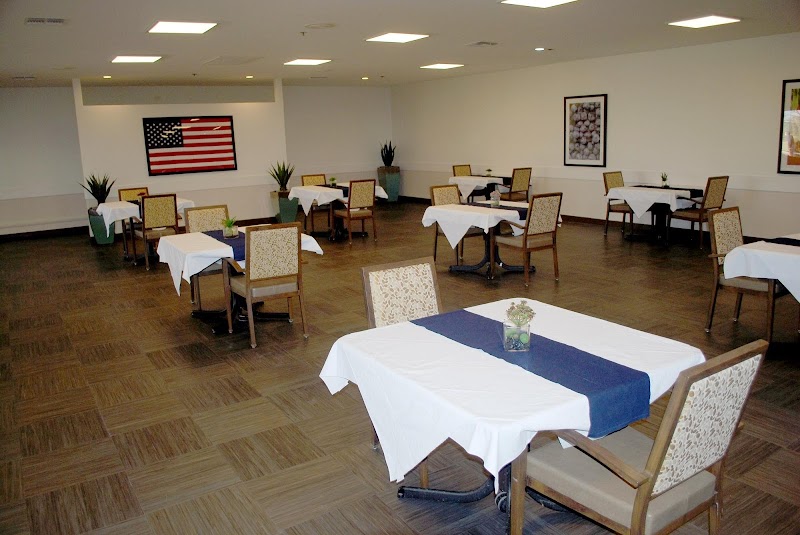
How is Haven Of Saguaro Valley Staffed?

CMS rates HAVEN OF SAGUARO VALLEY's staffing level at 1 out of 5 stars, which is much below average compared to other nursing homes. Staff turnover is 46%, compared to the Arizona average of 46%. This relatively stable workforce can support continuity of care. RN turnover specifically is 71%, which is notably high. RNs provide skilled clinical oversight, so turnover in this role can affect medical care quality.

What Have Inspectors Found at Haven Of Saguaro Valley?

State health inspectors documented 21 deficiencies at HAVEN OF SAGUARO VALLEY during 2019 to 2025. These included: 2 that caused actual resident harm, 18 with potential for harm, and 1 minor or isolated issues. Deficiencies causing actual harm indicate documented cases where residents experienced negative health consequences.

Who Owns and Operates Haven Of Saguaro Valley?

HAVEN OF SAGUARO VALLEY is owned by a for-profit company. For-profit facilities operate as businesses with obligations to shareholders or private owners. The facility is operated by HAVEN HEALTH, a chain that manages multiple nursing homes. With 112 certified beds and approximately 90 residents (about 80% occupancy), it is a mid-sized facility located in TUCSON, Arizona.
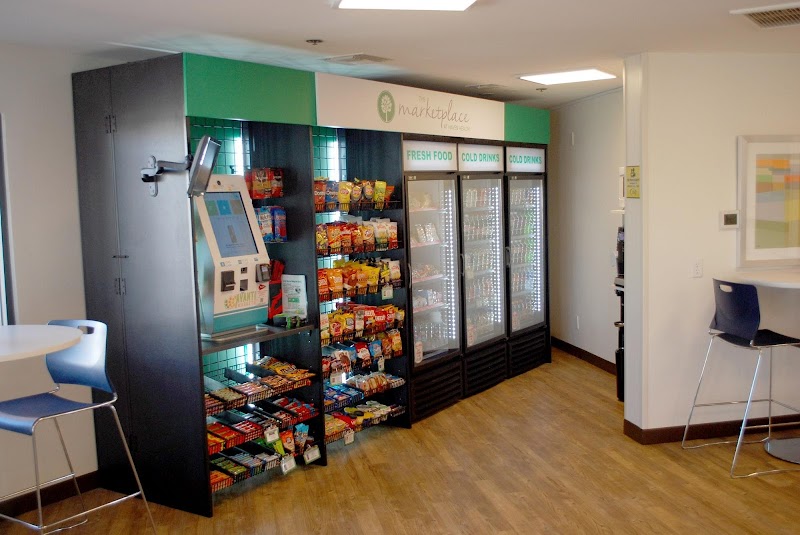
How Does Haven Of Saguaro Valley Compare to Other Arizona Nursing Homes?

Compared to the 100 nursing homes in Arizona, HAVEN OF SAGUARO VALLEY's overall rating (3 stars) is below the state average of 3.3, staff turnover (46%) is near the state average of 46%, and health inspection rating (3 stars) is at the national benchmark.

What Should Families Ask When Visiting Haven Of Saguaro Valley?

Based on this facility's data, families visiting should ask: "Can you walk me through typical staffing levels on day, evening, and night shifts?" "Can I visit during a mealtime to observe dining assistance and food quality?" "How do you handle medical emergencies, and what is your hospital transfer rate?" "Can I speak with family members of current residents about their experience?" These questions are particularly relevant given the below-average staffing rating.

Is Haven Of Saguaro Valley Safe?

Based on CMS inspection data, HAVEN OF SAGUARO VALLEY has a clean safety record: no substantiated abuse findings (meaning no confirmed cases of resident harm), no Immediate Jeopardy citations (the most serious violation level indicating risk of serious injury or death), and is not on the Special Focus Facility watch list (a federal program monitoring the lowest-performing 1% of nursing homes). The facility has a 3-star overall rating and ranks #100 of 100 nursing homes in Arizona. While no facility is perfect, families should still ask about staff-to-resident ratios and recent inspection results during their visit.

Do Nurses at Haven Of Saguaro Valley Stick Around?

HAVEN OF SAGUARO VALLEY has a staff turnover rate of 46%, which is about average for Arizona nursing homes (state average: 46%). Moderate turnover is common in nursing homes, but families should still ask about staff tenure and how the facility maintains care continuity when employees leave.

Was Haven Of Saguaro Valley Ever Fined?

HAVEN OF SAGUARO VALLEY has no federal fines on record. CMS issues fines when nursing homes fail to meet care standards or don't correct problems found during inspections. The absence of fines suggests the facility has either maintained compliance or corrected any issues before penalties were assessed. This is a positive indicator, though families should still review recent inspection reports for the full picture.

Is Haven Of Saguaro Valley on Any Federal Watch List?

HAVEN OF SAGUARO VALLEY is not on any federal watch list. The most significant is the Special Focus Facility (SFF) program, which identifies the bottom 1% of nursing homes nationally based on persistent, serious quality problems. Not being on this list means the facility has avoided the pattern of deficiencies that triggers enhanced federal oversight. This is a positive indicator, though families should still review the facility's inspection history directly.