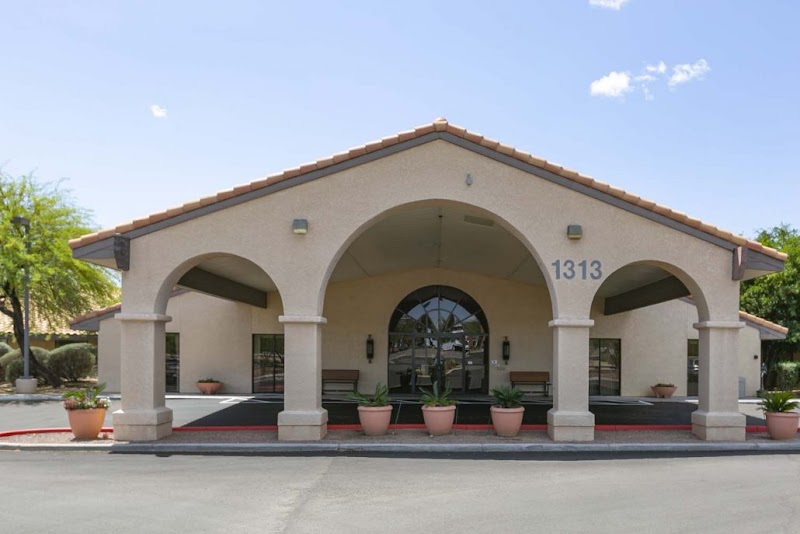
MOUNTAIN VIEW CARE CENTER

1313 WEST MAGEE ROAD, TUCSON, AZ 85704 (520) 797-2600
For profit - Limited Liability company 120 Beds THE ENSIGN GROUP Data: November 2025 1 Immediate Jeopardy citation
Trust Grade
43/100
#88 of 139 in AZ
Last Inspection: June 2023

Over 2 years since last inspection. Current conditions may differ from available data.

Overview

Mountain View Care Center has a Trust Grade of D, indicating it's below average with some significant concerns. It ranks #88 out of 139 nursing homes in Arizona, placing it in the bottom half of facilities in the state, and #14 out of 24 in Pima County, meaning only a few local options are better. The facility is showing improvement, reducing issues from 11 in 2023 to 3 in 2024, but still has a concerning number of total deficiencies at 41. Staffing is a weakness with a rating of 2 out of 5 stars and a 49% turnover rate, which is average but still suggests instability. On the positive side, they have no fines on record, which is a good sign, and they provide more RN coverage than many facilities, ensuring better oversight of resident care. However, there have been serious incidents, such as a resident not receiving timely treatment for pressure ulcers, and a failure to protect residents from potential abuse from other residents or visitors, highlighting serious areas needing attention.

Trust Score
D
43/100
In Arizona
#88/139
Bottom 37%
Safety Record
High Risk
Review needed
Inspections
Getting Better
11 → 3 violations
Staff Stability
⚠ Watch
49% turnover. Above average. Higher turnover means staff may not know residents' routines.
Penalties
✓ Good
No fines on record. Clean compliance history, better than most Arizona facilities.
Skilled Nurses
⚠ Watch
Each resident gets only 27 minutes of Registered Nurse (RN) attention daily — below average for Arizona. Fewer RN minutes means fewer trained eyes watching for problems.
Violations
⚠ Watch
41 deficiencies on record. Higher than average. Multiple issues found across inspections.
★★★☆☆
3.0
Overall Rating
★★☆☆☆
2.0
Staff Levels
★★★★☆
4.0
Care Quality
★★★☆☆
3.0
Inspection Score
Stable
2023: 11 issues
2024: 3 issues

The Good

  • 4-Star Quality Measures · Strong clinical quality outcomes
  • Full Sprinkler Coverage · Fire safety systems throughout facility
  • No fines on record

Facility shows strength in quality measures, fire safety.

The Bad

3-Star Overall Rating

Near Arizona average (3.3)

Meets federal standards, typical of most facilities

Staff Turnover: 49%

Near Arizona avg (46%)

Higher turnover may affect care consistency

Chain: THE ENSIGN GROUP

Part of a multi-facility chain

Ask about local staffing decisions and management

The Ugly 41 deficiencies on record

1 life-threatening 1 actual harm
Jan 2024 3 deficiencies
CONCERN (D) 📢 Someone Reported This

A family member, employee, or ombudsman was alarmed enough to file a formal complaint

Potential for Harm - no one hurt, but risky conditions existed

Investigate Abuse (Tag F0610)

Could have caused harm · This affected 1 resident

**NOTE- TERMS IN BRACKETS HAVE BEEN EDITED TO PROTECT CONFIDENTIALITY** Based on clinical record review, staff interviews, facility documentation, and policies and procedures, the facility failed to c...

Read full inspector narrative →
**NOTE- TERMS IN BRACKETS HAVE BEEN EDITED TO PROTECT CONFIDENTIALITY** Based on clinical record review, staff interviews, facility documentation, and policies and procedures, the facility failed to complete a thorough investigation to rule out abuse regarding an injury of unknown origin for one resident (#118). The deficient practice could result in the injury of unknown origin not investigated and appropriate corrective actions not taken. Findings include: Resident #118 was admitted on [DATE], with diagnoses of metabolic encephalopathy, muscle weakness, cognitive communication deficit, hypertension, epilepsy, syncope and collapse, adjustment disorder, anxiety disorder, depression, and adjustment insomnia. The progress notes dated December 9, 2023 at 5:00 p.m., revealed the resident had bruising around her left eye; and that, the resident reported that her cousin did it. The clinical record revealed no documentation that the bruise was assessed to include description on color or size. There was no facility documentation found that family members recently visited the resident. Review of a care plan dated June 8, 2023, revealed the resident was at risk for falls. Interventions included to avoid rearranging furniture, encourage resident to wear appropriate footwear when ambulating or wheeling in wheelchair; keep needed items, watch, in reach; maintain a clear pathway, free of obstacles; and physical therapy evaluation. A care plan dated September 9, 2023, revealed the resident was at risk of wandering, was disoriented to place and had impaired safety awareness. Intervention included to document wandering behavior and attempted diversion interventions. The skin evaluation dated December 14, 2023 (approximately 5 days after the bruise was identified) included that the resident continues with bruised on eye. A physician progress note dated December 14, 2023 revealed that the resident reported her cousin slapped her in the face; and that, staff reported that the resident kept on saying the same thing. Review of the facility's investigative documentation revealed that resident #118 had bruising under her left eye; and that, her cousin did it. Per the documentation, there was no documentation of any falls; the resident was independent with ambulation, had wandering behaviors, was capable of picking things up off the floor; and that, the injury was likely a result from her trying to pick something up from the floor and bumped her eye on a piece of furniture. There was no evidence found that this incident was thoroughly investigated by the facility to include any interviews conducted. During an interview conducted on January 18, 2024 at 11:00 a.m., the Administrator (staff #34) stated that they were unable to interview resident #118 due to her cognitive status. The administrator said that staff were not aware of any visitors; and that, there were no visitors identified on the visitor log as family members of the resident. The administrator said the facility visitor logs at that time were temperature check logs for Covid and were not actual visitor logs. The administrator further stated that the family was not contacted during the investigation to determine if anyone had visited the resident. Review of the facility policy titled Abuse: Prevention of and Prohibition Against dated October 2022 revealed that the investigation would include interviews with person(s) reporting the incident, the resident(s) involved, any witnesses to the incident including the alleged perpetrator and staff member(s) on all shifts who may have information regarding the alleged incident.
CONCERN (E) 📢 Someone Reported This

A family member, employee, or ombudsman was alarmed enough to file a formal complaint

Potential for Harm - no one hurt, but risky conditions existed

Free from Abuse/Neglect (Tag F0600)

Could have caused harm · This affected multiple residents

**NOTE- TERMS IN BRACKETS HAVE BEEN EDITED TO PROTECT CONFIDENTIALITY** Based on clinical record review, staff interviews, facility documentation, policies and procedures, the facility failed to ensur...

Read full inspector narrative →
**NOTE- TERMS IN BRACKETS HAVE BEEN EDITED TO PROTECT CONFIDENTIALITY** Based on clinical record review, staff interviews, facility documentation, policies and procedures, the facility failed to ensure that one resident (#57) was free from abuse from a visitor, five residents (#116, #59, #126, #112, and #134) were free from abuse from another resident and prevent an injury of unknown origin for one resident (#118). The deficient practice could result in residents being abused. Findings include: Regarding resident #116 and resident #117: -Resident #116 was admitted to the facility on [DATE], with diagnoses that included metabolic encephalopathy, necrotizing enterocolitis, anxiety, anemia, gastroesophageal reflux disease, hypertension, dementia with behavior disturbance, fracture of left ulna, fracture of left radius, moderate protein-calorie malnutrition, cellulitis left upper limb, and major depressive disorder. A progress note dated [DATE] at 10:56 AM, that stated staff witnessed another resident (#117) place his hands on the resident's (#116) neck. No injuries were noted and no signs of pain. The care plan dated [DATE] revealed the resident wandered aimlessly and was disoriented to place with impaired safety awareness with an intervention to document wandering behavior and attempted diversional interventions. The Brief Interview for Mental Status (BIMS) score dated [DATE] was 0 indicating resident had severe cognitive impairment. The clinical record revealed that the resident was discharged to the hospital on [DATE]. -Resident #117 was admitted to the facility on [DATE], with diagnoses that included schizoaffective disorder, major depressive disorder, suicidal ideation's, diabetes mellitus, anxiety, insomnia, hyperlipidemia, and weakness. The BIMS score dated [DATE] was 13 indicating he was cognitively intact. Review of a progress note dated [DATE] at 10:56 AM, that stated the patient was witnessed physically putting his hands on another resident's (#116) neck. The two were immediately separated. The resident (#117) began making suicidal statements and throwing items at staff. The resident #117 was transported by emergency personnel to the emergency room. Review of resident #117's care plan did not reveal any behaviors displayed by the resident. The clinical record revealed the resident was discharged to the hospital on [DATE]. The facility's investigative documentation revealed that staff #9 witnessed resident #117 get up during an activity and put his hands around resident #116's neck. The two residents were immediately separated. No injuries were noted. Resident #117 was sent out to the emergency room due to his behaviors. During an interview conducted with a certified nursing assistant (CNA/staff #12) on [DATE] at 2:28 p.m., the CNA stated that residents were not allowed to wander into other resident's rooms; and, if a resident wander into another room, she will redirect them to go somewhere else. An interview was conducted on [DATE] at 2:45 p.m., with a Registered Nurse (RN/staff #65) who stated that residents were not allowed to wander into other resident's rooms. The RN said that she will redirect the resident from wandering into other resident's room by talking to the resident, changing their direction, or by offering them a snack. Regarding resident #57: -Resident #57 was admitted to the facility on [DATE], with diagnoses that included dementia, schizophrenia, dysphagia, hyperlipidemia, major depressive disorder, anxiety disorder, hypertension, and convulsions. Review of resident #57's clinical records revealed the resident had wandered into another resident's (#47) room on [DATE] at 1:52 PM. The other resident's visitor attempted to redirect the resident out of the room and accidentally scratched the resident's right shoulder/neck area. The visitor was educated to ask staff for assistance and was asked to leave the facility pending further investigation. No injury was noted other than a mark to the right shoulder. The care plan dated [DATE], revealed the resident was at risk for wandering and is disoriented to place with impaired safety awareness with an intervention to document wandering behavior and attempted diversional interventions. The facility's investigative documentation revealed a summary that stated resident #57 had wandered into another resident's room and when the other resident's visitor attempted to redirect the resident, the visitor scratched resident #57's right shoulder. Regarding injury of unknown source for resident #118 -Resident #118 was admitted to the facility on [DATE], with diagnoses that included metabolic encephalopathy, muscle weakness, cognitive communication deficit, hypertension, epilepsy, syncope and collapse, adjustment disorder, anxiety disorder, depression, and adjustment insomnia. The resident discharged on [DATE] and deceased on [DATE]. The progress notes dated [DATE] at 5:00 PM, revealed the resident had bruising around her left eye. The resident stated that her cousin did it; however, it was documented that no family members had recently visited the resident. No probably cause of the bruising was identified. A care plan dated [DATE], revealed the resident was at risk for falls. Interventions included: avoid rearranging furniture, encourage resident to wear appropriate footwear when ambulating or wheeling in wheelchair; keep needed items within reach; maintain a clear pathway, free of obstacles; and physical therapy evaluation. A care plan dated [DATE], revealed the resident was at risk for wandering and disoriented to place with impaired safety awareness with an intervention to document wandering behavior and attempted diversion interventions. Review of the facility's investigative documentation revealed a summary that stated resident #118 had bruising under her left eye and that her cousin did it. There was no documentation of any falls. The patient was independent with ambulation and wandering behaviors. She was capable of picking things up off the floor so the injury was likely a result from her trying to pick something up from the floor and bumped her eye on a piece of furniture. During an interview conducted on [DATE] at 11:00 AM, the Administrator (staff #34) stated that they were unable to interview resident #118 due to her cognitive status to obtain more information. The administrator said that staff were not aware of any visitors; and that, there were no visitors identified on the visitor log as family members of the resident. The administrator said that the facility visitor logs at that time were temperature check logs for Covid and were not actual visitor logs. Regarding resident #135 and #134: -Resident #135 was admitted on [DATE] with diagnoses including type 2 diabetes mellitus, chronic kidney disease, dementia, cognitive communication deficit, and schizophrenia. The MDS assessment dated [DATE] revealed a BIMS score of 00, indicating resident had severe cognitive impairment. Further review of the MDS revealed the resident had exhibited verbal behaviors directed at others on one to three days of the seven-day assessment period. The comprehensive care plan revealed the resident received psychotropic medications for auditory hallucinations and angry outbursts. Intervention to provide a calm, quiet environment during episodes of yelling. -Resident #134 was admitted on [DATE] with diagnoses of dementia, anxiety, diabetes mellitus type 2, and aphasia. Review of the MDS assessment revealed the resident had exhibited verbal behaviors directed at others on one to three days of the seven-day assessment period; and, had a BIMS score of 00 indicating severe cognitive impairment. The comprehensive care plan included that the resident received an anti-anxiety medication for anxiety as evidenced by pacing. Intervention included to provide a calm, quiet environment when pacing. The nursing progress note dated [DATE] at 11:12 a.m. revealed resident #134 had been in a fight with resident #135 and received a scratch on the neck. Review of the facility report dated [DATE] revealed that the licensed practical nurse (LPN) had reported a resident to resident altercation involving residents #134 and #135; and that, resident #134 had a scratch on her arm and on her neck. Resident #135 was reported to have no visible injuries. The facility report concluded that a resident to resident altercation had occurred. Review of the facility policy titled Abuse: Prevention and Prohibition Against dated [DATE], revealed that each resident had the right to be free from abuse including injuries of unknown origin. The policy included the facility will take action to protect and prevent abuse and neglect from occurring within the facility by; identifying, correcting and intervening in situations in which abuse is more likely to occur; and identifying, assessing, care planning for appropriate interventions, and monitoring of residents with needs and behaviors which might lead to conflict or neglect such as: Verbally aggressive behavior, physically aggressive behavior, and wandering into other's rooms/space. The policy further included that if an allegation of abuse is reported, discovered or suspected, the facility will protect all residents from physical and psychosocial harm during and after the investigation; including increase supervision of the alleged victim and residents. If the allegation of abuse involved another resident, the facility will separate the residents so that they do not interact with each other until circumstances of the reported incident can be determined and the facility would continue to assess, monitor and intervene as necessary to maximize resident health and safety. Regarding resident #59 and resident #109: -Resident #59 was admitted on [DATE] with diagnoses that included chronic obstructive pulmonary disease, dementia, psychosis, amnesic disorder and major depressive disorder. The MDS (Minimum Data Set) assessment dated [DATE] that revealed a BIMS score that the resident had been assessed with severe cognitive impairment. -Resident #109 was admitted on [DATE] with diagnoses of hemiplegia and hemiparesis due to cerebral infarction, acute kidney failure, depression, and epilepsy. An MDS assessment dated [DATE] a BIMS that the resident had been assessed with severe cognitive impairment. On [DATE], the facility reported to the State Agency (SA), that resident #109 was found in the room of resident #59 who was in bed; and that, a staff observed resident #109 hitting resident #59. A review of the facility's investigative documentation dated [DATE] that resident #109 stated he was hitting resident #59 because he thought resident #59 was in his bed and he was kicking him out. Resident #59 was assessed with swelling under his right eye. Regarding resident #127 and resident #126: -Resident #127 was admitted on [DATE] with diagnoses that included dementia with behavioral disturbances, acute respiratory failure, unspecified psychosis, anxiety disorder, and unspecified mood disorder. An MDS assessment dated [DATE] that revealed a BIMS assessed that documented the resident had severe cognitive impairment. -Resident #126 was admitted on [DATE] with diagnoses that included unspecified dementia with other behavioral disturbances, stage 3 chronic kidney disease, and dysphagia. An MDS assessment dated [DATE] revealed a BIMS that the resident had been assessed with severe cognitive impairment. On [DATE], the facility reported to the SA that resident #127 had picked up a chair and repeatedly hit resident #126 with the chair. According to the facility documentation, resident #126 went out to the hospital for evaluation and treatment on [DATE]; and the resident had a closed laceration to the top of his head and bruising on his forearms. A review of the facility's investigative report dated [DATE] revealed documentation that staff were in the process of getting resident #126 into bed; and, the staff left resident #126 in a chair in his room while the staff left the room to get resident #125's wheelchair. When staff returned to the room, the staff witnessed resident #127 push resident #126 out of the chair and resident #126 went to the floor. Per the documentation, the staff witnessed resident #127 pick up a chair and began hitting resident #126 on his head; and that, the staff separated the residents. Further review of the investigative documentation revealed an interview with resident #127 who stated he thought resident #126 had stolen his stuff. Regarding resident #112 and resident #114: -Resident #112 was admitted on [DATE] with diagnoses that included paraplegia, unspecified convulsions, fibromyalgia, major depressive disorder, mood disorder, and post-traumatic stress disorder. An MDS assessment dated [DATE] included the resident had a BIMS score of 14 indicating the resident had intact cognition. On [DATE], the facility reported to the State Agency (SA) of an incident where resident #112 was witnessed to be slapped in the face by resident #114. A review of the facility's investigative documentation revealed statements from staff that stated they had witnessed resident #114 slap resident #112; and that, resident #112 reported that she had been slapped by resident #114.
CONCERN (E) 📢 Someone Reported This

A family member, employee, or ombudsman was alarmed enough to file a formal complaint

Potential for Harm - no one hurt, but risky conditions existed

Accident Prevention (Tag F0689)

Could have caused harm · This affected multiple residents

**NOTE- TERMS IN BRACKETS HAVE BEEN EDITED TO PROTECT CONFIDENTIALITY** Based on clinical record review, staff interviews, and facility policy, the facility failed to ensure adequate supervision was p...

Read full inspector narrative →
**NOTE- TERMS IN BRACKETS HAVE BEEN EDITED TO PROTECT CONFIDENTIALITY** Based on clinical record review, staff interviews, and facility policy, the facility failed to ensure adequate supervision was provided to prevent resident from wandering into other resident's room for two residents (#57, #116); and, prevent one resident (#129) from elopement. The deficient practice could result avoidable harm to all residents due to lack of adequate supervision. Findings include: -Resident #57 was admitted on [DATE], with diagnoses that included dementia, schizophrenia, major depressive disorder and anxiety disorder. The progress notes dated September 29, 2023 revealed the resident was unable to communicate needs, was monitored for safety, ambulated independently on the hall and wandered in and out of rooms. The progress notes dated October 1, 2023 at 1:52 p.m., revealed the resident had wandered into another resident's room; and that, the visitor of the other resident attempted to redirect the resident out of the room. The care plan dated August 25, 2023 revealed the resident was at risk for wandering, was disoriented to place and had impaired safety awareness. Intervention included to document wandering behavior and attempted diversional interventions. Review of the facility's investigative documentation revealed that resident #57 had wandered into another resident's room; and that, the other resident's visitor attempted to redirect the resident. There was no evidence found in the clinical record and facility documentation that adequate supervision was provided to prevent resident #57 from wandering to other resident's room. -Resident #116 was admitted on [DATE] with diagnoses of metabolic encephalopathy, necrotizing enterocolitis, anxiety, dementia with behavior disturbance and major depressive disorder. The Brief Interview for Mental Status (BIMS) score dated June 15, 2022 was 0 indicating resident had severe cognitive impairment. The care plan dated August 18, 2021 revealed the resident wandered aimlessly, was disoriented to place, and had impaired safety awareness. Intervention included to document wandering behavior and attempted diversional interventions. A progress note dated July 22, 2022 included that the resident was alert and confused; and that, she was monitored for wandering and poor safety awareness. There was no evidence found in the clinical record and facility documentation that adequate supervision was provided to prevent resident #57 from wandering to other resident's room. A progress note dated July 23, 2022 at 11:09 a.m. revealed that the nurse heard a loud thud and found the resident lying on her back on the floor. Per the documentation, the resident was bleeding from her mouth and the back of her head; and, had a skin tear on her left arm. It also included that 911 was called and the resident was transported to the emergency room. A progress note dated July 26, 2022 at 1:35 p.m. included that the fall committee interdisciplinary team determined that the resident had wandered into another resident's room and startled the other resident who was sleeping. The other resident raised his arm when he was startled and resulted in resident #116 losing her balance and falling. Review of the facility's investigative documentation revealed that resident #116 had wandered into another resident's room. During an interview conducted with a certified nursing assistant (CNA/staff #12) on January 19, 2024 at 2:28 p.m., the CNA stated that residents were not allowed to wander into other resident's rooms; and, if a resident wander into another room, she will redirect them to go somewhere else. An interview was conducted on January 19, 2024 at 2:45 p.m., with a Registered Nurse (RN/staff #65) who stated that residents were not allowed to wander into other resident's rooms. The RN said that she will redirect the resident from wandering into other resident's room by talking to the resident, changing their direction, or by offering them a snack. In an interview with the lead CNA (staff #100) conducted on January 19, 2024 at 2:55 p.m., the lead CNA stated that residents were not allowed to wander in other resident's rooms; and that, she will redirect the resident, ask them to come with her or go over where she is, or get them a drink/snack. -Resident #129 was admitted on [DATE] with diagnoses of epilepsy, unspecified dementia, anxiety disorder, dysphagia, and fibromyalgia. The elopement/wandering assessment dated [DATE] included that the resident was a high risk for elopement/wandering. The care plan dated December 11, 2023 revealed that the resident was an elopement risk and a wanderer related to disorientation to place and impaired safety awareness; and that, the facility entrances/exits are secured (alarmed), but resident is able to move freely throughout the building. The care plan did not identify any other interventions. On December 13, 2023, the facility reported that on December 12, 2023 at approximately 1:30 p.m., staff were looking for the resident; and that, the resident was not in his room. According to the documentation, the resident was found outside the front of the building. Per the facility's investigative report dated December 21, 2023, staff reported last seeing the resident at the nurses' station, visiting with staff at approximately 1:15 p.m. The investigative report only documented that the resident was found outside in front of the building; and that, the resident reported that he was looking for his wife. An interview was conducted on January 16, 2023 at 2:30 p.m. with staff #57 who stated that when a resident was assessed as a high risk for elopement/wandering, the care plan interventions would be implemented as soon as possible but within 24 hours of the assessment. In an interview with staff #34 conducted on January 18, 2024 at 11:00 a.m., staff #34 stated that resident #129 left the building without staff knowledge; and that, there was no documentation of any alarms going off. Staff #34 further stated that the resident exited the building through the front door which was not alarmed. Review of the facility policy titled Abuse: Prevention and Prohibition Against dated October 2022, revealed that each resident had the right to be free from abuse including injuries of unknown origin. The policy included the facility will take action to protect and prevent abuse and neglect from occurring within the facility by; identifying, correcting and intervening in situations in which abuse is more likely to occur, to include validating that the facility has deployed the correct number of competent staff on each shift to meet the needs of the residents; and identifying, assessing, care planning for appropriate interventions, and monitoring of residents with needs and behaviors which might lead to conflict or neglect such as: Verbally aggressive behavior, physically aggressive behavior, and wandering into other's rooms/space. The policy further included that if an allegation of abuse is reported, discovered or suspected, the facility will protect all residents from physical and psychosocial harm during and after the investigation; including increase supervision of the alleged victim and residents. If the allegation of abuse involved another resident, the facility will separate the residents so that they do not interact with each other until circumstances of the reported incident can be determined and the facility would continue to assess, monitor and intervene as necessary to maximize resident health and safety.
Aug 2023 1 deficiency
CONCERN (D) 📢 Someone Reported This

A family member, employee, or ombudsman was alarmed enough to file a formal complaint

Potential for Harm - no one hurt, but risky conditions existed

Accident Prevention (Tag F0689)

Could have caused harm · This affected 1 resident

**NOTE- TERMS IN BRACKETS HAVE BEEN EDITED TO PROTECT CONFIDENTIALITY** Based on clinical record review, staff interviews and facility policy, the facility failed to ensure adequate supervision was pr...

Read full inspector narrative →
**NOTE- TERMS IN BRACKETS HAVE BEEN EDITED TO PROTECT CONFIDENTIALITY** Based on clinical record review, staff interviews and facility policy, the facility failed to ensure adequate supervision was provided and fall prevention measures recommended by the provider were implemented for 1 of 3 sampled residents (#8). The deficient practice could result in resident having injury from a preventable fall. Findings include: Resident #8 was admitted on [DATE] with diagnoses of malignant neoplasm of brain, cerebral edema, and anxiety disorder. A fall risk evaluation dated 7/26/2023 included a score of 15, which indicated the resident was a high risk for fall. It also included that the resident had a history of falls and had 1-2 falls in the past 3 months. The care plan dated 7/26/2023 revealed the resident was at risk for falls. Intervention included bed in lowest position. A care plan initiated 7/27/2023 included that the resident was an elopement risk/wanderer related to being disoriented to place; and that, he had impaired safety awareness. Interventions included to assess for fall risk. -Fall #1: A fall risk evaluation dated 7/30/2023 included a score of 2 indicating the resident was low risk for fall. It also included that the resident had no history of falls in the past 3 months. The nursing note dated 7/30/2023 revealed that the resident was found lying on his back with his head against the wall with the wheelchair next to the resident's left side. Per the documentation, the resident had previously been seen sitting in a wheelchair in the hallway and the resident refused to get out of his wheelchair. The documentation included that it was apparent that the resident attempted to get out of his wheelchair without locking the chair which resulted in the fall. Another nursing note dated 7/30/2023 revealed that the resident had several areas of bruising, skin tear and a laceration; and that, the injuries were consistent with the fall. Further, the documentation included that the resident was monitored by the CNAs (certified nurse assistants) and the floor nurse. A fall risk evaluation dated 7/31/2023 included a score of 9 indicating the resident was a medium risk for fall. It also included the resident had 1-2 falls in the past 3 months. A Nurse Practitioner/Physician's Assistant (NP/PA) progress note dated 7/31/23 included that the resident was alert and oriented x3, had falls, will get up and would walk ADLIB. Assessment included impaired mobility, weakness with recurrent falls. Per the documentation, a 1:1 sitter was recommended. However, review of the clinical record revealed no evidence that the resident was provided with a 1:1 sitter. -Fall #2: The fall committee IDT (interdisciplinary team) note dated 7/31/2023 included that on 7/31/2023 at around 6:00 a.m., the resident was found on the floor in supine position with his head against the wall. Per the documentation, the resident was alert and oriented x1, had poor impulse control, [NAME] poor safety awareness and was alone at the time of the incident. It also included that fall appeared consistent with resident trying to get out of wheelchair by himself. The documentation also included that the resident had light purplish discoloration on the left arm, right hand and coccyx and a small skin was found on left eyebrow and right elbow; and that, four hours after the incident, resident's right hand got swollen. X-ray was ordered and had negative results. Further, the documentation included that neuro checks were started and interventions i.e., labs ordered were implemented. -Fall #3 A nursing note dated 7/31/2023 included that the resident was ambulating without assistance and with an unsteady gait. Per the documentation, staff assisted the resident back to bed but resident would not sit still; and that, the resident was assisted to a wheelchair due to confusion and unsteady gait. The documentation included that resident continued to get up by himself; and that, at 11:00 the nurse heard a loud noise coming from the dining room. Per the documentation, the resident was found lying on the floor on his right side with the wheelchair next to the resident. The documentation also included that the resident sustained a skin tear to the left forearm. Further, the documentation included that neuro checks were started and interventions i.e., psych consult was implemented Another fall committee IDT note dated 7/31/2023 revealed that at around 11:00, the resident was found on the floor in supine position in the dining room. Per the documentation, the resident was alert and oriented x 1, had poor impulse control and poor safety awareness and was alone at the time of the incident. It also included that the resident was last seen in his wheelchair by staff. The documentation included that the fall appeared consistent with the resident trying to get out of the wheelchair by himself and fell. The documentation also included that the resident had bruises noted on his left arm, right hand and coccyx; and, had a small skin tear on his left eyebrow and right elbow. Another nursing note dated 7/31/2023 included that the resident developed a hematoma on his back related to his previous two falls. The documentation included that there was a hard mass lump which was tender to touch and was red/blue in color found in the back area. An admission Minimum Data Set (MDS) assessment dated [DATE] included a Brief Interview for Mental Status (BIMS) score of 7 which indicated the resident had severe cognitive impairment. The assessment included the resident needed partial assistance from another person to complete some activities. The weekly skilled review dated 8/2/2023 included that the resident had poor safety, poor balance, poor mobility and poor cognition. It also included that the resident had impulsivity and had a TUG (Timed Up and Go) test score of 22 indicating the resident was a high fall risk. The physician admission progress note dated 8/2/2023 revealed the resident continued to experience falls and his new baseline may need to be considered as non-ambulatory for safety; but that, therapy would determine that. Assessments included impaired mobility, weakness with recurrent falls. Plan was for a 1:1 sitter. A NP/PA progress noted dated 8/4/2023 included that the laboratory results and urinalysis were unremarkable. The documentation included that the provider continued to recommend a 1:1 sitter. -Fall #4 The nursing note dated 8/5/2023 revealed that the resident fell from his wheelchair in the dining room and sustained a laceration to his right eyebrow and a skin tear to his left lateral elbow. Per the documentation the NP ordered for the resident to be sent out to the ER (emergency room) for possible sutures to the eyebrow. -Fall #5 The fall committee IDT note dated 8/7/2023 revealed that on 8/5/2023 at around 1:55 a.m., a CNA witnessed the resident stood up in his wheelchair and attempted to walk in the dining room; and that, the resident fell before the staff could intervene. Per the documentation, the resident sustained a laceration to the right eyebrow and a skin tear to his right elbow; and that, orders were received to send the resident to the ER due to resident potentially needing stitches to his laceration. Further the documentation included that the resident obtained stitches and a CT (computed-tomography) scan was don with no hemorrhage identified; and that, the resident was sent back to the facility within a few hours. -Fall #6 A nursing note dated 8/6/2023 included that the resident was found on the floor, sitting upright with his back against the wall. Per the documentation, the resident was alert and oriented to self only, confused and was unable to answer any questions. The documentation also included that staff informed the family who requested for the resident to be sent to the ED (emergency department); 911 was called and at 6:15 p.m., the resident was transferred to the hospital. The fall committee IDT note dated 8/7/2023 revealed that on 8/6/2023 at around 5:45 p.m. a CNA informed the nurse that the resident was found sitting upright on the floor in the dining room with his back against the wall next to his wheelchair. Per the documentation, the resident was unable to say what happened due to cognitive impairment; and that, it appeared that the resident attempted to get out of his wheelchair. The documentation included that the resident's family requested for the resident to be sent to the ED. The weekly clinical/IDT review note dated 8/11/2023 included that no further interventions required; and that, the resident had another fall and was transferred to the hospital for evaluation. Despite documentation of repeated falls, the care plan was not revised to include new interventions implemented. Despite documentation of a recommendation for 1:1 sitter, the clinical record revealed no evidence that this was provided to the resident. An interview was conducted on 8/24/2023 at 12:48 p.m. with a Licensed Practical Nurse (LPN/staff #31) who said that when a resident had a fall, she would assess for range of motion and wounds, check the resident's vitals and neuros. She said that floor staff do not make new interventions as this is done during the IDT team meeting. She stated that the floor staff can see and implement the new interventions as the clinical record was linked to the IDT notes. The LPN stated that if the physician makes a recommendation, it should be followed. Regarding resident #8, the LPN stated that the resident had a history of falls had a lot of confusion, forgetfulness and had an inability to follow commands. She said that when resident #8 first came at the facility, he was walking with a cane but was downgraded to needing a wheelchair. She stated that the resident would get up from the wheelchair by himself, was very quick on his feet and could get up at the snap of a finger. She said that she had never seen the staff not follow a provider recommendation before; however, staff do not do 1:1 to residents. In an interview with the Director of Nursing (DON/staff #15) conducted on 8/24/23 at 3:31 p.m., The DON stated that if a physician recommended a 1:1 sitter, the management would have a conversation with them and the conversation would have been documented in the progress notes. Regarding resident #8, he stated that he remembered the resident as being very impulsive. He said that the facility did not provide a full-time sitter for resident #8 but had provided temporary ones at times. He also said that the facility did not have charting on temporary 1:1 sitter. He said that the physician's recommendations of a 1:1 sitter resident #8 was not reviewed. A facility policy on Incidents and Accidents revised 7/2022 revealed that it is their policy to implement and maintain measures to avoid hazards and accidents.
Jul 2023 1 deficiency
CONCERN (E) 📢 Someone Reported This

A family member, employee, or ombudsman was alarmed enough to file a formal complaint

Potential for Harm - no one hurt, but risky conditions existed

Comprehensive Care Plan (Tag F0656)

Could have caused harm · This affected multiple residents

Deficiency Text Not Available

Read full inspector narrative →
Deficiency Text Not Available
Jun 2023 4 deficiencies
CONCERN (D)

Potential for Harm - no one hurt, but risky conditions existed

Deficiency F0645 (Tag F0645)

Could have caused harm · This affected 1 resident

**NOTE- TERMS IN BRACKETS HAVE BEEN EDITED TO PROTECT CONFIDENTIALITY** Based on clinical record review, staff interviews, and policy review, the facility failed to ensure a referral for a PASARR (Pre...

Read full inspector narrative →
**NOTE- TERMS IN BRACKETS HAVE BEEN EDITED TO PROTECT CONFIDENTIALITY** Based on clinical record review, staff interviews, and policy review, the facility failed to ensure a referral for a PASARR (Pre-admission Screening and Resident Review) level II determination was obtained timely for one resident (#58). This deficient practice could result in residents not receiving the appropriate level of services. Findings include: -Resident #58 was admitted to the facility on [DATE] with diagnoses that included post- traumatic stress disorder (PTSD), major depressive disorder, anxiety disorder, and unspecified schizophrenia. The care plan initiated on August 16, 2022 revealed a problem that included at risk for re-traumatization related to history of trauma, domestic partner violence, post-traumatic stress disorder, and sexual abuse. The interventions included all care and services provided by the facility. The care plan did not address that the resident's Level I PASARR screening document indicated a referral for Level II determination for mental illness. Review of the quarterly Minimum Data Set (MDS) assessment dated [DATE] revealed a Brief Interview for Mental Status (BIMS) score of 5 which indicated the resident's cognition was severely impaired. The MDS also included a diagnoses of anxiety disorder, depression, schizophrenia, and post-traumatic stress disorder. Review of the PASARR level I screening document dated May 8, 2023, revealed that an exemption was selected due to the resident's expected stay in the nursing facility does not meet the criteria for 30-day convalescent care. The screening document included mental illness for schizophrenia, major depression, anxiety disorder, and PTSD ( post traumatic stress disorder). The screening documented symptoms of serious difficulty interacting with others, frequently isolated or avoided others or exhibited signs suggesting severe anxiety or fear of strangers, and a note indicating due to PTSD the resident can't have a roommate. Per the screening document, the resident exhibited self-injurious or self-mutilation, suicidal talk, history of suicide attempt or gestures, and excessive tearfulness. The referral determination (section D) documented yes on referral of Level II determination for dual ID (intellectual disability) and MI (mental illness). Review of the clinical record revealed that the resident remained in the facility for more than 30 days. However, record review revealed no evidence that a PASARR (Preadmission Screening and Resident Review) Level 2 was completed. An interview was conducted with the social services director (staff #41) on June 8, 2023 at 12:08 p.m. She stated all residents that were admitted to the facility were required to have a Level I PASARR prior to admission. She stated that typically she tried to do the review within the first 7 days after admission for compliance. She stated that when she completed the PASARR review, the assistants were then responsible for sending it to the state via email, contingent on the diagnosis. She stated that she had a list of potential diagnosis for the PASARR level II that included diagnoses such as depression, anxiety, schizophrenia, and PTSD. She stated the PASARR Level II submission is documented in the resident's electronic health record under social services. Staff #41 accessed/reviewed the record for resident #58 and stated the PASARR was completed on May 8, 2023. She stated based on the PASARR screening document, the resident meets the criteria for a Level II PASARR referral because the resident has multiple diagnoses of mental illness. Further, she stated that it was not submitted. She stated her assistant did not communicate to her that they were not able to reach the POA (power of attorney) for signature and this was an oversight on her part. She stated that it should have been submitted in September 2022 . She stated that the risk factors if Level II referral is not submitted timely included that the resident might not be appropriate in the facility and the resident might not get the psychological services and appropriate help needed. The facility 's policy regarding PASARR Resident Assessment revealed that the facility should ensure that each resident is properly screened using the PASARR specified by the State. The procedure indicated that the facility refers to the State' s AHCCCs (Arizona Health Care Cost Containment System) Pre-admission Screening and Resident Review (PASARR) policy. Review of a Arizona Healthcare Cost Containment System policy titled, Preadmission Screening and Resident Review (PASARR) revealed that all residents entering a Medicaid certified nursing facility must be screened for cognitive disability and or serious mental illness. The PASARR is a two-level screening process. The level 2 screening determines whether the resident can be appropriately treated in a nursing facility setting.
CONCERN (D)

Potential for Harm - no one hurt, but risky conditions existed

Deficiency F0727 (Tag F0727)

Could have caused harm · This affected 1 resident

Based on review of facility documentation, staff interviews and review of policies and procedures, the facility failed to use the services of a registered nurse (RN) for at least eight consecutive hou...

Read full inspector narrative →
Based on review of facility documentation, staff interviews and review of policies and procedures, the facility failed to use the services of a registered nurse (RN) for at least eight consecutive hours a day, seven days a week. Findings include: Review of the nursing unit assignment records for July 2022 revealed that on July 2 and 3, there was no RN who provided services for at least eight hours each day. Review of the daily nurse staffing posting records for July 2022 revealed that on July 2 and 3, there was no RN who provided services for at least eight hours each day. Review of the labor hours report for July 2022 revealed that on July 2 and 3, there was no RN who provided services for at least eight hours each day. An interview was conducted on June 8, 2023 at 9:55 a.m. with the staffing coordinator (staff #60). She stated that the facility schedules an RN to provide services for 8 hours per day. She stated that on July 2 and 3, 2022, the RN called off. During interviews conducted on June 8, 2023 at 12:45 p.m. with the administrator (staff #94), staff #94 stated that he was aware of the requirement that there must be an RN on duty for at least eight hours per day. He stated he was sure that there was an RN on duty on July 2 and 3, 2022 because he always has a weekend RN manager on call. He stated he will review the staffing records for the indicated dates. On June 8, 2023 at 12:52 p.m. staff #94 stated that there was an RN scheduled on July 3, 2022 but the RN called off and was replaced with LPN (licensed practical nurse). Staff #94 stated there was no RN scheduled for July 2, 2022. He stated it is his expectation that an RN is scheduled in the facility 8 hours every day. Review of the Facility Assessment with a revision dated September 2022 included a combination of RNs/LPNs on each shift. The Facility Assessment did not include the Federal requirement for RN staffing. The minimum requirement is at least one RN for 8 hours, 7 days a week.
CONCERN (D)

Potential for Harm - no one hurt, but risky conditions existed

Food Safety (Tag F0812)

Could have caused harm · This affected 1 resident

**NOTE- TERMS IN BRACKETS HAVE BEEN EDITED TO PROTECT CONFIDENTIALITY** Based on observations, staff interview, and policy review, the facility failed to ensure that food was stored in accordance with...

Read full inspector narrative →
**NOTE- TERMS IN BRACKETS HAVE BEEN EDITED TO PROTECT CONFIDENTIALITY** Based on observations, staff interview, and policy review, the facility failed to ensure that food was stored in accordance with professional standards for food safety. This deficient practice could increase the risk of food [NAME] illnesses through lack of refrigeration. Findings include: During an initial kitchen observation conducted on June 6, 2023 at 8:05 a.m., a box containing small individual Kens dressing cups was observed on the shelf in the pantry. The packaging for each cup listed needs refrigeration on the top. An interview was conducted on June 7, 2023 at 10:14 a.m. with the Food Services Director (staff #117) The FSD stated that she did not see that the cups were supposed to be refrigerated and that she would put them in the refrigerator immediately. She further stated that the cups should have been stored in the refrigerator and not in the pantry or food prep area. An interview was conducted on June 8, 2023 at 1:50 p.m. with the Administrator (staff #94), The Administrator stated that his expectation was that food is stored safely according to facility policy. A review of facility policy titled Food Storage Revised April 6, 2023 stated that upon delivery, all food items should be inspected for safe transport and quality. The policy further states that food items should be stored, thawed, and prepared in accordance with good sanitary practice.
CONCERN (E)

Potential for Harm - no one hurt, but risky conditions existed

Accident Prevention (Tag F0689)

Could have caused harm · This affected multiple residents

**NOTE- TERMS IN BRACKETS HAVE BEEN EDITED TO PROTECT CONFIDENTIALITY** Based on closed clinical record review, staff interviews, and review of facility policies, the facility failed to ensure that on...

Read full inspector narrative →
**NOTE- TERMS IN BRACKETS HAVE BEEN EDITED TO PROTECT CONFIDENTIALITY** Based on closed clinical record review, staff interviews, and review of facility policies, the facility failed to ensure that one resident (#11) received adequate supervision to prevent medication accidents. The deficient practice could result in the resident sustaining medication accident-related injuries. Findings include: Resident #11 was admitted [DATE] with pertinent diagnosis that include a Chronic obstructive pulmonary disease, Depression, Hypertension, Hypothyroidism, and Weakness. Record review of a quarterly MDS (Minimum Data Set), dated January 16, 2023 noted a BIMS (Brief Interview for Mental Status) of 15, indicating that the resident has no cognitive impairment. On June 7, 2023, A bottle of pills labeled Neuriva was noted at the resident bedside. This inhaler was noted to be within arm's reach of the resident. A surveyor alerted staff to the observation and the nurse staff member removed the bottle from the resident's room. Review of the care plan revealed no care plan measures or interventions for self-administration. Review of physician orders noted no order for Neuriva or a similar medication. An interview was conducted on June 7, 2023 at 8:44 a.m. with a Certified Nursing Assistant (CNA/Staff #35). The CNA stated that if medications are not allowed at bedside. The CNA stated that if medications were found she would notify the nurse to remove the medications. The CNA further stated that another resident could get their hands on the medication and get sick as a result. An interview was conducted on June 7, 2023 at 9:45 a.m. with a Licensed Practical Nurse (LPN/staff #67) The LPN stated that medications are not allowed in the resident rooms unless there is an order where they can self-medicate. Assessments for self-medication would be in PCC. The nurse was asked to look up resident #11's profile for an order to self-medicate, and for an order for Neuriva, she stated no order or assessment was observed. An interview was conducted on June 7, 2023 at 10:09 a.m. with the DON / RN (Staff #15) The DON stated that medications are not supposed to be at bedside unless there is an order or UDA assessment. If both are not in place and medications are at bedside, The DON stated that that is not meeting his expectations. He further stated that the risk factor is that it is not known what the resident is taking, the medication could be mixed with something else and/or interact with other prescribed medications. A review of the facilities policy titled 'Self-Administration of medications' revised May 2022 revealed the facility will ensure that each resident who requests to self-administer medications is assessed by the interdisciplinary team (IDT) to determine of the resident is safe to self-administer medications. The policy further states that if a resident is a candidate for self-administration, that this will be indicated in the chart. Additionally, it states that nursing will be responsible for monitoring self-administration of medications in the eMAR (electronic medication administration record.) However, since resident #11 was not identified as appropriate for self-administration, and had no order for the medication, the resident was at risk for a medication related injury. Based on clinical record review, resident interview, staff interviews, and review of facility policies, the facility failed to ensure that three residents (#65, #211 and #11) received adequate supervision to prevent medication accidents. The deficient practice could result in the resident sustaining medication accident-related injuries. Findings include: -Resident #65 Resident #65 was admitted on [DATE] with diagnosis including metabolic encephalopathy, sepsis, polyneuropathy, peripheral vascular disease, non-pressure related chronic ulcer of the left lower leg and type II diabetes with other skin ulcer and skin complications. The MDS (minimum data set) dated March 1, 2023 revealed a BIMS (brief interview of mental status) score of 15, indicating that the resident is cognitively intact. A review of the care plan dated April 27, 2023 revealed no evidence of authorized medications at bedside for resident #65. A review of physician orders, for resident #65, on June 5, 2023 did not reveal evidence of an order for Voltaren 1% arthritis cream; however, Voltaren 1% arthritis cream was observed on 3 separate occasions on the bedside table of resident #65. A review of the electronic medical record revealed no evidence of an assessment for self-administration of medications for resident #65. A review of the MAR (medication administration record) revealed no evidence of self-administration monitoring for resident #65. An observation on June 5, 2023 at 10:45 a.m. revealed Voltaren 1% arthritis cream present on the bedside table of resident #65. A subsequent observation on June 6, 2023 at 10:31 a.m. revealed the presence of Voltaren 1% arthritis cream on the bedside table of resident #65. A final observation for resident #65, on June 7, 2023 at 7:45 a.m., revealed the resident eating breakfast and the Voltaren 1% arthritis cream was observed on the bedside table next to the breakfast tray. An interview was conducted on June 7, 2023 at 8:44 a.m. with a certified nursing assistant ( CNA/ staff #35.) The CNA stated that she had been working at the facility for 1.3 years. The CNA stated that, to her knowledge medications were not permitted at bedside, and that this includes all over the counter medications as well as creams. She stated that if medications were observed at bedside, she would remove the medication and inform the nurse. She stated that the risk of medications at bedside could include another resident using the medication and getting sick. An interview was conducted on June 7, 2023 with a licensed practical nurse( LPN/staff #67). The LPN stated that she had been working at the facility for 1.2 years. The LPN stated that medications included prescribed as well as over the counter medications. She stated that supplements and creams are considered medications. The LPN stated that medications were not allowed in the resident rooms unless there was an order for the medication to be self-administered, in conjunction with a self-administration assessment. She further stated that orders and assessments are found in the electronic health record (EHR). She stated that she would know if a resident was authorized to have medications at the bedside if the physician's order and assessment were present in the EHR She stated that if they were not, then the resident should not have medications in their room. The LPN stated that if an unauthorized medication was found in the resident's room, she would remove it and explain the reason to the resident. Confiscated medications are stored in the medication room, until a physician's order and assessment can be obtained. Once confiscated, the LPN stated, she would call the doctor and explain the situation. She stated that the risk factor for having medications at bedside can include other patients obtaining the medication and potentially being allergic to it. The LPN reviewed the electronic health record for resident #65 and stated that there was no evidence of a self-administration assessment, but indicated that she did locate a physician's order dated June 6, 2023 with a noted start date of June 7, 2023. An interview was conducted on June 7, 2023 with the director of nursing (DON/staff #15). He stated that he considered creams and supplements to be medications. Staff #15 further stated that medications were not to be at bedside unless there is an order and an assessment for the resident and medication. He stated that it was his expectation to have an order and assessment for any medication in the resident's room. The DON stated that risk factors of having unauthorized medications in a resident's room include not knowing what the resident is taking, or that the medication could be mixed with something else and or interact adversely with other prescribed medications. - Resident #211 Resident #211 was readmitted on [DATE] with diagnosis including lymphedema, non-pressure related ulcer on right lower leg, type II diabetes with diabetic polyneuropathy, and pain in right leg. A review of the MDS (minimum data set) dated May 23, 2023 revealed a BIMS (brief interview of mental status) score of 15, indicating that the resident is cognitively intact. A review of the physician orders, revealed an order for ammonium lactate external cream and Preparation H external cream, but revealed no evidence of an order for Cortisone-10 cream at bedside. A review of the care plan dated March 6, 2023 revealed that the resident is noted to have impairment to skin integrity. Interventions noted included good nutrition and hydration, floating heels, following facility injury treatment protocols, monitoring of skin injury, caution during transfers and bed mobility. The care plan revealed no evidence of authorized medications at bedside for resident #211. A review of the progress notes, revealed no evidence of authorized medications at bedside for resident #211. A review of the electronic health record revealed no evidence of a medication self-administration assessment for resident #211. An observation on June 5, 2023 at 1:29 p.m. revealed the presence of Cortisone-10 cream at bedside for resident #211. A subsequent observation on June 6, 2023 at 8:10 a.m. revealed the presence of Cortisone-10 on the resident's bedside table. On June 7, 2023, 2 plastic containers were observed on the resident's bedside table. An interview with resident #211 was conducted on June 7, 2023 at 7:45 a.m. with resident #211. The resident stated that she had taken the Cortisone-10 cream, mixed it with A & D ointments and stored the mixture in the previously observed containers. An interview was conducted on June 7, 2023 at 8:44 a.m. with CNA, staff #35. The CNA stated that she had been working at the facility for 1.3 years. The CNA stated that, to her knowledge medications were not permitted at bedside, and that this includes all over the counter medications as well as creams. She stated that if medications were observed at bedside, she would remove the medication and inform the nurse. She stated that the risk of medications at bedside could include another resident using the medication and getting sick. An interview was conducted on June 7, 2023 with LPN, staff #67. The LPN stated that she had been working at the facility for 1.2 years. The LPN stated that medications include prescribed as well as over the counter medications. She stated that supplements and creams are considered medications. The LPN stated that medications are not allowed in the resident rooms unless there was an order for the medication to be self-administered, in conjunction with a self-administration assessment. She further stated that orders and assessments are found in the electronic health record (EHR). She stated that she would know if a resident is authorized to have medications at bedside if the physician order and assessment were present in the EHR She stated that if they were not, then the resident should not have it in the room. The LPN stated that if an authorized medication is found in the resident's room, she would remove it and explain the reason to the resident. Confiscated medications are stored in the medication room, until a physician's order and assessment can be obtained. Once confiscated, the LPN stated, she would call the doctor and explain the situation. She stated that the risk factor for having medications at bedside can include other patients obtaining the medication and potentially being allergic to it. The LPN reviewed the electronic medical record for resident #211 and stated that there was an order for the medication, but not self-administration and there was no evidence that a self-administration assessment had been conducted. An interview was conducted on June 7, 2023 with the DON (director of nursing) staff #15. He stated that he considers creams and supplements to be medications. Staff #15 further stated that medications are not to be at bedside unless there is an order and an assessment for the resident. He stated that it is his expectation to have an order and assessment for any medication in the resident's room. The DON stated that risk factors of having unauthorized medications in a resident's room include not knowing what the resident is taking, or that the medication could be mixed with something else and or interact adversely with other prescribed medications. A facility policy titled Self-Administration of Medications with a revision date of May, 2022, revealed that if a resident would like to participate in medication self-administration, the interdisciplinary team (IDT) will assess and periodically re-evaluate the resident based on their current status. The policy further stated, that if a resident is a candidate for self-administration, that this will be indicated in the chart. Additionally, it is noted that nursing will be responsible for monitoring self-administration of medications in the eMAR (electronic medication administration record). However, IDT did not assess resident #211 for self-administration of medication, nor was there evidence in the resident's chart noting that resident #211 is a candidate for self-administration of medication.
Mar 2023 3 deficiencies
CONCERN (D) 📢 Someone Reported This

A family member, employee, or ombudsman was alarmed enough to file a formal complaint

Potential for Harm - no one hurt, but risky conditions existed

Deficiency F0552 (Tag F0552)

Could have caused harm · This affected 1 resident

**NOTE- TERMS IN BRACKETS HAVE BEEN EDITED TO PROTECT CONFIDENTIALITY** Based on clinical record review, staff interviews, and review of policy, the facility failed to ensure one resident (#2) and/or ...

Read full inspector narrative →
**NOTE- TERMS IN BRACKETS HAVE BEEN EDITED TO PROTECT CONFIDENTIALITY** Based on clinical record review, staff interviews, and review of policy, the facility failed to ensure one resident (#2) and/or her representative were informed of the risks and benefits of vaccinations prior to their administration. The deficient practice could result in other residents receiving vaccinations without informed consent. Findings include: Resident #2 admitted to the facility on [DATE] for respite care and had diagnoses of cerebral ischemia, chronic kidney disease, stage 3 and myasthenia gravis without exacerbation. The facesheet for the clinical record of resident #2 revealed that the resident had an emergency contact and resident representative. Review of a Recipient Consent or Declination for COVID-19 Vaccination/Booster dated February 21, 2023 revealed information regarding the risks and benefits of the vaccine. In the space provided, a check mark was placed in the box next to the Yes response, indicating consent to receiving the COVID-19 vaccine or booster. However, the consent revealed that a verbal consent had been obtained from a provider (staff #150) and a nurse practitioner (staff #157). In the space provided for the witness, the signatures of Licensed Practical Nurses (staff #57 and staff #117) were documented. An Influenza and the Pneumococcal Immunizations Informed Consent dated February 21, 2023 revealed sections where the risks and benefits of the vaccine were written. In the space provided to either give permission or not give permission for the vaccine, a check mark was placed in the box indicating permission had been granted. However, the consent revealed that a verbal consent had been obtained from the provider (staff #150) and a nurse practitioner (staff #157). The document was witnessed by LPN/staff #57. The care plan dated February 22, 2023 included resident was at risk for impaired cognitive function/dementia or impaired thought process related to hospice, respite, cerebral ischemia and senile degeneration of the brain. The physician history and physical note dated February 23, 2023 revealed that the resident was confused and hallucinating. Assessment included severe dementia. Review of a nursing progress notes dated February 23, 2023 at 1:02 p.m. revealed the resident received the COVID vaccine, influenza vaccine with no immediate adverse side-effects noted. The note included that the resident would be monitored for 72 hours. The eMAR (medication administration record) note dated February 23, 2023 revealed that and Prevnar (pneumococcal) 13 vaccine was administered to the resident. However, there was no evidence found in the clinical record that the resident representative was informed of the risks and benefits of the vaccinations prior to its administration. The discharge Minimum Data Set assessment dated [DATE] revealed the resident scored 00 on the Brief Interview for Mental Status (BIMS), indicating severe cognitive impairment. The nursing note dated February 24, 2023 included that the resident was discharged to home with hospice care. An interview was conducted with a licensed practical nurse (LPN/staff #78) on March 23, 2023 at 9:15 a.m. The LPN stated that prior to administration of a vaccine, she would obtain a doctor's order; and, will obtain consent and let the resident know the risks and benefits of the vaccine(s). She stated that if they are their own responsible party they may sign it themselves, otherwise the family must consent. She stated that the purpose of the consent was to ensure that the resident/resident's family was fully informed of the risks and benefits of the vaccine(s) and that they have the right to accept or refuse it. Further, she stated that verbal consent was acceptable. In an interview with the Infection Preventionist (IP/staff #20) conducted on March 23, 2023 at 9:23 a.m., the IP stated that she was responsible for the vaccination program in the facility; and that, the admissions packet has consent forms for vaccinations. She stated the admitting nurse provides education and obtains the consent or declination upon resident's admission; and that, separate consents are required for each vaccine. The IP said that she has an outside contractor come into the facility every 2 weeks to administer the vaccines; and, they require an additional vaccine permission form. The IP said that she obtains the signed forms, collates the information and sends it to the contractor. Regarding resident #2, the IP said that two providers gave verbal permission for the resident to receive the COVID vaccine. She stated that she notified the resident's daughter-in-law the day before the vaccine was given and that she expressed no concerns. However, she stated that she did not document the conversation in the resident's clinical record. She stated that the family was the resident's representative. The IP said that there had been a death in the resident's family and she did not want to bother the resident's representative. The IP said that the resident did not have a diagnosis of dementia, did not have a Power of Attorney (POA) listed, and had not been deemed incompetent. She stated that the resident's representative told lived in the state and that the resident's representative said she was the POA, but did not provide POA paperwork. Further, the IP said that the resident's representative was listed as an emergency contact; however, the IP did not call the resident's representative when the vaccine was given because it was not an emergency. She stated that as long as residents can speak for themselves they can make their own decisions. The IP also said that it was not unusual for the providers to sign the consents because residents are sent over to the facility so late in the evening. She further stated that she did not review the resident's BIMS (brief interview for mental status) prior to administering the vaccination. She stated that the resident seemed so engaged with getting the vaccine, so lucid, but that maybe the resident was excited to get a lollipop. She stated that if she had to do it over, she would have said the resident was not able to receive the vaccine. During an interview conducted with the Director of Nursing (DON/staff #101) on March 23, 2023 at 1:02 p.m., the DON stated that his expectation was that if the resident is capable, and not deemed incompetent, the resident may sign the consent for themselves. He stated that if they are cognitively impaired, nursing will talk to the resident's representative. The DON said that the providers' signatures are appropriate in the event that there was no knowledge of family and/or representatives. The DON said that in this case, two providers may sign the consent. Regarding resident #2, the DON said that he could not give a reason why the nurse decided to do a two-doctor consent at that moment; and that, this did not meet his expectations. The Resident Rights policy revised in May 2021 included that it was their policy that all resident rights be followed per state and federal guidelines as well as other regulatory agencies. The resident has the right to be fully informed in advance about care and treatment, and, unless adjudicated incompetent or otherwise found incapacitated under state law, participate in planning medical treatment.
CONCERN (D) 📢 Someone Reported This

A family member, employee, or ombudsman was alarmed enough to file a formal complaint

Potential for Harm - no one hurt, but risky conditions existed

Deficiency F0658 (Tag F0658)

Could have caused harm · This affected 1 resident

**NOTE- TERMS IN BRACKETS HAVE BEEN EDITED TO PROTECT CONFIDENTIALITY** Based on clinical record review, staff interviews, and review of policy, the facility failed to ensure a physician order for vac...

Read full inspector narrative →
**NOTE- TERMS IN BRACKETS HAVE BEEN EDITED TO PROTECT CONFIDENTIALITY** Based on clinical record review, staff interviews, and review of policy, the facility failed to ensure a physician order for vaccinations was obtained prior to its administration for one resident (#2); and failed to ensure. The deficient practice increases the risk for vaccinations and/or medications to be administered without physician ' s orders. Findings include: Resident #2 admitted to the facility on [DATE] for respite care. Her diagnoses included cerebral ischemia, chronic kidney disease, stage 3 and myasthenia gravis without exacerbation. Review of a nursing progress notes dated February 23, 2023 at 1:02 p.m. revealed the resident received the COVID vaccine, influenza vaccine with no immediate adverse side-effects noted. The note included that the resident would be monitored for 72 hours. The eMAR (medication administration record) note dated February 23, 2023 revealed that and Prevnar (pneumococcal) 13 vaccine was administered to the resident. However, the clinical record revealed no evidence of a physician order for the administration of COVID-19, influenza and pneumococcal vaccine. An interview was conducted with a licensed practical nurse (LPN/staff #78) on March 23, 2023 at 9:15 a.m. The LPN stated that prior to administration of a vaccine, she would obtain a doctor's order. She stated that prior to administering a vaccination, she would obtain a doctor's order; and that, it would not be appropriate to administer a vaccine without a doctor's order. Further, the LPN said she believed an order was required to meet the professional standard. In an interview with the Infection Preventionist (IP/staff #20) conducted on March 23, 2023 at 9:23 a.m., The IP stated she was responsible for the vaccination program in the facility. She stated that the physician orders for the vaccines were included in the admission orders. The IP also said that she had been remised in not confirming that there was a physician order in the clinical record for resident #2. However, she stated that she received verbal confirmation from all the providers that residents may receive vaccinations. She stated that vaccines are located in the batch orders that are triggered upon admission. She stated that all of those orders, including vaccinations, were part of the admission process. The IP said that it would not be acceptable to administer a vaccination without a physician order. She further stated that she does not always document as well as she should; and that, a physician order should always be obtained prior to vaccine administrator. During an interview conducted with the Director of Nursing (DON/staff #101) on March 23, 2023 at 1:02 p.m., the DON stated that his expectation was for nursing to obtain a physician order for vaccines and for them to be administered as ordered. He stated that resident #2 not having a physician order for the vaccine administration did not meet his expectations. Review of the facility policy on Physician's Orders revised in May 2021 included that it was their policy that drugs shall be administered only upon the order of a person duly licensed and authorized to prescribe such drugs. No drugs or biologicals shall be administered except upon the order of a person lawfully authorized to give such an order. Drugs and biological orders must be recorded in the resident's medical record under orders in Point Click Care (PCC).
CONCERN (D) 📢 Someone Reported This

A family member, employee, or ombudsman was alarmed enough to file a formal complaint

Potential for Harm - no one hurt, but risky conditions existed

Incontinence Care (Tag F0690)

Could have caused harm · This affected 1 resident

**NOTE- TERMS IN BRACKETS HAVE BEEN EDITED TO PROTECT CONFIDENTIALITY** Based on clinical record review, staff interviews, facility documentation, policy and procedure, the facility failed to ensure c...

Read full inspector narrative →
**NOTE- TERMS IN BRACKETS HAVE BEEN EDITED TO PROTECT CONFIDENTIALITY** Based on clinical record review, staff interviews, facility documentation, policy and procedure, the facility failed to ensure care and services related to indwelling catheter was provided for one resident (#5). The deficient practice could result in resident developing complications related to indwelling catheter. Findings include: -Resident #5 was readmitted on [DATE] with diagnoses that included acute and chronic respiratory failure, Type 2 diabetes, morbid obesity, and unspecified open wound on thigh. Review of care plan dated August 24, 2022 included a problem for indwelling catheter for skin maintenance. The interventions included monitoring for signs and symptoms of discomfort on urination and frequency, and monitor/document for pain or discomfort due to catheter. A physician order dated December 23, 2022 revealed and order to monitor for pain every shift and medicate as needed per physician's order. Review of the 5-day Minimum Data Set, dated [DATE] revealed a brief interview of a mental status (BIMS) score of 15 indicating resident had intact cognition. The assessment included an indwelling catheter and frequent urinary incontinence; and that, the resident was dependent and required one-staff assistance with toilet use. The physician order dated February 27, 2023 for oxycodone (narcotic opioid) 5 milligrams every 4 hours as needed for pain. Another physician order dated March 2, 2023 included to place a Foley catheter for moisture related skin issues. however, the order did not include the catheter size/French and balloon size were not included in the physician order. The nursing progress note March 2, 2023 at 2:00 p.m. revealed a Foley catheter French 18 was inserted per the physician order. Review of nursing progress note dated March 4, 2023 at 7:50 p.m. included that the pain was too much for the resident to handle; and that, the catheter was removed as requested by the resident. However, the clinical record revealed no evidence of physician order for the removal of the catheter; and that, the physician was notified. Record review of medication administration record (MAR) dated March 2023 revealed no documentation of the pain scales for March 3 and March 4, 2023. Additional review of the MAR revealed no oxycodone or Tylenol was administered per the PRN (as needed) to address the resident's complaint of pain. An interview with resident #5 was conducted on March 22, 2023 at 8:56 a.m. The resident stated that she had a Foley catheter because of her wound before but the facility has taken it out; and that it had something to do with the facility's 90-day policy. She stated the Foley catheter was reinserted after about 2-3 days and the doctor said it was best for her to help heal the wound in her buttock. She stated the Foley that was inserted before did not bother her; however, the Foley catheter that was reinserted was causing her a lot of pain after about a couple hours. She stated that on Friday, March 3, 2023, in the afternoon she spoke to a registered nurse (RN/staff #37) after lunch and told staff #37 that her Foley catheter was hurting badly inside her vagina. She stated that pain scale was 7 out of 10. She said she told the RN to check the Foley or take it out. The resident said that before dinner while she was in bed, staff #37 came in to give her the 5:00 pm meds and she told the staff #37 that it was still hurting inside her vagina; and her pain scale was 8/10. She stated staff #37 did not respond and talked about something else. She stated knowing staff #37 in the past, he never ever wants to mess with her Foley catheter or look at her private area. She stated she cried herself to sleep with severe pain, not understanding why staff #37 did not come to take it out or look at the Foley catheter. further, the resident said that staff #37 never came to look at the Foley catheter or addressed the pain. In another interview with resident #5 conducted on March 4, 2023 at 6:30 a.m., she stated that licensed practical nurse (LPN/staff #60) relieved staff #37 from his shift; and that staff #60 came in and gave the morning meds at about 8:30 a.m. She stated she told staff #60 the Foley catheter was really hurting with pain scale of 8/10. She stated staff #60 checked the balloon, then said if it continues to hurt to let her know. The resident said that she got up in the wheelchair in the afternoon and it was still hurting. The resident said she told a certified nursing assistant (CNA/staff #66) 3-4 or more times to tell staff #60 that she was experiencing out of control pain over 10 and to look at the catheter. She stated the CNA returned to her room and told her that she reported the pain to staff #60; however, the resident said that staff #60 never came to look at the catheter or address her pain. The resident said that at about 9:55 p.m., staff#60 brought in the bed time meds and that was when staff #60 took out her catheter. Further, the resident stated that she was in a great deal of pain, was feeling frustrated, and devastated that the staff did not take the time to look at her catheter and take care of the pain for several shifts. An interview was conducted on March 22, 2023 at 10:22 a.m., with the RN (staff #37) who stated that he was familiar with the resident and he took care of the resident many times in the past. The RN stated that the resident was alert and oriented x4, very sharp, and had a good memory. He stated the resident had a Foley catheter because of recurrent skin maceration issues, due to moisture associated skin damage (MASD). He stated on Friday (March 3, 2023) the resident did not complain about Foley until about 9:00 p.m., and told him the catheter was hurting down there. He stated he thinks the resident also complained about a little pain on Thursday (March 2, 2023). He said the resident asked him if he can check the catheter, he stated he did not check the catheter in the vagina, but he checked that the tube is draining, and that there is urinary output in the drainage bag. He stated he did not notify the provider because the resident had prior history of this discomfort. He stated in the past she would have the catheter for a few, then the resident would have increasing pain down there, and the provider would order to discontinue the Foley catheter. The RN that in this particular event, the provider was not notified. He does not remember if he administered pain medication; and if he did and gave PRN medications, it will be documented in the MAR. He stated he did not provide a Foley catheter care because he assumed the resident preferred a female staff. However, the RN said that the resident did not tell him she preferred a female staff, he just assumed that it was her preference. He stated that on March 3, 2023, after working a double shift, another nurse took over the resident's care and that he reported to the oncoming shift about the resident's complain of bladder pain. An interview was conducted on March 22 at 11:23 a.m. with a certified nursing assistant (CNA/staff #66) who stated resident #5 was alert and oriented x 4. Staff #66 said she worked with the resident on March 4, 2023 at 7:00 a.m. and she took the resident's vital signs, However, staff #66 said that the resident did not complain of any catheter pain. She stated that at about lunch time, the resident was assisted in a wheelchair to attend the activities, then assisted the resident back to bed after. She said that while assisting the resident to bed, the resident told her the Foley catheter felt weird like something was pinched in her vagina, it did not feel right; and that, the resident reported experiencing a lot of pain. Staff #66 stated the resident's face was red with facial grimaces, and was tensed. Staff #66 stated she notified the LPN (staff #60) who told her that the catheter was just inserted a couple of days ago. However, staff #60 stated that the LPN did not come to assess the resident. Staff #66 stated the resident frequently pressed the call light 3-4 times more from 4:00 p.m. to 5:00 p.m.; and that, the resident complained of pain to the LPN each time the resident used the call light. Staff #60 said that the LPN told the resident she would see the resident in a minute, but the LPN never came. Staff #66 stated that from 5:00 p.m. to 9:50 p.m. the resident made an additional request to see the LPN due to the increasing pain caused by the Foley catheter, but she was not seen by staff #60. The CNA stated that resident #5 eventually requested to see the unit manager (staff #74). The CNA said that at about 9:55 p.m., she heard the LPN talking to resident #5 and the resident's Foley catheter was discontinued. The CNA said that the resident had only a small amount of urine in the urinary bag (about 250-300 cubic centimeter); and, it was an unusually low output for resident #5 who drinks a lot of fluids. Further, the CNA stated that the resident's mood was pleasant in the beginning of the shift but had changed to frustration when no one checked Foley and her pain. An interview was conducted on March 22, 2023 at 10:44 a.m. with the unit manager (staff #74) who stated that on March 4, 2023 at about 7:00 p.m., a CNA (staff #66) told her that resident #5 was complaining of pain down there related to the Foley catheter. She stated she was asked by the CNA if she could check it, but she was in the middle of passing medications. She stated she instructed the CNA to find out the size of the Foley and the balloon; and the CNA reported back that the resident have Foley size FR16 and the balloon of 5 cc (cubic centimeter). The unit manager said that after passing medications at about 9:30 p.m., she followed up with the LPN (staff #60) whether or not the Foley catheter and pain issue of resident #5 was addressed. The unit manager stated that the LPN (staff #60) told her that she forgot and then staff #60 immediately went to see the resident to discontinue the Foley. An interview was conducted with a licensed practical nurse (staff #60) on March 23, 2023 at 9:58 a.m. Staff #60 said that resident #5 was assigned to her section on March 4, 2023 and she worked from 6:00 a.m. to 10:00 p.m. that day; and, her first encounter with the resident was around 7:30 a.m. to administer the morning medications. Staff #60 said that resident #5 had a Foley catheter on; and, at about 10:30 a.m., the resident told her the Foley catheter was hurting and nobody was doing anything about it. She stated she assessed the catheter, flushed it, but it did not help much according to the resident. Staff #60 said that she saw the resident again at about 12:30 p.m. to 1:00 p.m., and the resident did not complain of any pain related to catheter. Further, staff #60 said that the last time she saw the resident was at about 9:45 p.m., when she discontinued the catheter according to the resident's request. An interview was conducted on March 23, 2023 at 1:15 p.m. with the director of nursing (DON/staff # 101) who stated that it was his expectation that when a resident complains of pain or has pain related to a Foley catheter staff would assess the resident in a timely manner. The DON also said that it was also expectation that a physician is notified timely when a Foley catheter was discontinued or causing pain. He stated the risks of not assessing the resident for pain or their complaint immediately could result in missed opportunities to provide the needed and appropriate care timely. A facility policy, Professional Standards, with a revision date of May 2022, revealed it is the policy of the facility that services provided by the facility meet professional standards of quality and be provided by qualified person in accordance with each resident's care plan. Per the policies definitions, professional standards of quality means services are provided according to accepted standards of clinical practice.
Jan 2023 2 deficiencies
CONCERN (D) 📢 Someone Reported This

A family member, employee, or ombudsman was alarmed enough to file a formal complaint

Potential for Harm - no one hurt, but risky conditions existed

Notification of Changes (Tag F0580)

Could have caused harm · This affected 1 resident

**NOTE- TERMS IN BRACKETS HAVE BEEN EDITED TO PROTECT CONFIDENTIALITY** Based on clinical record review, interviews, and policies, the facility failed to ensure that one resident's (#37) representativ...

Read full inspector narrative →
**NOTE- TERMS IN BRACKETS HAVE BEEN EDITED TO PROTECT CONFIDENTIALITY** Based on clinical record review, interviews, and policies, the facility failed to ensure that one resident's (#37) representative was notified of a change in the resident's condition. The deficient practice may result in resident representatives not being notified when residents experience a change in condition. Findings include: Resident #37 was admitted to the facility on [DATE] with diagnoses of encephalopathy, major depressive disorder, and anxiety disorder. The resident's clinical record included that the resident had two emergency contacts. Review of a nursing note dated December 29, 2020 revealed that the resident was having varying mental status. A daily skilled note for December 30, 2020 included that the resident was alert and oriented to self. A physician's note dated December 30, 2020 included that the provider had talked with the resident's nurse the night prior and that lab results had returned and the resident's blood glucose was high. The physician had ordered intravenous (IV) fluids, insulin, and Rocephin (an antibiotic medication). This note included the nurse had advised that the resident had pulled out her IV and had fell. This note indicated that the provider had advised the nurse to call 911 and send the resident to the hospital and included a diagnosis of diabetic ketoacidosis. A physician's order dated December 30, 2022 included send resident to the emergency room for diagnosis of diabetic ketoacidosis. A transfer form dated December 30, 2020 included that the resident was transferred to a hospital and that the resident was notified of the transfer. This documentation included that this resident had cognitive impairments and that that the resident's usual mental status was not alert. There was no evidence that the resident's representative had been notified of the resident's fall, change in condition, or that the resident was sent to the hospital. A discharge Minimum Data Set (MDS) assessment, dated December 30, 2020, did not include a Brief Interview for Mental Status (BIMS) but included that the resident made decisions regarding the tasks of daily life, and that the resident did not have inattention, disorganized thinking, or altered levels of consciousness. An interview was conducted on January 4, 2023 at 10:31 AM with a Licensed Practical Nurse (LPN/staff #56) who said that if a resident needs to be sent out she would call 911, notify the physician, the resident's family and responsible party, document in the clinical record, and print the resident's facesheet and medication list and fax this to the hospital. An interview was conducted on January 6, 2023 at 2:19 PM with a LPN (staff #99) who said that when he sends a resident to the hospital he would call the provider, the family, and the Director of Nursing (DON), and call the hospital to give report. He said that he would print out the resident's orders and send these with Emergency Medical Service (EMS). He said that he would document all of that in the clinical record. He said that if a resident falls, an incident is completed and he would notify the care provider, the family, and the DON. An interview was conducted on January 6, 2023 at 2:30 PM with the DON, who said that his expectation for sending a resident to the hospital was that if it is an immediate emergency, the staff would call 911 then call the doctor, then notify family/representative. He said that if the resident has family, they should notify them unless the resident specifically requested that they do not contact them. He said that in this case, they should document this in the clinical record. He said that if it was not an immediate emergency then they would still do all of these steps but in a different order. He said that if a resident had a fall then staff should provide an assessment, identify what caused the fall if possible and complete an incident report and call the provider and the family. He said that for this resident, it did not meet his expectation that the family was not notified. The facility's change of condition policy, revealed that the licensed nurse will inform family/responsible party of change of conditions and document this notification in the clinical record. The facility's fall management policy included that the attending physician and the family/responsible party shall be notified of falls.
CONCERN (D) 📢 Someone Reported This

A family member, employee, or ombudsman was alarmed enough to file a formal complaint

Potential for Harm - no one hurt, but risky conditions existed

Deficiency F0658 (Tag F0658)

Could have caused harm · This affected 1 resident

**NOTE- TERMS IN BRACKETS HAVE BEEN EDITED TO PROTECT CONFIDENTIALITY** Based on clinical record review, interviews, and policies, the facility failed to ensure that one resident (#11) was administere...

Read full inspector narrative →
**NOTE- TERMS IN BRACKETS HAVE BEEN EDITED TO PROTECT CONFIDENTIALITY** Based on clinical record review, interviews, and policies, the facility failed to ensure that one resident (#11) was administered antibiotic medication in a timely manner. The deficient practice could result in delayed medication administration and poor clinical outcomes. Findings include: Resident #11 was admitted to the facility on [DATE] with diagnoses of pneumonia, Clostridium difficile (C. diff), and Chronic Obstructive Pulmonary Disease (COPD). A Minimum Data Set (MDS) 5-day assessment included a Brief Interview for Mental Status (BIMS) score of 15, which indicated that the resident was cognitively intact. This assessment included that the resident received antibiotics 7 days during the 7 day look-back period of the assessment. A care plan dated December 29, 2020 included that the resident was on antibiotic therapy related to pneumonia and C. diff. An intervention included to administer medications as ordered. A physician's order dated December 29, 2020 included Vancomycin (an antibiotic medication) 125 milligrams (mg) by mouth 4 times a day for C. diff for 7 days. However, the Medication Administration Record (MAR) for December 2020 and January 2021 included that the Vancomycin was not administered 3 times in December and 2 times in January. Progress note for December 30 and 31, 2020 and January 1, 2021 included that the Vancomycin was not administered as it was not available. The clinical record did not reveal evidence that the physician was informed that the medication was not available or that there were any attempts to obtain the medication. An interview was conducted on January 5, 2023 at 1:11 PM with a Licensed Practical Nurse (LPN/staff #35) who said that if she did not have an antibiotic medication that she needed to administer that she would see if she had it in the emergency kit and if it was there then she would call the pharmacy and send an order to the pharmacy and they would give her a code to get it. She said that if it was not in the emergency kit she would call the pharmacy, and that usually the pharmacy gets it to the facility within the hour. She said that if she could not get the medication in time to administer it she would tell her supervisor. She said that had never happened to her because the pharmacy usually sends medications to the facility timely. An interview was conducted on January 6, 2023 at 2:19 PM with an LPN (staff #99) who said if a medication he needed to administer was not available then he would check the automated medication dispenser and if it was not in there, he would first call the pharmacy to see if they have any available and then he would let the provider know. He said he would document all of this in the nursing notes. An interview was conducted on January 6, 2023 at 2:30 PM with the Director of Nursing (DON/staff #116) who said that his expectation was that the staff would notify the resident the medication was not available and notify the provider. He said that the staff should have documented the steps to get the medication. He said that capsules of Vancomycin were not in the emergency kit but that it was available in intravenous form. The facility's pharmaceutical services policy revealed a policy statement that the facility will provide pharmaceutical services (including procedures that assure the accurate acquiring, receiving, dispensing, and administering of all drugs and biological) to meet the needs of each resident. The facility's medication administration policy revealed that it is the policy of the facility that medications shall be administered as prescribed by the attending physician.
Nov 2022 3 deficiencies
CONCERN (D) 📢 Someone Reported This

A family member, employee, or ombudsman was alarmed enough to file a formal complaint

Potential for Harm - no one hurt, but risky conditions existed

Notification of Changes (Tag F0580)

Could have caused harm · This affected 1 resident

**NOTE- TERMS IN BRACKETS HAVE BEEN EDITED TO PROTECT CONFIDENTIALITY** Based on clinical record reviews, interviews, and policies, the facility failed to notify two residents' (#3 and #8) representat...

Read full inspector narrative →
**NOTE- TERMS IN BRACKETS HAVE BEEN EDITED TO PROTECT CONFIDENTIALITY** Based on clinical record reviews, interviews, and policies, the facility failed to notify two residents' (#3 and #8) representatives and medical providers of a significant incident. The deficient practice could result in resident representatives and providers not being notified of changes in residents' conditions. Findings include: -Resident #8 was admitted to the facility on [DATE] with diagnoses of quadriplegia and anxiety disorder. An opioid risk note dated May 21, 2022 included that this resident had a personal history of substance abuse of prescription drugs. A quarterly Minimum Data Set (MDS) assessment dated [DATE] included that the resident scored a 13 on the Brief Interview for Mental Status (BIMS) indicating he was cognitively intact. Also included was that the resident required supervision for locomotion on and off the unit, toilet use, transfers, and personal hygiene. Review of the nursing notes revealed that on October 8, 2022 the resident had behavioral symptoms of drug diversion. The note included that the resident was witnessed by staff diverting drugs and giving them to other residents. A physician's order dated October 9, 2022 included that the staff must crush all narcotic medications to prevent drug diversion. A nursing note dated October 17, 2022 included that the nurse had grabbed a tissue for the resident in his room and found a straw/paraphernalia with residue in it. This note included that the nurse informed the provider and the sheriff's department and received a call back from the sheriffs to discard the paraphernalia as they were unable to make it into the facility. A nursing note dated October 24, 2022 included that the drug screen had tested positive for methamphetamine and fentanyl while the resident is on prescribed hydrocodone, and that the hydrocodone was reduced. This note includes that this was discussed with the Director of Nursing (staff #6) and the physician. The clinical record revealed that the resident moved rooms on November 2, 2022 and became roommates with resident #3. A review of the clinical records found no notes regarding this resident smoking a toxic substance in the bathroom on November 3, 2022. The resident was discharged from the facility on this date. There was no evidence in the clinical record that the resident's physician or representative had been notified of an incident where the resident was found smoking a toxic substance in the bathroom on November 3, 2022. An interview was conducted with the Director of Nursing (DON/staff #6) on November 8, 2022 at 11:44 AM. He stated that resident #8 was found smoking what they believed to be fentanyl in his bathroom on November 3, 2022. He said this caused two staff members to be taken to the hospital where they received treatment. He said that no one else was in the room when this happened and that resident #8 was alert and oriented and did not need to take Narcan (used to treat a narcotic overdose). An interview was conducted on November 10, 2022 at 1:31 PM with resident #8's Nurse Practitioner (NP/staff #121). He said that he was informed about the resident smoking what was assumed to be fentanyl in the bathroom the day after it happened when he asked where the resident was. At that time, he was told the resident was removed from the facility. -Resident #3 was admitted to the facility on [DATE] with diagnoses of nondisplaced intertrochanteric fracture of right femur, muscle weakness and cognitive communication deficit. The clinical record indicated that the resident was admitted to a semiprivate room. This was the same room that resident #8 was moved into on November 2, 2022. The clinical record did not include any information regarding an incident that occurred on November 3, 2022 where the roommate was found to be smoking what was believed to be fentanyl. Review of the clinical record revealed no information regarding notification to the resident's physician or family that he had potentially been exposed to toxic smoke when his roommate (resident #8) was found smoking in the bathroom on November 3, 2022. A nursing note dated November 6, 2022 included that the physician was contacted and notified that the resident was having coffee ground emesis and had a blood pressure of 97 over 50 millimeters of mercury (mm Hg), respirations of 24 breaths per minute, and an oxygen saturation of 97% on 4 liters of oxygen via nasal cannula. The physician ordered several interventions, however, the family requested the resident be transferred to the hospital. The resident was sent to the hospital. An interview was conducted with a Licensed Practical Nurse (LPN/staff #110) on November 8, 2022 at 2:48 PM. She said that on November 3, 2022, she was looking for resident #8 with her manager (LPN/staff #80). She said they opened the door to the bathroom and found the resident smoking what was believed to be fentanyl in his bathroom. She said she was hit by the smoke and that it caused her to throw up. She also said she received two doses of Narcan. She said she spent a few hours at the hospital because they wanted to be sure her vitals were okay. She said that the tests came back negative. She said she was not aware of the resident's history. During an interview with a LPN manager (staff #80) on November 8, 2022 at 3:01 PM, she said that both staff #110 and herself were checking on resident #8. She said they knocked on the door to the bathroom and the resident did not answer, so they opened the door and got hit by smoke. She said that she passed out and was given Narcan and was sent to the hospital. She said that she did not know the resident's history. She said that the staff moved the resident's roommate as soon as they could to a different room and that they did not see any effects on him at the time. An interview was conducted with a Certified Nursing Assistant (CNA/staff #116) on November 9, 2022 at 9:41 AM. She said that she was taking care of resident #3 and she heard something fall and saw the pipe. She said she went over to the bathroom and heard resident #8 inhale. She said she was aware of the resident's substance abuse history and would check on him more often. She said she got the nurses and they went to talk to resident #8. She said she moved resident #3 out of the room. She said that the smoke made her nauseous but that she was okay and she believed that resident #3 was okay. During an interview with a Registered Nurse (RN/staff #47) on November 9, 2022 at 1:23 PM. He said that he was not in the building the day that resident #8 was found smoking something in his bathroom. He reviewed both charts and said he could not find any documentation that the residents' families or physicians had been notified of the incident. An interview with resident #3's physician (staff #122) was conducted on November 10, 2022 at 1:00 PM. He said that he was not notified of the potential exposure but instead was notified on the day that the resident was sent to the hospital, which was November 6, 2022. He said that he asked if there were any comorbidities that may have contributed to the resident's decline and he was told that the resident was exposed to fentanyl smoke. An interview was conducted on November 10, 2022 at 3:05 PM the DON (staff #6) who said his expectation is that the family and the physician be notified for any change in condition. He said that he could not find documentation that the physician was notified of this incident. He said he spoke to the nurses and they do not remember calling family or the physician. The facility's accidents and incident policy, revised July 2022, revealed it is the policy of the facility to implement and maintain measures to avoid hazards and accidents and should an accident/incident occur, the resident will be provided immediate attention by a licensed nurse, who will notify the medical provider, family member, etc. as appropriate. This policy included that a licensed nurse will notify the medical provider for residents and obtain orders for further treatment or diagnosis as deemed necessary by the provider. The facility's change of condition reporting policy, revised July 2022, revealed that all changes in resident condition will be communicated to the physician.
CONCERN (D) 📢 Someone Reported This

A family member, employee, or ombudsman was alarmed enough to file a formal complaint

Potential for Harm - no one hurt, but risky conditions existed

Report Alleged Abuse (Tag F0609)

Could have caused harm · This affected 1 resident

**NOTE- TERMS IN BRACKETS HAVE BEEN EDITED TO PROTECT CONFIDENTIALITY** Based on clinical record review, review of the State Agency (SA) database, interviews, and policy, the facility failed to ensure...

Read full inspector narrative →
**NOTE- TERMS IN BRACKETS HAVE BEEN EDITED TO PROTECT CONFIDENTIALITY** Based on clinical record review, review of the State Agency (SA) database, interviews, and policy, the facility failed to ensure that a suspicion of a crime regarding drug diversion was reported to the SA and local law enforcement and failed to ensure an investigation was submitted to the SA regarding this incident for one resident (#8). The deficient practice could result in further incidents not being reported. Findings include: Resident #8 was admitted to the facility on [DATE] with diagnoses of quadriplegia and anxiety disorder. An opioid risk note dated May 21, 2022 included that this resident had a personal history of substance abuse of prescription drugs. A quarterly Minimum Data Set (MDS) dated [DATE] included that the resident scored a 13 on the Brief Interview for Mental Status (BIMS) indicating he was cognitively intact. The assessment included that the resident required supervision level assistance for locomotion on and off the unit, toilet use, transfer, and personal hygiene. Review of the nursing notes revealed that on October 8, 2022 the resident had behavioral symptoms of drug diversion. The note included that the resident was witnessed by staff diverting drugs and giving them to other residents. A nursing note dated October 8, 2022 included that there was a new order to crush all narcotic medications due to the resident drug diverting to other residents and an order for a drug panel. This note was signed by a Licensed Practical Nurse Supervisor (LPN/staff #120). A physician's order dated October 9, 2022 included that the staff must crush all narcotic medications to prevent drug diversion. Review of the clinical record revealed no evidence that this incident was reported to local law enforcement. Review of the SA database revealed no evidence that this incident had been reported to the SA or that an investigation had been submitted to the SA regarding this incident. A telephonic interview with a LPN (staff #120) was attempted on November 9, 2022 at 3:16 PM. The LPN did not answer and a message was left. There was no call back. An interview was conducted on November 10, 2022 at 1:21 PM with an LPN (staff #64) who said that the resident had been on her hall for quite a long time. She said that the resident was using illegal drugs and that they never saw or caught him but that he would be acting oddly and would refuse to leave another resident's room. She said she reported this to her supervisor. She said she did not expect that the resident was involved in drug diversion but she thought that he was using drugs. She said that her supervisor (LPN/staff #120) said that he was going to document this and then talk to the resident. An interview was conducted on November 9, 2022 at 9:41 AM with a Certified Nursing Assistant (CNA/staff #116) who said that she would check where the resident would go because she believed he was diverting drugs to other residents. She said that she did not know who he was diverting the drugs to and it was just hearsay. An interview was conducted on November 9, 2022 at 1:14 PM with the administrator (staff #39) who said that he had not reported the potential drug diversion or completed/submitted an investigation regarding it. He said that according to the nurse she never saw the resident diverting drugs so she did not know if it actually happened or what residents were involved. He said that he tried to call the supervisor (LPN/staff #120) but he no longer works at the facility and he could not get through. An interview was conducted on November 10, 2022 at 3:05 PM with the Director of Nursing (DON/staff #6) who said his expectation for investigating and reporting incidents of drug diversion was that they be done as thoroughly and as promptly as possible. He said that this incident was not investigated or reported because the nurse said that there was no diversion, so they did not think that there was diversion. He said that it was not reported because they did not see it as malicious and that there will be a process change going forward. The facility's policy for reporting reasonable suspicions of a crime, revised January 2022, revealed that the policy of the facility is to protect residents from abuse, neglect, exploitation, and misappropriation of resident property, and that the facility likewise seeks to protect its residents from being subjected to incidents of crime. The policy included that any such incidents (or reasonable suspicion of such incidents) are reported in a timely manner to the SA and local law enforcement.
CONCERN (D) 📢 Someone Reported This

A family member, employee, or ombudsman was alarmed enough to file a formal complaint

Potential for Harm - no one hurt, but risky conditions existed

Accident Prevention (Tag F0689)

Could have caused harm · This affected 1 resident

**NOTE- TERMS IN BRACKETS HAVE BEEN EDITED TO PROTECT CONFIDENTIALITY** Based on clinical record reviews, interviews, and policy, the facility failed to ensure the environment remained free of acciden...

Read full inspector narrative →
**NOTE- TERMS IN BRACKETS HAVE BEEN EDITED TO PROTECT CONFIDENTIALITY** Based on clinical record reviews, interviews, and policy, the facility failed to ensure the environment remained free of accident hazards for two residents (#8 and #3). The deficient practice could result in avoidable accidents. Findings include: -Resident #8 was admitted to the facility on [DATE] with diagnoses of quadriplegia and anxiety disorder. An opioid risk note dated May 21, 2022 included that this resident had a personal history of substance abuse of prescription drugs. Review of the care plan revealed no evidence that the resident's substance abuse was identified. A quarterly Minimum Data Set (MDS) assessment dated [DATE] included that the resident scored a 13 on the Brief Interview for Mental Status (BIMS) indicating he was cognitively intact. Also included was that the resident required supervision for locomotion on and off the unit, toilet use, transfers, and personal hygiene. Review of the nursing notes revealed that on October 8, 2022 the resident had behavioral symptoms of drug diversion. The note included that the resident was witnessed by staff diverting drugs and giving them to other residents. A physician's order dated October 9, 2022 included that the staff must crush all narcotic medications to prevent drug diversion. A nursing note dated October 17, 2022 included that the nurse had grabbed a tissue for the resident in his room and found a straw/paraphernalia with residue in it. This note included that the nurse informed the provider and the sheriff's department and received a call back from the sheriffs to discard the paraphernalia as they were unable to make it into the facility. Review of the care plan revealed no evidence it was updated regarding the resident's drug use. The clinical record did not include any further interventions for the resident's drug use. A nursing note dated October 24, 2022 included that the drug screen had tested positive for methamphetamine and fentanyl while the resident is on prescribed hydrocodone, and that the hydrocodone was reduced. This note includes that this was discussed with the Director of Nursing (staff #6) and the physician. Despite multiple incidents of potential drug use and diversion, the resident's care plan did not include documentation regarding this or interventions to mitigate this. The clinical record did not include evidence that the resident's drug history or his potential usage and diversion in the facility was addressed. The clinical record revealed that the resident moved rooms on November 2, 2022 and became roommates with resident #3. A review of the clinical records found no notes regarding this resident smoking a toxic substance in the bathroom on November 3, 2022. The resident was discharged from the facility on this date. An interview was conducted with the Director of Nursing (DON/staff #6) on November 8, 2022 at 11:44 AM. He stated that resident #8 was found smoking what they believed to be fentanyl in his bathroom on November 3, 2022. He said this caused two staff members to be taken to the hospital where they received treatment. He said that no one else was in the room when this happened and that resident #8 was alert and oriented and did not need to take Narcan (used to treat a narcotic overdose). -Resident #3 was admitted to the facility on [DATE] with diagnoses of nondisplaced intertrochanteric fracture of right femur, muscle weakness and cognitive communication deficit. The clinical record indicated that the resident was admitted to a semiprivate room. This was the same room that resident #8 was moved into on November 2, 2022. The resident's Activity of Daily Living (ADL) care plan, dated November 2, 2022, revealed a self care performance deficit related to right femur fracture. This included that the resident required staff participation to reposition and turn in bed and required physical assistance with transferring. The clinical record did not include any information regarding an incident that occurred on November 3, 2022 where the roommate was found to be smoking what was believed to be fentanyl. A nursing note dated November 6, 2022 included that the physician was contacted and notified that the resident was having coffee ground emesis and had a blood pressure of 97 over 50 millimeters of mercury (mm Hg), respirations of 24 breaths per minute, and an oxygen saturation of 97% on 4 liters of oxygen via nasal cannula. The physician ordered several interventions, however, the family requested the resident be transferred to the hospital. The resident was sent to the hospital. An interview was conducted with a Licensed Practical Nurse (LPN/staff #110) on November 8, 2022 at 2:48 PM. She said that on November 3, 2022, she was looking for resident #8 with her manager (LPN/staff #80). She said they opened the door to the bathroom and found the resident smoking what was believed to be fentanyl in his bathroom. She said she was hit by the smoke and that it caused her to throw up. She also said she received two doses of Narcan. She said she spent a few hours at the hospital because they wanted to be sure her vitals were okay. She said that the tests came back negative. She said she was not aware of the resident's history. During an interview with a LPN manager (staff #80) on November 8, 2022 at 3:01 PM, she said that both staff #110 and herself were checking on resident #8. She said they knocked on the door to the bathroom and the resident did not answer, so they opened the door and got hit by smoke. She said that she passed out and was given Narcan and was sent to the hospital. She said that she did not know the resident's history. She said that the staff moved the resident's roommate as soon as they could to a different room and that they did not see any effects on him at the time. An interview was conducted with a Certified Nursing Assistant (CNA/staff #116) on November 9, 2022 at 9:41 AM. She said that she was taking care of resident #3 and she heard something fall and saw the pipe. She said she went over to the bathroom and heard resident #8 inhale. She said she was aware of the resident's substance abuse history and would check on him more often. She said she got the nurses and they went to talk to resident #8. She said she moved resident #3 out of the room. She said that the smoke made her nauseous but that she was okay and she believed that resident #3 was okay. An interview with resident #3's physician (staff #122) was conducted on November 10, 2022 at 1:00 PM. He said that he was not notified of the potential exposure but instead was notified on the day that the resident was sent to the hospital, which was November 6, 2022. He said that he asked if there were any comorbidities that may have contributed to the resident's decline and he was told that the resident was exposed to fentanyl smoke. An interview was conducted on November 9, 2022 at 1:14 PM with the administrator (staff #39) who said that he did not know if there was proof of what drug the resident was smoking but the nurses said that it was fentanyl. He said that it was the resident's first time smoking drugs that they were aware of. He said that he did not know if the DON was aware of the resident's substance abuse issues. In an interview with a Registered Nurse (RN/staff #47) on November 9, 2022 at 1:23 PM, he said that resident #3 was not very mobile and would not be able to get up and leave the room on his own. He said he was aware that resident #8 had a substance abuse problem. He said he was aware of what happened when the resident was found smoking in the bathroom. He said they did not know for sure what the resident was smoking, but since Narcan worked on the staff who were exposed, they believed there was some sort of narcotic component to it. During an interview with the DON (staff #6) on November 10, 2022 at 3:05 PM, he said that substance abuse and addiction should be care planned and the care plan should be updated timely and according to resident needs. He reviewed the clinical record for resident #8 and said that there was not a care plan for the drug use and it was not updated timely. He said that they were taking steps to prevent the resident from endangering others by ensuring his medications was crushed and the resident's provider and law enforcement were aware of the situation. He said that to prevent accidents, they have a process to address accidents including doing education with staff and using their quality assurance process. He said that they did not have specific steps to address this resident's drug use because they did not know that the resident had smoked drugs in the past. The facility's incidents and accidents policy, revised July 2022, revealed that it is the policy of the facility to implement and maintain measures to avoid hazards and accidents. The policy included that should an accident/incident occur, the resident will be provided immediate attention. The procedure included that licensed nurses will notify the medical provider for residents and obtain orders for further treatment as deemed necessary by the provider.
May 2022 8 deficiencies
CONCERN (D)

Potential for Harm - no one hurt, but risky conditions existed

Resident Rights (Tag F0550)

Could have caused harm · This affected 1 resident

**NOTE- TERMS IN BRACKETS HAVE BEEN EDITED TO PROTECT CONFIDENTIALITY** Based on observations, resident and staff interviews, clinical record review, and policy review, the facility failed to ensure t...

Read full inspector narrative →
**NOTE- TERMS IN BRACKETS HAVE BEEN EDITED TO PROTECT CONFIDENTIALITY** Based on observations, resident and staff interviews, clinical record review, and policy review, the facility failed to ensure that dignity was maintained for one sampled resident (#78). The deficient practice could result in residents not being treated in a dignified manner. Findings include: Resident #78 was admitted to the facility on [DATE] and readmitted on [DATE] with diagnoses that included acute respiratory failure, type 2 diabetes, generalized weakness, and morbid obesity. Review of the care plan dated March 9, 2022 revealed the resident had an ADL (activity of daily living) self-performance deficit related to chronic respiratory failure, type 2 diabetes, morbid obesity, and Obesity Hypoventilation Syndrome. The care plan interventions included bilateral enabler bars for increased bed mobility and sense of security, and allowing sufficient time for dressing and undressing. The interventions did not include assistance with personal hygiene. Review of a quarterly MDS (Minimum Data Set) assessment dated [DATE], revealed a BIMS (Brief Interview of Mental Status) score of 14 which indicated the resident was cognitively intact. The assessment also revealed the resident needed extensive assistance with bed mobility, dressing, toilet use, and personal hygiene, and for bathing was totally dependent. An initial observation of the resident was conducted on May 15, 2022 at 10:34 a.m. Resident #78 was observed with facial hair that was at least 2 - 3 centimeters long under her chin, jaws, and sideburns that were dark and silver in color. Resident #78 was lying on a blue mattress with no visible fitted sheet or linens. Resident #78 was wearing a yellow hospital gown that covered the front side of her body. The back side of her body was bare. The gown appeared too small for the resident. The resident stated the staff offered to shave her facial hair in the past, but lately, the staff has not offered to shave her facial hair. Review of the clinical record review revealed no evidence that the resident refused shaving of facial hair. A second observation of the resident was conducted on May 17, 2022 at 9:20 a.m. The resident was observed sitting in the wheelchair by the lobby. Resident #78 appeared cleaned and well groomed. She was wearing a long dress with blue and black flowers, and had a black turban on her head. The resident's face appeared clean, however the facial hair remained present. Review of the CNA task dated May 2022, revealed resident #78 was showered on May 17, 2022, and that the resident was provided sponge baths on non-showers days. An observation was conducted of the resident on May 18, 2022 at 12:20 p.m. The resident was observed in a sitting position in bed, eating lunch. Resident #78 was wearing a yellow hospital gown, her face appeared clean, but her facial hair remained unshaven. Resident #78 stated no one had offered to shave her facial hair or get her up. She also stated she was showered yesterday but the staff did not shave her sideburns and chin. She stated no one has offered to get her up or shave her today because the staff were really busy. She stated the staff used to shave her facial hair but has not offered to shave her for a while now because they are always very busy. An interview was conducted on May 18, 2022 at approximately 12:30 p.m. with the DON (director of nurses/staff #200). Staff #200 stated his expectation to maintain dignity for a female resident included proper grooming and shaving facial hair as needed. Review of the facility policy, Residents Rights, included the resident has the right to be treated with respect and dignity including the right to receive services in the facility with reasonable accommodation of the resident needs and preferences except when to do so would endanger the resident and other resident's health or safety.
CONCERN (D)

Potential for Harm - no one hurt, but risky conditions existed

Deficiency F0554 (Tag F0554)

Could have caused harm · This affected 1 resident

**NOTE- TERMS IN BRACKETS HAVE BEEN EDITED TO PROTECT CONFIDENTIALITY** Based on observations, resident and staff interviews, review of the clinical record, and facility policy and procedure, the faci...

Read full inspector narrative →
**NOTE- TERMS IN BRACKETS HAVE BEEN EDITED TO PROTECT CONFIDENTIALITY** Based on observations, resident and staff interviews, review of the clinical record, and facility policy and procedure, the facility failed to ensure unsupervised medications were not left on one resident's (#306) bedside table who had not been assessed to safely self-administer medications. The sample size was 23. The deficient practice could result in unsafe medication administrations. Findings include: Resident #306 was admitted [DATE] with diagnoses that included type 2 diabetes, unspecified Atrial fibrillation, chronic kidney disease, and dysphagia. Review of the initial admission assessment dated [DATE] revealed the resident did not desire to self-administer drugs and an assessment was not performed. The admission Minimum Data Set (MDS) assessment dated [DATE] revealed a Brief Interview for Mental Status (BIMS) score of 15, indicating the resident was cognitively intact. Review of the Medication Administration Record (MAR) for May 2022 revealed the following medications were scheduled at 8:00 a.m. on May 15, 2022 and were coded as refused: Amlodipine (antihypertensive) 10 mg (milligrams) Bentyl (anticholinergic/antispasmodic) capsule 10 mg Glipizide (antidiabetic) 5 mg Levothyroxine sodium (hypothyroidism) 50 mcg (micrograms) Multivitamin Omeprazole (anti-reflux) capsule delayed release (2 capsules) 20 mg Vitamin D tablet 25 mcg Apixaban (anticoagulant) tablet 5 mg The following medications were shown as given on the MAR: Losartan potassium (antihypertensive) tablet 100 mg MiraLAX (laxative) packet 17 GM (grams) On May 15, 2022 at 12:30 p.m., a cup containing 10 pills was observed on the bedside table of resident #306. At that time, an interview was conducted with resident #306. She stated that the nurses normally leave the medications for her in a cup so she can take her medications when she finishes eating. She said she does not like to take medications on an empty stomach. On this particular day, the resident stated she was unable to eat her breakfast as it tasted terrible and was cold. The resident stated that she had not been assessed to self-medicate but it was common practice for her to take her medications from the cup on the bedside table. The resident stated that she was not sure what all the medications were but knew a blood thinner and high blood pressure medications were among her morning medications. Immediately after the observation of the medications in the cup on the bedside table, an interview was conducted with the nurse on duty for the hall. The Licensed Practical Nurse (LPN/staff #1) stated that at 8:15 a.m. she gave resident #306 a cup containing her morning medications and assumed the resident was taking them. She stated that she did not see the resident actually take any of the medications. Staff #1 stated that she should have stayed in the room to ensure the medications were taken by resident #306, as some of the medications are very important and should be taken as ordered. Staff #1 said she will remove the pill cup and throw the medications in the sharps' container. She further stated that she must also correct the MAR as they were checked off as given. The LPN stated that her procedure was that once she exited the room, the medications were checked off on the MAR as given. The LPN said that she should have made sure the resident took the medications before checking them off on the MAR. She further stated that she did not go back in to see if the resident took the medications. The LPN stated that this is a problem because so many things could have gone wrong such as the resident storing the medications, dropping the medications, another resident taking the medications or the resident missing a dose of needed medications. When asked what medications were in the cup, the LPN provided the following list: Amlodipine 10mg Bentyl 10 mg Apixaban 5 mg Glipizide 5 mg Levothyroxine sodium 50 mcg Losartan 100 mg Multi vitamin Omeprazole (2) Vitamin D 2000 At 2:58 PM on May 17, 2022, an interview with the Director of Nursing (DON/staff #200) was conducted. He stated that all nurses are to follow the physician orders for administering medications and that no medications are ever to be left on a resident's bedside table. The DON stated that to be able to self-administer medications, the resident must be evaluated to determine the appropriateness and safety to self-administer medications. He stated that at this time, this resident nor any other resident in the building has not been assessed to self-administer medications. The DON stated this practice can be very dangerous for many reasons such as medications being taken by others, lost medications or medications being kept by the resident. Review of the facility policy Self Administration of Medications revised May 2021 revealed that if a resident desires to participate in medication self-administration, the interdisciplinary team will assess and periodically re-evaluate the resident based on change in the resident's status. If the resident is a candidate for self-administration of medications, this will be indicated in the chart. Nursing will be responsible for monitoring self-administration doses in the resident's self-administration record.
CONCERN (D)

Potential for Harm - no one hurt, but risky conditions existed

PASARR Coordination (Tag F0644)

Could have caused harm · This affected 1 resident

**NOTE- TERMS IN BRACKETS HAVE BEEN EDITED TO PROTECT CONFIDENTIALITY** Based on clinical record review, staff interview, and policy and procedure, the facility failed to ensure that two residents (#1...

Read full inspector narrative →
**NOTE- TERMS IN BRACKETS HAVE BEEN EDITED TO PROTECT CONFIDENTIALITY** Based on clinical record review, staff interview, and policy and procedure, the facility failed to ensure that two residents (#17 and #70) with a diagnosis of a serious mental illness were referred to the appropriate State-designated mental health or intellectual disability authority for review. The deficient practice could result in necessary specialized services not being provided for residents with diagnoses of mental illness of intellectual disability. Findings include: -Resident #17 was admitted to the facility on [DATE], and discharged on December 25, 2021. Resident #17 was readmitted to the facility on [DATE] with diagnoses that included urinary tract infection, paranoid schizophrenia, and anxiety disorder. An Opioid Risk note dated November 17, 2021 at 8:32 a.m. revealed a risk score of 14 which indicated a high risk for opioid abuse. The note included psychological disease of attention deficit disorder, obsessive compulsive disorder, bipolar and schizophrenia. Review of the care plan dated November 17, 2021, included a problem for psychotropic medications used related to schizophrenia as evidenced by auditory hallucinations. The interventions stated to administer medications as ordered and monitor/document for side effects and effectiveness of antipsychotic, and consult with the pharmacy, MD (medical doctor) to consider dosage reduction when clinically appropriate. Review of the clinical record did not reveal a PASARR (Preadmission Screening and Resident Review) for the admission date of November 17, 2021. Review of physician history and physical note dated November 18, 2021 at 11:34 a.m. included an assessment/plan that stated schizophrenia, chronic, appears well controlled, continued present medications (Depakote/Risperdal), psychiatry consulted to evaluate, treat and follow. A Level I PASARR dated November 19, 2021 section B, Mental Illness, included a check mark on anxiety disorder and paranoid schizophrenia. Despite mental illness being checked, the referral determination for a Level II was checked no referral was necessary. The question Has the individual had a recent psychiatric/behavior evaluation? was checked yes and that the date was March 9, 2022. Review of psych notes dated November 22, 2021 at 11:13 a.m. stated resident #17 history included untreated schizophrenia. The note also stated thinking is tangential, paranoia is present, resident concerned why staff is asking him regarding audio and visual hallucinations. The note included the resident denied current symptoms of anxiety, depression, difficulty sleeping and changes in his appetite. Review of the admission Minimum Data Set (MDS) assessment dated [DATE], revealed a Brief Interview Mental Status (BIMS) score of 13, which indicated resident #17 was cognitively intact. The medical diagnoses included anxiety disorder and Schizophrenia. Review of the PASARR dated April 18, 2022 also revealed the resident had a recent psychiatric/behavioral evaluation on March 9, 2022. An interview was conducted on May 18, 2022 at 10:58 a.m. with the social services director (staff #102). Staff #102 stated she completed a PASARR on November 19, 2021. Staff #102 also stated she did not do a level II because resident #17 was only being treated for schizophrenia. Another interview was conducted on May 18, 2022 at 1:13 p.m. with staff #102. She stated the process for PASARR was that everyone needs a PASARR Level I on admission and then every 30 days thereafter. Staff #102 stated a level II PASARR is reviewed for mental illness and that the referral is submitted via email to the State. Staff #102 stated she submitted a level II for resident #17. However, staff #102 was not able to provide evidence that a level II was submitted, and was not able to provide evidence that the state agency responded. -Resident #70 was admitted on [DATE] with diagnoses that included schizophrenia, unspecified, anxiety disorder, and major depressive disorder. Review of a nursing note dated October 1, 2021 at 4:45 p.m., stated the resident arrived via stretcher, and was alert, oriented, with unclear speech at times. Review of a Level I PASARR (undated) from an acute hospital with a fax cover sheet dated October 1, 2021, revealed yes was checked for convalescent care meaning that the resident required 30 days or less of nursing facility services. Review of a physician order dated October 1, 2021 revealed an order for Paliperidone ER (Tablet Extended Release) 24 Hour 12 MG (milligrams) daily for Schizophrenia AEB (as evidenced by) delusions, and Divalproex Sodium Tablet Delayed Release 1500 MG at bedtime for Schizophrenia AEB delusions. Review of a NP (nurse practitioner) psych note dated October 6, 2021 at 6:15 p.m., stated that resident #70 was being seen for an initial psychiatric evaluation and is alert and oriented to self. The note included a history of schizophrenia, and that the resident was admitted to the hospital due to being found unresponsive and it was believed to be a possible overdose on benzodiazepine and alcohol. Further, the note stated the resident was difficult to understand and became anxious when he needed to repeat himself, and that he has a history of depression and currently feels depressed due to being in a lockdown unit and unable to go home. Review of a NP note dated October 11, 2021 at 7:01 p.m., stated resident #70 has a past medical history that included alcohol/nicotine dependence, and schizophrenia, who presented in the emergency room (ER) after he was found unconscious and unresponsive in his room. The report stated the resident was admitted and received treatment for elevated alcohol level, ARF (acute respiratory failure) secondary to AMS (altered mental status)/[NAME] OD (overdose). A PASARR dated November 1, 2021 revealed the resident has serious mental illnesses of Schizophrenia and major depression, and a mental disorder of anxiety disorder. The PASARR also revealed the resident had a recent psychiatric/behavioral evaluation on October 6, 2021. The PASARR included that no referral was necessary for a Level II PASARR and to evaluate psychotropic medications and obtain prior behavioral health records to clarify need. Review of a social service summary dated April 8, 2022 at 4:28 p.m. stated resident #70 is taking hydroxyzine HCl Tablet for anxiety, Depakote ER Tablet (Extended Release )24 Hour 500 MG (milligrams) for schizophrenia, and Paliperidone ER Tablet 24 Hour 6 MG (milligrams) for schizophrenia. Review of a quarterly MDS assessment dated [DATE] revealed a BIMS score of 15 which indicated the resident was cognitively intact. The primary medical condition category included anxiety disorder, depression (other than bipolar), and Schizophrenia. The medications received included an antipsychotic for 7 days during the 7-day lookback period. An interview was conducted on May 18, 2022 at 10:58 a.m. with the social service director (staff #102). Staff #102 stated the process for identifying residents with possible mental disorder (MD) or intellectual disability (ID) included record review of all the records that were transferred with the resident by social services before the ARD (assessment reference date). Staff #102 stated she identifies new residents with diagnoses of MD or ID by looking at the psych notes and medications. Staff #102 stated she is responsible for the referral if a resident is identified as having newly-evidence of possible MD, ID or a related condition after admission. She also stated that she completed a checklist identifying the needs for a Level II PASARR. Staff #102 stated that the PASARR dated October 1, 2021 came from the hospital and should have been reviewed and corrected because it was not accurately completed. An interview was conducted on May 18, 2022 at approximately 12:30 p.m. with the DON (director of nurses/staff #200). Staff #200 stated his expectations for level II PASARR was to meet the regulatory expectations. Staff #200 stated if a level II PASARR was not completed, the resident's mental health needs are not going to be met. A follow up interview was conducted on May 18, 2022 at 1:13 p.m. with the social service director (staff #102), who stated she submitted a level II for resident #70. However, staff #102 was not able to provide evidence that a level II was submitted, and was not able to provide evidence that the state agency responded. Review of the facility policy, PASARR, stated that it is the policy of the facility to ensure that each resident is properly screened using the PASRR specified by the state. An independent physical and mental evaluation is performed by a person or entity other than the state mental health authority prior to admission, and that because of the physical and mental condition or intellectual disability of the individual, the individual requires the level of services provided by a nursing facility and; if the individual requires such level of services, whether the individual requires specialized services.
CONCERN (D)

Potential for Harm - no one hurt, but risky conditions existed

Deficiency F0697 (Tag F0697)

Could have caused harm · This affected 1 resident

**NOTE- TERMS IN BRACKETS HAVE BEEN EDITED TO PROTECT CONFIDENTIALITY** Based on clinical record review, staff interviews, and policy reviews, the facility failed to ensure one resident (#95) was admi...

Read full inspector narrative →
**NOTE- TERMS IN BRACKETS HAVE BEEN EDITED TO PROTECT CONFIDENTIALITY** Based on clinical record review, staff interviews, and policy reviews, the facility failed to ensure one resident (#95) was administered scheduled pain medication in accordance with the physician order. The sample size was 4. The deficient practice could result in residents' pain not being adequately controlled. Findings include: Resident #95 was admitted on [DATE] with diagnoses that included Diabetes Mellitus type 2, chronic kidney disease, and Bipolar disorder. Review of the clinical record revealed a physician order dated February 18, 2022 for Hydrocodone/Acetaminophen (opioid) 5-325 mg (milligrams) 1 tablet by mouth two times a day for pain management. The care plan initiated on February 18, 2022 revealed the resident was prescribed an opioid for pain. Interventions included administering the opioid as prescribed. Review of the Medication Administration Record (MAR) for February 2022 revealed Hydrocodone/Acetaminophen was not administered on 4 occasions, 8:00 p.m. on February 18 and 19, and 8:00 a.m. on February 19 and 20 2022. The MAR had a '7 in those administration times. The code 7 was revealed to mean other, see nurses notes. A review of the progress note dated February 19, 2022 at 10:12 a.m. revealed the resident was complaining of chronic back pain and the pain medications were pending a signature. Review of the progress note dated February 19, 2022 at 9:00 p.m. revealed the resident complained of chronic back pain and the pain medications were pending a signature. The progress note dated February 20, 2022 at 12:46 a.m. revealed the resident was complaining of chronic back pain and the pain medications were pending delivery. Review of the electronic shipping manifest revealed Hydrocodone Acetaminophen 5-325 mg was accepted from pharmacy delivery on February 20, 2022 at 1:56 p.m. Review of the controlled drug record revealed that the first dose of Hydrocodone/Acetaminophen 5-325 mg was signed out at 8:00 a.m. on February 20, 2022. However, review of the MAR for February 2022 revealed the first dose of Hydrocodone/Acetaminophen 5-325 mg was administered on February 20 at 8:00 p.m. Review of the medication list included in the Pyxis (an automated medication dispensing system) revealed Hydrocodone Acetaminophen 5-325 mg tab was available for use. An interview was conducted on May 17, 2022 at 1:57 PM with a Registered Nurse (RN/ staff #20). He stated that when a resident is admitted , the orders from the hospital are input by the admissions nurse or a floor nurse. The RN stated medications are not ordered until the resident is in the building. The RN said that the pharmacy delivers several times per day from approximately 1:00 p.m. until approximately 8:30 p.m. He stated that if a resident needed a medication that had not been delivered by the pharmacy, it could be pulled from the Pyxis. He stated the nurse must meet the criteria to be able to pull a controlled substance such as a pain medication. He said it required a paper prescription from the provider. The RN stated that the pharmacy almost always delivers a pain medication within 24 hours of the order. Staff #20 stated that if a medication was not available, the nurse documents a 7 on the MAR and in the progress notes it would state that the medication was not available. On May 17, 2022 at 3:04 PM, an interview was conducted with the Director of Nursing (DON/staff #200). The DON stated that the number 7 on the MAR indicates there is a nurse's note. Upon review of the resident's chart, it was revealed that the nurse notes on February 18, 19, and 20, 2022 revealed that the medication was not available for use. The DON said that once this was discovered, the nurse should have called the provider, appropriate steps would have been taken so the medication could have been pulled from the Pyxis to administer to the resident. He stated that this could have been done until the medication was delivered. The DON stated medication delivery could take 4-6 hours but should not take longer than a shift. The DON said that this was the process that should have been followed in this case. He stated this has been done in the facility with this particular medication previously and there have been no issues. The DON stated that this was a concern as the resident was not getting appropriate pain management for an extended amount of time. Review of the facility policy Administration of Drugs (8/2021) revealed medications must be administered in accordance with the written orders of the attending physician. Review of the facility's Emergency Med Utilization policy revealed that medications can be pulled from the Pyxis when needed and that controlled substances can be obtained when all requirements have been met for pharmacy authorization of removal.
CONCERN (D)

Potential for Harm - no one hurt, but risky conditions existed

Unnecessary Medications (Tag F0759)

Could have caused harm · This affected 1 resident

**NOTE- TERMS IN BRACKETS HAVE BEEN EDITED TO PROTECT CONFIDENTIALITY** Based on observations, review of the clinical record, staff interviews, and policy and procedure, the facility failed to ensure ...

Read full inspector narrative →
**NOTE- TERMS IN BRACKETS HAVE BEEN EDITED TO PROTECT CONFIDENTIALITY** Based on observations, review of the clinical record, staff interviews, and policy and procedure, the facility failed to ensure the medication error rate was not 5% or greater, by failing to administer medications as ordered for two residents (#42 and #297). The medication error rate was 6.67%. The deficient practice could result in possible side effects/complications from receiving medications that are not administered as ordered. Findings include: -Resident #42 was admitted to the facility on [DATE] with diagnoses of Sepsis, Major Depressive Disorder, and Anxiety Disorder. A Physician's Order dated October 5, 2021 included Cholecalciferol (Vitamin) Tablet 1000 UNIT. Give 3 tablets by mouth one time a day for Supplement. During a medication administration observation conducted on May 17, 2022 at 7:35 AM with a Licensed Practical Nurse (LPN/staff #210), the LPN stated resident #42 has always refused the Cholecalciferol. The LPN marked this medication as refused on the Electronic Medical Record without offering the medication to the resident. An interview was conducted immediately with the LPN after this observation. The LPN stated the resident said that she did not want the medication the first time she tried to administer it, and when she attempted to administer the medication on another day the resident stated I told you I did not want this. The LPN stated that she did not ask anymore because the resident was cognitively intact enough to refuse. A review of the clinical record did not reveal evidence that the physician was notified that this resident refused Cholecalciferol. -Resident #297 was admitted to the facility on [DATE] with diagnoses of hypertensive heart disease without heart failure, cognitive communication deficit, and muscle weakness. A Physician Order dated May 3, 2022 included Aspirin Tablet Chewable 81 mg (milligrams) tablet by mouth one time a day for Coronary Artery Disease. During a medication administration observation conducted on May 17, 2022 at 7:49 AM with an RN (staff #20), the RN was observed to administer an enteric coated 81 mg Aspirin tablet to this resident. An interview was conducted on May 17, 2022 at 10:15 AM with this RN. When asked which aspirin was given to this resident, the RN took out a bottle of enteric coated aspirin. This staff reviewed the resident orders and said that he should have given the resident a chewable tablet. He said that a chewable medication dissolves rapidly and an enteric medication is coated so it does not dissolve until it passes the stomach. An interview was conducted on May 18, 2022 at 1:36 PM with the Director of Nursing (DON/staff #200) who said that his expectation is that the staff follow physician orders. He said the staff should notify the provider when a resident refuses medication and document it. He said that it would not meet his expectations that staff did not offer the medication to the resident every day. This DON stated that enteric coated and chewable forms of a medication are not interchangeable and if a chewable form of a medication was administered instead of an enteric that would not meet expectations. A facility policy titled Medication Refusals revealed that when a medication is refused, the licensed nurse should attempt at a later time to administer the medication. The policy also revealed that if the medication is refused, the refusal is to be reflected in the clinical record and the documentation should include notification to the provider after two refusals. A facility policy titled Administration of Drugs revealed that it is the policy of this facility that medications shall be administered as prescribed by the attending physician. This policy included that if a medication is withheld, refused, or given other than at the scheduled time, the documentation will be reflected in the clinical record.
CONCERN (E)

Potential for Harm - no one hurt, but risky conditions existed

Deficiency F0658 (Tag F0658)

Could have caused harm · This affected multiple residents

**NOTE- TERMS IN BRACKETS HAVE BEEN EDITED TO PROTECT CONFIDENTIALITY** Based on observations, clinical record reviews, staff interviews, and policy reviews, the facility failed to ensure that service...

Read full inspector narrative →
**NOTE- TERMS IN BRACKETS HAVE BEEN EDITED TO PROTECT CONFIDENTIALITY** Based on observations, clinical record reviews, staff interviews, and policy reviews, the facility failed to ensure that services regarding medications provided to two residents (#42 and #297) met professional standards of quality. The deficient practice could result in residents not receiving medications as ordered by the physician. Findings include: -Resident #42 was admitted to the facility on [DATE] with diagnoses of Sepsis, Major Depressive Disorder, and Anxiety Disorder. Review of the care plan initiated on December 8, 2019 revealed the resident had a low BMI (body mass index) for the resident's age related to a history of variable oral intake. Interventions included administering medications as ordered. A Physician Order dated October 5, 2021 included Cholecalciferol (Vitamin) Tablet 1000 UNIT. Give 3 tablets by mouth one time a day for Supplement. Review of the Medication Administration Record for May 2022 revealed the medication was refused on May 3, 5, 6, 8, 9, 10, 11, 12, 13, and 16, 2022. A review of the clinical record did not reveal evidence that the physician was notified that this resident had refused Cholecalciferol. A medication administration observation was conducted on May 17, 2022 at 7:35 AM with a Licensed Practical Nurse (LPN/staff #210) who said that this resident has always refused the Cholecalciferol and marked this medication as refused on the Electronic Medical Record. An interview was conducted immediately after this observation with this LPN (staff #210). This staff said that the resident said that she did not want it the first time she tried to administer it, and then when she attempted to administer it on another date that the resident said I told you I did not want this. The LPN said that she did not ask anymore because the resident was cognitively intact enough to refuse. Continued review of the MAR for May 2022 revealed resident refusals for the medication by the LPN (staff #210) for 9 of the 10 times listed above, and on May 17 and 18, 2022. An interview was conducted on May 18, 2022 at 10:27 AM with an LPN (staff #68) who said that she goes back to the resident later if the resident refuses medication. She said that if the medication is like a vitamin, then she will document the refusal and notify the provider. The LPN stated that if a medication is important she will try 3 times, because if you go back even 10 minutes later it can make a difference. She said that if residents refuse the medication one day, you still have to try again the next day. The LPN said that it is a daily order, the staff have to try. -Resident #297 was admitted to the facility on [DATE] with diagnoses of hypertensive heart disease without heart failure, cognitive communication deficit and muscle weakness. An admission Minimum Data Set (MDS) assessment dated [DATE] revealed this resident had a Brief Interview for Mental Status (BIMS) score of 00 which indicated severe cognitive impairment. A Physician Order dated May 3, 2022 included Aspirin Tablet Chewable 81 mg (milligrams). Give 1 tablet by mouth one time a day for Coronary Artery Disease. Review of a care plan initiated on May 4, 2022 revealed the resident had chewing/swallowing difficulty related to dysphagia as evidenced by the need for an altered texture diet. Interventions included administering medications as ordered. An observation was conducted on May 17, 2022 at 7:49 AM with an RN (staff #20) administering an enteric coated 81 mg Aspirin tablet to this resident. An interview was conducted on May 17, 2022 at 10:15 AM with this RN. When asked which aspirin was given to this resident, the RN took out a bottle of enteric coated aspirin. This staff reviewed the resident orders and said that he should have given the resident a chewable tablet. He said that a chewable medication dissolves rapidly and an enteric medication is coated so it does not dissolve until it passes the stomach. An interview was conducted on May 18, 2022 at 1:36 PM with the Director of Nursing (DON/staff #200) who said that his expectation is that the staff follow physician orders. He said that when a resident refuses medication, the staff should notify the provider, educate the resident regarding risk and benefits, and document. He said that it would not meet his expectations that staff do not ask the residents every day. This DON stated that enteric coated and chewable forms of a medication are not interchangeable and if a chewable form of a medication was administered instead of an enteric that would not meet expectations. A facility policy titled Medication Refusals revealed that when a medication is refused, the licensed nurse should attempt to identify the reason for the refusal and explain the risk versus benefits of the medication. The licensed nurse should attempt at a later time to administer the medication. The policy also revealed that if a medication is refused the refusal is to be reflected in the clinical record, and documentation should include notification to the provider after two refusals. A facility policy titled Administration of Drugs revealed that it is the policy of this facility that medications shall be administered as prescribed by the attending physician. This policy included if a medication is withheld, refused, or given other than at the scheduled time, the documentation will be reflected in the clinical record.
CONCERN (E)

Potential for Harm - no one hurt, but risky conditions existed

Deficiency F0725 (Tag F0725)

Could have caused harm · This affected multiple residents

Based on resident and staff interviews, facility documentation, facility assessment, and policy review, the facility failed to ensure that there was sufficient nursing staff to meet the needs of the r...

Read full inspector narrative →
Based on resident and staff interviews, facility documentation, facility assessment, and policy review, the facility failed to ensure that there was sufficient nursing staff to meet the needs of the residents. The deficient practice could result in residents' needs not being met. Findings include: During the initial part of the survey, interviews were conducted with residents regarding staffing. Resident stated they have had to sit in feces and urine on the night shift for more than 10 hours, have had to sit up all day because there is not enough staff to get residents up and down during the day, not able to get up because of their size because there were not enough staff, and that Saturdays and Sundays are the worst. Review of the facility assessment tool updated 10/04/21 revealed the facility is licensed to provide care for 120 residents, and the average daily census is 95. Based upon the resident population and their needs for care and support, the facility assessment indicated the following number of staff are required to ensure the needs of the residents are being met: - 8 Certified Nursing Assistants (CNAs) for the day shift (6 am - 2 pm) and evening shift (2 pm - 10 pm), and 4-5 CNAs for the night shift (10 pm - 6 am). -2 Registered Nurses/Licensed Practical Nurses (RN/LPN) for the days and evenings on both the post-acute and long-term care units, and 2 RN/LPN for the night shift. Per review of the CNA punch detail for randomly selected dates in April 2022, the following shifts were identified as having less direct-care staff than required as indicated in the facility assessment: 04/02/22 - day and evening 04/10/22 - day and evening shifts 04/20/22 - evening and night shifts 04/29/22 - evening shift An interview was conducted on 05/18/22 at 8:16 a.m. with the staffing coordinator (staff #11). She stated that based upon the facility assessment and the needs of the residents, there should be a total of 230 nursing hours per 24-hour period. She stated that on the Daily Staff Nursing Information Sheets that are posted each day, the column that is titled Actual Hours Worked indicated the number of nursing hours that were actually worked, and the column titled Staffing Total reflected the total number of nursing hours for that 24-hour period. She stated that the hours represented on 04/30/22 were an example of what was required for the facility to be considered fully staffed. The calculated number of hours revealed 231.60. However, she stated that if the total number of hours was less than 230, that indicated that the facility was understaffed. Further review of the documentation included that 10 out of 30 days had less than 230 hours. Staff #11 stated that April was a challenging month. She said that on one weekend she had worked the floor as a CNA which brought the total of CNAs to 5 on the floor per shift. She stated that the Restorative CNAs (RNAs) have had to work the floor sometimes for a full shift. She stated that at those times, the RNA would not be able to provide restorative services. On 05/18/22 at 10:45 a.m., an interview was conducted with a CNA (staff #13). She stated that she was working on the skilled unit and that she had about 20 residents that day. She stated that she was not able to get any showers done on the day or evening shifts, and that she did not get a break. She stated that in addition, she was unable to get any vitals done that day. She stated that the residents complained a little bit because it took her longer to provide incontinence care. She stated that there are usually a lot of call-offs on the weekends. She stated that in general, basically all she is able to do is to pass food trays, fill up water glasses, and provide incontinence care. An interview was conducted on 05/18/22 at 11:19 a.m. with a CNA (staff #205). She stated that she is unable to shower the residents when they are short-staffed. She stated that she will have to call the other units to get help with 2-person transfers, but that she tries her best to get incontinence care done. On 05/18/22 at 11:44 a.m. an interview was conducted with a CNA (staff #80). She stated that the evening shift is usually short-staffed and that it was pretty bad a couple of weeks ago. She stated that she felt bad because they have 5 residents who need assistance with eating in the hall and they had to wait a long time to eat. She stated that sometimes the nurse will help feed the residents when the shift is short. She stated that the facility is almost always short-staffed on the weekends and that the residents do not get their showers. She stated that for residents who require 2-person transfers, she will ask the nurse or CNA from another hall to help her. She said that if there is no one to help her then the resident cannot get up. An interview was conducted on 05/18/22 at 11:55 a.m. with a Temporary Nurse Aide (TNA/staff #206). She stated that earlier in the week she was working by herself in the long-term care hall. She stated that the residents were really upset that it took her a long time to help them. She stated that she usually works by herself in the hall with 28 or 29 residents. She stated that she is not always able to complete the showers and that some of the residents complain because their food is cold. She stated that it usually takes 1.5 hours or more to complete one round for incontinence care. On 05/18/22 at 12:04 p.m., a follow-up interview was conducted with the staffing coordinator (staff #11). She stated that she does not call an agency because they require several days to a week in advance to schedule staff. She stated that there are sister facilities, but that she was not aware of any agreement where she could call for help. She stated that one CNA per hall is not acceptable staffing. She stated that she would consider a 1:29 staff to resident ratio to be an emergent situation. She stated that she liked to see the residents get good care and that it was sad when they did not. She stated that in a typical week, she would have 2-4 call-offs. She stated that consequences of short-staffing included residents not receiving adequate care, which included residents not receiving assistance to get out of bed, not getting their showers, and not receiving eating assistance. An interview was conducted on 05/18/22 at 12:44 p.m. with the Director of Nursing (DON/staff #200). He stated that he makes staffing recommendations in daily meetings, QAPI (Quality Assurance & Performance Improvement), and as the topic comes up. He stated that staffing is challenging in general. He stated that when staff is short, the TNAs have been a huge resource. He stated that they have access to agency staff, but that the staff frequently do not show up for their shifts or cancel. He stated that he would not have to schedule agency staff in advance. He said he could call the agency for staff anytime he wanted to, but that it is really hard to find agency staff who will actually come and work. He stated that they could also call and ask staff to come from a sister facility and that he would consider that option in emergent situations. He stated that an average staff to resident ratio would be 1:12-14. He stated that he would consider it an emergent situation for one CNA to be working alone on a whole hall and he would implement the emergency staffing policy as he thought it would qualify. He stated that if sufficient staff were unavailable it would not meet the needs of the residents. The facility policy titled Sufficient Staff, revised 05/2021, included that it is the policy of this facility to have sufficient nursing staff with the appropriate competencies and skill sets to provide nursing and related services to promote resident safety and attain or maintain the highest practicable mental, psychosocial well-being of each resident, as determined by resident assessment and individual plans of care and considering the number, acuity and diagnosis of the facility's resident population in accordance with the facility assessment.
CONCERN (E)

Potential for Harm - no one hurt, but risky conditions existed

Food Safety (Tag F0812)

Could have caused harm · This affected multiple residents

Based on observations, facility documents, staff interviews, and policy reviews, the facility failed to ensure refrigerator/freezer temperatures were consistently monitored and that kitchen equipment ...

Read full inspector narrative →
Based on observations, facility documents, staff interviews, and policy reviews, the facility failed to ensure refrigerator/freezer temperatures were consistently monitored and that kitchen equipment was cleaned according to food safety standards. The deficient practice could result in foodborne illness. Findings include: Regarding refrigerator/freezer temperatures: During an observation of the kitchen conducted with a dietary aide (staff #73) on 5/15/22 at 10:20 AM, the refrigerator/freezer temperature logs were observed on a cork board inside the kitchen. A review of the temperature log for February 2022 with 400 hall written on it revealed no temperature for the walk-in refrigerator and walk-in freezer for 2/13/22. Review of the temperature log for February 2022 with Main Kitchen documented on it revealed no temperature for the walk-in refrigerator and walk-in freezer for 2/20/22. A review of the temperature log for February 2022 with 300 hall written on it revealed no temperature for the walk-in refrigerator and walk-in freezer for 2/27/22. Review of the temperature log for February 2022 with 200 hall written on it revealed no temperature for the walk-in refrigerator and walk-in freezer for 2/27/22. The temperature log dated March 2022 with 400 hall documented on it revealed no temperature for the walk-in refrigerator and the walk-in freezer on 3/12/22. Another temperature log dated March 2022 with 300 hall documented on it revealed no temperatures for the walk-in refrigerator and walk-in freezer for 3/27/22. Review of the temperature log for April 2022 did not include refrigerator temperatures for Unit #1 on 4/21 and 4/22, and for the walk-in refrigerator and walk-in freezer on 4/22/22. A review of an undated temperature log revealed only temperatures for the walk-in refrigerator and walk-in freezer from the 1st through the 11th. Review of the temperature log dated May 2022 for the walk-in refrigerator and the walk-in freezer revealed the log was only completed through 5/4/22, and that the refrigerator on Unit #1 was only completed through 5/3/2022. An interview was conducted with the kitchen manager (staff #52) on 5/15/22 at 11:38 AM. Staff #52 stated that he has been the manager since the middle of March 2022. Staff #52 stated the temperatures for 4/22/22 were missing and that the May log should be completed up until 5/15/22. He also stated that he was not sure where the log started without a month came from. Regarding unclean equipment: An observation of the dinner tray line was conducted on 05/16/22 at 5:10 PM. The tray slide shelf that resident trays were being loaded on to go to residents' rooms was observed to have tan sticky residue. A white cart was also observed with pink and red sticky substance and dark spots. On 05/17/22 at 9:16 AM, an interview was conducted with the kitchen manager (staff #52), who stated there are scheduled daily and weekly tasks for cleaning the kitchen. However, observations conducted on 5/17/22 at 9:25 AM, 05/17/22 at 3:46 PM, and 05/18/22 at 12:17 PM of the white cart revealed pink stains. A review of the facility's Cleaning Schedules policy revealed the Food and Nutrition Services staff shall maintain the sanitation of the Food and Nutrition Services Department through compliance with written, comprehensive cleaning schedules.
Feb 2020 16 deficiencies 1 IJ (1 affecting multiple)
CRITICAL (K)

Immediate Jeopardy (IJ) - the most serious Medicare violation

Deficiency F0761 (Tag F0761)

Someone could have died · This affected multiple residents

**NOTE- TERMS IN BRACKETS HAVE BEEN EDITED TO PROTECT CONFIDENTIALITY** -An observation of the refrigerator located in the medication room which was behind the nurse's station was conducted with a LPN...

Read full inspector narrative →
**NOTE- TERMS IN BRACKETS HAVE BEEN EDITED TO PROTECT CONFIDENTIALITY** -An observation of the refrigerator located in the medication room which was behind the nurse's station was conducted with a LPN (staff #67) on January 29, 2020 at 8:49 a.m. Inside of the refrigerator was a thermometer, with a temperature reading of 30 degrees F. The following medications were located inside the refrigerator: 18 vials of influenza vaccine, 4 vials of tuberculin stabilized solution, 5 vials of pneumococcal vaccine, one box of Bisacodyl (laxative) suppositories, 5 bags of IV (intravenous) Vancomycin (antibiotic), 5 bags of IV cefazolin (antibiotic), a box of GRANIX injection (colony stimulating factor), a vial of Novolin N human insulin and a vial of Humalog insulin. Review of the box of tuberculin solution revealed instructions to store the medication between 36 degrees and 46 degrees F. Review of the instruction packet found in the box of Novolin N insulin revealed instructions to keep all unopened Novolin N in the refrigerator between 36 degrees to 46 degrees F. and to not refrigerate an opened vial. The instruction packet found in the box of Humalog insulin included that unopened Humalog should be stored in a refrigerator between 36 degrees and 46 degrees F. The box of influenza vaccine revealed instructions to refrigerate and store the vaccine between 36 degrees and 46 degrees Fahrenheit. In the box of the Bisacodyl suppositories were instructions to store the medication at temperatures below 30 degrees F. During an interview with staff #67 conducted on January 29, 2020 at 1:28 p.m., she stated the pneumococcal vaccine, influenza vaccine, tuberculin solution and the Bisacodyl suppositories which were found in the refrigerator were all brand new and had never been used. She stated the bags of IV Vancomycin were prescribed for a resident who is admitted at the facility and is currently receiving the antibiotic treatment. She stated the bags of IV cefazolin were prescribed for a resident who was discharged yesterday from the facility. Staff #67 further stated that she does not know when the medications were delivered and stored in the refrigerator. She said the pharmacy delivers medications and treatments at different times of the day. When the pharmacy delivers the medications, she said the delivery is segregated according to the nursing halls and the nurse in charge will be given the delivered medications prescribed for residents in that hall. She stated the nurse is responsible in receiving and storing the medications either in the medication cart/room or in the refrigerator if needed. Staff #67 stated the night shift nurses are responsible for checking the refrigerator temperatures which are done after midnight and should be documented on the temperature log located on the door of the refrigerators. She stated the refrigerator temperature is maintained and kept every month. Review of a policy regarding Medication Storage revealed it is the policy of the facility to store all drugs and biologicals under proper temperature controls. All medications requiring refrigeration or temperatures between 36-46 degrees F. are kept in a refrigerator, with a thermometer to allow temperature monitoring. A policy regarding Drug Storage included the following: It is the policy of this facility to ensure the proper and safe storage of drugs and biologicals. The policy included that proper temperature ranges should be maintained with acceptable guidelines. Review of the facility's policy regarding Medication Access and Storage dated August 2018 revealed .Schedule III and IV controlled medications are stored separately from other medications in a locked drawer or compartment designated for that purpose . Based on observations, clinical record reviews, staff interviews, review of facility documentation and policies and procedures, the facility failed to ensure that multiple medications including medications for three residents (#14, #20 and #46) were stored at the proper temperatures, per manufacturer's recommendations and facility policy. As a result, the Condition of Immediate Jeopardy (IJ) was identified. The facility also failed to ensure that one narcotic box was secured. The deficient practice resulted in medications not being stored at the proper temperatures, resulting in the potential for medications to not be as effective and causing possible adverse consequences for residents. The deficient practice also resulted in medications not being stored in a manner to prevent loss or diversion. Findings include: On January 29, 2020 at 11:33 a.m., the Condition of Immediate Jeopardy (IJ) was identified. The Administrator (staff #133) was informed of the facility's failure to ensure that medications stored in medication room refrigerators were stored per manufacturer's recommendations and per facility policy. The Administrator (staff #133) and Director of Nursing (DON/staff #132) presented a plan of correction on January 29, 2020 at 12:31 p.m. At 1:10 p.m., the Administrator (staff #133), a compliance RN (registered nurse/staff #136), a consultant RN (staff #137) and a consultant Administrator (staff #138) were informed that the plan of correction was unacceptable and needed to include additional information such as: the content and completion of staff inservice's; nurse education regarding medications stored per manufacturer's recommendations; the duration of the temperature checks; interventions to be implemented if temperatures are out of range; time frames for delivering replacement medications; who is responsible for completing the temperature logs and what audits will be done and who is responsible to complete the audits. A revised plan of correction was received on January 29, 2020 at 4:08 p.m. and included the additional components as mentioned above. The revised plan of correction was accepted at 4:21 p.m. on January 29, 2020. Multiple observations were conducted on January 29 and 30, 2020 of the facility implementing their plan of correction. New medication refrigerators were being maintained per manufacturer's recommendations. Staff interviewed were knowledgeable of the new medication refrigerator procedures and what corrective action was to be done if temperatures were found to be out of the recommended parameters. As a result, the Condition of Immediate Jeopardy was abated on January 30, 2020 at 2:17 p.m. -Resident #46 was admitted to the facility on [DATE], with diagnoses that included coccidiomycosis meningitis and major depressive disorder. A physician's order dated January 29, 2020 included for Ativan solution (antianxiety medication/Lorazepam) 2 milligrams (mg)/milliliters (ml), inject 1 mg intramuscularly every 24 hours as needed for seizures lasting 2 minutes. -Resident #14 was admitted to the facility on [DATE], with diagnoses that included Alzheimer's disease, unspecified dementia without behavioral disturbance and schizophrenia. A physician's order dated July 3, 2018 included for Lorazepam solution (schedule IV drug) 2 mg/ml, inject 2 mg intramuscularly every two hours as needed for status epilepticus. Give 2 mg intramuscularly for uncontrolled seizure. May repeat once. -Resident #20 was admitted to the facility on [DATE], with a diagnosis of diabetes. A physician's order dated May 1, 2019 included for Liraglutide Solution (Victoza) Pen-Injector 18 mg/3 ml., inject 1.8 milligrams subcutaneously one time a day for diabetes. An observation was conducted of the 400 hall medication room refrigerator on January 29, 2020 at 8:45 a.m., with the DON (staff #132). A temperature gauge inside of the refrigerator was observed to be 22 degrees Fahrenheit (F.) At this time, the Lorazepam for resident #46 and #14 and a Victoza pen for resident #20 were observed inside the refrigerator. The Lorazepam was also stored inside of the refrigerator in an unlocked plastic box. Review of the Refrigerator/Freezer Temperature Log for January 2020 which was on the door of the refrigerator revealed that temperatures were to be checked once a day. Further review of the Temperature Log revealed the temperatures recorded were below 36 degrees F. on the following days: January 1, 3, 4, 5, 6, 9, 10, 11, 12, 14, 15, 16, 17, 19, 20, 21, 22, 23, 25, 26, 27. In addition, the temperatures were not checked on January 28 and 29. The Refrigerator/Freezer Temperature Log did not include what the required temperature range should be. During the observation, an interview was conducted with the DON who stated that the temperature of the refrigerator should be at 34-40 ish. An interview was conducted with a LPN (licensed practical nurse/staff #92) on January 29, 2020 at 8:55 a.m. Staff #92 stated that she was not sure what temperature the Lorazepam and the Victoza should be stored at. She also said that the box that the Lorazepam was stored in should have been locked and that she usually ensures the narcotic box is locked when starting her shift, but she forgot to do that today. An interview was conducted with the facility's pharmacy consultant on January 29, 2020 at 9:10 a.m. The pharmacy consultant stated that the Lorazepam and the Victoza pen should be stored at 36-46 degrees F. Review of the manufacturer's instructions for the Victoza pen documented Keep very cool: do not freeze. The manufacturer's instructions for the Lorazepam documented Refrigerate 36 - 46 degrees Fahrenheit. An observation was conducted of the medication room refrigerator on the 200 hall on January 29, 2020 at 10:40 a.m. with a LPN (staff #67). The temperature gauge was at 29 degrees F. An immediate interview was conducted with staff #67 who stated that the temperature must have went down as it was just at 32 degrees F. Staff #67 stated if she noticed that the refrigerator temperature was too low, she would call the maintenance director and stand by the refrigerator until he came. Staff #67 stated that she would not complete a work order if she observed that a medication refrigerator was out of range. An interview was conducted with the maintenance director (staff #54) on January 29, 2020 at 2:00 p.m. Staff #54 stated that licensed nursing staff were responsible to ensure the temperature was within range in the medication refrigerators. Staff #54 stated that if licensed nursing staff observed that a temperature was not within range, they should let him know and place a maintenance order in TELS (a preventative maintenance program). Staff #54 stated that he did not recall ever being notified that medication refrigerators were not at the proper temperatures. An observation was conducted on January 29, 2020 at 2:55 p.m. of the 400 hall medication room refrigerator, with an LPN (staff #127) which was recently purchased by the facility. Although no medications were stored in this refrigerator, the temperature gauge was 30 degrees F. An immediate interview was conducted with a LPN (staff #127) on January 29, 2020 at 2:55 p.m. Staff #127 stated It's 30, sounds good to me. Staff #127 further stated that she thought the temperature of the medication refrigerator should be between 28 and 30 degrees F. Another interview was conducted with the DON on February 3, 2020 at 10:00 a.m. The DON said that licensed nursing staff should check the temperature of the medication refrigerators at the beginning of their shift and notify maintenance if it was not within the desired range. -During an observation conducted on January 29, 2020 at 8:19 a.m. with a LPN (staff #82), staff #82 entered the 200 unit medication storage room to obtain a medication (Risperdal), which she stated was stored in the refrigerator. She then stated that the temperature of the interior refrigerator was between 34 and 35 degrees, per the inside thermometer. Staff #82 then checked the Risperdal that she was going to administer and stated that the manufacturer's recommendation was for the Risperdal to be stored between 36 to 46 degrees, and the current temperature did not meet the specific temperature. Staff #82 then removed the refrigerator log which was attached to the outside of the refrigerator. After reviewing the log, staff #82 said the log for January 2020 contained many entries that she thought were not within the required range. She further stated that she was unsure of what the temperature range should be, however; also stated that some of the documented temperatures of 30 or 32 degrees seemed too low. Staff #82 stated the form did not indicate what the required temperature range needed to be for various medications. She also said that there were no guidelines for staff to follow if a temperature seemed too low or was out of range. Review of the Refrigerator/Freezer temperature logs for the 200 unit hallway refrigerator revealed sections to document the date, the refrigerator and freezer temperatures and staff initials. The temperature logs did not list what the proper refrigerator temperature range should be. Further review of the logs revealed the following: -March 2019: There were 13 out of 31 days with temperatures that were out of range as the temperatures were between 30-34 degrees. -April 2019: There were 20 out of 30 days with temperatures that were out of range as the temperatures were between 30-32 degrees. -May 2019: There were 7 out of 28 days with temperatures that were out of range as the temperatures were between 30-34 degrees. There were 3 days with no documentation of temperatures. -June 2019: There were 18 out of 28 days with temperatures that were out of range as the temperatures were between 30-32 degrees. There were 2 days with no documentation of temperatures. -July 2019: There were 16 out of 29 days with temperatures which were out of range as the temperatures were 32-34 degrees. There were 2 days with no documentation of temperatures. -August 2019: There were 23 of 27 days with temperatures that were out of range as the temperatures were 28-33 degrees. There were 4 days with no documentation of temperatures. -September 2019: There was 1 day with a temperature of 32 degrees. There was also one day with no documentation of a temperature. -October 2019: There were 22 out of 31 days with temperatures that were out of range as the temperatures were between 32-34 degrees. -November 2019: There were 20 out of 30 days with temperatures that were out of range as the temperatures were 32-34 degrees. There was one day with no documentation of a temperature. -December 2019: There were 21 out of 30 days with temperatures that were out of range as the temperatures were 30-32 degrees. There was one day with no documentation of a temperature. -January 2020: There were 19 out of 28 days with temperatures which were out of range as the temperatures were 30-32 degrees.
SERIOUS (H)

Actual Harm - a resident was hurt due to facility failures

Pressure Ulcer Prevention (Tag F0686)

A resident was harmed · This affected multiple residents

**NOTE- TERMS IN BRACKETS HAVE BEEN EDITED TO PROTECT CONFIDENTIALITY** Based on observations, clinical record reviews, interviews, review of the National Pressure Ulcer Advisory Panel (NPUAP) guideli...

Read full inspector narrative →
**NOTE- TERMS IN BRACKETS HAVE BEEN EDITED TO PROTECT CONFIDENTIALITY** Based on observations, clinical record reviews, interviews, review of the National Pressure Ulcer Advisory Panel (NPUAP) guidelines and policies and procedures, the facility failed to ensure that thorough wound assessments were completed, and/or the physician was notified of pressure ulcers when identified, and/or that treatment orders were obtained timely and/or that treatments were provided as ordered for four of five sampled residents (#245, #247, #248 and #89), with pressure ulcers. The deficient practice resulted in residents not receiving adequate care and treatment for pressure ulcers, and at times experienced wound deterioration, resulting in Substandard Quality of Care. Findings include: -Resident #245 was admitted to the facility on [DATE], with diagnoses that included sepsis, pressure induced deep tissue damage of the right heel and pressure ulcer of the sacral region, unstageable. A Braden Scale for Predicting Pressure Sore Risk dated January 11, 2020 included the resident scored a 13, which indicated moderate risk for developing pressure ulcers. Regarding the left heel: A care plan dated January 11, 2020 revealed the resident had actual impairment to skin integrity related to a fluid filled blister to the left heel. Interventions were to float heels, low air loss mattress for skin integrity, monitor and document the location, size and treatment of skin injuries and report abnormalities (failure to heel, signs and symptoms of infection or maceration to the provider). A shower skin assessment sheet dated January 13, 2020 included the resident had scabs to feet. However, there was no indication of a specific location of the scabs on the feet. A skin assessment shower sheet dated January 16, 2020 included Mark on the diagram all body marks that are old or new. Include scars, bruises, rash, cuts, pressure ulcers or other open areas. The sheet indicated an x over both heels, with no further description. A Braden Scale for Predicting Pressure Sore Risk dated January 18, 2020 included the resident scored a 15, which indicated low risk for developing pressure ulcers, despite having a blister to the left heel. Despite documentation that the resident had a blister to the left heel, there was no clinical record documentation that the physician was notified of the left heel blister, there was no documentation of any treatment that was provided and no documentation that a thorough assessment of the left heel was completed, which included measurements, a description of the heel/blister, if any drainage was present and the condition of the surrounding skin from admission on [DATE] through 19, 2020. The first thorough assessment of the left heel was completed nine days after admission. According to the skin ulcer non-pressure weekly eva;uation (although the wound was on the heel) dated January 20, 2020, the following was documented: left heel wound measured 9.5 x 10.0 cm and was described as dark serous filled blister, with a scant amount of serous exudate, no odor, wound bed was black/brown (eschar), wound edges were attached and surrounding tissue was normal. The onset date was listed as January 20, 2020 and that this was the initial review (although there was documentation on the care plan that the resident had a fluid filled blister to the left heel on admission). The evaluation also noted that this wound was marked as other for type of skin ulcer/wound. Interventions included to apply betadine and wrap with Kerlix Monday, Wednesday, Friday and as needed until resolved. However, review of the clinical record revealed there was no physician's order to apply betadine and wrap with Kerlix from January 20 through 24, 2020. In addition, there was no clinical record documentation including on the Treatment Administration Record (TAR) of any treatments that were provided to the left heel from admission on [DATE] through January 24, 2020. A wound care consult note was completed on January 24, 2020 by the wound care nurse practitioner (NP/staff #141). The skin assessment was as follows: left heel with a dark serous filled blister which measured 9.5 x 10.0 x 0.0 cm. The plan included the floor nurses will collaborate with the wound team for aggressive wound care and offloading of pressure points and assisting with turning as needed. The goal was to offload all pressure points by turning, using specialized mattress (low air loss/LAL), wheelchair cushions and/or foam heel protectors as needed, clearing dead tissue-if any, granulation and epithelialization. The resident's diagnoses were pressure ulcer left heel, unstageable. A physician's note dated January 25, 2020 included the resident had multiple pressure ulcers, however, no locations were documented. Despite the physician's note, there was no treatment order for the left heel pressure ulcer. A Braden Scale for Predicting Pressure Sore Risk dated January 25, 2020 included the resident scored a 15, which indicated low risk for developing pressure ulcers. A skin ulcer non-pressure weekly assessment dated [DATE] revealed the following: left heel measured 9.5 x 10.0 cm; dark fluid filled blister, other type of ulcer/wound; scant amount of serous exudate, no odor, wound bed black/brown (eschar), wound edges undefined, surrounding tissue normal, onset date January 20, 2020. Interventions included apply betadine and wrap with Kerlix Monday, Wednesday and Friday and as needed until resolved. Review of the physician's orders revealed an order date of January 27, 2020. The order included the following: Late entry for 1/20/2020 left heel serous filled blister, apply betadine and wrap with Kerlix Monday, Wednesday, Friday and as needed until resolved for skin maintenance. However, this late entry order was back dated seven days prior. Review of the January 2020 TAR revealed the order dated January 27, 2020 as a late entry for January 20, 2020 to apply betadine to left heel and wrap with Kerlix on Monday, Wednesday and Friday and as needed until resolved. However, there was no documentation that the treatment was done from January 20 through 28. A wound treatment observation was conducted on January 29, 2020 at 2:57 p.m., with the wound nurse (staff #35). The resident's left heel appeared to be covered with dark colored tissue. Per staff #35, the left heel measured 9.5 cm x 10.5 cm with 90% necrotic tissue, with an area of pink looking skin. The treatment was completed as ordered. In an interview with staff #35 on January 30, 2020 at 10:53 a.m., she stated that she did an assessment upon admission for resident #245, however, she stated the left heel area was identified on January 20, 2020. She said that a treatment would have been started upon finding the area on January 20. She then reviewed the TAR and acknowledged that the treatments were not documented until January 27. She stated she must have forgotten to put the treatment into the electronic charting system. A wound care consult note was completed on January 31, 2020, by the wound care NP (staff #141). The note included this was a follow up on multiple wounds. The note also included the left heel wound has more eschar, is stable and there is no drainage. The left heel measured 9.3 x 11.0 x 0.0 cm, dark serous filled blister with 60% dry eschar along edges and no drainage. An interview was conducted on January 31, 2020 at 12:53 p.m., with staff #141. He stated that the left heel wound was pressure related, based on the location. Regarding the coccyx: An Initial admission Record dated January 11, 2020 included the resident had redness on the buttocks. The admission Record did not include any further description of the redness to the buttocks. However, a care plan dated January 11, 2020 included the resident had actual impairment to skin integrity related to an unstageable wound to the coccyx. Interventions were for a low air loss mattress, monitor and document the location, size and treatment of skin injuries and report abnormalities (failure to heel, signs and symptoms of infection, or maceration) to the provider. Review of the clinical record revealed there was no thorough assessment of the buttocks area, which included measurements, a description of the wound bed, any drainage, any signs or symptoms of infection and the condition of the surrounding skin. There was also no documentation that the physician was notified of the redness/unstageable wound to the coccyx, nor was there a physician's order for any treatment on January 11 and 12, 2020. A shower skin assessment sheet dated January 13, 2020 included the resident had a patch over the left buttock. The first thorough assessment of the buttocks area was not conducted until January 13, 2020. Per the skin pressure ulcer weekly assessment dated [DATE], the resident had an unstageable pressure ulcer as follows: coccyx measured 4.5 x 5.5 cm unstageable (slough/eschar), black/brown eschar wound bed, scant amount of serosanguineous exudate, no odor, wound edges undefined and surrounding tissue was normal. The assessment included the pressure ulcer was present upon admission, with an unknown onset date, and that this was the initial evaluation. Interventions included cleanse coccyx with normal saline, pat dry, apply calcium alginate, cover with dry dressing on Monday, Wednesday and Friday and as needed until resolved. However, review of the clinical record revealed there was no physician's order to cleanse the coccyx with normal saline, apply calcium alginate and cover with a dry dressing on Monday, Wednesday and Friday. This treatment was also not on the January 2020 TAR, therefore; there was no documentation that this treatment was provided from January 11 through January 14. Another physician's order dated January 15, 2020 included to cleanse the coccyx pressure ulcer with normal saline, pat dry, apply calcium alginate and cover with a dry dressing on Monday, Wednesday and Friday, and as needed until resolved. Review of the January 2020 TAR revealed this order was included however, there was no documentation that this treatment was completed on January 20. A shower skin assessment sheet dated January 20, 2020 revealed there was a marked area to the buttocks which indicated wound bleeding. A skin pressure ulcer weekly assessment dated [DATE] revealed the following: coccyx pressure ulcer measured 4.5 x 5.8 cm, unstageable black/brown eschar to wound bed, scant amount of serosanguineous exudate, no odor, wound edges undefined and surrounding tissue was normal. The assessment included the pressure ulcer was present on admission with an unknown onset date. Interventions included to cleanse the coccyx pressure ulcer with normal saline, pat dry, apply calcium alginate, cover with dry dressing on Monday, Wednesday and Friday and as needed until resolved. Further review of the January 2020 TAR revealed the treatment to the coccyx was not done on January 22. A wound care consult note was completed on January 24, 2020, by the wound care NP (staff #141). The note included that the chief complaint was a sacral wound. The note stated that the resident's entire sacral area was either red or broken down. The skin assessment regarding the sacral wound was as follows: wound measured 12.0 x 19.0 x 2.0 cm, with 40% eschar, 30% pink, 30% intact skin, red-delayed blanching, small amount of serous drainage, no odor, and some purple discoloration surrounding. The plan included floor nurses will collaborate with the wound team for aggressive wound care and offloading of pressure points and assisting with turning as needed. The goal was to offload all pressure points by turning, using specialized mattress, wheelchair cushions and/or foam heel protectors as needed, clearing dead tissue-if any, granulation, and epithelialization. A diagnosis included pressure injury of sacral region, unstageable. Treatment: currently no dressing will stay in place due to incontinence-Zinc barrier cream mixed with petrolatum. A physician's note dated January 25, 2020 included the resident had multiple pressure ulcers. There was no specific mention of the pressure ulcer to the coccyx. A skin pressure ulcer weekly assessment dated [DATE] revealed the coccyx pressure ulcer measured 12.0 x 19.0 x 2.0 cm; was unstageable (slough/eschar), black/brown eschar wound bed, scant amount of serosanguineous exudate, no odor, wound edges undefined, and surrounding tissue was normal. Physician orders dated January 27, 2020 included to cleanse the coccyx pressure ulcer with normal saline, pat dry, apply copious amount of zinc oxide mixed with skin protectant every shift and as needed until resolved, one time a day for wound maintenance. A wound treatment observation was conducted on January 29, 2020 at 2:57 p.m., with the wound nurse (staff #35). The wound was observed to be irregular in shape with slough covering some of the wound bed, with wound edges appearing macerated. Per staff #35, the sacral wound measured 10.4 cm x 11.5 cm x 1.2 cm with 60% necrotic tissue in the wound bed, 40% slough and that the wound was unstageable. The treatment was completed as ordered. In an interview with staff #35 on January 30, 2020 at 10:53 a.m., she stated that she did an assessment upon admission for resident #245. She stated that she noted the cites that were found including the sacral area. She stated the wound NP follows this resident weekly and was brought in for this resident's treatment, because the wound on the coccyx was not getting better. A wound care consult note was completed on January 31, 2020 by the wound NP (staff #141). The note included this was a follow up on multiple wounds. The note included the resident's sacral area had improved, the moisture associated damaged area surrounding it has almost completely resolved with use of zinc/petroleum, the eschar covering the wound bed was soft, but there was more slough and there were no signs or symptoms of acute infection. Per the assessment, the sacral wound measured 9.0 x 8.0 x 0.8 cm with 20% pink, 80% yellow/slough loosening and separating from wound bed, small amount of serous drainage and no odor. An interview was conducted on January 31, 2020 at 12:53 p.m., with staff #141. He stated that resident #245, came in with the coccyx wound. Regarding the right heel: An Initial admission Record dated January 11, 2020 included the resident had a blister to the right heel. A care plan dated January 11, 2020 revealed the resident had actual impairment to skin integrity related to deep tissue injury to the right heel. Interventions were to float heels, low air loss mattress, monitor and document the location, size and treatment of skin injuries and report abnormalities (failure to heel, signs and symptoms of infection or maceration) to the provider. However, review of the clinical record revealed no documentation of a thorough assessment of the right heel, which included measurements of the area and a description of the color of the skin to the right heel, nor was there documentation that the physician was notified and that a treatment was put into place on January 11 or 12. A shower skin assessment sheet dated January 13, 2020 included the resident had scabs to feet. However, there was no further indication as to the specific location on the feet. A weekly skin evaluation dated January 13, 2020 revealed blood blister to right heel. A thorough assessment of the right heel was completed two days after admission. Review of the skin pressure ulcer weekly assessment dated [DATE] revealed the following: right heel measured 2.0 x 1.0, unstageable (slough/eschar) blood blister, no exudate, no odor, wound edges and surrounding tissue were normal. The documentation included that the pressure injury was present on admission with an unknown onset date and that it was the initial evaluation. Interventions included right heel blood blister, apply betadine and wrap with Kerlix on Monday, Wednesday and Friday and as needed until resolved. However, review of the clinical record and TAR revealed no physician's order for the betadine to be applied to the right heel until January 15, 2020. A physician's order dated January 15, 2020 included treatment for the right heel blood blister as follows: apply betadine and wrap with Kerlix on Monday, Wednesday and Friday and as needed until resolved for skin maintenance. Further review of the TAR revealed the above wound treatment was done on January 15, however, there was no documentation that treatments were done from January 16 through 20. A skin pressure ulcer weekly assessment dated [DATE] revealed the right heel measured 2.0 x 1.0 cm; blood blister suspected deep tissue injury (SDTI); no exudate, no odor, wound bed normal, wound edges undefined and surrounding tissue was normal. The assessment included the SDTI was present on admission with an unknown onset date. Interventions were to apply betadine and wrap with Kerlix on Monday, Wednesday and Friday, and as needed until resolved. However, further review of the TAR revealed no documentation that the betadine treatment was completed from January 21 through January 24. A wound care consult note was completed on January 24, 2020 by the wound NP (staff #141). The note included there were two wounds present to the right heel as follows: right heel measured 4.5 x 3.0 x 0.0 cm, with red serous filled and the right heel plantar measured 2.5 x 2.5 x 0.0 cm, with 100% thin eschar-no fluctuance. The plan included floor nurses will collaborate with the wound team for aggressive wound care and offloading of pressure points and assisting with turning as needed. The goal included to offload all pressure points by turning, using specialized mattress, wheelchair cushions and/or foam heel protectors as needed, clearing dead tissue-if any, granulation and epithelialization. A physician's note dated January 25, 2020 included the resident had multiple pressure ulcers. However, there was no indication of where the pressure ulcers were located. A wound treatment observation was conducted on January 29, 2020 at 2:57 p.m., with wound nurse (staff #35). The wound was observed to cover the resident's right heel with dark colored tissue and measured 4 x 3.2. Staff #35 stated the wound had 100% necrotic tissue and started as a fluid filled blister. The treatment was completed as ordered. In an interview with staff #35 on January 30, 2020 at 10:53 a.m., she stated that she did an assessment upon admission for resident #245. She stated that she noted the cites that were found including the right heel. An interview was conducted on January 31, 2020 at 12:53 p.m., with the wound NP (staff #141). He stated resident #245 came in with the right heel wound. A wound care consult note was completed on January 31, 2020, by staff #141. The note included this was a follow up on multiple wounds. The note also included the right heel wound was stable. The skin assessment was as follows: right heel: 2.0 x 3.0 x 0.0, red serous filled, less fluid than last week and right heel plantar: 3.5 x 3.5 x 0.0 cm, 100% thin eschar-no fluctuance. In an interview with a LPN (staff #82) on January 30, 2020 at 10:00 a.m., she stated the floor nurse who admits a new resident to the facility completes the initial skin assessment, and if something of concern is noted, the area is documented and the wound nurse is notified. She stated the wound nurse does a complete assessment of the area of concern. She stated if an area of concern on the skin is identified by a Certified Nursing Assistant (CNA) during care, they are to report it to the nurse right away, who will look at it and then the nurse should contact the doctor to get an order, and that the wound nurse will also be notified. In another interview with staff #35 on January 30, 2020 at 10:53 a.m., she stated the wound NP follows this resident weekly. Regarding the days where the treatment was not documented as completed, she stated sometimes time gets away from her and she may forget to document that the treatment was done. She stated that she has a notebook where she jots down treatments that she does for the day and any new orders. However, review of this documentation did not provide what type of treatment was done or the location of the treatment. An interview was conducted on January 31, 2020 at 12:53 p.m., with staff #141. He stated that he does not work specifically for this building, but rounds once a week with the wound nurse (staff #35). He stated they follow her list of residents with wounds and go over any new concerns she has. He said that he is not contracted to work with all of the residents in the facility. He stated he typically lets staff #35 measure, so the measurements stay consistent, but he is also assessing everything such as, how debilitated they are, preventative measures in place and signs and symptoms of infection. He said that he only provides oversight to staff #35 when he is rounding with her. -Resident #89 was admitted to the facility on [DATE], with diagnoses that included unspecified dementia, type 2 diabetes mellitus and dysphagia. A care plan (initiated September 2018) included the resident was at risk for impairment to skin integrity related to a history of moisture associated skin damage, had a potential for impairment to skin integrity related to incontinence of bladder and limited mobility. The care plan included the resident had a stage 2 pressure ulcer to the right buttock. An intervention was to provide treatment as ordered. Another care plan identified that the resident had a self care performance deficit with activities of daily living (ADLs) related to weakness, dementia, and impaired mobility. An intervention included the resident required staff participation to reposition and turn in bed. A skin pressure ulcer weekly assessment dated [DATE] included an open area to the right buttock, which was identified on October 1, 2019. The assessment included the wound was a stage 2 and measured 4 cm x 2 cm x 0.1 cm. The interventions were to cleanse buttocks and apply barrier cream every shift and as needed until healed, and reposition frequently. A physician's order dated October 2, 2019 included to cleanse buttocks and apply barrier cream every shift and as needed until healed. Review of the TAR for October 2019 revealed the wound treatment to the buttocks was not completed on eight occasions. Review of the TAR for November 2019 revealed the treatment was not completed on two occasions. Review of the TAR for December 2019 revealed the treatment was not completed on two occasions. A physician's order dated January 2, 2020 included to cleanse buttocks with saline, cover with sponge dressing daily x 10 days in the morning for wound healing until January 13, 2020. Review of the TAR for January 2020 revealed the above treatment was not completed on three occasions. A care plan dated January 6, 2020 included the resident had pressure ulcer development to the right buttocks related to history of ulcers and immobility. Interventions included to administer treatments as ordered, monitor for effectiveness and to follow facility policies and protocols for the prevention and treatment of skin breakdown. A wound treatment observation was conducted on January 29, 2020 at 1:07 p.m., with wound nurse(staff #35). The resident was observed on a low air loss mattress in a low bed position. Staff #35 measured the wound on the right buttocks at 0.9 cm x 1.9 cm with a general depth of 0.1 cm. She stated there was moisture associated skin damage ongoing with a pink wound bed and slight serosanguineous drainage. She stated the wound was a stage 2 and assessments of the wound were completed weekly with measurements. In an interview with the wound nurse (staff #35) on January 30, 2020 at 10:24 a.m., she stated that upon admission she does a skin evaluation assessment. She stated she notes everything she sees on the assessment. She stated that she then opens a more specific pressure ulcer or non-pressure ulcer weekly assessment, so it will trigger every week in the system. She stated if a resident has a wound concern, then she will put the appropriate treatment in place with the wound NP who comes in weekly. She stated the wound NP rounds with her on residents he is following and sees any new residents who she has concerns about. She stated that she stages the wounds unless she has questions, then she would consult with the wound NP. She stated when she does her initial assessment, she assesses the resident by starting at the heels and works her way up. She stated if something comes up on a resident she is not already seeing, staff members let her know there is an area of concern. -Resident #247 was admitted to the facility on [DATE], with diagnoses of morbid obesity and type II diabetes. Review of the hospital history and physical note dated January 12, 2020 revealed the resident had no rashes or lesions to exposed areas of the skin. Regarding the mid back pressure ulcer: The initial admission record dated January 13, 2020 included the resident was alert and oriented to person, place and time. Per the assessment, the resident had pressure ulcer on the coccyx and right gluteal area, however, there was no documentation of a pressure ulcer to the back. The nursing admission note dated January 13, 2020 included that a head to toe assessment was done and there was no documentation of a pressure ulcer to the back. The skin care plan dated January 13, 2020 included the resident had potential/actual impairment to skin integrity and had a stage 3 pressure ulcer on the vertebrae. The goal was to have no complications related to skin injury type. Interventions included for monitoring/documenting location, size, treatment of skin injury and reporting to the physician abnormalities such as failure to heal, signs and symptoms of infection, maceration etc. A skin evaluation dated January 14, 2020 revealed the resident had a pressure ulcer to the mid back. However, the documentation did not include the stage, measurements, a description of the wound bed/edges and surrounding skin and if any drainage was present. Despite documentation that the resident had a stage 3 pressure ulcer, there was no clinical record documentation that a thorough assessment of the stage 3 pressure ulcer to the mid back was completed on January 13 or 14, 2020, nor any evidence that the physician was notified, or that treatment orders were obtained or wound treatments were provided on January 13 or 14. The weekly skin pressure ulcer note dated January 15, 2020 which was two days after admission and was not signed by the nurse revealed the resident had a stage 3 pressure ulcer to the mid vertebrae. Per the note, this assessment was the initial evaluation. The assessment included the pressure ulcer was present on admission, with an unknown onset date. The wound measured 1 cm x 2 cm x 1.5 cm, with a pink wound bed and undefined edges, and a small amount of serosanguinous exudate and surrounding skin was normal. The treatment documented was to cleanse the area with Dakin's solution, pat dry, pack with packing strip and cover with a dry dressing every Monday, Wednesday and Friday and as needed until resolved. However, there were no physician orders for the Dakins solution treatment and there was no documentation that this treatment was done on January 15 or 16. Review of a NP progress note dated January 15, 2020 revealed there were no open areas or pressure ulcers to the resident's back. According to a daily skilled note dated January 15, 2020, the resident was alert and oriented x 3 and overall skin description was clean and warm to touch, with no active symptoms. The note also included that the skin condition was not a new onset, however, the documentation did not describe what skin condition the resident had. The wound NP note dated January 17, 2020 included a chief complaint of mid-back wound. The history of present illness included the wound nurse reported wound on the back x 1 year, had received wound care by home health and denies being evaluated at a wound clinic. Assessment included open wound of back. The plan included aggressive wound care and offloading of pressure points, assistance with turning as needed. Goals included offloading of all pressure points by turning, using specialized mattresses, wheelchair cushions and clearing of dead tissue if any. The treatment included to apply Mupirocin (topical antibiotic) to 1/4 inch packing gauze three times a week and as needed. The documentation did not include the type of wound, the stage, any measurements or a description of the wound bed/edges/surrounding skin and if any drainage was present. The admission MDS assessment dated [DATE] revealed a BIMS score of 14, indicating the resident had intact cognition. Per the MDS, the resident required extensive assistance with two persons for bed mobility, transfers and toilet use. The MDS also included the resident was at risk of pressure ulcer development and had one unhealed stage 3 pressure ulcer. Despite documentation in the NP note (from January 17) to apply Mupirocin to the back, there was no physician's order for Mupirocin to be appled. In addition, there was no evidence that the Mupirocin was applied to the mid back pressure ulcer from January 17 through 20. A Braden Scale for Predicting Pressure Ulcer Risk dated January 20, 2020 revealed the resident was at high risk for pressure ulcer development. The weekly skin pressure ulcer note dated January 21, 2020 revealed the resident had a stage 3 pressure ulcer to the upper mid vertebrae which was present on admission, with an unknown onset date. Per the note, the pressure ulcer measured 1 cm x 2 cm x 1.5 cm, with a pink wound bed, undefined wound edges, had scant serosanguinous exudate, no odor and normal surrounding skin. The treatment included to cleanse the area with Dakin's solution, pat dry, pack with packing strip and cover with dry dressing Monday, Wednesday and Friday and as needed until resolved. However, was there no order for Dakins treatment and there was no documentation that the treatment was done from January 21-23, 2020. The nutrition IDT (interdisciplinary team) update note dated January 23, 2020 revealed the resident had increased protein needs related to multiple pressure ulcers. The wound NP note dated January 24, 2020 included a chief complaint of mid back wound. Per the note, the back wound was chronic. The low back open wound measured 1 cm x 2 cm x 2.7 cm, wound bed was 80% pink and 20% yellow slough, with a small amount of serous drainage. The plan was to continue Anasept on 1/4 inch packing gauze 3x/week and as needed and cover. The primary goal was for infection control/prevention and granulation growth. However, there was no physician's order for the use of Anasept and this treatment was not on the MAR/TAR for January 2020. As a result, there was no evidence that this treatment was administered from January 24-27. The weekly skin pressure ulcer note dated January 28, 2020 included a stage 3 pressure ulcer to the upper mid vertebrae which was present on admission, with an unknown onset date. The wound measured 1 cm x 2 cm x 1.7 cm with a pink wound bed, scant serosanguinous exudate with no odor, undefined wound edges and normal surrounding skin. The treatment documented was to cleanse the area with Dakin's solution, pat dry, pack with packing strip and cover with a dry dressing on Monday, Wednesday and Friday and as needed until resolved. On January 28, 2020, a physician's order was obtained to cleanse the wound with Dakin's solution, quarter strength solution, pat dry, apply packing strip soaked in Anasept wound gel and pack Monday, Wednesday and Friday and as needed until resolved for a diagnosis of a [TRUNCATED]
CONCERN (D)

Potential for Harm - no one hurt, but risky conditions existed

Resident Rights (Tag F0550)

Could have caused harm · This affected 1 resident

**NOTE- TERMS IN BRACKETS HAVE BEEN EDITED TO PROTECT CONFIDENTIALITY** Based on clinical record reviews, observations, staff and resident interviews and policy review, the facility failed to ensure t...

Read full inspector narrative →
**NOTE- TERMS IN BRACKETS HAVE BEEN EDITED TO PROTECT CONFIDENTIALITY** Based on clinical record reviews, observations, staff and resident interviews and policy review, the facility failed to ensure that two residents (#39 and #245) were treated with dignity and respect. The deficient practice could result in further incidents of residents not being treated in a dignified manner. Findings include: -Resident #39 was admitted to the facility on [DATE], with diagnoses that included major depressive disorder, adult failure to thrive and ileostomy status. An observation was conducted on January 27, 2020 at 2:49 p.m. of resident #39 lying in bed with the door open and the bed was closest to the door leading to the hallway. During the observation, the resident's brief and colostomy bag were exposed and visible from the hallway. Stool could be observed in the colostomy bag. At 3:01 p.m., the call light for this room was turned on. A staff member entered the room for a brief moment and then exited the room. The resident was left exposed. From 3:08 p.m. to 3:23 p.m., the resident continued to be exposed and was visible from the hallway, despite multiple staff walking by the resident's room. In an interview with a Certified Nursing Assistant (CNA/staff#68) on February 2, 2020 at 10:03 a.m., she stated that to maintain residents' dignity, she makes sure the door is closed and/or curtain is closed when providing patient care. She stated, if a resident is exposed when she walks by the room, she would go in and correct it. She stated if the resident refuses, she would ask if she could close the resident's door and if the resident refuses, she would report it to management. An interview with a Licensed Practical Nurse (LPN/staff #67) was conducted on February 3, 2020 at 10:29 a.m. She said to treat resident's with dignity, she gives resident's their privacy. She stated if she sees a resident exposed from the hallway, she would go in and inform them they are exposed and cover them. In an interview with the Director of Nursing (DON/staff #132) on February 3, 2020 at 10:49 a.m., she stated that she was unsure why a staff member would enter the resident's room and not at least offer to cover the exposed resident. She stated it is her expectation to keep the resident's covered and that nothing personal should be exposed from the hallway, where passersby's can see it. -Resident #245 was admitted to the facility on [DATE], with diagnoses of encephalopathy, muscle weakness and cognitive communication deficit. A review of the inventory of personal effects sheet dated January 11, 2020 revealed no documentation of any personal garments/clothes. The daily skilled note dated January 13, 2020 included the resident was alert and oriented x 2 with confusion, but can make basic needs known. The physician progress note dated January 15, 2020 revealed the resident was alert and oriented x 4. The admission MDS (Minimum Data Set) assessment dated [DATE] revealed a BIMS (Brief Interview for Mental Status) score of 8, indicating the resident had moderately impaired cognition. The physician progress note dated January 25, 2020 revealed the resident was alert and oriented x 4. Multiple observations conducted on January 27, 2020 revealed the following: -At 9:50 a.m. resident #245 was observed sitting up in bed and was wearing a yellow printed hospital gown. -At 11:02 am, the resident was in therapy and was still wearing the yellow printed hospital gown. During an interview with the resident conducted on January 27 at 11:41 a.m., she was still wearing the yellow printed hospital gown which was loosely tied on the neck and the resident had to pull the front collar of the gown occasionally to keep her chest area from becoming exposed. When asked about wearing the hospital gown, the resident did not comment. Another observation of the resident was conducted on January 27, 2020 at 2:16 p.m. The resident was in her room and was still wearing the yellow printed hospital gown. An observation was conducted on January 28, 2020 at 8:15 a.m., of the resident in bed watching television and she was wearing a yellow hospital gown. The neckline of the gown was all the way down her chest exposing her neck/shoulder area and the area just above her breast. In another interview conducted on January 30, 2020 at 9:54 a.m., resident #254 was observed wearing a blue short sleeved dress. The resident stated she did not choose to wear and did not like wearing the gown for the past 2-3 days. She stated that she did not have a choice because the facility could not find her clothes. Resident #254 said she has an appointment to go to and the facility was only able to find her clothes yesterday. An interview with a licensed practical nurse (LPN/staff #111) was conducted on January 30, 2020 at 10:58 a.m. She stated when a resident is admitted at the facility, an inventory of the resident's personal items are completed by the certified nursing assistant (CNA). She stated if the resident does not have anything to wear, the CNA's check for any donated clothes the resident can wear. Further, she stated that hospital gowns are only used by residents if they want and choose to wear them. In an interview with a CNA (staff #19) conducted on January 31, 2020 at 10:55 a.m., she stated she does not know the resident very well but she knows that the resident is alert and oriented. She stated if a resident is wearing a hospital gown they were admitted with no change of clothes in their personal belongings. She stated if this happens, she will try to find something that would fit the resident from the donated clothes the facility has. During an interview with a LPN (staff #92) conducted on February 3, 2020 at 10:10 a.m., she stated if residents wear a hospital gown it may be because it is their scheduled shower. She stated the resident cannot wear a hospital gown unless the resident chooses to wear one. She stated if the resident prefers to wear a hospital gown, it will be noted in the resident's care plan or the clinical record. Review of a policy titled, Dignity and Respect revealed that all residents will be treated with kindness, dignity and respect. Residents will be appropriately dressed in clean clothes arranged comfortably on their persons and be well groomed. The policy included that residents shall be examined and treated in a manner that maintains the privacy of their bodies and that the privacy of a resident's body shall be maintained during toileting, bathing and other activities of personal hygiene.
CONCERN (D)

Potential for Harm - no one hurt, but risky conditions existed

Deficiency F0655 (Tag F0655)

Could have caused harm · This affected 1 resident

Based on clinical record review, resident and staff interviews, facility documentation and policy review, the facility failed to ensure that a baseline care plan for dialysis was developed for one (#5...

Read full inspector narrative →
Based on clinical record review, resident and staff interviews, facility documentation and policy review, the facility failed to ensure that a baseline care plan for dialysis was developed for one (#57) of 22 sampled residents. The deficient practice could result in resident's needs not being identified and interventions in place to address those needs. Findings include: Resident #57 was admitted at the facility on December 29, 2019, with diagnoses of ESRD (end stage renal disease) and dependence on renal dialysis. A physician's order dated December 29, 2019 included the following orders: dialysis every Monday, Wednesday and Friday, pre and post dialysis weights and vitals every day shift every Monday, Wednesday and Friday, and to send communication sheet with the resident to dialysis. The initial admission record dated December 29, 2019 included the resident was alert and oriented to time, place and person. Per the documentation, the resident receives hemodialysis and has an AV (arteriovenous) shunt located on the left upper extremity. A nutrition care plan dated December 29, 2019 included the resident had increase protein needs related to dialysis. A goal included that it was expected for resident to have significant weight changes related to dialysis treatment. An intervention included for dialysis three times per week. The care plan did not include interventions for monitoring the AV shunt site for bruits, thrills, bleeding and signs and symptoms of infection. The NP (nurse practitioner) progress note dated December 31, 2019 included the resident was alert and oriented x 4 and had dialysis three times a week. Review of the clinical record revealed no evidence that a baseline care plan had been developed within 48 hours to address the resident's needs related to dialysis treatment. During an interview conducted on January 30, 2020 at 2:49 p.m., resident #57 stated she leaves the facility at 9:00 a.m. for dialysis every Monday, Wednesday and Friday and does not come back until 3:00 p.m. in the afternoon. In an interview with a licensed practical nurse (LPN/staff #79) conducted on January 31, 2020 at 10:00 a.m., he stated that upon admission, he will conduct a head to toe assessment and will document his findings in the initial admission record. He stated that based on his assessment, the areas that need to be addressed will be put in the initial care plan. He stated if the resident is on dialysis, it will be care planned with interventions to monitor shunt sites for infections and for bruit/thrill every shift and as needed. In an interview with another LPN (staff #92) conducted on February 3, 2020 at 10:10 a.m., she stated when a resident is admitted an assessment will be completed. She stated after the resident is assessed, she will create a care plan for identified areas for the resident such as dialysis. She also stated that appropriate interventions will be included in the initial care plan such as checking for vitals, weights, dialysis shunt site for bruit/thrill and signs and symptoms of infection. An interview with the MDS (Minimum Data Set) assessment Coordinator (staff #29) was conducted on February 3, 2020 at 10:33 a.m. Staff #29 stated when a resident is admitted , the initial care plan is initiated with appropriate interventions by the admitting nurse. During the interview, a review of the clinical record for resident #57 was conducted with staff #29. She stated the initial care plan includes cognition, pain, fall, skin and ADLs (activities of daily living). She stated the initial care plan did not include the dialysis needs of the resident. Review of a policy regarding Comprehensive Person-Centered Care Planning revealed that the IDT team will develop and implement baseline care plans for each resident, within 48 hours of admission. The baseline care plan includes the minimum healthcare information necessary to properly care for each resident, and instructions to provide effective and person-centered care that meet professional standards of care. The policy also included that the baseline care plan will included minimum healthcare information necessary to properly care for a resident including, but not limited to: initial goals based on admission orders and physician orders.
CONCERN (D)

Potential for Harm - no one hurt, but risky conditions existed

Deficiency F0658 (Tag F0658)

Could have caused harm · This affected 1 resident

**NOTE- TERMS IN BRACKETS HAVE BEEN EDITED TO PROTECT CONFIDENTIALITY** Based on clinical record review, observations, interviews and policy review, the facility failed to ensure a medication was admi...

Read full inspector narrative →
**NOTE- TERMS IN BRACKETS HAVE BEEN EDITED TO PROTECT CONFIDENTIALITY** Based on clinical record review, observations, interviews and policy review, the facility failed to ensure a medication was administered per the manufacturer's instructions for one (#44) of four sampled residents. The deficient practice has the potential for residents to develop adverse reactions. Findings include: Resident #44 was admitted to the facility on [DATE], with diagnoses that included fractures of the left arm and schizophrenia. Review of an admission baseline care plan dated December 9, 2019 revealed a focus area for the use of anti-psychotic medication related to a diagnosis of schizophrenia. The goal was for the resident to remain free of drug related complications. An intervention was for medications to be administered as ordered and to monitor for adverse reactions or side effects. Review of the physician's orders dated January 14, 2020 revealed an order for Risperdal Consta Suspension Reconstituted (antipsychotic) 50 milligrams (mg) intramuscularly one time a day every 14 days. Review of the Treatment Administration Record (TAR) dated January 2020 revealed the next scheduled dose was due on January 29, 2020. A medication administration observation was conducted on January 29, 2020 at 8:19 a.m., with a Licensed Practical Nurse (LPN/staff #82). Staff #82 entered the medication storage room to access the medication refrigerator where the Risperdal Consta was stored for resident #44. Documentation on the outside label of the Risperdal Consta box included the following: Remove the dose pack from the refrigerator and allow to sit at room temperature for at least 30 minutes before reconstituting. Do not warm any other way. At this time, staff #82 then removed the medication from the box and mixed the medication. She then took the ampoule of the reconstituted Risperdal Consta and put it in between the palms of her hands and rubbed the ampoule vigorously for approximately 5 minutes. At 8:25 a.m., staff #82 was observed to administer the Risperdal Consta intramuscularly in the gluteal muscle of resident #44. An interview was conducted with a Registered Nurse (RN) from the Pharmaceutical Company on January 29, 2020 at 12:19 p.m. The RN stated that if the Risperdal Consta had been removed from the refrigerator and not allowed to sit for at least 30 minutes before administration, the resident should be closely monitored for potential adverse effects. The pharmaceutical RN then asked if he could contact the facility and physician and was told the information could not be relayed, however the administrator (staff #133) was made aware of the request of the pharmaceutical RN for additional information. An interview was conducted on January 29, 2020 at 3:05 p.m., with staff #82. She stated that she did not check the label on the Risperdal Consta box so she did not see the instructions on how the medicine had to be warmed, before she administered the Risperdal Consta to resident #44. She stated that she had heard from other nurses at the facility that the Risperdal Consta had to be warmed up for about 5 minutes, before administering the medication. Staff #82 stated this was a medication error, so the physician had to be notified. Staff #82 stated the physician gave orders to frequently monitor the resident, complete vital signs and initiate neurological checks every 15 minutes. Staff #82 stated the close monitoring had to be done to check for any adverse effects due to the medication error. An interview was conducted with the Director of Nursing (DON/staff #132) on January 31, 2020 at 8:01 a.m. She stated that she identified there was a medication error due to staff #82 not warming the Risperdal Consta for a full 30 minutes per manufacturer's instructions, and that staff #82 was counseled. Staff #132 stated resident #44 is currently being monitored for potential adverse effects and the monitoring will continue for 72 hours. Staff #132 also stated it was a standard of nursing practice to check medication labels and instructions before any medication was administered. According to a facility policy on Medication Administration, the following was included: It is the policy of the facility to accurately prepare and administer medications. Procedures: Read the label as the medication is removed from the medication cart or refrigerator, read the label prior to pouring or preparing the medication and read the label again before returning the medication.
CONCERN (D)

Potential for Harm - no one hurt, but risky conditions existed

Deficiency F0698 (Tag F0698)

Could have caused harm · This affected 1 resident

**NOTE- TERMS IN BRACKETS HAVE BEEN EDITED TO PROTECT CONFIDENTIALITY** Based on clinical record review, interviews, and facility policy, the facility failed to ensure one resident (#57) received dial...

Read full inspector narrative →
**NOTE- TERMS IN BRACKETS HAVE BEEN EDITED TO PROTECT CONFIDENTIALITY** Based on clinical record review, interviews, and facility policy, the facility failed to ensure one resident (#57) received dialysis services consistent with professional standards of practice. The sample size was one resident. The deficient practice increases the risk for clinical complications or emergent situations that impact residents on dialysis. Findings include: Resident #57 was admitted to the facility on [DATE] with diagnoses of ESRD (End Stage Renal Disease) and dependence on renal dialysis. The initial admission record dated December 29, 2019 included the resident was alert and oriented to time, place, and person. Per the documentation, the resident received hemodialysis using the AV (arteriovenous) shunt located on her left upper extremity. Multiple physician's orders dated December 29, 2019 regarding dialysis were noted. These included: -Dialysis every Monday, Wednesday, and Friday -Pre dialysis weights every day shift on Monday, Wednesday and Friday -Post dialysis weights every evening shift on Monday, Wednesday, and Friday -Send communication sheet with the resident to dialysis. The orders did not include monitoring for the bruit, thrill, bleeding, or signs and symptoms of infection on the AV shunt site. These orders were transcribed onto the MAR (Medication Administration Record) for December 2019 and were completed as ordered. Review of the resident's baseline care plan, dated December 29, 2019, revealed that the resident required dialysis three times per week. The care plan did not include interventions regarding monitor the resident's AV shunt site for bruit, thrill, and/or infection. The admission MDS (Minimum Data Set) assessment dated [DATE] included a BIMS (Brief Interview for Mental Status) score of 15 indicating the resident was cognitively intact. Active diagnoses included ESRD and dependence on renal dialysis. The assessment also indicated that the resident was receiving dialysis while in the facility. The daily skilled notes dated January 1, 7, 14, 21, 23 and 28 revealed documentation that the resident's AV shunt was patent with bruit and thrill. However, the documentation did not include monitoring for signs and symptoms of bleeding and/or infection. Continued review of the clinical record revealed no evidence that the resident's AV shunt was monitored for bruit, thrill and signs and symptoms of bleeding and/or infection on the following days: January 2, 4, 5, 9, 11, 12, 16, 18, 19, 25, and 26. Review of the clinical record revealed that the comprehensive care plan with interventions to address the resident's dialysis needs was not initiated until January 27, 2020. Also, physician's orders to monitor the AV shunt for bruit and thrill, and to monitor the AV shunt for bleeding and signs and symptoms of infection were not ordered until January 27, 2020. In an interview with a Licensed Practical Nurse (LPN/staff #67) on January 29, 2020 at 3:04 p.m., she stated before a resident is admitted to the facility, she will be informed that the resident requires dialysis. She stated when a resident is receiving dialysis, the facility has standing orders which include completing pre and post dialysis assessments, monitoring the AV shunt site for bruit and thrill, and monitoring the AV shunt site for signs and symptoms of infection. She stated these standings orders are entered in the electronic record and will be implemented as ordered. She stated monitoring is done daily on every shift and is documented in the MAR and/or TAR (Treatment Administration Record). During an interview with the resident on January 30, 2020 at 2:49 p.m., she stated that she leaves the facility at 9:00 a.m. for dialysis every Monday, Wednesday and Friday and does not come back until 3:00 p.m. in the afternoon. She stated staff assess her and her dialysis site before and after she goes to dialysis. However, she stated that staff does not assess her dialysis site on days that she does not receive dialysis. She stated that she was at dialysis yesterday and she had to remove the dressing to her dialysis site by herself today. An interview with the Director of Nursing (DON/staff #132) was conducted on January 30, 2020 at 2:56 p.m. She stated that pre and post dialysis assessments include vital signs, weights, assessing the AV shunt site for bruit and thrill, and monitoring for signs and symptoms of infection. She stated the pre and post dialysis assessment is written on a separate sheet of paper that is maintained in a binder at the nurse station. She stated on days the resident does not go to dialysis, the resident's AV site is also monitored for bruit, thrill, and signs and symptoms of infection and this will be documented in the TAR. During an interview with a Compliance Resource (staff #138) on January 31, 2020 at 7:43 a.m., she stated there was no documentation found in the clinical record that the resident's AV shunt was monitored on the days in question. An interview was conducted with an LPN (staff #92) on February 3, 2020 at 10:10 a.m. She stated that pre and post dialysis assessments include vital signs, weights, and assessing the dialysis shunt site for bruit and thrill and signs and symptoms of infection. She stated on days the resident does not go to dialysis, the shunt is monitored for the presence or absence of the bruit and thrill and for signs and symptoms of infection every shift. Further she stated all monitoring is documented in the TAR. The facility's dialysis policy included a policy statement that the facility will assist the resident in maintaining homeostasis pre and post dialysis; assess and maintain patency of renal dialysis access; and assess resident daily for function related to renal dialysis. The policy also included that documentation includes assessment of care given and condition of the renal dialysis access site. Further, the policy included that all assessments are documented in the clinical record.
CONCERN (D)

Potential for Harm - no one hurt, but risky conditions existed

Infection Control (Tag F0880)

Could have caused harm · This affected 1 resident

**NOTE- TERMS IN BRACKETS HAVE BEEN EDITED TO PROTECT CONFIDENTIALITY** Based on observation, clinical record review, staff interviews and policy review, the facility failed to ensure that infection c...

Read full inspector narrative →
**NOTE- TERMS IN BRACKETS HAVE BEEN EDITED TO PROTECT CONFIDENTIALITY** Based on observation, clinical record review, staff interviews and policy review, the facility failed to ensure that infection control procedures were followed during medication administration for one resident (#11), as a staff member touched a medication with bare hands. The deficient practice could result in the spread of infection to residents. Findings include: Resident #11 was re-admitted to the facility on [DATE], with diagnoses of chronic respiratory failure and coronary artery disease. An annual Minimum Data Set (MDS) assessment dated [DATE] included a Brief Interview for Mental Status score of 15, which indicated the resident was cognitively intact. Review of the June 2020 physician orders revealed to give 18 micrograms of Tiotropium Bromide Monohydrated Capsule (Spiriva/to prevent bronchospasms), via inhalation in the a.m. daily. An observation of the morning medication administration was conducted on June 18, 2020 at 7:53 a.m., with a Licensed Practical Nurse (LPN/staff #75). Staff #75 opened the Spiriva inhaler and removed an old capsule with her bare hands. She did not wash her hands or use hand sanitizer and she did not don gloves. Staff #75 then removed a new Spiriva capsule from the medication package with her bare hand. She then placed the capsule into the inhaler and closed it. Immediately following this, an interview was conducted with staff #75 who stated that she always leaves the old capsule in the inhaler after administration. She also stated that if a medication is touched by a bare hand, it should be disposed of. Staff #75 stated she did not realize that she had touched the capsule with her bare hand. She said that she did place it in the inhaler, without wearing a glove. An interview was conducted with the Director of Nursing (DON/staff #56) on June 18, 2020 at 9:20 a.m. He stated the expectation of all nurses is to administer medications in a safe manner. He stated that medications should never be handled with a bare hand. He said his expectation is that if a medication touches a surface or is handled with a bare hand, that medication should be discarded and a new one obtained. He stated that leaving the old Spiriva capsule in the inhaler after being administered is not the best practice. Review of a policy titled, Medication Administration revealed that it is the policy of this facility to accurately prepare and administer medications. When administering unit doses, the staff must remove the unit dose medication into a souffle cup. Any used medications must be discarded and staff must wash their hands or use hand sanitizer before and after administration. The policy did not instruct staff to not touch medications with bare hands and ensure that gloves are donned, prior to handling medications.
CONCERN (E)

Potential for Harm - no one hurt, but risky conditions existed

Free from Abuse/Neglect (Tag F0600)

Could have caused harm · This affected multiple residents

**NOTE- TERMS IN BRACKETS HAVE BEEN EDITED TO PROTECT CONFIDENTIALITY** Based on clinical record reviews, interviews and policy review, the facility failed to provide oversight of the facility's press...

Read full inspector narrative →
**NOTE- TERMS IN BRACKETS HAVE BEEN EDITED TO PROTECT CONFIDENTIALITY** Based on clinical record reviews, interviews and policy review, the facility failed to provide oversight of the facility's pressure ulcer program, resulting in a pattern of failures regarding the care and treatment of pressure ulcers for four of five residents (#'s 245, 247, 248 and 89), resulting in neglect. The deficient practice resulted in inadequate care to residents with pressure ulcers. Findings include: -Resident #245 was admitted to the facility on [DATE], with diagnoses that included sepsis, pressure induced deep tissue damage of right heel and pressure ulcer of sacral region-unstageable. Regarding the left heel: According to a care plan dated January 11, 2020, the resident had a fluid filled blister to the left heel. Interventions were to monitor and document the location, size and treatment of skin injuries, and to report abnormalities to the provider (failure to heel, signs and symptoms of infection or maceration). However, review of the clinical record revealed there was no thorough assessment of the left heel that that included any measurements, description of the wound bed and surrounding skin, or if any drainage was present, from January 11 through 19, 2020. There was also no documentation that the physician was notified, nor any evidence that the left heel was provided any treatment from January 11 through 19. An assessment of the left heel was completed on January 20, 2020. The left heel wound was described as having eschar and measured 9.5 cm x 10 cm. Despite the wound being on the heel, it was not identified as a pressure ulcer. In addition, there was no physician's order obtained until January 27, 2020, which stated it was a late entry for January 20, 2020, however, the treatment did not start until January 28. An interview with a Licensed Practical Nurse (LPN/wound nurse/staff #35) was conducted on January 30, 2020 at 10:53 a.m. She stated that she did an assessment upon admission of resident #245 and that the left heel area was identified on January 20, 2020. She said that a treatment would have been started upon finding the area on January 20. She then reviewed the TAR and acknowledged that the treatments were not documented until January 27. She stated she must have forgotten to put the treatment into the electronic charting system. Regarding the buttocks/coccyx: An Initial admission Record dated January 11, 2020 included the resident had redness on the buttocks. However, a care plan dated January 11, 2020 revealed the resident had an unstageable wound to the coccyx. Interventions were to monitor and document the location, size and treatment of skin injuries, and to report abnormalities to the provider (failure to heel, signs and symptoms of infection or maceration). Review of the clinical record revealed there was no thorough assessment of the redness to the buttocks area or a description of the unstageable wound to the buttocks on admission, no documentation that the physician was notified and no treatment that was done on January 11 or 12, 2020. Review of the clinical record revealed the buttocks was assessed on January 13, 2020, two days after admission. The pressure ulcer measured at 4.5 cm x 5.5 cm and was unstageable with slough/eschar. Despite this, there was still no physician's order for any treatment to the buttocks area until January 15. A physician's order was obtained on January 15, 2020 for the coccyx pressure ulcer. The coccyx pressure ulcer was assessed next on January 20, 2020. The pressure ulcer measured 4.5 x 5.8 cm and was unstageable with eschar. There was no documentation that the physician ordered treatment was done on January 20 and 22. Per the wound documentation dated January 24, 2020, the coccyx wound measured 12 x 19 x 2.0 cm with 40% eschar and 30% pink tissue. In an interview with staff #35 on January 30, 2020 at 10:53 a.m., she stated she did an assessment upon admission for resident #245. She stated that she noted the cites that were found including the sacral area. She stated the wound NP was brought in because the wound on the coccyx was not getting better. Regarding the right heel: An Initial admission Record dated January 11, 2020 revealed the resident had a blister to the right heel. A care plan dated January 11, 2020 revealed, the resident had a deep tissue injury to the right heel. Interventions were to monitor and document the location, size and treatment of skin injuries, and to report abnormalities to the provider (failure to heel, signs and symptoms of infection or maceration). Review of the clinical record revealed there was no thorough assessment of the blister to the right heel, no documentation that the physician was notified and no treatments were documented from January 11 through January 13, 2020. Further review of the clinical record revealed the wound was not assessed until January 13, 2020, two days after admission. The right heel was unstageable and measured 2.0 x 1.0, unstageable with (slough/eschar), blood blister, no exudate, no odor and was present on admission. However, review of the clinical record and the TAR revealed no physician's order for any treatment to the right heel until January 15, 2020. According to the January 2020 TAR, the physician ordered treatment was not completed from January 17 through January 24. A wound note showed that the right heel was assessed on January 20, 2020 and measured 4.5 x 3.0 cm. A wound care consult note dated January 24, 2020 included the right heel had two wounds; one was 4.5 x 3.0 and one was on the right planter which measured 2.5 x 2.5 cm, with 100% eschar. During an interview with staff #35 conducted on January 30, 2020 at 10:53 a.m., she said that she did an assessment upon admission for resident #245. Regarding the days where the treatments were not documented as completed, she stated that sometimes time gets away from her and she may forget to document that the treatment was done. She stated she has a notebook where she jots down treatments that she does for the day and any new orders. However, review of this documentation did not provide what type of treatment was done or what the location of the treatment was. -Resident #89 was admitted to the facility on [DATE], with diagnoses that included unspecified dementia, type 2 diabetes mellitus and dysphagia. A care plan included the resident was at risk for impairment to skin integrity related to a history of moisture associated skin damage, bladder incontinence and limited mobility. The care plan included the resident had a stage 2 pressure ulcer to the right buttock. An intervention was to provide treatment as ordered. A skin pressure ulcer weekly assessment dated [DATE] revealed there was an open area to the right buttock which was identified on October 1, 2019. The assessment included the wound was a stage 2 measuring 4 cm x 2 cm x 0.1 cm. The interventions were to cleanse buttocks and apply barrier cream every shift and as needed until healed, and reposition frequently. A physician's order dated October 2, 2019 included to cleanse buttocks and apply barrier cream every shift and as needed until healed for wound care. Review of the Treatment Assessment Record (TAR) for October 2019 revealed the wound treatment order and been transcribed onto the TAR, however, the treatment was not completed on 8 occasions. Review of the TAR for November 2019 revealed the wound treatment was not completed on 2 occasions. Review of the TAR for December 2019 revealed the wound treatment was not completed on 2 occasions. A physician's order dated January 2, 2020 included for a sponge dressing to bilateral buttocks, cleanse with saline, cover with sponge dressing daily x 10 days in the morning for wound healing, until January 13, 2020. Review of the TAR for January 2020 revealed the wound treatment was not completed on 3 occasions. In an interview with a LPN (staff #82) on January 30, 2020 at 10:00 a.m., she stated the floor nurse who admits a new resident to the facility completes the initial skin assessment. She said if something of concern is noted, it is documented and the wound nurse is notified. She stated the wound nurse does a complete assessment of the area of concern. She stated if an area of concerns on the skin is identified by a Certified Nursing Assistant (CNA) during care, they are to report it to the nurse right away and will look at it, then the nurse should contact the doctor to get an order and that the wound nurse should also be notified. In an interview with the wound nurse (staff #35) on January 30, 2020 at 10:24 a.m., she stated that upon admission she does a skin evaluation assessment. She stated she notes everything she sees on the assessment and then opens a more specific pressure ulcer or non-pressure ulcer weekly assessment on a schedule, so it will trigger every week in the system. She stated if a resident has a wound concern, she will put the appropriate treatment in place with the wound NP who comes in weekly. She stated the wound NP rounds with her on residents he is following and sees any new residents who she has concerns about. She stated that she stages the wounds unless she has questions, then she would consult with the wound NP. She stated when she does her initial assessment, she assesses the resident by starting at the heels and works her way up. She stated if something comes up on a resident she is not already seeing, staff members let her know there is an area of concern. An interview was conducted on January 31, 2020 at 12:53 p.m., with the wound NP (staff #141). He stated he does not work specifically for this building, but rounds once a week with the wound nurse (staff #35). He stated they follow her list of residents with wounds and go over any new concerns she has. He also stated that he is not contracted to work with all of the residents in the facility. He stated he typically lets staff #35 measure so the measurements stay consistent, but he is also assessing everything such as, how debilitated they are, preventative measures in place and signs and symptoms of infection. He further stated that he only provides oversight to staff #35 when he is here rounding with her. -Resident #247 was admitted to the facility on [DATE], with diagnoses of morbid obesity and type II diabetes. Review of the hospital history and physical note dated January 12, 2020 revealed the resident had no rashes or lesions to exposed areas of the skin. Regarding the mid back pressure ulcer: The initial admission record dated January 13, 2020 included the resident was alert and oriented to person, place and time. Per the assessment, there was no documentation of a pressure ulcer to the back. A nursing admission note dated January 13, 2020 included that a head to toe assessment was done and there was no documentation of a pressure ulcer to the back. However, a skin care plan dated January 13, 2020 included the resident had a stage 3 pressure ulcer on the vertebrae. The goal was to have no complications related to skin injury type. Interventions were to monitor/document location, size, treatment of skin injury and report to the physician abnormalities (failure to heal, signs and symptoms of infection, maceration). A skin evaluation was completed on January 14, 2020 and revealed the resident had a pressure ulcer to the mid back. However, the documentation did not include the stage, measurements, a description of the wound bed/edges and surrounding skin, and if any drainage was present. Despite documentation that the resident had a stage 3 pressure ulcer, there was no clinical record documentation that a thorough assessment of the stage 3 pressure ulcer to the mid back was completed on January 13 or 14, 2020, nor any evidence that the physician was notified, or that treatment orders were obtained or that wound treatments were provided on January 13 or 14. The weekly skin pressure ulcer note dated January 15, 2020 which was two days after admission and was not signed by the nurse revealed the resident had a stage 3 pressure ulcer to the mid vertebrae. Per the note, this assessment was the initial evaluation. The assessment included the pressure ulcer was present on admission, with an unknown onset date. The wound measured 1 cm x 2 cm x 1.5 cm, with a pink wound bed and undefined edges, and a small amount of serosanguineous exudate and surrounding skin was normal. However, there were no physician orders for any wound treatment on January 15 or 16. The wound NP note dated January 17, 2020 included a chief complaint of mid-back wound. The history of present illness included the wound nurse reported wound on the back x 1 year. The plan included aggressive wound care and offloading of pressure points, assistance with turning as needed. Goals included offloading of all pressure points by turning, using specialized mattresses, wheelchair cushions and clearing of dead tissue if any. The treatment included to apply Mupirocin (topical antibiotic) to 1/4 inch packing gauze three times a week and as needed. The documentation did not include the type of wound, the stage, any measurements or a description of the wound bed/edges/surrounding skin and if any drainage was present. Despite documentation in the NP note to apply Mupirocin to the back, there was no physician's order for Mupirocin to be applied. In addition, there was no evidence that the Mupirocin was applied to the mid back pressure ulcer from January 17 through 20. The weekly skin pressure ulcer note dated January 21, 2020 revealed the resident had a stage 3 pressure ulcer to the upper mid vertebrae which was present on admission. Per the note, the pressure ulcer measured 1 cm x 2 cm x 1.5 cm, with a pink wound bed, undefined wound edges, had scant serosanguineous exudate, no odor and normal surrounding skin. The treatment included to cleanse the area with Dakin's solution, pat dry, pack with packing strip and cover with dry dressing Monday, Wednesday and Friday and as needed until resolved. However, was there no order for Dakins treatment and there was no documentation that the treatment was done from January 21-23, 2020. The wound NP note dated January 24, 2020 included a chief complaint of mid back wound. Per the note, the back wound was chronic. The low back open wound measured 1 cm x 2 cm x 2.7 cm, wound bed was 80% pink and 20% yellow slough, with a small amount of serous drainage. The plan was to continue Anasept on 1/4 inch packing gauze 3x/week and as needed and cover. However, there was no physician's order for the use of Anasept and this treatment was not on the MAR/TAR for January 2020. As a result, there was no evidence that this treatment was administered from January 24-27. The weekly skin pressure ulcer note dated January 28, 2020 included a stage 3 pressure ulcer to the upper mid vertebrae which was present on admission. The wound measured 1 cm x 2 cm x 1.7 cm with a pink wound bed, scant serosanguineous exudate with no odor, undefined wound edges and normal surrounding skin. The treatment documented was to cleanse the area with Dakin's solution, pat dry, pack with packing strip and cover with a dry dressing on Monday, Wednesday and Friday and as needed until resolved. On January 28, 2020, a physician's order was obtained to cleanse the wound with Dakin's solution, quarter strength solution, pat dry, apply packing strip soaked in Anasept wound gel and pack Monday, Wednesday and Friday and as needed until resolved for a diagnosis of a stage 3 pressure ulcer to mid back. Regarding the coccyx and right gluteal pressure ulcers: The initial admission record dated January 13, 2020 included the resident was alert and oriented to person, place and time. Per the assessment, the resident had a pressure ulcer on the coccyx and on the right gluteal area. The nursing admission note dated January 13, 2020 included a head to toe assessment was completed and the resident had a pressure ulcer to the coccyx, with a dressing in place and no drainage and had a pressure ulcer to the right gluteal area. The note did not include measurements, a description of the wound bed/edges and surrounding skin of both pressure ulcers. A skin care plan dated January 13, 2020 revealed the resident had potential/actual impairment to skin integrity and had a stage 3 pressure ulcer on the vertebrae. However, the pressure ulcers to the coccyx and the right gluteal area were not included in the care plan. A goal was to have no complications related to skin injury type. Interventions included for monitoring/documenting location, size, treatment of skin injury and report any abnormalities (failure to heal, signs and symptoms of infection and maceration) to the physician. A physician's order dated January 13, 2020 included the following orders: Cleanse pressure ulcer to the coccyx with NS (normal saline), pat dry and cover with 4 x 4 gauze in the mornings; and apply barrier cream to pressure ulcer to right gluteal area every shift until healed. The order also included for the pressure ulcer to the coccyx and right gluteal area to be staged by house wound nurse in the morning (on January 14). A skin evaluation was completed by the wound nurse (staff #35) on January 14, 2020. However, it did not include any documentation regarding a pressure ulcer to the coccyx and right gluteal area. Further review of the clinical record revealed there was no documentation that the pressure ulcers to the coccyx and the right gluteal fold were evaluated by the wound nurse on January 14, 2020, as ordered by the physician. The NP progress note dated January 15 and 17, 2020 revealed no documentation of any open areas or pressure ulcers. The January 2020 TAR included the wound treatment orders to cleanse the pressure ulcer to the coccyx with NS, pat dry and cover with 4 x 4 gauze in the mornings; and to apply barrier cream to the pressure ulcer to right gluteal area every shift until healed. However, further review of the TAR revealed the following: -For the pressure ulcer to the coccyx: There was no documentation that the wound treatment was done on January 14, 16, 17, 20, 21, 23, 24 and 27 and -For the pressure ulcer to the right gluteal: There was no documentation that the wound treatment was done on the day and night shift on January 16; the night shift on January 22 and the day shift on January 17, 20, 21, 23, 24 and 27. Further review of the corresponding nurses notes revealed there was no documentation as to why the treatments were not done. There was also no documentation that the physician was notified of the missing treatments. In addition, there was no evidence that the pressure ulcers to the coccyx and the right gluteal area were thoroughly assessed to include the stage, measurements, description of the wound bed/edges and surrounding skin from admission on [DATE] through 27, 2020. Per the documentation on the TAR, the treatment for the pressure ulcer to the coccyx and the right gluteal area was discontinued on January 28, 2020. A skin evaluation dated January 28, 2020 revealed the resident reported soreness under the right butt and that treatment was initiated. The weekly non-pressure ulcer note dated January 28, 2020 included a partial thickness wound to the right lower butt which measured 0.5 cm x 0.5 x 0.1 cm, with a pink wound bed and scant serosanguineous exudate, wound edges were undefined and surrounding tissue was normal. Interventions included to cleanse with NS, pat dry, apply barrier cream mixed with petroleum jelly every shift and as needed until resolved. Per the documentation, this wound was a skin abrasion. The weekly wound assessment note dated January 28, 2020 did not include if the right lower butt wound was the same wound as the pressure ulcer to the right gluteal area, which was identified on admission or if this was a new wound. In addition, the note did not include an assessment of the coccyx area which included the stage, measurements, description of the wound bed/edges and the surrounding skin. A physician's order dated January 28, 2020 included to cleanse with NS, pat dry, apply barrier cream mixed with petroleum jelly every shift and as needed, until resolved for skin abrasion to the right lower buttocks. Regarding the right posterior thigh: According to the clinical record documentation, there was no evidence that the resident had any open areas or a pressure ulcer/injury to the posterior thigh on admission [DATE]). Review of the Daily Skilled Notes dated January 22, 23 and 24 revealed the resident's skin was warm to touch, with no active symptom observed affecting the integumentary system. However, it also stated that the resident's skin condition was not a new onset, but did not include what skin condition the resident had. A wound NP note dated January 24, 2020 included a chief complaint of wound to posterior thighs. The resident complained of open area on posterior thigh (did not specify if on the right or left thigh) that comes and goes as this area rubs on her wheelchair and that the open area was causing her discomfort. Per the note, there were only small scattered open areas noted with no real drainage. Review of systems included chronic wound on posterior thigh. The note did not include the type of wound, any measurements, a description of the wound bed/edges, if any drainage was present and the condition of the surrounding skin. The plan included to try and cover the wound with hydrocolloid to see if dressing stays. The shower skin assessment dated [DATE] revealed that pressure wound was handwritten in and it was marked that the wound was on the left posterior thigh. There was no documentation of a wound to the right posterior thigh. Despite documentation in the NP note regarding the use of a hydrocolloid dressing, there was no physician's order for it's use, and there was no treatment on the January 2020 TAR that a hydrocolloid dressing was applied to either the right or left posterior thigh from January 24 through 27. A skin evaluation dated January 28, 2020 revealed that a dry dressing was placed on the right posterior thigh, due to resident stating it rubs on the wheelchair when she gets up and sits down. Per the documentation, treatment was initiated. The weekly non-pressure ulcer note dated January 28, 2020 included a skin tear to the left posterior thigh, due to dressing removal which was described as a partial thickness wound which measured 0.5 cm x 4 cm x 0.1 cm, with scant serosanguineous exudate with no odor, a pink wound bed, undefined wound edges and normal surrounding skin. Interventions included to cleanse with NS, pat dry, apply triple antibiotic and cover with dry dressing Monday, Wednesday and Friday and as needed until resolved. There was no documentation regarding the right posterior thigh. A physician's order dated January 28, 2020 included the following: -Cleanse with NS, pat dry, apply triple antibiotic and cover with dry dressing Monday, Wednesday and Friday and as needed until resolved for skin tear to the left posterior thigh. -Place padded dry dressing to prevent shearing or tearing of skin while sitting down or getting up from wheelchair every shift and as needed if dressing rolls off, until resolved. These orders were transcribed onto the TAR for the left posterior thigh. However, there was no treatment order for the right posterior thigh. In an interview with a licensed practical nurse (LPN/staff #67) conducted on January 29, 2020 at 3:04 p.m., she stated when a resident is admitted at the facility, she will conduct a head to toe assessment and will document what she sees in the clinical record. She stated she cannot identify or stage a pressure ulcer, but can say that it was an open area and describe the surrounding skin, wound bed/edges and will measure the wound. She said she will then notify the wound nurse who will assess the wound the following day and will identify and stage the pressure ulcer. She said that she would also notify the physician and that treatment would be administered as ordered. An interview with another LPN (staff #17) was conducted on January 29, 2020 at 3:52 p.m. She stated that upon admission, she will do a head to toe assessment of the resident and will describes and document what she sees in the clinical record. She stated she can call the wound an ulcer, but she cannot stage the ulcer. She said she will notify the wound nurse and if there are treatment orders, she will implement them as ordered. She stated the wound nurse assesses the wound immediately or the following day, except on the weekend because the wound nurse is not available. However, she stated if the admission is on the weekends and the wound needs treatment, she will call the physician and implement orders received. An interview was conducted with the wound nurse (staff #35) on January 30, 2020 at 11:50 a.m. and the Clinical Resource (staff #136) was present during the interview. Staff #35 stated she had been the wound nurse for 3 months, and sometimes work as a floor nurse and works Monday through Friday. She stated when she comes on shift on Monday; she checks the 24 hour report, new admissions and the progress notes. She stated she will then conduct assessments of wounds identified or reported and she will identify the type, stage, location, size and will provide a brief description of the surrounding tissue. She stated if she is unsure of the staging of the wound, she will consult with the wound NP (staff #141). She stated her assessment will be documented in the clinical record using the PRN skin non-pressure form or the weekly skin pressure form depending on what her findings are. She stated each wound will be documented separately in the clinical record. She stated that she does the treatment of the wounds, but the nurses can provide treatment on as needed basis and during the weekend. She stated treatment administered is documented in the TAR. However, she stated she has her personal wound notes that she uses when she sees and does treatment and these notes are not part of the clinical record. Regarding resident #247, staff #35 stated the pressure injury to the coccyx and the right gluteal area were identified by the nurse on admission. She said when she assessed the resident on January 15, 2020, she did not find these pressure injuries. However, she did not comment as to the reason why these areas were receiving treatment as documented in the TAR. She stated she provided treatment to the stage 3 pressure injury to the vertebrae as noted in her notes. However, she did not comment on why treatment of the wound was not documented in the clinical record. In an interview with the Director of Nursing (DON/staff #132) conducted on January 30, 2020 at 12:53 p.m., she stated the wound nurse is supposed to document in the TAR that treatments are provided and she does not know why staff #35 is not documenting in the TAR. Regarding oversight, staff #132 stated if staff #35 has questions about the wound, she comes to her for guidance or the assistant DON (ADON/staff #74) who has been a wound nurse in the past. She stated that every Thursday on a weekly basis, she, the ADON, staff #35 and dietary staff meet for the NAR (Nutrition at Risk) meeting where all residents with wounds are discussed to include interventions that are put in place to address the wound. Further, staff #132 stated the personal notes of staff #35 does not include resident names, treatment provided or assessment of the wound and these notes is a way for staff #35 to organize, but these notes are not part of the clinical record. During another interview with the DON conducted on January 30, 2020 at 2:56 p.m., she stated a head to toe assessment is done by the nurses on admission. She said the nurses will describe what they see, but cannot say what it is or stage the wound. She stated the wound nurse will assess the wound and identify the stage and provide treatment on the wound. She stated the nurses on the floor can provided treatment on as needed basis. She stated all treatment is documented in the TAR. Further, she stated the wound nurse (staff #35) brings a computer with her when she provides treatment to residents, but does not know why the staff #35 documents in her personal notes which is not part of the clinical record and not on the TAR as it should be. An interview with the wound NP (staff #141) was conducted on January 31, 2020 at 12:53 p.m. He stated he does not work for the facility but follows up with the wound nurse (staff #35) and the providers once a week every Friday regarding residents with wounds. He stated he sees new wounds and pressure wounds and when he does the wound rounds with staff #35, they have a list of residents they see weekly on a routine basis. He stated he cannot follow all the residents with wounds because he only comes to the facility once a week. However, he stated he can come to the facility for emergency consultation as well. He also stated that he is always available when the facility calls him. He said he gives updates to routine NP/providers regarding the status of the wound because these providers do not turn the patient for skin evaluations. He said he does not provide oversight to staff #35 on a day to day basis, but only when he is at the facility to see the patients. Regarding wound assessments, staff #141 stated the assessment includes documentation of factors that may affect the progress of the wound such as how debilitated the resident is, presence of comorbidities, wound measurements and preventative measures in place. He stated when he sees the wound, he lets staff #35 measure the wound because staff #35 measures the wound on a regular basis. However, he stated if the wound is unclear, or if there is eschar on the wound or if he needed to probe the wound, he will measure the wound himself. Regarding resident #247, staff #141 stated the resident had history of all of the wounds she has. He stated the resident informed him that she had these wounds in the past, however, he could not find any history reference to these wounds. He stated the resident informed him that the wounds to her back rubbed on something in the past and this is a pressure injury. He stated the wound to the right posterior thigh is a shearing wound and a pressure injury because it is not on a bony prominence. -Resident #248 was admitted to the facility on [DATE], with diagnoses that included osteomyelitis, pressure ulcers and multiple sclerosis. An Initial admission Record dated January 1, 2020 documented .see wound care orders. Patient has right gluteal ulcer decubitus. wound vacuum in place . The admission record did not contain a thorough assessment of the right gluteal pressure ulcer to include any measurements, a description of the wound bed, edges and surrounding skin, and if any drainage was present. There was also no documentation that the resident had any additional pressure ulcers on admission. However, a Skin Pressure Ulcer Weekly note dated January 3, 2020 revealed the resident had a stage 3 pressure ulcer on the left trochanter (hip), a stage 3 pressure ulcer to the left buttocks, and a stage 4 pressure ulcer to the right buttocks. This was the first assessment of the three pressure ulcers with measurements and a description of the wound bed. The note also included that all three pressure ulcers were present on admission to the facility. Review of the physician orders revealed that treatment orders for the three pressure ulcers were obtained on January 1, 2020. According to the January 2020 Treatment Administration Record, there were over 12 missed treatments. An interview was conducted with a LPN (staff #111) on January 30, 2020 at 9:00 a.m. Staff #111 stated that when she did the initial skin assessment, the resident was very cont[TRUNCATED]
CONCERN (E)

Potential for Harm - no one hurt, but risky conditions existed

Comprehensive Care Plan (Tag F0656)

Could have caused harm · This affected multiple residents

**NOTE- TERMS IN BRACKETS HAVE BEEN EDITED TO PROTECT CONFIDENTIALITY** -Resident #57 was admitted at the facility on December 29, 2019, with diagnoses of ESRD (end stage renal disease) and dependence...

Read full inspector narrative →
**NOTE- TERMS IN BRACKETS HAVE BEEN EDITED TO PROTECT CONFIDENTIALITY** -Resident #57 was admitted at the facility on December 29, 2019, with diagnoses of ESRD (end stage renal disease) and dependence on renal dialysis. The initial admission record dated December 29, 2019 included the resident was alert and oriented to time, place and person and had an AV (arteriovenous) shunt located on the left upper extremity for dialysis use. The physician's order dated December 29, 2019 included for dialysis every Monday, Wednesday and Friday, pre and post-dialysis weights and vitals every day shift every Monday, Wednesday and Friday, and to send communication sheet with the resident to dialysis. The nutrition care plan dated December 29, 2019 included the resident had increase protein needs related to dialysis treatment. A goal included that it is expected for the resident to have significant weight changes related to dialysis treatment. An intervention was for dialysis three times per week. The care plan did not include interventions to monitor the AV shunt site for bruit, thrill, bleeding and signs and symptoms of infection. The NP (nurse practitioner) progress note dated December 31, 2019 included the resident was alert and oriented x 4 and had dialysis three times a week. The admission MDS assessment dated [DATE] included a BIMS score of 15, indicating the resident had intact cognition. Active Diagnoses included renal insufficiency/failure or ESRD and dependence on renal dialysis. The MDS also coded the resident as having dialysis during the last 14 days. However, continued review of the clinical record revealed no evidence that a comprehensive care plan had been developed from December 29, 2019 through January 26, 2020, which included appropriate interventions to address the resident's assessed need and dependence on dialysis treatment. As a result, there was no evidence that the resident's AV shunt was monitored for bruit, thrill, any bleeding and signs and symptoms of infection on those days when the resident did not go to dialysis. During the survey on January 27, 2020, a physician's order was written to monitor AV shunt for bruit and thrill daily, monitor the access site for bleeding and signs and symptoms of infection daily, notify the physician if bruit and thrill are not present and if there are signs and symptoms of infection. A care plan was also initiated on January 27, 2020 which included that the resident required dialysis and had a fistula on the arm. Interventions included checking/changing the dressing daily at the access site, documenting dressing changes and checking the AV fistula for bruit and thrill every day. During an interview conducted on January 30, 2020 at 2:49 p.m., resident #57 stated that she leaves the facility at 9:00 a.m. for dialysis every Monday, Wednesday and Friday and does not come back until 3:00 p.m. in the afternoon. In an interview with a licensed practical nurse (LPN/staff #79) conducted on January 31, 2020 at 10:00 a.m., he stated that if a resident is on dialysis, it will be care planned with interventions to monitor shunt sites for infections and bruit/thrill every shift and as needed. An interview with the MDS Coordinator (staff #29) was conducted on February 3, 2020 at 10:33 a.m. Staff #29 stated she creates and develops the comprehensive care plan when the admission/5-day MDS assessment is completed. She stated the following areas or issues identified in the assessment will be included in the comprehensive care plan: medication, diagnoses, ADLs (activity of daily living) and/or any issues such as dialysis. She stated if the resident goes to dialysis, she will put the place and the contact number of the dialysis center on the care plan and that interventions such as monitoring of the AV shunt site are created by the nursing staff. During the interview, a review of the clinical record of resident #57 was conducted with staff #29. Staff #29 stated that based on the clinical record, the resident was care planned for dialysis on January 27, 2020. She said that she does not know why, but could possibly be because the MDS assessment was completed on January 27, 2020. Review of a policy titled, Comprehensive Person-Centered Care Planning revealed that the IDT (interdisciplinary team) shall develop a comprehensive person-centered care plan for each resident that includes measurable objectives and timeframes to meet a resident's medical, nursing, mental and psychosocial needs that are identified in the comprehensive assessment. The policy included that the comprehensive care plan will be developed by the IDT within seven (7) days of completions of the resident MDS and will include resident's needs identified in the comprehensive assessment, any specialized services, resident's goals and desired outcomes, and preferences for future discharge and discharge plans. Further, the policy included that the comprehensive care plan will be reviewed and/or revised by the IDT after each assessment. Based on clinical record reviews, resident and staff interviews and policy review, the facility failed to ensure that a care plan had been developed for one resident (#40) related to urinary incontinence, for one resident (#146) related to skin integrity, and for one resident (#57) related to dialysis. The lack of care plan development has the potential for staff to be unaware of the residents identified problems, how care and services are to be delivered, and the staff who are responsible to provide the necessary care and services. Findings include: -Resident #40 was admitted to the facility on [DATE], with diagnoses that included muscle weakness, heart disease, clostridium difficile (c-diff) infection and major depressive disorder. Review of an admission bladder incontinence evaluation dated December 9, 2019 revealed the resident was incontinent of bladder. Review of the Certified Nursing Assistant (CNA) Activities of Daily Living (ADL) documentation from December 9 through 12, 2019 revealed the resident was incontinent of urine. Review of an admission Minimum Data Set (MDS) dated [DATE] revealed the resident was frequently incontinent of urine. In Section V of the MDS, the area of urinary incontinence triggered and a care plan was to be developed. However, review of the clinical record from December 12, 2019 through January 31, 2020 revealed no evidence that a care plan had been developed regarding urinary incontinence for resident #40. -Resident #146 was admitted to the facility on [DATE], with diagnoses that included chronic pain syndrome and chronic non pressure ulcers of the right leg. Review of the physician orders dated January 15, 2020 revealed an order to keep bilateral (both) lower extremities dry, apply abdominal pads, wrap with Kerlix gauze, and then apply an ACE bandage wrap. This was to be completed every shift and as necessary. According to the Treatment Administration Record (TAR) for January 2020, the treatment to the bilateral extremities every shift was provided as ordered through January 27. However, review of the clinical record revealed no evidence that a care plan was developed which included the problems and treatments regarding the resident's lower extremities. An interview was conducted with resident #146 on January 27, 2020 at 3:05 p.m. He stated that he has chronic stasis ulcers and edema in both legs. He stated the staff come in and look at both of his legs for edema and then wrap the legs with ace bandages. During the interview, the resident was observed to have both lower extremities wrapped with ace bandages. An interview was conducted with the MDS Coordinator (Licensed Practical Nurse LPN/staff #29) on January 31, 2020 at 8:23 a.m. She stated that she and the other facility staff are late with the completion of the MDS assessments. Staff #29 stated that staff are having problems in getting the care plans done on time. Staff #29 stated that resident #40 needed to have a care plan developed regarding urinary incontinence and resident #146 needed one regarding the lower extremity edema and the leg wraps. An interview was conducted with the DON (Director of Nursing/staff #132) on January 31, 2020 at 8:01 a.m. She stated she is aware that the MDS staff are running late and there is a plan in place for extra nurses to help. Staff #132 stated the proper procedure is that the MDS assessments are accurately completed on time and that a care plan is developed for the specific problem. She further stated that for resident #40 a care plan needed to be completed for urinary incontinence and for resident #146 regarding the leg edema and the application of wraps and bandages. She also stated that care plans had not been developed for either resident.
CONCERN (E)

Potential for Harm - no one hurt, but risky conditions existed

Quality of Care (Tag F0684)

Could have caused harm · This affected multiple residents

**NOTE- TERMS IN BRACKETS HAVE BEEN EDITED TO PROTECT CONFIDENTIALITY** Based on clinical record review, family and staff interviews, and policy review, the facility failed to ensure consistent skin a...

Read full inspector narrative →
**NOTE- TERMS IN BRACKETS HAVE BEEN EDITED TO PROTECT CONFIDENTIALITY** Based on clinical record review, family and staff interviews, and policy review, the facility failed to ensure consistent skin assessments and treatments were provided for one resident (#74). The deficient practice could result in residents not being provided skin assessments and treatments. Findings include: Resident #74 was admitted to the facility on [DATE], with diagnoses that included type 2 diabetes mellitus, difficulty in walking and hemiplegia. A care plan initiated June 3, 2019 revealed the resident had potential/actual impairment to skin integrity related to bilateral upper and lower extremity weakness as evidenced by stroke. The care plan also revealed the resident had actual skin impairment as evidenced by a skin tear to the left upper extremity, redness to scapula with blanching, discoloration to sacrum, and redness to inner thighs. Interventions included providing treatment as ordered and a skin assessment weekly and as needed. A physician's order dated June 3, 2019 included for weekly skin evaluations. Regarding abrasions: A weekly skin evaluation completed on June 4, 2019 included the resident had abrasions to the left cheek and right knee. A skin non-pressure ulcer weekly assessment dated [DATE] revealed: 1. Initial review of left cheek abrasion 2 x 1.5, partial thickness, leave open to air and monitor for signs and symptoms of infection 2. Initial review of right knee abrasion 2 x 1.5, partial thickness, leave open to air and monitor for signs and symptoms of infection However, review of the resident's clinical record revealed no further assessments of the abrasions to the left cheek and right knee and no weekly skin evaluations until January 27, 2020, Regarding open areas: A physician's order dated June 29, 2019 included barrier cream to open areas on the scrotum every shift for 10 days for wound healing until July 9, 2019. A nursing note dated June 29, 2019 included the resident was noted with several open areas to the scrotum, barrier cream was applied and the resident was repositioned. However, review of the clinical record revealed no assessment of these open areas. Regarding discharge and maceration: A nursing note dated July 12, 2019 included the resident was noted with discharge coming from his penis during a shower. The penis was assessed to be swollen with yellow slough in the crease of the shaft, the urethra was elongated to approximately 2 inches long, no bleeding present, and the resident complained of pain. Pain medication was given, the wound was cleansed, and a new catheter reinserted. Review of a Nurse Practitioner (NP) note dated July 13, 2019 revealed the NP was there to see the resident after reports of drainage and irritation to the tip of his penis. The note included the resident had a chronic indwelling catheter in place and purulent discharge was noted to the border of the foreskin. A NP note dated July 20, 2019 included the macerated area to the resident's penis was looking better; the resident had moisture related dermatitis, and was mostly bedbound. The note concluded that the penile irritation was resolved. An NP note dated November 18, 2019 included the resident complained of pain in the area of maceration on the penis. A NP note dated November 24, 2019 included, area on side of penis remains macerated with patient complaining of discomfort. He is receiving lidocaine viscous to help the pain. Moisture barrier cream is ordered as well. Will need careful monitoring of the wound for infection. Further review of the clinical record revealed no evidence the wound to the penis was consistently assessed and monitored. Regarding a wound: A physician's order dated December 1, 2019 revealed an order to cleanse the left hand with saline and apply sponge dressing daily for 10 days for wound management until December 11, 2019. Review of the December 2019 Treatment Administration Record (TAR) revealed the treatment was not provided on December 2, 3, 6, 9, 10, and 11. Regarding skin tears: -A nursing progress note dated December 18, 2019 revealed the resident was found on the floor, was responsive with no injuries to his head, with a minor skin tear on his left arm around the elbow. The skin tear was cleaned and dressed. A care plan initiated on December 18, 2019 included the resident had a fall on December 17, 2019 related to poor balance which resulted in a minor injury of a skin tear. Interventions included continuing interventions from at-risk plan. Review of the clinical record revealed no further documentation regarding the skin tear. -A nursing note dated January 12, 2020 revealed the resident's family member was visiting and observed the resident's left hand in the wheel of the wheelchair caught between spokes. The note included the resident's hand was removed with no difficulty and several small skin tears were noted to the left 2nd and 3rd fingers and thumb area. All the areas were cleansed with saline, followed by bacitracin and a dressing was applied. A physician's order dated January 12, 2020 revealed an order to cleanse the skin tears to the left 2nd and 3rd fingers and thumb with saline followed by bacitracin and dressing daily for two weeks for wound care until January 27, 2020. However, review of the January 2020 TAR revealed no evidence the treatment was provided on January 13, 14, 20, 21, 22, 24, and 27. In an interview with the resident's family member on January 27, 2020 at 10:05 a.m., the resident was observed with a bandage on the top of his left hand. The family member stated the resident scratches himself and the bandage is to protect his skin. In an interview with a Licensed Practical Nurse (LPN/staff #79) on January 31, 2020 at 9:46 a.m., he stated a head to toe skin assessment is conducted weekly on all residents. He stated a weekly skin assessment automatically populates in the electronic clinical record. The LPN also stated that they have the capability to initiate a weekly skin assessment if new skin concerns are identified. He stated new skin concerns are documented on the weekly skin assessment and the wound nurse is notified. During an interview conducted with the Director of Nursing (DON/staff #132) on January 31, 2020 at 9:50 a.m., she stated the weekly skin check in the electronic charting system is auto populated to be scheduled once a week when a resident is admitted . She stated the floor nurses are responsible for ensuring a weekly skin check is done. Review of a facility's policy titled, Care and Treatment: Wound Management reviewed October 2019, revealed it is the policy of the facility to evaluate the status of wounds at least weekly and as needed. Each wound will be measured in centimeters weekly and measurements, size and depth, drainage, odor, color and a short statement on progress (or lack of) will be documented and treatments ordered by the physician will be done. The policy included, A weekly skin assessment will be completed on all residents and documented.
CONCERN (E)

Potential for Harm - no one hurt, but risky conditions existed

Incontinence Care (Tag F0690)

Could have caused harm · This affected multiple residents

**NOTE- TERMS IN BRACKETS HAVE BEEN EDITED TO PROTECT CONFIDENTIALITY** Based on clinical record review, resident and staff interviews, and review of policy, the facility failed to ensure one sampled ...

Read full inspector narrative →
**NOTE- TERMS IN BRACKETS HAVE BEEN EDITED TO PROTECT CONFIDENTIALITY** Based on clinical record review, resident and staff interviews, and review of policy, the facility failed to ensure one sampled resident (#40) was provided timely assessments to determine the potential for bladder retraining. The deficient practice could result in residents not receiving assessments to determine the potential for bladder retraining. Findings include: Resident #40 was admitted to the facility on [DATE] with diagnoses that included muscle weakness, heart disease, clostridium difficule (c-diff) infection and major depressive disorder. An admission bladder incontinence evaluation dated December 9, 2019 revealed the resident was incontinent of bladder, alert and oriented, had a contributing factor of infection (c-diff), and had an indifferent behavior/attitude. The score of the evaluation was 9, which indicated the resident was a possible candidate for bladder re-training. Review of the care plan revealed no care plan regarding bladder incontinence and bladder training. An admission Minimum Data Set (MDS) assessment dated [DATE] revealed the resident was assessed to have a Brief Interview for Mental Status score of 15, which indicated no cognitive impairment. The resident was also assessed to be frequently incontinent of urine. In addition, the MDS assessment included that the resident had not had a program of bladder training since her admission. The Certified Nursing Assistant (CNA) flowsheet for the time frame of December 6 through 31, 2019 revealed staff initials to indicate the resident was incontinent of bladder throughout the day and night. The CNA flowsheet for January 2020 also revealed documentation that the resident had bladder incontinence throughout the day and night. Further review of the clinical record revealed no evidence of an assessment to determine the resident's potential for bladder re-training. During an interview with resident #40 on January 28, 2020, the resident stated she is always incontinent of urine and wears an incontinence brief. An interview was conducted with a CNA (staff #71) on January 29, 2020 at 3:33 p.m. The CNA stated resident #40 was incontinent of urine and wears an incontinence brief. An interview was conducted with resident #40 on January 31, 2020 at 8:23 a.m. She stated she has a decreased sensation when she urinates in the incontinence brief. She stated she was continent of urine before her admission to this facility and has been incontinent since her admission here. She also stated no staff had ever talked with her about a bladder re-training program and that she thought a program like that could be of help to her. An interview was conducted with the MDS nurse (Licensed Practical Nurse/staff #29) on January 31, 2020 at 8:37 a.m. Staff #29 stated she reviewed the admission MDS assessment for resident #40 and noted the resident was frequently incontinent of bladder. She further stated a care plan related to bladder incontinence had not been developed for resident #40 due to the staff having problems in completing the MDS assessments in a timely manner. Staff #29 stated the admission bladder assessment for resident #40 indicated the resident was a possible candidate for bladder re-training. In addition, staff #29 stated there was no documentation in the clinical record to indicate the resident had been further assessed or been placed on a plan for bladder re-training. The MDS nurse also stated the lack of the care plan development may have stalled the entire process. An interview was conducted with the Director of Rehabilitation (staff #126) on January 31, 2020 at 8:50 a.m. Staff #126 stated the skilled therapy department has a program to assist nursing with a resident that has been assessed for bladder re-training. Staff #126 further stated some facility staff had previously identified a problem of residents not being assessed for bladder re-training and resident #40 may have been one of the residents that were identified. An interview was conducted with the Director of Nursing (DON/staff #132) on February 3, 2020 at 10:50 a.m. She stated the MDS assessments and the care plans that are triggered from the MDS assessments should be completed when they are due. She stated she had been aware the MDS staff were late with some of the MDS assessments and care plans. She also stated resident #40 needed to be further evaluated and assessed for a potential bladder re-training program. According to the facility's policy regarding bowel and bladder management the following was included: It is the policy of this facility to provide the resident who is incontinent of bladder the appropriate care and treatment and services to prevent urinary tract infections and to restore as much as normal bladder function as possible. Purpose: The purpose of the bladder evaluation is to develop an individualized goal oriented approach to elimination. Procedures: The bowel/bladder evaluation form will be completed on residents upon admission and as needed for changes in condition to determine the appropriate level of bladder program. Bowel and bladder scoring: 9-12 = possible candidate for bladder re-training. Residents identified to have the potential to benefit from a bladder program will be started on a 3 day bladder diary. The interdisciplinary team (IDT) will conduct a follow up evaluation based on the results of the voiding diary and the appropriate toileting program will be established. The resident's plan of care will reflect the bladder program established and will be updated as needed. Residents will be re-evaluated by the IDT as appropriate or indicated by the circumstances.
CONCERN (E)

Potential for Harm - no one hurt, but risky conditions existed

Deficiency F0726 (Tag F0726)

Could have caused harm · This affected multiple residents

**NOTE- TERMS IN BRACKETS HAVE BEEN EDITED TO PROTECT CONFIDENTIALITY** Based on personnel file review, staff interviews, facility documentation, policy review and the facility assessment, the facilit...

Read full inspector narrative →
**NOTE- TERMS IN BRACKETS HAVE BEEN EDITED TO PROTECT CONFIDENTIALITY** Based on personnel file review, staff interviews, facility documentation, policy review and the facility assessment, the facility failed to ensure one Licensed Practical Nurse (LPN/staff #35) had the competencies and skill sets as a wound nurse to provide the necessary care and treatment for wounds/pressure ulcers. Failure to ensure proper training for wound care may result in worsening of residents' wounds. Findings include: Review of the personnel file for staff #35 revealed she was hired on July 15, 2019 with a LPN license that was active and in good standing. A review of the job description revealed staff #35 was hired to provide primary care with an emphasis on assessment, illness prevention, and health care management. Continued review of the personnel file for staff #35 revealed a form Skills Checklist-Licensed Nurse that was dated October 29, 2019. Although there were multiple nursing areas designated on the form, such as tube feedings, respiratory therapy, infection control, pharmacy, and medication administration, there was no evidence of an evaluation of wound care or the care and treatment of pressure ulcers. The initials of the nurse evaluator indicated staff #35 demonstrated competency for the skills evaluated. Continued review of the personnel file for staff #35 revealed a form Wound Care-Skills Checklist dated November 1, 2019. The job position was Wound Nurse LPN and there was a handwritten note that now changed the original date of hire of staff #35 to November 1, 2019. The skills checklist had a total of 24 areas and included general areas of handwashing, positioning residents, wearing gloves. There were only approximately 3 areas that pertained to actual wound care and included wearing gloves to hold the gauze to catch irrigation solutions, wearing sterile gloves when physically touching the wound, placing gauze to cover broken skin, removing dry gauze, and applying treatments as ordered. Continued review of the wound care skills checklist form for staff #35 revealed no evidence of an evaluation of the care and treatment of pressure ulcers, such as staging and other descriptors of a pressure ulcer to determine healing or deterioration. Subsequently, there was no evidence staff #35 was evaluated to determine she had the required knowledge for the appropriate care and treatment of pressure ulcers, including timely physician notification when a pressure ulcer had worsened. An interview was conducted with staff #35 on February 3, 2020 at 10:29 a.m. Staff #35 stated she was hired in July 2019 as a LPN with basic nursing responsibilities and given a job description for that role. She stated she was asked to be the wound nurse when the previous wound nurse was leaving. Staff #35 stated she had previous wound treatment experience; maybe two years, however she never had a role as the lead wound nurse. Staff #35 stated the previous wound nurse at this facility showed her how to do the physician treatment orders in the computerized clinical record system (Point Click Care-PCC). She also stated the previous wound nurse trained her on admission assessments and how to measure pressure ulcers. Staff #35 stated The previous wound nurse was with me several weeks and showed me the ropes. Staff #35 stated she thought this may be adequate as far as the hands on treatment aspect of the job as a wound nurse. Staff #35 stated the actual paperwork and documentation of the wounds and treatment took her longer to learn and stated the Director of Nursing (DON/staff #132), Assistant Director of Nursing (ADON/staff #74), and the wound consultant showed her how to run the programs in PCC. Staff #35 stated to her knowledge she was not aware she needed to be wound certified to function as the wound nurse in this facility. She stated that when she was asked if she had wound certification, she told the DON she did not. The LPN stated she was then signed up for a program to obtain the specialized wound certification. An interview was conducted with the DON (staff #132) on February 3, 2020 at 11:50 a.m. Staff #132 stated she knew staff #35 had been evaluated and cleared to provide wound treatment because the wound skill checklist had been completed on November 1, 2019. Staff #132 stated she was not aware the wound skills checklist did not contain anything specific to actual wounds or pressure ulcers. Staff #132 stated staff #35 is currently signed up for a specific wound class so she can be better educated. Staff #135 stated that both she and staff #74 provided some oversight and supervision to staff #35. She also stated the wound Nurse Practitioner was available for staff #35. Staff #132 stated she takes full responsibility for the lack of staging of pressure ulcers and the identification of worsening pressure ulcers and the lack of oversight provided to staff #35 regarding pressure ulcers. Staff #132 then stated she was not aware their current facility assessment specified the wound nurse had to be certified. According to the treatment nurse job description the primary purpose is of the job position is to provide primary skin care to residents under the medical direction and supervision of the resident's attending physicians, the DON, or the Medical Director of this facility, with an emphasis on treatment and therapy of skin disorders. The policy revealed duties and responsibilities included examining the resident and the resident's records and charts, and discriminating between normal and abnormal findings in order to recognize when to refer the resident to a physician for evaluation, supervision, or directions. Medical care functions included identifying, managing, and treating specific skin disorders such as decubitus ulcers and skin abrasions. Ensure that residents with decubitus ulcers (pressure ulcers) receive appropriate prophylaxis and treatment. The facility's policy regarding nursing staff competency revised February 2019 revealed It is the policy of this facility to have sufficient nursing staff with the appropriate competencies and skill sets to provide nursing and related services to assure resident safety and attain or maintain the highest practicable physical, mental, and psychosocial well-being of each resident, as determined by resident assessments and individual plans of care and considering the number, acuity and diagnoses of the facility's resident population in accordance with the facility assessment. Review of the Facility assessment dated [DATE] revealed the facility would accept and provide the necessary care to resident with skin ulcers, injuries. The assessment included the facility would offer their resident population skin integrity care and services, such as pressure injury prevention and care, skin care, and wound care. The policy also included the direct care staff would include a LPN certified wound nurse. Staff #35 was listed as the wound nurse.
CONCERN (E)

Potential for Harm - no one hurt, but risky conditions existed

Deficiency F0757 (Tag F0757)

Could have caused harm · This affected multiple residents

**NOTE- TERMS IN BRACKETS HAVE BEEN EDITED TO PROTECT CONFIDENTIALITY** Based on clinical record review, staff interviews and review of policy and procedures, the facility failed to ensure one residen...

Read full inspector narrative →
**NOTE- TERMS IN BRACKETS HAVE BEEN EDITED TO PROTECT CONFIDENTIALITY** Based on clinical record review, staff interviews and review of policy and procedures, the facility failed to ensure one resident's (#48) drug regimen was free of unnecessary drugs, by failing to ensure that narcotic pain medication was administered as ordered. The deficient practice may increase the risk for adverse consequences. Findings include: Resident #48 was admitted on [DATE], with diagnoses that included pressure ulcer of sacral region stage 3, cognitive communication deficit and schizophrenia. The admission Minimum Data Set (MDS) assessment dated [DATE] revealed a Brief Interview for Mental Status (BIMS) score of 8, indicating the resident had moderate cognitive impairment. Per the MDS, the resident stated she had occasional pain of 9 out of 10 on the pain scale. A physician's order dated January 10, 2020 revealed for acetaminophen (non-opioid analgesic) 650 milligrams (mg) every 4 hours as needed for pain level of 1-5 and for morphine sulfate (concentrate) solution 20 mg/ml, give 5 mg by mouth every 4 hours as needed for pain of 6-10. This order was discontinued on January 12. Another physician's order dated January 16, 2020 included for morphine sulfate (opioid/narcotic) solution 20 mg/milliliter (ml), give 10 mg sublingually every 4 hours as needed for pain level of 6-10. Review of an opioid pain management care plan dated January 16, 2020 identified the potential for adverse outcomes for opioid use, with a goal to remain free from pain or at a level of discomfort acceptable to the resident. An intervention included to administer opioid as prescribed. Review of the January 2020 Medication Administration Record (MAR) revealed the resident received 5 mg of morphine sulfate (concentrate) solution on January 11 for a pain level of 4 and 5, and received morphine sulfate solution sublingually two times on January 21 for a pain level of 5, one time on January 23 for a pain level of 5, 2 times on January 27 for a pain level of 5 and one time on January 29 for a pain level of 4. Further review of the January 2020 MAR revealed the resident did not receive acetaminophen at any time during the month. An interview was conducted on January 31, 2020 at 7:58 a.m. with a Licensed Practical Nurse (LPN/staff #30). She stated she always does a pain assessment prior to administration of pain medication. Depending upon the resident's pain level, she said she gives the appropriate medication. In regard to resident #48, she stated that she may have given the morphine prior to wound care, because the resident would be in excessive pain otherwise, especially when she was packing the resident's wound. She stated that she probably should have called the physician and explained her rationale and gotten the order changed instead of administering the medication outside of the parameter. On January 31, 2020 at 8:14 a.m., an interview was conducted with the Director of Nursing (DON/staff #132). She stated her expectation is for nurses to hold the pain medication if the resident's pain level is outside of the ordered parameters. She said her expectation is to give the appropriate medications as listed. She reviewed the resident's MAR and stated that it did not meet her expectation. The facility policy titled, Documentation and Charting Pain Medication included it is the policy of the facility to provide the elements of quality medical nursing care. Pain medication administration and documentation pertaining to medication administration should include accurate administration of pain medication, as ordered per pain scale for as needed orders.
CONCERN (E)

Potential for Harm - no one hurt, but risky conditions existed

Administration (Tag F0835)

Could have caused harm · This affected multiple residents

Based on concerns identified during the recertification survey, staff interview and policy review, the facility failed to be administered in a manner that enabled it to use its resources, as the facil...

Read full inspector narrative →
Based on concerns identified during the recertification survey, staff interview and policy review, the facility failed to be administered in a manner that enabled it to use its resources, as the facility was monitoring medication refrigerator temperatures, but failed to identify that the temperatures were below the recommended range and implement corrective action. In addition, the facility had identified concerns related to pressure ulcer documentation, however, they did not identify additional concerns regarding their pressure ulcer program and implement corrective action to correct the deficiencies. The deficient practice could result in a lack of administrative involvement and appropriate action taken to correct identified concerns. Findings include: During the recertification survey, a Condition of Immediate Jeopardy (IJ) was identified, due to the facility's failure to identify concerns with the temperatures in medication refrigerators not being maintained within the range recommended by the medication manufacturer's recommendations and the facility's policy. Observations of the refrigerator temperatures were conducted and were found to be below the medication manufacturer's recommendation and the facility's policy of 36-46 degrees F. The medication refrigerators contained various medications for residents. Multiple refrigerator logs were reviewed and revealed that temperatures were being monitored daily by staff. However, there were multiple temperatures each month from March 2019 through January 2020, which showed that the temperatures were below 36 degrees F. Despite the monitoring of the temperatures in the medication refrigerators, and documentation that there were multiple days each month for several months when the temperatures were below the recommended range, there was no corrective action which was implemented by management to address this concern. Also during the survey, concerns were identified regarding the care and treatment of four residents with pressure ulcers. Concerns identified consisted of a lack of thorough assessments being done when pressure ulcers were identified, a lack of physician notification, a lack of treatment orders being obtained timely and treatment orders not being implemented as ordered. As a result, Substandard Quality of Care was identified. An interview was conducted with the Administrator (staff #133) and DON (Director of Nursing/staff #132) on February 3, 2020 at 12:30 p.m. They stated that the facility identified concerns with pressure ulcer documentation on October 23, 2019, but they did not identify it to the scope that was presented during the survey. Review of the facility's Administrator job description revealed, The primary purpose of your job position is to direct the day-to-day functions of the facility in accordance with current federal, state, and local standards, guidelines, and regulations that govern long-term care facilities to assure that the highest degree of quality care can be provided to our residents at all times .Plan, develop, organize, implement, evaluate, and direct the facility's programs and activities .
CONCERN (E)

Potential for Harm - no one hurt, but risky conditions existed

Deficiency F0838 (Tag F0838)

Could have caused harm · This affected multiple residents

**NOTE- TERMS IN BRACKETS HAVE BEEN EDITED TO PROTECT CONFIDENTIALITY** Based on facility documentation and staff interviews, the facility failed to ensure that staff competency necessary to provide t...

Read full inspector narrative →
**NOTE- TERMS IN BRACKETS HAVE BEEN EDITED TO PROTECT CONFIDENTIALITY** Based on facility documentation and staff interviews, the facility failed to ensure that staff competency necessary to provide the level and type of care needed for the resident population was in place, per the facility assessment. The deficient practice could result in staff not being fully trained to provide the necessary care and services to residents. Findings include: Review of the Facility assessment dated [DATE] revealed .The facility admits residents who have pressure ulcers, and/or flap repairs. The facility averages daily about four residents with pressure ulcers. On a rare occasion, a resident at high risk, with multiple co-morbidities will develop an unavoidable pressure ulcer. Rarely, a resident will have a chronic, non-healing pressure ulcer . The Facility Assessment also revealed that pressure injury prevention and care, skin care, and wound care would be offered based on resident needs. The Facility Assessment revealed that the facility identified that a LPN certified wound nurse was needed to provide competent support and care for the resident population. An interview was conducted with the wound nurse (licensed practical nurse/staff #35) on February 3, 2020 at 10:29 a.m. Staff #35 stated that she was hired at the facility in July 2019 as a LPN. Staff #35 stated that she was asked to be the facility's wound nurse, as the previous wound nurse was leaving in November 2019. She said that she had maybe two years experience doing wound treatments, but never as a lead wound nurse. Staff #35 stated the previous wound nurse trained her. She said the facility asked her if she was wound certified and she said no, so they signed her up for an online wound certification program, but she has not logged into that program yet. An interview was conducted with the DON (Director of Nursing/staff #132) on February 3, 2020 at 11:50 a.m. Staff #132 stated that staff #35 had previous experience with wound care and was signed up with a wound class that was coming up soon. Staff #132 stated that she and the assistant director of nursing provided oversight and supervision. Staff #132 stated that only a wound certified nurse or registered nurse can provide the oversight and stage pressure ulcers. Staff #132 stated that she took full responsibility for the lack of staging and the identification of the worsening pressure ulcers. An interview was conducted with the Administrator (staff #133) on February 3, 2020 at 12:30 p.m. Staff #133 stated the Facility Assessment was recently reviewed in the quality assurance meeting and it was missed that the licensed practical wound nurse should be a certified wound nurse. Staff #133 stated that when staff #35 was hired as a wound nurse, the expectation was that she would go to a wound certification class with the registered nurses being a back up.
CONCERN (E)

Potential for Harm - no one hurt, but risky conditions existed

QAPI Program (Tag F0867)

Could have caused harm · This affected multiple residents

Based on concerns identified during the recertification survey, staff interviews, facility documentation and policies and procedures, the facility's quality assessment and assurance (QAA) committee fa...

Read full inspector narrative →
Based on concerns identified during the recertification survey, staff interviews, facility documentation and policies and procedures, the facility's quality assessment and assurance (QAA) committee failed to identify quality concerns and implement plans of action to correct identified quality deficiencies regarding the proper storage of medications, resulting in Immediate Jeopardy and the lack of care and treatment for pressure ulcers, resulting in Substandard Quality of Care. Findings include: During the recertification survey, concerns were identified regarding low temperature ranges in multiple medication room refrigerators. Observations revealed the temperatures ranged from 22 degrees F. to 30 degrees F. The refrigerators contained multiple medications which were not being stored, per the manufacturer's recommendation. In addition, the temperature log for the 400 hall medication refrigerator for January 2020 revealed there were more than twenty days, where the recorded temperature was lower than 36 degrees F. The temperature logs from March 2019 through January 2020 for the 200 hall medication refrigerator showed recorded temperatures that were below 36 degrees F. anywhere from 7 to 23 days each month. The facility's policy on Medication Storage revealed it is their policy to store all drugs and biologicals under proper temperature controls. All medications requiring refrigeration or temperatures between 36-46 degrees F. are kept in a refrigerator, with a thermometer to allow temperature monitoring. As a result, the Condition of Immediate Jeopardy was identified. The facility was unable to provide any documentation that the concern related to medication room refrigerators had been identified and that corrected action had been implemented through their QA process. During the survey, additional concerns were identified regarding four residents with pressure ulcers. Concerns identified consisted of a lack of thorough assessments being done when pressure ulcers were identified, lack of physician notification, lack of treatment orders being obtained timely and treatment orders not being done as ordered. As a result, Substandard Quality of Care was also identified. An interview was conducted with the Administrator (staff #133) and the DON (Director of Nursing/staff #132) on February 3, 2020 at 12:30 p.m. They stated that the QAA committee usually meets monthly, but at a minimum quarterly. They stated that once concerns are identified audits are done more frequently at first and then tapered off as compliance is found. They stated that the facility identified concerns with pressure ulcer documentation on October 23, 2019, but it was not identified to the scope that was presented to the facility during the survey. The facility provided documentation that they had initially identified pressure ulcers to be a concern and that audits were being conducted up to the time of the survey. However, there was no specific interventions to correct the concerns that were identified. Review of the facility's policy regarding Quality Assessment and Performance Improvement (QAPI), dated October 2019 revealed .The purpose of the QAPI plan and processes is to continually assess the facility's performance in all service areas, so that systems and processes achieve the delivery of person-centered care, and which maximizes the individual's highest practicable physical, mental, and social well-being .Committee functions include: QAPI plan, identifying and prioritizing PIPs (performance improvement plans), implementing actions to correct quality issues, and monitoring to ensure the corrective action implemented is being sustained .
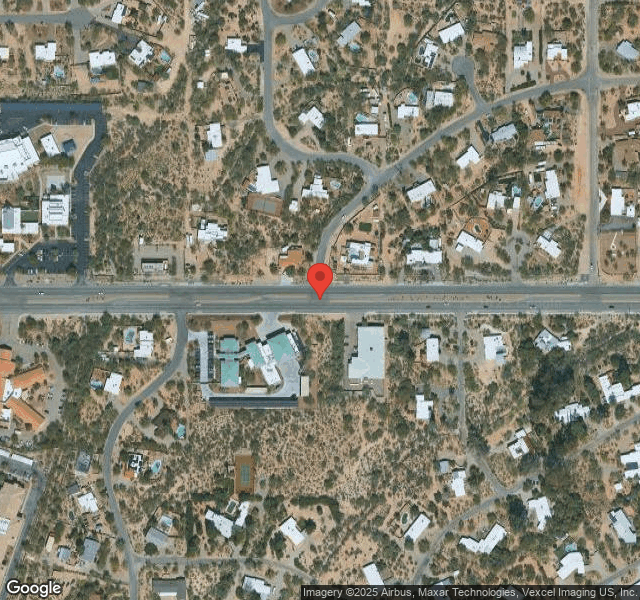
Understanding Severity Codes (click to expand)
Life-Threatening (Immediate Jeopardy)
J - Isolated K - Pattern L - Widespread
Actual Harm
G - Isolated H - Pattern I - Widespread
Potential for Harm
D - Isolated E - Pattern F - Widespread
No Harm (Minor)
A - Isolated B - Pattern C - Widespread

Questions to Ask on Your Visit

  • "What changes have you made since the serious inspection findings?"
  • "Can I speak with families of current residents?"
  • "What's your RN coverage like on weekends and overnight?"

Our Honest Assessment

Strengths
  • • No fines on record. Clean compliance history, better than most Arizona facilities.
Concerns
  • • Multiple safety concerns identified: 1 life-threatening violation(s), 1 harm violation(s). Review inspection reports carefully.
  • • 41 deficiencies on record, including 1 critical (life-threatening) violation. These warrant careful review before choosing this facility.
  • • Grade D (43/100). Below average facility with significant concerns.
Bottom line: Trust Score of 43/100 indicates significant concerns. Thoroughly evaluate alternatives.

About This Facility

What is Mountain View's CMS Rating?

CMS assigns MOUNTAIN VIEW CARE CENTER an overall rating of 3 out of 5 stars, which is considered average nationally. Within Arizona, this rating places the facility higher than 0% of the state's 100 nursing homes. This mid-range rating indicates the facility meets federal standards but may have areas for improvement.

How is Mountain View Staffed?

CMS rates MOUNTAIN VIEW CARE CENTER's staffing level at 2 out of 5 stars, which is below average compared to other nursing homes. Staff turnover is 49%, compared to the Arizona average of 46%.

What Have Inspectors Found at Mountain View?

State health inspectors documented 41 deficiencies at MOUNTAIN VIEW CARE CENTER during 2020 to 2024. These included: 1 Immediate Jeopardy (the most serious level, indicating potential for serious harm or death), 1 that caused actual resident harm, and 39 with potential for harm. Immediate Jeopardy findings are rare and represent the most serious regulatory concerns. They require immediate corrective action.

Who Owns and Operates Mountain View?

MOUNTAIN VIEW CARE CENTER is owned by a for-profit company. For-profit facilities operate as businesses with obligations to shareholders or private owners. The facility is operated by THE ENSIGN GROUP, a chain that manages multiple nursing homes. With 120 certified beds and approximately 98 residents (about 82% occupancy), it is a mid-sized facility located in TUCSON, Arizona.

How Does Mountain View Compare to Other Arizona Nursing Homes?

Compared to the 100 nursing homes in Arizona, MOUNTAIN VIEW CARE CENTER's overall rating (3 stars) is below the state average of 3.3, staff turnover (49%) is near the state average of 46%, and health inspection rating (3 stars) is at the national benchmark.

What Should Families Ask When Visiting Mountain View?

Based on this facility's data, families visiting should ask: "What changes have been made since the serious inspection findings, and how are you preventing similar issues?" "Can you walk me through typical staffing levels on day, evening, and night shifts?" "Can I visit during a mealtime to observe dining assistance and food quality?" "How do you handle medical emergencies, and what is your hospital transfer rate?" These questions are particularly relevant given the facility's Immediate Jeopardy citations and the below-average staffing rating.

Is Mountain View Safe?

Based on CMS inspection data, MOUNTAIN VIEW CARE CENTER has documented safety concerns. Inspectors have issued 1 Immediate Jeopardy citation (the most serious violation level indicating risk of serious injury or death). The facility has a 3-star overall rating and ranks #100 of 100 nursing homes in Arizona. Families considering this facility should ask detailed questions about what corrective actions have been taken since these incidents.

Do Nurses at Mountain View Stick Around?

MOUNTAIN VIEW CARE CENTER has a staff turnover rate of 49%, which is about average for Arizona nursing homes (state average: 46%). Moderate turnover is common in nursing homes, but families should still ask about staff tenure and how the facility maintains care continuity when employees leave.

Was Mountain View Ever Fined?

MOUNTAIN VIEW CARE CENTER has no federal fines on record. CMS issues fines when nursing homes fail to meet care standards or don't correct problems found during inspections. The absence of fines suggests the facility has either maintained compliance or corrected any issues before penalties were assessed. This is a positive indicator, though families should still review recent inspection reports for the full picture.

Is Mountain View on Any Federal Watch List?

MOUNTAIN VIEW CARE CENTER is not on any federal watch list. The most significant is the Special Focus Facility (SFF) program, which identifies the bottom 1% of nursing homes nationally based on persistent, serious quality problems. Not being on this list means the facility has avoided the pattern of deficiencies that triggers enhanced federal oversight. This is a positive indicator, though families should still review the facility's inspection history directly.