PARK AVENUE HEALTH AND REHABILITATION CENTER
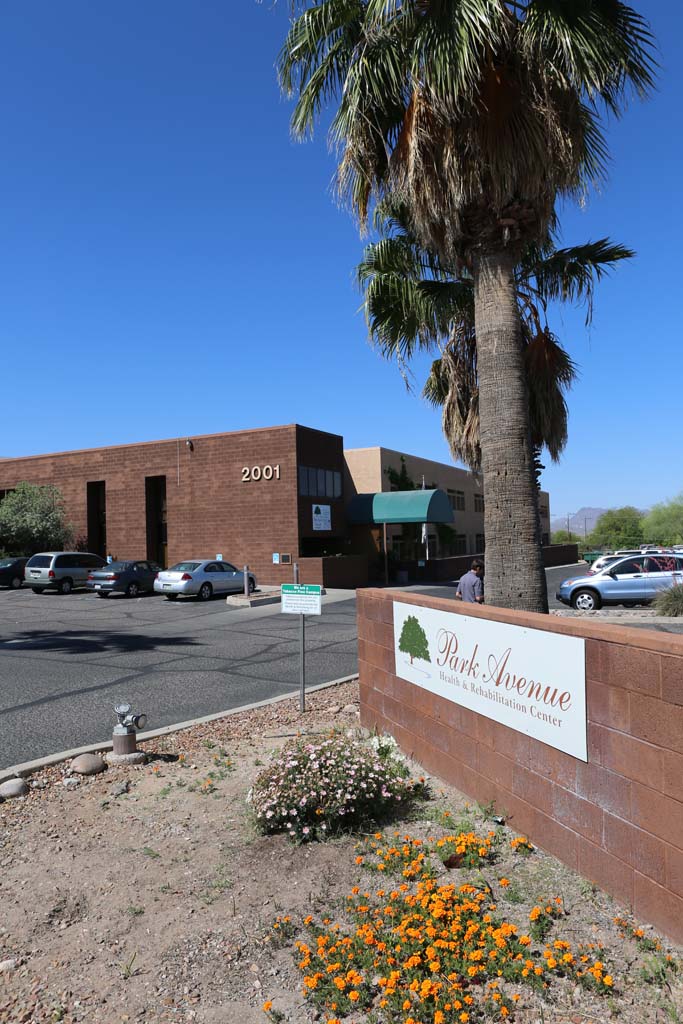
2001 NORTH PARK AVENUE, TUCSON, AZ 85719 (520) 882-6151
For profit - Corporation 200 Beds THE ENSIGN GROUP Data: November 2025
Trust Grade
30/100
#115 of 139 in AZ
Last Inspection: May 2023

Over 2 years since last inspection. Current conditions may differ from available data.

Overview

Park Avenue Health and Rehabilitation Center has received a Trust Grade of F, indicating significant concerns about its operations and care quality. It ranks #115 out of 139 facilities in Arizona, placing it in the bottom half of nursing homes in the state, and #20 out of 24 in Pima County, which means there are better local options available. The facility's situation is worsening, with issues increasing from 1 in 2024 to 4 in 2025. Staffing is a notable weakness, earning only 1 out of 5 stars, although their turnover rate of 42% is slightly below the state average of 48%. Additionally, the facility has been fined $25,116, which is concerning as it is higher than 90% of Arizona facilities. Specific incidents noted during inspections included a failure to provide adequate supervision for a resident with severe cognitive impairment, which puts them at risk for injury. Another serious issue involved neglecting to properly treat a resident’s pressure ulcer, potentially causing pain and infection. Lastly, there was a failure to ensure safety measures were in place for another resident, increasing their risk of accidents. While the facility has received an excellent rating of 5 out of 5 for quality measures, these serious deficiencies indicate significant areas that need improvement.

Trust Score
F
30/100
In Arizona
#115/139
Bottom 18%
Safety Record
High Risk
Review needed
Inspections
Getting Worse
1 → 4 violations
Staff Stability
○ Average
42% turnover. Near Arizona's 48% average. Typical for the industry.
Penalties
○ Average
$25,116 in fines. Higher than 53% of Arizona facilities. Some compliance issues.
Skilled Nurses
○ Average
RN staffing data not reported for this facility.
Violations
⚠ Watch
29 deficiencies on record. Higher than average. Multiple issues found across inspections.
★★☆☆☆
2.0
Overall Rating
★☆☆☆☆
1.0
Staff Levels
★★★★★
5.0
Care Quality
★★☆☆☆
2.0
Inspection Score
Stable
2024: 1 issues
2025: 4 issues

The Good

  • 5-Star Quality Measures · Strong clinical quality outcomes
  • Full Sprinkler Coverage · Fire safety systems throughout facility
  • No fines on record
  • Staff turnover below average (42%)

    6 points below Arizona average of 48%

Facility shows strength in quality measures, fire safety.

The Bad

2-Star Overall Rating

Below Arizona average (3.3)

Below average - review inspection findings carefully

Staff Turnover: 42%

Near Arizona avg (46%)

Typical for the industry

Federal Fines: $25,116

Below median ($33,413)

Moderate penalties - review what triggered them

Chain: THE ENSIGN GROUP

Part of a multi-facility chain

Ask about local staffing decisions and management

The Ugly 29 deficiencies on record

3 actual harm
Aug 2025 2 deficiencies
CONCERN (D) 📢 Someone Reported This

A family member, employee, or ombudsman was alarmed enough to file a formal complaint

Potential for Harm - no one hurt, but risky conditions existed

Notification of Changes (Tag F0580)

Could have caused harm · This affected 1 resident

**NOTE- TERMS IN BRACKETS HAVE BEEN EDITED TO PROTECT CONFIDENTIALITY** Based on clinical record review, interviews, facility documentation and review of the facility policy, the facility failed to en...

Read full inspector narrative →
**NOTE- TERMS IN BRACKETS HAVE BEEN EDITED TO PROTECT CONFIDENTIALITY** Based on clinical record review, interviews, facility documentation and review of the facility policy, the facility failed to ensure that a change of condition, for one resident (#3) out of 3 sampled, was immediately reported to the physician. The deficient practice could result in clinically adverse outcomes for the resident.Findings include:Resident #3 was admitted on [DATE] with diagnosis including muscle weakness, difficulty walking, pressure ulcer of the sacral region, type 2 diabetes mellitus with hyperglycemia, fluid overload, essential hypertension, pneumonia, acute on chronic systolic congestive heart failure, nonrheumatic mitral valve disorder, edema, acute respiratory failure with hypoxia, pleural effusion, sepsis and dyspnea.A review of discharge MDS (minimum data set) dated January 28, 2024 did not show evidence of a BIMS (brief interview of mental status) score, but did document that there were no potential indicators of psychosis or no evidence of behaviors.A review of the progress notes revealed that on January 28, 2024 at 6:35 AM an 'O2 SATS WARNING' (oxygen saturation warning) was documented, noting a value 88% oxygen saturation. A progress note dated January 28, 2024 at 6:49 AM by registered nurse, staff #37, noted that the writer was informed that the resident started coughing early in the morning at approximately 4:00 AM and had desaturated to 87% on liters of oxygen. The documentation further revealed oxygen saturation levels of 88% on 5 liters of oxygen. Staff #37 documented that the resident had persistent coughing and continued to desaturate. It was noted that night nurse, staff #45, reported that the resident had been seated-up and remained at 87% oxygen saturation since 4:00 AM.Documentation further revealed that 911 was contacted per the providers orders and that the resident was taken to the emergency room by Tucson Fire Department.An earlier progress note entered by the night nurse, staff #45 revealed that staff #45 had contacted the resident's daughter at 5:30 AM to relay that the resident had been coughing and expectorating slightly brownish phlegm.The progress notes revealed no evidence that the night nurse had contacted the physician regarding the resident's oxygen saturation levels.A review of the care plan revealed that the resident had congestive heart failure and a noted intervention included to check for breath sounds and monitor/ document labored breathing as well as monitor / document and report to the medical doctor any signs of congestive heart failure to include shortness of breath upon exertion, dry cough and or orthopnea (difficulty breathing when laying down).A telephone call was placed to RN (registered nurse), staff #37 on July 31, 2025 at 9:47 AM, a message was left on voicemail but no return call was received.A telephone call was placed to RN, staff #45 on July 31, 2025 at 9:50 AM. The phone rang but did not cycle to voicemail.An interview was conducted on July 31, 2025 at 10:24 with LPN (licensed practical nurse), staff #7. Staff #7 stated that residents on oxygen are generally monitored every 2 hours and depending on the medication they are on, sometimes more frequently. The LPN stated that if a resident's oxygen saturation was dropping, vitals should be checked and oxygen levels should be adjusted if the setting was initially low, such as 2 liters. Staff #7 stated that she would also sit the resident up, coach them to take deep breaths and would immediately contact the provider (physician). The LPN stated that waiting for 2 hours to contact the provider, when a resident is desaturating, is not acceptable. Staff #7 stated that the risk for not notifying the provider of the resident's change in condition, could cause a further decline in the resident's health.An interview conducted on July 31, 2024 at 11:34 AM with CNA (certified nursing assistant), staff #21. Staff #21 stated that if vitals are outside of baseline for oxygen saturation, below 90% saturation, she would notify the nurse. Staff #21 stated vitals should be checked at least once per shift or potentially more as ordered. Staff #21 stated that if the nurse is not notified and if the nurse doesn't notify the doctor then the risk could include the resident having to go to the hospital or even dying.An interview was conducted on July 31. 2024 at 10:41 AM with LPN, staff #71. Staff #71 stated that if a resident's oxygen saturation drops, the doctor should be notified right away. Staff #71 stated that sometimes a 'senior' may have low oxygen saturation levels. Staff #71 stated it would not be acceptable to wait 2 hours or more before contacting the doctor, as a resident's health could go 'south'. Staff #71 stated that if a resident's oxygen drops she would sit them up and take another reading and if the reading was still low, below 90, call the doctor immediately.An interview was conducted on July 31, 2025 at 11:10 AM with the DON (director of nursing), staff #82. Staff #82 stated that a change in vitals, to include oxygen saturation ranging between 87% and 88% , would warrant a call to physician. Staff #82 stated that a physician should be notified of a change in condition immediately, if not already addressed in the orders or if medications, as applicable, did not elicit a positive change in the resident's condition. Staff #82 reviewed the resident's file and stated that she did not see evidence in the electronic health record that the physician had been notified when the resident's oxygen saturation levels had initially dropped. Staff #82 stated that the risk for not notifying the physician could include a decline in the resident's mental stated and overall health.A review of the policy entitled Change of Condition Reporting, reviewed on July 2024, revealed that any sudden or serious change in a resident's condition manifested by a marked change in physical or mental behavior will be communicated to the physician. The policy further notes that all nursing actions are to be documented in the nursing progress notes as soon as possible after the resident's needs have been met. !!
CONCERN (D) 📢 Someone Reported This

A family member, employee, or ombudsman was alarmed enough to file a formal complaint

Potential for Harm - no one hurt, but risky conditions existed

Report Alleged Abuse (Tag F0609)

Could have caused harm · This affected 1 resident

**NOTE- TERMS IN BRACKETS HAVE BEEN EDITED TO PROTECT CONFIDENTIALITY** Based on clinical record review, interviews, and policy and procedures, the facility failed to ensure that an allegation of abus...

Read full inspector narrative →
**NOTE- TERMS IN BRACKETS HAVE BEEN EDITED TO PROTECT CONFIDENTIALITY** Based on clinical record review, interviews, and policy and procedures, the facility failed to ensure that an allegation of abuse was reported to the state agency for one of of three residents. The deficient practice could further endanger the resident and impede an investigation.Findings include:Resident #7 was admitted on [DATE] with diagnosis including bipolar disorder, anxiety disorder, atherosclerotic heart disease, chronic pain, fibromyalgia, dependence on supplemental oxygen, dementia without behavioral disturbance, insufficient sleep syndrome and post-traumatic stress disorder.A review of the annual MDS (minimum data set) dated May 4, 2025 revealed a BIMS (brief interview of mental status) score of 01, indicating severe cognitive impairment. The total mood severity score noted was a 9, indicating mild depression. There were no noted potential indicators of psychosis or behaviors noted.An encounter note dated July 14, 2025 in the electronic health record revealed that in light of current accusations and the resident's inability to express herself appropriately regarding her feelings, it was recommended that staff use a two-person system and the 'utmost' care while documenting everything that the resident says or does.A review of the electronic health record revealed no documented evidence of an abuse allegation reported on July 24, 2025.A review of the submitted facility 5-day investigative reports revealed no evidence of an allegation of abuse that was reported on July 24, 2025 for resident #7.A review of the state agencies reporting portal revealed no evidence of an abuse allegation reported on July 24, 2025 for resident #7.An interview was conducted on July 31, 2025 at 11:05 AM with CNA (certified nursing assistant), staff #10. Staff #10 stated that there are many layers of abuse and these could include financial, verbal, physical and isolation. Staff #10 stated that as soon as he is made aware of an allegation of abuse, he would report it to the abuse coordinator (administrator). The CNA stated that abuse training is conducted at least once a year and periodically throughout the year.An interview was conducted on July 31, 2025 at 11:11 AM with RNA (restorative nursing assistant), staff #93. Staff #93 stated that abuse should never happen, but stated that if it does happen then it needs to be stopped and reported right away to the administrator and if necessary the police. Staff #93 stated that if not reported timely it could make the resident feel unsafe, cause more trauma and breach of trust. Staff #93 stated that there is regular abuse training annually and then additional training every couple of months.An interview was conducted on July 31, 2024 at 11:20 AM with LPN (licensed practical nurse), staff #76. Staff #76 stated that abuse can be verbal, physical, sexual or anything denying care to a resident. Staff #76 stated that if a resident reports an allegation of abuse, she would immediately report it to her supervisor. She stated that she would further call the doctor and notate a change of condition. An interview was conducted on July 31, 2025 at 12:27 PM with LPN, staff #5. The LPN stated that she is very passionate about resident care. She stated that if she was made aware of an incident of abuse, she would separate the parties involved, ensure their safety and report the incident forward. Staff #5 stated that resident # 7 had reported to her that staff #115 beat her up and hit her on the legs. The LPN stated that the incident had occurred the previous week and stated that the staff member was removed from caring for the resident and that it had been reported. Staff #5 stated that the director of nursing had been notified on July 24, 2025 at 12:56 PM via a text message and that this was when staff #115 had been removed from providing care for resident #7.An interview was conducted at 07/31/2025 at 1:45 PM with the DON (director of nursing), staff #82. Staff #82 stated that regardless of a resident's cognition or if allegatio9ns had been made in the past, an abuse allegation would always need to be reported to the state agency. Staff #82 stated that she thought the reporting timeframe was either 2 hours of 5 days, but then stated that it was 2 hours. Staff #82 stated that abuse could be physical, mental, emotional or financial. The DON stated that the flow of communication would be from staff to the DON and then to abuse coordinator. She further stated that her expectation is that abuse is always reported timely and immediately addressed.An interview was conducted on 07/31/2025 at 3:31 PM with the administrator/ abuse coordinator, staff #101. Staff #101 stated that he was not aware of an abuse allegation from resident #7 on July 24, 2025. He stated that the issue may have been one of miscommunication between staff and himself. The administrator stated that the expectation is report abuse as soon as possible, within 2 hours on an abuse allegation. He further stated that the risk could include that it could occur to other residents in the building and that the occurrence would not be mitigated.A review of the Resident Rights policy entitled Reporting Alleged Violations of Abuse, Neglect, Exploitation or Mistreatment with a review date of September 2020 revealed that the facility will ensure that all alleged violations involving abuse, neglect, exploitation or mistreatment, including injuries of unknown source and misappropriation of resident property are reported with two hours.
Jun 2025 2 deficiencies
CONCERN (D) 📢 Someone Reported This

A family member, employee, or ombudsman was alarmed enough to file a formal complaint

Potential for Harm - no one hurt, but risky conditions existed

Free from Abuse/Neglect (Tag F0600)

Could have caused harm · This affected 1 resident

**NOTE- TERMS IN BRACKETS HAVE BEEN EDITED TO PROTECT CONFIDENTIALITY** Based on clinical record review, staff interviews, facility documentation, and policy review, the facility failed to ensure 1 of...

Read full inspector narrative →
**NOTE- TERMS IN BRACKETS HAVE BEEN EDITED TO PROTECT CONFIDENTIALITY** Based on clinical record review, staff interviews, facility documentation, and policy review, the facility failed to ensure 1 of 14 sampled residents (Resident # 28) was free from abuse by another resident (Resident # 23). The deficient practice could result in other residents being abused. Findings include: -Regarding Resident (#23) Resident (#23) was admitted to the facility on [DATE], with diagnoses of dementia and altered mental status. A nursing note dated August 10, 2022 at 9:52 p.m., revealed that Resident (#23) was hallucinating stating she was going to die because she was told by two ladies that the building was falling down. The note also indicated that the Resident (#23) was combative towards staff and yelling in the hallway. A nursing note dated September 10, 2022 at 3:38 a.m. revealed Resident (#23) was very combative with staff and threatening to kill a Certified Nursing Assistant (CNA). A nursing note dated September 22, 2022 at 7:12 p.m., indicated staff attempting to administer eye drops and Resident (#23) became aggressive towards staff by punching, kicking, biting, flailing her arms, pulling staffs hair and using vulgar language. A nursing note dated October 4, 2022 at 6:26 p.m., revealed that nurse spoke to Nurse Practitioner regarding resident's aggressiveness and combative behavior. Nurse Practitioner gave verbal order to send resident to Hospital for geriatric psychological evaluation for being a danger to self and others. A nursing note dated October 4, 2022 at 7:35 p.m., revealed that transport company did not transport patient to emergency room because patient refused to get on the stretcher. A Psychotherapy Progress note dated October 10, 2022 at 11:51 a.m., revealed a plan of continued monitoring of Resident (#23) with coordination of staff regarding moods and behaviors including nonpharmacological treatments. A nursing note dated October 11, 2022 at 3:41 p.m., revealed that resident (# 23) was disturbing her roommate by yelling and taking blanket from roommate's bed. The Progress Note also revealed that the incident was reported to the author's supervisor, but no follow up was documented. A comprehensive care plan initiated November 5, 2022, revealed antidepressant medication use, related to depression as evidenced by angry outbursts, complicated by cognitive deficits and difficult to redirect. The interventions included to monitor and record occurrence of target behavior symptoms such as physical aggression and document per facility protocol. A Quarterly Minimum Data Set (MDS) assessment dated [DATE], revealed a Brief Interview for Mental Status (BIMS) score of 00 indicating severe cognitive impairment. The assessment also indicated wandering behaviors but no hallucinations or delusions. -Regarding Resident (# 28) Resident (# 28) was admitted to the facility on [DATE], with diagnoses of dementia, bipolar disorder, major depressive disorder, and anxiety disorder. A comprehensive care plan dated November 2, 2021, revealed that Resident (# 28) had impaired thought processes, memory, safety awareness impairments due to dementia. Interventions included staff identifying self when communicating and keeping a consistent routine. A Quarterly Minimum Data Set (MDS) assessment dated [DATE] revealed a Brief Interview for Mental Status (BIMS) score of 12 indicating mild cognitive impairment. The assessment did not indicate any behaviors. A Skin Evaluation performed on Resident (#28) dated October 29, 2022 revealed that skin was intact. There was no indication of bruising on Resident (#28) legs. A nursing progress note for Resident (# 28) dated, October 31, 2022 at 3:03 p.m., by Licensed Practical Nurse (LPN/Staff # 3) revealed that Resident (# 28) was sitting at the end of a hallway looking out the window when Resident (# 23) approached and called Resident (# 28) evil and the devil. Resident (# 23) began to hit at her and struck her a couple times. It was reported that Resident (# 28) said she was minding her business when Resident (# 23) approached and called her evil and the devil. Resident (# 28) informed LPN (#3) that Resident (# 23) stood over her and hit her. The progress note also revealed that a wound nurse evaluated resident for injuries. Wound nurse noted bruise to right thigh area. A nursing progress note for Resident (# 23) dated October 31, 2022 at 3:59 p.m., revealed that Resident (# 23) was combative on the shift which included screaming and hitting another resident in the hall. The incident was witnessed by a CNA (not identified). The progress notes also indicated that Resident (# 28) had a bruise on lower left extremity. A nursing progress note for Resident (#23) dated October 31, 2022 at 9:29 p.m., revealed that Resident (#23) was moved to a single room [ROOM NUMBER] bed B and continuously monitored every 15 minutes. Review of the facility investigation report dated November 4, 2022, revealed that on October 31, 2022 Resident (#28) was sitting at the end of the 200 unit, near the window when Resident (# 23) wheeled up behind Resident (#28) and hit her arm and leg calling her the devil. Even though the facility report confirmed contact was made on resident (# 28) the facility concluded that they could not substantiate any injuries despite the multiple nursing notes documenting the bruising on Resident's (#28) legs. A Skin Assessment for Resident (#28) dated November 5, 2022 revealed a resolving bruise to right anterior thigh. An interview was conducted with LPN #3 on June 5, 2025 at 2:18pm, who stated that it was reported to her that Resident (# 23) had delusions where she thought Resident (# 28) was the devil and wheeled over and hit her. LPN (# 3) stated that she came out when heard there was an incident and separated residents and assessed Resident (# 28). LPN (# 3) acknowledged that Resident (# 28) was bruised on the right leg by Resident (# 23). LPN (# 3) reported that staff wanted to move Resident (# 28) into another room further down the hall because after the incident Resident (# 28) started to obsess about Resident (# 23) walking by her room trying to provoke Resident (# 23). Instead, they moved Resident (#23) to another wing of the building and monitored her. An interview was conducted with the Executive Director (ED/Staff #164) on June 6, 2025 at 12:12 p.m. Staff (#165) stated that when there is an allegation of abuse staff will call or text the ED immediately. Sometimes if the Unit Manager LPN (#3) is working that day they will tell her and she will contact me. The ED stated that the investigation is conducted by a team, typically the Director of Nursing will do staff and resident interviews, while the ED contacts State Health Department and Ombudsman, usually the ED will instruct nursing to call police. ED (# 164) reviewed the facility report and stated that the facility did acknowledge that Resident (# 23) made contact with Resident (# 28) but unsubstantiated because there was no harm, despite the fact of numerous clinical reports of Resident (# 28) receiving a bruise on her thigh. A Policy and Procedure titled, Abuse: Prevention of and Prohibition Against, revised December 2023, stated the policy of the Facility is that each resident has the right to be free from abuse, neglect, misappropriation of resident property, exploitation and mistreatment.
CONCERN (D) 📢 Someone Reported This

A family member, employee, or ombudsman was alarmed enough to file a formal complaint

Potential for Harm - no one hurt, but risky conditions existed

Deficiency F0658 (Tag F0658)

Could have caused harm · This affected 1 resident

**NOTE- TERMS IN BRACKETS HAVE BEEN EDITED TO PROTECT CONFIDENTIALITY** Based on clinical record review, interviews, facility documentation and policy review, the facility failed to provide care and s...

Read full inspector narrative →
**NOTE- TERMS IN BRACKETS HAVE BEEN EDITED TO PROTECT CONFIDENTIALITY** Based on clinical record review, interviews, facility documentation and policy review, the facility failed to provide care and services in accordance with the resident's care plan for one resident (#34) regarding administration of scheduled medications as ordered by the physician. This deficient practice has the potential to result in residents not receiving necessary antibiotic treatment as planned, placing them at increased risk for unresolved infections and adverse health conditions. Findings include: Resident #34 was admitted to the facility on [DATE] with diagnosis that included Traumatic Brain Injury, seizures, sepsis, and Methicillin Susceptible Staphylococcus Aureus (MSSA) infection. A review of the admission Minimum Data Set (MDS), dated [DATE] revealed the resident had a Brief Interview for Mental Status (BIMS) score of 14, which indicated the resident had was cognitively intact. A review of the physician's orders, dated September 28, 2022, revealed Resident #34 was to take Cefazolin Sodium (antibiotic) solution, 2 grams (GM) intravenously every 8 hours for MSSA for 10 days. The medication was scheduled to end on October 8, 2022. Review of the care plan dated September 30, 2022 stated the was on antibiotic therapy as a related to her MSSA infection. The care plan goals included that the resident will be free from discomfort or adverse reactions related to antibiotic therapy. The care plan interventions stated to administer medications as ordered and to monitor, during every shift, for side effects such as diarrhea, nausea, vomiting, and hypersensitivity/allergic reactions. A review of the September 2022 Medication Administration Record (MAR) revealed that a dose of the Cefazolin Sodium was not administered on September 30, 2022 at 10:00 PM. A review of Resident #34's progress notes did not reveal an entry indicating why the scheduled dose was missed or that a physician was contacted about the missed dose. A review of the October 2022 MAR revealed that a dose of the Cefazolin Sodium was not administered on October 2, 2022 at 10:00 PM. A review of Resident #34's progress notes did not reveal an entry indicating why the scheduled dose was missed or that a physician was contacted about the missed dose. An interview was conducted on June 5, 2025 at 11:38AM with Licensed Practical Nurse (LPN/Staff #66). Staff #66 explained that if she missed a dose of scheduled antibiotics for a resident, she would contact the provider and get instructions on what to do. She would also document the missed dose on the MAR and progress notes for that resident so that the next shift was aware. Staff #66 also explained that if she came onto shift and noticed the MAR did not identify if a resident took a medication or not, she would call the provider to see if the nurse from the previous shift informed them of the missed dose and then contact the Assistant Director of Nursing (ADON) or the Director of Nursing (DON). She added that if a resident were to miss two dosages of antibiotics, the resident would be at risk for re-infection. An interview was conducted on June 5, 2025 at 12:03 PM with LPN/Staff #55. Staff #55 explained that if she missed a dose of the resident's antibiotics, she would contact the provider and the provider would usually extend the antibiotics for an additional two days. She also stated that she would document the omission in the MAR as well as in a progress note. The documentation would also include a statement indicating the provider was notified. When asked what she would do if she noticed there was no documentation indicating an antibiotic was administered the previous shift, Staff #55 explained that she would follow up with the outgoing nursing to see why it was not administered. She would also notify the unit manager and document that she found that missed documentation. She also added that she would not administer the dose until she followed up with the provider because it could result in a double dosage for the resident. An interview was conducted on June 5, 2025 at 12:50 PM with the Director-in-Training (DIT/Staff #170). Staff #170 shared her expectations of staff related to missed doses of antibiotics. Staff #170 indicated that nurses were to let the resident know that antibiotic treatments would be extended, notify the provider of the missed dose, and to contact the pharmacy to ensure medications were in stock to administer the additional doses. Staff #170 also explained that nurses are to document the missed antibiotic doses in the resident's progress notes as well as information about the provider being notified, including the date and time the notification was made. When asked which shift was responsible for administering medications at 10:00 PM, Staff #170 shared that the outgoing shift was responsible for administering it before their shift ended at 10:00 PM. Staff #170 was asked to verify if Resident #34 was administered Cefazolin Sodium during September and October of 2022. After reviewing the MAR, Staff #170 confirmed there were two missed doses on September 30, 2022 and October 2, 2022. Staff #170 was not able to identify why there was no documentation on the MAR and progress notes regarding if the medication was given or not on both dates. When asked if this met her expectation, she indicated that it didn't and the risks to the residents for not administering multiple doses of antibiotics were the infection wouldn't be cleared up and the residents would need to extend their treatment. According to the policy titled, Physician's Orders, last reviewed in August 2024, indicated that orders must be accuartely implemented in addition to medication orders (treatment, procedures) only upon the order of a person duly licensed and authorized to do so in accordance with the resident's plan of care.
Aug 2024 1 deficiency 1 Harm
SERIOUS (G) 📢 Someone Reported This

A family member, employee, or ombudsman was alarmed enough to file a formal complaint

Actual Harm - a resident was hurt due to facility failures

Accident Prevention (Tag F0689)

A resident was harmed · This affected 1 resident

**NOTE- TERMS IN BRACKETS HAVE BEEN EDITED TO PROTECT CONFIDENTIALITY** Based on interviews, records review, policy review, and the SA Complaint Tracking System the facility failed to ensure adequate ...

Read full inspector narrative →
**NOTE- TERMS IN BRACKETS HAVE BEEN EDITED TO PROTECT CONFIDENTIALITY** Based on interviews, records review, policy review, and the SA Complaint Tracking System the facility failed to ensure adequate supervision was provided to one resident (#5) to prevent injury/accident. The deficient practice could result in harm and injury. Findings include: Resident # 5 was initially admitted to the facility on [DATE] with diagnoses of vascular dementia, restlessness and agitation, and senile degeneration of brain. The quarterly Minimum Data Set (MDS) assessment dated [DATE] revealed a Brief Interview of Mental Status (BIMS) score of 5 indicating the resident had severe cognitive impairment. The assessment also included that the resident used a wheelchair and can independently wheel 150 feet in a corridor or similar spaces. The history and physical note dated July 6, 2024 included that the resident had assessments of Chronic Obstructive Pulmonary Disease (COPD), cachectia, mutism and dementia. A psychotherapy evaluation dated July 21, 2024 released the resident had major depressive disorder, insufficient sleep syndrome, and unspecified dementia. It also included that the resident had mild but diffuse memory loss with difficulty remembering recent events and periods of confusion about details, had periods of confusion with disorientation and memory problems, had poor insight into problems, judgement appeared fair and had signs of anxiety. A nursing note dated July 26, 2024 at 12:52 p.m. included that the resident was found sitting in his wheelchair out on the patio with his head bent down and was not verbally responding. Vital signs included blood sugar of 179, temperature of 100.7 degrees Fahrenheit, heart rate (HR) of 151, blood pressure (BP) of 47/23 and oxygen saturation (O2 sat) of 88%. Per the documentation, the family and provider were notified and the resident was transferred to the hospital. A nursing note dated July 26, 2024 at 1:10 p.m. revealed that the nurse spoke with a family member and explained that the resident was on the patio; and that, the family member reported telling the resident it was too hot to go outside. The nursing note dated July 26, 2024 at 1:40 p.m. revealed the nurse was sitting at the nurses station when another floor nurse was rushing past the nurses station with a resident slumped over in wheelchair and stated that she needed help. The documentation included that the resident was rushed to the room at approximately 12:25 p.m.; and that, according to the floor nurse the resident who was clumped over was found outside in the courtyard under the trees with shade by the floor nurse. It also included that the resident was unresponsive while slumped over and had a rattled breathing; and that code blue/medical emergency and Emergency Medical Service (EMS) were called. Per the documentation, the resident was placed on the bed and vital signs were taken: BP was 52/30, HR at 151 beats/min, O2 sat was 88-89 % at room air, blood sugar was 179, and temperature via non-contact forehead was 100.7 degrees Fahrenheit. The note stated another nurse obtained a rectal temperature of patient at 106.6 degrees Fahrenheit, two nurses ran to get ice packs to put on patient at 12:28 p.m.; blood pressure was rechecked and noted at 47/23; and that, the resident was breathing. The documentation included that EMS arrived on site at 12:35 p.m. and obtained vitals: temperature via tympanic was 107.0 degrees Fahrenheit, heart rate at 162 beats/min, blood sugar 188; and, a highflow oxygen was placed via nonrebreather. According to the documentation, the resident was transported to the hospital at approximately 12:40 p.m.; and, the emergency contact, Director of Nursing (DON), and the physician were notified. Another nursing note dated July 26, 2024 at 2:36 p.m. included that the facility received a report from the hospital that the resident had a stable BP of 108/60 and was tachycardic in the 150s-160s. Review of documentation on tasks for wheeling 50 feet and 150 feet from July 3 through July 26, 2024, revealed that the resident could wheel 50 feet with two turns once resident was seated in wheelchair/scooter and was dependent on a helper for all of the efforts on more than 12 days. The documentation on task for chair/bed to-chair transfer from July 3, 2024 - July 26, 2024 revealed resident was dependent and that a helper did all of the effort for 12 days. The weather forecast for July 26, 2024 was a high temperature between 100-104 degrees Fahrenheit. The hospital record dated July 26, 2024 included a chief complaint of AMS (altered mental status)/shock. Per the documentation, the resident was found down in heat unconscious and unresponsive and EMS reported that on arrival, the resident's BP was 38/23 with a heart rate of 150, temporal temperature of 107 degrees Fahrenheit and O2 sat of 84% on room air. This record included that EMS had placed ice on the resident. It also included that the resident was sitting in a wheelchair in the parking lot of the facility and had been there for an unknown amount of time. Assessments included altered mental status, heatstroke and shock. The hospital physician progress note dated July 27, 2024 included that the resident was not responsive to verbal or painful stimuli and was in deep coma. The care plan dated July 27, 2024 revealed resident had COPD. Interventions included monitor for difficulty breathing (dyspnea) on exertion and remind resident not to push beyond endurance. The care plan dated July 27, 2024 revealed resident was at risk for impaired cognitive function related to diagnosis of dementia. Interventions included monitor/document/report to physician any changes in cognitive function, specifically changes in decision making ability, memory, recall and general awareness, difficulty expressing self, difficulty understanding others, level of consciousness, and mental status. A care plan initiated on July 27, 2024 revealed resident had potential alteration in diversional activities related to preferring to initiate activities of choice independently with goals including encourage to choose and participate in his preferred leisure activities while in the facility. Interventions revealed it is important to resident to go outside for fresh air when the weather is good, resident can wheelchair independently, and to encourage resident to go outside for fresh air when weather is good. The nursing note dated July 27, 2024 revealed that the facility received a report from the hospital nurse that the resident was actively dying with a systolic BP of 40-50. The nursing note dated July 28, 2024 revealed the resident returned from the hospital with hospice and comfort measures in place. An interview was conducted on August 1, 2024 with Licensed Practical Nurse (LPN/staff #168) who stated that when she walked outside at 10:30 a.m. after her medication pass, resident #5 was not out at that time. The LPN stated that the certified nurse assistant (CNA) did pericare to the resident at 10:00 a.m. and 11:00 a.m. The LPN stated that 12:30 p.m. she went out to smoke and found resident #5 sitting where the little brick raised area was and had his head bent down. The LPN also said that she asked the resident if he ate lunch but the resident did not respond so she wheeled him inside for treatment. The LPN said that there was another resident in area where resident #5 was found; and that the other resident reported to the LPN that he had been out in the area for 20 minutes with resident #5 who was already outside even before the other resident came out of the patio. The LPN said that resident #5 just liked sitting outside and was never seen smoking. Further the LPN said that residents who are outside in the smoking area had to be checked every 30 minutes. A follow up interview included that the resident was found in the middle of the courtyard. In an interview with a CNA (staff #101) conducted on August 1, 2024 at 11:47 a.m., the CNA stated that staff gets resident #5 into his wheelchair and once in the wheelchair, resident #5 could get around on his own. He stated that he was the CNA assigned to the resident on the day of the incident. He stated that he saw the resident when he was passing breakfast, when he changed him in the morning; and, before lunch the resident was trying to get to his wheelchair and he told the resident not to do so until he change the resident. The CNA stated that after he changed the resident he put the resident in his wheelchair; and that, he did not see the resident in the dining room when he was passing lunch. The CNA further stated that the resident never goes outside and would always be in the dining room hanging out with his roommate. An interview was conducted on August 1, 2024 at 12:08 p.m. with a resident's family member who said that the facility staff told her that they check on the resident's every 30 minutes while they are outside and that the resident has dementia and has good moments and bad moments. An interview conducted August 1, 2024 at 12:52 p.m. with resident #60 included that the facility used to restrict time outside but that since the electric cigarette lighter was installed the residents can go out into the courtyard whenever they like. An interview conducted on August 1, 2024 at 1:09 p.m. with resident #5's roommate (#112), who said that residents can go outside whenever they want; and that, resident #5 liked to go outside and sleep in the sun. An interview was conducted on August 1, 2024 at 3:09 p.m. with another LPN (staff #52) who said that an LPN (staff #168) was heading outside for a smoke break, then came in wheeling resident #5 across the nurses station and that together they treated the resident including performing a rectal temperature which read 106.6 degrees Fahrenheit. An interview was conducted August 1, 2024 at 4:45 p.m. with the Director of Nursing, (DON/staff #161) who said that she felt that the rectal temperature must have been in error, which was why the facility did not report the incident to the relevant authorities. She said that patientswere rounded on every 2 hours; and, they have staff that go outside. However, the DON stated that they do not have a policy for residents monitoring while outside. She said that residents were allowed in the courtyard but that immobile residents were not left outside. The DON also said that the residents have access to shade and water; and that, resident #5 was able to move himself and was considered able to make his own decisions. A policy titled Resident Safety revised 5/2021 included that it is the policy of this facility to create a safe environment for the resident and that during the summer months, access to the patio/courtyard will be restricted from 10:00 a.m. to 5:00 p.m. and is subject to change as necessary. A policy titled Incidents and Accidents revised 8/2023 included that it is the policy of this facility to implement and maintain measures to avoid hazards and accidents.
May 2023 6 deficiencies
CONCERN (D) 📢 Someone Reported This

A family member, employee, or ombudsman was alarmed enough to file a formal complaint

Potential for Harm - no one hurt, but risky conditions existed

Notification of Changes (Tag F0580)

Could have caused harm · This affected 1 resident

**NOTE- TERMS IN BRACKETS HAVE BEEN EDITED TO PROTECT CONFIDENTIALITY** Based on clinical record review, staff interviews, facility documentation, and policy and procedure, the facility failed to ensu...

Read full inspector narrative →
**NOTE- TERMS IN BRACKETS HAVE BEEN EDITED TO PROTECT CONFIDENTIALITY** Based on clinical record review, staff interviews, facility documentation, and policy and procedure, the facility failed to ensure the resident representative was notified after a change in condition for one resident's (#537). The deficient practice could result in resident representative not notified and the required decisions for the resident are not made. The facility census was 101, and the sample was 22. Findings include: Resident #537 was admitted on [DATE] with diagnoses of ESRD (end stage renal disease), muscle weakness, diabetes, hemiplegia/hemiparesis related to cerebral infarction affecting left non-dominant side. The care plan initiated on February 9, 2021 revealed the resident had a pressure ulcer or potential for pressure ulcer development, coccyx, related to poor mobility. Interventions included to assess/monitor/record wound healing; to report improvements and declines to the doctor; and, to monitor/document/report to doctor as needed (PRN) changes in skin status: appearance, color, wound healing, signs/symptoms of infection, wound size and stage. Review of a care plan initiated on February 10, 2021 included the resident had insulin dependent diabetes mellitus and had an actual impairment of skin integrity related to sacral pressure ulcer. Interventions to check all of body for breaks in skin and treat promptly as ordered by doctor; to monitor/document location, size and treatment of skin injury and to report abnormalities, failure to heal, signs/symptoms of infection, maceration etc. to doctor. A review of a social services progress note dated February 10, 2021 revealed that the resident's family/representative (RR) will come to sign Advanced Directives for resident who was not able to do so. The wound assessments details report dated February 10, 2021 revealed the sacral pressure ulcer measured 12 cm (centimeters) x 11 cm, had 3 cm undermining at 9:00 - 1:00 o'clock, with presence of erythema Per the report, there were no signs of infection present; but documentation included that evidence of erythema, maceration and undermining present. Per the documentation, the physician or family had been notified of the findings regarding erythema, maceration and undermining. The wound assessments details report dated February 15, 2021 included the wound had measurement of 12 cm x 11 cm, undermining 9 to 1 o'clock at 3 cm, with additional tunneling at 12 o'clock at 3 cm, erythema, maceration, and a pain level of 6. The form reported no signs of infection present as no; and, documented evidence of erythema, maceration and undermining present. The documentation did not indicate that the physician or family had been notified of the findings regarding erythema, maceration and undermining and new onset of tunneling. A nursing note dated February 15, 2021 revealed that the RR was notified of an update on the resident's condition. The admission Minimum Data Set assessment dated [DATE] revealed a Brief Interview for Mental Status (BIMS) score of 5, which indicated severe cognitive impairment. The skin/wound progress note dated February 17, 2021 revealed unstageable pressure ulcer to sacrum with 90% eschar, and evidence of erythema and maceration noted. Review of a progress note dated February 17, 2021 revealed no evidence that the provider or family had been notified regarding the status of the sacral wound regarding signs/symptoms of infection that included erythema and maceration. The nursing note dated February 22, 2021 revealed identification of non-blanchable areas on scapula and spine. The wound assessments details report for the sacral pressure ulcer dated February 23, 2021 revealed the wound had a measurement 8 cm x 9 cm x 5 cm, erythema, odor, purulent drainage, pain level of 10, tunneling of 5 cm at 12 o'clock and undermining at 10 - 3 o'clock of 5 cm. The form reported no signs of infection present as unable to determine, but documented evidence of erythema, maceration, undermining, tunneling, and odor as present. The documentation did not include the physician or family/RR was notified of the findings regarding erythema, maceration and undermining and new onset of tunneling. The wound assessments details report for the sacral pressure ulcer dated February 24, 2021 revealed that there were four new areas of skin breakdown on the scapula and spine areas were identified. The nursing progress note dated February 24, 2021 included there was an open area to coccyx, and blanchable redness to bilateral shoulder and mid back Review of Skin/Wound Notes dated February 25, 2021 revealed necrotic tissue present on the sacral wound, and medihoney applied. The notes also revealed four new areas of skin breakdown to the scapula and spine with dark purple non blanchable areas. Despite documentation of skin breakdown/findings, review of the clinical record revealed no documentation that the provider or family/RR were notified of the presence of new non-blanchable areas to the spine and scapula until February 25, 2021. The change of condition progress note dated February 25, 2021 revealed the resident was transported to the hospital; and that, the RR was notified. An interview was conducted on May 17, 2023 at 11:41 a.m. with a registered nurse (RN/staff #80), who stated that if a change of condition was observed/assessed the policy was for the facility was to notify the provider and family. In an interview with the Director of Nursing (DON/staff #74) conducted on May 17, 2023 at 12:58 p.m., the DON stated that after a change of condition had been identified, the provider is notified; and the provider makes the decision to either keep resident in house or move them to the hospital. The DON stated that they would then notify the family. In another interview Registered Nurse (RN/Staff #80) conducted on May 17, 2020 at 12:22 p.m., the RN stated that when an open area on the skin is identified, the wound nurse is informed immediately. She stated that only the wound nurse does the wound treatments, unless treatment was ordered PRN (as needed). The RN stated the signs/symptoms of infection could include fever, drainage, redness around the wound, warmth, increased pain, and/or odor. She stated that if any of these were assessed the provider and wound nurse should be notified as this would be a change of condition. The RN stated that the expectation was for staff to inform the provider and family for a change in condition that includes worsening of a wound, and/or when a new wound is identified; and, document in the clinical record. An interview was conducted on May 17, 2023 at 12:40 p.m. with a Wound Nurse (staff #18) who stated that a wound assessment will be conducted for any new wound that was identified.; and that, she would inform the provider right away regarding an identification any new wounds, or if there was a change to any current wounds. The wound nurse further stated that this would be documented in the progress notes and the Wound Assessment Details Report form. She also stated that signs and symptoms of infection could include observations of any redness/erythema, odor, excess drainage, fever, increased pain change in size/depth/color, presence of undermining/tunneling; and that, if any of these were observed/assessed the expectation would be to notify the provider and document on the Wound Assessment Detail Report, and/or progress notes as a change of condition. During the interview a review of the clinical record was conducted with the wound nurse who stated that according to the wound assessment details report dated February 10, 2021 for the sacral wound, erythema and undermining were identified. She stated that she should have notified the provider at that time; however, she could not find any progress notes in the medical record that the provider or family/RR was notified. The wound nurse further stated that this would have been a change of condition. She stated that the wound assessment details Report dated February 15, 2021 should have been marked as yes for signs of infection present; however, it was marked no. The wound nurse stated that the presence of erythema, maceration, undermining and tunneling could be signs of infection, and they were documented on this assessment. Further, the wound nurse said that there was no evidence in the clinical record that the provider or family/RR was notified of the wound status; and that, the wound had worsened and was a change of condition. She stated that by February 23, 2021 the sacral ulcer had progressed to further signs/symptoms of infection that included odor, increased pain, purulent drainage and erythema; and that, the wound assessment form had been marked as unable to determine for signs of infection present. The wound nurse stated the clinical record revealed no evidence that the provider or family/RR was notified of the worsening of the wound. The wound nurse also said that a skin/wound note dated February 25, 2023 documented the provider was notified of the four new areas identified on the scapula and spine, but not of the worsening and possible infection of the sacral ulcer. The wound nurse further stated that the risk of not notifying the provider regarding changes in a wound could result in the wound worsening, and the resident could become septic. During an interview with the DON (staff #74) conducted on May 17, 2023 at 1:15 p.m. the DON stated that signs and symptoms of infection could include odor, increased drainage, redness/erythema, larger wound measurement, tunneling and undermining; and that, not all of the signs/symptoms wound need to be present for the wound to be infected. She also stated the provider should be notified regarding any change in condition including new wounds, or any changes in a wound, and this should be documented in progress notes. The DON stated that if any of the signs/symptoms are observed during the wound assessment she would expect that the provider and family/RR would be notified as this was a change of condition. A review of the clinical record of resident #537 was conducted during the interview. The DON stated there was no evidence found in the clinical record that the provider was notified of the erythema identified on the sacral ulcer on February 10, 2021; of the change of the condition in the wound on February 15, 2021; and of the wound becoming progressively worse on February 23, 2021. The DON stated that this did not meet her expectations. She stated that the risk could include presence of infectious process with the wound and no changes in treatment. The DON further stated that based on the clinical record, the resident was sent to the hospital on February 25, 2021 for possible cellulitis related to skin breakdown; and that, this may have been prevented if the provider had been notified earlier. Further, the DON stated that this did not meet the standard of care for wounds. Review of the facility policy on Change of Condition Reporting revealed that all changes in resident condition will be communicated to the physician and documented. Unusual signs and symptoms will be communicated to the physician promptly. A licensed nurse will inform family/responsible party of change of condition and document notification. All nursing actions, physician contacts and resident assessment information will be documented in the nursing progress notes.
CONCERN (D)

Potential for Harm - no one hurt, but risky conditions existed

Deficiency F0604 (Tag F0604)

Could have caused harm · This affected 1 resident

**NOTE- TERMS IN BRACKETS HAVE BEEN EDITED TO PROTECT CONFIDENTIALITY** Based on observation, clinical record review, staff interviews, policy and procedures review, the facility failed to ensure one ...

Read full inspector narrative →
**NOTE- TERMS IN BRACKETS HAVE BEEN EDITED TO PROTECT CONFIDENTIALITY** Based on observation, clinical record review, staff interviews, policy and procedures review, the facility failed to ensure one resident (#68) was free from restraint. The deficient practice could result in harm to a resident secondary to restricted mobility of extremities. Findings include: Resident #68 was readmitted on [DATE] with diagnoses of muscle weakness, cerebral infarction, pruritus, end stage renal disease, aphasia and flaccid hemiplegia affecting the left side. Review of the clinical record revealed the resident had an order for a DPM (Dr Pillow Mattress) mattress to enhance boundary awareness. The nursing progress note dated March 13, 2023 included resident was scratching and opening skin with fingernails; and that, the resident had a glove on right hand and still managed to break skin open. The quarterly minimum data set (MDS) assessment dated [DATE] revealed a Brief Interview for Mental Status (BIMS) a score of 0, indicating the resident had severe cognitive impairment. The assessment included was rarely/never understood, required extensive assist/two+ person assist with bed mobility and total dependence/one-person physical assessment with dressing. The MDS also included the resident had functional limitation in range of motion and impairment on one side; and that, limb restraints were not used while resident is in bed. The care plan dated May 2, 2023 revealed the resident required tube feeding related to a swallowing problem and had independently removed their gastrostomy (G-tube) on April 11, 2023 and May 3, 2023. Continued review of the care plan revealed the resident had impaired cognitive function related to cerebral vascular accident, aphasia and encephalopathy, increasing risk of further declines. Review of Skin/Wound Note dated May 17, 2023 revealed the resident's right hand had small fluid filled blisters and dry hard areas to palm of hand. Per the documentation, dry areas were noted between first, second and third finger, had erythema (redness) present; and that, the provider was notified. A Braden Score was obtained on May 18, 2023 revealed a score of 11 indicating the resident was high risk of skin breakdown. There was no evidence in the clinical record that the resident uses any forms of physical restraint. Further review of the clinical record revealed no evidence that the resident had orders for or was care planned for any form of restraints, including the use of a sock or mitt over the right hand. However, during an observation conducted on May 15, 2023 at 11:53 a.m., the resident had a slip-resistant sock covering her right hand while lying in bed. In another observation conducted on May 18, 2023 at 8:00 a.m., the resident had a slip-resistant sock covering her right hand while lying in bed with her eyes closed. An observation was conducted on May 18, 2023 at 9:02 a.m., with a certified nursing assistant (CNA/staff #70) present. The resident had the slip-resistant sock on her right hand. The CNA then removed the sock and revealed that the resident's palm was red with multiple fluid-filled blisters and between the index and middle finger. It also revealed that the skin was peeling, and there was a scabbed and dark red colored blistered area between the middle and ring finger. The CNA (staff #70) stated that it looked like the blisters popped. In an interview with the CNA (staff #70) conducted on May 18, 2023 at approximately 9:15 a.m., the CNA stated the sock was removed every day; and, the sock becomes soiled because the hand was moving as the resident scratches the area frequently. The CNA stated the resident receives a shower 4x a week and the sock was removed for all showers. However, the CNA was unable to specify how often or how long the sock was on each day because she typically was scheduled to work on another unit in the facility. She stated that the resident previously wore a mitten rather than a sock over the right hand; and that, the mitten was utilized during a hospitalization and continued at facility until the mitten became soiled and it was discarded. The CNA said that if skin breakdown was observed, she would report it to the nurse. During an interview conducted with licensed practical nurse (LPN/staff # 88) on May 18, 2023 at approximately 09:00 a.m., the LPN stated that she would refer to her supervisor for information regarding the restraint policy; however, she stated none of her residents were using restraints. Staff #88 stated that the procedure for utilizing restraints would require the supervisor obtaining authorization for use of restraints; and that, restraints were not used in the facility. Regarding resident #68, the LPN said she was not sure who requested or ordered the sock to be worn over the right hand; and that, resident #68 had a physician order for wearing a sock over the right hand because the resident removes her G-tube. However, the LPN was unable to provide a physician order for the use of a sock or mitten over the resident's right hand. An interview with the director of nursing (DON/staff #173) was conducted on May 18, 2023 at approximately 9:30 a.m. The DON stated that the facility does not use restraints on residents. A review of the clinical record was conducted with the DON during the interview. The DON stated that there was no physician order found in the clinical record for any limb restraint; and that, she was not aware of why the sock was being used or who initiated the use of the sock on resident #68. The DON stated that the resident's care plan did not include interventions that would describe the use of the sock; and that, the use of the sock was not care planned. The DON was unable to specify the benefits of the use of the sock on the resident's hand; but, stated the risks include restricting mobility of resident's extremity. Further, the DON was not aware of any measures that were attempted prior to the sock being applied or how often it was applied or the circumstances in which it was being used. The DON stated that the expectation was that any device including a sock used as a restraint to a resident would need to be evaluated for appropriateness and should have a clear indication for use. In a later interview conducted on May 18, 2023 at approximately 11:00 a.m., the DON stated the sock was being used as a deterrent for scratching but that the resident could easily remove the device. The facility policy on Restraints, Physical/Safety Devices revised May 2022, revealed that it is their policy that the resident has the right to be free from any physical or chemical restraints imposed for the purposes or convenience, and not required to treat the resident's medical symptoms. Restraints are defined as any manual method or physical or mechanical device, material or equipment or adjacent to the resident's body that the individual cannot remove easily which restricts freedom of movement or normal access to one's body. A physician's order is necessary for the use of a physical restraint. The use of the device must first be explained to the resident, family member or legal representative. Potential negative outcomes must be explained. Medical symptoms that warrant the use of restraints must be documented in the resident's medical record, ongoing assessments and care planned.
CONCERN (D)

Potential for Harm - no one hurt, but risky conditions existed

Quality of Care (Tag F0684)

Could have caused harm · This affected 1 resident

**NOTE- TERMS IN BRACKETS HAVE BEEN EDITED TO PROTECT CONFIDENTIALITY** Based on observations, clinical records, facility documents, resident and staff interviews, the facility failed to ensure the ne...

Read full inspector narrative →
**NOTE- TERMS IN BRACKETS HAVE BEEN EDITED TO PROTECT CONFIDENTIALITY** Based on observations, clinical records, facility documents, resident and staff interviews, the facility failed to ensure the necessary dermatology appointment was scheduled for one resident (#104). The deficient practice could result the resident missing the appointment and not receiving the appropriate and necessary treatment. Findings include: -Resident #104 was admitted on [DATE] with diagnoses of abrasion of other part of the head, candida stomatitis and anxiety disorder. A Social Services note dated September 1, 2022 included that dermatology appointment was rescheduled September 20, 2022 at 8:40 a.m. The appointment/procedure note dated October 19, 2022 included that dermatology appointment was scheduled for October 25, 2022 at 11:50 a.m. However, there was no evidence found in the clinical record that the resident went to the dermatology appointment as scheduled for October 25, 2022. The undated care plan revealed the resident had an actual impairment to the skin integrity related to an abrasion to the chin; and, the resident had potential impairment to skin integrity related to non-compliance with wound care, removal of dressings and immobility. The skin/wound note dated March 10, 2023 included abrasion to the right chin with pink tissue present. Per the documentation, the resident non-compliant with wound care. The skin committee IDT (interdisciplinary team) note dated March 17, 2023 included that the resident had an abrasion to the right chin, wound bed was pink with inflammation to wound edges and the resident was non-compliant with dressing and wound care. A wound care note dated April 12, 2023 included that at this time, still waiting on referral to dermatologist. The clinical record revealed no evidence that the resident was seen by a dermatologist or was scheduled for dermatology consult after October 19, 2022. The quarterly MDS (Minimum Data Set) assessment dated [DATE] revealed a BIMS (Brief Interview for Mental Status) score of 15 indicating the resident had intact cognition. An interview was conducted on May 15, 2023 at 10:20 a.m. with resident #104 who said that she had been told approximately 10 months ago that she needed to see a skin specialist; and that, she had not seen one. An interview with a wound nurse (staff #18) was conducted on May 17, 2023 at 2:17 p.m. The wound nurse stated that she did not know what the wound was as the resident informed her initially that the wound was a dog bite and later on told her that it was cancer. She said that at one point the resident went to a dermatology appointment with an order for a hydrocolloid to be applied 3 times a week; however, the wound nurse said that she was not sure. Further, the wound nurse stated that she does not have any proof that the resident went to the dermatology appointment. In an interview conducted with a Social Services staff (staff #98) on May 17, 2023 at 1:57 p.m., staff #98 stated that the resident had a note on October 25, 2022 for an appointment; however, staff #98 was not able to find any note that stated that the resident went to this appointment. During the interview, a review of the clinical record was conducted with staff #98 who stated that there was no documentation found that the resident went to the appointment. She also stated that at that time, she was not coordinating transportation for residents to and from appointments; therefore, she was not able to get any further transportation notes. In another interview with the wound nurse (staff #18) conducted on May 19, 2023 at 8:43 a.m., the wound nurse stated that the clinical record revealed a wound care note dated April 12, 2023 and she thought this note was referencing prior dermatology appointment. The wound nurse said that because of this, she did not call and followed up on this. During the interview, a review of the clinical record was conducted with the wound nurse who said that she was not able to find any documentation that this resident went to and had been to a dermatology appointment. An interview was conducted on May 19, 2023 at 11:00 AM with the clinical resource/acting Director of Nursing (staff #171) who said that the appointment was through their wound consultant and that they did not follow up on it because the wound consultant would do so. The Facility Assessment included that the nursing department is supported by the medical records director who is responsible for appointments and transportation.
CONCERN (D)

Potential for Harm - no one hurt, but risky conditions existed

Deficiency F0761 (Tag F0761)

Could have caused harm · This affected 1 resident

Based on observations, staff interviews, Influenza Vaccine Manufacturer's Guidelines and the Centers for Disease Control and Prevention (CDC)guidelines, the facility failed to ensure expired medicatio...

Read full inspector narrative →
Based on observations, staff interviews, Influenza Vaccine Manufacturer's Guidelines and the Centers for Disease Control and Prevention (CDC)guidelines, the facility failed to ensure expired medications were not readily accessible for resident use; and, the facility failed to ensure open multi-dose vials were dated and discarded according to manufacturer's guidelines. The deficient practice could result in alterations in the effectiveness of the medications that the residents are receiving. Findings include: During an observation of a medication cart in 300 hall conducted with a licensed practical nurse (LPN/staff #171), there was large white bottle of sodium bicarbonate (alkalinizing agent) 650 milligrams with an expiration date of January 2023. The bottle was marked as a house supply and was ¾ full of white tablets. The LPN (staff #171) stated the sodium bicarbonate was expired; and that, it should have been placed in the expired bin located in the medication room so that it was not available for the nurses to use. In an observation of the medication refrigerator in the medication room in 300 hall conducted with a registered nurse (RN/ staff #80) on May 17, 2023 at 9:07 a.m., there was an opened box of Tubersol (diagnostic agent) multi dose vial and was marked as house stock. The rubber stopper of the vial had multiple needle punctures indicating that it had been accessed multiple times; however, the vial did not have an open date. There was also an open of influenza vaccine with a sticker marked with an open date of March 21, 2023. The rubber stopper had multiple needle punctures and the vial contained approximately 2 milliliters of medication. An interview with the RN (staff #80) was conducted immediately following the observation. The RN stated that there was no open date found on the vial; and that, multi-dose Tubersol vial was good only for 30 days after opening and she would dispose the vial immediately. The RN stated that the vial was available for use because the nurses get the PPD (purified protein derivative) for TB (tuberculosis) skin test from this medication refrigerator. Regarding the influenza vaccine vial, the RN stated that the vial indicated an open date of March 21, 2023; and that, the multiple needle punctures indicated the vial had been accessed. The RN further stated that the flu vaccination season was over; however, she was not sure how long an opened via of flu vaccine was good for. A phone interview with the RN (staff #80 and the pharmacist (staff #176) was conducted on May 17, 2023 at 9:20 a.m. The pharmacist stated a multi-dose medication vial that had been accessed through needle puncture must be discarded in 28 days from the open date unless otherwise specified by the manufacture guidelines. The RN (staff #80) stated she would discard the remaining medications in the vial and would in-service all the nurses regarding the open date and discard date of multi-dose medication vials. An interview was conducted with a clinical resource (staff #177) on May 19, 2023 at 9:43 a.m. Staff #177 stated the process of maintaining the medication carts/ medication room refrigerator included the nursing staff removing expired medications, dating, and disposing of multi dose medication vials within 28 days from the open date. She stated the nurses were responsible for checking the expiration date of all medications prior to their use. A review of the Influenza Vaccine Manufacturer's Guidelines (medication insert) revealed no specified guidelines in terms of opened vial. Review of the Centers for Disease Control and Prevention (CDC) guideline on Multi-Dose Vials with last reviewed date of June 20, 2019, indicated that medication vials should always be discarded whenever sterility is compromised or cannot be confirmed. Further, the guideline included that if a multi-dose vial has been opened or accessed (example, needle-puncture) the vial should be dated and discarded within 28 days unless the manufacturer specifies a different (shorter or longer) date for that opened vial.
CONCERN (D)

Potential for Harm - no one hurt, but risky conditions existed

Deficiency F0790 (Tag F0790)

Could have caused harm · This affected 1 resident

**NOTE- TERMS IN BRACKETS HAVE BEEN EDITED TO PROTECT CONFIDENTIALITY** Based on clinical record review, resident and staff interviews and facility assessment review, the facility failed to ensure tha...

Read full inspector narrative →
**NOTE- TERMS IN BRACKETS HAVE BEEN EDITED TO PROTECT CONFIDENTIALITY** Based on clinical record review, resident and staff interviews and facility assessment review, the facility failed to ensure that assistance in making the necessary dental appointment was provided for one resident (#81). The deficient practice could result in resident having dental complications. Findings include: Resident #81 was admitted on [DATE] with diagnoses of hemiplegia, and cerebral infarction due to thrombosis of cerebral artery. The annual Minimum Data Set (MDS) assessment dated [DATE] included that resident had intact cognition. A progress note dated March 5, 2023 revealed the resident had his first dose of Amoxicillin for dental abscess. A dental visit note with dental clinic/services dated March 27, 2023 included the resident had a chief complain of bottom left pain and dental recommendation was to schedule the resident for dental extraction of tooth #20. However, the clinical record revealed no evidence that the resident was scheduled for or had the dental extraction procedure as recommended until May 19, 2023. A physician order dated May 19, 2023 included scheduled appointment for dental services on June 7, 2023 for teeth extraction. An interview was conducted on May 15, 2023 at 11:47 a.m. with resident #81 who stated that the dentist told him he needed a tooth removed; however, the dentist never came back. He said he had been in pain and had told the nurse about it, but nothing was done. Resident #81 further stated that it was hard for him to eat because of his broken tooth. In an interview conducted with a Social Services staff (staff #98) on May 17, 2023 at 1:57 p.m., staff #98 stated she was responsible for scheduling appointments. Regarding resident #81, she said that the resident sometimes used the in-house dentist; and that, the previous scheduler would have made the note regarding the dental appointment. However, staff #98 said that she did not have any record of the appointment or a note in the resident's electronic record. A review of the clinical record was conducted with staff #98 who stated that she was not able find that resident #81 had been scheduled for tooth extraction since it was noted in the dental notes in March 27, 2023. During an interview with the acting Director of Nursing (DON/ staff #171) conducted on May 19, 2023 at 11:00 a.m., the DON stated that that a dental extraction was scheduled for June 7, 2023 which was just made today. She said the expectation was that resident appointment/s would be scheduled for as close to the date it was recommended or ordered as possible; and that, the time gap from the time dental extraction was recommended/order and the time it was scheduled for resident #81 did not meet her expectation. The Facility Assessment included that the medical records director is responsible for appointments and transportation.
CONCERN (E) 📢 Someone Reported This

A family member, employee, or ombudsman was alarmed enough to file a formal complaint

Potential for Harm - no one hurt, but risky conditions existed

Pressure Ulcer Prevention (Tag F0686)

Could have caused harm · This affected multiple residents

**NOTE- TERMS IN BRACKETS HAVE BEEN EDITED TO PROTECT CONFIDENTIALITY** Based on clinical record reviews, staff interviews, and facility policy and procedures, the facility failed to ensure that care ...

Read full inspector narrative →
**NOTE- TERMS IN BRACKETS HAVE BEEN EDITED TO PROTECT CONFIDENTIALITY** Based on clinical record reviews, staff interviews, and facility policy and procedures, the facility failed to ensure that care and services related to pressure ulcers was provided for two residents (#535 and #537). The deficient practice resulted in lack of thorough pressure ulcer assessments and/or identifying wound deterioration timely. The facility census was 101 and the sample was 22. Findings include: -Resident # 535 was admitted on [DATE] with diagnoses of osteomyelitis, acute respiratory failure with hypoxia, muscle weakness, dysphagia, pressure ulcer of sacral region, Stage 4, Type 2 DM, encephalopathy, bacteremia, idiopathic aseptic necrosis of unspecified toes, and nutritional anemia. Review of the clinical record revealed that there were three ulcers present upon admission on [DATE], that included: -Coccyx pressure ulcer, stage 4 -Left heel pressure ulcer, deep tissue injury (DTI) -Left outer foot pressure ulcer, non-stageable. A care plan dated [DATE] revealed the resident had diabetes mellitus and had potential or actual impairment to skin integrity. The Goal was that the resident would be free from injury. Interventions includied to monitor/document location, size and treatment of skin injury, report abnormalities, failure to heal, signs/symptoms maceration, etc. to MD (medical doctor); to monitor/document/report to MD as needed for poor wound healing, and to monitor/document/report to MD for signs/symptoms of infection to any open areas: redness, pain, swelling or pus formation. An admission MDS (Minimum Data Set) assessment dated [DATE], included that resident had a BIMS (Brief Interview for Mental Status) score of 13, which indicated intact cognition. The assessment revealed the resident required extensive assistance from two or more persons for turning body side to side and to position body while in bed; and was dependent for left to right rolling. The MDS included that there were 3 pressure ulcers (PU) present on admission: one stage 4 PU, one unstageable PU and one deep tissue injury pressure. A Braden Skin assessment dated [DATE] revealed the resident was a moderate risk for the development of pressure sores. Further review of the clinical record revealed that a new sacral pressure ulcer was identified on [DATE], which was non-stageable and was facility acquired. REGARDING THE COCCYX PRESSURE ULCER: The wound assessment details report dated [DATE] revealed undermining 7-11 o'clock, measurements 5 centimeters (cm) x 4 cm x 2 cm, pain scale 6 and application of NPWT (Negative Pressure Wound Therapy) . The physician order dated [DATE] revealed for NPWT (Negative Pressure Wound Therapy) to stage 4 coccyx ulcer black foam 125mmhg continuous change Tuesday-Thursday-Saturday. (Discontinue date of [DATE]) The wound assessment details report dated [DATE] included no evidence of undermining, measured 5 cm x 4 cm x 2 cm, pain scale 6 and application of NPWT. The physician order dated [DATE] revealed that the NPWT to coccyx ulcer was changed to Monday and Friday. Review of the provider progress note dated [DATE] revealed no documentation of an assessment/presence of the coccyx. The wound assessment details report dated [DATE] included undermining 9-3 o'clock, measured 5 cm x 4 cm x 2 cm, pain scale 6 and application of NPWT. The wound assessment details report dated [DATE] revealed no evidence of undermining, had measurements of 5 cm x 4 cm x 2 cm, pain scale 6 and application of NPWT. The wound assessment details report dated [DATE] revealed no evidence of undermining, had measurements 5 cm x 4 cm x 2 cm, pain scale 6; and that, NPWT was discontinued due to 50% eschar, Vasche wet to dry applied. It also included that the provider was notified. The physician order revealed that the NPWT to the coccyx was put on hold from [DATE] through [DATE]. Review of physician orders revealed no evidence of a treatment order for coccyx dressing changes from [DATE] through 18, 2020. The physician order included for Vashe Damp Gauze, as needed (PRN) for NPWT failure (order date [DATE] through [DATE]) The Wound Administration Record (WAR) for [DATE] revealed no documentation that wound dressing/treatment provided to the coccyx pressure ulcer from [DATE] through 17, 2020. Continued review of the WAR revealed no evidence that the PRN Vashe damp gauze had been administered [DATE] through 17, 2020. The clinical record revealed no documentation why the treatment was not provided as ordered; and that, the physician was notified. The physician order [DATE] revealed a treatment order for the medihoney to the coccyx, change daily every Monday, Tuesday, Wednesday, Thursday and Friday. A physician order dated [DATE] included the treatment order for medihoney to the coccyx was changed to every evening shift on Saturday, and Sunday. The wound assessment details report dated [DATE] revealed no evidence of undermining, had measurements of 5 cm x 4 cm x 2 cm and pain scale 6. It also included that NPWT was resumed. However, the physician order revealed that the NPWT to the coccyx was put on hold from [DATE] through [DATE]. The wound assessment details report dated [DATE]m included undermining circumferentially at 3 cm, and a new observation of tunneling at 3 o'clock of 5 cm. It also included that the wound measurements increased to 7 x 4 x 2.5 cm; and, wound dressing was medihoney gel. There was no evidence on the wound assessment form that the physician or family had been notified of the change in the wound's condition. Review of progress notes revealed no evidence that the provider or family had been notified of the change of condition regarding the coccyx wound. REGARDING THE SACRAL PRESSURE ULCER: The wound assessment details report dated [DATE] revealed no evidence of a completed assessment for the newly identified sacral pressure ulcer. The progress note dated [DATE] revealed a new sacral pressure ulcer was identified. Further review of the progress notes on [DATE], revealed no evidence that the provider or family were notified regarding the identification of a new sacral pressure ulcer. The wound assessment details report dated [DATE] revealed that a new pressure ulcer on the sacrum was identified on [DATE]. The assessment included erythema, pain level of 6, and presence of eschar and slough. The wound had measurements of 2.5 cm x 3 cm with a dressing of medihoney. The form was marked unable to determine for signs of infection present; however, the assessment revealed presence of erythema and odor. Review of a wound assessment details report form dated [DATE], revealed presence of erythema to the periwound tissue, odor, slough and eschar to the wound, with measurements of 2.5 cm x 3 cm. Per the documentation medihoney gel dressing was applied to the sacral pressure ulcer. The form was marked unable to determine for signs of infection present; however, the assessment revealed presence of erythema, odor and undermining. The documentation did not include the provider or family had been notified regarding the change of condition. The provider progress notes from [DATE] through 29, 2020 revealed no evidence of any assessment/treatment for new sacral ulcer identified on [DATE]. Review of the clinical record revealed no evidence of any physician order for a wound dressing/treatment to the sacral ulcer from [DATE] through 29, 2020. Further review of clinical record revealed no evidence the provider or family was notified of the sacral pressure ulcer from [DATE] through 29, 2020. The certified nursing assistant (CNA) pressure reducing devices task flow sheets from [DATE] through [DATE] revealed the following information: -Multiple daily entries that were marked with an M which indicated the resident had pressure reducing devices; and, -Multiple daily entries that were marked 1 (did you turn and reposition) that indicated the resident had been turned/repositioned. However, continued review of the flow sheets revealed there were four shifts in which there was no evidence that the resident had been turned/repositioned during the night shift (10:00 PM - 6:00 AM) on [DATE], [DATE], [DATE] and [DATE]. During the interview with a wound nurse(staff #18) conducted on [DATE] at 12:40 p.m., a review of the clinical record was conducted with the wound nurse who stated that the coccyx wound assessments could be inaccurate as the initial evaluation on [DATE] had been assessed to have undermining; but that, undermining was not observed again until [DATE], when the wound had worsened. She stated that in her experience with wounds, undermining of 3 cm would not be healed within one week, so this could have been inaccurate assessments. She further stated that the coccyx ulcer had worsened and measured larger on the [DATE]; and she would have expected that the provider would have been notified. However, the wound nurse stated that she did not see any evidence in the clinical record that this occurred. The wound nurse stated she did not find any evidence or documentation that the resident's wounds had been assessed/evaluated by the provider; and that, there was no evidence that the coccyx wound had received any wound treatment/dressings between [DATE] and [DATE]. The wound nurse also said the provider had not been notified regarding the identification of the sacral pressure ulcer on [DATE], or of the signs/symptoms of infection (erythema) that had been assessed at that time. Regarding turning and repositioning, the wound nurse said that the facility policy was to turn/reposition residents every 2 hours or with care, and document every shift. She the clinical record revealed no evidence that the resident had been turned/repositioned during the night shift on four occasions; and that, this could have had a bearing on a wound not healing or of new wounds appearing. The wound nurse stated this did not meet the facility expectations regarding wound care/treatment; and that, the risk of not providing wound treatments could result in the wound worsening and possible infection. An interview was conducted on [DATE] at 1:15 p.m. with the DON (staff #74) regarding resident #535. She reviewed the clinical record and stated that there was no evidence that the family or provider had been notified regarding the worsening coccyx ulcer on [DATE], and again on [DATE]. The DON also stated that she expected the provider and family would have been notified. She also stated that she would have expected the provider and family would have been notified on [DATE] when the sacral wound was identified, and again on [DATE] when the wound worsened. She further stated that she expected CNA's do document turning/repositioning in the clinical record every shift, and that that there was no evidence that this had occurred on four occasions in [DATE]. She reviewed the WAR/TAR and stated that there was no evidence that the coccyx ulcer had received wound treatments [DATE] through [DATE]. She further stated that the coccyx ulcer was then assessed as worsening with signs of infection including erythema. She stated that based on this review the resident's wound care treatment did not meet the standard of care regarding wounds. -Resident #537 was admitted on [DATE] with diagnoses of ESRD (end-stage renal disease) , muscle weakness, diabetes, and hemiplegia/hemiparesis related to cerebral infarction affecting left non-dominant side. Review of the clinical record revealed evidence the resident was admitted with a sacral pressure ulcer. Review of a care plan initiated on [DATE] revealed the resident had a pressure ulcer or potential for pressure ulcer development coccyx related to poor mobility. Interventions included to assess/monitor/record wound healing, report improvements and declines to the doctor; and to monitor/document/report to doctor as needed (PRN) changes in skin status: appearance, color, wound healing, signs/symptoms of infection, wound size and stage. The wound assessments details report form for the sacral pressure ulcer dated February 10, 2021 revealed the wound measured 12 cm x 11 cm, with undermining 9:00 - 1:00 o'clock at 3 cm, with presence of erythema. The form documented no for no signs of infection and documented evidence of erythema, maceration and undermining present. The report did not include that the physician or family had been notified of the findings regarding erythema, maceration and undermining. The care plan initiated on February 10, 2021 revealed the resident had insulin dependent diabetes mellitus (DM) and had an actual impairment of skin integrity related to sacral pressure ulcer. Interventions included to check all of body for breaks in skin and treat promptly as ordered by doctor; and, to monitor/document location, size and treatment of skin injury and to report abnormalities, failure to heal, signs/symptoms of infection, maceration etc. to doctor. The physician order dated February 12, 2021 revealed Vashe dampened gauze to the sacrum change daily every day shift every Monday, Tuesday, Wednesday, Thursday and Friday. The admission MDS assessment dated [DATE] revealed a BIMS score of 5, which indicated severe cognitive impairment. The skin/wound progress note dated February 17, 2021 revealed an unstageable pressure ulcer on the sacrum with 90% eschar, and evidence of erythema and maceration noted. The wound assessments details report form for the sacral pressure ulcer dated February 15, 2021 included wound measurement of 12 cm x 11 cm, undermining 9 - 1 o'clock at 3 cm, with additional tunneling at 12 o'clock at 3 cm, erythema, maceration, and a pain level of 6. The form reported no signs of infection present as no, but documented evidence of erythema, maceration and undermining present. The form documented no for no signs of infection and documented evidence of erythema, maceration and undermining present. The report did not include that the physician or family had been notified of the findings regarding erythema, maceration and undermining. A nursing progress note dated February 22, 2021 revealed non-blanchable areas on scapula and spine. The physician order dated February 22, 2021 included to apply hydraguard D to periwound, then apply Vashe dampened gauze, change twice every day shift every Saturday and Sunday. The wound assessments details report form for the sacral pressure ulcer dated February 23, 2021 revealed the wound measured 8 cm x 9 cm x 5 cm, with erythema, odor, purulent drainage, pain level of 10, tunneling of 5 cm at 12 o'clock and undermining at 10 - 3 o'clock of 5 cm. The form reported no signs of infection present as no, but documented evidence of erythema, maceration and undermining present. The physician order dated February 23 , 2021 revealed Vashe dampened gauze to the sacrum twice daily every day shift every Monday, Tuesday, Wednesday, Thursday and Friday. The wound assessments details report form for the sacral pressure ulcer dated February 24, 2021 revealed that there were four new areas of skin breakdown identified in the scapula and spine areas. A physician order dated February 24 , 2021 included an order for medihoney/hydrogel to the sacrum and to change every shift Despite documentation of the wound to the sacrum, the clinical record revealed no evidence that the provider and family were notified of the progress, status and worsening of the wound from February 17 through February 24, 2023. The skin/wound note dated February 25, 2021 revealed necrotic tissue present on the sacral wound; and that, medihoney was applied. It also included that four new areas of skin breakdown to the scapula and spine with dark purple non-blanchable areas; and that, the provider was notified Per the documenation, the sacral wound needed debridement. The note did not include measurements of the sacral wound or assessment of the surrounding tissue. Review of the change of condition progress note dated February 25, 2021 revealed the resident was transported to the hospital; and that, the provider or family were notified of the worsening wound. The CNA task documentation for February 2021 revealed the resident was: -Turned and repositioned every shift except for the evening shift on February 13, 2021, and on the day shift February 25, 2021; and, -Had a pressure reducing device in place each shift except on the day shift on February 13, 2021 and the day shift on February 24, 2021. An interview Registered Nurse (RN/Staff #80) conducted on [DATE] at 12:22 p.m., the RN stated that when an open area on the skin is identified, the wound nurse is informed immediately. She stated that only the wound nurse does the wound treatments, unless treatment was ordered PRN (as needed). The RN stated the signs/symptoms of infection could include fever, drainage, redness around the wound, warmth, increased pain, and/or odor. She stated that if any of these were assessed the provider and wound nurse should be notified as this would be a change of condition. The RN stated that the expectation was for staff to inform the provider and family for a change in condition that includes worsening of a wound, and/or when a new wound is identified; and, document in the clinical record. During the interview with a wound nurse(staff #18) conducted on [DATE] at 12:40 p.m., the wound nurse said that the expectation was to conduct a assessment for any new wound that is identified; and that, she would inform the provider right away regarding identification any new wounds, or if there was a change to any current wounds. The wound nurse further stated that the assessment and notification will be documented in the clinical record. She also stated that during the years, 2020 and 2021, the provider wound not assess all wounds; and, would sometimes just look at photographs. The wound nurse stated that all wound dressing applications were expected to be documented on the WAR or TAR (Treatment Administration Report). She also stated that signs and symptoms of infection could include observations of any redness/erythema, odor, excess drainage, fever, increased pain change in size/depth/color, presence of undermining/tunneling. She stated that if any of these were observed/assessed the expectation would be to notify the provider and document on the wound assessment detail report, and/or progress notes. Regarding resident # 537, the wound nurse reviewed the clinical record and stated that the non-blanchable areas had been identified on the scapula and spine by nursing staff on February 22, 2021. She further stated that there was no evidence of any skin/wound notes of these areas being assessed/monitored until February 25, 2021; and that, this did not meet the facility policy regarding assessment of new skin issues. The wound nurse stated she would have expected to have been notified on February 22, 2021 when the non-blanchable tissue were identified; and, based on the clinical record, the areas had worsened and developed into open areas between February 22 and when she assessed them on February 25, 2021. She stated that if she had been informed earlier she may have been able to keep them from worsening and progressing into open areas. The wound nurse stated the presence of erythema as well as undermining on the sacral wound was identified on February 10, 2021; and, she should have notified the provider at that time. She stated that the wound assessment details report dated February 15, 2021 had marked no for signs of infection; but, it was inaccurate and should have been marked as yes for signs of infection present. She stated the presence of erythema, maceration, undermining and tunneling could be signs of infection, and they were documented on this assessment. She said that based on the clinical record, the sacral ulcer had progressed to include signs/symptoms of infection: odor, increased pain, purulent drainage and erythema on February 23, 2021; and that, the documentation that signs of infection present was unable to be determined was inaccurate. Further, the wound nurse said that there was no evidence in the clinical record that the provider or family had been notified of the status and worsening of the wound until February 25, 2023 when it was documented that the provider was notified of the four new areas identified on the scapula and spine, but not of the worsening and possible infection of the sacral ulcer. The wound nurse stated that the risk of not accurately notifying the provider regarding changes in a wound could result in the wound worsening, and the resident could become septic. An interview was conducted on [DATE] at 1:15 p.m. with the Director of Nursing (DON/staff #74), who stated that the Medical Director does wound rounds, but does not see every wound, they pick a sample. She further stated that when wound rounds are conducted she would expect it to be documented in the clinical record, including the stage and progress of the wound, was well as any signs/symptoms of infection. The DON stated that signs and symptoms of infection could include any of the following: odor, increased drainage, redness/erythema, larger wound measurement, tunneling and undermining. She further stated that not all of the signs/symptoms wound need to be present for the wound to be infected. The DON stated that if any of the signs/symptoms are observed during the wound assessment she would expect that the provider and family would be notified. She also stated that the provider should be notified regarding any change in condition including new wounds, or any changes in a wound, and this should be documented in progress notes. She further stated that all wound treatments are documented in the TAR or WAR, and that physician orders are followed as written. Regarding resident #537, the Director of Nursing (DON/staff #74) reviewed the clinical record and stated that four new areas of non-blanchable tissue were identified on progress notes dated February 21, 2021, but there was no evidence of a wound assessment until February 25, 2021. She stated that she would have expected wound care to assess the areas sooner. She further stated that there was no evidence that the provider had been notified on February 10, 2021 regarding the erythema identified on the sacral ulcer. She also stated that this did not meet her expectations. She reviewed the Wound Assessment Details Report dated February 15, 2021 and stated that it was inaccurate, and should have be documented as yes for presence of infection, regarding the presence of erythema and tunneling. She further stated that there was no evidence that the provider or family had been notified regarding the change of condition in the wound at that time. She also stated that the wound worsened and that there was no evidence in the clinical record that the provider or family had been notified. She stated that on February 23, 2021 the wound was assessed as becoming progressively worse, and there was no evidence in the clinical record that the provider or family had been notified. She stated that the risk could include presence of infectious process with the wound and no changes in treatment. She also stated that per her review of the clinical record the resident was sent to the hospital on February 25, 2021 for possible cellulitis related to skin breakdown. She stated that this may have been prevented if the provider had been notified earlier, and this did not meet the standard of care for wounds. Review of the facility policy titled, Wound Management, revealed that a resident having pressure ulcers receives necessary treatment and services to promote healing, prevent infection, and prevent new, avoidable sores from developing. The facility provides care and services to promote the prevention of ulcer development, promote the healing of pressure ulcers that are present, including prevention of infection to the extent possible, and prevent the development of additional, avoidable pressure ulcers. All wound or skin treatments should be documented in the resident's clinical record at the time they are administered. Review and/or evaluate existing treatment regimen in connection with the resident's clinical presentation, to include current interventions and care plan considerations, if any wound is non-healing or not showing signs of improvement after a given time or any time a wound is worsening.
Mar 2023 1 deficiency
CONCERN (D) 📢 Someone Reported This

A family member, employee, or ombudsman was alarmed enough to file a formal complaint

Potential for Harm - no one hurt, but risky conditions existed

Deficiency F0602 (Tag F0602)

Could have caused harm · This affected 1 resident

**NOTE- TERMS IN BRACKETS HAVE BEEN EDITED TO PROTECT CONFIDENTIALITY** Based on clinical documents, staff interviews, facility documents, and facility policy, the facility failed to ensure that a res...

Read full inspector narrative →
**NOTE- TERMS IN BRACKETS HAVE BEEN EDITED TO PROTECT CONFIDENTIALITY** Based on clinical documents, staff interviews, facility documents, and facility policy, the facility failed to ensure that a resident's funds were not misappropriated for 1 resident (#12). This practice could result in financial exploitation of vulnerable adults. Findings include: Resident #12 was admitted on [DATE] with diagnoses of dementia and altered mental status. A Quarterly Minimum Data Set, dated [DATE] included that the resident's Brief Interview for Mental Status (BIMS) summary score was 10, which indicated that the resident was moderately impaired. This document included that the resident required supervision with 1 person physical assist to walk in a corridor and limited 1 person assistance for transfers. A care plan dated May 25, 2022 included that the resident had impaired thought processes related to hyponatremia, adjustment to new environment, and diagnosis of dementia. A Complete Evaluation/Nursing Home from Arizona Total Care Certified Physician's Assistant dated June 29, 2022 included After extensive evaluation of the patient, an assessment of her executive skills in particular, and additional history from staff, it is my professional opinion that this patient is not capable of making sound financial medical or legal decisions. An Application for Representative Payee with Project H.O.M.E dated June 29, 2022 included that Arizona Total Care Certified Physician's Assistant did not believe that the patient is capable of managing or directing the management of benefits in her own best interest. A physician's order dated September 9, 2022 included to place wander guard to left ankle related to poor safety awareness to alert staff of patient attempting to exit facility unsupervised. A review of the clinical record did not find any record that a business office assistant (staff #5) took this resident out of the facility to her bank and obtained a cashier's check for $27,819.22 to pay the resident's balance at the facility. A 5-day report dated October 17, 2022 included that it was confirmed that a transaction occurred with resident #12 and a business office assistant (staff #5) on September 16th, 2022 at [NAME] Fargo and that a cashier's check in the amount of $27,819.22 was made from Resident #12's checking and savings accounts payable to Park Avenue Health and Rehabilitation. This document stated that staff #5 did not follow the proper process of successfully applying for a public fiduciary to manage Resident 12's financial matters and she did not make anyone at Park Avenue Health and Rehabilitation aware of her actions until after she had completed them. This document included that the facility concluded that this staff member did not commit a crime as she did not financially benefit and that the staff member was let go. This document included an interview conducted by the Operations Manger (staff #20) and the Executive Director (staff #57) in which Resident #12 stated that staff #5 had not taken her to the bank yet and that she did not remember ever going to the bank with her. An interview was conducted on March 17, 2023 at 1:55 PM with staff #5 who said that she had worked as a business office assistant and that her primary duties were scanning, uploading patient information and filing. She said that resident #12 did not have family and that she was helping her. She said that she assisted resident #12 with her rent and that it was something that she did off the clock to assist her because she was going to become homeless. She said that she knew that she was having difficulty with finances and that she reached out to the resident's granddaughter but she was not willing to do it. She said that she felt that she was being interrogated for something that she did wrong when all she did was give her a ride, and she got the resident her check so she wouldn't be put out on the street. This staff was asked if she knew if the resident was mentally competent and she said that she is not a doctor. She stated again that I did give her a ride I did bring her bill and I did get the check. An interview was conducted on March 17, 2023 at 2:25 PM with the Business Office director (staff #9) who said that if a resident is not competent to make financial decisions and they do not have a financial guardian then if the resident has Arizona Long Term Care System (ALTCS), they have a physician's statement done which includes the reason for lack of competence, and then an application is send to Project H.O.M.E and Project H.O.M.E becomes their payee. She said that resident #12 did not qualify for ALTCS as she was over resources. She said that they made multiple attempts with this resident's family, however they were not successful. She said that a doctor had said that this resident is not competent, that the resident now has a public fiduciary and that they are trying to become her guardian. She said that staff #5 did obtain a check and that she did not know that staff #5 did until after it happened. She said that they contacted the corporate office and let the Executive Director (staff #57) know and then staff #5 was terminated. She said that business office people should not bring people to the bank. She said that she saw the check in the deposits and thought that staff #5 was able to reach the resident's granddaughter, so they deposited it. She said that when she next saw staff #5, she asked about it and was told that staff #5 and the resident went to the bank. She said that's when they contacted corporate and they said to refund it so we did. An interview was conducted on March 17, 2023 at 2:56 PM with the Executive Director (staff #57) who said that resident #12 came in without next of kin or at least a responsible party. He said that the facility has made many attempts with the resident's family and with the public fiduciary. He said that they finally got a lawyer involved as it is difficult when they can't get reimbursed. He said that staff #5 was a kitchen staff prior and that she worked in the business office. He said she got all of the documentation and took her to the bank and showed the bank the statement which included the balance. He said that they received the payment and thought it was family but then found it was not the case. He said that when staff #5 informed the Business Office Director how she went about it, he contacted family and did the self-report. He said no additional money has been withdrawn and no one benefited from this. He said that the corporate service center wrote the check and that he personally went to the resident's bank and returned it. He said that in a sense it wasn't misappropriation of funds as no one benefited. He said that when a resident cannot make decisions on their own, then they cannot do something like that. A policy titled Reporting Alleged Violations of Abuse, Neglect, Exploitations or Mistreatment included that misappropriation of resident property means the deliberate misplacement, exploitation, or wrongful, temporary, or permanent use of a resident's belongings or money without the resident's consent.
Feb 2023 3 deficiencies 2 Harm
SERIOUS (G) 📢 Someone Reported This

A family member, employee, or ombudsman was alarmed enough to file a formal complaint

Actual Harm - a resident was hurt due to facility failures

Pressure Ulcer Prevention (Tag F0686)

A resident was harmed · This affected 1 resident

**NOTE- TERMS IN BRACKETS HAVE BEEN EDITED TO PROTECT CONFIDENTIALITY** Based on clinical record review, staff interviews, and review of policy, the facility failed to ensure one resident (#3) was pro...

Read full inspector narrative →
**NOTE- TERMS IN BRACKETS HAVE BEEN EDITED TO PROTECT CONFIDENTIALITY** Based on clinical record review, staff interviews, and review of policy, the facility failed to ensure one resident (#3) was provided care and services, consistent with professional standards of practice, to prevent, treat and/or heal a pressure ulcer. The sample size was 3. The deficient practice could result in pain, worsening and/or infection of pressure ulcers. Findings include: Resident #3 admitted to the facility 09/28/22 with diagnoses including type 2 diabetes mellitus with diabetic peripheral angiopathy with gangrene, morbid (severe) obesity due to excess calories and quadriplegia. A Skin/Wound Note dated 09/29/2022 12:02 included an initial visit with the resident. The note revealed that the resident has a Braden scale score of 15 [at risk for the development of pressure ulcers]. A healed stage 2 pressure injury with scarring was noted to the sacral area. A physician ' s order dated 09/29/22 included to cleanse the denuded area on sacrum with soap and water. Apply Triad (triamcinolone/corticosteroid) hydrophilic cream twice daily, every day and evening shift. A potential impairment to skin integrity care plan dated 09/29/22 related to scarring to sacrum and total bowel and bladder incontinence had a goal to be free from injury. Interventions included to monitor/document location, size and treatment of skin injury, report abnormalities, failure to heal, signs or symptoms of infection, maceration, etc. to the medical doctor. The admission Minimum Data Set (MDS) assessment dated [DATE] revealed the resident scored 14 on the brief interview for mental status, indicating intact cognition. The resident required extensive 2+ person physical assistance for most activities of daily living and he did not have a pressure ulcer/pressure injury noted on the assessment. A physician's order dated 10/11/22 included a low air loss mattress to bed frame to promote skin integrity, every shift. Another order from the same date revealed wedges to assist with repositioning every shift as tolerated. An IDT (Interdisciplinary Team) Skin Review dated 10/12/22 included MASD (Moisture Associated Skin Damage) to the resident's sacrum with treatment in place. Physician's Order dated 10/14/22 included to cleanse the denuded area on sacrum with soap and water, apply Medi-honey (enzyme), adhesive foam, Change 3 times per week, every day shift on Monday, Wednesday and Friday. On 10/16/22 the resident's care plan was updated to include actual impairment to skin integrity related to MASD to the resident's sacrum. An IDT Skin Review dated 10/19/22 included MASD to sacrum with skin loss; pink tissue with epithelial tissue to wound edges noted. On 10/19/2022 at 7:48 a.m. a Skin/Wound Note included that the resident was seen for wound rounds that morning. The note indicated the resident had MASD to his sacrum with skin loss. The note further identified the wound bed with some slough present along with pink granulation tissue, and stated the area was resolving. The physician ' s orders included continuing with Medihoney and Hydrogel, and to cover with an adhesive foam dressing change 3 x week. However, a complete evaluation of the wound, including measurements and description of exudate and peri wound was not completed. An IDT Skin Review dated 10/26/22 included the resident had MASD to the sacrum with shearing present. Treatment included Medihoney gel and adhesive foam dressing. Review of the October 2022 Wound Administration Record revealed dressing changes were completed in accordance with the physician ' s orders. On 11/01/22 at 8:39 a.m. a Skin/Wound Note included that the resident's family was notified that the denuded area to the resident ' s sacrum had not responded well to treatment. The note indicated that the resident was compliant with dressing changes, but at times non-compliant with repositioning. The note included that the current dressing was not assisting with drainage and that the order was changed to assist with drainage. The wound had developed an odor and eschar. Provider notified. A Wound assessment dated [DATE] at 5:20 p.m. revealed a sacral wound measuring 15 cm (centimeters) x 10 cm x UTD (unable to determine), moderate serous exudate, and odor. The note indicated that a drastic change to the wound bed, drainage and odor was identified. The note included that the provider had been notified and that the resident had been sent to the hospital. Review of the Nurse Home to Hospital Transfer Form revealed the resident was sent to the ER related to an infected wound of the sacrum. On 02/07/23 at 4:22 p.m. an interview was conducted with the wound care nurse (staff #43). She stated that the resident had been admitted to the facility with MASD to the sacrum. However, after review of her own admission progress note, she did not respond when asked if her documentation had correctly identified a healed stage 2 pressure ulcer with scarring to the resident's sacrum. She stated that all of her wound assessments were listed under the IDT (Interdisciplinary Team)/Skin Meeting Notes. She stated that they do not use the weekly skin/wound templates in the facility. She stated that she will just describe the assessments in a progress note. On 02/08/23 at 8:50 a.m. an interview was conducted with a Registered Nurse (RN/staff #40). She stated that the CNAs (Certified Nursing Assistants) are the eyes and ears of the nurses. If the CNAs see a wound, they will come and let the nurse know. She stated that once she is aware, she will assess/observe the wound herself. Then, she stated she would inform the doctor, the wound nurse, the DON (Director of Nursing) and the resident's family. She stated that the wound nurse would complete a full assessment and notify the IDT for further review. She stated that if there is a change in the wound, she would notify the wound nurse and doctor and document it in a progress note. An interview was conducted on 02/08/23 at 12:09 p.m. with the DON (staff #17). She stated that a wound assessment should include wound measurements, a description of the wound bed, wound edges, peri wound, exudate and whether or not there was an odor. She stated that if a healed pressure ulcer reopened, someone would have to assess what stage it was, but that it would make sense that a re-opened stage 2 pressure ulcer would be considered to be a stage 2 pressure ulcer. She stated that the wound IDT meets weekly to discuss all the wound rounds and whether or not the interventions are working. She stated that if the resident was discussed, it would be in the IDT notes. She reviewed the resident's clinical record and noted that the resident had been discussed on 10/19/22 and 10/26/22. She stated that per the Wound Administration Records, treatments were provided 3 times per week as ordered. She reviewed the photograph of the wound dated 11/01/22 and stated that the wound did not appear to be MASD. On 02/08/23 at 1:26 p.m. a follow-up interview was conducted with the wound care nurse (staff #43). She stated that once an open area was identified on the resident ' s skin, she would assess it. She stated that if she was the one who identified it, she would notify the resident's family, the provider and DON. She stated that the open area and notifications should be documented in a progress note, and that she would like to think that she had documented it. She stated that she would ensure that a treatment was in place, if needed, and that it would be updated depending on the wound. She stated that she would complete an assessment on a weekly basis, or if an issue was identified. She stated that based on her assessment, she would ask for additional orders and that she would document that in the progress notes. She stated that she would notify dietary for a worsening of a pressure ulcer so that they could implement additional supplements. She stated that wound assessments include measurements, description of wound bed, peri wound, exudate and whether or not there was any odor. She stated that she identified MASD to the resident's sacrum as opposed to a stage 2 pressure ulcer because there was a lot of moisture in that area related to incontinence and/or sweating. She stated that there was one open area to the resident ' s sacrum. She stated that she did not measure it and that she did not assess the wound bed or the exudate. She stated that she completed the treatments as ordered and that if she had assessed it, the assessment would be in the IDT notes. She stated that once a wound has been identified as MASD, the wound program would not allow for reclassification. She stated that if she could have, she would have reclassified it as an unstageable pressure ulcer. However, she stated that the wound program had locked her into the MASD classification. The Wound Management policy, revised 08/2022, included that a resident who enters the facility without pressure ulcers does not develop pressure ulcers unless the resident ' s clinical condition or other factors demonstrate that a developed pressure ulcer was unavoidable; and a resident having pressure ulcers receives necessary treatment and services to promote healing, prevent infection, and prevent new, avoidable sores from developing. The Complex Wound Management policy, revised 06/2022, included that it is the policy of the facility to have a flow sheet to enable medical staff to evaluate the status of wounds. A complex wound includes a pressure ulcer. Each wound will be measured in centimeters weekly. Measurements, size and depth, drainage, odor, color and a short statement on progress (or lack of) will be documented on the Skin Pressure Ulcer Weekly or Skin Ulcer Non-Pressure Weekly UDA. Treatments ordered by the physician will be used. If no improvement, the physician will be called for an evaluation.
SERIOUS (G) 📢 Someone Reported This

A family member, employee, or ombudsman was alarmed enough to file a formal complaint

Actual Harm - a resident was hurt due to facility failures

Accident Prevention (Tag F0689)

A resident was harmed · This affected 1 resident

**NOTE- TERMS IN BRACKETS HAVE BEEN EDITED TO PROTECT CONFIDENTIALITY** Based on clinical record review, staff interviews, and review of policy, the facility failed to ensure one resident (#3) was pro...

Read full inspector narrative →
**NOTE- TERMS IN BRACKETS HAVE BEEN EDITED TO PROTECT CONFIDENTIALITY** Based on clinical record review, staff interviews, and review of policy, the facility failed to ensure one resident (#3) was provided services to prevent an accident. The census was 134. The deficient practice increases the risk for residents to sustain injury through preventable accidents. Findings include: Resident #3 admitted to the facility 09/28/22 with diagnoses including type 2 diabetes mellitus with diabetic peripheral angiopathy with gangrene, morbid (severe) obesity due to excess calories and quadriplegia. The Initial admission Record dated 09/28/22 included the resident had weakness in both his right and left legs. A self-care performance deficit care plan dated 09/28/22 included conditions such as quadriparesis related to cervical cord compression with myelopathy status post cervical C2 laminectomy had a goal to show improvement in level of function. Interventions included staff participation to reposition and turn in bed. A Nurse Practitioner / Physician ' s Assistant (NP/PA) progress note dated 09/29/22 at 11:17 a.m. included that the resident had multiple hospital/skilled nursing stays within the past few months, that he was having progressively worsening weakness of the upper and lower extremities, and that he was found to have quadriparesis due to cervical cord compression with myelopathy. The note indicated the resident had undergone a posterior cervical C2 laminectomy, discectomy and fusion and had received inpatient rehabilitation for ongoing physical and occupational therapy (PT/OT). According to the note, the resident made very minimal progress with PT/OT and still required maximal assistance x2 and the Hoyer lift for transfers. The daily skilled note dated 09/30/22 at 3:59 p.m. included that the resident was totally dependent for bed mobility and that he required 2+ persons physical assistance. On 10/02/22 at 1:10 p.m. a daily skilled note indicated the resident required extensive 2+ person physical assistance with bed mobility. An NP/PA progress note dated 10/03/22 at 12:55 p.m. included that the resident had incomplete quadriplegia 2/2 cervical cord compression, was non-ambulatory with limited use of upper extremities. The note indicated there had been no significant change over the past few months and the expectation was that this condition would be the resident ' s new baseline. The admission Minimum Data Set (MDS) assessment dated [DATE] revealed the resident scored 14 on the brief interview for mental status, indicating intact cognition. The resident required extensive 2+ person physical assistance for most activities of daily living (ADLs) including bed mobility. A daily skilled note dated 10/07/22 at 1:10 p.m. revealed the resident was totally dependent for bed mobility and required 2+ person physical assistance. A physician ' s order dated 10/11/22 included a low air loss mattress to the bedframe to promote skin integrity. A Physical Therapy Treatment Encounter Note dated 10/11/22 revealed the resident required substantial/maximal assistance to roll left and right for bed mobility. On 10/11/22 at 11:57 a.m. an NP/PA progress note included that the resident ' s strength in his lower extremities was assessed to be 0 out of 5. The Occupational Therapy Evaluation conducted on 10/12/22 included that the resident completed bed mobility including rolls left to right with maximal assistance, and initiated with bilateral upper extremities to cross reach across midline. The note further indicated that the resident required assistance at the hips to hold position for wound dressing and brief change. A daily skilled note dated 10/13/22 at 9:14 a.m. indicated the resident required extensive to total assistance for range of motion, ADL care, locomotion, and assistive device use. The note included that range of motion for upper and lower body was limited and no musculoskeletal changes had been observed. Review of the Weights and Vitals report dated 10/20/22 revealed the resident ' s weight had been documented at 227.0 pounds. A nursing progress note dated 10/22/22 at 9:40 a.m. included that a Certified Nursing Assistant (CNA) notified nursing that the resident was on the floor. Per the CNA, the resident had rolled off the bed while the CNA was providing care. Upon arrival of the nurse, the resident was observed laying on the floor with a noticeable hematoma on the left side of his head. The note indicated that the resident complained of pain to his head and left knee. The Director of Nursing (DON), charge nurse, and therapist came into the room to assist the resident back into his bed with the Hoyer lift. On 10/26/22 at 9:48 a.m. an interdisciplinary progress note included that the resident was sent to the ER for a computed tomography (CT) scan of the hematoma. The resident returned to the facility with no new orders. The note revealed that the resident would be placed onto a larger bed. An interview was conducted on 02/07/23 at 2:24 p.m. with a CNA (staff #20). She stated that she remembered the resident as being a large and a tall man. She stated that on the night of the incident (10/21/22), she was providing incontinence care to the resident in his bed. She stated that she thinks she was standing on the left side of the resident's bed and that the resident was turned onto his right side, facing away from her. She stated that while the resident was on his side, he reached up with his hand to grab the headboard to help her. She stated that when he grabbed up for the headboard, he turned over too far and flipped off the side of the bed. She stated that this was the first time she had worked with this resident and that she had only been on duty for a couple of hours. She stated that she had been told that the resident was a one-person assist for bed mobility during report at the start of her shift. She stated that after the resident fell off the bed she went to get the nurse. She said the nurse assessed the resident and she took the resident ' s vitals. She stated that a nurse manager and a physical therapist came into the room to help get the resident back into bed. She stated that they ended up using a Hoyer lift to get him back into bed because he was so big. She stated that the resident had hit his head and had some blood on his forehead. She said he had a little bump there and a small amount of bleeding from the area. She stated that after the resident had been assisted back into bed he was sent to the ER for evaluation. On 02/08/23 at 8:50 a.m. an interview was conducted with a Registered Nurse (RN/staff #40). She stated that she would anticipate seeing 2 people in the room to give care to a larger resident, especially a quadriplegic or someone who required extensive assistance. Stated that would include almost all ADLs, and definitely peri and/or incontinence care. She stated that if she sees that the resident requires extensive 2-person assistance in the care plan, she will let the CNA know so that they can provide care safely for both the resident and themselves. She stated that it could potentially be a danger to the resident and themselves if the CNA changed a larger, disabled resident by themselves. On 02/08/23 at 9:04 a.m. an interview was conducted with a CNA (staff #22). She stated that sometimes she will check in with therapy to determine the number of staff necessary during care, or if the resident looks larger, she will be able to just see that the resident needs 2-3 people for care. She stated that it would be a safety issue to change a large resident by herself. She stated that if the resident was new to her, she would receive instructions during report. She stated that a very large person with extensive muscle weakness and/or quadriplegia would not be able to assist with turning and/or to stop themselves from rolling off the bed, especially if they have an air mattress. She stated that it would not be safe to try to provide incontinence care by herself. At 10:06 a.m. on 02/08/23 an interview was conducted with the MDS nurse (staff #15). She stated that she gets information for the MDS assessment from information such as the CNA Point of Care notes, as well as the user defined notes, and compares it to the therapy charting. She stated that she would anticipate that the care plan would identify the resident as dependent on the ADL care plan. She stated that she would anticipate that the resident's care plan would indicate that 2 staff were required for ADL care, such as incontinence care. Because the resident was a quadriplegic/extensive 2-person assist, she stated that risks would include falls or injury to the resident and/or staff if there was only one person providing care. She stated that nursing staff identify residents with 2 staff requirements through the care plan and through report. An interview was conducted on 02/08/23 at 11:45 a.m. with an RN (staff #18). She stated that she is responsible for writing the care plans. She stated that she gets information for the comprehensive care plan from the baseline care plan and from doctor and nursing notes. She stated that MDS information is also a source. She stated that in the case of a resident who is a quadriplegic and/or requires extensive staff assistance, she will just indicate that the resident requires staff participation or staff assistance. She stated that since she's been creating care plans, she has never specified how many staff. She stated that she's just used to not specifying. She stated that risks to the resident might include falling out of bed and maybe getting injured. On 02/08/23 at 12:09 p.m. an interview was conducted with the DON (staff #17). She stated that she did not remember the resident being a quadriplegic. She stated that how much assistance the resident required would depend on how well he was able to roll over. She stated that she was not sure how well the resident rolled. She stated that she would think that the resident's care plan would match the MDS assessment. She stated that she wouldn't understand why it wouldn't match. However, she stated that she would not think that it would matter to patient care if the MDS did not match the care plan. She stated that in nursing school it matters, but in the real world it doesn't. She stated that the care plan would not state that the resident required 2-person physical assistance. She said they don't put that into the care plan. She stated that the MDS gets their information from the Plan of Care CNA documentation, and nursing and provider notes based on the level of care the resident has required according to the rule of 3 [three or more instances of the most extensive care the resident required.] She said she would not say that if the resident's clinical record (POC/nursing/provider notes) revealed that the resident required 2-person extensive assistance, and it was stated as such in the resident's MDS assessment, that the resident had been assessed to require 2-person extensive assistance. The Incidents and Accidents policy, revised 05/2021, included that it is the policy of the facility to implement and maintain measures to avoid hazards and accidents. Should an accident/incident occur, the resident will be provided immediate attention by a licensed nurse, who will notify the medical provider, family member, EMS, etc. as appropriate.
CONCERN (D) 📢 Someone Reported This

A family member, employee, or ombudsman was alarmed enough to file a formal complaint

Potential for Harm - no one hurt, but risky conditions existed

Comprehensive Care Plan (Tag F0656)

Could have caused harm · This affected 1 resident

**NOTE- TERMS IN BRACKETS HAVE BEEN EDITED TO PROTECT CONFIDENTIALITY** Based on clinical record review, staff interviews, and review of policy, the facility failed to ensure that one resident ' s (#3...

Read full inspector narrative →
**NOTE- TERMS IN BRACKETS HAVE BEEN EDITED TO PROTECT CONFIDENTIALITY** Based on clinical record review, staff interviews, and review of policy, the facility failed to ensure that one resident ' s (#3) comprehensive care plan accurately reflected his needs. The sample size was 3. The deficient practice could result in a lack of care provided to meet the resident ' s needs. Findings include: Resident #3 admitted to the facility 09/28/22 with diagnoses including type 2 diabetes mellitus with diabetic peripheral angiopathy with gangrene, morbid (severe) obesity due to excess calories and quadriplegia. A self-care performance deficit care plan dated 09/28/22 included conditions such as quadriparesis related to cervical cord compression with myelopathy status post cervical C2 laminectomy had a goal to show improvement in level of function. Interventions included staff participation to reposition and turn in bed. However, the number of staff or the extent of physical assistance was not identified in the plan of care. A Nurse Practitioner / Physician ' s Assistant (NP/PA) progress note dated 09/29/22 at 11:17 a.m. included that the resident had multiple hospital/skilled nursing stays within the past few months, that he was having progressively worsening weakness of the upper and lower extremities, and that he was found to have quadriparesis due to cervical cord compression with myelopathy. The note indicated the resident had undergone a posterior cervical C2 laminectomy, discectomy and fusion and had received inpatient rehabilitation for ongoing physical and occupational therapy (PT/OT). According to the note, the resident made very minimal progress with PT/OT and still required maximal assistance x2 and the Hoyer lift for transfers. An NP/PA progress note dated 10/03/22 at 12:55 p.m. included that the resident had incomplete quadriplegia 2/2 cervical cord compression, was non-ambulatory with limited use of upper extremities. The note indicated there had been no significant change over the past few months and the expectation was that this condition would be the resident ' s new baseline. The admission Minimum Data Set (MDS) assessment dated [DATE] revealed the resident scored 14 on the brief interview for mental status, indicating intact cognition. The resident required extensive 2+ person physical assistance for most activities of daily living and he did not have a pressure ulcer/pressure injury. A Physical Therapy Treatment Encounter Note dated 10/11/22 revealed the resident required substantial/maximal assistance to roll left and right for bed mobility. On 10/11/22 at 11:57 a.m. an NP/PA progress note included that the resident ' s strength in his lower extremities was assessed to be 0 out of 5. The Occupational Therapy Evaluation conducted on 10/12/22 included that the resident completed bed mobility including rolls left to right with maximal assistance, and initiated with bilateral upper extremities to cross reach across midline. The note further indicated that the resident required assistance at the hips to hold position for wound dressing and brief change. A nursing progress note dated 10/22/22 at 9:40 a.m. included that a Certified Nursing Assistant (CNA) notified nursing that the resident was on the floor. Per the CNA, the resident had rolled off the bed while the CNA was providing care. Upon arrival of the nurse, the resident was observed laying on the floor with a noticeable hematoma on the left side of his head. The note indicated that the resident complained of pain to his head and left knee. The Director of Nursing (DON), charge nurse, and therapist came into the room to assist the resident back into his bed with the Hoyer lift. On 10/26/22 at 9:48 a.m. an interdisciplinary progress note included that the resident was sent to the ER for a computed tomography (CT) scan of the hematoma. The resident returned to the facility with no new orders. The note revealed that the resident would be placed onto a larger bed. An interview was conducted on 02/07/23 at 2:24 p.m. with a Certified Nursing Assistant (CNA/staff #20). She stated that she remembered the resident as being a large and a tall man. She stated that on the night of the incident (10/21/22), she was providing incontinence care to the resident in his bed. She stated that she thinks she was standing on the left side of the resident ' s bed and that the resident was turned onto his right side, facing away from her. She stated that while the resident was on his side, he reached up with his hand to grab the headboard to help her. She stated that when he grabbed up for the headboard, he turned over too far and flipped off the side of the bed. She stated that this was the first time she had worked with this resident and that she had only been on duty for a couple of hours. She stated that she had been told that the resident was a one-person assist for bed mobility during report at the start of her shift. She stated that a nurse manager and a physical therapist came into the room to help get the resident back into bed. She stated that they ended up using a Hoyer lift to get him back into bed because he was so big. At 10:06 a.m. on 02/08/23 an interview was conducted with the MDS nurse (staff #15). She stated that she gets information for the MDS assessment from information such as the CNA Point of Care notes, as well as the user defined notes, and compares it to the therapy charting. She stated that she would anticipate that the care plan would identify the resident as dependent on the ADL care plan. She stated that she would anticipate that the resident's care plan would indicate that 2 staff were required for ADL care, such as incontinence care. Because the resident was a quadriplegic/extensive 2-person assist, she stated that risks would include falls or injury to the resident and/or staff if there was only one person providing care. She stated that nursing staff identify residents with 2 staff requirements through the care plan and through report. An interview was conducted on 02/08/23 at 11:45 a.m. with an RN (staff #18). She stated that she is responsible for writing the care plans. She stated that she gets information for the comprehensive care plan from the baseline care plan and from doctor and nursing notes. She stated that MDS information is also a source. She stated that in the case of a resident who is a quadriplegic and/or requires extensive staff assistance, she will just indicate that the resident requires staff participation or staff assistance. She stated that since she's been creating care plans, she has never specified how many staff. She stated that she's just used to not specifying. She stated that risks to the resident might include falling out of bed and maybe getting injured. On 02/08/23 at 12:09 p.m. an interview was conducted with the DON (staff #17). She stated that she did not remember the resident being a quadriplegic. She stated that how much assistance the resident required would depend on how well he was able to roll over. She stated that she was not sure how well the resident rolled. She stated that she would think that the resident's care plan would match the MDS assessment. She stated that she wouldn't understand why it wouldn't match. However, she stated that she would not think that it would matter to patient care if the MDS did not match the care plan. She stated that in nursing school it matters, but in the real world it doesn't. She stated that the care plan would not state that the resident required 2-person physical assistance. She said they don't put that into the care plan. She stated that the MDS gets their information from the Plan of Care CNA documentation, and nursing and provider notes based on the level of care the resident has required according to the rule of 3 [three or more instances of the most extensive care the resident required.] She said she would not say that if the resident's clinical record (POC/nursing/provider notes) revealed that the resident required 2-person extensive assistance, and it was stated as such in the resident's MDS assessment, that the resident had been assessed to require 2-person extensive assistance. The Care Planning policy, reviewed 09/2022, included that it is the policy of the facility that the IDT shall develop a comprehensive person-centered care plan for each resident that includes measurable objectives and timeframes to meet a resident ' s medical, nursing, mental and psychosocial needs that are identified in the comprehensive assessment. The comprehensive care plan will be developed within 7 days of completion of the resident MDS and will include the resident's needs as identified in the comprehensive assessment.
Apr 2022 9 deficiencies
CONCERN (D)

Potential for Harm - no one hurt, but risky conditions existed

Deficiency F0645 (Tag F0645)

Could have caused harm · This affected 1 resident

**NOTE- TERMS IN BRACKETS HAVE BEEN EDITED TO PROTECT CONFIDENTIALITY** Based on clinical record reviews, staff interviews, and review of policy, the facility failed to ensure that a Level I Pre-admis...

Read full inspector narrative →
**NOTE- TERMS IN BRACKETS HAVE BEEN EDITED TO PROTECT CONFIDENTIALITY** Based on clinical record reviews, staff interviews, and review of policy, the facility failed to ensure that a Level I Pre-admission Screening and Resident Review (PASRR) accurately reflected one resident's diagnoses (#28), and failed to ensure two residents (#28 and #50) received PASRR Level I screening after remaining in the facility longer than 30 days. The sample size was 3. The deficient practice increases the risk that individuals identified with mental disorders may not be evaluated to receive care and services in the most integrated setting appropriate to their needs. Findings include: -Resident #28 admitted to the facility on [DATE] with diagnoses that included heart failure, unspecified, unspecified psychosis not due to a substance or known physiological condition, and major depressive disorder, recurrent, severe with psychotic symptoms. Review of the Initial admission Record dated 07/18/21 included that the resident was admitted from an acute care hospital for rehabilitation services, that the resident received psychotropic drugs, and that the resident exhibited no behaviors upon admission. A Level I PASRR screening document dated 07/19/21 revealed that the physician had certified that resident required 30 days or less of convalescent care after receiving acute inpatient care from the hospital, and that the resident required nursing facility services for the same condition. The document indicated that the resident did not have a primary diagnosis of a serious mental illness. An antidepressant care plan dated 07/20/21 related to depression as evidenced by anhedonia and inability to fall asleep/stay asleep had a goal to show decreased episodes of signs and symptoms of depression. Interventions included to give antidepressant medication as ordered by the physician. A psychotropic medications care plan dated 07/20/21 related to psychosis as evidenced by mood swings had a goal to be/remain free of drug-related complications, including movement disorder and cognitive behavioral impairment. Interventions stated to administer medications as ordered and monitor/document for side effects and effectiveness. The admission Minimum Data Set (MDS) assessment dated [DATE] included that the resident scored 15 on the Brief Interview for Mental Status (BIMS), indicating intact cognition. The resident reported having trouble falling or staying asleep, or sleeping too much. The resident exhibited no symptoms of psychosis such as hallucinations or delusions), and had no behaviors. The resident required extensive 1-2 persons physical assistance for most activities of daily living (ADLs), and received antipsychotic and antidepressant medications for 7 out of 7 days in the lookback period, but had not received hypnotic medication. The assessment also indicated that the resident did not receive psychological therapy. Review of a Physician Assistant (PA) progress note dated 07/28/21 revealed the resident was being seen for a history of major depressive disorder, severe with psychotic features. The note stated that feelings of anxiety predominated the session, feelings of helplessness were expressed, and how to cope with depression was discussed. Active psychotropic medications listed in the documentation included: duloxetine (antidepressant) 60 milligrams (mg) every morning; zolpidem (sedative-hypnotic) 5 mg at bedtime; and aripiprazole (atypical antipsychotic) 5 mg at bedtime. The resident's active diagnoses included major depressive disorder, severe with psychotic features and insufficient sleep syndrome. The plan included to continue psychotropic medications as ordered and to follow up in one week or earlier if needed. However, after remaining in the facility for longer than 30 days, review of the clinical record did not reveal the Level I PASRR was updated or another one was done. Review of the clinical record revealed the resident was discharged to the hospital on [DATE] for an unrelated issue. A PASRR Level I Screening Tool dated 09/13/21 indicated that the resident did not have a primary diagnosis of dementia or Alzheimer's disease, and did not have any of the following serious mental illnesses (SMI) including major depression or a psychotic/delusional disorder. The section indicating whether or not the resident may have had any symptoms related to adaptation to change had been left blank. The section regarding whether or not the resident had received a recent psychiatric/behavioral evaluation was marked with a no response. The section indicating whether or not the resident had been prescribed psychotropic (mental health) medications now or within the last 6 months had been marked with a no response and no psychotropic medications were listed. The section designated to indicate whether or not the resident had any substantial functional limitations, including mobility, self-care, and capacity for living independently was marked with a no response. The referral determination stated that no referral was necessary for any Level II. No signature was provided in the space designated for the individual or the health care decision maker. The clinical record revealed the resident subsequently readmitted to the facility on [DATE]. A PA progress note dated 09/22/21 included that the resident had been transferred to the hospital, treated, and recently readmitted to the facility. The note stated that the resident displayed moderate signs of anxiety. Provider orders indicated zolpidem to be discontinued and trazodone (antidepressant) 150 mg at bedtime was initiated. The previous orders for psychotropic medications were to be continued. On 03/31/22 at 1:06 p.m., an interview was conducted with a Case Manager (staff #71). She stated that the hospital usually fills out the PASRR screening and sends it with the resident when they are admitted to the facility. She stated that admissions will upload the documentation into the resident's file. She stated that medical records input the resident's diagnoses. She stated that if she sees that the resident has been admitted to the facility for convalescent care, but remains in the facility for longer than 30 days, she will fill the additional Level I screening form out. She stated that if she sees that the resident has a mental illness, such as major depressive disorder, Bi-polar disorder, or schizophrenia, she will submit the resident for Level II screening. She stated that at the time of admission, she reviewed the resident's admission Form. Staff #71 pulled the form up on her computer and demonstrated that the resident's skilled nursing facility diagnoses included a urinary tract infection/sepsis, and osteomyelitis. She stated she had not been aware of the resident's psychiatric diagnoses. Staff #71 stated that resident #28 was being treated by psych for medication management, and that she had recently been made aware that the resident might be appropriate for a Level II screening. Staff #71 stated that if the resident were to receive Level II services she would be sent to a facility that may be more suitable for her, and one which provided the services more appropriate for her level of care. -Resident #50 was admitted to the facility on [DATE] with the following diagnoses: Major Depressive Disorder, recurrent, unspecified; Other Bipolar Disorders; and Anxiety Disorder, unspecified. Review of the clinical record revealed an undated PASRR Level 1 screening document with a fax stamp of November 2, 2021 at 11:14 a.m. which revealed an exemption for convalescent care due to the physician having certified before admission to the nursing facility that the resident required 30 days or less of nursing facility services. However, no evidence was revealed that the PASRR Level 1 screening was updated or another one was completed once the resident's stay exceeded 30 days. On 03/31/22 at 1:06 p.m., an interview was conducted with a Case Manager (staff #71). She stated that the hospital usually fills out the PASRR screening and sends it with the resident when the resident is admitted to the facility. She stated that admissions will upload the documentation into the resident's file. She stated that medical records input the resident's diagnoses. Staff #71 stated that if she sees that the resident has been admitted to the facility for convalescent care, but remains in the facility for longer than 30 days, she will fill the additional Level I screening form out. Staff #71 stated that if she sees that the resident has a mental illness, such as major depressive disorder, Bi-polar disorder, or schizophrenia, she will submit the resident for Level II screening. An interview was conducted on 03/31/22 at 1:40 p.m. with the DON (staff #141). She stated that her expectation is that Social Services will review the PASRRs to ensure that the resident's diagnoses are accurate, to ensure that the resident is placed in the right facility for their level of care. The DON stated that she expected another Level I screening to be completed in the event that the resident remained in the facility for longer than the 30-day convalescent period. Review of the facility policy for PASRR stated that the facility is to ensure that each resident is properly screened using the PASRR as specified by the State.
CONCERN (D)

Potential for Harm - no one hurt, but risky conditions existed

Quality of Care (Tag F0684)

Could have caused harm · This affected 1 resident

**NOTE- TERMS IN BRACKETS HAVE BEEN EDITED TO PROTECT CONFIDENTIALITY** Based upon clinical record review, observation, and resident and staff interviews, the facility failed to ensure that one of two...

Read full inspector narrative →
**NOTE- TERMS IN BRACKETS HAVE BEEN EDITED TO PROTECT CONFIDENTIALITY** Based upon clinical record review, observation, and resident and staff interviews, the facility failed to ensure that one of two sampled residents (#6) received care and treatment in accordance with professional standards regarding a rash. The deficient practice could result in treatment being delayed or not being provided. Findings include: Resident #6 was admitted to the facility on [DATE] with diagnoses of hemiplegia and hemiparesis, aphasia following cerebral infarction and cerebrovascular disease affecting left non-dominant side. A Care Plan dated December 20, 2021 included that this resident has a potential for impairment to skin integrity. Interventions included weekly and as needed skin checks, and monitoring and documenting location, size and treatment of skin injury. This Care Plan stated to report abnormalities, failure to heal, signs and symptoms of infection, and maceration etc. to the Medical Doctor. An annual Minimum Data Set (MDS) assessment dated [DATE] included that this resident required extensive 2+physical assistance with bed mobility. A review of the resident's Weekly Skin Assessments did not include mention of a rash. However, the Skin Observation - Shower sheet from January 19, 2022 and March 23, 2022 revealed that this resident had a rash on the thigh. The sheet from January 19, 2022 included a note that a treatment was in place. These observations were signed by a Certified Nursing Assistant (CNA) and a Nurse. However, a review of the physician's orders for this resident did not reveal any treatment for the rash on the thigh. An interview was conducted on March 28, 2022 at 10:46 AM with this resident who said that he had a rash on his leg and that the staff were doing nothing for it. He said that the rash was very itchy. An interview was conducted on March 30, 2022 at 12:26 PM with a CNA (staff #75), who said that if she finds new wounds on a resident she normally finds them in the shower. She said that if the resident has an open area or a red area, she will fill out the shower sheet and indicate the area on the outline of the body on that shower sheet and then she will go to the nurse and ask if it is new. An interview was conducted on March 31, 2022 at 9:49 AM with a CNA (staff #25), who looked at the resident's left thigh rash and said that she thinks the resident has had the rash but she is not sure, and she did not know if there was a treatment for it. An interview was conducted on March 31, 2022 at 12:10 PM with a Licensed Practical Nurse (LPN/staff #110). This staff member said that she has been with the facility over 3 years. She said that this resident's hall was her normal working area but that this resident is not in the half of the hall that she normally worked in. She said that if an open area or wound was found on a resident that she would inform the Unit Manager. She said that she was not aware if this resident had a rash. An interview was conducted on March 31, 2022 at 1:34 PM with the Unit Manager (staff #33), who said that she was not familiar with a rash on this resident's leg. She reviewed the electronic file and said that she did not see any documentation about a rash. She said that the nurse has to sign the shower sheets. She said that the nurses usually go to the wound nurse if there is something found. A follow up interview was conducted on April 1, 2022 at 10:22 AM with the Unit Manager (staff #33) who reviewed the resident's Skin Observation - Shower sheets. She said that the signatures on the sheets were from LPN (staff #110) and another nurse who normally works in that hall. She said that she was not informed. An interview was conducted on March 31, 2022 at 10:04 AM with a CNA (staff #100), who said that this resident has had that rash for a while. This CNA said that she puts barrier cream on it but that she did not know if there is an order for it. An interview was conducted on April 1, 2022 at 10:07 AM with an LPN Wound Nurse (staff #127), who said that she is certified with WCC (Wound Care Certification). She said that sometimes she discovers wounds on her own, sometimes the CNAs tell her, sometimes a nurse or a family member. She said that the CNAs will fill out the shower sheets and that she will collect them and review them, but that she does not always have a chance to. She said that she was not aware of this resident's rash and that no one had brought it to her attention. Staff #127 said that they would normally have an order for anything different that they do to a resident. She reviewed the shower sheets and said that she did not recognize the signatures. Staff #127 reviewed the clinical record and said that she saw orders for zinc and Triad for the buttocks, but nothing for the resident's legs. An observation was conducted on April 1, 2022 at 10:18 AM with staff #127 who sanitized her hands, donned gloves and spoke with the resident. She uncovered the left leg and looked at the rash. She asked the resident if the rash was itchy or painful. The resident replied yes to both questions. The Wound nurse said that the rash is red, raised, with dry skin around that is painful with complaints of itching. She estimated the size at about 7 cm (centimeters) long and about 3 cm. An interview was conducted on April 1, 2022 at 12:11 PM with the Director of Nursing (DON/staff #141), who said that the nurse will identify that there is a wound, then notify the physician and obtain orders. She said that the facility does not have a policy for non-pressure wound treatment but that the staff have to put something in place. The DON stated that it does not meet her expectation that a treatment was not obtained for this rash.
CONCERN (D)

Potential for Harm - no one hurt, but risky conditions existed

Pressure Ulcer Prevention (Tag F0686)

Could have caused harm · This affected 1 resident

**NOTE- TERMS IN BRACKETS HAVE BEEN EDITED TO PROTECT CONFIDENTIALITY** Based on clinical record review, staff interviews, and review of policy and procedure, the facility failed to ensure that one of...

Read full inspector narrative →
**NOTE- TERMS IN BRACKETS HAVE BEEN EDITED TO PROTECT CONFIDENTIALITY** Based on clinical record review, staff interviews, and review of policy and procedure, the facility failed to ensure that one of two sampled residents (#69) received treatment and services to prevent/heal a pressure ulcer/injury consistent with professional standards of practice. The deficient practice increases the risk for infection and rehospitalization. Findings include: Resident #69 readmitted to the facility on [DATE] with diagnoses that included dysphagia following cerebral infarction, type 2 diabetes mellitus, and end stage renal disease (ESRD). A physician order dated 02/11/22 included an order for weekly skin checks, every day shift, every Saturday. A potential for skin breakdown care plan dated 02/12/22 related to decline with functions, history of cerebrovascular accident, incontinence, ESRD, diabetes, and an active peg (percutaneous endoscopic gastrostomy) tube had a goal to be free from injury. Interventions stated to monitor/document location, size and treatment of skin injury. Report abnormalities, failure to heal, signs and symptoms of infection, maceration, etc. to the medical provider. -Regarding the wound to the left ischium/buttock: A Weekly Skin Evaluation dated 02/19/22 revealed a red area to the resident's left buttock and a new order for zinc oxide. Review of the physician orders dated 02/19/22 revealed an order for zinc oxide topically to buttocks every morning and evening shift to promote skin integrity. The order was discontinued on 02/20/22. Another physician order dated 02/20/22 revealed for the open area of left buttock, apply Triad (hydrophilic wound dressing) twice daily until resolved. However, review of the resident's clinical record did not include a wound assessment. On 02/21/22, the potential for skin breakdown care plan was updated to include the left buttock area/open area. A Weekly Skin Evaluation dated 02/23/22 at 1:47 p.m. revealed the left ischium had an open area with eschar. However, review of the resident's clinical record did not include a thorough wound assessment, including wound measurement, description of the wound bed, whether or not the wound had drainage, description of the surrounding tissue, or whether or not there were signs or symptoms of infection. Further review did not reveal whether or not the wound nurse or the provider had been notified of the status of the wound. A nursing progress note dated 02/23/22 at 1:49 p.m. included an open area to the left buttock/ischial area. The note stated that zinc oxide was applied per order. The physician order dated 02/23/22 stated the left buttock open area was to be cleansed with soap and water and Triad hydrophilic cream applied each shift. The Weekly Skin assessment dated [DATE] included that Triad ointment had been applied to the area on the resident's left buttock. However, no evidence was revealed that an assessment was conducted of the wound. -Regarding the right buttock: A physician order dated 02/27/22 revealed to cleanse the open area on the right buttock with soap and water and to apply Triad cream every shift. Review of the February 2022 Treatment Administration Record (TAR) revealed that treatments were administered in accordance with physician orders. Review of the Wound Rounds dated 03/04/22 revealed the resident did not have any active wounds. The assessment was documented at 8:05 a.m. by the wound nurse/Licensed Practical Nurse (LPN/staff #127). The quarterly Minimum Data Set (MDS) assessment dated [DATE] revealed the resident scored 00 on the Brief Interview for Mental Status, indicating severely impaired cognition. The resident required extensive to total 2-person physical assistance for most activities of daily living. The resident was at risk of pressure ulcer/injuries, but that none were present. The assessment indicated the resident had moisture-associated skin damage (MASD). The Weekly Skin Assessments dated 03/05/22, 03/12/22 and 03/26/22 included Triad to the areas on the resident's left and right buttocks. However, no evidence was revealed that assessments of the wounds were performed. An interview was conducted on 04/01/22 at 8:38 a.m. with a Nursing Assistant (NA/staff #75). She stated that her process included repositioning residents every 2 hours. She stated that she would provide incontinence care at that time. She stated that if she identified a new or worsening skin injury while caring for a resident, she would immediately notify the nurse. On 04/01/22 at 8:56 a.m., an interview was conducted with an LPN (staff #106). He stated that if he observed skin breakdown on one of his residents he would notify the provider, obtain a new treatment order, and review the last skin assessment to see if it was a new issue. He stated that he would have the wound nurse assess the wound. The LPN stated that if the wound was identified on the weekend, he would have the nurse practitioner assess it. He stated that he completes weekly wound assessments, but that he was not exactly sure what the wound nurse would be responsible for. The LPN stated that he would report open areas on a resident's skin, at least, to the house supervisor or charge nurse. An interview was conducted on 04/01/22 at 9:08 a.m. with the wound nurse (staff #127). She stated that when she becomes aware of a skin issue with one of the residents, she will go and take a look at the wound - usually within the hour. She said she would determine what type of treatment they would need and then let the provider know what she is doing. She stated that she would assess the wound, which included describing the appearance, wound measurements, drainage, wound bed, the surrounding tissue, and speak with the resident to assess the pain. Staff #127 stated that she documents all of this in the resident's electronic record, and again in the Wound Rounds. The wound nurse stated that she had just seen resident #69 that morning. She stated that the resident had MASD. She stated that she had remembered that a nurse had made her aware that the resident had an open area, but that she had forgotten. Staff #127 stated that the resident frequently had loose stools and that was a contributing factor. She stated that the resident was transferred utilizing a Hoyer lift, so there was a shearing factor as well. Staff #127 stated that she was not aware of an issue with eschar on the left ischium, that it had not been communicated. The wound nurse stated that she had not measured or assessed the wounds that morning, and that she had not staged them either. She stated that the resident was getting ready for dialysis and that she just took a quick look. On 04/01/22 at 10:23 a.m., an interview was conducted with the Director of Nurse (DON/staff #141). She stated that when a CNA identifies a new wound, her expectation would be that the nurse would be notified. She stated that the nurse would take a look at the wound and either call the physician and put a treatment in place or notify the wound nurse. She stated that the wound nurse may also be notified through the unit manager or the DON. She stated that the nurse would describe the wound in a progress note, skilled note, or a skin assessment, but that the floor nurses are not allowed to stage the wound. The DON stated that ideally, the wound nurse will comprehensively assess the wound by the next day. She stated that if an identified wound/wounds were never assessed it would not meet her expectation. The DON stated that risks would include infection or sepsis. On 04/01/22 at 2:00 p.m., a follow-up interview with the DON was conducted. She stated there was no specific policy that outlined the protocol/process to be followed when a wound/skin injury/pressure ulcer had been identified - including weekly wound assessments. Prior to the exit conference, a policy was provided. The facility policy titled Wound Management included that it is the policy of the facility that a resident who enters the facility without pressure ulcers does not develop pressure ulcers unless the individual's clinical condition or other factors demonstrate that a developed pressure ulcer was unavoidable; and a resident having pressure ulcers receives necessary treatment and services to promote healing, prevent infection, and prevent new, avoidable sores from developing. Another facility's policy titled Complex Wound Management included that it is the policy of the facility to have a flow sheet to enable medical staff to evaluate the status of wounds. A complex wound is identified as an arterial ulcer, diabetic neuropathic ulcer, pressure ulcer, and venous insufficiency ulcers. The policy included that each wound will be measured in centimeters weekly. Measurements, size and depth, drainage, odor, color, and a short statement on progress (or lack of) will be documented on the Skin Pressure Ulcer Weekly or Skin Ulcer Non-Pressure Weekly UDA. Information regarding the presence of pressure ulcer(s) must be considered a significant change. An MDS care plan will be completed. This must be done as soon as a pressure ulcer(s) is identified. Notify the Director of Nursing Services when a pressure ulcer is identified.
CONCERN (D)

Potential for Harm - no one hurt, but risky conditions existed

Infection Control (Tag F0880)

Could have caused harm · This affected 1 resident

Based on observations, staff interviews, and the glucometer guide, the facility failed to ensure infection control standards were maintained regarding glucometers. The deficient practice could result ...

Read full inspector narrative →
Based on observations, staff interviews, and the glucometer guide, the facility failed to ensure infection control standards were maintained regarding glucometers. The deficient practice could result in transmission of infection. Findings include: An observation was conducted on March 28, 2022 at 11:39 a.m. of a Registered Nurse (RN/staff #20) obtaining residents blood sugar levels. The RN donned in PPE (Personal Protective Equipment) was observed to enter the room of two residents that were on transmission-based precautions. The RN went to the resident near by the window, and reached into her pocket, and pulled out a glucometer, lancet, glucose strips, and alcohol pad, and directly placed all items on the bedside table. The RN was observed to check the resident's blood sugar level. The RN discarded the lancet, changed gloves, and immediately went to the resident located by the door in the same room. She wiped the glucometer with an alcohol pad, put in a new strip, and obtained the blood sugar sample. After the testing was completed, the RN disposed of the lancet and glucose strips in the sharp container, placed the glucometer inside her pocket, doffed the PPE, used alcohol-based hand sanitizer (ABHR) for hand hygiene, and exited the residents' room. Outside of the residents' room was a set up for PPE, ABHR, and a container of bleach wipes. The RN was observed to take a bleach wipe, wiped the glucometer, and placed the glucometer back in her pocket. She walked back to the medication cart located by the nurses' station, reached in her pocket, and took out the glucometer and placed it on top of the medication cart. An interview was conducted immediately with the RN who stated she checked the blood sugar level of both the residents in the same room. She stated that both residents have orders to check their blood sugar level prior to eating their meals. The RN also stated that she cleaned the glucometer with an alcohol pad prior to checking the blood sugar level for the resident by the window, and cleaned the glucometer with alcohol prior to using it for the resident by the door. The RN stated she cleaned the glucometer with a bleach wipe prior to putting it back in her pocket. The RN stated she placed the glucometer back on the medication cart because she had checked all the blood sugar levels on the residents who had orders for it. An interview was conducted on April 1, 2022 at 11:00 a.m. with a Licensed Practical Nurse (LPN/staff #106). The LPN stated the process for obtaining a resident's blood sugar level included handwashing before and after the procedure. The LPN stated he would don a clean pair of gloves, knock on the resident's door, ask the resident what finger to use, clean the finger with an alcohol pad, let it dry, place the glucose strip in the glucometer, then obtain a blood sample. The LPN stated he would discard the lancet and the strips in the sharps' container located in the resident's room. He also stated that he would clean the glucometer with a bleach wipe, place it back in the medication cart drawer unless he has another resident who needed their blood sugar level checked. An interview was conducted on April 1, 2022 at 2:43 p.m. with the Director of Nursing (DON/staff #141), who stated her expectation for cleaning the glucometer included the use of Clorox bleach wipes with a kill time of 3 minutes before and after use. The DON also stated it is not acceptable to place a glucometer in the pocket, and if the staff do, they must clean it again with Clorox wipes, and let dry for 3 minutes. She stated the use of alcohol for cleaning the glucometer is not acceptable, and at some point, the cleaning of the glucometer was changed to bleached wipes sometime this year. Review of the Blood Glucose Monitoring System User's Guide for the glucometer provided by the DON, stated the glucometer should be cleaned and disinfected between each patient. The user's guide included a list of approved products for cleaning and disinfecting the glucometer with corresponding EPA (Environmental Protection Agency) registration numbers. The 70% Isopropyl Alcohol pads were not included on the EPA list of approved disinfecting products.
CONCERN (D)

Potential for Harm - no one hurt, but risky conditions existed

Deficiency F0919 (Tag F0919)

Could have caused harm · This affected 1 resident

**NOTE- TERMS IN BRACKETS HAVE BEEN EDITED TO PROTECT CONFIDENTIALITY** Based on observations, family and staff interviews, and policy and procedure, the facility failed to ensure the call light for o...

Read full inspector narrative →
**NOTE- TERMS IN BRACKETS HAVE BEEN EDITED TO PROTECT CONFIDENTIALITY** Based on observations, family and staff interviews, and policy and procedure, the facility failed to ensure the call light for one resident (#74) was functioning correctly. The sample size was 24. The deficient practice could result in residents not having the means to communicate with staff and not receiving care and services in a timely manner. Findings include: Resident #74 was admitted to the facility on [DATE] and readmitted on [DATE] with diagnoses that included right femur fracture, muscle weakness, fall, and acute respiratory failure with hypoxia. Review of the fall risk care plan updated on December 23, 2020 included the intervention to encourage the resident to ask for assistance and to keep needed items, water, etc. within reach. A quarterly Minimum Data Set (MDS) assessment dated [DATE] included a Brief Interview for Mental Status (BIMS) score of 3, indicating the resident had severe cognitive impairment. The assessment also stated the resident required extensive assistance with bed mobility, toilet use and personal hygiene. An observation was conducted of the resident on March 28, 2022 at 10:42 a.m. The resident was observed lying in bed, visiting with a family member. On the right side of the resident's bed was a call light junction box with a lit green light secured by transparent tape, which indicated the call light was not on. The call light was clipped on the upper left side edge of the bed with a short cord. The resident was unable to reach the call light. The visitor was observed to unclipped the call light and placed the cord across the resident's lap. The resident pressed the call button, however the call light junction box remained green, which indicated the call light was not on. The call light indicator outside the resident's room was checked, and it was not on. The call light was examined by the family member and it was noted that the red button was embedded in the call light casing. The family member stated she had visited the resident yesterday and noticed the call light was already like that. She also stated the call light was the same way today, and there was tape on the wall where the call light was connected. At 9:20 a.m. on March 29, 2022, the resident was observed lying in bed with eyes closed. The call light was observed on the right edge of the bed, tucked in under a pillow, and the call light clip was on the floor. The call light's red button was observed to be embedded inside the call light casing which could be accessed only by sticking a finger through the hole. An interview was conducted with a Maintenance Assistant (staff #123) on March 29, 2022 at 9:04 a.m. Staff #123 stated the communication process when something needs to be fixed, such as in call light, is the use of a phone app called TELL, which is available for all staff to use. Staff #123 stated when staff communicates what is broken or needs to be fixed, typically, it gets fixed the same day. He stated a call light should be fixed within an hour or the nurses will give the resident a hand bell to use. An interview was conducted on March 29, 2022 at 9:10 a.m. with a Licensed Practical Nurse (LPN/staff #131) who unplugged the call bell connection from the junction box on the wall and plugged it back in. The LPN attempted to press the call light and noticed the red button was buried in the call light casing. Staff #131 stated the call bell was not working, it was broken. An interview was conducted on March 29, 2022 at 9:14 a.m. with the unit manager (LPN/staff #33) who was in the room with staff #131. The LPN/unit manager stated the family member had told her about the broken call light yesterday (March 28, 2022) at 4:30 p.m. The LPN/unit manager stated she unplugged the call light and plugged it back in and it worked. She also stated that she did not use the TELL system to notify maintenance of the broken call light. Staff #33 then pressed the call light, checked the call light junction box which remained green, then she checked outside the resident's room and stated the call light was not working. An interview was conducted on April 1, 2022 at 2:43 p.m. with the Director of Nursing (DON/staff #141). The DON stated the process for when a call light is broken is the use of a phone app TELL system for work orders. The DON stated all staff has access, and it is used purely for issues related to maintenance. The DON stated, if a call light is broken, her expectation is for it to be fixed as soon as possible and it should not be put off another day or another shift. She also stated if maintenance was unable to repair the call light, the facility will immediately provide a hotel bell for the resident to use. A review of the facility's Call Light policy revised May 5, 2021, revealed it is the policy of this facility to provide the resident a means of communication with nursing staff. The policy also revealed that if the call light is defective and cannot be replaced, report this information to the maintenance department.
CONCERN (E)

Potential for Harm - no one hurt, but risky conditions existed

Deficiency F0655 (Tag F0655)

Could have caused harm · This affected multiple residents

**NOTE- TERMS IN BRACKETS HAVE BEEN EDITED TO PROTECT CONFIDENTIALITY** Based on clinical record reviews, staff interviews, and policy review, the facility failed to ensure three residents (#53, #415 ...

Read full inspector narrative →
**NOTE- TERMS IN BRACKETS HAVE BEEN EDITED TO PROTECT CONFIDENTIALITY** Based on clinical record reviews, staff interviews, and policy review, the facility failed to ensure three residents (#53, #415 and #426) and their representatives were provided a summary of the baseline care plan. The sample size was 24. The deficient practice could result in a summary of the baseline/comprehensive care plan not being provided to residents and their representatives. Finding include: -Resident #53 was admitted to the facility on [DATE] with the following diagnoses: Peritoneal Abscess; Fistula of Stomach and Duodenum; Sepsis, Unspecified Organism; Bipolar Disorder, Unspecified; Anxiety Disorder, Unspecified; Major Depressive Disorder, recurrent, unspecified and Acute Kidney Failure and Chronic Kidney Failure, Stage 3, Unspecified. Review of the clinical record revealed a care plan initiated on February 3, 2022 that the resident has acute pain related to surgical incision and ADL (Activities of Daily Living) Self-Care Performance Deficit. The care plan also included the resident has potential/actual impairment to skin integrity related to an abrasion to the right and left breasts, surgical wounds to the abdomen, unstageable pressure ulcer to the right hip, and a PEG (percutaneous endoscopic gastrostomy) tube to abdomen initiated on February 4, 2022. Review of the clinical record did not reveal evidence that the facility provided a summary of the care plan to the resident and their representative. During an interview conducted with the resident on March 28, 2022 at 12:51 PM, the resident stated that she did not recall receiving any sort of care plan in writing. -Resident #415 was admitted to the facility on [DATE] with the following diagnoses: Unspecified fracture of the Upper end of the Right Humerus, subsequent encounter for fracture with routine healing; Displaced Fracture of the Right Ulna Styloid Process, subsequent encounter for fracture with routine healing; Fracture of unspecified part of unspecified Clavicle, subsequent encounter for fracture with delayed healing; Type II Diabetes Mellitus without complications; Anxiety Disorder, unspecified and Major Depressive Disorder, recurrent, unspecified. Review of the clinical record revealed a care plan initiated on March 21, 2022 that the resident is at for risk falls and malnutrition, has ADL Self-Care performance deficit, and has acute/chronic pain. The care plan also revealed the resident has actual skin impairment related to an abrasion to the right elbow and a skin tear to the left elbow initiated on March 22, 2022. Review of the clinical record did not reveal evidence that the facility provided a summary of the care plan to the resident and their representative. During an interview conducted with the resident on March 29, 2022 at 8:57 AM, the resident stated she was not sure that she has seen any care plans, but her son who is coming in frequently and who has been talking to the staff and administration might have it. -Resident #426 was admitted to the facility on [DATE] with the following diagnoses: Cerebral Infarction, unspecified; Aphasia following Cerebral Infarction; Dysarthria following Cerebral Infarction; Dysphagia, oral phase; Non-Traumatic Intracerebral Hemorrhage, unspecified; Unspecified Hearing Loss, unspecified ear; Chronic Obstructive Pulmonary disease, unspecified; Type II Diabetes Mellitus without complications; Major Depressive Disorder, recurrent, unspecified. Review of the care plan initiated on March 21, 2022 revealed the resident had ADL Self-Care Performance Deficit, is at risk for falls, and has acute/chronic pain. The care plan also revealed the resident has potential/actual impairment to skin integrity related to an abrasion to the left knee initiated on March 22, 2022. Review of the clinical record did not reveal evidence that the facility provided a summary of the care plan to the resident and their representative. During an interview conducted with the resident on March 29, 2022 at 9:36 AM, the resident stated that she does not recall receiving any documentation of any plan of care from the staff. During an interview conducted on March 30, 2022 at 12:35 PM with a Licensed Practical Nurse (LPN/staff #151), she stated that the care plans are started by the Registered Nurse (RN) and then the other nurses can modify the care plan. The LPN further stated that the initial care plan is started by the charge nurse or admissions nurse and that an RN will review the care plan with the resident. In an interview conducted with an LPN/MDS (Minimum Data Set Coordinator (staff #39) on March 30, 2022 at 12:42, she stated that she develops the residents' care plans. Staff #39 stated that she has not been completing the baseline care plans as she is behind in the process and has not been doing them for the current admissions. During an interview conducted on March 30, 2022 at 12:50 with the Director of Nursing (DON/staff #141), she stated that her expectation is that a baseline care plan is initiated by the admissions nurse upon admission for a resident, and then completed by the MDS Coordinator. The DON stated that the MDS Coordinator is to be completing the baseline care plan process and that the Social Services staff was assisting in obtaining the acknowledgements signed by the residents. Review of the facility's policy for Baseline Care Plan revealed that the interdisciplinary team shall develop and implement a baseline care plan for each resident within 48 hours of admission, that includes minimum healthcare information necessary to properly care for each resident and instructions needed to provide effective and person-centered care that meet professional standards of quality care. The facility team will provide a written summary of the baseline care plan to the resident or the resident representative.
CONCERN (E)

Potential for Harm - no one hurt, but risky conditions existed

Deficiency F0757 (Tag F0757)

Could have caused harm · This affected multiple residents

**NOTE- TERMS IN BRACKETS HAVE BEEN EDITED TO PROTECT CONFIDENTIALITY** Based on clinical record reviews, staff interviews, and review of policies and procedures, the facility failed to ensure that tw...

Read full inspector narrative →
**NOTE- TERMS IN BRACKETS HAVE BEEN EDITED TO PROTECT CONFIDENTIALITY** Based on clinical record reviews, staff interviews, and review of policies and procedures, the facility failed to ensure that two residents (#81 and #28) did not receive unnecessary medications. The sample size was 5. The deficient practice increases the risk of residents receiving medications unnecessarily. Findings include: -Resident #81 admitted to the facility on [DATE] with diagnoses that included primary hypertension, post-traumatic stress disorder, and chronic pain. An opioid care plan dated 06/19/19 related to potential adverse outcomes from opioid use had a goal to be free from adverse reactions. Interventions included administering opioid as prescribed. Review of physician orders dated 07/19/20 included acetaminophen (non-steroidal anti-inflammatory) 325 milligrams (mg); Give 2 tablets every 4 hours as needed for mild to moderate pain of 1-6, and for oxycodone HCl (opioid analgesic) 5 mg every 12 hours as needed for severe pain 7-10. Review of the January 2022 Medication Administration Record (MAR) revealed acetaminophen was administered in accordance with physician orders. However, further review included that on 01/30 oxycodone HCl was administered for a pain level of 6. The February 2022 MAR included for administration of acetaminophen per physician orders. However, oxycodone was administered on 02/02 for a pain level of 0 and on 02/04 the resident received oxycodone for a pain level of 3. The quarterly Minimum Data Set (MDS) assessment dated [DATE] revealed the resident scored 15 on the Brief Interview for Mental Status (BIMS) assessment, indicating intact cognition. The assessment also revealed the resident reported frequent pain of 4 out of 10 on a pain scale. Per the March 2022 MAR, acetaminophen was administered as ordered. However, further review of the MAR revealed oxycodone was administered on 03/23 for a pain level of 0. -Resident #28 admitted to the facility on [DATE] with diagnoses that included heart failure, primary hypertension, and other chronic pain. Regarding oxycodone HCl: An acute/chronic pain care plan dated 09/21/21 related to osteomyelitis to sacral wound, rheumatoid arthritis, neuropathy, and gastro-esophageal reflux disease had a goal to verbalize adequate relief of pain, or ability to cope with incompletely relieved pain. Interventions included administering analgesia medication as per orders. A physician order dated 12/08/21 included oxycodone HCl 5 mg; Give 1 tablet every 6 hours as needed for severe breakthrough pain of 7-10 on a pain scale. However, a review of the January 2022 MAR revealed that the resident received oxycodone HCl for a pain level of 2 on 1/20. The 5-day MDS assessment dated [DATE] revealed the resident scored 14 on the BIMS assessment, indicating intact cognition. The February 2022 MAR revealed that oxycodone was administered on two occasions when the resident's pain levels were less than the order parameters on 02/03 for a pain level of 5 and 02/28 for a pain level of 1. Review of the March 2022 MAR included 4 administrations of oxycodone HCl when the resident's pain level was less than the ordered parameters on 03/09 for a pain level of 1; 03/16 for a pain level of 5; 03/18 for a pain level of 6; and on 03/24 for a pain level of 5. Regarding metoprolol tartrate: A congestive heart failure care plan dated 09/21/21 had a goal to have clear lung sounds, and heart rate and rhythm within normal limits. Interventions included giving cardiac medications as ordered. A physician order dated 11/29/21 revealed for metoprolol tartrate (antihypertensive) 25 mg; Give 0.5 tablet every 12 hours for hypertension. Hold for blood pressure (BP) of less than 90/60 or a heart rate (HR) of less than 60. However, review of the January 2022 MAR revealed the resident received metoprolol tartrate on 6 occasions when the HR was less than 60 on 01/06 for a HR of 59; 01/18 for a HR of 53; 01/20 for a HR of 55; 01/21 for a HR of 58; 01/27 for a HR of 59; and 01/31 for a HR of 58. Per the February 2022 MAR, the resident received metoprolol tartrate for a BP of 87/50 on 02/21. Review of the March 2022 MAR revealed metoprolol tartrate was administered to the resident on 03/21 for a HR of 51. On 03/31/22 at 12:49 p.m., an interview was conducted with a Licensed Practical Nurse (LPN/staff #154). She stated that the risks associated with administering opioids outside the physician ordered parameter included sensory depression and could have the potential for addiction. She stated that she would consider the administration to be a medication error. She stated the risks associated with administering an antihypertensive medication when the resident's BP or HR was lower than the ordered parameters would include slowing the heart rate down so as the resident could potentially die. She stated the administration would also be a medication error, and if an error was made she would notify her supervisor, notify the provider, and follow any additional orders if given. She also stated that she would document the conversation(s) in the progress notes. An interview was conducted on 03/31/22 at 1:20 p.m. with the Director of Nursing (DON/staff #141). She stated that her expectation is for medication to be given as ordered, according to the parameters. She stated that risks of administering an unnecessary opioid medication would include over-sedation. She stated that the administration did not meet her expectations. She stated that the risks associated with administering an antihypertensive medication unnecessarily would include risk for the resident's blood pressure bottoming out, or for bradycardia. The DON stated that in the event the medication was given in error, she would expect the provider to be notified and instructions followed and documented in the resident's clinical record. In addition, the DON stated that a medication error form would be filled out and would be reviewed monthly with the pharmacist. The facility policy titled Medication Administration - Oral included that it is the policy of the facility to accurately prepare, administer, and document oral medications. Administration of unit doses stated to take vitals if required and to hold drugs if indicated. Additionally, the policy included any irregularity in pouring or administering should be reported to the doctor. The facility policy titled Medication Errors or Adverse Reactions included that it is the policy of the facility that medication errors and adverse drug reactions be reported to the resident's attending physician. Nursing service will implement and follow any new physician orders, and documentation of the resident's condition and response to any ordered treatment will be recorded.
CONCERN (E)

Potential for Harm - no one hurt, but risky conditions existed

Deficiency F0804 (Tag F0804)

Could have caused harm · This affected multiple residents

Based on observation and staff interview, the facility failed to ensure that meals were served at an appetizing temperature. The deficient practice could lead to issues with nutrition and impact resid...

Read full inspector narrative →
Based on observation and staff interview, the facility failed to ensure that meals were served at an appetizing temperature. The deficient practice could lead to issues with nutrition and impact residents' quality of life. Findings include: During interviews conducted with residents, multiple residents complained that the food was not palatable. The complaints included that the food was cold. An observation was conducted on 03/30/22 at 12:52 PM during the tray line. At 12:52 PM, a test tray was plated and placed on the last cart for the last hall with the other trays to be served to residents. The cart was taken up the elevator and onto the hall, and at 12:58 PM, meal service in the hall began. At 1:27 PM, the test tray was the last remaining tray on the cart. The consultant registered dietician nutritionist (RDN/staff #162) obtained the following temperatures with a facility provided thermometer: mechanical meat (turkey) 102 degrees Fahrenheit (F), mashed potato 109 degrees F, veggies 96 degrees F, milk 52 degrees F, cake 61 degrees F, apple juice (does not require refrigeration) 70 degrees F, orange juice (does not require refrigeration) 45 degrees F, coffee 136 degrees F. At 01:38 PM, the tray was tested by 4 surveyors. The consensus was that the food tasted good, but the meal was cold and not at a palatable temperature. An interview was conducted on 03/31/22 at 8:49 AM with the Kitchen Manager in Training (staff #53). Staff #53 stated that their expectation is for food served to residents to be of a palatable taste and temperature and to be nutritive in value. Staff #53 stated that the temperatures obtained from the test tray did not meet his expectation.
CONCERN (E)

Potential for Harm - no one hurt, but risky conditions existed

Food Safety (Tag F0812)

Could have caused harm · This affected multiple residents

Based on observations, staff interview, and the dishwasher manual, the facility failed to ensure food safety requirements were followed. The deficient practice could result in foodborne illness. Findi...

Read full inspector narrative →
Based on observations, staff interview, and the dishwasher manual, the facility failed to ensure food safety requirements were followed. The deficient practice could result in foodborne illness. Findings include: An observation was conducted on 03/28/22 at 10:10 AM during the initial kitchen walk-through with the Kitchen Manager in Training (staff #53). In the walk-in freezer was a box of open, uncovered veggies, and an open uncovered bag of uncooked veal steak fritters. After leaving the walk-in freezer, the quaternary ammonia sanitation-buckets were tested. While conducting a quaternary ammonia sanitation-bucket test, staff #53 stuck his hands and the test strip into the bucket solution to get a result. Immediately after reading the result, staff #53 tossed the test strip into the garbage and then grabbed a gravy ladle with his wet hands from the quaternary ammonia sanitation bucket. He then began to stir the gravy being prepared on the stove. At 10:40 AM, it was observed that the temperature gauges for each cycle of the dishwashing machine were at 120 degrees Fahrenheit (F) wash tank/100 degrees F pumped rinse tank/130 degrees F final rinse. On the side of the chemical dishwashing machine it was posted 140 degrees F wash tank/120 degrees F pumped rinse tank/120 degrees F final rinse. At 11:22 AM, staff #53 read the temperature gauge on the dishwashing machine as 90 degrees F wash tank/100 degrees F pumped rinse tank/110 degrees F final rinse. Staff #53 ran more dishes through the machine and per staff #53, the gauge read 91 degrees F wash tank/101 degrees F pumped rinse tank/129 degrees F final rinse. Staff #53 stated that there was something wrong with the machine and he would call maintenance. At 11:49 AM, it was observed that there was a fan standing in the dish drying area blowing air on the dishes to dry them. At 11:55 AM, the maintenance supervisor (staff #116) and a maintenance worker (staff #123) came to inspect the dishwashing machine. They stated that a breaker in the washing machine had tripped and needed to be reset in order to reset the machine. At 11:57 AM, a dietary aide (staff #36) presented to the dishwasher binder. Review of the binder revealed the readings for the machine at 6:00 AM were wash 138 degrees F/rinse 140 degrees F. During an observation conducted in the kitchen on 03/31/22 at 8:31 AM, a rehab tech (staff #101) was observed walking in the kitchen with no hair net on. He stated he was helping in the kitchen by pouring the drinks such as coffee, juice and milk. An interview was conducted on 03/31/22 at 10:15 AM with the Kitchen Manager in Training (staff #53). He stated that his expectation is that the food is to be nutritious and healthful and that the kitchen should be clean. He stated it did not meet his expectation for staff members to contaminate potential food surfaces. A review of the dishwasher service manual revealed that for Chemical sanitizing: Final rinse minimum temperature: 120° F, Pumped rinse tank minimum temperature: 120° F, Wash tank minimum temperature: 140° F, Final rinse minimum pressure: 20 psi, Sanitizer required: 50 ppm available chlorine, Maximum conveyor speed: 6,811/min.
Oct 2019 5 deficiencies
CONCERN (D)

Potential for Harm - no one hurt, but risky conditions existed

Deficiency F0602 (Tag F0602)

Could have caused harm · This affected 1 resident

**NOTE- TERMS IN BRACKETS HAVE BEEN EDITED TO PROTECT CONFIDENTIALITY** Based on closed clinical record review, facility documentation, staff interviews and policy review, the facility failed to ensur...

Read full inspector narrative →
**NOTE- TERMS IN BRACKETS HAVE BEEN EDITED TO PROTECT CONFIDENTIALITY** Based on closed clinical record review, facility documentation, staff interviews and policy review, the facility failed to ensure one resident's (#317) funds were not misappropriated. The deficient practice could result in other residents' funds being misappropriated. Findings include: Resident #317 was admitted to the facility on [DATE], with diagnoses of chronic obstructive pulmonary disease, low back pain and polyosteoarthritis. Review of the clinical record revealed the resident expired on [DATE]. Review of the facility's investigation revealed that on [DATE], the Business Office Manager noted discrepancies in the resident's debit card account regarding purchases which occurred after the resident's death. The Business Office Manager reported her concerns to the Administrator on [DATE] at 12:30 p.m. The Administrator requested assistance from the Attorney General's office on [DATE]. The Administrator received a photograph on [DATE] of a person utilizing the deceased resident's debit card at a store. The person in the photograph was identified as Licensed Practical Nurse (LPN/staff #149). On [DATE], staff #149 was arrested and confessed to using the debit card. An interview was conducted with the Director of Nursing (DON/staff #139) and Administrator (staff #148) on [DATE] at 10:06 a.m. The Administrator stated the resident had been living at the facility for three years and during that time she chose to keep her debit card on top of her bedside stand. She stated that they had attempted to have the resident keep her debit card in a safe or locked drawer, but each time the resident had refused. She said all of the staff were aware that the card was there and it was never used inappropriately. The Administrator stated that she was able to identify the person using the card as staff #149. The DON stated the nurses had reported to her that the resident's purse and debit card were locked in the medication room, upon the death of the resident. The DON stated that ordinarily residents' valuables were locked in the Social Worker's office. The DON stated that staff #149 had worked around the time of the resident's death and as a LPN, she would have access to the card and purse which were locked in the medication room. During an interview conducted on [DATE] at 10:49 a.m., the DON stated that staff #149's employment was terminated for gross misconduct and that she had not worked in the facility since [DATE]. Attempts to contact staff #149 by telephone were unsuccessful. Review of a policy regarding Abuse: Prevention of and Prohibition Against revised on [DATE], revealed it is the policy of the facility that each resident has the right to be free from abuse, including misappropriation of resident property. The facility will provide oversight and monitoring to ensure that its staff deliver care and services in a way that promotes and respects the rights of the residents to be free from abuse, neglect and misappropriation of resident property. Per the policy, misappropriation of resident property was defined as the deliberate misplacement, exploitation or wrongful, temporary, or permanent use of the resident's belongings or money, without the resident's consent.
CONCERN (D)

Potential for Harm - no one hurt, but risky conditions existed

Deficiency F0658 (Tag F0658)

Could have caused harm · This affected 1 resident

**NOTE- TERMS IN BRACKETS HAVE BEEN EDITED TO PROTECT CONFIDENTIALITY** Based on clinical record review, interviews and policy review, the facility failed to follow physician orders for pain medicatio...

Read full inspector narrative →
**NOTE- TERMS IN BRACKETS HAVE BEEN EDITED TO PROTECT CONFIDENTIALITY** Based on clinical record review, interviews and policy review, the facility failed to follow physician orders for pain medication for one resident (#17). Findings include: Resident #17 was admitted to the facility on [DATE], with diagnoses which included chronic obstructive pulmonary disease (COPD), anxiety disorder and depressive disorder. Review of the quarterly Minimum Data Set (MDS) assessment dated [DATE], revealed resident #17 had a Brief Interview for Mental Status (BIMS) score of 15, which indicated the resident was cognitively intact. The MDS also identified the resident experienced pain frequently which was rated at a 5 on a scale of 0-10. The MDS included the resident had received as needed (PRN) pain medications in the past 5 days. A pain care plan revealed the resident was at risk for pain related to immobility, COPD and back pain at times. Goals were to have no interruption in normal activities due to pain and verbalize adequate pain relief. Interventions included to administer analgesic medications per orders, evaluate the effectiveness of pain interventions, monitor for side effects of pain medication and notify physician if interventions are unsuccessful. A care plan for opioid medication use included the resident has a potential for adverse outcomes related to opioid use. The goal was the resident will be free of adverse reactions related to opioid use. Interventions included to administer opioid as prescribed and monitor for adverse effects. Review of the September 2019 physician's orders revealed the following orders: acetaminophen (analgesic) 650 mg by mouth every 4 hours as needed (PRN) for mild pain 1-3; for Naproxen (non-steroidal anti-inflammatory) give 220 mg by mouth every 12 hours PRN for back pain (no pain parameters were included); and for Oxycodone Hydrochloride (opioid) 5 mg give 1 tablet by mouth every 8 hours PRN for pain level of 7-10. These orders did not include administering pain medication for pain levels between 4-6. Review of the September 2019 Medication Administration Record (MAR) revealed documentation that resident #17 received Oxycodone for a pain level of 5 on September 26 at 6:22 a.m., on September 27 at 7:39 p.m. and on September 28 at 8:56 a.m., which was outside of the physician ordered pain parameters for the Oxycodone. Review of the progress notes, including the e-Mar notes revealed no documentation as to why the Oxycodone was administered outside of the ordered parameters or that the physician was notified regarding the pain medication orders. In an interview conducted on October 3, 2019 at 9:59 a.m. with a Licensed Practical Nurse (staff #133), she stated that the resident has pain daily, but he tries to spread out taking pain medication. She stated the ordered parameters for the Oxycodone are for a 7-10 pain level. She said it is not ordinary for the nurses to give an opioid for a pain level of 5, and that she was unable to explain why that happened. During an interview with the LPN Unit Manager (staff #37) conducted on October 3, 2019 at 10:29 a.m., staff #37 stated that the resident should not have received the opioid medication for a pain level of 5. During an interview with the Director of Nursing (DON/staff #139) conducted on October 3, 2019 at 11:20 a.m., the DON stated that there are times when the nurse may administer medications outside of the parameters ordered but there are steps they must take, such as notifying the physician and documentation of the deviation in the clinical record. Another interview with staff #37 was conducted on October 3, 2019 at 12:03 p.m. Staff #37 stated that she had determined the medication was given outside of the parameters, because the physician orders did not include PRN medication for moderate pain. She stated that she had contacted the physician and obtained orders and that she would be informing the nursing staff and the resident of the new orders. A review of the facility policy and procedure titled, Medication Administration: Administration of Drugs revised in August 2016, revealed it is the policy of the facility that medications shall be administered as prescribed by the attending physician. The procedure includes that medications must be administered in accordance with the written orders of the attending physician. The policy also referenced the 7 rights of medication administration to ensure safety and accuracy of administration which included the right dose-medications are administered according to the dose prescribed, and the right documentation-document administration or refusal of the medication after the administration or attempt and note any concerns.
CONCERN (D)

Potential for Harm - no one hurt, but risky conditions existed

Pressure Ulcer Prevention (Tag F0686)

Could have caused harm · This affected 1 resident

**NOTE- TERMS IN BRACKETS HAVE BEEN EDITED TO PROTECT CONFIDENTIALITY** Based on observations, clinical record review, interviews and review of policies and procedures, the facility failed to ensure o...

Read full inspector narrative →
**NOTE- TERMS IN BRACKETS HAVE BEEN EDITED TO PROTECT CONFIDENTIALITY** Based on observations, clinical record review, interviews and review of policies and procedures, the facility failed to ensure one (#169) of three sampled residents with multiple pressure ulcers was provided the necessary care and treatment. The deficient practice could result in delayed treatment and deterioration of pressure ulcers. Findings include: Resident #169 was admitted to the facility on [DATE] with diagnoses that included weakness, heart failure, diabetes and past cerebrovascular accident. Review of the admission nursing assessment dated [DATE] revealed the resident was assessed to be alert and oriented x 3, could make herself understood and had the ability to understand others. The resident was also assessed to be incontinent of bowel and bladder. The assessment did not include that the resident had any skin breakdown to the buttocks/coccyx area. A licensed nurse functional performance evaluation dated September 27, 2019, revealed the resident was dependent on staff for bed mobility. Review of a licensed nurse initial admission record signed by the nurse on September 28, 2019, revealed the resident was alert to place and time, was able to follow simple commands and had bowel and bladder incontinence. Under skin integrity, it was documented that the resident had Crack red split, redness to buttock. The admission record did not include any further description of the buttock area. The admission record also included the resident did not have an alternating air mattress or a pressure re-distributing overlay mattress in place. A care plan dated September 28, 2019 for potential/actual impairment to skin integrity included the resident had stage 2 pressure tissue injuries to the buttocks/coccyx. The goal was for the resident to be free from injury through the review date. Interventions included the following: educate resident and family of causative factors and measures to prevent skin injury; identify/document potential causative factors and eliminate/resolve where possible; monitor/document location, size and treatment of skin injury, report abnormalities, failure to heal, signs/symptoms of infection and maceration to the physician and for weekly skin checks as needed. Review of an Activity of Daily Living (ADL) care plan dated September 28, 2019 revealed the resident had a self care performance deficit related to weakness, diabetes and infection. The goal was for the resident to not develop complications through the review date. Interventions included the resident required staff participation for toilet use, transfers, bed mobility, repositioning and turning self in bed, and to monitor/document/report to physician any changes with self care deficits and declines in function. Review of the Certified Nursing Assistant (CNA) ADL flowsheet for September 28, 29 and 30, 2019, revealed a section for bed mobility with a specific area for CNA's to initial that the resident was turned and repositioned every shift. The only instructions on the form was to indicate Y (yes) or N (no) to the question if the resident was turned and repositioned. The documentation included a Y for each shift along with the CNA initials, indicating the resident was repositioned. However, there was no documentation to indicate how often the resident was repositioned each shift. Further documentation on the flowsheet included the resident was totally dependent on two staff for repositioning. Review of the clinical record revealed there was no evidence that a thorough assessment of the buttocks/coccyx area was completed, which included measurements, a description of the wound bed and surrounding skin, and if any drainage or odor was present on September 28 and September 29, 2019. There was also no evidence of any physician ordered treatment that was provided to the buttock/coccyx area on September 28 or 29. An interview was conducted with a family member on September 30, 2019 at 12:07 p.m. At this time, the resident was observed laying in bed on her back, with her eyes closed. The family member stated that she had been in the resident's room all morning and the resident had not been repositioned for the last three hours. The family member stated she had been in the resident's room the day before and the resident had not been repositioned for over nine hours. The family member stated the resident had been admitted to the facility with more than one pressure ulcer on her bottom and if she is not repositioned on a regular basis, the pressure ulcers will probably get worse. The family member also stated that the resident was incontinent of bowel and bladder. An observation of the resident was conducted on September 30, 2019 at 1:06 p.m. The resident was observed laying in bed on her back. A family member stated the resident had not been repositioned since approximately 9:00 a.m. this morning. Another observation of the resident was conducted on September 30, 2019 at 1:49 p.m. The resident was observed laying in bed on her back. A family member stated that she had not left the room and the resident had not been repositioned. An observation was conducted on September 30, 2019 at 3:28 p.m. of the resident laying in bed on her back. A family member stated she had not left the room and the resident had not been repositioned since approximately 9:00 a.m. this morning. An observation of the resident was conducted on October 1, 2019 at 8:27 a.m. The resident was observed to be sitting up in bed eating breakfast. Another observation was conducted on October 1, 2019 at 10:45 a.m. and the resident was observed to be laying in bed on her back. The family member stated the resident had not been repositioned since breakfast. A skin observation was conducted on October 1, 2019 at 11:11 a.m., with a Licensed Practical Nurse (LPN/wound nurse/staff #142). The resident was laying on her right side and staff #142 proceeded to lift various skin areas and buttock folds to inspect the skin. The resident was observed to have multiple open areas to the buttock area. The open areas were red in color and varied in size from a nickel to the size of a quarter. Staff #142 described the open areas as reddened and raw, and stated they were shearing and incontinence acquired dermatitis. Later during the observation, staff #142 stated the open areas would be identified as stage 2 pressure ulcers located on the coccyx, buttocks fold, lateral right ischial fold and left ischial area, for a total of four pressure ulcers. During the observation, staff #142 did not measure the open areas, as requested by the surveyor. Staff #142 stated the resident was to get a specialized low air loss mattress later today, as this type of mattress was to aid in the prevention and healing of skin breakdown, including pressure ulcers. He further stated that he would obtain an order for Venelex ointment to be applied to the multiple affected areas. Review of the October 2019 Treatment Administration Record (TAR) revealed for Venelex ointment to buttocks/gluteal cleft every shift to promote skin integrity. The order date was listed as September 29, however, the documentation showed that the treatment was initiated on October 1. A physicians order dated October 1, 2019 included for a low airloss mattress to bedframe. Review of the October 2019 physician orders included for Venelex ointment to the buttocks/gluteal cleft every shift to promote skin integrity, however, the order date was October 3, 2019. An interview was conducted with the resident and a family member on October 1, 2019 at 12:50 p.m. The resident was observed to be sitting in a wheelchair. At this time, a family member stated the resident was transferred to a wheelchair at approximately 12:00 p.m. The resident stated that her bottom where the sores are hurts a little bit, when sitting up in the wheelchair. The resident further stated that sitting up is still better than laying on her bottom in bed all the time. An interview was conducted with a Licensed Practical Nurse (staff #44) on October 2, 2019 at 9:29 a.m. Staff #44 stated any resident who requires full assistance for repositioning in bed has to be turned every 2 hours. Staff #44 stated it would be very important for a resident at high risk for skin breakdown or pressure ulcers to be repositioned every 2 hours. An interview was conducted with a CNA (staff #145) on October 2, 2019 at 10:38 a.m. She stated the usual routine for a resident who needs staff assistance for repositioning is to check on them every 2 hours and reposition them. Staff #145 stated this was especially important if the resident was at risk for skin breakdown or had skin breakdown like pressure ulcers. At this time, staff #145 showed how repositioning residents is documented in the CNA section of the electronic chart. She stated the CNA's initial that repositioning was completed for their shift by only initialing one time and that there was no way to indicate if the resident was actually repositioned every 2 hours. An interview was conducted with the Assistant Director of Nursing (staff #144) on October 2, 2019 at 2:25 p.m. She stated that CNA's are expected to reposition a resident every 2 hours when the resident is unable to reposition on their own. She stated it is a standard of practice to do this and it is very important when the resident is incontinent and is at risk for pressure ulcer development, or has actual pressure ulcers or skin breakdown. An interview was conducted with the wound nurse (staff #142) on October 3, 2019 at 10:30 a.m. Staff #142 said that he now would describe the multiple open areas on resident #169 as incontinence acquired dermatitis and not stage 2 pressure ulcers. Staff #142 stated the facility follows the staging protocol and guidelines of the National Pressure Ulcer Advisory Panel (NPUAP). Another interview was conducted with the Assistant Director of Nursing (staff #144) on October 3, 2019 at 11:58 a.m. She stated it is her expectation and standard of practice for skin assessments to be completed and pressure ulcers to be staged accurately. Staff #144 said when staff #142 identified the multiple open areas as pressure ulcers, the skin integrity care plan was immediately revised to reflect this, as this was a significant development. Staff #144 stated residents who are incontinent of bowel and bladder and who are at risk for skin breakdown, need to be repositioned on a routine basis. Staff #144 also stated the facility follows the guidelines and procedures from the NPUAP. Review of a facility policy regarding Activity of Daily Living services revealed the following: It is the policy of this facility that residents are given the appropriate treatment and services to attain or maintain the highest practicable physical, mental, and psychosocial well-being of each resident in accordance with a written plan of care. If a resident is unable to carry out ADLs, then the necessary services will be provided by qualified staff. According to a policy regarding pressure ulcers and wound management, it is the policy of this facility that a resident who enters the facility without pressure ulcers does not develop pressure ulcers unless the resident's clinical condition or other factors demonstrate that a developed pressure ulcer was unavoidable, and a resident having pressure ulcers receives necessary treatment and services to promote healing, prevent infection, and prevent new and avoidable sores from developing. The policy included that in accordance with the guidance issued by the NPUAP, the facility recognizes that defined and implemented interventions that are consistent with individual goals and recognized standards of practice are monitored and evaluated and revised as approaches are appropriate. The policy further included the nurse responsible for assessing and evaluating the resident's condition on admission is expected to complete comprehensive assessments to identify risk and any alterations in skin integrity. Once a wound has been identified, assessed and documented, nursing shall administer treatment to each affected area as per the physician's orders. All wound or skin treatments should be documented in the resident's clinical record at the time they are administered. Regarding prevention the policy stated that in order to prevent the development of skin breakdown or prevent existing pressure ulcers from worsening, nursing staff shall implement the following: 1) Stabilize, reduce or remove any existing underlying risks. 2) Monitor the impact of the interventions and modify as appropriate. 3) Reposition the resident. 4) Use pressure relieving/reducing and redistributing devices including low air loss mattresses. Review of a facility policy regarding the staging of pressure ulcers revealed the following: It is the policy of this facility to stage pressure ulcers according to the NPUAP. A pressure ulcer is localized injury to the skin or underlying tissue usually over a bony prominence, as a result of pressure, or pressure in combination with shear and/or friction. Description of Stage 2 pressure ulcers included the following: Partial thickness loss of dermis presenting as a shallow open ulcer with a red pink wound bed, without slough. Presents as a shiny or dry shallow ulcer without slough or bruising.
CONCERN (D)

Potential for Harm - no one hurt, but risky conditions existed

Deficiency F0688 (Tag F0688)

Could have caused harm · This affected 1 resident

**NOTE- TERMS IN BRACKETS HAVE BEEN EDITED TO PROTECT CONFIDENTIALITY** Based on clinical record review, resident and staff interviews and policy review, the facility failed to ensure that restorative...

Read full inspector narrative →
**NOTE- TERMS IN BRACKETS HAVE BEEN EDITED TO PROTECT CONFIDENTIALITY** Based on clinical record review, resident and staff interviews and policy review, the facility failed to ensure that restorative nursing services were provided as ordered by the physician for one of four sampled residents (#66). The deficient practice could result in residents experiencing a decrease in range of motion, mobility and functional status. Findings include: Resident #66 was admitted to the facility on [DATE], with diagnoses of Guillain-Barre Syndrome, difficulty walking, pain in leg and generalized muscle weakness. The initial admission record dated August 21, 2019 included the resident was alert and oriented to time, place and person. Review of an ADL (Activities of Daily Living) care plan dated August 22, 2019 revealed the resident had a self-care performance deficit related to leg pain, numbness and functional decline. Interventions included for therapy evaluation and treatment per physician orders. According to the PT (physical therapy) evaluation and treatment plan dated August 22, 2019, the resident had a diagnosis of difficulty in walking, had impairment with range of motion and strength on both lower extremities and presented with decreased strength in both lower extremities and core, decreased balance both seated and standing, and decreased activity tolerance. Treatment approaches included gait training and therapeutic exercises. A NP (nurse practitioner) note dated August 23, 2019 included the resident was alert and oriented x 3 and was fearful of the outcome of her condition. Per the note, the chief complaints were debility and weakness. The plan included for PT. The admission MDS (Minimum Data Set) assessment dated [DATE] included the resident had a BIMS (Brief Interview for Mental Status) score of 12, which indicated moderate cognitive impairment. A review of the IDT (interdisciplinary team) care plan review dated September 4, 2019 revealed the resident was making progress with ambulation and was ambulating 50 feet with fair balance. Review of the clinical record revealed the resident received physical therapy from August 22, 2019 through September 13, 2019. The PT Discharge summary dated [DATE] included the resident ambulated 60 to 75 feet with FWW (front-wheeled walker), with cues for increase base of support and heel/toe gait. Per the assessment, the resident's prognosis to maintain current level of functioning was good. Discharge recommendations included for restorative ambulation program and gait training with FWW. On September 16, 2019, a physician's order was written for RNA (restorative nursing assistant) services for stairs and ambulation with FWW 4x per week, as resident is willing to participate. The ADL care plan was revised on September 17, 2019 to include the intervention for RNA services for stairs and ambulation with FWW 4x per week as resident is willing to participate. However, review of the RNA documentation from September 16, 2019 through September 30, 2019, revealed the following: -Week of September 16 through 21: The resident received RNA for stairs and ambulation with FWW only on September 18. No additional RNA services were provided during this week. -Week of September 22 through 28: The resident received RNA for ambulation, but did not receive RNA for stairs on September 22 and 23. On September 24, the resident refused RNA for stairs and ambulation and on September 25, the resident received RNA for stairs and ambulation. There were no RNA services provided on Thursday September 26, on Friday September 27, or on Saturday September 28. Review of the clinical record revealed no evidence that the resident refused to participate in RNA services during the above times frames, except on September 24. There was also no documentation as to why RNA services were not consistently provided as ordered, nor documentation that the physician was notified that RNA services were not being provided as ordered. During an interview conducted on September 30, 2019 at 2:10 p.m., resident #66 stated that she was admitted to the facility for therapy and was then transferred to long term care. She stated that after being moved to long term care, she only receives walking exercises once every 2-3 weeks. She said that she wants to walk, but she does not receive enough exercise to do so. An interview with the RNA supervisor (staff #37) was conducted on October 2, 2019 at 12:05 p.m. Staff #37 said the orders for RNA come from therapy, upon being discharged from therapy. Staff #37 stated the RNA program for resident #66 was started on September 16, 2019. She stated that treatment provided should be documented electronically in the clinical record. She stated the RNA weeks go from Sunday through Saturday. She said when a resident refuses treatment, it should be marked as RR in the RNA documentation. She also said the RNA's have the 1st through the 15th of the following month to write a monthly note for a resident on RNA. She said there is no monthly note completed for resident #66 yet. Staff #37 further stated that the RNA program should be provided as ordered by the physician. An interview was conducted on October 3, 2019 at 9:17 a.m. with the RNA (staff #10), who was assigned to provide treatment to resident #66. Staff #10 stated she has been a RNA for 17 years, but sometimes also helps as a CNA when needed. She stated the orders for RNA services regarding how many times a week the services will be provided comes from the therapy department. She said the orders do not say how long each treatment is, but usually say as resident tolerates. She stated when the order says 4x per week, it means that RNA has to be offered to the resident 4x per week. She said when a resident refuses, it should be documented electronically in the RNA documentation. She stated RNA documentation is done daily. Regarding resident #66, staff #10 stated the resident receives RNA for gait and stairs, and actively participates during RNA. In another interview with the RNA supervisor (staff #37) conducted on October 3, 2019 at 10:16 a.m., she stated the facility has two RNA's in the building and they divide the nursing hall for their resident assignments. She stated that staff #10 only works Sunday through Wednesday, and the other RNA works Thursday through Saturday. At this time, the RNA documentation in the clinical record for resident #66 was reviewed with staff #37. She stated the RNA order was received on September 16, and the resident was assigned to staff #10, who started the RNA program on September 18, 2019, which was a Wednesday. Staff #37 said there was no RNA program provided to the resident from September 19 (Thursday) through the 21 (Saturday). She said the other RNA did not pick up resident #66 for treatment, because the resident was already assigned to staff #10. Regarding the week of September 22 through 28, she stated the documentation only showed that the resident was provided RNA for ambulation on September 22, 23, and 25 and that the resident refused on September 24. Staff #37 stated that she did not know what happened and why RNA for stairs was only provided once this week. She stated that resident refusal should be documented in the RNA documentation. During an interview with the DON (Director of Nursing/staff #139) conducted on October 3, 2019 at 11:34 a.m., she stated that she expects staff to implement physician orders, including the RNA program. She said restorative nursing orders come from therapy and are transcribed into the care plan to trigger RNA documentation. She stated when a resident refuses RNA, it should be documented in the RNA documentation sheet and the nurse should write refusals in the progress notes. She said the facility has only two RNA's who split the nursing halls. She stated one RNA works Sunday through Wednesday and the other works Thursday through Saturday. She said the facility has a healthy number of residents under RNA, however, could not say the approximate number of residents. Regarding the RNA documentation for resident #66, staff #139 stated that staff #10 may have documented the resident refusal on the week in question on the RNA worksheet, which is not part of the clinical record. In a later interview with the DON conducted on October 3, 2019 at 1:50 p.m., she stated that staff #10 documented resident refusals on the RNA worksheet (which is not part of the clinical record) and not in the RNA documentation sheet (which is part of the clinical record). However, she was unable to provide any documentation of the resident refusing in September (other than September 24). Review of the policy on Restorative Care revealed that restorative care will be provided to each resident according to his/her individual needs and desires, as determined by assessment and interdisciplinary care planning. The policy included the resident will receive services to attain and maintain the highest possible mental/physical functional status and psychosocial well-being defined by the comprehensive assessment and plan of care. A policy titled, Physician Orders included the facility will accurately implement orders in addition to medication orders (treatment, procedures) only upon the written order of a person duly licensed and authorized to do so, in accordance with the resident's plan of care.
CONCERN (D)

Potential for Harm - no one hurt, but risky conditions existed

Deficiency F0697 (Tag F0697)

Could have caused harm · This affected 1 resident

**NOTE- TERMS IN BRACKETS HAVE BEEN EDITED TO PROTECT CONFIDENTIALITY** Based on observations, clinical record review, interviews and policies and procedures, the facility failed to ensure one of thre...

Read full inspector narrative →
**NOTE- TERMS IN BRACKETS HAVE BEEN EDITED TO PROTECT CONFIDENTIALITY** Based on observations, clinical record review, interviews and policies and procedures, the facility failed to ensure one of three sampled residents (#169) was provided pain management in accordance with professional standards of practice. The deficient practice could result in unrelieved pain and additional complications. Findings include: Resident #169 was admitted to the facility on [DATE] with diagnoses that included weakness, heart failure, diabetes and past cerebrovascular accident. Review of the admission nursing assessment dated [DATE], revealed the resident was assessed to be alert and oriented x 3, could make herself understood, and had the ability to understand others. The resident was also assessed to be incontinent of bowel and bladder. According to the licensed nurse functional performance evaluation dated September 27, 2019, the resident was dependent on staff for bed mobility. An initial care plan dated September 27, 2019 identified a focus area of chronic pain complicated by a decline in the resident's functions. The goal was to not have an interruption in normal activities due to pain through the review date. Interventions included to monitor/record/report to the nurse any signs or symptoms of non verbal pain, notify physician if interventions are unsuccessful or if current complaint is a significant change from the residents past experience of pain. Review of a care plan dated September 28, 2019 identified a focus area of an Activity of Daily Living (ADL) performance deficit regarding weakness and diabetes. The goal was to not develop complications and to have the resident improve. An intervention related to bed mobility included the resident required staff participation to reposition and turn self in bed. Review of a care plan dated September 28, 2019 identified a focus area of potential/actual impairment to skin integrity and the presence of stage 2 pressure tissue injuries to the buttocks and coccyx. The goal was to heal the pressure injuries. Interventions included to identify potential causative factors and eliminate or resolve the factors where possible. An intervention was to educate family members of causative factors to prevent skin injury. A care plan dated September 28, 2019 identified a focus area of chronic pain complicated by a decline in the resident's functions. The goal was to not have an interruption in normal activities. An intervention was to reposition the resident for comfort. Review of the admission physician orders and facility standing orders revealed there were no orders for any pain medication to be administered to the resident as needed. An interview was conducted with a family member on September 30, 2019 at 12:06 p.m. in the resident's room. The family member stated the resident had pressure ulcers on her bottom and when the resident tells staff the area hurts, the staff does nothing. The resident was observed to be laying on her back in bed. A Certified Nursing Assistant (CNA) then was observed to enter the room and moved the resident from a laying position to a sitting position. As the CNA was moving the resident from a laying position to a sitting position, the resident stated Ow, ow several times and the CNA continued moving the resident. The CNA did not address the resident's pain and then left the resident's lunch tray and exited the room. A skin observation was conducted on October 1, 2019 at 11:11 a.m., with a Licensed Practical Nurse (wound nurse/staff #142). The resident was observed laying on her right side. During the observation which lasted approximately 6 minutes, staff #142 lifted various overlapping skin to inspect the areas. During this process, the resident cried softly throughout the observation. When staff #142 lifted the skin to the buttock folds, the resident moaned frequently and said, ow, ow. Staff #142 did not stop performing the skin assessment and did not assess the resident's pain. An interview was conducted with the resident on October 1, 2019 at 12: 50 p.m. The resident stated when the staff was looking at her skin earlier that morning she stated, It hurt my bottom. An interview was conducted with a Licensed Practical Nurse (LPN/staff #44) on October 2, 2019 at 9:29 a.m. Staff #44 stated if a resident complains of pain and does not have a PRN pain medication, the physician must be called. Staff #44 further stated if a resident is having a treatment done and complains or shows pain, the nurse should stop the treatment and tell the resident that they will try and get something for the pain. An interview was conducted with a CNA (staff #145) on October 2, 2019 at 10:38 a.m. She stated if a resident complains of pain while she is giving care, she has to stop the care because of the pain. She said that she has to tell the nurse right away if a resident has pain. An interview was conducted with the Assistant Director of Nursing (staff #144) on October 2, 2019 at 2:25 p.m. Staff #144 stated the facility does not have standing orders for PRN pain medications and if a resident complains of pain during a treatment, the pain needs to be assessed. Staff #144 also stated the resident now has a PRN Tylenol for complaints of pain. Another interview was conducted with resident #169 on October 2, 2019 at 3:32 p.m. She stated during the skin observation done on October 1, 2019 with staff #142, she said It hurt, it hurt real bad and they (staff) kept on. An interview was conducted with staff #142 on October 3, 2019 at 10:30 a.m. Staff #142 stated he did not recall if the resident had been voicing pain or discomfort during the skin observation that was conducted on October 1. A physician's order dated October 3, 2019 now included for Acetaminophen give 650 mg every 6 hours as needed for pain 1-10 and for non-pharmacological interventions attempted prior to med: 1. assess pain; 2. reposition; 3. quiet environment; 4. one to one; 5. encourage to express feelings. According to a facility policy related to pain management, the following was included: It is the policy of this facility to provide an environment and programs that assist each resident to attain or maintain the resident's highest practicable physical, mental, and psychosocial well being. Residents are provided and receive the care and services needed according to established practice guidelines. Resident pain is assessed and managed by the interdisciplinary team who work together to achieve the highest practical outcome. Purpose: The facility assists each resident with pain to maintain or achieve the highest practicable level of well being and functioning by: 1) screening to determine if the resident has been or is experiencing pain. 2) Comprehensively assessing the pain. 3) Identifying circumstances when pain is antiapartheid 4) Developing and implementing a plan, using pharmacological and/or non-pharmacological interventions to mange the pain and/or try to prevent the pain consistent with the resident's goals. Assessment: The resident will be assessed for pain upon development of new symptoms of acute or chronic pain that had not been previously assessed.
Understanding Severity Codes (click to expand)
Life-Threatening (Immediate Jeopardy)
J - Isolated K - Pattern L - Widespread
Actual Harm
G - Isolated H - Pattern I - Widespread
Potential for Harm
D - Isolated E - Pattern F - Widespread
No Harm (Minor)
A - Isolated B - Pattern C - Widespread

Questions to Ask on Your Visit

  • "Can I speak with families of current residents?"
  • "What's your RN coverage like on weekends and overnight?"

Our Honest Assessment

Strengths
  • • 42% turnover. Below Arizona's 48% average. Good staff retention means consistent care.
Concerns
  • • Multiple safety concerns identified: 3 harm violation(s), $25,116 in fines. Review inspection reports carefully.
  • • 29 deficiencies on record, including 3 serious (caused harm) violations. Ask about corrective actions taken.
  • • $25,116 in fines. Higher than 94% of Arizona facilities, suggesting repeated compliance issues.
  • • Grade F (30/100). Below average facility with significant concerns.
Bottom line: Trust Score of 30/100 indicates significant concerns. Thoroughly evaluate alternatives.

About This Facility

What is Park Avenue Center's CMS Rating?

CMS assigns PARK AVENUE HEALTH AND REHABILITATION CENTER an overall rating of 2 out of 5 stars, which is considered below average nationally. Within Arizona, this rating places the facility higher than 0% of the state's 100 nursing homes. A rating at this level reflects concerns identified through health inspections, staffing assessments, or quality measures that families should carefully consider.
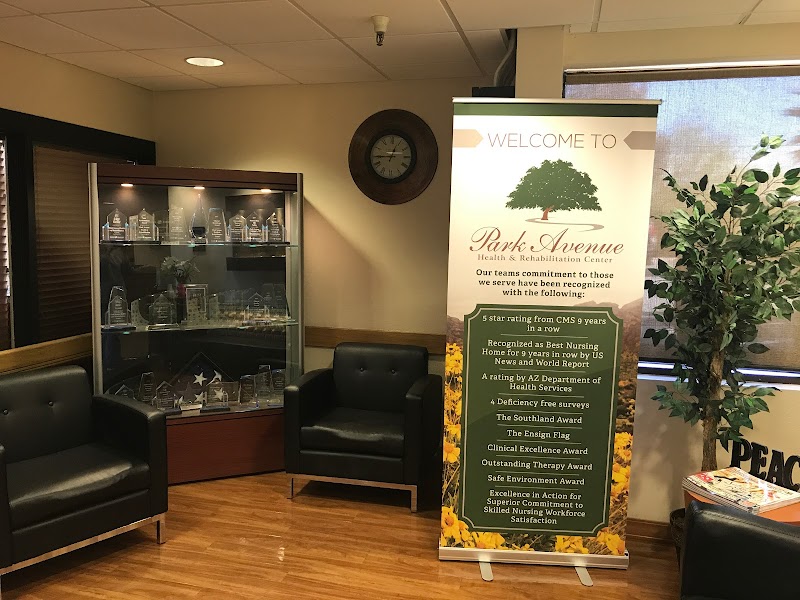
How is Park Avenue Center Staffed?

CMS rates PARK AVENUE HEALTH AND REHABILITATION CENTER's staffing level at 1 out of 5 stars, which is much below average compared to other nursing homes. Staff turnover is 42%, compared to the Arizona average of 46%. This relatively stable workforce can support continuity of care. RN turnover specifically is 60%, which is notably high. RNs provide skilled clinical oversight, so turnover in this role can affect medical care quality.

What Have Inspectors Found at Park Avenue Center?

State health inspectors documented 29 deficiencies at PARK AVENUE HEALTH AND REHABILITATION CENTER during 2019 to 2025. These included: 3 that caused actual resident harm and 26 with potential for harm. Deficiencies causing actual harm indicate documented cases where residents experienced negative health consequences.
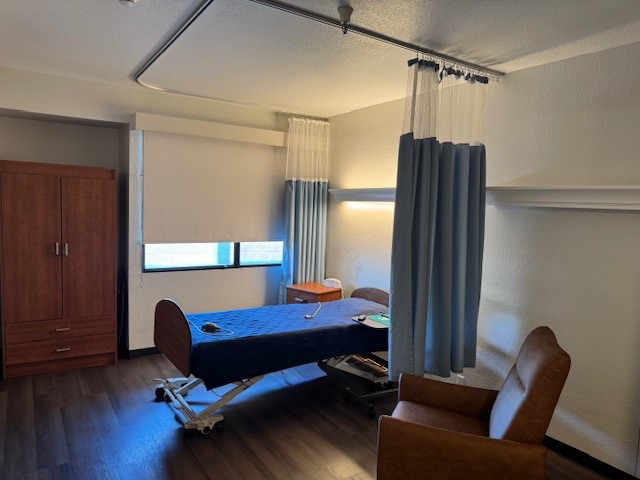
Who Owns and Operates Park Avenue Center?

PARK AVENUE HEALTH AND REHABILITATION CENTER is owned by a for-profit company. For-profit facilities operate as businesses with obligations to shareholders or private owners. The facility is operated by THE ENSIGN GROUP, a chain that manages multiple nursing homes. With 200 certified beds and approximately 141 residents (about 70% occupancy), it is a large facility located in TUCSON, Arizona.
How Does Park Avenue Center Compare to Other Arizona Nursing Homes?

Compared to the 100 nursing homes in Arizona, PARK AVENUE HEALTH AND REHABILITATION CENTER's overall rating (2 stars) is below the state average of 3.3, staff turnover (42%) is near the state average of 46%, and health inspection rating (2 stars) is below the national benchmark.

What Should Families Ask When Visiting Park Avenue Center?

Based on this facility's data, families visiting should ask: "Can you walk me through typical staffing levels on day, evening, and night shifts?" "Can I visit during a mealtime to observe dining assistance and food quality?" "How do you handle medical emergencies, and what is your hospital transfer rate?" "Can I speak with family members of current residents about their experience?" These questions are particularly relevant given the below-average staffing rating.

Is Park Avenue Center Safe?

Based on CMS inspection data, PARK AVENUE HEALTH AND REHABILITATION CENTER has a clean safety record: no substantiated abuse findings (meaning no confirmed cases of resident harm), no Immediate Jeopardy citations (the most serious violation level indicating risk of serious injury or death), and is not on the Special Focus Facility watch list (a federal program monitoring the lowest-performing 1% of nursing homes). The facility has a 2-star overall rating and ranks #100 of 100 nursing homes in Arizona. While no facility is perfect, families should still ask about staff-to-resident ratios and recent inspection results during their visit.

Do Nurses at Park Avenue Center Stick Around?

PARK AVENUE HEALTH AND REHABILITATION CENTER has a staff turnover rate of 42%, which is about average for Arizona nursing homes (state average: 46%). Moderate turnover is common in nursing homes, but families should still ask about staff tenure and how the facility maintains care continuity when employees leave.

Was Park Avenue Center Ever Fined?

PARK AVENUE HEALTH AND REHABILITATION CENTER has been fined $25,116 across 1 penalty action. This is below the Arizona average of $33,330. While any fine indicates a compliance issue, fines under $50,000 are relatively common and typically reflect isolated problems that were subsequently corrected. Families should ask what specific issues led to these fines and confirm they've been resolved.

Is Park Avenue Center on Any Federal Watch List?

PARK AVENUE HEALTH AND REHABILITATION CENTER is not on any federal watch list. The most significant is the Special Focus Facility (SFF) program, which identifies the bottom 1% of nursing homes nationally based on persistent, serious quality problems. Not being on this list means the facility has avoided the pattern of deficiencies that triggers enhanced federal oversight. This is a positive indicator, though families should still review the facility's inspection history directly.