PUEBLO SPRINGS REHABILITATION CENTER

5545 EAST LEE STREET, TUCSON, AZ 85712 (520) 296-2306
For profit - Limited Liability company 129 Beds THE ENSIGN GROUP Data: November 2025
Trust Grade
30/100
#118 of 139 in AZ
Last Inspection: April 2023

Over 2 years since last inspection. Current conditions may differ from available data.

Overview

Pueblo Springs Rehabilitation Center has received a Trust Grade of F, indicating significant concerns and a poor reputation for care. They rank #118 out of 139 nursing homes in Arizona, placing them in the bottom half of facilities statewide, and #21 out of 24 in Pima County, suggesting limited better options nearby. The facility is improving, with a decrease in issues from 12 in 2023 to 4 in 2025, which is a positive trend. Staffing is average with a 3/5 rating and a turnover rate of 52%, which is similar to the state average, indicating some staff consistency. While there have been no fines reported, the inspection findings raised serious concerns, including a resident not receiving the required two-person assistance for transfers, which poses a fall risk, and instances where infection control practices were not followed properly, risking the health of residents. Overall, families should weigh these strengths and weaknesses carefully when considering this facility for their loved ones.

Trust Score
F
30/100
In Arizona
#118/139
Bottom 16%
Safety Record
High Risk
Review needed
Inspections
Getting Better
12 → 4 violations
Staff Stability
⚠ Watch
52% turnover. Above average. Higher turnover means staff may not know residents' routines.
Penalties
✓ Good
No fines on record. Clean compliance history, better than most Arizona facilities.
Skilled Nurses
○ Average
Each resident gets 30 minutes of Registered Nurse (RN) attention daily — about average for Arizona. RNs are the most trained staff who monitor for health changes.
Violations
⚠ Watch
34 deficiencies on record. Higher than average. Multiple issues found across inspections.
★★☆☆☆
2.0
Overall Rating
★★★☆☆
3.0
Staff Levels
★★★★☆
4.0
Care Quality
★★☆☆☆
2.0
Inspection Score
Stable
2023: 12 issues
2025: 4 issues

The Good

  • 4-Star Quality Measures · Strong clinical quality outcomes
  • Full Sprinkler Coverage · Fire safety systems throughout facility
  • No fines on record

Facility shows strength in quality measures, fire safety.

The Bad

2-Star Overall Rating

Below Arizona average (3.3)

Below average - review inspection findings carefully

Staff Turnover: 52%

Near Arizona avg (46%)

Higher turnover may affect care consistency

Chain: THE ENSIGN GROUP

Part of a multi-facility chain

Ask about local staffing decisions and management

The Ugly 34 deficiencies on record

1 actual harm
Jun 2025 4 deficiencies
CONCERN (D) 📢 Someone Reported This

A family member, employee, or ombudsman was alarmed enough to file a formal complaint

Potential for Harm - no one hurt, but risky conditions existed

Abuse Prevention Policies (Tag F0607)

Could have caused harm · This affected 1 resident

**NOTE- TERMS IN BRACKETS HAVE BEEN EDITED TO PROTECT CONFIDENTIALITY** Based on clinical record reviews, facility documentation, staff interviews, and policy review, the facility failed to implement ...

Read full inspector narrative →
**NOTE- TERMS IN BRACKETS HAVE BEEN EDITED TO PROTECT CONFIDENTIALITY** Based on clinical record reviews, facility documentation, staff interviews, and policy review, the facility failed to implement written policies and procedures that prevent the misappropriation of the property of one resident (Resident #299). The deficient practice can result in the lack of prevention for future occurrences. Findings include: Resident #299 was admitted to the facility on [DATE] with the diagnosis of cellulitis of the left lower limb. The resident was then discharged on January 31, 2023. A review of an MDS (Minimum Data Set) assessment dated [DATE], revealed a Brief Interview for Mental Status (BIMS) had not been completed and a staff assessment had been completed. Indicating that the resident's cognitive function was assessed and documented by staff, either because the BIMS interview with the resident was not completed or not feasible. A record request was submitted on June 5, 2025 at 12:45PM to review the inventory sheet of Resident #299. At 12:52PM on June 5, 2025, Administrator (Staff #55) had stated that the facility does not have an inventory sheet for the Resident #299. Staff #55 stated that they are unsure what had happened on the day of admission for Resident #299 and stated that an inventory sheet was not completed for the resident. An interview was conducted on June 6, 2025 at 9:03AM with a CNA (Certified Nursing Assistant/Staff #49) where Staff #49 stated that when the facility receives a new admission, they are expected to meet and greet the resident, gather their inventory to create a detailed inventory sheet, they will also obtain their vitals, provide assistance to get comfortable and acclimated to the facility, and provide education to the resident regarding the facility's day to day opportunities and services. Staff #49 also stated that during the admission process, an admission packet would be completed and that the packet includes an inventory list. Staff #49 also stated that the expectation with the inventory list is that it is to be filled out within the first two hours, that not completing the inventory list immediately can have the risk of making the facility liable and question of whether the items were present at admission or not. An interview was conducted on June 6, 2025 at 9:17AM with a LPN (Licensed Practical Nurse/Staff #24) where Staff #24 stated that the admission process includes the completion of an inventory sheet that is expected to be completed within 24 hours of admission. Staff #24 also stated that the inventory sheet serves as an opportunity for a resident to provide staff with the value of their inventory, including valuable items, so that in the event that an item would go missing, the facility will have the opportunity to repay the resident with the value of the item. Review of the facility policy titled, Admission/Discharge/Transfer, Inventory of Personal Affects, revealed that the facility will take reasonable steps to protect the personal property of the residents. The policy also revealed that when a resident is admitted to the facility, an inventory of the resident's personal effects shall be done by a staff member of the facility. The inventory should record all of personal clothing, valuable articles, etc. that are brought into the facility with the resident and retained by the resident. The policy also stated that once the inventory process is completed, the indicated form will be signed by the resident and responsible party, as well as the staff member, and that a copy of the sheet should be given to the resident.
CONCERN (D) 📢 Someone Reported This

A family member, employee, or ombudsman was alarmed enough to file a formal complaint

Potential for Harm - no one hurt, but risky conditions existed

Deficiency F0645 (Tag F0645)

Could have caused harm · This affected 1 resident

**NOTE- TERMS IN BRACKETS HAVE BEEN EDITED TO PROTECT CONFIDENTIALITY** Based on review of the clinical record, interviews, and observations the facility failed to ensure a Preadmission Screening and ...

Read full inspector narrative →
**NOTE- TERMS IN BRACKETS HAVE BEEN EDITED TO PROTECT CONFIDENTIALITY** Based on review of the clinical record, interviews, and observations the facility failed to ensure a Preadmission Screening and Resident Review (PASRR) was updated to accurately reflect changes in the condition of resident #88. The deficient practice can result in a resident not receiving recommended services to promote and attain the highest level of well-being. Resident #88, was re-admitted to the facility on [DATE] with diagnoses that include alcoholic cirrhosis of the liver, major depressive disorder-recurrent, insomnia, and history of a myocardial infarction. An order for Mirtazapine 7.5 mg by mouth at bedtime for depression was discontinued on September 19, 2023. Review of a progress note dated March 4, 2024 revealed the resident had an altercation with another resident, and had to be separated for safety. Review of progress notes dated March 4, 2024 - March 6, 2024 revealed Change of Condition documentation for altercation with another resident. The Ineffective Coping related to Alcohol abuse, care plan-initiated May 10, 2024 revealed an intervention to offer professional support and referral for mental health and/or substance center. A progress note dated September 30, 2024 revealed the resident was able to communicate effectively and make his needs known. In addition, he exhibited no adverse, negative behaviors at this time. An order for Trazodone HCL 50 mg was initiated on October 1, 2024, give 1 tablet by mouth at bedtime for depression as evidenced by inability to stay/fall asleep. The quarterly Minimum Data Set, dated [DATE] revealed a Brief Interview Mental Status score of 14, indicating the resident had intact cognition. The Behavioral Symptoms were coded as 0 for physical and verbal symptoms during the 7-day look back period. A progress note dated April 27, 2025 revealed the staff had suspicion of alcohol intoxication. In addition, the writer describes the resident as being verbally aggressive. Also, the resident was observed going into another resident's room to use their restroom. The facility documented contacting the provider to relay these findings. A progress note dated May 23, 2025 revealed the resident was encouraged to find different way to handle a dispute without yelling and using foul language. A progress note dated June 4, 2025 provided a summation that the resident has irritability and verbal aggression. The provider ordered to continue medications as prescribed and to follow up with behavioral health per resident preference. Review of facility documentation dated June 4, 2025 revealed that an internal investigation was to be conducted, because the resident was identified as an alleged perpetrator in a resident to resident altercation the weekend prior. Review of facility documentation revealed that an internal 5-day investigation began on June 4, 2025 in which the resident was identified as an alleged perpetrator in a resident to resident altercation. The CNA Response History dated June 5, 2025 for Behavior Symptoms, revealed no entries over the 30 day look back period. The clinical record does not support the facility's Interdisciplinary Team (IDT) attempt to review PASARR recommendations. An interview was conducted with the resident on June 5, 2025 at 11:01 a.m., who admitted to getting into a couple of disagreements as of late at the facility. The resident revealed the incidents are never anything to serious that he cannot handle. The resident revealed feeling safe at the facility. An interview with Licensed Practical Nurse (LPN/Staff# 24) conducted on June 6, 2025 at 9:08 a.m., revealed if concerns about a resident's mental well-being arise, those concerns are reported to the doctor, Director of Nursing, social services, and if it warrants, the crisis team. An interview was conducted with the admissions director (Staff # 8) on June 6, 2025 at approximately 10 a.m. The director identified a purpose of the PASSR is to ensure residents receive the appropriate level of care for each resident. The director further stated that the PASSR is performed pre-admission, and is also repeated after 30 days of residency. The director explained that the importance of a Level 2 PASSR referral is to ensure the resident receives the correct level of care, and to ensure the staff are adequately trained to meet the level of care that may be needed. During review of the clinical record, the director identified September 18, 2023 as the most current PASSR for the resident. The director also identified the following inconsistences with the current PASSR: -Substance related disorder was not selected, despite resident having a substance related disorder. - Issues with interpersonal behaviors and adaptation to change was not selected, despite the resident being involved in several adverse behavioral incidents at the facility. -Mirtazapine 7.5 mg daily is listed as an active medication, despite it being discontinued on September 19, 2023. The director stated that the current PASSR does not accurately reflect the status of the resident, should be updated to remedy, as the current version does not meet facility expectation. An interview with the DON (Staff #50) on June 6 , 2025 at approximately 11:45 a.m., revealed the facility expectation is to keep the resident's PASSR accurate and current. The DON revealed the importance of the PASSR is to make sure the residents are receiving the right care for their level of need. After review of the clinical record, the DON was unable to find documentation supporting accuracy of the current PASSR. The facility's Behavioral Health policy provides residents with the necessary behavioral health care and services. The policy also defines Substance use disorder as recurrent use of alcohol and/or drugs that causes clinically and functionally significant impairment. Procedurally, the facility's Interdisciplinary Team (IDT) will review PASARR recommendations. The facility's Change of Condition policy with the review date of July 2024, revealed that it is the policy of this facility that all changes in resident condition will be communicated to the physician. In addition, the licensed nurse responsible for the Resident will continue assessment and documentation. The facility's Documentation and Charting policy, with the revision date of July, 2023 revealed that the facility is to provide an account of the progress of the resident's care. The PASARR policy, with the revision of May, 2025 refers to the state's AHCCS Pre-admission Screening and Resident Review (PASAR) policy. The Arizona Health Care Cost Containment System (AHCCCS) with the effective date of May 15, 2023 revealed that PASRR Level 1 Screenings are used to determine whether the individual has a diagnosis or other presenting evidence that suggests the potential for Mental Illness (MI) and/or Intellectual Disability (ID). In addition, Nursing Facilities (NF) are required to request Resident Reviews for individuals experiencing a Significant Change in condition.
CONCERN (E) 📢 Someone Reported This

A family member, employee, or ombudsman was alarmed enough to file a formal complaint

Potential for Harm - no one hurt, but risky conditions existed

Free from Abuse/Neglect (Tag F0600)

Could have caused harm · This affected multiple residents

**NOTE- TERMS IN BRACKETS HAVE BEEN EDITED TO PROTECT CONFIDENTIALITY** Based on clinical record reviews, facility documentation, resident and staff interviews, and policy review, the facility failed ...

Read full inspector narrative →
**NOTE- TERMS IN BRACKETS HAVE BEEN EDITED TO PROTECT CONFIDENTIALITY** Based on clinical record reviews, facility documentation, resident and staff interviews, and policy review, the facility failed to ensure that one resident (#284) was free from physical abuse from other residents (resident #15). The deficient practice could result in further incidents of resident to resident abuse. Findings include: -Resident #284 was admitted to the facility on [DATE], with diagnosis that include quadriplegia, urinary tract infections, diabetes mellitus type 2, weakness, hypertension, pressure ulcers, spinal stenosis, anxiety, insomnia, and myocardial infarction. Review of the Quarterly Minimum Data Set (MDS) assessment dated [DATE] revealed a Brief Interview for Mental Status (BIMS) score of 99 which indicated the resident had severe cognitive impairment. A behavioral care-plan initiated December 26, 2024 revealed the resident is at risk for impaired cognitive function / dementia with noted intervention to use simple directive sentences, and provide cues as necessary, and to stop and return if agitated. This further indicates resident vulnerability due to impaired cognition. Review of information received from the SA complaint tracking system revealed that January 24, 2024, at 1:09 p.m. a facility reported incident was received that revealed on January 24, 2024 at 12:30 p.m. The administrator was informed that there was an incident that occurred between resident #284 and another resident in the main hall near the guest bathrooms. Resident #284 stated the other resident pushed him in the shoulder, and that staff had immediately separated the residents. A review of progress notes for resident #284 dated January 24, 2024 at 12:30 p.m. stated resident #284 was sitting in the hallway in a wheelchair with feet positioned flat on the floor. Resident sitting in wheelchair with feet positioned flat on the floor. Another resident was ambulating with therapy staff and accused resident #284 of trying to trip him as his feet were pointed outwards. Residents exchanged words and the other resident pushed him in the shoulder. Residents were immediately separated. The note concludes that the resident was assessed and no injury was noted, as well as notifications being made to family, the provider, and the ombudsman. An interview was conducted with a Licensed Nursing Assistant (LNA/staff #20) on June 5, 2025 at 7:35 a.m. The LNA stated that abuse is verbal, physical, mental, refusing to assist residents, and not answering lights. The LNA also stated that when abuse occurs in a resident to resident situation the first thing is to intervene, make sure they are safe, report it forward, and make sure they stay safe until someone assists. The LNA stated that the expectation is that abuse is not allowed to occur, and that the risk of abuse is trauma to the residents. The LNA concluded that she was not aware of any staff to resident abuse. An interview was conducted with resident #284 on June 5, 2025 at 11:44 a.m. The resident stated that he was punched by the other resident by the smoking area in the upper arm. The resident stated that he was lucky I didn't hit him back and that he thinks he got in his way. The resident concluded that the facility moved the other resident away from him and he didn't see the other resident after that. An interview with the Director of Nursing (DON/staff #50) was conducted on June 6, 2025 at 11:44 a.m. The DON stated that Abuse has many definitions. Physical abuse is like slapping someone, physically touching someone they don't want to be touched. The DON stated that the administrator is the abuse coordinator, and that if a staff member suspected abuse they would notify her or the administrator, and she would notify the administrator since she hasn't been in the facility for that long, and that the staff just know the administrator better. The DON stated that when abuse is suspected, they notify the police and make a report. The DON stated that the police usually don't show up but they do it to get a case number. The DON stated that when abuse occurs they usually switch the residents to different areas of the building, and if something really bad happens they would transfer to different facility. During the interview the DON accessed the clinical record for resident #284 and stated that the staff assessed for redness and injury, and the provider was notified related to the incident. The DON also stated that the notes were different from the report as it stated that it was pushed vs hit. The DON concluded with this incident that it did not meet her expectations. A review of facility policy titled Reporting alleged violations of abuse, neglect, exploitation or mistreatment revised October of 2023 revealed that it is the policy of this facility that each resident has the right to be free from abuse, neglect, misappropriation of resident property, exploitation and mistreatment. This includes but is not limited to freedom from corporal punishment, involuntary seclusion, and any physical or chemical restraint not required to treat the resident's medical symptoms. Residents must not be subjected to abuse by anyone, including but not limited to facility staff, other residents, consultants or volunteers, staff, of other agencies serving the resident, resident representatives, families, friends, and other individuals.
CONCERN (E) 📢 Someone Reported This

A family member, employee, or ombudsman was alarmed enough to file a formal complaint

Potential for Harm - no one hurt, but risky conditions existed

Infection Control (Tag F0880)

Could have caused harm · This affected multiple residents

**NOTE- TERMS IN BRACKETS HAVE BEEN EDITED TO PROTECT CONFIDENTIALITY** Based on observation, interviews, review of records, and review of facility policy and procedure, the facility failed to ensure ...

Read full inspector narrative →
**NOTE- TERMS IN BRACKETS HAVE BEEN EDITED TO PROTECT CONFIDENTIALITY** Based on observation, interviews, review of records, and review of facility policy and procedure, the facility failed to ensure that staff follows appropriate infection control practices. The deficient practice could result in a spread of preventable illness to residents and staff. Findings included: Resident #56 was admitted to the facility on [DATE] with the diagnosis of quadriplegia, unspecified. A care plan focus initiated on October 14, 2024 revealed that the resident has a suprapubic catheter and that staff is to use enhanced barrier precautions when providing services. Another care plan focus initiated on October 14, 2024 revealed that the resident has a diabetic ulcer and that staff is to use enhanced barrier precautions when providing services. On June 4, 2025 there was an observation at 11:22AM where an LPN (Licensed Practical Nurse/Staff #73) where Staff #73 walked out of the room of Resident #56 with their gloves still on, and holding some type of device in their hand, and had put the device back into the medication cart. The room was also observed to have an Enhanced Barrier Precaution sign. An interview was then conducted with Staff #73 on June 4, 2025 at 11:26AM, where Staff #73 stated that the expectations with those on transmission-based precautions is to ensure a gown, a mask, and gloves are outside a resident's room or a hall if there are more than one resident with a signage that declares the usage of enhanced barrier precautions. Staff #73 also stated that if there is the need to utilize any protective equipment such as gloves, gowns, masks, or a face shield, is to be disposed within a resident's room prior to exiting the room. Staff #73 also stated that hand hygiene is to be completed before and after entering a resident's room, and, before and after proceeding resident care. In regards to Resident #56, Staff #73 stated that the resident has an enhanced barrier precaution sign due to having a suprapubic catheter and as well as open wounds that he is currently receiving treatment for. Staff #73 also stated that utilizing personal protective equipment such as gowns and a mask is only required for dressing changes and direct care to the catheter. Staff #73 also stated that they were just going into the room of Resident #73 to obtain his blood sugar levels before lunch and that the expectation is that staff only need to wear gloves when obtaining blood sugar levels, even when there is an enhanced barrier precaution sign located near the door of a resident. Another interview was conducted on June 4, 2025 at 12:43PM with a CNA (Certified Nursing Assistant/Staff #66), where Staff #66 stated that the facility's protocol for a resident on enhanced barrier precautions is to ensure gloves and gowns are worn when providing care. Staff #66 also stated that if there is a concern for airborne or contact precautions, then the expectation is to ensure a mask is also utilized. Staff #66 also stated that all protective equipment is to be taken off and disposed in the resident's room, prior to exit, by taking of the gown first, and then the gloves. Staff #66 also stated that hand hygiene is to also be completed before and after providing patient care, whether it was to provide the resident with a blanket, with their meal tray, or to take their vitals, hand hygiene is expected at all times, and, as well as, disinfecting any equipment that was used. Another interview was conducted on June 4, 2025 at 2:51PM with the Infection Preventionist and Wound Care Nurse (Staff #83), where Staff #83 stated that the protocol for a resident on enhanced barrier precautions, staff is expected to utilize the personal protective equipment that can be located in front of or near the door of a resident that has been identified for enhanced barrier precautions. Staff #83 also stated that she does play a role with that identification of resident's that have been put on enhanced barrier precautions with ensuring the proper precautions are listed and in visual of the resident's door, and as well as communicating any changes to a resident's care with staff. Staff #83 also stated that resident's that may be ordered or have these medical conditions that include having a wound; a catheter; a peripherally inserted central catheter (PICC) line; a feeding tube; antibiotics; an intravenous (IV) line; and obtaining blood sugars; and to also use handwashing hygiene when completing any of the tasks mentioned. In regards to the observation on June 4, 2025 at 11:22AM, Staff #83 stated that if a nurse is administering medications, if the medication can go into a cup for the resident, then they would not need to utilize a gown, however, if a nurse is administering medications through an IV, through an injection, a patch, or to check a resident's blood sugars, that would require staff to utilize a gown when administering such medications to a resident under enhanced barrier precautions. An interview on June 6, 2025 at 11:22AM with the DON (Director of Nursing/Staff #50) was conducted where Staff #50 stated that the facility's expectations regarding enhanced barrier precautions is that facility staff and as well as guests is to follow any signage that may be located in front of a resident's room, and to utilize personal protective equipment such as gloves and gowns when completing tasks such as re-positioning a resident; assisting with personal hygiene; and as well as any other patient care. Staff #50 also stated that if the facility's expectations are not followed, that can put staff and the residents at risk for the spread of infections. In regards to the observation on June 4, 2025 At 11:22AM, Staff #50 stated that when administering medications to a resident in a room with a sign that indicates the usage of enhanced barrier precautions certain routes and medications will require a staff member to utilize proper protective equipment. If a staff member were to obtain the blood sugar levels of a resident with such signage, then staff is expected to utilize gloves and a gown due to being exposed to a bodily fluid such as blood. A facility policy titled, Infection Control Prevention and Control Program Standard and Transmission based Precautions, revealed that proper personal protective equipment is to be used when providing care exposes a staff member to blood and bodily fluids.
Dec 2023 2 deficiencies
CONCERN (D) 📢 Someone Reported This

A family member, employee, or ombudsman was alarmed enough to file a formal complaint

Potential for Harm - no one hurt, but risky conditions existed

Free from Abuse/Neglect (Tag F0600)

Could have caused harm · This affected 1 resident

**NOTE- TERMS IN BRACKETS HAVE BEEN EDITED TO PROTECT CONFIDENTIALITY** Based on clinical records, resident and staff interviews, and facility documents, the facility failed to ensure that residents a...

Read full inspector narrative →
**NOTE- TERMS IN BRACKETS HAVE BEEN EDITED TO PROTECT CONFIDENTIALITY** Based on clinical records, resident and staff interviews, and facility documents, the facility failed to ensure that residents are not abused by staff. -Resident #61 was admitted on [DATE] with diagnoses of paraplegia. A care plan dated 11/10/17 included that this resident had an ADL Self Care Performance Deficit related to paraplegia, disease process, limited mobility and included that this resident requires staff participation to use the toilet, with transfers, and to reposition and turn in bed and to encourage to use bell to call for assistance. Review of the clinical did not find notes regarding this incident. Review of the Medication Administration Record (MAR) included that medications were provided by a Licensed Practical Nurse (LPN/staff #126) during the time of the incident. An interview was conducted on 12/7/23 at 10:29 AM, with resident #61 who said he had been on the call light a lot that day and that a nurse came in and tried to yank the call light out of his hand but that it had gotten caught up on his bed rails. He said he had not seen the staff member who attempted to pull the call light out of his hand since the incident and did not know his name. He said that the facility staff said that the nurse won't work here again. An interview was conducted on 12/8/23 at 1:43 PM, with this LPN (staff #126) who said that resident #61 just wouldn't stay off the light and he pulled the call light out of the wall while trying to yank it out of the resident's hand, then he just left before any further escalation could occur. An interview was conducted with an LPN (staff #89) who said that abuse is not taking care of the patient and that abuse can be verbal, financial, misappropriation of funds, neglect, sexual, or physical. She said that she had not seen abuse and that if she had seen abuse she would remove the staff member and report the incident to the Administrator and Director of Nursing (DON). She said that if a patient is on the call light a lot and staff rip a call light out of the wall it is abuse. An interview was conducted on 12/8/23 at 2:39 PM, with the DON (staff #17) who said that staff should should treat the residents kindly, and with respect and care. She said that staff pulling out a call light is not ok at all and does not meet her expectations. An undated employee handbook section titled Section Three: A Culture of Accountability included gross misconduct is a violation of the rules set forth in this Handbook, our code of conduct or any other policy of a more serious nature and that they include physical, fiduciary, verbal or emotional/psychological abuse of a resident.
CONCERN (D) 📢 Someone Reported This

A family member, employee, or ombudsman was alarmed enough to file a formal complaint

Potential for Harm - no one hurt, but risky conditions existed

Accident Prevention (Tag F0689)

Could have caused harm · This affected 1 resident

**NOTE- TERMS IN BRACKETS HAVE BEEN EDITED TO PROTECT CONFIDENTIALITY** Based on clinical records and staff interviews, the facility failed to ensure that a resident was free from preventable accident...

Read full inspector narrative →
**NOTE- TERMS IN BRACKETS HAVE BEEN EDITED TO PROTECT CONFIDENTIALITY** Based on clinical records and staff interviews, the facility failed to ensure that a resident was free from preventable accidents (#4). Findings include: Resident #4 was admitted on [DATE] with diagnoses of fracture of right lower leg, fracture of left lower leg, Acute Hypercapnic Respiratory Failure (AHRF), cirrhosis, Diabetes Mellitus, O2, weakness. A Minimum Data Set (MDS) assessment dated [DATE] included that this resident had a Brief Interview for Mental Status (BIMS) score of 15, which showed no impairment. This document included that transfers were 1 person extensive assistance and that walking had only occurred 1-2 times during the week lookback period. A care plan dated 5/30/23 included that this resident has Activities of Daily Living self care performance deficit related to AHRF, cirrhosis, DM, O2, weakness and that this resident requires 1 staff participation with transfers. A progress note dated 8/23/2023 included Per nursing Medstar Transportation reported that the patient had fallen. On assessment, the patient was sitting on the floor facing the wall where the lights are located. Medstar had stated that the patient had fallen slowly to the floor. Patient was leaving to a paracentesis appointment at TMC. Contacted Dr. Vo who approved that the patient make the appointment. Patient denied hitting her head or losing consciousness. No change in orientation was noted. Patient was assisted onto the gurney by Medstar and two staff members of the facility. Patient then c/o pain to the left ankle. Dr. Vo gave a verbal order for an Xray to the left leg after returning to the facility. A head-to-toe assessment was performed. Patient left for the appointment. Xray done with results of There is an acute mildly displaced fracture of proximal tibia metaphysis . There is an acute mildly displaced fracture of fibula metaphysis. The patella, distal femur, proximal are intact. There is no deep sulcus sign to suggest anterior cruciate ligament tear. The bony mineralization is mildly decreased. There is no joint effusion. Moderate narrowing of the medial and patella-femoral joint spaces, Per Dr. vo patient was sent to TMC. An interview was conducted on 12/7/23 at 3:08 PM, with a Certified Nursing Assistant (CNA/staff #73) who said that she was giving another resident a shower, and when she came out she saw the staff from Medstar who said I dropped our patient, you need to tell the nurses. She said that they didn't ask us for any help transferring resident #4. She said that they went right to the room. An interview was conducted on 12/8/23 at 1:56 PM, with one of the Med Star drivers who said he and his partner talked to the person at the nursing station and were told to go to the patient's room. He said that they went into the room and the resident was sitting at the edge of bed. He said that he asked her if she can stand or walk or anything and that she said that if she could, she could. He said that the resident got up with a walker near to her bed and that they were going to help her, but one step and leg gave out from her. He said that the resident stood up and she went straight on her butt and she sat on her leg was in a sitting up position. He said that he left the room and got someone. He said that the facility insisted that she go to her appointment. He said that he didn't know this patient. An interview was conducted on 12/8/23 at 9:02 AM, with a Licensed Practical Nurse (staff #213) who said that it depends if the transport staff are familiar with the patient. She said that if they are not familiar they are supposed to stop at the nurses station, then we will send with the CNA, or if we are not busy I will assist them. She said that this resident's legs just stayed deformed, and that this resident got foot drop after that. This nurse said that this resident never walked while she was here but would stand with Physical Therapy just to sit back down and that she never walked. This nurse said that this resident would not ever try to stand or walk. An interview was conducted on 12/8/23 at 2:39 PM, with the DON (staff #17) who said that my expectations are that they check in with the nursing staff and that a staff member go with them to the room to assist with the transfer. She said that doesn't meet expectations because staff should be present, because never know what is going to happen regardless of what the resident's baseline is. This DON said that they do not have a policy that addresses that the staff should be doing a handoff to transport staff.
Apr 2023 3 deficiencies
CONCERN (D)

Potential for Harm - no one hurt, but risky conditions existed

Pharmacy Services (Tag F0755)

Could have caused harm · This affected 1 resident

**NOTE- TERMS IN BRACKETS HAVE BEEN EDITED TO PROTECT CONFIDENTIALITY** Based on clinical record review, interviews, and review of facility policies, the facility failed to ensure that medications wer...

Read full inspector narrative →
**NOTE- TERMS IN BRACKETS HAVE BEEN EDITED TO PROTECT CONFIDENTIALITY** Based on clinical record review, interviews, and review of facility policies, the facility failed to ensure that medications were available for use one resident (#28). The deficient practice could result in resident not receiving necessary medications ordered by the physician. Findings include: Resident #28 was admitted [DATE] with diagnoses of acute kidney failure, pneumocytosis, type 2 diabetes, hypertension, anxiety, and gastroesophageal reflux disease (GERD). The admission MDS (Minimum Data Set) dated February 7, 2023 noted a BIMS (Brief Interview for Mental Status) score of 15, indicating that the resident was cognitively intact. The care plan dated February 10, 2023 revealed the resident was on diuretic therapy related to edema. Interventions included to administer medications as ordered and to report pertinent lab results to physician. A physician order dated February 1, 2023 revealed for Lokelma (potassium binder) oral packet 10 gr(grams) two packets be given by mouth one time a day for high levels of potassium. The MAR (Medication Administration Record) for March 2023 revealed that Lokelma were documented as code 2 indicating hold/see nursing notes on March 3, 4, 5, 11 and 12. The EMAR (electronic MAR) note dated March 3, 2023 included that Lokelma was on order. Review of the eMAR notes revealed Lokelma was documented as not available on the following dates and time: -March 3, 2023 at 8:16 a.m.; -March 5, 2023 at 6:46 a.m.; -March 11, 2023 at 9:16 a.m.; and, -March 12, 2023 at 8:47 a.m. Further review of the clinical record revealed no evidence that Lokelma was administered as ordered; and that, the physician or pharmacy were notified. An interview was conducted on April 25, 2023 at 10:21 a.m. with a licensed practical nurse, (LPN/staff #79) who stated that if a medication was not available she would check the medication room, the pyxis, and the overstock. The LPN said that if the medication is not available, she would notify the provider and if the order can be changed, stopped or put on hold. During an interview with the director of nursing (DON/Staff #105) was conducted on March 25, 2023 at 11:20 a.m., the DON stated that they get 3 times a day delivery for medications; and, they can also get stat medications if needed if it was after 7:00 p.m. The DON stated that they have had some medications unavailable in the past; and, because of this, everyone was given access to their pyxis system. The DON stated the expectation was that in the event a medication was unavailable, the floor nurses should let her know or notify a provider so that the provider can make changes if necessary. Review of facility policy on Nursing Administration included that it is their policy to provide pharmaceutical services (including procedures that assure the accurate acquiring, receiving, dispensing, and administering of all drugs and biological) to meet the needs of each resident.
CONCERN (E)

Potential for Harm - no one hurt, but risky conditions existed

Deficiency F0645 (Tag F0645)

Could have caused harm · This affected multiple residents

**NOTE- TERMS IN BRACKETS HAVE BEEN EDITED TO PROTECT CONFIDENTIALITY** -Resident #45 was admitted on [DATE] with primary diagnosis of Schizoaffective disorder. The level I PASRR screening dated June...

Read full inspector narrative →
**NOTE- TERMS IN BRACKETS HAVE BEEN EDITED TO PROTECT CONFIDENTIALITY** -Resident #45 was admitted on [DATE] with primary diagnosis of Schizoaffective disorder. The level I PASRR screening dated June 24 2022 included resident had no primary diagnosis of dementia and serious mental illness (SMI). It also included that the resident was admitted for convalescent care; and that, no referral for any level II was necessary. The care plan dated July 12, 2022 included that resident use antidepressant medication related to depression as evidenced by self-isolation and verbalization of sadness. The physician progress notes dated February 22, March 22 and April 12, 2023 included an assessment of schizophrenia. Plan included Seroquel (antipsychotic) for bipolar-type schizoaffective disorder. Despite documentation the resident had diagnosis of SMI; and that, the resident continued to stay at the facility 30 days after admission at the facility, the clinical record revealed no evidence that another level I PASRR screening was completed after June 24, 2022. In an interview conducted with the admissions director (staff #31) on April 24, 2023 at 11:30 a.m., staff #31 stated that PASRR screening was handled by admissions staff and the social worker. Staff #31 stated that the initial PASSR screening come from the hospital; however, if the resident was not on convalescent leave or has other exclusions, then the resident should be reassessed for the need to elevate to a level II PASRR at that point and as needed for significant changes. During the interview, a review of the clinical record was conducted with staff #31 who stated that for resident #8, the records showed that the last PASRR assessment was conducted in 2022 and it should have been sent for a level II referral. However, staff #31 stated that resident #8 level II referral had not been referred to the State for review then or subsequently. Regarding resident #48, the admissions director stated that the last PASRR conducted for resident #48 was in 2021; and, it also had not been referred for a level II assessment at that time or subsequently. Further, staff #31 stated that risk for not doing PASRR screening could be potentially result in residents not receiving the correct level of care. An interview was conducted with the administrator (staff #91) on April 24, 2023 at 11:42 a.m. Staff #91 stated that his expectation was that PASRR screening are completed in a timely manner; and that, risk factors include not having up to date information about resident's current status, in regards to making sure residents are at the appropriate level of care. A review of facility policy on Resident Assessment - PASRR reviewed May 2020 revealed that it is their policy to ensure that each resident is properly screened using the PASRR specified by the State. Based on clinical record review, staff interviews, and facility policy and procedures, the facility failed to ensure level I PASRR (preadmission screening and resident review) was completed for three residents (#8, #48 and #45). This deficient practice could result in residents not receiving the appropriate level of care. Findings include: -Resident #8 was admitted on [DATE] with diagnoses of major depressive disorder, anxiety disorder, unspecified mood disorder, insomnia and bipolar disorder. The PASRR level I screening dated December 19, 2022 included the resident had met the 30-day convalescent criteria. The care plan dated December 20, 2022 revealed that the resident received antidepressant and antipsychotic medications. A review of the MDS (minimum data set) dated March 29, 2023 revealed a BIMS (brief interview of mental status) score of 15 suggesting that resident #8 is cognitively intact. Despite documentation that the resident continued to reside at the facility, there was no evidence found that the another PASRR level I screening was completed until April 23, 2023. The PASRR screening dated April 23, 2023 included that resident had bipolar disorder, anxiety disorder and depression; and had no primary diagnosis of dementia or Alzheimer's disease. Further, the documentation included that resident did not meet the 30-day convalescent care, respite admission and terminal state or severe illness. Further, the documentation included that a referral to level II determination was required. -Resident #48 was admitted on [DATE] with diagnoses of other specified disorders of the brain, major depressive disorder, schizoaffective disorder and anxiety disorder. A level I PASRR screening dated December 16, 2021 revealed the resident did not have a primary diagnosis of dementia and serious mental illness. The documentation also included that there was no referral for any level II determination necessary. Review of the care plan dated December 17, 2021 included that resident use of psychotropic medications related to schizoaffective disorder as evidenced by disruptive behaviors to staff related to paranoid delusions. A care plan dated March 8, 2022 included antidepressant medication use related to depression as evidenced by self-isolation, worry and irritability. The care plan entry dated June 6, 2022 revealed that the resident was at risk for impaired cognitive functions or thought processes related to psychiatric medications. A review of the MDS dated [DATE] revealed a BIMS score of 15 indicating the resident was cognitively intact. The physician progress note dated March 23, 2023 included the resident was alert and oriented x 3. Assessments included schizoaffective disorder and depression. Plan included sertraline (antidepressant) for depression and quetiapine (antipsychotic) for schizoaffective disorder. Despite documentation that the resident has diagnosis of serious mental illness, there was no evidence found in the clinical record that another PASRR level I screening was completed until April 23, 2023. The PASRR screening dated April 23, 2023 included that resident had schizoaffective disorder, major depression and anxiety disorder; and, had no primary diagnosis of dementia or Alzheimer's disease. Further, the documentation included that resident did not meet the 30-day convalescent care, respite admission and terminal state or severe illness. Further, the documentation included that a referral to level II determination was required.
CONCERN (E)

Potential for Harm - no one hurt, but risky conditions existed

Deficiency F0697 (Tag F0697)

Could have caused harm · This affected multiple residents

**NOTE- TERMS IN BRACKETS HAVE BEEN EDITED TO PROTECT CONFIDENTIALITY** -Resident #45 was admitted on [DATE] with diagnoses of schizoaffective disorder, depression, and anemia. The care plan dated Ju...

Read full inspector narrative →
**NOTE- TERMS IN BRACKETS HAVE BEEN EDITED TO PROTECT CONFIDENTIALITY** -Resident #45 was admitted on [DATE] with diagnoses of schizoaffective disorder, depression, and anemia. The care plan dated July 5, 2022 revealed the resident had potential for acute/chronic pain. Intervention included to administer analgesia medication as per orders and to follow pain scale. The physician order dated November 4, 2022 included for oxycodone (narcotic analgesic) 5 mg (milligrams) and to give 5 mg by mouth every 6 hours as needed for a pain scale of 4-10. This order was transcribed onto the MAR (medication administration record) for February, March and April 2023 However, review of the MAR for February, March and April 2023 revealed that there were multiple days that oxycodone was documented as administered for documented pain scales between 0 and 3. The quarterly MDS (Minimum Data Set) dated April 8, 2023 included a BIMS (Brief Interview for Mental Status) score of 15 indicating that the resident was cognitively intact. There was no evidence found in the clinical record why oxycodone was administered outside of the ordered parameter; and that, the physician was notified. -Resident #192 was admitted on [DATE] with diagnoses that included osteomyelitis, pressure ulcer, type 2 diabetes, gastroesophageal reflux disease, and hypertension. The care plan dated April 18, 2023 revealed the resident had acute/chronic pain related to bilateral diabetic food infections. Interventions included to follow pain scale and to medicate as ordered. The physician order dated April 20, 2023 included an order for ibuprofen (non-steroidal anti-inflammatory drug/NSAID) 400 mg and to give 400 mg every 6 hours as needed for pain on a scale of 1-3. The admission MDS dated [DATE] included a BIMS score of 15 indicating the resident had intact cognition. The order for oxycodone was transcribed onto the MAR for April, 2023. Review of the MAR for April revealed that ibuprofen was documented as administered as ordered with pain scales between 7 and 9 multiple times. Further review of the clinical record revealed no evidence of a reason why the medication was administered outside the ordered parameter; and that, the physician was notified. -Resident #28 was admitted on [DATE] with diagnoses of pneumocystis, type 2 diabetes, hypertension, anxiety, and gastroesophageal reflux disease (GERD). The care plan dated February 1, 2023 revealed the resident was prescribed an opioid for substance abuse and pain. Intervention included to administer opioid as prescribed. The physician order dated March 1, 2023 included for oxycodone 15 mg and to give 15 mg by mouth every 4 hours as needed for pain on a scale of 6-10. This order was transcribed onto the MAR for March and April 2023. Review of the MAR for March and April 2023 revealed that oxycodone was administered as ordered for documented pain scales between 0 and 5 in multiple dates. Continued review of the clinical record revealed no evidence why the medication was administered outside of the ordered parameter; and that, the physician was notified. The admission MDS dated [DATE] included a BIMS score of 15 indicating that the resident had intact cognition. An interview was conducted on April 25, 2023 at 10:21 p.m. with a licensed practical nurse (LPN/staff #79) who stated that medications have ordered parameters to avoid side effects. The LPN also stated that in the event a medication was missing or being given out of parameter she would notify the physician to see if a medication change was warranted. The LPN stated that giving medications outside of parameter could result in side effects; and that she would not to give the resident something that would cause them to bottom out more. An interview was conducted on April 25, 2023 at 11:20 a.m. with the director of nursing (DON/Staff #105) who stated that different kinds of medications have ordered parameters such as medications for blood pressure, pain, and insulin; and that, vital signs such as blood pressures and blood sugars can change minute to minute. The DON also stated that following the pain medication parameters was important because of the risk of sedating a resident. She stated that the expectation was for staff to medicate their residents based on the pain scales; and that, staff should be coordinating with the provider to make sure pain scales and medications are correct. Further, the DON stated that potential side effects of administering outside of parameters include respiratory failure, over sedation and insufficient pain control. The facilities policy on Nursing Administration reviewed on September of 2022 included that medication(s) received, refused, and response to medication will be documented on the Medication Administration record (MAR). It also included to monitor pain status and treatment effects on a regular basis, e.g., during routine medication pass; and, to consult with the physician for additional interventions if pain is not relieved by currently ordered treatment modalities and comfort measures. The facility policy on 'Pain Management' with a revision date of September 2022 revealed that resident pain is assessed and managed by an interdisciplinary team who work together to achieve the highest practicable outcome. Furthermore, the policy reflects that pain status and treatment effects are monitored on a regular basis and a physician is consulted for additional interventions if pain is not relieved by currently ordered treatment modalities and comfort measures. Based on resident and staff interviews, clinical record review, and facility policy and procedure, the facility failed to ensure pain medications were administered as ordered by the physician for four residents (#8, #45, #192 and #28). The deficient practice could result in residents receiving unnecessary medications. Findings include: -Resident # 8 was admitted on [DATE] with diagnoses of Parkinson's disease, diastolic congestive heart failure, fibromyalgia, and chronic pain. The care plan dated December 22, 2022 revealed that the resident is prescribed an opioid for pain and is monitored for adverse outcomes from opioid use. Additionally, the care plan noted that the expected benefit of opioid use is to reduce 'acute/ chronic' pain conditions. The physician order dated February 14, 2023 revealed an order for Tramadol (narcotic analgesic) one tablet every 6 hours for chronic pain. A review of the MDS (minimum data set) assessment dated [DATE] revealed that resident had a BIMS (brief interview of mental status) score of 15 indicating the resident was cognitively intact. The assessment also included that the resident was on scheduled pain medications. The progress note dated March 30, 2023 revealed the resident had one dose of Tramadol remaining in the morning; and that, the provider had been informed. The note also included that the last dose was noted to have been administered at midday; and, was waiting for a refill. A review of the MAR (medication administer record) revealed that resident #8 had not received Tramadol for chronic pain management from March 31 through April 3, 2023. There was no evidence found in the clinical record that the physician was notified that Tramadol was not administered as ordered from March 31 through April 3, 2023. The clinical record also revealed no evidence that the physician had discontinued Tramadol for the resident. Despite the documentation that resident did not have Tramadol, the prescription for the Tramadol was not renewed until April 3, 2023. A physician visit note dated April 3, 2023 included that pain control was adequate at this time and to continue current pain regimen. The documentation included that scripts were given for Tramadol for a 4-week supply. The progress note dated April 3, 2023 revealed the resident was educated on Tramadol; and that, the prescription for Tramadol was renewed. An interview was conducted April 19, 2023 at 9:53 a.m. with resident #8 who stated that she had pain, had been out of Tramadol previously; and that, she had to wait 'several' days for her medication to be refilled. Resident #8 stated that she spends a lot of time crying due to the pain; and that, this issue of her pain not being addressed had been relayed to the licensed practical nurse (LPN/staff #79) as well as the administrator. Further, she stated she did not feel 'heard' by the pain management doctor. In an interview with the LPN (staff #79) conducted on April 20, 2023 at 11:01 a.m. the LPN stated that she was off on March 30, 2023 when resident #8 did not received Tramadol; and that, the pain management doctor came to the facility. She stated that when she returned on March 31, 2023, she found the medication refill request for resident #8 was in the wrong folder because of a miscommunication. The LPN said she reached out to the pain management doctor but she was informed that the doctor was out of the office and would not return until April 4, 2023. The LPN stated that there was no back-up coverage for the pain management doctor for resident #8. During the interview, a review of the clinical record was conducted with the LPN who stated that the resident had been out of the previously prescribed Tramadol from March 31 through April 03, 2023 because the script had not been renewed. She stated that this happened because the renewal request had been placed in the wrong folder. The LPN said that when a resident runs out of narcotics, the script had to be renewed. She stated that she also reached out to the pain management and another provider if he might issue the renewal script; however, she never heard back from them. The LPN stated that she received the renewal prescription for the Tramadol on April 3, 2023. Further, the LPN said that risks of not receiving prescribed scheduled pain medications can include pain, withdrawals, anxiety, weakness, and lack of resident participation in activities. An interview was conducted on March 20, 2023 at 11:15 a.m. with a certified nursing assistant (CNA/staff #37) who stated that if a resident reports pain, she would ask the resident the location and severity of the pain. She stated that she would then look at potential non-pharmaceutical approaches, to include repositioning, in an effort to alleviate the pain and notify the nurse on duty. During an interview conducted with clinical resource coordinator (staff #108) on April 20, 2023 at 11:26 a.m., staff #108 stated that the expectation was to assess the resident for pain at least once a shift and medicate the resident accordingly, either via scheduled or PRN (as needed) medications. Staff #108 stated that if a script was due to expire then the expectation was for nursing staff to notify the provider and obtain an expedited script, to facilitate obtaining the medication either the same day or the next day. Additionally, she stated that medication can also be obtained via Pyxis, if an existing order was in place.
Mar 2023 3 deficiencies
CONCERN (D) 📢 Someone Reported This

A family member, employee, or ombudsman was alarmed enough to file a formal complaint

Potential for Harm - no one hurt, but risky conditions existed

Deficiency F0727 (Tag F0727)

Could have caused harm · This affected 1 resident

Based on review of facility documentation, staff interviews, and policy, the facility failed to use the services of a Registered Nurse (RN) for at least 8 consecutive hours a day, 7 days a week. The a...

Read full inspector narrative →
Based on review of facility documentation, staff interviews, and policy, the facility failed to use the services of a Registered Nurse (RN) for at least 8 consecutive hours a day, 7 days a week. The average daily census was 69. The deficient practice could result in residents not receiving more advanced care when needed. Findings include: Review of the staff postings and nursing staff punch detail provided no evidence that an RN was on duty on January 29, 2022. An interview was conducted on March 30, 2023 at 12:23 p.m. with the staffing coordinator (staff #83) who stated that the expectation was that an RN would be on duty for at least 8 consecutive hours, 7 days per week. She stated that she had about a dozen staffing agencies that she could call; and, she adds agency staff to the staff postings. She stated that not having an RN on duty would not meet the expectations. Further, staff #83 stated there were some things that an RN can do that the LPNs (licensed practical nurse) could not. On March 30, 2023 at 1:53 p.m., an interview was conducted with the Director of Nursing (DON/staff #31) who stated that her expectation was that nurse staffing would be provided in accordance with the facility assessment; and that, an RN would be on duty at least 8 hours per day, 7 days per week. The Sufficient Staff policy, revised 5/2022, included it was the policy of the facility to have sufficient nursing staff with the appropriate competencies and skill sets to provide nursing and related services to promote resident safety and attain or maintain the highest practicable mental, psychosocial well-being of each resident, as determined by resident assessment and individual plans of care and considering the number, acuity and diagnosis of the facility's resident population in accordance with the facility assessment.
CONCERN (E) 📢 Someone Reported This

A family member, employee, or ombudsman was alarmed enough to file a formal complaint

Potential for Harm - no one hurt, but risky conditions existed

Quality of Care (Tag F0684)

Could have caused harm · This affected multiple residents

**NOTE- TERMS IN BRACKETS HAVE BEEN EDITED TO PROTECT CONFIDENTIALITY** Based on clinical record review, staff interviews, and facility policy review, the facility failed to ensure the physician was n...

Read full inspector narrative →
**NOTE- TERMS IN BRACKETS HAVE BEEN EDITED TO PROTECT CONFIDENTIALITY** Based on clinical record review, staff interviews, and facility policy review, the facility failed to ensure the physician was notified of significant changes in weight for one resident (#20) with diagnosis of congestive heart failure (CHF). Sample size was 3. The deficient practice may result in resident having adverse complications. Findings include: Resident #20 admitted on [DATE] with diagnoses of sepsis, acute kidney failure and congestive heart failure (CHF). The hospital documentation dated January 12, 2022 revealed the resident was admitted to the hospital on [DATE] after presenting with difficulty breathing, shortness of breath and chest pain; and that, the resident was treated for CHF exacerbation and admitted to the facility for inpatient rehabilitation. Per the documentation, patient education information included instruction for daily weight monitoring to identify sudden weight gain. The documentation indicated that a sudden weight gain could mean that heart failure was getting worse. Symptoms included shortness of breath, swelling in the legs and feet or in the abdomen, and sudden weight gain of more than 2 pounds in 1 day or 5 pounds in 1 week. Additional review of the documentation revealed the resident received Bumex (bumetanide/diuretic) 2 milligrams (mg) = 8 milliliters (mL), intravenous push, daily while he was hospitalized . A physician order dated January 12, 2022 included for O2 (oxygen) at 1-5 liters via nasal cannula every shift for diagnosis of pneumonia and shortness of breath. Instructions included to titrate to maintain saturation levels of 89% or greater. A care plan dated January 12, 2022 revealed the resident had altered cardiovascular status related to CHF exacerbation and hypertension. Goal was that the resident will remain free from signs and symptoms of cardiac complications. Interventions included to assess for shortness of breath and cyanosis. Another care plan dated January 12, 2022 revealed the resident had nutritional problem/ potential nutritional problem related to CHF exacerbation as evidenced by poor intakes. The goal was that the resident maintains adequate nutritional status as evidenced by maintaining weight with no signs or symptoms of malnutrition. Interventions included weekly weights for 4 weeks and then monthly if stable. Review of the Weight Summary dated January 13, 2022 revealed the resident weighed 208.4 pounds (lbs.). A late entry physician progress note dated January 17, 2022 included that the resident's family had called with concerns about the resident passing a small amount of urine. The note revealed bumetanide was ordered to be given as soon as the medication came in. The note indicated that a Foley catheter was inserted and 380 milliliters (mL) of clear yellow urine drained out. Plan was to continue monitoring of lab reports and urine amounts. A nursing progress note dated January 17, 2022 included that the resident reported that he was on diuretic in the hospital and he was not getting it. Per the documentation, the medication was not available in the medication dispensing machine; and that, the pharmacy was called and the medication would be sent that afternoon. A physician order dated January 17, 2022 revealed a STAT order for Bumetanide 1 mg give one tablet daily for CHF. A nursing progress note dated January 17, 2022 revealed that the resident told his family that he wanted to go to the hospital. Per the note, the resident's family was contacted and agreed to send the resident to the hospital the following morning. Review of the Medication Administration Record (MAR) revealed that bumetanide was administered on January 17, 2022 at 9:31 p.m. A nursing progress note dated January 18, 2022 included the resident the resident was sent to the emergency room (ER) per the family's daughter's request due to concerns of kidney injury. Another nursing progress note dated January 18, 2022 included that the resident's family was notified that the resident will be returning at the facility. Per the documentation, the resident's family stated that the resident had been expressing concerns with lung issues; and that, the resident would be seen by an in-house provider and will have consultation with pulmonologist. A nursing progress note dated January 19, 2022 included the resident returned to the facility with no new orders. A 5-day Minimum Data Set (MDS) assessment dated [DATE] revealed the resident had a Brief Interview for Mental Status (BIMS) score of 14 indicating resident had intact cognition. Per the assessment, the resident required extensive 2-person physical assistance for most activities of daily living; and, had an active diagnosis of heart failure. A care plan dated January 20, 2022 included that the resident was on diuretics to CHF. Goal was that the resident would be free from any discomfort or adverse side effects of diuretic therapy. Interventions included to administer medications as ordered. The physician progress note dated January 20, 2022 revealed the resident's oxygen saturation level was 91% and his weight was 208 lbs. (pounds). An electronic medication administration record (eMAR) note dated January 22, 2022 included a change of condition for urinary retention. A physician's progress note dated January 24, 2022 revealed the resident's weight at 208.4 lbs. However, a review of the Weights and Vitals record revealed on January 24, 2022 the weight was 218.0, which was a gain of 9.6 pounds in 11 days. Further, the clinical record revealed no evidence that the provider was notified. The physician progress note dated January 26, 2023 revealed the resident complained of pain in the lower extremities; but, denied swelling and tenderness. Review of the clinical record did not indicate that edema was being monitored. A nursing note dated January 26, 2022 revealed the resident's Foley had been removed at 8:00 p.m. The O2 Saturation Summary dated January 27, 2022 at 9:00 a.m. revealed the resident's O2 sat was at 90% via nasal cannula. A late entry physician's progress note dated January 27, 2022 at 10:37 a.m. revealed the resident had complained of shortness of breath, and had been placed in semi-isolation. The resident was status post Foley removal and per the note, the resident was voiding well. An eMAR administration note dated January 28, 2023 at 3:18 p.m. revealed the resident had a temperature of 100. However, the clinical record revealed no documentation that the provider was notified. Review of nursing progress notes dated January 29 and 30, 2022 revealed the resident was incontinent of urine. The Weights and Vitals Record dated February 2, 2022 revealed weight was 215.0 lbs. A nursing progress note dated February 2, 2022 at 1:15 p.m. revealed the resident was found sitting on his buttocks in his restroom between the doorway and the toilet, with his legs in front of him. Per the note, no visible injuries were identified and he denied discomfort. Per the note, the physician's assistant had been notified. However, there was no documentation to indicate the resident had been fully assessed, including vital signs having been obtained. A physician progress note dated February 7, 2022 at 11:49 a.m. included the resident was in the hall, and complained of lower extremity swelling and had stated he was on Bumex. According to the note, the resident said that he was voiding and was in his wheelchair most of the day and denied shortness of breath. A nursing progress note dated February 7, 2022 at 5:22 p.m. revealed the resident had increased bilateral edema. It also included that he was seen by the nurse practitioner; and that, his diuretic was increased to 2 mg a day. A physician's order dated February 7, 2022 included for bumetanide 2 mg daily for CHF. A physician progress note dated February 8, 2022 revealed the resident was still stating his legs were swelling bilaterally. Per the note, nursing suggested he raise his legs up after laying in the bed. Further, the note included weight was 215 lbs. However, review of the Weights and Vitals Record dated February 8, 2022 at 1:49 p.m. revealed the weight of 222 lbs. which was a weight gain of 7 pounds in 5 days. The clinical record revealed no evidence that the provider had been made aware of the significant weight gain. A nursing progress note dated February 9, 2023 at 3:43 p.m. included the resident's family called regarding the swelling in the resident's lower extremities. Per the note, after confirming with the kitchen staff that the resident was on a low salt diet, the resident was asked and agreed to lay down for a few hours to help with the edema. On February 9, 2022 at 7:17 p.m. a nursing progress note revealed the resident was found unresponsive in bed, with no signs of life, including no rise of the chest, no apical pulse and eyes dilated. An interview was conducted on March 27, 2023 at 1:22 p.m. with the registered dietician (RD/staff #105) who stated that a change in nutritional status could be identified by a weight loss or gain of 5% or more in one month, 7.5% in 3 months, or 10% in 6 months. She stated that generally she pays more attention to weight losses. She stated that significant weight gains might be related to CHF and/or diuretic use. She stated that if a resident's weight increased from 208 to 222 lbs. in one month (almost 7%) it would be fluid-related and/or swelling. She stated that if CHF were involved, she would think it would be a fluid shift. The RD stated that daily weights for residents with CHF had still not been fully addressed in the facility, and that for now weights are monitored as ordered. She stated that with the consistent increase in the resident's weights, there should have been a follow up with the RD and the provider to evaluate the weight gain. She stated that the process includes weights being obtained by the restorative nurse assistant, reported to the nurse, and then the nurse notifies the provider. She stated that the nurse would document in the progress notes specifically when the provider had been notified. During an interview conducted with a licensed practical nurse (LPN/staff #100) on March 27, 2023 at 1:46 p.m., the LPN stated that residents were weighed upon admission to establish a baseline. She stated that the most common treatments for residents with CHF included oxygen therapy, diuretics, vital signs every 8 hours and daily weights. She stated that daily weights were pretty much standard for CHF residents; and that the RNAs (restorative nursing assistants) weigh the residents and would tell her if there was a change in resident's weight. She stated that if there was a weight change, the nurses would notify the doctor and then the conversation would be documented in the progress notes. She stated that if it was not in the progress notes, that means it did not happen. Further, the LPN stated that if a resident had significant edema, weight gain and who was not voiding she would notify the doctor and send him out because it could be a kidney issue. On March 27, 2023 at 2:22 p.m. an interview was conducted with an LPN (staff #22) who stated that when a resident was admitted to the facility, admissions would give her the resident's packet and she would input the resident's orders. She stated that she would type in the orders and then verify them with the provider over the phone. She stated that most of the time, if a resident was on a diuretic at the hospital they will usually receive one at the facility. She stated that the facility protocol for CHF residents included obtaining daily weights. When the resident's weights were stable, the weights may be changed to weekly. She stated that the RNAs would let the nurses know if there was a weight gain and the nurses would let the provider know so orders could be obtained. She stated that the RNA will document a progress note that would include that they notified someone. She stated that if the resident was gaining weight and not urinating, she would want to know. She stated that the risks to the resident would include pain, fever, their kidneys could shut down, and ultimately, they could get sick and die. A phone interview was conducted on March 28, 2023 at 8:21 a.m. with the MDS nurse (staff #88) who stated that she was responsible for creating residents' initial care plans upon admission. She stated that after that, she will fine tune or add any additional care plans to meet the resident's needs. She stated that a CHF care plan should include monitoring for shortness of breath, edema, swelling and weights per provider orders, daily or weekly. She also stated that CHF should be its own care plan. The MDS nurse said that if weight monitoring is not included in the resident's care plan, this would not meet her expectations. She stated that it was imperative to monitor weights because significant weight gains can happen fast and may cause a whole other list of problems. On March 30, 2023 at 1:53 p.m. an interview was conducted with the Director of Nursing (DON/staff #31) who stated that the facility will obtain weights on new residents weekly and/or per physician's orders. She stated that RNA completes the weights and any changes in weights are sent to the RD for further review. She stated that changes in weights will be provided to the nurse, the RD and the physician would be notified. She stated that if the resident had a notable increase in weight, her expectation was that the physician would be notified. She stated that progress notes should be entered into the system indicating that the information was passed along. She stated that if it was not documented, she would not know whether or not the provider had been alerted about a change in the resident's condition. She stated that the risks for not ensuring the provider was made aware of significant weight gains may include fluid overload, extreme swelling, blood pressure issues, hospitalization and possibly death. The Professional Standards policy, revised 5/2022, included that it was the policy of the facility that services provided by the facility meet professional standards of quality and be provided by qualified persons in accordance with each resident's care plan. Professional standards of quality means services are provided according to accepted standards of clinical practice. Standards regarding quality care practices may be published by a professional organization, licensing board, accrediting body or other regulatory agency. Care will be given by qualified persons in accordance with the resident's care plan. The Comprehensive Person-Centered Care Planning policy, reviewed 8/2022, included that it was the policy of the facility that the interdisciplinary team shall develop a comprehensive person-centered care plan that includes measurable objectives and timeframes to meet a resident's medical, nursing, mental and psychosocial needs that are identified in the comprehensive assessment. The Change of Condition Reporting policy, reviewed 7/2021, included that it was the policy of the facility that all changes in resident condition would be communicated to the physician. All nursing actions, physician contacts and resident assessment information will be documented in the nursing progress notes.
CONCERN (E) 📢 Someone Reported This

A family member, employee, or ombudsman was alarmed enough to file a formal complaint

Potential for Harm - no one hurt, but risky conditions existed

Deficiency F0725 (Tag F0725)

Could have caused harm · This affected multiple residents

Based on observations, staff interviews, and review of facility documentation and policy, the facility failed to ensure there was sufficient staff to meet the needs of residents. The average daily cen...

Read full inspector narrative →
Based on observations, staff interviews, and review of facility documentation and policy, the facility failed to ensure there was sufficient staff to meet the needs of residents. The average daily census was 69 residents. The deficient practice could result in residents' needs not being met. Findings include: Review of the Facility Assessment, updated February 2022 included a purpose to determine what resources were necessary to care for residents competently during both day-to-day operations and emergencies. The assessment would help make decisions about direct care staff needs, as well as capabilities to provide services to the residents in the facility. Using a competency-based approach focused on ensuring that each resident was provided with care that allows the resident to maintain or attain their highest practicable physical, mental, and psychosocial well-being. According to the Assessment, the following staffing levels were required in order to meet the needs of the residents: Registered Nurses (RNs): 1-2 for day shift, 1-2 for for evening shift and 1 for night shift; Licensed Practical Nurses (LPNs): 3-4 for days, 2-3 for evenings, and 2-3 for nights. Certified Nursing Assistants (CNAs): 7-9 for days, 7-9 for evenings, and 4-5 for nights. Restorative CNAs: 2 full-time days. Review of the daily staffing postings dated January 10, 2022 through February 10, 2022 revealed a census which ranged from 62 to 77 residents, with an average resident census of 69. Review of the staffing information revealed staffing levels were less than the number required as indicated by the Facility Assessment, including: RNs - 12 out of 31 day shifts; 5 out of 31 evening shifts; and 26 out of 31 night shifts. LPNs - 14 out of 31 day shifts; 15 out of 31 evening shifts; and 8 out of 31 night shifts. CNAs - 25 out of 31 day shifts; 29 out of 31 evening shifts; and 4 out of 31 night shifts. RNAs - 22 out of 31 day shifts. On March 30, 2023 at 12:33 p.m. an interview was conducted with the staffing coordinator (staff #83) who stated that she had been in the position for about a month. She stated that she tries to maintain a 1:12 ratio for the CNA staff to resident ratio. She stated that the higher the census, the more staff were needed. She stated the facility utilize agency staffing and that the agency staff are added to the staff postings. She stated that when there are no RNAs, therapy will pick up the services for that day. She stated that inadequate CNA staffing would result in longer waits for call lights to be answered, a slower meal pass, and/or no showers provided for residents. She stated that it would be a desperate day to have only 4 CNAs on the floor. However, review of the staffing documentation conducted with staff #83 revealed there were less than 5 CNAs working either days or evenings on 7 out of 31 shifts. An interview was conducted on March 30, 2023 at 1:53 p.m. with the Director of Nursing (DON/staff #31) who stated that it was her expectation that nurse/CNA staffing would be provided in accordance with the Facility Assessment. The Sufficient Staff policy, revised 5/2022, included that it was the policy of the facility to have sufficient nursing staff with the appropriate competencies and skill sets to provide nursing and related services to promote resident safety and attain or maintain the highest practicable mental, psychosocial well-being of each resident, as determined by resident assessment and individual plans of care and considering the number, acuity and diagnosis of the facility ' s resident population in accordance with the facility assessment.
Jan 2023 4 deficiencies 1 Harm
SERIOUS (G) 📢 Someone Reported This

A family member, employee, or ombudsman was alarmed enough to file a formal complaint

Actual Harm - a resident was hurt due to facility failures

Free from Abuse/Neglect (Tag F0600)

A resident was harmed · This affected 1 resident

**NOTE- TERMS IN BRACKETS HAVE BEEN EDITED TO PROTECT CONFIDENTIALITY** Based on clinical record review, staff interviews, facility documents and policy, the facility failed to ensure that 2 residents...

Read full inspector narrative →
**NOTE- TERMS IN BRACKETS HAVE BEEN EDITED TO PROTECT CONFIDENTIALITY** Based on clinical record review, staff interviews, facility documents and policy, the facility failed to ensure that 2 residents (#32 and #78) are not abused by staff. The deficient practice could result in staff abuse of residents. Findings include: -Resident #32 was admitted to the facility on [DATE] with diagnoses of hemiplegia and hemiparesis, major depressive disorder and anxiety disorder. An Annual Minimum Data Set (MDS) dated [DATE] included that this resident had a Brief Interview for Mental Status (BIMS) score of 13, which indicated the resident was cognitively intact. This document included that the resident required limited 2 person assistance for transfers and that the resident required extensive 2 person assistance for bed mobility. A care plan initiated June 6, 2021 included that the resident had an self care performance deficit related to dysphagia and left sided weakness with interventions of requiring staff participation with transfers and turning in bed. A review of the clinical record did not find any documentation regarding abuse between this resident and a staff member. A report was received by the State Agency (SA) on December 6, 2022 from the facility which included A CNA overheard another CNA yelling and cussing at a patient after the patient was yelling and cursing at her. The CNA was an outside agency CNA who is suspended from our facility as we investigate. The CNA was sent home after the incident occurred and was immediately separated from the patient. An interview was conducted on January 12, 2023 at 3:08 PM with a Certified Nursing Assistant (CNA/staff #100) who said that she had to kick staff #36 out of the room because the resident told her repeated to not to get that shoulder and then the resident and staff #36 started screaming at each other. She said that staff #36 told the resident to shut the f up. She said that she told her to get out of the room and she finished doing the transfer herself. She said that was the first time she saw staff #36 act like that and that before that she would have said #36 was a good CNA. An attempt was made to interview staff #36 on January 13, 2023 at 11:01 AM. A message was left on the voicemail. An interview was conducted on January 13, 2023 at 1:32 PM with resident #32 who said that staff #36 was trying to take a towel off his chest, and that she didn't realize she had a handful of his chest hair. The resident said that he asked her 2 times to stop and that she said to shut up, she'll take care of me. This resident said that he told her he'd kick her ass. He said that staff #100 was the one that wrote the incident up and that staff #100 was in the room at the time of the incident. He said that staff #100 told staff #36 to stop because she was hurting him and that she finally let go and stormed off. He said that the two staff were transferring him from the gurney to the bed after a shower. An interview was conducted on January 23, 2023 at 3:43 with an LPN/Assistant Director of Nursing (staff #115) who said that this resident had an incident with the agency CNA and that the facility asked her to leave right there and then. She said that the facility had two different stories because 1 CNA said that he cussed at her, 1 CNA said that she cussed at him. She said that the facility provided education to the staff. -Resident #78 was admitted to the facility on [DATE] with diagnoses of hemiplegia and hemiparesis, Major Depressive Disorder, and anxiety disorder. An Annual Minimum Data Set (MDS) dated [DATE] included that this resident had a Brief Interview for Mental Status (BIMS) score of 13, which indicated the resident was cognitively intact. This document included that the resident required extensive 1 person assistance for bed mobility and required supervision and setup assistance for eating. A care plan dated October 26, 2021 included that the resident had a potential for mood problem related to admission abusive language towards staff with interventions that when the resident becomes aggressive/abusive to calmly talk with the resident and if the resident continues to leave him alone to calm down and attempt to re-approach at a later time. A 5 day report dated July 21, 2022 included that a CNA (staff #100) said, I saw (staff #49) bump into the table that had resident #78 food on it and some of it spilled on the table and him. Resident #78 started cussing at (staff #49), calling her a fucking bitch and to be more careful. resident #78 said a lot of other things. (staff #49) said back to him Don't you be cussing at me. I'll whoop your ass. Resident #78 responded by saying Don't you fucking swear at me. (staff #49) said that she doesn't put up with this bullshit and left the room. This document also included that another CNA (staff #58) said (staff #49) was assisting had resident #78 with his tray. had resident #78 asked for the tray to be repositioned. While she was doing that, I think had resident #78 bumped the table and spilled the food. (Staff #49) said she would get something to clean it up and the patient said fuck this. (Staff #49) told had resident #78 that she cannot speak to her like that. Patient continued to cuss at her. (Staff #49) got really upset and said Fuck this, I'm gonna whoop your ass if you keep talking to me like this. She then left the room yelling in the hallway and making a scene. I helped (staff #100) clean up. This document concluded that The leadership team at the facility has completed their investigation related to the above allegation. After interviewing multiple staff members and residents, Pueblo Springs has concluded that TNA (staff #49) was verbally aggressive towards resident #78. We do not condone this behavior by any means. We have reported this to the agency that (staff #49) works for and have taken steps to ensure that (staff #49) never returns to the facility. An interview was conducted on January 13, 2023 at 4:26 PM with the acting Director of Nursing (staff #136) who said that her expectation was that abuse needs to be reported, thoroughly investigated, type up the 5 day and send in the report. She said that is was also her expectation that abuse not occur in the facility. She said that it did not meet her expectation that staff yell and curse at a patient. A policy titled Abuse: Prevention of and Prohibition Against revealed that it is the policy of this Facility that each resident has the right to be free from abuse, neglect, misappropriation of resident property, and exploitation. This document included that the facility will provide oversight and monitoring to ensure that its staff, who are agents of the Facility, deliver care and services in a way that promotes and respects the rights of the residents to be from abuse, neglect, misappropriation of resident property, and exploitation. This document defined verbal abuse includes the use of oral, written, or gestured language that willfully includes disparaging and derogatory terms to residents or their representatives, or within their hearing distance, regardless of their age, ability to comprehend, or disability.
CONCERN (D) 📢 Someone Reported This

A family member, employee, or ombudsman was alarmed enough to file a formal complaint

Potential for Harm - no one hurt, but risky conditions existed

Notification of Changes (Tag F0580)

Could have caused harm · This affected 1 resident

**NOTE- TERMS IN BRACKETS HAVE BEEN EDITED TO PROTECT CONFIDENTIALITY** Based on clinical record review, staff interviews, facility documents and facility policy, the facility failed to ensure that a ...

Read full inspector narrative →
**NOTE- TERMS IN BRACKETS HAVE BEEN EDITED TO PROTECT CONFIDENTIALITY** Based on clinical record review, staff interviews, facility documents and facility policy, the facility failed to ensure that a physician was informed of changes in condition for one resident (#4). The deficient practice could result in other residents' physicians and responsible parties not being notified and conditions worsening. Findings include: Resident #4 was admitted on [DATE] with diagnoses of end stage renal disease and dependence on renal dialysis. A 5 day scheduled Minimum Data Set (MDS) dated [DATE] included that this resident had dependence on renal dialysis. A care plan dated July 18, 2022 included needs hemodialysis related to renal failure with interventions including monitor AV shunt for bruit and thrill and to document (+) present (-) not present. This document included to notify physician if not present. A Physician's order dated June 28, 2022 included to monitor AV site for bruit and thrill and to document + for present and - for not present every shift, dialysis center to maintain shunt. A Treatment Administration Record (TAR) for November and December, 2022 included that the order for monitoring the AV site in November showed 27 incidents and in December showed 18 incidences that bruit and thrill was not present. Review of the clinical record revealed that the physician was not informed that the resident's AV site did not have bruit or thrill. Progress note dated December 28, 2022 included that the resident was sent to the hospital for low blood pressure and a clogged fistula, and that this resident returned from the hospital. These notes include that the resident stated that nothing was done with her dialysis access and that they may end up having to place a new one. However, review of the clinical record revealed that the physician was not informed that the resident was transported to the hospital or of the results of the hospital visit upon the resident's return. A nursing note dated December 30, 2022 included that this resident was sent to the hospital for low blood pressure and a clogged fistula. An interview was conducted on January 13, 2023 at 3:43 PM with a Licensed Practical Nurse/Assistant Director of Nursing (LPN/staff #115) who said that dialysis sent the resident to the hospital and that she did not know if dialysis informed the physician. She reviewed the chart and said that the only note that she sees was that the resident was sent to the hospital for that shunt. She said that the provider should have been notified if there was a negative because a negative means that staff is not getting a bruit and that the provider should know if the resident is in the hospital. An interview was conducted on January 13, 2023 at 4:26 PM with the acting Director of Nursing (staff #136) who said residents on dialysis should get pre and post vital signs, monitor the sight for inspection, and that they should fill out the dialysis sheets. She said that a negative sign would mean no bruit or thrill and at that point they would want to notify the doctor. She said that it did not meet her expectations that hospital stay and records were not communicated to the physician. She said that if the resident was sent to the hospital from the dialysis, it is the responsibility of the facility to notify the physician that the resident has been sent to the hospital. A policy titled Change in condition reporting revealed that it was the policy of the facility that all changes in resident condition will be communicated to the physician.
CONCERN (D) 📢 Someone Reported This

A family member, employee, or ombudsman was alarmed enough to file a formal complaint

Potential for Harm - no one hurt, but risky conditions existed

Accident Prevention (Tag F0689)

Could have caused harm · This affected 1 resident

**NOTE- TERMS IN BRACKETS HAVE BEEN EDITED TO PROTECT CONFIDENTIALITY** Based on clinical record review, staff interviews, and review of facility policy and procedure, the facility failed to assess an...

Read full inspector narrative →
**NOTE- TERMS IN BRACKETS HAVE BEEN EDITED TO PROTECT CONFIDENTIALITY** Based on clinical record review, staff interviews, and review of facility policy and procedure, the facility failed to assess and monitor and provide supervision to one resident (#17) to prevent elopement. The deficient practice could result in resident elopement, placing residents at risk for harm in the community. Findings include: Resident #17 was admitted on [DATE] with diagnoses of multiple fractures, dysphagia, schizophrenia, and bipolar disorder. An admission Minimum Data Set (MDS) dated [DATE] included that this resident had a Brief Interview for Mental Status (BIMS) score of 7, which indicated the resident was severely cognitively impaired. This document included that the resident required extensive 2 person assistance for transfers and that the resident required supervision 1 person assistance for locomotion off unit. This document also included that this resident required care for surgical wounds and pressure wounds. Review of the care plan did not include elopement or the resident's improved mobility. A Psychiatry Progress note dated November 16, 2022 included that the resident was in a hit and run while a pedestrian and that the resident required restraints while in the hospital due to severe agitation as a result of his injuries. This note included that the resident has intermittent agitation and that he is able to transfer with assistance from bed to chair and back again. A progress note dated December 5, 2022 included that this resident said that he needs to leave, there is a staff member who is saying his gang name. This note included that the resident was repeating over and over that he had to leave and he did not want to do what his dad used to do but would not clarify what that was. This note included the staff member called the resident's mother who said that over the past few days that she had noticed a change in the resident's behavior and that she wondered if the resident was having some kind of mental change. The note revealed staff allowed the resident and his mother to speak and the staff and mother encouraged the resident to stay. This note included that behavioral health was contacted and a one time as needed medication was ordered and that an officer would be there soon to speak with the resident. However, no plan was implemented for future elopement. A progress note dated December 5, 2022 included (This resident) came into this writer's office and asked to speak to his mother on speaker with me. We called her and again both of us explained the importance of him staying at the facility, (this resident) asked his mother what she wanted him to do. She told him she would prefer he stay and continue to get the care he needs. (This resident) agreed to stay, and this writer took him back to his room. (This resident) said he was really tired and would be going to bed to get some sleep. (Behavioral health staff) told (This resident) they would come follow up with him tomorrow. A progress note dated December 10, 2022 included that this resident has left facility, whereabouts are unknown and that the staff had informed the resident's mother that resident is missing, and that it was his second attempt today to leave the facility. A Quality Improvement Plan/Action Plan dated December 12, 2022 included that the resident left from the facility through the window in their room and that facility leadership was unaware that he had exited through the window prior to the second time. This document included the facility will continue to provide education related to the elopement process and reportable events for new team members. An interview was conducted on January 12, 2023 at 10:59 AM with a Licensed Practical Nurse (LPN/staff #132) who said that she was there on the day he eloped. She said that but that he was fine in the morning, he was not assigned to her but she said hi in the morning, and he was acting normally. She said that his roommate came and told me and she alerted his nurse, staff #49. She said that was the first time he eloped. She said that the nurse had gotten an order and the resident was gone again. An interview was conducted on January 12, 2023 at 11:31 AM with a Registered Nurse (RN/staff #49) who was assigned the resident at the time of his elopement. This RN said that if a resident elopes that staff should tell the administrator right away, call police, and call the next of kin. She said that she did not know how the resident had gotten out of the building and that he had done it before. She said to keep residents from eloping, the doors to the building are locked and that there was usually a person at the front of the building. She said that people were saying the resident got out through the window. She said that she did not know who the resident's nurse was at the time of the elopement and then said that she did what she was supposed to do for an elopement which was call the administrator, call the police and call the family. She said that she did not remember what happened that day or if she had put any interventions in place to stop the resident from eloping other than the facility having locked doors. An interview was conducted on January 13, 2023 at 11:15 AM with a Certified Nursing Assistant (CNA/staff #84) who said that staff had told him that the resident walked out of the door once and then climbed out a window once. This CNA stated that he was told that the resident was asking for his mother. An interview was conducted on January 13, 2023 at 3:43 with an LPN/Assistant Director of Nursing (staff #115) who said that the resident was at the facility a little over a month and that initially he was not able to get out the wheelchair. She said that the staff were doing treatments on his legs. She said that he would always tell his mom he wanted to leave but she said she could not take care of him. She said that she saw him waiting by the front desk. She said that the management actually did not even know about the first attempt until the nursing staff notified me after he eloped and that they did an in-service and education. She said that the staff member was fairly new and did not know and was provided education on how to proceed when something like that happens. She said that the staff said they had closed the doors and locked the patio door because they go out there to smoke and she thinks that's why he used the window. She said the CNAs did say they were checking on him but the nursing shift was about to change over and that's when he left out of the window. This LPN said that he was found at St Mary's and that he did not have any harm. An interview was conducted on January 13, 2023 at 4:26 PM with the acting Director of Nursing (staff #136) who said that the resident had eloped and that he was at the bus stop, they were calling the provider and he left. She said that they had already done an inservice on this incident. A policy titled Elopement revealed that is the policy of this facility to ensure that the facility provides a safe and secure atmosphere for all residents in the facility and that residents identified to be high risk for elopement will have an appropriate plan of care developed to address the risk.
CONCERN (D) 📢 Someone Reported This

A family member, employee, or ombudsman was alarmed enough to file a formal complaint

Potential for Harm - no one hurt, but risky conditions existed

Deficiency F0698 (Tag F0698)

Could have caused harm · This affected 1 resident

**NOTE- TERMS IN BRACKETS HAVE BEEN EDITED TO PROTECT CONFIDENTIALITY** Based on clinical record review, staff interviews, facility documents and facility policy, the facility failed to monitor one re...

Read full inspector narrative →
**NOTE- TERMS IN BRACKETS HAVE BEEN EDITED TO PROTECT CONFIDENTIALITY** Based on clinical record review, staff interviews, facility documents and facility policy, the facility failed to monitor one resident's ( #33) dialysis access point. The deficient practice could result in complications and infections from unmonitored access points. Findings include: Resident #33 was admitted on [DATE] with diagnoses of end stage renal disease, dependence on renal dialysis and metabolic encephalopathy. An admission Minimum Data Set (MDS) dated [DATE] included that this resident had a Brief Interview for Mental Status (BIMS) score of 15, which indicated the resident was cognitively intact. This document included that the resident was dependence on renal dialysis. A physician's order dated November 26, 2022 included to monitor AV site for bruit and thrill and to document + for present and - for not present every shift, dialysis center to maintain shunt. A Medication Administration Record for November, 2022 through January, 2023 included the order to monitor AV site for bruit and thrill and to document + for present and - for not present every shift. However, charting November 26 through January 9 did not include a + or - to indicate whether the bruit and thrill were present, however the record was marked with an X. A review of the progress notes indicate that the resident was checked for bruit and thrill November, 2022 on the 20, 26, 27, and December, 2022 on 21, 22, 23, 28. However, the progress notes did not include that assessment on any other days. A review of the dialysis communication sheets included that the resident was assessed for bruit and thrill on December, 2022 on 5, 9. 12, 16, 19, 21. However, the progress notes did not include that assessment on any other days. An interview was conducted on January 12, 2023 at 10:59 AM with a Licensed Practical Nurse (LPN/staff #132) who said that when a resident returns from dialysis she would assess vital signs, weight, and their shunt site. She said that she usually charted when the residents leave for dialysis. She said that she a note with pre-dialysis vital signs but said that they are sometimes charted in progress notes too. She said that residents have a dialysis communication sheet that is sent along with sack lunch and that dialysis is supposed to fill it in and that it included if site is working. An interview was conducted on January 13, 2023 at 2:36 PM with an LPN (staff #132) who said that she did not know what an X is. She said that usually there is a box and you type in a yes or no, or a y or n or - or positive, or something like that but that she had never seen an x. An interview was conducted on January 13, 2023 at 3:43 PM with a Licensed Practical Nurse/Assistant Director of Nursing (LPN/staff #115) who said that an X does not have a formal meaning. An interview was conducted on January 13, 2023 at 4:26 PM with the acting Director of Nursing (staff #136) who said residents on dialysis should get pre and post vital signs, monitor the sight for inspection, and that they should fill out the dialysis sheets. She said that a negative sign would mean no bruit or thrill and at that point they would want to notify the doctor. She said that for this resident, the nurse went in and deleted the documentation on the 26 of November, there was not monitoring unless on the sheets. I know the nurse when she took it off of the MAR TAR and she charted on the progress note but the other nurses did not. A policy titled Dialysis (Renal), Pre and Post Care revealed that it was the policy of the facility to assess and maintain patency of renal dialysis access; and assess resident daily for function related to renal dialysis. This document included that the dialysis access should be assessed upon return to the facility for patency and any unusual redness or swelling, care given, and condition of renal dialysis access and that all assessments are documented in the clinical records.
Dec 2022 2 deficiencies
CONCERN (D) 📢 Someone Reported This

A family member, employee, or ombudsman was alarmed enough to file a formal complaint

Potential for Harm - no one hurt, but risky conditions existed

Investigate Abuse (Tag F0610)

Could have caused harm · This affected 1 resident

**NOTE- TERMS IN BRACKETS HAVE BEEN EDITED TO PROTECT CONFIDENTIALITY** Based on clinical record review, staff interviews, facility documentation and policy review, the facility failed to ensure that ...

Read full inspector narrative →
**NOTE- TERMS IN BRACKETS HAVE BEEN EDITED TO PROTECT CONFIDENTIALITY** Based on clinical record review, staff interviews, facility documentation and policy review, the facility failed to ensure that an investigation regarding an allegation of abuse for one resident (#4) was completed and provided to the State Agency (SA). The deficient practice could result in allegations of abuse not being reported and investigated. Findings include: Resident #4 was admitted to the facility on [DATE], with diagnoses of cerebral infarction, encephalopathy, and depression. Review of an admission Minimum Data Set (MDS) assessment dated [DATE], revealed a Brief Interview for Mental Status (BIMS) score of 12, which indicated that the resident was moderately cognitively impaired. The MDS also included the resident had verbal behavioral symptoms directed at others and rejection of care 1 to 3 days during the 7 day lookback period. A nursing note dated August 25, 2022 included that the patient went outside in the courtyard and removed his underwear exposing himself and that the certified nursing assistant then assisted the patient back to his room. A report was received by the SA on August 26, 2022 that included the resident was accused of being verbally abusive and exposing himself to other residents. There was no additional information provided and the facility's investigation was not submitted to the SA. An interview was conducted with a Licensed Practical Nurse (LPN/staff #8) on December 1, 2022 at 1:36 PM who said resident #4 had behaviors quite a bit, most of the time swearing and inappropriate behavior. She said that he took off his pants in public many times and that the staff would try to put something on him and try to redirect him back to his room in a safe area. She said that there were residents in the courtyard when the resident exposed himself but that she did not know who they were. During an interview conducted on December 1, 2022 at 10:33 AM with the Administrator (staff #6), who said that he knows he investigated and resolved the issue, but he said that this was either the day before he left for paternity leave or the day he returned. He said that the investigation for resident #4 did not have resident interviews or staff interviews. He said that he knew that he talked to staff and residents but was unable to produce any interviews. An interview was conducted on December 2, 2022 at 2:54 AM with the Corporate Consultant/ acting Director of Nursing (staff #10) who said that her expectations for reporting abuse was that staff would report to the abuse coordinator, and they would report to the resident's power of attorney, and the entities required. She said that the 5 day report needs to be typed up with the interviews and investigations reported within 5 business days. She said that this investigation did not meet her expectations. Review of the facility policy titled, Abuse Prevention and Prohibition Against revealed that allegations of abuse, neglect, misappropriation of resident property, or exploitation will be reported outside the facility and to the appropriate State or Federal agencies in the applicable timeframes, as per this policy and applicable regulations.
CONCERN (D) 📢 Someone Reported This

A family member, employee, or ombudsman was alarmed enough to file a formal complaint

Potential for Harm - no one hurt, but risky conditions existed

ADL Care (Tag F0677)

Could have caused harm · This affected 1 resident

**NOTE- TERMS IN BRACKETS HAVE BEEN EDITED TO PROTECT CONFIDENTIALITY** Based on clinical record review, observations, staff interviews, and review of policy, the facility failed to ensure one residen...

Read full inspector narrative →
**NOTE- TERMS IN BRACKETS HAVE BEEN EDITED TO PROTECT CONFIDENTIALITY** Based on clinical record review, observations, staff interviews, and review of policy, the facility failed to ensure one resident (#16) was provided assistance for bathing and fingernail care. The deficient practice could result in residents not receiving services and care they require. Findings include: Resident #16 was admitted on [DATE], with diagnoses that included cerebral infarction, and type 2 Diabetes Mellitus. A care plan dated July 30, 2021 had an Activities of Daily Living (ADL) self care performance deficit related to cerebrovascular accident and included that the resident was admitted with cerebral ischemia and has some confusion and forgetfulness and that the patient needs assistance with activities of daily living and redirection. The 5-day Minimum Data Set (MDS) assessment dated [DATE] revealed the resident did not receive bathing or family provided care over the 7 day lookback period. This document included that the resident required supervision and set up assistance with transfers, bed mobility and locomotion on the unit Review of clinical records for August through November, 2022 included that this resident was offered 1 shower during the weeks of August 7-13, August 14-20, October 16-22, November 13-19, and November, and there were no record of the resident's fingernails being trimmed after September 1, 2022. An observation was conducted on December 1, 2022 at 12:38 PM of this resident, who was observed with long, uneven fingernails. Most of the resident's fingernails appeared approximately over ½ inch in length. An interview was conducted on December 1, 2022 at approximately 1:00 PM with a Licensed Practical Nurse (LPN/staff #5) who said that the Certified Nursing Assistant (CNA) will usually go in and ask if the resident wants a shower and if the resident does not want a shower at that time, they'll go in a few times and then the LPN will go in and talk to the resident. She said that they will have the resident sign the slip if they refuse. She said that there is always a CNA with the showering patient and they cut the finger and toenails for the people who don't go to podiatry and cut or trim their hair and then take them back to their room. She said that she does not take care of this resident much but she had because of the issues with fingernails and shaving. She said that she had personally done it. She said that this resident doesn't usually refuse. She said that when they are shorthanded it's hard to get done because they sometimes only have 2 CNAs for 45 residents. An interview was conducted on December 1, 2022 at 12:54 PM with a CNA (staff #24) who said that the facility has 2 scheduled showers a week. She said that they chart showers in their electronic record and they do shower sheets as well. She said that if the residents refuse a shower,the resident will sign the shower sheet if they are able and if they cannot or will not, the nurse signs it. She said that this resident will sometimes refuse. She said that she had not seen fingernail or nail care on the shower sheet. She observed this resident's fingernails and felt them and said yes, his nails are a little long and they are dirty underneath but that she was more worried about the fingernails being sharp. An interview was conducted on December 2, 2022 at 2:54 PM with the corporate consultant/acting director of nursing (DON/staff #10) who said that her expectations for showering was that patients be given a shower twice a week and as needed. She said that some patients refuse but they should be offered it. She said that the shower sheets included the nail care on the shower sheet. A policy titled ADL, Services to Carry Out revealed that is the policy of this facility that residents are given the appropriate treatment and services to attain or maintain the highest practicable physical well-being of each resident in accordance with a written plan of care. This document included that bathing will be offered at least twice weekly, and as needed per resident request and that if a resident is unable to carry out activities of daily living the necessary services to maintain good nutrition, and grooming will be provided by qualified staff.
Mar 2022 8 deficiencies
CONCERN (D)

Potential for Harm - no one hurt, but risky conditions existed

Deficiency F0554 (Tag F0554)

Could have caused harm · This affected 1 resident

**NOTE- TERMS IN BRACKETS HAVE BEEN EDITED TO PROTECT CONFIDENTIALITY** Based on observations, clinical record reviews, staff interviews, and review of policy and procedures, the facility failed to en...

Read full inspector narrative →
**NOTE- TERMS IN BRACKETS HAVE BEEN EDITED TO PROTECT CONFIDENTIALITY** Based on observations, clinical record reviews, staff interviews, and review of policy and procedures, the facility failed to ensure one resident (#58) was assessed for self-administration of medications. The sample size was 19. The deficient practice could result in residents unsafely administering medications. Findings include: Resident #58 admitted to the facility on [DATE] with diagnoses that included acute osteomyelitis, type 2 diabetes, chronic respiratory failure, hypertension, peripheral vascular disease, chronic kidney disease stage 3 and unspecified visual loss. The initial admission record dated February 10, 2022 revealed the self-administration of drugs was marked 'No' which indicated the resident did not desire to self-administer drugs. The record also revealed that the resident's vision was marked as impaired (sees large print but not regular print in newspaper/books). A physician order dated February 11, 2022 included for Dorzolamide HCL Solution 2%, instill 1 drop in right eye three times a day for pressure in eye. The baseline care plan dated February 11, 2022 revealed that the resident was at risk for impaired visual function related to eye pressure. The goal stated the resident will have no indications of acute eye problems. Interventions included administering eye drops as ordered. The baseline care plan also included that the resident has ADL (Activities of Daily Living) self-care performance deficit related to osteomyelitis. The admission Minimum Data Set (MDS) assessment dated [DATE] revealed the resident's Brief Interview of Mental Status (BIMS) score was 11, which indicated the resident's cognition was moderately impaired. The MDS assessment also revealed that the resident had no impairment to the upper extremity. During a resident observation conducted on March 21, 2022 at 11:43 am, two eye drops bottle labeled Dorzolamide HCL Ophthalmic Solution 2% with an expire date of July 2023 and Ketorolac Tromethamine Ophthalmic Solution 0.5% with an expire date of January 2023, were observed on top of the dresser in front of the resident's television to the right side of the resident's bed. Following the observation, an interview was conducted with the resident #58, who stated that his eyes were bad and he was not able to see much. Therefore, he stated he needed to administer his eye drops and that he administers the eye drops daily himself. Another observation was conducted on March 23, 2022 at 7:57 am of the resident. Resident #58 was observed in his room, sitting in the bed. The resident pointed out the 2 eye drops (Dorzolamide HCL Ophthalmic Solution 2% and Ketorolac Tromethamine Ophthalmic Solution 0.5%) that were sitting on the top drawer of the dresser. The resident stated that he administers both of the eye drops two times a day. The resident stated the physician ordered the eye drops for three times a day but he only administers them two times a day. Further review of the resident's clinical record did not reveal that the resident was assessed to self-administer medications. An interview was conducted with a Licensed Practical Nurse (LPN/staff #59) on March 23, 2022 at 10:50 am. She stated residents are not supposed to administer their own medications unless the residents are care planned for self-administration. She stated in order for residents to self-administer their medications, the physician needs to approve it and an order should be entered. The LPN stated after the physician approves, the residents have to be care planned for self-administration of medications. The LPN stated the residents are not allowed to keep their medications unless the physician approves it and a care plan is in place for the resident to be able to keep their medications. Staff #59 stated the residents are allowed mostly to self-administer eye drops or nasal spray. She stated when residents are able to self-administer medications, the nurses will ask the resident when they administered the medication and document accordingly. The LPN stated before residents are allowed to self-administer their medications, the nurses assess the resident's orientation to make sure the resident is alert and oriented, is educated on administering their medication, and is able to demonstrate proper medication administration. She stated that this will be documented in the progress notes or e-MAR notes (electronic Medication Administration Record). She stated for the residents who are not able to self-administer their medications, their home medications are locked up with their name on it and given to them on discharge. The LPN stated resident #58 is alert and oriented, legally blind and able to see shapes and shadows, and uses eye drops. She stated the resident needed standby assistance. Staff #59 stated that she believed the resident administered his eye drops himself at home but did not administer his eye drops at the facility. The LPN stated that she was not aware the resident had eye drops with him and was administering the eye drops himself. She stated the resident could administer his own eye drops if he had a care plan for it and a physician order. An interview was conducted with an LPN (staff #34) on March 23, 2022 at 1:01 pm. She stated that the residents are not allowed to administer their own medication unless the provider allows the resident to self-administer and the medication order states so. She stated if the resident wanted to self-administer their medication, the resident would be assessed to ensure the resident is alert and oriented, able to do a return demonstration correctly on how to administer the medication, and the physician would be notified to obtain an order for self-administration of medications. The LPN stated this would be documented in the progress note, and the medication that is allowed to be self-administer will state that the resident can self-administer that medication. The LPN stated that if the residents bring eye drops from home then the medications are labeled with the resident's name and kept in the medication cart. An interview was conducted with the acting DON (Director of Nursing/staff #84) on March 24, 2022 at 10:16 am. Staff #84 stated her expectation regarding a resident who desires to self-administer medications is for the resident to be assessed by staff for self-administration of medications and for the staff to notify the physician. She stated if the physician agrees and the resident agrees, a care plan is initiated for the resident to be able to self-administer their own medications and the medications are kept at the resident's bedside. The DON further stated education is provided by the staff to the resident on how to administer the medication prior to allowing the resident self-administer their medication. The DON stated it is important to assess residents prior to allowing the resident to self-administer their medication as you will not know if a resident is properly administering the medication and how many times the resident is administering the medication. The facility policy titled Self-Administration of Medications revised May 2021 stated that the facility policy is to respect the wishes of alert, competent residents to self-administer prescribed medications as allowable under State regulations. The policy included that if a resident desires to participate in self-administration, the interdisciplinary team will assess and periodically re-evaluate the resident based on change in the resident's status. The policy further stated that if the resident is a candidate for self-administration of medications, this will be indicated in the clinical record and the resident will be instructed regarding proper administration of medication by the nurse.
CONCERN (D)

Potential for Harm - no one hurt, but risky conditions existed

Notification of Changes (Tag F0580)

Could have caused harm · This affected 1 resident

**NOTE- TERMS IN BRACKETS HAVE BEEN EDITED TO PROTECT CONFIDENTIALITY** Based on clinical record review, staff interviews, and review of policies and procedures, the facility failed to ensure a physic...

Read full inspector narrative →
**NOTE- TERMS IN BRACKETS HAVE BEEN EDITED TO PROTECT CONFIDENTIALITY** Based on clinical record review, staff interviews, and review of policies and procedures, the facility failed to ensure a physician was notified of a high blood sugar level for one resident (#58). The sample size was 19. The deficient practice could result in residents not receiving treatment for high blood sugar levels. Findings include: Resident #58 admitted to the facility on [DATE] with diagnoses that included acute osteomyelitis, type 2 diabetes, chronic respiratory failure, hypertension, peripheral vascular disease, chronic kidney disease stage 3 and unspecified visual loss. The baseline care plan dated February 11, 2022 included the resident has Diabetes Mellitus (DM). The goal was that the resident will have no complications related to diabetes. Interventions included administering diabetes medication as ordered by the physician, and monitoring/documenting/reporting to the physician as needed for signs and symptoms of hyperglycemia. The admission Minimum Data Set (MDS) assessment dated [DATE] revealed the resident's Brief Interview of Mental Status (BIMS) score was 11, which indicated the resident cognition was moderately impaired. A physician's order dated March 17, 2022 included Humalog KwikPen Solution pen-injector 100 unit/ml (Insulin Lispro (1-unit Dial)), inject as per sliding scale subcutaneously before meals (AC) and at bedtime (HS) for DM: if blood sugar is 0-200 = 0 units; 201 - 250 = 2 units; 251 - 300 = 4 units; 301 - 350 = 6 units; 351 - 400 = 8 units; Fasting blood sugar above 400, call the provider. A review of the MAR (Medication Administration Record) for March 2022 revealed the resident's blood sugar was 499 on March 18, 2022 at 4:30 pm and was marked 14 which meant No Insulin Required. Review of blood sugars under Weights and Vitals Summary revealed the blood sugar obtained on March 18, 2022 at 4:52 pm was 499 and the blood sugar (BS) was 399 on March 18, 2022 at 6:04 pm. The Daily Skilled Note dated March 18, 2022 at 12:31 pm stated the following: Blood Glucose is being Monitored BS 399 - 3/18/2022 18:04 blood glucose level is not at baseline or well controlled. Teachings/Education was not provided regarding Blood Glucose levels. Vital Signs do not show any fluctuations from baseline that require intervention(s) Other observations and interventions include AC/HS checks. However, further review of the resident's clinical record did not reveal the physician was notified when the resident's blood sugar was above 400. An interview was conducted with a Licensed Practical Nurse (LPN/staff #59) on March 23, 2022 at 10:50 am. She stated the facility usually has a standing order for insulin with a sliding scale which states to notify the physician when the blood sugar level is above 400. The LPN stated when a resident's blood sugar is above 400, the process is to notify the physician, administer insulin per physician order and recheck the blood sugar after an hour. She stated the high blood sugar will be documented in the progress note or under the notes in the MAR. She stated it is important to notify the physician when the resident's blood sugar is high and administer insulin because high blood sugar will result in ketoacidosis and kidney failure in the resident. Staff #59 then reviewed resident's #58's March 18, 2022 MAR and stated that 14 marked on March 18, 2022 at 4:30 pm referred to no insulin needed. The LPN stated the resident's blood sugar reading of 499 was high and the physician should have been notified and the resident should have been administered insulin. The LPN stated the nurse who marked no insulin needed was an agency nurse and the nurse should have called the physician and asked how many units of insulin to administer. An interview was conducted with the acting DON (Director of Nursing/staff #84) on March 24, 2022 at 10:16 am, who stated her expectation is for the nurses to follow the physician order. She stated the blood sugar reading of 499 is high. The DON stated the physician should have been notified and insulin should have been administered. She stated it was an agency nurse who was working when the resident's blood sugar was 499. The facility policy titled Injections, Insulin revised 2017 stated that insulin injections and blood glucose monitoring will only be done following the physician's order. The policy further included that physician's orders for blood glucose monitoring and insulin administration should be followed. The facility policy titled Administration of Drugs reviewed May 2021 stated that medications must be administered in accordance with the written orders of the attending physician. The facility policy titled Change of Condition Reporting reviewed July 2021 stated that all changes in a resident's condition will be communicated with the physician. The policy stated that all attempts to reach the physician and responsible party will be documented in the nursing progress notes. The policy further stated that documentation will include time and response.
CONCERN (D)

Potential for Harm - no one hurt, but risky conditions existed

Safe Environment (Tag F0584)

Could have caused harm · This affected 1 resident

**NOTE- TERMS IN BRACKETS HAVE BEEN EDITED TO PROTECT CONFIDENTIALITY** Based on observations, clinical record review, facility documentation, resident and staff interviews, and policy review, the fac...

Read full inspector narrative →
**NOTE- TERMS IN BRACKETS HAVE BEEN EDITED TO PROTECT CONFIDENTIALITY** Based on observations, clinical record review, facility documentation, resident and staff interviews, and policy review, the facility failed to ensure a pull cord light switch was replaced in one resident's (#46) room. The deficient practice prevented the resident room from having a homelike environment. The sample size was 19. Findings include: Resident #46 was admitted to the facility on [DATE] with a diagnosis of intervertebral disc degeneration, lumbar region. Review of the admission Minimum Data Set assessment dated [DATE] revealed a score of 13 on the Brief Interview for Mental Status, which indicated the resident had intact cognition. During an observation conducted of the resident's room on 3/21/2022 at 12:38 PM, a clear plastic bag was observed being used as a pull cord light switch for the light over the resident's bed. Another observation of the resident's room was conducted on 3/22/2022 at 10:23 AM. The clear plastic bag was observed still being used as a pull cord light switch for the light over the resident's bed. The resident stated that the clear plastic bag has been there from the time she was admitted to that room. During the observation conducted on 3/23/2022 at 11:56 AM of the resident's room, the clear plastic bag was observed still being used as a pull cord light switch for the light over the resident's bed. An interview was conducted with a Licensed Nursing Assistant (LNA/staff #17) on 3/23/2022 at 12:22 PM. Staff #17 stated that when something needs to be fixed or repaired, it is reported to maintenance. The LNA stated staff can also put a request in the Tel's system and that can take up to a day or two, and maintenance also has an emergency line that they can call anytime. She stated that she was not aware of anything that needed to be fixed. After observing the clear plastic bag being used as a pull cord light switch in resident #46's room, the LNA stated it was a problem. An interview was conducted with the Maintenance Director (staff #85) on 3/23/2022 at 12:28 PM, who stated that he receives maintenance work requests through Tel's system. Staff #85 stated there were a couple of outstanding work orders, and from what he could recall it was for a couple of tv's and a mattress. After observing the clear plastic bag being used as a pull cord light switch in resident #46's room, the Maintenance Director stated this was not acceptable. Review of the maintenance work orders from 2/23/2022 through 3/23/2022 revealed that there were no work orders placed for resident #46's room. Review of the facility's Maintenance Request/Work Orders policy, revised November 2016 revealed that it is the policy of the facility to maintain a clean, well repaired building, and provide staff to report any issues needing attention. All work requests must be in the form of work orders, no verbal (unless emergency situations). The facility uses electronic work orders through the Tel system, and/or paper work order requests. The policy stated the Tel system can be accessed through manager's computers, and at the nurses' station. The policy also stated paper work order requests are available in all departments and at the nurse' station.
CONCERN (D)

Potential for Harm - no one hurt, but risky conditions existed

Deficiency F0658 (Tag F0658)

Could have caused harm · This affected 1 resident

**NOTE- TERMS IN BRACKETS HAVE BEEN EDITED TO PROTECT CONFIDENTIALITY** Based on observations, clinical record review, staff interviews, and review of policy and procedures, the facility failed to ens...

Read full inspector narrative →
**NOTE- TERMS IN BRACKETS HAVE BEEN EDITED TO PROTECT CONFIDENTIALITY** Based on observations, clinical record review, staff interviews, and review of policy and procedures, the facility failed to ensure one resident (#58) had a physician order for an eye-drop. The sample size was 19. The deficient practice could result in residents receiving medications without an order. Findings include: Resident #58 admitted to the facility on [DATE] with diagnoses that included acute osteomyelitis, type 2 diabetes, chronic respiratory failure, hypertension, peripheral vascular disease, chronic kidney disease stage 3 and unspecified visual loss. The baseline care plan dated February 11, 2022 included that the resident was at risk for impaired visual function related to eye pressure. The goal stated the resident will have no indications of acute eye problems. Interventions revealed to administer eye drops as ordered. The admission Minimum Data Set (MDS) assessment dated [DATE] revealed the resident's Brief Interview of Mental Status (BIMS) score was 11 which indicated the resident's cognition was moderately impaired. During a resident observation conducted on March 21, 2022 at 11:43 am, two eye drop bottles labeled Dorzolamide HCL Ophthalmic solution 2% (decreases eye pressure) with an expiration date of July 2023 and Ketorolac Tromethamine ophthalmic Solution 0.5% (nonsteroidal anti-inflammatory) with an expiration date of January 2023 were observed on top of the dresser in-front of the resident's television to the right side of the resident's bed. Following the observation, an interview was conducted with resident #58, who stated that his eyes were bad and he was not able to see much. The resident stated he needs the eye drops and that he administers the eye drops daily himself. Another observation was conducted of the resident on March 23, 2022 at 7:57 am. Resident #58 was observed in his room, sitting in the bed. The resident pointed out the 2 eye drops (Dorzolamide HCL Ophthalmic solution 2% and Ketorolac Tromethamine ophthalmic Solution 0.5%) on the top drawer of the dresser. The resident stated that he administers both of the eye drops two times a day. The resident stated the physician ordered the eye drops for three times a day but he only administers them two times a day. However, review of the resident's clinical record did not reveal an order for Ketorolac Tromethamine Ophthalmic solution. An interview was conducted with a Licensed Practical Nurse (LPN/staff #59) on March 23, 2022 at 10:50 am. She stated she was not aware resident #58 had an eye drop without a physician's order. The LPN stated she was not aware the resident had eye-drops and was administering them himself. She stated if the resident is administering a medication, there needed to be a physician order for the medication. An interview was conducted with the acting DON (Director of Nursing/staff #84) on March 24, 2022 at 10:16 am. The DON stated that a physician order is required for any medication that the resident is administered. The facility policy titled Physician Order revised May 2021 stated it is the policy of the facility that drugs shall be administered only upon the order of a person duly licensed and authorized to prescribe such drugs. The policy included that medications, treatment or related procedure orders are transcribed in the e-MAR (electronic - Medication Administration Record) and e-TAR (electronic - Treatment Administration Record) accordingly.
CONCERN (D)

Potential for Harm - no one hurt, but risky conditions existed

ADL Care (Tag F0677)

Could have caused harm · This affected 1 resident

**NOTE- TERMS IN BRACKETS HAVE BEEN EDITED TO PROTECT CONFIDENTIALITY** Based on observations, clinical record review, resident and staff interviews, and policy reviews, the facility failed to ensure ...

Read full inspector narrative →
**NOTE- TERMS IN BRACKETS HAVE BEEN EDITED TO PROTECT CONFIDENTIALITY** Based on observations, clinical record review, resident and staff interviews, and policy reviews, the facility failed to ensure that one sampled resident (#60) received the necessary services to maintain good grooming and personal hygiene. The deficient practice could result in grooming and personal hygiene needs not being met for residents. Findings include: Resident #60 was admitted on [DATE], with a diagnosis of hemiplegia and hemiparesis following cerebral infarction affecting the left non-dominant side. Review of the quarterly Minimum Data Set assessment dated [DATE] revealed a Brief Interview for Mental Status (BIMS) score of 14 which indicated the resident had intact cognition. The assessment also revealed the resident required limited assistance with one-person physical assistance for personal hygiene, dressing, bed mobility, transfer, and toilet use. Review of the care plan revealed the resident had an Activities of Daily Living (ADL) Self Care Performance Deficit related to cardiovascular accident, seizures and contractures. Interventions stated to safely perform bed mobility, transfers, dressing and grooming and personal hygiene with or without assistance. Review of the facility Skin Assessment Shower form revealed that the facility had checkboxes for yes or no for Fingernails Clean, Toenails Clean, Need Clipping and Nails Clipped. Review of the Skin Assessment and Shower form dated February 3, 2022, revealed yes was circled for Need Clipping, and it was handwritten need clipping. Review of the Skin Assessment and Shower forms revealed no evidence that nails had been clipped or needed clipping on the following dates: -February 21, 2022 -February (no date), 2022 -February 27, 2022 -March 6, 2022 -March 17, 2022 An observation of the resident and an interview with the resident were conducted on March 21, 2022 at 11:43 AM. The resident was observed lying in bed with his feet uncovered. It was observed that the resident's finger and toe nails were long, and the resident's toenails were curled over the toes, with a brown substance observed beneath both of the great toenails. The resident stated that his fingernails had been cut one month ago, but his toenails have not been trimmed since he has been at the facility. The resident stated that he had asked for his fingernails and toenails to be cut because he was concerned about ingrown toenails. The resident further stated that recently he had asked the CNAs during his shower to cut his toenails but was told they cannot do it. An observation was conducted of the resident on March 22, 2022 at 12:58 PM. The resident was lying in bed with his feet uncovered. The resident's toenails on both feet were observed to be approximately 1/4 long on both great toes, with a brown substance behind both toenails, the other toenails were turned under toward the toe. On March 23, 2022 at 9:38 AM, an interview was conducted with a Licensed Practical Nurse (LPN/staff #34) who stated that nail care is completed during showers, fingernails are clipped, and toenails may be clipped if the resident is not diabetic. She also stated that fingernails and toenails should be kept level to the nail pads. The LPN further stated that she had not heard from other staff anything regarding the resident's fingernails and toenails. Staff #34 stated the resident is not diabetic so his toenails could be clipped by nursing at the facility. She stated that she would prefer for the CNAs to let her know that toenails need to be clipped, and she would then provide the nail care. She stated that toenail care is documented on the facility shower sheet that is completed for each shower. She further stated it would be documented on the sheet if the resident required any fingernail or toenail care. The LPN reviewed the shower sheet for resident #60 dated March 13, 2022 and stated the documentation revealed that nail clipping was not needed for fingers or toes. An additional interview with the resident and an observation were conducted on March 24, 2022 at 8:44 AM. The resident stated that he had asked nursing to have his toenails trimmed about two weeks ago, and was told that someone had to come to the facility to do it. The resident stated that it has not happened. The resident was observed lying in the bed with his feet uncovered, both great toenails were the same length as previously observed. An interview was conducted on March 24, 2022 at 9:02 AM with a Certified Nursing Assistant (CNA/staff #30), who stated that she provides nail care after the shower, in the residents' rooms, but will not clip toenails unless the nurse advises she can. She stated that a resident with long toenails would be reported to the nurse, who would schedule a podiatrist, or would trim the nails. Staff #30 also stated that CNAs are able to document nail status on the shower sheets. She further stated that during daily ADL care she would report to the nurse if she observed long toenails. The CNA then entered the resident's room and observed the resident's toenails, and stated that the toenails were over the skin and should be clipped. An interview was conducted on March 24, 2022 at 9:20 AM with an LPN (staff #34) who stated that they document on the shower sheets if a resident requires toenail trimming. The LPN entered the resident's room and inspected the resident's toenails, and stated that the nails required trimming. She also stated that the risk of not trimming long nails could result in the risk of infection, skin tear or other injury. In an interview conducted on March 24, 2022 at 9:26 AM with the facility transport/appointment scheduler (staff #5), the scheduler stated that nursing would inform her of any resident who would require an appointment to be scheduled for podiatry care. She reviewed the resident records and stated that she has not received an order for resident #60 to see a podiatrist. An interview was conducted on March 24, 2022 at 9:33 AM with the interim Resource Director of Nursing (DON/staff #84), who stated that staff may offer nail trimming for hands/feet when conducting daily ADL care or during showers. She also stated that CNAs complete shower sheets that include if nails are clean, need clipping or were clipped. The DON stated that she expected the shower sheets, including nail care to be completed. The DON entered the resident's room and observed his toenails, and stated the resident's toenails should be clipped, and this should have been identified during previous ADL care or showers. She also stated that this did not meet the facility expectations. The DON reviewed the shower sheet dated March 6, 2022 and stated that toenail clipping was not documented on the shower sheet. She stated that she would request prior shower sheets for this resident. Later that day at 11:03 AM, the DON reviewed the resident's shower sheet dated February 3, 2022, and stated that there was documentation that the resident's toe nails required clipping. She further stated that the need for nail care had been identified at that time, but had not been addressed until today, when it was brought to their attention. The DON further stated that the risk of nails not being trimmed could result in infection, skin tear or abrasion. Review of the facility policy titled, Nail Care, revealed it is the policy of the facility to promote cleanliness, safety, and neat appearance. Observe for ingrown nails, and trim following bath. Trim the nail straight across, even with the end of the finger or toe. Smooth rough edges on toenails. Document all appropriate information in the medical record. Review of the facility policy titled ADL, Services To Carry Out revealed that residents are given the appropriate treatment and services to attain or maintain the highest practicable physical, mental, and psychosocial well-being. If a resident is unable to carry out activities of daily living, the necessary services to maintain good nutrition and grooming will be provided by qualified staff. Residents will be involved in decision making and given choices related to ADL activities as much as possible. ADL care provided will be documented in the medical record accordingly.
CONCERN (D)

Potential for Harm - no one hurt, but risky conditions existed

Deficiency F0688 (Tag F0688)

Could have caused harm · This affected 1 resident

**NOTE- TERMS IN BRACKETS HAVE BEEN EDITED TO PROTECT CONFIDENTIALITY** Based on observations, clinical record review, resident and staff interviews, facility documentation and policy reviews, the fac...

Read full inspector narrative →
**NOTE- TERMS IN BRACKETS HAVE BEEN EDITED TO PROTECT CONFIDENTIALITY** Based on observations, clinical record review, resident and staff interviews, facility documentation and policy reviews, the facility failed to ensure one two sampled residents (#60) was provided treatment for contractures, as ordered by the physician. The deficient practice could result in residents not being provided treatment and services to increase, maintain, or prevent further decrease in range of motion (ROM). Findings include: Resident #60 was admitted on [DATE], with a diagnosis of hemiplegia and hemiparesis following cerebral infarction affecting the left non-dominant side. A review of the clinical record revealed a physician order dated November 11, 2021 for physical therapy (PT) and occupation therapy (OT) to evaluate and treat. Review of the care plan initiated on November 11, 2021 revealed the resident had an Activities of Daily Living (ADL) deficit related to cerebrovascular accident and contractures. Interventions stated the resident needs some assistance with ADLs per the plan of care and therapy notes, and for staff to assist as needed and encourage the resident to participate with therapy for strengthening and mobility. Review of the OT Evaluation and Plan of Treatment dated November 15, 2021 revealed the resident had left upper extremity impairment including elbow, wrist, hand, and all fingers. It further revealed that functional limitations present were due to contracture including use of the left upper extremity, and that physical therapy (PT) will address. A review of the PT Evaluation and Plan of Treatment dated November 15, 2021 revealed the resident could benefit from skill PT to provide ROM/strengthening therapeutic exercises as well as other trainings to help the resident return to previous level of functioning of independence with all functional mobility, and that without skilled PT the resident was at further risk for deterioration of all functional mobility. Regarding splint/orthotic recommendations, it was documented to be decided. The admission Minimum Data Set (MDS) assessment dated [DATE] revealed a Brief Interview for Mental Status score of 14, which indicated the resident had intact cognition. The assessment included the resident had no impairment of functional limitation in ROM of the upper and lower extremities. The assessment did not reveal evidence the resident received PT and OT. The OT Discharge summary dated [DATE] revealed discharge recommendations for home health services and that a restorative program was not indicated at this time. Review of the PT Discharge summary dated [DATE] revealed discharge recommendations for assistance with ADLs, an assistive device for safe functional mobility, an elevated toilet seat/3 in 1 commode, and grab bars. The summary also revealed a restorative program was not indicated at this time. A physician order dated January 3, 2022, revealed an order for a left-hand brace fitting. A physician progress notes dated January 7, 2022 stated for an orthotic/prosthetic company to follow-up on the left-hand brace fitting, and PT/OT/ST (Speech Therapy) to evaluate and treat if indicated. Review of the medical record revealed no evidence that a fitting for a left-hand brace had been conducted. The quarterly MDS assessment dated [DATE] revealed a BIMS score of 14, which indicated the resident had intact cognition. The assessment included the resident had no impairment of functional limitation in ROM of the upper and lower extremities. The assessment also revealed the resident received no restorative nursing program of passive ROM, active ROM, or splint or brace assistance. During an observation conducted of the resident on March 21, 2022 at 11:43 AM, no splint was observed to the resident's left hand. The resident stated that he was supposed to have a splint, but one has not been provided yet. An interview was conducted on March 23, 2022 at 1:24 PM with a Restorative Nursing Assistant (RNA/staff #13), who stated the resident was not currently on restorative therapy. She further stated that if there was a physician order for a splint, the facility would request an orthotic company to come in and assess. An interview was conducted on March 23, 2022 at 1:33 PM with the Director of Rehabilitation (staff #51), with the Therapy Resource (staff #101) present. Staff #51 stated that the Long-Term Care Unit (LTC) can initiate PT/OT orders if the resident has a decline, or new orders are placed through a therapy screen, or nursing will notify them regarding any change that may require therapy, including orders for splints. The Rehabilitation Director stated that if an order was placed for a splint, the PT department would call the orthotics provider to evaluate. The Director also stated that in the facility morning stand-up meeting, new orders are reviewed and they would then be given the order for splint. She further stated that she would expect an order written in January 2021 to have been initiated by March 2022. She reviewed the medical record and stated that the resident moved from the acute unit to the long-term care unit (LTC) after completing PT/OT services. She stated that there was an OT note dated November 17, 2021, stating the use of a resting hand splint as a trial. She also stated that there were no therapy notes documenting if the trial splint worked or was recommended. She further stated that an order for a splint was placed on January 3, 2022. Staff #51 reviewed the therapy notes and stated that she could not locate a progress note, or an IDT (interdisciplinary team) note that an orthotics provider had been notified to evaluate the resident. She stated that there was no note in the medical record from orthotics, that they had evaluated the resident. Staff #51 stated that the facility expectation would be that an orthotics provider would be notified and the notification would be documented and that this does not meet facility expectations. The Director further stated that the risk could be that the resident would not receive the splint needed. Another observation of the resident was conducted on March 23, 2022 at 1:44 PM. The resident was observed lying in the bed without a splint to the left hand. On March 24, 2022 at 8:45 AM, the resident was observed lying in bed with no splint to the left hand. An interview was conducted on March 24, 2022 at 9:02 AM with a Certified Nursing Assistant (CNA/staff #30), who stated that she has not seen any splints applied to the resident's left arm. An interview was conducted on March 24, 2022 at 9:33 AM with the interim Clinical Resource Director of Nursing (DON/staff #84), who stated that therapy decides when a resident will be discharged from their service. She reviewed the resident's clinical record and stated that there was a physician's order for an orthotics provider to evaluate the resident for a left-hand splint dated January 3, 2022. She also stated the facility expectation is to follow physician orders as written. Staff #84 further stated that she expected the order would have been completed prior to March 22, 2022. The interim DON stated that the risk of not completing the order for a splint could result in decreased range of motion. Staff #84 then stated, the resident was not provided the splint/equipment to provide the resident support so that the resident would not have a decrease in ROM. Review of the physician order dated March 24, 2022 included for a splint to the left hand for 4 hours per day and passive range of motion (PROM) to left wrist and fingers 5 times a week, as tolerated and willingness to participate. During an observation conducted of the resident on March 24, 2022 at 9:54 AM, an RNA was observed placing a splint to the resident's left arm. Review of the facility policy titled, Positioning of Resident, revealed the interdisciplinary team will assess the resident's need for supportive devices and inform the physician as needed. Review of the facility policy titled, Physician Orders, revealed it is the policy of the facility to accurately implement orders in addition to medication orders (treatment, procedures). Review of the facility policy titled, Restorative Care, revealed the resident will receive services to attain and maintain the highest possible mental/physical functional status and psychosocial well-being. Any therapeutic interventions, including splints, hand rolls will be provided under physician orders.
CONCERN (D)

Potential for Harm - no one hurt, but risky conditions existed

Respiratory Care (Tag F0695)

Could have caused harm · This affected 1 resident

**NOTE- TERMS IN BRACKETS HAVE BEEN EDITED TO PROTECT CONFIDENTIALITY** Based on observations, clinical record review, staff interviews, and policy review, the facility failed to ensure one sampled re...

Read full inspector narrative →
**NOTE- TERMS IN BRACKETS HAVE BEEN EDITED TO PROTECT CONFIDENTIALITY** Based on observations, clinical record review, staff interviews, and policy review, the facility failed to ensure one sampled resident (#58) had an order for PRN (as needed) use of oxygen. The deficient practice could result in residents receiving oxygen without a physician order. Findings include: Resident #58 was admitted to the facility on [DATE] with diagnoses that included acute osteomyelitis, type 2 diabetes, chronic respiratory failure, hypertension, peripheral vascular disease, chronic kidney disease stage 3 and unspecified visual loss. Review of the Initial admission Record dated February 10, 2022 revealed that resident was on 2 liters per minute of oxygen via nasal cannula. The record also marked 'Yes' on room air for Oxygen. The baseline care plan dated February 11, 2022 revealed the resident has altered respiratory status/difficulty breathing related to chronic respiratory failure. The goal was that the resident will have no signs and symptoms of poor oxygen absorption. The interventions included monitoring for signs and symptoms of respiratory distress and reporting to the physician PRN. The admission Minimum Data Set (MDS) assessment dated [DATE] revealed the Brief Interview of Mental Status (BIMS) score was 11 which indicated the resident's cognition was moderately impaired. The assessment also revealed oxygen therapy was not provided to the resident during the lookback period. A review of the Weights and Vitals Summary revealed documentation that the resident's oxygen saturation was checked multiple times with the resident receiving oxygen via nasal cannula since admission, including on February 10, 19, 20, and 21, 2022 and on March 3, 2022. The review of progress notes revealed a daily skilled note dated March 4, 2022 at 9:56 am which stated that the resident uses PRN oxygen and oxygen is set at 2 liters. During an observation conducted of the resident on March 21, 2022 at 11:55 am, an oxygen concentrator was observed at the right side of the resident's bed. The oxygen concentrator was observed off, the oxygen tubing was connected with the oxygen concentrator, and the tubing was labeled 3/20/22. Following the observation, an interview was conducted with the resident. The resident stated that he just took off the oxygen and that he has been using oxygen as needed for a long time. The resident states that he is on 2 liters of oxygen. Another observation was conducted of the resident on March 23, 2022 at 7:57 am. The oxygen concentrator observed at the right corner of the resident bed was turned off. The resident stated that he used the oxygen last night, and the day before when he went to a doctor's appointment. The resident stated that he uses oxygen as needed, and that he mostly needs the oxygen at night and when going out. However, further review of the clinical record did not reveal an order for the use of oxygen via nasal cannula. An interview was conducted with a Licensed Practical Nurse (LPN/staff #59) on March 23, 2022 at 10:50 am. She stated she had not taken care of the resident recently but believed the resident uses oxygen in the evenings. She stated when the resident came from the hospital, the resident was on oxygen. The LPN stated the resident needed an order for oxygen, if the resident is using oxygen. Staff #59 stated although the resident uses oxygen as needed, there should be an order stating oxygen PRN for shortness of breath (SOB) for oxygen saturation less than 89% to 90%. The LPN stated the resident is able to put the nasal cannula on himself as long as the resident has an order for it and the resident is alert and oriented. She stated if a resident no longer uses oxygen then the oxygen concentrator is taken out of the resident's room. An interview was conducted with another LPN (staff #34) on March 23, 2022 at 1:01 pm. She stated a resident needed an order for oxygen use whether the resident used oxygen continuously or PRN. The LPN stated if a resident required oxygen therapy to maintain their oxygen saturation above 90%, the provider is notified and an order is obtained. She stated if a resident no longer required oxygen, the oxygen concentrator is taken out of the room. She stated the oxygen tubing and concentrator is changed every Sunday night. The LPN stated an order for oxygen is important as oxygen is a medication. She also stated that an order for oxygen is important as it will let the nurses know the amount of oxygen to be used by the resident. An interview was conducted with the acting Director of Nursing (DON/staff #84) on March 24, 2022 at 10:16 am. The DON stated there should be an order for oxygen use if the resident is using oxygen either continuous or PRN. She stated it is important to have an order for oxygen so that the residents are monitored when the oxygen is in use. The facility's policy titled Oxygen Administration reviewed July 2019 revealed oxygen therapy is administered by the licensed nurse as ordered by the physician or as a nursing measure and an emergency measure until the order can be obtained. The policy also revealed the resident's clinical record will include that oxygen is to be administered, when and how often oxygen is to be administered, the type of oxygen device to use, and charting and documentation related to oxygen use. The policy stated that oxygen concentrators will be maintained in the room, when oxygen is ordered.
CONCERN (E)

Potential for Harm - no one hurt, but risky conditions existed

Pharmacy Services (Tag F0755)

Could have caused harm · This affected multiple residents

**NOTE- TERMS IN BRACKETS HAVE BEEN EDITED TO PROTECT CONFIDENTIALITY** Based on clinical record review, observation, resident and staff interviews, and review of policy and procedures, the facility f...

Read full inspector narrative →
**NOTE- TERMS IN BRACKETS HAVE BEEN EDITED TO PROTECT CONFIDENTIALITY** Based on clinical record review, observation, resident and staff interviews, and review of policy and procedures, the facility failed to ensure routine medications were consistently available for one resident (#58). The sample size was 7. The deficient practice could result in medications not being available for residents. Findings include: Resident #58 was admitted to the facility on [DATE] with diagnoses that included acute osteomyelitis, type 2 diabetes, chronic respiratory failure, hypertension, peripheral vascular disease, chronic kidney disease stage 3 and unspecified visual loss. Review of the physician orders revealed the following orders: - Dorzolamide HCL Solution 2%, instill 1 drop in right eye three times a day for pressure in eye. The order start date was February 11, 2022. - Artificial Tears Solution 0.4 % (Hypromellose), instill 1 drop in both eyes two times a day for dry eyes. The order start date was February 10, 2022. - Timoptic Solution 0.5% (Timolol Maleate), instill 1 drop in right eye two times a day for pressure. The order start date was February 10, 2022 and discontinued date was on February 16, 2022. - Timoptic Solution 0.5 % (Timolol Maleate), instill 1 drop in right eye two times a day for Glaucoma. The order start date was February 16, 2022. - Brimonidine Tartrate Solution 0.1%, instill 1 drop in right eye three times a day for pressure in eye. The order start date was February 10, 2022 and discontinued date was February 16, 2022 - Brimonidine Tartrate Solution 0.1%, instill 1 drop in right eye three times a day for glaucoma. The order start date was February 16, 2022 and discontinued date was [DATE]. - Brimonidine Tartrate Solution 0.15 %, instill 1 drop in right eye three times a day for glaucoma. The order start date was [DATE]. The care plan initiated on February 11, 2022 revealed the resident was at risk for impaired visual function related to eye pressure. The goal stated the resident will have no indications of acute eye problems. Interventions included administering eye drops as ordered. The admission Minimum Data Set (MDS) assessment dated [DATE] revealed the resident scored 11 on the Brief Interview of Mental Status (BIMS), indicating the resident cognition was moderately impaired. Regarding Dorzolamide HCL Solution 2%: Review of the Medication Administration Record (MAR) for February 2022 and [DATE] revealed that Dorzolamide HCL solution 2% eye drop was not administered two times on February 11, 2022 and one time on [DATE]. The MAR was marked 7 which meant Other/See Nurse Notes. The corresponding e-MAR (electronic MAR) notes stated not available on February 11, 2022. The [DATE] corresponding e-MAR notes did not reveal why the medication was not administered. Regarding Artificial Tears Solution 0.4 %: Review of the February 2022 MAR revealed the Artificial tears solution 0.4% was not administered two times on February 11 and 12, 2022, and one time on February 13, 14, 15 and 16, 2022. The MAR was marked 7. The corresponding e-MAR notes stated not available on February 11, 2022, not available, pending delivery on February 12, 2022, pending on February 13, 14 and 15, 2022 and NA on February 16, 2022. Regarding Timoptic Solution 0.5%: Review of the February 2022 and [DATE] MARs revealed Timoptic Solution 0.5% was not administered one time on February 11, 12, 13 and 14, 2022, and one time on [DATE]. The MAR was marked 7. The corresponding e-MAR notes stated not available on February 11, 2022, pending delivery on February 12, 2022, pending on February 13 and 14, 2022 and not available, pending delivery on [DATE]. Regarding Brimonidine Tartrate Solution 0.1%: Review of the February 2022 and [DATE] MARs revealed Brimonidine Tartrate Solution 0.1% was not administered two times on February 11, 13, 14 and 15, 2022, three times on February 12 and [DATE], and one time on February 16, 2022 and [DATE]. The MAR was marked 7. The corresponding e-MAR notes stated not available and pending delivery on February 11, 2022, pending on February 12, 13, 14, and 15, 2022. The e-MAR notes stated NA on February 16, 2022 and waiting for Pharmacy to deliver on [DATE] and 15, 2022. Regarding Brimonidine Tartrate Solution 0.15%: Review of [DATE] MAR revealed Brimonidine Tartrate Solution 0.15% was not administered two times on [DATE], and 21, 2022, and one time on [DATE]. The MAR was marked 7. The corresponding e-MAR notes stated waiting for pharmacy delivery on [DATE], NA on [DATE] and 20, 2022 and on order, not available on [DATE]. No evidence was revealed of the reason why the medication was not administered on [DATE]. Further review of the clinical record did not reveal evidence the physician was notified the eye drops were not available and not administered. In an interview conducted with the resident on [DATE] at 7:57 am, the resident stated he has two eye-drops with him that he uses but there should be one more eye drop which he has not received for more than a week now. The resident stated the staff told him it was reordered but he was not informed on why they had not received it yet. An interview was conducted with a Licensed Practical Nurse (LPN/staff #59) on [DATE] at 10:50 am. She stated that they reorder the medication through the electronic system (point click care) and call the pharmacy if the medication is not received. The LPN stated all the routine medications have to be reordered when they are getting low and the pharmacy does not auto refill the medications. She stated the pharmacy usually delivers the medication within a day unless there is a shortage of medication. She stated the nurses usually have to call the pharmacy to know why the medications were not delivered. The LPN stated that if the pharmacy did not deliver the medication due to national shortage or insurance issue, the supervisor and the physician are notified. Staff #59 stated medication that is unavailable will be placed on hold and the provider will be asked if an alternate medication can be given, or they will ask the family if they have any of the medication. Staff #59 stated resident #58 is legally blind and uses eye drops. The LPN stated she was not aware the resident's eye drops were not available for so many days. She stated the artificial tears is an over the counter (OTC) medication and the facility should have the medication. She stated the nurses should notify central supply if any of the OTC medications are not available. An interview was conducted with an LPN (staff #34) on [DATE] at 1:01 pm. She stated that when medication is not available, the staff document unavailable, document in a progress note, and will pass the information on to the next shift. The LPN stated if the medication is still not available for the next shift, then the staff on the next shift can call the pharmacy and find out why the medication was not delivered. She stated depending on the medications, the provider will be notified. She stated if the medication is an antibiotic, blood thinner or any significant medication, then a provider is notified if those medications are not available. Staff #34 stated the facility changed the system a few months ago and all medications are reordered via the electronic system. She stated sometimes there are problems with receiving the medications on time but it has not happened lately. The LPN stated if a resident's eye drops for glaucoma are not available, then the physician should be notified. She stated that if the resident brings eye drops from home, the medication is labeled with the resident's name and kept in the medication cart. The LPN stated the nurses are able to administer the resident's home medication as long as the medication is not expired and the medication is in the original packaging and is not opened. An interview was conducted with the Pharmacy Technician (staff #102) on [DATE] at 2:17 pm. He stated an email is sent out to the facility when a medication is not filled by the pharmacy due to various reasons. He stated if a resident's insurance does not cover the resident's medication, an email is sent out to the facility. He stated resident #58's Timoptic solution 0.5% was sent to the facility on February 14, 2022 and [DATE]. He stated resident #58's Brimonidine Tartrate solution 0.1% and Brimonidine Tartrate solution 0.15% was never sent to the facility because the medication was not covered by the resident's insurance. Staff #102 stated the pharmacy had emailed the facility regarding the resident's insurance not covering Brimonidine. He stated the pharmacy did not receive any response from the facility. Staff #102 stated after an email is sent out, usually the facility discontinues the medication. He stated an email was sent out on [DATE] as well as [DATE]. Staff #102 stated artificial tears are an over the counter medication and do not get delivered from the pharmacy. An observation of resident #58 medications was conducted with an LPN (staff #14) on [DATE] at 8:23 am. Staff #14 stated that the date on the medication package is the date the medication was opened. The following eye drop medications were observed for resident's #58 eye: - One bottle of Dorzolamide HCL Solution 2% with open date written as [DATE], - Two bottles of Timoptic Solution 0.5%. One with open date written as [DATE] - One bottle of Brimonidine Tartrate Solution 0.1% with open date written as [DATE] - One bottle of Ketorolac Ophthalmic solution 0.5%. the bottle was observed not opened. An interview was conducted with staff #14 on [DATE] at 10:12 am. She stated that the Brimonidine Tartrate Solution 0.1% and Brimonidine Tartrate Solution 0.15% are different orders and will have to be clarified with the Pharmacy and the provider. She stated she did not administer Brimonidine 0.1% eye drop that morning for resident #58 as the order stated Brimonidine 0.15%. She stated the medication dose has to be clarified. She also stated she got Artificial eye drop for the resident from the central supply. On [DATE] at 10:16 am, an interview was conducted with the acting Director of Nursing (DON/staff #84). She stated that when a medication is out of stock, the process is to call the pharmacy and have the medication delivered. The DON stated that she expected the nurses to notify the provider that the medication is not available, obtain a hold order and also call the pharmacy. She stated for the OTC medication, she expected the nurses to let central supply know that they needed the medication. She stated the pharmacy sends the facility an email stating the medication is not covered by the insurance. The DON stated all emails from the pharmacy were sent to an employee's facility email address and that the employee was no longer employed at the facility. She stated therefore, there has been a delay in responding to those emails. The DON stated her expectation is for the nurses to call the pharmacy, notify the provider and the DON if a medication is not available for many days. She stated she did not know if Brimonidine Tartrate Solution 0.1% and Brimonidine Tartrate Solution 0.15% are two different medications. She stated the pharmacist should be called and the order clarified. The DON stated the residents should be given their routine medications as ordered and a physician order should be followed. The facility policy titled Administration of Drugs reviewed [DATE] stated that if a medication is unavailable and is not administered at the scheduled time, the documentation will be reflected in the clinical record. It further stated physician notification and other information regarding unavailable medication will be documented accordingly. The policy also stated that if a medication is withheld, refused, or given other than at the scheduled time, the documentation will be reflected in the clinical record. The facility policy titled Pharmaceutical Services revised [DATE] stated that the facility policy is to provide pharmaceutical services (including procedures that assure the accurate acquiring, receiving, dispensing, and administering of all drugs and biological) to meet the needs of each resident.
Oct 2019 8 deficiencies
CONCERN (D)

Potential for Harm - no one hurt, but risky conditions existed

Deficiency F0578 (Tag F0578)

Could have caused harm · This affected 1 resident

**NOTE- TERMS IN BRACKETS HAVE BEEN EDITED TO PROTECT CONFIDENTIALITY** Based on clinical record review, staff interviews, and review of facility policies and procedures, the facility failed to ensure...

Read full inspector narrative →
**NOTE- TERMS IN BRACKETS HAVE BEEN EDITED TO PROTECT CONFIDENTIALITY** Based on clinical record review, staff interviews, and review of facility policies and procedures, the facility failed to ensure advance directives were accurately documented for one of two sampled residents (#16). Failing to have accurate documentation for advanced directives could result in performing emergency treatment against residents' wishes. Findings include: Resident #16 was readmitted to the facility on [DATE], with diagnoses that included unspecified dementia without behavioral disturbance and heart failure. A review of an Intensity of Care - Code Status form dated [DATE], signed by the resident's power of attorney, revealed FULL CODE: Receive CPR (cardiopulmonary resuscitation) and all life sustaining measures available at the facility - 911 will be called for emergency transport to area hospital. Review of the face sheet in the electronic medical record dated [DATE] revealed Code Status: Full Code. Further review of the clinical record revealed a Pre Hospital Medical Care Directive (Do Not Resuscitate) dated [DATE] signed by the resident. The significant change Minimum Data Set assessment dated [DATE] revealed a BIMS (Brief Interview for Mental Status) score of 5 which indicated the resident had severely impaired cognition. Review of a physician's order dated [DATE] revealed an order for CPR/Full Code. An interview was conducted with a Licensed Practical Nurse (LPN/staff #96) on [DATE] at 2:35 p.m. The LPN stated that she should be aware of the resident's advance directive status. The LPN stated that she would refer to the resident's electronic clinical record, paper clinical record, and the physician orders. An interview was conducted with another LPN (staff #69) on [DATE] at 2:53 p.m. Staff #69 stated that she would refer to the resident's electronic clinical record, paper clinical record, and physician orders for the resident's advance directive status. The LPN further stated that all three documents should be the same. An interview was conducted with the DON (director of nursing/staff #82) on [DATE] at 3:04 p.m. The DON stated that the resident's advance directive status should be documented in the electronic clinical record and the paper clinical record. The DON further stated that she did not know who would have had resident #16 sign the Do Not Resuscitate form on [DATE] as the resident's family member is the power of attorney. Review of the facility's policy, Advance Directive Documentation dated [DATE] revealed .The resident or the surrogate decision maker can modify or cancel the Advance Directive at any time. Facility staff must report promptly to the licensed nurses any evidence of the resident's or surrogate decision maker's desire to change their decision. In turn, immediate action must be taken to implement the desired changes. The attending physician will promptly be notified. These events are to be recorded in the resident's health record.
CONCERN (D)

Potential for Harm - no one hurt, but risky conditions existed

Transfer Notice (Tag F0623)

Could have caused harm · This affected 1 resident

**NOTE- TERMS IN BRACKETS HAVE BEEN EDITED TO PROTECT CONFIDENTIALITY** Based on interviews, record review, and policy, the facility failed to notify one resident (#31) in writing of a transfer and th...

Read full inspector narrative →
**NOTE- TERMS IN BRACKETS HAVE BEEN EDITED TO PROTECT CONFIDENTIALITY** Based on interviews, record review, and policy, the facility failed to notify one resident (#31) in writing of a transfer and the reasons for the transfer and failed to send a copy of the notice to the Office of the State Long-Term Care Ombudsman. Findings include: Resident #31 was admitted to the facility on [DATE], with diagnoses that included diabetes, legal blindness and major depressive disorder. Review of a progress note dated August 3, 2019, revealed the physician gave an order for the resident to be transferred to the hospital. The Transfer Form dated August 3, 2019, revealed the resident was transferred to the hospital on August 3, 2019. Further review of the clinical record revealed no evidence the resident and the Ombudsman were provided written notice about the transfer. An interview was conducted on October 24, 2019 at 8:45 a.m. with the Director of Social Services (staff #81), who stated that she does not notify the Ombudsman in writing when a resident is transferred to the hospital. She said that the nurses notify the Ombudsman when a resident is transferred to the hospital. An interview was conducted on October 24, 2019 at 9:03 a.m. with a Licensed Practical Nurse (LPN/staff #60), who stated that she verbally explains to the resident why he or she is going to the hospital, but does not give the resident or representative an explanation in writing. She stated the Ombudsman is notified by phone that the resident is being transferred to the hospital and that the phone notification is documented in a progress note. The LPN said that she does not give the Ombudsman a written explanation for the transfer to the hospital. During an interview conducted on October 24, 2019 at 9:18 a.m. with a LPN (staff # 106), the LPN said the Ombudsman is notified by phone when a resident is transferred to the hospital and that it is documented in the transfer summary that goes with the resident to the hospital. She said she is not aware of a written explanation being sent to the Ombudsman. Review of the facility transfer policy revised November 2016, did not include written notification of the transfer and the reasons for the transfer to the resident and the resident's representative and the Ombudsman.
CONCERN (D)

Potential for Harm - no one hurt, but risky conditions existed

Deficiency F0625 (Tag F0625)

Could have caused harm · This affected 1 resident

**NOTE- TERMS IN BRACKETS HAVE BEEN EDITED TO PROTECT CONFIDENTIALITY** Based on clinical record review, staff interviews, facility documentation and policy review, the facility failed to provide writ...

Read full inspector narrative →
**NOTE- TERMS IN BRACKETS HAVE BEEN EDITED TO PROTECT CONFIDENTIALITY** Based on clinical record review, staff interviews, facility documentation and policy review, the facility failed to provide written notice which contained specified information about their bed hold policy to one resident (#31) upon transfer to the hospital. Findings include: Resident #31 was admitted to the facility on [DATE], with diagnoses that included diabetes, legal blindness and major depressive disorder. Review of a progress note dated August 3, 2019, revealed the physician gave an order for the resident to be transferred to the hospital. The Transfer Form dated August 3, 2019, revealed the resident was transferred to the hospital on August 3, 2019, but did not include the resident was notified about the facility's bed hold policy. Review of a Bed Hold Policy form signed and dated August 3, 2019 by a Licensed Practical Nurse (LPN/staff #73), revealed the resident's family member had been notified about the bed hold policy. However, the policy form did not include the number of days for the duration, the reserve bed hold payment, and permitting the return of the resident to the next available bed if the leave exceeds the bed hold period. An interview was conducted on October 24, 2019 at 8:45 a.m. with the Director Social Services (staff #81), who said that nursing informs the resident of the bed hold policy when the resident is transferred to the hospital. She said that she does not do anything when a resident is transferred to the hospital. On October 24, 2019 at 9:00 a.m., an interview was conducted with the Admissions Director (staff #118), who said she does not inform a resident of the bed hold policy when the resident is transferred to the hospital. An interview was conducted on October 24, 2019 at 9:03 a.m. with a Licensed Practical Nurse (LPN/staff #60), who stated that every resident has a bed hold policy in his or her clinical record. The LPN stated it is the Admissions Nurse who informs the resident about the bed-hold policy when the resident is admitted . Review of the facility's bed hold policy revised November 2016, revealed the resident, or resident's representative, shall be informed in writing, of their right to exercise the bed hold provision in the event of a transfer from the facility to a general acute care hospital. Each notice shall include: the duration of the state bed hold policy (if any) and/or of the facility policy that the resident's bed will be held for the duration of the bed hold period; the amount required to be paid by the resident or by the resident's payor source to hold the bed for the duration of the bed hold period; that insurance may or may not cover such costs and , accordingly, the resident may have some liability for payment uncovered costs; and the facility's policy regarding bed-hold periods permitting the resident to return. This information shall be provided to the resident and/or his/her representative in a language they can understand at the time of transfer to the general acute hospital.
CONCERN (D)

Potential for Harm - no one hurt, but risky conditions existed

Assessment Accuracy (Tag F0641)

Could have caused harm · This affected 1 resident

**NOTE- TERMS IN BRACKETS HAVE BEEN EDITED TO PROTECT CONFIDENTIALITY** Based on observations, staff interviews, clinical record review, and the Resident Assessment Instrument (RAI) manual, the facili...

Read full inspector narrative →
**NOTE- TERMS IN BRACKETS HAVE BEEN EDITED TO PROTECT CONFIDENTIALITY** Based on observations, staff interviews, clinical record review, and the Resident Assessment Instrument (RAI) manual, the facility failed to ensure Minimum Data Set (MDS) assessments were accurate for 2 of 20 sampled residents (#31 and #54) regarding dental status. The deficient practice could result in inaccurate factors for care planning decisions. Findings include: -Resident #54 was admitted [DATE], with diagnoses that included end stage renal disease, Parkinson's disease, depression, and asthma. Review of the significant change MDS assessment dated [DATE], revealed resident #54 was not edentulous (without teeth). During an interview conducted with the resident on 10/21/19 at 12:58 PM, the resident was observed to have no teeth. An interview was conducted with the Director of Nursing (DON/staff #82) on 10/24/19 at 10:26 AM. The DON confirmed resident #54 has no natural teeth. After reviewing the significant change MDS assessment, she stated that the dental section was incorrect. During an interview conducted with the MDS Coordinator (staff #20) on 10/24/19 at 10:36 AM, she stated that the dental section of the significant change MDS assessment was incorrect. The RAI manual instructs Conduct exam of the resident's lips and oral cavity, Check L0200B, no natural teeth if resident is edentulous. -Resident #31 was readmitted on [DATE], with diagnoses that included diabetes, legal blindness and major depressive disorder. Review of the initial nursing assessment dated [DATE], revealed the resident had cavities and missing teeth. Review of the significant change MDS assessment dated [DATE], revealed the resident had none of the dental issues listed which included no cavity or broken tooth. During an observation conducted on October 24, 2019 at 10:55 a.m. with a Licensed Practical Nurse (LPN/staff # 106), the resident was observed to have brown spots on teeth and broken teeth. An interview was conducted on October 24, 2019 at 11:12 a.m. with the MDS Coordinator (staff #20), who stated that she completes and updates the MDS assessments for the residents. She stated that she gathers information for the MDS assessments by interviewing the residents, talking to the nurses, and gathering information from the physician, nurses, and Certified Nursing Assistants notes. Staff #20 stated that she codes the MDS assessment dental section from the dental information on the initial nursing assessment. After reviewing the initial nursing assessment and the significant change MDS assessment, she stated that she missed the documentation on the initial nursing assessment and that she did not code the dental section correctly for resident #31. The RAI manual instructs Conduct exam of the resident's lips and oral cavity, Check L0200D, obvious or likely cavity or broken natural teeth if any cavity or broken tooth is seen. The RAI manual also included that it is required the assessment accurately reflects the resident's status and that the importance of accurately completing and submitting the MDS assessment cannot be over emphasized.
CONCERN (D)

Potential for Harm - no one hurt, but risky conditions existed

Drug Regimen Review (Tag F0756)

Could have caused harm · This affected 1 resident

**NOTE- TERMS IN BRACKETS HAVE BEEN EDITED TO PROTECT CONFIDENTIALITY** Based on clinical record review, staff interviews and review of policy and procedures, the facility failed to ensure that a phar...

Read full inspector narrative →
**NOTE- TERMS IN BRACKETS HAVE BEEN EDITED TO PROTECT CONFIDENTIALITY** Based on clinical record review, staff interviews and review of policy and procedures, the facility failed to ensure that a pharmacy recommendation was implemented timely for one out of five residents (#42). The deficient practice could result in adverse effects from antipsychotic medication not being identified timely. Findings include: Resident #42 was re-admitted to the facility on [DATE], with diagnoses that included unspecified dementia without behavioral disturbance, unspecified psychosis not due to a substance or known physiological condition, and chronic pain. Review of the admission orders revealed for Risperidone (antipsychotic) 0.5 mg, give 1 tablet by mouth at bedtime. A Consultant Pharmacist's Medication Regimen Review dated March 6, 2019 included that resident #42 had recently been admitted and that a new admission medication review was performed and the following irregularities were noted: in regard to the Risperidone, an Abnormal Involuntary Movement Scale (AIMS) assessment was not located in the resident's record. The recommendation was for an AIMS assessment to be done upon initiation/admission and every 3 months. The Medication Review also included initials under the recommendation, however, there was no documentation as to who had initialed the form. Also on this form was a Registered Nurse's (RN) initials in the margin. Review of the clinical record revealed an AIMS assessment was completed on March 7, 2019. The assessment included the resident did not display any abnormal movements related to antipsychotic use. The next AIMS assessment was due in three months (in June 2019). A care plan for the use of psychotropic medication as evidenced by auditory hallucinations dated March 12, 2019 included the following goals: Resident to be free from drug related complications, including movement disorder, discomfort, hypotension, gait disturbance, constipation/impaction or cognitive/behavioral impairment through the review date; and have fewer episodes of auditory hallucinations. Interventions included to administer medications as ordered, monitor/document for side effects and effectiveness, monitor/record occurrence of target behavior symptoms (auditory hallucinations) and document, monitor/record/report to Medical Doctor as needed of side effects and adverse reactions related to psychoactive medications. A physician's order dated April 5, 2019 revealed for Risperidone 0.5 mg at bedtime for psychosis as evidenced by auditory hallucinations. A significant change Minimum Data Set (MDS) assessment dated [DATE] revealed the resident scored a 10 on the Brief Interview for Mental Status (BIMS), indicating she had moderate cognitive impairment. The behavior assessment revealed the resident had no hallucinations, no delusions and no behaviors during the 7-day look back period. The MDS indicated the resident required extensive/total assistance with most Activities of Daily Living (ADLs) and setup/supervision for meals. The MDS also included that a Gradual Dose Reduction (GDR) had not been completed and that the physician had documented that a GDR was clinically contraindicated. According to the Medication Administration Records, the resident continued to receive Risperidone daily from June 2019 through September 2019. Further review of the clinical record revealed there was no documentation that an AIMS assessment had been completed from June 2019 through September 2019, per the pharmacist recommendation of one being completed every three months. Review of a pharmacy recommendation for September 23, 2019-September 25, 2019 revealed a recommendation for AIMS testing to be done (related to Risperidone). Continued review of the clinical record revealed there was no evidence that an AIMS assessment had been completed from September 23 through October 22, 2019. During the survey, an AIMS assessment was completed on October 23, 2019. On October 24, 2019 at 10:47 a.m., an interview was conducted with the Director of Nursing (DON/staff #82). She stated it is her responsibility to receive/review the pharmacist recommendations. She stated that when she receives a recommendation from the pharmacist, she makes copies of it and keeps one for herself and gives the other one to the provider. She stated that if the provider doesn't respond to the recommendation, she calls him and obtains a verbal consent to make changes. She stated that she thought that AIMS assessments were only required once every six months or so. She said that she was not aware of the missed AIMS assessments. Review of a policy titled, Medication Regimen Review stated that it is the policy of this facility that the drug regimen of each resident, which includes a review of the resident's medical chart, will be reviewed at least once a month by a licensed pharmacist. Additionally, the policy stated that irregularities will be documented on a separate written report that is sent to the attending physician, the facility's Medical Director and the Director of Nursing Services, and the list includes the resident's name, the relevant drug and the irregularity the pharmacist identified. The policy included that these reports will be acted upon and that the attending physician will document in the resident's medical record that the identified irregularity has been reviewed and what, if any, action has been taken to address it. The policy stated that in performing the drug regimen review, the pharmacist utilizes federally mandated standards of care, in addition to other applicable standards.
CONCERN (D)

Potential for Harm - no one hurt, but risky conditions existed

Dental Services (Tag F0791)

Could have caused harm · This affected 1 resident

**NOTE- TERMS IN BRACKETS HAVE BEEN EDITED TO PROTECT CONFIDENTIALITY** -Resident #54 was admitted to the facility on [DATE], with diagnoses that included end stage renal disease, Parkinson's disease,...

Read full inspector narrative →
**NOTE- TERMS IN BRACKETS HAVE BEEN EDITED TO PROTECT CONFIDENTIALITY** -Resident #54 was admitted to the facility on [DATE], with diagnoses that included end stage renal disease, Parkinson's disease, depression, and asthma. The resident's clinical record indicated that he was receiving Medicaid health insurance. Review of the significant change MDS assessment dated [DATE] revealed that the resident scored a 15 on the BIMS indicating that he was cognitively intact. The resident was not coded as being edentulous (without teeth). A dental appointment referral form dated May 16, 2019 revealed that the resident had no natural teeth and was in need of full dentures. Also, the referral indicated that the resident was to return on May 23, 2019 to make impressions for the dentures. Financial papers for dental expenses dated May 16, 2019 indicated that the resident needed to pay $241.63 for his dentures. In an interview with resident #54 on September 21, 2019 at 12:58 p.m., he stated he would like dentures and has and asked staff to assist him in getting dentures multiple times. During an observation conducted with the resident on October 21, 2019 at 12:58 p.m., the resident was observed to have no teeth. During an interview with the Social Services Director (SSD/staff #81) on October 24, 2019 at 10:19 a.m., she stated that the administrative assistant (Staff #42) establishes all the resident appointments and transpiration to the appointments. The SSD checked with staff #42 who told her that the resident had been to the dentist, but his insurance will not pay for the dentures and he has to wait. An interview was conducted with the Director of Nursing (DON/staff #107) on October 24, 2019 at 10:26 a.m. She stated she was unaware resident #54 needed money to get his dentures and had she known, the facility would have assisted him in paying the bill. During an interview with resident #54 on October 24, 2019 at 10:55 a.m., he stated he was never informed he needed to pay any money for his dentures. Review of the facility's dental policy, revised November 28, 2017, revealed that the policy of the facility is to ensure that all of its residents who require dental services on a routine or emergency basis have access to such services without barrier. The policy defined emergency services as broken or damaged teeth and defined routine dental services as including fillings and smoothing of broken teeth. The policy included that for Medicaid residents, the facility will provide all emergency dental services and those routine dental services to the extent covered under the Medicaid state plan. The policy noted that the facility will inform the resident of the deduction for the incurred medical expense available under the Medicaid state plan and assist the resident in applying for the deduction. The facility policy provided guidelines which included providing and obtaining from an outside resource, routine and emergency dental services for each resident. Based on clinical record reviews, observations, interviews, and facility policy, the facility failed to ensure two of two sampled residents (#31 and #54) received required dental services. The facility census was 89 residents. This deficient practice could result in the residents having unmet dental needs. Findings include: Resident #31 was admitted to the facility on [DATE] and was readmitted on [DATE] with diagnoses that included diabetes mellitus type 2, legal blindness, and major depressive disorder. Review of the admission record dated August 6, 2019, revealed that the resident had Medicaid insurance coverage. The initial nursing assessment dated [DATE], revealed that the resident had cavities and missing teeth. Review of a significant change Minimum Data Set (MDS) dated [DATE], included a Brief Interview for Mental Status (BIMS) with a score of 15 indicating that the resident was cognitively intact. The MDS was coded to show that the resident did not have any cavities or broken teeth. The clinical record did not contain any evidence that the resident's dental concerns had been addressed or that the resident had been scheduled to see a dentist. An interview was conducted on October 21, 2019 at 10:13 a.m. with resident #31, who stated that she asked to see a dentist about two months ago and no one has made her an appointment. It was observed that she had missing teeth, some broken teeth, and several teeth with dark brown spots. An interview was conducted on October 24, 2019 at 10:32 a.m. with an administrative assistant (staff #42), who stated that she schedules dental appointments for the residents when she is notified by a nurse that the resident needs to see a dentist. She reviewed her records and stated that the resident had not seen a dentist since being admitted to the facility in May 2019 and she did not have an order for the resident to see a dentist. She said that the resident had long term care dental coverage. An interview was conducted on October 24, 2019 at 10:55 a.m. with a Licensed Practical Nurse (LPN/staff #113), who observed that the resident had brown spots on her teeth, which she described as tooth decay and broken teeth. She stated that she would report the dental concerns to the charge nurse or the Director of Nursing (DON) because the resident may need to see a dentist. She also said that not receiving dental care can lead to health problems down the line and affect nutrition. Based on clinical record review, an observation, interviews, and facility policy, the facility failed to ensure one of two sampled residents (#54) received required dental services. The facility census was 89 residents. This deficient practice could result in the residents having unmet dental needs. Findings include: Resident #54 was admitted to the facility 12/8/13, with diagnoses that included end stage renal disease, Parkinson's disease, depression, and asthma. Review of the significant change MDS assessment dated [DATE], revealed resident #54 was not edentulous (without teeth). During an interview conducted with the resident on 10/21/19 at 12:58 PM, the resident was observed to have no teeth. A review of dental appointment dated 5/16/19 revealed resident has no natural teeth and is need of dentures top and bottom. Also, indicated resident was to return 5/23/19 for impressions to be made for these. Financial papers for dental expenses dated 5/16/19 indicated the resident needs to pay $241.63 for his dentures. Interview with resident #54 on 9/21/19 at 12:58 PM he stated he would like dentures and has and asked multiple times. During an interview with Social Services Director (SSD/staff #81) on 10/24/19 at 10:19 AM, regarding resident #54's dentures. She stated that Administrative Assistant (AA/staff #32) does all the transportation and appointments. SSD texted AA and the text stated resident #54 has been to dentist but his insurance won't pay for upper and lower plates he has to wait. During an interview with the Director of Nursing (DON/staff #82) on 10/24/19 at 10:26 AM she stated she was unaware resident #53 needed funds for his teeth the facility would have helped. During an interview with resident #54 on 10/24/19 at 10:55 AM, he stated he was never informed he needed to pay any money for his dentures. He wants to eat regular food and has not been able to. Review of the facility's dental policy revised November 28, 2017, revealed that the policy of the facility is to ensure that all of its residents who require dental services on a routine or emergency basis have access to such services without barrier. The policy's emergency services definition includes broken or damaged teeth and routine dental services includes fillings and smoothing of broken teeth. For Medicare and private pay residents, the facility will ensure that the needed dental services are available, but may bill an additional charge for services. If a resident is unable to pay for dental services, the facility will attempt to find alternative funding sources or delivery systems, so the resident may receive the services needed to meet his/her dental needs and maintain his/her highest practicable level of well-being. The facility guidelines include providing and obtaining from an outside resource, routine and emergency dental services for each resident
CONCERN (E)

Potential for Harm - no one hurt, but risky conditions existed

Deficiency F0658 (Tag F0658)

Could have caused harm · This affected multiple residents

**NOTE- TERMS IN BRACKETS HAVE BEEN EDITED TO PROTECT CONFIDENTIALITY** -Resident #31 was readmitted to the facility on [DATE], with a diagnosis of diabetes. Review of the clinical record revealed a ...

Read full inspector narrative →
**NOTE- TERMS IN BRACKETS HAVE BEEN EDITED TO PROTECT CONFIDENTIALITY** -Resident #31 was readmitted to the facility on [DATE], with a diagnosis of diabetes. Review of the clinical record revealed a physician order dated March 12, 2019 for Insulin Glargine Solution inject 17 units subcutaneously at bedtime for Diabetes Mellitus (DM) and to hold if the blood sugar is less than 130. The orders also included accucheck (blood sugar) at bedtime for DM. The resident was discharged to another nursing home return not anticipated on May 10, 2019. Resident #31 was readmitted to the facility from another nursing home on May 10, 2019, with a diagnosis of diabetes. Review of the clinical record revealed a physician's order dated May 10, 2019, for Insulin Glargine Solution Inject 17 unit subcutaneously at bedtime for Diabetes Mellitus (DM). Hold for systolic blood pressure (SBP) less than 130. Review of the Medication Administration Record (MAR) dated May 2019 and June 2019, revealed the order was transcribed onto the MARs. The MARs included a space for blood sugar recordings with the insulin and blood sugars were recorded. Additional review of the physician orders dated May 10, 2019 revealed the medication orders were verified with the physician and no clinically significant medication issues were identified. However, further review of the clinical record revealed no order for blood sugars or that the physician was notified for clarification of the insulin order to hold for SPB less than 130. An interview was conducted on October 22, 2019 at 2:50 p.m. with a Registered Nurse (RN/staff #110), who stated that when a resident is admitted to the facility, the Assistant Director of Nursing (ADON/staff #111) transcribes the orders into the system and the charge nurse verifies the orders with the physician. The RN stated that she has never seen an order for insulin that included SBP as part of the order. She said the order would need to be verified with the physician. An interview was conducted on October 23, 2019 at 12:29 p.m. with the ADON (staff #111). She reviewed the MAR for May 2019 and stated that the insulin (Glargine) order was incorrect. Review of the facility's policy regarding physician orders revised August 2018, revealed admission orders are reviewed with the physician upon admission based on the discharge instructions from the discharging facility and transcribed accordingly. Based on clinical record reviews, staff interviews, and policy review, the facility failed to ensure services provided met professional standards of quality regarding medications for 2 of 6 sampled residents (#235 and #31). The deficient practice could result in residents not receiving optimal outcomes. Findings include: -Resident #235 was readmitted on [DATE], with diagnoses that included sepsis, muscle weakness and end stage renal disease. A physician's order dated October 2, 2019 included an order for Ammonium Lactate Lotion (12%) topical moisturizer to be applied to affected area topically twice daily for dry itchy skin. Review of the Medication Administration Record (MAR) for October 2019 revealed the order for Ammonium Lactate Lotion was scheduled at 09:00 AM and 5:00 PM. The MAR also revealed the medication was marked not available on October 3,10,11,12 and 15 at 09:00 AM and October 4, 5, 7,11,13,14 and 21 at 5:00 PM. However, review of the clinical record revealed no evidence the physician was notified the medication was unavailable or that the medication was reordered from the pharmacy. An interview was conducted on 10/24/19 at 9:52 AM with the Licensed Practical Nurse (LPN/staff #40) caring for the resident. The LPN stated that the resident did have an itching problem and was constantly being reminded not to scratch. She said that the medication was available most of the time and she did administer the medication when it was available. The LPN also stated that she believes when a medication is unavailable, the policy is to call the pharmacy and reorder the medication and notify the physician. She further stated that she has called the pharmacy, but is not sure if she called the physician and that there is no documentation that either action was done. An interview was conducted with the Director of Nursing (DON/Staff #91) on 10/24/19 at 10:17 AM. The DON stated that if a medication is unavailable, the nurse is expected to document why the medication is not available and when the medication is expected to be available. She also stated that the nurse should notify the physician or the Medical Director regarding the medication not being available. The DON stated that she was not certain that the pharmacy or the physician was notified about the unavailability of resident #235's medication. Review of the facility's policy for medication administration revised on 8/2016, revealed medications are to be administered in accordance with the written physician's orders. The policy also revealed that when a medication is unavailable, and is not administered, notification to the physician and information regarding the unavailable medication is to be documented.
CONCERN (E)

Potential for Harm - no one hurt, but risky conditions existed

Food Safety (Tag F0812)

Could have caused harm · This affected multiple residents

Based on observations, staff interviews, and review of policy and procedures, the facility failed to ensure desserts and produce were covered when stored in the refrigerator. The facility census was 8...

Read full inspector narrative →
Based on observations, staff interviews, and review of policy and procedures, the facility failed to ensure desserts and produce were covered when stored in the refrigerator. The facility census was 89 residents. The deficient practice could result in food contamination placing residents at risk for foodborne illnesses. Findings include: On October 21, 2019 at 2:11 p.m., a kitchen tour was conducted with the dietary supervisor (Staff# 112). In the walk-in refrigerator, a large plastic container of iceberg lettuce was not covered. There were lettuce heads on the top and some wilted brown lettuce leaves next to the lettuce heads. The dietary supervisor picked up one of the lettuce heads and multiple brown and wilted lettuce leaves were observed to be underneath. She moved another lettuce head to the side and more brown and wilted lettuce leaves were observed. There was also one large portable multilevel rack of individual desserts in the middle of the refrigerator. Each individual dessert was partially covered with a plastic lid. It was observed that the lids were too small, so the food items were exposed to the open air. There was also one large tray of desserts on another rack with flat plastic lids lying on top of each dessert. These lids were observed to be too small, so the desserts were also exposed to the air. Also, there was a plastic covering over the entire rack of desserts but there was a large hole in the plastic. An interview was conducted with the dietary supervisor (Staff #112) at the time of the observation. She stated that there is no schedule to rotate the older produce to the front and she said that it was her responsibility to ensure that the produce was checked and that the old produce was removed from the refrigerator. She stated that the wilted lettuce would be removed from the refrigerator. She stated that in regards to the desserts, that the entire dessert rack was covered with plastic, but that there was a large hole in the plastic, about 3 feet by 3 feet, so the desserts were exposed to air. She stated that the desserts were prepared for the dinner meal and should have been covered. A second observation of the kitchen was conducted on October 22, 2019 at 11:30 p.m. with the dietary supervisor (Staff #112). Two large trays of chocolate cream pies were observed to be uncovered in the walk-in refrigerator. A second interview was conducted with the dietary supervisor (Staff #112) at the time of the observation. She said that the facility policy requires that all food be covered when stored. An interview was conducted on October 23, 2019 at 11:15 a.m. with a cook (staff #49), who stated that she prepares salad the night before it is to be served so that it has time to chill. She said that once the lettuce heads are pulled apart and washed, she stores the lettuce in a plastic container and covers the container with a plastic lid to prevent anything from dripping into the lettuce. She stated that the container of lettuce is stored in the walk-in refrigerator. She stated that she has seen the lettuce in the refrigerator uncovered before and she has found brown lettuce in the plastic bin at times. She said that desserts are prepared by the night cooks the night before they are served and that all the desserts should be covered with a large piece of plastic. She stated that she has seen the plastic with holes in it before and said that this would be considered an inadequate covering. She said the facility doesn't have lids to fit the dessert bowls, so they use a soup bowl lid instead. She said that these lids do not fit because they are not large enough, so the lid only covers part of the dessert, leaving the rest exposed to the air. Review of the facility refrigerated food policy, dated 2013, revealed that all foods should be stored in covered containers or wrapped carefully and securely. The policy noted that refrigerated foods should be stored upon delivery and careful rotation procedures should be followed.
Understanding Severity Codes (click to expand)
Life-Threatening (Immediate Jeopardy)
J - Isolated K - Pattern L - Widespread
Actual Harm
G - Isolated H - Pattern I - Widespread
Potential for Harm
D - Isolated E - Pattern F - Widespread
No Harm (Minor)
A - Isolated B - Pattern C - Widespread

Questions to Ask on Your Visit

  • "What safeguards are in place to prevent abuse and neglect?"
  • "Can I speak with families of current residents?"
  • "What's your RN coverage like on weekends and overnight?"

Our Honest Assessment

Strengths
  • • No fines on record. Clean compliance history, better than most Arizona facilities.
Concerns
  • • Multiple safety concerns identified: Federal abuse finding, 1 harm violation(s). Review inspection reports carefully.
  • • 34 deficiencies on record, including 1 serious (caused harm) violation. Ask about corrective actions taken.
  • • Grade F (30/100). Below average facility with significant concerns.
Bottom line: This facility has a substantiated abuse finding. Extreme caution advised. Explore alternatives.

About This Facility

What is Pueblo Springs Rehabilitation Center's CMS Rating?

CMS assigns PUEBLO SPRINGS REHABILITATION CENTER an overall rating of 2 out of 5 stars, which is considered below average nationally. Within Arizona, this rating places the facility higher than 0% of the state's 100 nursing homes. A rating at this level reflects concerns identified through health inspections, staffing assessments, or quality measures that families should carefully consider.

How is Pueblo Springs Rehabilitation Center Staffed?

CMS rates PUEBLO SPRINGS REHABILITATION CENTER's staffing level at 3 out of 5 stars, which is average compared to other nursing homes. Staff turnover is 52%, compared to the Arizona average of 46%.

What Have Inspectors Found at Pueblo Springs Rehabilitation Center?

State health inspectors documented 34 deficiencies at PUEBLO SPRINGS REHABILITATION CENTER during 2019 to 2025. These included: 1 that caused actual resident harm and 33 with potential for harm. Deficiencies causing actual harm indicate documented cases where residents experienced negative health consequences.
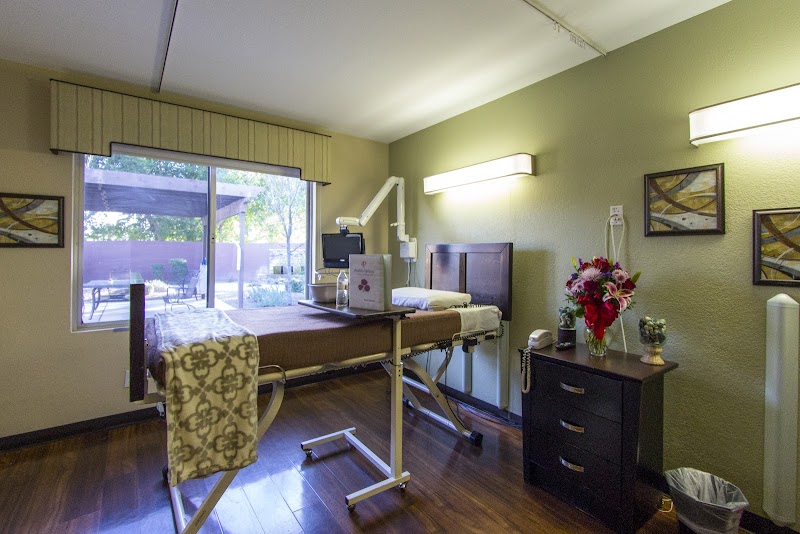
Who Owns and Operates Pueblo Springs Rehabilitation Center?

PUEBLO SPRINGS REHABILITATION CENTER is owned by a for-profit company. For-profit facilities operate as businesses with obligations to shareholders or private owners. The facility is operated by THE ENSIGN GROUP, a chain that manages multiple nursing homes. With 129 certified beds and approximately 79 residents (about 61% occupancy), it is a mid-sized facility located in TUCSON, Arizona.
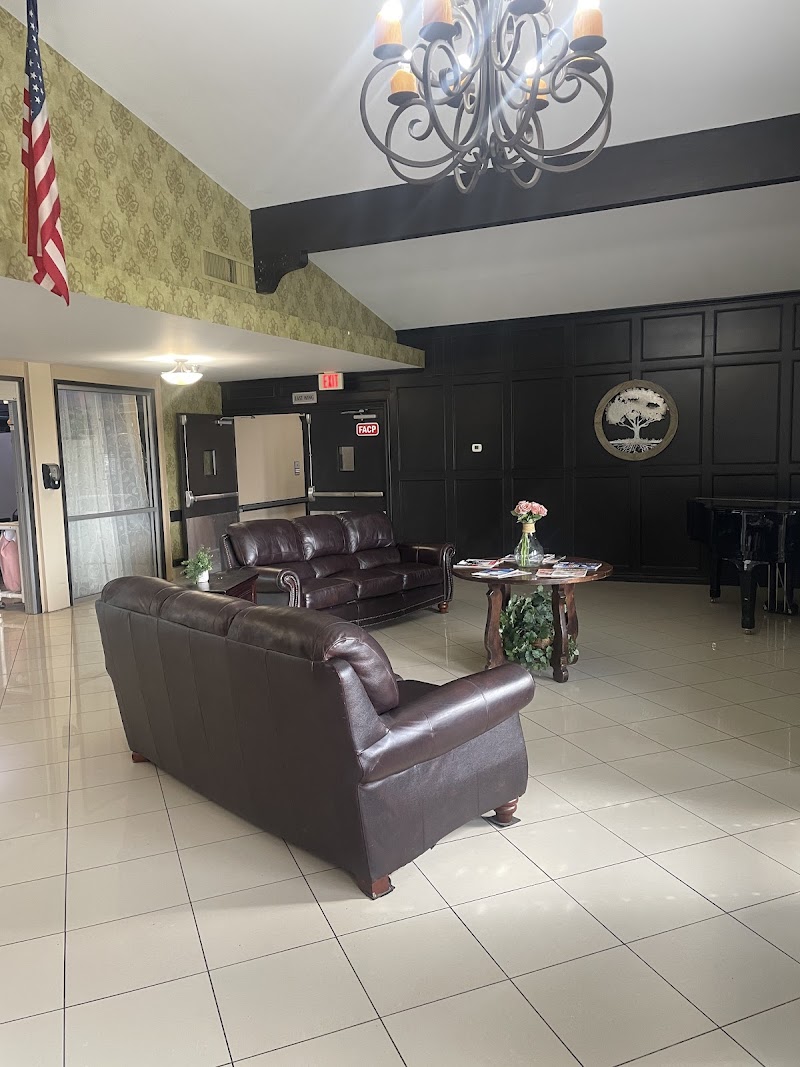
How Does Pueblo Springs Rehabilitation Center Compare to Other Arizona Nursing Homes?

Compared to the 100 nursing homes in Arizona, PUEBLO SPRINGS REHABILITATION CENTER's overall rating (2 stars) is below the state average of 3.3, staff turnover (52%) is near the state average of 46%, and health inspection rating (2 stars) is below the national benchmark.

What Should Families Ask When Visiting Pueblo Springs Rehabilitation Center?

Based on this facility's data, families visiting should ask: "What safeguards and monitoring systems are in place to protect residents from abuse or neglect?" "Can I visit during a mealtime to observe dining assistance and food quality?" "How do you handle medical emergencies, and what is your hospital transfer rate?" "Can I speak with family members of current residents about their experience?" These questions are particularly relevant given the substantiated abuse finding on record.

Is Pueblo Springs Rehabilitation Center Safe?

Based on CMS inspection data, PUEBLO SPRINGS REHABILITATION CENTER has documented safety concerns. The facility has 1 substantiated abuse finding (meaning confirmed case of resident harm by staff or other residents). The facility has a 2-star overall rating and ranks #100 of 100 nursing homes in Arizona. Families considering this facility should ask detailed questions about what corrective actions have been taken since these incidents.

Do Nurses at Pueblo Springs Rehabilitation Center Stick Around?

PUEBLO SPRINGS REHABILITATION CENTER has a staff turnover rate of 52%, which is 6 percentage points above the Arizona average of 46%. Moderate turnover is common in nursing homes, but families should still ask about staff tenure and how the facility maintains care continuity when employees leave.

Was Pueblo Springs Rehabilitation Center Ever Fined?

PUEBLO SPRINGS REHABILITATION CENTER has no federal fines on record. CMS issues fines when nursing homes fail to meet care standards or don't correct problems found during inspections. The absence of fines suggests the facility has either maintained compliance or corrected any issues before penalties were assessed. This is a positive indicator, though families should still review recent inspection reports for the full picture.

Is Pueblo Springs Rehabilitation Center on Any Federal Watch List?

PUEBLO SPRINGS REHABILITATION CENTER is not on any federal watch list. The most significant is the Special Focus Facility (SFF) program, which identifies the bottom 1% of nursing homes nationally based on persistent, serious quality problems. Not being on this list means the facility has avoided the pattern of deficiencies that triggers enhanced federal oversight. This is a positive indicator, though families should still review the facility's inspection history directly.