SABINO CANYON REHABILITATION & CARE CENTER
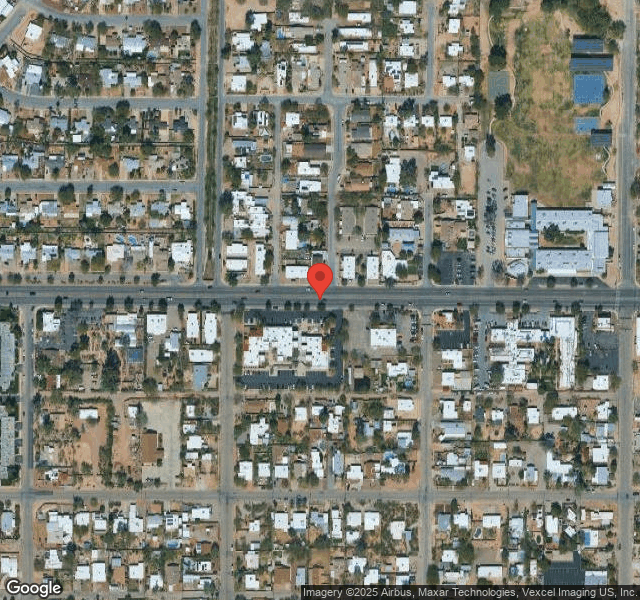
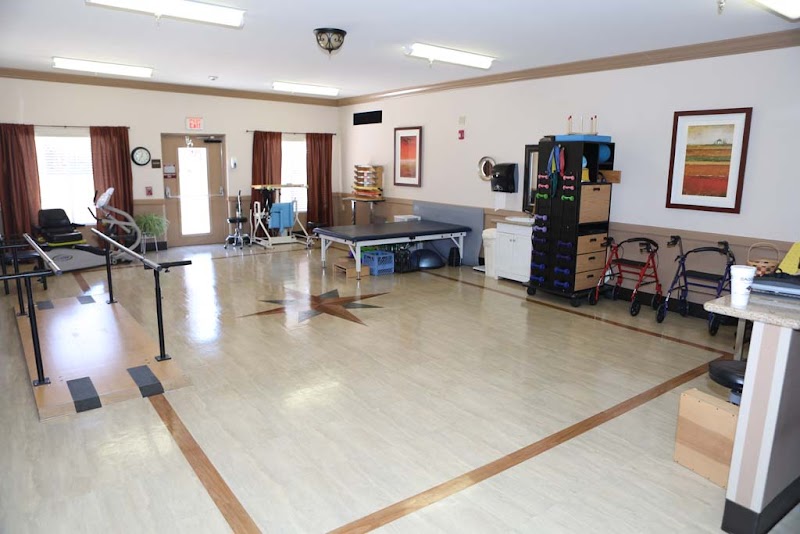
5830 EAST PIMA STREET, TUCSON, AZ 85712 (520) 722-5515
For profit - Limited Liability company 112 Beds THE ENSIGN GROUP Data: November 2025
Trust Grade
90/100
#24 of 139 in AZ
Last Inspection: August 2023

Over 2 years since last inspection. Current conditions may differ from available data.

Overview

Sabino Canyon Rehabilitation & Care Center in Tucson, Arizona, has received an impressive Trust Grade of A, indicating excellent overall quality and high recommendations for care. It ranks #24 out of 139 facilities in Arizona, placing it in the top half, and #3 out of 24 in Pima County, meaning there are only two other local options that are better. The facility is showing improvement, reducing its issues from three in 2023 to one in 2025, although there are still concerns, as evidenced by ten identified issues related to care practices. Staffing is average with a turnover rate of 54%, which is slightly above the state average, and it has good RN coverage, ensuring that registered nurses can catch potential problems. However, specific incidents have raised concerns, such as a resident not receiving adequate supervision for medication, which could lead to accidents, and an issue with a leaking ceiling that was not addressed promptly. Overall, while there are strengths in care quality and staff stability, families should be aware of the existing concerns that need attention.

Trust Score
A
90/100
In Arizona
#24/139
Top 17%
Safety Record
Low Risk
No red flags
Inspections
Getting Better
3 → 1 violations
Staff Stability
⚠ Watch
54% turnover. Above average. Higher turnover means staff may not know residents' routines.
Penalties
✓ Good
No fines on record. Clean compliance history, better than most Arizona facilities.
Skilled Nurses
○ Average
Each resident gets 41 minutes of Registered Nurse (RN) attention daily — about average for Arizona. RNs are the most trained staff who monitor for health changes.
Violations
○ Average
10 deficiencies on record. Average for a facility this size. Mostly minor or procedural issues.
★★★★★
5.0
Overall Rating
★★★☆☆
3.0
Staff Levels
★★★★★
5.0
Care Quality
★★★★☆
4.0
Inspection Score
Stable
2023: 3 issues
2025: 1 issues

The Good

  • 5-Star Quality Measures · Strong clinical quality outcomes
  • Full Sprinkler Coverage · Fire safety systems throughout facility
  • No fines on record

Facility shows strength in quality measures, fire safety.

The Bad

Staff Turnover: 54%

Near Arizona avg (46%)

Higher turnover may affect care consistency

Chain: THE ENSIGN GROUP

Part of a multi-facility chain

Ask about local staffing decisions and management

The Ugly 10 deficiencies on record

Jul 2025 1 deficiency
CONCERN (D) 📢 Someone Reported This

A family member, employee, or ombudsman was alarmed enough to file a formal complaint

Potential for Harm - no one hurt, but risky conditions existed

Deficiency F0628 (Tag F0628)

Could have caused harm · This affected 1 resident

**NOTE- TERMS IN BRACKETS HAVE BEEN EDITED TO PROTECT CONFIDENTIALITY** The facility failed to ensure a durable medical equipment (DME), wheelchair, in compliance with a provider's order was provided ...

Read full inspector narrative →
**NOTE- TERMS IN BRACKETS HAVE BEEN EDITED TO PROTECT CONFIDENTIALITY** The facility failed to ensure a durable medical equipment (DME), wheelchair, in compliance with a provider's order was provided upon discharge to meet one resident's (#11) basic need for safe discharge. The deficient practice could place residents not meeting their highest practical level of medical, physical and psychosocial well-being while at home.Based on closed record review, staff interviews, review of facility's documentation and policy, and the State Agency (SA) complaint tracking system, the facility failed to ensure a durable medical equipment (DME), wheelchair, in compliance with a provider's order was provided upon discharge to meet one resident's (#11) basic need for safe discharge. The deficient practice could place residents not meeting their highest practical level of medical, physical and psychosocial well-being while at home.Findings include:Resident #11 was admitted to the facility on [DATE] with diagnosis that included Diabetes Mellitus (DM), hypertension, cellulitis, urinary tract infection (UTI), and history of falls.Review of care plan initiated on January 10, 2024 revealed resident was at risk for impaired cognitive function/dementia or impaired thought processes; activities of daily living (ADL) self-care performance deficit; and at risk for falls related to sepsis, recent Covid infection, acute respiratory failure, urinary tract infection (UTI), and metabolic encephalopathy.Review of five-day Minimum Data Set (MDS) dated [DATE] revealed a Brief Interview for Mental Status (BIMS) score of 12.0, moderately impaired. Review of social service summary progress notes dated January 17, 2024 revealed resident was admitted status post hospitalization for severe sepsis, UTI, bilateral lower extremity cellulitis, right buttock decubitus ulcer needing debridement and wound was closed, resident lives alone in a single story home, prior level of function (PLOF) was independent with ADLs and ambulation, does not own any durable medical equipment (DME), and discharge plan is to go back home with family to stay with her and home health.Review of another care plan initiated on January 23, 2024 revealed resident has bowel and bladder incontinence related to impaired mobility.Review of physician's progress notes dated January 26, 2024 revealed that resident was complaining of overall weakness and fatigue. Resident was educated on improving her nutrition and increasing water intake during the day. Physician ordered lab work to rule out any electrolyte deficiency. Review of another social service progress notes dated January 30, 2024 revealed resident and representative was presented with Notice of Coverage (NOC) for last coverage day of February 1, 2024; a discharge date of February 2, 2024; appeal option was explained; resident signed the form with no issues or questions; resident to discharge to home with home health services; and resident family member was from out of town to physically assist resident.Review of records title, LN-Daily Skilled V3.0 - V 2, dated January 29, 2024 revealed resident used wheelchair for mobility, propels self and requires moderate assistance of one for ADL care.Review of records title, LN-Daily Skilled V3.0 - V 2, dated January 31, 2024 revealed resident used wheelchair for mobility, propels self for short distances and requires assistance with ADL care.Review of discharge MDS assessment dated [DATE] revealed a BIMS score of 10.0, moderately impaired; resident's discharge performance assessment revealed that resident required substantial/maximal assistance for toileting hygiene; partial moderate assistance for shower/bathe self, sit to stand, chair/bed -to-chair transfer, toilet transfer, and lower body dressing; supervision/touching assistance for once standing, the ability to walk at least 10 feet in a room, corridor, or similar space; and walk for at least 50 feet was not attempted due to medical condition or safety concerns. Review of record titled, Discharge summary and Post-Discharge Plan of Care - V 4, dated February 2, 2024 revealed resident's discharge transportation was through insurance transportation.Review of the States Agency ‘s complaint tracking system revealed that on February 2, 2024, a fire district department responded to a call to assist a person who was sent home and was unable to walk on her own. The facility made accommodation to provide the resident with a wheelchair but did not make sure that the equipment was with the resident prior to discharge. The resident's representative was not capable of helping the resident into the house. An ambulance was sent to pick up the wheelchair from the facility so the resident would not be confined to her bed.Another review of social service progress note dated February 2, 2024 revealed the following:- social service received a call from a fire district department stating that resident was at home without a wheelchair and resident is not ambulatory;- the resident's wheelchair was delivered at the facility;- social service asked if a resident's family would be able to come and pick up the wheelchair or social service can call the durable medical equipment company to deliver the wheelchair to the resident's home address but social service could not give a date or time of delivery; - the resident's wheelchair was not given to resident at time of discharge due to social service did not see resident leave; and-at approximately 5:00 PM, the fire department arrived at the facility and picked up the resident's belongings which included the resident's wheelchair, resident's [NAME] monitor and resident's two shirts. An interview was conducted on July 8, 2025 at 1:53 PM with a certified nursing assistant (CNA/Staff #20) in the conference room. Staff #20 stated that the skilled unit is the same as the long-term care unit. Her responsibilities include taking vital signs (VS), passing ice and water, helping the residents change their briefs, and getting the residents ready for therapy. She stated that during discharge process, she mainly gets the resident's belongings together, some residents have their own wheelchair and or walkers, and if the resident did not come in with a walker or a wheelchair, the nurse will notify her if the resident was full weight bearing or not.An interview was conducted on July 8, 2025 at 2:14 PM with Physical Therapy Assistant (PTA/Staff #18) in the therapy room. Staff #18 stated that his responsibility includes following the physical therapist (PT) plan of care and he works with the residents daily. Regarding the discharge process, he gives assessment report to the PT. In addition, he stated that the PT evaluates the residents' need for DMEs, the social service orders the DMEs, and it's preferably for the DMEs to be delivered at the facility so the resident can use it prior to leaving the facility but sometimes it does not work that way.An interview was conducted on July 8, 2025 at 2:23 PM with a Certified Occupational Therapy Assistant (COTA/Staff #15) in the conference room. Staff #15 stated that she is responsible for daily treatment assigned to her, daily documentation, and communicating to PTA. She stated that most residents have wheelchair as their baseline on evaluation. She stated that if a resident requires a maximum assistance to the bathroom, resident would be needing a wheelchair, elevated toilet seat, depends on how much help the resident might need at home, and a recommendation for home health for continuation of care to prevent regression. She stated that every Tuesday, there is a rehab staff meeting discussing for example residents' nearing discharge and alternate placement. The discharge discussion starts way before discharge date . She stated that if a resident requires a maximum assistance, the rehab department makes recommendations to social services for DMEs. The rehab staff will give to social services the DME measurements because residents comes in different sizes, the social service will get the DME ordered, and the wheelchairs and or walkers can be delivered on day of discharge. When the DME is not delivered on the day of discharge, the social service can call the company delivering the wheelchair or walker equipment to make sure it is delivered, and sometimes the residents who need the DMEs such as a wheelchair or a walker at home can borrow the facility's equipment if the equipment was not delivered upon discharge.An interview was conducted on July 8, 2025 at 2:38 PM with Registered Nurse (RN/Staff #30) in the conference room. Staff #30 stated that regarding discharge process, she makes sure that there is a written order so prescriptions can be refilled, the DMEs are set up by the social worker, she will notify the social worker or the director of nursing (DON) if the DME was not delivered prior to discharge or the day of discharge. She stated that a DME is important to prevent risk of fall or injury, and it is a way for a resident to get back to recovering and have a normal function as much as possible.An interview was conducted on July 8, 2025 at 3:09 PM with the Social Service Director/Staff #29. Staff #29 stated that her responsibility includes discharge planning, dealing with residents' complaints, and as a resource for the community. Staff #29 stated that discharge planning begins on admit and it includes home health and DMEs. She stated that the interdisciplinary team (IDT) meets on Tuesdays and Wednesdays to talk about residents' progress and if the residents are meeting their goals. Regarding the Notice of Medicare Coverage (NOMC), she gives the form to the resident 2 to 3 days from their last covered day and resident can have the opportunity to appeal. Furthermore, she stated that regarding what equipment the resident needs upon discharge, the therapy department helps determine what DME the resident needs, she will ask the provider to order it and asked the equipment to be delivered prior to discharge. If a resident left the facility without their DME, sometimes residents will not wait until their equipment comes, she stated that she will follow up by calling the company to make sure the resident receives the equipment. If the resident needs the equipment at home, she stated that ideally the equipment would have been delivered because she sends referrals in advance, home health services will not let her send referrals greater than 48 hours, but for DME referrals, she sends the DME referrals as soon as she is sure the resident needs the equipment. She stated that Resident #11 left the facility early on February 2, 2024 without her wheelchair, resident's wheelchair was left at the facility, and the fire department came and picked up the resident's wheelchair. An interview was conducted on July 10, 2025 at 8:16 AM with a Therapy Program Manager/Staff #33. Staff #33 stated that DME depends on what equipment the resident already have prior, and she will try to get the resident back to using the equipment prior to their level of function. If a resident needs a new equipment to use, she stated that she will give recommendation to the social service to order the equipment, and the recommendation is based on near discharge date . She stated that a wheelchair is recommended if a resident was not walking, resident is not at their baseline, or not walking long distances. If the resident's wheelchair was not delivered on discharge day, she stated that they can loan the equipment. She does not want a resident leaving the facility without the equipment if the equipment was recommended because it is a safety concern, to prevent a fall and injury. She stated to always provide resources and equipment to residents on discharge if their equipment did not come on time. A phone interview was conducted on July 10, 2025 at 8:57 AM with a DME company/Staff #400. Staff #400 stated that orders from the facility are faxed to their office and the DME order is added to the resident's account. Staff #400 stated that Resident #11's wheelchair was delivered on February 1, 2025 at bedside, in the resident's room. An interview was conducted on July 10, 2025 at 2:49 PM with the Director of Nursing (DON)/Staff #40. The DON stated that regarding a wheelchair, it depends on the order and recommendation from therapy, and sometimes resident or family request a wheelchair and not based on recommendation. The DON stated that the doctor gives orders for the DME, therapy recommends the DME, the nurse gets the order from the provider, social service orders the DME and faxes the order to a DME provider company. The DME can be delivered at the facility or at the resident's home. The DON stated that there was an order for a wheelchair for Resident #11 on January 30, 2024. The DON stated that the DME company will only deliver the day of discharge. The DON stated that sometimes their facility will let the resident borrow the facility's wheelchair. In addition, she stated that if the wheelchair was delivered and the resident left, she will call to have the wheelchair picked up. She stated that if resident left without the wheelchair, she is assuming that the resident is not wheelchair bound. If resident without a wheelchair, resident's family can pick up or the DME company can pick up the wheelchair from the facility and deliver it to the resident's house. DON stated that Resident #11's wheelchair was picked up by the fire department at 5:00 PM. The DON stated that Resident #11 therapy notes revealed that resident is ambulatory for 12 feet, had a walker at home, and resident might need, would need a wheelchair for longer distances. The DON stated that a longer distance would be farther than 12 feet. Review of facility's policy, Discharge or Transfer, last revised on July 2024 revealed that it is the policy of the facility to provide the Resident with a safe organized structured transfer and or discharge from the facility that will meet their highest practical level of medical, physical and psychosocial well-being. (3) Transfer/discharge: Home (G) CNAs to inventory all personal items and insure all belongings are accounted for.
Aug 2023 3 deficiencies
CONCERN (D)

Potential for Harm - no one hurt, but risky conditions existed

Food Safety (Tag F0812)

Could have caused harm · This affected 1 resident

Based on observations, staff interviews and facility policy, the facility failed to ensure that a safe and sanitary kitchen environment was followed in regards to a dry storage scoop and proper drying...

Read full inspector narrative →
Based on observations, staff interviews and facility policy, the facility failed to ensure that a safe and sanitary kitchen environment was followed in regards to a dry storage scoop and proper drying techniques. Findings included: An observation conducted on August 21, 2023 at 8:46 AM with the Dietary Supervisor (staff #44) revealed that a bin containing oatmeal had a scoop inside sitting on the oatmeal and metal pans were stacked together on a storage shelf in a manner which did not allow ready air flow and when separated, drops of water were found between the pans. An observation conducted on August 23, 2023 at 8:10 AM with the Dietary Supervisor (staff #44) revealed that a bin containing oatmeal had a scoop inside sitting on the oatmeal and metal pans were stacked together on a storage shelf in a manner which did not allow ready air flow and when separated, drops of water were found between the pans. The dietary manager removed the scoop and restacked the pans loosely. An interview was conducted on August 25, 2023 at 10:06 AM with the Dietary Supervisor (staff #44) who said that the staff are not supposed to leave the scoop in the oatmeal bin and that dishes and pans are supposed to be placed on a shelf and that they are supposed to make sure they are dry before stacking on the shelves. A policy titled, Food Storage was updated November 2009 revealed that food items should be stored in accordance with good sanitary practice. This document included that dry storage will be kept free of scoops.
CONCERN (E)

Potential for Harm - no one hurt, but risky conditions existed

Safe Environment (Tag F0584)

Could have caused harm · This affected multiple residents

**NOTE- TERMS IN BRACKETS HAVE BEEN EDITED TO PROTECT CONFIDENTIALITY** 4. -Resident #243 was admitted to the facility on [DATE] with diagnoses of muscle weakness, difficulty walking, major depressive...

Read full inspector narrative →
**NOTE- TERMS IN BRACKETS HAVE BEEN EDITED TO PROTECT CONFIDENTIALITY** 4. -Resident #243 was admitted to the facility on [DATE] with diagnoses of muscle weakness, difficulty walking, major depressive disorder, and morbid obesity. The admission Minimum Data Set (MDS) assessment dated [DATE] revealed the resident had a Brief Interview for Mental Status (BIMS) score of 11 which indicated the resident was moderately cognitively impaired. An interview was conducted with resident #243 on August 22, 2023 in the room and the resident stated the water leaking from the ceiling by the bathroom door started yesterday, August 21, 2023. The resident stated she did not remember the name of the staff person she spoke with about the leak. The resident stated when she asked the staff member what they were gonna do about the leak, the staff said they could not do anything at the moment. After the interview, an observation was conducted and identified a dried water mark on the flood behind the television. Resident #243 stated there was a water damage on the ceiling before the storm. No strange smell was observed; however, the ceiling appeared to look wet with brown plaster coming off of it. -Resident #301 was admitted to the facility on [DATE] with diagnoses of polyneuropathy, restless leg syndrome, and depression. The admission MDS assessment dated [DATE] revealed the resident had a BIMS score of 10 which indicated the resident was moderately cognitively impaired. On August 22, 2023 at approximately 8:13 AM a towel was observed to be rolled up against the window on the windowsill of resident #301 room. When asked about the purpose of the towel, the resident stated she did not know and staff had put it there earlier in the morning. -Resident #9 was admitted to the facility on [DATE] with diagnoses of kidney disease, muscle weakness, and anemia. A review of the most recent quarterly MDS assessment dated [DATE] revealed the resident had a BIMS score of 10 which indicated the resident was moderately cognitively impaired. An observation conducted on August 22, 2023 at approximately 8:16 AM in resident #9's room identified a dry water stain on the bathroom ceiling. -Resident #282 was admitted to the facility on [DATE] with diagnoses of muscle weakness, acute osteomyelitis, and difficulty walking. A review the quarterly MDS assessment dated [DATE] revealed the resident had BIMS score of 15 which indicated the resident was cognitively intact. An interview was conducted on August 22, 2023 at 8:29 AM with resident #282 and he stated, when it rains, the water leaks as he showed the HVAC that had been leaking. He stated the leaks started a few storms ago and the facility had told them they were patching the room. An observation at approximately 8:30 AM of the room, identified the HVAC vents to be black. On August 22, 2023 at 8:04 AM two trash cans were observed to be in the 200 hallway collecting water from the ceiling. A review of resident council meeting minutes for the past year indicated there were no discussions about water leaks in the facility prior to the current resident council meeting which was held on August 22, 2023. Based on observations, review of records, maintenance log, and policy, and staff and resident interviews, the facility failed to provide a safe, clean, comfortable, homelike environment for 21 out of 86 residents sampled and ensure that all areas in the facility are in good repair. The deficient practice could result in accidents and or impact resident health. Findings included: -Resident #225 was admitted on [DATE] with diagnoses including a malignant neoplasm of the right upper lobe of the bronchus or lung, emphysema, chronic obstructive pulmonary disease, asthma muscle weakness and difficulty walking. An MDS (Minimum Data Set) assessment dated [DATE] revealed a BIMS (brief interview of mental status) score of 15, indicating that the resident was cognitively intact. -Resident #224 was admitted on [DATE] with diagnosis including hydrocephalus, chronic systolic heart failure, difficulty walking, depression and anxiety. An MDS assessment dated [DATE] revealed no BIMS score. An observation on August 21, 2023 at 9:17 AM in a room with resident #225 and #224 revealed water leaking from the ceiling on the far-left side of the room. The water was observed to have soaked through a paper posting which had been affixed to the wall and had seeped behind the wall as evidenced by the appearance of raised areas or pockets visible underneath the paint. -Resident #248 was admitted on [DATE] with diagnoses including osteomyelitis of the left ankle and foot in infectious and parasitic disease, cellulitis of the left lower limb, muscle weakness, difficulty walking, sepsis and acquired absence of right leg below the knee. An MDS assessment dated [DATE] revealed a BIMS score of 14, indicating that the resident is cognitively intact. An observation on August 22, 2023 at 8:25 AM in a room with resident #248 revealed visible moisture pockets on the left-sided wall of the room, which were noted to be directly below an observed leak in the ceiling corner. -Resident #236 was admitted on [DATE] with diagnosis including surgical aftercare, muscle weakness, difficulty walking, unspecified osteoarthritis, and depression. An MDS assessment dated [DATE] revealed no current BIMS score. -Resident #237 was admitted on [DATE] with diagnosis including chronic kidney disease, acute kidney failure, end stage renal disease, muscle weakness, difficulty walking and liver transplant status. An MDS dated [DATE] revealed a BIMS score of 15, indicating the that the resident is cognitively intact. An observation on August 22, 2023 at 8:40 AM in a room with resident #236 and #237 revealed that a large rectangular ceiling tile had been removed in the bathroom and not replaced. An interview was conducted on August 21, 2023 at 9:17 AM with resident #225 and resident #224. Resident #225 stated that the observed water leakage was not just an occurrence on this date, but that the leakage had been there for a few days. Resident #224 stated that staff was aware of the leak, but stated that she was not sure what the facility was doing about it. An interview was conducted on August 22, 2023 at 8:25 AM with resident #248. The resident stated that the leak began several days ago, uncertain of the exact date. He stated that he had observed moisture pockets on the left side of the room emanating from the ceiling. He stated that when it rains there is condensation on the blinds as well. The resident stated that he had addressed the issue with staff, unable to recall which staff member, but stated that he had not observed anyone coming into his room to address the issue. An interview was conducted on August 22, 2023 at 8:40 AM with resident #236 and resident #237. Both residents stated that there was a leak above their bathroom toilet. Resident #236 stated that no one had come through the room door to fix the leak, but someone had accessed the bathroom via the ceiling to make repairs. Resident #236 stated that she thought the leak had started with the 'last big rain' in July of 2023. She stated that staff would just come in and wipe off the floor every time it rained and place a basin by the toilet to catch the water as needed. An interview was conducted on August 22, 2023 at 10:20 AM with staff #40 (maintenance supervisor). Staff #40 stated that he had been working at the facility for 10 years. He stated that the number one maintenance issue in the facility currently was the roof. He stated that the roof had become a major issue on July 28, 2023 after the last [NAME] storm. He stated that the facility has a vinyl roof and the [NAME] had left little craters on it. He stated that prior to the [NAME] storm in July of 2023, the roof had 'minor' issues with leakage, primarily occurring in and around resident bathrooms and room vents. He stated that the roof had been patched using a fabric membrane covered with tar when leaks occured. He stated that the facility had started an insurance claim the Monday (July 31, 2023) following the [NAME] damage. However, the roofer came out on August 21, 2023. Staff #40 further stated that in the interim when leaks are identified, they are swept up and buckets are placed under the identified leaks to catch any water. He stated that he had a handwritten list of rooms that had identified leaks and provided a copy of the list at the time of the survey. He stated that those residents with room leaks, if requested, were offered a room change and that the facility would try to clean the existing room as quickly as possible. Since the roof was still leaking in numerous places and the current patching efforts had not resolved the issue, he stated that the facility was working with an adjuster to replace the roof. Staff #40 stated that the facility had not tested for mold and stated that mold was not an issue as long as air was circulating. He stated that only stale air would cause mold formation on wet surfaces. Staff #40 stated that he had one assistant in the maintenance department, staff #9, who was currently assisting with the identified leaks in the rooms. A review of the maintenance logs revealed the following open and in-progress work orders: leak from the fire suppression system, window sill repair, and bathroom ceilling tile. Other than the leak from the fire suppression system, no other work orders were noted as active despite leaks identified by the maintenance supervisor. A review of the maintenance logs from September 2022 to July 2023 revealed documentation of closed work orders (order as reflected in TELS) to include multiple ceiling and window leakage, bathroom floor flooding, and ceiling tile replacements. A review of the incidents and accidents policy with a review by date of November 2022, revealed that the purpose of the policy is to implement and maintain measures to avoid hazards and accidents. However, the projected replacement of the roof has not yet occurred and serves potential for further leaks with additional rain storms. A review of the facility maintenance policy with a review date of May, 2023 revealed that the policy is in place to ensure that the facility remains in good working order for resident and staff safety. However, observations during the survey revealed leaks throughout the building and no definitive date for the roof repair. The policy further revealed that the facility utilizes the TELS for maintenance requests and tracking work orders. 2. -Resident #58 was admitted on [DATE] with diagnoses that included diabetes, anxiety disorder and depression. An admission MDS assessment dated [DATE] revealed a BIMS score of 15, indicating no cognitive impairment. During an observation conducted on August 21, 2023 at 9:57 AM the window sill was noted to be covered with a white bath blanket. The blanket was wet to touch and had diffused brown staining in different areas. The resident's room presented a musty odor. An interview was conducted with resident #58 on August 21, 2023 at approximately 10:00 AM. She stated that it had rained and she heard a lot of drips and that she saw water on her night stands. She stated she saw the water coming in from the window sill. She said she had been in the facility for about 3 weeks and noticed when it rained, the window leaked. She stated the staff put a blanket on the window to stop the water from dripping on the floor and keep her paperwork and personal items on the nightstand from getting wet. She stated the window continued to leak and was worried about mold, stating it could make her very sick. -Resident #11 was admitted to the facility on [DATE] with diagnoses that included anxiety disorder, depression, and dementia. An annual MDS assessment dated [DATE] revealed a BIMS score of 14, indicating intact cognition. On August 21, 2023 at 10:29 AM the resident was observed lying in bed watching television. During the observation, it was noted that there were 4 gray wash basins placed on top of a white towel on the foot of the resident's bed. The 4 gray wash basins were placed under the white tiled ceiling that was leaking, and the basins contained water in various amounts. Further, a large black trash can was identified near the foot of the bed on the floor under another area of the ceiling that was leaking. The resident's room presented a musty odor, and the white tiled ceiling presented brown spots of varying degrees. An interview was conducted with resident #11on August 21, 2023 at approximately 10:35 AM. He stated he had been a resident of the facility for over 4 years. He stated that water dripped from the ceiling every time it rained. He stated the facility had always used basins and trash cans to catch the water, and that they painted over the brown marks after the rain. He stated he had never been offered a different room when his ceiling was leaking. He stated that the ceiling leaks continued to be a problem every time it rained but the facility was not doing anything about it. -Resident #16 was readmitted to the facility on [DATE] with diagnoses that included cerebrovascular accident, hemiplegia, asthma, and respiratory failure. A quarterly MDS assessment dated [DATE] revealed a BIMS score of 14, indicating intact cognition. During an observation conducted on August 22, 2023 at 8:03 AM, the resident was lying in bed watching television. The sound of water actively dripping was identified to be coming from the ceiling near the air conditioning vents. A towel was noted to be placed on the floor below the dripping ceiling and it was observed to be wet. [NAME] marks were observed surrounding the wet area of the ceiling. An interview was conducted on August 22, 2023 at 8:07 AM, with resident #16 who stated he was not sure how long he had resided in the facility. He stated that no one came in to do anything about the water leaking from the ceiling and that something was wrong up there (pointing at the ceiling). -Resident #8 was admitted to the facility on [DATE] with diagnoses that included cerebrovascular accident, hemiparesis, seizure disorder and anxiety disorder. Review of the quarterly MDS assessment dated [DATE] revealed the resident had a BIMS score of 15, indicating no cognitive impairment. During an observation conducted on August 22, 2023 at 8:09 AM, the resident was noted to be lying in bed watching television. There were brown marks on the white tiled ceiling above the sink, approximately 24 inches long and about 5-8 inches wide, with brown/black discolorations identified. An interview was conducted on August 22, 2023 at approximately 8:11 AM with resident #8 who stated she had resided in the facility for about 2 years, but had been in her current room for about a year. She stated the brown stain on the ceiling was always there and that it got bigger every time it rained. She stated she had gotten used to the musty smell. She also stated that a family member was visiting one day and said the brown/black stain on the ceiling might be mold. She stated that sometimes she had a problem with difficulty breathing, but that the nurses give her oxygen to help her. -Resident #25 was admitted on [DATE] with diagnoses that included depression, anemia, and dementia. A quarterly MDS assessment dated [DATE] revealed a BIMS score of 10, indicating moderately impaired cognition. During an observation conducted on August 22, 2023 at 8:27 AM in resident #25's room, a gray wash basin on a towel was noted on the floor by the sink. The basin contained water. Further observation revealed water bubbles present by the air conditioner register and brown stains on the white tiled ceiling. A musty smell was identified in resident #25's room. An interview was conducted on August 22, 2023 at 8:30 AM with resident #25. The resident stated he had been in the facility for 2 months. He stated his room leaked every time it rained, since he was admitted . He stated that no one in the facility had come in to fix the problem. 3. -An observation was conducted on August 25, 2023 at 8:34 AM of a heavy musty-like smell in the 200 hall. -Resident #39 was admitted on [DATE] with diagnoses of contracture of muscle and Diabetes Mellitus due to underlying condition with diabetic neuropathy. An Annual MDS dated [DATE] included a BIMS score of 15, indicating that this resident is cognitively intact. An observation conducted on August 22, 2023 at 10:02 AM in resident #39's room, included a flat basin placed underneath a stain on the ceiling with some water in it. An interview conducted with resident #39 immediately after this observation included that the ceiling leaked during the monsoons through the fire sprinkler and one other spot. This resident said it was okay to move the bucket (basin) as he almost tripped over it several times and usually moved it under the sink when it was not actually leaking. He said that he had been in the facility for 2.5 years and it had also leaked in a previous room he had been residing in on the previous years. -Resident #28 was admitted on [DATE] with diagnoses of type 2 Diabetes Mellitus and hydronephrosis with renal and ureteral calculous obstruction. An annual MDS assessment dated [DATE] did not include a BIMS score. This document included that this resident made herself understood and has clear comprehension of others. An observation on August 22, 2023 at 8:21 AM in resident #28's room included water on the windowsill. An interview with resident #28 conducted immediately after this observation included that the room she was in had been leaking for the last 6 years. She said that her roommate was sprayed by the rain coming in the windowsill and that she said that her roommate said that she gets cold but that she herself was not bothered. -Resident #34 was admitted on [DATE] with diagnoses of dementia and neuromuscular dysfunction of bladder and was in room [ROOM NUMBER] at the time of the survey. A quarterly MDS assessment dated [DATE] did not include a BIMS score. An interview conducted on August 21, 2023 with resident #34's representative revealed that this person had noticed a leak in the resident's room for 3 years. This representative stated that the entire hallway leaks. -Resident #10 was admitted on [DATE] with diagnoses of muscle weakness, cognitive communication deficit and mood disorder. An Annual MDS dated [DATE] did not include a BIMS score. This document included that this resident makes herself understood and has clear comprehension of others. An observation conducted on August 22, 2023 at 8:36 AM in resident #10's room included rust on the edges of the air conditioning vent and a bubble on the paint underneath from the vent going down the wall which had the appearance of a water pocket underneath the paint. An interview conducted immediately after the observation with resident #10 included that during rains, there was a leak that came in at the air conditioning vent and that it stunk but that she did not suffer any problems due to the smell.
CONCERN (E)

Potential for Harm - no one hurt, but risky conditions existed

Accident Prevention (Tag F0689)

Could have caused harm · This affected multiple residents

**NOTE- TERMS IN BRACKETS HAVE BEEN EDITED TO PROTECT CONFIDENTIALITY** Based on resident and staff interviews, review of clinical records and facility policies, and observations of current practice, ...

Read full inspector narrative →
**NOTE- TERMS IN BRACKETS HAVE BEEN EDITED TO PROTECT CONFIDENTIALITY** Based on resident and staff interviews, review of clinical records and facility policies, and observations of current practice, the facility failed to ensure that one resident (#23) out of 19 sampled, received adequate supervision to prevent medication accidents. The deficient practice could result in the resident sustaining medication accident-related injuries. Findings included: Resident #57 was admitted on [DATE] with diagnoses that included fracture of the sacrum, pneumocystosis, muscle weakness, chronic obstructive pulmonary disease, and depression. A review of the MDS (minimum data set) assessment dated [DATE] revealed a BIMS (brief interview of mental status) score of 15, indicating that the resident is cognitively intact. An observation conducted on August 21, 2023 at 11:34 AM revealed a medication cup containing 3 white elongated tablets on the resident's bedside tray table. When the resident was asked about the tablets, he stated that because he has a hard time swallowing, staff generally leave the medications with him. There were no staff present. Additional observation occurred on August 23, 2023 at 7:32 AM. A round pill was observed in a cup on the resident's tray table. When asked, the resident stated that it was his 'Tums' medication left for him by staff. A review of the electronic health record, including physician orders, care plan, assessments and progress notes, revealed no evidence of an order to self-administer medications or a resident assessment gauging the resident's ability to self-administer medications. An interview was conducted on August 23, 2023 at 7:39 AM with a Licensed Practical Nurse (staff #124) who stated that staff administering medications must always observe the residents take and swallow the medication. He further stated that medications must not be left with a resident to self-administer. Staff #124 stated that he did leave the medications with resident #57 on August 21, 2023 and had intended to crush them for the resident but had forgotten. He stated that this was his error. He stated that he was uncertain which medications were left at bedside but thought they may have been Colace and vitamin C. He stated that the risk for leaving medications at bedside for this resident could be a choking hazard or that he may not take the medications as prescribed. Staff #124 stated he had not yet administered the morning medications for August 23, 2023. He reviewed the health record and was unable to identify the medication observed in the medication cup, assumed to be 'Tums' as there was no evidence of a corresponding medication entry either that morning or the previous night. An interview was conducted with the Administrator (staff # 125) and the Director of Nursing (DON/staff #126) on August 23, 2023 at 7:42 AM. The administrator stated that when a resident wanted to self-administer any medication, they must first be assessed to determine if they are appropriate to self-administer medications, they must also have an order in place to self-administer and it must be care planned. The DON stated that nurses are expected to observe the resident and stay in the room until all medications have been taken unless a resident has been authorized to self-administered the medication. Staff #126 stated that resident #57 did not have a self-administration order for medications. She stated that the risk could include the resident not taking the medication and that staff would not know which medication had been taken by the resident. Staff #126 reviewed the resident's file and stated that even the 'Tums' would have to be documented in the system but had not been for either that morning or the previous evening. A review of the facility's policy titled, Self Administration of Medication under the Care and Treatment section with a review by date of May 2023, revealed that if a resident wished to self-administer medications, the interdisciplinary team (consisting of the medical director or primary care physician, director of nursing or other nursing representative and social services) would assess the resident and indicated this in the chart. However, no evidence of the interdisciplinary team review was observed in the resident's chart.
Jul 2022 6 deficiencies
CONCERN (D)

Potential for Harm - no one hurt, but risky conditions existed

Grievances (Tag F0585)

Could have caused harm · This affected 1 resident

**NOTE- TERMS IN BRACKETS HAVE BEEN EDITED TO PROTECT CONFIDENTIALITY** Based on clinical record review, staff interviews, facility documentation, and policy review, the facility failed to ensure prom...

Read full inspector narrative →
**NOTE- TERMS IN BRACKETS HAVE BEEN EDITED TO PROTECT CONFIDENTIALITY** Based on clinical record review, staff interviews, facility documentation, and policy review, the facility failed to ensure prompt efforts were made to resolve one sampled resident's (#205) grievance about missing clothing. The deficient practice could result in resident grievances not being resolved promptly. Findings include: Resident #205 was admitted on [DATE] with diagnoses that included atrial fibrillation, type 2 diabetes, and hypertension. Review of an admission note dated April 15, 2022 at 5:37 a.m. stated the resident was transferred from the hospital to the facility for physical therapy and occupational therapy due to status fall. An admission MDS (minimum data set) assessment dated [DATE] revealed a BIMS (Brief Interview of Mental Status) score of 15 which indicated the resident was cognitively intact. The special treatments section included occupational and physical therapy. Review of social services note dated May 11, 2022 at 5:30 p.m., stated all move in paperwork for discharge was completed. Resident #205 was going to an assisted living facility the following day. An interview was conducted on July 27, 2022 at 10:26 a.m. with the social services director (staff #100). Staff #100 stated her job responsibilities included assessments, discharge planning and grievances. Staff #100 stated she remembered resident #205. She stated that the family did not notify her about the missing clothes until after the resident was discharged . She stated she wrote a grievance after the family told her but the grievance was still in process. She stated in the process meaning she asked for the cost value of the missing items and that the family was supposed to get back to her with the amount for reimbursement, or the description of the missing item. However, review of the record of grievances provided by the facility from January 2022 through July 2022 did not include a grievance for resident #205's missing clothing/personal items. An interview was conducted on July 28, 2022 at 9:23 a.m. with a CNA (Certified Nursing Assistant/staff #115). Staff #115 said grievance is a complaint from a resident such as missing items in which she would report to the charge nurse. She stated the process for missing personal items is to first look at the inventory list. She stated if there was no inventory of it on the list, she would have the resident describe it and look for it in the laundry. Staff #115 stated if she cannot find the missing items, she would notify the charge nurse, then the DON and the administrator for one of them to fill out the grievance form. She stated she has to follow a chain of command. An interview was conducted on July 28, 2022 with the ADON (assistant director of nursing/ staff #101). Staff #101 stated the process for personal items included completing the inventory list on admission and that at discharge the resident/family have to sign the inventory of personal belongings form. Staff #101 stated during discharge if the resident's inventory form was not found, the resident would complete a grievance form and give it to the social worker and the items will be replaced. He stated if the family notifies the social worker, the social worker will fill out the grievance form and notify nursing/laundry to look for the items. Review of the facility policy, Grievance Process, stated the facility allows residents, families, guests and employees to voice concerns and make timely efforts to resolve such concerns. The purpose of the grievance process is to assure that concerns are quickly and thoroughly evaluated and acted upon in order to resolve issues which affect the quality of life and care for residents in the facility. Copies of the concern/grievance resolution form are available throughout the facility. The forms are to be initiated when concerns or complaints are made. The Administrator/designee responds to the individual expressing the concern within a reasonable time frame of the initial concern to acknowledge receipt and describe steps taken toward the resolution.
CONCERN (D)

Potential for Harm - no one hurt, but risky conditions existed

Deficiency F0658 (Tag F0658)

Could have caused harm · This affected 1 resident

**NOTE- TERMS IN BRACKETS HAVE BEEN EDITED TO PROTECT CONFIDENTIALITY** Based on clinical record review, staff interview, facility documentation, and policy reviews, the facility failed to ensure serv...

Read full inspector narrative →
**NOTE- TERMS IN BRACKETS HAVE BEEN EDITED TO PROTECT CONFIDENTIALITY** Based on clinical record review, staff interview, facility documentation, and policy reviews, the facility failed to ensure services met professional standards of quality regarding medication administration for one resident (#205). The sample size was 5. The deficient practice could result in residents not receiving physician ordered medications. Findings include: Resident #205 was admitted on [DATE] with diagnoses that included atrial fibrillation, type 2 diabetes, and hypertension. Review of a physician order dated April 15, 2022 stated Bumetanide (diuretic) 2 milligrams one tablet by mouth every 23 hours as needed for fluid retention; take with potassium if weight reaches 170 pounds. The care plan did not include the resident being administered diuretic medication. Review of the medication administration record (MAR) for April 2022 revealed the resident weighed 170.3 pounds on April 16, 2022. Continued review of the April 2022 MAR revealed no evidence that Bumetanide was administered on April 16, 2022. Review of the MAR for May 2022 revealed the resident weighed 174.3 pounds on May 8, 2022. Further review of the May 2022 MAR revealed no evidence Bumetanide was administered on May 8, 2022. Review of the nursing clinical progress notes revealed no evidence as to whether Bumetanide was administered or not. An interview was conducted on July 28, 2022 at 9:54 a.m. with the assistant director of nursing (ADON/staff #101). Staff #101 stated management of fluid volume overload included monitoring of residents' weights, and ensuring the resident is being medicated for it. He stated a PRN order means a medication is to be given only as needed, depending on the parameter on the physician order. The ADON stated the parameter should be followed as ordered by the physician, then after the medication has been administered, he would monitor the effectiveness of the PRN medication. Review of the facility policy, Professional Standards, stated it is the policy of the facility that services provided by the facility must meet professional standards of quality and be provided by qualified persons in accordance with each resident's care plan. Review of the facility policy, Physician Orders, stated it is the policy of the facility to accurately implement orders in addition to medication orders (treatments, procedures) only upon the order of a person duly licensed and authorized to do so in accordance with the resident plan of care.
CONCERN (D)

Potential for Harm - no one hurt, but risky conditions existed

Deficiency F0757 (Tag F0757)

Could have caused harm · This affected 1 resident

**NOTE- TERMS IN BRACKETS HAVE BEEN EDITED TO PROTECT CONFIDENTIALITY** Based on staff interviews, clinical record review, and review of policy and procedures, the facility failed to ensure one reside...

Read full inspector narrative →
**NOTE- TERMS IN BRACKETS HAVE BEEN EDITED TO PROTECT CONFIDENTIALITY** Based on staff interviews, clinical record review, and review of policy and procedures, the facility failed to ensure one resident (#35) was not administered unnecessary medications, by failing to ensure medications were administered in accordance with physician orders. The sample size was 5 residents. The deficient practice increases the risk for residents to receive medications that may not be necessary. Findings include: Resident #35 was admitted to the facility on [DATE] with diagnoses that included paroxysmal atrial fibrillation, chronic pain syndrome, and primary hypertension. The quarterly Minimum Data Set assessment dated [DATE] revealed the resident scored 15 on the Brief Interview for Mental Status, indicating intact cognition. The assessment also revealed the resident required extensive 1-2 person physical assistance for most activities of daily living and reported frequently experiencing pain levels of 5. Regarding opioid administration: An opioid care plan dated 11/18/19 related to potential for adverse outcomes for opioid use had goals for the resident to be free of adverse reactions to opioid use and to remain free from pain/level of comfort acceptable to the resident. Interventions included administering the opioid as prescribed. A physician order dated 08/27/21 revealed for hydrocodone-acetaminophen (opioid analgesic) 5-325 mg (milligrams) one tablet every 4 hours as needed for severe pain of 4-10. Review of the May 2022 Medication Administration Record (MAR) revealed hydrocodone-acetaminophen was administered on 05/12/22 at 4:34 a.m. for a pain level of 3. The June 2022 MAR included 3 administrations of hydrocodone-acetaminophen when the resident's reported pain level was less than 4. On 06/06 at 5:45 a.m. for a pain level of 0; 06/20 at 9:18 p.m. for a pain level of 1; and 06/23 at 7:00 p.m. for a pain level of 2. The July 2022 MAR revealed hydrocodone-acetaminophen was administered on 3 occasions when the resident's reported pain levels were less than 4, on 07/08 at 10:30 p.m. for a pain level of 1; 07/17 at 5:34 a.m. for a pain level of 0; and 07/22 at 7:31 a.m. for a pain level of 1. An interview was conducted on 07/28/22 at 9:12 a.m. with a Licensed Practical Nurse (LPN/staff #20). She stated that if she gave hydrocodone-acetaminophen for a pain level of 2, the resident may build a tolerance to the medication, may get dizzy, and it may lead to falls. The LPN stated that she would give acetaminophen instead. She stated she would consider the administration to be a medication error and/or overmedicating the resident. An interview was conducted on 07/28/22 with the Director of Nursing (DON/staff #117). She stated that prior to administration of medication, her expectations are that the nurse will check the resident's pain levels and follow the physician ordered parameters. She stated that it did not meet her expectations for opioid analgesics to be administered outside of the parameters. Regarding antihypertensive administration: Review of a physician order dated 12/15/20 included amlodipine besylate (antihypertensive) 10 mg 1 tablet one time a day for hypertension. Hold if systolic blood pressure (SBP) is less than 110 or if the heart rate (HR) is less than 60. Review of the June 2022 MAR revealed amlodipine besylate was administered on 06/20 for a BP of 102/70. The July 2022 MAR included administration of amlodipine besylate on 07/09 for a BP of 107/61. An interview was conducted on 07/28/22 with the DON (staff #117). She stated that prior to the administration of medication, her expectations are that the nurse will check the resident's vitals and follow the physician ordered parameters. She stated that she would consider the administrations to be medication errors and unnecessary medications. She stated that the nurses are aware and have been educated. The DON stated that the administrations did not meet her expectations. The facility policy titled Physician Orders, revised 05/2022, revealed it is the policy of the facility to accurately implement orders, in addition to medication orders, only upon the order of a person duly licensed and authorized to do so in accordance with the resident's plan of care.
CONCERN (D)

Potential for Harm - no one hurt, but risky conditions existed

Medical Records (Tag F0842)

Could have caused harm · This affected 1 resident

**NOTE- TERMS IN BRACKETS HAVE BEEN EDITED TO PROTECT CONFIDENTIALITY** Based on clinical record reviews, staff interviews, and policy and procedure, the facility failed to ensure that advanced direct...

Read full inspector narrative →
**NOTE- TERMS IN BRACKETS HAVE BEEN EDITED TO PROTECT CONFIDENTIALITY** Based on clinical record reviews, staff interviews, and policy and procedure, the facility failed to ensure that advanced directives were available and correct for 2 residents (#156 & #164). The sample size was 7. The deficient practice could result in residents receiving services not in accordance with their wishes. Findings include: -Resident #156 was admitted on [DATE] with diagnoses that included abdominal aortic aneurysm without rupture, unspecified dementia and generalized muscle weakness. Review of the care plan dated July 19, 2022 revealed no advance directive information. Review of the physician order dated July 24, 2022 revealed the resident was full code status. A subsequent order dated July 26, 2022 revealed the resident's advanced directive status was revised to do not resuscitate (DNR). A review of the electronic clinical record and the paper chart on July 26, 2022 at 11:04 a.m. revealed no evidence of a signed advanced directive. A paper copy of the resident's advanced directive for DNR was provided upon request with signatures dated July 19, 2022. An interview with the Director of Nursing (DON/staff #117) was conducted on July 27, 2022 at 9:36 a.m. She stated that when a resident is admitted advanced directive paperwork is filled out. The DON stated signed paperwork is put into the paper chart which is to be the reference point if a critical situation occurs. She stated this is where the staff immediately go to verify a resident's advanced directive wishes. The DON stated that all advanced directive paperwork is expected to be in the resident's record within 24 hours of admittance. The DON stated that DNR form for resident #156 was signed on July 19, 2022 and was not uploaded into the resident's electronic health record or in the hard chart. She said that the paperwork was in medical records. She said that since no paperwork was available in the resident's chart, the resident would have been treated as a full code in an emergency which was not the resident's wishes. The DON also stated that no advance directive information was in the electronic health record and that it had been corrected with an order and a designation on the banner. -Resident #164 was admitted on [DATE] with diagnoses that included orthopedic aftercare following surgical amputation, depression and Methicillin resistant staphylococcus aureus (MRSA). A review of the care plan dated July 20, 2022 revealed no advance directive information. Review of the electronic health record revealed an order dated July 24, 2022 that the resident's code status was full code. On July 26, 2022, several staff members attempted to find the resident's paper chart which was unable to be located. Approximately 20 minutes later a registered nurse (RN/staff #101) stated that the chart was located in the medical records office. Review of the paper chart on July 26, 2022 at 11:07 a.m. revealed no signed advanced directive paperwork in the paper chart. An orange DNR form was located in the chart. The form was folded in half and the words Full Code were hand written on the orange paper. Staff #101 stated that this was the process for full code residents in the facility. Staff #101 was asked for the signed full code paperwork at that time and he stated there was no signed advance directive paperwork in the hard chart. An interview was conducted with the social services supervisor (staff #100) on July 26, 2022. She stated that the admitting nurse reviews and enters the advance directive information into the residents' electronic health record. She stated that she, as the social services supervisor, audits the resident records to ensure all advance directive information is in place and all the information matches the resident choice. Staff #100 said that missing paperwork or paperwork that does not match is a concern. She said that clinical staff would refer to the hard (paper) chart in an emergency as the default. An interview with the DON (staff #117) was conducted on July 27, 2022 at 9:36 a.m. The DON stated that resident #164 did not have signed paperwork in the medical record that the staff had the resident sign the form yesterday. She stated that the orange form that was folded in half and had full code handwritten on it does not meet the expectation or the facility policy. The DON stated that she had never seen that done in a chart before and it had been corrected. The full code paperwork was signed and dated 7/26/22 and a copy was now in the resident's chart. Review of the facility policy Advance Directives (5/2022) revealed that the facility will recognize and respect the resident choice regarding advance directives. Upon admission the social services or admissions staff will inquire about the resident's wishes regarding his/her advance directives and include the information in the resident's medical record. The physician and care plan team are to be made aware of the resident's advance directive status and of any changes made to the status.
CONCERN (E)

Potential for Harm - no one hurt, but risky conditions existed

Pressure Ulcer Prevention (Tag F0686)

Could have caused harm · This affected multiple residents

**NOTE- TERMS IN BRACKETS HAVE BEEN EDITED TO PROTECT CONFIDENTIALITY** Based on clinical record review, observation, staff interviews, and policy review, the facility failed to ensure one resident (#...

Read full inspector narrative →
**NOTE- TERMS IN BRACKETS HAVE BEEN EDITED TO PROTECT CONFIDENTIALITY** Based on clinical record review, observation, staff interviews, and policy review, the facility failed to ensure one resident (#35) was consistently provided the necessary treatment and services to promote the healing of pressure ulcers. The sample size was 2 residents. The deficient practice could result in delayed healing of pressure ulcers. Findings include: Resident #35 was admitted on [DATE] with diagnoses that included generalized weakness, type 2 diabetes mellitus without complication, and chronic obstructive pulmonary disease. Review of the care plan initiated on January 12, 2015 revealed the resident had the potential for pressure ulcer development related to immobility and non-adherence to repositioning, and a history of pressure injury to the right and left buttocks. The care plan problem was updated on May 24, 2022 to reflect MASD (moisture associated skin damage) to the right buttock, and on June 16, 2022 to reflect a pressure injury to the coccyx extending to the bilateral buttock. The interventions included treatments as ordered. Review of a LN (licensed nurses)- Skin Evaluation - PRN / Weekly dated May 5, 2022 at 5:51 p.m. revealed the resident had no pressure ulcer. Review of the LN- Skin Evaluation - PRN / Weekly dated May 23, 2022 at 4:45 p.m. stated the resident had an open area to the right and left of the sacrum. The evaluation also stated orders were in place and that the wound team will follow. The physician order dated May 23, 2022 through June 2, 2022, stated to apply Medihoney Wound/Burn dressing gel to the right and left buttock topically every day shift. Review of Treatment Administration Records (TAR) for May 2022 and June 2022 revealed no evidence the treatment was provided on May 23, 2022 and June 2, 2022. The physician order dated June 2, 2022 through July 6 2022 stated to apply zinc oxide 20% to the sacral topically every shift for MASD. Continued review of the MAR dated June 2022 revealed no evidence that the treatment was provided on June 5, 18, 19, 20, 21, 28, and 30, 2022. The quarterly Minimum Data Set assessment dated [DATE] revealed a score of 15 on the Brief Interview for Mental Status which indicated the resident had intact cognition. The assessment also included the resident had one unstageable pressure ulcer. The physician order dated July 7, 2022 through July 17, 2022 stated to apply Medihoney dressing gel to the coccyx wound every day. Review of the TAR for July 2022 revealed no evidence the treatment was provided on July 12, 13, and 14, 2022. Continued review of the clinical record revealed no documentation regarding whether the treatments were provided or not provided on these dates. A wound treatment observation was conducted on July 28, 2022 at 10:31 a.m. with an LPN (Licensed Practical Nurse/staff #13). Staff #13 set up the wound equipment, washed her hands, and donned a clean pair of gloves. The LPN then removed the old dressing and cleansed the coccyx wound. She doffed dirty gloves, washed her hands, donned gloves, and measured the coccyx wound. The LPN then applied Medihoney and covered the wound with a Hypafix dressing. She then cleaned up. However, review of the physician order dated July 17, 2022 at 12:45 p.m. stated Santyl ointment 250 unit/gram, apply to coccyx topically every day shift, and as needed for pressure injury. The instruction stated to cleanse the coccyx wound with wound cleanser, pat dry, apply Santyl and 4X4, and tape. An interview was conducted on July 28, 2022 at 12:15 a.m. with the Director of Nurses (DON/staff #117). Staff #117 stated she already knew about the treatment error because staff #13 told her that she applied Medihoney on the coccyx wound instead of Santyl ointment. Staff #117 stated her expectation related to pressure wound care is to follow the physician order. An interview was conducted on July 28, 2022 at 2:13 p.m. with staff #13. The LPN stated she was doing wound rounds last week, and did not know the treatment for the coccyx wound was changed. She stated that she got confused because she was also looking at another resident. The LPN stated that after providing the wound treatment, she called the wound doctor to change the treatment order to Medihoney. She also stated she made a mistake by doing the treatment first with Medihoney instead of Santyl as ordered. The facility policy, Wound Management, stated a resident having pressure ulcers will receive necessary treatment and services to promote healing, prevent infection, and prevent new, avoidable sores from developing. The policy also stated that once the wound has been identified, assessed, and documented, nursing staff shall administer treatment to each affected area as per the physician order. All wound treatments shall be documented in the resident's clinical record at the time they are administered.
CONCERN (E)

Potential for Harm - no one hurt, but risky conditions existed

Infection Control (Tag F0880)

Could have caused harm · This affected multiple residents

Based on observations, staff interviews, manufacturer instructions, and review of policy, the facility failed to ensure appropriate infection control protocol was followed during point-of-care glucose...

Read full inspector narrative →
Based on observations, staff interviews, manufacturer instructions, and review of policy, the facility failed to ensure appropriate infection control protocol was followed during point-of-care glucose testing. The deficient practice increases the risk for transmission of infectious disease and/or bloodborne pathogens. Findings include: On 07/27/22 at 7:10 a.m., an observation of point-of-care glucose testing was conducted with a Licensed Practical Nurse (LPN/staff #83) on the Transmission Based Precautions unit. Staff #83 obtained a small storage basket which measured approximately 4 inches by 4 inches from the medication cart. Inside the basket approximately 20 packaged alcohol wipes, a container of testing strips, multiple lancets and a glucometer were identified. Staff #83 picked up the basket and walked to the doorway of a resident's room. She placed the basket on top of the PPE (Personal Protective Equipment) cart and was observed to don the appropriate PPE required to enter the resident's room. Staff #83 then picked up the basket of supplies and entered the room to conduct blood glucose testing on the resident. Staff #83 placed a glucose test strip into the glucometer as she asked the resident which finger they would like to use. She placed the basket onto the resident's bed in front of her. She rested the glucometer back into the basket while she obtained alcohol wipes from the basket, opened them, and cleaned the resident's finger. While the finger dried, she obtained a lancet from the basket. She pierced the resident's finger. She squeezed out a drop of blood then wiped it with the alcohol wipe. She placed the alcohol wipes and wrappers on the resident's bed in front of her. She took the glucometer out of the basket and obtained a drop of blood on the test strip. She placed the glucometer with the test strip in it onto the resident's bed in front of her, picked up the alcohol wipes again, and cleaned the resident's finger while the test was processing. When the glucometer provided the reading of the blood glucose level, she repeated the number to the resident. Staff #83 was then observed to remove the test strip from the glucometer and to place the glucometer back into the basket. She held the test strip, alcohol wipes, and lancet in one gloved hand. With the other hand, she removed her glove with the aforementioned items contained inside. She removed the second glove and gathered the first one into it. She held the gloves in one hand. She placed the basket with the testing supplies on the PPE cart just outside the resident's room and doffed her PPE while still holding the gloves in her hand. Staff #83 walked to the medication cart and placed the basket on top of it. She disposed of the gloves into the sharps container that was located on the side of the cart. She used hand sanitizer. She looked into the cart and stated that there were no bleach/germicidal wipes located inside. She left the cart to walk to the nursing station to obtain a container of bleach wipes. She donned clean gloves and removed a bleach wipe from the container. She cleaned the glucometer with the wipe for approximately 10 seconds and then held the glucometer in front of the small fan that was situated on top of the cart to dry. She then placed the glucometer back into the basket and proceeded to conduct testing in the same manner for two more residents. On 07/27/22 at 1:25 p.m., an interview was conducted with an LPN (staff #118). She stated that when she conducts point-of-care blood glucose testing, she will gather her supplies which includes gloves, alcohol wipes, glucometer, lancet and test strips. She stated that she puts the gloves on. She stated she will not take the little basket with her, only the supplies necessary for the test. She stated that she will wipe the resident's finger with an alcohol wipe, pierce the finger with the lancet, wipe again, and apply a drop of blood onto the strip. She stated that she will not put the glucometer on the bed. She stated that she will hold it in her hand until she gets a reading. She stated that she will bring the glucometer out with the strip in it, then inject it into the sharps box. She stated she will also put the lancet into the sharps box. The LPN stated that she has had in-service training, and that is the standard protocol. The LPN stated that putting the basket down on the bed will transfer bacteria from one room to the next. She stated she will not put the glucometer onto the bed for the same reason. The LPN stated she will not put the glucometer back into the basket because of the risk for bloodborne pathogens. On 07/27/22 at 1:37 p.m., an interview was conducted with an LPN (staff #20). She stated that after conducting blood glucose testing, she will wipe the glucometer down with bleach wipes and set it on a tissue on the cart to dry. She stated that she then uses an alternate glucometer for the next resident. An interview was conducted on 07/28/22 at 10:13 a.m. with the Director of Nursing (DON/staff #117). She stated that her expectation is that nurses place a barrier down and assemble the necessary supplies for blood glucose testing onto it to take into the resident's room. She stated that after completing the fingerstick, her expectation is that nurses will clean the glucometer with bleach wipes and wait for 5 minutes prior to subsequent use. The DON stated that it would not meet her expectation for the nurse to take all the supplies into the resident's room or not to place a barrier down. The DON stated that it would not meet her expectations to place anything on the bed at all. The facility policy titled Glucometer, Cleaning and Decontamination of, revised 05/2022, stated it is the policy of the facility to follow recommended guidelines from the Centers for Disease Control (CDC) or manufacturer's guidelines. The procedure included verifying the glucometer is placed on a barrier prior to laying the glucometer on the medication cart and/or the over bed table after each use. Disinfect the exterior surfaces after each use following manufacturer's directions or may use a cloth/wipe with either an EPA-registered detergent/germicide with a tuberculocidal of HBV/HIV label claim, or a dilute bleach solution of 1:10 (one-part bleach to 9 parts water) to 1:100 concentration. Review of the glucometer manufacturer guidelines, EVENCARE G2 Caring for the Meter included that cleaning and disinfecting the meter is very important in the prevention of infectious disease. According to the guidelines, cleaning also allows for subsequent disinfection to ensure germs and disease-causing agents are destroyed on the meter.
Understanding Severity Codes (click to expand)
Life-Threatening (Immediate Jeopardy)
J - Isolated K - Pattern L - Widespread
Actual Harm
G - Isolated H - Pattern I - Widespread
Potential for Harm
D - Isolated E - Pattern F - Widespread
No Harm (Minor)
A - Isolated B - Pattern C - Widespread

Questions to Ask on Your Visit

  • "Can I speak with families of current residents?"
  • "What's your RN coverage like on weekends and overnight?"

Our Honest Assessment

Strengths
  • • Grade A (90/100). Above average facility, better than most options in Arizona.
  • • No major safety red flags. No abuse findings, life-threatening violations, or SFF status.
  • • No fines on record. Clean compliance history, better than most Arizona facilities.
Concerns
  • • No significant concerns identified. This facility shows no red flags across CMS ratings, staff turnover, or federal penalties.
Bottom line: Generally positive indicators. Standard due diligence and a personal visit recommended.

About This Facility

What is Sabino Canyon Rehabilitation &'s CMS Rating?

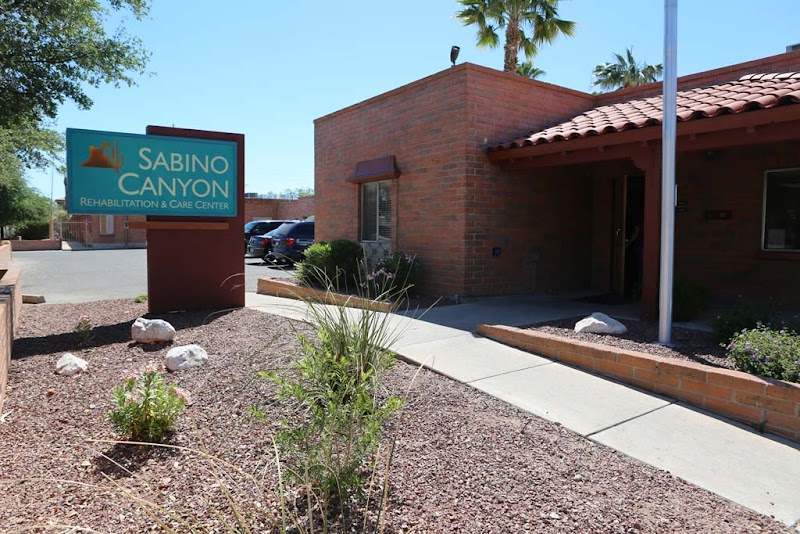
CMS assigns SABINO CANYON REHABILITATION & CARE CENTER an overall rating of 5 out of 5 stars, which is considered much above average nationally. Within Arizona, this rating places the facility higher than 99% of the state's 100 nursing homes. This rating reflects solid performance across the metrics CMS uses to evaluate nursing home quality.
How is Sabino Canyon Rehabilitation & Staffed?

CMS rates SABINO CANYON REHABILITATION & CARE CENTER's staffing level at 3 out of 5 stars, which is average compared to other nursing homes. Staff turnover is 54%, compared to the Arizona average of 46%.

What Have Inspectors Found at Sabino Canyon Rehabilitation &?

State health inspectors documented 10 deficiencies at SABINO CANYON REHABILITATION & CARE CENTER during 2022 to 2025. These included: 10 with potential for harm.
Who Owns and Operates Sabino Canyon Rehabilitation &?

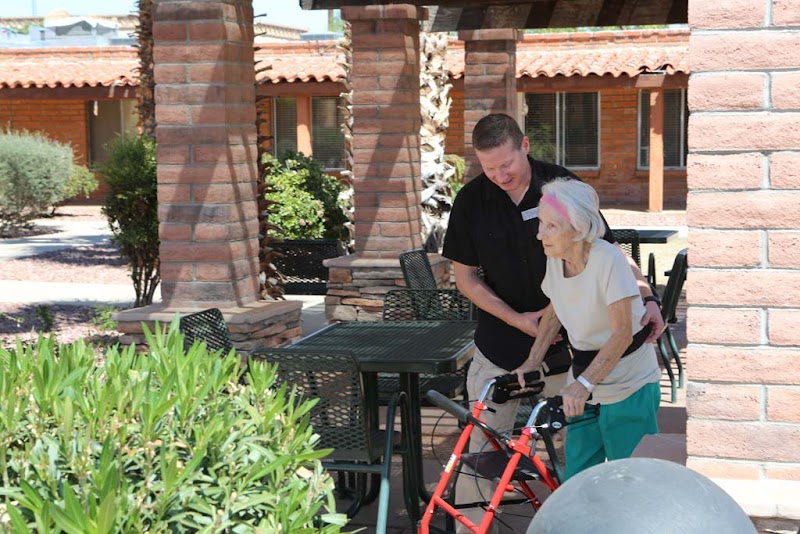
SABINO CANYON REHABILITATION & CARE CENTER is owned by a for-profit company. For-profit facilities operate as businesses with obligations to shareholders or private owners. The facility is operated by THE ENSIGN GROUP, a chain that manages multiple nursing homes. With 112 certified beds and approximately 94 residents (about 84% occupancy), it is a mid-sized facility located in TUCSON, Arizona.
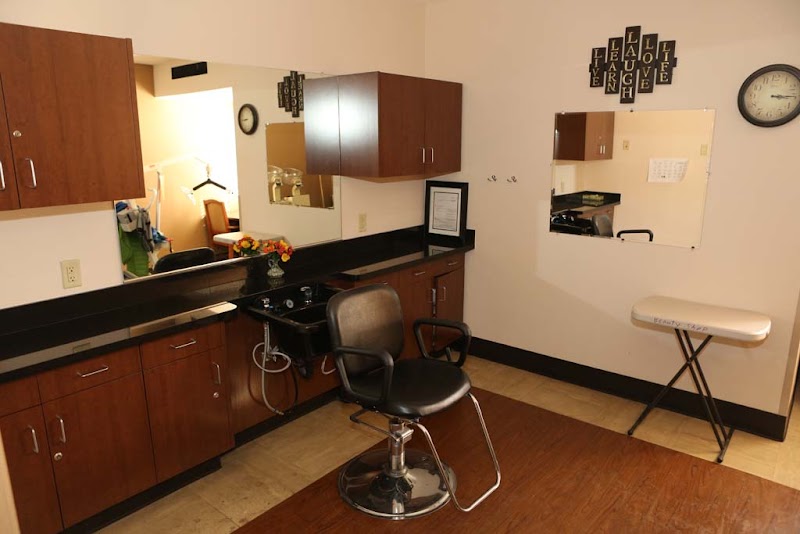
How Does Sabino Canyon Rehabilitation & Compare to Other Arizona Nursing Homes?

Compared to the 100 nursing homes in Arizona, SABINO CANYON REHABILITATION & CARE CENTER's overall rating (5 stars) is above the state average of 3.3, staff turnover (54%) is near the state average of 46%, and health inspection rating (4 stars) is above the national benchmark.

What Should Families Ask When Visiting Sabino Canyon Rehabilitation &?

Based on this facility's data, families visiting should ask: "Can I visit during a mealtime to observe dining assistance and food quality?" "How do you handle medical emergencies, and what is your hospital transfer rate?" "Can I speak with family members of current residents about their experience?"

Is Sabino Canyon Rehabilitation & Safe?

Based on CMS inspection data, SABINO CANYON REHABILITATION & CARE CENTER has a clean safety record: no substantiated abuse findings (meaning no confirmed cases of resident harm), no Immediate Jeopardy citations (the most serious violation level indicating risk of serious injury or death), and is not on the Special Focus Facility watch list (a federal program monitoring the lowest-performing 1% of nursing homes). The facility has a 5-star overall rating and ranks #1 of 100 nursing homes in Arizona. While no facility is perfect, families should still ask about staff-to-resident ratios and recent inspection results during their visit.

Do Nurses at Sabino Canyon Rehabilitation & Stick Around?

SABINO CANYON REHABILITATION & CARE CENTER has a staff turnover rate of 54%, which is 8 percentage points above the Arizona average of 46%. Moderate turnover is common in nursing homes, but families should still ask about staff tenure and how the facility maintains care continuity when employees leave.

Was Sabino Canyon Rehabilitation & Ever Fined?

SABINO CANYON REHABILITATION & CARE CENTER has no federal fines on record. CMS issues fines when nursing homes fail to meet care standards or don't correct problems found during inspections. The absence of fines suggests the facility has either maintained compliance or corrected any issues before penalties were assessed. This is a positive indicator, though families should still review recent inspection reports for the full picture.

Is Sabino Canyon Rehabilitation & on Any Federal Watch List?

SABINO CANYON REHABILITATION & CARE CENTER is not on any federal watch list. The most significant is the Special Focus Facility (SFF) program, which identifies the bottom 1% of nursing homes nationally based on persistent, serious quality problems. Not being on this list means the facility has avoided the pattern of deficiencies that triggers enhanced federal oversight. This is a positive indicator, though families should still review the facility's inspection history directly.