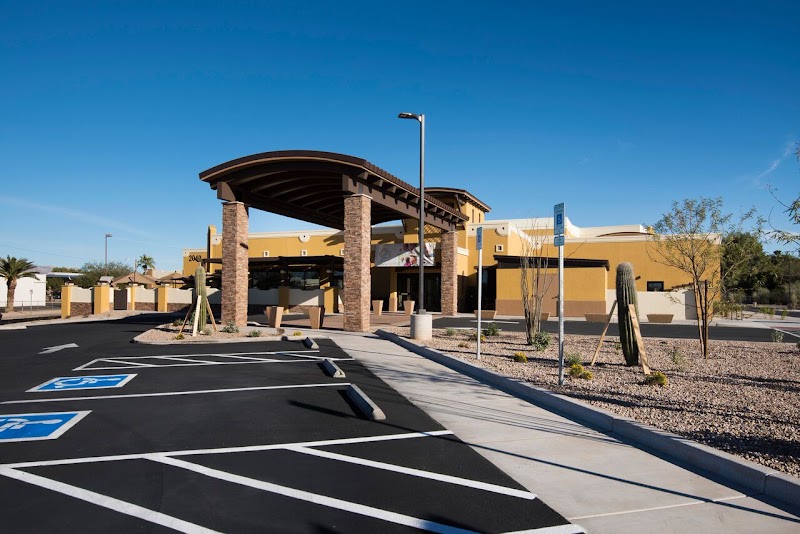
SANDSTONE ESTATES REHAB CENTRE

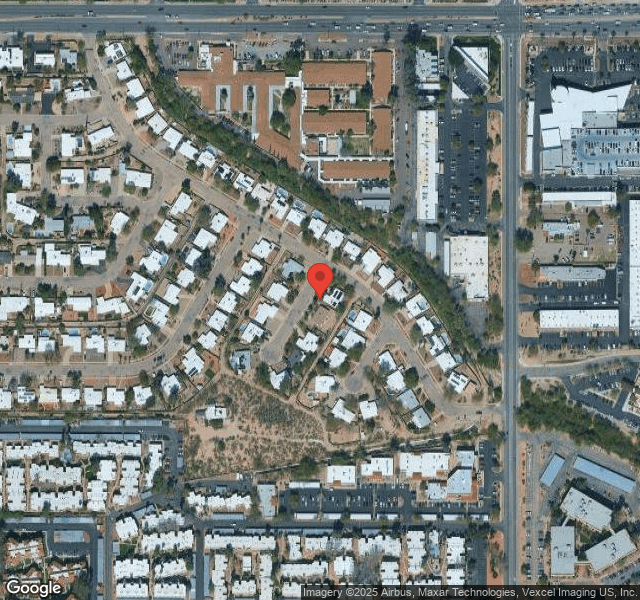
2040 NORTH WILMOT ROAD, TUCSON, AZ 85712 (520) 300-6115
For profit - Corporation 103 Beds SANDSTONE HEALTHCARE GROUP Data: November 2025
Trust Grade
50/100
#120 of 139 in AZ
Last Inspection: October 2024

Within standard 12-15 month inspection cycle. Federal law requires annual inspections.

Overview

Sandstone Estates Rehab Centre has a Trust Grade of C, which means it is average-situated in the middle of the pack but not particularly impressive. It ranks #120 out of 139 facilities in Arizona, placing it in the bottom half, and #22 out of 24 in Pima County, indicating that there are only a few local options considered better. The facility is showing improvement, with reported issues decreasing from 12 in 2024 to just 1 in 2025. Staffing is rated average with a score of 3 out of 5 stars and a turnover rate of 52%, which is similar to the state average. Although there have been no fines, there are concerns regarding RN coverage, as it is less than 87% of other facilities in Arizona, which could impact the quality of care. However, there are significant weaknesses to note. Recent inspector findings revealed that the facility failed to implement necessary policies to prevent and report abuse for two residents, which raises serious concerns about safety and responsiveness to allegations. Additionally, there were failures to conduct thorough investigations of abuse allegations, leaving residents potentially at risk. Families should weigh these strengths and weaknesses carefully when considering this facility for their loved ones.

Trust Score
C
50/100
In Arizona
#120/139
Bottom 14%
Safety Record
Low Risk
No red flags
Inspections
Getting Better
12 → 1 violations
Staff Stability
⚠ Watch
52% turnover. Above average. Higher turnover means staff may not know residents' routines.
Penalties
✓ Good
No fines on record. Clean compliance history, better than most Arizona facilities.
Skilled Nurses
⚠ Watch
Each resident gets only 29 minutes of Registered Nurse (RN) attention daily — below average for Arizona. Fewer RN minutes means fewer trained eyes watching for problems.
Violations
⚠ Watch
40 deficiencies on record. Higher than average. Multiple issues found across inspections.
★★☆☆☆
2.0
Overall Rating
★★★☆☆
3.0
Staff Levels
★★★★★
5.0
Care Quality
★☆☆☆☆
1.0
Inspection Score
Stable
2024: 12 issues
2025: 1 issues

The Good

  • 5-Star Quality Measures · Strong clinical quality outcomes
  • Full Sprinkler Coverage · Fire safety systems throughout facility
  • No fines on record

Facility shows strength in quality measures, fire safety.

The Bad

2-Star Overall Rating

Below Arizona average (3.3)

Below average - review inspection findings carefully

Staff Turnover: 52%

Near Arizona avg (46%)

Higher turnover may affect care consistency

Chain: SANDSTONE HEALTHCARE GROUP

Part of a multi-facility chain

Ask about local staffing decisions and management

The Ugly 40 deficiencies on record

May 2025 1 deficiency
CONCERN (D) 📢 Someone Reported This

A family member, employee, or ombudsman was alarmed enough to file a formal complaint

Potential for Harm - no one hurt, but risky conditions existed

Accident Prevention (Tag F0689)

Could have caused harm · This affected 1 resident

**NOTE- TERMS IN BRACKETS HAVE BEEN EDITED TO PROTECT CONFIDENTIALITY** Based on clinical record review, staff interviews, and facility policy, the facility failed to ensure one resident (#3) was prov...

Read full inspector narrative →
**NOTE- TERMS IN BRACKETS HAVE BEEN EDITED TO PROTECT CONFIDENTIALITY** Based on clinical record review, staff interviews, and facility policy, the facility failed to ensure one resident (#3) was provided with adequate supervision. Findings include: Resident #3 was admitted to the facility on [DATE] with diagnoses of cerebral infarction, encephalopathy, other stimulant abuse with intoxication and schizophrenia. An admission minimum data set (MDS) dated [DATE] included the resident's BIMS (Brief Interview of Mental Status) score of 3 that show that the resident #3 has severely impaired cognition and also included that the resident was exhibiting physical behaviors, rejection of care and wandering. A care plan dated March 30, 2025 included that this resident was an elopement risk/wanderer and included a goal that the resident would not leave the facility unattended. A wander risk scale dated March 30, 2025 included that this resident was at risk for wandering/elopement. A behavior notes dated April 1, 2025 included that resident frequently gets agitated screaming out and forgetting she has a left clavicle fracture, and resident was wandering around room frequently and coming into the hallway. A behavior note dated April 5, 2025 included resident frequently walking down the hallway without walker and yelling out for staff and that the resident was frequently wandering. This note included that the resident was unsteady on her feet and was educated to use walker while she is walking. A behavior note dated April 12, 2025 included that the resident was noted to have anxiety behaviors including attempting to leave the room exposed and wandering the hall attempting to open each door including the medication cart. Resident expressed frustration as evidenced by foul language and throwing/slamming walker towards wall. A progress note dated April 17, 2025 included that the resident went out for the afternoon with family and that when she got back she was upset that she was not being discharged and that the resident eloped trying to go outside. An activity note dated April 23, 2025 at 9:46 included that the resident was highly agitated and yelling about discharge and stated that she would walk out. This note includes that staff were able to deescalate the resident. A social services note dated April 23, 2025 at 10:13 included that the resident was screaming No I can't stay here anymore! and I cant take it anymore! This note also included that staff were able to deescalate the resident. A nurse's note dated April 24, 2025 included the activity director noticed this resident's wheelchair sitting outside front doors to the facility and resident was not around. This note included that a search was performed and that this resident was found at a bus stop. A communication with family note dated April 24, 2025 included that staff contacted family to obtain consent to place the resident on the secured unit following the elopement and included that since this resident had found out about NOMNOC (Notice Of Medicare Non-Coverage), she has been trying to leave facility and was in a very agitated mood. An interview was conducted on May 8, 2025 at 3:27 P.M. with a Certified Nursing Assistant (CNA/staff #87) who said that this staff had not personally lost a resident because this staff keeps an eye on the residents who have mentioned it. This staff said that this resident would scream and say she just wanted to go. This staff said that staff would make sure that this resident did not get on the elevator and that when she did that they would follow her and she would say, I just have to get out of here. This staff said that this resident attempted to get out of the second floor window but that it would not open enough for her to get out. This staff said that the day the resident eloped, she was very agitated and saying she was going to leave. This staff said that it was suggested to move this resident to the behavioral unit due to the wandering but that it did not happen. An interview was conducted on May 8, 2025 at 3:15 P.M. with a Certified Nursing Assistant (CNA/staff #17) who said that this resident did not want to be in the facility. This staff said that this resident was unstable on her feet and that staff knew that she was a runner and would watch her closely. This staff said that the facility gets residents who want to elope every now and then, but that normally management will catch on and move them to the behavioral unit but this was not done for this resident. An interview was conducted on May 9, 2025 at 11:30 A.M. with a Licensed Practical Nurse (LPN/staff #26) who said that if they have residents who are attempting to wander, they try to redirect them back to their room, try to keep an extra eye to make sure they don't go downstairs or in someone's room. This nurse said that if a resident told her that she wanted to leave, she would talk to them to find out why, notify the ADON and the DON, put it in a progress notes and let the nurse on the next shift know and if the resident seems adamant that she would let the receptionist know. This nurse said that resident #3 did not want to keep her sling on and just wanted to get out of here. This nurse said that the resident would wander all day long, passing her repeatedly while she was passing medications in the hall. This nurse said that she heard that this resident walked out the front. An interview was conducted on May 9, 2025 at 10:26 with the Assistant Director of Nursing (LPN/staff #22) who said that the management received the call that resident #3 was not in her room, noticed her wheelchair at the front and initiated the code [NAME] for elopement. This staff said that this resident would often scoot around the facility in a manual wheelchair, so when they found it, the management called the code green, had floor staff do an interior search and had the department heads do a search in a radius around the community. This staff said that resident #3 was found at a bus stop near a hospital which was on the other side behind a whoesale grocery store. This staff said that she was a little warm and thirsty but not in distress, and that she came back willingly. This staff said I believe she was looking for a cigarette. An interview was conducted on May 9, 2025 at 10:35 with the Receptionist (staff #74) who said that her responsibilities included to greet people, make sure they sign in and out and watch the front door, direct people where they need to go and the front paperwork. This staff said that there should always be someone watching the front door and that the facility locks to door at 8 P.M. when there is no one to watch it. This staff said that if she needed to step away from the door, she would call somebody to watch the door for her. This staff said that if she sees someone leaving who is a resident, that she will redirect them, and if that does not work she will call in the nurse chat and put Urgent and if the resident is still trying to leave that she will follow them out. This staff said that it's for safety in the roads and parking lot and also because we are in the desert and they can dehydrate so quickly. An interview was conducted on May 9, 2025 at 11:32 A.M. with the prior Director of Nursing (DON/staff #31) who said that prior to coming to the facility, resident #3 was homeless and using illicit substances and was found on the ground before before she was admitted to the facility and that the resident's behaviors were worse at night and included aggression and wandering. This staff said that the resident wandered normally but was not attempting to leave but that when she was given the Notice of Medical Non Coverage (NOMNC), that she became agitated. This DON said that not long afterward the staff were looking for her to follow up on some information they had discussed with family, the resident was not in the facility. This DON said that the resident's wheelchair was found by the front door, so a search was performed and that the resident was found unharmed but that she wanted extra water. This DON said that the receptionist did not see this resident leave. This DON said that after this resident #3 was really antsy and wanted to go and that the family approved the secured unit and over the weekend the family picked her up. This staff said that they did not want to initially put her in the secure unit because they were trying to do the least restrictive thing and maintain her dignity and rights. An interview was conducted on May 9, 2025 at 12:00 P.M. with the current Director of Nursing (DON/staff #9) who said that her expectations were that residents did not elope and are kept safe and secure by using the elopement assessment and making sure to utilize the tools at their disposal. A policy adopted May 1, 2024 titled Elopement revealed that all residents who are at risk for possible elopement/wandering shall be accompanied by staff or responsible party when leaving the facility grounds.
Oct 2024 12 deficiencies
CONCERN (D) 📢 Someone Reported This

A family member, employee, or ombudsman was alarmed enough to file a formal complaint

Potential for Harm - no one hurt, but risky conditions existed

Deficiency F0602 (Tag F0602)

Could have caused harm · This affected 1 resident

**NOTE- TERMS IN BRACKETS HAVE BEEN EDITED TO PROTECT CONFIDENTIALITY** Based on clinical record review, staff interviews, facility documentation, and facility policy, the facility failed to ensure on...

Read full inspector narrative →
**NOTE- TERMS IN BRACKETS HAVE BEEN EDITED TO PROTECT CONFIDENTIALITY** Based on clinical record review, staff interviews, facility documentation, and facility policy, the facility failed to ensure one resident (#420) was free from misappropriation of resident medications. The deficient practice could result in further incidents of misappropriation. -Findings Include: Resident #420 was admitted to the facility on [DATE] with diagnoses that included Parkinson's disease, major depressive disorder, post-traumatic stress disorder, and heart failure. A physician order dated January 26, 2023, for Oxycodone HCl Oral Tablet 20 mg to give 1 tablet by mouth every 3 hours as needed for pain. The order was placed by a licensed practical nurse (LPN/Staff #220) and discontinued the same day by the same LPN. An additional order dated February 02, 2023 revealed Morphine Sulfate Oral Tablet 15 MG to give 1 tablet by mouth every 3 hours as needed by pain. The order was placed by the LPN (Staff #220) and was also discontinued that same day by the same LPN. Review of the personnel file for the LPN (Staff #220) revealed a Disciplinary Action document dated December 9, 2022, for a probationary period for failure to follow departmental policy and procedure when dispensing narcotics. Employee signs out narcotics in narc book but fails to document in eMAR (electronic medical administration record). An additional 30-Day Performance Improvement Plan dated December 09, 2022 indicated, as a corrective action step, that the LPN (Staff #220) would be required to have the oversight of an LPN who must cosign the dispense of the narcotic and accompany the employee to administer the narcotic to the patient. The Improvement Plan also indicated to follow up with employee every 7 days and record development below. However, the spaces provided by the form were left blank. An additional Disciplinary Action document dated February 08, 2023, for the LPN (Staff #220), revealed that the type of action was termination. The details indicated an investigation for narcotic diversion, and that the supervisor met with employee, she had no answers as to investigation outcome, and that the facility's investigation was substantiated. The supervisor's name was listed as the DON at that time (Staff #55). A review of the SA incident reporting system revealed a Reportable Event Record submitted by the facility dated February 06, 2023, revealed that on February 03, 2023, it was identified that a nurse was possibly diverting narcotics. The nurse in question was suspended pending investigation on February 03, 2023, and the investigation was initiated. The Reportable Event Record indicated that the interventions implemented after the incident were that the nurse was suspended and terminated, the pharmacy will no longer accept scripts printed from the electronic medical record, the physicians must E-prescribe, call the pharmacy themselves, or write the narcotic scripts on their own script pad, and that the DON or designee will obtain the daily narcotic logs and match them with what was ordered and delivered in the cart. Review of the state reporting system revealed that the facility's Administrator at that time (Staff #82) filed a Self-Report form dated February 06, 2023 at 7:24 PM for an allegation of misappropriation (narcotic diversion) for Resident #420. A Complaint Form dated February 08, 2023 to the state board of nursing revealed that the DON at that time (Staff #55) filed a complaint against the LPN (Staff #220). The complaint specified that during the facility's investigation of possible narcotic diversion by the LPN, that the facility identified over 34 orders that had been started and discontinued in the same shift that she worked and that each prescription (was) the physical prescription with identical handwriting/DEA#/signature with different patient information in the middle. If you look at the top right if the prescription you will see a faint line where the new patient's information was overlaid on the existing signed prescription. Later during the same shift (Staff #220) would receive the medication from the pharmacy and discontinue the medication from the medical record so there was (no) evidence of it being ordered. We did verify with all physicians for attached and signed prescriptions that they did not sign or prescribe them. The complaint specified that no harm occurred to the patients involved, that the LPN was terminated, and that authorities were notified. A telephonic interview was conducted on October 23, 2024 at 10:47 AM with the Director of Nursing (DON/Staff #55), who was no longer employed at the facility. When asked to describe the incident of the LPN (Staff #220) diverting narcotics, the DON stated that she suspended the nurse immediately when she knew about the missing medications. She stated that initially, her Assistant Director of Nursing (ADON) had identified that morphine was missing. According to the investigation, it was the DON's understanding that the LPN would order medications at the beginning of her shift, the medications would be delivered from the pharmacy, and then the LPN would discontinue the order from the computer. The LPN had an old prescription form from a patient that was printed and signed by one of the facility's providers. The LPN would then fold the new prescription with the new details over the old signed prescription paper, and there was a faint line on all of her orders that signified where she folded the paper. The DON stated that she verified with the provider that he did not write those prescriptions. The DON stated that after the incident, that the facility put in place interventions to prevent recurrence of narcotic diversion, including using strictly prescription pads or computer orders and daily cross checks with the pharmacy. A telephonic interview was conducted on October 23, 2024 at 11:04 AM, with the Administrator (Staff #82), who was no longer employed by the facility. The Administrator stated that the incident was first noted by the ADON at the time, who noticed a missing bottle of morphine. An investigation started and it was discovered that the LPN (Staff #220) was printing orders, falsifying the signature, sending the script to the pharmacy, and getting medications delivered. The Administrator stated that is was hundreds of pills that were diverted, and that the employee was terminated. The facility policy titled Freedom from Abuse, Neglect, and Exploitation: Preventing and Prohibiting Abuse, revised May 04, 2023, revealed that it is the facility's policy to prohibit and prevent abuse, neglect, exploitation of residents, and misappropriation of resident property.
CONCERN (D)

Potential for Harm - no one hurt, but risky conditions existed

ADL Care (Tag F0677)

Could have caused harm · This affected 1 resident

**NOTE- TERMS IN BRACKETS HAVE BEEN EDITED TO PROTECT CONFIDENTIALITY** Based on observation, clinical record review, staff and resident interviews, and policy review, the facility failed to ensure on...

Read full inspector narrative →
**NOTE- TERMS IN BRACKETS HAVE BEEN EDITED TO PROTECT CONFIDENTIALITY** Based on observation, clinical record review, staff and resident interviews, and policy review, the facility failed to ensure one resident (#12) was provided shower and dressing in timely manner. This deficient practice could result in residents not being provided hygiene care and services. Findings include: Resident #12 was admitted to the facility on [DATE] with diagnoses that included type 2 diabetes mellitus, chronic kidney diseases, anxiety, and depression. Review of the care plan dated November 30, 2023 revealed the resident had activities of daily living (ADL) performance deficit related to general weakness. Review of the admissions Minimum Data Set (MDS) assessment dated [DATE] revealed a Brief Interview for Mental Status (BIMS) score of 15, indicating intact cognition. The MDS also revealed that the resident required two or more-person assistance with shower/bathing self. Review of the resident bathing schedule showed that resident was schedule for bathing every Tuesday and Friday. Review of progress note dated June 19, 2024 showed that resident was asked for shower at 2:45a.m. It further revealed that resident refused shower and stated she was too tired. Further review of progress note dated October 8, 2024 showed that resident was asked for shower at 12:27a.m. and resident refused shower and she stated that she got one on Monday. Review of shower sheets for resident #12 from June-October, 2024 revealed that resident got showers on following days: June: 4, 7, 18, 21, 25 July: 2, 9, 16, 19, 23 Aug: 5, 9, 18, 20, 27 September: 3, 10, 13, 16, 23, 27, 30 October: 4, 8, 11, 14, 21 An interview was conducted with resident #12 on October 21, 2024 at 12:43 pm in presence of daughter and daughter stated that one of the ongoing issues is bathing because my mother is not moveable, she is not getting schedule bath specially with agency staffs. There is one aid who makes sure she gets at least one in a week. She is scheduled to get bath on Tuesday and Friday and she rarely get Friday bath. I talk to administrator and director of nursing several times and they mention that they will change schedule but nothing happened so far. If there is agency staff person during night shift then they will come in morning around 1 am or 4 am for bath while I am sleeping. An interview was conducted again with resident #12 on October 23, 2024 at 11:52 am and resident stated that I cannot walk and I need one-person assistance with changing, bathing and bathroom. I get bed bath every Tuesday but not Friday. If I refuse bath then they supposed to bring form for refusal but when I refuse they say okay. Only time I refuse when they come middle of night when I am sleeping. I have to remine them every time that its Friday and I want bath. I have an issue with anxiety and there is time when I feel they are not taking me seriously and it happen mostly with agency staffs. An interview was conducted with certified nursing assistance (CNA #684) on October 23, 2024 at 12:40 pm and she stated that I don't feel like there is enough staff because we have 3 CNA for whole 2nd floor and we are running around and there are not enough CNA for patient to get adequate care. I feel like I am over whelmed because of not having enough staff and specially 2nd floor has lot of incontinent residents and they are not getting adequate care. When we are under staff, it's hard to answer residents in timely manner. She further stated that shower is schedule for every resident twice a week. Resident #12 is scheduled for Tuesday and Friday shower. If resident refuse shower then they have to wait until next schedule date. She also stated shower supposed to be done by 10:30pm and as far as it done before 10:30pm then it's not too late. We have lot of agency staff specially at night and weekend and that's why shower get missed lot of time. She then stated that risk for not getting shower/bath would be skin/hair irritation, fungus growing under folds. An interview was conducted with certified nursing assistance (CNA #622) on October 24, 2024 at 7:42 am and she stated that showers are provided by CNA. We have schedule shower for both day and night. Night shower has to be done before 10pm. If residents ask after 10pm then we provide and its usually not a problem. She further stated that risk for resident not getting schedule shower would be skin break down, dry skin, odor, itchiness. At night shift I usually ask for shower after vital and before going to bed and not at midnight. An interview was conducted with certified nursing assistance (CNA #657) on October 24, 2024 at 8:03 am and she stated that night showers are provider before 10pm, that is after taking resident vitals and before going to bed. So far, I have just done bed bath and if resident refuses then we write in shower sheet that they refused and then CNA and nurse sign it, and let next shift know. She further stated that risk for not getting schedule shower would be getting infection. An interview was conducted with director of nursing (DON #618) on October 24, 2024 at 11:01 am and she stated that we offer shower/bathing minimum twice a week and if resident wants then we try to accommodate every day. She further stated that we offer shower before 10pm so that we not walking them up residents' middle of night. She also stated that risk of not having shower/bath would be poor hygiene and shower helps to maintain general health of wellness. She further stated that resident #12 is scheduled for shower/bath every Tuesday and Friday and waking up resident middle of night shouldn't have happened. Review of the facility policy titled, Activities of Daily Living (ADLs/Maintain Abilities revised on May 4, 2024 indicated that a resident who is unable to carry out activities of daily living receives the necessary services to maintain good nutrition, grooming and personal and oral hygiene.
CONCERN (D)

Potential for Harm - no one hurt, but risky conditions existed

Pharmacy Services (Tag F0755)

Could have caused harm · This affected 1 resident

Based on observations, staff interviews, facility documentation, policies and procedure, the facility failed to ensure expired medications were appropriately disposed of and not available for resident...

Read full inspector narrative →
Based on observations, staff interviews, facility documentation, policies and procedure, the facility failed to ensure expired medications were appropriately disposed of and not available for resident use. The deficient practice could result in residents receiving expired medications. Findings include: During a medication administration observation conducted on October 22, 2024 at approximately 9:30 am with a licensed practical nurse (LPN/staff #710), the LPN were observed putting Amiodarone HCl Oral Tablet 200 MG in a small paper cup for administration. The medication was observed to be expired on on September 30, 2024. When asked regarding expired medication, she stated that she haven't looked at the expiration date and was observed taking out expired medication from cup and putting in biohazard bin. She then put medication strip bubble of Amiodarone HCl Oral Tablet with expired on September 30, 2024 back into North 1 cart drawer. An Interview was conducted on October 22, 2024 at 12:41pm with a licensed practical nurse (LPN/staff # 710), that was observed during the medication, who stated that we follow 5 rights during medication administrations including right patient, dose, route, medication and time. She also stated that we should dispense medication directly on cup and not on hand because our hands have bacteria, even if we sanitized and wash hand, we should not get into practice of touching medication while giving to patient, we should follow orders, rules, guidelines, protocol, and they are in place for reason. When asked regarding expiration medication then she stated that never give expired medication because medication has shelf-live and would be given according to shelf-life. An addition observation was conducted for medication cart North 1 on October 22, 2024 at 1:01pm revealing that expired medication Amiodarone HCl Oral Tablet 200 MG remained on the medication cart and staff #710 stated that I am sorry, we missed this medication, it should be discarded to Rx destroyer. An Interview was conducted on October 22, 2024 at 1:52 pm with a Registered Nurse (RN/staff #700), that was observed during the medication, who stated that we follow 7 rights during medication administrations including right patient name, medication, dose, reason, right documentation, time (med expiration), and route. Regarding expired medication, she stated that for blood pressure and over the counter medication, we use Rx destroyer and for narcotics, do two-person verification before destroying to Rx destroyer. She then stated that risk for giving expiration medication would be non-effectiveness, cause harm, cause rebound with BP, and mess with other medications. An Interview was conducted on October 23, 2024 with director of nursing (DON/ staff # 618) who stated that staff administration medication according to physician order and follow five rights including: right medication, route, patient, form (IV/oral/rectal/capsule/tablet), time (right time), and expiration. She further stated that during med pass, we dispense medication from bubble cart to medicine cup and it should go directly into cup and not from hand to cup else there will be potential for infection. She then stated that risk of using expiry medication would be efficacy of medication can't be effective beyond the expiration dates. Review of the facility provided policy titled, Labeling and Storage of Drugs and Biologicals, reviewed and revised on May 4, 2023 revealed that medications labelling and biological dispensed by the pharmacy must be consistent with applicable federal and state requirements and currently accepted pharmaceutical principles and practices.
CONCERN (D)

Potential for Harm - no one hurt, but risky conditions existed

Deficiency F0757 (Tag F0757)

Could have caused harm · This affected 1 resident

**NOTE- TERMS IN BRACKETS HAVE BEEN EDITED TO PROTECT CONFIDENTIALITY** Based on clinical record review, staff interviews, and facility policy review, the facility failed to ensure that one resident (...

Read full inspector narrative →
**NOTE- TERMS IN BRACKETS HAVE BEEN EDITED TO PROTECT CONFIDENTIALITY** Based on clinical record review, staff interviews, and facility policy review, the facility failed to ensure that one resident (#24) of five sampled residents was not administered an unnecessary medication. The deficient practice could result in further incidents of residents receiving unnecessary medications. Findings include: Resident (#24) was admitted to the facility on [DATE] with diagnoses that included Type II Diabetes Mellitus with hyperglycemia. The care plan for Diabetes Mellitus dated on September 24, 2024 included the intervention to administer medications as ordered and to refer to current orders and/or medication administration record. The care plan also included to monitor for potential side effects and to report changes or abnormalities to medical provider as applicable. The minimum data set (MDS) dated [DATE] included a brief interview for mental status (BIMS) score of 15 indicating the resident was cognitively intact. A review of the current order summary revealed an order for Lantus solution 100 Unit/Milliliter (ML) (insulin Glargine) Inject 20 unit subcutaneously at bedtime for manage hyperglycemia, hold for blood sugar (BS) less than 100; scheduled for 9:00 PM dated September 25, 2024. However, There was no evidence of a current order for Insulin Glargine Subcutaneous Solution 100 UNIT/ML (Insulin Glargine) Inject 15 units subcutaneously one time a day for diabetes mellitus, hold for BS less than 100. A review of the October 2024 Medication Administration Record (MAR) revealed an order for Insulin Glargine Subcutaneous Solution 100 UNIT/ML (Insulin Glargine) Inject 15 unit subcutaneously one time a day for diabetes mellitus, hold for BS less than100; scheduled for 8:00 PM with a start date of September 27, 2024 and a discontinue date of October 20, 2024. Further review of the October 2024 MAR revealed an order dated September 30, 2024 for Lantus Solution 100 UNIT/ML (Insulin Glargine) Inject 20 unit subcutaneously at bedtime for manage hyperglycemia, hold for BS less than 100; scheduled for 9:00 PM. The MAR for October 2024 also revealed that resident (#24) received both orders of Insulin Glargine on the following dates: - October 5, 2024 - October 6, 2024 - October 14, 2024 An interview was conducted with RN (Staff #644) on October 23, 2024 at 1:29 PM who stated the resident (#24) did have two separate orders for insulin glargine, one for 15 units and one for 20 units per night. She stated that she would clarify with the physician because both of the orders were scheduled close together. The RN (Staff #644) also stated that there was no evidence showing the two orders were clarified with the physician. An interview was conducted on October 24, 2024 at 9:34 AM with Physician (Physician/Staff #700) who stated he was not aware of staff contacting him to clarify the two orders for Insulin Glargine. He also stated that staff usually contacts him to clarify orders. The physician stated that he did not know why there would be two orders unless there was a change in the dose. He further stated that he does not remember a conversation about discontinuing the first Insulin Glargine order. In an interview conducted on October 24, 2024 at 10:39 AM with the Director of Nursing (DON/Staff #618), who stated that staff would contact the physician if they needed clarification on an order. The DON stated that the two separate orders for Insulin Glargine should have been clarified with the physician, and that there was no evidence that the physician was contacted to clarify the order. She further stated that the pharmacy should have caught the duplicate order for Insulin Glargine. The DON (Staff #618) stated the risks to the resident by not clarifying the orders would be that the resident (#24) could receive too much Insulin Glargine and become hypoglycemic. The DON also stated that this did not meet facility expectations by not clarifying the physician's orders. The facility's policy, Pharmacy Services, Medication Management dated November 2017, indicated that the resident's medication regime will be evaluated and modified for efficacy and adverse consequences. The policy also revealed that the physician plays a key leadership role in medication management by developing, monitoring, and modifying the medication regimen in conjunction with residents, their families, and/or representatives, other professionals and direct care staff, the interdisciplinary team.
CONCERN (D)

Potential for Harm - no one hurt, but risky conditions existed

Deficiency F0760 (Tag F0760)

Could have caused harm · This affected 1 resident

**NOTE- TERMS IN BRACKETS HAVE BEEN EDITED TO PROTECT CONFIDENTIALITY** Based on observation, record review, and staff interviews, the facility failed to ensure that one resident (#43) was free from s...

Read full inspector narrative →
**NOTE- TERMS IN BRACKETS HAVE BEEN EDITED TO PROTECT CONFIDENTIALITY** Based on observation, record review, and staff interviews, the facility failed to ensure that one resident (#43) was free from significant medication errors. The deficient practice could result in residents receiving unnecessary medications. Findings include: Resident #43 was originally admitted to the facility on [DATE] with diagnoses that included chronic obstruction pulmonary disease, type 2 diabetes mellitus, insomnia and hypertension. A care plan initiated on February 7, 2024 revealed the resident has potential for fluctuating blood glucose levels related to diabetes. Interventions included to give medication as ordered by the physician and monitor for signs and symptoms of hypoglycemia and hyperglycemia. The quarterly Minimum Data Set assessment dated [DATE] revealed the resident had cognitive skills for daily decision making as 0 indicating independence in decisions regarding tasks of daily life. During a medication administration observation conducted on October 22, 2024 at approximately 8:24 am with a Registered Nurse (RN/staff #700), the RN was observed to administer. - One Jardiance (Empagliflozin) 10mg tablet with expiration date August, 2025 and one Farxiga Oral Tablet 5 MG (Dapagliflozin Propanediol) with expiration date October, 2025, were given to resident #43. However, review of the physician's order revealed that Jardiance (Empagliflozin) 10mg tablet, was discontinued on August 28, 2024. A new order Farxiga Oral Tablet 5 mg (Dapagliflozin Propanediol), give 1 tablet by mouth in the morning were active from August 28, 2024. An Interview was conducted on October 23, 2024 at 9:04am with license practical nurse (LPN/ staff #685) and she stated that she looks at medication administration record (MAR) regarding what medication to be given to resident. Also, if medications are coming from hospital then staff verify from inhouse physician and then put in order list and on MAR. She further stated that resident #43 is a veteran and if medications come from VA hospital then we check from assistance director of nursing (ADON) and director of nursing (DON) whether medication from pharmacy or VA to continue and we don't give medication not listed in order. When asked staff #685 to pull out resident #43 blood sugar medication, she unlocked north 2 cart and showed Jardiance (Empagliflozin) 10mg tablet with expiration date August, 2025. She then looked into point click care in her computer for Jardiance order and stated that Jardiance (Empagliflozin) was discontinued and replace with Farxiga Oral Tablet 5 MG (Dapagliflozin Propanediol) and it was put on reorder by a nurse yesterday. An interview was conducted on October 23, 2024 at 10:30 am with registered nurse and she stated that resident #43 Jardiance (Empagliflozin) 10mg tablet medication was discontinued on August 28, 2024 and was started on Farxiga Oral Tablet 5 mg from August 29, 2024. She further stated that staff supposed to take out Jardiance and discard in Rx destroyer. An Interview was conducted on October 23, 2024 with director of nursing (DON/ staff # 618) who stated that we administration medication according to physician order and follow five rights including: right medication, route, patient, form (IV/oral/rectal/capsule/tablet), time (right time), and expiration. Regarding resident #43 she stated that resident was on Empagliflozin (generic is Jardiance) 10mg tablet starting September 14,2024 and ended September 28, 2024, and on Farxiga Oral Tablet 5 mg daily starting September 29, 2024 and medication is currently active. When asked during med pass, it was observed that staff #700 giving Jardiance (Empagliflozin) 10mg tablet to resident #43 then she stated that she has to go and pull out Jardiance (Empagliflozin) from medication cart and stated that staff are reading the box/cart instead of physician order. Review of the facility provided policy titled, Medication Administration, reviewed and revised on May 4, 2023 revealed that medications will be prepared and administered in accordance with prescriber's order, manufacturer's specifications (not recommendations) and accepted professional standards and principles. It further revealed that the relative significance of medication errors is a matter of professional judgement. However, three general guidelines can be used in determining is a medication error is significant or not: resident condition, drug category and frequency of error.
CONCERN (D)

Potential for Harm - no one hurt, but risky conditions existed

Deficiency F0804 (Tag F0804)

Could have caused harm · This affected 1 resident

Based on resident and staff interviews, a food test tray, and policy review, the facility failed to ensure food was provided that was palatable and at a temperature that is safe for consumption.The de...

Read full inspector narrative →
Based on resident and staff interviews, a food test tray, and policy review, the facility failed to ensure food was provided that was palatable and at a temperature that is safe for consumption.The deficient practice has the potential for residents to acquire food-born illness. Review of the lunch menu for October 22, 2024 revealed the following: -Chili Cheese Dog -Sweet Potato Fries -Herb [NAME] Beans -Banana Pudding An observation was conducted on October 22, 2024 at 12:50 PM of a test tray. The test tray temperatures were taken by staff as follows: -Chili Cheese Dog-123 F -Sweet Potato Fries-121 F -Banana Pudding 63 F The test tray sampled by surveyors who reported that the chili cheese dog cooked but served cold. Two of the seven surveyors noted that the sweet potato fries were cold but crunchy. Additionally, three out of seven surveyors indicated that the banana pudding was not chilled. An interview conducted on October 21, 2024 at 9:06 a.m. with Resident # 32, with a BIMS Score of 11, stated that on October 20, 2024, he had to push his call light three times for because his lunch hasn't delivered yet. The resident stated that he to stepped out from his room to find staff regarding the lunch tray and it was not delivered until two-thirty p.m., and was cold. An interview conducted on October 21, 2024 at 10:36 a.m. with Resident #15, with a BIMS Score of 15, stated that staff deliver food cold every time. An interview conducted on October 21, 2024 at 2:16 p.m. with Resident #36, with a BIMS Score of 13, revealed that food always arrives cold and not looking appetizing. An interview conducted on October 21, 2024 at 2:30 p.m. with Resident #7, with a BIMS Score of 13, stated that food is always cold, bland, and not appetizing. An interview conducted on October 21, 2024 at 2:30 p.m. with Resident # 11, with a BIMS Score of 11, stated that food is horrible. The resident stated that she tries not to eat the food because it's nasty by the time she receives her meal. An interview conducted on October 22, 2024 at 11:30 a.m. with Resident # 49, with a BIMS Score of 14, stated that food is terrible. The resident stated for the last two nights, the soup, mashed potatoes, and the meat are cold already when she received the tray. An interview was conducted on October 23, 2024, with the Dietary Manager (Staff #669). She reported that a few residents had complained about cold food over the past three months. The Dietary Manager emphasized that whenever residents express concerns about food temperature, she promptly addresses the issue with her staff. This includes checking the food temperature before serving and ensuring that food is covered when presented to the residents. For room trays, the staff serves the food on plates, covers the plates, and places them in a warmer before delivering the trays to the residents' rooms. Review of the Facility Policy titled Food and Nutrition Services revealed that facility will procure food from sources approved or considered satisfactory by federal, state or local authorities. Food items will be stored, prepared, distributed and served in accordance with professional standards for food safety. Review of the Facility Guideline titled Serving Temperatures for Hot and Cold Foods revealed that staff will follow the guidelines when serving hot and cold beverages and food. Review of the Facility Procedure titled Serving Temperatures for Hot and Cold Foods revealed that foods will be serve at the following temperature to ensure a safe and appetizing dining experience. The minimum serving temperatures do not reflect the required temperatures needed for preparation, cooking or cooling of foods.
CONCERN (D)

Potential for Harm - no one hurt, but risky conditions existed

Infection Control (Tag F0880)

Could have caused harm · This affected 1 resident

Based on observations, staff interviews, and facility policy review, the facility failed to ensure proper hand hygiene was conducted during medication administration. The deficient practice could resu...

Read full inspector narrative →
Based on observations, staff interviews, and facility policy review, the facility failed to ensure proper hand hygiene was conducted during medication administration. The deficient practice could result in contaminated medications being administered to residents. Findings: During the Medication Administration observation with the registered nurse (RN/ staff #700) on October 22, 2024 at 7:56 a.m., for resident #426, the RN dispense following tablets from med strip bubble to her bare hand and then to the small plastic cup placed on north 2 cart. - metFORMIN HCl Oral Tablet 500 MG (Metformin HCl) Give 1 tablet by mouth two times a day for Diabetes management - Cholecalciferol Tablet 1000 UNIT Give 1 tablet by mouth one time a day for Supplement During the Medication Administration observation with the registered nurse (RN/ staff #700) on October 22, 2024 at 8:08 a.m., for resident #49, the RN dispense following tablets from med strip bubble to her bare hand and then to the small plastic cup placed on north 2 cart. - Sertraline HCl Oral Tablet 50 MG (Sertraline HCl) Give 3 tablet by mouth one time a day for PTSD - ARIPiprazole Oral Tablet 2 MG (Aripiprazole) Give 1 tablet by mouth two times a day for PTSD During the Medication Administration observation with the registered nurse (RN/ staff #700) on October 22, 2024 at 8:24 a.m., for resident #43, the RN dispense following tablets from med strip bubble to her bare hand and then to the small plastic cup placed on north 2 cart. - busPIRone HCl Oral Tablet (Buspirone HCl) Give 10 mg by mouth three times a day for anxiety AEB restlessness - Memantine HCl Oral Tablet 10 MG (Memantine HCl) Give 1 tablet by mouth every 12 hours for dementia aeb confusion and impulsive behaviors - Gabapentin Oral Capsule 100 MG (Gabapentin) Give 1 capsule by mouth two times a day for NUEROPATHY - Carbidopa-Levodopa Oral Tablet 25-100 MG (Carbidopa-Levodopa) Give 1 tablet by mouth three times a day for Parkinson - Aspirin 81 Oral Tablet Chewable (Aspirin) Give 1 tablet by mouth one time a day for DVT PPX - Metoprolol Succinate ER Oral Tablet Extended Release 24 Hour 25 MG (Metoprolol Succinate) Give 25 mg by mouth one time a day for HTN: hold for SBP<110 or HR<60 - Farxiga Oral Tablet 5 MG (Dapagliflozin Propanediol) Give 1 tablet by mouth in the morning - Jardiance (Empagliflozin) 10mg tablet with expiration date August, 2025 - AmLODIPine Besylate Tablet 5 MG Give 1 tablet by mouth one time a day for HTN hold for SBP <110 HR <60 - Hydroxyurea Oral Capsule 500 MG (Hydroxyurea) Give 1 capsule by mouth every 12 hours for thrombocytopenia. An Interview was conducted on October 22, 2024 at 12:41pm with a licensed practical nurse (LPN/staff # 710), that was observed during the medication, who stated that we follow 5 rights during medication administrations including right patient, dose, route, medication and time. She also stated that we should dispense medication directly on cup and not on hand because our hands have bacteria, even if we sanitized and wash hand, we should not get into practice of touching medication while giving to patient, we should follow orders, rules, guidelines, protocol, and they are in place for reason. An Interview was conducted on October 22, 2024 at 1:52 pm with a Registered Nurse (RN/staff #700), that was observed during the medication, who stated that we follow 7 rights during medication administrations including right patient name, medication, dose, reason, right documentation, time (med expiration), and route. She further stated that during medication administration, we use bubble method to dispense medication directly to cup from medication strip, where you don't touch medication, you pop up directly into cup without touching it because touching medication directly can cause cross contamination, cause infection and if you touch medication with hand then there is a chance of observing medication to your skin the effect of drug. An Interview was conducted on October 23, 2024 with director of nursing (DON/ staff # 618) who stated that we administration medication according to physician order and follow five rights including: right medication, route, patient, form (IV/oral/rectal/capsule/tablet), time (right time), and expiration. She further stated that during med pass, we dispense medication from bubble cart to medicine cup and it should go directly into cup and not from hand to cup else there will be potential for infection. Review of the facility provided policy titled, Medication Administration, reviewed and revised on May 4, 2023 revealed that staff will observe infection prevention practices during the administration of medications.
CONCERN (E)

Potential for Harm - no one hurt, but risky conditions existed

Abuse Prevention Policies (Tag F0607)

Could have caused harm · This affected multiple residents

**NOTE- TERMS IN BRACKETS HAVE BEEN EDITED TO PROTECT CONFIDENTIALITY** Based on observation, interviews, review of documentation, and review of facility policies, the facility failed to implement wri...

Read full inspector narrative →
**NOTE- TERMS IN BRACKETS HAVE BEEN EDITED TO PROTECT CONFIDENTIALITY** Based on observation, interviews, review of documentation, and review of facility policies, the facility failed to implement written policies and procedures that prohibit and prevent abuse for two of two sampled residents (#11 and #13). The deficient practice could lead to a failure of the facility to investigate and report allegations of abuse, and could lead to harm to a resident. -Regarding Resident #11: Resident #11 was admitted to the facility on [DATE], with diagnoses that included dementia, psychotic disorder, major depressive disorder, anxiety, chronic obstructive pulmonary disease, and adult failure to thrive. The admission Minimum Data Set (MDS) assessment dated [DATE], revealed that the resident had a Brief Interview for Mental Status (BIMS) score of 11, indicating the resident had moderate cognitive impairment. Review of the facility's Visitor Sign In log revealed that a male and female visitor had signed into the facility on September 04, 2024 at 6:07 to visit room [ROOM NUMBER], with no sign out time. A nursing progress note dated September 04, 2024, revealed that at approximately 7:05 PM, certified nursing assistants (CNAs) made the writer aware that two CNAs had knocked on Resident #11's room door a couple of times with no answer. The two CNAs then entered the room, and stated that they saw a completely naked male in the room. The naked male then ran into the restroom. The licensed practical nurse (LPN) then knocked and opened the patient's room. The male had no shirt on, but had put on his pants, and his belt was still unbuckled. An additional female visitor was sitting at the foot of the bed, while the resident laid in the bed. The nurse asked what the situation was. The male visitor made a terrible joke while holding money in his hand that he was paying for sexual intercourse, but then said it was a joke. He then stated that he was just trying to take a shower. The nurse noted that at that time there was no shower water running and there was no scent of soap. The nurse notified the visitor that showers are for residents only. Resident #11 stated that she was not aware of this, and the male visitor kept blaming the resident for the situation. The note indicated that the Director of Nursing (DON) and Assistant Director of Nursing (ADON) were made aware. The resident's daughter/ power of attorney (POA) was called and made aware of the situation. The resident's daughter stated that the resident used to live with the visitors but the daughter does not know them well, and that she would like the visitors listed as (Do Not Return) for the current time and would like to speak to her mother about the incident. Review of the resident's clinical record revealed no evidence of communication from the facility to the provider regarding the incident involving the naked male visitor in Resident #11's room on September 04, 2024. Review of the state agency reporting system revealed no evidence that the facility submitted a Self-Report form for an allegation of sexual abuse for Resident #11. A nursing Alert Note dated September 5, 2024 revealed that at 1:20 AM, an LPN (Staff #621) received a message from the DON and night ADON to have both visitors (the male and female) leave the facility. The LPN entered the patient's room and observed the male visitor sitting in the resident's wheelchair and the female visitor sitting at the foot of the bed. The writer informed the visitors that they needed to leave the facility. The LPN observed the male visitor grabbing items from the bathroom, and that the bathroom and shower floor were wet. A Communication with Resident note dated September 05, 2024 at 9:25 AM, revealed that the DON (Staff # 618) spoke to resident regarding events from last night, that the resident denies any wrong doings and that the resident instructed the male visitor to take a shower because he was filthy. The resident denied any physical contact, and has no concerns with visitors. A Weekly Skin Observation dated September 05, 2024, revealed that Resident #11 had no new skin issues. Review of the facility's Internal Investigation dated September 05, 2024 indicated that the allegation was of a male visitor naked in resident room on September 04, 2024 at 7:05 PM. The portion of the investigation indicating notification to the state department, notification to adult protective services, and notification to police was crossed out manually, with N/A (not applicable) handwritten across the section. The internal investigation revealed no evidence of notes of staff interviews. The investigation revealed no evidence of which two CNA's initially entered the resident's room. The investigation also revealed no evidence of interviews of residents surrounding Resident #11's room. Review of the facility's Visitor Sign In log revealed that the male visitor had also signed in to visit the resident on the following dates after the incident: -September 11, 2024 -September 18, 2024 -October 04, 2024 -October 14, 2024. A formal request was made to the facility on October 22, 2024 at 10:45 AM for a log of all facility Self-Reports, all incidents and accidents, and all reportable and non-reportable investigations for the timeframe of August through October 2024. Upon review of facility provided documents, there was no evidence that the facility completed the mandated self-reporting of the incident of alleged sexual abuse for Resident #11. A follow-up formal request dated October 22, 2024 at 2:22 PM for the facility to specify if the incident regarding Resident #11 was reported, in which the facility indicated that the incident was only investigated internally. Review of the resident's electronic medical record on October 23, 2024 at 2:12 PM, revealed no evidence that the Special Instructions banner at the top of the resident's chart had any information regarding the male and female visitors. However, on October 24, 2024, the DON provided a copy of the Special Instructions banner that was now updated to indicate (the male and female visitors) CANNOT visit per POA. A telephonic interview was conducted on October 22, 2024 at 10:57 AM with Resident #11's daughter and POA. The daughter recalled the incident events and stated that she got conflicting stories from her mother and from the facility staff. The daughter stated that her mother has known this man for approximately 10 years, as they used to live in the same apartments, although they were not roommates. The daughter stated that she was told by facility staff that the male visitor was in her mother's room and did not have any clothes on, and that he was taking a shower, and that he made some remarks that he was giving out sexual favors to the ladies. She stated that her mother said the male visitor did not take a shower. The daughter stated that her mother would not have asked the male visitor to get undressed. The daughter stated that she instructed the facility that she did not want the male visitor back until she could talk to her mother about the incident. She said that in one instance, the facility called and tried to keep the male visitor from entering the facility, but she had let the facility know that she had talked to her mother and that it was OK for him to be there. The daughter further stated that she had no concerns about any further incidents, that he has been back to the facility, and he has been behaving. He brings her food. He's the only one who visits her. I would not let him be there if I was worried about my mom's safety. An interview was conducted on October 22, 2024 at 1:42 PM with Resident #11. The resident stated that it was the nurse who said her male visitor was naked in the room. The resident stated that he was wearing jeans and had no shirt on, and that he is a construction worker. Resident #11 stated that she told the visitor to take a shower because he was dirty. The resident stated that she did not feel uncomfortable or unsafe regarding the incident. An Interview was conducted with the Assistant director of nursing (ADON/Staff #640) on October 2, 2024 at 7:27 AM. The ADON stated that it was the facility's policy that staff are to report any allegation of abuse, including sexual abuse, to the abuse coordinator immediately, and that the abuse coordinator has 2 hours to report the allegation to the state department, and then an internal investigation is completed by the facility. On October 24, 2024 at 8:11 AM, a call was placed to the LPN (Staff #683) for a telephonic interview with no return call. An interview was conducted on October 24, 2024 at 8:28 AM with Social Services Director (SS Director / Staff #672). The SS Director stated I have no knowledge of this incident. She stated that she is part of the daily stand-up meeting with facility leadership, and that she did not recall the incident being discussed. She stated that if she had been made aware of the incident, that she would have had started the grievance process for it. A follow-up interview was conducted with the ADON (Staff #640) on October 24, 2024 at 9:18 AM. In regard to Resident #11's incident on September 04, 2024, the ADON stated I recall the incident happening, but I don't recall the details and that he remembered it being reported to facility leadership that someone was showering in the resident's personal bathroom and that the male was naked because he was showering. He stated he could not recall if he incident was discussed by facility leadership after the incident, and that he did not know the details of the internal investigation. An interview was conducted with the DON (Staff #618) on October 24, 2024 at 10:00 AM. Regarding Resident #11's incident on September 04, 2024, the DON stated that I did the investigation. When asked if she was concerned of potential for abuse if a resident with a diagnosis of dementia and a moderate cognitive impairment had a naked male visitor in her room, the DON stated that she would need more information. The DON stated that staff called her as soon as it happened, that she directed staff to escort the male visitor off the property, that the staff did an initial interview with the resident that evening, where the resident stated that she instructed the male to take a shower because he was filthy. She stated that the facility staff notified the resident's daughter of the incident. The DON stated that staff monitored the resident the rest of the evening, and that the next morning (September 05, 2024) the DON came into the facility and did the investigation. The DON stated that the facility's policy on reporting allegations of abuse is that it is supposed to be reported to the abuse officer, who was the interim administrator at the time (Staff #72), and that he was notified of the incident when he read the investigation report on either September 05 or September 06, 2024, and that she was not sure exactly when he was notified. She stated that she did not know if he reported it to anyone. When asked if the DON reported the allegation to any of the state agencies or the police, the DON stated that It's up to the abuse coordinator. She also stated that she was not sure on the mandated reporting time requirement, and that she would have to look at the policy. She then described her investigation process. She stated she interviewed Resident #11 on September 05, 2024, that she interviewed the staff, but could not remember who the CNA staff was who initially entered the resident's room and saw the naked male visitor. She also stated that she interviewed the residents across the hall from Resident #11, despite no evidence of staff or resident interviews within the Internal Investigation. The DON stated that the resident was kept safe, as the facility notified the front desk staff that the male visitor was not allowed back. She further stated that the male visitor has not been back to the facility since the incident, and that he still is not allowed back, despite evidence of multiple entries on the facility's Visitor Sign In log to contradict this statement. Further, the DON stated that if there is a potential for abuse for a resident, and the facility does not protect the resident, that there could be continued abuse or harm to that resident. -Regarding Resident #13: Resident #13 was admitted to the facility on [DATE] with diagnoses that included hemiplegia affecting the left side, dementia, traumatic brain injury, and major depressive disorder. The resident's admission Minimum Data Set (MDS) assessment dated [DATE], revealed that the resident had a Brief Interview for Mental Status (BIMS) score of 00, indicating the resident was unable to complete the interview for cognitive assessment. An order dated August 16, 2024 indicated for behavior tracking for physical aggression every shift. A care plan initiated September 17, 2024 indicated a focus that Resident #13 has been and continues to be at risk for verbal and physical aggression (due to) history of aggression. The care plan also revealed an intervention revised October 21, 2024, that Resident #13 has a history of falsely accusing fellow residents of aggression towards her. She also has a history of being aggressive towards other residents. An additional intervention dated September 17, 2024, indicated to monitor, document, and report incidents of resident posing danger to self and others. A Behavior Note dated September 11, 2024 at 11:58 AM, indicated that Resident #13 was wheeling down the hallway, as she passed by another resident, he stuck his foot out. Resident #13 yelled at the other resident Hey dipshit, don't do that. I don't like you and I had a way to hurt you, I would. The note revealed that staff redirected Resident #13 back to her room. A Behavior Note dated September 13, 2024 at 5:13 PM, indicated that another resident touched Resident #13's wheelchair. The resident then stated if you put your hand on my wheelchair again, I am going to pop you one. The note indicated that staff redirected Resident #13 into her room and away from the situation. An additional Behavior Note dated September 16, 2024 at 11:55 AM, indicated Resident #13 was coming out of her room, that she made a fist with her right hand, and punched another resident. The note indicated that the resident stated the other resident had it coming. The note indicated that the staff told Resident #13 that her behavior was unacceptable and not to do it again. Review of the clinical record and facility-provided documents revealed no evidence that the facility investigated or reported the incident of alleged abuse on September 16, 2024. An Interdisciplinary Team (IDT) Note dated September 18, 2024 at 12:52 PM indicated that in the past week, Resident #13 had one incident of aggression toward another resident. The note indicated that No other behavioral episodes reported. The note indicated that staff was educated to allow the resident to have her space when attending activities. The note further indicated that in attendance of the IDT review was the ADON (Staff #640), the behavioral therapist, the psychiatrist, the SS Director (Staff #672), and the interim administrator (Staff #72). Review of the facility's Internal Investigation file dated October 04, 2024 indicated that at 9:27 AM staff alerted the DON and ADON to a potential resident to resident incident. Resident #13 made an accusation against a male peer (Resident #33) that he grabbed her arm and twisted, that she yelled help and he let go. The investigation revealed that both residents were interviewed, and that Resident #13 was assessed with no physical findings and denies feeling unsafe. The investigation indicates that Resident #33 reports he did not touch Resident #13. The file also revealed that the alleged interaction was not witnessed by staff or peers, however a separate document in the investigation file labeled Incident Witness Interviews with the DON's name listed underneath, dated October 04, 2024, revealed a discrepancy that the writer went to the dining room and spoke to residents (included three resident names). When questioned on what had occurred, they collectively stated that when Resident #33 walked into the mileu, Resident #13 let out a scream, but did not make physical contact with her. Additionally, the portion of the Internal Investigation for notification of family or POA was revealed to be left blank, despite having two family members listed in Resident #3's emergency contact file. The portion of the investigation indicating notification to the state department, notification to adult protective services, and notification to police was crossed out manually, with N/A (not applicable) handwritten across the section. A Late Entry Nurses Note dated October 07, 2024, by the DON, revealed that on October 04, 2024 at 9:27 AM, a focused assessment was completed on the resident's right arm. The note indicated that the resident's range of motion as at baseline and there was no discoloration, no abrasion, and no disruption of visible skin, no tenderness or complaint of discomfort, and no evidence of trauma or injury. Upon review of the resident's clinical record, there was no evidence that date (October 04, 2024) of a description of an incident, or any further explanation as to why the resident's right arm was assessed, or that the facility notified the provider or the resident's family. An IDT Note dated October 08, 2024 at 3:42 revealed that in the past week, the resident had one incident related to a behavioral disturbance. The note revealed that Resident #13 made allegations towards peers and that no signs or evidence that anything had occurred. The note indicated that per male peer that he walked into the dining room and Resident #13 began screaming. The note further indicated that no resident-to resident incident was suspected or found. In attendance of the IDT review were the ADON (Staff #640), the DON (Staff #618), the behavioral health nurse practitioner, and the SS Director (Staff #672). A Behavior Note dated October 09, 2024 at 9:02 AM indicated that Resident #13 is withdrawn, turned away from staff, and refusing to speak to staff. A formal request was made to the facility on October 22, 2024 at 10:45 AM, for a log of all facility Self-Reports, all incidents and accidents, and all reportable and non-reportable investigations for the timeframe of August through October 2024. Upon review of facility provided documents, there was no evidence that the facility completed an Internal Investigation for the incident of Resident #13 punching another resident on September 16, 2024, or that the facility completed the mandated self-reporting for an allegation of physical abuse. Further, there was no evidence that the facility completed the mandated self-reporting of the incident on October 04, 2024 of alleged resident-to-resident physical abuse for Resident #33 against Resident #13. A follow-up formal request dated October 22, 2024 at 2:22 PM, for the facility to specify if the October 04, 2024 incident regarding Resident #33 and Resident #13 was reported, in which the facility indicated that the incident was only investigated internally. -Regarding Resident #33: Resident #33 was admitted to the facility on [DATE], with diagnoses that included Parkinson's disease, dementia, depression, and anxiety. The resident's admission Minimum Data Set (MDS) assessment dated [DATE], revealed that the resident had a Brief Interview for Mental Status (BIMS) score of 00, indicating the resident was unable to complete the interview for cognitive assessment. The assessment also indicated that the resident demonstrated physical behavioral symptoms directed towards others (hitting, kicking, pushing, scratching, grabbing, and/or abusing others sexually. Review of Resident #33's physician orders revealed an order dated July 10, 2024, for a behavioral health psychiatric evaluation. Additionally, an order dated July 06, 2024 indicated for behavior tracking every shift for restlessness and agitation. A care plan dated July 08, 2024, indicated that the resident has behavior concerns due to impaired cognitive status. An intervention dated September 17, 2024, revealed that the resident exhibits sexually inappropriate behavioral symptoms. There was no evidence of any updates to the care plan regarding a resident-to-resident incident reported on October 04, 2024. An IDT Note dated September 3, 2024 at 3:40 PM, indicated that in the past week, Resident #33 continued to have inappropriate grabbing episodes, where resident attempted to grab a female staff inappropriately as she was passing by the resident. A Behavior Note dated September 11, 2024, indicated that Resident #33 was sitting in hallway with other residents, and as another resident was wheeling down the hall in her wheelchair, Resident #33 stuck his foot out in front of her. The intervention and outcome section of the note indicated that the staff asked patient not to do that. A Nurses Note dated September 16, 2024 at 6:31 PM, revealed that Resident #33 waits for staff to walk out of room and then will grab the breast of female residents. This happened 3 different times throughout the day today. Patient was redirected and told not to touch other people each time it happened. Review of the clinical record and facility-provided documents revealed no evidence that the facility investigated or reported the incident of alleged sexual abuse on September 16, 2024. A Psychiatry/Mental Health note dated September 17, 2024 at 5:15 PM revealed that the provider met with Resident #33 for follow up to report of his inappropriate behaviors. The note revealed that Resident #33 states he touched a female resident because I think she wanted me to. I think it's in her character. The note revealed that we discussed that he cannot touch other people or go into other's rooms. An IDT Note dated September 18, 2024 revealed that in the past week, staff reported Resident #33 to have sexual inappropriate behavior attempting to grope female staff and use inappropriate language toward staff. The note revealed no evidence of addressing Resident #33's grabbing the breast of female residents. The note indicated in attendance of the IDT review was the ADON (Staff #640), the psychiatrist, the SS Director (Staff #672) and the interim administrator (Staff #72). A progress note dated October 04, 2024 by the LPN (Staff #648) revealed that according to another resident, the patient twisted resident's arm in the dining room. The intervention and outcome section of the note indicated that the patients were separated in the dining room. A formal request was made to the facility on October 22, 2024 at 10:45 AM, for a log of all facility Self-Reports, all incidents and accidents, and all reportable and non-reportable investigations for the timeframe of August through October 2024. Upon review of facility provided documents, there was no evidence that the facility completed an Internal Investigation for the incident of Resident #33 repeatedly grabbing the breasts of a female resident on September 16, 2024, or that the facility completed the mandated self-reporting for an allegation of sexual abuse. Further, there was no evidence that the facility completed the mandated self-reporting of the incident on October 04, 2024 of alleged resident-to-resident physical abuse for Resident #33 against Resident #13. An interview was conducted with a certified nursing assistant (CNA/Staff #642) on October 23, 2024 at 10:02 AM. Regarding the incident on October 04, 2024, the CNA stated that she did not witness it, that she was in another resident's room and she heard Resident #13 yelling Help, Help. The CNA confirmed that she was the first staff to respond, and that she went into the dining room and Resident #13 said that Resident #33 twisted her arm. The CNA stated that Resident #33 was seated in the dining room when she entered. She also stated that, at that time, it was only those two residents in the dining room, that no other residents were present. She stated that she then separated the residents. She stated that then the DON came down and did a report of the incident, that the staff were instructed to provide extra supervision, and that the residents were to sit at separate tables. She further stated that her understanding of the facility's abuse policy was to report any allegation of abuse to the supervisor or to the Administrator immediately. A telephonic interview was conducted with the LPN (Staff #648) who confirmed she was the unit nurse at the time of the incident on October 04, 2024. She stated that she did not witness the incident, and the residents were left alone in the dining room for some period of time. She stated that the CNA had called her into the dining room and that Resident #33 had grabbed Resident #13's arm and twisted. The LPN stated that she called the ADON and let him know what had happened, and he sent the DON and she took care of it. The nurse stated that other residents were in the dining room but that all the residents in there would not be able to say what happened (due to cognitive or communicative deficits). The LPN stated that she assessed Resident #13's arm and she didn't have any marks. She further stated that when she went into the dining room to assess the incident, that Resident #33 was sitting about 3 to 4 feet away from Resident #13. The LPN additionally stated that after the incident, neither resident was moved off of the unit. An interview was conducted with the ADON (Staff #640) on October 24, 2024 at 9:24 AM. The ADON stated that regarding the incident on October 04, 2024, that there was an allegation that Resident #33 twisted Resident #13's arm, that the facility did an investigation and made sure there was no injury, and that staff and residents were interviewed. When asked if the incident was witnessed by anybody, the ADON stated I don't believe so And when asked to clarify if he facility could determine with certainty that this alleged event happened or did not happen, the ADON confirmed that the facility would not be able to determine with certainty because it was an unwitnessed event. When asked if this allegation of physical abuse was reported to the state agency as required by the facility's policy, the ADON stated I would have to believe it was. When reviewing the clinical record together, the ADON stated that he was not able to find any record that the resident's family was notified of the incident. Further, the ADON was asked to review the care plan for any interventions put in place to keep the two residents separated for safety, the ADON stated that he could not find any evidence of this in the care plan. The ADON stated that the impact on a resident who is not protected from potential abuse may be continued abuse. An interview was conducted with the DON (Staff #618) on October 24, 2024 at 10:14 AM. The DON stated that she was made aware of the accusation and went in the dining room to assess the incident within 5 to 10 minutes. She stated that nobody in the dining room saw what happened. She stated that Resident #33 was still in the dining room, seated approximately 8 feet away from Resident #13. She stated that at that time, the residents had not been separated. When asked how she could possibly rule out that the allegation had occurred since it was not witnessed, the DON stated that's why I assessed her arm. She further stated that she discussed the incident with the Administrator (Staff #629) within the hour. She stated to her knowledge, the Administrator did not complete the mandated reporting of the allegation of abuse. When asked what the facility's policy requires regarding mandated reporting, the DON stated that she notified the abuse officer (Staff #629) immediately, and that the facility has 2 hours to complete the mandated reporting if there is serious injury. When asked what the policy states if there is no apparent injury, the DON stated that she would have to look at the policy. The DON stated that if the abuse policy is not followed, that there is potential for harm to a resident. An interview was conducted with the Administrator (Staff #629) on October 24, 2024 at 10:23 AM. The Administrator stated that his role in cases of alleged abuse is to help the DON investigate, and to report to the state department if the allegation is substantiated. He then stated that the facility has 2 hours to report any allegations of abuse. He stated that he knew the incident on October 04, 2024 was not reported to the state. When questioned why it is important for the facility to report to the required entities any allegation of abuse, the Administrator stated that sometimes the facilities unsubstantiate an allegation, but the state department may still be more experienced in investigating. The Administrator stated that in cases of alleged abuse the facility takes steps to ensure residents are protected, including to make sure residents are separated, to make sure there is not any retribution on the resident during the investigation process. Review of the facility policy titled Freedom from Abuse, Neglect, and Exploitation revised May 04, 2023 revealed that the facility will provide a safe resident environment and protect residents from abuse, including verbal, mental, sexual, and physical abuse. The policy defines abuse as the willful infliction of injury or intimidation, with resulting physical harm, pain, or mental anguish. Sexual abuse is defined as non-consensual sexual contact of any type with a resident. When the facility has identified abuse, the facility should take appropriate steps to remediate the noncompliance and protect residents from additional abuse immediately. This includes: take steps to prevent further abuse, report the allegation to the appropriate authorities within the required timeframes, conduct a thorough investigation of the allegation, document and report the result of the investigation of the allegation, take appropriate corrective action, and revise the resident care plan if indicated. The policy further defines types of abuse. Physical abuse includes but is not limited to hitting, slapping, punching, biting, and kicking. Sexual abuse includes non-consensual sexual contact of any type with a resident who appears to want the contact to occur but lacks the cognitive ability to consent, or a resident who does not want the contact to occur. Review of the facility's policy titled Freedom from Abuse, Neglect, and Exploitation: Abuse Reporting and Responsibilities of Covered Individuals, revised May 04, 2023, revealed that the facility will report to the State Agency and law enforcement any reasonable suspicion of a crime against any resident within the time frames required by federal and state law. Further, for allegations of abuse, the facility will report immediately, but not later than 2 hours, all alleged violations involving abuse and alleged violations in which the result was serious injury.
CONCERN (E)

Potential for Harm - no one hurt, but risky conditions existed

Report Alleged Abuse (Tag F0609)

Could have caused harm · This affected multiple residents

**NOTE- TERMS IN BRACKETS HAVE BEEN EDITED TO PROTECT CONFIDENTIALITY** Based on observation, interviews, review of documentation, and review of facility policies, the facility failed to ensure that a...

Read full inspector narrative →
**NOTE- TERMS IN BRACKETS HAVE BEEN EDITED TO PROTECT CONFIDENTIALITY** Based on observation, interviews, review of documentation, and review of facility policies, the facility failed to ensure that all allegations of abuse were reported to the state agency and other mandated entities within the required timeframe for two of two sampled residents (#11 and #13). The deficient practice could lead to a failure of the facility to report allegations of abuse timely, and could lead to continued abuse for a resident. -Regarding Resident #11: Resident #11 was admitted to the facility on [DATE], with diagnoses that included dementia, psychotic disorder, major depressive disorder, anxiety, chronic obstructive pulmonary disease, and adult failure to thrive. The admission Minimum Data Set (MDS) assessment dated [DATE], revealed that the resident had a Brief Interview for Mental Status (BIMS) score of 11, indicating the resident had moderate cognitive impairment. Review of the facility's Visitor Sign In log revealed that a male and female visitor had signed into the facility on September 04, 2024 at 6:07 to visit room [ROOM NUMBER], with no sign out time. A nursing progress note dated September 04, 2024, revealed that at approximately 7:05 PM, certified nursing assistants (CNAs) made the writer aware that two CNAs had knocked on Resident #11's room door a couple of times with no answer. The two CNAs then entered the room, and stated that they saw a completely naked male in the room. The naked male then ran into the restroom. The licensed practical nurse (LPN) then knocked and opened the patient's room. The male had no shirt on, but had put on his pants, and his belt was still unbuckled. An additional female visitor was sitting at the foot of the bed, while the resident laid in the bed. The nurse asked what the situation was. The male visitor made a terrible joke while holding money in his hand that he was paying for sexual intercourse, but then said it was a joke. He then stated that he was just trying to take a shower. The nurse noted that at that time there was no shower water running and there was no scent of soap. The nurse notified the visitor that showers are for residents only. Resident #11 stated that she was not aware of this, and the male visitor kept blaming the resident for the situation. The note indicated that the Director of Nursing (DON) and Assistant Director of Nursing (ADON) were made aware. The resident's daughter/ power of attorney (POA) was called and made aware of the situation. The resident's daughter stated that the resident used to live with the visitors but the daughter does not know them well, and that she would like the visitors listed as (Do Not Return) for the current time and would like to speak to her mother about the incident. Review of the state agency reporting system revealed no evidence that the facility submitted a Self-Report form for an allegation of sexual abuse for Resident #11. A nursing Alert Note dated September 5, 2024 revealed that at 1:20 AM, an LPN (Staff #621) received a message from the DON and night ADON to have both visitors (the male and female) leave the facility. The LPN entered the patient's room and observed the male sitting in the resident's wheelchair and the female sitting at the foot of the bed. The writer informed the visitors that they needed to leave the facility. The LPN observed he male visitor grabbing items from the bathroom, and that the bathroom and shower floor were wet. A Communication with Resident note dated September 05, 2024 at 9:25 AM, revealed that the DON (Staff # 618) spoke to resident regarding events from last night, that the resident denies any wrong doings and that the resident instructed the male visitor to take a shower because he was filthy. The resident denied any physical contact, and has no concerns with visitors. Review of the facility's Internal Investigation dated September 05, 2024 indicated that the allegation was of a male visitor naked in resident room on September 04, 2024 at 7:05 PM. The portion of the investigation indicating notification to the state department, notification to adult protective services, and notification to police was crossed out manually, with N/A (not applicable) handwritten across the section. A formal request was made to the facility on October 22, 2024 at 10:45 AM for a log of all facility Self-Reports, all incidents and accidents, and all reportable and non-reportable investigations for the timeframe of August through October 2024. Upon review of facility provided documents, there was no evidence that the facility completed the mandated self-reporting of the incident of alleged sexual abuse for Resident #11. A follow-up formal request dated October 22, 2024 at 2:22 PM for the facility to specify if the incident regarding Resident #11 was reported, in which the facility indicated that the incident was only investigated internally. A telephonic interview was conducted on October 22, 2024 at 10:57 AM with Resident #11's daughter and POA. The daughter recalled the incident events and stated that she got conflicting stories from her mother and from the facility staff. The daughter stated that she was told by facility staff that the male visitor was in her mother's room and did not have any clothes on, and that he was taking a shower, and that he made some remarks that he was giving out sexual favors to the ladies. She stated that her mother said the male visitor did not take a shower. The daughter stated that her mother would not have asked the male visitor to get undressed. The daughter stated that she instructed the facility that she did not want the male visitor back until she could talk to her mother about the incident. An Interview was conducted with the ADON (Staff #640) on October 2, 2024 at 7:27 AM. The ADON stated that it was the facility's policy that staff are to report any allegation of abuse, including sexual abuse, to the abuse coordinator immediately, and that the abuse coordinator has 2 hours to report the allegation to the state department, and then an internal investigation is completed by the facility. An interview was conducted with the DON (Staff #618) on October 24, 2024 at 10:00 AM. Regarding Resident #11's incident on September 04, 2024, the DON stated that I did the investigation. The DON stated that the facility's policy on reporting allegations of abuse is that it is supposed to be reported to the abuse officer, who was the interim administrator at the time (Staff #72), and that he was notified of the incident when he read the investigation report on either September 05 or September 06, 2024, and that she was not sure exactly when he was notified. She stated that she did not know if he reported it to anyone. When asked if the DON reported the allegation to any of the state agencies or the police, the DON stated that It's up to the abuse coordinator. She also stated that she was not sure on the mandated reporting time requirement, and that she would have to look at the policy. Further, the DON stated that if there is a potential for abuse for a resident, and the facility does not protect the resident, that there could be continued abuse or harm to that resident. -Regarding Resident #13: Resident #13 was admitted to the facility on [DATE] with diagnoses that included hemiplegia affecting the left side, dementia, traumatic brain injury, and major depressive disorder. A physician order for Resident #13 dated August 16, 2024, indicated for behavior tracking for physical aggression every shift. Review of the progress notes revealed a Behavior Note dated September 11, 2024, indicating that Resident #13 was wheeling down the hallway, as she passed by another resident, he stuck his foot out. Resident #13 yelled at the other resident Hey dipshit, don't do that. I don't like you and I had a way to hurt you, I would. The note revealed that staff redirected Resident #13 back to her room. A Behavior Note dated September 13, 2024 at 5:13 PM, indicated that another resident touched Resident #13's wheelchair. The resident then stated if you put your hand on my wheelchair again, I am going to pop you one. The note indicated that staff redirected Resident #13 into her room and away from the situation. A Behavior Note dated September 16, 2024 at 11:55 AM, indicated Resident #13 was coming out of her room, that she made a fist with her right hand, and punched another resident. The note indicated that the resident stated the other resident had it coming. The note indicated that the staff told Resident #13 that her behavior was unacceptable and not to do it again. Review of the clinical record and facility-provided documents revealed no evidence that the facility investigated or reported the incident of alleged abuse on September 16, 2024. Review of Resident #13's clinical record revealed no evidence of notes of an additional resident-to-resident incident on October 04, 2024. Review of the facility's Internal Investigation file dated October 04, 2024 indicated that at 9:27 AM, staff alerted the DON and ADON to a potential resident to resident incident. Resident #13 made an accusation against a male peer (Resident #33) that he grabbed her arm and twisted, that she yelled help and he let go. The investigation revealed that both residents were interviewed, and that Resident #13 was assessed with no physical findings and denies feeling unsafe. The investigation indicates that Resident #33 reports he did not touch Resident #13. The file also revealed that the alleged interaction was not witnessed by staff or peers, however a separate document in the investigation file labeled Incident Witness Interviews with the DON's name listed underneath, dated October 04, 2024, revealed a discrepancy that the writer went to the dining room and spoke to residents (included three resident names). When questioned on what had occurred, they collectively stated that when Resident #33 walked into the mileu, Resident #13 let out a scream, but did not make physical contact with her. Additionally, the portion of the Internal Investigation for notification of family or POA was revealed to be left blank, despite having two family members listed in Resident #3's emergency contact file. The portion of the investigation indicating notification to the state department, notification to adult protective services, and notification to police was crossed out manually, with N/A (not applicable) handwritten across the section. Additionally, the portion of the Internal Investigation indicating notification to the state department, notification to adult protective services, and notification to police was crossed out manually, with N/A (not applicable) handwritten across the section. A formal request was made to the facility on October 22, 2024 at 10:45 AM, for a log of all facility Self-Reports, all incidents and accidents, and all reportable and non-reportable investigations for the timeframe of August through October 2024. Upon review of facility provided documents, there was no evidence that the facility completed an Internal Investigation for the incident of Resident #13 punching another resident on September 16, 2024, or that the facility completed the mandated self-reporting for an allegation of physical abuse. Further, there was no evidence that the facility completed the mandated self-reporting of the incident on October 04, 2024 of alleged resident-to-resident physical abuse for Resident #33 against Resident #13. A follow-up formal request was made October 22, 2024 at 2:22 PM, for the facility to specify if the October 04, 2024 incident regarding Resident #33 and Resident #13 was reported, in which the facility indicated that the incident was only investigated internally. -Regarding Resident #33: Resident #33 was admitted to the facility on [DATE], with diagnoses that included Parkinson's disease, dementia, depression, and anxiety. An IDT Note dated September 3, 2024 at 3:40 PM, indicated that in the past week, Resident #33 continued to have inappropriate grabbing episodes, where resident attempted to grab a female staff inappropriately as she was passing by the resident. A Behavior Note dated September 11, 2024 at 11:59 AM indicated that Resident #33 was sitting in hallway with other residents, and as another resident was wheeling down the hall in her wheelchair, Resident #33 stuck his foot out in front of her. The intervention and outcome section of the note indicated that the staff asked patient not to do that. A Nurses Note dated September 16, 2024 at 6:31 PM, revealed that Resident #33 waits for staff to walk out of room and then will grab the breast of female residents. This happened 3 different times throughout the day today. Patient was redirected and told not to touch other people each time it happened. Review of the clinical record and facility-provided documents revealed no evidence that the facility investigated or reported the incident of alleged sexual abuse on September 16, 2024. A Psychiatry/Mental Health note dated September 17, 2024 at 5:15 PM revealed that the provider met with Resident #33 for follow up to report of his inappropriate behaviors. The note revealed that Resident #33 states he touched a female resident because I think she wanted me to. I think it's in her character. The note revealed that we discussed that he cannot touch other people or go into other's rooms. A progress note dated October 04, 2024 by the LPN (Staff #648) revealed that according to another resident, the patient twisted resident's arm in the dining room. The intervention and outcome section of the note indicated that the patients were separated in the dining room. A formal request was made to the facility on October 22, 2024 at 10:45 AM, for a log of all facility Self-Reports, all incidents and accidents, and all reportable and non-reportable investigations for the timeframe of August through October 2024. Upon review of facility provided documents, there was no evidence that the facility completed an Internal Investigation for the incident of Resident #33 repeatedly grabbing the breasts of a female resident on September 16, 2024, or that the facility completed the mandated self-reporting for an allegation of sexual abuse. Further, there was no evidence that the facility completed the mandated self-reporting of the incident on October 04, 2024 of alleged resident-to-resident physical abuse for Resident #33 against Resident #13. An interview was conducted with a certified nursing assistant (CNA/Staff #642) on October 23, 2024 at 10:02 AM. Regarding the incident on October 04, 2024, the CNA stated that she did not witness it, that she was in another resident's room and she heard Resident #13 yelling Help, Help. The CNA confirmed that she was the first staff to respond, and that she went into the dining room and Resident #13 said that Resident #33 twisted her arm. The CNA stated that Resident #33 was seated in the dining room when she entered. She also stated that, at that time, it was only those two residents in the dining room, that no other residents were present. She stated that she then separated the residents. She stated that then the DON came down and did a report of the incident, that the staff were instructed to provide extra supervision, and that the residents were to sit at separate tables. She further stated that her understanding of the facility's abuse policy was to report any allegation of abuse to the supervisor or to the Administrator immediately. An interview was conducted with the ADON (Staff #640) on October 24, 2024 at 9:24 AM. The ADON stated that regarding the incident on October 04, 2024, that there was an allegation that Resident #33 twisted Resident #13's arm, that the facility did an investigation and made sure there was no injury, and that staff and residents were interviewed. When asked if the incident was witnessed by anybody, the ADON stated I don't believe so And when asked to clarify if he facility could determine with certainty that this alleged event happened or did not happen, the ADON confirmed that the facility would not be able to determine with certainty because it was an unwitnessed event. When asked if this allegation of physical abuse was reported to the state agency as required by the facility's policy, the ADON stated I would have to believe it was. An interview was conducted with the DON (Staff #618) on October 24, 2024 at 10:14 AM. The DON stated that she was made aware of the accusation and was there in the dining room to assess the incident within 5 to 10 minutes. She stated that nobody in the dining room saw what happened. She further stated that she discussed the incident with the Administrator (Staff #629) within the hour. She stated to her knowledge, the Administrator did not complete the mandated reporting of the allegation of abuse. When asked what the facility's policy requires regarding mandated reporting, the DON stated that she notified the abuse officer (Staff #629) immediately, and that the facility has 2 hours to complete the mandated reporting if there is serious injury. When asked what the policy states if there is no apparent injury, the DON stated that she would have to look at the policy. The DON stated that if the abuse policy is not followed, that there is potential for harm to a resident. An interview was conducted with the Administrator (Staff #629) on October 24, 2024 at 10:23 AM. The Administrator stated that his role in cases of alleged abuse is to help the DON investigate, and to report to the state department if the allegation is substantiated. He then stated that the facility has 2 hours to report any allegations of abuse. He stated that he knew the incident on October 04, 2024 was not reported to the state. When questioned why it is important for the facility to report to the required entities any allegation of abuse, the Administrator stated that sometimes the facilities unsubstantiate an allegation, but the state department may still be more experienced in investigating. Review of the facility policy titled Freedom from Abuse, Neglect, and Exploitation revised May 04, 2023 revealed that the facility will provide a safe resident environment and protect residents from abuse, including verbal, mental, sexual, and physical abuse. The policy defines abuse as the willful infliction of injury or intimidation, with resulting physical harm, pain, or mental anguish. Sexual abuse is defined as non-consensual sexual contact of any type with a resident. When the facility has identified abuse, the facility should take appropriate steps to remediate the noncompliance and protect residents from additional abuse immediately. This includes: take steps to prevent further abuse, report the allegation to the appropriate authorities within the required timeframes, conduct a thorough investigation of the allegation, document and report the result of the investigation of the allegation, take appropriate corrective action, and revise the resident care plan if indicated. The policy further defines types of abuse. Physical abuse includes but is not limited to hitting, slapping, punching, biting, and kicking. Sexual abuse includes non-consensual sexual contact of any type with a resident who appears to want the contact to occur but lacks the cognitive ability to consent, or a resident who does not want the contact to occur. Review of the facility's policy titled Freedom from Abuse, Neglect, and Exploitation: Abuse Reporting and Responsibilities of Covered Individuals, revised May 04, 2023, revealed that the facility will report to the State Agency and law enforcement any reasonable suspicion of a crime against any resident within the time frames required by federal and state law. Further, for allegations of abuse, the facility will report immediately, but not later than 2 hours, all alleged violations involving abuse and alleged violations in which the result was serious injury.
CONCERN (E)

Potential for Harm - no one hurt, but risky conditions existed

Investigate Abuse (Tag F0610)

Could have caused harm · This affected multiple residents

**NOTE- TERMS IN BRACKETS HAVE BEEN EDITED TO PROTECT CONFIDENTIALITY** Based on clinical record review, staff interviews, and the facility policy and procedures, the facility failed to ensure a thoro...

Read full inspector narrative →
**NOTE- TERMS IN BRACKETS HAVE BEEN EDITED TO PROTECT CONFIDENTIALITY** Based on clinical record review, staff interviews, and the facility policy and procedures, the facility failed to ensure a thorough investigation for allegations of abuse were completed for two of two sampled residents (#11 and #13) and that the residents were protected from further abuse during an investigation. The deficient practice could result in residents not protected from further abuse and appropriate corrective action not taken. -Regarding Resident #11: Resident #11 was admitted to the facility on [DATE], with diagnoses that included dementia, psychotic disorder, major depressive disorder, anxiety, chronic obstructive pulmonary disease, and adult failure to thrive. The resident's admission Minimum Data Set (MDS) assessment dated [DATE], revealed that the resident had a Brief Interview for Mental Status (BIMS) score of 11, indicating the resident had moderate cognitive impairment. Review of the facility's Visitor Sign In log revealed that a male and a female visitor had signed into the facility on September 04, 2024 at 6:07 to visit room [ROOM NUMBER], with no sign out time. A nursing progress note dated September 04, 2024, revealed that at approximately 7:05 PM, certified nursing assistants (CNAs) made the writer aware that two CNAs had knocked on Resident #11's room door a couple of times with no answer. The two CNAs then entered the room, and stated that they saw a completely naked male in the room. The naked male then ran into the restroom. The licensed practical nurse (LPN) then knocked and opened the patient's room. The male had no shirt on, but had put on his pants, and his belt was still unbuckled. An additional female visitor was sitting at the foot of the bed, while the resident laid in the bed. The nurse asked what the situation was. The male visitor made a terrible joke while holding money in his hand that he was paying for sexual intercourse, but then said it was a joke. He then stated that he was just trying to take a shower. The nurse noted that at that time there was no shower water running and there was no scent of soap. The nurse notified the visitor that showers are for residents only. Resident #11 stated that she was not aware of this, and the male visitor kept blaming the resident for the situation. The note indicated that the Director of Nursing (DON) and Assistant Director of Nursing (ADON) were made aware. The resident's daughter/ power of attorney (POA) was called and made aware of the situation. The resident's daughter stated that the resident used to live with the visitors but the daughter does not know them well, and that she would like the visitors listed as (Do Not Return) for the current time and would like to speak to her mother about the incident. Review of the resident's clinical record revealed no evidence of communication from the facility to the provider regarding the incident involving the naked male visitor in Resident #11's room on September 04, 2024. A nursing Alert Note dated September 5, 2024 revealed that at 1:20 AM, an LPN (Staff #621) received a message from the DON and night ADON to have both visitors (the male and female) leave the facility. The LPN entered the patient's room and observed the male sitting in the resident's wheelchair and the female sitting at the foot of the bed. The writer informed the visitors that they needed to leave the facility. The LPN observed he male visitor grabbing items from the bathroom, and that the bathroom and shower floor were wet. A Communication with Resident note dated September 05, 2024 at 9:25 AM, revealed that the DON (Staff # 618) spoke to resident regarding events from last night, that the resident denies any wrong doings and that the resident instructed the male visitor to take a shower because he was filthy. The resident denied any physical contact, and has no concerns with visitors. Review of the facility's Internal Investigation dated September 05, 2024 indicated that the allegation was of a male visitor naked in resident room on September 04, 2024 at 7:05 PM. The portion of the investigation indicating notification to the state department, notification to adult protective services, and notification to police was crossed out manually, with N/A (not applicable) handwritten across the section. The internal investigation revealed no evidence of notes of staff interviews. The investigation revealed no evidence of which two CNA's initially entered the resident's room. The investigation also revealed no evidence of interviews of residents surrounding Resident #11's room. Review of the facility's Visitor Sign In log revealed that the male visitor had also signed in to visit the resident on the following dates after the incident: -September 11, 2024 -September 18, 2024 -October 04, 2024 -October 14, 2024. Review of the clinical record revealed no evidence of communication follow-up from the facility to the resident's daughter regarding whether the male visitor was permitted back to the facility between the timeframe of September 04, 2024, and when the male visitor signed in on the facility's Visitor Sign in log on September 11, 2024 to visit Resident #11. Review of the resident's electronic medical record on October 23, 2024 at 2:12 PM, revealed no evidence that the Special Instructions banner at the top of the resident's chart had any information regarding visitation instructions for the male and female visitors. However, on October 24, 2024, the DON provided a copy of the Special Instructions banner that was now updated to indicate (the male and female visitors) CANNOT visit per POA. A telephonic interview was conducted on October 22, 2024 at 10:57 AM with Resident #11's daughter and POA. The daughter recalled the incident events and stated that she got conflicting stories from her mother and from the facility staff. The daughter stated that she was told by facility staff that the male visitor was in her mother's room and did not have any clothes on, and that he was taking a shower, and that he made some remarks that he was giving out sexual favors to the ladies. She stated that her mother said the male visitor did not take a shower. The daughter stated that her mother would not have asked the male visitor to get undressed. The daughter stated that she instructed the facility that she did not want the male visitor back until she could talk to her mother about the incident. An interview was conducted on October 24, 2024 at 8:28 AM with Social Services Director (SS Director / Staff #672). The SS Director stated I have no knowledge of this incident. She stated that she is part of the daily stand-up meeting with facility leadership, and that she did not recall the incident being discussed. She stated that if she had been made aware of the incident, that she would have had started the grievance process for it. An interview was conducted with the DON (Staff #618) on October 24, 2024 at 10:00 AM. Regarding Resident #11's incident on September 04, 2024, the DON stated that I did the investigation. The DON stated that staff monitored the resident the rest of the evening, and that the next morning (September 05, 2024) the DON came into the facility and did the investigation. The interview with the DON continued, and she described her investigation process. She stated she interviewed Resident #11 on September 05, 2024, that she interviewed the staff, but could not remember who the CNA staff was who initially entered the resident's room and saw the naked male visitor. She also stated that she interviewed the residents across the hall from Resident #11, despite no evidence of staff or resident interviews within the Internal Investigation. The DON stated that the resident was kept safe, as the facility notified the front desk staff that the male visitor was not allowed back. She further stated that the male visitor has not been back to the facility since the incident, and that he still is not allowed back, despite contradicting evidence of multiple entries on the facility's Visitor Sign In log for the male visitor after the incident. Further, the DON stated that if there is a potential for abuse for a resident, and the facility does not protect the resident, that there could be continued abuse or harm to that resident. -Regarding Resident #13: Resident #13 was admitted to the facility on [DATE] with diagnoses that included hemiplegia affecting the left side, dementia, traumatic brain injury, and major depressive disorder. The resident's admission Minimum Data Set (MDS) assessment dated [DATE], revealed that the resident had a Brief Interview for Mental Status (BIMS) score of 00, indicating the resident was unable to complete the interview for cognitive assessment. Review of the progress notes revealed a Behavior Note dated September 11, 2024 at 11:58 AM, indicating that Resident #13 was wheeling down the hallway, as she passed by another resident, he stuck his foot out. Resident #13 yelled at the other resident Hey dipshit, don't do that. I don't like you and I had a way to hurt you, I would. The note revealed that staff redirected Resident #13 back to her room. A Behavior Note dated September 13, 2024, indicated that another resident touched Resident #13's wheelchair. The resident then stated if you put your hand on my wheelchair again, I am going to pop you one. The note indicated that staff redirected Resident #13 into her room and away from the situation. A Behavior Note dated September 16, 2024, indicated Resident #13 was coming out of her room, that she made a fist with her right hand, and punched another resident. The note indicated that the resident stated the other resident had it coming. The note indicated that the staff told Resident #13 that her behavior was unacceptable and not to do it again. Review of the clinical record and facility-provided documents revealed no evidence that the facility investigated or reported the incident of alleged abuse on September 16, 2024. An Interdisciplinary Team (IDT) Note dated September 18, 2024 at 12:52 PM indicated that in the past week, Resident #13 had one incident of aggression toward another resident. The note indicated that No other behavioral episodes reported. The note further indicated that in attendance of the IDT review was the ADON (Staff #640), the behavioral therapist, the psychiatrist, the SS Director (Staff #672), and the interim administrator (Staff #72). Review of the facility's Internal Investigation file dated October 04, 2024 indicated that at 9:27 AM staff alerted the DON and ADON to a potential resident to resident incident. Resident #13 made an accusation against a male peer (Resident #33) that he grabbed her arm and twisted, that she yelled help and he let go. The investigation revealed that both residents were interviewed, and that Resident #13 was assessed with no physical findings and denies feeling unsafe. The investigation indicated that Resident #33 reports he did not touch Resident #13. The file also revealed that the alleged interaction was not witnessed by staff or peers, however a separate document in the investigation file labeled Incident Witness Interviews with the DON's name listed underneath, dated October 04, 2024, revealed a discrepancy that the writer went to the dining room and spoke to residents (included three resident names). When questioned on what had occurred, they collectively stated that when Resident #33 walked into the mileu, Resident #13 let out a scream, but did not make physical contact with her. A Late Entry Nurses Note dated October 07, 2024, by the DON, revealed that on October 04, 2024 at 9:27 AM, a focused assessment was completed on the resident's right arm. The note indicated that the resident's range of motion as at baseline and there was no discoloration, no abrasion, and no disruption of visible skin, no tenderness or complaint of discomfort, and no evidence of trauma or injury. Upon review of the resident's clinical record, there was no evidence that date (October 04, 2024) of a description of an incident, or any further explanation as to why the resident's right arm was assessed, or that the facility notified the provider or the resident's family. An IDT Note dated October 08, 2024 at 3:42 revealed that in the past week, the resident had one incident related to a behavioral disturbance. The note revealed that Resident #13 made allegations towards peers and that no signs or evidence that anything had occurred. The note indicated that per male peer that he walked into the dining room and Resident #13 began screaming. In attendance of the IDT review were the ADON (Staff #640), the DON (Staff #618), the behavioral health nurse practitioner, and the SS Director (Staff #672). A Behavior Note dated October 09, 2024 at 9:02 AM indicated that Resident #13 is withdrawn, turned away from staff, and refusing to speak to staff. A formal request was made to the facility on October 22, 2024 at 10:45 AM, for a log of all facility Self-Reports, all incidents and accidents, and all reportable and non-reportable investigations for the timeframe of August through October 2024. Upon review of facility provided documents, there was no evidence that the facility completed an Internal Investigation for the incident of Resident #13 punching another resident on September 16, 2024, nor took steps to prevent further abuse or retaliation. -Regarding Resident #33: Resident #33 was admitted to the facility on [DATE], with diagnoses that included Parkinson's disease, dementia, depression, and anxiety. The resident's admission Minimum Data Set (MDS) assessment dated [DATE], revealed that the resident had a Brief Interview for Mental Status (BIMS) score of 00, indicating the resident was unable to complete the interview for cognitive assessment. The assessment also indicated that the resident demonstrated physical behavioral symptoms directed towards others (hitting, kicking, pushing, scratching, grabbing, and/or abusing others sexually. Review of the resident's care plan revealed a care plan dated July 08, 2024 that the resident has a behavior concerns due to impaired cognitive status. An intervention dated September 17, 2024, revealed that the resident exhibits sexually inappropriate behavioral symptoms. There was no evidence of any updates to the care plan regarding a resident-to-resident incident reported on October 04, 2024. An IDT Note dated September 3, 2024, indicated that in the past week, Resident #33 continued to have inappropriate grabbing episodes, where resident attempted to grab a female staff inappropriately as she was passing by the resident. A Behavior Note dated September 11, 2024, indicated that Resident #33 was sitting in hallway with other residents, and as another resident was wheeling down the hall in her wheelchair, Resident #33 stuck his foot out in front of her. The intervention and outcome section of the note indicated that the staff asked patient not to do that. A Nurses Note dated September 16, 2024, revealed that Resident #33 waits for staff to walk out of room and then will grab the breast of female residents. This happened 3 different times throughout the day today. Patient was redirected and told not to touch other people each time it happened. Review of the clinical record and facility-provided documents revealed no evidence that the facility investigated or reported the incident of alleged sexual abuse on September 16, 2024. A Psychiatry/Mental Health note dated September 17, 2024, revealed that the provider met with Resident #33 for follow up to report of his inappropriate behaviors. The note revealed that Resident #33 states he touched a female resident because I think she wanted me to. I think it's in her character. The note revealed that we discussed that he cannot touch other people or go into other's rooms. An IDT Note dated September 18, 2024 revealed that in the past week, staff reported Resident #33 to have sexual inappropriate behavior attempting to grope female staff and use inappropriate language toward staff. The note revealed no evidence of addressing Resident #33's grabbing the breast of female residents. The note indicated in attendance of the IDT review was the ADON (Staff #640), the psychiatrist, the SS Director (Staff #672) and the interim administrator (Staff #72). A progress note dated October 04, 2024 by the LPN (Staff #648) revealed that according to another resident, the patient twisted resident's arm in the dining room. A formal request was made to the facility on October 22, 2024 at 10:45 AM, for a log of all facility Self-Reports, all incidents and accidents, and all reportable and non-reportable investigations for the timeframe of August through October 2024. Upon review of facility provided documents, there was no evidence that the facility completed an Internal Investigation for the incident of Resident #33 repeatedly grabbing the breasts of a female resident on September 16, 2024, or that the facility completed the mandated self-reporting for an allegation of sexual abuse. An interview was conducted with a certified nursing assistant (CNA/Staff #642) on October 23, 2024 at 10:02 AM. Regarding the incident on October 04, 2024, the CNA stated that she did not witness it, that she was in another resident's room and she heard Resident #13 yelling Help, Help. The CNA confirmed that she was the first staff to respond, and that she went into the dining room and Resident #13 said that Resident #33 twisted her arm. The CNA stated that Resident #33 was seated in the dining room when she entered. She also stated that, at that time, it was only those two residents in the dining room, that no other residents were present. She stated that she then separated the residents. She stated that then the DON came down and did a report of the incident, that the staff were instructed to provide extra supervision, and that the residents were to sit at separate tables. She further stated that her understanding of the facility's abuse policy was to report any allegation of abuse to the supervisor or to the Administrator immediately. A telephonic interview was conducted with the LPN (Staff #648) who confirmed she was the unit nurse at the time of the incident on October 04, 2024. She stated that she did not witness the incident, and the residents were left alone in the dining room for some period of time. She stated that the CNA had called her into the dining room and that Resident #33 had grabbed Resident #13's arm and twisted. The LPN stated that she called the ADON and let him know what had happened, and he sent the DON and she took care of it. She further stated that when she went into the dining room to assess the incident, that Resident #33 was sitting about 3 to 4 feet away from Resident #13. The LPN additionally stated that after the incident, neither resident was moved off of the unit. An interview was conducted with the ADON (Staff #640) on October 24, 2024 at 9:24 AM. The ADON stated that regarding the incident on October 04, 2024, that there was an allegation that Resident #33 twisted Resident #13's arm, that the facility did an investigation and made sure there was no injury, and that staff and residents were interviewed. When asked if the incident was witnessed by anybody, the ADON stated I don't believe so And when asked to clarify if he facility could determine with certainty that this alleged event happened or did not happen, the ADON confirmed that the facility would not be able to determine with certainty because it was an unwitnessed event. When reviewing the clinical record together, the ADON stated that he was not able to find any record that the resident's family was notified of the incident. Further, the ADON was asked to review the care plan for any interventions put in place to keep the two residents separated for safety, the ADON stated that he could not find any evidence of this in the care plan. The ADON stated that the impact on a resident who is not protected from potential abuse may be continued abuse. An interview was conducted with the DON (Staff #618) on October 24, 2024 at 10:14 AM. The DON stated that she was made aware of the accusation and went in the dining room to assess the incident within 5 to 10 minutes. She stated that nobody in the dining room saw what happened. She stated that Resident #33 was still in the dining room, seated approximately 8 feet away from Resident #13. She stated that at that time, the residents had not been separated. The DON stated that if the abuse policy is not followed, that there is potential for harm to a resident. An interview was conducted with the Administrator (Staff #629) on October 24, 2024 at 10:23 AM. The Administrator stated that in cases of alleged abuse the facility takes steps to ensure residents are protected, including to make sure residents are separated, to make sure there is not any retribution on the resident during the investigation process. Review of the facility policy titled Freedom from Abuse, Neglect, and Exploitation revised May 04, 2023 revealed that the facility will provide a safe resident environment and protect residents from abuse, including verbal, mental, sexual, and physical abuse. The policy defines abuse as the willful infliction of injury or intimidation, with resulting physical harm, pain, or mental anguish. Sexual abuse is defined as non-consensual sexual contact of any type with a resident. When the facility has identified abuse, the facility should take appropriate steps to remediate the noncompliance and protect residents from additional abuse immediately. This includes: take steps to prevent further abuse, report the allegation to the appropriate authorities within the required timeframes, conduct a thorough investigation of the allegation, document and report the result of the investigation of the allegation, take appropriate corrective action, and revise the resident care plan if indicated. The policy further defines types of abuse. Physical abuse includes but is not limited to hitting, slapping, punching, biting, and kicking. Sexual abuse includes non-consensual sexual contact of any type with a resident who appears to want the contact to occur but lacks the cognitive ability to consent, or a resident who does not want the contact to occur. Review of the facility's policy titled Freedom from Abuse, Neglect, and Exploitation: Preventing and Prohibiting Abuse, revised May 04, 2023, revealed that allegations of abuse will be investigated including identifying and interviewing involved persons, witnesses, and others who may have knowledge to the extent possible, determining whether abuse occurred, and documenting the investigation. During an investigation of alleged abuse, the facility will protect residents from harm during the investigation, to include: responding quickly to protect the alleged victim, increased supervision, room changes if necessary, protection from retaliation, and providing emotional support and counseling o the resident, as needed. Review of the facility's policy titled Freedom from Abuse, Neglect, and Exploitation: Abuse Reporting and Responsibilities of Covered Individuals, revised May 04, 2023, revealed that the facility will report to the State Agency and law enforcement any reasonable suspicion of a crime against any resident within the time frames required by federal and state law. Further, for allegations of abuse, the facility will report immediately, but not later than 2 hours, all alleged violations involving abuse and alleged violations in which the result was serious injury.
CONCERN (E)

Potential for Harm - no one hurt, but risky conditions existed

Deficiency F0658 (Tag F0658)

Could have caused harm · This affected multiple residents

**NOTE- TERMS IN BRACKETS HAVE BEEN EDITED TO PROTECT CONFIDENTIALITY** -Regarding Resident #29: Resident #29 was originally admitted to the facility on [DATE] with diagnoses that included Type II Dia...

Read full inspector narrative →
**NOTE- TERMS IN BRACKETS HAVE BEEN EDITED TO PROTECT CONFIDENTIALITY** -Regarding Resident #29: Resident #29 was originally admitted to the facility on [DATE] with diagnoses that included Type II Diabetes Mellitus, respiratory failure, and chronic kidney disease. The resident's quarterly minimum data set (MDS) assessment dated [DATE] included a brief interview for mental status (BIMS) score of 11, indicating moderately impaired cognition. The resident's care plan for Diabetes Mellitus dated September 24, 2024, included an intervention to administer medications as ordered. A physician order dated March 2, 2024 prescribed: Humalog Injection solution (Insulin Lispro), inject as per sliding scale: if 0 - 69 = 0 units Give glucose and notify physician; 70 - 149 = 0 units; 150 - 199 = 2 units; 200 - 249 = 4 units; 250 - 299 = 7 units; 300 - 349 = 10 units; 350+ = 12 units; 350 > give 12 units and notify physician, subcutaneously before meals and at bedtime for diabetes. An additional physician order dated August 30, 2024 prescribed: Humalog Injection solution (Insulin Lispro), inject as per sliding scale: if 0 - 69 = 0 Units Give glucose and notify physician; 70 - 149 = 0 Units;150 - 199 = 2 Units; 200 - 249 = 4 Units; 250 - 299 = 7 Units; 300 - 349 = 10 Units; 350+ = 12 Units; 350 > give 12 units and notify physician, subcutaneously before meals and at bedtime for diabetes. Review of the Medication Administration Record (MAR) dated August 2024 revealed: -August 09, 2024 at 4:00 PM, that blood sugar of 408 and 12 units of insulin were administered. The MAR dated September 2024 revealed: -September 02, 2024 at 12:00 PM, that blood sugar of 410 and 12 units of insulin were administered. Review of the clinical record revealed no evidence that the physician was notified as ordered when the resident's blood glucose was greater than 350 and 12 units of insulin were administered on August 09 and September 02, 2024. An interview was conducted on October 24, 2024 at 8:52 AM, with the Assistant Director of Nursing (ADON/ Staff #640), who stated that it is his expectation that staff call the provider if a physician order indicates to call the physician if something such as a resident's vital sign or lab results was out of parameters. He further stated that it was his expectation that the staff would document in the electronic health record that the call to the provider was made. The ADON stated that staff can either document this provider communication through the MAR when administering medication or the nurse could enter a progress note. When Resident #29's MAR for August and September 2024 were reviewed together with the ADON, he stated that he could not find any evidence that the provider was notified as ordered on August 09 or September 02, 2024. He stated that the impact on a resident if the provider was not called would be that the facility staff may miss an order and that the physician would not know what was going on with the resident. An interview was conducted with the Director of Nursing (DON / Staff #618) on October 24, 2024 at 9:43 AM, who stated it was her expectation that if a resident has something, for example vital signs or labs, outside parameters and if they have an order stating to notify the physician, that the nurse would call the physician. The DON stated that if the issue was critical, that the physician should be notified immediately, and if it is not critical, that the physician would still be communicated with. She stated that in both cases, the communication with the physician should be documented in the medical record. When reviewing Resident #29's clinical record together, the DON stated that the lack of documentation regarding physician communication would not meet her expectation, and that the provider needs to be looped in. The facility's policy, Pharmacy services, Medication Administration, revised on May 4, 2023 revealed that medications will be prepared and administered in accordance with prescriber's orders and accepted professional standards and principles. Based on clinical review, staff interviews, and facility policy, the facility failed to ensure that physician orders were followed according to professional standards for two out of five residents (#24 and #29). The deficient practice could result in residents not receiving care that meets professional standards. Findings include: -Resident (#24) was admitted to the facility on [DATE] with diagnoses that included Type II Diabetes Mellitus with hyperglycemia. The care plan for Diabetes Mellitus dated September 24, 2024, included an intervention to administer medications as ordered and to refer to current orders and/or medication administration record. The care plan also included to monitor for potential side effects and to report changes or abnormalities to the medical provider as applicable. The minimum data set (MDS) assessment dated [DATE] included a brief interview for mental status (BIMS) score of 15, indicating intact cognition. Review of the clinical record revealed a physician's order dated September 25, 2024, Novolog solution 100 unit/ml (Insulin Aspart), inject as per sliding scale: if 0 - 69 = 69 give glucose and notify physician; 70 - 149 = 0 units; 150 - 199 = 1 unit; 200 - 249 = 3 units; 250 - 299 = 5 units; 300 - 349 = 7 units; 350+ = 8 units and notify physician, subcutaneously before meals for diabetes. Review of the Medication Administration Record (MAR) dated September 2024 revealed: -September 29, 2024 that blood sugar of 374 and 8 units of insulin were administered. A review of progress notes revealed no evidence that the physician was notified when the residents blood sugar was 374 or that 8 units of Novolog solution were administered. An interview was conducted on October 24, 2024 at 9:25 AM with RN (Staff #644) who stated that physician communications would be documented in the progress notes. The RN reviewed the clinical record and stated that there was no evidence of the physician being notified about the resident's blood sugar being 374 and her receiving 8 units of Novolog solution. She also stated that it would be expected for the physician to be notified. The RN further stated that a risk to the resident for not contacting the physician when the resident's blood sugar was 374 could be that the resident could go into diabetic ketoacidosis (DKA). An interview was conducted with the Director of Nursing (DON/ Staff #618) on October 24, 2024 at 10:30 AM, who stated that the physician would be notified in regards to a resident's blood sugar if it states to do so in the physician order or if the staff had concerns or questions. The DON stated that the physician should have been notified about resident's blood sugar on September 29, 2024. She reviewed the clinical record and stated that there was no evidence showing the physician was notified. The DON (Staff #618) stated the risk to the resident could be the resident being hyperglycemic. She further stated that the physician not being notified did not meet facility expectations. The facility's policy, Pharmacy services, Medication Administration, revised on May 4, 2023 revealed that medications will be prepared and administered in accordance with prescriber's orders and accepted professional standards and principles.
CONCERN (E)

Potential for Harm - no one hurt, but risky conditions existed

Unnecessary Medications (Tag F0759)

Could have caused harm · This affected multiple residents

**NOTE- TERMS IN BRACKETS HAVE BEEN EDITED TO PROTECT CONFIDENTIALITY** Based on observations, staff interviews, review of records, and policy review, the facility failed to ensure the medication erro...

Read full inspector narrative →
**NOTE- TERMS IN BRACKETS HAVE BEEN EDITED TO PROTECT CONFIDENTIALITY** Based on observations, staff interviews, review of records, and policy review, the facility failed to ensure the medication error rate was not 5% or greater, by failing to administer medications as ordered for two residents (#43 and #21). The medication error rate was 7.41%. The deficient practice could result in further medication errors. Findings include: Resident #43 was admitted to the facility on [DATE] with diagnoses that included chronic obstruction pulmonary disease, type 2 diabetes mellitus, insomnia and hypertension. During a medication administration observation conducted on [DATE] at approximately 8:24 am with a Registered Nurse (RN/staff #700), the RN was observed to administer. - one Jardiance (Empagliflozin) 10mg tablet with expiration date August, 2025 and one Farxiga Oral Tablet 5 MG (Dapagliflozin Propanediol) with expiration date October, 2025, were given to resident #43. However, review of the physician's order revealed that Jardiance (Empagliflozin) 10mg tablet, was discontinued on [DATE]. A new order Farxiga Oral Tablet 5 mg (Dapagliflozin Propanediol), give 1 tablet by mouth in the morning were active from [DATE]. Resident #21 was admitted to the facility on [DATE] with diagnoses that included type 2 diabetes mellitus, resistance to multiple antimicrobial drugs, and hypertension. During a medication administration observation conducted on [DATE] at approximately 9:30 am with a licensed practical nurse (LPN/staff # 710), the LPN were observed putting Amiodarone HCl Oral Tablet 200 MG 1 tablet that expired on [DATE] in a small paper cup. When asked regarding expired medication, she stated that she haven't looked at the expiration date. An Interview was conducted on [DATE] at 12:41pm with a licensed practical nurse (LPN/staff # 710), that was observed during the medication, who stated that we follow 5 rights during medication administrations including right patient, dose, route, medication and time. She also stated that we should dispense medication directly on cup and not on hand because our hands have bacteria, even if we sanitized and wash hand, we should not get into practice of touching medication while giving to patient, we should follow orders, rules, guidelines, protocol, and they are in place for reason. When asked regarding expiration medication then she stated that never give expired medication because medication has shelf-live and would be given according to shelf-life. An addition observation was conducted for medication cart North 1 on [DATE] at 1:01pm revealing that expired medication Amiodarone HCl Oral Tablet 200 MG remained on the medication cart and staff #710 stated that I am sorry, we missed this medication, it should be discarded to Rx destroyer. An Interview was conducted on [DATE] at 1:52 pm with a Registered Nurse (RN/staff #700), that was observed during the medication, who stated that we follow 7 rights during medication administrations including right patient name, medication, dose, reason, right documentation, time (med expiration), and route. She further stated that during medication administration, we use bubble method to dispense medication directly to cup from medication strip, where you don't touch medication, you pop up directly into cup without touching it because touching medication directly can cause cross contamination, cause infection and if you touch medication with hand then there is a chance of observing medication to your skin the effect of drug. Regarding expired medication, she stated that for blood pressure and over the counter medication, we use Rx destroyer and for narcotics, do two-person verification before destroying to Rx destroyer. She further stated that risk for giving expiration medication would be non-effectiveness, cause harm, cause rebound with BP, and mess with other medications. An Interview was conducted on [DATE] with director of nursing (DON/ staff # 618) who stated that we administration medication according to physician order and follow five rights including: right medication, route, patient, form (IV/oral/rectal/capsule/tablet), time (right time), and expiration. She further stated that during med pass, we dispense medication from bubble cart to medicine cup and it should go directly into cup and not from hand to cup else there will be potential for infection. She then stated that risk of using expiry medication would be efficacy of medication can't be effective by expiration dates. Regarding resident #43 she stated that resident was on Empagliflozin (generic is Jardiance) 10mg tablet starting [DATE] and ended [DATE], and on Farxiga Oral Tablet 5 mg daily starting [DATE] and medication is currently active. When asked during med pass, it was observed that staff #700 giving Jardiance (Empagliflozin) 10mg tablet to resident #43 then she stated that she has to go and pull out Jardiance (Empagliflozin) from medication cart and stated that staff are reading the box/cart instead of physician order. Review of the facility provided policy titled, Medication Administration, reviewed and revised on [DATE] revealed that medications will be prepared and administered in accordance with prescriber's order, manufacturer's specifications (not recommendations) and accepted professional standards and principles. It further revealed that the relative significance of medication errors is a matter of professional judgement. However, three general guidelines can be used in determining is a medication error is significant or not: resident condition, drug category and frequency of error.
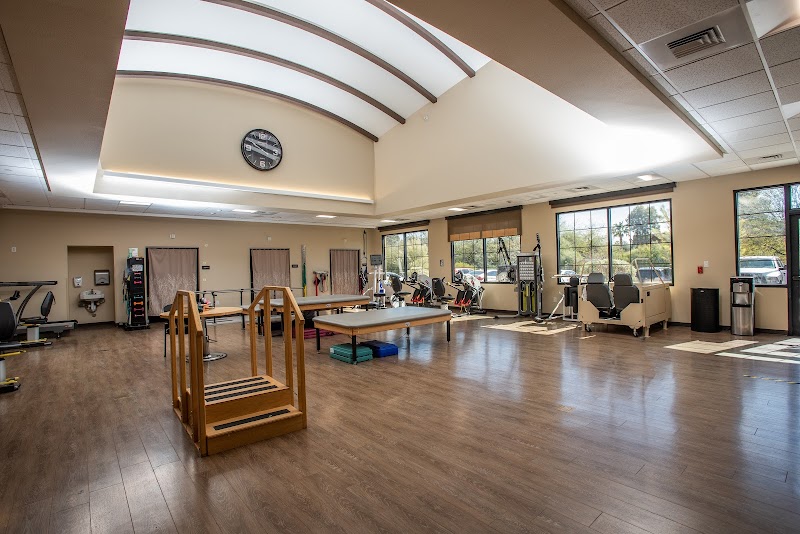
May 2023 2 deficiencies
CONCERN (D) 📢 Someone Reported This

A family member, employee, or ombudsman was alarmed enough to file a formal complaint

Potential for Harm - no one hurt, but risky conditions existed

Free from Abuse/Neglect (Tag F0600)

Could have caused harm · This affected 1 resident

**NOTE- TERMS IN BRACKETS HAVE BEEN EDITED TO PROTECT CONFIDENTIALITY** Based on clinical record review, staff interviews, hospital record, facility documentation and policy review, the facility faile...

Read full inspector narrative →
**NOTE- TERMS IN BRACKETS HAVE BEEN EDITED TO PROTECT CONFIDENTIALITY** Based on clinical record review, staff interviews, hospital record, facility documentation and policy review, the facility failed to ensure one resident (#55) was free from neglect, by failing to act in the presence of life-threatening signs and symptoms. This deficient practice could result in resident's not being provided necessary services Findings include: Resident #55 was admitted on [DATE] with diagnoses of a wedge compression fracture of T7 (thoracic vertebrae 7)-T8, multiple rib fractures, COPD (chronic obstructive pulmonary disease), heart failure, hypothyroidism, peripheral vascular disease, and hypokalemia. A review of a 5-day MDS assessment dated [DATE] the resident had a BIMS (brief interview for mental status) score of 14 indicating the resident had intact cognition. The nursing skin and wound note dated [DATE] included that the resident was admitted with open wounds to her left knee, left upper ankle, left lower ankle, and right ankle, as well as several bruises, abrasions and scabbed areas. The care plan dated [DATE] revealed the resident was at risk for skin breakdown related to fragile skin and mobility. Interventions including monitoring skin during care and reporting changes. The physician order dated [DATE] revealed an order to cleanse left ankle, wound care every Monday, Wednesday, and Friday. A wound note dated [DATE] included there was no change in the resident's condition. A physician progress note dated [DATE] revealed the resident was still weak and frail and had no fever. The blood pressure (BP) summary revealed the following information: -[DATE] at 7:24 a.m. the BP was 94/55 -[DATE] at 2:32 p.m., the BP was 71/43. However, this record was struck out; per the documentation, there was incomplete documentation. Despite documentation of these low BP, the clinical record revealed no documentation that the physician was notified until [DATE] at 9:22 p.m. (approximately 7 to 14 hours after the BP reading was taken). A physician progress note dated [DATE] at 9:22 p.m. revealed the physician was notified by a nurse that earlier that morning the resident was hypotensive at 71/43, was tachycardic all day at 108 and with increased oxygen requirement and was on 4 liters via nasal cannula with oxygen saturation of 92%. It also included that the resident's left lower extremity appeared warm and swollen. Per the documentation, the resident's family reported that the resident appeared lethargic and was shivering. Assessments included sepsis secondary to lower extremity cellulitis; and, acute hypoxic respiratory failure. The plan was to send the resident to the hospital STAT. Review of the hospital record revealed the resident was seen on [DATE] at 3:27 p.m.in the emergency room and had a chief complaint of sepsis. Per the documentation, upon arrival to the emergency room, the resident had an axillary temperature of 101.8, heart rate of 135, respiratory of rate of 24 and BP of 146/117. Impression included severe sepsis without septic shock. Continued review of the hospital record included that history was obtained from the family at bedside. Per the documentation, the family reported that resident was admitted at the facility; and that, the staff removed her left lower extremity wound dressing for shower and did not replace the dressing for several hours. It also included that the family was told that the resident's BP in the morning was in the systolic 70s. It also included that the resident had been noted to be saturating less than 90% on her home 4 L/min, so she was placed on nonrebreather. Further, the record revealed the resident was admitted to the hospital for treatment of severe sepsis with septic shock and was treated with multiple antibiotics. Further, the hospital record included that the resident expired on [DATE] at 3:23 p.m. In an interview conducted with a certified nursing assistant (CNA/staff #104) on [DATE] at 2:38 p.m., the CNA stated that if a resident's blood pressure were low, she would immediately tell the nurse and get the resident some water to drink. The CNA also stated that they put their vitals into the electronic record; and that, the nurses also document vitals. An interview with a licensed practical nurse (LPN/staff #23) was conducted on [DATE] at 1:50 p.m. The LPN stated that on the morning of [DATE] a CNA reported a low blood pressure at approximately 7:30 a.m.; and that, she asked the CNA to get a repeat blood pressure. However, the LPN stated that the agency CNA did not get back with her right away. The LPN said that at the time she was very busy passing meds; and, that was really not an excuse. Further, the LPN stated that the CNA gave her a new blood pressure about noon and she documented this in the eMAR (electronic Medication administration record) or progress notes. During the interview, a review of the clinical record was conducted with the LPN who stated that there was no documentation of the assessment that she had conducted after the resident's blood pressure was reported low at 7:30 a.m. She also reported that the BP of 71/43 was done at approximately 6:00 a.m. on [DATE]; and that, she struck it out because the resident was lying flat and she had set the resident up to see if it will help. The LPN said that she asked a female agency CNA to get a new set of vitals but she did not get the new vitals until noon. The LPN stated that it was not normal for her to send out a resident without any documentation; and that, when there is a change of condition the resident is assessed first, then sent them out to the hospital/emergency room and then document in the clinical record all the assessments and change of condition. Regarding resident #55, the LPN said that on [DATE] the family arrived at the facility at around 11:30 a.m., the doctor came in about 12:00 p.m., and the resident was sent out about 12:30 p.m. An interview was conducted on [DATE] at 3:30 p.m. with the director of nursing (DON/staff #98) who stated that in the event of a change of condition, her expectation was that the nurses would do an assessment, get vitals, and report any changes to the physician within one hour. The DON said that low blood pressure could be caused by sepsis, an infection, or medications; and that, she would definitely notify the physician. She stated that the CNAs documents their own vitals in the electronic record; but, they also give a copy to the nurses. The DON stated that if a nurse got a different result they could strike out the documentation of a CNA, because their scope of practice is higher. However, the DON said that she would expect a corrected entry or a progress note clarifying the difference. During the interview, a review of the clinical record was conducted with the DON who noted the resident's (#55) blood pressure of 71/42 and that it was struck out; and, the physician note that indicated the low blood pressure earlier that morning was communicated to the physician. The DON stated that there were no follow up blood pressure readings or progress notes found in the clinical record. Further, the DON said that neglect was defined as a resident not getting the care that the facility should be providing; or, withholding care to the resident. Regarding the incident with resident #55, the DON said the care was there but there was definitely a delay in notifying the physician of the resident's low BP. The facility policy on Change in a Resident's Condition or Status, revised February 2021 included that the nurse will notify the resident's attending physician when there has been significant change in the resident's condition and that the nurse will record in the resident's medical record information relative to changes in the resident's medical condition or status. A review of facility policy on Identifying Neglect dated [DATE] it included that circumstances that can lead to neglect include a failure to monitor or supervise resident's, and failure to communicate a significant change in a resident's condition.
CONCERN (D) 📢 Someone Reported This

A family member, employee, or ombudsman was alarmed enough to file a formal complaint

Potential for Harm - no one hurt, but risky conditions existed

Quality of Care (Tag F0684)

Could have caused harm · This affected 1 resident

**NOTE- TERMS IN BRACKETS HAVE BEEN EDITED TO PROTECT CONFIDENTIALITY** Based on staff interviews, hospital record, facility documentation and policy review, the facility failed to ensure one resident...

Read full inspector narrative →
**NOTE- TERMS IN BRACKETS HAVE BEEN EDITED TO PROTECT CONFIDENTIALITY** Based on staff interviews, hospital record, facility documentation and policy review, the facility failed to ensure one resident (#55) received treatment and care according to professional standards of care. This deficient practice could result in changes in condition being missed and timely interventions being implemented. Findings include: Resident #55 was admitted to the facility on [DATE] with diagnoses of wedge compression fracture of T7-T8, multiple rib fractures, COPD (chronic obstructive pulmonary disease), heart failure, hypothyroidism, peripheral vascular disease, and hypokalemia. A review of a 5-day MDS dated [DATE] noted the resident had a BIMS of 14, indicating no cognitive impairment. The blood pressure (BP) summary revealed the following information: -April 15, 2023 at 7:24 a.m. the BP was 94/55 -April 15, 2023 at 2:32 p.m., the BP was 71/43. However, this record was struck out; per the documentation, there was incomplete documentation. There was no evidence found in the clinical record that interventions were put in place to address the resident's low BP reading. Further review of the clinical record revealed no evidence that resident's BP was rechecked and monitored a low BP reading. Despite documentation of these low BP, the clinical record revealed no documentation that the physician was notified until April 15, 2023 at 9:22 p.m. (approximately 7 to 14 hours after the BP reading was taken). A physician progress note dated April 15, 2023 at 9:22 p.m. revealed the physician was notified by a nurse that earlier that morning the resident was hypotensive at 71/43, was tachycardic all day at 108 and with increased oxygen requirement and was on 4 liters via nasal cannula with oxygen saturation of 92%. It also included that the resident's left lower extremity appeared warm and swollen. Per the documentation, the resident's family reported that the resident appeared lethargic and was shivering. Assessments included sepsis secondary to lower extremity cellulitis; and, acute hypoxic respiratory failure. The plan was to send the resident to the hospital STAT. Review of the hospital record revealed the resident was seen on April 15, 2023 at 3:27 p.m.in the emergency room and had a chief complaint of sepsis. Per the documentation, upon arrival to the emergency room, the resident had an axillary temperature of 101.8, heart rate of 135, respiratory of rate of 24 and BP of 146/117. Impression included severe sepsis without septic shock. In an interview conducted with a certified nursing assistant (CNA/staff #104) on May 4, 2023 at 2:38 p.m., the CNA stated that if a resident's blood pressure were low, she would immediately tell the nurse and get the resident some water to drink. An interview with a licensed practical nurse (LPN/staff #23) was conducted on April 27, 2023 at 1:50 p.m. The LPN stated that on the morning of April 15, 2023 a CNA reported a low blood pressure at approximately 7:30 a.m.; and that, she asked the CNA to get a repeat blood pressure. The LPN stated that at the time she was very busy passing meds; and, that was really not an excuse. Further, the LPN stated that the CNA gave her a new blood pressure about noon and she documented this in the eMAR (electronic Medication administration record) or progress notes. During the interview, a review of the clinical record was conducted with the LPN who stated that there was no documentation of the assessment that she had conducted after the resident's blood pressure was reported low at 7:30 a.m. She also reported that the BP of 71/43 was done at approximately 6:00 a.m. The LPN said that she asked the CNA to get a new set of vitals but she did not get the new vitals until noon. The LPN further stated that it was not normal for her to send out a resident without any documentation; and that, when there is a change of condition the resident is assessed first, then sent them out to the hospital/emergency room and then document in the clinical record. However, regarding resident #55 the LPN stated the resident was sent out around 12:30 p.m. Despite having symptoms at 6:00 a.m., no interventions were put in place and the resident was not admitted until 3:27 p.m. which is a gap of approximately 9 to 9.5 hours which could result in increased morbidity and mortality. An interview was conducted on May 4, 2023 at 3:30 p.m. with the director of nursing (DON/staff #98) who stated that in the event of a change of condition, her expectation was that the nurses would do an assessment timely, get vitals, and report any changes to the physician within one hour. The DON said that low blood pressure could be caused by sepsis, an infection, or medications; and that, she would definitely notify the physician. She stated that the CNAs documents their own vitals in the electronic record; but, they also give a copy to the nurses. The DON stated that if a nurse got a different result they could strike out the documentation of a CNA, because their scope of practice is higher. However, the DON said that she would expect a corrected entry or a progress note clarifying the difference. During the interview, a review of the clinical record was conducted with the DON who noted the resident's (#55) blood pressure of 71/42 and that it was struck out; and, the physician note that indicated the low blood pressure earlier that morning was communicated to the physician. The DON stated that there were no follow up blood pressure readings or progress notes found in the clinical record. Regarding the incident with resident #55, the DON said the care was there but there was definitely a delay in notifying the physician of the resident's change in condition. Review of facility policy titled 'Change in a Resident's condition or status' revealed the nurse will notify the resident's attending physician or physician on call when there has been a significant change in the resident's condition. It also revealed the nurse will record in the resident's medical record information relative to changes in the resident's medical condition or status.
Jan 2023 10 deficiencies
CONCERN (D)

Potential for Harm - no one hurt, but risky conditions existed

Deficiency F0657 (Tag F0657)

Could have caused harm · This affected 1 resident

**NOTE- TERMS IN BRACKETS HAVE BEEN EDITED TO PROTECT CONFIDENTIALITY** Based on clinical record review, staff interviews and facility policy review, the facility failed to ensure that one resident (#...

Read full inspector narrative →
**NOTE- TERMS IN BRACKETS HAVE BEEN EDITED TO PROTECT CONFIDENTIALITY** Based on clinical record review, staff interviews and facility policy review, the facility failed to ensure that one resident (#4) had care plan revisions to meet their needs. The sample size was 23. The deficient practice could result in a lack of care provided to meet the resident's needs. Findings include: -Resident #4 admitted to the facility 12/17/22 with diagnoses including pressure ulcer of sacral region, stage 4, type 2 diabetes mellitus with diabetic chronic kidney disease (CKD) and quadriplegia. A physician ' s order dated 12/17/22 included weekly weight monitoring every day shift, every Sunday. On 12/17/22 at 6:41 p.m. the Weight Summary indicated the resident's weight at 231.0 pounds (lbs). The admission Minimum Data Set (MDS) assessment dated [DATE] revealed the resident scored 15 on the Brief Interview for Mental Status, indicating intact cognition. He required extensive 1-2 person physical assistance for most activities of daily living. A risk for compromised nutritional status care plan initiated on 12/28/22 related to excessive carbohydrate intake, inactivity and body mass index greater than 23 had a goal to remain at +/- 5% of admission weight. Interventions included a consistent carbohydrate diet. On 01/01/23 at 12:49 p.m. the Weight Summary indicated the resident weighed 206.0 lbs, for a weight loss of 7.36% in a 2-week timeframe. However, review of the clinical record did not demonstrate that the weight loss had been identified or that the provider and/or the dietitian had been notified of the change in the resident ' s weight status. Review of the resident ' s care plan did not provide evidence of revision to the risk for compromised nutritional status care plan. On 01/26/23 at 8:19 a.m. an interview was conducted with the Registered Dietician Nutritionist (staff #85). She reviewed the initial weight loss and stated that it might have been related to swelling associated with the resident ' s amputation. She stated that it was not identified, documented and that the provider was not notified. She stated that she failed to document and notify the provider. She stated that the appropriate course of action would be to re-weigh the resident to ensure the weights were accurate, and of course to notify the provider. She stated that she had just dropped the ball. She stated that to monitor weights, she checks the weight report. She stated that the resident did not show up on the weight report and that she did not notice the resident was missing. An interview was conducted on 01/26/23 at 9:30 a.m. with the Director of Nursing (DON/staff #8). She stated that if the resident had an unanticipated weight loss, then yes, she would expect the Registered Dietician to update the care plan to address the weight loss. A review of facility policies titled 'Goals, Objectives, and Care Plans' revised April 2009, #5 states Goals and objectives are reviewed and/or revised when there has been a significant change in the resident's condition or when the desired outcome has not been achieved. A review of facility policies titled 'Care Plans, Comprehensive Person Centered' Revised March, 2022 #11 states Assessments of the resident are ongoing and care plans are revised as information about the residents and the resident's condition change
CONCERN (D)

Potential for Harm - no one hurt, but risky conditions existed

Medical Records (Tag F0842)

Could have caused harm · This affected 1 resident

**NOTE- TERMS IN BRACKETS HAVE BEEN EDITED TO PROTECT CONFIDENTIALITY** Based on closed clinical record review, staff interviews, and review of facility policies, the facility failed to ensure that on...

Read full inspector narrative →
**NOTE- TERMS IN BRACKETS HAVE BEEN EDITED TO PROTECT CONFIDENTIALITY** Based on closed clinical record review, staff interviews, and review of facility policies, the facility failed to ensure that one resident's (#4) clinical record was accurately documented in accordance with accepted professional standards of practices. The deficient practice could result in the resident's clinical record not being accurate and complete. Findings include: Resident #4 was admitted [DATE] with pertinent diagnosis that include stage 4 sacrum pressure ulcer, type 2 diabetes, malnutrition, chronic obstructive pulmonary disease, and heart failure. The record review of the MDS (Minimum Data Set), revealed an MDS dated [DATE] noted a BIMS (Brief Interview for Mental Status) of 15, indicating that the resident has no cognitive impairment. Review of the care plan dated December 19, 2022 the resident is at risk for impaired skin integrity related to a current wound and poor nutrition. Noted interventions include 'Evaluate skin', 'monitor for redness, especially over bony prominences', and 'provide wound care per treatment order' Review of physician orders dated December 17, 2022 revealed the following orders: - Wound care / Podiatry consult and treat as indicated - Cleanse lower back wound with NS, Pat dry, Apply wound vac @ 125MMHG A review of the COM (Clinical admission Evaluation) dated December 17, 2022 revealed an incomplete admission assessment. Sections titled 'Body System Baselines' and 'Clinical evaluation' had no documentation present. The pertinent skin assessment also had no documentation present. An interview was conducted on January 25, 2023 at 1058 with a licensed practical nurse (LPN #33). The LPN stated that she is the wound nurse, but does not have her wound certification. The LPN states this facility uses [NAME] for assessing wounds, which is a contract nurse practitioner. The LPN states that her expectation if a wound or skin issue is identified that treatment is provided. The LPN further states that she does a second skin assessment on every resident when they are admitted . The LPN states that she didn't see any skin assessments in the computer for this resident (#4). The LPN stated that if assessments weren't done the resident could see a worsening of wound conditions. A review of the facilities policy titled 'Prevention of Pressure Injuries' dated April 2020 under the section 'Skin Assessment' stated to conduct a comprehensive skin assessment upon (or soon after) admission, with each risk assessment, as indicated according to the resident's risk factors, and to inspect the skin on a daily basis when performing or assisting with personal care or ADL's (Activities of Daily Living).
CONCERN (E)

Potential for Harm - no one hurt, but risky conditions existed

Deficiency F0637 (Tag F0637)

Could have caused harm · This affected multiple residents

**NOTE- TERMS IN BRACKETS HAVE BEEN EDITED TO PROTECT CONFIDENTIALITY** Based on clinical record review, staff interviews, the RAI (Resident Assessment Instrument) Manual and policy review, the facili...

Read full inspector narrative →
**NOTE- TERMS IN BRACKETS HAVE BEEN EDITED TO PROTECT CONFIDENTIALITY** Based on clinical record review, staff interviews, the RAI (Resident Assessment Instrument) Manual and policy review, the facility failed to ensure a significant change MDS (Minimum Data Set) assessment was completed for one resident (#4) within the required timeframe. The sample size was 23. The deficient practice could result in the resident not receiving continuity of care. Findings include: Resident #4 admitted to the facility 12/17/22 with diagnoses including pressure ulcer of sacral region, stage 4, type 2 diabetes mellitus with diabetic chronic kidney disease (CKD) and quadriplegia. A physician's order dated 12/17/22 included weekly weight monitoring every day shift, every Sunday. On 12/17/22 at 6:41 p.m. the Weight Summary indicated the resident's weight at 231.0 pounds (lbs). The admission Minimum Data Set (MDS) assessment dated [DATE] revealed the resident scored 15 on the Brief Interview for Mental Status, indicating intact cognition. He required extensive 1-2 person physical assistance for most activities of daily living. A risk for compromised nutritional status care plan initiated on 12/28/22 related to excessive carbohydrate intake, inactivity and body mass index greater than 23 had a goal to remain at +/- 5% of admission weight. Interventions included a consistent carbohydrate diet. On 01/01/23 at 12:49 p.m. the Weight Summary indicated the resident weighed 206.0 lbs, for a weight loss of 7.36% in a 2-week timeframe. On 01/03/23 at 1:04 p.m. a dietary note included a meal intake/diet change. Per the note, the resident was receiving a carbohydrate consistent diet with no added salt with double portions (6000 kcals, 232 grams of protein) plus liquid protein twice daily (32 grams). The note stated the resident eats 100%, which would cause significant weight gain, pressure on the sacral wound, increased hyperglycemia, and excess protein for CKD. The note indicated that the estimated demands were 2795 - 3261 kcals and 140 - 186 grams of protein and that double portions would be discontinued. However, review of the clinical record did not demonstrate that the weight loss had been identified or that the provider and/or the dietitian had been notified of the change in the resident ' s weight status. In addition, the resident did not trigger a significant change of condition assessment. On 01/26/23 at 8:19 a.m. an interview was conducted with the Registered Dietician Nutritionist (staff #85). She stated that she did not get to see the resident's weight on the 22nd because she comes in on Tuesdays, which would have been the 24th. She reviewed the initial weight loss and stated that it might have been related to swelling associated with the resident's amputation. She stated that it was not identified, documented and that the provider was not notified. She stated that she failed to document and notify the provider. She stated that the resident had wounds, a wound vac, and fluid shifts. She stated that you have to take a weight with a grain of salt because they are speculative. She stated that the weight changes were expected, but that it was not stated in his record. She stated that the appropriate course of action would be to re-weigh the resident to ensure the weights were accurate, and of course to notify the provider. She stated that she had just dropped the ball. She stated that to monitor weights, she checks the weight report. She stated that the resident did not show up on the weight report and that she did not notice the resident was missing. She stated that there were no Nutrition at Risk meetings, but that there are weekly meetings every Thursday where they look at weights. She stated that they have a morning meeting also, where they go around the room and discuss concerns with residents. She stated that resident #4 was just missed. An interview was conducted on 01/26/23 at 9:30 a.m. with the Director of Nursing (DON/staff #8). She stated that resident weights are obtained within 24-48 hours of their admission. She stated that weekly weights are obtained on Sundays by the Certified Nursing Assistants. She stated that the dietitian monitors the weights via a weekly report. She stated that when a resident loses weight, the doctor will be notified because the weight loss may be related to a diagnosis. She stated that it is nursing ' s role to notify, and that the conversation should be documented in the resident's clinical record. She stated that she would have to review the policy to identify what percentage of weight would be considered a significant weight loss. She stated that if that was the case, the Registered Dietician would trigger a significant change. She stated that if the weight loss was desirable or care planned, then it would not be considered a significant change. The Change in a Resident's Condition or Status policy, revised February 2021, included that the facility promptly notifies the resident, his or her attending physician and the resident representative of changes in the resident ' s medical/mental condition and/or status. The nurse will notify the resident ' s attending physician or on call when there has been a significant change in the resident ' s physical/emotional/mental condition. A significant change of condition is a major decline or improvement in the resident ' s status that requires interdisciplinary review and/or revision to the care plan and is ultimately based on the judgment of the clinical staff and the guidelines outlined in the Resident Assessment Instrument.
CONCERN (E)

Potential for Harm - no one hurt, but risky conditions existed

Comprehensive Care Plan (Tag F0656)

Could have caused harm · This affected multiple residents

**NOTE- TERMS IN BRACKETS HAVE BEEN EDITED TO PROTECT CONFIDENTIALITY** Based on clinical record review, staff interview, facility documentation and review of policies and procedures, the facility fai...

Read full inspector narrative →
**NOTE- TERMS IN BRACKETS HAVE BEEN EDITED TO PROTECT CONFIDENTIALITY** Based on clinical record review, staff interview, facility documentation and review of policies and procedures, the facility failed to ensure that a care plan for treatment and care of pressure ulcer was developed for one resident (#77). Findings include: -Resident #77 was admitted on [DATE] with diagnoses that included unspecified protein-calorie malnutrition, pneumonia, respiratory failure, and unspecified with hypoxia. Review of the facility assessment, Weekly Skin Observation, dated December 23, 2022 at 7:36 p.m., included a right antecubital bruise, and generalized bruising on both legs from previous injuries/falls. A facility assessment, Wound Rounds, dated December 27, 2022 included a wound on the coccyx. Per the assessment, the type is pressure ulcer, and the clinical stage is unstageable. The assessment included a tissue type of bright beefy read, 50%, and loosely adherent slough of 50%. Review of the facility assessment, Weekly Skin Observation, dated January 6, 2023 at 08:21 a.m., included an open area on the buttocks. Per the assessment note, the wound nurse was notified and that the wound nurse placed the treatment. Review of the physician order dated January 9, 2023 at 6:00 a.m., revealed the following treatment order for the coccyx: -Cleanse with normal saline, apply Santyl ointment to wound bed, and cover with dry dressing every day shift on Monday, Wednesday, and Friday. A care plan initiated on December 23, 2023 included a problem that resident is at risk for skin breakdown or at risk for additional skin breakdown due to a stage 1 pressure ulcer that was present on admission. The interventions included keep skin clean and dry, avoid friction and sheering, and encourage nutrition. However, the care plan did not include interventions for treatment and care of the current unstageable pressure ulcer on the resident's coccyx. An interview was conducted on January 26, 2023 at 8:40 a.m. with the director of nursing (DON/staff #8). The DON accessed the resident's medical record and she reviewed the care plan. After record review, the DON stated the treatment and care for the coccyx pressure ulcer was not found in the care plan. The DON stated it is her expectation that care plan should include the treatment and interventions for the pressure ulcer if indicated. She stated failure to create a care plan may place the staff at risk of not following the best practice for the care of the resident's pressure ulcer. Review of the facility policy, Care Planning, with a revision dated March 2022, stated the interdisciplinary team is responsible for the development of resident care plans. The implementation included a development of comprehensive, person-centered care plans that are based on resident assessments.
CONCERN (E) 📢 Someone Reported This

A family member, employee, or ombudsman was alarmed enough to file a formal complaint

Potential for Harm - no one hurt, but risky conditions existed

Quality of Care (Tag F0684)

Could have caused harm · This affected multiple residents

**NOTE- TERMS IN BRACKETS HAVE BEEN EDITED TO PROTECT CONFIDENTIALITY** Based on clinical record review, staff interviews, and review of policy, revealed the facility failed to ensure one resident (#2...

Read full inspector narrative →
**NOTE- TERMS IN BRACKETS HAVE BEEN EDITED TO PROTECT CONFIDENTIALITY** Based on clinical record review, staff interviews, and review of policy, revealed the facility failed to ensure one resident (#20) received treatment and services in accordance with professional standards of practice. The deficient practice could result in residents not receiving the treatment and care based on their assessed needs. Regarding Resident #20 Findings include: -Resident #20 was admitted on [DATE] with diagnoses that included chronic hypoxia, type 2 diabetes, morbid obesity, and spinal stenosis. Review of weekly skin observation dated December 17, 2022 at 2:29 p.m., included the following: -Redness underneath axilla area -Redness in the groins -Redness in the folds of stomach area -Redness on coccyx Further record review revealed no additional weekly skin observation. A skin/wound note written on December 19, 2022 at 1:53 p.m., by the LPN/wound nurse (staff #33) included a clarification to admission skin assessment. Per the note, the resident has redness under both armpits. Review of a physician progress note dated December 19, 2022 at 2:01 p.m., included a left axillary area with redness and discoloration. The physician's impression stated left axilla dermatitis/Nystatin powder. However, record review revealed no order for the Nystatin powder and no treatment provided for the left axilla dermatitis. Review of the physician orders dated December 19, 2022 at 5:00 p.m., revealed a treatment to cleanse folds redness with normal saline, then apply antifungal cream twice daily for wound care. Review of care plan initiated on December 20, 2022 included a problem for at risk to skin breakdown related to infection. The interventions included to keep skin clean and dry, and apply barrier cream or ointment as ordered. An admission MDS (Minimum Data Set) dated December 21, 2022 revealed a BIMS (Brief Interview of Mental Status) score of 11, indicating moderately impaired cognition. The assessment included skin treatment by applications of ointment/medication other than feet. On December 23, 2022, the physician wrote the following orders for oral antibiotics: -Doxycycline Hyclate tablet 100 milligrams by mouth every 12 hours for cellulitis for 10 days. -Keflex Capsule 500 MG every 6 hours for cellulitis for the left under arm cellulitis for 10 days. A physician order dated December 28, 2022 revealed a wound care and evaluation of left arm cellulitis due to wound is weeping with foul odor. Review of the physician order dated January 10, 2023 included a dermatology consult and treatment as indicated for one month. Review of physician order dated January 17, 2023, revealed an order for Triamcinolone Acetonide Cream 0.1%, apply to under left axilla topically three times a day for rash. Review of a wound assessment detail report dated January 17, 2023 included a left armpit wound that was present on admission, classified as fungal, and that it was identified on December 19, 2022. Review of the physician orders dated January 18, 2023 revealed an order for Nystatin External Cream 100,000 unit/grams, apply to left arm pit topically three times a day for fungal rash for 30 days. However, further record review revealed no treatment order for the left arm pit wound from December 19, 2022 through January 9, 2023. An interview was conducted on January 24, 2023 at 11:54 a.m., with a licensed practical nurse/wound nurse (LPN/staff #33). She stated the process when a new admission enters the facility included the admitting nurse to complete a body check. She stated the admitting nurse documents all skin alterations in the progress notes on point-click-care, under admission notes. She stated that if an admitting nurse identify any skin alteration, the general understanding is to start a treatment. Staff #33 stated that the facility has a standing order for skin protocol that all nurses knew and were trained to use. Further, she stated that she was always available via telephone for any questions and guidance for skin alteration treatment protocols. A second interview was conducted on January 24, 2023 at 12:15 p.m., with a licensed practical nurse/wound nurse (LPN/staff #33). She accessed the treatment administration record for December 2022, and stated that the antifungal treatment that the physician ordered on December 19, 2022 was only to treat the reddened folds of the pannus, not for the left armpit wound. She stated when the resident arrived in the facility, the left armpit was already deeply red and odorous. She stated the resident is receiving antibiotic now for the left armpit infection/cellulitis. After staff #33 further reviewed the electronic record, she stated the order to treat the armpit was not obtained until January 9, 2023. Staff #33 stated she has no treatment order for the left armpit wound prior to January 9, 2023. She stated with regards to the weekly skin assessment, she did not know much about it because the nurses complete the required form, then the DON reviews the assessment. She accessed the weekly skin assessment records and stated, the skin assessment was not completed since December 24, 2022. A resident interview was conducted on January 25, 2023 at 2:49 p.m. The resident stated he entered the facility with a rash under the left armpit present. He said the nurse knew about it because they check his entire body completely. He stated two days after the admission the string from the hospital gown got stuck under his left armpit and back because he is too heavy (obese). He stated about a few days after he was admitted , he had a burn-like cut in his left armpit and he told the nurse it was causing him a lot of pain. He stated he told the nursing staff but no one was providing treatment on it. He stated he was in so much pain, like his armpit was on fire, that he told the staff to send him to VA (Veterans Affair) ER (Emergency Room). He stated the left armpit wound was treated at the VA ER. The resident stated the wound became infected, but it is getting better now. An interview was conducted with a licensed practical nurse (LPN/ staff #141). She stated she was familiar with the resident #20 and that the resident is alert, oriented, and is able to communicate his needs. She stated when a new resident enters the facility, she would complete a body check and will document any redness or open areas on the body including the armpits. She stated, if a resident is admitted with skin alteration, the standard of nursing practice is to call the physician and get a treatment order, and the skin nurse follows up the following day. If a resident is admitted on the weekend, the admitting nurse will call the physician to get a treatment order if a treatment order is not already included in the admission transfer orders. She stated the treatment, if ordered, is provided right away. An interview was conducted on January 25, 2023 at 3:07 p.m. with a licensed practical nurse (LPN/ staff #55). She stated upon admission, a full body assessment is conducted looking for redness and alteration of the skin. The skin assessment is documented in the form, Weekly Skin Observation, indicating the date of admission, then the skin assessment is conducted weekly thereafter. If there is a wound or skin alteration, she would call the provider and obtain treatment order, then provide the treatment the same day as ordered. An interview with the director of nursing (DON/ staff #8) was conducted on January 26, 2023 at 8:40 a.m. She stated it is her expectation with nursing staff when there is a skin alteration such as rash can be treated without doctor order if the medication is OTC (over the counter). She stated skin assessment on admission is checked by the wound nurse within 24-48 hours of admission. She stated that if the wound nurse identifies a skilled wound care is needed for a resident, she would refer them to the wound care team that rounds three times a week. She stated the risk for the resident if the treatment for skin alteration is not provided timely included further deterioration of the skin. A facility policy titled, Skin Tears-Abrasions and Minor Breaks, Care of, revised on September 2013, stated the purpose of the procedure is to guide the prevention and treatment of abrasions, and minor breaks in the skin. The skin preparation included obtaining a physician's order as needed, documenting the physician notification in the medical record, and reviewing the resident's care plan. The reporting section included notification of the physicians of any abnormalities like localized swelling, redness, drainage, and tenderness. Further, it also included reporting other information in accordance with facility policy/guidelines, and professional standards of practice.
CONCERN (E)

Potential for Harm - no one hurt, but risky conditions existed

Pressure Ulcer Prevention (Tag F0686)

Could have caused harm · This affected multiple residents

**NOTE- TERMS IN BRACKETS HAVE BEEN EDITED TO PROTECT CONFIDENTIALITY** Based on clinical record review, staff interviews, and the facility's policies and procedures, the facility failed to prevent a ...

Read full inspector narrative →
**NOTE- TERMS IN BRACKETS HAVE BEEN EDITED TO PROTECT CONFIDENTIALITY** Based on clinical record review, staff interviews, and the facility's policies and procedures, the facility failed to prevent a pressure ulcer from developing in accordance with professional standards by failing to provide consistent preventative treatment for one resident (#77). Findings include: Resident #77 was admitted on [DATE] with diagnoses that included unspecified protein-calorie malnutrition, pneumonia, and respiratory failure, unspecified with hypoxia. Review the facility assessment, Weekly Skin Observation, dated December 23, 2022 at 7:36 p.m., included the following: -A right antecubital bruise -A generalized bruising on both legs A care plan initiated on December 23, 2023, included a skin breakdown due to stage 1 pressure ulcer present on admission. The following interventions were included: -Keep skin clean and dry. -Avoid friction and sheering. -Encourage nutrition. Review of skin/wound nursing note dated December 27, 2022 at 4:28 p.m., stated a clarification to admission skin assessment, and that resident has no open area. The note included the following: -Bilateral bruises on upper extremities -Redness on sacral area Review of the physician order dated December 27, 2022 at 6:00 p.m. included the following: -Apply barrier cream on sacral area at every brief change, every 2 hours for skin integrity protection. However, review of treatment administration records (TARs) dated December 2022 and January 2023 revealed multiple gaps. Further record review revealed the barrier cream was ordered on the same day the pressure ulcer was identified from Stage 1 into unstageable on December 27, 2022. A facility assessment, Wound Rounds, dated December 27, 2022 revealed a wound on the coccyx. The assessment included the following: -The type of wound is pressure ulcer -The clinical stage is unstageable -The tissue type is 50% beefy red, and 50% loosely adherent slough. Further record review revealed no documentation that additional wound rounds/assessments was conducted, and no revision of care plan to prevent the worsening of pressure sore. Review of the physician order dated January 9, 2023 at 6:00 a.m., revealed the following treatment order for the coccyx: -Cleanse with normal saline, apply Santyl ointment to wound bed, and cover with dry dressing every day shift on Monday, Wednesday, and Friday. A wound treatment observation was conducted on January 25, 2023 at 10:30 a.m., with the wound nurse (staff #33). The wound nurse described the coccyx wound as present on admission as follows: -The type of wound is pressure ulcer -The length is 1.7 centimeter by 0.8-centimeter-wide, UTD (undetermined depth). -The tissue is 65% slough, 35% pale/pink granulation. A follow up interview with the wound nurse was conducted immediately after the treatment observation. She stated the wound was present on admission but it was not opened, it was only a reddened area. She accessed the electronic record of her assessment dated [DATE]. She stated on December 27, 2022, she documented a stage 1 on the coccyx, and it was described as blanchable erythema. The wound nurse accessed the record and stated the pressure ulcer was not present on admission, and that she has to document a clarification to change the pressure ulcer to facility acquired. She stated the gaps in the treatment administration records means the treatment was not provided. She stated the treatment to prevent the pressure ulcer on the coccyx was not consistently provided as evidenced by the gaps on the treatment records. An interview was conducted on January 26, 2023 at 8:33 a.m. with the director of nursing (DON/staff #8). She stated if the treatment is not charted is not provided. She stated it is her expectation that treatment must be completed on the assigned time. She stated if the treatment for pressure ulcer prevention is not done, there must be a documentation why. She stated the risk for the resident if the treatment is not done included a potential deterioration of the pressure ulcer. A facility policy titled, Prevention of Pressure injuries, revised on April 2020, stated the purpose of the policy is to provide information regarding identification of pressure injury risk factors and interventions for specific risk factors. The preparation section included review of the resident's care plan and identify the risk factors as well as the interventions designed to reduce or eliminate those considered modifiable. The skin assessment section included inspection of the skin on a daily basis when performing personal care. The section also included identifying any signs and symptoms of developing pressure injuries (like non-blanchable erythema). The prevention section included keeping the skin clean and hydrated, use barrier product to protect skin from moisture, and use incontinence products with high absorbency. The monitoring section stated to evaluate, report, and document potential changes in the skin, and review the interventions and strategies for effectiveness on an ongoing basis.
CONCERN (E) 📢 Someone Reported This

A family member, employee, or ombudsman was alarmed enough to file a formal complaint

Potential for Harm - no one hurt, but risky conditions existed

Accident Prevention (Tag F0689)

Could have caused harm · This affected multiple residents

**NOTE- TERMS IN BRACKETS HAVE BEEN EDITED TO PROTECT CONFIDENTIALITY** -Regarding Resident #74 Resident #74 was admitted [DATE] with pertinent diagnosis that include a left femur fracture, type 2 dia...

Read full inspector narrative →
**NOTE- TERMS IN BRACKETS HAVE BEEN EDITED TO PROTECT CONFIDENTIALITY** -Regarding Resident #74 Resident #74 was admitted [DATE] with pertinent diagnosis that include a left femur fracture, type 2 diabetes, heart disease and end stage renal disease. Record review of an admission MDS (Minimum Data Set), dated December 19, 2022 noted a BIMS (Brief Interview for Mental Status) of 12, indicating that the resident has mild cognitive impairment. On January 23, 2023 A bottle of nitroglycerine sublingual tablets were noted on the bedside table in the resident's room. This bottle was noted to be within arms reach of the resident. This writer alerted staff to the observation and the Licensed Practical Nurse (LPN #45) on the floor removed the medication from the room and secured it in medication cart. Review of the care plan dated December 12, 2022 revealed the resident is at risk for poor medication management. Resident will be prescribed the minimum amount of medications necessary, with a noted intervention of 'consult pharmacist to review medications'. However, no care plan measure for self-administration was noted in this review. Review of physician orders dated December 17, 2022 revealed no orders for nitroglycerine. No order for self-administration was noted in this review. An interview was conducted on January 24, 2023 at 0900 with a Licensed Practical Nurse (LPN #45). The LPN stated that it is not a facility policy to leave medications at bedside. The LPN states she is not sure if they do resident self-administration assessments and hasn't seen that in this facility. The LPN stated that if medications are found at bedside they would be secured in the medication cart. The LPN was unable to identify why this medication was left at bedside. An interview was conducted on January 24, 2023 at 0913 with resident #74. The resident reports she was never asked about self-administration. She reports the facility doesn't allow her to take her own medications and that the nursing staff watch her when she takes her pills. She also reports that the pill bottle was there so she didn't forget to ask for a new one from her heart doctor. An interview was conducted on January 26, 2023 at 1230 with a Licensed Practical Nurse (LPN #55). The LPN stated there should never be medications left at bedside. The LPN Stated she has found medications at bedside during admissions and that the medications are secured and explained to the resident why this is necessary. The LPN States the risks of medications at bedside could cause side effects or a bad disposition for the resident. The LPN States she is not aware of any self-administration policy or medication at bedside policy in this facility. When asked about what the outcome could be if nitroglycerine is used at bedside, The LPN states the resident could pass out and fall as a result of having low blood pressure. The LPN also reports she would notify her supervisor in the event medications are found at bedside. A review of the facilities policy titled 'Self-Administration of medications' dated February 2021 revealed the IDT can evaluate factors when determining whether self-administration of medications is safe and appropriate for the resident based on a variety of criteria. However, since the resident was not identified as appropriate for self-administration, and also had no physician's order for this medication, resident was at risk for a medication related injury. Based on observations, resident and staff interviews, clinical record review, and review of policy, the facility failed to ensure one resident's (#238) environment was free from accidents/hazards, and that one resident (#74) received adequate supervision to prevent medication accidents. The sample size was 23. The deficient practice could lead to residents sustaining accident-related injuries. Findings include: -Regarding Resident #238: Resident #238 admitted to the facility on [DATE] with diagnoses including chronic systolic (congestive) heart failure, orthostatic hypotension and history of falling. A nurses progress note dated 09/09/22 at 9:31 a.m. included that the writer heard a loud bang from the nurses station. The note included that the writer went to assess the situation and found the resident sitting in his bed with the headboard on his bed as well as glass from the picture that had fallen on him. Per the note, the glass was cleaned off the resident and he was assisted to the chair and further assessed for injuries. The resident complained of right shoulder pain, and redness to the shoulder was noted. The resident's family and the provider were notified. The provider ordered an x-ray for the shoulder and the resident was switched to a different room. On 01/24/23 at 12:06 p.m. an interview was conducted with resident #238. He stated that on the morning of the incident, he was repositioning his bed to sit up. He stated he heard a loud pop and somehow the picture that had been over his bed had fallen onto his head. He stated that the glass shattered all over him, but that he was not cut. He stated that he called out for assistance. He stated that a Certified Nursing Assistant (CNA) came into his room and turned on the light and said, Oh, my God. He stated that they immediately called maintenance and picked the glass off him. He stated that he was transferred into a different room. An observation was conducted on 01/25/23 at 9:51 a.m. with a CNA (staff #12) in the first floor resident rooms. In room [ROOM NUMBER], bed A, it was noted that a headboard was no longer afixed to the wall. Upon further inspection, 2 [NAME]-sized holes were identified in the wall approximately 2 feet from the floor, on either side of the bed. Drywall was noted to be protruding from the holes. Markings on the wall above the bed, at approximately 4 ½ feet from the floor, bore resemblance to the area on the wall where other fixed headboards had been secured. Picture hardware was identified above both beds A and B. However, the pictures had been removed. In room [ROOM NUMBER], which was unoccupied, it was noted that the headboard of the beds in the room were bolted to the wall behind the heads of the beds. The bottom of the headboards were approximately 2 feet from the floor. The tops of the headboards were approximately 4 ½ feet from the floor. Above the headboards, pictures were hung on the wall over the beds which measured approximately 3 feet long by 2 feet wide. The pictures were observed to have glass covering them. An interview was conducted on 01/25/23at 9:52 a.m. with staff #12. She stated that the headboards are bolted into the wall. She stated that she thinks the pictures are screwed into the wall above them. She stated that she thought she had heard about a resident who had a picture fall on his head. She stated that if the bed was lowered all the way into the low position, and the resident had adjusted his bed to sit up, the bed frame would have hooked under the headboard and could have popped the bed frame up, hitting the picture and releasing it from the wall. The CNA demonstrated by raising and lowering the bed. She stated that sometimes when she is working, the bed frame gets caught under the headboard. On 01/26/23 at 11:26 a.m. an interview was conducted with a CNA (staff #141). He stated that sometimes the beds will get stuck under the headboard. He stated that he has to pull the bed out from the wall for the bed to go up. He stated that he last talked to maintenance about it about 2 weeks ago when one of the beds got stuck on the second floor. He stated that he did not remember what maintenance did because he was working after that. An interview was conducted on 01/26/23 at 3:10 p.m. with the Director of Nursing (DON/staff #8). She stated that her expectation is that they meet the needs for each resident specifically and that they maintain a safe environment. She stated that if a CNA or nurse identifies a safety issue, they will notify maintenance to correct it within a timely manner. She stated that she thought maintenance went through the building and re-anchored the bed frames. However, evidence of completion of the work orders was not provided to the State survey team. The Safety and Supervision of Residents - Accidents/Hazards policy, revised July, 2017, included the facility strives to make the environment as free from accident hazards as possible. Resident safety, supervision and assistance to prevent accidents are facility-wide priorities. Safety risks and environmental hazards are identified on an ongoing basis through a combination of employee training, employee monitoring, and reporting processes, QAPI reviews of safety and incident/accident data and a facility-wide commitment to safety at all levels of the organization. The QAPI committee and staff shall monitor interventions to mitigate accident hazards in the facility and modify as necessary.
CONCERN (E)

Potential for Harm - no one hurt, but risky conditions existed

Deficiency F0692 (Tag F0692)

Could have caused harm · This affected multiple residents

**NOTE- TERMS IN BRACKETS HAVE BEEN EDITED TO PROTECT CONFIDENTIALITY** Based on the clinical record review, staff interviews and policy reviews, the facility failed to ensure one resident ' s (#4) we...

Read full inspector narrative →
**NOTE- TERMS IN BRACKETS HAVE BEEN EDITED TO PROTECT CONFIDENTIALITY** Based on the clinical record review, staff interviews and policy reviews, the facility failed to ensure one resident ' s (#4) weight was obtained as ordered and/or that he maintained acceptable parameters of nutritional status. The sample size was 23. The deficient practice could result in residents with unplanned weight loss. Findings include: Resident #4 admitted to the facility 12/17/22 with diagnoses including pressure ulcer of sacral region, stage 4, type 2 diabetes mellitus with diabetic chronic kidney disease (CKD) and quadriplegia. A physician ' s order dated 12/17/22 included weekly weight monitoring every day shift, every Sunday. On 12/17/22 at 6:41 p.m. the Weight Summary indicated the resident ' s weight at 231.0 pounds (lbs). The admission Minimum Data Set (MDS) assessment dated [DATE] revealed the resident scored 15 on the Brief Interview for Mental Status, indicating intact cognition. He required extensive 1-2 person physical assistance for most activities of daily living. A risk for compromised nutritional status care plan initiated on 12/28/22 related to excessive carbohydrate intake, inactivity and body mass index greater than 23 had a goal to remain at +/- 5% of admission weight. Interventions included a consistent carbohydrate diet. Review of the clinical record did not provide evidence that the resident was weighed again until 01/01/23 when the resident ' s weight was documented at 206.0 lbs, for a weight loss of 7.36%. However, review of the clinical record did not demonstrate that the provider and/or the dietitian had been notified of the change in the resident ' s weight status. On 01/03/23 at 1:04 p.m. a dietary note included a meal intake/diet change. Per the note, the resident was receiving a carbohydrate consistent diet with no added salt with double portions (6000 kcals, 232 grams of protein) plus liquid protein twice daily (32 grams). The note stated the resident eats 100%, which would cause significant weight gain, pressure on the sacral wound, increased hyperglycemia, and excess protein for CKD. The note indicated that the estimated demands were 2795 - 3261 kcals and 140 - 186 grams of protein and that double portions would be discontinued. Per the Weight Summary, the resident ' s ensuing weight was not obtained until 01/15/23. According to the record, the resident ' s weight was 214.0 lbs. The Weight Summary revealed a subsequent weight was not obtained until 01/22/23, at which time the resident ' s weight was documented at 178.3 lbs, for an additional weight loss of 17.07%. However, further review of the resident ' s clinical record did not demonstrate the weight loss had been identified or that the provider had been notified. On 01/26/23 at 8:19 a.m. an interview was conducted with the Registered Dietician Nutritionist (staff # ). She stated that she did not get to see the resident ' s weight on the 22nd because she comes in on Tuesdays, which would have been the 24th. She reviewed the initial weight loss and stated that it might have been related to swelling associated with the resident ' s amputation. She stated that it was not identified, documented and that the provider was not notified. She stated that she failed to document and notify the provider. She stated that the resident had wounds, a wound vac, and fluid shifts. She stated that you have to take a weight with a grain of salt because they are speculative. She stated that the weight changes were expected, but that it was not stated in his record. She stated that the appropriate course of action would be to re-weigh the resident to ensure the weights were accurate, and of course to notify the provider. She stated that she had just dropped the ball. She stated that she could not say why the weekly weights were not completed as ordered. She stated that to monitor weights, she checks the weight report. She stated that the resident did not show up on the weight report and that she did not notice the resident was missing. She stated that there were no Nutrition at Risk meetings, but that there are weekly meetings every Thursday where they look at weights. She stated that it was like an at risk meeting. She stated that they have a morning meeting also, where they go around the room and discuss concerns with residents. She stated that he was just missed. An interview was conducted on 01/26/23 at 9:30 a.m. with the Director of Nursing (DON/staff # ). She stated that resident weights are obtained within 24-48 hours of their admission. She stated that weekly weights are obtained on Sundays by the Certified Nursing Assistants. She stated that the dietitian monitors the weights via a weekly report. She stated that her expectation is that weekly weights are done as ordered. She stated that all the staff have been trained on accurately obtaining weights. She stated that when a resident loses weight, the doctor will be notified because the weight loss may be related to a diagnosis. She stated that it is nursing ' s role to notify, and that the conversation should be documented in the resident ' s clinical record. The Nutrition (Impaired) Unplanned Weight Loss - Clinical Protocol policy, revised September 2017, included the nursing staff will monitor and document the weight and dietary intake of residents in a format which permits comparisons over time. The staff will report to the physician significant weight gains or losses or any abrupt or persistent change from baseline appetite or food intake. The physician will review for medical causes of weight gain, anorexia and weight loss before ordering interventions. The Weight Assessment and Intervention policy, revised March 2022, included that resident weights are monitored for undesirable or unintended weight loss or gain. Any weight change of 5% or more since the last weight assessment is retaken the next day for confirmation. If the weight is verified, nursing will notify the dietician in writing. The threshold for significant unplanned and undesired weight loss will be based on the following criteria: 1 month - 5% weight loss is significant; greater than 5% is severe. 3 months - 7.5% weight loss is significant; greater than 7.5% is severe. 6 months - 10% weight loss is significant; greater than 10% is severe.
CONCERN (E)

Potential for Harm - no one hurt, but risky conditions existed

Deficiency F0727 (Tag F0727)

Could have caused harm · This affected multiple residents

Based on review of facility documentation, staff interviews, review of the Payroll Based Journal (PBJ) and policy, the facility failed to use the services of a Registered Nurse (RN) for at least 8 con...

Read full inspector narrative →
Based on review of facility documentation, staff interviews, review of the Payroll Based Journal (PBJ) and policy, the facility failed to use the services of a Registered Nurse (RN) for at least 8 consecutive hours a day, 7 days a week. The census was 82. The deficient practice has the potential to affect resident care. Findings include: Review of the PBJ revealed on dates in the second quarter 2022, the facility failed to ensure an RN was on duty for 8 consecutive hours for dates including: March 19, 20, 26 and 27, 2022. Review of the punch detail for nursing staff for the month of March 2022 provided no evidence that an RN was on duty for those dates. On 01/26/23 at 1:49 p.m. an interview was conducted with the staffing coordinator (staff #16). She stated that there is an RN on duty 8 hours per day, 7 days per week. She stated that they have to have an RN on duty. She stated that she could not recall whether or not there were times when an RN was not on duty in the building. An interview was conducted on 01/26/23 at 2:40 p.m. with the Director of Nursing (DON/staff #8). She stated she expects that there will be an RN in the building at least 8 hours a day, 7 days per week. She stated that she always expects to supply enough staff to meet the needs of the residents. The Staffing policy, revised October 2017, included that the facility provides sufficient numbers of staff with the skills and competency necessary to provide care and services for all residents in accordance with the resident care plans and the facility assessment.
CONCERN (E)

Potential for Harm - no one hurt, but risky conditions existed

Deficiency F0761 (Tag F0761)

Could have caused harm · This affected multiple residents

Based on observations, staff interviews, review of the policy and procedures, the facility failed to discard expired medications and failed to ensure expired medications were not available for adminis...

Read full inspector narrative →
Based on observations, staff interviews, review of the policy and procedures, the facility failed to discard expired medications and failed to ensure expired medications were not available for administration. Findings include: A medication pass observation was conducted on January 24, 2023 at 8:09 a.m. with a licensed practical nurse (LPN/staff #45) in the loop unit. During the observation, staff #45 placed one tablet of zinc sulfate 50 milligrams in the medication cup to be administered to a resident. However, upon inspection of the zinc sulfate, it revealed an expiration date of June 2022. An immediate interview with staff #45 was conducted in which she inspected the bottle of the zinc sulfate. After inspecting the medication bottle, she stated the medication had expired on June 2022. She stated she usually look at the expiration of the medications but not today. She stated she would have administered the expired medication to the resident if it was not caught during the observation. She stated she would dispose the medications and she would get a new bottle from the storage. Following the medication pass observation on January 24, 2023 at about 8:14 a.m. an inspection of the medication cart was conducted in the loop unit with staff #45. During the inspection, the following expired medications were found in the medication cart: -Vitamin E 200 units with an expiration date of January 2022 -loperamide 2 milligrams with an expiration date of February 2022 -Vitamin B Complex with an expiration date of March 2022 -Benadryl 25 milligrams with an expiration April 2022 -Bisacodyl 5 milligrams with an expiration date of May 2022 -ferrous gluconate 240 milligrams with an expiration date of July 2022. -folic acid 400 micrograms with an expiration date of August 2022 -omeprazole 20 milligrams with an expiration date of September 2022 -Zyrtec 10 milligrams with an expiration date of September 2022 An immediate interview was conducted on January 24, 2023 at approximately 8:30 a.m. with staff #45. She stated the process of maintaining the OTC (over the counter) medications included the nurse who has the cart is responsible to check the expiration date of the medications. She stated the risk if the resident received expired medication is decreased efficacy of the medications. Continued observation of medication storage was conducted on January 24, 2023 at 8:32 a.m. with a licensed practical nurse (LPN/ staff #109). A medication cart inspection on the South unit, 100 hallways contained the following expired medications: -Melatonin 1 milligrams with an expiration date of March 2022 -Melatonin 3 milligrams with an expiration date of May 2022 --Bisacodyl 10 milligrams with an expiration date of September 2022. -cetirizine 10 milligrams with an expiration date of December 2022 -famotidine 10 milligrams with an expiration date of December 2020 -Rena Vite with an expiration date of December 2022 Following the observation, an immediate record review was conducted with staff #109 who stated two of the expired medications were administered to two residents on January 22, 2023. An interview was conducted on January 24, 2022 at 8:41 a.m. with staff #109. She stated the night shift is responsible for maintaining the medication carts including checking the expiration dates of OTCs (over the counter) medications and re-stocking the medication carts. An interview was conducted on January 26, 2023 at 8:26 a.m. with the director of nursing (DON/staff #8). She stated it is her expectation that the nurses verify the expiration dates of the medications prior to administration. She stated that medication carts are checked on the night shift verifying what needs to removed or replaced. She stated the risk for the resident who receives expired medications included decreased efficacy and possible side effects. A policy and procedure titled, Storage of Medications, with a revision date of November 2020, stated the facility stores all drugs and biologicals in a safe, secure, and orderly manner. The implementation included the nursing staff is responsible for maintaining medication storage and preparation areas in a clean, safe, and sanitary manner. Per the policy, discontinued, outdated medications are returned to the dispensing pharmacy or destroyed.
Dec 2021 15 deficiencies
CONCERN (D)

Potential for Harm - no one hurt, but risky conditions existed

Deficiency F0578 (Tag F0578)

Could have caused harm · This affected 1 resident

**NOTE- TERMS IN BRACKETS HAVE BEEN EDITED TO PROTECT CONFIDENTIALITY** Based on clinical record review, staff interviews, and review of policies and procedures, the facility failed to ensure advance ...

Read full inspector narrative →
**NOTE- TERMS IN BRACKETS HAVE BEEN EDITED TO PROTECT CONFIDENTIALITY** Based on clinical record review, staff interviews, and review of policies and procedures, the facility failed to ensure advance directives and/or discussions regarding advance directives were current in the clinical record for one sampled resident (#111) experiencing a decline in status. The deficient practice could result in residents receiving services not consistent with their wishes. Findings include: Resident #111 was admitted to the facility on [DATE] with diagnoses that included encephalopathy, unspecified, other seizures, and intracranial space-occupying lesion found on diagnostic imaging of the central nervous system. An [NAME] Admit/Readmit Evaluation Screener dated [DATE] revealed the resident was alert and oriented to person/self, place, time, and situation and that the resident's verbal response was appropriate. Review of the Clinical Resident Profile revealed the resident was his own responsible party and included a friend as a contact. Review of the face sheet revealed the resident was his own responsible party and included a friend as a contact. The resident's advanced directive dated [DATE] revealed the resident had chosen a full code status. A physician order dated [DATE] included for full code status. A Nurse Practitioner (NP) progress note dated [DATE] at 4:05 p.m. included the resident's overall prognosis was very poor, and that the resident was oriented, understood the situation, and offered no complaints. Review of the care plan initiated on [DATE] revealed the resident was a full code. The goal was that the resident's advanced directives are in effect and the resident wishes and directions will be carried out in accordance with the advanced directive. Interventions included an advance directive can be revoked or changed if the resident and/or appointed health care representative changes their mind about medical care they want delivered, and to allow the resident to discuss feelings, if able, regarding their advanced directives. Review of a physician progress note dated [DATE] at 5:26 p.m. included the resident had a large right frontal temporal mass suspicious for glioblastoma multiforme. The note also included the finding was explained to the resident and that the resident was aware and would decide plan on follow-up. A NP progress note dated [DATE] at 5:05 p.m. included the resident was awake lying in bed. The resident would track but did not follow commands. The resident was previously able to communicate and assist with daily cares. The note stated the NP spoke with the resident's contact, that hospice was discussed and agreed upon for placement as the resident's contact would be unable to care for the resident at their place. The Care Management Progress Note dated [DATE] at 5:27 p.m. revealed the NP had met with a representative of hospice, along with the resident's contact to discuss what the plan of action was for the resident to be discharged . The resident's contact stated that the resident had verbally stated that she was the resident's medical POA. The final decision was that the resident would be sent home on hospice with the resident's contact being the caretaker and person at home with him. However, review of the clinical record revealed no evidence that the resident had made a POA designation. Review of a physician's order dated [DATE] revealed the resident's code status was changed to DNR (Do Not Resuscitate). A physician's progress note dated [DATE] at 11:43 a.m. revealed the resident appeared obtunded, and was unresponsive to voice or command. The note stated the physician discussed with the nurse that the resident was on hospice/end of life care. The note stated the resident had declined treatment/intervention and had made it clear to the resident's contact who lives with the resident, that the resident did not want treatment last week. The resident will be discharged to hospice. Review of a nurse's note dated [DATE] at 7:43 a.m. revealed the nurse had looked in on the resident at 6:30 a.m. and the resident appeared to be sleeping. At 7:40 a.m., the nurse was called to the resident's room by an aide who thought the resident was not breathing. The nurse checked the resident's pulse, none found, and the resident was cold to touch. The nurse contacted the floor Registered Nurse to verify absence of life signs. The note stated that a miscommunication resulted in the start of Cardiopulmonary Resuscitation (CPR) due to absence of life signs. The orders were double checked and DNR was found to be current and in effect. CPR was stopped. The primary care physician on call contacted, emergency contact informed of death. A nurse note dated [DATE] at 4:39 p.m. included the resident had no next of kin listed. An interview was conducted on [DATE] at 11:49 a.m. with the Director of Nursing (DON/staff #134). The DON stated that she knew she had seen an advanced directive that had been signed for DNR, but she could not find it and would continue to look for it. An interview was conducted on [DATE] at 1:55 p.m. with the Social Services Director (SSD/staff #24), who reviewed the provider order for DNR and stated that it was a valid order, but that he could not state what the order had been based upon. On [DATE] at 2:45 p.m., an interview was conducted with the DON (staff #134). She stated that the NP had faxed the advanced directive over, indicating the code status had been changed. She stated she thinks the provider signed it, and she thought that the staff did receive it. She stated that the advanced directive could not be found. She stated that her expectation was that a current advanced directive would be in the resident's record. She stated that any resident found down will receive CPR until it is verified that the resident is DNR, that is the facility protocol and professional standards. The facility's policy titled Advanced Directives revised 12/16 included that advanced directives will be respected in accordance with the State law and facility policy. Information about whether or not the resident has executed an advance directive shall be displayed prominently in the medical record. The plan of care for each resident will be consistent with his or her documented treatment preferences and/or advanced directive. The resident has the right to refuse treatment, whether or not he or she has an advance directive. If the resident or representative refuses treatment, the facility and care providers will determine the decision-making capacity of the resident and invoke the decisions of the legal representative if appropriate to the situation. The interdisciplinary team will conduct an ongoing review of the resident's decision-making capacity and communicate significant changes to the resident's legal representative. Such changes will be documented in the care plan and medical record. Changes or revocations of a directive must be submitted in writing to the administrator. The DON or designee will notify the attending physician of advance directives so that appropriate orders can be documented in the resident's medical record and plan of care. The attending physician will not be required to write orders for which he or she has an ethical or conscientious objection. Review of the facility's Emergency Procedure-Cardiopulmonary Resuscitation policy revised 02/18 stated that if a resident's DNR status is unclear, CPR will be initiated until it is determined that there is a DNR or a physician's order not to administer CPR.
CONCERN (D)

Potential for Harm - no one hurt, but risky conditions existed

Deficiency F0582 (Tag F0582)

Could have caused harm · This affected 1 resident

**NOTE- TERMS IN BRACKETS HAVE BEEN EDITED TO PROTECT CONFIDENTIALITY** Based on clinical record review and staff interviews, the facility failed to ensure that one resident (#21) and/or the resident'...

Read full inspector narrative →
**NOTE- TERMS IN BRACKETS HAVE BEEN EDITED TO PROTECT CONFIDENTIALITY** Based on clinical record review and staff interviews, the facility failed to ensure that one resident (#21) and/or the resident's representative received the Skilled Nursing Facility Advanced Beneficiary Notice (SNFABN) timely and the Notice of Medicare Non-Coverage (NOMNC) when there was an ending of Medicare services. The sample size was 3. The deficient practice could result in residents not being informed of their potential liability for payment. Findings include: Resident #21 was admitted to the facility on [DATE] with diagnoses that included cardiovascular accident, hemiplegia, aphasia, hypertension and malnutrition. An admission Minimum Data Set assessment dated [DATE] revealed a Brief Interview for Mental Status summary score was 0 which indicated the resident had severe cognitive impairment. Review of the SNFABN form revealed the resident's last covered day of Part A services would be on October 31, 2021. However, the SNFABN form was not signed by the resident's representative until November 1, 2021, a day after the Part A services had ended. Furthermore, the facility was unable to provide evidence that the resident and/or the resident's representative were issued a NOMNC. An interview was conducted with the Director of Nursing (DON/staff #134) on December 2, 2021 at 1:18 a.m. The DON stated that her expectation was that the NOMNC be issued to a resident or the resident's representative the same day the resident's coverage was to end and/or within 72 hours of the skilled services ending. The DON also stated that she defers all SNFABN compliance questions to the case manager. An interview was conducted with the case manager (staff #38) on December 2, 2021 at 1:24 p.m., who stated the interdisciplinary team (IDT) conducts weekly meetings and set residents' discharge date s. Staff #38 stated that she is responsible for printing the NOMNC and that the case manager and/or the social worker is responsible with providing the NOMNC to the resident within 48 hours prior to the last covered days. Staff #38 stated that she was only trained two weeks ago. She also stated that the SNFABN was to be provided to the resident and/or the resident's representative. A follow-up interview was conducted with the DON (staff #134) on December 2, 2021 at 5:00 p.m. She stated that the facility did not have a policy for SNFABN or NOMNC.
CONCERN (D)

Potential for Harm - no one hurt, but risky conditions existed

Comprehensive Care Plan (Tag F0656)

Could have caused harm · This affected 1 resident

**NOTE- TERMS IN BRACKETS HAVE BEEN EDITED TO PROTECT CONFIDENTIALITY** Based on clinical record review, staff interview, and policy and procedure, the facility failed to ensure a comprehensive care p...

Read full inspector narrative →
**NOTE- TERMS IN BRACKETS HAVE BEEN EDITED TO PROTECT CONFIDENTIALITY** Based on clinical record review, staff interview, and policy and procedure, the facility failed to ensure a comprehensive care plan described the services that were to be furnished to attain or maintain the resident's highest practicable physical, mental, and psychosocial well-being for one resident (#75) who was receiving dialysis. The sample size was 20. The deficient practice could result in services not being included in the care plan. Findings include: Resident #75 was admitted to the facility on [DATE] with diagnoses that included end stage renal disease and dependence on renal dialysis. Review of the physician orders dated October 26, 2021 included for dialysis three times a week on Monday, Wednesday and Friday for diagnosis of end stage renal disease (ESRD) and complete the dialysis form every day shift every Monday, Wednesday, Friday. The admission summary dated [DATE] stated the resident was alert and oriented to person, place, time, and situation. The summary included the resident was receiving dialysis Monday, Wednesday, Friday and there was a right chest catheter in place and a left arm fistula. Review of a history and physical note dated November 1, 2021 stated the resident was alert and oriented to person, place, and time and had a significant history of end-stage renal disease. The note included the resident refused to go to hemodialysis on this date. A review of the admission Minimum Data Set (MDS) assessment dated [DATE] revealed the resident's Brief Interview for Mental Status (BIMS) was not assessed. The assessment included the resident was receiving dialysis. Physician orders dated November 30, 2021 included to monitor the fistula site every shift for bruit and thrill every day and night shift, to document if signs/symptoms of infection are noted, and that dialysis would change the vascular catheter dressing to the right upper chest. A review of comprehensive care plan initiated on November 30, 2021 included the resident was on dialysis three times a week on Monday, Wednesday and Friday. The goal was that the resident would have no signs and symptoms of complications from dialysis. The only intervention was to monitor labs and report to the doctor as needed. An interview with the Director of Nurses (DON/staff #134) was conducted on December 2, 2021 at 5:00 p.m. She stated for residents who are receiving dialysis, her expectation is for the nurses to monitor the resident post dialysis. Staff #134 stated the fistula must be monitored every shift for bruit/thrill and signs and symptoms of bleeding. She stated the pre-dialysis form must be completed for all resident receiving dialysis that included weights and vital signs. The DON stated that she expected dialysis care and interventions to be a part of the resident's care plan. A facility policy titled, Care Plans, Comprehensive Person-Centered, stated a comprehensive, person-centered care plan includes measurable objectives and timetables to meet the resident's physical, psychosocial and functional needs is developed and implemented for each resident. Describe the services that are to be furnished to attain or maintain the resident's highest practicable physical, mental, and psychosocial well-being. Incorporate risk factors associated with identified problems, develop interventions that are targeted and meaningful to the resident, and when possible interventions are to address the underlying source(s) of the problem area(s), not just address only symptoms or triggers.
CONCERN (D)

Potential for Harm - no one hurt, but risky conditions existed

Deficiency F0698 (Tag F0698)

Could have caused harm · This affected 1 resident

**NOTE- TERMS IN BRACKETS HAVE BEEN EDITED TO PROTECT CONFIDENTIALITY** Based on clinical record review, staff interviews, and policy and procedure, the facility failed to ensure that dialysis service...

Read full inspector narrative →
**NOTE- TERMS IN BRACKETS HAVE BEEN EDITED TO PROTECT CONFIDENTIALITY** Based on clinical record review, staff interviews, and policy and procedure, the facility failed to ensure that dialysis services were consistent with professional standards of practice for one sampled resident (#75). The deficient practice could result in dialysis related complications not being readily identified and treated timely. Findings include: Resident #75 was admitted on [DATE] with diagnoses that included end stage renal disease and dependence on renal dialysis. Review of the physician orders dated October 26, 2021 included Dialysis three times a week on Monday, Wednesday, and Friday and to complete the dialysis form every day shift every Monday, Wednesday, Friday. Review of an admission summary dated [DATE] stated the resident was alert and oriented to person place, time, and situation. The summary included the resident was receiving dialysis Monday, Wednesday, Friday and had a fistula in the left arm. A review of admission Minimum Data Set (MDS) assessment dated [DATE] revealed the Brief Interview for Mental Status (BIMS) was not assessed and the resident was receiving dialysis treatments. A review of the Dialysis Forms dated November 5, 8, and 21, 2021 completed by the nurse prior to the resident going to dialysis included the resident had a right arm fistula but did not include an assessment of the right arm fistula. A form titled Follow-up Instructions for Health Care Institution dated November 10, 2021 revealed areas of concern that needed increased observation included an instruction to remove the right arm AV fistula pressure dressing four-six hours post hemodialysis, and to observe access for bleeding every 30 minutes for four hours. There was no additional documentation in the clinical record that a pre or post dialysis assessments of the right fistula had been completed consistently after each treatment, including the assessment of bruit and thrill, before and after treatment, and when the graft dressing was removed from the resident's fistula site. A physician order dated November 30, 2021 included to monitor the fistula site every shift for bruit and thrill every day and night shift and document in a note if signs/symptoms of infection are noted. A review of the comprehensive care plan initiated on November 30, 2021 included the resident was on dialysis three times a week on Monday, Wednesday and Friday. The goal was that the resident would have no signs and symptoms of complications from dialysis. The only intervention was to monitor labs and report to the doctor as needed. Review of the Medication Administration Records for October 2021 and November 2021 revealed no documentation that the right arm fistula was monitored from October 26 through November 29, 2021. An interview was conducted with a licensed practical nurse (LPN/staff #106) on December 2, 2022 at 3:03 p.m. The LPN stated the process for caring for a resident who is receiving dialysis included weighing the resident, taking the vital signs, and medicating the resident according to the physician orders. She stated a nurse writes a physician order to monitor the fistula before and after dialysis every shift. She stated the fistula is monitored for bleeding, swelling, and if the dressing is intact. The LPN stated the fistula must be checked before and after dialysis for proper functioning and documented in the resident's clinical record. An interview with the Director of Nurses (DON/staff #134) was conducted on December 2, 2021 at 5:00 p.m. The DON stated that for residents who are receiving dialysis, her expectation is for the nurses to monitor the resident post dialysis. She stated the fistula must be monitored every shift for bruit/thrill and signs and symptoms of bleeding. The DON stated the pre-dialysis form must be completed for all resident receiving dialysis which includes weights and vital signs. A facility policy titled Hemodialysis Access Care stated to document every shift the location of the catheter, condition of the dressing (interventions if needed), if dialysis was done during the shift, any part of report from the dialysis nurse post-dialysis being given and observation post-dialysis.
CONCERN (E)

Potential for Harm - no one hurt, but risky conditions existed

Deficiency F0552 (Tag F0552)

Could have caused harm · This affected multiple residents

**NOTE- TERMS IN BRACKETS HAVE BEEN EDITED TO PROTECT CONFIDENTIALITY** Based on clinical record review and staff interviews, the facility failed to ensure two residents (#359 and #12) and/or the resi...

Read full inspector narrative →
**NOTE- TERMS IN BRACKETS HAVE BEEN EDITED TO PROTECT CONFIDENTIALITY** Based on clinical record review and staff interviews, the facility failed to ensure two residents (#359 and #12) and/or the resident's representative was informed of the risks and benefits of psychotropic medications prior to the administration of the medications. The sample size was 5. The deficient practice could result in residents not being informed of the risks and benefits of psychotropic medications. Findings include: -Resident #359 was admitted to the facility on [DATE], with diagnoses that included major depressive disorder and chronic kidney disease. A review of a nursing Admit/Readmit Evaluation Screener dated November 4, 2021 revealed the resident was oriented to person and situation, and the resident's verbal response was appropriate. Review of the physician order dated November 4, 2021 revealed for Mirtazapine (antidepressant) 15 milligrams (mg) by mouth at bedtime and Sertraline (antidepressant) 25 mg by mouth one time a day. Review of the Medication Administration Record (MAR) for November 2021 revealed the resident received Mirtazapine and Sertraline as ordered from November 5-30, 2021. However, further review of the clinical record revealed the consent informing the resident of the risks and benefits of Mirtazapine and Sertraline was not obtained until November 29, 2021. An interview was conducted with a Licensed Practical Nurse (LPN/staff #106) on December 2, 2021 at 3:03 p.m., who stated a consent for psychotropic medications has to be obtained from the resident or the POA (power of attorney) prior to giving the medications. The LPN stated that she would not administer a psychotropic medication to a resident if there was no consent obtained. An interview was conducted with the Director of Nursing (DON/staff #134) on December 2, 2021 at 5:00 p.m. The DON stated her expectation for psychotropic medications include having a physician order and obtaining consent. The DON stated that if consent was not obtained for a psychotropic medication from the resident or the POA, the medication should not be administered to the resident. -Resident #12 was admitted to the facility on [DATE] with diagnoses of cognitive communication deficit, insomnia, and hypertension. A physician order dated September 3, 2021 included for Zolpidem Tartrate (hypnotic) extended release 12.5 milligram tablet by mouth at bedtime for insomnia as evidenced by inability to fall asleep. A Care Plan initiated on September 5, 2021 revealed this resident was on sedative/hypnotic medication therapy related to insomnia. Interventions included to administer medication as prescribed. A review of the Medication Administration Records for September 2021, October 2021, and November 2021 revealed the resident was administered Zolpidem Tartrate. However, continued review of the clinical record did not reveal evidence the resident and/or the resident's representative was informed of the risks and benefits for the use of Zolpidem Tartrate. During an interview conducted on December 2, 2021 at 1:10 PM with a Registered Nurse (RN) Unit Manager (staff #44), the RN stated that the use of psychotropic medications requires a consent. Later that afternoon at 1:36 PM, the RN stated that she was not able to find the consent for Zolpidem Tartrate at this time. The RN stated that consents are normally scanned in but that the medical records department is a bit behind. An interview was conducted on December 6, 201 at 3:46 PM with the Director of Nursing (DON/staff #134), who stated that she was not able to find a psychotropic consent for Zolpidem Tartrate for this resident. The DON stated that she reviewed the electronic and paper clinical record and it was not there. A follow-up interview was conducted on December 6, 201 at 4:03 PM with the DON (staff #134), who stated that the lack of a psychotropic medication consent does not meet her expectation.
CONCERN (E)

Potential for Harm - no one hurt, but risky conditions existed

Comprehensive Assessments (Tag F0636)

Could have caused harm · This affected multiple residents

**NOTE- TERMS IN BRACKETS HAVE BEEN EDITED TO PROTECT CONFIDENTIALITY** -Resident #10 was admitted on [DATE] with diagnoses of cerebral infarction, encephalopathy, and respiratory failure. An admissio...

Read full inspector narrative →
**NOTE- TERMS IN BRACKETS HAVE BEEN EDITED TO PROTECT CONFIDENTIALITY** -Resident #10 was admitted on [DATE] with diagnoses of cerebral infarction, encephalopathy, and respiratory failure. An admission MDS assessment dated [DATE] included a yes response to Question C0100 Should Brief Interview for Mental Status (BIMS) be completed, Question C0600 Should the Staff Assessment for Mental Status be completed, Question D0100 Should Resident Mood Interview be Conducted, and question F0300 Should Interview for Daily and Activity Preferences. However, all questions in the corresponding sections for these questions were marked with a dash indicating not assessed. An interview was conducted on December 6, 2021 at 2:46 PM with the MDS Nurse (staff #57), who stated Social Services completes Section C and D and that she signs that the assessment is completed. Staff #57 stated that if a section is not completed by the ARD (assessment reference date), she cannot fill it in. An interview was conducted on December 6, 2021 at 3:50 PM with the Social Services (staff #24), who stated that he completes sections B, C, D, E and Q, and some portions of V when something gets triggered. He stated that normally a BIMS would be completed for this resident and that he did not know why the person who completed the section would not have done so and that she was no longer with the company. Staff #24 stated that normally when staff are completing sections of the MDS, they would ask the staff if the resident was unable to answer and have the resident write if they were unable to verbally answer. An interview was conducted on December 6, 2021 at 4:03 PM with the Director of Nursing (DON/staff #134), who stated that MDS assessments are to be completed timely and accurately. She stated that checking not assessed was not sufficient. A facility policy titled Resident Assessments included a comprehensive assessment of every resident's needs is made at intervals designated by OBRA and PPS requirements. This document included that the Initial Assessment is a comprehensive assessment which should be conducted within 14 days of the resident's admission to the facility, the 5-day assessment is to be conducted within 14 days after the established ARD, and the discharge assessment is conducted when a resident is discharged from the facility. This document included that a comprehensive assessment includes completion of the Minimum Data Set (MDS). Based on clinical record review, staff interviews, and review of policy and procedure, the facility failed to ensure that comprehensive assessments were completed within the required timeframe for two residents (#259 and #10). The sample size was 20. The deficient practice increases the likelihood that the resident's preferences, goals of care, functional and health status, and strengths and needs may not be identified and problems further assessed. Findings include: -Resident #259 was admitted to the facility on [DATE] with diagnoses that included heart failure, unspecified, paroxysmal atrial fibrillation, and acute and chronic respiratory failure with hypoxia. A Brief Interview for Mental Status dated 10/23/21 at 10:45 a.m. revealed the resident scored 14 on the assessment, indicating intact cognition. However, review of the admission Minimum Data Set (MDS) assessment dated [DATE] revealed the assessment was in process. In addition, the 5-day MDS assessment dated [DATE] and the Discharge Return Not Anticipated MDS dated [DATE] were also in process. On 12/01/21 at 12:58 p.m., an interview was conducted with the MDS coordinator (staff #54). She stated that the required timeframe for completion of the entry assessment is 7 days, 14 days for the admission assessment, and that she would have up to 8 days to complete the 5-day assessment. She stated that the discharge assessment should be completed on the date of discharge. Staff #54 stated that the MDS assessments might indicate in process because they have not been completed. She reviewed the assessments and shrugged her shoulders. She stated that they were not completed because they just have not been done yet. An interview was conducted on 12/01/21 at 1:44 p.m. with the Director of Nursing (DON/staff #134). She stated that section A of the MDS assessment should be completed upon admission, and that the comprehensive assessment should be completed within 21 days. The DON stated that she would expect that in a perfect world, MDS assessments would be completed timely. The DON stated that the assistant MDS coordinator walked out on Monday without notice, and that she was aware that assessments were past due.
CONCERN (E)

Potential for Harm - no one hurt, but risky conditions existed

Deficiency F0661 (Tag F0661)

Could have caused harm · This affected multiple residents

**NOTE- TERMS IN BRACKETS HAVE BEEN EDITED TO PROTECT CONFIDENTIALITY** Based on clinical record review, staff interviews, facility documentation, and review of policy and procedure, the facility fail...

Read full inspector narrative →
**NOTE- TERMS IN BRACKETS HAVE BEEN EDITED TO PROTECT CONFIDENTIALITY** Based on clinical record review, staff interviews, facility documentation, and review of policy and procedure, the facility failed to ensure one resident (#259) was safely discharged regarding medications. The sample size was 3. The deficient practice could result in unsafe discharges. Findings include: Resident #259 was admitted to the facility on [DATE] with diagnoses that included heart failure, unspecified, paroxysmal atrial fibrillation, and acute and chronic respiratory failure with hypoxia. Review of the resident's care plan did not include for discharge planning. A Brief Interview for Mental Status dated 10/23/21 at 10:45 a.m. revealed the resident scored 14 on the assessment, indicating intact cognition. A Care Management progress note dated 10/23/2021 at 10:45 a.m. revealed that resident #259 had been admitted for Physical Therapy/Occupational Therapy (PT/OT) services. The note included the address of the pharmacy the resident used. The note also included the resident stated she planned to return home and had no preference for Home Health. A Care Management progress note dated 11/10/21 at 11:02 a.m. revealed the family member asked if all prescriptions could be faxed to the pharmacy as he wanted to ensure that they had all the medications at home in time for when the resident was discharged . The note included the address of the pharmacy. A physician's order dated 11/11/21 included to discharge the resident home on [DATE] with skilled home health services, for constrictive pericarditis assessment, medication check, safety evaluation, PT to evaluate and treat, OT to evaluate and treat, if available, and included the primary care provider phone number. Review of the [NAME] Discharge Instructions dated 11/3/21 at 1:38 p.m. and electronically signed by a Licensed Practical Nurse (LPN/staff #9) on 11/13/21 at 11:17 a.m. revealed the address and phone number of the pharmacy the resident used. The documentation included that verbal and written medication education had been provided by the nurse. However, further review of the [NAME] Discharge Instruction revealed the section for medications - attach medication list: discharging nurse to go over medication instruction with resident or responsible party was not answered yes or no. Review of a physician Discharge summary dated [DATE] revealed the date of discharge was 11/13/21. However, there was no discharge progress note documented in the resident's clinical record to indicate if the medications prescriptions were sent to the pharmacy, the time of discharge, who the resident discharged with, how the resident was transported at the time of discharge, or whether or not the resident or representative was provided with discharge medications/prescriptions or discharge instructions. Review of a forwarded email from a healthcare group dated 11/23/21 at 9:41 a.m. to the facility regarding resident #259 stated they had just spoken with the resident's family member and that they never did receive any discharge prescriptions or a nebulizer from the facility. The email included the family member stated that he had called the facility 4 days in a row requesting help with this, but never received a call back. An attached note from a regional director stated to please see the message just received in regards to the resident who was discharged on 11/13/21 and for someone to please call the resident's family member back as soon as possible, and to let her know as soon as this was completed. An email response from the facility dated 11/23/21 at 10:17 a.m. revealed the healthcare group had been emailed back letting them know that the nurse on duty that day had sent the prescriptions directly to the pharmacy on the day of discharge, as the physician had not signed the prescriptions on the day of discharge. The writer stated she would follow up on the nebulizer. The email was from a member of the social services (staff #109). On 11/30/21 at 2:30 p.m., an interview was conducted with the LPN (staff #9). She stated that the discharge process included giving the resident their original prescriptions in an envelope, and that as the discharging nurse, she would provide education to the resident regarding the medications. In regard to resident #259, the LPN stated that she had answered all of the resident's/family member's questions and they had been very thankful to receive them. She stated that she gave the resident's family member all of the original prescriptions in addition to faxing them over to the pharmacy. The LPN stated that she believed that she had documented all of that in the resident's clinical record, and that was all that she could say. She stated that she did not know how things could have escalated to this extent. An interview was conducted on 11/30/21 at 3:23 p.m. with the Director of Nursing (DON/staff #134), who that she was aware that the discharging nurse had not documented medication education on the [NAME] Discharge Instructions. The DON stated that, unfortunately, the provider had not signed the resident's prescriptions at the time of discharge and that was why the resident did not receive them upon leaving. The DON stated she has since educated the provider on how to electronically sign and send prescriptions to the pharmacy. She stated that the discharge did not meet her expectations. On 12/01/22 at 10:06 a.m., an interview was conducted with a social service assistant (staff #24). He stated that on the day of discharge the prescriptions should already be signed by the physician so the resident can leave with them. Staff #24 stated that a discharge summary will include what prescription medications the resident may take with them, or the prescriptions they will take, and what they are for. He stated the discharge nurse will go over that information with the resident and/or the family. Staff #24 stated that they try to keep the resident at the facility until the prescriptions have been signed because they want the resident to leave with everything they will need. He stated that it is very important that a resident goes home with their medications and/or prescriptions. Staff #24 stated that he recalled resident #259, and that no one had called him regarding this issue. He stated that if the phone calls were not transferred over to him, there was nothing he could do. Staff #24 stated that staff #9 told staff #109 that she had faxed the prescriptions over to the pharmacy. He stated that this did not meet his expectation for a safe discharge. An interview was conducted on 12/01/21 at 10:30 a.m. with a Social Services Case Manager (staff #109). She stated that when resident #259 was set to discharge, she called the family to let them know that the resident would not be able to take the medications on hand because of the insurance limitations. She stated that she told the family member that the resident would be taking prescriptions. Staff #109 stated that per facility protocol, she printed off the prescriptions and left them in the physician's binder up at the front desk. She stated that when the physician entered the facility, he should have checked his binder and signed the prescriptions. Staff #109 stated that staff #9 called her on the day the resident was discharged and reported that there were no prescriptions for the resident. She stated that later that morning, staff #9 called her again and told her that she had gotten the prescriptions signed and had faxed them to the pharmacy. Staff #109 stated that she had not received any calls indicating that the prescriptions had not been faxed in. She stated that a couple of weeks later, she called the pharmacy, but they stated that they had not received the faxed prescriptions. Staff #109 stated that she did not know whether or not the prescriptions had been faxed to the correct pharmacy. The facility's policy titled Discharge Summary and Plan revealed that when a resident's discharge is anticipated, a discharge summary and post-discharge plan will be developed to assist the resident to adjust to his/her new living environment. When the facility anticipates a resident's discharge to a private residence or another nursing care facility, a discharge summary and a post-discharge plan will be developed. A discharge summary will include a recapitulation of the resident's stay at the facility and a final summary of the resident's status at the time of discharge in accordance with established regulations governing release of resident information as permitted by the resident. The discharge summary shall include a description of the resident's medication therapy (all prescription and over-the-counter medications taken by the resident including dosage, frequency of administration, and recognition of significant side-effects that would be most likely to occur in the resident).
CONCERN (E)

Potential for Harm - no one hurt, but risky conditions existed

ADL Care (Tag F0677)

Could have caused harm · This affected multiple residents

**NOTE- TERMS IN BRACKETS HAVE BEEN EDITED TO PROTECT CONFIDENTIALITY** -Resident #52 was readmitted to the facility on [DATE] with diagnoses that included acute and chronic respiratory failure, morbi...

Read full inspector narrative →
**NOTE- TERMS IN BRACKETS HAVE BEEN EDITED TO PROTECT CONFIDENTIALITY** -Resident #52 was readmitted to the facility on [DATE] with diagnoses that included acute and chronic respiratory failure, morbid obesity with alveolar hypoventilation and chronic heart failure. The admission MDS assessment dated [DATE] revealed a 14 on the brief interview for mental status indicating that the resident was cognitively intact. The MDS assessment further indicated that the resident did not reject care and required two persons + assistance for personal hygiene tasks. The MDS revealed that the resident was totally dependent in the category of bathing. The resident care plan revised on October 27, 2021 revealed the resident had a performance deficit in ADLs related to impaired mobility, functional decline and weakness. On November 29, 2021 at 11:38 a.m., the resident was observed lying in bed with her feet uncovered. It was observed that her toenails were very long and curled over her toes. The resident stated that she wanted her nails trimmed and had asked staff to cut them several times. The resident stated that the prior evening she asked the CNA on duty if she could trim her nails and the CNA stated that CNAs are not allowed to trim nails at all. The resident stated that the CNA stated the respiratory therapists (RT) do nail trims per policy. An interview was conducted on December 2, 2021 at 1:44 p.m. with the assistant director of nursing (ADON/staff #8). She stated that resident showers were scheduled twice per week and that a resident's nails can be trimmed at that time. The ADON stated that resident nails are trimmed by the wound care nurse or the consulting podiatrist if the resident is diabetic but that non-diabetic residents nail care can be done by staff including CNAs and nurses. An additional interview was conducted on December 2, 2021 at approximately 2:45 p.m. with staff #8. At that time, she provided the shower sheets for resident #52 and stated that the resident does not have any record of a request for nail care and no documentation that nail care was done in the chart. She verified that this resident is not on the list to get nail care by podiatry or wound care and does not qualify for that service. On December 2, 2021 at 3:16 p. m., an interview was conducted with an agency staff, licensed nursing assistant (#144). She stated that a shower sheet is filled out with concerns for skin or bruises every time a resident is scheduled for a shower. Staff #144 stated showers include washing the resident's body and hair and providing oral care. She stated that nail care was not included in the shower task. She further stated that she does not think CNAs do nail care for the residents. Staff #144 stated that if a resident has long finger or toe nails she would tell the nurse that the nails need to be cut and the nurse handles getting the nails trimmed. On December 2, 2021 at 3:35 p.m., an interview with the nursing supervisor (staff #44) was conducted. She stated that if a CNA notices thick nails, the CNA is expected to tell the nurse and the nurse is expected to advise the wound care nurse practitioner to put the resident on the list to get a nail trim. She further stated that she did not find any such documentation in resident #52's record. The facility's policy titled Activities of Daily Living (ADLs) Supporting, revised March 2018 revealed that appropriate care and services would be provided for residents who are unable to carry out ADLs independently, with the consent of the resident and in accordance with the plan of care, including appropriate support and assistance with hygiene (bathing, dressing, grooming and oral care). The facility policy Shower/Tub bath revised 2010 revealed that the purpose of the procedure is to promote cleanliness, provide comfort to the resident and to observe the condition of the resident's skin. The policy further stated that the date and time the shower was performed, the name and title of the individual that assisted the resident with the shower along with any assessment data was to be documented. The policy further revealed that if the resident refused, the reason for refusal was to be documented along with any intervention taken in response to the refusal. The supervisor is to be notified of resident refusals of showers or baths. The facility policy Fingernails/Toenails, Care of revised February 2018 revealed that nail care includes daily cleaning and regular trimming of the resident's nails. The policy revealed that staff are to stop and report to the nurse if nails are too hard or thick to cut with ease. The policy further stated that the time and date of the nail care should be documented in the resident record. Refusal of nail care services is to be documented in the resident record and the supervisor is to be made aware of the refusal of care. The facility policy Foot Care revised March 2018 revealed that trained staff may provide routine foot care such as toenail clipping within professional standards of practice for residents without complicating disease processes. Based on observation, clinical record reviews, facility documentation, resident and staff interviews, and review of polices, the facility failed to ensure that activities of daily living (ADL) were completed in a timely manner for three residents (#s 10, 12, and 52). The sample size was 6. The deficient practice could result in ADLs needs not being met. Findings include: -Resident #10 was admitted to the facility on [DATE] and readmitted on [DATE] with diagnoses of cerebral infarction, encephalopathy, and respiratory failure. A Care Plan dated August 11, 2021 included that the resident has an ADL self-care performance deficit and is at risk for impairment of skin integrity related to impaired mobility. An intervention included keeping the skin clean and dry. An admission Minimum Data Set (MDS) assessment dated [DATE] included the resident required physical help in part of bathing activity and that one-person physical assistance was provided. A Shower Schedule for this resident's unit included that that the resident is scheduled twice a week for bathing. However, a review of the ADL Reports and Shower sheets for September 2021 through November 2021 revealed that a shower was not attempted on the following weeks: September 19-25, October 17-23, October 24-30, October 31-November 6, November 7-13, and November 21-27. These records indicated that 1 shower was attempted on the weeks of September 5-11, September 26-October 2, and November 14-20. -Resident #12 was admitted to the facility on [DATE] with diagnoses of cognitive communication deficit, morbid obesity, and need for assistance with personal care. A Care Plan dated September 5, 2021 included that the resident has an Activities of Daily Living (ADL) self-care performance deficit related to osteomyelitis, diabetic foot ulcer, and status post-surgical intervention requiring IV antibiotic therapy. The goal was that the resident would improve current level of function in ADLs. Interventions included to praise all efforts of self-care. An admission MDS assessment dated [DATE] included that bathing for this resident did not occur during this time period and that the resident required one-person physical assistance with bathing. A review of the ADL Reports and Shower sheets for September 2021 through November 2021 revealed that a shower was not attempted on the following weeks: September 5-11, September 12-18, September 26 - October 2, October 24 - 30, and October 31 - November 6. These records indicated that 1 shower was attempted on the weeks of October 3-9, November 14-20, and November 21-27. An interview was conducted on December 2, 2021 at 12:37 PM with a Certified Nursing Assistant (CNA/staff #150), who stated that each nursing station has a book for showers and that CNAs are assigned room numbers daily. She stated that they document on the shower sheets. The CNA stated that she does not have enough help to get her showers done because they are hardly ever fully staffed and that if they give showers to residents that will leave the floor unattended. An interview was conducted on December 2, 2021 at 1:36 PM with the Registered Nurse (RN) Unit Manager (staff #44), who reviewed these residents' clinical record and stated, no that is not the number of showers the residents are supposed to get and this is where showers are documented in the electronic medical record. The RN stated that residents are supposed to receive 2 showers in a week. An interview was conducted on December 6, 2021 at 4:03 PM with the Director of Nursing (DON/staff #134), who stated that bathing and grooming is by resident preferences. She stated that the facility has a schedule of offering bathing twice a week. The DON stated that if the resident refuses bathing, that it should be documented.
CONCERN (E)

Potential for Harm - no one hurt, but risky conditions existed

Accident Prevention (Tag F0689)

Could have caused harm · This affected multiple residents

**NOTE- TERMS IN BRACKETS HAVE BEEN EDITED TO PROTECT CONFIDENTIALITY** Based on clinical record review, observations, staff interviews, and policy review, the facility failed to ensure a fall interve...

Read full inspector narrative →
**NOTE- TERMS IN BRACKETS HAVE BEEN EDITED TO PROTECT CONFIDENTIALITY** Based on clinical record review, observations, staff interviews, and policy review, the facility failed to ensure a fall intervention was consistently implemented and new interventions were developed for one resident (#10) with multiple falls. The sample size was 3. This deficient practice could result in increased risk of injury to the resident. Findings include: Resident #10 was admitted to the facility on [DATE] with diagnoses of cerebral infarction, encephalopathy, and unspecified ataxia. A Care Plan revised on August 29, 2021 for 2021 revealed the resident was at risk for falls and included that the resident had fallen on September 2, September 19, and November 19. Interventions included to maintain the bed in the low position, inspect and adjust air mattress, ensure bed in lowest position, and ensure all personal belongings are within reach. An admission Minimum Data Set (MDS) assessment dated [DATE] included the resident had one fall with a non-major injury since admittance and had one fall prior to admission. The assessment also included the resident required a two-person physical assist with transfers and locomotion. Review of an Incident Note dated October 17, 2021 included that the resident stated that he was reaching for his glasses when he fell out of bed. The note included the resident stated that he did not hit his head, but has an abrasion on top of his head and on his right. This note included that the resident's pupils were slow to react and that he was transferred out to a hospital per family's request. However, this fall was not included on the care plan. A Nurse's Note dated October 18, 2021 included that this note was a Post Fall Clinical Conference that included that the intervention would be to ensure all belongings are within reach. A Nurse's Note dated November 19, 2021 included that this resident was sitting on the floor right next to bed in no distress as if he had slipped off. When asked what he was trying to do, the resident responded, trying to get my phone and I stood up and just slipped. A Nurse's Note dated November 22, 2021 for the November 19 fall included that it was a Post Fall Clinical Conference. The intervention was to ensure all personal belongings are within reach which was the intervention used for the October 18, 2021 fall. An observation of this resident was conducted on December 2, 2021 at 12:04 PM of the resident asleep in bed. His head was elevated at approximately 45 degrees, his feet were slightly elevated and his bed was approximately waist high. This bed was not in the lowest position. An interview was conducted on December 2, 2021 at 12:37 PM with an agency Certified Nursing Assist (CNA/staff #150), who stated that the CNAs figure out fall risk on their own and that she might be told in report. She stated that if the facility has a standard fall indicator, they have not shown her where it is at. Staff #150 stated that residents who are on fall precautions do not have fall matts and there are not bracelets or a color code to indicate risk. She stated that the facility did not give her training. The CAN stated this resident is a fall risk because the resident is very confused. The CNA stated that there is no signage about the resident fall risk and that the resident's bed is supposed to be low at all times. An interview was conducted on December 2, 2021 at 1:36 PM with a Registered Nurse (RN) Unit Manager (staff #44), who stated that the care plan should include the date that the resident fell and any custom intervention that they put in place. She stated that it is supposed to be a new intervention. Staff #44 stated that management would let the nurse know and let maintenance know if the intervention required that they inspect the bed. The RN stated that for residents who are a fall risk, this is verbally communicated from staff to staff and nurse to nurse. This nurse manager reviewed the care plan and stated that if there was a fall on October 17, 2021, it was not in the care plan and there was not an intervention put in place for that. An interview was conducted on December 6, 201 at 4:03 PM with the Director of Nursing (DON/staff #134). The DON stated if a resident fall, then the nurse needs to assess for injuries, use a Hoyer to get them up, and inform the physician and family. The DON stated that they should come up with an intervention for the fall but the intervention depends on the resident's capacity. She stated the staff should have put in an intervention and documented it. A facility policy titled Falls - Clinical Protocol included that if the individual continues to fall, the staff and physician will re-evaluate the situation and reconsider possible reasons for the resident's falling (instead of, or in addition to those that have already been identified) and also reconsider the current interventions.
CONCERN (E)

Potential for Harm - no one hurt, but risky conditions existed

Pharmacy Services (Tag F0755)

Could have caused harm · This affected multiple residents

**NOTE- TERMS IN BRACKETS HAVE BEEN EDITED TO PROTECT CONFIDENTIALITY** -Resident #12 was admitted to the facility on [DATE] with diagnoses of cognitive communication deficit, insomnia, and hypertensi...

Read full inspector narrative →
**NOTE- TERMS IN BRACKETS HAVE BEEN EDITED TO PROTECT CONFIDENTIALITY** -Resident #12 was admitted to the facility on [DATE] with diagnoses of cognitive communication deficit, insomnia, and hypertension. An admission MDS assessment dated [DATE] included that this resident received hypnotics for 7 days. A Physician's Order dated September 3, 2021 included for Zolpidem Tartrate (hypnotic) ER 12.5 mg one tablet by mouth at bedtime for insomnia as evidenced by inability to fall asleep. A Care Plan initiated on September 5, 2021 revealed this resident was on sedative/hypnotic medication therapy related to insomnia, Zolpidem. Interventions included to administer medication as prescribed. The MAR for October 2021 included that this medication was not administered for 14 days. A review of Order Administration Notes from October 2021 for Zolpidem included that this medication was unavailable for 10 days. The MAR for November 2021 included that this medication was not administered for 12 days. A review of the Order Administration Notes for November 2021 for Zolpidem revealed that this medication was unavailable for 12 days. Review of the Progress notes for October 2021 and November 2021 did not reveal that the physician had been notified. An interview was conducted on December 2, 2021 at 1:10 PM with a Registered Nurse (RN) Unit Manager (staff #44), who stated that if she was out of a medication, she would check the facility's emergency kit for the medication, and follows up with the pharmacy. The RN stated that she would notify the physician that the medication is on its way and might be given late. The RN reviewed the PYXIS and stated that they currently had Zolpidem in the PYXIS. Later that afternoon at 1:36 PM, staff #44 stated that a 9 on the MAR means that the medication was not given and that she did not know why it was documented as unavailable when the medication is in the PYXIS. The RN also stated that she was unable to find where the staff had notified the physician. An interview was conducted on December 6, 201 at 3:31 PM with the DON (staff #134), who stated Zolpidem is considered a standard medication so it would be available in the PYXIS. A follow-up interview was conducted on December 6, 201 at 4:03 PM with the DON (staff #134). The DON stated the staff should administer the medication as ordered by the provider, and that they should call the pharmacy and check the PYXIS for a medication, and then call the physician to ask if it is ok for the medication to be held until it is delivered. The DON stated that this staff performance is definitely not her expectation at all. A facility policy titled Administering Medications revealed that medications are administered in a safe and timely manner and as prescribed. This policy included that medications are administered in accordance with prescriber orders, including any required time frame and that medications are administered within 1 hour of their prescribed time, unless otherwise specified. Based on clinical record reviews, staff interviews, and review of policy and procedures, the facility failed to ensure routine medications were consistently available and/or administered for two residents (#95 and #12). The sample size was 5. The deficient practice could result in medications not being available for residents. Findings include: -Resident #95 was admitted to the facility on [DATE] with diagnoses that included metabolic encephalopathy, urinary tract infection, site not specified, and benign prostatic hyperplasia without lower urinary tract symptoms. The admission Minimum Data Set (MDS) assessment dated [DATE] revealed the resident scored 3 on the Brief Interview for Mental Status, indicating severe cognitive impairment. A physician's order dated 11/7/21 included for alfuzosin Extended Release (ER) 10 milligrams (mg) 1 tablet at bedtime for urinary retention. Review of an Orders Administration Note dated 11/7/21 at 8:15 p.m. included that the medication was on order, awaiting delivery from the pharmacy. The November 2021 Medication Administration Record (MAR) revealed alfuzosin was administered in accordance with physician orders 11/8/21 - 11/24/21. An Orders Administration Note dated 11/25/21 at 8:05 p.m. included that alfuzosin was not available. An Orders Administration Note dated 11/26/21 at 9:14 p.m. stated that alfuzosin was not available. The Orders Administration Note dated 11/27/21 at 7:19 p.m. stated alfuzosin was on order from the pharmacy. An Orders Administration Note dated 11/28/21 at 8:30 p.m. revealed the medication was on order, awaiting delivery from the pharmacy. The Orders Administration Note dated 11/29/21 at 8:40 p.m. included the medication was not in the facility. An interview was conducted on 12/2/21 at 1:27 p.m. with a Licensed Practical Nurse (LPN/staff #82). She stated that if a medication is not available, she would check to ensure that it had been ordered, and then go and see if it was in the PYXIS and get it from there. She stated that the pharmacy delivers 2-3 times on the day shift. The LPN stated that there should not be a reason for a medication not to be available for 4 days. She stated that she would call the pharmacy on day 1 to make sure the medication was being sent, and on day 2 she would notify the provider to let them know the medication was not available. The LPN stated that she would document these conversations in the resident's clinical record. On 12/2/21 at 2:45 p.m., an interview was conducted with the Director of Nursing (DON/staff #134). She stated that when a medication is out of stock, the process is to call the pharmacy and have the medication delivered. She stated that medication is delivered from the pharmacy 4 times per day. In addition, the DON stated the medication may be available in the PYXIS or the emergency kit. She stated that she expected the nurses to call the provider and notify him/her that the medication is not available, obtain a hold order, or obtain an order for a different medication. The DON stated that it would not meet her expectation for a medication to be unavailable for 4 days.
CONCERN (E)

Potential for Harm - no one hurt, but risky conditions existed

Deficiency F0757 (Tag F0757)

Could have caused harm · This affected multiple residents

**NOTE- TERMS IN BRACKETS HAVE BEEN EDITED TO PROTECT CONFIDENTIALITY** -Resident #309 was admitted to the facility on [DATE] and readmitted on [DATE] with diagnoses that included critical illness myo...

Read full inspector narrative →
**NOTE- TERMS IN BRACKETS HAVE BEEN EDITED TO PROTECT CONFIDENTIALITY** -Resident #309 was admitted to the facility on [DATE] and readmitted on [DATE] with diagnoses that included critical illness myopathy, hypertension and dependence on a respirator (ventilator). The discharge MDS assessment dated [DATE] revealed that the resident's long-term and short-term memory was OK and that the resident was independent for cognitive skills for daily decision making. A physician order dated November 8, 2021 included for Propranolol 10 milligrams via PEG (percutaneous endoscopic gastrostomy) tube every 8 hours for hypertension (HTN), hold for SBP (systolic blood pressure) below 110. Review of the MAR for November 2021 revealed three times propranolol was administered when the SPB was below 110, on November 17 for a BP of 100/70, on November 19 for a BP of 109/74, and on November 23 for a BP of 81/50. An interview was conducted on December 2, 2021 at 9:39 a.m. with a registered nurse (RN/staff #44). She stated that when an order for a medication includes parameters, she will verify the vital signs if needed. The RN stated a CNA will initially obtain the vital signs and if the vital signs seems abnormal or were obtained a while ago, she would obtain the vital signs herself. She stated that if the vital signs are outside the ordered parameters, she would hold the medication and notify the physician. The RN stated a check mark on the MAR indicates that the medication was given and a 4 indicates that the vitals were out of parameters for the medication order. After reviewing the November 2021 MAR, the RN stated that the medication should have been held and the physician notified of the blood pressure reading when the SBP was below 110. She stated that giving the medication outside of parameters was a concern. The RN stated that this practice could be dangerous for the resident as it could cause the blood pressure to drop even further. An interview was conducted on December 2, 2021 at approximately 2:15 p.m. with the DON (staff #134). The DON stated that her expectation of staff is that they always administer medications within the ordered parameters. The DON stated that any time a medication is held due to the vitals being out of parameters, it should be documented and the physician should be notified. The facility policy Administering Medications revised April 2019 revealed that all medications are to be administered according to provider orders. The policy further revealed that if a dosage is believed to be inappropriate or excessive for a resident the person administering the medication will contact the prescriber, the residents attending physician or the facility's medical director to discuss the concerns. Based on clinical record reviews, staff interviews, and review of policy and procedures, the facility failed to ensure that two residents (#95 and #309) did not receive unnecessary medications. The sample size was 6. The deficient practice increases the risk for adverse side effects. Findings include: -Resident #95 was admitted to the facility on [DATE] with diagnoses that included metabolic encephalopathy, urinary tract infection, site not specified, and dysphagia, oropharyngeal phase. The admission Minimum Data Set (MDS) assessment dated [DATE] revealed the resident scored 3 on the Brief Interview for Mental Status, indicating severe cognitive impairment. A physician order dated 11/8/21 included for psyllium packet 28% (bulk-forming laxative) 1 packet by mouth one time a day for bowel care; hold if loose stools. Review of Certified Nursing Assistant (CNA) Point of Care (POC) documentation dated 11/10/21 through 11/16/21 revealed the resident had loose stools/diarrhea 1-2 times per day. However, review of the November 2021 Medication Administration Record (MAR) revealed the resident received psyllium packet 28% each morning 11/10/21 - 11/16/21, in spite of the physician order to hold for loose stools. Further review of the CNA POC documentation dated 11/18/21 through 11/19/21 revealed the resident had loose stools/diarrhea twice per day. However, per the MAR for November 2021, the resident received psyllium on 11/18/21. A Lab Report dated 11/22/21 at 2:47 p.m. revealed positive results for the fecal globin by immunochemistry for C. difficile toxin A and B, EIA. A clostridium difficile (C-diff) care plan dated 11/22/21 had a goal for the resident to have no complications related to C-diff. Interventions included to give all medications and intravenous therapy as ordered. Review of the CNA POC documentation dated 11/23/21 and 11/26/21 revealed the resident continued to have 1-2 episodes of loose stools/diarrhea each day. However, per the November 2021 MAR, the resident received psyllium on 11/23 and 11/25. A physician order dated 11/26/21 included for polyethylene glycol 3350 (laxative) 17 grams (gm)/ per scoop, give 1 scoop by mouth two times a day for constipation; hold for loose stools. Review of the November 2021 MAR revealed the resident received polyethylene glycol on 11/26/21, in spite of the order's instructions to hold for loose stools. The CNA POC documentation dated 11/27/21 through 11/29/21 revealed the resident had 1-2 episodes of loose stools/diarrhea per day. However, review of the MAR for November 2021 included daily administration of psyllium, and administration of polyethylene glycol once on 11/27, and twice on 11/28 and 11/29. An interview was conducted on 12/02/21 at 1:27 p.m. with a Licensed Practical Nurse (LPN/staff #82). She stated that she would give psyllium and polyethylene glycol as ordered by the physician, and hold for loose stools. The LPN stated that she would call the physician and ask if he/she would like her to give the psyllium for bulking, and that she would document the conversation in the progress notes. On 12/2/21 at 2:45 p.m., an interview was conducted with the Director of Nursing (DON/staff #134). She stated that psyllium that had been ordered for bowel care could be used for constipation/regularity or for bulking, and that polyethylene glycol might be used for other things. The DON stated that they should be held for loose stools according to the orders, otherwise they would be unnecessary medications.
CONCERN (E)

Potential for Harm - no one hurt, but risky conditions existed

Medication Errors (Tag F0758)

Could have caused harm · This affected multiple residents

**NOTE- TERMS IN BRACKETS HAVE BEEN EDITED TO PROTECT CONFIDENTIALITY** Based on clinical record review, staff interviews, and facility policy, the facility failed to ensure that one resident (#12) wa...

Read full inspector narrative →
**NOTE- TERMS IN BRACKETS HAVE BEEN EDITED TO PROTECT CONFIDENTIALITY** Based on clinical record review, staff interviews, and facility policy, the facility failed to ensure that one resident (#12) was free from unnecessary medications, by failing to consistently monitor for effectiveness and side effects. The sample size was 6. The deficient practice could result in residents receiving medications that may not be necessary. Findings include: Resident #12 was admitted to the facility on [DATE] with diagnoses of cognitive communication deficit, insomnia, and hypertension. Physician orders dated September 3, 2021 included for Zolpidem Tartrate (hypnotic) extended release 12.5 milligram tablet by mouth at bedtime for insomnia as evidenced by inability to fall asleep; to observe closely for significant side effects and report to the physician i.e. headache, drowsiness, dizziness, lethargy, drugged feeling, back pain, diarrhea, sinusitis, dry mouth, depression, constipation, rash, anxiety, confusion, fatigue, hallucinations, lightheadedness, mania, sedation, nightmares, syncope, worsening depression, suicidal ideation, aggressive behavior, hallucinations, amnesia; and to evaluate/monitor if the routine hypnotic drug therapy is effective/ineffective. A Care Plan initiated on September 5, 2021 revealed this resident was on sedative/hypnotic medication therapy related to insomnia. Interventions included to administer medication as prescribed and to monitor/document/report as needed for adverse effects: day time drowsiness, increased confusion, loss of morning appetite, increased risk for falls and fractures, and dizziness. A review of the Medication Administration Records for September 2021, October 2021, and November 2021, revealed monitoring for side effects were not completed for 17 shifts in September, 21 shifts in October, and 16 shifts in November. Further review of the MARs revealed monitoring for effectiveness was not completed for 14 days in September, 13 days in October, and 13 days in November. An interview was conducted on December 2, 2021 at 1:10 PM with a Registered Nurse (RN) Unit Manager (staff #44), who stated that medications and monitoring are documented in the electronic medical record. The RN stated that psychotropic medication monitoring included monitoring the resident for behaviors and any side effects of the medication. An interview was conducted on December 2, 2021 at 1:36 PM with staff #44, who reviewed this resident's record and stated that there are holes in the record for psychotropic monitoring. She stated that the staff did not document that they monitored that day because they were using agency staff. She opened the nurse view of the orders and the order for the monitoring required clicking a button to switch to the next page. She stated that she did not know if the agency staff knew that they needed to click over to the next page to see all of the orders. An interview was conducted on December 6, 201 at 4:03 PM with the Director of Nursing (staff #134), who stated that the monitoring of this medication does not meet her expectation. A facility policy titled Charting and Documentation included that documentation of procedures or treatments will include care-specific details, including whether the resident refused the procedure or treatment. A policy titled Resident Behavior and Facility Practices - Abuse Prevention included that if psychotropic medication is used to treat a medical symptom, the use of the medication is supported by a documented rationale for its use, administered at the correct dose and duration, and with adequate monitoring.
CONCERN (E)

Potential for Harm - no one hurt, but risky conditions existed

Deficiency F0761 (Tag F0761)

Could have caused harm · This affected multiple residents

Based on observations, staff interviews, and facility policy, the facility failed to ensure that medications and glucose control solutions were stored and labeled in accordance with professional stand...

Read full inspector narrative →
Based on observations, staff interviews, and facility policy, the facility failed to ensure that medications and glucose control solutions were stored and labeled in accordance with professional standards. The deficient practice could result in expired medications being administered and expired glucose solutions being used. Findings include: -An observation was conducted on December 6, 2021 at 11:16 AM of the downstairs loop cart with a Registered Nurse (RN/staff #20). An open bottle of glucometer solution was observed with no opened date. An interview was conducted immediately after this observation with staff #20, who stated that the glucometer controls were not dated and that the glucometer solution should have been dated. The RN stated that there were three residents in her section that required glucose testing. An interview was conducted on December 6, 2021 at 11:24 with an RN Unit Manager (staff #44), who stated that the glucometer solution should have been dated. The RN stated that the open glucometer solution should be changed every 30 days. -An observation was conducted on December 6, 2021 at 11:39 AM of the second-floor north medication cart with a Licensed Practical Nurse (LPN/staff #100). An open bottle of glucometer solution, a Breo Ellipta corticosteriod inhaler, Fluticasone nasal spray 50 microgram, and an Albuterol Sulfate 90 microgram inhaler were observed with no opened date. An interview was conducted immediately afterward with staff #100, who stated that those items were not labeled with the open date. The LPN stated that she did not know how long it is before the glucose monitoring solution expires as it is usually the night shift that handles that. An interview was conducted on December 6, 2021 at 4:03 PM with the Director of Nursing (DON/staff #134). The DON stated the glucometer solution and medications should be stored per manufactures guidelines, be dated, not expired, and secured in the medication carts. The DON stated that the medications and glucose testing solutions should have an open date. A facility policy titled Administering Medications revealed that when opening a multi-dose container, the date opened is recorded on the container.
CONCERN (E)

Potential for Harm - no one hurt, but risky conditions existed

Food Safety (Tag F0812)

Could have caused harm · This affected multiple residents

Based on observations, staff interviews, and policy and procedure, the facility failed to ensure that food was stored in accordance to food safety standards, two staff members (#13 and #41) wore a hai...

Read full inspector narrative →
Based on observations, staff interviews, and policy and procedure, the facility failed to ensure that food was stored in accordance to food safety standards, two staff members (#13 and #41) wore a hair restraint while in the kitchen, and one staff member (#41) did not snack on food items from the prepped area with ungloved hands. The deficient practice could result in poor food quality and/or foodborne illness. Findings include: -An observation of the walk-in refrigerator in the kitchen was conducted at 08:42 a.m. on November 29, 2021. During the observation, three items were observed without a label and a date. One of the items, a clear plastic bag contained about 24 pieces of peanut butter cookies, the second item was a 1-quart stainless steel container that contained spaghetti sauce, and the third item was roasted beef (approximately 7 pounds) wrapped in a clear plastic wrap. During an interview conducted with the food service manager (staff #101) at 08:45 a.m. on November 29, 2021, staff #101 stated that the spaghetti sauce and the roast beef should be thrown out and the peanut butter cookies should have been labeled. He said that the cookies were just put into the walk-in refrigerator today. An observation of the walk-in freezer in the kitchen was conducted at 08:50 a.m. on November 29, 2021 with staff #101. During the observation, three items were observed without a label and a date. One of the items was a quart of mixed strawberries and blueberries rolled in clear plastic wrap, the second item was eight pieces of chocolate eclair in an uncovered original white plastic container, and the third item was three slices of white cake uncovered on a circular cake box. During an interview conducted with the food service manager at 09:18 a.m. on November 29, 2021, he stated that it is the facility policy that all items in the refrigerator and freezer should have a place date and a used by date. He stated the mixed strawberries/blueberries, the chocolate eclair and the slices of white cake should have been covered and dated. Staff #101 stated that he would discard all items that were not dated because he did know when these items were placed in the refrigerator or the freezer. He stated that he will educate the weekend staff to put a place date and use by date on all items placed in the refrigerator and freezer. -A second observation of the kitchen was conducted at 10:58 a.m. on November 29, 2021. During an observation of an active tray line preparation, the administrator (staff #13) was observed to have his long blond hair with loose strands without a hair restraint in the kitchen close to where food was being prepped. An interview was conducted with the staff #101 at 11:00 a.m. on November 29, 2021, who stated that he noticed the administrator was not wearing a hair restraint. Staff #101 stated all the staff knew that a hair restraint was to be worn prior to entering the kitchen, including the administrator. He stated the hair restraints were located at the door prior to entering the kitchen for everyone to use. -A third observation of the kitchen was conducted at 3:20 p.m. on December 2, 2021. A kitchen staff (staff #41) was observed snacking behind the tray line where food was being prepped. Staff #41 was observed not wearing a hat or hair restraint and snacking on food items from the prepped food several times using his ungloved hands. Immediately following this observation, staff #101 was informed of the observation. Staff #101 immediately called the staff and told him his expectation included wearing a hat or a hair restraint, and not to be snacking from the prepped food. He stated his expectation included all staff, administrator, surveyors, everyone, must wear a hair net or a hat prior to entering the kitchen. He also stated it was not appropriate to snack behind the tray line. He stated that he cannot watch all his staff all the time and he expected them to do their job according to the kitchen policy. The facility's policy titled Food Preparation and Service stated that food and nutrition services employees prepare and serve food in a manner that complies with safe food handling practices. Bare hand contact with food is prohibited. The policy also included food and nutrition services staff must wear hair restraints (hair net, hat, beard restraint, etc.) so that hair does not contact food. The facility's policy titled Refrigerators and Freezers stated that the facility will ensure safe refrigerator and freezer maintenance, temperatures, and sanitation, and will observe food expiration guidelines. All food shall be appropriately dated to ensure proper rotation by expiration dates. Received dates (dates of delivery) will be marked on cases and on individual items removed from cases for storage. Use by dates will be completed with expiration dates on all prepared food in the refrigerator. Expiration dates on unopened food will be observed and use by dates indicated once food is opened.
CONCERN (E)

Potential for Harm - no one hurt, but risky conditions existed

Infection Control (Tag F0880)

Could have caused harm · This affected multiple residents

**NOTE- TERMS IN BRACKETS HAVE BEEN EDITED TO PROTECT CONFIDENTIALITY** Based on observations, personnel record reviews, staff and visitor interviews, and review of policy and procedures, the facility...

Read full inspector narrative →
**NOTE- TERMS IN BRACKETS HAVE BEEN EDITED TO PROTECT CONFIDENTIALITY** Based on observations, personnel record reviews, staff and visitor interviews, and review of policy and procedures, the facility failed to ensure infection control standards were maintained regarding personal protective equipment (PPE) use, including for one resident (#95). The deficient practice increases the risk for the spread of infection. Findings include: -Resident #95 was admitted to the facility on [DATE] with diagnoses that included metabolic encephalopathy, urinary tract infection, site not specified, and dysphagia, oropharyngeal phase. The admission Minimum Data Set assessment dated [DATE] revealed the resident scored 3 on the Brief Interview for Mental Status, indicating severe cognitive impairment. An Infection progress note dated 11/22/21 at 7:55 a.m. included that the resident had been placed on strict isolation. All cares and services were to be provided in the resident room. A Lab Report dated 11/22/21 at 2:47 p.m. revealed positive results for the fecal globin by immunochemistry and for C. difficile toxin A and B, EIA. A clostridium difficile (C-diff) care plan dated 11/22/21 had a goal for the resident to have no complications related to C-diff. Interventions included contact isolation and to disinfect all equipment used before it leaves the room. On 11/29/21 at 9:39 a.m., a red sign was observed to be on the doorframe of resident #95's room which stated STRICT. A cart was observed in the hallway just outside the entrance to the resident's room, which contained personal protective equipment (PPE) including gowns, gloves, and face masks. However, there was no signage posted to indicate what sort of precautions the resident was on, or what PPE was to be worn upon entry to the resident room. An individual was observed in the room standing at the resident's bedside holding a wheelchair. The individual was wearing street clothing and a medical face mask and had not donned a gown, eye protection, or gloves. At 9:41 a.m. on 11/29/21, an interview was conducted with a transportation driver (staff #145). Staff #145 stated he was picking the resident up for an appointment and was aware that the resident was on strict isolation precautions. Staff #145 stated that he had been educated to wear an N95 mask with a second face mask over it, a face shield/eye protection, gown, and gloves and knew the expectation for donning PPE. He stated that he just wanted to make sure the resident was on time for the appointment. Staff #145 was then observed to abruptly leave the resident's room, without performing hand hygiene and to walk to the nurses' station. During another observation conducted on 12/01/21 at 1:05 p.m., a visitor was observed sitting in the resident's room talking on the cell phone. The visitor had not donned gloves. The visitor's purse was observed to have been placed on the floor beside the chair the visitor was sitting in, by the side of the resident's bed. An interview was conducted on 12/01/21 with the visitor, who stated that she had not been educated regarding isolation precautions on that day. The visitor stated education had been received regarding precautions on 11/21/21 related to C-diff, and included to avoid bringing in a cell phone and handbag unless it was absolutely necessary. The visitor stated that she needed to make a phone call and she felt it necessary to use the phone at that time. -On 11/29/21 at 10:12 a.m. a visitor was observed to enter another resident's room on isolation precaution without a gown or face shield/goggles. A Physical Therapy staff member in the room stopped the visitor at the door and instructed the visitor that he must don the proper PPE in order to enter the room. The visitor stated that when he arrived at the front desk, they had him change his cloth mask to a medical grade mask, but that he had received no other instruction beside that. At 10:45 a.m. on 11/29/21, an interview was conducted with the visitor, who stated that when he entered the facility he was instructed to perform hand hygiene, answer questions at the kiosk, and to have his temperature taken. He stated he was told how to get to the resident's room, and that he had to wear a medical mask vs a cloth mask. Other than that, he said, that was it. He stated that he read the COVID status on the website yesterday, but that he did not know if it was this facility or another facility with the same name. The visitor stated he did not know the building was on outbreak status or which PPE he was supposed to don. On 11/29/21 11:07 a.m., an interview was conducted with a Registered Nurse (RN)/unit manager (staff #44). She stated that she did not know that visitors were entering resident rooms without PPE. She stated that she knew visitors were coming into the facility, but she did not know that they were not informed about PPE. She stated that they went into COVID outbreak over the weekend, so it was kind of hard to know who had or had not been educated. The RN stated that everyone was on PUI (person under investigation), which meant staff and visitors were to wear a mask, gown, gloves, face-shield/eye protection, and keep 6 feet distance between individuals. She stated that people would know this because of the pink stickers placed on the residents' door frames. The RN also stated that people would know what the pink stickers meant by reading the note that was posted at the handwashing station. However, review of the hand washing station did not reveal for identifiable signage to indicate that visitors were to don PPE, which PPE visitors should don, instructions for how to don and doff the PPE, and/or where to place used PPE once their visit was over. -On 11/29/21 at 11:14 a.m., a visitor was observed sitting on a resident's bed hugging the resident wearing a mask only. She stated she had not been educated regarding the use of PPE. No signage was observed on the resident's door. The resident was on isolation precautions. At 11:26 a.m. 11/29/21, an interview was conducted with the receptionist (staff #79). She stated that when visitors come into the facility, they are instructed to sign in through the kiosk, and to check their temperature with the thermometer on the wall. She stated that she will give verbal instructions on how to use the kiosk. Staff #79 stated that she was not aware of the PPE requirement until about 8:30 am or so, or maybe a little later than that. She stated that the risk for not following the appropriate infection control protocol would include that visitors could be exposing themselves to COVID-19 and the flu, and/or that the visitors could be exposing residents to the same. On 11/29/21 at 2:37 p.m., an interview was conducted with the Director of Nursing (DON/staff #134). She stated that staff had tested COVID-positive on 11/9/21, 11/11/21, 11/19/21, 11/24/21, and 11/28/21; and that a resident had tested positive on 11/26/21. The DON stated that although residents are sent out upon testing positive, the facility had been in outbreak status since 11/9/21. She stated that as a result, all of the residents in the facility were placed on transmission-based precautions and designated as PUI status. The DON stated that staff were required to wear full PPE upon entering residents' rooms which included gown, gloves (if they touched anything), eye protection, a KN95/N95 mask, with an additional face mask worn over the top. The DON stated that visitors are required to wear medical-grade face masks, gowns, gloves (if they were going to touch anything), and eye protection while in residents' rooms. She stated that this was the facility policy. The DON stated that it would not meet her expectation for a transportation driver to enter an isolation room without donning proper PPE. She stated that the risk for doing so included transmission of infection. The facility policy titled Isolation - Categories of Transmission-Based Precautions (TBP) included that TBP are initiated when a resident develops signs and symptoms of a transmissible infection, arrives for admission with symptoms of infection, or has laboratory confirmed infection, and is at risk of transmitting the infection to other residents. Transmission-based precautions are additional measures that protect staff, visitors, and other residents from becoming infected. These measures are determined by the specific pathogen and how it is spread from person to person. When a resident is placed on transmission-based precautions, appropriate notification is placed on the room entrance door and on the front of the chart so that personnel and visitors are aware of the need for and the type of precaution. The signage informs the staff of the type of Centers for Disease Control (CDC) precaution(s), instructions for the use of PPE, and/or instructions to see the nurse before entering the room. Contact Precautions may be implemented for residents known or suspected to be infected with microorganisms that can be transmitted by direct contact with the resident or indirect contact with environmental surfaces or resident-care items in the resident's environment. The policy included that staff and visitors will wear gloves and a disposable gown upon entering the room, and remove before leaving the room, and that the facility is also responsible for notifying transport staff of residents that require special care due to infectious conditions. Review of the facility policy titled COVID-19 Visitation Policy/Procedure included that in order to provide a healthy and safe environment for residents, staff, and visitors the facility will be implementing the visitation policy in accordance with guidelines from the Centers for Medicare and Medicaid Services, Arizona Department of Health Services, and CDC. Visitors will be educated on proper hand hygiene, and they must sanitize (alcohol-based hand rub) hands before visiting and wearing proper PPE when entering a PUI room or if the facility is in outbreak mode. For general visitation, residents on the COVID unit and residents considered PUI are permitted to have visitors while wearing proper PPE. Visitors who are unable or are unwilling to adhere to the requirements of COVID-19 prevention as noted, such as wearing a mask at all times and maintaining physical distancing, will not be permitted to visit and if in the facility, will be asked to leave.
Understanding Severity Codes (click to expand)
Life-Threatening (Immediate Jeopardy)
J - Isolated K - Pattern L - Widespread
Actual Harm
G - Isolated H - Pattern I - Widespread
Potential for Harm
D - Isolated E - Pattern F - Widespread
No Harm (Minor)
A - Isolated B - Pattern C - Widespread

Questions to Ask on Your Visit

  • "Can I speak with families of current residents?"
  • "What's your RN coverage like on weekends and overnight?"

Our Honest Assessment

Strengths
  • • No major safety red flags. No abuse findings, life-threatening violations, or SFF status.
  • • No fines on record. Clean compliance history, better than most Arizona facilities.
Concerns
  • • 40 deficiencies on record. Higher than average. Multiple issues found across inspections.
  • • Grade C (50/100). Below average facility with significant concerns.
Bottom line: Mixed indicators with Trust Score of 50/100. Visit in person and ask pointed questions.

About This Facility

What is Sandstone Estates Rehab Centre's CMS Rating?

CMS assigns SANDSTONE ESTATES REHAB CENTRE an overall rating of 2 out of 5 stars, which is considered below average nationally. Within Arizona, this rating places the facility higher than 0% of the state's 100 nursing homes. A rating at this level reflects concerns identified through health inspections, staffing assessments, or quality measures that families should carefully consider.

How is Sandstone Estates Rehab Centre Staffed?

CMS rates SANDSTONE ESTATES REHAB CENTRE's staffing level at 3 out of 5 stars, which is average compared to other nursing homes. Staff turnover is 52%, compared to the Arizona average of 46%.

What Have Inspectors Found at Sandstone Estates Rehab Centre?

State health inspectors documented 40 deficiencies at SANDSTONE ESTATES REHAB CENTRE during 2021 to 2025. These included: 40 with potential for harm.

Who Owns and Operates Sandstone Estates Rehab Centre?

SANDSTONE ESTATES REHAB CENTRE is owned by a for-profit company. For-profit facilities operate as businesses with obligations to shareholders or private owners. The facility is operated by SANDSTONE HEALTHCARE GROUP, a chain that manages multiple nursing homes. With 103 certified beds and approximately 74 residents (about 72% occupancy), it is a mid-sized facility located in TUCSON, Arizona.

How Does Sandstone Estates Rehab Centre Compare to Other Arizona Nursing Homes?

Compared to the 100 nursing homes in Arizona, SANDSTONE ESTATES REHAB CENTRE's overall rating (2 stars) is below the state average of 3.3, staff turnover (52%) is near the state average of 46%, and health inspection rating (1 stars) is much below the national benchmark.

What Should Families Ask When Visiting Sandstone Estates Rehab Centre?

Based on this facility's data, families visiting should ask: "Can I visit during a mealtime to observe dining assistance and food quality?" "How do you handle medical emergencies, and what is your hospital transfer rate?" "Can I speak with family members of current residents about their experience?"

Is Sandstone Estates Rehab Centre Safe?

Based on CMS inspection data, SANDSTONE ESTATES REHAB CENTRE has a clean safety record: no substantiated abuse findings (meaning no confirmed cases of resident harm), no Immediate Jeopardy citations (the most serious violation level indicating risk of serious injury or death), and is not on the Special Focus Facility watch list (a federal program monitoring the lowest-performing 1% of nursing homes). The facility has a 2-star overall rating and ranks #100 of 100 nursing homes in Arizona. While no facility is perfect, families should still ask about staff-to-resident ratios and recent inspection results during their visit.

Do Nurses at Sandstone Estates Rehab Centre Stick Around?

SANDSTONE ESTATES REHAB CENTRE has a staff turnover rate of 52%, which is 6 percentage points above the Arizona average of 46%. Moderate turnover is common in nursing homes, but families should still ask about staff tenure and how the facility maintains care continuity when employees leave.

Was Sandstone Estates Rehab Centre Ever Fined?

SANDSTONE ESTATES REHAB CENTRE has no federal fines on record. CMS issues fines when nursing homes fail to meet care standards or don't correct problems found during inspections. The absence of fines suggests the facility has either maintained compliance or corrected any issues before penalties were assessed. This is a positive indicator, though families should still review recent inspection reports for the full picture.

Is Sandstone Estates Rehab Centre on Any Federal Watch List?

SANDSTONE ESTATES REHAB CENTRE is not on any federal watch list. The most significant is the Special Focus Facility (SFF) program, which identifies the bottom 1% of nursing homes nationally based on persistent, serious quality problems. Not being on this list means the facility has avoided the pattern of deficiencies that triggers enhanced federal oversight. This is a positive indicator, though families should still review the facility's inspection history directly.