SANDSTONE OF TUCSON REHAB CENTRE
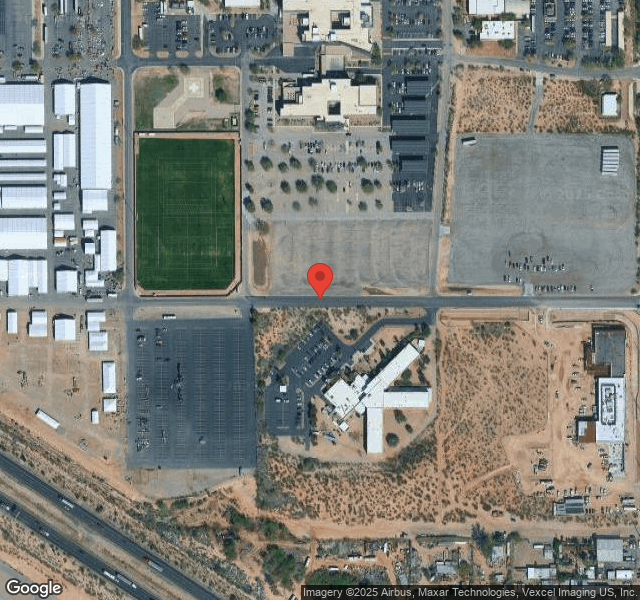

2900 EAST MILBER STREET, TUCSON, AZ 85714 (520) 294-0005
For profit - Limited Liability company 240 Beds SANDSTONE HEALTHCARE GROUP Data: November 2025
Trust Grade
0/100
#135 of 139 in AZ
Last Inspection: November 2023

Within standard 12-15 month inspection cycle. Federal law requires annual inspections.

Overview

Sandstone of Tucson Rehab Centre has received a Trust Grade of F, indicating significant concerns about the facility's quality of care. Ranking #135 out of 139 nursing homes in Arizona places it in the bottom half of all facilities, and it is the lowest-ranked nursing home in Pima County at #24. Unfortunately, the facility's trend is worsening, with issues increasing from 5 in 2024 to 7 in 2025. Staffing is a relative strength, rated 4 out of 5 stars, but with a turnover rate of 49%, which is about average for Arizona. However, the facility has faced concerning fines of $20,930, higher than 86% of Arizona facilities, and it has documented serious incidents, such as failing to ensure residents were free from abuse and neglect and not providing adequate supervision to prevent preventable elopements, raising significant safety concerns for potential residents.

Trust Score
F
0/100
In Arizona
#135/139
Bottom 3%
Safety Record
High Risk
Review needed
Inspections
Getting Worse
5 → 7 violations
Staff Stability
⚠ Watch
49% turnover. Above average. Higher turnover means staff may not know residents' routines.
Penalties
✓ Good
$20,930 in fines. Lower than most Arizona facilities. Relatively clean record.
Skilled Nurses
○ Average
Each resident gets 32 minutes of Registered Nurse (RN) attention daily — about average for Arizona. RNs are the most trained staff who monitor for health changes.
Violations
⚠ Watch
61 deficiencies on record. Higher than average. Multiple issues found across inspections.
★☆☆☆☆
1.0
Overall Rating
★★★★☆
4.0
Staff Levels
★★★★☆
4.0
Care Quality
★☆☆☆☆
1.0
Inspection Score
Stable
2024: 5 issues
2025: 7 issues

The Good

  • 4-Star Staffing Rating · Above-average nurse staffing levels
  • 4-Star Quality Measures · Strong clinical quality outcomes
  • Full Sprinkler Coverage · Fire safety systems throughout facility
  • No fines on record

Facility shows strength in staffing levels, quality measures, fire safety.

The Bad

1-Star Overall Rating

Below Arizona average (3.3)

Significant quality concerns identified by CMS

Staff Turnover: 49%

Near Arizona avg (46%)

Higher turnover may affect care consistency

Federal Fines: $20,930

Below median ($33,413)

Minor penalties assessed

Chain: SANDSTONE HEALTHCARE GROUP

Part of a multi-facility chain

Ask about local staffing decisions and management

The Ugly 61 deficiencies on record

2 actual harm
Aug 2025 3 deficiencies
CONCERN (D) 📢 Someone Reported This

A family member, employee, or ombudsman was alarmed enough to file a formal complaint

Potential for Harm - no one hurt, but risky conditions existed

Free from Abuse/Neglect (Tag F0600)

Could have caused harm · This affected 1 resident

**NOTE- TERMS IN BRACKETS HAVE BEEN EDITED TO PROTECT CONFIDENTIALITY** Based on documentation, staff interviews, and the facility policy and procedures, the facility failed to protect the rights of o...

Read full inspector narrative →
**NOTE- TERMS IN BRACKETS HAVE BEEN EDITED TO PROTECT CONFIDENTIALITY** Based on documentation, staff interviews, and the facility policy and procedures, the facility failed to protect the rights of on resident to be free from abuse (#2) by another resident (#4). The deficient practice could result in residents being physically and emotionally injured.-Regarding Resident #2Resident #2 was admitted to the facility March 27, 2025 with diagnosis including; cerebral palsy, unspecified, hemiplegia and hemiparesis following cerebral infarction affecting unspecified side, unspecified dementia, moderate, with other behavioral disturbance, mild cognitive impairment of uncertain or unknown etiology, major depressive disorder, recurrent, unspecified, anxiety disorder, unspecified, impulse disorder, unspecified.Review of a care plan, initiated March 29, 2025, revealed the following areas of focus:Behaviors, the individual exhibits disruptive interpersonal behavior characterized by initiating or exacerbating conflicts among peers.Impaired physical mobility and cognitive impairment such as memory loss, inappropriate boundaries, disorientation, and impaired judgment, creating safety concerns. Interventions included admission to a secured unit due to unspecified dementia with behaviors, provide assistive devices for mobility, provide safety measures at all times, document care being resisted, and administer medication 30mins before attempt at ADL as per MD orders. The quarterly minimum data set (MDS) dated [DATE] included a brief interview for mental status score of 02 indicating severe cognitive impairment. Further review of the MDS indicated that the resident was rarely or never understood, had no indicators for mood and displayed both physical and verbal behavioral symptoms towards others. These symptoms included hitting, kicking, pushing, scratching, grabbing, threatening, screaming and cussing at others. These types of behaviors occurred 1-3 days in the lookback period. Other behavioral symptoms observed not directed at others included verbal/vocal symptoms like screaming or disruptive sounds.A nursing progress note dated August 22, 2025 at 4:18pm, created by Licensed Practical Nurse (LPN/Staff #6), revealed that the LPN called the resident's family member and notified of the resident's disagreement with roommate and that roommate was moved to another room for precautions. The note included that the resident's family verbalized understanding and agreed to precautions and that the provider was notified of the resident's verbal altercation and of room move.Further review of the care planned focus for behaviors revealed no evidence of an update to reflect the resident to resident altercation that occurred on August 21, 2025.Review of the clinical revealed no evidence of a nursing assessment or follow-up regarding the incident, or increased monitoring. -Regarding Resident #4Resident #4 was admitted to the facility March 27, 2025 with diagnosis including; metabolic encephalopathy, other seizures, unspecified dementia, unspecified severity, without behavioral disturbance, psychotic disturbance, mood disturbance, and anxiety, anxiety disorder, unspecified, major depressive disorder, recurrent, unspecified, unspecified psychosis not due to a substance or known physiological condition. Review of the physician order summary revealed an active order start date March 29, 2025; Document all behaviors q shift Document: exit seeking, wandering, pacing, noncompliance with cares, noncompliance with meds, physical and or verbal aggression, SI/HI/AVH, anxiety, depression, isolative every shift for document all behaviors notify provider with updates as needed. Review of the quarterly MDS dated [DATE] included a brief interview for mental status score of 03 indicating the resident has severe cognitive impairment. Further review of the MDS revealed no indicators for mood, displayed both physical and verbal behavioral symptoms towards others. These symptoms included hitting, kicking, pushing, scratching, grabbing, threatening, screaming and cussing at others. These types of behaviors occurred 1-3 days in the lookback period. Review of the care plan revealed the following areas of focus:Initiated March 29, 2025: Admit to secured unit, that included unspecified dementia, mood disturbance and anxiety. Interventions included to document all behaviors and notify medical and psych provider as needed with updates. Initiated May 2, 2025, Revised May 29, 2025: Behavior concerns related to cognitive decline. Behaviors such as verbal and physical aggression toward staff. Interventions included to encourage the resident to express feelings appropriately, revised on May 5, 2025. An Interdisciplinary Team (IDT) progress note dated August 14, 2025, revealed in the past seven days staff reported that the resident had been demonstrating behaviors including: physical aggression, wandering, exit seeing, verbal aggression, yelling and screaming.Review of the care plan revealed no evidence that the care plan was updated/revised related to the IDT meeting.Review of the Medication Administration Record dated August 1, 2025 through August 31, 2025 revealed evidence of behaviors on 35 shifts from August 1 - August 24, 2025. A progress note dated August 21, 2025 at 08:45am, revealed that the resident was calm, compliant with medications and no abnormal behavior observed. A nursing progress note dated August 21, 2025, created by Licensed Practical Nurse (LPN/Staff #8) at 10:18pm, revealed that Resident #4 walked over to hit his roommate. Resident #4, told Resident #2 to stop yelling or he was going to beat him up, a CNA was in the room grabbing a cup from bed A and had to stand in between so Resident #4 did not assault Resident #2. Resident #4 was redirected back to bed to his side of the room, and was administered medications for PM. There was no evidence in the clinical record of an increase in monitoring Resident #4 after the incident occurred that included 1:1 supervision or increased monitoring.A nursing progress note dated August 22, 2025 at 10:11am created by Licensed Practical Nurse (LPN/Staff #6) included that the resident's room changed to 109 B, the resident's sister and provider were notified, despite the incident occurring on August 21, 2025.Further review of the care plan revealed no update to reflect the resident to resident altercation on August 21, 2025.Review of the census list for Resident #4 revealed a room change on August 22, 2025 at 10:09am.Review of the Facility Reported Incident (FRI) form follow-up report revealed date of submission of initial report to the department was August 22, 2025, notification to adult protective service (APS), police and ombudsman on August 22, 2025 at 10:40 am, resident representative August 22, 2025 at 3:30 pm. The documentation revealed both residents were in the room for the night, Licensed Practical Nurse (LPN/staff #8) documented in the resident record on August 21, 2025 that Resident #4 told Resident #2 to stop yelling or he was going to beat him up. A Certified Nursing Assistant (CNA/staff #10) was present in the resident's room and was able to stand in between the residents, redirecting Resident #4 back to bed on his side of the room. Documentation further revealed that LPN (Staff #8) completed a witness statement on August 22, 2025 indicating no report for physical or verbal aggression. The facility conclusion verified the allegation. An interview was conducted on August 25, 2025 at 1:15pm with Director of Nursing (DON/Staff #12). The DON stated the Assistant Director of Nursing (ADON/staff #14) became aware of the incident on August 22, 2025 from reading the 24-hour report. The DON stated the facility immediately began collecting statements and reported within the two-hour timeframe when they became aware; realizing the reporting time was late as the incident occurred on August 21, 2025 at approximately 6:30pm. She stated a CNA (staff #10) admitted that she did not post the report after documenting the incident in the resident's charts. The DON stated her expectations are that the report needs to be completed immediately within the two-hour timeframe and that the incident should have been reported to the on-call nurse. She stated the on-call nurse would have directed the CNA (staff #10) to notify the administrator. The DON stated the room change should have happened immediately following the incident. She further stated the care plan should also have been immediately updated to let all direct care staff know. The DON stated the risk of not reporting allegations of abuse in a timely manner is not meeting state requirements for reporting and possibility of further harm to the residents. The risk of not updating the residents care plan can fail to meet the residents needs and the risk of not completing a room change for resident to resident altercations is the possibility of harm to the resident. An interview was conducted on August 25, 2025 at 1:45pm with Certified Nursing Assistant (CNA/Staff #10). The CNA stated she has been employed with the facility for one year and her job duties include assisting residents with their activities of daily living (ADL's), making sure residents are safe at all times including residents who are fall risks by making sure their call lights are within reach, floor mats, and beds are lowered. The CNA stated she has received abuse and neglect training through monthly in-services and the yearly required training. The CNA stated she witnessed the altercation regarding Residents #2 and #4. The CNA stated at 6:00 pm on August 21, 2025, she gave Resident #2 a cup of coffee and asked him to call when finished. The CNA stated Resident #2 had finished his drink and started to yell for her to come and get the cup. The CNA stated she noticed Resident #4 became irritated that Resident #2 was screaming when she went to get the cup. The CNA stated that Resident #4 had put on his shoes and started walking towards Resident #2's bed, stepped on the floor mat and leaned over the side of the bed and yelled at Resident #2, I told you to shut up. The CNA stated both residents began yelling at each other when Resident #4 stated I'm going to beat you the fuck up! The CNA stated she was trying to redirect Resident #4 back to his side of the room, when she was able to get him over she left the room leaving the two residents alone to get a nurse. The CNA stated she informed LPN (staff #8) what happened and that the residents needed to be watched because there was no warning from Resident #4. The CNA stated that the LPN (staff #8) would document it and take care of it. The CNA (staff #10) stated the LPN (staff #8) did go to the room later and conducted a visual check on the residents. The CNA stated she received no further direction from LPN (Staff #8) and there was no room change made for the residents, no 1:1 supervision or increased monitoring. The CNA (staff #10) stated she reported the incident to the oncoming CNA. The CNA stated her concern was that Resident #4 is mobile and Resident #2 is not able to defend himself, as he is unable to move one of his arms and both legs. The CNA stated that Resident #4 tends to be physically and verbally aggressive towards staff and the incident was unprovoked. The CNA stated there were no prior incidents between Resident #2 and #4. The CNA stated when there are incidents between residents the facility will usually do an immediate room change, which did not occur for this incident. An attempt was made to telephonically interview LPN/Staff #8 on August 25, 2025 at 2:50pm. No response. Message left requesting a return call. A telephonic interview was conducted on August 26, 2025 at 9:55 am with LPN/Staff #8. The LPN stated she has been employed with the facility since October 2010 and has worked on the behavior unit. She stated some on the behaviors observed have been yelling, exit seeking, wandering into other residents' rooms, argumentative with staff and residents and attention seeking behaviors. She stated the facility has protocols for these behaviors that include; exit seeking, staff redirect though some are not able to be re-directed, non-pharmacological interventions, call a family member, 1:1 time, activities, and pharmacological interventions. The LPN stated for those residents that are not able to be re-directed, they are provided with increased supervision and use de-escalation techniques such as offer them a snack, medications if prescribed monitor the resident. The LPN stated she has received yearly abuse trainings and was able to define the different types of abuse and detail the facility process for abuse allegations. Staff #8 stated when there is an allegation of abuse you would speak with the CNA's, separate the residents, notify the on-call supervisor, receive direction from them, complete a risk management report. The LPN stated when someone reports an incident staff are to notify the supervisor, document the incident in the nurses note, document witness and interventions provided- complete a resident assessment, 15-30-minute checks, and 1:1 intervention if needed. The LPN stated she was informed as she was arriving on shift by CNA (staff #10) that Residents #2 and #4 were yelling at each other and that Resident #4 had walked over to Resident #2's side of the room and threatened to hit him. She stated she checked on the residents to ensure they were safe and both were in bed on their side of the room. She stated the facility protocol is separate the residents, check that they are alright and that the incident is nit ongoing, assess the residents completing skin checks and vital signs. The LPN stated she was informed by CNA (staff#10) there was no resident contact and that she did not want them to be close to each other. The LPN stated room changes occur when two residents are not able to be together and would need to be approved by administration, and felt the incident between Resident #2 and #4 would be considered verbal abuse and a room change should have happened. Staff #8 further stated the risk of not reporting abuse to the state you are not considering the safety of the resident. A facility policy titled, Abuse and Neglect, adopted May 1, 2024 revealed that it is the policy of this facility to provide professional care and services in an environment that is free from any type of abuse, corporal punishment, involuntary seclusion, misappropriation of property, exploitation, neglect, or mistreatment. This includes but is not limited to freedom from any physical or chemical restraint not required to treat the resident's medical symptoms. The facility follows the federal guidelines dedicated to prevention of abuse and timely and thorough investigations of allegations. These guidelines include compliance with the seven (7) federal components of prevention and investigation. A facility policy titled, Room Transfer, adopted May 1, 2024 revealed that it is the policy of this facility that resident room transfers are based on nursing need services and/or resident request. If conflict arises between roommates, the facility has the right to transfer the residents as necessary for safety reasons and avoid further escalation of the situation.
CONCERN (D) 📢 Someone Reported This

A family member, employee, or ombudsman was alarmed enough to file a formal complaint

Potential for Harm - no one hurt, but risky conditions existed

Abuse Prevention Policies (Tag F0607)

Could have caused harm · This affected 1 resident

**NOTE- TERMS IN BRACKETS HAVE BEEN EDITED TO PROTECT CONFIDENTIALITY** Based on interviews, record reviews, and observations, the facility failed to implement its policies for preventing and prohibit...

Read full inspector narrative →
**NOTE- TERMS IN BRACKETS HAVE BEEN EDITED TO PROTECT CONFIDENTIALITY** Based on interviews, record reviews, and observations, the facility failed to implement its policies for preventing and prohibiting abuse were implemented consistently by staff, resulting in a delay in reporting resident to resident abuse to the state agencies, physician, abuse coordinator and family.Findings include:Review of the Facility Reported Incident (FRI) follow-up report dated August 22, 2025, revealed on August 21, 2025 at Resident #2 and Resident #4 were in their shared room and a Licensed Practical Nurse (LPN/staff #8) documented that Resident #4 told Resident #2 to stop yelling or he was going to beat him up. A Certified Nursing Assistant (CNA/staff #10) was present in the resident's room and was able to stand in between the residents, redirecting Resident #4 back to the bed on his side of the room. The facility conclusion verified the allegation. -Regarding Resident #2Resident #2 was admitted to the facility March 27, 2025 with diagnosis including cerebral palsy, hemiplegia and hemiparesis following cerebral infarction affecting unspecified side, dementia, moderate, with other behavioral disturbance, mild cognitive impairment, major depressive disorder, anxiety disorder, impulse disorder.The quarterly minimum data set (MDS) dated [DATE] included a brief interview for mental status score of 02 indicating the resident has severe cognitive impairment.There was no evidence in the clinical record on August 21, 2025, of an increase in monitoring Resident #4 after the incident occurred that included 1:1 supervision or increased monitoring or that a full assessment of physical and psychosocial well-being had been performed.Further review of the clinical record dated August 21, 2025, revealed no evidence that the resident to resident altercation had been reported the appropriate designated state agencies, or that an investigation had been initiated immediately following intervention for the resident's safety. A nursing progress note dated August 22, 2025 at 4:18pm, created by Licensed Practical Nurse (LPN/Staff #6), revealed that the LPN called the resident's family member and notified of the resident's disagreement with roommate and that roommate was moved to another room for precautions. The note included that the resident's family verbalized understanding and agreed to precautions and that the provider was notified of the resident's verbal altercation and of room move.-Regarding Resident #4Resident #4 was admitted to the facility March 27, 2025 with diagnosis including; metabolic encephalopathy, dementia, psychotic disturbance, mood disturbance, anxiety, anxiety disorder, major depressive disorder, unspecified psychosis not due to a substance or known physiological condition.Review of the quarterly MDS dated [DATE] included a brief interview for mental status score of 03 indicating the resident has severe cognitive impairment. Further review of the MDS revealed no indicators for mood, displayed both physical and verbal behavioral symptoms towards others. These symptoms included hitting, kicking, pushing, scratching, grabbing, threatening, screaming and cussing at others. These types of behaviors occurred 1-3 days in the lookback period.A nursing progress note dated August 21, 2025, created by Licensed Practical Nurse (LPN/Staff #8) at 10:18pm, revealed that Resident #4 walked over to hit his roommate. Resident #4, told Resident #2 to stop yelling or he was going to beat him up, a CNA was in the room grabbing a cup from bed A and had to stand in between so Resident #4 did not assault Resident #2. Resident #4 was redirected back to bed to his side of the room, and was administered medications for PM. There was no evidence in the clinical record of an increase in monitoring Resident #4 after the incident occurred that included 1:1 supervision or increased monitoring or that a full assessment of physical and psychosocial well-being had been performed.Further review of the clinical record revealed no evidence that the resident to resident altercation had been reported the appropriate designated state agencies, or that an investigation had been initiated immediately following intervention for the resident's safety. A nursing progress note dated August 22, 2025 at 10:11am created by Licensed Practical Nurse (LPN/Staff #6) included that the resident's room changed to 109 B, the resident's sister and provider were notified, despite the incident occurring on August 21, 2025.Further review of the care plan revealed no update to reflect the resident to resident altercation on August 21, 2025.Review of the census list for Resident #4 revealed a room change had not occurred until August 22, 2025 at 10:09am.An interview was conducted on August 25, 2025 at 1:15pm with Director of Nursing (DON/Staff #12). The DON stated the ADON (staff #14) became aware of the incident on August 22, 2025 from reading the 24-hour report. The DON stated the room change should have happened immediately following the incident. She further stated the care plan should also have been immediately updated to let all direct care staff know. The DON stated the risk of not reporting allegations of abuse in a timely manner is not meeting state requirements for reporting and possibility of further harm to the residents.An interview was conducted on August 25, 2025 at 1:45pm with Certified Nursing Assistant (CNA/Staff #10). The CNA stated she witnessed the altercation regarding Residents #2 and #4. The CNA stated at 6:00 pm on August 21, 2025, Resident #4 started walking towards Resident #2's bed, leaned over the side of the bed and yelled at Resident #2, I told you to shut up. The CNA stated both residents began yelling at each other when Resident #4 stated I'm going to beat you the fuck up! The CNA stated she was trying to redirect Resident #4 back to his side of the room, when she was able to get him over she left the room leaving the two residents alone to get a nurse. The CNA stated she informed LPN (staff #8) what happened and that the residents needed to be watched because there was no warning from Resident #4. The CNA stated that the LPN (staff #8) would document it and take care of it. The CNA (staff #10) stated the LPN (staff #8) did go to the room later and conducted a visual check on the residents. The CNA stated she received no further direction from LPN (Staff #8) and there was no room change made for the residents, no 1:1 supervision or increased monitoring. The CNA stated her concern was that Resident #4 is mobile and Resident #2 is not able to defend himself, as he is unable to move one of his arms and both legs. The CNA stated that Resident #4 tends to be physically and verbally aggressive towards staff and the incident was unprovoked. The CNA stated when there are incidents between residents the facility will usually do an immediate room change, which did not occur for this incident. A telephonic interview was conducted on August 26, 2025 at 9:55 am with LPN (Staff #8). She stated some on the behaviors observed have been yelling, exit seeking, wandering into other residents' rooms, argumentative with staff and residents and attention seeking behaviors. She stated the facility has protocols for these behaviors that include; exit seeking, staff redirect though some are not able to be re-directed, non-pharmacological interventions, call a family member, 1:1 time, activities, and pharmacological interventions. The LPN stated for those residents that are not able to be re-directed, they are provided with increased supervision and use de-escalation techniques such as offer them a snack, medications if prescribed monitor the resident. The LPN stated when there is an allegation of abuse you would speak with the CNA's, separate the residents, notify the on-call supervisor, receive direction from them, complete a risk management report. The LPN stated when someone reports an incident staff are to notify the supervisor, document the incident in the nurses note, document witness and interventions provided- complete a resident assessment, 15-30-minute checks, and 1:1 intervention if needed. The LPN stated she was informed as she was arriving on shift by CNA (staff #10) that Residents #2 and #4 were yelling at each other and that Resident #4 had walked over to Resident #2's side of the room and threatened to hit him. She stated she checked on the residents to ensure they were safe and both were in bed on their side of the room. She stated the facility protocol is separate the residents, check that they are alright and that the incident is not ongoing, assess the residents completing skin checks and vital signs. The LPN stated she was informed by CNA (staff#10) there was no resident contact and that she did not want them to be close to each other. The LPN stated room changes occur when two residents are not able to be together and would need to be approved by administration, and felt the incident between Resident #2 and #4 would be considered verbal abuse and a room change should have happened. Staff #8 further stated the risk of not reporting abuse to the state you are not considering the safety of the resident. A facility policy titled, Abuse and Neglect, adopted May 1, 2024, revealed that the facility follows the federal guidelines dedicated to prevention of abuse. If abuse is suspected the facility will take immediate steps to assure the protection of the residents which may include separation from the alleged abuser, notify the appropriate designated state agencies, that an investigation is being initiated immediately following intervention for the resident's safety. The abuse coordinator along with the interdisciplinary team will assess the next appropriate steps to assure resident safety. Protect residents from harm during the investigation, if the allegation of abuse involves 2 or more resident they will be immediately separated, affected residents will be assessed for injury, a full assessment of physical and psychosocial well-being, keep resident on 1:1.
CONCERN (D) 📢 Someone Reported This

A family member, employee, or ombudsman was alarmed enough to file a formal complaint

Potential for Harm - no one hurt, but risky conditions existed

Report Alleged Abuse (Tag F0609)

Could have caused harm · This affected 1 resident

**NOTE- TERMS IN BRACKETS HAVE BEEN EDITED TO PROTECT CONFIDENTIALITY** Based on observation, interviews, review of documentation, and review of facility policies, the facility failed to ensure that a...

Read full inspector narrative →
**NOTE- TERMS IN BRACKETS HAVE BEEN EDITED TO PROTECT CONFIDENTIALITY** Based on observation, interviews, review of documentation, and review of facility policies, the facility failed to ensure that all allegations of abuse were reported to the state agency and other mandated entities within the required timeframe for two residents (#2) and (#4). The deficient practice could lead to a failure of the facility to report allegations of abuse timely, and could lead to continued abuse for a resident.Findings include:Review of the Facility Reported Incident (FRI) follow-up report dated August 22, 2025, revealed on August 21, 2025 at Resident #2 and Resident #4 were in their shared room and a Licensed Practical Nurse (LPN/staff #8) documented that Resident #4 told Resident #2 to stop yelling or he was going to beat him up. A Certified Nursing Assistant (CNA/staff #10) was present in the resident's room and was able to stand in between the residents, redirecting Resident #4 back to the bed on his side of the room. The facility conclusion verified the allegation. -Regarding Resident #2Resident #2 was admitted to the facility March 27, 2025 with diagnosis including cerebral palsy, hemiplegia and hemiparesis following cerebral infarction affecting unspecified side, dementia, moderate, with other behavioral disturbance, mild cognitive impairment, major depressive disorder, anxiety disorder, impulse disorder.The quarterly minimum data set (MDS) dated [DATE] included a brief interview for mental status score of 02 indicating the resident has severe cognitive impairment.Further review of the clinical record dated August 21, 2025, revealed no evidence that the resident to resident altercation had been reported the appropriate designated state agencies, or that an investigation had been initiated immediately following intervention for the resident's safety. -Regarding Resident #4Resident #4 was admitted to the facility March 27, 2025 with diagnosis including; metabolic encephalopathy, dementia, psychotic disturbance, mood disturbance, anxiety, anxiety disorder, major depressive disorder, unspecified psychosis not due to a substance or known physiological condition.A nursing progress note dated August 21, 2025, created by Licensed Practical Nurse (LPN/Staff #8) at 10:18pm, revealed that Resident #4 walked over to hit his roommate. Resident #4, told Resident #2 to stop yelling or he was going to beat him up, a CNA was in the room grabbing a cup from bed A and had to stand in between so Resident #4 did not assault Resident #2. Resident #4 was redirected back to bed to his side of the room, and was administered medications for PM. Review of the clinical record revealed no evidence that the resident to resident altercation had been reported the appropriate designated state agencies, or that an investigation had been initiated immediately following intervention for the resident's safety on the date of the occurrence August 21, 2025. An interview was conducted on August 25, 2025 at 1:15pm with Director of Nursing (DON/Staff #12). The DON stated the ADON (staff #14) became aware of the incident on August 22, 2025 from reading the 24-hour report. The DON stated the risk of not reporting allegations of abuse in a timely manner is not meeting state requirements for reporting and possibility of further harm to the residents.An interview was conducted on August 25, 2025 at 1:45pm with Certified Nursing Assistant (CNA/Staff #10). The CNA stated she witnessed the altercation regarding Residents #2 and #4 on August 21, 2025. The CNA stated she informed LPN (staff #8) what happened and that the residents needed to be watched because there was no warning from Resident #4. A telephonic interview was conducted on August 26, 2025 at 9:55 am with LPN (Staff #8). She stated some on the behaviors observed have been yelling, exit seeking, wandering into other residents' rooms, argumentative with staff and residents and attention seeking behaviors. The LPN stated when there is an allegation of abuse you would speak with the CNA's, separate the residents, notify the on-call supervisor, receive direction from them, complete a risk management report. The LPN stated when someone reports an incident staff are to notify the supervisor, document the incident in the nurses note, document witness and interventions provided- complete a resident assessment, 15-30-minute checks, and 1:1 intervention if needed. The LPN stated she was informed as she was arriving on shift by CNA (staff #10) that Residents #2 and #4 were yelling at each other and that Resident #4 had walked over to Resident #2's side of the room and threatened to hit him. The LPN stated she was informed by CNA (staff#10) there was no resident contact and that she did not want them to be close to each other. Staff #8 further stated the risk of not reporting abuse to the state you are not considering the safety of the resident. A facility policy titled, Abuse and Neglect, adopted May 1, 2024, revealed that the facility follows the federal guidelines dedicated to prevention of abuse. If abuse is suspected the facility will take immediate steps to assure the protection of the residents which may include separation from the alleged abuser, notify the appropriate designated state agencies, that an investigation is being initiated immediately following intervention for the resident's safety.
Jul 2025 2 deficiencies
CONCERN (D) 📢 Someone Reported This

A family member, employee, or ombudsman was alarmed enough to file a formal complaint

Potential for Harm - no one hurt, but risky conditions existed

Free from Abuse/Neglect (Tag F0600)

Could have caused harm · This affected 1 resident

**NOTE- TERMS IN BRACKETS HAVE BEEN EDITED TO PROTECT CONFIDENTIALITY** Based on clinical record review, resident and staff interviews, and policy review, the facility failed to protect the rights of ...

Read full inspector narrative →
**NOTE- TERMS IN BRACKETS HAVE BEEN EDITED TO PROTECT CONFIDENTIALITY** Based on clinical record review, resident and staff interviews, and policy review, the facility failed to protect the rights of two residents (#69, #77) to be free from abuse by another resident (#81, #76). The deficient practice could result in other residents being abused.Findings include: -Regarding Abuse allegation between Resident #77 (alleged victim) and Resident #76 (alleged perpetrator): Resident #77 (alleged victim) Resident #77 was originally admitted on [DATE] with diagnoses that included vascular dementia, type 2 diabetes mellitus and delirium. The assessment also indicated no evidence of behavioral symptoms were exhibited. A care plan revealed the following areas of focus:-Elopement risk/wanderer, , with interventions that included offering diversions and structured activities. -A second focus of elopement risk and/or exhibits wandering behavior related to vascular dementia. Interventions included to offer diversions, structured activities when wandering has increased.-On a secured unit related to vascular dementia and elopement/wandering behavior to ensure safety. Interventions included cares in pairs, document all behaviors, notify medical and psych provider with updates as needed, and frequent checks for safety.-Potential for behaviors that included non-compliance in cares, rummaging, cursing at and targeting staff, verbal/physical aggression, intrusiveness towards residents and staff. Interventions included to anticipate and meet the resident's needs, monitor behavior episodes and attempt to determine underlying cause. A quarterly Minimum Data Set (MDS) assessment dated [DATE], revealed a Brief Interview for Mental Status (BIMS) score of 11, which indicated moderate cognitive impairment. A nursing progress note dated July 11, 2025 at 10:05 AM, revealed a CNA reported that Resident #77 was sitting in a wheelchair in the hallway and another resident (#76) grabbed the right side of Resident #77's face and neck. The note indicated that a skin check was completed and no scratches, redness or swelling were noted, and that the provider, resident's son, case manager and Assistant Director of Nursing (ADON) were informed of the incident. Further review of Resident #77's care planned focus for potential behaviors revealed that an intervention was initiated on July 11, 2025 after the incident with Resident #76 occurred. The intervention included to redirect when attempting to enter another residents space with a preferred activity or redirection, after the incident with Resident #76. A Facility Reported Incident Follow-up Report, submitted July 14, 2025, regarding the July 11, 2025 incident between Resident's #77, #76, revealed that the allegation was verified by evidence collected during the investigation. The investigation revealed that the incident occurred at 7:50 AM, and that the residents were separated immediately. The CNA (staff #31) who observed the altercation was interviewed and relayed that Resident #76 (alleged perpetrator) became upset with Resident #77 (alleged victim) for being in her way and taking her belongings. The CNA reported that she informed Resident #76, that it was untrue, which appeared to increase Resident #76's agitation, at which time Resident #76 jumped from behind Resident #77 and started pulling on Resident #77's face and neck, while the CNA instructed Resident #76 to let go of Resident #77. Resident #76 was also interviewed and explained that she became physical with a male resident (Resident #77) because he would not get out of her room and he had stole from her before. An order summary report dated July 16, 2025 revealed orders for behavior tracking of delusions and hallucinations every shift, cares in pairs for safety. Orders also included Valproic Acid 2.5 mg capsule two times a day for dementia as evidenced by mood shifts. An observation was conducted on July 16, 2025 at 9:52 AM, Resident #77 was in his room resting quietly. Resident #76 (alleged perpetrator) Resident #76 was admitted on [DATE] with diagnoses that included major depressive disorder, anxiety, unspecified psychosis, cognitive communication deficit and traumatic brain injury. A quarterly MDS assessment dated [DATE], revealed a BIMS score of 14, which indicated intact cognition. The assessment revealed no presence of behavioral symptoms. A care plan revealed the following areas of focus:-Admit to secured unit - escalated behaviors, with interventions that included frequent checks for safety.-Has psychosocial well-being problem (actual or potential) related to bipolar disorder with interventions included that when conflict arises, remove residents to a calm safe environment and allow to vent/share feelings. -Potential for behaviors (revised on July 1, 2025) acting in a generalized problematic manner, false accusations, verbal aggression, exhibits disruptive interpersonal behavior characterized by initiating or exacerbating conflicts among peers. Interventions included to discuss the resident's behavior, if reasonable, explain why the behavior is inappropriate and/or unacceptable (initiated March 18, 2025).-Mood/Psycho-social well-being problem that included anxiety and occasional outbursts, had history of making false accusations.-Potential for behaviors including acting in problematic manner with frequent verbal aggression and accusatory language, exhibits disruptive interpersonal behavior by initiating or exacerbating conflict s among peers. Interventions included to anticipate/meet resident needs, address behavior by exploring root causes. A nursing note dated July 10, 2025 at 5:51 PM, revealed that the resident had 2 episodes of verbal aggression and was redirected. An administration progress note dated July 11, 2025 at 4:38 AM, to document all behaviors every shift and notify medical and psych provider as needed with updates. A nursing progress note dated July 11, 2025 at 09:01 AM, revealed that the nurse spoke with a provider about Resident #76's increase in aggression and behaviors, with orders to discontinue Abilify and start Haloperidol 5 mg tablet in the morning for psychosis related to mood swings. A nursing progress note dated July 11, 2025 at 11:52 AM, revealed that at 7:56 AM a CNA reported that Resident #76 was bothering another resident that was sitting in the hallway, began accusing the other resident of stealing her belongings. The note relayed that the CNA stated she intervened and Resident #76 said bad words to the CNA and then grabbed Resident #77's face and neck from behind. The progress note relayed that the CNA intervened and said to Resident #76 that the incident will be reported and that's when Resident #76 let go of Resident #77's face. A behavior progress note dated July 11, 2025 at 2:20 PM. Revealed that the resident yelled profanities at staff, was loud and disruptive and called 911 accusing staff of throwing food. A progress note dated July 11 2025 at 5:05 PM, revealed that the resident continues to go into other residents' rooms, was reminded of privacy rules and was non-compliant with staff on these issues. An observation was conducted on July 16, 2025 at 9:52 AM, Resident #76 was in her room resting. An interview was conducted on July 16, 2025 at 10:00 AM with a Licensed Practical Nurse (LPN/staff #6) who stated that for any resident to resident altercation prevention occurs first, keep everyone safe, conduct an assessment, inform the supervisor, and interview both residents if able. She explained that they identify which residents don't get along and try to offer activities to keep them from having continued interactions. The LPN stated that they take every injury and complaint seriously and investigate, and also take measures/interventions to prevent further occurrences. The LPN stated that she was present on July 11, 2025 and the CNA reported the incident to her. The LPN stated that there were no interventions placed at the time of the incident, but Resident #76 and Resident #77 were kept separated, and they continued monitoring. The LPN further stated that Resident #76 had not had any other incidents with other residents, but did with staff. The LPN also stated that the resident had received a change of medications on July 11, 2025, prior to the incident, so they do not know if the aggression was due to the medication change. The LPN relayed that after the incident the medications were adjusted, and there had been no further reports of aggressive behaviors toward other residents since the medications were re-adjusted. An interview was conducted on July 16, 2025 at 10:25 AM with a CNA (Staff #31) who witnessed the incident between Resident #76 and Resident #77. The CNA stated Resident #77 was close the Resident #76's door, and Resident #76 was standing in the doorway and accused Resident #76 of stealing her stuff. The CNA stated that she tried to diffuse the situation by explaining to Resident #76 that Resident #77 was not doing anything. The CNA relayed that Resident #76 grabbed Resident #77 from the back around his neck and face. The CNA stated at that point she told Resident #76 to let go of Resident #77, and she separated the residents. The CNA stated that Resident #77 was scared after the altercation. An interview was conducted on July 16, 2025 at 11:03 AM with the Administrator (staff #77) and the Director of Nursing (DON/staff #66) who both validated that the incident did occur. The Administrator stated that the CNA that was involved did not de-escalate the situation, or request assistance, and this did not meet her expectations. The Administrator further stated that the CNA's response to the incident was not appropriate for a resident with traumatic brain injury (Resident #76). The DON stated that the incident was reported after the occurrence, not as it happened, and that the CNA should have tried other ways to de-escalate the situation. The DON further stated that the CNA had other options rather that argue with the resident (#76). The DON stated that they are currently providing CPI (In-depth training on de-escalation, managing non-violent crisis intervention). The Administrator further stated that they have been providing training on de-escalation for residents with dementia and traumatic brain injury using this incident as a scenario, and include education during in-services, along with quarterly and annual training. The administrator stated that they expected that this incident would be cited. -Regarding abuse allegation between Residents #69 (alleged victim) and #81 (alleged perpetrator): Resident #69 (alleged victim) Resident #69 was admitted to the facility on [DATE], with diagnoses that included bipolar disorder, type 2 diabetes mellitus, opioid abuse, anxiety disorder, borderline and personality disorder. An order summary revealed the following:-Duloxetine HCL oral capsule delayed release particles 60 mg (milligram), one time a day for depression as evidenced by lack of interest in activities, dated March 3, 2025.-Quercetin tablet 50 mg, give 400 mg at bedtime for anxiety, dated March 1, 2025,-Trazodone HCL tablet 100 mg, one time a day for depression as evidenced by inability to fall asleep at night. -Cares in Pairs, dated April 8, 2025.-Behavior tracking, lack of interest in activities every shift, dated May 21, 2025.-Quetiapine fumarate tablet 500 mg at bedtime for bipolar disorder as evidenced by impulsivity.-Quetiapine fumarate tablet 50 mg, give 1 by mouth in the evening for psychosis as evidenced by paranoia. -Behavior tracking: paranoia every shift, dated June 6, 2025-Behavior tracking: impulsivity every shift dated June 6, 2025 A care plan revealed the following focus areas:-Uses psychotropic medications related to behavior management with interventions to monitor/record occurrence for target behavior symptoms and document per facility. -Uses antidepressant medication related to depression. Interventions included to monitor for signs/symptoms of changes in cognition, unrealistic fears, fear of being alone or with others, anxiety, need for constant reassurance, and to notify nurse and/or physician as indicated. -Uses anti-anxiety medications related to anxiety disorder.-Behavior: demonstrates a problematic manner characterized by ineffective coping; including false accusations, manipulative/staff splitting, sexually inappropriateness.-Uses Psychotropic medications for psychosis related to bipolar as evidenced by impulsivity and paranoia. Interventions included to monitor/record occurrence of target behavior symptoms and document per facility protocol. A quarterly MDS assessment dated [DATE], revealed a BIMS score of 13, which indicated intact cognition. The assessment also indicated there were no behavioral symptoms observed during the assessment reference date (ARD). A nursing note dated July 12, 2025 at 10:45 AM, revealed that Resident #69 (alleged victim) was upset, asking the nurse to do something to calm down Resident #81 (alleged perpetrator), because he was upset, talking to himself, and when Resident #69 approached Resident #81 he cursed. The nurse relayed that Resident #69 requested that Resident #81 be sent out of the facility as he is threatened and Resident #69 stated that she felt scare of him. The nurse wrote that she asked Resident #69 not to disturb Resident #81, but Resident #69 kept going back and forth from her room to the hallway looking at Resident #81. The nurse wrote that she requested Resident #69 continue to stay away from Resident #89. The nurse's note continued relaying that Resident #81(alleged perpetrator) started putting his attention on Resident #69 alleged victim), and sat in front of his door using foul language. The note included that Resident #81's room was away from Resident #69's room. The note included that Resident #81 slammed Resident #69's door shut yelling if you flip me off, I will flip you off too. The nurse reported that Resident #69 admitted to a CNA that she had done if first. The nursing note indicated that Resident #69 was educated to avoid provoking situations. Further review of the clinical record from July 12, 2025 through July 15, 2025 revealed no evidence that a manager or physician were notified, despite Resident #69's concerns regarding Resident #81 on July 12, 2025 to an LPN. Review of the clinical record dated July 12, 2025 through July 13, 2025, revealed no evidence that care planned interventions were initiated due to the resident being upset and voicing a concern about Resident #81. A Facility Incident Report was requested from the facility on July 16, 2025, however the Administrator (staff #77) reported that an investigation had not been conducted regarding a July 12, 2025 incident, and was not aware of the occurrence. An interview was conducted on July 16, 2024 at 12:25, with Resident #69, who stated that she told nurses about the incident, and declined further interview. Resident #81 (alleged perpetrator): Resident #81 was initially admitted on [DATE], with diagnoses that included schizophrenia, dementia, anxiety disorder, type 2 diabetes mellitus, and major depressive disorder. An order summary revealed the following orders dated July 14 2025:-Anti-anxiety target behavior, monitor episodes of restlessness every shift.-Anti-Anxiety target behavior, monitor episodes of verbal aggression every shift.-Anti-psychotic target behavior, monitor episodes of targeted behavior every shift.-Antipsychotic target behavior, monitor episodes of physical aggression every shift. -Clonazepam tablet 0.5mg, 1 by mouth every 20 hours as needed for anxiety as evidenced by verbal aggression for 14 days.-Clonazepam 2 mg tablet, give 1 by mouth for anxiety as evidenced by restlessness. A quarterly MDS assessment dated [DATE], revealed a BIMS score of 07, which indicated severe cognitive impairment. The assessment revealed no evidence of behaviors exhibited with in the ARD. A nursing progress note dated July 12, 2025 at 4:44 PM, revealed that the resident refused shower care multiple times, and an activity aide reported that the resident was anxious and verbally aggressive towards her. Further review of the clinical record revealed no evidence of Resident #81's incident with Resident #69. Resident #81's care plan included a focus related to:- Mood/psycho-social well-being problem related to schizophrenia, anxiety, dementia with occasional outbursts.-Potential for behaviors including outbursts (verbal and physical) in activities, and agitation with interventions that included asking the resident to leave or be escorted away during outburst.-Impaired social interactions in hallway with interventions to monitor for presence of negative thoughts, feelings. -At risk for harm, self-directed or other directed with interventions that included if resident poses a potential threat to injure self or others notify provider.-Has potential for behaviors including verbal/physical aggression, impulsivity, false accusations, intrusiveness towards residents, initiates or exacerbates conflicts among peers. Interventions included that staff are to anticipate and meet resident needs, address behaviors by exploring the root causes, foster constructive communication and promote positive engagement within the peer environment. A medication administration progress note dated July 12, 2025 at 10:01 PM, revealed that Resident #81 continued to move in his wheelchair along hallway yelling inappropriate sexual and racial terms. An interview was conducted on July 16, 2025 at 12:34 PM with a Licensed Practical Nurse (LPN/staff #7), who stated that Resident #81 exhibited behaviors that included yelling for cigarettes, and cursing, but he had not hit any residents. The LPN stated that Resident #69 had complained to her about Resident #81. The LPN stated that she heard Resident #81 yell at Resident #69, stating get the fuck out of here, and that Resident #69 asked the LPN to do something. The LPN further stated that this type of interaction would be considered verbal abuse, and that the policy for verbal abuse included separating residents and then reporting the incident to management. The LPN stated that she did report the incident to the ADON (staff #32). The LPN also stated that she had received training on resident de-escalation. The LPN stated that the resident's care plan was not specific regarding interventions for resident altercations. An interview was conducted on July 16, 2025 at 12:45 PM with a CNA (staff #8), who stated that on July 12, 2025, Resident #69 and Resident #81 were going at it, and the incident was de-escalated which included Resident #69 going into her room. The CNA further stated that Resident #69 then turned on the call light and as the CNA entered the resident's room, Resident #69 closed the door. The CNA stated that Resident #81, then proceeded to open Resident #69's room door and said if you flip me off again, I'm going to kill you, in which the CNA then asked Resident #69 if she flipped off Resident #81 and Resident #69 said yes. The CNA stated that she told the residents to stay away from each other. The CNA stated that the incident was verbal abuse, and that she reported the incident to the nurse. An interview was conducted on July 16, 2025 at 1:42 PM with the DON (staff #66), who stated that she had not been informed that an incident between Residents #69 and #81 had occurred on July 12, 2025, and that she was not aware of any investigation regarding the incident. The DON reviewed the nursing note in the clinical record dated July 12, 2025, and stated that she needed more information regarding the incident, but she voiced that if a resident stated that he/she was scared and felt threatened that it should be reported to the DON. The DON stated that she would follow-up on the incident with the Assistant Director of Nursing (ADON/staff #32). An interview was conducted on July 16, 2025 at 2:08 PM with the ADON (staff #32), who stated that physical, verbal, financial and sexual abuse should be reported to the state agency. The ADON stated that if a resident reported feeling scared or threatened she would expect it to be reported to management. The ADON stated that she had received a report regarding racial slurs previously, but that the July 12, 2025 incident was not brought to her attention until today, July 16, 2025, just a few minutes ago, and that there had been no investigation initiated. The ADON reviewed the nursing progress note dated July 12, 2025 in Resident #69's medical record, and stated that Resident #69 is accusatory, and that the resident makes this type of statements a lot, follows other residents around that staff try to redirect Resident #69. The ADON stated that regarding the incident on July 12, 2025, she would expect staff to redirect the residents, and based on what she read in the progress note dated July 12, 2025 at 10:45 AM, she would have further investigated the incident. The ADON stated that her concern regarding the incident was rela ted to Resident #81 opening Resident #69's door and yelling at the resident when she was in her room. She further stated that if she had been informed of the incident earlier, she would have reviewed the facility camera footage, interviewed staff and both residents for a better picture of what occurred. The ADON stated that this did not meet the facility abuse policy, and the risk of resident to resident abuse could result in safety issues and possible physical harm. An interview was conducted on July 16, 2025 at 3:39 PM with the Administrator (staff #77) and the DON (staff #66). The Administrator also stated that they were not notified by the nurse and that there had been no investigation into the incident. The DON stated that the residents care plans will be updated with new interventions. Review of a facility policy titled, Abuse and Neglect, adopted May 1, 2024, revealed that it is the facility policy to provide professional care and services in an environment that is free from any type of abuse. This included following the federal guidelines dedicated to prevention of abuse and timely and thorough investigations of allegations. The policy included that abuse is defined as the willful infliction of injury, intimidation with resulting physical harm, pain or mental anguish. The policy further indicated that instances of abuse of all residents, irrespective of any mental or physical condition, cause physical harm, or mental anguish, that included verbal abuse. The policy related that willful, is defined as the individual must have acted deliberately. Examples of verbal abuse in the policy included name calling, swearing, yelling, threatening harm, trying to frighten a resident, etc. The policy also relayed that residents are protected from harm during the investigation which included assessment for injury, and physician notification.
CONCERN (D) 📢 Someone Reported This

A family member, employee, or ombudsman was alarmed enough to file a formal complaint

Potential for Harm - no one hurt, but risky conditions existed

Report Alleged Abuse (Tag F0609)

Could have caused harm · This affected 1 resident

**NOTE- TERMS IN BRACKETS HAVE BEEN EDITED TO PROTECT CONFIDENTIALITY** Based on clinical record review, resident and staff interviews, and policy review, the facility failed to ensure that an allegat...

Read full inspector narrative →
**NOTE- TERMS IN BRACKETS HAVE BEEN EDITED TO PROTECT CONFIDENTIALITY** Based on clinical record review, resident and staff interviews, and policy review, the facility failed to ensure that an allegation of abuse was reported to the State Agency for one resident (#69). The deficient practice could result in abuse allegations not being reported. Findings include:Resident #69 was admitted to the facility on [DATE], with diagnoses that included bipolar disorder, type 2 diabetes mellitus, opioid abuse, anxiety disorder, borderline and personality disorder. A nursing note dated July 12, 2025 at 10:45 AM signed by a Licensed Practical Nurse (LPN/staff #7) revealed that Resident #89 became upset, asking the nurse to do something to calm down Resident #81, because he was upset talking to himself, and when Resident #69 approached Resident #81 he cursed. The nurse wrote that she asked Resident #69 not to disturb Resident #81, but Resident #69 kept going back and forth from her room to the hallway looking at Resident #81. The nurse's note continued relaying that Resident #81 started putting his attention on Resident #69, and sat in front of his door using foul language. The note included that Resident #81's room was away from Resident #69's room. The nurse relayed that Resident #69 requested that Resident #81 be sent out of the facility as he is threatened and Resident #69. felt scare of him. The nurse wrote that she requested Resident #69 continue to stay away from Resident #89. The note included that Resident #81 slammed Resident #69's door shut yelling if you flip me off, I will flip you off too. The nurse reported that Resident #69 admitted to a Certified Nursing Assistant (CNA) that she had done if first. The nursing note indicated that Resident #69 was educated to avoid provoking situations. A Facility Incident Report was requested on July 16, 2025, however the Administrator (staff #77) reported that an investigation had not been conducted regarding a July 12, 2025 incident, and was not aware of the occurrence and the incident had not been reported to the state agency. An interview was conducted on July 16, 2025 at 12:34 PM with a Licensed Practical Nurse (LPN/staff #7), who stated that Resident #69 had complained to her about Resident #81. The LPN stated that she heard Resident #81 yell at Resident #69, stating get the fuck out of here, and that Resident #69 asked the LPN to do something. The LPN further stated that this type of interaction would be considered verbal abuse, and that the policy for verbal abuse included separating residents and then reporting the incident to management. The LPN stated that she did report the incident to the ADON (staff #32). An interview was conducted on July 16, 2025 at 12:45 PM with a CNA (staff #8), who stated that that on July 12, 2025, Resident #69 and Resident #81 were going at it and that she reported the incident to the nurse, but no one came to speak with her about the incident. An interview was conducted on July 16, 2025 at 1:42 PM with the Director of Nursing (DON/staff #66), who stated that she had not been informed that an incident between Residents #69 and #81 had occurred on July 12, 2025, and that she was not aware of any investigation regarding the incident and that it had not been reported to the state agency. An interview was conducted on July 16, 2025 at 2:08 PM with the ADON (staff #32), who stated that physical, verbal, financial and sexual abuse should be reported to the state agency. She further stated that abuse reporting was based on what a resident stated including why they are scared and the resident's diagnoses. The ADON stated that if a resident reported feeling scared or threatened she would expect it to be reported to management. The ADON stated that she had received a report regarding racial slurs previously, but that the July 12, 2025 incident was not brought to her attention until today, July 16, 2025, just a few minutes ago, and that there had been no investigation initiated, and had not been reported to the state agency. The ADON further stated that based on what she read in the progress note dated July 12, 2025 at 10:45 AM, she would have further investigated the incident and based on the CNA's statement to the surveyor, the incident should have been reported to the state agency. The ADON also relayed that the LPN that heard the incident should have reported the incident immediately to management, but this did not occur. The ADON stated that this did not meet the facility abuse policy, and the risk of of resident to resident abuse could result in safety issues and possible physical harm. An interview was conducted on July 16, 2025 at 3:39 PM with the Administrator (staff #77) and the DON (staff #66). The DON stated that after reviewing the nursing progress note dated July 12, 2025 at 10:45 AM, that she would have expected the nurse to notify management at the time the incident occurred, and that did not happen and that the nurse did not follow the facility abuse policy. The Administrator (staff #77) further stated that the incident reporting process included notification of the DON, Administrator and medical director and reporting to the state agency. The Administrator also stated that they were not notified by the nurse and that there had been no investigation into the incident and had not been reported to the state agency. Review of a facility policy titled, Abuse and Neglect, adopted May 1, 2024, revealed that it is the facility policy to provide professional care and services in an environment that is free from any type of abuse. This included following the federal guidelines dedicated to prevention of abuse and timely and thorough investigations of allegations. The policy included that abuse is defined as the willful infliction of injury, intimidation with resulting physical harm, pain or mental anguish. The policy further indicated that instances of abuse of all residents, irrespective of any mental or physical condition, cause physical harm, or mental anguish, that included verbal abuse. The policy related that willful, is defined as the individual must have acted deliberately. Examples of verbal abuse in the policy included name calling, swearing, yelling, threatening harm, trying to frighten a resident, etc. The policy also relayed that residents are protected from harm during the investigation which included assessment for injury, and physician notification.
Apr 2025 1 deficiency 1 Harm
SERIOUS (G) 📢 Someone Reported This

A family member, employee, or ombudsman was alarmed enough to file a formal complaint

Actual Harm - a resident was hurt due to facility failures

Free from Abuse/Neglect (Tag F0600)

A resident was harmed · This affected 1 resident

**NOTE- TERMS IN BRACKETS HAVE BEEN EDITED TO PROTECT CONFIDENTIALITY** Based on clinical record review, interviews, and review of facility policies, the facility failed to ensure residents (#1, #3, a...

Read full inspector narrative →
**NOTE- TERMS IN BRACKETS HAVE BEEN EDITED TO PROTECT CONFIDENTIALITY** Based on clinical record review, interviews, and review of facility policies, the facility failed to ensure residents (#1, #3, and #5) were free from abuse and neglect. The deficient practice could lead to physical and psychosocial harm to the residents. Findings include: -Regarding Resident #1 and #2 -Resident #1 was admitted to the facility on [DATE] with diagnosis that included spinal stenosis, Dementia, and major depressive disorder. A review of the annual Minimum Data Set (MDS) dated [DATE] revealed Resident #1 completed a Brief Interview for Mental Status (BIMS) score of 09 indicating moderate cognitive mpairment. -Resident #2 was admitted to the facility on [DATE] with diagnosis that included rib fractures, anxiety disorder, low vision in the Right eye, psychosis and Dementia. A review of the admission MDS, dated [DATE], indicated Resident #2 had a BIMS score of 02 indicated severe cognitive impairment. The same MDS also noted that Resident #2 was also inattentive, experienced disorganized thinking, physical and verbal behaviors, rejection of care, and wandering. A care plan initiated on March 29, 2025, revealed resident #2 experienced escalated physical and verbal aggression and was residing in a secured unit. Interventions included 1:1 supervision due to resident safety. A nurses' note, dated April 14, 2025 at 10:44 AM indicated that on April 11, 2025 resident #2 was taken off of 1:1 staffing on a trial basis due to a reduction in his behaviors. The nurses' note indicated that on April 13, 2025 resident #2 had a, violent outburst-difficult to redirect and that he was physically aggressive with a peer and a staff. The note revealed that resident #2 attempted to stand on a night stand and go out through a window. An order for resident #2 to be sent to the hospital to determine if there was an underlying medical condition was requested. A second nurses' note, dated April 14, 2025 at 11:47 AM indicated that the Physician authorized resident #2 to be sent to the hospital. An interview was conducted on April 22, 2025 at 8:59 AM with Certified Nursing Assistant (CNA/Staff #112) who that resident #2's typically can come off as aggressive when staff attempt to redirect him as he does not like being told what to do. Staff #112 defined aggressive as physical hitting or slapping staff. Staff #112 confirmed that she witnessed the altercation between Resident #1 and #2. Staff #112 stated that Resident #2 had come out of his room and was attempting to go into Resident #1's room. Staff #112 attempted to redirect resident #2 but was unsuccessful and he was able to enter Resident #1's room. When staff #112 attempted to redirect Resident #2 out of Resident #1's room, he elbowed staff #112 on the side of the head. As Staff #112 attempted to assist Resident #1 out of her room, Resident #2 hit her on top of her right breast. Staff #112 called for assistance and two nurses came to redirect Resident #2. Staff #112 stated that the risk to the residents if they were abuse by other residents was having a more serious injury. An interview was conducted Licensed Practical Nurse (LPN/Staff #78) on April 22, 2025 at 9:16 AM who described Resident #2 as being confused and sometimes would try to go into other residents' rooms. Staff #78 stated that she was working the shift after Resident #2's altercation with Resident #1. Staff #78 also added that when the police had come to speak with Resident #1 about the incident, the resident had remembered a little bit but not much. She had just remembered that a resident had gone into her room and beat her up. When asked what the risks are to residents who are abuse by other residents, Staff #78 stated that residents could have injuries as well as emotional trauma. An interview was conducted with the Assistant Director of Nursing (ADON/Staff #63) on April 22, 2025 at 12:56 PM. Staff #63 described Resident #1 as someone who did not wander and was aware of what she's doing at the moment. Resident #1 was also described as someone who liked to socialize and do art projects. Staff #63 explained that Resident #2 was confused all the time, would wander around the unit, and move things in his room. She stated that staff would often attempt to redirect him to where he needed to go but he was resistive to the redirection. She also indicated that he was hard to redirect as well. Staff #63 stated that Resident #2 had gone into Resident #1's room and Resident #2 had hit Resident #1 on her chest near her pacemaker and the CNA had immediately attempted to separate the two residents. There were no injuries noted by the nurse and the wound nurse after the incident. When asked what were some possible risks to the residents when they are abused by other residents, Staff #63 indicated that the abused could have physical harm, emotional damage and the resident could also not feel safe. -Regarding Resident #3 and #4 -Resident #3 was admitted to the facility on [DATE] with diagnoses that included bipolar, insomnia, borderline personality disorder, and type 2 diabetes. A review of the admission MDS, dated [DATE], indicated Resident #3 had a BIMS assessment completed and scored a 13 which indicated she was cognitively intact. Review of the progress notes for Resident #3 revealed a Nurses Note, dated April 13, 2025 at 7:30 PM, indicating Resident #3, received physical aggression from resident in 106B. The note indicated there were no injuries or pain reported. An interview was conducted on April 21, 2025 at 1:45 PM with Resident #3 in her room. Resident #3 explained that another resident, who was moved to a different unit, had gone into her room, was laying on her bed and was wrapped in her blanket. Resident #3 then was able to get the other resident (Resident #4) out of her bed. As Resident #4 was walking to the door, Resident #3 asked for her blanket back as she grabbed it Resident #4 had hit Resident #3 in the back of the head hard with a closed fist. -Resident #4 was admitted to the facility on [DATE] with diagnoses that included dementia, major depressive disorder, Alzheimer's disease, and dysphagia. A discharge MDS, dated [DATE], indicated that a staff assessment for cognitive skills for daily decision making was severely impaired. The same MDS assessment indicated that Resident #4 wandered every 1 - 3 days. A care plan, revised on March 5, 2025, included a focus area of Resident #4's physical aggression towards others, wandering and exit seeking due to her Alzheimer's dementia diagnosis. Interventions included frequent checks for safety, documenting behaviors, and notifying the psych provider as needed. A review of progress notes revealed a nurses' note, dated April 13, 2024, that a resident had found Resident #4 in her bed. As the CNA assisted Resident #4 out of the room, she had become physically aggressive and placed on 15-minute checks. An interview was conducted on April 22, 2025 at 11:38 AM with CNA/Staff #175 who stated that the incident had occurred at the start of her shift when Resident #3 called out for her and told her that another resident was in her bed. Staff #175 indicated that she had observed Resident #4 sitting on Resident #3's bed and had Resident #3's wallet and blanket with her. Staff #175 indicated that Resident #4 is typically cooperative and redirectable when you finesse it with her by saying something like let's go check out something in the hallway. Resident #4 was more combative saying, this is my bed, this is my stuff. As I was attempting to have Resident #4 give Resident #3 her blanket and wallet back, I was telling Resident #4 that I would give her another blanket. Resident #4 then turned around and hit Resident #3 on the shoulder three times. Staff #175 shared that she then stepped in between the two residents and assisted Resident #4 out of the room. A telephonic interview was attempted on April 22, 2025 at 2:49 PM with Staff #142, however, she declined to participate in this investigation. An interview was conducted on April 22, 2025 at 12:56 PM with Staff #63 who stated that Resident #4 was a wanderer and would walk into other residents' rooms. She also stated that Resident #4 was mostly redirectable but sometimes can be difficult. Staff #63 stated that she did not know what triggered the incident between Residents #3 and #4 but she knew that Resident #4 had either hit or slapped Resident #3 on the forehead. Regarding Resident #5: Resident #5 was admitted to the facility on [DATE] with diagnoses that included Parkinson's Disease, schizophrenia, and anxiety disorder. A review of the quarterly MDS assessment, dated January 25, 2025 revealed Resident #5 completed a BIMS and scored a 06 which indicated she had moderate cognitive impairment. A review of the care plan, revised on April 10, 2025, includes a goal of Resident #5 ensuring she was safe from burns using a non-spill cup when drinking warm/hot beverages, however, there were no interventions listed for this goal. A review of Resident #5's progress notes in the Electronic Health Record (EHR) note, dated April 10, 2025 at 1:25 PM, revealed that Resident #5 had sustained a burn on her right thigh from, very hot coffee while at activities on (April 9, 2025). It also indicated the resident's Power of Attorney (POA) and the provider were notified of the injury. A review of the Weekly Skin Observation assessment, dated April 10, 2025 at 11:30 PM, revealed that Resident #5 had a burn from coffee (spill) on the right front thigh. It also indicated the wound nurse had already assessed and treated the burn. A review of the wound assessment details report, dated April 17, 2025 at 10:54 AM indicated Resident #5 had a thermal burn on the right hip which was facility acquired. The same assessment also indicated the clinical stage of the wound was partial thickness. An interview was conducted on April 21, 2025 at 2:41 PM with the Activities Assistant (AA/Staff #111) who stated that she was aware of the residents' eating and drinking needs because she knows them well; and that, sometimes the CNAs will help them during activities. Staff #111 stated that sometimes they will need help with eating, but residents are able to drink their beverages on their own. When asked if Resident #5 was able to drink beverages on her own, Staff #111 indicated that she could, depending on the day because sometimes she was shaky and sometimes she can do it. Staff #111 confirmed that she was present the day of the alleged incident and shared that they were doing a morning activity and at the end of the activity they had passed out coffee to the residents. Staff #111 indicated that Resident #5 typically drinks her coffee with a straw; but, on that day the coffee had been placed in front of the resident without a straw. Staff #111 was assisting another resident before returning to Resident #5 to put a straw in her cup. Resident #5 then had asked for assistance to go to the bathroom to change her clothes. Staff #111 shared that it was then that she had seen Resident #5 with stained shorts on the right side and that she directed her co-worker to take Resident #5 to see the nurse for a skin check because the coffee was hot. An interview was conducted on April 21, 2025 at 2:54 PM with AA/Staff #140. Staff #140 stated that if a resident uses a wheelchair or if they had symptoms of Parkinson's she would know if a resident required assistance with eating or drinking beverages as well as visual observations of the residents. Staff #140 stated that she would also ask her peers and they will tell her which residents need more assistance. Staff #140 confirmed that she was present the time of the incident and recalled that Resident #5 typically would have a cup at the table and she was able to lean down and drink out of the straw. Staff #140 stated that herself and Staff #111 had their backs to Resident #5 as they were assisting another resident when Staff #140 heard Resident #5 say that she needed to go to the bathroom. Staff #140 then observed Resident #5's coffee on the table, her sweatpants, and the floor. Staff #140 took Resident #5 to the nurse to get checked out and then returned to the activity room. Staff #140 explained that when the nurses had brought Resident #5 back to the activity, some time later, she had on shorts and she had a cold washcloth on her leg. She also shared that she saw the leg was red in color. Since the incident took place, they had stopped serving coffee and were now giving the residents lemonade, because of what happened. An interview with Resident #5 was attempted on April 21, 2025 at 3:10 PM in her room, however, the resident was not interviewable. An interview was conducted on April 22, 2025 with the Activities Director (AD/Staff #46) who shared that they typically engage the nurse in a discussion about what food and beverages residents can have and then they provide the items in a safe container to the residents. Staff #46 stated that coffee services were not taking place during activities at the moment due to the recent incident and they were only doing cold beverages. Staff #46 shared that Resident #5 was to have a non-spillable cup with a straw because she is not able to pick up the cup. She has to lean over and take a sup from the straw. Staff #46 shared that Resident #5 had an open cup with a straw and had leaned over to drink from it and it spilled hot coffee which had burnt her leg. Staff #46 stated that she expected staff to watch the residents more closely and help when they are drinking from their cups; and that, the cups also needed to be further from the residents so they didn't burn themselves. Staff #46 indicated that staff did not meet her expectations in monitoring the residents, because she got burnt. If they were watching her closely, this wouldn't have happened. An interview was conducted on April 22, 2025 at 12:00 PM with the Administrator (Adm/Staff #187) who confirmed that Resident #5 had spilled coffee on herself during activities and she had injuries which the wound nurse immediately treated. Staff #187 stated that her expectation was that the kitchen staff check the temperatures of the beverages so the coffee was not hot, and that, any food that is a choking hazard is to be kept away from the residents. She also expected staff to be scanning the room and observing what is going on. Staff #187 stated that she believed staff had performed to her expectations because the coffee was not hotter than what it should have been and she thought it was unfortunate because I think she had very sensitive skin. Staff #187 also added that they are now making sure the cups have lids on them. When asked what are potential risks to the residents when not providing hot beverages to residents with no staff assistance, she indicated that there are risks of potential injury to the residents. Review of the facility policy, titled Abuse and Neglect, adopted on May 1, 2024, defines abuse as willful infliction of injury . It also defines Willfull as the individual must have acted deliberately, not that the individual must have intended to inflict injury or harm. It also includes physical abuse as one of the seven categories of abuse. The same policy also defines Neglect as the failure of the facility, its employees, or service providers to provide goods and services to a resident that is necessary to avoid physical harm, pain, mental anguish, or emotional distress.
Mar 2025 1 deficiency
CONCERN (D) 📢 Someone Reported This

A family member, employee, or ombudsman was alarmed enough to file a formal complaint

Potential for Harm - no one hurt, but risky conditions existed

Report Alleged Abuse (Tag F0609)

Could have caused harm · This affected 1 resident

**NOTE- TERMS IN BRACKETS HAVE BEEN EDITED TO PROTECT CONFIDENTIALITY** Based on clinical record review, interviews, and policy and procedures, the facility failed to ensure that an allegation of verb...

Read full inspector narrative →
**NOTE- TERMS IN BRACKETS HAVE BEEN EDITED TO PROTECT CONFIDENTIALITY** Based on clinical record review, interviews, and policy and procedures, the facility failed to ensure that an allegation of verbal abuse and neglect, for one resident (#4), was reported to the State Survey Agency within the required timeframe. Findings include: Resident #4 was admitted on [DATE] with diagnosis including spinal stenosis-lumbar region without neurogenic claudication, hyperlipidemia, left foot drop, anxiety disorder, hypertension and chronic venous hypertension with ulcer and inflammation of bilateral lower extremities. A review of the quarterly MDS (minimum data set) dated February 28, 2025 revealed a BIMS (brief interview of mental status) score of 14 indicating that the resident was cognitively intact. The MDS further revealed that the resident had noted behavioral symptoms toward others 1-3 days a week and exhibited rejection of care 1-3 days a week. A review of the care plan revealed that the resident had an impaired coping mood disorder manifested by foul and abusive language to and about staff and families as well as being resistive or refusing care. An interview was conducted on March 13, 2025 at 11:13 A.M. with resident #4. Resident #4 stated that a CNA (certified nursing assistant, staff 31 had been mean to him and was subsequently taken off the schedule. The resident was unable to recall the date or time that this had occurred. He stated that he felt like he was being treated like crap, because staff were attending to other residents, that he stated, should be in a hospital and not here. He further stated that staff were unkind to him, but did not provide an example. He stated that he felt he was retaliated against when the CNA that he had reported was pulled from providing services for him. He further stated that his goal was to shut this place down, but did not elaborate further. An interview was conducted on March 13, 2025 at 11:20 A.M. with CNA, staff #24. Staff #24 stated that resident #4 can be challenging and demanding at times. She stated that he angers easily but can usually redirect him. The CNA stated that abuse can incorporate a lot, to include physical, emotional, financial and verbal. The CNA stated that if resident reports abuse, regardless of credible it may appear, it has to be reported. She stated that she would report it to the nurse, who then reports it to management and conducts the notifications. She stated that she believed the reporting timeframe to be 2-hrs. The CNA further stated that if an allegation of abuse is not reported then the abuse could continue. An interview was conducted on March 13, 2025 at 11:31 A.M with LPN (licensed practical nurse, staff #42. Staff #42 stated that she works with some challenging residents. She stated that resident #4 would sit in the hallway and just complain to anyone about staff or other residents. She stated that resident #4 can be very impatient and demanding. The LPN stated that she had heard from resident #4 that CNA #31, said he was ugly and that she was verbally abusive and neglectful towards him. She stated that she did not recall the date that this had occurred and that the resident did not provide further information. Staff #42 stated that when there is an allegation of abuse, it has to be reported to management right away. When asked if the aforementioned allegation had been reported, she stated that she was pretty sure it was reported but could not recall by whom. She further stated that she thought night shift would have reported it as everyone already knew about it. She stated that she had not reported it to anyone. The LPN stated that she didn't report it because she was sure that the night shift nurse would have reported it, since everyone knew about it, but stated that she had not ask if it was reported. She stated that the risk for not reporting abuse and or neglect is that the abuse or neglect could continue to occur. Per internal state agency record review, there was no evidence that the alleged abuse allegation had been reported to the state agency. An interview was conducted March 13, 2025 at 11:47 A.M. with the DON (director of nursing, staff #63). The DON stated that she had not heard of any report regarding abuse or neglect from resident #4, nor had anything been reported to her. She stated that her expectation is that allegations of abuse and neglect are reported immediately. The DON stated that the risk to the resident for not reporting right away would include that it continues to happen and it could impact the resident's well-being. the DON reported A telephone call was placed on March 13, 2025 at 12:22 P.M. to CNA, staff #31. A voicemail message was left requesting a call back, but no return call was received. An interview was conducted on March 13, 2025 at 1:06 P.M. with CNA, staff #57. Staff #57 stated that when there is an allegation of abuse, staff first have to ensure that the resident is safe and then report the abuse right away. She stated that training, regarding abuse, occurs at least monthly and after an alleged incident there is always an in-service. She stated that she is not aware of any abuse allegations from resident #4. An interview was conducted on March 13, 2025 at 1:14 P.M. with RN (registered nurse, staff #9). Staff #9 stated that if there is an allegation of abuse, he would talk to the resident, talk to the manager and follow-up with a report and notifications. He stated that an allegation of abuse had to be reported immediately. He further stated that even if he thought he had heard the allegation before he would still report it. He stated that if an allegation of abuse was not reported then the abuse could happen multiple times, trauma to the resident and the resident feeling like they were not heard. A review of the facility policy entitled Abuse and Neglect adopted May 1, 2024 revealed that the facility will notify the appropriate/ designated organization/ authority that an investigation is being initiated following interventions for the resident's safety.
Dec 2024 2 deficiencies
CONCERN (D) 📢 Someone Reported This

A family member, employee, or ombudsman was alarmed enough to file a formal complaint

Potential for Harm - no one hurt, but risky conditions existed

Quality of Care (Tag F0684)

Could have caused harm · This affected 1 resident

**NOTE- TERMS IN BRACKETS HAVE BEEN EDITED TO PROTECT CONFIDENTIALITY** Based on clinical record review, interviews, and policy review, the facility failed to ensure that one residents (#2) received t...

Read full inspector narrative →
**NOTE- TERMS IN BRACKETS HAVE BEEN EDITED TO PROTECT CONFIDENTIALITY** Based on clinical record review, interviews, and policy review, the facility failed to ensure that one residents (#2) received treatment and care in accordance with professional standards of practice. The sample size was 3. This deficient practice could lead to residents not reciving the required care. Findings include: Resident #2 was admitted on [DATE] and discharged from the facility on December 9, 2024 with diagnosis including a wedge compression fracture of the first lumbar vertebra, unspecified fall, type 2 diabetes mellitus with hyperglycemia, unspecified dementia without behavioral disturbance, psychotic disturbance, mood disturbance and anxiety. A review of the MDS dated [DATE] revealed a BIMS score of 06, indicating severe cognitive impairment. A review of the care plan revealed that the resident was at risk for falls and interventions included: administer medications as ordered, monitor for potential side effects, ensure call light is within reach and respond promptly, and ensure resident is wearing appropriate footwear while mobile. A review of the fall assessment dated [DATE] revealed a score of 65, indicating that the resident was at a high risk of falling. The assessment further noted a history of falling. The assessment noted that the resident over-estimates or forgets limits. A review of the progress notes revealed that on December 9, 2024 the resident slid out of his wheelchair and sustained an abrasion to the back of the head. It was noted that resident was picked up by the ambulance team and left the facility at 8:30 P.M. A review of the unwitnessed fall documentation noted a date of December 9, 2024 and time of 6:30 P.M. for the fall. A review of the neurochecks revealed only one entry on December 9, 2024 at 6:45 P.M. However, no evidence that additional neuro checks were documented in the medical record. An interview was conducted on December 16, 2024 at 11:15 A.M. with a Certified Nursing Assistant (CNA/staff #181). Staff #181 stated that if an unwitnessed fall occurred then neurochecks are conducted every 15 minutes for the first hour and then every 30 minutes for an hour and stated she wasn't sure but thought it was every hour for the next 4 hours and then every hours for the next 24 hours, but stated either way, they have the guidelines posted that staff can refer back to. She stated if there were further concerns during the neurochecks she would immediately inform the nurse. An interview was conducted on December 16, 2024 at 11:30 A.M. with a Registered Nurse (RN/#151). Staff #151 stated that nuerochecks are always conducted for an unwitnessed fall and a fall with a head injury to help identify any issues with the brain or spine. The risk for not conducting neurochecks could include missing something like a brain bleed. An interview was conducted on December 16, 2024 at 12:02 P.M. with The Assistant Director of Nursing (ADON/#199). Staff #199 stated that that the expectation for neurochecks is that they are conducted and documented as required and outlined in the policy. Staff #199 stated that there is a specific form that the CNA's utilize to document the neurochecks. Staff #199 reviewed the resident's neurochecks and stated that there should have been at least 4 more entries. She stated that the risk for not conducting them as specified could include missing a change of condition. An interview was conducted on December 16, 2024 at 12:23 P.M. with the Director of Nursing (DON/staff #16). Staff #16 stated that the expectation is that neurochecks should be conducted in their entirety as indicated and clearly documented. She stated that the risk for not conducting the neurochecks as scheduled could include missing something that could prove detrimental to the resident. A review of the facility policy entitled Neurological evaluation adopted May 1, 2024 revealed that a comprehensive neurological assessment is to be done every 15 minutes for the first hour, then every 30 minutes for 2 hours, then every hour for 4 hours and then every shift for 72 hours.
CONCERN (E) 📢 Someone Reported This

A family member, employee, or ombudsman was alarmed enough to file a formal complaint

Potential for Harm - no one hurt, but risky conditions existed

Deficiency F0757 (Tag F0757)

Could have caused harm · This affected multiple residents

**NOTE- TERMS IN BRACKETS HAVE BEEN EDITED TO PROTECT CONFIDENTIALITY** Based on clinical review, staff interviews, and facility policy and procedures, the facility failed to ensure that behaviors wer...

Read full inspector narrative →
**NOTE- TERMS IN BRACKETS HAVE BEEN EDITED TO PROTECT CONFIDENTIALITY** Based on clinical review, staff interviews, and facility policy and procedures, the facility failed to ensure that behaviors were monitored and documented prior to medication administration for 2 out of 3 residents sampled (#1, #2). The deficient practice could result in residents being over-medicated. Findings include: -Resident #1 was admitted on [DATE] with diagnosis including unspecified atrial fibrillation, chronic kidney disease, cerebral infarction without residual effects, major depressive disorder-recurrent, unspecified psychosis, hallucinations, cognitive communication deficit. A review of the MDS (minimum data set) dated August 8, 2024 revealed a BIMS (brief interview of mental status) score of 06 indicating severe cognitive impairment. A review of the physician orders revealed the following orders: Paroxetine HCI 10mg , 1.5 tablets by mouth once a day for antidepressant; Risperidone 0.5mg 1 tablet two times a day for psychotic disorder-delusions, paranoia, hallucinations. A review of the care plan revealed no evidence of monitoring of medication side effects and or behaviors either depression or psychotic disorder. A review of the Medication Administration Record (MAR) and Treatment Administration Record (TAR) for December 2024 revealed no evidence that behaviors or side effects were being monitored for this resident. -Resident #2 was admitted on [DATE] and discharged from the facility on December 9, 2024 with diagnosis including a wedge compression fracture of the first lumbar vertebra, type 2 diabetes mellitus with hyperglycemia, unspecified dementia without behavioral disturbance, psychotic disturbance, mood disturbance and anxiety. A review of the MDS dated [DATE] revealed a BIMS score of 06, indicating severe cognitive impairment. A review of the physician orders revealed the following orders: Escitalopram Oxalate 20mg, 1 tablet once a day for depression; Olanzapine 5mg, 0.5 tablet two times a day for mood stabilizer, agitation. A review of the MAR for December 2024 revealed no evidence that behaviors or side effects were being tracked. An interview was conducted on December 16, 2024 at 11:15 A.M. with a Certified Nursing Assistant (CNA/staff #181). Staff #181 stated that certain residents are on behavior tracking and that this is documented in the electronic health record. She stated that this helps to identify if behaviors are still occurring, escalating and potentially for when a nurse may need to follow-up with a doctor. An interview was conducted on December 16, 2024 at 11:30 A.M. with a Registered Nurse (RN/staff #151). Staff #151 stated that when someone is on a medication for a specific behavior, that these are tracked in the TAR. She stated that the risk for not tracking the behaviors could include medication administered when they are not needed. An interview was conducted on December 16, 2024 at 12:02 P.M. with the Assistant Director of Nursing (ADON#199). Staff #199 stated that with certain medications behaviors need to be tracked. Staff #199 reviewed the MAR/ TAR for resident #1 and #2 and stated that behaviors should have been tracked, but were not. She stated that the risk for not monitoring the behaviors could include over medication. An interview was conducted on December 16, 2024 at 12:23 P.M. with the Director of Nursing (DON/staff #16). Staff #16 reviewed the medical record for resident #1 and resident #2 and stated that behaviors were not being monitored for either resident. She stated that behaviors should be tracked but were not. She stated that the expectation is to track the behavior to ensure that the medication administered is the correct one for the behavior. Staff #16 stated that the risk for not monitoring the behaviors could include over medication. A review of the facility policy entitled Medication Administration adopted May 1, 2024 revealed that medications should be administered in accordance to meet the needs of the resident. Furthermore, the policy entitled Documentation adopted May 1, 2024 revealed that any changes in the resident's medical, physical, functional or psychosocial condition shall be documented in the resident's medical record.
Dec 2024 1 deficiency
CONCERN (D) 📢 Someone Reported This

A family member, employee, or ombudsman was alarmed enough to file a formal complaint

Potential for Harm - no one hurt, but risky conditions existed

Free from Abuse/Neglect (Tag F0600)

Could have caused harm · This affected 1 resident

**NOTE- TERMS IN BRACKETS HAVE BEEN EDITED TO PROTECT CONFIDENTIALITY** Based on staff interviews, clinical record review, facility documents and facility policy, the facility failed to ensure residen...

Read full inspector narrative →
**NOTE- TERMS IN BRACKETS HAVE BEEN EDITED TO PROTECT CONFIDENTIALITY** Based on staff interviews, clinical record review, facility documents and facility policy, the facility failed to ensure residents were free from abuse. This deficient practice could result in psychosocial harm and further instances of abuse. Findings include: Resident #114 was admitted on [DATE] with diagnoses of dementia and Bipolar Disorder. A 5 day MDS dated [DATE] included that this resident was moderately cognitively impaired with fluctuations of altered level of conscious, disorganized thinking and inattention. This resident requires partial/moderate assistance with lower body dressing and was independent with mobility. A care plan dated September 18, 2024 included that the resident had behavior concerns wandering into other resident rooms, and hoarding other resident's items/food related to dementia with an intervention to anticipate and meet the residents needs. A care plan included that the resident is on frequent checks for safety/wandering and includes an intervention on October 11, 2024 of safety checks every 15 minutes. This careplan also included that the resident was placed on every 30 minute checks for safety on November 21, 2024, which is less frequently. Another intervention dated October 11, 2024 included to redirect this resident from wandering into other resident's rooms as needed. However, this resident was not redirected from entering other residents rooms. A progress note dated September 23, 2024 included that this resident took all her clothes off and made her way to her neighbors' room which is a male's room and that this resident was redirected her back to her room to change her and get her back into bed. A provider note dated September 23, 2024 included that this resident required daily supervision for safety risks and includes that the resident's judgement is poor and that her cognition is confused/impaired. A progress note dated October 2, 2024 included The patient continues to present with wandering into other residents rooms regardless of the patient, publicly attempting to disrobe, verbal and physical aggression towards staff, rummaging through other residents belongings. A progress note dated November 26, 2024 included that Resident is alert, difficulty making needs known related to cognitive impairment. She is wandering into rooms, hallways, needs cueing and redirecting most of the time. She is compliant with medications and care, incontinent of bowel and bladder at times. Ambulates with an unsteady gait .NO behaviors noted at this time A progress note dated November 27, 2024 included CNA went to assist male patient up to w/c to eat in dining room. Viewed male's hand in females groin. Female laying back on bed with pants off. CNA Immediately removed female from male room taken back to her own room. Then notified nurse of occurrence. Patient skin checked no redness, no c/o pain. Patient unaware of occurrence only complained of sock on left foot and removed it folding it and holding on to it. When asked if she was okay patient responded i'm alright. Patient body relaxed when sitting in a chair calm mood . -Resident #129 was admitted on [DATE] with diagnoses of Major Depressive Disorder, encephalopathy and cerebral infarction. A quarterly Minimum Data Set (MDS) dated [DATE] included that this resident was moderately cognitively impaired and required supervision or touching assistance with toileting hygiene, showering/bathing himself, lower body dressing, putting on/taking off footwear and personal hygiene. A care plan dated November 5, 2024 included this resident is on frequent checks for safety-aggression towards others. A progress note dated November 27, 2024 included At 1705 CNA entered resident room to assist up to w/c to eat in dining room. Viewed resident hand in females groin. Female laying down on bed without pants. Female removed from room back to her own room. When asked patient what he was doing he stated that female and him have known each other for awhile. Stated he didn't know her name but they where going to get married. Asked patient if he was hurt stated my feelings are hurt. Became agitated with nurse and stated again we are gonna get married . An interview was conducted on December 2, 2024 at 12:33 p.m. with a Certified Nursing Assistant (CNA/staff #27) who said that resident #114 does not like to put closes on and that she will put on a gown but that she likes to take her clothes off. This staff said that they were a float on the day of the incident and that she recalled that it happened when they were trying to get the residents into the cafeteria and that resident #114 was wearing pants that day but was found with her pants off and that she was told that resident #129 had his hand in her brief. This CNA stated that afterwards she watched #114 for the rest of the day. She said that resident #114 was not capable of consent and that she had to keep telling her lets go to the kitchen because otherwise she would be confused and stop. She said that there were enough people to watch the residents when there were 3 staff but if there were 2 and a float which worked on several halls on the same shift, it was not enough. This staff said that she could not really watch the residents when she was going between halls. An interview was conducted on December 2, 2024 at 12:45 p.m. with a CNA (CNA/staff #81) who said that this was her regular hall. This staff said that the patients need to be looked after more than the other halls. This staff said that usually they have 3 CNA on the hall per shift but that day one went out to escort a resident. This staff said that she was the one who found the residents. She said that she went to go get resident #129 and that resident #114 was in his room and her legs were open and she was laying back, and I walk in and he's touching her privates. This staff said that resident #129 had his hand inside resident #114's brief. This staff said that she asked the residents What are you doing? and resident #129 said nothing This staff said that resident #114 sat up and doesn't say anything and she grabbed resident #114's arm and her pants and that she escorted her out. This staff said that resident #129 is not capable of consent and that his cognition varied. This staff said that when there were 3 staff on the hall that it was enough but that that there was a new staff that day who was floating. An interview conducted on December 2, 2024 with a Licensed Practical Nurse (LPN/staff #14) who said that the hall that residents' #129 and #114 were on was a locked unit for exit seeking behavior and dementia. This nurse said that resident #114 was a very heavy wanderer, an exit seeker and that she had bad dementia and bad cognition and that resident #129 was occasionally delusional and that he was not able to distinguish dreams from reality. She said that resident #114 was not able to consent at all because she was very disoriented but that it was possible that resident #129 might be. This staff stated that she was unaware that residents' #129 and #114 had a sexual incident and said that she would separate them immediately because resident #114 is not her own person, and contact the unit manager and contact the resident's representative and ask the representative what they wanted us to do. This nurse said that she believed that this was not abuse but that if it was not addressed that it would be. An interview conducted on December 2, 2024 at 2:04 p.m. with a Registered Nurse (RN/staff #30) who said that she would separate them, then call the nurse manager and delegate a CNA to stay with them while deciding what to do next and informing management and the resident's guardian. She said that she thinks somebody else updates the care plan and that she believed it was the Director of Nursing or the Assistant Director of Nursing. An interview was conducted on December 2, 2024 at 4:03 p.m. with the Director of Nursing (DON/staff #43) who said care plans are updated as needed and that resident #114's care plan was updated on November 27th to perform frequent checks. This DON checked the care plan and stated that she did not know why the care plan would say that the resident was already on every 15 minute checks. She said the the residents are both currently on 15 minute checks. She said that normally the staff do not see the care plan and that the care plans are updated by the managers. This DON stated that a person was capable of consent unless a court deemed them not capable of making decisions and that the staff were not capable of saying that a resident was not capable of consent. This DON stated that both residents had a BIMS of 3, which indicates severe mental impairment. This DON was asked if residents who were tested as having severe mental impairment were capable of consent and said that she cannot comment on that. A policy titled Abuse and Neglect adopted May 1, 2024 included it is the policy of this facility to provide professional care and services in an environment that is free from any type of abuse. This policy included abuse defined as the willful infliction of injury, unreasonable confinement, intimidation or punishment with resulting physical harm, pain or mental anguish and that abuse also includes the deprivation by an individual, including a caretaker, of goods or services that are necessary to attain or maintain physical, mental and psychosocial well-being. This policy included that willful, as used in this definition of abuse means the individual must have acted deliberately, not that the individual must have intended to inflict injury or harm. This policy further revealed that sexual abuse is defined as non-consensual sexual contact of any type with a resident and that sexual contact is nonconsensual if the resident either appears to want the contact to occur but lacks the cognitive ability to consent; or does not want the contact to occur.
Oct 2024 1 deficiency
CONCERN (D) 📢 Someone Reported This

A family member, employee, or ombudsman was alarmed enough to file a formal complaint

Potential for Harm - no one hurt, but risky conditions existed

Free from Abuse/Neglect (Tag F0600)

Could have caused harm · This affected 1 resident

**NOTE- TERMS IN BRACKETS HAVE BEEN EDITED TO PROTECT CONFIDENTIALITY** Based on clinical record reviews, facility documentation, resident and staff interviews, and policy review, the facility failed ...

Read full inspector narrative →
**NOTE- TERMS IN BRACKETS HAVE BEEN EDITED TO PROTECT CONFIDENTIALITY** Based on clinical record reviews, facility documentation, resident and staff interviews, and policy review, the facility failed to ensure that two residents (#1) and (#2) were free from physical abuse. The deficient practice could result in further incidents of resident to resident abuse. Findings include: -Regarding resident #1 Resident #1 was admitted on [DATE] with diagnosis including alcohol-induced persisting amnestic disorder, Wernicke's encephalopathy, chronic obstructive pulmonary disease, epilepsy, cognitive communication deficit osteomyelitis and major depressive disorder-recurrent. A review of the care plan revealed a focus area indicating that the resident has a potential risk for alteration in mood state and psychological well-being with interventions including encouraging alternative communication, admission to a secure unit, documentation of all behaviors and monitoring of interactions and the presence of negative thoughts and feelings. The care plan further revealed a focus area of resident knowledge deficit and confusion due to Wernicke's disease. A review of the progress notes for resident #1 revealed an entry dated October 20, 2024 indicating that staff heard the resident yelling out and that he appeared shaky and agitated. It was noted that resident #1 stated that resident #2 came to his room and hit him multiple times in the head and face with his television remote control. It was noted that the resident had an injury (abrasion) to the back of his right ear. The progress notes further indicated that the resident was placed on 15-minute safety checks and that appropriate notifications took place. -Regarding resident #2 Resident #2 was admitted on [DATE] with diagnosis including unspecified dementia, psychotic disturbance, mood disturbance, anxiety disorder, major depressive disorder-recurrent, chronic systolic heart failure and Alzheimer's disease. A review of the MDS dated [DATE] revealed a BIMS score of 3, indicating severe cognitive impairment. A review of the care plan revealed a focus area of wandering with interventions including distracting the resident by offering pleasant diversions, identification of any patterns or purpose of wandering and providing structured activities. The care plan further notes that that the resident is required to have a 2 person assist at all times during care. The care plan also indicated that the resident requires frequent safety checks and requires one to one supervision at all times. _______________ A review of the facility's documentation revealed a counseling/ disciplinary notice indicating that on October 19, 2024 at 3:00 A.M. staff #46 CNA (certified nursing assistant) was assigned as a one on one staff for resident #2 and failed to watch the resident, which allowed a resident to resident altercation to occur. The disciplinary notice was signed and dated October 21, 2024. An interview was conducted on October 29, 2024 at 4:26 P.M. with staff #10 CNA. Staff #10 stated that she did not observe the incident but was aware that resident #2 had hit resident #1. She further stated that she knew that resident #2 was noted to require 2 staff to assist when providing care and that he required a one to one at all times, meaning that the resident has to be at arm's length from the staff member assigned to them. An interview was conducted on October 29, 2024 at 4:35 P.M. with resident #1. The resident stated that he recalled the incident and stated that someone came into his room and was speaking Spanish and then hit him on the head and gave him a bloody ear. He stated that he did not recall the resident's name but stated that he knew the resident resided on the same hall. Resident #1 stated that he feels safe at this time but wants to leave to go to a half-way house. An interview was conducted on October 29, 2024 at 4:39 P.M. with staff #30 RN (registered nurse). Staff #30 stated that she was not present the day of the incident but had heard that about the incident. She stated that a one on one should always be in arm's length of the assigned resident, even when the resident is in the bathroom. She heard that the resident #2 was in the bathroom, but that the one on one was not within arm's length and resident #2 left the bathroom through the other door and subsequently injured resident #1. She explained that the bathroom was a jack and jill bathroom facilitating entry to 2 separate resident rooms. She stated that resident #2 is no longer at the facility and had been moved to another facility on October 25, 2024. She stated that although the risk to resident #1 no longer exists, since the resident #2 is no longer there, the risk to residents in general when not supervised according to the care plan, could include injury to others. She further stated that she felt that resident #1 was initially reliving the incident and that she and other staff try to reassure the resident that he is safe. She stated that she felt he was more at baseline now. A telephonic interview was conducted on October 29, 2024 at 5:15 P.M. with staff #46 CNA. Staff #46 stated that he was the assigned CNA for resident #2. He stated on the date of the incident, he was sitting outside of resident #2's bathroom as the resident had requested privacy. He stated that he was not aware that anything had happened until he heard resident #1 yell out. He stated that he did not actually witness the interaction between the residents. Staff #46 further stated that he kept trying to peek into the bathroom but resident #2 kept closing the door and locked it. He stated that resident #2 ultimately had slipped out of the other door and into the other room where he must have made his way to resident #1's room. Staff #46 reported that another staff member had come to assist and separate the residents, post incident. He further stated that knew resident #2 to wander but not that he could be violent. Staff #46 stated that in hind sight, he could have gone to the other door, as that one did not lock to ensure that the resident did not wander through the other room. He stated that when a CNA is assigned as a one on one that the resident has to be within arm's length and viewable. He stated that the risk for not ensuring that eyes are kept on a resident and that staff are at arm's length could include potential trauma or physical injury to another resident. An interview was conducted October 29, 2024 with the staff #118 DON (Director of Nursing). Staff #118 stated that the expectation is that residents are free from abuse. Staff #118 further stated that if residents are not supervised, as assigned, the risk could include injury to that resident or others. A review of the facility entitled Abuse and Neglect adopted May 1, 2024 revealed that it is the policy of the facility to provide professional care and services in an environment that is free from any type of abuse.
Sept 2024 1 deficiency
CONCERN (D) 📢 Someone Reported This

A family member, employee, or ombudsman was alarmed enough to file a formal complaint

Potential for Harm - no one hurt, but risky conditions existed

Accident Prevention (Tag F0689)

Could have caused harm · This affected 1 resident

**NOTE- TERMS IN BRACKETS HAVE BEEN EDITED TO PROTECT CONFIDENTIALITY** Based on clinical record review, interviews, and review of facility policies the facility failed to ensure an avoidable elopemen...

Read full inspector narrative →
**NOTE- TERMS IN BRACKETS HAVE BEEN EDITED TO PROTECT CONFIDENTIALITY** Based on clinical record review, interviews, and review of facility policies the facility failed to ensure an avoidable elopement was prevented. The deficient practice could result in residents finding themselves in unsafe situations in the community, unsupervised. Findings include: Resident #1 was admitted to the facility on [DATE] with diagnoses of mild cognitive impairment, nontraumatic intracerebral hemorrhage, schizoaffective disorder and aphasia. A review of the facility's assessment called Wander Risk Scale, completed on July 10, 2024, indicated resident #1 was a low risk for wandering/elopement. A review of the resident's electronic health record (EHR) revealed no other Wander Risk Scale assessment being completed during resident #1's stay. A review of the admission Minimum Data Set (MDS) assessment dated [DATE] revealed resident #1 was unable to complete a Brief Interview for Mental Status (BIMS) assessment. As a result, staff assessed his cognitive skills for daily decision making as modified independence. A review of resident #1's care plan, revised on July 17, 2024, to include a focus around resident #1's elopement risk and attempts to exit seek. Interventions included providing encouragement with socialization, reminding the resident why he was placed in the unit, and allowing the resident to share his feelings and frustrations each shift. A review of resident #1's progress notes revealed that a care conference was held on July 26, 2024 and the resident's cousin was in attendance. The note indicates the interdisciplinary team agreed the resident going to be discouraged from smoking and having leave of absences due to the resident talking about escaping the facility. Progress notes from July 26, 2024 through September 20, 2024 revealed multiple occasions where resident #1 have attempted or talked about leaving the facility, however, during each attempt resident #1 was able to be redirected by staff. A progress note from September 19, 2024 indicated resident #1 was exit seeking and a high elopement risk. The note also indicated resident #1 was able to exit the secured unit by following staff out the unit. The note also stated staff was educated on the importance of closing exit doors and ensuring no residents go beyond the exit doors. A progress note from September 20, 2024 indicated that at 6:55 PM resident #1 left the secured unit with his belongings. The note continued to indicate that staff attempted to redirect resident #1 to return to the facility but was unsuccessful. Police and the resident's cousin were contacted and arrived to assist with the resident. The resident agreed to go to a crisis facility instead of returning back to the facility. An interview was conducted on September 25, 2024 at 10:18 AM with staff #3 (Certified Nursing Assistant). She confirmed that she was working on the Behavioral Health Unit (BHU) on Friday, September 20, 2024. She indicated that she observed a kitchen staff member let resident #1 out of the secured BHU unit as he was bringing meal trays in. Staff #3 indicated they then followed resident #3 out of the unit and caught up with him outside. She indicated that her and several staff members attempted to convince resident #1 back into the building onto the BHU but the resident refused. An interview was conducted on September 25, 2024 at 11:10 AM with staff #9 (Licensed Practical Nurse). She confirmed that she was working on the BHU on Friday, September 20, 2024 and she was familiar with resident #1. Staff #9 explained the process of entering and exiting the BHU as follows: staff have a badge they use to leave and exit the unit and must make sure the doors are closed. Staff will open the door for family members. When asked what happened on September 20, 2024, staff #9 indicated that an employee was delivering the evening meals and let the resident walk out. Staff #9 indicated that she was alerted to the situation by another resident and then immediately met with the other Certified Nursing Assistants to locate resident #1. An interview was conducted with staff #5 (Cook) on September 26, 2024 at 9:33 AM. Staff #5 confirmed that he worked on September 20, 2024 and sometimes he goes to the BHU to deliver meals or to replace a plate if something is wrong with the order. Staff #5 indicated that residents that live in the BHU are not permitted to leave their unit and individuals with badges or visitor stickers are permitted in and out of the unit. Staff #5 explained that he went onto the BHU on September 20, 2024 and at the time he thought resident #1 was a visitor because he had a backpack on. Staff #5 indicated that resident #1 told him he was visiting and staff #5 proceeded to let him out of the unit via the three security doors. When asked if resident #1 had a badge or a visitor's sticker, staff #5 indicated that he did not look. When asked what the risks would be when residents in the BHU elope from the facility, staff #5 indicated that they could relapse in the community, get lost and not know where to go. An interview was conducted with staff #8 (Director of Nursing) on September 26, 2024 at 9:06 AM. Staff #8 indicated that upon admission, resident #1 was considered a low risk of elopement. She explained that resident #1 tended to pace the hallways in the BHU with his belongings but was easily redirected by staff. When asked what her expectation was for staff when entering and exiting the BHU, staff #8 indicated that she expected them to use their badge to get in and out and to always look around them to see if there is anyone around. She also indicated that she expected staff to make sure the door closes before they walk away. Staff #8 also indicated that visitors get a badge at the front desk and are escorted to and from the BHU with a staff member. Staff #8 indicated the risks associated with letting a resident out of the BHU were all kinds of stuff. She went on to explain that residents might not be willing to come back onto the unit, they might be exposed to unsafe weather conditions, and might not be able to be safe in the community due to the cognitive functioning. A request for the facility's policy and procedures for security doors was made on September 25, 2024 however, the facility did not have this document.
Nov 2023 13 deficiencies
CONCERN (D)

Potential for Harm - no one hurt, but risky conditions existed

Resident Rights (Tag F0550)

Could have caused harm · This affected 1 resident

Based on observations, staff interviews and facility policy, the facility failed to ensure that meals were provided to residents seated together at the same time. This practice could result in comprom...

Read full inspector narrative →
Based on observations, staff interviews and facility policy, the facility failed to ensure that meals were provided to residents seated together at the same time. This practice could result in compromised dignity for the residents and a decrease of mental health. Findings include: An observation was conducted on 11/01/23 at 12:30 PM of the downstairs B hall dining room of residents seated at tables with drinks. A food cart was brought to dining room, and trays are passed to residents as they are encountered on the cart without regard to the residents seating arrangements. A corner table seating 2 residents are served first and second to last, and all other tables are provided food in a similar manner. An interview was conducted on 11/02/23 at 2:01 PM with the Food Service Director (staff #81) who said that staff are supposed to serve all persons at the table at the same time and that they did not do so. An interview was conducted on 11/02/23 at 3:26 PM with the Administrator (staff #150) who said that staff should be serving tables all at once, not sporadically, and that residents being provided their meals at different times did not meet her expectations.
CONCERN (D)

Potential for Harm - no one hurt, but risky conditions existed

Deficiency F0572 (Tag F0572)

Could have caused harm · This affected 1 resident

**NOTE- TERMS IN BRACKETS HAVE BEEN EDITED TO PROTECT CONFIDENTIALITY** Based on clinical review, staff interviews and facility policy and procedure, the facility failed to ensure that one resident (#...

Read full inspector narrative →
**NOTE- TERMS IN BRACKETS HAVE BEEN EDITED TO PROTECT CONFIDENTIALITY** Based on clinical review, staff interviews and facility policy and procedure, the facility failed to ensure that one resident (#401) was informed of their rights during their stay at the facility. The deficient practice could result in residents not understanding their rights and being able to advocate for themselves. Findings include: Resident was admitted on [DATE] with a fracture of the left patella. During the resident interview, #401 stated that she was curious about her rights as a resident. When asked if she was provided a copy of here resident rights, she replied no. An interview was conducted on November 2, 2023 at 03:22 PM, with Licensed Practical Nurse (LPN staff #44). He stated when a new resident is admitted , the nurse reviews an admission packet with the resident, and has them sign the documents in the packet. Once signature is completed, the documents go to medical records for scanning into the electronic medical record. A review of the admission packet did not reveal a copy of the resident rights. An interview was conducted on November 2, 2023 at 03:35 PM, with the Director of Nursing, (DON staff # 24) and the Assistant Director of Nursing, (ADON staff #69). Staff #69 stated, there are two admission packets for a resident upon admission. One is the clinical packet which is completed by the nurse with the resident. The second packet is completed by the ward clerk with the resident. The second packet includes non clinical, but does have basic information and resident rights information. She also stated, the facility has not had a ward clerk for a time period, but could not recall how long it has been, A new ward clerk had been hired and was completing the training . However, she did state that during the time period of not having a ward clerk, no one was completing the second admission packets and they will not begin to complete them until the new ward clerk is working. When directly asked if anyone had been giving residents a copy of their rights, staff # 69 stated, no. Staff # 24 stated, it is not a nurses' job to complete the resident rights form. Review of the policy, that is included in the admission packet, is a copy of the patient's rights along with an acknowledgement of receipt.
CONCERN (D)

Potential for Harm - no one hurt, but risky conditions existed

Free from Abuse/Neglect (Tag F0600)

Could have caused harm · This affected 1 resident

**NOTE- TERMS IN BRACKETS HAVE BEEN EDITED TO PROTECT CONFIDENTIALITY** Based on clinical record review, staff interviews and review of policy and procedure, the facility failed to ensure one was resi...

Read full inspector narrative →
**NOTE- TERMS IN BRACKETS HAVE BEEN EDITED TO PROTECT CONFIDENTIALITY** Based on clinical record review, staff interviews and review of policy and procedure, the facility failed to ensure one was resident (51) was not physically abused by another resident (154). Findings include: Resident #51 was admitted on [DATE] with diagnoses that included dementia, major depressive disorder, and encephalopathy. Her orders included mirtazapine and trazadone to treat her depression, and donezepil and Depakote to manage dementia and behaviors. In a Minimum Data Set (MDS) assessment done on 01/26/2023 that recorded data from a 7 day look back period, Resident #51 scored an 8 on a Brief Interview for Mental Status which suggested moderate cognitive impairment. She did not display any behaviors such as aggression or wandering in the look back period. In her Care plan initiated in August 2023, Resident #51 has goals related to her disorientation and social skills with interventions that included orientating her to her environment and helping increase her comfort level and awareness. In a nursing progress note dated 2/10/2023 at 6:00 PM, Resident #51's daughter in law expressed concern that there had been three occurrences of a resident to resident altercation with her mother as the victim. Resident # 154 was admitted on [DATE] with diagnoses that included dementia and acute kidney failure. A review of her physician orders revealed no order for behavior monitoring. She was prescribed psychotropics that included Depakote, trazodone, quetiapine, and hydroxyzine. Her care plan initiated on 1/31/23 does not have any goals or interventions related to her physical aggression towards staff and other residents. According to the nursing behavior notes, the resident had incidents of acting out behaviors on 1/31/23, 2/1/23, 2/2/23, 2/4/23, 2/6/23, 2/7/23, 2/8/23, and 2/9/23. Internal incident reports were completed for acts of physical aggression by Resident #154 on 2/4/23, 2/7/23 and 2/10/23, as well as an allegation of abuse on 1/30/23 naming resident #154 as the alleged perpetrator against another resident. Certified Nursing Assistant daily task documentation for Behavior tracking was not completed for Resident #154. A nursing progress note dated 1/20/2023 at 8:35 PM, states Resident in the hallway wandering into other residents rooms. Nurse re-directed resident but she was upset and slapped nurse on left cheek. A note dated 1/21/2023 at 12:13 PM states Resident alert. Wandering the unit. Also wanders into other resident's rooms. Needs constant supervision and redirection. This morning was seen standing in front of other residents leaning forward to her face. The other resident became upset and started yelling. [NAME] swung at her. A subsequent note dated 1/22/2023 6:44 PM states Tried hitting several residents through out the shift. On 1/26/2023 4:25 PM a note documents [Patient] punched the nurse in the left chest and then punched her in the mouth. Nurse told the pt. she absolutely could not hit any of the staff or other residents. [Patient voiced understanding] but reiteration is needed. The incident note from 1/30/2023 5:36 PM reads Resident back handed another resident in 114 B across her back. On 2/10/2023 12:07 PM the incident with resident #51 is documented in the electronic health record: Resident did hit another resident across the face today, without warning and there were no triggers. Went over residents medications with provider and he would like to change her depakote from ER to depakote IR 500mg twice a day. Provider would also like resident to be on hydroxyzine 50mg every 12 hours. Will change medication orders according to recommendations of Dr. [NAME]. In a follow up note on 2/10/2023 5:19 PM the facility documented that in previous conversation with the Power of Attorney, they discussed Resident #154 does enjoy doing painting. Spoke with nurse manager and she said we will implement in patients care plan to do one on one activities to stimulate residents mind. There were no goals or interventions related to activities added to the care plan. In an interview with Licensed Practical Nurse (LPN) Staff #140 on 11/1/23 at 10:15 AM, she stated that care plans should be updated after every incident and that will be done by the Unit manager and/or the Director of Nursing (DON) at the Interdisciplinary Team meeting. She stated that verbal and physical aggression should be careplanned for repeat offenders. Typical interventions for a resident that presented the way Resident #154 did would be redirecting into quiet activity or possible pain management. Careplanning is important because it reflects how the staff would move forward and know which approaches will work with the patient. In an interview with the DON, Staff #24, on 11/1/23 10:35 AM, she stated that her expectation is that physical and verbal altercations are careplanned for, and the particular interventions will depend on the individual situation, but it can include items such as engaging with social services, following up with the physician, or orders for behavior monitoring. The DON stated a combative resident would benefit from individualized careplanning, and anything specific to them should be careplanned. In their policy entitled Freedom from Abuse, Neglect, and Exploitation- Preventing and Prohibiting Abuse last revised 11/2017, it states The facility's policy is to prohibit and prevent abuse .of residents .The facility screens prospective residents to determine if the facility has the capability and capacity to provide the necessary care and services for resident admitted to the facility. The policy goes on to address prevention stating Staff will identify, assess, develop care plan interventions, and monitor residents with needs and behaviors that might lead to conflict or neglect, such as: verbally aggressive behavior, and physically aggressive behavior, .wandering into other's room/space.
CONCERN (D)

Potential for Harm - no one hurt, but risky conditions existed

Deficiency F0645 (Tag F0645)

Could have caused harm · This affected 1 resident

**NOTE- TERMS IN BRACKETS HAVE BEEN EDITED TO PROTECT CONFIDENTIALITY** 2. Based on clinical record review, staff interviews, and policy review, the facility failed to ensure a referral for a PASARR (...

Read full inspector narrative →
**NOTE- TERMS IN BRACKETS HAVE BEEN EDITED TO PROTECT CONFIDENTIALITY** 2. Based on clinical record review, staff interviews, and policy review, the facility failed to ensure a referral for a PASARR (Pre-admission Screening and Resident Review) level II determination was obtained timely for one resident (#38). The deficient practice could result in the resident not receiving the appropriate level of services. Findings include: Resident #38 was first admitted to the facility on [DATE]. The PASARR completed dated June 2023, reveals diagnoses of major depression, bipolar disorder, and anxiety disorder. The PASARR also revealed that resident #38 had exhibited suicidal talk, however it did not reveal a suicide attempt. Record review of admitting facility notes dated July 11, 2023 at 04:05 PM, revealed prior to his admission July 7, 2023, he was hospitalized for a suicide attempt where he cut both wrists. Record review of the history and physical (H&P), dated October 2, 2023, from the referring facility revealed that #38 was suspected to have been a drug overdose and was sent to in-patient behavioral hospitalization. Further record review revealed resident #38 had a psychiatric history with diagnoses of major depressive disorder, bipolar disorder, past history of suicidal ideation, history of suicide attempts by overdose and cutting. The PASARR level I screening dated October 3, 2023, from the hospital, revealed the resident had a diagnoses of depression, bipolar disorder, and an inpatient psychiatric hospitalization beginning on September 27, 2023, and that a PASARR level II referral was not necessary. Resident #38 was admitted again to the facility on October 6, 2023, with admitting diagnoses of anxiety disorder, bipolar disorder, major depressive disorder, and suicidal ideation's. Review of the Minimum Data Set (MDS) assessment dated [DATE], revealed diagnoses that included bipolar, anxiety, and depression disorder. Record review also revealed a PASARR completed by the admitting facility dated October 30, 2023, with diagnoses of major depression, bipolar disorder, and anxiety disorder. However, it is not noted that resident #38 had a inpatient psychiatric hospitalization. An interview was conducted on November 1, 2023 at 11:13 AM, with the Director of Social Services (staff #8). He stated, every resident diagnoses is reviewed, and if there is a diagnosis of dementia the PASARR is finished. He further stated, without a diagnosis of dementia, the PASARR is submitted to the MDS (Minimum Data Set) Coordinator and that individual makes the decision of a level II. He stated, the first time resident #38 was admitted in July, 2023 he was only admitted for two weeks. The PASARR for the admission of October 6, 2023, was completed on October 30, 2023. Staff #8 stated he is awaiting signature from resident #38's power of attorney, before he can submit the PASARR level II. He stated when a resident admits, there is a 30 day timeframe to complete the Level 2. The level II from the July 2023 admission was not completed because resident #38 was stable. A second interview was conducted on November 2, 2023 at 12:48 PM, with the Director of Social Services (staff #8). He stated, he had updated resident #38's PASARR again on November 2, 2023, because it was not noted he had an inpatient psychiatric hospitalization. When author asked staff #8 if a suicide attempt would warrant a level II, he answered yes. When author asked staff #8 to review the PASARR dated June 2023, he admitted a mistake had been made in completing the PASARR, because resident #38 had an attempted suicide within the past 2 years. Review of the PASARR screening coordination policy dated August 2018 stated, residents are offered the most appropriate setting for their needs and receive the services for their needs in those settings. Any resident with newly evident or possible serious mental disorder, intellectual disability, or a related condition will be referred by the facility to the appropriate state-designated mental health or intellectual disability authority for review. 1. Based on clinical record review, staff interviews, and policy review, the facility failed to ensure a referral for a PASARR (Preadmission Screening and Resident Review) level II determination was obtained timely for two residents (#56 and #38). The deficient practice could result in the resident not receiving the appropriate level of services. Findings include: Resident #56 was admitted [DATE] with diagnosis including schizoaffective disorder, unspecified bipolar disorder and epilepsy. A review of the quarterly MDS (minimum data set) dated October 18, 2023 revealed a BIMS (brief interview of mental status) score of 13, indicating the that the resident is cognitively intact. The same MDS revealed, under section I, active diagnosis including seizure disorder or epilepsy, bipolar disorder and schizophrenia. An interview was conducted on November 2, 2023 at 3:35 PM with the Director of Social Services, staff #8. Staff #8 stated that resident #56 did require a level II PASARR review and that he had sent the PASARR to the state for review in October 2023 but was unable to provide documentation that it had gone up on the date he reported or that a response had been rendered by the state. Staff #8 stated that because he had not received an email response from the state he opted to send a follow-up email dated November 2, 2023. Staff #8 was able to provide the email dated November 2, 2023 to the state for a level II PASARR review. Staff #8 stated that the risk of not sending the PASARR timely for review could include the resident not receiving the appropriate services based on the diagnosis. An interview was conducted on November 2, 2023 at 4:13 PM with the Administrator, staff #63. Staff #63 stated that the expectation is that a PASARR is conducted on admission and reviewed for accuracy. The expectation for a level II PASARR referral, based on the diagnosis, is that it is sent timely to the respective state agency. She stated that the risk of a level II referral not being sent or not being sent timely could include that a resident might not be appropriate for the setting or potentially be a risk to self or others if they do not receive the appropriate treatment based the outcome of the level II PASARR referral. A review of the resident assessment policy with a revise date of August, 2018 revealed that any resident with a newly evident of possible serious mental disorder or related condition is to be referred by the facility to the appropriate state designated mental health authority for review to ensure that residents are offered the most appropriate setting for their need and receive appropriate services for their needs. However, there was no evidence that the level II PASARR referral had been sent prior to November 2, 2023.
CONCERN (D)

Potential for Harm - no one hurt, but risky conditions existed

Deficiency F0657 (Tag F0657)

Could have caused harm · This affected 1 resident

**NOTE- TERMS IN BRACKETS HAVE BEEN EDITED TO PROTECT CONFIDENTIALITY** Based on clinical record review, staff and resident interviews and policy review, the facility failed to ensure one resident (#1...

Read full inspector narrative →
**NOTE- TERMS IN BRACKETS HAVE BEEN EDITED TO PROTECT CONFIDENTIALITY** Based on clinical record review, staff and resident interviews and policy review, the facility failed to ensure one resident (#114) or resident's representative was able to participate in the care planning process. The sample size was 31. The deficient practice could result in residents and representatives not participating in and understanding their plan of care. Findings include: Resident #114 was admitted on [DATE] with diagnosis including peripheral vascular disease, morbid obesity, gout, difficulty walking, weakness, hypothyroidism and hypertension. A review of the quarterly MDS (minimum data set) dated October 3, 2023 revealed a BIMS (brief interview of mental status) score of 15, indicating that the resident is cognitively intact. A review of the progress notes in the resident's electronic health record did not reveal evidence of the resident's participation in the care plan conference. A review of the IDT (interdisciplinary care conference) summary did not reveal evidence of the resident's participation in the care plan. An interview was conducted on November 2, 2023 with resident #114. The resident stated that he had not been invited to his care plan meetings for about a year. He stated that he is fairly independent and would have liked to provide input to be able to return to the community. An interview was conducted on November 2, 2023 at 12:00 PM with the director of social services, staff #8. The director of social services stated that case management conducts the initial care plans, baseline care plans are done with the MDS nurse and that he is responsible for the quarterly care plans. Staff #8 demonstrated the scheduling process, stating that he would receive notification that the care plan is due and he then opens the forms and proceeds with scheduling. He stated that invitations are sent to the team and the resident or designated person. He stated that resident participation is generally hit and miss and that he sometimes puts a note in the care plan if a resident did not attend, but not always. Staff #8 reviewed the record for resident #114 and stated that he did not see documentation where the resident had been invited, attended or had refused the invitation. Staff #8 stated on the current care conference form there is no check box to indicate resident attendance, only boxes for other team members. He further stated that he did not recall whether the resident had in fact attended the last care conference of not. He stated that the risk for not inviting a resident to their care conference goes back to facility to resident communication issues and the ability of the resident to participate in their own care. An interview was conducted on November 2, 2023 with the administrator, staff #63. Staff number #63 stated that a care plan should be reflective of the patient's care and that care plans should be updated as changes occur. She stated that everyone on the interdisciplinary team, to include the resident, are participants and invited to attend. She further stated that if the resident is alert and oriented, then they would be asked if they would want to attend or have a family member attend, but the expectation is that the invitation is extended to the resident or representative as applicable. She stated that the risk of not rendering an invitation, for the resident or respective representative/ family members, to attend the care conference could include that the resident would not know what is on their care plan and understand what is being done for them and with them. A review of the care plan policy dated November, 2017 revealed that the resident and or family member would be notified in advance of the care plan meeting to facilitate attendance and if the resident is unable to attend, then the facility will document in the medical record the reasons and steps taken to facilitate participation; however, resident #114 stated that he was not invited to care plan meetings for the past year, and no documentation of advance notification, attendance or declination were evident in the medical record.
CONCERN (D)

Potential for Harm - no one hurt, but risky conditions existed

Deficiency F0658 (Tag F0658)

Could have caused harm · This affected 1 resident

Based on review of clinical records and policy, observations, and staff interviews the facility failed to ensure that at least one medication was not administered as ordered for three residents # 448,...

Read full inspector narrative →
Based on review of clinical records and policy, observations, and staff interviews the facility failed to ensure that at least one medication was not administered as ordered for three residents # 448, # 38, and # 99 out of five residents observed. The deficient practice of incorrect medication administration does not align with accepted professional standards of practice and may result in undesirable medication-induced harm due to residents receiving medications that were not ordered or incorrect doses of prescribed medications. Findings include: 1) Resident # 448 admitted into the facility on October 30, 2023 with diagnoses of Type 2 Diabetes Mellitus (DM2) with Hyperglycemia, Hypothyroidism, and Essential (Primary) Hypertension, had a medication order of Insulin Detemir: Insulin Detemir Subcutaneous Solution 100 unit/ml (Insulin Detemir) Inject 65 unit subcutaneously every morning and at bedtime for DM2. On November 2, 2023 at 7:46 AM, a medication administration observation was conducted with Licensed Practical Nurse (LPN/Staff # 44) on the 2nd floor A wing. Staff # 44 was observed administering Resident # 448 the incorrect medication: Insulin Glargine Subcutaneous Solution 100 unit/ml 65 unit -- instead of Insulin Detemir Subcutaneous Solution 100 unit/ml 65 unit. An interview was conducted on November 2, 2023 at approximately 9:00 AM with Staff # 44 regarding the medication administration error. Staff # 44 stated did not realize it was the wrong medication, would immediately contact the doctor and let the resident know about the error. On November 02, 2023 at 3:52 PM an interview with Director of Nursing (DON/Staff # 24) was conducted. DON stated that administering Glargine instead of Detemir was not appropriate and did not meet facility standards. DON stated action to be taken next is to educate, let the patient know, and write a report about it. DON stated if the medication given to Resident # 448 were not in the same classification it could have resulted in adverse reactions. 2) Resident # 38 admitted into the facility on October 06, 2023 with diagnoses of Chronic Obstructive Pulmonary Disease, Anxiety Disorder, and Opioid Dependence had a medication order of Nicotine Patch: Nicotine Patch 24 Hour 21 Mg/24 hr. Apply 1 patch transdermally one time a day for Smoking Cessation apply daily and remove previous patch. On November 2, 2023 at 7:57 AM, a medication administration observation was conducted with Registered Nurse (RN/Staff # 17) on the 2nd floor A wing. Staff # 17 was observed administering Resident # 38 the incorrect medication: Nicotine Patch 24 Hour 7 Mg/24 -- instead of Nicotine Patch 21 Mg/24 hr. An interview was conducted on November 2, 2023 at approximately 9:00 AM with Staff # 17 regarding the medication administration error. Staff # 17 stated that the patch given was not the correct one after reviewing medical records. On November 02, 2023 at 3:52 PM an interview with DON/Staff # 24 was conducted. DON stated that the nicotine patch given might not have adverse effects, however this medication administration did not meet facility standards because the resident did not receive the correct dose. 3) Resident # 99 admitted into the facility on March 24, 2023 with diagnoses of Cognitive Communication Deficit, Adult Failure to Thrive, and Cachexia, had a medication order of Aspirin Oral Capsule: Aspirin Oral Capsule 81 Mg give 1 capsule by mouth one time a day for tachycardia. On November 2, 2023 at 8:46 AM a medication administration observation was conducted with LPN/Staff # 56 on the 2nd floor C wing. Staff #56 was observed administering Resident # 99 the incorrect medication: Aspirin Oral Tablet Chewable 81 Mg -- instead of enteric-coated (EC) Aspirin oral capsule 81 Mg. An interview was conducted on November 2, 2023 at approximately 9:00 AM with Staff # 56 regarding the medication administration error. Staff # 56 figured that giving a tablet chewable instead of the oral capsule was okay because there were none in the medication cart. Staff # 56 proceeded to update the changes on the medical records regarding the medication that was given to the resident. On November 02, 2023 at 3:52 PM an interview with DON/Staff # 24 was conducted. DON stated that the appropriate action if not found in the medication cart is to do an in-house check, then a call is appropriate if it is not available. DON stated that giving the resident an oral tablet chewable instead of an oral capsule does not meet facility standards and it is a learning experience saying staff should always confirm with the provider in this matter. Review of the facility's Clinical Services Policy and Guidelines for Implementation #759 titled, Pharmacy Services Medication Administration (revised 08/2018) revealed that, medications will be administered following the six (6) rights of medication administration: a. The right order (valid prescriber order); b. The right resident; c. The right time; d. The right dose; e. The right route; f. The right practices (correct, accepted standards of practice and manufacturer's specifications).
CONCERN (D)

Potential for Harm - no one hurt, but risky conditions existed

Deficiency F0680 (Tag F0680)

Could have caused harm · This affected 1 resident

Based on personnel file review, staff interviews, and the job description, the facility failed to ensure the activities program was directed by a qualified professional. Findings include: A review of ...

Read full inspector narrative →
Based on personnel file review, staff interviews, and the job description, the facility failed to ensure the activities program was directed by a qualified professional. Findings include: A review of the personnel file for the Activity Director (staff #80), revealed she was hired for the Activities Director position on February 28, 2023. Further review of the file did not reveal any evidence staff #80 had the qualifications for the position. An interview was conducted on November 2, 2023 at 01:30 PM, with the Director of Human Resources, (staff #58). She stated staff #80 transferred from another facility in Utah that is also a Sandstone property. At the time of her transfer, she did not have the training course for Activity Directors and the owners and Administrator (staff #63) knew that . The intention was to have staff #80 complete the training course at some point. However, as of now, there has not been any further discussion about it. She did state she will be following up on this. Review of the job description for the Activity Director revealed, the Activity Director provides an ongoing program of activities designed to meet, in accordance with the comprehensive assessment, the interests and the physical, mental, and psychosocial well-being of each resident. The description revealed the qualifications are satisfactory completion of a training course for Activity Directors and 2 years minimum of experience in a social or recreational program. Staff #80 signed the job description but it is not dated.
CONCERN (D)

Potential for Harm - no one hurt, but risky conditions existed

Accident Prevention (Tag F0689)

Could have caused harm · This affected 1 resident

**NOTE- TERMS IN BRACKETS HAVE BEEN EDITED TO PROTECT CONFIDENTIALITY** Based on review of clinical records and policy, observations, and staff interviews the facility failed to ensure the environment...

Read full inspector narrative →
**NOTE- TERMS IN BRACKETS HAVE BEEN EDITED TO PROTECT CONFIDENTIALITY** Based on review of clinical records and policy, observations, and staff interviews the facility failed to ensure the environment for Resident # 58 remained free of accident hazards existing from medications at bedside and a potential risk of medication self-administration. The deficient practice of medication at bedside may result in undesirable medication-induced harm. Findings include: Resident # 58 was admitted initially into the facility on October 05, 2021 and re-admitted on [DATE] with diagnoses of Gram-negative Sepsis, Type 2 Diabetes Mellitus, and Major Depressive Disorder. The Annual Minimum Data Set assessment of Resident #58 dated October 29, 2023 reveals a Brief Interview for Mental Status score of 15 indicating the resident is cognitively intact. Review of medical records reveals no evidence of any medication self-administration assessment, request, or approval order by IDT (interdisciplinary team) for Resident # 58. Room observation of Resident # 58 was conducted twice on October 30, 2023 at 9:03 AM and October 31, 2023 at 1:05 PM which revealed the following medications at bedside and at reaching distance of resident: 1) Zinc Oxide 20% Ointment. 2) Antifungal Powder Miconazole Nitrate 2%. 3) Medicated Body Powder Menthol 0.15%. 4) Maximum Strength Pain and Itch Relief Cream Lidocaine HCI 4%. On October 31, 2023 at 2:40 PM an interview was conducted with LPN (Licensed Practical Nurse) Staff # 56 who stated that prescribed orders, including OTC (over the counter) Medications, constitute medications. When asked about self-administering medication policies, Staff # 56 mentioned that the process requires approval by the doctor after a comprehensive evaluation of the resident is performed. On October 31, 2023 at 2:55 PM an interview was conducted with Assistant Director of Nursing (ADON/Staff # 69) in the presence of Resident # 58 about whether the medications should be at bedside. At this time, Resident # 58 stated that the antifungal (medication 2) was left behind by a staff member who was previously applying the medication. At this time, Staff # 69 took the medication bottle and enclosed it with the worn gloves prior-to discarding. Staff # 69 walked over to a nearby computer, reviewed previous medication orders of Antifungal Powder Miconazole Nitrate 2% for Resident # 58, and verified that it had been discontinued on October 16, 2023 by the provider. An interview was conducted with LPN Staff # 131 on November 01, 2023 at 1:13 PM to confirm whether Resident #58 is able to self-administer medications which replied, no, on my side I don't have any patient like that. When asked about any risks associated with medication at bedside replied, yes, patient could take it at the wrong time, taking it off-time and double dosing. On November 02, 2023 at 9:55 AM an interview with Director of Nursing (DON/Staff # 24) was conducted. The DON confirmed that all four items found at bedside are considered medications. When asked about risks of medications at bedside stated it is not ideal and there is always risk of interactions for any medications. When asked if the expectation is to have had these medications at bedside replied, if it was discontinued it should not have been left there and if no self-administration form is present, the expectation is not to have any medications at bedside; its required to have doctor's awareness of it. Review of the facility's Clinical Services Policy and Guidelines for Implementation #554 titled, Resident Rights Right to Self-Administration Medication (revised 07/2018) revealed that a resident may self-administer medications after the interdisciplinary team has determined which medications may be self-administered and appropriate documentation of the determinations will be documented in the resident's medical record and care plan.
CONCERN (D)

Potential for Harm - no one hurt, but risky conditions existed

Unnecessary Medications (Tag F0759)

Could have caused harm · This affected 1 resident

Based on observation, interview and record review, the facility failed to ensure medication error rate was below 5% after 3 medication errors were observed during a combined 27 randomly selected medic...

Read full inspector narrative →
Based on observation, interview and record review, the facility failed to ensure medication error rate was below 5% after 3 medication errors were observed during a combined 27 randomly selected medication administration opportunities by four licensed nurses for residents # 448, # 38, # 99. The facility's medication error rate was 11.11% as a result of three of four licensed nurses having at least one medication administration error upon individual observation. The deficient practice of medication errors at or exceeding 5% may result in undesirable medication-induced harm. Findings include: 1. Resident # 448 admitted into the facility on October 30, 2023 with diagnoses of Type 2 Diabetes Mellitus (DM 2) with Hyperglycemia, Hypothyroidism, and Essential (Primary) Hypertension, had a medication order of Insulin Determine: There was an order for Insulin Determine Subcutaneous Solution 100 unit/ml (Insulin Determine) Inject 65 unit subcutaneously every morning and at bedtime for DM 2. On November 2, 2023 at 7:46 AM, a medication administration observation was conducted with Licensed Practical Nurse (LPN/Staff # 44) on the 2nd floor A wing. Staff # 44 was observed administering Resident # 448 the incorrect medication: Insulin Glargine Subcutaneous Solution 100 unit/ml 65 unit -- instead of Insulin Determine Subcutaneous Solution 100 unit/ml 65 unit. 2. Resident # 38 admitted into the facility on October 06, 2023 with diagnoses of Chronic Obstructive Pulmonary Disease, Anxiety Disorder, and Opioid Dependence had a medication order of Nicotine Patch: Nicotine Patch 24 Hour 21 Mg/24 hr. Apply 1 patch transdermal one time a day for Smoking Cessation apply daily and remove previous patch. On November 2, 2023 at 7:57 AM, a medication administration observation was conducted with Registered Nurse (RN/Staff # 17) on the 2nd floor A wing. Staff # 17 was observed administering Resident # 38 the incorrect medication: Nicotine Patch 24 Hour 7 Mg/24 -- instead of Nicotine Patch 21 Mg/24 hr. 3. Resident # 99 admitted into the facility on March 24, 2023 with diagnoses of Cognitive Communication Deficit, Adult Failure to Thrive, and Cache, had a medication order of Aspirin Oral Capsule: Aspirin Oral Capsule 81 Mg give 1 capsule by mouth one time a day for stockyard. On November 2, 2023 at 8:46 AM a medication administration observation was conducted with LPN/Staff # 56 on the 2nd floor C wing. Staff #56 was observed administering Resident # 99 the incorrect medication: Aspirin Oral Tablet Chewable 81 Mg -- instead of enteric-coated (EC) Aspirin oral capsule 81 Mg. On November 02, 2023 at 4:29 PM, an interview with Director of Nursing (DON/Staff # 24) was conducted. The DON stated that this medication error rate does not meet expectations, it is the highest it has ever been, and would like it to be at 0%. Review of the facility's Clinical Services Policy and Guidelines for Implementation #759 titled, Pharmacy Services Medication Administration (revised 08/2018) revealed that, The facility will maintain a medication error rate less than five (5) percent. The Guidelines state, Medications will be prepared and administered in accordance with: Prescriber's order.
CONCERN (D)

Potential for Harm - no one hurt, but risky conditions existed

Deficiency F0761 (Tag F0761)

Could have caused harm · This affected 1 resident

Based on observation, staff interview, and policy review, the facility failed to ensure that expired medications and devices were not readily accessible for use in the medication supply room and medic...

Read full inspector narrative →
Based on observation, staff interview, and policy review, the facility failed to ensure that expired medications and devices were not readily accessible for use in the medication supply room and medication cart according to professional standards. The deficient practice may result in the use of expired supplies against manufacturer recommendation resulting in undesirable harm or alterations in effectiveness of medications and devices. Findings include: During a medication storage observation conducted on November 2, 2023 at 7:46 AM with a Licensed Practical Nurse (LPN/Staff # 44), a random inspection of expiration dates was performed of supplies stored in the 2nd floor medication storage supply room. Upon close inspection of enteral feeding supplies, 13 tube feeds tubing entraflo H2O safety spike connectors 1000 ml water bag pump sets were found to be expired. The expiration date on the 13 devices was written as July 28, 2023 on the outside of each of the sealed plastic bags. Staff # 44 confirmed expiration dates on the 13 tube feeds confirming that they were expired and all products in the medication storage supply room are expected to be checked weekly. During a medication storage observation conducted on November 3, 2023 at 8:55 AM with LPN/Staff # 147 a random inspection of expiration dates was performed of medications stored in medication cart B2 on the 2nd floor B wing. Upon a random inspection of medication expiration dates, 100,000 USP Nystatin Units Per Gram topical medication inside the drawer had an expiration date of May/2023 written on the box. Staff # 147 stated that due to the medication being expired it is evident that it will not be given to residents. Staff # 147 stated that the expired medication would be discarded and not be placed back in the drawer. An interview was conducted on November 02, 2023 at 4:29 PM with the Director of Nursing (DON/Staff # 24). DON stated that medications and supplies which are out-of-date should be removed and then discarded. Regarding having expired medications, DON stated it does not meet expectations because the facility had recently performed an audit of the medication carts and expected that all medications that were expired not to be present. Review of the facility's Clinical Services Policy and Guidelines for Implementation # 759 titled, Pharmacy Services Medication Administration (revised 08/2018) revealed that, Medications will be prepared and administered in accordance with: Manufacturer's specifications and The right practices (correct, accepted standards of practice and manufacturer's specifications).
CONCERN (D)

Potential for Harm - no one hurt, but risky conditions existed

Deficiency F0804 (Tag F0804)

Could have caused harm · This affected 1 resident

Based on resident and staff interviews, a food test tray, and policy review, the facility failed to ensure food was provided that was palatable and at an appetizing temperature. The deficient practice...

Read full inspector narrative →
Based on resident and staff interviews, a food test tray, and policy review, the facility failed to ensure food was provided that was palatable and at an appetizing temperature. The deficient practice has the potential for residents who disliked a meal to experience nutritional problems or dissatisfaction with their meals. Findings include: Review of resident council meeting minutes found 3 of 4 months included food complaints. An interview was conducted on 10/30/23 at 2:57 PM with the ombudsman who said that food had been brought up on several occasions as a concern. An interview was conducted on 10/30/23 at 10:27 AM with resident #95 who said that the food is not hot when it is supposed to be hot. An interview was conducted on 10/31/23 at 8:19 AM with resident #49 who said that the food is not good and often cold. An observation was conducted on 11/01/23 at 12:42 PM of a test tray. The test tray temperatures were taken by staff as follows: - beans 123 F - rice 106 F -taco meat 103 F An interview was conducted on 11/01/23 03:25 PM with resident #77 who said that the taco meal temperature was not ok and that the temperatures of the food had not been ok for a week. An interview was conducted on 11/01/23 03:30 PM with resident #110 who said that the food was cold. An interview was conducted on 11/1/23 at 3:35 PM with resident #19 who said that she did not even try the tacos because almost every meal is a lost cause and that if she tries to get hot food at the kitchen they say they are cleaning and cannot help her. An interview was conducted on 11/02/23 at 3:26 PM with the Administrator (staff #150) who said that hot food should be served at 120 F. She said that food should meet resident but that it's individualized. She said that this does meet her expectations but that she understands that the food is not what they want. A policy titled Food and Nutrition Services: Food and Drink dated 7/2018 revealed that it is the purpose of this facility to provide residents with food and drink that is nutritive, appealing and meets their needs. This document included food will be served at an appetizing temperature, taking into consideration the type of food.
CONCERN (D)

Potential for Harm - no one hurt, but risky conditions existed

Food Safety (Tag F0812)

Could have caused harm · This affected 1 resident

Based on observations, staff interviews and facility policy, the facility failed to ensure that a unit refrigerator was maintained to ensure food items were dated, expired foods were not available for...

Read full inspector narrative →
Based on observations, staff interviews and facility policy, the facility failed to ensure that a unit refrigerator was maintained to ensure food items were dated, expired foods were not available for consumption, and that foods were distributed in a manner to prevent illness. Findings include: An observation was conducted on 11/01/23 at 12:54 PM of an uncovered cart loaded with uncovered cakes brought from the kitchen and into a downstairs B hall dining room. Some trays were not served in the dining room and drinks including coffee and juice were added to the remaining trays. The drinks and cakes were not covered and were pushed down B hall, past COVID-19 isolation rooms before being served to the residents. An observation was conducted on 11/01/23 at 3:14 PM of a upstairs resident refrigerator/ freezer. A notice was posted on the outside of the refrigerator/ freezer to please make sure items are clearly marked with the resident's name, room number and date. The inside of the refrigerator door was marked with a brown spatter. This refrigerator included a fruit plate dated 10/31 with browning apples, a carton of milk with a best by of 9/ 27/23 which appeared coagulated, and all other items undated which included an open bag of chicken fajita meat with something smeared on the bag, tortillas, a pizza, cream cheese, personal bags of food with names but no date, Silk almond milk, V8 juice, Healthy Greens juice. The freezer side was full with no dates observed on any items. An interview was conducted on November 1, 2023 at 1:30 PM with resident #77 who stated that the resident refrigerator is stained and filthy, contains spilled food and that some food items are not dated. This resident said that he has been complaining for 2.5 months regarding the condition of the resident refrigerator. An interview was conducted on 11/01/23 at 3:19 PM with the Assistant Director of Nursing (ADON/staff #69) who said that housekeeping or dietary cleans the resident's refrigerator. She then observed this refrigerator and the milk inside and said that the items were not dated and confirmed the milk's best by date was 9/27/23. An observation was conducted on 11/2/23 at 4:03 PM of the same refrigerator/freezer. The freezer section was full and contained undated and open boxes of taquitos, corn dogs, ice cream and various unopened re-heatable foods which were also not dated. An interview was conducted on 11/02/23 at 2:01 PM with the Food Service Director (staff #81) who said that food should be covered when going out of the kitchen. She said that not covering drinks and cake did not meet her expectations. She said that food items should be stored with an expiration date and that food items should be dated when placed in the refrigerator. An interview was conducted on 11/02/23 at 3:26 PM with an Administrator (staff #150) who said that the expectation is that refrigerators are cleaned once a week, food maintained to regulatory standards of food safety including being dated and marked. She said that the refridgerator/freezer's undated food items didn't meet her expectations and that's why it had to be cleaned. She said that Dietary and Housekeeping are in charge of keeping it. She said that food items should be covered on the way to resident rooms and that it does not meet her expectations that food and drinks were not covered. A policy titled Food and Nutrition Services: Food Safety dated 7/2018 revealed that it is the policy that food items will be stored, prepared, distributed and served in accordance with professional standards for food service safety. This policy included that food, including leftovers, will be labeled and dated in the refrigerator.
CONCERN (E)

Potential for Harm - no one hurt, but risky conditions existed

Deficiency F0565 (Tag F0565)

Could have caused harm · This affected multiple residents

**NOTE- TERMS IN BRACKETS HAVE BEEN EDITED TO PROTECT CONFIDENTIALITY** Based on review of resident council minutes, resident and staff interviews, and policy and procedures, the facility was unable t...

Read full inspector narrative →
**NOTE- TERMS IN BRACKETS HAVE BEEN EDITED TO PROTECT CONFIDENTIALITY** Based on review of resident council minutes, resident and staff interviews, and policy and procedures, the facility was unable to demonstrate that resident council meetings were held regularly and that their response and rationale to grievances and recommendations voiced during resident council meetings were addressed. The facility census was 154. The deficient practice could result in residents' concerns, views, grievances or recommendations not being considered or acted upon by facility staff. Findings include: A review of the resident council minutes for the past 6 months, revealed no evidence of written documentation of feedback provided to residents regarding issues brought forth during resident council. A review of the grievance log revealed no evidence of written documentation that grievances had been addressed. The log denotes an open date but not a closed date. The grievance log provided by the director of social services, staff #8, revealed no evidence of any grievances logged prior to August 15, 2023. Additionally, after reviewing grievances for resident #95 on October 14, 2023 and for resident #143 on October 19, 2023, there was no evidence of written documentation that the outcome had been discussed or acknowledged by the residents. An interview was conducted on October 30, 2023 at 2:57 P.M. with the Ombudsman, individual #148. The ombudsman stated that the most recent resident council meeting had been canceled by the facility and had not been rescheduled. She stated that 3 residents had waited to participate in the meeting, but it never occurred. She further stated that no outcomes or updates from prior concerns are ever reported back to the residents. She stated that 'they' (the residents) never know the status of what had brought up previously and that nothing ever comes to fruition. A meeting was conducted on November 1, 2023 at 1:30 P.M. with the following residents in attendance: #18, #95, #110 and #77. Resident #77 stated that the last meeting had been canceled by the facility due to COVID. Resident #95 stated that when issues are brought forward, residents are thanked and told the facility would look into it, but no one ever reports back. The other residents present at the meeting were observed to nod in agreement. Some of the issues brought forward and not addressed per the residents included: [NAME] Flag request, quality of food, installation of grab bars, observance of allergy alerts on food slips, a resident refrigerator with expired food and dirty shelves that had not been cleaned for over 2 months and night time staffing issues. Resident # 18 stated that she had filed a grievance last year regarding a CNA but never heard back. Resident #95 stated that he also had filed a grievance in October 2023 and had not heard back. Resident #95 stated that meetings were initially scheduled the last Tuesday of every month at 2:00 P.M. yet the this is not being adhered to by the facility, adding that cancellations are driven by the facility. An interview was conducted on November 2, 2023 at 7:57 A.M. with the activities director, staff #80. Staff #80 stated that she attends the resident council meetings but does not run them. She stated that the resident council president runs the meetings but the director of social services, staff #8, guides them to remain on topic. She stated that staff #8 finds out what the issues are from the residents and tries to problem solve. She stated that he additionally meets with the applicable departments contingent on the type of concern voiced to relay the expectations and attempts to find a viable solution. She reviewed the previous resident council meeting notes and stated that she did not see any documentation of feedback provided to the residents. She stated that the last resident council meeting had been canceled and that it had been canceled by a resident and not yet rescheduled. She further stated that that the July 2023 meeting had also been canceled due to a COVID-19 outbreak. Staff #80 stated that she was not familiar with the protocol of conducting resident council meetings if there is an outbreak of COVID. She did state that if she was in charge of the resident council meetings, she would meet with the council members individually if unable to meet as a group to determine what their concerns or suggestions are. She stated that the risk for not having regular meetings or communicating back to the residents on concerns raised during the meetings could lead residents to feel unheard, kept in the dark and or upset. An interview was conducted on November 2, 2023 at 8:14 A.M. with staff #8. He stated that he had been facilitating the resident council meetings since May 2023 and essentially only acted as a scribe and provided follow-up to the residents. He stated that feedback on previous issues were only provided verbally and that there was no documentation of the follow-up. He further stated that he is also in charge of the grievance process. He stated that until September 26, 2023 all responses to formal resident grievances were verbal. He stated that the actual grievances are kept from one survey to the next and not beyond that timeframe. He provided the grievance log that dated back to August 15, 2023 and when asked about prior grievances, he stated he was unable to locate them. Recent grievances for resident #95 on October 16, 2023 and for resident #143 on October 19, 2023 were reviewed. Staff #8 acknowledged that neither grievance response had the resident's signature or documented acknowledgment in the resident's record. Staff #8 stated that the current form is being revised to ensure it includes the resident's acknowledgement (signature) of the grievance outcome/resolution. He stated the risk for not reporting back to residents either for the concerns brought forward during resident council or via the grievance process could include miscommunication and a loss of trust. An interview was conducted on November 2, 2023 at 8:53 A.M. with the administrator, staff #63. Staff #63 stated that her expectations for resident council is that residents are listened to and then make the necessary changes, as applicable. She stated that she wants the residents to feel heard and the goal is to make sure that they have what they need. She stated that the risk for not reporting back to residents can include the residents not feeling heard. A review of the resident rights -right to organize and participate in resident groups policy dated May, 4, 2023 revealed that the facility will act promptly regarding grievances and recommendations and will be able to demonstrate the facility response and rationale for the response in relation to the expressed grievance or recommendations; however, there was no evidence of a facility response to resident council concerns. A review of the grievance policy with a revise by date of January 1, 2019 revealed that the grievance officer with the assistance of social services, oversees the grievance process. Grievances are noted to be tracked and a written grievance decision is to be issued; however, there is no written documentation that decisions were provided to those filing the grievances.
Jun 2023 2 deficiencies
CONCERN (D) 📢 Someone Reported This

A family member, employee, or ombudsman was alarmed enough to file a formal complaint

Potential for Harm - no one hurt, but risky conditions existed

Free from Abuse/Neglect (Tag F0600)

Could have caused harm · This affected 1 resident

**NOTE- TERMS IN BRACKETS HAVE BEEN EDITED TO PROTECT CONFIDENTIALITY** Based on clinical review, facility documentation, staff interviews, and the facility policy and procedures, the facility failed ...

Read full inspector narrative →
**NOTE- TERMS IN BRACKETS HAVE BEEN EDITED TO PROTECT CONFIDENTIALITY** Based on clinical review, facility documentation, staff interviews, and the facility policy and procedures, the facility failed to ensure one resident (#10) did not elope from the facility. The deficient practice could result in residents being physically and/or emotionally harmed. Findings include: Resident #10 was admitted to the facility on [DATE] and was readmitted on [DATE] with the diagnoses that included personal history of traumatic brain injury (TBI), Type II Diabetes, anxiety disorder, major depressive disorder, and acquired absence of left leg below the knee. An Elopement Risk assessment dated [DATE] revealed that the resident had a prior history of leaving the facility against medical advice (AMA). Review of the care plan dated May 4, 2023 revealed that the resident is an elopement risk related to disoriented to place, diagnosis of TBI and prior history of leaving facility prior to recommended physician discharge. May 2, 2023 noted to be a moderate risk for elopement. The goal stated the resident will not leave the facility unattended through the review date. Interventions included to monitor for high risk elopement activity such as hanging out by exit doors, packing belongings, stating he has to meet someone or pick-up children, and to provide safe environment for resident to enjoy interactions with others which may also include areas both indoors and outdoors with supervision. Review of the Elopement Risk Assessment revealed that the resident had a score of 4. The minimum data set (MDS) dated [DATE] included a brief interview for mental status score of 10 indicating a moderate cognitive impairment. Review of an interview conducted on May 21, 2023 by the facility with a licensed practical nurse (LPN/staff #80) revealed that staff arrived to work at approximately 6:06 p.m., attended report and then went to take the resident's vitals, but he was not in his room. The staff called downstairs to the reception desk and was told that the resident was outside in the smoking area. The staff went to the resident's room a second time at approximately 10:44 p.m. to administer medications, but the resident was not in his room. One of staff #80's coworkers went downstairs to see if the resident was in the smoking area and the coworker did not see the resident. After staff #80 attempted to contact the LTC Unit Manager and after the LTC Unit Manager (LPN/staff #120) called back, staff #80 contacted the police. Review of an interview conducted by the facility on May 21, 2023 with a certified nursing assistant (CNA/staff #60) revealed that she took the resident's vitals at 7:00 p.m. and the resident told her that he was going outside. Review of the facility investigation form dated May 21, 2023 revealed that the resident was alert and oriented and decided to leave the facility on his own fruition. The facility attempted to contact the resident's power of attorney (POA), but the phone number was no longer in service. The police and Adult Protective Services were notified and the investigation was unsubstantiated for elopement. A progress note dated May 22, 2023 revealed that (LPN/staff #80) called the front desk at about 9:30 p.m. to check if the resident was outside and the lady confirmed that the resident was outside in the smoking area. Then at about 10:44 p.m., the staff went to the resident's room to give the resident's medications and he was not there, and his food tray was on the table. A coworker went outside to check for the resident, but the resident was not outside. Staff called the unit manager, DON, night supervisor, regional management, 911 and family. The writer and coworkers searched the building and outside. A progress note dated May 22, 2023 by the nurse practitioner (NP), stated that the NP was informed by the unit manger as well as nursing staff that the resident was not found to be in his room during the nightly rounds. The NP advised staff to follow facility protocol for possible elopement and to notify the police department of the situation as well. Review of the clinical record did not reveal a Leave of Absence (LOA) authorization form for the resident. An interview was conducted on June 14, 2023 at 3:34 p.m. with a certified nursing assistant (CNA/staff #22), who stated that there are residents on the second floor who are allowed to smoke independently and staff do not go with these residents downstairs to the smoking area, but if she knows that a resident smokes and the resident doesn't come back after 30 minutes, she goes downstairs and checks on the resident. She stated that the smoking area is located on a patio area where a resident could just walk off from the facility. She also stated that she has heard of residents walking away from the facility, and in the last year, staff had to look for a couple of residents, who were found at the bus stop. An interview was conducted on June 14, 2023 at 3:48 p.m. with a nurse supervisor/licensed practical nurse (LPN/staff #120), who stated that she knows that the resident did hang out downstairs in the smoking area. She stated that there are cameras at the reception desk, and if a resident doesn't come back, the receptionist goes outside and checks on the resident. She also stated that the residents are checked a minimum of every two hours by the staff. She stated that the resident didn't tell her that he wanted to leave the facility, but she knew he was upset because his daughter could not take care of him. An interview was conducted on June 14, 2023 at 4:01 p.m. with a receptionist (staff #128), who stated that the residents exit out the front door and smoke out front to the right of the building. It was observed that the smoking area is not an enclosed area. There was a monitor at receptionist's desk that showed resident's sitting outside at the smoking area. She stated that sometimes the residents are not in view of the camera and she doesn't know how to keep track of all residents and wouldn't necessarily know if a resident had wandered away. She stated that she was given a list of specific residents to watch, but is still learning to recognize and identify each resident. She stated that the front door gets locked at 8:00 pm. and residents can go out to the smoking area after 8:00 pm, but must ring the doorbell to get back in. She stated that there is usually a receptionist present at all times unless someone is sick or on vacation. An interview was conducted on June 15, 2023 at approximately 9:30 a.m. with the Director of Nursing (DON/staff #19), who stated that it is part of the receptionist's duty to monitor and supervise the residents and if a resident is leaving, the receptionist should call the nurse to verify that the resident has a standing (LOA) form. If the resident doesn't have a LOA authorization form, the receptionist should call the DON or a nurse. The DON also stated that Elopement Risk Assessment score of 4 indicated the resident was at medium risk for elopement. During the interview, the DON reviewed the resident's care plan and stated that the resident was an elopement risk and required supervision and stated that if the care plan was accurate, the resident should not have exited the front door of the facility without supervision. He also stated that based on the care plan, the resident could not have left against medical advice (AMA). Then, he reviewed the clinical record and stated that there was not a LOA in place. He stated that it was his expectation that the receptionist should write down a resident's name and the room number if a resident is going outside and if the resident doesn't return, the receptionist should contact the nurse. He also stated that if the receptionist has to leave the reception desk, she should contact staff to cover her. During an interview conducted on June 15, 2023 at 10:40 a.m. with a receptionist (staff #36), she stated that she has binder with pictures of residents who are not allowed to leave the premises. A picture of the resident was observed in the binder and she stated that the resident was not allowed to leave the premises unsupervised. An interview was conducted on June 15, 2023 at 11:21 a.m. with a receptionist (staff #26), who stated that she answers the phones, logs residents in and out of the facility when they are leaving the facility, and watches the residents on camera to see if they are going to the smoking area. When a resident is leaving, she checks the binder with the residents' pictures to see if the resident is allowed to leave without supervision. She stated that there are times when she leaves the reception desk to go to the bathroom, or to change the large bottles of water and no one takes over when she leaves the reception area. She also stated that sometimes she can be very busy with phone calls and visitors, and she tries to keep an eye on the residents as best as she can. An interview was conducted on June 15, 2023 at approximately 2:00 p.m. with the Administrator (staff #1), who stated that she did not consider that the resident eloped since he had a (BIMS) of 15 and the resident had told the health insurance case manager that he did not want to stay here at the facility, but the case manager did not tell the facility. She stated that the resident was outside smoking when he left the facility, and has not been located, but he was alcohol seeking and is probably out drinking. She stated that the resident left his phone and a few other belongings behind. She stated that the facility called the police. The facility's policy, Wandering and Elopement, revised March 2019 states that the facility will identify residents who are at risk of unsafe wandering and strive to prevent harm while maintaining the least restrictive environment for residents. If identified as at risk for wandering, elopement, or other safety issues, the resident's care plan will include strategies and interventions to maintain the resident's safety. If a resident is missing, initiate the elopement/missing resident emergency procedure, which includes to determine if the resident is out on an authorized leave or pass, and if not authorized to leave, initiate a search. The facility's policy, Actions for a Suspected Elopement, dated June 2019 stated that if a thorough search of the facility and grounds does not locate the resident, the Charge Nurse will notify: -Administrator; -Director of Nursing; -Resident Representative-ask if the resident has contacted them or if they know the resident's location; -Resident's physician. The Charge Nurse/designee will obtain the resident profile from the Elopement Binder at the nursing station and complete the remainder of the resident profile with current information. The resident profile will be provided to law enforcement and others assisting in the search for the resident. Review of the Elopement Prevention Guidelines dated March 24, 2023 stated that to identify residents at risk for elopement and as a method to increase safety and minimize the risk of elopement, an elopement binder will be kept at the front lobby receptionist desk indicating those residents identified as being at risk for elopement.
CONCERN (D) 📢 Someone Reported This

A family member, employee, or ombudsman was alarmed enough to file a formal complaint

Potential for Harm - no one hurt, but risky conditions existed

Accident Prevention (Tag F0689)

Could have caused harm · This affected 1 resident

**NOTE- TERMS IN BRACKETS HAVE BEEN EDITED TO PROTECT CONFIDENTIALITY** Based on clinical review, facility documentation, staff interviews, and the facility policy and procedures, the facility failed ...

Read full inspector narrative →
**NOTE- TERMS IN BRACKETS HAVE BEEN EDITED TO PROTECT CONFIDENTIALITY** Based on clinical review, facility documentation, staff interviews, and the facility policy and procedures, the facility failed to ensure one resident (#10) did not elope from the facility. The deficient practice could result in residents being physically and/or emotionally harmed. Findings include: Resident #10 was admitted to the facility on [DATE] and was readmitted on [DATE] with the diagnoses that included personal history of traumatic brain injury (TBI), Type II Diabetes, anxiety disorder, major depressive disorder, and acquired absence of left leg below the knee. An Elopement Risk assessment dated [DATE] revealed that the resident had a prior history of leaving the facility against medical advice (AMA). Review of the care plan dated May 4, 2023 revealed that the resident is an elopement risk related to disoriented to place, diagnosis of TBI and prior history of leaving facility prior to recommended physician discharge. May 2, 2023 noted to be a moderate risk for elopement. The goal stated the resident will not leave the facility unattended through the review date. Interventions included to monitor for high risk elopement activity such as hanging out by exit doors, packing belongings, stating he has to meet someone or pick-up children, and to provide safe environment for resident to enjoy interactions with others which may also include areas both indoors and outdoors with supervision. Review of the Elopement Risk Assessment revealed that the resident had a score of 4. The minimum data set (MDS) dated [DATE] included a brief interview for mental status score of 10 indicating a moderate cognitive impairment. Review of an interview conducted on May 21, 2023 by the facility with a licensed practical nurse (LPN/staff #80) revealed that staff arrived to work at approximately 6:06 p.m., attended report and then went to take the resident's vitals, but he was not in his room. The staff called downstairs to the reception desk and was told that the resident was outside in the smoking area. The staff went to the resident's room a second time at approximately 10:44 p.m. to administer medications, but the resident was not in his room. One of staff #80's coworkers went downstairs to see if the resident was in the smoking area and the coworker did not see the resident. After staff #80 attempted to contact the LTC Unit Manager and after the LTC Unit Manager (LPN/staff #120) called back, staff #80 contacted the police. Review of an interview conducted by the facility on May 21, 2023 with a certified nursing assistant (CNA/staff #60) revealed that she took the resident's vitals at 7:00 p.m. and the resident told her that he was going outside. Review of the facility investigation form dated May 21, 2023 revealed that the resident was alert and oriented and decided to leave the facility on his own fruition. The facility attempted to contact the resident's power of attorney (POA), but the phone number was no longer in service. The police and Adult Protective Services were notified and the investigation was unsubstantiated for elopement. A progress note dated May 22, 2023 revealed that (LPN/staff #80) called the front desk at about 9:30 p.m. to check if the resident was outside and the lady confirmed that the resident was outside in the smoking area. Then at about 10:44 p.m., the staff went to the resident's room to give the resident's medications and he was not there, and his food tray was on the table. A coworker went outside to check for the resident, but the resident was not outside. Staff called the unit manager, DON, night supervisor, regional management, 911 and family. The writer and coworkers searched the building and outside. A progress note dated May 22, 2023 by the nurse practitioner (NP), stated that the NP was informed by the unit manger as well as nursing staff that the resident was not found to be in his room during the nightly rounds. The NP advised staff to follow facility protocol for possible elopement and to notify the police department of the situation as well. Review of the clinical record did not reveal a Leave of Absence (LOA) authorization form for the resident. An interview was conducted on June 14, 2023 at 3:34 p.m. with a certified nursing assistant (CNA/staff #22), who stated that there are residents on the second floor who are allowed to smoke independently and staff do not go with these residents downstairs to the smoking area, but if she knows that a resident smokes and the resident doesn't come back after 30 minutes, she goes downstairs and checks on the resident. She stated that the smoking area is located on a patio area where a resident could just walk off from the facility. She also stated that she has heard of residents walking away from the facility, and in the last year, staff had to look for a couple of residents, who were found at the bus stop. An interview was conducted on June 14, 2023 at 3:48 p.m. with a nurse supervisor/licensed practical nurse (LPN/staff #120), who stated that she knows that the resident did hang out downstairs in the smoking area. She stated that there are cameras at the reception desk, and if a resident doesn't come back, the receptionist goes outside and checks on the resident. She also stated that the residents are checked a minimum of every two hours by the staff. She stated that the resident didn't tell her that he wanted to leave the facility, but she knew he was upset because his daughter could not take care of him. An interview was conducted on June 14, 2023 at 4:01 p.m. with a receptionist (staff #128), who stated that the residents exit out the front door and smoke out front to the right of the building. It was observed that the smoking area is not an enclosed area. There was a monitor at receptionist's desk that showed resident's sitting outside at the smoking area. She stated that sometimes the residents are not in view of the camera and she doesn't know how to keep track of all residents and wouldn't necessarily know if a resident had wandered away. She stated that she was given a list of specific residents to watch, but is still learning to recognize and identify each resident. She stated that the front door gets locked at 8:00 pm. and residents can go out to the smoking area after 8:00 pm, but must ring the doorbell to get back in. She stated that there is usually a receptionist present at all times unless someone is sick or on vacation. An interview was conducted on June 15, 2023 at approximately 9:30 a.m. with the Director of Nursing (DON/staff #19), who stated that it is part of the receptionist's duty to monitor and supervise the residents and if a resident is leaving, the receptionist should call the nurse to verify that the resident has a standing (LOA) form. If the resident doesn't have a LOA authorization form, the receptionist should call the DON or a nurse. The DON also stated that Elopement Risk Assessment score of 4 indicated the resident was at medium risk for elopement. During the interview, the DON reviewed the resident's care plan and stated that the resident was an elopement risk and required supervision and stated that if the care plan was accurate, the resident should not have exited the front door of the facility without supervision. He also stated that based on the care plan, the resident could not have left against medical advice (AMA). Then, he reviewed the clinical record and stated that there was not a LOA in place. He stated that it was his expectation that the receptionist should write down a resident's name and the room number if a resident is going outside and if the resident doesn't return, the receptionist should contact the nurse. He also stated that if the receptionist has to leave the reception desk, she should contact staff to cover her. During an interview conducted on June 15, 2023 at 10:40 a.m. with a receptionist (staff #36), she stated that she has binder with pictures of residents who are not allowed to leave the premises. A picture of the resident was observed in the binder and she stated that the resident was not allowed to leave the premises unsupervised. An interview was conducted on June 15, 2023 at 11:21 a.m. with a receptionist (staff #26), who stated that she answers the phones, logs residents in and out of the facility when they are leaving the facility, and watches the residents on camera to see if they are going to the smoking area. When a resident is leaving, she checks the binder with the residents' pictures to see if the resident is allowed to leave without supervision. She stated that there are times when she leaves the reception desk to go to the bathroom, or to change the large bottles of water and no one takes over when she leaves the reception area. She also stated that sometimes she can be very busy with phone calls and visitors, and she tries to keep an eye on the residents as best as she can. An interview was conducted on June 15, 2023 at approximately 2:00 p.m. with the Administrator (staff #1), who stated that she did not consider that the resident eloped since he had a (BIMS) of 15 and the resident had told the health insurance case manager that he did not want to stay here at the facility, but the case manager did not tell the facility. She stated that the resident was outside smoking when he left the facility, and has not been located, but he was alcohol seeking and is probably out drinking. She stated that the resident left his phone and a few other belongings behind. She stated that the facility called the police. The facility's policy, Wandering and Elopement, revised March 2019 states that the facility will identify residents who are at risk of unsafe wandering and strive to prevent harm while maintaining the least restrictive environment for residents. If identified as at risk for wandering, elopement, or other safety issues, the resident's care plan will include strategies and interventions to maintain the resident's safety. If a resident is missing, initiate the elopement/missing resident emergency procedure, which includes to determine if the resident is out on an authorized leave or pass, and if not authorized to leave, initiate a search. The facility's policy, Actions for a Suspected Elopement, dated June 2019 stated that if a thorough search of the facility and grounds does not locate the resident, the Charge Nurse will notify: -Administrator; -Director of Nursing; -Resident Representative-ask if the resident has contacted them or if they know the resident's location; -Resident's physician. The Charge Nurse/designee will obtain the resident profile from the Elopement Binder at the nursing station and complete the remainder of the resident profile with current information. The resident profile will be provided to law enforcement and others assisting in the search for the resident. Review of the Elopement Prevention Guidelines dated March 24, 2023 stated that to identify residents at risk for elopement and as a method to increase safety and minimize the risk of elopement, an elopement binder will be kept at the front lobby receptionist desk indicating those residents identified as being at risk for elopement.
Apr 2023 1 deficiency
CONCERN (E) 📢 Someone Reported This

A family member, employee, or ombudsman was alarmed enough to file a formal complaint

Potential for Harm - no one hurt, but risky conditions existed

Free from Abuse/Neglect (Tag F0600)

Could have caused harm · This affected multiple residents

**NOTE- TERMS IN BRACKETS HAVE BEEN EDITED TO PROTECT CONFIDENTIALITY** Based on clinical record review, resident and staff interviews, facility documentation and policy, the facility failed to ensure...

Read full inspector narrative →
**NOTE- TERMS IN BRACKETS HAVE BEEN EDITED TO PROTECT CONFIDENTIALITY** Based on clinical record review, resident and staff interviews, facility documentation and policy, the facility failed to ensure three residents (#3, #24 and #18) were free from abuse of another. The deficient practice could result in further resident abuse. Findings include: Regarding resident #3 and resident #15 -Resident #3 was admitted on [DATE] with diagnoses of Alzheimer's disease, and Major Depressive Disorder. The care plan dated August 20, 2021 included the resident had potential for cognitive problem related to diagnoses of Alzheimer's disease, schizophrenia and major depressive disorder. The Behavior care plan dated November 11, 2021 included that resident had behavior problem including but not limited to delusional thinking, aggression, exit seeking, refusing care, paranoid ideation and wandering related to diagnoses of Alzheimer's disease, schizophrenia and major depressive disorder. A Quarterly Minimum Data Set (MDS) dated [DATE] included that this resident had a Brief Interview for Mental Status (BIMS) score of 00 which indicated that this resident was severely impaired. A physician progress note dated February 24, 2023 included the resident was alert and oriented to person, place and time. Impressions included dementia and schizoaffective bipolar. An incident note dated March 14, 2023 included that at 3:30, resident struck a male resident (#15) in the face and torso and out of her room door. Per the documentation, the male resident (#15) was attempting to enter the room; and that, male resident held on to the hands of resident #3. It also included that staff removed the male resident (#15) hands off of resident #3 and moved the male resident from the doorway; and that the male resident opened the door hitting resident #3. -Resident #15 was admitted on [DATE] with diagnoses of dementia and type 2 diabetes. The care plan dated September 7, 2022 included the resident had potential risk for alteration in mood state and psychosocial well-being related to dementia. The care plan dated September 8, 2022 revealed the resident did not want to engage with anyone or groups, liked to be in his room and alone. A behavior note dated January 17, 2023 included the resident was wandering up and down the hallway looking for his wife; and that resident was redirected many times out of other rooms. A behavior note dated February 8, 2023 included the resident continued to wander into other residents' room and was redirection was attempted several times. Per the documentation, the resident started to be aggressive towards staff and tried to spit at staff; and that, the resident was reassured and had a talk with a Spanish-speaking CNA (certified nurse assistant) The quarterly Minimum Data Set (MDS) assessment dated [DATE] included a Brief Interview for Mental Status (BIMS) score of 6 indicating the resident had severe cognitive impairment. A nursing note dated February 20, 2023 included the nurse heard screaming from the shower room and the shower call light was going off. Per the documentation, when the nurse entered the shower room, resident #15 had his hand around a CNAs (1) arm while the CNA was trying to shield herself around the side of the wall. It also included that the resident was calmed down by another CNA (2) and the resident immediately released the CNA's arm. Further the documentation included that the resident reported that he was cold and that was the cause of his behavior. An interdisciplinary team (IDT) note dated February 21, 2023 included staff reported neglect of self-care, repetitive movements, anxiety, hitting, pushing, physical aggression, cursing and screaming at others, delusions, hallucinations, wandering, exit seeking and panicking. It included that on February 8, 2023 resident continued to wander into other resident room and was redirected several attempts. The note included that the resident became aggressive towards staff and tried to spit at the staff; and that, the resident was reassured and had a talk with a Spanish-speaking CNA (certified nurse assistant) then went to bed. The note also included that on January 17, 2023, the resident was wandering up and down hallway looking for his wife; and that, the resident was redirected many times out of others rooms. Further, the note included that on February 20, 2023, the resident was being shaved after his shower when he told the CNA was cold and resident punched the CNA who was not quick enough to address his concern. Recommendations was to give Klonopin (antipsychotic) 0.5 mg (milligrams) 30 minutes prior to showers and to continue to monitor the resident. A psychiatry/mental health note dated February 21, 2023 revealed the resident repeatedly hit a nurse in the face with a closed fist yesterday while anxious during personal care. Plan was to start Klonopin 0.5 mg every Mondays and Wednesdays 30 minutes before showers for severe anxiety as evidenced by panic. The nursing note dated March 12, 2023 included the resident hit another resident twice, once on the arm and once on the back. Per the documentation, the resident was confused and believed that the other resident was his wife. Further, the documentation included that a CNA witnessed the incident; and that, the CNA was getting resident #15 away from the female resident when resident #15 followed the female resident into her room and tried to hit the female resident again. Further, the note included that the CNA blocked the hit. The nursing note dated March 13, 2023 included the resident's behaviors had been more anxious and agitated. Per the documentation, the provider was notified and a medication was ordered. An incident note dated March 14, 2023 included that at 3:30 p.m., a CNA saw the resident following a female resident into her room; and, the female resident (#3) closed the door to her room. According to the note, the resident attempted to enter the female resident's room who responded by striking out at the resident in the face and torso. The documentation included that the resident grabbed the female resident's hands to prevent her from further striking out. Further, the documentation included that the resident believed the female resident was his wife and he did not want her to leave him. Per the documentation, the provider was notified. An interview was conducted on April 18, 2023 at 2:37 p.m. with a licensed practical nurse (LPN/staff# 25) who said that she was not in the building when the incident happened but she had been on shift for other incidents. She said that Resident #15 had dementia and mistakes other residents for his wife; and that, he will smack resident's playfully and he does not realize that it was not his wife. In an interview with a registered nurse (RN/staff #125) conducted on April 18, 2023 at 2:58 p.m., the RN stated that abuse can be any form of medical, mental, financial, physical, spiritual and cultural and it covers so many different areas of the human aspect. She said that resident #3 was a happily sad and sometimes confused lady who can be angry and had been physically aggressive with staff but rarely with residents. Regarding the incident, the RN stated that resident #15 followed resident #3 into her room; and that, resident #15 thought resident #3 was his wife and he did not want to leave her. She said that sometimes resident #15 would fixate on a female and try to be with her; and, this was the resident #15 was on frequent rounds to monitor what he was doing. The RN stated that resident #15 did not need to be on monitoring all the time and he will be monitored just when he has a flair up. Regarding resident #24 and resident #31 -Resident #24 was admitted [DATE] with diagnoses of Major Depressive Disorder, schizoaffective disorder, and anxiety disorder. The admission summary note dated March 5, 2023 included that resident was alert and oriented x4 and was able to ambulate with a cane independently. An admission MDS dated [DATE] included that this resident had a BIMS score of 15 which indicated that the resident was cognitively intact. A psychiatry/mental health note dated March 28, 2023 included the resident continued to have intermittent command auditory hallucinations and reported that he had good response to Lithium (antimanic) in the past for mood and psychotic symptoms. A progress note dated April 10, 2023 included that the resident left via ambulance to the hospital. A hospital emergency room (ER) Report dated April 10, 2023 included resident #24 was brought in by emergency medical services for assault by another resident at the facility. Per the documentation, resident #24 reported that he was sleeping and was struck in the chest and head with a rock. This report included that the resident sustained a 1.5 cm laceration to the right hand, left parietal cephalohematoma with overlying abrasion extending into left maxillary area and anterior superior chest left sided superior lateral chest wall ecchymosis. A nursing note dated April 10, 2023 included the resident returned form the ER. -Resident #31 was admitted on [DATE] with diagnoses of acute osteomyelitis, psychoactive substance abuse, and chronic viral hepatitis C. The admission MDS assessment dated [DATE] revealed a BIMS score of 12 indicating the resident had moderate cognitive impairment. An eMAR (electronic medication administration record) note dated April 4, 2023 included that the resident had meds on hand from attempt at discharge and refused to turn them over to the nurse. It also included that the resident believed that the medications were given to him from another place and believed staff were trying to take his things and poison him. Another eMAR note dated April 7, 2023 revealed the resident refused to give his blood pressure medications to the nurse who according to the resident was trying to steal the medications from him. A nurse note dated April 10, 2023 included that the patient left via police escort. An interview was conducted on April 18, 2023 at 3:35 p.m. with resident #24 who stated that his bruises was the result of his roommate (resident #31) attacking him in his sleep and hitting him with a rock. An observation was conducted during the interview. Resident #24 had bruises on his left lateral shoulder, left lateral chest, had swelling around his left eye with bruising underneath and various abrasions on his face. An interview was conducted on April 18, 2023 at 3:41 p.m. with the Assistant Director of Nursing (ADON/staff #8) who stated that abuse is a type of harm or a potential of a type of harm; and that, being hurt physically was abuse. She said she was not in the building during the incident between resident #24 and #31. The ADON said a nurse called her and reported calling 911; and that, the police were coming in for resident #31. The ADON stated that the nurse reported that resident #31 hit resident #24 with a rock; and that, at the time of the incident resident #24 was doing well, was alert and oriented while waiting for the paramedics. The ADON said she did not have any reason why the resident #31 had hit resident #24 or if it was a psychotic break for resident #31 but resident #31 went right to jail. Regarding resident #31, the ADON said that resident #31 was a pretty chill person, and she did not expect him to go off like that. She said that to have a rock in the room would make it premeditated. Further, the ADON said that the rock that resident #31 had did not match the rocks out in the facility's front yard; and it was a mineral specimen type rock. The ADON further stated that the facility tried to discharge the resident #31 previously; but the resident had said paranoid stuff about that facility. She said resident #31 was stubborn but was not aggressive. Regarding resident #18 and resident #9 -Resident #18 was admitted [DATE] with diagnoses of schizoaffective disorder, bipolar type and major depressive disorder. A care plan dated April 7, 2023 included the resident had experienced serious trauma during her lifetime: childhood abuse/mistreatment/involuntary seclusion; was admitted at the behavioral health secure dementia unit; and, had history of self-harm ideation and/or behaviors. A nursing note dated April 10, 2023 revealed resident #18 was alert and oriented and was able to verbalize needs and concerns. Per the documentation, resident continued with difficulty getting along with his roommate. The nursing note dated April 10, 2023 included that resident #18 reported that her roommate (#9) came up to her and hit her in the left breast and wrist; and that, it nearly knocked her down. Per the documentation, resident #18 denied saying anything to provoke the incident and was requesting to press charges. A physician progress note dated April 10, 2023 included that the resident #18 was alert and oriented to person and place; and, recently moved into another room with new roommate (#9) who hit the resident. -Resident #9 was admitted on [DATE] with diagnoses of hemiplegia and hemiparesis following cerebral infarction affecting right dominant side, anxiety disorder and major depressive disorder. A psychiatry note dated March 27, 2023 revealed resident #9 was calm and cooperative. An IDT (interdisciplinary team) note dated April 4, 2023 included the resident was cursing, angry and screaming at other. It included that the resident had been upset about menu choices and had screamed and yelled at staff; and was also upset about the room not getting cleaned. The nursing note dated April 4, 2023 included resident #9 had a roommate; and, resident #9 verbalized being upset but agreed after redirection. A behavior note dated April 8, 2023 revealed the following information: -Antecedent (What Precipitated Behavior): Resident recently has room changed; -Behavior (What Was Observed): yelling, screaming, banging on doors requested roommate to move out of her room; and, -Consequences of Behavior (Interventions & Outcome): resident was redirected successfully. The alert note dated April 8, 2023 included resident was yelling and cussing at staff and roommate, 'F--- you' over and over flipping everyone off; and every time a staff tried to talk to her, resident #9 answered with f--- you. A nursing note dated April 8, 2023 revealed that resident #9 was upset that she had a roommate (#18). Per the documentation, resident #9 wanted to speak with the unit manager who was not in the facility; and, the resident began cursing and left. The note also included that when staff went to give medications to the roommate, the resident made crude remarks. An eMAR note dated April 9, 2023 included the resident adamantly refused medication and was upset about having a new roommate. A nursing note dated April 10, 2023 revealed the resident continued with episodes of outburst of yelling, slamming doors, cursing, and yelling at her roommate; and that, all attempted redirection was unsuccessful. The note also included that the resident continued to refuse her roommate. The alert note dated April 10, 2023 included the resident was screaming and yelling, had not slept and seemed to stay awake because the roommate was in and out of the room. Per the documentation, the resident was banging on the exit door and was yelling f---. Another nursing note dated April 10, 2023 revealed that resident reported that she was unable to have privacy while using the restroom; and that her roommate (#18) was up all night and was going in and out and was turning the light on and off. Per the documentation, the resident reported that she had been sitting in the hall and admitted to screaming and cussing at everyone. Further, the documentation included that resident #9 admitted to hitting her roommate (#18). A communication note dated April 10, 2023 included that the resident was informed that she was being sent to the hospital for assaulting her roommate (#18). The nursing note dated April 10, 2023 included that resident was sent to the hospital for evaluation; and that, the resident had an altercation with her roommate. The behavior note dated April 11, 2023 included the following information: -Antecedent (What Precipitated Behavior): Resident in altercation with another resident during the day shift on April 10, 2023; -Behavior (What Was Observed): Resident hit her roommate; and, -Consequences of Behavior (Interventions & Outcome): Resident was sent to the hospital for evaluation. The nurse practitioner (NP) progress note dated April 11, 2023 revealed the resident was refusing to take her medications, had become more aggressive and assaulted her roommate. A nursing note dated April 11, 2023 included the resident arrived back from the hospital with no new orders. An interview was conducted on April 18, 2023 at 2:58 p.m. with RN (staff #125) who stated there was an altercation between resident #18 and #9; and that, resident #9 did not like to have a roommate and had admitted to striking her roommate. The RN said there were no rooms available to move residents so she could not move the roommate to another room. The RN stated that the facility was opening another hall so that they can move residents. However, resident was moved after the conflict had become physical. An interview was conducted on April 18, 2023 at 3:18 p.m. with another RN (staff #150) who said that abuse was anything that causes harm or neglect, including purposely not doing right, withholding food water, not meeting basic needs, hurting residents emotionally, physically or allowing another person to do that and not saying anything. She said that if nothing worked, she looked at her list of residents see who was appropriate for a room change and inform residents to see how well they were adjusting to change. The RN said that if it did not work, she would try again because there are endless possibilities. Further, the RN stated that sometimes they have moved residents to another hall. In an interview with an LPN (staff #92) conducted on April 18, 2023 at 3:15 p.m., the LPN stated that everything sets resident #9 off i.e. if resident #9 wanted her breakfast she would cuss, would give the staff the finger, and would get in the face. The LPN stated that resident #9 had done this with the other residents; and that, it was either her (referring to resident #9) of the highway. Further, the LPN said that resident #9 was not redirectable; and, refused medication. The LPN said that they had moved resident#9 and #18 in together one room; however, resident #9 wanted her own room which had been that way for a while. The LPN stated that this was the biggest reason for their conflict; and that, residents #18 and #9 were not getting along from the beginning. During an interview conducted with the director of nursing (DON/staff #70) conducted on April 18, 2023 at 4:53 p.m., the DON stated that the facility tries to do what they can to prevent abuse. The DON said that resident #9 was fixated on food and was open to getting a roommate. Further, the DON said that it was a freak incident that resident #9 fought with her roommate (resident #18). Regarding residents #24 and #31, the DON said that the conflict between these two residents was an isolated incident. She said that resident #31 was one of the nicest guys and did not have any prior behavioral incidents. She said that he would smoke and sign out to go out to the gas station. The DON said that she did not want abuse to happen in her facility and that staff were to react immediately to abuse. A policy titled Abuse, Neglect, Exploitation or Misappropriation Prevention Program revealed that residents have the right to be free from abuse, neglect, misappropriation of resident property and exploitation. This document revealed that this includes but is not limited to freedom from corporal punishment, involuntary seclusion, verbal, mental, sexual or physical abuse, and physical or chemical restraint not required to treat the resident's symptoms.
Mar 2023 1 deficiency 1 Harm
SERIOUS (G) 📢 Someone Reported This

A family member, employee, or ombudsman was alarmed enough to file a formal complaint

Actual Harm - a resident was hurt due to facility failures

Accident Prevention (Tag F0689)

A resident was harmed · This affected 1 resident

**NOTE- TERMS IN BRACKETS HAVE BEEN EDITED TO PROTECT CONFIDENTIALITY** Based on clinical record review, facility documentation, staff interviews, and review of policy, the facility failed to ensure o...

Read full inspector narrative →
**NOTE- TERMS IN BRACKETS HAVE BEEN EDITED TO PROTECT CONFIDENTIALITY** Based on clinical record review, facility documentation, staff interviews, and review of policy, the facility failed to ensure one resident (#5) received adequate supervision to avoid a preventable elopement. Three residents were sampled. The deficient practice may increase the risk for elopement, accidents and/or injuries. Findings include: Resident #5 admitted to the facility on [DATE] with diagnoses including epilepsy, not intractable, without status epilepticus, intracranial injury with loss of consciousness status unknown and amnesia. The emergency room Report dated 02/21/23 at 10:23 p.m. included that the resident's history was obtained over the phone from the resident's family who was his legal guardian. According to the report, the resident has been battling with ongoing alcohol addiction and his elopements have been long standing but worsening this past week. She reported that the resident has been petitioned and admitted to psychiatry in the past for suicidality and depression and that she wanted to petition again for psychiatric evaluation given his ongoing reckless behavior causing a danger to himself with intermittent threats of suicidality. An admission summary dated [DATE] included that the resident arrived from the hospital at approximately 9:05 p.m. The note revealed that the resident did not have capacity and that his family was his guardian. A risk for elopement/wandering care plan initiated 02/23/23 related to a history of attempts to leave the facility unattended had a goal for the resident's safety to be maintained. Interventions included to provide structured activities including toileting and walking inside and outside. Review of an Elopement Risk assessment dated [DATE] revealed the resident had a court-appointed legal guardian, had a history of escape or elopement and had a related diagnosis. The assessment scored the resident at 8.0. Per the documentation, medium elopement risk was selected. However, according to the Elopement Risk Level, a score of 7 or above was considered high risk. A Psychosocial Evaluation conducted on 02/24/23 at 9:35 a.m. included that the resident was alert and oriented to person, place, time and situation. According to the evaluation, the resident's discharge goals included to appeal his guardianship, pass his psych test with neuro, and to discharge and find an apartment by himself. On 02/24/23 at 12:36 p.m. a Notification of Change revealed the resident was transferred from room a secured dementia unit to a secured behavioral unit for increased socialization. Review of surveillance camera footage dated 02/24/23 at 9:35 p.m. revealed images of the resident climbing out of his bedroom window and walking off the property. A nurse's note dated 02/25/23 at 5:00 a.m. included that during the writer's last round, the writer approached the resident who was covered up with a blanket. Upon touching the resident, the writer realized that it was just pillows underneath the blanket, and that the resident was not in the room. Per the note, missing person protocol was activated; the Director of Nursing (DON), supervisors, family and physician were notified. The note included that eventually a call from the family was received and per the call, the resident was with his mother. The discharge Minimum Data Set (MDS) assessment dated [DATE] revealed no data for the brief interview for mental status. No behaviors were listed, including wandering. On 03/01/23 a written statement obtained from the Registered Nurse Unit Manager (RNUM/staff #35) included that prior to the resident's arrival at the facility, she had spoken with the nurse on the secured dementia unit to inform her of the reason why the resident was coming due to elopement from his prior facility multiple times. Per the statement, on the morning of 02/24 she informed the nurse about why he was here. Further, she stated that when she planned to move him to [the behavioral unit], she gave a report to that nurse as well. She stated that everyone was informed of his traumatic brain injury and elopement issues. On 03/22/23 at 9:36 a.m. an interview was conducted with a Licensed Practical Nurse (LPN/staff #31). She stated that residents would be appropriate for the behavioral unit because of their behaviors, and for their safety and the safety of others. She stated that they have had a couple of residents who have tried to leave the facility occasionally. She stated that she knew residents had eloped before, but not on her shift. In regard to resident #5, she stated that she had heard the resident had jumped out his window. At 9:49 a.m. on 03/22/23 an interview was conducted with a CNA (staff #47). She stated that she checks on the residents all shift. She stated that she had never seen anything like a written 15 minute check sheet, but that she definitely checked on them constantly. She stated that she peeks her head into the rooms now and again, even for the chill residents. She stated that she did not think that she had gone an hour or two without checking on each resident. An interview was conducted on 03/22/23 at 11:15 a.m. with the facility Administrator (staff #14). He stated that the resident was placed in the facility related to elopement from an assisted living facility and a head injury. He stated that he did not substantiate the resident leaving against medical advice as an elopement because the resident was in his right mind and alert and oriented. He stated that the term elopement was constituted by someone who does not know what they are doing. He stated that clarifying criteria was in the facility elopement policy, which he would provide. He stated that when he was notified, he called the unit managers and nurses to see if the resident was still on the premises, but because the screen from the resident's window was found on the ground outside, they figured he had left. He stated that the resident's window had actually been secured, but the resident removed the latch off the window and had taken the batteries out of the alarm. He stated that once he was aware of the event, he notified the police, family and provider. He stated that he did not inform the stated agency, and that his investigation would indicate why. He stated that on the evening of 02/25/23, the resident had told the LPN that he didn't want to be disturbed, so staff complied with the resident's request. The resident placed his pillows in his bed so it would appear like he was there, and then left through the window. He stated that later that day, he got ahold of the resident's sister. He stated that she reported that the resident had left the facility and had gone drinking. She reported that the resident had gone to his brother's house that night, but because he was drunk the family would not let him in. She stated that the resident made it to his mother's house on the reservation sometime in the afternoon of 02/26/23. He stated that the resident did not have any other medical issues that would put him at risk. He stated that the resident was placed on the secured unit for his safety. On 03/23/23 at 11:57 a.m. an interview was conducted with an LPN (staff #10). He stated that he worked the night shift on the 24th. He said he came in at 6:00 p.m. and received report. He stated that the resident had transferred to his unit that day from another unit, and that was the first time he had worked with the resident. He stated that he received a simple report on the resident. He was told that the resident liked to go outside and drink. He stated that no one told him that the resident was an elopement risk. He stated that he did not get a detailed report about why the resident was in the facility or on the unit. He stated that there were all kinds of people on the behavioral unit, residents with bipolar disorder, schizophrenia, alcohol issues - all kinds. He stated that the residents have been placed on the unit because they are not able to take care of themselves and they were placed there to keep them safe. He stated that the resident seemed really normal to him and that he didn't realize he was a resident until report. He stated that the resident did not tell him that he did not want to be disturbed that night. But, he said, it is a behavior unit so they try not to agitate the residents. He stated that the CNAs usually check the residents at night, but that sometimes he does rounds. He stated that he last saw the resident on 02/24/23 at around 9:00 p.m. when the resident walked into his room. He stated he did his rounds about 10:00 p.m. He stated that he opened the resident's door and looked in; the curtain was drawn between the beds. He stated that he did not go in, he just took a peek into the room. He stated that he could see the resident's bed and that it looked like someone was in it. He stated that he did not watch for breathing. He stated that he was the one who identified that the resident was missing around 5:30 a.m. the following morning. At 3:41 p.m. on 03/23/23 an interview was conducted with the Director of Nursing (DON/staff #22). She stated that a resident's comprehensive care plan should include things such as how to care for the resident, behaviors and major medical diagnoses. She stated that appropriate interventions to address elopement would be tailored to the individual. She stated the biggest thing would be rounds, having eyes on the resident at specific intervals, supervision and monitoring. She stated that implementation of the care plan would include monitoring every 30 minutes to 2 hours, and would be more specific to the person. She stated that the documentation would be in the CNA POC notes. She stated that her expectation was for monitoring to be care planned and followed according to the intervals in the care plan. The Safety and Supervision of Residents policy, revised July 2017, included the facility strives to make the environment as free from accident hazards as possible. Resident safety and supervision and assistance to prevent accidents are facility-wide priorities. The facility-oriented approach to safety addresses risks for groups of residents. The care team shall target interventions to reduce individual risks related to hazards in the environment, including adequate supervision. Implementing interventions to reduce accident risks and hazards shall include: communicating specific interventions to all relevant staff, assigning responsibility for carrying out interventions, providing training, as necessary and ensuring that interventions are implemented. Resident supervision is a core component of the system's approach to safety. The type and frequency of resident supervision is determined by the individual resident's assessed needs and identified hazards in the environment. The Wandering and Elopement policy, revised March 2019, included the facility will identify residents who are at risk of unsafe wandering and strive to prevent harm while maintaining the least restrictive environment for residents. If identified as at risk for wandering, elopement, or other safety issues, the resident's care plan will include strategies and interventions to maintain the resident's safety. Resident is not an elopement risk if the resident is alert and oriented and can make their own decisions. Psychological evaluation will be done to determine.
Sept 2022 16 deficiencies
CONCERN (D)

Potential for Harm - no one hurt, but risky conditions existed

Report Alleged Abuse (Tag F0609)

Could have caused harm · This affected 1 resident

**NOTE- TERMS IN BRACKETS HAVE BEEN EDITED TO PROTECT CONFIDENTIALITY** Based on clinical record review, staff interviews, and review of policy and procedures, the facility failed to ensure that an al...

Read full inspector narrative →
**NOTE- TERMS IN BRACKETS HAVE BEEN EDITED TO PROTECT CONFIDENTIALITY** Based on clinical record review, staff interviews, and review of policy and procedures, the facility failed to ensure that an allegation of staff to resident abuse was reported to the State agency within the required 2-hour timeframe for one resident (#19). The deficient practice could result in allegations of abuse not being reported. Findings include: Resident #19 admitted to the facility on [DATE] with diagnoses that included pneumonia, type 2 diabetes mellitus with hyperglycemia, and unspecified protein-calorie malnutrition. Review of an admission 5-day Minimum Data Set assessment dated [DATE] revealed the resident scored 4 on the Brief Interview for Mental Status assessment, indicating severe cognitive impairment. The resident required supervision to extensive 1-person physical assistance for most activities of daily living. On 09/12/22 at 2:02 p.m., a phone interview was conducted with the resident's family member/representative. The representative stated that he had been talking to the resident on the phone and that he overheard someone mockingly calling the resident. He stated that he asked the resident who was saying that and the resident replied that it was one of the temporary nurses. The representative stated that he heard a smack sound and the phone dropped to the floor. He stated that he heard the resident begin to cry. He stated that after the resident was able to retrieve the phone the resident told him that the nurse had been abusive towards her. He stated that he called the facility and reported the incident to the charge nurse, but he could not remember her name. In addition, he stated that he could not recall the exact date of the alleged incident. On 09/12/22 at 2:13 p.m., an interview was conducted with the facility administrator (staff #120) and the Interim Director of Nursing (DON/staff #141) and they were informed of the allegation of staff to resident abuse. Staff #120 and #141 were directed to follow their facility policy regarding reporting allegations of abuse. However, per the State agency, the incident had not been reported. Review of the resident's clinical record did not include documentation of the allegation. An interview was conducted on 09/15/22 at 9:10 a.m. with the Interim DON (staff #141). She stated that she heard me report the allegation of abuse to the administrator (staff #120) and herself. She stated that she heard the direction that the administrator would have to follow the facility policy regarding reporting, and that the conversation had not met the requirement for reporting. On 09/15/22 at 12:09 p.m., an interview was conducted with the administrator (staff #120). He stated that he had not misunderstood the instructions regarding reporting the allegation of abuse. He stated that the resident's representative could not provide much detail regarding the incident. He stated that in speaking with the resident, the resident could not recall the incident. He stated that there was not enough information to go off of regarding the timeline, or articulation of the claim regarding what happened. He stated his policy stated that when abuse is reported they have 2 hours to report whenever there is any physical injury or if there is a resident to resident incident. He stated that pending their investigation, if there is insufficient evidence to support that the alleged incident took place, they do not report and that they make a soft file. Review of the facility policy titled Abuse, Neglect, Exploitation or Misappropriation - Reporting and Investigating, revised April 2021, revealed all reports of resident abuse (including injuries of unknown origin), neglect, exploitation, or theft/misappropriation of resident property are reported to local, state, and federal agencies (as required by current regulations) and thoroughly investigated by facility management. Findings of all investigations are documented and reported. If resident abuse, neglect, exploitation, misappropriation of resident property or injury of unknown source is suspected, the suspicion must be reported immediately to the administrator and to other officials according to state law. The administrator or the individual making the allegation immediately reports his or her suspicion to the following persons or agencies, including: the state licensing/certification agency responsible for surveying/licensing the facility. Immediately is defined as within two hours of an allegation involving abuse or results in serious bodily injury.
CONCERN (D)

Potential for Harm - no one hurt, but risky conditions existed

Deficiency F0645 (Tag F0645)

Could have caused harm · This affected 1 resident

**NOTE- TERMS IN BRACKETS HAVE BEEN EDITED TO PROTECT CONFIDENTIALITY** Based on clinical record review, staff interviews, and the facility's policies and procedures, the facility failed to ensure one...

Read full inspector narrative →
**NOTE- TERMS IN BRACKETS HAVE BEEN EDITED TO PROTECT CONFIDENTIALITY** Based on clinical record review, staff interviews, and the facility's policies and procedures, the facility failed to ensure one resident (#81) had a level I PASRR (Pre-admission Screening and Resident Review), upon admission. The sample size was 8. The deficient practice could result in necessary specialized services not being provided for residents who need it. Findings include: Resident #81 was admitted to the facility April 6, 2022 with diagnoses that included bipolar disorder, current episode depression (mild to moderate severity), adjustment disorder with mixed anxiety and depressed mood, anxiety disorder, and recurrent major depressive disorder. Review of the quarterly Minimum Data Set assessment dated [DATE] revealed a Brief Interview of Mental Status score of 15, which indicated the resident's cognitive status was intact. The active diagnoses included anxiety disorder, depression (other than bipolar), and bipolar disorder. However, further clinical record review revealed no evidence of a PASRR (Medicaid Pre-admission Screening and Resident Review) upon admission, and no evidence that a PASRR was completed after 30 days of convalescent stay. An interview was conducted on September 13, 2022 at 1:47 p.m. with the social services director (staff #61) who stated the admission/clinical liaison reviews information prior to admission. Staff #61 stated he was working on a system to track PASRR better. An interview was conducted on September 15, 2022 at 12:20 p.m. with the administrator (staff # 20). Staff #20 stated resident #81 did not have a PASRR when he was admitted to the facility. Review of the facility policy, admission Criteria, stated the facility admits only residents whose medical and nursing needs can be met. The policy interpretation and implementation stated the facility conducts a level I PASRR, regardless of payer source, to determine if the individual meets the criteria for a mental disorder (MD) or intellectual disability (ID).
CONCERN (D)

Potential for Harm - no one hurt, but risky conditions existed

Comprehensive Care Plan (Tag F0656)

Could have caused harm · This affected 1 resident

**NOTE- TERMS IN BRACKETS HAVE BEEN EDITED TO PROTECT CONFIDENTIALITY** Based on clinical record review, staff interviews, and review of policy and procedure, the facility failed to ensure one residen...

Read full inspector narrative →
**NOTE- TERMS IN BRACKETS HAVE BEEN EDITED TO PROTECT CONFIDENTIALITY** Based on clinical record review, staff interviews, and review of policy and procedure, the facility failed to ensure one resident's (#19) comprehensive care plan included diabetes management and related insulin use. The sample size was 31. The deficient practice may result in an incomplete plan of care for residents. Findings include: Resident #19 admitted to the facility on [DATE] with diagnoses including pneumonia, type 2 diabetes mellitus (DM) with hyperglycemia, and unspecified protein calorie malnutrition. Review of physician orders included: -pioglitazone HCl (thiazolidinedione) 30 milligrams (mg); give 1 tablet one time a day for DM. Order dated 05/25/22. -Metformin (biguanide) HCl tablet 500 mg; give 500 mg two times a day for DM. Order dated 06/03/2022. The admission 5-day Minimum Data Set assessment dated [DATE] revealed the resident scored 4 on the Brief Interview for Mental Status, indicating severely impaired cognition. The resident required supervision to extensive assistance with most activities of daily living, and received insulin for 5 out of 7 days in the look-back period. However, review of the care plan did not include diabetes management. Additional physician orders revealed: -insulin isophane (intermediate-acting insulin) suspension 100 units/milliliter (mL); inject 12 units subcutaneously two times a day for DM. Order dated 07/10/22/ -insulin Lispro solution (antidiabetic) 100 units/mL; inject as per sliding scale: if 200 - 250 = 2 unit; 251 - 300 = 4 unit; 301 - 350 = 6 unit; 351 - 400 = 8 unit; 401 - 450 = 10 unit; 451 - 500 = 12 call physician, subcutaneously before meals and at bedtime for DM notify provider for BS above 450. Order dated 08/04/22. -Glucagon (glycogenolytic agent) 1 mg; inject 1 unit intramuscularly as needed for blood sugar less than 70 mg/mL and unable to take by mouth, per hypoglycemia protocol. May repeat in 20 minutes. Take a dose from the emergency kit. Order dated 08/31/22. However, review of the resident's comprehensive plan of care did not include insulin use, diabetes management, hyperglycemia or hypoglycemia protocols, and/or related interventions. An interview was conducted on 09/15/22 at 12:59 p.m. with the Interim Director of Nursing (DON/staff #141). She stated that the care plan should include high-risk medications and adverse effects monitoring. On 09/15/22 at 2:32 p.m., an interview was conducted with a Registered Nurse (RN/staff #130). She stated the comprehensive care plan should include the resident's diagnoses and any high-risk medications. She stated the care plan gets updated as needed and any area that has to be updated is the responsibility of that department. Review of the facility policy titled Care Plans, Comprehensive Person-Centered, revised March 2022, revealed a comprehensive, person-centered care plan that includes measurable objectives and timetables to meet the resident's physical, psychosocial and functional needs is developed and implemented for each resident. The comprehensive, person-centered care plan reflects currently recognized standards of practice for problem areas and conditions. Care plan interventions are chosen only after data gathering, proper sequencing of events, careful consideration of the relationship between the resident's problem areas and their causes and relevant clinical decision making.
CONCERN (D)

Potential for Harm - no one hurt, but risky conditions existed

Deficiency F0658 (Tag F0658)

Could have caused harm · This affected 1 resident

**NOTE- TERMS IN BRACKETS HAVE BEEN EDITED TO PROTECT CONFIDENTIALITY** Based on observations, clinical record review, staff interviews, and facility policies, the facility failed to ensure services p...

Read full inspector narrative →
**NOTE- TERMS IN BRACKETS HAVE BEEN EDITED TO PROTECT CONFIDENTIALITY** Based on observations, clinical record review, staff interviews, and facility policies, the facility failed to ensure services provided to one resident (#16) met professional standards of quality care. The deficient practice could result in residents receiving services that do not meet standards of quality. Findings include: Resident #16 was initially admitted on [DATE] with diagnoses that included pneumonia, seizures, encephalitis and encephalomyelitis, cerebral cryptococcosis and disorder of the brain. Review of the physician order summary report (order date range: June 2, 2022 - September 30, 2022) revealed: -Enteral feed order two times a day Osmolite 1.5 at 60 ml (milliliter)/hour x 20 hours/day per peg via pump (off at 10:00 AM and on at 2:00 PM). -Turn off feeding at 10:00 AM, turn back on at 2:00 PM every day shift. -Enteral feed order every 4 hours, flush the peg tube with 100 ml of water. -Vancomycin HCL Solution 500 mg (milligram)/100 ml, use 500 mg intravenously every 12 hours for bacteremia for 28 days IV (intravenous) piggyback to normal saline bag. Review of the Medication Administration Record (MAR) dated September 1, 2022 through September 13, 2022 revealed that Licensed Practical Nurses (LPNs) provided: -flushed PICC (peripherally inserted central catheter) inserted line x 44 occasions. - mixed/administered Vancomycin x 18 occasions -administered enteral feeding via peg tube x 63 occasions -peg tube/care flush x 22 occasions An observation was conducted on September 14, 2022 at 11:19 AM of peg tube care/treatment. Upon entering the resident's room, it was observed that the enteral feeding was still being administered at 11:19 AM, the scheduled LPN (staff #142) was not in attendance on the unit. Further observation revealed an antibiotic bag hanging on the IV pole, undated. An immediate interview was conducted with the LPN (staff #103) who was at the nursing station at 11:24 AM. He immediately went to resident #16's room and stated the enteral feeding was still being administered, and that it should have been turned off at 10:00 AM, per the physician order. He also stated the risk of running the enteral feed past the order time could result in aspiration, pneumonia and the stomach being too full. He further stated the IV medication bag was not timed or dated and he did not know when it had last been administered. He stated that he was certified to administer enteral feeding and medications via PICC line. At 11:34 AM on September 14, 2022, a registry LPN (staff #142) returned to the unit. She stated that she did not stop the enteral feeding for resident #16 as ordered, and that it was her mistake. She further stated that she has not yet administered the Vancomycin as ordered, that it was ordered to be administered at 9:00 AM. At that time the LPN (staff #142) removed the Vancomycin from the medication cart and proceeded to reconstitute/mix the medication into the saline bag. The LPN also stated that she has completed specialized training to administer/care of PICC line IV medications and to mix IV medications. An observation was conducted on September 14, 2022 at 11:45 AM of LPN #142 completing PICC Line care prior to administration of the Vancomycin. She cleaned the PICC hub with alcohol, flushed the line with 100 cc (cubic centimeter) saline, and then attached the IV antibiotic. The medication was ordered to be administered at 9:00 AM and was observed to be administered at 11:45 AM. The LPN proceeded to flush the peg tube, using gravity flow. An interview was conducted on September 14, 2022 at 4:01 PM with the interim Director of Nursing (DON/staff #141), who stated that it is the facility policy to follow physician's orders as written. She further stated that it did not meet her expectations to have an enteral feed administration to continue an hour past the ordered stop time. She further stated that the risk could result in the resident receiving more calories than needed. She also stated antibiotics are expected to be administered at the ordered time frame. Another interview was conducted on September 15, 2022 at 11:59 AM with the interim DON (staff #141), who stated the pharmacy policy provides the guidance and protocol for medication administration. She also stated that they provide competencies and observations to ensure that staff are qualified to administer medications. She further stated that LPNs would require specialized certification to administer medications via PICC line, enteral feed, PICC line/Peg tube care/treatment. She stated the specialized certification is checked upon hire by human resources. She also stated that she was not able to provide evidence of specialized training/certification for staff #142 and staff #103. The DON stated that this did not meet the facility policy, and that she has already reached out to the pharmacy to schedule training. She stated that she was aware in May 2022 that the LPNs did not have the specialized training, and was told the pharmacy had no one to do the training. She further stated the facility was allowing LPNs to administer medication via PICC lines, mix antibiotics, and administer enteral feeding via peg tube without the required certifications. On September 15, 2022 at 8:00 AM a request was submitted for staff education, certification and training for LPN/registry (staff #141) and LPN (staff #103) regarding IV medication administration, PICC medication administration/care, care and central line flushing. The administrator (staff #120) stated that the facility did not have any documentation of the LPNs' certification/training regarding PICC/IV medication administration, or care. On September 15, 2022 at 8:20 AM a policy was requested regarding contract/registry staff education/training and special certifications and was not provided by the facility. Review of the facility policy titled, Enteral Feedings Safety Precautions, revealed that all personnel responsible for preparing, storing and administering enteral nutrition formulas will be trained, qualified and competent in his or her responsibilities. Review of the facility policy titled, Infusion Therapy Products Provider, revealed that the professional nurse with documented IV education may set up a primary infusion. Review of the facility policy titled, Administering Medications, revealed that medications are administered in accordance with prescriber orders, including any required time frame. Only persons licensed or permitted by this state to prepare, administer and document the administration of medications may do so. Review of the pharmacy policy titled, Scope of Practice and Competency Assessment, revealed that nurses administering infusion therapy and performing vascular access insertion and management must be qualified and competent based on their licensure and perform only duties within their scope of practice. Documentation of completed continuing education and competency assessments should be available in facility or employee files. No nurse, LPN or RN (registered nurse), should perform any procedure that he or she has not been specifically trained to do.
CONCERN (D)

Potential for Harm - no one hurt, but risky conditions existed

Quality of Care (Tag F0684)

Could have caused harm · This affected 1 resident

**NOTE- TERMS IN BRACKETS HAVE BEEN EDITED TO PROTECT CONFIDENTIALITY** Based on the clinical record review and staff interviews, the facility failed to ensure that one sampled resident (#38) was prov...

Read full inspector narrative →
**NOTE- TERMS IN BRACKETS HAVE BEEN EDITED TO PROTECT CONFIDENTIALITY** Based on the clinical record review and staff interviews, the facility failed to ensure that one sampled resident (#38) was provided care in accordance with professional standards of care regarding an ultrasound. The deficient practice could result in delayed treatment for residents. Findings include: Resident #38 was admitted on [DATE] with diagnoses of dementia, type 2 diabetes mellitus and anxiety disorder. This resident was out of the facility from May 19, 2022 to May 26, 2022. A nurse's note dated May 14, 2022 included the resident had a swollen right foot and the writer assessed it. The note also included the resident's feet were elevated and the provider would be notified. A physician's order dated May 14, 2022 included venous ultrasound of the right foot STAT for edema. A nurse's note dated May 19, 2022 revealed the writer called the mobile diagnostic company on May 14, 2022 to order the STAT venous ultrasound order and the company said the soonest the ultrasound would be done was Monday, May 16, 2022. The writer gave the face sheet and the ultrasound order to the next nurse and informed the nurse about the STAT order on Monday. The writer worked in the unit on May 19, 2022 and found out the resident did not have a venous ultrasound. The writer called the mobile diagnostic company to question them and they said they came to the facility and did not find the order. The nurse checked the orders and found one of the staff members had accidentally marked it off and that is why the mobile diagnostic company could not find the order on Monday, May 16, 2022. A quarterly Minimum Data Set assessment dated [DATE] included a Brief Interview for Mental Status score of 3, which indicated the resident had severe cognitive impairment. This assessment included extensive 2+ person assistance was required for bed mobility and extensive 1-person assistance was needed for locomotion on and off the unit and that this resident utilized dressings to the feet and had 1 venous or arterial ulcer present. An interview was conducted on September 15, 2022 at 1:40 PM with a Licensed Practical Nurse Manager (LPN/staff #128) who said that a STAT order should be carried out as soon as possible with medication and that they have to outsource laboratory orders. She said that a STAT order at the lab takes 4 hours and that STAT X-rays are about 4 hours as well. She said that ultrasounds take a bit longer. She reviewed this resident's clinical record and said the ultrasound was ordered May 15, 2022 and that according to the electronic record the resident did not get the ultrasound. The LPN said the physician was informed about the ultrasound on May 19, 2022 and then the resident was sent to the hospital. This nurse said that the staff definitely should have notified the physician prior to that. An interview was conducted on September 15, 2022 at 1:58 PM with the acting Director of Nursing (DON/staff #141) who said that STAT orders from their venders should be within 4 hours or notify the physician within 4 hours. She reviewed the resident record and said that a STAT order should be provided before that but the facility did not have STAT services for ultrasounds. She said that it should be communicated to the physician. She said that the physician was notified on May 19, 2022.
CONCERN (D)

Potential for Harm - no one hurt, but risky conditions existed

Pressure Ulcer Prevention (Tag F0686)

Could have caused harm · This affected 1 resident

**NOTE- TERMS IN BRACKETS HAVE BEEN EDITED TO PROTECT CONFIDENTIALITY** Based on observation, clinical record review, staff interviews, and policy review, the facility failed to ensure one resident (#...

Read full inspector narrative →
**NOTE- TERMS IN BRACKETS HAVE BEEN EDITED TO PROTECT CONFIDENTIALITY** Based on observation, clinical record review, staff interviews, and policy review, the facility failed to ensure one resident (#16) received care and treatments consistent with professional standards of practice to promote healing and prevention of pressure ulcers. The sample size was 4. The deficient practice could result in delayed healing of pressure ulcers. Findings include: Resident #16 was initially admitted on [DATE] with diagnoses that included pneumonia, seizures, encephalitis and encephalomyelitis, cerebral cryptococcosis and disorder of the brain. Review of the admission Minimum Data Set (MDS) dated [DATE], revealed a Brief Interview of Mental Status (BIMS) score of 13 which indicated the resident had intact cognition. The assessment also revealed the resident required extensive assistance of two-person physical assistance for bed mobility, and was admitted with three deep tissue injuries. Review of the census report revealed the resident had been discharged on July 28, 2022 and re-admitted on [DATE]. Review of the Skin Observation Task forms, question 3 turning/repositioning dated August 2022, revealed no evidence of turning/repositioning being provided each shift on 12 days/shifts: August 13, 14, 16, 17, 18, 20, 21, 23, 24, 25, 27, 28. A physician order dated September 9, 2022 included sacral wound: cleanse with normal saline or wound cleanser, apply 1/4 Dakin's solution moistened 4x4, cover with foam dressing every day shift for wound and as needed for wound, replace dressing if soiled or displaced. Review of the Skin Observation Task forms, question 3 turning/repositioning dated September 2022, revealed no evidence that the resident had been turned/repositioned prior to September 13, 2022. Further review of the task from dated September 13, 2022 revealed evidence that the task had occurred on one shift that day. Review of the physician orders revealed no order for a low air loss mattress (LALM). An observation conducted on September 14, 2022, revealed a LALM present on the resident's bed. Review of the clinical record revealed no evidence that the mattress had been observed for proper functioning since readmission on [DATE]. Review of wound care observation form revealed that a new right hip deep tissue injury was identified on September 14, 2022, during wound care treatment. A wound care observation was conducted on September 14, 2022 at 8:00 AM with a Registered Nurse (RN) wound care nurse (staff #70) and a Certified Nursing Assistant (CNA/staff #110). The resident was observed lying on a LALM. The RN stated that they have been using a LALM, and turning/repositioning every 2 hours for pressure relief. During the wound care, the RN stated that she just identified a new area on the right ischium, that had a bluish hue, and that she would call the provider. Staff #110 stated that they do not document turning/repositioning in the clinical record, but they round every 2 hours. An interview was conducted on September 14, 2022 at 9:32 AM with the RN/wound care nurse (staff #70), who stated that the facility policy for pressure relief interventions included LALM, pillows, turn/repositioning every 2 hours. The RN stated the CNAs perform turning/repositioning every 2 hours. She stated that it is in the CNAs document turning/repositioning in the clinical record. The RN further stated that it is standard of care that a resident with a pressure ulcer would be turned/repositioned every 2 hours, even if they are using a LALM. The wound care nurse then stated that the new open area on the right hip, was a possible deep tissue injury (DTI). She also stated that pressure could cause a deep tissue injury. She further stated that there was no evidence in the clinical record that indicates the resident was turned/repositioned every 2 hours in September 2022 per the facility policy. The RN stated there should also be orders in the medical record for use of a LALM, and to check the LALM for inflation, every shift. She reviewed the clinical record and stated that she did not see an order for use of the LALM or to check the LALM for proper functioning every shift. She stated that there was no evidence in the clinical record that the LALM had been checked for proper functioning, or an order for use of the LALM. The RN stated that this did not follow facility policy regarding physician orders, and that the facility had been providing treatment without a physician order. She further stated that this did not follow the facility policy. She stated the risk of not turning/repositioning the resident could result in a new pressure ulcer development. She further stated that the new deep tissue injury could have been avoided. She reviewed the clinical record, CNA Skin Observation Task form, question 3 turning/repositioning, and stated that there was no evidence the resident was turned and repositioned every shift on from August 16, 2022 through September 14, 2022. An interview was conducted on September 14, 2022 at 10:24 AM with a CNA (staff #143), who stated the facility policy is to turn/reposition bed bound residents every 2 hours, and document the tasks in the clinical record every shift. An interview was conducted on September 14, 2022 at 3:44 PM with the interim Director of Nursing (DON/staff #141), who stated that she had been updated on the new pressure area that was identified today. She also stated the facility policy is to turn/reposition any bed bound residents every 2 hours. The DON stated turning/repositioning is documented in the CNA tasks skin observation form. She stated she had reviewed the clinical record earlier and there was no evidence the resident had been turned/repositioned on multiple days, especially on the night shift, during September 2022. She stated this did not follow the facility process, and the risk could result in skin break down. The DON further stated there was no evidence in the clinical record that the resident had been turned/repositioned on September 13, 2022, prior to the new deep tissue injury being observed on September 14, 2022. Review of the facility policy titled, Repositioning, revealed that repositioning is a common, effective intervention for preventing skin breakdown, promoting circulation, and providing pressure relief. Repositioning is critical for a resident who is immobile or dependent upon staff for repositioning. Turning/repositioning program includes a continuous consistent program for changing the resident position and realigning the body. A program is defined as a specific approach that is organized, planned, documented, monitored and evaluated. Residents who are in bed should be on at least every two-hour repositioning schedule. For residents with a Stage 1 or above pressure ulcer, every two-hour repositioning schedule is inadequate. Review of the facility policy titled, Pressure Ulcers/Skin Breakdown, revealed that the physician will order wound treatments, including pressure reduction surfaces.
CONCERN (D)

Potential for Harm - no one hurt, but risky conditions existed

Accident Prevention (Tag F0689)

Could have caused harm · This affected 1 resident

**NOTE- TERMS IN BRACKETS HAVE BEEN EDITED TO PROTECT CONFIDENTIALITY** Based on clinical record review, staff interviews, and review of policy and procedure, the facility failed to ensure one residen...

Read full inspector narrative →
**NOTE- TERMS IN BRACKETS HAVE BEEN EDITED TO PROTECT CONFIDENTIALITY** Based on clinical record review, staff interviews, and review of policy and procedure, the facility failed to ensure one resident (#205) with extensive behavioral health needs was transferred or discharged due to her welfare, and/or her needs could not be met in the facility, and/or the safety of individuals in the facility were being endangered due to the clinical/behavioral needs of the resident. Findings include: Resident #205 was admitted to the facility on [DATE] and readmitted on [DATE] with diagnoses that included paranoid schizophrenia, obsessive-compulsive disorder, and anxiety disorder. A Level II Pre-admission Screening and Resident Review (PASRR) dated 02/16/17 was identified in the clinical record. A behavioral care plan revised on 04/02/21 related to a history of refusing care, being combative with care, making false accusations, non-compliance in care and treatments, obsession and delusions regarding time and tasks, and verbal aggression. A nursing note dated 04/20/21 at 3:04 p.m. included that the resident was continuing to refuse hygiene care, causing odor on the unit, despite the plan of staff setting times and re-approaching with an egg-timer so the resident could prepare for the task. The annual Minimum Data Set (MDS) assessment dated [DATE] revealed the resident scored 15 on the Brief Interview for Mental Status (BIMS) assessment, displayed verbal behaviors directed towards others for 1-3 out of 7 days in the look-back period, and required supervision to extensive assistance with most activities of daily living. The goal was for the resident to not express negative statements and verbalization of sadness. Interventions included to meet the resident in her reality, explaining the risks and benefits, and to perform the cares of the resident in accordance with her preferences. A nursing note dated Monday, 06/06/21 at 5:36 p.m. included that based upon the report, the resident was last changed on Friday. The note stated that a very strong odor was coming from her room and that halos were seen on the bed linen from head to toe. A nursing note dated 06/20/21 at 4:37 p.m. included that the resident had refused care and medications, and that she had been hoarding old food brought in by her family days ago. The note included that the resident had been redirected with no changes noted and that due to the resident refusing care multiple days at a time the stench of urine was unbearable and lingered into the corridor area. A nursing note dated 07/03/21 at 11:36 a.m. included that the resident was seen laying on soiled bed linen, and that she had requested to be changed at 3:34 p.m., reasoning that I behind on my stuffs. A social service note dated 08/24/21 at 12:35 p.m. included that the writer had filed an adult protective services report related to the resident's self-neglect and refusal of basic care, including bathing, peri-care, removal of trash from room, and that she had also refused to allow the exterminator to perform general maintenance in room for insect removal. A nursing note dated 08/27/21 at 6:28 p.m. included that the resident got combative and had hit the staff in the chest. Review of a behavior note dated 09/21/21 at 12:42 p.m. revealed the resident refused all medications that day due to the wound nurse performing a dressing change at the time the resident preferred medications. The quarterly MDS assessment dated [DATE] revealed that the resident displayed verbal behavioral symptoms directed towards others 4 to 6 days, but less than daily. However, the section for overall presence of behavioral symptoms, the section related to the impact of behavioral symptoms on the resident, the section related to the impact of behavioral symptoms on others, including whether or not they significantly disrupted care or the living environment, and the section which included whether or not there had been a change in the resident's behaviors had all been left blank. A nursing note dated 11/08/21 at 5:12 a.m. included that the resident had declined all incontinence care that shift, despite multiple redirections. A nursing note dated 12/18/21 at 5:35 p.m. included that the resident had been verbally and physically aggressive towards staff during an attempt to change the resident's linens and incontinence brief. The note included that the resident was soaked with bowel movement and urine, and that room odor was observed. Per the note, the resident sustained a skin tear from the bedside closet while trying to push staff. A nursing note dated 12/20/21 at 5:00 p.m. revealed the resident and a family member requested to speak with the administrator and social services and that they met with the resident and family member along with UM (utilization management). The resident complained of left arm pain and stated she did not feel safe. The note stated an order was obtained to send the resident to the emergency room for further evaluation. The note also revealed the family member with the resident gathered the resident's belongings per the resident request. Review of the discharge MDS assessment dated [DATE] revealed the resident was discharged , return not anticipated, to the hospital. Per the physician note dated 12/21/21 at 4:27 p.m. safety had been assessed and the resident had been deemed to be low risk today, and remained appropriate for continued skilled nursing facility inpatient placement. On 09/15/22 at 3:05 p.m., an interview was conducted with a Licensed Practical Nurse (LPN/staff #80). She stated that she did not think a resident who refused incontinence care on a regular basis or who refused to have soiled bedding changed would be contributing to a safe environment for themselves or others, She stated that if psychiatric services, providing activities or talking to the resident did not de-escalate the resident, then she would say that the resident would not be safe from themselves. She stated that residents like that affect everyone on the unit, residents and staff. An interview was conducted on 09/15/22 at 3:44 p.m. with the Interim Director of Nursing (DON/staff #141). She stated that residents who are PASRR Level II reside in the facility. She stated that staff have been trained to work with residents who have behaviors and dementia. She stated that the facility has housed residents with hoarding behaviors, as well as assaultive, angry ones. She stated that she would have the behavioral health physicians review the resident, review/change their medications, and perhaps send the resident out for acute care/management of care, and perhaps stabilize the resident enough to come back. She stated that if the facility were not able to provide the care at the facility, the resident would not be safe and the psychosocial well-being of other residents would be affected as well. She stated that it is very difficult to send a resident out, that the hospital will usually medicate them and send them back. She stated that in terms of resources, they do not know what more they can do. The facility policy titled Behavioral Health Services, revised February 2019, revealed the facility will provide and residents will receive behavioral health services as needed to attain or maintain the highest practicable physical, mental and psychosocial well-being in accordance with the comprehensive assessment and plan of care. Residents who exhibit signs of emotional/psychosocial distress receive services and support that address their individual needs and goals for care.
CONCERN (D)

Potential for Harm - no one hurt, but risky conditions existed

Drug Regimen Review (Tag F0756)

Could have caused harm · This affected 1 resident

**NOTE- TERMS IN BRACKETS HAVE BEEN EDITED TO PROTECT CONFIDENTIALITY** Based on clinical record review, staff interview, and policy review, the facility failed to act upon the pharmacy Medication Reg...

Read full inspector narrative →
**NOTE- TERMS IN BRACKETS HAVE BEEN EDITED TO PROTECT CONFIDENTIALITY** Based on clinical record review, staff interview, and policy review, the facility failed to act upon the pharmacy Medication Regimen Review for one resident (#81). The sample size was 5. The deficient practice could result in MRRs not being followed through. Findings include: Resident #81 was admitted to the facility April 6, 2022 with diagnoses that included diabetes type 2, essential (primary) hypertension, and heart failure. Regarding heparin Review of the physician orders dated April 6, 2022, revealed an order for Heparin Sodium Solution 5000 unit/milliliter, inject 5000 units subcutaneously every 12 hours for clotting prevention. Review of a quarterly MDS (Minimum Data Set) assessment dated [DATE] revealed a BIMS (Brief Interview of Mental Status) score of 15, which indicated the resident's cognitive status was intact. The active diagnoses included heart failure, hypertension, and diabetes mellitus. The MDS assessment revealed the resident received 7 days of injections and anticoagulant medication during the 7-day lookback period. Review of a consultant pharmacy's medication regimen review (MRR) dated August 24, 2022 stated to clarify the duration of heparin injections and/or stop date for resident #81. A provider responded to discontinue (dc) now and signed the MRR without a date. The consultant pharmacist's signature dated August 27, 2022 was affixed on the bottom of the MRR. However, review of Medication Administration Records (MARs) dated August 2022 and September 2022 revealed that Heparin was not discontinued, and was administered to resident #81 from August 28 through September 14, 2022. An interview was conducted on September 15, 2022 at 12:59 p.m. with the director of nurses (DON/staff #141). Staff #141 stated Heparin orders must include a stop date because of a high risk for bleeding. The DON stated her expectation was for the nursing staff to follow the pharmacist's consultant recommendation and the physician orders. Regarding Furosemide Review of the physician orders dated April 7, 2022, revealed an order for Furosemide 40 milligrams by mouth one time a day for edema. The order stated to hold Furosemide for blood pressure less than 100 and heart rate less than 60. Review of the monthly MRR (Medication Regimen Review) dated August 24, 2022 stated resident #81 has active orders for Furosemide 40 milligrams, Losartan 25 milligrams, and Carvedilol 25 milligrams. Further, the MRR stated all orders indicated to hold if the systolic blood pressure is less than 110, however the resident was receiving Furosemide for edema treatment, not hypertension. The MRR stated to consider removing the hold parameters for systolic blood pressure and low pulse rate for Furosemide. A physician/prescriber response dated August 29, 2022, located directly below the MRR record, stated agree, and a physician/prescriber's signature was included. However, review of the MAR (Medication Administration Record) dated September 2022, revealed the heart rate and blood pressure hold parameters were not discontinued on the Furosemide order. Further review of the MAR for September 2022, revealed the medication Furosemide was signed by staff with code 14 (vitals out of parameter) on September 1, 5, 8, and 14. An interview was conducted on September 15, 2022 at 12:59 p.m. with a director of nurses (DON/staff #141) who stated code 14 is a code for vital signs outside of parameter, therefore the medication was held (not administered). Staff #141 stated her expectation regarding pharmacy recommendation if signed by the physician included following the physician orders. Review of the policy, Administering Medications, stated medications are administered in a safe and timely manner, and as prescribed. The policy interpretation and implementation included medication are administered in accordance with prescriber orders, including any required time frame.
CONCERN (D)

Potential for Harm - no one hurt, but risky conditions existed

Deficiency F0806 (Tag F0806)

Could have caused harm · This affected 1 resident

**NOTE- TERMS IN BRACKETS HAVE BEEN EDITED TO PROTECT CONFIDENTIALITY** Based on observation, clinical record review, resident and staff interviews, and review of facility policy, the facility failed ...

Read full inspector narrative →
**NOTE- TERMS IN BRACKETS HAVE BEEN EDITED TO PROTECT CONFIDENTIALITY** Based on observation, clinical record review, resident and staff interviews, and review of facility policy, the facility failed to ensure one resident (#125) was consistently served food that accommodated the resident's food allergies. The sample size was 9. The deficient practice increases the risk for food-related allergic reactions. Findings include: Resident #125 was admitted to the facility on [DATE] with diagnoses that included morbid obesity due to excess calories, necrotizing fasciitis, and type 2 diabetes mellitus with hyperglycemia. Review of the resident Medical Diagnosis profile indicated the resident food allergies included fish, peaches, and seafood. A nutrition/hydration care plan revised on 09/14/22 related to morbid obesity had a goal for the resident to maintain adequate nutritional status. Interventions included providing and serving diet as ordered. On 09/15/22 at 12:24 p.m., an observation of the resident was conducted. The resident was in the process of sending the meal tray back to the kitchen because. The resident stated to the dietary aide, he had ordered a taco salad but was being served a tuna sandwich. At 12:26 p.m. on 09/15/22, an interview was conducted with the resident. The resident stated that he has been served fish multiple times and that he was allergic to fish. An interview was conducted on 09/15/22 at 1:36 p.m. with the Dietary Manager (staff #3). He stated that on the admissions form, there is a section which states whether or not the resident has food allergies. He stated that the allergies will be entered on the meal tickets that are placed on the residents' meal trays. He stated that he will spot-check when he can to ensure residents do not receive foods to which they are allergic. He stated that there is also a member of the dietary staff who is assigned to review the trays before they are placed on the cart for delivery. He stated that if the resident was to eat the item(s) to which they were allergic, they may have an allergic reaction such as anaphylactic shock. He stated that he was made aware of the situation that had occurred with resident #125 that day. He stated that the resident's roommate had ordered tuna sandwiches, and that the tray was given to the wrong resident. On 09/15/22 at 1:45 p.m., an interview was conducted with the interim Director of Nursing (DON/staff #141). She stated that the facility becomes aware of residents' food allergies through hospital records, family interviews, or through interviews with the residents themselves. She stated that the dietary department has access to the residents' electronic records and is responsible for inputting relative information into their software. She stated that she was not sure, but that she thought that information was also printed on the residents' meal ticket. The DON stated that it would not meet her expectations for residents to be served foods that they are allergic to. She stated that the risks would include anaphylactic/allergic reactions. The facility policy titled Food Allergies and Intolerances, revised August 2017, revealed residents with food allergies and/or intolerances are identified upon admission and offered food substitutions of similar appeal and nutritional value. Steps are taken to prevent resident exposure to the allergen.
CONCERN (D)

Potential for Harm - no one hurt, but risky conditions existed

Deficiency F0882 (Tag F0882)

Could have caused harm · This affected 1 resident

Based on staff interview, facility policy, and review of the Center for Disease Control (CDC) recommendations, the facility failed to designate a qualified individual as the Infection Preventionist (I...

Read full inspector narrative →
Based on staff interview, facility policy, and review of the Center for Disease Control (CDC) recommendations, the facility failed to designate a qualified individual as the Infection Preventionist (IP) on an ongoing basis. The deficient practice could result in improper infection prevention practices within the facility. Findings include: During an interview conducted on September 14, 2022 at 2:30 PM with the interim Director of Nursing (DON/staff #141), the DON stated the previous DON last day of employment at the facility was on June 10, 2022. The DON further stated that the facility did not have Infection Preventionist (IP) coverage until August 25, 2022. She also stated that there was no one else in the facility that had been trained as an IP. She stated that she knew that this did not meet the requirements. The DON stated that she has been covering as IP since August 25, 2022. Review of the facility policy titled, Infection Prevention, revealed the infection prevention and control (IPC) program is coordinated and overseen by an infection prevention specialist (Infection Preventionist). The CDC Interim Infection Prevention and Control Recommendations to Prevent SARS-CoV-2 Spread in Nursing Homes updated September 23, 2022 stated to assign one or more individuals with training in infection control to provide on-site management of the IPC program. CDC has created an online training course that can orient individuals to this role in nursing homes.
CONCERN (D)

Potential for Harm - no one hurt, but risky conditions existed

Deficiency F0885 (Tag F0885)

Could have caused harm · This affected 1 resident

Based on clinical record review, staff interviews, and review of policy and procedures, the facility failed to ensure that residents, their representatives and families were notified of positive COVID...

Read full inspector narrative →
Based on clinical record review, staff interviews, and review of policy and procedures, the facility failed to ensure that residents, their representatives and families were notified of positive COVID-19 cases occurring in the facility, within the required timeframe. The deficient practice could result in residents and their representatives/families not being aware of new COVID-19 cases in the facility and the actions implemented to reduce the risk of transmission. Findings include: Review of the facility Line Listing revealed evidence of two staff members (#61 and #51) that had positive COVID-19 tests: -Staff #61 had a positive COVID test result on August 26, 2022 with signs/symptoms that included congestion, runny nose. -Staff #51 had a positive COVID test result on August 28, 2022 with symptoms that included fever, cough, headache, congestion, and runny nose. Further review of the facility website for COVID-19 Reporting revealed evidence that the website had been updated on September 1, 2022, and prior to that, notification was on August 25, 2022. Further review of the website revealed no evidence that residents/representatives and families had been notified of the two staff members that had tested positive on August 26 and 28, 2022. An interview was conducted on September 14, 2022 at 2:33 PM with the interim Director of Nursing (DON/staff #141), who stated the facility notifies residents/family and representatives on a website. She stated that the expectation is to update the website every week, even if there are positives during the week. She further stated that she understands that the regulation is to update by 5 PM the next calendar day when a positive COVID-19 test occurs. She also stated that the updates did not include a cumulative number of staff/residents that have tested positive. The DON stated that the facility had two confirmed staff that tested positive for COVID-19, and there were no updates by 5 PM the next day. Review of the facility policy titled, Coronavirus Disease (COVID-19) Reporting Facility Data to Residents and Families, revealed residents and families are kept informed of the current COVID-19 situation in the facility. Residents and their representatives and families are notified when there is a single confirmed case of COVID-19. Notices are provided to residents, representatives and families no later than 5 PM of the calendar day following the occurrences. Cumulative information on the number of cases of confirmed COVID-19. Cumulative updates are reported at least weekly.
CONCERN (D)

Potential for Harm - no one hurt, but risky conditions existed

Deficiency F0888 (Tag F0888)

Could have caused harm · This affected 1 resident

Based on staff interview and facility policy, the facility failed to develop and implement their policy to ensure that contracted staff were vaccinated for COVID-19. The deficient practice may result ...

Read full inspector narrative →
Based on staff interview and facility policy, the facility failed to develop and implement their policy to ensure that contracted staff were vaccinated for COVID-19. The deficient practice may result in other staff not being vaccinated for COVID-19. Findings include: A request was made on September 13, 2022 upon entrance to the facility, for the COVID-19 vaccination status records for contract staff that enter the facility. Further request for the list of vaccination status records for contract staff on September 14, 2022 at 2:33 PM was not provided. An interview was conducted with the interim Director of Nursing (DON/staff #141) on September 14, 2022 at 2:30 PM, who stated that they do not have a list of the vaccination status of contract staff that enter the facility. She also stated that they do not have a way to track or ensure vaccination status for contracted staff. The DON stated that she was aware this requirement was issued at the beginning of 2022. Review of the facility policy titled, Coronavirus Disease (COVID-19) Vaccination of Staff, revealed that all staff are required to be fully vaccinated for COVID-19. Staff means individuals who provide any care, treatment or other services for the facility and/or its residents. This included individuals under contract or other arrangement. The Infection Preventionist maintains a tracking worksheet of staff members and their vaccination status. The tracking worksheet provides the most current vaccination status of all staff who provide any care, treatment or other services for the facility and/or its residents. The facility maintains documentation related to staff COVID-19 vaccination that includes verification of vaccination or documentation of exemption.
CONCERN (D)

Potential for Harm - no one hurt, but risky conditions existed

Deficiency F0943 (Tag F0943)

Could have caused harm · This affected 1 resident

Based on personnel file review, staff interviews, and policy reviews, the facility failed to provide evidence that 1 out of 10 sampled staff (#143) received training regarding abuse, neglect, exploita...

Read full inspector narrative →
Based on personnel file review, staff interviews, and policy reviews, the facility failed to provide evidence that 1 out of 10 sampled staff (#143) received training regarding abuse, neglect, exploitation, misappropriation of resident property, and dementia management. The deficient practice could result in staff not being educated regarding abuse, neglect, exploitation, misappropriation of resident property, and dementia management. Findings include: Staff #143 was hired on 02/2022 as a Registered Nurse (RN) through a contracted agency. Review of staff #143's personnel file revealed no evidence that she had completed training during orientation, which included training on abuse, neglect, exploitation, misappropriation of resident property, or dementia management. On 09/15/22 at 11:23 a.m., an interview was conducted with the Director of Human Resources (staff #82). She stated the competencies that are required on a yearly basis included skills, abuse, resident rights, and dementia care for staff that work in direct care positions such as Certified Nursing Assistants, nurses, and therapy staff. She stated that she did not remember staff #143's start date, but that they had a skills fair in July 2022 and completed training with the staff. She stated she has been way too trusting with staffing agencies and trusting them to ensure that the agency staff are up to date with screening and training. An interview was conducted on 09/15/22 at 11:46 a.m. with the Interim Director of Nursing (DON staff #141). She stated that there is an orientation packet which new employees must complete prior to the start of shift on the first day. She stated if there was no date of completion or staff name on the page, it could have very well been for anyone. She stated that it did not meet her expectations. A review of the facility Abuse Prevention Program policy revealed during orientation of new employees that abuse, neglect, misappropriation of resident property, and dementia management are topics that will be covered. Review of the Orientation Program for Newly Hired Employees, Transfers, Volunteers policy, revised May 2019, included that all newly hired personnel/volunteers/transfers/contractors must attend a 10-hour orientation within their first 5 days of hire. The orientation program is separate from the required state-approved nurse aide orientation, and the role-specific training and/or in-service training of new and existing staff.
CONCERN (E)

Potential for Harm - no one hurt, but risky conditions existed

PASARR Coordination (Tag F0644)

Could have caused harm · This affected multiple residents

**NOTE- TERMS IN BRACKETS HAVE BEEN EDITED TO PROTECT CONFIDENTIALITY** -Resident #44 was admitted on [DATE] with diagnosis of Schizoaffective Disorder. The PASRR Level I Screening Tool dated June 16,...

Read full inspector narrative →
**NOTE- TERMS IN BRACKETS HAVE BEEN EDITED TO PROTECT CONFIDENTIALITY** -Resident #44 was admitted on [DATE] with diagnosis of Schizoaffective Disorder. The PASRR Level I Screening Tool dated June 16, 2022 revealed in section B, Serious Mental Illness was checked for Schizoaffective Disorder and that the resident did not have a primary diagnosis of dementia. Continued review of the tool revealed that section D - Referral Determination for Level II was marked as no referral necessary for any Level II. The admission MDS assessment dated [DATE] revealed a BIMS of 15 indicating the resident was cognitively intact. Review of the clinical record revealed a psychoactive medication consent dated July 18, 2022 for use of Geodon (antipsychotic medication) for Schizoaffective Disorder. The care plan initiated on August 15, 2022 revealed the resident had the potential for auditory hallucinations related to Schizoaffective Disorder. Review of the medication administration records for July 18, 2022 through September 13, 2022 revealed the resident was administered Geodon as ordered for Schizoaffective Disorder. An interview was conducted with the Social Services Director (SSD/staff #61) on 09/13/22 at 1:47 PM. He stated the admissions/clinical liaison reviews information prior to admission. He stated admissions will let him know if there is an issue with the PASRR. The SSD stated if a resident needs a level II, he would submit the referral. He also stated the risk of not processing a level II would be the resident would not get the proper treatment. Regarding resident #44, the SSD stated it was something that admissions missed and he is working on a system to track these better. He stated resident #44 should have had a level II completed and it was missed. An interview was conducted with the Administrator (staff #120) and Clinical Resource Nurse (staff #141) on 09/13/22 at 2:30 PM. The Administrator (staff #120) stated the admissions department oversees the PASRR process and if there are any issues or a resident needs a level II they will inform staff #61. Staff #141) stated the risk of not having a level II is that the resident would not be receiving the services needed. Review of the facility policy, admission Criteria, stated the facility admits only residents whose medical and nursing needs can be met. The policy interpretation and implementation stated the facility conducts a level I PASRR (Medicaid Pre-admission Screening and Resident Review), regardless of payer source, to determine if the individual meets the criteria for a mental disorder (MD) or intellectual disability (ID). It also included, if the level I screen indicated that the individual may meet the criteria for a MD or ID, he/she is referred to the state PASRR representative for the level II (evaluation and determination) screening process. The admitting nurse notifies the social service department when a resident is identified as having a possible (or evident) MD, ID, or RD. The social worker is responsible for making referrals to the appropriate state-designated authority. Upon completion of the level 2 evaluation, the state PASRR representative determines if the individual has a physical or mental illness condition, what specialized or rehabilitative services he or she needs, and whether placement in the facility is appropriate. The state PASRR representative provides a copy to the facility. -Resident #42 was admitted to the facility on [DATE] with diagnoses that included major depressive disorder, unspecified schizophrenia, adult failure to thrive, and other psychoactive substance abuse, uncomplicated. Review of the care plan problem dated March 20, 2021 stated the resident had the potential for a behavior problem including but not limited to delusional thinking, rambling, false accusations, intrusive with other resident's care, hoarding food, verbally abusive, rejecting care, yelling, screaming, abusive language, related to diagnoses of major depressive disorder, psychoactive substance abuse, and hyperlipidemia. The interventions stated to explain all procedures to the resident before starting and allow the resident time to adjust to changes, administer medications as ordered, and anticipate and meet the resident's needs. Review of the quarterly MDS (Minimum Data Set) assessment dated [DATE] revealed a BIMS (Brief Interview Mental Status) score of 04, which indicated the resident had severe cognitive impairment. The MDS assessment included diagnoses of depression, and schizophrenia and that the resident received antipsychotic and antidepressant medications for 7 days of the 7-day lookback period. Review of provider progress notes dated September 8, 2022 stated the resident was alert and oriented to name and place. The psychological examination stated the resident was positive for delusions, and resistant care. The diagnostic statement included bipolar disorder, depressive disorder and paranoid disorder. On September 15, 2022, a document for level I and level II PASRR ((Medicaid Pre-admission Screening and Resident Review), was requested. At 10:52 a.m. the facility provided a level I PASRR dated March 4, 2021. However, the facility failed to provide evidence that a level II PASRR was completed. An interview was conducted on September 13, 2022 at 1:47 p.m. with the social services director (staff #61) who stated the admission department would notify him if a resident needed a level II PASRR, then he would submit the referral. Based on clinical record review and staff interviews, the facility failed to ensure three residents (#s 10, 42, and 44) with a diagnosis of a serious mental illness were referred to the appropriate state-designated mental health or intellectual disability authority for review. The sample size was 8. The deficient practice could result in necessary specialized services not being provided for residents who need it. Findings include: -Resident #10 was initially admitted on [DATE] with diagnoses that included quadriplegia, major depressive disorder, and dysphagia. Review of the clinical record revealed a Pre-admission Screening and Resident Review (PASRR) Level 1 was completed on May 25, 2022 with a diagnosis of major depressive disorder, and a PASRR Level 2 completed. Further review of the medical record revealed no evidence that the facility received notification of a Level 2 review and recommendation. Review of the clinical record revealed no evidence of psychiatric evaluation /treatment from admission to current. Review of the care plan initiated on May 26, 2022 revealed the following: -Resident has a behavior problem demanding to go to the hospital for various reasons -Resident is/has potential to demonstrate verbally abusive behaviors related Ineffective coping skills, poor impulse control Further review of the clinical record revealed that the resident was hospitalized on [DATE] and readmitted on [DATE] with diagnoses that included left lower limb cellulitis, quadriplegia, pressure ulcer of sacral region, major depressive disorder, anxiety disorder, and post-traumatic stress disorder. Review of the clinical record revealed evidence of a new diagnosis of anxiety disorder on July 21, 2022. Review of the clinical record revealed no evidence that a PASRR Level 1 or 2 had been completed related to the new diagnosis of anxiety or upon readmission from the hospital. Review of clinical notes dated May 29, 2022 through August 26, 2022, revealed evidence that the resident had episodes of yelling out, using inappropriate language and being verbally aggressive with staff. An interview was conducted on September 15, 2022 at 8:47 AM with the Director of Social Services (staff #61), who stated that the PASRR Level 1 screening comes from the referring facility on admission, if a level 2 is required it is emailed out. He stated that they then receive a report back saying if the resident qualifies for referral for appropriate specialized services. The Director of Social Services stated that he is not sure of the facility policy. He further stated that a PASRR evaluation would be completed upon admission, if the resident is hospitalized and returns, a change in mental status or behavioral status. He also stated that a new PASRR would need to be completed for a new mental disorder diagnosis. He reviewed the resident's clinical record and stated that there was no evidence that a new PASRR evaluation had been completed for the resident's new diagnosis of anxiety disorder on July 21, 2022. He stated that this does not meet the facility expectation, and the risk of not completing the evaluation could result in treatments not being completed, or the resident not being treated for a mental disorder. An interview was conducted on September 15, 2022 at 10:08 AM with the interim Director of Nursing (DON/staff #141), who stated that a PASRR evaluation should be complete prior to admission from the hospital, and also for a new diagnosis for a mental disorder. She reviewed the clinical record and stated that there was no evidence that a Level 1 and Level 2 PASRR had been completed with the diagnosis of anxiety disorder on July 21, 2022. She further stated that this did not follow the facility policy.
CONCERN (E)

Potential for Harm - no one hurt, but risky conditions existed

Deficiency F0655 (Tag F0655)

Could have caused harm · This affected multiple residents

**NOTE- TERMS IN BRACKETS HAVE BEEN EDITED TO PROTECT CONFIDENTIALITY** -Resident #405 was admitted to the facility on [DATE] with a diagnosis of cellulitis of the left lower limb. Review of the admis...

Read full inspector narrative →
**NOTE- TERMS IN BRACKETS HAVE BEEN EDITED TO PROTECT CONFIDENTIALITY** -Resident #405 was admitted to the facility on [DATE] with a diagnosis of cellulitis of the left lower limb. Review of the admission Minimum Data Set assessment dated [DATE] revealed a Brief Interview for Mental Status score of 15, which indicated the resident had intact cognition. Review of the clinical record revealed no evidence that the resident was provided a written summary of the baseline care plan. An interview was conducted with the Director of Social Services (staff #61) on 09/15/22 at 1:17 PM, who stated the baseline care plan is to be completed by nursing and it is not being done. An interview was conducted with the Unit Nursing Manager (staff #128) on 09/15/22 at 1:19 PM, who stated the 48-hour baseline care plan is not being done. She also stated there is no process and no forms. An interview conducted on 09/15/22 at 1:36 PM with the Administrator (staff #120) on 09/15/22 at 1:36 PM, who stated he was unaware of the expectation of the 48-hour baseline care plan. An interview was conducted with the Clinical Resource Interim Director of Nursing (staff #141) on 09/15/22 at 1:52 PM. Staff #141 stated the baseline care plan should be completed within the first 48 hours of admission. Review of the facility's baseline care plan policy, revised March 2022, revealed that a baseline care plan to meet the resident's immediate health and safety needs is developed for each resident within 48 hours of admission. The policy included that the resident and their representative will be provided a summary of the baseline care plan. Based on clinical record reviews, staff and family interviews, and policy review, the facility failed to initiate a baseline care plan within the required timeframe and provide a summary of that baseline care plan to residents (#s 405, 506, and 510) and their representatives. The sample size was 31. The deficient practice could result in residents not having a plan of care and not being aware of their plan of care. Findings include: -Resident #506 was admitted on [DATE] with diagnoses of rectal abscess, type 2 Diabetes Mellitus, and acquired absence of left leg above knee. Review of the clinical record did not reveal a baseline care plan. Review of a care plan initiated on July 11, 2022 revealed that it consisted of 1 focus for nutrition/hydration. However, this care plan did not include infection, the resident's requirements for assistance, wound care, pain or any other required elements other than nutrition/hydration. A Social Services note dated July 11, 2022 revealed the writer called the resident's spouse about the upcoming Care Conference on July 13. This resident's wife stated she did not care about any care conferences or plan of care and she would be taking this resident home on July 13. A discharge Minimum Data Set (MDS) assessment dated [DATE] revealed this resident required extensive assistance with toileting, had a stage 2 pressure ulcer, and had received 7 days of antibiotics, anticoagulant and opioids medication. An interview conducted on September 13, 2022 at 2:45 PM with a family member indicated that this resident did not have a care plan for 11 days and that no attempt to have a care conference or copy of a care plan was provided to the resident or family member until July 11, 2022. -Resident #510 was admitted on [DATE] with diagnoses of cerebral infarction due to embolism of right middle cerebral artery, multiple sclerosis, and dysphagia. A review of the clinical record revealed a care plan dated September 6, 2022. Review of the clinical record revealed no evidence the resident or the resident's representative were provided a summary of the care plan or that a care plan was initiated prior to September 6, 2022. An interview was conducted on September 15, 2022 at 12:15 PM with a Licensed Practical Nurse manager (LPN/staff #128) who said that a baseline care plan is initiated within 72 hours after admission. She reviewed resident #510's clinical record and said that this resident's care plan was initiated on September 6 and that it did not meet the 72-hour requirement. This nurse reviewed resident #506's clinical record and said that the resident was admitted on [DATE] and that a care plan was initiated on July 11th. She said that was definitely not within the 48 hours. She reviewed resident #506's care plan and said that this resident does not have a care plan because the only thing on the care plan is nutritional. An interview was conducted on September 15, 2022 at 1:58 PM with the acting Director of Nursing (DON/staff #141) who said that her expectation is that a baseline care plan should be created and available within 24 hours and communicated to the family or resident. She said that resident #510 was admitted on [DATE] and that September 6 is when a care plan was initiated. She said that does not meet her expectations. She said that resident #506 was admitted on [DATE] and that the care plan was initiated on July 11 and that it was communicated to the resident's family on July 13. She said that did not meet her expectations as it should be completed and communicated within 48 hours. She reviewed the care plan for resident #506 and said that the care plan does not meet her expectations.
CONCERN (E)

Potential for Harm - no one hurt, but risky conditions existed

Deficiency F0676 (Tag F0676)

Could have caused harm · This affected multiple residents

**NOTE- TERMS IN BRACKETS HAVE BEEN EDITED TO PROTECT CONFIDENTIALITY** -Resident #132 was admitted to the facility on [DATE] with diagnoses that included type 2 diabetes mellitus with foot ulcer, ost...

Read full inspector narrative →
**NOTE- TERMS IN BRACKETS HAVE BEEN EDITED TO PROTECT CONFIDENTIALITY** -Resident #132 was admitted to the facility on [DATE] with diagnoses that included type 2 diabetes mellitus with foot ulcer, osteomyelitis of left ankle and foot, unsteadiness on feet, need for assistance with personal care and absence of right leg below knee. Review of the admission Minimum Data Set assessment dated [DATE], revealed a Brief Interview for Mental Status score of 14, which indicated the resident had intact cognition. Further review revealed that supervision and support were required for bathing, and there was no rejection of care. Review of the clinical record shower tasks dated August 2022 through September 13, 2022, revealed showers were provided three times between August 20, 2022 and September 13, 2022: -August 20, 2022 -August 23, 2022 -September 6, 2022, thirteen days between showers August 24 and September 5, 2022. -No evidence of showers provided or refused between September 6 and September 13, 2022, seven days. Review of the shower sheets dated August 20, 2022 through September 13, 2022, revealed evidence of: -one shower form dated August 22, 2022 -one shower form with no date, indicated refusal - incomplete documentation -one shower form dated September 6, 2022 Continued review of the shower sheet revealed areas to document: -resident name/date/time and room number -visual skin assessment (bruising, skin tears, rashes, swelling, dryness, heels, lesions, decubitus, blisters, scratches, abnormal skin/color/temp, hardened skin) -finger/toe nail care -skin care -oral care -refusal/reason, number of attempts -nurse notification -staff name, agency, staff signature, nurse signature Review of progress notes dated August 1, 2022 through September 13, 2022, revealed no evidence of showers being provided. An interview was conducted on September 15, 2022 at 9:00 AM with a Certified Nursing Assistant (CNA/staff #102), who stated that the resident received showers on Monday and Thursday nights. She also stated that she was not aware of the resident ever refusing showers. An interview was conducted on September 15, 2022 at 9:03 AM with a Licensed Practical Nurse (LPN/staff #128), who stated that shower sheets are completed for all residents, and that the residents are offered showers twice a week following a shower schedule. She stated the facility policy is to shower residents twice a week. The LPN also stated that if the shower is given or refused, that CNAs are expected to document in the clinical record or on the shower sheets. She reviewed the shower sheets for August through September 2022 and stated that one shower form was completed in August 2022, and two shower sheets were completed in September 2022. She stated that there is one shower sheet that is undated, and she does know if it was offered between September 1 and 4, 2022, because of where it was in her shower file. She further stated that she reviewed the medical record, shower task forms dated August 2022 through September 2022, and stated that there were 11 days between showers from August 22, 2022 through September 5, 2022 with no evidence that showers were provided or refused. She stated that this did not meet the facility policy for showers and the risk of not being showered regularly could result in skin breakdown, and affect dignity. An interview was conducted on September 15, 2022 at 10:02 AM with the interim Director of Nursing (DON/staff #141), who stated they have shower schedules, and CNAs are to offer showers to all residents twice a week. She stated that CNAs complete documentation of showers that are provided or refused on the tasks form in the clinical record or on the shower sheets. She reviewed the clinical record and stated the documentation in the clinical record tasks revealed showers were provided on August 23, 2022 and the next was documented on September 6, 2022. She stated that there were 11 days between showers with no other documentation of showers being provided or refused. She stated this did not meet the facility expectation, and the risk could result in possible skin breakdown, and the resident's wellbeing. A review of the facility policy titled, Bath, Shower/Tub, revealed the purpose of this procedure is to promote cleanliness, provide comfort to the resident and to observe the condition of the resident's skin. Document the date and time the shower/tub, bath was performed, if the resident refused, and all assessment data obtained during the procedure. Review of the facility policy titled, Supporting Activities of Daily Living (ADLs), revealed that residents who are unable to carry out activities of daily living independently will receive the services necessary to maintain good nutrition, grooming and personal hygiene. This includes bathing, dressing and grooming. Based on the clinical record review, facility documents, staff interviews and facility policy, the facility failed to ensure that bathing assistance was provided for three residents (#s 38, 510, and 132). The sample size was 9. The deficient practice could result in residents' hygiene needs not being met. Findings include: -Resident #38 was admitted on [DATE] with diagnoses of dementia, type 2 diabetes mellitus and anxiety disorder. This resident was out of the facility from May 19, 2022 to May 26, 2022. Review of the Activities of Daily Living (ADL) Lookback Reports for May 2022 revealed this resident received bathing assistance on May 4, 2022. However, no other showers were recorded for May 2022. Review of the shower sheets for May 2022 indicated this resident had 1 shower on May 4, 2022. No other showers were recorded for May, 2022. A quarterly Minimum Data Set (MDS) assessment dated [DATE] included a Brief Interview for Mental Status (BIMS) score of 3, which indicated the resident had severe cognitive impairment. This assessment revealed the resident required extensive 2+ person assistance for bed mobility and extensive 1-person assistance for locomotion on and off the unit. -Resident #510 was admitted on [DATE] with diagnoses of cerebral infarction due to embolism of right middle cerebral artery, multiple sclerosis, and dysphagia. A review of the shower sheets for September 2022 revealed this resident had been offered bathing on September 5, 8, and 12. A review of the bathing/shower/sponge bath electronic documentation revealed the resident was offered bathing on September 3 and 12. This resident received an offer of bathing once the week of September 11-17, 2022. An interview was conducted on September 15, 2022 at 1:40 PM with a Licensed Practical Nurse Manager (LPN/staff #128) who said that residents should get bathing twice a week and as requested. She said that if we do not offer showers twice a week it is not what is expected. An interview was conducted on September 15, 2022 at 1:58 PM with the acting Director of Nursing (DON/staff #141) who said that showers should be provided twice a week.
Mar 2021 16 deficiencies
CONCERN (D)

Potential for Harm - no one hurt, but risky conditions existed

Report Alleged Abuse (Tag F0609)

Could have caused harm · This affected 1 resident

**NOTE- TERMS IN BRACKETS HAVE BEEN EDITED TO PROTECT CONFIDENTIALITY** Based on clinical record review, staff interviews, and policy review, the facility failed to report an injury of unknown origin ...

Read full inspector narrative →
**NOTE- TERMS IN BRACKETS HAVE BEEN EDITED TO PROTECT CONFIDENTIALITY** Based on clinical record review, staff interviews, and policy review, the facility failed to report an injury of unknown origin for one resident (#78) to the State Agency (SA), Adult Protective Services (APS), and the Ombudsman that may have occurred at the time another resident (#10) was in the vicinity, and failed to submit a report of the completed investigation to the SA within five business days. The deficient practice could result in further injuries of unknown origin not being reported in a timely manner. Findings include: -Resident #10 was admitted on [DATE] with diagnoses that included Alzheimer's Disease and dementia. The annual Minimum Data Set (MDS) assessment dated [DATE] revealed a score of 02, indicating the resident had severe cognitive impairment. -Resident #78 was readmitted to the facility on [DATE] with diagnoses that included unspecified dementia without behavioral disturbance, unspecified fracture of left femur, subsequent encounter for closed fracture with routine healing, and unspecified abnormalities of gait and mobility. The annual MDS assessment dated [DATE] revealed the resident scored 00 on the Brief Interview for Mental Status (BIMS) assessment, indicating severe cognitive impairment. The resident required supervision and setup for most activities of daily living and the assessment stated the resident had no falls since admission/entry or reentry, or the prior assessment. Review of the resident's care plans revealed the following: -The resident's Activities of Daily Living (ADL) care plan revealed the resident had a self-care performance deficit related to confusion and dementia. Interventions included supervision to extensive assistance with ADLs. -The resident's fall care plan revealed the resident was at high risk for falls related to being unaware of safety needs, decreased cognition, and impaired gait. Interventions included to follow the facility fall protocol, and to review information on past falls and attempt to determine cause of falls, record possible root causes, and to remove any potential causes if possible. -The resident's cognitive/delirium care plan revealed the resident had cognitive issues related to a history of altered mental status, dementia, and encephalopathy. Interventions included to cue, reorient, and supervise as needed. Review of a Morse Fall Scale dated December 2, 2020 revealed the resident was scored at 15 and was considered a low risk for falling. The assessment indicated that the resident had never fallen before, that she had a normal gait, and that she knew her own limits. A nursing progress note dated December 15, 2020 at 6:25 p.m. stated that at 6:25 p.m., while the author of the note and the day nurse were completing a narcotic count, a Certified Nursing Assistant (CNA) brought the resident to the nurses' station in a wheelchair. The note stated that the CNA reported that when she came out of the dining room, the resident was found lying on her left side in the hallway near the double doors which lead to the dining room. Prior to the resident's fall, the CNAs stated they were with her in the dining room. The note stated that the CNAs reported that the resident was unable to stand. The note stated that the resident's baseline was ambulating with a steady gait. The note stated that the CNAs assisted the resident into a wheelchair and brought her to the nurses' station. The note stated that the day nurse, the evening nurse, and the CNAs took the resident to her room, assisted her to bed, and further assessed her. The note stated the resident was having a lot of pain to her left hip and that she had a skin tear to her left elbow. The note stated that the nurse spoke with the unit managers and the Nurse Practitioner (NP) and informed them of the fall. The note stated that the on-call NP instructed the nurse to administer as-needed acetaminophen and notify in a half hour, to check pedal pulses, and order a STAT x-ray to the left hip, 2 view, anterior-posterior (AP) and lateral, and an x-ray to left femur AP and lateral. The note stated that the x-ray technician informed the nurse that the resident had a fracture to the left hip femur, and that the result of the x-ray was Acute intertrochanteric fracture proximal femur. The note stated that the nurse notified the NP and that she received an order to send the resident to the emergency room (ER). The note stated that the resident was her own Power of Attorney, that a voicemail was left for the resident's case manager and the acting Director of Nursing (DON). In addition, the note stated that witness statements were obtained from the staff on the unit. Review of the unwitnessed fall incident report dated December 15, 2020 at 6:25 p.m. provided by the Assistant Administrator (staff #217) revealed that at 6:25 p.m. a CNA had informed the nurse that the resident had a fall. She was found lying on her left side in the hallway by the double doors. The note stated it appeared as if the resident had tripped and fallen, unwitnessed. The note stated that the resident was unable to give a description of the incident. The immediate action taken included that the resident was assessed for injuries and that she had a lot of pain to her left hip. The note stated that the resident could not bear weight or ambulate, and that she was assisted into a wheelchair. The resident could not extend her left leg. The on-call NP was notified, orders were received, and neuro checks were initiated. In the space provided to indicate whether or not the resident had been taken to the hospital, an N was documented. Negative vocalizations included repeated troubled calling out, loud moaning or groaning, and crying. The resident's facial expression was described as facial grimacing. Her body language was described to be rigid, fists clenched, knees pulled up, pulling or pushing away, and striking out. The resident was described as being unable to console, distract, or reassure. The resident was assessed to be alert, and oriented to person. The notes stated that per the NP on call, the resident was administered as-needed acetaminophen. The injuries noted post incident were described as no injuries observed post incident. The level of pain was assessed to be 10 out of 10. The report stated that there had been no witnesses found. Review of physician's orders dated December 15, 2020 at 7:45 p.m. revealed an order for a left hip x-ray 2 view AP and lateral, and x-ray of the left femur AP and lateral. An additional physician's order dated December 15, 2020 with no time stamp on it was to send the resident to the ER due to fracture of neck of left femur. On December 15, 2020 at 10:22 p.m. a nursing progress note stated that the resident was status post a fall which had occurred at 6:25 p.m. The note included that the resident was taken to the ER by stretcher by two attendants at 9:00 p.m. An Interdisciplinary Team (IDT) note dated December 16, 2020 at 9:22 a.m. stated that status post fall on December 15, 2020 the resident was observed lying on the floor on her left side. The note stated that staff assisted the resident to a standing position. The note stated that the nurse assessed the resident for injury and noted the resident to have complaints of pain to the left hip. The provider and unit manager were notified. A review of the fall investigation notes revealed a copy of the nursing progress note dated December 15, 2020 at 6:25 p.m. and the IDT note dated December 16, 2020 at 9:22 a.m. However, despite the resident being unable to state what happened, the lack of witnesses and the significance of the resident's injury, no evidence was revealed that the incident had been reported to the SA, APS, or the Ombudsman. A phone interview was conducted on March 8, 2021 at 2:08 p.m. with the Licensed Practical Nurse (LPN/staff #96). She stated that she had reported for her shift on December 15, 2020 at about 6:00 p.m. She stated she went into the nurses' station to receive report from the day nurse (staff #189). She stated that at about 6:30 p.m., one of the CNAs brought resident #78 to the nurses' station in a wheelchair. The CNA reported the resident had fallen and that she was in a lot of pain. Staff #96 stated that she assessed the resident, and that the resident was crying and saying she was in pain. Staff #96 stated that she called the provider and asked for an x-ray on the unit. She stated that prior to the fall the resident was ambulatory and did not have a history of falls. She stated that she was at the nurses' station, so she did not know the circumstances of the fall. She stated the facility protocol is to leave the resident on the floor until after the resident have been assessed by nursing. She stated that moving the resident did not follow protocol. She stated that she did not remember the CNA's name. On March 9, 2021 at 9:33 a.m., a phone interview was conducted with one of the CNA (staff #90). She stated that the resident appeared to have fallen after the meal. She stated she did not remember the exact time, or whether it was after breakfast or lunch. She stated that she and the other CNA (staff #212) had finished cleaning up the dining room and were walking out into the hallway when resident #78 was observed on the floor outside of room [ROOM NUMBER], which was directly next to the dining room. She stated that the other CNA (staff #212) had told her not to move the resident. She stated that the resident was in a lot of pain, and that they called the nurse to come assess the resident. She said that after the resident had been assessed, they put her into a wheelchair and took her to bed. She stated that the resident was in lots of pain. She stated that another resident (#10) was observed in the area. She stated that she noticed that resident #10 had a bruised/red area above her eye. Staff #90 stated that resident #10 looked scared, and that she was nervously walking around/pacing on the unit. Staff #90 stated that it looked like someone had hit resident #10, or that maybe resident #10 and resident #78 had fallen together. Staff #90 stated that staff #189 asked her what had happened, but she stated that she did not know because she did not see it. A phone interview was conducted with the other CNA (staff #212) on March 9, 2021 at 10:33 a.m. She stated that on December 15, 2020 at around 6:30 p.m., she and another CNA (staff #90) had exited the dining room after cleaning up after dinner. She stated that she saw resident #78 on the floor and the resident's roommate, (resident #10), standing nearby. She stated that resident #10 had a red mark on her forehead. She stated that she and the other CNA did not move resident #78. She stated that the other CNA called for the nurse to come to assess resident #78. She stated that the day nurse (staff #189), the evening nurse (staff #96), the other CNA (staff #90), and she transferred the resident into her bed. She said that the resident was crying and saying, I hurt! I hurt! She stated that the ambulance came not long after, but she did not know how long. She said that the nurse asked her what had happened and that she stated that she did not know because she had not seen the fall. Staff #212 stated that she had suggested that the nurse review the camera footage to find out what happened, but that the nurse (staff #189) told her that the camera was not working. On March 9, 2021 at 12:20 p.m., an interview was conducted with the LPN (staff #189). She stated that she was in the nurses' station with staff #96 during report, approximately a little after 6:00 p.m. She stated that CNA (staff #90) brought the resident to the nurses' station in a wheelchair. She stated that staff #90 reported that she had found the resident in the hallway outside of room [ROOM NUMBER]. She stated that while resident #78 was at the nurses' station she tried to stand up from the wheelchair. She stated the resident could not stand and that she was holding her hip and crying that it hurt. Staff #189 stated that staff #96 instructed the CNAs to assist with taking the resident to her bedroom and put her into bed. During the transfer, staff #189 stated the resident was in a great deal of pain and that she could tell that something was wrong. She stated staff #96 then went to the nurses' station to call the provider to either order an x-ray or send the resident out. Staff #189 stated that she did not ask staff #90 how or why the resident had been placed into a wheelchair. Staff #189 stated that staff #96 would have been responsible to initiate the investigation into the incident/accident. She stated that the process of investigation included trying to find out what happened. However, she stated, no one saw anything, so it would have been kind of hard to investigate. Staff #189 reviewed the resident's clinical record and stated that she did not see an investigative/incident report. She stated that she thought it was unusual not to find one. She stated that it was the nurse's responsibility to call the provider, the Power of Attorney, or in the case of resident #78, her public fiduciary, the DON, and the unit manager. She stated that she might have anticipated that the Administrator would have been notified, since two residents had sustained injuries. She stated that in resident-to-resident issues, the Administrator is responsible for reporting to the State. She stated that she also would have anticipated that both CNAs would have been asked about what they had seen and heard after an incident like this. However, she stated that sometimes CNAs will document in their own records. Staff #189 reviewed the CNA documentation and stated that she found nothing related to the incident. Staff #189 stated that she was not sure if the closed-circuit cameras had been working that day. On March 11, 2021 at 12:32 p.m., an interview was conducted with the DON (staff #51). She stated that her expectations included to assess the resident, notify the provider and family, and the nurse supervisor. She stated that she would expect the investigation to begin at the moment of the incident and be reported, if appropriate. An interview was conducted on March 11, 2021 at 2:00 p.m. with the Administrator (staff #216). He stated that the resident fell and no one else was around, so it was a fall. He stated that he knew this according to the investigation that was conducted. He stated that he did not know anything about witness statements. On March 11, 2021 at 3:05 p.m., an interview was conducted with the Administrator (staff # 216), the Assistant Administrator (staff #217), and the Clinical Resource nurse (staff #219). They asked where the investigation with resident #78 was going, non-reporting or injury of unknown origin. Staff #219 stated that an ambulatory resident was found on the floor with a broken hip, that did not seem unknown. The facility's policy titled Abuse Investigating and Reporting, revised July 2017, included that all reports of resident abuse, neglect, exploitation, misappropriation of resident property, mistreatment, and/or injuries of unknown source (abuse) shall be promptly reported to local, state, and federal agencies (as defined by current regulations) and thoroughly investigated by facility management. If an incident or suspected incident of resident abuse, mistreatment, neglect, or injury of unknown source is reported, the Administrator will assign the investigation to the appropriate individual. All alleged violations involving abuse, neglect, exploitation, including injuries of an unknown source and misappropriation of property will be reported by the facility Administrator, or his/her designee, to the following person or agencies, including: The State licensing/certification agency responsible for surveying/licensing the facility, the local/State Ombudsman, and Adult Protective Services. An alleged violation of abuse, neglect, exploitation or mistreatment (including injuries of unknown source and misappropriation of resident property) will be reported immediately, but not later than two (2) hours if the alleged violation involves abuse or has resulted in serious bodily injury. Verbal/written notices to agencies may be submitted via special carrier, fax, e-mail, or by telephone. Additionally, the Administrator, or his/her designee, will provide the appropriate agencies or individuals listed above with a written report of the findings of the investigation within five (5) working days of the occurrence of the incident.
CONCERN (D)

Potential for Harm - no one hurt, but risky conditions existed

Investigate Abuse (Tag F0610)

Could have caused harm · This affected 1 resident

**NOTE- TERMS IN BRACKETS HAVE BEEN EDITED TO PROTECT CONFIDENTIALITY** Based on clinical record review, staff interviews, facility documentation, and facility policy, the facility failed to thoroughl...

Read full inspector narrative →
**NOTE- TERMS IN BRACKETS HAVE BEEN EDITED TO PROTECT CONFIDENTIALITY** Based on clinical record review, staff interviews, facility documentation, and facility policy, the facility failed to thoroughly investigate an injury of unknown origin for one resident (#78) that may have occurred with another resident (#10) in the vicinity. The deficient practice could result in investigations not being thorough. Findings include: -Resident #10 was admitted on [DATE] with diagnoses that included Alzheimer's Disease and dementia. The annual Minimum Data Set (MDS) assessment dated [DATE] revealed a score of 02, indicating the resident had severe cognitive impairment. -Resident #78 was readmitted to the facility on [DATE] with diagnoses that included unspecified dementia without behavioral disturbance, unspecified fracture of left femur, subsequent encounter for closed fracture with routine healing, and unspecified abnormalities of gait and mobility. The annual Minimum Data Set (MDS) assessment dated [DATE] revealed the resident scored 00 on the Brief Interview for Mental Status (BIMS) assessment, indicating severe cognitive impairment. The resident required supervision and setup for most activities of daily living and the assessment stated she had no falls since admission/entry or reentry, or the prior assessment. Review of the resident's care plans revealed the following: -The resident's Activities of Daily Living (ADL) care plan revealed the resident had a self-care performance deficit related to confusion and dementia. Interventions included supervision to extensive assistance with ADLs. -The resident's fall care plan revealed the resident was at high risk for falls related to being unaware of safety needs, decreased cognition, and impaired gait. Interventions included to follow the facility fall protocol, and to review information on past falls and attempt to determine cause of falls, record possible root causes, and to remove any potential causes if possible. -The resident's cognitive/delirium care plan revealed the resident had cognitive issues related to a history of altered mental status, dementia, and encephalopathy. Interventions included to cue, reorient, and supervise as needed. Review of a Morse Fall Scale dated December 2, 2020 revealed the resident was scored at 15 and was considered a low risk for falling. The assessment indicated that the resident had never fallen before, that she had a normal gait, and that she knew her own limits. A nursing progress note dated December 15, 2020 at 6:25 p.m. stated that at 6:25 p.m., while the author of the note and the day nurse were completing a narcotic count, a Certified Nursing Assistant (CNA) brought the resident to the nurses' station in a wheelchair. The note stated that the CNA reported that when she came out of the dining room, the resident was found lying on her left side in the hallway near the double doors which lead to the dining room. Prior to the resident's fall, the CNAs stated they were with her in the dining room. The note stated that the CNAs reported that the resident was unable to stand. The note stated that the resident's baseline was ambulating with a steady gait. The note stated that the CNAs assisted the resident into a wheelchair and brought her to the nurses' station. The note stated that the day nurse, the evening nurse, and the CNAs took the resident to her room, assisted her to bed, and further assessed her. The note stated the resident was having a lot of pain to her left hip and that she had a skin tear to her left elbow. The note stated that the nurse spoke with the unit managers and the Nurse Practitioner (NP) and informed them of the fall. The note stated that the on-call NP instructed the nurse to administer as-needed acetaminophen and notify in a half hour, to check pedal pulses, and ordered a STAT x-ray to the left hip, 2 view, anterior-posterior (AP) and lateral, and an x-ray to left femur AP and lateral. The note stated that the x-ray technician informed the nurse that the resident had a fracture to the left hip femur, and that the result of the x-ray was Acute intertrochanteric fracture proximal femur. The note stated that the nurse notified the NP and that she received an order to send the resident to the emergency room (ER). The note stated that the resident was her own Power of Attorney, that a voicemail was left for the resident's case manager and the acting Director of Nursing (DON). In addition, the note stated witness statements were obtained from the staff on the unit. Review of a Pain assessment dated [DATE] at 6:25 p.m. revealed that the resident was assessed to have severe pain intensity, rated at 10 out of 10 on a pain scale and that she had vocal complaints of pain (e.g., that hurts, ouch, stop). In the pain management section of the assessment, the note stated that the resident had an unwitnessed fall and hip injury, and that as-needed acetaminophen was given after notifying the NP. The December 15, 2020 Medication Administration Record (MAR) revealed that the resident received acetaminophen (non-opioid analgesic) 650 milligrams (mg) for a pain level of 10 out of 10. The follow-up code, completed at 6:54 p.m. indicated that the pain medication was ineffective. Review of the unwitnessed fall incident report dated December 15, 2020 at 6:25 p.m. provided by the Assistant Administrator (staff #217) revealed that at 6:25 p.m. a CNA had informed the nurse that the resident had a fall. She was found lying on her left side in the hallway by the double doors. The note stated it appeared as if the resident had tripped and fallen, unwitnessed. The note stated that the resident was unable to give a description of the incident. The immediate action taken included that the resident was assessed for injuries and that she had a lot of pain to her left hip. The note stated that the resident could not bear weight or ambulate, and that she was assisted into a wheelchair. The resident could not extend her left leg. The on-call NP was notified, orders were received, and neuro checks were initiated. In the space provided to indicate whether or not the resident had been taken to the hospital, an N was documented. Negative vocalizations included repeated troubled calling out, loud moaning or groaning, and crying. The resident's facial expression was described as facial grimacing. Her body language was described to be rigid, fists clenched, knees pulled up, pulling or pushing away, and striking out, and her consolability was described as unable to console, distract, or reassure. The resident was assessed to be alert, and oriented to person. The notes stated that per the NP on call, the resident was administered as-needed acetaminophen. The injuries noted post incident were described as no injuries noted post incident. The level of pain was assessed to be 10 out of 10. The report indicated that there had been no witnesses found. Review of physician's orders dated December 15, 2020 at 7:45 p.m. revealed an order for a left hip x-ray 2 view AP and lateral, and x-ray of the left femur AP and lateral. An additional physician's order dated December 15, 2020 with no time stamp on it, included to send the resident to the ER due to fracture of neck of left femur. On December 15, 2020 at 10:22 p.m., a nursing progress note stated that the resident was status post a fall which occurred at 6:25 p.m. The note included that the resident was taken to the ER by stretcher by two attendants at 9:00 p.m. An Interdisciplinary Team (IDT) note dated December 16, 2020 at 9:22 a.m. stated that status post fall on December 15, 2020 the resident was observed lying on the floor on her left side. The note stated that staff assisted the resident to a standing position. The note stated that the nurse assessed the resident for injury and noted the resident to have complaints of pain to the left hip. The provider and unit manager were notified. A review of the fall investigation notes revealed a copy of the nursing progress note dated December 15, 2020 at 6:25 p.m. and the IDT note dated December 16, 2020 at 9:22 a.m. No witness statements were included in the report. A phone interview was conducted on March 8, 2021 at 2:08 p.m. with the Licensed Practical Nurse (LPN/staff #96). She stated that she had reported for her shift on December 15, 2020 at about 6:00 p.m. She stated she went into the nurses' station to receive report from the day nurse. She stated that at about 6:30 p.m., one of the CNAs brought resident #78 to the nurses' station in a wheelchair. The CNA reported the resident had fallen and that she was in a lot of pain. Staff #96 stated that she assessed the resident, and that the resident was crying and saying she was in pain. Staff #96 stated that she called the provider and asked for an x-ray on the unit. She stated that prior to the fall the resident was ambulatory and did not have a history of falls. She stated that she was at the nurses' station, so she did not know the circumstances of the fall. She stated the facility protocol is to leave the resident on the floor until after the resident have been assessed by nursing. She stated that moving the resident did not follow protocol. She stated that she did not remember the CNA's name. On March 9, 2021 at 9:33 a.m., a phone interview was conducted with a CNA (staff #90). She stated that the resident appeared to have fallen after the meal. She stated she did not remember the exact time, or whether it was after breakfast or lunch. She stated that she and the other CNA (#212) had finished cleaning up the dining room and were walking out into the hallway when resident #78 was observed on the floor outside of room [ROOM NUMBER], which was directly next to the dining room. She stated that the other CNA (staff #212) had told her not to move the resident. She stated that the resident was in a lot of pain, and that they called the nurse to come assess her. She said that after the resident had been assessed, they put her into a wheelchair and took her to bed. She stated that the resident was in lots of pain. She stated that another resident (#10) was observed in the area. She stated that she noticed that resident #10 had a bruised/red area above her eye. Staff #90 stated that resident #10 looked scared, and that she was nervously walking around/pacing on the unit. Staff #90 stated that it looked like someone had hit resident #10, or that maybe resident #10 and resident #78 had fallen together. Staff #90 stated that the LPN (staff #189) asked her what had happened, but she stated that she did not know because she did not see it. A phone interview was conducted with a CNA (staff #212) on March 9, 2021 at 10:33 a.m. She stated that on December 15, 2020 at around 6:30 p.m., she and another CNA (staff #90) had exited the dining room after cleaning up after dinner. She stated that she saw resident #78 on the floor and the resident's roommate, (resident #10), standing nearby. She stated that resident #10 had a red mark on her forehead. She stated that she and the other CNA did not move resident #78. She stated that the other CNA called for the nurse to come to assess resident #78. She stated that the day nurse (staff #189), the evening nurse (staff #96), the other CNA (staff #90), and she transferred the resident into her bed. She said that the resident was crying and saying, I hurt! I hurt! She stated that the ambulance came not long after, but she did not know how long. She said that the nurse asked her what had happened and that she stated that she did not know because she had not seen the fall. Staff #212 stated that she had suggested that the nurse review the camera footage to find out what happened, but she said the nurse (staff #189) told her that the camera was not working. On March 9, 2021 at 12:20 p.m., an interview was conducted with an LPN (staff #189). She stated that she was in the nurses' station with staff #96 during report, approximately a little after 6:00 p.m. She stated that CNA (staff #90) brought the resident to the nurses' station in a wheelchair. She stated that staff #90 reported that she had found the resident in the hallway outside of room [ROOM NUMBER]. She stated that while resident #78 was at the nurses' station she tried to stand up from the wheelchair. She stated the resident could not stand and that she was holding her hip and crying that it hurt. Staff #189 stated that staff #96 instructed the CNAs to assist with taking the resident to her bedroom and put her into bed. During the transfer, staff #189 stated the resident was in a great deal of pain and that she could tell that something was wrong. She stated staff #96 then went to the nurses' station to call the provider to either order an x-ray or send the resident out. Staff #189 stated that she did not ask staff #90 how or why the resident had been placed into a wheelchair. Staff #189 stated that staff #96 would have been responsible to initiate the investigation into the incident/accident. She stated that the process of investigation included trying to find out what happened. However, she stated, no one saw anything, so it would have been kind of hard to investigate. Staff #189 reviewed the resident's clinical record and stated that she did not see an investigative/incident report. She stated that she thought it was unusual not to find one. She stated that it was the nurse's responsibility to call the provider, the Power of Attorney, or in the case of resident #78, her public fiduciary, the DON, and the unit manager. She stated that she might have anticipated that the Administrator would have been notified, since two residents had sustained injuries. She stated that in resident-to-resident issues, the Administrator is responsible for reporting to the State. She stated that she also would have anticipated that both CNAs would have been asked about what they had seen and heard after an incident like this. However, she stated that sometimes CNAs will document in their own records. Staff #189 reviewed the CNA documentation and stated that she found nothing related to the incident. Staff #189 stated that she was not sure if the closed-circuit cameras had been working that day. An interview was conducted on March 11, 2021 at 12:32 p.m. with the DON (staff #51). Staff #51 stated that following an unwitnessed fall with major injury, such as in the case of resident #78, her expectation would include for nursing to assess the resident, begin neurological checks, notify the provider and family, and to notify the nursing supervisor. She stated that the assessment would be documented in the risk management section of the clinical record, and that it was an internal document. She stated that the process is for the DON and the Administrator to complete the investigation. She stated the investigation process should start with the last time the resident was seen prior to the incident, who the last person to see the resident was, and where the resident was last seen. She stated that the last person or persons to see the resident would be questioned. She said that they would be asked how they found the resident, what position they found the resident in, the resident's level of pain, range of motion, and whether or not the resident had hit their head. She stated that she would expect the resident to be asked what had happened, if they were able to say. She stated that if a CNA found the resident on the floor, with a significant, major injury, calling out in pain, she would expect the resident to be left in the position where they were found, and the nurse would be called to come assess. She stated that the CNAs have been educated to use their common sense and know not to move the resident. She stated that a complete and thorough investigation would be to interview all staff that were present when the incident happened, and would also include other residents regarding what they may have seen. She stated that the Administrator was responsible to notify the State and the Ombudsman. On March 11, 2021 at 2:00 p.m. an interview was conducted with the Administrator (staff #216). He stated that the resident fell and no one else was around, so it was a fall. He stated that he knew this according to the investigation that was conducted. He stated that he did not know anything about witness statements. He agreed that the cameras on the unit were not working. The facility's Abuse Investigation and Reporting policy revised July 2017, revealed that if an incident or suspected incident of resident abuse, mistreatment, neglect or injury of unknown source is reported, the Administrator will assign the investigation to an appropriate individual. The individual conducting the investigation will, as a minimum interview the person(s) reporting the incident, interview any witnesses to the incident, interview staff members (on all shifts) who have had contact with the resident during the period of the alleged incident, interview the resident's roommate and review all events leading up to the alleged incident. Witness reports will be obtained in writing. The policy included that upon conclusion of the investigation, the investigator will record the results of the investigation on approved documentation forms and provide the completed documentation to the Administrator.
CONCERN (D)

Potential for Harm - no one hurt, but risky conditions existed

Quality of Care (Tag F0684)

Could have caused harm · This affected 1 resident

**NOTE- TERMS IN BRACKETS HAVE BEEN EDITED TO PROTECT CONFIDENTIALITY** Based on clinical record review, staff interviews, and policy review, the facility failed to ensure one resident (#16) had an or...

Read full inspector narrative →
**NOTE- TERMS IN BRACKETS HAVE BEEN EDITED TO PROTECT CONFIDENTIALITY** Based on clinical record review, staff interviews, and policy review, the facility failed to ensure one resident (#16) had an order for hospice care and an initial evaluation. The deficient practice could result in residents not having an order for hospice care and an initial evaluation not being conducted. Findings include: Resident #16 was admitted to the facility on [DATE] and readmitted on [DATE] with diagnoses that included encounter for palliative care and type 2 diabetes mellitus with hyperglycemia. Review of the care plan initiated June 17, 2020 revealed the resident was on hospice services. The goal was that the resident would have all needs met related to end of life care with the intervention that staff will anticipate and meet the needs of the resident and contact the hospice agency as needed. The quarterly Minimum Data Set (MDS) assessment dated [DATE] revealed a Brief Interview for Mental Status (BIMS) score of 13, indicating the resident had intact cognition. The assessment included the resident received hospice care. However, further review of the clinical record did not reveal a physician order for hospice care. Review of the resident's hospice plan of care revealed the start of care date was on June 15, 2020. Further review of the hospice documentation did not reveal an initial evaluation had been conducted. An interview was conducted on March 4, 2021 at 10:29 A.M. with a Licensed Practical Nurse (LPN/staff #81), who stated that a physician order is needed to admit a resident to hospice. An interview was conducted on March 5, 2021 at 8:42 A.M. with the Social Service Coordinator (staff #207), who stated the process for placing a resident in hospice care included obtaining a physician order. Staff #207 stated the hospice agency per resident's or family's preference is contacted and will come and evaluate the resident. Staff #207 stated the hospice agency will then provide hospice plan of care and orders. Staff #207 stated each resident on hospice has a hospice book, which contains hospice provider notes, care plans, and hospice care orders. In an interview conducted with the Director of Nursing (DON/staff #51) on March 11, 2021 at 3:22 P.M., the DON stated that it is her expectation that hospice residents have a physician order to be admitted to hospice. Staff #51 acknowledged there was no physician order for the resident to be admitted to hospice. The facility's hospice policy revised January 2014 revealed that when a resident has been diagnosed as terminally ill, the DON will contact the hospice agency the facility contracts with and request that a visit/interview with the resident/family be conducted to determine the resident's wishes relative to participation in the hospice program. The policy did not include obtaining a physician order for hospice.
CONCERN (D)

Potential for Harm - no one hurt, but risky conditions existed

Accident Prevention (Tag F0689)

Could have caused harm · This affected 1 resident

**NOTE- TERMS IN BRACKETS HAVE BEEN EDITED TO PROTECT CONFIDENTIALITY** Based on observations, clinical record review, staff interviews, and policy review, the facility failed to ensure a fall for one...

Read full inspector narrative →
**NOTE- TERMS IN BRACKETS HAVE BEEN EDITED TO PROTECT CONFIDENTIALITY** Based on observations, clinical record review, staff interviews, and policy review, the facility failed to ensure a fall for one resident (#131) was thoroughly addressed and acted upon and that interventions were implemented. The deficient practice could increase the risk for residents to have falls. Findings include: Resident #131 was admitted to the facility on [DATE] with diagnoses that included pneumonia, dependence on supplemental oxygen, personal history of self-harm, schizophrenia, bipolar disorder, and unspecified dementia without behavioral disturbance. Review of the Morse Fall Scale dated February 8, 2021 revealed the resident was at high risk for falling with a score of 80 (45 and above equals high risk). The assessment included the resident had fallen before; used crutches, a cane, or a walker; had a weak gait; and overestimates or forgets limits. A second Morse Fall scale was completed on February 9, 2021 and included the resident continued to be at high risk for falling. Review the care plan dated February 9, 2021 revealed the resident was at risk for falls related to confusion, weakness, and unaware of safety needs. Resident chooses to lay on the floor beside her bed and stated that she is more comfortable on the floor. The provider is aware of the preference. Resident does have the bed in low position and can self-adjust the height of the bed. The goal was that the resident would be free of falls. Interventions included to anticipate the resident's needs; be sure the resident's call light was within reach and encourage the resident to use it for assistance as needed; the resident needs prompt response to all requests for assistance; ensure the resident is wearing appropriate footwear when ambulating or mobilizing in the wheelchair. Another care plan dated February 9, 2021 revealed the resident was at risk for falls related to weakness, confusion, potential side effects of medication. The goal stated the resident would be free from falls. The interventions included to anticipate and meet the needs of the resident; ensure the resident call light is within reach at all times and encourage/remind the resident to use the call light for assistance as needed; maintain bed in low position, resident can self-adjust height of the bed. Review of a nurse progress note dated February 9, 2021 at 9:38 a.m. revealed the resident was status post fall with no injuries, pain or discomfort related to the fall. Patient chooses to lay on the floor by choice. The note did not include the time of the fall. Review of an Interdisciplinary team (IDT) note dated February 9, 2021 at 10:13 a.m. revealed the IDT met to discuss the resident and the recent incident. The noted stated that the resident was newly admitted , pending therapy evaluations. Staff to continue to orient to surroundings, encourage call light use, provide and encourage use of appropriate footwear. Care Plan reviewed and updated. The note did not include the time of the fall. However, no further documentation was found or provided about this fall regarding the condition in which the resident was found, or notification to the physician and family. Review of a nurse progress note dated February 9, 2021 at 11:02 p.m. revealed the resident rolled out of bed at approximately 1025 and the aide came to notify the nurse that the resident was on the floor. Upon entering the room, the resident was laying comfortably on the floor with her pillow under her head and bed at the lowest position. This nurse, along with another nurse, helped the resident back onto her bed. No injuries noted at the current time, vitals were taken by this nurse and were within normal levels, resident did not complain about pain. Provider and DON were notified of the situation. Resident is currently on neurologic checks for a fall on February 8, 2021. Aide came to notify this nurse once again that she witnessed the resident roll herself off of her bed. This nurse and aide helped the resident back on to her bed. Bilateral floor mats order was approved by the provider and were placed. Review of the physician's orders revealed orders dated February 9, 2021 for bilateral floor mats for falls and for a progress note status post fall every shift. The interventions of the fall care plan were revised on February 10, 2021 to include bed in low position, patient can self-adjust height of the bed; bilateral floor mats as resident allows/tolerates; bed located on the left wall by the window per resident preference for safety and increased living space; change room configuration to reduce the risk of physical injury due to resident putting self on the floor. Review of a psychiatry note dated February 11, 2021 revealed the resident was admitted to the facility post emergency department visit for increased behavioral disturbance at assisted living home with patient throwing self on the flow multiple times. Per staff, patient with impulsivity and difficult to redirect, high fall risk with recent fall present. Review of the admission Minimum Data Set (MDS) assessment dated [DATE] revealed a Brief Interview for Mental Status (BIMS) score of 5, which indicated the resident had severely impaired cognition. The assessment included the resident required extensive assist with bed mobility and limited assist with transfers and walking in the room. The resident was coded as steady at all times with transitions and walking. The resident was coded as having a fall in the last month, and the last 2-6 months prior to admission to the facility and a fall with an injury since admission to the facility. Review of an IDT note dated February 18, 2021 revealed: IDT follow up, change in elevation February 9, 2021. Resident has had no further changes in elevation. The resident continues to received therapies to maximize function. All interventions remain in place. An observation was conducted of resident #131 on March 11, 2021 at 10:34 a.m. The resident was observed to be in a room with a roommate, her bed was located nearest the room door and was not placed against the wall. There were no floor mats observed by the sides of the bed and no floor mats were found in the room. A walker was observed in the room against the wall opposite the foot of the resident's bed. Another observation was conducted of resident #131 on March 11, 2021 at 10:38 a.m. The resident was observed to transfer out of the bed and ambulate to the sink in the room. The resident did not call for assist verbally or by using the call light and did not use the walker. An interview was conducted on March 11, 2021 at 12:59 p.m. with a Certified Nursing Assistant (CNA/staff #125), who stated that she would know that a resident was at risk for falls from the report given by the nurse. Staff #125 stated that, as far as she knew, resident #131 had not had a fall. The CNA stated that resident #131 gets around pretty well, was pretty steady, and sometimes did not remember to use the call light. The CNA stated that she did not remember fall mats being used for this resident and that she thought the resident came from another unit. Staff #125 stated that during her care for the resident, the resident had been in the current bed, with the bed in the current position. An interview was conducted on March 11, 2021 at 1:03 p.m. with a Licensed Practical Nurse (LPN/staff #81). The LPN stated that after a resident has had a fall, the nurse would conduct a head to toe assessment, a neurologic check, try to determine why the resident fell, do vital signs, check to see if the call light was in reach and that the resident was wearing appropriate footwear. She stated that the nurse would notify the physician, the family, the Director of Nursing (DON), the case manager and the nurse manager. The LPN stated that the facility would conduct a risk assessment which would determine if the resident needed further interventions (i.e. fall mat, call light reminder sign, frequent checks) and the nurse manager would put any changes into the care plan. She stated that she would usually find out that a resident was a falls risk through report. The LPN further stated that she would also be aware because the staff knows the residents really well. Staff #81 stated that she did not know resident #131 as she had not been assigned to care for her. She stated that she had observed resident #131 come into the hallway at a very fast pace and that she would have to remind the resident to slow down. She stated that she had limited interaction with resident #131 and did not know if the resident had fallen. Staff #81 stated that the resident recently came to the current hall and room from a private room in a different section of the facility and that the care plan may not have been updated yet. The LPN stated that the resident should have floor mats in place if they were ordered by the physician and in the care plan. An interview was conducted on March 11, 2021 at 1:16 p.m. with the LPN/Assistant Director of Nursing (ADON/staff #143). She stated that an order listing report was run each day and that the Interdisciplinary Team (IDT) would make sure all changes for a resident were reflected on the care plan. The ADON stated that staff were expected to follow the physician's orders as written and the information in the care plan was supposed to be accurate and followed by the staff. She stated that if clinical staff felt that an order needed to be changed the physician would be contacted. She stated that the staff would notify the physician about what was going on and why it was felt that a change was needed. The ADON stated that resident #131 had an order for bilateral floor mats and was care planned to have floor mats, therefore, the mats should be in place. She stated that staff had not followed the order and the care plan, which put the resident at risk for injury. Staff #143 conducted an observation of the resident's (#131) room and confirmed that there were no fall mats present by the resident's bed or in the room. In an interview conducted on March 11, 2021 at 3:22 p.m. with the DON (staff #51), the DON stated that she expected residents falls to be reviewed and staff to assess for interventions and to put intervention in place and assess their effectiveness. She stated that if it is determined that an intervention(s) was needed, she expected that intervention(s) would be implemented as per physician's orders and/or the care plan. She stated that she expects staff to follow physician's orders as written. She stated that if an intervention was determined to no longer be appropriate, the staff should re-assess the resident and update the care plan and orders as appropriate. She stated that resident #131 should have had floor mats as ordered and care planned, and that her expectations were not met. She stated that the resident would be at risk for more falls if the interventions for fall prevention were not followed. Review of the facility's policy for assessing falls and their causes revealed: The purpose of this procedure is to provide guidelines for assessing a resident after a fall and to assist staff in identifying causes of the fall. General Guidelines included: Falls are a leading cause of morbidity and mortality among the elderly in nursing homes; falling may be related to underlying clinical or medical conditions, overall functional decline, medication side effects, and/or environmental risk factors; residents must be assessed regularly for potential risk of falls and relevant risk factors must be addressed properly. After an observed or probable fall, clarify the details of the fall, such as when the fall occurred and what the individual was trying to do at the time the fall occurred. Within 24 hours of a fall, begin to try to identify possible or likely causes of the incident. When a resident fall, the following information should be recorded in the resident's medical record: The condition in which the resident was found; Assessment data, including vital signs and any obvious injuries; Interventions, first aid, or treatment administered; Notification of the physician and family, as indicated; Completion of a falls risk assessment; Appropriate interventions taken to prevent future falls; The signature and title of the person recording the data.
CONCERN (D)

Potential for Harm - no one hurt, but risky conditions existed

Respiratory Care (Tag F0695)

Could have caused harm · This affected 1 resident

**NOTE- TERMS IN BRACKETS HAVE BEEN EDITED TO PROTECT CONFIDENTIALITY** Based on observations, clinical record review, staff interviews, and policy review, the facility failed to ensure one resident (...

Read full inspector narrative →
**NOTE- TERMS IN BRACKETS HAVE BEEN EDITED TO PROTECT CONFIDENTIALITY** Based on observations, clinical record review, staff interviews, and policy review, the facility failed to ensure one resident (#358) had an order for oxygen use. The deficient practice could result in residents receiving oxygen without a physician order. Findings include: Resident #358 was admitted to the facility on [DATE], with diagnoses that included Chronic Obstructive Pulmonary Disease (COPD), encounter for orthopedic aftercare, and heart failure. Review of the care plan initiated March 1, 2021 revealed the resident required oxygen therapy related to COPD. The goal was that the resident would have no signs or symptoms of poor oxygen absorption. Interventions included administering oxygen as prescribed to maintain adequate oxygen saturation. However, further review of the clinical record did not reveal an order for the resident to be administered oxygen. During an observation conducted on March 2, 2021 at 12:02 P.M., the resident was observed receiving oxygen via nasal cannula. Another observation was conducted of the resident on March 9, 2021 at 12:59 P.M. The resident was observed receiving oxygen at 4.5 liters per minute via nasal cannula from an oxygen concentrator. An interview was conducted on March 9, 2021 at 1:06 P.M. with a Licensed Practical Nurse (LPN/staff #15). The LPN stated the resident has COPD and is confused and will frequently remove the oxygen nasal cannula. The LPN stated the resident has an order for oxygen and that if there was not an order, she would review the hospital orders and contact the physician for an order. After reviewing the physician's orders, the LPN stated that she was unable to find an order to administer oxygen. An interview was conducted on March 10, 2021 at 11:51 A.M. with the LPN Unit Manager (staff #126), who said the resident had orders for oxygen from the hospital and that the resident has been receiving oxygen since admission. Staff #126 stated they missed inputting the order for oxygen. In an interview conducted with the Director of Nursing (DON/staff #51) on March 11, 2021 at 3:21 P.M., the DON said the oxygen order for this resident was missed. The DON stated her expectation would be that if the resident has orders from the hospital, an order would be obtained and the care provided. The facility's policy titled Oxygen Administration revealed the purpose of the procedure is to provide guidelines for safe oxygen administration. This procedure included verifying that there is a physician's order for the procedure and reviewing the physician's orders or facility protocol for oxygen administration.
CONCERN (D)

Potential for Harm - no one hurt, but risky conditions existed

Drug Regimen Review (Tag F0756)

Could have caused harm · This affected 1 resident

**NOTE- TERMS IN BRACKETS HAVE BEEN EDITED TO PROTECT CONFIDENTIALITY** Based on clinical record review, staff interviews, and policy review, the facility failed to ensure the pharmacist monthly medic...

Read full inspector narrative →
**NOTE- TERMS IN BRACKETS HAVE BEEN EDITED TO PROTECT CONFIDENTIALITY** Based on clinical record review, staff interviews, and policy review, the facility failed to ensure the pharmacist monthly medication regimen review recommendations were acted upon timely for one resident (#74). The deficient practice could result in residents' pharmacist monthly medication regimen reviews not being acted upon timely. Findings include: Resident #74 was readmitted to the facility on [DATE] with diagnoses that included major depressive disorder, single episode and anxiety disorder. Review of the clinical record revealed a physician dated October 21, 2020 to change Quetiapine (antipsychotic) 25 milligrams (mg) to Quetiapine to 50 mg one tablet by mouth at bedtime for psychosis related to PTSD (post traumatic stress disorder) as evidenced by delusions. Another physician order dated November 14, 2020 included for Fluoxetine (antidepressant) 20 mg one tablet by mouth in the morning for anxiety as evidenced by restlessness related to PTSD. Review of the Medication Administration Records for November 2020, December 2020, and January 2021 revealed the resident was administered Quetiapine and Fluoxetine. Review of the Pharmacist Monthly Medication Regimen Review (MRR) revealed that for the months of November 2020, December 2020 and January 2021, the pharmacist requested a consent be obtained for the use of Fluoxetine, and a new consent be obtained regarding the change in dosage for Quetiapine. Further review of those MRRs revealed no evidence the recommendations had been acted upon. Continued review of the clinical record revealed the consent for Fluoxetine was obtained on February 11, 2021 and the consent for the Quetiapine dose change was obtained on February 11, 2021. An interview was conducted with the Licensed Practical Nurse Unit Manager (LPN/staff #126) on March 10, 2021 at 11:50 A.M., who stated the MRRs with recommendations from the pharmacist are placed in the medical doctor (MD) binder for the MD to review and address. An interview was conducted on March 11, 2021 at 10:55 A.M. with the LPN Unit Manager (staff #171), who stated the pharmacist MRRs are sent to the Director of Nursing (DON/staff #51). Staff #171 stated the DON distributes the MRRs to staff to review; staff then send the MRRs to the provider for response. Staff #171 stated the staff will document changes or no change on the MRR form. Staff #171 further stated that if the recommendation is in regards to medication consents, staff would look in the clinical record for a current consent and if there was no current consent the nursing staff would obtain the necessary consent from the resident or family. Staff #171 stated she was not sure why resident #74 was missing proper consents for his antidepressant and antipsychotic medications for the months of November 2020, December 2020, and January 2021. Staff #171 stated that it could be the recommendations were given to the physician and not returned. During an interview conducted on March 11, 2021 at 3:22 P.M. with the DON (staff #51), the DON stated her expectation regarding MRR is that it be done in a timely manner, monthly. Staff #51 stated the recommendations are sent to the Assistant Director of Nursing (ADON), who will then send the recommendations to the provider. Staff #51 further stated that when a physician makes changes in regards to the MRR recommendations, they are documented in the electronic medication administration record (EMAR). Staff #51 stated her expectation is that there should be a notation made on the MRR recommendation part of the form that the physician was made aware of the recommendation from the pharmacist. Staff #51 further stated that it was her expectation that when a new psychotropic medication is ordered, a consent would be obtained from the resident. Staff #51 stated it was a nursing responsibility to obtain the new consents. Staff #51 acknowledged there was no follow up documentation by staff on the copies of the MRRs that were provided. Staff #51 stated she wanted to review resident #74 clinical record to check for consents for Fluoxetine and Quetiapine for November 2020. In an interview conducted on March 11, 2021 at 4:50 P.M. with the DON, the DON stated that there were no consents for the Fluoxetine or Quetiapine for November 2020. Staff #51 acknowledged that there should have been consents obtained in November 2020 for the new medication Fluoxetine, and the dose change for the Quetiapine. The DON further stated the consents were not obtained until February 2021. The facility's policy titled Medication Utilization and Prescribing- Clinical Protocol revealed that the consultant pharmacist should use the monthly and interim drug regimen review to help identify potentially problematic medications, including medication regimens that are not supported based on clinical signs or symptoms.
CONCERN (D)

Potential for Harm - no one hurt, but risky conditions existed

Deficiency F0806 (Tag F0806)

Could have caused harm · This affected 1 resident

**NOTE- TERMS IN BRACKETS HAVE BEEN EDITED TO PROTECT CONFIDENTIALITY** Based on observations, resident and staff interviews, clinical record review and policy review, the facility failed to accommoda...

Read full inspector narrative →
**NOTE- TERMS IN BRACKETS HAVE BEEN EDITED TO PROTECT CONFIDENTIALITY** Based on observations, resident and staff interviews, clinical record review and policy review, the facility failed to accommodate one resident (#16) food preferences. The facility census was 164 residents. The deficient practice could result in residents' preferences not being honored. Findings include: Resident #16 was admitted to the facility on [DATE] and readmitted on [DATE] with diagnoses that included encounter for palliative care and type 2 diabetes mellitus with hyperglycemia. Review of the resident information face sheet revealed Jewish as the resident's religion. A review of the clinical record revealed an initial nutritional assessment dated [DATE] that the resident's meal plan would be adjusted to respect Jewish preferences: no pork, no dairy with meats. The assessment included the resident food allergies were seafood (shellfish, fish) - hives and difficulty breathing, and strawberries - hives. The assessment was completed by the dietician (staff #124). A review of the baseline care plan dated June 16, 2020 revealed resident #16 had allergies to seafood (fish, shellfish) and strawberries but did not include the resident's Jewish diet preference of no pork or dairy with meat. The quarterly Minimum Data Set (MDS) assessment dated [DATE] revealed a Brief Interview for Mental Status (BIMS) score of 13, indicating the resident had intact cognition. An observation was conducted on March 2, 2021 at 8:30 A.M. Resident #16 was observed sitting on the side of the bed with the bedside table in front of him. The bedside table was observed to have a closed breakfast tray on it. An empty orange juice container and an unopened carton of milk were on the bedside table next to the unopened food container. A food preference card was observed on bedside table which read allergies PORK, FISH, STRAWBERRIES and below allergies was written NO PORK. A menorah was observed on the side table next to the resident's bed. During this observation an interview was conducted with resident #16, who stated the kitchen does not accommodate food allergies. Resident #16 stated he has pork and aspartame allergies. The resident stated that he is has been served meals that have pork and diet drinks on the meal tray. Another meal observation was conducted of resident #16 on March 4, 2021 at 12:42 P.M. The resident's lunch tray consisted of a carton of milk, a hamburger, a container of cottage cheese, salad, Italian green beans, and mashed yams. Resident #16 was observed opening the Styrofoam lunch container and closing it and pushing it aside. An interview was conducted on March 4, 2021 at 10:18 A.M. with resident #16, who that stated he does not eat pork because he is Jewish. The resident stated that he does not have an allergy to pork and shellfish. The resident stated that he says he is allergic because no one has paid attention to the fact that he is Jewish. He stated that he has been served pork and fish while in the facility. Resident #16 stated I hate fish. Resident #16 stated that when he is served a tray with pork or fish, he will request another tray. The resident stated that he has to wait for the new tray and that often a new tray is not brought to him. In an interview conducted with a Licensed Practical Nurse (LPN/staff #81) on March 4, 2021 at 10:29 A.M., the LPN stated dietary honors residents' food preferences. Staff #81 stated that when a resident is admitted , dietary is notified and they will conduct a nutritional assessment which includes dietary preferences. An interview was conducted on March 4, 2021 at 2:02 P.M. with the dietician (staff #124). The dietician stated a dietary assessment is conducted for a resident that is a new admission. Staff #124 stated the kitchen manager will visit the resident on admission to discuss food preferences and the dietician will conduct an assessment based on admitting notes and the kitchen manager's recommendations. Staff #124 stated she will visit the newly admitted resident if her assessment indicates a visit or if the kitchen manager recommends she visit. Staff #124 stated that dietary preferences and religious beliefs are obtained by visits to the resident. Staff #124 stated that the facility has not had many residents with religious preference requests in the past and that she is not aware of any residents with religious preferences at this moment. Staff #124 stated that per resident #16 request, he is served cold cereal and a banana for breakfast, cottage cheese with fruit for lunch, and a chef salad for dinner. When asked if she was aware of resident #16 Jewish faith and his preference for a Jewish diet, staff #124 responded I was not aware of that. During an interview was conducted with the resident on March 11, 2021 at 1:10 P.M., the resident stated that he is active in his Jewish faith. Resident #16 stated he does not practice a Kosher diet but he does practice a Pareve diet. Resident #16 stated a Pareve diet does not allow dairy with meat. Resident #16 stated he will not eat his meal if there is meat and dairy together on the tray. Resident #16 stated he often receives milk and meat on his food tray and that is not his preference and is not allowed on the Jewish diet. Resident #16 stated he would prefer not to receive dairy products on the same tray as his meat entrée. An interview was conducted with the Kitchen Manager (staff #173) on March 11, 2021 at 1:40 P.M. The Kitchen Manager stated he conducts the initial admission interview regarding diet with residents that are new admissions. Staff #173 stated that he always asks food preferences and food allergies at the time of the initial assessment. Staff #173 stated he will then design a diet plan based on the resident's preferences. The Kitchen Manager stated that he does accommodate some religious diets requests but that he does not have the capability to cover all religious diets or to have a kosher kitchen. Staff #173 stated resident #16 told him he had a no pork preference because he was Jewish. He also stated that resident #16 stated he was not observant of the Jewish faith. Staff #173 stated that milk or dairy served with meat is not allowed on the Jewish faith diet. The Kitchen Manager stated he was unaware of resident #16 no dairy with meat preference or his Jewish diet preference. During an interview conducted with the Director of Nursing (DON/staff #51) on March 11, 2021 at 3:22 P.M., the DON stated her expectations are that the dietician and Kitchen Manager would have been aware of resident #16 Jewish faith and preferences and honored those beliefs and preferences. The facility Meal Planning Policy stated that based on the facility's reasonable efforts, menus should reflect the religious, cultural, and ethnic needs of the population served, as well as input received from individuals and groups.
CONCERN (D)

Potential for Harm - no one hurt, but risky conditions existed

Food Safety (Tag F0812)

Could have caused harm · This affected 1 resident

Based on observations, staff interviews, quaternary information sheet, and review of policy and procedures, the facility failed to ensure that quaternary sanitizing solution was maintained at the requ...

Read full inspector narrative →
Based on observations, staff interviews, quaternary information sheet, and review of policy and procedures, the facility failed to ensure that quaternary sanitizing solution was maintained at the required level. The deficient practice could result in increased risk for food borne pathogens. Findings include: During an observation conducted on March 1, 2021 at 11:06 A.M., the Kitchen Manager (staff #173) was observed to test the concentration level of a sanitation bucket that was on a coffee cart in the kitchen. The test results revealed the quaternary ammonium concentration level was below the minimum level of 200 parts per million (ppm). An interview was conducted immediately following this observation with staff #173 who said the bucket solution needed to be changed out now. He stated that the sanitation buckets solution was changed out every 4 hours. Another observation was conducted on March 3, 2021 at 10:37 A.M. The Kitchen Manager (staff #173) was observed to test the sanitizing solution in a sanitation bucket that was on a coffee cart in the kitchen. The result of the test was 100 ppm. Following this observation, an interview was conducted immediately with staff #173 who said the bucket solution needed to be changed out. He changed the solution in the bucket, then performed another test which was observed to be 200 ppm. An interview was conducted on March 8, 2021 at 9:52 AM with the Kitchen Manager (staff #173), who said that for sanitation buckets, the policy is that the solution is changed every 4 hours. Staff #173 said that he felt that the sanitizing solution was dilute from cleaning the coffee cart, and that the sanitizing solution level of the other bucket was low because the active elements evaporate in warm water. Staff #173 stated that upon reviewing the instructions, he should have left the test strip in the sanitizing solution for two minutes and that he did not because the other tests results were quick. The Kitchen Manager stated that the facility uses the quaternary sanitizer and that the concentration level is supposed to be between 200 and 400 ppm. An interview was conducted on March 11, 2021 at 3:31 P.M. with the Administrator (staff #217), who said the kitchen staff have to make a subjective decision when to change the sanitizing solution. Staff #217 stated that he had worked in the kitchen and remembers having to change and test the sanitation bucket solution. Staff #217 said that the Kitchen Manager had told him the policy was to change the sanitizing solution every four hours. The Administrator stated that he was unaware that the sanitizing solution had to be maintained at a specific ppm. The information sheet titled Quaternary Ammonium revealed that the best way to use quaternary ammonium as a routine sanitizer is to really understand what is needed in terms of strength. It included that when used on food contact surfaces, that the quaternary solution should test to a minimum of 200 parts per million (ppm). A facility's policy and procedure manual titled Food Safety - Director of Food and Nutrition Services' Responsibilities revealed that the director of food and nutrition will be responsible for providing safe foods to all individuals. It included that sanitary conditions will be maintained in the food storage, preparation and serving areas, and that employees will follow proper cleaning and sanitizing instructions for all kitchen equipment.
CONCERN (D)

Potential for Harm - no one hurt, but risky conditions existed

Deficiency F0886 (Tag F0886)

Could have caused harm · This affected 1 resident

Based on facility documentation, staff interviews, and the Centers for Medicare and Medicaid Services (CMS) Interim Final Rule requirements, the facility failed to ensure two staff members (#107 and #...

Read full inspector narrative →
Based on facility documentation, staff interviews, and the Centers for Medicare and Medicaid Services (CMS) Interim Final Rule requirements, the facility failed to ensure two staff members (#107 and #212) were tested for COVID-19 at the required frequency. The deficient practice could result in staff not being tested for COVID-19 at the required frequency. Findings Include: Review of the county positivity rate applicable for the facility, revealed that the rate was greater than 10% in February 2021, which is considered a red classification. Since the county's positivity rate was in the red, the facility would need to test each staff member twice per week, as per the CMS Interim Final Rule requirements. Review of the facility documentation revealed that the facility began having a COVID-19 outbreak starting on February 9, 2021 due to one or more cases of COVID-19. A review of the COVID-19 testing logs provided by the facility, revealed that two staff members (#107 and #212) did not complete testing twice a week per facility and CMS recommendations. Review of the COVID-19 staff testing log for the month of February 2021 revealed a Licensed Practical Nurse (LPN/staff #107) did not complete testing per facility policy on Thursday, February 11, 2021 and on Thursday, February 18, 2021. The LPN was tested on Monday, February 15, 2021 and Monday, February 22, 2021. Review of the employee punch detail for staff #107 revealed the LPN worked on February 11, 2021 from 5:45 p.m. until 6:45 a.m. the next day; and worked on February 19, 2021 from 6:00 pm until 7:00 am the next day. Continued review of the COVID-19 staff testing log for the month of February 2021 revealed a Certified Nursing Assistant (CNA/staff #212) did not complete testing per facility policy on Thursday, February 11, 2021. Continued review of the log revealed staff #212 was not tested again until Monday, February 15, 2021. The employee punch detail for staff #212 revealed the CNA punched in on February 11, 2021 at 6:45 a.m. and punched out at 7:00 p.m. An interview was conducted with a CNA (staff #95) on March 4, 2021 at 7:10 a.m. She stated that all of the staff COVID-19 tests and results are documented on a COVID-19 test log. She further stated that all staff are currently being tested on Monday and Thursdays. An interview was conducted on March 5, 2021 at 8:35 a.m. with the Infection Preventionist (IP/staff #143). She stated that COVID-19 testing for staff is conducted on Mondays and Thursdays. The IP stated that staff that are working in the facility on a testing day are required to complete testing. The IP stated that if staff is not working on the scheduled day of testing, they are expected to come into the facility to be tested. She further stated, her expectation is that for all staff testing for COVID-19 be documented on the staff testing log and given to the IP for review. Staff #143 stated that some night staff have been trained to do their own swab testing, but the expectation is that it would be documented on the testing log and given to the IP for review. The IP stated that it does not meet expectations if a staff member did not complete COVID testing on the required days. She also stated that it is her expectation that staff come in on the scheduled day of testing, even if they are not scheduled to work on that day. The IP further stated that by not completing testing as required, there is a risk for spread of infection. An interview was conducted on March 5, 2021 at 8:42 a.m. with the facility Director of Nursing (DON/staff #51). She stated that staff are tested two times a week because the facility is on outbreak status due to one positive staff member. The DON further stated that for COVID-19 testing, a week was defined as Sunday through Saturday. She continued, stating that it is her expectation for all staff to come into the facility for testing, regardless of whether or not they are working. The DON stated that some of the overnight nurses test themselves and that the testing results should be documented in the testing log. She further explained that information on the log is what is reported to the National Healthcare Safety Network (NHSN) and if it is not on the log it was not reported. She stated that it is her expectation that the night shift COVID-19 testing be documented on the testing logs, and given to the IP or DON for review. Staff #51 stated that when the COVID-19 test is not documented on the testing log it is not meeting her expectations. The DON further stated that she did not think there was a risk for not testing twice weekly. She continued, stating that the staff are all reviewed for temperature and are asked about COVID-19 symptoms, so she thinks anyone exhibiting COVID-19 symptoms would be identified. An interview was conducted on March 11, 2021 at 10:42 a.m. with an LPN (staff #47). She stated that the facility is currently doing COVID-19 testing for staff on Monday and Thursday. The LPN stated that all staff are required to complete COVID-19 testing. She continued stating, the facility expectation is that staff come into the facility for testing on the scheduled day. Staff #47 said if an employee is not able to come in on that day, the staff would need to make arrangements with their manager to have the testing done. She further stated that testing for the evening shift is open until 7 p.m. and as early as 5 a.m. An interview was conducted on March 11, 2021 at 11:01 a.m. with a CNA (staff #1). She stated that staff testing is conducted two times a week on Mondays and Thursdays. She stated that if staff are not scheduled on the day of testing, they are expected to come into the facility to complete the test. She further stated that staff cannot come back to work until they have completed testing. The CNA also stated that evening staff can complete testing from 5 a.m. until 7:30 p.m., and they are expected to get testing within that time frame. A review of the facility's policy titled, Coronavirus Disease 19 regarding Testing for COVID-19 revealed an outbreak is defined as 1 new confirmed case of COVID 19 or 1 person with COVID 19 illness. If an outbreak is determined, all facility residents and Health care Personnel will be tested. Employees that have not tested positive in the past will be retested weekly, or as required by the CMS guidance, until there are not further positive results and at least 14 days have passed without a new case. If a new case is confirmed (facility-onset) in a resident or HCP, test all residents and HCP and continue to test until at least 14 days have passed without a new case, or per CDC (and CMS guidance as applicable). Review of the CMS guidance titled, Interim Final Rule (IFC), dated August 26, 2020, revealed facilities are to test staff on a routine basis based on the extent of the virus in the community. The facility is to use their county positivity rate in the prior week as the trigger for staff testing frequency. A positivity rate greater than 10% requires a minimum testing frequency of twice per week.
CONCERN (E)

Potential for Harm - no one hurt, but risky conditions existed

Deficiency F0552 (Tag F0552)

Could have caused harm · This affected multiple residents

**NOTE- TERMS IN BRACKETS HAVE BEEN EDITED TO PROTECT CONFIDENTIALITY** -Resident #106 was admitted to the facility on [DATE] with diagnosis that included dementia with Behavioral Disturbance, Alzheim...

Read full inspector narrative →
**NOTE- TERMS IN BRACKETS HAVE BEEN EDITED TO PROTECT CONFIDENTIALITY** -Resident #106 was admitted to the facility on [DATE] with diagnosis that included dementia with Behavioral Disturbance, Alzheimer's Disease, and unspecified psychosis. Review of the physician's orders revealed an order dated January 11, 2021, for Mirtazapine (antidepressant) 7.5 mg to be given by mouth at bedtime. A review of the MAR for January 2021, revealed the resident was administered the medication Mirtazapine as ordered, starting on January 11, 2021. A review of the quarterly MDS assessment dated [DATE], revealed the resident had a Brief Interview for Mental status (BIMS) Score of 01, which indicated the resident's cognition was severely impaired. The MDS assessment also included the resident was administered an antidepressant medication. Continued review of the clinical record revealed a psychotropic medication consent dated February 12, 2021 for Mirtazapine. However, further review of the clinical record revealed no evidence that the resident or the resident's representative were informed of the risks and benefits of the antidepressant/psychotropic medication Mirtazapine prior to February 12, 2021. An Interview was conducted on March 9, 2021 at 2:10 p.m., with an LPN (staff #189). The LPN stated consent for a psychotropic medication should be obtained prior to administering the first dose of the medication. The LPN stated resident #106 was administered the first dose of Mirtazapine on January 11, 2021 and that she was unable to locate a consent for Mirtazapine prior to the consent for Mirtazapine dated February 12, 2021. On March 11, 2021 at 4:05 p.m., an interview was conducted with the Director of Nursing (DON/staff #51). The DON stated the nursing staff are responsible for obtaining consents for psychotropic medications and that it is her expectation that once the order is written for a psychotropic medication that the consent for the medication be obtained. The DON acknowledged that the Mirtazapine for resident #106 was started on January 11, 2021, per a physician order, and the consent was not obtained until February 12, 2021. The DON stated that it did not meet her expectations that the Mirtazapine consent was obtained after the resident was administered the medication. The DON stated the Mirtazapine should not have been administered to the resident without the consent being obtained. A review of the facility's policy titled, Medication Management, revealed that the medical record should show evidence that the resident, family member or representative is aware of and involved in the decision. A resident and/or representative has the right to be informed about the resident's condition; treatment options, relative risks and benefits of treatment, required monitoring, expected outcomes of the treatment; and has the right to refuse care and treatment. -Resident #74 was admitted to the facility on [DATE], with diagnoses that included alcohol abuse, acute pyelonephritis, and urinary tract infection. Regarding Fluoxetine A physician's order dated November 14, 2020 included for Fluoxetine HCL Tablet 20 mg give 1 tablet by mouth in the morning for anxiety as evidenced by restlessness related to Post Traumatic Stress Disorder, Unspecified. This order was discontinued on November 17, 2020. A physician's order dated November 18, 2020 included for Fluoxetine HCL Tablet 20 mg give 1 tablet by mouth in the morning for Depression as evidenced by lack of interest in activities related to Post Traumatic Stress Disorder, Unspecified. This order was discontinued on January, 6, 2021 A physician's order dated January 7, 2020 included for Fluoxetine HCL Tablet 20 mg give 2 tablets by mouth in the morning for Depression as evidenced by lack of interest in activities. A review of the MARs for November and December 2020, and January, February, and March 2021 revealed the resident was administered Fluoxetine as ordered. The Consultant Pharmacist's Medication Regimen Reviews for November 2020, December 2020, and January 2021 included resident #74 was recently started on Fluoxetine and that the pharmacist was unable to find a consent for the medication in the electronic charting system. Continued review of the clinical record revealed a consent for Fluoxetine was obtained on February 11, 2021. Regarding Quetiapine Fumarate A physician's order dated October 21, 2020 included for Quetiapine Fumarate (antipsychotic) 50 mg give 1 tablet by mouth at bedtime for psychosis related to Post Traumatic Stress Disorder as evidenced by delusions. This order was discontinued on November 18, 2020. A physician's order dated November 7, 2020 included for Quetiapine Fumarate give 50 mg tablet by mouth one time only for verbal and physical aggression for 1 day. A physician's order dated November 18, 2020 included for Quetiapine Fumarate 50 mg tablet 50, give 1.5 tablet by mouth at bedtime for psychosis related to Post Traumatic Stress Disorder as evidenced by delusions. This order was discontinued on November 22, 2020. A Physician's Order dated November 22, 2020 included Quetiapine Fumarate 50 mg tablet, give 1 tablet by mouth at bedtime for psychosis related to Post Traumatic Stress Disorder as evidenced by delusions. Review of the MARs for November and December 2020, and January and February 2021 revealed the resident was administered Quetiapine Fumarate as ordered. The Consultant Pharmacist's Medication Regimen Reviews dated November and December 2020, and January 2021 included the consent form for resident #74 for Quetiapine indicated a specific dose of 25 mg, that the dose had changed, and that facility should consider obtaining an updated consent for the use of Quetiapine. However, no consents were found for the change in dosage to 50 mg in October or the change in dosage to 75 mg in November until February 11, 2021 An interview was conducted on March 11, 2021 at 10:55 A.M. with this resident's LPN (staff #171), who said the pharmacy medication reviews are conducted by the pharmacist and then sent to DON who then distributes to them to staff to review and send to the provider. The LPN stated the provider documents if they want to change the order. Staff #171 said that regarding consents, she would review the chart to locate the consent and that if there was not a consent, she would speak to the resident or the resident's family to obtain the consent. Staff #171 stated that she was not sure why this resident was missing consents. The LPN said that it could have been given it to the physician and not returned. An interview was conducted on March 11, 2021 at 3:22 p.m. with the DON (staff #51), who said the expectation is that when a new psychotropic medication is ordered, there should be a consent. The DON stated it is the nurses' responsibility to obtain consent for psychotropic medications. The DON stated her expectations is that nursing should have obtained informed consent at the time the new medication was ordered and before the medication was administered. The DON stated that this resident should have had an informed consent for both the Quetiapine and the Fluoxetine. Based on clinical record review, staff interviews, and policy review, the facility failed to ensure three residents (#58, #74, and #106) and/or their representatives were informed of the risks and benefits of psychotropic medications prior to administration and failed to correctly identify the medication classification for one resident (#58) when consent was obtained. The census was 164. The deficient practice could result in residents and/or the residents' representative not being aware of the risks and benefits of psychoactive medications. Findings include: -Resident #58 was admitted to the facility on [DATE] and re-admitted on [DATE] with diagnoses that included dementia, major depressive disorder, anxiety disorder, and post-traumatic stress disorder (PTSD). Review of the physician's orders revealed an order dated December 30, 2020 for Aripiprazole (antipsychotic) 5 milligram (mg) tablet give 0.5 tablet by mouth at bedtime for severe depression augmentation as evidenced by (AEB) suicidal ideation. Review of the Medication Administration Record (MAR) dated December 2020 revealed the resident received the Aripiprazole as ordered on December 30 and 31, 2020. Review of a quarterly Minimum Data Set (MDS) assessment dated [DATE] revealed the resident had a Brief Interview for Mental Status (BIMS) score of 10, which indicated the resident had moderately impaired cognition. The assessment included the diagnoses of dementia, Parkinson's disease, anxiety disorder, depression, and PTSD. The assessment revealed the resident received seven days of an antipsychotic medication. Review of the MAR dated January 2021 revealed the resident received the Aripiprazole as ordered from January 1 through 21, 2021. However, further review of the clinical record did not reveal the resident or the resident's representative was informed of the risks and benefits of Aripiprazole prior to the administration of the medication. Review of the physician's orders revealed an order dated January 22, 2021 for Aripiprazole 5 mg tablet by mouth at bedtime for severe depression augmentation AEB suicidal ideation. Review of the MAR dated January 2021 revealed the resident received the Aripiprazole as ordered from January 22 through 24, 2021. However, review of the clinical record did not reveal that informed consent for the medication was obtained from the resident or the resident's representative prior to the administration of the medication. Review of the physician's orders revealed an order dated January 25, 2021 for Aripiprazole 5 mg tablet by mouth at bedtime for severe depression augmentation AEB suicidal ideation. Review of the MAR dated January 2021 revealed the resident received the Aripiprazole as ordered on January 25, 2021. However, continued review of the clinical record revealed the resident or the resident's representative was not informed of the risks and benefits of Aripiprazole until January 26, 2021. Review of the facility forms titled Psychotropic Medications, dated January 26, 2021 and February 26, 2021, revealed the resident consented to the use of Abilify/Aripiprazole to treat depression. The drug was classified on the forms as an antidepressant and the side effects marked on the forms were those related to an anti-depressant medication. The side effects listed were sedation, drowsiness, fast heartbeat, tremors, agitation, headache, weight gain, skin rash, and sensitivity to the sun. With special attention if heart disease, chronic constipation, seizure disorder, or edema is present. However, Aripiprazole/Abilify is an anti-psychotic medication which, per the above forms, has side effects of sedation, drowsiness, dry mouth, constipation, blurred vision, weight gain, edema, seating, loss of appetite, urinary retention, extrapyramidal reaction, dizzy or light-headed when standing up. With special attention: Tardive Dyskinesia, seizure disorder, chronic constipation, glaucoma, diabetes, skin pigmentation, yellowing of the skin. Review of the current care plan, last revised March 2, 2021, revealed the resident used psychotropic medications related to major depression AEB passive suicidal ideation. An interview was conducted on March 9, 2021 at 11:32 a.m. with a Licensed Practical Nurse (LPN/staff #180). She stated that staff must obtain consent from the resident or the resident representative to receive a psychotropic medication before the medication could be administered. She stated that the consent included the name of the medication, the dose ordered, why the medication was being used, the classification of the medication and potential side effects of the medication. She stated that the medication classification marked on the consent form should match the actual classification of the medication that was ordered, even if the medication is being used for a different reason. She stated that the unit manager would let the floor nurse know that the resident would be getting a psychotropic medication and would obtain the consent if she was able, if unable, the unit manager would assign a nurse to obtain the consent. An interview was conducted on March 11, 2021 at 4:15 p.m. with the Director of Nursing (DON/staff #51). She stated that she expects staff to obtain informed consent from the resident or the resident's representative when a psychotropic medication is ordered and before the medication is administered. She stated that the consent should contain the medication being given, what the medication is being used for, review of potential side effects, and the correct classification for the medication. For the Abilify/Aripiprazole for resident #58, she stated that the consent should have been obtained before the medication was administered in December of 2020 and that it was not. She stated the consent was not obtained until January 26, 2021 and that her expectations were not met. She stated that the medication was an antipsychotic and should not have been marked on the consent form as an antidepressant and that the side effects reviewed with the resident would not have been correct for the medication ordered.
CONCERN (E)

Potential for Harm - no one hurt, but risky conditions existed

Deficiency F0645 (Tag F0645)

Could have caused harm · This affected multiple residents

**NOTE- TERMS IN BRACKETS HAVE BEEN EDITED TO PROTECT CONFIDENTIALITY** -Resident #104 was admitted to the facility on [DATE] with diagnoses that included Paranoid Schizophrenia and Bipolar Disorder. ...

Read full inspector narrative →
**NOTE- TERMS IN BRACKETS HAVE BEEN EDITED TO PROTECT CONFIDENTIALITY** -Resident #104 was admitted to the facility on [DATE] with diagnoses that included Paranoid Schizophrenia and Bipolar Disorder. A Review of the PASARR level 1 completed on July 23, 2020, revealed the resident was admitted to the facility from the hospital and met the criteria for a 30 day or less convalescent stay at the facility. The quarterly MDS assessment dated [DATE] revealed a BIMS score of 5, indicating the resident had severe cognitive impairment. Continued review of the clinical record revealed no evidence the PASARR was updated once the resident's stay exceeded 30 days. An interview was conducted with social services (staff #114) on March 3, 2021 at 12:04 p.m. Staff #114 stated the PASARR is completed by the hospital when a resident is admitted to the facility from the hospital and that they would not complete another PASARR until 30 days after the resident was admitted . Staff #114 stated that if the hospital did not complete the PASARR, it would be the social services responsibility to complete the PASARR. Staff #114 stated that if a resident stayed longer than 30 days, social services would be responsible for completing a new form. Staff #114 also stated residents may not receive the services they need, if a PASARR was not completed. In an interview conducted with the DON (staff #51) on March 3, at 12:24 p.m., the DON stated that if a resident stayed past 30 days, it would be her expectation that social services will follow-up with a new PASARR. An interview was conducted on March 04, 2021 at 01:29 p.m. with the Administrator (staff #123). He stated that it is his expectation that social services would re-evaluate the PASARR form if the resident stayed past 30 days. A review of the facility's policy titled, admission Criteria, revealed that all new admissions and readmissions are screened for mental disorders (MD), intellectual disabilities (ID), or related disorders (RD) per the Medicaid Pre-admission Screening and Resident Review (PASARR) process. The facility conducts a Level 1 PASARR screen for all potential admissions, regardless of payer source, to determine if the individual meets the criteria for a MD, ID or RD. If the level 1 screen indicates that the individual may meet the criteria for a MD, ID or RD, he or she is referred to the state PASARR representative for the Level 11 (evaluation and determination) screening process. The social worker is responsible for making referrals to the appropriate state-designated authority. The policy also included the administrator, through the admissions department, ensures the resident and the facility follow applicable admission policies. Based on clinical record review, staff interviews, and policy review, the facility failed to ensure the Pre-admission Screening and Resident Review (PASARR) level 1 was completed for two residents (#6 and #38) and failed to ensure one resident (#104), who remained in the facility longer than 30 days, level 1 screening was updated. The resident census was 163. This deficient practice could result in specialized services needed not being identified and provided for residents. Finding include: -Resident #6 was admitted to the facility on [DATE] with diagnoses that included paranoid schizophrenia, unspecified dementia without behavioral disturbance, unspecified mental disorder due to known physiological condition, and altered mental status unspecified. Review of a quarterly Minimum Data Set (MDS) assessment dated [DATE] revealed a Brief Interview for Mental Status (BIMS) score of 00 which indicated the resident had severe cognitive impairment. A review of the clinical record revealed no evidence that a PASARR level 1 had been completed. On March 3, 2021 at 2:15 PM, an interview was conducted with the social services director (SSD/staff #169). The SSD stated the process is to obtain the PASARR upon a resident's admission to the facility. Staff #169 stated the transferring facility completes the PASARR. The SSD further stated that if the PASARR was not completed by the transferring facility, the PASARR would be completed at the facility by the social services department. The SSD stated that if a resident was admitted for more than 30 days then the PASARR is to be completed and a PASARR Level II would be completed if indicated. Staff #169 stated that if a resident is assessed as having two or more criteria identifying a seriously mentally ill (SMI) condition, then a PASARR Level II would be completed. He agreed that schizophrenia and dementia met the criteria for a PASARR Level II assessment. He agreed that if the PASARR assessments were not completed, they should have been completed. The SSD stated the facility policy is to complete the PASARR upon admission and when the admission is greater than 30 days. On March 4, 2021 at 1:30 PM, an interview was conducted with the Administrator (staff #216) and the Assistant Administrator (staff #217). Staff #217 stated that the process of the facility was to obtain the PASARR upon admission from the transferring facility or to complete the PASARR at the facility. He stated that if a resident is admitted for 30 days or more, then the PASARR is reevaluated. Staff #217 stated the social services department completes the PASARR assessments. He stated that if there are two or more criteria identifying an SMI condition then a PASARR Level II would be completed. He further stated that it was the policy of the facility to complete the PASARR assessments upon admission and for admission greater than 30 days. He agreed that if the PASARR assessments were not completed, they should have been completed. -Resident #38 was admitted to the facility on [DATE] and readmitted on [DATE], with diagnoses that include anxiety disorder and encephalopathy. Review of the clinical record revealed a PASARR level 1 form with a faxed date and time of October 31, 2020 at 2:11 PM. The form did not indicate a referral action and did not contain the signature and date of the medical professional completing the form. Review of the admission MDS assessment dated [DATE] revealed the resident had moderately impaired cognitive skills for daily decision making. Further review of the clinical record did not reveal any other PASARR level 1 screening forms. An interview was conducted on March 9, 2021 at 9:10 AM with the Social Services Coordinator (staff #207), who stated the transferring facility is supposed to complete the PASARR for residents that are admitted to their facility. Staff #207 stated they would complete another PASARR in 30 days. After reviewing resident #38's medical record, staff #207 stated the PASARR level 1 was incomplete and the resident needed another PASARR level 1 completed. An interview was conducted on March 10, 2021 at 11:12 AM with the SSD (staff #169), who stated they expect the hospital to complete the PASARR for a resident prior to admission. Staff #169 also stated if a resident did not have a PASARR completed, they would complete the PASARR as soon as possible. The SSD stated the PASARR for resident #38 was incomplete and that another PASARR needed to be completed. In an interview conducted with the Director of Nursing (DON/staff #51) on March 11, 2021 at 3:21 PM, the DON stated her expectation is that the PASARR be completed before admission and if it changes. The DON stated resident #38's PASARR was incorrect.
CONCERN (E)

Potential for Harm - no one hurt, but risky conditions existed

Comprehensive Care Plan (Tag F0656)

Could have caused harm · This affected multiple residents

**NOTE- TERMS IN BRACKETS HAVE BEEN EDITED TO PROTECT CONFIDENTIALITY** Regarding an antidepressant medication Review of the clinical record revealed a physician order dated November 14, 2020 for Flu...

Read full inspector narrative →
**NOTE- TERMS IN BRACKETS HAVE BEEN EDITED TO PROTECT CONFIDENTIALITY** Regarding an antidepressant medication Review of the clinical record revealed a physician order dated November 14, 2020 for Fluoxetine (antidepressant) 20 milligrams (mg) one tablet by mouth in the morning for anxiety as evidenced by (AEB) restlessness related to PTSD. On November 18, 2020, the order for Fluoxetine was changed to Fluoxetine 20 mg tablet by mouth in the morning for depression AEB lack of interest in activities related to PTSD. Review of the Medication Administration Records (MARs) for November 2020 and December 2020 revealed the resident was administered Fluoxetine as ordered. The physician order dated January 7, 2021 included for Fluoxetine 20 mg two tablets by mouth in the morning for depression AEB lack of interest in activities. Review of the annual MDS assessment dated [DATE] revealed a BIMS score of 7, indicating the resident had severe cognitive impairment. The assessment included the resident received antidepressant medications during the 7-day look-back period. A review of the MARs for January 2021 and February 2021 revealed the resident was administered Fluoxetine. A review of the care plan did not reveal a care plan was developed for the use of an antidepressant medication until March 1, 2021. The interventions included monitoring for adverse reactions and the target behavior symptoms. An interview was conducted on March 10, 2021 at 11:50 A.M. with the Licensed Practical Nurse (LPN) Unit Manager (staff #126), who stated monitoring for side effects, adverse reactions and behaviors for psychotropic medications should be specifically addressed in the care plan. In an interview conducted with the LPN Unit Manager (staff #171) on March 11, 2021 at 10:55 A.M., staff #171 stated a new medication like an antidepressant would be care planned. Staff #171 stated the care plan would include monitoring for side effects, adverse reactions and behaviors associated with the medication. An interview was conducted on March 11, 2021 at 3:22 P.M. with DON (staff #51), who stated psychotropic medications and monitoring for side effects, adverse reactions and behaviors associated with those medications should be care planned. The DON stated it is her expectation that any psychotropics medications ordered for resident #74 be care planned. The DON acknowledged the antidepressant medication was not addressed in resident #74's care plan until March 1, 2021. -Resident #16 was admitted to the facility on [DATE] and readmitted on [DATE] with diagnoses that included encounter for palliative care and type 2 diabetes mellitus with hyperglycemia. Review of the resident information face sheet revealed Jewish as the resident's religion. A review of the clinical record revealed an initial nutritional assessment dated [DATE] that the resident's meal plan would be adjusted to respect Jewish preferences: no pork, no dairy with meats. The assessment was completed by the dietician (staff #124). The quarterly Minimum Data Set (MDS) assessment dated [DATE] revealed a Brief Interview for Mental Status (BIMS) score of 13, indicating the resident had intact cognition. Review of the care plan revealed a care plan had not been developed to include the resident's Jewish preferences related to diet. An interview was conducted on March 4, 2021 at 2:02 P.M. with the dietician (staff #124), who stated a dietary assessment is conducted for new residents which includes discussing the resident's food preferences. Staff #124 stated that dietary preferences and religious beliefs are determined by visits to the resident. Staff #124 stated that the facility has not had many residents with religious preference requests in the past and is not aware of any residents with religious preferences at this moment. Staff #124 stated she completes the nutrition component of the care plan. When asked if she was aware of resident #16 Jewish faith and his preference for a Jewish diet, staff #124 responded I was not aware of that. Staff #124 stated she would update resident #16 care plan with his Jewish diet preferences. In an interview conducted with the resident on March 11, 2021 at 1:10 P.M., the resident stated that he is active in the Jewish faith. An interview was conducted on March 11, 2021 at 3:22 P.M. with the DON (staff #51), who stated it is her expectation that the diet portion of the care plan would include religious diet preferences. Staff #51 stated her expectations are that the dietician and kitchen manager would have been aware of resident #16 Jewish faith and preferences and honored those beliefs and preferences. The facility's Comprehensive Care Plan policy revised December 2016 stated a comprehensive, person-centered care plan that includes measurable objectives and timetables to meet the resident's physical, psychosocial and functional needs is developed and implemented for each resident. The Interdisciplinary Team (IDT), in conjunction with the resident and his/her family or legal representative, develops and implements a comprehensive, person-centered care plan for each resident. The policy included the IDT includes a member of the food and nutrition services staff and other appropriate staff or professionals as determined by the resident's needs or as requested by the resident. The policy also included the care planning process will incorporate the resident's personal and cultural preferences in developing the goals of care. The care plan will incorporate identified problem areas and incorporate risk factors associated with identified problems; and will identify the professional services that are responsible for each element of care. Based on clinical record review, resident and staff interviews, and review of policy and procedures, the facility failed to ensure a care plan was developed to address depression and the use of an antidepressant medication for one resident (#74) and religious dietary preferences for one resident (#16). The deficient practice could result in failure to meet the residents' needs. Findings include: -Resident #74 was admitted to the facility on [DATE] and readmitted on [DATE] with diagnoses that included unspecified dementia with behavioral disturbance, post-traumatic stress (PTSD) disorder, major depressive disorder and anxiety disorder. Regarding depression Review of the admission Minimum Data Set (MDS) assessment dated [DATE], included a Resident Mood Interview Patient Health Questionaire-9 (PHQ-9) total Severity Score was 11, which indicated the resident had moderate depression. The assessment also included the Mood State care area was triggered on the Care Area Assessment (CAA) Summary and that Mood State would be addressed in the care plan. However, review of the care plan initiated February 27, 2020 did not include depression. An interview was conducted on March 10, 2021 at 2:10 P.M. with the MDS Registered Nurse (staff #87), who stated that when a resident is admitted , the admission MDS assessment period is from day 1 to day 8, and then they have 7 days after that to develop the comprehensive care plan. After reviewing resident #74's clinical record, staff #87 stated the mood care area was triggered due to depression. Staff #87 stated Social Services completes that area of the care plan. An interview was conducted on March 11, 2021 at 3:21 P.M. with the Director of Nursing (DON/staff #51), who said the care plan focuses are generated by the MDS assessment. The DON stated that she would review the resident's clinical record regarding the depression score. A follow up interview was conducted on March 11, 2021 at 4:50 P.M. with the DON (staff #51). The DON said that her expectation is that the staff should have develop a care plan for this resident as the score indicated moderate depression.
CONCERN (E)

Potential for Harm - no one hurt, but risky conditions existed

Medication Errors (Tag F0758)

Could have caused harm · This affected multiple residents

**NOTE- TERMS IN BRACKETS HAVE BEEN EDITED TO PROTECT CONFIDENTIALITY** -Resident #74 was admitted to the facility on [DATE] and readmitted on [DATE] with diagnoses that included unspecified dementia ...

Read full inspector narrative →
**NOTE- TERMS IN BRACKETS HAVE BEEN EDITED TO PROTECT CONFIDENTIALITY** -Resident #74 was admitted to the facility on [DATE] and readmitted on [DATE] with diagnoses that included unspecified dementia with behavioral disturbance, post-traumatic stress (PTSD) disorder, major depressive disorder and anxiety disorder. Review of the clinical record revealed a physician order dated November 14, 2020 for Fluoxetine (antidepressant) 20 mg one tablet by mouth in the morning for anxiety AEB restlessness related to PTSD. On November 18, 2020, the order for Fluoxetine was changed to Fluoxetine 20 mg tablet by mouth in the morning for depression AEB lack of interest in activities related to PTSD. Review of the MARs for November 2020 and December 2020 revealed the resident was administered Fluoxetine as ordered. However, further review of the MARs and the Treatment Administration Record (TARs) for November 2020 and December 2020, did not reveal the resident was being monitored for adverse side effects and the targeted behavior of Fluoxetine. The physician order dated January 7, 2021 included for Fluoxetine 20 mg two tablets by mouth in the morning for depression AEB lack of interest in activities. Review of the annual MDS assessment dated [DATE] revealed a BIMS score of 7, indicating the resident had severe cognitive impairment. The assessment included the resident received antipsychotic and antidepressant medications during the 7-day look-back period. A review of the MARs for January 2021 and February 2021 revealed the resident was administered Fluoxetine. Further review of the MARs and the TARs for January 2021 and February 2021 did not reveal the resident was being monitored for adverse side effects and the targeted behavior for Fluoxetine. An interview was conducted on March 10, 2021 at 11:50 A.M. with the LPN Unit Manager (staff #126), who stated monitoring for side effects, adverse reactions and behaviors for psychotropic medications should be documented on the MAR/TAR in the monitoring section. In an interview conducted with the LPN Unit Manager (staff #171) on March 11, 2021 at 10:55 A.M., staff #171 stated that monitoring for side effects, adverse reactions and targeted behaviors would be documented in the TAR. An interview was conducted on March 11, 2021 at 3:22 P.M. with Director of Nursing (DON, Staff #51), who stated that all residents receiving psychotropic medications should be monitored for target behaviors and side effects. Staff #51 stated that it is a nursing order to monitor for side effects and target behaviors. The DON stated that when a physician orders the psychotropic medication, nursing is to order the monitoring of targeted behaviors and side effects at that same time. The DON stated it is her expectation that all residents on psychotropics be monitored starting from the time the medication is ordered and that the monitoring is documented in the TAR. The DON acknowledged resident #74 was not being monitored for side effects and targeted behaviors from November 14, 2020 through March 1, 2021. The facility's policy titled Medication Monitoring Medication Management stated that each resident's drug regimen is reviewed to ensure it is free from unnecessary drugs. This includes any drug without adequate monitoring. In addition, the policy stated that the facility's medication management supports and promotes the monitoring of medications for efficacy and adverse consequences. The intent of this requirement is that each resident's entire drug/medication regimen is managed and monitored to promote or maintain the resident's highest practicable mental, physical, and psychosocial wellbeing. When monitoring a resident receiving psychotropic medications, the facility must evaluate the effectiveness of the medications as well as look for potential adverse consequences. A review of the facility's policy on medication management stated residents receive psychotropic medications only if they are ordered by the prescriber. The necessity is documented in the resident's medical record and in the care planning process. The prescriber and care planning team reassess the continued need for the ordered medication. Effects of the medications are documented as a part of the care planning process. Non-pharmacological interventions such as behavior modification or social services and their effects are documented as a part of the care planning process. The facility's medication management supports and promotes monitoring of medications for efficacy and adverse consequences. For each resident receiving psychotropic medications, the resident's entire drug/medication regimen is managed and monitored to promote or maintain the resident's highest practicable mental, physical, and psychosocial wellbeing. The need for and response to therapy are monitored and documented in the resident's medical record. -Resident #78 was readmitted to the facility on [DATE] with diagnoses that included unspecified dementia without behavioral disturbance and major depressive disorder, recurrent. A review of physician's orders revealed orders with a start date December 21, 2020 for citalopram hydrobromide (antidepressant) 40 mg one tablet by mouth in the morning for depression AEB negative statements; monitoring for antidepressant target behavior AEB negative statements; monitoring for side-effects of the antidepressant, including sedation, drowsiness, headache, decreased appetite, dry mouth, blurred vision, urinary retention, and pyramidal side-effects, and monitoring for adverse reactions for use of the antidepressant medication including, dizziness, nausea, diarrhea, anxiety, nervousness, insomnia, somnolence, weight gain, and anorexia. Review of the MARs for December 2020 and January 2021 revealed the resident was administered citalopram hydrobromide. The significant change MDS assessment dated [DATE] revealed a score of 00 on the BIMS, indicating the resident had severe cognitive impairment. The assessment included the resident received antidepressant medication for 7 out of the 7 days during the look-back period. However, a review of the Monitors documentation for January 2021 revealed no documentation to indicate whether or not the resident had exhibited antidepressant target behaviors, side-effects, and adverse reactions on 2 out of 31 day shifts and 5 out of the 31-night shifts. An interview was conducted on March 11, 2021 at 10:51 a.m. with an LPN (staff #47), who stated daily monitoring of psychotropic medications for adverse side effects and behaviors are conducted and documented by every nurse. The LPN stated that monitoring ensures the medication is working and rules out any complications. On March 11, 2021 at 3:25 p.m., an interview was conducted with the DON (staff #51). The DON stated that her expectation is that monitoring for behaviors and adverse side effects related to psychotropic medications be conducted and documented every shift. Staff #51 stated that the expectation is that monitoring is started when the medication is started. The DON reviewed the January 2021 monitoring record for resident #78 and stated that it did not meet her expectations. Based on clinical record review, staff interviews, and policy review, the facility failed to ensure three residents (#58, #74, and #78) receiving psychoactive medications were consistently monitored for adverse side effects of use and targeted behaviors. The census was 164. The deficient practice could result in residents receiving psychotropic medications that may not be necessary. Findings include: -Resident #58 was admitted to the facility on [DATE] and re-admitted on [DATE] with diagnoses that included dementia, major depressive disorder, anxiety disorder, and post-traumatic stress disorder (PTSD). Review of the physician's orders revealed: -An order dated December 3, 2020 for Duloxetine hydrochloride (HCL) (antidepressant) 60 milligram (mg) capsule by mouth two times a day for depression as evidenced by passive suicidal ideations. -A second order dated December 30, 2020 for Aripiprazole (antipsychotic) 5 mg tablet give 0.5 tablet by mouth at bedtime for severe depression augmentation as evidenced by (AEB) suicidal ideation. Review of the Medication Administration Record (MAR) dated December 2020 revealed: -The resident received Duloxetine as ordered December 4-31, 2020. -The resident received Aripiprazole as ordered December 30 and 31, 2020. Review of the Monitors record for December 2020 revealed: -Anti-Depressant target behavior crying. Monitor episodes of targeted behavior every shift for medication management. -Anti-Depressant target behavior verbalization of sadness. Monitor episodes of targeted behavior every shift for medication management. -Monitor for side effects of Anti-Depressants every shift. -Psychotropic target behavior, monitor episodes of delusions targeted behavior every shift for medication management. -Monitor for statements of suicidal ideations every shift for passive suicidal ideations, depression. However, there was no documentation of the above monitoring on the day shift for December 15, and 20-22, 2020, no documentation on the night shift December 25 and 30, 2020, and no documentation for antipsychotic side effects. Review of a quarterly Minimum Data Set (MDS) assessment dated [DATE] revealed the resident had a Brief Interview for Mental Status (BIMS) score of 10, which indicated that the resident had moderately impaired cognition. The assessment included the resident received seven days of antipsychotic and antidepressant medications. Continued review of the physician's orders revealed: -January 22, 2021, Aripiprazole 5 mg tablet by mouth at bedtime for severe depression augmentation AEB suicidal ideation. -January 25, 2021, Aripiprazole 5 mg tablet by mouth at bedtime for severe depression augmentation AEB suicidal ideation. -January 26, 2021, Antipsychotic use: Observe closely for significant side effects and report to medical doctor every shift -January 28, 2021, Aripiprazole 5 mg tablet, give 7.5 mg by mouth at bedtime for severe depression augmentation AEB suicidal ideation. Review of the MAR dated January 2021 revealed: -The resident received Duloxetine as ordered. -The resident received Aripiprazole as ordered. Review of the Monitors record for January 2021 revealed: -Anti-Depressant target behavior crying. Monitor episodes of targeted behavior every shift for medication management. -Anti-Depressant target behavior verbalization of sadness. Monitor episodes of targeted behavior every shift for medication management. -Monitor for side effects of Anti-Depressants every shift. -Psychotropic target behavior, monitor episodes of delusions targeted behavior every shift for medication management. -Monitor for statements of suicidal ideations every shift for passive suicidal ideations, depression. However, there was no documentation of the above monitoring on the day shift on January 10, 16, and 18, 2021, no documentation on the night shift on January 8-10, 14, and 22, 2021, and no monitoring for antipsychotic side effects from January 1-25, 2021. Further review of the Monitors record for January 2021 revealed: -Antipsychotic use: Observe closely for significant side effects and report to medical doctor every shift starting January 26, 2021. Review of the current care plan revealed: -Revised February 6, 2021(initiated August 3, 2020): The resident uses psychotropic medications related to major depression AEB passive suicidal ideation. Goal: The resident will be/remain free of psychotropic drug related complications through review date. The interventions included to administer psychotropic medications as ordered by physician and to monitor for side effects and effectiveness every shift and to monitor/document/report as needed any adverse reactions of psychotropic medications. -Revised March 2, 2021 (initiated July 11, 2020): The resident uses antidepressant medication related to depression AEB verbalization of sadness. Goal: The resident will be free from discomfort or adverse reactions related to antidepressant therapy through the review date. The Interventions included to administer antidepressant medications as ordered by the physician, to monitor/document side effects and effectiveness every shift, to monitor/document/report as needed adverse reactions to antidepressant therapy, and to monitor/record for occurrence of target behavior symptoms. An interview was conducted on March 9, 2021 at 11:32 a.m. with a Licensed Practical Nurse (LPN/staff #180). The LPN stated that a psychotropic medication order needed to include the targeted behavior for the medication. Staff #180 stated that staff would monitor for side effects and target behaviors, and would document on the monitors record twice each shift. Staff #180 stated that the documentation should be filled in and should not have blanks. She stated that if there were blanks on the monitors record staff would not be able to show that the monitoring was done. After review of the behavior and side effect monitoring for resident #58, she stated that staff did not follow facility expectation for documentation. The LPN stated that it is important to monitor the resident for side effects and behaviors to determine if the medication was effective for the resident's needs or to be able to see if the resident was having side effects. An interview was conducted on March 11, 2021 at 3:22 p.m. with the Director of Nursing (DON/staff #51). The DON stated that she expects all residents who are receiving psychotropic medications to be monitored every shift for side effects and target behaviors. The DON stated that the monitoring should be documented in one of the administration records (i.e. Monitors, MAR, Treatment Administration Record) and needs to completed by a licensed nurse, not a Certified Nursing Assistant (CNA). The DON reviewed the administration record for resident #58 and stated that staff did not meet expectations related to the missing documentation of side effect and target behavior monitoring.
CONCERN (E)

Potential for Harm - no one hurt, but risky conditions existed

Deficiency F0761 (Tag F0761)

Could have caused harm · This affected multiple residents

Based on observations, staff interviews, and policy review, the facility failed to ensure expired medications and glucose test strips were not available for use and failed to ensure medications were s...

Read full inspector narrative →
Based on observations, staff interviews, and policy review, the facility failed to ensure expired medications and glucose test strips were not available for use and failed to ensure medications were stored at the recommended temperature. The deficient practice could result in expired medications being administered to residents and medications not being stored at the accepted temperature. Findings include: An observation was conducted of the medication cart on the C-1 hall with a Licensed Practical Nurse (LPN/staff #139) on March 3, 2020 at 9:19 a.m. An opened vial of Novolin 70/30 insulin was observed, dated opened on February 1, 2021 and an opened vial of Lispro 100 insulin was observed, dated opened on January 2, 2021. The box containing the Novolin 70/30 insulin and the box containing the Lispro 100 insulin both had a sticker on it that stated store in refrigerator. Continued observations of the medication cart revealed an unopened box of Novolin 70/30 insulin that had a sticker on the box that stated store in refrigerator and an unopened box of Lispro 100 insulin that had a sticker on the box that stated store in refrigerator. Also observed in the medication cart was a box of Evencare glucose test strips that had an expiration date of January 2, 2021 on it. In an interview conducted with the LPN (staff #139) at March 3, 2021 9:40 a.m., the LPN stated insulin that is not stored properly will not maintain potency and may not work as well. The LPN stated that the glucometer on the medication cart was not in use, that it was broken. An interview was conducted with the Director of Nursing (DON/staff #51) on March 3, 2021 at 11:09 a.m. The DON stated expired medications are not to be left in the medication carts. Staff #51 stated the nurses are responsible for ensuring all expired medications are removed from the medication cart and given to her for disposal. The DON stated that using expired insulin is a problem as it may lose its potency and not work properly. The DON also stated that once opened, insulin is good for 30 days. She said that all unopened insulin is to be stored in the refrigerator. The DON stated that there should not be any broken glucometers on any medication carts. Staff #51 stated the nurse is expected to advise the unit manager of the broken item so that it can be promptly replaced. Review of the facility's policy, Storage of Medications, revealed drugs and biologicals used in the facility are stored in locked compartments under proper temperature, light and humidity controls. Discontinued, outdated or deteriorated drugs or biologicals are returned to the dispensing pharmacy or destroyed. Medications requiring refrigeration are stored in a refrigerator located in the drug room at the nurses' station or other secured location.
CONCERN (E)

Potential for Harm - no one hurt, but risky conditions existed

Infection Control (Tag F0880)

Could have caused harm · This affected multiple residents

-An observation was conducted of the facility COVID testing process on March 4, 2021 at 7:10 a.m. The Certified Nursing Assistant (CNA/staff #95) conducting the testing, was observed to don a gown, bu...

Read full inspector narrative →
-An observation was conducted of the facility COVID testing process on March 4, 2021 at 7:10 a.m. The Certified Nursing Assistant (CNA/staff #95) conducting the testing, was observed to don a gown, but did not secure/tie the gown at the waist prior to starting the COVID-19 testing for 5 staff members. An interview was conducted with the CNA (staff #95) on March 4, 2021 at 7:40 a.m. The CNA stated that she has received training regarding donning and doffing of PPE. The CNA stated the proper procedure for placing on a gown would include tying the gown in the back at the waist. Staff #95 stated that for the last five tests she conducted, she did not tie the gowns at the waist. The CNA stated that when a gown is not tied in the back during COVID-19 testing, it could be an infection control issue. An interview was conducted on March 4, 2021 at 10:15 a.m. with the IP (staff #143). She stated that staff have been in-serviced on PPE donning and doffing. The IP stated her expectations for donning gowns would include tying the gown at the waist. She stated that it does not meet her expectations to perform COVID-19 testing without tying the gown at the waist, prior to starting the test. She stated that it would be an infection control risk for contamination. Review of the facility's policy titled, Policy and Procedure COVID 19, revealed that to put on an isolation gown, all the ties must be tied. The CDC Sequence for Putting on PPE included the gown must fully cover the torso from neck to knees, arms to end of wrists, and wrap around the back; fasten in the back at the neck and waist. A review of the CDC guidance titled, COVID-19 Using Personal Protective Equipment (PPE), updated August 19, 2020, revealed when donning an isolation gown, tie all the ties on the gown. Based on observations, staff interviews, facility documentation, policies and procedures, and the Centers for Disease Control (CDC) guidelines, the facility failed to ensure that infection control measures were implemented during communal dining, staff screening for COVID-19 was complete, and that staff appropriately donned and doffed personal protective equipment (PPE), performed hand hygiene, and cleaned eye protection. The deficient practices may lead to the transmission of COVID-19. Findings include: -Regarding Communal Dining: During the entrance conference for the recertification survey on March 1, 2021 at 10:53 a.m. with the Administrator (staff #216), Assistant Administrator (staff #217), and the Director of Nursing (DON/staff #51), they stated that the most recent positive case of COVID-19 had occurred over the weekend (February 27, 2021), indicating that the facility was currently in outbreak status. On March 1, 2021 at 12:07 p.m., an observation was conducted on the B-100 hall/secure dementia unit. Upon entering the unit, to the left of the doorway, the resident dining room was observed. It was noted that the dining room held 7 square tables, 1 small round table, and 1 larger round table. 19 residents and 4 staff members were observed in the dining room, including: -4 square tables with 3 residents seated at each table. -3 square tables with 2 residents seated at each table. -1 small round table with 1 resident seated at the table. -1 large round table with no residents seated there. One of the residents on the far side of the room was observed as he ate his meal. A female resident who was seated to his right began touching his table-top and attempting to grab at his food. The first resident swatted at her and she moved away. 17 out of the 19 residents in the room were noted to be eating independently, and most were within approximately 2-3 feet from each other, including 3 new residents (Persons Under Investigation/PUI) who were on droplet precautions. To the immediate left of the entrance to the dining room, one staff member was observed to be serving food into Styrofoam food containers from a heating table. The food was delivered to the residents by two of the other staff members. The fourth staff member was pouring drinks and providing them to the residents. After all of the meals and drinks had been served, the staff member that had been serving the food moved the heating table off of the unit. One member of staff began to wipe down the counters, and instructed the other two to help the residents that required assistance with their meals. On March 1, 2021 at 12:49 p.m. an interview was conducted with a Licensed Practical Nurse (LPN/staff #144). She stated that the residents eat in the dining room and then have activities there because the residents wander. She stated that the residents like to socialize in the dining room. At 1:06 p.m. on March 1, 2021 an interview was conducted with the Director of Maintenance (staff #6). Utilizing his measuring tape, he stated that each of the 7 square tables in the room measured 42 inches by 42 inches; the small round table measured 41 ½ inches in diameter, and that the larger round table measured 48 inches in diameter. On March 3, 2021 at 8:43 a.m., an observation of the dining room on the B-100 hall was conducted. There were 7 square tables in the dining room with two residents seated at each table. The 2 round tables were noted to have been removed from the room. 2 over-the-bed tables were in the dining room with 1 resident seated at each table, for a total of 16 residents, including the PUI residents on droplet precautions. Staff were observed to assist 2 of the residents with their meals. The other residents ate independently. An interview was conducted on March 4, 2021 with the Infection Preventionist (IP/staff #143). She stated that dining on the B-1 hall was communal due to the unit housing wandering dementia residents. She stated that the maximum residents allowed in the dining room would be 10 to 12 residents with 2-3 staff members, more or less. She stated that it would not meet her expectations for 19 residents to be eating in the dining room at one time. She stated that the risks of having that many residents in the dining room would include cross-contamination and/or the possible spread of COVID-19. On March 5, 2021 at 8:42 a.m., an interview was conducted with the DON (staff #51). She stated that communal dining does not meet her expectations. She stated that residents are to remain 6 feet apart. However, an observation of the B-100 hall dining room conducted on March 10, 2021 at 12:25 p.m. revealed that 17 residents were observed in the B-1 hall dining room awaiting their meals. 12 out of the 17 were not wearing masks, and multiple residents were noted to be seated less than 6 feet apart from each other and included the PUI residents on droplet precautions. The facility's policy titled Social Distancing Policy, effective March 1, 2020, stated that in the event of an outbreak of a highly infectious and/or deadly disease, including a pandemic, the facility will enact its Social Distancing Policy in an attempt to limit the spread of disease through human to human contact. Actions to minimize contact between infected and healthy individuals will range from the use of sick time, and limitation or cancellation of the following, including activities involving groups and group meals. Social distancing is a public health practice designed to limit the spread of infection by ensuring sufficient physical distance between individuals. Taking measures to ensure social distancing decreases opportunities for close contact among persons, thereby decreasing the potential for disease transmission among people and slowing the spread of disease. Social distancing measures may include a recommended minimum distance of three to six feet. The CDC's Considerations for Memory Care Units in Long-term Care Facilities updated May 12, 2020 included limiting the number of residents or space residents at least 6 feet apart as much as feasible when in a common area, and gently redirect residents who are ambulatory and are in close proximity to other residents or personnel. Review of the CDC guidance titled Preparing for COVID-19 in Nursing Homes, updated November 20, 2020, included that given their congregate nature and resident population served, nursing home populations are at high risk of being affected by respiratory pathogens like COVID-19 and other pathogens. As demonstrated by the COVID-19 pandemic, a strong infection prevention and control (IPC) program is critical to protect both residents and HCP. The guidance included for implementation of aggressive social distancing measures that included remaining at least 6 feet apart from others, cancelling communal dining and group activities, such as internal and external activities, reminding residents to practice social distancing, wear a cloth face covering (if tolerated), and performing hand hygiene. Regarding staff screening for COVID-19: Review of the staff screening documentation dated February 1, 2021 through February 28, 2021 revealed missing names for more than 140 occasions and missing temperatures for more than 23 occasions. An interview was conducted with the receptionist (staff #16) on March 4, 2021 at 11:47 a.m. Staff #16 stated the process for COVID-19 screening included washing hands prior to entry at the portable handwashing station located outside the main entrance to the building then entering the lobby. Staff #16 stated the person would then enter their name, take their temperature, and complete the screening questions on the kiosk. Staff #16 stated that if anyone answered a screening question with a yes response, indicating they had either symptoms of COVID-19 or close contact outside the facility with an individual confirmed to have COVID-19, she believed the administrator, DON, or IP would be sent an alert or notification. An interview was conducted on March 4, 2021 at 12:38 p.m. with the IP (staff #143). The IP stated the staff enter and exit the facility through the front entrance and are expected to be screened for COVID-19. The IP stated that if someone marked yes on the screening questionnaire, the receptionist would call herself or the administrator and that she would conduct further screening. She stated staff's names and temperatures should be documented. Staff #143 stated the incomplete documentation did not meet her expectations. On March 5, 2021 at 8:36 a.m., a follow-up interview was conducted with the receptionist (staff #16). Staff #16 stated that if an individual did not enter their name or temperature when conducting the screening for COVID-19, she thought the administrator, DON, or IP would receive a text notification. In an interview conducted with the DON (staff #51) on March 5, 2021 at 8:42 a.m., the DON stated that she expected the screening for COVID-19 be accurate and complete. The DON stated that omission of names and/or temperatures on the screening did not meet her expectation. The facility's policy titled Coronavirus Disease (COVID-19) stated the facility will conduct education, surveillance, and infection control and prevention strategies to reduce the risk of transmission of COVID-19. The facility will follow and implement recommendations and guidelines in accordance with the CDC, the State Department of Public Health, and County Department of Health. The policy stated that everyone entering the facility will be screened including, all visitors, residents returning from trips out, and employees before they enter the facility, including obtaining a temperature. The CDC guidelines titled Preparing for COVID-19 in Nursing Homes, updated November 20, 2020, included core practices which should remain in place even as nursing homes resume normal activities, including evaluating and managing healthcare personnel. The guidance stated that all HCP should be screened at the beginning of their shift for fever and symptoms of COVID-19, that temperatures should be actively taken, and the absence of symptoms consistent with COVID-19 documented. Regarding PPE and hand hygiene: -Review of the facility census dated March 1, 2021 revealed there were 34 residents residing on the B-100 hall/secure dementia unit. Further review revealed 5 out of 34 of the residents were new admissions and were on 14-day observation/droplet precautions for signs and symptoms of COVID-19. On March 1, 2021 at 12:25 p.m., an observation was conducted of the B-100 hall. PPE carts were observed outside of the rooms where the residents that were new admissions resided. In addition, posted on the doorframe of each of their rooms was a green sign. The sign stated to stop and please see a nurse before entering, and to turn the sign over for PPE requirements to enter the room. The other side of the sign stated that the individual in the room was a Person Under Investigation (PUI). Instructions included that housekeeping staff must wear N95 or KN95 mask, surgical mask over the N95 or KN95 mask, gown, face shield or goggles, and gloves, that staff should wash hands with soap and water, or may use hand sanitizer, and that staff should clean face shield/goggles when they were done in the room. On March 1, 2021 at 12:28 p.m., a housekeeper (staff #196) was observed to clean a room of one of the resident's on observation/droplet precautions. The housekeeper was observed to don a N95/KN95 face mask with a surgical mask covering it, goggles, gloves, and a gown. However, the housekeeper's gown was observed to be tied at the waist and not at the neck. As the housekeeper mopped the floor, the gown was observed to slip off her shoulders, covering only the lower portion of her arms. The housekeeper's back, chest, and upper arms were completely exposed. At approximately 12:32 p.m., the housekeeper doffed her gown and walked to the nurses' station. The housekeeper was not observed to doff her gloves and surgical mask, and she did not clean her goggles. The housekeeper told the nurse the resident required assistance. The nurse followed the housekeeper back to the resident's room, and the nurse donned full PPE prior to entering the resident's room. The housekeeper doffed her gloves at the door to the resident's room, did not perform hand hygiene, did not doff the surgical mask, and did not clean her goggles. The housekeeper was then observed to don a clean pair of gloves and pull her cart into the doorway of a resident's room who was not on isolation precautions. She took a spray bottle and cloth into the resident's room and began to clean it. At 12:49 p.m. on March 1, 2021, an interview was conducted with the housekeeper (staff #196). Staff #196 stated that she was not supposed to wear her gown untied at the neck and that she was taught to tie her gown at the neck and the waist when entering a PUI room. The housekeeper stated that when she exits the resident's room, she takes off her gown and gloves, and that is about it. She stated that she takes off her goggles to clean them with window cleaner before going into the next resident's room. Staff #196 stated that she was told to clean her goggles with window cleaner. She said she washes her hands when she is finished in one resident's room and will wash her hands again when she enters the next resident's room. The housekeeper stated that she still needed to wash her hands. On March 4, 2021 at 10:44 a.m., an interview was conducted with the IP (staff #143). The IP stated all staff were educated about PPE in January 2021. She stated her expectation for staff entering a PUI room is to don the double masks, face shield or goggles, gown, and gloves. The IP stated that when staff leave the PUI room, her expectation is that staff doff the gown, gloves, and surgical mask before they exit. She stated staff may clean their face shield or goggles with alcohol swabs either in the room before they leave, or right as they exit. The IP stated that the risk for not following that process would be possible cross contamination. An interview was conducted on March 5, 2021 at 8:42 a.m. with the Director of Nursing (DON/staff #51). She stated that her expectation for staff entering a PUI room included to don a gown that was tied at the neck and waist, masks, face shield or goggles, and gloves if providing care. The facility policy's titled Handwashing/Hand Hygiene/Hand Hygiene Monitoring revised March 2020, stated that the facility considered hand hygiene the primary means to prevent the spread of infections. The policy stated that all personnel shall be trained and regularly in-serviced on the importance of hand hygiene in preventing the transmission of healthcare-associated infections. All personnel shall follow the handwashing/hand hygiene procedures to help prevent the spread of infections to other personnel, residents, and visitors which included to use an alcohol-based hand rub containing at least 62% alcohol, or alternatively, soap and water in the following situations: after removing gloves and before and after entering isolation precaution settings. The policy stated that hand hygiene is the final step after removing and disposing of PPE. The facility's COVID-19 Reference Binder included the use of face shields for Persons Under Investigation (PUIs). The cleaning of face shields included wearing gloves and using alcohol wipes to disinfect the shield. Wipe the inside followed by the outside of the face shield, allow to fully dry, dispose of gloves, and perform hand hygiene. Also included was that the face shield must be cleaned after leaving each PUI room. The facility's COVID-19 Reference Binder included the CDC guidance titled Use of PPE When Caring for Patients with Confirmed or Suspected COVID-19. The guidance stated that PPE must be donned correctly before entering the patient area including tying all the ties on the gown; PPE must remain in place and be worn correctly for the duration of work in potentially contaminated areas; and PPE must be removed slowly and deliberately in a sequence that prevents self-contamination. The doffing instructions included that gloves should be removed prior to exiting the patient room. The CDC Interim Infection Prevention and Control Recommendations for Healthcare Personnel During the Coronavirus Disease 2019 (COVID-19) Pandemic updated December 14, 2020 stated that the CDC recommended using additional infection prevention and control practices during the COVID-19 pandemic, along with standard practices, as a part of routine healthcare delivery to all patients. These practices are intended to apply to all patients, not just those with suspected or confirmed SARS-CoV-2 infection. The guidance stated that employers should select appropriate PPE and provide it to HCP. HCP must receive training on and demonstrate an understanding of when to use PPE, what PPE is necessary, how to properly don, use, and doff PPE in a manner to prevent self-contamination. Additionally, any reusable PPE must be properly cleaned, decontaminated, and maintained after and between uses.
MINOR (B)

Minor Issue - procedural, no safety impact

Staffing Information (Tag F0732)

Minor procedural issue · This affected multiple residents

Based on review of facility documentation, staff interviews, and policy review, the facility failed to ensure nurse staffing information was consistently posted and complete. The deficient practice re...

Read full inspector narrative →
Based on review of facility documentation, staff interviews, and policy review, the facility failed to ensure nurse staffing information was consistently posted and complete. The deficient practice resulted in nurse staffing information not being readily available to residents and visitors. Findings include: -Regarding the daily nurse staffing postings: Review of the daily nurse staffing postings revealed no evidence of postings for February 18, 2021 and February 20-22, 2021. -Regarding the number of clinical staff and scheduled hours: Review of the daily nurse staffing postings revealed no evidence identifying the number of clinical staff or their scheduled hours for February 2, 13-15, 18, 20-22, 2021. -Regarding the resident census: Review of the daily nurse staffing postings revealed no evidence identifying the resident census on the daily postings for February 2-28, 2021 and March 2-3, 2021. On March 4, 2021 at 1:00 PM, an interview was conducted with the Administrator (staff #216) and the Assistant Administrator (staff #217). Staff #217 stated it was the policy of the facility to post the daily resident census, the number of nursing staff, and their scheduled hours at the front desk. Upon review of the daily staff postings, he agreed the identified postings marked with zeros should have contained the number of clinical staff and their hours of work and that they did not. He agreed there were no daily staff postings for the days identified as having no staff postings and that there should have been. He further agreed that the daily resident census should have been listed on the daily staff postings identified as having no resident census on them. Review of the facility's policy titled Posting Direct Care Daily Staffing Numbers revealed the facility will post, on a daily basis for each shift, the number of nursing personnel responsible for providing direct care to care to residents. Within two hours of the beginning of each shift, the number of licensed nurses and the number of unlicensed nursing personnel directly responsible for resident care will be posted in a prominent location (accessible to residents and visitors) and in a clear and readable format. The information recorded on the form shall include the name of the facility, the date for which the information is posted, the resident census at the beginning of the shift for which the information is posted, the twenty-four hour shift schedule operated by the facility, the shift for which the information is posted, the type and category of nursing staff working during that shift, the actual time worked during that shift for each category and type of nursing staff, and the total number of licensed and non-licensed staff working for the posted shift.
Understanding Severity Codes (click to expand)
Life-Threatening (Immediate Jeopardy)
J - Isolated K - Pattern L - Widespread
Actual Harm
G - Isolated H - Pattern I - Widespread
Potential for Harm
D - Isolated E - Pattern F - Widespread
No Harm (Minor)
A - Isolated B - Pattern C - Widespread

Questions to Ask on Your Visit

  • "What safeguards are in place to prevent abuse and neglect?"
  • "Can I speak with families of current residents?"
  • "What's your RN coverage like on weekends and overnight?"

Our Honest Assessment

Strengths
  • • Licensed and certified facility. Meets minimum state requirements.
Concerns
  • • Multiple safety concerns identified: Federal abuse finding, Special Focus Facility, 2 harm violation(s). Review inspection reports carefully.
  • • 61 deficiencies on record, including 2 serious (caused harm) violations. Ask about corrective actions taken.
  • • $20,930 in fines. Higher than 94% of Arizona facilities, suggesting repeated compliance issues.
  • • Grade F (0/100). Below average facility with significant concerns.
Bottom line: This facility has a substantiated abuse finding. Extreme caution advised. Explore alternatives.

About This Facility

What is Sandstone Of Tucson Rehab Centre's CMS Rating?

CMS assigns SANDSTONE OF TUCSON REHAB CENTRE an overall rating of 1 out of 5 stars, which is considered much below average nationally. Within Arizona, this rating places the facility higher than 0% of the state's 100 nursing homes. A rating at this level reflects concerns identified through health inspections, staffing assessments, or quality measures that families should carefully consider.
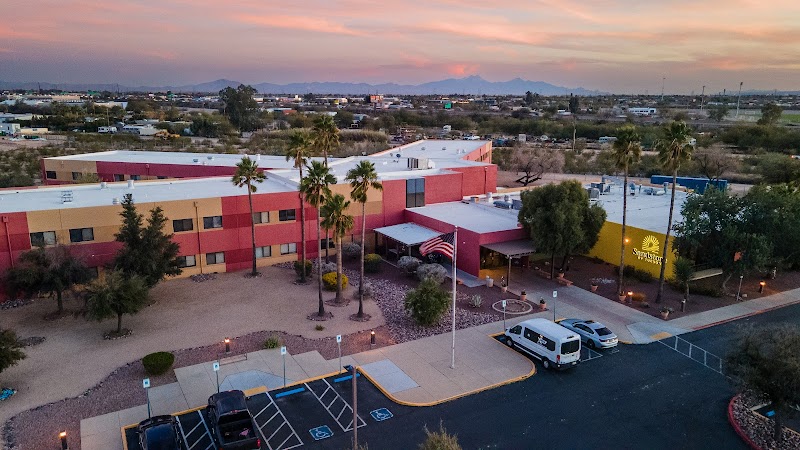
How is Sandstone Of Tucson Rehab Centre Staffed?

CMS rates SANDSTONE OF TUCSON REHAB CENTRE's staffing level at 4 out of 5 stars, which is above average compared to other nursing homes. Staff turnover is 49%, compared to the Arizona average of 46%.

What Have Inspectors Found at Sandstone Of Tucson Rehab Centre?

State health inspectors documented 61 deficiencies at SANDSTONE OF TUCSON REHAB CENTRE during 2021 to 2025. These included: 2 that caused actual resident harm, 58 with potential for harm, and 1 minor or isolated issues. Deficiencies causing actual harm indicate documented cases where residents experienced negative health consequences.

Who Owns and Operates Sandstone Of Tucson Rehab Centre?

SANDSTONE OF TUCSON REHAB CENTRE is owned by a for-profit company. For-profit facilities operate as businesses with obligations to shareholders or private owners. The facility is operated by SANDSTONE HEALTHCARE GROUP, a chain that manages multiple nursing homes. With 240 certified beds and approximately 141 residents (about 59% occupancy), it is a large facility located in TUCSON, Arizona.
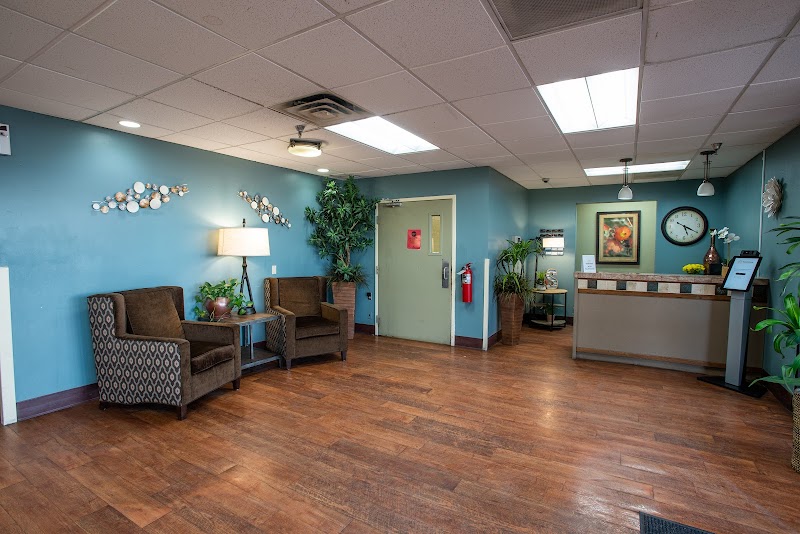
How Does Sandstone Of Tucson Rehab Centre Compare to Other Arizona Nursing Homes?

Compared to the 100 nursing homes in Arizona, SANDSTONE OF TUCSON REHAB CENTRE's overall rating (1 stars) is below the state average of 3.3, staff turnover (49%) is near the state average of 46%, and health inspection rating (1 stars) is much below the national benchmark.

What Should Families Ask When Visiting Sandstone Of Tucson Rehab Centre?

Based on this facility's data, families visiting should ask: "What safeguards and monitoring systems are in place to protect residents from abuse or neglect?" "Can I visit during a mealtime to observe dining assistance and food quality?" "How do you handle medical emergencies, and what is your hospital transfer rate?" "Can I speak with family members of current residents about their experience?" These questions are particularly relevant given the substantiated abuse finding on record.

Is Sandstone Of Tucson Rehab Centre Safe?

Based on CMS inspection data, SANDSTONE OF TUCSON REHAB CENTRE has documented safety concerns. The facility has 1 substantiated abuse finding (meaning confirmed case of resident harm by staff or other residents). The facility is currently on the Special Focus Facility watch list (a federal program monitoring the lowest-performing 1% of nursing homes nationwide). The facility has a 1-star overall rating and ranks #100 of 100 nursing homes in Arizona. Families considering this facility should ask detailed questions about what corrective actions have been taken since these incidents.

Do Nurses at Sandstone Of Tucson Rehab Centre Stick Around?

SANDSTONE OF TUCSON REHAB CENTRE has a staff turnover rate of 49%, which is about average for Arizona nursing homes (state average: 46%). Moderate turnover is common in nursing homes, but families should still ask about staff tenure and how the facility maintains care continuity when employees leave.

Was Sandstone Of Tucson Rehab Centre Ever Fined?

SANDSTONE OF TUCSON REHAB CENTRE has been fined $20,930 across 1 penalty action. This is below the Arizona average of $33,288. While any fine indicates a compliance issue, fines under $50,000 are relatively common and typically reflect isolated problems that were subsequently corrected. Families should ask what specific issues led to these fines and confirm they've been resolved.

Is Sandstone Of Tucson Rehab Centre on Any Federal Watch List?

SANDSTONE OF TUCSON REHAB CENTRE is currently an SFF Candidate, meaning CMS has identified it as potentially qualifying for the Special Focus Facility watch list. SFF Candidates have a history of serious deficiencies but haven't yet reached the threshold for full SFF designation. The facility is being monitored more closely — if problems continue, it may be added to the official watch list. Families should ask what the facility is doing to address the issues that led to this status.