VILLA MARIA POST ACUTE AND REHABILITATION
4310 EAST GRANT ROAD, TUCSON, AZ 85712 (520) 323-9351
For profit - Limited Liability company 83 Beds THE ENSIGN GROUP Data: November 2025
Trust Grade
48/100
#95 of 139 in AZ
Last Inspection: September 2023

Over 2 years since last inspection. Current conditions may differ from available data.

Overview

Villa Maria Post Acute and Rehabilitation has received a Trust Grade of D, which indicates it is below average and has some concerning issues. It ranks #95 out of 139 facilities in Arizona, placing it in the bottom half, and #15 out of 24 in Pima County, meaning only a few local options are worse. However, the facility is showing improvement, with issues decreasing from 11 in 2023 to 4 in 2024. Staffing is rated average with a turnover rate of 40%, which is better than the state average, although RN coverage is weak, being lower than 97% of Arizona facilities. The facility has incurred $8,018 in fines, which is concerning and indicates compliance problems. Specific incidents of concern include a failure to protect one resident from potential abuse by another resident, which could lead to further incidents. Another serious issue involved a resident being hospitalized due to complications from improper care related to a PICC line. Additionally, there were failures in providing necessary catheter care for several residents, which could increase the risk of urinary tract infections. While there are some strengths in staffing and improvement trends, these serious incidents highlight significant weaknesses in care quality that families should consider.

Trust Score
D
48/100
In Arizona
#95/139
Bottom 32%
Safety Record
Moderate
Needs review
Inspections
Getting Better
11 → 4 violations
Staff Stability
○ Average
40% turnover. Near Arizona's 48% average. Typical for the industry.
Penalties
✓ Good
$8,018 in fines. Lower than most Arizona facilities. Relatively clean record.
Skilled Nurses
⚠ Watch
Each resident gets only 13 minutes of Registered Nurse (RN) attention daily — below average for Arizona. Fewer RN minutes means fewer trained eyes watching for problems.
Violations
⚠ Watch
32 deficiencies on record. Higher than average. Multiple issues found across inspections.
★★★☆☆
3.0
Overall Rating
★★★☆☆
3.0
Staff Levels
★★★★★
5.0
Care Quality
★★☆☆☆
2.0
Inspection Score
Stable
2023: 11 issues
2024: 4 issues

The Good

  • 5-Star Quality Measures · Strong clinical quality outcomes
  • Full Sprinkler Coverage · Fire safety systems throughout facility
  • No fines on record
  • Staff turnover below average (40%)

    8 points below Arizona average of 48%

Facility shows strength in quality measures, fire safety.

The Bad

3-Star Overall Rating

Near Arizona average (3.3)

Meets federal standards, typical of most facilities

Staff Turnover: 40%

Near Arizona avg (46%)

Typical for the industry

Federal Fines: $8,018

Below median ($33,413)

Minor penalties assessed

Chain: THE ENSIGN GROUP

Part of a multi-facility chain

Ask about local staffing decisions and management

The Ugly 32 deficiencies on record

2 actual harm
Oct 2024 1 deficiency 1 Harm
SERIOUS (G) 📢 Someone Reported This

A family member, employee, or ombudsman was alarmed enough to file a formal complaint

Actual Harm - a resident was hurt due to facility failures

Free from Abuse/Neglect (Tag F0600)

A resident was harmed · This affected 1 resident

**NOTE- TERMS IN BRACKETS HAVE BEEN EDITED TO PROTECT CONFIDENTIALITY** Based on clinical record review, staff interviews, facility documentation and policy review, the facility failed to protect the ...

Read full inspector narrative →
**NOTE- TERMS IN BRACKETS HAVE BEEN EDITED TO PROTECT CONFIDENTIALITY** Based on clinical record review, staff interviews, facility documentation and policy review, the facility failed to protect the rights of one resident (#1) to be free from abuse by another resident (#2). The deficient practice could result in further resident abuse. Findings include: -Resident #1 was admitted on [DATE] with diagnoses of dementia, non-displaced bimalleolar fracture of the lower right leg, alcohol abuse, and type 2 diabetes. The resident's bed assignment in the electronic health record (EHR) revealed that the resident was moved to a different bed in a different unit on September 21, 2024. A 5-day MDS (Minimum Data Set) assessment dated [DATE] revealed a BIMS (Brief Interview for Mental Status) score of 14 indicating the resident had no cognitive impairment. The progress note dated on October 1, 2024 included that resident #1 saw and attempted to slap resident #2 who then stood up from his chair and struck resident #1. Per the documentation, both residents swung at each other several times before resident #1 fell to the ground and sustained a laceration on the right forehead. It also indicated that staff attempted to intervene but were unsuccessful; and, both residents were separated, 911 was called and resident #1 was transported to the hospital for further evaluation. The hospital after visit summary dated October 1, 2024 revealed that resident #1 received sutures for his laceration. -Resident #2 was admitted on [DATE] with diagnoses of cellulitis of the right upper limb, alcohol dependence, and acquired absence of left leg below the knee. The admission MDS assessment dated [DATE] included BIMS score of 15 indicating the resident had no cognitive impairment. A progress note dated September 20, 2024 included that resident #2 was told by staff to lower the volume of his TV because his roommate (resident #1) reported that it was too loud. Per the documentation, resident #2 told staff that he was going to keep playing the TV at a loud volume until they moved his roommate (resident #1) out of his room. It also included that resident #2 was bothered by a situation that had occurred earlier in the day where his roommate (resident #1) had defecated on the floor of their shared room when on the way to the bathroom. The progress notes dated October 1, 2024 revealed that resident #2 was being escorted by two staff members due to being discharged to another facility. It also included that resident #2 had an altercation with another resident (#1) and that staff had attempted to intervene but were unsuccessful. Per the documentation, resident #2 told staff that he was defending himself because the other resident (#1) attacked him. The documentation also included that after the altercation with another resident (#1) was over, resident #2 was placed in an observation unit until the police department came to arrest him. The Quality Improvement Team note dated October 2, 2024 included that a resident-to-resident altercation occurred on October 1, 2024. Root cause analysis included lack of sufficient education to prevent resident to resident altercation to staff and residents. The facility started their interventions/action plan on October 2, 2024 and it included the following: -Resident #1 was placed on frequent mnitoring until psych evaluation was completed; -Staff re-educated on types of abuse, resident rights and reporting policies; -Team members were assigned to the dining room for all meals and frequent rounding was in place for oversight of resident areas; -Last 24 hours of all resident charts were reviewed for instances that may require additional interventions; -A member of the interdisciplinary team will review the 24 hour report , daily from Monday through Friday for instances that may require additional interventions to be added to a resident's care plan; and, -Clinical leadership team or designee will report findings of the review to the Quality Assurance Performance Improvement (QAPI) committee for a minimum of 3 months. The facility provided copies of chart reviews conducted and residents interviewed on October 2, 2024. The inservice sign-in sheets dated October 2, 2024 revealed that an in-service training on Abuse, Reporting, Residents Rights, Resident-to-Resident Interactions, Respectful Environment and Deescalation was provided to staff/employees. The facility also provided 24-hour Progress Note Review audits completed from October 2 through November 10, 2024. An interview with central supply (staff #14) was conducted on October 3, 2024 at 1:49 p.m. The central supply staff stated that she and another staff (#8) were going down the main hallway when she saw resident #1 walking towards resident #2. She said that both residents then stopped and resident #1 had attempted to hit resident #2 but had missed. The central supply staff said that at this point, resident #2 stood up from his wheelchair and hit resident #1. She said that she placed her hand on the shoulder of resident #2 shoulder in an attempt to get him to sit down. She stated that once the altercation was over, a behavioral health technician (staff #8) sat with the resident in his room to ensure his safety; and later, she and staff #8 escorted resident #2 directly to another facility which was next door. In an interview with a Behavioral Health Tech. (BHT/staff #8) conducted on October 3, 2024 at 2:02 p.m., the BHT stated that he was going down the hallway and saw resident #1 standing up and was a little bit behind resident #2. The BHT said that resident #1 swung at resident #2 but had missed; and, resident #2 then stood up and punched resident #1. The BHT said that he and another staff (#8) attempted to separate both residents. He stated that after resident #1 fell to the ground, he and staff #8 were able to get resident #2 back into his wheelchair. An interview was conducted on October 3, 2024 at 2:13 p.m. with a Certified Nursing Assistant (CNA/staff #5) who stated that she was on her way into a resident's room when she heard resident #2 talking with other staff about a shower. Staff #5 indicated she then saw resident #1 slapped resident #2 who then stood up and hit resident #1. The CNA stated that she saw two other staff members (#14 and #8) attempted to separate both residents but resident #1 continued to go after resident #2. The CNA further stated that other nurses came to separate the two residents; and, she then went back to providing resident cares. During an interview with the Director of Nursing (DON/staff #11) conducted on October 3, 2024 at 2:19 p.m., the DON stated that since the incident on October 3, 2024 between residents #1 and #2, the facility had identified areas that could be improved upon such as additional de-escalation training for staff and implementing behavioral contractions. The DON said that the facility could have done a better job with establishing boundaries with new residents upon admission and the behavioral contracts outlines the expectations related to those boundaries. The DON said that both residents #1 and #2 had a history prior to the altercation as there was an issue when resident #1 was admitted on [DATE]. She stated that resident #2 was upset with resident #1 because resident #1 defecated on the floor of their shared room. The DON said that resident #1 was then moved to a different room because he felt threatened by resident #2. The DON said that staff ensures that both residents did not dine together, were not in activities together, and were not in the common areas together. The DON further stated that the two staff (#8 and #14) that escorted resident #2 on October 3, were not familiar with the resident's history with resident #1. The DON said that allowing residents who do not get along with each other cross paths with each other could result in one resident could provoke the other to have a negative reaction and it can cause an altercation to take place. The DON stated that the facility did not have any policy on de-escalation management with residents who are aggressive towards other residents. The facility policy on Resident Rights with last review date of June 2024 included that residents have a right to be free from physical abuse. A review of a policy on Abuse: Prevention of and Prohibition Against with revision date of November 2023, revealed that it is their policy that each resident has the right to be free from abuse, neglect, misappropriation of resident property and exploitation. The policy defined abuse as the willful infliction of injury, unreasonable confinement, intimidation, or punishment with resulting physical harm, pain, or mental anguish. Instances of abuse of all residents, irrespective of any mental or physical, mental and psychosocial well-being. Willful, as used in this definition of abuse means the individual must have acted deliberately, not that the individual must have intended to inflict injury or harm.
Jul 2024 1 deficiency
CONCERN (D) 📢 Someone Reported This

A family member, employee, or ombudsman was alarmed enough to file a formal complaint

Potential for Harm - no one hurt, but risky conditions existed

Quality of Care (Tag F0684)

Could have caused harm · This affected 1 resident

**NOTE- TERMS IN BRACKETS HAVE BEEN EDITED TO PROTECT CONFIDENTIALITY** Based on clinical record review, interviews, and policy review, and the State Agency (SA) complaint tracking system, the facilit...

Read full inspector narrative →
**NOTE- TERMS IN BRACKETS HAVE BEEN EDITED TO PROTECT CONFIDENTIALITY** Based on clinical record review, interviews, and policy review, and the State Agency (SA) complaint tracking system, the facility failed to ensure that one resident (#1) received treatment and care in accordance with professional standards of practice by failing to call a provider and emergency services in a timely manner. The deficient practice has the potential of the resident suffering from a life-threatening medical event. Findings include: Resident #1 was admitted to the facility on [DATE] with diagnoses that include epilepsy, intractable, with status epilepticus, major depressive disorder, and hemiplegia and hemiparesis following cerebral infarction (stroke) affecting the left non-dominant side. A review of a Minimum Data Set (MDS) assessment dated [DATE], indicated that resident #1 was unable to complete a Brief Interview for Mental Status (BIMS). Staff assessment revealed resident #1's cognitive skills for daily decision making was severely impaired. Review of the physician orders revealed resident was prescribed Levetiracetam (anticonvulsant), Lacosamide (anticonvulsant), and Divalproex Sodium (anticonvulsant). There were no orders for as needed seizure medication. A review of a care plan for seizure disorder revealed interventions that included seizure precautions: do not leave resident alone during a seizure, protect from injury. Other interventions included post seizure treatment: turn on side with head back, hyper-extended to prevent aspiration, keep airway open, after seizure take vital signs and neuro checks. Review of the intake information submitted by the fire department to the SA complaint tracking system on July 18, 2024 revealed that the fire department arrived to the facility and saw resident #1 actively vomiting and unable to protect his own airway; however, the resident was left unattended. The information also included that nurse in charge of the resident (referring to staff #28) was sitting at a desk away from the patient and knew very little about the resident. Per documentation, the nurse (referring to staff #28) waited almost 2 hours to call 911 and did not have eyes on the patient when the fire department arrived. Further, the fire department alleged that the resident was never given any medications to stop the resident's active seizures. A review of progress note revealed that on July 18, 2024 at 6:02 AM, resident #1 was found laying on the ground next to the sliding door. The note indicated that staff initiated neurological checks and assessed the resident for injuries. The note did not give any indication of a seizure activity taking place. Further review of the progress note dated July 18, 2024 at 7:00 AM indicated it was a late entry and that the Nurse Practitioner (staff #102/NP) had ordered the resident to be sent to the emergency room for an evaluation related to the fall and due to the resident hitting his head. Review of the progress note dated July 18, 2024 at 7:43 AM stated that the physician and Director of Nursing (DON) were contacted at 6:15 AM with a request to call the facility back related to the resident's condition. The progress note dated July 18, 2024 at 9:37 AM indicated the resident had a seizure at 5:45 AM. It noted that the resident was taken to his room and the resident had intermittent seizure activity persisted with some emesis. It also stated that after receiving orders from the NP (staff #102) the resident was sent to the hospital at 8:02 AM. An telephone interview was conducted with Licensed Practical Nurse (staff #28/LPN) on July 23, 2024 at 10:37 AM. The LPN stated he was familiar with resident #1. The LPN indicated that sometime after 5:00 AM on July 18, 2024 another staff member had seen resident #1 on the floor. They had assessed the resident for injuries and implemented 15-minute neurological checks. The LPN also indicated that once the resident had been assessed, the resident wanted to remain in his wheelchair in the hallway. The LPN stated that at 5:45 AM resident #1 informed the LPN that he felt he was going to have a seizure and proceeded to have a seizure which lasted approximately 1 to 1 ½ minutes long. The LPN indicated that resident #1 was brought back to the room and that seizure activity continued intermittently. The LPN indicated the LPN reached out to NP (staff #102) at 5:59 AM and then called 911 at 6:00 AM and the Emergency Medical Technicians (EMT) arrived at 7:00 AM. The LPN stated that when EMTs arrived at the facility the EMTstaff stated that the LPN waited too long to call the EMT and that the LPN should have called sooner. An interview was conducted with LPN (staff #61) on July 24, 2024 at 10:43 AM. The LPN stated that a resident having intermittent seizure would be considered a medical emergency. The LPN indicated that a provider's order was required before sending someone to the hospital, even in the event of a medical emergency. The LPN indicated that it was possible to call 911 and to be on the phone with a provider getting the order simultaneously. An interview was conducted with LPN (staff #54) on July 24, 2024 at 10:54 AM. The LPN stated that when a resident was having intermittent seizures that it was considered a medical emergency but as long as the resident was breathing, laying on their side and their head was being supported, they would call the provider and then 911. The LPN also stated calling 911 would have to be done quickly when a resident was having an active seizures. The LPN stated that per their clinincal training, it was not acceptable that it would take an hour to reach a provider to get an order. The LPN stated than an hour was too long and that they would call the provider right away using their own personal phone because the facility did not have a cell phone for staff to use. The LPN also stated they would call the provider, not text them. A telephone interview was conducted on July 23, 2024 at 1:29 PM with a NP (staff #102). The NP indicated she was familiar with resident #1. The NP stated that she had received a call from staff #28's private number at 6:20 AM on July 18, 2024 but she did not answer the phone because she did not know who it was. The NP also stated she received a call at 6:40 AM on July 18, 2024 from the Villa [NAME] phone number and at that time the order was given to send the resident to the hospital. A telephone interview was conducted with the complainant on July 23, 2024 at 1:34 PM. The complainant indicated that the call from the facility regarding a resident having a seizure came in on July 18, 2024 at 6:53 AM and the EMT responded at 6:54 AM. An interview was conducted with the Director of Nursing (staff #81/DON) on July 24, 2024 at 11:45 AM. The DON stated that when a situation was an emergency staff can call 911 first and then contact the provider after or direct another staff to call 911 while another staff was contacting the provider. The DON stated that a resident having intermittent seizures was considered a medical emergency if there was no medication in place. The DON stated the expectation was for staff to contact the provider immediately if a resident was having seizures and was in epileptic status, maybe a few minutes to ensure resident safety. The DON stated that staff #28 contacted the provider 15 minutes after resident #1 had a seizure. The DON stated that it was not an acceptable length of time between the seizure activity and calling a provider and the expectation was that staff call much sooner than 15 minutes. The DON indicated the risk of the delay in care could lead to the resident having brain damage, hypoxia, and the patient could suffer. A review of the facility policy titled Change of Condition Reporting last reviewed in June 2024 revealed, Licensed nurse will initiate appropriate first aid measures until emergency response personnel arrive on the scene.
Apr 2024 1 deficiency 1 Harm
SERIOUS (G) 📢 Someone Reported This

A family member, employee, or ombudsman was alarmed enough to file a formal complaint

Actual Harm - a resident was hurt due to facility failures

Deficiency F0694 (Tag F0694)

A resident was harmed · This affected 1 resident

**NOTE- TERMS IN BRACKETS HAVE BEEN EDITED TO PROTECT CONFIDENTIALITY** Based on clinical record review, staff interviews, facility documentation and policy review and the State Agency (SA) complaint ...

Read full inspector narrative →
**NOTE- TERMS IN BRACKETS HAVE BEEN EDITED TO PROTECT CONFIDENTIALITY** Based on clinical record review, staff interviews, facility documentation and policy review and the State Agency (SA) complaint tracking system, the facility failed to provide care and services related to a peripherally inserted central catheter (PICC) line resulting in the hospitalization for one resident (#75). The deficient practice resulted in complications related to the PICC line not being removed. Findings include: -Resident #75 was admitted to the facility on [DATE] with diagnoses of urinary tract infection (UTI), weakness, pneumonia, hepatitis C, and hypertension. An antibiotic care plan, initiated March 14, 2024 revealed that resident #75 was on intravenous medications due to a diagnosis of complicated UTI. Goals for this care plan included will be free from complications through the review date, with a noted intervention that the facility staff will check the dressing at site daily, and monitor for any signs and symptoms of infection. A physician order dated March 15, 2024 noted ertapenem 1 gm (gram) (antibiotic) intravenously one time a day for complicated UTI. An admission Minimum Data Set (MDS) assessment dated [DATE] indicated that the resident had a Brief Interview for Mental Status (BIMS) score of 1, indicating severe cognitive impairment. A review of progress notes revealed a provider's note dated March 21, 2024 that indicated patient had a PICC line and to continue treating patient with ertapenem. Further review of the progress notes revealed a nursing note dated March 22, 2024 indicating the resident was discharged to a boarding house at 3:00 p.m., signed his discharge, and was to follow up with his doctor and the pharmacy about his medications within the next week to two weeks. However, no mention of the PICC, or removal of the PICC was noted on discharge. An interview was conducted with a Licensed Practical Nurse (LPN/staff #100) on April 12, 2024 at 9:28 a.m. Staff #100 stated that he discharged the resident back in march, and that he vaguely remembered the resident. The LPN further stated that he was unaware of the PICC being present, and that he would have never discharged the resident if he knew a PICC line was present. An interview was conducted with the Director of Nursing (DON/staff #40) on April 12, 2024 at 10:51 a.m. who stated that the facility discharged the resident with a PICC and she just found out about it last night. The DON stated that the resident was now at the facility after being hospitalized for sepsis. The DON further stated that they were changing policy so that a full assessment was done on all residents when they discharge to identify PICC lines or anything else was noted in the chart. The DON further stated that her expectation was that full skin assessments were completed prior to discharge so this do not happen again. Review of information received from the SA complaint tracking system revealed that on April 2, 2024, a hospital physician reported the resident was discharged from the facility to the streets with PICC in place. The physician reported that the resident arrived to the emergency department with severe sepsis and bacteremia. The report revealed the resident had stated he was discharged to the streets with the PICC in place. The physician stated in the report that a hospital case manager called the facility to confirm that the resident was discharged to the streets with a PICC line in place with no plans for removal or follow-up; and, the resident had drug use history of methamphetamines sometimes intravenously. The physician reported that with the resident's history of polysubstance use disorder the situation could have been profoundly worse if patient had used PICC for drug use. A review of facility policy titled, Intravenous fluid and drug administration general policies revised in August of 2022, revealed that the nurse should monitor the patient for therapeutic response, recognize indications of untoward reactions, and implement nursing interventions as indicated, and that monitoring of patients should be ongoing.
Feb 2024 1 deficiency
CONCERN (E) 📢 Someone Reported This

A family member, employee, or ombudsman was alarmed enough to file a formal complaint

Potential for Harm - no one hurt, but risky conditions existed

Incontinence Care (Tag F0690)

Could have caused harm · This affected multiple residents

**NOTE- TERMS IN BRACKETS HAVE BEEN EDITED TO PROTECT CONFIDENTIALITY** Based on staff and resident interviews, clinical record review, facility records and facility policy, the facility failed to ens...

Read full inspector narrative →
**NOTE- TERMS IN BRACKETS HAVE BEEN EDITED TO PROTECT CONFIDENTIALITY** Based on staff and resident interviews, clinical record review, facility records and facility policy, the facility failed to ensure that three residents (#2, 6, 8) were provided catheter related care as ordered. Failure to ensure that a physician's orders are implemented and failure to ensure care was provided can lead to increased risk of and late detection for urinary tract infections (UTIs) and other adverse effects. Findings include: • Resident #6 was admitted on [DATE] with diagnoses of paraplegia, and neuromuscular dysfunction of the bladder. A Quarterly Minimum Data Set (MDS) assessment dated [DATE] included that this resident was cognitively intact, and that this resident was dependent for toileting hygiene. This assessment included that this resident had an indwelling catheter. A care plan initiated 6/26/23 included that this resident had an indwelling catheter #16/10 milliliter (mL) for a diagnosis of paraplegic neurogenic bladder and was at risk for frequent UTIs. Interventions included to change catheter bag and tubing as ordered and to provide catheter care by cleansing the catheter with soap and water and patting dry every shift. A Physician's order dated 11/3/2023 included catheter care - cleanse with soap and water and pat dry every shift. A Physician's order dated 11/3/2023 included indwelling urinary catheter care: Empty drainage bag every shift and as needed (prn). Report changes in urine amount, color, sedimentation, odor every shift. However, review of the clinical record for catheter care revealed that December of 2023 was missing 4 opportunities for catheter care and November of 2023 was missing 7 opportunities for catheter care. Review of the clinical record for emptying the drainage bag revealed that December of 2023 was missing 4 opportunities for emptying and November of 2023 was missing 7 opportunities for emptying. Review of this resident's clinical record for 1/10/24, 1/25/24, and 2/15/24 included recommendations by providers to implement a Urinary Analysis (UA). However, these orders were not transcribed into the electronic Medication Administration Record (eMAR) or the electronic Treatment Administration Record (eTAR) and documentation was not found to support that a UA was provided for any of the above dates. • Resident #2 was admitted on [DATE] with diagnoses that include bladder neck obstruction, obstructive and reflux uropathy, muscle weakness and altered mental status. An Annual MDS assessment dated [DATE] included that this resident was severely cognitively impaired, and that this resident required substantial/maximal assistance with toileting hygiene. This assessment included that this resident had an indwelling catheter. A care plan initiated 02/27/2023 included that this resident had an indwelling foley catheter due to bladder neck obstruction 16 french/ 10 ml with an intervention of catheter care - cleanse with soap and water and pat dry every shift. A physician's order dated 11/21/2023 included indwelling urinary catheter care: Empty drainage bag every shift and prn. Report changes in urine amount, color, sedimentation, odor every shift. A physician's order dated 11/21/2023 included catheter care - cleanse with soap and water and pat dry every shift. However, review of the clinical record for catheter care revealed that February 2024 was missing 1 opportunity, January 2024 was missing 2 opportunities, and December of 2023 was missing 9 opportunities. Review of the clinical record for emptying the drainage bag revealed that January 2024 was missing 3 opportunities, December 2023 was missing 9 opportunities, and November 2023 was missing 9 opportunities. • Resident #8 was admitted with diagnoses of neuromuscular dysfunction of the bladder, need for assistance with personal care, and muscle weakness. A discharge assessment - return anticipated MDS dated [DATE] included that this resident required substantial/maximal assistance for personal hygiene. This assessment included that this resident has an indwelling catheter. A care plan dated 2/6/23 included that this resident had an indwelling Suprapubic Catheter for diagnoses of neurogenic bladder and a stage 4 pressure injury and had a potential for recurring Urinary Tract Infection (UTI). This care plan included interventions of Indwelling urinary catheter care: Empty drainage bag every shift and prn and to provide suprapubic catheter care every shift. A physician's order dated 2/7/2023 included catheter care - cleanse with soap and water and pat dry every shift. A physician's order dated 2/7/2023 included indwelling urinary catheter care: Empty drainage bag every shift and prn. Report changes in urine amount, color, sedimentation, odor every shift. However, review of the clinical record for catheter care revealed that November 2023 was missing 3 opportunities, December 2023 was missing 8 opportunities, and January 2024 was missing 4 opportunities. Review of the clinical record for emptying the drainage bag revealed that 11/23 was missing 2 opportunities, 12/23 was missing 8 opportunities, and 1/24 was missing 3 opportunities An interview was conducted on 2/16/24 at 10:39 AM with resident #6 who said that about once a month he had to change his own catheter. He said that he had asked a nurse to change it for 3 days in a row and that the nurse said that there was not an order in the computer. He said that on the 4th day it leaked because the facility was understaffed and did not empty it. He said that a hospitality aid told him that they were understaffed so she was emptying catheters. An interview was conducted on 2/16/2024 at 11:02 PM with resident #9 who said that staff change his foley and take care of it because if they don't it overflows. He said that it overflowed a few times. An interview was conducted on 2/16/24 at 1:14 PM with a Certified Nursing Assistant (CNA/staff #7) who said that the CNAs perform catheter care. She said she had never seen a nurse perform catheter care. She said that catheter care is not performed every shift but that she tries to do so and that she will clean the catheter if it looks gunky. An interview was conducted on 2/16/24 at 2:58 PM with a CNA (staff #23) who said that staffing today was pretty good, we'll get everything done, but that a lot of the time there is not enough time to get everything done for the residents. An interview was conducted on 2/16/24 at 1:32 PM with a Licensed Practical Nurse (LPN/staff #43) who said that catheter care can be recorded as a nurse note or in the MAR TAR. This nurse said that catheters are normally changed once a month unless the Doctor orders it sooner or if complications arise. This nurse said that if care was not recorded it was not provided and that this nurse never saw a note or was aware of a request for a UA. An interview was conducted on 2/16/23 at 3:02 PM with an LPN (staff #31) who said that catheter care should be provided daily and that the nurse charts on the catheter care. This nurse said that if there is a blank in the record that means it was not charted on and if it was not charted was not done. This nurse said that catheters are changed as needed and as ordered. She said that usually the doctor will notify the nurses of new orders. An interview was conducted on 2/16/24 at 3:21 PM with the Director of Nursing (DON/staff #14) who reviewed the residents' record and said the resident should have had a monthly UA and did not. She said that her expectations are that the orders are transcribed and read back by the nurse and implemented. She said that it did not happen in this case. She said that her expectation for catheter care was that facility policy was daily, as needed or as the physician's order states. She said that her expectation is that catheter care is charted in the Medication Administration Record or Treatment Administration Record and that it did not meet her expectations that those opportunities were missed. A policy/procedure titled Catheter Drainage Bag reviewed 12/23 included to document all appropriate information in medical record. A policy/procedure titled Physician Orders reviewed 8/23 included that it is the policy of this facility to accurately implement orders in addition to medication orders (treatment, procedures) only upon the written order of a person duly licensed and authorized to do so in accordance with the resident's plan of care and that medication, treatment or related procedure orders are transcribed in the eMAR, eTAR accordingly.
Sept 2023 9 deficiencies
CONCERN (D)

Potential for Harm - no one hurt, but risky conditions existed

Deficiency F0578 (Tag F0578)

Could have caused harm · This affected 1 resident

**NOTE- TERMS IN BRACKETS HAVE BEEN EDITED TO PROTECT CONFIDENTIALITY** Based on clinical record review, staff interviews, and policy review, the facility failed to ensure one resident (#114) or their...

Read full inspector narrative →
**NOTE- TERMS IN BRACKETS HAVE BEEN EDITED TO PROTECT CONFIDENTIALITY** Based on clinical record review, staff interviews, and policy review, the facility failed to ensure one resident (#114) or their representative have the ability to request, refuse, or discontinue treatment. The census was 57. The deficient practice could result in residents receiving services which are not in accordance with their wishes. Findings include: Resident #114 was initially admitted into the facility on August 17, 2023, hospitalized on [DATE], and re-admitted to the facility on [DATE] with diagnoses that included aneurysm of the ascending aorta, without rupture, unspecified sequelae of cerebral infarction (complications resulting from a stroke), aphasia following cerebral infarction (communication disorder resulting from a stroke), and muscle weakness. Review of the clinical record revealed Durable Power of Attorney (POA) was signed on June 14, 2016 by resident #114. This POA also includes the ability to make healthcare decisions on behalf of resident #114. Review of the clinical record revealed the [discharge] Minimum Data Set (MDS) dated [DATE] revealed staff assessed the resident as cognitively severely impaired and never/rarely made decisions related to daily decision making. Review of the current orders revealed resident #114 is on the following psychotropic medications: Sertraline (anti-depressant), Oxcarbazepine (mood stabilizer), and Hydroxyzine (anti-anxiety). Review of the clinical record indicated there was a verbal consent for the use of psychotropic medications (Seroquel and Sertraline, both of which are anti-depressants). However, the form did not have a date indicating when verbal consent was received and it did not identify who provided the verbal consent. An interview was conducted with the resident's representative on September 14,2023 at 10:09 AM, via phone. The resident representative stated they never gave verbal or written consent for psychotropic medications for resident #114. Review of the clinical record revealed that as of September 14, 2023 10:34 AM there was no documentation in the progress notes or nurses' notes indicating verbal consent was received from the resident or the resident's representative. An interview was conducted with the Registered Nurse (RN #44) on September 14, 2023 at 11:39 AM. RN #44 stated she had been working at facility for about a year. RN #44 indicated resident #114 has a hard time expressing themselves due to a stroke but she believed resident #114 understood what was being communicated to her. RN #44 acknowledged that all residents should have signed consents for psychotropic medications upon admission. After reviewing the resident's clinical record, RN #44 was able to find verbal consent form for Seroquel but could not find it for Hydroxyzine and Oxcarbazepine. An interview was conducted with the Assistant Director of Nursing (ADON #59) on September 14, 2023 at 12:10 PM, the ADON stated that they believed the resident was capable of making their own decisions regarding medical care and they did not have a current diagnosis that supports the inability to make their own decisions. The ADON indicated he asked the resident for verbal consent to administer psychotropic medications and also received verbal consent from the Resident Representative as well. The ADON indicated that the second staff signature was a Registered Nurse (staff #17) and they should have documented receiving the verbal consents in the resident's clinical record. The ADON also acknowledged that there was a verbal consent form in the resident's clinical record for one of their current psychotropic medications and not the other two. The ADON indicated he did not know where the consent forms for Hydroxyzine or Oxcarbazepine were or if they were completed. An interview was conducted with Certified Nursing Assistant (CNA #85) on September 14, 2023 at 12:54 PM with CNA #85 indicated she was aware the resident was at the facility because they had a stroke and the resident does not verbalize needs well. CNA #85 indicated that communication is done via close-ended questions and gestures to ensure needs are met. On September 14, 2023 at 1:27 PM, Acting Director of Nursing (ADON #19) provided a copy of resident #114 undated verbal consent form. ADON #19 acknowledged the consent form was not completed in it's entirely and stated she started a QAPI review to address the gap. An interview was conducted with the Administrator (ADM) on September 15, 2023 at 8:31 AM. The ADM stated that he could not recall specific language in the policy around the rights of a Resident Representative or what happens when a resident cannot make their own decisions. After reviewing the Resident's Rights policy, he acknowledged there was no language in the policy that outlines the rights of the Resident Representatives.
CONCERN (D)

Potential for Harm - no one hurt, but risky conditions existed

Transfer Requirements (Tag F0622)

Could have caused harm · This affected 1 resident

**NOTE- TERMS IN BRACKETS HAVE BEEN EDITED TO PROTECT CONFIDENTIALITY** Based on clinical record review, staff interviews, and review of facility policies and procedures, the facility failed to ensure...

Read full inspector narrative →
**NOTE- TERMS IN BRACKETS HAVE BEEN EDITED TO PROTECT CONFIDENTIALITY** Based on clinical record review, staff interviews, and review of facility policies and procedures, the facility failed to ensure one sampled resident's (#41) clinical record included the required information for transfer/discharge. The deficient practice could result in residents not having a safe and effective transition of care. Findings include: Resident #41 was admitted on [DATE] with diagnosis including Wernicke's encephalopathy, chronic obstructive pulmonary disease, major depressive disorder, unspecified psychosis, chronic respiratory failure, heart failure, and paroxysmal atrial fibrillation. The resident was transferred to the emergency department on May 7, 2023 for breathing difficulty and hypertension, per Tucson Medical Center (TMC) emergency department triage notes. TMC summary notes indicated decreased breath sounds, wheezing and rales present. Resident #41 was then returned home to Villa [NAME] on May 11, 2023. A review of the MDS (minimum data set) assessment dated [DATE] revealed a BIMS (brief interview of mental status) score of 5, indicating severe cognitive impairment. The TMC summary progress notes revealed that resident #41 was confused, the morning post admission, and could not provide much history or context as to why she had been admitted . A review of the physician's orders in the electronic health record revealed no evidence of hospital transfer orders; however, the electronic health record revealed that the resident was admitted to TMC on May 7, 2023 and was then readmitted to Villa [NAME] on May 11, 2023. An interview with the Director of Nursing (DON, clinical resource, staff #19) was conducted on September 14, 2023 at 11:49 a.m. The DON stated that you need an order for essentially everything and the expectation is that there should be an order for the resident to be transferred to the hospital; however, the DON reviewed resident #41's electronic health record and stated that there is no evidence that there was an order in the record. The DON stated that without an order, there would be a risk of staff not following physician's orders. A review of the facility's admission, transfer and discharge policy, with a review date of October of 2022, revealed that a resident's physician shall document if the transfer or discharge is necessary because the safety of the resident is endangered due to the clinical or behavioral status of the resident. However, the electronic medical record revealed no evidence of the aforementioned documentation.
CONCERN (D)

Potential for Harm - no one hurt, but risky conditions existed

Comprehensive Assessments (Tag F0636)

Could have caused harm · This affected 1 resident

**NOTE- TERMS IN BRACKETS HAVE BEEN EDITED TO PROTECT CONFIDENTIALITY** Based on review of the clinical record, staff interviews, and review of facility policies and procedures, the facility failed to...

Read full inspector narrative →
**NOTE- TERMS IN BRACKETS HAVE BEEN EDITED TO PROTECT CONFIDENTIALITY** Based on review of the clinical record, staff interviews, and review of facility policies and procedures, the facility failed to ensure that one section (O) of a Minimum Data Set (MDS) assessment for one sampled resident (#41) included that the resident is on oxygen. The deficient practice could result in residents not receiving the required care and services for an oxygen dependent resident. Findings include: Resident #41 was admitted on [DATE] with diagnosis including Wernicke's encephalopathy, chronic obstructive pulmonary disease, anxiety, major depressive disorder, unspecified psychosis, chronic respiratory failure, heart failure, and paroxysmal atrial fibrillation. Resident #41 was then transferred to Tucson Medical Center (TMC) for breathing difficulties and hypertension on May 7, 2023 and then readmitted to the facility on [DATE]. A review of the quarterly MDS (minimum data set) dated July 20, 2023 revealed that section 'O' special treatments, procedures and programs contained no evidence that resident #41 was on oxygen prior to admission to the facility or currently while at the facility. The MDS further revealed that the resident had a BIMS (brief interview of mental status) score of 5, indicating severe cognitive impairment. A review of the physician orders revealed oxygen orders dated May 25, 2022 for resident #41 and revised orders dated September 12, 2023, noting oxygen at 2 liters per minute as needed to keep saturation greater than 89 percent as needed for chronic obstructive pulmonary disease. A review of the care plan dated July 20, 2023 revealed that oxygen was care planned for resident #41. A review of the physician progress notes dated July 27, 2023 revealed no shortness of breath, coughing or wheezing. The notes further revealed under the assessment / plan section that the resident has chronic respiratory failure and that as of May 22, 2023 resident #41 receives oxygen via nasal cannula. An observation on September 11, 2023 at 10:05 a.m. revealed that the resident was on 7 liters of oxygen. An interview was conducted the ADON (staff #59), who was functioning as the nurse on the unit, on September 12, 2023 at 10:14 a.m. The ADON reviewed the electronic medical record and was able to locate orders for oxygen, but was unable to locate the oxygen on the most recent MDS. An interview was conducted with the MDS coordinator (staff #30) on September 12, 2023 at 1:17 p.m. The MDS coordinator stated that if in use, oxygen should always be indicated in section 'O' on the MDS. The MDS coordinator pulled up the MDS for resident #41, in the electronic health record, and stated that there was no indication of oxygen in the resident's MDS. She stated that this was an error. The MDS coordinator stated that the risk of not having oxygen noted in the MDS resulted in an inaccurate electronic health record and that the resident's information would be inaccurately conveyed. An interview was conducted with the administrator (staff #78) on September 13, 2023 at 7:13 a.m. The administrator stated that his expectation is that the MDS is completed accurately and timely. The administrator reviewed resident #41's MDS and stated that oxygen was not selected as having been received prior to or during the stay at the facility. He stated that the risk for not having oxygen noted on resident #41's MDS would not accurately reflect all that the facility had done for the resident and could result in information potentially not being accurately shared with staff. A review of the oxygen administration policy dated July, 2023 revealed that the resident's clinical record will include that oxygen is to be administered, when and how it is to be administered, type of device utilized, special procedures or treatments to be administered as well as any charting and documentation as related to oxygen use.
CONCERN (D)

Potential for Harm - no one hurt, but risky conditions existed

Deficiency F0645 (Tag F0645)

Could have caused harm · This affected 1 resident

**NOTE- TERMS IN BRACKETS HAVE BEEN EDITED TO PROTECT CONFIDENTIALITY** Based on clinical record review, staff interviews, and policy, the facility failed to ensure one resident (#34) had a PASARR (Pr...

Read full inspector narrative →
**NOTE- TERMS IN BRACKETS HAVE BEEN EDITED TO PROTECT CONFIDENTIALITY** Based on clinical record review, staff interviews, and policy, the facility failed to ensure one resident (#34) had a PASARR (Pre-admission Screening and Resident Review) Level I completed. Findings include: Resident #34 was admitted [DATE], with diagnoses that included Major Depressive disorder, and anxiety disorder. Review of the admission MDS (Minimum Data Set) assessment dated [DATE], revealed a BIMS (Brief Interview for Mental Status) score of 15 which indicated the resident was cognitively intact. Review of the clinical record did not find a PASARR level I. An interview was conducted with the social worker (staff #54) on September 14, 2023 at 11:25 AM who said that all residents have a level I PASARR and that she was not sure what the timing was for completion of the Level I. She said that this resident did not have a Level I. An interview was conducted with the Director Of Nursing (DON/staff #19) on September 15, 2023 at 11:40 AM who said that Level 1 PASARRs should be done when the resident comes to the facility. She said that this resident's PASARR was not performed in a timely manner and that the facility does have a quality improvement plan in place for PASARRs.
CONCERN (D)

Potential for Harm - no one hurt, but risky conditions existed

Accident Prevention (Tag F0689)

Could have caused harm · This affected 1 resident

**NOTE- TERMS IN BRACKETS HAVE BEEN EDITED TO PROTECT CONFIDENTIALITY** Based on clinical record reviews, staff interviews, facility documentation, facility policy, and national standards, the facilit...

Read full inspector narrative →
**NOTE- TERMS IN BRACKETS HAVE BEEN EDITED TO PROTECT CONFIDENTIALITY** Based on clinical record reviews, staff interviews, facility documentation, facility policy, and national standards, the facility failed to ensure oxygen cylinders were stored safely in accordance with professional standards. This deficient practice could result in life-threatening injuries. Findings include: -Resident #15 was admitted to the facility on [DATE] with diagnoses that included cerebral infarction, chronic kidney disease stage 4, hypertension, congestive heart failure, gout, contracture of the right hand and peripheral vascular disease. A change of condition Minimum Data Set (MDS) assessment dated [DATE] indicated that the resident had a Brief Interview for Mental Status (BIMS) score of 8, indicating moderate cognitive impairment. A falls care plan revised July 28, 2023 revealed that resident #15 has a potential for a fall occurrence related to gait balance problems and a history of several falls. Goals for this care plan will be free of falls through the review date, with a noted intervention that the facility will provide a safe environment with floors free of spills and/or clutter. A vision care plan revised August 7, 2022 revealed resident #15 had decreased visual acuity. The goals for this care plan included Maintaining optimal quality of life by visual function, with a noted intervention of keep room well lit and free from clutter. However, one oxygen cylinder was found in the resident's room unsecured on the floor, without a carrier device, which could result in life-threatening injuries related to an oxygen cylinder fire or explosion. A physician's order dated September 12, 2023 noted Oxygen at 2 liters, via nasal cannula and may titrate to maintain oxygen saturation greater than 90% every day and night for congestive heart failure. An observation was made on September 11, 2023 at 10:15 AM, of one oxygen cylinder stored standing up on the floor, without a carrier device. The oxygen cylinder was observed to be full. An observation was made on September 11, 2023 at 10:39 AM, of a staff member in the room providing services, however the oxygen cylinder remained on the floor until the staff members exit. A repeat observation was made on September 11, 2023 at 11:50 AM, where the oxygen cylinder were still present. An interview was conducted with a Certified Nursing Assistant (CNA staff/#80) on September 11, 2023 at 1:06 PM. Staff #80 stated that they have training every month, and that the leaders make sure their training is complete. Staff #80 also stated that oxygen bottles are only stored in oxygen storage, or in the wheeled carriers. Staff #80 stated that oxygen bottles should never be stored on the floor or laying down. An interview was conducted with The Maintenance director (staff #99) and the Environmental service director (staff #93) on September 11, 2023 at 1:53 PM. Staff #93 stated that staff get monthly and annual in-services related to training. Staff #93 also stated that oxygen bottles are not supposed to be used or stored on the floor and that a carrier device must be used to transport oxygen cylinders. Staff #93 and staff #99 conducted an observation of room [ROOM NUMBER], during this interview, with staff #93 acknowledging the presence of the free-standing oxygen cylinder without a carrier device and stating that bottle is not supposed to be there, we will get it right now. An interview was conducted with the Director of Nursing (DON staff #89). The DON stated that Oxygen storage is part of annual training but also done on hire. The DON stated that the training does include the use of carrier devices. The DON stated that oxygen should never be stored on the floor and must always be in a carrier and secured. The DON further stated that she can appreciate the risks involved with storage an oxygen cylinder on the ground. The DON further stated her expectation is that the staff follow facility policy. A review of facility policy titled 'Oxygen Administration' revealed that Oxygen tanks will be kept in holders on wheelchairs, or in carriers for ambulatory residents, and that Oxygen tanks will be stored in the oxygen room, full tanks in the designated area, and empty tanks in the designated area. An Occupational Safety and Health Administration (OSHA) website titled Compressed Gas and Equipment' revealed Hazards associated with compressed gasses include oxygen displacement, fires, explosions, and toxic gas exposures, as well as the physical hazards associated with high pressure systems. Special storage, use, and handling precautions are necessary in order to control these hazards. Based on observations, clinical record review, resident interview, staff interviews, and review of facility policies, the facility failed to ensure that one resident (#37) received adequate supervision to prevent medication accidents and that one resident (#41) received neurological checks after an unwitnessed fall. The deficient practices could result in resident #37 sustaining medication accident-related injuries and life-threatening injuries for resident #41. Findings include: Resident #37 was admitted on [DATE] with diagnosis including paraplegia, pressure ulcer of the sacral region, major depressive disorder, anxiety disorder, opioid dependence-in remission, pain, and end stage renal disease. A review of the MDS (minimum data set) assessment dated [DATE] revealed a BIMS (brief interview of mental status) score of 15, indicating that the resident is cognitively intact. A review of the physician orders revealed no evidence of an order for the self-administration of antifungal creams or wound cleanser. A review of the care plan dated July 19, 2023 revealed no notation that the resident is able to self-administer medications. A review of the assessment section of the electronic health record revealed no evidence that the resident had been assessed for medication self-administration. An observation was conducted for resident #37 on September 11, 2023 at 10:12 a.m. Phytoplex antifungal ointment as well as Inzo antifungal cream and equos wound cleanser were observed, in plain view, on the resident's bedside table. During the same observation, the resident had initiated the call light, as he was experiencing pain. The assistant director of nursing entered the room, asked what level of pain the resident was experiencing and the resident reported he was at a '10' pain level. Continued observation at this time revealed no evidence of the medication being removed or the resident questioned about the medication on his bedside table. An observation was conducted on September 12, 2023 at 10:22 AM. The resident was not observed in his room; however, both antifungal medications and wound cleanser were still observed on the bedside table. An interview was conducted on September 12, 2023 at 10:22 AM with staff #27 (RNA-restorative nursing assistant). The RNA stated that the resident had been admitted to the hospital earlier this morning. An interview was conducted with staff #85 (CNA) on September 12, 2023 at 10:30 AM, Staff #85 stated that anything a patient is in need of, to include pills, tablets, topicals or SVN treatments constitute medications. She stated that if a resident needs a medication, they have to go through the nurse. She stated that the resident would tell the nurse and if an order for the medication was not present, then the nurse would contact the provider to review the request. She stated that residents are not allowed to administer their own medications under any circumstances. She stated that if medications are found in a resident's room, she would notify the nurse and try to figure out how long the medications had been there. Staff #85, then stated that the medications would be removed and disposed of. An interview was conducted with staff #59 (ADON) on September 12, 2023 at 10:55 AM, Staff #59 stated that medications include both prescribed and over the counter treatments. He stated that if a resident requests a medication that had not been ordered, he would call the doctor to obtain an order. He stated that residents are not allowed to self-administer medications at this facility, unless it is during training, prior to going home, and then only supervised. He stated that medications should not be at a resident's bedside table. He stated that if he observes medications at bedside, he removes them, puts the resident's name on them and locks them up. Staff #59 stated that the risk could include other residents, such as roommates, accidentally taking the medications. An interview was conducted with staff #19 (DON) on September 13, 2023 at 9:48 AM, Staff #19 stated that the expectation is that medications should not be at a resident's bedside table. She stated that if a resident request medication self-administration, then an assessment is conducted and an order from the physician is obtained. Staff #19 stated if medications are found at bedside, the medications are removed. However, if medications are missed by staff, she stated then additionally staff would be re-educated. She stated that the risk would be the difficulty to monitor the frequency of medication administration and other people could be wandering around and take the medication. A review of the self-administration of medication policy with a review date of May, 2023 revealed that residents can self-administer medications only, once they have been evaluated for cognitive, visual and physical ability by the interdisciplinary team (consisting of the medical director or primary physician, director of nursing or representative and social services), the candidacy for self-administration is then noted to be reflected in the resident chart, the resident will be educated and nursing will conduct ongoing monitoring. However, no evidence of an assessment was noted in the chart for resident #37. ________________ Resident #41 was admitted on [DATE] with diagnosis including Wernicke's encephalopathy, chronic obstructive pulmonary disease, anxiety, major depressive disorder, unspecified psychosis, chronic respiratory failure, heart failure, and paroxysmal atrial fibrillation. Resident #41 was then transferred to Tucson Medical Center (TMC) for breathing difficulties and hypertension on May 7, 2023 and then readmitted to the facility on [DATE]. A review of the MDS (minimum data set) assessment dated [DATE] revealed a BIMS (brief interview of mental status) score of 5, indicating severe cognitive impairment. A review of the care plan revealed a focus area for falls initiated on July 20, 2023, due to confusion, noting gait and balance problems as well as poor awareness of safety needs. A further review of the care plan revealed that the resident had slipped out of her wheelchair on May 18, 2023 with no reported injury and on June 12, 2023 was found on the mat next to her bed. The care plan and associated interventions were noted as updated and no subsequent concerns for interventions were observed. However, a subsequent review of the electronic health record revealed no evidence that the unwitnessed fall on June 12, 2023 had the proper neurological checks conducted subsequent to the fall. An interview was conducted on September 12, 2023 at 10:30 a.m. with staff #85 (CNA). Staff #85 stated that post falls, residents are assessed for injuries, staff try to find out what and how the fall occurred, the nurse would be notified, vitals would be taken and documented in the electronic health record. She stated that vitals were always taken after a resident has fallen and reported that health related issues could be missed if they were not taken. An interview was conducted on September 14, 2023 at 8:30 a.m. with staff # 44 (LPN). Staff #44 stated that after falls, residents are assessed for injuries, staff help them get up as appropriate, take the resident's vitals and conduct neurological checks if an unwitnessed fall has occurred. Staff would then notify the family and continue with charting the 'neurochecks' for the next 72 hours. She stated that the neurological checks are recorded on a 'hardcopy' document and then given to the medical records department, who then file the neurological checks. She stated that she is unsure if the medical records department uploads them to the electronic health record. Copies of the neurological checks for resident #41 were requested on September 14, 2023 at 8:AM. The Director of Nursing stated that the facility was unable to locate the neurological checks for the unwitnessed fall of resident #41. An interview was conducted on September 14, 2023 at 11:47 AM, with the Director of Nursing, staff #19. Staff #19 stated that neurological checks should be completed for all unwitnessed falls. She stated that the CNA's complete the hardcopy form, which is on a clipboard. She stated that this form is then given to the nurses and subsequent to the documentation time frame indicated for neurological checks is then provided to vital records for storage. She stated that she had been unable to locate the neurological checks and was unsure where they had gotten lost. She stated that the risk to the resident would be that staff would be unaware of a change in neurological condition which could be an indicator for other health related issues. A review of the fall management system policy with a review date of May, 2023 revealed that a physical assessment and or evaluation will be completed by a licensed nurse and documented in the nursing progress notes; however, the policy did not address the documentation of neurologic
CONCERN (D)

Potential for Harm - no one hurt, but risky conditions existed

Respiratory Care (Tag F0695)

Could have caused harm · This affected 1 resident

**NOTE- TERMS IN BRACKETS HAVE BEEN EDITED TO PROTECT CONFIDENTIALITY** Based on clinical record review, observations, resident and staff interviews, and review of facility policy and procedure, the f...

Read full inspector narrative →
**NOTE- TERMS IN BRACKETS HAVE BEEN EDITED TO PROTECT CONFIDENTIALITY** Based on clinical record review, observations, resident and staff interviews, and review of facility policy and procedure, the facility failed to follow physician's orders prior to the administration of oxygen for one resident residents (#41). Findings include: Resident #41 was admitted on [DATE] with diagnosis including Wernicke's encephalopathy, chronic obstructive pulmonary disease, anxiety, major depressive disorder, unspecified psychosis, chronic respiratory failure, heart failure, and paroxysmal atrial fibrillation. Resident #41 was then transferred to Tucson Medical Center (TMC) for breathing difficulties and hypertension on May 7, 2023 and then readmitted to the facility on [DATE]. A review of the MDS (minimum data set) assessment dated [DATE] revealed a BIMS (brief interview of mental status) score of 5, indicating severe cognitive impairment. The MDS, section 'O', further revealed no evidence that resident was on oxygen prior to admission or on oxygen while a resident at Villa [NAME]. A review of the physician orders on May 22, 2023 revealed an order for oxygen via nasal route, but did not indicate any parameters. A review of the physician's orders on September 12, 2023 revealed that an order for oxygen at 2 liters per minute, as needed to keep oxygen saturation at 89% or greater, dated September 12, 2023 had been added to the electronic health record. A review of the progress note dated July 27, 2023, revealed that the assessment plan for resident #41 contained her diagnosis of COPD and chronic respiratory failure and included the plan to continue on Prednisone, Trelegy and Albuterol as needed. An observation on September 11, 2023 at 9:00 AM, revealed that resident #41 was on 7 liters of oxygen. A subsequent observation for resident #41 was conducted on September 11, 2023 at 10:05 AM. The resident was still observed to be on 7 liters of oxygen. No marked distress was observed. An interview was conducted telephonically on September 11, 2023 at 11:41 AM, with the daughter of resident #41. The daughter stated that the resident is supposed to be on oxygen and had been on oxygen prior to admission. An interview was conducted with staff #59 (ADON and functioning as RN on the unit) on September 12, 2023 at 10:14 AM, Staff #59 stated oxygen is a medication for which an order is required. Staff#59 further stated that an order for oxygen was in place for resident #41, but not for a titration up to 7 liters. He stated that the oxygen should not have been set at 7 liters for resident #41. He stated that the risk for oxygen set above parameters could cause a lot of damage and could cause oxygen poisoning. An interview was conducted with staff # 19 (DON) on September 13, 2023 at 9:50 AM. Staff #19 stated that the expectation for staff is to follow physician's orders regarding respiratory care. She stated that the risk could include services and treatments not being received as ordered which could impact their health. A review of the physician orders policy with a review date of August 2022 revealed that orders for medication need to include the following: name and strength of the drug, quantity and specific duration of therapy, dosage and frequency of administration, route of administration and reason or problem for which it was given. However, the physician orders were incomplete and not followed as written. A review of the oxygen policy with a review by date on July, 2023 revealed a resident's clinical record will include that oxygen is to be administered, when and often, type of device for administration utilized, charting and documentation related to oxygen use, oxygen concentrator storage in the resident's room while in use and removal thereof when not in use as well as storage for e-tanks. However, MDS charting revealed that oxygen was not in use.
CONCERN (D)

Potential for Harm - no one hurt, but risky conditions existed

Deficiency F0697 (Tag F0697)

Could have caused harm · This affected 1 resident

**NOTE- TERMS IN BRACKETS HAVE BEEN EDITED TO PROTECT CONFIDENTIALITY** Based on clinical record review, staff interviews, and facility policy, the facility failed to ensure one resident (#37) was pro...

Read full inspector narrative →
**NOTE- TERMS IN BRACKETS HAVE BEEN EDITED TO PROTECT CONFIDENTIALITY** Based on clinical record review, staff interviews, and facility policy, the facility failed to ensure one resident (#37) was provided services consistent with professional standards of practice. The deficient practice could result in unmanaged pain for the resident. Findings include: Resident #37 was admitted on [DATE] with diagnosis including paraplegia, pressure ulcer of the sacral region, chronic pain syndrome, unspecified pain, major depressive disorder, anxiety disorder, opioid dependence-in remission, pain, psychoactive substance abuse-uncomplicated and end stage renal disease. A review of the MDS (minimum data set) assessment for resident #37, dated July 19, 2023 revealed a BIMS (brief interview of mental status) score of 15, indicating that the resident is cognitively intact. A review of the care plan dated July 13, 2023 revealed that the resident is prescribed opioid medications for pain and that the medication is to be administered as prescribed. A review of the physician orders for resident #37 dated July 14, 2023, revealed that staff are to monitor the resident for pain every shift and medicate as needed per physician's order. A review of the MAR (medication administration record) for August and September 2023 revealed that pain levels were being monitored with resident #37. A further review of the MAR revealed that oxycodone was ordered for pain levels ranging from 6 to a 10 on the pain scale; however, the administration record revealed that oxycodone had been administered outside of the ordered parameters on 4 separate occasions to include: August 4, 2023 at 12:48 PM: Oxycodone administered for a pain level of 2 August 20, 2023 at 2:19 AM: Oxycodone administered for a pain level of 4 August 22, 2023 at 6:45 AM: Oxycodone administered for a pain level of 0 August 24, 2023 at 9:57 AM and 2:07 PM: Oxycodone administered for a pain level of 0 September 3, 2023: Oxycodone administered for a pain level of 5 The MAR further revealed that resident #37 was noted to have experienced a pain level of 9 on August 8, 2023 and was given Tylenol, which had been ordered for pain levels up to 5. An interview was conducted with resident #37 on September 11, 2023 at 10:12 AM. The resident stated that his pain was not controlled well. He stated that he was unable to participate in therapy due to pain levels. An interview was conducted with staff #59 (ADON) on September 13, 2023 at 10:31 AM. Staff #59 stated that his expectation is that medications are to be administered accurately as per physician's orders. Staff #59 reviewed the MAR for resident #37 and stated that oxycodone should not have been administered at a 5 or below and that for pain exceeding a level 6 Tylenol should not have been administered. An interview was conducted with staff #19 (DON) on September 13, 2023 at 11:13 AM. Staff #19 stated that medications are to be administered accurately as per physician orders. Staff # stated that when determining whether or not to administer pain medications, nursing staff are to assess the resident's pain level and administer medications in compliance with the physician's orders utilizing the designated pain scale in the order. She stated that the designated pain with a '0' level was probably a documentation error. Staff #19 stated that the risk for administering medication outside of parameters can include a resident's pain level not being well-controlled as well as pain medication not being administered as ordered. A review of the facility's pain management policy with a review date of September, 2022 revealed that the physician should be consulted for additional interventions id pain is not relieved by currently ordered treatment modalities and comfort measures. A review of the medication administration policy with a review date of May, 2023 revealed that a resident's orders are to be reviewed prior to dose administration and that medication administration is the be documented. Based on observation, clinical record reviews, resident and staff interviews and policy review, the facility failed to ensure pain management was provided to two residents (#37 and #115) consistent with professional standards of practice and the resident's goals and preferences. Findings include: Resident #115 was admitted on [DATE] with diagnoses that included cellulitis of the left lower limb and acute osteomyelitis of the right femur. The admission Minimum Data Set (MDS) assessment dated [DATE] revealed a Brief Interview for Mental Status (BIMS) score of 15, which indicated no cognitive impairment. The assessment included the resident received scheduled pain medication and as needed pain medication and that she occasionally reported her pain level at a 7 which interfered with day to day activities and sleep. The assessment also included that the resident received opioid medication 5 of 7 days reviewed. A review of the care plan revealed the resident had acute and chronic pain related to osteomyelitis with interventions of follow pain scale to medicate as ordered. This document also included the resident was admitted with bilateral lower extremity wounds red without drainage and right ankle with a fluid filled blister with intervention of administering antibiotics as ordered, to monitor and document wound including size, depth and margins and to document progress in wound healing on an ongoing basis, and to notify physician as indicated A review of the physician's orders revealed the following orders: - WOUND CARE: Bilateral Lower Extremities LEGS/FEET Cleanse with wound wash. Pat dry. Cover ulcers with Xeroform, wrap with Kerlix, secure with Ace wrap. Dressing change 3X/week and PRN for drainage or soiling. every night shift every Tue, Thu, Sat for WOUND CARE DRAINAGE/SOILING. - Oxycodone HCl Oral Tablet 5 MG (analgesic) Give 2 tablet by mouth every 4 hours as needed for pain 1-10. During an observation conducted on September 15, 2023 at 8:44 AM, the resident asked a Licensed Practical Nurse (LPN/staff #2) who was performing wound care for pain medication. This resident expressed pain multiple times during wound care and the nurse said that it was not yet time for her pain medication. However, this LPN did not contact the physician prior to the wound care or postpone the wound care until the resident could be medicated for pain. An interview was conducted after this observation with this LPN (staff #2) who said that she would talk to the physician about scheduling a medication for prior to wound care as she had pain especially with her right leg. She said that the resident had her as needed pain medication given at 5:53 AM, for a pain of 7/10 and could not have another dose yet as it was scheduled for every 4 hours. During an interview conducted with the Director of Nursing (DON/staff #19) on September 15, 2023 at 11:40 AM, the DON said that the staff should ask if the resident is in pain before performing wound care and the staff should treat the pain accordingly. She said that it did not meet her expectations that this resident did not receive pain medication before receiving wound care.
CONCERN (D)

Potential for Harm - no one hurt, but risky conditions existed

Deficiency F0727 (Tag F0727)

Could have caused harm · This affected 1 resident

Based on review of facility documentation, staff interviews and facility policy, the facility failed to use the services of a Registered Nurse (RN) for at least 8 consecutive hours a day, 7 days a wee...

Read full inspector narrative →
Based on review of facility documentation, staff interviews and facility policy, the facility failed to use the services of a Registered Nurse (RN) for at least 8 consecutive hours a day, 7 days a week. The census was 54. The deficient practice has the potential to negatively affect resident care. Findings include: Review of the facility staff schedules which included staff call offs, revealed that in February 2023, there were 3 dates with no RN on duty for 8 consecutive hours. Review of the staff schedules which included staff call offs for July 2023, revealed 3 days with no RN on duty for 8 consecutive hours. An interview was conducted on September 15, 2023 at 11:00 AM, with the Director of Nursing (DON/staff #98). She stated that the facility follows their facility assessment, which would include 8 hours of RN coverage a day. She further stated that they missed the 8-hour requirement on those months. She further stated that she is in the facility Monday through Friday and as needed for call offs that are done through the staffing coordinator. Review of the facility Staffing policy titled 'Sufficient staff revealed that it is the policy of this facility to have sufficient nursing staff with the appropriate competencies and skillsets to provide nursing and related services to promote resident safety and attain or maintain the highest practicable mental, psychosocial well-being of each resident, as determined by resident assessment and individual plans of acre and considering the number, acuity, and diagnosis of the facility's resident population in accordance with the facility assessment.
CONCERN (D)

Potential for Harm - no one hurt, but risky conditions existed

Infection Control (Tag F0880)

Could have caused harm · This affected 1 resident

**NOTE- TERMS IN BRACKETS HAVE BEEN EDITED TO PROTECT CONFIDENTIALITY** Based on observation, clinical record reviews, staff interviews and policy review, the facility failed to ensure that a resident...

Read full inspector narrative →
**NOTE- TERMS IN BRACKETS HAVE BEEN EDITED TO PROTECT CONFIDENTIALITY** Based on observation, clinical record reviews, staff interviews and policy review, the facility failed to ensure that a resident's wound care was conducted in accordance with current standards for 1 resident (115). Findings include: Resident #115 was admitted on [DATE] with diagnoses that included cellulitis of the left lower limb and acute osteomyelitis of the right femur. The admission Minimum Data Set (MDS) assessment dated [DATE] revealed a Brief Interview for Mental Status (BIMS) score of 15, which indicated no cognitive impairment. The assessment included the resident had 2 venous and arterial ulcers. A review of the care plan revealed the resident was admitted with bilateral lower extremity wounds red without drainage and right ankle with a fluid filled blister with intervention of administering antibiotics as ordered, to monitor and document wound including size, depth and margins and to document progress in wound healing on an ongoing basis, and to notify physician as indicated. A review of the physician's orders revealed the following orders: - WOUND CARE: Bilateral Lower Extremity, LEGS/FEET Cleanse with wound wash. Pat dry. Cover ulcers with Xeroform, wrap with Kerlix, secure with Ace wrap. Dressing change 3X/week and PRN for drainage or soiling. every night shift every Tue, Thu, Sat for WOUND CARE DRAINAGE/SOILING A wound care observation for resident #115 was conducted September 15, 2023 at 8:44 AM, with a Licensed Practical Nurse (LPN/staff #2). During the wound care observation, the nurse was observed not to wash or sanitize her hands after touching the resident's feet then removing the resident's socks then removing her dressings, between removing the dressings and cleaning the wounds, and between dressing different wounds, An interview was conducted 9/15/23 at 9:18 AM, with this LPN (staff #2). During the interview both nurses stated that they were supposed to wash their hands between removing a dressing, prior to starting a dressing and after finishing a dressing, and between wounds. She said that she missed times to perform hand washing. During an interview conducted with the Director of Nursing (DON/staff #19) on September 15, 2023 at 11:40 AM, the DON said the staff should knock on door, wash hands or perform hand hygiene, go to the resident and obtain consent and ask if they are in pain, place supplies on a barrier, remove the dressing with gloves, clean and measure the wound, then wash hands before going to next wound. Then the nurse should follow physician orders, take off gloves and perform hand hygiene. She said that she had trained this nurse on what to do but that this LPN was not wound certified. A policy titled Complex Wound Management reviewed 7/2023 revealed that all treatments involving breaks in the skin require clean technique, unless otherwise ordered by the physician. A Centers for Disease Control Hand Hygiene Guidance revealed that The Core Infection Prevention and Control Practices for Safe Care Delivery in All Healthcare Settings recommendations of the Healthcare Infection Control Practices Advisory Committee (HICPAC) include the following strong recommendations for hand hygiene in healthcare settings. This document included that healthcare personnel should use an alcohol-based hand rub or wash with soap and water for the following clinical indications before moving from work on a soiled body site to a clean body site on the same patient, after touching a patient or the patient's immediate environment, and after contact with blood, body fluids, or contaminated surfaces.
May 2023 2 deficiencies
CONCERN (D) 📢 Someone Reported This

A family member, employee, or ombudsman was alarmed enough to file a formal complaint

Potential for Harm - no one hurt, but risky conditions existed

Deficiency F0692 (Tag F0692)

Could have caused harm · This affected 1 resident

**NOTE- TERMS IN BRACKETS HAVE BEEN EDITED TO PROTECT CONFIDENTIALITY** Based on clinical record, staff interviews and facility policy, the facility failed to ensure that a physician's order was follo...

Read full inspector narrative →
**NOTE- TERMS IN BRACKETS HAVE BEEN EDITED TO PROTECT CONFIDENTIALITY** Based on clinical record, staff interviews and facility policy, the facility failed to ensure that a physician's order was followed in regards to weights for one resident (#101). The deficient practice could result in resident nutrition and hydration needs not addressed and met. Findings include: Resident #101 was admitted on [DATE] with diagnoses of calculus of kidney, dementia, and type 2 diabetes mellitus type 2. The initial admission record dated January 16, 2023 revealed the resident was admitted for IV (intravenous) antibiotic. A physician order dated January 16, 2023 included weekly weights for 4 weeks every Tuesday for 4 weeks. The weight summary record included that the weight was 228.8 lbs. (pounds) on January 18, 2023; however, this entry was struck out as an incorrect entry. The clinical record revealed no evidence that the resident was re-weighed on January 18, 2023. The MAR (Medication Administration record) for January 2023 revealed weight was marked as measured on January 17; however, the weight was not entered in the MAR. Continued review of the MAR revealed that weight was not documented as measured on January 24. The clinical record revealed the resident was sent to the ED (emergency department) on February 2, 2023; and was readmitted at the facility on February 4, 2023. A physician order dated February 4, 2023 included weekly weights for 4 weeks every Sunday for 4 weeks. The care plan dated February 5, 2023 included the resident had obesity related to intake greater than energy expenditure. Intervention included weights as ordered. A weight summary record included that the weight was 173.3 lbs. on February 6, 2023. Despite being ordered and care planned, the MAR for February 2023 revealed weight was not measured on February 12. The clinical record revealed no evidence the weight was taken weekly as ordered until February 28, 2023. The weight summary record revealed that on February 28, 2023 the weight was 167.6 lbs. An interview was conducted on May 25, 2023 at 11:56 p.m. with a certified nursing assistant (CNA/staff #50) who said that the nurse and the CNAs make sure physician orders were followed. The CNA said that CNAs usually get weights when resident first arrive at the facility; and that, the nurses and doctors ask the CNAs to get resident weights on weekly or monthly, or even daily for some residents. The CNA stated that weights were entered in the clinical record by the CNAs and the nurses would verify that it was accurate. An interview was conducted with a Licensed Practical Nurse (LPN/staff #76) on May 26, 2023 at 9:38 a.m. The LPN stated that if weekly weight was ordered by the provider, the RNAs would be responsible for getting the weekly weight. She said that if a resident had fluctuations in weight the provider and dietary staff would be notified. During an interview with the Director of Nursing (DON/staff #82) conducted on May 26, 2023 at 1:28 p.m., the DON stated that residents were weighed upon admission; and that, if the staff cannot get the resident's weight, the facility would use the resident's recorded hospital weights. however, the DON stated that staff would try to measure the resident's weight because the weights taken from the hospital were vastly different from what they get. The DON stated that after resident was admitted , weights were taken weekly for 4 weeks. During the interview, a review of the clinical record was conducted with the DON who stated that staff did not get the weight of resident #101 as ordered by the physician; and that, this did not meet her expectations. The facility policy on Vital Signs, Weight and Height revealed that it is their policy that resident's height and weight shall be recorded, at the time of admission, by the nursing staff and included the resident's vital signs shall be recorded as the physician's orders indicate, or as frequently as the resident's condition warrants.
CONCERN (E) 📢 Someone Reported This

A family member, employee, or ombudsman was alarmed enough to file a formal complaint

Potential for Harm - no one hurt, but risky conditions existed

Safe Environment (Tag F0584)

Could have caused harm · This affected multiple residents

**NOTE- TERMS IN BRACKETS HAVE BEEN EDITED TO PROTECT CONFIDENTIALITY** Based on observations, resident and staff interviews and facility policy review, the facility failed to ensure a sanitary, clean...

Read full inspector narrative →
**NOTE- TERMS IN BRACKETS HAVE BEEN EDITED TO PROTECT CONFIDENTIALITY** Based on observations, resident and staff interviews and facility policy review, the facility failed to ensure a sanitary, clean and homelike environment was provided for three sampled residents (#14, #55 and #56). Findings include: -Resident #14 was readmitted on [DATE] with diagnosis including Parkinson's disease, schizoaffective disorder-bipolar type, hypertension, major depressive disorder and need for assistance with personal care. A review of the MDS (Minimum Data Set) assessment dated [DATE] revealed a BIMS (brief interview of mental status) score of 15, indicating the resident was cognitively intact. -Resident #55 was admitted on [DATE] with diagnoses of Parkinson's disease, bipolar disorder, hypertension, anxiety and morbid obesity. A review of the MDS assessment dated [DATE] revealed a BIMS score of 15, indicating that the resident was cognitively intact. The clinical record revealed that resident #55 was discharged on February 25, 2023. -Resident #56 was admitted on [DATE] with diagnoses of chronic obstructive pulmonary disease (COPD), hypertension, and adjustment disorder with mixed anxiety and depressed Mood. The MDS assessment dated [DATE] revealed a BIMS score 14 indicating the resident was cognitively intact. The clinical record revealed that resident #56 was discharged on April 12, 2023 The pest control company activity log from November 2022 through May 2023 revealed mice as pest problem on the following dates and locations: -November 21, 2022 - social service room; -November 26, 2022 - 200-unit resident room; -December 12, 2022 - 300-unit nurse station; -December 21, 2022 - activity room; -January 16, 2023 - resident rooms; -January 22, 2023 - nurses station, 200-unit, 300-unit, break-room; -January 28, 2023 - 300-unit shower room; -February 10, 2023 - 300-unit nurses' station; -March 22, 2023 - 200 unit; -April 6, 2023 - rooms, gym, dining room, offices; and, -May 24, 2023 - office. An interview with the resident #14 was attempted on May 24, 2023 at 12:00 p.m., but was unsuccessful as the resident was not available in his room. An interview was with a random female resident conducted on May 24, 2023 at 12:10 p.m. The resident stated the facility had mice and there were droppings all over her room and in the drawer of her bedside table. She stated that roaches come out and scurry across the floor at night; and that, she last observed a mouse in her room on May 23, 2023. The female resident further stated that she had reported the problem to the nursing staff about a month ago; however, she had not received any updates on what the facility was doing to address the problem. An observation was conducted during the interview and revealed mouse droppings in the drawer of the resident's night-table. The resident stated that these had been in her drawer for about a week. There were also mouse droppings behind the shower chair in the attached bathroom and between the bed and night-table of the resident's roommate. An interview was conducted with the restorative nurse assistant (RNA/staff #68) on May 24, 2023 at 12:20 p.m. The RNA stated that an exterminator comes to the facility once a week and or when issues were reported or observed. An interview with the maintenance staff (staff #69) and the housekeeping supervisor (staff #93) was conducted on May 24, 2023. The housekeeping supervisor stated that she had observed mouse droppings in the random female resident's night-table drawer. The maintenance stated that the droppings found behind the shower chair and between the bed and night-table of the random resident and her roommate were mouse droppings. Staff #69 stated that the mice had been an issue for at least the past four and a half months; however, he stated that the he feels the issue has improved. The housekeeping supervisor stated that there was a concern for the number of items some residents may have in their drawers; however, the random female resident only had papers in her drawer and no evidence of food related items. The facility's policy on Pest Control revised on May, 2022 revealed that the facility will utilize pesticides and rodenticides in a safe and efficient manner to control pests with the least amount of contamination to the environment. The facility policy on Homelike Environment included that it is their policy to provide a homelike environment. A review of the facility policy on Housekeeping Services included that it is their policy to require effective environmental sanitation to lessen the hazards of exposure to contaminated air, dust, furnishings, equipment and other fomites.
Aug 2022 7 deficiencies
CONCERN (D)

Potential for Harm - no one hurt, but risky conditions existed

Deficiency F0645 (Tag F0645)

Could have caused harm · This affected 1 resident

**NOTE- TERMS IN BRACKETS HAVE BEEN EDITED TO PROTECT CONFIDENTIALITY** Based on clinical record review, staff interviews, and policy and procedure, the facility failed to ensure a Level II PASRR (Pre...

Read full inspector narrative →
**NOTE- TERMS IN BRACKETS HAVE BEEN EDITED TO PROTECT CONFIDENTIALITY** Based on clinical record review, staff interviews, and policy and procedure, the facility failed to ensure a Level II PASRR (Preadmission Screening and Resident Review) evaluation and determination was completed for one resident (#13). The sample size was 4. The deficient practice could result in specialized services not being provided and needs not being met for residents with mental disorders. Findings include: Resident #13 was admitted on [DATE] with diagnoses of Parkinson's Disease and bipolar disorder. The PASRR Level I Screening Tool dated November 26, 2021 revealed in section B, Serious Mental Illness was checked for Bipolar Disorder and that the resident did not have a primary diagnosis of dementia. Continued review of the tool revealed that section D - Referral Determination for Level II was marked as no referral necessary for any level 2. A psychoactive medication consent dated November 27, 2021 for use of Lithium (mood stabilizer) indicated for Bipolar Disorder diagnosis. The Minimum Data Set assessment dated [DATE] revealed a Brief Interview for Mental Status score of 13 indicating the resident was cognitively intact. The care plan initiated on December 1, 2021 revealed the resident has the potential for a mood problem of Bipolar Disorder. Review of the medication administration records for July 1, 2022 through August 10, 2022 revealed documentation that the resident was administered Lithium as ordered for bipolar disorder and the resident was monitored for target behaviors and side effects related to its use. During an interview conducted with the social service director (SSD/staff #21) on August 10, 2022 at 1:17 PM, the SSD stated on admission she makes sure the PASRR form is correct, will make changes if needed and will monitor if it is appropriate for level 2. After reviewing the PASRR for resident #13, she stated she did not submit a level 2 and stated that she should have. In an interview with the Director of Nursing (DON/staff #68) conducted on August 11, 2022 at 1:27 PM, the DON stated the social services director (staff #21) is responsible for ensuring the PASRR Level I screening is completed and a PASRR Level II is submitted for evaluation and determination. The facility policy on Preadmission Screening and Resident Review (PASRR) reviewed January 2019 stated it is their policy to complete the Level 1 for all potential admissions regardless of payor source to determine if the individual meets the criterion for the mental disorder, intellectual disability, or related condition. Based upon the level 1 screen, if the individual is determined to meet the above criterion, the facility will refer the potential admission to the State PASRR representative for a Level 2 screening process.
CONCERN (D)

Potential for Harm - no one hurt, but risky conditions existed

Deficiency F0658 (Tag F0658)

Could have caused harm · This affected 1 resident

**NOTE- TERMS IN BRACKETS HAVE BEEN EDITED TO PROTECT CONFIDENTIALITY** Based on clinical record review, staff interviews, and policy review, the facility failed to ensure one resident (#29) was admin...

Read full inspector narrative →
**NOTE- TERMS IN BRACKETS HAVE BEEN EDITED TO PROTECT CONFIDENTIALITY** Based on clinical record review, staff interviews, and policy review, the facility failed to ensure one resident (#29) was administered an anticoagulant medication in accordance with the physician order. The sample size was 5. The deficient practice could result in adverse effects for residents. Findings include: Resident #29 was admitted on [DATE] with diagnoses that included presence of prosthetic heart valve, cerebrovascular disease, and hemiplegia/hemiparesis following cerebrovascular disease. Review of the physician order dated January 7, 2022 revealed an order for warfarin sodium 10 milligrams by mouth in the afternoon for CVA (cerebrovascular accident). The order also stated to hold the medication January 25 through 26, 2022, and February 4 through 5, 2022. However, review of the Medication Administration Record (MAR) for January 2022 and February 2022, revealed warfarin was administered on January 26 and February 5. A physician order dated February 18, 2022 included Coumadin (warfarin sodium) 9 milligrams by mouth in the afternoon for Coumadin dosing related to the presence of a prosthetic heart valve. The order stated to hold the medication from March 17 through March 23, 2022. However, review of the MAR dated March 2022 revealed warfarin was administered on March 17, 21, and 23. Review of the MAR dated April 2022, May 2022, and August 2022 revealed warfarin was administered when a physician order stated to hold the medication. Review of the laboratory results dated [DATE] revealed the Prothrombin Time (PT) was 40.7 (normal range 9.4 - 12.5 seconds) and the INR (International Normalized Ratio) was 3.5 (normal range 0.9 - 1.1) Review of physician order dated July 6, 2022 stated warfarin sodium 7 milligrams by mouth one time a day related to CVA. However, review of MAR for July 2022 revealed no evidence warfarin was administered on July 14 and 15, 2022. A physician order dated July 27, 2022 stated warfarin 6 milligrams by mouth in the evening related to CVA. The order also stated to hold warfarin on August 8, 9, and 10. Review of the MAR dated August 2022 revealed no evidence warfarin was administered on August 5 and revealed warfarin was administered on August 10. The laboratory result dated August 5, 2022 revealed the PT was 38.7 and the INR was 3.3. An interview was conducted on August 11, 2022 at around 1:00 p.m. with the DON (Director of Nurses/staff #68). The DON stated if a medication or treatment was left unsigned it means it was not done. Staff #68 stated if the physician order was not followed related to warfarin, the risks included bleeding, CVA, and MI (myocardial infarction). Review of the facility policy, Medication Administration, stated it is the policy of the facility that medication shall be administered as prescribed by the attending physician. Medications must be administered in accordance with the written orders of the attending physician. The policy stated all current drugs and dosage scheduled must be recorded on the resident's electronic medication administration record (eMAR).
CONCERN (D)

Potential for Harm - no one hurt, but risky conditions existed

Incontinence Care (Tag F0690)

Could have caused harm · This affected 1 resident

**NOTE- TERMS IN BRACKETS HAVE BEEN EDITED TO PROTECT CONFIDENTIALITY** Based on resident and staff interviews and clinical record review, the facility failed to ensure one resident (#10) received cat...

Read full inspector narrative →
**NOTE- TERMS IN BRACKETS HAVE BEEN EDITED TO PROTECT CONFIDENTIALITY** Based on resident and staff interviews and clinical record review, the facility failed to ensure one resident (#10) received catheter care and services in accordance with professional standards of practice. The sample size was 2. The deficient practice may increase the risk for urinary tract infections (UTI). Findings include: Resident #10 readmitted to the facility on [DATE] with diagnoses that included hypertensive heart and chronic kidney disease without heart failure, paraplegia, and chronic kidney disease stage 4. The quarterly Minimum Data Set assessment dated [DATE] revealed the resident scored 11 on the Brief Interview for Mental Status, indicating moderate cognitive impairment. The assessment included the resident had an indwelling urinary catheter, and required extensive to total 1-2-person physical assistance for most activities of daily living. A suprapubic catheter care plan initiated on 06/29/22 related to neurogenic bladder had goals to remain free from catheter-related trauma and to show no signs of urinary infection. Interventions included monitoring/recording/reporting signs or symptoms of urinary tract infection to the medical doctor. Physician orders dated 07/04/22 included flushing the supra-pubic catheter with 60 cubic centimeters (cc) of 0.25% acetic acid (bladder rinse solution) every night shift for prevention. Review of the July 2022 Treatment Administration Record (TAR) revealed catheter flushing was performed in accordance with the physician orders, with the exception of July 16, when there was no documentation provided to indicate whether or not the catheter was flushed. Review of the clinical record revealed the resident was discharged with return anticipated on 07/20/22, and was readmitted on [DATE]. The suprapubic catheter care plan was updated on 08/01/22 to include the provision of catheter care every shift and as needed. The physician order to flush the suprapubic catheter was discontinued on 08/01/22. An interview was conducted on 08/09/22 at 11:55 a.m. with resident #10. The resident stated that nursing was not flushing the catheter daily, which could cause debris to back up into the bladder. The resident stated it is a risk for infections. On 08/11/22 at 2:32 p.m., an interview was conducted with a Licensed Practical Nurse (LPN/staff #27). She stated that the purpose of flushing a catheter was to break up sediment in the tubing and to keep the line patent. She stated that if the catheter was not flushed it may cause a UTI (urinary tract infection), clogged tubing, and/or urine back-up. She stated that some residents might need to go out to the urologist for tube exchange and/or care. On 08/11/22 at 2:39 p.m., an interview was conducted with the Director of Nursing (DON/staff #68). She stated that the purpose of flushing the catheter was to prevent clogging from sediment in the urine. She stated that risks of not flushing would include obstruction, UTI, and kidney infections. The DON stated that it would not meet her expectations for the resident not to have the catheter flushed. She reviewed TAR for resident #10 and stated that it did not meet her expectations.
CONCERN (D)

Potential for Harm - no one hurt, but risky conditions existed

Deficiency F0757 (Tag F0757)

Could have caused harm · This affected 1 resident

**NOTE- TERMS IN BRACKETS HAVE BEEN EDITED TO PROTECT CONFIDENTIALITY** Based on clinical record review, staff interviews, and review of policy and procedures, the facility failed to ensure that one r...

Read full inspector narrative →
**NOTE- TERMS IN BRACKETS HAVE BEEN EDITED TO PROTECT CONFIDENTIALITY** Based on clinical record review, staff interviews, and review of policy and procedures, the facility failed to ensure that one resident (#12) was administered medications according to the parameters as ordered by the physician. The sample size was 5. The deficient practice could result in residents receiving unnecessary drugs. Findings include: Resident #12 was admitted on [DATE] with diagnoses of Hypertensive heart and chronic kidney disease with heart failure and Stage 1 through Stage 4 chronic kidney disease, or unspecified chronic kidney disease. Review of the care plan initiated on July 2, 2022 revealed the resident had a potential for alteration in fluid volume/electrolytes. Interventions included administering diuretic as ordered. The quarterly Minimum Data Set assessment dated [DATE] revealed a Brief Interview for Mental Status score of 6, indicating the resident had severe cognitive impairment. The assessment also revealed the resident received diuretic medications for 7 days of the lookback period. Review of a physician's order dated April 21, 2021 included Lasix (Furosemide) 10 milligrams by mouth one time a day for edema hold for SBP (systolic blood pressure) <110. Review of the Medication Administration Record for July 2022 revealed Lasix was administered on July 16, 2022, July 17, 2022, July 23, 2022, July 30, 2022, and July 31, 2022 when the SBP blood pressure was outside of the parameter ordered by the physician. An interview was conducted with a Licensed Practical Nurse (LPN/ staff #27) on 08/11/22 at 9:04 AM. The LPN stated the process for giving medication with ordered parameters included reviewing the morning medications, the Certified Nursing Assistant obtaining residents' vital signs at 6:30 AM, the nurse reviewing the vital signs, and administering the medication accordingly. An interview with the Director of Nursing (DON/ staff #68) was conducted on 08/11/22 at 12:34 PM. The DON stated they conduct random audits on medications with parameters and provide ongoing education, allow the provider to clarify any parameters, and/or clarify parameters with providers. The DON reviewed resident #12 Medication Administration Record for July 2022 noting that Lasix was given five times outside of parameters. Review of the facility Medication Administration policy implemented July 1, 2022 revealed it is the policy of this facility that medications shall be administered as prescribed by the attending physician. Medications must be administered in accordance with the written orders of the attending physician.
CONCERN (D)

Potential for Harm - no one hurt, but risky conditions existed

Deficiency F0773 (Tag F0773)

Could have caused harm · This affected 1 resident

**NOTE- TERMS IN BRACKETS HAVE BEEN EDITED TO PROTECT CONFIDENTIALITY** Based on clinical record, staff interview, and policy review, the facility failed to consistently obtain PT/INR (prothrombin tim...

Read full inspector narrative →
**NOTE- TERMS IN BRACKETS HAVE BEEN EDITED TO PROTECT CONFIDENTIALITY** Based on clinical record, staff interview, and policy review, the facility failed to consistently obtain PT/INR (prothrombin time/international normalized ratio) as ordered by the physician for one sampled resident (#12). The deficient practice could result in delayed treatment. Findings include: Resident #12 was admitted on [DATE] with diagnoses that included atrial fibrillation, heart failure, and chronic kidney disease stage 4. Review of the care plan initiated on July 2, 2022 revealed the resident was on anticoagulant therapy Coumadin due to atrial fibrillation. The goal was that the resident would be free from adverse reactions and discomfort. Intervention included obtaining labs and reporting results to the physician. The quarterly Minimum Data Set assessment dated [DATE] revealed a score of 6 on the Brief Interview for Mental Status, indicating the resident had severe cognitive impairment. The assessment also revealed the resident received an anticoagulant medication for 7 days of the lookback period. Review of a physician order dated July 4, 2022 included PT/INR every night shift every Sunday. Review of the July 2022 TAR revealed no evidence the PT/INR was obtained as ordered on July 4, 2022. A review of the clinical record including progress notes revealed PT/INRs were obtained for all of July 2022 except July 4, 2022. An interview was conducted with the Director of Nursing (DON/staff #68) on 08/11/22 at 12:34 PM. The DON stated the nurse will call the provider and report the INR results and the physician will give orders based on the PT/INR numbers. After reviewing resident #12's clinical record, the DON stated that because the order was written so late on July 4, 2022, it did not start until the following week. Staff #68 also stated the expectation is that orders are implemented immediately. The DON stated the potential outcome could be an abnormal result and a risk of bleeding. Review of facility Medication and Treatment Orders policy revised July 2016 revealed orders for anticoagulants will be prescribed only with appropriate clinical and laboratory monitoring. The attending physician must periodically record in the progress notes the results of the laboratory monitoring and the review for potential complications.
CONCERN (E)

Potential for Harm - no one hurt, but risky conditions existed

Pressure Ulcer Prevention (Tag F0686)

Could have caused harm · This affected multiple residents

**NOTE- TERMS IN BRACKETS HAVE BEEN EDITED TO PROTECT CONFIDENTIALITY** Based on clinical record reviews, resident and staff interviews, and policy review, the facility failed to ensure 3 residents (#...

Read full inspector narrative →
**NOTE- TERMS IN BRACKETS HAVE BEEN EDITED TO PROTECT CONFIDENTIALITY** Based on clinical record reviews, resident and staff interviews, and policy review, the facility failed to ensure 3 residents (#34, #26, and #152) consistently received treatment and services consistent with professional standards of practice. The sample size was 3. The deficient practice could result in delayed healing of pressure ulcers. Findings include: -Resident #34 was admitted on [DATE] with diagnoses that included pressure ulcer of sacral region stage 4, venous insufficiency (chronic) peripheral, and type 2 diabetes mellitus with diabetic neuropathy, unspecified. Review of the physician order dated March 8 through March 15, 2022 revealed a treatment order for the sacral wound. However, review of TAR (treatment administration record) for March 2022 revealed no evidence the treatment was provided on March 15 and March 18, 2022. Review of the physician order March 15, 2022 revealed a new treatment order to the sacral wound. However, review of the March 2022 TAR revealed the new treatment order was not initiated until March 18, 2022. Further review of the TARs dated May 2022 through June 2022, revealed no evidence the treatment was provided to the sacral wound on May 15, 16 and 23, and June 2, 4, 11, 18, 19, 25, 28, and 30. Review of the quarterly MDS (Minimum Data Set) dated June 18, 2022, revealed a BIMS (Brief Interview of Mental Status) of 14, which indicated the resident was cognitively intact. The skin condition included one stage 4 pressure ulcer that was present on admission. Review of the care plan with a revision date of July 13, 2022 revealed the resident had a problem with skin integrity at the time of admission, stage 4 pressure injury to the sacrococcygeal area. The goal stated the stage 4 injury will remain clean and free from infection. Interventions included providing the treatment to the pressure injury as ordered. An interview was conducted on August 11, 2022 at around 1:00 p.m., with the DON (Director of Nurses/staff #68). Staff #68 stated her expectation is that when a physician order is obtained it is to start immediately. The DON stated if a medication or treatment was left unsigned it means it was not done. Staff #68 stated if a pressure injury is not treated the potential outcome included deterioration of the wound, infection risks, and contamination of the wound. -Resident #26 was admitted to the facility on [DATE] with diagnoses that included paranoid schizophrenia, osteoarthritis, and protein-calorie malnutrition. A potential for development of pressure ulcers care plan dated 02/28/22 related to compromised nutrition, impaired mobility, and low body mass index had a goal to remain free of pressure ulcer development. Interventions included providing weekly skin checks to ensure integrity and address concerns. Review of a weekly wound review progress notes dated 04/06/22 and 04/13/22 revealed a reddened, blanchable area to the resident's coccyx. A review of the potential for pressure ulcer development care plan did not include revision or update to the interventions. A Weekly Wound Review dated 04/20/22 at 3:23 p.m. revealed an open area to the resident's sacrum which measured 1 cm (centimeter) x 0.5 cm x 0.1 cm. Staging was designated as not applicable (NA). The wound bed was described as epithelial tissue, with a scant amount of purulent drainage. Wound edges were attached, the peri wound was described as fragile in color with non-pitting edema. Per the note, no changes would be recommended to care, and the resident's care plan was reviewed and remained appropriate. However, review of the clinical record did not include a physician's order for treatment/wound care. The Weekly Wound Review dated 04/28/22 at 1:16 p.m. revealed the wound to the coccyx measured 2 cm x 2 cm x 0.5 cm and was staged at NA. The note stated that the wound had deteriorated since the previous review. The description included the wound bed tissue was slough with a scant amount of purulent drainage. Wound edges were attached. The wound team recommendations included treatment changes. The potential for development of pressure ulcers care plan was revised on 07/29/22 to include multiple open areas to the resident's coccyx. Interventions were updated with a pressure redistribution mattress on the resident's bed. No April 2022 Treatment Administration Records (TARs) were accessible or provided for review to indicate whether or not wound care treatments had been completed. Review of the Wound Care Provider progress notes dated 05/03/22 included the wound was classified as unstageable with measurements of 4.2 cm x 1.7 cm x 0.4 cm, and stated that the true depth was unable to be determined due to slough. Dressings recommendations stated to apply Iodosorb gel (antimicrobial/absorbent) to the wound bed. Interventions were updated to include a ROHO cushion to the resident's chair, if applicable, and an offloading mattress with an alternating pressure pad (APP) overlay in place. The significant change MDS assessment dated [DATE] revealed the resident scored 15 on the BIMS assessment, indicating the resident had intact cognition. The resident required limited to extensive assistance for most ADLs (activities of daily living). The resident was frequently incontinent of both bowel and bladder and had one stage 3 pressure ulcer and one unstageable pressure ulcer that were not present upon admission. Review of the clinical record did not reveal that a subsequent wound evaluation was completed until 05/13/22. Per the Wound Care Provider Notes dated 05/17/22, an additional wound assessment was conducted. However, review of the clinical record did not include a subsequent wound assessment until 05/30/22. Review of the Wound Care Provider Notes dated 05/30/22 revealed a stage 4 pressure injury/pressure ulcer which measured 4 cm x 0.8 cm x 1.1 cm. According to the notes, the bone was exposed and undermining was noted at 12:00 and ending at 12:00, with a maximum distance of 3 cm. The notes indicated additional undermining at :00 and ending at :00. A small amount of serous drainage was noted. The wound bed was described as 1-25% epithelialization and 26-50% granulation, with 25% of the wound bed composed of bone. The wound bed undermining ranged from 1.5 to 3 cm circumferential with the greatest at 6:00. A physician order dated 05/30/22 related to the coccyx wound included to clean with wound cleanser, gauze, and blot dry. Apply collagen (autolytic debridement) and silvasorb (antimicrobial) wound gel to wound bed and areas of undermining. Secure with an adhesive foam dressing. Ok to reinforce with secondary adhesive dressing or other adhesive to maintain dressing integrity every day shift every Mon, Wed, Fri for wound treatment. Notify the provider with concerns. However, no May 2022 TARs were accessible or provided for review to indicate whether or not wound care treatments had been completed. On 08/10/22 at 1:25 p.m. an interview was conducted with resident #26. The resident stated that he began wearing incontinence briefs beginning about in May. He stated that he thought he got the pressure ulcer on his tailbone after he started wearing the briefs. The resident stated that he had been wearing wet briefs for up to 3 hours sometimes before staff would assist him to change. The resident stated that he thought that the urine had broken his skin down. An interview was conducted on 08/11/22 at 10:13 a.m. with the DON (staff #68). She stated that she would expect weekly assessments to have been completed by the wound NP, recommendations, dietary assessments, low-air loss mattress, ROHO cushion, preventative skin care, and quarterly Braden Scale assessments. She stated that if the provider had not put interventions into place, she would expect nursing to suggest them. She stated that when the reddened area was identified, she would expect additional interventions to be put into place. She stated the resident should not be left in a wet brief for extended periods, and that CNAs and nurses are responsible to ensure that. The DON stated that she expected wound assessments to be completed immediately upon identification of a new wound. She stated that the Licensed Practical Nurses were qualified to assess newly identified wounds although they were not wound certified. She stated that her expectation is that treatments will be completed as ordered and assessments would be completed weekly. The DON stated the care provided to resident #26 did not meet her expectations. She stated that the lack of treatments increased the risk for deterioration of the wound, infection, pain, and further contamination of the wound. -Resident #152 was admitted to the facility on [DATE] with diagnoses that included cellulitis of the right orbit, chronic leukemia, and general muscle weakness. A nursing progress note dated 11/18/22 at 6:33 p.m. included that based on the Body/Skin Assessment, a lumbar puncture scab was observed on the resident's sacrum. The Braden/Clinical Risk Progress Note dated 11/18/21 at 6:33 p.m. revealed the resident score was determined to be 16.0 and therefore considered at low risk for skin integrity occurrence. A review of physician orders dated 11/18/21 included that the resident may have been seen by wound care as needed. However, weekly skin assessments were not included in the orders. In addition, no nursing admission assessment was identified in the resident's clinical record. A Nutritional Risk Assessment progress note dated 11/23/21 at 7:31 p.m. included that upon completion of the assessment, the score was determined to be 14.0 indicating the resident was at low risk for nutritional risk. Review of the admission MDS assessment dated [DATE] revealed the resident scored 13 on the BIMS assessment, indicating intact cognition. He required limited to extensive 1-person physical assistance for most ADLs, and he was noted with one stage 1 pressure ulcer which was described as intact skin with non-blanchable redness of a localized area, usually over a bony prominence. Treatments included a pressure reducing device for the bed. However, no Weekly Skin Assessments were identified in the clinical record. The Braden/Clinical Risk Progress Note dated 11/24/21 at 2:45 p.m. determined that the resident was considered to be at low risk for skin integrity occurrence. A nursing progress note dated 11/25/22 at 7:02 p.m. revealed the resident had been admitted to Hospice. Review of a wound provider note dated 11/30/21 at 4:32 p.m. included a wound assessment to the sacral/coccyx. The wound was classified as a stage 2 pressure ulcer which measured 1.2 cm x 1 cm x 0.1 cm, with a scant amount of serous drainage noted. The wound bed was described with 51-75% epithelialization and 25% pink dermis. The periwound skin did not exhibit signs or symptoms of infection, and the resident reported no wound pain. Review of a physician order dated 11/30/21 revealed wound care to the resident's sacral/coccyx which stated to cleanse with normal saline (NS), gauze, and to blot dry. Apply Medihoney (enzyme) gel to the wound bed and cover with a gentle adhesive dressing. Notify the provider of concerns. Wound care to be provided every day shift on Tuesdays, Thursdays, and Saturdays for pressure injury treatment. However, no November 2021 TARs were included in the resident's records to indicate whether or not treatments had been provided. A Dietary Progress Note dated 12/01/21 at 10:31 a.m. included for Nutrition at Risk (NAR) Review related to a wound. The note revealed that the skin presented with a stage 2 pressure injury to the sacral/coccyx area per the 11/30/21 wound NP note. The resident was determined to have increased protein needs related to wound healing. The Braden/Clinical Risk Progress Note dated 12/01/21 revealed the resident continued to be at low risk for skin integrity occurrences. A predicted suboptimal oral intake care plan revised on 12/01/21 related to a pressure injury had a goal to have no discomfort related to thirst or hunger. Interventions included to offer/provide foods/fluids the resident enjoys/tolerates. However, further review of the care plan did not reveal interventions related to pressure-relieving devices, turning and repositioning, or the provision of treatments. Review of a Hospice provider order dated 12/02/21 revealed cleansing the stage 2 pressure ulcer on the coccyx with mild soap and water, pat dry with a cloth, and application of a foam dressing. Instructions included to change daily and as needed. However, no treatment documentation was provided to indicate whether or not the dressing changes had been completed. Review of the Nursing Progress Note dated 12/04/21 at 4:50 p.m. revealed that the resident was discharged to home. An interview was conducted on 08/11/22 at 1:02 p.m. with the DON (staff #68). She stated that Hospice was supposed to give the facility a record of services provided and that the coordination of care should be contained in the Hospice care plan. She stated that the documentation did not meet her expectations. Review of the facility Wound Management policy included that it was the policy of the facility that a resident who enters the facility without pressure ulcers does not develop pressure ulcers unless the individual's clinical condition or other factors demonstrate that a developed pressure ulcer was unavoidable and that a resident having pressure ulcers receives the necessary treatment and services to promote healing, prevent infection, and prevent new, avoidable sores from developing. Once a wound has been identified, assessed, and documented, nursing shall administer treatment to each affected area as per the physician order. All wound or skin treatments should be documented in the resident's clinical record at the time they are administered. In order to prevent the development of skin breakdown or prevent existing pressure ulcers from worsening, nursing staff shall implement the following approaches as appropriate and consistent with the resident's care plan: stabilize, reduce, or remove any existing underlying risks, monitor the impact of interventions and modify interventions as appropriate based on any identified changes in condition, reposition the resident, use pressure relieving/reducing and redistributing devices, and if the resident is incontinent, make sure that his/her skin remains clean and dry with regular peri care and toileting when appropriate.
CONCERN (E)

Potential for Harm - no one hurt, but risky conditions existed

Deficiency F0725 (Tag F0725)

Could have caused harm · This affected multiple residents

Based on resident and staff interviews, facility documentation, and review of policy and procedures, the facility failed to ensure there was adequate staffing to meet the needs of the residents. The d...

Read full inspector narrative →
Based on resident and staff interviews, facility documentation, and review of policy and procedures, the facility failed to ensure there was adequate staffing to meet the needs of the residents. The deficient practice increases the risk for residents' needs not being met. Findings include: A review of the Facility Assessment was conducted to identify the sufficient staffing levels determined by the facility. Additionally, nursing staff postings and punch details were reviewed. According to the Facility Assessment, reviewed 07/2022, the facility is licensed to provide care for 74 residents, including capacity for 21 residents with skilled needs and 53 residents requiring long-term care. The assessment stated the average daily census is 40-45 residents and that 4 to 5 CNAs (Certified Nursing Assistants) are required on the day shift, and 2-3 CNAs are required on the night shift. However, per the review, the following dates were identified as having less than the required number of CNAs to care for the residents. The day shifts on 07/06, 07/08, 07/10, 07/11, 07/18, and 07/20 when there were only 3 CNAs providing care. On 07/29 on the night shift one CNA was in the facility. During the initial phase of the survey, 5 out of 13 residents identified concerns of not having enough staff. The resident interviews were as follows: On 08/09/22 at 9:13 a.m., an interview was conducted with a resident. The resident stated that sometimes the resident has had to wait for up to an hour for assistance. The resident stated that a couple of times the resident has had a bloody nose and panicked as a result of not receiving help in a timely manner. On 8/09/22 at 9:47 a.m., an interview was conducted with a resident. The resident stated that it sometimes takes the whole day to get someone to help. The resident stated that the resident has had to just wait for someone to come to change the resident. The resident stated that there are residents that the resident can hear all along the hall screaming for help. On 8/09/22 at 10:02 a.m., an interview was conducted with another resident. The resident stated the resident was told that the CNAs sometimes have 24 residents apiece. The resident stated that it is unacceptable to the resident. The resident stated that the resident has had to wait up to 2 hours for assistance. The resident said that the resident has sores on the resident's bum and they hurt really badly when they get wet with urine. The resident stated that the resident takes the brief off so they will not hurt. On 8/09/22 at 10:08 a.m., an interview was conducted with another resident. The resident stated that it might take a whole day for staff to get to you. The resident stated the resident did not get breakfast until after 9:00 o'clock that morning. The resident stated that the staff just ignores the resident when the resident uses the call light. On 8/09/22 at 11:46 a.m., an interview was conducted with another resident #10. The resident stated that the resident had waited a couple of hours for someone to answer the call light. The resident stated that sometimes the resident sits in stool the whole time. An interview was conducted on 8/09/22 at 12:14 p.m. with a Licensed Practical Nurse (LPN/staff #7). He stated that he would not know when the facility was short-staffed because there was no staffing ratio. He stated that an LPN might be responsible for 20-46 residents per shift depending upon whether or not someone had called off that day. On 8/10/22 at 10:36 a.m., an interview was conducted with a CNA (staff #64). She stated that CNAs can complete 1- 2 showers per day when they are short-staffed. She stated that she will try to shower the residents that missed their showers the next day. She stated that she was caring for 13 residents that day, but that they were usually short-staffed two times per week. Staff #64 stated that she tries to pass the meal trays as quickly as possible so the residents' meals are not cold. She said it was hard to answer the lights and that the residents must wait for care. The CNA stated that she tries her best to provide incontinence care, but it is definitely hard when they are short staffed. An interview was conducted on 8/10/22 at 1:05 p.m. with a CNA (staff #12). She stated that the facility has been more short-staffed beginning in July. She stated that it occurs about 4-5 days per week. She said that there used to be 4-5 CNAs on the day shift, but that now there are usually about 3-4. She stated that on the night shifts, there are only 2 CNAs. She stated that sometimes the residents are left wet for extended periods of time. The CNA stated that she feels really bad because she does not have time to spend time with the residents. She stated that most of the time residents receive showers, but not always. The CNA stated that her care for the residents is always rushed now and that she feels really badly about that. On 8/11/22 at 1:30 p.m., an interview was conducted with the staffing coordinator (staff #58). She stated that if she gets a late call-in, it is hard for her to cover the shift. She stated that she has had to piece hours together between multiple staff to ensure enough are present. She stated that on one occasion one CNA had worked alone. Staff #58 stated that no one called her to notify her that the other CNA did not show up. She stated that the residents were more than likely left wet/soiled for extended periods of time. She stated that she has brought up the lack of staffing to the Executive Director but at this time there has been no resolution. The facility policy titled Sufficient Staff included that it is the policy of the facility to provide services by sufficient number on a 24-hour basis to provide nursing care to all residents in accordance with resident care plans to meet residents' needs for nursing care in a manner and in an environment which promotes each resident's physical, mental and psychosocial well-being.
Oct 2020 10 deficiencies
CONCERN (D)

Potential for Harm - no one hurt, but risky conditions existed

Deficiency F0578 (Tag F0578)

Could have caused harm · This affected 1 resident

**NOTE- TERMS IN BRACKETS HAVE BEEN EDITED TO PROTECT CONFIDENTIALITY** Based on clinical record review, staff interviews, and policy review, the facility failed to ensure information regarding two re...

Read full inspector narrative →
**NOTE- TERMS IN BRACKETS HAVE BEEN EDITED TO PROTECT CONFIDENTIALITY** Based on clinical record review, staff interviews, and policy review, the facility failed to ensure information regarding two residents' (#8 and #18) advance directive was consistent. The deficient practice could result in residents receiving or not receiving emergent services which are not in accordance with their wishes. Findings include: -Resident #8 was admitted on [DATE], with diagnoses that included unspecified dementia without behavioral disturbances, chronic kidney disease and diabetes. A review of the resident's clinical record revealed a Do Not Resuscitate (DNR) medical care directive dated 2/3/20, signed by the resident's family member and a facility representative. However, review of the Physicians Orders for Life-sustaining Treatment (POLST) book for hallway 300 and 400 did not have a DNR or advanced directive under the resident's name. -Resident #18 was admitted on [DATE], with diagnoses that included osteomyelitis, chronic pulmonary disease, dementia and Parkinson's disease. A review of the resident's clinical record revealed a Full Code medical care directive dated 9/24/20, signed by the resident's family member and a facility staff member. However, review of the POLST book for hallway 300 and 400 had a DNR and an advanced directive for a DNR under the resident's name. An interview was conducted with a Licensed Practical Nurse (LPN/staff #29) who worked hallway 400 on 10/29/20 at 09:35 AM. Staff #29 stated that if a resident stopped breathing or needed to be sent out to the hospital, she would check the computer clinical record for the resident's code status. She stated that if the resident is a full code, the POLST book would not checked. The LPN further stated that if the resident was a DNR, the POLST book would be checked in order to obtain a copy of the order. Staff #29 stated that if the clinical record and POLST book do not match, she would call medical records for verification. During an interview conducted with an LPN (staff #104) working on hallway 300 on 10/29/20 at 09:48 AM., staff #104 stated that for a resident found not breathing or needing to be sent to the hospital, she would check the computer clinical record for advance directive. She said if the computer clinical record and the POLST book did not match, she would speak with the charge nurse or medical records clerk. The LPN added that she believes the computer takes precedence over the POLST book. An interview was conducted with the medical records clerk (staff #37) on 10/29/20 at 10:09 AM. Staff #37 stated that nurses provide the information regarding a resident's code status and that her job is to verify the information and document it. She said that she was informed by the Director of Nursing (DON) only a few minutes ago that it is also her responsibility to update the POLST book with the correct information. Staff #37 stated that she was not previously educated of this responsibility and had not been updating the POLST book. An interview was conducted with the DON (staff #77) on 10/29/20 at 11:10 AM. The DON stated that the POLST book and the clinical records should match. She said that the medical records clerk should have been educated on this responsibility. The DON stated that failure to keep the POLST records up to date, can cause confusion and error which can result in resident wishes not being honored. The facility's Advance Directives policy reviewed November 2019 revealed the purpose is to inform and provide written information to all adult residents concerning the right to accept or refuse medical or surgical treatment and formulate an advance directive. Ensure compliance with requirements of State law regarding advance directive. The policy included educating staff regarding the facility's policies and procedures on advance directives.
CONCERN (D)

Potential for Harm - no one hurt, but risky conditions existed

Deficiency F0582 (Tag F0582)

Could have caused harm · This affected 1 resident

**NOTE- TERMS IN BRACKETS HAVE BEEN EDITED TO PROTECT CONFIDENTIALITY** Based on clinical record review, staff interviews and policy review, the facility failed to provide one resident (#21) the Skill...

Read full inspector narrative →
**NOTE- TERMS IN BRACKETS HAVE BEEN EDITED TO PROTECT CONFIDENTIALITY** Based on clinical record review, staff interviews and policy review, the facility failed to provide one resident (#21) the Skilled Nursing Facility Advanced Beneficiary Notice (SNFABN). The deficient practice could result in residents not being provided the SNFABN. Findings include: Resident #21 was readmitted to the facility on [DATE], with diagnoses that included dementia, coronary artery disease, and heart failure. The 5-day Minimum Data Set assessment dated [DATE], revealed a Brief Interview for Mental Status score of 15, indicating the resident was cognitively intact. Review of the resident's SNF Beneficiary Protection Notification Review revealed the last covered day for Medicare Part A services was July 2, 2020. Continued review of the notification review revealed the resident was not provided the SNFABN. An interview was conducted on October 28, 2020 at 1:45 p.m. with the Social Services/Guest Services (staff #10), who stated that she received training on the SNFABN on October 15, 2020. She stated prior to the training, she had never issued an SNFABN to any resident in the facility. Staff #10 also stated that she could not find any notifications given to residents prior to her taking the position. She said that after completing the training on October 15, 2020, she started a process to ensure the SNFABN is given to residents when needed. An interview was conducted on October 30, 2020 at 8:12 a.m. with the Executive Director (staff #9), who stated that prior to the training on SNFABN provided to staff approximately 3 weeks ago, a step in the process was missing. Review of the facility's Advance Beneficiary Notice of Non-Coverage (ABN) Policies and Procedures revealed that if the facility believes Medicare may not pay for an item or service; Medicare usually covers the item or service; and Medicare may not consider the item or service medically reasonable and necessary for this patient in this particular instance, the facility will issue an ABN. ABNs allow beneficiaries to make informed decisions about whether to get services and accept financial responsibility for those services if Medicare does not pay. The ABN serves as proof the beneficiary knew prior to getting the service that Medicare may not pay.
CONCERN (D)

Potential for Harm - no one hurt, but risky conditions existed

Safe Environment (Tag F0584)

Could have caused harm · This affected 1 resident

Based on observation, resident and staff interviews and policy review, the facility failed to provide maintenance services, by failing to repair/replace the vertical blinds in a resident's room. Findi...

Read full inspector narrative →
Based on observation, resident and staff interviews and policy review, the facility failed to provide maintenance services, by failing to repair/replace the vertical blinds in a resident's room. Findings include: An observation of a room on the 300 hallway which was shared by resident #16 and #26 was conducted on October 26, 2020. Multiple slats were observed to be missing from the vertical blinds that were covering the sliding glass door. Resident #26 stated that she exits through the sliding glass door to the courtyard, when she wants to have a cigarette. An interview was conducted on October 29, 2020 at 1:45 p.m. with the Maintenance Supervisor (staff #83), who stated that housekeeping cleans the blinds and it is their responsibility to submit a work order if the blinds need to be fixed. He stated that he had not received an order lately for broken or missing blinds. He said the Housekeeping Aide (staff #13) is in charge of housekeeping, while the Housekeeping Supervisor is on vacation. An interview was conducted on October 29, 2020 at 2:00 p.m. with the Housekeeping Aide (staff #13), who said it is the housekeepers' responsibility to report things that are broken if they see anything while cleaning, and this includes broken or missing blinds. She stated that staff have a checklist to mark broken items, but they usually don't carry it with them. She said that she inspects the rooms daily and knew the blinds were missing in a room on the 300 hall, because the resident is a smoker and goes outside to the smoking area through the sliding glass door. She stated that a request to repair was submitted yesterday by one of her staff. Upon entering the room of resident #16 and #26 on the 300 hallway, it was observed that four of the vertical blinds were missing. An interview was conducted on October 29, 2020 at 2:30 p.m. with resident #16, who stated the blinds have been broken for months. An interview was conducted on October 30, 2020 at 8:12 a.m. with the (DON/staff #77), who stated that it was her expectation that when blinds are broken, a request to repair them is submitted on the same day that the broken blinds were identified. Review of the facility's policy regarding Maintenance Service revised December 2009, revealed that maintenance services shall be provided to all areas of the building, ground and equipment. Functions of the maintenance personnel include but are not limited to: maintaining the building in compliance with current federal, state and local laws, regulations and guidelines, maintaining the building in good repair and free of hazards and providing routinely scheduled maintenance service to all areas. The policy also stated that the Maintenance Director is responsible for developing and maintaining a schedule of maintenance service to assure the buildings, grounds and equipment are maintained in a safe and operable manner.
CONCERN (D)

Potential for Harm - no one hurt, but risky conditions existed

Incontinence Care (Tag F0690)

Could have caused harm · This affected 1 resident

**NOTE- TERMS IN BRACKETS HAVE BEEN EDITED TO PROTECT CONFIDENTIALITY** Based on clinical record review, and resident and staff interviews, the facility failed to ensure one resident (#16) was provide...

Read full inspector narrative →
**NOTE- TERMS IN BRACKETS HAVE BEEN EDITED TO PROTECT CONFIDENTIALITY** Based on clinical record review, and resident and staff interviews, the facility failed to ensure one resident (#16) was provided appropriate treatment and services to restore bladder continence to the extent possible. The deficient practice could result in residents not maintaining optimal continence. Findings include: Resident #16 was admitted to the facility on [DATE] with diagnoses that included cellulitis of the buttocks, muscle wasting and atrophy, and difficulty walking. Review of the care plan, initiated February 29, 2020 revealed the resident had altered elimination. The goal was that the resident would return to the previous elimination function with a toileting plan and rehabilitative services to improve transfer/ambulation. Interventions included providing assistance to the commode/toilet as per patient's request. Review of the quarterly Minimum Data Set (MDS) assessment dated [DATE], revealed a Brief Interview for Mental Status (BIMS) score of 15, which indicated the resident had no cognitive impairment. The assessment included the resident was frequently incontinent of urine and required one-person limited assistance with transferring and one-person supervision assistance with toileting. The assessment also included a trial of a toileting program had not been attempted. Review of the Occupational Therapy Evaluation and Plan of Treatment with an October 7, 2020 start of care date, stated the resident can toilet independently, but required standby assistance with functional mobility during activities of daily living. The evaluation included the resident presented with unsteadiness in balance and decreased standing tolerance. An interview was conducted on October 26, 2020 at 1:23 p.m. with resident #16, who said she is supposed to be on a toileting program and that it is not being done. She said that she needs help getting out of bed. She stated that she had to wait four hours one time for staff to help her and that she ended up urinating in her brief and the linen was soaked with urine. The resident stated that this has been going on for the past couple of weeks. An interview was conducted on October 30, 2020 at 8:12 a.m. with the Director of Nursing (DON/staff #77), who stated that the resident is independent and able to get up and use the toilet by herself. She said she was not aware that the resident's MDS assessment stated the resident required a one-person assistance when transferring from the bed. She said that the resident would be appropriate for a toileting program. An interview was conducted October 30, 2020 at 10:16 a.m. with the MDS Coordinator (staff #19). She reviewed the quarterly MDS assessment dated [DATE] and stated the resident required a one-person limited assistance for transferring out of bed. She said the resident is independent at times, but not always. She stated that the resident had physical therapy and occupational therapy. Staff #19 said the resident had difficulty walking and required supervision and setup with walker during transfers. She stated that based on the therapy information, the resident would need setup help with the walker and supervision when transferring from bed to walker. An interview was conducted on October 30, 2020 at 10:36 a.m. with an Occupational Therapy Aide (staff #97). He referred to the resident's therapy notes and stated that the resident still required setup for the walker and supervision when transferring from bed to the walker. Staff #97 also stated the resident would need supervision when transferring from the bed to the wheelchair. Another interview was conducted on October 30, 2020 at 10:40 a.m. with the DON (staff #77), who said there was no written toileting program policy and it is her expectation that staff ask the resident if he or she has any toileting needs on hourly rounds.
CONCERN (D)

Potential for Harm - no one hurt, but risky conditions existed

Staffing Information (Tag F0732)

Could have caused harm · This affected 1 resident

Based on observation, staff interviews, and policy review, the facility failed to ensure that the resident census was included on the Daily Staff Posting. Findings include: Upon entering the facility...

Read full inspector narrative →
Based on observation, staff interviews, and policy review, the facility failed to ensure that the resident census was included on the Daily Staff Posting. Findings include: Upon entering the facility on October 26, 2020 at 10:00 a.m., the Daily Staff Posting dated October 26, 2020 was observed on a table to the left of the reception desk. The posting was missing the resident census. The surveyor requested a copy of the daily posting from the receptionist (staff #54) and asked her not to make any changes or to add any information to form. When she returned with a copy of the form, it was observed that the resident census (46) had been added. She stated that the Staffing Coordinator (staff #19) had written the census on the form before printing a copy and told her to give it to the surveyor. She also stated that she told staff #19 that the surveyor had requested that no changes be made to the posting. An interview was conducted on October 26, 2020 at 10:40 a.m. with the Staffing Coordinator (staff #19), who stated that she was responsible for checking the resident census, completing the Daily Staff Posting, and updating the posting when changes occur. She stated that there was no specific person assigned to update the posting when she was not working. She stated that she updates the posting for the night shift the next day when she gets to work. She said that she did not want anyone else updating the posting because the information needs to be accurate. She also acknowledged that staff #54 had come to her this morning and told her that the surveyor requested a copy of the Daily Staff Posting for October 26, 2020. She also said staff #54 told her the surveyor had requested no information was to be added to the posting, but that she had already added the census to the posting and told staff #54 to give it to the surveyor. She stated that she was late for work this morning and did not have time to add the census to the posting. An interview was conducted with the Director of Nursing (DON/staff #77), who stated that the information on the Daily Staff Posting is to let anyone coming into the building know how many residents are in the building, and the number of staff providing care at any given time. The DON also stated that she thought the posting should be updated at the beginning of each shift and not as changes occur. Review of the facility's policy, Daily Nursing Staffing Information (BIPA), states the following information must be posted on a daily basis: facility name, accurate date, total number and the actual hours worked by licensed and unlicensed nursing staff directly responsible for resident care per shift, and the census at the beginning of each shift.
CONCERN (D)

Potential for Harm - no one hurt, but risky conditions existed

Dental Services (Tag F0791)

Could have caused harm · This affected 1 resident

**NOTE- TERMS IN BRACKETS HAVE BEEN EDITED TO PROTECT CONFIDENTIALITY** Based on observations, clinical record reviews, staff and resident interviews, and policy review, the facility failed to assist ...

Read full inspector narrative →
**NOTE- TERMS IN BRACKETS HAVE BEEN EDITED TO PROTECT CONFIDENTIALITY** Based on observations, clinical record reviews, staff and resident interviews, and policy review, the facility failed to assist two residents (#26 and #32) in obtaining dental services. The deficient practice could impact the residents' ability to chew, maintain proper nutrition and psychosocial well-being. Findings include: -Resident #32 was admitted to the facility on [DATE] and readmitted on [DATE], with diagnoses that included Chronic Obstructive Pulmonary Disease, shortness of breath and dependence on oxygen. Review of the activities of daily living care plan revealed the resident was alert and makes her needs known and was on a mechanically altered diet. The care plan did not address any concerns with the resident's teeth. Review of the clinical record revealed the resident saw the dentist on September 29, 2019, because the resident reported that she wore a full upper denture about a year ago, but they were left at the hospital. The documentation included that the resident would like a new set of dentures and that she was a good candidate for dentures. According to an email dated March 27, 2020, the Director of Nursing (DON/staff #77) sent a request to the dentist asking for an update on the resident's dentures. However, there was no further documentation regarding any follow up that was done. An observation of resident #32 was conducted on October 27, 2020 at 8:41 a.m. At this time, the resident stated that she was waiting to be fitted for dentures and has wanted them since they were lost. She said she asked for dentures about 6 months ago and has not had them, since she has resided in the facility. An interview was conducted on October 28, 2020 at 2:59 p.m. with the Staffing Coordinator (staff #19), who stated the resident has Medicaid coverage and saw the dentist on September 24, 2019, where it was decided that the dentist would start impressions for dentures. She said she is responsible for following up and ensuring treatment is covered through dental insurance and that dental treatment occurs. She said that she doesn't have a routine method to follow up if dental work was done, and leaves it to the dental company. She stated the resident did not get her dentures and it was not because of COVID-19. She said the coverage may have been denied, but was unable to provide documentation of the denial. She said she would be responsible for letting the resident know that coverage was denied, but was not able to provide documentation showing that the conversation occurred. An interview was conducted on October 29, 2020 at 9:09 a.m. with the Minimum Data Set (MDS) Coordinator (staff #36), who reviewed the MDS and said the resident does not have natural teeth. She said she did not originally care plan the resident's dental needs because there was no concern, but when it was determined that the resident needed to be fitted for dentures, it should have been care planned. She updated the activities of daily living care plan during the interview to include obtaining a set of dentures. An interview was conducted on October 30, 2020 at 8:12 a.m. with the DON, who stated that the dentist agreed to provide the resident with dentures Pro bono. -Resident #26 was admitted to the facility on [DATE] and readmitted on [DATE], with diagnoses that included Barrett's Esophagus, acute gastritis and congestive heart failure. Review of a dental record dated May 21, 2019, revealed a cleaning was done and the recommendation was that the resident needed a full mouth debridement (FMD). Review of a Dental Physician Clearance form dated May 21, 2019, revealed the physician authorized the FMD procedure. However, review of the clinical record revealed there was no documentation that the dental recommendation was followed up on or provided from May 2019 through January 2020. A Comprehensive Mobile Care form dated February 4, 2020 included the resident had a periodic oral evaluation and teeth were cleaned. The documentation did not include any reference regarding the previous recommendation for a FMD and was completed by a different dentist. A MDS assessment dated [DATE] included a Brief Interview for Mental Status score of 15, which indicated the resident had no cognitive impairment. The MDS also included that the resident was not experiencing mouth or facial pain, discomfort or difficulty with chewing. There was also no documentation of any follow up regarding the FMD that was done from February 2020 through October 2020. An observation of resident #26 was conducted on October 26, 2020 at 11:42 a.m. The resident had multiple decayed and broken teeth, and had a yellow substance around the teeth and gum area. An interview was conducted on October 28, 2020 at 1:29 p.m. with the Staffing Coordinator (staff #19), who stated that she is responsible for making dental appointments, following up on dental care, and insurance coverage for the residents. She said the resident had a dental appointment on May 21, 2019 and a FMD was recommended by the dentist, which was needed. Staff #19 was unable to provide any documentation showing any follow up that was done regarding the FMD or that the insurance company had been contacted or that the treatment was done. An interview was conducted with the DON, who stated that the resident saw the dentist after the recommendation for the FMD and it was not needed. However, the DON was unable to provide any documentation that the FMD was not necessary. Review of a policy regarding dental services updated November 2019, revealed that routine and emergency dental services are available to meet the resident's oral health services, in accordance with the resident's assessment and plan of care. A complete record of the resident's dental care and services are maintained in accordance with current regulations. All dental services provided are recorded in the resident's medical record.
CONCERN (E)

Potential for Harm - no one hurt, but risky conditions existed

Deficiency F0657 (Tag F0657)

Could have caused harm · This affected multiple residents

**NOTE- TERMS IN BRACKETS HAVE BEEN EDITED TO PROTECT CONFIDENTIALITY** Based on clinical record reviews, observations, staff and resident interviews, and policy and procedures, the facility failed to...

Read full inspector narrative →
**NOTE- TERMS IN BRACKETS HAVE BEEN EDITED TO PROTECT CONFIDENTIALITY** Based on clinical record reviews, observations, staff and resident interviews, and policy and procedures, the facility failed to ensure care plans were revised for three residents (#16, #26 and #32). The deficient practice could result in inaccurate care planning for residents. Findings include: Resident #16 was admitted to the facility on [DATE] with diagnoses that included cellulitis of the buttocks, muscle wasting and atrophy, and difficulty walking. Review of the care plan, initiated February 29, 2020 revealed the resident had altered elimination as exhibited by the usage of an indwelling Foley catheter. The goal included the resident would return to the previous elimination function with a toileting plan. Review of the quarterly Minimum Data Set (MDS) assessment dated [DATE] revealed the resident did not have an indwelling urinary catheter. Review of the quarterly MDS assessment dated [DATE], revealed a Brief Interview for Mental Status (BIMS) score of 15, which indicated the resident had no cognitive impairment. The assessment also included the resident did not have an indwelling urinary catheter. Further review of the clinical record revealed no evidence the care plan was revised to reflect the resident no longer had an indwelling Foley catheter. During an interview conducted with the resident on October 26, 2020 at 1:23 p.m., the resident stated that she is supposed to be on a toileting program. The resident stated that she had urinated in her brief waiting for assistance to the toilet. No indwelling urinary catheter was observed. An interview was conducted October 30, 2020 at 10:16 a.m. with the MDS Coordinator (staff #19). She reviewed the quarterly MDS assessment dated [DATE] and said the resident does not have an indwelling urinary catheter. After reviewing the care plan, staff #19 stated the resident does not have an indwelling urinary catheter and the information on the care plan is incorrect. She said the indwelling urinary catheter was removed on April 14, 2020. -Resident #26 was admitted to the facility on [DATE] and readmitted on [DATE], with diagnoses that included Barrett's Esophagus, acute gastritis, and congestive heart failure. Review of the quarterly MDS assessment dated [DATE], revealed a BIMS score of 15, which indicated the resident had no cognitive impairment. The assessment included the resident did not have broken or loosely fitting full or partial dentures and did not have mouth or facial pain, discomfort or difficulty with chewing. Review of the dental record dated May 21, 2019, revealed the resident needed a full mouth debridement (FMD) and the teeth would be reevaluated after the cleaning was done. Review of a Dental Physician Clearance form dated May 21, 2019, revealed the physician authorized the FMD. Review of the resident's care plan revealed the resident had self-care deficit related to dementia and required limited to extensive assistance with activities of daily living. Interventions included staff needed to remind the resident to brush her teeth and to assist as necessary. The care plan did not reflect FMD. The annual MDS assessment dated [DATE] revealed the resident had obvious or likely cavity or broken natural teeth. Review of the progress notes from February 2, 2019 to October 28, 2020 did not reveal any documentation regarding dental services. During an observation conducted of the resident on October 26, 2020 at 11:42 a.m., the resident was observed to have multiple teeth decayed and broken teeth with a yellow substance around the teeth and gum area. In an interview conducted with the Staffing Coordinator (staff #19) on October 28, 2020 at 1:29 p.m., staff #19 stated she unable to provide information that the FMD was done. An interview was conducted with the MDS coordinator (staff #36) on October 29, 2020 at 8:37 a.m. She stated that for dental issues that arise, the nurses are responsible for creating or updating the care plan. She said that if the resident needed an FMD and there was an order for the treatment, it should have been care planned. -Resident #32 was admitted to the facility on [DATE] and readmitted on [DATE], with diagnoses that included Chronic Obstructive Pulmonary Disease, shortness of breath, and dependence on oxygen. Regarding dentures Review of the care plan, initiated December 15, 2018 revealed the resident had an activities of daily living self-care performance deficit related to one sided hemiplegia. Interventions included the resident was on a mechanical soft chopped texture diet. Review of the dental documentation revealed that the resident saw the dentist on September 24, 2019. The dental document included the resident was fully edentulous, that her dentures were left at the hospital, she would like a new set of dentures, and that the resident was a good candidate for dentures. Review of the annual MDS assessment dated [DATE] revealed the resident had no natural teeth or tooth fragment(s) (edentulous). However, review of the care plan did not reveal the care plan had been revised to include the resident had seen dental and the dentures. An interview was conducted on October 29, 2020 at 9:09 a.m. with the MDS Coordinator (staff #36), who reviewed the MDS assessment and said the resident does not have natural teeth. She said she did not originally care plan the resident's dental needs because there was no concern. Staff #36 stated that when it was determined that the resident needed to be fitted for dentures, the need should have been care planned. Staff #36 then updated the activities of daily living care plan to include obtaining a set of dentures. Regarding oxygen/oxygen saturations Review of the Order Summary Report revealed a physician order dated July 7, 2020 to check O2 (oxygen) saturations every shift and as needed to maintain O2 saturations above 90%. A nursing progress note dated July 8, 2020 revealed the resident's oxygen saturation was greater than 92% and that the resident was on oxygen at 2 liters via nasal cannula. Review of the Medication Administration Record (MAR) for August and September 2020 revealed the resident's oxygen saturations were being checked and oxygen at 2 liters via nasal cannula was being administered as needed. The quarterly MDS assessment dated [DATE] revealed the resident was administered oxygen therapy. Review of the care plan revealed the COVID-19 care plan reflecting oxygen therapy had been resolved and that the care plan had not revised to include oxygen treatment. An interview was conducted on October 29, 2020 at 9:22 a.m. with the MDS Coordinator (staff #36), She reviewed the quarterly MDS assessment dated [DATE] and said the resident was receiving oxygen treatment, so it should be care planned. She reviewed the resident's care plan and said there was not a care plan for oxygen. Staff #36 then reactivated the care plan for COVID-19 that was initiated on September 4, 2020 and resolved October 19, 2020. The care plan had included oxygen therapy. Staff #36 deleted the COVID-19 piece of the care plan after she reactivated the care plan to reflect the resident now had an oxygen therapy care plan. An interview was conducted on October 30, 2020 at 8:12 a.m. with the Director of Nursing (DON/staff #77), who stated that the nurses are responsible for updating the care plans. The DON stated that staff #36 also reviews the care plans regularly. The facility's policy, Care Plans, Comprehensive Person-Centered, revised November 2019, revealed assessments of residents are ongoing and care plans are revised as information about the residents and the residents' conditions change.
CONCERN (E)

Potential for Harm - no one hurt, but risky conditions existed

Respiratory Care (Tag F0695)

Could have caused harm · This affected multiple residents

**NOTE- TERMS IN BRACKETS HAVE BEEN EDITED TO PROTECT CONFIDENTIALITY** -Resident #26 was admitted to the facility on [DATE] and readmitted on [DATE], with diagnoses that included chronic obstructive ...

Read full inspector narrative →
**NOTE- TERMS IN BRACKETS HAVE BEEN EDITED TO PROTECT CONFIDENTIALITY** -Resident #26 was admitted to the facility on [DATE] and readmitted on [DATE], with diagnoses that included chronic obstructive pulmonary disease (COPD), Barrett's Esophagus, acute gastritis, and congestive heart failure. Review of the Order Summary Report revealed a physician order dated September 7, 2018 for continuous oxygen at 2 liters via nasal cannula every shift for shortness of breath (SOB) due to COPD. The order was discontinued on October 29, 2020. Review of the care plan for COPD initiated on December 10, 2018, included interventions to administer oxygen as ordered and to change the oxygen tubing weekly. Continued review of the Order Summary Report revealed a physician order dated April 15, 2020 to change the oxygen tubing every night shift on Sunday. The quarterly MDS assessment dated [DATE], revealed a Brief Interview for Mental Status (BIMS) score of 10, which indicated the resident had moderate cognitive impairment. The assessment also revealed the resident was on oxygen therapy. Review of the Medication Administration Record (MAR) for October 2020 regarding the continuous oxygen at 2 liters every shift, revealed documentation on October 28, 2020 on the day shift to refer to the nurse notes. Review of the nurse note completed by an LPN (staff #17) dated October 28, 2020 at 12:20 p.m., stated the resident's oxygen was found at 3 liters per minute and that the Assistant Director of Nursing (ADON/staff #63) was notified. During an interview conducted with the resident on October 26, 2020 at 1:17 p.m., the oxygen concentrator was observed at 3 liters and the oxygen tubing was not dated. An interview and observation of resident #26 were conducted with the LPN (staff #17) on October 28, 2020 at 11:39 a.m. The LPN stated that the oxygen concentrator was set at 3 liters and observed that the oxygen tubing was not dated. After reviewing the physician order, staff #17 stated the order is for 2 liters of oxygen and that the oxygen concentrator was not set at the correct setting. An interview was conducted October 30, 2020 at 8:12 a.m. with the Director of Nursing (DON/staff #77), who stated the oxygen level on the oxygen concentrator for resident #26 was not correct. -Resident #32 was admitted to the facility on [DATE] and readmitted on [DATE], with diagnoses that included Chronic Obstructive Pulmonary Disease, shortness of breath, and dependence on oxygen. Review of the Order Summary Report revealed a physician order dated July 7, 2020 to check oxygen saturation every shift and as needed every to maintain oxygen saturation above 90%. Review of the Treatment Administration Record (TAR) dated July 2020, revealed no documentation that the oxygen saturation was checked on the day shift on July 9, the evening and night shift on July 10, the night shift on July 19, 23, and 24, or the evening and night shift on July 25, 2020. Review of the quarterly MDS assessment dated [DATE], revealed a BIMS score of 15, which indicated the resident was cognitively intact. The assessment included the resident was on oxygen therapy. A physician order dated September 16, 2020 included for oxygen tubing change every Sunday on the night shift. Further review of the clinical record revealed no care plan for oxygen therapy. Continued review of the clinical record now revealed a physician order dated October 29, 2020 for oxygen at 2-4 liters via nasal cannula as needed to keep oxygen saturations greater than 90%. During an interview conducted with the resident on October 27, 2020, the oxygen tubing was observed not dated. The resident stated that she receives oxygen as needed. In an interview conducted with the LPN (staff #17) on October 28, 2020 at 11:39 a.m., the LPN stated oxygen tubing it is supposed to be changed every Sunday night. She said if the tubing is not dated, she would not be able to confirm when the tubing was changed. She said that if she observed tubing not dated, she would change the tubing and date it and report the issue to management. During another interview conducted with staff #17 on October 28, 2020 at 11:57 a.m., the LPN reviewed the July 2020 TAR for resident #32 and stated the boxes that had no documentation regarding checking oxygen saturations indicated it was not done. An interview was conducted October 30, 2020 at 8:12 a.m. with the Director of Nursing (DON/staff #77), who stated the oxygen saturations are to be checked daily every shift and agreed the oxygen saturations were not documented on the TAR for resident #32 every shift for July 2020. A policy for following physician's orders was requested. On October 28, 2020 at 12:44 p.m. the Director of Nursing (DON/staff #77) stated that there was no specific policy for following physician's orders. She stated that following orders was a professional standard and an expectation of the facility. Review of the facility's policy, Oxygen Administration revised October 2020, states the purpose of the procedure is to provide guidelines for safe oxygen administration. Preparation includes verifying there is a physician's order for the procedure. Review the physician's orders or the facility protocol for the oxygen administration. Review the resident's care plan for any special needs of the resident. Based on clinical record review, observations, staff interviews, and policy review, the facility failed to administer oxygen as ordered for three residents (#7, #26, and #32), failed to monitor oxygen saturations as ordered for one resident (#32), and failed to ensure oxygen tubing was dated for two residents (#26 and #32). The sample size was four residents. The deficient practice could result in residents not receiving necessary respiratory services. Findings include: -Resident #7 was originally admitted to the facility on [DATE] and most recently re-admitted on [DATE] with diagnoses that included cerebral infarction, pneumonia, acute and chronic respiratory failure with hypoxia, and sepsis due to streptococcus pneumoniae. Review of the current care plan revealed a focus dated August 5, 2020, that the resident had an alteration in respiratory status. The goal was that the resident would have no signs or symptoms of poor oxygen absorption. The care plan included an intervention to administer oxygen at 2 liters per minute via nasal cannula as ordered. A quarterly Minimum Data Set (MDS) assessment dated [DATE] revealed the resident was rarely/never understood and received oxygen therapy. Review of a physician's order dated October 9, 2020 revealed an order to administer oxygen continuously at 2 liters per minute via nasal cannula, every shift for hypoxia. An observation of resident #7 was conducted on October 26, 2020 at 2:43 p.m. The resident was lying in bed with no oxygen being administered. There was an oxygen tank on the back of his wheelchair and an oxygen concentrator in the room with the oxygen tubing coiled on top of the machine. An observation of resident #7 was conducted on October 27, 2020 at 12:23 p.m. The resident was lying in bed with no oxygen being administered. There was an oxygen tank on the back of his wheelchair and an oxygen concentrator in the room with the oxygen tubing coiled on top of the machine. An observation of resident #7 was conducted on October 28, 2020 at 8:05 a.m. and 10:15 a.m. The resident was lying in bed with no oxygen being administered. There was an oxygen tank on the back of his wheelchair and an oxygen concentrator in the room with the oxygen tubing coiled on top of the machine. An interview was conducted with a Licensed Practical Nurse (LPN/staff #29) on October 28, 2020 at 10:40 a.m. She stated that resident #7 had an order for continuous oxygen and that the oxygen should be being administered as ordered. She stated that if the resident did not receive oxygen as ordered, the resident would be at risk for oxygen levels to drop resulting in inadequate oxygenation. She stated that the staff did not follow physician's orders or facility protocol when the resident was observed without his oxygen in place. An interview was conducted with the DON (staff #77) on October 30, 2020 at 9:30 a.m. She stated that the facility expects, and that it is a professional standard, that staff follow physician's orders as written. She stated that if resident #7 had an order for continuous oxygen administration, the resident should be receiving the oxygen as ordered. She stated that if the resident was observed without oxygen being administered, staff did not follow facility expectations or policy. The DON stated that if a resident does not receive ordered oxygen, there is a risk the resident could become hypoxic and as a result could impact the resident's outcomes. She stated that it could be hugely detrimental depending on which resident it was.
CONCERN (E)

Potential for Harm - no one hurt, but risky conditions existed

Deficiency F0757 (Tag F0757)

Could have caused harm · This affected multiple residents

**NOTE- TERMS IN BRACKETS HAVE BEEN EDITED TO PROTECT CONFIDENTIALITY** Based on clinical record review, staff interviews and review of policies and procedures, the facility failed to ensure three of ...

Read full inspector narrative →
**NOTE- TERMS IN BRACKETS HAVE BEEN EDITED TO PROTECT CONFIDENTIALITY** Based on clinical record review, staff interviews and review of policies and procedures, the facility failed to ensure three of six sampled residents (#7, #20, and #32) was free from unnecessary drugs, by failing to administer drugs according to the physician ordered parameters. The deficient practice could result in residents receiving drugs which may not be necessary. Findings include: -Resident #7 was initially admitted to the facility on [DATE] and most recently readmitted on [DATE] with diagnoses that included cerebral infarction, pneumonia, acute and chronic respiratory failure with hypoxia, and sepsis due to streptococcus pneumoniae. Review of the current care plan revealed a focus dated January 13, 2019, that the resident had hypertension with a goal that the resident would remain free from signs and symptoms of hypertension. The care plan included interventions to give antihypertensive medications as ordered and to hold hypertensive medication if systolic blood pressure (SBP) was under 100 or if pulse was below 55. Review of the physician's orders dated July 13, 2020 revealed the following orders: hold antihypertensive medication if the SBP is less than 100 or the pulse less than 55; Lisinopril (antihypertensive) 10 milligrams (mg) by mouth in the morning for hypertension and to hold if the SBP was less than 100 and heart rate (HR) less than 55; Norvasc (antihypertensive) 5 mg by mouth in the morning for hypertension. Review of the Medication Administration Record (MAR) for July 2020 revealed Lisinopril and Norvasc were administered daily from July 14, 2020 to July 31, 2020. However, the July 2020 MAR did not contain documentation of the resident's SBP or HR at the time the medications were administered. Review of the SBP and HR on the weights and vitals summary report for July 2020 revealed no SBP or HR for 13 of the 18 administration times for the antihypertensive medications. Review of the progress notes did not reveal documentation of the SBP or HR for the administration times for the antihypertensive medications. Review of the MAR for August 2020 revealed Lisinopril and Norvasc were administered 23 days in the month of August. However, the August 2020 MAR did not contain documentation of the resident's SBP or HR at the time the medications were administered from August 1 through 15, 2020. The MAR for August 2020 also revealed the medications were administered outside of the ordered parameters on August 19 for a HR of 51, and on August 20 for a HR of 52. Review of the SBP and HR on the weights and vitals summary report did not revealed SBP and HR for 11 of the 14 administration times of the antihypertensive medications between August 1 and August 14, 2020. Review of the progress notes did not reveal documentation of the SBP or HR for the administration times of the antihypertensive medications. Review of a quarterly Minimum Data Set (MDS) assessment dated [DATE] revealed the resident was rarely/never understood and included a diagnosis of hypertension. An interview was conducted on October 29, 2020 at 3:23 p.m. with a Licensed Practical Nurse (LPN/staff #29). After reviewing the MARs for July and August 2020, she stated that the staff did not follow the policy for administering medications with ordered parameters or documentation of parameter values for the Lisinopril and Norvasc. She stated that, as a result it put the resident at risk for his blood pressure or heart rate dropping too low. An interview was conducted with the Director of Nursing (DON/staff #77) on October 30, 2020 at 9:30 a.m. After reviewing the MARs for July and August 2020, she stated that if there is no documentation in the clinical record of the SBP and heart rate associated with the administration of the Norvasc and Lisinopril, the staff did not follow her expectations or the facility policy. The DON said this could result in unsafe low blood pressure, risk of falling, or lightheadedness. -Resident #20 was re-admitted to the facility on [DATE] with diagnoses that included enterocolitis, sacral pressure ulcer, osteomyelitis, and type two diabetes. Review of the current care plan revealed a focus dated April 7, 2020, that the resident had osteoporosis with a goal that she would remain free of injuries or complications related to osteoporosis. The interventions included to give analgesics as needed (PRN) for pain and to give medications as ordered. Review of the physician's orders revealed an order dated April 27, 2020 to give Hydrocodone (opioid)-Acetaminophen 5/325 mg by mouth every 4 hours as needed for pain levels 6 -10. Review of the physician's orders revealed an order dated June 29, 2020 to give Midodrine hydrochloride (anti-hypotensive) 5 mg by mouth two times a day for hypotension and to hold for SBP greater than 130. A quarterly MDS assessment dated [DATE] revealed the resident had a Brief Interview for Mental Status (BIMS) score of 15, which indicated that the resident had intact cognition. The assessment included the resident received 7 days of opioid medication. Review of the current care plan revealed a focus dated August 23, 2020, that the resident had pain related to recent debridement of a stage 4 pressure injury to the sacrococcygeal area and uses hydrocodone/acetaminophen. The goal was that pain would not interrupt the resident's daily routine. Interventions included administering analgesics (pain relieving medication) as ordered. Review of the August 2020 MAR revealed: -Hydrocodone-Acetaminophen was given on August 27 at 10:15 a.m. and at 3:35 p.m. for a pain level of 5. -Midodrine HCL was administered at 8:00 p.m. on August 8 for a SBP of 134; August 9 for a SBP of 135; August 16 for a SBP of 131; August 27 for a SBP of 136; August 29 for a SBP of 146; and August 31 for a SBP of 134. Review of the September 2020 MAR revealed: -Hydrocodone-Acetaminophen was given on September 10 at 9:00 a.m. for a pain level of 4. -Midodrine HCL was given on September 2 at 8:00 p.m. for a SBP of 134. Review of the current care plan revealed a focus dated October 29, 2020, that the resident had a diagnosis of hypotension with a goal that the resident would be free from signs or symptoms of hypotension. The approaches included giving medications as ordered and holding the medication for a SBP greater than 130. Review of the MAR for October 2020 revealed: -Midodrine HCL was given on October 5 at 8:00 p.m. for a SBP of 132; October 8 at 8:00 a.m. for a SBP of 137; October 12 at 8:00 p.m. for a SBP of 146; October 13 at 8:00 p.m. for a SBP of 132; October 19 at 8:00 p.m. for a SBP of 133; October 25 at 8:00 p.m. for a SBP of 133; and October 26 at 8:00 p.m. for a SBP of 136. The Midodrine was also held when the SBP indicated the medication should have been administered on October 15, 2020 at 8:00 p.m. for a SBP of 122. An interview was conducted on October 29, 2020 at 3:23 p.m. with an LPN (staff #29). After reviewing the August, September, and October 2020 MARs, the LPN stated that staff did not follow the policy for administering medications with ordered parameters for the Midodrine and Hydrocodone/Acetaminophen. She stated that, as a result of the administration of medications outside of ordered parameters, the resident was put at risk for over sedation and high blood pressure. An interview was conducted with the DON (staff #77) on October 30, 2020 at 9:30 a.m. The DON reviewed the MARs for August, September, and October, and stated that staff did not follow the ordered parameters for the administration of Midodrine and Hydrocodone/Acetaminophen. She stated that by not administering these medications as ordered, the resident was put at risk for high blood pressure and over sedation. She stated staff did not follow facility policy and did not meet her expectation regarding administering mediation according to the ordered parameters. -Resident #32 was admitted to the facility on [DATE] and most recently re-admitted on [DATE] with diagnoses that included heard failure, pain, hemiplegia, and chronic obstructive pulmonary disease (COPD). Regarding Lasix: Review of the physician's orders revealed an order dated August 30, 2020 to give Lasix (diuretic) 40 mg two times a day for Congestive Heart Failure (CHF) and to hold for a SBP less than 110. Review of the August 2020 MAR revealed Lasix was administered on August 31, 2020 at the 8:00 p.m. for a SBP of 104. Review of the current care plan revealed a focus dated September 4, 2020, that the resident had an alteration in respiratory status related to COPD and CHF with a goal that the resident would maintain normal breathing pattern. The interventions included to administer medications as ordered. The quarterly MDS assessment dated [DATE] revealed the resident had a BIMS score of 15, which indicated that the resident's cognition was intact. The assessment included a diagnosis of heart failure. Review of the MAR for September 1 through 16, 2020 revealed Lasix was administered on September 1 at 8:00 a.m. for SBP of 102 and at 8:00 p.m. for a SBP of 104; September 2 at 8:00 a.m. for a SBP of 100 and at 8:00 p.m. for a SBP of 107; September at 8:00 a.m. for a SBP of 100; September 14 at 8:00 p.m. for a SBP of 94, and on September 15 at 8:00 p.m. for a SBP of 106. Review of nurse progress notes revealed the resident was transported to the hospital on September 16, admitted to the hospital on [DATE], and readmitted back to the facility on September 24, 2020. A physician's order dated October 2, 2020 revealed to give Lasix 40 mg by mouth two times a day for edema and to hold for a SBP less than 100, HR less than 60. Review of the MAR for October 2020 revealed the Lasix was given on October 14 at 8:00 p.m. for a SBP of 95, was held on October 17 at 8:00 a.m. for a SBP of 100 and at 8:00 p.m. for a SBP of 104. Review of the current care plan revealed a focus dated October 29, 2020, that the resident was on diuretic therapy related to edema with a goal that the resident would be free of any discomfort or adverse side effects of diuretic therapy. The interventions included to administer the medication as ordered. Regarding Tramadol: Review of the current care plan revealed a focus dated December 17, 2018, that the resident had pain with a goal that she would voice a level of comfort. The interventions included to administer analgesia as per orders. Review of the August 2020 MAR revealed an entry, starting May 15, 2020, to give Tramadol 50 mg tablet by mouth every six hours as needed for pain levels 6-10. Further review of the MAR for August 2020 revealed Tramadol was administered on August 2 at 1:15 p.m. for a pain level of 5 and on August 11 at 11:33 p.m. for a pain level of zero. Review of the MAR for September 2020 revealed Tramadol was administered on September 2 at 4:00 p.m. for a pain level of 5. The quarterly MDS assessment dated [DATE] revealed the resident received 6 days of opioid therapy during the 7-day lookback period. A physician's order dated September 24, 2020 revealed to give Tramadol HCL 50 mg by mouth every 4 hours as needed for a pain levels of 7-10. Review of the October 2020 MAR revealed Tramadol was on October 11 at 9:12 a.m. for a pain level of 5; on October 23 at 2:37 p.m. for a pain level of 6; and on October 28 at 1:23 p.m. for a pain level of 6. Regarding Prazosin HCL: Review of the current care plan revealed a focus dated December 17, 2018, that included the resident had a history of nightmares. Interventions included administering Prazosin as ordered to prevent nightmares which was added on January 21, 2019. Review of a physician order dated September 24, 2020 included to give Prazosin HCL (antihypertensive) 2 mg by mouth at bedtime for nightmares and to hold the medication for a SBP less than 100, a HR less than 60. Review of the October 2020 MAR revealed Prazosin HCL was administered on October 6 for a SBP of 94, and on October 24 for a SBP of 97. The medication was held on October 17 for a SBP of 104. A policy for following physician's orders was requested by the surveyor. On October 28, 2020 at 12:44 p.m., the DON (staff #77) stated that there was no specific policy for following physician's orders. She stated that following orders was a professional standard and an expectation of the facility. An interview was conducted with a LPN (staff #29) on October 29, 2020 at 3:23 p.m. She stated that a medication should not be administered outside of the ordered parameters. She stated that following the ordered parameters is part of following the physician's order. The LPN stated that if a pain medication order included a pain level range for administering the medication, the appropriate medication for the reported pain level should be administered. She stated administering pain medication outside of the ordered parameters puts the resident had risk for sedation and that the wrong medication would have been administered. She stated that administering blood pressure medications outside of the ordered parameters would put the resident at risk for high or low blood pressures and/or the heart rate going to low. She stated that there should be documentation of the SBP and HR in the clinical record that corresponds to the administration time of the medications that has SBP and HR parameters ordered. An interview was conducted with the DON (staff #77) on October 30, 2020 at 9:30 a.m. She stated that staff is expected to and that it is a professional standard to follow the providers orders as they are written. She stated that she expects staff to follow the ordered parameters for medications unless the staff receives direction from the provider to administer the medication outside of the ordered parameters. She stated that if the physician directs the medication to be given outside of parameters there should be documentation of the physician's directions in the clinical record. The DON stated that if the resident is requesting a pain medication with a pain level outside of the ordered pain levels, staff should document any attempt of non-pharmacological interventions or other medications administered as well as communication with the physician allowing the medication to be administered. She stated medications ordered with SBP and HR parameters, should have documentation of the SPB and HR that corresponds with the medication administration time. After reviewing the MARs for resident #32, the DON stated that the staff did not meet expectation or follow facility policy regarding administering medication with parameters. The DON stated that as a result, the resident was at risk for detrimentally low blood pressures and over sedation. Review of the facility's policy on Medication Holds revealed that temporary medication holds may be ordered by the resident's attending physician. The nursing staff must document in the resident's MAR that such medication(s) are being held (i.e. such as medications being held due to a medication being outside the set parameters as ordered by the provider). The facility's policy on Administering Medication revealed that medications shall be administered in a safe and timely manner, and as prescribed. Medications must be administered in accordance with the orders. Vital signs, if necessary, must be checked/verified for each resident prior to administering medications. If a drug is withheld, refused, or given at a time other than the scheduled time, the individual administering the medication shall designate so on the MAR. Review of the facility's policy on Documentation of Medication Administration revealed the facility shall maintain a MAR to document all medication administered. The policy included that documentation must include the reason(s) why a medication was withheld, not administered, or refused (as applicable). The facility's policy for Administering Pain Medication revealed the purpose of the procedure is to provide guidelines for assessing the resident's level of pain prior to administering analgesic pain medication. The policy included under the title Preparation, to review the resident's care plan to assess for any special needs of the resident. The policy included under the title Steps in the Procedure, to administer pain medications as ordered.
CONCERN (E)

Potential for Harm - no one hurt, but risky conditions existed

Infection Control (Tag F0880)

Could have caused harm · This affected multiple residents

Based on observations, manufacturer documentation, personnel file review (staff #32), staff interviews, review of the Center for Disease Control (CDC) recommendations and policies and procedures, the ...

Read full inspector narrative →
Based on observations, manufacturer documentation, personnel file review (staff #32), staff interviews, review of the Center for Disease Control (CDC) recommendations and policies and procedures, the facility failed to ensure that infection control standards were maintained. The deficient practice could result in the spread of infection to residents and staff, including COVID-19. Findings include: -On October 26, 2020 at 11:40 a.m., a Certified Nursing Assistant (CNA/staff #5) was observed carrying a large clear plastic bag of trash out of an observation room. She put the bag on top of a yellow bin that was in the hallway next to a grey bin. She said the yellow bin was for soiled linens and the grey bin was for trash. She stated that she did not put the bag of trash into the grey bin because it was full and pulled off the lid to show that the grey bin was full. The CNA said that she had received training on infection control and knew that she was supposed to put trash in the grey bin. An interview was conducted with the Director of Nursing (DON/staff #77) on October 30, 2020 at 8:12 a.m., who stated that staff #5 would have needed to bleach the lid on the yellow bin after putting a bag of garbage on it to disinfect the lid. She said that staff #5 should have gotten another bin and placed the garbage inside the bin. The facility's training for trash removal in an isolation/quarantine room included removing the trash as soon as the bin is full and that trash bags are not to be placed on top of the trash bin (if this occurs, wipe the top of the bin with bleach), The facility's policy for handling medical waste (trash) stated that CDC guidance says handling should be performed in accordance with routine procedures. -On October 27, 2020 at 8:48 a.m., a housekeeper (staff #76) was observed spraying disinfectant on the rails in Hall 100 and immediately wiping it off with a cloth. She said she did not know what the contact time was for the disinfectant. An interview was conducted on October 28, 2020 at 10:20 a.m. with a Laundry Aide (staff #13), who stated that the Housekeeping Supervisor was on vacation and she was in charge, while he is gone. She said that she had training on housekeeping and disinfection and the Q.T. Plus Arsenal 24, that was being used to clean the rails every hour since COVID-19 started. She said that she trained staff #76 around 10:00 a.m. on October 27, 2020 on infection control. She also stated that staff #76 was cleaning rails prior to receiving the training. Staff #13 said she told staff #76 that you have to spray the Q.T. Plus Arsenal 24 on, wait a little bit (a minute/or 60 seconds) and then wipe it down with a dry cloth. She said it takes 60 seconds to kill the virus (COVID-19). Staff #13 then provided and reviewed the instructions for using Q.T. Plus Arsenal 24. She stated it takes 10 minutes to kill a viricidal. An interview was conducted on October 29, 2020 at 11:59 a.m. with the DON (staff #77), who stated that the railings in the halls are being cleaned with Q.T. Plus Arsenal 24 to kill the COVID-19 virus and the contact time is 60 seconds. She reviewed the instructions and stated that the facility has been following the 60 second wet time for hard surfaces, but should have been following the instructions for a viricidal, which has a contact time of 10 minutes. She stated that she would need to find another disinfectant with a shorter contact time. Review of the Q.T. Plus Arsenal 24 instructions disinfection/viricidal*/fungicidal/mold and mildew control directions stated to apply use-solution to hard, nonporous surfaces, thoroughly wetting surfaces with a cloth, mop, sponge, sprayer, or by immersion. Treated surfaces must remain wet for 10 minutes. Wipe dry with a cloth, sponge, or mop or allow to air dry. The CDC Preparing for COVID-19 in Nursing Homes, Environmental Cleaning and Disinfection states to develop a schedule for regular cleaning and disinfection of shared equipment, frequently touched surfaces in resident rooms and common areas. Ensure EPA-registered, hospital-grade disinfectants are available to allow for frequent cleaning of high-touch surfaces and shared resident care equipment. Use an EPA-registered disinfectant from List N external icon on the EPA website to disinfect surfaces that might be contaminated with SARS-CoV-2. Ensure HCP are appropriately trained on its use. According to the Centers for Disease Control and Prevention (CDC) recommendations for the Coronavirus Disease 2019, infection control procedures including administrative rules and engineering controls, environmental hygiene, correct work practices and appropriate use of PPE, are all necessary to prevent infections from spreading during healthcare delivery. All healthcare facilities must ensure that their personnel are correctly trained and capable of implementing infection control procedures, and that individual healthcare personnel should ensure they understand and adhere to infection control requirements. -Review of the personnel file for a housekeeper (staff #32), revealed a hire date of June 28, 2017. The file included the results of a check x-ray for staff #32 dated June 27, 2017, which was negative for TB. Further review of the personnel file revealed no other evidence of freedom from infectious TB following June 27, 2017. An interview was conducted on October 30, 2020 at 8:12 a.m. with the Director of Nursing (DON/staff #77), who stated that staff #32 had a chest x-ray that was negative for tuberculosis and that staff #32 was not required to have another check x-ray for 5 years. The DON stated that she did not have documentation that staff #32 was evaluated by a medical practitioner for tuberculosis every 12 months after the x-ray was done on June 27, 2017. Review of the facility's policy regarding employee tuberculosis screening effective June 1, 2016, revealed that all staff are required to have free and clear tuberculosis screening upon hire and periodically as recommended by the CDC (Centers for Medicare and Medicaid Services). This requirement can be satisfied by a negative TB skin test or a negative chest x-ray certified by a healthcare provider. As part of a TB infection control program that complies with the Guidelines for Preventing the Transmission of Mycobacterium TB in healthcare settings according to R9-10-113(2); or using a screening method described in R9-10-113 (1), as follows: Negative skin test or chest x-ray required on or before the date the employee begins providing services at or on behalf of the facility and at least once by the end of every 12 months thereafter or more frequently if the employee is determined to be at an increased risk of exposure based on the criteria provided by CDC.
Understanding Severity Codes (click to expand)
Life-Threatening (Immediate Jeopardy)
J - Isolated K - Pattern L - Widespread
Actual Harm
G - Isolated H - Pattern I - Widespread
Potential for Harm
D - Isolated E - Pattern F - Widespread
No Harm (Minor)
A - Isolated B - Pattern C - Widespread

Questions to Ask on Your Visit

  • "Can I speak with families of current residents?"
  • "What's your RN coverage like on weekends and overnight?"

Our Honest Assessment

Strengths
  • • 40% turnover. Below Arizona's 48% average. Good staff retention means consistent care.
Concerns
  • • 32 deficiencies on record, including 2 serious (caused harm) violations. Ask about corrective actions taken.
  • • Grade D (48/100). Below average facility with significant concerns.
Bottom line: Trust Score of 48/100 indicates significant concerns. Thoroughly evaluate alternatives.

About This Facility

What is Villa Maria Post Acute And Rehabilitation's CMS Rating?

CMS assigns VILLA MARIA POST ACUTE AND REHABILITATION an overall rating of 3 out of 5 stars, which is considered average nationally. Within Arizona, this rating places the facility higher than 0% of the state's 100 nursing homes. This mid-range rating indicates the facility meets federal standards but may have areas for improvement.
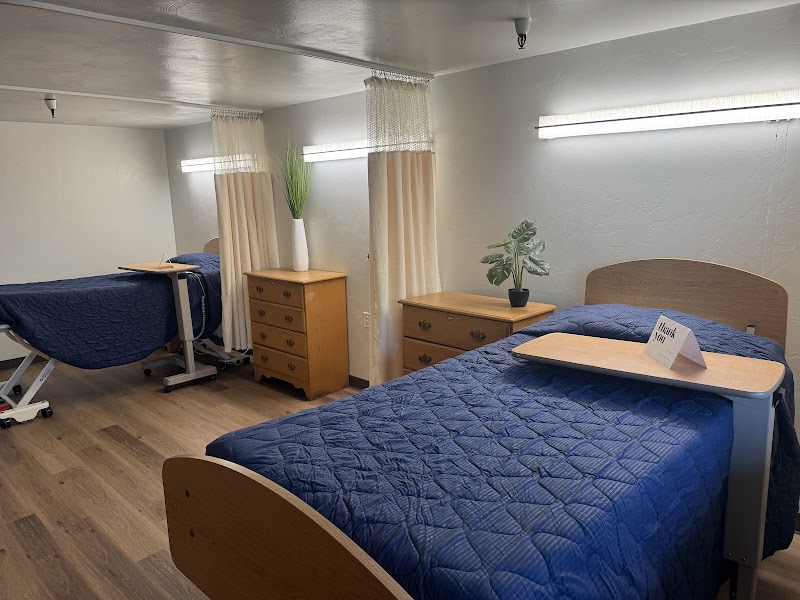
How is Villa Maria Post Acute And Rehabilitation Staffed?

CMS rates VILLA MARIA POST ACUTE AND REHABILITATION's staffing level at 3 out of 5 stars, which is average compared to other nursing homes. Staff turnover is 40%, compared to the Arizona average of 46%. This relatively stable workforce can support continuity of care. RN turnover specifically is 67%, which is notably high. RNs provide skilled clinical oversight, so turnover in this role can affect medical care quality.

What Have Inspectors Found at Villa Maria Post Acute And Rehabilitation?

State health inspectors documented 32 deficiencies at VILLA MARIA POST ACUTE AND REHABILITATION during 2020 to 2024. These included: 2 that caused actual resident harm and 30 with potential for harm. Deficiencies causing actual harm indicate documented cases where residents experienced negative health consequences.
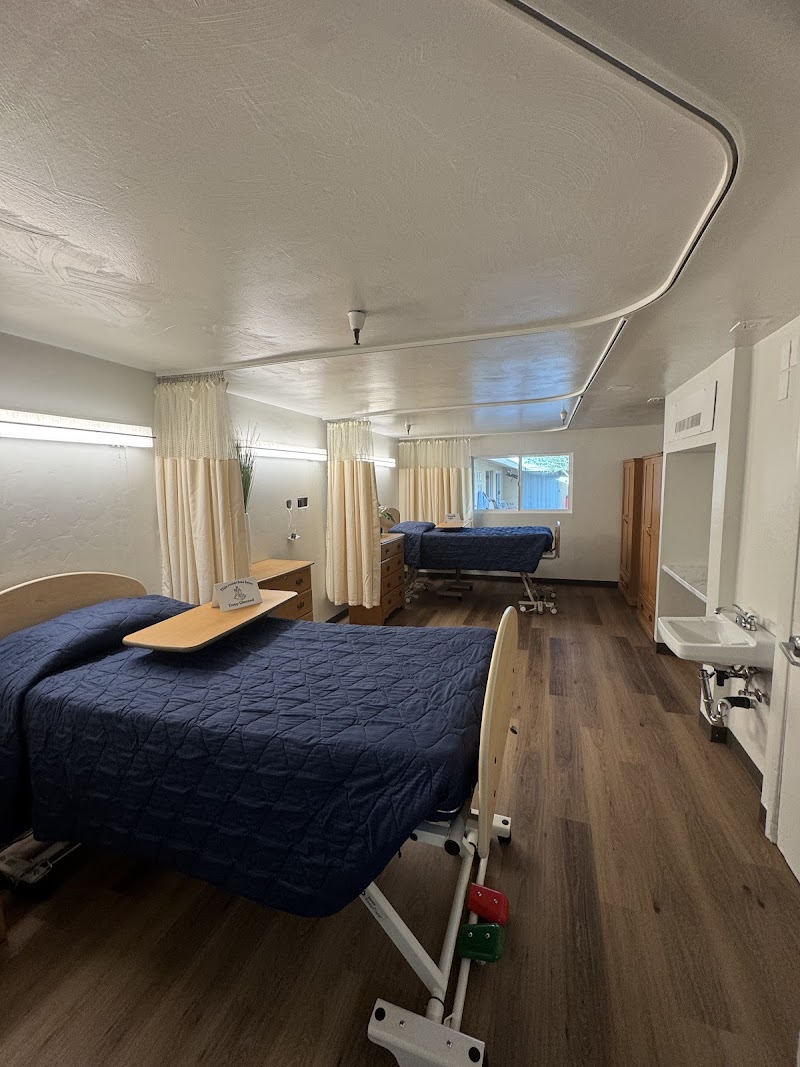
Who Owns and Operates Villa Maria Post Acute And Rehabilitation?

VILLA MARIA POST ACUTE AND REHABILITATION is owned by a for-profit company. For-profit facilities operate as businesses with obligations to shareholders or private owners. The facility is operated by THE ENSIGN GROUP, a chain that manages multiple nursing homes. With 83 certified beds and approximately 51 residents (about 61% occupancy), it is a smaller facility located in TUCSON, Arizona.
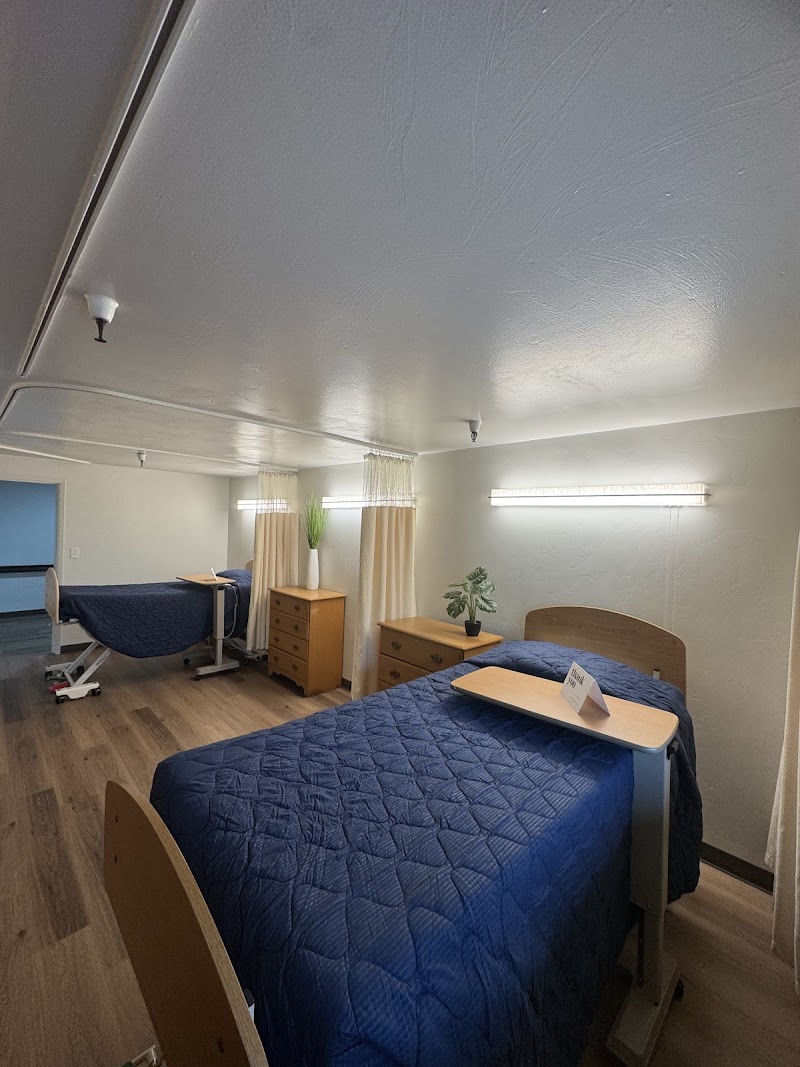
How Does Villa Maria Post Acute And Rehabilitation Compare to Other Arizona Nursing Homes?

Compared to the 100 nursing homes in Arizona, VILLA MARIA POST ACUTE AND REHABILITATION's overall rating (3 stars) is below the state average of 3.3, staff turnover (40%) is near the state average of 46%, and health inspection rating (2 stars) is below the national benchmark.

What Should Families Ask When Visiting Villa Maria Post Acute And Rehabilitation?

Based on this facility's data, families visiting should ask: "Can I visit during a mealtime to observe dining assistance and food quality?" "How do you handle medical emergencies, and what is your hospital transfer rate?" "Can I speak with family members of current residents about their experience?"

Is Villa Maria Post Acute And Rehabilitation Safe?

Based on CMS inspection data, VILLA MARIA POST ACUTE AND REHABILITATION has a clean safety record: no substantiated abuse findings (meaning no confirmed cases of resident harm), no Immediate Jeopardy citations (the most serious violation level indicating risk of serious injury or death), and is not on the Special Focus Facility watch list (a federal program monitoring the lowest-performing 1% of nursing homes). The facility has a 3-star overall rating and ranks #100 of 100 nursing homes in Arizona. While no facility is perfect, families should still ask about staff-to-resident ratios and recent inspection results during their visit.

Do Nurses at Villa Maria Post Acute And Rehabilitation Stick Around?

VILLA MARIA POST ACUTE AND REHABILITATION has a staff turnover rate of 40%, which is about average for Arizona nursing homes (state average: 46%). Moderate turnover is common in nursing homes, but families should still ask about staff tenure and how the facility maintains care continuity when employees leave.

Was Villa Maria Post Acute And Rehabilitation Ever Fined?

VILLA MARIA POST ACUTE AND REHABILITATION has been fined $8,018 across 1 penalty action. This is below the Arizona average of $33,159. While any fine indicates a compliance issue, fines under $50,000 are relatively common and typically reflect isolated problems that were subsequently corrected. Families should ask what specific issues led to these fines and confirm they've been resolved.

Is Villa Maria Post Acute And Rehabilitation on Any Federal Watch List?

VILLA MARIA POST ACUTE AND REHABILITATION is not on any federal watch list. The most significant is the Special Focus Facility (SFF) program, which identifies the bottom 1% of nursing homes nationally based on persistent, serious quality problems. Not being on this list means the facility has avoided the pattern of deficiencies that triggers enhanced federal oversight. This is a positive indicator, though families should still review the facility's inspection history directly.