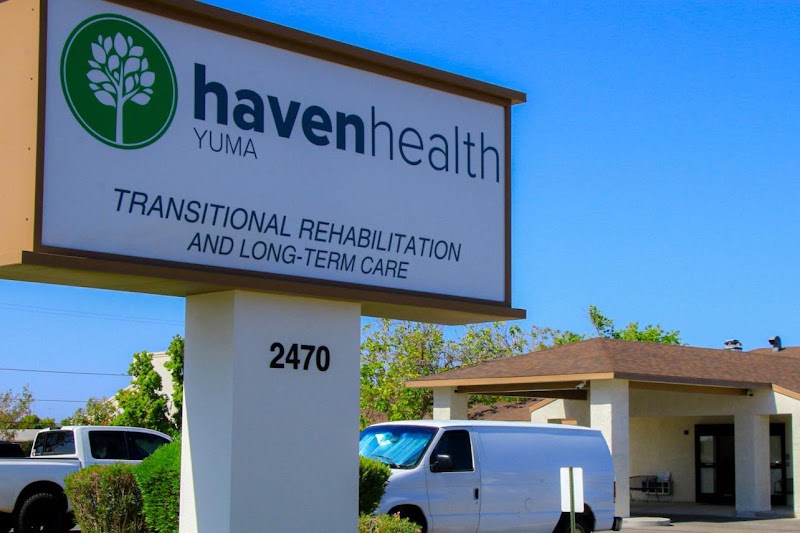

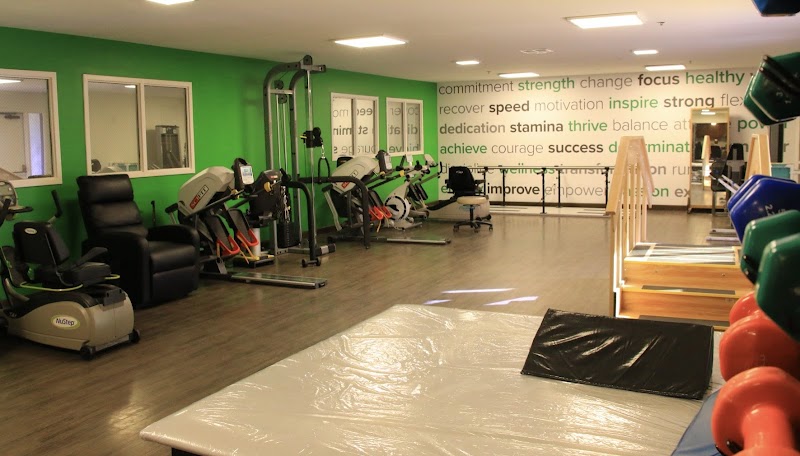

HAVEN OF YUMA

2470 SOUTH ARIZONA AVENUE, YUMA, AZ 85364 (928) 344-8541
For profit - Limited Liability company 120 Beds HAVEN HEALTH Data: November 2025 1 Immediate Jeopardy citation
Trust Grade
41/100
#110 of 139 in AZ
Last Inspection: June 2023

Over 2 years since last inspection. Current conditions may differ from available data.

Overview

Haven of Yuma has a Trust Grade of D, indicating below-average performance with some concerns about care quality. They rank #110 out of 139 facilities in Arizona, placing them in the bottom half, and #4 out of 6 in Yuma County, meaning only two local options are better. The facility is improving, as issues decreased from 6 in 2022 to 5 in 2023. Staffing is a relative strength, with a turnover rate of 41%, which is better than the state average of 48%, but there are concerns about RN coverage as they did not have a registered nurse available for several consecutive days. Specific incidents include a critical issue where the water temperature in residents’ rooms was dangerously high, posing a burn risk, and failures to ensure that medications were administered according to doctors' orders, which could lead to residents receiving unnecessary drugs. While there are notable strengths in staffing stability, the presence of critical and concerning issues may warrant careful consideration.

Trust Score
D
41/100
In Arizona
#110/139
Bottom 21%
Safety Record
High Risk
Review needed
Inspections
Getting Better
6 → 5 violations
Staff Stability
○ Average
41% turnover. Near Arizona's 48% average. Typical for the industry.
Penalties
○ Average
$9,302 in fines. Higher than 59% of Arizona facilities. Some compliance issues.
Skilled Nurses
⚠ Watch
Each resident gets only 28 minutes of Registered Nurse (RN) attention daily — below average for Arizona. Fewer RN minutes means fewer trained eyes watching for problems.
Violations
⚠ Watch
17 deficiencies on record. Higher than average. Multiple issues found across inspections.
★★☆☆☆
2.0
Overall Rating
★★☆☆☆
2.0
Staff Levels
★★★★★
5.0
Care Quality
★☆☆☆☆
1.0
Inspection Score
Stable
2022: 6 issues
2023: 5 issues

The Good

  • 5-Star Quality Measures · Strong clinical quality outcomes
  • Full Sprinkler Coverage · Fire safety systems throughout facility
  • No fines on record
  • Staff turnover below average (41%)

    7 points below Arizona average of 48%

Facility shows strength in quality measures, fire safety.

The Bad

2-Star Overall Rating

Below Arizona average (3.3)

Below average - review inspection findings carefully

Staff Turnover: 41%

Near Arizona avg (46%)

Typical for the industry

Federal Fines: $9,302

Below median ($33,413)

Minor penalties assessed

Chain: HAVEN HEALTH

Part of a multi-facility chain

Ask about local staffing decisions and management

The Ugly 17 deficiencies on record

1 life-threatening
Jun 2023 4 deficiencies 1 IJ (1 affecting multiple)
CRITICAL (K)

Immediate Jeopardy (IJ) - the most serious Medicare violation

Accident Prevention (Tag F0689)

Someone could have died · This affected multiple residents

**NOTE- TERMS IN BRACKETS HAVE BEEN EDITED TO PROTECT CONFIDENTIALITY** -Resident #6 was admitted with a primary diagnosis of unspecified bundle branch block. Review of the clinical record revealed t...

Read full inspector narrative →
**NOTE- TERMS IN BRACKETS HAVE BEEN EDITED TO PROTECT CONFIDENTIALITY** -Resident #6 was admitted with a primary diagnosis of unspecified bundle branch block. Review of the clinical record revealed the resident had a BIMS score of 15 indicating the resident had intact cognition. Per the documentation in the clinical record, resident used a wheelchair for mobility. -Resident #48 was admitted with diagnoses of atherosclerotic heart disease of native coronary artery without angina pectoris and long term us of anticoagulants. The clinical record revealed resident used a wheelchair for mobility and had a BIMS score of 15 indicating the resident was cognitively intact. An observation of the room of residents #6 and #48 who were roommates was conducted on June 19, 2023 at 3:29 p.m. The water from the cold-water faucet felt hot to the touch and had a temperature of 123 degrees F. -Resident #17 was admitted with diagnosis of cellulitis of buttock. The clinical record revealed resident used a wheelchair for mobility and had a BIMS score of 15 indicating the resident was cognitively intact. An observation was conducted on June 19, 2023 at 3:41 p.m. The cold-water faucet in resident #17's room had a water temperature of 134 degrees F. -Resident #1 was admitted on [DATE] with diagnoses of Parkinson's disease and rheumatoid arthritis. An MDS assessment dated [DATE] revealed a BIMS score of 4 indicating resident had severe cognitive impairment. An observation conducted on June 19, 2023 at 3:39 p.m. revealed that the hot water sink/faucet in the resident's room had a temperature of 120 degrees Fahrenheit. In another observation conducted on June 21, 2023 at 4:09 p.m. it revealed that the hot water sink/faucet in the resident's room had a water temperature of 122 degrees Fahrenheit; and, the cold-water sink/faucet had a temperature of 127 degrees Fahrenheit. -Resident #53 was admitted on [DATE] with diagnoses of hemiplegia and hemiparesis affecting the right dominant side, unspecified dementia, and muscle weakness. The MDS assessment dated [DATE] revealed a BIMS score of 0 indicating the resident had severe cognitive impairment. An observation conducted on June 19, 2023 at 3:42 p.m. revealed the hot water sink in the resident's room had a temperature of 127 degrees Fahrenheit. In a later observation conducted on June 19, 2023 at 4:49 p.m., the hot water sink revealed a temperature of 118.9 degrees Fahrenheit and the cold-water sink had a temperature of 136 degrees Fahrenheit. An observation on June 20, 2023 at 9:23 a.m. revealed a sink hot water temperature of 94.8 degrees Fahrenheit and a cold-water temperature of 86 degrees Fahrenheit. An observation on June 21, 2023 at 4:38 p.m. revealed a sink hot water temperature of 124 degrees Fahrenheit and a cold-water temperature of 128 degrees Fahrenheit. -Resident #424 was admitted on [DATE] with diagnoses of peripheral vascular disease, diabetes mellitus and muscle weakness. An MDS (minimum data set) dated April 30, 2023 revealed a BIMS (brief interview of mental status) score of 03, indicating severely impaired cognition. An observation on June 20, 2023 at 9:02 a.m. revealed a sink hot water temperature of 98.7 degrees Fahrenheit and a cold-water temperature of 87.2 degrees Fahrenheit. An observation on June 21, 2023 at 4:30 p.m. revealed a sink hot water temperature of 127 degrees Fahrenheit and a cold-water temperature of 122 degrees Fahrenheit -Resident #39 was admitted on [DATE] with diagnosis including type II diabetes mellitus with diabetic neuropathy, unspecified age-related cataract, unsteadiness on feet and a history of falling. An MDS assessment dated May, 27, 2023 revealed a BIMS score of 13, indicating the resident was cognitively intact. An observation on June 19, 2023 at 3:42 p.m. revealed the hot water sink in the resident's room had a water temperature of 127 degrees Fahrenheit. An observation on June 19, 2023 at 4:49 p.m. revealed the hot water sink had a water temperature of 118.9 degrees Fahrenheit and the cold-water sink had a temperature of 136 degrees Fahrenheit. An interview was conducted with an LPN (staff #107) on June 19, 2023 at 7:20 p.m. The LPN stated she had been working at the facility for about 4 years and generally works on the 200 unit. She stated that she had not noticed any issues with the water temperatures. The LPN using her hands she tested the temperature of both the hot- and cold-water sink/faucet in the resident's room. The LPN stated that she was surprised the cold water was running so warm. She stated that she initially thought the hot water lever was reversed with the cold; until she tested the hot water which she reported as running hot. She stated that the risk of both hot and cold water running hot, could include a resident 'burning' themselves. Another observation was conducted on June 21, 2023 at 4:38 p.m. and revealed that the hot water sink had a water temperature of 124 degrees Fahrenheit and the cold-water sink had a temperature of 128 degrees Fahrenheit. -Resident #13 was admitted on [DATE] with diagnoses of nontraumatic intracranial hemorrhage and hemiplegia affecting left nondominant side. An MDS assessment dated [DATE] revealed a BIMS score of 8 indicating resident had moderate cognitive impairment. In an observation conducted on June 21, 2023 at 4:21 p.m. the hot water sink had a temperature of 125 degrees Fahrenheit and the cold-water sink had a temperature of 119 degrees Fahrenheit -Resident #54 was admitted on [DATE] with diagnoses including hemiplegia and hemiparesis affecting right dominant side, muscle weakness and type II diabetes mellitus with diabetic neuropathy. An MDS assessment dated [DATE] revealed a BIMS score of 14, indicating that the resident was cognitively intact. An observation was conducted with a certified medical assistant (CNA/staff #110) on June 21, 2023 at 4:34 p.m. revealed the hot water sink had a temperature of 128 degrees Fahrenheit and a cold-water sink had temperature of 134 degrees Fahrenheit. The CNA viewed the temperature gauge and confirmed the values. In an interview conducted with maintenance manager (staff # 112) on June 19, 2023 at 4:28 p.m., the maintenance manager stated that water starts getting hotter in the summer and when this happens he stated he manually sets the hot water temperature to 120 degrees Fahrenheit. He stated that there are two 100-gallon water tanks that service the resident rooms, one for each side of the building; and there were 6 tankless water heaters that service the kitchen, laundry, showers and non-resident bathrooms. He stated that during the summer, residents are encouraged to shower early in the morning to avoid the high temperatures. Staff #112 further stated that he conducts audits by checking the water temperatures weekly, which he reported had been ranging from 124-138 degrees Fahrenheit. He stated that he also adjusts the hot water temperature when he receives a report via the TELS portal. however, he said that the cold water cannot be adjusted. The maintenance manager stated that he runs the water for about 5 minutes before checking the temperature and/or placing his hands under the sink/faucet in the resident room. He stated that he does not if resident know to run the water for about 5 minutes before using it. Further, the maintenance manager stated that he does not know what water temperature could scald/burn a resident; but, he could look the information up in TELS. In a subsequent interview with the maintenance manager conducted on June 21, 2023 at 1:02 p.m., he stated that he was responsible for the facility water supply; and that, he takes the water temperatures weekly and whenever there were complaints and then documents them in TELS. The maintenance manager stated that the computer-based TELS application only requires documentation of the hot water temperatures and not the cold-water temperatures; and that, the documentation he enters was available via reports in the corporate office. He stated that he did not specifically alert anyone else in the facility or corporate, as they have access to TELS and would be able to look at the reports. He stated that when he does not enter the hot water temperatures, it gets flagged and he receives a reminder notice. He stated the seasonal manual hot water temperature adjustments were not documented in TELS, but could be in the comments section. He stated that some of the water tanks had been converted to tankless about 3 to 6 months ago; and that, the reciprocating pump, which adjusts the rate of water coming into the system was replaced in February 2023. Staff #112 stated the risk of the cold-water temperature running hot in resident rooms could put a lot of residents at risk and could cause a resident to get burned. Based on observations, clinical record reviews, resident and staff interviews, and facility documentation, policy and procedures, the facility failed to ensure water temperatures were within the safe water temperature range. The deficient practice put the residents at increased risks for serious injury and harm such burn and scalding. As a result, the Condition of Immediate Jeopardy (IJ) and Substandard Quality of Care (SQC) were identified. Findings include: On June 19, 2023 at 7:04 p.m., the Condition of IJ was identified. The Administrator (staff #143) and the Director of Nursing (DON/staff #70) were informed of the facility's failure to water temperatures were within the safe water temperature range. During the initial screening, hot- and cold-water sink/faucet had temperature exceeding 120 degrees Fahrenheit (F) were found in multiple resident rooms at different hall. Water temperature readings were conducted with the maintenance manager (staff #112) who tested the water temperature in multiple resident rooms using facility thermometer and stated that the water temperature readings exceeded 120 degrees F. Further, staff #112 tested the water temperature from the cold-water faucet which revealed a temperature reading of 130 degrees F; and that, after 3-5 minutes of running the water the water temperature for the cold-water faucet began to drop. The Administrator (staff #143) presented a POC (plan of correction) on June 19, 2023 at 8:26 p.m. The administrator was informed that the POC was not acceptable and failed to include the following: the in-service regarding high water temperature and for which staff will be in-serviced; projected completion date for the in-service; how to prevent the incident from reoccurring, since high water temperatures were prevalent starting in the afternoon; staff responsible for maintaining documentation of water temperature logs; actions/measures to take address high water temperature readings from the cold faucets; alternative sinks for residents to use if sinks are inoperable; explanation for selected sample size; and, the tool used to measure water temperatures. A revised POC was received June 19, 2023 at 9:49 p.m. The Administrator (staff #143) was informed that the POC failed to include a completion date for the in-service training for all staff. At 10:22 p.m., another POC was received and was accepted at 10:33 p.m. The accepted POC included the following: the north and south water heater were turned down to 100 degrees F; residents and staff were informed of scalding risk and were asked not to use sink in room; staff in the building were in-serviced on scalding risk prevention; water in residents' rooms sink were drained to reach desirable temperatures; caution signs were posted at every resident sink warning them of scalding risks; daily water temperature taken each shift for 5 days in 8 randomly selected rooms (two per hall); consultation with outside contractor to diagnose the cause the hot water temperature from the cold water sink; and, the maintenance director or designee was responsible for ensuring water temperatures are taken according POC. Multiple observations were conducted of the facility implementing their POC which included caution signs posted in the residents' rooms near the sink, in-service training, contractors and plumbers present in the facility, and staff measuring water temperatures in rooms. On June 22, 2023 at 5:37 p.m. the Condition of IJ was abated after the following: the facility provided documentation that more than 50% of their staff were in-serviced and daily water temperatures were obtained; cold water faucets were turned off in resident rooms and as a result a sample of resident rooms were identified to have water temperature below 120 degrees F; plumbing experts identified that the exposed copper piping in the attic was being heated by ambient air during the heat of the day causing the temperature spikes in the uninsulated copper cold water lines; and verification that the cold faucets were shut-off. In addition, the facility provided a plan for long term resolution to include the installation of attic vents/fans and soffit vents to dissipate heat in the attic by circulating air as well as on-going monitoring of water temperature until the long-term resolution had been implemented and found to be effective. -Resident #276 was admitted on [DATE] with diagnoses of acute kidney failure, repeated falls, and malignant neoplasm of unspecified kidney. An observation of resident (#276) room was conducted on June 19, 2023 at 2:07 p.m. and revealed that hot and cold-water faucet was hot to the touch. The water temperature from the hot water faucet was 120.3 degrees F. Resident #276 stated that both faucets tend to be hot. In another observation conducted on June 19, 2023 at 4:12 p.m., the water temperature was at 121.5 degrees F. During an observation with the maintenance manager (staff #112) conducted on June 19, 2023 at 4:34 p.m., staff #112 attempted to let the faucet water run before checking the temperature. Staff #112 placed the Fieldpiece (brand name) thermometer directly under the running water as soon as the faucet was turned on. He tested the temperature from the cold faucet (right side) and revealed 122 degrees F and after 3 minutes it dropped to 100.4 degrees F. He then tested the temperature for the hot water faucet and it revealed 118.4 degrees F. In an interview conducted with resident #276 on June 19, 2023 at 9:06 p.m., he stated the water should have been checked a couple of days ago; and that when he went to wash his hands and it made him jump back because the water was very hot. Resident #276 stated he thought he did something wrong and checked to make sure he turned on the right one and saw that cold-water faucet was hotter than the hot water. Further, the resident stated that if his hands were not so thick he would have burnt his hands. On June 21, 2023 at 10:01 a.m. the Administrator (staff #143) stated that the replacement of two separate 2 valves, the closure of four cold water valves, and the adjustments to the water heaters were expected to have completely resolved the issue. However; at 3:59 p.m. the cold faucet water temperature in resident #276's room was 128.2 degrees F. -Resident #277 was readmitted to the facility on [DATE] with diagnoses of hereditary and idiopathic neuropathy, acute kidney failure, and fracture of unspecified part of neck of left femur. Review of the MDS (Minimum Data Set) assessment dated [DATE] revealed a BIMS (Brief Interview of Mental Status) score of 11 indicating the resident had a moderate cognitive impairment. An observation in the room of resident #277 was conducted on June 19, 2023 at 2:42 p.m. and revealed hot water temperature of 122.6 degrees F. -Resident #64 was admitted on [DATE] with diagnoses of alcoholic polyneuropathy, and peripheral vascular disease. The progress note dated May 25, 2023 revealed the resident was alert and oriented x 2. The MDS assessment dated [DATE] revealed a BIMS score of 14 indicating the resident was cognitively intact. An observation of the room of resident #64 was conducted on June 19, 2023 at 3:06 p.m. The water temperature from the hot water faucet was 124 degrees F. In another observation conducted on June 19, 2023 at 3:43 p.m. the resident was sitting in a wheelchair and was able to move around the room while in his wheelchair. An observation was conducted on June 21, 2023 at 3:45 p.m. and revealed that the cold-water faucet had a temperature of 124.5 degrees F and the hot water faucet had a temperature of 124.7 degrees F. -Resident # 274 was admitted on [DATE] with diagnoses of psychotic disturbance, mood disturbance, and anxiety, and dementia. A progress note dated June 15, 2023 at 5:31 p.m. revealed resident #274 used a walker for mobility. An interview was conducted on June 19, 2023 at 3:38 p.m. with resident #274 who stated both hot and cold-water faucet were always running hot water. He said that he mentioned it to a CNA (name unknown) who tested the water temperature by touch and told him it was okay; however, the resident stated that it was still hot. During the interview, the water temperature for the cold-water faucet was tested and revealed 125 degrees F. At 4:15 p.m., the cold-water faucet water temperature was again tested and revealed temperature at 125.7 degrees F. An observation was conducted with the maintenance director (staff #112) on June 19, 2023 at 4:44 p.m. He tested the cold faucet water temperature and revealed water temperature at 125.6 degrees F. After a minute, the water from the cold-water faucet dropped to 123.4 degrees F; and, at 4:46 p.m., water temperature dropped to 119 degrees F. Review of the MDS assessment dated [DATE] revealed a BIMS score of 14 indicating resident was cognitively intact. The assessment included the resident required no setup or physical help from staff with transfer i.e. how that resident moves between surfaces including to or from: bed, chair, wheelchair, standing position. -Resident #56 was admitted on [DATE] with diagnoses of peripheral vascular disease, type 2 diabetes mellitus with diabetic chronic kidney disease, and unsteadiness on feet. Review of progress note dated May 29, 2023 revealed resident was oriented x 2. The MDS assessment dated [DATE] revealed a BIMS score of 14 indicating resident was cognitively intact. -Resident #374 was admitted to the facility on [DATE] with diagnoses that included encephalopathy, muscle weakness, and cirrhosis of liver. Review of the MDS assessment dated [DATE] revealed a BIMS score of 10 indicating resident had moderate cognitive impairment. An observation of the room of resident #56 and #374 who were roommates was conducted on June 21, 2023 at 3:31 p.m. The cold water and the hot water faucet were tested. The cold-water faucet as at 126.5 degrees F; and, the hot water faucet was at 124.6 degrees F. -Resident #500 was admitted on [DATE] with diagnoses of atherosclerotic heart disease of native coronary artery, type 2 diabetes mellitus with hyperosmolarity, depression, and unsteadiness on feet. Review of the MDS assessment dated [DATE] revealed a BIMS score of 15 indicating resident was cognitively intact. The assessment included the resident required setup only for locomotion off unit i.e., how resident moves to and returns from off-unit locations. An observation was conducted on June 21, 2023 at 3:57 p.m. and revealed the cold-water faucet had a water temperature of 124.7 degrees F. Review of the facility's record for hot water temperatures from January through June 2023 revealed the following hot water temperature readings from multiple different resident and showers rooms on different dates with hot water temperatures that ranged from 120 to 160 degrees F. An interview was conducted on June 19, 2023 at 7:45 p.m. with a registered nurse (RN/staff #25) who stated she had worked in the facility for about eight years and she was aware of the issues with the water temperature in the residents' rooms. She said that when the outside temperature was over 100 degrees, the cold water was warm; however, if the water runs for a few minutes it will cool down. The RN stated she knew that at this time of year the water temperature can run warm and they let maintenance know and try and educate staff and residents. The RN said that a resident in the 400 hall had complained the other night about the water temperature; and that, she did not report the water temperature complaint to maintenance staff. She also said that she should have reported the complaint to the maintenance because a resident can get hurt if the water was too warm. During an interview with a certified medical assistant (CMA/staff #9) conducted on June 20, 2023 at 9:36 a.m., the CMA said that there were residents who complained to her about the water especially in the shower room. She stated that she had to let the water run in order for it to cool down. She said she had been working at the facility for two years and had found that the water temperature was a problem in the summer. The CMA stated that about a year ago there were a couple of residents who reported that they used the water which was too hot and their skin were reddened from the water being too hot, but returned to their color after a while. The CMA said that she informed the nurse who applied calamine lotion on the residents affected area. An interview was conducted on June 20, 2023 at 11:53 a.m. with resident #275 who stated that he washed his hands at the sink and realized the water was hot when he turned on the cold water. Resident #275 said that the longer the water ran the hotter it got. He also stated that the staff that gave showers told him that he needed to hurry to take a shower because the water gets hotter later in the day. Resident #275 said that during his shower yesterday (June 19, 2023) the water was very hot and the aide told him that they needed to hurry because the water was hot. He said he liked to take his time to shower but if he does, the water would burn his body. Further, resident #275 said the shower aide had to raise the shower handle high in the air so the water could cool off before the water touched his skin. During an interview with the Administrator (staff #143) conducted on June 23, 2023 at 9:55 a.m., the administrator stated that his expectation was for staff to notify him of any hazards in the building. The Administrator said in the past, hot water temperatures were recorded in TELS; and that, cold water temperatures were not. However, the administrator said that the system only alerted him when the task of measuring the temperature was completed but it did not alert him of high-water temperature readings or whether it was out of compliance. He stated that it was the responsibility of the maintenance manager to notify him of any issues. The Administrator stated that he never saw the water temperature readings until he printed the report from TELS; and, he was surprised and thought the readings could not have been accurate. He stated that he questioned that that there was no flag from TELS to look deeper. The administrator stated that prior to the survey, the process they had in place prior to the survey did not meet his expectation and the potential risk of having elevated water temperature was scalding and/or injury to the residents. An interview with a registered nurse (RN/staff #86) was conducted on June 20, 2023 at 8:43 a.m. The RN stated that she enters resident rooms and washed her hands in the sink located in the room; however, she stated that she does not notice the water temperature. She stated that neither the CNAs or residents had complained about the water being too hot. The RN said that if the water was excessively hot she would expect the CNAs to notify her; and that, the risks to the residents would include burns. In an interview with certified nurse assistant (CNA/staff #91) conducted on June 20, 2023 at 8:50 a.m., the CNA stated that he had worked at the facility for 9 years. He stated that in the summertime, they had to let the water run for a few minutes because the water was too hot; and that, after a few minutes the water cools down. He stated he had noticed that the water was really hot in the summer, and that he had told the nurse about it. The CNA also stated that if a resident was in the shower by themselves and the water was too hot the risks to the resident would include being burned. He further stated that the resident could turn the cold water on which was even hotter than the hot water. In an interview conducted with the administrator (staff #143) conducted on June 20, 2023 at 10:30 a.m., the administrator that the issue regarding the water temperatures being too hot had not been identified until now. He stated that staff had been aware of water temperatures rising in the summer and that the city where their facility was located was hot. In another interview with the administrator (staff #143) conducted on June 21, 2023 at 11:49 a.m., the administrator (staff #143) stated the facility did not have cold water logs. In a later interview with staff #143 conducted on June 21, 2023 at 1:47 p.m., he said that he absolutely had no idea that there were any issues with the water temperatures; and, he had never been told by anyone that there were any concerns regarding water temperature. During an interview with a restorative nurse aide (RNA/staff #20) conducted on June 22, 2023 at 8:46 a.m. the RNA stated that the water was very nice in the morning; however, the water can get very, very hot at around 11:00 a.m. or 12:00 p.m. He stated that this was very common every summer season and that every year they update the staff about this. However, he stated that no one had told him that the water was too hot yet, but someone will soon. During an interview with the Director of Nursing (DON/staff #70) and a corporate compliance representative (staff #191) conducted on June 23, 2023 at 5:37 p.m., the DON stated he stated that his expectation was for nursing staff keep him informed at all times if hazards are identified. He stated that no staff had ever complained to him that there was ever an issue with the water temperatures; and that when he interviewed staff after the IJ had been identified, staff responded that it was expected that the water temperatures would be higher in the city that they are located at. The DON that moving forward, he expected his staff to notify him of hot water temperatures since now they had been trained regarding the risks related to high water temperature. The facility's job description for a maintenance manager included a responsibility to supervise adjustment of water temperature valves to maintain required temperatures. Review of the facility policy titled, Safety and Supervision of Residents, revealed that the facility strives to make the environment as free from accident hazards as possible. The policy also included that as part of the facility-oriented approach to safety, employees shall be trained on potential accident hazards and demonstrate competency on how to identify and report accident hazards, and try to prevent avoidable accidents. The facility policy on Maintenance Service revealed that the functions of maintenance personnel include, but not limited to, maintaining the building in compliance with current federal, state, and local laws, regulations, and guidelines and maintaining the building in good repair and free from hazards. The policy also included that maintenance personnel shall follow established safety regulations to ensure the safety and well-being of all concerned. Review of the facility policy on Safety of Water Temperatures revealed that tap water in the facility shall be kept within a temperature range to prevent scalding of residents. The policy also that the water heaters that service resident rooms, bathrooms, tub/shower areas shall be set to temperatures of no more than 115 degrees F, or the maximum allowable temperature per state regulation; and, maintenance staff shall conduct periodic tap water temperature checks and record the water temperatures in a safety log. It also included that if at any time water temperatures feel excessive to touch i.e. hot enough to be painful or cause reddening of the skin after removal of the hand from the water, staff will report this finding to the immediate supervisor. Risk factors for scalding/burns that are more common in the elderly included decreased skin thickness, skin sensitivity, peripheral neuropathy, reduced reaction time, decreased cognition; the length of exposure to warm or hot water, the amount of skin exposed, and the resident's current condition affect whether or not exposure to certain temperatures will cause scalding or burn.
CONCERN (D)

Potential for Harm - no one hurt, but risky conditions existed

Deficiency F0645 (Tag F0645)

Could have caused harm · This affected 1 resident

**NOTE- TERMS IN BRACKETS HAVE BEEN EDITED TO PROTECT CONFIDENTIALITY** Based on clinical record review, staff interviews and procedure, the facility failed to ensure that the pre-admission screening ...

Read full inspector narrative →
**NOTE- TERMS IN BRACKETS HAVE BEEN EDITED TO PROTECT CONFIDENTIALITY** Based on clinical record review, staff interviews and procedure, the facility failed to ensure that the pre-admission screening and resident review (PASRR) was completed for one resident (#34). The deficient practice could lead to residents not receiving needed care and services. Findings include: Resident #34 was admitted on [DATE] with diagnoses of unspecified psychosis not due to a substance or known physiological condition, anxiety disorder, major depressive disorder-recurrent and schizoaffective disorder-bipolar type. The level I PASRR (preadmission screening and resident review) screening dated October 28, 2020 included the resident had a terminal illness with a life expectancy of less than months and no current risk to self or others and behaviors/symptoms were stable. According to the documentation, a PASRR level II evaluation was not required at that time; however, it also included that the NF (nursing facility) must update the Level I if the individual's medical state improves to the extent s/he could potentially benefit from a program of services to address his/her MI (mental illness) and /or ID (intellectual disability). Review of the active physician orders revealed the resident was prescribed with Depakote (antimanic) for unspecified psychosis, Sertraline (antidepressant) for major depressive disorder and Keppra (anticonvulsant) for epilepsy as well as ordered symptom and behavior tracking. The care plan with revision date of August 8, 2022 included the resident used anti-psychotic medication related to psychosis and schizoaffective disorder. A physician note dated January 9, 2023 included diagnoses of schizoaffective disorder, bipolar type, anxiety disorder and major depressive disorder. A significant change MDS (Minimum Data Set) assessment dated [DATE] revealed that hospice service was not coded. The IDT (interdisciplinary team) care plan conference dated February 8, 2023 revealed resident was discharged from hospice. A physician progress note dated June 10, 2023 revealed the resident was previously on hospice service and was no longer on hospice as of January 12, 2023. The dietary progress note dated June 18, 2023 included resident was no longer on hospice. Despite documentation that resident was discharged from hospice and not meeting the exclusion criteria of PASRR, there is no evidence of that new PASRR was completed for resident #34. An interview with the resident relations manager (staff #6) and the resident relations assistant (staff #7) was conducted on June 22, 2023 at 9:05 a.m. Staff #6 stated that she and her team were responsible for completing the PASRR once the resident was admitted at the facility. She stated that all residents have to have a level I PASRR, either before they arrive or have one completed on the day of admission. Staff #6 said that if a resident will stay beyond 30-days, a level II assessment PASRR would be completed. Staff #6 stated that the criteria that do not require a level II PASRR includes respite stay, Alzheimer's or dementia diagnosis and terminal illness with a 6-month life expectancy. Staff #6 stated that if someone was on hospice with a terminal diagnosis of less than 6-months and disenrolls from hospice, social services would be notified; and, another PASRR should be completed. During the interview, a review of the clinical record was conducted with staff #6 who a level I PASRR was completed for resident #34 on October 28, 2023 because the resident met the terminal illness criteria with less than 6 months for live. Staff #6 said that when the resident was discharged from hospice in January 12, 2023 another PASRR screening should have been conducted as the resident no longer met the criteria of having a terminal illness with less than 6 months to live. However, staff #6 said that the clinical record revealed no evidence that another PASRR screening was completed after the resident was discharged from hospice. Further, staff #6 said that the expectation was that a new PASSR screening should have been completed for resident #34 after discharge from hospice. She stated that the risk for not completing a new PASRR for a resident with diagnosis of mental illness include that the resident might not receive needed services. The facility policy on Pre-admission Screening and Resident Review (PASRR) included that the facility will strive to verify that a Level I PASRR Screening has been conducted, in order to identify serious mental illness (SMI) and/or intellectual disability (ID) priori to initial admission of individuals to the facility. The policy also included that the facility will strive to submit an updated Level I Screening and Level II evaluation request to AHCCCS or DES (as applicable) within 14 calendar days after the facility determines through the MDS assessment that there has been a significant change in the resident's physical or mental condition which may indicate potential MI or ID.
CONCERN (D)

Potential for Harm - no one hurt, but risky conditions existed

Food Safety (Tag F0812)

Could have caused harm · This affected 1 resident

Based on observations, staff interview, and policy review, the facility failed to ensure food items were labeled and dated when opened. The deficient practice could result in a potential for food born...

Read full inspector narrative →
Based on observations, staff interview, and policy review, the facility failed to ensure food items were labeled and dated when opened. The deficient practice could result in a potential for food borne illness. Findings include: In an observation of the dry storage area conducted on June 19, 2023 at 11:33 a.m., the following food items were found opened but were not labeled and dated: -Small syrup containers; -Croutons stored in a plastic bag; and, -A half-filled bag of bread. However, these food items did not have use-by, best-by or expired-by date noted on the containers or product wrapping. An interview with Kitchen Manager (staff #59) conducted on June 21, 2023 at 11:32 a.m. The kitchen manager stated that his expectation was that opened food items were labeled and dated. He stated that the risk for not labeling and dating foods include that the food could be spoiled and outdated food could be served to residents and potentially cause illness. The facility policy on Food Storage and Date Marking, included that all foods should be checked to assure that foods will be consumed by their use by dates or discarded.
CONCERN (E)

Potential for Harm - no one hurt, but risky conditions existed

Deficiency F0727 (Tag F0727)

Could have caused harm · This affected multiple residents

Based on staff interview, facility documentation, policy and procedure, the facility failed to ensure there was a registered nurse (RN) was on duty 8 consecutive hours or 7 days a week. The deficient ...

Read full inspector narrative →
Based on staff interview, facility documentation, policy and procedure, the facility failed to ensure there was a registered nurse (RN) was on duty 8 consecutive hours or 7 days a week. The deficient practice could result in residents not provided with the needed advanced care activities. Findings include: The facility census on June 19, 2023 was 88. Review of the staff posting from May 1 through June 20, 2023 revealed that the section on the number of RN was blank for May 25, 30, 31, June 3, 7, 8, 10 and 14. The staff Sign-in Sheets from May 1, 2023 to June 20, 2023 revealed that there was no RN who signed in for Registered Nurse did not sign-in for May 25, 30, 31, June 3, 7, 8, 10 and 14. A review of the punch detail for RNs from May 1, 2023 to June 2, 2023 revealed with documented punch data for the following RN staff: #190, #86, #25, #33. According to the data, there were no hours recorded for any RN on May 30, 31, June 3, 7, 8 and 10. In an interview conducted with the staffing coordinator (staff #21) conducted on June 21, 2023 at approximately 3:15 p.m., the staffing coordinator said that she was responsible for the daily staffing; and that, staffing was based on the census, facility needs and the PPD which was the staffing ration per day. She also stated that she would also adjust staffing accordingly based on the staff level of competency. The staffing coordinator said that the facility had a system called Slack which staff use to call off request. She stated that when she receives the call off request, she would then remove the request from Slack and call directly each staff member who may be available to work. She stated that the staff were really nice and pick up shifts for each other. the staffing coordinator said that staffing for the weekends were the same as other days; and that, it was based on the census plus one extra staff for additional support a continuity of coverage. She stated that all nursing staff had a rotating schedule for the weekends and some staff had a weekend schedule due to school commitments. The staffing coordinator stated that staffing concerns go to the DSD (Director of Staff Development) or the DON (Director of Nursing) who would inform her so she could look at the PPD and adjust staffing accordingly. She further stated that once a schedule is created, she would post it in the employee hallway; and, it would also be posted for the month on the facility app. She said the DON does not review the schedule; however, the DON reviews and requests for time off from nurses. Further, the staffing coordinator said that the facility has RN schedules and she knows all of the facility nurses' title (LPN-licensed practical nurse or RNs); and that, she would schedule the nurses according to the coverage. Further, she stated that the DON was always in the building and would help fill in the nursing scheduled call-offs. An interview with the DON (staff #70) was conducted on June 22, 2023 at 8:56 a.m. with the vice president of clinical compliance. The DON stated that the staffing coordinator consider resident acuity on where to place new residents; and, staffing acuity was based on what the needs of the residents are. The DON said that the facility uses the PPD to accommodate for higher acuity and a margin of need; and that facility census was taken into consideration when staffing every day and every shift. The DON stated that the weekend staff were no different than the weekdays; and they try and rapidly fill call-offs. He stated that there were staffing concerns were brought to the staffing coordinator, social services and unit manager; and that, the concerns were different each. The DON stated that if needed, the facility will investigate the concern. The DON also stated that he provides oversight, ensuring that their policies were followed and the facility was within the acceptable staffing ration per PPD. The DON said that the facility provides staffing at all times and clinical staff to all residents; and, when creating a staffing schedule, they outline to provide a RN to provide 8 hours a day and utilize flexibility of their staff. Further, the DON stated that he provides leadership as the DON for the 8 hours; and that, leadership was oversight. The facility policy on Staffing included that the facility provides adequate staffing to meet needed care and services for their resident population. It also included that the facility maintains adequate staffing on each shift to ensure that residents' needs and services are met. Licensed registered nursing and licensed nursing staff are available to provide and monitor the delivery of resident care services.
Apr 2023 1 deficiency
CONCERN (D) 📢 Someone Reported This

A family member, employee, or ombudsman was alarmed enough to file a formal complaint

Potential for Harm - no one hurt, but risky conditions existed

Quality of Care (Tag F0684)

Could have caused harm · This affected 1 resident

**NOTE- TERMS IN BRACKETS HAVE BEEN EDITED TO PROTECT CONFIDENTIALITY** Based on review of clinical records, staff interviews, and review of facility policies and procedures, the facility failed to en...

Read full inspector narrative →
**NOTE- TERMS IN BRACKETS HAVE BEEN EDITED TO PROTECT CONFIDENTIALITY** Based on review of clinical records, staff interviews, and review of facility policies and procedures, the facility failed to ensure one resident (#1) with severe weight loss had weight monitored as ordered by a provider. The deficient practice could result in residents not receiving care and services to promote positive outcomes. The sample size was 3. Findings include: Resident #1 was admitted on [DATE] with diagnosis that included anxiety disorder, metabolic encephalopathy, chronic kidney disease, dehydration, unspecified dementia, confusional arousals and unspecified severe protein-calorie malnutrition. A care plan initiated on April 5, 2023 for nutritional problems included a goal that the resident would comply with the recommended diet and have no signs or symptoms of dehydration. The interventions for these goals included assisting with meals as needed and encouraging fluids. The physician orders revealed the following orders dated April 5, 2023: -weekly weights on admission and then follow facility protocol every day shift for weight monitoring for 1 administration (started April 6 and ended April 7, 2023) -Weights per Facility Protocol The admission weight on April 5, 2023 was 104.1 pounds. The weight on April 7, 2023 was 98.5 pounds which was a 5.38% loss from the admission weight. The Nutritional Data Collection and assessment dated [DATE] revealed that the resident had 5.4% weight loss but marked that the resident had no weight change under rate of unplanned weight gain/loss. The assessment further included intervention to monitor intakes and weights as ordered. Despite documentation of weight loss and recommendation to monitor weights, the clinical record revealed no documentation of weight taken from April 8 through April 20, 2023. The weight on April 21, 2023 was 80.0 pounds which was a 23.15% loss from the admission weight. During an interview conducted on April 27, 2023 at 1:10 pm with a Dietary Manager (staff #9) who stated that every Wednesday there was a meeting to address resident weights and that weight loss was also brought up in the daily meeting. Regarding resident #1, the dietary manager stated they were not aware of any dietary issues and they were monitoring the resident's fluids and supplements. However, staff #9 stated that they should have been doing weekly weights for resident#1. Further, Staff #9 stated that the resident did not set off any red flags for them as far as nutritional concerns or weight loss. During an interview with the Director of Nursing (DON/staff #1) conducted on April 27, 2023 at 2:31 pm, the DON stated that the resident#1 should have had a weight taken every week and stated they would have to find out why there was a missing week. During another interview with the DON and the Administrator (staff #40) conducted on April 27, 2023 at 3:50 pm, the Administrator and DON stated that resident #1 had more than 5% weight loss between the first and second weight which would have triggered weekly weights. A facility policy titled Nutrition Management Program (copy written 2013) included that the facility provides a comprehensive nutrition management program with goals to promote the highest level of functioning and well-being of our residents and to minimize the number of residents that develop unintended weight loss or accompanying comorbidities. It is the policy that all residents are weighted within 24 hours of admission and for the following four weeks or until stable. Residents that demonstrate a significant weight loss will be placed on weekly weights until weight is stabilized. All other residents will be weighed monthly. A physician may request that a resident is not weighed according to standard policy if the resident is on palliative care and a physician's order to hold weights is in place. Residents at risk for developing weight loss will be reviewed each week by clinical and dietary staff. The threshold for significant unexpected weight loss will be based on the following criteria: -1 month 5% weight loss is significant, greater than 5% is severe.
Apr 2022 6 deficiencies
CONCERN (D)

Potential for Harm - no one hurt, but risky conditions existed

Deficiency F0645 (Tag F0645)

Could have caused harm · This affected 1 resident

**NOTE- TERMS IN BRACKETS HAVE BEEN EDITED TO PROTECT CONFIDENTIALITY** Based on clinical record review, staff interviews, and facility policy, the facility failed to ensure a PASRR (Pre-admission Scr...

Read full inspector narrative →
**NOTE- TERMS IN BRACKETS HAVE BEEN EDITED TO PROTECT CONFIDENTIALITY** Based on clinical record review, staff interviews, and facility policy, the facility failed to ensure a PASRR (Pre-admission Screening and Resident Review) was completed for 1 resident (#29) who remained in the facility for longer than 30 days. The sample size was 2. The deficient practice could result in specialized services not being provided for residents who need it. Findings include: Resident #29 was admitted on [DATE], with diagnoses that included schizoaffective disorder, depression, and dementia with behavioral disturbance. A PASRR Level 1 dated February 24, 2022 indicated that this resident met the criteria for 30-day convalescent care, that the resident did not have a primary diagnosis of dementia and that no referral was necessary for any PASRR Level 2. This assessment was not completed for Section B Mental Illness. A Care Plan dated February 24, 2022 included that this resident used Antipsychotic medications which were administered to treat the behaviors of self-injury. A Care Plan dated March 1, 2022 included that this resident expressed the desire for continued placement. An admission Minimum Data Set assessment dated [DATE] included that this resident had a Brief Interview for Mental Status score of 14, which indicated intact cognition. Review of the clinical record revealed no evidence that other PASRRs were completed/updated once the resident's stay exceeded 30 days. An interview was conducted on April 20, 2022 at 2:12 PM with the Social Services Director/Resident Relations (staff #14), who said that residents need to be admitted with a PASRR Level 1 completed. She said that if the resident has a mental illness then the facility would need to do a new one to refer to the state. She said that qualifying mental illnesses are diagnoses such as schizophrenia, or other major psychological illness. She said that she will complete a new PASRR as soon as she knows the resident is going to stay, that it depends on when they know. This staff said that this resident has been hoping to go back to their apartment. This staff member reviewed the Care Plan and said that she did not know if the resident was going to stay. A follow up interview was conducted on April 21, 2022 at 12:16 PM with the Social Services Director/Resident Relations (staff #14), who said that if she was to do another PASRR on this resident, she would recommend an evaluation on the resident, because she believes the resident has a qualifying diagnosis. She said that she is not required to complete another PASRR for this resident because her understanding is that the PASRR timing is determined by the resident's decision of choosing residency in the facility. An interview was conducted on April 21, 2022 at 12:32 PM with the Acting Director of Nursing (ADON/staff #139), who said that her expectation is that the staff get a pre-admission PASRR and that if the sending facility does not send one, one is filled out on admission to determine a level 1 or 2 recommendation. She said that if the resident will be in the facility for more than 30 days, they get another PASRR completed within 40 days. She said that it does not meet her expectations that this resident is still in the facility and did not have a PASRR completed. A facility policy titled Pre-admission Screening and Resident Review (PASRR) revealed that PASRR Level 1 screenings are used to determine whether the individual has a diagnosis or other presenting evidence that suggests the potential for serious mental illness or intellectual disability and that if the resident is positive for potential serious mental illness or intellectual disability, a level 2 PASRR referral must be submitted. This document included that a request for Level 2 evaluation is not required for individuals requiring admission to a nursing facility for a convalescent period or respite care not to exceed 30 consecutive days. If it is later determined that the admission will last longer than 30 consecutive days, a new PASRR Level 1 screening must be completed as soon as possible or within 40 calendar days of the admission date to the nursing facility.
CONCERN (D)

Potential for Harm - no one hurt, but risky conditions existed

Deficiency F0660 (Tag F0660)

Could have caused harm · This affected 1 resident

**NOTE- TERMS IN BRACKETS HAVE BEEN EDITED TO PROTECT CONFIDENTIALITY** Based on clinical record review, documentation, staff interviews, and policy and procedures, the facility failed to ensure disch...

Read full inspector narrative →
**NOTE- TERMS IN BRACKETS HAVE BEEN EDITED TO PROTECT CONFIDENTIALITY** Based on clinical record review, documentation, staff interviews, and policy and procedures, the facility failed to ensure discharge planning included developing a discharge care plan that included ensuring that one sampled resident (#173) was discharged to a safe environment. The deficient practice could result in residents being transitioned without effective post care. Findings include: Resident #173 was admitted to the facility on [DATE] and readmitted on [DATE] with diagnoses that included aftercare following joint replacement surgery, chronic kidney disease stage 3, Type II Diabetes, difficulty walking, and muscle weakness. The discharge care plan dated December 25, 2021 stated the resident's wish is to return/be discharged home. The interventions included evaluating the resident's motivation to return to the community and establishing a pre-discharge plan with the resident/family/caregiver and evaluating the progress and revising the plan. The admission Minimum Data Set (MDS) assessment dated [DATE] included a Brief Interview for Mental Status (BIMS) score of 14 indicating the resident was cognitively intact. An Occupational Discharge summary dated [DATE] stated that the discharge destination is this long-term facility. Assistance/support to be provided, a.m. assistance/caregiver available, p.m. assistance/caregiver available. Discharge reason stated the resident has reached the highest practical level achieved. Short-term and long-term goals included the resident will improve ability to complete toilet/commode transfers with supervision or touching assistance with ability to right self to achieve/maintain balance. Functional assessment included: -Toileting hygiene, resident needs supervision or touching assistance -Toilet transfers, resident needs supervision or touching assistance The Physical Therapy Discharge summary dated [DATE] revealed the reason for discharge is per physician or case manager and the resident's discharge is to this long-term care facility. Functional skills assessment: -Bed mobility, resident requires supervision or touching assistance -Transfers, resident requires supervision or touching assistance -Ambulation, walk 10 feet, resident requires supervision or touching assistance Discharge recommendations: further skilled physical therapy services. Review of the Order Summary revealed an order dated February 1, 2022 for home health skilled nursing for medication management and physical therapy. Resident is homebound. Review of the progress note for the IDT (Interdisciplinary Team) Care Plan Conference dated February 2, 2022, revealed that it was a discharge meeting, the resident has declined to pay share of cost, and planned discharge is for February 4, 2022. A healthcare agency to provide 20 hours a week of caregivers. The agency is to meet with the resident on February 3, 2022 to get paperwork signed to have the caregiver start on February 4, 2022. A progress note completed by the case manager (staff #142) dated February 2, 2022 revealed the case manager attended the resident's discharge planning meeting today. The resident, Resident Relations Assistant (staff #16), and home healthcare agency (staff #300) were present. The plan is for the resident to discharge home on Friday around 11:00 a.m. The home healthcare agency will be meeting with the resident tomorrow at noon at the facility to set up services, schedule and the intake process. The plan is for services to start on Friday, 20 hours per week approved. The case manager will send the authorization to the home health care agency. The case manager will be doing a change in placement next week to review the resident's needs and ongoing services. No other questions or concerns voiced at this time. The discharge MDS assessment dated [DATE] revealed the resident requires extensive assistance with bed mobility, transfers, dressing, and toileting. It also included that the resident requires supervision (oversight, encouragement or cueing) with eating. The discharge assessment dated [DATE] stated the resident was discharged to the community with home health care services to be provided. Review of a progress note by the Resident Relations Assistant (staff #16) dated February 4, 2022 stated the resident is discharging home alone on Friday, February 4, 2022 with no durable medical equipment, that the resident already has a four-wheeled walker and home health skilled nursing and caregivers. The facility will take the resident home. A progress note completed by the case manager (staff #142) dated February 4, 2022 revealed that the resident was discharged home today. Staff from the home healthcare agency went to see the resident to set up services. The resident declined services over the weekend. The resident agreed to start services on Monday. The case manager spoke with the resident and explained the importance of having services at home to help the resident with daily needs. The resident agreed to have a caregiver on Monday. The case manager sent authorization to the home healthcare agency to start attendant care services on Monday, February 7, 2022. A progress note completed by the case manager (staff #142) dated February 7, 2022 revealed that the case manager received a call from Adult Protective Services (APS) stating that the resident had an open APS case. The APS caseworker went to see the resident today and the home healthcare caregiver just got there at the same time. The APS case worker indicated that the resident was soiled upon their arrival. The case manager explained that services were authorized upon the resident's discharge from the nursing home on February 4, 2022, but the resident declined services for that day and the weekend also. An interview was conducted on April 19, 2022 at 3:33 p.m. with the Resident Relations Manager/Social Services (staff #14), who stated that there is an IDT meeting when a resident is going to be discharged to discuss what durable medical equipment and services are needed, and if it is a safe discharge. She reviewed the progress notes for resident #173 and stated the resident was transferred from the skilled nursing to long-term care (LTC) in the facility on January 27, 2022, but the resident decided to go home and discharged on February 4, 2022 because the resident did not want to pay the share of cost for LTC. She stated that during the IDT meeting, it was determined that the resident would receive 20 hours per week for an in-home health care aid. A second interview was conducted on April 20, 2022 at 8:22 a.m. with the Resident Relations Manager/Social Services (staff #14), and the LTC case manager (staff #142) via phone. Staff #142 stated that there was an IDT meeting on February 2, 2022 and she attended via phone. She said that during the meeting, she offered to send the resident to assisted living, but the resident declined. During the meeting, she stated she authorized 20 hours of in-home care per week and a caregiver was scheduled to go to the resident's home on February 4, 2022, to complete the intake process. Staff #142 stated that she received a call from the caregiver telling her that the intake process was completed, but the resident did not want her to stay. She stated she spoke to the resident as well, and the resident refused in-home health care services for the weekend and she tried to convince the resident to let the caregiver stay. Staff #142 said that she submitted an Adult Protective Services (APS) report and found out that the resident already had an open case; the APS investigator arrived at the resident's home on Monday, February 7, 2022 at the same time as the caregiver and interviewed the caregiver. She stated then, the caregiver provided services for a couple of days and then decided to call an ambulance on Monday, February 14, 2022 because she found the resident in bed covered in feces that morning. She stated that on February 14, 2022, the resident was yelling at the caregiver to get out and she was transported to the hospital. On February 14, 2022, staff #142 authorized in-health caregiver services from 20 hours per week to 28 hours per a week. Staff #142 said that the resident required moderate assistance with mobility and assistance to get out of bed, and the resident lived alone. She stated that during the IDT meeting on February 2, 2022, the team discussed the fact that the resident needed assistance with getting up and ambulating, but was only approved for 20 hours per a week. Staff #142 said that she did not know how the resident was going to get up to use the toilet, answer the door, get food, or get out of the home in an emergency when the caregiver was not there. She stated that the IDT team agreed that the 20 hours was going to be okay, but the resident needed assistance for the more than 20 hours per week, and the team knew that there was no one in the home to assist the resident. After the interview ended, staff #14 stated that staff #142 did not say the resident required more than 20 hours per week of caregiver care. Staff #14 was asked to contact staff #142 for clarification. A second interview was conducted and staff #142 stated that during the IDT meeting on February 2, 2022, the team talked about the resident needing assistance to ambulate and transfer. Then, staff #14 asked staff #142, why did we discharge the resident if the resident was not able to transfer and ambulate and said, maybe we should have done an AMA (against medical advice) if it was not safe. Staff #142 stated that when they talked during the IDT meeting on February 2, 2022, they all discussed that it was okay to discharge the resident. Then, staff #14 said, the resident was very upset and they were trying to do the right thing. Staff #142 stated that the resident's sister was not at the meeting, and no one contacted the sister, and they do not know if the sister was going to help the resident. After staff #142 hung up, the interview continued with staff #14, who stated that the IDT meetings are not documented and she did not think that therapy staff were present. She said that she did not remember everything that was discussed at the meeting, but remembers many times the resident being self-limiting and explained that meant that therapy says you can get up and the resident says, she cannot get up, which can be for different reasons, such as pain. She stated that she was not able to provide the referral for home health services because they threw all the paperwork away just the other day, but she was sure that the resident was able to stand and move around because she believes she knew the resident. On April 4, 2020 at 10:06 a.m., an interview was conducted with staff #132, who identified himself as the Director of Rehabilitation. He stated that therapy makes recommendations for DME, home health needs, and provides the level of functions the resident is at, and the appropriate level of placement. He said he was not at the IDT meeting for the resident on February 2, 2022 because the resident was discharged from therapy on January 16, 2022 and therapy does not play a role if the resident discharges from LTC. He reviewed the discharge therapy evaluation for the resident and stated that the resident required supervision/standby with ambulation, rolling in bed, and transfers. He said standby/supervision is for safety because they do not feel quite comfortable with the resident doing it herself. He stated that the resident was self-limiting, had the ability to do things by herself, but required the supervision for safety and when the resident was discharged from skilled nursing, the plan was for the resident to transfer to an LTC setting where the resident would have supervision, and was chosen because the resident was not able to take of herself. He said no one discussed whether it was safe for the resident to discharge home with him. He also said that based on his experience, the resident self-limitations are why the resident needed supervision, and required a lot of encouragement to do things, and refused to do things. On April 20, 2022 at 11:18 a.m., an interview was conducted with the Assistant Director of Nursing (ADON/staff #19), who stated that when she discharges a resident, the Skilled Nursing Review team reviews and decides if discharges are safe, what services are needed, and therapy attends meetings for both skilled and LTC residents. The ADON stated standby supervision means you are within reach to assist the resident for safety reasons. She stated standby supervision is used to encourage the resident and provide cues to ensure the resident is doing the task correctly. An interview was conducted on April 21, 2022 at 8:55 a.m. with the Administrator (staff #143), [NAME] President of Clinical Operations (staff #139), and the Corporate Compliance Director (staff #141). Staff #143 stated that there is a team meeting when a resident is being discharged from LTC, and therapy is not included. He stated that when it is determined that a resident requires supervision, it is to minimize the outcome of an adverse event. He stated that resident #173 was a resident driven discharge and the resident did not want to pay for the share of cost for LTC. He said they wanted to make sure they put services in place to help the resident. He stated that if the resident goes AMA, they cannot put services in place because they need a physician's order and the physician is not going to give an order if it is against medical advice. He said it was not an ideal situation, the resident said she was going and they were trying to put services in place to create an environment that was as safe as possible. He stated 20 hours for home health care is the initial allotment that is given to start and they re-evaluate and give more hours if needed. Staff #139 defined limited supervision as standing by and hands off to make sure the resident is safe, and limited assistance is about guiding someone, but does not include any hands on. She said it is the Director of Nursing's responsibility to complete the clinical review, put eyes on the resident, look at the MDS assessment and how it is coded, and to review the Certified Nursing Assistants and nurse progress notes when a resident is being discharged from LTC to determine the level of care and services needed. She stated the resident needs a safe shelter, food, and a safe environment. Staff #141 stated that it is the facility's process to contact APS when a resident leaves AMA. The facility's policy, Transfer or Discharge Notice, dated 2019 stated in determining the transfer location for the resident, the decision to transfer to a particular location will be determined by the needs, choices and best interest of that resident.
CONCERN (D)

Potential for Harm - no one hurt, but risky conditions existed

Deficiency F0680 (Tag F0680)

Could have caused harm · This affected 1 resident

Based on personnel file review, staff interviews, and the job description, the facility failed to ensure the activities program was directed by a qualified professional. Findings include: A review of...

Read full inspector narrative →
Based on personnel file review, staff interviews, and the job description, the facility failed to ensure the activities program was directed by a qualified professional. Findings include: A review of the personnel file for the Activity Manager (AM/staff #54) revealed she was hired on March 1, 2018. Further review of the file did not reveal any evidence staff #54 had the qualifications for the position. An interview was conducted on April 20, 2022 at 11:18 a.m. with the Assistant Director of Nursing (ADON/staff #19), who stated that the Activity Manager is required to be certified for the position, and staff #54 is not certified. On April 20, 2022 at 12:37 p.m., an interview was conducted with the Administrator (#143), who stated that he is responsible for overseeing the Activity Manager and was aware that staff #54 does not have an activities certification. He stated it was his understanding that staff #54 had signed up for a class, but it got canceled due to COVID. He stated that he did not know if a class is available at this time, and does not know if staff #54 is signed up to take the class at this time. He stated that he will be following up on this. Review of the job description for the AM dated 2016 revealed the AM directs the development, implementation, supervision, and ongoing evaluation of the activities program. The AM directs the monitoring of the residents' responses as well as the evaluation of responses to the programs to determine if the activities meet the assessed needs. The job description did not include the qualifications for the position. Staff #54 signed the job description on March 1, 2018.
CONCERN (D)

Potential for Harm - no one hurt, but risky conditions existed

Quality of Care (Tag F0684)

Could have caused harm · This affected 1 resident

**NOTE- TERMS IN BRACKETS HAVE BEEN EDITED TO PROTECT CONFIDENTIALITY** Based on clinical record review, staff interviews, facility document, and policy review, the facility failed to ensure one resid...

Read full inspector narrative →
**NOTE- TERMS IN BRACKETS HAVE BEEN EDITED TO PROTECT CONFIDENTIALITY** Based on clinical record review, staff interviews, facility document, and policy review, the facility failed to ensure one resident (#28) received treatment and care in accordance with professional standards regarding hospice and skin concerns. The deficient practice could result in hospice residents not receiving care and skin issues not being addressed. Finding include: Resident #28 was admitted to the facility on [DATE] with diagnoses that included fracture of other parts of the pelvis, major depressive disorder, single episode, and moderate generalized anxiety disorder. A quarterly Minimum Data Set (MDS) assessment dated [DATE] revealed the resident's Brief Interview of Mental Status (BIMS) score was 0, which indicated severe cognitive impairment. The MDS assessment stated the resident needed extensive assistance with bed mobility, transfer, dressing, and personal hygiene. Regarding coordinated care with hospice: Review of a care plan dated February 25, 2022, included the resident is in hospice for the terminal diagnosis Alzheimer's disease with late onset. The care plan included do not resuscitate and comfort measures only. The interventions included hospice service to follow their protocol, treatment as ordered to ensure comfort, and nutrition and hydration to maintain comfort. Further record review of the resident's care plan revealed no evidence of interdisciplinary care that included hospice interventions. Record review of the certified nursing assistant task dated March 23, 2022 through April 20, 2022 stated bathing was not applicable, except March 27, 2022 which indicated a shower was provided. An interview was conducted on April 21, 2022 at 10:09 a.m. with a certified nursing assistant (CNA/staff #66). The CNA accessed the resident task record and stated the bathing was not applicable because she thinks resident #28 shower is provided by hospice. She stated she did not know when hospice comes in because she works day shift, and she does not see hospice. She stated she would not know if hospice gives showers or not because she does not see them. An interview was conducted on April 21, 2022 at 10:18 a.m. with a licensed practical nurse (LPN/staff #36), who stated she has worked in the facility for 20 years and she is familiar with resident #28, a hospice resident. The LPN stated she has not seen resident #28 today because a certified medication assistant (CMA) administered the resident's medications. An interview was conducted on April 21, 2022 at 10:25 a.m. with a CNA (staff #42). The CNA stated she has worked in the facility for about 28 years and she is also the shower aide. She stated the hospice CNAs do their own shower, and they have their own documentation. Staff #42 stated she thinks there is a hospice binder in the front. An interview was conducted on April 21, 2022 at 11:59 a.m. with the registered nurse/hospice case manager (RN/staff #140). The RN stated she has been the case manager for resident #28 since February 23, 2022 and that she is familiar with the resident. The RN stated hospice maintains a separate record and care plan from the facility. The RN stated the electronic calendar that contains the scheduled visits for hospice CNAs or RNs is only accessible to the hospice staff. She stated hospice develops their own care plan. She stated the facility does not know when hospice is going to visit the resident unless hospice calls the facility. The RN also stated there is no communication binder or schedule that communicates to the facility about the hospice scheduled visits, or care provided. The RN stated all the electronic records regarding the resident's care are kept within the hospice documents. An interview was conducted on April 21, 2022 at 1:09 p.m. with social services (staff #16), who stated she has invited hospice to a care plan conference but hospice does not attend. She stated there is no schedule for a hospice visit, and she did know when hospice is visiting. Staff #16 also stated she only knows hospice is coming when they check in at the front lobby. She accessed the hospice care plan and stated there is no input from hospice on the care plan. On April 22, 2022 at 10:55 a.m., documents were requested for the hospice binder, IDT (Interdisciplinary Team) care plan that included hospice, hospice progress notes, and ADL (activities of daily living) charting. Following the document request, the RN/clinical compliance director (staff #141) stated the hospice progress notes were faxed to the facility and scanned in the resident's electronic record. She accessed the medical record which revealed ADL charting that showers were provided by the hospice CNA. Staff #141 also stated there is no hospice binder and that there is no interdisciplinary care plan that includes hospice. However, direct care staff on the floor did not have any knowledge of the scanned hospice progress notes, ADL charting/shower, or care provided or not provided by hospice. Review of the facility policy, Hospice Program, stated a coordinated plan of care between the facility, hospice agency and resident/family will be developed and shall include directives for managing pain and other uncomfortable symptoms. Review of the hospice contract dated October 2, 2018, included Interdisciplinary Team (IDT) Care Conferences, which stated hospice IDT members must confer with the appropriate staff to develop a plan of care prior to the initiation of services. The IDT members shall inform the provider about the plan of care. Care conferences will be scheduled every two weeks thereafter to update changes in the resident's condition and in the plan of care. Regarding skin concern: An observation was conducted of the resident on April 19, 2022 at 10:50 a.m. Resident #28 was lying in bed and the resident's left wrist was observed to have a bruise/discoloration that was not finger-like in pattern. Following the observation, an interview was conducted with a CNA (staff #67) who stated she had seen the bruising on the left wrist and that the resident did not know how she got the bruise. Following this interview, an interview was conducted with another CNA (staff #24), who stated she had not seen the bruise on the resident's left wrist, and that it did look like bruising. An observation was conducted on April 21, 2022 at 9:20 a.m. The resident was lying in bed facing the window, the bed was against the wall, and the head of the bed was facing away from the door. The resident's left arm was uncovered, and the left wrist was observed to have a dark cherry discoloration extending to the medial left wrist. Resident #28 stated she could not say where the discoloration came from. Review of the weekly skin assessments dated March 31, April 7, and April 14, 2022 revealed a wound on the coccyx but did not include any other skin integrity issues. Further review of the clinical record revealed no evidence that the cherry red discoloration on the resident's left wrist had been identified. Review of the physician orders revealed no order for anticoagulant therapy. An interview was conducted on April 21, 2022 at 10:12 a.m. with a CNA (staff #43). The CNA stated the resident required total care for ADLs, and extensive assistance of one person for turning and repositioning. Staff #43 stated the resident had to be gently pushed because the resident can only move a little. The CNA stated she saw discoloration on the resident's bottom, she notified the charge nurse, and would chart the discoloration on the PCC (point click care). An interview was conducted on April 21, 2022 at 10:18 a.m. with a licensed practical nurse (LPN/staff #36), who stated she was familiar with resident #28. The LPN stated the resident needed total care, a hospice resident. The LPN stated the process of completing a weekly skin check included a head to toe assessment looking for bruises, skin tears, and skin discoloration. She also stated that if anything was found abnormal during the skin check, it would be documented, an incident report completed, and she would notify the physician/family. She stated the incident reports are kept in the PCC under risk management. The LPN stated if the Certified Medication Assistant or CNA reported anything unusual about the resident's skin, she would have completed an accident report so it could be investigated. An interview was conducted on April 21, 2022 at 10:42 a.m. with a RN/vice president of the clinical operations (staff #139). The RN stated the process for when a bruise is found included completing an incident report, alerting the wound nurse, and notifying the physician. She also stated if it is not a suspicious bruise, it will be noted on the weekly skin check, and if the resident requires total care and ends up with a bruise, it will be investigated. A phone interview was conducted on April 21, 2022 at 11:15 a.m. with the CNA (staff #67) who stated she saw the discoloration on the resident's left wrist. She stated after she saw the bruise she immediately reported it to the ADON (staff #19). An interview was conducted on April 21, 2022 at 11:22 a.m. with the RN/ADON (staff #19), who stated the bruise was reported to her by the CNA and she told an LPN (staff #71) to complete an incident report and notify the doctor. The ADON accessed the resident's record, then stated she did not see documentation that the bruise was investigated. An interview was conducted on April 21, 2022 at 11:59 a.m. with the hospice case manager (staff #140) who stated she visits the resident every Thursday. She stated during her visits, she completes a head to toe assessment, takes vital signs, and assesses the resident for infection and pain. Staff #140 stated she saw the resident on Thursday (April 14, 2021), and she did not see a bruise or discoloration on the resident's left wrist. Staff #140 stated she looked at the resident's left wrist, and it looks like there is a bruise on the left wrist and part of the inner wrist. Review of the facility's policy Wound Management Program revealed a thorough head to toe assessment of each resident's skin will be completed on admission and at least weekly thereafter.
CONCERN (D)

Potential for Harm - no one hurt, but risky conditions existed

Pressure Ulcer Prevention (Tag F0686)

Could have caused harm · This affected 1 resident

**NOTE- TERMS IN BRACKETS HAVE BEEN EDITED TO PROTECT CONFIDENTIALITY** Based on observations, clinical record review, staff interviews, and the facility's policy and procedure, the facility failed to...

Read full inspector narrative →
**NOTE- TERMS IN BRACKETS HAVE BEEN EDITED TO PROTECT CONFIDENTIALITY** Based on observations, clinical record review, staff interviews, and the facility's policy and procedure, the facility failed to ensure one resident (#46) with a pressure ulcer consistently received care and services consistent with professional standards of practice to promote the prevention of pressure ulcer development. The sample size was 2. The deficient practice could result in residents developing pressure ulcers. Finding include: Resident #46 was admitted to the facility on [DATE] with diagnoses that included stage 3 pressure ulcer of the left hip, generalized muscle weakness, difficulty in walking and metabolic encephalopathy. Review of the admission skin assessment dated [DATE] stated the resident's heels were boggy, right heel with circular protruding callus, and that the heel off-loading boots were in place and ordered. Review of physician orders dated March 18, 2022 revealed skin prep to the bilateral heels every shift and heel off-loading boots while in bed every shift for boggy heels. Review of the care plan focus dated March 18, 2022 stated the resident has a potential impairment to skin integrity related to mobility, and has boggy heels. The care plan interventions included pressure relieving/reducing mattress, pillows, sheepskin padding, etc., to protect skin while in bed. Review of the admission Minimum Data Set (MDS) assessment dated [DATE] revealed a Brief Interview for Mental Status (BIMS) score of 06 which indicated the resident had severe cognitive impairment. The MDS assessment stated the resident needed extensive assistance with bed mobility, transfer, dressing, personal hygiene and toilet use. The MDS assessment included the resident has a pressure ulcer and is at risk for developing pressure ulcers, and is on a pressure reducing device for the bed and is receiving application of dressings to the feet. Review of Treatment Administration Record dated April 2022 revealed no evidence skin prep was applied to the resident's heels and that heel off-loading boots were in place while the resident was in bed on April 5 and 14, 2022 on the 12-hour day shift as the boxes were blank. An observation was conducted on April 18, 2022 at 12:21 PM, the resident was observed lying in bed wearing a hospital gown. The resident was partially covered with a white sheet from the waist line to just below the knees, with the lower legs and feet exposed. The heel off-loading boots were observed lying directly on the mattress and not on the resident. The resident stated she took the blanket off because it was too warm. A second observation was conducted on April 20, 2022 at 7:57 AM. The resident was observed in bed wearing a hospital gown with the head of the bed elevated to a high fowler's position having breakfast. The resident's feet were lying directly on the mattress, there were no off-loading boots to the bilateral heels. An interview was conducted on April 21, 2022 at 3:07 PM with a Registered Nurse (RN/staff #19). The RN stated if a physician ordered a heel floating device, it should be on as ordered. The RN also stated that not putting on the off-loading heel device can lead to the heels breaking down which can lead to infection. An interview was conducted with the acting Director of Nursing (staff #139), who stated her expectation is that if a physician ordered a device to float the heels, the staff should float heels. She also stated if the heels are not floated there could be skin breakdown to the resident's heels. Review of the facility's policy, Wound Management Program, revealed the facility provides a comprehensive wound management program with a goal to promote the highest level of functioning and wellbeing of their residents and to minimize the number of residents that develop in house acquired pressure ulcers. The policy also revealed identifying residents at risk for wounds included completing a thorough head to toe assessment of each resident's skin on admission and weekly thereafter. The policy stated those residents with current wounds will be assessed for off-loading devices and receive education on proper positioning and position change frequency.
CONCERN (D)

Potential for Harm - no one hurt, but risky conditions existed

Infection Control (Tag F0880)

Could have caused harm · This affected 1 resident

**NOTE- TERMS IN BRACKETS HAVE BEEN EDITED TO PROTECT CONFIDENTIALITY** Based on observations, clinical record review, staff interviews, and policy reviews, the facility failed to ensure one resident ...

Read full inspector narrative →
**NOTE- TERMS IN BRACKETS HAVE BEEN EDITED TO PROTECT CONFIDENTIALITY** Based on observations, clinical record review, staff interviews, and policy reviews, the facility failed to ensure one resident (#275) was placed on contact isolation precautions and that the resident's wound was covered. The deficient practice could result in the spread of infection. Findings include: Resident #275 was admitted to the facility on [DATE] and readmitted on [DATE], with diagnoses that included sepsis due to methicillin resistant staphylococcus aureus (MRSA), cutaneous abscess, and encounter of surgical aftercare following surgery on the digestive system. Review of a laboratory result with a specimen collection date of April 6, 2022 and a result date of April 8, 2022 stated an aerobic culture result of 2+ methicillin resistant staphylococcus aureus. The laboratory result included a corrected result that stated, previously reported as staphylococcus aureus on 4/7/2022, Methicillin resistant staph aureus, patient may be an isolation risk. Review of the clinical record revealed a physician order dated April 9, 2022 for Bactrim DS 800-160 milligrams by mouth two times a day for MRSA in the wound related to sepsis due to MRSA for 14 days. A physician progress note dated April 15, 2022, stated the resident was being seen for follow-up and management of the resident's wounds. The note also stated the resident was in bed, the wound site was with increased subcutaneous or intramuscular fluid collection, and that it was unsafe to drain at the bedside. The note included wound #3 abdomen-right lower quad (RLQ) dressing/recommendation daily-dry protective dressing. Review of the Health Status Notes dated April 15 and 16, 2022 revealed the JP (Jackson Pratt) drain came out, the resident was sent to the hospital and returned to the facility. The physician progress note dated April 19, 2022 revealed the area of fluid collection had increased in size. Review of the Infection Surveillance Report Note dated April 19, 2022 revealed symptoms were first observed April 9, 2022, that a wound culture was done at the hospital, the resident was receiving the antibiotic Bactrim, and that there were no isolation precautions. An observation was conducted on April 18, 2022 at 12:21 p.m. The resident was observed lying flat in bed with eyes closed. A bedside table was on the left side of the bed with a meal tray still covered. The resident was covered with a white sheet up to the waist line, and on the sheet were two circular dark red spots near the resident's right hip, one the size of a quarter, and the other the size of a half dollar coin. A second observation of the resident was conducted on April 21, 2022 at 2:51 p.m. The resident was observed lying in bed wearing a dark maroon long sleeve shirt that was pulled up above the waist. The resident's right lower quadrant abdominal surgical incision was observed with no dressing, no JP drain, and the surgical incision line had crusted beige dried flakes along the suture lines. The white bed sheet touching the surgical wound had diffused specks of brownish spots. Following this observation an interview was conducted with the resident in Spanish. The resident stated the surgical incision was tender, painful 4/10 on a pain scale, and warm to touch. The resident stated it hurts when the wound touches the shirt and the bed cover. The resident stated the nurse was administering medicine for the wound. An interview was conducted on April 21, 2022 at 3:28 p.m. with a Licensed Practical Nurse (LPN/staff #90). She stated that when a resident has MRSA in the wound with no dressing or not contained, the resident should be on contact isolation. She stated the process for isolation included putting a Stop Sign outside the resident's door, and an isolation cart with all the PPE (Personal Protective Equipment) is placed outside the room. The LPN stated everyone who is entering the resident's room should wear PPE, especially the person who is doing the dressing changes. During the interview, the LPN reviewed the resident's clinical record and stated the resident was sent out to the emergency room on Friday (April 15, 2022) because the resident had pulled out the JP drain tube. She stated the resident returned to the facility without the JP drain. An interview was conducted on April 21, 2022 at 3:45 p.m. with the Infection Control Nurse (ICP/staff #19). The ICP accessed the medical record and stated the resident's wound culture result was positive for MRSA on April 6, 2022 at 12:22 p.m. The ICP stated the wound should have been covered and the resident should have been placed on contact isolation. The ICP stated she reviewed the clinical record and there was no documentation that the wound was colonized. An interview was conducted on April 21, 2022 at 4:07 p.m. with the acting Director of Nursing (staff #139). She accessed the resident's clinical record and stated the dressing should have been placed on the resident's surgical wound. She further stated that if there is MRSA in the wound, the facility follows the policy for contact precaution and isolation discontinuation policy. A facility policy titled, Isolation-Categories of Transmission-Based Precaution (TBP), stated standard precaution shall be used when caring for residents at all times regardless of their suspected or confirmed infectious disease. The policy included transmission-based precaution shall be used when caring for residents who are documented or suspected to have infectious disease that can be transmitted to others. The policy included that based on CDC (Centers for Disease Control and Prevention) definitions, the three types of TBP are airborne, droplet, and contact. Examples of infections requiring contact precautions, included infections with multi-drug resistant organisms. The policy stated to place the resident in a private room if possible, PPE, dedicated non-critical care equipment and signs to alert staff to the type of precaution the resident requires. The facility policy titled, Isolation-Discontinuing, stated that isolation precautions will be discontinued when it is determined that a resident no longer requires such precautions. The resident will remain on appropriate precautions until the attending physician or the Infection Control Preventionist (ICP) orders them discontinued. The policy also included the ICP has the authority to order and discontinue isolation precautions when necessary. The ICP shall consult the attending physician and/or medical director and infection control committee regarding such decisions.
Oct 2019 6 deficiencies
CONCERN (D)

Potential for Harm - no one hurt, but risky conditions existed

Free from Abuse/Neglect (Tag F0600)

Could have caused harm · This affected 1 resident

**NOTE- TERMS IN BRACKETS HAVE BEEN EDITED TO PROTECT CONFIDENTIALITY** Based on clinical record reviews, staff interviews, facility documentation and policy review, the facility failed to ensure that...

Read full inspector narrative →
**NOTE- TERMS IN BRACKETS HAVE BEEN EDITED TO PROTECT CONFIDENTIALITY** Based on clinical record reviews, staff interviews, facility documentation and policy review, the facility failed to ensure that during an altercation involving three residents (#17, #64 and #144), one resident (#64) was free from physical abuse by another resident (#144). The deficient practice could result in other residents being subjected to abuse. Findings include: -Resident #17 was admitted on [DATE] with diagnoses that included fracture of T11-T12 vertebrae and hemiplegia. An annual MDS (Minimum Data Set) assessment dated [DATE] included the resident had a BIMS (Brief Interview for Mental Status) score of 12, which indicated moderate cognitive impairment, and that the resident utilized a wheelchair. The MDS did not include that the resident had any mood or behavioral indicators. A care plan included that resident #17 had a communication problem related to difficulty expressing himself. An intervention was to be conscious of the resident's position when in groups, activities and the dining room to promote proper communication with others. -Resident #64 was admitted on [DATE], with diagnoses that included end stage renal disease and heart failure. A significant change MDS assessment dated [DATE] included the resident had a BIMS score of 13, which indicated intact cognition. Per the MDS, the resident had no mood or behavioral indicators. Review of a care plan for impaired hearing and ability to understand and be understood revealed multiple interventions including to be conscious of the resident's position when in groups, activities and the dining room to promote proper communication with others. A health status note dated April 1, 2019 at 3:06 p.m. included that resident #64 had an altercation with another resident (#144) at noon, and had acquired a scratch to the face, just above the upper lip on the right side, and sustained a skin tear to the left forearm. The note included the sites were cleansed with normal saline, a dry dressing was applied to the upper lip, and that skin closures were applied to the skin tear on the left forearm. -Resident #144 was admitted on [DATE] and re-admitted on [DATE], with diagnoses that included bipolar disorder, schizoaffective disorder and anxiety disorder. An admission MDS assessment dated [DATE] included the resident had a BIMS score of 13, which indicated the resident was cognitively intact. The assessment also included that resident #144 used a wheelchair, had no functional limitation with range of motion and moved about the unit with supervision. The assessment included that the resident did not have any mood or behavioral indicators. A Social Service admission assessment dated [DATE] included that resident #144 was oriented to situation, place, time and person. Review of an investigative report dated April 8, 2019 revealed that on April 1, 2019 at 12:30 p.m., resident #144 and resident #17 had a verbal disagreement in the dining room, which escalated to insults. The report included that resident #144 directed his wheelchair in an aggressive manner towards resident #17, and another resident (#64) intervened, and resident #144 scratched resident #64 on the face and arm. The resident's were separated and the police were called. The investigative report also included a statement by resident #144, who reported that a verbal altercation had occurred between himself and resident #17, and that during the altercation he was approached by another resident (#64). He reported that resident #64 slapped him and then he punched resident #64 in the face. Review of the clinical record revealed resident #144 did not have any previous aggressive behaviors towards other residents. The clinical record documentation further included that resident #144 was discharged to the community on April 3, 2019. An interview was conducted on October 8, 2019 at 1:00 p.m. with a CNA (Certified Nursing Assistant/staff #26), who stated that she was present in the dining room on April 1, 2019 at noon. The CNA stated that resident #144 and #17 were arguing while trays were being served and suddenly she heard resident #64 shout out. She said that she turned and observed resident #144 punch resident #64 in the center of his face. The CNA stated that she immediately placed herself between resident #144 and #64 and that resident #64 tried repeatedly to reach around her to punch resident #144, but was unable to reach him. An interview was conducted on October 9, 2019 at 10:57 p.m. with the Director of Nursing (DON/staff #155) and a Corporate Nursing Consultant (staff #154). The DON stated that if a resident is identified to be at high risk for aggressive or assaultive towards other residents, staff will observe the resident's behavior and if the resident does not cause any issues, they will assess the need for a higher level of care. The DON said if there is a situation that involves a resident behaving aggressively towards another resident, staff will separate the residents and investigate what happened. Review of the Abuse policy revealed that the facility strives to prevent the abuse of all their residents and further recognizes that due to the proximity of our residents to one another and an individual's freedom of choice, that situations may arise where it is not possible to completely prevent all incidents of abuse. The policy included that abuse is the willful infliction of injury and includes verbal, physical and mental abuse and that potential abusers can be residents.
CONCERN (D)

Potential for Harm - no one hurt, but risky conditions existed

Comprehensive Care Plan (Tag F0656)

Could have caused harm · This affected 1 resident

**NOTE- TERMS IN BRACKETS HAVE BEEN EDITED TO PROTECT CONFIDENTIALITY** Based on clinical record review, staff interviews and policy review, the facility failed to develop a comprehensive care plan fo...

Read full inspector narrative →
**NOTE- TERMS IN BRACKETS HAVE BEEN EDITED TO PROTECT CONFIDENTIALITY** Based on clinical record review, staff interviews and policy review, the facility failed to develop a comprehensive care plan for one resident (#144) with suicidal ideations. The survey sample size was one of 41 residents with documented psychiatric diagnosis. Findings include: Resident #144 was admitted on [DATE] and re-admitted on [DATE], with diagnoses that included bipolar disorder, schizoaffective disorder and anxiety disorder. An admission MDS (Minimum Data Set) assessment dated [DATE] included the resident had a BIMS (Brief Interview for Mental Status) score of 13, which indicated the resident was cognitively intact. The assessment also included that resident #144 used a wheelchair, had no functional limitation with range of motion and moved about the unit with supervision. A Social Service admission assessment dated [DATE] included the resident was oriented to situation, place, time and person. The assessment included a psychiatric diagnosis of bipolar disorder, current episode manic severe with psychotic features. The assessment also included Will assist with DC (discharge) needs and unmet psychosocial needs as they occur. A Health Status note dated March 20, 2019 at 4:13 p.m. included that resident #144 had expressed killing himself and that the resident crisis hotline had been notified, and that (crisis staff) were at the facility speaking with the resident. A Daily Skilled assessment dated [DATE] at 5:07 p.m. included the resident had stated that he was going to kill himself, a crisis team assessed the resident and cleared him, and the resident had stated that he did not have a plan. Review of the clinical record revealed a form titled, Crisis Mobil Team Safety Plan dated March 20, 2019, which was signed by resident #144 and a member of the Crisis Mobile Team. The form included that the resident agreed to the following behavioral safety plan as follows: -Safety precautions: No danger to self and no danger to others, lock up all sharps, medications and chemicals, one on one supervision when out of the room. -Coping skills: Go to church and singing at church, practice positive coping skills, walking, listening to the radio and facility activities. -Other plans discussed with the (crisis) team: Call the crisis hotline if in crisis. However, there was no comprehensive care plan which had been developed that addressed the resident's suicidal ideation's and behaviors, nor were the interventions which were listed in the Crisis Mobile Team Safety Plan, added to any of the resident's care plans. Per the clinical record documentation, resident #144 was discharged to the community on April 3, 2019. An interview was conducted on October 9, 2019 at 10:05 a.m. with a LPN (Licensed Practical Nurse/staff #66), who stated that if a resident has a new behavior, she notifies the DON (Director of Nursing) and the MDS Nurse and they will write a care plan for the new behavior. Staff #66 said that although she is able to update care plans to include additional problems such as behaviors, she does not do that herself, and helps the DON and the MDS nurse to update the care plan. An interview was conducted on October 9, 2019 at 10:27 a.m. with the MDS nurse (staff #61). Staff #61 said if a resident has a new behavior, a care plan would be initiated, while staff try to determine the root cause of the behavior. Staff #61 reviewed the resident's care plans and stated that the care plans for resident #144 did not include any behavioral interventions for the resident. Staff #61 said there should have been a care plan for behaviors, including interventions to maintain the resident's safety. An interview was conducted on October 9, 2019 at 10:57 a.m. with the DON (staff #121). The DON stated that all of the nurses have been trained on how to write care plans and enter interventions for care plans. The DON said the nurses are to care plan behaviors that the residents are experiencing. The DON stated when the nurse updates a resident's care plan, the nurse is to communicate that to the manager, and the new care plan will be reviewed and updated as needed in the morning staff meeting the following day. The DON also stated the resident should have a care plan which included behaviors. Review of a policy titled Care Plans, Comprehensive Person-Centered revealed a comprehensive, person centered care plan that includes measurable objectives and timetables to meet the resident's physical, psychosocial and functional needs should be developed and implemented for each resident. The policy included that the comprehensive person-centered care plan will describe services that are to be furnished to attain or maintain the resident's highest practicable physical, mental and psychosocial well-being.
CONCERN (D)

Potential for Harm - no one hurt, but risky conditions existed

Quality of Care (Tag F0684)

Could have caused harm · This affected 1 resident

**NOTE- TERMS IN BRACKETS HAVE BEEN EDITED TO PROTECT CONFIDENTIALITY** Based on clinical record review and staff interviews, the facility failed to ensure that nephrostomy tube care was provided as o...

Read full inspector narrative →
**NOTE- TERMS IN BRACKETS HAVE BEEN EDITED TO PROTECT CONFIDENTIALITY** Based on clinical record review and staff interviews, the facility failed to ensure that nephrostomy tube care was provided as ordered for one resident (#62 ). The deficient practice could result in care not being provided, resulting in possible complications. Findings include: Resident #62 was admitted to the facility on [DATE], with diagnoses that included sepsis, urinary tract infection and tubulointerstitial nephritis. A physician's order dated September 4, 2019 included to cleanse the nephrostomy tube site every shift (every 12 hours) with NS (normal saline) and cover with a dressing. Review of the September 2019 Treatment Administration Record (TAR) revealed the above order. However, there were blank areas on September 6 and 27, on the day shift and on September 5, on the night shift, indicating that the nephrostomy tube treatment was not provided. A physician's order dated October 1, 2019 included to cleanse the nephrostomy tube site with NS, pat dry and cover with split sponges and tape every shift. Review of the October 2019 TAR revealed the above order. However, there were blank areas on October 2, on day shift and on October 4, on the night shift, indicating that the treatment was not provided. During an interview conducted at 12:58 p.m. on October 9, 2019, the wound care nurse (staff #36) stated that she changes the resident's nephrostomy dressing on the days that she works. She said when she is not working, the other wound nurse does the dressing changes. She added that blank areas in the TAR may indicate that she forgot to sign it off or that the dressing change was not done. During an interview conducted at 2:04 p.m. on October 9, 2019 with the Director of Nursing (staff #121), she stated that the resident's treatments should be completed and the TAR should be signed off every shift. She stated it is her expectation that there are no blank areas on the TAR's. She said that any blank areas would indicate that the nurses are not documenting procedures and this is a problem.
CONCERN (D)

Potential for Harm - no one hurt, but risky conditions existed

Accident Prevention (Tag F0689)

Could have caused harm · This affected 1 resident

**NOTE- TERMS IN BRACKETS HAVE BEEN EDITED TO PROTECT CONFIDENTIALITY** Based on observations, clinical record review, interviews and policy review, the facility failed to ensure that safety measures ...

Read full inspector narrative →
**NOTE- TERMS IN BRACKETS HAVE BEEN EDITED TO PROTECT CONFIDENTIALITY** Based on observations, clinical record review, interviews and policy review, the facility failed to ensure that safety measures were in place for one resident (#78) as care planned. The deficient practice could result in residents sustaining injuries due to a lack of safety measures being implemented. Findings include: Resident #78 was admitted to the facility on [DATE] with diagnoses of enterostomy malfunction and cerebrovascular accident. A fall assessment was completed on 8/5/2019 and identified the resident as at high risk for falls. However, review of the resident's baseline care plans dated 8/5/2019 revealed that none of the care plans addressed the resident's risk for falls. A Minimum Data Set (MDS) assessment dated [DATE] revealed the Brief Interview for Mental Status (BIMS) score was 5, indicating the resident had severe cognitive impairment. Per the MDS, the resident required total assistance with bed mobility and transfers of at least 2 persons and utilizes a wheelchair for mobility. The MDS included that the resident did not have any falls prior to admission. The Interdisciplinary Team (IDT) Fall Review and Report revealed that on 9/5/2019, a Certified Nursing Assistant (CNA) observed the resident slipping out of bed onto the floor. When the nurse entered the room, the resident was lying on his left side next to the bed. The resident did not sustain any injuries from this fall. The IDT met on 9/6/2019 to review this fall. The interventions implemented from the IDT discussion were to have the resident placed in his wheelchair when awake and to notify Physical Therapy. A care plan was initiated by a Licensed Practical Nurse (LPN/staff #74) on 9/7/2019 related to the resident's risk for falls. The goal was to keep the resident free from falls through the target date of 10/13/2019. The interventions included anticipating the needs of the resident, ensuring the call light was within reach, place the resident in a wheelchair when awake, and to have Physical Therapy (PT) evaluate and treat the resident. Another fall assessment was completed on 9/10/2019 identifying the resident as a high fall risk. Review of a nursing note dated 9/11/2019 revealed that a CNA found the resident on the floor next to his bed. An incident report dated 9/11/2019 included that at 12:15 p.m., the resident was found kneeling at the bedside when a CNA entered the room. This occurred five minutes after the resident's family member left him alone. The resident did not sustain any injuries from this fall. The IDT met on 9/12/2019 to review this fall. The interventions implemented from the IDT discussion were to have a floor mat and to notify Physical Therapy. The risk for falls care plan was revised on 9/12/2019 by staff #74 to reflect a floor mat beside the resident's bed and for staff to follow the Falling Leaf Program. Per the clinical record documentation, the resident was discharged to the hospital on 9/14/2019 and was re-admitted back to the facility on 9/16/2019, with diagnoses of Enterostomy malfunction and cerebrovascular accident. A fall assessment was completed on 9/16/2019 which identified the resident as at high risk for falls. A nursing note dated 9/18/2019 revealed the resident was found lying on his left side on the floor next to his bed. The nurse noted the resident was assessed for injuries and his skin was intact. Review of an incident report dated 9/18/2019 revealed that at 10:30 p.m., the resident was again found on the floor by a CNA. There was no clinical record or investigative documentation if the fall mat was in place, prior to the fall as care planned. Another fall assessment was completed on 9/18/2019 which identified the resident a high risk for falls. The IDT met on 9/19/2019 and the interventions included the following: PT notified and for the bed to be placed against the wall. The fall care plan was revised on 9/19/2019 by the Director of Nursing (RN/staff #121). This revision added the intervention of placing the resident's bed against the wall. An observation of the resident's room was conducted on 10/07/19 at 10:59 a.m. The resident was lying in his bed and the left side of the bed was positioned against the wall. There was no mat on the floor, as care planned. At this time, a family member was interviewed and stated that the resident had fallen three times before they placed a fall mat in his old room. She stated that after the resident changed rooms, she has yet to see the mat at all. An interview was conducted with a Certified Nursing Assistant (CNA/staff #39) on 10/08/19 at 10:20 a.m. She stated that she takes care of the resident. She said when a resident is on fall precautions they lower the bed, use non-skid socks, place a green fall leaf on the door, and that she checks on them often. Staff #39 was unable to give a specific timeframe for how often these checks are performed. She stated that sometimes they use floor mats, but the resident does not have a mat that she knows of. An interview was conducted with a Registered Nurse (RN/staff #33) on 10/08/19 at 10:47 a.m. He stated that he takes care of the resident. He stated the admission nurse puts in the information into the care plan including the fall assessments. He stated they use the green fall leaf sticker on the door frame to inform the staff the resident is a fall risk, along with the green wrist bracelet. He said this is part of the facilities fall program. Staff #33 stated that sometimes they use floor mats with an order, but they do not use them often. He said they educate the resident on using the call light for help and provide added supervision. He said the resident is on fall precautions at this time. An observation of the resident was conducted on 10/08/19 at 1:05 p.m. The resident was observed lying in his bed with the left side of his bed against the wall. There was no mat on the floor. An interview was conducted with the Regional Educator (RN/staff #154) and the DON (staff #121) on 10/08/19 at 1:16 p.m. This interview was conducted in the resident's doorway. The resident was observed in bed, without a fall mat in place. Staff #121 stated that the resident was recently moved and maybe the mat did not follow him. She said that he was moved from across the hall several days ago. Staff #154 said that if there is a fall mat on his plan of care, then he should have one on the floor. Another interview was conducted with staff #154 and staff #121 on 10/09/19 at 9:59 a.m. Staff #121 stated that residents on the falling leaf program have a specific care plan to identify potential risks and implement procedures to reduce the risk of falls. Staff #154 stated that any intervention on the care plan should be enforced, including a mat on the floor if the resident was not alert and oriented. A policy titled, Fall Prevention Program stated the facility is to develop a culture of safety for the residents. A component of this is the Falling Leaf Program. The policy stated that any change in level with or without injury or when a resident is found on the floor would be considered a fall. Residents identified as candidates for the program meet the criteria of an actual fall or a resident assessed with a high risk score. Review of the Fall Intervention Guide revealed that for fall factors related to cognitive impairment, the recommended interventions include a mat.
CONCERN (E)

Potential for Harm - no one hurt, but risky conditions existed

Deficiency F0757 (Tag F0757)

Could have caused harm · This affected multiple residents

**NOTE- TERMS IN BRACKETS HAVE BEEN EDITED TO PROTECT CONFIDENTIALITY** Based on clinical record reviews, staff interviews, and review of policy and procedures, the facility failed to ensure that each...

Read full inspector narrative →
**NOTE- TERMS IN BRACKETS HAVE BEEN EDITED TO PROTECT CONFIDENTIALITY** Based on clinical record reviews, staff interviews, and review of policy and procedures, the facility failed to ensure that each residents drug regimen was free from unnecessary drugs, by failing to administer medications in accordance with physician's orders for two of five sampled residents (#71 and #89). The deficient practice could result in residents receiving unnecessary medications. Findings include: -Resident #71 was admitted on [DATE], with diagnoses that included panlobular emphysema, anxiety disorder and essential hypertension. The 14 day Minimum Data Set (MDS) assessment dated [DATE] revealed the resident scored 13 on the Brief Interview for Mental Status (BIMS), indicating she was cognitively intact. A hypertensive care plan dated September 6, 2019 revealed a goal for the resident to remain free of complications related to hypertension through the review date. Interventions included to give antihypertensive medications as ordered, to monitor/record side effects such as orthostatic hypotension, increased heart rate, effectiveness and to report to the medical doctor as necessary. A physician's order dated September 6, 2019 included for metoprolol tartrate (antihypertensive) 25 milligrams (mg), 0.5 tablet (12.5 mg) twice daily for hypertension; and to hold for systolic blood pressure (SBP) less than 110 or a pulse of less than 60 beats per minute (BPM). Review of the September 2019 Medication Administration Record (MAR) revealed that metoprolol tartrate 12.5 mg was administered on six occasions when the resident's SBP was below the order parameters as follows: September 10: PM shift for a blood pressure of 102/50 September 12: PM shift for a blood pressure of 88/49 September 13: PM shift for a blood pressure of 89/54 September 24: PM shift for a blood pressure of 100/58 September 26: PM shift for a blood pressure of 100/50 September 28: PM shift for a blood pressure of 102/49 Review of the October 2019 MAR revealed that metoprolol tartrate 12.5 mg was administered on five occasions when the resident's SBP was below the order parameters as follows: October 1: PM shift for a blood pressure of 98/50 October 4: PM shift for a blood pressure of 100/59 October 5: AM and PM shifts for blood pressures of 92/41 and 99/51 October 6: AM shift for a blood pressure of 101/51 -Resident #89 was admitted on [DATE], with diagnoses that included aftercare following major joint replacement surgery, osteoarthritis of the right knee and essential hypertension. An altered cardiovascular status care plan dated October 1, 2019 related to a diagnoses of hypertension and atherosclerotic heart disease revealed goals for the resident to be free from signs and symptoms of complications of cardiac problems and that the resident would have an understanding of the disease process and the importance of compliance with treatment through the review date. Interventions included to assess the resident for chest pain every shift, enforce the need to call for assistance if pain starts, monitor/document/report to medical doctor as needed any signs or symptoms of coronary artery disease, vital signs every shift and notify physician of any abnormal readings. A physician's order dated September 18, 2019 included for verapamil HCl (antihypertensive) 40 mg three times daily for hypertension; and to hold for SBP of less than 100 or a pulse of less than 60 BPM. Another physician's order included for metoprolol tartrate extended release (ER) 25 mg every morning; and to hold for SBP of less than 110 or a pulse less than 60 BPM. Review of the September 2019 MAR revealed that verapamil HCl 40 mg was administered on four occasions when the resident's pulse was below the order parameters as follows: September 20: AM shift for a pulse of 56 BPM September 23: AM shift for a pulse of 58 BPM September 24: PM shift for a pulse of 58 BPM September 26: AM shift for a pulse of 55 BPM Further review of the September 2019 MAR revealed that metoprolol tartrate 25 mg was administered once when the resident's pulse was below the ordered parameters as follows: September 26: AM shift for a pulse of 55 BPM Review of the October 2019 MAR revealed that verapamil HCl 40 mg was administered on four occasions when the resident's pulse was below the order parameters as follows: October 2: PM shift for a pulse of 58 BPM October 5: AM shift for a pulse of 56 BPM, and a second dose on the same date for a pulse of 58 BPM On October 8, 2019 at 1:19 p.m., an interview was conducted with a Licensed Practical Nurse (LPN/staff #68). She stated her process for administrating an antihypertensive medication included reviewing the resident's blood pressure and pulse to discern whether or not it would be appropriate to give the medication. She said if the blood pressure is too low, she would hold the medication and make a note on the MAR and in the resident's clinical record. On October 9, 2019 at 9:14 a.m., an interview was conducted with the Director of Nursing (DON/staff #121). She stated her expectation for nurses who are administrating an antihypertensive medication would include to review the resident's blood pressure and pulse, and hold the medication if either was below the physician's ordered parameters. The facility policy titled, Administering Medications stated that medications shall be administered in a safe and timely manner, and as prescribed. The policy also included that medications must be administered in accordance with the orders and that vitals signs must be checked/verified, prior to administering medications.
CONCERN (E)

Potential for Harm - no one hurt, but risky conditions existed

Medication Errors (Tag F0758)

Could have caused harm · This affected multiple residents

**NOTE- TERMS IN BRACKETS HAVE BEEN EDITED TO PROTECT CONFIDENTIALITY** Based on clinical record reviews, staff interviews and policy review, the facility failed to ensure two of five sampled resident...

Read full inspector narrative →
**NOTE- TERMS IN BRACKETS HAVE BEEN EDITED TO PROTECT CONFIDENTIALITY** Based on clinical record reviews, staff interviews and policy review, the facility failed to ensure two of five sampled residents (#42 and #71) receiving PRN (as needed) psychoactive medications had 14 day stop dates or that the physician documented the rationale for its continued use. The deficient practice could result in resident's receiving medications that may not be necessary. Findings include: -Resident #42 was admitted to the facility on [DATE], with diagnoses of fibromyalgia, thrombocytopenia, type 2 diabetes mellitus, insomnia and anxiety disorder. A physician's order dated May 10, 2019 included for Valium 5 mg (psychotropic/anxiolytic medication) by mouth every 24 hours PRN related to anxiety disorder. This order did not include a fourteen day stop date. A quarterly Minimum Data Set (MDS) assessment dated [DATE] revealed the resident scored an 11 on the Brief Interview for Mental Status (BIMS), which indicated moderate cognitive impairment. The MDS included the resident was totally dependent with transfers and toileting and needed extensive assistance with bed mobility. In the Mood and Behavior sections, the resident was assessed to not have any mood or behavior concerns. According to the medication administration record (MAR) for May 2019, the resident received Valium on May 16. A pharmacy consultation report dated June 13, 2019 included there is a PRN order for an anxiolytic, (Valium 5 mg every 24 hours as needed for anxiety) without a stop date. The recommendation was to discontinue the medication. The recommendation further included if the medication cannot be discontinued at this time, current regulations require that the prescriber document the indication for use, the intended duration of therapy and the rationale for the extended time period. The rationale for the recommendation was that CMS (Center for Medicare and Medicaid Services) requires that PRN orders for non-antipsychotic psychotropic drugs be limited to 14 days unless the prescriber documents the diagnosed specific condition being treated, the rationale for the extended time period and the duration for the PRN order. However, there was no physician's response to the recommendations and the report was not signed by the physician. A psychological evaluation June 19, 2019 by a consultant Psychiatric Mental Health Nurse Practitioner revealed that Valium was not on the list of psychotropic medications. The evaluation included that staff report no new concerns, no behavioral disturbances and that overall the patient was doing well. Recommendations included to continue the current treatment plan, with no medication changes. Review of the MAR for June 2019 revealed the resident was administered Valium one time on June 29. Further review of the clinical record revealed there were no orders for an end date for the as needed Valium for May and June 2019, and there was no documentation by the physician of the rationale for its continued use. A pharmacy consultation report dated July 28, 2019 repeated the recommendation to discontinue the Valium 5 mg every 24 hours as needed related to an anxiety disorder. The recommendation further included if the medication cannot be discontinued at this time, current regulations require that the prescriber document the indication for use, the intended duration of therapy and the rationale for the extended time period. The physician agreed with the recommendation and to implement as written. The report was signed by the physician on July 30, 2019. A psychological evaluation dated July 31, 2019 by a consultant Psychiatric Mental Health Nurse Practitioner did not include Valium on the list of psychotropic medications. The evaluation included that staff report no new concerns and no behavioral disturbances. Recommendations included to continue the current treatment plan, with no medication changes. According to the July 2019 MAR, Valium was not administered to the resident during the month. Review of the August 2019 MAR revealed that Valium 5 mg was discontinued on August 2. However, another physician's order dated August 3, 2019 included to administer Valium 5 mg by mouth every 24 hours PRN for complaints of anxiety and unable to calm herself related to anxiety disorder. The order did not include a 14 day stop date or an end date. Further review of the clinical record revealed there was no documentation that the resident was experiencing any anxiety or of the rationale for restarting the Valium and the duration. Review of the August 2019 MAR revealed that Valium had not been administered during this month. The September 2019 MAR showed that the resident received Valium on September 17. Review of the October 2019 MAR showed that Valium was not administered during this month. In an interview conducted on October 10, 2019 at 10:10 a.m. with the Unit Manager (staff #66), she stated the Director of Nursing (DON) implements recommendations from the pharmacy that have been approved by the physician and sometimes the unit managers assist. She stated that sometimes the doctors will not allow us to discontinue the medication. She said that whenever she speaks with the physician she puts the interaction with the doctor into the computer. In an interview conducted on October 10, 2019 at 10:28 a.m. with the DON (staff #121) and the Clinical Compliance Manager (staff #154), the DON stated that she receives recommendations from the pharmacy monthly and she puts them in the computer. She stated the unit managers do their portion if she has too many to do. The Clinical Compliance Manager stated that each psychotropic medication needs a 14 day limitation and a review by the physician at the end of that time and a rational to continue. -Resident #71 was admitted on [DATE], with diagnoses that included panlobular emphysema, essential hypertension and anxiety disorder. A physician's order dated September 7, 2019 included for alprazolam (anxiolytic/psychoactive medication) 0.25 milligrams (mg), 1 tablet every 8 hours as needed for anxiety disorder. The order end date was listed as indefinite. Review of the clinical record revealed a psychotropic medication informed consent for alprazolam dated September 7, 2019, which was signed by the resident. An antianxiety care plan included the resident received alprazolam. The goal was for the resident to be free from discomfort or adverse reactions related to antianxiety therapy through the review date. Interventions included to give antianxiety medications as ordered by the physician and to monitor/document side effects such as dry mouth, dry eyes, constipation, urinary retention, depression, forgetfulness or suicidal ideation. A Nurse Practitioner (NP) progress note dated September 16, 2019 included to change the alprazolam to 0.5 mg and continue to monitor. An order dated September 16, 2019 inlcuded for alprazolam 0.25 mg, 2 tablets every 8 hours as needed for anxiety. The order end date was listed as indefinite. However, review of the clinical record revealed no documentation by the physician/prescriber of the rationale for it's continued use for an indefinite timeframe. The 14 day Minimum Data Set (MDS) assessment dated [DATE] revealed the resident scored 13 on the Brief Interview for Mental Status (BIMS) assessment, indicating she was cognitively intact. The assessment revealed the resident required extensive 2-person assistance with transfers and toileting, and that the resident received antianxiety medication for 7 out of 7 days of the lookback period. Review of the September 2019 MAR revealed that alprazolam was administered to resident #71 on a daily basis, per physician's orders. A physician's order dated October 8, 2019 included for alprazolam 0.5 mg 1 tablet every 8 hours as needed for anxiety. The order end date was listed as indefinite. However, review of the clinical record revealed no documentation by the physician/prescriber of the rationale for it's continued use for an indefinite timeframe. Review of the October 2019 MAR revealed alprazolam was administered at least daily from October 1 through 8. On October 8, 2019 at 1:19 p.m., an interview was conducted with a Licensed Practical Nurse (LPN/staff #68). She stated that she gives the antianxiety medication as ordered by the physician. She said she had not noticed that the medication did not have a stop date. On October 9, 2019 at 9:14 a.m., an interview was conducted with the DON. She stated her expectation for nurses regarding implementation of as needed psychotropic medication orders included obtaining a signed informed consent prior to administering the medication and ensuring their is clinical indication for it's use. She said she understood that as needed anxiolytic medications were to be prescribed for 14 days and if the provider decided to continue the medication, the expectation would be for the provider to document the rationale. She stated that the order should have an end date. A policy titled, Psychotropic Medication Use included the facility should comply with the Psychopharmacological Dosage Guidelines created by the Centers for Medicare and Medicaid Services (CMS), the State Operations Manual, and all other applicable law relating to the use of psychopharmacological medications. The policy further included that as needed orders for psychotropic drugs should be limited to 14 days. If the physician or prescribing practitioner believes that it is appropriate for the as needed order to be extended beyond 14 days, he/she should document their rationale in the resident's medical record and indicate the duration of the as needed order.
Understanding Severity Codes (click to expand)
Life-Threatening (Immediate Jeopardy)
J - Isolated K - Pattern L - Widespread
Actual Harm
G - Isolated H - Pattern I - Widespread
Potential for Harm
D - Isolated E - Pattern F - Widespread
No Harm (Minor)
A - Isolated B - Pattern C - Widespread

Questions to Ask on Your Visit

  • "What changes have you made since the serious inspection findings?"
  • "Can I speak with families of current residents?"
  • "What's your RN coverage like on weekends and overnight?"

Our Honest Assessment

Strengths
  • • 41% turnover. Below Arizona's 48% average. Good staff retention means consistent care.
Concerns
  • • Multiple safety concerns identified: 1 life-threatening violation(s). Review inspection reports carefully.
  • • 17 deficiencies on record, including 1 critical (life-threatening) violation. These warrant careful review before choosing this facility.
  • • Grade D (41/100). Below average facility with significant concerns.
Bottom line: Trust Score of 41/100 indicates significant concerns. Thoroughly evaluate alternatives.

About This Facility

What is Haven Of Yuma's CMS Rating?

CMS assigns HAVEN OF YUMA an overall rating of 2 out of 5 stars, which is considered below average nationally. Within Arizona, this rating places the facility higher than 0% of the state's 100 nursing homes. A rating at this level reflects concerns identified through health inspections, staffing assessments, or quality measures that families should carefully consider.

How is Haven Of Yuma Staffed?

CMS rates HAVEN OF YUMA's staffing level at 2 out of 5 stars, which is below average compared to other nursing homes. Staff turnover is 41%, compared to the Arizona average of 46%. This relatively stable workforce can support continuity of care.

What Have Inspectors Found at Haven Of Yuma?

State health inspectors documented 17 deficiencies at HAVEN OF YUMA during 2019 to 2023. These included: 1 Immediate Jeopardy (the most serious level, indicating potential for serious harm or death) and 16 with potential for harm. Immediate Jeopardy findings are rare and represent the most serious regulatory concerns. They require immediate corrective action.

Who Owns and Operates Haven Of Yuma?

HAVEN OF YUMA is owned by a for-profit company. For-profit facilities operate as businesses with obligations to shareholders or private owners. The facility is operated by HAVEN HEALTH, a chain that manages multiple nursing homes. With 120 certified beds and approximately 100 residents (about 83% occupancy), it is a mid-sized facility located in YUMA, Arizona.

How Does Haven Of Yuma Compare to Other Arizona Nursing Homes?

Compared to the 100 nursing homes in Arizona, HAVEN OF YUMA's overall rating (2 stars) is below the state average of 3.3, staff turnover (41%) is near the state average of 46%, and health inspection rating (1 stars) is much below the national benchmark.

What Should Families Ask When Visiting Haven Of Yuma?

Based on this facility's data, families visiting should ask: "What changes have been made since the serious inspection findings, and how are you preventing similar issues?" "Can you walk me through typical staffing levels on day, evening, and night shifts?" "Can I visit during a mealtime to observe dining assistance and food quality?" "How do you handle medical emergencies, and what is your hospital transfer rate?" These questions are particularly relevant given the facility's Immediate Jeopardy citations and the below-average staffing rating.

Is Haven Of Yuma Safe?

Based on CMS inspection data, HAVEN OF YUMA has documented safety concerns. Inspectors have issued 1 Immediate Jeopardy citation (the most serious violation level indicating risk of serious injury or death). The facility has a 2-star overall rating and ranks #100 of 100 nursing homes in Arizona. Families considering this facility should ask detailed questions about what corrective actions have been taken since these incidents.

Do Nurses at Haven Of Yuma Stick Around?

HAVEN OF YUMA has a staff turnover rate of 41%, which is about average for Arizona nursing homes (state average: 46%). Moderate turnover is common in nursing homes, but families should still ask about staff tenure and how the facility maintains care continuity when employees leave.

Was Haven Of Yuma Ever Fined?

HAVEN OF YUMA has been fined $9,302 across 1 penalty action. This is below the Arizona average of $33,172. While any fine indicates a compliance issue, fines under $50,000 are relatively common and typically reflect isolated problems that were subsequently corrected. Families should ask what specific issues led to these fines and confirm they've been resolved.

Is Haven Of Yuma on Any Federal Watch List?

HAVEN OF YUMA is not on any federal watch list. The most significant is the Special Focus Facility (SFF) program, which identifies the bottom 1% of nursing homes nationally based on persistent, serious quality problems. Not being on this list means the facility has avoided the pattern of deficiencies that triggers enhanced federal oversight. This is a positive indicator, though families should still review the facility's inspection history directly.