LIFE CARE CENTER OF YUMA
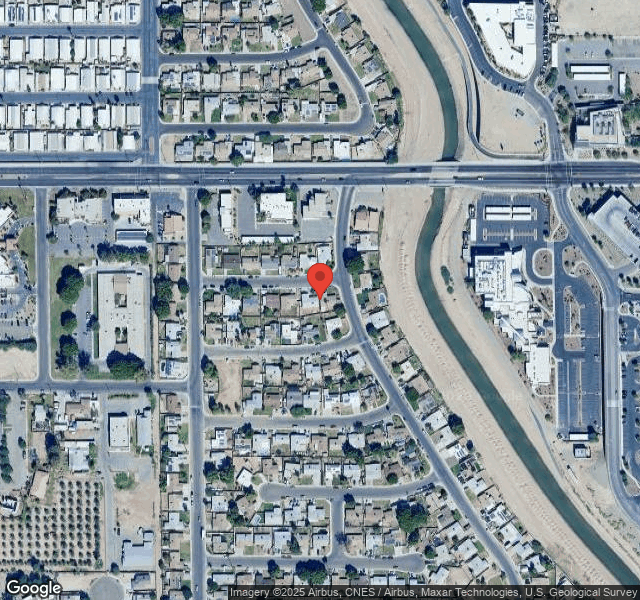
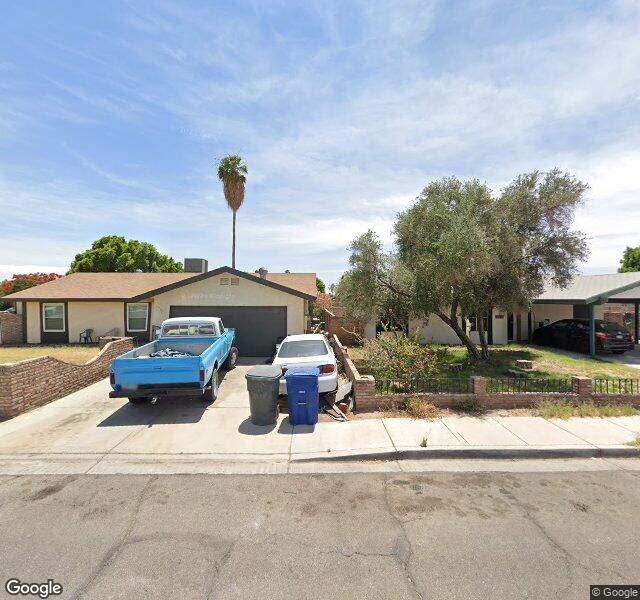
2450 SOUTH 19TH AVENUE, YUMA, AZ 85364 (928) 344-0425
For profit - Corporation 128 Beds LIFE CARE CENTERS OF AMERICA Data: November 2025
Trust Grade
50/100
#113 of 139 in AZ
Last Inspection: June 2024

Within standard 12-15 month inspection cycle. Federal law requires annual inspections.

Overview

Life Care Center of Yuma has a Trust Grade of C, which means it is average and sits in the middle of the pack among nursing homes. It ranks #113 out of 139 facilities in Arizona, placing it in the bottom half, and #5 out of 6 in Yuma County, indicating only one local option is better. The facility is showing improvement, with issues decreasing from five in 2024 to four in 2025, and it has a staffing rating of 3 out of 5 stars, with a turnover rate of 45%, which is slightly better than the state average. There have been no fines recorded, which is a positive sign, and there is average RN coverage, meaning residents receive reasonable nursing support. However, recent inspections revealed concerns such as failing to properly investigate resident altercations and not updating care plans for residents, which could jeopardize residents' safety and care quality. Overall, while there are strengths in staffing stability and no fines, families should be aware of the facility's compliance issues and the need for improved oversight.

Trust Score
C
50/100
In Arizona
#113/139
Bottom 19%
Safety Record
Low Risk
No red flags
Inspections
Getting Better
5 → 4 violations
Staff Stability
⚠ Watch
45% turnover. Above average. Higher turnover means staff may not know residents' routines.
Penalties
✓ Good
No fines on record. Clean compliance history, better than most Arizona facilities.
Skilled Nurses
○ Average
Each resident gets 33 minutes of Registered Nurse (RN) attention daily — about average for Arizona. RNs are the most trained staff who monitor for health changes.
Violations
⚠ Watch
26 deficiencies on record. Higher than average. Multiple issues found across inspections.
★★☆☆☆
2.0
Overall Rating
★★★☆☆
3.0
Staff Levels
★★★☆☆
3.0
Care Quality
★★☆☆☆
2.0
Inspection Score
Stable
2024: 5 issues
2025: 4 issues

The Good

  • Full Sprinkler Coverage · Fire safety systems throughout facility
  • No fines on record

Facility shows strength in fire safety.

The Bad

2-Star Overall Rating

Below Arizona average (3.3)

Below average - review inspection findings carefully

Staff Turnover: 45%

Near Arizona avg (46%)

Higher turnover may affect care consistency

Chain: LIFE CARE CENTERS OF AMERICA

Part of a multi-facility chain

Ask about local staffing decisions and management

The Ugly 26 deficiencies on record

Mar 2025 4 deficiencies
CONCERN (E) 📢 Someone Reported This

A family member, employee, or ombudsman was alarmed enough to file a formal complaint

Potential for Harm - no one hurt, but risky conditions existed

Abuse Prevention Policies (Tag F0607)

Could have caused harm · This affected multiple residents

**NOTE- TERMS IN BRACKETS HAVE BEEN EDITED TO PROTECT CONFIDENTIALITY** Based on clinical record review, interviews and facility policy review, the facility failed to ensure their policy was followed ...

Read full inspector narrative →
**NOTE- TERMS IN BRACKETS HAVE BEEN EDITED TO PROTECT CONFIDENTIALITY** Based on clinical record review, interviews and facility policy review, the facility failed to ensure their policy was followed for abuse and injury of unknown origin for three residents (#66, #54 and #89). The deficient practice could lead to other policies not being followed potentially placing residents at harm. Findings include: Resident #54 admitted to the facility on [DATE], with a diagnosis of dementia. Review of the Minimum Data Set (MDS) dated [DATE], revealed a Brief Interview for Mental Status (BIMS)score of 03, which indicates severe cognitive impairment. Resident #66 admitted to the facility on [DATE] with a readmission date of December 8, 2023 and a diagnosis of sepsis and chronic pain. Review of the BIMS assessment dated [DATE], revealed a BIMS score of 15, indicating the resident was cognitive. The facility reported to the State Agency that a resident to resident altercation occurred between resident #66 and resident #54 on December 16, 2023. The allegation stated that resident #54 punched resident #66 in the back. Investigation by the state agency surveyor revealed that a thorough five day investigation from the facility had not been completed, residents clinical record had not been updated and the facility did not follow their own policy. There was no evidence to know what happened to this resident. Attempts were made for interviews but either no one remembered the incident, were no longer employed or no documentation could be provided. Resident #89 admitted to the facility on [DATE] with a diagnosis of periprosthetic fracture around internal prosthetic left knee joint and Alzheimer's disease. Review of the MDS dated [DATE] reveals a BIMS score of 05, indicating severe cognitive impairment. The facility reported to the State Agency an allegation of neglect for resident #89 for an incident dated November 20, 2023. The complaint stated that at 10:00 AM a therapist entered her room and the resident stated she had left hip and groin pain. The therapist pulled the blanket back to look at the resident's leg and noticed there was a length discrepancy. It was then reported to the Director of Rehabilitation, who then reported to the Assistant Director of Nursing. Investigation by the state agency surveyor revealed that a thorough five day investigation from the facility had not been completed, residents clinical record had not been updated and the facility did not follow their own policy. There was no evidence to know what happened to this resident. Attempts were made for interviews but either no one remembered the incident, were no longer employed or no documentation could be provided. The facility's policy on Abuse, Neglect, and Exploitation, Chapter 3 page 1 has listed the Federal Regulations on 483.12 (c)(2) have evidence that all alleged violations are thoroughly investigated. (4) Report the results of all investigations to the administrator or his or her designated representative and to other officials in accordance with State Law, including he State Survey Agency, within 5 workings days of the incident, and if the alleged violation is verified appropriate corrective action must be taken.
CONCERN (E) 📢 Someone Reported This

A family member, employee, or ombudsman was alarmed enough to file a formal complaint

Potential for Harm - no one hurt, but risky conditions existed

Investigate Abuse (Tag F0610)

Could have caused harm · This affected multiple residents

**NOTE- TERMS IN BRACKETS HAVE BEEN EDITED TO PROTECT CONFIDENTIALITY** Based on clinical record review, interviews and facility policy review, the facility failed to thoroughly investigate an injury ...

Read full inspector narrative →
**NOTE- TERMS IN BRACKETS HAVE BEEN EDITED TO PROTECT CONFIDENTIALITY** Based on clinical record review, interviews and facility policy review, the facility failed to thoroughly investigate an injury of unknown origin and a resident to resident altercation for three residents (#66, #54 and #89). The deficient practice could lead to thorough investigations not being completed and sent to the State Agency potentially placing residents at harm. Findings include: Resident #54 admitted to the facility on [DATE], with a diagnosis of dementia. Review of the Minimum Data Set (MDS) dated [DATE] revealed a Brief Interview for Mental Status (BIMS)score of 03, which indicates severe cognitive impairment. Resident #66 admitted to the facility on [DATE] with a readmission date of December 8, 2023 and a diagnosis of sepsis and chronic pain. Review of the BIMS assessment dated [DATE] revealed a BIMS score of 15, indicating the resident is cognitive. The facility reported to the State Agency that a resident to resident altercation occurred between resident #66 and resident #54 on December 16, 2023. The allegation stated that resident #54 punched resident #66 in the back. Investigation by the state agency surveyor revealed that a thorough five day investigation from the facility had not been completed, residents clinical record had not been updated and the facility did not follow their own policy. There was no evidence to know what happened to this resident. Attempts were made for interviews but either no one remembered the incident, were no longer employed or no documentation could be provided. Resident #89 admitted to the facility on [DATE] with a diagnosis of periprosthetic fracture around internal prosthetic left knee joint and Alzheimer's disease. Review of the MDS dated [DATE] reveals a BIMS score of 05, indicating severe cognitive impairment. The facility reported to the State Agency an allegation of neglect for resident #89 for an incident dated November 20, 2023. The complaint stated that at 10:00 AM a therapist entered her room and the resident stated she had left hip and groin pain. The therapist pulled the blanket back to look at the resident's leg and noticed there was a length discrepancy. It was then reported to the Director of Rehabilitation, who then reported to the Assistant Director of Nursing. Investigation by the state agency surveyor revealed that a thorough five day investigation from the facility had not been completed, residents clinical record had not been updated and the facility did not follow their own policy. There was no evidence to know what happened to this resident. Attempts were made for interviews but either no one remembered the incident, were no longer employed or no documentation could be provided. The facility's policy on Abuse, Neglect, and Exploitation, Chapter 3 page 1 has listed the Federal Regulations on 483.12 (c)(2) have evidence that all alleged violations are thoroughly investigated. (4) Report the results of all investigations to the administrator or his or her designated representative and to other officials in accordance with State Law, including he State Survey Agency, within 5 workings days of the incident, and if the alleged violation is verified appropriate corrective action must be taken.
CONCERN (E) 📢 Someone Reported This

A family member, employee, or ombudsman was alarmed enough to file a formal complaint

Potential for Harm - no one hurt, but risky conditions existed

Deficiency F0657 (Tag F0657)

Could have caused harm · This affected multiple residents

**NOTE- TERMS IN BRACKETS HAVE BEEN EDITED TO PROTECT CONFIDENTIALITY** Based on clinical record review, interviews and facility policy review, the facility failed to ensure residents care plans were ...

Read full inspector narrative →
**NOTE- TERMS IN BRACKETS HAVE BEEN EDITED TO PROTECT CONFIDENTIALITY** Based on clinical record review, interviews and facility policy review, the facility failed to ensure residents care plans were updated and revised on four residents (#15, #66, #54 and #89). The deficient practice could result in the medical records not being complete and accurate, resulting in the resident not receiving the proper care or interventions. Findings include: Resident #15 admitted to the facility on [DATE] with a diagnosis of Parkinson's Disease, repeated falls, tremors, difficulty walking and a history of falling. Review of the Minimum Date Set (MDS) dated [DATE], revealed a Brief Interview for Mental Status (BIMS) score of 13, indicating the resident is cognitive. It was reported to the State Agency that resident #15 sustained a fall that was witnessed by her roommate on December 17, 2023. It was reported to staff by the roommate, that resident #15 was standing by her bed and fell. Resident #15 told staff she had vertigo and fell. Review of the clinical record showed the care plan had not been updated after this incident. Resident # 54 admitted to the facility on [DATE], with a diagnosis of dementia. Review of the MDS dated [DATE] revealed a BIMS score of 03, which indicates severe cognitive impairment. Resident #66 admitted to the facility on [DATE] with a readmission date of December 8, 2023 and a diagnosis of sepsis and chronic pain. Review of the BIMS assessment dated [DATE] revealed a BIMS score of 15, indicating the resident is cognitive. The facility reported to the State Agency that a resident to resident altercation occurred between resident #66 and resident #54 on December 16, 2023. The allegation stated that resident #54 punched resident #66 in the back. Investigation of this allegation showed no documentation in the clinic record of this. There was no evidence to know what happened to this resident. Attempts were made for interviews but either no one remembered the incident, were no longer employed or no documentation could be provided. Resident #89 admitted to the facility on [DATE] with a diagnosis of periprosthetic fracture around internal prosthetic left knee joint and Alzheimer's disease. Review of the MDS dated [DATE] reveals a BIMS score of 05, indicating severe cognitive impairment. The facility reported to the State Agency an allegation of neglect for resident #89 for an incident dated November 20, 2023. The complaint stated that at 10:00 AM a therapist entered her room and the resident stated she had left hip and groin pain. The therapist pulled the blanket back to look at the resident's leg and noticed there was a length discrepancy. It was then reported to the Director of Rehabilitation, who then reported to the Assistant Director of Nursing. There was no evidence to know what happened to this resident. Attempts were made for interviews but either no one remembered the incident, were no longer employed or no documentation could be provided. Review of the care plans for residents #15, #66, #54 and #89 reveal the care plans were not updated after each incident. An interview was conducted on March 13, 2025 at 3:42 PM with the Director of Nursing (DON, staff #100) and the Assistant Director of Nursing (ADON, staff #50). They stated that if an incident occurred current practice would be to interview all parties involved, complete a skin assessment if needed, notify the responsible parties and the providers, update the care plan and have social services follow-up. This author had staff #100 to look over resident #66 and #54's care plans. She stated that neither care plan had been updated but since she was not DON at that time she could not answer why it wasn't updated.
CONCERN (E) 📢 Someone Reported This

A family member, employee, or ombudsman was alarmed enough to file a formal complaint

Potential for Harm - no one hurt, but risky conditions existed

Medical Records (Tag F0842)

Could have caused harm · This affected multiple residents

**NOTE- TERMS IN BRACKETS HAVE BEEN EDITED TO PROTECT CONFIDENTIALITY** Based on clinical record review, interviews and facility policy review, the facility failed to ensure accurate medical documenta...

Read full inspector narrative →
**NOTE- TERMS IN BRACKETS HAVE BEEN EDITED TO PROTECT CONFIDENTIALITY** Based on clinical record review, interviews and facility policy review, the facility failed to ensure accurate medical documentation was completed on four residents (#72, #54, #66 and #89). The deficient practice could result in the medical records not being complete and accurate. Findings include: Resident #72 was admitted to the facility on [DATE], from an out of state medical facility, with a diagnosis of chronic pain and chronic pain syndrome. Review of the resident Minimum Data Set (MDS) dated [DATE] revealed a Brief Interview for Mental Status (BIMS) score of 15. This indicates that the resident is cognitive. An interview was conducted on March 13, 2025 at 12:10 PM with resident #72. She stated she had been admitted to the out of state medical facility with chronic pain. It was explained to her from the staff at the out of state medical facility, that the receiving facility would have the resident's controlled substances for her upon admission. Before discharge, the medical facility administered the resident a controlled substance so the resident would not experience pain during transport. A few hours after arrival to the receiving facility, the resident began to have pain. The staff offered Tylenol to the resident but the resident declined and requested to go to the emergency room (ER). An interview was conducted on March 13, 2025 at 12:42 PM with the Director of Nursing (DON, staff #100). She stated when a resident is admitting, they receive the discharge orders from the discharging facility and send any prescriptions to the pharmacy. If a resident has an order for a controlled substance, the pharmacy requires a handwritten prescription. Resident #72 did not have that prescription with her. Tylenol was offered but the resident refused and requested to go to the emergency room. The doctor in the ER wrote a prescription for the controlled substance and the resident returned with it. An interview was conducted on March 13, 2025 at 1:11 PM with Admissions Assistant (staff #25). She stated when a resident is accepted for admission she obtains the authorization from the insurance company and requests that the orders be faxed from the discharging facility. She states I spoke with the case manager from the discharging facility in the early morning of March 1, 2025 and asked for the orders to be faxed to me. I did not receive the orders until 3:13 PM that day and the resident arrived at 7:00 PM. Once I received the orders, I put them on our system called Tiger Text and the DON and the Medical Director see them. I was notified that there was an issue with some of the resident's medications and a handwritten prescription was required for some of those. I called the case manager at the discharging facility again, and told her we would need handwritten prescriptions for these particular medications. Her response to me was she couldn't send a handwritten one because the resident was going across a state line and that is prohibited for controlled substance medications. I relayed that information to the DON. Review of the medical record does not reveal any documentation regarding any of this. Resident #54 admitted to the facility on [DATE], with a diagnosis of dementia. Review of the MDS dated [DATE] revealed a BIMS score of 03, which indicates severe cognitive impairment. Resident #66 admitted to the facility on [DATE] with a readmission date of December 8, 2023 and a diagnosis of sepsis and chronic pain. Review of the BIMS assessment dated [DATE] revealed a BIMS score of 15, indicating the resident is cognitive. The facility reported to the State Agency that a resident to resident altercation occurred between resident #66 and resident #54 on December 16, 2023. The allegation stated that resident #54 punched resident #66 in the back. Investigation of this allegation showed no documentation in the clinic record of this. There was no evidence to know what happened to this resident. Attempts were made for interviews but either no one remembered the incident, were no longer employed or no documentation could be provided. Resident #89 admitted to the facility on [DATE] with a diagnosis of periprosthetic fracture around internal prosthetic left knee joint and Alzheimer's disease. Review of the MDS dated [DATE] reveals a BIMS score of 05, indicating severe cognitive impairment. The facility reported to the State Agency an allegation of neglect for resident #89 for an incident dated November 20, 2023. The complaint stated that at 10:00 AM a therapist entered her room and the resident stated she had left hip and groin pain. The therapist pulled the blanket back to look at the resident's leg and noticed there was a length discrepancy. It was then reported to the Director of Rehabilitation, who then reported to the Assistant Director of Nursing. Investigation of the allegation revealed there was no documentation in the clinical record. There was no evidence to know what happened to this resident. Attempts were made for interviews but either no one remembered the incident, were no longer employed or no documentation could be provided. The facility's policy on Abuse, Neglect and Exploitation, Chapter 3 dated October 13, 2023 page 2 states the facility must conduct record review for pertinent information related to the alleged violation, as appropriate, such as progress notes (Nurse, social services, physician, therapist, consultants as appropriate, etc), financial records, incident reports (if used), reports from hospital/emergency room records, laboratory or x-ray reports, medication administration records, photographic evidence, and reports from other investigatory agencies.
Oct 2024 1 deficiency
CONCERN (D) 📢 Someone Reported This

A family member, employee, or ombudsman was alarmed enough to file a formal complaint

Potential for Harm - no one hurt, but risky conditions existed

Free from Abuse/Neglect (Tag F0600)

Could have caused harm · This affected 1 resident

**NOTE- TERMS IN BRACKETS HAVE BEEN EDITED TO PROTECT CONFIDENTIALITY** Based on documentation, staff interviews, and the facility policy and procedures, the facility failed to ensure that one residen...

Read full inspector narrative →
**NOTE- TERMS IN BRACKETS HAVE BEEN EDITED TO PROTECT CONFIDENTIALITY** Based on documentation, staff interviews, and the facility policy and procedures, the facility failed to ensure that one resident (#27) was not neglected and her basic needs were being met regarding assistance with bathing, nail clipping, hair washing, and monitoring the condition of her skin. The facility also failed to assess the resident's needs after falls and update the care plan with new interventions as needed. The deficient practice could result in further incidents of resident neglect. Findings include: Resident #27 was admitted to the facility on [DATE] and re-admitted on [DATE] with diagnoses that included Alzheimer's disease, depression, and osteoporosis. The functional goal care-plan initiated April 27, 2022 with a revision date of September 4, 2024 revealed that the resident has limited physical mobility related to Alzheimer's disease, dementia, osteoporosis, osteoarthritis, and weakness. Interventions included that staff will assist with activities of daily living (ADL's) with a 1-2 assist as needed. Review of a shower list dated June 29, 2024 revealed that the resident #27 was bathed and had no new skin issues. It was also observed that the shower list consisted of a list of residents' names and if the residents were bathed. Nail clipping and hair washing was not documented on the shower sheet for any of the residents. The minimum data set (MDS) dated [DATE] included a staff assessment for mental status score of 2 indicating the resident had a severe cognitive impairment. It also included that the resident had skin problems related to skin tear(s). Review of the functional abilities and goals assessment revealed that the resident was dependent on the assistance of helpers for showering, personal hygiene, rolling left to right, and transfers. Review of a shower list dated July 20, 2024 revealed that the resident did not receive a shower and did not refuse. It was observed that the shower list consisted of a list of residents' names and if the residents were bathed. Nail clipping, hair washing and condition of skin was not documented on the shower sheet for any of the residents. Review of a shower list dated July 27, 2024 revealed that the resident received a shower and there was no documentation regarding the condition of the resident's skin. It was observed that the shower list consisted of a list of residents' names and if the residents were bathed. Nail clipping and hair washing was not documented on the shower sheet for any of the residents. Review of the electronic record for shower documentation dated July 2024 revealed that the resident was bathed July 2, July 16, July 23, and July 30, 2024. Review of the shower list dated August 3, 2024 revealed that the resident received a shower, but did not include the condition of skin. It was observed that the shower list consisted of a list of residents and if the residents were bathed. Nail clipping, hair washing, and condition of skin was not documented on the shower sheet for any of the residents. Review of the shower list dated August 24, 2024 revealed that the resident received a shower, but did not include the condition of skin. It was observed that the shower list consisted of a list of residents and if the residents were bathed. Nail clipping, hair washing, and condition of skin was not documented on the shower sheet for any of the residents. Review of the electronic record for shower documentation dated August 2024 revealed that the resident was bathed August 3 and August 10, 2024. The shower documentation revealed that resident #27 did not received assistance with bathing from July 2, 2024 to July 16, 2024, which was a total of 13 days, and August 3, 2024 to August 10, 2024, which is a total of 6 days. The shower documentation did not reveal that the resident received any assistance with hair washing or nail clipping. Review of the progress notes did not reveal that the resident refused assistance with bathing. An interview was conducted on October 18, 2024 at approximately 11:22 a.m. with the Director of Nursing (DON/staff #1) and the Assistant Director of Nursing (ADON/staff #3). The DON stated that residents should be getting showers twice a week. The ADON/staff # stated that staff track the residents' showers on a shower sheet form and there is an area where staff can document any concerns. She stated that the shower sheet form consists of a list of residents that are supposed to receive a shower on a specific day. An interview was conducted with a Certified Nursing Assistant (CNA/staff #12) on October 18, 2024 at 11:41 a.m., who stated that residents are supposed to be showered at least twice a week, nails clipped, hair washed, lets the nurse know if the resident refused, and should be documented on the shower list. She stated that the resident could be combative at times, so she would give her a bed bath instead of a shower. An interview was conducted with a Licensed Practical Nurse (LPN/staff #20) on October 18, 2024 at 12:02 p.m., who stated that residents are showered twice a week, and that CNA's should report skin issues to the nurse so that they can report it to the Director of Nursing (DON). It is also her expectation that that CNA's also report if the resident refuses care like showers, hair washing, and nail clipping, and that it would be documented in a progress note. The facility policy, Activities of Daily Living dated February 12, 2024 states that A resident who is unable to carry out activities of daily living receives the necessary services to maintain good nutrition, grooming, and personal and oral hygiene. It also states to ensure that fingernails are clean and trimmed to avoid injury and infection. -The care-plan initiated May 4, 2021 and a revision date of September 4, 2024 revealed that the resident was at risk for injury from a fall related to weakness, pain, and a history of a fall with a lumber spine fracture. The resident has poor safety awareness. With noted interventions of assist with activities of daily living (ADL's) as needed, call-light within reach, complete fall risk assessment, move resident to common areas for more eyes on supervision, provide medications as ordered, and anticipate and meet the resident's needs. Review of the medication order summary revealed active orders as of February 1, 2024, which included Quetiapine Fumarate tablet 50 mg give one tablet by mouth two times a day related to Alzheimer's disease with a start date of December 28, 2023. Review of a shower list for resident #27 dated June 29, 2024 revealed that the resident was bathed and had no new skin issues. Review of weekly skin assessment dated [DATE] revealed a scab to the left shin. A progress note dated July 8, 2024 revealed a skin tear to the right thumb from bumping the bed table. A new order for foam dressing to right thumb area every three days and as needed until healed. Review of the weekly skin assessment dated [DATE] included a scab to the left shin. The minimum data set (MDS) dated [DATE] included a staff assessment for mental status score of 2 indicating the resident had a severe cognitive impairment. It also included that the resident had skin problems related to skin tear(s). Review of the functional abilities and goals assessment revealed that the resident was dependent on the assistance of helpers for rolling left to right, and transfers. Review of the weekly skin assessment dated [DATE] included a scab to the left shin. Review of progress note dated July 22, 2024 revealed that the resident was found sitting on the floor leaning against her bed. She had pushed the border pillows off the bed and tried to get up on her own. The nurse checked for injuries and none were noted. The physician and guardian were notified. Review of a Fall Risk assessment dated [DATE] revealed that the resident had fallen more than three times in the last 90 days with a score of 24. Review of a shower list dated July 27, 2024 revealed that the resident received a shower and no documentation regarding the condition of the resident's skin. A progress note dated July 28, 2024 revealed that the resident was found on the floor in front of her chair. The resident was unable to tell staff how she ended up on the floor. An assessment was completed, and there were no obvious signs of injury and no pain indicators present. The resident was transferred to her chair by two staff and neuros were started. Review of a Fall Risk assessment dated [DATE] revealed that the resident had fallen 1-2 times in the last 90 days with a score of 20. Review of the progress notes July through August 2024 did not reveal documentation of a fall on August 3, 2024. The medication administration record (MAR) dated July 2024 revealed: -Quetiapine Fumarate tablet 50 mg give 25 mg by mouth two times a day related to Alzheimer's disease dated April 24, 2024 and discontinued July 2, 2024 was administered July 1 and 2, 2024. -Quetiapine Fumarate tablet 50 mg give 25 mg by mouth one time a day dated July 2, 2024 and discontinued July 3, 2024 was administered on July 3, 2024. -Quetiapine Fumarate tablet 50 mg give 25 mg by mouth one time a day dated July 3, 2024 for six days was administered July 4, 2024 through July 9, 2024. -Quetiapine Fumarate tablet 50 mg give 25 mg by mouth one time a day related to Alzheimer's disease dated July 30, 2024 for 6 days, and was administered July 3, 2024. -Also, the MAR revealed that Quetiapine was not administered from July 10, 2024 through July 30, 2024. Review of a Fall Risk assessment dated [DATE] revealed that the resident had fallen 1-2 times in the last 90 days with a score of 16. Review of the shower list dated August 3, 2024 revealed that the resident received a shower, but did not include the condition of skin. A progress note by the Social Services Director dated August 8, 2024 revealed that the resident was visited by the case manager from the public fiduciary office. The case manager expressed concerns regarding reoccurring falls and skin tears/bruising. She requested an explanation for the skin tears and bruising. The Social Services Director explained that some falls are unwitnessed and nursing are unable to record when some skin tears and bruising happened. The case manager requested that she be contacted when the resident has a fall or is sent out to hospital. The Social Services Director will update the Director of Nursing, Assistant Director of Nursing, and nursing staff. A care conference will be scheduled soon. A progress note by the (ADON/staff #3) dated August 9, 2024 revealed that the resident's Seroquel was discontinued on a trial basis leading to agitation, falls and behaviors this last month; Seroquel was reinitiated. The weekly skin assessment date August 21, 2024 revealed bruises on the bilateral lower legs and on top of the left foot; skin tear(s) to the right forearm; and scab to the left shin. Review of the shower list dated August 24, 2024 revealed that the resident received a shower, but did not include the condition of skin. The minimum data set (MDS) dated [DATE] revealed one fall, which included an injury. The medication administration record (MAR) dated August 2024 revealed: -Quetiapine Fumarate tablet 50 mg give 25 mg by mouth one time a day related to Alzheimer's disease dated July 30, 2024 for 6 days, and was administered August 1, 2024 through August 5, 2024 -Quetiapine Fumarate tablet 50 mg give 25 mg by mouth one time a day dated August 23, 2024 and discontinued August 29, 2024 was administered. -Also, the MAR revealed that Quetiapine was not administered August 6, 2024 through August 23, 2024, or from August 29, 2024 through August 31, 2024. An email dated November 13, 2024 from the Director of Nursing (DON/staff #1) included that she was unable to find any interdisciplinary team meeting (IDT) notes regarding falls that occurred on July 22, 2024, July 28, 2024, and August 2, 2024; and she is not sure that the previous DON was getting these done. They have since started IDT meetings and notes on all incidents. An interview was conducted on October 18, 2024 at approximately 11:22 a.m. with the Director of Nursing (DON/staff #1) and the Assistant Director of Nursing (ADON/staff #3). The DON stated that nurses and CNAs are required to complete training on fall prevention. If a resident falls, staff are to take vitals, contact the physician for instructions, start neuros and document if the event is witnessed or unwitnessed. The DON stated that when falls occur, they discuss the cause and preventions that can be implemented the next morning during the standup meeting, but she doesn't know if the meeting is documented. She stated that it is her expectation that new interventions are implemented and the care plan is updated and the purpose of the care plan is so all staff know what interventions are to be implemented. She stated that a Fall Risk Assessment is completed after every fall and a score above ten requires a care plan with interventions to be developed and updated as after each fall. The details regarding each fall should be documented in a progress note. She stated that resident #27 fell on July 22, 2024, July 28, 2024, and August 2, 2024; she reviewed the progress notes and stated that there was no documentation of an IDT meeting occurring after each fall and the care plan was not updated with any new interventions. The ADON stated that there was not an intervention for non-skid socks in the fall care plan. She also stated that a skin assessment should have been completed after each fall and it was not done. At 10:18 a.m., the MDS Coordinator (MDS/staff #27) joined the meeting and stated that she has never attended an IDT meeting after a resident has fallen. She stated that she completes the care plan when the resident is admitted and it is her expectation that the care plan is updated with new interventions when a resident has fallen. An interview was conducted with a Certified Nursing Assistant (CNA/staff #12) on October 18, 2024 at 11:41 a.m., who stated that she has been trained on falls and the resident is for assessed for bruising, skin tears, and other injuries when a fall occurs. She stated that if a resident is found on the floor, staff are to assume there was a fall and go get the nurse, so the nurse can assess for injuries. She stated that that resident #27 falls a lot, and that the resident has slipped out of out of her chair. She stated that residents are supposed to get showers twice a week and staff should look for bruises and skin tears during this time. An interview was conducted with a Licensed Practical Nurse (LPN/staff #20) on October 18, 2024 at 12:02 p.m., who stated that she was trained on falls and when a resident falls, she is supposed to take the vitals, assess the skin, start neuros, notify the physician and document everything in a progress note. She also stated that residents are showered twice a week, and that CNA's should report skin issues to the nurse so that they can report it to the DON. She stated that she has not attended an interdisciplinary meeting (IDT) after a resident falls or updated a care plan with new interventions after a resident has fallen. The facility policy, Area of Focus: Fall Management dated December 4, 2023 states the facility will assess the resident upon admission/readmission, quarterly, with change in condition, and with any fall event for any fall risks and will identify appropriate interventions to minimize the risk of injury related to falls. Upon completion of the other interdisciplinary team's admission and readmission assessments, the interdisciplinary team will review any additional fall risk indicators and revise the resident's care plan as indicated.
Jun 2024 4 deficiencies
CONCERN (D)

Potential for Harm - no one hurt, but risky conditions existed

Comprehensive Care Plan (Tag F0656)

Could have caused harm · This affected 1 resident

**NOTE- TERMS IN BRACKETS HAVE BEEN EDITED TO PROTECT CONFIDENTIALITY** Based on observation, staff interviews, and policy review, and review of current facility practice, the facility failed to ensur...

Read full inspector narrative →
**NOTE- TERMS IN BRACKETS HAVE BEEN EDITED TO PROTECT CONFIDENTIALITY** Based on observation, staff interviews, and policy review, and review of current facility practice, the facility failed to ensure care plan was developed and implemented to meet the assessed need for one resident (#78). The deficient practice could result in the resident receiving the care they need. Findings include: Resident #78 was admitted on [DATE] with diagnoses of hemiplegia and hemiparesis following cerebral infarction affecting right dominant side, type 2 diabetes mellitus, dysphagia, and unspecified protein-calorie malnutrition. The mini nutritional assessment signed and dated 05/29/2024 revealed that the resident had a score of 6 indicating the resident was malnourished. The Residents at Risk meeting notes dated 05/29/2024 revealed that resident was a new admission and was on a mechanically altered diet on 05/29/2024. The weight record on 05/29/2024 was 221.5 lbs. (pounds). A nutritional assessment dated on 05/31/2024 revealed the resident had a diet of regular mechanically altered texture and thin liquid consistency; and had an overweight status for age. The documentation also included that the resident was at risk for malnutrition or was currently diagnosed with malnutrition related to age and diagnosis of dysphagia. Further, the documentation included that the care plan was reviewed/revised or implemented. The physician order dated 06/03/2024 included for a regular diet, mechanically altered texture, thin consistency, with no added salt. It also included an order for 1:1 supervision for all meals and for fortified foods three times a day. The Residents at Risk meeting notes dated 06/13/2024 revealed that the resident triggered for weight loss and had varied oral intake. Per the documentation, the resident was still overweight; and had a mechanically altered diet and was on an assisted diet. Further, the not included that the resident had an extremely strict diet per family request. The weight record for 6/19/2024 was 201.4 lbs. which was approximately 20 lbs. weight loss since admission. Despite documentation of the resident's nutritional risk, there was no evidence found that a care plan with interventions put in place was developed and implemented until 6/26/2024. The care plan dated 6/26/2024 included that the resident had an unplanned/unexpected weight loss related to an acute illness, poor intake and recent hospitalization. The goal was that the resident will maintain weight at 197 lbs. +/- 5%. Interventions included to evaluate weight loss, determine percentage lost, follow facility protocol for weight loss, give supplements as ordered and alert dietician if consumption was por for more than 48 hours. In an interview with the registered dietitian (RD/staff #144) conducted on 6/26/24 at 4:22 p.m., the RD stated she would expect that the resident's nutritional status be in the care plan for any residents with or was experiencing significant weight loss. Regarding resident #78, the RD stated that resident #78 triggered for weight loss on 06/19/24; and that, she missed this. An interview was conducted with the director of nursing (DON/staff #108) and assistant DON (ADON/staff #116) was conducted on 6/27/24 at 9:16 a.m. Bothe the DON and the ADON stated that that nutritional risk/issues should be care-planned; and that, the nutritional status of resident #78 was not care planned until 6/26/2024.
CONCERN (D)

Potential for Harm - no one hurt, but risky conditions existed

Deficiency F0726 (Tag F0726)

Could have caused harm · This affected 1 resident

**NOTE- TERMS IN BRACKETS HAVE BEEN EDITED TO PROTECT CONFIDENTIALITY** Based on personnel file review, staff interviews, facility assessment and policy review, the facility failed to ensure one Certi...

Read full inspector narrative →
**NOTE- TERMS IN BRACKETS HAVE BEEN EDITED TO PROTECT CONFIDENTIALITY** Based on personnel file review, staff interviews, facility assessment and policy review, the facility failed to ensure one Certified Nursing Assistant (CNA /staff #64) had the cardiopulmonary resuscitation (CPR) certification to provide nursing and related services. The deficient practice could result in staff not able to to safely meet resident needs during an emergency. Sample size was one. Facility census was 81. Findings include: The Facility assessment dated [DATE] revealed the staffing plan included 13 licensed nurses, and 27 CNA's to provide direct care for an average of 86 residents every day including emergencies. The assessment also revealed the resources the facilities needed to provide competent support and care for their resident population every day and during emergencies. A review of the personnel record for CNA (staff #64) revealed a hire date of [DATE] and had no evidence of current CPR certification. An interview was conducted on [DATE] at approximately 8:35 AM with the business office manager (BOM/staff #12), who stated that it was the facility's responsibility to ensure that staff and individuals under contract have the necessary licenses and certifications to fulfill their job roles as outlined in the job description. The facility's policy titled, License and CPR Certification Verifications revealed that the facility has the responsibility to ensure that all associates that require a license or certification as part of their delivery and management of health services as well as provide necessary information to comply with all application statutes, laws, and regulatory licensing board/agencies. The policy also included that it is their responsibility to ensure that the associates and persons under contract have the necessary licenses and certifications needed to fulfill their job role as outlined in the job description for that role. The Compliance department assist the facility with monitoring professional licensure, they monitor the licenses and certifications of nurses, and CNA's who are employed by the facility.
CONCERN (D)

Potential for Harm - no one hurt, but risky conditions existed

Food Safety (Tag F0812)

Could have caused harm · This affected 1 resident

Based on observations, staff interviews, and the facility policy and procedures, the facility failed to maintain a clean kitchen; and failed to ensure food items were dated when opened. The deficient ...

Read full inspector narrative →
Based on observations, staff interviews, and the facility policy and procedures, the facility failed to maintain a clean kitchen; and failed to ensure food items were dated when opened. The deficient practice could result in residents having food-borne illness. Findings include: An observation of the kitchen was conducted on June 24, 2024 at 11:25 a.m. with the cook (staff #92). The large walk-in refrigerator had a 5lb opened and undated bag of green leaf lettuce that was exposed; and, the lettuce heads were wilted and discolored. Inside the bag of lettuce was a white plate with food covered by a plastic film. Staff #92 stated that the food items on the white plate were turkey, chicken and potato salad; and, she did not know how the plate got in the lettuce bag or why the bag of lettuce was left open. There was also an opened and exposed three-pound box of cream cheese; and the end of the cream cheese had dried out and was left open in the box. The refrigerator floor had spilled milk. The walk-in freezer area had approximately two cups of frozen corn kernels on the freezer floor and an opened 12-quart bucket of frozen mashed potatoes. Further observation of the kitchen revealed there were opened two loaves of bread that were open and exposed to air but did not have a use by or open dates. There was a package of open dinner rolls with no open or use by date on the packaging. The area above the cooking area over the stove had three lamps had stringy particles hanging and were covered with dust and dark brown grease/grime. The observation continued at 12:45 p.m. of the area next to the stove that had an open two-quart container of butter with no open or use by date. Staff #92 stated she had taken the container of butter from the refrigerator at approximately 11:00 a.m. to prepared the grilled cheese sandwiches. There was also an open gallon zip lock bag with shredded cheese and a package of sliced cheese that were now melting found on this cooking area. Further, the shredded cheese had no open or use by date. Another observation of the kitchen was conducted on June 26, 2024 at 8:30 a.m. with another cook (staff #128). The walk-in refrigerator had a five quart container of strawberries that was partially open with no open or use by date. There was a container with 9 visibly wilted and shriveled cucumbers; and, a container with 14 lemons mixed in a container with three large tomatoes that were soft and wilted. The large 5-lb bag of green leaf lettuce that was found on June 24 continued to be in the refrigerator; and, the three light lamps over the cooking range continued to have stringy particles hanging and covered with dust and dark brown grease. Staff #128 stated it was the cook's responsibility to wipe down the lamps to prevent the dust and grease from falling into the food while cooking; and that, there was a risk of food contamination associated with this. Staff #128 further stated that having open exposed foods in the refrigerator had the risk for airborne contamination and should these opened exposed foods should have been discarded. An interview was conducted on June 26, 2024 at 12:45 p.m. with the Administrator (staff #160), who stated that he supervised the Nutrition Director (Staff #90) who was on vacation. However, the administrator stated that it was his expectation that the nutrition director ensured that quality checks were done daily to ensure that the food was fresh; and that, any foods that were no longer of use were also discarded. Review of the facility policy titled Food Safety states food is stored in a clean and sanitary manner following federal, state and local guidelines to minimize contamination and bacterial growth.
CONCERN (D)

Potential for Harm - no one hurt, but risky conditions existed

Infection Control (Tag F0880)

Could have caused harm · This affected 1 resident

**NOTE- TERMS IN BRACKETS HAVE BEEN EDITED TO PROTECT CONFIDENTIALITY** Based on observations, staff interviews, and facility policy review and the Centers for Disease Control and Prevention (CDC), th...

Read full inspector narrative →
**NOTE- TERMS IN BRACKETS HAVE BEEN EDITED TO PROTECT CONFIDENTIALITY** Based on observations, staff interviews, and facility policy review and the Centers for Disease Control and Prevention (CDC), the facility failed to ensure infection control standards related to enhanced barrier precautions were followed for one resident (#78) with catheter and wound. The deficient practice could result in transmission of multi-drug resistant organisms. Findings include: Resident #78 was admitted on [DATE] with diagnoses of obstructive and reflux uropathy, type 2 diabetes mellitus, emphysema, dementia, anxiety, and benign prostatic hyperplasia with lower urinary tract symptom. The care plan dated May 28, 2024 revealed that an indwelling catheter was in place for uropathy. Interventions included enhanced barrier precautions (EBP), catheter care per shift, change catheter as needed a 16FR (French) 10cc (cubic centimeter) and checking tube for kinks each shift. A physician order dated May 29, 2024 revealed an order for an indwelling catheter size 16 French with a 10cc bulb. The minimum data set (MDS) assessment dated [DATE] revealed the resident had a diagnosis of obstructive uropathy and a Brief Interview for Mental Status (BIMS) score was 8 which indicated the resident had moderate cognitive impairment. The MDS also included that the resident had an indwelling catheter in place and had open lesion(s) skin condition. A review of the care plan dated June 23, 2024 revealed the resident had an open area on coccyx, left and right buttocks. Intervention included to treat per facility protocol. A progress note dated June 23, 2024 included that the resident had open areas to coccyx, left and right buttocks, and a deep tissue injury (DTI) on the right heel. A physician order dated June 25, 2024 revealed stage 2 pressure ulcer to coccyx. An observation was conducted on June 25, 2024 at 1:59 p.m. revealed that there were no EBP signs posted outside of the resident room and there were no PPE (personal protective equipment) readily available for use. An interview with resident #78 and family was conducted immediately following the observation. The family stated that the resident had sacral wound. A second observation was conducted on June 26, 2024 at 9:06 a.m. There continued to be no signs posted outside of the resident's room the use of enhanced barrier precautions and continued to have no PPE (personal protective equipment) readily available for use. An interview with director of nursing (DON/staff #108) was conducted on June 27, 2024. The DON stated that the criteria for putting residents on EBP included residents with an indwelling catheter, chronic wound, and multi-drug resistant organisms. She stated that she misinterpreted the CMS guidelines regarding EBP; and that, resident #78 should be placed on EBP and was not. Further, the DON said that the facility also needed to update their policy on this. A review of the policy titled Enhanced Barrier Precautions with a revision date of June 12, 2024 included that enhanced barrier precautions are indicated for residents with any of the following: wounds and/or indwelling medical devices even if the resident is not known to be infected or colonized with a MDRO (multi-drug resistant organisms). The CDC website updated on July 12, 2022 on healthcare acquired infections revealed that the enhanced barrier precautions are an infection control intervention designed to reduce the transmission of resistant organisms that employ targeted gown and glove use during high contact resident care activities. The CDC further stated that nursing home residents with wounds and indwelling medical devices are at especially high risk of both acquisition of and colonization with MDRO's (multi-drug resistant organisms). The CDC website further stated that the use of gown and glove for high-contact resident care activities is indicated when contact precautions do not otherwise apply.
Dec 2022 6 deficiencies
CONCERN (D)

Potential for Harm - no one hurt, but risky conditions existed

Investigate Abuse (Tag F0610)

Could have caused harm · This affected 1 resident

**NOTE- TERMS IN BRACKETS HAVE BEEN EDITED TO PROTECT CONFIDENTIALITY** Based on clinical record reviews, facility documentation, interviews and policy, the facility failed to ensure that an allegatio...

Read full inspector narrative →
**NOTE- TERMS IN BRACKETS HAVE BEEN EDITED TO PROTECT CONFIDENTIALITY** Based on clinical record reviews, facility documentation, interviews and policy, the facility failed to ensure that an allegation of resident to resident abuse was thoroughly investigated for two residents (#24 and #51). The deficient practice could result in other residents being abused. Findings include: -Resident #24 was admitted to the facility on [DATE] with diagnoses that included vascular dementia, psychotic disturbance, legal blindness, and anxiety disorder. The quarterly Minimum Data Set (MDS) assessment dated [DATE] included a Brief Interview for Mental Status (BIMS) score of 11 indicating mild cognitive impairment. The assessment also included that the resident required one-person extensive assist with ambulating in a wheelchair. Review of the progress notes did not reveal any documentation regarding an allegation that resident #24 was hit by resident #51. -Resident #51 was admitted to the facility on [DATE] with diagnoses that included hemiplegia and hemiparesis following cerebral infarction affecting right dominant side, dysphagia, and heart failure. The quarterly MDS assessment dated [DATE] included a staff assessment for mental status indicating the resident had cognitive impairment. It also included that the resident requires a one-person extensive assist with ambulating in a wheelchair. Review of the progress notes did not reveal any documentation regarding the allegation that resident #51 hit resident #24. Review of a facility investigation, dated September 2, 2022, revealed that a Certified Nursing Assistant (CNA/staff #15) brought resident #24 to the Assistant Director of Nursing (ADON/staff #2) to report that resident #51 had hit her. The ADON reported the allegation to the administrator (staff #119). The resident was assessed and had no injuries. The report included that resident #24 was interviewed as well as three other residents. One resident stated that resident #51 had tried to fight with him a couple of times. The investigation did not include an interview with the CNA (staff #15) or any other staff. Also, resident #51 was not interviewed. An interview was conducted on December 21, 2022 at 8:34 a.m. with the ADON (staff #2) and the administrator (staff #119). The ADON stated that there was an allegation that resident #51 hit resident #24 when they were in the hallway outside the dining room. She said she assisted with the investigation and completed the report. She stated that she doesn't know what is required in the report and just did what she was directed to do. She believed that the CNAs were taking the residents back to their room after lunch, but didn't know which CNAs would have been taking the residents back to their room. The ADON stated that she did not interview any staff during the investigation. She did not interview staff to determine if anyone had witnessed anything regarding the incident. The administrator stated that he did not interview any staff either. The facility's abuse policy, dated October 4, 2022, revealed a policy statement that the facility will prevent and prohibit all types of abuse, neglect, misappropriation of resident property, and exploitation. The policy included to identify, correct, and intervene in situations in which abuse, neglect, exploitation, and/or misappropriation of property is more like to occur.
CONCERN (D)

Potential for Harm - no one hurt, but risky conditions existed

Deficiency F0645 (Tag F0645)

Could have caused harm · This affected 1 resident

**NOTE- TERMS IN BRACKETS HAVE BEEN EDITED TO PROTECT CONFIDENTIALITY** Based on clinical record review, interviews, and policy, the facility failed to accurately complete the Preadmission Screening a...

Read full inspector narrative →
**NOTE- TERMS IN BRACKETS HAVE BEEN EDITED TO PROTECT CONFIDENTIALITY** Based on clinical record review, interviews, and policy, the facility failed to accurately complete the Preadmission Screening and Resident Review (PASARR) process for one resident (#3). The deficient practice could result in residents not receiving needed services. Findings include: Resident #3 was admitted to the facility on [DATE] with diagnoses that included panic disorder (episodic paroxysmal anxiety), unspecified dementia, psychotic disturbance, mood disturbance, major depressive disorder and Post Traumatic Stress Disorder (PTSD). Review of the clinical record revealed that the resident had a diagnosis of schizoaffective disorder added on January 20, 2021. The Minimum Data Set (MDS) assessment, dated December 12, 2021, included the resident had severe cognitive impairment. The assessment also included active diagnoses of anxiety disorder, depression, schizophrenia, and PTSD. Review of the undated PASARR Level I assessment revealed that dementia was not the primary diagnosis and no mental illness was identified. The assessment was not updated when the resident's diagnoses of schizoaffective disorder was added to the clinical record. During an interview conducted on December 21, 2022 at 12:10 p.m. with the Social Services Director (staff #23), she stated that the PASARR's are normally completed by the staff in admissions, a Certified Nursing Assistant/admission Assistant (CNA/staff #15) and the admission Assistant (Staff #49). An interview was conducted on December 21, 2022 at 12:15 p.m. with a CNA/admission assistant (CNA/staff #15) and the admission Assistant (Staff #49). Both staff reviewed the resident's PASARR Level I and agreed that none of the diagnoses: major depressive disorder, schizophrenia, PTSD, panic disorder, and other specified anxiety disorders were marked on the form. The admission Assistant (Staff #49) stated that the form was missing two pages and there was no date to indicate when the form had been completed. Then both staff reviewed the resident's clinical record and stated that they could not find the rest of the form. The admission Assistant (Staff #49) stated that admissions completes the form when a resident is admitted and social services is responsible for updating the form if the resident has a new diagnoses. She stated that the PASARR Level I should have been updated and submitted to the state authority for a level II PASARR evaluation. During a second interview conducted on December 21, 2022 at 12:29 p.m. with the Social Services Director (SS/staff #23), she reviewed the clinical record and stated that there is no primary mental health diagnoses for this resident, so the PASARR Level I was not incorrect and did not require any of the above diagnoses. The facility's PASARR policy, dated October 6, 2022, states that the facility will ensure that potential admissions are be screened for possible serious mental disorders or intellectual disabilities and related conditions. This initial pre-screening is referred to as a PASARR Level I, and is completed prior to admission to a nursing facility. A negative level screen permits admission to proceed and ends the PASARR process unless a possible serious mental disorder or intellectual disability arises later. A positive Level l screen necessitates an in-depth evaluation of the individual by the state designated authority, known as PASARR Level II, which must be conducted prior to admission to a nursing facility.
CONCERN (D)

Potential for Harm - no one hurt, but risky conditions existed

Deficiency F0657 (Tag F0657)

Could have caused harm · This affected 1 resident

**NOTE- TERMS IN BRACKETS HAVE BEEN EDITED TO PROTECT CONFIDENTIALITY** Based on clinical record review, interviews, and policy, the facility failed to develop a bowel care plan for one resident (#65)...

Read full inspector narrative →
**NOTE- TERMS IN BRACKETS HAVE BEEN EDITED TO PROTECT CONFIDENTIALITY** Based on clinical record review, interviews, and policy, the facility failed to develop a bowel care plan for one resident (#65). The deficient practice could result in residents not receiving needed care. Findings include: Resident #65 was admitted to the facility on [DATE] with diagnoses that included Diabetes Mellitus (DM) type 2 with diabetic neuropathy, hemiplegia and hemiparesis following a cerebral infarction, and dysphagia. Review of the physician's orders revealed the following bowel medication orders: -August 1, 2022 - Senna Tablet 8.6 milligrams (mg) (Sennosides) via Gastrostomy tube (G-tube) at bedtime for constipation -August 1, 2022 -Maalox plus suspension 30 milliliters via G-tube every 6 hours as needed for indigestion -August 1, 2022 - Loperamide capsule 2 mg via G-Tube every 12 hours as needed for diarrhea -August 26, 2022 -Imodium A-D Tablet 2 mg via G-tube every 6 hours as needed for diarrhea -September 7, 2022 - Questran light powder 4 grams (g) via G-tube every 7 days for diarrhea for 7 administrations. -November 2, 2022 - Cholestyramine light packet 4 g by mouth every day for diarrhea Review of the August, September, November, and December Medication Administration Records (MAR) revealed the resident received the medications as orderered including some as needed medications. The quarterly Minimum Data Set (MDS) assessment dated [DATE] included a Brief Interview for Mental Status (BIMS) score of 10 indicating moderate cognitive impairment. It also includes that the resident was total dependence for toileting. Despite the resident having multiple bowel medications, there was no evidence that bowel care was included on the resident's care plan. An interview was conducted on December 19, 2022 at 1:32 p.m. with the resident, who stated that she currently has diarrhea and this is common. She stated that she is not being currently being given anything for the diarrhea and her bottom gets sore. During an interview on December 22, 2022 at 10:48 a.m. with a Licensed Practical Nurse (LPN/staff #55), she stated that the purpose of a care plan is so staff know the needs of the resident, which would include bowel care. She stated that is the resident has constipation or diarrhea, interventions should be in the care plan. During an interview conducted on December 22, 2022 at 11:31 a.m. with the Assistant Director of Nursing (ADON/staff #2), she stated that the purpose of a care plan is so that staff know what care is to be provided. She stated that for this resident, her diarrhea concern should be in the care plan including the intervention that she receives bowel medications. She stated the risk to not care planning it is that some staff may not be aware of the resident's needs. The facility's care plan policy, dated August 17, 2022, revealed that the facility will ensure the timeliness of each resident's person-centered, comprehensive care plan, and to ensure that the comprehensive care plan is reviewed and revised by an interdisciplinary team composed of individuals who have knowledge of the resident and his/her needs, and that each resident and resident representative, if applicable, is involved in developing the care plan and making decisions about his or her care.
CONCERN (D)

Potential for Harm - no one hurt, but risky conditions existed

Deficiency F0757 (Tag F0757)

Could have caused harm · This affected 1 resident

**NOTE- TERMS IN BRACKETS HAVE BEEN EDITED TO PROTECT CONFIDENTIALITY** Based on clinical record review, interviews, and policy, the facility failed to administer pain medications within ordered param...

Read full inspector narrative →
**NOTE- TERMS IN BRACKETS HAVE BEEN EDITED TO PROTECT CONFIDENTIALITY** Based on clinical record review, interviews, and policy, the facility failed to administer pain medications within ordered parameters for one resident (#65). The deficient practice could result in residents' receiving too much pain medication. Findings include: Resident #65 was admitted to the facility on [DATE] with diagnoses that included Diabetes Mellitus (DM) type 2 with diabetic neuropathy, hemiplegia and hemiparesis following a cerebral infarction, dysphagia, and hypertension. The quarterly Minimum Data Set (MDS) assessment dated [DATE] included a Brief Interview for Mental Status (BIMS) score of 10 indicating moderate cognitive impairment. The resident's pain care plan include an intervention to administer pain medication as ordered. Review of the December 2022 recapitulation of physician's orders revealed the following orders: -Tramadol 50 milligrams (mg) via Gastrostomy tube (G-tube) every 12 hours as needed for pain levels 5 through 10 out of 10. -Acetaminophen 325 mg 2 tablets via G-tube every 4 hours as needed for pain. Review of the Medication Administration Record (MAR) for December 2022 revealed one occasion when the tramadol medication was given for a pain level of 3. Also, there were more than three times that the acetaminophen was given for pain levels above 5. Review of the clinical record revealed no documentation as to why the tramadol was given outside of the ordered parameters or why acetaminophen was given for pain levels above 5 instead of the tramadol. An interview was conducted on December 20, 2022 at 1:55 p.m. with a Licensed Practical Nurse (LPN/staff #72). She stated that when a resident asks for a pain medication, she reviews the orders to determine if the order is as needed (PRN) and has a pain scale. She reviewed this resident's MAR and stated that tramadol was given outside of the ordered pain parameters for a pain level of 3 and there is risk to giving medications outside of parameters, such as overdose and side effects. Then, she referred to the order for acetaminophen and stated there was no pain scale, and that would prompt her to notify the physician to clarify the order. She stated that when acetaminophen was given for pain levels over 5, this is confusing since the resident should have received tramadol for pain levels that high. She stated that the resident could choose to take the acetaminophen instead of the tramadol, but it would need to be documented as the resident's choice. On December 20, 2022 at 2:29 p.m., an interview was conducted with the resident and her family member. The family member stated that the resident has pain on her tailbone and it has been bleeding. The resident stated that only one staff, who was a therapist, has asked her about her pain level. She stated that she is getting tramadol most of the time for pain. She stated that the nurses are not asking about her pain level when they give her medication and they do not tell her which pain medication she is getting. An interview was conducted on December 22, 2022 at 8:34 a.m. with the Assistant Director of Nursing (ADON/staff #2), who stated that an order for a PRN pain medication must include a pain scale. She referred to the resident's MAR and stated that the tramadol was given outside of the pain parameter for pain level of 3 and this is a medication error. She stated that there is a risk giving too much of a pain med when you don't need it and could lead to adverse effects. She reviewed the MAR for the acetaminophen order and stated that the order needed a pain scale. She stated that the acetaminophen should have a pain scale of 1-4 because the tramadol is 5-10 and if the acetaminophen was administered without a pain scale and given with the pain scale that goes with the tramadol it is considered a medication error. She stated that a medication of lesser strength can be administered if the resident chooses and it should be documented in the progress notes. She reviewed the progress notes and stated that she could not find documentation. The facility's medication administration policy, dated August 25, 2022, revealed that the facility will ensure medications are administered safely and appropriately per physician orders to address the residents' diagnoses and symptoms.
CONCERN (E)

Potential for Harm - no one hurt, but risky conditions existed

Deficiency F0658 (Tag F0658)

Could have caused harm · This affected multiple residents

**NOTE- TERMS IN BRACKETS HAVE BEEN EDITED TO PROTECT CONFIDENTIALITY** -Resident #337 was admitted to the facility on [DATE] with diagnoses that included digestive surgery, sepsis due to enterococcus...

Read full inspector narrative →
**NOTE- TERMS IN BRACKETS HAVE BEEN EDITED TO PROTECT CONFIDENTIALITY** -Resident #337 was admitted to the facility on [DATE] with diagnoses that included digestive surgery, sepsis due to enterococcus, and encounter for surgical aftercare following surgery on the digestive system. Review of hospital records, dated February 11, 2022 included discharge instructions for wound care which noted that there was use of a wound vacuum (VAC) for the resident's surgical wound. The admission nursing note dated February 12, 2022 included that the resident was admitted with a diagnosis of small bowel obstruction related to hernia surgery and the resident had an extensive debridement hernia repair. The note included the resident was admitted with a wound VAC in place. The resident's skin integrity care plan, initiated on February 12, 2022, included that the resident had a break in skin integrity. Interventions included treatments as ordered and a pressure reducing mattress. Nursing notes dated February 14 and 16, 2022 indicated that the wound VAC was in place and was functioning properly. Review of the physician orders revealed no order for the wound VAC from February 12 through 19, 2022. Review of the clinical record including the Medication Administration Record (MAR) and the Treatment Administration Record (TAR) for February 2022 revealed no documentation that the wound VAC was in use between February 12 and 19, 2022. On February 20, 2022, a physician's order included to cleanse abdomen with normal saline, pat dry, apply drape, then black foam and 125 continuous negative pressure (this is for a wound VAC). Change Monday, Wednesday, and Friday day shift for surgical incision. An interview was conducted with the Regional Director of Clinical Services (RDCS/staff #118) on December 20, 2022 at 2:20 p.m. The staff member stated that the facility could not find a physician order for the wound VAC between February 12 and 19, 2022. The facility's skin integrity policy, revised on April 19, 2022, included a policy to provide licensed nurses with procedures to manage skin integrity, complete wound assessment/documentation, and provide treatment and care of skin and wounds. The procedure included conducting a skin assessment during admission, during CNAs (Certified Nursing Assistant) ADL care, and the nurse will complete further inspection/assessment and provide treatment if needed. -Resident #340 was admitted to the facility on [DATE] with diagnoses that included Chronic Obstructive Pulmonary Disease (COPD), pain in right knee, and unspecified dementia without behavioral disturbances. Review of the physician's orders revealed two orders dated December 20, 2022. These included the following: -Lidoderm Patch 5 % (Lidocaine) apply to affected area topically in the morning for pain. -Ventolin HFA Aerosol Solution 108 (90 Base) MCG/ACT (Albuterol Sulfate HFA) 2 puff inhale orally four times a day for COPD. On December 21, 2022 at 7:32 a.m., a Licensed Practical Nurse (LPN/staff #35) was observed conducting medication administration. At 7:35 a.m., the nurse administered medications for one resident. Following the administration, the nurse stated he completed all his medication administration for all residents assigned to him. He said that he started his shift at 6:30 a.m. and he started his medication pass at 7:00 a.m. On December 21, 2022 at 8:45 a.m. the cart that was assigned to the LPN (staff #35) was observed. A package of Lidoderm Patches marked with a resident's name remained sealed. The label on the patches indicated that they were delivered on December 20, 2022 and the quantity was 10 patches. The LPN (staff #35) opened the packages and said there were 10 patches in the package. at 8:53 a.m., a Ventolin HFA Aerosol Solution 108 (90 Base) MCG/ACT (Albuterol Sulfate HFA) was observed with an unbroken seal. The label indicated the medication was delivered on December 20, 2022. An interview was conducted with the LPN (staff #35) on December 21, 2022 at about 8:55 a.m. He stated that the medications were sealed and had not been opened. He access the electronic medical record system and and said that he signed off that the two medications had been administered at about 7:05 a.m. on this date. He stated that despite documenting that the medications were given, he did not administer the medications. He said he should not have signed that he did administer them when he did not. He said that the process for medication administration includes giving the medications first and then signing that they were given. During an interview with the Director of Nursing (DON/staff #1) on December 22, 2022 at 12:56 p.m., she stated that it is her expectation that all medications are administered following the 5 rights of medication administration. The facility's medication administration policy, revised on August 25, 2022, revealed the facility will ensure medications are administered safely and appropriately per physician orders to address resident diagnoses and signs and symptoms. The procedure included that staff will adhere to the 10 rights of medication administration including right drug, right resident, right dose, right route, right time and frequency, and right documentation. -Resident #65 was admitted to the facility on [DATE] with diagnoses that included Diabetes Mellitus (DM) type 2 with diabetic neuropathy, hemiplegia and hemiparesis following a cerebral infarction, and dysphagia. Review of the physician's orders revealed the following bowel medication orders: -August 1, 2022 - Senna Tablet 8.6 milligrams (mg) (Sennosides) via Gastrostomy tube (G-tube) at bedtime for constipation -August 1, 2022 -Maalox plus suspension 30 milliliters via G-tube every 6 hours as needed for indigestion -August 1, 2022 - Loperamide capsule 2 mg via G-Tube every 12 hours as needed for diarrhea -August 26, 2022 -Imodium A-D Tablet 2 mg via G-tube every 6 hours as needed for diarrhea -September 7, 2022 - Questran light powder 4 grams (g) via G-tube every 7 days for diarrhea for 7 administrations. -November 2, 2022 - Cholestyramine light packet 4 g by mouth every day for diarrhea Review of the August, September, and November 2022 Medication Administration Records (MAR) revealed the resident received the medications as ordered including some as needed medications. The quarterly Minimum Data Set (MDS) assessment, dated November 27, 2022, included a Brief Interview for Mental Status (BIMS) score of 10 indicating moderate cognitive impairment. It also includes that the resident was total dependence for toileting. Despite the resident having multiple bowel medications, there was no evidence that bowel care was included on the resident's care plan. Review of the bowel and bladder elimination task sheets dated December 2022 revealed that the resident had loose stools on about 15 occasions. Review of the MAR for December 2022 revealed that despite the documentation of loose stools, Imodium was only given one time and loperamide was not administered at all. An interview was conducted on December 19, 2022 at 1:32 p.m. with resident #65, who stated that she currently has diarrhea and this is common. She stated that she is not being given anything for the diarrhea and her bottom gets sore. An interview was conducted on December 22, 2022 at 10:48 a.m. with a Licensed Practical Nurse (LPN/staff #55). She reviewed the resident's clinical record and said the resident was having loose stools and she should have been given Imodium. She said it was only given once in December 2022 but it should have been given more often due to the loose stools. She said that the Certified Nursing Assistants (CNA) should have told her about the resident's loose stools because she would have given the resident the Imodium. She also said she would have notified the physician with this many episodes of loose stools. An interview was conducted on December 21, 2022 at 2:54 p.m. with the Director of Nursing (DON/staff #1). She stated that if there is an order for a medication for diarrhea and the resident is experiencing this symptom, it is her expectation that the nurse administers the medication. She also stated that they should be monitoring the bowel tasks sheets. She reviewed the bowel and bladder elimination task sheets and agreed the resident was having multiple episodes of diarrhea and agreed that if the Imodium was not given, the nurses were not following the order. The facility's medication administration policy, dated August 25, 2022, revealed that the facility will ensure medications are administered safely and appropriately per the physician's orders to address the resident's diagnoses and signs and symptoms. Based on clinical record reviews, hospital records, observations, interviews, and policy, the facility failed to ensure that weekly skin assessments were completed for one resident (#130), failed to ensure one resident (#65) received bowel care as ordered, failed to ensure there was an order for a wound vacuum for one resident (#337) and failed to ensure medications were administered as ordered for one resident (#340). The deficient practice could result in residents not receiving adequate care. Findings include: -Resident #130 was admitted to the facility on [DATE] with diagnoses that included hypertension, congestive heart failure, anxiety disorder, and spinal stenosis. Review of the discharge Minimum Data Set (MDS) assessment dated [DATE] revealed that the resident was rarely understood. The MDS also assessed the resident needed extensive assistance for bathing. Review of the resident's weekly skin assessments log revealed the resident had one skin assessment on admission during his stay at the facility. There was no evidence that any other skin assessments had been completed for the resident. An interview was conducted with a Certified Nursing Assistant (CNA/Staff #74) on 12/20/22 at 9:30 AM. The CNA stated skin assessments are done by the nurses with CNA assistance. An interview was conducted with a Registered Nurse (RN/Staff #121) on 12/20/22 at 1:48 PM. She stated that skin assessments are done every week for all residents. She said the admission nurse does the initial skin assessment and then the floor nurses do the ones afterwards. She said the nurses conduct skin assessments for residents with odd numbered rooms on the day shift and even rooms on the night shift. She stated that the skin assessments are documented in the clinical record. She included that if the assessment is not in the clinical record, it was either not done or the nurse forgot to document it. An interview was conducted with the Director of Nursing (DON/Staff #1) on 12/20/22 at 2:40 PM. The DON stated that it is her expectation that skin assessments be done weekly on all residents. She said that not performing skin assessments could result in missing the opportunity to prevent and catch skin issues. Review of the facility's skin assessment policy, revised April 19, 2022, revealed that skin assessments should be done weekly by a RN.
CONCERN (E)

Potential for Harm - no one hurt, but risky conditions existed

Deficiency F0886 (Tag F0886)

Could have caused harm · This affected multiple residents

Based on facility documentation, interviews, and policy, the facility failed to ensure that staff were tested for COVID-19 at the required frequency. This deficient practice could lead to the spread o...

Read full inspector narrative →
Based on facility documentation, interviews, and policy, the facility failed to ensure that staff were tested for COVID-19 at the required frequency. This deficient practice could lead to the spread of COVID-19. Findings include: Review of the COVID-19 log and line list for staff for November 25 through December 6, 2022 and the log and line list for residents for November 17, 2022 through November 30, 2022 revealed that the facility was in outbreak mode from November 17, 2022 through December 6, 2022. Review of the facility's COVID-19 documentation revealed no evidence that staff or residents had been tested for COVID-19 during the the facility outbreak of COVID-19. An interview was conducted on December 22, 2022 at 10:07 a.m. with the Assistant Director of Nursing (ADON/staff #2), who identified herself as the Infection Preventionist (IP). She stated that she couldn't find her COVID-19 log and line list for residents and staff, so she was not able to provide COVID-19 documentation for residents prior to November 17, 2022 and for staff prior to November 25, 2022. She stated that the facility has been in outbreak since November 26, 2022 when a resident tested positive. She said prior to that a resident had tested positive on November 17, 2022. She stated that residents and staff are to be tested for COVID-19 during an outbreak period every 3 to 7 days. The facility's infection prevention policy, dated October 6, 2022, revealed that the facility must test residents and staff, including individuals providing services under arrangement and volunteers, for COVID-19. The policy included that when there are COVID-19 infections in the facility, staff and residents are to be tested regularly.
Jul 2021 11 deficiencies
CONCERN (D)

Potential for Harm - no one hurt, but risky conditions existed

Deficiency F0552 (Tag F0552)

Could have caused harm · This affected 1 resident

**NOTE- TERMS IN BRACKETS HAVE BEEN EDITED TO PROTECT CONFIDENTIALITY** Based on clinical record review, staff interviews, and review of policy and procedure, the facility failed to ensure one of six ...

Read full inspector narrative →
**NOTE- TERMS IN BRACKETS HAVE BEEN EDITED TO PROTECT CONFIDENTIALITY** Based on clinical record review, staff interviews, and review of policy and procedure, the facility failed to ensure one of six sampled residents (#32) was informed of the risks and benefits of a psychotropic medication prior to the administration of the medication. The deficient practice could result in residents/representatives not being information of the risks and benefits of taking psychoactive medications. Findings include: Resident #32 was admitted to the facility on [DATE] with diagnoses that included unspecified atrial fibrillation, asthma, and Chronic Obstructive Pulmonary Disease (COPD). Physician's orders dated May 23, 2021 included for Alprazolam (anxiolytic) 0.25 milligrams (mg) one tablet by mouth every 8 hours as needed for sleep. An electronic MAR (eMAR) orders administration note dated May 24, 2021 at 10:00 a.m. revealed Alprazolam 0.25 mg was administered to the resident. The admission Minimum Data Set assessment dated [DATE] revealed the resident scored 14 on the Brief Interview for Mental Status indicating the resident had intact cognition. The assessment also revealed the resident was administered an anxiolytic for one out of the 7 days in the look-back period. An eMAR orders administration note dated May 30, 2021 at 7:22 p.m. revealed the resident received Alprazolam 0.25mg. However, continued review of the clinical record did not reveal evidence that the resident had been informed of the risks and benefits of Alprazolam. An interview was conducted with the Director of Nursing (DON/staff #72) on July 14, 2021 at 12:13 p.m. Staff #72 stated it is the responsibility of the nurse who obtains the physician's order for a psychotropic medication to ensure the resident consents to the risks and benefits of a psychotropic medication. The DON stated that he and the Assistant DON are responsible for reviewing residents' clinical record to ensure an informed consent has not been missed. The DON stated the consents for psychotropic medications are located in the residents hard clinical record charts and if the consent was not there, then one was not obtained. On July 15, 2021 at 8:31 a.m., an interview was conducted with a Licensed Practical Nurse (LPN/staff #112). Staff #112 stated that when a resident is prescribed a new psychotropic medication, the process includes informing the resident of the risks and benefits of the medication and obtaining a signed informed consent before the medication is administered to the resident. The LPN stated that she would check the resident's clinical record to confirm whether or not a consent had been obtained before giving the medication to the resident. On July 15, 2021 at 8:51 a.m., an interview was conducted with a Registered Nurse (RN/staff #34). She stated that when a resident receives an order for a new psychotropic medication, she would ensure an informed consent had been provided to the resident/representative before administering a psychotropic medication. The RN stated it is a resident's right to be informed of the risks and benefits of the medication, and that an informed consent should be obtained prior to the administration of the medication. A follow-up interview was conducted with the DON on July 15, 2021 at 12:04 p.m., who stated that he was unable to find an informed consent for Alprazolam. The facility's policy titled Psychotropic Medication Use revised November 28, 2016 stated facility staff should inform the resident and/or the resident representative of the initiation, reason for use, and the risks associated with the use of psychotropic medications, per facility policy or applicable state regulations.
CONCERN (D)

Potential for Harm - no one hurt, but risky conditions existed

Deficiency F0578 (Tag F0578)

Could have caused harm · This affected 1 resident

**NOTE- TERMS IN BRACKETS HAVE BEEN EDITED TO PROTECT CONFIDENTIALITY** -Resident #320 was admitted to the facility on [DATE] and readmitted on [DATE] with diagnosis that included cellulitis of the le...

Read full inspector narrative →
**NOTE- TERMS IN BRACKETS HAVE BEEN EDITED TO PROTECT CONFIDENTIALITY** -Resident #320 was admitted to the facility on [DATE] and readmitted on [DATE] with diagnosis that included cellulitis of the left lower limb, type-2 diabetes mellitus, and peripheral vascular disease. An advance directive form dated [DATE] signed by the resident revealed the resident had chosen to be a Full Code. Review of the physician's order dated [DATE] revealed the following advance directive order: Do Not Resuscitate (DNR) with limited interventions. An interview was conducted with the Assistant Director of Nursing (ADON/staff #6) on [DATE] at 9:55 am. She stated the residents sign their code status on admission and the order will be entered in Point Click Care (PCC). The ADON stated the advance directive form has to be redone when the resident returns to the facility after hospitalization. She stated the code status in PCC should match the signed advance directive form in the resident's chart. Staff #6 further stated the resident chart should also include the orange DNR sheet if the resident chooses to be a DNR. The ADON stated that she does not know why resident #320's hard chart still has full code. She stated the advance directive might have changed when the resident was hospitalized for few days. An interview was conducted with the DON (staff #72) on [DATE] at 2:13 PM, who stated the expectation is for staff to obtain a resident's code status on admission. He stated all residents are a full code until the advance directive form is signed for a DNR by the resident or their POA (power of attorney). The DON stated that after admission, the paperwork is checked the following morning for completion. The DON also stated that the ADON checks every Friday to make sure the code status is correct. He stated that even if the resident signed a DNR at the hospital, a new form has to be signed after the resident is admitted to the facility. Staff #72 further stated that an orange form should be in the resident's clinical record along with the regular advance directive form for a DNR code status. The DON reviewed resident #320's clinical record and stated that he does not think all the papers are in for resident #320. A facility policy titled Advance Directives and Advance Care Planning revised [DATE] revealed residents have the right to self-determination regarding their medical care. This includes the right of an individual to direct his or her own medical treatment, including the right to execute or refuse to execute an advance directive. Regarding DNR, the policy stated a physician's order and written consent from the resident or resident's representative must be obtained. While the physician's order is pending, staff should honor the documented verbal wishes of the resident or resident's representative regarding CPR. The policy included the DNR order is flagged appropriately on the resident's chart to alert staff as to status. Based on clinical record reviews, staff interviews, and policy review, the facility failed to ensure advanced directives were consistent in the clinical record for two of two sampled residents (#51 and #320). The census was 62. The deficient practice could result in residents receiving services which are not in accordance with their wishes. Findings include: -Resident #51 was admitted to the facility on [DATE] with diagnoses of enterocolitis due to clostridium difficile, essential (primary) hypertension and anxiety disorder. Review of a physician's order dated [DATE] included the resident was a full code. An Advance Directives Statement dated [DATE] signed by this resident's spouse revealed the resident did not want CPR (Cardiopulmonary Resuscitation). A Prehospital Medical Care Directive (Do Not Resuscitate) dated [DATE] signed by the resident's spouse revealed that in the event of cardiac or respiratory arrest, the resident refused any resuscitation measures. An interview was conducted on [DATE] at 11:47 AM with a Licensed Practical Nurse (LPN/staff #88), who stated that they know what a resident's code status is from the code status section in the grey information bar at the top of the resident's electronic clinical chart. She reviewed this resident's clinical record and stated the resident is a full code. An interview was conducted on [DATE] at 2:53 PM with the Director of Nursing (DON/staff #72). The DON stated that his expectations for advance directives are that when residents are admitted , the residents are all full codes until the paperwork has been completed for advance directives. The DON stated that once the paperwork has been signed, staff will change the code status in the electronic health record if indicated. Staff #72 stated that both the white Advance Directive Statement and the orange Prehospital Medical Care Directive (Do Not Resuscitate) should be in the clinical record for a resident to have a Do Not Resuscitate (DNR) code status. The DON reviewed the clinical record for resident #51 and stated the clinical record had not yet been updated, and that he would update it. The DON stated the resident should be a DNR.
CONCERN (D)

Potential for Harm - no one hurt, but risky conditions existed

Transfer Requirements (Tag F0622)

Could have caused harm · This affected 1 resident

**NOTE- TERMS IN BRACKETS HAVE BEEN EDITED TO PROTECT CONFIDENTIALITY** Based on clinical record review, staff interviews and policy review, the facility failed to ensure the required discharge inform...

Read full inspector narrative →
**NOTE- TERMS IN BRACKETS HAVE BEEN EDITED TO PROTECT CONFIDENTIALITY** Based on clinical record review, staff interviews and policy review, the facility failed to ensure the required discharge information was documented and a discharge order was entered for one of three sampled residents (#69). The deficient practice could result in discharge requirements not being completed. Findings include: Resident #69 was admitted to the facility on [DATE] with diagnoses that included displaced intertrochanteric fracture of the right femur, chronic obstructive pulmonary disease, history of falling, anxiety disorder, and dementia without behavioral disturbance. The discharge MDS (Minimum Data Set) assessment dated [DATE] revealed the resident had an unplanned discharge to the community on June 17, 2021. Further review of the clinical record revealed no documentation that the physician was notified of the discharge, a physician's order was obtained for discharge, and/or a discharge summary. After a request was made for the information regarding the resident discharge, a copy of an AMA (Against Medical Advice) Discharge form was provided. The AMA form was dated June 17, 2021 at 2:01 PM. The AMA form was signed by the resident's son and two witnesses, a Licensed Practical Nurse (LPN) and the Assistant Director of Nursing (ADON). An interview was conducted with a LPN (staff #112) on July 16, 2021 at 8:28 am. She stated the process for discharging a resident is to fill out the discharge summary form in Point Click Care (PCC) with all the resident's pertinent information, print two copies of the discharge summary, place the resident's medications in a bag, review the medications with the resident, answer any questions and inform the resident of appointments, etc. The LPN stated that the resident then signs the two copies of the form, one for the resident and one for the facility. She stated at the end, she will write a discharge summary note in PCC. She stated that when a resident leaves AMA, the physician is notified, a discharge order is obtained, and the resident has to sign the AMA form. The LPN further stated that the nurses have to do discharge charting after a resident leaves AMA. The LPN stated that she does not recall resident #69. An interview was conducted with the rehabilitation director (staff #46) on July 16, 2021 at 8:39 am. She stated her therapy records show that resident #69 went AMA on June 17, 2021 and last therapy treatment was on June 17, 2021. An interview was conducted with the Director of Nursing (DON/staff #72) on July 16, 2021 at 8:58 am. He stated that when a resident wants to leave AMA, his expectation is for staff to have the resident sign the AMA form. He stated that before the resident leave AMA, the family is notified, the physician is notified and the nurses are to enter discharge notes. The DON stated that he reviewed resident #69's clinical record and did not see any discharge notes, summary or physician order. The DON further stated that when a resident leave AMA, there should be a discharge summary that includes the condition of the resident, notification to the physician, an assessment of the resident, etc. He stated his expectation is for the resident leaving AMA to have an 'OK to discharge' order in PCC. The DON stated his expectation was not met as there was no discharge order or discharge summary. The facility's policy titled Against Medical Advice Discharges dated November 27, 2018 revealed that any discharges against the advice of the attending physician require facility administration to have a signed statement from the resident or the resident's representative to release the facility from all liability associated with the discharge. The policy further stated the facility will complete the required documentation and provide written discharge instructions as with any discharge.
CONCERN (D)

Potential for Harm - no one hurt, but risky conditions existed

Deficiency F0655 (Tag F0655)

Could have caused harm · This affected 1 resident

**NOTE- TERMS IN BRACKETS HAVE BEEN EDITED TO PROTECT CONFIDENTIALITY** Based on clinical record review, observation, resident and staff interviews, and policy review, the facility failed to ensure th...

Read full inspector narrative →
**NOTE- TERMS IN BRACKETS HAVE BEEN EDITED TO PROTECT CONFIDENTIALITY** Based on clinical record review, observation, resident and staff interviews, and policy review, the facility failed to ensure that a baseline care plan was developed for one sampled resident (#66) regarding the use of oxygen. The deficient practice may result in residents not being provided the services and person-centered care necessary to meet his/her needs. Findings include: Resident #66 was admitted to the facility on [DATE], with diagnosis that included Chronic Obstructive Pulmonary Disease (COPD), dependence on supplemental oxygen, type 2 diabetes mellitus without complications and sepsis due to enterococcus. Review of the Weights and Vital Summary revealed the resident was receiving oxygen via nasal cannula on admission [DATE]), and on July 8 and 13, 2021. A physician's order dated July 13, 2021 revealed an order for oxygen at 2 liters/minute as needed (PRN) for desaturation. Review of the skilled nursing documentation dated July 2, 6, 7, 14 and 15, 2021 revealed resident #66 was on PRN oxygen for shortness of breath especially when walking and going to the restroom. However, review of the resident's baseline care plan did not include the use of PRN oxygen. During an observation conducted on July 12, 2021 at 1:55 pm, an oxygen concentrator with oxygen tubing was observed beside the resident's bed. Resident #66 stated that he receives oxygen occasionally every other day and as needed at 2 liters via nasal cannula. An interview was conducted with the Assistant Director of Nursing (ADON/staff #6) on July 15, 2021 at 9:55 AM. She stated a baseline care plan is initiated after a resident is admitted and completed within 24 hours. She stated that she updates the baseline care plan if there are any changes. The ADON stated that resident #66 has been using oxygen on and off since admission and the use of oxygen should be included in the baseline care plan. An interview was conducted with the Director of Nursing (DON/staff #72) on July 15, 2021 at 2:13 PM. He stated the nurses start the initial baseline care plan after a resident's admission and that he updates whatever is needed on the baseline care plan the next day. He stated any care the resident needs that is noted on admission is included in the baseline care plan. The DON stated resident #66 was not using any oxygen on admission, therefore oxygen was not included in the baseline care plan. The DON stated resident #66 started using oxygen PRN after his oxygen saturation went down on the second day. He stated resident #66's clinical record was updated after the resident told the staff that he used oxygen PRN at home. Staff #72 stated resident #66 uses oxygen for therapy only and had not used oxygen since admission. The facility's policy regarding baseline care plan revised on July 13, 2020 revealed a baseline care plan will be developed for every resident within 48 hours of admission to provide an initial set of instructions needed to provide effective and person-centered care of the resident that meet professional standards of care. The policy further revealed the baseline care plan must include the minimum healthcare information necessary to properly care for a resident including, but not limited to initial goals based on admission orders, physician orders, dietary orders, therapy services, social services and PASARR (Preadmission Screening and Resident Review) recommendation, if applicable.
CONCERN (D)

Potential for Harm - no one hurt, but risky conditions existed

Comprehensive Care Plan (Tag F0656)

Could have caused harm · This affected 1 resident

**NOTE- TERMS IN BRACKETS HAVE BEEN EDITED TO PROTECT CONFIDENTIALITY** Based on observation, clinical record review, staff interviews, and policy and procedures, the facility failed to ensure that a ...

Read full inspector narrative →
**NOTE- TERMS IN BRACKETS HAVE BEEN EDITED TO PROTECT CONFIDENTIALITY** Based on observation, clinical record review, staff interviews, and policy and procedures, the facility failed to ensure that a care plan was developed for hearing and the use of hearing aids for one resident (#20). The sample size was 16. The deficient practice could result in residents use of hearing aids not being reflected in the care plan. Findings include: Resident #20 was admitted on [DATE] with diagnosis that included encounter for surgical aftercare following surgery on the digestive system, type 2 diabetes mellitus with hyperglycemia, heart failure, repeated falls and major depressive disorder. A physician order dated May 7, 2021 included the resident may have dental, podiatry, audiology, optometry care as needed. The nursing admission/readmission collection tool dated May 7, 2021 included that resident #20 had minimal difficulty hearing. A review of the admission Minimum Data Set (MDS) assessment dated [DATE] revealed a Brief Interview for Mental Status of 8, indicating the resident had moderate impaired cognition. The MDS assessment also included the resident's ability to hear (with hearing aid or hearing appliances if normally used) is adequate and that the resident used hearing aid. The nursing monthly summary dated June 4, 2021 and July 6, 2021 included that resident #20 has poor hearing in both ears. Multiple skilled nursing documentation included that resident #20 was very hard of hearing and had a hearing problem. However, review of the clinical record did not reveal a care plan had been developed for hearing and the use of a hearing aid. During an observation conducted of the resident on July 14, 2021 at 12:03 PM, resident #20 was observed sitting in the wheelchair with hearing aids in place. An interview was conducted with a Certified Nursing Assistant (CNA/staff #76) on July 14, 2021 at 8:16 AM. She stated resident #20 is a little hard of hearing. The CNA stated the resident did have hearing aids but that she has not seen them lately and thinks the resident's spouse may have taken them. The CNA also stated the resident never used the hearing aids. She stated that the staff speaks to the resident at a close distance so that the resident can hear the staff. Later that day at 10:43 am, staff #76 stated the resident does have hearing aids. The CNA stated the resident puts in the hearing aids and also charges the hearing aids. During an interview conducted with the Assistant Director of Nursing (ADON/staff #6) on July 15, 2021 at 9:55 AM, the ADON stated the care plan should include glasses, hearing aid, dentures, etc. An interview was conducted with a Registered Nurse (RN/staff #34) on July 15, 2021 at 1:55 pm. She stated that Sensory is not included in the initial baseline care plan but would definitely trigger to be included in comprehensive care plan. The RN stated resident #20 is definitely hard of hearing and has hearing aids but that she did not think the resident used the hearing aids. She further stated resident #20's use of hearing aids should have been triggered and included in the care plan. On July 15, 2021 at 2:13 pm, an interview was conducted with the Director of Nursing (DON/staff #72). The DON stated the expectation is that the use of hearing aids be included in the resident's care plan. The facility's policy titled Resident Assessment Instrument and Care Plan issued on June 8, 2020 stated the facility must develop and implement a comprehensive person-centered care plan for each resident, consistent with the resident rights that includes measurable objectives and timeframes to meet a resident's medical, nursing, and mental and psychosocial needs that are identified in the comprehensive assessment. The policy stated that a comprehensive care plan must be developed within seven days after completion of the comprehensive assessment, prepared by an interdisciplinary team and reviewed and revised by the interdisciplinary team after each assessment including both the comprehensive and quarterly review assessments.
CONCERN (D)

Potential for Harm - no one hurt, but risky conditions existed

ADL Care (Tag F0677)

Could have caused harm · This affected 1 resident

**NOTE- TERMS IN BRACKETS HAVE BEEN EDITED TO PROTECT CONFIDENTIALITY** Based on observations, clinical record review, staff interviews, and policy review, the facility failed to ensure one of two sam...

Read full inspector narrative →
**NOTE- TERMS IN BRACKETS HAVE BEEN EDITED TO PROTECT CONFIDENTIALITY** Based on observations, clinical record review, staff interviews, and policy review, the facility failed to ensure one of two sampled residents (#2) received the necessary services to maintain good grooming and hygiene. The deficient practice could result in grooming and hygiene needs of residents not being met. Findings include: Resident #2 was admitted to the facility on [DATE] with diagnoses that included quadriplegia, unspecified, encounter for attention to gastrostomy, and encounter for attention to tracheostomy. Review of the care plan revised on April 23, 2021 revealed the resident had an ADL (activities of daily living) self-care deficit related to cerebrovascular accident (CVA) and quadriplegia. Interventions included extensive assistance with bathing, and total assistance with personal hygiene and oral care. Review of the Point of Care (POC) Certified Nursing Assistant (CNA) bathing documentation dated June 19, 2021 through July 7, 2021 revealed the resident received bathing/showers on 5 occasions. The quarterly Minimum Data Set assessment dated [DATE] revealed the Brief Interview for Mental Status could not be completed because the resident was rarely/never understood. The assessment included the resident had impaired functional limitation in range of motion in the upper and lower extremities on both sides. The assessment also revealed the resident was totally dependent for bed mobility, dressing, eating, toilet use, personal hygiene, and bathing. Review of POC CNA bathing documentation dated July 8 through July 14, 2021 revealed the resident did not receive bathing/shower services during that time frame. During an observation conducted on July 12, 2021 at 11:54 a.m., the resident was observed to have a thick brown crust on the lower lip and white crusting around the eyes. An observation was conducted of the resident on July 15, 2021 at 3:00 p.m. The resident's hair was observed to have thick, white particulates concentrated at the scalp and distributed throughout the length of the hair. The resident's lips were observed peeling and had a brown crust on them. The resident's eyes were observed to be matted with a white crust. The resident's toenails were observed to be 1/4 - 1/2 inches in length, and the pungent smell of the resident's body odor was discernable from several feet away. An interview was conducted with a CNA (staff #92) on July 15, 2021 at 3:29 p.m. The CNA stated residents are to receive showers two or more times per week. After reviewing the shower schedule for resident #2, staff #92 stated the resident should be receiving showers twice per week, on Wednesdays and Saturdays. The CNA stated that he thought the resident was receiving showers, but that after reviewing the shower sheets for the resident maybe not. On July 15, 2021 at 3:34 p.m., an interview was conducted with another CNA (staff #45). Staff #45 stated the CNAs are supposed to document the condition of the resident's skin on the shower sheets and document whether or not the resident actually received bathing/shower services in the POC CNA notes. An interview was conducted with the Director of Nursing (staff #72) on July 15, 2021 at 4:00 p.m. The DON stated that he expects residents to receive a minimum of two showers per week. Staff #72 stated that if the residents ask for more showers they may receive one or two more, if staff are available to assist them or if they are independent. The DON stated that less than two showers per week did not meet his expectations. The facility's policy titled Activities of Daily Living (ADLs) reviewed 5/5/2020 stated the purpose is to ensure facilities identify and provide needed care and services that are resident centered, in accordance with the resident's preferences, goals for care, and professional standards of practice that will meet each resident's physical, mental, and psychosocial needs. The resident will receive assistance as needed to complete activities of daily living. In addition, a resident who is unable to carry out activities of daily living will receive the necessary services to maintain good grooming, and personal and oral hygiene.
CONCERN (D)

Potential for Harm - no one hurt, but risky conditions existed

Deficiency F0806 (Tag F0806)

Could have caused harm · This affected 1 resident

**NOTE- TERMS IN BRACKETS HAVE BEEN EDITED TO PROTECT CONFIDENTIALITY** Based on observation, clinical record review, staff and resident interviews, and policy review, the facility failed to ensure on...

Read full inspector narrative →
**NOTE- TERMS IN BRACKETS HAVE BEEN EDITED TO PROTECT CONFIDENTIALITY** Based on observation, clinical record review, staff and resident interviews, and policy review, the facility failed to ensure one resident (#43) was served food that accommodated the resident's food allergies. The census was 62. The deficient practice could result in residents receiving food that they are allergic to. Findings include: Resident #43 was admitted on [DATE] with diagnoses that included Parkinson's disease, type II diabetes, and schizophrenic disorder. Review of the Order Summary Report for July 2021 stated at the top of the form that the resident's allergies included peppers. Review of the resident's face sheet revealed the resident had an allergy to peppers. Review of the resident's food/meal card listed bell peppers as an allergy. An observation of the resident's tray conducted on 7/14/21 at 1:45 PM. Small pieces of bell pepper were observed off to the side of the tray. Review of the meal card revealed allergies that included bell peppers. The resident stated that she had been given a food tray with chicken noodles and gravy, and that the gravy had small pieces of bell pepper in it. The resident stated that when she ate bell peppers before, she developed large amounts of mucus which made breathing difficult. The resident stated that she did not eat any of the bell peppers on this tray because she had found them and picked them out before she ate the meal. The resident also stated that she had been served trays before that had food on it that she was allergic to. An interview was conducted with the cook (staff #112) on 7/14/21 at 2:03 PM. Staff #112 stated that the meal served for lunch that day did include bell peppers. He stated that the procedure for tray line food service included that the food server would tell the cook if the resident had any food allergies. Staff #112 stated that this allows the cook to offer the resident an alternate plate. In an interview conducted with the tray line food server (staff #60) on 7/14/21 at 2:09 PM, staff #60 stated that it is his job to notify the cook of food allergies when requesting a tray for the resident. He stated that he had forgotten to read the card or tell the cook about resident #43's food allergies before serving the tray to the resident. On 7/14/21 at 2:15 PM, an interview was conducted with the Director of Food and Nutrition Services (staff #71), who stated it is her expectation that the food server always notifies the cook of a resident's food allergies when ordering a tray for a resident. An interview was conducted with the facility's Registered Dietitian Consultant (staff #113) on 7/14/21 at 2:19 PM. The consultant stated that the food server should always notify the cook of a resident's food allergies before ordering and serving a tray. Staff #113 stated that failure to do so is not acceptable. An interview was conducted with the Director of Nursing (DON/staff #72) on 7/15/21 at 11:03 AM. The DON stated that he expects the food server to always verify and report the resident food allergy before giving the tray to the resident. Review of the facility's policy titled Food Allergies and Intolerances revised 11/28/2017, stated that food allergies and intolerances are communicated to Nursing Services and indicated on both the resident's food tray card and the resident's profile. The Director of Food and Nutrition Services identifies menu item(s) related to allergy/intolerances and ensures that those items are not served to the resident.
CONCERN (D)

Potential for Harm - no one hurt, but risky conditions existed

Infection Control (Tag F0880)

Could have caused harm · This affected 1 resident

**NOTE- TERMS IN BRACKETS HAVE BEEN EDITED TO PROTECT CONFIDENTIALITY** Based on observations, clinical record review, staff interviews, and policy review, the facility failed to ensure infection cont...

Read full inspector narrative →
**NOTE- TERMS IN BRACKETS HAVE BEEN EDITED TO PROTECT CONFIDENTIALITY** Based on observations, clinical record review, staff interviews, and policy review, the facility failed to ensure infection control standards were followed regarding tracheotomy care for one resident (#2) and catheter care for one resident (#7). The deficient practice could result in the spread of infection. Findings include: -Resident #7 was admitted on [DATE] with diagnoses of stage 4 pressure ulcer to the sacral region, lymphedema, and history of vulvar cancer. Review of the clinical record revealed a physician order dated April 4, 2021 for urinary catheter care every shift. A quarterly Minimum Data Set (MDS) assessment dated [DATE] included the resident had an indwelling catheter. An observation was conducted on July 15, 2021 at 9:43 AM of perineal and catheter care with a Certified Nursing Assistant (CNA/staff #7). The CNA announced herself, stated what care she would be providing to the resident, and obtained the resident's consent. Staff #7 was observed to wash her hands and don gloves. The CNA proceeded to provide perineal and catheter care by squeezing soapy water from the cloth over the resident's perineal area. The CNA then proceeded to clean the resident's outer thighs, the catheter, and wiped around the resident's vulva with the same side of the cloth. Staff #7 was then observed to obtain a new cloth and cleaned the vulva vestibule. The CNA was not observed to use a clean section of a cloth for each stroke and was not observed to change gloves or get a clean cloth before providing catheter care after cleaning the resident's thighs. An interview was conducted on July 15, 2021 at 10:42 AM with this CNA (staff #7), who stated that for catheter peri-care, she informs the resident what she is going to do, ensure the water is the correct temperature for the resident, and that she will be sure to wipe from front to back. Staff #7 stated that the resident asked her to clean the resident's outermost thighs first. Staff #7 stated that she should have washed her hands and donned clean gloves after cleaning the resident's thighs, and then obtained a new cloth. An interview was conducted with the Director of Nursing (DON/staff #72) on July 15, 2021 at 2:53 PM. The DON stated perineal and catheter care is provided daily and as much as possible. The DON stated that washing the thigh and the perineal area with the same cloth and gloves is not correct, the staff should use a clean cloth for each area and wipe downward. A facility's policy titled Perineal Care of the Female Patient included that perineal care, which includes care of the external genitalia and the anal area, should occur during the daily bath and if the patient is incontinent of urine or stool. The procedure promotes cleanliness and prevents infection. This document included that the procedure should be performed as the following: Wet a washcloth with warm water from a running spigot (or from a clean and disinfected bath basin) and apply mild soap, separate the resident's labia with one hand. If the resident has an indwelling urinary catheter in place, use the other hand to clean the urethral meatus with the washcloth to reduce the risk of catheter-associated urinary tract infection. Avoid traction on the catheter. Don't aggressively clean the meatal area; aggressive cleaning can lead to meatal irritation, increasing the risk of infection. Using gentle downward strokes, clean the perineal area from the front to the back of the perineum to prevent intestinal organisms from contaminating the urethra or vagina. Avoid the area around the anus and use a clean section of the washcloth for each stroke by folding each used section inward to prevent contamination with secretions or discharge. Wet a clean washcloth and rinse thoroughly from front to back because soap residue can cause skin irritation. -Resident #2 was admitted to the facility on [DATE] with diagnoses that included quadriplegia unspecified, encounter for attention to gastrostomy, and encounter for attention to tracheostomy. Review of physician's orders dated July 7, 2019 included changing the tracheostomy inner cannula with a Shiley disposable inner cannula two times per day, changing the tracheostomy dressing every day shift, and changing the tracheostomy foam ties twice weekly on shower days. A tracheostomy care plan initiated on May 14, 2020 included the goal the resident would have no abnormal drainage around the tracheostomy site. Interventions included reinsert trach with inflatable cuff as order, change tracheostomy foam ties as ordered, and use universal precautions as appropriate. The quarterly Minimum Data Set assessment dated [DATE] revealed the resident was totally dependent on staff for activities of daily living, including tracheostomy care. On July 15, 2021 at 3:04 p.m., an observation of tracheostomy care performed by a Registered Nurse (RN/staff #34) was conducted. Staff #34 was observed to use a disinfectant wipe to clean the resident's bedside table, then lay a plastic personal protective gown over it to act as a barrier. She placed her supplies onto the table and doffed her gloves. The RN was then observed to don a pair of clean gloves without performing hand hygiene. She untied the tracheostomy ties, removed the tracheostomy dressing and the inner cannula, and disposed of them. She doffed her gloves. Without performing hand hygiene, she was then observed to open a sterile tracheostomy kit and don the sterile gloves. Staff #34 poured the sterile saline into the tray and used the sterile cotton-tipped applicators and sterile gauze pads to clean the stoma, the outer cannula, and the resident's neck. Staff #34 dried the area and replaced the inner cannula and tracheostomy dressing. The RN then applied new tracheostomy ties, and then doffed her gloves. An interview was conducted with the RN (staff #34) on July 15, 2021 at 3:28 p.m. The RN stated that she realized she was supposed to wash her hands after she had removed the dirty cannula and had doffed her gloves. She stated that she forgot to do that. The RN stated she that would wash her hands before she left the resident's room. On July 15, 2021 at 4:06 p.m., an interview was conducted with the Director of Nursing (DON/staff #72). The DON stated that for every step of the process of changing from dirty to clean, the expectation is to wash the hands or to use hand sanitizer. The DON stated that to not do so increases the risk for infection. The facility policy titled Tracheostomy Care stated that this procedure should be performed using sterile technique and includes cleaning the stoma and the neck, cleaning or replacing the inner cannula (depending on the type of trach - disposable or reusable), and replacing the tracheostomy tube holder and drainage sponge. The procedure for tracheostomy tube cannula and stoma care included to perform hand hygiene after gathering equipment and supplies; to perform hand hygiene and to don clean gloves prior to assessing the resident's respiratory status and removing the tracheostomy dressing; to perform hand hygiene and to don clean gloves prior to removing the inner cannula and replacing it with a new one; to perform hand hygiene and to don clean gloves prior to wiping the resident's neck, and cleaning the stoma and outer cannula; and to perform hand hygiene after completing cannula care.
CONCERN (E)

Potential for Harm - no one hurt, but risky conditions existed

Pressure Ulcer Prevention (Tag F0686)

Could have caused harm · This affected multiple residents

**NOTE- TERMS IN BRACKETS HAVE BEEN EDITED TO PROTECT CONFIDENTIALITY** Based on clinical record review, resident and staff interviews, and policy reviews, the facility failed to ensure treatments wer...

Read full inspector narrative →
**NOTE- TERMS IN BRACKETS HAVE BEEN EDITED TO PROTECT CONFIDENTIALITY** Based on clinical record review, resident and staff interviews, and policy reviews, the facility failed to ensure treatments were provided as ordered for one sampled resident (#7) with a pressure ulcer. The deficient practice resulted in the resident not receiving consistent treatment for a pressure ulcer. Findings include: Resident #7 was admitted on [DATE] with diagnoses that included stage 4 pressure ulcer of the sacral region, lymphedema, and history of vulvar cancer. A quarterly Minimum Data Set assessment dated [DATE] revealed the resident had one stage 4 pressure ulcer and was receiving pressure ulcer care. The assessment also revealed a score of 15 on the Brief Interview for Mental Status which indicated the resident had intact cognition. A physician's order dated February 1, 2021 included for wound care: wash with normal saline, pat dry, peri skin prep, drape, loosely pack wound with white vac foam, topped with black vac foam, drape then place [NAME] pad. Negative Pressure Wound Treatment (NPWT) at low continuous therapy at 125mmHg every day shift every Monday, Wednesday and Saturday for pressure injury to the coccyx stage 4. Review of the Treatment Administration Record (TAR) for March 2021 revealed no evidence the treatment was provided on March 8, 15, 26, 29, and 31, 2021. A physician's order dated April 4, 2021 revealed an order to wash the sacrum wound with normal saline or baby shampoo, pat dry with 4x4 gauze. Skin prep to periwound and apply Dakin's wet to dry to wound bed, cover with foam border or ABD pad. Change 3 times weekly and as needed if soiled or dislodged every Monday, Wednesday, and Friday for wound care. The TAR for April 2021 revealed no evidence the treatment was provided on April 5, 9, and 16, 2021. The TAR for May 2021 revealed no evidence the treatment was provided on May 26, 2021. The TAR for June 2021 revealed no evidence the treatment was provided on June 7, 9, 11, 23, 25, and 30, 2021. Further review of the clinical record did not reveal any documentation that the treatments were completed on those dates, nor was there any documentation that the resident refused the treatments. During an interview conducted with the resident on July 14, 2021 at 12:10 PM, the resident stated that the dressing is not changed as often as it should be. The resident also stated that the dressings are often urine soaked. An interview was conducted with a Licensed Practical Nurse (staff #61) on July 14, 2021 at 12:46 PM, who stated that when a treatment is completed, it is recorded in the TAR or the MAR (Medication Administration Record). On July 15, 2021 at 12:18 PM, an interview was conducted with a Registered Nurse (RN/staff #34). The RN stated that she did not have the time to do dressing changes and that there were no other nurses to assist. The RN stated that has been the normal for some time. She also stated she is assigned to two halls. An interview was conducted with the Director of Nursing (DON/staff #72) on July 15, 2021 at 3:44 PM, who stated that they used to have a wound care nurse. The DON stated that now that the census is up, he was trying to hire a wound nurse full time. Staff #72 stated some of the treatments are provided by the wound nurse and some by the floor nurse. He stated some of the treatments are recorded on the on the MAR and some on the TAR. After reviewing the TARS for resident #7, the DON stated that it is an issue that the treatments were not completed. Review of the facility's Skin Integrity & Pressure Ulcer/Injury Prevention and Management policy reviewed October 14, 2020 revealed the intent of the policy is to provide associates and licensed nurses with procedures to manage skin integrity, prevent pressure ulcer/injury, complete wound assessment/documentation, and provide treatment and care of skin and wounds. The policy stated that when skin breakdown occurs, it requires attention and a change in the plan of care to appropriately treat the resident. A facility policy titled Treatment of Wounds reviewed October 14, 2020 included it is the intent of the facility that a resident having a wound receives necessary medical treatment to prevent infection, deterioration or development of wounds in keeping with the resident's medical condition.
CONCERN (E)

Potential for Harm - no one hurt, but risky conditions existed

Incontinence Care (Tag F0690)

Could have caused harm · This affected multiple residents

**NOTE- TERMS IN BRACKETS HAVE BEEN EDITED TO PROTECT CONFIDENTIALITY** Based on observation, clinical record review, staff interviews, and policy review, the facility failed to ensure physician's ord...

Read full inspector narrative →
**NOTE- TERMS IN BRACKETS HAVE BEEN EDITED TO PROTECT CONFIDENTIALITY** Based on observation, clinical record review, staff interviews, and policy review, the facility failed to ensure physician's orders were followed regarding catheter size for one sample resident (#7). The deficient practice could result in residents not having the size catheter ordered by the physician. Findings include: Resident #7 was admitted on [DATE] with diagnoses of a stage 4 pressure ulcer to the sacral region, lymphedema, and history of vulvar cancer. Review of the quarterly Minimum Data Set (MDS) assessment dated [DATE] revealed a score of 15 on the Brief Interview for Mental Status indicating the resident had intact cognition. The assessment included the resident had an indwelling urinary catheter. A physician's order dated April 4, 2021 included for an indwelling catheter to straight drainage, size 16 French, bulb 10 cc (cubic centimeter) and to change monthly for infection, obstruction or when the closed system is compromised related to the pressure ulcer of the sacral region, stage 4. The quarterly Minimum Data Set assessment dated [DATE] revealed the resident had an indwelling urinary catheter. A Health Status Note dated May 17, 2021 included Indwelling urinary Foley catheter nonpatent. Attempted to irrigate unsuccessfully. Removed catheter, provided peri-care, and inserted new indwelling Foley catheter 18Fr 5 ml balloon using aseptic technique. Immediate urine output of 400 cc. Review of the Medication Administration Record (MAR) for May 2021 revealed documentation that the urinary catheter size was 18 for more than 10 days from May 6 - 19, 2021. A physician's order dated May 30, 2021 included for an indwelling catheter to straight drainage, size 20 French, bulb 10 cc and to change monthly for infection, and/or obstruction or when the closed system is compromised as needed. Further review of the MAR for May 2021 revealed documentation that the urinary catheter size was 18 on May 30 and 31, 2021. Review of the MAR for June 2021 revealed documentation that the urinary catheter size was 18 on June 1, 2, 3, and 19, 2021. Continued review of the MAR for June 2021 revealed documentation that the urinary catheter size was 22 on June 23, 24, 28, 29, and 30, 2021. Review of the MAR for July 2021 revealed documentation that the catheter size was size 22 on July 1, 2, and 3, 2021. However, review of the physician orders did not reveal an order for urinary catheter sizes 18 or 22. During an observation of perineal care conducted on July 15, 2021 at 9:43 AM with a Certified Nursing Assistant (CNA/staff #7), the resident was observed to have a size 22 urinary catheter in place. The CNA observed the urinary catheter size currently in use and stated it was size 22 and that it had inflate 10 cc written on it. A Registered Nurse (RN/staff #34) entered the resident's room and observed the urinary catheter in place and stated the urinary catheter was a size 22 French with a 10 cc bulb. An interview was conducted with the RN (staff #34) on July 15, 2021 at 10:32 AM. The RN stated that before inserting a urinary catheter, you should ensure that you have the right size. Staff #34 reviewed resident #7's orders and stated the order was for a size 20 French with a 10 cc bulb urinary catheter. The RN further stated that there were two orders for two different sizes and that they needed to clarify the order with the physician and update the order. The RN also stated that the urinary catheter sizes documented on the MAR were the size of the catheter and that it was not the size ordered. In an interview conducted with the Director of Nursing (DON/staff #72) on July 15, 2021 at 2:53 PM, the DON stated staff should contact the physician if they are changing the size of the catheter. The DON further stated that the staff had contacted the physician and that the staff must have forgotten to document it. Review of the facility's Urinary Incontinence and Indwelling Urinary Catheter (Foley) Management policy reviewed May 5, 2020 stated the facility utilizes the Lippincott procedures for indwelling urinary catheter care and management and to click here. The [NAME] indwelling urinary catheter (Foley) insertion procedure stated to verify the practitioner's order before insertion.
CONCERN (E)

Potential for Harm - no one hurt, but risky conditions existed

Medical Records (Tag F0842)

Could have caused harm · This affected multiple residents

**NOTE- TERMS IN BRACKETS HAVE BEEN EDITED TO PROTECT CONFIDENTIALITY** Based on clinical record review, staff interviews, and policy and procedure review, the facility failed to ensure one of 22 resi...

Read full inspector narrative →
**NOTE- TERMS IN BRACKETS HAVE BEEN EDITED TO PROTECT CONFIDENTIALITY** Based on clinical record review, staff interviews, and policy and procedure review, the facility failed to ensure one of 22 residents' (#32) medical record was complete. The deficient practice could result in residents' clinical records not being complete. Findings include: Resident #32 was admitted to the facility on [DATE] with diagnoses that included unspecified atrial fibrillation, asthma, and Chronic Obstructive Pulmonary Disease (COPD). Review of the Medication Administration Record (MAR) for June 2021 revealed no documentation for the following multiple medications: -buspirone (anxiolytic) 5 milligrams (mg) on June 4, 5, 6, and 11, 2021 -aspirin enteric coated on June 5, 2021 -diltiazem hydrochloride (antihypertensive) 120 mg on June 11, 2021 -metoprolol tartrate (antihypertensive) 25 mg on June 11, 2021 -pravastatin sodium (lipid lowering agent) 40 mg on June 2, 11, 15, 20, and 21, 2021 -tiotropium bromide monohydrate (bronchodilator) on June 5, 2021. Review of the MAR revealed no documentation to indicate if the medications were administered, held, or refused. Continued review of the MAR revealed no documentation for -pain assessment on the evenings of June 15, 20, and 21, 2021 -monitoring for signs/symptoms of bleeding related to anticoagulant use on June 15, 20, and 21, 2021 -side effects and behavior monitoring of an antidepressant (mirtazapine) on the evenings of June 2, 15, 20, and 21, 2021. During an interview conducted with a Licensed Practical Nurse (LPN/staff 112) on July 15, 2021 at 8:31 a.m., the LPN stated their policy states that it is not acceptable to leave blank spots on the MAR for medication administration or behaviors. On July 15, 2021 at 8:51 a.m., an interview was conducted with a Registered Nurse (RN/staff #34). The RN stated the nurses cannot forget to document that they gave a medication, unless they completely ignored their computer screen all day. The RN stated the electronic record will flash a red alert when a medication is skipped or has not been documented. Staff #34 stated that if the medication is given late, the screen flashes yellow; and if the medication is given on time, it flashes green. She stated that anyone in management can see the screens, and sometimes they will remind the nurse. The RN stated the risks of not documenting medication administration might include no follow-through, and not knowing whether or not the medication had been given. An interview was conducted with the Director of Nursing (DON/staff #72) on July 15, 2021 at 12:04 p.m., who stated all medications and associated monitoring should be documented on the MAR. The DON stated the lack of nursing documentation on the MAR did not meet his expectations. The facility's policy titled Nursing Documentation reviewed May 7, 2021 stated the facility will ensure nursing documentation is consistent with professional standards of practice, the state nurse practice act, and any laws governing the scope of nursing practice. The policy also stated to document as soon as possible, do not leave blank lines within or between entries, and when initialing, write your initials in the appropriate place.
Understanding Severity Codes (click to expand)
Life-Threatening (Immediate Jeopardy)
J - Isolated K - Pattern L - Widespread
Actual Harm
G - Isolated H - Pattern I - Widespread
Potential for Harm
D - Isolated E - Pattern F - Widespread
No Harm (Minor)
A - Isolated B - Pattern C - Widespread

Questions to Ask on Your Visit

  • "Can I speak with families of current residents?"
  • "What's your RN coverage like on weekends and overnight?"

Our Honest Assessment

Strengths
  • • No major safety red flags. No abuse findings, life-threatening violations, or SFF status.
  • • No fines on record. Clean compliance history, better than most Arizona facilities.
Concerns
  • • 26 deficiencies on record. Higher than average. Multiple issues found across inspections.
  • • Grade C (50/100). Below average facility with significant concerns.
Bottom line: Mixed indicators with Trust Score of 50/100. Visit in person and ask pointed questions.

About This Facility

What is Life Of Yuma's CMS Rating?

CMS assigns LIFE CARE CENTER OF YUMA an overall rating of 2 out of 5 stars, which is considered below average nationally. Within Arizona, this rating places the facility higher than 0% of the state's 100 nursing homes. A rating at this level reflects concerns identified through health inspections, staffing assessments, or quality measures that families should carefully consider.

How is Life Of Yuma Staffed?

CMS rates LIFE CARE CENTER OF YUMA's staffing level at 3 out of 5 stars, which is average compared to other nursing homes. Staff turnover is 45%, compared to the Arizona average of 46%. This relatively stable workforce can support continuity of care.

What Have Inspectors Found at Life Of Yuma?

State health inspectors documented 26 deficiencies at LIFE CARE CENTER OF YUMA during 2021 to 2025. These included: 26 with potential for harm.

Who Owns and Operates Life Of Yuma?

LIFE CARE CENTER OF YUMA is owned by a for-profit company. For-profit facilities operate as businesses with obligations to shareholders or private owners. The facility is operated by LIFE CARE CENTERS OF AMERICA, a chain that manages multiple nursing homes. With 128 certified beds and approximately 98 residents (about 77% occupancy), it is a mid-sized facility located in YUMA, Arizona.

How Does Life Of Yuma Compare to Other Arizona Nursing Homes?

Compared to the 100 nursing homes in Arizona, LIFE CARE CENTER OF YUMA's overall rating (2 stars) is below the state average of 3.3, staff turnover (45%) is near the state average of 46%, and health inspection rating (2 stars) is below the national benchmark.

What Should Families Ask When Visiting Life Of Yuma?

Based on this facility's data, families visiting should ask: "Can I visit during a mealtime to observe dining assistance and food quality?" "How do you handle medical emergencies, and what is your hospital transfer rate?" "Can I speak with family members of current residents about their experience?"

Is Life Of Yuma Safe?

Based on CMS inspection data, LIFE CARE CENTER OF YUMA has a clean safety record: no substantiated abuse findings (meaning no confirmed cases of resident harm), no Immediate Jeopardy citations (the most serious violation level indicating risk of serious injury or death), and is not on the Special Focus Facility watch list (a federal program monitoring the lowest-performing 1% of nursing homes). The facility has a 2-star overall rating and ranks #100 of 100 nursing homes in Arizona. While no facility is perfect, families should still ask about staff-to-resident ratios and recent inspection results during their visit.

Do Nurses at Life Of Yuma Stick Around?

LIFE CARE CENTER OF YUMA has a staff turnover rate of 45%, which is about average for Arizona nursing homes (state average: 46%). Moderate turnover is common in nursing homes, but families should still ask about staff tenure and how the facility maintains care continuity when employees leave.

Was Life Of Yuma Ever Fined?

LIFE CARE CENTER OF YUMA has no federal fines on record. CMS issues fines when nursing homes fail to meet care standards or don't correct problems found during inspections. The absence of fines suggests the facility has either maintained compliance or corrected any issues before penalties were assessed. This is a positive indicator, though families should still review recent inspection reports for the full picture.

Is Life Of Yuma on Any Federal Watch List?

LIFE CARE CENTER OF YUMA is not on any federal watch list. The most significant is the Special Focus Facility (SFF) program, which identifies the bottom 1% of nursing homes nationally based on persistent, serious quality problems. Not being on this list means the facility has avoided the pattern of deficiencies that triggers enhanced federal oversight. This is a positive indicator, though families should still review the facility's inspection history directly.