NIGHTINGALE AT ARKADELPHIA
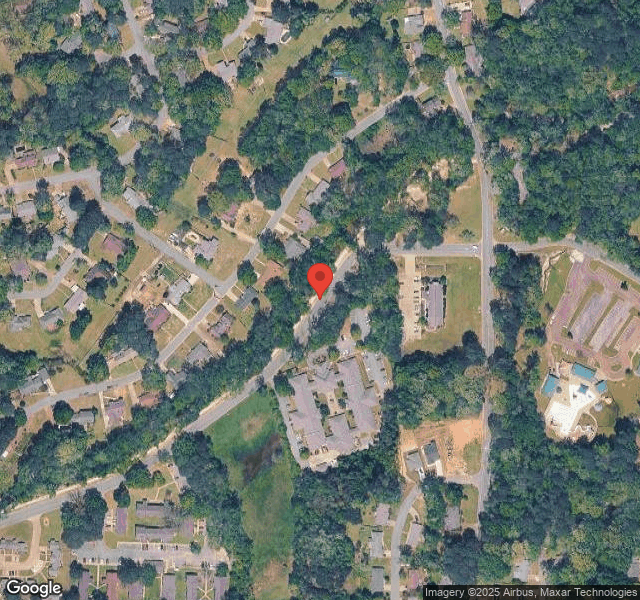
2701 TWIN RIVERS DRIVE, ARKADELPHIA, AR 71923 (870) 246-5566
For profit - Limited Liability company 100 Beds NIGHTINGALE Data: November 2025
Trust Grade
70/100
#70 of 218 in AR
Last Inspection: June 2024

Within standard 12-15 month inspection cycle. Federal law requires annual inspections.

Overview

Nightingale at Arkadelphia has a Trust Grade of B, which indicates it is a good facility, solid but not exceptional. It ranks #70 out of 218 nursing homes in Arkansas, placing it in the top half of facilities statewide, and #1 out of 2 in Clark County, meaning it is the best local option available. The facility is improving, having reduced its issues from 8 in 2023 to just 1 in 2024. Staffing is rated 4 out of 5 stars, with turnover at 52%, which is around the state average, indicating a fairly stable workforce. Although there have been no fines, recent inspections revealed concerns such as the failure to maintain clean kitchen equipment, which could risk foodborne illness, and the presence of expired food items, potentially affecting many residents. Overall, while there are strengths in staffing and no fines, families should be aware of the food safety issues noted in recent inspections.

Trust Score
B
70/100
In Arkansas
#70/218
Top 32%
Safety Record
Low Risk
No red flags
Inspections
Getting Better
8 → 1 violations
Staff Stability
⚠ Watch
52% turnover. Above average. Higher turnover means staff may not know residents' routines.
Penalties
✓ Good
No fines on record. Clean compliance history, better than most Arkansas facilities.
Skilled Nurses
⚠ Watch
Each resident gets only 28 minutes of Registered Nurse (RN) attention daily — below average for Arkansas. Fewer RN minutes means fewer trained eyes watching for problems.
Violations
⚠ Watch
21 deficiencies on record. Higher than average. Multiple issues found across inspections.
★★★★☆
4.0
Overall Rating
★★★★☆
4.0
Staff Levels
★★★☆☆
3.0
Care Quality
★★★★☆
4.0
Inspection Score
Stable
2023: 8 issues
2024: 1 issues

The Good

  • 4-Star Staffing Rating · Above-average nurse staffing levels
  • Full Sprinkler Coverage · Fire safety systems throughout facility
  • No fines on record

Facility shows strength in staffing levels, fire safety.

The Bad

Staff Turnover: 52%

Near Arkansas avg (46%)

Higher turnover may affect care consistency

Chain: NIGHTINGALE

Part of a multi-facility chain

Ask about local staffing decisions and management

The Ugly 21 deficiencies on record

Jun 2024 1 deficiency
CONCERN (E)

Potential for Harm - no one hurt, but risky conditions existed

Deficiency F0582 (Tag F0582)

Could have caused harm · This affected multiple residents

Based on interview, record review, and policy review, the facility failed to ensure a refund was received by the resident or responsible party within 30 days from the date of discharge for 6 residents...

Read full inspector narrative →
Based on interview, record review, and policy review, the facility failed to ensure a refund was received by the resident or responsible party within 30 days from the date of discharge for 6 residents (Residents #277, #278, #279, #281, #282 and #284). The findings are: 1. The Surveyor reviewed the Discharge Minimum Data Set (MDS) of Resident #277, and it showed Resident #277 was discharged on 03/27/2024. Resident #277's balance as of 06/18/2024 was $8.00 as listed on the Trial Balance form. 2. The Surveyor reviewed the Discharge MDS of Resident #278 and it showed Resident #278 was discharged on 10/08/2023. Resident #278's balance as of 06/18/2024 was $520.00 as listed on the Trial Balance form. 3. The Surveyor reviewed the Discharge MDS of Resident #279 and it showed Resident #279 was discharged on 04/16/2024. Resident #279's balance as of 06/18/2024 was $598.37 as listed on the Trial Balance form. 4. The Surveyor reviewed the Discharge MDS of Resident #281 and it showed Resident #281 was discharged on 01/09/2024. Resident #281's balance as of 06/18/2024 was $100.21 as listed on the Trial Balance form. 5. The Surveyor reviewed the Discharge MDS of Resident #282 and it showed Resident #282 was discharged on 03/13/2024. Resident #282's balance as of 06/18/2024 was $0.22 as listed on the Trial Balance form. 6. The Surveyor reviewed the Discharge MDS of Resident #284 and it showed Resident #284 was discharged on 01/16/2024. Resident #284's balance as of 06/18/2024 was $63.08 as listed on the Trial Balance form. 7. The Surveyor reviewed the Discharge MDS of Resident #284 which revealed Resident #284 was discharged on 01/16/2024. a. On 06/19/2024 at 10:25 AM, a review of resident trust account balances on form titled Trial Balance revealed 6 Residents had balances that were at 30 days and over since the resident's discharged . b. On 06/20/2024 at 10:30 AM, the Surveyor interviewed the Business Office Manager (BOM) regarding the 6 accounts that had a balance and had been discharged over 30 days. The BOM was asked, can you explain why these accounts are still open? The BOM indicated she had asked her consultant, and I don't know. The BOM was asked when a resident is discharged from the facility how long does the facility have to return the money? The BOM indicated 30 days. c. On 06/20/2024 at 11:15 AM, during an interview with the Administrator about Resident Funds, the Administrator was asked when a resident discharges from the facility, how long does the facility have to return the resident's money. The Administrator indicated 30 days. d. An untitled Policy regarding Resident Accounts was provided by the Administrator on 06/20/2024 at 12:14 PM, the policy stated, .Conveyance of Funds upon death. Upon the death of a Resident/Elder, all money and valuables entrusted to the nursing facility will be surrendered in exchange for a signed receipt. The funds deposited with the nursing facility, and a final accounting of the Resident/Elder's funds, will be conveyed to the individual or probate jurisdiction administering the Resident/Elder's estate within 30 days.
Aug 2023 5 deficiencies
CONCERN (D)

Potential for Harm - no one hurt, but risky conditions existed

Safe Environment (Tag F0584)

Could have caused harm · This affected 1 resident

**NOTE- TERMS IN BRACKETS HAVE BEEN EDITED TO PROTECT CONFIDENTIALITY** Based on observation and interview, the facility failed to repair water damage in the wall of 1 (Resident room [ROOM NUMBER]) of...

Read full inspector narrative →
**NOTE- TERMS IN BRACKETS HAVE BEEN EDITED TO PROTECT CONFIDENTIALITY** Based on observation and interview, the facility failed to repair water damage in the wall of 1 (Resident room [ROOM NUMBER]) of 1 room on the East Hall. The findings are: 1. On 08/28/23 at 11:06 AM, observed Resident room [ROOM NUMBER] a damaged section of wall behind the B bed. The section measured 5 inches in height and 24 inches in width. The molding at the foot of the wall below the damaged portions had brown stains. There were additional brown stains on the floor. When touched, the material in the damaged section of the wall crumbled easily. 2. On 08/29/23 at 12:59 PM, observed in Resident room [ROOM NUMBER] the damage to the wall remained unchanged. 3. On 08/30/23 at 8:54 AM, observed in Resident room [ROOM NUMBER] the damage to the wall remained unchanged. 4. On 08/31/23 at 9:10 AM, the Surveyor accompanied the Director of Operations to Resident room [ROOM NUMBER]. The Director of Operations observed the damaged section of the wall and stated it was likely water damage caused by a malfunctioning air conditioning unit. Observed in the shower room, next to Resident room [ROOM NUMBER] a damaged section of tiles in the shower stall on the opposite side of the wall from the damage in Resident room [ROOM NUMBER]. The Director of Operations stated they would ensure it was repaired. 5. On 08/31/23 at 11:25 AM, the Administrator provided a policy titled, Housekeeping and Maintenance . The policy documented, .Maintenance .The nursing facility provides maintenance services to assure maintenance of the physical plant.
CONCERN (E)

Potential for Harm - no one hurt, but risky conditions existed

Comprehensive Care Plan (Tag F0656)

Could have caused harm · This affected multiple residents

Based on observation, record review and interview, the facility failed to implement the plan of care for 1 (Resident #53) of 1 sampled resident who had a fall in the last 60 days. The findings are: 1....

Read full inspector narrative →
Based on observation, record review and interview, the facility failed to implement the plan of care for 1 (Resident #53) of 1 sampled resident who had a fall in the last 60 days. The findings are: 1. On 08/28/23 at 11:32 AM, observed Resident #53 was sitting in a Geri chair beside the bed. A pressure alarm (chair alarm) was on the recliner in the resident's room, not in use. There was not a helmet, fidget lap pad, or activity rack with movable balls in or around the resident's room during the observation. The resident had a low bed in the room. 2. On 08/29/23 at 8:14 AM, observed a chair alarm lying in the recliner seat in Resident #53's room. There was not an activity rack with movable balls in the room. Resident #53 was sitting in a Geri chair at the doorway in the Dining Room. The resident did not have a helmet, chair alarm, or fidget lap pad on or near the resident. 3. On 08/29/23 at 11:13 AM, Resident #53 was sitting in a Geri chair at the Nurse's Station. The resident did not have a helmet, chair alarm, or fidget lap pad on. Observed a chair alarm in the recliner in the resident's room. There was not an activity rack with movable balls in the room. 4. On 08/30/23 at 8:15 AM, Resident #53 was in a Geri chair eating breakfast. There was no helmet, activity rack or mattress in the floor with a fall mat on each side in the room. 5. A Care Plan with the revision date of 08/23/23 noted Resident #53 was a high risk for falls and was to have his mattress on the floor with fall mats on both sides, or a low bed; a fidget lap pad, activity rack with movable balls to provide activities while providing diversions and distractions to minimize the potential for falls; a helmet, and a pressure alarm when in the Geri chair to alert staff of attempts to get out of the chair. 6. On 08/29/23 at 11:28 AM, the Surveyor accompanied Certified Nursing Assistant (CNA) #1 to Resident #53's room. The Surveyor asked CNA #1 to locate in the room a helmet, an activity rack with balls, and a chair alarm. CNA #1 stated, It's not in here. CNA #1 went to where the resident was sitting and stated, It's not out here either. The Surveyor asked if she had seen any of the interventions mentioned. CNA #1 stated, No ma'am, the resident hasn't had any of those interventions. 7. On 08/29/23 at 11:30 AM, the Surveyor accompanied Licensed Practical Nurse (LPN) #1 to Resident #53's. The Surveyor asked LPN #1 to locate in the room a helmet, an activity rack with balls, or a chair alarm. LPN #1 located the chair alarm lying in the recliner and stated, I can't see any of the other stuff. LPN #1 went to the Dayroom and stated, I don't see any of those out here either. 8. On 08/29/23 at 12:22 PM, a family member was assisting Resident #53 to eat lunch. The family member asked, Where did this come from? (Pointing to a brown helmet lying on the bed.) I visit every day to feed him, and he has never had that. 9. On 08/31/23 at 9:38 AM, during an interview, the DON confirmed the interventions were put in place to prevent the incident from reoccurring. 10. A facility policy titled, Accident Hazards Prevention, provided by the Administrator on 08/31/23 at 10:53 AM documented, .It is important that all facility staff understand the facility's responsibility, as well as their own, to ensure the safest environment possible for residents . An effective way for the facility to avoid accidents is to develop a culture of safety and commit to implementing systems that address resident risk and environmental hazards to minimize the likelihood of accidents . The resident will be assessed upon admission and through the MDS [Minimum Data Set] process to individualize care plan interventions.
CONCERN (E)

Potential for Harm - no one hurt, but risky conditions existed

ADL Care (Tag F0677)

Could have caused harm · This affected multiple residents

Based on observation, record review and interview, the facility failed to ensure nailcare was regularly provided for 2 (Residents #20 and #22) of 4 (Residents #20, #22, #53 and #57) sampled residents ...

Read full inspector narrative →
Based on observation, record review and interview, the facility failed to ensure nailcare was regularly provided for 2 (Residents #20 and #22) of 4 (Residents #20, #22, #53 and #57) sampled residents who required staff assistance with nail care on the 200 Hall. The findings are: 1. On 08/28/23 at 4:15 PM, Resident #20's fingernails were long with a dark brown substance under them. a. On 08/29/23 at 8:53 AM, Resident #20 was eating breakfast in the Dining Room. Resident #20's fingernails were long with a dark brown substance under them. The resident was eating and holding food with his fingers. b. On 08/30/23 at 8:50 AM, Resident #20 was lying in bed. Resident #20's had a dark brown substance under his fingernails, and his fingernails had an odor. c. A Care Plan with a revision date of 02/06/19 noted Resident #20 required extensive assistance - dependent on one staff person with bathing. d. A Care Plan with a revision date of 07/06/23 noted Resident #20 had potential/actual impairment to skin integrity and his fingernails were to be kept short. e. On 08/30/23 at 8:50 AM, the Surveyor asked Certified Nursing Assistant (CNA) #1 to look at Resident #20's fingernails. CNA #1 stated, They need cut and cleaned. The Surveyor asked who was responsible for providing nail care. CNA #1 stated, Nurses do for diabetics. f. On 08/30/23 at 8:52 AM, the Surveyor asked Registered Nurse (RN) #1 to describe Resident #20's fingernails. RN #1 stated, There is some dark brown substance under them. I will clean them now. 2. On 08/28/23 at 12:27 PM, Resident #22 was lying in the bed. Resident #22 had a dark brown dried substance under his fingernails. a. On 08/29/23 at 8:12 AM, Resident #22 had a dark brown dried substance under his fingernails. b. On 08/30/23 at 8:50AM, Resident #22 was lying in bed. Resident #22's fingernails had a dark brown substance under his fingernails. c. A Care Plan with a revision date of 02/10/20 noted Resident #22 required total assistance of one staff person with bathing and personal hygiene. d. On 08/30/23 at 8:53 AM, the Surveyor asked CNA #2 to describe Resident #22's fingernails. CNA #2 stated, They are long and have skin under them. He has a skin condition, and he scratches. The Surveyor asked how often nail care was provided. CNA #2 stated, Shower Day and in between. The Surveyor asked what the color under the fingernails was. CNA #2 stated, Dark brown. 3. On 08/31/23 at 9:38 AM, the Surveyor asked the Director of Nursing (DON) who was responsible for resident nail care. The DON stated, Diabetics are the nurses, CNAs do the others. The Surveyor asked how often she expected nail care to be provided. She stated, Shower days and as needed. 4. On 08/31/23 at 1:40 PM, the DON stated there was no policy for nail care. We go by the care plan.
CONCERN (E)

Potential for Harm - no one hurt, but risky conditions existed

Deficiency F0919 (Tag F0919)

Could have caused harm · This affected multiple residents

Based on observation, interview, and record review, the facility failed to ensure call devices were available and within reach for 1 (Resident #27) of 14 (Residents #3, #7, #12, #14, #15, #20, #22, #2...

Read full inspector narrative →
Based on observation, interview, and record review, the facility failed to ensure call devices were available and within reach for 1 (Resident #27) of 14 (Residents #3, #7, #12, #14, #15, #20, #22, #27, #39, #44, #53, #57, #62 and #274) sampled residents residing on the East Hall. The findings are: 1. On 08/28/23 at 11:10 AM, Resident #27 was lying in bed. The call device was lying in the floor behind the bedside table four feet from the resident's bed. a. On 08/29/23 at 1:31 PM, Resident #27 was lying in bed. The call device had not been moved from its position on the floor behind the bedside table. b. On 08/30/23 at 3:14 PM, Resident #27 was lying in bed. The call device had not been moved from its position on the floor behind the bedside table. c. On 08/30/23 at 3:30 PM, the Surveyor asked Certified Nursing Assistant (CNA) #3 if Resident #27 had the call device within reach. CNA #3 stated, No, I'm not usually on this hall. I'll get it fixed. d. The Care Plan with an initiated date of 12/20/16 and the last revision made on 08/29/23 noted Resident #27 was at risk for falls and had had 7 falls in the past and had the potential for developing pressure ulcers. Resident #27's needs were to be anticipated and met by staff and two staff needed to change his position at least every 2 hours. A Care plan, last revised on 2/21/22 noted Resident #27 will remove bed linens and throw them on the floor, with an intervention to remake the bed. e. On 08/30/23 at 12:40 PM, the Administrator informed the Surveyor the facility did not have a policy on call devices and relied on the individual resident's care plan.
CONCERN (F)

Potential for Harm - no one hurt, but risky conditions existed

Food Safety (Tag F0812)

Could have caused harm · This affected most or all residents

Based on observation and interview, the facility failed to ensure 1 ice machine and 1 scoop holder were maintained in clean and sanitary condition to prevent contamination of airborne particles; foods...

Read full inspector narrative →
Based on observation and interview, the facility failed to ensure 1 ice machine and 1 scoop holder were maintained in clean and sanitary condition to prevent contamination of airborne particles; foods stored in the dry storage area refrigerator and freezer were covered and sealed to minimize the potential for food borne illness for residents who received meals from 1 of 1 kitchen; expired food items were promptly removed from stock to prevent potential food borne illness for residents who received meal trays from 1 of 1 kitchen; foods were dated the day received to assure first in, first out usage to prevent potential for food bone illness; door frames and floor tiles were free of chips, stains and rust and were maintained in clean sanitary conditions, and dietary staff washed their hands before handling clean equipment or food items to prevent potential food borne illness for residents who received meals from 1 of 1 kitchen. These failed practices had the potential to affect 70 residents who received meals from the kitchen, (total census: 73), as documented on a list provided by the Dietary Supervisor on 08/31/23 at 9:01 AM. The findings are: 1. On 08/28/23 at 10:18 AM, an opened gallon of whole milk was on a shelf in the walk-in refrigerator. There was no opened or received date on the container. 2. On 08/28/23 at 10:19 AM, another opened gallon of whole milk was on a shelf in the walk-in refrigerator. There was no opened or received date on the container. 3. On 08/30/23 at 8:25 AM, the ice scoop holder on the wall by the ice machine had a buildup of pink residue at the bottom of it and the ice scoop was in direct contact with the buildup. The Surveyor asked the Dietary Supervisor to wipe the inside of the ice scoop holder. She did so and stated it was pink residue. The Surveyor asked how often they cleaned the scoop holder. She stated, We clean it every night. The Surveyor asked if it looked like it had been cleaned every night. She stated, No. 4. On 08/30/23 at 8:29 AM, the ice machine panel had an accumulation of wet rusty residue on it. The Surveyor asked the Dietary Supervisor to wipe the panel. The rust residue easily transferred to the tissue. She stated, That was rust on it. I have told the maintenance man to remove the screws. We wipe it off every day. The Surveyor asked, Who uses the ice from the ice machine? She stated, That's the ice the CNAs [Certified Nursing Assistants] use for the water pitchers in the residents' rooms and the residents' beverages at the mealtimes. 5. On 08/30/23 at 8:37 AM, the following observations were made in the Storage Room: a. Two 24 ounce bags of crispy fried onions were on a shelf with an expiration date of 8/16/2023. b. A closed box that contained 24 bags of crispy fried onions on a shelf with an expiration date of 8/18/2023. 6. On 08/30/23 at 8:41 AM, an opened box of dinner rolls was on a shelf in the freezer. The box was not covered or sealed, and the dinner rolls were discolored. The Surveyor asked the Dietary Supervisor to describe the appearance of the rolls in the box. She stated, They look like they have been unthawed and refrozen. 7. On 08/30/23 at 8:45 AM, an opened box of sausage was on a shelf in the refrigerator. The box was not covered or sealed. 8. On 08/30/23 at 8:50 AM, an opened bag of classic roast coffee was on the tray below the counter where the tea and coffee maker were kept. 9. On 08/30/23 at 8:52 AM, the door frames leading to the Kitchen, Janitor's Closet, Dish Washing Machine rooms, the Storage Room by the freezer, and the door frames where boxes of thickened beverages were stored were chipped exposing the metal. The Storage Room floor was chipped in 8 different areas exposing the concrete. The door leading to the outside from the Storage Room was rusty. 10. On 08/30/23 at 9:09 AM, the following observations were made in the refrigerator at the Nurse's Station on the East Hall: a. A cup of pudding on a shelf had no lid on it. b. A container with 8 pieces of fried chicken had a Sell by date of 8/29/2023. c. A bowl that contained casserole has no name and or date when it was received. 11. On 08/30/23 at 9:19 AM, the following observations were made in the freezer at the Nurse's Station on the [NAME] Hall: a. Two hot pockets with no received date on the packets. b. An opened bag of fully cooked sausage links was not sealed. 12. On 08/30/23 at 9:21 AM, the following observations were made in the refrigerator. a. An opened bottle of iced tea was on a shelf. There was no name and no opened or received dates on the bottle. b. An opened 32 ounce bottle of strawberry lemonade was on a shelf, the bottle had no name and no opened or receive dates on the bottle. c. A box of fried chicken breast was on a shelf. There was no name and no opened or received dates on the box. The Surveyor asked the Dietary Supervisor to describe the appearance of the chicken. She stated, They look old. d. An opened bag of plain potato chips was in a bowl on a rack on the counter at the Nurse's Station. The bag was not sealed. e. There were 5 opened bags of cereal in a bowl on the counter. The bags were not sealed. 13. On 08/30/23 at 9:40 AM, the following observations were made in the unit cabinet: a. An opened 4 pound bag of granulated sugar was not sealed. b. An opened 4 pound bag of granulated sugar was not sealed. c. An opened 32 pound bag of dark brown sugar was not sealed. d. An opened 16 ounce box of sugar with an expiration date of 5/11/2023. e. A bag of instant mashed potato flakes with an expiration date of 2/25/2022. f. An opened box of salt was not covered. g. An opened bag of spaghetti was not covered. h. An opened container of garlic powder with no opened or received date on the container. i. A container of mustard with no opened or received date on the container. j. A opened container of ground nutmeg with no opened or received date on the container. k. A container of poppy seed with no opened or received date on the container. l. Opened bottle of pure vanilla extract with no opened or received date on the bottle. m. An opened 2 pound box of spaghetti. The box documented, Best by 11/28/2021. n. An opened box of rock salt with no opened or received date on the box. 14. On 08/30/23 at 9:58 AM, a deep rubber basin that contained ice that slightly melting was below a cart between the door leading to the kitchen. There was an opened half gallon of cultured low-fat buttermilk sitting on it. At 10:14 AM, the milk was in the deep basin on a cart in the walk-in refrigerator. The Surveyor asked the Dietary Employee (DE) #2 to check the temperature of the milk. She did and stated, It is 50 degrees Fahrenheit. I will throw it away. At 11:17 AM, the Surveyor asked DE #3 if he checked the temperature of the milk before taking it to the refrigerator. He stated, No, I didn't because it was on ice. I drained the ice off before I took it to the refrigerator. 15. On 08/30/23 at 10:11 AM, DE #1 turned on the hand washing sink faucet and washed her hands. After washing her hands, she used her bare hands to turn off the faucet. Without washing her hands, she picked up clean plates and placed them on the plate warmer with her fingers inside the plates. The Surveyor asked what she should have done after touching dirty objects, before handling clean equipment. She stated, I should have washed my hands. 16. The facility policy titled, Handwashing and Glove Usage in Food Service, provided by the Dietary Supervisor on 08/31/23 at 9:01 AM documented, . When Food Handlers must wash their hands: Before starting work . After touching anything else such as dirty equipment, work surfaces or cloths . Proper hand washing Procedure: . Use paper towel to turn off faucet.
Jul 2023 3 deficiencies
CONCERN (D) 📢 Someone Reported This

A family member, employee, or ombudsman was alarmed enough to file a formal complaint

Potential for Harm - no one hurt, but risky conditions existed

Free from Abuse/Neglect (Tag F0600)

Could have caused harm · This affected 1 resident

Based on interview and record review, the facility failed to protect 1 (Resident #1) of 3 (Residents #1, #2, and #3) sampled residents from verbal abuse. The findings are: 1. Resident #1 had diagnoses...

Read full inspector narrative →
Based on interview and record review, the facility failed to protect 1 (Resident #1) of 3 (Residents #1, #2, and #3) sampled residents from verbal abuse. The findings are: 1. Resident #1 had diagnoses of Unspecified Dementia, Unspecified Severity, without Behavioral Disturbance, Psychotic Disturbance, Mood Disturbance, and Anxiety. a. The Quarterly Minimum Data Set (MDS) with an Assessment Reference Date (ARD) of 06/24/23 indicated the resident had severe cognitive impairment. b. A review of the Care Plan with a revision date of 08/12/22 indicated Resident #1 had fair to poor safety awareness and required supervision/prompts/cues. c. An Incident Report dated 06/30/23 documented, .Certified Nursing Assistant (CNA) #1 stated, I was in the resident's bathroom when I overheard [CNA #2] bring [Resident #1] in and ask her, 'Why you threw that damn cup.' I heard her hit her twice and Resident #1 screamed, 'Oww '. d. On 07/11/23 at 9:15 AM, the Surveyor asked Licensed Practical Nurse (LPN) #2, What should you do if you see or hear a staff cursing or hitting a resident? She stated, Intervene, and stop them. Tell the person to get away from the resident. e. On 07/11/23 at 9:20 AM, the Surveyor asked CNA #3, What should you do if you see or hear a staff cursing or hitting a resident? CNA #3 stated, I usually report it to the nurse. Make sure the CNA is out of there and comfort the resident. f. On 07/11/23 at 9:28 AM, during a phone interview with CNA #1, the Surveyor asked, Can you tell me what happened when you witnessed [Resident #1] being abused? She stated, I heard [CNA #2] ask [Resident #1], 'Why you throw that damn cup.' I came out of [Resident #1 ' s] bathroom, and I went told the Administrator what happened. The Surveyor asked, When you left the bathroom who was in the room with [Resident #1]? She stated, Only [Resident #1]. [CNA #2] had left out of the room. I don't know if she had gone back to the Dining Room. The Surveyor asked, Can you tell me why you didn't stay in the room with [Resident #1] and call for help after you witnessed her being abused? She stated, I was so nervous because I never seen it done to anyone before. I just knew to report it. g. On 07/11/23 at 9:38 AM, the Surveyor asked LPN #3, What should you do if you see or hear a staff cursing or hitting a resident? She stated, First thing I'm going to do is get the resident from the situation and then report it. h. On 07/11/23 at 11:30 AM, the Surveyor asked LPN #4, What should you do if you see or hear a staff cursing or hitting a resident? She stated, Immediately intervene. Stop it, then report it. i. On 07/11/23 at 1:10 PM, the Surveyor asked Registered Nurse (RN) #1, What should you do if you see or hear a staff cursing or hitting a resident? She stated, I can't leave the resident. I got to do my best to call for assistance. I'll remove the resident if I'm able. If not, I'll have to stay with the resident. j. On 07/11/23 at 1:42 PM, the Surveyor asked CNA #4, What should you do if you see or hear a staff cursing or hitting a resident? She stated, Immediately make sure the resident is OK, then report it. The Surveyor asked, Should you leave the resident? She stated, No, if they're in a wheelchair I'm going to take them to the Nurses Station. k. On 07/11/23 at 2:42 PM, the Surveyor asked the Administrator, What should you do if you see or hear a staff cursing or hitting a resident? She stated, You jump right in and protect them. m. On 07/11/23 at 3:23 PM, the Surveyor asked the Director of Nursing (DON), What should you do if you see or hear a staff cursing or hitting a resident? She stated, Intervene. I would stop it. n. A facility policy titled, Preventing Resident Abuse, received from the Administrator on 07/11/23 at 10:24 AM documented, Your responsibility: To protect all residents from any form of abuse . o. A facility policy titled, Mandatory Education 2021, received from the Administrator on 07/11/23 at 10:55 AM documented, If you suspect abuse, neglect or exploitation, you are required to STOP IT, and REPORT IT immediately! If you witness a resident being abused or neglected, you should intervene and stop it if at all possible . Protect Resident .
CONCERN (D) 📢 Someone Reported This

A family member, employee, or ombudsman was alarmed enough to file a formal complaint

Potential for Harm - no one hurt, but risky conditions existed

Quality of Care (Tag F0684)

Could have caused harm · This affected 1 resident

Based on observation, interview and record review, the facility failed to ensure a resident was monitored by a nurse when receiving a breathing treatment for 1 (Resident #3) of 2 (Residents #2 and #3)...

Read full inspector narrative →
Based on observation, interview and record review, the facility failed to ensure a resident was monitored by a nurse when receiving a breathing treatment for 1 (Resident #3) of 2 (Residents #2 and #3) sampled residents who had an order for for breathing treatments. The findings are: 1. Resident #3 had a diagnosis of Chronic Systolic (Congestive) Heart Failure. The Quarterly Minimum Data Set (MDS) with an Assessment Reference Date (ARD) of 04/03/23 indicated Resident #3 had severe cognitive impairment. a. A Care Plan with an initiated and revision date of 04/11/23 indicated the resident had altered respiratory status and or shortness of breath and was to receive nebulizer treatments and was to be monitored for effectiveness and side effects. b. A Physicians Order dated 05/03/23 indicated Resident #3 was to receive an Albuterol updraft four times a time for shortness of breath. c. On 07/10/23 at 9:56 AM, Resident #3 was in his room with a nebulizer mask on his face receiving a breathing treatment. The nurse wasn't in the room. d. On 07/10/23 at 9:57 AM, Registered Nurse (RN) #1 was in the hallway getting medications out of the medication cart. The Surveyor asked, Can you tell me why you're not in the room with [Resident #3] while he's receiving a breathing treatment? She stated, If I'm wrong for being here and not in the room, I guess I'm mistaken. e. On 07/11/23 at 9:15 AM, the Surveyor asked Licensed Practical Nurse (LPN) #2, Should you leave a resident unattended if you are giving them a breathing treatment? She stated, No. The Surveyor asked, Can you tell me why it's important to stay with them when they are receiving a breathing treatment? She stated, To make sure they are receiving it correctly. f. On 07/11/23 at 9:38 AM, the Surveyor asked LPN #3, Should you leave a resident unattended if you are giving them a breathing treatment? She stated, No. The Surveyor asked, Can you tell me why it's important to stay with them when they are receiving a breathing treatment? She stated, Because it's a medication, and you're not to leave them when they're receiving a medication. g. On 07/11/23 at 11:30 AM, the Surveyor asked LPN #4, Should you leave a resident unattended if you are giving them a breathing treatment? She stated, No. The Surveyor asked, Can you tell me why it's important to stay with them when they are receiving a breathing treatment? She stated, Because they could put it down and not complete it. We used to monitor their pulse. h. On 07/11/23 at 1:10 PM, the Surveyor asked RN #1, Should you leave a resident unattended if you are giving them a breathing treatment? She stated, No, unless it's in their Care Plan The Surveyor asked, Can you tell me why it's important to stay with them when they are receiving a breathing treatment? She stated, Because they may take it off, or not get all the prescribed medication. Just for their general safety. i. On 07/11/23 at 3:20 PM, the Administrator reported that there is not a policy for nebulizer treatments. j. On 07/11/23 at 3:23 PM, the Surveyor asked the Director of Nursing (DON), Should you leave a resident unattended if you are giving them a breathing treatment? She stated, Not unless they have an order to self-administer, and they are care planned for it. I did do an in-service with the nurses on it? k. A review of a form titled, Medication Pass In-Service, documented, .10.Please note the nurse must remain in the resident's room while medication are administered via nebulizer ( .albuterol updrafts) Setting up the medication and leaving he room will be considered a medication error unless the resident has an order to self-administer his mediations .
CONCERN (F) 📢 Someone Reported This

A family member, employee, or ombudsman was alarmed enough to file a formal complaint

Potential for Harm - no one hurt, but risky conditions existed

Food Safety (Tag F0812)

Could have caused harm · This affected most or all residents

Based on observation and interview, the facility failed to ensure cooked food was discarded within 3 days; food was sealed and dated; food was thawed at appropriate temperatures and the floors were cl...

Read full inspector narrative →
Based on observation and interview, the facility failed to ensure cooked food was discarded within 3 days; food was sealed and dated; food was thawed at appropriate temperatures and the floors were cleaned in 1 of 1 kitchen. This failed practice had the potential to affect 68 residents according to a list provided by the Administrator on 07/11/23 at 2:59 PM. The findings are: 1. On 07/10/23 at 9:31 AM, the followings items were observed in the Kitchen with the Dietary Manager: a. In the refrigerator there was a pan of green beans dated 7/06/23 with a use by date of 7/09/23; a pan of green beans with corn dated 7/07/23 and a box of sausage uncovered without a date. b. In the sink were two large packs of ground beef thawing in hot water. c. On the floors were black spots, food crumbs, paper, dirt, and a cup. The Dietary Managers office floors were black and sticky. d. On the bottom rack of the steam table were food crumbs. 2. On 07/10/23 at 9:39 AM, the Surveyor asked the Dietary Manager, Who's responsible for cleaning and mopping the kitchen? She stated, Everybody. The Surveyor asked, When was the last time the floors were cleaned, and mopped? She stated, Supposed to be the night shift. The Surveyor asked, When was the last time your office was mopped? She stated, Last Thursday. The Surveyor asked, Do you think the floors are properly cleaned? She stated, No. 3. On 07/10/23 at 9:42 AM, the Surveyor asked the Dietary Manager, Can you tell me why the sausages are not sealed and dated? She looked in the refrigerator, then she stated, I'll make sure they do it. 4. On 07/11/23 at 2:07 PM, the Surveyor asked the Dietary Manager, How long should cooked food stay in the refrigerator before it is discarded? She stated, Three days. The Surveyor asked, How should you thaw ground beef? She stated, Under tap water. The Surveyor asked, Can you tell me why the ground beef was thawing in hot water yesterday? She stated, I know. I went back in there and corrected it. The Surveyor asked, Why is it important to not thaw food in hot water? She stated, To keep it from causing bacteria. The Surveyor asked, Can you tell me why the green beans dated 7/06/23 and documented to use by 7/09/23 were not discarded and still in the refrigerator yesterday. She stated, I was intending to throw it out, but hadn't gotten around to it. 5. On 07/11/23 at 2:15 PM, the Surveyor asked Kitchen Staff #1, How long should cooked food stay in the refrigerator before it is discarded? She stated, Three days. The Surveyor asked, How should you thaw ground beef? She stated, In the refrigerator. The Surveyor asked, Can you tell me why the ground beef was thawing in hot water yesterday? She stated, No, I didn't hear that. I didn't know they did that. The Surveyor asked, Why is it important to not thaw food in hot water? She stated, To keep it from spoiling. The Surveyor asked, Can you tell me why the green beans dated 7/06/23 and to use by 7/09/23 were not discarded and were still in the refrigerator yesterday? She stated, No, I had been the dishwasher, and didn't start cooking until yesterday. The Surveyor asked, How often is the kitchen cleaned, She stated, Everyday, supposed to be every shift. The Surveyor asked, Can you tell me why the floor was dirty, and had food crumbs on it yesterday? She stated, I don't know.
May 2022 12 deficiencies
CONCERN (D)

Potential for Harm - no one hurt, but risky conditions existed

Deficiency F0578 (Tag F0578)

Could have caused harm · This affected 1 resident

Based on record review, and interview the facility failed to ensure that an Advance Directive Acknowledgement and/or Advance Directive was in place for 1 of 1 sample (Residents #67) who record was rev...

Read full inspector narrative →
Based on record review, and interview the facility failed to ensure that an Advance Directive Acknowledgement and/or Advance Directive was in place for 1 of 1 sample (Residents #67) who record was reviewed for an advanced directive. The findings are: Resident #67 had diagnoses of Acute Respiratory Failure with Hypoxia, Heart Failure, Atrial Fib, Pleural Effusion and Dementia. The significant Change Minimum Set with an Assessment Reference Date of 5/4/22 documented the resident scored 10 (8-12 indicates cognitively intact) on a Brief Interview Mental Status. a. On 05/17/22 at 12:17 PM., a record review was done and there was no advance directive in the medical record. b. On 05/17/22 at 3:15 PM., the Administrator was asked for the resident's advanced directive, and she stated, He does not have one.
CONCERN (D)

Potential for Harm - no one hurt, but risky conditions existed

Safe Environment (Tag F0584)

Could have caused harm · This affected 1 resident

**NOTE- TERMS IN BRACKETS HAVE BEEN EDITED TO PROTECT CONFIDENTIALITY** Based on observation, record review, and interview, the facility failed to ensure there were no urine odors and the floor was cl...

Read full inspector narrative →
**NOTE- TERMS IN BRACKETS HAVE BEEN EDITED TO PROTECT CONFIDENTIALITY** Based on observation, record review, and interview, the facility failed to ensure there were no urine odors and the floor was clean to provide a sanitary and clean environment for 1 of 1 (Resident #10) who resided in Resident room [ROOM NUMBER]. The findings are: Resident #10 had diagnoses of Dementia with Behavioral Disturbance, Cerebral Palsy, Muscle Wasting/Atrophy, and General Muscle Wasting. The Quarterly Minimum Data Set with an Assessment Reference Date of 2/17/22 documented the resident scored 7 (0-7 indicates cognitively intact) on a Brief Interview Mental Status and required limited physical assistance of one-person for toilet use and personal hygiene and required one-person physical assistance with bathing. a. On 05/16/22 at 12:29 PM., the resident was self-propelling in wheelchair going to DR [Day Room], well groomed, alert, and not very conversational. There was a dark substance on the floor near to his bed. There was a urine odor at the door entrance and in the room. The roommate stated, He sits there and just pees [urinates] in his wheelchair. b. On 05/19/22 at 10:29 AM., the resident was out of room in the lobby. The resident's room smelled of urine and there was a black substance on the floor and a few spots of a brown substance on the floor on the resident's side of the room in front of the nightstand, and on the floor near the right side of the head of the bed. c. On 05/19/22, the Maintenance Employee accompanied the Surveyor to the room and was shown the area of black substance on the floor and the brown substances on the floor in front of the nightstand, and near the right side of the head of the bed on the floor. He also smelled the urine odor. He stated, I will pass this along to the Housekeeping Supervisor.
CONCERN (D)

Potential for Harm - no one hurt, but risky conditions existed

Assessment Accuracy (Tag F0641)

Could have caused harm · This affected 1 resident

Based on observation, record review, and interview, the facility failed to ensure a Quarterly MDS Assessment was accurate for 1 of 1 sample Resident #10 who was coded for the use of a restraint. The f...

Read full inspector narrative →
Based on observation, record review, and interview, the facility failed to ensure a Quarterly MDS Assessment was accurate for 1 of 1 sample Resident #10 who was coded for the use of a restraint. The findings are: Resident #10 had diagnoses of Dementia with Behavioral Disturbance, Cerebral Palsy, Muscle Wasting/Atrophy, and General Muscle Wasting. The Quarterly Minimum Data Set with an Assessment Reference Date of 02/17/2022 documented the resident scored 7 (0-7 indicates severely impaired) on a Brief Interview Mental Status and used a trunk restraint less than daily. b. On 05/19/22 at 10:29 AM., the resident was in the lobby and no truck restraint was in use. c. On 05/19/22 at 11:07 AM., the resident was in church service in the DR [Day Room] at this time and the was no restraint in place. d. On 05/19/22 at 11:15 AM., Certified Nursing Assistant (CNA) #1 was asked, Does this resident have any restraints? She stated, No. She was asked, Does he use a trunk restraint? She stated, No. e. On 05/19/22 at 11:17 AM., Licensed Practical Nurse, [LPN] #1 was asked if the resident used a restraint and she stated, No. f. On 05/19/22 at 12:40 PM., the MDS Coordinator was asked regarding the resident being coded on the MDS for having a trunk restraint on MDS. She stated, He does not have a restraint. I saw that when you all asked for the Resident Census and Condition. I could not get it off, it must have been a miss click. She was asked, Do you go and assess the resident, or from documentation of the nurses? She stated, I go sometimes, and sometimes from the nurses' documentation, I know I should go and do an assessment.
CONCERN (D)

Potential for Harm - no one hurt, but risky conditions existed

Comprehensive Care Plan (Tag F0656)

Could have caused harm · This affected 1 resident

Based on record review and interview, the facility failed to ensure the use of anticoagulants was documented on the care plan for 1 (Resident #44) of 3 (Resident #38, 34, 44) sampled residents who had...

Read full inspector narrative →
Based on record review and interview, the facility failed to ensure the use of anticoagulants was documented on the care plan for 1 (Resident #44) of 3 (Resident #38, 34, 44) sampled residents who had a Physician's Order for Anticoagulants. The findings are: Resident #44 had a Diagnosis of Presence of Cardiac Heart Valve. The admission Minimum Data Set with an Assessment Reference Date of 4/12/22 documented the resident scored 15 (13-15 indicates cognitive intact) on the Brief Interview for Mental Status (BIMS) and received Anticoagulant Medications for 6 days during the lookback period. a. A Physician's Order dated 4/6/22 documented, Eliquis Tablet 5 MG [milligrams] (Apixaban) Give 1 tablet by mouth two times a day for blood thinner. b. As of 5/18/2022 there was no documentation on the care plan of the use of an anticoagulant. c. On 05/18/22 at 02:34 PM., the Director of Nursing (DON) was asked, Should the use of anticoagulants be documented on the care plan? She answered, Yes.
CONCERN (D)

Potential for Harm - no one hurt, but risky conditions existed

Deficiency F0657 (Tag F0657)

Could have caused harm · This affected 1 resident

Based on observation, record review, and interview, the facility failed to ensure the Care Plan was revised to included Oral/Dental problems and that interventions for 1 of 1 (Resident #64) sample res...

Read full inspector narrative →
Based on observation, record review, and interview, the facility failed to ensure the Care Plan was revised to included Oral/Dental problems and that interventions for 1 of 1 (Resident #64) sample resident who had dental problems. The findings are: Resident #64 had diagnoses of Cerebrovascular Accident, Aphasia, Hemiplegia/Hemiparesis Right dominant Side, and Diabetes Mellitus II. The Quarterly Minimum Data Set with an Assessment Reference Date of 4/24/22 documented the resident was independent in cognitive skills per a Staff Assessment Mental Status, required limited to extensive assistance with activities of daily living self-performance skills with one-person physical assistance. a. On 05/17/22 at 09:23 AM., The resident was asked, Do you have any broken or missing teeth? He nodded head yes and gestured with his hand, then shows his teeth. There were broken and missing teeth on the top and bottom. He was asked, Do they hurt? The resident stated, Yes. He was asked If he had told someone about it? He nodded head yes. Licensed Practical Nurse (LPN) #3 was informed of the resident's teeth and that he said it hurt. She stated, I will tell the staff that does the appointments. b. On 05/19/22 at 12:40 PM., the MDS/Care Plan Coordinator was asked if Dental should be included on the resident's care plan since he has a problem with his teeth? She stated, Yes, it should. I can add it now. She was asked, Do you go to the resident's room to assess them when you do their assessments? She stated, I do sometimes, but go from the nurse's documentation, I should go.
CONCERN (D)

Potential for Harm - no one hurt, but risky conditions existed

Drug Regimen Review (Tag F0756)

Could have caused harm · This affected 1 resident

Based on record review and interview, the facility failed to ensure a gradual dose reduction for Trazadone was appropriately addressed by the Physician in a timely manner and included a documented rat...

Read full inspector narrative →
Based on record review and interview, the facility failed to ensure a gradual dose reduction for Trazadone was appropriately addressed by the Physician in a timely manner and included a documented rationale for disagreement with the Consultant Pharmacist recommendation to decrease Trazadone for 1 (Resident # 34) of 4 (Resident # 34, 68, 57, and 67) sample residents who had Pharmacy recommendations for March 2022. The findings are: 1. Resident # 34 had diagnoses of Schizophrenia, Bipolar Disorder, Depression, Hypothyroidism, and Unspecified Anemia. The Quarterly Minimum Data Set with an Assessment Reference Date of 03/23/22 documented the resident scored 15 (13-15 indicates cognitively intact) on a Brief Interview for Mental Status. a. The March 2022 Request for Reduction of Insomnia Medication documented, .Trazadone 100 mg [Milligrams] give 1 tablet by mouth at bedtime for insomnia since 12/15/21. May we implement the following order? Reduce to Trazadone 50 mg 1 tablet at bedtime. The Advanced Practice Nurse (APN) checked disagree and signed the form on 03/24/22. There was no rationale documented for the disagreement. b. The March, April, and May 2022 Medication Administration Record (MAR) documented, .Trazadone 100 mg 1 tablet po [by mouth orally] q [every] h/s [hour of sleep] .: was administered at bedtime daily. c. On 05/18/22 at 1:43 PM., the Director of Nursing (DON) was asked for documentation of rationale for APN disagreement for the gradual dose reduction of Trazadone on 03/24/22. At 2:22 PM the DON provided a copy of an APN note dated 05/18/22 at 2:03 p.m. 2. On 05/19/22 at 10:30 AM., the DON was asked if it is acceptable for the APN (Advanced Practical Nurse) not to document a rationale for declination of recommendations made by the Consultant Pharmacist and the DON stated, No. The DON was asked when the declination rationale should be documented and the DON stated, When the decision to decline the recommendation. 3. On 05/19/22 at 10:35 AM., Administrator was interviewed and asked if it is acceptable for the APN not to document a rationale for declination of recommendations made by the Consultant Pharmacist and the Administrator stated, No. The Administrator was asked when the declination rationale be documented and the Administrator stated, When reviewing it. 4. On 05/19/22 at 9:35 AM., the DON provided the facility Pharmaceutical Services policy and procedure that documented, . 3.The Consultant Pharmacist must report any irregularities to the attending physician and the Facility's Medical Director and Director of Nursing, and these reports must be acted upon in a timely manner established by the facility and not to exceed beyond the Consultant Pharmacist's next month's visit .the attending physician should document his or her rationale in Resident/Elder's medical record or within facility's electronic software .
CONCERN (E)

Potential for Harm - no one hurt, but risky conditions existed

Transfer Notice (Tag F0623)

Could have caused harm · This affected multiple residents

Based on record review and interview, the facility failed to notify the resident representative in writing of the reason for discharge in language they understand and send a copy of the notice to the ...

Read full inspector narrative →
Based on record review and interview, the facility failed to notify the resident representative in writing of the reason for discharge in language they understand and send a copy of the notice to the Ombudsman for 2 (Resident #22 and 68) of 3 (Resident #22, 76, 68) sampled residents who transferred to the hospital in the last 6 months. The findings are: 1. Resident #22 had a diagnosis of Quadriplegia. The Quarterly Minimum Data Set (MDS) with an Assessment Reference Date (ARD) of 03/11/22 documented the resident scored 15 (13-15 indicates cognitively intact) on the Brief Interview for Mental Status (BIMS). a. A Progress Note dated 01/22/22 documented, . Noted to have labored breathing at 22. Lungs sound wet. Temp elevated at 100. Pulse ox 81. O2 2l/NC [liters per nasal cannula] applied. APN (Advance Practice Nurse) notified. Orders rec'd [received] to send to local hospital ER [emergency room] for eval. [Evaluation] . Ambulance here to transport . b. A Discharge Return Anticipated MDS with an ARD of 01/22/22 documented discharge to acute hospital. c. On 05/17/22 02:26 PM., a Notice of Transfer/Discharge/Bed Hold form and Notification of the Ombudsman was requested from the Administrator for the hospital transfer on 01/22/22. She stated, I don't think anyone has been notifying the Ombudsman. d. On 05/17/22 at 03:15 PM., the Administrator stated, No one has notified the Ombudsman of any transfers since January [2022]. e. On 05/18/22 at 08:32 AM., the Administrator was asked to provide the Notice of Transfer/Discharge/Bed Hold form for the hospital transfer dated 1/22/22. f. On 05/18/22 at 09:46 AM., the Administrator stated, We do not have a Notice of Transfer/Discharge/Bed Hold form for her on that date. 2. Resident #68 had a diagnosis of Parkinson's Disease. The Significant Change in Status MDS with an ARD of 04/14/22 documented a score of 12 (8-12 indicates moderate impairment) on the Brief Interview for Mental Status (BIMS). a. An SBAR Communication Form (Situation, Background, Assessment, Recommendation) dated 01/17/22 documented, . altered mental status . weakness . b. A Progress Note dated 01/17/22 documented, . Spoke with ER. [Emergency room] Resident being admitted to hospital. Informed that resident also tested positive for COVID-19 . c. A Discharge Return Anticipated MDS with an ARD of 01/17/22 documented discharge to Acute Hospital. d. On 05/18/22 at 08:31 AM., the Administrator was asked to provide the Notice of Transfer/Discharge/Bed Hold form dated 01/7/22. She stated, We do not have one for 01/7/22. e. A Progress Note dated 04/1/22 documented, . doppler was preformed . verbally confirmed that resident had deep vein occlusion. resident was sent to [hospital] . f. A Discharge Return Anticipated MDS with an ARD of 04/1/22 documented discharge to Acute Hospital. g. A Notice of Transfer/Discharge/LOA with Bed Hold Policy form dated 04/1/22 documented, . discharged or Transferred for the following reason(s): a. The transfer or discharge is necessary for the resident's welfare and the resident's needs cannot be met in the facility . There was no specific reason for transfer documented on the form. There was no documentation of notification of the Ombudsman. 3. A Policy titled, Admission, Transfer, & Discharge which was provided by the Administrator on 05/18/22 at 12:30 PM documented, . the nursing facility will notify the Resident/Elder and if known, a family member or legal representative . in a language and manner understood . shall be in writing and shall include the reason for discharge . The nursing facility shall send a copy of the notice to a representative of the Office of the State Long Term Care Ombudsman . 4. On 05/18/22 at 02:34 PM., the Director of Nursing was asked, Should a Notice of Transfer/Discharge/Bed Hold form be provided to the resident representative with reason for transfer in writing? She answered, Yes. She was asked, Should the Ombudsman be notified of all transfers? She answered, Yes we are supposed to send a report monthly.
CONCERN (E)

Potential for Harm - no one hurt, but risky conditions existed

Deficiency F0625 (Tag F0625)

Could have caused harm · This affected multiple residents

Based on record review and interview, the facility failed to ensure the bed hold policy was provided to the resident or resident's representative at the time of transfer for 2 (Resident #22, 68) of 3 ...

Read full inspector narrative →
Based on record review and interview, the facility failed to ensure the bed hold policy was provided to the resident or resident's representative at the time of transfer for 2 (Resident #22, 68) of 3 (Resident #22, 76, 68) sampled residents who transferred to the hospital in the last 6 months. The findings are: 1. Resident #22 had a diagnosis of Quadriplegia. The Quarterly Minimum Data Set (MDS) with an Assessment Reference Date (ARD) of 03/11/22 documented the resident scored 15 (13-15 indicates cognitively intact) on the Brief Interview for Mental Status (BIMS). a. A Progress Note dated 01/22/22 documented, . Noted to have labored breathing at 22. Lungs sound wet. Temp elevated at 100. Pulse ox 81. O2 2l/NC [liters per nasal cannula] applied. APN (Advance Practice Nurse) notified. Orders rec'd [received] to send to local hospital ER [emergency room] for eval. [Evaluation] . Ambulance here to transport . b. A Discharge Return Anticipated MDS with an ARD of 01/22/22 documented discharge to acute hospital. c. On 05/18/22 at 08:32 AM., the Administrator was asked to provide the Notice of Transfer/Discharge/Bed Hold form for the hospital transfer dated 1/22/22. d. On 05/18/22 at 09:46 AM., the Administrator stated, We do not have a Notice of Transfer/Discharge/Bed Hold form for her on that date. 2. Resident #68 had a diagnosis of Parkinson's Disease. The Significant Change in Status MDS with an ARD of 04/14/22 documented a score of 12 (8-12 indicates moderate impairment) on the Brief Interview for Mental Status (BIMS). a. An SBAR Communication Form (Situation, Background, Assessment, Recommendation) dated 01/17/22 documented, . altered mental status . weakness . b. A Progress Note dated 01/17/22 documented, . Spoke with ER. [Emergency room] Resident being admitted to hospital. Informed that resident also tested positive for COVID-19 . c. A Discharge Return Anticipated MDS with an ARD of 01/17/22 documented discharge to Acute Hospital. d. On 05/18/22 at 08:31 AM., the Administrator was asked to provide the Notice of Transfer/Discharge/Bed Hold form dated 01/7/22. She stated, We do not have one for 01/7/22. e. A Progress Note dated 04/1/22 documented, . doppler was preformed . verbally confirmed that resident had deep vein occlusion. resident was sent to [hospital] . f. A Discharge Return Anticipated MDS with an ARD of 04/1/22 documented discharge to Acute Hospital. g. A Notice of Transfer/Discharge/LOA with Bed Hold Policy form dated 04/1/22 documented, . discharged or Transferred for the following reason(s): a. The transfer or discharge is necessary for the resident's welfare and the resident's needs cannot be met in the facility .
CONCERN (E)

Potential for Harm - no one hurt, but risky conditions existed

Deficiency F0790 (Tag F0790)

Could have caused harm · This affected multiple residents

Based on observation, record review, and interview, the facility failed to ensure that a dental assessment was done to ensure a resident with a dental issue was seen promptly by a dentist for (Residen...

Read full inspector narrative →
Based on observation, record review, and interview, the facility failed to ensure that a dental assessment was done to ensure a resident with a dental issue was seen promptly by a dentist for (Resident #64), of 7 sample Residents (#6 #10 #17 #21 #26 #58 #73), with dental concerns. The findings are: 1. Resident #64 had diagnoses of Cerebrovascular Accident, Aphasia, Hemiplegia/Hemiparesis Right dominant Side, and Diabetes Mellitus II. The Quarterly Minimum Data Set [MDS] with an Assessment Reference Date [ARD] of 4/24/22 with a Staff Assessment Mental Status [SAMS] of 0 (indicated independent in cognition), required limited to extensive assistance with activities of daily living self-performance skills with one-person physical assistance. a. 05/17/22 09:23 AM., An interview was conducted with the Resident. When asked, do you have any broken or missing teeth? He nodded head and gestured with his hand, Yes, shows teeth, there are broken missing teeth top and bottom. When asked do they hurt? Resident nods head and stated, Yes. When asked if he had told someone about it? He nodded head yes. Licensed Practical Nurse [LPN] #3 was informed of the resident's teeth and that he said it hurt. She stated, I will tell the staff that does the appointments. b. On 05/19/22 at 11:12 AM., The staff that does the appointments was interviewed and asked, if she did the appointments? She stated, Yes. When asked, if this Resident had an appointment? She stated, No. c. On 05/19/22 at 11:45 AM., Licensed Practical Nurse [LPN] #2 was asked, if it had ever been reported to her that the resident needed to see a dentist for missing teeth and painful teeth? She stated, No, the only pain I know of is in his right upper leg, and we had that X-Rayed. When asked, did any staff report to you that he needed a dental appointment? She stated, No, but I am sure we can get him set up for one. d. The Facility's Dental Services Policy was given by the Director of Nursing [DON] on 5/20/22 at 9:45 AM. The policy documented, The facility shall, if necessary, assist residents in making appointments and in arranging for transportation to and from the dental services locations.
CONCERN (E)

Potential for Harm - no one hurt, but risky conditions existed

Menu Adequacy (Tag F0803)

Could have caused harm · This affected multiple residents

Based on observation, record review and interview, facility failed to ensure meals were prepared and served according to the panned written menu to ensure that nutritionally balance meals were provide...

Read full inspector narrative →
Based on observation, record review and interview, facility failed to ensure meals were prepared and served according to the panned written menu to ensure that nutritionally balance meals were provided for the residents for 1 of 1 meal observed. This failed practice had the potential to affect 40 residents who received regular diets, 20 residents who received mechanical soft diets 6 residents who received pureed 3 residents who received pleasure tray from the kitchen, according to the List provided by the Dietary Supervisor, dated 5/17/2022 (Total Census 69) The findings are: 1. On 5/16/2022, the facility's menu documented for the residents on regular diets, mechanical soft diets and on pureed diets to receive ½ cup of ziti and 6 oz [ounces] of meat sauce. 2. On 5/16/2022 at 1:05 PM., The following observations were made during noon meal service: a. The Dietary Employee #2 used #12 scooper which is equivalent to 2 ½ to 3 oz to serve a single portion of meat sauce to the residents on regular diets, residents on mechanical soft diets and residents on pureed diets, instead of 6 oz of meat sauce as specified on the menu for each resident to receive 6 oz of meat sauce. b. The residents on pureed diets were served mashed potatoes, instead of pureed ziti as specified on the menu. c. On 5/17/2022 at 1:15 PM., Dietary Employee #2 was asked the reason residents on pureed diets were served mashed potatoes, instead of pureed ziti. He stated, I forgot to do it. He was asked what size of scoop you used to serve meat sauce to the residents on regular diets, residents on mechanical soft diets and residents on pureed diets. He stated, I used the scoop that was in the pan. The green scooper (#12 Scoop).
CONCERN (E)

Potential for Harm - no one hurt, but risky conditions existed

Deficiency F0805 (Tag F0805)

Could have caused harm · This affected multiple residents

Based on observation and interview, the facility failed to ensure pureed food items were blended to a smooth, lump free consistency to minimize the risk of choking or other complications for residents...

Read full inspector narrative →
Based on observation and interview, the facility failed to ensure pureed food items were blended to a smooth, lump free consistency to minimize the risk of choking or other complications for residents who required pureed diets for 1 of 1 meal observed, the failed practice had the potential to affect 6 residents who received pureed diets, as documented on the diet List provided by the Food Service Supervision 5/17/2022. 1. On 5/16/2022 at 11:32 AM., Dietary Employee #2 used 4 oz [ounce] spoon to place 10 servings of spaghetti sauce into blender and pureed. He poured the pureed into a pan. Covered with foil and places it in the oven. to be served to the residents on pureed diets for lunch. The mixture was gritty and not smooth. 2. On 5/16/2022 at 11:48 PM., Dietary Employee #2 used 4 Oz spoon to place 10 servings of vegetable blend into a blender and pureed. At 11:51 AM, he poured the pureed vegetable blend into a pan, covered with foil, and placed in the oven to be served the residents on pureed diets for lunch. The mixture was not smooth and there were pieces of vegetables visible in the mixture. 3. On 5/16/2022 at 11:59 AM., Dietary Employee #4 placed 12 servings of garlic bread into a blender, added water and pureed. At 12:03 PM, he added 1/8 s cup of thickener and pureed it. At 12:06 PM, he poured the pureed bread into a pan, and the consistency was lumpy and not smooth. 4. On 5/16/2022 at 1:06 PM., Certified Nursing Assistant (CNA) #1 who was assisting a resident in the dining room on 200 Hall was asked to describe the consistency of the pureed food items served to the residents on pureed diets. She stated, Pureed beef sauce was gritty and pureed vegetable has pieces of vegetables in it. 5. On 5/16/2022 at 1:15 PM., Dietary Employee #3 was asked to describe the consistency of the pureed food items served to the residents on pureed diets at the lunch meal. She stated, You can see pieces of vegetables in the mixture. There were pieces of meat in the mixture and pureed bread was lumpy.
CONCERN (F)

Potential for Harm - no one hurt, but risky conditions existed

Food Safety (Tag F0812)

Could have caused harm · This affected most or all residents

**NOTE- TERMS IN BRACKETS HAVE BEEN EDITED TO PROTECT CONFIDENTIALITY** 15. On 05/16/22 at 12:14 PM., six ceiling fans over the tables in the Main Dining Room had an accumulation of dust on the blades...

Read full inspector narrative →
**NOTE- TERMS IN BRACKETS HAVE BEEN EDITED TO PROTECT CONFIDENTIALITY** 15. On 05/16/22 at 12:14 PM., six ceiling fans over the tables in the Main Dining Room had an accumulation of dust on the blades. 16. On 05/16/22 at 12:48 PM., the Steam Table was set up in the Main Dining Room. During meal service in the Main Dining room, the staff members touched the food surface of every plate with their thumbs. 17. On 05/17/22 at 10:56 AM., six ceiling fans over the tables in the Main Dining Room had an accumulation of dust on the blades. 18. On 05/18/22 at 08:16 AM., six ceiling fans over the tables in the Main Dining Room had an accumulation of dust on the blades. 19. On 05/18/22 at 09:58 AM., the Housekeeping Supervisor was asked to provide the schedule for cleaning the ceiling fans in the Main Dining Room. He stated, We are supposed to clean them on Monday, Wednesday, and Friday, but they haven't been done in a long time because I haven't had the staff. He was asked, What could happen if the ceiling fans in the Main Dining Room have an accumulation of dust? He answered, It could fall in the food and contaminate it. 20. On 05/18/22 at 12:31 PM., the Dietary Manager was asked, What could happen if there was dust accumulation on the ceiling fans in the dining room? He answered, It could fall off and get in the food. He was asked, Should the staff touch the food surfaces of the plates during meal service? He answered, I'm going to say no. He was asked, What could happen if the staff touched the food surface of the plates during meal service? He answered, Cross contamination. 21. On 05/18/22 at 02:34 PM., the Director of Nursing (DON) was asked, What could happen if there was dust accumulation on the ceiling fans in the dining room? She answered, It could get in the food. She was asked, Should staff touch the food surface of a plate during meal service? She answered, If they wash their hands and not touch the food it should not be an issue. Based on observation and interview, the facility failed to ensure dietary staff washed their hands before handling clean equipment or food items, food items stored in the freezer were covered or sealed, leftover food items were used by its use-by date to maintain food quality and expired food items were promptly removed/discarded by the expiration or use by dates, six ceiling fans in the Main Dining Room were clean and free from dust, and staff members did not touch the food surfaces of plates with their fingers and thumbs during meal service to prevent the potential for contamination and food borne illness in 1 of 1 kitchen and dining room. These failed practices had the potential to affect 69 residents who received meals from the kitchen (total census: 69), as documented on a list provided by the Dietary Supervisor on 5/17/2022 at 3:23 PM. The findings are: 1. On 5/16/2022 at 9:48 AM., Dietary Employee #2 Picked a bag of bread from a rack and placed it on the counter. She opened the refrigerator, took out a container of pimento cheese, and place it on the counter. Without washing her hands, she untied the bread bag, removed sliced of bread from the bag, and placed them on a plate. She used a 4 0z [ounce] spoon to place a serving of pimento cheese on a slice of bread and top it with another slice of bread to be served to the resident who requested for pimento cheese sandwich. 2. On 5/16/2022 at 9:49 AM., the right interior panel of the ice machine in the kitchen had an area of wet colored residue. Dietary Supervisor was asked to wipe the residue inside the ice machine. He did so, and the rust-colored substance easily transferred to the tissue. He was asked, How often do you clean the ice machine? She stated, Once a week. He was asked who used the ice from the machine? She stated, That's the ice the CNA's [Certified Nursing Assistants] use to fill the water pitchers in the residents' rooms. 3. On 5/16/2022 at 9:51 AM., a zip lock bag that contained leftover scrambled eggs and left-over sausage was stored on a shelf in a refrigerator. Dietary Employee #2 was asked, What you do with leftover scrambled eggs and sausage? He stated, We use it tomorrow for pureed foods. 4. On 5/16/2022 at 9:53 AM., an opened box of sausage on a shelf in the walk-in refrigerator was not covered or sealed. An opened box of cookie dough and a box of biscuit dough on a shelf in the walk-in freezer were not covered or sealed. 5. On 5/16/2022 at 10:06 AM., an opened box of corn starch on a shelf in the storage room was not covered or sealed. 6. On 5/16/2022 at 10:12 AM., Dietary Employee #1 was wearing gloves on her hands. She pushed a cart towards the counter. Without changing gloves and washing her hands, she began picking up bowls for the residents' dessert for lunch, with her gloved fingers touching the interior surfaces of the bowls. 7. On 5/16/2022 at 10:30 AM., Dietary Employee #1 pushed a cart that contained a pan of mixed fruits towards the counter. Without washing her hands, she picked up a clean blade and attached it the base of the blender to be used in pureeing foods to be served to the residents on pureed diets. She was asked what should have done after touching dirty objects and before handling clean equipment? She stated, I should have washed my hands. 8. On 5/16/2022 at 10:59 AM., Dietary Employee #3 turned on the faucet and washed her hands, after washing her hands, she turned off the faucet with her bare hands, contaminating her hands. Dietary Employee #3, dried her hands with tissue paper, moved to the clean side in dish washing area and without washing her hands picked up clean dishes from the dish rack and stacked them on a clean cart, touching the clean plates with her hands. 9. On 5/16/2022 at 11:04 AM., Dietary Employee #3 turned on the faucet and washed her hands. After washing her hands, she turned off the sink faucet with her bare hands, contaminating her hands. She dried her hands with tissue paper, moved to the clean side in dish washing area and without washing her hands, she picked up clean dishes from the dish rack and stacked them on a clean cart, touching the clean plates with her hands. Dietary Employee immediately was asked, What should have done after touching dirty objects and before handling clean equipment? She stated, I should have washed my hands. 10. On 5/17/2022 at 8:19 AM., the following observations were made in the freezer and or on top of the freezer on east nurses' station: a. A box of Blue Bell Ultimate Neapolitan Ice Cream was stored on a shelf in the refrigerator. There was no date when it was opened. The ice cream was frosted and discolored. Dietary Supervisor was asked to describe the appearance of the ice cream. He stated. It was frosted. It looked like it has been there forever. b. One box of vegetable fried rice was on top of the refrigerator. The vegetable fried rice had a use by date of 4/14/2022. There was no name on the box or date when it was received. c. An opened box of field day whole grain bran plus cereal on top of the refrigerator was not covered or sealed. 11. On 5/17/2022 at 8:38 AM., the following observations were made in the freezer on [NAME] Nurses station a. A bag of Great Value [NAME] Sandwich was stored on a shelf in the freezer. The bag had a use by date of 4/22/2022. 12. On 5/17/2022 at 8:43 AM., the following observations were made in the Unit refrigerator. a. A clear bag that contained slices of ham was stored on a shelf in the refrigerator. The bag had an expiration date of 4/22/2022. b. A clear bag that contained a slice of cheese was stored on a shelf in the refrigerator. The bag had an expiration date of 4/21/2022. The cheese was dried. 13. On 05/17/2022 at 8:48 AM., the following observations were made in the cabinet in the unit kitchenette: a. An opened box of Pearl [NAME] Company Buttermilk complete mix was stored in the cabinet in the kitchenette. The box was not covered. b. An opened box of plain salt was stored in the cabinet. The box was not covered. c. An opened bags of Luzonians Tea were stored in the cabinet. The bags were not sealed. 14. The facility policy on hand washing provided by Dietary Supervisor on 5/17/2022 at 3:23 PM under when to wash hands, documented. Food handlers must wash hands before preparing food or working with clean equipment and utensils. They must also wash their hands before putting on single use gloves. When touching anything else that may contaminate hands, such as dirty equipment, work surface or cloths.
Understanding Severity Codes (click to expand)
Life-Threatening (Immediate Jeopardy)
J - Isolated K - Pattern L - Widespread
Actual Harm
G - Isolated H - Pattern I - Widespread
Potential for Harm
D - Isolated E - Pattern F - Widespread
No Harm (Minor)
A - Isolated B - Pattern C - Widespread

Questions to Ask on Your Visit

  • "Can I speak with families of current residents?"
  • "What's your RN coverage like on weekends and overnight?"

Our Honest Assessment

Strengths
  • • No major safety red flags. No abuse findings, life-threatening violations, or SFF status.
  • • No fines on record. Clean compliance history, better than most Arkansas facilities.
Concerns
  • • 21 deficiencies on record. Higher than average. Multiple issues found across inspections.
Bottom line: Mixed indicators with Trust Score of 70/100. Visit in person and ask pointed questions.

About This Facility

What is Nightingale At Arkadelphia's CMS Rating?

CMS assigns NIGHTINGALE AT ARKADELPHIA an overall rating of 4 out of 5 stars, which is considered above average nationally. Within Arkansas, this rating places the facility higher than 99% of the state's 100 nursing homes. This rating reflects solid performance across the metrics CMS uses to evaluate nursing home quality.
How is Nightingale At Arkadelphia Staffed?

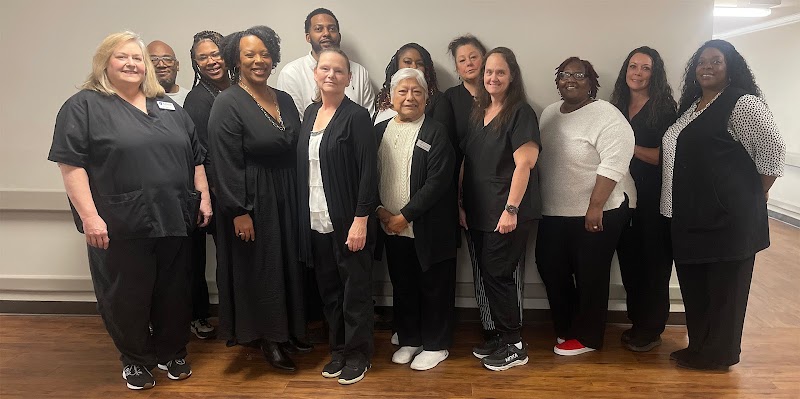
CMS rates NIGHTINGALE AT ARKADELPHIA's staffing level at 4 out of 5 stars, which is above average compared to other nursing homes. Staff turnover is 52%, compared to the Arkansas average of 46%.

What Have Inspectors Found at Nightingale At Arkadelphia?

State health inspectors documented 21 deficiencies at NIGHTINGALE AT ARKADELPHIA during 2022 to 2024. These included: 21 with potential for harm.
Who Owns and Operates Nightingale At Arkadelphia?

NIGHTINGALE AT ARKADELPHIA is owned by a for-profit company. For-profit facilities operate as businesses with obligations to shareholders or private owners. The facility is operated by NIGHTINGALE, a chain that manages multiple nursing homes. With 100 certified beds and approximately 72 residents (about 72% occupancy), it is a mid-sized facility located in ARKADELPHIA, Arkansas.
How Does Nightingale At Arkadelphia Compare to Other Arkansas Nursing Homes?

Compared to the 100 nursing homes in Arkansas, NIGHTINGALE AT ARKADELPHIA's overall rating (4 stars) is above the state average of 3.1, staff turnover (52%) is near the state average of 46%, and health inspection rating (4 stars) is above the national benchmark.

What Should Families Ask When Visiting Nightingale At Arkadelphia?

Based on this facility's data, families visiting should ask: "Can I visit during a mealtime to observe dining assistance and food quality?" "How do you handle medical emergencies, and what is your hospital transfer rate?" "Can I speak with family members of current residents about their experience?"

Is Nightingale At Arkadelphia Safe?

Based on CMS inspection data, NIGHTINGALE AT ARKADELPHIA has a clean safety record: no substantiated abuse findings (meaning no confirmed cases of resident harm), no Immediate Jeopardy citations (the most serious violation level indicating risk of serious injury or death), and is not on the Special Focus Facility watch list (a federal program monitoring the lowest-performing 1% of nursing homes). The facility has a 4-star overall rating and ranks #1 of 100 nursing homes in Arkansas. While no facility is perfect, families should still ask about staff-to-resident ratios and recent inspection results during their visit.

Do Nurses at Nightingale At Arkadelphia Stick Around?

NIGHTINGALE AT ARKADELPHIA has a staff turnover rate of 52%, which is 6 percentage points above the Arkansas average of 46%. Moderate turnover is common in nursing homes, but families should still ask about staff tenure and how the facility maintains care continuity when employees leave.

Was Nightingale At Arkadelphia Ever Fined?

NIGHTINGALE AT ARKADELPHIA has no federal fines on record. CMS issues fines when nursing homes fail to meet care standards or don't correct problems found during inspections. The absence of fines suggests the facility has either maintained compliance or corrected any issues before penalties were assessed. This is a positive indicator, though families should still review recent inspection reports for the full picture.

Is Nightingale At Arkadelphia on Any Federal Watch List?

NIGHTINGALE AT ARKADELPHIA is not on any federal watch list. The most significant is the Special Focus Facility (SFF) program, which identifies the bottom 1% of nursing homes nationally based on persistent, serious quality problems. Not being on this list means the facility has avoided the pattern of deficiencies that triggers enhanced federal oversight. This is a positive indicator, though families should still review the facility's inspection history directly.