EAGLECREST NURSING AND REHAB
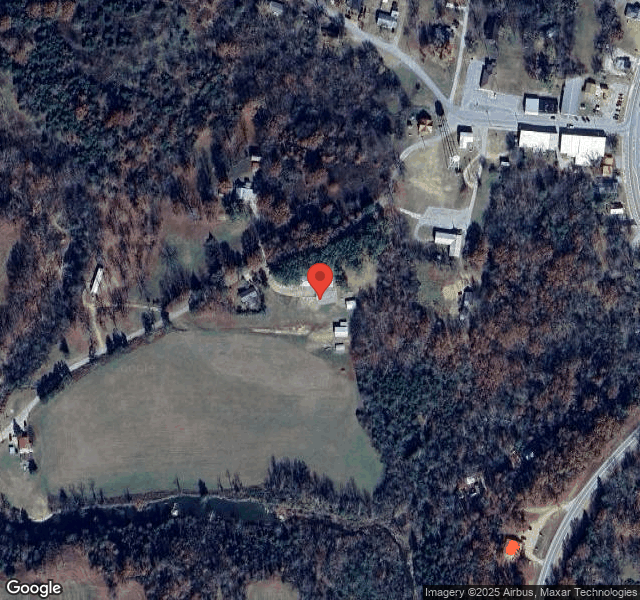

916 HIGHWAY 62/412, ASH FLAT, AR 72513 (870) 994-3040
For profit - Corporation 63 Beds ANTHONY & BRYAN ADAMS Data: November 2025
Trust Grade
90/100
#10 of 218 in AR
Last Inspection: November 2024

Within standard 12-15 month inspection cycle. Federal law requires annual inspections.

Overview

Eaglecrest Nursing and Rehab has received a Trust Grade of A, which means it is highly recommended and considered excellent in quality. It ranks #10 out of 218 facilities in Arkansas, placing it in the top half, and #2 out of 3 in Sharp County, indicating only one local option is better. The facility is improving, with a decrease in issues from 8 in 2023 to none reported in 2024. Staffing is rated at 4 out of 5 stars with a turnover rate of 38%, which is better than the state average of 50%, suggesting that staff are experienced and familiar with residents' needs. Notably, there have been no fines recorded, which is a positive sign of compliance. However, there are some areas of concern. The facility has had issues ensuring proper care, such as failing to provide nail care for a resident who requires assistance and not following dietary orders for residents with specific health conditions, which could impact their safety. Additionally, the Quality Assurance program has been cited for not effectively preventing repeated deficiencies, indicating room for improvement in their care planning processes. Overall, while Eaglecrest has many strengths, families should be aware of these weaknesses when considering care for their loved ones.

Trust Score
A
90/100
In Arkansas
#10/218
Top 4%
Safety Record
Low Risk
No red flags
Inspections
Getting Better
8 → 0 violations
Staff Stability
○ Average
38% turnover. Near Arkansas's 48% average. Typical for the industry.
Penalties
✓ Good
No fines on record. Clean compliance history, better than most Arkansas facilities.
Skilled Nurses
⚠ Watch
Each resident gets only 25 minutes of Registered Nurse (RN) attention daily — below average for Arkansas. Fewer RN minutes means fewer trained eyes watching for problems.
Violations
⚠ Watch
12 deficiencies on record. Higher than average. Multiple issues found across inspections.
★★★★★
5.0
Overall Rating
★★★★☆
4.0
Staff Levels
★★★☆☆
3.0
Care Quality
★★★★★
5.0
Inspection Score
Stable
2023: 8 issues
2024: 0 issues

The Good

  • 4-Star Staffing Rating · Above-average nurse staffing levels
  • Full Sprinkler Coverage · Fire safety systems throughout facility
  • No fines on record
  • Staff turnover below average (38%)

    10 points below Arkansas average of 48%

Facility shows strength in staffing levels, fire safety.

The Bad

Staff Turnover: 38%

Near Arkansas avg (46%)

Typical for the industry

Chain: ANTHONY & BRYAN ADAMS

Part of a multi-facility chain

Ask about local staffing decisions and management

The Ugly 12 deficiencies on record

Dec 2023 8 deficiencies
CONCERN (D)

Potential for Harm - no one hurt, but risky conditions existed

Resident Rights (Tag F0550)

Could have caused harm · This affected 1 resident

Based on observation and interview, the facility failed to ensure privacy was provided during incontinent care 1 (Resident #44) of 12 residents who required assistance with incontinent care on the 200...

Read full inspector narrative →
Based on observation and interview, the facility failed to ensure privacy was provided during incontinent care 1 (Resident #44) of 12 residents who required assistance with incontinent care on the 200 Hall based on a list provided by the Director of Nursing (DON) on 12/14/23 at 12:09 PM. The findings are: Resident #44 had a diagnosis of Chronic Respiratory Failure with Hypoxia. An admission Minimum Data Set (MDS) with an Assessment Review Date (ARD) of 10/8/23 documented a Brief Interview for Mental Status (BIMS) score of 12 (8-12 indicates moderate cognitive impairment) and was dependent for toileting, showering and personal hygiene. The Care Plan with an initiated date of 10/25/2023 documented, .TOILET USE: The resident requires total assistance) by 2 staff for toileting.The resident's dignity and autonomy will be maintained at highest level through the review date . On 12/10/23 at 03:40 PM, Resident #44 was lying in bed awake. Certified Nursing Assistant (CNA) #1 and Registered Nurse (RN) #1 entered the room and changed Resident #44's brief without drawing the curtain between Resident #44 and the roommate exposing Resident #44's backside to the roommate. The Surveyor asked RN #1 if staff changed resident briefs without drawing the privacy curtain between residents on a regular basis. RN #1 stated No. The Surveyor asked RN #1 if not drawing the curtain was standard practice. RN #1 answered, No. On 12/14/23 at 11:20 PM, the Surveyor asked the DON what the definition of dignity was. The DON answered, To me, it's giving people that sense of pride, independence, and privacy. On 12/13/23 at 03:02 PM, the Nurse Consultant provided a facility policy titled, Resident Rights (Revised December 2016) that documented under Policy Interpretation and Implementation, .1. Federal and state laws guarantee basic rights to all residents of this facility. These rights include the resident's right to: a. a dignified existence. b. be treated with respect, kindness, and dignity .
CONCERN (D)

Potential for Harm - no one hurt, but risky conditions existed

Deficiency F0583 (Tag F0583)

Could have caused harm · This affected 1 resident

Based on observation and interview, the facility failed to ensure the medication cart was secured and the medical information from the Medication Administration Record (MAR) was not visible and access...

Read full inspector narrative →
Based on observation and interview, the facility failed to ensure the medication cart was secured and the medical information from the Medication Administration Record (MAR) was not visible and accessible to visitors, staff, or other residents for 1 (Resident #56) sampled resident. The findings are: 1.On 12/11/23 at 09:20 am, observed a medication cart in the hall, outside Resident #56's room. The cart was unlocked, and the laptop screen on the computer was visible with Resident #56's picture and Medication Administration Record (MAR) was visible on the laptop screen. No staff were in sight of the medication cart. The door was open to another room across the hall and the resident in that room had visitors who could have seen Resident #56's private medical information or opened drawers on the medication cart. 2. On 12/11/23 at 09:28 am, observed Licensed Practical Nurse (LPN) #2 exiting from Resident #56's room. LPN was asked before you leave a medication cart, what should be done? LPN #2 stated, Lock it and shut the computer screen down. The Surveyor asked what is the importance of locking the medication cart? LPN #2 stated, So no one else can get in it. 3. On 12/14/23 at 12:12 pm, the Director of Nursing (DON) was asked what is the importance of locking a medication cart located in the hall in front of a resident's room? The DON said, Safety. The surveyor asked the DON what is the importance of closing the laptop screen when the nurse is away from the cart? The DON said HIPPA (Health Insurance Portability and Accountability Act). 4. The facility policy provided on 12/14/23 at 12:23 pm by the DON titled, Security of Medication Cart documented, Policy Statement The medication cart shall be secured during medication passes. 1. The nurse must secure the medication cart during the medication pass to prevent unauthorized entry . 3.The cart must be locked before the nurse enters the resident's room . 5. The facility policy provided on 12/14/23 at 12:23 pm by the DON titled Confidentiality of Information and Personal Privacy documented Policy Statement Our facility will protect and safeguard resident confidentiality and personal privacy. Policy Interpretation and Implementation l. The facility will safeguard the personal privacy and confidentiality of all resident personal and medical records.4. Access to resident personal and medical records will be limited to authorized staff and business associates .
CONCERN (D)

Potential for Harm - no one hurt, but risky conditions existed

Comprehensive Care Plan (Tag F0656)

Could have caused harm · This affected 1 resident

**NOTE- TERMS IN BRACKETS HAVE BEEN EDITED TO PROTECT CONFIDENTIALITY** Based on record review and interview, the facility failed to ensure a comprehensive, person-centered care plan was developed to ...

Read full inspector narrative →
**NOTE- TERMS IN BRACKETS HAVE BEEN EDITED TO PROTECT CONFIDENTIALITY** Based on record review and interview, the facility failed to ensure a comprehensive, person-centered care plan was developed to address the necessary care and monitoring related to the administration of insulin, to enable staff to determine the effectiveness of the medication and promptly identify any potential adverse effects for 1 (Resident #44) of 1 sampled resident who had a physician order for insulin. The findings are: Resident #44 was admitted on [DATE] and had a diagnosis of Type 2 Diabetes Mellitus with Diabetic Chronic Kidney Disease. The admission Minimum Data Set (MDS) dated [DATE] documented Resident #44 had received insulin injections 7 days of the 7 day lookback period. The Physicians Order dated 10/12/23 documented, Insulin Regular Human Solution 100 Unit/ML [milliliter] Inject 80 unit subcutaneously one time a day for diabetes . The Physicians Order dated 10/12/23 documented, Accucheck two times a day related to Type 2 Diabetes Mellitus with Diabetic Chronic Kidney Disease . The Care Plan with an initiated date of 10/25/23 documented, .Administer medications as ordered. Monitor/document for side effects and effectiveness . There were no diabetes goals or interventions addressed in the Care Plan. On 12/14/23 11:20 AM, the Surveyor asked the MDS Coordinator who develops care plans for residents on insulin. The MDS Coordinator answered, I usually put that they have Diabetes on the Care Plan, but there are a lot of other people too put their parts like Dietary. The Surveyor asked who was responsible for Nursing Interventions for residents on insulin. The MDS Coordinator answered, I am, Yes. The Surveyor asked what residents on insulin should be monitored for. The MDS Coordinator answered, I don't know, I'm not sure what you are asking. Hyper or Hypo glycemia. The Surveyor asked if insulin side effects or adverse signs and symptoms should be included on care plan interventions. The MDS Coordinator answered, You mean like if they get too much or too little their sugars can drop or be too high. We monitor the glucose. The Surveyor asked why it was important to include side effects and signs and symptoms for Diabetic residents on insulin. The MDS Coordinator answered, So people know what to look for. The Surveyor asked the MDS Coordinator to pull up Resident #44's Care Plan Interventions and asked if there were any listed on the Care Plan. The MDS Coordinator answered, Nope. The Surveyor asked if there should be interventions. The MDS Coordinator answered, Yes, but we have 14 to 21 days to get the Care Plan set up. The Surveyor asked if they were in that time frame. The MDS Coordinator answered, No. On 12/14/23 at 10:05 AM, The Surveyor asked the Director of Nursing (DON) who was responsible for Care Plan and MDS Development. The DON answered, My MDS Coordinator. The Surveyor asked why it was important for care plans to be accurate and up to date. The DON answered, Because that's how staff know how to care for the resident. The MDS is important because it goes to the Office of Long Term Care and CMS [Central Medicare and Medicaid Services] for the amount and type of care residents received in the facility.
CONCERN (D)

Potential for Harm - no one hurt, but risky conditions existed

Accident Prevention (Tag F0689)

Could have caused harm · This affected 1 resident

Based on observation and interview, the facility failed to ensure 1 of 2 clothes dryers remained free of lint build-up to decrease the potential for fire and loss of laundry services. This failed prac...

Read full inspector narrative →
Based on observation and interview, the facility failed to ensure 1 of 2 clothes dryers remained free of lint build-up to decrease the potential for fire and loss of laundry services. This failed practice had the potential to affect 66 residents whose laundry was done by the facility according to a list provided by the Director of Nursing (DON) on 12/14/23 at 12:02 pm. The findings are: a. On 12/12/23 at 09:01 am, in the clean side of laundry room, there were 2 dryers, 1 was not working. Laundry Staff (LS) #1 was asked how often do you clean under the dryer? LS #1 said every 2 hours. The surveyor asked LS #1 to open the lint trap drawer. There was approximately 2 inches of light gray fluffy lint on both sides of the filter pushed towards the back, and a white folded item on the floor in the middle. The Surveyor touched the item and it felt fluffy. LS #1 was asked when was the last time the area under the dryer was cleaned out? LS #1 said at 08:00 this morning. The Surveyor asked how do you clean that area out? LS #1 said, I take a broom and sweep it out. The surveyor asked is there a log sheet you sign when you clean it out? LS #1 said yes. The log sheet was reviewed and there were no initials for the date of 12/12/23. b. On 12/14/23 at 11:30 am, the Maintenance Supervisor was asked what the importance is of having the lint removed under the dryers. The maintenance supervisor said to prevent a fire hazard. c. On 12/14/23 at 12:03 pm, the Administrator said we do not have a policy regarding cleaning under the dryer.
CONCERN (E)

Potential for Harm - no one hurt, but risky conditions existed

ADL Care (Tag F0677)

Could have caused harm · This affected multiple residents

**NOTE- TERMS IN BRACKETS HAVE BEEN EDITED TO PROTECT CONFIDENTIALITY** Based on observation, interview and record review, the facility failed to ensure nail care was provided for 1 (Resident #37) sam...

Read full inspector narrative →
**NOTE- TERMS IN BRACKETS HAVE BEEN EDITED TO PROTECT CONFIDENTIALITY** Based on observation, interview and record review, the facility failed to ensure nail care was provided for 1 (Resident #37) sampled resident on the 200 Hall who was dependent on staff for nail care. The findings are: Resident #37 had a diagnosis of Dementia. A Quarterly Minimum Data Set (QMDS) with an Assessment Review Date (ARD) of 11/16/23 documented a Brief Interview for Mental Status (BIMS) score of 4 (0-7 severe cognitive impairment) and required substantial/maximal assistance with bathing and partial/moderate assistance with personal hygiene. A Care Plan with an initiated date of 2/27/23 documented, .[name] has an ADL self-care performance deficit r/t [related to] Impaired balance . Personal Hygiene: The resident requires limited-extensive assistance) by (X) staff with personal hygiene and oral care . The Care Plan did not address nail care. On 12/10/23 at 12:47 PM Resident #37 was sitting up on the side of the bed eating lunch. The Surveyor observed the fingernails on both hands were 1/4 - 1/2 inch in length past the fingertips with a brown substance visible underneath the nails. Both thumbnails were 3/4 inches past the fingertips. The right thumbnail was curving in on the left edge and digging into Resident #37's skin. On 12/11/23 at 04:20 PM, Resident #37 was lying in bed awake. The fingernails on both hands remained the same length and had jagged edges and pointed corners. There was a dark brown substance visible under the fingernails. On 12/12/23 at 10:29 AM, Resident #37 was lying in bed. The fingernails on both hands remained 1/4 - 1/2 inches in length past the fingertips, varying in length with some jagged edges, and pointed corners. There was a medium to dark brown substance visible under the fingernails. The right thumbnail was curving in on the left edge and digging into Resident #37's skin. On 12/12/23 at 10:30 AM, the Surveyor accompanied Licensed Practical Nurse (LPN) #1 into Residents #37's room and asked her to describe Resident #37's fingernails. LPN #1 answered, They need to be addressed. Yes. They are really long and pretty filthy. The Surveyor asked how often fingernails were checked and how nail care was done. LPN #1 answered, Weekly, but this week they probably missed her. The Surveyor asked who was responsible for resident nail care. LPN#1 answered, The Activity Director makes the schedule. Nurses do the diabetics, and a Podiatrist comes whenever scheduled. The Surveyor asked why nail care was important to do on a regular basis. LPN #1 answered, For hygiene, and they might scratch their skin. There's lots of germs in there if she eats. It needs to be checked daily as part of their care. On 12/12/23 at 10:33 AM, the Surveyor asked Certified Nurse Assistant (CNA) #2 to describe Resident #37's fingernails. CNA #2 answered, They need to be cut and cleaned with an orange stick. The Surveyor asked how often nails should be checked. CNA #2 answered, They are supposed to be checked daily. The Surveyor asked who was responsible for nail care. CNA #2 answered, The Aides if they are not diabetic. If they are, the nurses. The Surveyor asked why regular nail care was important. CNA #2 answered, They use their hands to eat. If there is feces under their nails, that's going to get into their food. On 12/14/23 at 10:00 AM, the Surveyor asked the Director of Nursing (DON) what the process was for tracking Activities of Daily Living (ADL's) and nail care. The DON answered, We use POC [Plan of Care] for documentation and the CNAs use the closet care plans. We follow up as needed per assessment. The Surveyor asked who was responsible for resident nail care. The DON answered, Our CNAs The Surveyor asked how often resident nail care should be done. The DON answered, They usually do them on shower days, that would be a minimum of 2 days a week where they are cleaned and trimmed as needed and per request. The Surveyor asked why regular nail care was important. The DON answered, For infection control, cleanliness, and safety to make sure no sharp edges cause skin issues. Also, appearance. Nobody wants to look unkept. On 12/13/23 at 03:03 PM, the Nurse Consultant provided a facility policy titled, Fingernails/Toenails, Care of which documented, .The purposes of this procedure are to clean the nail bed, to keep nails trimmed, and to prevent infections . General Guidelines, 1. Nail care includes daily cleaning and regular trimming . 4. Trimmed and smooth nails prevent the resident from accidentally scratching and injuring his or her skin .
CONCERN (E)

Potential for Harm - no one hurt, but risky conditions existed

Deficiency F0726 (Tag F0726)

Could have caused harm · This affected multiple residents

Based on observation, interview and record review the facility failed to ensure resident safety when providing meals to 2 (Residents #9 and #37) sampled residents on the 200 Hall. The findings are: 1...

Read full inspector narrative →
Based on observation, interview and record review the facility failed to ensure resident safety when providing meals to 2 (Residents #9 and #37) sampled residents on the 200 Hall. The findings are: 1. Resident #9 had diagnoses of Atrial Fibrillation and Congestive Heart Failure. The Quarterly Minimum Data Set (MDS) with an Assessment Review Date (ARD) of 7/15/23 documented a Brief Interview for Mental Status (BIMS) score of 12 (8-12 indicates moderate cognitive impairment) and required a therapeutic and a mechanically altered diet. a. A Physicians Order dated 11/16/23 documented, .Regular, NAS [No Added Salt] diet, Regular texture, Regular consistency Please send finger foods for all meals . b. A Care Plan initiated 10/23/20 documented, .Provide, serve diet as ordered. Monitor intake and record q [every] meal. Food allergy to Caffeine . 2. Resident #37 had a diagnosis of Dementia. The Quarterly MDS with an ARD of 11/16/23 documented a BIMS score of 4 (0-7 indicates severe cognitive impairment) and required a therapeutic diet. a. A Physicians Order dated 11/21/23 documented, Regular, NAS Enhanced diet, Regular texture, Regular consistency Diet . b. A Care Plan with an initiation date of 2/20/23 documented, [Resident #37] has nutritional problem or potential nutritional problem . Provide, serve diet as ordered. Monitor intake and record q meal. Red napkin program, enhanced diet . 3. On 12/10/23 at 12:47 PM Resident #37 was sitting up on the side of the bed eating lunch. Resident #37 had the wrong tray with the wrong diet as evidenced by the name on the dietary meal intake slip and the menu on the tray was Resident #9's. Resident #37 ate approximately 75% of the lunch tray. 4. On 12/10/23 at 12:50 PM, Resident #9 was lying in bed with the overbed table over her lap with a meal tray on it. The dietary meal slip, and the menu on the tray on Resident #9's table had the roommate's (Resident #37's) name on it. Resident # 9 stated, I can't eat any of this. Take it away. Observed Resident #9 drink the milk on the tray. 5. On 12/10/23 at 01:23 PM, the Surveyor observed Certified Nursing Assistant (CNA) #1 at the meal cart on the 200 Hall outside of Resident #37's room and asked if she had passed the trays out for lunch to Resident #37. CNA #1 answered, Yes. The Surveyor asked if the meal slips were checked for Resident #9 and Resident #37 to make sure they matched up with the correct resident. CNA #1 answered, Well I asked their names when I went in, and they said yes. I'm the only one down here. I also got the menus mixed up. The Surveyor asked CNA #1 how to ensure the right meal is served to the right resident. CNA #1 answered, I go by what they tell me The Surveyor asked what could happen if the wrong diet is served to the wrong resident, and if there could be any negative outcomes to residents if that happened. CNA #1 answered, Yes, allergies, allergic reactions. If they are diabetic, they are not supposed to have too much sugar. 6. On 12/13/23 at 2:20 PM, the Surveyor asked the Dietary Manager (DM) who was responsible for making sure meal trays are served to the right resident. The DM answered, Me, and the Certified Nursing Assistants put menus together in the order of the tables, and whoever the CNA that loads the meal cart puts it in order from top to bottom by matching the room numbers. The Surveyor asked the DM what could happen if the wrong tray is served to the wrong resident. The DM answered, A lot. That means they could get the wrong diet, texture, fluid consistency, or allergy could be gotten wrong. The Surveyor asked what happens if the wrong meal was served to the wrong resident on the hall. The DM answered, Whoever made the error would come back to us and tell us. We would call the nurse and tell the Director of Nursing (DON). Then we would get the resident the right tray. The Surveyor asked how and where documentation would be found. The DM answered, I would write it in a progress note. She [DON] would do the same. The Surveyor asked who assigns the CNAs from the floors to load the trays. The DM answered, The floor nurse for that specific hall. d. On 12/14/23 at 08:27 AM, the Surveyor accompanied Certified Nursing Assistant (CNA) #3 to Resident #9's room and asked to see the dietary breakfast slips for Resident #9 and Resident #37 and what the process was for documenting resident menus, making sure they get the correct trays, and documenting resident dietary intake. CNA #3 answered, We are not allowed to leave the meal slips on the trays. The Surveyor asked why. CNA #3 answered, I was told it's a dignity issue. We pick up the trays after breakfast. I usually hold on to it, then I go to the Kiosk in the hallway to chart it, and after that, it gets shredded. The Surveyor asked CNA #3 for documentation of Resident #37's and Resident #9's dietary intake slips for breakfast. CNA #3 answered, I keep it in my head, [Resident #9] ate 100% and 480cc [cubic centimeters], [Resident #37] ate 75% and 240cc. On 12/14/23 at 11:10 PM, the Surveyor asked the DON who was responsible for making sure the right trays were delivered to the right residents and what is the process. The DON answered, It's a collective effort. Multiple people starting with CNAs collecting the menu preferences from the resident. They take it to the kitchen where dietary staff makes sure the meal ticket and menu is correct on the tray. The CNAs are responsible for delivering to the residents. The Surveyor asked if documentation was available to review for the process if the wrong tray was delivered to the wrong resident. The DON answered, To be honest, No, it hasn't happened before. I was not on my game. It was her third shift. The Surveyor asked if it should be documented if residents receive the wrong tray and why that was important. The DON answered, Yes, it should be. It could be a safety issue. e. On 12/13/23 at 11:18 AM, a Kitchen In Service dated 7/25/23 documented, .When we are on the tray line, we need to be sure to watch and pay attention to what is ordered and written on the menus. Pay very close attention to TRAY CARD. Diet, utensils, plates, dislikes, standing orders. These items need to be present and correct for proper eating and nutritional needs .
CONCERN (E)

Potential for Harm - no one hurt, but risky conditions existed

Deficiency F0865 (Tag F0865)

Could have caused harm · This affected multiple residents

Based on record review and interview, the facility failed to ensure the Quality Assurance and Performance Improvement program [QAPI] Committee developed and implemented appropriate plans of action to ...

Read full inspector narrative →
Based on record review and interview, the facility failed to ensure the Quality Assurance and Performance Improvement program [QAPI] Committee developed and implemented appropriate plans of action to prevent repeated deficiencies for F656 Develop/Implement Comprehensive Care Plan. The findings are: A Recertification survey was conducted on 12/14/23 at the facility. During this survey, F656 was cited for facility failure to implement and ensure a comprehensive plan of care was developed for a resident for diabetic interventions. Review of the facility's Plan of Correction, with a correction date of 12/31/22 indicated: During a recertification survey conducted on 10/6/22 the facility was cited for F656 failure to update the care plan related to catheter care. The plan of correction noted: Minimum Data Set (MDS) Coordinators were in-serviced by the Administrator on 10/07/22 on care plans and the need to accurately capture all items on the care plans for each resident, to specifically include catheters. The MDS Coordinators completed a record review of all the residents in the facility to ensure that all care plans were correct and accurately reflected the residents care needs, specifically those residents that have catheters. Monitoring: the Director of Nursing (DON) will review three charts weekly for the next eight weeks or until compliance is achieved to ensure resident care plans accurately reflect resident care needs. Any negative findings will be corrected immediately and reported to the Administrator or designee. All findings will be reported to the QA (Quality Assurance) committee monthly by the DON for review and recommendations. Completion date is 10/31/22. 1. A facility policy titled, Quality Assurance and Performance Improvement (QAPI) Plan (Revised April 2014), provided by the Administrator on 12/10/23 at 12:00 PM documented, Policy Statement This facility shall develop, implement, and maintain an ongoing, facility-wide QAPI plan designed to monitor evaluate and the quality and safety of resident care, pursue methods to improve care quality, and resolve identified problems. Policy Interpretation and Implementation The objectives of the QAPI Plan are to: . l. Provide a means to identify and resolve present and potential negative outcomes related to resident care and services; 2. Reinforce and build upon effective systems and processes related to the delivery of quality care and services; 3. Provide structure and processes to correct identified quality and/or safety deficiencies; 4. Establish and implement plans to correct deficiencies, and to monitor the effects of these action plans on resident outcome; 5. Help departments, consultants, and ancillary services that provide direct or indirect care to residents to communicate effectively, and to delineate lines of authority, responsibility, and accountability; 6. Provide a means to centralize and coordinate comprehensive QAPI activities in order to meet the needs of the residents and the facility; and 7. Establish systems, and processes to maintain documentation relative to the QAPI Program, as a basis for demonstrating that there is an effective ongoing program. 5. On 12/14/23 at 1:10 PM, the Surveyor asked the Administrator how the QAA Committee knows when an issue arises in any department. The Administrator said that it can be reported by staff or residents, or it can be found in electronic records. The Surveyor asked how the QAA Committee knows when a deviation from performance or a negative trend is occurring. The Administrator said through electronic health records and progress reports or outcomes. The Surveyor asked how the QAA Committee decides which issues to work on. The Administrator said they prioritize off of quality of care and concerns. The Surveyor asked how long the QAA Committee will monitor an issue that has been corrected. The Administrator said as it is ongoing, they monitor through data entry, reports electronic health records, monitoring through walking rounds and visualizing progress and outcomes.
CONCERN (E)

Potential for Harm - no one hurt, but risky conditions existed

Safe Environment (Tag F0921)

Could have caused harm · This affected multiple residents

Based on observation and interview, the facility failed to ensure the environment was maintained in a sanitary and safe condition for residents, staff, and the public, as evidenced by failure to ensur...

Read full inspector narrative →
Based on observation and interview, the facility failed to ensure the environment was maintained in a sanitary and safe condition for residents, staff, and the public, as evidenced by failure to ensure a shower room on Rehabilitation (Rehab) hall and a clean linen closet was locked to prevent accidental ingestion of chemicals and injury prevented. The findings are: 1. On 12/10/23 at 12:46 pm, a clean linen closet located on the Rehab Hall was unlocked. Inside the linen closet, there was a wood 5 door cabinet approximately 4 feet tall with the doors open. Inside the first cabinet on the top shelf was a one quart size squirt bottle of professional strength cleaner and odor eliminator and one quart size squirt bottle of industrial cleaner, a gallon jug of shampoo and assorted personal items. Across the hall a bathroom was unlocked. It had a 3 drawer plastic container. In the top drawer was 5 disposable razors, a can of shaving cream, a plastic bottle of corn starch, and a 4 ounce bottle of mouthwash. 2. On 12/10/23 at 12:50 am, upon entering an unlocked shower room between the 200 and 300 Halls a hair dryer was hanging from a hook on the wall and was plugged in to an electrical outlet. Around the corner was a 4 door cabinet that had locks on each side but was easily opened. On the left side of the cabinet, the doors were easily opened but had the metal key engaged, but not working. Inside the cabinet on the top shelf were 3 quart squirt bottles of professional strength cleaner and odor eliminator, 2 gallon jugs of shampoo and various bottles of shampoo and lotions. On the bottom shelf was a plastic 3 drawer container. In the top drawer, were approximately 30 disposable razors, 2 pairs of metal nail clippers, a can of shaving cream and 5 rolls of deodorant bottles. 3. On 12/11/23 at 9:23 am, observed that the shower room between the 200 and 300 Halls was still unlocked and accessible to residents. 4. On 12/14/23 at 11:11 am, a Safety Data Sheet for the professional strength cleaner and odor eliminator was provided by the Director of Nursing (DON). The Safety Data Sheet documented .SECTION - 2. HAZARDS INFORMATION .May be harmful is swallowed. Avoid eye contact and inhalation of mist. Use personal protective equipment as required . 5. On 12/14/23 at 11:00 am, the Surveyor asked Certified Nursing Assistant (CNA) #4 if the shower room doors should be closed and locked. CNA #4 said yes. The Surveyor asked who is responsible for ensuring doors are closed and locked. CNA #4 stated whoever is walking in or walking out at the time. The surveyor asked should chemicals be locked up after use. CNA #4 said always. The Surveyor asked what could happen? CNA #4 said chemicals could be mixed, spilt or a resident could ingest it. The Surveyor asked who uses the Rehab Hall shower room? CNA #4 said therapy primarily uses the rehab hall shower, it's always supposed to be locked on the Rehab Hall side. 6. On 12/14/23 at 11:05 am, the Surveyor asked the DON if shower doors should be closed and locked. The DON said yes. The Surveyor asked who is responsible for ensuring doors are closed and locked. The DON said the CNAs, other staff, and nurses. The Surveyor asked should chemicals be locked up after use. The DON said yes. The Surveyor asked what could happen. The DON said it could be a safety issue, burning skin, ingestion.
Oct 2022 4 deficiencies
CONCERN (D)

Potential for Harm - no one hurt, but risky conditions existed

Comprehensive Care Plan (Tag F0656)

Could have caused harm · This affected 1 resident

Based on record review and interview, the facility failed to ensure a comprehensive plan of care was developed for a resident who had a Foley Catheter to assure the resident's individual needs were me...

Read full inspector narrative →
Based on record review and interview, the facility failed to ensure a comprehensive plan of care was developed for a resident who had a Foley Catheter to assure the resident's individual needs were met and maintained for 1 (Resident #37) of 3 (Residents #27, #33 and #37) sampled residents who had a catheter. The findings are: 1. Resident #37 had diagnoses of Urinary Retention and Unspecified Dementia without Behavioral Disturbances. The Significant Change Minimum Data Set (MDS) with Assessment Reference Date (ARD) of 8/23/22 documented the resident scored 6 (0-7 indicates severely cognitively impaired) on a Brief Interview for Mental Status (BIMS) and had a Foley catheter. a. The Physician's Order dated 07/01/22 documented, .Foley french [catheter] (_16_) and bulb (_10_) cc [cubic centimeters] . b. The Care Plan with a revision date of 07/14/22 documented, . has an ADL [activities of daily living] self-care performance deficit . TOILET USE: The resident requires extensive assistance by 1 staff for toileting . The Care Plan did not address that the resident had a Foley catheter or interventions and/or task to care for the foley catheter. c. On 10/03/22 at 10:58 AM, Resident #37 was lying in bed. Her Foley catheter bag was lying on the floor. d. On 10/04/22 at 8:31 AM, Resident #37's family member was sitting beside the bed and holding Resident #37's hand. The Foley catheter was secured to the left side of the bed, touching the floor. e. On 10/04/22 at 11:20 AM, the Surveyor requested Certified Nursing Assistant (CNA) #2 to follow the surveyor into Resident #37's room. Resident #37 was sitting up in bed with her family member sitting next to her holding her hand. The Surveyor asked CNA#2, Where is her catheter bag? She stated, .It is touching the floor. It is hard to find a place to hook. I didn't know where else to put it . because the bed is so low . f. On 10/06/22 at 10:18 AM, the Surveyor asked the MDS Coordinator, Does [Resident #37] have a Foley Catheter? She stated, Yes . The Surveyor asked, What care plan interventions do you have in place for the Foley catheter? She looked at her computer screen and stated, I can't find anything in there about the catheter . The Surveyor asked, What is a potential negative outcome of Foley catheter interventions not being on the care plan? She stated, If there are orders in place then it's being taken care of. The Surveyor requested a Care Plan policy. k. At the time of exit on 10/6/22 at 1:08 PM, a Care Plan policy had not been provided.
CONCERN (D)

Potential for Harm - no one hurt, but risky conditions existed

Respiratory Care (Tag F0695)

Could have caused harm · This affected 1 resident

Based on observation, record review, and interview, the facility failed to ensure an oxygen tank was not stored in a resident's room to prevent the potential for injury for 1 (Resident #56) of 6 (Resi...

Read full inspector narrative →
Based on observation, record review, and interview, the facility failed to ensure an oxygen tank was not stored in a resident's room to prevent the potential for injury for 1 (Resident #56) of 6 (Residents #15, #32, #37, #55, #56 and #65) sampled residents who received oxygen therapy. The findings are: 1. Resident #56 had diagnoses of Chronic Obstructive Pulmonary Disease with Acute Exacerbation, Muscle Weakness and Congestive Heart Failure. The admission Minimum Data Set (MDS) with an Assessment Reference Date (ARD) of 9/10/22 documented the resident scored 15 (13-15 indicates cognitively intact) on a BIMS (Brief Interview for Mental Status) and receive oxygen therapy and Non-Invasive Mechanical Ventilator (BiPAP [Bilevel Positive Airway Pressure]/CPAP [Continuous positive airway pressure]). a. The Physician Orders dated 09/07/22 documented, .BIPAP 5cm [cubic centimeters] H2O [water] at bedtime and prn [as needed] daytime naps . OXYGEN- may self-remove if desired as needed for SHORTNESS OF BREATH 3 LITERS/[per] MIN PER NASAL CANNULA PRN . b. On 10/03/22 at 11:19 AM, Resident #56 was sitting up in her room with oxygen in use per concentrator. A large oxygen tank was laying on resident's spare bed in her room, not in use. c. On 10/03/22 at 11:26 AM, Resident #56 was sitting in her room with oxygen at 5 liter per mask. An oxygen tank was laying on the bed not in use. d. On 10/03/22 at 12:06 PM, the Surveyor requested the Nurse Manager to come to Resident #56's room. A large oxygen tank was lying on the empty bed in the resident's room. The Surveyor asked the Nurse Manager, Who is responsible for ensuring the oxygen tanks are stored safely? She stated, Nursing. The Surveyor asked her to describe where the oxygen tank was and she stated, It's lying on the bed. The Surveyor asked, Is it stored safely? She stated, No. The Surveyor asked, What is a potential negative outcome of the oxygen laying on the bed and not stored safety? She stated, It could roll off the bed and be a tripping hazard and . on an extreme outcome it could explode. The Nurse Manager removed the tank from the room. 2. The facility policy titled, Oxygen Safety, provided by the Administrator on 10/4/22 at 1:18 PM documented, Oxygen Safety: .Store oxygen cylinders in racks with chains, sturdy portable carts .Never leave oxygen cylinders free-standing. Do not store oxygen cylinders in any resident room .
CONCERN (E)

Potential for Harm - no one hurt, but risky conditions existed

Incontinence Care (Tag F0690)

Could have caused harm · This affected multiple residents

Based on observation, record review, and interview, the facility failed to ensure indwelling catheter drainage bags were not touching the floor to prevent the potential complications and possible infe...

Read full inspector narrative →
Based on observation, record review, and interview, the facility failed to ensure indwelling catheter drainage bags were not touching the floor to prevent the potential complications and possible infections for 2 (Residents #33 and #37) of 3 (Residents #27, #33 and #37) sampled residents who had indwelling catheters. This failed practice had the potential to affect three residents who had catheters according to a list provided by the Administrator on 10/05/22 at 8:47 AM. The findings are: 1. Resident #33 had diagnoses of Neuromuscular Dysfunction of Bladder and Retention of Urine. The Quarterly Minimum Data Set (MDS) with an Assessment Reference Date (ARD) of 08/18/22 documented the resident was severely impaired in cognitive skills for daily decision making per a Staff Assessment for Mental Status (SAMS) and had an indwelling catheter. a. The Physician's Order dated 08/19/20 documented, . Foley french (20) and bulb (30) cc [cubic centimeter]: change foley cath [catheter] Q [every] 60 days PRN [as needed] FOR REASON OF leakage obstruction or dislodgement . b. The Care Plan with a revision date of 05/26/21 documented, . has Suprapubic Catheter . Position catheter bag and tubing below the level of the bladder and away from entrance room door . Check tubing for kinks each shift . c. On 10/03/22 at 11:13 AM, Resident #33 was lying in bed, her foley catheter drainage bag was hanging on the right side of the bed touching the floor. A privacy bag was hanging beside the drainage bag, but the drainage bag was not in it. d. On 10/04/22 at 8:39 AM, Resident #33 was lying in bed, her foley catheter drainage bag was hanging on the right side of the bed touching the floor. A privacy bag was hanging beside the drainage bag. e. On 10/05/22 at 9:15 AM, Resident #33 was lying in bed, her foley catheter drainage bag was hanging from the right side of bed in a privacy sleeve with no bottom and was touching the floor. The Director of Nursing (DON) was called into the resident's room and made aware of the finding of the last two days. The Surveyor asked if it was appropriate for it to be touching the floor now. The DON stated, It should be hanging from the end of the bed, so it doesn't touch the floor. 2. Resident #37 had diagnoses of Urinary Retention and Unspecified Dementia without Behavioral Disturbances. The Significant Change Minimum Data Set (MDS) with Assessment Reference Date (ARD) of 8/23/22 documented the resident scored 6 (0-7 indicates severely cognitively impaired) on a Brief Interview for Mental Status (BIMS) and had a a Foley catheter. a. The Physician's Order dated 07/01/22 documented, . Foley french [catheter] (_16_) and bulb (_10_) cc [cubic centimeters] . b. The Care Plan with a revision date of 07/14/22 did not address that the resident had a Foley catheter or interventions and/or task to care for the foley catheter. c. On 10/03/22 at 10:58 AM, Resident #37 was lying in bed. Her Foley catheter bag was lying on the floor. d. On 10/04/22 at 8:31 AM, Resident #37's family member was sitting beside the bed and holding Resident #37's hand. The Foley catheter was secured to the left side of bed, touching the floor. e. On 10/04/22 at 11:20 AM, the Surveyor requested Certified Nursing Assistant (CNA) #2 to follow the Surveyor into Resident #37's room. Resident #37 was sitting up in bed with her family member sitting next to her holding her hand. The Surveyor asked CNA#2, Where is her catheter bag? She stated, .It is touching the floor. It is hard to find a place to hook. I didn't know where else to put it . because the bed is so low . f. On 10/04/22 at 11:24 AM, the Surveyor asked CNA #2, What is a potential negative outcome of her urinary catheter sitting on the floor? She stated, Germs could get in it . We raise the bed up and her husband lowers it so he can put his arm around her, and he leans on her bed . g. On 10/04/22 at 1:16 PM, the Surveyor asked the Administrator for a policy regarding catheters. The Administrator stated, Is this regarding [Resident #37]? If it is, she is a little demented and he [family member] has been educated in not lowering the bed so her catheter is not on the floor. I can't help what resident's and their families do when we are not in there . 3. The facility policy titled, Catheter Care, Urinary, provided by the Administrator on 10/04/22 at 1:18 PM documented, .The purpose of this procedure is to prevent catheter-associated urinary tract infections . Infection Control . b. Be sure the catheter tubing and drainage bag are kept off the floor .
MINOR (B)

Minor Issue - procedural, no safety impact

Deficiency F0583 (Tag F0583)

Minor procedural issue · This affected multiple residents

Based on observation, interview, and record review, the facility failed to ensure medical information on a computer screen was not visible to other staff, residents and/or visitors to prevent private ...

Read full inspector narrative →
Based on observation, interview, and record review, the facility failed to ensure medical information on a computer screen was not visible to other staff, residents and/or visitors to prevent private medical information from being improperly divulged as evidenced by computer screens left open with resident information visible for 2 (Residents #125 and #170) of 2 sampled residents. This failed practice had the potential to affect 74 residents per the Resident Census provided by the Administrator on 10/3/22. The findings are: 1. On 10/04/22 at 2:23 PM, the Surveyor entered the therapy room at the end of the 400 Hall. A computer tablet was sitting on a desk with Resident #170's information still up on the screen with no staff present. The Surveyor waited until 2:29 PM to see if a therapist was going to return to the room. As the Surveyor stepped out of the therapy room, Resident #65's family member was outside door. The Surveyor informed the family member that there was not a therapist in the room right now and the family member continued down the hall to Resident #65's room. a. On 10/04/22 at 2:32 PM, the Surveyor informed the Administrator of the computer screen being left up in the therapy room with Resident #170's information visible. The Surveyor asked the Administrator, Should computers be left up when staff leaves their desk and the room their computer is in? The Administrator stated, No, never, but even if they do, ours rolls to the privacy screen in a few seconds. The Surveyor asked, Are all the computers in the facility set up that way? The Administrator stated, All the kiosks and touch books do. The Surveyor asked, Does therapy use that system? The Administrator stated, Oh no, they are on a different system. The Surveyor informed Administrator about laptop computer in the therapy room being left up with a resident's information showing. The Administrator stated she was not sure what therapists were still in the building but would see. 2. On 10/4/22 at 2:40 PM, the Surveyor asked Occupational Therapist (OT) #1 as she was exiting Resident #15's room on the 200 Hall, When you leave your desk or therapy room should computers be left open? OT #1 responded, No, and you should not leave a screen up with resident info [information] on it. Physical Therapist (PT) #1 walked up to the Surveyor and OT #1 and the Surveyor informed them that a computer in the therapy room was left up with resident information on it. 3. On 10/4/22 at 2:45 PM, PT #1 and the Administrator came to Surveyor and PT #1 stated therapy had just received new computer software yesterday (Monday) and it does not go to the privacy screen automatically like the last system did. PT #1 stated they were not use to not the new system not doing that. The Administrator confirmed this statement. 4. On 10/4/22 at 3:50 PM, the Surveyor was on the 400 Hall and noticed a computer in the Nurses Station was on with Resident #125's information on the screen and no staff nearby. 5. On 10/4/22 at approximately 3:55 PM, the Surveyor informed the Administrator of another computer screen left up. The Surveyor accompanied the Administrator to the 400 Hall Nurses Station. The computer screen was still open with the resident's information visible. The Administrator stated, She only walked away a minute ago because I heard her voice. The Surveyor asked if the computer screen should have been left up. The Administrator stated, She should be close by. I just heard her. The Administrator closed the screen and logged the computer out.
Understanding Severity Codes (click to expand)
Life-Threatening (Immediate Jeopardy)
J - Isolated K - Pattern L - Widespread
Actual Harm
G - Isolated H - Pattern I - Widespread
Potential for Harm
D - Isolated E - Pattern F - Widespread
No Harm (Minor)
A - Isolated B - Pattern C - Widespread

Questions to Ask on Your Visit

  • "Can I speak with families of current residents?"
  • "What's your RN coverage like on weekends and overnight?"

Our Honest Assessment

Strengths
  • • Grade A (90/100). Above average facility, better than most options in Arkansas.
  • • No major safety red flags. No abuse findings, life-threatening violations, or SFF status.
  • • No fines on record. Clean compliance history, better than most Arkansas facilities.
  • • 38% turnover. Below Arkansas's 48% average. Good staff retention means consistent care.
Concerns
  • • 12 deficiencies on record. Higher than average. Multiple issues found across inspections.
Bottom line: Generally positive indicators. Standard due diligence and a personal visit recommended.

About This Facility

What is Eaglecrest Nursing And Rehab's CMS Rating?

CMS assigns EAGLECREST NURSING AND REHAB an overall rating of 5 out of 5 stars, which is considered much above average nationally. Within Arkansas, this rating places the facility higher than 99% of the state's 100 nursing homes. This rating reflects solid performance across the metrics CMS uses to evaluate nursing home quality.

How is Eaglecrest Nursing And Rehab Staffed?

CMS rates EAGLECREST NURSING AND REHAB's staffing level at 4 out of 5 stars, which is above average compared to other nursing homes. Staff turnover is 38%, compared to the Arkansas average of 46%. This relatively stable workforce can support continuity of care.

What Have Inspectors Found at Eaglecrest Nursing And Rehab?

State health inspectors documented 12 deficiencies at EAGLECREST NURSING AND REHAB during 2022 to 2023. These included: 11 with potential for harm and 1 minor or isolated issues.

Who Owns and Operates Eaglecrest Nursing And Rehab?

EAGLECREST NURSING AND REHAB is owned by a for-profit company. For-profit facilities operate as businesses with obligations to shareholders or private owners. The facility is operated by ANTHONY & BRYAN ADAMS, a chain that manages multiple nursing homes. With 63 certified beds and approximately 70 residents (about 111% occupancy), it is a smaller facility located in ASH FLAT, Arkansas.

How Does Eaglecrest Nursing And Rehab Compare to Other Arkansas Nursing Homes?

Compared to the 100 nursing homes in Arkansas, EAGLECREST NURSING AND REHAB's overall rating (5 stars) is above the state average of 3.2, staff turnover (38%) is near the state average of 46%, and health inspection rating (5 stars) is much above the national benchmark.

What Should Families Ask When Visiting Eaglecrest Nursing And Rehab?

Based on this facility's data, families visiting should ask: "Can I visit during a mealtime to observe dining assistance and food quality?" "How do you handle medical emergencies, and what is your hospital transfer rate?" "Can I speak with family members of current residents about their experience?"

Is Eaglecrest Nursing And Rehab Safe?

Based on CMS inspection data, EAGLECREST NURSING AND REHAB has a clean safety record: no substantiated abuse findings (meaning no confirmed cases of resident harm), no Immediate Jeopardy citations (the most serious violation level indicating risk of serious injury or death), and is not on the Special Focus Facility watch list (a federal program monitoring the lowest-performing 1% of nursing homes). The facility has a 5-star overall rating and ranks #1 of 100 nursing homes in Arkansas. While no facility is perfect, families should still ask about staff-to-resident ratios and recent inspection results during their visit.

Do Nurses at Eaglecrest Nursing And Rehab Stick Around?

EAGLECREST NURSING AND REHAB has a staff turnover rate of 38%, which is about average for Arkansas nursing homes (state average: 46%). Moderate turnover is common in nursing homes, but families should still ask about staff tenure and how the facility maintains care continuity when employees leave.

Was Eaglecrest Nursing And Rehab Ever Fined?

EAGLECREST NURSING AND REHAB has no federal fines on record. CMS issues fines when nursing homes fail to meet care standards or don't correct problems found during inspections. The absence of fines suggests the facility has either maintained compliance or corrected any issues before penalties were assessed. This is a positive indicator, though families should still review recent inspection reports for the full picture.

Is Eaglecrest Nursing And Rehab on Any Federal Watch List?

EAGLECREST NURSING AND REHAB is not on any federal watch list. The most significant is the Special Focus Facility (SFF) program, which identifies the bottom 1% of nursing homes nationally based on persistent, serious quality problems. Not being on this list means the facility has avoided the pattern of deficiencies that triggers enhanced federal oversight. This is a positive indicator, though families should still review the facility's inspection history directly.