ASHTON PLACE HEALTH AND REHAB, LLC
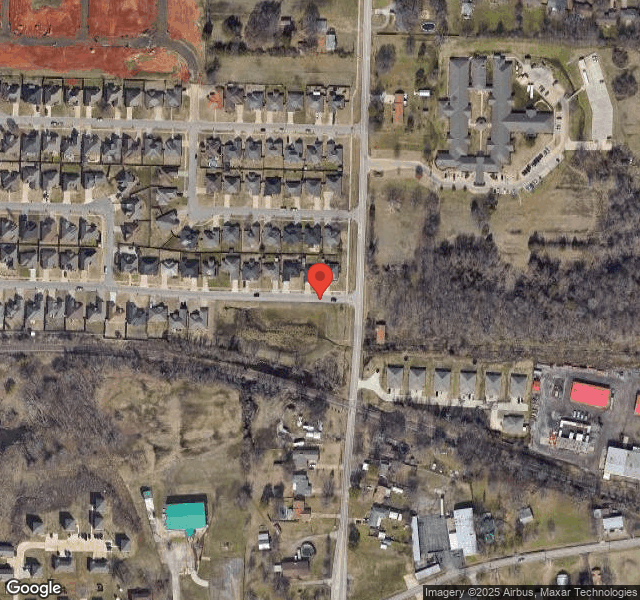
318 STROZIER LANE, BARLING, AR 72923 (479) 452-8181
For profit - Limited Liability company 122 Beds CENTRAL ARKANSAS NURSING CENTERS Data: November 2025
Trust Grade
70/100
#52 of 218 in AR
Last Inspection: March 2025

Within standard 12-15 month inspection cycle. Federal law requires annual inspections.

Overview

Ashton Place Health and Rehab in Barling, Arkansas, has a Trust Grade of B, which indicates it is a good facility overall. It ranks #52 out of 218 in the state, placing it in the top half, and #2 out of 8 in Sebastian County, meaning only one local option is better. The facility is showing improvement, having decreased issues from 7 in 2024 to 3 in 2025. Staffing is rated average with a 3/5 star rating and a turnover of 57%, which is about the state average, but it has concerning RN coverage, being lower than 89% of Arkansas facilities. While there have been no fines, which is a positive sign, recent inspections revealed several areas of concern, such as staff not properly washing hands while handling food and failing to maintain proper food storage temperatures, which poses a risk for residents' health. Overall, while Ashton Place has strengths like its good trust grade and no fines, families should be aware of the staffing issues and the need for improvements in hygiene and food safety practices.

Trust Score
B
70/100
In Arkansas
#52/218
Top 23%
Safety Record
Low Risk
No red flags
Inspections
Getting Better
7 → 3 violations
Staff Stability
⚠ Watch
57% turnover. Above average. Higher turnover means staff may not know residents' routines.
Penalties
✓ Good
No fines on record. Clean compliance history, better than most Arkansas facilities.
Skilled Nurses
⚠ Watch
Each resident gets only 16 minutes of Registered Nurse (RN) attention daily — below average for Arkansas. Fewer RN minutes means fewer trained eyes watching for problems.
Violations
⚠ Watch
17 deficiencies on record. Higher than average. Multiple issues found across inspections.
★★★★☆
4.0
Overall Rating
★★★☆☆
3.0
Staff Levels
★★★★☆
4.0
Care Quality
★★★★☆
4.0
Inspection Score
Stable
2024: 7 issues
2025: 3 issues

The Good

  • 4-Star Quality Measures · Strong clinical quality outcomes
  • Full Sprinkler Coverage · Fire safety systems throughout facility
  • No fines on record

Facility shows strength in quality measures, fire safety.

The Bad

Staff Turnover: 57%

11pts above Arkansas avg (46%)

Frequent staff changes - ask about care continuity

Chain: CENTRAL ARKANSAS NURSING CENTERS

Part of a multi-facility chain

Ask about local staffing decisions and management

Staff turnover is elevated (57%)

9 points above Arkansas average of 48%

The Ugly 17 deficiencies on record

Mar 2025 3 deficiencies
CONCERN (D)

Potential for Harm - no one hurt, but risky conditions existed

Quality of Care (Tag F0684)

Could have caused harm · This affected 1 resident

**NOTE- TERMS IN BRACKETS HAVE BEEN EDITED TO PROTECT CONFIDENTIALITY** Based on observations, record review, interview and facility policy review, the facility failed to ensure a client with a right ...

Read full inspector narrative →
**NOTE- TERMS IN BRACKETS HAVE BEEN EDITED TO PROTECT CONFIDENTIALITY** Based on observations, record review, interview and facility policy review, the facility failed to ensure a client with a right hand contracture was receiving right hand splint treatments in line with Resident #103's physician orders and goals as outlined in the comprehensive care plan during 4 of 4 observations of 1 (Resident #103) of 1 sampled resident to prevent the risk of further reduction in range of motion. The findings include: A review of the Medical Diagnosis, revealed Resident #103 had diagnoses that included stroke, dysphasia, and aphasia. The quarterly Minimum Data Set (MDS) with an Assessment Reference Date (ARD) of 12/31/2024 revealed Resident #103 had short term and long term memory problems per a Staff Assessment for Mental Status (SAMS). Review of the Medication Administration Record (MAR), dated March 2025, revealed Resident #103 had an order dated 12/20/2024 for a right-hand resting splint to be worn and monitored by nursing staff daily for 6 to 8 hours. Nursing had initialed daily that splint was in place from March 1, 2025-March 26, 2025. Review of the Care Plan, initiated on 01/05/2025, revealed Resident #103 had limited mobility due to a stroke and was to wear a right-hand splint 6 to 8 hours a day, and staff to monitor for edema, discoloration, and tolerance. A review of the ICP Multidisciplinary Care Conference, dated 12/30/2024, revealed a meeting on 01/01/2025 at 08:00 AM with the family, nursing, dietary, and social services. Section E. Social Service Summary revealed goals were to maintain the current level of function (LOF). Review of the Care Area Assessment (CAA), dated 10/04/2025, revealed Resident #103 had a communication impairment, both receptive and expressive, causing an inability to speak, putting sentences together, and pronouncing words. The overall objective was to minimize risks. On 03/24/2025 at 01:39 PM, Resident #103 was observed resting in bed, eyes open, with the call light in reach. A boot splint was resting on the drawers across from the bed, no hand splint was observed on the resident or visible in the room. On 03/25/2025 at 09:55 AM, the call light was observed resting on Resident #103's chest, no right-hand splint was observed. A boot splint was resting on top of the dresser across from the resident's bed. Licensed Practical Nurse (LPN) #7 was observed conversing with Resident #103 and asked Resident #103 to blink their eyes once or twice for yes and no. LPN #7 stated Resident #103 had a limited range of motion but could lift the right contracted hand up and hit the soft call light pad. On 03/26/2025 at 10:10 AM, Resident #103 blinked their eyes twice to indicate the resident could reach their call light over the right shoulder. The boot was noted resting on the drawer across from the resident's bed, and no hand splint was observed on the resident or was visible in the room. On 03/26/2025 at 1:20 PM, Resident #103 was observed not wearing a right-hand splint. LPN #2 confirmed she was Resident #103's nurse today and was asked to show where the right-hand splint was documented on the Medication Administration Record/Treatment Administration Record (MAR/TAR) for Resident #103. When asked the process LPN #2 used when putting the splint on Resident #103, she confirmed she had not put Resident #103's hand splint on today and stated that she charted the resident was wearing it. She stated she was sorry, but it was not done. LPN #2 was asked for a copy of the MAR/TAR showing LPN #2 initialed the right-hand splint was put on Resident #103 today (03/26/2025) and was asked if the right-hand splint was care planned. LPN #2 confirmed Resident #103's right hand splint was care planned. LPN #2 then provided this surveyor with a copy of the requested MAR/TAR. LPN #2 stated she drew a line through her initials and struck it out in the computer before making the copy because she had not put the splint on Resident #103. LPN #2 wrote a note on the copy of the MAR/TAR that she changed her documentation at 03:17 PM, before making the requested copy. LPN #2 was asked the process for following the right-hand splint order. LPN #2 stated that the right-hand splint should be put on and then documented to prevent worsening of Resident #103's contracture. LPN #2 was asked if she could explain why she documented that she put the hand splint on Resident #103 when it was not done. LPN #2 did not have an answer. On 03/26/2025 at 1:32 PM, during an interview the Physical Therapy Assistant (PTA) said he was familiar with Resident #103. The PTA stated that Occupational Therapy (OT) discharged Resident #103 recently but if the resident still had an order for hand splints 6 to 8 hours a day, then (gender pronoun) should be wearing them. On 03/26/2025 at 1:46 PM, during an interview the Director of Physical Therapy/Occupational Therapy (PT/OT) was asked to explain the use of the boot splint in Resident 103's room, and a right-hand splint that had not been visualized this week. The Director of PT/OT said PT started using a non-rotation AFO (Ankle-Foot Orthoses) or boot on Resident #103's foot on 9/30/24 and ended in November 2024 when Resident #103 was discharged from services. The Director of PT/OT looked at Resident #103's computerized chart and said on 11/7/24, Resident #103 was picked up private pay and therapy did not pick up the boot as a goal. The Director of PT/OT could not recall if Resident #103 got the hand splint from them or the hospital and stated on 11/7/24 only PT was requested by private pay, then on 2/14/25 private pay started for OT as well. The Director of PT/OT stated, I cannot find anything about a hand splint being ordered or anything. On 03/26/2025 at 1:57 PM, during an interview the Occupational Therapist remembered the resident wearing a hand splint when (gender pronoun) first came to the facility, but since the Occupational Therapist took over Resident #103 ' s private pay services in March 2025 the resident had not worn a hand splint. The Occupational Therapist revealed the resident was evaluated again on 2/14 and discharged [DATE]. The Occupational Therapist said the evaluation did not address the hand splint, and if the doctor ordered the hand splint nursing would have just put the original hand splint on Resident #103 as ordered. On 03/26/2025 at 2:33 PM, during a phone interview, the Medical Director was asked what his expectations were for Resident #103 wearing the right-hand splint. The Medical Director stated that he placed an order on 12/20/2025 and his expectations were that nursing was placing the splint on Resident #103 daily. The concern would be that Resident #103's contracture would worsen without the splint. On 03/26/2025 at 2:53 PM, during an interview, the Administrator was asked what process staff followed to document if a resident had a hand brace and why. The Administrator said they (staff) were expected to put the hand brace on the resident and then to sign the MAR. It was not appropriate to sign the MAR as if it were placed on the resident if staff had not put the brace on the resident. This surveyor requested policies addressing splint/braces and in-service on putting the splint on residents. On 03/26/2025 at 3:45 PM, during an interview the Administrator told this surveyor that they located the right-hand splint in the top of Resident #103's closet, and they put it on (Resident #103 ' s) right hand. On 03/26/2025 at 11:19 PM, a review of page 51-52 of Resident 103's admission packet, signed on 09/27/2024, by the responsible party revealed Resident Rights which stated the resident had the right to appropriate and adequate nursing and medical care, protective and support services. On 03/27/2025 at 10:39 AM, during an interview, the Director of Nursing (DON) was asked what process nursing was expected to follow when there was an order for a hand splint on the MAR, and why. The DON stated that the nurse should review the order, place the splint on the resident and document it on the MAR. The DON said it was not appropriate to document the hand splint was placed on the resident if they did not do it because the nurse was not carrying out the physician's order and that could result in further decline of the resident. On 03/27/2025 at 11:09 AM, review of the Med Pass Checklist revealed to always read the Medication Administration Record (MAR), but did not address orders for hand splints. No other policies or in-services were provided. During an interview with Certified Nursing Assistant (CNA) #10 on 03/27/2025 at 11:13 AM, CNA #10 revealed she would not do anything if she had seen Resident #103's right-hand splint in resident's room, because she would assume it is something that physical therapy would put on and take off of Resident #103. On 03/27/2025 at 1:33 PM, LPN #7 stated the last time she saw Resident 103's hand splint it was resting on (gender pronoun) dresser, but she had seen it in the floor in the past. LPN #7 had charted she placed the hand splint on Resident #7 on 03/24/25 and 03/25/2025 and was asked why the hand-splint was being charted if it was not put on Resident #103. LPN #7 stated, I do not know. I just know [Resident #103] does not like them. This surveyor asked what the process for the resident wearing the splint was. LPN #7 stated, Well PT used to come and put them [the splint] on [Resident #103].
CONCERN (E)

Potential for Harm - no one hurt, but risky conditions existed

Food Safety (Tag F0812)

Could have caused harm · This affected multiple residents

Based on observation, record review, interview, and facility policy review, the facility failed to ensure manufacturer specifications were followed to maintain food quality; dietary staff washed their...

Read full inspector narrative →
Based on observation, record review, interview, and facility policy review, the facility failed to ensure manufacturer specifications were followed to maintain food quality; dietary staff washed their hands and changed their gloves before handling food items; hot food items were maintained at or above 135 degrees Fahrenheit on the steam table while awaiting service and cold food items were maintained at or below 41 degrees Fahrenheit for 1 of 1 meal observed. The findings are: 1. On 3/26/25 at 11:05 AM, this surveyor observed 7 bags of hamburger buns, each containing 12 buns. There was one bag that contained 5 hamburger buns. The buns had been left on the bread rack by the ice machine since they were received on 3/21/2025. The manufacturer's specification was to keep frozen when received. The Dietary Manager was interviewed and asked how long the hamburger buns had been out. The Dietary Manager stated since the time of purchase, and they have never been put in the freezer. 2. On 3/26/25 at 11:43 AM, Dietary [NAME] (DC) #3 removed a log of butter from the refrigerator and placed it on the counter. Without washing her hands, DC #3 then put on gloves, contaminating her gloves in the process. Afterwards, DC #3 touched the deep fryer basket handle and unzipped a clear bag containing slices of bread, which were to be used for making sandwiches. With her contaminated glove, DC #3 also touched the slices of bread. DC #3 was interviewed and was asked what the concerns were for not washing your hands after disposing of contaminated gloves. She stated, Cross contamination. 3. On 3/26/25 at 11:50 AM, DC #4 wore gloves on her hands when she removed breaded chicken fried steaks from the bag and placed them in the deep fryer baskets. DC #4 then picked up the baskets by their handles and lowered them into hot oil. After that, DC #4 grabbed a spray bottle and sprayed the inside of a pan. Without washing her hands, DC #4 picked up a clean blade and attached it to the base of the blender to be used in pureeing foods to be served to the residents who required mechanical soft diets and/or pureed diets. 4. On 03/26/25 at 11:53 AM, DC #4 placed 10 servings of chicken fried steaks into a blender and ground the meat. DC #4 was interviewed and asked what she should have done after touching dirty objects and before handling food or clean equipment. She stated she should have removed the gloves and washed her hands. 5. On 3/26/25 at 12:32 PM, nine bags of ham sandwiches were in a container on the counter to be served to the residents who requested a ham sandwich. The temperature of the sandwiches, when taken and read by DC #3, was 45 degrees Fahrenheit. During an interview with DC #3, she was asked what temperature cold foods should be. She stated 41 degrees Fahrenheit and below. They were supposed to be on ice. 6. On 3/26/25 at 1:12 PM, DC # 3 was asked to check the temperatures of the chef salad at the bottom of the cart ready to be served to the residents who ask for chef salad. She did and stated it was 61 degrees Fahrenheit and that it was hot. At 1:14 PM, the Dietary Manager stated anything cold should be on ice. 7. On 3/26/25 at 1:17 PM, Dietary Aide (DA) #5, who was on the tray line assisting with the lunch meal service, picked up cartons of supplements, cans of cola, cartons of milk, ice cream cartons and placed them on the trays. Without washing her hands, she used her contaminated hands to pick up glasses by their rims and place them on the trays. DA #5 was asked what she should have done after touching dirty objects and before handling clean equipment, and she stated wash her hands. 8. The review of facility policy titled, Handwashing and Glove Usage in Food Service, not dated, and provided by the Administrator on 3/26/2025 indicated hands should be washed before starting work, after leaving and returning to the kitchen prep area, and after touching anything else such as dirty equipment and work surfaces.
CONCERN (E)

Potential for Harm - no one hurt, but risky conditions existed

Infection Control (Tag F0880)

Could have caused harm · This affected multiple residents

**NOTE- TERMS IN BRACKETS HAVE BEEN EDITED TO PROTECT CONFIDENTIALITY** Based on observation, interviews, facility policy review, and facility document review, it was determined the facility failed to...

Read full inspector narrative →
**NOTE- TERMS IN BRACKETS HAVE BEEN EDITED TO PROTECT CONFIDENTIALITY** Based on observation, interviews, facility policy review, and facility document review, it was determined the facility failed to ensure staff performed hand hygiene while passing ice to residents to prevent the spread of infection and cross contamination. This failed practice had the potential spread of infection to all residents on the 400 Hall who received ice. The facility also failed to ensure residents were free from the risk of infection by providing a safe, sanitary environment related to flushing a feeding tube by not following enhanced barrier precautions, specifically ensuring the nurse wore a gown during 1 of 1 observation of flushing the feeding tube of 1 sampled (Resident #103) resident. The findings include: 1. A review of a facility policy titled, Ice/Scoop, Handling the, with a revision date 11/22/16, revealed staff should always wash their hands thoroughly before handling the ice scoop. a. A review of a facility policy titled, Handwashing and Glove usage in Food Service, revealed food handlers must wash their hands after touching anything else such as dirty equipment, work surfaces or clothes. b. A review of the In-service on Hand Hygiene, indicated the facility in-serviced the staff in the months of February, May and August of 2024, revealing all personnel should follow hand washing procedures to prevent the spread of infection. c. On 03/25/2025 at 10:06 AM, Certified Nursing Assistant (CNA) #1 was observed filling ice and water cups on the 400 Hall. CNA #1 walked into resident rooms [ROOM NUMBER] without using hand sanitizer. She picked up the residents ' drinking cups, opened the bathroom doors, took a step into the bathroom, put water in the cup, then came back to the ice chest. CNA #1 picked up the scoop, opened the ice chest and put ice in the cup. CNA #1 went back to the bedside and placed the cup on the bedside table. As she exited the room, she did use hand sanitizer. d. On 03/25/2025 at 10:25 AM, during an interview, CNA #1 was asked about the process of hand hygiene while passing ice and refilling cups. CNA #1 stated I use hand hygiene upon entering the room, get the cup, refill it and use hand hygiene as leaving the room. She revealed staff are in-serviced quarterly on hand hygiene. CNA #1 said after touching items in the resident environment such as doorknobs and faucet handle to refill the water cup, hand sanitizer should have been used before picking up the ice scoop and getting ice from the ice chest to prevent cross contamination, and by not using the hand sanitizer, she could spread infection to other residents. e. During an interview with the Administrator on 03/26/25 at 11:00 AM, the Administrator was asked what the hand hygiene process was that staff are expected to perform when passing ice/water. The Administrator said they were expected to use hand sanitizer before entering the room, empty the old ice and water, put new ice and water in the cup, put the cup back on the bedside table and hand sanitize again. If they go in a room and get the cup, touch things in a resident's room, door and doorknob, staff would be expected to sanitize again before getting in the ice chest and handling the scoop. She confirmed staff were in-serviced quarterly on hand hygiene. f. During an interview with the Minimum Data Set/Infection Preventionist (MDS/IP) Nurse on 03/27/2025 at 09:33 AM, the MDS/IP Nurse was asked what the hand hygiene process that staff were expected to follow when passing ice/water was. The MDS/IP Nurse stated to use hand sanitizer upon entering the room and when exiting the room, and after touching things in a resident's room such as the door and doorknob, to prevent cross contamination. g. During an interview with Director of Nursing (DON) on 03/27/2025 at 10:30 AM, the DON was asked what the hand hygiene process that staff were expected to follow when passing ice/water was. The DON stated to use hand sanitizer when going into a room, get the water cup, dump the old ice and water out, hand sanitize, fill the ice cup, place the cup on the bedside table, use hand sanitizer before going to the roommate, repeat steps, and sanitize hands when leaving the room. The DON stated staff would be expected to use hand sanitizer after environmental contact and before using the ice scoop. She confirmed staff would spread infection to other residents if hand sanitizer was not used 2. A review of the Medical Diagnosis, revealed Resident #103 with diagnoses that included stroke, dysphasia, and aphasia. The quarterly Minimum Data Set (MDS) with an Assessment Reference Date (ARD) of 12/31/2024 revealed Resident #103 had short term and long term memory loss per a Staff Assessment for Mental Status (SAMS). Section K0520 indicated Resident #103 had a feeding tube. a. Review of a policy/procedure titled, Enteral Feedings, Administration via Gastrostomy, revised 11/22/2016, revealed wearing gloves is considered part of the equipment and supplies necessary for care. The policy did not mention Enhanced Barrier Precautions (EBP) or the requirement of a gown during feeding tube care. b. Review of policy titled, Center for Clinical Standards and Quality/Quality, Safety & Oversight Group, dated 03/20/2024, revealed Enhanced Barrier Precautions (EBP) were recommended for residents with chronic wounds and indwelling devices, including feeding tubes, regardless of their multidrug resistant status. Transmission of multidrug resistant infections is common is long term care (LTC) facilities putting many residents at increased risk of developing a colonization or becoming infected with a multidrug Resistant organism (MDRO). The Center for Disease Control (CDC) recommends personal protective equipment (PPE), is considered an infection control intervention, gowning, and gloving during high contact procedures including indwelling devices such as flushing a resident's feeding tube. c. Review of an in-service titled, Enhanced Barrier Precautions, dated 03/29/2024, revealed residents with a Percutaneous Endoscopic Gastrostomy (peg tube) should be on EBP, and a gown and gloves should be worn at all times during high contact resident care. Licensed Practical Nurse (LPN)'s #7's signature was not noted on this in-service. d. Review of the Order Summary Report, dated 09/27/2024, revealed Resident #103 was on EBP related to a peg tube all day, and on night shift. Flush peg tube with 30cc of water before and after feedings related to gastrostomy and as needed according to gastrostomy status. e. Review of Care Plan Report, revised 11/14/2024, revealed Resident #103 had a feeding tube related to a stroke and head of bed should be at 30 degrees during, and 30 minutes after, tube feedings. f. A review of Interdisciplinary Care Plan (ICP) Multidisciplinary Care Conference, dated 12/30/2024, revealed a meeting on 01/01/2025 at 08:00AM, the meeting noted Resident #103 was currently on a nothing by mouth (NPO) diet, and was receiving enteral nutritional formula for malnutrition 1.5 calories at 70cc/hour through a feeding tube. Resident #103's goals were to maintain the current level of function (LOF). Family, nursing, dietary, and social services were present. g. Review of Care Area Assessment (CAA), dated 03/25/2025, revealed Resident #103 had physical and mental conditions such as oral motor functions that prevented Resident #103 from swallowing, and Resident #103 required a feeding tube for nutrition. Care plan consideration was to minimize risks. h. On 03/24/2025 at 01:39 PM, this surveyor observed Resident #103 receiving nutritional formula 1.5 calories at 70cc/hour. i. On 03/25/2025 at 09:48 AM, this surveyor observed a feeding tube hanging from a feeding tube pole. Certified Nursing Assistant (CNA) #8 and CNA #9, revealed a nurse turned the feeding tube off for a shower. j. On 03/25/2025 at 10:00 AM, during a concurrent observation and interview, LPN #7 was observed at the bedside with the privacy curtain pulled, and gloves on both hands. The feeding tube was taken from where it was resting on the feeding tube pole, a sterile syringe was attached to the feeding tube and 30cc water was poured into the syringe and went down without resistance. LPN #7 was asked what the process was for staff to ensure good infection control when flushing a PEG tube. LPN #7 said staff should wash their hands and wear gloves. LPN #7 stated staff would wear a gown during perineal care for EBP. LPN #7 was asked what urinary tract infection (UTI) Resident #103 had that required EBP. LPN #7 said Resident #103 did not have a UTI. LPN #7 walked outside the door and read aloud the enhanced barrier sign and said, I made a mistake, then revealed according to the EBP sign she should have worn a gown and gloves for device care and stated signage identified a feeding tube as a device that required EBP. LPN #7 stated that she would have to find out why a feeding tube required EBP. k. On 03/25/2025 at 10:20 AM, during an interview, LPN #7 said she checked and the reason for EBP for Resident #103 was while the syringe was connected to the feeding tube gas could bring up stomach contents getting everywhere and could be an infection control issue. l. During an interview with the Administrator on 03/26/2025 at 11:13 AM, the Administrator was asked what procedure nursing was expected to follow when flushing a feeding tube and why. The Administrator said she expects staff to wear a gown and gloves before opening the PEG tube to flush or restart the feeding tube because she did not want them to introduce bacteria into the resident's stomach. The Administrator revealed nursing completed online skills for PEG tubes. The Administrator was asked to provide the policy/procedure on PEG tubes, enhanced barrier precautions, and in-services. m. On 03/26/2025 at 01:20 PM, during an interview, LPN #2 confirmed she was Resident #103's nurse on this day. LPN #2 was asked where she could find EBP interventions and what they were. LPN #2 asked another staff member for assistance in finding the care plan, then revealed that she could not find the interventions for EBP, but that would be useful for the nurses to know. n. On 03/26/2025 at 03:10 PM, during an interview, the MDS Nurse pulled up documentation on Resident #103's computerized chart showing EBP was documented on 02/07/2025 under PEG tube. A copy was not provided. o. On 03/27/2025 at 09:26 AM, during an interview, the Medical Director stated that he attended QAPI (Quality Assurance and Performance Improvement) meetings and was kept informed about what was going on in the facility. EBP were in place and there were currently no concerns. p. On 03/27/2025 at 10:30 AM, during an interview, the Director of Nursing (DON) was asked the process staff were taught in order to identify residents on EBP. The DON said the facility had a list of residents on EBP and, for example, if their foley (urinary indwelling catheter) was removed they might come off the list. The facility reviewed the list daily, and there was a sign on the door that indicated the resident was on EBP. If a nurse was going to flush a feeding tube that was turned off, the process the nurse was expected to follow was to wash their hands and gown and glove before touching the resident. If they open the end of the feeding tube but are not gowned and gloved the nurse could introduce an infection to the resident, or the resident could introduce an infection to the nurse that could spread to others. q. On 03/27/2025 at 12:36 PM, during an interview, CNA #10 stated EBP could be identified by signage. CNA #10 stated he followed the directions on the signage, and as instructed by nursing and policy. r. On 03/27/2025 at 12:53 PM, the Administrator provided a printout from an online skills in-service showing LPN #7 and nursing staff were educated on PEG tubes on 11/14/2025.
Jan 2024 7 deficiencies
CONCERN (E)

Potential for Harm - no one hurt, but risky conditions existed

Deficiency F0583 (Tag F0583)

Could have caused harm · This affected multiple residents

Based on observation, interview and policy review, the facility failed to ensure information regarding resident care was posted in a manner that protected the privacy of one 1 Resident (Resident #24) ...

Read full inspector narrative →
Based on observation, interview and policy review, the facility failed to ensure information regarding resident care was posted in a manner that protected the privacy of one 1 Resident (Resident #24) of 1 sampled resident who resided on 200 Hall. The findings are: On 1/4/2024 at 9:09 AM, Licensed Practical Nurse (LPN) #1 did not lock cart or close the screen down. At 9:19 AM, when LPN#1 was taking a medication to a resident the cart was unlocked and screen up. a. On 1-4-24 at 9:39 AM, the Surveyor asked the LPN #1 how should the nurse leave the med cart when out of your sight. LPN #1 stated, Locked and screen locked. The Surveyor asked, why? The LPN said, So no one can get in it. b. On 1-4-24 at 9:41 AM, the Surveyor asked the LPN #2 when a nurse is giving medication and leaves the cart to administer medication to the resident, how should the medication cart be left. LPN #2 stated, Medication cart to be locked and hide screen. The Surveyor asked, why? The LPN #2 stated, For resident security, Health Insurance Portability and Accountability Act (HIPAA) . Also, a resident could get in the cart and take something harmful, so it is for their safety and security. c. On 1-5-2023 at 8:54 AM, the Surveyor asked the Director of Nursing (DON) how a medication cart should be left when unattended. The DON said, The cart should be locked and the screen locked and hidden. The Surveyor asked the DON, why do we lock the cart and screen? The DON said, So no resident can walk by and get into the medications and so, to keep the resident ' s information private. c. On 1-4-2024 at 11:08 AM, the DON brought a policy of Residents Rights . 35. To privacy during treatment and care of personal needs. 36. To know that you are assured private and confidential treatment of all information contained in your medical records, including photographs, and that your consent, or the legal representative, is required for the release of information to persons not otherwise authorized to receive it .
CONCERN (E)

Potential for Harm - no one hurt, but risky conditions existed

Accident Prevention (Tag F0689)

Could have caused harm · This affected multiple residents

Based on observation, interview and record review the facility failed to ensure that lotions, perfumes, and powder containers were not allowed in the facility for 5 Residents (R#4, #38, #46, #54, and ...

Read full inspector narrative →
Based on observation, interview and record review the facility failed to ensure that lotions, perfumes, and powder containers were not allowed in the facility for 5 Residents (R#4, #38, #46, #54, and #91) final sample residents. This failed practice had the potential to affect all residents in 100 and 200 hall. The findings are: a. On 1/2/2024 1:05 PM, R #91 is sitting up in the bed with 2 lotions on bedside table and 2 lip balm on the bedside table. On 1/3/2024 at 8:30 AM, R #91 is sitting up in the bed, drinking milk, breakfast was just delivered. There are 2 lotions and 2 balm on the bedside table. b. On 1/2/2024 at 1:09 PM, R #46 sitting in the recliner, with a visitor. Resident has 2 lotions and 2 perfumes laying out on bedside table. On 1/3/2024 at 8:30 AM, R #46 sitting up in the recliner, eating breakfast. The 2 lotions and 2 perfumes are still sitting out on bedside table. c. On 1/2/2024 at 1:25 PM, R #4 has a coffee table in room and has lotion sitting out on it. On 1/3/2024 at 8:38 AM, R #4 is sitting up in bed and eating breakfast. The lotion is still out on the card table in the room. d. On 1/2/2024 at 1:35 PM, R #38 is sitting up in the wheelchair getting ready to eat lunch and powder is sitting out on the bedside table. On 1/3/2024 at 8:50 AM, R #38 is in bed and the powder is still on the bedside table. e. On 01/2/2024 at 2:32 PM, R #54 is sitting up in the bed. The lotions and personal products are in a bucket in the room. Resident is doing a puzzle. f. On 1-4-2024 at 4:06 PM The Surveyor asked the Director of Nursing (DON) where is a resident ' s perfume, powder, etc. to be stored when not in use. The DON stated, They have a bath basin they put their items in and they're to be stored in their closets. The Surveyor asked, who is in charge of assuring these items are kept out of reach? g. On 1-4-2024 at 4:10 PM, the Surveyor asked, who is in charge of assuring these items are kept out of reach? The Nurse Consultant stated, We all are. h. On 1-5-2024 at 8:53 AM, the Administer said, We do not have a policy on residents stuff.
CONCERN (E)

Potential for Harm - no one hurt, but risky conditions existed

Deficiency F0760 (Tag F0760)

Could have caused harm · This affected multiple residents

**NOTE- TERMS IN BRACKETS HAVE BEEN EDITED TO PROTECT CONFIDENTIALITY** Based on observation, record review, and interview, the facility failed to ensure physician's orders and the manufacturer's guid...

Read full inspector narrative →
**NOTE- TERMS IN BRACKETS HAVE BEEN EDITED TO PROTECT CONFIDENTIALITY** Based on observation, record review, and interview, the facility failed to ensure physician's orders and the manufacturer's guidelines were followed to prevent a significant medication error, which could result in complications for 1 (Resident #104) of 1 sampled resident who had physician orders for NovoLog insulin. The findings are: A review of the Patient Information, NovoLog, revised on 4/2015, specified, NovoLog starts acting fast. You should eat a meal within 5 to 10 minutes after you take your dose of NovoLog. A review of an admission Record indicated the facility admitted Resident #104 with a diagnosis of sepsis and diabetes mellitus. The 5-day Minimum Data Set (MDS), dated [DATE], revealed Resident #104 had a Brief Interview for Mental Status (BIMS) score of 14, which indicated the resident was cognitively intact. The resident required moderate / supervision for activities of daily living (ADLs). Review of Resident #104's Care Plan, initiated on 12/21/2023, revealed the resident had diabetes mellitus. Interventions, with an initiated date of 12/21/2023, revealed diabetes medication as ordered by doctor, monitor / document for side effects and effectiveness. A review of Resident #104's Physician Orders, for the month of January 2024, revealed an order, dated 12/11/2023, for NovoLog Injection Solution 100 unit/ milliliter (ml) inject 4 unit subcutaneously three times a day related to type 2 diabetes mellitus with hyperglycemia. If capillary blood glucose (CBG) is below 60, give Glucagon injection intramuscular (IM), recheck CBG in 15 minutes, if not improving notify provider. On 01/04/2024 at 12:08 PM, Licensed Practical Nurse (LPN) #3 was observed during medication administration pass and obtained a capillary blood glucose (CBG) reading of 310 from R#104 right index finger. On 01/04/2024 at 12:13 PM LPN #3 was observed to remove 4 units of NovoLog insulin from a vial using a an insulin syringe. LPN #3 administered 4 units of NovoLog insulin to Resident #104 ' s lower abdomen using an insulin syringe. LPN #3 did not offer Resident #104 a snack or a meal. On 01/04/2024 at 12:38 PM, Nursing Assistant (NA) #1 entered Resident #104 ' s room with a meal tray consisting of mashed potatoes, chopped meat loaf with ketchup, lima beans, corn bread, peach cobbler, tomatoes soups, Staff was observed to set tray up for Resident #104. A total of 25 minutes had passed between Resident #104 receiving 4 units of NovoLog insulin and receiving a meal. On 01/04/2024 at 2:57 PM, Licensed Practical Nurse (LPN) #1 was asked when should a resident eat/be offered a snack, after being administered Novolog insulin? LPN #1 stated, 10 -15 minutes. LPN #1 was asked is NovoLog insulin a quick or slow acting insulin? LPN #1 stated, quick acting. LPN #1 was asked why should the resident eat 10 -15 minutes after receiving a quick acting insulin? LPN #1 stated, Their sugar will bottom out. On 01/04/2024 at 3:04 PM, LPN #5 was asked is NovoLog insulin was a quick or slow acting insulin? LPN #5 stated, fast acting. LPN #5 was asked when should a resident eat/be offered a snack after being administered NovoLog insulin and why? LPN #5 stated, Within 5 minutes because it could bottom out their sugar. LPN #5 was asked if 25 minutes was too long to wait to eat after receiving Novolog insulin. LPN #5 stated, Yes, 25 minutes is too long. On 01/05/2024 at 11:12 AM The Director of Nursing (DON) was asked when should a resident eat after receiving NovoLog insulin. The DON stated, Within 5-10 minutes. The DON was asked why should a resident eat within 5-10 minutes after receiving NovoLog insulin. The DON stated, So it (sugar) doesn't bottom out.
CONCERN (E)

Potential for Harm - no one hurt, but risky conditions existed

Deficiency F0761 (Tag F0761)

Could have caused harm · This affected multiple residents

Based on observation, record review, and interview, the facility failed to ensure medications were stored in accordance with state laws and accepted standards of pharmacy practice for 1 (Resident #85)...

Read full inspector narrative →
Based on observation, record review, and interview, the facility failed to ensure medications were stored in accordance with state laws and accepted standards of pharmacy practice for 1 (Resident #85) of 1 sampled residents, to prevent the possible ingestion and or injury. The findings are: On 1/3/2024 at 10:23 AM, a card of Ondansetron HCL 4 milligram (mg) tablet containing 21 pills was located in the bottom drawer of the 100 Hall medication cart for Resident #85. The medication fill date was 12/30/22. The medication expiration date was 12/30/23. On 01/03/2024 at 10:30 AM, Licensed Practical Nurse (LPN) #6 was asked why should expired medications be pulled from the medication carts. LPN #6 stated, Because it's not safe to use anymore. LPN #6 was asked how often are the medication carts checked for expired medications. LPN #6 stated, I'm not sure, I know night shift does it. On 01/04/2024 at 11:36 AM, the Director of Nursing (DON) verbally confirmed the facility did not have a medication storage policy. On 01/05/2024 at 11:12 AM The DON was asked why should expired medications be removed from the medication carts/medication rooms. The DON stated, So the resident doesn't get them.
CONCERN (E)

Potential for Harm - no one hurt, but risky conditions existed

Food Safety (Tag F0812)

Could have caused harm · This affected multiple residents

Based on observations, interview and record review, the facility failed to ensure foods in the dry pantry were properly sealed, dated and stored in 1 of 1 facility kitchens. This failed practice had t...

Read full inspector narrative →
Based on observations, interview and record review, the facility failed to ensure foods in the dry pantry were properly sealed, dated and stored in 1 of 1 facility kitchens. This failed practice had the potential to affect 112 (total 114 in facility) residents who received their meals from the kitchen. The findings are: 1. On 01/02/24 at 12:13 PM, an initial tour was conducted. On 01/02/14 an individual open box of baking soda was observed sitting on the top shelf of open metal shelving. Baking soda in a plastic bag with no visible open date on the bag. The box of baking soda had a dark discolored line across the bottom of the box that appeared to be discolored due to some type of moisture. 2. On 01/02/24 at 12:15 PM, the Dietary Manager was asked if this box of baking soda was safe to use. The Dietary Manager stated No, I will throw that away. We don't know what caused the moisture.
CONCERN (E)

Potential for Harm - no one hurt, but risky conditions existed

Infection Control (Tag F0880)

Could have caused harm · This affected multiple residents

**NOTE- TERMS IN BRACKETS HAVE BEEN EDITED TO PROTECT CONFIDENTIALITY** Based on observation, record review, and interview, the facility failed to ensure infection control precautions were implemented...

Read full inspector narrative →
**NOTE- TERMS IN BRACKETS HAVE BEEN EDITED TO PROTECT CONFIDENTIALITY** Based on observation, record review, and interview, the facility failed to ensure infection control precautions were implemented and followed, as evidenced by failure to implement universal source control by wearing face shields/goggles and failed to ensure staff implemented hand hygiene before entering a COVID-19 positive resident room, for 1 (Resident #56) of 1 sampled resident, to prevent the transmission of COVID-19 and or other respiratory diseases. This failed practice had the potential to affect 114 residents. , according to the Roster Matrix provided by the Administrator on 1/2/2024 at 12:15 p.m. The findings are: A review of an admission Record indicated the facility admitted Resident #56 with diagnoses that included COVID-19 and dementia. The quarterly Minimum Data Set (MDS), dated [DATE], revealed Resident #56 had a Brief Interview for Mental Status (BIMS) score of 14, which indicated the resident was cognitively intact. The resident was dependent for toileting and showers and required maximum assistance for most all activities of daily living (ADLs). Review of Resident #56's Care Plan, initiated 3/1/2022, revealed the resident was at risk for signs / symptoms (s/sx) of COVID-19. Interventions included follow facility protocol for COVID-19 screening/precautions initiated on 3/21/2022. A review of Resident #56's Physician Orders, for the month of January 2024, revealed an order, dated 12/26/2023 for droplet isolation every shift related to COVID-19 for 10 days until finished. Review of a facility policy titled, Isolation Precautions, Categories of, dated, 11/22/16, specified, Transmission-based isolation precautions have been established in order to ensure that appropriate isolation techniques are implemented in this facility when necessary. In addition to Standard Precautions, Droplet Precautions must be implemented for a patient documented or suspected to be infected with microorganisms transmitted by droplets {large-particle droplets larger than 5 microns in size} that can be generated by the patient coughing, sneezing, talking, or the performance of procedures. On 01/03/2024 at 8:59 AM, Certified Nursing Assistant (CNA) #2 was observed outside of Resident #56 ' s room. A sign on the wall documented Stop .Droplet Isolation .Required PPE .gown, gloves, face shield or goggles, and N95 mask . CNA #2 put on an isolation gown. CNA #2 opened Resident #56 ' s door to room, reached in with hand, and obtained a pair of gloves from a box of gloves on the inside of the Resident ' s room and applied to hands. CNA #2 did not apply a face shield or goggles before entering Resident #56 ' s room. CNA did not perform hand hygiene before applying Personal Protection Equipment (PPE) or before entering a COVID-19 positive resident room. On 01/03/2024 at 9:24 AM, CNA #2 was asked, what PPE is to be worn when going into an COVID-19 positive resident isolation room. CNA #2 said, gown, gloves, mask and goggles or face shield. CNA #2 was asked when did you apply the goggles or face shield. CNA #2 replied, I didn't. CNA #2 was asked, when are you supposed to perform hand hygiene. CNA #2 stated, After you leave the room. CNA #2 was asked, what about when entering a room. CNA #2 stated, Yes you should. CNA #2 was asked, when you obtained the gloves from the box inside the room, when did you perform hand hygiene before applying the gloves. CNA #2 stated, I didn't. CNA #2 was asked why do perform hand hygiene and wear the proper PPE before entering a COVID-19 positive resident room. CNA #2 stated, To protect us and them. On 01/04/2024 at 9:24 AM, the Infection Control Preventionist, (ICP), was asked what PPE is to be worn when entering a COVID-19 positive resident room on droplet isolation and why? The ICP stated, Gown, mask, goggles, and gloves, because it's droplet and you have to cover the eyes, nose, mouth, and clothes. The ICP was asked when is hand hygiene performed and why when assisting a COVID positive resident on droplet isolation and why? The ICP stated, Before and after all care, between clean and dirty tasks; anytime, to stop the spread of COVID-19 and whatever they are on isolation for. On 01/05/2024 at 11:12 AM The Director of Nursing (DON) was asked why infection control preventions are to be taken before entering a COVID-19 positive resident room. The DON stated, They should sanitize hands and donn PPE. The DON was asked what PPE specifically should be donned. The DON stated, droplet isolation. The DON was asked what droplet isolation PPE consisted of. The DON stated, N95 mask, goggles or face shield, gloves and a gown.
CONCERN (E)

Potential for Harm - no one hurt, but risky conditions existed

Safe Environment (Tag F0921)

Could have caused harm · This affected multiple residents

Based on observation, interview and record review, the facility failed to ensure a safe, functional, sanitary, and comfortable environment for residents and staff. This failed practice had the potenti...

Read full inspector narrative →
Based on observation, interview and record review, the facility failed to ensure a safe, functional, sanitary, and comfortable environment for residents and staff. This failed practice had the potential to affect 3 residents. The findings are: a. On 1/2/2024 at 1:13 PM, Resident #72 is in the dining room in an electric wheelchair with bilateral arms are cracked and torn. On 1/3/2024 at 8:32 AM Resident is up in electric wheelchair with bilateral cracked arm. b. On 1/2/2024 at 1:17 PM, Resident #84 is sitting up in bed eating lunch. The right arm on the wheelchair is cracked. c. On 1/2/2024 2:25 PM, Resident #24 is in wheelchair with bilateral arms that are torn with padding showing. d. On 1-4-2023 at 3:41 PM, the Surveyor asked the Maintenance Supervisor (MS) is there a protocol of how the employee's let you know that something in the facility needs attention. The MS said, yes, they write it in the Maintenance Log or page me and I will come check it out. The Surveyor asked, how long does it take to care for the issue. The MS stated, Typically, the same day. The Surveyor asked, how do you replace faulty equipment. The MS stated, I have parts on hand, or I order the stuff needed. e. On 1-4-2023 at 3:54 PM, the Surveyor interviewed the Director of Nursing (DON), Nurse Consultant, and Administrator. The Surveyor asked, when there are maintenance issues who usually takes care of these types of problem. The DON said, we call our Maintenance Supervisor with any maintenance issues. The Surveyor asked, are there residents that have gotten cuts or skin tears from the faulty equipment? The DON stated, The residents usually get hurt on a bolt that is on the leg rest. The Surveyor asked, do you have any employees that is in charge of checking the equipment? The DON said, Nighttime employees check and cleans wheelchairs. They report back to me or the Maintenance Supervisor. f. On 1-4-2024 at 3:57 PM The Administrator said, the Maintenance Supervisor has been asked to start an audit on 100 and 200 Hall to check for equipment needing repaired or replaced. g. On 1-5-24 at 8:54 AM the Administer provided a policy for Maintenance Procedure 1. The Maintenance records will include: . b. A plan for reporting problems and responding to maintenance, housekeeping, or sanitation needs. c. Response to major maintenance problems, if any, and plans for addressing any problem that cannot be corrected within three calendar days .
Sept 2023 1 deficiency
CONCERN (D) 📢 Someone Reported This

A family member, employee, or ombudsman was alarmed enough to file a formal complaint

Potential for Harm - no one hurt, but risky conditions existed

Quality of Care (Tag F0684)

Could have caused harm · This affected 1 resident

Based on observation, interview and record review, the facility failed to ensure the resident received care/urinalysis with culture ordered by the physician for 1 (Resident #1) of the 3 sample residen...

Read full inspector narrative →
Based on observation, interview and record review, the facility failed to ensure the resident received care/urinalysis with culture ordered by the physician for 1 (Resident #1) of the 3 sample residents (Resident #1, Resident #2, and Resident #3). The findings included: Review of Resident #1 ' s physician ' s Order Summary Report showed the following: a. A physicans order dated 08/03/2023 for a UA (urinalysis) with culture. b. A physicans order dated 08/07/2023 for a UA with culture. c. A physicans order dated 07/32/2023 for a UA with culture. On 09/20/2023 at 10:26 AM review of Resident #1 ' s progress notes and laboratory notes showed no documentation of obtaining the UA or the results for the UA ordered on 08/03/2023 or 08/07/2023. During interview on 09/20/2023 at 1:20 PM, the Director of Nursing (DON) said Resident #1 had a UA with culture ordered, but it was not completed because the Resident was unable to urinate. Review of Resident #1 ' s nursing progress note dated 08/07/2023 at 6:11 PM showed unable to get UA thus far. During interview on 09/21/2023 at 9:00 AM, the DON confirmed there was no documentation regarding the ordered urinalysis on 07/31/2023, 08/03/2023, 08/07/2023 not being obtained other than the nursing progress note dated 08/07/2023 at 6:11 PM. During interview on 09/21/2023 at 10:20 AM, the Assistant Director of Nursing (ADON) said if a UA is not obtained within 24-48 hours the medical provider should be notified. During interview on 09/21/2023 at 10:35 AM, the Medical Records/LPN confirmed there were no UA lab results reported for Resident #1. During an interview on 09/21/2023 at 9:00 AM, the Surveyor requested a policy concerning following physician orders. The DON said there was no policy concerning physician orders.
Sept 2022 6 deficiencies
CONCERN (E)

Potential for Harm - no one hurt, but risky conditions existed

ADL Care (Tag F0677)

Could have caused harm · This affected multiple residents

Based on observation, interview, and record review, facility failed to ensure residents' fingernails were cleaned and trimmed to promote good personal hygiene and grooming for 1 (Residents #43) of 18 ...

Read full inspector narrative →
Based on observation, interview, and record review, facility failed to ensure residents' fingernails were cleaned and trimmed to promote good personal hygiene and grooming for 1 (Residents #43) of 18 (#43, 27, 39, 197, 18, 24, 7, 81, 83, 68, 52, 86, 93, 45, 40, 54, 8, and 58) sampled residents who were dependent on staff for nail care as documented on a list provided by the Director of Nursing (DON) on 9/15/22 at 8:47 AM. The findings are: 1. Resident (R) #43 had diagnoses of Type II Diabetes, Cerebral Infarction, Osteoarthritis, Long term use of Anticoagulation's, Seizures, and Venous Insufficiency. The Annual Minimum Data Set (MDS) with an Assessment Reference Date (ARD) 7/18/22 documented a Brief Interview for Mental Status (BIMS) score of 12 (8-12 moderate cognitive impairment), required extensive assist with 1-person physical assistance with personal hygiene and 2-person assist for bed mobility, transfers, and toilet use. a. The Plan of Care with a revised date 07/22/22 documented, . BATHING/SHOWERING: Check nail length and trim and clean on bath day and as necessary. Report any changes to the nurse. Date Initiated: 09/23/2021 . b. On 09/12/22 at 02:13 PM, the resident was lying in bed and his fingernails were approximately ½ [half] inch past the end of his fingers with a thick dark brown substance under them. Surveyor asked R #43 if he wanted them cleaned and trimmed. R #43 stated he want them cleaned but it doesn't matter if they are trimmed. c. On 09/13/22 at 09:00 AM, R #43 was in the smoking area in the courtyard and his nails had thick brown substance under them. d. On 09/14/22 at 03:50 PM, R #43 was lying in bed in bedroom eating a honey bun. Surveyor asked if his nails were cleaned yet. R #43 stated, No not yet. Can you pick up my honey bun? It fell on the floor. Surveyor walked down 400 hall and accompanied Certified Nursing Assistant (CNA) #1 back to R #43's room. Surveyor asked CNA#1 to described R#43's fingernails. CNA #1 stated, Oh lord, those are filthy. Surveyor asked, How often should resident's nails be cleaned? CNA #1 stated, I need to get a nurse to check to see if he is Diabetic. Surveyor asked, Do you not clean his nails even if he is Diabetic? CNA #1 stated, A nurse needs to cut and clean under a Diabetic's nails. Surveyor accompanied CNA#1 to nurses' station between 400 & 500 halls and asked Licensed Practical Nurse (LPN)#1 if R #43 was Diabetic. LPN #1 stated R #43 was Diabetic. CNA #1 turned to surveyor and stated, Yes ma'am he is Diabetic. e. On 09/14/22 at 04:00 PM, Surveyor accompanied LPN #1 to R #43's room. Surveyor asked LPN #1 to describe R #43's fingernails. LPN #1 stated, long and dirty. Surveyor asked LPN #1 how often she trims and cleans R #43's nails. LPN #1 stated, I need to find out if there is a time protocol. Surveyor asked LPN #1, When should R#43's nails be cleaned? LPN #1 stated, If observed, it is done immediately. Surveyor asked LPN #1, When was the last time you saw his nails? LPN #1 stated, I have not seen them like this until today. I thought the nurse was responsible for trimming & filing and CNAs cleaned them during showers. Surveyor asked, Are you R #43's nurse? LPN #1 stated, Yes, I am the nurse on 400 and 600 halls. 2. On 09/15/22 at 08:31 AM, The Surveyor requested Activities of Daily Living (ADL) Nail care policy from the Director of Nursing (DON). 3. On 09/15/22 at 08:32 AM, a review of R #43's progress notes from 8/31/22 to 9/14/22 documented no resident refusal of ADL care. 4. On 09/15/22 at 09:35 AM, a review of document titled Task Record documented no nail care performed or resident refusals from 9/9/22 through 9/14/22. 5. On 09/15/22 at 08:39 AM, The DON informed surveyor in conference room the facility did not have a nail care policy.
CONCERN (E)

Potential for Harm - no one hurt, but risky conditions existed

Incontinence Care (Tag F0690)

Could have caused harm · This affected multiple residents

**NOTE- TERMS IN BRACKETS HAVE BEEN EDITED TO PROTECT CONFIDENTIALITY** Based on observation, record review, and interview the facility failed to ensure foley catheter drainage bags were secured to pr...

Read full inspector narrative →
**NOTE- TERMS IN BRACKETS HAVE BEEN EDITED TO PROTECT CONFIDENTIALITY** Based on observation, record review, and interview the facility failed to ensure foley catheter drainage bags were secured to prevent the catheter bag from touching the floor to prevent the potential for infection for two (Resident #52, Resident #83) of nine (Resident #21, #39, #42, #52, #83, #85, #87, #93, and #199) sample selected residents reviewed who required indwelling Foley catheters according to a list provided the DON on 09/14/22 at 4:35 pm. The findings are: 1. Resident #52 was admitted to the facility on [DATE] with Diagnoses of Chronic Kidney Disease Stage 5, Retention of Urine, and Hydronephrosis. The Medicare Five Day Minimum Data Set (MDS) with an Assessment Reference Date (ARD) of 08/25/22 documented the resident scored 11 (8-12 indicates moderately cognitively impaired) on a Brief Interview for Mental Status (BIMS) and required extensive two plus person assistance for bed mobility, transfers, and toilet use. Section H0100 documented urinary incontinence not rated resident had an indwelling catheter for the entire seven days of the look back period. a. On 09/12/22 at 2:33 PM, Resident #52 was lying in bed with the catheter drainage bag containing a yellow liquid substance lying on the floor on the right side of bed. b. On 09/14/22 at 1:30 PM, Physician Orders (PO) review documented . Foley cath [catheter]: (specify: 16F/FR [French] 10cc [cubic centimeter] balloon) change Q [every] month every night shift starting on the 15th and ending on the 15th every month related to OBSTRUCTIVE AND REFLUX UROPATHY, Active 04/01/2022 . c. On 09/14/22 at 1:35 PM, Resident #52's Care Plan was reviewed and documented . The resident will be/remain free from catheter-related trauma through review date. Date Initiated: 06/06/2021 . d. On 09/14/22 at 1:40 PM, Resident #52's September MAR [Medication Administration Record] was reviewed and documented .HEMODIALYSIS ON TTH-SAT AT FSRDC AT 1230. every day shift every Tue, Thu, Sat *HAVE RESIDENT READY FOR TRANSPORT BY 1130 (HAVE MEAL PROVIDED AND READY) * -Order Date 04/29/2022 1729 .Foley cath: (specify: 16F/FR 10cc balloon) change Q month every night shift starting on the 15th and ending on the 15th every month related to OBSTRUCTIVE AND REFLUX UROPATHY, UNSPECIFIED (N13.9) -Order Date 04/01/2022 1154 . 2.Resident #83 was admitted to the facility on [DATE] with Diagnoses of Urinary Retention and Neuromuscular dysfunction of the bladder. An admission Minimum Data Set (MDS) with an Assessment Reference Date (ARD) of 08/25/22 documented the resident scored 7 (0-7 indicates severe cognitively impaired) on a Brief Interview for Mental Status (BIMS) and required extensive two plus person assistance for bed mobility, transfers, and toilet use. Section H0100 documented urinary incontinence not rated resident had an indwelling catheter for the entire seven days of the look back period. a. On 09/12/22 at 02:29 PM, Resident #83 was in his room, in bed with the foley catheter drainage tubing running out of the leg of his pants to the drainage bag sitting on floor. b. On 09/13/22 at 01:25 PM, Resident #83 was in room, in bed with the foley catheter bedside drainage bag hanging from right side of the bed between bed and wall and was touching floor. c. On 09/13/22 at 01:28 PM, The Surveyor asked Licensed Practical Nurse (LPN) #1 to come to Resident 83's room and look at catheter bag and asked, Is it touching the floor? She said yes, The Surveyor asked if it should be that way. She stated, no. When asked why the catheter bag shouldn't be touching the floor she stated, It is an infection control issue with it touching the floor. d. On 09/14/22 at 09:48 AM, Resident #83 was in bed, the foley catheter tubing was through the leg of his pants, the catheter drainage bag was on the floor between the bed and the wall on right side. e. On 09/13/22 at 02:04 PM, Record Review of Resident # 83 Physician orders documented . Foley cath [catheter]: 16 FR/ 10 CC BALLOON, may change as needed for OCCLUSION (DO NOT D/C INDWELLING CATHETER, RESIDENT SEES UROLOGIST) Active 08/19/2022 . f. On 09/13/22 at 02:08 PM, Resident #83's Care Plan was reviewed and documented .The resident has 16 FR/ 10 CC balloon indwelling catheter. Position catheter bag and tubing below the level of the bladder and away from entrance room door . 3. On 09/15/22 at 08:30 AM, The Administrator and the Director of Nursing (DON) were interviewed and advised of the observations of the foley catheter drainage bags lying on the floor. They were asked if it was appropriate for the Foley drainage bags to be touching or lying in the floor. They both stated, No. 4. On 09/15/22 at 8:31 AM, record review of the Catheter (Indwelling), Insertion and Removal of (Female and Male) provided by the DON on 09/14/22 at 10:35 AM documented .16. Secure urinary drainage bag below the level of the bladder and always keep off the floor .
CONCERN (E)

Potential for Harm - no one hurt, but risky conditions existed

Deficiency F0805 (Tag F0805)

Could have caused harm · This affected multiple residents

Based on observation, interview, and record review, the facility failed to ensure pureed food items were blended to a smooth, lump free consistency to minimize the risk of choking or other complicatio...

Read full inspector narrative →
Based on observation, interview, and record review, the facility failed to ensure pureed food items were blended to a smooth, lump free consistency to minimize the risk of choking or other complications for residents who required a pureed diet for 1 of 1 meal observed. The failed practice had the potential to affect 3 residents who received pureed diets as documented on list provided by Director of Nursing on 09/14/22. The findings are: 1. On 09/14/22 at 11:34 AM, Dietary Employee (DE) #5 processed 6 pieces of pork loin for 4 residents' pureed lunch. DE #5 added approximately 1 cup of liquid from the pork loin pan to the pork loin and continued processing. DE #5 took the stainless cutter bowl of the Robo coupe food processer and scraped the pureed pork loin into a greased stainless pan. DE #5 began to walk pan to prep counter. The Surveyor asked DE #5 to bring the container to the surveyor. Surveyor dipped plastic spoon into puree. Puree looked like canned tuna meat consistency. The Surveyor rubbed puree between fingers and felt pieces of meat not pureed and the texture was not smooth and had lumps. The Surveyor handed the spoon to Dietary Manager (DM) and asked her to describe the puree. DM stated, It's soft but it needs to be blended more to get to puree. The DM then informed DE #5 to put that back in the blender and blend it longer. The Surveyor asked DM what texture pureed foods should be served. The DM stated, mashed potato or pudding like. DE #5 returned puree to stainless pan and surveyor observed pork loin puree to be thin and runny with particles of pork not pureed smooth. The DM asked DE #5 if it (puree) was good. DE #5 stated, It is fine now. 2. On 09/14/22 at 02:55 PM, The Surveyor received list of 3 residents on pureed diet from DON and was asked if it was accurate due to DE #5 and DM stating there were 4 residents on pureed diet. The Surveyor reviewed and verified physician's orders for the 3 residents on the puree list. a. On 09/14/22 at 03:01PM, The DON returned and stated kitchen had made enough for 4 residents but there are only 3 and the list is correct.
CONCERN (E)

Potential for Harm - no one hurt, but risky conditions existed

Infection Control (Tag F0880)

Could have caused harm · This affected multiple residents

Based on observation, interview, and record review the facility failed to ensure the opening between the clean and dirty side of the laundry room had negative air pressure from the clean side to the d...

Read full inspector narrative →
Based on observation, interview, and record review the facility failed to ensure the opening between the clean and dirty side of the laundry room had negative air pressure from the clean side to the dirty side to help prevent the potential from cross contamination for 94 residents who had their linens laundered by the facility per resident census received from Director of Nursing (DON) 09/12/22 and 91 residents who had their personal belongings laundered by the facility per list received from DON on 09/15/22. The findings are: 1. On 09/14/22 at 10:39 AM, The Surveyor performed Laundry Infection Control tour with the Laundry Supervisor. The Surveyor noted that there was no barrier between clean and dirty sides of the laundry room. The Surveyor grabbed tissue from tissue box on desk in laundry room and tore it in half. The Laundry Supervisor stated, You are going to do a tissue test. I can't reach up there. (Looking up at opening between rooms. The Surveyor held tissue at top of opening between clean and dirty sides and tissue swayed from straight down to the clean side. The Surveyor moved tissue to other side of the opening trim and again it swayed from straight down to the clean side. Laundry Supervisor stated, We just checked that earlier last week, and it was fine. The vents are right there (pointing to ceiling vent). This is the first time this has happened. I wonder if the vent fan is not working. 2. On 09/14/22 at 10:57 AM, The Surveyor met Maintenance Supervisor near laundry room in hallway and asked if he was aware of the negative air flow issue in the laundry room. Maintenance stated, I didn't know of it until [laundry supervisor name] just told me. Surveyor asked, To clarify, you were not aware of any issues until today? Maintenance stated, We've never had anything that I've been aware of. I will get with [laundry supervisor name] and [Administrator's name] to see what to put the air flowing the correct way from clean to the dirty side. 3. On 09/14/22 at 2:15 PM, The Laundry Supervisor informed surveyor in lobby, headed to conference room, fan had been placed in clean side of laundry room until more permanent solution could be found. 4. On 09/14/22 at 2:55 PM, The Surveyor received laundry policy from Director of Nursing which did not address the negative air pressure cross contamination between dirty and clean sides of the laundry room.
CONCERN (F)

Potential for Harm - no one hurt, but risky conditions existed

Food Safety (Tag F0812)

Could have caused harm · This affected most or all residents

**NOTE- TERMS IN BRACKETS HAVE BEEN EDITED TO PROTECT CONFIDENTIALITY** Based on observation, interview, and record review, the facility failed to ensure foods stored in the freezer, refrigerator, dry...

Read full inspector narrative →
**NOTE- TERMS IN BRACKETS HAVE BEEN EDITED TO PROTECT CONFIDENTIALITY** Based on observation, interview, and record review, the facility failed to ensure foods stored in the freezer, refrigerator, dry storage area, and nutrition rooms were dated, failed to discard spoiled fresh fruits and vegetables, failed to ensure nutrition room refrigerators and freezers had thermometers, and failed to ensure dietary employees wore masks over both mouth and nose while preparing foods to minimize the potential for food borne illness and the spread of COVID-19 for residents who received meals from 1 of 1 kitchen and failed to ensure 1 of 2 ice machines were maintained in a clean and sanitary condition to prevent potential contamination of residents' beverages for residents who received meals and beverages from 1 of 1 kitchen. These failed practices had the potential to affect 94 residents who receive meals from the kitchen as documented by list stating facility had no residents NPO (no food by mouth) provided by Director of Nursing (DON) on 09/12/22. The findings are: 1. On 09/12/22 at 11:58 AM, during initial tour of kitchen with Dietary Manager (DM) the following was observed: a. At 11:59 AM, in upright standing stainless refrigerator, the following were observed: 1. 9 tuna salad sandwiches in Ziploc bags in plastic bin on shelf had a use by date of 09/10/22 2. Plastic jar of Golden Italian Dressing ½ full had no opened date 3. Plastic jar of Liquid Margarine had no received date or opened date 4. 2 cartons of Liquid Egg Mix had no received date or opened date b. At 12:05 PM, on the shelf of the stainless Prep Table, the following were observed: 1. plastic container of Garlic Powder ¾ used had an open lid and no opened or received date 2. Plastic container of Minced Garlic ¾ used had an opened date of 06/24/2020, and no received date 3. Plastic container of Ground Cinnamon ½ used had no opened date or received date 4. Plastic container of Browning and Seasoning Mix had no opened date 5. Plastic tub of Multi Mix Protein Supplement had no received date 6. Plastic jug of Olive Oil 1/4 remaining with no opened date 7. Plastic jug of Imitation vanilla dated received 6/2/2020 had no opened date c. At 12:13 PM, in the Dry Storage room, the following were observed on the shelves: 1. 1 box of Carrot Cake Mix had expiration date of March 25, 2022 2. 1 ziploc bag of [NAME] Cracker crumbs with no opened date 3. 1 ziploc bag of Chocolate Chips with no opened date 4. 2 bags of Marshmallows no received date 5. ziploc bag with ½ bag of Chocolate Cake Mix with no opened date 6. 1 case of cans of dried green chilis had no received date Surveyor asked DM, Should boxes be dated when received and when they are opened? DM stated, They are supposed to date, but half of the crew is new. As I'm going with you, I've been trying to tell them. 7. 6 plastic containers of Garlic Powder had no received date 8. 6 plastic containers of onion powder had no received date 9. 1 large plastic Canister of Baking Powder dated received 2020 Dietary employee (DE) #1 stated, I have baking powder at home that's [AGE] years old. 10. 10 thick and easy canisters had no received date 11. 7 packages of peanut Butter Crackers had no received date 12. 3 large multi serve boxes of nectar thick liquid had no received date 13. 1 box of Gravy Mix had no received or opened date 14. Four 24 can flats of Shasta Soda had no received date 15. 7 cans of diced red pepper had no received date 16. 3 cans of sweetened condensed milk had no received date 17. 11 cans of evaporated milk had no received date 18. 3 large cans of [NAME] Shortening received in 2019 expired 07-02-2021 d. At 12:38 PM, Walk-in the refrigerator contained the following: 1. Package of sliced Ham had no date 2.1 box of individual serving yogurt had no received or opened date 3. 1 bag of individual cheese snacks had no received date 4. 1 block of sliced sandwich cheese had no received date 5. 1 box of unopened bacon bits had no received date 6. 1 tub of low-fat Cottage Cheese had use by date of 09/09/2022 7. 1 box of iceberg lettuce, 5 heads, had thick brown wet substance dripping from bottom of head when lifted out of box and outside leaves of heads had patches of various shades of brown The Surveyor asked DM to described lettuce. DM state to DE #6 Take them to the chicken lady. Surveyor asked DM to describe the lettuce. DM stated, They will be gone today. 8. Five 1-quart containers of strawberries had no date. Strawberries had sunken in areas and had dark red and black patches. DM stated to DE #2 Cut these up and make sure they are used today. 9.1 box with 8 cucumbers had no date. Cucumbers had sunken in and wrinkled patches and spots of white fuzz. DM was asked to described cucumbers. DM stated, Gone eewww trash 10. square plastic covered container of pineapple chunks dated 9/6/22. The Surveyor asked DM how long leftovers were good for. DM stated, 3 days. DM stated to DE #6 to throw the pineapple away. e. At 12:43 PM, the Walk in Freezer contained the following: 1. box with 2 ice cream bars had no opened or received date 2. 4 boxes of individual servings of Ice Cream had no opened date 3.Cheesy Chili with expiration date of 06/05/2022 4. 1 ziploc bag of (6) Salisbury steaks had no opened date 5.1 cardboard tub of Cookie Dough ice cream had no received date 6. 1 cardboard tub of Chocolate Chip ice cream had no received date 7. 1 cardboard tub of Butter Pecan ice cream had no received date 8. 1 ziploc bag of Steak Fingers had no opened date 9. 1 case of Vanilla Mighty shakes had no received date 10. 1 case of Strawberry Mighty shakes had no received date 11. 1 box of cinnamon rolls frozen to back corner of top shelf had no received date f. At 12:55 PM, the Bread Storage plastic shelving flats contained the following: 1. 3 loaves of wheat sliced bread had no received date 2. 6 loaves of white sliced bread had no received date DM stated, We just got them. We just put them on here. (Pointing to rack) DM pulled bread off rack and stated, Someone needs to get these dated. g. At 01:04 PM, The Surveyor asked DM to wipe inside lip of Galley Ice machine with white paper towel. DM took a white paper towel and wiped lip inside ice machine along the upper rim. When removed from machine, Surveyor noted a brown substance on the paper towel. DM was asked to describe what she saw on paper towel. DM stated, It just a little brown. Surveyor noted small dark spots on left inside wall of ice machine near lip. When rubbed by surveyor, brown residue noted on white paper towel. DM stated the ice machine was just cleaned last week. h. At 01:08 PM, in the 500 Hall Nutrition Room, the following were observed: 1. No thermometer located in freezer DM stated, I saw one in here before. I have no idea where it is. DM went through all items in freezer and could not locate thermometer. 2. bright yellow spilled substance noted on 1/2 of the bottom of freezer DM stated, That's melted vanilla ice cream. 3. 1 Full loaf and 1/4 loaf of bread' (Named bread) noted on top of refrigerator with raised white fuzzy substance on top of both 4. 1 box of Instant Oatmeal with use by date of 04/22/2022 5. 2 individual packets of apple Cinnamon instant oats had no received date 6. 7 individual packets of regular instant oats had no received date 7. 2 individual packets of Cinnamon and spice instant oats had no received date 8. 3 individual packets of raisin instant oats had no received date 9. Soup cans (12 vegetable, 7 chicken noodle, 1 chicken noodle low sodium, & 3 cream of mushroom) had no received date 10. 1 box of individual thickened hot cocoa mix expired date 9/19/2021 11. 5 individual packets of Thickened Coffee Mix had no received date 12. 15 relish packets had no received date 13. 2 breakfast bars had no received date 14. 4 packets of tartar sauce had no received date 15. plastic bin of 22 various snack items had no date i. At 01:18 PM in the 200 hall Nutrition Room, the following were observed: 1. open can of soda on top shelf in cabinet 2. Tupperware container in refrigerator with name on it, had no date and contained dumplings with white fuzz on the top and sides. Surveyor asked DM if the name was a resident. DM stated, Yes, a little Asian resident. 3. 2 containers from [restaurant] with name on them dated 08/16/2022 contained dried out food 4. individual container of [NAME] slaw with white fuzz on top of cabbage not dated or labeled with name 5. 23 individual packets of no sugar added hot cocoa expired 06/07/2022 6. 6 individual packets of no sugar added hot cocoa expired 08/26/2022 7. 6 individual packages of munchie sandwich crackers had no date 8. plastic bin of 13 various snack items had no date 9. 5 individual packages of raisin and spice instant oatmeal had no received date 10. 5 individual packages of regular instant oatmeal had no received date 11. Soup cans (5 vegetable, 1 chicken noodle, & 7 tomato) had no received date 2. On 09/14/22 at 11:34 AM, during follow up kitchen visit and line service Surveyor observed the following: a. At 11:43 AM, DE #4 had mask worn under nose while prepped food. b. At 11:46 AM, DE #3 had mask worn under nose while prepped food. c. The Surveyor asked DM, Do kitchen staff needed to wear their masks over their mouth and nose? DM stated, Yes, but some of us can't see if they are on all the way. We fight with them a lot. Surveyor asked DM, Have you tried other masks? DM stated, No, these are the ones they give us to wear. d. At 11:50 AM, The Surveyor accompanied DM to dry storage room and re-checked two jars of cocktail sauce expired 9/12/22 which were still on a shelf. DM stated, We haven't ordered that [cocktail sauce] since I've been here. We'll throw it out. e. The DM's mask under nose while in kitchen. DM stated she was having trouble keeping it over her nose and being able to see. DE #2 stated that is why she does not wear glasses in the kitchen, so she can wear her mask over her nose. f. At 12:08 PM, DE #2 used the same 3 alcohol swabs to wipe thermometer to test temperature of 9 food items (pork loin, sweet potatoes, Brussel sprouts, pureed pork loin, pureed sweet potatoes, purred Brussel sprouts, ranch chicken, mashed potatoes, & pureed bread) in steam table. Surveyor asked DM if the same alcohol swab could be used more than once to clean thermometer during temperature taking of foods. DM stated, No, it needs to be (paused speaking) I opened 3 alcohol swabs for her. DE #2 stated, I used a new one for each. [DM's first name] opened them for me. g. At 12:33 PM, DM continued to wear her mask under her nose while assisting in the kitchen and had to adjust it and wash hands repeatedly. 3. On 09/14/22 at 11:08 AM, Food storage policy received from Administrator documented Food is stored and prepared in clean safe sanitary manner that will comply (comply) with state and federal guidelines .to minimize contamination and bacteria .All food not in original containers are to be labeled and dated and stored in NSF approved containers . 4. On 9/12/22 at 11:25 AM, Use and Storage of Foods Brought to Residents by Family/Others policy received from Administrator documented .3 .Refrigerated storage will be monitored for proper temperature control .4. Any outside food must be stored in covered containers and labeled with the resident's name and the date the food was brought into the facility .5. Any item in its original packaging that is past its expiration date will be discarded .6. Foods brought into the facility outside of its original container or packaging will be discarded 3 days after the date identified on the label .
MINOR (C)

Minor Issue - procedural, no safety impact

Social Worker (Tag F0850)

Minor procedural issue · This affected most or all residents

Based on record review and interviews the facility failed to employ a qualified social worker with a minimum of a bachelor's degree to meet the needs of the residents. This failed practice had the pot...

Read full inspector narrative →
Based on record review and interviews the facility failed to employ a qualified social worker with a minimum of a bachelor's degree to meet the needs of the residents. This failed practice had the potential to affect all 94 residents who resided in the facility per resident Census provided by the Director of Nursing on 09/12/22. The findings are: 1. On 09/15/22 at 09:10 AM, The Surveyor asked Administrator, for a copy of Social Service Director's (SSD) social worker degree and/or license. 2. On 09/15/22 at 09:20 AM, The Administrator stated, I lost my social worker in May. Usually, I have two in this building. The one I lost had the degree. [Social Service Director's name] does not have a degree. It is hard to find anyone nowadays. I am in the process of trying to hire one for the compliance side of social work. Surveyor asked, Are you licensed for more than 120 beds? Administrator stated, Yes. The Administrator asked, Does a staff being in school for a degree count? Surveyor stated, No 3. On 09/15/22 at 09:42 AM, a signed SSD Job Description handed to surveyor by Administrator in conference room documented, .the personnel in the Social Service Department are to provide services to meet the psychosocial well-being of the residents and provide support services to family members and staff as needed Qualifications: .The following for more than 120 beds: A degree in Social Work or related field . 4. On 09/15/22 at 09:42 AM, The Administrator provided surveyor a copy of a social services director training certificate for SSD dated 10/29/21.
Understanding Severity Codes (click to expand)
Life-Threatening (Immediate Jeopardy)
J - Isolated K - Pattern L - Widespread
Actual Harm
G - Isolated H - Pattern I - Widespread
Potential for Harm
D - Isolated E - Pattern F - Widespread
No Harm (Minor)
A - Isolated B - Pattern C - Widespread

Questions to Ask on Your Visit

  • "Why is there high staff turnover? How do you retain staff?"
  • "Can I speak with families of current residents?"
  • "What's your RN coverage like on weekends and overnight?"

Our Honest Assessment

Strengths
  • • No major safety red flags. No abuse findings, life-threatening violations, or SFF status.
  • • No fines on record. Clean compliance history, better than most Arkansas facilities.
Concerns
  • • 17 deficiencies on record. Higher than average. Multiple issues found across inspections.
  • • 57% turnover. Above average. Higher turnover means staff may not know residents' routines.
Bottom line: Mixed indicators with Trust Score of 70/100. Visit in person and ask pointed questions.

About This Facility

What is Ashton Place Health And Rehab, Llc's CMS Rating?

CMS assigns ASHTON PLACE HEALTH AND REHAB, LLC an overall rating of 4 out of 5 stars, which is considered above average nationally. Within Arkansas, this rating places the facility higher than 99% of the state's 100 nursing homes. This rating reflects solid performance across the metrics CMS uses to evaluate nursing home quality.

How is Ashton Place Health And Rehab, Llc Staffed?

CMS rates ASHTON PLACE HEALTH AND REHAB, LLC's staffing level at 3 out of 5 stars, which is average compared to other nursing homes. Staff turnover is 57%, which is 11 percentage points above the Arkansas average of 46%. High turnover can affect care consistency as new staff learn residents' individual needs.

What Have Inspectors Found at Ashton Place Health And Rehab, Llc?

State health inspectors documented 17 deficiencies at ASHTON PLACE HEALTH AND REHAB, LLC during 2022 to 2025. These included: 16 with potential for harm and 1 minor or isolated issues.

Who Owns and Operates Ashton Place Health And Rehab, Llc?

ASHTON PLACE HEALTH AND REHAB, LLC is owned by a for-profit company. For-profit facilities operate as businesses with obligations to shareholders or private owners. The facility is operated by CENTRAL ARKANSAS NURSING CENTERS, a chain that manages multiple nursing homes. With 122 certified beds and approximately 116 residents (about 95% occupancy), it is a mid-sized facility located in BARLING, Arkansas.

How Does Ashton Place Health And Rehab, Llc Compare to Other Arkansas Nursing Homes?

Compared to the 100 nursing homes in Arkansas, ASHTON PLACE HEALTH AND REHAB, LLC's overall rating (4 stars) is above the state average of 3.1, staff turnover (57%) is significantly higher than the state average of 46%, and health inspection rating (4 stars) is above the national benchmark.

What Should Families Ask When Visiting Ashton Place Health And Rehab, Llc?

Based on this facility's data, families visiting should ask: "How do you ensure continuity of care given staff turnover, and what is your staff retention strategy?" "Can I visit during a mealtime to observe dining assistance and food quality?" "How do you handle medical emergencies, and what is your hospital transfer rate?" "Can I speak with family members of current residents about their experience?" These questions are particularly relevant given the facility's high staff turnover rate.

Is Ashton Place Health And Rehab, Llc Safe?

Based on CMS inspection data, ASHTON PLACE HEALTH AND REHAB, LLC has a clean safety record: no substantiated abuse findings (meaning no confirmed cases of resident harm), no Immediate Jeopardy citations (the most serious violation level indicating risk of serious injury or death), and is not on the Special Focus Facility watch list (a federal program monitoring the lowest-performing 1% of nursing homes). The facility has a 4-star overall rating and ranks #1 of 100 nursing homes in Arkansas. While no facility is perfect, families should still ask about staff-to-resident ratios and recent inspection results during their visit.

Do Nurses at Ashton Place Health And Rehab, Llc Stick Around?

Staff turnover at ASHTON PLACE HEALTH AND REHAB, LLC is high. At 57%, the facility is 11 percentage points above the Arkansas average of 46%. High turnover means new staff may not know residents' individual needs, medications, or preferences. It can also be disorienting for residents, especially those with dementia who rely on familiar faces. Families should ask: What is causing the turnover? What retention programs are in place? How do you ensure care continuity during staff transitions?

Was Ashton Place Health And Rehab, Llc Ever Fined?

ASHTON PLACE HEALTH AND REHAB, LLC has no federal fines on record. CMS issues fines when nursing homes fail to meet care standards or don't correct problems found during inspections. The absence of fines suggests the facility has either maintained compliance or corrected any issues before penalties were assessed. This is a positive indicator, though families should still review recent inspection reports for the full picture.

Is Ashton Place Health And Rehab, Llc on Any Federal Watch List?

ASHTON PLACE HEALTH AND REHAB, LLC is not on any federal watch list. The most significant is the Special Focus Facility (SFF) program, which identifies the bottom 1% of nursing homes nationally based on persistent, serious quality problems. Not being on this list means the facility has avoided the pattern of deficiencies that triggers enhanced federal oversight. This is a positive indicator, though families should still review the facility's inspection history directly.