COVINGTON COURT HEALTH AND REHABILITATION CENTER
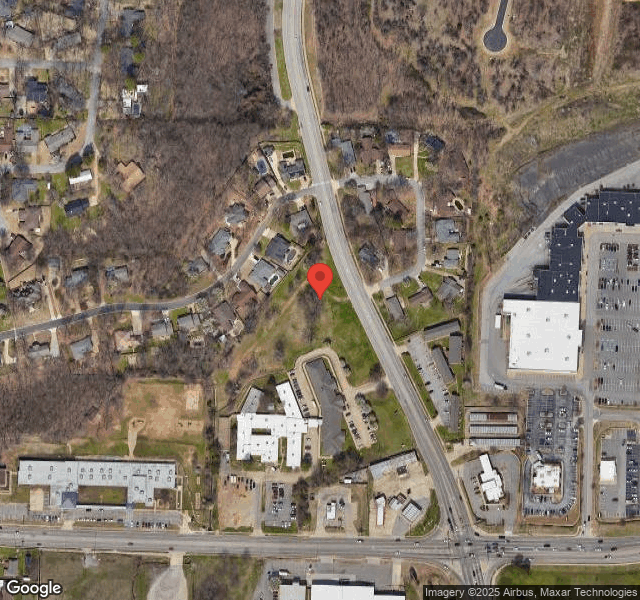
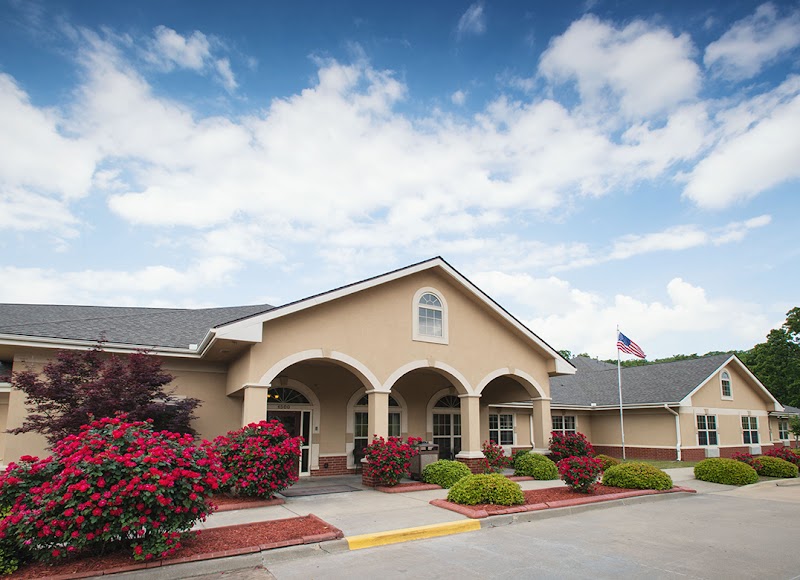
4500 OLD GREENWOOD RD, FORT SMITH, AR 72903 (479) 646-5700
For profit - Limited Liability company 140 Beds NHS MANAGEMENT Data: November 2025 1 Immediate Jeopardy citation
Trust Grade
46/100
#101 of 218 in AR
Last Inspection: August 2024

Within standard 12-15 month inspection cycle. Federal law requires annual inspections.

Overview

Covington Court Health and Rehabilitation Center has received a Trust Grade of D, indicating below-average performance with some concerning issues. Ranking #101 out of 218 facilities in Arkansas places them in the top half, but their county rank of #4 out of 8 suggests that there are better options nearby. The facility is showing signs of improvement, with reported issues decreasing significantly from 21 in 2023 to just 2 in 2024. Staffing is a relative strength, earning 4 out of 5 stars, with a turnover rate of 49%, which is slightly below the state average. However, the facility has been fined $12,196, which is average, and there were critical concerns noted, such as a severely cognitively impaired resident eloping due to inadequate supervision, as well as food safety issues in the kitchen that could affect residents' health.

Trust Score
D
46/100
In Arkansas
#101/218
Top 46%
Safety Record
High Risk
Review needed
Inspections
Getting Better
21 → 2 violations
Staff Stability
⚠ Watch
49% turnover. Above average. Higher turnover means staff may not know residents' routines.
Penalties
○ Average
$12,196 in fines. Higher than 58% of Arkansas facilities. Some compliance issues.
Skilled Nurses
⚠ Watch
Each resident gets only 25 minutes of Registered Nurse (RN) attention daily — below average for Arkansas. Fewer RN minutes means fewer trained eyes watching for problems.
Violations
⚠ Watch
37 deficiencies on record. Higher than average. Multiple issues found across inspections.
★★★☆☆
3.0
Overall Rating
★★★★☆
4.0
Staff Levels
★★★☆☆
3.0
Care Quality
★★★☆☆
3.0
Inspection Score
Stable
2023: 21 issues
2024: 2 issues

The Good

  • 4-Star Staffing Rating · Above-average nurse staffing levels
  • Full Sprinkler Coverage · Fire safety systems throughout facility
  • No fines on record

Facility shows strength in staffing levels, fire safety.

The Bad

3-Star Overall Rating

Near Arkansas average (3.1)

Meets federal standards, typical of most facilities

Staff Turnover: 49%

Near Arkansas avg (46%)

Higher turnover may affect care consistency

Federal Fines: $12,196

Below median ($33,413)

Minor penalties assessed

Chain: NHS MANAGEMENT

Part of a multi-facility chain

Ask about local staffing decisions and management

The Ugly 37 deficiencies on record

1 life-threatening
Aug 2024 1 deficiency
CONCERN (D)

Potential for Harm - no one hurt, but risky conditions existed

Quality of Care (Tag F0684)

Could have caused harm · This affected 1 resident

Based on observations, interviews, record review, facility document review, and facility policy review, it was determined the facility failed to ensure oxygen was administered only when ordered by a p...

Read full inspector narrative →
Based on observations, interviews, record review, facility document review, and facility policy review, it was determined the facility failed to ensure oxygen was administered only when ordered by a physician to prevent potential respiratory complications for 1 (Resident #17) sampled resident reviewed for oxygen therapy. Findings include: A review of a facility policy titled, Verbal and Facsimile Orders, dated October 1, 2010, indicated, I.Verbal orders are those given to the nurse by the physician in person or be telephone, however, are not written by the physician in the medical record. a) Enter the verbal orders into the medical record.e) Follow through with orders by contacting the pharmacy and lab as appropriate . A review of the Face Sheet, indicated the facility admitted Resident #17 with diagnoses that included hypertensive chronic kidney disease; chronic kidney disease, stage 3; and generalized anxiety disorder. The annual Minimum Data Set (MDS) with an Assessment Reference Date (ARD) of 06/25/2024, revealed Resident #17 had special treatments procedures and programs which included oxygen therapy. A review of Resident #17's Care Plan, revealed there was no current use of the care plan due to no care plan being available for oxygen therapy. A review of the Physician Orders, revealed Resident #17 had no order for oxygen therapy. During an observation on 07/29/2024 at 11:58 AM, Resident #17 had a nasal cannula in place and an oxygen concentrator was in use. The oxygen rate setting was at two liters per minute. The oxygen tubing was wrapped around the leg of the over-the-bed table. Oxygen signage was present on the door frame outside of the room. During an observation on 07/30/2024 at 2:01 PM, Resident #17 was lying supine in bed. The oxygen concentrator was at the bedside with oxygen tubing inside a plastic bag and attached to the oxygen concentrator. During an interview on 07/31/2024 at 11:27 AM, the Assistant Director of Nursing (ADON) confirmed there was no order for Resident #17 to have oxygen therapy and no care plan was noted for the oxygen therapy. During an interview on 07/31/2024 at 1:45 PM, the Unit Manager reported that Resident #17 had been on oxygen. The unit manager brought the new order to the surveyor showing that oxygen therapy had been discontinued on 07/25/2024. On 07/31/2024 at 1:50 PM, the Unit Manager reported that the oxygen equipment and supplies had been removed from Resident #17's room. During an interview on 08/01/24 at 9:30 AM, the Minimum Data Set (MDS) Coordinator #2 stated the nurses can add interventions to the care plans, and that in the morning meetings, new orders and fall interventions were discussed to make sure they were placed on the care plans and to address any issues. During an interview on 08/01/2024 at 10:35 AM, the Director of Nursing (DON) confirmed the orders were reviewed each morning in the clinical meeting and new interventions were discussed. The DON stated that the Unit Manager should be adding the interventions to the care plans and that the charge nurses could also make changes and add to the care plan. When asked who was responsible for carrying out orders. The DON reported that when orders are discontinued, the nurse who took the order is responsible to remove any items from the resident's room that are no longer required.
Apr 2024 1 deficiency
CONCERN (E) 📢 Someone Reported This

A family member, employee, or ombudsman was alarmed enough to file a formal complaint

Potential for Harm - no one hurt, but risky conditions existed

Deficiency F0557 (Tag F0557)

Could have caused harm · This affected multiple residents

Based on observations, interviews, record review, and policy review, it was determined that the facility failed to ensure dignity while dining for Resident #1 of 13 sampled residents. This failed prac...

Read full inspector narrative →
Based on observations, interviews, record review, and policy review, it was determined that the facility failed to ensure dignity while dining for Resident #1 of 13 sampled residents. This failed practice had the potential to affect all sampled residents who are dependent while dining to maintain dignity. Findings include: A review of a facility policy titled, Resident/Rights dated 11/28/2016, under Respect and Dignity read in part .the resident has a right to be treated with respect and dignity including: the right to reside and receive services in the facility with reasonable accommodations of resident/guest preferences . Resident #1, diagnosis included Osteoarthritis, Pain, 2nd, and 3rd Spondylosis of Cervical Vertebra. The Resident is to always have on a cervical collar. The Minimum Data Set (MDS)- dated 01/25/2024, under section titled Cognitive Patterns listed a Brief Interview for Mental Status (BIMS) with a summary score of thirteen (13), which suggests a score of 13 to 15 the resident is cognitively intact. a. On 04/17/2024, at 8:35 AM to 9:35 AM the Surveyor observed Resident #1 lying in bed. The bedside table had dark substance under a bowl of oatmeal in liquid and a used spoon. The Resident had dried caked-liked consistency of oatmeal on the Resident's blouse, hands, and upper chest below her neck brace. In response to the question, does the facility help you with your breakfast? Resident #1 responded No, not unless I ask them several times. My right hand is not good, because I have Arthritis. I spill it all over me. Breakfast is my meal of the day, lunch, and night meal, I am unable to eat, because it takes too much out of me. Hospice will come in and clean me up and give me a bath. In response to the question, Did they offer a clothing protector when the nursing staff brought in breakfast? Resident responded, No, not today. b. In an interview on 4/18/2024, at 10:15 AM with LPN #1, in response to the question, can Resident #1 let her needs be known? LPN #1 responded, She is capable of letting staff know her needs, bedbound because of severe pain, has Arthritis, wears a neck brace and we never move her neck because of the pain. The Surveyor asked, is the Resident dependent for trays being served, and being fed meals? LPN #1 stated, Yes, she requires total care including tray set-ups and being fed by the nursing staff. In response to the question the Surveyor asked, does the facility provide protective covering or bibs during meals? LPN #1 responded, yes. c. In an interview on 4/18/2024, at 10:23 AM with Certified Nursing Assistant (CNA) #1, in response to the question, can Resident #1 let her needs be known? CNA #1 stated, She calls on the call light, and cannot get up. We come and help her when she calls us. The Surveyor asked, does the facility provide protective covering or Bibs for meals? CNA stated, yes. The surveyor asked, is the Resident dependent for trays being served, and being fed meals? CNA #1 responded, Yes, we set up trays for her meals, but she can feed herself. d. During the interview on 10:55 AM with the DON, and the Administrator, the surveyor asked were you aware that Resident #1 had dried cake-liked oatmeal on her blouse, hands, and upper chest below her neck brace, on 4/17/2024 for breakfast? The DON responded, I was not aware, been here one month and I am changing care for better outcomes.
Aug 2023 1 deficiency 1 IJ
CRITICAL (J) 📢 Someone Reported This

A family member, employee, or ombudsman was alarmed enough to file a formal complaint

Immediate Jeopardy (IJ) - the most serious Medicare violation

Accident Prevention (Tag F0689)

Someone could have died · This affected 1 resident

Based on record review and interview, the facility failed to ensure that adequate visual supervision was provided by staff to prevent a severely cognitively impaired resident from eloping from the fac...

Read full inspector narrative →
Based on record review and interview, the facility failed to ensure that adequate visual supervision was provided by staff to prevent a severely cognitively impaired resident from eloping from the facility undetected for 1 (Resident #2) of 4 sampled residents. The situation resulted in a finding of Immediate Jeopardy, Past Non-compliance. The facility's Administrator was notified of the findings of Immediate Jeopardy on 8/17/23 at 12:41 PM. The findings include: Review of Resident #2 Significant Change Minimum Data Set (MDS) with an Assessment Reference Date (ARD) of 06/14/2023 noted a score of 4, on the Brief Interview for Mental Status (BIMS), which indicates severely impaired cognitive function. Review of Resident #2 care plan for Behavior Management with a start date of 2/6/23 noted the resident had exit seeking behaviors. The care plan for wandering with a start date of 1/14/2023, noted Resident #2 wanders and noted a monitoring device was placed on the resident, for exit seeking behavior. The care plan noted the resident should be in an area where frequent observation is possible, and staff to note which exits the resident favors (Main Entrance) for elopement from facility. Review of the physician orders dated 6/30/23 noted an order for an alarm bracelet at all times, on the right ankle, for safety. Staff to check for function every shift. A review of the Arkansas Department of Health and Human Services Division of Medical Services Office of Long Term Care form (DMS-762) dated 08/04/2023 noted that at 12:50 PM staff were not able to locate Resident #2. The resident was found off the facility premises and returned to the facility at 1:20 PM. The document noted another resident said Resident #2 went out the first door and the alarm did not go off and a visitor let resident #2 out the second door. Review of the nursing progress notes dated 8/04/2023 at 2:38 PM noted as a late entry, Resident #2 left the facility and had been found and was being transported back to the facility. Review of the nursing progress notes dated 8/04/2023 at 6:29 PM noted Resident #2 was last seen in the facility at 12:35 PM and eloped at 12:40 PM. Resident #2 was found at 1:20 PM by the local police department, who transported the resident back to the facility. Review of the nursing progress notes dated 8/04/2023 at 6:42 PM noted Resident #2 wandered out the front door and across the street to the bank. Resident #2 was picked up in a black car and taken to the police station at 12:40 PM, the police station notified the facility while the search was ongoing at 1:20 PM. On 8/17/2023 at 2:34 PM, in an interview with Certified Nurse's Assistant (CNA) #1 who stated resident #2 wore an alarm bracelet. On 8/17/2023 at 2:37 PM, in an interview with Registered Nurse (RN) #1 who stated resident #2 wore an alarm and ambulated with her walker. RN #1 stated Resident #2 was exit seeking, always looking through doors and staff had to keep an eye on her. On 8/17/2023 at 12:43 PM, in an interview with CNA #2 who stated Resident #2 was confused, wore an alarm, and the resident got out through the front door. On 8/17/2023 at 2:59 PM, in an interview with CNA #3 who stated Resident #2 wore an alarm and constantly circled the building. On 8/18/2023 at 9:01 AM, in an interview with the Financial Special Assistant who stated Resident #2 wore an alarm, was exit seeking every day all day, constantly pacing the halls. She stated she redirected Resident #2 from the front door just prior to the elopement incident and the alarm didn't go off. On 8/18/2023 at 9:13 AM, in an interview with the Maintenance Director who stated he tests the front door with an ankle bracelet once a week. He further stated there are testers for the ankle bracelet that is on the resident, which should be tested daily. He stated since the elopement the door is tested every day, and the control board to the door was replaced. On 08/18/2023 at 09:18 AM, in an interview with the Administrator who stated Resident #2 wore an alarm and was at risk for elopement. The Administrator confirmed he had observed Resident #1 exit seeking. Review of the facility Missing Resident Timeline dated 8/4/23 noted the outside temperature at the time of the resident elopement was 102 degrees and was sunny. The DMS-762 noted an in service on the elopement policy was completed with staff, Resident #2 was placed on one to one observation until transferred to a secured unit, staff was assigned to all exits with alarms until they were fixed, the door panel on the front door and the antenna were replaced and all ranges were tested and adjusted, a head count was completed, signs were placed on the facility doors reminding visitors not to open doors for people outside of their party. Notifications were made to the family, physician, law enforcement. The surveyor verified the plan of correction was completed. q. The facility Elopement and Wandering Residents Policy documented, . To identify those residents who wander so that appropriate interventions can be put in place in an effort to provide adequate supervision and safety . c Unsupervised activity outside the facility could lead to serious injury of a resident due to many hazards such as traffic, water, storms and hot/cold temperatures . the facility is equipped with door locks/ alarms to help avoid elopements .Tips for Prevention of Elopements: . d. Observe for aimless wandering . e. Involve the activities department in the prevention strategy . g. Review physical plant to be sure door alarms are working and that unauthorized areas are properly locked to prevent resident entry . h. Consider use of a Chain of Custody for High Risk Residents; develop a schedule for periodic checks on the resident .
Jul 2023 18 deficiencies
CONCERN (D) 📢 Someone Reported This

A family member, employee, or ombudsman was alarmed enough to file a formal complaint

Potential for Harm - no one hurt, but risky conditions existed

Deficiency F0582 (Tag F0582)

Could have caused harm · This affected 1 resident

**NOTE- TERMS IN BRACKETS HAVE BEEN EDITED TO PROTECT CONFIDENTIALITY** Based on interview and record review the facility failed to ensure a refund was received by the resident or responsible party wi...

Read full inspector narrative →
**NOTE- TERMS IN BRACKETS HAVE BEEN EDITED TO PROTECT CONFIDENTIALITY** Based on interview and record review the facility failed to ensure a refund was received by the resident or responsible party within 30 days from the date of discharge for 1 (Resident #234). The findings are: 1. On 07/11/23 at 11:40 AM a review of Resident #234 medical record revealed the resident was admitted on [DATE] with a diagnosis of vascular dementia, without behavior disturbance. a. A review of the Resident Account Audit reflected a deposit which was made by the resident/responsible party of Resident #234 to cover any charges not covered by the resident's Health Maintenance Organization (HMO) insurance. b. On 5/05/23 the resident and his responsible party were issued a Notice of Medicare Non-Coverage which stated, Your Medicare provider and/or health plan have determined that Medicare probably will not pay for your current skilled nursing services after the effective date indicated above. You may have to pay for any services you receive after the above date. c. On 5/8/23 the resident was discharged from the facility. d. On 7/12/23 at 10:00 AM the Business Office Manager provided a copy of the Resident Trust Check Request dated 6/14/23 payable to Social Security in the amount of $1,566.00. The purpose of expenditure was stated as, close account. e. On 7/12/23 at 10:15 AM the Financial Specialist provided a Request for Refund which was processed on 6/15/23. At that time a check in the amount of $1,000.00 was issued to Resident #234 responsible party. A letter from the Administrator accompanied the check and stated, Upon review of the above resident's account, we have determined that a refund is due. f. On 7/12/23 at 10:19 AM the surveyor asked the Financial Specialist if she was aware of the acceptable time frame for a resident refund after death or discharge. She stated, a normal refund would be done within 30 days, but we were holding this to see if his insurance paid for everything.
CONCERN (D)

Potential for Harm - no one hurt, but risky conditions existed

ADL Care (Tag F0677)

Could have caused harm · This affected 1 resident

Based on observation, record review and interview, the facility failed to ensure nail care was regularly provided to maintain good hygiene and prevent potential injuries or infections for 2 (Residents...

Read full inspector narrative →
Based on observation, record review and interview, the facility failed to ensure nail care was regularly provided to maintain good hygiene and prevent potential injuries or infections for 2 (Residents #40 and #51) of 8 sampled residents (#3, #40, #50, #51, #86, #103, #110, and #385) who reside on the Southwest Hall & Rehabilitation Unit who required assistance with nail care. The findings are: 1. Resident #40 had diagnoses of Diabetes Mellitus, peripheral vascular disease, and wound infection on the right foot. a. On 07/11/23 at 2:54 PM observed Resident #40 sitting up in a wheelchair by the nurse's desk and activity room. The Residents fingernails, on both hands, were more than 1/4-inch-long past the fingertips with dark brown and black substance underneath the nailbeds. The thumbnail on the right hand was approximately 1/2 inch past the fingertip with medium brown substance underneath. b. On 07/12/23 at 2:15 PM observed Resident #40 sitting up in a wheelchair in the breezeway. The Residents fingernails remained long and with brown and black substance underneath the nails. The surveyor asked Resident #40 if he liked his nails that long. Resident #40 answered, no, they said they would trim them for me 2 or 3 days ago, but they haven't. My wife doesn't like them like this either. c. On 07/12/23 at 2:34 PM the Assistant Administrator accompanied the surveyor to observe Resident #40's fingernails and describe what she saw. The Assistant Administrator answered, they need to be cleaned. They are long and dirty and need manicured. The surveyor asked the Assistant Administrator who is responsible for nailcare. The Assistant Administrator answered, Certified Nursing Assistants (CNA's). The surveyor asked how often they should be trimmed. The Assistant Administrator answered, me personally, weekly but I guess it depends on the person and how fast their nails grow. d. On 07/12/23 at 2:40 PM the surveyor accompanied Licensed Practical Nurse (LPN) #4 to Resident #40. The surveyor asked LPN #4 to describe Resident #40's fingernails. LPN #4 answered, you know what, we need to wash these hands and clean these nails out. They are dirty, kind of long, and they do need nailcare. The surveyor asked LPN #4 who was responsible for Resident # 40's nail care. LPN #4 answered, He's diabetic so I will. Nurses have to do those. 2. Resident #51 had a diagnosis of chronic obstructive pulmonary disease, Diabetes Mellitus type 2, and morbid obesity due to excess calories. a. On 07/10/23 at 11:37 AM observed Resident #51 sitting up in his room in a motorized wheelchair. The resident's fingernails were observed to be more than 1/4 inch past the fingertips and had a brown substance underneath. b. On 07/11/23 at 3:14 PM observed Resident #51 lying in bed. The resident's fingernails remained approximately 1/4 - 1/2 inch in length past fingertips with light and dark brown substance underneath the nailbeds. c. On 07/12/23 at 11:14 AM observed Resident #51 lying on the bed with no sheets. Observed fingernails remained the same with brown substance visible underneath. d. On 07/13/23 at 8:44 AM observed Resident #51 sitting on the side of the bed eating breakfast. The resident's fingernails remain approximately 1/4 - 1/2 inch in length past fingertip with medium to dark brown substance underneath nailbeds. e. On 07/14/23 at 8:29 AM observed Resident #51 lying in bed. The resident's fingernails were approximately 1/4-1/2-inch past the fingertips, and uneven with medium brown substance underneath nailbeds. Resident #51 stated, I can't stand to have my nails long. f. On 07/12/23 at 3:30 PM the surveyor asked the Director of Nursing (DON) who is responsible for resident's nail care. The DON answered, nondiabetic, CNA's. If there's an oversight, the charge nurse, the unit manager, and then me. The surveyor asked the DON how often nail care is given. The DON answered, every shower. When shower days are scheduled, they should be checking fingernails. The surveyor asked who checks during showers. The DON answered, The CNA's. The Nurses do diabetics. The surveyor asked the DON what could happen if nail care isn't done or gets overlooked. The DON answered, If you have fecal material under fingernails, you could get horrible illnesses from e-coli. If you have jagged nails, you could tear your skin. It's also a dignity issue. g. On 07/14/23 at 8:30 AM the surveyor accompanied Nurse Assistant (NA)#1 into Resident #51's room and asked NA #1 to look at the resident's nails and describe what she saw. NA #1 answered, there's a little bit of dirt under them, but they really need to be clipped. The surveyor asked her to look at the other (left) hand and describe what she saw. The NA#1 answered, They are not as dirty but need to be clipped, but they are not super dirty. The surveyor asked NA #1 who is responsible for resident's nail care. The NA #1 answered if diabetic NA and CNAs can't do it, it must be done by nurses. If not diabetic we can get the ok from the nurses and file them, but we can't clip them. h. On 7/12/23 at 10:24 am the DON provided a policy for Nail Care, Policy Number: NP.I-42 effective October 1, 2010 which documented under section entitled .Purpose: Routine nail care helps reduce the potential for infection, prevents possible injuries and promotes a feeling of wellbeing . Under section entitled .Standard: Nail care is a routine part of grooming each day . Based on observation, record review and interview, the facility failed to ensure devices were put into place to prevent worsening of contracture for 1 (Resident #11) of 5 (Residents #5, #11, #52, #55, and #76) sampled residents with contractures. The findings are: Resident #11 had diagnoses of chronic kidney disease, stage 5, and dialysis dependent. The admission Minimum Data Set (MDS) with an Assessment Reference Date (ARD) of 4/19/23 revealed the Resident had no impairment for Range of Motion (ROM)/ limitation on the upper and lower extremity. On 07/10/23 at 1:41 PM observed Resident #11 with a contracture of the left hand. Observed gauze wrapped in and around two fingers and inside the left-hand. The gauze was dirty. On 7/11/23 at 1:47 PM observed Resident #11 lying in bed awake. The left hand still has gauze in it and wrapped around two fingers. The gauze was dirty. On 0712/23 at 2:21 PM Resident #11was lying in bed with a rolled piece of gauze in the left hand, the resident's hand is dirty. Review of Resident #11 care plan with a start date of 5/4/23 noted the resident had potential for contractures and to use a carrot as ordered. Review of the physician order summary for the month of July 2023 failed to reveal an order for the use of a carrot for the left-hand contracture. On 07/13/23 at 1:30 PM the surveyor asked Licensed Practical Nurse (LPN) #1 if she knows how often Resident #11 left hand with contracture is cleaned. LPN #1 stated, I do not know when her left hand is cleaned. The surveyor asked who is responsible for cleaning the resident's hand with a contracture? LPN # 1 stated the Wound Care nurse is the one who cleans her left hand. The surveyor asked if she had seen the carrot for resident #11 left hand. The LPN #1 stated, I have never seen the carrot. On 7/13/23 at 2:23 PM the surveyor asked the Wound Care Nurse LPN # 2 how often do you clean, cut Resident #11 fingernails, and replace the gauze in her hand. LPN #2 stated, Sunday is nail care day. If the resident is a diabetic the podiatrist will cut them, if not a diabetic, the Certified Nursing Assistants (CNA's) can cut them. The surveyor asked LPN #2 do you clean the inside of Resident #11 hand and change the gauze or the carrot. LPN #2 said, yes, I try my best if resident will allow me to open her hand wide enough. Often, I can get the gauze in her left hand and try a flossing motion to clean. I have not seen a carrot. On 07/13/23 at 1:50 PM the surveyor asked the DON if he knew where Resident #11 carrot was. The DON stated, no, it is supposed to be in her left hand. The Surveyor asked the DON if he knew how often the gauze is removed, the left hand cleaned, and nails were cut. The DON stated, no, I do not know. The surveyor asked the DON if he knew there was no physicians order or anything in the care plan for Resident #11 care for her contracture. The DON stated, No, he did not know there was no order and felt the Wound Care nurse should have put one in. On 07/13/23 the surveyor asked the DON for a policy and procedure for contractures. The DON said, they do not have one.
CONCERN (D)

Potential for Harm - no one hurt, but risky conditions existed

Deficiency F0688 (Tag F0688)

Could have caused harm · This affected 1 resident

Based on observation, record review and interview, the facility failed to ensure devices were put into place to prevent worsening of contracture for 1 (Resident #11) of 5 (Residents #5, #11, #52, #55,...

Read full inspector narrative →
Based on observation, record review and interview, the facility failed to ensure devices were put into place to prevent worsening of contracture for 1 (Resident #11) of 5 (Residents #5, #11, #52, #55, and #76) sampled residents with contractures. The findings are: Resident #11 had diagnoses of chronic kidney disease, stage 5, and dialysis dependent. The admission Minimum Data Set (MDS) with an Assessment Reference Date (ARD) of 4/19/23 revealed the Resident had no impairment for Range of Motion (ROM)/ limitation on the upper and lower extremity. On 07/10/23 at 1:41 PM observed Resident #11 with a contracture of the left hand. Observed gauze wrapped in and around two fingers and inside the left-hand. The gauze was dirty. On 7/11/23 at 1:47 PM observed Resident #11 lying in bed awake. The left hand still has gauze in it and wrapped around two fingers. The gauze was dirty. On 0712/23 at 2:21 PM Resident #11was lying in bed with a rolled piece of gauze in the left hand, the resident's hand is dirty. Review of Resident #11 care plan with a start date of 5/4/23 noted the resident had potential for contractures and to use a carrot as ordered. Review of the physician order summary for the month of July 2023 failed to reveal an order for the use of a carrot for the left-hand contracture. On 07/13/23 at 1:30 PM the surveyor asked Licensed Practical Nurse (LPN) #1 if she knows how often Resident #11 left hand with contracture is cleaned. LPN #1 stated, I do not know when her left hand is cleaned. The surveyor asked who is responsible for cleaning the resident's hand with a contracture? LPN # 1 stated the Wound Care nurse is the one who cleans her left hand. The surveyor asked if she had seen the carrot for resident #11 left hand. The LPN #1 stated, I have never seen the carrot. On 7/13/23 at 2:23 PM the surveyor asked the Wound Care Nurse LPN # 2 how often do you clean, cut Resident #11 fingernails, and replace the gauze in her hand. LPN #2 stated, Sunday is nail care day. If the resident is a diabetic the podiatrist will cut them, if not a diabetic, the Certified Nursing Assistants (CNA's) can cut them. The surveyor asked LPN #2 do you clean the inside of Resident #11 hand and change the gauze or the carrot. LPN #2 said, yes, I try my best if resident will allow me to open her hand wide enough. Often, I can get the gauze in her left hand and try a flossing motion to clean. I have not seen a carrot. On 07/13/23 at 1:50 PM the surveyor asked the DON if he knew where Resident #11 carrot was. The DON stated, no, it is supposed to be in her left hand. The Surveyor asked the DON if he knew how often the gauze is removed, the left hand cleaned, and nails were cut. The DON stated, no, I do not know. The surveyor asked the DON if he knew there was no physicians order or anything in the care plan for Resident #11 care for her contracture. The DON stated, No, he did not know there was no order and felt the Wound Care nurse should have put one in. On 07/13/23 the surveyor asked the DON for a policy and procedure for contractures. The DON said, they do not have one.
CONCERN (D)

Potential for Harm - no one hurt, but risky conditions existed

Accident Prevention (Tag F0689)

Could have caused harm · This affected 1 resident

Based on observation, interview and record review, the facility failed to ensure residents who smoke were assessed for smoking safety upon admission to determine interventions necessary to maintain th...

Read full inspector narrative →
Based on observation, interview and record review, the facility failed to ensure residents who smoke were assessed for smoking safety upon admission to determine interventions necessary to maintain their safety for 1 (#52) of 5 (#6, #44, #52, #103 and #104] sampled residents who smoke. On 07/11/23 at 8:51 AM Resident #52 was lying in bed asleep. The resident's cigarettes and lighter were lying on the bedside table. The resident had oxygen in place in his room. On 07/11/23 at 1:46 PM observed a cigarette lighter on top of the bedside table in Resident #52 room. The resident was not in his room. Review of the physician orders summary for July 2023, revealed a wound care order for a left abdominal burn and wound care orders for a left 3rd finger burn. Review of Resident #52 care plan, Nicotine Addiction, with a start date of 1/3/23 noted the staff are to explain smoking schedule and rules, and to observe for the need for one-on-one smoking supervision. Review of Resident #52 Safe Smoking evaluation dated 7/10/23 revealed the resident had an admit date of 6/12/23. The document noted the smoking policies are independently followed and requires supervision while smoking. On 7/13/23 at 1:30 PM The surveyor asked Licensed Practical Nurse (LPN) #1 when is a Safe Smoking Evaluation Assessment completed on the residents. LPN #1 stated, upon admission. The surveyor asked LPN # 1 if there is a designated smoking area. LPN # 1 stated, yes, there is a courtyard in the center of the facility, which is fenced in. There is always an aide out there with them. The surveyor asked LPN #1 where cigarettes and lighters are stored; and are residents allowed to keep their own and lighter. LPN #1 stated, no, they're to give them back and are stored in a box at the nurse's desk. On 7/13/23 at 2:25 PM interview with LPN # 2 Wound Care Nurse who stated Resident #52, has some new burn wounds that they are caring for. She stated the resident is loud, yells, and threatens to hurt them if they will not leave. LPN # 2 stated they have had to be quite creative in caring for him and still no guarantee he will let them change his dressings. On 07/13/23 at 1:50 PM The surveyor asked the Director of Nursing (DON) when are the Smoking Evaluation Assessments completed. The DON stated, they are performed upon entrance/admit. The Surveyor asked the DON if the residents have a designated area to smoke. The DON stated, in the courtyard. The Surveyor asked the DON if they had smoking aprons. The DON stated, yes, I do not know why they're not using them. The Surveyor asked the DON if the residents kept their own cigarettes and lighter. The DON stated, no, they're given back to the nurses to be put in a box at the nurses station. Review of the policy titled, Smoking Policy, effective 10/29/17 noted, Smoking shall be prohibited in any room, ward, or compartment where flammable liquids, combustible gases, or oxygen is used or stored and in any other hazardous location and such area shall be posted with signs that read NO SMOKING or shall be posted with international symbol for no smoking.
CONCERN (E)

Potential for Harm - no one hurt, but risky conditions existed

Resident Rights (Tag F0550)

Could have caused harm · This affected multiple residents

Based on observation, record review and interview, the facility failed to ensure staff promptly assisted a resident who required assistance with incontinent care and failed to maintain privacy and dig...

Read full inspector narrative →
Based on observation, record review and interview, the facility failed to ensure staff promptly assisted a resident who required assistance with incontinent care and failed to maintain privacy and dignity for 1 (Resident #51) of 3 (Residents #50, #51, and #103) sampled residents who required assistance with incontinent care on Southwest Hall and failed to ensure a catheter bag was covered to maintain dignity for one resident (Resident #110) of four (Residents #50, #51, #103, and #110) sampled residents who have an indwelling catheter. The findings are: 1. On 07/10/23 at 11:37 AM observed Resident #51 sitting up in a motorized chair in the room. The bed did not have sheets, was elevated, and had a strong odor of human waste. The surveyor asked Resident #51 why the bed was elevated so high and had no sheets. Resident # 51 answered, there has been a problem with flies because I have to have BM's [Bowel Movements] in bed and they don't want to change me or clean me up. a. On 07/11/23 at 3:08 PM the surveyor observed Resident # 51 lying naked and uncovered on his left side in bed facing the window with his backside facing the door. The Resident's head was approximately 3 inches off the bed, and there was no pillow. Resident #51's brief had been unfastened and a large bowel movement was visible on the resident's skin and brief. Three streaks of BM were smeared on the sheet beside Resident #51. The surveyor stepped out of the room and into the hallway to see four staff standing around nurse's desk. Certified Nursing Assistant (CNA) #7 went into Resident #51's room, spoke to the resident, and came back out of the resident's room to answer a call light at the opposite end of the hallway. No assistance was offered to Resident #51. The surveyor waited 3 minutes for a CNA to return. CNA #3 approached. The surveyor asked if she was going to help Resident # 51. CNA #3 replied, I just came on shift, I just got here. b. On 7/11/23 at 3:12 PM observed the DON in the hallway who accompanied the surveyor into Resident #51's room. Resident #51 was still lying exposed and uncovered on his side lying in human waste. The surveyor asked the DON if he was aware of the situation in Resident # 51's room. The DON answered Oh, I will get someone in to help clean him up. The DON walked out of the room to see CNA #7 and said, Not her. The DON walked to the nurse's desk and asked CNA #5 to help clean up Resident #51. c. On 07/11/23 at 3:14 PM CNA #7 and CNA #5 accompanied the DON and surveyor into Resident #51's room. Resident # 51 responded I'm glad you caught me like this, the flies are all over me. I've been begging for 30 minutes and waiting like this for someone to clean me up. Resident #51 started crying. The Surveyor counted 5 flies on Resident #51's body, two on his buttocks, two on his legs, and one on his right heel. d. On 07/12/23 at 11:14 AM observed Resident #51 lying flat on his bed with a wet washcloth on his forehead. The bed had no sheets, the resident was wearing no clothes, and his groin area was partially covered with a towel leaving his genitals partially exposed. Resident #51 stated, I don't feel well, my eyes hurt, and I'm real tired from yesterday. It was kind of testy. Resident #51 became tearful stating, I can't take it no more. When you can't make it talk to me. I don't want people to lose their jobs. I can discern a certain amount of hatred and discrimination from them. The room had a foul odor of human waste. e. On 07/12/23 at 1:20 PM observed Resident #51 lying flat in bed asleep, partially covered with a sheet. The surveyor counted three flies on the resident's feet and legs, and two on the bedside table. There was an open plastic pitcher containing urine on the bedside table, and a dried substance was observed on top of the bedside table. The room smelled of urine. f. On 07/12/23 at 3:30 PM the Surveyor asked the DON if it was an acceptable standard of practice, leaving a resident naked, uncovered, and lying on his side in feces with his brief undone, and flies crawling on skin. The DON answered, Absolutely not. The DON stated, I went in there, it looked like the window was cracked letting flies in. As far as the position and leaving the door open, that's another story. The surveyor asked who is responsible for care on the Southwest Hall. The DON answered, The CNA's assigned to the hall. The surveyor asked if it was standard practice to leave resident exposed in that position because of shift change. The DON answered, No, absolutely not. The surveyor asked the DON why this happened. The DON answered, Oh they are not supposed to go in there one at a time, it's care planned. But that doesn't excuse the whole incident. They don't want to be suspended on fake allegations of abuse. g. On 7/13/23 at approximately 9:30 AM observed the window in Resident #51's room, which revealed the screen was in place preventing the flies from entering the room through the window. 2. Resident #110 had a diagnosis of obstructive uropathy and an indwelling urinary catheter. a. On 07/10/23 at 12:59 PM observed Resident #110 sitting up in wheelchair in the dining room. The resident's catheter drainage bag was uncovered and in plain sight easily viewed by other residents, staff, and visitors in dining hall. b. On 07/11/23 at 3:17 PM observed Resident #110 lying in bed with his eyes closed. The door was open, and the catheter drainage bag was observed from outside the door in the hallway uncovered and in plain sight easily viewed by other residents, staff, and visitors passing by. c. On 7/12/23 at 03:30 PM the surveyor asked the DON who was responsible for maintaining catheter care and dignity. The DON replied, the nurses and CNAs assigned to the hall. The surveyor asked what the issue was with leaving catheter bags uncovered. The DON answered, It's a dignity issue. Their family or little kids could come in and you don't want to explain that.
CONCERN (E) 📢 Someone Reported This

A family member, employee, or ombudsman was alarmed enough to file a formal complaint

Potential for Harm - no one hurt, but risky conditions existed

Deficiency F0567 (Tag F0567)

Could have caused harm · This affected multiple residents

Based on interview and record review, the facility failed to ensure resident funds were available on the same day of the request for 2 (Residents #20, #104) of 21 (Residents #2, #3, #5, #6, #7, #9, #1...

Read full inspector narrative →
Based on interview and record review, the facility failed to ensure resident funds were available on the same day of the request for 2 (Residents #20, #104) of 21 (Residents #2, #3, #5, #6, #7, #9, #11, #20, #44, #47, #51, #52, #55, #58, #67, #98, #103, #104, #110, #118, #333 ) sampled residents who relied on the facility to manage their personal funds. The findings are: On 07/10/2023 at 11:56 AM the Surveyor asked Resident #20 if the facility managed her money. The Resident stated, Yes. The Surveyor asked if money was available on request, including weekends. She stated, No. I can only get it Monday through Friday when the business office is open, and they never give me what I ask for. If I ask for my $30, they'll only give me $10 or $15. The Surveyor asked if she knew why she could not get her money. She stated, yes, they run out of money a lot. When the checks come in you have to wait in line and sometimes, they run out of money before you get to the door, so, they try to give you less to make it go farther. The Surveyor asked how long it took to receive the full amount requested. She stated, Two or three days, usually. On 07/10/2023 at 3:01 PM the Surveyor asked Resident #104 if the facility managed money for her. She stated, Yes. The Surveyor asked if money was available to her on request, including weekends. The Resident stated, No, never. The checks come in on the 3rd day of the month, sometimes I can't get it until the 5th, sometimes longer. The Surveyor asked if the facility had explained the reasoning behind this. She stated, they say they run out of money. They only get so much to give us and if residents want their money when it comes in, they run out. The Surveyor asked if the facility provided the amount that was requested when the resident asked. She stated, No, I can only get $5 to $10 at a time. The Surveyor asked if she was able to withdraw her personal funds from the facility on the weekend. She stated, No I don't think so. On 07/12/23 at 02:50 PM interview with the Financial Assistant who stated, resident funds were available to the residents in the evenings and on weekends, and further stated the residents can have access to funds when they want. She stated there is $50 available in the lock box after hours and weekends and the nurse manager has access to the funds. She stated if the resident wanted more money than what was available, she would, have to come up here and get them more. The Financial Assistant stated a receipt is completed, and the resident signs it when funds are dispersed. When asked if there were receipts for the weekend withdrawals, she stated, there are no receipts for the weekends, and stated she is not aware of any requests for funds on the weekend. On 07/12/23 at 3:32 PM the Surveyor asked the Financial Assistant if residents were able to withdraw their personal funds upon request. She stated, Yes. The Surveyor informed the Financial Assistant of resident statements that included the inability to withdraw the full amount they were entitled to. She stated, Well sometimes we run out, I'm only allowed $500 at a time, if we give $40 to everyone it doesn't go very far. The Surveyor asked if residents were being denied their funds when requested. She stated, No, I'm not saying that, just that sometimes I give them part of their money and then the rest a day or two later. The Surveyor asked why the facility did not have funds available to honor resident requests as required. She stated, The first of the month I'll have a line of people out the door wanting their money and $500 doesn't last long. Then I'll have to apply for another check, I'll have checks coming in every day at the start of the month. On 07/13/23 at 10:20 AM during the Resident Council meeting, Residents #38, #50, and #86 were in attendance. The Surveyor asked if the residents were aware that their personal funds were available to them after hours and on weekends. They stated they were not aware. On 07/13/23 at 10:32 AM the Surveyor made the Financial Assistant aware that the residents stated they were unaware that their funds were available on weekends or after hours. She stated, That's not true, we make sure it's discussed at resident council meetings. The Financial Assistant reviewed the Resident council Minutes and stated, It wasn't in the Minutes.
CONCERN (E) 📢 Someone Reported This

A family member, employee, or ombudsman was alarmed enough to file a formal complaint

Potential for Harm - no one hurt, but risky conditions existed

Quality of Care (Tag F0684)

Could have caused harm · This affected multiple residents

Based on observations, interview and record review, the facility failed to administer medications as ordered by the physician, and failed to accurately document the medications provided for 1 (Reside...

Read full inspector narrative →
Based on observations, interview and record review, the facility failed to administer medications as ordered by the physician, and failed to accurately document the medications provided for 1 (Resident #106) of 11 (Residents #7, 9, 20, 44, 55, 67, 79, 98, 104, 118, 333) sampled residents that were administered medications by Licensed Practical Nurse (LPN)#1 and failed to provide appropriate hygiene care for for 1 (Resident #333) of 2 (Residents #5, 333) sampled residents. The findings are: 1. On 07/10/2023 at 3:11 PM Resident #106 stated he had not been receiving his afternoon medications. The surveyor asked if there were any specific medications, he was not receiving. He stated, none of the ones I'm supposed to get in the middle of the day. If I do get them, they add them to my morning dose so I'm getting twice as much as I'm supposed to at a time. I know I'm not getting my Gabapentin. I just want to get my medications when I'm supposed to get it. a. On 07/12/2023 at 1:10 PM the surveyor asked Resident #106 if he received his mid-day medications. The resident stated, no, I haven't gotten anything since the morning medication pass. b. A review of Resident #106 Physician Order Summary for July 2023 revealed the following orders for mid-day medications: Hydralazine four times daily for hypertension, with a start date of 3/24/23, citracal +D one time daily at noon for nutritional support, Juven one time daily at 11:00 AM for wound healing, and Gabapentin three times daily for neuropathy. c. On 7/12/23 at 1:10 PM review of Resident #106 Medication Administration Record (MAR) revealed LPN #1 documented the Hydralazine as given at 1:00 PM, Citracal +D was documented as given at 12:00 PM, Juven was documented as given at 11:00 AM, Gabapentin was documented as given at 12:00 PM. d. On 07/13/2023 at 10:50 AM observed the southeast hallway on which Resident #106's room was located. At 12:40 PM observed LPN #1 perform a medication pass on the southeast hallway. LPN #1 was not observed entering Resident #106's room. The midday medications for Resident #106 were not marked as administered. e. On 07/13/2023 at 2:23 PM observed LPN #1 seated at the nurse's station, documenting the midday medications as administered. f. On 07/13/2023 at 2:45 PM the Director of Nursing (DON) accompanied the Surveyor to the nurse's station where LPN #1 was seated. The Surveyor asked LPN #1 to navigate to Resident #106's MAR and identify if the four midday medications were documented as administered. She stated, Yes they are. The surveyor asked what time the medications were administered. She stated, This morning around 10:00 or 10:30 AM. The surveyor asked LPN #1 to clarify if she had administered the 11:00 AM, 12:00 PM, and 1:00 PM medications at that time. She stated, Yes, I've got 32 residents to pass medications to, so I have to give some of them early or late. The surveyor asked if she had administered two doses of Gabapentin at the same time. She stated, No I didn't give that. The surveyor asked LPN #1 to verify that the medications were documented as administered on Resident #106 MAR. She stated, Yes, it is. The surveyor asked LPN #1 if she documented the medication as given when it had not been. She stated, Yes, I got click happy when I was charting. It happens. The Surveyor asked if administering medications outside of the ordered times and erroneously documenting that medications were given was common practice. She stated, Yes. In all honesty, yes. It happens throughout the facility. There just aren't enough nurses. The Surveyor asked what the issue with this practice was. LPN#1 stated, The residents aren't getting their pain medications. The surveyor asked the DON if he was aware of this practice. He stated, No, not at all. The surveyor asked what a nurse should do if they felt they would not be able to administer resident medications as ordered. He said, report it to the Nurse Manager on the unit so they can get the information to us. 2. On 07/10/23 at 12:15 PM the surveyor interviewed Resident #333. The surveyor asked the resident if she was receiving adequate hygiene care. She stated, no, I have sores on my bottom and when the staff cleans me up, they just use toilet paper. The Surveyor asked if she knew why the staff was using toilet paper on an area with sores. Resident #333 stated, They don't have any wipes. They only give us one pack of wipes per week. If we're having stomach problems we can run out of wipes in a day or two, once we run out, they use toilet paper. I had a sore on my bottom when I was here before, but then I went to the hospital, and it almost healed up. Then I came back here and it's almost opening up again. The surveyor asked if the staff had offered to use an alternate method to clean her bottom. Resident #333 stated, Sometimes they will use washcloths, but they only have so many, and they use them up giving baths. The surveyor observed a partially used roll of toilet paper on the resident's bedside table. No cleansing agent to moisten the toilet paper was found nearby. a. On 07/11/23 at 9:15 AM the surveyor asked Resident #333 if the staff were continuing to use toilet paper to clean areas with skin breakdown. She stated, Yes. The surveyor asked if she had a bowel movement that morning. She stated, oh yeah, too many, my stomach is upset. The surveyor observed a roll of toilet paper on the resident's bedside table. b. The Quarterly Minimum Data Set (MDS) with an Assessment Reference Date (ARD) of 07/11/23 documented under the heading Toilet use Resident #333 required .extensive assistance .two + persons physical assist . c. The Care Plan for Resident #333 dated 05/05/22 documented, .Potential for skin breakdown .Full skin evaluation with bath/shower .assess skin daily with routine care .turn and reposition per residents turning schedule . d. A Progress Note dated 07/11/23 documented as a late entry from 7/4/23, noted excoriation on the buttock. e. On 07/14/23 at 3:53 PM interviewed the DON related to using dry toilet paper on a resident with excoriation. The DON stated, Are they not using moist towels? The surveyor stated that the resident reported that toilet paper was being used and that rolls of toilet paper had been observed at the bedside. The DON stated, they shouldn't be doing that.
CONCERN (E)

Potential for Harm - no one hurt, but risky conditions existed

Respiratory Care (Tag F0695)

Could have caused harm · This affected multiple residents

Based on observation, interview, and record review, the facility failed to ensure oxygen flow rates were administered per physician orders, and humidifier bottles were present according to physician's...

Read full inspector narrative →
Based on observation, interview, and record review, the facility failed to ensure oxygen flow rates were administered per physician orders, and humidifier bottles were present according to physician's order for 2 (Resident #3 and #51) of 11 (Residents #2, #3, #5, #9, #11, #44, #51, #52, #100, #106, & #333) sampled residents who received respiratory therapy. The findings are: 1. Resident #3 had diagnoses of chronic obstructive pulmonary disease, acute chronic respiratory failure with hypoxia. a. On 07/11/23 at 09:58 AM observed Resident #3 lying in bed with oxygen (O2) flow rate set at 1 Liter via nasal cannula. There was no humidifier bottle in place. The Resident stated, It should be set on 2. b. On 07/11/23 at 03:05 PM observed Resident #3 lying in bed with oxygen via nasal cannula connected to a concentrator with no humidifier bottle; the O2 flow rate setting was at less than 1.5 Liters. c. On 07/12/23 at 02:20 PM observed Resident #3 Lying in bed with eyes open receiving oxygen via nasal cannula. The O2 setting was at 1 Liter and there was no humidifier bottle. d. On 07/13/23 at 11:01 AM observed Resident # 3 lying in bed wearing O2 via nasal cannula attached to concentrator. The Flowmeter was set between 1 and 1.5 Liters. There was no humidifier bottle. e. On 07/12/23 at 3:35 PM the surveyor asked the Director of Nurses (DON) who was responsible for making sure O2 is at the right setting. The DON answered, nurses are responsible for the setting being correct. The surveyor asked the DON, what can happen if O2 settings are not at the right flow rate. The DON answered, worst case, death if it's too high, too low they can suffocate. The DON stated, nurses should be checking the settings every shift. If you have someone who fiddles with their settings, the nurse can ask the Certified Nursing Assistants (CNAs) to check and let them know. f. On 07/13/23 at 11:03 AM the Surveyor accompanied Licensed Practical Nurse (LPN) #4 to resident #3's room and asked her where the humidification bottle should be. She answered, It should be on the top right here if there is one The surveyor asked LPN #4 if Resident # 3 was supposed to have a humidifier bottle. She answered, It depends on who orders it. The surveyor asked LPN #4 what the O2 flow meter was set on. The LPN answered, it is on 1.5 on this one The surveyor asked what setting was ordered. LPN #4 answered, Probably 2-4. LPN#4 reviewed the orders and answered O2 at 2-4 per nasal cannula, as needed. The surveyor asked LPN #4 who was responsible for monitoring flow meter settings. LPN #4 answered, nurses are supposed to check it before we make our rounds. 2. On 07/10/23 at 11:37 AM Resident #51 was sitting up in motorized chair in room. The O2 Concentrator flow rate was set at 3.5 Liters and there was no humidifier bottle. a. On 07/12/23 at 11:14 PM observed Resident #51 lying in bed awake receiving oxygen. The O2 flow rate was at 3 Liters via nasal canula connected to O2 concentrator and there was no humidifier bottle. b. 07/13/23 at 08:44 AM observed Resident # 51 sitting on the side of bed eating breakfast. The O2 flow rate was set at 2 Liters via nasal cannula connected to concentrator and there was no humidifier bottle. c. On 07/14/23 at 08:29 AM observed Resident #51 lying in bed with O2 at 2 Liters via nasal cannula and there was no humidifier bottle. On 07/12/23 at 10:24 AM The Director of Nursing (DON) provided a document entitled, Nursing Procedure Manual .Policy Title: Oxygen Administration. Policy Number: NP.VI-58. Under section entitled Standard: Oxygen should be administered under orders of the attending physician . Under section entitled Process: Obtain physician's orders for the rate of flow and round of oxygen (i.e., by tank, concentrator, nasal cannula, or mask, etc.) .Fill the humidifier container to the correct level with distilled water and attach to oxygen unit; or use disposable humidifier .Cannulas and masks should be changed weekly .O2 cannula/mask should be stored in a plastic bag when not in use .
CONCERN (E)

Potential for Harm - no one hurt, but risky conditions existed

Pharmacy Services (Tag F0755)

Could have caused harm · This affected multiple residents

Based on observation, interview, and record review, the facility failed to store medications being administered to residents in a safe, secure, and sanitary manner. The findings are: On 07/12/23 at 9:...

Read full inspector narrative →
Based on observation, interview, and record review, the facility failed to store medications being administered to residents in a safe, secure, and sanitary manner. The findings are: On 07/12/23 at 9:10 AM the Surveyor accompanied Licensed Practical Nurse (LPN) #5 to the medication room to look for two medications not found on the medication cart. LPN #5 looked through the cabinets in the medication room and commented, What a mess. She looked through the slot of the locked medication box and stated the potassium was in the waste bin. The surveyor asked how it got in the waste bin. LPN #5 answered, I couldn't tell you. Observed LPN #5 attempt to remove the medication from the waste bin. She stated, This is clean, as she attempted to reach in and get the medication which was out of her reach. She left the medication storage room and asked the Assistant Director of Nursing (ADON) to get a key to unlock the medication waste bin. On 07/12/23 at 9:37 AM the ADON returned to the medication room and unlocked the medication waste bin. LPN #5 reached in with ungloved hands and removed a tablet packaged in a clear plastic bag from the waste bin. The medication that was retrieved from the waste bin was then administered to Resident #110.
CONCERN (E)

Potential for Harm - no one hurt, but risky conditions existed

Deficiency F0761 (Tag F0761)

Could have caused harm · This affected multiple residents

F761 Based on observation, interview, and record review, the facility failed to date and store over the counter medications being administered to residents in a manner following currently accepted pro...

Read full inspector narrative →
F761 Based on observation, interview, and record review, the facility failed to date and store over the counter medications being administered to residents in a manner following currently accepted professional principles in 1 (Central) of 5 (Northeast, Southeast, Central, Rehab S, Rehab N) medication carts used in the administration of prescribed medications in the facility. The findings are: On 07/12/23 at 7:10 AM the Surveyor inspected the medication cart while observing medication administration with Licensed Practical Nurse #5 (LPN#5). The Surveyor observed that two of the medications being administered, Acidophilus Probiotic and Sodium Chloride, were sourced from containers that had not been dated when opened. On 07/12/23 at 9:10 AM the Surveyor accompanied LPN#5 to the medication room to look for two medications not found on the medication cart, Finasteride and Potassium. LPN#5 looked through cabinets and commented, What a mess. They looked through the slot of the locked medication waste bin and commented, I see it. The Surveyor asked what they were referring to. They answered, The potassium. The Surveyor asked how it got in the waste bin. LPN#5 answered, I couldn't tell you. The LPN pulled up on one corner of the waste bin lid to remove the potassium. The opposite corner was locked. They stated, This is clean, as they attempted to reach in and get the medication which was out of their reach. They left the medication storage room and asked the Assistant Director of Nursing (ADON) to get a key to unlock the medication waste bin. On 07/12/23 at 9:37 AM the ADON returned to the medication room and unlocked the medication waste bin. LPN#5 reached in with ungloved hands and removed a tablet packaged in a clear plastic bag from the waste bin. The medication that was retrieved from the waste bin was then administered to Resident #110. A document titled Storage and Expiration of Medications, Biologicals, Syringes, and Needles was provided by the Clinical Liaison on 07/14/23 at 11:55 AM. It documented, .Once any medication or biological package is opened, Facility should manufacturer/supplier guidelines with respect to expiration dates for opened medications. Facility staff should record the date opened on the medication container when the medication has a shortened expiration date once opened .
CONCERN (E)

Potential for Harm - no one hurt, but risky conditions existed

Deficiency F0804 (Tag F0804)

Could have caused harm · This affected multiple residents

Based on observation, record review and interview, the facility failed to ensure meals were served at temperatures that were acceptable to the residents to improve palatability and encourage good nutr...

Read full inspector narrative →
Based on observation, record review and interview, the facility failed to ensure meals were served at temperatures that were acceptable to the residents to improve palatability and encourage good nutritional intake during 1 of 1 meal observed. The failed practices had the potential to affect 24 residents who received their meal trays in their room, on Southeast Hall, 20 residents who receive trays in their room on North East Hall, 15 residents who receive trays in their room on North [NAME] hall, 10 residents who receive their meal trays in their room on South [NAME] Hall, and 10 residents who receive their meal trays in their room on Central Hall, as documented on a list provided by the Dietary Supervisor on 7/13/2023 at PM. The findings are: 1. On 07/10/2023 at 12:15 PM, The Surveyor asked resident #333 if she was satisfied with the quality of food in the facility. The resident stated, It's usually pretty good, but it's cold by the time it gets here. Th surveyor asked if cold food was a frequent occurrence. The resident stated, Yes, probably half the time. 2. 07/13/23 at 08:12 AM, an unheated cart that contained trays for breakfast was delivered to the South East Hall by the Certified Nursing Assistant #1. 07/13/23 at 08:20 AM immediately after the last resident received their tray in their room on the South East Hall The temperatures of the food items on a test tray from the cart were checked and read by the Dietary Supervisor with the following results: a. Milk 46 degrees Fahrenheit. b. Scrambled eggs 100 degrees Fahrenheit. c. Biscuit with gravy 102 degrees Fahrenheit. Sausage 110 degrees Fahrenheit. 2. 07/13/23 at 08:15 AM an unheated meal cart that contained trays for breakfast was delivered to the Northeast Hall by the Certified Nursing Assistant #1. On 07/13/23 at 08:38 AM immediately after the last resident was served in the room on the Northeast Hall the temperature of the food items on the test tray were checked and read by the Dietary Supervisor with the following results: a. Milk 46.6 degrees Fahrenheit. b. Scrambled eggs 108 degrees Fahrenheit. c. Sausage 93 degrees Fahrenheit. d. Biscuit with gravy 104 degrees Fahrenheit. 3. On 07/13/23 at 08:23 AM, an unheated cart that contained trays for breakfast was delivered to the Northwest by the Certified Nursing Assistant. On 07/13/23 at 08:50 AM, immediately after the last resident received their tray in the room on the Northwest, the temperatures of the food items on a test tray from the cart were checked and read by Dietary Supervisor with the following results: a. Milk 51 degrees Fahrenheit. b. Scrambled eggs 100 degrees Fahrenheit. c. Ground sausage with gravy 95 degrees Fahrenheit. d. Pureed biscuit with gravy 113 degrees Fahrenheit. e. Pureed sausage 108.6 degrees Fahrenheit. 4. On 07/13/23 08:31 AM, an unheated cart that contained trays for breakfast was delivered to the Southwest by the Certified Nursing Assistant #4. At 8:44 AM, immediately after the last resident received their tray in the room on the Northwest, the temperatures of the food items on a test tray from the cart were checked and read by Dietary Supervisor with the following results: a. Milk 45 degrees Fahrenheit. b. Scrambled eggs 104 degrees Fahrenheit. c. Sausage 91.4 degrees Fahrenheit. d. Pureed biscuit with gravy degrees Fahrenheit. 5. On 07/13/23 08:33 AM, an unheated cart that contained trays for breakfast was delivered to the Central Hall by the Certified Nursing Assistant #5. At 8:42 AM, immediately after the last resident received their tray in the room on the Northwest, the temperatures of the food items on a test tray from the cart were checked and read by Dietary Supervisor with the following results: a. Milk 44.6 degrees Fahrenheit. b. Scrambled eggs 112 degrees Fahrenheit. c. Sausage 97.8 degrees Fahrenheit.
CONCERN (E)

Potential for Harm - no one hurt, but risky conditions existed

Deficiency F0805 (Tag F0805)

Could have caused harm · This affected multiple residents

Based on observation and interview, the facility failed to ensure pureed food items were blended to a smooth, lump free consistency to minimize the risk of choking or other complications for residents...

Read full inspector narrative →
Based on observation and interview, the facility failed to ensure pureed food items were blended to a smooth, lump free consistency to minimize the risk of choking or other complications for residents who required pureed diets for 2 of 2 meals observed. The failed practice had the potential to affect 9 residents who received pureed diets as documented on the List Dietary Supervisor provided by the Food Service Supervisor on 7/13/2023. The findings are: 1. On 07/13/2023 at 8:50 AM The pureed sausage served to the residents on pureed diets was runny and not formed. At 08:53 AM the Surveyor asked Dietary Supervisor to describe the consistency of the pureed food items served to the residents on pureed diets for breakfast. She stated, It was runny. I think they are afraid of making it too thick making sure they are smooth. 2. On 07/13/23 at 1:00 PM The following was observed during the noon meal observation in the dining room. a. The residents on pureed diets were served pureed dessert. The consistency was lumpy and not smooth. There were pieces of cherry visible in the mixture. b. The residents on pureed diets were served pureed bread. The consistency was gritty and not smooth. 3. On 07/13/2023 at 1:02 PM two certified Nursing Assistants (CNA) and the Activity Director were assisting residents at the same table. At 1:04 PM The Surveyor asked CNA#5 to describe the consistency of the pureed dessert served to the residents who required pureed diets. CN #5 stated, It was not smooth. CNA #6 stated, It has some chucks and the Activity Director stated, It's more of mechanical soft diets. Both CNA #5 and #6 stated, That's the word. 4. On 07/13/23 at 1:10 PM The Surveyor asked the Dietary Supervisor to describe the consistency of the pureed dessert and pureed bread served to the residents on pureed diets. She stated, Pureed dessert was chunky,. Our blender did not blend it well. Pureed bread was a little gritty. They used the edge of the bread.4. On 07/13/23 at 1:10 PM The Surveyor asked the Dietary Supervisor to describe the consistency of the pureed dessert and pureed bread served to the residents on pureed diets. She stated, Pureed dessert was chucky, that was cherry. Our blender did not blend it well. Pureed bread was a little gritty. They used the edge of the bread.
CONCERN (E)

Potential for Harm - no one hurt, but risky conditions existed

Deficiency F0809 (Tag F0809)

Could have caused harm · This affected multiple residents

Based on observation, record review, and interview, the facility failed to ensure residents' meals were consistently served at regularly scheduled times to provide residents with a dependable eating s...

Read full inspector narrative →
Based on observation, record review, and interview, the facility failed to ensure residents' meals were consistently served at regularly scheduled times to provide residents with a dependable eating schedule for 2 of 2 meal services observed. The failed practice had the potential to affect all 121 residents who received meals from the kitchen (total census: 124), According to the list provided by the Dietary Supervisor dated 7/13/2023. The findings are: 1. On 07/11/2023 at 8:54 AM, the last resident was served breakfast in the dining room. This was a period of 1 hour and 54 minutes after the scheduled mealtime. 2. On 7/13/2023 at 8:50 AM, the last resident on the Northwest Hall was served breakfast. This was a period of 1 hour and 50 minutes after the scheduled mealtime. 4. The facility mealtime provided by the Dietary Supervisor dated 7/13/2023 documented, Breakfast .7 AM, Lunch .12 PM and Supper 5 PM
CONCERN (E)

Potential for Harm - no one hurt, but risky conditions existed

Safe Environment (Tag F0921)

Could have caused harm · This affected multiple residents

Based on observation and interview the facility failed to maintain a clean, well maintained, homelike environment. The failed practice has the ability to affect 6 of 6 sampled residents (R#9, #81, #79...

Read full inspector narrative →
Based on observation and interview the facility failed to maintain a clean, well maintained, homelike environment. The failed practice has the ability to affect 6 of 6 sampled residents (R#9, #81, #79, #385, #55, #41) with rooms in need of cleaning or repair. The findings are: On 7/10/23 at 12:13 PM in room SE3, the wall adjacent to the middle and foot of the resident's bed is observed to have paint and plaster which is missing. The area is discolored ranging from white to tan to gray. The surface is rough to the touch. On 7/10/23 at 12:18 PM in room SE5, the wall adjacent to the head of the bed is observed to be patched and unpainted with a series of black marks and soiled areas. The wall behind the bed has paint and plaster missing. On 7/10/23 at 12:25 PM in room NE 21, the curtain which is adjacent to the resident's bed and at times protrudes over her bed rail contains a large stain, discoloring the fabric. On 7/10/23 at 2:49 PM in room SE10, the ceiling tile in front of the vent is observed to contain a large area covered with dust and debris. The wall adjacent to the side of the bed is observed to be missing paint and plaster with a series of black marks and soiled areas. The blind covering the window has multiple slats which are broken. 7/14/23 at 11:25 AM the surveyor asked the Maintenance Director if he was aware of the issues involving paint and missing plaster. The Maintenance Director stated he was aware of the issue and have been addressing the issue with paint and plexiglass panels. The Maintenance Director stated he was unaware of the issue with the blinds and stained curtain, that someone should have told him. A maintenance log is available at the nurse's station. 7/14/23 at 11:30 AM the administrator was asked for a policy concerning the maintenance of the physical plant. The consultant reports that one is not available.
CONCERN (E)

Potential for Harm - no one hurt, but risky conditions existed

Deficiency F0925 (Tag F0925)

Could have caused harm · This affected multiple residents

Based on observation and interview the facility failed to ensure the kitchen was free of pests and failed to ensure the room meal experience was free from pest for 4 (Resident #333, #104, #63 and#51) ...

Read full inspector narrative →
Based on observation and interview the facility failed to ensure the kitchen was free of pests and failed to ensure the room meal experience was free from pest for 4 (Resident #333, #104, #63 and#51) of 4 residents who had flies in their room or in their food items or their body during the noon meal in 1 of 1 facility. The failed practice had the potential to affect 121 residents who received food from the kitchen, according to the list provided by the Dietary Supervisor on 7/13/2023 at 9:49 A.M. The findings are: 1. On 07/10/23 at 12:08 PM the surveyor interviewed Resident #9 in their room. Three large black flies were flying around and landing on the resident. The resident was continually trying to dissuade the flies from landing on their face by waving their arms. 2. On 07/10/23 at 12:15 PM the surveyor interviewed Resident #333 in their room. The resident was lying in bed. There were six large black flies flying around the resident and crawling about the resident's bed and body. The Surveyor asked if they frequently had issues with flies or other pests. The resident stated, They're always in here. I've got a flyswatter somewhere, but I can't find it. 3. On 07/10/23 at 3:01 PM the Surveyor interviewed Resident #104 in their room. The resident had six large black flies crawling on or flying around their body. The Resident was attempting to chase them away by waving her arms. The surveyor asked if she frequently had pests in her room. She stated, Yes, drives me crazy. 4. On 07/12/23 at 11:47 AM There were 2 flies flying around the food preparation area. There was one on top of a can of thickener on the shelf above the food preparation counter. 5. On 07/12/23 at 4:29 PM There were 4 flies flying around the food preparation area. Showed them to the Dietary Supervisor and she shooed them away. 6. On 07/13/23 at 8:44 PM Resident # 51 was sitting on the side of bed eating breakfast. There were 2 flies on his food. There was a fly on his arms, lower legs, and feet. 7. On 07/12/2023 at 10:24 AM a pest control work order received by the Director of Nursing documented an Invoice dated 5/9/2023 documented, Service-related comment. Inspected all areas. No activity was noted during the inspection and or/service. No findings noted during service. Target Pest: Cockroaches, flies, -Large Equip. Mice. Application Method: Placement, crack and crevice, placement bait station, checking traps. Location Applied: Kitchen Area-Interior, Hallways-interior, kitchen area-interior, exterior area, storage area-interior, break room-interior, dining-interior, front door -introduction point, fire door-introduction, office area-interior, side door -interior, storage -area interior and kitchen area-interior. 10, An Invoice dated 6/14/2023. Service-related comment. Inspected and treated selected areas. Performed interior rodent service. Checked and reset all traps. Pest control company large fly program serviced; glue boards were 25 %. Glue board replaced. Performed exterior rodent service. Checked accessible and replaced bait as needed. Target Pest .Cockroaches. Application Method. Crack and Crevice . Location Applied. Kitchen area-interior. Target Pest: Flies- large. Application Method: Spot. Location applied: front door-introduction point, rear door-introduction point, Kitchen Area-Interior Dining room interior, Bathroom/locker, patient/guest room-Interior. 11. An Invoice dated 7/5/2023 documented, Service-related comment. Inspected and treated selected areas. Performed exterior rodent service. Checked accessible bait stations and replaced bait as needed. Performed interior rodent service. Checked and reset all traps. No rodent activity was noted during the inspection and/or service. Pest control company large fly program service. Glue board were 25 %full, glue board replaced. Pest activity found. No findings noted during service. Target Pest: Flies-Large equip, cockroaches. And mice Application Method: Checking traps, placement, crack and crevice, spot, and bait station. Location Applied: Kitchen area interior, Work floor interior, Near entry-introduction point, hallways-interior, Lounge/Bar-interior and exterior area.
CONCERN (F)

Potential for Harm - no one hurt, but risky conditions existed

Food Safety (Tag F0812)

Could have caused harm · This affected most or all residents

Based on observation, record review and interview, the facility failed to ensure foods stored in the freezer, refrigerator and dry storage area were covered, sealed and dated to minimize the potential...

Read full inspector narrative →
Based on observation, record review and interview, the facility failed to ensure foods stored in the freezer, refrigerator and dry storage area were covered, sealed and dated to minimize the potential for food borne illness for residents who received meals from 1 of 1 kitchen; expired dairy products and food items were promptly removed / discarded on or before the expiration or use by date to prevent the growth of bacteria; dietary staff washed their hands between dirty and clean tasks and before handling clean equipment or food items to prevent potential for cross contamination for residents who received meals from 1 of 1 kitchen. These failed practices had the potential to affect 121 residents who receive meals from the kitchen (total census:124) as documented on a list provided by Dietary Supervisor. The findings are: 1. On 07/12/23 at 12:38 PM Dietary Employee (DE) #1 removed a carton of tomatoes from the refrigerator and placed it on the counter. She placed a cutting board on the counter. She transferred a few tomatoes inside a colander. She turned on the 3-compartment sink faucet and rinsed the tomatoes. After rinsing the tomatoes, she turned off the sink faucet and placed the colander on the counter. Without washing her hands, she removed gloves from the box and placed them on her hands, contaminating the gloves. She then placed tomatoes on the cutting board, cut and placed them into a pan to be served to the residents for lunch. 2. On 07/12/23 at 12:40 PM DE #2 turned on the hand washing sink faucet and washed her hands. She removed tissue and used them to turn off the faucet. She then used the same tissue papers to dry her hands, contaminating her hands. Without washing her hands, she picked up clean cups with her fingers inside the cups and placed them on the counter to be used in portioning ready-made pudding to be served to the residents for lunch. 3. On 07/12/23 at 12:46 PM DE #3 was on the tray line assisting with lunch meal. She went to the storage room, picked up a box of condiments and placed it on the counter. She removed condiments from the box, picked up cartons of supplements and placed them on the trays, contaminating her hands. Without washing her hands, she picked beverages glasses by their rims and placed them on the meal trays to be served to the residents for lunch. 4. On 07/12/23 at 12:58 PM DE #4 was wearing gloves on her hands when she opened a box of crispitos, contaminating the gloves. Without changing gloves and washing her hands, she removed crispitos from the box and placed them into deep fryer baskets to be fried and served to the residents for lunch. On 7/14/2023 at 12:30 PM the Surveyor asked DE #4 what should you have done after touching dirty objects and before handling clean equipment and or food items. She stated, I should have removed the gloves and washed my hands. 5. On 07/12/23 at 1:00 PM DE#3 used a phone to announce that hall food cart was ready to be picked up, contaminated her hands. Without washing her hands, she picked up beverages glasses by their rims and placed them on the trays to be served to the residents for lunch. 6. On 7/12/23 at 3:34 PM DE#5 touched his mask. Without washing his hands, he picked up glasses by their rims and placed them on the trays. He poured water in the glasses to be served to the residents for supper. At 4:54 PM The Surveyor asked the DE #5 what should you have done after touching dirty objects and before handling clean equipment? He stated, I should have washed my hands. 7. On 7/12/23 at 3:35 PM DE #2 turned on the hand washing sink faucet and washed her hands. She removed tissue and used them to turn off the faucet. She then used the same tissue papers to dry her hands, contaminating her hands. Without washing her hands, she picked up a set of utensils by their tips and placed each set in an individual bag for the residents to be used in eating their supper meal. At 4:55 PM The Surveyor asked the DE #2 what should you have done after touching dirty objects and before handling clean equipment? She stated, Washed my hands. 8. On 7/12/23 at 3:36 PM DE#6 was wearing gloves on his hands when he removed bags of buns from the storage room and placed them on the counter, contaminating the gloves. Without changing gloves and washing his hands, he untied the bag of hamburger buns and emptied it into a pan. He then used his contaminated hands to separate the buns to be served to the residents for supper. 9. On 07/12/23 at 4:27 PM DE #1 took out a pan of hamburger patties from a pan of hot water on the stove and placed it on the counter. Without washing her hands, she picked up a clean blade and attached it to the base of the blender to be used in pureeing food items to be served to the residents on pureed diets. At 4:56 PM The Surveyor asked the DE #1 what should you have done after touching dirty objects and before handling clean equipment? She stated, I should have washed my hands. 10. On 07/12/23 at 4:48 PM DE#6 used a water hose to rinse off leftover foods from the blender bowl. He placed the bowl and blade in a dish rack and pushed it into the machine to wash. After the dish machine stopped. He removed gloves from the box and placed them on his hands, contaminating the gloves. He used the same gloved hands to pick up a clean blade and attached it to the base of the blender to be used in pureeing food items to be served to the residents on pureed diets. 07/12/23 04:50 PM When DE #1 was about to place hamburger buns into the blender to puree. The Surveyor immediately stopped her and asked DE #6 what should you have done after touching dirty objects and before handling clean equipment? He stated, I should have changed gloves and washed my hands. 11. On 07/13/23 at 9:00 AM, The following food items were observed in the cabinet in the medication room at the Nurse's station between North [NAME] and South [NAME] There were no dates as of when the desserts were received. a. 7 cartons of vanilla pudding. b. 12 cartons of apple sauce. c. 19 cartons of strawberry Jell-o. d. 3 cartons of chocolate ice cream. e. A carton of frozen sugar free strawberry jello- in the freezer had expiration date of 7/3/2023. 12. The facility's policy titled, Frequency of hand washing. provided the Dietary Supervisor on 7/13/2023 at 3:04 PM documented, Hands should be washed in the following situations. a. Every time an employee enters the kitchen, at the beginning of the shifts. b. after returning from break. c. After hands have touched anything unsanitary, i.e, garbage, soiled utensils or equipment, dirty dishes.
CONCERN (F)

Potential for Harm - no one hurt, but risky conditions existed

Administration (Tag F0835)

Could have caused harm · This affected most or all residents

Based on observation, interview, and record review the facility failed to ensure that a licensed administrator was responsible for the overall operation of the facility. The failed practice had the ab...

Read full inspector narrative →
Based on observation, interview, and record review the facility failed to ensure that a licensed administrator was responsible for the overall operation of the facility. The failed practice had the ability to affect all 124 residents who currently reside in the facility according to the census list which was provided by the Assistant Administrator on 7/10/23 at 11:04 AM. The findings are: On 7/10/23 at 10:45 AM the survey team entered the building and was greeted by Assistant Administrator. The surveyor asked for administrator and was told that the new administrator would be starting on Wednesday. The Assistant Administrator reported that she was in charge. When asked if she held a current license in the state of Arkansas, she stated, No, but its ok because we are within our 14 days. The surveyor then asked again, if there was anyone in the building who held a current administrator license. The Assistant Administrator affirmed, No. On 7/13/23 at approximately 2:00 PM the Assistant Administrator was asked to identify the last day the former Administrator was in charge. She stated, June 26th. The surveyor asked if the previous administrator provided a notice. The Assistant Administrator stated, no. The Assistant Administrator provided a copy of a letter she mailed to the Office of Long-Term Care on 6/26/23 noting the new Administrator would be assuming responsibility for the building as of 7/12/23. On 7/13/23 at approximately 2:45 PM Regional Nurse Consultant provided a copy of the NHS Management, LLC, Job Description, Job Title: Administrator. Qualifications: Must be a Licensed Nursing Home Administrator in good standing and/or meet all applicable federal state Licensure requirements.
CONCERN (F)

Potential for Harm - no one hurt, but risky conditions existed

Infection Control (Tag F0880)

Could have caused harm · This affected most or all residents

Based on interview and observation the facility failed to ensure that laundry was processed in a manner that minimized the risk cross contamination. The failed practice has the ability to affect all 1...

Read full inspector narrative →
Based on interview and observation the facility failed to ensure that laundry was processed in a manner that minimized the risk cross contamination. The failed practice has the ability to affect all 124 residents whose clothing and linen are processed by the facility laundry according to the census list which was provided by the Assistant Administrator on 7/10/22 AT 11:04 AM. The findings are: On 7/13/23 at 8:13 AM this surveyor approached the laundry facility. Doors to the dirty side and clean side of the room were open to the outside. Multiple flies were observed on both sides of the facility, having landed on the clean linen. An oscillating fan observed to be covered in lint and dust. Upon entrance to the clean side of the facility the folding table observed to be against the wall. On top of the table is a personal drink cup, multiple clip boards, a mini refrigerator, an electric fan and snack items. Under the table, scattered on the floor there were approximately 10 tennis shoes of varying sizes and colors which are reported to be residents items which have no name. To the right of the table is an area of hanging clothes which are reported to be donations or unlabeled items which are available for residents in need. The items are uncovered. Underneath the clothing are two cardboard boxes located on the floor which contain additional donations. On a shelf located above the hanging items there are 15 to 20 heel boots which are piled to within 1 -2 inches of the ceiling. On 7/13/23 at 8:20 AM the surveyor asked laundry employee #1 what was important to consider when folding linen. She stated, how it should look, that it is put on the cart neatly so they can see how many they have. Employee did not identify keeping the items off her person or the floor. When asked what was important to remember when folding or hanging a resident's clothing laundry employee #1 stated, what rooms they go in, that they are put on the hanger right. Employee was observed to hold a folded piece of her clothing against her person and then placed it under her arm and then back against her person and then place on the hanging rack for delivery. On 7/14/23 at 9:10 AM the laundry supervisor was asked what steps were important when preventing cross contamination in the laundry. He stated, we keep it in bags and in barrels with the lids on them to keep it contained. During the folding process you keep it off yourself and the floor. When asked about the risk of work and personal items on the folding table supervisor stated, a drink could spill or the germs from the employee be transferred to the clothing.
Jun 2023 1 deficiency
CONCERN (E) 📢 Someone Reported This

A family member, employee, or ombudsman was alarmed enough to file a formal complaint

Potential for Harm - no one hurt, but risky conditions existed

Safe Environment (Tag F0921)

Could have caused harm · This affected multiple residents

Based on observation and interview, the facility failed to ensure that 1 of 1 of the facility floors were clean. The findings are: a. On 06/21/23 at 3:36 PM, the floors in the Dry Storage area were di...

Read full inspector narrative →
Based on observation and interview, the facility failed to ensure that 1 of 1 of the facility floors were clean. The findings are: a. On 06/21/23 at 3:36 PM, the floors in the Dry Storage area were dirty. The Surveyor asked the Dietary Manager, Can you tell me why the floors are dirty? The Dietary Manager stated, Because they are going to strip them, and they just look like that. The Surveyor asked if she could mop the black areas on the floor. She mopped the areas, and all of the dirt came up. There were food crumbs in the corners of the kitchen floor. b. On 06/21/23 at 3:42 PM, the Surveyor asked Resident #1, How often is your room cleaned? Resident #1 stated, I can't tell you when, it may have been the weekend. They don't clean every day. c. On 06/22/23 at 9:14 AM, the Surveyor asked Resident #2, How often is your room cleaned? Resident #2 stated, Twice a week. d. On 06/22/23 at 9:34 AM, the Surveyor asked Resident #3, How often is your room cleaned? Resident #3 stated, Every 3rd [third] day. e. On 06/22/23 at 10:40 AM, there were black spots on the floor of the Northwest Hall in front of the Nurse's Station. f. On 06/22/23 at 10:50 AM, there was tissue under the bed in [named] room, and a straw, a plastic spoon, and paper under the bed in [named] room. g. On 06/22/23 at 12:38 PM, the Surveyor asked Certified Nursing Assistant (CNA) #1, How often are the residents' rooms cleaned? CNA #1 stated, Daily, except for weekends because they are short staffed. h. On 06/22/23 at 12:50 PM, the Surveyor asked Nurse Assistant (NA) #1, How often are the residents' rooms cleaned? NA #1 stated, Maybe once a week. i. On 6/22/23 at 2:20 PM interview with the Maintenance/Housekeeping Supervisor who stated the resident rooms are cleaned every day, and the floors are cleaned, just about every day. j. On 6/22/23 at 2:27 PM interview with the Administrator who stated resident rooms are cleaned daily and as needed, and stated the floors were swept and mopped at the beginning of the day shift on 6/21/23, and the kitchen floor is going to be stripped and waxed.
Apr 2023 1 deficiency
CONCERN (E) 📢 Someone Reported This

A family member, employee, or ombudsman was alarmed enough to file a formal complaint

Potential for Harm - no one hurt, but risky conditions existed

Safe Environment (Tag F0584)

Could have caused harm · This affected multiple residents

Based on observation and interview the facility failed to ensure resident's personal bathrooms were clean and sanitary and in good useable condition for 4 (Residents #2, #3, #4, and #5) of 5 (#1, #2, ...

Read full inspector narrative →
Based on observation and interview the facility failed to ensure resident's personal bathrooms were clean and sanitary and in good useable condition for 4 (Residents #2, #3, #4, and #5) of 5 (#1, #2, #3, #4, #5) sample mix residents who depended on facility staff to provide clean and sanitary services. This failed practice had the potential to affect all 97 residents who resided in the facility, according to the Roster Matrix provided by the Assistant Administrator on 04/12/23 at 8:55 a.m. The findings are: 1. Resident #2 had a diagnoses of Diabetes Mellitus, Seizure Disorder, and Chronic Obstructive Pulmonary Disease. The Significant Change Minimum Data Set (MDS) with an Assessment Reference Date (ARD) of 02/08/23 documented the resident scored 10 (8-12 moderately impaired) on the Brief Interview for Mental Status (BIMS), required extensive assist of one staff for bed mobility, transfer, dressing, and toilet use; and was always continent of bladder and occasionally incontinent of bowel. a. On 04/12/23 at 9:31 a.m., Resident #2 was sitting in her wheelchair in her room. The Surveyor asked, Does Housekeeping clean your bathroom every day? Resident #2 replied, No, not every day. She gave the Surveyor verbal permission to look inside of her personal bathroom. The toilet had a brown, dried substance in a splattered pattern on the rim and the seat. The raised toilet seat had light brown areas of dried substance. The toilet tank cover had a layer of brown dust on it. The sink had a brown, dried liquid substance in and around the edges of it. 2. Resident #4 had a diagnoses of Diabetes Mellitus, Kidney Disease, and Heart Failure. The 5-day MDS with an ARD of 03/30/23 documented the resident scored 15 (13-15 cognitively intact) on the BIMS, required limited assist of two staff for bed mobility; required extensive assist of two staff for transfer, and toilet use; required one staff for dressing and personal hygiene; had an indwelling foley catheter and was occasionally incontinent of bowel. a. On 04/12/23 at 9:46 a.m., Resident #4 was lying in the bed in her room. The Surveyor asked, Do you use your bathroom? Resident #4 replied, I use the bedpan, my roommate uses that bathroom. Resident #4 gave the Surveyor verbal permission to make an observation of her bathroom. There was a brown dried substance on the outside of the toilet's tank, and a brown, black and dried substance on the inside of its rim. There was a brown and dried liquid substance on the inside and on the outer edge of the sink. 3. Resident #5 had diagnoses of Renal Failure, Multiple Scleroses, and Depression. The 5-day MDS with an ARD of 02/07/23 documented the resident scored 14 (13-15 cognitively intact) on the BIMS, required extensive assist of two staff for bed mobility, and transfer; was total dependent of one staff for dressing, eating, and toilet use; had an indwelling foley catheter and an ostomy. a. On 04/12/23 at 10:23 a.m., Resident #5 was lying in her bed with her eyes closed. HK #2 was mopping out of Resident #5's room. He placed a wet floor sign in the doorway, then moved the housekeeping cart down the hall toward Resident #3's room. The Surveyor observed [brown substance] and toilet paper in Resident #5's toilet bowl. There was a urine specimen hat in the toilet that contained 100 cc's (cubic centimeters) of yellowish liquid. There were specks of brown and black substances on the toilet's tank lid and on the seat. There were brown and black substances on the back of the sink next to the wall. There was a used blue adult brief in the trash can. 4. Resident #3 had diagnoses of Depression, Seizure Disorder, and Restless Leg Syndrome. The Quarterly MDS with an ARD of 03/15/23 documented the resident scored 15 (13-15 cognitively intact) on the BIMS, required set-up help only for dressing, eating, toilet use, and personal hygiene; and was independent in all other Activities of Daily Living (ADL's); and was always continent of bowel and bladder. a. On 04/12/23 at 10:33 a.m., Housekeeper (HK) #2 was mopping out of Resident #3's room and left the hall. The Surveyor entered Resident #3's room and was given verbal permission to observe his bathroom. There were short and long black curly hairs, and black dust particles on the rim of the toilet. There was a long black hair in the sink. The Surveyor asked Resident #3 How often do the staff clean your bathroom? Resident #3 replied, They clean every day. b. On 04/12/23 at 10:36 a.m., the Surveyor asked HK #2, How often are the resident's bathrooms cleaned? HK #2 replied, Every day. The Surveyor asked, What do you clean when you clean the resident's bathrooms? HK #2 replied, Wipe down the sinks, toilets, empty the trash cans, we deep clean when scheduled, and we sweep and mop. 5. On 04/12/23 at 2:25 p.m., the Surveyor asked HK #1, Who is responsible for cleaning resident's bathrooms? HK #1 replied, Housekeepers. The Surveyor asked, How often are resident's bathrooms cleaned? HK #1 replied, they are supposed to be cleaned every day. The Surveyor asked, Why should dried brown substances, hair, and dirt, not be left on the resident's toilets, the rims, the toilet seat, and the sinks? HK #1 replied, It's not a clean, homelike environment. The Surveyor asked, Who is responsible for flushing residents' commodes and removing used briefs in the trash from the resident's bathrooms? HK #1 replied, Housekeeping could have flushed the toilet and cleaned it. The Surveyor asked, What are your expectations from your staff regarding following the facilities policy and procedures and the Centers for Medicare and Medicaid (CMS) Services guidelines related to a clean, homelike environment? HK #1 replied, I expect them to do it and do it well. 6. On 04/12/23 at 4:58 p.m., the Surveyor asked the Administrator, Who is responsible for cleaning the resident's bathrooms? The Administrator replied, Housekeeping. The Surveyor asked, How often are resident's bathrooms cleaned? The Administrator replied, Daily and as needed [PRN]. The Surveyor asked, Why should dried brown substances, hair, and dirt, not be left on the resident's toilets, the rims, the toilet seat, and the sinks? The Administrator replied, Cleanliness. The Surveyor asked, What are your expectations from your staff regarding following the facilities policy and procedures and the CMS guidelines related to a clean, homelike environment. The Administrator replied, I expect the bathrooms to be cleaned daily and as needed. 7. The facility policy titled, [Named Facility] Job Description Housekeeping, provided by the Assistant Administrator on 04/12/23 at 11:45 a.m. documented, .under the direction of the Director of Housekeeping, the Housekeeping Assistant is responsible for cleaning and sanitizing rooms and furnishings in assigned work areas, according to established policies and procedures, and to maintain a high standard of cleanliness throughout the facility .picks up trash in resident's room, empties trashcans, washes trashcans .carries trash bags to designated area .cleans, disinfects, and mops daily all fixtures, floors, mirrors, toilet, sink, tub, shower, and walls .collects and disposes of trash in appropriate place .adheres to all facility and department policies and procedures .
May 2022 14 deficiencies
CONCERN (D)

Potential for Harm - no one hurt, but risky conditions existed

Deficiency F0637 (Tag F0637)

Could have caused harm · This affected 1 resident

Based on observation, record review and interview, the facility failed to ensure a comprehensive Minimum Data Set (MDS) assessment was completed within 14 days after a significant change in condition ...

Read full inspector narrative →
Based on observation, record review and interview, the facility failed to ensure a comprehensive Minimum Data Set (MDS) assessment was completed within 14 days after a significant change in condition was identified to facilitate the ability to determine if any changes in care were necessary for 1 (Residents #5) of 3 (Residents #5, #54, and #9) sampled mix residents who had a significate Change in the last 3 months. The findings are: 1. Resident #5 had a diagnosis of Dementia. The Quarterly MDS with an Assessment Reference Date (ARD) of 1/13/22 documented the resident was moderately impaired in cognitive skills for daily decision making per a Staff Assessment for Mental Status (SAMS) and required extensive physical assistance of one person with toileting, limited physical assistance of one person for bed mobility, transfers, and was independent with set-up only for eating. a. The Annual MDS with an ARD of 4/14/22 documented the resident was moderately impaired in cognitive skills for daily decision making per a SAMS and required extensive assistance of two plus persons with bed mobility, transfers and toilet use and supervision with set-up help only for eating. b. On 5/19/22 at 11:43 PM, the Case Manager was asked, When do you do a significate change MDS on a resident? She replied, When the resident has two or more areas of decline. She was asked, On 4/24/22, Resident #5 had a decline in bed mobility, transfers, eating and toilet use, can you explain the decline? The Case Manager replied, No. She was asked, Was the resident offered therapy? She replied, No. She was asked, Should a significate change have been completed? She replied, Yes. She was asked, Why was the significant change not completed? She replied, I'm not sure, we have not had a key person doing the MDSs and there are a few of us completed them. c. The Significant Change in Status Assessment (SCSA) was received from the Case Manager on 5/19/22 at 2:30 PM documented. The SCSA is a comprehensive assessment for a resident that must be completed when the IDT [Interdisciplinary Team] has determined that a resident meet the significant guidelines for either major improvement or decline. A significant change . will not normally resolve itself with intervention by staff or by implementing standard disease-related clinical interventions, the decline is not considered self-limiting; Impacts more than one area of the resident health status; and requires interdisciplinary review and/or revision of the care plan. An SCSA is appropriate if there are either two or more areas of decline .
CONCERN (D)

Potential for Harm - no one hurt, but risky conditions existed

Deficiency F0638 (Tag F0638)

Could have caused harm · This affected 1 resident

Based on record review and interview, the facility failed to ensure Minimum Data Set (MDS) assessments were completed at least once every three months (92 days) to identify any potential changes in st...

Read full inspector narrative →
Based on record review and interview, the facility failed to ensure Minimum Data Set (MDS) assessments were completed at least once every three months (92 days) to identify any potential changes in status that might necessitate a change to the plan of care to meet resident's needs for 1 (Resident #3) of 34 (Residents #53, #89, #84, #59, #60, #91, #40, #390, #65, #126, #85, #5, #186, #119, #387, #191, #46, #54, #67, #192, #114, #124, #132, #131, #10, #9, #70, #72, #391, #193, #189, #15, #3 and #7) sampled residents whose MDS assessments were reviewed. This failed practice had the potential to affect all 113 residents who resided in the facility according to the Census List provided by Director of Nursing on 5/19/22. The findings are: 1. On 5/19/22, the most recently completed and transmitted MDS for review for Resident #3 was a Quarterly MDS with an Assessment Reference Date of 4/12/22. The Quarterly MDS assessment would have been due for completion on 4/27/22. The verifying assessment completion was signed by the Case Manager on 5/11/22. 2. On 5/19/22 at 11:43 PM, the Case Manager was asked, When was the Quarterly MDS on 4/12/22 for [Resident #3] completed? She replied, On 5/11/22. She was asked, When should it have been completed? She replied, In 15 days of the of the ARD. The Case Manager was asked, Is there a reason why the MDS was not completed on time? She replied, I was assisting with the MDSs at that time and there was no key personnel in that position. 3. The RAI (Resident Assessment Instrument) OBRA (Omnibus Budget Reconciliation Act) - required Assessment Summary received from the Case Manager on 5/19/22 documented, . Quarterly . MDS Completion Date .ARD + 14 calendar days.
CONCERN (D)

Potential for Harm - no one hurt, but risky conditions existed

MDS Data Transmission (Tag F0640)

Could have caused harm · This affected 1 resident

Based on record review and interview, the facility failed to ensure the Quarterly Minimum Data Set (MDS) assessment was encoded in the required time frame in order to provide accurate and up-to-date i...

Read full inspector narrative →
Based on record review and interview, the facility failed to ensure the Quarterly Minimum Data Set (MDS) assessment was encoded in the required time frame in order to provide accurate and up-to-date information for quality measures for 1 (Residents #91) of 34 (Residents #53, #89, #84, #59, #60, #91, #40, #390, #65, #126, #85, #5, #186, #119, #387, #191, #46, #54, #67, #192, #114, #124, #132, #131, #10, #9, #70, #72, #391, #193, #189, #15, #3 and #7) sampled residents whose MDS assessments were reviewed. The findings are: 1. Resident #91 had a diagnosis of Dementia. The Quarterly Minimum Data Set with an Assessment Reference Date (ARD) of 3/25/22 documented the resident's cognitive pattern was not assessed, had clear speech, makes self-understood, and had the ability to understand others. 2. On 5/19/22 at 10:55 AM, Case Manager was asked, In the resident's Quarterly MDS, under Section C, Cognitive Patterns, why was the Brief Interview of Mental Status not assessed? She replied, I was assisting the with the MDS's and I was unable to complete that section because it was pass the ARD. The Case Manager was assessed, Why wasn't the Cognitive section completed on time? She replied, We did not have a key person doing the MDSs.
CONCERN (D)

Potential for Harm - no one hurt, but risky conditions existed

Comprehensive Care Plan (Tag F0656)

Could have caused harm · This affected 1 resident

Based on observation, record review and interview, the facility failed to ensure the comprehensive person centered care plan addressed the medical and nursing needs related to the administration of an...

Read full inspector narrative →
Based on observation, record review and interview, the facility failed to ensure the comprehensive person centered care plan addressed the medical and nursing needs related to the administration of an anticoagulant medication to alert staff of the necessary care and monitoring to minimize the potential for complications for 1 (Resident #91) of 3 (Residents #89, #91 and #70) sampled residents who had physician orders for an anticoagulant medication. The findings are: 1. Resident #91 had a diagnosis of Atrial Fibrillation. The Quarterly Minimum Data Set (MDS) with an Assessment Reference Date (ARD) of 3/25/22 documented the resident's cognitive pattern was not assessed and received an anticoagulant medication 7 out of the last 7 days. a. The Physician's Order dated 4/27/22 documented, .Xarelto 15 MG [milligrams] tablet one tablet by mouth daily for AFIB [Atrial Fibrillation] . b. The Plan of Care with a Start Date of 04/26/22 did not address the administration of the anticoagulant medication, Xarelto, or of the care and monitoring required related to the use, and potential side effects, of anticoagulant administration. c. On 5/18/22 at 2:00 PM, the Assistant Director of Nursing (ADON) was asked, Is the resident care planned for Xarelto? She replied, No, she is not. She was asked, Should the resident be care planned when receiving an anticoagulant? The ADON replied, Yes, she should be. d. The Important Safety Information for XARELTO was received from the ADON on 5/19/22 at 2:18 PM documented, .Monitor patients frequently for signs and symptoms of neurological impairment. If neurological compromise is noted, urgent treatment is necessary.Geriatric Use: .thrombotic and bleeding event rates were higher in these older patients.Most common adverse reactions in adult patients with XARELTO were bleeding complications.
CONCERN (D)

Potential for Harm - no one hurt, but risky conditions existed

Deficiency F0694 (Tag F0694)

Could have caused harm · This affected 1 resident

Based on observation, record review and interview, the facility failed to ensure intravenous (IV) medication tubing was labelled with date, time, and initials in accordance with professional standards...

Read full inspector narrative →
Based on observation, record review and interview, the facility failed to ensure intravenous (IV) medication tubing was labelled with date, time, and initials in accordance with professional standards of practice for 1 (Resident #59) of 3 (Residents #59, #124 and #393) sampled residents who received IV fluids/antibiotics. This failed practice had the potential to affect 4 residents who were on IV fluids/antibiotics according to a list provided by the Director of Nursing (DON) on 05/19/22. The findings are: Resident #59 had a diagnoses of Lymphocytosis, Monocytosis, Other Specified Disorders of [NAME] Blood Cells, Long Term Concurrent use of Antibiotics, Acquired Absence of Right Leg above the Knee, Acquired Absence of Left Leg below the Knee and Osteomyelitis. The Annual Minimum Data Set with an Assessment Reference Date of 02/28/22 documented the resident scored 12 (8-12 indicates moderately cognitively impaired) on a Brief Interview for Mental Status and did not receive IV medications, transfusions, or dialysis. 1. The May 2022 Physician's Orders documented, .Vanco [Vancomycin] 750mg [milligrams]/150 ml [milliliters] 0.9 % [percent] NACL [sodium chloride] Infuse 750mg intravenously via midline every 12 hours x [times] 14 days .Order Date 05/16/22 . Meropenem-0.9% NACL 1 Gram/50. Infuse 1 gram intravenously every 8 hours x 14 days. Wound infection . Order Date 05/13/22 . 2. A Care Plan with a start date of 5/15/22 documented, .Receiving IV medications .I will have no complications from IV medications x 30 days .Change IV tubing per protocol . 3. On 05/16/2022 at 1:03 PM, Resident #59 was sitting up in a wheelchair in his room. A bag of Vancomycin and a bag of Meropenem were hanging on an IV pole. The bags were initialed and dated but the tubing was not. 4. On 5/16/22 at 1:15 PM, Licensed Practical Nurse (LPN) #3 accompanied the surveyor to Resident #59's room and was asked if the IV bags and tubing should be dated. She stated, Yes, they should be labeled and dated, and I will do it next time I hang his antibiotics. The Vancomycin tubing should be changed daily with the 2:00 AM dose and the Meropenem should be changed with the 6:00 AM dose. 5. On 05/18/22 at 10:20 AM, the Director of Nursing (DON) was asked, Should IV tubing be labeled? She stated, Let me check on that.'' 6. On 05/19/20 at 1:20 PM, the DON was asked, Should IV tubing be labeled? She didn't answer. She was asked if she wanted to look at the policy. She stated, I will. 7. On 5/19/22 at 1:47 PM, the DON entered the Conference Room and stated, IV tubing should be dated. 8. The facility policy titled, IV Policies and Procedures Administration Set and Tubing Initiation/Changes, received from the DON on 5/18/22 at 12:52 PM documented, .Administration sets .are changed at established intervals .4. Label administration sets for infusion via vascular access devices (VADs) with the date of initiation or date of change .Table 1. Administration Set Change Frequency by Administration Type .Intermittent Primary and Secondary every 24 hours .Procedure .9. Label administration set with date and time .
CONCERN (E)

Potential for Harm - no one hurt, but risky conditions existed

Deficiency F0558 (Tag F0558)

Could have caused harm · This affected multiple residents

**NOTE- TERMS IN BRACKETS HAVE BEEN EDITED TO PROTECT CONFIDENTIALITY** Based on observation, record review and interviews, facility failed to ensure call lights were answered in a timely manner for 3...

Read full inspector narrative →
**NOTE- TERMS IN BRACKETS HAVE BEEN EDITED TO PROTECT CONFIDENTIALITY** Based on observation, record review and interviews, facility failed to ensure call lights were answered in a timely manner for 3 (Residents #124, #191 and #192) of 37 (Residents #3, #5, #7, #9, #10, #15, #28, #40, #44, #46, #53, #54, #59, #60, #65, #67, #70, #72, #85, #89, #91, #101, #114, #117, #124, #126, #131, #132, #186, #189, #191, #192, #193, #387, #390, #391 and #393) sampled residents who required assistance from staff. The findings are: 1. Resident #124 was admitted on [DATE] with diagnoses of Encounter for Orthopedic Aftercare following Surgical Amp (amputation), Other Complications of Amputation Stump, Acquired Absence of Left Leg Above Knee, Paraplegia, Unspecified, Quadriplegia, Unspecified, Hereditary and Idiopathic Neuropathy, Unspecified, Acquired Absence of Right Leg Below Knee, Personal History of Other Venous Thrombosis and Emboli and Need for Assistance with Personal Care. The 5 Day Minimum Data Set with an Assessment Reference Date of 4/28/22 documented the resident scored 12 (8-12 indicates moderately cognitive impaired) on a Brief Interview of Mental Status. a. On 5/16/22 at 10:02 AM Resident #124 was lying in bed. He was asked, How long have you been here? He stated, About a month. He was asked, Do you have any problems with the care you are receiving here? He stated, Yes, it routinely takes them 45 minutes to 2 hours to answer my call light. He was then asked, Have you talked to anybody about it? He said, Yes, numerous people. He was then asked, Has it gotten any better after talking to them? He said, Not really, just last night it took them over two hours to answer my call light. b. On 5/17/22 at 1:30 PM, Resident #124's call light was on. This surveyor entered room and asked, How long has your call light been on? He said, Thirty minutes. He was asked, Do you mind if I stay in your room until they answer your call light? He said, No I don't mind. A Certified Nursing Assistant (CNA) answered call light sixteen minutes later. 2. Resident #191 was admitted on [DATE] and had diagnoses of Fracture of Unspecified Part of Neck of Right Femur and Chronic Obstructive Pulmonary Disease. The admission MDS was not completed. a. On 5/16/22 at 1:35 PM, Resident #191 was sitting in her wheelchair with her husband at the bedside. She was asked, When were you admitted ? She said, Yesterday evening. She was asked, Have you been getting everything you need? She said, No, they pretty much put me in here and forgot about me. I arrived around 4:30 PM after being discharged from the hospital after breaking my hip. They wouldn't answer my call light. I had to yell for anyone to help me and even then, it took forever to see what I was yelling about. She was asked, Did you talk to anyone about this? She said, Yes, I told the day nurse today about it. 3. Resident #192 was admitted on [DATE] at 6:00 PM with diagnoses of Fx (fracture) unsp (unspecified) part of nk (neck) of r (right) femr (femur), and Rheumatoid Arthritis. The admission Minimum Data Set was not completed. The admission Nurses Notes dated 5/12/22 at 8:54 PM documented she was awake and alert x 4 (person, place, time and self). a. On 5/16/22 at 1:35 PM, Resident #192 was lying in bed. She was asked, How long have you been in this facility? She stated, Since Thursday. She was asked, How has the stay been going? She stated, I'm about to go home because I've not had adequate care since I arrived from the hospital after fracturing my hip. I did not receive my heart and pain medication until late Friday and my husband had to go get it from home. I was left on the bedside commode for 45 minutes twice. The first night I didn't have my call light within reach. They refused to give me a diabetic meal. They finally brought me a moon pie and Oreo cookies, but I told them I couldn't eat it because I was diabetic, so she brought me a package of graham crackers and a small container of peanut butter. I didn't have an admission assessment until Friday night late. She also said she was discharging home because the stay had been too chaotic.
CONCERN (E)

Potential for Harm - no one hurt, but risky conditions existed

Transfer Notice (Tag F0623)

Could have caused harm · This affected multiple residents

Based on record review and interview, the facility failed to ensure the residents' representative was notified in writing of the resident's transfer to the hospital and/or discharge for 3 (Residents #...

Read full inspector narrative →
Based on record review and interview, the facility failed to ensure the residents' representative was notified in writing of the resident's transfer to the hospital and/or discharge for 3 (Residents #7, #46, and #72) of 13 (Residents #53, #59, #101, #136, #138, #46, # 117, #67, #124, #72, #131, #7 and #28) sampled residents who were transferred to the hospital in the last five months. The findings are: 1. Resident #7 had a diagnosis Hypo-osmolality, Hyponatremia and Dehydration. The Quarterly Minimum Data Set (MDS) with an Assessment Reference Date (ARD) of 4/13/22 documented the resident scored 8 (8-12 indicates moderately cognitively impaired) on a Brief Interview for Mental Status (BIMS). a. The Discharge with Return Anticipated MDS with an Observation End Date (OED) of 3/1/22. b. The Nurse's Note dated 3/1/2022 at 2:22 PM documented, .Resident reported to have red vomitus and Low O2 [Oxygen] sats [saturation] of 70% [percent] . approval given to send resident out . c. The Nurse's Note dated 3/1/2022 at 1:59 PM documented, Resident admitted .with a diagnosis of dehydration. 2. Resident #46 had a diagnosis Hypo-osmolality, Hyponatremia and Diabetes Mellitus. The 5 Day MDS with an ARD of 2/14/22 documented the resident scored 6 (0-7 indicates severely cognitively impaired) on a BIMS. a. The Discharge with Return Anticipated MDS with an OED of 1/31/22 with an Entry Date of 2/8/22. b. The Nurse's Note dated 1/31/22 at 11:54 PM documented, Resident sent to . ER [Emergency Room] . critical labs [laboratory test] . c. The Discharge with Return Anticipated MDS with an OED of 5/6/22 and an Entry Date of 5/7/22. d. The Nurse's Note dated 5/6/22 at 10:56 PM documented, Resident has a large knot on his head .received order to send out . for EVAL [evaluation] and TX [treatment]. 3. Resident #72 had diagnoses of Chronic Obstructive Pulmonary Disease and Pulmonary Hypertension. The Quarterly MDS with an ARD of 2/10/22 documented the resident scored 8 (8-12 indicates moderately cognitively impaired) on a BIMS. a. The Discharge with Return Anticipated MDS with an OED of 1/12/22 and an Entry Date of 1/21/22. b. The Nurse's Note dated 1/12/22 at 10:56 PM documented, Resident with B/P [Blood Pressure] of 156/109, O2 [Oxygen] at 80% with oxygen in place . Physicians orders sent with EMS [Emergency Medical Service] . 4. On 5/17/22 at 2:48 PM, the Director of Nursing (DON) was asked where the residents Bed Hold and Transfer Notifications were. She replied, We do not have copies of the bed hold and transfer. The nurses fill it out and send it with the resident. The Social Worker sends the family/representative a copy of the transfer/bed hold. The DON was asked, When should the bed hold, and transfer be completed? She replied, Prior to transfer, its handed to the resident and mailed to the representative the same or next day. 5. On 5/17/22 at 2:50 PM, the Social Worker was asked for Resident #7's, #46's and #72's Bed hold and Transfer Notifications. She stated, I just found out last week that I need to send out the transfer/bed hold letters. I have not been doing them. The Social Worker stated, I have looked in the files for the copies you requested and there is no documentation of bed holds or transfer letters being done or sent to the resident representative or POA [Power of Attorney]. She was asked, When should the bed-hold and transfer be completed? She replied, I do not know, they haven't told me anything about that. 6. On 5/20/22 at 8:00 AM, the Administrator was asked, According to the Notice of Hospital Transfer and Bed Hold Authorization it stated, You or your Responsible Party may request the Facility to hold a bed open for you while you are absent from the Facility for temporary, medically necessary stays in a hospital or other facility. Except as provided below, however, the facility will have no obligation to hold open a bed unless the Facility agrees to do so in writing. Is it not the resident's right to receive the bed hold and transfer notification and not have to request one? He replied, I do not know. 7. The Notice of Hospital Transfer and Bed Hold Authorization provided by the DON on 05/18/22 at 3:59 PM documented, You or your Responsible Party may request the Facility to hold a bed open for you while you are absent from the Facility for temporary, medically necessary stays in a hospital or other facility. Except as provided below, however, the facility will have no obligation to hold open a bed unless the Facility agrees to do so in writing.I hereby request that the Facility hold a bed for me.
CONCERN (E)

Potential for Harm - no one hurt, but risky conditions existed

Deficiency F0625 (Tag F0625)

Could have caused harm · This affected multiple residents

Based on record review and interview, the facility failed to notify resident representatives or Power of Attorneys (POA) in writing of the bed hold policy upon a resident's transfer to the hospital an...

Read full inspector narrative →
Based on record review and interview, the facility failed to notify resident representatives or Power of Attorneys (POA) in writing of the bed hold policy upon a resident's transfer to the hospital and/or discharge for 3 (Residents #7, #46, and #72) of 13 (Resident #53, #59, #101, #136, #138, #46, #117, #67, #124, #72, #131, #7 and #28) sample residents who were transferred to the hospital in the last five months. The findings are: 1. Resident #7 had a diagnosis Hypo-osmolality, Hyponatremia and Dehydration. The Quarterly Minimum Data Set (MDS) with an Assessment Reference Date (ARD) of 4/13/22 documented the resident scored 8 (8-12 indicates moderately cognitively impaired) on a Brief Interview for Mental Status (BIMS). a. The Discharge with Return Anticipated MDS with an Observation End Date (OED) of 3/1/22. b. The Nurse's Note dated 3/1/2022 at 2:22 PM documented, .Resident reported to have red vomitus and Low O2 [Oxygen] sats [saturation] of 70% [percent] . approval given to send resident out . c. The Nurse's Note dated 3/1/2022 at 1:59 PM documented, .Resident admitted .with a diagnosis of dehydration . d. As of 5/17/22 at 1:00 PM, there was no Notice of the Bed Hold Policy and Return in the hard chart or the electronic health record. 2. Resident #46 had a diagnosis Hypo-osmolality, Hyponatremia and Diabetes Mellitus. The 5 Day MDS with an ARD of 2/14/22 documented the resident scored 6 (0-7 indicates severely cognitively impaired) on a BIMS. a. The Discharge with Return Anticipated MDS with an OED of 1/31/22 with an Entry Date of 2/8/22. b. On 1/31/22 at 11:54 PM The Nurse's Note dated 1/31/22 at 11:54 PM documented, .Resident sent to .ER [Emergency Room] . critical labs [laboratory test] . d. As of 5/17/22 at 1:00 PM, there was no Notice of the Bed Hold Policy and Return in the hard chart or the electronic health record. c. The Discharge with Return Anticipated MDS with an OED of 5/6/22 and an Entry Date of 5/7/22. d. The Nurse's Note dated 5/6/22 at 10:56 PM documented, .Resident has a large knot on his head .received order to send out . for EVAL [evaluation] and TX [treatment] . 3. Resident #72 had diagnoses of Chronic Obstructive Pulmonary Disease and Pulmonary Hypertension. The Quarterly MDS with an ARD of 2/10/22 documented the resident scored 8 (8-12 indicates moderately cognitively impaired) on a BIMS. a. The Discharge with Return Anticipated MDS with an OED of 1/12/22 and an Entry Date of 1/21/22. b. The Nurse's Note dated 1/12/22 at 10:56 PM documented, Resident with B/P [Blood Pressure] of 156/109, O2 [Oxygen] at 80% with oxygen in place . Physicians orders sent with EMS [Emergency Medical Service] . As of 5/17/22 at 1:00 PM, there was no Notice of the Bed Hold Policy and Return in the hard chart or the electronic health record. 4. On 5/17/22 at 2:48 PM, the Director of Nursing (DON) was asked where the residents Bed Hold and Transfer Notifications were. She replied, We do not have copies of the bed hold and transfer. The nurses fill it out and send it with the resident. The Social Worker sends the family / representative a copy of the transfer/ bed hold. The DON was asked, When should the bed hold, and transfer be completed? She replied, Prior to transfer, its handed to the resident and mailed to the representative the same or next day. 5. On 5/17/22 at 2:50 PM, the Social Worker was asked for Resident #7's, #46's and #72's Bed hold and Transfer Notifications. She stated, I just found out last week that I need to send out the transfer / bed hold letters. I have not been doing them. The Social Worker stated, I have looked in the files for the copies you requested and there is no documentation of bed holds or transfer letters being done or sent to the resident representative or POA [Power of Attorney]. She was asked, When should the bed-hold and transfer be completed? She replied, I do not know, they haven't told me anything about that. 6. On 5/20/22 at 8:00 AM, the Administrator was asked, According to the Notice of Hospital Transfer and Bed Hold Authorization it stated, You or your Responsible Party may request the Facility to hold a bed open for you while you are absent from the Facility for temporary, medically necessary stays in a hospital or other facility. Except as provided below, however, the facility will have no obligation to hold open a bed unless the Facility agrees to do so in writing. Is it not the resident's right to receive the bed hold and transfer notification and not have to request one? He replied, I do not know. 7. The Notice of Hospital Transfer and Bed Hold Authorization provided by the DON on 05/18/22 at 3:59 PM documented, You or your Responsible Party may request the Facility to hold a bed open for you while you are absent from the Facility for temporary, medically necessary stays in a hospital or other facility. Except as provided below, however, the facility will have no obligation to hold open a bed unless the Facility agrees to do so in writing.I hereby request that the Facility hold a bed for me.
CONCERN (E)

Potential for Harm - no one hurt, but risky conditions existed

ADL Care (Tag F0677)

Could have caused harm · This affected multiple residents

**NOTE- TERMS IN BRACKETS HAVE BEEN EDITED TO PROTECT CONFIDENTIALITY** Based on observation, record review and interview, the facility failed to ensure facial hair was removed to promote good persona...

Read full inspector narrative →
**NOTE- TERMS IN BRACKETS HAVE BEEN EDITED TO PROTECT CONFIDENTIALITY** Based on observation, record review and interview, the facility failed to ensure facial hair was removed to promote good personal hygiene and grooming for 1 (Resident #65) of 4 (Residents #5, #53, #65 and #117) sampled female residents who were dependent on staff for facial hair removal, fingernails were cleaned to promote good personal hygiene and grooming for 1 (Resident #5) of 38 (Resident #72, #13, #7, #40, #53, #5, #46, #9, #65, #132, #91, #10, #3, #44, #101, #119, #60, #28,#70, #85, #54, #117, #89, #59, #67, #126, #186, #387, #388, #124, #15, #390, #189, #391, #114, #131, #193 and #393) sampled residents who were dependent for nail care and bathing/showers were provided to promote good personal hygiene and grooming for 1 (Resident #191) of 37 (Residents #3, #5, #7, #9, #10, #15, #28, #40, #44, #46, #53, #54, #59, #60, #65, #67, #70, #72, #85, #89, #91, #101, #114, #117, #124, #126, #131, #132, #186, #189, #191, #192, #193, #387, #390, #391 and #393) sampled residents who were dependent on staff for bathing. The findings are: 1. Resident #65 had diagnoses of Diabetes Mellitus, Epilepsy, Schizophrenia and Major Depression. The Quarterly Minimum Data Set (MDS) with an Assessment Reference Date (ARD) of 3/9/22 documented the resident scored 10 (8-12 indicates moderately cognitively impaired) on a Brief Interview for Mental Status (BIMS) and required extensive physical assistance of two plus persons with bathing and limited physical assistance with set up for personal hygiene. a. The Care Plan dated 5/31/19 documented, Requires assistance to complete daily activities of care safely . Provide assistance to gather items for bathing and assist to bathing area as needed . Observe for changes in ability to perform care . Assist with brushing teeth/oral care . The Care Plan did not contain any interventions related to the removal of facial hair. b. The New Bath Report Roster provided by the DON on 5/18/22 at 9:56 AM documented Resident #65 was to receive a bath every Tuesday, Thursday and Saturday. The resident received a bath on Thursday 5/1/22, Tuesday 5/3/22, Thursday 5/5/22, Saturday 5/7/22, Tuesday 5/10/22, Saturday 5/14/22 and on Tuesday 5/17/22. c. On 5/16/22 at 12:25 AM, Resident #65 was lying in bed. There were facial hairs approximately 1 inch long on her chin and approximately 1/4 inch long on her upper lip. d. On 5/17/22 at 8:29 AM, Resident #65 was sitting in her wheelchair in her room. She had approximately 1/4 inch long hair on her upper lip and the 1 approximately 1 inch long hair on her chin. When asked about the facial hair she stated that she preferred her chin and lip hair to be shaven and she receives a shower three times a week and the staff shaves her then. e. On 5/18/22 at 9:19 PM, Licensed Practical Nurse (LPN) #4 was asked, How often do the residents receive showers / bed baths? She replied, Two to three times a week. The CNAs on the hall do the showers. LPN #4 was asked, When are the residents shaved, men and women? She replied, On their shower days, and prn [as needed]. LPN #4 accompanied the surveyor to Resident #65's room and was asked, What is that above her upper lip and chin? She replied, Facial hair, she needs to be shaved. LPN #4 LPN was asked, Who is responsible to ensure the residents are getting shaved as needed? She replied, Me. 2. Resident #5 had diagnoses of Dementia and Diabetes Mellitus. The Annual MDS with an ARD of 4/14/22 documented the resident was moderately impaired in cognitive skills for daily decision making per a Staff Assessment for Mental Status and required extensive physical assistance of one person with bathing and limited physical assistance of one person with personal hygiene. a. The Care Plan dated 8/4/20 documented, Requires assistance to complete daily activities of care safely . Nail care as needed . b. The New Bath Report Roster provided by the DON on 5/18/22 at 9:56 AM documented Resident #5 was to receive a bath every Tuesday, Thursday, and Saturday. Resident #5 received a bath on Tuesday 5/3/22, Thursday 5/5/22, Tuesday 5/10/22, Thursday 5/12/22, Saturday 5/14/22. She did not receive a bath on Saturday 5/7/22 and on Tuesday 5/17/22. c. On 5/16/22 at 12:58 PM, Resident #5 was in the Dining Room eating, her left hand was on the table and her fingernails were approximately 1/8 inch long with a brown substance under her nail tips. d. On 5/18/22 at 8:30 AM, Resident #5 was sitting in the Dining Room drinking a cup of coffee. The fingernails on her right hand were approximately 1/8 inch long with a brown substance under nail tips. e. On 5/18/22 at 9:24 AM, LPN #5 was asked, How often do the residents receive showers/bed baths? She replied, Three times a week. She was asked, Who performs the showers? She replied, The CNAs. She was asked, Who does nail care on the residents? LPN #5 replied, The CNAs. LPN #5 was asked, When is the nail care completed? She replied, On their shower days and prn. LPN #5 accompanied the surveyor to the Dining Room to Resident #5 and was asked, What is that brown substance under her nail tips. She replied, It looks like dirt. She was asked, Does her fingernails need to be, cleaned? She stated, Yes. LPN #5 was asked, Who is responsible to ensure the residents nail care is being completed as needed? She replied, Me.3. Resident #191 was admitted on [DATE] and had diagnoses of Fracture of Unspecified Part of Neck of Right Femur and Chronic Obstructive Pulmonary Disease. The admission MDS was not completed. a. The Physician's Orders dated 05/16/22 documented, .Partial weight bearing RLE [right lower extremity] . b. The Plan of Care with a Start Date of 5/16/22 documented, .Requires assistance to complete daily activities of care safely . Provide assistance to gather items for bathing and assist to bathing area as needed .Bath per schedule . c. On 05/17/22 at 1:35 PM, Resident #191 was sitting in a wheelchair in her room with her husband at the bedside. Resident #191 stated she arrived at the facility last evening around 4:00 PM. She stated, I was told I would receive a shower this morning and have not as of yet. Resident #191's hair was greasy and matted. 4. On 5/18/22 at 8:59 PM, Certified Nursing Assistant (CNA) #1 was asked, How often do the residents receive their showers? She replied, Three times a week. CNA #1 was asked, Who performs the showers? She stated, The CNAs. She was asked, When are the residents shaved, men and women? She replied, On their showers days and as needed. She was asked, Who does the nail care on the residents? CNA #1 replied, The CNAs and if they are a diabetic the nurses. She was asked, When is the nail care performed? She stated, Shower days and as needed 5. On 5/18/22 at 9:03 PM, CNA #2 was asked, How often do the residents receive their showers? She replied, Three times a week. CNA #2 was asked, Who performs the showers? She stated, The CNAs, on the first and second shift. She was asked, When are the residents shaved, men and women? She replied, On their showers days and as needed. She was asked, Who does the nail care on the residents? CNA #2 replied, The CNAs. She was asked, When is the nail care performed? She stated, Shower days and as needed 6. The facility policy titled, Hygiene and Grooming received from the Director of Nursing (DON) on 5/19/22 at 4:30 PM documented, .Good hygiene and grooming help to prevent the spread of infection and promote the resident's feelings of self-worth and dignity.Female residents may prefer to have underarms and legs shaved frequently. Facial hair should be tended to as needed . Nail care is a part of grooming .
CONCERN (E)

Potential for Harm - no one hurt, but risky conditions existed

Quality of Care (Tag F0684)

Could have caused harm · This affected multiple residents

Based on observation, record review and interview, the facility failed to ensure dressing changes were provided daily per physician's order resulting in the delay in treatment of a wound which could h...

Read full inspector narrative →
Based on observation, record review and interview, the facility failed to ensure dressing changes were provided daily per physician's order resulting in the delay in treatment of a wound which could have caused infection for 1 (Resident #85) of 5 (Residents #15, 54, 85, 388, and 393) sampled residents who had daily dressing changes. The findings are: 1. Resident #85 had diagnoses of Hypertensive Heart Disease with Heart Failure, and Chronic Venous Insufficiency (Peripheral). The Quarterly Minimum Data Set with an Assessment Reference Date of 03/21/22 documented the resident scored 13 (13-15 indicates cognitively intact) on a Brief Interview for Mental Status and was not at risk for developing pressure ulcers. a. The Physician's Order dated 5/12/22 documented, .To self inflicted abrasion on right shin, cleanse with wound cleaner, pat dry, paint wound bed with Anasept and cover with a bordered hydrogel dressing daily . b. The Care Plan with a start date of 5/13/22 documented, .Actual skin breakdown self-inflicted abrasion to the right shin . I will have improvement to my wound status AEB [as evidenced by] wound review x [times] 90 days .Intervention Perform wound care as ordered . c. The May 2022 Treatment Administration Record documented, .To self [self] inflicted abrasion to right shin. Cleanse with wound cleaner pat dry paint wound bed with Anasept and cover with a bordered Hydrogel Dressing daily Order Date: 5/12/22 . Treatment was documented as being done on 5/12/22, 5/13/22, 5/14/22, 5/16/22 and 5/17/22. There was no documentation the treatment was not done on 5/15/22. d. On 05/16/22 at 4:52 PM, Resident #85 was sitting in a wheelchair in her room. She had a dressing to her right shin dated 5/13/22. e. On 05/18/22 at 10:15 AM, Resident #85 was asked, Do they change your dressing daily? She stated, Yes, except on weekends, because they aren't here. She was asked, Who isn't here? She stated, The nurse who does the dressing changes. f. On 05/18/22 at 10:25 AM, Licensed Practical Nurse (LPN) #2 was asked, Are dressings done on the weekend? She stated, Yes. It should be done by the floor nurse if they have an order. g. On 05/18/22 at 10:20 AM, the Director of Nursing (DON) was asked, Are dressing changes done on the weekend? She stated, Yes, if ordered the floor nurses do them. h. The facility policy titled, Dressings-Clean, received from the Nurse Consultant on 5/19/22 at 9:11 AM documented, Purpose: To provide guidelines for the care of wounds and soiled dressings, to decrease the potential for nosocomial infection. Each wound site should be treated individually . 11. Cleanse the wound as ordered . Dress the wound and mark the tape with initials and date .
CONCERN (E)

Potential for Harm - no one hurt, but risky conditions existed

Respiratory Care (Tag F0695)

Could have caused harm · This affected multiple residents

**NOTE- TERMS IN BRACKETS HAVE BEEN EDITED TO PROTECT CONFIDENTIALITY** Based on observation, record review and interview, the facility failed to ensure oxygen was administered at the prescribed flow ...

Read full inspector narrative →
**NOTE- TERMS IN BRACKETS HAVE BEEN EDITED TO PROTECT CONFIDENTIALITY** Based on observation, record review and interview, the facility failed to ensure oxygen was administered at the prescribed flow rate for one (Resident #193) of 11 (Residents #9, #13, #53, #70, #72, #85, #114, #132 #186, #193 and #390) sample selected who received oxygen therapy and failed to ensure a CPAP (Continuous Positive Airway Pressure) mask was stored and labeled when not in use for 1 (Resident#193) of 1 sampled resident who wore a CPAP. The findings are: Resident #193 was admitted on [DATE], the Physician Orders documented the resident had diagnoses of Acute and Chronic Respiratory Failure with Hypoxia, Pulmonary Fibrosis, Sleep Apnea and Chronic Obstructive Pulmonary Disease. The Entry Minimum Data Set was not completed at this time. a. The Resident's Baseline Plan of Care with a start date of 05/13/22 did not address oxygen or CPAP therapy. b. The Physician's Orders dated 05/16/22 documented, .Oxygen 3L [liters] via [by] nasal canula continuous . CPAP per home settings at HS [bedtime] . c. On 5/16/22 at 10:40 AM, Resident #193 was lying in bed with O2 (oxygen) at 2 1/2 L and a CPAP mask was lying on top of bedside table not bagged, dated, or labeled. d. On 5/17/22 at 9:30 AM, Resident #193 was sitting up in a wheelchair in his room with O2 at 2/1/2 L and a CPAP mask was lying on the bedside table not bagged, dated, or labeled. Resident #193 was asked, Do you take your CPAP mask off or does the staff take it off? He said, They took it off this morning before breakfast. e. On 5/18/22 at 1:40 PM, Resident #193 was sitting up in a wheelchair in his room with O2 at 2 1/2 L and a CPAP mask was lying on the bedside table not bagged, dated, or labeled. f. On 5/18/22 at 1:42 PM, Licensed Practical Nurse (LPN) #1 was asked, What is [Resident #193's] O2 set at? She stated, It is on 2 1/2 liters and should be on 3 liters. She was asked, Where is his CPAP? She stated, On top of his bedside table. She was asked, Where should it be? She said, It should be bagged, dated and labeled. g. The facility policy and procedure titled, Oxygen Administration, received from the Director of Nursing on 5/18/22 at 2:00 PM documented, PURPOSE: To administer high purity oxygen for the treatment of certain diseases or conditions. STANDARD: Oxygen should be administered under orders of the attending physician . PROCESS: 6. Turn the unit on to the desired flow rate .8. Check oxygen flowmeter for correct liter flow .11. Cannulas and masks should be changed weekly .14. O2 [oxygen] cannuala [cannula]/mask should be stored in a plastic bag when not in use .
CONCERN (E)

Potential for Harm - no one hurt, but risky conditions existed

Pharmacy Services (Tag F0755)

Could have caused harm · This affected multiple residents

**NOTE- TERMS IN BRACKETS HAVE BEEN EDITED TO PROTECT CONFIDENTIALITY** Based on observation, record review and interview, the facility failed to ensure medications were administered in a timely manne...

Read full inspector narrative →
**NOTE- TERMS IN BRACKETS HAVE BEEN EDITED TO PROTECT CONFIDENTIALITY** Based on observation, record review and interview, the facility failed to ensure medications were administered in a timely manner after admission to the facility for 2 (Residents #192 and #193) of 19 (Residents #46, 53, 59, 67, 91, 101, 114, 117, 124, 126, 131, 189, 192, 193, 387, 388, 390, 391, and 393) sampled residents who were admitted the last 30 days according to the Facility Matrix provided by the Administrator on 5/18/22 at 2:30 PM. The findings are: 1. Resident #192 and had diagnoses of Fx [Fracture] Unsp [unspecified] part of nk [neck] of r [right] femr [femur], subs [subsequent] for [NAME] [closed] fx [fracture] w [with] routn [routine] heal [healing], Atherosclerosis of CABG [Coronary Artery Bypass Graft] w/o [without] Angina Pectoris, Primary Pulmonary Hypertension, Chronic Kidney Disease, Stage 3a, Pure Hypercholesterolemia, Unspecified, and Type 2 Diab [diabetes] without Macular Edema. The Entry MDS was not completed at this time. a. The May 2022 Physician Orders documented, admit date [DATE] . Monitor CBG [capillary blood glucose] BID [two times a day] . Bumetanide 2 mg [milligrams] tablet two tablet (4 mg) by mouth two times daily for CAD [Coronary Artery Disease] . Metformin HCL [Hydrochloride] 1,000 mg tablet one tablet by mouth two times daily for DM [Diabetes Mellitus] give with/after food . Ezetimibe 10 mg tablet one tablet by mouth daily for Hyperlipidemia . Nadolol 20 mg tablet one half tab (10mg) by mouth daily for HTN [hypertension] . Multivitamin with minerals tablet give 1 tablet by mouth daily . Isosorbide Mononit ER [Extended Release] 30 mg Tb [tablet] one tablet by mouth daily for HTN . Baclofen 10 mg tablet one tablet by mouth three times daily for pain . Levothyroxine 125 mcg [micrograms] tablet one tablet by mouth daily for hypothyroidism . Pantoprazole Sod [sodium] DR [Delayed Release] 40 mg tab [tablet] one tablet by mouth daily for acid reflux give on empty stomach/do not crush . Potassium CL [Chloride] ER 10 meq [milliequivalent] tablet one tablet by mouth three times daily for hypokalemia . Pregabalin 25 mg capsule one capsule by mouth every 12 hours for pain . Hydrocodone-Acetamin [Acetaminophen] 10-325 mg one by mouth four times daily for chronic pain . b. The May 2022 Medication Administration Record [MAR] documented her CBG's were not done until the evening of 5/14/22; the Ezetimibe 10 mg was not given at all; the Nadolol 20 mg wasn't given until 5/16/22; the Baclofen 20 mg was not given until 5/13/22 at 2:00 PM; the Levothyroxine 125 mcg was not given until 5/14/22 at 6:00 AM; the Pantoprazole Sod DR 40 mg was not given until 5/14/22 at 6:00 AM; the Isosorbide Mononit ER 30 mg was not given until 5/14/22 at 5:00 PM; the Potassium CL ER 10 meq was not given until 5/13/22 at 12:00 PM; the Hydrocodone-Acetamin 10-325 mg was not given until 5/13/22 at 12:00 PM; the Pregabalin 25 mg not given until 5/14/22 at 9:00 PM. c. The Proof of Delivery statement for Resident #192's medication documented, .Date Range 5/12/22 - 5/13/22 and date shipped for all her admission medications was 5/13/2022 and received on 5/13/2022 at 8:49 AM . d. On 5/16/22 at 1:15 PM, Resident #192 was lying in bed with her husband at her bedside. She was asked, When were you admitted ? She said, Thursday [5/12/2022] evening around 6:00 PM. She was asked, Have you been getting everything you need since Admission? She said, Not really, it took until the next day for me to get my medications for some reason. My husband had to go home and get my medications that I needed to take that night and the next morning. She was asked, Did you ask anyone what the problem was? She said, Yes, they told me that the Pharmacy hadn't sent my medications yet. e. On 5/17/22 at 9:35 AM, Licensed Practical Nurse (LPN) #6 was asked, How soon after a resident is admitted are their medications available to administer? She said, As soon as possible. She was asked, How do you define as soon as possible? She said, Should be within four hours; but if not here by that time should get them out of the E [Emergency] kit? She was then asked, Why did [Resident #192] not get her medications until the next day after she was admitted on the evening of 5/12/22? She said, When I noticed the morning of 5/13/22 her medications were not here from the Pharmacy, I called them and they said they had been delivered, so I asked who had signed for them. They put me on hold and then told me they hadn't been sent but would send them right away. She was then asked, Why was her medications that were not here, not taken from the E kit? She stated, I don't know, but they should have been. 2. Resident #193 had diagnoses of Subsequent Non-ST Elevation (NSTEMI) Myocardial Infarction, Intracardiac Thrombosis, Ischemic Cardiomyopathy, Acute and Chronic Respiratory Failure with Hypoxia, Acute on Chronic Diastolic (congestive) Heart Failure, Pulmonary Fibrosis, and Unspecified Heart Failure. The Entry MDS was not completed at this time. a. The May 2022 Physician Orders documented, admit date [DATE] .Eliquis 5 mg tablet give one tab by mouth twice daily . CAD . Furosemide 40 mg tablet give one tab by mouth daily CHF [Congestive Heart Failure] . Spironolactone 25 mg tablet give 0.5 tab (12.5 mg) by mouth daily COPD [Chronic Obstructive Pulmonary Disease] . Jardiance 10 mg tablet give one tab by mouth daily DM [Diabetes Mellitus] . Meloxicam 7.5 mg tablet give one tab by mouth daily Arthritis . Magnesium Chloride 65 mg tab give one tab by mouth daily Hypomagnesemia . Glucosamine-Chondroitin-MSM [Methyl sulfonylmethane] tab give one tab by mouth daily . Omega 3-6-9 1,200 mg softgel give one softgel by mouth daily Hyperlipidemia give with/after food . Carvedilol 6.25 mg tablet give one tab by mouth twice daily HTN . Tamsulosin HCL 0.4 mg capsule give one cap by mouth twice daily BPH [Benign Prostatic Hyperplasia] . Simvastatin 40 mg tablet give one tab by mouth every evening Hyperlipidemia .CPAP [Continuous Positive Airway Pressure] per home settings at HS [night time] . Oxygen 3 L [liters] via nasal canula continuous . Breo Ellipta 200-25 mcg inh [Inhaler] inhale one puff into lungs daily COPD . b. The May 2022 MAR documented his Eliquis 5 mg was not given until 5/13/22 until 5:00 PM; Jardiance 10 mg was not given until 5/14/22 at 9:00 AM; Meloxicam 7.5 mg not given until 5/14/22; Magnesium Chloride 65 mg not given until 5/14/22; Glucosamin-Chondroitin-MSM tab not given until 5/14/22 9:00 AM; Omega 3-6-9 1,200 mg not given until 5/14/22 9:00 AM; Carvedilol 6.25 mg not given until 5/14/22; Tamsulosin HCL 0.4 mg not given until 5/13/22 at 5:00 PM; Simvastatin 40 mg not given until 5/13/22 at 5:00 PM; Breo Ellipta 200-25 mcg inh [inhalation] not given until 5/14/22 at 9:00 AM; Furosemide 40 mg not given until 5/14/22 at 9:00 AM; Spironolactone 25 mg not given until 5/14/22 at 9:00 AM . c The Proof of admission Medications Delivery statement received by the DON on 5/19/22 at 3:35 PM documented, .Date Range 5/12/22 through 5/13/22 Date shipped 5/13/22 and received on 5/13/22 at 5:16 PM . d. On 5/17/22 at 9:50 PM, Resident #193 was sitting up in his wheelchair watching TV. He was asked, How long have you been here? He said, I was admitted last Thursday [5/12/2022] afternoon. He was asked, Are you getting everything you need? He said, I didn't get my medications for about 12 hours after I was admitted . He was asked, Did you ask anyone why your medications were not here to give to you? He said, Yes, they told me they hadn't received them from the Pharmacy. e. On 5/17/22 at 9:35 AM, LPN #6 was asked, Why did [Resident #193] not get his medications until the next day after he was admitted the afternoon of 5/12/22? She said, I don't know. She was asked, Why was his medications that were not here, not taken from the E kit? She stated, I don't know, but they should have been. 3. On 5/17/22 at 10:30 AM, the Director of Nursing (DON) was asked, When should a resident's medication be here to administer after admission? She said, Within four hours, if not here they should pull them from the E-kit. 4. The Policy and Procedure for admission Physician Orders received by the DON on 5/19/22 at 3:21 PM documented, .Purpose: admission Physician's Orders provide documentation of the Physician's Plan of Care at the time of admission .Standard: The Physician's Plan of Care on admission may include the following: .Medications .For All admission Orders: c) A copy of the admission orders should be faxed to (or phoned -in to) pharmacy, to receive medications . 5. The [Pharmacy Name] policy titled, Ordering and Receiving Medications from Provider Pharmacy received by the DON on 5/19/22 at 3:21 PM documented, Ordering and Receiving Medications from Provider Pharmacy, documented, .Policy: Medications and related products are received from the provider pharmacy on a timely basis. The facility maintains accurate records of medication order and receipt. Procedures: 1. Ordering Medications from the Provider Pharmacy .A. New medication orders are transmitted to the pharmacy .1. Date ordered .8. Nurse ordering the medication .2. Receiving Medications from the Pharmacy .A. An identified licensed nurse: 1) Receives medications delivered to the facility and documents delivery on the medication delivery manifest .
CONCERN (E)

Potential for Harm - no one hurt, but risky conditions existed

Infection Control (Tag F0880)

Could have caused harm · This affected multiple residents

Based on observation, record review and interview, the facility failed to ensure implementation of proper infection prevention and control practices to prevent the development and transmission of COVI...

Read full inspector narrative →
Based on observation, record review and interview, the facility failed to ensure implementation of proper infection prevention and control practices to prevent the development and transmission of COVID-19 and other communicable diseases and infections by staff not wearing a face mask when entering the facility. This failed practice had the potential to affect all 112 residents who resided in facility as documented on the Resident Census and Conditions of Residents provided by the Director of Nursing (DON) on 05/19/22 at 3:20 pm. The findings are: 1. On 05/19/22 at 08:08 am, on the front door when entering the facility was a sign stating Face masks are REQUIRED in the building at all times. Thank you for your cooperation. Upon entry to the facility this surveyor observed Business Office Employee #1 entered from a side door and walked through the facility (approximately 30 feet) to the main entrance screening station without a face mask or face shield on. The screener checked Business Office Employee #1's temperature as Business Office Employee #1 reached over and picked up a face mask and put it on. This surveyor asked Business Office Employee #1 if she needed to wear a facemask upon entering the building. She stated, I just got here, I came in through the side door. 2. On 05/19/22 at 8:45 am, the Infection Preventionist was asked, Where are the staff screened? She stated, Usually at the front door, but if they park in the side parking lot, they may come in through the side door. She was asked, Should staff be using the side door during an outbreak and walking through the facility to the screening station? She stated, I don't think so, not without a screener there. She was asked if [Business Office Employee #1] should come into the facility without a mask on. She stated, No. The Infection Preventionist was asked if Business Office Employee #1 had worked any days this week. She stated, Yes, yesterday. 3. The facility policy titled, Coronavirus Testing, provided by the DON on 05/17/22 at 3:59 pm documented, Definitions: .Outbreak is any new COVID-19 infection . One case constitutes an outbreak . 4. The facility policy titled, COVID-19 PPE [Personal Protective Equipment] Management Guide, provided by the Nurse Consultant on 05/19/22 at 3:00 pm documented, .A. Mandatory Minimum PPE Required Regardless of Facility, Community or Vaccination Status: .3. Well-fitting facemask for ALL staff facility wide .
CONCERN (F)

Potential for Harm - no one hurt, but risky conditions existed

Food Safety (Tag F0812)

Could have caused harm · This affected most or all residents

Based on observation and interview, the facility failed to ensure food items in the refrigerator were dated and labeled; the facility's policy for food brought in from family or visitors was followed;...

Read full inspector narrative →
Based on observation and interview, the facility failed to ensure food items in the refrigerator were dated and labeled; the facility's policy for food brought in from family or visitors was followed; food items in the refrigerator were dated when pulled from the freezer and placed in the refrigerator to ensure they were used within 14 days once thawed; dietary equipment was cleaned after each use; dishes were clean and air dried before being stored and the kitchen's ceilings and the fans in the walk-in cooler were clean and maintained in a sanitary manner to minimize the potential for food borne illnesses in 1 of 1 kitchen. These failed practices had the potential to affect 112 residents who received meals from the kitchen and 24 residents who received snacks from the Rehabilitation (Rehab) refrigerator based on a list provided by Dietary Employee (DE) #1 on 5/19/22 at 9:40 AM. The findings are: 1. On 5/17/22 at 3:40 PM, a six-inch pan with a pasty beige substance on it was stored on the pan storage rack near the dish room. Dietary Employee #1 was asked what was on the pan. She said, It's food particles. 2. On 5/17/22 at 3:56 PM, above the walk-in cooler's fan and in the fan grills was a build-up of a fuzzy grayish debris. Dietary Employee #1 was asked what the debris was. She said, It's dust. 3. On 5/17/22 at 3:56 PM, an unopened case of fifty - 4 ounce no sugar added nutritional milk shakes and an opened case of seventy-two - 4 ounce nutritional vanilla shakes had received dates of 4/27/22. The manufacturer's guidance for safe food handing on each individual milk shake carton documented, .Use within 14 days once thawed . Dietary Employee #1 was asked how long the shakes had been out of the freezer and thawed. Dietary Employee #1 said, I can't tell. She didn't put when she took it out of the freezer. 4. On 5/17/22 at 4:11 PM, the inside top seal of the milk box was covered food crumbs. 5. On 5/17/22 at 4:14 PM, on a worktable in front of the stove was a stack of 7 beverage glasses with two of them containing water droplets. Dietary Employee #1 was asked, How should clean glasses be stored? She said, They shouldn't be stacked wet. They have a place to allow them to air dry before staking them. 6. On 5/17/22 at 4:16 PM, the following observations were made in the refrigerator in the Rehabilitation (Rehab) Pantry: a. An opened 32 ounce container of French Vanilla Creamer with no date was on the bottom shelf of the Rehab refrigerator. b. A 32 ounce container of Hazel Nut creamer was in the side door with no date. c. One opened and one unopened 64 ounce bottles of orange juice with no date. d. Dietary Employee #1 said, I don't know who these belong to because they don't have a name on them. Dietary Employee #1 was asked if the refrigerator contained resident food and she said, Yes. She was asked if resident food items should be dated and labeled. Dietary Employee #1 said, Yes. Inside of the bottom right drawer was a pinkish and orangish liquid. Dietary Employee #1 said, That's not clean. I'm sure it's juice or Kool-Aid. Housekeeping cleans this refrigerator. e. On 05/19/22 at 9:13 AM, the Housekeeper Supervisor was asked if the housekeeping department was responsible for ensuring the Rehab Pantry refrigerator was cleaned. She said, Yes. She was asked how often the refrigerator was cleaned. The Housekeeping Supervisor said, I check it in the mornings and in the evenings before I go home. She was asked, What time in the evenings? The Housekeeping Supervisor said, I leave at 4:30 or sometimes 5:00. f. The facility policy titled Foods from Families and Friends, provided by Dietary Employee #1 on 5/19/22 at 10:06 AM documented, Purpose: To preserve the resident/guest(s) right to receive gifts of food from family and friends, while reducing the potential for food borne illnesses . b. If food is to be stored, it should be labeled with resident/guest(s) name, dated, and stored in airtight container. c. If refrigeration is necessary, food items should be stored in the nursing unit refrigerator or resident/guest(s) room refrigerator, and discarded after 72 hours . 7. On 05/18/22 09:23 AM, whitish fuzzy particles were on the sprinkler system pipes attached to the ceiling and on the ceiling lights near the serving line. Dietary Employee #1 was asked if she could see the particles and if she thought the particles could potentially get in the food on the line. Dietary Employee #1 replied, I see that. I'm going to call maintenance right now. 8. On 05/18/22 at 10:22 AM, the top of the convection oven was covered with a whitish film. Dietary Employee #1 was asked what the film was. She said, It's probably dust. We'll get it.
Understanding Severity Codes (click to expand)
Life-Threatening (Immediate Jeopardy)
J - Isolated K - Pattern L - Widespread
Actual Harm
G - Isolated H - Pattern I - Widespread
Potential for Harm
D - Isolated E - Pattern F - Widespread
No Harm (Minor)
A - Isolated B - Pattern C - Widespread

Questions to Ask on Your Visit

  • "What changes have you made since the serious inspection findings?"
  • "Can I speak with families of current residents?"
  • "What's your RN coverage like on weekends and overnight?"

Our Honest Assessment

Strengths
  • • Licensed and certified facility. Meets minimum state requirements.
Concerns
  • • Multiple safety concerns identified: 1 life-threatening violation(s). Review inspection reports carefully.
  • • 37 deficiencies on record, including 1 critical (life-threatening) violation. These warrant careful review before choosing this facility.
  • • $12,196 in fines. Above average for Arkansas. Some compliance problems on record.
  • • Grade D (46/100). Below average facility with significant concerns.
Bottom line: Trust Score of 46/100 indicates significant concerns. Thoroughly evaluate alternatives.

About This Facility

What is Covington Court Center's CMS Rating?

CMS assigns COVINGTON COURT HEALTH AND REHABILITATION CENTER an overall rating of 3 out of 5 stars, which is considered average nationally. Within Arkansas, this rating places the facility higher than 0% of the state's 100 nursing homes. This mid-range rating indicates the facility meets federal standards but may have areas for improvement.

How is Covington Court Center Staffed?

CMS rates COVINGTON COURT HEALTH AND REHABILITATION CENTER's staffing level at 4 out of 5 stars, which is above average compared to other nursing homes. Staff turnover is 49%, compared to the Arkansas average of 46%.

What Have Inspectors Found at Covington Court Center?

State health inspectors documented 37 deficiencies at COVINGTON COURT HEALTH AND REHABILITATION CENTER during 2022 to 2024. These included: 1 Immediate Jeopardy (the most serious level, indicating potential for serious harm or death) and 36 with potential for harm. Immediate Jeopardy findings are rare and represent the most serious regulatory concerns. They require immediate corrective action.

Who Owns and Operates Covington Court Center?

COVINGTON COURT HEALTH AND REHABILITATION CENTER is owned by a for-profit company. For-profit facilities operate as businesses with obligations to shareholders or private owners. The facility is operated by NHS MANAGEMENT, a chain that manages multiple nursing homes. With 140 certified beds and approximately 130 residents (about 93% occupancy), it is a mid-sized facility located in FORT SMITH, Arkansas.

How Does Covington Court Center Compare to Other Arkansas Nursing Homes?

Compared to the 100 nursing homes in Arkansas, COVINGTON COURT HEALTH AND REHABILITATION CENTER's overall rating (3 stars) is below the state average of 3.1, staff turnover (49%) is near the state average of 46%, and health inspection rating (3 stars) is at the national benchmark.

What Should Families Ask When Visiting Covington Court Center?

Based on this facility's data, families visiting should ask: "What changes have been made since the serious inspection findings, and how are you preventing similar issues?" "Can I visit during a mealtime to observe dining assistance and food quality?" "How do you handle medical emergencies, and what is your hospital transfer rate?" "Can I speak with family members of current residents about their experience?" These questions are particularly relevant given the facility's Immediate Jeopardy citations.

Is Covington Court Center Safe?

Based on CMS inspection data, COVINGTON COURT HEALTH AND REHABILITATION CENTER has documented safety concerns. Inspectors have issued 1 Immediate Jeopardy citation (the most serious violation level indicating risk of serious injury or death). The facility has a 3-star overall rating and ranks #100 of 100 nursing homes in Arkansas. Families considering this facility should ask detailed questions about what corrective actions have been taken since these incidents.

Do Nurses at Covington Court Center Stick Around?

COVINGTON COURT HEALTH AND REHABILITATION CENTER has a staff turnover rate of 49%, which is about average for Arkansas nursing homes (state average: 46%). Moderate turnover is common in nursing homes, but families should still ask about staff tenure and how the facility maintains care continuity when employees leave.

Was Covington Court Center Ever Fined?

COVINGTON COURT HEALTH AND REHABILITATION CENTER has been fined $12,196 across 1 penalty action. This is below the Arkansas average of $33,201. While any fine indicates a compliance issue, fines under $50,000 are relatively common and typically reflect isolated problems that were subsequently corrected. Families should ask what specific issues led to these fines and confirm they've been resolved.

Is Covington Court Center on Any Federal Watch List?

COVINGTON COURT HEALTH AND REHABILITATION CENTER is not on any federal watch list. The most significant is the Special Focus Facility (SFF) program, which identifies the bottom 1% of nursing homes nationally based on persistent, serious quality problems. Not being on this list means the facility has avoided the pattern of deficiencies that triggers enhanced federal oversight. This is a positive indicator, though families should still review the facility's inspection history directly.