CRITICAL
(J)
Immediate Jeopardy (IJ) - the most serious Medicare violation
Deficiency F0688
(Tag F0688)
Someone could have died · This affected 1 resident
**NOTE- TERMS IN BRACKETS HAVE BEEN EDITED TO PROTECT CONFIDENTIALITY** Based on observations, interviews, record review, and facility policy review, the facility failed to ensure 1 (Resident #184) of...
Read full inspector narrative →
**NOTE- TERMS IN BRACKETS HAVE BEEN EDITED TO PROTECT CONFIDENTIALITY** Based on observations, interviews, record review, and facility policy review, the facility failed to ensure 1 (Resident #184) of 1 sampled resident did not have a decline in mobility functions with psychosocial harm after admission. Specifically, the facility failed to assess the resident's mobility function, identify interventions, and provide necessary equipment for Resident #184 to maintain their most practicable independence.
It was determined the facility's non-compliance with one or more requirements of participation had caused, or was likely to cause, serious injury, harm, impairment, or death to the resident. The Immediate Jeopardy (IJ) was related to State Operations Manual, Appendix PP, 483.25 (Quality of Care) at a scope and severity of J.
The IJ began on 04/02/25 after Resident #184's admission. Through interviews, observations, and record review it was revealed Resident #184 had become totally dependent upon staff for activities of daily living and mobility with worsening psychosocial health.
The administrator was notified of the IJ on 04/25/25 at 03:02 PM. A Removal Plan was requested. On 04/26/25 at 03:25 PM, the facility had submitted an acceptable IJ removal plan in accordance with Appendix Q. The IJ was cleared on 05/09/2025.
Findings include:
A facility policy review of Facility Assessment, revision date October 2024, indicated the facility assessment included factors that affect the overall acuity of the residents such as need for assistance with Activities of Daily Living and mobility impairments.
A facility document review of Facility Assessment Profile, undated, indicated the Director of Nursing pre-screens any new referrals and makes notes based on the information sent and if the facility is able to meet the needs of the resident. The facility provides wheelchairs and has a highlighted list residents regarding mobility.
A facility policy review of Resident Assessment Instrument, revision date September 2024, indicated the purpose of the assessment was to describe the resident's capability to perform daily life functions and to identify significant impairments in functional capacity. The assessment also derives information from the comprehensive assessment which then helps the staff to plan care that allows the resident to reach his/her highest practicable level of functioning.
A policy for Activities of Daily Living/Mobility was not provided by the Administrator on 04/25/2025.
Review of a Face Sheet revealed Resident #184 was admitted to the facility on [DATE].
Review of the Medical Diagnosis portion of Resident #184 ' s electronic health record revealed diagnoses of respiratory failure, diabetes mellitus, atrial fibrillation, congestive heart failure, chronic obstructive pulmonary disease, chronic kidney disease, and Raynaud's syndrome.
Review of an admission Nursing Evaluation, dated 03/31/25, revealed Resident #184 ' s evaluation was not an assessment and was completed by Medical Records/Licensed Practical Nurse, revealing one person assist for bed mobility, dressing, toileting, personal/hygiene, and bathing. It documented two persons assist for transfers with wheelchair use.
Review of Resident #184 ' s health records on 04/22/25 revealed no admission MDS was completed by the deadline of 04/13/15. The facility completed a late admission MDS on Resident # 184 on 04/24/25. The MDS indicated that the resident received maximum assistance with toileting, bathing, putting on/taking off foot ware, personal hygiene, transfers, sit to lying, toileting, rolling left and right, and lying to sitting on side of bed. A wheelchair is used for mobility. The MDS revealed a Brief Interview for Mental Status (BIMS) score of 15, indicating the resident was cognitively intact.
Review of Resident #184 ' s health record on 04/22/25 revealed no comprehensive care plan had been completed. The facility had an undated closet care plan. A comprehensive care plan dated 04/25/25 included interventions of; monitoring for ADL decline, encourage use of prescribed assistive devices, encourage the resident to fully participate, monitor for changes in functional status, encourage to use call light, praise all efforts at self-care, and notify doctor of changes in functional status.
An observation on 04/24/25 at 08:43 AM, Resident #184 was sitting in the resident ' s wheelchair at the window while looking outside. The surveyor observed Resident #184 to have multiple fingers amputated on the right hand and multiple fingertips that were blackened on the left hand. The resident reported not being able to maneuver the manual wheelchair without assistance.
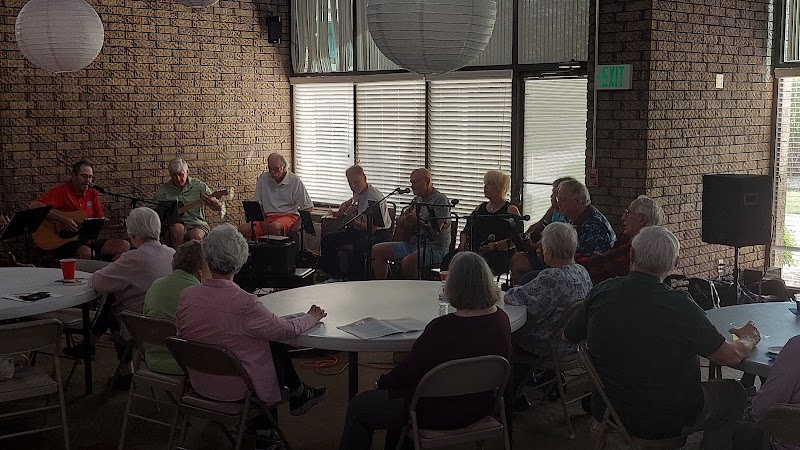
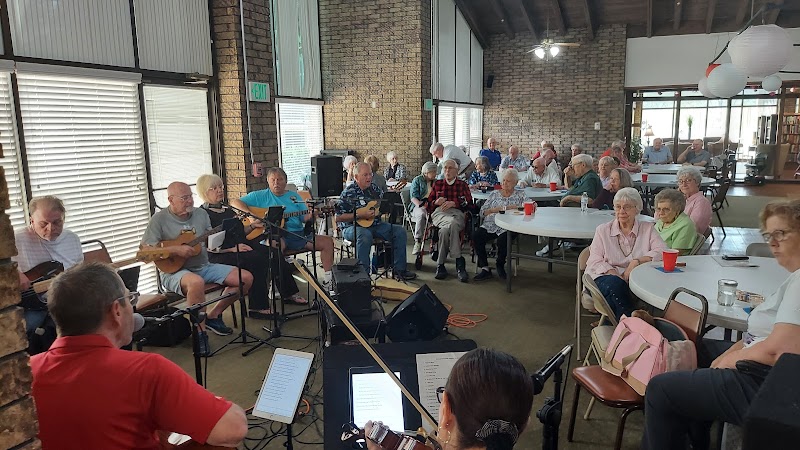
An observation on 04/24/25 at 01:30 PM, Resident #184 was sitting in the resident ' s wheelchair at the window. Both legs and feet were swollen. CNA #1 and CNA #10 were in the room to transfer the resident to their bed due to swelling. Resident stated they didn't want to get in the bed due to the gospel singing social activity scheduled at 02:00 PM which they desired to attend. CNA #1 stated the resident needed to lay down for a little while to reduce the swelling. The resident was placed in the bed. Resident #184 later stated they did not go to the activity because it was too much trouble to get back up and Resident #184 didn't want to bother the staff.
An interview with Resident #184 on 04/22/25 at 01:15 PM revealed they felt like they were in prison and totally dependent. Resident #184 stated, This was supposed to feel like home. If you're not crazy when you get here, you will surely be when you leave.
An interview with LPN #7 on 04/22/25 at 04:25 PM, revealed that with no Director of Nursing (DON) employed at this time, no care plans are being generated. LPN # 7 stated they may have a closet care plan which is filled out with admission evaluations, but Resident #184 did not have a comprehensive individualized care plan.
On 04/23/2025 at 2:50 PM an interview with the Activities Director/Social Worker revealed she was just implementing social activities since her hire date eight days ago. Due to staff shortage, she transported dependent residents to activities. She revealed Resident #184 was upset because staff did not transport them to the activities, and that Resident #184 was dependent on assistance with the wheelchair.
An interview with Resident #184 on 04/24/25 at 08:43 AM, Resident #184 revealed no staff member had intervened to help Resident #184 feel more independent. Resident #184 revealed if they wanted to go outside, the resident had to ask to be let out. Once outside there is not a way to call staff when you are ready go back inside except to holler until someone hears you. Resident #184 revealed the wheelchair they had now is low and they (Resident #184) cannot get up out of it without staff assistance.
On 04/26/25 at 11:00 AM, was reportedly Resident #184 ' s first activity participation with other residents since admission. Resident #184 played checkers with another resident.
An interview with Resident #184 on 04/26/25 at 01:10 PM revealed the currently utilized mobility aids were brought from home, and were not facility provided, nor had the staff attempted to intervene with anything to promote the resident's independence.
On 04/25/25 at 03:25 PM, the Administrator and Activities Director reported Resident #184 had not voiced any need for devices to the Activities Director for bed transfers. The Activities Director stated, I have not ever personally asked the resident any questions regarding how (pronoun) transferred at home, but (pronoun) could have told me if (pronoun) wanted to.
An interview with Resident #184 on 04/29/25 at 08:30 AM, reported following their interaction with the survey team, the Administrator spoke to the resident and said, Don't tell me you want your electric wheelchair but what other things are used at home to help do things yourself. Resident #184 reported to the Administrator that the resident used a trapeze bar above the bed, a foot stool, and a transfer belt/strap. Resident #184 revealed they had reported to staff how unhappy they were and missed their independence. Resident #184 stated I'm sitting here waiting to die but I really am not ready. This is no way to live.
An interview with Resident #184 representative on 04/29/25 at 09:10 AM, revealed the facility had not inquired about tools available to make the resident's stay better or interventions that could help them. Resident #184's representative revealed the resident had told them how unhappy they were in the facility because all they do is sit at the window and could tell how unhappy the resident was. Resident #184 had reported to their representative coming to the facility was their greatest down fall and had reported to staff multiple times their grieve over the loss of independence. The resident representative reported it was only a couple of days ago when the facility reached out inquiring about ways to help with mobility. Resident #184's representative stated someone from the facility called and asked if the trapeze bar on the bed at home could be transferred to the bed at the facility, and the belt/strap they used at home could be brought to the facility for Resident #184.
An interview with Assistant Director of Nursing (ADON) on 04/29/25 at 09:42 AM, revealed the care plans are done by the Director of Nursing (DON) and she was not aware the care plan hadn't been done. ADON stated she had not assumed the DON responsibilities, and since there was not a DON nobody had assumed those responsibilities. They (the residents) have one care plan in the closet, but it was not a comprehensive complete individualized care plan just mainly about transfers, how they eat, or if they are incontinent.
On 04/26/25 at 03:25 PM, the facility had submitted an acceptable IJ removal plan in accordance with Appendix Q:
1. ln-service provided to Administrator by Nurse Consultant in regards preventing decline in residents level of activities of daily living (ADL) functions. Including providing necessary equipment appropriate for resident and facility. 4/25/25 at 4:00 PM
2. Administrator to provide in-service to DON regarding preventing decline in resident AOL functions, including providing necessary equipment and assessing for appropriate interventions to prevent declines. Completed via Phone: 4/26/2025
3. Administrator and Nurse Consultant began in-service of nursing staff to identify and respond appropriately to a residents decline in AOL functions, including assessing, monitoring and providing interventions. Nurses will be responsible for assessing and providing appropriate interventions. TO BE COMPLETED BY 4/26/2025 at 8pm.
4. Resident #184 family contacted by administrator 4/25/2025 to bring specialized equipment (special belt for foot movement and trapeze bar) from home that is being requested by resident to facility so it can be used to assist with his independent transfer and repositioning.
5. Administrator and DON will monitor care areas routinely to ensure equipment is in place.
6. Primary Care Physician of Resident #184 will be notified of mental health concerns and further direction/orders requested. Family contacted to bring personal items from home, Physician notified for any new orders and pharmacy contacted for medication consult: 4/26/2025 by 5:00 PM
7. Care plan and MOS for Resident #184 completed on: 4/25/2025
Onsite Verification:
On 04/29/2025 at 8:30 AM the survey team interviewed Resident #184 but was unable to remove the IJ. The resident had not received new interventions to promote more independent transfers and mobility.
Onsite verification was attempted on 05/02/2025 at 1:00 PM and could not be completed due to the Administrator verbalizing a Director of Nursing (DON) position had not been permanently filled and Interim DON verbalized being contracted for Registered Nurse (RN) coverage for 4 days and would be leaving the facility on Sunday 05/04/2025 to return to Oklahoma.
Onsite verification was attempted on 05/05/2025 at 4:08 PM and could not be completed due to Interim DON verbalized being in Oklahoma and was not working for the facility. Interim DON verbalized only being contracted for four days as weekend RN coverage, not DON.
The IJ was removed on 05/09/2025 at 12.56 PM after the survey team performed onsite verification that the Removal Plan had been implemented. Onsite verification of the Removal Plan began on 05/08/2025 at 11:00 AM. In-services reviewed included preventing decline in residents' level of activities of daily living (ADL) functions, providing necessary equipment appropriate for resident and facility, and for nursing staff to identify and respond appropriately to a residents decline in ADL functions, including assessing, monitoring, and providing appropriate interventions. Nurses will be responsible for assessing and providing appropriate interventions. Resident #184 ' s family was contacted by Administrator 4/25/25 to bring specialized equipment (special belt for foot movement and trapeze bar) from home that is being requested by resident to facility so it can be used to assist with independent transfer and repositioning. Primary Care Physician of Resident #184 was notified. Resident #184 ' s care plan and MDS was updated. A total of 13 staff interviews were conducted with staff from all shifts to very training had been completed. The staff interviewed included Certified Nursing Assistants, Licensed Practical Nurses, Registered Nurses, Nurse Consultant, Social Services Director, and Assistant Director of Nursing. The staff interviewed verified they had been trained on ADLs, equipment, and monitoring/reporting for a decline in a resident ' s functioning. A review of in-service sheets provided indicated 17 had been provided training. Those staff who were not physically present to receive the in-services were messaged via telephone, with the in-service information provided and the employee acknowledging receipt and voicing understanding.
CRITICAL
(K)
Immediate Jeopardy (IJ) - the most serious Medicare violation
Accident Prevention
(Tag F0689)
Someone could have died · This affected multiple residents
**NOTE- TERMS IN BRACKETS HAVE BEEN EDITED TO PROTECT CONFIDENTIALITY** Based on observation, interview, and record review, the facility failed to ensure 1 (Resident 25) of 2 residents reviewed for fa...
Read full inspector narrative →
**NOTE- TERMS IN BRACKETS HAVE BEEN EDITED TO PROTECT CONFIDENTIALITY** Based on observation, interview, and record review, the facility failed to ensure 1 (Resident 25) of 2 residents reviewed for falls/accidents received proper assessments and interventions to prevent falls.
It was determined the facility's non-compliance with one or more requirements of participation had caused, or was likely to cause, serious injury, harm, impairment, or death to residents. The Immediate Jeopardy (IJ) was related to State Operations Manual, Appendix PP, 483.25 (Quality of Care) at a scope and severity of J.
The IJ began on 04/29/2025 at 8:46 AM after review of Resident 25 incidents/accident reports, care plans and closet care plans. The review revealed three interventions for nine documented falls for Resident 25.
The Administrator was notified of the IJ on 04/29/2024 at 8:46 AM. A Removal Plan was requested. An Immediate Jeopardy removal plan must include all the actions the facility has taken or will take to immediately address the noncompliance that resulted in or made serious injury, serious harm, serious impairment or death likely. On 05/01/2025 an acceptable IJ removal plan was accepted. The IJ was removed on 05/09/2025.
The findings are:
1. A review of Falls-Clinical Protocol policy with a revision date of April 2024 revealed based off assessments staff should identify pertinent interventions to prevent subsequent falls, and to address the risks of clinically significant consequences of falling. Staff will try various relevant interventions until falling reduces or stops or until a reason is identified for its continuation.
2. A review of the admission Record, indicated the facility admitted Resident # 25 on 12/18/2023.
a.
A review of the quarterly MDS, with an Assessment Reference Date (ARD) of 03/16/25 revealed Resident #25's Brief Interview for Mental Status (BIMS) was 00, which indicated severe cognitive impairment. Section GG, functional abilities, revealed Resident # 25 required substantial/maximal assistance for mobility.
b.
A review of Resident #25's care plan dated 12/17/2024, indicated the resident was at a very high risk for falls, lacked safety awareness and was weaker since a hospitalization. Resident #25 did not use call light nor know how. The facility developed interventions which included keeping the bed in the lowest position, attempting to keep gripper socks or shoes on when the resident is up, and keep the resident room door open so staff could observe them as they walked down the hall.
c.
A review of Nursing Fall Risk Evaluation dated 03/24/2025, revealed Resident # 25 had three or more falls in the last 90 days, no cognitive status changed in last 90 days, eliminated with assistance, was confined to a chair and used bedrails, the resident was not able to balance without physical help, had 3 or more risk factors related to falls on Resident Assessment Instrument (RAI) user's manual, and scored 24 on this. It instructed that when a resident scored 10 or higher staff should consider environmental risk factors in the resident's interventions. This form was completed by the former DON #8.
d.
A review of nursing notes for Resident #25, dated 03/13/2025 at 9:40 PM, noted an X-ray of left wrist was performed after an unwitnessed fall. A Radiology Results Report dated on 03/13/2025, revealed Resident #25 had an impacted and comminuted distal left radius fracture and probable distal ulnar fracture to the left arm. An ace wrap was applied to the left arm/wrist. Resident #25 was a direct admit to the hospital for surgery on left arm. Resident #25 was discharged from the hospital on [DATE] post surgery with a cast in place to their left arm. The cast was removed by the resident twice after admission to facility.
e.
A review of Incident and Accident Report (I&A) dated 03/26/2025, indicated Resident #25 was found in the floor by a Certified Nursing Assistant (CNA). The witness statement stated the resident's left cast was off and on the other side of the bed and the resident was on the floor. No new interventions were noted on the I&A.
f.
A review of nursing notes reveal that on 03/26/2025, Resident #25 was found on the floor in their room after an unwitnessed fall with complaints of pain to the right arm. An X-ray was performed on 03/28/2025 which diagnosed a fracture to the right arm. Neither the resident's closet care plan nor comprehensive care plan was updated with interventions for the resident's falls. A Radiology Results Report dated on 03/28/2025, revealed Resident #25 had an impacted fracture of the right radial head.
g.
A review of a hospital orthopedic record dated 03/26/2025, revealed Resident #25 was discharged from the hospital with a diagnosis of markedly displaced and comminuted left distal radius and ulna fracture with significant soft tissue swelling status post stabilization with Open Reduction and Internal Fixation (ORIF) and casting by an orthopedic surgeon.
h.
During an interview on 04/21/2025 at 12:25 PM with Resident #25's family member, they stated Resident #25 fell about a month ago and had to go to the hospital for surgery on their left wrist. Upon return from the hospital, Resident #25 kept removing their cast and fell 2-3 days later and sustained a new fracture to the right elbow.
3. On 04/27/25 at 11:30 AM during an interview Registered Nurse (RN) #2 explained after a fall the resident is assessed, and an incident and accident (I and A) form is completed. RN #2 revealed the nurses should do immediate interventions and document the interventions on the I and A form, document in the nurses' notes, then the nurses should add it to the closet care plan and update the CNAs.
4. On 04/28/205 at 2:46 PM, during an interview the Former Director of Nurses (DON) stated examples of fall interventions could include fall mats, nonskid strips on the floor, pillows wedges, snacks, the resident participating in an activity, moving the bed, and the position of bed. The Former DON stated the facility should never quit intervening. She revealed most falls had a pattern, such as falls at night where the resident was trying to toilet themselves. She stated a staff intervention could be toileting the person during the night. The Former DON stated not every intervention would work for every resident.
5. On 04/29/2025 at 9:42 AM, during an interview the Assistant Director of Nursing (ADON) revealed that the staff looked at the time-of-day falls occurred. She stated she does not do fall assessments. It was the DON who usually did, the facility did not have a DON so there was no one to complete them and they had not been done. The ADON stated the facility utilizes low beds and fall mats for interventions. She revealed the DON placed the falls on the care plan and without a DON it is not being done. She revealed she worked as a bedside nurse most of the time as does the Medical Records nurse. She revealed she doesn't know what the facility was doing to help fix our systems.
On 05/01/2025 an acceptable IJ removal plan was accepted.
1. Fall assessments and interventions reviewed and updated as needed for Residents #15 and #25 by facility nurse. Completed on 4/30/2025.
2. ln-service by administrator, regional director and nurse consultant started
4/29/2025 for Nursing staff ( RN, LPN, CNA) present and via phone for those not in facility regarding the following:
a. Assessing, monitoring and intervening in falls to prevent injury and/or reduce falls.
b. Proper interventions for falls
c. Care plans related to falls
d. Notification of PCP,DON, family and administrator
3. DON/Administrator in-serviced by regional director 4/29/2025 in regards to monitoring of incident and accident (I&A), fall records and daily nurse documentation to identify and address any concerns immediately.
Onsite Verification:
Onsite verification was attempted on 05/02/2025 at 3:51 PM and could not be completed at that time due to R26 had a fall and the facility did not have any documentation regarding the fall or interventions put in place. One LPN and two CNAs had not had training and education on falls, proper interventions, and care plans.
Onsite verification was attempted on 05/05/2025 at 3:42 PM and could not be completed at that time due to one LPN verbalizing signing off on in-services but unsure what the in-service was regarding and one CNA verbalizing not receiving any in-services on falls, proper interventions and care plans within the last two weeks.
The IJ was removed on 05/09/2025 at 12.56 PM after the survey team performed onsite verification that the Removal Plan had been implemented. Onsite verification of the Removal Plan began on 05/08/2025 at 11:00 AM. Record review included fall assessments and interventions were updated for Resident #15 and #25. Inservice included assessing, monitoring, and intervening in falls to prevent injury and/or reduce falls, proper interventions for falls, and care plans related to falls. Falls assessments were completed to identify residents that were a high fall risk. A total of 13 staff interviews were conducted with staff from all shifts to verify training had been completed. The staff interviewed included Certified Nursing Assistants, Licensed Practical Nurses, Registered Nurses, Nurse Consultant, Social Services Director, and Assistant Director of Nursing. The staff interviewed verified they had been trained on the facility ' s process for falls. A review of in-service sheets provided indicated 18 had been provided training. Those staff who were not physically present to receive the in-services were messaged via telephone, with the in-service information provided and the employee acknowledging receipt and voicing understanding.
CRITICAL
(K)
Immediate Jeopardy (IJ) - the most serious Medicare violation
Deficiency F0700
(Tag F0700)
Someone could have died · This affected multiple residents
**NOTE- TERMS IN BRACKETS HAVE BEEN EDITED TO PROTECT CONFIDENTIALITY** Based on interviews, record review, and facility document review, the facility failed to ensure bed rail assessments were comple...
Read full inspector narrative →
**NOTE- TERMS IN BRACKETS HAVE BEEN EDITED TO PROTECT CONFIDENTIALITY** Based on interviews, record review, and facility document review, the facility failed to ensure bed rail assessments were completed for resident needs and safety, to obtain informed consent prior to installation of bed rails, and to ensure identified bed rails were applied to a compatible bed based on the assessed resident needs. Bed rails found installed on resident beds for 2 residents (Resident #15 and #25) that were reviewed for bed rails.
It was determined the facility's non-compliance with one or more requirements of participation had caused, or was likely to cause, serious injury, harm, impairment, or death to residents. The Immediate Jeopardy (IJ) was related to State Operations Manual, Appendix PP, 483.25 (Quality of Care) at a scope and severity of J.
The IJ began on 04/29/2025 at 8:46 AM after review of Resident 15 and Resident 25's medical chart and found no bed rail assessments, nor informed consents from residents or power of attorneys, notation of establishment of proper bed rails installed and no manufacture guidelines for current bed rails in place on Resident 15 and Resident 25's bed.
The Administrator was notified of the IJ on 04/29/2025 at 8:46 AM. A Removal Plan was requested. An Immediate Jeopardy removal plan must include all the actions the facility has taken or will take to immediately address the noncompliance that resulted in or made serious injury, serious harm, serious impairment or death likely. On 05/06/2025 an acceptable Immediate Jeopardy removal plan was accepted in accordance with Appendix Q. At time of exit on 05/06/25 at 11:47 AM IJ was not cleared.
The findings are:
Resident #15 was admitted on [DATE] with diagnoses of falls, dementia, and chronic ischemic heart disease according to Face Sheet and (named hospital) Clinic notes dated 11-15-2024.
On 04/23/25 at 2:00 PM, an observation was made of 2 quarter side rails on bed on both sides of mattress in up position on Resident #15 bed.
On 04/26/25 at 12:03 PM, an observation was made of 2 quarter side rails on both sides of bed in up position on Resident #15 bed.
On 04/27/25 at 9:04 AM, an observation was made of 2 quarter side rails on bed in up position on Resident #15 bed.
On 04/26/25 at 1:00 PM, no side rail assessment, bed rail informed consent from power of attorney, or form determining what type of side rail to be used were found in Resident #15 ' s medical record.
A review of the Care Plan with initiation date of 11/22/204 did not indicate bed rails where in use for Resident #15.
An observation of the Closet Care Plan at 04/27/2025 at 10:26 AM revealed it did not indicate bed rails were to be used.
On 04/27/2025 at 10:26 AM Certified Nursing Assistant (CNA) #1 revealed that Resident #15 had bedrails. She revealed that the bedrails are in the up position when in bed but puts them in the down position when Resident #15 is up.
On 04/27/2025 at 10:35 AM CNA #3 revealed that Resident #15 has bed rails. She revealed that she is unsure whether they are supposed to be put up or down. CNA #3 observed closet care plan and revealed that bedrails were not on the closet care plan.
On 04/27/2025 at 1:01 PM Registered Nurse (RN) #2 revealed that she was unsure if Resident #15 is supposed to have bed rails or not. And she was unsure if they were supposed to be up or down.
On 04/29/2025 at 9:42 AM, an interview with the Assistant Director of Nurses (ADON) revealed that the bed rails on the electric beds are pulled up because the bed rails have the bed controls on it. The ADON revealed that bedrails are pulled up for the residents that try to get out of bed. We pull them up to keep them from getting out. She revealed that the facility doesn't have full bed rails on any bed. The ADON revealed that she was told that they only must assess the bedrails if they were full bedrails. The ADON revealed that former Director of Nurses (DON) said they did not have to assess them. The ADON revealed that she does not know who installs the bed rails or does not know anything about the bed rail process.
On 04/27/2025 at 1:02 PM, Registered Nurse (RN) #2 revealed that there were no bed rail assessments. RN #2 stated that the MDS did not indicate bed rail use for Resident #15.
On 04/27/2025 at 1:12 PM Licensed Practical Nurse (LPN) #9 revealed that she was unsure of where bed rail assessments or documentation would be in the medical record. LPN #9 revealed that the facility usually just asks the residents what their preference was on having bed rails or not. She revealed that they usually keep the bed rail up for mobility and positioning.
On 04/27/2025 at 1:31 PM with the Housekeeping/Maintenance Supervisor revealed that she is responsible for putting the bed rails on the beds and taking the bed rails off the beds. She revealed that most of the beds have bedrails on the beds, except for the residents who do not want them on. The Housekeeping/Maintenance Supervisor revealed that there are 3 types of bed rails. She revealed that she does not measure the beds, she is just able to look at the bed and know which bedrail goes on the beds. She reports that she has manufacture guidelines to the bed rails and beds but unsure where they were at the time of interview, but she would find them. She revealed that she has not read the manufacture guidelines. The Housekeeping/Maintenance Supervisor revealed that she has to check the high and low beds at least weekly but some of the beds, every couple of days because the bed rails get really loose. She must tighten the bedrails because they are loose. When asked how she knows whose bed to check she just replied that she knows who to check. The Housekeeping/Maintenance Supervisor revealed there are no forms or logs that she keeps up with. She reported if the bedrails are loose, they are not safe and would not be stable for the residents to use. She revealed that the nurses are the ones who determine who get bed rails and who does not and they just let her know. She revealed that they have a standard size of mattress that they use in the facility. She revealed that they also have a concave mattress and 2 types of bariatric size mattresses. She revealed that it doesn't make a difference on the size of the mattress, it just makes the bed rails closer to the mattress so that the mattress doesn't slide.
On 04/28/2025 at 11:51 AM, Certified Nursing Assistant (CNA) #10 assisted the surveyor by flipping mattress and did not observe any mattress size tags on edges or bed itself. Also observed bed frame with no tags for instructions for bed rails or entrapment warnings. Space observed in between concave mattress and bed rail. CNA #10 placed middle 3 fingers in between bed rail and mattress with remaining gap left for more possible fingers to be placed and observed by two surveyors.
On 04/29/205 at 8:52 AM, during a phone interview Resident #15's spouse revealed that facility has never spoken to them about the bedrails or received an informed consent.
A review of DON job description revealed that they will maintain all required record and regularly inspect all documentation required by federal and state standards and regulations.
A review of Side Rail policy revealed that an assessment would be performed to determine a resident's bed mobility, ability to change positions, transfer to and from bed/chair, and to stand and toilet. It also revealed that it would include risk for entrapment for the use of side rails, and the bed's dimensions were appropriate for the resident size and weight. It also revealed that side rails would be addressed in residents' care plans. The policy revealed that an informed consent from the resident or resident power of attorney would be obtained.
Resident #25 was admitted on [DATE] at 09:19 AM with diagnoses which included dementia, insomnia, hypertension, anxiety with depression, atrial fibrillation, and gastroesophageal reflux disease per (named hospital) Clinic notes dated 11-15-2024.
On 04/24/2025 at 12:33 PM during observation of Resident #25, the bed was in the lowest position, quarter bedrails on both sides of the head of bed were in an up position with resident sitting on side of bed.
During observation on 04/27/2025 at 10:02 AM, Resident #25 was lying in bed with eyes closed, the room door was open, the bed with both upper quarter bedrails in an up position.
On 04/28/2025 at 8:50 AM during observation, both upper quarter bedrails in an up position. Resident #25 was lying in bed.
A review on 04/24/2025 at 12:33 PM of Resident #25's closet care plan indicated two bedrails were used.
A review of Minimum Data Set (MDS) with an Assessment Reference Date (ARD) of 03/16/2025 indicated no bedrails were in use by Resident #25.
A review of a care plan initiation dated 12/17/2024 did not indicate bedrails were in use by Resident #25.
On 04/27/2025 at 12:57 PM, an interview with CNA #1 revealed the bedrails were already installed on Resident #25's bed upon admission, the bedrails had been down at times, and housekeepers put the bedrails on the beds.
On 04/27/2025 at 1:00 PM, an interview with RN #2 revealed the bedrails had been on Resident #25 bed since admission and housekeeping installed them.
On 04/29/2025 at 9:00 AM, an interview with Resident #2 family indicated the facility had not talked to them about bedrails, the possibility of injury, or education of the bedrails. Family knew the bedrails could be raised up or down and the bedrails were installed on the bed before admission. The family denied signing consent for the bedrails.
On 05/06/2025 an acceptable Immediate Jeopardy removal plan was accepted in accordance with Appendix Q:
1. ln-service provided to Administrator by Regional Director on 4/30/2025 in regards to bed rails and assessing, getting signed consent and order prior to use.
2. Administrator to provide in-service to nursing staff in person and via phone Regarding policy and procedure of bed rails, assessing, consent to use and physician order requirement completed by 5/1/2025.
3. Review of records to be completed by nurse manager to identify other residents with bed rails. 5/2/2025
4. Identified residents will be assessed by nurse and consent obtained 5/2/2025.
5. Administrator and DON will monitor care areas weekly to ensure bed rails are assessed and consent obtained and in the record.
6. Care plan and MDS will be updated by LPN Nurse consultant 5/2/2025.
7. IDT team will work with environmental services supervisor to ensure bed frame and bed rails are compatible for the provided bed per manufacturers guidelines and recommendations.
8. ln-service provided by administrator to environmental service supervisor regarding bed rails, bed maintenance and ensuring bedrails and bedframe are compatible to prevent entrapment zones. 5/2/2025
Onsite Verification:
Onsite verification was attempted on 05/02/2025 at 3:13 PM and could not be completed due to the Administrator verbalizing all items on the Plan of Removal (POR) had not been completed because the process of completing the bed rail assessments were taking a long time.
Onsite verification was attempted on 05/05/2025 at 2:03 PM and could not be completed due to the Administrator verbalizing all assessments were not completed and all consents have not been signed.
Onsite verification was attempted on 05/09/2025 at 12:56 PM and could not be completed at that time due to staff not using manufacturers guidelines for bed rails and no side rail assessments had been completed.
The IJ was removed on 05/15/2025 at 8:35 AM after reviewing all the submitted care plans, consents and bed rail evaluation forms. Onsite verification of the Removal Plan began on 05/09/2025 after reviewing Resident 15 and Resident 25's medical chart and found no bed rail assessments, nor informed consents from residents or power of attorneys, notation of establishment of proper bed rails installed and no manufacture guidelines for current bed rails in place on Resident 15 and Resident 25's bed. Observation of bed rails on beds, care plans for all residents with bed rails including Resident 15 and Resident 25 in place; in-service provided to Administrator by Regional Director on 04/30/2025; in-service provided to nursing staff regarding policy and procedure of bed rails, assessing, consent to use and physician order required; consent forms for residents with bed rails, bed rail assessments for residents with bed rails. Six (6) residents identified as having bed rails with no assessments / consents. Assessments and consents obtained. Monitoring sheets completed on 05/08/2025, 05/12/2025 and 05/13/2025 for bed rail assessment and consents. File containing manufacturer guidelines for bed rails provided. Interview with Housekeeping supervisor confirmed was in-serviced by the Administrator regarding bedrails, maintenance, ensuring bedrails are compatible with the bed frame, and has reviewed and will refer to guidelines if needed. Review of the in-service revealed the regional director in-serviced the governing body by telephone and the Administrator was in-serviced in person regarding responsibility of the governing body, survey findings, plan of removal to correct findings during survey, and plan moving forward to improve findings.
A total of 5 staff interviews were conducted with staff from all shifts to verify training had been completed. The staff interviewed included Certified Nursing Assistants, Housekeeping Supervisor. The staff interviewed verified they had been trained on bed rails. A review of in-service sheets provided indicated 24 staff had been provided training. Staff who were not physically present to receive the in-services were in-serviced by telephone, with the in-service information provided and the employee acknowledging receipt and voicing understanding.
An onsite verification was attempted on 5/14/25. The survey staff was unable to validate the POR, resident 15 and Resident 25 did not have a bed rail assessment. The facility was able to provide the documentation on 5/15/25.
CRITICAL
(K)
Immediate Jeopardy (IJ) - the most serious Medicare violation
Deficiency F0726
(Tag F0726)
Someone could have died · This affected multiple residents
**NOTE- TERMS IN BRACKETS HAVE BEEN EDITED TO PROTECT CONFIDENTIALITY** Based on interviews, record review, facility document review, facility policy review, the facility failed to ensure a nurse with...
Read full inspector narrative →
**NOTE- TERMS IN BRACKETS HAVE BEEN EDITED TO PROTECT CONFIDENTIALITY** Based on interviews, record review, facility document review, facility policy review, the facility failed to ensure a nurse with the training and competencies were on staff to provide the ordered necessary care to the residents. Specifically, the facility did not ensure Licensed Practical Nurses (LPNs) with Intravenous (IV) certification accessed and managed Resident #33's Peripherally Inserted Center Catheter (PICC) line including IV antibiotic administration, IV flushes, and assessment of the line's condition and status.
It was determined the facility's non-compliance with one or more requirements of participation had caused, or was likely to cause, serious injury, harm, impairment, or death to residents. The Immediate Jeopardy (IJ) situation was related to State Operation Manual, Appendix PP, 483.35 (Nursing Services) at a scope and severity of K.
The IJ began on 02/17/2025 after review of; employee files, timecard reports; Resident #33 TAR; Resident #184's lack of Minimum Data Sheet (MDS) assessments, comprehensive care plan with interventions, and interview; Resident #85's lack of MDS assessment, comprehensive care plan with interventions, and basic care plan; Resident #135's lack of MDS assessment, stage 2 pressure ulcer assessment, EBP implementation for a urinary catheter, and a comprehensive care plan.
The Administrator was notified of the IJ on 04/25/2025 at 11:55 AM. A Removal Plan was requested. An IJ removal plan must include all the actions the facility has taken or will take to immediately address the noncompliance that resulted in or made serious injury, serious harm, serious impairment or death likely. On 04/26/2025 at 11:55 AM an acceptable Immediate Jeopardy removal plan was accepted in accordance with Appendix Q. At the time of exit on 5/06/2025 the IJ was still ongoing.
The findings include:
A review of the facility's undated Facility Assessment with an Addendum attached 08/24/2024 indicated, The facility offered 24-hour nursing services which included IV therapy. Our Director of Nurses pre-screens any new referrals and makes notes based on the information sent and if we are able to meet their needs. No self-assessed staffing guidelines were identified and no mention of Registered Nurse (RN) coverage. The 08/24/2024 addendum stated, Direct Care Staff Requirements: The facility will ensure that the composition of direct care staff includes Registered Nurse (RNs), Licensed Practical Nurses/Licensed Vocational Nurses (LPNs/LVNs), and Nursing Assistants (NAs). Unit-Specific Staffing Needs: Each resident unit within the facility will be evaluated to determine specific staffing needs. Adjustments to staffing levels will be made based on changes in the resident population, such as admissions, discharges, and changes in resident care needs, The evaluation will be conducted quarterly or more frequently if significant changes in the resident population occur. Monitoring and Implementation: Any changes in resident population or care requirements will prompt an immediate review and adjustment of staffing levels.
A review of a facility policy titled, Central Venous and Midline Catheter Flushing, revised April 2016, indicated, The facility should consult the [state laws and regulations] for RN/LPN scope of practice and function and Insertion site assessment should be done as part of the flushing process to monitor for complications.
A review of the facility's LPN/RN Charge Nurse, Job Description indicated the LPN Charge Nurse duties were to Conduct resident rounds as assigned to assess the condition of each resident and report problems to the DON. Assess and report changes in resident's condition take follow-up action as necessary. Assess resident needs and add to resident care plan. The expectation of the Med Records nurse who worked the Foor as an LPN Charge Nurse was to work outside her scope of practice by assessing the residents.
A review of the Arkansas Administrative Code, Agency 067-Board of Nursing, Rule and Regulations stated a RN/Professional Nurse was The Practice of Professional Nursing- The performance for compensation of any acts involving the observation, care and counsel of the ill, injured or infirm; the maintenance of health or prevention of illness of others; the supervision and teaching of other personnel as set forth in regulations established by the board; or the administration of medications and treatments as prescribed by an advanced practice nurse holding a certificate of prescriptive authority, a licensed physician, or a licensed dentist, where such acts require substantial specialized judgment and skill based on knowledge and application of the principles of biology, physical and social sciences. A LPN/Practical Nurse The Practice of Practical Nursing- The performance for compensation of acts involving the care of the ill, injured, or infirm or the delegation of certain nursing practices to other personnel as set forth in regulations established by the board; under the direction of a registered professional nurse, an advanced practice nurse, a licensed physician or a licensed dentist, which acts do not require the substantial specialized skill, judgement, and knowledge required in professional nursing. And defined Delegation-Entrusting the performance of a selected nursing task to an individual who is qualified, competent and able to perform such task. The nurse retains the accountability for the total nursing care of the individual.
The Arkansas State Borad of Nursing (ASBN) IV Therapy Guidelines stated, IV Therapy Guidelines for Teaching Content Related to IV Therapy for Arkansas Licensed Practical Nurses and Licensed Practical Nursing Students The profession of nursing is a dynamic discipline. Practice potentials change and develop in response to health care needs of society, technical advancements, and the expansion of scientific knowledge. The Arkansas State Board of Nursing developed Position Statement 98-6, Scope of Practice Decision Making Model, to enable nurses to determine if a specific task is within their personal scope of practice. It is recommended that this model continue to be used.
The ASBN Position Statement 98-6 Decision Making Model provides an easy-to-follow diagram for nurse to follow when a decision is to be made for appropriate task delegation. The questions is asked, Has the nurse completed special education if needed? and Is there documented evidence of competency and skill?
Only LPN #9 provided documented proof of her special training and competency for IV administration, though verification of her practical nursing license an added message indicated she was also IV certified.
Resident #33 who according to the Medication Administration Record (MAR)/Treatment Administration Record (TAR) was admitted on [DATE] with a PICC line in place to receive IV antibiotics and flushed with saline and an anticoagulant twice a day had no RN assessment or care of the line on 02/18/2025, 02/20/2025-02/23/2025, 02/27/2028-03/02/2025, 03/06/2025-03/09/2025, 03/13/2025-03/17/2025 which was 18 days. 17 doses of IV antibiotics were administered from 02/14/2025-02/28/2025 by the Med Records/LPN Charge Nurse, LPN #7, LPN #11, and LPN #12.
A review of Resident #33's Physician Orders, indicated the facility admitted Resident #33 on 02/10/2025 on a veteran's contract with diagnoses that included heart failure, liver disease, osteomyelitis, anxiety, post-traumatic stress disorder (PTSD), diabetes, hypothyroidism, and neuropathy. The resident had bilateral foot wounds with daily dressing changes, a PICC line was in place and IV antibiotics were ordered twice a day.
A review of Resident #33's clinic note dated 02/28/2025, the Medical Director (MD) indicated, the resident was admitted from an acute care hospital for continued IV antibiotic therapy and wound care after a diabetic foot ulcer worsened from close exposure to a heater.
The admission Minimum Data Set (MDS), with an Assessment Reference Date (ARD) of 02/17/2025, revealed Resident #33 had a Brief Interview for Mental Status (BIMS) score of 15 which indicated the resident was Cognitively intact. And incorrectly indicated in Section O the resident did not have any IV access at admission or while a resident. Which was completed by LPN #7 on 03/11/2025. The PICC line was still in place at the time the MDS was completed.
During an interview on 04/25/2025 at 1:55 PM, the Certified Nursing Assistant (CNA) #1 stated, if a resident had fallen or was declining, she would notify Med Records LPN, and she would assess them if there was no RN available. Med Records would tell us to keep an eye on them and update the residents' care plan. If Med Records couldn't take care of it, she would notify the DON if we had one.
During an interview on 04/25/2025 at 10:08 AM LPN #9 stated she was never asked for documentation of her IV certification by the facility, but she was certified as an optional part of her LPN curriculum and the certification shows when her license is verified. She stated prior to using Resident #33 PICC line she would assess for and redness or swelling at the site and see if the resident could complete range of motion in the affected arm without pain.
During an interview on 04/25/2025 at 10:32 AM the Med Record LPN stated they would assess the PICC line with every administration by looking for warmth, redness, pain, swelling, and sign and symptoms of infection and touch around the site too. Med Records LPN stated the scope of practice for LPNs assessing depended on your home state and she was originally licensed in New Mexico.
During an interview on 04/25/2025 at 10:32 AM LPN #9 stated they did admission assessments as an LPN indicating it was in their scope of practice.
During an interview on 04/25/2025 the Administrator stated she did not ask the LPNs who was IV certified and she did not track it. The Administrator stated there was no IV training in the facility.
On 04/26/2025 at 11:55 AM an acceptable Immediate Jeopardy removal plan was accepted in accordance with Appendix Q:
1. Interim Registered Nurse/Director of Nursing was hired on 4/22/2025. Registered Nurse to provide weekend coverage and replace Director of Nurses in event of a call in. Schedule will be updated to reflect Registered Nurse Coverage.
Registered nurse coverage is considered 8 consecutive hours daily.
2. Administrator was in serviced by Regional Director, on registered nurse and director of nursing coverage and requirement to have a full time DON and at least 8 hours of registered nurse coverage 7 days a week.
3. Resident #33 peripherally inserted central catheter (PICC) Line was removed on 3/20/2025, care plan reviewed and updated as needed
a. Bedside LPN in serviced 1: 1 by administrator about scope of practice regarding PICC line and site care on April 24, 2025.
b. All LPNs/RN's to be in-serviced by phone or in person by director of nurses on Scope of Practice regarding PICC line and site care on April 25,2025.
4. In-services to be provided by the Administrator and/or Director of nursing to licensed nursing staff regarding the following items to be completed by
4/24/2025 at 5:00 PM.
a. Care plans-Baseline, comprehensive, and closet care plans completed timely
b. MDS Timeliness
c. RN Assessments and interventions
d. Fall Documentation
e. Enhanced Barrier Precautions (EBP)/INFECTION CONTROL
5. Regional Director provided in-service via phone to Administrator regarding LPN Administration of IV medication on 4/25/2025 @ 3:30PM. Administrator will in-service DON and Human Resource Coordinator on tracking IV certifications of LPNs in event of another PICC line admission TO be completed 4/26/2025 by 5PM.
During an interview on 04/25/25 at 11:30 AM the Administrator stated she had not heard from the new RN #4 (new interim DON). Neither she nor the Director of Operations could reach her on the phone. The Administrator stated she was not sure if the facility still had a DON. Onsite verification did not continue at this time. The survey team did not observe a RN in the building on 04/25/2025.
Onsite verification was attempted on 05/02/2025 at 12:56 PM and could not be completed at that time due to staff not fully educated on Enhanced Barrier Precautions (EBP), care plans, and MDS.
Onsite verification was attempted on 05/05/2025 at 3:17 PM and could not be completed at that time due to staff not fully educated on Enhanced Barrier Precautions (EBP), care plans, and MDS
Onsite verification was attempted on 05/09/2025 at 12:56 PM and could not be completed at that time due to staff not fully educated on Enhanced Barrier Precautions (EBP), care plans, and MDS.
The IJ was removed on 05/15/2025 at 8:13 AM after the survey team performed onsite verification that the Removal Plan had been implemented. Onsite verification of the Removal Plan began on 05/14/2025 at 10:30 AM. Record review included new DON was hired on 05/09/2025 and was present in the facility during the onsite verification. RN coverage was reviewed from 04/22/2025 to 05/14/2025 and verified via interviews. In-services reviewed included requirement of registered nurse and director of nursing coverage and to have a full time DON and at least 8 hours of registered nurse coverage 7 days a week. Resident #33 PICC Line was removed on 3/20/25, the care plan was updated. The Regional Director indicated the facility was no longer admitting residents with a PICC/IV, so there were no IV certifications to review. There were no residents residing in the building that had a PICC/IV. A total of 7 staff interviews were conducted with staff from all shifts to very training had been completed. The staff interviewed included Certified Nursing Assistants, Licensed Practical Nurse, Registered Nurse, and Director of Nursing. The staff interviewed verified they had been trained on care-plans, MDS timeliness, RN Assessments and interventions, fall documentation, and enhanced barrier precautions. A review of in-service sheets provided indicated staff had been provided training and the staff who were not physically present received the in-service were messaged via telephone, with the in-service information provided and the employee acknowledging receipt and voicing understanding.
CRITICAL
(L)
Immediate Jeopardy (IJ) - the most serious Medicare violation
Deficiency F0727
(Tag F0727)
Someone could have died · This affected most or all residents
⚠️ Facility-wide issue
**NOTE- TERMS IN BRACKETS HAVE BEEN EDITED TO PROTECT CONFIDENTIALITY** Based on observations, interviews, record review, facility document review, facility policy review, the facility failed to ensur...
Read full inspector narrative →
**NOTE- TERMS IN BRACKETS HAVE BEEN EDITED TO PROTECT CONFIDENTIALITY** Based on observations, interviews, record review, facility document review, facility policy review, the facility failed to ensure employment of a full-time Director of Nursing to manage the nursing department and provide oversight of care and planning to all residents; and to ensure a registered nurse was available in the building for 8 consecutive hours a day for resident needs.
It was determined the facility's non-compliance with one or more requirements of participation had caused, or was likely to cause, serious injury, harm, impairment, or death to residents. The Immediate Jeopardy (IJ) situation was related to State Operation Manual, Appendix PP, 483.35 (Nursing Services) at a scope and severity of L.
The IJ began on 02/17/2025 after review of; employee files, timecard reports; Resident #33 TAR; Resident #184's lack of Minimum Data Sheet (MDS) assessments, comprehensive care plan with interventions, and interview; Resident #85's lack of MDS assessment, comprehensive care plan with interventions, and basic care plan; Resident #135's lack of MDS assessment, stage 2 pressure ulcer assessment, EBP implementation for a urinary catheter, and a comprehensive care plan.
The Administrator was notified of the IJ on 04/23/2025 at 5:20 PM. A Removal Plan was requested. An IJ removal plan must include all the actions the facility has taken or will take to immediately address the noncompliance that resulted in or made serious injury, serious harm, serious impairment or death likely. On 04/25/2025 at 9:51 AM an acceptable Immediate Jeopardy removal plan was accepted in accordance with Appendix Q. The IJ was not removed prior to exit; the survey team was unable to validate the plan of removal. The IJ was cleared on 05/09/2025 at a subsequent survey.
Findings include:
A review of the facility's undated Facility Assessment with an Addendum attached 08/24/2024 stated, a Director of Nursing (DON) was on staff, but no self-assessed staffing guidelines were identified and no mention of Registered Nurse (RN) coverage.
A review of an undated facility document titled, Director of Nursing Job Description, indicated, DON must process the clinical and managerial skills to direct and lead a nursing department. It is vital that the person communicate [communicates] clearly to residents, their families, nurses and all nursing home personnel. The DON must lead the nursing staff in taking positive action to continually upgrade the quality of physical, social, emotional and spiritual care given. Professional requirements included, a willingness to study, learn and implement continuously changing state and federal regulations. Be a role model of professionalism and teamwork. Leadership ability. Responsibilities included, Plan, organize and direct the administration of all nursing units and patient care given based on established goals and objectives, standards, policies and procedures of the company and facility. Put into effect the administrative policies of the company. Maintain records. Review, update and revise policies including OBRA [Omnibus Budget Reconciliation Act] procedures to meet current objectives and state and federal regulations. Regularly inspect the facility, nursing practices and documentation for compliance with federal, state, and local standards and regulations. Insure [Ensure] that all shifts are adequately covered for nursing services following state and federal policies as well as patient needs. Oversee agenda preparation for medical staff and utilization review meetings. Function as the liaison between state and federal agencies in regard to Medicaid, Medicare and any and all other insurances. Complete any required documentation in a timely manner. Meet daily with critical core team members regarding admission, placement, or discharge of patients. In addition, participates in coordination of patient services through departmental staff meetings and assists in the development of patient's care plans. Oversee the complete and timely completion of care plans. Attend department head/administrative meetings. Review all infection control reports, medications incident reports and I&A reports. With appropriate staff, develop [a] corrective action plan. Study all weekly reports such as level of care reports, dietary and pharmacy consultant reports. Meet monthly with staff on each shift. Provide in-services to all shifts as necessary to maintain a quality nursing program. Maintain all required records. Meet monthly with the nursing staff regarding chart audits and physician orders. Perform in-house quality assurance surveys on a quarterly basis and maintain all quality assurance requirements and recommendations. Is on call for all emergencies that other supervisory personnel cannot handle. Stay up to date on state and federal regulations and policies. Plan, organize and direct all patient care.
A review of the facility's employee file for the Former DON [Facility Name] New Hire/Stats Change Form, indicated, the Former DON was hired on 07/10/2023 and was terminated 02/16/2025; reason cited was quit without notice. She was an RN and full-time DON/MDS (Minimum Data Sheet) nurse. No acknowledgement of the facility's DON job description was noted signed or otherwise in the employee file.
A review of the facility's employee file for the Former DON #8 [Facility Name] New Hire/Stats Change Form, indicated, the Former DON #8 was hired on 03/20/2025 and was terminated on 04/15/2025 reason cited was inability to perform job duties. She was an RN and the full-time DON/MDS nurse. No acknowledgement of the facility's DON job description was noted signed or otherwise in the employee file.
During an interview on 04/22/2025 at 4:25 PM, Licensed Practical Nurse (LPN) #7 stated corporate reported Former DON #8 had not done any Minimum Data Sheet (MDS) assessments while employed, this meant no care plans had been developed.
A review of the facility's employee file for the RN #4 revealed on a RN license verification for the state of Arkansas and an Arkansas Department of Human Services request for adult maltreatment registry information signed 04/22/2025. Per the Administrator on 04/23/2025 RN #4 was named as an Interim DON, no paperwork in the employee ' s file indicated this. RN #4 worked during the survey a partial 8-hour shift on 4/22/205, then worked 8 hours on 04/23/2025 and 04/24/2025. She was not at the facility again during the survey.
The facility had one RN on staff who worked part-time, RN #2 who did not routinely work 8-hour shifts.
A review of the Employee Timecard Report 02/16/2025-04/22/2025 and Human Resources identified dates worked by the DON revealed the facility was without 8 consecutive hours of RN coverage on 02/17/2025-02/18/2025, 02/20/2025-03/20/2025, 03/22/2025, 03/23/2025, 03/27/2025, 03/29/2025, 04/01/2025-04/06/2025, 04/09/2025, 04/13/2025-04/22/2025 which was 53 out of 65 days.
As a result of no RN coverage or nurse management oversight the following occurred; Resident #25 had two major falls with injury due to lack of care plan re-evaluation and escalation of interventions, Resident #33's Peripherally Inserted Central Catheter (PICC) line was not assessed for 18 days by an RN and intravenous (IV) medications and flushes were administered by a non-IV certified LPN. Resident #85, #135, and #184 received no assessments and had no care plan implemented for care interventions for 26 days, 31 days, and 24 days respectively.
A review of the Physician ' s Orders, indicated the facility admitted Resident #25 on 12/18/23 with diagnoses which included dementia, hypertension, insomnia, major depressive disorder with chronic anxiety, atrial fibrillation, dizziness and giddiness.
A review of the quarterly MDS, with an Assessment Reference Date (ARD) of 03/16/25 revealed Resident #25's Brief Interview for Mental Status (BIMS) was 00, which indicated severe cognitive impairment. Section GG, functional abilities, revealed Resident # 25 required substantial/maximal assistance for mobility.
A review of Resident #25's Care Plan dated 12/17/24, indicated the resident was at a very high risk for falls, lacked safety awareness and was weaker since a hospitalization. Resident #25 did not use call light nor know how. The facility developed interventions which included keeping the bed in the lowest position, attempting to keep gripper socks or shoes on when the resident is up, and to keep the resident room door open so staff could observe them as they walked down the hall.
A review of Nursing Fall Risk Evaluation dated 03/24/25, revealed Resident # 25 had 3 or more falls in the last 90 days, no cognitive status changed in last 90 days, eliminated with assistance, was confined to a chair and used bedrails, the resident was not able to balance without physical help, had 3 or more risk factors related to falls on Resident Assessment Instrument (RAI) user's manual, and scored 24 on this. With a score of 10 or higher, the evaluation recommended staff should consider environmental risk factors in the resident's interventions. This form was completed by the Director of Nursing (DON).
A review of Nursing Notes for Resident #25 on 03/13/25 at 2140 noted an X-ray of left wrist after an unwitnessed fall. A Radiology Results Report dated on 03/13/25, revealed Resident #25 had an impacted and comminuted distal left radius fracture and probable distal ulnar fracture to the left arm. An ace wrap applied to the left arm/wrist by the nurse. Resident #25 was a direct admitted to hospital for surgery on left arm. Resident #25 was discharged from the hospital on [DATE] post surgery with a cast in place to their left arm. The cast was removed by the resident twice.
Per a review of Nursing Notes, on 03/26/25 Resident #25 was found on the floor in their room after an unwitnessed fall with complaints of pain to the right arm. An X-ray was performed on 03/28/25 which diagnosed a fracture to the right arm. Neither the Resident's closet care plan nor comprehensive care plan was updated with interventions for the resident's falls.
A review of Incident and Accident Report (I&A) dated 03/26/25, indicated Resident #25 was found in the floor by a Certified Nursing Assistant (CNA). The witness statement stated the resident's left cast was off and on the other side of the bed and the resident was on the floor. No interventions were noted on I&A.
A review of Radiology Results Report dated on 03/28/25, revealed Resident #25 had an impacted fracture of the right radial head.
A review of a Hospital Orthopedic Record dated 03/26/25, revealed Resident #25 was discharged from the hospital with a diagnosis of markedly displaced and comminuted left distal radius and ulna fracture with significant soft tissue swelling status post stabilization with Open Reduction and Internal Fixation (ORIF) and casting by an orthopedic surgeon.
During an interview on 04/21/25 at 12:25 PM, Resident #25's family member stated Resident #25 fell about a month ago and had to go to the hospital for surgery on their left wrist. Upon return from the hospital, Resident #25 kept removing their cast and fell 2-3 days later and sustained a new fracture to the right elbow.
Resident #33, who according to the Medication Administration Record (MAR)/Treatment Administration Record (TAR) was admitted on [DATE] with a PICC line in place to receive IV antibiotics and flushed with saline and an anticoagulant twice a day, had no RN assessment or care of the line on 02/18/2025, 02/20/2025-02/23/2025, 02/27/2028-03/02/2025, 03/06/2025-03/09/2025, 03/13/2025-03/17/2025 which was 18 days. 17 doses of IV antibiotics were administered from 02/14/2025-02/28/2025 by the Med Records/LPN Charge Nurse, LPN #7, LPN #11, and LPN #12.
During an interview on 04/25/2025 at 10:08 AM LPN #9 stated she was never asked for documentation of her IV certification by the facility, but she was certified as an optional part of her LPN curriculum and the certification shows when her license is verified. She stated prior to using Resident #33 PICC line she would assess for redness or swelling at the site and see if the resident could complete range of motion in the affected arm without pain.
During an interview on 04/25/2025 the Administrator stated she did not ask the LPNs if they were IV certified and she did not track it. The Administrator stated there was no IV training in the facility.
During an interview on 04/25/2025 at 10:32 AM, the Medical Record LPN stated they would assess the PICC line with every administration by looking for warmth, redness, pain, swelling, and signs and symptoms of infection and touch around the site too. The Medical Record LPN stated the scope of practice for LPNs assessing depended on your home state and she was originally licensed in New Mexico.
During an interview on 04/25/2025 at 10:32 AM LPN #9 stated they did admission assessments as an LPN, indicating it was in their scope of practice.
A review of a Face Sheet revealed Resident #85 was admitted on [DATE], a review of Resident #85 chart revealed no MDS assessment, a comprehensive care plan, or a basic closet care plan completed as of 04/23/2025.
A review of Resident #85's MDS Admission, submitted late, revealed it was signed off by RN #4 on 04/24/2025 and a comprehensive care plan was initiated 04/24/2025.
A review of a Face Sheet revealed Resident #135 was admitted on [DATE], a review of Resident #135 chart revealed no MDS assessment, or a comprehensive care plan completed as of 04/23/2025.
A review of Resident #135's MDS Admission, submitted late, revealed it was signed off by RN #4 on 04/24/2025 and a comprehensive care plan was initiated 04/24/2025.
A review of Resident #184 Face Sheet revealed Resident #184 was admitted [DATE], a review of Resident #184's chart revealed no MDS assessment, or a comprehensive care plan was completed as of 04/23/2025.
A review of Resident #184's MDS Admission, submitted late, revealed it was signed off by RN #4 on 04/24/2024 and a comprehensive care plan was initiated 04/25/2025.
During an interview on 04/25/2025 at 1:55 PM, the Certified Nursing Assistant (CNA) #1 stated, if a resident had fallen or was declining, she would notify Med Records LPN, and she would assess them if there was no RN available. The Medical Records LPN would tell us to keep an eye on them and update the residents' care plan. If the Medical Records LPN couldn't take care of it, she would notify the DON, if we had one.
During an interview on 04/29/2025 at 9:42 AM, the Assistant Director of Nursing (ADON) stated, there is no DON, but as ADON she did not assume the job duties of the DON. She stated she had to work bedside every day and had other work to do. Nobody had assumed those responsibilities, and I was not aware the MDSs, and care plans had not been done.
On 04/25/2025 at 9:51 AM an acceptable Immediate Jeopardy removal plan was accepted in accordance with Appendix Q:
1. Interim Registered Nurse/Director of Nursing was hired on 4/22/2025. Registered Nurse to provide weekend coverage and replace Director of Nurses in event of a call in. Schedule will be updated to reflect Registered Nurse Coverage. Registered nurse coverage is considered 8 consecutive hours daily.
2. Administrator was in serviced by Regional Director, on registered nurse and director of nursing coverage and requirement to have a full time DON and at least 8 hours of registered nurse coverage 7 days a week.
3. Resident #33 peripherally inserted central catheter (PICC) Line was removed on 3/20/2025, care plan reviewed and updated as needed
a. Bedside LPN in serviced 1: 1 by administrator about scope of practice regarding PICC line and site care on April 24, 2025.
b. All LPNs/RN's to be in-serviced by phone or in person by director of nurses on Scope of Practice regarding PICC line and site care on April 25,2025
4. All staff will be in serviced by administrator and/or director of nursing in person or by phone on ESP and infection control by 4/25/25.
Onsite Verification:
During an interview on 04/25/25 at 11:30 AM the Administrator stated she had not heard from the new RN #4 (new interim DON). Neither she nor the Director of Operations could reach her on the phone. The Administrator stated she was not sure if the facility still had a DON. Onsite verification did not continue at this time. The survey team did not observe a RN in the building on 04/25/2025.
Onsite verification was attempted on 05/02/2025 at 1:00 PM and could not be completed due to the Administrator verbalizing a Director of Nursing (DON) position had not been permanently filled and Interim DON verbalized being contracted for Registered Nurse (RN) coverage for 4 days and would be leaving the facility on Sunday 05/04/2025 to return to Oklahoma.
Onsite verification was attempted on 05/05/2025 at 4:08 PM and could not be completed due to Interim DON verbalized being in Oklahoma and was not working for the facility. Interim DON verbalized only being contracted for four days as weekend RN coverage, not DON.
The IJ was removed on 05/09/2025 at 12.56 PM after the survey team performed onsite verification that the Removal Plan had been implemented. Onsite verification of the Removal Plan began on 05/08/2025 at 11:00 AM. Record review included new DON was hired on 05/09/2025 and was present in the facility during the onsite verification. RN coverage was reviewed from 04/22/2025 to 05/09/2025 and verified via interviews. In-services reviewed included requirement of registered nurse and director of nursing coverage and to have a full time DON and at least 8 hours of registered nurse coverage 7 days a week. Resident #33 PICC Line was removed on 3/20/25, the care plan was updated. The Regional Director indicated the facility was no longer admitting residents with a PICC/IV, so there were no IV certifications to review. There were no residents residing in the building that had a PICC/IV. A total of 13 staff interviews were conducted with staff from all shifts to very training had been completed. The staff interviewed included Certified Nursing Assistants, Licensed Practical Nurses, Registered Nurses, Nurse Consultant, Social Services Director, and Assistant Director of Nursing. The staff interviewed verified they had been trained on the RN/DON requirement, scope of practice for LPNs. A review of in-service sheets provided indicated 16 had been provided training. Those staff who were not physically present to receive the in-services were messaged via telephone, with the in-service information provided and the employee acknowledging receipt and voicing understanding.
CRITICAL
(L)
Immediate Jeopardy (IJ) - the most serious Medicare violation
Administration
(Tag F0835)
Someone could have died · This affected most or all residents
⚠️ Facility-wide issue
Based on interview, record review and policy review the administration (governing body) failed to ensure policies were implemented regarding management and operation of the facility to ensure resident...
Read full inspector narrative →
Based on interview, record review and policy review the administration (governing body) failed to ensure policies were implemented regarding management and operation of the facility to ensure residents were able to attain or maintain the highest practicable physical, mental, and psychosocial well-being. During the survey, the survey team identified no full-time registered nurse (RN) working 8 consecutive hours per day and licensed practical nurses (LPN) were not certified to assess and manage peripherally insert center catheters (PICC). Additionally, the survey team identified bed rails were installed without consent and residents were not assessed for their needs. The survey team identified residents with falls had not received fall assessments and interventions to prevent further falls. Lastly, the survey team identified a newly admitted resident had not been assessed for mobility function, identify interventions, and provide necessary equipment to maintain their most practicable independence. These identified failed practices resulted in Immediate Jeopardy for F727, F726, F700, F689, and F688. These deficient practices have the potential to affect all the residents residing in the facility.
It was determined the facility ' s non-compliance with one or more requirements of participation had caused, or was likely to cause, serious injury, harm, impairment, or death to residents. The Immediate Jeopardy (IJ) situation was related to State Operation Manual, Appendix PP, §483.70 Administration at a scope and severity of L .
The IJ began on 04/29/2025 after the survey team identified five IJs including F726, F727, F700, F688, F689.
The Administrator was notified of the IJ on 04/29/2025 at 12:05 PM. A Removal Plan was requested. An IJ removal plan must include all the actions the facility has taken or will take to immediately address the noncompliance that resulted in or made serious injury, serious harm, serious impairment or death likely. On 05/01/2025 at 2:12 PM, an acceptable Immediate Jeopardy removal plan was accepted in accordance with Appendix Q.
The findings are:
A review of a facility policy titled Administrative Management revised on 10/01/2024, indicated, The facility ' s governing board is the supreme authority and has full legal authority and responsibility for the management and operation of our facility .The governing body is responsible for, but is not limited to: a. Oversight of facility care and services in accordance with professional standards of practice and principles .d. Establishment and ongoing review of all administrative programs governing facility management and operations, including: .(4) Staff orientation, training and development programs. e. Creation of and participation in the annual (pr as needed) facility-wide assessment; f. Establishment and annual review of policies and procedures governing facility operations .
During the survey entrance conference on 04/21/2025 at 10:42 AM the Administrator reported there was no Director of Nursing (DON) on staff, the DON would also fill the role of Minimum Data Sheet (MDS) nurse, a corporate LPN was completing MDSs remotely.
A review of the facility ' s employee file for the Former DON [Facility Name] New Hire/Stats Change Form, indicated, the Former DON was hired on 07/10/2023 and was terminated 02/16/2025 reason cited was, quit without notice. She was an RN and full-time DON/MDS (Minimum Data Sheet) nurse. No acknowledgement of the facility ' s DON job description was noted signed or otherwise in the employee file.
A review of the facility ' s employee file for the Former DON #8 [Facility Name] New Hire/Stats Change Form, indicated, the Former DON #8 was hired on 03/20/2025 and was terminated on 04/15/2025 reason cited was, inability to perform job duties. She was an RN and the full-time DON/MDS nurse. No acknowledgement of the facility ' s DON job description was noted signed or otherwise in the employee file.
During an interview on 04/28/2025 at 9:42 AM, the Assistant Director of Nursing (ADON) verbalized working as the Infection Preventionist (IP) and was not able to pick up the DON duties due to working bedside daily and barely having time to complete the IP job duties.
During an interview on 04/22/2025 at 12:50 PM, the Med Records Nurse stated it had been a while since they were able to work in medical records due to working on the floor as a bedside nurse for the last six months.
During a phone interview on 04/29/2025 at 9:42 AM, the Assistant Director of Nursing (ADON) verbalized the individual serving as the DON completes the care plans, fall assessments, and MDSs. The ADON continued to state no one has assumed the responsibilities since the facility does not have a DON. The ADON continued to verbalize some residents have one care plan in the closet, and it is not comprehensive, it is mainly about transfers, incontinence, or how they eat.
A review of a facility policy titled, Central Venous and Midline Catheter Flushing, revised April 2016, indicated, The facility should consult the [state laws and regulations] for RN/LPN scope of practice and function and Insertion site assessment should be done as part of the flushing process to monitor for complications.
During an interview on 04/25/2025 the Administrator verbalized, not asking the LPNs who was IV certified and reported they did not track which LPNs were IV certified. The Administrator stated there was no IV training in the facility.
During an interview on 04/27/2025 at 01:02 PM, Registered Nurse (RN) #2 revealed there were no bed rail assessments.
During an interview on 04/27/2025 at 01:12 PM, Licensed Practical Nurse (LPN) #9 revealed she was unsure of where bed rail assessments or documentation would be in the medical record and the facility usually just asks the residents what their preference was on having bed rails or not.
During an interview on 04/27/2025 at 1:31 PM, the Housekeeping/Maintenance (Hskp/Maint) Supervisor verbalized being responsible for putting the bed rails on the beds and taking the bed rails off the beds. The Hskp/Maint Supervisor verbalized most of the beds in the facility have bedrails except for the residents who did not want them on. Hskp/Maint Supervisor revealed there are 3 types of bed rails, but that they (Hskp/Maint Supervisor) does not measure the beds to ensure proper fitment. The Hskp/Maint Supervisor reported being able to look at the bed and know which bedrail goes on the beds. She reported the facility had manufacture guidelines to the bed rails and beds but was unsure where they were at the time of interview, but she would find them. The Hskp/Maint Supervisor stated she had not read the manufacture guidelines. Hskp/Maint Supervisor revealed she checked the high and low beds at least weekly, but some of the beds every couple of days because the bed rails got really loose and must be tightened. When asked how she knew which bed rails to check she replied she just knew. The Hskp/Maint Supervisor revealed there were no forms or logs kept on bed rails. She reported if the bedrails were loose, they were not safe and would not be stable for the residents to use. She revealed the nurses were the ones who determined who got bed rails and who did not, and they would inform her. She revealed they have a standard size mattress in use in the facility. She revealed the facility also had a concave mattress and two types of bariatric size mattresses in use. She revealed it didn 't make a difference on the size of the mattress; it just made the bed rails closer to the mattress, so the mattress didn ' t slide.
A review of Falls-Clinical Protocol policy, with a revision date of April 2024, revealed that, based off assessments, staff should identify pertinent interventions to prevent subsequent falls, and to address the risks of clinically significant consequences of falling. Staff will try various relevant interventions until falling reduces or stops or until a reason is identified for its continuation.
During an interview on 04/29/2025 at 9:42 AM, the ADON revealed staff look at the time-of-day falls occur. The ADON confirmed fall assessments were completed by the DON and currently the facility does not have a DON. The ADON confirmed that no one has been completing fall assessments and updating care plans when falls occur. The ADON stated the facility utilizes low beds and fall mats for interventions.
A facility document review of Facility Assessment Profile, undated, indicated the Director of Nursing pre-screens any new referrals and makes notes based on the information sent and if the facility is able to meet the needs of the resident. The facility provides wheelchairs and has a highlighted list residents regarding mobility.
A facility policy review of Resident Assessment Instrument, revision date September 2024, indicated the purpose of the assessment was to describe the resident ' s capability to perform daily life functions and to identify significant impairments in functional capacity. The assessment also derives information from the comprehensive assessment which then helps the staff to plan care that allows the resident to reach his/her highest practicable level of functioning.
A policy for Activities of Daily Living/Mobility was not provided by the Administrator when requested on 04/25/2025.
An admission Nursing Evaluation, dated 03/31/25, Resident #184s evaluation was not an assessment and was completed by Medical Records/Licensed Practical Nurse, revealing one person assist for bed mobility, dressing, toileting, personal/hygiene, and bathing. It documented two persons assist for transfers with wheelchair use.
During an interview on 04/29/2025 at 10:14 AM, the Administrator confirmed the role of the Administrator is to complete decision making for the betterment of the facility.
During an interview on 04/25/25 at 11:55 AM, the Director of Operations (DOO) verbalized the role of the DOO is to assist the Administrator with policies and procedures, staffing, and budgets. The DOO verbalized the DOO position reports to the manager of the facility.
On 05/01/2025 at 2:12 PM, an acceptable Immediate Jeopardy removal plan was accepted in accordance with Appendix Q:
1. In-service/meeting given via phone by regional director to governing body members (Manager, medical director) and in person to administrator. Administrator in-serviced management staff ( DON, COM, SS, HR, MOS) regarding the following:
a. Responsibility of the Governing Body (facility oversight, operations and policy/procedure).
b. Survey findings and POR to correct: Fall Clinical Protocol, Registered Nurse requirement, Competent staff, Mobility, Bed rail usage and Supervision to prevent accidents.
c. Plan moving forward to improve findings
Onsite Verification:
Onsite verification was attempted on 05/09/2025 at 12:56 PM and could not be completed at that time due to designated staff not fully educated on the plan of removal.
The IJ was removed on 05/15/2025 at 8:13 AM after the survey team performed onsite verification that the Removal Plan had been implemented. Onsite verification of the Removal Plan began on 05/09/2025 after the survey team identified five IJs including F726, F727, F700, F688, F689. Observation of bed rails on beds, care plans for residents in place; in-service provided to Administrator by Regional Director on 04/30/2025; in-service provided to nursing staff regarding policy and procedure of bed rails, assessing, consent to use and physician order required; consent forms for residents with bed rails, bed rail assessments for residents with bed rails. Six (6) residents identified as having bed rails with no assessments / consents. Assessments and consents obtained. Monitoring sheets completed on 05/08/2025 by Administrator and Director of Nursing (DON), 05/12/2025 by Housekeeping Supervisor and 05/13/2025 by Administrator and DON, for bed rail assessment and consents. File containing manufacturer guidelines for bed rails provided. The Housekeeping Supervisor confirmed they were in-serviced by the Administrator regarding bedrails, maintenance, ensuring bedrails are compatible with the bed frame, and has reviewed and will refer to guidelines if needed. Review of the in-service document date 05/02/2025 revealed the regional director in-serviced the governing body by telephone and the Administrator was in-serviced in person regarding responsibility of the governing body, survey findings, plan of removal to correct findings during survey, and plan moving forward to improve findings. A total of 6 staff interviews were conducted with staff from all shifts verifying training had been completed. The staff interviewed included Certified Nursing Assistants, Housekeeping Supervisor. The staff interviewed verified they had been trained on bed rails and enhanced barrier precautions. A review of in-service sheets provided indicated 24 staff were provided with training. Staff who were not physically present to receive the in-services were in-serviced by telephone, with the in-service information provided and the employee acknowledging receipt and voicing understanding.
CONCERN
(D)
📢 Someone Reported This
A family member, employee, or ombudsman was alarmed enough to file a formal complaint
Potential for Harm - no one hurt, but risky conditions existed
Deficiency F0655
(Tag F0655)
Could have caused harm · This affected 1 resident
**NOTE- TERMS IN BRACKETS HAVE BEEN EDITED TO PROTECT CONFIDENTIALITY** Based on interviews, observation, and record review, the facility failed to develop a baseline care plan for one (Resident #85) ...
Read full inspector narrative →
**NOTE- TERMS IN BRACKETS HAVE BEEN EDITED TO PROTECT CONFIDENTIALITY** Based on interviews, observation, and record review, the facility failed to develop a baseline care plan for one (Resident #85) of one resident reviewed for baseline care plans.
The findings include:
A review of the Minimum Data Set (MDS) with an Assessment Reference Date (ARD) of 04/04/2025, revealed Resident #85 was admitted on [DATE] with diagnoses which included chronic obstructive pulmonary disease.
A review of Hospice Paperwork for Resident #85 revealed the resident was also receiving hospice services.
An attempt to review a baseline Care Plan, for Resident #85 revealed no baseline care plan for Resident #85 was completed.
On 04/22/2025 at 1:07 PM, Licensed Practical Nurse (LPN) #9 revealed she did not have access to any electronic health record (EHR), so she did not have access to care plans and relied on co-workers, closet care plans, and nurses ' notes.
On 04/22/2025 at 2:01 PM, LPN #7 revealed the closet care plan was the baseline care plan and was done upon admission by the charge nurse. She stated she was responsible for the MDSs and just found out last week that she was also responsible for the care plans.
On 04/22/2025 at 4:40 PM, Registered Nurse (RN) #2 verified there was no closet care plan in Resident #85 ' s room, nor care plan in the chart. RN #2 stated she did not have access to either EHR.
On 04/23/2025 at 10:00 AM, a closet care plan had been placed in the closet for Resident #85. Resident #85 required assistance of one staff with transfers, oral care and bathing, but was able to independently eat, turn, and reposition.
A review of a facility policy Care Plans Baseline revealed, baseline care plans will be completed within first 48 hours of admission to ensure the resident ' s needs are met and maintained. The baseline care plan will be used until the comprehensive care plan is developed.
CONCERN
(D)
Potential for Harm - no one hurt, but risky conditions existed
Deficiency F0692
(Tag F0692)
Could have caused harm · This affected 1 resident
**NOTE- TERMS IN BRACKETS HAVE BEEN EDITED TO PROTECT CONFIDENTIALITY** Based on record review and interviews, the facility failed to implement a dietary recommendation for one (Resident #4) of one sa...
Read full inspector narrative →
**NOTE- TERMS IN BRACKETS HAVE BEEN EDITED TO PROTECT CONFIDENTIALITY** Based on record review and interviews, the facility failed to implement a dietary recommendation for one (Resident #4) of one sampled resident reviewed for dietary recommendations.
The findings are:
A review of Physician Orders for Resident #4 revealed the resident was admitted to the facility with diagnoses which included metabolic encephalopathy, atherosclerotic heart disease, multiple sclerosis, and type 2 diabetes mellitus.
A review of Resident #4 ' s Minimum Data Set (MDS) with an Assessment Reference Date (ARD) of 01/07/2025, revealed the resident was admitted to the facility on [DATE]. A review of Resident #4 ' s Minimum Data Set (MDS), revealed the resident had a Brief Interview of Mental Status (BIMS) score of a 5, which indicated severe cognitive impairment. Resident #4 required set up or clean up assistance with eating. The MDS revealed the resident had weight loss documented for 5% or more in last month, or a 10% or more in the last 6 months.
A review of dietary recommendation dated 12/26/2024 revealed that Resident #4's oral intake was less than 25 % and revealed a 17% weight loss in three (3) months. The Registered Dietician (RD) recommended high calorie snacks in between meals, such as peanut butter and jelly sandwiches, pudding, etcetera.
On 04/25/2025 at 10:14 AM, Certified Nursing Assistant (CNA) #3 revealed the staff did not pass out any morning snacks. CNA #3 also revealed, if a resident wants a snack we go get it, but there's not a snack cart or anything.
On 04/25/2025 at 10:16 AM, Resident #4 revealed that they did not receive an in-between meal snack, but would have liked to receive a snack.
On 04/25/2025 at 10:31 AM, Certified Dietary Manager (CDM) revealed the kitchen did not send out snacks to the residents between meals. The CDM revealed that if the Registered Dietician had dietary recommendations, she would send an email with the recommendation to the CDM. He revealed there was no recommendation for Resident #4 that he was aware of. The CDM indicated, we do not send afternoon snacks either, but we do send out nighttime snacks. The CDM reported that he was having some email problems at one time and may not have received an email. This surveyor observed other recommendations, dated 12/26/2024, that were being followed.
On 04/29/2025 at 10:35 AM, the RD revealed that she communicated dietary recommendations to the CDM, via email. The dietary recommendations were usually sent the same day, or shortly thereafter, via email to the CDM. Dietary recommendations were important because they addressed residents with weight loss and their overall health. A dietary recommendation that recommended high calorie snacks in between meals, would increase their caloric intake, if they were to consume it. The RD did not specifically remember recommending the in-between meal snacks, without being able to reference Resident #4's chart.
CONCERN
(E)
Potential for Harm - no one hurt, but risky conditions existed
Comprehensive Assessments
(Tag F0636)
Could have caused harm · This affected multiple residents
**NOTE- TERMS IN BRACKETS HAVE BEEN EDITED TO PROTECT CONFIDENTIALITY** Based on observations, interviews, record review, facility document review and facility policy review, the facility failed to en...
Read full inspector narrative →
**NOTE- TERMS IN BRACKETS HAVE BEEN EDITED TO PROTECT CONFIDENTIALITY** Based on observations, interviews, record review, facility document review and facility policy review, the facility failed to ensure a Minimum Data Set (MDS) assessment was completed in the required timeframe of 14 days for 4 (Resident #26, #85, #135, #184) of 4 residents reviewed for MDS assessment and timing.
The findings include:
1. A review of a facility policy, Resident Assessment Instrument, revision dated September 2024, indicated a comprehensive assessment of a resident's needs shall be made within fourteen (14) days of the resident's admission. The Assessment Coordinator was responsible for ensuring that the Interdisciplinary Assessment Team conduct timely resident assessments and reviewed according to the following schedule: Within fourteen (14) days of the resident's admission to the facility; when there had been a significant change in the resident's condition; at least quarterly; and once every twelve (12) months. It revealed the comprehensive assessment helped the staff to plan care that allowed the residents to reach their highest practicable level of functioning and within seven (7) days of completion of the residents' assessment, a comprehensive care plan would be developed. All staff that completed any portion of the MDS Resident Assessment Form must sign the assessment document attesting to the accuracy of such information.
2. A facility document review, Director of Nursing Job Description, undated, indicated they must maintain regular attendance and meet daily with critical core team members regarding admission, placement, and discharge of patients.
3. A review of an admission Record indicated Resident #26 was admitted on [DATE] with medical diagnoses of congestive heart failure, dementia, and type 2 diabetes mellitus.
a. A review of Resident #26's current MDS on 04/23/2025 revealed the assessment had not been completed.
b. A second review of Resident #26 ' s MDS on 04/23/2025 revealed the MDS was in progress in the resident ' s electronic health record (EHR). The Assessment Reference Date (ARD) for the quarterly MDS was 04/06/2025 and was not identified to be complete on 05/05/2025 per Resident #26 ' s electronic health record.
4. A review of a Face Sheet revealed Resident #85 was admitted on [DATE].
a. A review Resident #85 ' s MDS on 04/23/2025 revealed it had not been completed.
b. A second review on 04/29/2025 of the EHR for Resident #85 revealed two MDSs indicated in progress ARD for the entry MDS of 03/28/2025 indicated to be 18 days overdue. The ARD for the admission MDS was 04/10/2025 and indicated 12 days overdue.
5. Review of a Face Sheet revealed Resident #135 was admitted on [DATE].
a. Review of Resident #135 ' s EHR revealed the current MDS had not been completed on 04/23/2025.
b. A review of the completed MDS for Resident #135 was electronically signed as completed by Registered Nurse (RN) #4 on 04/24/2025.
6. Review of a facility document, Notice of Admission, indicated Resident #184 was admitted on [DATE] with diagnoses that included respiratory failure, diabetes mellitus, atrial fibrillation, congestive heart failure, chronic obstructive pulmonary disease, chronic kidney disease and Raynaud's syndrome.
a. A record review of Resident #184 ' s EHR on 04/22/2025 at 10:12 AM, revealed no admission MDS was completed by the deadline of 04/13/2025. The facility completed the admission MDS for Resident #184 on 04/24/2025.
7. During an interview on 04/22/2025 at 2:01 PM, Licensed Practical Nurse (LPN) #7 stated she had just started in the MDS position and was told (some) residents didn't have one [MDS] done.
8. During an interview on 04/22/25 at 4:25 PM, LPN #7 stated the former Director of Nursing (DON), who started 03/20/2025, was fired on 4/14/2025, had not done any MDSs while employed. LPN #7 reported Residents #85 nor #184 had a 5-day entry or admission MDS completed.
9. On 04/28/2025 at 2:46 PM during an interview the Former DON stated as DON she was responsible for the completion of resident MDSs. She revealed they were due every 3 months, but she liked to do them a little early, so she did not wait to the last minute to get them done. She revealed she would take the assessment to all departments and get their information. She would then print the MDS and put them in the charts.
10. During an interview on 04/29/25 at 9:42 AM, the Assistant Director of Nursing (ADON) stated she did not know anything about the MDSs, and that the last DON did this. I have not assumed the DON responsibilities and since there is no DON, nobody has assumed those responsibilities. I was not aware the MDSs, and care plans were not done.
11. During an interview on 04/27/25 at 11:18 AM, the Medical Director was told there were nine MDS assessments not completed on time in this facility while a DON was not there, and stated I understand the importance of it, but I don't have anything to do with it.
CONCERN
(E)
Potential for Harm - no one hurt, but risky conditions existed
Assessment Accuracy
(Tag F0641)
Could have caused harm · This affected multiple residents
**NOTE- TERMS IN BRACKETS HAVE BEEN EDITED TO PROTECT CONFIDENTIALITY** Based on observation, interview, record review, and facility policy review, the facility failed to ensure the Minimum Data Set (...
Read full inspector narrative →
**NOTE- TERMS IN BRACKETS HAVE BEEN EDITED TO PROTECT CONFIDENTIALITY** Based on observation, interview, record review, and facility policy review, the facility failed to ensure the Minimum Data Set (MDS) assessment was accurately completed for 2 (Residents #25, #184) of 3 residents reviewed for MDS accuracy. Specifically, the facility failed to identify and ensure information regarding bedrails was accurately assessed and completed on the MDS for Resident #25; and to identify and ensure the Oxygen Nasal Cannula (NC) and Continuous Positive Airway Pressure (CPAP) were accurately assessed and completed on the MDS for Resident #184.
The findings include:
1. A review of facility policy, Resident Assessment Instrument, revised September 2024, indicated the purpose of the assessment was to describe the resident's capability to perform daily life functions and to identify significant impairments in functional capacity and information derived from the comprehensive assessment helps the staff to plan care that allows the resident to reach their highest practicable level of functioning.
2. A review of the document titled, CMS's [Centers for Medicare & Medicaid Services] RAI [Resident Assessment Instrument] Version 3.0 Manual, Page P-2 stated code 0-not used, 1-used less than daily, 2-used daily for bed rails used in bed. The facility should have placed a 2. P0100 On P-2 stated, Physical restraints are any manual method, or physical or mechanical device, material or equipment attached or adjacent to the resident's body that the individual cannot remove easily which restricts freedom of movement or normal access to one's body. Page P-5 and Page P-6 stated, the use of bedrails even if they improve the resident's bed mobility must be coded by the facility as a restraint, specifically at P0100A. Page J-34 Question J1800 asked Has the resident had any falls since admission/entry or reentry or the prior assessment (OBRA or Scheduled PPS), whichever is more recent. The facility should have checked 1- Yes. If checked yes, continue to J1900. Page J-36 Question J1900 states, Number of falls since admission/entry or reentry or prior assessment (OBRA or scheduled PPS), whichever is more recent. Coding 0- None, 1- One, 2- Two or more. The code should have been placed to either A-No injury, B-Injury (except major), C- Major injury. Page O-1, Question O0110 stated performs while a resident of this facility and within the last 14 days the facility should have checked C1 Oxygen therapy, C2 Continuous therapy, G1 Non-Invasive Mechanical Ventilator, and G3 CPAP.
3. A review of facility policy, Falls, Clinical Protocol, revised April 2024, indicated based on the assessment, the staff and physician will identify pertinent interventions to try to prevent subsequent falls and to address the risks of clinically significant consequences of falling. Staff will try various relevant interventions, based on assessment of nature or category of falling, until falling reduces or stops or until a reason is identified for its continuation.
4. A review of facility policy, Proper Use of Side Rails, dated December 2024, indicated an assessment will include a review of the resident's bed mobility, ability to change positions, transfer to and from bed or chair, and to stand and toilet, risk of entrapment from the use of side rails; and that the bed's dimensions are appropriate for the resident's size and weight.
5. Review of a Face Sheet on 04/23/2025 at 1:30 PM, revealed Resident #25 was admitted on [DATE].
a. Review of Resident #25 ' s quarterly Minimum Data Set (MDS) with an Assessment Reference Date (ARD) of 03/16/2025 indicated it was completed and e-signed on 03/17/2025 by Licensed Practical Nurse (LPN) #7 and e-signed on 03/26/2025 by Former Director of Nursing (DON) #8. No bedrails were indicated to be in use on the MDS.
b. Review of Unusual Occurrence Report, dated 03/10/2025, revealed, Resident #25 had fallen. Interventions documented were increased frequency of checks after 05:00 pm, provide education related to safe transfers without bearing all of body weight on wrists. The resident fractured left arm with this fall.
c. Review of Unusual Occurrence Report on 04/23/2025 at 1:30 PM, revealed Resident #25 was admitted to the hospital on [DATE] for surgery to left arm and returned to the facility on [DATE] with a hard cast to left arm.
d. Review of Unusual Occurrence Report, dated 03/26/2025, revealed, Resident #25 was found on the floor by an aide with the left arm cast removed. No interventions documented. The resident fractured their right arm during this fall.
e. An interview with Resident #25 ' s family on 04/29/2025 at 9:00 AM revealed the family had never been educated about bedrails. No education was provided related to possible injury or the reason for use of them, and a consent was not signed for the bedrails.
6. Review of a Face Sheet on 04/22/2025 at 10:12 AM, revealed Resident #184 was admitted on [DATE].
a. Review of the admission MDS with an ARD of 04/07/2025 was completed and e-signed on 04/24/2025 by LPN #7 and e-signed by RN #4 on 04/24/2025. No special treatments were identified on the admission MDS for continuous oxygen NC or CPAP use on Resident #184.
b. During an interview on 04/22/2025 at 4:25 PM, Licensed Practical Nurse (LPN) #7 stated the Director of Nursing (DON) who started 03/20/2025 and was fired on 4/15/2025 had not done any MDSs while employed.
c. During an interview on 04/27/2025 at 9:18 AM, RN #2 stated she doesn't know where to find anything on oxygen for Resident #184. The DON didn't enter stuff for those two weeks working here. The nurse changes the humidified water bottle on the concentrator every Monday evening. The residents' oxygen orders are not on the chart, I don't know where they are and that is why (Resident #184) has a written Medication Administration Record (MAR). The written orders are no longer on the paper chart or I don ' t know where to find them.
d. During an interview on 04/25/2025 at 1:55 PM, Certified Nursing Assistant (CNA) #1 stated the Medical Records/Licensed Practical Nurse assessed the residents when there was not a registered nurse in the building.
e. During an interview on 04/27/2025 at 11:18 AM, the Medical Director (MD) stated I would rather have a strong floor nurse than a DON. I don't know if the facility has an RN. After being told there were nine assessments that had not been done in this facility while a DON was not there, the MD stated, I understand the importance of it, but I don't have anything to do with it.
f. During an interview on 04/28/2025 at 2:46 PM, the Former DON stated she did not do bed rail assessments but did assume they should have been assessed for safety. The Former DON stated she was not aware of what the current regulations were. No bed rail manuals were available to use. If someone needed a bed rail, it was taken off a bed or out of storage and put on. No consents were obtained.
g. During an interview on 04/29/2025 at 9:42 AM, the Assistant Director of Nursing (ADON) stated, I know nothing about MDSs, the DON does those. I don't know when they are due, and don't have access to the computer system. I have not assumed the DON responsibilities, since there is no DON, nobody has assumed those responsibilities. I was not aware the MDSs were not done. She stated the DON does fall assessments but there is not anyone doing those now and we haven't been doing them. The ADON stated regarding bedrails, And it depended if residents were trying to get out of the bed, we put bedrails in place to keep them from getting out.
CONCERN
(E)
Potential for Harm - no one hurt, but risky conditions existed
Comprehensive Care Plan
(Tag F0656)
Could have caused harm · This affected multiple residents
**NOTE- TERMS IN BRACKETS HAVE BEEN EDITED TO PROTECT CONFIDENTIALITY** Based on observations, interviews, record review, and facility document review, it was determined the facility failed to develop...
Read full inspector narrative →
**NOTE- TERMS IN BRACKETS HAVE BEEN EDITED TO PROTECT CONFIDENTIALITY** Based on observations, interviews, record review, and facility document review, it was determined the facility failed to develop and implement a comprehensive person-centered care plan for 4 (Residents #26, # 85, #135, and #184) of 4 residents reviewed for comprehensive care planning.
The findings include:
1. A review of a facility policy Care Plans, Comprehensive Person-Centered, revision dated July 2024, revealed, A comprehensive, person-centered care plan that includes measurable objectives and timetables to meet the resident's physical, psychosocial and functional needs is developed and implemented for each resident. The implementation of the policy stated, the care plan interventions are derived from a thorough analysis of the information gathered as part of the comprehensive assessment.
2. A review of the MD notes on residents, electronically signed on 04/26/2025, revealed Resident #184 was admitted on [DATE].
a. During a record review for Resident #184, this surveyor noted there was not a Minimum Data Set (MDS) completed for Resident #184, so no care plan could be developed, with interventions to guide resident care.
b. A review of Resident #184's Closet Care Plan on 04/22/2025 revealed the resident required assistance of two (2) staff members and used a wheelchair.
c. A review of Resident #184 Minimum Data Set (MDS) progress page in the Electronic Health Record (EHR) on 04/22/2025, revealed no comprehensive Care Plan was started for Resident #184 at admission, and passed the deadline of 04/13/2025. After facility staff were interviewed on 04/22/2025, a comprehensive Care Plan was completed for Resident #184 on 04/25/2025.
d. For twenty-six (26) days after admission, the EHR revealed Resident #184 was not assessed, and no care plan was developed for staff utilization of resident care and interventions.
2. A review of MDS with an ARD of 04/04/2025 for Resident #85, indicated the resident was admitted on [DATE].
a. A review of Hospice Paperwork for Resident #85 revealed the resident was receiving hospice services.
b. An attempt to review the MDS for Resident #85 revealed an MDS had not been completed. A second attempt to review the MDS revealed that two MDSs were set in progress mode in the electronic medical record system. The ARD for the entry MDS was 03/28/2025 and was 18 days overdue. The ARD for the admission MDS was 04/10/2025 and was 12 days overdue.
c. An attempt to review the baseline Care Plan revealed no baseline Care Plan for Resident #85 was completed.
3. A review of Resident #26 ' s MDS with an ARD of 01/06/2025, indicated the resident was admitted on [DATE].
a. An attempt to review Resident #26 ' s current MDS revealed the MDS was not completed on 04/23/2025. A second attempt to review the MDS was attempted on 04/23/2025 and revealed the MDS was in progress in the EHR. The ARD for the quarterly MDS was 04/06/2025 and was not completed on 05/05/2025, per the EHR.
b. A review of Resident #26 ' s Care Plan, initiated on 04/27/2025, revealed the resident was at risk for skin breakdowns. Interventions included pillows used for positioning, providing nutritional support, and encouraging good nutritional intake. The Care Plan also revealed the resident was at risk for falls. Interventions included Resident #26 used a wheelchair for long mobility, keep call light in reach, and staff to keep frequently used items in reach. Resident #26 had a history of chronic pain and was at risk for breakthrough pain. Resident #26 received pain medication as ordered and was monitored for pain worsening.
4. A review of MDS with an ARD of 03/31/2025, revealed Resident #135 was admitted on [DATE], with medical diagnoses which included generalized anxiety and pain.
a. A review of Physicians Orders, for Resident #135 revealed the resident also had a diagnosis of malignant neoplasm of the scalp and neck.
b. A review of Resident #135 ' s EHR revealed the current MDS had not been completed on 04/23/2025.
c. A review of the completed MDS for Resident #135 was electronically signed as completed by Registered Nurse (RN) #4 on 04/24/2025.
d. On 04/23/2025, an attempt was made to review a comprehensive Care Plan for Resident #135. No comprehensive Care Plan was completed at that time.
5. During a phone interview on 04/29/2025 at 9:42 AM the Assistant Director of Nursing (ADON) stated the Director of Nursing (DON) was responsible for doing the care plans, fall assessments, and MDSs. Since there was not currently a DON, nobody had assumed those responsibilities. Some residents had one care plan in the closet, and it was not comprehensive, it was mainly about transfers, incontinence, or how they ate.
CONCERN
(E)
Potential for Harm - no one hurt, but risky conditions existed
Deficiency F0657
(Tag F0657)
Could have caused harm · This affected multiple residents
**NOTE- TERMS IN BRACKETS HAVE BEEN EDITED TO PROTECT CONFIDENTIALITY** Based on observations, interviews, record review, and facility document review, the facility failed to review and revise the com...
Read full inspector narrative →
**NOTE- TERMS IN BRACKETS HAVE BEEN EDITED TO PROTECT CONFIDENTIALITY** Based on observations, interviews, record review, and facility document review, the facility failed to review and revise the comprehensive person-centered care plan in the required timeframe for two (Residents #15, #25) of two sampled residents reviewed for comprehensive care plan completion. Specifically, Resident #15 did not have revisions and escalated interventions for repeated falls; Resident #25 did not have revisions and interventions after a fall with major injury.
The findings include:
A review of a facility policy Care Plans, Comprehensive Person-Centered, revision dated July 2024, revealed a comprehensive, person-centered care plan which included measurable objectives and timetables to meet the resident's physical, psychosocial and functional needs is developed and implemented for each resident. Care plan interventions are derived from a thorough analysis of the information gathered as part of the comprehensive assessment. Areas of concern that are identified during the resident assessment will be evaluated before interventions are added to the care plan. The comprehensive, person-centered care plan is developed within seven (7) days of the completion of the required comprehensive assessment (MDS). The Interdisciplinary Team must review and update the care plan when there has been a significant change in the resident's condition; when the desired outcome is not met; when the resident has been readmitted to the facility from a hospital stay; and at least quarterly, in conjunction with the required quarterly MDS assessment.
A review of a facility policy Falls-Clinical Protocol, revision dated April 2024, revealed the staff and physician will identify pertinent interventions to try to prevent subsequent falls and to address the risks of clinically significant consequences of falling. Staff will try various relevant interventions, based on assessment of nature or category of falling, until falling reduces or stops or until a reason is identified for its continuation. The staff and physician will monitor and document the individual's response to interventions intended to reduce falling or the consequences of falling.
A review of Resident #15 ' s quarterly Minimum Data Set (MDS) with an Assessment Reference Date (ARD) of 2/21/25, indicated that R #15 had not had any falls since the previous assessment dated [DATE] and had received routine and PRN (as needed) pain medication. A Brief Interview for Mental Status (BIMS) score of 6 revealed severe cognitive impairment. Resident #15 required supervision or touching assistance with ambulation, set up or clean up assistance with toileting, bathing, dressing, and personnel hygiene. Resident #15 was independent with ambulating, sitting up from chair required supervision/touch assistance, chair to chair transfer and toilet transfer required supervision/touch assistance.
A review of Resident #15 ' s comprehensive care plan dated 11/22/24 revealed the comprehensive care plan had not been updated with each fall or interventions. No documentation of problem onset for risk for falls or falls that had occurred.
On 04/26/25 at 12:30 PM, a record review of the revised comprehensive care plan for Resident #15 that listed falls included the following dates:11/24/24, 12/06/24, 12/09/24, 01/24/25, 02/04/25, 02/07/25.
On 04/26/25 at 12:30 PM, a record review of the list of falls for Resident #15 that were not included in the revised comprehensive care plan included dates:12/10/24, 12/11/24, 12/27/24, 12/30/24, 01/06/25, 01/10/25, 01/15/25, 01/17/25, 01/20/25, 02/05/25, 02/06/25, 02/11/25, 02/13/25, 03/2/25, 03/11/25, 03/12/25, 03/28/25, 04/1/25, 04/24/25.
On 04/26/25 at 11:15 AM, a record review of Unusual Occurrence Report forms indicated Resident #15 had a total of 22 falls since 11/15/24. Out of 22 falls, four (4) falls had documented interventions indicated the use of nonslip socks, concave bed, walker replaced, encouraged to use call light, staff to check room and staff to make sure clothes are in the closet. 18 of the 22 falls did not have interventions or escalation of interventions documented.
During an interview on 04/27/25 at 10:26 AM, Certified Nursing Assistant (CNA) #1 stated they had worked there almost two years ago and taken care of Resident #15 since (pronoun) been here. The closet care plan or report tells us how to take care of the resident. There are not any fall interventions on the closet care plan. Fifteen-minute checks are done on Resident #15. If (pronoun) keeps getting up, we push a wheelchair with the resident to the nurses' station to monitor (pronoun). Resident #15 doesn't remember for very long but knows who the staff are. Reminders to use the call light are given to Resident #15. Most of the falls have been while getting out of bed. Stand by one assist for transfers and the CNA usually holds the residents' hand with transfers for the resident to feel safe. CNA #1 reported that the side rails are in the up position when in bed but puts them in the down position when the resident up.
During an interview on 04/27/25 at 10:35 AM, CNA #3 stated the closet care plan tells how to take care of the residents. The closet care plan or report will state the fall interventions. Resident #15 is checked every two hours and has a history of falls. There aren't any current fall interventions for Resident #15.
During an interview on 04/27/25 01:02 PM, Registered Nurse (RN) #2 stated a floor mat had been used as an intervention, the closet care plan had not been updated. RN #2 went to get a floor mat for Resident #15, but the administrator informed them to remove it.
Review of Resident #25 ' s entry MDS indicated it was completed on 03/24/25.
A review of Resident #25 ' s comprehensive care plan dated 12/17/24 revealed no revision was done to the care plan after the resident's Entry MDS from an unwitnessed fall with major injury on 03/26/25.
A record review of Resident #25 ' s Unusual Occurrence Reports indicated Resident #25 had a total of two falls post facility readmission date of 03/26/25. Resident #25 fell on [DATE] with interventions on form to check resident more frequently; fall dated 04/16/25 no interventions on form.
On 04/23/25 at 1:30 PM, a record review for Resident #25 ' s list of falls not included on the revised comprehensive care plan included dates: 01/02/25, 01/06/25, 02/03/25, 03/10/25, 03/26/25, 04/14/25, 04/16/25.
During an interview on 04/22/25 at 4:25 pm, Licensed Practical Nurse (LPN) #7 stated no care plans had been generated since they didn't have a Director of Nursing (DON). The residents have a closet care plan which is filled out with their admission evaluations at the time of admission. These are filled out usually by Medical Records who is the charge nurse.
During a phone interview on 04/29/25 at 9:42 AM, the Assistant Director of Nursing (ADON) stated, I have not assumed the DON responsibilities since there is no Director of Nursing (DON). With working the floor, there is no time to do that and keep up with infection control. Nobody has assumed the DON responsibilities. The ADON was not aware the MDSs, and care plans were not completed. They have one care plan in the closet, it is not a comprehensive complete individual care plan, it is mainly about transfers or how they eat or if they are incontinent.
During an interview on 04/27/25 at 11:30 AM, RN #2 stated if a witnessed fall for Resident #15 occurs, staff will come get the nurse, the resident is assessed, and they are gotten up. The doctor is notified as well as family and hospice. An Incident & Accident form (I & A) is filled out, including two witnesses, and a neuro check is done if needed. Immediate intervention should be done and written on the I & A and in the nurses' notes. Staff should probably add it to the closet care plan.
CONCERN
(E)
Potential for Harm - no one hurt, but risky conditions existed
Food Safety
(Tag F0812)
Could have caused harm · This affected multiple residents
Based on observation, facility policy review, and interviews, the facility failed to ensure that the kitchen's fryer was clean and free from food particles; food had not been kept past the expiration ...
Read full inspector narrative →
Based on observation, facility policy review, and interviews, the facility failed to ensure that the kitchen's fryer was clean and free from food particles; food had not been kept past the expiration and storage date; food was labeled and dated; to separate resident's food from employee's food in unit refrigerator; and food was covered for one of one kitchen reviewed for food storage, preparation, and sanitation practices.
The findings include:
1. On 04/21/2025 at 10:47 AM, during the initial tour of the kitchen with the Certified Dietary Manager (CDM), the following were observed stored in the dry pantry, walk-in refrigerator, walk-in freezer, and spice storage area:
a. Three (3) 1-gallon zipper storage bags of lettuce, with a date of 04/03/2025, stored in the walk-in refrigerator.
b. One (1) large container of crackers, with a received date of 10/18/2024, stored in the dry pantry.
c. Four (4) 5-pound bags of buttermilk biscuit mix, with an expiration date of 03/01/2025, stored in the dry pantry.
d. Four (4) 20-ounce loaves of Texas toast, with no expiration dates. With a received on date of 03/01/2025, stored in the dry pantry.
e. Four (4) 5-pound bags of buttermilk biscuit mix, with an expiration date of 03/02/2025, stored in the dry pantry.
f. Two (2) packets of unopened sloppy joe mix, and one (1) opened and half used, with an expiration date of 06/15/2024, stored in the dry pantry.
g. 19 cups of ice cream, in serving bowls, in the walk-in freezer, not labeled or dated.
h. 12-count hamburger buns, with a received on date of 03/28/2024, with no expiration date, stored in the dry pantry.
i. One (1) container of leftover peas and carrots, dated 04/17/2025, stored in the walk-in refrigerator.
j. Five (5) serving containers of cherry delight, in the walk-in refrigerator, with no label or date stored.
h. Three (3) small saucers with pieces of apple pie, with no label or dates, stored in the walk-in refrigerator.
2. On 04/21/2025 at 11:20 AM, accompanied by Dietary Staff #14, this surveyor observed the grill and fryer, next to each other. The fryer had dried oil/grease and thick brown dried on particles, surrounding the edges of the fryer. The oil in fryer was dark brown and unable to see through to the bottom and had noticeable particles in it.
3. On 04/21/2025 at 11:20 AM, Dietary Staff #14 reported the fryer was used the day before yesterday [04/19/2025] and it was dirty and needed to be cleaned. She reported the fryer and grill, which did not get used and was covered in aluminum foil, was cleaned every three (3) days and had not been cleaned since use.
4. On 04/21/2025 at 11:00 AM, the CDM discarded multiple spices due to being expired. No spices were observed to be beyond the expiration date. The CDM reported they were only good for three (3) months. The CDM also revealed leftovers were good for 72 hours, then should be discarded. He also reported all food should be labeled, covered and dated.
5. On 04/22/2025 at 10:50 AM, this surveyor observed 17 containers of cherry cheesecake uncovered and not dated in the walk-in refrigerator. The CDM revealed the cheesecake should have been covered and dated. The top row was covered and dated, but not the bottom row. The dietary staff was doing it but must have stopped. The CDM revealed all foods should be covered and dated.
6. On 04/25/2025 at 10:07 AM, the East Unit refrigerator was observed by this surveyor, along with Certified Nursing Assistant (CNA) #3. This surveyor and CNA #3 observed both employee and resident foods stored in the refrigerator and freezer, with the following findings:
a. One (1) lunch bag with nuts, grapes, and yogurt with a 05/25/2025 date, but not labeled with a name, in the refrigerator.
b. One (1) can of [name brand] soda, with no name or date, in the refrigerator.
c. One (1) bottle of [Name Brand Meal Replacement Shake], without a date or name, with an expiration date of 11/2025, in the refrigerator.
d. One (1) 16 ounce bottle of tea, with a nurse ' s name and date on it, in the refrigerator.
e. One (1) bottle of energy drink, with no name, but current date on it, in the refrigerator.
f. One (1) box of ice cream, with no date or room number labeled on it, in the freezer.
g. One (1) peanut butter and jelly (PB&J) sandwich, with a date of 04/19/2025, in the freezer.
h. One (1) PB&J, with no date, in the freezer.
7. On 04/25/2025 at 10:28 AM, this surveyor observed the ice machine in front of the kitchen dish room. This surveyor observed the ice machine flap, that stops the ice from building up. The DM, after wiping the front and back of flap with a paper towel, reported he observed small black specks on paper towel. He stated he would get it cleaned.
8. On 04/25/2025 at 1:25 PM, this surveyor observed the [NAME] Unit resident/employee refrigerator, with the Administrator. Below were the findings:
a. One (1) resident's box of bagel bites, no date per the Administrator.
b. Three (3) frozen dinners, that belonged to a resident, per the Administrator.
c. Seven (7) bottles of [Name Brand Meal Replacement Shake].
d. Three (3) 20 oz Cokes, that belonged to a resident, per the Administrator.
e. One (1) ham/turkey party tray dated with no name, belonged to an employee, per the Administrator.
f. Grapes and cheese dated with no name, which belonged to an employee, per the Administrator.
g. One (1) energy drink, with a date, belonged to an employee, per the Administrator.
h. Four (4) bottles of Pepsi, no date or name.
i. One (1) [Name Brand Meal Replacement Shake] drink, and two (2) cream sodas, that belonged to a resident, per the Administrator.
9. On 04/24/2025 at 11:00 AM, the Registered Dietician (RD) reported all food stored in the refrigerator should be covered and dated. She revealed leftover foods were only good for 72 hours and then should be discarded.
10. On 04/25/2025 at 10:07 AM, CNA #3 revealed the refrigerator had employee and residents' food stored in it. She revealed the ice cream, meal replacement shake, and PB&J sandwiches belonged to the residents.
11. On 04/25/2025 at 10:30 AM, the CDM revealed the ice machine was cleaned weekly, mostly by him, but sometimes other dietary staff. There was an ice machine log that he kept each week. After reviewing the ice machine log, it showed the ice machine had not been cleaned since 04/12/2025. The cleaning log revealed the ice machine was not cleaned last week.
12. On 04/25/2025 at 1:25 PM, the Administrator reported she had always had the employee and residents' food and drinks in the same refrigerator together, and was told it was fine by other state surveyors, if it was dated.
13. A review of facility policy Food Receiving and Storage, with a revision date of December 2008, revealed no staff food or items would be stored in residents' refrigerators. It also revealed all food stored in refrigerator will be labeled, covered, and dated. Policy revealed all foods belonging to residents will be labeled with name, item, and use by date.
14. A review of an in-service, dated 12/10/2024, revealed all foods need to be labeled, dated, and tightly covered.
CONCERN
(E)
Potential for Harm - no one hurt, but risky conditions existed
Deficiency F0847
(Tag F0847)
Could have caused harm · This affected multiple residents
Based on observation, interviews, record review, and facility document review, it was determined that the facility failed to ensure the arbitration agreement, signed by residents or their representati...
Read full inspector narrative →
Based on observation, interviews, record review, and facility document review, it was determined that the facility failed to ensure the arbitration agreement, signed by residents or their representatives stated it was not a condition of admission.
The findings include:
A review of the facility's undated Arbitration Agreement, and the Arbitration Checklist revealed that nowhere was the statement made, that signing the arbitration agreement was not a condition of admission. The Arbitration Agreement stated, I am signing this agreement voluntarily and with full knowledge of its terms, including that I may rescind it within ten days by written notice to the facility.
During a concurrent observation and interview on 04/28/2025 at 2:12 PM, the Business Office Manager (BOM) stated she went over the admission packet with residents and/or their representatives, which contained the Arbitration Agreement. The BOM stated she did tell them it was not a condition of admission. The BOM was given a paper copy of the Arbitration Agreement to read over. The BOM stated the agreement stated above the signature portion it stated signing was voluntary, but did not state it was not a condition of admission.
On 05/01/2025, the Administrator stated the facility did not have a policy on arbitration.
CONCERN
(E)
Potential for Harm - no one hurt, but risky conditions existed
Deficiency F0848
(Tag F0848)
Could have caused harm · This affected multiple residents
Based on interviews, record review, and facility document review, it was determined that the facility failed to ensure the arbitration agreement signed by residents or their representatives stated in ...
Read full inspector narrative →
Based on interviews, record review, and facility document review, it was determined that the facility failed to ensure the arbitration agreement signed by residents or their representatives stated in case of an arbitration dispute meeting a venue which is convenient for both parties would be utilized.
The findings include:
A review of the facility's undated Arbitration Agreement, and the Arbitration Checklist revealed no mention of a convenient location for both parties in the case of an arbitration dispute.
During an interview on 04/28/2025 at 2:12 PM, the Business Office Manager (BOM) stated she went over the admission packet with residents, and/or their representatives, which contained the Arbitration Agreement. The BOM stated she did tell them it was not a condition of admission. The BOM was given a paper copy of the Arbitration Agreement to read over. The BOM stated the agreement did not discuss any venue details for meetings.
On 05/01/2025, the Administrator stated the facility did not have a policy on arbitration.
CONCERN
(E)
Potential for Harm - no one hurt, but risky conditions existed
Infection Control
(Tag F0880)
Could have caused harm · This affected multiple residents
Based on observations, interviews, facility policy review, and document review, it was determined that the facility failed to identify a resident, Resident #33, who required Transmission Based Precaut...
Read full inspector narrative →
Based on observations, interviews, facility policy review, and document review, it was determined that the facility failed to identify a resident, Resident #33, who required Transmission Based Precautions (TBP) for an infected wound; completed wound care without utilizing appropriate Personal Protective Equipment (PPE); and failed to identify a resident, Resident #135, who required Enhanced Barrier Precautions (EBP); failed to have Personal Protective Equipment (PPE) available; and failed to ensure staff maintained clean technique while performing urinary catheter care, to prevent the spread of infection and cross contamination. This failed practice had the potential to spread infection to two (Resident #33, #135) of two sampled residents observed for wound care and urinary catheter care.
The findings include:
A review of facility policy titled, Infection Control Guidelines for All Nursing Procedures, revision date August 2024, revealed staff must have appropriate in-service training on managing infections in residents.
A review of facility policy titled, Catheter Care, Urinary, revision date December 2007, revealed, the purpose of this procedure is to prevent infection of the resident's urinary tract.
A review of facility policy titled, Enhanced Barrier Precautions, dated 2001, revealed EBP are utilized to prevent the spread of multi-drug-resistant organisms (MDROs) to residents. Examples of high contact resident care activities include: wound care or urinary catheter care, indicating gloves and gown are applied prior to performing the high contact resident care activity. Standard precautions apply to the care of all residents regardless of suspected or confirmed infection or colonization status. The policy revealed, staff are trained prior to caring for residents on EBPs. Signs are to be posted in the door or wall outside the residents' room indicating the type of precautions and PPE required. PPE should be available outside of the residents' rooms. EBPs are indicated for residents infected or colonized with Multidrug-resistant Pseudomonas aeruginosa.
A review of facility policy titled, Isolation, Initiating Transmission-Based Precautions, revision date October 2024, revealed Transmission Based Precautions (TBP) are initiated when a resident develops signs and symptoms of a transmissible infection; arrives for admission with symptoms of an infection; or has a laboratory confirmed infection; and is at risk of transmitting the infection to other residents. This may include Contact Precautions, Droplet Precautions, or Airborne Precautions. It indicated the Infection Preventionist would ensure that protective equipment is maintained outside the resident's room so that anyone entering the room can apply the appropriate equipment.
Review of Physician ' s Orders for Resident #33 revealed a wound with orders to treat involving both of the resident ' s feet.
During a hall observation for Resident #33 on 04/22/2025 at 2:19 PM, no TBP signage was posted outside the resident ' s room. There was also no PPE available at the nurses' stations, in the halls, or next to resident rooms.
During a record review on 04/23/2025 at 11:37 AM, for Resident #33, there were no current orders for TBP.
During a record review on 04/23/2025, for Resident #33, lab results sent to the doctor and noted by Licensed Practical Nurse (LPN) #9 on 02/28/2025 at 10:30 AM, revealed Pseudomonas aeruginosa detected in the wounds.
During a document review on 04/23/2025 at 11:00 AM, Centers for Disease Control and Prevention (CDC) was referenced on the following:
CDC: Core Infection Prevention and Control Practices and CDC Guideline for Isolation Precautions: Preventing Transmission, dated 11/27/2023, revealed gown and gloves should be worn while providing care for Multi-Drug-Resistant Organisms (MDROs).
CDC: Guideline for Isolation Precautions: Preventing Transmission of Infectious Agents in Healthcare Settings, dated September 2024 revealed Contact Precautions are used (i.e., to prevent transmission of an infectious agent that is not interrupted by Standard Precautions alone and that is associated with environmental contamination), donning of both gown and gloves upon room entry is indicated to address unintentional contact with contaminated environmental surfaces. Develop and implement systems for early detection and management (e.g., use of appropriate infection control measures, including isolation precautions, PPE) of potentially infectious persons at initial points of patient encounter.
CDC: Infection Control: CDC's Core Infection Prevention and Control Practices for Safe Healthcare Delivery in all Settings, dated April 12, 2024, indicated facilities should require training before staff is allowed to perform duties and at least annually as a refresher. Use appropriate protective equipment: gloves, gowns and face masks.
During an observation and interview with Registered Nurse (RN) #4 on 04/22/2025 at 2:19 PM, RN #4 stated that morning (04/22/2025) was their first day working at the facility and they had been a wound nurse for thirty-eight (38) years. RN #4 performed hand hygiene before, during, and after providing care to Resident #33 and changed gloves multiple times during wound care. No gown was utilized for TBP precautions.
Review of Physician ' s Orders for Resident #135 revealed an order for an indwelling urinary catheter.
During a record review on 04/22/2025 at 9:00 AM, for Resident #135, there were no current orders for EBP.
During an observation on 04/22/2025 at 9:00 AM, outside of Resident #135's room, no EBP sign was posted. There was also no PPE available at the nurses' station, in the halls, or next to the residents ' room.
During an observation on 04/28/2025 at 1:00 PM, of urinary catheter care being provided to Resident #135 by Certified Nursing Assistant (CNA) #1, CNA #1 performed hand hygiene with soap and water then placed a mask, gown, and gloves on. She then, with her gloved hands, moved the bedside table, and removed the remote controls and blanket from the resident's lap. CNA #1 then raised the bed level, using the bed controls on the bedrail, and removed the resident's dirty brief. Without changing gloves or performing hand hygiene, CNA #1 began peri-care with contaminated gloves. During peri-care, CNA #1 touched her mask, without changing gloves or performing hand hygiene, then continued catheter care. CNA #1 touched their face mask with contaminated gloves for a second time, then continued catheter care, without changing gloves or performing hand hygiene. After Resident #135 ' s peri-care, CNA #1 removed her mask, gown and gloves, placed them in the trash and washed her hands with soap and water.
During a hall observation on 04/25/2025 at 3:15 PM, two CNAs, #5 and #6, stated they were going to clean an EBP resident up. They stated they had just been in-serviced on EBP but still had questions about what PPE they were to put on prior to care. This surveyor referred them to their policy or to ask the Administrator. CNA #5 said, we don't know; this is all new to us.
During an interview on 04/25/2025 at 3:32 PM, LPN #13 stated, the last in-service was yesterday about barrier precautions, catheters, wounds, covid, identifiable infections disease, and how not to transfer germs/infections. They have not had an in-service on putting on PPE.
On 04/25/2025 at 3:42 PM, the Medical Records/Licensed Practical Nurse stated, some were in-serviced on EBP yesterday, signs were up and posted at the nurses' station.
During an interview with LPN #7 on 04/25/2025 at 3:51 PM, LPN #7 stated EBP was started yesterday and had not been done prior to then.
During an interview with RN #2 on 04/27/2025 at 9:18 AM, RN #2 stated they had not had any training on EBP at this facility.
During an interview with the Medical Director (MD) on 04/27/2025 at 11:18 AM, the MD stated, There was a system failure at this facility. He did not know how the nurses found things such as: orders for the residents or how the staff took care of residents, if the orders were not in the chart, but it doesn't affect the way I take care of the residents.
During an interview on 04/28/2025 at 2:46 PM, the former Director of Nursing (DON) stated, I'm not sure what you mean by EBP. They did not wear protective gowns, but washed hands and used gloves during care but I do not know the difference between EBP or TBP.
During an interview with the Assistant Director of Nursing (ADON) on 04/29/2025 at 9:42 AM, she stated if they had any infections, they used the book with a picture of the floor plan and highlighter to identify infections and track for any patterns. The ADON stated she has not assumed the DON responsibilities, and nobody has assumed them.
CONCERN
(F)
Potential for Harm - no one hurt, but risky conditions existed
Deficiency F0577
(Tag F0577)
Could have caused harm · This affected most or all residents
Based on observations, interviews, and facility document reviews, it was determined that the facility failed to post the last survey results in an accessible location for the residents' review.
The f...
Read full inspector narrative →
Based on observations, interviews, and facility document reviews, it was determined that the facility failed to post the last survey results in an accessible location for the residents' review.
The findings include:
During an interview on 04/24/25 01:49 PM, with four resident council members and the president of the resident council, it was stated they met monthly. All residents, including Residents # 7, #12, #29, #23, stated they did not know there were survey results posted for them to view.
During observation, two surveyors were unable to locate the survey results and requested assistance from staff. The survey results binder was located in a metal and wicker rack on the floor to the right side of a table off the entrance. The last survey results posted were dated 10/03/2023. The facility ' s most recent recertification survey was completed 02/01/2024.
During an interview on 04/24/25 at 2:24 PM with the Administrator, she stated, The binder is over here down in this magazine rack. Let's see if it's even been updated. No, it hasn't, I forgot all about it. It probably has dust all over it.
CONCERN
(F)
📢 Someone Reported This
A family member, employee, or ombudsman was alarmed enough to file a formal complaint
Potential for Harm - no one hurt, but risky conditions existed
Deficiency F0729
(Tag F0729)
Could have caused harm · This affected most or all residents
**NOTE- TERMS IN BRACKETS HAVE BEEN EDITED TO PROTECT CONFIDENTIALITY** Based on observations, interviews, and record review, it was determined that the facility failed to ensure Certified Nursing Ass...
Read full inspector narrative →
**NOTE- TERMS IN BRACKETS HAVE BEEN EDITED TO PROTECT CONFIDENTIALITY** Based on observations, interviews, and record review, it was determined that the facility failed to ensure Certified Nursing Assistants (CNAs) were certified as CNAs in the State of Arkansas, and failed to ensure background checks were completed for 2 Nurse Aides reviewed for qualified staffing.
The findings include:
A review of a facility job description titled, Certified Nursing Assistant , undated, indicated qualifications included, Must be a Certified Nursing Assistant and in good standing and currently licensed by the state.
A review of a facility policy titled, Nurse Aide Qualifications and Training Requirements, revised on October 2024, indicated, Nurse aides must undergo a state-approved training program. Policy interpretation and implementation indicated, 4. Our facility will not employ any individual . unless: . b. That individual has completed a training program an competency evaluation program, or a competency evaluation program approved by the state; or c. That individual has been deemed competent as provided in §483.150 (a) and (b) of the Requirements of Participation.
During an interview on 05/14/2025 at 1:09 PM, Certified Nursing Assistant (CNA) #18 stated they work for the corporate [Director of Operations] and had been working in this facility for one month. CNA #18 stated they have been certified as a CNA since 2014, and were unsure what state the certification was in. CNA stated, Mother helped me with the website so I'm not sure. CNA #18 was not aware of what Enhanced Barrier Precautions or EBP were. CNA #18 stated the bin outside of resident rooms meant to put on gown and gloves before entering the room. We use that to gear up, if someone has sores.
A review of CNA #18 ' s Employee File, received by email from the Administrator on 05/14/2025 at 11:40 AM, revealed a Uniform Employment Application for Nurse Aide Staff with an effective date of 11/01/2012, that indicated the application was required by the Oklahoma (OK) State Board of Health Rules. The application revealed CNA #18 was certified in Long Term Care (LTC).
A review of an Oklahoma State Department of Health letter dated 10/05/2021, Determination #340135, indicated there were no disqualifying convictions reported by FBI and OK State Bureau of Investigation. You must validate employment annually in OK-SCREEN to maintain a monitored criminal history. No annual employment screening was documented.
A review of Oklahoma State Department of Health - Nurse Aide Search Results documented active certification Record ID 202840, Certification Number 37V121796012 with an expiration date of 01/31/2026.
A review of the Final Registry Results Form, indicated the Office of Inspector General (OIG) research completed 11/16/2023; National Sex Offender Public Website research completed 11/16/2023; OK Nurse Aide & Non-Technical Service Worker Abuse Registry research completed on 11/16/2023; OK Sex Offender Registry research completed on 11/16/2023; Ok Violent Offender Registry research completed on 11/16/2023; OK on Demand Court Records, Research Results: Registry Not Checked; OK State Court Network, Research Results: Registry Not Checked; OK State Department of Health - Nurse Aide Search Results, Record ID 202840 Certification Type: Long Term Care Aide; Issue Date 01/06/2022, Expiration date 01/31/2026 Orientation Dated 12/03/2023 Skills 12/02/2023 and 12/03/2023.
No other documentation was contained in CNA #18 employee file indicating CNA #18 was certified, had a current Abuse Registry or other background check in the State of Arkansas. The skills check-off was dated 12/02/2023.
During an interview on 05/14/2025 at 2:12 PM, CNA #17 stated they worked for the main facility in [city name], OK as a CNA for four years. CNA #17 stated they were a regular employee, working for the corporate office and traveled between the Tulsa, [NAME], and [NAME] facilities. CNA # 17 indicated they were certified as a CNA in Oklahoma. There is a process in place through the facility, [Administrator] and [Director of Operations] are working it out, I don't remember what it is called, I can work at [NAME] with Oklahoma license.
A review of CNA #17 ' s Employee File, received by email from Administrator on 05/14/2025 at11:39 AM, included an application dated 12/06/2021.
A review of an Oklahoma State Department of Health letter dated 12/06/2021, titled Final Registry Results Form indicated license or certification information not entered for this applicant. OIG List of Excluded Individuals/Entities, Research Completed 12/06/2021; National Sex Offender Public Website Research Completed 12/06/2021; OK Nurse Aide & Non-Technical Service Worker Abuse Registry Research Completed on 12/06/2021; OK Sex Offender Registry, Research Completed on 12/06/2021; OK Violent Offender Registry, Research Completed 12/06/2021; OK on Demand Court Records, Research Results: Registry Not Checked; OK State Court Network, Research Results, Registry Not Checked; OIG Search Results dated 12/06/2021, No results found.
A review of an Oklahoma State Department of Health letter dated 12/06/2021 Determination #282132, indicated there were no disqualifying convictions reported by FBI and OK State Bureau of Investigation. You must validate employment annually in OK-SCREEN to maintain a monitored criminal history. No annual employment screening was documented.
No other documentation was contained in CNA #17 employee file indicating CNA #17 was certified, had a current Abuse Registry or other background check in the State of Arkansas. There were no skills check-off documents in the file.
CONCERN
(F)
Potential for Harm - no one hurt, but risky conditions existed
Deficiency F0838
(Tag F0838)
Could have caused harm · This affected most or all residents
Based on facility document review, and facility policy review, it was determined that the facility failed to conduct a thorough self-assessment for facility staffing available, the competencies and tr...
Read full inspector narrative →
Based on facility document review, and facility policy review, it was determined that the facility failed to conduct a thorough self-assessment for facility staffing available, the competencies and training of the staff, conduct community-based risk analysis identifying the potential natural disasters, and formulate a plan for staff recruitment to meet the needs of the residents when the facility assessment was received.
The findings include:
1. A review of a facility policy titled, Facility Assessment, revised October 2024, indicated:
a. A facility assessment is conducted annually to determine and update our capacity to meet the needs of and competently care for our residents during day-to-day operations. Determining our capacity to meet the needs of and care for our residents during emergencies is included in the assessment. The team responsible for conducting, reviewing, and updating the facility assessment includes the Administrator, a representative of the governing body, Medical Director, Director of Nursing, Infection preventionist and a director/designee from the following departments: environmental services, physical operations, dietary services, social services, activities services, and rehabilitation services. The facility assessment includes a detailed review of the resident population. This part of the assessment includes: Resident census data from the last 12 months, resident capacity and the occupancy rate for the late 12 months, factors that affect the overall acuity of the residents such as assistance with ADLs (Activities of Daily Living), mobility impairments, incontinence of bowel and bladder, cognitive or behavioral impairments, and conditions or diseases that require specialized care (dialysis, ventilators, wound care). A breakdown of the training, licensure, education, skill level, and measures of competency for all personnel. The current status of health information technology includes electronic health records, electronic exchange of information with organizations, and personnel access to devices, equipment, and internet.
b. The facility assessment is intended to help our facility plan for and respond to changes in the needs of our resident population and helps to determine budget, staffing, training, equipment, and supplies needed. It is separate from the Quality Assurance and Performance Improvement evaluation.
c. Our facility's ability to meet the requirements of our residents during emergency situations is a component of the facility assessment. This assessment is based on the information acquired during the assessment of operations under normal conditions, and the facility's Hazards Vulnerability Assessment conducted as part of our emergency preparedness plan.
d. Our facility's ability to address the needs of residents during emergencies of infectious disease events or outbreaks is a component of the facility assessment. This assessment is based on information acquired during a facility-based infection control risk assessment, as well as a community-based risk assessment.
e. The facility assessment is reviewed and updated annually, and as needed. Facility or resident changes or modifications that may prompt a reassessment sooner include; A decision to provide specialized care or services that had not been previously available to residents; A change in the physical, environment that would affect the care and services provided to our residents; A significant change in the resident census and/or overall acuity of our residents; or A change in cultural, ethnic, or religious factors that may affect the provision of care or services.
2. A review of the undated Facility Assessment Profile, revealed:
a. A nursing service provided was Intravenous (IV) therapy. The Director of Nurses (DON) reviews the history and physical of all new referrals along with their medication list to identify equipment needed. No plan for education or training was provided to the Licensed Practical Nurses (LPN) nor outside certification tracked for IV medication administration or care of a Peripherally Inserted Center Catheter (PICC) or other IV access. The facility failed to assess/reassess their nurse's qualifications to meet their identified nursing services. These services were ordered for Resident #33 from 02/10/2025-03/20/2025.
b. No self-assessment was conducted by the facility to identify the potential for natural disasters, analysis of the impact on the residents including staff availability, basic utilities, and goods, nor a plan for continued care. Referral was made to a separate binder labeled Emergency Preparedness Plan. This information compiled for Life Safety Code (LSC) regulations was not incorporated into the planning or development of their facility assessment.
c. No plan was outlined to identify openings or additional needs for bedside staff, ancillary staff, or department head needs. There is no recruitment plan to fill those needs and no retention for maintaining current employees. During the survey entrance conference on 04/21/2025 at 10:42 AM the Administrator reported there was no DON on staff, who was also the Minimum Data Sheet (MDS) nurse, a cooperate LPN was completing MDSs remotely. It was revealed during an Interview on 04/28/2025 at 9:42 AM the ADON stated she was also the Infection Preventionist (IP) on staff and was not able to pick up the DON duties because she was working bedside every day and barely had time to complete her own work. During an interview on 04/22/2025 at 12:50 PM the Med Records Nurse stated it had been a while since she was able to work in medical records because she had worked the floor for six months.
d. Staffing needs by shift were outdated on the facility assessments, reflecting staffing ratios which were revoked during the 93rd General Assembly, Regular Session in 2021 and approved on 04/14/2021. The facility added an addendum to their facility assessment addressing the staffing requirements and adjustments on 08/01/2024. The addendum indicated the facility would ensure; the composition of direct care staff would include Registered Nurses (RNs), LPN,/LVNs, and Nursing Aides (NAs); each unit would be evaluated to determine specific staffing needs; adjustments to staffing would be made based on changes in resident population, such as admissions, discharges, and changes on resident needs; and the evaluation will be conducted quarterly or more frequently if significant changes in the resident population occur. There were to be shift specific staffing adjustments identified (Day, Evening, and Night Shifts) and continuous monitoring of staffing and resident care needs to ensure compliance with the new regulations. The addendum stated this would be documented and to include the rationale for adjustments. The committee never outlined what the staffing needs were for the facility.
CONCERN
(F)
Potential for Harm - no one hurt, but risky conditions existed
Medical Records
(Tag F0842)
Could have caused harm · This affected most or all residents
**NOTE- TERMS IN BRACKETS HAVE BEEN EDITED TO PROTECT CONFIDENTIALITY** Based on interviews, record review, and facility document review, it was determined that the facility failed to have an organize...
Read full inspector narrative →
**NOTE- TERMS IN BRACKETS HAVE BEEN EDITED TO PROTECT CONFIDENTIALITY** Based on interviews, record review, and facility document review, it was determined that the facility failed to have an organized record management system, accurately documented and readily available to staff, nor completed medical records of the residents to ensure proper treatment, continuity of care and clarity for the facility's staff to safely care for the residents. Specifically, physician orders, comprehensive care plans, Minimum Data Sets (MDS), Medication Administration Record (MAR), and Treatment Administration Record (TAR).
The findings include:
During an interview on 04/22/2025 at 12:50 PM with Medical Record/Licensed Practical Nurse (LPN), she stated, I am medical records and have been working the floor for about 6 months and haven't been able to do medical records, but I do it whenever I can. It has been a while since I've been able to do medical records, but resident care comes first, and paperwork comes second.
On 04/22/2025 at 4:25 PM during an interview LPN #7 stated no care plans had been generated since they didn't have a Director of Nursing (DON). The residents had a closet care plan which was filled out with their admission evaluations at the time of admission. These were filled out usually by Medical Records, who was also the charge nurse.
During an interview on 04/27/2025 9:18 AM with Registered Nurse (RN) #2, she stated We had a DON here for 2 weeks. That's why we have a written MAR. Resident #184s oxygen orders were not on the chart. The written orders are no longer on the paper chart and nurses don't know where they are or where to find them.
During a medical record review on 04/23/205 at 12:45 PM, Resident #85's medical record (admitted [DATE]) did not include a MDS which showed how the resident was assessed, a baseline care plan which directs and informs bedside staff of how to initially take care of resident until comprehensive care plan is developed, comprehensive care plan which directs and informs bedside staff how to care for the resident and what to monitor, physician progress notes which had to be emailed from the Medical Director's (MD) office, or activity notes that indicated activity participation or the offering of activities to the resident.
During a record review on 04/22/2025 at 2:00 PM, Resident #184's medical record (admitted [DATE]) did not include a comprehensive care plan, MDS, Preadmission Screening and Resident Review (PASARR) I, provider notes, or provider orders for oxygen or continuous positive airway pressure (CPAP). No diagnoses were not found in the paper chart.
During an interview with the MD on 04/27/2025 at 11:18 AM, he stated when a resident is admitted from the hospital he gets a call. The nurses will ignore what the order was before the resident returned from the hospital. The order will be in the communication binder at the nurses' station, and I sign them off from the binder. While discussing Resident #184 oxygen status and looking at the paper chart, the MD got up and left the room two times to go look for the orders in medical records. The MD came back and stated, There is a delay of trying to get caught up and it is my fault why notes are not in the chart. The order sheet was not in the chart, and I could not find it. He did find one piece of paper in medical records that he stated, was in a pile. He responded, I don't know how nurses check orders or where nurses' get the orders and information from to provide care to the residents and I don't know where my order for (Resident #184s) Oxygen and CPAP is. The MD stated there was a system failure. I don't know how staff take care of residents if it's not in the paper chart. The MD stated, I don't have anything to do with resident care plans and I don't look at them. A lot of them come out of a book. They just do it to say they do it. He stated, I would rather have a good floor nurse than a DON. The DON does Administrator stuff, and I haven't been totally impressed by the DONs in the past. They come in, care for the patients, and don't know them. If they just come in for a short time, their primary concern is not the patient. It's more paperwork and stuff like that and there is a lack of paperwork. The MD didn't know if there is a Registered Nurse (RN) in the building and stated, it doesn't affect him. He was informed an RN had to be the one to do resident assessments and nine (9) assessments had not been done as required, he stated I don't know. He stated, He understands the importance of having RNs due to assessments and orders but I don't have anything to do with it.
On 04/26/25 at 1:39 PM, the Surveyor received an email from the Administrator providing some after visit summaries, history and physicals, and doctor notes and visits from the medical director for requested residents. Orders are on paper and appear to be signed as he comes in for telephone orders.
During a phone interview on 04/29/2025 at 9:42 AM the Assistant Director of Nursing (ADON), stated the DON was responsible for doing the care plans, fall assessments, and MDSs. Since there is not currently a DON, nobody had assumed those responsibilities. Some residents have one care plan in the closet, and it is not comprehensive, it is mainly about transfers, incontinence, or how they eat. She stated, I have all I can do with working the floor and keeping up with infection control.
A review of policy Resident Assessment Instrument, revision dated September 2024, indicated a comprehensive assessment of a resident's needs shall be made within fourteen (14) days of the resident's admission. The Assessment Coordinator was responsible for ensuring that the Interdisciplinary Assessment Team conduct timely resident assessments and reviewed according to the following schedule: Within fourteen (14) days of the resident's admission to the facility; when there had been a significant change in the resident's condition; at least quarterly; and once every twelve (12) months. It revealed the comprehensive assessment helped the staff to plan care that allowed the residents to reach their highest practicable level of functioning and within seven (7) days of completion of the residents' assessment, a comprehensive care plan would be developed. All staff that completed any portion of the MDS Resident Assessment Form must sign the assessment document attesting to the accuracy of such information.
A review of a facility policy, Care Plans, Comprehensive Person-Centered, revision dated July 2024, revealed a comprehensive, person-centered care plan which included measurable objectives and timetables to meet the resident's physical, psychosocial and functional needs is developed and implemented for each resident. Care plan interventions are derived from a thorough analysis of the information gathered as part of the comprehensive assessment. Areas of concern that are identified during the resident assessment will be evaluated before interventions are added to the care plan. The comprehensive, person-centered care plan is developed within seven (7) days of the completion of the required comprehensive assessment (MDS). The Interdisciplinary Team must review and update the care plan when there has been a significant change in the resident's condition; when the desired outcome is not met; when the resident has been readmitted to the facility from a hospital stay; and at least quarterly, in conjunction with the required quarterly MDS assessment.
A review of a facility document, Director of Nursing Facility Job Posting, dated 04/23/2025, indicated the DONs responsibilities were not limited to maintaining and monitoring procedures for administration and control of medication and policies for the care, use and stocking of all nursing supplies and equipment; meet daily with critical core team members regarding admission, placement or discharge of patients, in addition, participates in coordination of patient services through departmental staff meetings and assists in the development of patient's care plans. Oversee the complete and timely completion of care plans; review all infection control reports, and pharmacy consultant reports; maintain all required records and meet monthly with the nursing staff regarding chart audits and physician orders.
A review of a facility document, Director of Nursing Job Description, undated, indicated the same information as the job posting but included plan, direct, and organize patient care, recommend the number of nursing personnel to be employed within sound fiscal guidelines and quality patient care, and meet with staff on each shift monthly providing in-services as necessary to maintain a quality nursing program.
A facility document review, Medical Director Retainer Agreement, dated January 2, 2014, indicated the MD would assume the administrative authority, responsibility, and accountability of implementing the facility's medical services, policies, and procedures; the MD would implement methods to keep the quality of care under constant surveillance; participating in the development of a system providing a medical care plan for each resident which covers medications, nursing care and other services as appropriate; and being knowledgeable concerning policies and programs of public health agencies which may affect resident care programs of the facility.
During an interview on 05/05/2025 at 11:56 AM, the Human Resources Director (HR), now former HR director, stated, I have a hard moral line, and I could not stay there anymore. She stated after the surveyors ' arrival and when items were requested, I have witnessed the Administrator [NAME] signatures on assessments for registered nurses, signing staff names to in-services, wanted me to change time punches to show an RN was in the building for eight (8) hours. Referring to a TAR for Resident #33 the HR Director stated, I knew you would know it was fake since it took so long to get it. The interim DON said there was all kinds of problems and didn't think some of the diagnoses on the MDs were right. The Interim DON left on Sunday 05/04/2025.
CONCERN
(F)
Potential for Harm - no one hurt, but risky conditions existed
Deficiency F0844
(Tag F0844)
Could have caused harm · This affected most or all residents
Based on interviews, the facility failed to provide disclosure of ownership paperwork upon request.
On 04/26/2025 at 10:44 AM, a request was made to the Administrator for disclosure of ownership paper...
Read full inspector narrative →
Based on interviews, the facility failed to provide disclosure of ownership paperwork upon request.
On 04/26/2025 at 10:44 AM, a request was made to the Administrator for disclosure of ownership paperwork.
On 04/28/2025 at 12:46 PM, a request was made to the Administrator for disclosure of ownership paperwork.
On 04/29/2025 at 8:40 AM, a request was made to the Administrator for disclosure of ownership paperwork.
On 04/29/2025 at 8:40 AM, the Administrator reported that the Director of Operations was coming that day and information would be provided as requested.
On 05/06/2025 at 11:47 AM, at time of survey exit, disclosure of ownership was never provided as requested.
CONCERN
(F)
Potential for Harm - no one hurt, but risky conditions existed
Deficiency F0944
(Tag F0944)
Could have caused harm · This affected most or all residents
Based on interviews and facility document reviews, it was determined that the facility failed to provide Quality Assurance and Performance Improvement (QAPI) training for all staff members in the faci...
Read full inspector narrative →
Based on interviews and facility document reviews, it was determined that the facility failed to provide Quality Assurance and Performance Improvement (QAPI) training for all staff members in the facility upon hire, and provide in-services to direct staff when reviewed for required QAPI training.
The findings include:
On 04/24/2025 at 9:17 AM, a record review of the QAPI Binder, revision date of April 2023, reviewed signatures of committee dated 04/09/2025, indicated, staff are trained in QAPI systems and culture as well as QAPIs underlying principles, including the concept that systems of care and business practices must support quality care or be changed; gathering and using QAPI data in an organized and meaningful way, such as monitor and evaluate Minimum Data Set (MDS) assessment data and care plans. No trainings were located in the QAPI binder.
On 04/26/2025 at 2:18 PM, a record review of the Facility Assessment, unknown date, indicated, in-services are held monthly for the entire staff, they include: disaster drills, abuse/neglect, staff burnout, resident rights, oral hygiene, lock out tag out, elopement, dementia training/difficult residents and corona virus. No QAPI in-services listed.
On 04/26/2025 at 3:30 PM, a record review of Employee File for Certified Nurse Assistant (CNA) #1 revealed no QAPI training upon hire. Signed hiring acknowledgement training was found including abuse, neglect, misappropriation of property, and burnout.
On 04/26/2025 at 3:30 PM, a record review of Employee File for Licensed Practical Nurse (LPN) #13, revealed no QAPI training upon hire, signed hiring acknowledgement training was found including abuse, neglect, misappropriation of property, burnout, enteral feeding, tracheostomy care and suctioning.
During an interview on 04/24/2025 at 9:17 AM, the Administrator stated when she provided the book that this was all the in-services they did at the facility, and if it was not in there, they did not cover it. She stated, QAPI in-services were in the QAPI book.
During an interview on 04/28/2025 at 11:55 AM, with the Director of Operations, she stated they had QAPI meetings quarterly, the Medical Director (MD) assisted with how to fix things, put together orders, and any input needed from the Medical Director. There was not an executive team over QAPI, it did include the Administrator, Medical Director, Director of Nursing, Minimum Data Set Nurse, Business Office Manager, and herself. The Administrator ensured QAPI was implemented and monitored to ensure the plan was completed.
CONCERN
(F)
Potential for Harm - no one hurt, but risky conditions existed
Deficiency F0946
(Tag F0946)
Could have caused harm · This affected most or all residents
Based on interviews and facility document reviews, it was determined that the facility failed to provide Compliance and Ethics training for all staff members in the facility upon hire, and provide in-...
Read full inspector narrative →
Based on interviews and facility document reviews, it was determined that the facility failed to provide Compliance and Ethics training for all staff members in the facility upon hire, and provide in-services to direct staff, when reviewed for required compliance and ethics training.
The findings include:
On 04/24/2025 at 9:17 AM, a record review of Required In-Service Book, indicated in-services provided to staff included the following: dementia/behavioral training, resident rights, infection control, emergency response, abuse and neglect and misappropriation of property. These in-services were all checked off by Certified Nurse Assistant (CNA), Licensed Practical Nurse (LPN), and Registered Nurse (RN) staff.
On 04/26/2025 at 2:18 PM, a record review of the Facility Assessment, unknown date, indicated in-services are held monthly for the entire staff which included: disaster drills, abuse/neglect, staff burnout, resident rights, oral hygiene, lock out tag out, elopement, dementia training/difficult residents and corona virus . No compliance and ethics in-services were listed.
During an interview on 04/24/2025 at 9:17 AM, the Administrator stated when she provided the book that this was all the in-services they did at the facility, and if it was not in there, they did not cover it. When asked specifically about ethics training, she did not respond.
During an interview on 04/25/2025 at 1:55 PM, Certified Nursing Assistant (CNA) #1, stated all in-services that were provided were done by the Administrator. The in-services that were done included: abuse, fire, evacuation, gait and transfer, infection control, falls and that was all. CNA #1 said, we had enhanced barrier precautions today, but no training on this before, we did not even know what it was.
On 04/26/2025 at 3:30 PM, a record review of Employee File for Certified Nurse Assistant (CNA) #1, revealed no Compliance and Ethics training upon hire. A signed hiring acknowledgement training was found including: abuse, neglect, misappropriation of property and burnout.
On 04/26/2025 at 3:30 PM, a record review of Employee File for Licensed Practical Nurse (LPN) #13 revealed no Compliance and Ethics training upon hire. A signed hiring acknowledgement training was found including: abuse, neglect, misappropriation of property, burnout, enteral feeding, tracheostomy care and suctioning.